 Small batches, high standards. Our rapid prototyping service makes validation faster and easier —
  EN
EN


Lasergesneden citaten ontcijferd: Wat leveranciers hopen dat u nooit berekent
Inzicht in offertes voor lasersnijden en waarom ze belangrijk zijn
Hebt u ooit een offerte voor lasersnijden ontvangen en zich afgevraagd wat al die cijfers eigenlijk betekenen? U bent niet alleen. Voor kopers die zich door het landschap van metaalbewerking bewegen, kan het begrijpen van deze offertes het verschil betekenen tussen een geslaagd project en onverwachte budgetverrassingen.
Wat is een offerte voor lasersnijden precies?
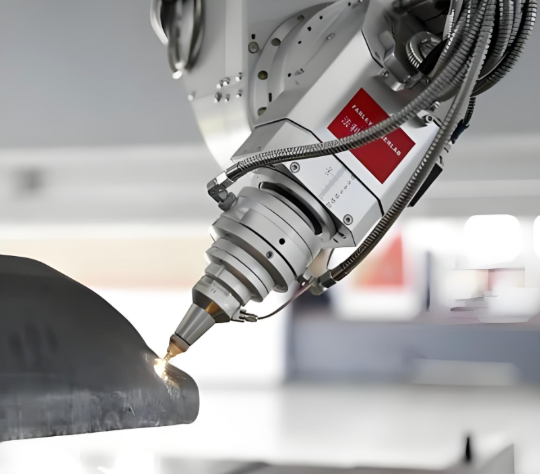
Een offerte voor lasersnijden is een gedetailleerde kostenraming die wordt verstrekt door fabrikanten of dienstverleners voor het snijden van metalen onderdelen met behulp van gefocusseerde lasertechnologie . Beschouw het als een financiële routebeschrijving voor uw project. Dit document geeft een overzicht van alles, van materiaalkosten tot machinegebruikstijd, en biedt u zo een duidelijk beeld van wat u zult moeten betalen voordat u ook maar één cent hebt uitgegeven.
In tegenstelling tot eenvoudige prijsborden omvat een uitgebreide prijsopgave voor lasersnijden meestal meerdere kostencomponenten. Je ziet de prijs van laser snijden opgedeeld naar materiaalsoort, dikte, snijcomplexiteit en hoeveelheid. De beste offertes houden ook rekening met installatiekosten, gasverbruik en eventuele bijwerkingen die uw onderdelen nodig hebben.
Wanneer u een offerte aanvraagt, evalueren fabrikanten uw ontwerppapieren tegen hun apparatuurmogelijkheden. Ze berekenen hoe lang de laser zal werken, hoeveel materiaal je verbruikt en welke speciale behandeling je project vereist. Dit proces zorgt ervoor dat beide partijen precies begrijpen wat er wordt geleverd en tegen welke prijs.
Waarom nauwkeurige citaten belangrijk zijn voor uw projectbudget
Stel je voor dat je een project plant rond een offerte die 30% lager blijkt te zijn dan de werkelijke kosten. Plotseling valt je zorgvuldig geplande budget in de war. Dit scenario gebeurt vaker dan je denkt als kopers werken met onnauwkeurige schattingen.
Nauwkeurige offertes vormen de basis voor succesvolle productiepartnerschappen. Ze zorgen voor afstemming van verwachtingen, voorkomen kostenoverschrijdingen en garanderen dat koper en fabrikant vanaf dag één naar dezelfde doelen werken.
Volgens brancheonderzoek kunnen de kosten voor lasersnijden aanzienlijk variëren op basis van factoren die niet altijd duidelijk zijn. Bijvoorbeeld: het snijden van 12 mm staal kan drie tot vier keer zo duur zijn als het snijden van 3 mm materiaal van hetzelfde type. Zonder inzicht in deze dynamiek kunt u een offerte accepteren die niet weerspiegelt de werkelijke productiekosten.
Nauwkeurige offertes maken ook een betere inzet van middelen mogelijk. Wanneer u de exacte kosten van tevoren kent, kunt u de inkoop van materialen plannen, gerelateerde activiteiten zoals assemblage of afwerking inschalen en de verzendtijdschema’s coördineren. Deze transparantie helpt u om scope creep te voorkomen, wat leidt tot budgettaire rampen.
De verschuiving van handmatig offreren naar direct online offreren
Het offertelandschap is de afgelopen jaren drastisch veranderd. Traditionele handmatige offerteaanvragen vereisten het verzenden van ontwerpbestanden, dagen wachten op antwoorden en vaak heen en weer gaan om specificaties te verduidelijken. Vandaag de dag geven veel kopers de voorkeur aan online lasersnijden via instant-offerteplatforms die binnen seconden een prijsindicatie leveren.
Deze verschuiving komt alle betrokkenen ten goede. Een online lasersnijdservice kan uw ontwerpbestanden direct verwerken en automatisch berekeningen toepassen om een prijsopgave te genereren. Branchedata suggereert dat handmatig offerteaanvragen gemiddeld ongeveer 30 minuten duren voor een standaardopdracht met meerdere onderdelen, terwijl geautomatiseerde systemen dezelfde offerte in slechts twee minuten kunnen genereren.
Instant-offertes werken echter het beste bij eenvoudige projecten. Wanneer u online lasersnijdt met standaardmaterialen en eenvoudige vormgevingen, presteren geautomatiseerde systemen uitstekend. Complexe projecten met strakke toleranties, ongebruikelijke materialen of uitgebreide secundaire bewerkingen vereisen vaak nog steeds een handmatige beoordeling door ervaren schatters.
Als u dit onderscheid begrijpt, kunt u de juiste aanpak kiezen voor uw specifieke behoeften. Of u nu direct met de verkoopteams van de fabrikant werkt of onmiddellijk online tools gebruikt, het doel blijft hetzelfde: een nauwkeurige schatting verkrijgen die de werkelijke projectkosten weerspiegelt voordat de productie begint.
Hoe de prijs voor lasersnijden wordt berekend
Dus je hebt een prijscitat voor laser snijden ontvangen, maar wat zit er eigenlijk achter die cijfers? De meeste leveranciers leggen hun prijsformules niet uit, waardoor kopers moeten raden of ze een eerlijke deal krijgen. Laten we het gordijn terugtrekken over hoe de kosten van laser snijden echt worden bepaald.
De basisformule die de meeste providers gebruiken ziet er zo uit:
Eindprijs = (Materiële kosten + variabele kosten + vaste kosten) x (1 + winstmarge)
Klinkt simpel genoeg, toch? Maar elk onderdeel draagt een aanzienlijk gewicht. Hier zijn de belangrijkste kostenfactoren die je in vrijwel elke offerte tegenkomt:
- Materialenkosten: De grondstofprijs met inbegrip van eventuele afvalstoffen die tijdens het snijden zijn ontstaan
- Machine-uren: Het uurtarief vermenigvuldigd met de totale snijduur—vaak de grootste factor
- Ontwerpcomplexiteit: Ingewikkelde geometrieën en nauwe toleranties die het bewerkingsproces vertragen
- Instellen en arbeid: Operatorstijd voor het laden van materialen, het kalibreren van apparatuur en de voorbereiding van bestanden
- Overhead: Huur, onderhoud, softwarelicenties en administratieve kosten die aan uw project worden toegewezen
- Winstmarge: Ligt doorgaans tussen de 20% en 70%, afhankelijk van de complexiteit van de opdracht
Materiaalsoort en -dikte als belangrijkste kostenfactoren
Hier is iets wat u mogelijk verrast: het materiaal dat u kiest, beïnvloedt uw offerte op twee duidelijk verschillende manieren. Ten eerste is er de voor de hand liggende aanschafkost—MDF is goedkoop, terwijl hoogwaardig roestvrij staal een premieprijs vraagt. Maar de tweede factor verraast kopers vaak.
Verschillende materialen vereisen verschillende snijmethoden. Een metalen lasersysteem dat aluminium snijdt, gedraagt zich zeer anders dan een systeem dat zacht staal bewerkt. Sommige materialen vereisen hulpstoffen zoals stikstof of zuurstof, wat de bedrijfskosten verhoogt. Andere materialen veroorzaken meer slijtage aan de apparatuur, waardoor de onderhoudskosten stijgen en deze kosten door fabrikanten worden doorgerekend.
De dikte versterkt deze verschillen aanzienlijk. Volgens industriële prijsanalyse , kan het verdubbelen van de materiaaldikte uw snijtijd en -kosten meer dan verdubbelen. Waarom? De laser moet veel langzamer bewegen om een schoon snede door dikker materiaal te maken. Een 6 mm dikke staalplaat kost niet gewoon twee keer zo veel als een 3 mm plaat — het kan drie of vier keer zo duur zijn vanwege de langere machinebewerkingstijd.
Dit verband tussen dikte en lasersnijdsnelheid verklaart waarom ervaren kopers altijd controleren of een dunner materiaal (gauges) voldoet aan hun functionele eisen. Het is vaak de meest effectieve manier om uw offerte te verlagen, zonder iets anders aan uw ontwerp te wijzigen.
Hoe machine-uren zich vertalen naar uw eindprijs
Wanneer u de kosten van lasersnijden beoordeelt, moet u begrijpen dat machine-uren de primaire dienst zijn die u daadwerkelijk koopt. Al het andere ondersteunt die minuten of uren waarin de laser uw onderdelen bewerkt.
Bij de berekening van machine-uren worden verschillende factoren meegenomen waar u mogelijk niet aan denkt:
Snelengte: De totale lineaire afstand die de laser aflegt, is belangrijker dan de totale afmeting van het onderdeel. Een onderdeel met veel interne details kan duurder zijn dan een groter, eenvoudiger vormgegeven onderdeel, vanwege het langere snijpad.
Aantal perforaties: Elke keer dat de laser een nieuwe snede start, moet deze eerst door het materiaal heen boren (piercen). Een ontwerp met 50 kleine gaten kan daadwerkelijk duurder zijn dan één grote uitsparing, vanwege de cumulatieve pierce-tijd. Elke piercing voegt enkele seconden toe, die zich vermenigvuldigen met de bestelhoeveelheid.
Soorten bewerkingen: Snijden, scoren en graveren hebben verschillende prijsimplicaties voor lasersnijden. Volledige sneden zijn het langzaamst, omdat ze volledig doordringen. Scoren is sneller, omdat er slechts gedeeltelijk wordt gesneden. Graveren verwijdert oppervlaktemateriaal en wordt meestal in rekening gebracht per vierkante inch in plaats van per lineaire inch.
De gebruikelijke uurprijzen voor machines liggen tussen de 60 en 120 dollar, afhankelijk van de capaciteit van de apparatuur. CFX-lasersnijdsystemen en andere geavanceerde vezellasers vragen vaak hogere tarieven, maar leveren snellere verwerking — wat soms leidt tot lagere totaal kosten, ondanks de hogere uurprijs.
Verborgen factoren die de nauwkeurigheid van offertes beïnvloeden
Naast de voor de hand liggende kostenposten kunnen diverse verborgen factoren uw lasersnijdprijs aanzienlijk beïnvloeden, zonder dat ze als afzonderlijke regelitems verschijnen.
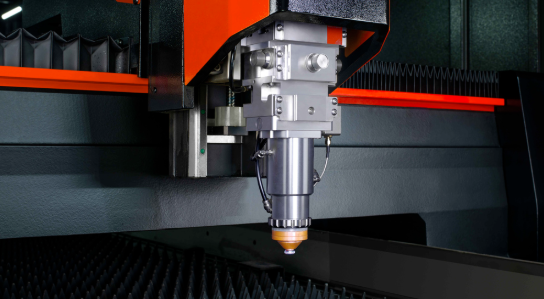
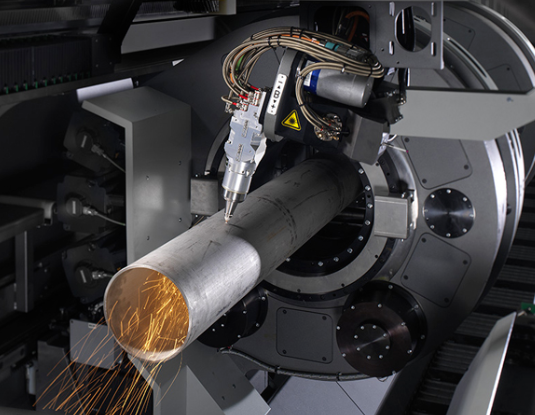
Verschillen in lasertechnologie :CO2-lasers en vezellasers dienen verschillende doeleinden en hebben verschillende kostenstructuren. Vezellasers presteren uitstekend bij dunne metalen, waarbij ze sneller en efficiënter snijden. Ze zijn ideaal voor staal, aluminium en koper tot een bepaalde dikte. CO2-lasers kunnen dikker materiaal verwerken en werken goed met niet-metalen zoals acryl en hout. De vereisten van uw project bepalen welke technologie van toepassing is – en welk prijsniveau u tegenkomt.
Vezellaserapparatuur heeft hogere initiële aanschafkosten, maar werkt efficiënter. Dit vertaalt zich vaak in concurrerende prijzen voor bewerking van dunne metalen. CO2-systemen hebben lagere investeringskosten, maar hogere bedrijfskosten, wat invloed kan hebben op offertes voor dikker materiaal of toepassingen met niet-metalen.
Invloed van bestandskwaliteit: Het indienen van ontwerpbestanden met dubbele lijnen, open contouren of constructieaantekeningen kan uw offerte opdrukken. Geautomatiseerde offertesystemen proberen mogelijk alles in uw bestand te snijden, waardoor u effectief dubbel betaalt voor overlappende geometrie. Een handmatige beoordeling detecteert deze problemen, maar voegt wel arbeidskosten toe.
Tolerantie-eisen: Het specificeren van toleranties die nauwkeuriger zijn dan functioneel noodzakelijk, is een veelvoorkomende oorzaak van extra kosten. Het bereiken van zeer precieze afmetingen vereist langzamere, beter gecontroleerde snijsnelheden. Voordat u offertes aanvraagt, beoordeelt u eerlijk welke toleranties uw toepassing daadwerkelijk vereist, en welke u uit gewoonte hebt opgegeven.
Begrip van deze verborgen factoren helpt u beoordelen of een offerte werkelijk de echte complexiteit van uw project weerspiegelt — of of aanpassingen aan uw specificaties aanzienlijke besparingen kunnen opleveren.
Wat u nodig hebt voordat u een offerte aanvraagt
Klaar om uw eerste offerte voor lasersnijden aan te vragen? Wacht even. De informatie die u van tevoren verstrekt, bepaalt direct de nauwkeurigheid van uw schatting — en of uw project op schema blijft. Onvolledige aanvragen zijn een van de belangrijkste oorzaken van vertraging bij het opstellen van offertes en onverwachte kostenaanpassingen later in het productieproces.
Denk aan uw offerteaanvraag als een recept. Ontbreekt één ingrediënt, dan komt het eindresultaat niet overeen met de verwachtingen. Fabrikanten hebben specifieke gegevens nodig om machine-uren, materiaalkosten en verwerkingsvereisten nauwkeurig te berekenen. Zonder deze gegevens doen ze in feite een gok — en gokken werken zelden in uw voordeel.
Essentiële bestandsformaten en ontwerpvereisten
Uw ontwerpbestanden vormen de basis voor elke nauwkeurige offerte. Wanneer u werkt met een plaatmetaal-lasersnijmachine , hebben fabrikanten vectorgebaseerde bestanden nodig die exacte snijpaden definiëren. Hierop struikelen veel kopers: niet alle bestandsformaten zijn even geschikt voor toepassingen in lasersnijden.
De meest gangbare formaten zijn:
- DXF (Drawing Exchange Format): De industrienorm voor 2D-lasersnijden. Bijna elke fabrikant accepteert DXF-bestanden, waardoor dit de veiligste keuze is voor brede compatibiliteit.
- DWG (AutoCAD-native formaat): Werkt goed als u AutoCAD-software gebruikt. De meeste lasersnijdiensten kunnen DWG-bestanden direct verwerken.
- STEP (Standard for Exchange of Product Data): Ideaal voor 3D-modellen die moeten worden omgezet naar 2D-snijprofielen. STEP-bestanden behouden de geometrische nauwkeurigheid tijdens de conversie.
- AI (Adobe Illustrator): Populair onder ontwerpers, hoewel u tekst moet omzetten naar contouren en een juiste laagstructuur moet waarborgen.
Hier is een cruciaal detail dat zelfs ervaren kopers in de war kan brengen: als u uw bestand hebt geconverteerd vanuit een rasterafbeelding (zoals een JPEG of PNG), controleer dan zorgvuldig uw afmetingen. Volgens de ontwerprichtlijnen van SendCutSend kunt u uw ontwerp in 100%-schaal afdrukken om te bevestigen dat de afmetingen en schaal overeenkomen met uw bedoelingen.
Tekstelementen vereisen ook speciale aandacht. Alle bewerkbare tekstvakken moeten worden omgezet naar vormen voordat u ze indient. In Illustrator betekent dit 'omzetten naar contouren'. In CAD-software ziet u mogelijk opties met de labels 'ontleden' of 'uitbreiden'. Als u op tekst kunt klikken en deze kunt bewerken, is deze nog niet correct geconverteerd — en dat kan leiden tot offertefouten of productieproblemen.
Tolerantiespecificaties die van invloed zijn op uw offerte
Toleranties geven aan fabrikanten hoe nauwkeurig uw onderdelen moeten overeenkomen met hun ontworpen afmetingen. Het specificeren van strengere toleranties dan uw toepassing daadwerkelijk vereist, is een van de snelste manieren om uw offerte onnodig te verhogen.
Standaard lasersnijden bereikt doorgaans toleranties van ongeveer ±0,005 inch tot ±0,010 inch, afhankelijk van het materiaal en de machinecapaciteit. Het verlangen naar strengere specificaties betekent langzamere snijsnelheden, zorgvuldiger hantering en extra inspectiestappen — allemaal factoren die de kosten verhogen.
Bij het voorbereiden van uw offerteaanvraag beoordeelt u eerlijk elke afmeting:
- Welke afmetingen zijn functioneel kritiek voor montage of prestatie?
- Welke afmetingen bieden flexibiliteit zonder de functie van het onderdeel te beïnvloeden?
- Specificeert u strakke toleranties uit gewoonte in plaats van uit noodzaak?
Ook de eisen aan de oppervlakteafwerking hebben een vergelijkbare invloed op de prijs. Als uw met laser gesneden metalen platen worden gepoedercoat of op een andere manier afgewerkt, kunnen kleine onvolkomenheden aan de randen onzichtbaar worden. Het specificeren van een premium randkwaliteit voor onderdelen die dit niet nodig hebben, leidt tot hogere kosten zonder toegevoegde waarde voor uw eindproduct.
Veelvoorkomende voorbereidingsfouten die projecten vertragen
Zelfs ervaren kopers maken voorbereidingsfouten die het offerteproces vertragen. Door deze veelvoorkomende fouten te begrijpen, kunt u ze volledig voorkomen.
Dubbele lijnen en overlappende geometrie veroorzaken aanzienlijke problemen. Wanneer uw bestand lijnen bevat die boven op elkaar zijn getekend, kunnen geautomatiseerde offertesystemen proberen hetzelfde pad twee keer te snijden. Dit verhoogt uw offerteprijs en kan onderdelen tijdens de productie beschadigen. Maak uw bestanden altijd schoon voordat u ze indient.
Ontbrekende specificaties voor uitstansels leiden tot verwarring. Als uw ontwerp interne elementen bevat die verbonden moeten blijven (zoals lipjes of bruggen), dient u dit duidelijk aan te geven in uw bestand of in de opmerkingen. Richtlijnen voor ontwerpen van grote leveranciers waarschuwen dat uitstansels zonder juiste verbindingen niet behouden kunnen worden en mogelijk uit de productie worden verwijderd.
Onvolledige materiaalspecificaties dwingen fabrikanten tot aannames. Alleen vermelden van "staal" is onvoldoende wanneer u een lasersnijmachine nodig hebt voor plaatmetaalwerkzaamheden. Geef van tevoren exact de materiaalsoort (zoals roestvast staal 304 of zacht staal A36), de dikte en eventuele afwerkingsvereisten op.
Gebruik deze checklist voorafgaand aan het indienen van uw volgende offerteaanvraag:
- Controleer of uw bestandsformaat vectorgebaseerd is (DXF, DWG, STEP of AI met tekst omgezet naar contouren)
- Bevestig dat alle afmetingen overeenkomen met uw bedoelde maten bij 100% schaal
- Verwijder dubbele lijnen, constructieaantekeningen en ongebruikte lagen
- Geef het exacte materiaaltype en -kwaliteit op, niet alleen algemene categorieën
- Vermeld de vereiste materiaaldikte
- Geef tolerantievereisten alleen aan waar dit functioneel noodzakelijk is
- Vermeld eventuele specificaties voor oppervlakteafwerking of randkwaliteit
- Geef de vereiste hoeveelheid op en vermeld of het gaat om prototypes of productieruns
- Verduidelijk eventuele secundaire bewerkingen die nodig zijn (buigen, lassen, afwerken)
- Geef de gewenste leverdatum of levertijdvereisten op
Het volgen van deze checklist verbetert de nauwkeurigheid van offertes aanzienlijk. Branchespecialisten benadrukken dat hoe gedetailleerder en transparanter uw communicatie met fabrikanten is, des te nauwkeuriger uw offerte zal zijn—waardoor zowel tijd als geld wordt bespaard en de basis wordt gelegd voor een succesvolle productie.
Nu uw bestanden correct zijn voorbereid en uw specificaties duidelijk zijn omschreven, bent u klaar om het verschil te begrijpen tussen directe onlineoffertes en handmatige beoordelingsprocessen—en wanneer elke aanpak het beste bij uw project past.
Directe offertes versus handmatige offertebepaling uitgelegd
U hebt uw ontwerpbestand geüpload en op 'offerte aanvragen' geklikt. Binnen enkele seconden verschijnt een prijs op uw scherm. Handig, toch? Maar hier is de vraag die ervaren kopers stellen: wanneer kunt u vertrouwen op dat directe bedrag, en wanneer vereist uw project de expertise van een mens?
Het verschil tussen een directe offerte voor lasersnijden en handmatig opstellen van een offerte gaat niet alleen over snelheid—het draait om het kiezen van het juiste proces dat past bij de complexiteit van uw project. Begrijpen wanneer elk van beide benaderingen van toepassing is, kan u behoeden voor onverwachte kostenaanpassingen en productievertragingen op termijn.
Wanneer directe offertes geschikt zijn voor uw project
Platforms voor directe offertes presteren het beste wanneer uw project binnen hun geprogrammeerde parameters valt. Deze geautomatiseerde systemen zijn uitstekend in staat om gestandaardiseerde aanvragen snel en consistent te verwerken. U krijgt de beste resultaten van een directe offerte voor lasersnijden wanneer uw project aan de volgende voorwaarden voldoet:
- Standaardmaterialen: Veelgebruikte metalen zoals zacht staal, roestvast staal en aluminium in gangbare diktes die fabrikanten regelmatig op voorraad hebben
- Eenvoudige geometrieën: Onderdelen met eenvoudige vormen, weinig interne kenmerken en geen ongebruikelijke contouren die speciale aandacht vereisen
- Standaardtoleranties: Specificaties binnen de normale mogelijkheden van lasersnijden (doorgaans ±0,005 inch tot ±0,010 inch) zonder zeer hoge precisie-eisen
- Geen secundaire bewerkingen: Alleen snijden—geen buigen, lassen, poedercoaten of assemblage nodig
- Veelgebruikte bestandsformaten: Schone DXF- of vergelijkbare vectorbestanden zonder conversieproblemen
Voor projecten die aan deze criteria voldoen, levert een directe offerte voor plaatmetaal opmerkelijke efficiëntie. Volgens industriële analyse van Sheet Metal Connect kunnen geautomatiseerde offertesystemen binnen ongeveer twee minuten een schatting genereren, in tegenstelling tot dertig minuten of langer bij handmatige verwerking. Dat is een aanzienlijk tijdsvoordeel wanneer u meerdere leveranciers vergeleekt of iteratief werkt aan ontwerpopties.
Eenvoudige onderdelen prototyperen? De marktgeschiktheid testen? Een snelle begrotingscheck nodig voordat u zich inzet voor gedetailleerd ontwerpwerk? Deze scenario’s zijn ideaal voor directe online offertes. U ruilt enige nauwkeurigheid in voor snelheid—een waardevolle afweging wanneer beslissingen in een vroeg stadium geen exacte cijfers vereisen.
Projecten die handmatige offertebeoordeling vereisen
Stel u nu een ander scenario voor. Uw onderdeel heeft complexe interne kenmerken, vereist ongebruikelijke materiaalspecificaties en heeft strakke toleranties nodig voor kritieke afmetingen. Plotseling kan die directe offerte volledig naast de waarheid zijn.
Handmatig offreren wordt essentieel wanneer uw project omvat:
- Onderdelen met hoge complexiteit: Ingewikkelde geometrieën die door een algoritme verkeerd kunnen worden geïnterpreteerd of onderschat
- Strakke toleranties: Nauwkeurigheidseisen die langzamere snijsnelheden en zorgvuldige kwaliteitscontrole vereisen
- Ongebruikelijke materialen: Niet-standaard legeringen, speciale afwerkingen of diktes buiten het gebruikelijke voorraadniveau
- Secundaire bewerkingen: Buigen, lassen, afwerken of assemblage die gecoördineerd moeten worden met het snijden
- Aangepaste eisen: Specifieke certificeringen, documentatie of kwaliteitsprotocollen die uw toepassing vereist
Onderzoek van WikiFactory benadrukt dat handmatig offreren een grotere aanpasbaarheid mogelijk maakt—zodat u exacte materialen, afwerkingen, toleranties en andere specificaties kunt selecteren die instant-systemen eenvoudigweg niet kunnen verwerken. Wanneer u de hoogste kwaliteit of nauwkeurige kostenramingen voor budgetdoeleinden nodig hebt, levert de extra tijd die u investeert in handmatig offreren rendement op.
Een ervaren schatter kan bovendien potentiële productieproblemen identificeren voordat ze uitgroeien tot dure problemen. Hij of zij kan bijvoorbeeld een ontwerpkenmerk opmerken dat vervorming veroorzaakt, materiaalalternatieven suggereren die de kosten verlagen zonder prestaties in te boeten, of tolerantiesignaleringen geven die niet stroken met de praktische snijmogelijkheden. Deze proactieve feedback komt zelden voort uit geautomatiseerde systemen.
Snelheid afwegen tegen offerte-accuraatheid
Dit is de afweging waarmee elke koper wordt geconfronteerd: instant-offertes prioriteren snelheid, terwijl handmatige offertes nauwkeurigheid prioriteren. Geen van beide benaderingen is universeel superieur—de juiste keuze hangt volledig af van de omstandigheden van uw project.
| Factor | Directe online offertes | Handmatige offertes |
|---|---|---|
| Omvormtijd | Seconden tot minuten | Uren tot dagen |
| Precies | Geschikt voor standaardprojecten; kan nuances missen | Hoge nauwkeurigheid met deskundige beoordeling van alle variabelen |
| Projectcomplexiteit | Het beste voor eenvoudige, standaardonderdelen | Essentieel voor complexe vormgevingen en strakke toleranties |
| Aanpassing | Beperkt tot vooraf gedefinieerde opties | Volledig aanpasbaar aan exacte specificaties |
| Secundaire bewerkingen | Meestal niet inbegrepen of beperkte opties | Volledige integratie van afwerking, assemblage, enz. |
| Deskundige feedback | Alleen minimale of geautomatiseerde suggesties | Directe toegang tot engineeringkennis |
| Typische Gebruiksgevallen | Snelle begrotingsschattingen, eenvoudige prototypes, standaard productieonderdelen | Precisietoepassingen, maatwerkprojecten, productieplanning |
Wanneer u via een direct platform een offerte voor plaatmetaal aanvraagt, vraagt u in feite software om uw bestanden te interpreteren en gestandaardiseerde prijsberekeningsalgoritmes toe te passen. Dit werkt uitstekend voor eenvoudige verzoeken, maar heeft moeite met randgevallen. Een automatisch gegenereerde online offerte voor plaatmetaal kan niet beoordelen of de door u opgegeven tolerantie functioneel noodzakelijk is of of een lichte materiaalwijziging de prestaties zou verbeteren.
Overweeg deze praktische aanpak: gebruik directe offertes voor initiële begrotingsschattingen en leveranciersvergelijkingen, en schakel over naar handmatige offertes zodra u uw opties hebt ingeperkt en nauwkeurige cijfers nodig hebt voor definitieve beslissingen. Veel kopers vinden dat deze hybride strategie het beste van beide werelden biedt — snelheid bij het verkennen van opties en nauwkeurigheid bij het toewijzen van middelen.
Het landschap van online offertes voor lasersnijden blijft zich ontwikkelen. Geavanceerdere platforms bieden nu gestapelde aanpakken, waarmee directe schattingen worden gegeven voor eenvoudige onderdelen, terwijl complexe kenmerken worden gemarkeerd voor handmatige beoordeling. Deze tussenoplossing helpt kopers begrijpen welke aspecten van hun project voldoen aan standaardparameters en welke speciale aandacht vereisen.
Wat uw aanpak ook is: onthoud dat de nauwkeurigheid van de offerte rechtstreeks van invloed is op het projectresultaat. Een kunstmatig lage, directe offerte die tijdens de productie aanzienlijk stijgt, veroorzaakt budgetverwarring. Een iets langzamere, handmatig opgestelde offerte die alle projectvereisten nauwkeurig weerspiegelt, zorgt vanaf het begin voor realistische verwachtingen. Het afstemmen van uw offertemethode op de complexiteit van uw project gaat niet alleen om efficiëntie — het vormt de basis voor succesvolle productie.
Invloed van volume en batchgrootte op de prijs
Hier is een prijsgeheim dat leveranciers zelden direct uitleggen: het bestellen van tien onderdelen kost niet tien keer zoveel als het bestellen van één onderdeel. Het verband tussen hoeveelheid en de prijs voor lasersnijden volgt een curve die ervaren kopers benutten om de waarde te maximaliseren. Het begrijpen van deze dynamiek kan uw aanpak van lasersnijprojecten voor metaal volledig veranderen.
Bij het lasersnijden van metaal in kleine hoeveelheden domineren de vaste kosten uw offerte. Opstarttijd, bestandsvoorbereiding, materiaalbelading en machinecalibratie vinden plaats ongeacht of u één onderdeel of honderd onderdelen snijdt. Naarmate de hoeveelheden echter toenemen, worden deze vaste kosten verdeeld over meer eenheden—waardoor de prijs per stuk aanzienlijk daalt.
Hoe de batchgrootte uw kosten per eenheid beïnvloedt
Stel dat uw project op maat gemaakte beugels vereist. Bij het bestellen van één prototype draagt de fabrikant alle opstartkosten voor dat ene onderdeel. Bestel vijftig identieke beugels, en plots worden dezelfde opstartkosten verdeeld over vijftig onderdelen in plaats van over één.
Dit gaat echter niet alleen om de instelling. Verschillende factoren versterken de besparingen naarmate de partijgroottes toenemen:
- Amortisatie van instelkosten: De tijd die de operator nodig heeft voor het laden van materialen, het kalibreren van apparatuur en het voorbereiden van bestanden wordt een kleiner aandeel van de kosten per onderdeel
- Materiaaloptimalisatie via nesting: Grotere orders stellen fabrikanten in staat om onderdelen efficiënter op materiaalplaten te rangschikken, waardoor afval wordt geminimaliseerd en uw materiaalkosten dalen
- Minder handelingen per stuk: Het verwerken van batches in plaats van individuele onderdelen stroomlijnt kwaliteitscontrole, verpakking en verzendactiviteiten
- Ononderbroken machinebedrijf: Grotere productieruns houden de lasersnijmachine in bedrijf zonder constante onderbrekingen voor nieuwe jobinstellingen
Volgens prijsonderzoek in de branche kunnen kortingen voor orders met grote volumes oplopen tot wel 70% ten opzichte van de prijs per eenheid. Dat is geen typfout — uw kosten per stuk kunnen dalen tot minder dan één derde van wat u zou betalen voor een prototype.
De onderstaande tabel illustreert hoe de kosten per stuk doorgaans evolueren naarmate de aantallen toenemen:
| Bestelaantal | Kosten per stuk (trend) | Belangrijkste kostenfactoren |
|---|---|---|
| 1-5 stuks | Hoogste kosten per stuk | Instelkosten domineren; minimale nestefficiëntie; maximale handeling per stuk |
| 10-50 stuks | Matige verlaging (vaak 20-40% lager) | Instelkosten beginnen zich te verspreiden; nesting verbetert het materiaalgebruik |
| 100-500 stuks | Aanzienlijke verlaging (vaak 40-60% lager) | Schalingsvoordelen volledig ingeschakeld; geoptimaliseerde productiestroom |
| 1.000+ stuks | Maximale verlaging (mogelijk 50-70% lager) | Materiaalkortingen; continu bedrijf; gestroomlijnde kwaliteitscontrole |
Deze bereiken variëren per materiaal, complexiteit en fabrikant—maar het patroon blijft consistent in de hele branche. Grotere partijen betekenen lagere kosten per stuk.
Prijsstelling voor prototypes versus economie van productieloppen
Als u goedkope lasersnijden zoekt voor één enkel prototype, bereid u dan voor op een schokkende prijs. Dat enkele onderdeel draagt de volledige last van de instelkosten, minimale materiaalhoeveelheden en individuele verwerking. Het is niet zo dat fabrikanten te veel voor prototypes vragen—het is gewoon zo dat kleine hoeveelheden geen profijt kunnen trekken van de efficiënties die grotere orders bieden.
Productie-experts van Strouse leggen uit dat lasersnijden voor monsters uitstekend geschikt is voor snelle prototypes en kleinere partijen van 50–100 onderdelen. Deze prototypes vervullen cruciale doeleinden: testen van pasvorm en functie, verzamelen van prestatiegegevens en valideren van ontwerpen voordat wordt overgegaan op volledige productie. De hogere kosten per stuk zijn in feite een investering in het juist krijgen van uw ontwerp.
Productieruns verlopen volgens geheel andere economische principes. Wanneer u duizenden onderdelen bestelt, kunnen fabrikanten:
- Groothandelsprijzen voor materialen onderhandelen bij hun leveranciers
- Nestingalgoritmes optimaliseren voor maximale plaatbenutting
- Continu schiften draaien zonder voortdurende wisselingen van instellingen
- Kwaliteitscontrole via steekproeven toepassen in plaats van stuksgewijze inspectie
Dit is de praktische consequentie: verwacht geen goedkope lasersnijwerkzaamheden bij prototypes, maar gebruik wel strategisch de prijsstelling voor prototypes. Sommige kopers bestellen iets meer prototypes dan strikt nodig is, wetende dat de marginale kosten van extra eenheden lager zijn dan wanneer deze later afzonderlijk worden besteld.
Strategisch bestellen om de waarde te maximaliseren
Het begrijpen van volumeeconomie biedt strategische mogelijkheden die veel kopers over het hoofd zien. In plaats van precies wat u nu nodig hebt te bestellen, kunt u de volgende aanpakken overwegen:
Consolideer bestellingen: Als u weet dat u onderdelen nodig hebt voor meerdere projecten, dan kost het vaak minder om deze te combineren in één grotere bestelling dan om meerdere kleinere bestellingen te plaatsen. Het totaalbedrag kan hoger zijn, maar de kosten per stuk dalen aanzienlijk. Volgens de prijsanalyse van KomaCut wordt bij grootschalige bestellingen de vaste instelkost verdeeld over meer eenheden, terwijl u mogelijk ook materiaalkortingen van leveranciers kunt krijgen.
Plan voor toekomstige behoeften: Wanneer uw projecttijdlijn dit toelaat, kunt u productiehoeveelheden al tijdens de prototypedefase bestellen om dubbele instelkosten te voorkomen. Als u vertrouwen heeft in uw ontwerp, kunt u de kloof tussen prototype en productie overbruggen met één enkele bestelling.
Onderhandel op basis van toezegging: Sommige fabrikanten bieden betere prijzen als u zich verbindt tot geplande, terugkerende bestellingen. Voorspelbare vraag helpt hen bij het plannen van capaciteit en materiaalinkoop; besparingen die zij eventueel doorgeven via lagere offertes.
Houd rekening met de voorraadkosten: Soms is het financieel verstandig om meer te bestellen dan onmiddellijk nodig is. Als de opslagkosten beheersbaar zijn en de onderdelen niet snel verouderen, kan het kopen van grotere hoeveelheden tegen lagere stukprijzen de totale projectkosten verlagen — zelfs rekening houdend met de voorraadkosten.
Het optimale bestelvolume verschilt per project. Voor goedkope, eenvoudige onderdelen zijn de besparingen bij grotere bestellingen vaak onvoldoende om het kapitaal in voorraad te binden. Voor dure, complexe componenten leiden zelfs besparingen van een bescheiden percentage tot aanzienlijke bedragen in euro’s.
Vraag bij het aanvragen van offertes altijd naar prijzen voor meerdere bestelhoeveelheden. Een leverancier kan bijvoorbeeld € 50 per stuk offreren voor 10 stuks, € 35 voor 50 stuks en € 22 voor 100 stuks. Deze transparantie helpt u bij het nemen van weloverwogen beslissingen over de omvang en het tijdstip van uw bestelling. De uiteindelijke prijs die u betaalt voor het lasersnijden hangt evenzeer af van hoe u uw bestelling structureert als van de onderdelen zelf.
Nu de volumekosten bekend zijn, is de volgende overweging wat er na het snijden gebeurt: de afwerkprocessen die waarde toevoegen, maar ook kosten aan uw project toevoegen.
Kostenfactoren voor nabewerking en afwerking
Uw met een laser gesneden onderdelen komen uit de machine met schone randen en nauwkeurige afmetingen—maar ze zijn zelden direct klaar voor eindgebruik. Wat er daarna gebeurt, kan aanzienlijk van invloed zijn op uw totale projectkosten, soms met 30% of meer bovenop uw initiële snijopdracht. Het begrijpen van deze secundaire bewerkingen helpt u om nauwkeurig te budgetteren en te bepalen welke afwerkstappen werkelijk waarde toevoegen aan uw toepassing.
Secundaire processen transformeren ruwe gesneden onderdelen in functionele componenten. Of u nu vlotte randen nodig hebt voor veilig hanteren, corrosiebescherming voor buitengebruik of specifieke esthetische afwerkingen voor zichtbare toepassingen: elke bewerking heeft haar eigen kostenimplicaties. De sleutel is om de afwerkvereisten af te stemmen op de daadwerkelijke functionele behoeften, in plaats van standaard naar premiumopties te grijpen uit gewoonte.
Veelgebruikte afwerkopties en hun kostenimpact
Bij het beoordelen van uw op maat gemaakte laser gesneden project, overweeg dan welke van deze nabewerkingsdiensten van toepassing zijn op uw specifieke eisen:
- Verwijdering van aanslag: Verwijdert scherpe randen en kleine onvolkomenheden die na het snijproces achterblijven. Essentieel voor onderdelen die worden aangeraakt of gemonteerd. De kosten variëren afhankelijk van de complexiteit van het onderdeel en of handmatig of met een trommel ontbramen wordt toegepast.
- Poedercoating: Brengt een duurzame, gekleurde afwerking aan die bestand is tegen krassen, afschilferen en corrosie. Ideaal voor buitentoepassingen of onderdelen die specifieke kleuren vereisen. Volgens brancheproviders verleent poedercoating zowel bescherming als esthetische waarde, maar vereist wel een juiste oppervlaktevoorbereiding.
- Anodiseren: Vormt een beschermende oxide-laag op aluminiumonderdelen, waardoor de weerstand tegen corrosie wordt verbeterd en gekleurde afwerkingen mogelijk worden. Populair in de lucht- en ruimtevaart, elektronica en architectuur.
- Verpakking: Zet dunne metaallaagjes (zink, nikkel, chroom) af op onderdelen om de duurzaamheid, geleidingsvermogen of het uiterlijk te verbeteren. De kosten hangen af van het plateringsmateriaal en de vereiste dikte.
- Slijpen en polijsten: Bereikt een specifieke oppervlakteruwheid of spiegelglans. Volgens de prijsanalyse van KomaCut zijn deze processen essentieel voor het bereiken van de gewenste oppervlakkwaliteit, maar verhogen ze de totale kosten vanwege de benodigde tijd en arbeid.
- Montagediensten: Combineert meerdere gesneden onderdelen met behulp van bevestigingsmaterialen, lassen of bevestigingsmiddelen. Voegt gebruiksgemak toe, maar verhoogt de coördinatiecomplexiteit en de kosten.
Elke speciale snijvereiste bovenop basislaserbewerking voegt arbeid, machine-tijd en materialen aan uw project toe. Een eenvoudige steun kan $15 kosten om te snijden, maar $35 volledig afgewerkt met ontbramen en poedercoating. Dat is geen overprijzing—het weerspiegelt werkelijk extra werk.
Wanneer postbewerking een waardevolle investering is
Niet elk onderdeel vereist een premium afwerking. De vraag die u zich moet stellen: wat heeft dit onderdeel daadwerkelijk nodig om correct te functioneren in zijn beoogde toepassing?
Overweeg deze scenario's waarbij nabewerking duidelijke waarde toevoegt:
- Veiligheidstoepassingen: Ontbramen is onmisbaar voor onderdelen die regelmatig door werknemers worden aangeraakt of die letsel kunnen veroorzaken
- Buitenomgeving: Poedercoating of galvaniseren beschermt tegen corrosie en verlengt de levensduur van onderdelen aanzienlijk
- Producten voor de eindklant: Zichtbare onderdelen profiteren van gepolijste afwerkingen die kwaliteit weerspiegelen
- Elektrische toepassingen: Specifieke galvanische bekledingen garanderen een juiste geleidbaarheid en betrouwbare verbindingen
- Omgevingen met hoge slijtage: Oppervlaktebehandelingen verminderen wrijving en verlengen de levensduur
Omgekeerd hoeven interne structurele onderdelen die uit het zicht zijn, mogelijk geen esthetische afwerking te krijgen. Onderdelen die later aan extra bewerkingen onderworpen worden (zoals lassen in assemblages) hebben vaak geen randafwerking nodig, aangezien latere bewerkingen deze toch beïnvloeden.
Het door u opgegeven lasersnijtarief dekt uitsluitend de snijbewerking zelf. Elke aanvullende stap heeft een eigen prijs, gebaseerd op complexiteit, partijgrootte en materiaaleisen. Het begrijpen van deze scheiding helpt u om weloverwogen beslissingen te nemen over welke processen u wilt opnemen en welke u kunt overslaan of anders kunt aanpakken.
Diensten bundelen voor meer totaalwaarde
Hier komt strategisch denken van pas: het bundelen van meerdere diensten bij één leverancier is vaak goedkoper dan het werk over verschillende specialisten te verdelen. Wanneer één fabrikant de snij-, ontbraming- en coatingbewerkingen uitvoert, elimineert u:
- Verzendkosten tussen verschillende leveranciers
- Meerdere instelkosten en minimale bestelkosten
- Coördinatievertragingen en communicatie-overhead
- Kwaliteitscontrolehiaten bij overdrachtspunten
Spoedbestellingen en verzendoverwegingen spelen eveneens een grote rol bij de totale projectkosten. Versnelde tijdplannen zijn doorgaans met een toeslag geprijsd—soms 50% of meer voor spoedverwerking. Als uw projecttijdplan standaard levertijden toestaat, betaalt u aanzienlijk minder dan bij spoedafhandeling.
Verzending voegt nog een extra laag toe. Zwaardere afgewerkte onderdelen (vooral poedercoated items met een hoger gewicht) zijn duurder om te vervoeren. Sommige kopers constateren dat het bundelen van afwerkingsdiensten met snijden—zelfs tegen iets hogere tarieven per dienst—de totale projectkosten verlaagt door de logistieke complexiteit te minimaliseren.
Vraag leveranciers bij het aanvragen van offertes om de kosten voor nabewerking afzonderlijk te vermelden naast de snijdkosten. Deze transparantie helpt u beoordelen of elke afwerkstap een waarde levert die in verhouding staat tot de kosten ervan. Soms blijkt een kleine verhoging van uw lasersnijdtarief om nabewerking in-house op te nemen, economischer dan het coördineren van verschillende externe leveranciers voor elke bewerking.
Nu de nabewerkingskosten bekend zijn, is de volgende uitdaging het vergelijken van offertes van verschillende leveranciers — waarbij u verder kijkt dan het eindbedrag om de werkelijke waarde te beoordelen.
Hoe offertes van verschillende leveranciers te vergelijken
U hebt offertes verzameld van drie verschillende leveranciers. Één daarvan is 20% lager dan de andere twee. Een eenvoudige beslissing, toch? Niet zo snel. De goedkoopste lasersnijdoofferte verbergt vaak kosten die later naar boven komen — door kwaliteitsproblemen, gemiste deadlines of communicatieproblemen die uw tijd en budget belasten.
Effectief leveranciers vergelijken vereist meer dan alleen naar het eindbedrag te kijken. De echte vraag is niet: "Wie is het goedkoopst?", maar eerder: "Wie levert de beste totale waarde voor mijn specifieke project?" Laten we precies uitleggen hoe u concurrerende offertes kunt beoordelen zoals een professionele inkoopmedewerker.
Essentiële factoren buiten prijsvergelijking
Wanneer u offertes van verschillende leveranciers naast elkaar legt, is de prijs slechts het uitgangspunt. Hieronder staan de aspecten die ervaren inkopers onderzoeken voordat zij beslissingen nemen:
Levertijden en betrouwbaarheid van levering: Een offerte is niets waard als onderdelen te laat arriveren. Vraag leveranciers naar hun huidige capaciteit en typische doorlooptijden. Sommige leveranciers die gespecificeerde snelle offertes of soortgelijke online diensten aanbieden, adverteren met specifieke leveringsperiodes — controleer of deze periodes gegarandeerd of slechts geschat zijn. Een fabrikant met een iets hogere offerte, maar die consistent op tijd levert, blijkt vaak waardevoller dan een goedkopere optie met onvoorspelbare planning.
Communicatieresponsiviteit: Hoe snel reageerde elke leverancier op uw eerste aanvraag? Stelden zij verduidelijkende vragen over uw project, of gaven zij simpelweg een prijsopgave? Leveranciers die tijdens de offertefase doordachte en betrokken zijn, behouden deze aandacht meestal ook tijdens de productie. Volgens de branchegeleiding van Smida , geeft een betrouwbare leverancier prioriteit aan duidelijke en open communicatie, zodat vragen en bezorgdheden tijdig worden beantwoord.
Beleid ten aanzien van revisies en wijzigingen: Projecten ontwikkelen zich. Wat gebeurt er als u uw ontwerp moet wijzigen nadat u een bestelling hebt geplaatst? Sommige leveranciers brengen hoge kosten in rekening voor wijzigingen, terwijl anderen flexibiliteit in hun proces opnemen. Het van tevoren begrijpen van deze beleidsregels voorkomt onaangename verrassingen wanneer—en niet of—wijzigingen noodzakelijk worden.
Technische vaardigheden: Niet alle lasersnijapparatuur is even geschikt voor alle projecten. Een leverancier kan concurrerende prijzen bieden voor standaardmaterialen, maar mogelijk niet in staat zijn om aan uw specifieke eisen op het gebied van dikte of legering te voldoen. Controleer of de geprijsde offertes daadwerkelijk weerspiegelen wat de productiecapaciteit is, en niet slechts schattingen die zullen wijzigen zodra uw bestanden hun technische team bereiken.
Rode vlaggen bij het beoordelen van offertes voor lasersnijden
Ervaring leert kopers welke waarschuwingssignalen op mogelijke problemen duiden. Let op de volgende punten bij het bekijken van concurrerende offertes:
- Offertes die aanzienlijk lager liggen dan het marktniveau: Als één leverancier 40% minder vraagt dan iedereen anders, vraag dan waarom. Mogelijk wordt er een lagere materiaalkwaliteit gebruikt, wordt de kwaliteitscontrole overhaast uitgevoerd of worden er simpelweg fouten gemaakt die later via wijzigingsopdrachten worden gecorrigeerd.
- Vaag omschreven posten: Gelovige offertes breken de kosten duidelijk op. Als u onduidelijke ‘verwerkingskosten’ ziet zonder nadere toelichting, vraag dan om specifieke details. Verborgen kosten komen vaak voort uit vaag geformuleerde initiële offertes.
- Weigering om referenties te verstrekken: Gevestigde leveranciers verbinden graag potentiële klanten met tevreden klanten. Terughoudendheid om referenties te delen duidt ofwel op onervarenheid of op eerdere problemen waarover ze liever niet praten.
- Geen vragen over uw project: Een leverancier die een offerte uitbrengt zonder verduidelijkende vragen te stellen, is ofwel aan het raden of past een ééngroottepast-alles-prijsstelling toe. Geen van beide benaderingen dient uw project goed.
- Onduidelijke tolerantiespecificaties: Volgens de technische richtlijnen van AFI Parts moet precisielasersnijden duidelijke toleranties specificeren — vezellasers kunnen bij kritieke toepassingen toleranties bereiken van slechts ±0,025 mm. Offertes zonder tolerantiespecificaties laten ruimte voor teleurstellende resultaten.
- Ontbrekende leveringsbeloften: "Verzending binnen 2–4 weken" is vaag. Professionele offertes geven verwachte verzenddata aan of bieden duidelijke levertijdbeloften waarop u kunt plannen.
Als u alternatieven overweegt bij het vergelijken van Oshcut versus SendCutSend of bij de beoordeling van een willekeurig alternatief voor SendCutSend, dient u dezelfde strenge beoordelingscriteria toe te passen. Online platforms bieden gemak, maar de beoordelingscriteria blijven consistent, ongeacht de bestelmethode.
Kwaliteitsindicatoren die een hogere prijs rechtvaardigen
Soms is het volkomen logisch om meer te betalen. Kwaliteitsindicatoren geven aan welke capaciteiten en betrouwbaarheid een leverancier biedt, wat direct van invloed is op de resultaten van uw project. Dit zijn de factoren die een hogere offerte rechtvaardigen:
Branchecertificaten: Certificaten tonen gedocumenteerde kwaliteitsmanagementsystemen aan. Voor automotive- en precisietoepassingen geeft de IATF 16949-certificering aan dat een fabrikant voldoet aan strenge internationale automobielkwaliteitsnormen, gebaseerd op het ISO 9001-kader. Deze certificering is niet alleen papierwerk—ze wijst op systematische processen om afwijkingen te beperken, verspilling te verminderen en consistentie te waarborgen tijdens productielopen.
Andere relevante certificeringen zijn:
- ISO 9001: De fundamentele kwaliteitsmanagementsnorm die van toepassing is op alle sectoren
- AS9100: Lucht- en ruimtevaartspecifieke kwaliteitseisen voor kritieke toepassingen
- ISO 13485: Kwaliteitssystemen voor de productie van medische hulpmiddelen
Geavanceerde apparatuur en technologie: Leveranciers die investeren in moderne vezellasersystemen en CNC-apparatuur leveren doorgaans betere precisie en consistentie. Volgens de specificaties van AFI Industrial bereiken hun CNC-pons-, lasersnij- en buigmachines een nauwkeurigheid tot ±0,01 mm — een precisie die een hogere prijs rechtvaardigt voor toepassingen met strakke toleranties.
Gedocumenteerde kwaliteitscontrole: Professionele fabrikanten handhaven inspectieprotocollen op meerdere productiefasen. Vraag naar verificatie van inkomende materialen, tussentijdse controles en eindinspectieprocedures. Leveranciers met een defectpercentage onder de 0,5% bereiken deze consistentie door systematische kwaliteitscontrole — niet door toeval.
Gebruik dit vergelijkingskader bij het beoordelen van concurrerende offertes:
| Evaluatiecriteria | Vragen om te stellen | Hoe ziet goed eruit |
|---|---|---|
| Prijsdoorzichtigheid | Zijn alle kosten gedetailleerd opgenomen? Eventuele aanvullende kosten? | Duidelijke posten voor materialen, snijden, afwerking en verzending |
| Levertijd | Wat is de gegarandeerde leverdatum? Zijn spoedopties beschikbaar? | Specifieke datumtoezeggingen met duidelijk vermelde spoedprijzen |
| Kwaliteitscertificaten | Welke certificaten bezit u? Kunt u documentatie verstrekken? | ISO 9001 als minimum; IATF 16949 voor automotive-toepassingen |
| Tolerantienauwkeurigheid | Welke toleranties kunt u betrouwbaar bereiken? Hoe controleert u deze? | Gedocumenteerde tolerantiespecificaties met details over inspectieapparatuur |
| Herzieningsbeleid | Wat is het proces en de kosten voor ontwerpwijzigingen na bestelling? | Duidelijk wijzigingsproces met redelijke wijzigingskosten |
| Technische ondersteuning | Zullen ingenieurs mijn ontwerp beoordelen? Is DFM-feedback beschikbaar? | Proactieve ontwerpbepaling met optimaliseraanbevelingen |
| Communicatie | Hoe snel reageert u? Wie is mijn aanspreekpunt? | Reactie op dezelfde dag met een toegewezen projectaanspreekpunt |
| Track Record | Kunt u klantreferenties verstrekken? Hoeveel jaar bent u al actief? | Gevestigde geschiedenis met verifieerbare klantgetuigenissen |
Onthoud: het laagste offertebedrag vertegenwoordigt zelden de beste waarde als u kwaliteit, betrouwbaarheid en totale eigendomskosten in aanmerking neemt. Een onderdeel dat te laat wordt geleverd, herwerk vereist of in de praktijk faalt, kost veel meer dan iets meer betaald worden bij aanvang voor een betrouwbare productiepartner.
Of u nu op zoek bent naar een sendcutsend-kortingscode om kosten te verlagen of traditionele fabrikanten evalueert, deze vergelijkingscriteria zijn universeel van toepassing. Sommige kopers constateren dat regionale leveranciers — of deze nu gevestigd zijn in send cut send paris ky of elders — voordelen bieden op het gebied van verzendkosten en communicatie die bescheiden prijsverschillen compenseren.
De slimste aanpak? Vraag offertes aan bij meerdere leveranciers, pas dit evaluatiekader systematisch toe en kies op basis van de totale waarde in plaats van uitsluitend op de laagste prijs. Het succes van uw project hangt daarvan af.
Zodra u veelbelovende leveranciers hebt geïdentificeerd, is de volgende stap het optimaliseren van uw ontwerp zelf — want de meest effectieve kostenreductie vindt vaak plaats nog voordat u een offerte aanvraagt.
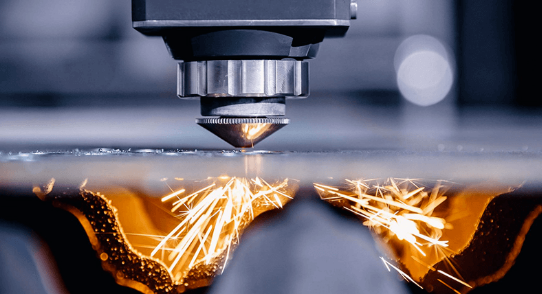
Uw ontwerp optimaliseren om offertekosten te verlagen
Hier is een geheim dat ervaren kopers begrijpen: de meest effectieve manier om uw offerte voor lasersnijden te verlagen is niet harder onderhandelen, maar slimmer ontwerpen. Ontwerpprincipes voor fabricage (Design for Manufacturability, DFM) kunnen uw kosten met 20–40% verminderen nog voordat u een bestand voor offerteverzoek indient. Toch overslaan de meeste kopers deze stap volledig, waardoor aanzienlijke besparingen onbenut blijven.
DFM gaat niet over compromissen sluiten met uw ontwerpvisie. Het gaat erom uw specificaties af te stemmen op de werking van lasersnijden. Wanneer uw ontwerp op natuurlijke wijze door het productieproces loopt, elimineert u afval, vermindert u de machine-tijd en voorkomt u complexiteitskosten die offertes onnodig opdrukken.
Ontwerpveranderingen die uw offerte verlagen
Kleine aanpassingen in het ontwerp leiden vaak tot aanzienlijke kostenbesparingen. Volgens het productieonderzoek van Vytek kan het vereenvoudigen van ontwerpen, waar mogelijk, de machine-tijd en de totale kosten aanzienlijk verminderen. Hier moet u uw optimalisatie-inspanningen op richten:
Vereenvoudig complexe geometrieën: Ingewikkelde details met kleine radiuswaarden vereisen een langzamere, nauwkeurigere laserbesturing. Elke extra bocht, uitsparing of interne functie verlengt de snijtijd. Voordat u uw ontwerp definitief maakt, vraag uzelf af: dient deze complexiteit een functioneel doel, of is het puur esthetisch? Vaak bereiken afgeronde hoeken of rechte lijnen hetzelfde resultaat als ingewikkelde vormen—en dat tegen een fractie van de kosten.
Optimaliseer de plaatsing en afmeting van gaten: Baillie Fab's DFM-richtlijnen benadruk dat de gatdiameters ten minste gelijk moeten zijn aan de dikte van uw materiaal. Als uw onderdeel is vervaardigd uit roestvrij staal met een dikte van 3/16 inch, moet de kleinste gatdiameter overeenkomen met deze maat. Gaten die te dicht bij de randen van het materiaal zijn geplaatst, veroorzaken vergelijkbare problemen: houd ten minste een afstand gelijk aan de materiaaldikte aan tussen gaten en randen. Voor sommige materialen, zoals aluminium, is een dubbele afstand vereist.
Zorg voor schone bestandsgeometrie: Tekent uw CAD-programma bochten met platte segmenten in plaats van volledige bogen? Tijdens de fabricage kunnen langere segmenten worden geïnterpreteerd als vlakken in plaats van als continue krommen. Controleer voordat u het bestand indient of gebogen lijnen werkelijke bogen gebruiken en of alle contouren correct zijn gesloten. Niet-verbonden lijnen of open contouren kunnen leiden tot slecht gesneden onderdelen of extra tekenwerk, wat uw offerte verhoogt.
Bij gebruik van een lasersnijder voor staal of andere metalen leveren deze praktische DFM-tips directe kostenbesparingen op:
- Vermijd onnodig strakke toleranties: Standaard toleranties (±0,005" tot ±0,010") zijn aanzienlijk goedkoper dan precisiespecificaties. Behoud strakke toleranties uitsluitend voor afmetingen die daadwerkelijk van belang zijn.
- Optimaliseer de efficiëntie van onderdelenopstelling: Ontwerp onderdelen met rekening houdend met de afmetingen van de materiaalplaten. Volgens branche-experts dient u te weten dat lasersnijmachines een rand van maximaal 0,5" rond elk onderdeel vereisen. Onderdelen die zijn ontworpen voor maximale ruimte-efficiëntie verminderen materiaalafval.
- Verminder ingewikkelde details die de snijtijd verlengen: Elk pierce-punt voegt verwerkingstijd toe. Een ontwerp met 50 kleine gaten is duurder dan minder, maar grotere kenmerken vanwege de cumulatieve pierce-operaties.
- Geef de korgrichting aan op de definitieve tekeningen: Voor geborstelde of richtingsgevoelige materialen dient u de korgrichting langs de langste sectie van uw ontwerp uit te lijnen om het aantal onderdelen per plaat te maximaliseren.
- Converteer tekst naar contouren: Bewerkbare tekst veroorzaakt offertefouten. Zet tekst altijd om naar paden (explode of expand) voordat u deze indient.
Materiaalkeuzestrategieën voor kostenoptimalisatie
Uw keuze van materiaal beïnvloedt offertes op manieren die niet direct duidelijk zijn. Naast de grondstofkosten vereisen verschillende materialen verschillende snijmethoden, hulpstoffen en bewerkingsnelheden—allemaal factoren die van invloed zijn op uw eindresultaat.
Sectoranalyse bevestigt dat bepaalde materialen, zoals aluminium en dunne plaatmetaal, sneller kunnen worden gesneden en minder laservermogen vereisen, wat leidt tot lagere bedrijfskosten. Als uw toepassing geen duurzaamheid vereist die alleen dikker of harder metaal kan bieden, dan kan het kiezen voor dunner plaatmetaal zowel tijd als geld besparen.
Overweeg de volgende strategieën voor materiaalkeuze bij maatwerk projecten met lasersnijden van plaatmetaal:
Kies het materiaal afgestemd op de daadwerkelijke eisen: Te veel ruimte laten in materiaaldikte of -kwaliteit is een veelgemaakte fout. Een stalen beugel van 16 gauge kan in veel toepassingen identiek functioneren als een versie van 11 gauge—maar tegen een aanzienlijk lagere kosten. Evalueer of hoogwaardige legeringen functioneel noodzakelijk zijn of gewoon standaardspecificaties uit gewoonte.
Begrijp de compatibiliteit met lasertechnologie: Laserstaalbewerking werkt anders afhankelijk van het materiaaltype. Volgens Baillie Fab snijden vezellasers dunne platen sneller, terwijl CO2-lasers betere snijkanten en snellere doorboring bieden bij dikker plaatmateriaal van meer dan ¼ inch. Verschillende hulpstoffen—zuurstof voor dikker koolstofstaal, stikstof voor roestvast staal en aluminium—beïnvloeden zowel de snijkwaliteit als de kosten.
Houd rekening met standaardvoorraadmaten: Aanpassingen van materialen op maat zijn duurder. Het ontwerpen van onderdelen die efficiënt passen op standaardplaten van 4' × 10' vermindert afval en leidt vaak tot gunstiger materiaalprijzen. Als uw ontwerp materiaal vereist dat dikker is dan de gebruikelijke mogelijkheden (vaak ⅜ inch), kan het gebruik van externe leveranciers de kosten en levertijd verhogen.
Voor kopers die op zoek zijn naar een betaalbare lasersnijoplossing levert materiaaloptimalisatie vaak meer besparingen op dan het zoeken naar de goedkoopste aanbieder. Een vermindering van het materiaalafval met 20% over een productierun leidt cumulatief tot aanzienlijke financiële besparingen.
Samenwerken met fabrikanten bij DFM-feedback
Hier worden proactieve samenwerkingsverbanden met fabrikanten onbetaalbaar: uitgebreide DFM-ondersteuning identificeert kostenbesparingen die u mogelijk nooit zelf zou ontdekken. De beste fabrikanten verwerken uw bestanden niet alleen—ze analyseren ze op optimalisatiemogelijkheden.
Volgens Advantage Metal Products gaat het ontwerp van plaatmetaal voor vervaardigbaarheid verder dan esthetiek en maakt gebruik van de technische aspecten van de productie om een naadloze uitvoering te bevorderen. Vroegtijdige samenwerking met fabrikanten is essentieel om materiaaleigenschappen af te stemmen op zowel esthetische als functionele ontwerpvereisten.
Hoe ziet effectieve DFM-samenwerking er in de praktijk uit?
Vroege betrokkenheid: Wacht niet tot uw ontwerp is afgerond. Fabrikanten met sterke DFM-mogelijkheden kunnen voorlopige ontwerpen beoordelen en potentiële problemen identificeren voordat deze definitief zijn vastgelegd. Dit voorkomt kostbare wijzigingen na het verstrekken van een offerte.
Integratie van digitale tools: 3D CAD-modellering ondersteunt de visualisatie van het eindproduct, waardoor fabrikanten potentiële problemen vroegtijdig kunnen identificeren en kostbare wijzigingen tijdens de productie kunnen voorkomen. Simulatie- en prototypesoftware helpt mogelijke uitdagingen te anticiperen voordat ze zich voordoen, waardoor ontwerpers proactief hun ontwerpen kunnen optimaliseren.
Realistische tolerantiebesprekingen: Ervaren fabrikanten helpen realistische toleranties vast te stellen die zowel precisie als praktischheid ondersteunen. Zij weten welke specificaties de kosten beïnvloeden en welke alternatieven mogelijk gelijkwaardige prestaties kunnen leveren tegen lagere kosten.
Sommige fabrikanten gaan verder met DFM-ondersteuning dan anderen. Bijvoorbeeld, Shaoyi (Ningbo) Metal Technology biedt uitgebreide DFM-ondersteuning naast een offertetermijn van 12 uur—zodat kopers uit de automobiel- en precisieproductiesector hun ontwerpen kunnen optimaliseren voordat zij zich binden aan de productie. Deze proactieve partnerschapsaanpak helpt kostenbesparingsmogelijkheden te identificeren die laserofferte-software alleen niet kan detecteren.
Of u nu offertesoftware gebruikt voor profielbewerking of rechtstreeks werkt met offertegevers van fabrikanten, de beginselen blijven hetzelfde: ontwerpen die zijn geoptimaliseerd voor vervaardigbaarheid zijn goedkoper in productie. Elke onnodige strakke tolerantie die u elimineert, elke geometrie die u vereenvoudigt en elke materiaalspecificatie die u op de juiste schaal kiest, vertaalt zich direct naar lagere offertes.
De meest geavanceerde kopers beschouwen DFM (Design for Manufacturability) als een voortdurende praktijk in plaats van een eenmalige activiteit. Zij onderhouden ontwerpbibliotheken met geoptimaliseerde componenten, documenteren de lessen die zij uit eerdere projecten hebben geleerd en bouwen relaties op met fabrikanten die investeren in hun succes via een echte ontwerppartnerschap.
Nu uw ontwerp is geoptimaliseerd voor kostenefficiënte productie, bent u klaar om van offerteverlening over te gaan op actie — de laatste stappen te nemen richting succesvolle projectuitvoering.
Actie ondernemen voor uw project met lasersnijden
U hebt de prijsformules, voorbereidingsvereisten en vergelijkingsstrategieën geleerd. Nu komt het moment dat onderscheid maakt tussen goed geïnformeerde kopers en degenen die duurbetaalde lessen op de harde manier leren: deze kennis in praktijk brengen. Of u nu klaar bent om uw eerste offerte aan te vragen of uw aanpak voor de honderdste keer verfijnt, deze laatste stappen zorgen ervoor dat uw lasersnijproject van concept naar succesvolle productie overgaat.
Uw actieplan voor offerteaanvragen
Voordat u op "verzenden" klikt in een offertesysteem of bestanden naar een fabrikant verzendt, doorloopt u deze samengevoegde checklist. Elk item bouwt voort op de principes die we hebben behandeld:
- Controleer uw bestandsformaat: DXF-, DWG- of STEP-bestanden met tekst omgezet naar contouren en alle dubbele lijnen verwijderd
- Bevestig de nauwkeurigheid van de afmetingen: Print op 100% schaal om te valideren dat de afmetingen overeenkomen met uw bedoelingen
- Geef volledige materiaaleisen op: Exacte kwaliteit, dikte en eventuele afwerkingspecificaties — niet alleen "staal" of "aluminium"
- Definieer realistische toleranties: Reserveer nauwe toleranties uitsluitend voor functioneel kritieke afmetingen
- Documenteer secundaire bewerkingen: Vermeld alle eisen met betrekking tot afwerking, buigen of assemblage van tevoren
- Stel hoeveelheidstranches vast: Vraag prijzen aan voor meerdere volumeniveaus om uw schaalopties te begrijpen
- Stel tijdlijnverwachtingen vast: Verduidelijk of u snelle verwerking nodig hebt of standaard levertijden kunt accepteren
Wanneer u online lasersnijddiensten gebruikt, wordt deze voorbereiding nog belangrijker. Geautomatiseerde offertesystemen interpreteren exact wat u indient — ze kunnen niet in uw gedachten lezen over onuitgesproken eisen. Hoe vollediger uw eerste indiening is, hoe nauwkeuriger de offerte van uw online lasersnijddienst zal zijn.
Het verschil tussen een frustrerend project en een succesvol project hangt vaak af van de voorbereiding. Kopers die tijd investeren in het begrijpen van hun werkelijke vereisten voordat zij offertes aanvragen, behalen consequent betere resultaten dan zij die zich haastig en onvoorbereid op het aanvragen van offertes storten.
De juiste productiepartner kiezen
Uw offertevergelijkingskader dient veel meer te beoordelen dan alleen de eindprijs. Volgens het onderzoek van TMCO naar productiepartnerschappen vereist de keuze van de juiste partner een zorgvuldige beoordeling van capaciteiten, processen en betrouwbaarheid. De beste partnerschappen bieden éénpuntsverantwoordelijkheid, verbeterde ontwerpaccuraatheid, verkorte levertijden en consistente kwaliteitscontrole.
Zoek naar partners die deze kenmerken vertonen:
- Bewezen ervaring in de branche: Een bewezen staat van dienst op uw specifieke toepassingsgebied, met inzicht in de relevante uitdagingen
- Uitgebreide eigen capaciteiten: Fabricage, afwerking en assemblage onder één dak minimaliseren risico’s bij overdracht
- Engineering- en DFM-ondersteuning: Proactieve ontwerpoptimalisatie in plaats van slechts bestandsverwerking
- Kwaliteitscertificaten: ISO 9001 als basisniveau; IATF 16949 voor automotive-toepassingen
- Communicatieresponsiviteit: Duidelijke communicatie gedurende alle fasen van offertevoorbereiding en productie
Voor kopers op het gebied van automotive- of precisieproductie die snelle prototyping en korte offertetermijnen vereisen, zijn fabrikanten zoals Shaoyi (Ningbo) Metal Technology laten zien hoe responsieve partnerschappen eruitzien—met een offertetermijn van 12 uur en snelle prototyping binnen 5 dagen, naast productiemogelijkheden die zijn gecertificeerd volgens IATF 16949. Deze reactietijden maken snellere iteratiecycli en beter onderbouwde besluitvorming mogelijk.
Wanneer u online metaal laat lasersnijden via diverse platforms, dient u dezelfde beoordelingscriteria toe te passen. Gemak mag niet ten koste gaan van kwaliteitsoverwegingen. Online lasersnijddiensten verschillen sterk qua capaciteit, betrouwbaarheid en ondersteuningsniveau, ondanks vergelijkbare gebruikersinterfaces.
Van offerte naar succesvolle productie
Het ontvangen van een aanvaardbare offerte markeert het begin, en niet het einde, van uw productiereis. Voor een succesvolle productie is voortdurende aandacht voor meerdere factoren vereist:
Bevestig alle specificaties schriftelijk: Controleer voordat u de productie goedkeurt of uw besteldocumentatie alle tijdens de offertefase besproken eisen weergeeft. Mondelinge afspraken over toleranties of afwerking moeten worden opgenomen in schriftelijke bevestigingen.
Stel communicatieprotocollen vast: Weet wie u kunt contacteren voor vragen, hoe wijzigingen worden afgehandeld en welke updates u tijdens de productie ontvangt. Zoals branche-experts benadrukken, is duidelijke communicatie vaak de doorslaggevende factor voor het succes van een project.
Plan voor inspectie: Bepaal hoe u gaat verifiëren dat binnenkomende onderdelen voldoen aan de specificaties. Een eerste-artikelinspectie voor nieuwe ontwerpen helpt problemen op te sporen voordat de volledige productieloop wordt gestart.
Overweeg langetermijnrelaties: De beste productie-uitkomsten ontstaan uit continue partnerschappen in plaats van transactionele leveranciersrelaties. Partners die uw toepassingen, kwaliteitsnormen en zakelijke behoeften begrijpen, leveren op termijn steeds meer waarde.
Wanneer u laserbewerking moet kiezen boven alternatieven
Niet elk project is geschikt voor een lasersnijmachine. Het begrijpen van momenten waarop alternatieven zoals watersnijden of plasmasnijden beter bij u passen, voorkomt het verkeerd kiezen van technologie:
Volgens Wurth Machinery's technologievergelijking , elke snijmethode heeft specifieke voordelen:
- Lasersnijden blinkt uit bij: Dunne platen die nauwkeurige, ingewikkelde sneden vereisen; onderdelen die schone randen vereisen met minimale nabewerking; productie van elektronica, medische apparatuur en precisie-onderdelen
- Plasmalassen is de beste keuze wanneer: Werken met dikke geleidende metalen (staal dikker dan 1 inch); snelheid en kosten-efficiëntie zijn belangrijker dan randnauwkeurigheid; fabricage van constructiestaal en productie van zware machines
- Waterstralen wordt essentieel wanneer: Thermische beschadiging moet worden vermeden; snijden van niet-metalen zoals steen, glas of composieten; luchtvaartcomponenten die een volledig gebied zonder warmte-geïnduceerde veranderingen vereisen
Veel succesvolle fabricagebedrijven integreren uiteindelijk meerdere technologieën. Als uw offertes voor plaatmetaalbewerking onverwacht hoog lijken, kan de materiaaldikte of de eisen ten aanzien van warmtegevoeligheid erop wijzen dat een andere technologie beter geschikt is voor uw project.
De reis van het eerste offerteaanvraag tot een succesvolle productie is afhankelijk van weloverwogen besluitvorming bij elke stap. U begrijpt nu hoe offertes worden berekend, welke informatie de nauwkeurigheid waarborgt, hoe leveranciers op zinvolle wijze kunnen worden vergeleken en hoe ontwerpen kunnen worden geoptimaliseerd vóór indiening. Pas deze principes consequent toe en uw projecten voor lasersnijden zullen de kwaliteit, timing en waarde opleveren die uw toepassingen vereisen.
Veelgestelde vragen over offertes voor lasersnijden
1. Hoe wordt een offerte voor lasersnijden opgesteld?
Offertes voor lasersnijden worden berekend met behulp van de formule: Eindprijs = (Materiaalkosten + Variabele kosten + Vaste kosten) × (1 + Winstmarge). De belangrijkste factoren zijn de machine-tijd op basis van de snijafstand en het aantal pierce-punten, het type en de dikte van het materiaal, de complexiteit van het ontwerp, de instel- en arbeidskosten, en de overheadkosten. De meeste fabrikanten hanteren uurprijzen tussen de $60 en $120 voor machine-tijd, terwijl de winstmarges doorgaans variëren van 20% tot 70%, afhankelijk van de complexiteit van de opdracht.
2. Hoeveel moet u rekenen voor lasersnijden?
De prijsstelling voor lasersnijden hangt af van meerdere factoren: materiaalkosten, machinegebruikstijd, complexiteit en afwerkvereisten. Een veelgebruikte aanpak is kostprijs-plus-prijsstelling, waarbij u de kosten voor materiaal, slijtage van de apparatuur en arbeid optelt en vervolgens een marge van 20-70% toevoegt. Bijvoorbeeld: een eenvoudig onderdeel kost $10 aan materiaal plus $20 aan arbeid, met een marge van 50% levert dat een prijs van $45 op. Bij groepbestellingen kunnen de kosten per stuk tot 70% lager uitvallen dan bij afzonderlijke stukken.
3. Hoe moet u lasersnijdcrafts prijzen?
Prijs lasersnijdcrafts door de lasersnijdtijd te berekenen (ongeveer $1 per minuut, afgerond op het dichtstbijzijnde veelvoud van $5), de materiaalkosten toe te voegen, de kosten voor afwerkmaterialen zoals verf of lijm in te sluiten en een basisvergoeding toe te voegen. Bij productielopen dient u rekening te houden met schaalvoordelen: het bestellen van 100 of meer stuks kan de kosten per stuk met 40-60% verlagen ten opzichte van afzonderlijke prototypes, dankzij de verdeling van instelkosten en verbeterde nestingeffectiviteit.
4. Welke bestandsformaten zijn vereist voor offertes voor lasersnijden?
De meest geaccepteerde bestandsformaten voor offertes voor lasersnijden zijn onder andere DXF (industriestandaard voor 2D-snijden), DWG (native AutoCAD-indeling), STEP (ideaal voor 3D-modellen die moeten worden geconverteerd) en AI (Adobe Illustrator, met tekst omgezet naar contouren). Verwijder voordat u het bestand indient dubbele lijnen, sluit alle contouren af en controleer de afmetingen op 100%-schaal. Schoon ingediende bestanden voorkomen offerte- en productieproblemen.
5. Wanneer moet ik gebruikmaken van directe offertes in plaats van handmatige offertes?
Gebruik directe online offertes voor standaardmaterialen, eenvoudige vormen, gangbare diktes en projecten zonder secundaire bewerkingen — deze genereren binnen seconden een schatting. Kies voor handmatige offertes bij complexe onderdelen met strakke toleranties, ongebruikelijke materialen, uitgebreide nabewerkingsvereisten of aangepaste specificaties. Handmatige offertes nemen meer tijd in beslag, maar bieden een hogere nauwkeurigheid en deskundige feedback over mogelijke fabricageproblemen voordat de productie begint.