 Small batches, high standards. Our rapid prototyping service makes validation faster and easier —
  EN
EN


Apakah Nama bagi Pengelasan Stick? Hentikan Kesilapan antara SMAW dan Pengelasan Arc
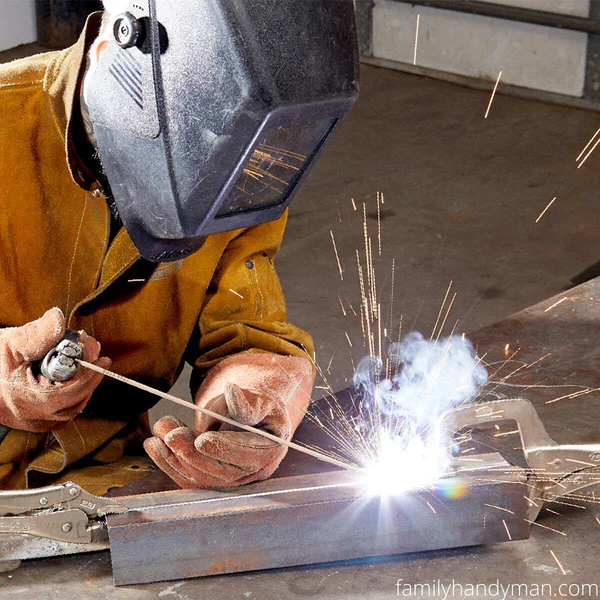
Apakah Nama bagi Pengelasan Stick?
Pengelasan stick paling lazim dipanggil Pengelasan Ark Logam Berpelindung, atau SMAW, dan di banyak wilayah ia juga dikenali sebagai Pengelasan Ark Logam Manual, atau MMA/MMAW.
Jika anda mencari apakah nama bagi pengelasan stick , jawapan ringkasnya adalah mudah: pengelasan stick adalah nama harian, bukan proses pengelasan yang berbeza. Dalam manual rasmi, bahan pembelajaran di kelas, dan rujukan teknikal, kaedah yang sama biasanya ditulis sebagai Las Logam Berlindung atau SMAW. Di wilayah lain, terutamanya dalam piawaian dan bahasa perdagangan di luar Amerika Utara, anda juga mungkin melihat istilah Ark Logam Manual, MMA, atau MMAW.
Nama bagi Pengelasan Stick
Untuk pemula yang bertanya apakah itu pengelasan stick , bayangkanlah sebagai label harian di tapak kerja untuk proses pengelasan ark manual yang menggunakan elektrod bersalut. Julukan ini melekat kerana elektrod tersebut kelihatan seperti batang logam atau rod. Namun, proses itu sendiri tetap sama sama ada seseorang menyebutnya sebagai pengelasan stick, SMAW, atau MMA.
- Kimpalan elektrod bersalut - istilah harian di tapak kerja
- Las Logam Berlindung - nama penuh rasmi
- SMAW - singkatan piawai
- Pengelasan lengkung logam manual - istilah serantau yang biasa
- MMA atau MMAW - bentuk teknikal ringkas
- Pengelasan Ark Berpelindung Fluks - ungkapan kurang biasa dalam beberapa rujukan
Pengelasan Ark Logam Berpelindung dan Penjelasan SMAW
Jika anda bertanya-tanya apa kependekan SMAW , ia bermaksud Pengelasan Ark Logam Berpelindung. Untuk sesiapa sahaja yang membuat carian maksud SMAW , nama tersebut merujuk kepada perlindungan terbina dalam yang dihasilkan oleh salutan elektrod semasa proses kimpalan.
Mengapa Satu Proses Kimpalan Mempunyai Beberapa Nama
Nama-nama berbeza muncul daripada tempat-tempat berbeza: sekolah lebih mengutamakan istilah formal, tukang kimpal lebih suka singkatan pantas, dan piawaian serantau menggunakan konvensi tersendiri. Walaupun begitu, satu butiran penting perlu diperhatikan segera. "Kimpalan lengkung" adalah nama keluarga yang luas, manakala kimpalan batang hanyalah salah satu ahli dalam keluarga tersebut, dan di situlah kekeliruan penamaan kebanyakannya bermula.
Istilah SMAW, Kimpalan MMA, dan Kimpalan Lengkung
Kekeliruan ini biasanya bermula dengan satu masalah bahasa yang mudah: beberapa nama benar-benar sinonim, manakala satu label pula jauh lebih luas. TWI menyenaraikan pengelasan logam lengkung manual, SMAW, pengelasan lengkung berpelindung fluks, dan pengelasan batang sebagai nama-nama bagi proses yang sama. Miller, sebaliknya, memisahkan pengelasan batang daripada MIG, TIG, dan FCAW di bawah tajuk lebih besar iaitu pengelasan lengkung. Oleh itu, jika seseorang menyebut pengelasan logam berpelindung lengkung, maksudnya tetap pengelasan batang. Jika mereka menyebut pengelasan lengkung, ia mungkin merujuk kepada pengelasan batang, atau mungkin juga merujuk kepada proses berbasis lengkung lain sepenuhnya.
Proses yang Sama, Nama yang Berbeza
Dalam penggunaan dunia sebenar, pengelasan batang, pengelasan SMAW, dan pengelasan MMA biasanya merujuk kepada proses yang sama manual yang menggunakan elektrod bersalut fluks . Perbezaan utama terletak pada konteks. Di kebanyakan bengkel di Amerika Syarikat, orang hanya menyebut "batang". Dalam buku teks, lembaran prosedur, dan bahan pensijilan, nama penuh atau singkatan SMAW lebih biasa digunakan. Di UK dan sebahagian Eropah, MMA atau MMAW digunakan secara meluas. Jika seorang penyelia menyebut pengelasan MMA di tapak kerja, ini biasanya merujuk kepada perkara yang sama yang dipanggil pengelasan batang oleh seorang tukang las Amerika.
SMAW, MMA dan Pengelasan Batang Mengikut Wilayah
Bagi sesiapa sahaja yang sedang mencari maksud pengelasan SMAW nama paling mudah untuk diterjemahkan adalah ini: SMAW merupakan akronim rasmi, manakala ‘stick welding’ adalah nama panggilan harian. Latihan di Amerika Utara sering menggunakan istilah ‘stick welding’ dan SMAW. Bahan-bahan dari Britain dan Eropah biasanya lebih cenderung menggunakan MMA atau MMAW. Dokumen piawaian umumnya lebih memilih nama proses rasmi kerana ia lebih tepat, manakala perbualan di lantai bengkel kekal ringkas dan praktikal.
Jadual Penamaan Istilah Pengimpalan
| Penggal | Bentuk penuh | Di mana ia biasa digunakan | Adakah proses yang sama dengan ‘stick welding’? |
|---|---|---|---|
| Kimpalan elektrod bersalut | Istilah tidak formal di bengkel | Tapak kerja di Amerika Utara, bengkel rumah, perbualan santai | Ya |
| SMAW | Las Logam Berlindung | Manual, sekolah perdagangan, prosedur pengimpalan, sijil | Ya |
| Las Logam Berlindung | Nama proses rasmi penuh | Penulisan teknikal, piawaian, pengajaran di kelas | Ya |
| MMA atau MMAW | Lengkung Logam Manual atau Pematerian Lengkung Logam Manual | Bahan latihan untuk UK, Eropah dan antarabangsa, beberapa rujukan kejuruteraan | Ya |
| Pengelasan Ark Berpelindung Fluks | Nama alternatif deskriptif | Beberapa rujukan teknikal | Ya |
| Penyambungan ark | Keluarga luas proses pematerian | Gambaran umum, pengenalan kursus, perbincangan industri | No |
Baris terakhir itulah yang menjelaskan kekeliruan kebanyakan orang. Pematerian ‘stick’ merupakan salah satu ahli keluarga pematerian lengkung, bukan istilah pengganti bagi keseluruhan keluarga tersebut. Nama tersebut memberitahu anda apa yang orang panggilnya. Butiran proses pula menerangkan apa yang sebenarnya dilakukan oleh mesin, elektrod, dan salutan pada sambungan kimpalan.
Bagaimana Cara Pematerian ‘Stick’ Berfungsi?
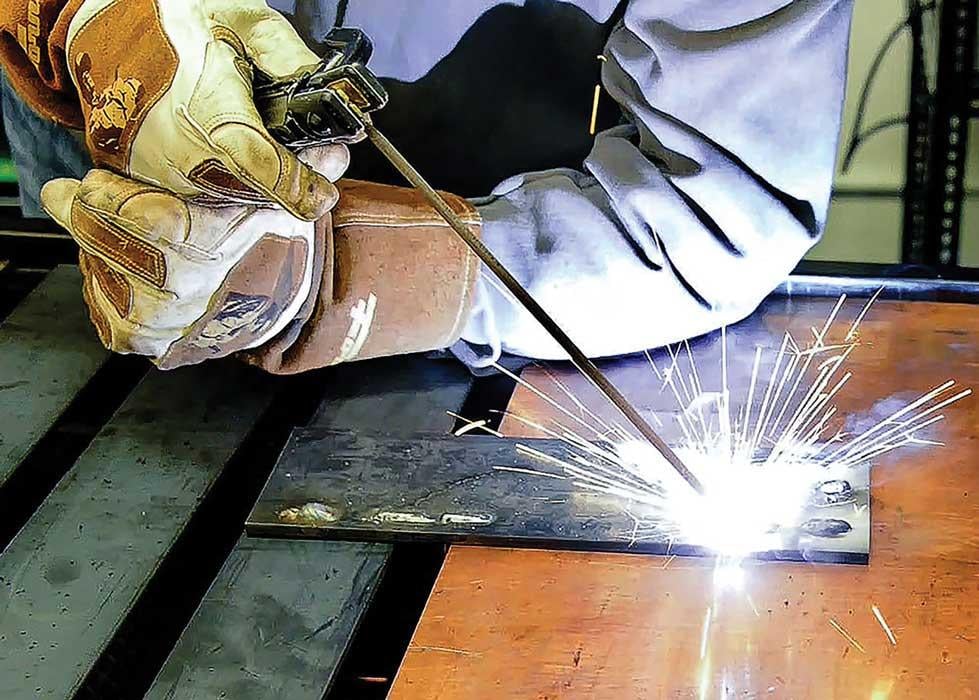
Nama-nama penting, tetapi perbezaan sebenar kelihatan pada lengkung. Dalam SMAW, suatu elektrod las batang diklip dalam pemegang, klem kerja melengkapkan litar, dan mesin menghasilkan haba dengan menimbulkan lengkung antara batang elektrod dan logam asas. Susunan ringkas ini menerangkan bagaimana cara kerja pengelasan batang . Ia juga menunjukkan mengapa pengelasan batang merupakan satu jenis pengelasan lengkung, bukan nama umum untuk setiap proses berbasis lengkung.
Bagaimana Pengelasan Batang Menciptakan Lengkung
Jika anda pernah bertanya-tanya apakah itu pengelasan elektrod , pengelasan batang merupakan salah satu contoh yang paling jelas. elektrod dalam pengelasan bukan sekadar titik sentuh. Dalam SMAW, ia membawa arus dan juga melebur, sehingga menjadi logam pengisi dalam sambungan. Bahan daripada Xometry menerangkan SMAW sebagai proses manual di mana lengkung dikekalkan antara elektrod boleh habis pakai dan benda kerja sementara hujung elektrod dan logam asas dipanaskan dan dileburkan.
- Sumber kuasa menghantar arus ke pemegang elektrod dan klem kerja.
- Pengelas mengetuk atau menggeser batang tersebut pada benda kerja untuk memulakan lengkung.
- Haba lengkung meleburkan hujung elektrod dan sebahagian logam asas.
- Logam cair tersebut mengisi sambungan apabila tukang las bergerak ke hadapan dan membentuk bead pengelasan .
- Bead tersebut menyejuk dan membeku menjadi sambungan pengelasan siap.
Fungsi Lapisan Fluks
Lapisan pada batang elektrod melakukan lebih daripada yang dijangkakan oleh pemula. Apabila ia terbakar dan melebur, lapisan ini menghasilkan perlindungan di sekitar kolam kimpalan, membantu menstabilkan lengkung, dan menyokong pemindahan logam yang lebih bersih. Panduan daripada Intan Pertiwi menyatakan bahawa fluks juga boleh membantu proses pengurangan oksida, mempengaruhi bentuk bead, dan meningkatkan kawalan lengkung. Perlindungan yang dihasilkan sendiri ini merupakan salah satu sebab utama mengapa pengelasan batang elektrod (stick welding) praktikal untuk digunakan di luar bangunan, walaupun angin kencang masih boleh mengganggu zon kimpalan.
Lapisan fluks membolehkan SMAW melindungi kolam kimpalannya tanpa menggunakan botol gas pelindung berasingan.
Daripada Elektrod kepada Slag dalam Proses SMAW
Ramai pemula bertanya tentang lapisan pelindung yang tertinggal selepas SMAW . Lapisan rapuh itu dikenali sebagai slag. TWI menerangkan bahawa slag merupakan lapisan keras yang terbentuk daripada fluks yang melebur dan naik ke permukaan untuk melindungi sambungan kimpalan panas semasa penyejukan. Slag juga boleh membantu menahan kolam lebur di tempatnya, yang berguna dalam kerja di luar kedudukan normal. Selepas sambungan kimpalan sejuk, slag mesti dibuang supaya anda boleh memeriksa bead pengelasan sambungan kimpalan tersebut dan membuat laluan tambahan yang bersih.
Jika anda hanya ingin memahami asas proses SMAW , bayangkanlah dengan cara ini: elektrod memulakan lengkung elektrik, elektrod melebur ke dalam sambungan, fluks melindungi logam lebur, dan sambungan kimpalan mengeras di bawah lapisan slag. Ini juga menjawab soalan lazim lain mengenai elektrod dalam pengelasan : dalam SMAW, elektrod berfungsi sebagai pengalir arus elektrik sekaligus sebagai sumber bahan pengisi. Daripada sini, butiran praktikal seterusnya sukar dielakkan, kerana jenis elektrod dan gaya salutannya memberi kesan besar terhadap kelakuan sambungan kimpalan.
Elektrod Pengimpalan Rod dan Nombor Elektrod Asas
Kimpalan tidak berkelakuan sama dengan setiap batang elektrod, dan di situlah ramai pemula terkejut. Dalam kimpalan elektrod batang , batang tersebut merupakan elektrod boleh guna semula yang dilapisi. Ia mengalirkan arus, melebur ke dalam sambungan, dan menggunakan lapisan pelindungnya untuk membantu melindungi dan membentuk kimpalan. Oleh sebab itu, tukang kimpalan berpengalaman sering membincangkan tentang Batang SMAW hampir sama banyaknya seperti mereka membincangkan mesin itu sendiri.
Batang dan Elektrod untuk Kimpalan Batang
Orang menggunakan beberapa istilah untuk item yang sama: batang, batang elektrod, dan elektrod. Dalam bahasa biasa, batang las batang ialah elektrod berlapis yang digunakan dalam kimpalan SMAW. Istilah yang lebih tepat ialah elektrod, kerana arus mengalir melaluinya untuk melengkapkan litar kimpalan. Seperti yang dijelaskan oleh OpenWA , lapisan fluks merupakan komponen utama yang menjadikan proses ini berfungsi. Ia membantu membentuk gas pelindung dan slag, menambah bahan pengurang oksida serta bahan aloi, dan mempengaruhi kelakuan lengkung elektrik serta pilihan polariti.
Jadi, tidak, biasa elektrod las batang dalam kotak bukan hanya logam pengisi biasa. Berbeza elektrod stik dibina untuk pelbagai tugas. Mencocokkan pengisi dengan logam asas yang penting. Keluli karbon biasanya menggunakan elektrod keluli karbon, manakala keluli tahan karat dan aluminium memerlukan pilihan pengisi yang berbeza dan, dalam beberapa kes, keputusan pemasangan yang berbeza atau bahkan proses kimpalan yang berbeza.
Cara Membaca Nombor Batang Pengelasan Asas
Jika anda mahukan cara pantas definisi nombor rod kimpalan , kod lebih mudah daripada ia kelihatan. Sistem gaya AWS diringkaskan oleh Pembuat dan OpenWA bermula dengan huruf E untuk elektrod. Digit selepas itu memberitahu anda kelas kekuatan, kedudukan kimpalan, dan keluarga fluks / semasa.
- E= elektrod
- 60 atau 70 = kelas kekuatan tegangan, seperti 60,000 atau 70,000 psi
- 1= elektrod untuk semua posisi
- 2= digunakan untuk sambungan fillet rata dan mengufuk
- 4= semua posisi, tetapi pengelasan menegak dimaksudkan untuk kemajuan ke bawah
- = digit terakhir = jenis fluks dan keluarga arus atau kutub yang sesuai
| = contoh batang elektrod | = maksud label batang elektrod | Kes Penggunaan Biasa | = keserasian arus | = nota praktikal untuk pemula |
|---|---|---|---|---|
| E6010 | E = elektrod, 60 = kelas 60,000 psi, 1 = semua kedudukan, 0 = fluks natrium selulosa tinggi | Lapisan akar, kerja paip, pengikatan sementara, keluli kotor | DCEP | Penetrasi dalam dan leburan yang cepat membeku. Berkesan, tetapi bukan batang elektrod yang paling mudah untuk dipelajari. |
| E6011 | E = elektrod, 60 = kelas 60,000 psi, 1 = semua kedudukan, 1 = fluks kalium selulosa tinggi | Pembaikan, penyelenggaraan, peralatan pertanian, keluli berkarat atau berlakur | AC, DCEP | Pilihan biasa apabila menggunakan mesin AC. Lengkung kuat dan toleransi terhadap kotoran yang baik. |
| E6013 | E = elektrod, 60 = kelas 60,000 psi, 1 = semua kedudukan, 3 = fluks kalium titania tinggi | Logam lembaran dan komponen keluli ringan | AC, DCEP, DCEN | Lengkung yang lebih lembut dan jalur las yang lebih licin, tetapi elektrod ini lebih memilih bahan yang lebih bersih. |
| E7018 | E = elektrod, 70 = kelas 70,000 psi, 1 = semua posisi, 8 = fluks serbuk besi dan kalium berhidrogen rendah | Keluli struktur, pembinaan, paip, keluli lembut | AC, DCEP | Lengkung yang licin dan sambungan las yang kuat serta mulur. Memerlukan penyimpanan yang baik dan persiapan permukaan yang bersih. |
Senarai arus ini merupakan titik keserasian biasa yang biasanya dilihat terlebih dahulu oleh pemula. Sentiasa sahkan pakej atau lembaran produk yang tepat semasa membeli. elektrod las batang , kerana panduan pengilang masih penting.
Asas Pelapis Slag dan Pemilihan Batang
Jenis salutan mengubah cara lasan terasa. Salutan selulosa, seperti yang digunakan pada elektrod E6010 dan E6011, menghasilkan lengkung penghanyut (digging arc) dan kolam lasan yang membeku dengan cepat. Salutan berbasis titania, seperti E6013, beroperasi lebih lembut dan meninggalkan jalur lasan yang kelihatan lebih licin. Salutan rendah hidrogen, seperti E7018, popular dalam kerja struktur kerana membantu mengurangkan risiko retak, tetapi juga memerlukan kawalan kelembapan yang lebih baik. OpenWA mencatat bahawa elektrod rendah hidrogen seperti E7018 sering disimpan kering dalam ketuhar elektrod.
Anda juga mungkin melihat akhiran tambahan pada beberapa label. Rujukan menyatakan bahawa tanda-tanda seperti H dan R memberikan maklumat mengenai keperluan berkaitan hidrogen dan ujian kelembapan. Maklumat ini berguna, ya, tetapi bukan perkara pertama yang perlu dihafal oleh pemula.
Tabiat permulaan yang lebih baik adalah mudah: pilih elektrod mengikut logam, kedudukan, sumber kuasa, dan tingkah laku salutan yang diinginkan. Elektrod mungkin kecil, tetapi ia mempengaruhi permulaan lengkung, penyingkiran slag, kawalan leburan, dan bentuk jalur las akhir. Perkara ini menjadi sangat jelas apabila pemegang berada di tangan anda dan lengkung pertama dinyalakan.
Cara Melas Elektrod untuk Jalur Las Pertama Anda
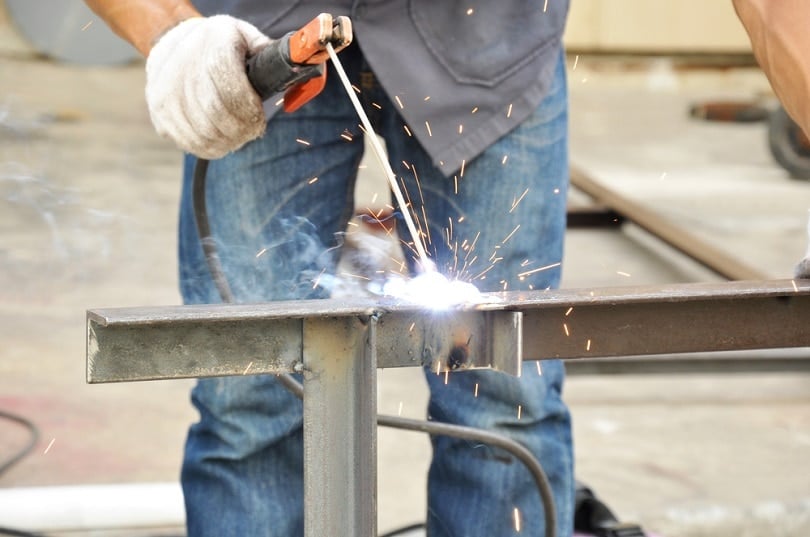
Pilihan elektrod mengubah cara las elektrod (SMAW) terasa di tangan anda, tetapi penambahbaikan sebenar pertama datang daripada rutin yang boleh diulang. Jika anda sedang belajar cara melas elektrod , ikut urutan yang mudah: pasang mesin dengan betul, pilih elektrod dan arus, nyala lengkung pendek, dan perhatikan leburan. Itulah asas las elektrod asas dan cara termudah untuk memahami cara menggunakan mesin las elektrod tanpa terperangkap dalam teori yang rumit.
Pasangan Asas Mesin Las Elektrod
- Kenakan topi keledar, sarung tangan, pakaian tahan api, dan kasut yang sesuai. Pastikan kawasan tersebut kering dan bebas dari barang-barang yang menghalang.
- Pasangkan pengapit tanah pada logam telanjang yang bersih. Sambungan yang lemah boleh menyebabkan nyalaan busur menjadi tidak stabil.
- Masukkan elektrod dengan ketat ke dalam pemegang dan sahkan jenis batang elektrod sebelum menetapkan mesin.
- Tetapkan amperan berdasarkan saiz batang elektrod dan ketebalan bahan. Carta tetapan Arccaptain memberikan julat permulaan biasa seperti 40 hingga 90 amp bagi batang E6011 atau E6013 berdiameter 3/32 inci, 75 hingga 125 amp bagi batang E6011 berdiameter 1/8 inci, dan 90 hingga 140 amp bagi batang E7018 berdiameter 1/8 inci.
- Pilih kutub yang betul. Untuk kimpalan batang elektrod , titik permulaan biasa ialah DC+ untuk E6010 dan kebanyakan kerja E7018, AC atau DC+ untuk E6011, serta AC, DC+, atau DC- untuk E6013.
- Lakukan jalur ujian pendek pada bahan sisa sebelum mengimpal sambungan sebenar.
Jika anda cuba mempelajari cara mengimpal menggunakan mesin kimpalan batang elektrod , ujian sisa ini lebih penting daripada yang dijangkakan orang. Arus rendah boleh meninggalkan jalur kimpalan yang tinggi dan kelihatan sejuk. Arus yang terlalu tinggi boleh menjadikan kolam kimpalan terlalu cair dan meningkatkan percikan kimpalan .
Menyentuhkan Busur dan Menetapkan Sudut
Untuk memulakan busur, gunakan ketukan ringan atau goresan pantas, kemudian angkat elektrod secara serta-merta. Matlamatnya ialah busur yang pendek dan stabil, bukan nyalaan yang panjang. Pembuat catatan bahawa pemula sering menghadapi kesukaran dengan elektrod melekat pada benda kerja, terutamanya dengan E7018. Jika kimpalan tali anda melekat pada logam , jangan terus menekan batang elektrod ke bawah. Putarkan batang untuk melepaskannya, naikkan sedikit amperaj jika perlu, dan kurangkan jeda antara sentuhan dan pengangkatan.
Pegang sudut pergerakan yang sedikit dan kekalkan panjang busur yang pendek, kira-kira sama dengan diameter teras batang elektrod. Tabiat satu ini menyelesaikan banyak masalah secara mengejutkan. Panduan pembaikan yang sama mengaitkan panjang busur yang terlalu panjang dan logam asas yang kotor dengan kelebihan percikan kimpalan dan kelakuan busur yang tidak stabil.
Kelajuan Pergerakan, Penyingkiran Slag, dan Permulaan Semula
- Bergerak dengan kadar yang tetap dan perhatikan kolam leburan bukan percikan.
- Biarkan butiran las menyatu ke kedua sisi sambungan. Jika terlalu cepat, penggabungan akan terjejas.
- Setelah laluan selesai menyejuk sedikit, ketuk dan bersihkan terak sebelum diperiksa atau menambah laluan seterusnya.
- Untuk memulakan semula, bersihkan kawah, nyalakan arka sedikit di hadapan kawah, kemudian gerakkan balik ke dalam kawah dan teruskan ke hadapan.
- Rod melekat : Biasanya disebabkan oleh amperan rendah, angkatan rod yang perlahan, atau penyambungan bumi yang buruk.
- Panjang arka tidak konsisten : Menghasilkan butiran las yang tidak sekata dan bunyi yang kasar serta berubah-ubah.
- Percikan berlebihan : Sering dikaitkan dengan jarak arka yang terlalu panjang, permukaan logam yang kotor, elektrod yang basah, atau arus yang ditetapkan terlalu tinggi.
- Pembersihan slag yang buruk : Sering kali bermaksud bahawa laluan tersebut tidak dibersihkan sepenuhnya sebelum pemeriksaan atau kelajuan pergerakan menyebabkan slag terperangkap di tepi-tepi.
Bead permulaan yang baik kelihatan rata, melekat pada kedua-dua sisi, dan menunjukkan logam yang bersih setelah slag dibuang. Petunjuk visual ini lebih berguna berbanding mengejar corak percikan yang sempurna. Ia juga memberi petunjuk di mana proses ini unggul: peralatan mudah alih, persediaan yang ringkas, dan kerja yang boleh dipercayai dalam keadaan kurang ideal, walaupun ia memerlukan usaha lebih banyak daripada operator berbanding beberapa kaedah pengimpalan lain.
Pengimpalan Stick berbanding MIG, TIG, dan Berinti Fluks
Seorang pemula boleh membuat pilihan proses yang lebih baik apabila pengimpalan stick dilihat bersama-sama dengan kaedah-kaedah lengkung utama lain, bukan secara terpencil. Ini penting kerana stick berbanding pengimpalan lengkung bukanlah perbandingan yang adil. Pengimpalan lengkung adalah keluarga besar. Pengimpalan stick, atau SMAW, adalah salah satu ahli keluarga ini bersama-sama dengan MIG, TIG, dan FCAW. Jadi jika anda bertanya apakah itu pengimpalan lengkung berpelindung logam aTAU apakah itu pengimpalan SMAW , jawapan praktikal ringkasnya adalah ini: ia adalah proses elektrod berlapis fluks secara manual yang lebih sesuai untuk mobiliti, kerja di luar bangunan, dan keluli yang lebih tebal.
Pengelasan Stick Berbanding MIG, TIG, dan Inti Fluks
Panduan daripada Xometry dan WeldGuru sejajar dengan asas-asasnya. SMAW menggunakan batang habis pakai berlapis fluks. MIG menggunakan wayar berterusan dan gas pelindung. TIG menggunakan elektrod tungsten bukan habis pakai dan gas pelindung. FCAW menggunakan wayar berisi fluks, kadangkala dengan tambahan gas. Keempat-empat proses ini merupakan bentuk pengelasan elektrik kerana semuanya menggunakan lengkung elektrik untuk menghasilkan haba, tetapi kelakuan mereka di tapak kerja sangat berbeza.
| Proses | Nama rasmi | Kemudahan Membawa | Toleransi terhadap angin | Toleransi persediaan permukaan | Lengkungan Pembelajaran | Rupa las | Aplikasi Biasa |
|---|---|---|---|---|---|---|---|
| Batang | Pengelasan Lengkung Logam Terlindung, SMAW, MMA | Tinggi | Baik | Lebih baik daripada kebanyakan proses lain pada keluli berkarat atau kotor | Sederhana | Kuat, tetapi biasanya lebih kasar dan memerlukan pembersihan slag | Pembaikan, pembinaan, kerja lapangan, keluli struktur, penyelenggaraan |
| MIG | Pengelasan Ark Gas Logam, GMAW | Sederhana | Kurang sesuai dalam keadaan berangin kerana gas pelindung boleh terhembus | Lebih memilih keluli bersih | Mudah untuk pemula | Bersih dan kemas | Kerja bengkel, pembaikan kenderaan, fabrikasi, pengelasan pengeluaran |
| Tig | Pengelasan Ark Gas Tungsten, GTAW | Sederhana hingga rendah | Kurang sesuai dalam keadaan berangin | Memerlukan bahan yang sangat bersih | Tinggi | Penyelesaian kosmetik terbaik | Logam nipis, keluli tahan karat, aluminium, kerja ketepatan |
| Teras Fluks | Pengelasan Ark Teras Fluks, FCAW | Sederhana | Sesuai digunakan dengan wayar tanpa pelindung luar | Sederhana hingga Baik | Mudah hingga sederhana | Kuat, tetapi menghasilkan asap pekat dan memerlukan pembersihan selepas pengelasan | Fabrikasi berat, kerja keluli di luar bangunan, bahagian yang lebih tebal |
Kelebihan dan Kelemahan SMAW
Kelebihan
- Peralatan mudah alih dan pemasangan yang ringkas.
- Berfungsi dengan baik di luar bangunan dan di lokasi terpencil.
- Mengendalikan bahan yang lebih tebal dan menawarkan penembusan yang mendalam.
- Lebih toleran terhadap karat, skala, dan persiapan yang kurang sempurna.
- Lebih berpatutan berbanding proses lain yang memerlukan peralatan lebih banyak.
Keburukan
- Lebih perlahan berbanding proses bertuas wayar kerana elektrod perlu diganti dengan kerap.
- Menghasilkan slag dan biasanya memerlukan pembersihan tambahan.
- Boleh menghasilkan percikan lebih banyak dan jalur kimpalan yang kurang licin.
- Kurang sesuai untuk bahan yang sangat nipis dan kerja yang memerlukan penampilan yang sempurna.
Apabila Pengelasan Stick Adalah Pilihan yang Lebih Baik
Dengan bahasa mudah, pengelasan stick berbanding pengelasan MIG sering kali bergantung kepada persekitaran. Pilih pengelasan stick apabila kerja dilakukan di luar bangunan, logam tidak sepenuhnya bersih, atau anda memerlukan susunan yang ringkas. Pilih pengelasan MIG apabila kelajuan dan bentuk sambungan yang lebih kemas menjadi keutamaan. Pengelasan TIG sesuai untuk projek yang menuntut ketepatan tinggi. FCAW berada di antara produktiviti bengkel dan ketahanan penggunaan di luar bangunan.
Anda juga mungkin mendengar SMAW dipanggil mma arc welding aTAU pengelasan lengkung logam manual . Istilah serantau yang lebih lama ini masih merujuk kepada proses yang sama. Kuncinya ialah mengingat bahawa pengelasan lengkung logam boleh menggambarkan SMAW dalam konteks tertentu, manakala penyambungan ark pengelasan lengkung logam
Apakah Kegunaan Sebenar Pengelasan Stick di Dunia Nyata?
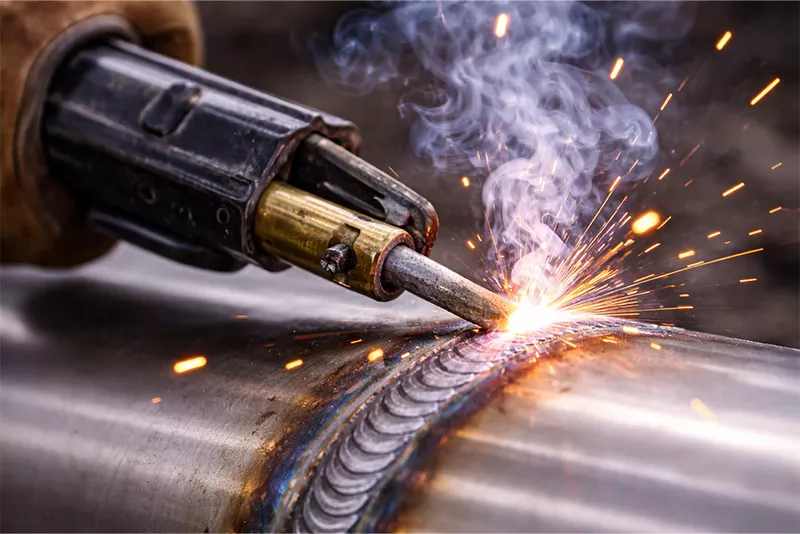
Letakkan mesin las batang di sebelah pintu pagar yang rosak, tiang keluli, atau rak paip di tapak yang berangin, dan nilai kegunaannya akan segera jelas. Apa pun nama yang anda gunakan—las batang, SMAW, atau MMA—proses ini memperoleh reputasinya di tempat-tempat di mana kebolehportalan, kelengkapan yang ringkas, dan rintangan terhadap angin menjadi faktor penting. Bahan daripada Brandywine Valley Fabricators menonjolkan kerja las struktur, kerja pembaikan, paip, dan projek berat sebagai aplikasi utama bagi proses ini.
Di Mana Las Batang Masih Unggul
Jika anda bertanya untuk apakah las batang digunakan , jawapan praktikalnya ialah kerja di luar bangunan. Oleh kerana salutan fluks menyediakan perlindungan, proses ini tidak bergantung pada botol gas berasingan, menjadikannya sesuai untuk penggunaan di luar bangunan dan di lokasi terpencil. Itulah juga jawapan ringkas kepada untuk apakah las batang sesuai .
- Kerja pembaikan di luar bangunan: kelengkapan ladang, pagar, pendakap, dan bahagian keluli yang retak
- Penyelenggaraan di luar bangunan: kerja-kerja di mana membawa mesin yang ringkas dan elektrod lebih mudah berbanding memindahkan kelengkapan bengkel berskala besar
- Keluli Struktur: rasuk, sokongan, dan bahagian yang lebih tebal yang memerlukan sambungan las yang tahan lama
- Kerja paip: pengimpalan paip dengan elektrod bersalut masih berkait rapat dengan pengimpalan di tapak kerana kelengkapan ini mudah diangkut
- Pekerjaan jarak jauh: tempat di mana angin akan mengganggu proses pengimpalan yang dilindungi gas
- Fabrikasi berat: keluli tebal di mana penembusan mendalam dan kepraktisan yang kukuh lebih penting daripada rupa luar
Baikpulih luar bangunan, paip, dan keluli berat
Banyak kekeliruan dalam penamaan menjadi jelas apabila anda melihat kerja itu sendiri. Sebuah pengimpalan paip dengan elektrod bersalut penetapan ini popular atas sebab yang sama mengapa pasukan lapangan menyukai SMAW secara umum: peralatan adalah mudah dan proses ini tetap berguna apabila cuaca atau lokasi menjadikan pengelasan bergaya bengkel lebih sukar. Jika seseorang mencari pengelasan paip dengan elektrod , mereka biasanya mencari aspek SMAW yang berorientasikan lapangan ini, bukan fabrikasi halus dan kosmetik.
Hadnya juga penting. Logam lembaran nipis adalah perkara yang berbeza. Pengilang mencatat bahawa pengelasan logam lembaran nipis memerlukan kawalan haba yang ketat untuk mengelakkan tembusan dan ubah bentuk, justeru proses seperti MIG litar-pendek, TIG, laser atau pengelasan rintangan sering menjadi pilihan yang lebih baik untuk komponen lembaran ringan dan bahagian yang kritikal dari segi penampilan.
Apabila Pengelasan Pengeluaran Automatik Lebih Masuk Akal
Pengelasan paip secara manual sangat baik untuk kerja pembaikan dan kerja lapangan berat, tetapi komponen sasis yang diulang biasanya memerlukan pengeluaran kilang yang terkawal. Bagi pengilang automotif, Shaoyi Metal Technology ialah contoh praktikal bagi kontras tersebut, menawarkan sokongan pengimpalan automatik untuk komponen sasis berprestasi tinggi di bawah sistem kualiti IATF 16949.
| Pilihan | Ketekalan proses | Kemudahan Membawa | Ketahanan terhadap persekitaran | Kesesuaian Pengeluaran |
|---|---|---|---|---|
| Pengimpalan automatik komponen sasis, seperti Shaoyi | Sangat Tinggi | Rendah | Terbaik dalam keadaan kilang yang terkawal | Sangat sesuai untuk pemasangan automotif yang boleh diulang |
| Pengimpalan manual jenis batang (SMAW) | Bergantung secara besar-besaran kepada kemahiran operator | Tinggi | Sangat baik untuk penggunaan di luar bangunan dan di tapak kerja | Terbaik untuk kerja pembaikan, penyelenggaraan, keluli struktur, dan kerja paip di tapak |
Perbezaan ini patut diingati. Pengimpalan batang sesuai digunakan di mana ketahanan dan mobiliti menjadi faktor utama. Kaedah automatik pula lebih sesuai di mana faktor ulangan, kelajuan, dan kawalan pengeluaran yang ketat lebih penting. Bagi ramai pembaca, keputusan sebenar kini bukan lagi sekadar nama proses tersebut, tetapi bilakah nama itu sesuai dengan tugas yang dihadapi dan bilakah proses lain lebih layak mengambil tempatnya.
Memilih Antara Pengelasan Stick, SMAW, dan Proses Lain
Pengelasan stick adalah nama harian, manakala SMAW dan MMA adalah nama formal bagi proses pengelasan yang sama.
Jika anda memerlukan ringkasan yang paling jelas, TWI mengenal pasti MMA, SMAW, dan pengelasan stick sebagai kaedah yang sama. Jadi, jika anda ingin mentakrifkan pengelasan stick dalam bahasa Inggeris biasa, ianya adalah proses pengelasan lengkung manual yang menggunakan elektrod boleh habis pakai bersalut fluks. Ini juga memberikan anda definisi praktikal pengelasan SMAW tanpa membuatnya terlalu rumit.
Memilih Laluan Pengelasan yang Tepat
- Sebut pengelasan stick dalam perbualan harian, di tapak kerja, atau apabila membeli pengelas stick .
- Sebut SMAW dalam kelas, prosedur, sijil, dan dokumen teknikal di mana ketepatan menjadi penting.
- Katakan MMA atau MMAW apabila membaca bahan latihan dari UK, Eropah, atau antarabangsa.
- Gunakan kimpalan arka hanya sebagai istilah keluarga umum, bukan sebagai pengganti proses khusus ini.
Apabila Pengimpal Rod Cukup
Baker's Gas menghuraikan kimpalan elektrod bersalut sebagai pilihan yang sesuai untuk kerja luar, logam tebal, dan permukaan kotor atau berkarat. Secara praktikal, ini menjawab untuk apakah pengimpal rod digunakan : pembaikan, keluli struktur, kerja di tapak, dan bahagian berat di mana kebolehportalan lebih penting daripada hasil akhir kosmetik yang sempurna. Jika seseorang bertanya apakah itu pengimpal SMAW , mereka biasanya merujuk kepada jenis mesin yang sama ini yang disetel untuk SMAW.
- Pilih kimpalan elektrod bersalut untuk pembaikan di luar bangunan, penyelenggaraan di tapak, dan keluli yang lebih berat.
- Pilih MIG untuk pengeluaran dalam bangunan yang lebih cepat dan kimpalan yang lebih bersih.
- Pilih TIG untuk bahan nipis, aluminium, dan kerja yang memerlukan penampilan yang kritikal.
Mencari Sokongan Pengelupasan Pengeluaran untuk Komponen Chassis
- Shaoyi Metal Technology ialah sumber yang berguna bagi pengilang automotif yang memerlukan pengelupasan komponen chassis yang boleh diulang dan disahkan secara profesional di luar pengelupasan SMAW manual.
- Pengelupasan stick manual kekal sebagai pilihan yang lebih sesuai apabila mobiliti, peralatan ringkas, dan kebolehsesuaian di tapak menjadi faktor utama.
Gunakan nama biasa apabila berbual dengan tukang kimpal. Gunakan nama rasmi apabila ketepatan menjadi penting. Pilih proses mengikut tugas, bukan mengikut julukan.
Soalan Lazim Mengenai Nama Pengelupasan Stick
1. Apakah nama rasmi bagi pengelupasan stick?
Nama rasmi industri ialah Pengelasan Lengkung Logam Berpelindung, yang biasanya dipendekkan kepada SMAW. Dalam banyak rujukan antarabangsa dan Eropah, anda juga mungkin melihat istilah Pengelasan Lengkung Logam Manual atau MMA. Istilah-istilah ini menggambarkan proses pengelasan manual yang sama, bukan kaedah-kaedah berbeza.
2. Adakah pengelasan batang sama dengan pengelasan lengkung?
Tidak. Pengelasan batang merupakan satu jenis pengelasan lengkung, tetapi pengelasan lengkung adalah nama keluarga umum bagi beberapa proses pengelasan berbasis lengkung elektrik. MIG, TIG, pengelasan berinti fluks, dan SMAW semuanya termasuk dalam kelompok yang lebih luas ini; oleh itu, menggunakan istilah "pengelasan lengkung" sebagai pengganti langsung bagi pengelasan batang tidak sepenuhnya tepat.
3. Mengapa ia dinamakan pengelasan batang?
Nama lazim ini berasal daripada elektrod berbentuk batang yang dimasukkan ke dalam pemegang. Para pengelas di tapak kerja cenderung menggunakan bahasa yang ringkas dan praktikal, maka istilah "batang" menjadi sebutan harian. Julukan ini bersifat tidak formal, tetapi masih merujuk kepada proses yang sama seperti yang dinyatakan sebagai SMAW dalam manual dan dokumen latihan.
4. Jenis elektrod apakah yang digunakan dalam pengelasan batang?
Pengelasan rod menggunakan elektrod boleh habis pakai bersalut fluks, yang sering dipanggil rod. Teras logam membawa arus dan melebur ke dalam sambungan sebagai logam pengisi, manakala salutan luar membantu melindungi kawasan lasan dan meninggalkan terak di atas selepas proses lasan. Pemilihan rod bergantung pada logam asas, kedudukan lasan, dan arus yang tersedia.
5. Bilakah anda harus memilih pengelasan rod berbanding proses lain?
Pengelasan rod merupakan pilihan yang kuat untuk pembaikan luar bangunan, penyelenggaraan di tapak, keluli struktur, dan kerja paip kerana peralatannya mudah dibawa dan proses ini kurang bergantung pada gas pelindung luaran. Ia biasanya kurang sesuai untuk logam lembaran nipis, lasan yang sangat estetik, atau pengeluaran berulang berskala besar. Untuk pengelasan komponen rangka kereta secara berulang, pengilang sering beralih kepada sistem pengeluaran automatik, dan sumber pakar seperti Shaoyi Metal Technology mungkin lebih sesuai berbanding pengelasan SMAW manual.