 Small batches, high standards. Our rapid prototyping service makes validation faster and easier —
  EN
EN


Matricu zīmogotie produkti izskaidroti: no neapstrādātā metāla līdz precīziem detaļām
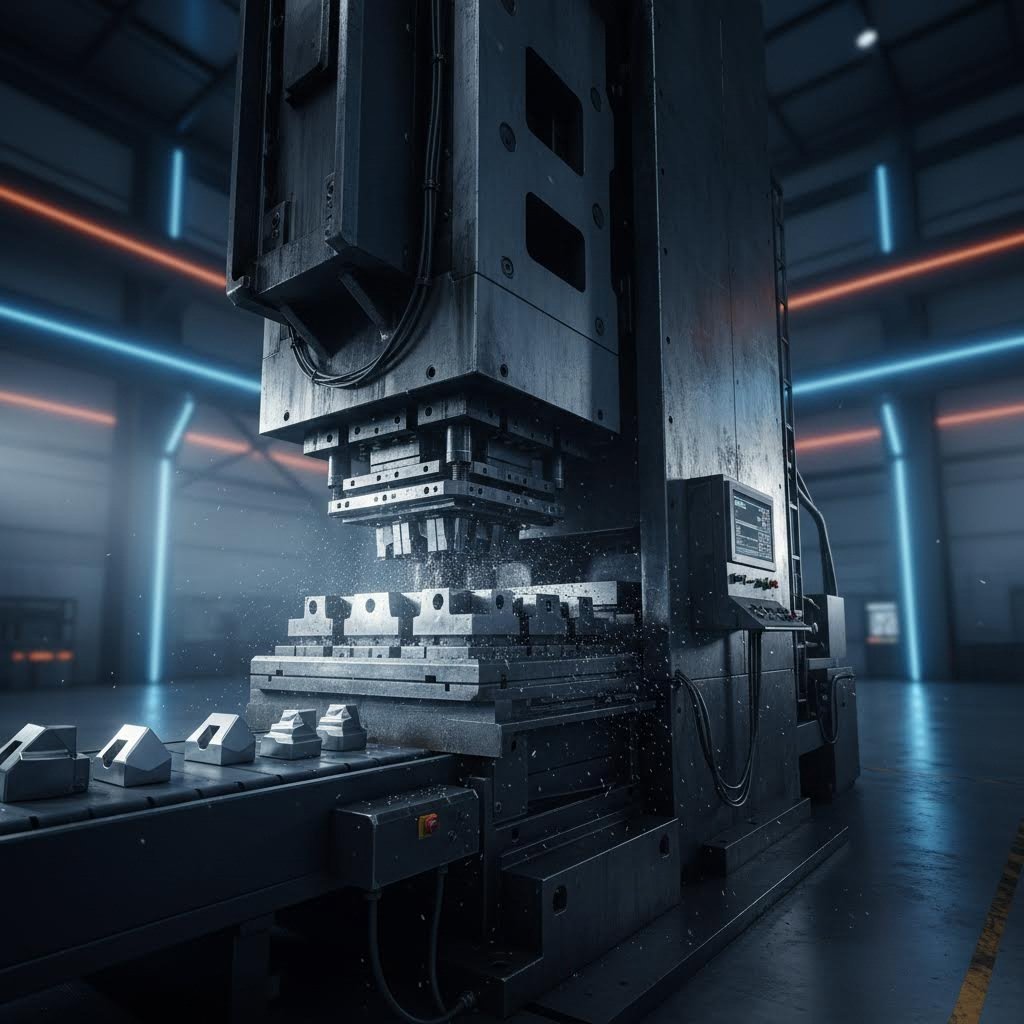
Kas ir diesa štampēti izstrādājumi un kā tie tiek izgatavoti
Vai jūs kādreiz esat brīnījušies, kā ražotāji ražo tūkstošiem identiski metāla daļas ar izcilu precizitāti ? Atbilde slēpjas diesa štampēšanā — aukstās formošanas tehnikā, kas pārvērš plakanas metāla loksnes sarežģītos, funkcionālos komponentos, kurus ikdienā sastopat. Diesa štampētie izstrādājumi var būt gan mazie savienotāji jūsu smarfonā, gan lielās ķermeņa paneļu daļas jūsu automašīnā — visi tie tiek izgatavoti, izmantojot vienu un to pašu pamatprocesu.
Būtībā diesa štampēšanā metāla loksne (bieži saukta par заготовку — заготовку) tiek novietota starp specializētiem rīkiem, ko sauc par diesām. Kad preses iekārta pieliek spēku, šīs diesas griež, liek vai veido metālu noteiktā dizainā vai profilā. Šī procesa skaistums? Tas spēj ražot detaļas jebkura izmēra — no daļām, kuru izmēri ir milimetra daļiņas, līdz rūpnieciskā mēroga izstrādājumiem — visus ar izcilu vienveidību.
Diesa štampēšanas pamatmehānika
Iedomajieties kūku veidošanas veidni, kas spiežas cauri mīklai. Matricu stempelēšana darbojas līdzīgā principā, taču ar metālu un daudz lielāku spēku. Šajā procesā izmanto stempelēšanas presi, kas aprīkota ar diviem būtiskiem komponentiem: uzgriezni (augšējo rīku) un matricu (apakšējo rīku). Kad prese aktivizējas, uzgrieznis nolaižas un piespiež metāla loksni pret matricu vai caur to, pastāvīgi mainot tās formu.
Šo tehniku īpaši vērtīgu padara tās atkarība no plastiskās deformācijas. Atšķirībā no griešanas ar zāģi vai atsevišķu caurumu urbšanas, matricu stempelēšana pieliek kontrolētu spēku, kas liek metālam plūst un pārveidoties, nesaplīstot. Šis aukstās deformācijas paņēmiens — ko veic istabas temperatūrā — saglabā metāla strukturālo integritāti, vienlaikus radot precīzas ģeometrijas, kas nav sasniedzamas ar citām metodēm.
Paši matricas ir specializēti rīki, kas izgatavoti no cietinātas tērauda un paredzēti visu veidu izstrādājumu ražošanai — sākot ar vienkāršiem ikdienas priekšmetiem un beidzot ar sarežģītām elektroniskām sastāvdaļām. Dažas matricas veic vienu darbību, citi — vairākas darbības secīgi, kas ievērojami palielina ražošanas efektivitāti.
Kā matricas pārvērš neapstrādāto metālu precīzās detaļās
Pāreja no plakanas metāla loksnes līdz gatavajai sastāvdaļai notiek vairāku atsevišķu darbību rezultātā. Katra darbība pieliek spēku noteiktā veidā, lai sasniegtu dažādus rezultātus. Šo pamatprocesu izpratne palīdz saprast, kā ražotāji izvēlas piemērotāko pieeju katram konkrētajam pielietojumam:
- Blanking: Izgriež plakanu formu no metāla loksnes, radot atsevišķu detaļu (blanks), kas kļūst par gatavo izstrādājumu vai tiek pakļauta turpmākai apstrādei.
- Perforēšana: Izurbj caurumus vai noteiktas iekšējas pazīmes darba gabalā — pretēji blanks izgriešanai, kur izurbtā daļa kļūst par atkritumiem, bet pamatmateriāls tiek saglabāts.
- Saliekšana: Deformē metālu pa taisnu asi, lai izveidotu L, U vai V profili, veidojot stiprinājumus, korpusus un strukturālas sastāvdaļas, negriežot materiālu.
- Formēšana: Pārveido loksnes metālu trīsdimensiju elementos, negriežot to, pievienojot dekoratīvus apmales, stingrinātus panelus vai pastiprinātas zonas daļām.
- Zīmējums: Ievilkt metālu dziļākos trīsdimensiju formās — piemēram, virtuves mazgātavas, automobiļu ķermeņa paneļus vai elektronisko ierīču korpusus — vienlaikus saglabājot gandrīz tādu pašu virsmas laukumu.
Šīs operācijas var veikt atsevišķi vai kombinēt sarežģītās secībās. Piemēram, viena progresīvā matrica var izgriezt kontūru, izurbt montāžas caurumus, saliekt malas un veidot stingrināšanas ribas — visu to ātri vienu pēc otra, kamēr metāla lentīte pārvietojas caur presi. Šī spēja integrēt vairākas operācijas izskaidro, kāpēc matricu stempelēšanas produkti dominē nozarēs, kur nepieciešami lielā apjomā ražoti precīzi metāla komponenti.
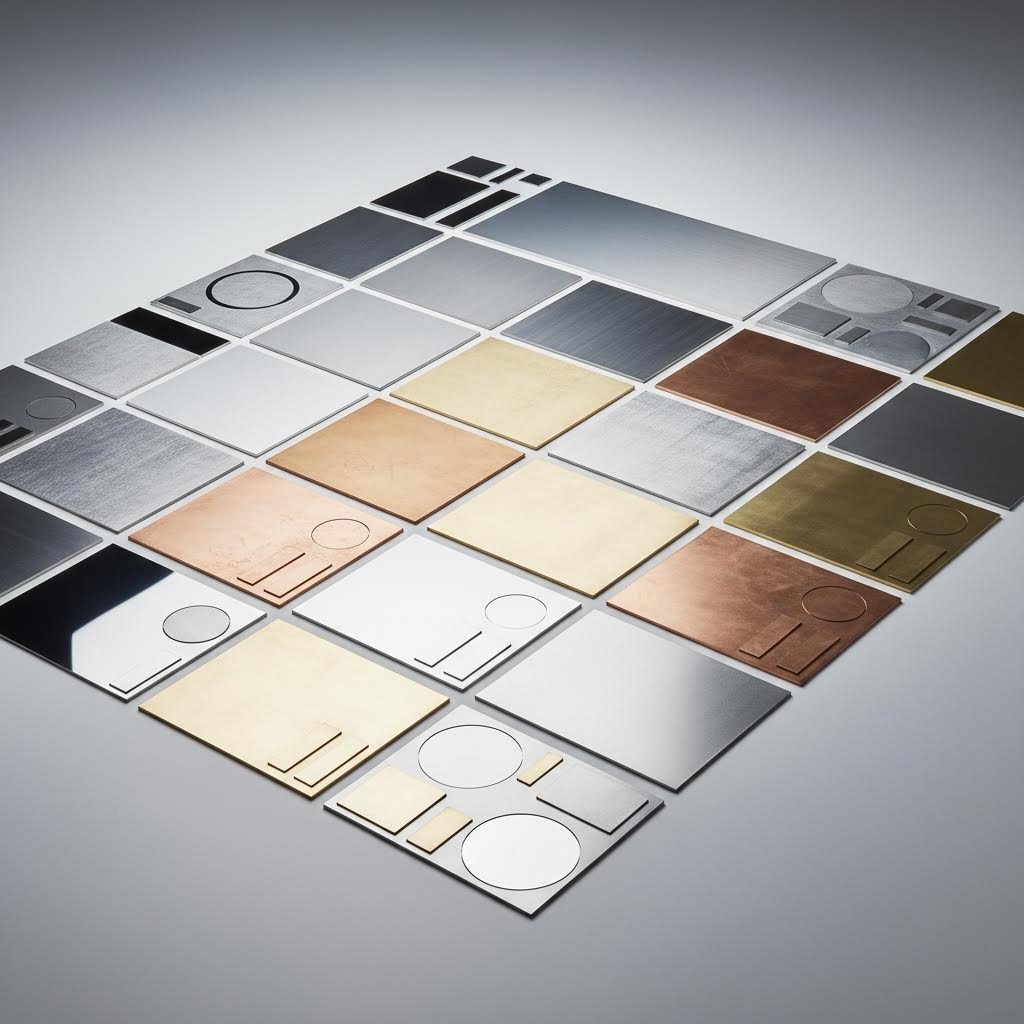
Materiāli, ko izmanto matricu stempelēšanas produktos
Tagad, kad jūs saprotat, kā matricas pārvērš plakanas loksnes precīzos komponentus, rodas būtisks jautājums: kuru metālu jums vajadzētu izvēlēties? Materiāla izvēle nav vienkārši pieejamo materiālu izvēle — tā tieši ietekmē jūsu detaļas izturību, ražošanas iespējamību un kopējo projekta izmaksas. Nepareiza izvēle var izraisīt plaisājušas detaļas, ražošanas kavēšanos vai budžeta pārsniegšanu. Pareizā izvēle? Presēta detaļa, kas bez problēmām darbojas gadiem ilgi.
Loksnes metāla presēšana darbojas ar ievērojamu metālu un sakausējumu klāstu, kur katram ir unikālas īpašības, kas piemērotas konkrētām lietojumprogrammām. Vai jūs projektējat elektriskus savienotājus, kam nepieciešama lieliska vadītspēja, vai automobiļu stiprinājumus, kam nepieciešama augsta izturība , materiālu raksturlielumu izpratne palīdz jums pieņemt informētus lēmumus jau pirms rīku izgatavošanas sākuma.
Bieži izmantotie metāli presētām komponentām
Metāli, ko izmanto metāla stempļu izstrādājumos, iedalās vairākās galvenās kategorijās, kurām katrai ir savas atšķirīgās rūpnieciskās lietojuma vajadzības. Šeit jūs visbiežāk sastapsiet:
Oglekļa tērauds paliek metāla stempļošanas darba zirgs. Tas ir izturīgs, pieejams un viegli apstrādājams — tādēļ tas ir ideāls strukturālo komponentu, mašīnu daļu un lielapjoma lietojumu ražošanai, kur būtiska ir izmaksu efektivitāte. Mīkstais oglekļa tērauds piedāvā lielisku formējamību un metināmību, kamēr augsta oglekļa saturu tēraudi (springs tēraudi) nodrošina izturību, kas nepieciešama skavām, stiprinājumiem un spriegumu izturīgām komponentēm. Korozijas aizsardzībai cinkotās versijas nodrošina cinka pārklājumus, kas pagarinās ekspluatācijas laiku būvniecības un automobiļu lietojumos.
Nerūsējošais tērauds iekļaujas, kad prioritāte kļūst izturība un korozijas izturība. Saskaņā ar Verdugo Tool & Engineering bieži izmantotās kvalitātes ir 304L pārtikas apstrādei un medicīnas ierīcēm, 316 ar molibdēnu jūras vai ķīmiskajā vidē un 301 atsperēm un skavām, kurām nepieciešama augsta izturība kopā ar labu izstiepjamību. Hroma saturs veido pašatjaunojošos aizsargkārtu, kas harshos apstākļos pārspēj oglekļa tēraudu.
Alumīniju nodrošina vieglu izturību — ideāli tad, kad svarīga ir svara samazināšana, nezaudējot strukturālo stabilitāti. Kvalitāte 6061 piedāvā lielisku korozijas izturību un metināmību strukturālām lietojumprogrammām. Kvalitāte 2024 nodrošina augstāku izturības attiecību pret svaru, tāpēc to vēlams izmantot aerosaimniecības komponentos. Kvalitāte 5052-H32 apvieno veidojamību ar korozijas izturību jūras un automobiļu ražošanā. Tomēr aluminiju var būt grūti formēt un vilkt, tāpēc ražošanas iespējamībai nepieciešams rūpīgi inženieris.
Varš un vara sakausējumi izcilas īpašības, kur elektriskā vai termiskā vadītspēja ir prioritāte. Tīrs varš, misiņš (varš-cinks) un bronza (varš-alva) katrs atbilst noteiktām funkcijām elektronikā, elektriskajos savienotājos un HVAC sistēmās. Berilija varš apvieno augstu vadītspēju ar izcilu izturību, tāpēc tas ir ideāls precīzijas instrumentiem un savienotājiem, kuriem jāiztur smagas slodzes. Fosfora bronza piedāvā izcilu izturību pret atkārtotu slodzi un nodilumu prasīgām lietojumprogrammām.
Specializētas alejas iztur visstingrākās vides. Inconel iztur ārkārtīgi augstas temperatūras aerosaimniecībā un ķīmiskajā rūpniecībā. Titanam ir liela izturība pie 55 % no tērauda blīvuma, tāpēc tas tiek izmantots aerosaimniecībā un jūras tehnoloģijās. Hastelloy iztur koroziju agresīvās ķīmiskās vidēs. Šīm materiālu izmaksām ir augstākas, un to stempelēšana var būt grūtāka, taču tās ir neatstājamās, kad standarta metāli vienkārši nespēj izturēt ekspluatāciju.
Materiālu īpašību pielāgošana pielietojuma prasībām
Labāko stempelēšanas matricu produktu izvēle sākas ar sapratni par to, kā konkrētās materiālu īpašības ietekmē reālās lietošanas veiktspēju. Ņemiet vērā šos būtiskos faktorus:
Rāvējspēks un cietība nosaka, vai jūsu detaļa var izturēt pielikto spēku, nepārtraucoties. Strukturālajām balstplāksnēm nepieciešama augstas izturības tērauda loksne. Elastīgām elektriskām kontaktplāksnēm var būt nepieciešami mīkstāki vara sakausējumi. Izvēlieties materiālu ar izturības rādītāju, kas atbilst jūsu lietojumprogrammas mehāniskajiem spriegumiem.
Plastiskums un veidojamība ietekmē to, cik viegli metāls var tikt veidots, nepārtraucoties. Ļoti plastīgi materiāli, piemēram, varš un alumīnijs, liecas un izstiepjas sarežģītās formas. Mazāk plastīgi metāli var ierobežot dizaina sarežģītību vai prasīt specializētus rīku veidošanas paņēmienus.
Mulas tolerancija ir būtisks precīzajās lietojumprogrammās. Vienmērīga materiāla biezuma nodrošināšana garantē izmēru precizitāti visās tūkstošos stempelētajās detaļās. Nevienmērīgs materiāls rada kvalitātes kontroles problēmas.
Vadība lietas elektriskām un termiskām lietojumprogrammām. Varš un alumīnijs efektīvi vada elektrību un siltumu. Kad nepieciešama izolācija vai siltumizturība, kļūst vēlamākas zemākas vadītspējas iespējas.
Korozijas izturība pagarina detaļu kalpošanas laiku agresīvās vides apstākļos. Nerūsējošais tērauds, alumīnijs un noteikti vara sakausējumi dabiski pretojas degradācijai. Ogļa tērauds parasti prasa aizsargpārklājumus ārējām vai ķīmiskām ietekmēm.
| Materiāls | Galvenās īpašības | Labākās pielietošanas iespējas | Salīdzināmā cena diapazons |
|---|---|---|---|
| Oglekļa tērauds | Lielā izturība, izcila veidojamība, magnētisks | Konstruktīvās sastāvdaļas, mašīnu daļas, atzveltnes | Zems |
| Nerūsējošais tērauds | Korozijas izturīgs, izturīgs, estētiski pievilcīgs virsmas apdare | Medicīnas ierīces, pārtikas apstrāde, jūras lietojumprogrammas | Vidējs-Augsts |
| Alumīniju | Viegls, korozijas izturīgs, augsts stipruma attiecībā pret svaru | Aeronautika, automašīnu rūpniecība, elektronikas korpusi | Vidējs |
| Varš/Misinš | Izcilas vadītspējas, antimikrobiālas īpašības, dekoratīvs pievilcīgums | Elektriskie savienotāji, ventilācijas un gaisa kondicionēšanas sistēmas, dekoratīvie metāla komplekti | Vidējs-Augsts |
| Berilija varš | Augsta vadītspēja ar izturību, izturība pret atkārtotu slodzi | Precīzi instrumenti, sviras, lidaparātu daļas | Augsts |
| Tītanis | Īpaši izturīgs, viegls un korozijai izturīgs | Aerokosmiskā rūpniecība, jūras tehnika, ķīmiskā apstrade | Ļoti augsts |
Novērtējot pielāgoti stempļošanas matricu izstrādājumi jūsu projektam , ņemiet vērā, ka materiāla izmaksas veido tikai vienu puzzle gabaliņu. Lētāks metāls, kam nepieciešama ievērojama pēcapstrāde vai kas ekspluatācijas laikā ātri noveco, galu galā izmaksās vairāk nekā pareizā materiāla izvēle jau sākumā. Labākais pieejas veids ir sasvērt snieguma prasības, ražošanas savietojamību un kopējās dzīves cikla izmaksas, lai noteiktu optimālo izvēli.
Kad materiāla izvēle ir skaidra, nākamais loģiskais jautājums ir: kāds stempļošanas procesa veids vislabāk atbilst jūsu ražošanas vajadzībām? Atbilde lielā mērā ir atkarīga no ražošanas apjoma, detaļas sarežģītības un no tā, kā jūs esat izvēlējušies sasvērt priekšapmaksātās rīku izmaksas pret katras vienības izmaksām.
Stempļošanas procesu veidi — skaidrojums
Jūs esat izvēlējušies savu materiālu. Tagad seko vēl viens būtisks lēmums: kuru štampēšanas procesu izmantot, lai jūsu dizains kļūtu par realitāti visefektīvāk? Atbilde nav universāla. Ražošanas sērijas prasības, detaļas sarežģītība un budžeta ierobežojumi visi ietekmē to, vai jums vajadzētu investēt progresīvās, saliktās vai pārnesamās matricas štampēšanā. Katrs no šiem paņēmieniem piedāvā atsevišķas priekšrocības — un šo atšķirību izpratne var ietaupīt tūkstošus dolāru rīku izmaksās, vienlaikus optimizējot jūsu ražošanas grafiku.
Iedomājieties to šādi: nepareizas matricas tipa izvēle ir līdzīga tam, kā izmantot āmuru, lai uzkarinātu attēla rāmi. Tas, iespējams, darbosies, bet jūs izšķiedīsiet resursus un potenciāli sabojāsiet rezultātu. Apskatīsim katru pieeju, lai jūs varētu izvēlēties piemērotāko procesu savām konkrētajām ražošanas vajadzībām.
Progresīvā matricas štampēšana lielapjomu efektivitātei
Kad jūsu projektam nepieciešamas tūkstoši — vai pat miljoni — identisku detaļu, progresīvās matricas un štampēšanas ražošana kļūst jūsu spēcīgākais sabiedrotais. Šī metode darbojas, izmantojot virkni secīgu staciju, kur katrā no tām tiek veikta noteikta operācija, kamēr nepārtraukts metāla lenta virzās caur presi. Apstrādājamais izstrādājums paliek pievienots lentai no sākuma līdz beigām un atdalās tikai kā pabeigts izstrādājums pēdējā posmā.
Iedomājieties montāžas līniju, kas ietilpina vienā matricā. Katrā preses gājienā vairākas operācijas notiek vienlaicīgi dažādās lentas daļās: šeit — izgriešana, tur — caurduršana, nākamajā stacijā — liekšana. Šis paralēlās apstrādes process ievērojami palielina ražošanas ātrumu, vienlaikus saglabājot precīzas pielaides visā ražošanas ciklā.
Saskaņā ar Keats Manufacturing progresīvās matricas stempelēšana ļauj ražot lielos daudzumos detaļas ar ļoti precīzām pielaidēm, vienlaikus veicot vairākas operācijas. Efektivitātes uzlabojumi ir ievērojami — samazinātas darba izmaksas, minimāls iestatīšanas laiks un mazāks materiālu zudums salīdzinājumā ar vienoperāciju pieejām.
- Galvenās priekšrocības: Augsta ātruma ražošana, vienlaicīga vairāku operāciju veikšana, samazinātas darba izmaksas uz vienu detaļu, lieliska atkārtojamība, minimālas materiālu zudumu optimizētu lentes izkārtojumu dēļ
- Ideāli pielietojuma gadījumi: Mazas līdz vidēja izmēra detaļas, kurām nepieciešamas vairākas operācijas, elektroniski savienotāji, automobiļu stiprinājumi, mājsaimniecības tehnikas aprīkojums, lielapjoma ražošanas sērijas, kas pārsniedz 10 000 detaļas
- Uzmanības jomas: Augstākas sākotnējās rīku izmaksas, nav piemērots dziļi velmētām detaļām, prasa precīzu lentes pievadīšanas aprīkojumu
Kompromiss? Progresīvie matricu veidi prasa ievērojamus sākotnējos ieguldījumus projektēšanā un rīku izgatavošanā. Sloksnveida matricas ar sarežģītu vairāku staciju konstrukciju prasa rūpīgu inženierdarbu un cietinātus rīku komponentus, lai izturētu lielapjoma ražošanu. Tomēr, kā Spiedformēšanas simulācija norāda, rīku izmaksas uz vienu detaļu ievērojami samazinās lielāku ražošanas apjomu gadījumā — tādējādi progresīvā stempļošana kļūst aizvien izdevīgāka, jo ražošanas daudzumi pieaug.
Izvēle pareizā matricas veida jūsu ražošanas vajadzībām
Ne katrs projekts attaisno progresīvās matricas izmantošanu. Dažreiz vienkāršākas risinājumu iespējas nodrošina lielāku vērtību. Apskatīsim divas alternatīvas, kas ir īpaši efektīvas dažādos scenārijos:
Sastāvīgas formes uzliesmošana veic vairākas operācijas — griešanu, urbšanu, veidošanu — vienā preses kustībā. Atšķirībā no progresīvajām matricām, kombinētās matricas veic visas operācijas vienlaikus, nevis secīgi. Šis pieeja ir ļoti piemērota plakanām detaļām, piemēram, uzgriežņiem, blīvēm un vienkāršiem skavu veida elementiem, kur nepieciešama augsta atkārtojamība bez sarežģītām ģeometrijām.
- Galvenās priekšrocības: Zemākas rīku izmaksas salīdzinājumā ar progresīvajām matricām, efektīva vienkāršu un plaku detaļu ražošana, ļoti plakanas komponentu iegūšana, augsta atkārtojamība vienmatricu pielietojumos
- Ideāli pielietojuma gadījumi: Uzgriežņi, заготовки, vienkāršas formas plakanas detaļas, vidēji līdz augstiem apjomiem vienkāršu dizainu ražošanai, riteņu заготовki
- Uzmanības jomas: Ierobežota tikai salīdzinoši vienkāršām detaļu ģeometrijām, lielāku komponentu ražošanas ātrums var būt lēnāks, nav piemērota detaļām, kurām nepieciešamas secīgas veidošanas operācijas
Pārvietošanas formēšana izmanto pamatīgi citu pieeju. Nevis turēt apstrādājamo detaļu piestiprinātu lenti, bet gan pārneses matricas nekavējoties atdala заготовку un izmanto automatizētus mehāniskos pirkstus, lai pārvietotu atsevišķas detaļas starp stacijām. Šī brīvība ļauj ražotājiem apstrādāt lielākas sastāvdaļas un sarežģītākas ģeometrijas — tostarp dziļi velmētas iezīmes, vītnes, ribas un rievotas virsmas, ko progresīvās matricas vienkārši nevar sasniegt.
- Galvenās priekšrocības: Apstrādā lielas vai sarežģītas detaļas, ļauj veikt dziļu velmēšanu, daudzpusīga sarežģītu ģeometriju apstrādei, samazina nepieciešamību pēc sekundārām operācijām specializētām sastāvdaļām
- Ideāli pielietojuma gadījumi: Lielas strukturālas sastāvdaļas, dziļi velmēti korpusi un apvalki, detaļas, kurām nepieciešamas operācijas no vairākām virzieniem, vidēja līdz augsta ražošanas apjoma sarežģītu dizainu ražošana
- Uzmanības jomas: Augstākas rīku un uzstādīšanas izmaksas salīdzinājumā ar saliktiem matricām, nepieciešami sofistikēti pārneses mehānismi, prasa regulāru uzturēšanu gan matricām, gan pārneses sistēmām
Tātad kā jūs izlemjat? Ražošanas apjoms ir jūsu galvenais orientētājs. Ja daļu skaits ir mazāks par dažiem tūkstošiem, kombinētās matricas bieži nodrošina vislabāko vērtību ar zemākiem rīku izmaksām. Kad apjomi palielinās līdz desmitiem tūkstošiem, progresīvās matricas parasti kļūst ekonomiskākas, neskatoties uz augstākām sākotnējām izmaksām — samazinātās izmaksas par vienu daļu ātri kompensē sākotnējās rīku izmaksas. Pārnesuma matricas aizņem vidēju pozīciju: tās ir pamatotas, ja daļas sarežģītība vai lielums neļauj izmantot progresīvās matricas, taču apjomi joprojām ir pietiekami augsti, lai izmaksas par sarežģītajām rīku sistēmām tiktu izsmeltas.
Sakarība starp matricas sarežģītību un ekonomiku seko skaidram modelim. Vienkāršas kombinētās matricas var izmaksāt tikai nelielu daļu no progresīvās rīku izmaksām, taču tās ražo detaļas lēnāk un nevar veikt sarežģītas operācijas. Progresīvām matricām nepieciešams lielāks ieguldījums, taču masveida ražošanā tās ievērojami samazina vienas vienības izmaksas. Pārvades matricas izmaksā vairāk nekā kombinētās matricas, taču tās ļauj realizēt dizainus, ko citādi būtu neiespējami sasniegt. Jūsu optimālais izvēles variants balansē šos faktorus pret jūsu konkrētajām ražošanas prasībām.
Kad procesa izvēle ir skaidra, jūs varat brīnīties: kur tieši nonāk visas šīs stempļotās komponentes? Atbilde aptver gandrīz katru no tām nozarēm, ko vien var iedomāties — sākot ar transportlīdzekli jūsu automašīnu stāvvietā un beidzot ar tālruni jūsu kabatā.
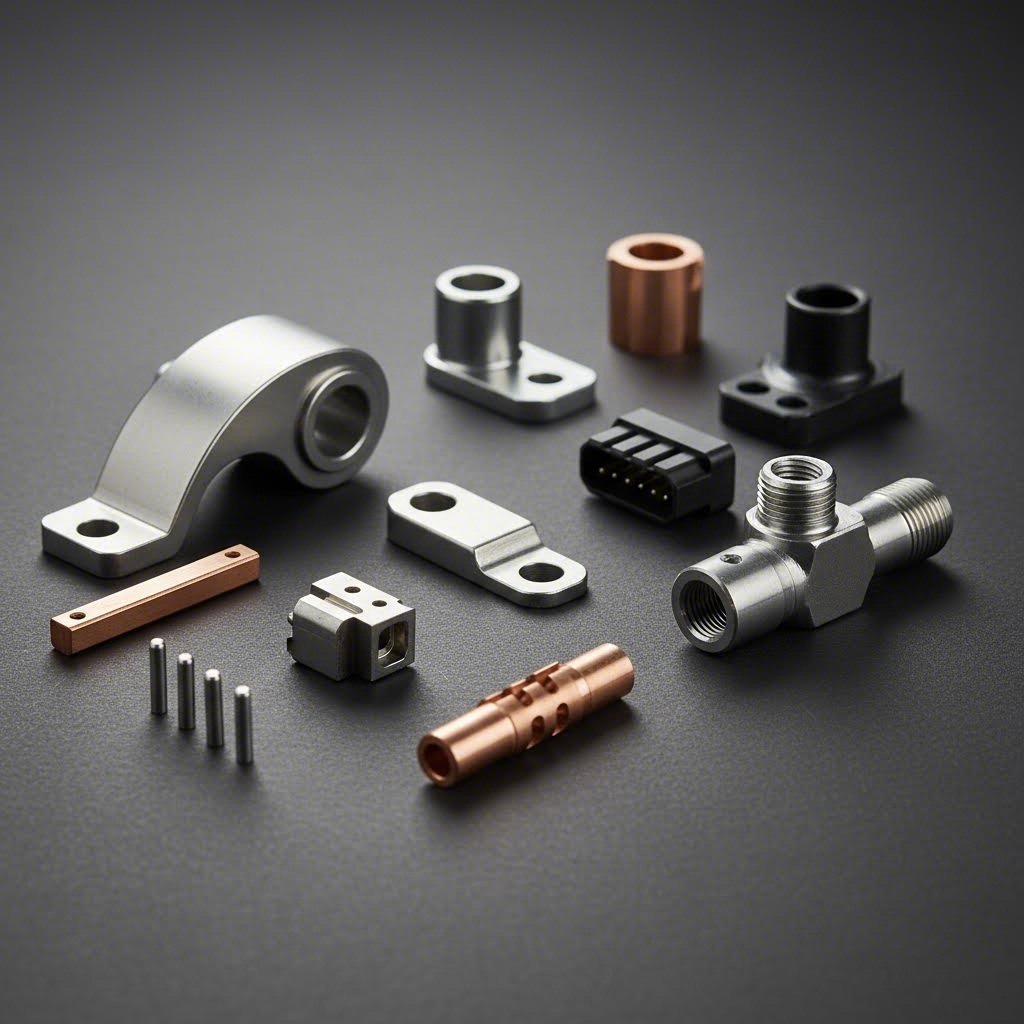
Nozares un lietojumprogrammas stempļotām komponentēm
Apskatiet apkārt esošo tieši šobrīd. Tas griestu spuldzes korpusa elements? Presēts metāla korpuss. Datora klavieru ierīce uz jūsu rakstāmgalda? Iekšējās presētās savienotājelementi un aizsargpārklājumi. Jūsu automašīnas atslēgas kabatā? Visur presēti komponenti. Presēšanas veidgabali pieskaras gandrīz katram mūsdienu dzīves aspektam — bieži vien nevērojamā veidā, taču vienmēr uzticami. Izpratne par to, kur šie komponenti tiek izmantoti, atklāj, kāpēc presēšanas veidgabalu ražotāji paliek būtiski partneri dažādās nozarēs.
Kas padara presētos komponentus tik universāli pieņemamus? Trīs vārdi: precizitāte, atkārtojamība un ekonomiskums. Kad jums nepieciešami identiski detaļas tūkstošos vai pat miljonos ar precizitāti, kas mērīta milimetra daļās, presēšana ar veidgabaliem to nodrošina. Apskatīsim, kā dažādas nozares izmanto šo ražošanas metodi, lai atrisinātu savas īpašās problēmas.
Automobiļu un transporta pielietojums
Auto rūpniecība pasaulē ir lielākais diegu veidotu produktu patērētājs. Saskaņā ar LMC Industries metāla diegu veidošanas tirgus vērtība, pēc prognozēm, pieaugs no 205 miljardiem ASV dolāru 2021. gadā līdz vairāk nekā 283 miljardiem ASV dolāru līdz 2030. gadam — galvenokārt automobiļu pieprasījuma dēļ. Katrs ražotnēs izlaists auto satur simtiem diegu veidoto komponentu — no redzamajām korpuss daļām līdz slēptajām strukturālajām pastiprinājumu daļām.
Kāpēc auto ražošana tik ļoti atkarīga no diegu veidošanas? Auto prasa vienveidīgas, sadursmes izturīgas komponentes, kuras ražo tūkstošiem un desmitiem tūkstošu vienību apjomā katru gadu. Progresīvā diegu veidošana tieši spēj risināt šo uzdevumu — nodrošinot strukturālos skavas, šasijas pastiprinājumus un korpusa daļas ar to atkārtojamību, kāda nepieciešama drošības noteikumu izpildei.
- Korpusa paneļi un ārējās sastāvdaļas: Durvju paneļi, spārni, motora kapuci, bagāžnieku vāki un jumta sekcijas — visas šīs daļas tiek izveidotas liela mēroga diegu veidošanas operācijās, kurās veido sarežģītas līknes, saglabājot izmēru precizitāti visā ražošanas sērijā
- Konstrukcijas un drošības komponenti: Sēdekļu rāmji, amortizatoru stiprinājumi, kolonnu skavas un sadursmes absorbcijas struktūras, kurām nepieciešama augstas izturības tērauda stempļošana pasažieru aizsardzībai
- Dziniekos un piedziņas sistēmu daļas: Dzinēja skavas, pārnesumu korpusi, izplūdes siltuma aizsargi un elektrodzinēju stiprinājumi, kas paredzēti, lai izturētu vibrācijas un termiskās cikliskās slodzes
- Elektriskās un sensoru lietojumprogrammas: Akumulatora kontaktligzdas, savienotāju korpusi, zemējuma lentes un sensoru montāžas skavas — kuras kļūst arvien svarīgākas, paātrinoties elektrotransportlīdzekļu (EV) pieņemšanai
- Iekšējās apdari komponenti: Sēdekļu regulēšanas mehānismi, instrumentu panelu skavas, durvju šarnīru komponenti un logu regulatori, kas apvieno izturību ar gludu darbību
Elektroauto revolūcija pārveido automašīnu stempelēšanas prasības. Kā norāda nozaru ziņojumi, elektroauto izmantošana rada jaunas iespējas stempelēšanas matricu produktu uzņēmumu partneriem — īpaši bateriju korpusu pielietojumos un augšējā korpusa modificējumos, kas paredzēti sensoriem, kamerām un autonomās braukšanas tehnoloģijām.
Elektronika, medicīna un patēriņa preces
Stempelēti komponenti ir vienlīdz nepieciešami ne tikai automašīnu ražošanā, bet arī elektronikā, medicīnas ierīcēs un patēriņa precēs. Katrs no šiem sektoriem vērtē stempelēšanu dažādu iemeslu dēļ — tomēr visi gūst priekšrocības no tām pašām pamata priekšrocībām: precizitāte un mērogojamība.
Elektronika un telekomunikācijas
Mūsdienu elektronika būtu neiespējama bez precīzi stempelētiem komponentiem. Patēriņa elektronikas tirgus turpina virzīt metāla stempelēšanas izaugsmi, un tās pielietojumi aptver metāla rāmjus austiņām, mobilajām telefoniem, skaļruņiem un vadības ierīcēm. Katrā ierīcē jūs atradīsit:
- Savienotāji un kontakti: USB porti, baterijas kontaktpunkti, SIM kartes turētāji un uzlādes interfeisi, kuriem nepieciešama precīza izmēru kontrole, lai nodrošinātu uzticamas elektriskās savienojumus
- EMI/RFI aizsardzība: Metāla ekrāni, kas aizsargā jutīgus ķēdus no elektromagnētiskās starojuma—būtiski ierīču sertifikācijai un uzticamai darbībai
- Siltuma izkliedētāji un siltuma pārvaldība: Presēti alumīnija un vara komponenti, kas novērš siltumu no procesoriem, barošanas avotiem un LED sistēmām
- Korpusa un korpusa komponenti: Strukturālie rāmi, montāžas kronšteini un dekoratīvie ietvari, kas apvieno estētiku ar izturību
Medicīnas ierīces un veselības aprūpe
Medicīnas pielietojumi prasa augstāko precizitāti un kvalitātes standartus. Saskaņā ar Wiegel Manufacturing , presēšanas matricu produktu ražotāji kalpo vadošajiem medicīnas OEM ražotājiem un pirmā līmeņa piegādātājiem, ražojot mikroskopiskus un sarežģītus komponentus ar izcilu vienveidību, kvalitāti un atbilstību prasībām.
Medicīnas presēšanas pielietojumi ietver:
- Ģimenes instrumenti: Skalpela rokturus, šķēres daļas, atvilktnes mehānismus un šķēres asmeņus, kuriem nepieciešama ķirurģiska precizitāte un biokompatībli materiāli
- Ievietojamu ierīču komponenti: Kardioventilatoru korpusi, kohleāro implantiem paredzēti komponenti un defibrilatoru stempļi, kas izgatavoti no titāna, nerūsējošā tērauda un speciālo sakausējumu
- Ārstnieciskie skavotāji un aizvēršanas ierīces: Skavotāju mehānismi endoskopiskām, laparoskopiskām un ādas aizvēršanas ierīcēm, kurām nepieciešami augstas veiktspējas sakausējumi, lai nodrošinātu ķirurģisko uzticamību
- Zāļu piegādes sistēmas: Injekciju ierīču komponenti, sūkņu mehānismi un dozēšanas sistēmu daļas, kurām nepieciešamas atkārtoti precīzas tolerances, lai nodrošinātu precīzu devu
- Diagnostikas aprīkojums: Elektronisko monitoru stempļi, medicīniskie korpusi un barošanas avota komponenti, kas atbalsta attēlošanas un testēšanas ierīces
Gaisa un aizsardzības
Svara samazinājums tieši pārvēršas par degvielas efektivitāti un lielāku veiktspēju aviācijas pielietojumos. Stempļi no viegla aluminija, titāna un speciālo sakausējumu nodrošina spēka/uz svara attiecību, kāda ir nepieciešama lidaparātu konstruktors
- Strukturālie kronšteini un savienojumi: Viegls montāžas sistēmas, gaisa kuģa korpusa pastiprinājumi un pieslēguma punkti, kas izstrādāti, lai izturētu ārkārtīgas slodzes un temperatūras svārstības
- Avionikas korpusi: EMI ekrāniem aprīkoti korpusi, kas aizsargā jutīgo navigācijas, sakaru un lidojuma vadības elektroniku
- Uzgriežņi un aparatūra: Augstas izturības skavas, skavas un fiksācijas sistēmas, kas sertificētas aviācijas lietojumiem
Patēriņa preces un elektropreces
Ikdiennīdzīgie produkti balstās uz presētiem komponentiem gan funkcionalitātes, gan estētikas vajadzībām. Presētu izstrādājumu ražotāji apkalpo ražotājus, kas ražo:
- Lielās mājsaimniecības ierīces: Ledusskapju durvju paneļus, veļas mašīnu bungas, cepeškrāsns korpusus un HVAC sistēmu komponentus, kuriem nepieciešama korozijas izturība un izmēru stabilitāte
- Mazas ierīces: Kanu korpusus, kafijas tvertnes stiprinājumus un virtuves rīku komponentus, kas nodrošina optimālu līdzsvaru starp izmaksu efektivitāti un izturību
- Aparatūra un uzgriežņi: Skapju šarnīrus, atvilktnes slīdņus, plaukta stiprinājumus un dekoratīvo aparatūru, kas apvieno izturību ar pievilcīgiem virsmas pārklājumiem
- Mēbeļu komponenti: Metāla rāmi, regulēšanas mehānismus un strukturālos pastiprinājumus, kas atbalsta modernās mēbeļu dizaina risinājumus
Būvniecības un infrastruktūras
Būvniecības un infrastruktūras projektos katru gadu tiek izmantoti miljoni uzspiestu komponentu:
- Konstrukcijas skrūvgrieži: Sijas ietvari, siju savienotāji un rāmja aprīkojums, kas izstrādāts slodzes pārvadīšanas lietojumiem
- Elektroaprīkojums: Savienojuma kastīšu vāki, caurulīšu turētāji un kabeļu vadības sistēmas, kas atbilst būvnormatīviem
- Sanitārtehniskais aprīkojums: Cauruļu skavas, montāžas turētāji un vārstu komponenti, kas iztur koroziju mitrās vides apstākļos
- HVAC komponenti: Ventilācijas kanālu savienotāji, regulētāju mehānismi un sensoru montāžas sistēmas, kas saglabā precīzu izmēru temperatūras ciklu laikā
Visās šajās nozarēs izvēle par matricu stempelēšanu galu galā ir saistīta ar ekonomiku masveida ražošanā. Kad ražošanas apjomi attaisno rīku ieguldījumu, stempelēti komponenti vienmēr ir izdevīgāki uz vienu vienību salīdzinājumā ar citiem risinājumiem, saglabājot precizitāti, kāda ir nepieciešama mūsdienu produktiem. Tad rodas jautājums: kā projektēt detaļas, lai maksimāli izmantotu šos ražošanas priekšrocības? Tam nepieciešama kritisko pielaidi un projektēšanas principu izpratne, kas atdala veiksmīgas stempelētas detaļas no dārgām neveiksmēm.
Projektēšanas apsvērumi stempelētām detaļām
Šeit ir nopietna realitāte: pat spējīgākie matricu stempelēšanas produktu piegādātāji nevar glābt slikti projektētu detaļu. Lēmumi, ko jūs pieņemat projektēšanas posmā, tieši nosaka, vai jūsu komponents viegli iet cauri ražošanai — vai arī kļūst par dārgu problēmu, kas prasa bezgalīgas rīku pielāgošanas. Kritisko projektēšanas parametru izpratne pirms matricu stempelēšanas produktu iegādes atdala veiksmīgus projektus no dārgām neveiksmēm.
Iedomājieties to šādi: dizaina izstrāde diegu stempelēšanai nav tikai par formas veidošanu, kas izskatās labi ekrānā. Tas ir arī par metāla deformācijas fizikas ievērošanu, rīku ierobežojumu un liela apjoma ražošanas realitāšu ņemšanu vērā. Kad jūs projektējat, ņemot vērā ražošanas iespējamību, jūs samazināsiet rīku izmaksas, paātrināsiet piegādes laikus un jau no pirmās dienas ražosiet augstākas kvalitātes detaļas.
Kritiskās pieļaujamās novirzes un precizitātes standarti
Katrs jūsu norādītais izmērs ietekmē rīku sarežģītību un ražošanas izmaksas. Pārāk stingras pieļaujamās novirzes var šķist kā drošības pasākums pret kvalitātes problēmām, taču bieži vien tās rada pretēju efektu — paaugstinot izmaksas un radot nevajadzīgas ražošanas grūtības.
Standarta stempelēšanas operācijas, ja tās pareizi izstrādātas, var sasniegt ievērojamu precizitāti. Saskaņā ar Alekvs metāla stempelēšanas konstruēšanas rokasgrāmatu, caurumu un malu izmēru novirzes augstas precizitātes pielietojumos bieži vien var uzturēt ±0,002 collas robežās. Tomēr sasniedzamās novirzes lielā mērā ir atkarīgas no materiāla veida, biezuma un konkrētajām veiktajām operācijām.
Caurumu izmēri un novietojums prasa īpašu uzmanību. Minimālais cauruma diametrs jābūt vienādam vai lielākam par 1,2 reizēm materiāla biezumu. Augstas izturības materiāliem, piemēram, nerūsējošajam tēraudam, šo attiecību jāpalielina līdz vismaz divreiz materiāla biezumam, lai novērstu stempelēšanas puncu bojāšanos. Starp jebkuru caurumu un tuvāko malu jāievēro minimālais attālums, kas ir vismaz divreiz lielāks par materiāla biezumu, lai izvairītos no deformācijām un izvirzījumiem.
Liekšanas un caurumu savstarpējā saistība izraisa biežas problēmas, ja tās ignorē. Liekuma veidošana pārāk tuvu caurumam izraisa deformāciju, kas sabojā izmēru precizitāti. Drošais attālums ir vienāds ar liekuma rādiusu plus 2,5 reizes materiāla biezumu. Caurumiem, kuru diametrs ir mazāks par 2,5 mm, šo minimālo attālumu jāpalielina līdz divreiz materiāla biezumam plus liekuma rādiuss.
Funkciju novietojuma prasības novērš distorsiju, kas rodas, kad apstrādes operācijas traucē viena otrai. Caurumiem jābūt vismaz 1,5 reizes materiāla biezumu attālumā viens no otra. Slotiem, kas atrodas tuvu liekumam, attālumu jāpalielina līdz liekuma rādiusam plus četrreiz materiāla biezums.
Caurumiem jābūt vismaz 1,5× materiāla biezumu attālumā viens no otra, un caurumiem, kas atrodas tuvu liekumam, jāievēro attālums, kas vienāds ar divreiz materiāla biezumu plus liekuma rādiuss, lai novērstu deformāciju.
Plakstuma specifikācijas bieži kļūst pārāk ierobežoti. Saskaņā ar Aranda Tooling, komponentiem, kam nepieciešama plaknuma precizitāte zem 0,003 collām, var būt nepieciešamas dārgas papildu apstrādes operācijas. Norādiet plaknuma pieļaujamības tikai tik stingras, cik tas patiesībā nepieciešams jūsu lietojumprogrammai.
Ražošanai piemērotas konstruēšanas principi
Veiksmīgākie presētie komponenti rodas agrīnā sadarbībā starp konstruktōriem un matricu ražotājiem. Kā Ražotājs uzsver, nelielas atšķirības daļas izmēru norādīšanā var būtiski ietekmēt matricu un ražošanas izmaksas.
Liekuma rādiusi un materiāla robežas nosaka, vai jūsu dizains veidosies tīri vai vai radīsies plaisas ražošanas laikā. Minimālais iekšējais liekuma rādiuss parasti ir vienāds ar materiāla biezumu mīkstiem materiāliem, bet cietākiem sakausējumiem tas palielinās līdz 1,5 reizēm materiāla biezumam vai vairāk. Svarīga ir arī graudu virziens — liekšana perpendikulāri graudu virzienam samazina plaisu risku cietākos materiālos.
Stūru un rādiusu konstruēšana ietekmē gan formējamību, gan rīku kalpošanas laiku. Izmantojiet pietiekami lielus stūru rādiusus — urbja un matricas rādiusam jābūt vismaz četrreiz lielākam par materiāla biezumu, lai nodrošinātu uzticamu formēšanu. Asie stūri ir iespējami tikai ar materiāliem, kuru biezums ir 1,5 mm vai mazāks.
Apmales kontrole prasa realistiskas sagaidīšanas. Apmales ir dabiskais izstumšanas operāciju blakusprodukts, parasti sasniedzot augstumu līdz 10% no materiāla biezuma. Projektējiet savu detaļu, ņemot vērā apmaļu virzienu, un norādiet, kuras virsmas ir kritiskas. Izvairieties no sarežģītiem izgriezumiem un nevajadzīgi asiem iekšējiem stūriem, kas pastiprina apmaļu veidošanos.
Funkcionālo elementu funkciju saziņa taupa naudu un problēmu. Rīku ražotāji reti zina, ko katrs elements patiesībā darās. Caurums ar stingrām precizitātes prasībām var būt vienkārši paredzēts detaļu karšanai krāsošanas līnijā — informācija, kas varētu atvieglot precizitātes prasības un samazināt izmaksas. Dalieties ar funkcionālajām prasībām savu izstumšanas matricu produktu pārdevējiem tuvumā jau procesa sākumā.
Izmaksu samazināšanas priekšrocības, izstrādājot produktus ražošanai? Viens apgaismojuma nozares piemērs no Ražotājs dokumentētajiem 20% rīku izmaksu ietaupījumiem pēc nevajadzīgo izmēru eliminācijas un trīs daļu montāžas vienības apvienošanas vienā presētā detaļā. Šī sadarbība arī samazināja montāžas laiku un transporta izmaksas — pierādot, ka ražojamības apspriežu rezultātā gūstama ieguve, kas ir daudz lielāka par vienkāršu presēšanas presi.
Piesakoties stingriem dizaina principiem, jūs esat gatavs objektīvi novērtēt presēšanu salīdzinājumā ar citām ražošanas metodēm — pilnīgi saprotot, kur presēšana ar matricām ir visefektīvākā un kur tās ierobežojumi var mudināt izvēlēties citus risinājumus.
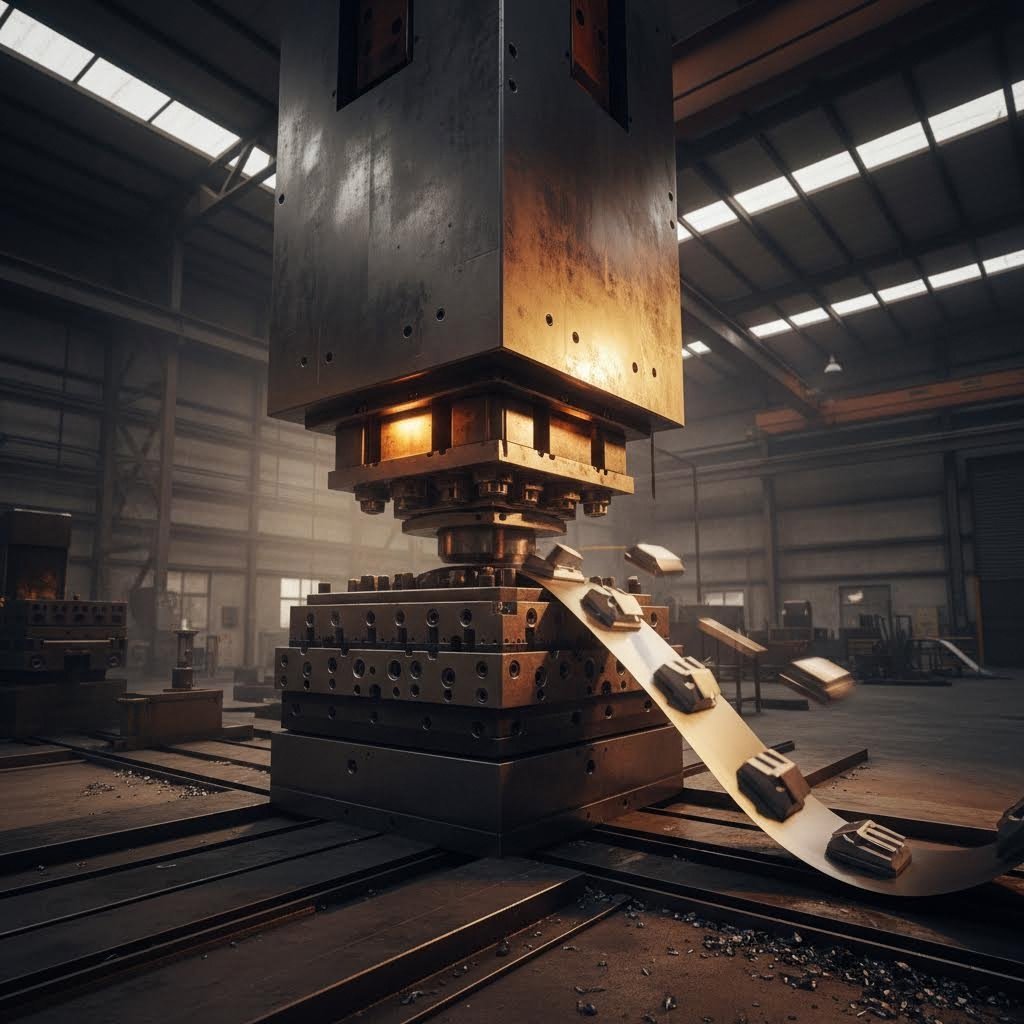
Presēšanas ar matricām priekšrocības un kompromisi
Jūs esat izstrādājis savu detaļu, ņemot vērā tās ražošanas iespējamību. Tagad rodas būtiskais jautājums, ar kuru ikviens iepirkumu vadītājs un inženieris saskaras: vai matricu stempelēšana patiešām ir pareizais risinājums jūsu projektam? Atbilde nav vienmēr jā — un sapratne par to, kad stempelēšana īpaši izceļas un kad alternatīvas metodes ir lietderīgākas, var ietaupīt jūsu organizācijai ievērojamu laiku un naudu.
Matricu stempelēšanai ir izcilas priekšrocības, taču šīs priekšrocības nāk kopā ar kompromisiem, kurus vajadzētu godīgi novērtēt. Apskatīsim abas puses objektīvi, lai jūs varētu pieņemt patiesi informētus ražošanas lēmumus, pamatojoties uz jūsu konkrētajām ražošanas prasībām.
Matricu stempelēšanas priekšrocības salīdzinājumā ar citām metodēm
Kad apstākļi atbilst tās stiprajām pusēm, matricu stempelēšana nodrošina ražošanas veiktspēju, kuru patiešām grūti pārspēt. Šeit ir tas, kas šo procesu padara tik vērtīgu piemērotajām lietojumprogrammām:
Izcilā atkārtojamība un vienveidība ir, iespējams, vispārliecinošākā priekšrocība. Saskaņā ar Jeelix matrica darbojas kā rūpīgi izveidots veidne, kas izgatavota no cietinātas tērauda, fiziski kodējot konstrukcijas specifikācijas, lai katrs ražotais produkts būtu gandrīz identisks — pat miljoniem vienību gadījumā. Mūsdienu automatizētās montāžas līnijas prasa nevainojami savstarpēji aizvietojamus komponentus, un matricu stempelēšana tieši to nodrošina ar precizitāti, ko mēra mikronos.
Nepārspējams ražošanas ātrums kļūst redzams, kad rīki ir ekspluatācijā. Tur, kur CNC apstrāde var ražot detaļas minūtēs, matricu stempelēšana ražo komponentus sekundēs — dažreiz pat sekundes daļās. Šis ātruma priekšrocības pastiprinās lielapjomīgās sērijas ražošanā, ievērojami samazinot darba izmaksas uz vienu vienību un paātrinot piegādes grafikus.
Augstāka materiālu izmantošana rezultāti no optimizētiem sloksnes izkārtojumiem un ievietošanas stratēģijām. Inteligenta matricu konstrukcija minimizē atkritumus, stratējiski novietojot detaļas uz metāla loksnes vai tinuma. Lielos ražošanas apjomos šie materiālu ietaupījumi pārvēršas par būtiskām izmaksu samazināšanām, ko citi procesi vienkārši nevar sasniegt.
Vienmērīga kvalitāte bez operatora atkarības rodas pašā procesā. Atšķirībā no manuālajām operācijām, kur kvalitāte mainās atkarībā no operatora prasmēm un uzmanības, stempļu matricas ražo identiskus rezultātus katrā darba gaitā. Šī vienmērīgums samazina pārbaudes slogu un praktiski novērš kvalitātes svārstības, kas raksturīgas vairāk darbaspēka intensīviem metodēm.
Operācijas matricā novērš papildu apstrādes procesus daudzās lietojumprogrammās. Progresīvās matricas var urbt, liekt, veidot, monēt un pat uzgriezt vītnes — visu vienā ražošanas secībā. Katra operācija, kuru izslēdzat no savas turpmākās darbplūsmas, ietaupa manipulācijas laiku, samazina pusfabrikātu krājumus un minimizē iespējas bojājumiem vai izmēru novirzēm.
Rīku ieguldījumu un bezpeļņas punktu izpratne
Tagad — godīgie kompromisi. Matricu stempelēšanas priekšrocības nāk kopā ar ieejas izmaksām un ierobežojumiem, kas padara to nepiemērotu noteiktiem projektiem:
Ievērojams sākotnējais rīku ieguldījums ir tuvākais šķērslis. Kā norāda nozares eksperti, sarežģītas matricas projektēšanai un ražošanai var būt nepieciešams ieguldījums no desmitiem tūkstošiem līdz vairākiem simtiem tūkstošu dolāru. Šis kapitāla ieguldījums notiek pirms viena derīga produkta ražošanas — radot ievērojamu finansiālu risku, ja ražošanas apjomi neatbilst prognozētajiem.
Garilgais termiņš matricu izstrādei izraisīt izaicinājumus ātri mainīgajos tirgos. Pāreja no dizaina aizlieguma līdz pirmā parauga pārbaudei bieži vien ilgst vairākas nedēļas vai pat vairākus mēnešus. Sektoros, kur produktu dzīvescikli tiek mērīti mēnešos, nevis gados, šis izstrādes grafiks var nozīmēt pilnīgu tirgus iespēju zaudēšanu.
Dizaina stingrība pēc rīku izgatavošanas pabeigšanas jūs ierobežo jūsu sākotnējos specifikācijas. Kad cietā tērauda matrica ir izgriezta un termiski apstrādāta, izmaiņas kļūst ārkārtīgi dārgas. Ja pēc matricas izgatavošanas tiek atklāta dizaina kļūda vai rodas nepieciešamība pielāgoties tirgus atsauksmēm, izmaksas var pieaugt eksponenciāli — ciets sods, kas uzspiež stingrus, lineārus izstrādes procesus.
Uzturēšanas prasības un atkarība no kvalificēta darbinieku spēka radīt pastāvīgas operacionālās problēmas. Matricām nepieciešama rūpīga aprūpe, tostarp tīrīšana, smērēšana, pārbaude un galu galā atjaunošana. Šis darbs ir atkarīgs no pieredzes bagātiem rīku un matricu izgatavotājiem — profesionāļiem, kuru skaits samazinās, jo pensijās aizejošo darbinieku skaits pārsniedz jauno speciālistu sagatavošanu.
Die stempelēšanas ekonomikas salīdzinājums ar alternatīvām
Lēmums starp stempelēšanu un alternatīvām galu beigās ir saistīts ar bezpeļņas punkta analīzi. Saskaņā ar TheSupplier , pamatvienādojums ir vienkāršs: kad rīku izmaksas, dalītas ar katras detaļas izmaksu starpību starp alternatīvām, vienādas ar jūsu ražošanas apjomu, jūs esat sasniedzis bezpeļņas punktu. Pāri šim punktam stempelēšanas zemākās izmaksas par vienu vienību rada pieaugošu ietaupījumu.
| Faktors | Iestampēšanas veidņos | Lāzera griešana | CNC apstrāde |
|---|---|---|---|
| Izveidošanas/apstrādes izmaksas | Augstas (10 000–300 000+ USD zaļumiem) | Zemas (tikai programmēšana) | Zemas līdz vidējas (fiksētās ierīces, programmēšana) |
| Izmaksas par vienu vienību lielā apjomā | Ļoti zemas (sekundes par detaļu) | Stabilas (nepazeminās strauji) | Augstākas (minūtes par detaļu) |
| Dizaina izmaiņu izmaksas | Augstas (matricas pārstrāde vai aizvietošana) | Zemas (programmas pārprogrammēšana un atkārtota ievietošana) | Zemas (programmas modificēšana) |
| Laiks līdz pirmajiem detaļu izgatavošanai | Savaites līdz mēnešiem | Stundas līdz dienām | Dienas līdz nedēļām |
| Precizitāte/atkārtojamība | Izcilas pēc matricas pielāgošanas | Labi (±0,1–0,2 mm tipiski) | Izcila |
| Labākais ražošanas apjoms | Augstas (10 000+ detaļas) | Zemas līdz vidējas (1–3000 detaļas) | Zems līdz vidējs (prototipi, mazi partijas) |
Lāzeru griešana uzvar kad jums nepieciešama ātruma un dizaina elastība — ideāli prototipiem, pirmajām ražošanas sērijām vai produktiem, kuriem bieži notiek inženieriskas izmaiņas. Katras vienības izmaksas paliek stabili neatkarīgi no daudzuma, tādēļ tas ir ekonomiski izdevīgi daudzumiem zem dažu tūkstošu vienībām.
CNC apstrāde izceļas sarežģītiem trīsdimensiju detaļām, prototipēšanai un lietojumprogrammām, kurās nepieciešama materiāla noņemšana, nevis formēšana. Tā piedāvā līdzīgu dizaina elastību kā lāzeru griešana, bet spēj apstrādāt biezākus materiālus un sarežģītākas ģeometrijas.
Matricu stempelēšana dominē tad, kad daudzumi palielinās tik daudz, ka ir iespējams attaisnot rīku ieguldījumu. Pārejas punkts atkarīgs no detaļas sarežģītības, taču, kā ieteic preču iegādes eksperti: sāciet ar lāzeru griešanu, lai pārbaudītu savu dizainu, pēc tam pārejiet uz stempelēšanu, kad gadā ražotais daudzums attaisno investīciju un jūsu dizains ir patiešām galīgs.
Strategiskais pieejas veids? Atzīt, ka šīs metodes nav konkurentes — tās ir papildinošas rīku sistēmas dažādām jūsu produkta dzīvescikla stadijām. Dažādi veiksmīgi ražotāji izmanto lāzeru griešanu vai apstrādi attīstībai un sākotnējai ražošanai, bet presēšanas matricas iegādājas tikai pēc tam, kad dizains ir stabilizējies un apjomu prognozes pierāda savu uzticamību.
Kad ekonomiskie aspekti ir skaidri, jūsu nākamā problēma, visticamāk, saistīta ar kvalitātes nodrošināšanu: kā pārbaudīt, vai presētie komponenti vienmēr atbilst specifikācijām, un kādas sertifikācijas jums vajadzētu gaidīt no ražošanas partneriem?
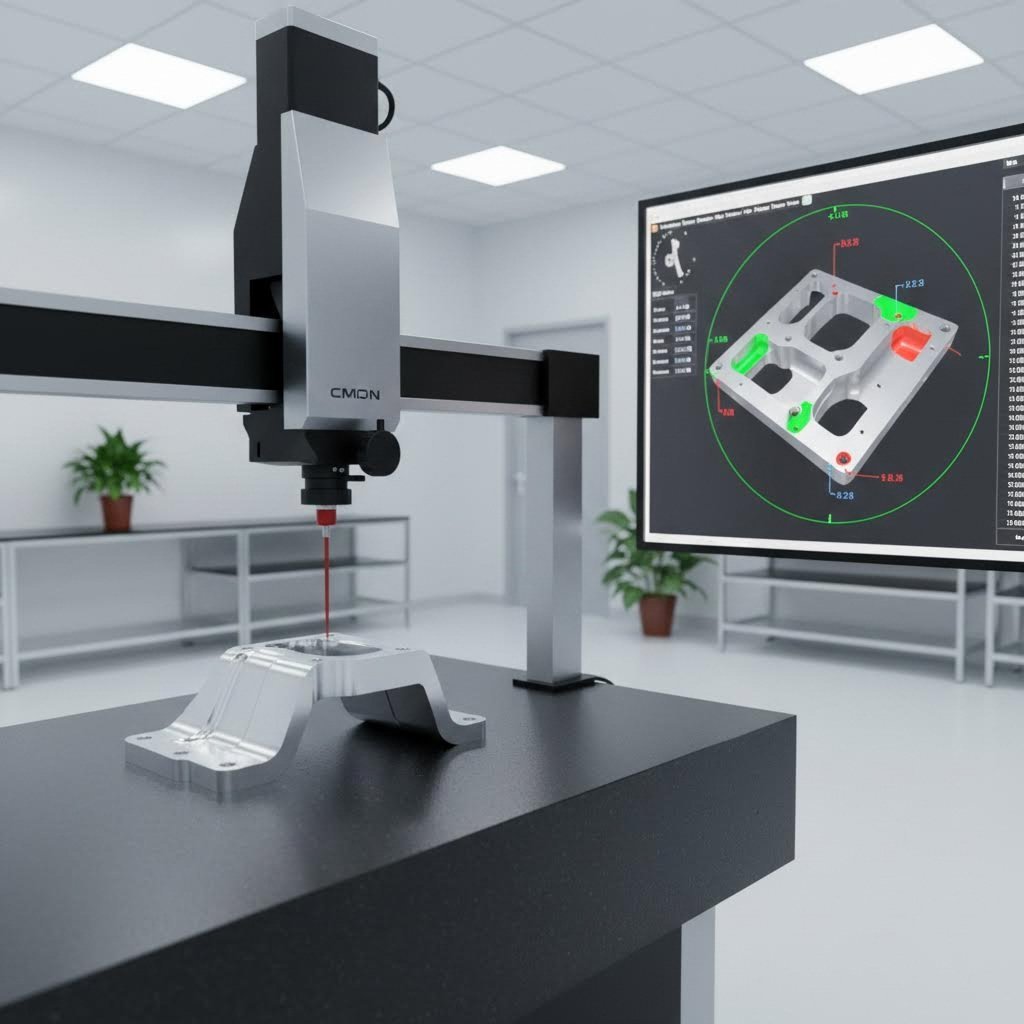
Kvalitātes standarti un sertifikācijas presēšanas matricās
Izspiests komponents var izskatīties ideāls, tiklīdz tas nāk no preses — bet kā pārbaudīt, vai tas patiešām atbilst specifikācijām? Vēl svarīgāk, kā nodrošināt, ka tūkstošais izstrādājums saglabā tādu pašu kvalitāti kā pirmais? Šie jautājumi nosaka kvalitātes nodrošināšanas sistēmas, kas atdala uzticamus ražošanas partnerus no riskantiem piegādātājiem. Izskaistot sertifikātus, pārbaudes metodes un prognozējošās tehnoloģijas, kas stāv aiz kvalitatīvas izspiešanas, jūs varat novērtēt potenciālos partnerus un noteikt atbilstošas sagaidāmības savām projektu realizācijām.
Kvalitāte matricu izspiešanā nav tikai par defektu atklāšanu — tā ir par to, kā novērst to rašanos jau pašā sākumā. Spējīgākie ražotāji iebūvē kvalitāti katrā ražošanas posmā — sākot ar sākotnējo matricas projektēšanu un beidzot ar galīgo pārbaudi. Apskatīsim sistēmas un standartus, kas to padara iespējamu.
Nozīmīgas nozares sertifikācijas
Sertifikāti kalpo kā trešās puses verifikācija, ka ražotājs ir ieviesis stingrus kvalitātes pārvaldības sistēmu. Lai arī vieni paši sertifikāti nepalīdz garantēt ideālus komponentus, tie tomēr norāda uz organizācijas apņemšanos uzturēt vienotus procesus un nepārtraukti uzlaboties. Šeit ir tas, ko vajadzētu meklēt:
- ISO 9001: Pamata kvalitātes pārvaldības standarts, kas piemērojams visās nozarēs. Demonstrē dokumentētus procesus, vadības apņemšanos un sistēmiskus pieejas kvalitātes uzlabošanai. Šo sertifikātu uzskatiet par pamata prasību jebkuram nopietnam piegādātājam.
- IATF 16949: Automobiļu rūpniecības stingrais kvalitātes standarts, kas balstās uz ISO 9001, bet papildināts ar papildu prasībām, kas īpaši attiecas uz automobiļu piegādes ķēdēm. Prasa defektu novēršanas pieejas, atkritumu samazināšanu un nepārtrauktu uzlabošanos, kas vērsta uz klientu apmierinātības paaugstināšanu. Nepieciešams lielākajai daļai OEM automobiļu programmu.
- AS9100: Kvalitātes pārvaldības sertifikāts aerosaimniecības nozarē, kas ietver ISO 9001 prasības, kā arī aerosaimniecībai specifiskus noteikumus drošībai, uzticamībai un izsekojamībai. Būtisks piegādātājiem, kas apgādā lidaparātu ražotājus un aizsardzības līgumuzņēmējus.
- ISO 13485: Kvalitātes pārvaldības standarts medicīnas ierīcēm, kurš uzsvērt riska pārvaldību, dizaina kontroli un atbilstību regulatīvajām prasībām. Nepieciešams ražotājiem, kas ražo stempļotus komponentus medicīniskām lietojumprogrammām.
- NADCAP: Aerosaimniecībai specifiska procesa akreditācija, kas aptver konkrētas darbības, piemēram, termisko apstrādi, nesagraujošo izmeklēšanu un virsmas apstrādi. Nodrošina papildu garantijas kritiskajiem ražošanas procesiem virs pamatkvalitātes sistēmu sertifikācijām.
Sertificētie ražotāji, piemēram, Shaoyi demonstrēt kvalitātes saistību, iegūstot IATF 16949 sertifikātu, kas norāda, ka viņu sistēmas atbilst stingrajiem prasībām, kuras automašīnu OEM ražotāji izvirza. Šis sertifikāts prasa plašu dokumentāciju, regulāras revīzijas un pierādītu sniegumu attiecībā uz mērāmiem kvalitātes mērķiem — nodrošinot būtisku garantiju, kas ir aiz marketinga apgalvojumiem.
Kvalitātes kontrole un pārbaudes metodes
Sertifikāti izveido sistēmas; pārbaudes metodes verificē rezultātus. Efektīvas kvalitātes programmas apvieno vairākas verifikācijas pieejas, lai atklātu dažādu veidu defektus piemērotos ražošanas posmos.
Izmēru pārbaude apstiprina, ka presētie detaļu izstrādājumi atbilst norādītajām novirzēm. Metodes var būt vienkāršas „jā/nē” kalibrēšanas ierīces augsta ātruma ražošanas pārbaudēm vai koordinātu mērīšanas mašīnas (CMM) visaptverošai dimensiju analīzei. Pirmās partijas pārbaude rūpīgi izmēra sākotnējos ražošanas paraugus salīdzinājumā ar inženierijas zīmējumiem, kamēr statistiskā procesa kontrole (SPC) uzrauga turpmāko ražošanu, izmērot paraugus noteiktos intervālos.
Virsmas kvalitātes novērtējums identificē vizuālos defektus, kurus izmēru mērījumi nevar noteikt. Apmācīti inspektori pārbauda detaļas rievas, iedobumus, uzraušanas un virsmas nepilnības pret noteiktiem pieņemšanas kritērijiem. Automatizētās redzes sistēmas arvien vairāk papildina cilvēka pārbaudi, nodrošinot vienmērīgu novērtējumu ražošanas ātrumā un norādot uz šaubīgām detaļām, kas prasa detalizētāku izpēti.
Materiālu pārbaude pārbauda, vai ieejošie materiāli atbilst specifikācijām pirms stempelēšanas uzsākšanas. Cietības pārbaude, stiepšanas pārbaude un ķīmiskā analīze apstiprina, ka materiālu īpašības atbilst pasūtījumu dokumentiem. Šī ieejošo materiālu verifikācija novērš defektus, kas rodas no neatbilstošiem materiāliem,—problēmas, kuras pēc stempelēšanas operāciju pabeigšanas kļūst dārgas novērst.
Destructīva testēšana novērtē detaļas veiktspēju reālos ekspluatācijas apstākļos. Šķērsgriezuma analīze izpēta materiāla plūsmu un graudu struktūru. Izturības pārbaude pakļauj paraugus atkārtotiem sprieguma cikliem. Sāls miglas pārbaude paātrina korozijas novērtēšanu. Šīs metodes prasa iznīcināt testa paraugus, lai iegūtu pārliecību, ka ražošanā izgatavotās komponentes ekspluatācijas laikā darbosies uzticami.
CAE simulācija: defektu novēršana pirms ražošanas
Visefektīvākais pieejas veids kvalitātes nodrošināšanai? Defektu novēršana pirms pirmās matricas izgriešanas. Datorizētā inženierzinātne (CAE) simulācija ir pārvērtusi matricu izstrādi, paredzot formēšanas problēmas virtuālās izmēģināšanas laikā, nevis dārgās fiziskās izmēģināšanas laikā.
Pēc Keysight pētījumi par loksnes metāla formēšanas simulāciju metālapstrādes rūpniecībā rodas būtiskas problēmas, strādājot ar jaunākās paaugstinātās izturības tēraudiem un alumīnija saklājumiem, kuriem raksturīgs liels atgriešanās lielums — tādējādi dimensiju precizitāte kļūst par pastāvīgu izaicinājumu. Defekti bieži parādās tikai pirmajos fiziskajos testos, kad korekcijas kļūst gan laikietilpīgas, gan dārgas.
Loksnes metāla formēšanas simulācija risina šīs problēmas, veicot sekojošo:
- Atgriešanās prognozēšana: Modelējot, kā detaļas deformēsies pēc formēšanas spiediena noņemšanas, kas ļauj kompensēt matricas izgatavošanu pirms fizisko rīku izgatavošanas
- Tievēšanās un plaisu identificēšana: Uzsvēršot apgabalus, kur materiāls pārmērīgi izstiepsies, kas ļauj veikt konstrukcijas izmaiņas vai procesa pielāgojumus pirms ražošanas uzsākšanas
- Procesa parametru optimizācija: Virtuāli testējot dažādas blanks turētāja spēka vērtības, preses ātrumus un lubrikācijas apstākļus, nevis veicot dārgus fiziskos testus
- Materiāla svārstību novērtēšana: Simulējot, kā materiāla specifikācijās paredzētās īpašību svārstības ietekmē galīgās detaļas kvalitāti
Ražotāji ar modernām CAE simulācijas spējām—piemēram, Shaoyi inženieru komanda—var prognozēt un novērst defektus jau pirms ražošanas uzsākšanas, sasniedzot augstāku pirmās apstiprināšanas likmi un samazinot dārgās atkārtotas izstrādes, kas raksturīgas tradicionālajai matricu izstrādei. To 93 % pirmās apstiprināšanas likme pierāda, kā simulāciju vadīta inženierija tiek pārvērsta praktiskā ražošanas efektivitātē.
Ieguldījums simulācijas spējās atmaksājas visā ražošanas ciklā. Problēmas, kas identificētas virtuālajos testos, izmaksā tikai nelielu daļu no tām, kas atklātas fiziskajos testos. Turklāt, jo vairāk sarežģīti kļūst automašīnu dizaini un jo stingrākas kļūst materiālu prasības, simulācija ir pārvērtusies no konkurences priekšrocības par konkurences nepieciešamību kvalitāti prioritizējošās stempļošanas darbībās.
Kvalitātes sistēmas nodrošina drošību; sertifikāti apliecina saistību; un simulācija novērš problēmas, pirms tās rodas. Tomēr šie elementi piešķir vērtību tikai tad, ja jūsu ražošanas partners tiešām tos efektīvi ievieš. Tas izraisa pēdējo kritisko jautājumu: kā novērtēt potenciālos stempļu stempļošanas partnerus, lai atrastu tos, kas patiešām īsteno kvalitātes solījumus?
Pareizā stempļu stempļošanas partnera izvēle
Jūs esat pārbaudījis savu dizainu, apstiprinājis, ka stempļu stempļošana ir ekonomiski izdevīga, un saprotat kvalitātes standartus, ko prasa jūsu pielietojums. Tagad pienāk, iespējams, visnozīmīgākais lēmums vispār: kurš faktiski ražos jūsu komponentus. Nepareizais partners var pārvērst labi izstrādātu projektu par nebeidzamu ļaunajām sapnīm — kavētiem termiņiem, kvalitātes trūkumiem un pārsniegtiem budžeta ierobežojumiem. Pareizais partners kļūst par jūsu inženieru komandas papildinājumu — risinot problēmas, ko jūs pat nebijāt paredzējis, un sniedzot rezultātus, kas pārsniedz specifikācijas.
Kas atdala izcilos stempelēšanas partnerus no pietiekamiem piegādātājiem? Parasti tas nav vienkārši aprīkojums vai cena. Saskaņā ar Penn United Technologies , iegādes lēmuma pieņemšana tikai balstoties uz norādīto cenu var izraisīt vispārēju neapmierinātību ar piegādātāja sniegumu — vai pat katastrofālu situāciju. Zemāk minētie novērtēšanas kritēriji palīdz jums identificēt partnerus, kas ir pozicionēti ilgtermiņa panākumiem, nevis tikai zemākajam piedāvājumam.
Galvenie kritēriji diegu stempelēšanas partneru novērtēšanai
Tehniskās spējas un aprīkojums veido jebkuras novērtēšanas pamatu. Piegādātāja preses tonnāžas diapazons, gultas izmēri un barošanas aprīkojums nosaka, kādas detaļas viņi fiziski var ražot. Tomēr jāiet dziļāk par vienkāršiem aprīkojuma sarakstiem. Vai viņi spēj projektēt precīzus diegus savās darbnīcās? Kā norāda nozares eksperti, piegādātājs, kurš projektē un izgatavo precīzās metāla stempelēšanas diegas, noteikti būs daudz kvalificētāks panākt panākumus nekā tas, kuram šādas spējas trūkst. Iekšējā rīku izgatavošana nozīmē ātrāku problēmu novēršanu, kad tās rodas, un dziļāku izpratni par to, kas nodrošina diegu uzticamu darbību.
Nozares pieredze un sasniegumi atklāj, vai piegādātājs patiešām saprot jūsu lietojumprogrammas prasības. Uzņēmums, kas apkalpo automašīnu OEM ražotājus, saprot PPAP prasības un saistīto dokumentācijas slogu. Specializēti medicīnas ierīču uzņēmumi zina tīrības protokolus un izsekojamības prasības. Prasiet piemēru aprakstus, atsauces no līdzīgiem projektiem un pierādījumus par panākumiem ar salīdzināmu detaļu sarežģītību un materiāliem. Saskaņā ar KY Hardware, to ilgstošā darbība bieži liecina par stabilitāti un spēju pildīt savas saistības.
Kvalitātes sertifikācijas un sistēmas nodrošina trešās puses verifikāciju par procesu disciplīnu. ISO 9001 nosaka pamata kvalitātes pārvaldības prasības. IATF 16949 pierāda automobiļu nozares stingrumu. Tomēr vienīgi sertifikāti ne garantē kvalitāti — jautājiet, kā šīs sistēmas tiek īstenotas ikdienā. Apmeklējiet to ražotnes telpas. Novērojiet to kvalitātes tehniskos speciālistus darbā. Novērtējiet to ieguldījumu pārbaudes aprīkojumā. Saskaņā ar Penn United, to kvalitātes sistēmas darbības novērošana, visticamāk, ir labākais veids, kā novērtēt piegādātāja uzmanību procesu kontrolei.
Prototipu izstrādes ātrums un inženierzinātniskā atbalsta sniegšana būtiski ietekmē jūsu izstrādes grafiku. Cik ātri potenciālais partneris var piegādāt parauga detaļas validācijai? Spējīgi piegādātāji, piemēram, Shaoyi piedāvā ātru prototipēšanu jau pēc 5 dienām — spēju, kas paātrina izstrādes ciklus un ļauj ātrāk veikt dizaina iterācijas. Vienlīdz svarīgi: vai viņu inženieru komanda aktīvi iesaistās, sniedzot atsauksmes par ražošanai piemērotu dizainu, vai vienkārši piedāvā cenas par to, ko jūs iesniedzat? Saskaņā ar Rotation Engineering, optimizēta inženierzinātne un dizaina atbalsts palīdz uzņēmumiem izstrādāt pielāgotus produktus, nodrošinot maksimālu izmaksu efektivitāti ražošanā.
Ražošanas spēja un masstabēšanās noskaidrojiet, vai partneris var augt kopā ar jūsu vajadzībām. Novērtējiet viņu pašreizējo izmantojumu un to, kā tie pārvalda ražošanas grafiku. Vai viņi spēj pāriet no prototipa daudzumiem uz lielapjoma ražošanu, nezaudējot kvalitāti? Vai viņi piedāvā krājumu pārvaldības programmas, piemēram, Kanban vai piegādi pēc pieprasījuma (Just-in-Time), kas samazina jūsu noliktavu slodzi? Piegādātājs, kurš pašlaik ir ierobežots ar savām ražošanas jaudām, kļūst par sašaurinājumu, kad jūsu produkts guva panākumus.
No prototipa līdz ražošanas partnerattiecībai
Labākās piegādātāju attiecības iet daudz tālāk par vienkāršu pirkumu. Patiesi partneri sadarbojas visā rīku izstrādes procesā, kopīgo ekspertīzi, kas uzlabo jūsu dizainus, un proaktīvi sazinās, ja rodas grūtības.
Komunikācija un Kolaborācija bieži vien kvalitāte paredz projektu iznākumus uzticamāk nekā tehniskie specifikācijas. Pievērsiet uzmanību piegādātāja rīcībai piedāvājuma sagatavošanas procesā. Kā norāda Penn United, piegādātājs, kurš uzdod detalizētus jautājumus par detaļas kvalitāti, galvenajām funkcijām un novirzēm, parasti pārsniedz gaidāmo uzmanību sīkumos. Piegādātāji, kas vienkārši sniedz piedāvājumu bez jautājumiem, var nebūt pietiekami iesaistīti sarežģītiem projektiem.
Ģeogrāfiskie un piegādes ķēdes apsvērumi ietekmē loģistiku, saziņu un riska pārvaldību. Vietējie piegādātāji bieži nodrošina ātrākus reakcijas laikus, vieglāku sadarbību un samazinātu transportēšanas sarežģītību. Starptautiskie partneri var piedāvāt izmaksu priekšrocības, tačau ievieš garākas piegādes laika ilgumu, saziņas grūtības un piegādes ķēdes nestabilitāti. Novērtējiet kopējās īpašumtiesību izmaksas — tostarp transporta izmaksas, krājumu uzturēšanas izmaksas un pārtraukuma risks — nevis tikai viena produkta cenu.
Otrās operācijas spējas vienkāršo jūsu piegādes ķēdi, kad partneri veic darbības, kas ir plašākas par stempļošanu. Tīrīšana, plākšņošana, termoapstrāde, montāža un speciāla iepakojuma izgatavošana jūsu stempļošanas partnera veiktās darbībās novērš nepieciešamību pēc logistikas starp dažādiem piegādātājiem un samazina apstrādes laikā radīto bojājumu risku. Saskaņā ar Penn United, piegādātājs, kuram ir šīs spējas, parasti rada ievērojamus ietaupījumus visā piegādes ķēdes loģistikā.
Jautājumi, ko uzdot potenciāliem matricu stempļošanas piegādātājiem
Pirms pieņemat līdzdalības lēmumu, izmantojiet šo pārbaudes sarakstu, lai nodrošinātu, ka esat savākuši visu nepieciešamo informāciju, lai pieņemtu apsvērtu lēmumu:
- Cik ilgi jūs ražojat precīzus stempļotos komponentus un kuros nozarēs galvenokārt strādājat?
- Vai jūs projektējat un izgatavo diegu iekšēji vai ārēji pasūtat rīku izgatavošanu trešajām personām?
- Kādas kvalitātes sertifikācijas jums ir, un kad notika pēdējā auditēšana?
- Kāds ir jūsu tipiskais termiņš no dizaina apstiprināšanas līdz pirmā parauga inspekcijai?
- Vai varat sniegt atsauces no klientiem, kuriem ir līdzīga detaļu sarežģītība un apjomu prasības?
- Kā jūs rīkojaties ar inženierijas izmaiņām pēc diegu izgatavošanas pabeigšanas?
- Kādu inspekcijas aprīkojumu jūs izmantojat un kā dokumentējat kvalitātes datus?
- Vai jūs piedāvājat diegu uzturēšanas programmas un ko tās ietver?
- Kādas papildu operācijas jūs varat veikt iekšēji vai caur pārvaldītiem partneriem?
- Kā jūs uzraugāt un ziņojat par laikā piegādāto preču veiktspēju?
- Kāds ir jūsu process kvalitātes problēmu vai neatbilstību novēršanai?
- Vai jūs varat atbalstīt krājumu pārvaldības programmas, piemēram, Kanban vai JIT piegādi?
Šo jautājumu atbildes — kopā ar ražošanas vietas apmeklējumiem, references pārbaudēm un paraugu novērtējumu — sniedz pilnīgo ainu, kas nepieciešama partnera izvēlei, nevis tikai piegādātāja. Iepriekš ieguldiet laiku rūpīgai novērtēšanai. Rūpīgās pārbaudes ieguldījums atmaksājas vairāku gadu garumā ilgstošā ražošanā, novēršot dārgas pārtraukumus, kas neizbēgami seko slikti izvēlētu piegādātāju izmantošanai.
Bieži uzdotie jautājumi par matricas presētajām precēm
1. Kas ir matricas presētās preces un kā tās tiek ražotas?
Die stempelēti izstrādājumi ir metāla komponenti, kas izgatavoti ar auksto deformāciju, kur plakanas metāla loksnes tiek novietotas starp speciāliem matricu komplektiem un spiestas, lai iegūtu precīzus formas. Šajā procesā tiek izmantotas operācijas, piemēram, izgriešana, caurduršana, liekšana, veidošana un velkšana, lai pārvērstu neapstrādāto metālu gatavos detaļās. Stempelēšanas presē tiek pielikta kontrolēta spēka iedarbība, izmantojot urbja un matricas sistēmu, kas izraisa pastāvīgu plastisko deformāciju, nepārkaužot materiālu. Šī tehnika ļauj ražot visu — no mazākajiem elektroniskajiem savienotājiem līdz lieliem automobiļu korpusa paneliem — ar izcilu vienveidību un atkārtojamību lielapjomīgās ražošanas sērijās.
2. Kuri materiāli parasti tiek izmantoti die stempelētām komponentēm?
Visbiežāk izmantotie materiāli ietver oglekļa tēraudu konstrukcijas komponentiem, jo tas ir izturīgs un pieejams ceniski, nerūsējošo tēraudu (304L, 316, 301 klases) korozijai izturīgiem pielietojumiem medicīnā un pārtikas apstrādē, kā arī alumīnija sakausējumus (6061, 2024, 5052) viegliem aerospace un automobiļu komponentiem. Varš un misiņš ir īpaši piemēroti elektriskajām lietojumprogrammām, kur nepieciešama augsta vadītspēja, savukārt speciālie sakausējumi, piemēram, Inconel, titāns un Hastelloy, iztur ekstremālas temperatūras un agresīvas vides. Materiāla izvēle ir atkarīga no vairākiem faktoriem, tostarp stiepuma izturības, izstiepjamības, korozijas izturības, vadītspējas prasībām un izmaksu apsvērumiem.
3. Kāda ir atšķirība starp progresīvo, kombinēto un pārneses matricu (die) stempelēšanu?
Progressīvā matrica veic vairākas secīgas operācijas, kamēr nepārtraukta metāla lenta virzās cauri stacijām, kas ir ideāli piemērots lielapjoma ražošanai maziem un vidējiem izstrādājumiem. Komplekss matricu stempļošana vienlaikus veic vairākas operācijas vienā preses gājienā, kas vislabāk piemērota plakaniem, vienkāršākiem izstrādājumiem, piemēram, uzgriežņiem un blīvēm, ar zemākām rīku izmaksām. Pārvades matricu stempļošana nekavējoties atdala заготовки un mehāniskas rokas pārvieto atsevišķus izstrādājumus starp stacijām, ļaujot ražot lielākus komponentus un sarežģītākas ģeometrijas, tostarp dziļi vilktas iezīmes, kuras progresīvās matricas nespēj sasniegt. Optimālā izvēle ir atkarīga no ražošanas apjoma, izstrādājuma sarežģītības un budžeta.
4. Kuras nozarēs die stempļošanas izstrādājumus izmanto visbiežāk?
Automobiļu ražošana ir lielākais patērētājs, izmantojot presētus komponentus ķermeņa paneliem, strukturālajām skavām un dzinībspēka sistēmu daļām. Elektronikā tiek izmantoti presēti savienotāji, EMI ekrāni un siltuma atvadītāji. Medicīnas ierīcēs tiek izmantoti presēti ķirurģiskie instrumenti, implanti un zāļu piegādes sistēmas. Aerokosmosa nozarē tiek izmantoti presēti alumīnija un titāna izstrādājumi vieglām strukturālām daļām un aviācijas elektronikas korpusiem. Patēriņa preču ražotāji ar presēšanu ražo sadzīves tehnikas korpusus, aparatūru un mēbeļu komponentus. Būvniecības pielietojumos ietilpst strukturālie stiprinājumi, elektrofitinājumi un HVAC komponenti. Šis process dominē visur, kur nepieciešama precizitāte, atkārtojamība un izmaksu efektivitāte lielos apjomos.
5. Kā izvēlēties piemērotu presēšanas matricu partneri savam projektam?
Novērtējiet tehniskās spējas, tostarp iekšējo matricu projektēšanu un rīku izgatavošanu, kas norāda uz dziļāku problēmu risināšanas spēju. Pārbaudiet attiecīgo nozares pieredzi un pieprasiet atsauces no līdzīgiem projektiem. Apstipriniet kvalitātes sertifikātus, piemēram, ISO 9001 vai IATF 16949 automobiļu pielietojumiem, un novērojiet viņu kvalitātes sistēmas darbību uz vietas apmeklējumu laikā. Novērtējiet prototipu izstrādes ātrumu — spējīgi partneri, piemēram, Shaoyi, piedāvā ātru prototipu izstrādi jau pēc 5 dienām. Ņemiet vērā ražošanas jaudu mērogojamībai, sekundāro operāciju veikšanas spējas, lai vienkāršotu jūsu piegādes ķēdi, un saziņas kvalitāti piedāvājuma sagatavošanas procesā. Prioritāti dodiet partneriem, kas jautā detalizētus jautājumus par jūsu prasībām, nevis vienkārši piedāvā cenas, pamatojoties uz iesniegtajiem zīmējumiem.