 Small batches, high standards. Our rapid prototyping service makes validation faster and easier —
  EN
EN


Individuāli izgatavots nerūsējošais tērauds un loksnes metāls: No neapstrādātās izejvielas līdz gatavajai detaļai
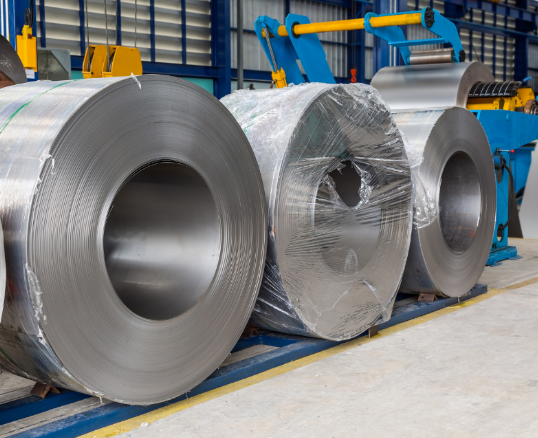
Izpratne par pielāgotu nerūsējošā tērauda un lakota metāla izgatavošanu
Kad jums ir nepieciešami metāla komponenti, kas atbilst tieši jūsu specifikācijām, gatavie produkti reti kad to nodrošina. Šeit ienāk spēlē pielāgota nerūsējošā tērauda un lakota metāla izgatavošana. Atšķirībā no standartizētiem komponentiem, ko izvēlas no kataloga, pielāgota izgatavošana pārvērš izejvielas precīzi inženieriski izstrādātos komponentos kas izgatavoti saskaņā ar jūsu unikālajām prasībām.
Bet kas tieši atšķir pielāgotus darbus no gatavu komponentu izmantošanas? Tas saistīts ar kontroli. Izmantojot metāla izgatavošanu, kas pielāgota jūsu projektam, jūs noteicat katru detaļu — sākot ar konkrētā sakausējuma sastāvu un beidzot ar galīgo virsmas struktūru. Šis precizitātes līmenis ir būtisks, kad standarta izmēri neatbilst jūsu esošajām sistēmām vai kad veiktspējas prasības pārsniedz to, ko var nodrošināt masveida ražošanā izgatavoti komponenti.
Kas padara metāla izgatavošanu pielāgotu
Iedomājieties pielāgotu nerūsējošā tērauda un loksnes metāla izgatavošanu kā ražošanu ar noteiktu mērķi. Katrs lēmums kalpo jūsu galamērķim, nevis vispārīgam specifikāciju lapam. Pēc nozares ekspertu viedokļa, pielāgota izgatavošana ļauj daļām un komplektiem būt precīzi izstrādātiem atbilstoši specifikācijām —risinot neatbilstošus izmērus, unikālus slodzes profilus vai īpašas integrācijas prasības, ko gatavās sastāvdaļas vienkārši nevar apmierināt.
Loksnes metāla izgatavošanas process sākas, kad produktu inženieri nosūta plānus un zīmējumus izgatavotājiem piedāvājumu sagatavošanai. Turpmāk izgatavotāji pasūta konkrētus materiālus — vai nu noteiktu nerūsējošā tērauda loksnes kvalitāti, specializētu alumīnija sakausējumu vai cinkotu tēraudu — pamatojoties uz jūsu projekta vides un strukturālajām prasībām.
To, kas patiesībā izceļ metāla apstrādi pielāgotajā jomā, ir sadarbība. Kvalificēti metāla apstrādātāji ne tikai īsteno jūsu zīmējumus — viņi iegulda savu ekspertīzi projektēšanas posmā. Viņi ieteiks optimālos metināšanas vietu novietojumus, piedāvās materiālu aizvietošanu, lai samazinātu izmaksas, nekompromitējot veiktspēju, un identificēs potenciālas ražošanas problēmas, pirms tās kļūst dārgas.
Pāri standarta krājuma materiāliem
Standarta komponenti nodrošina prognozējamību un ātru pieejamību. Tomēr šeit ir kompromiss: jūs esat ierobežots ar to, kas jau ir iepriekš projektēts un katalogizēts. Tas bieži piespied virzīt uz risinājumiem — papildu adapteriem, modificēšanu vai kompromisiem, kas ievieš sarežģītību un potenciālus atteices punktus.
Pielāgota loksnes metāla izgatavošana novērš šos ierobežojumus. Pielāgošanas iespējas aptver jūsu projekta katru aspektu:
- Materiāla izvēle: Izvēlieties no tūkstošiem metāla veidiem — to skaitā vairāk nekā 3500 tērauda šķirņu, no kurām 75 procenti izstrādātas tikai pēdējās divdesmit gadu laikā — lai pielāgotu korozijas izturību, izturību un termiskās īpašības jūsu lietojumprogrammai
- Dimensiju specifikācijas: Strādājiet ar precīziem mērījumiem, nevis aptuveni ar standarta izmēriem, nodrošinot nevainojamu integrāciju ar esošajām montāžām
- Griešanas precizitāte: Izvēlieties starp lāzera griešanu sarežģītiem rakstiem, ūdensstrūkas griešanu siltumjutīgiem materiāliem vai tradicionālām metodēm atkarībā no jūsu precizitātes prasībām
- Virsmas Apturēšana: Norādiet visu — no neapstrādātā metāla virsmas struktūras līdz pulverkrāsošanai, pārklāšanai vai polētai apdarei, kas atbilst gan estētiskajām, gan funkcionālajām vajadzībām
- Montāžas prasības: Iekļaujiet metināšanu, stiprināšanu vai specializētas savienošanas tehnoloģijas, lai radītu gatavus uzstādīšanai komponentus, nevis detaļas, kas prasa papildu apstrādi
Šī elastība pierāda sevi īpaši vērtīga, kad jūsu lietojumprogrammai ir nepieciešama izturība, ko standarta detaļas nevar garantēt. Metāla izstrādājumi dabiski iztur augstākas temperatūras un mehānisko slodzi nekā citi materiāli — taču tikai tad, ja izvēlētais nerūsējošā tērauda loksne vai alumīnijs atbilst vides apstākļiem, kuriem tas tiks pakļauts.
Šo pamatprincipu izpratne ļauj jums pieņemt informētus lēmumus, pētot ražošanas iespējas. Turpmākajās sadaļās jums tiks skaidroti materiālu klases, biezuma specifikācijas, griešanas metodes un virsmas apstrādes veidi — sniedzot zināšanas, kas nepieciešamas, lai efektīvi komunicētu ar metāla izstrādājumu ražotājiem un optimizētu savus pielāgotos metāla projektus jau no paša sākuma.
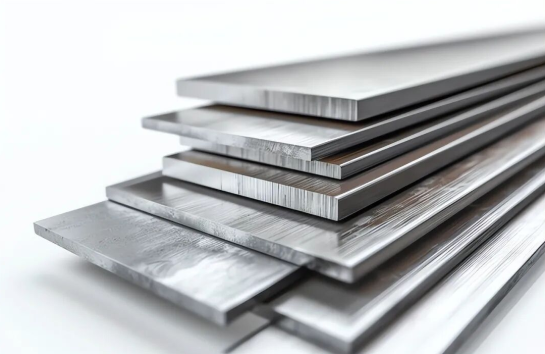
Nerūsējošā tērauda klases un to īpašības
Tagad, kad jūs saprotat pielāgotās ražošanas pamatprincipi , apskatīsim vienu no svarīgākajiem lēmumiem, ar kuru jums būs jāsaskaras: pareizā nerūsējošā tērauda klases izvēle. Šis lēmums tieši ietekmē jūsu gatavo detaļu veiktspēju, to kalpošanas ilgumu un izmaksas. Tomēr daudzi pircēji jūtas apjukuši par skaitļiem 304, 316 un 430 — brīnās, ko šie apzīmējumi patiesībā nozīmē viņu projektos.
Šeit ir tas, ko jums jāzina: nerūsējošais tērauds nav viens vienīgs materiāls. Tas ir sakausējumu ģimenes nosaukums, kur katrs sakausējums ir izstrādāts ar noteiktu metālu īpašībām, kas piemērotas dažādām lietojumprogrammām. Hroma saturs (minimāli 10,5 %) veido aizsargkārtiņu no oksīda, kas nodrošina korozijas izturību. Tomēr papildu elementi — īpaši niķelis un molibdēns — ievērojami maina katras klases uzvedību reālos apstākļos.
Šo atšķirību izpratne palīdz jums izvairīties no divām dārgām kļūdām: pārmaksāt par īpašībām, kas jums nav vajadzīgas, vai izvēlēties klasi, kas jūsu ekspluatācijas vidē pāragri nolietojas.
Klase 304 vispārējiem pielietojumiem
Kad metālapstrādātāji apspriež tērauda un nerūsējošā tērauda iespējas, visbiežāk pirmajā vietā tiek minēts 304. Tam ir sava iemesla: šis austenīta kvalitātes nerūsējošais tērauds ir patiesais darba zirgs nerūsējošā tērauda loksnes tirgū, veidojot vairāk nekā pusi no visā pasaulē ražotā nerūsējošā tērauda.
Kas padara 304 tik universālu? Tā sastāvs stāsta šo stāstu. Ar aptuveni 18% hroma un 8% niķeļa šis materiāls — nerūsējošais tērauds — nodrošina lielisku korozijas izturību pret atmosfēras ietekmi, mīkstiem ķīmiskajiem savienojumiem un pārtikas skābēm. Niķeļa saturs arī padara to ļoti viegli formējamu — to var liekt, izstiept un vilkt sarežģītās formas vieglāk nekā ferītiskās kvalitātes materiālus.
Jūs atradīsiet 304 nerūsējošo tēraudu lietojumos, kas aptver gan virtuves aprīkojumu un pārtikas apstrādes mašīnas, gan arhitektūras apdari un ķīmisko tvertnes. Tas efektīvi iztur vispārējo atmosfēriskā korozija, tīri savienojas ar metināšanu un saglabā savu izskatu minimālas apkopas apstākļos. Iekštelpu vides vai projektos bez ļoti intensīvas ķīmiskās iedarbības 304 bieži nodrošina ideālu līdzsvaru starp veiktspēju un vērtību.
Tomēr 304 ir ierobežojumi. Ja to izvieto hlorīdu bagātās vidēs — piekrastes apgabalos, peldbaseinos vai izmantojot ledus novēršanas sāles — laika gaitā, visticamāk, attīstīsies caurumainā korozija. Šajā gadījumā jums jāapsver pāreja uz 316.
Kad jānorāda 316 nerūsējošais tērauds
Lēmums par 304 vai 316 nerūsējošā tērauda izvēli bieži atkarīgs no viena jautājuma: vai jūsu detaļas nonāks saskarē ar hlorīdiem vai agresīvām ķīmiskām vielām? Ja atbilde ir jā, tad 316 nerūsējošais tērauds kļūst par jūsu galveno izvēli.
Galvenā atšķirība ir molibdēnā — 316. klases tērauds satur 2–3 % šī elementa, kas ievērojami uzlabo pretestību punktveida un spraugu korozijai. Tāpēc 316. klases tērauds ir standarts jūras aprīkojumam, ķīmiskās rūpniecības iekārtām, farmaceitiskās ražošanas aprīkojumam un medicīniskajām ierīcēm. Tur, kur pastāv jūras ūdens, agresīvi ķīmiskie savienojumi vai augstas tīrības prasības, 316. klases tērauds nodrošina aizsardzību, kuru 304. klases tērauds nevar nodrošināt.
Jā, 316. klases tērauds ir dārgāks — dažreiz ievērojami dārgāks, atkarībā no tirgus apstākļiem. Tomēr jāņem vērā kopējās ekspluatācijas izmaksas. Korozīvā vidē bojājušos 304. klases komponentu aizvietošana parasti izmaksā daudz vairāk nekā 316. klases tērauda izvēle jau projektēšanas sākumā. Es esmu redzējis projektus, kur klienti mēģināja ietaupīt, izmantojot 304. klases tēraudu piekrastes objektos, taču pēc diviem gadiem bija spiesti veikt pilnīgu aizvietošanu.
Mazāk prasīgiem pielietojumiem ir arī nerūsējošais tērauds 430—ferrītiska kvalitāte, kas satur aptuveni 17 % hroma, bet nenozīmīgu nikelī, tādējādi 430 ir ievērojami lētāks nekā gan 304, gan 316. To var atrast automašīnu dekoratīvajās detaļās, sadzīves tehnikas panelēs un dekoratīvajos pielietojumos, kur apstākļi paliek mīdži un sausi. Tomēr nevajadzētu gaidīt, ka tas iztur korozīvus vides apstākļus—ja 430 tiek izmantots ārpus telpām bez aizsardzības, tas diezgan ātri parādīs rūsas plankumus.
Nerūsējošā tērauda kvalitāšu salīdzinājums vienā skatienā
Novērtējot nerūsējošā tērauda loksnes jūsu individuālās izgatavošanas projektam, šis salīdzinājums palīdz precīzi noteikt, kura kvalitāte atbilst jūsu prasībām:
| Īpašība | 304 klase | 316 klase | 430 klase |
|---|---|---|---|
| Korozijas izturība | Labs—iztur atmosfēras apstākļus un mīdžus ķīmiskos savienojumus | Izcili—pārāka hlorīdu un skābju izturība | Vidējs—piemērots tikai sausiem un mīdžiem apstākļiem |
| Temperatūras tolerancija | Saglabā īpašības no kriogēniskām temperatūrām līdz aptuveni 870 °C (1600 °F) | Līdzīgs 304, taču ar labāku augstas temperatūras oksidēšanās izturību | Labs līdz aptuveni 815 °C (1500 °F); zemās temperatūrās kļūst trausls |
| Kopīgas prasības | Virtuves aprīkojums, pārtikas apstrāde, arhitektūras apdare, ķīmisko vielu tvertnes | Jūras aprīkojums, farmaceitiskais aprīkojums, medicīnas ierīces, piekrastes būves | Automobiļu apdare, sadzīves tehnikas korpusi, dekoratīvās panelis, lētas virtuves trauku komplekti |
| Relatīvās izmaksas | Vidējs | Augsta (niķelis + molibdēns) | Zema (bez niķeļa) |
| Magnētiskie īpašības | Parasti nav magnētiski (atkausēts stāvoklis) | Parasti nav magnētiski (atkausēts stāvoklis) | Magnētisks |
Vai nerūsējošais tērauds ir magnētisks? Saprotot atšķirību
Šo jautājumu bieži uzdod, un atbilde pilnībā ir atkarīga no tērauda klases. Šeit ir iemesls: tērauda kristālstruktūra nosaka tā magnētiskās īpašības.
Austēnītiskās klases, piemēram, 304 un 316, satur pietiekami daudz niķeļa, lai stabilizētu austēnīta fāzi — nemagnētisku kristālstruktūru. To atkausētajā stāvoklī šīs klases reaģē tikai ļoti vāji uz magnētiskajiem laukiem. Tomēr austošana un metināšana var mainīt šo raksturlielumu jebkurš process, kas maina kristālstruktūru, var pārvērst daļu austenīta feromagnētiskā martensītā, palielinot magnētisko reakciju.
Ferītiskās kvalitātes, piemēram, 430, kā arī martensītiskās kvalitātes no 400 sērijas satur maz vai vispār nesatur niķeli. To ķermenī centrētā kubiskā struktūra padara tās dabiski magnētiskas — līdzīgi dzelzs sakausējumiem, piemēram, oglekļa tēraudam. Ja jūsu lietojumprogrammai ir nepieciešamas nemagnētiskas īpašības (piemēram, noteikti elektroniski korpusi), jums jānorāda 304 vai 316 kvalitāte un jāapspriež apstrādes metodes ar jūsu metālapstrādātāju.
Izvēloties savu nerūsējošā tērauda kvalitāti, nākamais būtiskais parametrs ir biezums. Saprotot loksnes metāla kalibrēšanas sistēmu — un to, kāpēc augstāki skaitļi patiesībā nozīmē plānāku materiālu — jūs nodrošināsiet pareizās loksnes metāla specifikācijas savām konstrukcijas un svara prasībām.
Loksnes metāla kalibrēšanas sistēmas biezuma skaidrojums
Skan kā apgrūtinājums? Jūs neesat vienīgais. Kalibrēšanas sistēma pat pieredzējušus inženierus un projektu vadītājus var novest pie kļūdām. Šeit ir pretintuitīvā realitāte: kad jūs aplūkojat loksnes metāla kalibrēšanas izmērus, lielāki skaitļi nozīmē plānāku materiālu . 10. kalibrācijas loksne ir ievērojami biezāka nekā 16. kalibrācijas loksne — tieši pretēji tam, ko sugā loģika.
Šī numurēšanas īpatnība savu izcelsmi atgriež britu vada rūpniecībā pirms modernajām mērīšanas sistēmām. Sākotnēji tā tika izstrādāta, lai izmērītu vada diametru, un kalibrēšanas sistēma balstījās uz to, cik daudz izvelkšanas operāciju metāla gabals bija izturējis — vairāk izvelkšanas operāciju nozīmēja plānāku vadu un augstākus kalibrēšanas numurus. Ražošanas nozare saglabāja šo sistēmu, un šodien tā joprojām ir standarta veids, kā norādīt tērauda kalibrēšanas biezumu visā Ziemeļamerikā.
Metāla kalibra biezuma izpratne nav tikai akadēmiskas zināšanas. Nepareiza kalibra izvēle nozīmē, ka jūsu detaļas vai nu nespēs izturēt slodzi, vai arī jūs maksājat par materiālu, kas jums nav vajadzīgs. Apskatīsim, kā pareizi lasīt šos specifikācijas parametrus un kā tos pielāgot jūsu projekta prasībām.
Pareiza lasīšana pēc kalibra sistēmas
Kad jūs sastopaties ar loksnes metāla kalibra tabulu, atcerieties šo pamatnoteikumu: kalibra numuram nav tiešas matemātiskas saistības ar faktisko biezumu. Jūs nevarat aprēķināt mērījumu — jums ir jāizmanto pārveidošanas tabula.
Šo situāciju padara vēl sarežģītāku tas, ka viens un tas pats kalibra numurs rada dažādus biezumus dažādiem metāliem. Saskaņā ar nozares specifikācijām 16. kalibra nerūsējošā tērauda biezums ir 1,59 milimetri, kamēr 16. kalibra alumīnija biezums ir tikai 1,29 milimetri. Kāpēc? Jo kalibrs patiesībā balstās uz svaru kvadrātmetrā, nevis uz lineāru mērījumu. Dažādiem metāliem ir dažādas blīvumas vērtības, tāpēc viena un tā paša svara sasniegšanai nepieciešami dažādi biezumi.
Šī atšķirība ir svarīga, pasūtot pielāgotus nerūsējošā tērauda un loksnes metāla izstrādājumus. Viensmēr pārliecinieties, vai jūsu metālapstrādātājs izmanto to pašu loksnes biezuma (gauge) tabulu kā jūsu projektēšanas specifikācijās. ASV standarta loksnes biezuma (gauge) sistēma attiecas uz tēraudu un nerūsējošo tēraudu, kamēr alumīnijam tiek izmantota Brown & Sharpe loksnes biezuma sistēma — skaitļi ir līdzīgi, bet faktiskie izmēri atšķiras.
Loksnes biezuma (gauge) pārbaudei uz vietas pastāv divas metodes:
- Mērlentes metode: Izmēriet loksnes malu perpendikulāri virsmai milimetros, pēc tam salīdziniet iegūto vērtību ar loksnes biezuma (gauge) tabulu. Mazāk precīza, bet viegli pieejama.
- Loksnes biezuma (gauge) riteņa metode: Ievietojiet loksni kalibrētajos slotos, līdz atradīsiet perfektu atbilstību. Atbilstošais skaitlis norāda loksnes biezumu (gauge). Precīzāka un nozarē vairāk izmantotā pieeja.
Biezuma pielāgošana projekta prasībām
Pareizās biezuma klases izvēle ietver strukturālo vajadzību līdzsvarošanu pret svara un izmaksu ierobežojumiem. Biezāks materiāls nodrošina lielāku stingrību un slodzes izturību, taču palielina svaru un izmaksas. Tievs biezums samazina materiāla izmaksas un kopējo svaru, tāpēc tas ir ideāls korpusiem un nestrukturāliem komponentiem.
Ņemiet vērā arī to, kā biezums ietekmē ražošanas procesus. Pēc ražotāju ekspertu viedokļa, loksnes metāla biezums tieši ietekmē liekšanas uzvedību, izstiepšanās robežas un metināšanas parametrus. 10. biezuma klases loksnei nepieciešams lielāks spēks veidošanai un tā rada lielākus liekšanas rādiusus nekā 14. biezuma klases materiālam. Jūsu ražotājam šis specifikācijas dati ir nepieciešami, lai izvēlētos atbilstošo rīkojumu un precīzi aprēķinātu liekšanas pieaugumus.
Šeit ir praktisks atsauces uzskaitījums, kurā salīdzinātas parastās biezuma klases, ko izmanto pielāgotā ražošanā:
| Mērs numurs | Biezums (collās) | Biezums (mm) | Tipiskas lietošanas metodes |
|---|---|---|---|
| 10 kalibrs | 0.1345 | 3.42 | Smagās ekspluatācijas strukturālie komponenti, rūpnieciskā grīda, piekabju bedres, slodzes izturīgi platformas |
| 11 kalibrs | 0.1196 | 3.04 | Kravas automašīnu bedres, būvniecības paneļi, slodzes izturīgas sienas, izturīgi aprīkojuma korpusi |
| 12 kalibra | 0.1046 | 2.66 | Drošības durvis, smagi stiprinājumi, strukturālie rāmji, aprīkojuma korpusi, kam nepieciešama trieciena izturība |
| 14 kalibrs | 0.0747 | 1.90 | Dzīvojamās ēkas tērauda stieņi, žogu būve, skapji, paneļi, vispārēji ierobežojoši korpusi |
| 16 kalibrs | 0.0598 | 1.52 | Siltumapgādes, ventilācijas un gaisa kondicionēšanas sistēmas, metāla skapji, automobiļu karosērija, virtuves aprīkojums, sadzīves tehnikas korpusi |
Pievelciet uzmanību ievērojamajam biezuma palielinājumam 14. kalibra tēraudā salīdzinājumā ar 16. kalibru — gandrīz 0,02 collu starpība nozīmē būtiskas strukturālas sekas. Lietojumiem, kuros nepieciešama stingrība bez liekas svara, 14. kalibrs bieži vien ir optimālais risinājums. Savukārt 11. kalibra tērauda biezums piemērots projektiem, kam nepieciešama liela izturība, piemēram, rūpnieciskajam aprīkojumam vai arhitektūras elementiem, kas pakļauti mehāniskai slodzei.
Svara apsvērumi kļūst kritiski lielākiem projektiem. 4×8 pēdas liela lapa 10. kalibra ir ievērojami smagāka nekā tāda pati izmēra lapa 16. kalibra. Tas ietekmē piegādes izmaksas, manipulācijas prasības un uzstādīšanas sarežģītību. Kad strukturālā analīze to atļauj, vieglāka kalibra norādīšana samazina šīs sekundārās izmaksas.
Ņemiet vērā, ka standarta lokšņu metāls—materiāls, kura biezums ir no 0,5 mm līdz 6 mm,—aptver lielāko daļu pielāgotu izgatavošanas vajadzību. Visu, kas ir biezāks par 6 mm, parasti klasificē kā plāksni, nevis kā lokšņu metālu, un tam nepieciešami citi izgatavošanas paņēmieni un aprīkojums.
Kad jūsu materiāla klase un biezums ir noteikti, nākamais lēmums attiecas uz to, kā jūsu lapas tiek sagrieztas vēlamajā formā. Dažādi griešanas paņēmieni piedāvā atsevišķas priekšrocības precizitātē, malu kvalitātē un siltuma vadībā—faktoriem, kas ievērojami ietekmē jūsu gatavos komponentus.
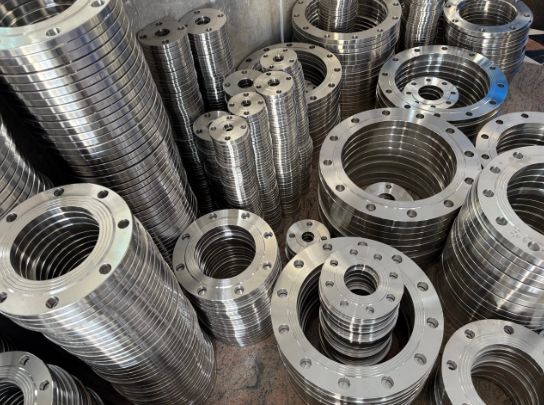
Stainless un lokšņu metāla griešanas metodes
Jūs esat izvēlējušies savu nerūsīgā tērauda kvalitāti un norādījuši pareizo loksnes biezumu. Tagad rodas jautājums, kas tieši ietekmē gan precizitāti, gan izmaksas: kā jāgriež jūsu loksnes? Labākais veids, kā griezt nerūsīgo tēraudu, pilnībā atkarīgs no jūsu projekta specifiskajām prasībām — biezuma, pieļaujamās novirzes prasībām, malu kvalitātes vajadzībām un tā tālāk, kā arī no tā, vai siltuma iedarbība var pasliktināt materiāla īpašības.
Mūsdienu ražošanas uzņēmumi, kas izgatavo detaļas no lokšņu metāliem, tostarp nerūsīgā tērauda, galvenokārt izmanto trīs tehnoloģijas: lāzera griešanu, ūdensstrūkas griešanu un plazmas griešanu. Katrai no šīm metodēm ir savas priekšrocības, un to atšķirību izpratne palīdz efektīvi komunicēt ar ražotājiem, vienlaikus optimizējot jūsu projekta rezultātus.
Apskatīsim, ko katrs griešanas paņēmiens piedāvā un kad tas ir vispiemērotākais jūsu individuālās ražošanas darbiem.
Lāzera griešana — tīras malas un smalki detāli
Iedomajieties, ka saules gaismu koncentrē ar palielināmā stikla palīdzību — tagad palieliniet šo intensitāti vairākas kārtas. Tas ir būtībā tas, kā darbojas lāzera griezējs. Augstas intensitātes gaismas kolonna, ko mūsu acis nevar redzēt, tiek pārvadāta caur staru, ko vada spoguļi. Šī virzītā gaismas strūkla kļūst ļoti karsta, izkausējot, sadedzinot un iztvaicinot materiālu ar izcilu precizitāti.
Kad visvairāk nozīmē precizitāte, lāzera griešana nodrošina neiespējami augstas kvalitātes rezultātus. Pēc ražošanas ekspertu viedokļa , lāzera griezēja griešanas līnija ir šaurāka nekā ūdensstrūklas griezēja — kas ir ārkārtīgi lietderīgi, griežot sarežģītu ģeometriju mazos, smalki detalētos vai neregulāras formas detaļās. Šī šaurā griešanas platums nozīmē mazāku materiāla izšķiešanu un ciešāku detaļu izvietošanu (nesting) uz loksnes.
Ātrums pievieno vēl vienu ievērojamu priekšrocību. Tievo materiālu griešanai lāzera griezēji var būt 5–10 reizes ātrāki nekā ūdensstrūkas alternatīvas. Ja jūs griežat nerūsējošā tērauda loksnes, kuru biezums ir mazāks par pusi collu, un nepieciešams liels daudzums, lāzertechnoloģija dramatiski samazina ražošanas laiku.
Šī tehnoloģija attīstās arī tālāk par vienkāršu griešanu. Lāzera griezēja universālums ietver:
- Caursitīšana: Precīzu caurumu rakstu izveidošana bez papildu operācijām
- Gravēšana: Daļu numuru, logotipu vai identifikācijas zīmju pievienošana tieši ražošanas procesā
- Sviedzināšana: Precīzu caurumu veidošana bez rīku maiņas
- Vākšana: Daži sistēmu risinājumi integrē lāzera metināšanu montāžas operācijām
Tomēr lāzera griešana rada siltumu. Termiskā enerģija, kas padara griešanu iespējamu, vienlaikus veido siltuma ietekmēto zonu (HAZ) ap griezuma malu. Tas ir būtiski, strādājot ar materiāliem, kas ir jutīgi pret termisko slodzi, vai tad, ja turpmākās metināšanas operācijas prasa nevainojamu pamatmetāla virsmu. Pieredzējuši metālapstrādātāji dažreiz var novērst termiskās deformācijas plaisas, pielāgojot griešanas ātrumu, taču ļoti siltumjutīgām lietojumprogrammām vēlams apsvērt ūdensstrūkas griešanas tehnoloģiju.
Ūdensstrūkas griešanas tehnoloģija siltumjutīgiem projektiem
Vai esat pamanījis spēku, ko rada dārza šļūtenes režīms «strūka»? Ūdensstrūkas griešana pielieto to pašu principu rūpnieciskā mērogā. Augstspiediena sūknis virza ūdeni caur precīzu dzelzi, kas vērsta uz jūsu materiālu. Metāliem šī ūdens strūka sajaucas ar abrazīviem, piemēram, granātu un alumīnija oksīdu, ļaujot metāla griezējam sagriezt tēraudu, titānu un praktiski jebkuru citu materiālu.
Šis process būtībā izmanto eroziju — lēno, dabisku parādību — daudzkārt paātrinātā ātrumā. Un šeit ir būtisks priekšrocības punkts: ūdensstrūkas griešana ir auksta griešanas metode. Bez siltuma nav arī siltuma ietekmētās zonas, nav izkausēšanās, nav krāsas maiņas un nav izmaiņu materiāla molekulārajā struktūrā.
Šis ir ārkārtīgi svarīgi noteiktiem pielietojumiem. Kā norāda nozares speciālisti, ūdensstrūkas griešana ir īpaši izdevīga komponentiem, ko izmanto aviācijas, aizsardzības un medicīnas nozarēs, kur tiek izvirzīti stingri prasības attiecībā uz kvalitāti, precizitāti un vienveidību. Eliminējot nepieciešamību noņemt siltuma ietekmēto materiālu, komponenti var tikt nekavējoties novadīti uz metināšanas operācijām, tādējādi uzlabojot kopējo efektivitāti.
Biezuma ierobežojumi? Praktiski nekādi. Ūdensstrūklakas adatveida straume var griezt līdz 15 collām (38 cm) biezu materiālu, pie kam precīzākās izmēru tolerances tiek uzturētas materiāliem, kuru biezums ir 4 collas (10 cm) vai mazāks. Šis process atbalsta arī daudzslāņu griešanu — vienlaicīgi griežot vairākus materiāla slāņus vienā griešanas ciklā — tādējādi samazinot ražošanas laiku, nezaudējot griešanas kvalitāti.
Materiālu daudzveidība arī nodrošina ūdensstrūklakas priekšrocības. Regulējot griešanas spēku ar smalkgrainīgiem abrazīviem, ražotāji var apstrādāt tēraudu, nerūsējošo tēraudu, titānu, alumīniju, oglekļa šķiedru un bezskaita citus materiālus, izmantojot vienu un to pašu aprīkojumu. Ja jūsu projekts ietver dažādu materiālu kombinācijas vai eksotiskas sakausējumus, ūdensstrūklaka bieži vien piedāvā viselastīgāko risinājumu.
Kerfs un tā ietekme uz jūsu detaļām
Šeit ir jēdziens, kas pārsteidz daudzus pircējus: kerfs. Vienkārši sakot, kerfs ir materiāla platums, kas tiek noņemts griešanas laikā. Iedomājieties to kā skaidu, ko rada koka zāģis — materiāls, kas agrāk pastāvēja, bet tiek patērēts pašā griešanas procesā.
Kāpēc tas ir svarīgi? Jo, ja kerfu ignorē vai nepareizi aprēķina, pastāv risks, ka būs jāveic atkārtota apstrāde, daļas neizturēs slodzi un termiņi netiks ievēroti. Augstas apjoma metālapstrādes gadījumā tas ir nepieņemami.
Dažādas griešanas metodes rada dažāda platumu kerfus:
- Lasera gaļas segšana: Radīt visšaurāko kerfu — parasti 0,006–0,015 collas — kas ļauj ļoti cieši izvietot detaļas un minimizēt materiāla zudumus
- Ūdensstrūklas griešana: Radīt nedaudz platumāku kerfu — parasti 0,030–0,040 collas — sakarā ar straumes diametru un abrazīvo darbību
- Plazmas griešana: Radīt visplatumāko kerfu — aptuveni 0,150 collas — kas ierobežo precizitāti, bet ļauj ātrāk griezt biezu materiālu
Pieredzējuši metālapstrādātāji iekļauj griezuma platuma (kerf) kontroli jau no agrīnākā projektēšanas posma, kompensējot materiāla noņemšanu savā programmēšanā. Tas nodrošina, ka jūsu pabeigtie detaļu izmēri atbilst norādītajiem specifikācijām, nevis ir par pusi griezuma platuma mazāki. Iepirkuma piedāvājumu pieprasīšanas laikā pārliecinieties, vai jūsu metālapstrādātājs ņem vērā griezuma platumu savā procesā — šis ir svarīgs aspekts, kas atšķir precīzus uzņēmumus no mazāk kompetentiem pakalpojumu sniedzējiem.
Griešanas metožu salīdzinājums jūsu projektam
Novērtējot, kā griezt nerūsējošo tēraudu jūsu individuālajam izgatavošanas projektam, šis salīdzinājums palīdz skaidri noteikt, kura tehnoloģija vislabāk atbilst jūsu prasībām:
| Faktors | Lāzera griešana | Ūdensstrūklas griešana | Plazmas griešanas |
|---|---|---|---|
| Precizitātes līmenis | Izteiksmīgi labi — nepārspējami smalkiem detāliem un stingriem izmēru tolerancēm | Ļoti labi — stingrākās tolerances materiālam līdz 4 collām (≈101,6 mm) biezumā | Vidēji — precīzai apstrādei nepieciešama papildu pēcapstrāde |
| Materiāla biezuma diapazons | Labākais līdz 0,5 collām (≈12,7 mm) — izcilis tievākiem materiāliem | Līdz 15 collām (≈381 mm) — praktiski nav biezuma ierobežojumu | 0,25–2 collas (≈6,35–50,8 mm) — optimāls vidēji biezu plākšņu apstrādei |
| Malas kvalitāte | Tīri, gludi griezuma malas, gatavas pēcapstrādei | Gluda, nedaudz reljefota virsma | Rupjāki malas, parasti prasa slīpēšanu |
| Šiluma ietekmes zona | Esoša — var mainīt materiāla īpašības tuvumā malai | Nav — aukstā griešana saglabā materiāla integritāti | Ievērojama — lielākais termiskais ietekme uz materiālu |
| Labākās pielietošanas iespējas | Sarežģīti raksti, liela apjoma plānas detaļas, gravēšana | Termiski jutīgi materiāli, biezs izstrādājumu blīvums, aviācijas/medicīniskās lietojumprogrammas | Konstrukciju ražošana, biezas loksnes, projektu ar ierobežotu budžetu |
Pēc izstrādājumu speciālistu viedokļa, izvēloties starp šķiedras lāzeru un ūdensstrūku nerūsējošā tērauda komponentiem, abas tehnoloģijas nodrošina daudz augstāku atkārtojamību un precizitāti nekā plazmas griešana. Jo biezāks ir jūsu materiāls, jo lielāka ir varbūtība, ka priekšroka tiks dotā ūdensstrūkai. Ja malu stāvoklis prasa sekundāru apstrādi, piemēram, metināšanu, tad gan lāzers, gan ūdensstrūka parasti pārspēj plazmu.
Vēl viens beidzamais apsvērums: atstarojošie metāli joprojām rada problēmas dažām lāzeru sistēmām, jo stars atstarojas no metāla virsmas, nevis veido griezumu. Mūsdienu šķiedras lāzeri lielā mērā ir novērsuši šo ierobežojumu, tomēr, ja strādājat ar spīdīgiem vai atstarojošiem sakausējumiem, vērts apspriest materiāla specifiskās īpašības ar savu metālapstrādātāju.
Kad esat izvēlējušies griešanas metodi, nākamais solis ir pārvērst šos plakanos, precīzi nogrieztos formas trīsdimensiju komponentos. Formēšanas un liekšanas procesi ievieš papildu apsvērumus saistībā ar materiāla uzvedību, liekšanas pieļaujamību un rīku izvēli, kas tieši ietekmē gala produkta ģeometriju.
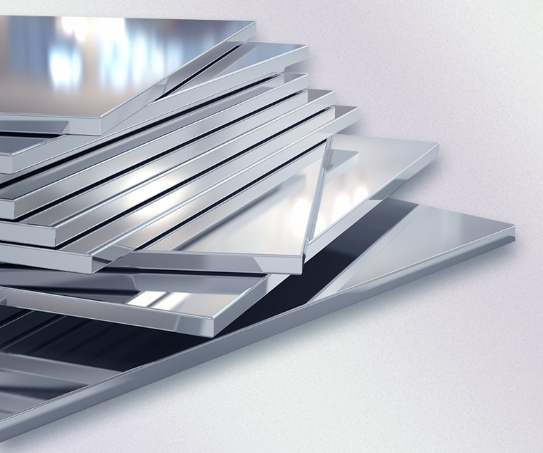
Formēšanas un liekšanas procesi metālapstrādē
Jūsu plakanās loksnes tagad ir precīzi izgrieztas vajadzīgajā formā. Tomēr lielākā daļa reālās pasaules lietojumprogrammu prasa trīsdimensiju komponentus — skavas, kas aptver stūrus, korpusus ar vairākām liecēm vai kanālus, kas novirza gaisa plūsmu. Tieši šeit liešana un liekšana pārvērš jūsu divdimensiju заготовки funkcionalos komponentos.
Šeit ir pamatprincips: liekšana pieliek spēku loksnei, izraisot tās pastāvīgu deformāciju ap noteiktu asi. Atšķirībā no griešanas, kurā tiek noņemts materiāls, liekšana pārveido materiālu, saglabājot tā virsmas integritāti un strukturālo nepārtrauktību. Pareizi veikta liekšana ļauj iegūt komponentu, kura stiprums ir gandrīz vienāds ar sākotnējās plakanās loksnes stiprumu.
Šo procesu izpratne palīdz jums projektēt detaļas, kuras faktiski var izgatavot — izvairoties no neiespējamām ģeometrijām, norādot sasniedzamas precizitātes robežas un paredzot, kā jūsu materiāls uzvedīsies liešanas sprieguma ietekmē.
Liešanas tehnoloģijas, kas veido jūsu dizainu
Kad iesniedzat dizainu nerūsējošā tērauda loksnes metālapstrādes izgatavošanai, jūsu metālapstrādātājs izvēlas vairākas veidošanas metodes, pamatojoties uz jūsu detaļas ģeometriju, materiāla īpašībām un ražošanas apjomu.
Lokšņu lokšana ar presi ir visizplatītākā pieeja pielāgotiem darbiem. Preses brakes — būtībā precīza hidrauliskā vai elektriskā presēšanas iekārta — piespiež metāla loksni pret matricu, lai izveidotu leņķiskus liecienus. Mūsdienu CNC preses brakeši var sasniegt lieciena leņķus ar precizitāti ±0,5 grādiem, tāpēc tie ir ideāli komponentiem, kuriem nepieciešami vienoti un atkārtojami rezultāti. Pēc metālapstrādes speciālistu teiktā , preses brakes izdara spēku uz metāla loksnes, piespiežot to pret matricu, lai izveidotu liecienus, kurās sarežģītas mašīnas, piemēram, CNC sistēmas, uzlabo gan precizitāti, gan efektivitāti.
Lokšņu lokšanā ar presi jūs sastapsiet vairākas konkrētas tehnikas:
- Gaisa liekšana: Dzeltens neatrodas pilnībā iepresēts matricā, kas ļauj regulēt leņķi, nemainot rīkus. Šī metode ir visdaudzveidīgākā dažādu ražošanas partiju gadījumā.
- Apakšējā liekšana: Lapas materiāls pilnībā iepresējas matricā, radot precīzākus un vienmērīgākus leņķus nekā gaisa liekšana — ideāli augstas precizitātes prasībām.
- Kalšana: Puncis spēcīgi kompresē metālu matricā, radot pastāvīgus liekumus ar gandrīz nenozīmīgu atgriešanos. Vispiemērotāk kritiskām lietojumprogrammām, kur nepieciešami precīzi leņķi.
Profilēšana piemērots nepārtrauktiem profilu veidiem, piemēram, kanāliem, leņķveida profiliem un sarežģītiem šķērsgriezumiem. Materiāls tiek vadīts caur vairāku rullīšu virkni, kur katrs rullītis pakāpeniski veido metālu, līdz rodas galīgais profils. Šī metode ir īpaši efektīva garu, vienmērīgu formu sēriju ražošanai — piemēram, konstruktīvajām rāmja sistēmām, arhitektūras apdarei vai transportieru komponentiem.
Staņģēšanas operācijas apvieno griešanu un veidošanu vienā preses kustībā. Augsta ātruma stempļu matricas var ražot tūkstošiem identisku detaļu stundā, padarot šo pieeju izdevīgu lielapjoma ražošanai. Jūsu automobiļu komponenti, sadzīves tehnikas balsti un elektroiekavas, visticamāk, sākotnēji bija stempļotas detaļas.
Izpratne par liekšanas pieļaujamajām novirzēm un ierobežojumiem
Šeit materiālu zinātne tieši ietekmē jūsu dizaina lēmumus. Kad loksnes metāls liecas, ārējā virsma izstiepjas, bet iekšējā virsma sažņaugas. Starp šiem diviem galējiem gadījumiem atrodas neitrālā ass — teorētiska plakne, kas neizstiepjas un nesažņaujas.
The liekšanas pieļaujamā novirze ņem vērā šo materiāla uzvedību, aprēķinot, cik daudz taisnas заготовки tiek patērēts katrā liekumā. Ja šis aprēķins ir nepareizs, pabeigto detaļu izmēri nesakritīs ar jūsu dizainu. Kā izstrādāšanas eksperti skaidro, liekuma pieļaujamais garums ir būtisks aprēķins, kas nodrošina, ka liektās loksnes gala izmēri ir precīzi — to nosaka materiāla biezums, liekuma leņķis un K-faktors (neitrālās ass atrašanās vieta).
Atsperošana rada vēl vienu izaicinājumu. Pēc liekšanas spēka noņemšanas metāls cenšas atgriezties sava sākotnējā plakanajā stāvoklī. Dažādi materiāli atgriežas atpakaļ ar dažādu ātrumu — piemēram, nerūsējošais tērauds atgriežas vairāk nekā mīkstais tērauds. Pieredzējuši izgatavotāji kompensē to, nedaudz pārliekot materiālu, lai tas atgrieztos vēlamajā leņķī.
Vairāki faktori tieši ietekmē jūsu liekšanas kvalitāti un to, ko ir iespējams sasniegt ar izvēlēto materiālu:
- Materiāla klase: Cietāki sakausējumi pretojas liekšanai un prasa lielākus liekšanas rādiusus. Austenītiskās nerūsējošā tērauda šķirnes, piemēram, 304 un 316, liecas vieglāk nekā ferītiskā 430.
- Biezums: Biezākas loksnes izrāda lielāku liekšanas stingrību — palielinātā šķērsgriezuma platība rada lielāku pretestību deformācijas laikā, kas prasa lielāku spēku un lielākus minimālos rādiusus.
- Struktūras virziens: Liekt perpendikulāri graudu virzienam dod gludākus rezultātus un mazāku plaisu rašanās risku. Liekt paralēli graudu virzienam var izraisīt virsmas plaisas, īpaši cietākos materiālos.
- Instrumentu izvēle: Die atveres platums, urbja rādiuss un rīku materiāls visi ietekmē galīgās liekšanas kvalitāti. Nolietoti vai nepiemēroti rīki rada neatbilstības, kas pastiprinās vairāku liekšanu laikā.
The minimālais liekuma rādiuss atspoguļo visšaurāko iekšējo rādiusu, ko jūsu materiāls var sasniegt bez plaisāšanas. Vispārīgi sakot, minimālais liekšanas rādiuss ir jābūt vienādam vai lielākam par loksnes biezumu. Piemēram, 10 mm biezs materiāls parasti prasa vismaz 10 mm iekšējo rādiusu, lai saglabātu virsmas kvalitāti. Mēģinot veikt šaurākas liekšanas, pastāv risks redzamai plaisāšanai ārējā virsmā vai pat pilnīgai materiāla sabrukšanai.
Metāllapas savienošanas metodes
Kad jūsu komponenti ir izveidoti, montāžai bieži nepieciešams savienot vairākus detaļu gabalus. Dažādas metodes tiek izmantotas dažādām lietojumprogrammām nerūsējošā tērauda loksnes metālapstrādē.
Punktsvārīšana izveido lokālus saplūšanas punktus, caur pārklājošajām loksnes plāksnēm izvadot elektrisko strāvu. Elektrodi piespiež materiālu kopā, kamēr strāva plūst, radot siltumu kontaktvietā un saplūdinot metālus. Punktu metināšana ir īpaši efektīva tievo materiālu ātrai savienošanai — šo metodi bieži izmanto automašīnu korpusa panelēs, sadzīves tehnikas korpusos un elektroiekartu korpusos. Viena punktu metināšanas operācija ilgst tikai sekundes, ļaujot sasniegt augstu ražošanas ātrumu.
Smagākiem konstruktīviem pielietojumiem, MIG un TIG metināšana izveido nepārtrauktas šuves, izmantojot piepildvielu. TIG metināšana nodrošina augstāku precizitāti un tīrākas šuves no nerūsējošā tērauda, tomēr tai nepieciešama lielāka operatora prasme. MIG metināšana piedāvā ātrākus noguldījuma ātrumus garākām ražošanas partijām. Strādājot ar dažādiem metāliem vai speciālajiem sakausējumiem — piemēram, aluminija metināšanas pielietojumiem — ir kritiski svarīgi izvēlēties atbilstošas piepildvielas un pielāgot metināšanas parametrus, lai novērstu šuvju atteices.
Mehāniskā stiprināšana izmantojot uzgriežņus, skrūves vai specializētus stiprinājumus, nodrošina iespēju izjaukt konstrukciju un tas labi darbojas, ja metināšana nav praktiska. Pašuzsienošie stiprinājumi tiek iepresēti tieši lokanajā metāla loksnes materiālā, veidojot pastāvīgas vītņotas caurumus bez metināšanas siltuma vai atsevišķiem stiprinājuma elementiem.
Jūsu norādītie formēšanas un savienošanas procesi galu galā nosaka, vai jūsu detaļas pareizi savienojas un darbojas tā, kā tās ir projektētas. Šo detalju pareiza noteikšana projektēšanas posmā novērš dārgu pārstrādi — un jūsu metālapstrādes uzņēmuma ekspertīze var palīdzēt identificēt potenciālas problēmas, pirms tās kļūst par ražošanas problēmām.
Kad jūsu detaļas jau ir izveidotas un gatavas montāžai, virsmas apstrāde kļūst par beidzamo apsvērumu. Jūsu izvēlētā apstrāde ietekmē ne tikai izskatu, bet arī ilgstošo izturību, korozijas izturību un apkopas prasības.
Virsmas pārklāji un aizsardzības apstrādes
Jūsu detaļas ir sagrieztas, veidotas un montētas. Taču šo daudzi pircēji ignorē: norādītā virsmas apdare ietekmē gan izskatu, gan ilgtermiņa darbību. Polirēta nerūsējošā tērauda loksnes metāla komponente uzvedas citādi nekā matētā — ne tikai vizuāli, bet arī korozijas izturības, tīrīšanas viegluma un apkopēs nepieciešamo prasību ziņā.
Uztveriet virsmas apdari kā pēdējo inženierijas lēmumu, nevis vienkārši kā estētisku pēcpadomi. Pareizā apdare pagarinās ekspluatācijas laiku, samazinās apkopes izmaksas un nodrošinās, ka jūsu komponenti darbojas tā, kā paredzēts to ekspluatācijas vidē. Apskatīsim jūsu iespējas — no mehāniskajām apstrādēm, kas maina metāla virsmu, līdz aizsargpārklājumiem, kas piešķir pilnīgi jaunas īpašības.
Mehāniskās apdares — no matētās līdz spoguļveida polirētai
Mehāniskās apdare izmaina nerūsējošā tērauda virsmu, izmantojot fizisku berzēšanu, velmēšanu vai polēšanas operācijas. Šīs apstrādes nepievieno materiālu — tās pārveido jau esošo materiālu, radot tekstūras no rūpnieciski matētas līdz nevainojami atstarojošām virsmām.
Pēc virsmas apdares speciālistu viedokļa, šīs apdares var būt no matētām līdz spīdīgām un ietver īpašas tekstūras, ko mehāniski piemēro ļoti specializētām lietojumprogrammām. Izvēlētā apdare ietekmē korozijas izturību, metināmību un ražošanas operācijas — ne tikai vizuālo pievilcību.
Šeit ir standarta mehāniskās apdares, ar kurām jūs sastapsieties, norādot individuāli izgatavotus izstrādājumus:
- Pabeigums Nr. 1: Karsti velmēts, atkausēts un skābēts. Šī matētā, raupjā virsma piemērota augstas temperatūras lietojumiem, kur dekoratīvais izskats nav būtisks.
- Pabeigums Nr. 2B: Auksti velmēts ar vieglu temperēšanas gājienu, izmantojot polētus velmju cilindrus. Gluda, daļēji atstarojoša un spīdīga — universālā apdare virtuves traukiem, tvermēm un farmaceitiskajam aprīkojumam.
- No. 3 un No. 4 virsmas apdare: Mehāniski polēts, izmantojot smilšpapīra lentes. Matēta nerūsējošā tērauda loksne ar vienmērīgiem virzienlīnijām — viena no visplašāk izmantotajām virsmas apdariem arhitektūras paneļiem, liftiem, mazgātavām un restorānu aprīkojumam.
- 7. apdare: Ārkārtīgi atstarojošs, tomēr vēl redzamas vieglas smilšpapīra pēdas. Ražots, polējot smalki apstrādātu virsmu — ideāls kolonnu apvalkiem un dekoratīvajai apmalītei.
- 8. apdare: Īstā spoguļa polējums, ko sasniedz, secīgi izmantojot arvien smalkākus abrazīvus un beidzot ar polēšanu. Visatstarojošākā pieejamā virsmas apdare — Čikāgas slavenā „Pupiņa” skulptūra demonstrē šo apdari.
Kad jums nepieciešams polēt nerūsējošo tēraudu konkrētai lietojumprogrammai, ņemiet vērā, ka katrs nākamais virsmas apdares līmenis prasa papildu apstrādes laiku un izmaksas. No. 4 matētā virsma ir ievērojami lētāka nekā No. 8 spoguļa polējuma sasniegšana. Savu virsmas apdares specifikāciju pielāgojiet faktiskajām funkcionālajām prasībām, nevis pēc noklusējuma izvēlieties visatstarojošāko variantu.
Viens būtisks apsvērums: ne visi piegādātāji izmanto vienus un tos pašus terminus, lai apzīmētu vienu un to pašu virsmas apdari. Lai pārliecinātos, ka saņemsiet tieši to, kas nepieciešams jūsu lietojumprogrammai, apstipriniet specifikācijas tieši ar savu metālapstrādātāju, izmantojot skaitliskās apzīmējumus vai Ra (virsmas raupjuma) mērījumus.
Aizsargpārklājumi un pulverveida pārklājumu iespējas
Dažreiz neapstrādātas metāla virsmas — pat polierētais nerūsējošais tērauds — nepiedāvā īpašības, kas nepieciešamas jūsu lietojumprogrammai. Šeit ienāk spēlē aizsargpārklājumi. Šīs apstrādes uz virsmas pievieno materiālu, veidojot barjeras pret koroziju, nodilumu vai vides bojājumiem.
Pulvera apgabalu pakalpojumi pārstāv vienu no visdaudzveidīgākajām pieejamajām aizsargierīcēm. Kā paskaidro pārklājumu speciālisti , pulverveida pārklājums ir process, kurā pozitīvi lādēts pulveris elektrostatiski tiek uzklāts uz zemēta objekta un pēc tam uzkarsēts, lai tas kustētos un izlīdzinātos. Iegūtais pārklājums ir izturīgs, korozijas izturīgs un izturīgs pret ultravioletajiem stariem.
Kas padara pulvera pārklājumu īpaši pievilcīgu? To var uzklāt gandrīz uz jebkura priekšmeta, ko var zemēt — tostarp metāliem, koksnei, plastmasai un kompozītmateriāliem. Šajā procesā rodas gandrīz nulle atkritumu, jo jebkuru pulveri, kas neuzlīp, var savākt un izmantot atkārtoti. Nav nepieciešami šķīdinātāji vai toksiskas vielas, tādēļ tas ir vides ziņā labvēlīgāks daudzām šķidro pārklājumu alternatīvām.
Īpaši alumīnija komponentiem anodēšana piedāvā citu pieeju. Nevis pievienojot materiālu, anodizācija ir elektroķīmisks process, kas uzlabo alumīnija virsmās dabiskā alumīnija oksīda slāni. Alumīnija oksīda pārklājums ir ciets, izturīgs un noturīgs pret laikapstākļiem — tas pretojas UV kaitējumam un neplīst vai neatslābā kā uzklāti pārklājumi.
Salīdzinot anodizētu alumīniju ar pulvera pārklājumu, ņemiet vērā šādas atšķirības:
- Izturība: Anodizācija rada cietaku virsmu nekā pulvera pārklājums, nodrošinot labāku nodiluma izturību. Tomēr pulvera pārklājums daudzās vides apstākļos nodrošina augstāku noturību pret ķīmiskām iedarbībām.
- Temperatūras robežas: Anodizācija darbojas slikti augstāk par 80 °C (176 °F), kamēr pulverpokrājumi iztur augstākas temperatūras atkarībā no to formulējuma.
- Segvietas: Anodizācija labāk nonāk līdz detaļu iekšējām virsmām. Pulverpokrājumu uzklāšanai nepieciešama redzamības līnija, tādēļ sarežģītākas ģeometrijas apstrāde ir grūtāka.
- Kosta: Pulverpokrājums parasti ir izdevīgāks, īpaši lielākos partijās. Anodizācijas izmaksas ir augstākas, taču tā var pierādīties par vērtīgu specializētām lietojumprogrammām.
Jūsu pabeigto komponentu uzturēšana
Pat vislabākais pārklājums bez pareizas aprūpes pakļaujas degradācijai. Pareiza nerūsējošā tērauda tīrīšanas metožu izpratne pagarinās komponentu kalpošanas laiku un saglabās gan to izskatu, gan aizsargājošās īpašības.
Nerūsējošā tērauda pārklājumu ikdienas uzturēšanai parasti pietiek ar siltu ūdeni un mīkstu šķidro mazgāšanas līdzekli. Notīriet virzienā pa metāla graudu — īpaši svarīgi matētajiem pārklājumiem — lai izvairītos no redzamiem rievām. Rūpīgi izskalojiet un pilnībā nosusiniet, lai novērstu ūdens traipu veidošanos.
Izvairieties no hlorīdu saturošiem tīrītājiem uz nerūsējošā tērauda. Mājsaimniecības balinātāji un daudzi rūpnieciskie attaukošanas līdzekļi satur hlorīdus, kas ietekmē pasīvo oksīda kārtu un potenciāli var izraisīt punktveida koroziju. Ja jums ir jānoņem stingri piesārņojumi, speciālie nerūsējošā tērauda tīrītāji saglabā aizsargkārtu, vienlaikus novēršot piesārņojumu.
Pulvera pārklātiem virsmām mierīga tīrīšana ar neabrasīviem materiāliem novērš pārklājuma iegravēšanu. Izvairieties no spiediena tīrīšanas tuvu virsmai — spēks laika gaitā var izraisīt pārklājuma nolūzumu vai bojājumus. Regulāras pārbaudes, lai noteiktu nolūzumus vai iegriezumus, ļauj veikt agrīnu labošanu, pirms korozija iegūst piekāpi uz pamatmetāla.
Tas pārklājums, ko jūs norādāt, un tas, kā jūs to uzturat, galu galā nosaka, vai jūsu komponenti pēc pieciem gadiem izskatīsies un darbosies tā, kā paredzēts, vai arī būs jānomaina agrāk nekā plānots. Informēti lēmumi projektēšanas stadijā atnes peļņu visu jūsu projekta ekspluatācijas laiku.
Kad materiāli, ražošanas procesi un virsmas apdare jau ir izskatīti, nākamais solis ir pareizi sagatavot jūsu dizaina failus ražošanai. Pareiza failu sagatavošana samazina kļūdas, paātrina ražošanu un nodrošina, ka pabeigtie detaļu izstrādājumi precīzi atbilst jūsu dizaina mērķiem.
Dizaina sagatavošana un projekta plānošana
Jūs esat izvēlējušies materiālu, norādījuši biezumu, izvēlējušies griešanas metodi un noteikuši virsmas apdari. Tagad seko solis, kas var izlemt jūsu projekta termiņu un budžetu: pareiza dizaina failu sagatavošana. Kad jums nepieciešams precīzi izgriezts loksnes metāls, iesniegto failu kvalitāte tieši nosaka, vai ražošana notiks gludi vai radīs dārgas atpakaļejošas rediģēšanas procedūras.
Šeit ir realitāte, ko daudzi pircēji atklāj par vēlu: ražotāji var izgatavot tikai to, ko jūsu faili pārraida. Nepilnīgi zīmējumi, neviennozīmīgi pieļaujamie noviržu lielumi vai nesaderīgi failu formāti rada kavēšanos jau pirms griešanas sākuma. Savukārt pareiza sagatavošana vienkāršo piedāvājumu sagatavošanu, samazina kļūdas un ātrāk ievada jūsu pielāgotos nerūsējošā tērauda detaļu ražošanā.
Apskatīsim, ko ražotāji patiesībā no jums prasa — un kā to efektīvi nodrošināt.
Jūsu dizaina failu sagatavošana ražošanai
Kad jūs iesniedzat failus pielāgotu tērauda loksnes griešanai, jūsu ražotājs šo digitālo informāciju pārveido mašīnu instrukcijās. Jo skaidrāka un pilnīgāka ir jūsu informācija failos, jo ātrāk notiek šī pārveide — un jo mazāk jautājumu traucē jūsu ražošanas grafiku.
Saskaņā ar CAD dizaina speciālistiem dizaina detalizācija loksnes metāla apstrādē ietver visaptverošu pieeju daļu projektēšanai tā, lai maksimāli palielinātu funkcionalitāti, vienlaikus minimizējot atkritumus un vienkāršojot montāžu. Pareizas dizaina izvēles var optimizēt ražošanas procesu, samazināt materiālu patēriņu, saīsināt laiku CAD modelēšanā un samazināt mašīnu darbības laiku — katrs no šiem faktoriem veicina zemākas izgatavošanas izmaksas.
Vairums metālapstrādes uzņēmumu pieņem vairākus standarta failu formātus, tomēr preferences atkarīgas no konkrētās darbnīcas iespējām:
- DXF (Drawing Exchange Format): Visvairāk izmantotais 2D formāts. Satur vektoru ģeometriju, kas tieši pārtulkojas griešanas ceļos. Ideāls plakaniem modeļiem un vienkāršām daļām.
- DWG (AutoCAD zīmējums): AutoCAD oriģinālais formāts ar līdzīgām iespējām kā DXF. Dažas darbnīcas dod priekšroku DWG formātam tā slāņu pārvaldības funkcijām.
- STEP (Product Data Exchange Standard): Nozaru standarta 3D formāts, kas saglabā cieto modeļa datus dažādās CAD platformās. Būtisks sarežģītiem komplektiem un veidotām daļām.
- IGES (Initial Graphics Exchange Specification): Vecāks 3D apmaiņas formāts, ko joprojām pieņem daudzas uzņēmumu vienības. Mazāk precīzs nekā STEP sarežģītiem virsmu veidiem.
- SolidWorks, Inventor vai Creo natiīvie faili: Daži ražotāji tieši strādā ar natiīvajiem CAD failiem, kas ļauj rediģēt elementus un veikt parametriskas pielāgošanas.
Papildus faila formātam apsveriet, kādu informāciju jūsu failiem jāsniedz. Tērauda loksnes griešanai pēc izmēra pasūtījumiem zīmējumos skaidri jānorāda:
- Vispārējie izmēri ar atbilstošiem noviržu robežvērtībām
- Urbumu atrašanās vietas, izmēri un jebkādas norādes par konusa vai cilindriska urbuma specifikācijām
- Liekšanas vietas, leņķi un iekšējais rādiuss veidotajām detaļām
- Materiāla norādes, kurās norādīta kvalitāte, biezums un virsmas apstrādes prasības
- Kritiskie izmēri, kuriem jābūt stingri ievērotiem, salīdzinājumā ar tiem, kam ir lielāka elastība
Starp citu, tērauda nerūsējošās loksnes izgatavošanas projektos, kuros iesaistītas 3D sastāvdaļas, jāiekļauj gan plaknē izvērsta forma (griešanai), gan veidota modeļa versija (pārbaudei). Tas ļauj jūsu ražotājam pārliecināties, ka plaknē izvērsta forma pareizi atvērās un radīs paredzēto galīgo ģeometriju.
Tolerances specifikācijas, kas nodrošina piemērotību
Tolerances apzīmē pieļaujamo novirzi jūsu gatavajos komponentos — un to pareiza norāde nodrošina precizitātes un izmaksu līdzsvaru. Stingrākas tolerances prasa rūpīgāku apstrādi, lēnākus mašīnu darbības ātrumus un papildu pārbaudes. Viegli pieļaujamākas tolerances samazina ražošanas laiku, bet var ietekmēt montāžas piemērotību.
Kā skaidro ražošanas eksperti, sapratne par tolerancēm loksnes metāla komponentos ir būtiska, lai izstrādātu komponentus un komplektus, kas precīzi savienojas un darbojas paredzētajā veidā. Procesam specifisku toleranču izpratne palīdz izvēlēties piemērotāko procesu, kas atbilst jūsu komponenta tolerances prasībām.
Dažādi ražošanas procesi nodrošina dažādu iebūvēto precizitātes līmeņu. Saskaņā ar nozares norādījumiem standarta liekuma leņķa tolerances ir ±1 grāds, kamēr lasersagriešana parasti sasniedz ±0,2 mm augstas precizitātes darbiem vai ±0,45 mm standarta tolerancēm. Šo pamata spēju zināšana palīdz jums noteikt sasniedzamas prasības.
Ņemiet vērā šos pieļaujamās novirzes norādījumus, plānojot savu pielāgoto lasersagriezto nerūsējošā tērauda projektu:
| Pieļaujamās novirzes veids | Standarta tolerances | Augstas precizitātes tolerancija | Faktori, kas ietekmē precizitāti |
|---|---|---|---|
| Lineārie izmēri | ±0,45 mm | ±0,20 mm | Griešanas metode, materiāla biezums, termiskie efekti |
| Caurules diametrs | ±0,45 mm | ±0,08 mm | Griešanas tehnoloģija, materiāla veids, elementa izmērs |
| Krustpunkts | ±1,0 grāds | ±0,5 grāds | Materiāla atgriešanās, rīku precizitāte, operatora kvalifikācija |
| Liekuma pozīcija (XYZ) | ±0,45 mm | ±0,20 mm | Kumulatīvā pieļaujamās novirzes uzkrāšanās, detaļas sarežģītība |
Šeit ir princips, kas saglabā gan naudu, gan samazina frustrāciju: precīzas pieļaujamās novirzes jānorāda tikai tur, kur tās patiešām ir būtiskas. Kritiskām savienošanas virsmām, izlīdzināšanas elementiem un funkcionālajām saskarnēm var būt nepieciešama augsta precizitāte. Tomēr visu izmēru vienādi stingras pieļaujamās novirzes palielina izmaksas, neuzlabojot produkta vērtību.
Ari flanģa garuma prasības ietekmē to, ko ir iespējams sasniegt. Industrijas standarti ieteic, ka minimālais flanģa garums loksnes metāla detaļām jābūt vismaz četrreiz lielākam par materiāla biezumu. Īsāki flanģi rada risku nepilnīgai formēšanai vai rīku ierobežojumiem liekšanas operāciju laikā.
Dizaina ražošanas principi
Visizdevīgākie pielāgotie izgatavošanas projektu risinājumi jau no sākuma iekļauj ražošanas apsvērumus dizainā. Šo pieeju, ko sauc par Dizainu ražošanai (DFM), izmanto, lai identificētu potenciālas ražošanas problēmas, pirms tās kļūst dārgas.
Kā norāda inženierzinātņu speciālisti, DFM norādījumi palīdz dizaina inženieriem pārmest spraugu starp reālo un ideālo pasauli, veidojot elementus, piemēram, caurumus, slotus, liekumus un galu atbrīvojumus. Izmantojot DFMA (Dizains ražošanai un montāžai) norādījumus, inženieri var optimizēt dizainus, kontrolējot komponentu skaitu un ražošanā iesaistīto darbību skaitu.
Galvenie DFM principi loksnes metālam:
- Uzturiet vienādus liekuma rādiusus: Vienāda rādiusa izmantošana visā detaļā samazina rīku maiņu nepieciešamību un paātrina ražošanu. Standarta rādiusi 0,030", 0,060", 0,090" vai 0,120" parasti tiek piegādāti ātrāk nekā pielāgoti rādiusi.
- Novietojiet caurumus tālāk no liekumiem: Caurumi, kas ir pārāk tuvu liekšanas līnijām, deformējas veidošanas laikā. Turiet caurumu malas vismaz vienu materiāla biezumu attālumā no liekšanas vietām — vēlamāk pat vairāk kritiskiem elementiem.
- Ņemiet vērā struktūras virzienu: Liekt perpendikulāri valcēšanas virzienam samazina plaisu risku un nodrošina tīrākus rezultātus.
- Minimizējiet sastāvdaļu skaitu: Mazāks komponentu skaits nozīmē mazāk operāciju, mazāk aparatūras un ātrāku montāžu. Vai vairākas daļas var apvienot vienā veidotā detaļā?
- Iekļaujiet griezuma platumu: Neaizmirstiet, ka griešana noņem materiālu. Ņemiet vērā griezuma platumu savos izmēros, īpaši savienojamām vai savstarpēji atbilstošām daļām.
Pareiza failu sagatavošana parasti samazina projekta izmaksas, novēršot pārstrādes ciklus un paātrinot ražošanas uzsākšanu. Nozares dati liecina, ka, ievērojot noteiktās labākās prakses, pārstrāžu un pārprojektēšanu var samazināt līdz 90 % — kopā ar ievērojamām izmaksu taupīšanu un paātrinātu dizaina pāreju uz ražošanu.
Pirms failu iesniegšanas pārbaudiet tos, atbildot uz šiem jautājumiem: Vai visi izmēri ir skaidri norādīti? Vai kritiskajās vietās ir norādīti pieļaujamie noviržu robežas? Vai plaknē izvietotais modelis ņem vērā liekšanas pieļaujamos noviržus? Vai materiāls un virsmas apdare ir skaidri norādīti? Šo detaļu risināšana jau sākumā pārvērš jūsu piedāvājuma pieprasījumu nevis tikai sarunas uzsākšanas līdzeklī, bet gan ražošanai gatavā paketē.
Kad jūsu dizaina faili ir pareizi sagatavoti, nākamais solis ir jūsu projekta prasību pielāgošana piemērotajam materiālam — jāsaskaņo veiktspējas prasības, vides apstākļi un budžeta ierobežojumi, lai izvēlētos optimālo risinājumu jūsu lietojumprogrammai.
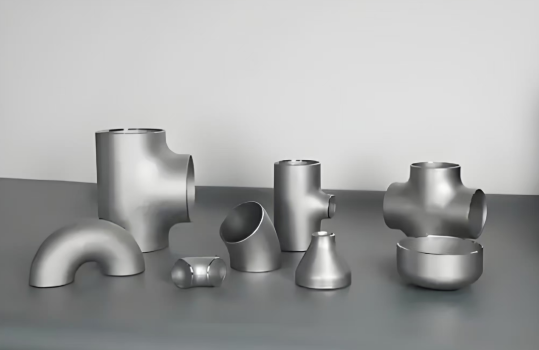
Materiāla izvēle jūsu lietojumprogrammai
Jūsu dizaina faili ir gatavi. Tagad pienāk lēmuma brīdis, kas nosaka visu — no veiktspējas līdz ilgtermiņa izmaksām: kura materiāla veida izvēle patiešām atbilst jūsu projektam? Izvēle starp nerūsējošo tēraudu, alumīniju un cinkotu tēraudu nav vienkārši jautājums par to, kuru materiālu izskatās labāk uz papīra. Tas ir jautājums par metālu veidu pielāgošanu reālajām apstākļiem — kur darbosies jūsu detaļas, kādām slodzēm tās būs pakļautas un cik daudz jūs varat ieguldīt sākumā salīdzinājumā ar ilgtermiņa izmaksām.
Šo lēmumu padara grūtu tas, ka katrs materiāls izceļas citādos scenārijos. Alumīnija loksnes metāls nodrošina svara samazinājumu, kas ir būtisks transporta lietojumos. Cinkotās loksnes metāls nodrošina izcilu izturību zemākās sākotnējās izmaksās. Nerūsējošais tērauds nodrošina nevienlīdzīgu korozijas izturību tiem ekspluatācijas apstākļiem, kur nepieciešama ilgtspēja agresīvā vidē. Šo kompromisu izpratne palīdz izvairīties gan no pārmērīgām izmaksām par nevajadzīgām īpašībām, gan no nepietiekami augstām prasībām pret detaļām, kas pāragri nolietojas.
Izskaidrosim, kā izvēlēties materiālu atbilstoši jūsu konkrētajām prasībām.
Materiālu atbilstība vides apstākļiem
Kur faktiski tiks ekspluatēti jūsu gatavie komponenti? Šī jautājuma atbilde bieži vien nosaka materiāla izvēli vairāk nekā jebkurš cits faktors. Saskaņā ar korozijas pētījumiem ekspluatācijas vide tieši ietekmē katras metāla veida ilgtermiņa darbību — un korozijas ātrums var ievērojami atšķirties atkarībā no izvirzītajiem apstākļiem.
Izmantojiet nerūsējošo tēraudu, ja jūsu lietojumprogramma ietver:
- Jūras vai piekrastes vidi: Sāls migla paātrina koroziju vairumā metālu, taču nerūsējošā tērauda hroma saturs veido pašreģenerējošu oksīda kārtu, kas pretojas hlorīdu iedarbībai
- Ķīmiskā eksponēšanās: Pārtikas apstrādes, farmaceitiskās rūpniecības un ķīmiskajās rūpnīcās nepieciešami materiāli, kas nereaģē ar skābēm, bāzēm vai tīrīšanas līdzekļiem
- Augsta mitra: Virtuves, vannistabas un ārējās instalācijas, kur mitrums pastāvīgi saskaras ar virsmām
- Sanitārās prasības: Medicīnas ierīces un pārtikas apstrādes aprīkojums prasa neuzsūcošas virsmas, kas viegli tīrāmas un pretojas baktēriju augšanai
Alumīnija loksne kļūst par gudru izvēli, kad svars ir visvairāk nozīmīgs. Salīdzinot ar tērauda blīvumu 7,85 g/cm³, alumīnija blīvums ir aptuveni 2,7 g/cm³, tāpēc alumīnija detaļas ir aptuveni viena trešdaļa smagākas salīdzinājumā ar līdzvērtīgām dimensijām. Kā norāda ražošanas speciālisti, situācijās, kur svars ir būtisks faktors — piemēram, aviācijas pielietojumos vai projektos, kuros nepieciešama mobilitāte — alumīnijs izceļas kā vēlamākā izvēle.
Cinkots tērauds un tā aizsargkārtas cinka pārklājums efektīvi iztur vispārīgos āra apstākļus. Cinka kārta nodrošina upurējošo aizsardzību — ja tā tiek ievainota, cinks korodē priekšroku dodot, aizsargājot zemāk esošo tēraudu. Tas padara cinkotu materiālu lielisku izvēli žogiem, jumtiem, konstruktīvajām rāmjiem un lauksaimniecības aprīkojumam, kur pieļaujama daļēja vēja un mitruma ietekme un augsta korozijas izturība nav kritiska.
Bet vai cinkota tērauda izstrādājumi rūsē? Galu galā — jā. Kad cinka pārklājums nodilst — kas var notikt pēc 20–50 gadiem, atkarībā no vides apstākļiem — pamatnes tērauds korodē tāpat kā jebkurš oglekļa tērauds. Ļoti agresīvās vides apstākļos, kur ir sāls, skābes vai rūpnieciskais piesārņojums, šis bojājums ievērojami paātrinās. Patiešām prasīgām lietojumprogrammām nerūsējošais tērauds nodrošina ilgstošāku aizsardzību bez nepieciešamības uzturēt pārklājumu.
Veicot līdzsvarošanu starp veiktspēju un budžeta ierobežojumiem
Materiāla izvēle vienmēr ietver kompromisu starp sākotnējām izmaksām un dzīves cikla vērtību. Vislētākā iespēja sākumā bieži vien ilgtermiņā kļūst par dārgāko izvēli, ja ņem vērā aizvietošanas, apkopes vai atteices izmaksas.
Saskaņā ar nozares analīzi — nerūsējošais tērauds ir ievērojami dārgāks sākotnēji gan dēļ izejvielu cenām, gan specializētām ražošanas procedūrām. Tomēr tā zemākas apkopes vajadzības un garāks kalpošanas laiks bieži attaisno sākotnējo investīciju. Ogļa tērauda un cinkota tērauda varianti sākotnēji ir lētāki, taču tiem var būt nepieciešama regulāra apkope — kā arī aizvietošanas izmaksas, ja pārklājumi neiztur korozīvās vides.
Alumīnijs ieņem interesantu vidusstāvokli. Lai gan vēsturiski tā apstrāde bija dārgāka nekā tērauda, tehnoloģiju attīstība pēdējos divdesmit gados daudzās lietojumprogrammās ir tuvinājusi alumīnija apstrādes izmaksas tērauda apstrādes izmaksām. Ja ņem vērā zemākās transportēšanas izmaksas dēļ mazākās masas un vienkāršāku uzstādīšanu, alumīnijs bieži pierāda savu izdevīgumu izmaksu ziņā.
Izmantojiet šo salīdzinājumu, lai novērtētu metālu veidus atbilstoši jūsu projekta prasībām:
| Materiāls | Korozijas izturība | Svara faktors | Relatīvās izmaksas | Ideālās lietojumvieetas |
|---|---|---|---|---|
| Nerūsējošais tērauds (304/316) | Lieli — pašatjaunojošā oksīda kārta pretojas vairumam vides apstākļu | Smags (7,9 g/cm³) | Augstākās sākotnējās izmaksas; zemākās apkopes izmaksas | Pārtikas apstrāde, jūras aprīkojums, medicīnas iekārtas, ķīmisko vielu tvertnes, arhitektūras elementi |
| Alumīnija plāksnes metāls | Labs — dabiskais oksīda slānis aizsargā lielākajā daļā apstākļu; izvairīties no ļoti skābām vides | Vieglākais (~2,7 g/cm³) | Vidējs; kompensēts ar svara ietaupījumu transportēšanā/un uzstādīšanā | Aerokosmosa rūpniecība, automobiļu korpusa paneļi, transporta iekārtas, gaisa kondicionēšanas sistēmas (HVAC), logu rāmji |
| Cinkota loksne | Vidējs — cinks nodrošina upurējošo aizsardzību, līdz tas ir pilnībā iztērēts | Smags (7,85 g/cm³) | Zemākā sākotnējā cena; iespējams, nepieciešama uzturēšana | Konstruktīvie rāmji, žogu būve, jumtu segumi, ventilācijas kanāli, lauksaimniecības iekārtas, vispārējā būvniecība |
Precīziem pielietojumiem — īpaši automobiļu, aerokosmosa un medicīnas ražošanā — materiāla izvēle kļūst vēl svarīgāka. Vienmērīga kvalitāte visā ražošanas ciklā prasa ne tikai pareizo materiāla specifikāciju, bet arī ražošanas partnerus ar stingriem kvalitātes nodrošināšanas sistēmām. IATF 16949 sertificēti ražotāji, piemēram, Shaoyi (Ningbo) Metal Technology sniedz visaptverošu DFM atbalstu, kas palīdz optimizēt materiālu izvēles lēmumus, nodrošinot, ka riteņu balsts, suspensija un strukturālie komponenti atbilst stingrākajām prasībām — no prototipa līdz masveida ražošanai.
Uzticamu materiālu piegādātāju meklēšana
Kad esat noteikuši savas materiālu prasības, nākamais praktiskais jautājums ir — kur iegādāties nerūsējošā tērauda loksnes vai citus materiālus, piemēram, alumīnija vai cinkotās lokšņu materiālus. Ne visi piegādātāji ir vienādi, un nepareiza izvēle ietekmē ne tikai cenu.
Pēc iepirkumu speciālistu viedokļa , pareizā metāla piegādātāja izvēle nav tikai iepirkumu lēmums — tas ir partnerattiecību veidošanas process, kas ietekmē jūsu produkta kvalitāti, ražošanas termiņus un ilgtermiņa rentabilitāti. Cena un metāla kvalitāte ir svarīgi faktori, taču tie ir tikai divi no daudziem aspektiem.
Novērtējot, kur iegādāties nerūsējošā tērauda loksnes vai citus materiālus, ņemiet vērā šos faktorus:
- Krājumu dziļums: Piegādātāji ar plašu krājumu uz vietas samazina piegādes laikus un novērš ražošanas kavēšanos. Meklējiet piegādātājus, kas piedāvā vairākus kvalitātes veidus, biezumus un virsmas apstrādes veidus, gatavus nekavējoties nosūtīt.
- Pievienotie vērtības pakalpojumi: Vai jūsu piegādātājs var sagriezt preci vajadzīgajā izmērā, uzklāt aizsargplēves vai nodrošināt precīzu šķēlšanu? Šīs pakalpojumu sniegšana vienkāršo jūsu iepirkšanu un samazina apstrādi starp vairākiem piegādātājiem.
- Kvalitātes sertifikācijas: Materiāla izsekojamība un dokumentācija ir svarīga, īpaši regulētajās nozarēs. Piegādātājiem jānodrošina rūpnīcas testa ziņojumi un jāievēro attiecīgie ISO standarti.
- Ģeogrāfiskais pārklājums: Vairākas noliktavu vietnes ļauj ātrāk piegādāt preces neatkarīgi no jūsu uzņēmuma atrašanās vietas. Stratēģiski izvēlētās pozīcijas samazina transportēšanas laiku un izmaksas.
- Tehniskais atbalsts: Kompetenti pārdošanas pārstāvji palīdz jums izvēlēties piemērotāko sakausējumu un specifikāciju jūsu lietojumprogrammai — novēršot dārgas kļūdas, kas rodas, pasūtot nepareizo materiālu.
Augstas apjoma vai specializētu lietojumu gadījumā sadarbība ar ražotājiem, kuri paši iegādājas materiālus, var vienkāršot jūsu piegādes ķēdi. Izcilie metālapstrādes partneri uztur attiecības ar kvalificētām rūpnīcām un izplatītājiem, nodrošinot materiālu kvalitāti un vienlaikus samazinot jūsu piegādātāju pārvaldības slogu.
Jūsu šodien izvēlētais materiāls nosaka to, kā jūsu detaļas darbosies nākotnē vairākus gadus. Laika pavadīšana, lai pielāgotu materiāla īpašības prasībām un iegādātos materiālus no uzticamiem piegādātājiem, novērš nepatīkamības un izdevumus, kas saistīti ar agrīnu atteici vai specifikāciju neatbilstību.
Kad jūsu materiāls ir izvēlēts un iegādāts, pēdējais solis ir efektīva sadarbība ar izvēlēto metālapstrādes partneri. Zināšanas par to, kādu informāciju jāsniedz, kādas jautājumus jāuzdod un kā novērtēt partnera spējas, nodrošina, ka jūsu pasūtītās nerūsējošā tērauda un loksnes metāla detaļas projekts bez liekiem sarežģījumiem virzās no piedāvājuma līdz gatavajām detaļām.
Sadarbība ar pasūtīto metālapstrādes pakalpojumu
Jūs esat veikuši grūto darbu: izvēlējušies materiālu, norādījuši pieļaujamās novirzes, sagatavojuši dizaina failus un noteikuši piemērotāko apstrādes veidu. Tagad pienāk solis, kas pārvērš visu šo plānošanu par reāliem detaļām — sadarbība ar pareizo tērauda izgatavošanas pakalpojumu. Kā jūs uzsākat šo attiecību, tieši ietekmē piedāvājuma precizitāti, ražošanas termiņus un to, vai jūsu gatavās komponentes atbilst jūsu sagaidītajam.
Ātra meklētne pēc ‘metāla izgatavošanas uzņēmumiem tuvumā’ atgriež desmitiem variantu. Tomēr ne visi metāla izgatavošanas uzņēmumi jūsu tuvumā — vai jebkur citur — piedāvā vienādas spējas, kvalitātes standartus vai komunikācijas reaģētspēju. Izpratne par to, ko jāiekļauj piedāvājuma pieprasījumā, un par to, kā novērtēt potenciālos partnerus, palīdz izvairīties no dārgām neatbilstībām un ražošanas kavēšanās.
Ko iekļaut piedāvājuma pieprasījumā
Jūsu izgatavošanas piedāvājuma precizitāte pilnībā ir atkarīga no jums sniegtās informācijas. Nepilni pieprasījumi izraisa atpakaļejošus jautājumus, kas kavē piedāvājuma sagatavošanu un rada neskaidrības. Savukārt pilnīgi aizpildīti pieprasījumi ļauj izgatavotājiem ātri novērtēt jūsu projektu un sniegt precīzu cenu.
Pēc nozares speciālistu viedokļa, skaidra dokumentācija ir būtiska, lai iegūtu precīzu izgatavošanas piedāvājumu. Detalizēti zīmējumi, precīzas specifikācijas un pilnīgi CAD faili minimizē nesaprašanos un negaidītās izmaksas. Trūkstoša informācija var izraisīt cenās svārstības vai kavējumus, ja izgatavotājiem ir jāpieprasa papildu skaidrojumi.
Meklējot lokšņu metāla vai nerūsējošā tērauda lokšņu metāla piegādātājus tuvumā, katrā piedāvājuma pieprasījumā iekļaujiet šos elementus:
- Pilnīgi tehniskie zīmējumi: CAD faili DXF, STEP vai oriģinālajos formātos, kurās redzamas visas dimensijas, caurumu atrašanās vietas, liekšanas līnijas un kritiskās pielaidības
- Materiāla specifikācijas: Klase, biezums un jebkādas īpašas prasības, piemēram, rūpnīcas sertifikāti vai izsekojamības dokumentācija
- Daudzuma Prasības: Kopējais nepieciešamo detaļu skaits, vai nu prototipam, mazserijai vai ražošanai — tas ietekmē vienības cenu ļoti būtiski
- Pabeigšanas prasības: Virsmas apstrādes specifikācijas, tostarp mehāniskās apdare, pārklājumi vai aizsargkārtas
- Termiņa prasības: Nepieciešamie piegādes termiņi un vai jūs apsvērtu paātrinātas ražošanas iespēju papildus maksājuma apmaiņā
- Kvalitātes standarti: Nepieciešamās nozares sertifikācijas, inspekcijas kritēriji un dokumentācijas prasības
Sarežģītiem komplektiem iekļaujiet izvietojuma zīmējumus vai montāžas zīmējumus, kas parāda, kā atsevišķās sastāvdaļas savienojas viena ar otru. Tas palīdz ražotājiem identificēt potenciālas problēmas pirms ražošanas uzsākšanas — tādējādi ietaupot jums rediģēšanas ciklus un papildu maksājumus.
Piegādes laika sagaidāmības ievērojami atšķiras atkarībā no projekta sarežģītības un ražotnes jaudas. Kā norāda metāla loksnes apstrādes eksperti, lielākas ražošanas partijas bieži izdevīgi izmanto ekonomiskās ietekmes mērogu, jo uzstādīšanas izmaksas tiek sadalītas pa lielāku vienību skaitu. Savukārt prototipiem vai nelielām partijām parasti ir augstākas izmaksas vienai vienībai, jo jāveic uzstādīšana un programmēšana. Iekļaujiet realistiskus termiņus savā projekta plānošanā — ražošanas steigšana parasti palielina izmaksas un var kaitēt kvalitātei.
Izgatavotāju spēju un sertifikāciju novērtēšana
Ne katrs manis tuvumā esošais metāla loksnes apstrādes uzņēmums spēj veikt visus projektus. Daži uzņēmumi specializējas lielapjoma stempelēšanā, citi — mazapjoma precīzajā darbā. Projektam atbilstoša izvēle starp ražotni un tās faktiskajām iespējām novērš nevajadzīgu vilcināšanos un nodrošina augstas kvalitātes rezultātus.
Kvalitātes vadības eksperti uzskata, ka sertifikāti ir ļoti svarīgi lokšņu metāla apstrādātājiem līgumu ražošanas nozarē, jo tie kalpo kā kvalitātes un ekspertīzes pazīme. ISO 9001:2015 sertifikāts apliecina, ka uzņēmums ir ieviesis efektīvu kvalitātes sistēmu — nodrošinot, ka produkti atbilst augstākajiem standartiem, kamēr pareizas procedūras nepārtraukti uzrauga un uzlabo procesus.
Novērtējot metālapstrādes pakalpojumus tuvumā, uzdodiet šos būtiskos jautājumus:
- Kādas sertifikācijas jums ir? ISO 9001:2015 norāda uz spēcīgām kvalitātes sistēmām. Automobiļu pielietojumiem IATF 16949 sertifikāts apliecina atbilstību stingrām automobiļu rūpniecības prasībām. Medicīnas un aeronautikas darbiem var būt nepieciešami papildu specializēti sertifikāti.
- Kādas ir jūsu minimālās pasūtījuma daudzumi? Daži uzņēmumi koncentrējas tikai uz lielapjoma ražošanu, savukārt citi priekšroku dod prototipu un mazseriju darbiem. Pārliecinieties, vai to galvenā darbības joma atbilst jūsu vajadzībām.
- Kādas prototipēšanas iespējas jūs piedāvājat? Ātra prototipu izgatavošana ir būtiska, ja jūs iterējat dizainus. Augstas kvalitātes ražotāji, piemēram, Shaoyi (Ningbo) Metal Technology piedāvā 5 dienu ātro prototipu izgatavošanu — standartu, ar kuru vērts salīdzināt potenciālos partnerus.
- Cik ātri jūs varat sagatavot piedāvājumus? Citas piedāvājumu reaģēšanas ātrums bieži prognozē ražošanas reaģēšanas ātrumu. Šaoji 12 stundu piedāvājumu sagatavošanas laiks ir piemērs pakalpojumu līmenim, kas nodrošina projektu efektīvu turpināšanu. Ražotāji, kuriem piedāvājumu sagatavošanai nepieciešamas nedēļas, var radīt līdzīgas kavēšanās visā ražošanas procesā.
- Kādas kvalitātes kontroles procedūras jūs izmantojat? Jautājiet par pirmā izstrādājuma pārbaudēm, procesa laikā veicamajām pārbaudēm un beigu pārbaudes protokoliem. Kā ieteic provizoru speciālisti, uzticami ražotāji iegulda stingrās kvalitātes nodrošināšanas pasākumos, lai uzturētu ražošanas standartus. Ražotāji ar spēcīgiem kvalitātes nodrošināšanas metodiem nodrošina defektu brīvu ražošanu.
- Vai jūs varat pielāgoties mūsu vajadzībām? Ja jūsu projekts varētu palielināties no prototipiem līdz masveida ražošanai, pārliecinieties, vai jūsu ražotājs var veikt šo pāreju, nezaudējot kvalitāti vai nepiespiežot jūs meklēt jaunu partneri.
- Kādas papildu pakalpojumu pakalpojumus jūs piedāvājat? Iekšējā pulverkrāsošana, aparatūras ievietošana, metināšana un montāža ļauj optimizēt ražošanu un samazināt piegādes laikus salīdzinājumā ar vairāku piegādātāju koordināciju.
Produktīvas partnerattiecību veidošana
Labākās izgatavošanas attiecības ir daudz vairāk nekā vienkārši darījumu pamatā balstītas piedāvājumu un pasūtījumu cikli. Pēc nozares analītiķu viedokļa, ražotājiem jāpievērš nopietna uzmanība pareizā izgatavošanas partnera izvēlei, jo tā ir būtiska panākumu sasniegšanai un nodrošina atbilstību nozares standartiem. Tas arī var palīdzēt optimizēt izmaksas, saglabājot efektīvus projekta termiņus.
Kad esat identificējuši kompetentus tērauda izgatavotājus, ņemiet vērā šīs prakses ilgstošai panākumu sasniegšanai:
- Agrīna komunikācija par dizaina izmaiņām: Izmaiņas ražošanas vidū izmaksā vairāk nekā izmaiņas pirms ražošanas uzsākšanas. Turiet savu izgatavotāju informētu par dizaina attīstību.
- Sniedziet atsauksmes par piegādātajām detaļām: Tāpat kā pozitīvās, tā arī konstruktīvās atsauksmes palīdz izgatavotājiem uzlabot savus procesus jūsu nākamajiem pasūtījumiem.
- Plānojiet iepriekš atkārtotus pasūtījumus: Vienmērīgi pasūtījumu paraugi palīdz ražotājiem izmantot ražošanas jaudu un var kvalificēt jūs apjomu cenām.
- Apspriediet DFM iespējas: Pieredzējuši ražotāji bieži var ieteikt konstrukcijas izmaiņas, kas samazina izmaksas, nekompromitējot funkcionalitāti. Izmantojiet viņu ražošanas ekspertīzi.
Vai jūs ražojat arhitektūras paneļus, rūpnieciskus korpusus vai precīzus automobiļu komponentus — pareizais ražošanas partners pārvērš jūsu specifikācijas augstas kvalitātes detaļās efektīvi un uzticami. Laika pavadīšana, lai iepriekš novērtētu spējas, sertifikātus un reaģēšanas ātrumu, novērš nepatīkamības, kas rodas, atklājot ierobežojumus jau pēc ražošanas uzsākšanas.
Jūsu pasūtītais izstrādājums no nerūsējošā tērauda un loksnes metāla ir ieguldījums kvalitātē — sākot ar materiālu izvēli un beidzot ar gala piegādi. Zināšanas, ko esat ieguvuši par tērauda šķirnēm, biezumiem, griešanas metodēm, veidošanas procesiem, virsmas apdari un dizaina sagatavošanu, ļauj efektīvi komunicēt ar metāla apstrādātājiem un pieņemt pamatotus lēmumus katrā posmā. Rezultāts? Detaļas, kas darbojas tieši tā, kā paredzēts, laikā piegādātas un ar izmaksām, kas atbilst jūsu projekta budžetam.
Bieži uzdotie jautājumi par pasūtītajiem izstrādājumiem no nerūsējošā tērauda un loksnes metāla
1. Kāda ir atšķirība starp nerūsējošo tēraudu 304 un 316?
304. klases tērauds satur aptuveni 18 % hroma un 8 % niķeļa, tāpēc tas ir ideāls vispārējiem mērķiem, piemēram, virtuves aprīkojumam un arhitektūras apdarei. 316. klase satur papildus 2–3 % molibdēna, kas ievērojami uzlabo pretestību hlorīdu un caurumu korozijai. Izvēlieties 316. klasi jūras vides, ķīmiskās pārstrādes, farmaceitiskās ražošanas vai jebkurā citā vidē, kur ir jūras ūdens un agresīvas ķīmiskas vielas. Lai gan 316. klases tērauda sākotnējā cena ir augstāka, korozīvās vidē tas bieži izrādās ekonomiskāks komponenta ekspluatācijas laikā.
2. Kā pareizi nolasīt loksnes metāla kalibrēšanas tabulu?
Mērījumu sistēma darbojas pretintuitīvi — lielāki skaitļi nozīmē plānāku materiālu. 10. kalibra loksne ir 3,42 mm bieza, kamēr 16. kalibra loksne ir tikai 1,52 mm bieza. Svarīgi ir arī tas, ka viens un tas pats kalibra numurs dažādiem metāliem atbilst dažādām biezuma vērtībām, jo kalibrs balstās uz svaru kvadrātmetrā, nevis uz lineāru mērījumu. Viens un vienmēr jāpārliecinās, vai jūsu izgatavotājs izmanto to pašu kalibra atsauci kā jūsu specifikācijās, un jāatceras, ka nerūsējošā tērauda kalibrs atšķiras no alumīnija kalibra.
3. Kāds ir vislabākais veids, kā griezt nerūsējošā tērauda loksnes?
Optimālā griešanas metode ir atkarīga no jūsu projekta prasībām. Laseru griešana nodrošina visšaurāko griezumu un augstāko precizitāti plānām materiālu loksnes, kuru biezums ir mazāks par pusi collu, un tā ir 5–10 reizes ātrāka nekā citi griešanas veidi. Ūdensstrūkas griešana izmanto auksto procesu, kas novērš sasiluma ietekmētās zonas, tāpēc tā ir ideāla siltumjutīgām lietojumprogrammām un materiāliem līdz pat 15 collu biezumam. Plazmas griešana vislabāk piemērota biezākiem konstrukcijas elementiem, kurām nav stingras prasības attiecībā uz griezuma malas kvalitāti. Ražotāji, piemēram, Shaoyi, piedāvā pilnīgu DFM atbalstu, lai palīdzētu noteikt pareizo pieeju jūsu konkrētajai lietojumprogrammai.
4. Vai cinkota tērauda virsma laika gaitā rūsē?
Jā, cinkota tērauda galu galā rūsē, kad aizsargkārta no cinka nodilst. Cinka kārta nodrošina upurējošo aizsardzību — tā korodē priekšroku dodot zemāk esošajam tēraudam — parasti ilgst 20–50 gadus, atkarībā no vides apstākļiem. Ļoti korozīvās vidēs, kur ir sāls, skābes vai rūpnieciskais piesārņojums, nobeigšanās ievērojami paātrinās. Stingrām lietojumprogrammām, kur nepieciešama ilgstoša korozijas izturība bez pārklājuma uzturēšanas, nerūsējošais tērauds nodrošina augstāku aizsardzību.
5. Kā atrast uzticamu individuālo nerūsējošā tērauda izgatavošanu tuvumā?
Novērtējiet potenciālos ražošanas partnerus, pamatojoties uz sertifikātiem (ISO 9001:2015 kvalitātes sistēmām, IATF 16949 automobiļu pielietojumiem), prototipu izgatavošanas spējām, piedāvājumu sagatavošanas ātrumu un kvalitātes kontroles procesiem. Uzziniet par minimālajām pasūtījumu daudzībām, papildus pakalpojumiem, piemēram, pulverveida pārklājumu un montāžu, kā arī par to, vai tie spēj pielāgoties jūsu vajadzībām. Augstākās kategorijas ražotāji piedāvā ātru prototipu izgatavošanu (pastāv 5 dienu standarti) un ātru piedāvājumu sagatavošanu (12 stundu termiņš). Pieprasiet atsauces un izvērtējiet viņu aprīkojuma spējas salīdzinājumā ar jūsu projekta specifikācijām.