 Small batches, high standards. Our rapid prototyping service makes validation faster and easier —
  EN
EN


Liejimas forma vs smėlio liejimas: Teisingas pasirinkimas variklio blokams
TRUMPAI
Palyginus presavimą ir smėlio liejimą variklio blokams, smėlio liejimas yra labai paplitęs ir universalus metodas. Nors presavimas užtikrina geresnį paviršiaus apdorojimą ir tikslumą, dėl didelių įrankių gamybos sąnaudų jis retesnis didesniems ir sudėtingesniems variklio blokams, nors naudojamas kai kuriems didelės apimties aliuminio konstrukcijoms. Smėlio liejimas siūlo esminį derinį iš mažų pradinių sąnaudų, dizaino lankstumo sudėtingiems vidiniams kanalams ir gebėjimo apdoroti reikiamus liejinius iš ketaus ir aliuminio lydinių, todėl yra geresnis pasirinkimas šiai konkretai paskirčiai.
Pagrindiniai procesai paaiškinti: suprasti presavimą ir smėlio liejimą
Kad suprasti, kodėl vienas metodas yra pageidautinesnis už kitą variklio blokams, būtina suprasti abiejų presavimo ir smėlio liejimo pagrindinius principus. Nors abu procesai apima į formas pilamą įkaitintą metalą, kad būtų sukuriama detalė, jų medžiagos, metodai ir mechanizmai yra labai skirtingi, todėl skiriasi rezultatai kainoje, tikslume ir taikyme.
Kas yra formavimas?
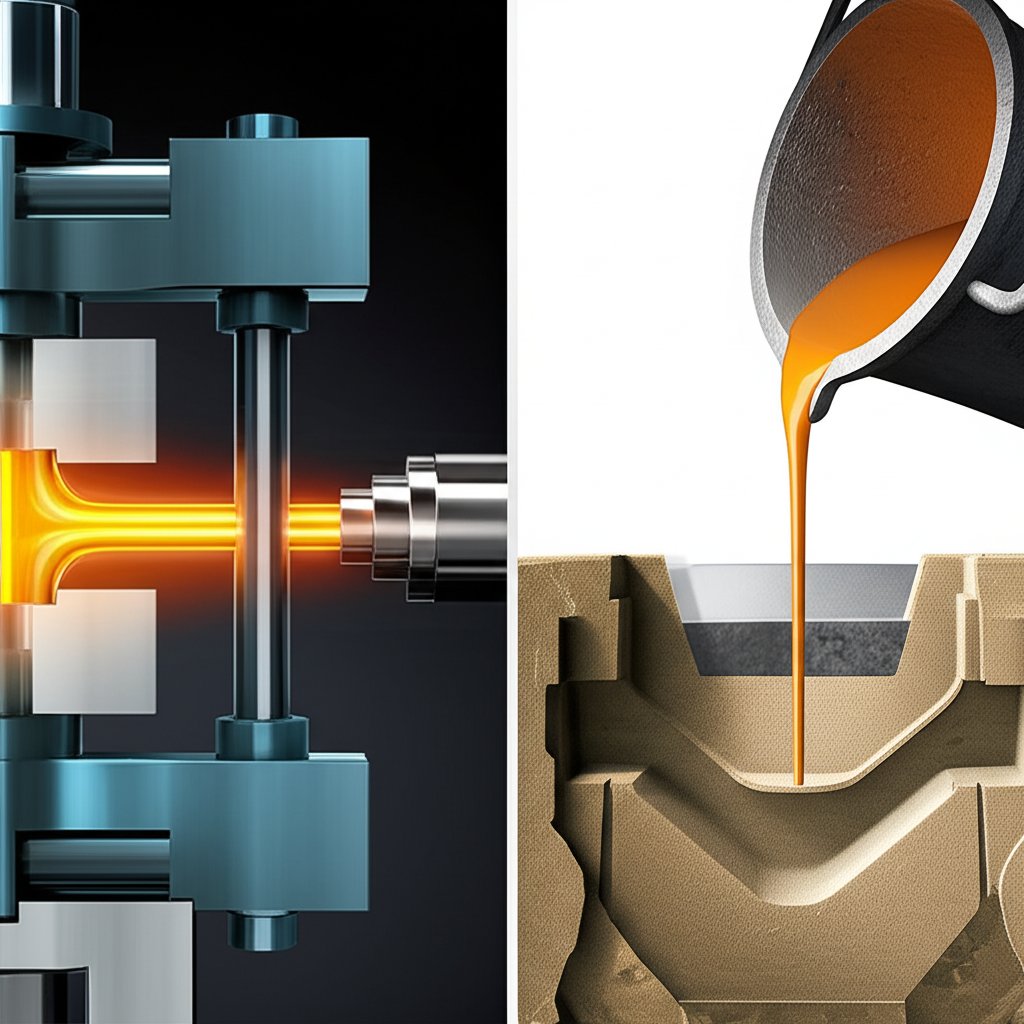
Sūdomas liejimas yra gamybos procesas, kurio metu lydimasis metalas į didelio slėgio sąlygomis įdedamas į pakartotinai naudojamą pelėsių ertmę. Šie matrai paprastai gaminami iš atšiaurinto plieno ir susideda iš dviejų pusės, kurios yra saugiai sujungtos įpurškimo metu. Remiantis informacija iš gamybos ekspertų, tokių kaip Neway Precision , šis aukšto slėgio procesas leidžia sukurti išskirtinai tikslių matmenų ir sklandų paviršiaus detalų. Jis geriausiai tinka ne geležies metlams, tokiems kaip aliuminis, cinkas ir magnis.
Įvairių rūšių gaminiai yra naudojami:
- Matričių paruošimas: Plieno matmenys valomi ir tepami, kad būtų lengviau išmetti dalis ir kontroliuoti temperatūrą.
- Įdejimas: Lydytas metalas įpurškiamas į die ertmę dideliu greičiu ir slėgiu.
- Inavimas: Metalas greitai atšildoma ir kieta.
- Išstūmimas: Išvaloma išmoka ir išmoka išmoka išmoka išmoka.
Kas yra smėlio liejimas?
Smėlio liejimo metodas yra vienas seniausių ir įvairiausių metalų liejimo metodų. Jis naudoja pelėsius, pagamintus iš suspaustų smėlio, o ne metalo. Kaip išsamiai aprašyti šaltiniai kaip Gabrian , galutinės dalies modelis paspaudžiamas į smėlį, kad būtų sukurta pelės ertmė. Smėlio pelėda yra panaudojama, tai reiškia, kad ji sunaikinama, kad pašalintų liejimo elementą, ir kiekvienam detalui turi būti sukurta nauja pelėda. Šis procesas idealiai tinka dideliems komponentams ir gali būti naudojamas su įvairiais metalais, įskaitant tuos, kurių lydimo taškai yra aukšti, pavyzdžiui, geležies, plieno, bronzos ir latvės.
Paprastai smėlio liejimo etapai yra šie:
- Plokštės gamyba: Piaušą glaudžiai užpakuoja aplink modelį, kuris tada pašalinamas, kad paliktų ertmę. Pūvo branduolius galima įdėti į pelėsius, kad būtų sukurtos sudėtingos vidinės savybės.
- Saldymas: Lydytas metalas išpilstamas į pelėsių ertmę, paprastai užpildant erdvę gravitacija.
- Kristalizacija: Metalo paleidžiama atvėsti ir kietėti smėlio pelėje.
- Šokotai: Kai pelėsta, smėlio pelėstai išsiplauna ir išmeta. Tada dalis išvaloma, kad būtų pašalintas likęs smėlis.
Pagrindiniai dielio liejimo ir smėlio liejimo skirtumai
Pasirinkimas tarp liejimo įmušimo ir smėlio liejimo priklauso nuo įvairių kompromisų, susijusių su kainomis, tūriu, tikslumu ir medžiaga. Inžinieriai ir gaminių kūrėjai, norėdami priimti teisingą sprendimą, turi suprasti šiuos skirtumus. Nors vienas procesas yra greitas ir tikslus, kitas suteikia lankstumą ir ekonomiškumą tam tikroms reikmėms.
Toliau pateiktoje lentelėje, sudaryta iš įvairių gamybos išteklių duomenų, aiškiai apžvelgiami pagrindiniai skirtumai.
| Koeficientas | Džiovavimas | Smėlio liejimas |
|---|---|---|
| Įrankių kaina | Labai didelis (apdirbtas plieno formų formų formų) | Labai mažas (paprastas modelis) |
| Gaminių kiekis | Idealiai tinka dideliems kiekiams (10 000 dalių) | Ekonomiškai naudinga mažesnėms ir vidutinėms apimtims |
| Paviršiaus apdaila | Puikus, sklandus apdailas. | Švelnus, tekstūrizuotas apdailas |
| Matmenų tikslumas | Aukšta tikslumas (sustiprinti leidžiamieji nuokrypai, pvz., ± 0,1 mm) | Mažesnė tikslumas (platesnės nuokrypios) |
| Dalies sudėtingumas | Puikus už plonas sienas ir sudėtingas detales | Puikus tinkamas didelioms dalims su sudėtingomis vidaus geometrijomis (naudojant branduolius) |
| Gamybos greitis | Labai greitas ciklo laikas (sekundės už dalį) | Lėtesnis ciklo laikas (nuo minučių iki valandų per dalį) |
| Medžiagos parinktys | Neferrinių lydinių (Al, Zn, Mg) kiekis | Beveik bet koks metalus ( geležies, plieno, auksos, bronzos, aliuminio) |
Įrankių kaina ir gamybos apimtis yra svarbiausi skirtumai. Didelė išankstinė plieno liejimo įtaiso gamybos kaina gali būti pateisinama tik masine gamyba, kai dalis kainuoja labai mažai. Tačiau mažos smėlio liejimo modelių kainos leidžia naudoti jį kaip idealią pavyzdį, mažą seriją ar labai didelę dalį, kai plieno formą būtų sunku įsigyti.
Antžeminis apdaila ir tikslumas yra pagrindiniai liejimo įmušimu privalumai. Kaip pažymėjo Lupton & Place , sklandus plieno forma ir aukšto slėgio įpurškimas suteikia aukštesnį apdailą, kuris dažnai nereikalauja tolesnio apdorojimo. Smėlio liejimo metu dėl smėlio tekstūros paviršius būna neramiesnis, todėl dalims dažnai reikia antrinio apdirbimo arba apdirbimo.
Dalyvių sudėtingumas ir dydis pateikti nuančiuotą palyginimą. Sūdomasis liejimas puikiai gamina labai plonas sienas ir smulkias detales. Tačiau smėlio liejimo metodas yra daug lankstesnis gaminant labai didelę dalį ir gali sukurti neįtikėtinai sudėtingus vidinius proėjimus, pavyzdžiui, vandens skydus variklio blokoje, naudojant vienkartinius smėlio branduolius pagrindinėje formos dalyje.
Motorių blokų naudojimas: kodėl dominuoja smėlio liejimas
Kalbant apie variklio bloko gamybą, liejimo į formas teoriniai pranašumai – tikslumas ir greitis – visiškai nustelbia praktinės ir ekonominės ribotumo sąlygos. Šiam taikymui yra labai populiari smėlio liejimo technologija dėl keleto aiškių ir svarbių priežasčių. Variklio bloko sudėtingumas, dydis ir gamybos ekonomika puikiai atitinka smėlio liejimo privalumus.
Pagrindinė kliūtis die lieti – tai milžiniškos formos kaina. Variklio blokas yra didelis ir labai sudėtingas komponentas. Išplėtoti kietą plieninę formą, galinčią jį gaminti, kainuotų milijonus dolerių ir reikalautų labai daug laiko sukurti. Atsižvelgiant į tai, kad automobilių gamintojai dažnai atnaujina variklių konstrukcijas, toks didžiulis investicijų į nuolatinę formą dydis tiesiog nėra įmanomas. Smėlio liejimas, naudodamas pigias vienkartines formas, leidžia greitai ir nebrangiai keisti dizainą.
Be to, variklio bloko konstrukcija priklauso nuo sudėtingų vidinių kanalų aušinimo skysčiui (vandens apvalkams) ir alyvos kanalams. Šios sudėtingos vidinės geometrijos puikiai tinka smėlio liejimui. Procesas naudoja tiksliai suformuotas smėlio šerdes, kurios įdedamos į pagrindinį formą. Kai metalas įpilamas ir sukietėja, smėlio šerdys tiesiog sulaužomos ir iškratomos, paliekant sudėtingą kanalų tinklą. Tokio pasiekimas naudojant nuolatinę plieninę formą būtų beveik neįmanomas ir nepaprastai brangus.
Galiausiai, smėlio liejimas yra pakankamai universalus, kad galėtų apdoroti medžiagas, dažniausiai naudojamas variklio blokams – būtent liejinių geležį ir aliuminio lydinius. Nors aliuminio blokai gali būti liejami matricomis, šis procesas paprastai naudojamas mažesniems varikliams. Dideliems, patikimiems daugumos transporto priemonių, ypač tų, kurie pagaminti iš liejinės geležies, blokams smėlio liejimas yra vienintelis praktiškas ir ekonomiškai našus sprendimas. Ši lankstumas užtikrina, kad gamintojai galėtų pasirinkti geriausią medžiagą našumui ir ilgaamžiškumui, nesiblaškydami dėl gamybos proceso apribojimų.
Ne tik liejimas: kūvavimo ir aukso liejimo apžvalga
Nors diskusija dažnai sukasi apie matricinį ir smėlio liejimą, kiti gamybos procesai siūlo kitokias privalumų kombinacijas specifinėms aplikacijoms. Šių alternatyvų, tokių kaip aukso liejimas ir kūvavimas, supratimas suteikia išsamesnį vaizdą inžinieriams, renkantiems gamybos metodą.
Investicinis lietuvimas , kaip paaiškina tokie šaltiniai kaip Howard Precision Metals , yra kitas liejimo metodas, žinomas dėl išskirtinio paviršiaus apdorojimo ir aukštos matmeninės tikslumo, dažnai pranašaus už matricinį liejimą. Jame naudojamas vaško modelis, kad būtų sukurta keraminė forma, kuri prieš pilant metalą ištirpinama. Šis procesas yra idealus labai sudėtingiems, sudėtingos formos detalių (pvz., turbinos mentėms) gaminti ir gali būti naudojamas su įvairiais geležiniais bei negeležiniais metalais. Tačiau jis paprastai yra brangesnis ir lėtesnis nei matricinis liejimas, todėl tinka mažesnės apimties, aukštos tikslumo taikymo sritims.
Taip pat svarbu atskirti liejimą nuo grydymas - Ne. Sūdinimas nėra lydimasis, o tai, kad jis formuoja tvirtą metalą, yra spaudimas arba smūgis. Dėl šio proceso gaminamos tvirtesnės ir ilgesnės galios dalys, nes vidinė metalų grūdų struktūra yra išgryninta ir suderinta. Svarbių, didelio įtempimo automobilių komponentų, kurių stiprumas yra svarbiausias, atveju dažnai pageidaujamas kalėtimas. Įmonės, ieškančios efektyvių sprendimų, gali pasinaudoti specializuotais tiekėjais, pavyzdžiui, Shaoyi (Ningbo) Metal Technology siūlome tiksliai suprojektuotas automobilių kalėjimo dalis, įrodant šio proceso svarbą pramonėje.
Dažniausiai užduodami klausimai
1. Ar liejimo į švelną medžiagą yra geriau nei smėlio liejimo?
Nė vienas iš šių procesų nėra visuotinai "geresnis"; idealus pasirinkimas visiškai priklauso nuo projekto reikalavimų. Sūdomasis liejimas yra geresnis mažų ir vidutinių dalių, kurioms reikia didelio tikslumo ir sklandų paviršiaus, gamybos dideliu kiekiu. Smėlio liejimo metodas geresnis didelėms dalims, mažoms gamybos apimtims, sudedamosioms dalims su sudėtingomis vidaus geometrijomis ir projektams, kuriuose yra labai svarbu mažos pradinės įrankių sąnaudos.
2. Išmokyti Kokia išliejimo rūšis naudojama variklio blokams?
Smėlio liejimo metodas yra labai paplitęs variklio blokų gamybai, ypač liejimo geležies projektui ir mažesnio tūrio aliuminio gamybai. Nors kiti metodai, tokie kaip liejimo įmušimas, taip pat naudojami didelio tūrio aliuminio blokais, smėlio liejimo gebėjimas ekonomiškai pagaminti didelę, sudėtingą dalį su sudėtingomis vidinėmis progais, daro jį populiariu pasirinkimu.
3. Išmokyti. Kodėl variklio blokams naudojami smėlio liejimo įtaisai?
Motorių blokams smėlio liejimo naudojimas yra susijęs su daugelio veiksnių deriniu. Pirma, įrankių sąnaudos yra žymiai mažesnės nei liejimo įrankiu, kuris yra labai svarbus tokiam dideliam kiekiui ir leidžia dažnai atnaujinti projektą. Antra, ji gali lengvai sukurti sudėtingus vidaus kanalai, reikalingi aušinimo skysčiai ir alyvai, naudojant vienkartinius smėlio branduolius. Galiausiai ji yra labai universali ir tinka liejimo geležies ir aliuminio lydiniams, paprastai naudojamiems variklių blokams.