 Small batches, high standards. Our rapid prototyping service makes validation faster and easier —
  EN
EN


CNC Online Decoded: From Gaming Slang To Precision Manufacturing
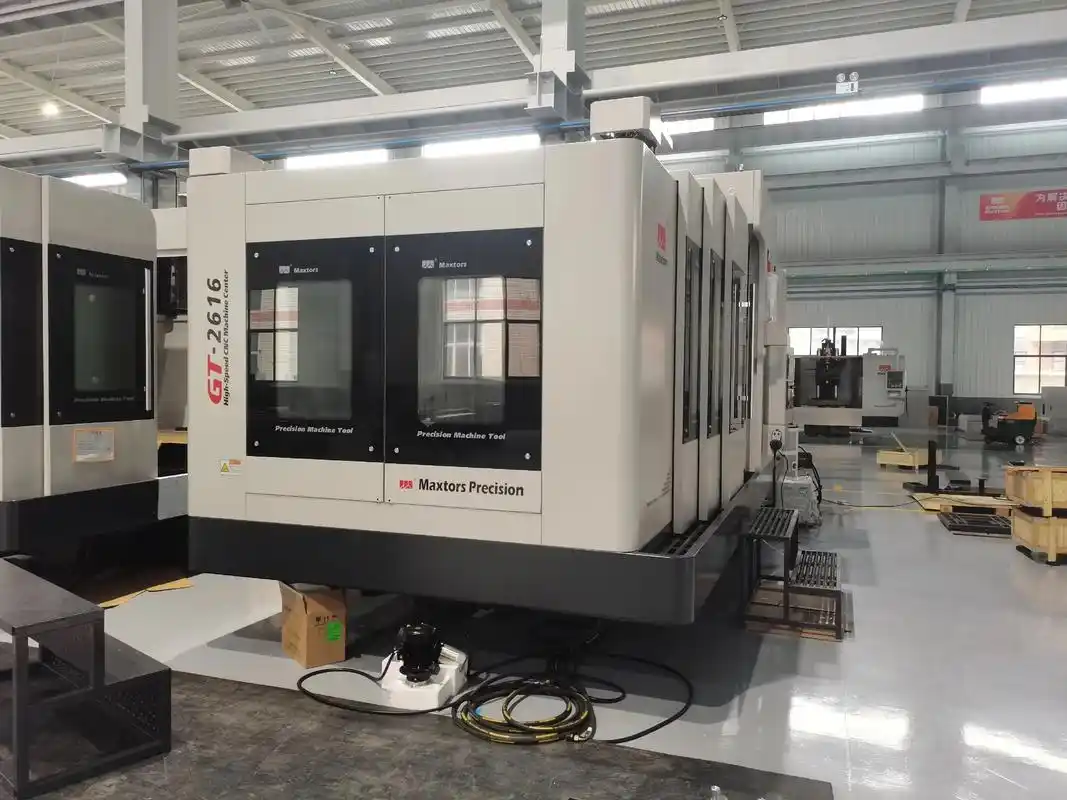
hat CNC Online Really Means in Different Contexts
Ever searched for "cnc online" and felt completely lost by the results? You're not alone. This three-letter acronym creates confusion because it serves two entirely different communities simultaneously. Whether you're hunting for multiplayer gaming platforms or precision manufacturing services, understanding which CNC you need saves hours of frustration.
Two Industries, One Search Term
Here's the reality: when you type "cnc online" into a search engine, you're competing with two distinct audiences for relevant results. Gamers looking for Command & Conquer multiplayer experiences share digital space with engineers seeking cnc service providers for custom parts. Both groups use identical search terms yet want completely different outcomes.
The acronym C.N.C. carries completely different weight depending on your industry. In manufacturing circles, it represents Computer Numerical Control—the backbone of modern precision machining. For gaming enthusiasts, it instantly triggers nostalgia for the legendary real-time strategy franchise that dominated the 1990s and early 2000s.
Understanding the CNC Online Landscape
Why does this matter? Because finding what you actually need requires understanding which digital ecosystem you're entering. Someone searching "cnc near me" likely needs a machine shop, not a gaming server. Meanwhile, "cnconline" might lead to fan communities keeping classic strategy games alive through dedicated multiplayer platforms.
This cnc online service confusion extends across forums, social media, and professional networks. Manufacturing professionals discuss G-code programming while gamers debate base-building strategies—sometimes in adjacent threads on the same platform.
Gaming vs Manufacturing: Which CNC Are You Looking For?
Before diving deeper, let's clarify exactly what you're seeking. The table below provides a quick reference to help you identify your path forward:
| Characteristic | Command & Conquer (Gaming) | CNC Machining Services |
|---|---|---|
| What It Means | Real-time strategy video game franchise | Computer Numerical Control manufacturing |
| Online Purpose | Multiplayer gaming, fan communities | Remote ordering, instant quoting, part production |
| Typical User | Gamers, strategy enthusiasts | Engineers, designers, product developers |
| Key Platforms | Gaming servers, Discord communities | Manufacturing platforms, cnc on line quoting systems |
| What You'll Find | Gameplay, mods, multiplayer matches | Custom parts, prototypes, production runs |
This guide covers both interpretations comprehensively. If you're here for precision manufacturing, you'll find detailed information on materials, processes, and choosing the right cnc online service provider. Gaming enthusiasts will appreciate the acknowledgment, though our primary focus explores the manufacturing revolution transforming how businesses source custom components.
The Evolution of CNC Technology and Online Services
Imagine giving a machine exact coordinates and watching it carve complex shapes from solid metal with hair-splitting accuracy. That's the magic behind Computer Numerical Control—a technology that transformed manufacturing from an art dependent on individual skill into a science of repeatable precision. Understanding how this technology evolved explains why cnc online service platforms now dominate modern parts procurement.
From Factory Floor to Digital Platform
Traditional machine shops operated like skilled craft guilds. A master machinist would interpret blueprints, manually adjust cutting tools, and guide workpieces through multiple operations. This hands-on approach delivered results, but with significant limitations. According to industry research, manual methods achieved precision of ±0.005-0.010 inches at best, while complex parts requiring helicopter blade templates or aerospace components demanded accuracy beyond human capability.
The breakthrough came in 1949 when John T. Parsons developed the first numerical control system using punch cards to guide machine movements. By 1952, MIT demonstrated a fully functional numerically controlled milling machine achieving ±0.001 inch accuracy—a precision level impossible through manual techniques alone. This evolution meant that cnc machine parts could finally match the exacting demands of aerospace and defense industries.
What changed everything was the shift from specialized, room-sized control systems to microprocessor-based controllers in the 1970s. Costs dropped from $120,000+ to under $30,000, and installation numbers jumped from approximately 20,000 machines in 1970 to over 100,000 by 1980. Suddenly, precision cnc machining became accessible to manufacturers of all sizes.
The Technology Behind Precision Manufacturing
So how does precision machining services actually work? At its core, every CNC machine follows programmed instructions written in G-code—a standardized language that tells the machine exactly where to move, how fast to travel, and what operations to perform.
Think of G-code as GPS directions for a cutting tool. A command like G01 X100 Y50 F300 instructs the machine to move in a straight line to specific coordinates at a defined speed. According to technical documentation, the machine controller performs thousands of calculations per second to execute these movements with remarkable consistency.
Modern CNC machines operate through closed-loop feedback systems where encoders continuously monitor position and make real-time corrections. This cnc application of servo technology maintains tolerances as tight as ±0.0001 inches regardless of cutting forces—a level of precision that manual machining simply cannot achieve consistently.
Multi-axis machining takes this further. While basic machines move along three axes (X, Y, and Z), advanced 5-axis systems add rotational movement, enabling complex contoured surfaces in a single setup. This capability reduces cycle times by 60-80% compared to conventional approaches while producing geometries previously impossible to manufacture.
How Online Ordering Changed the Industry
Here's where the real transformation happened. Traditional parts procurement meant calling machine shops, sending drawings via fax or email, waiting days for quotes, and negotiating terms manually. The process was slow, opaque, and often frustrating for engineers under deadline pressure.
Online machining quotes changed everything. Modern platforms allow users to upload CAD files and receive instant pricing—typically within 5-60 seconds rather than 1-5 days. Industry analysis shows these systems reduce quoting time by up to 90%, freeing engineers to focus on design rather than procurement logistics.
The technology driving these platforms combines sophisticated algorithms that analyze part geometry, material requirements, and tolerance specifications automatically. When you request a cnc quote online, the system calculates machining time, material costs, and complexity factors simultaneously. This transparency lets you compare options instantly and optimize designs before committing to production.
What makes these precision machining services particularly valuable is accessibility. Small and medium enterprises without in-house manufacturing capabilities can now access networks of over 1,000 CNC machines through platforms connecting designers directly with specialized manufacturers. The traditional barriers—geographic limitations, minimum order requirements, and relationship-dependent pricing—have largely dissolved.
This digital transformation extends beyond quoting. Modern platforms offer real-time design-for-manufacturability feedback, identifying potential issues like unsupported geometries or excessive tolerances before production begins. Understanding the complete ordering workflow—from file upload through delivery—reveals just how streamlined precision parts procurement has become.
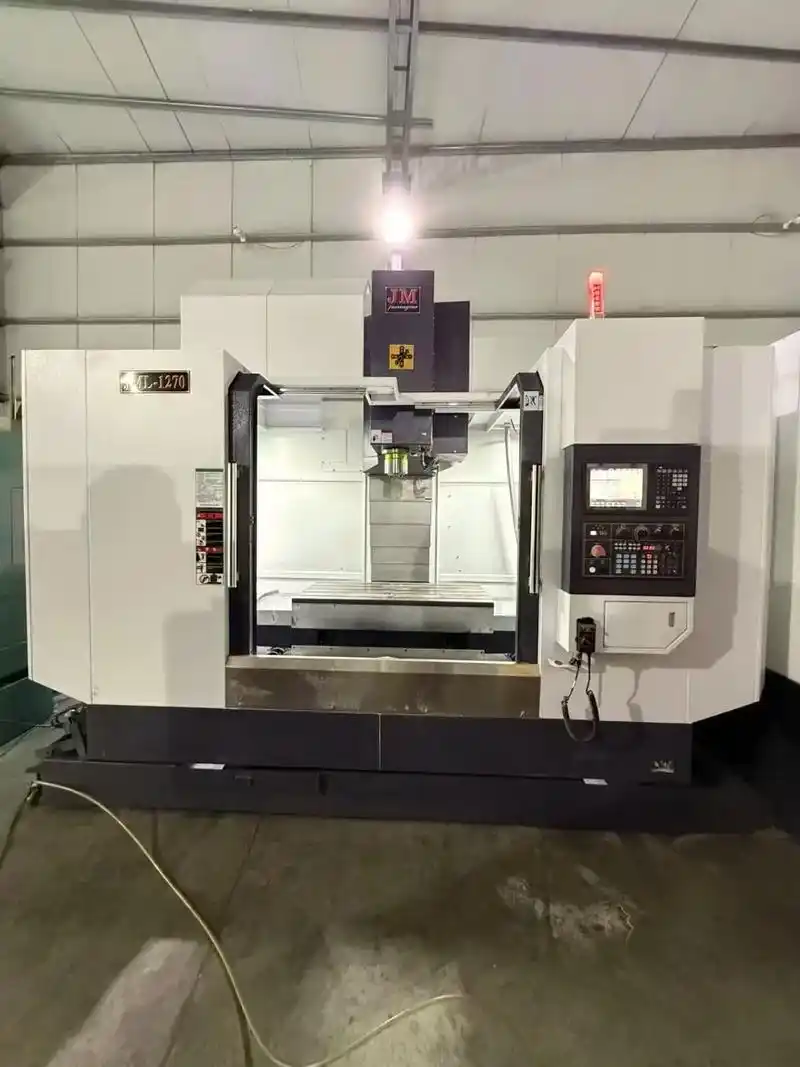
How Online CNC Machining Services Actually Work
Ready to turn your digital design into a physical part? The process might seem intimidating at first, but modern online cnc machine platforms have streamlined everything into a surprisingly intuitive workflow. Whether you're ordering cnc machining parts for the first time or optimizing your procurement process, understanding each step helps you get better results faster.
From CAD File to Finished Part
The journey from concept to component begins with your CAD file. Think of it as handing over a detailed recipe to a chef—the more precise your instructions, the better the outcome. Online platforms accept several standard file formats, each with distinct advantages:
- STEP (.stp, .step) - The universal standard for 3D models, preserving full geometry and feature data across different software systems
- IGES (.igs, .iges) - An older but widely compatible format, ideal for simpler geometries and legacy designs
- STL (.stl) - Common for prototyping, though it loses parametric data and works best for less complex shapes
- DXF/PDF - Useful for 2D drawings and sheet metal parts where flat pattern information is essential
According to CNC24's manufacturing guide, STEP files remain the preferred choice because they maintain dimensional accuracy and allow automated analysis without interpretation errors. When you upload your file, sophisticated algorithms immediately begin analyzing wall thicknesses, hole depths, undercuts, and other geometric features that affect manufacturability.
Here's something many first-time users miss: your file quality directly impacts quote accuracy. A well-prepared model with clearly defined features generates precise pricing, while ambiguous geometry may require manual review—adding hours or days to your timeline.
Understanding the Online Quoting Process
What happens in those 48 hours between upload and quote? More than you might expect. The platform runs your design through multiple validation stages:
- Geometry Analysis - Automated systems check for manufacturability issues like impossibly thin walls, draft angles, or unsupported features
- Material Matching - Your selected material is evaluated against the design requirements to ensure compatibility
- Tolerance Verification - Specified tolerances are checked against achievable precision for the chosen manufacturing method
- Production Planning - The system calculates optimal machining strategies, tool paths, and setup requirements
- Cost Calculation - Machine time, material costs, finishing operations, and quality checks are combined into final pricing
Pricing algorithms consider factors that aren't immediately obvious. Complex shapes requiring specialized tooling cost more than straightforward geometries. Deep pockets that demand extended reach tools add expense. Tight tolerances below ±0.005 inches trigger additional inspection requirements. Even your quantity affects unit pricing—higher volumes spread setup costs across more parts.
The best platforms provide instant design-for-manufacturing feedback during this stage. You might discover that relaxing a tolerance from ±0.001" to ±0.005" cuts costs by 40%, or that adjusting a corner radius eliminates the need for specialized tooling. This transparency transforms quoting from a black box into a learning opportunity for cnc machining prototyping optimization.
What Happens After You Click Order
Once you've approved the quote and placed your order, the real manufacturing magic begins. Your cnc parts enter a carefully orchestrated production pipeline:
- Supplier Matching - Platforms with extensive networks match your project to the most suitable manufacturer based on equipment capabilities, certifications, and current capacity
- Material Procurement - Raw stock is sourced, verified, and prepared for machining
- Programming - Experienced technicians generate optimized tool paths and machining strategies
- Production - Your parts are machined according to specifications, with in-process monitoring ensuring consistency
- Quality Inspection - Finished components undergo measurement and verification against your requirements
- Surface Treatment - Any specified finishing operations like anodizing, plating, or heat treatment are completed
- Packaging and Shipping - Parts are carefully packaged and dispatched for delivery
Modern cnc tracking capabilities keep you informed throughout production. Most platforms offer real-time status updates, so you know exactly where your order stands at any moment. This cnc track and trace functionality proves especially valuable for time-sensitive cnc prototyping projects where delays ripple through product development schedules.
Lead times vary based on complexity, material availability, and current production loads. Simple aluminum parts might ship within 3-5 business days, while complex multi-operation components requiring specialized materials could take 2-3 weeks. Rush options exist for urgent needs—some services offer next-day production at premium pricing.
What sets professional platforms apart is their quality assurance integration. According to industry standards, leading services operate dedicated measuring centers where parts undergo verification before shipping. This additional checkpoint catches issues before they reach your facility, saving the frustration and cost of receiving non-conforming components.
Data security deserves attention too, especially for proprietary designs. Reputable platforms transmit files using encryption, store data on secure servers, and can anonymize your information when sharing with production partners. Non-disclosure agreements with manufacturing suppliers provide additional protection for sensitive intellectual property.
With the ordering process demystified, the next question becomes which materials best suit your application—a decision that significantly impacts both performance and cost.
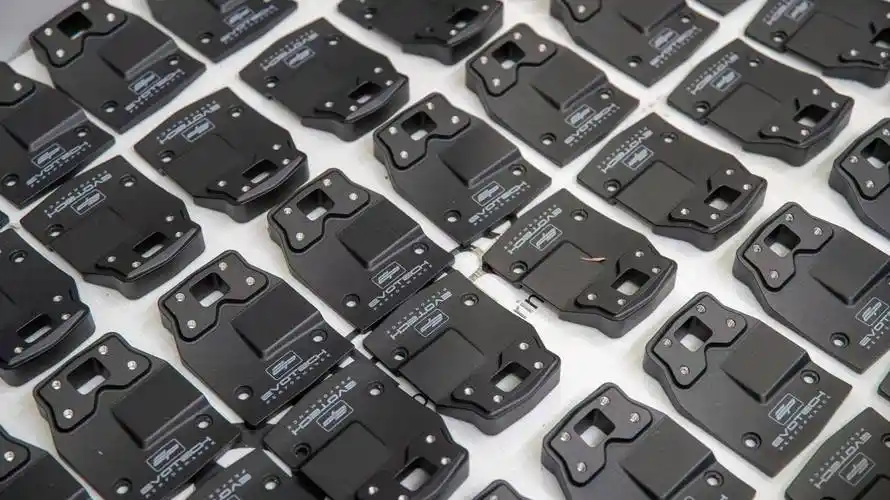
Materials Available Through Online CNC Platforms
Choosing the right material feels overwhelming when you're staring at a dropdown menu listing dozens of options. Should you go with aluminum or stainless steel? Is machinable nylon better than polycarbonate for your application? The material you select affects everything—machining time, final part strength, surface finish, and ultimately, your project budget.
Here's the good news: online CNC platforms have simplified this decision by offering curated material libraries with detailed specifications. According to Hubs' material selection guide, the process boils down to three steps: define your requirements, identify candidate materials, and select the best compromise between performance and cost.
Metals for Precision Applications
When strength, durability, and thermal resistance matter most, metals dominate the conversation. Online platforms typically offer aluminum alloys, stainless steels, mild steels, tool steels, and specialty options like brass—each serving distinct applications.
Aluminum Alloys: The Workhorses
Aluminum cnc machining represents the sweet spot for most projects. These alloys deliver excellent strength-to-weight ratios, natural corrosion resistance, and outstanding machinability that keeps production costs reasonable.
- 6061-T6 Aluminum - The most common general-purpose alloy, offering good strength, excellent machinability, and cost efficiency. According to Davantech's technical analysis, tolerances as tight as ±0.001 inches are achievable, making it suitable for aerospace, automotive, and medical applications.
- 7075 Aluminum - Significantly stronger than 6061, this aerospace-grade alloy approaches steel-like strength when heat treated. It's ideal where weight reduction is critical but comes at higher cost.
- 5083 Aluminum - Features exceptional resistance to seawater and marine environments, making it perfect for construction and maritime applications.
What makes cnc aluminum particularly attractive? The material machines quickly without excessive tool wear, accepts anodizing for enhanced surface hardness, and remains non-magnetic—crucial for electronic enclosures and sensor housings.
Stainless Steel Options
When corrosion resistance and higher strength outweigh weight considerations, stainless steel alloys step in:
- 304 Stainless - The most common grade, resistant to most environmental conditions with excellent mechanical properties
- 316 Stainless - Superior chemical resistance, especially against saline environments like seawater
- 17-4 PH Stainless - Can be precipitation hardened to match tool steel hardness while maintaining good corrosion resistance
Typical density for stainless steels runs 7.7-8.0 g/cm³—nearly three times heavier than aluminum. This weight penalty makes material selection a genuine engineering decision rather than a default choice.
Tool Steels and Specialty Metals
For applications demanding extreme hardness and wear resistance, tool steels like D2, A2, and O1 deliver. These materials maintain hardness at elevated temperatures—D2 retains properties up to 425°C—making them essential for manufacturing dies, cutting tools, and injection molds. Brass offers excellent machinability and electrical conductivity, often appearing in cosmetic architectural applications and electrical components.
Engineering Plastics and Their Uses
Cnc plastic machining opens doors when weight savings, chemical resistance, or electrical insulation matter most. Unlike metals, plastics offer dramatically different property profiles that suit specialized applications.
Common Thermoplastics
According to PARTMFG's comparison guide, ABS covers approximately 25% of all CNC-machined plastics due to its affordability and balanced properties:
- ABS - Excellent impact strength, good machinability, and smooth finishes make it ideal for prototyping before injection molding production
- Polycarbonate - Transparent with exceptional impact resistance (better than ABS), though it scratches easily and requires careful handling during machining
- POM (Delrin) - The highest machinability among plastics, featuring excellent dimensional stability, low friction, and minimal moisture absorption
Nylon and Specialty Materials
Nylon for machining requires special attention due to its moisture absorption characteristics. Both Nylon 6 and Nylon 66 offer superior wear resistance and abrasion properties, making machining nylon popular for gears, bushings, and sliding components. However, moisture can affect dimensional stability—a consideration when specifying tight tolerances.
Acrylic cnc machining produces transparent components with high light transmittance, serving as glass alternatives in displays, light guides, and protective covers. Careful cutting prevents cracking, but the results justify the extra attention for optical applications.
Cnc polycarbonate shares transparency characteristics with acrylic but adds dramatically better impact resistance. Safety applications—protective shields, machine guards, and automotive glazing—leverage this toughness.
For extreme environments, PEEK stands apart. This high-performance thermoplastic handles temperatures above 200°C, resists most chemicals, and offers strength approaching some metals. Medical and aerospace industries account for 40% of all PEEK machining applications, according to market research.
Choosing the Right Material for Your Project
Sounds complex? Let's simplify the decision with a direct comparison of key factors:
| Material Category | Typical Applications | Machinability | Relative Cost | Key Considerations |
|---|---|---|---|---|
| Aluminum 6061 | Prototypes, fixtures, enclosures | Excellent | Low | Best overall value; anodizable |
| Aluminum 7075 | Aerospace, high-stress components | Good | Medium | Heat treatable to high strength |
| Stainless 304/316 | Medical, food, marine equipment | Moderate | Medium-High | Corrosion resistance; heavier |
| Tool Steel D2/A2 | Dies, molds, cutting tools | Difficult | High | Requires heat treatment; 45-65 HRC |
| ABS | Prototypes, consumer products | Excellent | Low | Lightweight; good for pre-molding validation |
| Machinable Nylon | Gears, bushings, wear parts | Moderate | Low-Medium | Absorbs moisture; affects dimensions |
| Polycarbonate | Safety shields, optical components | Good | Medium | Transparent; scratches easily |
| PEEK | Medical implants, aerospace | Difficult | Very High | Extreme performance; specialized tooling |
Material choice directly influences machining parameters and final part quality. Softer materials like aluminum allow faster cutting speeds and longer tool life, translating to lower costs. Harder materials require slower feeds, more frequent tool changes, and specialized cutting strategies—all adding expense.
Surface finish expectations also vary by material. Aluminum and POM achieve smooth surfaces readily, while some plastics like polypropylene tend toward rougher textures requiring secondary finishing. If your application demands specific surface roughness values, factor this into material selection from the start.
The practical takeaway? Start with your functional requirements—strength, weight, environment, appearance—then work backward through candidate materials. Often, the most cost-effective solution isn't the cheapest raw material but the one that machines most efficiently while meeting all performance criteria. Understanding available machining capabilities helps refine this decision further.
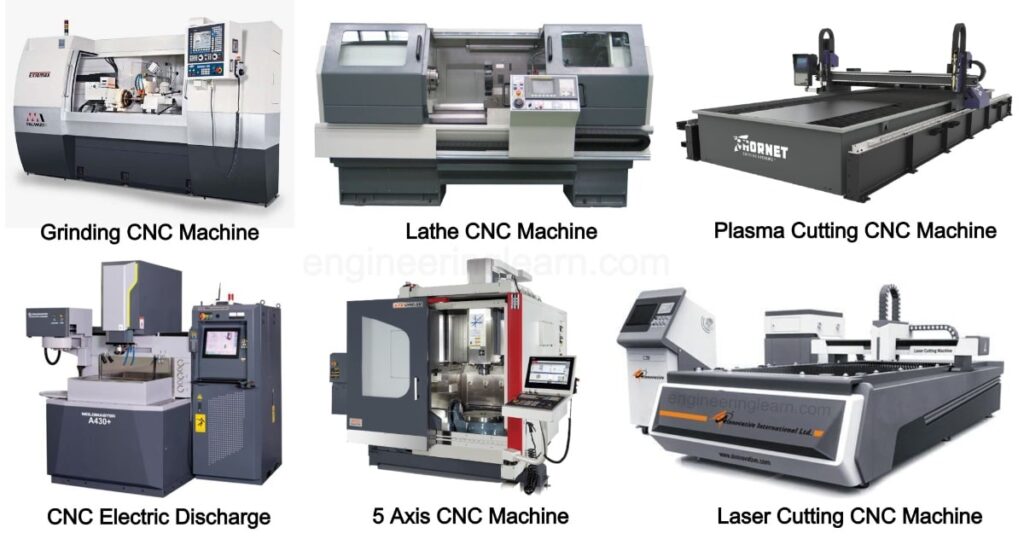
CNC Machining Capabilities and Operations
You've selected your material—now what can you actually make with it? The answer depends entirely on which machining operations your project requires. Online platforms offer everything from straightforward 3-axis milling to sophisticated multi-axis turning, each suited to different geometries and precision demands. Understanding these capabilities helps you match your design to the right process before uploading that CAD file.
Milling Operations Explained
CNC machining milling remains the workhorse of precision manufacturing. Picture a rotating cutting tool approaching your material from multiple directions, carving away excess stock until your design emerges. According to RapidDirect's technical comparison, CNC milling uses multi-point cutting tools to shape fixed workpieces—making it ideal for complex geometries and detailed components.
The process starts with your digital design. CAD software creates the model, then CAM software converts it into G-code instructions specifying tool paths, cutting depths, and feed rates. Once loaded, the machine secures your workpiece while cutting tools rotate along different axes to remove material precisely.
What operations can milling accomplish? Here's what most online platforms offer:
- Face Milling - Creates flat surfaces perpendicular to the tool axis; ideal for reference surfaces and mating faces
- End Milling - Cuts slots, pockets, and profiles using the tool's side and tip; the most versatile operation
- Drilling - Produces accurate holes at specified depths and diameters
- Boring - Enlarges existing holes to precise dimensions with superior surface finish
- Angular Milling - Machines angled features without repositioning the workpiece
Metal cnc machining through milling achieves impressive precision. Standard tolerances reach ±0.005 inches (±0.127mm), while critical features can hit ±0.001 inches with proper equipment and inspection. Surface finishes range from 125 Ra (roughing) down to 16 Ra or better for polished appearances.
The trade-off? Complex milling operations require longer cycle times and sometimes multiple setups. Deep pockets demanding extended-reach tooling add cost, as do tight internal corners requiring smaller cutters with slower material removal rates.
When to Choose CNC Turning
If your part features cylindrical or symmetrical shapes, turning likely offers faster production and lower costs than milling. The fundamental difference? In turning, your workpiece spins while a stationary single-point cutting tool removes material. This continuous cutting action makes cnc metal and cnc steel production remarkably efficient for round components.
According to industry analysis, CNC turning excels at producing:
- Shafts and Spindles - Precise diameters with tight concentricity requirements
- Fasteners - Bolts, screws, and threaded components in high volumes
- Bushings and Sleeves - Cylindrical wear components with controlled clearances
- Tubular Parts - Hollow cylindrical shapes with internal and external features
The process handles threading, grooving, facing, and contour cutting naturally. Modern CNC lathes feature live tooling—rotating cutters that perform milling operations while the part remains chucked—blending turning and milling capabilities in single setups.
When does turning outperform milling? For aluminum machining of round stock, turning removes material faster because cutting never stops during rotation. This speed advantage translates directly to lower per-part costs, especially in production quantities. Typical lead times for simple turned parts run 3-5 days versus 5-7 days for equivalent milled components.
Advanced 5-Axis Capabilities
Here's where metal cnc capabilities get genuinely impressive. Traditional 3-axis machines move cutting tools along X, Y, and Z directions. Five-axis machining adds two rotational movements, allowing the tool to approach your workpiece from virtually any angle—all without repositioning.
According to Fictiv's technical guide, 5 axis cnc machining services deliver three key advantages:
- Accuracy - Fewer setups mean reduced misalignment risk; tolerances reach ±0.01-0.02mm (±0.0004-0.0008 inches), with critical aerospace parts achieving ±0.005mm
- Complexity - Turbine blades, combustion chambers, and organic shapes become single-piece components rather than assemblies
- Speed - Multiple faces machined without intervention reduces cycle times by 60-80% compared to repositioning parts manually
When should you specify 5-axis? Consider this rule of thumb: if your part requires machining on multiple sides with critical tolerances, or tool access is restricted in standard orientations, 5-axis provides the best solution. Aerospace impellers, medical implants, and complex automotive components commonly demand these capabilities.
The cost consideration matters, though. Hourly rates for 5-axis work exceed 3-axis machining due to programming complexity and equipment expense. For straightforward geometries accessible from one or two orientations, simpler machines deliver better value.
Surface Finishes and Secondary Operations
Machining creates your geometry, but secondary operations transform raw parts into finished components. Online platforms increasingly bundle these services, streamlining procurement.
According to Fictiv's finishing guide, common options include:
- Anodizing - Creates durable, corrosion-resistant oxide layers on aluminum; available in decorative colors
- Powder Coating - Applies thick, uniform paint finishes in various colors; requires masking for tight tolerances
- Black Oxide - Provides mild corrosion resistance and matte appearance on steel parts
- Electroless Nickel Plating - Deposits uniform nickel-phosphorus coatings for corrosion and wear resistance
- Media Blasting - Creates consistent matte textures by propelling abrasive particles at surfaces
Heat treatment options—hardening, stress relieving, and precipitation hardening—alter material properties after machining. These processes affect dimensional stability, so specify them upfront when tolerances matter.
Prototyping vs. Production: Understanding the Differences
The same machine making your prototype will produce your production parts—but the economics shift dramatically between these scenarios.
Prototyping prioritizes speed and design validation. Setup costs spread across just one or a few parts, making unit prices high but lead times short. Many platforms offer expedited prototype services with next-day or 3-day delivery for urgent development timelines.
Production runs reverse this equation. Longer setup time becomes worthwhile when amortized across hundreds or thousands of parts. Dedicated fixturing, optimized tool paths, and statistical process control add upfront investment but slash per-piece costs. Metal machining at production volumes often costs 40-70% less per unit than prototype pricing.
Lead time expectations differ too. Prototype parts typically ship within 1-5 business days. Production runs—especially those requiring material procurement, specialized tooling, or finishing operations—may take 2-4 weeks depending on complexity and quantity.
Understanding these capability differences helps you select the right processes and set realistic expectations. But capabilities only matter if your chosen provider meets quality standards—a consideration that becomes increasingly important as projects scale from prototypes to production.
Choosing the Right Online CNC Service Provider
You've nailed down your material selection and understand the machining processes—but here's the critical question: who should actually make your parts? Not all precision cnc machining services deliver equal results, and the wrong choice can mean missed deadlines, rejected components, or costly rework. Whether you're searching for "cnc machining services near me" or exploring global options, knowing what separates reliable providers from risky ones protects your project and your budget.
Quality Certifications That Matter
Certifications aren't just wall decorations—they're documented proof that a cnc machining shop maintains consistent quality systems. According to American Micro Industries' certification guide, formal certifications assure clients of a company's commitment to quality at every production step.
But which certifications actually matter for your application? Here's what to look for:
- ISO 9001 - The internationally recognized baseline for quality management systems. This certification confirms documented workflows, performance monitoring, and corrective action procedures. Any serious custom machine shop should hold this as a minimum standard.
- IATF 16949 - The global automotive quality standard combining ISO 9001 principles with sector-specific requirements for continuous improvement, defect prevention, and supplier oversight. Essential for automotive components where zero-defect expectations dominate.
- AS9100 - Builds on ISO 9001 with aerospace-specific controls emphasizing risk management, stringent documentation, and product integrity. Required for precision machining companies serving aviation and space industries.
- ISO 13485 - The definitive standard for medical device manufacturing, requiring thorough quality checks, traceability, and risk mitigation throughout production.
- NADCAP - Accreditation for special processes like heat treating, chemical processing, and nondestructive testing. This goes beyond general certifications to validate process-specific controls.
Why does certification level matter? According to industry research, certified processes mean methods and equipment are held to documented standards, promoting consistency from batch to batch. The result is significant reduction in defects, rework, and material waste.
For automotive applications specifically, IATF 16949 certification signals that a provider understands the demanding requirements of tier-one and tier-two suppliers. Companies like Shaoyi Metal Technology demonstrate this commitment through their IATF 16949 certification, ensuring their precision cnc machining services meet the stringent quality expectations automotive OEMs demand.
Evaluating Production Capacity
Certifications verify quality systems exist—but can the provider actually deliver your parts on time? Production capacity evaluation involves more than checking machine counts. According to 3ERP's evaluation criteria, you need to assess several factors:
- Equipment Diversity - Does the cnc turning service or milling operation have the right machines for your geometry? A diverse range of high-tech machinery indicates capability for varied projects.
- Scalability - Can they handle your current order and scale up as demand grows? A scalable provider adapts to increased requirements without hampering your future growth.
- Lead Time Reliability - What are their typical turnaround times, and do they offer expedited options? Understanding policies on rush orders matters for time-sensitive projects.
- Material Sourcing - Can they readily source your specified materials? Delays in procurement extend lead times and increase costs.
The size question deserves careful consideration. Larger custom cnc machining services may offer more resources and equipment diversity, while smaller operations often provide more personalized attention. Match provider size to your project complexity and volume requirements.
Statistical Process Control (SPC) capabilities deserve special attention when evaluating machining services near me. According to Moeller Aerospace's quality analysis, SPC uses data analysis to track manufacturing variability in real time. This proactive approach identifies potential issues before they lead to defects—critical for aerospace and automotive applications where even minor variations can compromise safety.
SPC integration means manufacturers track key performance indicators like defects per unit and cycle times continuously. When a process drifts toward specification limits, corrections happen immediately rather than after producing nonconforming parts. Shaoyi Metal Technology exemplifies this approach, incorporating strict SPC protocols alongside their IATF 16949 certification to deliver consistent high-tolerance components with lead times as fast as one working day for urgent automotive projects.
Red Flags to Watch For
Not every provider advertising custom cnc machining services delivers on promises. Recognizing warning signs early saves significant headaches later:
- Vague Quality Documentation - Reluctance to provide certifications or inspection reports signals potential quality gaps. Reputable providers readily share documentation.
- Poor Communication - According to industry analysis, communication is the backbone of successful partnerships. Slow responses, unclear answers, or difficulty reaching technical staff indicate trouble ahead.
- No Inspection Capabilities - Lack of in-house measurement equipment—CMMs, optical comparators, surface finish gauges—means quality verification happens elsewhere or not at all.
- Pricing Too Good to Be True - The cheapest option rarely delivers best value. Extremely low quotes often hide compromises in material quality, tolerance verification, or finishing operations.
- No Portfolio or References - Past projects demonstrate capabilities and client satisfaction. Providers unwilling to share examples may lack relevant experience.
- Weak Data Security - For proprietary designs, robust data security protocols protect your intellectual property. Ask about encryption, access controls, and NDA policies.
Online reputation provides additional insight. Customer reviews, case studies, and testimonials reveal performance patterns that sales conversations may obscure. Pay attention to how providers handle negative feedback—their response indicates customer service priorities.
Making Your Final Selection
Choosing a cnc machining shop ultimately balances capability, quality, and cost against your specific requirements. A prototype project tolerates different trade-offs than production manufacturing for automotive safety components.
For critical applications, prioritize providers with relevant industry certifications, documented SPC implementation, and proven experience in your sector. The additional cost of working with a certified precision machining companies often proves minimal compared to quality failures downstream.
Remember that the right provider isn't just a vendor—they become a manufacturing partner whose capabilities either enable or constrain your product success. Taking time to evaluate options thoroughly pays dividends across every project that follows, especially as you scale from prototypes to production volumes.
Industries and Applications for Online CNC Services
Who actually uses online CNC platforms—and why? The answer spans nearly every sector where precision matters. From automotive engineers validating new designs to startup founders prototyping their first product, these digital manufacturing services democratize access to professional-grade cnc machined parts that once required expensive in-house equipment or established supplier relationships.
Understanding which industries benefit most—and how their requirements differ—helps you navigate material choices, tolerance specifications, and certification needs for your specific application.
Automotive Industry Applications
The automotive sector represents one of the largest consumers of precision machined parts. According to Fadal's industry analysis, automotive manufacturers rely heavily on CNC machining for engine parts, transmission systems, chassis components, and much more.
What makes automotive applications unique? The combination of high-volume demands and zero-defect expectations creates specific requirements:
- Engine Components - Cylinder heads, valve bodies, and manifolds require tight tolerances and excellent surface finishes for proper sealing and performance
- Transmission Parts - Gears, shafts, and housings demand precise dimensional control to ensure smooth operation and durability
- Chassis Elements - Suspension brackets, steering components, and structural members balance strength with weight optimization
- Custom CNC Parts - Specialized fixtures, tooling, and prototype validation components support manufacturing operations
Automotive applications typically require IATF 16949 certification from suppliers, ensuring quality management systems meet industry-specific standards. The automation and accuracy provided by CNC machining help ensure consistent quality, reduce errors, and optimize production efficiency across high-volume runs.
Aerospace and Medical Device Manufacturing
When lives depend on component performance, precision becomes non-negotiable. According to industry research, aerospace applications include complex turbine blades, intricate structural elements, and lightweight high-strength components machined from aluminum, titanium, and composites.
Medical device manufacturing presents equally demanding requirements. The industry relies on CNC machining for production of medical devices, implants, and surgical instruments. Custom machined parts for prosthetics and orthopedic implants require exceptional accuracy to ensure compatibility and functionality in medical applications.
Key industry-specific considerations include:
- Aerospace - AS9100 certification, traceability documentation, specialized material testing, and tolerances reaching ±0.0005 inches for critical components
- Medical - ISO 13485 certification, biocompatible material verification, and rigorous surface finish requirements for implantable devices
Prototyping for Product Development
Here's where online CNC services truly shine for innovators. According to Fictiv's prototyping guide, CNC machining has emerged as an excellent choice for rapid prototyping—especially when you need engineering or production prototypes that look, feel, and function as the finished product.
Why choose prototype machining over 3D printing? The differences matter:
- Material Properties - CNC machined components offer greater strength and similarity to desired finished product mechanical properties than 3D printed parts
- Dimensional Accuracy - Prototype machining services maintain tolerances as tight as one-ten-thousandth of an inch, versus several thousandths for additive methods
- Structural Integrity - Subtractive manufacturing from solid stock eliminates voids, porosity, and layer shifting issues common in 3D printing
- Material Versatility - Carbon fiber prototyping, metal alloys, engineering plastics—virtually any machinable material works for CNC validation
Industries benefiting most from prototype CNC machining include automotive, aerospace, medical devices, consumer electronics, and industrial equipment. According to industry analysis, the process is optimal for mid-stage functional prototypes requiring accurate performance testing before committing to production tooling.
Small Batch Production Solutions
Imagine needing 50 precision components without investing in expensive molds or meeting high minimum order quantities. This scenario plays out daily for startups, small manufacturers, and product development teams—and online CNC platforms solve it elegantly.
According to JLCCNC's startup manufacturing guide, low-volume CNC machining offers distinct advantages for emerging companies:
- Controllable Cost - Compared with traditional mold manufacturing, CNC machining does not require high mold costs, making it suitable for startups with limited capital
- Rapid Iteration - Small batch machining allows companies to validate design feasibility and market feedback before committing to mass production
- Flexible Adjustment - Quickly adjust design details based on testing results or customer input without retooling penalties
- Quality Assurance - 5-axis capabilities achieve surface roughness up to Ra0.4μm, meeting high-end market requirements
What makes online services particularly valuable for small businesses? Many platforms support ordering from just 1-5 pieces with delivery timelines as short as 72 hours. This eliminates the traditional barrier where machine shops required minimum quantities to justify setup time.
The consumer electronics industry exemplifies this benefit. According to Fadal's research, CNC machines accurately drill holes, cut traces, and shape intricate designs on printed circuit boards—precision essential for the miniaturization and complexity demanded by modern electronic devices.
Whether you're a hardware startup validating your first product or an established manufacturer testing design revisions, online CNC services provide professional-grade manufacturing access without the traditional overhead. The key is understanding how to optimize your designs and orders for best results—practical knowledge that transforms good parts into great outcomes.
Getting the Best Results from Online CNC Services
You've selected your provider, uploaded your design, and clicked submit—but are you leaving money on the table or setting yourself up for delays? The difference between a smooth cnc prototype project and a frustrating experience often comes down to preparation. Whether you're tackling your first cnc projects or optimizing an established workflow, these practical strategies help you achieve better parts, faster delivery, and lower costs.
Design Tips for Better Results
Smart design decisions made before you ever upload a file determine most of your manufacturing outcomes. According to All Metals Fabricating's DFM guide, there's a notable gap between what's designable and what's manufacturable—and bridging that gap saves significant time and money.
Start with these high-impact design practices:
- Limit Hole Depth - Keep hole depth below 6x the diameter. Deeper holes require slower machining speeds to prevent tool breakage, directly increasing costs and lead times.
- Add Corner Radii - Square corners on interior pockets are difficult to machine. Design radii to accommodate standard tooling sizes of 0.10", 0.015", or 0.03" to avoid special cutters and optimize cycle time.
- Maintain Wall Thickness - According to Hubs' cost reduction guide, design metal walls thicker than 0.8mm and plastic walls above 1.5mm. Thinner sections require slower RPMs and careful feeds, driving up both cost and lead time.
- Minimize Setups - Every time a part requires repositioning, you introduce potential error and add labor costs. Design parts that can be machined in a single setup whenever possible.
What about those complex features you think you need? According to Epec's tolerance design practices, unnecessary complexity in areas that don't contribute to function increases machining time, requires sophisticated tooling, and introduces additional opportunities for error accumulation.
Optimizing Your Files for Quoting
Your file quality directly impacts quote accuracy and turnaround speed. When searching for a cnc machine shop near me or evaluating online platforms, remember that well-prepared files generate precise pricing instantly—while ambiguous geometry requires manual review that adds days to your timeline.
Follow these file preparation best practices:
- Use STEP Format - STEP files preserve full geometry and feature data, enabling automated analysis without interpretation errors
- Include Complete Information - According to industry recommendations, more information is always better—include material specifications, tolerance callouts, and surface finish requirements
- Call Out Critical Tolerances - If specific features require tolerances tighter than standard ±0.005", explicitly note them; otherwise, assume standard tolerances apply
- Specify Material Grade - Don't just request "stainless steel"—specify 303 or 304 grade. According to machining data, 303 stainless machines significantly easier than 304, potentially saving substantial cost for rapid cnc prototyping projects
Understanding cnc machining materials and their machinability differences transforms file preparation from guesswork into strategic advantage. The right material specification can cut cycle times dramatically while delivering identical functional performance.
Reducing Costs Without Sacrificing Quality
Here's the uncomfortable truth: most cost overruns stem from design decisions, not manufacturing inefficiencies. According to Hubs' comprehensive analysis, understanding CNC machining cost drivers helps engineers optimize designs and reduce total cost—especially for outsourced production.
Apply these cost optimization strategies immediately:
- Loosen Non-Critical Tolerances - Tight tolerances increase cnc machining price significantly. Apply ±0.001" specifications only where function demands them; use standard ±0.005" elsewhere
- Specify Standard Hole Sizes - Use diameters in 0.1mm increments up to 10mm, then 0.5mm increments above. Nonstandard sizes require additional machining operations
- Choose Machinable Materials - Aluminum 6061 machines faster than most alternatives. For small cnc machining projects, material machinability often matters more than raw material cost
- Eliminate Unnecessary Text - Engraved text adds toolpaths and machining time. Consider silk screening or painting for labeling needs
- Leverage Volume Pricing - Unit cost drops dramatically with quantity. According to research, increasing orders from one to five pieces can cut per-part price roughly in half
Pro Tip: Before requesting your quote, ask yourself—can any features be removed or simplified while maintaining function? Can the design split into multiple easier-to-machine components for post-assembly?
Planning for Growth: From Prototype to Production
The smartest approach to cnc prototype machining considers production scaling from day one. Designing parts that work for prototyping but require complete redesign for volume production wastes development time and budget.
Choose providers who support the full journey. Shaoyi Metal Technology exemplifies this approach, offering rapid prototyping capabilities with one-day lead times for urgent projects, then scaling seamlessly to mass production backed by IATF 16949 certification and strict SPC protocols. This continuity eliminates the friction of switching suppliers mid-development while ensuring consistent quality from first sample through production runs.
Effective communication throughout your project prevents costly misunderstandings. Share design intent—not just specifications—so manufacturers can suggest modifications that improve manufacturability without compromising function. Discuss measurement and inspection requirements upfront, especially for precision cnc parts demanding tight tolerances.
Remember: the goal isn't just getting parts made—it's building a manufacturing relationship that supports your product success from concept through market launch. Investing time in design optimization, file preparation, and provider evaluation pays dividends across every project that follows.
Frequently Asked Questions About CNC Online
1. How can I get started with CNC online machining services?
Getting started with online CNC machining is straightforward. First, prepare your CAD file in STEP, IGES, or STL format. Upload it to your chosen platform, select your material and finish requirements, and receive an instant quote. Most platforms provide design-for-manufacturability feedback to help optimize your part before production. For automotive-grade precision, certified providers like Shaoyi Metal Technology offer IATF 16949-certified services with lead times as fast as one working day.
2. Can you still play Kane's Wrath and other Command & Conquer games online?
Yes, you can still play Command & Conquer games online through community-managed servers. C&C:Online is a fan-created platform supporting Generals, Zero Hour, Tiberium Wars, Kane's Wrath, and Red Alert 3. Simply create a Revora forum account, use those credentials to log in, and access multiplayer matches just like when GameSpy servers were active.
3. What file formats do online CNC machining platforms accept?
Most online CNC platforms accept STEP (.stp), IGES (.igs), STL, and DXF/PDF formats. STEP files are preferred because they preserve full geometry and feature data, enabling accurate automated analysis and instant quoting. Well-prepared files with clear tolerances and material specifications generate precise pricing faster than ambiguous geometry requiring manual review.
4. How much does online CNC machining cost compared to traditional machine shops?
Online CNC machining often costs less than traditional shops due to automated quoting, optimized production networks, and reduced overhead. Pricing depends on material choice, part complexity, tolerances, and quantity. Aluminum parts with standard tolerances are most economical, while tight tolerances below ±0.005 inches or specialty materials increase costs. Volume orders significantly reduce per-unit pricing.
5. What certifications should I look for when choosing an online CNC service provider?
Key certifications include ISO 9001 for baseline quality management, IATF 16949 for automotive applications, AS9100 for aerospace, and ISO 13485 for medical devices. These certifications ensure documented processes, consistent quality, and defect prevention. For automotive components, providers with IATF 16949 certification and Statistical Process Control (SPC) capabilities deliver the zero-defect performance OEMs demand.