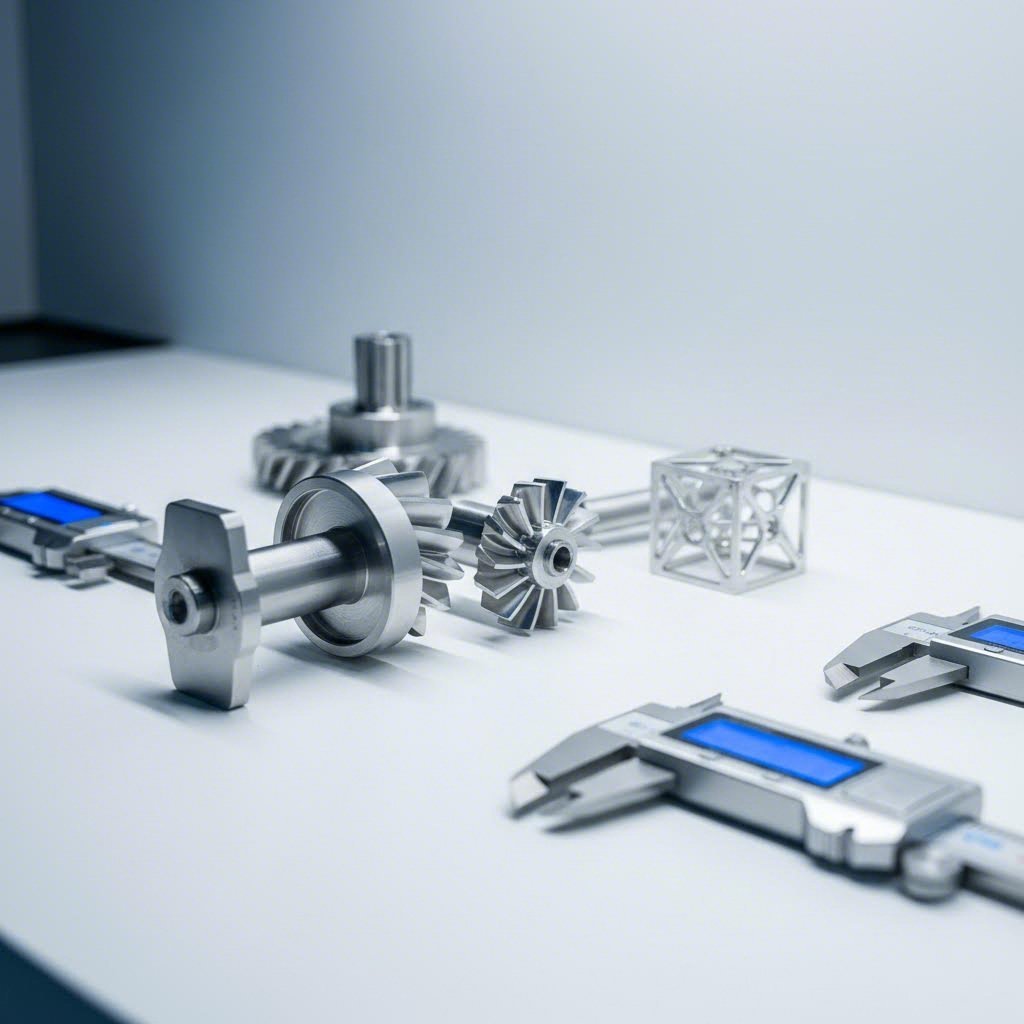
 Small batches, high standards. Our rapid prototyping service makes validation faster and easier —
  EN
EN


CNC машинасы қызметінің негізгі принциптері: Дүкендер сізден не жасырғаны
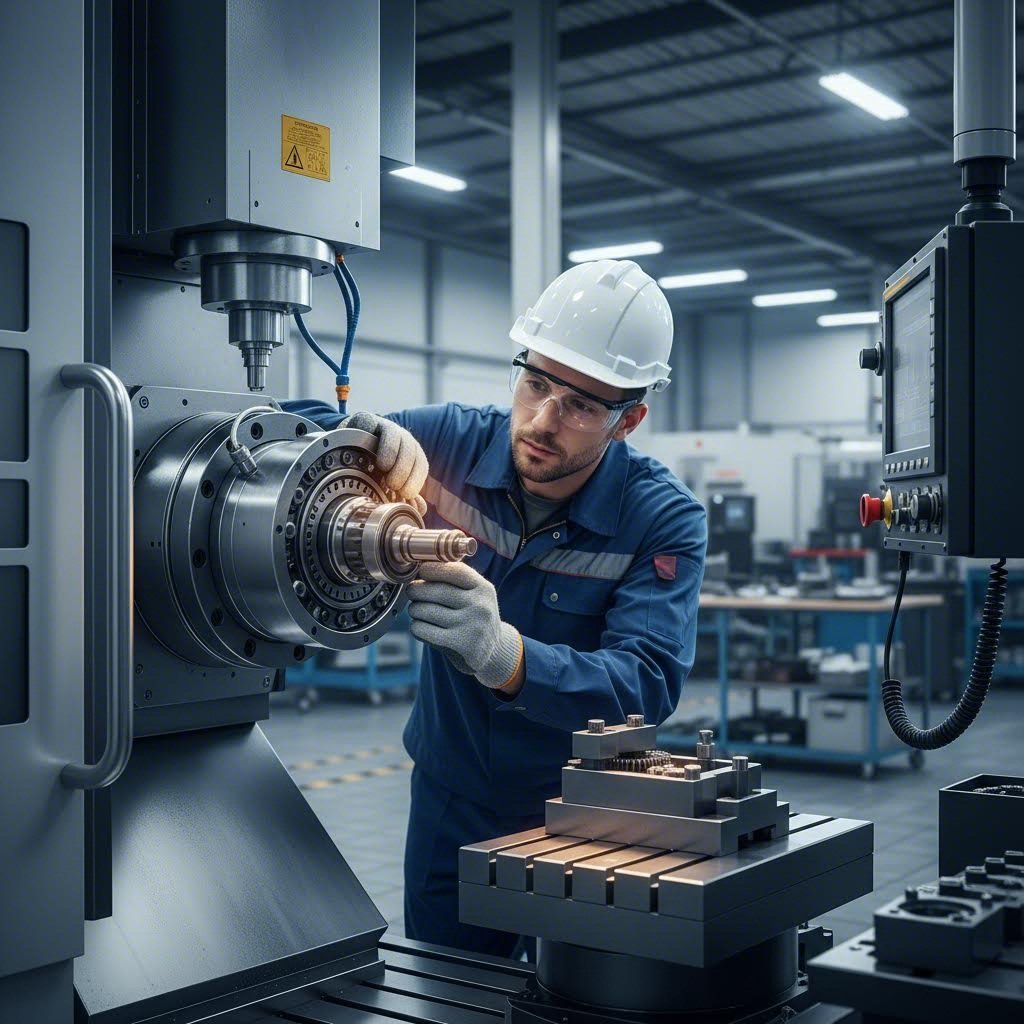
CNC машинасына қызмет көрсету сіздің жабдықтарыңыз үшін шынымен не білдіреді
Сіз CNC жабдықтарыңызға көмек іздеу үшін интернетте ізденген болсаңыз, бастағаннан гөрі одан да қатты шатасқан боларсыз? Сіз бұған жалғыз емессіз. Өндірушілерді әр күн сайын қате түсіну қиындығы қинақтайды — оларға уақыт, ақша және көптеген қиналуды тудырады.
Мәселе мынада: кім болмасын «CNC машинасына қызмет көрсету» деген сөздерді іздеу жолағына енгізген кезде, ол екі мүлдем әртүрлі нәрсені іздейтін болуы мүмкін. Кейбіреулер cNC машиналарын техникалық қызметке алу қызметтерін — яғни жабдықтарын сауқатты ұстай алатын мамандарды іздейді. Басқалары CNC технологиясын пайдаланып бөлшектерді өндіретін CNC өңдеу қызметтерін ұсыратын компанияларды — «CNC machining services mw+ providers» — іздейді. Бұлар мүлдем әртүрлі салалар, олар мүлдем әртүрлі қажеттіліктерді қанағаттандырады.
Егер сізде CNC жабдығы бар болса және оның жұмыс істеуін қамтамасыз ету үшін көмек керек болса, бұл айырмашылықты түсіну — сіздің дұрыс шешімді табуға әкелетін бірінші қадам.
Көптеген өндірушілер ұмытып кететін маңызды айырмашылық
Осылай ойлаңыз: CNC станоктарына қызмет көрсету — бұл өзіңізге тиесілі жабдыққа назар аудару. Бұл сіздің иелігіңізде бар станоктарды пайдалану, жөндеу және олардың жұмысын оптималдау туралы. Ал CNC өңдеу қызметтері — бұл осы станоктарды пайдаланып тапсырыс берушілерге бөлшектер шығару туралы.
Егер сіздің біліктіңіз қалайсында да естілетін дыбыстар шығара бастаса немесе орналасу дәлдігіңіз техникалық сипаттамалардан шығып кетсе, сізге CNC станоктарына қызмет көрсету керек — контракттық өндіруші емес. Бұл екеуін шатастыру сізді толықтай қатысы жоғары Google нәтижелеріне, уақыттың кетуіне себепші телефон қоңырауларына және өндірісіңіз тоқтап тұрған кезде жөндеудің кешігуіне алып келуі мүмкін.
Сәйкес сала бойынша зерттеу соңғы үш жыл ішінде компаниялардың 82%-ы жоспарланбаған тоқтап қалуларға ұшыраған. Нақты айтқанда, CNC жабдықтары үшін бұндай күтпеген ақаулар сіздің барлық өндірістік процесіңізге тізбекті әсер етеді. Дұрыс көмек түрін — жылдам — табу барлығын өзгертеді.
CNC машинасына қандай қызмет көрсетіледі?
CNC машинасына қызмет көрсету — жабдықтарыңызды жұмыс істеуге қабілетті ұстау мен олардың ең жақсы көрсеткіштерін қамтамасыз етуге бағытталған барлық іс-шараларды қамтиды. Сіз кіші жұмыс орнын басқарсаңыз да немесе бірнеше өндірістік желілер бойынша ондаған машиналарды басқарсаңыз да, осы бес негізгі қызмет саласы жабдықтарға қамқорлық көрсетудің негізін құрайды:
- Алдын алушылық қызмет көрсету: Проблемалар пайда болғаннан бұрын жүргізілетін жоспарлы тексерістер, майлау, компоненттерді алмастыру және бағдарламалық жабдықты жаңарту. Бұл алдын-ала қамқорлық тәсілі кішігірім ақауларды қымбатқа түсетін апаттарға айналдырмайды.
- Әрекетке қатысты жөндеулер: Кенеттен пайда болған ақаулар, қате кодтары немесе өнімділіктің төмендеуі жағдайындағы авариялық шаралар. Әрине, ешкім реактивті жөндеуді қажет еткісі келмейді, бірақ сапалы техниктердің болуы өте маңызды.
- Калибрлеу: Геометриялық дәлдіктің, осьтердің орналасуының және орналастыру жүйелерінің дәл тексерілуі мен реттелуі. Калибрлеу сіздің машиналарыңыздың белгіленген шектер ішінде детальдар өндіруін қамтамасыз етеді.
- Ретрофиттік жабдықтау: Ескі жабдықтарды жаңа басқару жүйелерімен, қозғалтқыштармен немесе қосымша мүмкіндіктермен жаңарту. Ретрофиттік жабдықтау машиналардың қызмет ету мерзімін ұзартып, толық алмастыру шығындарынсыз заманауи функционалдықты қосуға мүмкіндік береді.
- Қызмет ету мерзімінің аяқталуы туралы шешім: Жөндеу шығындары алмастыру құнынан асып кеткен кезде қабылданатын сараптамалық бағалау. CNC машиналары дұрыс күтімді қамтамасыз еткен жағдайда әдетте 15–20 жыл бойы сенімді жұмыс істейді, бірақ соңында әрбір машина өз шектеріне жетеді.
Бұл санаттарды түсіну сізге қызмет көрсетушілермен тиімдірек қарым-қатынас жасауға көмектеседі және жабдықтарыңызға нақты қандай көмек қажет екенін қамтамасыз етеді. Сіз CNC станоктарына қолданылатын қызметтердің нақты құрамын білген кезде, сіз дұрыс сұрақтар қоя аласыз, қызмет көрсетушілерді мағыналы түрде салыстыра аласыз және жабдықтарыңыздың қамқорлығы туралы дұрыс шешім қабылдай аласыз.
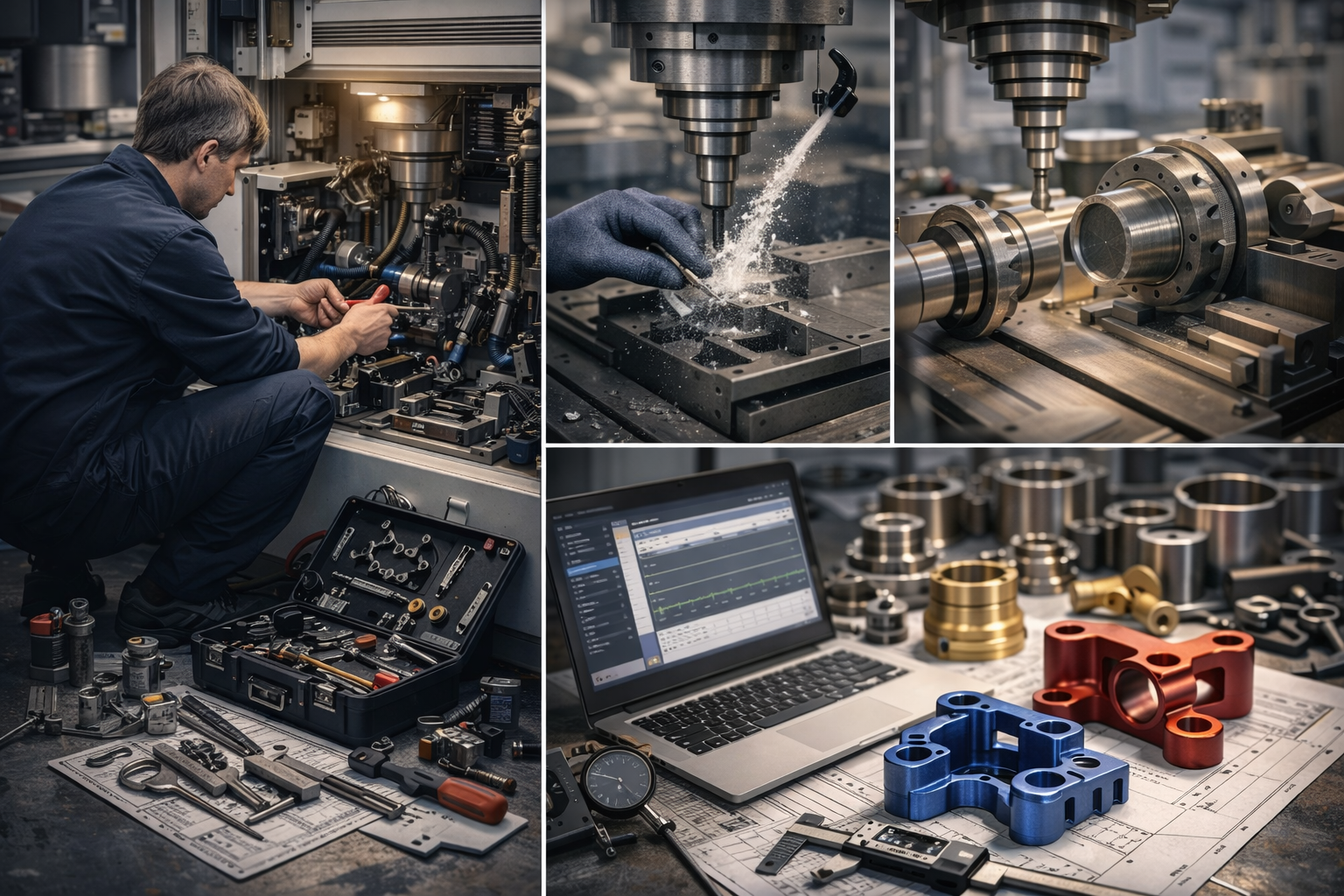
Алдын-ала қойылатын қызмет көрсету мен реактивті жөндеу стратегиялары
Пайданы әкелетін станок цехтарын қиыншылыққа ұшырататын станок цехтарынан ажырататын сұрақ мынадай: Сіз проблемаларды олар пайда болғаннан бұрын шешіп жатасыз ба немесе бір нәрсе бұзылғанша күтемісіз бе? Жауап тек сіздің жөндеу шығыстарыңызға ғана емес, сонымен қатар барлық өндіріс қуатыңызға және таза пайданыңызға да әсер етеді.
CNC станоктарын қызметке келтіру қызметтері туралы сөз болғанда, екі принципиалды түрлі философия бар. Осы айырмашылықты түсіну және әрбір тәсіл қашан тиімді болатынын білу сізге мыңдаған долларларды және өндірісті тоқтатуға кететін сағаттарды үнемдеуге мүмкіндік береді.
Алдын-ала қойылатын қызмет көрсету жоспарлары түсіндірілген
Алдын алу мақсатындағы жөндеу қарапайым принципке негізделеді: мәселелер нағыз істен шығуларға айналмас бұрын оларды шешу. Бұл — қозғалтқыш тоқтап қалғанша күтпей, әрбір 5 000 миль сайын автокөліктің майын алмастыруға ұқсас.
Бір мәліметке сәйкес 2018 жылғы Plant Engineering зерттеуі , жөндеу персоналының шамамен 80%-ы алдын алу мақсатындағы жөндеу стратегияларын қолдайды. Бұл қатты қатты ұстанысқа жақсы себептер бар.
CNC жабдықтары үшін дұрыс алдын алу мақсатындағы жөндеу бағдарламасына кіреді:
- Жоспарланған тексерулер: Күндік визуалды тексерулер, апталық компоненттерді бағалау және істен шығуға дейін тозу үлгілерін анықтайтын айлық терең тексерулер.
- Майлау бағдарламалары: Сырғымалы беттерге, шарлық винттерге және подшипниктерге өндірушінің көрсеткіштеріне сәйкес дұрыс майларды ретті түрде қолдану.
- Компоненттің ауыстырылуы: Белбеулерді, сүзгілерді, тығыздағыштарды және басқа тозатын бөлшектерді олар істен шығып қалған кезде емес, белгіленген уақыт немесе пайдалану көлемі бойынша жиілікпен ауыстыру.
- Бағдарламалық жасақтаманы жаңарту: Қателіктерді, қауіпсіздік тесіктерін және өнімділікті жақсартуды шешетін өндірушінің жаңартуларымен басқару жүйелерін қазіргі уақытта ұстау.
- Сұйықтықты басқару: Қиылу өнімділігін оптималды деңгейде ұстап тұру үшін концентрация деңгейлерін, pH-балансын және ластануды бақылау.
Саладағы зерттеулер көрсеткендей, ең үздік операторлардың 60%-ы алдын ала техникалық қызмет көрсетуді қолданады, олар жыл сайынғы техникалық қызмет көрсету шығындарын орташа 11%–ға, ал жылдық тоқтату уақытын 9%–ға азайтады. Бірнеше станоктың бір мезгілде жұмыс істеуі кезінде бұл көрсеткіштер тез өседі.
Реактивті жөндеу қажет болған кезде
Сіздің алдын ала сақтық шараларыңызға қарамастан, күтпеген апаттар әлі де болып тұрады. Электр қуатының секірісі серво жетектің жанып кетуіне әкеледі. Салқындатқыш сорғысы ескертусіз істен шығады. Оператор қатесі спиндельді зақымдайтын аварияға әкеледі. Дәл осы кезде cNC станогын жөндеу қызметі маңызды рөл атқарады.
Реактивті жөндеулер пайда болған проблемаларды шешеді:
- Күтпеген апаттар: Толық станоктың істен шығуы — өндірісті қайта қосу үшін дереу диагностикалау мен жөндеу қажет етеді.
- Қате кодтары: Жұмысты тоқтататын және түбірлік себептерді анықтау үшін диагностикалау қажет болатын тревога жағдайлары.
- Өнімділіктің төмендеуі: Вибрацияның күшеюі, орналасу ығысуы немесе беттің сапасындағы проблемалар сияқты біртіндеп дамитын ақаулар, олар бірден қабылданатын шектерді асырып кетеді.
Қиындық неде? Реактивті жөндеулер машина қажет еткен уақытта, сіздің жоспарыңыз бойынша емес, жүзеге асады. Сізге жұма күні таңертең 2-де CNC машинасын жөндеу қызметі керек болғанда, мүмкіндіктер шектеулі және қымбатқа түседі. Көптеген CNC машина цехы қызметтері авариялық шақырулар үшін қосымша ақы тағайындайды — бұл қажеттілік деңгейіне байланысты толықтай оправдано.
Plant Engineering журналының зерттеуіне сәйкес, өндірістегі жоспарланбаған тоқтату сағатына 10 000 доллардан 250 000 долларға дейін тұрады, бұл көрсеткіш саладан және өндіріс талаптарынан тәуелді. Төменгі деңгейде болса да, бірнеше сағаттық күтпеген тоқтату қысқаша айтқанда, маңызды табыс жоғалтуын білдіреді.
Екі әдісті салыстыру
Сіздің өндірісіңіз үшін қай стратегия тиімдірек? Төмендегі салыстыру негізгі факторларды талдайды:
| Фактор | Қолданбалы сақтау | Реактивті жөндеу |
|---|---|---|
| Шығындар құрылымы | Болжанған айлық/төрттік шығындар; ұзақ мерзімді шығындар төмен | Болжанбаған авариялық шығындар; жинақталған шығындар жоғары |
| Ақырлық уақыт | Тәжірибелік уақытта жоспарланады; өндіріске аз әсер етеді | Жоспарланбаған; белсенді өндіріс циклдарын бұзады |
| Болжамдылық | Жоғары — техникалық қызмет көрсету терезелері алдын ала жоспарланады | Нөл — апаттар ескертусіз пайда болады |
| Жабдықтардың жұмыс істеу мерзімі | Ұзақ — машиналар өндірушінің техникалық талаптарына сәйкес қызмет көрсетіледі | Қысқартылған — «істеп тұрғанша істету» тәсілінен туындаған жинақталған зақымдану |
| Бөлшектер сапасы | Тұрақты — калибрлеу рұқсат етілген шектерде сақталады | Айнымалы — сапа нашарлағанша деградация байқалмауы мүмкін |
| Қызметкерлердің стресі | Төмен; техниктер белгіленген жұмыс кестесі бойынша жұмыс істейді | Жоғары; авариялық жағдайлар қысым тудырады |
Шындық қандай? Көпшілік сәтті жұмыс істейтін кәсіпорындар екі стратегияны да бірге қолданады. Алдын ала болдырмау қызметі — негіз болып табылады, ол көпшілік ақауларды олар проблемаға айналғанға дейін анықтайды. Дегенмен, кенеттен пайда болған жағдайларда қолданылатын сенімді CNC станоктарын жөндеу қызметтерінің болуы өте маңызды резервтік қамтамасыз ету болып табылады.
Бір саланың талдауы белгілейді: «Жабдықтарды рутинды түрде тексеру, қызмет көрсету және жаңарту арқылы өндірушілер кенеттен болатын тоқтап қалуларды азайта алады, жабдықтардың қызмет ету мерзімін ұзартады және қымбат тұратын жөндеу жұмыстары мен өндірістің тоқтауына байланысты шығындарды үнемдейді».
Негізгі тұжырым? Алдын ала болдырмауға жұмсалған әрбір доллар кенеттен пайда болған жөндеу жұмыстары мен өндірістің тоқтауына байланысты болатын шығындардың болмауына әдетте бірнеше доллар үнемдейді. Дегенмен, сізге ешқашан реактивті жөндеу мүмкіндігі керек болмайды деп қиялдау да соншалықты реалистік емес. Ақылды өндірушілер екеуіне де инвестициялайды — бірақ негізінен алдын ала болдырмауға ауыртпалық беріледі.
Әрине, екі сақтау тәсілі де бір маңызды факторға тәуелді: сіздің жабдықтарыңыздың шынымен техникалық талаптарға сай жұмыс істейтінін білу. Осы жерде калибрлеу рөл атқарады.
CNC станогын калибрлеу және дәлдікті тексеру
Сіздің алдын-ала сақтау бағдарламаңыз сәтті жүріп жатыр. Сіздің әрекеттік жөндеу жауабыңыз да сенімді. Бірақ сапа басқарушыларды түнде оятып тұратын сұрақ мынадай: Сіз CNC станогыңыздың бөлшектерді шынымен техникалық талаптарға сай кесіп жатқанын қалай білесіз?
Жауап калибрлеуде — яғни жабдықтарыңыздың дәлдігін белгілі эталондарға қарағанда жүйелі түрде тексеру және реттеу процесінде. Регулярлы CNC станогын калибрлеу қызметтерінсіз сіз бөлшектеріңіздің толеранция талаптарына сай келетінін болжап ғана анықтайсыз. Ал дәлдікке қойылатын CNC өңдеу қызметтерінде болжау мүмкін емес.
Саладағы сарапшылардың пікірінше, калибрлеу дәл және тиімді өндірістің негізі болып табылады. Регулярлық калибрлеусіз сіз өлшемдік қателерге, ақаулы бөлшектерге немесе тіпті станоктың қысқарған жұмыс істеу мерзіміне ұшырау қаупіне ұшырайсыз.
Калибрлеу процесі қадам-қадам
Күрделі сияқты естіледі ме? Ол күрделі болуы мүмкін — бірақ реттілікті түсіну сізге техниктер нақты не істеп жатқанын (және олар оны дұрыс істеп жатқанын) түсінуге көмектеседі. Дұрыс CNC станогын калибрлеу логикалық ретпен негізден дәлдеуге дейін жүреді:
- Калибрлеу құралдарын жинау: Барлығы басталмас бұрын техниктер қажетті жабдықтарды — слесарлық деңгейлерді, тіркелетін көрсеткіштерді, микрометрлерді, шарлық сынау құрылғыларын және лазерлік интерферометрлерді жинайды. Дұрыс құралдарды дайындау кешігулерді болдырмауға және дәл нәтижелер алуға кепілдік береді.
- Станоктың негізін деңгейлеу: Бәрі осында басталады. Токарь деңгейі немесе үш жазықтықты лазерлік жүйесін қолдана отырып, техниктер машина негізінің бойлық және көлденең бағыттарда дұрыс деңгейленгенін тексереді. Дұрыс тураланбаған негіз келесі барлық өлшеулердің дәлдігін бұзады.
- Осьтерді тексеру және туралау: Дәл өлшеу құралдарын қолдана отырып, техниктер X, Y және Z осьтері бойынша жылжу арақашықтықтарын өлшейді және оларды өндірушінің техникалық сипаттамаларымен салыстырады. Бұл қадам станоктардың 21 мүмкін қатесін (орын ауысу, түзусызықтық, бұрылу бұрышы, айналу бұрышы және домалау бұрышы сияқты) ескере отырып, олардың калибрлеуін қамтамасыз етеді.
- Көпірді туралау (X-Y осьтерінің туралауы): X және Y осьтері арасындағы перпендикуляр қатынас орнату болттары арқылы тексеріледі және реттеледі, одан кейін магниттік табанды және тілікті индикаторды қолдана отырып расталады.
- Омыртқаны туралау (Z осінің туралауы): Омыртқа кареткасын қосымша пластиналармен реттеу көпір рейкалары арасындағы алдыңғы-артқы және жан-жақты туралау ақауларын жояды. Гранитті блоктар немесе лазерлік жүйелер дәл реттеулерді қамтамасыз етеді.
- Айналу осінің туралауын тексеру: Лазерлік немесе саусақтық өлшеуішпен мамандар шпиндель мен өңделетін бұйымның арасындағы қашықтықты әртүрлі нүктелерде өлшейді. Дұрыс шпиндель орналасуы тең емес кесулерді болдырмауға және CNC дәлдікпен өңдеу қызметтері үшін қажетті дәлдікті сақтауға көмектеседі.
- Құрал ауыстырғыш функциясын сынау: Сынау жүгірісі құралдардың дұрыс ауысуын, реттелмеу немесе өңдеу операцияларын бұзуы мүмкін қателерсіз жүруін растайды.
- Кесу құралдарын тексеру: Сүйір және дұрыс қолданылатын құралдар өте маңызды. Тозған құралдар өндірушінің көрсеткіштеріне сәйкес ауыстырылады.
- Сынау бағдарламасын іске қосу: Соңында, калибрленген станокта мысал бағдарламасы іске қосылады. Мамандар нақты жұмыс істеу көрсеткіштерін қажетті сипаттамалармен салыстырады және қажет болса соңғы түзетулерді жасайды.
Бұл реттілік ештеңенің ұмытылмауын қамтамасыз етеді. Әрбір қадам алдыңғысына негізделеді, осылайша тесіктердің аз шамасымен CNC өңдеу қызметтері үшін расталған негіз қалыптасады.
CNC жабдығыңыздың калибрлеуге қанша жиі қажеті бар
Мұнда көптеген өндірушілер қателеседі. Олар немесе тым сирек (сапа мәселелеріне әкелу қаупі бар), немесе тым жиі (қосымша қызмет көрсету шақырыстарына ақша жұмсау) калибрлеуді жүргізеді. Дұрыс жиілік сіздің нақты жағдайыңызға байланысты.
Сәйкес калибрировкаға арналған ең жақсы практикалар , CNC құралдарын идеалды түрде 3–6 айда бір рет калибрлеу керек, бұл қолданыс жиілігі мен орташа факторларға байланысты. Бірақ бірнеше айнымалы сіздің нақты талаптарыңызға әсер етеді:
- Қолданыс интенсивтілігі: Күндіз бірнеше сменада жұмыс істейтін машиналар кейбір уақытта ғана жұмыс істейтіндерге қарағанда көбірек тозады. Жоғары көлемді өндіріс ортасында әдетте калибрлеуді жиірек жүргізу қажет.
- Дәлдік талаптары: Егер сіз CNC-пен дәлме-дәл өңдеу қызметтері үшін ±0,001" немесе одан да тұрақты допустималы ауытқуларды сақтайтын болсаңыз, калибрлеу жиілігі артады. Допустималы ауытқулары кеңірек болса, аралықтар ұзақ болады.
- Жағдайындағы шарттар: Температураның тербелістері, ылғалдылықтың өзгеруі және жанындағы жабдықтардан туындайтын тербелістер барлығы машина дәлдігіне әсер етеді. Тұрақсыз орталарда тексеруді жиірек жүргізу қажет.
- Материал түрлері: Шойын немесе композиттік материалдарды өңдеу кезінде станоктың бөлшектері тез тозады, сондықтан калибрлеу аралығы қысқарады.
- Калибрлеу тарихы: Егер бұрынғы калибрлеулер тұрақты түрде аз ығысу көрсетсе, интервалдарды оңаша ұзартуға болады. Қайталанатын ақаулары бар станоктарды жиірек бақылау қажет.
Калибрлеу мен бөлшек сапасы арасындағы байланыс тікелей және өлшенетін. Сондай-ақ, дәлдік сынақтары бойынша зерттеулер cNC фрезерлік орталықтардың дәлдігі негізінен геометриялық дәлдікті, орналасу дәлдігін және қию дәлдігін қамтиды — барлығы да дұрыс калибрлеу процедуралары арқылы тексеріледі.
Егер калибрлеу мерзімі өтіп кетсе не болады? Сіздің CNC дәл өңдеу қызметтеріңіз спецификациядан тыс бөлшектер шығара бастайды. Беттің жабылу сапасы нашарлайды. Тесіктердің орны ығысады. Ал сіз осы проблеманы қабылданбаған бөлшектер немесе тұтынушылардың шағымдары арқылы байқаған кезде сіз қалдық өнімдер шығарып қойғансыз және өз репутацияңызды зардапқа ұшыратқансız.
Регулярлық калибрлеу — тек қана жабдықтың жұмыс істеуін қамтамасыз ету емес, сонымен қатар сапа стандарттарыңызды және тұтынушылармен қарым-қатынасыңызды қорғау да болып табылады. Алайда калибрлеуге қойылатын талаптар әртүрлі станок түрлері бойынша өте әртүрлі болады, ол бізге маңызды бір мәселені қарастыруға итермелейді.
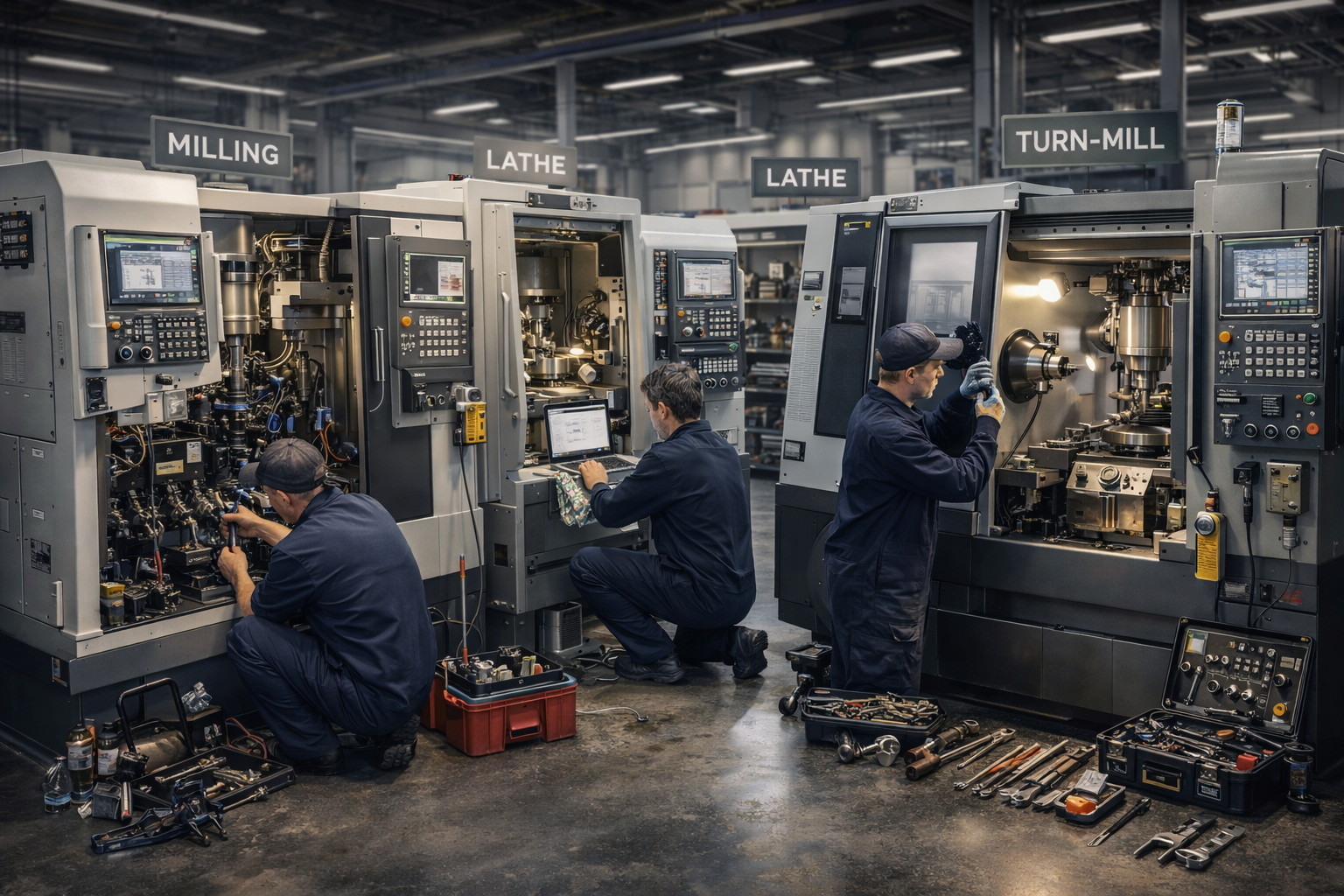
Әртүрлі CNC станок түрлеріндегі қызмет көрсету талаптары
Қызмет көрсетушілер әдетте алдын ала айтпайтын бір нәрсе: сіздің цехыңызда орнатылған станок сіздің жабдықтарыңызға қойылатын техникалық қызмет көрсету талаптарын шамамен толығымен анықтайды. Негізгі 3 осьті фрезерлеу станогы мен 5 осьті өңдеу орталығы «CNC» белгісін көрсетсе де, олардың қызмет көрсету талаптары толығымен әртүрлі.
Бұл айырмашылықтарды түсіну сізге дәлелді бюджет құруға, уақытты дұрыс жоспарлауға және техникіңіздің сіздің нақты жабдықтарыңызға қызмет көрсетуге білікті емес екендігін ашып көріп, қиналуға болмайтындай жағдайдан қашуға көмектеседі.
Станок түрі бойынша қызмет көрсету талаптары
Әрбір CNC жабдықтарының тобы өзіндік техникалық қызмет көрсету қиындықтарын туғызады. Сіз cnc фрезерлеу станогы қызметтерін немесе басқа жабдық түрлері үшін қолдау көрсету — бұл қызмет көрсетушілерді бағалау мен ресурстарды жоспарлау үшін қажетті ақпаратты білу деген сөз.
CNC фрезерлеу станоктары: Бұл негізгі станоктар алюминийден жасалған прототиптерден бастап қатты болаттан жасалған өндірістік бөлшектерге дейін барлығымен айналысады. Қызмет көрсету негізінен шпиндельдің жағдайына, қозғалыс жолдарының майлануына, шарлық винттің жағдайына және құрал ауыстырғыштың сенімділігіне назар аударады. Вертикаль CNC фрезерлеу қызметтерін көрсетушілер горизонталь конфигурацияларға қарағанда сирек туралы туралау мәселелерімен кездеседі; ал горизонталь конфигурацияларда стружка шығару мен суыту сұйықтығын басқару маңыздырақ болып табылады.
CNC токарь станоктары: Бұрғылау орталарында қысқыштың дәлдігіне, артқы басқыштың туралауына және башпақтың позициялау дәлдігіне назар аудару қажет. Салалық салыстыруларға сәйкес, заманауи CNC токарь станоктары жиі қозғалмалы құралдардың мүмкіндіктері мен төменгі шпиндельдік жүйелерді қамтиды — бұл қосымша компоненттер әртүрлі мамандандырылған техникалық қызмет көрсету біліктілігін талап етеді. Егер сіз өндіріс үшін CNC токарь станогын қолданатын болсаңыз, онда шпиндельдегі роликті тірек әрі гидравликалық жүйенің жағдайы негізгі мәселелер болып табылады.
CNC маршрутизаторлар: Әдетте, олар үлкен, жазық жұмыс беттері мен ағаш, пластик және композиттік сияқты жұмсақ материалдар үшін қолданылады; фрезерлеушілердің кернеу таратылуы фрезерлерге қарағанда өзгеше. Гантрилық жүйелердің ұзақ жүріс аралығы бойынша саңылаусыз қозғалысын қамтамасыз ету үшін ретті түрде назар аудару қажет. Вакуумдық столдың қолданысын және тозаң жинау жүйесінің техникалық қызметі — бұлар тек фрезерлеушілерге тән мәселелер, оларды жабық фрезерлеу орталықтарында кездестірмейсіз.
Плазмалық кескіштер: Бұл машиналар кесу процесінің өзінен туындайтын ерекше қиындықтарға ұшырайды. Тұтынуға жататын бөлшектерді ауыстыру, отын шамының биіктігін реттеу калибрлеуі және қозғалыс жүйесінің техникалық қызметі стружка жасайтын операциялардан өзгеше. Жоғары температураға ұшырау көршілес компоненттердегі тозу процесін жеделдетеді.
Швейцариялық типтегі станоктар: Кішкентай, күрделі айналдырылатын бөлшектерді шығару үшін CNC швейцарлық өңдеу қызметтерінің қолданылуында бағыттаушы саңылау тозуы, сымдық бергіштің қызмет көрсетілуі және ішкі шпиндельдің синхрондауы арнайы мамандықты талап етеді. Бұл станоктар өте кішкентай орын алады, бірақ өте күшті мүмкіндіктерге ие — олардың қызмет көрсету қажеттіліктері де осы күрделілікті көрсетеді.
5 осьті станоктарға арнайы назар аударудың себебі
Сіз 3 осьті станоктан 5 осьті CNC өңдеу қызметтерінің жабдығына ауысқан кезде, қызмет көрсету күрделілігі тек өседі емес — көбейеді. Осының себебін түсіну сізге бұл станоктардың қызмет көрсетуге қаншалықты жоғары баға тағайындалғанын бағалауға көмектеседі.
5 осьті қызмет көрсету бойынша зерттеулерге сәйкес, 3 осьті станоктар сызықтық X, Y және Z бағыттарында қозғалады, ал 5 осьті жабдыққа екі айналмалы қозғалыс қосылады. Бұл көптеген потенциалдық ақаулық нүктелерін туғызады, оларға реде қызмет көрсету қажет.
5 осьті қызмет көрсетудің қаншалықты күрделі болуын негіздейтін не?
- RTCP калибрлеу: Айналу құралының орталық нүктесінің дәлдігі айналу осьтері қозғалған кезде құралдың ұшын дұрыс орналастырып тұрады. Бұл калибрлеу үшін арнайы жабдық пен көптеген жалпы техниктердің иеленбейтін мамандандырылған дайындық қажет.
- Айналу осінің саймандық саңылауы: Сала статистикасына сүйенсек, айналу осінің ақаулары 5 осьті жабдықтарда жоспарланбаған тоқтатулардың шамамен 35%-ын құрайды. Ай сайынғы саймандық саңылау сынағы мен компенсациялық реттеулер орналастыру қателерін болдырмауға көмектеседі.
- Қосымша жетек жүйелері: Көбірек осьтер — бұл көбірек электрқозғалтқыштар, энкодерлер және кері байланыс жүйелерін ұстап тұру керегі дегенді білдіреді. Мәселелер пайда болған кезде әрбір қосымша ось диагностикалық күрделілікті арттырады.
- Жылу басқаруы: Күрделі бір уақытта жүретін қозғалыстар тізбектелген операцияларға қарағанда әртүрлі тәсілмен жылу шығарады. Суытқыш пен майлау жүйелері қосымша жұмыс істейді.
5 осьті горизонтальды фрезерлеу орталықтарын қолданатын горизонтальды CNC фрезерлеу қызметтері үшін бұл қиындықтар ұнтақтарды басқару мен паллетті ауыстырғыштың техникалық қызмет көрсету талаптарымен ұштасады.
Материалдар қызмет көрсету интервалдарына қалай әсер етеді
Сіздің машиналарыңызда өңделетін материалдар сізге қанша жиі қызмет көрсету қажет екенін тікелей әсер етеді. Барлық күн бойы алюминийді кесу титан немесе шойынды өңдеуге қарағанда өзге тозу үлгілерін туғызады.
| Машина түрі | Қызмет көрсетудің күрделілігі | Типтік техникалық қызмет көрсету интервалы | Негізгі қызмет көрсету бағыттары |
|---|---|---|---|
| 3 осьті фрезерлеу станогы | Орташа | Айлық тексерістер; тоқсандық терең қызмет көрсету | Басқару осі, қозғалыс жолдары, шарлық винттер, құрал ауыстырғыш |
| Cnc токарлық станок | Орташа | Айлық тексерістер; тоқсандық терең қызмет көрсету | Шыбық, бұрыштауыш, артқы басқару құрылғысы, гидравлика |
| CNC фрезерлегіш | Төмен | Апталық тексерістер; айлық терең қызмет көрсету | Арқалық конструкция, вакуумдық стол, тозаң жинағыш |
| 5 осьті фрезерлеу | Жоғары | Апталық тексерістер; айлық калибрлеу тексерістері | RTCP, бұрылмалы осьтер, жылулық компенсация |
| Швейцариялық типті | Жоғары | Күндік тексерістер; апталық терең тексерістер | Бағыттаушы саңылау, сым бергіш, қосымша шпиндель |
Шойын мен композиттер сияқты абразивті материалдар кесу құралдарына, шпиндельдің ілгерілемелі тірек бөліктеріне және жол қаптамаларына тез тозу әсерін тигізеді. Бұл материалдарды жиі өңдейтін цехтар алюминий немесе мыс негізіндегі өңдеуге негізделген цехтарға қарағанда қысқа сервис аралығын талап етеді.
Сонымен қатар, әуе-ғарыш қолданыстарында қолданылатын жоғары температурадағы қорытпалар стандартты болаттарға қарағанда станоктарға басқаша жүктеме тудырады. Кесу күштері мен жылу бөлінуі күшті суыту жүйелерін және шпиндельді жиі тексеруді талап етеді.
Әртүрлі материалдар бойынша 5 осьті CNC өңдеу қызметтерін ұсынатын цехтар үшін материал тобы бойынша машина сағаттарын бақылау календарьлық жоспарлауға қарағанда техникалық қызмет көрсету қажеттіліктерін дәлірек болжауға мүмкіндік береді.
Негізгі қорытынды қандай? Сіздің нақты станоктардың араласымыңыз бен материалдар портфеліңіз сіздің қызмет көрсету жоспарлауыңызды анықтауы керек — жалпыланған ұсыныстар емес. Алайда, дұрыс кесте болса да, көмек шақыру уақытын анықтау мен ішкі ресурстар арқылы мәселелерді шешу арасындағы шешім қабылдау үшін кеңінен таралған ақаулар мен олардың алдын-ала белгілерін түсіну қажет.
Кеңінен таралған CNC станоктарының ақаулары және көмек шақыру уақыты
Сіз өндірісті жүргізіп жүрсіз, бірақ бірдеңе қате болып көрінеді. Мүмкін, сіз бұрын естімеген жаңа дыбыс пайда болды. Мүмкін, бөлшектер бұрынғыдан сәл өзгеше шығып келеді. Мүмкін, экранда қате коды жарқырап тұр. Енді маңызды шешім қабылдау кезегі келді: Бұл мәселені өзіңіз шеше аласыз ба немесе сізге жақын жердегі CNC станогына қызмет көрсету қажет пе — тез әрі қажет?
Қате шешім қабылдау әрқашанда ақшалай шығындарға әкеледі. Қарапайым ақауды жою үшін техник шақыру қызметтік шығындарды және күтудің өндірістік уақытын тиімсіз жұмсайды. Ал күрделі мәселені өзіңіз шешуге тырысу кішігірім ақауды толықтай бұзылуға дейін жеткізуі мүмкін. Тәжірибелі станокшылар бұл шешімді қабылдауға қажетті интуицияны жылдар бойы сынақтар мен қателер арқылы қалыптастырады. Бұл бағдарлама сізге осы бағалау қабілетін тезірек қалыптастыруға көмектеседі.
Дереу назар аударуды талап ететін ескерту белгілері
Кейбір белгілер ауыр ақау пайда болып жатқанын көрсетеді. Бұл ескерту белгілерін байқаған кезде машинаға тоқтатып, жағдай нашарламас бұрын маңыңыздағы CNC станогын жөндеу қызметтеріне хабарласыңыз:
- Айналу осінен шаңғылау немесе ысқылану дыбыстары: Ауырлығы: Өте ауыр. Сәйкес CNC жөндеу мамандары , CNC станоктары жұмыс істеп тұрған кезде шаңғылау, үрейлендіргіш, сыйқырлау немесе басқа да қолайсыз дыбыстар шығармауы керек. Бұл қызыл белгілер сізге дер кезінде техник шақыру қажеттігін көрсетеді. Айналу осінің подшипниктерінің бұзылуы естілетін ескерту белгісінен толықтай блокталуға дейін бірнеше сағат ішінде дамуы мүмкін.
- Қию кезіндегі ерекше тербелістер: Ауырлығы: Жоғары. Осы жоғары жиілікті құлақ түртетін дыбыс немесе артық сөйлеу беттік жағын жай ғана бұзбайды — ол жедел тез тежелетін механикалық ақауларды көрсетеді. Осы белгілердің себебі негізінен осьтердің дұрыс орналаспауы, тозған подшипниктер немесе электр қозғалтқыштағы ақаулар болып табылады. Қондырғыны одан әрі іске қосу зақымдануды күшейтеді.
- Түтін немесе күйген иіс: Ауырлығы: Өте ауыр. Электрлік қысқа тұйықталу, сырғанаған электр қозғалтқыштар немесе жеткіліксіз майлау күйген иіс пайда етеді. Дереу тоқтатыңыз. Сияқты қарапайым мәселе минуттар ішінде өрт қаупіне айналуы немесе қымбат бағалы компоненттердің бүлінуіне әкелуі мүмкін.
- Орналасу дәлдігінің қатайып кетуі: Ауырлығы: Жоғары. Кеше толеранцияны сақтаған машина бүгін қабылданбайтын бөлшектер шығарса, онда механикалық ақау пайда болған. Энкодердегі ақаулар, сервоқозғалтқыштардың жұмыс істемеуі немесе шарлық винттің зақымдануы мамандардың диагностикасын талап етеді. Саладағы тәжірибе көрсеткендей, баяу осьтің ауытқуына әкелетін тозған шарлық винт уақытылы емес шешілсе, материалдардың шығыны мен бөлшектердің қабылданбауына әкеледі.
- Басқару панеліндегі ақаулар немесе кездейсоқ тоқтап қалу: Ауырлығы: Жоғары. Басқару элементтерінің жауап бермеуі, жүйенің құлауы және деректердің жоғалуы электрлік немесе бағдарламалық ақауларды көрсетеді, оларды тек мамандар ғана түзете алады. Жөндеу үшін бағдарламалық жаңарту мен ауыстырылатын электрондық плата сияқты әртүрлі шаралар қажет болуы мүмкін.
- Тұрақты қызу: Ауырлығы: Жоғары. Жылу — жұмыс істеу кезіндегі табиғи құбылыс, бірақ тұрақты қызу машина өмір сүру ұзақтығын қысқартады және энергия шығынын көтереді. Бұл ақау салқындату жүйесінің зақымдануын, сүзгілердің бітелуін немесе жылулық тексеруге қажетті ішкі терең ақауларды көрсетуі мүмкін.
Бұл ескертетін белгілер пайда болған кезде қызмет көрсетуші техниканың тәжірибесі өте маңызды. Қазіргі заманғы CNC жабдықтарындағы күрделі диагностика әртүрлі машина маркалары мен басқару жүйелері бойынша 15 жылдан астам қолданбалы тәжірибеге ие техниктерді талап етеді. Мәселені ондаған рет көрген маман проблеманы минуттар ішінде анықтайды, ал тәжіриbesіз техник оны шешу үшін сағаттар бойы сынақ-қателер әдісімен жұмыс істеуі мүмкін.
Техниканы шақырмас бұрын өзіңіз жасай алатын тексерулер
Әрбір проблема мамандардың қатысуын талап етпейді. Менің жақын аумағымдағы CNC станоктары қызметін іздеуден бұрын, көбінесе қызмет көрсету шақыруынсыз мәселелерді шешетін төмендегі алдын-ала тексерулерді орындаңыз:
Қуаттық мәселелер үшін:
- Ток қосқышының сепкішінің ажырағанын тексеріңіз
- Авариялық тоқтату (E-stop) батырмасының басылғанын тексеріңіз (олар кейде операторлардың байқамаған күйінде жанына соғылады)
- Қуат кабельдерін көрінетін зақымдануға тексеріңіз
- Есік интерлоктары мен қауіпсіздік тұйықтағыштарының дұрыс жабылып, орналасқанын растаңыз
Қате кодтары үшін:
- Басқа әрекеттерді істеуден бұрын, дәл қате нөмірі мен хабарламасын жазып алыңыз
- Қарапайым станок қайта іске қосуын сынаңыз — көптеген бағдарламалық жаман жұмыс істеулері қайта іске қосқаннан кейін жойылады
- Сол нақты код туралы оператордың нұсқаулығын тексеріңіз; өндірушілер көбінесе түсінікті шешімдер ұсынады
- Құралдың жылжуы мен жұмыс жылжуы қате өзгертілмегендігін тексеріңіз
Өнімділік мәселелері үшін:
- Қиғыш құралдарды тозуға, шеттерінің бұзылуына немесе зақымдануға қараңыз — түссіз құралдар көптеген белгілерге әкеледі, олар машина мәселелері сияқты көрінеді
- Суытқыш деңгейі мен концентрациясын тексеріңіз
- Деталь дұрыс бекітілгенін, құрал қондырғысында қамтамасыз етілгенін тексеріңіз
- Қозғалысқа немесе суытқыш ағысына кедергі келтіруі мүмкін стружка жиналуын іздеңіз
- Дұрыс бағдарламаның жүктелгенін және параметрлердің жұмысқа сәйкес келетінін растаңыз
Дәлдік мәселелері үшін:
- Таза сілтеме нүктесін орнату үшін станокты қайта үйге орналастырыңыз
- Бос құрал қондырғыларын немесе дұрыс емес деталь бекітуін тексеріңіз
- Дұрыс құралдың шпиндельде екендігін және құрал деректерінің сәйкес келетіндігін тексеріңіз
- Проблеманың бағдарламалау немесе механикалық болатынын анықтау үшін қалдық материалда сынақ кесу жасаңыз
Сәйкес тәжірибелі фрезерлеушілер , көптеген CNC-проблемалары — дәлсіздіктер, дірілдеу, қуаттың өшуі — қайда іздеу керектігін білген кезде қарапайым шешімдерге ие болады. Тұрақты апаттар мен тиімді өндіріс арасындағы айырмашылық жиі көмек шақырмас бұрын жүйелік диагностикалауға байланысты.
Шешім қабылдау негізі
Алғашқы тексерістерден кейін келесі әрекетіңізді анықтау үшін осы негізге сүйеніңіз:
Ішкі ресурстармен шешіңіз, егер:
- Негізгі диагностикадан кейін проблема шешілді
- Қате кодтары оператордың өзі түзете алатын мәселелерді көрсетеді (құралдың орын ауысуы, бағдарламалық қателер, материалды жагу)
- Симптомдар тұтынуға жататын бөлшектерге көрсетеді (түссіз құралдар, суытқыштың азаюы, ластанған сүзгілер)
- Сіздің техникалық қызмет көрсету қызметкерлері ұқсас мәселелерді бұрын да сәтті шешкен
Кәсіби CNC станоктарын қызметке шақыру кезінде:
- Негізгі ақауларды жоюдан кейін проблемалар сақталады
- Белгілер механикалық компоненттерге (басқару осі, шарлық резьбалық валдар, сервоқозғалтқыштар) қатысты
- Электрлік немесе басқару жүйесіндегі ақаулар пайда болады
- Сіздің түзетулеріңізге қарамастан, бірдей проблема қайталанып отырады
- Сіз ненің себебін түсінбейсіз — болжамдар уақытты өте көп жұмсайды және көбірек зиян келтіруге қаупін туғызады
Тәжірибелі техниктердің бір көзқарасы: егер сіз бірдей станок үшін «маған жақын орында CNC станогын жөндеу қызметін іздеу» деген сұрақты қайталап отырсаңыз, онда уақытша шешімдеріңіз қамтылмаған терең деңгейдегі проблема бар деген белгі. Қайталанатын ақаулар жиі-жиі тек реттеуге емес, алмастыруға қажет болатын тозған компоненттерді көрсетеді.
Кейін шақырудың құны әдетте ерте шақырудың құнынан асады. Күмән туған кезде бірінші рет сараптамалық қоңырау шалу квалификациялы техниктің кішігірім ақауларды өндірісті тоқтататын апатқа айналдырмасына көмектеседі. Бірақ сіз қандай техникті шақырғаныңызды қалай білесіз — ол сіздің жабдығыңыз үшін шынымен де квалификацияланған ба?
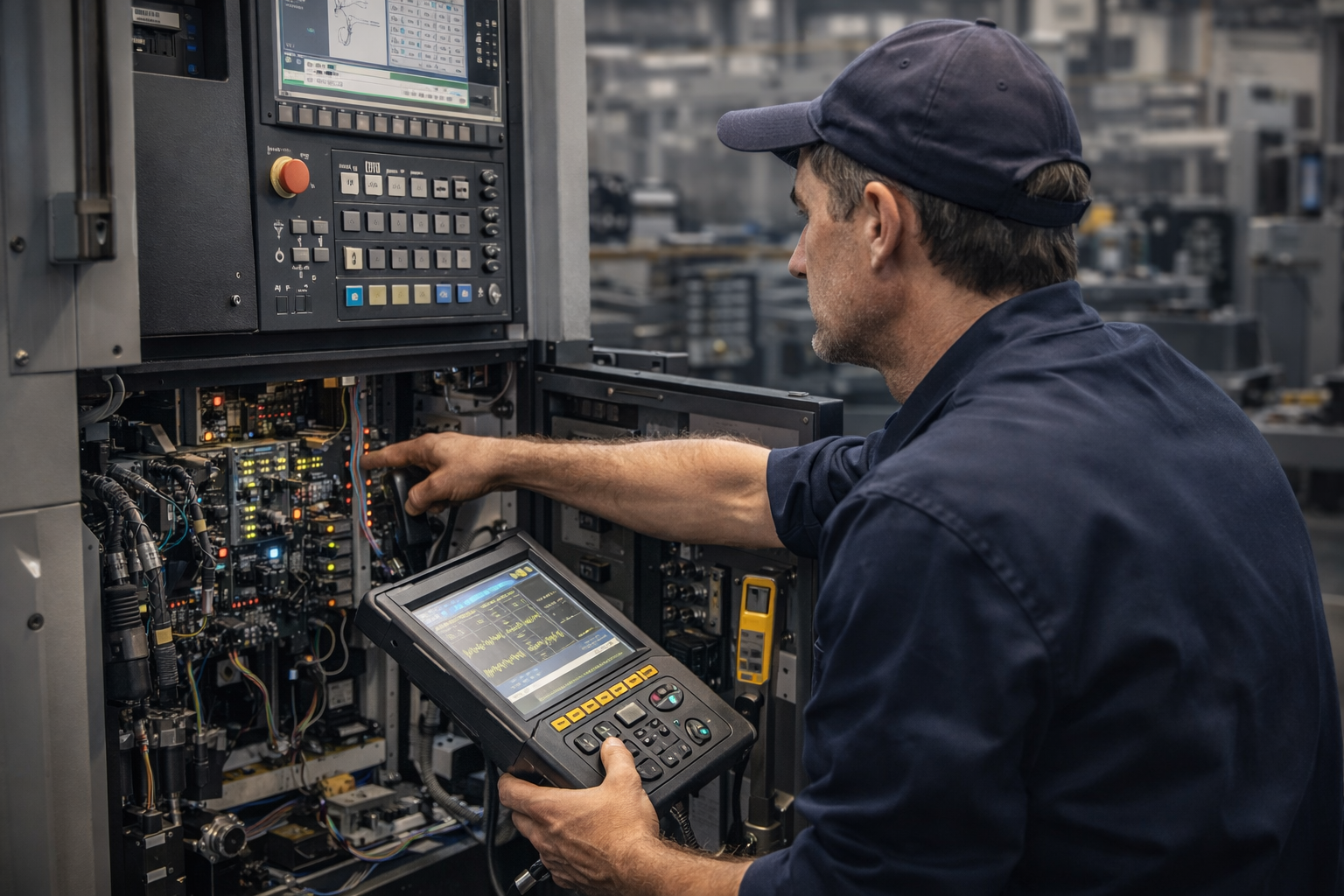
Сапалы CNC қызмет көрсетуші техниктерді таңдау
Сіз проблеманы анықтадыңыз. Ол өзіңіз орындай алатын деңгейден асып кеткенін білесіз. Енді сіздің қысқа мерзімді шешімге немесе апталар бойығы қиналысқа әкелетін сұрақ туындайды: Әлдеқашан кімге қоңырау шалу керек?
Барлық техниктер бірдей емес. Сіздің HVAC жүйеңізді тамаша қызмет көрсететін адам Fanuc бақылаушысы ішінде толығымен шатастырылуы мүмкін. CNC жабдықтары нақты оқыту мен тәжірибеге негізделген мамандандырылған білімді талап етеді. Қандай біліктіліктер маңызды екенін түсіну сізге шынымен сапалы қызмет көрсетушілерді, сіздің қаражатыңызға оқытылатындардан ажыратуға көмектеседі.
CNC қызмет көрсетуші техниктер үшін негізгі сертификаттар
CNC өңдеу қызметтерін ұсынатын компаниялар немесе тәуелсіз техниктерді бағалаған кезде белгілі біліктіліктер шынымен сапалы қызмет көрсетуді көрсетеді. Мыналарға назар аударыңыз:
Өндіруші сертификаттары: CNC қызмет көрсетуші техниктер үшін алтын стандарт — жабдық өндірушілерінің зауыттық оқытуы. Согласно Mitsubishi Electric сертификаттау бағдарламасына қазіргі заманғы CNC фрезерлеу және токарь станоктары — өте күрделі және бірлесіп жұмыс істейтін күрделі жүйелері бар өңдеу орталары. Осы станоктардың жұмысын қамтамасыз ету үшін маңызды операциялық дағдылар мен мәселелерді шешу қабілеті талап етіледі — осындай дағдыларды әсіресе өндірушілердің сертификаттау бағдарламалары дамытады.
Басқару жүйесі бойынша оқыту: Сіздің станогыңыздың «миы» оның «денесі» қандай болса, сондай маңызды. Мысалы, Fanuc CNC техникалық қызмет көрсету бойынша оқыту бағдарламалары станоктардың техникалық қызметінің барлық аспектілерін қамтиды: алдын-ала қызмет көрсету, қателерді анықтау және жою, станокты реттеу, CNC станоктарының имитаторларын жинақтау. Сіздің жабдығыңыз Fanuc, Siemens, Mazak немесе Haas басқару жүйелерімен жұмыс істесе де, техниктер сол нақты платформа бойынша ресми түрде расталған оқытуға ие болуы керек.
Салалық аттестаттар: Өндірушіге тән сертификаттардан басқа, келесі кеңірек аттестаттарды іздеңіз:
- CNC техникалық қызмет көрсету технигі сертификаты: Mitsubishi Electric компаниясы ұсынатын бағдарламалар сияқты, жаңа және тәжірибелі қызметкерлердің біліктілігін кеңейтуге бағытталған оқытулар ұсынылады.
- Электрлік сертификаттар: Көптеген CNC мәселелері электрлік сипатта болады; CNC тәжірибесі бар лицензиялық электртехниктер пайдалы диагностикалық дағдыларға ие болады
- Механикалық инженерлік білім: Ресми білім мен қолданбалы тәжірибе әмбебап проблемаларды шешетін мамандарды қалыптастырады
Неге сертификаттау оңайға түспейді? Сала бойынша оқыту сарапшыларының айтуынша, серво модульдері, электрқозғалтқыштар, айналу қозғалтқыштары және басқа CNC жабдықтары диагностикалық сынақтар мен жөндеуді орындау үшін нақты дағдыларды талап етеді. Дұрыс дайындалмаған техник белгілерді дұрыс анықтай алады, бірақ негізгі себептерді өткізіп жіберуі мүмкін — бұл қайталанатын қызмет көрсету шақырулары мен өсе беретін қиналуға әкеледі.
Нақты брендтер мен басқару жүйелерімен жұмыс істеу тәжірибесі
Сертификаттар есіктерді ашады, бірақ тәжірибе олар арқылы өтеді. Сізге қажетті CNC өңдеу қызметтерінің қолдауын іздейтін кезде, өз жабдығыңыздың бренді мен басқару жүйесі бойынша қолданбалы тәжірибе туралы нақты сұраңыз.
Неге брендке арналған тәжірибе маңызды? Осыны ескеріңіз: 500 Haas машинасында жұмыс істеген техник жиі кездесетін ақаулықтардың орнын дәл біледі. Ол бірдей қате кодтарды ондаған рет көрген және төрт сағаттық диагностикалауды отыз минуттық жөндеуге айналдыратын қысқартуларды біледі. Сіздің машина типіңізбен алғаш рет кездесетін адам — жалпы білімі мықты болса да — уақытты көп жұмсайды және бренд бойынша мамандар тез қабылдайтын нюанстарды өткізіп жіберуі мүмкін.
Басқару жүйесі бойынша мамандық дәрежесі де осындай маңызды. Fanuc басқару жүйелері Siemens басқару жүйелерінен, ал Siemens басқару жүйелері Mazak компаниясының Mazatrol сөйлесуші жүйелерінен ерекшеленеді. Логикалық схемалар (ladder logic), параметрлердің құрылымы және диагностикалау әдістері әлдеқайда өзгеше болады. Бір платформада құзыретті техник механикалық тұрғыдан ұқсас машиналарда басқа платформамен жұмыс істегенде қиындыққа ұшырауы мүмкін.
Онлайн CNC өңдеу қызметтерін немесе жергілікті қызмет көрсетушілерді зерттеген кезде олардың тәжірибе профиліне назар аударыңыз. Олар сіздің нақты жабдығыңызбен қанша жыл бойы жұмыс істеді? Олар сіздің басқару жүйесіңізді ределі түрде қызметке кіргізеді ме, әлде бұл олар үшін сирек кездесетін жағдай ма?
Қызмет көрсетушіні жалдағаннан бұрын қоюға тиісті сұрақтар
Ең жақсы CNC өңдеу компаниялары мен қызметтерін табу үшін алдын ала дұрыс сұрақтар қою қажет. Согласно саланың нұсқауы , дұрыс CNC қызмет көрсетушіні таңдау қиын болып көрінуі мүмкін, бірақ дұрыс сұрақтар қою сенімді серіктесті табудың кілті болып табылады.
Тексеруге тиісті негізгі біліктіліктер:
- Сіздің техниктеріңіз қандай өндіруші сертификаттарына ие?
- Сіздің нақты машина маркаңызбен қанша жыл тәжірибеңіз бар?
- Сіздің техниктеріңіз сіздің басқару жүйесіңізге (Fanuc, Siemens, Haas және т.б.) дайындалған ба?
- Сіз ұқсас жабдықтары бар тұтынушылардан сілтемелер беруге қабілеттісіз бе?
- Менің аймағымда авариялық шақыруларға сіздің типтік реакция уақытыңыз қанша?
- Сіз жиі қолданылатын ауыстыру бөлшектерін қоймада сақтайсыз ба, әлде жөндеу үшін жеткізулерді күту керек пе?
- Сіз сервиске шақырулар кезінде қандай диагностикалық жабдықтарды әкелесіз?
Қызмет көрсетушілерді бағалағанда назар аударылатын қызыл ескертпелер:
- Аттестаттау туралы белгісіз жауаптар: Білікті техниктер өткізген нақты оқыту бағдарламаларының атауын атауы мүмкін
- Сілтемелер жоқ: Сенімді CNC өңдеу қызметі өз жұмыстарымен мақтанып, мысалдарды бөлісуге дайын болуы керек
- Сіздің басқару жүйеңізбен таныспау: Егер олар сізден өзіңіздің станоктарыңыздың қалай жұмыс істейтінін түсіндіруді сұраса, онда олар оны жөндеуге жарамды емес
- Айқын бағалау құрылымы жоқ: Кәсіби қызмет көрсетушілер өз бағаларын алдын ала түсіндіреді — авариялық қосымша төлемдер, жолақ шығындары және бөлшектердің қосымша құны анық болуы тиіс
- Кепілдікке сенбеушілік: Сапалы қызмет көрсетушілер өз жөндеу жұмыстарын ресми кепілдікпен қамтамасыз етеді
- Қосымша қолдаусыз жеке тұлғаның жұмыс істеуі: Осы бір техник қолжетімді болмаған кезде сіз күтуге мәжбүр боласыз
Тәжірибелі өндірушілердің кеңестеріне сәйкес, өз мүмкіндіктерін анық түсіндіретін және алдын ала толық ақпарат ұсынатын қызмет көрсетушілер кәсіби бағдар мен тұтынушылармен қанағаттануға деген ұмтылысын көрсетеді.
Тағы бір қосымша фактор: олардың байланыс тәжірибелері туралы сұраңыз. Сіздің жабдықтарыңыздың тарихын білетін дербес байланыс нүктесі бола ма? Әлде әрбір қоңырау үшін өз жағдайыңызды нөлден бастап түсіндіруіңіз керек пе? Менің жақын арадағы CNC өңдеу қызметтерінің ең жақсылары толық қызмет көрсету жазбаларын сақтайды және сіздің нақты станоктарыңызға үйренген тұрақты техниктерді тағайындайды.
Авариялар болғанға дейін мамандардың біліктілігін тексеруге уақыт бөлу, проблемалар пайда болған кезде үлкен көлемдегі стрессті болдырмауға көмектеседі. Алайда, ең білікті техникпен қатынас тиімдірек болады, егер ол құрылымдалған қызмет келісімі шеңберінде жүрсе — бұл бізді сіздің келісім нұсқаларыңызды түсіну қажеттілігіне алып келеді.
Қызмет келісімдері мен күтім келісімдері туралы түсіндірме
Сіз білікті техникті таптыңыз. Сіздің машиналарыңыз әзірше жақсы жұмыс істеп тұр. Бірақ мұнда реактивті цех иелерін стратегиялық иелерден ажырататын сұрақ бар: Келесі апат болған кезде не болады? Сіз қызмет көрсетудің бос уақытын іздеуге, қысым астында бағаларды келісуге және келісімшілермен алдында тұрған тұтынушылардың артында күтуге мәжбүр боласыз ба?
Қажет болғанға дейін CNC өңдеу қызметтері бойынша келісім нұсқаларын түсіну сізді басқарушы орынға орналастырады. Дұрыс күтім келісімі сіздің өндірісіңізді қорғайды, шығындарды бақылайды және проблемалар пайда болған кезде біріншілік қызмет көрсету құқығын қамтамасыз етеді. Дұрыс емес келісім немесе мүлдем келісім болмау сізді қымбат тұратын қателерге ұшыратады.
Қызметтік келісімнің нұсқаларын түсіну
Сәйкес саладағы техникалық қызмет көрсету сарапшылары , негізінде төрт түрлі техникалық қызмет көрсету келісімдері бар: алдын-ала қызмет көрсету, жөндеу, толық қызмет көрсету және жылдық. Дұрыс келісімді — немесе бірнеше келісімді бірге — таңдау әдетте жабдықтардың сіздің өндірістік процестеріңізді қамтамасыз ету дәрежесіне байланысты.
Шақыру бойынша қызмет көрсету (келісімсіз): Сіз нәрсе істен шыққан кезде ғана қоңырау шаласыз, бағаларды орында өзара келісіп, әрбір қонақтық үшін жеке-жеке төлейсіз. Бұл тәсіл максималды икемділік береді, бірақ ешқандай болжанымдылық қамтамасыз етпейді. Авариялық жағдайлардағы бағалар әдетте келісім бойынша бағалардан 50–100% жоғары болады, сонымен қатар сіз техниктердің қолжетімділігі үшін келісімді тұтынушылармен бәсекелесесіз.
Алдын-ала техникалық қызмет көрсету келісімдері: Бұл келісімдер белгіленген уақыт аралықтарында реттелген тексерулерді, аз шығынды жөндеулерді және күнделікті техникалық қызмет көрсетуді көздейді. Мақсаты қандай? Жоспарланбаған тоқтатуларды болдырмау және жабдықтардың қызмет көрсету мерзімін ұзарту. Сіз белгіленген қонақтықтар үшін тұрақты ақы төлейсіз, ал реактивті жөндеулер әдетте жеке есепке алынады.
Жөндеу келісімдері: Алдын алу шарттарынан айырықша, түзету шарттары мәселелер пайда болғаннан кейін қолданысқа енеді. Олар сіздің операцияңызға тоқтату әсерінің дәрежесіне қарай сіздің нақты қажеттіліктеріңізге бейімделген. Машинасын бір күнге қолданбай-ақ өмір сүре алатын дүкенге қарағанда, тоқтату әр сағаты мыңдаған теңгені құрайтын дүкенге басқаша қамсыздандыру қажет.
Толық қамтылатын техникалық қызмет көрсету шарттары: Бұл барлығын қамтитын шарттар бір айлық ақыға алдын алу техникалық қызмет көрсетуді, авариялық жөндеуді және бөлшектерді қамтитын келісімдерден тұрады. Шарт мамандарының айтуынша, толық қамтылатын техникалық қызмет көрсету шарты сізге қосымша жұмыс істеуге мәжбүр етпейді — жабдықты тұрақты жұмыс істеуге ұстап тұру үшін терең жөндеулер мен авариялық шақыруларды қамтиды.
Жылдық техникалық қызмет көрсету шарттары: Бір жылда бір рет қызмет көрсетумен шектелетін, тиімді құнды опция. Бұл машина тексерісіне ұқсас — техниктер барлығының қауіпсіз жұмыс істеуін тексереді және келешекте пайда болуы мүмкін мәселелерді белгілейді.
Төмен көлемді өндіріс үшін CNC өңдеу қызметтерін ұсынатын дүкендер үшін шарттық шешімдер жоғары көлемді өндіріске қарағанда ерекшеленеді. Төмен пайдалану деңгейі аз қамтитын кепілдік жағдайын оправдануы мүмкін, ал бірнеше сменада жұмыс істейтін дүкендер тез әсер етуін кепілдейтін мықты келісімдерге қажеттілік туғызады.
| Келісім түрі | Қалыпты қамту | Шығындар құрылымы | Ең жақсы сәйкес келетін жағдай |
|---|---|---|---|
| Шақыру бойынша қызмет | Реактивті жөндеулер ғана; жоспарланған техникалық қызмет көрсету жоқ | Айнымалы; төтенше жағдайлар үшін қосымша төлем; жылдық шығындарды алдын ала болжау қиын | Қосымша жабдықтар; төмен пайдаланылатын станоктар; ішкі техникалық қызмет көрсету қызметін қамтамасыз ете алатын дүкендер |
| Алдын алу келісімі | Жоспарланған тексерістер; күнделікті техникалық қызмет көрсету; посещения кезіндегі незначительные жөндеулер | Тұрақты айлық/тоқсандық ақы; реактивті жөндеулер бөлек есептеледі | Өндіріс бойынша критикалық маңызы бар жабдық; арнайы техникалық қызмет көрсету персоналы жоқ цехтар |
| Түзетуші келісімшарт | Ақаулар пайда болған кезде жөндеу жауабы; анықталған жауап беру уақыты бойынша қызмет көрсету деңгейінің кепілдіктері | Тұрақты ақы плюс әрбір инцидент үшін қосымша төлемдер; жауап беру уақыты бойынша кепілдіктер | Қандай да бір тоқтатуға төзімділігі бар өндіріс операциялары; резервті көшірмелері бар жабдық |
| Толық келісімшарт | Барлық алдын-ала сақтанба жұмыстары; авариялық жөндеулер; комплектующие бөлшектер кіреді; басымдықпен жоспарлау | Жоғары деңгейдегі тұрақты айлық ақы; қосымша төлемдер минималды | Миссиясы бойынша критикалық маңызы бар жабдық; жоғары көлемді CNC токарьлық өңдеу қызметтері; тапсырыстарды уақытында беруге қатаң талаптар қойылатын цехтар |
| Жылдық келісімшарт | Жылдық бір рет тексеру; негізгі қауіпсіздік тексерілуі; ақауларды анықтау | Жылдық жалғыз ақы; ең төмен бағалы нұсқа | Қосымша жабдықтар; төмен дәлдікті қолданыстар; бюджеті шектеулі операциялар |
Кепілдіктердің сіздің қызмет көрсету шешімдеріңізге әсері
Кез келген қызмет келісімін қол қоюдан бұрын, кепілдік күйіңізді тексеріңіз. Жаңа CNC жабдықтары әдетте кепілдікті жоюға әкелмейтін қызмет көрсетуді орындай алатын адамдарды шектейтін өндірушілердің кепілдіктерін қамтиды.
Кепілдік мерзімі ішінде OEM қызметін таңдау әдетте мағыналы болады — тіпті ол қымбатқа түссін немесе уақытты көп алып кетсе де. Қайта жөндеу қызметін салыстыруларында айтылғандай, OEM қайта жөндеу қызметін таңдаудың ең ірі артықшылығы — саланың жоғарғы деңгейіндегі мамандыққа қол жеткізу. Себебі олар машинасын өздері жасаған, сондықтан олардың техниктері әрбір компонентке таныс және оригинал бөлшектерді қолдана отырып, саладағы жетекші протоколдарды қолданады.
Дегенмен, кепілдік мерзімдері соңында аяқталады. Осы кезде үшінші тараптың қызметі заңды нұсқа болып табылады. Согласно саланың талдауы үшінші тараптың қызмет көрсетушілері әдетте жедел жөндеу мерзімдеріне назар аударады және жиі сіздің жабдықтарыңызға немесе бюджетіңізге лайықтап дайындалған шешімдер ұсынады.
Үшінші тараптың қызметі қашан тиімді болады:
- Кепілдік мерзімі аяқталған және өндірушінің (OEM) қосымша төлемдері кепілдік қорғауының артықшылықтарын қамтамасыз енбейді
- Жергілікті үшінші тараптың қызмет көрсетушілері алыс орналасқан өндірушінің (OEM) қызмет орталықтарына қарағанда жылдамырақ реакция береді
- Сіздің жабдықтарыңыз ескі басқару жүйелерінде жұмыс істейді, оларды үшінші тараптың мамандары да жақсы біледі
- Бюджеттік шектеулер OEM бағаларын күнделікті техникалық қызмет көрсетуге тұрақты ұстауды қиындатады
Өндірушінің (OEM) қызметі қосымша төлемді төлеуге әлі де құнды болып қалады:
- Күрделі диагностика үшін тек өндірушілердің (OEM) ғана иеленетін құпиялы бағдарламалық жабдық пен диагностикалық құралдар қажет
- Сіздің жабдықтарыңыз – жаңа моделдер, олардың технологиясын үшінші тараптың мамандары әзірше меңгерген жоқ
- Регуляторлық сәйкестік немесе тұтынушылардың аудиті үшін құжаттама қажет
- Жөндеу қауіпсіздікке өте маңызды жүйелерді қамтиды, мұнда өндірушінің (OEM) сертификаттауы маңызды
Көптеген сәтті операциялар гибридтық тәсілді қолданады: жоғары көлемді CNC өңдеу қызметтері мен сынғыш жөндеулер үшін OEM қызметін, ал күнделікті техникалық қызмет көрсету мен кішірек станоктар үшін үшінші тарап қызмет көрсетушілерін қолдану. Негізгі мәселе — үшінші тарап қызмет көрсетушілерін ұқыпты түрде бағалау: бұрын айтылғандай, барлық жөндеу қызметтері бірдей сапа деңгейін ұсынбайды.
Жөндеу немесе ауыстыру шешімін қабылдау үшін қолданылатын негіз
Нәтижеде, әрбір CNC станогы шешім қабылдауға тура келетін кезеңге жетеді: бұл жөндеу экономикалық тұрғыдан тиімді ме, әлде жабдық өмір сүру мерзімінің аяғына жетті ме? Бұл шешімді эмоционалды түрде қабылдау — не қалыптасқан жабдыққа қатты ұстау, не жаңа, әсем технологияларға құмарлық — екі жағдайда да қосымша шығындарға әкеледі.
Рационалды негіз әртүрлі факторларды ескереді:
Жөндеу құнының құндылыққа қатынасын есептеңіз: Бір жөндеу шығыны станоктың қазіргі нарықтағы құнының 50%-ынан асқан кезде, оны ауыстыру мәселесін талқылауға кірісу керек. Жылдық жинақталған жөндеу шығындары ауыстыру құнының 30–40%-ына жақындаған кезде, математикалық есептеулер жаңа жабдықты сатып алуға қолайлы болады.
Кәріленген жабдықтардың жасырын шығындарын ескеріңіз:
- Тозған компоненттерден туындайтын энергия тұтынуының өсуі
- Дәлдіктің төмендеуі, ол сондықтан жиірек калибрлеуді талап етеді
- Бөлшектердің моральдық ескіруі болашақта жөндеулерді белгісіз етеді
- Қазіргі заманғы жабдықтардың мүмкіндіктерімен салыстырғанда өнімділіктегі айырмашылықтар
Мүмкіндік шығындарын ескеріңіз: Сіз сенімдірек, жылдамырақ және қабілеттірек жабдықтармен қандай өнімдерді шығара аласыз? Кіші көлемді CNC өңдеу қызметтерін көрсететін дүкендер үшін ескі жабдықтар жеткілікті болуы мүмкін. Өсу мақсатын көздейтін өндірістер үшін жабдықтардың шектеулері соңында тосқауылдарға айналады.
Дұрыс қызмет келісімі тек шығындарды бақыламайды — ол әрі қарайғы шешімдерді қабылдауға көмектесетін деректер береді. Құжатталған қызмет тарихы машина стабилизацияланып келе жатқанын немесе ақаулар саны өсе беретін бағытта дамып келе жатқанын көрсетеді, ол жөндеу немесе алмастыру туралы шешім қабылдауды жеңілдетеді.
Компоненттің немесе толық машина алмастыруы: Кейде жауап шектік жағдайлардың арасында жатады. Ретрофиттік жабдықтау — басқару құрылғыларын, жетектерді немесе айналмалы осьтерді алмастыру, бірақ механикалық негізді сақтау — толық алмастырудың құнының бөлшегіндей ғана шығынмен пайдалы қызмет ету мерзімін ұзартуға мүмкіндік береді. Бұл орташа жол механикалық негізі мықты, бірақ электроникасы кәріленген станоктар үшін ерекше тиімді.
Шешім қабылдау үшін қолданылатын тәсіл соңында сіздің өндірістік талаптарыңызға, капиталдың қолжетімділігіне және стратегиялық бағытыңызға байланысты. Ең маңыздысы — шешімді автоматты түрде емес, саналы түрде қабылдау: бұған сервис келісімшілігінің деректері мен техниктердің бағалаулары негіз болады.
Қажетті сервис құрылымы орнатылған кезде сіз тек жабдықтарды қолданыста ұстауға ғана емес, сонымен қатар станоктың жағдайын тікелей өндірістік жетілдікке байланыстыруға да дайын боласыз — бұл CNC станоктары үшін сервисдің ең үлкен құндылығы.
Станоктардың сервисін өндірістік жетілдікке байланыстыру
Бұл — көптеген жабдықтар талқылауларында ұмытылатын ауыршылық туғызатын шындық: CNC станоктарының қызмет көрсетуі шынында да станоктарға байланысты емес. Бұл — осы станоктардың өндіретін өнімдеріне байланысты. Әрбір калибрлеу тексерісі, әрбір алдын-ала сақтандыру қызметі, әрбір жөндеу шешімі негізінде бір ғана мақсатқа қызмет етеді — сіздің тұтынушыларыңызға тұрақты және жоғары сапалы бөлшектерді жеткізу.
Егер сіз қызмет көрсетуді осы көзқараспен қарастырсаңыз, онда жабдықтардың техникалық қызметі шығындар орталығынан стратегиялық артықшылыққа айналады. Бұл байланысты түсінетін цехтар тек станоктарды ғана ұстамайды — олар жабдықтардың сенімділігі тікелей өндірістік жетілдікті қолдайтын өндіріс жүйелерін құрады.
Қызмет сапасының өндіріс көлеміне әсері
Микрондармен өлшенетін дәлдік талаптары бар жоғары дәлдікті CNC өңдеу қызметтерінің жұмысын жүргізуіңізді елестетіңіз. Енді сейсенбі күні таңертең өндірілген бөлшектердің сейсенбі күні кешке өндірілген бөлшектермен сәйкес келмейтінін анықтауыңызды елестетіңіз. Машина екі рет те жақсы жұмыс істеді. Ешқандай аларм түрмеді. Бірақ таңғы және кешкі жұмыс істеу арасында қызулық ауытқу өлшемдерді шамамен техникалық талаптардан тысқары шығарды.
Бұл сценарий — көрінбейтін сапаның нашарлауы — нақты апаттарға қарағанда өндірушілерге көп көлемде шығын тудырады. Согласно сала бойынша зерттеу , CNC станоктары тоқтап қалған кезде өндіріс орындары мыңдаған долларлық орындалмаған жеткізілімдер, жойылған уақыт пен жоғалған тұтынушылар салдарынан қысымға ұшырайды. Бірақ бавыршақты өнімділіктің төмендеуі жасырын зиян тудырады: қалдықтар пайызы баяу өседі, тұтынушылардың шағымдары көбееді, ал репутациясы түбірлік себеп анықталмас бұрын бұзылады.
Дұрыс қызмет көрсету өндіріске өлшенетін әсер етеді:
- Бөлшек сапасының тұрақтылығы: Кәдімгі калибрлеу мен техникалық қызмет көрсету машиналардың сипаттамалары бойынша жұмыс істеуін қамтамасыз етеді. Құрылғы параметрлерінен ауытқыса, бөлшектер де ауытқиды — және сапа мәселелері бүкіл өндірістің бойымен таралады.
- Жоспарланбаған тоқтатулардың азаюы: Техникалық қызмет көрсету мамандарының айтуынша, жоспарланған тексерулер мен алдын-ала қабылданған шаралар ақаулардан туындаған өндірістің кешігуін азайта алады. Жоспарланбаған тоқтатудың әрбір сағаты — бұл жоғалған табыс, қолжетімділіктен айырылған жеткізулер және тұтынушылардың ризасыздануы.
- Жабдықтардың жұмыс істеу мерзімін ұзарту: CNC машиналары — құнды капиталдық салым. Дұрыс техникалық қызмет көрсету пайдалы қызмет ету мерзімін жылдарға — кейде ондаған жылға — созады, осы салымды қорғайды және алмастыру шығындарын кешіктіреді.
- Болжанатын өндірісті жоспарлау: Құрылғылардың сенімділігі жоғары болған кезде өндірістік жоспарлар да сенімді болады. Сіз құрылғылардың істен шығуына байланысты уақытты ұзартпай, жеткізу мерзімдеріне сеніммен кепілдік беруге болады.
Дәлдікпен CNC өңдеу қызметін қатаң талап қоятын салаларға қызмет көрсететін операциялар үшін бұл факторлар күшейеді. Прототиптік CNC өңдеу қызметін өндіретін цех әдетте дамыту кезеңіндегі сапаның кейде аздап төмендеуіне төзімді болуы мүмкін. Алайда өндірістік орталар — әсіресе автомобиль, әуе-ғарыш немесе медициналық салаларға қызмет көрсететіндер — жақсы жағдайда ұсталатын жабдықтар ғана қамтамасыз ете алатын тұрақтылықты талап етеді.
Жабдыққа байланысты сапаны растаудың рөлі
Неге ірі OEM-дер өз тәрбиелік бағдарламаларын тексеретінін естеріңізге салыңыз ба? Себебі олар жабдықтың жағдайының оларға түсетін бөлшектердің сапасына тікелей әсер ететінін түсінеді. Бұл байланыс дәлдікпен өндірісті реттейтін сапа басқару сертификаттарында айқын көрінеді.
IATF 16949 сертификатын қарастырыңыз — бұл автомобиль саласы үшін қолданылатын сапа басқару стандарты. Келесіге сәйкес: IATF талаптары бұл — сертификатталған ұйымдардың сәйкес өнімдерді шығару үшін қажетті өндірістік жабдықтарды анықтау, алмастыруға арналған бөлшектердің болуын қамтамасыз ету және машиналар, жабдықтар мен ғимараттардың техникалық қызметі үшін жеткілікті ресурстарды қамтамасыз ететін құжаттандырылған Жалпы Өнімді Техникалық Қызмет көрсету жүйесін әзірлеуін, енгізуін және жұмыс істеуін талап етеді.
Бұл — бюрократиялық «қорапша белгілеу» әрекеті емес. Стандарттың негізгі шындығын мойындайды: нашар қызмет көрсетілетін жабдықтарда жоғары дәлдікті бөлшектерді тұрақты түрде шығару мүмкін емес. Сертификаттау талаптары ұйымдарға қызмет көрсету шараларын тікелей өндірістік нәтижелерге байланыстыруға мәжбүр етеді.
Автокөліктер үшін сенімді CNC-тік өңдеу қызметтерін іздейтін өндірушілер үшін бұл не мағынаға ие? Бұл сертификаттарға ие болатын серіктестерді іздеңіз — сонымен қатар олардың техникалық қызмет көрсету бағдарламалары туралы нақты сұраңыз. Сертификатталған өндіріс орындары мыналарды қамтитын құжаттандырылған жолдарға ие:
- Өндіріс талаптарына сай қойылған алдын ала және болжамды техникалық қызмет көрсету графигі
- Тез жөндеулерді қамтамасыз ететін сақтап қою бөлшектерінің қорын басқару
- Жалпы жабдықтың тиімділігі (OEE), ақаулықтар арасындағы орташа уақыт (MTBF) және жөндеуге кететін орташа уақыт (MTTR) сияқты нәтижелер көрсеткіштері
- Жөндеу мақсаттары мен түзетуші іс-шаралар жоспары бойынша редевизиялық басқару қайталанымдары
Дәлдік шарты қатаң қойылатын CNC прототиптік өңдеу қызметтері немесе әуе-ғарыштық CNC өңдеу қызметтері үшін осы инфрақұрылым маңызды. Қатал жөндеу құжаттамасы бар цех өндірістік процестің тұрақтылығын ыңғайсыз жұмыс істейтін цехтардың мүмкіндігінен асып түсетіндей көрсете алады.
Статистикалық процесс бақылауы: Қызмет пен сапаның қиылысуы
Жабдық қызметі мен өндіріс сапасы ең анық түрде қиылысатын жер — статистикалық процесс бақылауы (SPC). Бұл әдіс сапаның ауытқуын ақаулы бөлшектер шығарылмас бұрын нақты уақыттағы деректерді пайдаланып анықтайды — бірақ SPC тек жабдық тұрақты жұмыс істеген кезде ғана жұмыс істейді.
Сәйкес SPC мамандары cNC өңдеу кезінде бірінші үлгі тексеруі (FAI) идеалды болып көрінуі мүмкін, бірақ сериялық өндіріс кезінде өлшемдік ауытқулар баяу жиналуы мүмкін. Бір сәтті дайын бұйым келесі бұйымның да сапалы болатынын кепілдемейді. Сондықтан FAI жеткілікті емес — процесті үздіксіз бақылау үшін SPC-ге де қажеттілік туады.
SPC өндіріс циклы бойынша маңызды өлшемдерді бақылайды және оларды бақылау диаграммаларына түсіреді; бұл диаграммалар проблемалар пайда болғаннан бұрын тенденцияларды анықтайды. Бірақ жабдықтардың техникалық қызмет көрсетілуінің қойылған мерзімі өтіп кеткен жағдайда не болатынын қарастырыңыз:
- Жылулық ауытқу болжанбайтын болып қалады, сондықтан SPC-нің негізгі көрсеткіштері сенімсіз болады
- Механикалық тозу кездейсоқ ауытқуларды пайда етеді, олар маңызды тенденцияларды жасырады
- Калибрлеудің ауытқуы өлшемдерді өзгертеді, бірақ бақылау диаграммасының үлгісін өзгертпейді
Басқаша айтқанда, SPC-нің тиімді жұмыс істеуі үшін жабдықтардың тұрақтылығы қажет. Деректердің мағынасы тек машина өзі тұрақты жұмыс істеген кезде ғана болады. Бұл сервис сапасы мен сапаны бақылау қабілеті арасында тікелей байланыс орнатады.
Шаойи Метал Технолоджи бұл интеграцияның мысалы болып табылады: дәлдікпен орындалатын CNC-өңдеу әдісі IATF 16949 сертификатымен расталған Статистикалық Өндіріс Бақылауымен (СПБ) ұштастырылады. Олардың тәсілі жабдықтардың техникалық қызметінің сапалы нәтижелерге қандай әсер ететінін көрсетеді — жақсы жағдайда ұсталатын машиналар СПБ-ның тиімді жұмыс істеуіне мүмкіндік беретін тұрақты өндіріс көрсеткіштерін қамтамасыз етеді, ал СПБ өз кезегінде мақсатты техникалық қызмет көрсетуді қажет ететін ерте ескертуді анықтайды. Автомобиль өндірушілер үшін сенімді дәлдікпен өңдеу серіктестері , бұл тұйық циклдық жүйе заманауи жеткізіп беру тізбегінде қажетті жоғары дәлдікті компоненттерді қамтамасыз етеді.
Жабдықтардың техникалық қызметі мен өндіріс сапасы арасындағы байланыс тізбекті емес — ол шеңберлік. Дұрыс техникалық қызмет көрсету тұрақты өндіріске, ол өз кезегінде мағыналы өндіріс бақылауына, ал ол сапаға әсер етпес бұрын техникалық қызмет көрсетуге тура келетін мұқтаждықтарды анықтауға мүмкіндік береді. Бұл циклды кез келген нүктеде бұзу бүкіл жүйенің тұтастығын бұзады.
Ұзақ мерзімді жабдықтардың сенімділігін қалыптастыру
Техникалық қызмет көрсетуді қысқа мерзімді жоспарлау ұзақ мерзімді мәселелер туғызады. Өндірістік мерзімін сақтау үшін белгіленген техникалық қызмет көрсетуді өткізбеу бұл аптада жұмыс істеуі мүмкін — бірақ ығытылған техникалық қызмет кешігуінің әсері жиналады. Реттеуге қажет болған компоненттер ауыстыруға қажет болатын компоненттерге айналады. Аз шығысу айтарлықтай зақымдануға айналады.
Шынайы жабдық сенімділігін қалыптастыру үшін техникалық қызмет көрсету мәселелерін өндірістік жоспарлауға бастапқы кезеңнен бастап интеграциялау қажет:
Техникалық қызмет көрсетуді өндіріс ретінде жоспарлау: Техникалық қызмет көрсету терезелерін тапсырыстардың алдында тұрған клиенттер тапсырыстары сияқты өндірістік күнтізбелерге блоктаңыз. Техникалық қызмет көрсету мен өндіріс машиналарының уақыты үшін бәсекелескен кезде техникалық қызмет көрсету жеңіледі — дейін қирау оны әлдеқайда нашар шарттарда мәжбүрлеп қойғанға дейін.
Алдыңғы көрсеткіштерді бақылау: Ақауларды күтпеңіз. Уақыт өтуімен тербеліс деңгейлерін, температураның өзгеріс бағытын және орналасу дәлдігін бақылаңыз. TPM принциптері ақаулардың пайда болуынан бұрын анықтауға мүмкіндік беретін күйді бақылау әдістері — тербеліс талдауы, термография, май талдауы — арқылы болжамды техникалық қызмет көрсетудің маңызын атап өтеді.
Барлық процестерді құжаттау керек: Дәлелді техникалық қызмет көрсету жазбалары күнделікті жұмыста көрінбейтін заңдылықтарды ашады. Қандай машиналар жиірек назар аударуды қажет етеді? Қандай компоненттер ең жиі ақауға ұшырайды? Қандай қызмет көрсетушілер ең жақсы нәтижелерге қол жеткізеді? Техникалық қызмет көрсетуді басқару бойынша нұсқаулыққа сәйкес, машиналардың жұмыс істеуі мен жөндеулері туралы дәл жазбаларды сақтау машиналардың пайдалану тарихын уақыт өтуімен бақылауға және әртүрлі компоненттерді қанша жиі қызметке алу керектігін есептеуге көмектеседі.
Операторларды бірінші деңгейдегі тексерушілер ретінде дайындаңыз: Құрал-жабдықтарды күніне сегіз сағат бойы пайдаланатын адамдар өзге кімнен де бұрын өзгерістерді байқайды. Операторларға негізгі тексерулерді жүргізу мүмкіндігін беру және олар «басқаша сезіледі» деп хабарлаған кезде оған қатты назар аудару — проблемаларды ерте анықтауға көмектеседі. TPM әдістемесінде нақтылы автономдық техникалық қызмет көрсету кіреді, онда операторлар тазалау, тексеру және незақымды реттеу сияқты негізгі техникалық қызмет көрсету жұмыстарына жауапкершілік алады.
Жағдай бақылау технологиясына инвестициялаңыз: Қазіргі заманғы жүйелер машиналардың жағдайын үздіксіз бақылай алады және дамып келе жатқан проблемалар туралы техникалық қызмет көрсету бригадаларына алдын ала хабарласады. Болжамды техникалық қызмет көрсету платформалары уақыт бойынша белгіленген техникалық қызмет көрсетуден тыс, нақты пайдалану немесе жағдайға негізделген стратегияларға көшу үшін нақты уақыттағы талдау мүмкіндігін ұсынады — яғни жабдықтарды кездейсоқ кестеге қарамастан, нақты қажеттілікке қарай техникалық қызмет көрсетеді.
Медициналық CNC өңдеу қызметтерін немесе басқа да жоғары деңгейлі қауіпті қолданбаларды ұсынатын операциялар үшін осы тәжірибелер міндетті емес — олар қабылданған сапа көрсеткіштерін қамтамасыз ету үшін алдын-ала қойылатын талаптар. Тиімді техникалық қызмет көрсету бағдарламаларын енгізу шығындары маңызды қолданбаларда сапа бұзылуының шығындарымен салыстырғанда өте аз.
Техникалық қызмет көрсетудегі жоғары деңгейдің бәсекелестік артықшылығы
Тұтынушылар потенциалды тәрбиешілерді бағалайтын кезде олар қабілеттер, қуаттылық және сертификаттау туралы сұрайды. Олар тікелей техникалық қызмет көрсету бағдарламалары туралы сұрамайды — бірақ осы бағдарламалар басқа барлық нәрселерде жанама түрде көрінеді.
Жоғары сапалы техникалық қызмет көрсететін цехтар ұсынады:
- Сенімді жеткізу мерзімдері: Азаятын авариялар кезінде жоспарлау болжамды болады
- Сапалы қалыптастыру: Дұрыс реттелген жабдықтар әрқашан талаптарға сай бөлшектерді шығарады
- Бәсекеге қабілетті баға: Қалдықтардың төмен деңгейі мен жоғары машина пайдалануы бір бөлшекке кететін шығындарды азайтады
- Қуаттылыққа деген сенім: Жабдықтың қолжетімділігі келісілген қуаттылықпен сәйкес келеді, ал қосымша тоқтатулар болмайды
Бұл артықшылықтар уақыт өте келе көбейеді. Техникалық қызмет көрсетуге инвестиция жасайтын дүкендер сенімділік туралы репутация құрады. Сенімді тәмин етушілер көбірек бизнеске ие болады. Көбірек бизнес жабдықтарға және техникалық қызмет көрсету мүмкіндіктеріне қосымша инвестиция жасауды оправданайды. Бұл цикл өзін-өзі нығайтады.
Керісінше, техникалық қызмет көрсетуді ұзаққа созатын дүкендер реактивті режимге түседі. Авариялық жөндеулер жақсартуға арналған бюджеттерді жұмсайды. Сапа мәселелері тұтынушылармен қатынасты нашарлатады. Жылдар бойы қызмет еткізуі мүмкін болған жабдықтардың алдын-ала ауыстырылуы қажет болады.
Бұл екі бағыт арасындағы таңдау біртіндеп, жоспарланған техникалық қызмет көрсетуді орындау немесе оны тағы бір аптаға қалдыру туралы күндік шешімдерде жүзеге асады. Әрбір жеке шешім шағын болып көрінеді. Алайда, жинақталған әсері өте зор.
Сіз өзіңіздің техникалық қызмет көрсету тәжірибеңізді бағалайтын болсаңыз немесе маңызды өндірістік процестер үшін серіктестерді таңдайтын болсаңыз, есіңізде болсын: машиналар — бұл тек құралдар. Маңыздысы — олар қандай өнімдер шығарады, ал бұл толығымен олардың қаншалықты жақсы қызмет көрсетілетіндігіне байланысты.
CNC машинасы қызметі туралы жиі қойылатын сұрақтар
cNC машинасы қызметі мен CNC өңдеу қызметтерінің айырмашылығы қандай?
CNC машинасы қызметі — бұл сіздің иелігіңізде болатын жабдықтың техникалық қызмет көрсетуін, жөндеуін және реттеуін мақсат етеді — яғни сіздің машиналарыңызды жұмыс істеуге қалай ұстап тұру керегін қамтамасыз етеді. CNC өңдеу қызметтері — бұл CNC технологиясын қолданып, тапсырыс берушілерге бөлшектерді шығаратын келісімшарттық өндірушілерді білдіреді. Бұл айырманы түсіну сіздің жабдығыңызға көмек қажет болған кезде дұрыс мамандарды табуға көмектеседі, ал оның орнына маңызы жоқ қызмет көрсетушілермен уақытты өткізбейсіз.
cNC машиналарын қашан реттеу керек?
CNC машиналарын әдетте 3–6 айда бір рет реттеу керек; бұл жиілік жабдықтың пайдалану интенсивтілігіне, дәлдік талаптарына және жағдайына байланысты. Тым жоғары дәлдік талап ететін жоғары көлемді өндіріс ортасында жиірек реттеу қажет болуы мүмкін, ал төмен пайдаланылатын машиналар үшін реттеу аралығын ұзартуға болады. Реттеу тарихын бақылау сіздің нақты жабдығыңыз үшін оптималды жиілікті анықтауға көмектеседі.
3. CNC машинасымның дереу жөндеу керек екенін көрсететін қандай ескерту белгілері бар?
Аса маңызды ескерту белгілеріне шпиндельден шаңғылау немесе үйкеу дыбыстары, кесу кезіндегі әдеттен тыс вибрация, тұтас немесе жану иісі, орналасу дәлдігінің қатты төмендеуі және басқару панеліндегі ақаулар жатады. Бұл белгілер тез тежелмейтін ауыр ақауларды көрсетеді. Катастрофалық ақауға әкелуі мүмкін болғандықтан, машинаға дереу тоқтатып, сапалы қызмет көрсетуші техниктерге хабарласыңыз.
4. CNC қызмет көрсетуші техниктер қандай сертификаттарға ие болуы керек?
Fanuc, Siemens немесе Haas сияқты брендтерден өндіруші сертификаттарын іздеңіз — бұл зауыттағы оқыту туралы куәлік береді. Әртүрлі платформалар әртүрлі жұмыс істейтіндіктен, басқару жүйесіне арналған нақты оқыту өте маңызды. CNC жөндеу технигі сертификаттары, электрлік мамандыққа қатысты ресми құжаттар мен сіздің нақты машина брендіңіз және басқару жүйесі бойынша тәжірибе деректері шынайы біліктілікті көрсетеді.
5. CNC жабдықтары үшін алдын-ала жөндеу немесе реактивті жөндеу қайсысы тиімдірек?
Алдын алу шаралары ұзақ мерзімді тұрғыдан қарағанда едәуір тиімдірек. Зерттеулер көрсеткендей, алдын алу шараларын қолданатын үздік операторлар жылдық жөндеу шығындарын орташа есеппен 11%–ға, ал тоқтап қалу уақытын 9%–ға азайтады. Алайда, кенеттен пайда болған ақауларға қатысты реактивті жөндеулер әлі де қажет. Бірақ алдын алуға жұмсалған әрбір доллар әдетте авариялық жөндеулер мен өндірістің тоқтауына байланысты шығындарды бірнеше есе азайтады.