 Small batches, high standards. Our rapid prototyping service makes validation faster and easier —
  EN
EN


Laserleikkaus teräksessä: Kuitu- ja CO2-lasereista virheettömiin leikkauksiin
Mitä laserleikkaus todella tarkoittaa modernille valmistukselle
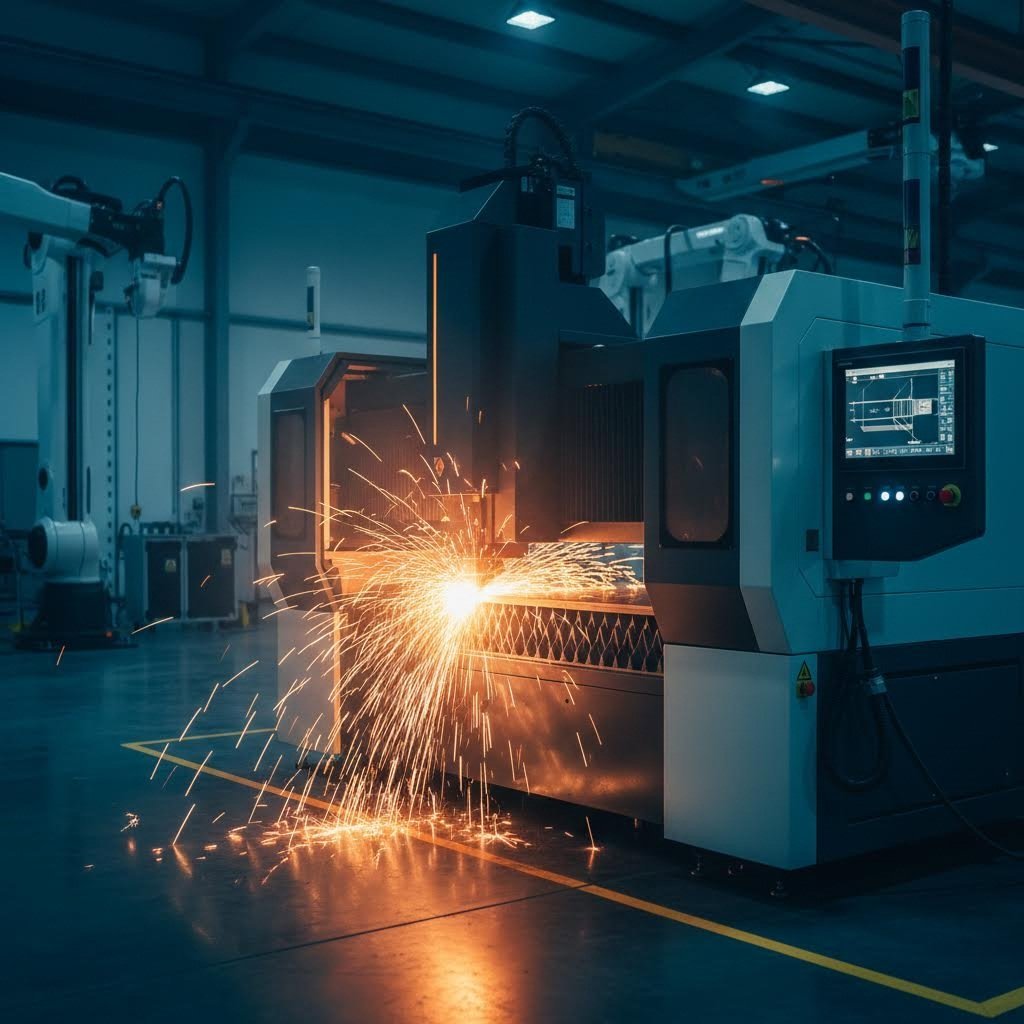
Oletko koskaan nähnyt keskittymätön valonsäteen leikkaavan paksun teräslevyn läpi kuin voita? Tämä on laserleikkausta käytännössä – teknologia, joka on perustavanlaatuisesti muuttanut sitä, miten valmistajat muotoilevat metalliosia . Tässä prosessissa käytetään keskitettyä, korkean energian lasersädettä sulattamaan, polttamaan tai höyrystämään terästä tarkasti ohjelmoitua rataa pitkin, ja kaiken tämän ohjaa edistyneillä CNC-järjestelmillä (Computer Numerical Control).
Miksi tämä on tärkeää modernille valmistukselle? Vastaus piilee kolmessa keskeisessä edussa: tarkkuudessa, nopeudessa ja monipuolisuudessa, joita perinteiset metallinleikkausmenetelmät eivät yksinkertaisesti voi saavuttaa. JLCCNC:n mukaan laserleikkauksen tarkkuus vaihtelee tyypillisesti ±0,1 mm:stä ±0,004 tuumaan, ja vielä korkeampi tarkkuus on mahdollista ohuimmilla materiaaleilla. Tämä taso avaa ovet monimutkaisille suunnitelmille ja tiukille toleransseille, jotka olisivat mahdottomia perinteisillä menetelmillä.
Keilan taustalla oleva tiede
Kuvittele auringonvalon keskittäminen suurennuslasin kautta – nyt kerrotaan tuo intensiteetti tuhansilla kertoimilla. Leikkauslaser tuottaa erittäin tiiviin fotonisäteen, jossa kaikki fotonit liikkuvat samaan suuntaan ja samalla aallonpituudella. Tämä koherentti valo keskittyy mikroskooppiseen polttopisteeseen, joka voi olla pienempi kuin ihmisentukka, luoden energiatiheyden, joka on tarpeeksi voimakas muuttamaan kiinteä teräs hetkessä höyryksi.
Taikuutta tapahtuu fotonien energian keskittymisen kautta. Kun miljardit fotonit osuvat samaan mikroskooppiseen alueeseen, ne siirtävät riittävästi lämpöenergiaa voittaakseen teräksen molekyyli sidokset. Tuloksena? Materiaali, joka oli kiinteää murto-osan sekuntia aiemmin, on nyt sulaa tai kaasumaista ja valmiina poistumaan apukaasuvirrassa.
Valosta leikkausreunaan
Miten siis valo muuttuu siistiksi leikkaukseksi? Materiaalin vuorovaikutusprosessi etenee millisekunneissa:
- Absorptio: Teräspinta absorboi laserin energian, muuttaen valon lämmöksi
- Lämpötila: Lämpötila ylittää nopeasti materiaalin sulamispisteen (noin 1 370 °C teräkselle)
- Materiaalin poisto: Parametrien mukaan teräs sulaa, palaa tai haihtuu
- Pistetään pois: Korkeapaineinen apukaasu (happi tai typpe) puhaltaa sulanut materiaali leikkausurasta pois
Tämä koko sekvenssi toistuu jatkuvasti, kun leikkauspää seuraa ohjelmoitua rataa, jättäen jälkeensä kapean leikkauksen – usein vain murto-osan millimetristä leveän. Tuloksena on vähäinen materiaalihukka ja reunat, joita ei usein tarvitse jälkikäsitellä.
Miksi teräs reagoi eri tavalla kuin muut metallit
Kaikki metallit eivät käyttäydy samalla tavalla, kun metallia leikataan laserilla. Teräksen absorptio-ominaisuudet tekevät siitä erityisen sopivan tähän teknologiaan. Toisin kuin erittäin heijastavat metallit, kuten kupari tai messingi, teräs ottaa helposti vastaan laserenergiaa niillä aallonpituuksilla, joita teollisissa sovelluksissa yleisesti käytetään.
Laserleikkausteho riippuu paljon siitä, kuinka paljon energiaa materiaali absorboi verrattuna heijastukseen. Teräksen suhteellisen korkea absorptiokyky tarkoittaa, että suurempi osa tuosta keskittyneestä fotonien energiasta menee suoraan lämmitykseen ja leikkaukseen, eikä heijastu takaisin laserlähteeseen. Tämä perusominaisuus selittää, miksi teräksen laserleikkaus on yleistynyt käyttömenetelmä teollisuuden aloilta autoteollisuudesta avaruustekniikkaan – kyseessä on yksinkertaisesti luonnollinen yhdistelmä teknologiaa ja materiaalia vasten.
Ydinjuttu? Olitpa sitten valmistamassa tarkkuutta vaativia autojen osia tai monimutkaisia arkkitehtuuripaneeleita, tämän tekniikan ymmärtäminen antaa sinulle pohjan parempia valmistuspäätöksiä varten.
Kuitulaser vs CO2-laser -tekniikka terässovelluksissa
Nyt kun ymmärrät, miten laserenergia muuttaa terästä tarkka-leikattuiksi osiksi, seuraava kysymys on: minkä tyyppistä laseria sinun pitäisi käyttää? Tässä kohtaa asiat muuttuvat mielenkiintoisiksi ja monet valmistajat tekevät kalliita päätöksiä epätäydellisten tietojen perusteella.
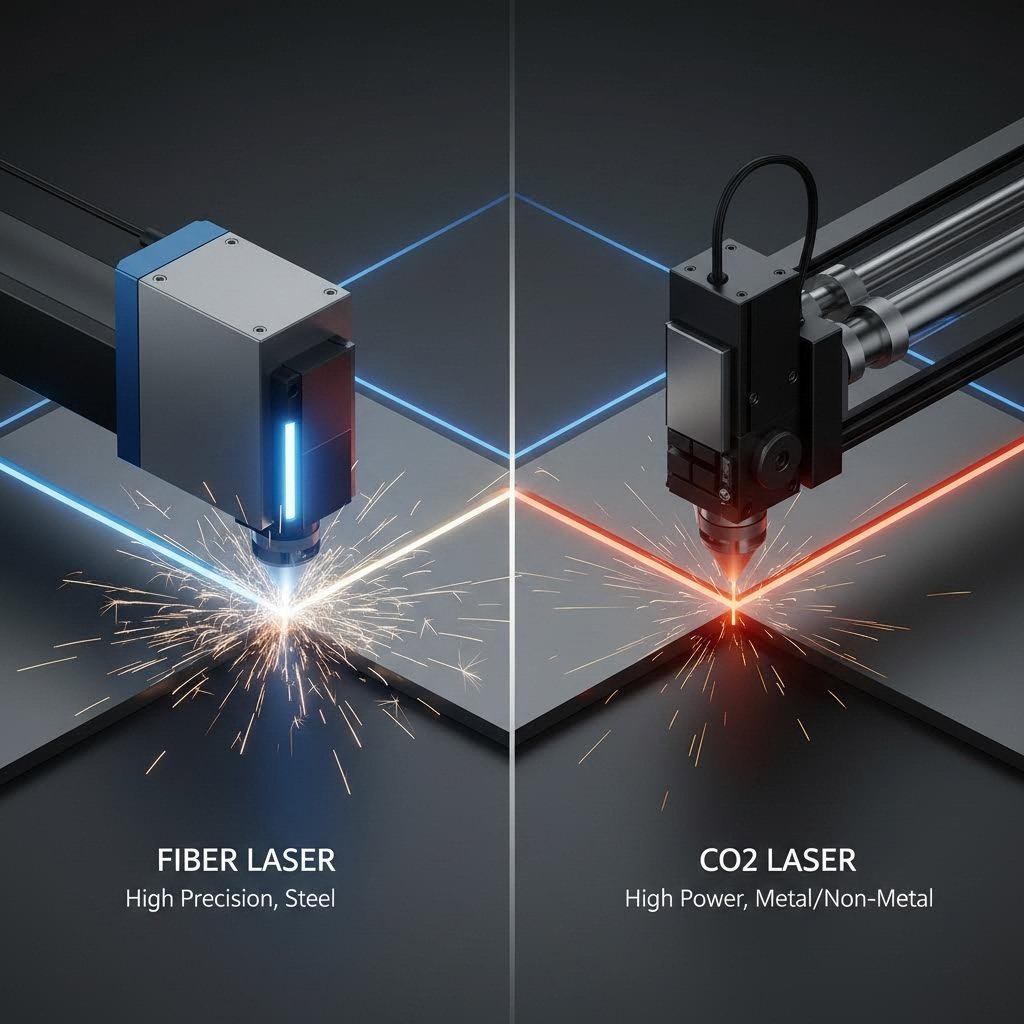
Kaksi hallitsevaa teknologiaa teollisuuden laserleikkauskoneet ovat kuitulaserit ja CO2-laserit. Jokainen toimii perusteellisesti eri periaatteilla, ja näiden erojen ymmärtäminen on olennaista teräksenleikkuustoiminnan optimoimiseksi. Katsotaan, mikä erottaa nämä teknologiat ja milloin jokainen todella loistaa.
Kuitulaserin edut terästeollisuudessa
Kuitulaserikatkaisin on mullistanut metallien käsittelyn viimeisen vuosikymmenen aikana, ja luvut kertovat vakuuttavan tarinan. Näiden tietojen mukaan EVS Metalin vuoden 2025 analyysi , kuitulaserit saavat nyt 60 prosenttia markkinoista ja tuottavat 3-5 kertaa nopeampia leikkausnopeuksia ja 50-70 prosenttia pienempiä käyttökustannuksia kuin CO2-järjestelmät.
Mikä tekee kuitulaserleikkurista niin tehokkaan teräkselle? Kaikki palautuu aallonpituuteen. Kuitulaserit toimivat noin 1,064 mikrometrin aallonpituudella – aallonpituudella, jonka teräs absorboi huomattavasti tehokkaammin verrattuna CO2-järjestelmien 10,6 mikrometrin säteeseen. Tämä tarkoittaa, että suurempi osa sähköenergiastasi menee leikkaamiseen eikä heijastu pois.
Tässä mitä tämä tarkoittaa käytännössä:
- Erinomainen nopeus ohuissa materiaaleissa: Kuitulaser voi leikata ohuita ruostumattoman teräksen levyjä nopeudella jopa 20 metriä minuutissa
- Erinomainen energiatehokkuus: Verkkovirtakäyttötehokkuus saavuttaa jopa 50 % verrattuna CO2-järjestelmien 10–15 %:iin
- Minimaalinen huolto: Kiinteän olomuodon teknologia poistaa kaasulla täytetyt putket ja optisen peilin säätämisen
- Tiukempi fokus: Pienemmät sädepyyhkäisyn koot mahdollistavat kapeammat leikkausurat ja hienojakoisemman työn
- Heijastavan metallin leikkauskyky: Alumiini, kupari ja messingi voidaan leikata puhtaasti ilman heijastuksen aiheuttamaa vahinkoa
Kustannusvaikutukset ovat merkittäviä. Kuitulaserleikkauskoneiden käyttökustannukset ovat noin 3,50–4,00 dollaria tuntia kohden sähköenergian osalta verrattuna 12,73 dollariin tuntia kohden vastaaville CO2-järjestelmille. Vuotuiset huoltokustannukset vaihtelevat tyypillisesti 200–400 dollarin välillä kuitujärjestelmille ja 1 000–2 000 dollarin välillä CO2-laitteille. Kauppojen, jotka etsivät edullista kuitulaser-ratkaisua pitkällä aikavälillä, nämä käyttöön liittyvät säästöt ylittävät usein korkeammat alkuostoshinnat 12–18 kuukauden sisällä.
Kun CO2-laser on edelleen järkevä vaihtoehto
Tarkoittaako tämä, että CO2-laserit ovat vanhentuneita? Ei aivan. Vaikka kuituteknologia hallitsee suurinta osaa terässovelluksista, CO2-järjestelmillä on edelleen tiettyjä etuja, jotka ovat tärkeitä tietyissä toiminnoissa.
Paksujen levyjen leikkaaminen edustaa CO2-laserien vahvinta jäljellä olevaa erikoisaluetta. Kun hiiliterästä leikataan yli 20–25 mm:n paksuisena, CO2-laserit tuottavat usein parempaa leikkausreunan laatua. Pidempi aallonpituus jakautuu eri tavoin paksuissa osissa, mikä vähentää sulamisjätteen muodostumista ja tuottaa sileämmät leikkauspinnat, joita saattaa tarvita vähemmän jälkikäsittelyä.
CO2-laserit soveltuvat myös tilanteisiin, joissa:
- Sekamateriaalikäyttö: Metallien ja ei-metallien (puu, akryyli, muovit) leikkausta tekevät liikkeet hyötyvät CO2-laserien monipuolisuudesta
- Paksujen leikkausten ulkonäkö: Sovelluksissa, joissa sauman reunan laatu on tärkeämpää kuin leikkausnopeus
- Olemassa oleva infrastruktuuri: Toiminnat, joilla on jo käytössä olevia CO2-järjestelmiä ja koulutettuja operaattoreita, saattavat pitää järjestelmien asteittaista päivitystä käytännöllisempänä ratkaisuna
- Alhaisempi alkupanos: CO2-järjestelmien alkuperäiset hinnat ovat tyypillisesti alhaisemmat, vaikka korkeammat käyttökustannukset heikentävät tätä etua ajan myötä
Mukaan lukien Accurlin tekninen vertailu , CO2-lasereilla voidaan tehokkaasti leikata yli 40 mm paksuja materiaaleja – kykyjä, jotka säilyvät merkityksellisinä raskaiden rakennusten valmistuksessa.
Teknologiamuutos, joka muokkaa teollisuutta
Markkinakehitys on yksiselitteistä. Kuitulaserien käyttö on kasvanut noin 30 prosentin markkiosuudesta vuonna 2016 60 prosenttiin vuonna 2025, ja ennusteet viittaavat 70–80 prosentin hallintaan metallinleikkaussovelluksissa vuoteen 2030 mennessä. Tämä ei ole arvausta – tämä heijastaa perustavanlaatuisia suorituskykyetuja, jotka kumuloituvat vuosien mittaan käytön aikana.
Mikä ajaa tätä siirtymää? Pelkän raakaleikkauksen suorituskyvyn lisäksi kuitulaserleikkuukoneet integroituvat tiiviimmin nykyaikaisten automaatiojärjestelmien kanssa. Lyhyemmät lämpenemisajat, kaasujen käytön poistuminen ja yksinkertaisemmat huoltoprotokollat tekevät kuitulaseriteknologiasta ideaalin valojen sammutta-tyyppiseen valmistukseen ja robottityösoluissa. Kuitulaserleikkuulaite vaatii olennaisesti vähemmän ihmisen väliintuloa ylläpitämään johdonmukaista tuotantolaatua.
Taloudellinen perustelu selkiytyy kokonaisomistuskustannusten tarkastelun yhteydessä. Viiden vuoden aikana CO2-järjestelmien käyttökustannukset ovat noin 1 175 000 dollaria verrattuna vastaavien kuitujärjestelmien 655 000 dollariin – ero on 520 000 dollaria, ja se kasvaa 840 000 dollariin kymmenen vuoden aikana. Useimmille teräksen työstöprosesseille nämä luvut tekevät teknologian valinnasta suoraviivaista.
| Spesifikaatio | Kuitu laser | Co2-laseri |
|---|---|---|
| Aaltopituus | 1,064 μm | 10,6 μm |
| Optimaalinen teräspaksuus | Enintään 25 mm (enintään 100 mm tehokkailla järjestelmillä) | yli 20 mm (optimaalinen paksulle levyille >25 mm) |
| Leikkausnopeus (ohuet materiaalit) | Enintään 20 m/min; 3–5-kertaa nopeampi kuin CO2 | Perusviitearvona oleva nopeus |
| Energiatehokkuus | 35–50 %:n pistotulopistorasatehokkuus | 10–15 % tehonsiirtotehokkuus |
| Vuotuinen huoltokustannus | $200-400 | $1,000-2,000 |
| Käyttöikä | Enintään 100 000 tuntia | 20 000–30 000 tuntia |
| Alkuinvestointi | Korkeammat alustavat kustannukset | Matalampi alkuhinta |
| 5 vuoden omistamiskustannukset | ~$655,000 | ~$1,175,000 |
Yhteenveto? Useimmille teräksen leikkaussovelluksille – erityisesti ohuille ja keskivahvoille materiaaleille – kuitutekniikka tarjoaa selvät edut nopeudessa, tehokkuudessa ja pitkän aikavälin taloudellisuudessa. CO2-järjestelmät säilyvät käypinä tietyissä paksulevy- ja sekamateriaalisovelluksissa, mutta alan kehitys on selvästi kuituteknologiaa kohti.
Ymmärtää, mikä teknologia sopii materiaaleihisi, on vain osa yhtälöä. Eri terästyypit aiheuttavat erilaisia leikkaushaasteita, jotka vaativat tiettyjä parametrien säätöjä – tätä aihepiiriä käsittelemme seuraavaksi.
Terästyypit ja niiden erityisominaisuudet leikkauksessa
Oletko koskaan miettinyt, miksi samat laserasetukset tuottavat virheettömän leikkauksen yhdellä teräslevyllä, mutta toisella levyn reunat ovat karkeita ja drossalla peittyneitä? Vastaus piilee materiaalin koostumuksessa. Jokainen terästyyppi reagoi eri tavoin laserenergiaan, ja näiden erojen ymmärtäminen erottaa keskimääräiset tulokset tarkasta käsityöstä.
Olitpa sitten tekemisissä levymetallin laserleikkaustoiminnot olipa kyse ohuesta levystä tai paksuimmasta levyistä, materiaalin valinta ohjaa jokaista parametripäätöstä. Selvitämme, miten neljä yleistä terästyyppiä käyttäytyy lasersäteen alla – ja mitkä säädöt tuottavat kullekin optimaaliset tulokset.
Matalahiilisen teräksen leikkausparametrit
Harmaateräs toimii perusviitteena laserleikkausta varten, koska se on kaikkein sinnikkäin materiaali ryhmässään. Alhaisen hiilipitoisuuden (tyypillisesti 0,05–0,25 %) ja vähäisten seostumisaineiden ansiosta harmaateräs absorboi laserenergian ennustettavasti ja leikkaa puhtaasti laajimmalla paksuusalueella.
Mikä tekee harmaateräksestä niin helppokäyttöisen? Sen tasainen molekyylihila luo yhtenäisen lämmönjohtavuuden, mikä tarkoittaa, että lämpö jakaantuu tasaisesti leikkauksen aikana. Tämä ennustettavuus helpottaa parametrien optimointia ja vähentää yllätyksiä tuotannon aikana.
- Leikattavuus paksuudeltaan: Kuitulaserit voivat käsitellä harmaaterästä ohutlevyistä jopa yli 100 mm:ään saakka korkeatehoisilla järjestelmillä (40–60 kW), vaikka useimmat valmistamot työskentelevätkin 0,5–25 mm:n vaihteluvälillä
- Apukaasun joustavuus: Sekä happi että typi toimivat tehokkaasti — happi nopeuttaa leikkausta eksotermissen reaktion kautta, kun taas typpi tuottaa hapettomia reunoja
- Nopeusetu: Mukaan lukien teollisuuden tiedot , 12 kW:n kuitulaser leikkaa 10 mm:n harmaaterästä 1–2,2 m/min nopeudella happea apukaasuna käyttäen
- Reunalaatu: Saavuttaa helposti rengasvapaat leikkaukset oikeilla parametreilla; jälkikäsittelyä tarvitaan yleensä vähän
- Salliva luonne: Sietää laajempia parametrivälejä kuin erikoisteräkset, mikä tekee siitä ideaalin harjoittelumateriaalin operaatöreille
Leikkaussovelluksissa hiiliteräksestä on täydellinen aloituspiste koneasetusten säätämiseen ennen siirtymistä vaativampiin materiaaleihin.
Rustoitumattoman teräksen leikkauksen reunalaatuisalaisuudet
Rostotonta terästä on mielenkiintoinen haaste: täytyy saavuttaa ne täydelliset, hapettumattomat reunat, joita korkean arvon sovellukset vaativat. Materiaalin kromipitoisuus (yleensä 10–20 %) luo korroosionkestävyyttä, mutta myös muuttaa sen reaktiota leikkauskaasuihin.
Tässä kohtaa typen ja hapen välinen keskustelu käy todelliseksi. Happileikkaus toimii nopeammin rostottomalle teräkselle, mutta se reagoi kromin kanssa muodostaen tummia oxideja leikatun reunan varsia pitkin. Sovelluksissa, jotka vaativat hitsausta, maalausta tai näkyvää estetiikkaa, tämä hapetuskerros on poistettava – mikä lisää prosessin aikaa ja kustannuksia.
- Typpi apukaasuna: Teollisuuden standardi puhdistettuihin ruostumattomien terästen reunoille; estää värimuutokset ja tuottaa kirkkaat, hapettomat pinnat, jotka ovat valmiit käytettäväksi välittömästi
- Korkeammat painevaatimukset: Ruostumaton teräs vaatii tyypillisesti 15–20 barin typpipainetta sulan materiaalin tehokkaaseen poistamiseen leikkausurasta
- Paksuustarkastelut: Kuitulaserit pystyvät työstämään ruostumatonta terästä noin 25 mm asti typellä, mutta optimaalinen laatu saavutetaan 12 mm:ää pienemmillä paksuuksilla
- Heijastavuustekijät: 300-sarjan ruostumaton teräs (304, 316) absorboi laserenergian tehokkaasti; 400-sarjassa saattaa tarvita lieviä tehosäätöjä
- Lämpöherkkyys: Liiallinen teho tai hitaat nopeudet aiheuttavat lämpövaikutuksen alueita, jotka voivat heikentää korroosionkestävyyttä – nopeuden optimointi on tärkeämpää kuin hiiliteräksessä
Mikä on kompromissi? Typpikulutus on merkittävästi suurempaa kuin hapella leikattaessa, mikä vaikuttaa käyttökustannuksiin. Mukaan lukien Valmistaja , kehittyvät seoskaasutekniikat sekoittavat nyt typpeä pieniin määriin ilmasta peräisin olevaa happea vähentääkseen kulutusta samalla kun säilytetään leikkauksen reunan laatu – kehitys, johon kannattaa kiinnittää huomiota suurissa ruostumattomien terästen leikkausoperaatioissa.
Hiiliteräksen huomioonotettavat ominaisuudet luokan mukaan
Hiiliteräs kattaa laajan skaalan, alkaen matalahiilisistä laaduista, jotka käyttäytyvät samankaltaisesti kuin pehmeä teräs, aina korkeahiilisiin luokkiin, jotka edellyttävät huolellista huomiointia halkeamisen ja liiallisen kovuuden estämiseksi lämpövaikutuksen alueella.
Kriittinen muuttuja? Hiilipitoisuus. Kun hiilipitoisuus kasvaa, myös materiaalin kovuus ja hauraus lisääntyvät – ominaisuudet, jotka vaikuttavat siihen, kuinka nopeasti lämpö on sovellettava ja poistettava metallin laserleikkauksessa.
- Matalahiilinen (0,05–0,30 %): Leikataan samalla tavoin kuin pehmeää terästä; happiavuste toimii hyvin nopeutta parantaakseen, typpeä puhtaampien reunojen saavuttamiseksi
- Keskikorkea hiilipitoisuus (0,30–0,60 %): Lisääntynyt kovettumisalttius; nopeammat leikkausnopeudet auttavat minimoimaan lämpövaikutuksen alueen syvyyttä
- Korkea hiilipitoisuus (0,60–1,0 % tai enemmän): Altis reunojen kovettumiseen ja mahdollisiin mikrorypistymiseen; paksuissa osissa saattaa vaatia esilämmitystä tai leikkauksen jälkeistä jännitysten poistoa
- Seoslisäykset merkitsevät: Kromi-molybdeenilaadut (4130, 4140) edellyttävät muokattuja parametreja verrattuna tasakohihihisiin teräksiin samassa hiilipitoisuudessa
- Reunametallurgia: Hiilelliset teräkset muodostavat martensiittirakenteita leikkausvyöhykkeelle, jotka voivat olla kovempia ja haurasmpia kuin perustera
Tarkkuuskomponenteille, joissa reunan kovuus vaikuttaa jälkikäsittelyihin kuten muovaukseen tai koneenpuristukseen, alhaisemman hiilipitoisten lajien käyttö yksinkertaistaa prosessointia. Kun korkeahiilisiä laatuja ei voida välttää, nopeammat leikkausnopeudet ja typen avulla auttavat hallitsemaan lämpövaikutuksia.
Galvanisoitu teräs: Sinkkikalvon haasteet
Galvanisoitu teräs tuo mukanaan ainutlaatuisen monimutkaisuuden: suojaava sinkkikalvo höyrystyy noin 907 °C:ssa – huomattavasti alemmassa lämpötilassa kuin teräksen sulamispiste. Tämä tarkoittaa, että laser kohtaa ja höyrystää sinkkikerroksen ennen kuin se ehtii edes päästä teräksen alustalle.
Tulos? Sinkkikaasut, jotka vaativat asianmukaista poistoa ja suodatusta käyttäjän turvallisuuden vuoksi, sekä leikkausparametrit, jotka on sovitettava päällysteen lämpökäyttäytymiseen.
- Kaasujen poisto on kriittistä: Sinkkikaasut ovat vaarallisia, jos niitä hengitetään toistuvasti; älä koskaan leikkaa sinkittyä terästä ilman asianmukaista ilmanvaihtojärjestelmää
- Paksuusalue: Mukaan lukien Kirin Laser , korkeatehoiset kuitulaserit voivat leikata sinkittyä terästä jopa 20 mm paksuuteen asti, parhaalla laadulla 12 mm:ää pienemmillä paksuksilla
- Hitaampia nopeuksia suositellaan: Syöttönopeuden alentaminen antaa sinkin haihtua puhdisti ennen kuin säde osuu täysin teräsperustaan
- Leikkauksen reunat huomioon ottaen: Sinkki voi osittain palaa pois leikkausreunoilta, mikä vähentää paikallista korroosiosuojaa – ota tämä huomioon osan suunnittelussa
- Roiskevaara: Sinkin höyrystyminen voi aiheuttaa enemmän roiskeita verrattuna pinnoittamattomiin teräksiin; suojapeitteet linssien edessä pidentävät kulutustarvikkeiden kestoa
Näistä huomioista huolimatta laserleikkaus säilyy erinomaisena menetelmänä sinkkikatteen päällä, kunhan noudatetaan asianmukaisia turvallisuusohjeita. Tarkkuus ja automaatiokyky ylittävät selvästi mekaaniset vaihtoehdot, kuten leikkurit tai rei'ittimet.
Vaikka alumiinin laserleikkaus käsittelee täysin eri materiaalia, on huomionarvoista, että alumiinilla on joitakin yhteisiä piirteitä sinkityn teräksen kanssa – erityisesti korkea heijastavuus ja lämmönjohtavuus – jotka vaikuttavat parametrien valintaan. Samat periaatteet oikean kaasun valinnasta ja nopeuden optimoinnista pätevät myös silloin, kun alumiinia leikataan kuitulaserjärjestelmillä.
Materiaalin käyttäytymisen ymmärtäminen on olennaista, mutta se on vain puolet yhtälöstä. Seuraava askel? Hallita suhde laserenergian, leikkausnopeuden ja materiaalin paksuuden välillä – perustavanlaatuinen kolmio, joka määrittää, täyttävätkö leikkaukset vaatimukset vai jäävätkö ne puutteellisiksi.
Leikkausparametrit, jotka määrittävät laadun ja tehokkuuden
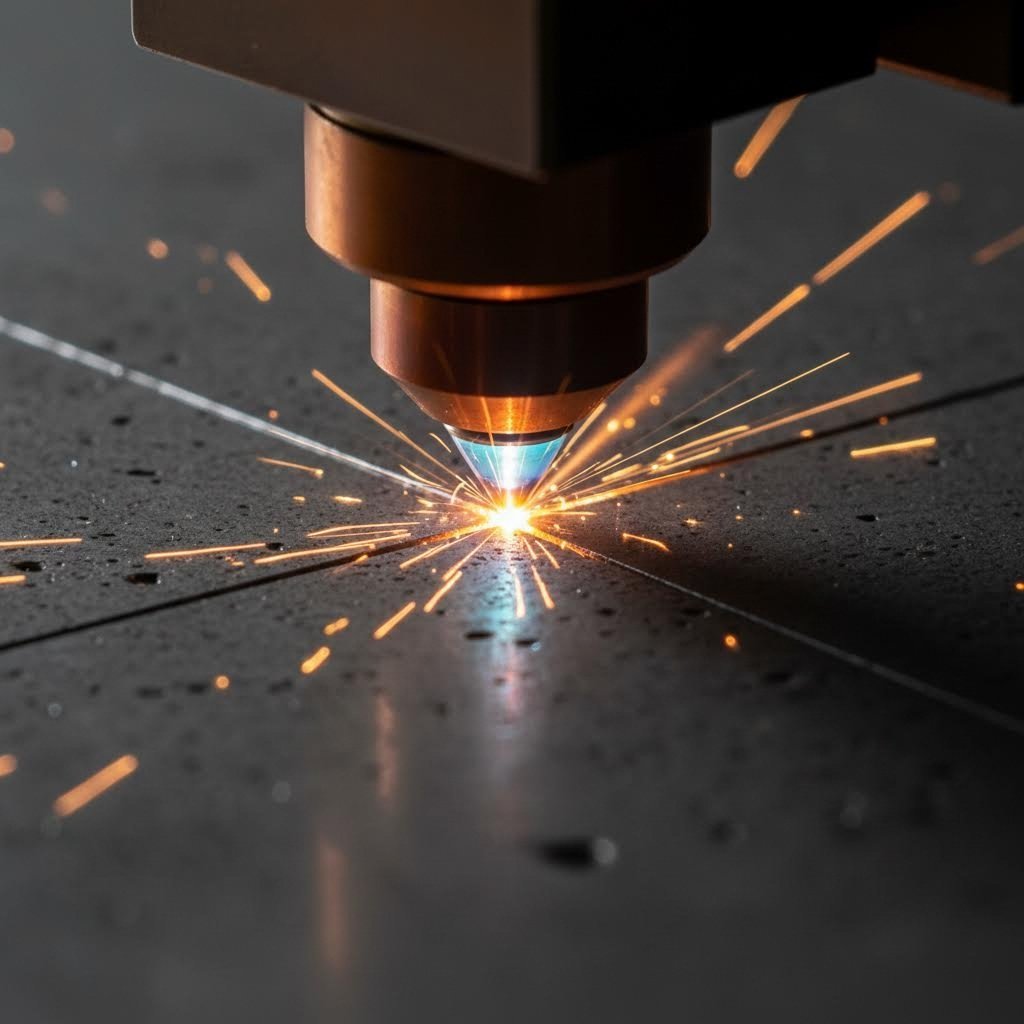
Olet valinnut laserlasi teknologiasi ja ymmärrät materiaalisi – mutta tässä vaiheessa homma muuttuu tekniseksi. Tarkan leikkauksen ja hylkäyksen välinen ero palautuu usein kolmeen toisiaan vaikuttavaan muuttujaan: laserin teho, leikkausnopeus ja materiaalin paksuus. Hallitse tämä kolmio, niin saat johdonmukaisia, korkealaatuisia tuloksia laserleikkuukoneeltasi.
Ajattele näitä parametreja kolmisormuisena tikkapuuna. Säädä yhtä jalkaa ilman muiden kompensointia, ja kaikki kaatuu. Tutkitaan, miten nämä muuttujat vuorovaikuttavat keskenään ja miten apukaasun valinta sekä fokusointiasema tarkentavat tuloksiasi.
Teho-nopeus-paksuus-suhde
Jokainen metallin laserleikkauskoneen käyttäjä kohtaa saman perustavanlaatuisen haasteen: energian syöttö on sovitettava materiaalin tarpeisiin. Liiallinen teho hitaalla nopeudella palaa läpi ohut teräs ja luo liiallisen lämpövaikutusvyöhykkeen. Liian vähän tehoa suurella nopeudella jättää epätäydellisiä leikkauksia, joissa sulaa metallijätettä (drossia) jää pohjareunoihin.
Tässä on käsitteellinen viitekehys, joka hallitsee näitä vuorovaikutuksia:
- Teho määrittää tunkeutumiskyvyn: Mukaan lukien ACCURLin teknisessä oppaassa , 1 kW:n kuitulaser leikkaa tehokkaasti enintään 5 mm ruostumatonta terästä, kun taas 3 kW:n järjestelmä selviytyy samasta materiaalista enintään 12 mm asti
- Nopeus säätää lämmönsyöttöä: Nopeampi leikkaus vähentää aikaa, jonka laserenergia viettää kussakin pisteessä, mikä minimoimaa lämpömuodonmuutoksen ja lämpövaikutusvyöhykkeen syvyyden
- Paksuus määrää minimitehon: Paksuille materiaaleille vaaditaan suhteellisesti enemmän energiaa täydelliseen läpäisyyn – fysiikassa ei ole oikoteitä
- Tasapainokohta: Optimaalinen leikkaus saavutetaan, kun teho on juuri riittävä sulattamaan materiaali läpi nopeimmalla mahdollisella nopeudella, joka silti tuottaa puhtaat leikkausreunat
Mitä tapahtuu, jos teet tämän väärin? Riittämätön teho suurilla nopeuksilla aiheuttaa epätäydellisiä leikkauksia – laser sulattaa pinnan, mutta ei pääse läpi kokonaan, jättäen osat osittain kiinnittyneiksi. Liiallinen teho hitailla nopeuksilla tuottaa leveitä leikkausraitoja, runsasta hapettumista ja roskan muodostumista, joka vaatii lisäsorvauksen.
Käytännön opetus? Aloita valmistajan suositteleilla parametreilla materiaalityypin ja paksuuden mukaan, ja säädä sitten ensin nopeutta (se on helpoin muuttuja muokattavaksi reaaliajassa) samalla kun tarkkailet reunojen laatua. Useimmat kokeneet käyttäjät löytävät optimaalisen pisteen 10–15 % sisällä perussuositusten arvoista.
| Teräksen paksuus | Arvioitu tarvittava teho | Tärkeät huomiot |
|---|---|---|
| 0,5 – 3 mm | 1 – 2 kW | Korkeat nopeudet mahdollisia; typpeä suositellaan puhtaille reunoille |
| 3 - 6mm | 2 – 4 kW | Tasapainota nopeus ja reunojen laatu; happi lisää leikkausnopeutta |
| 6 – 12 mm | 4 – 6 kW | Keskimittaiset nopeudet; tarkennusasema muuttuu kriittiseksi |
| 12–20 mm | 6–12 kW | Hitaampi leikkaus vaaditaan; hiiliteräksen leikkauksessa käytetään yleisesti happoapua |
| 20 mm+ | 12–40+ kW | Erityiset korkeatehoiset järjestelmät; reunalaatutarkkailu on välttämätöntä |
Apukaasun valinta ja reunalaatu
Näyttääkö monimutkaiselta? Ei se ole. Apukaasun valinta perustuu olennaisesti yhteen kysymykseen: haluatko priorisoida leikkausnopeuden vai leikkausreunan laadun?
Mukaan lukien DAMA CNC:n apukaasuopas , tämä valinta muuttaa perusteellisesti leikkaustuloksesi:
Happi (O2): Perinteinen valinta hiiliteräkselle ja pehmeälle teräkselle.
- Luo eksotermisen reaktion, joka lisää lämpöenergiaa leikkausprosessiin
- Mahdollistaa nopeammat leikkausnopeudet paksuilla materiaaleilla (6 mm – 25 mm tai enemmän)
- Tuottaa mustan oksidikerroksen leikkausreunoille
- Kaasun hinta on alhaisempi kuin typellä
- Heikkous: Oksidikerros on poistettava ennen maalaamista tai hitsausta – hionta tai puhdistus lisää prosessiaikaa
Typpi (N2): Vakiovalinta ruostumattomalle teräkselle, alumiinille ja esteettisille sovelluksille.
- Jalokaasu, joka vain puhaltaa sulan materiaalin leikkausurasta pois samalla jäähdyttäen leikkausvyöhykettä
- Tuottaa kirkkaat, hopeaiset "hapettumattomat" reunat, jotka ovat valmiit heti hitsattaviksi tai pulverimaalattaviksi
- Välttämätön elintarvikekäyttöön tarkoitettuihin laitteisiin, arkkitehtuurilevyihin ja näkyviin komponentteihin
- Edellyttää korkeampaa painetta (15–20 baaria) ja kuluttaa enemmän kaasua kuin hapetusleikkaus
- Heikkous: Korkeammat käyttökustannukset kaasunkulutuksen vuoksi
Purkautettu ilma: Nopeimmin kasvava suuntaus alalla.
- Noin 80 % typpeä ja 20 % happea – tarjoaa molempien osittaiset edut
- Paras ohuille ruostumattomille teräksille, joiden paksuus on alle 3 mm, sinkityille teräksille ja hiiliteräksille, joiden paksuus on alle 10 mm, korkean tehon järjestelmissä
- Olennaisesti ilmainen käyttökustannus – vain sähkö kompressorille
- Tuottaa vaaleankeltaiset reunat (hieman hapettunut)
- Vaatimus: Laadukas kompressori kuivaimella ja suodatuksella; ilman täytyy olla vapaana vedestä ja öljystä suojatakseen laserlinssiä
Suurimmalle osalle metalliin sovellettavia laserleikkuukoneita päätösmalli on yksinkertainen: käytä happea paksussa hiiliteräksessä, kun leikkauksen ulkonäöllä ei ole merkitystä, typpeä ruostumattomassa teräksessä ja esteettisissä osissa, sekä paineilmaa ohuissa materiaaleissa, kun kustannustehokkuus on tärkeää.
Laserleikkauksen kustannusten ymmärtäminen liittyy usein kaasun valintaan. Typpileikatut osat maksavat enemmän tuotantokustannuksissa korkeamman kaasunkulutuksen vuoksi, kun taas hapella ja paineilmalla leikkaaminen vähentää huomattavasti kappalekustannuksia. Arvioitaessa kuitulaserleikkuukoneen hintaa käyttökustannusten suhteen, otetaan huomioon odotettu kaasunkulutus tyypillisestä materiaalisekoituksesta.
Tarkka säätö täydellisiin leikkauksiin
Kun olet asettanut tehon, nopeuden ja apukaasun oikein, toissijaiset parametrit erottavat hyvät leikkaukset erinomaisista. Nämä säädöt vaativat enemmän tarkkuutta, mutta tuovat mitattavia parannuksia leikkausreunan laatuun ja yhdenmukaisuuteen.
Fokuspaikka:
Fokusointiasema määrittää tarkasti, minne laser säde keskittää maksimitehonsa suhteessa materiaalin pintaan. Accurlin parametrioppaan mukaan polttopisteen tulisi yleensä olla linjassa materiaalin paksuuden keskikohdan kanssa estääkseen vinottaiset leikkausreunat.
- Ohuille materiaaleille (alle 4 mm): Lyhyempi polttoväli varmistaa tasalaatuiset leikkaukset
- Paksuille materiaaleille: Pidempi polttoväli tarjoaa suuremman syvyysterävyyden puhtaaseen läpäisyyn
- Modernit leikkuulaserijärjestelmät säätävät fokusointia z-akselin ohjauksella – tyypillisesti keskittyen hieman pintaa syvemmälle paksuissa osissa
Suuttimen etäisyys (Stand-off):
Väli suuttimen ja materiaalin pinnan välillä – mahdollisimman alle 1 mm – vaikuttaa ratkaisevasti kaasuvirran tehokkuuteen. Vähimmäisetäisyyden ylläpitäminen takaa, että apukaasu kohdistaa riittävän paineen sulan materiaalin poistamiseksi leikkausurasta.
- Liian lähellä: Suuttimen törmäysriski leikkauksen aikana, erityisesti vääntyneillä levyillä
- Liian kaukana: Kaasu hajaantuu ennen kuin saavuttaa leikkausalueen, mikä vähentää tehokkuutta
- Optimaalinen väli: 0,5–1,0 mm useimmille sovelluksille
Kaasupaine:
Korkeammat paineet parantavat sulan materiaalin poistumista, mutta lisäävät kaasunkulutusta. Alhaisemmat paineet vähentävät kustannuksia, mutta voivat jättää kelaa paksuihin osiin.
- Ohuet materiaalit: Alhainen paine estää sulan materiaalin puhaltamisen takaisin pinnalle
- Paksut materiaalit: Korkea paine varmistaa leikkausurin täydellisen tyhjennyksen
- Ruishtimet: Yleensä vaativat 15–20 baarin typen paineen puhtaille reunoille
Suihkun halkaisija:
Suuremmat suuttimet toimittavat enemmän kaasutilavuutta, mutta vähentävät tarkkuutta. Pienemmät suuttimet keskittävät kaasuvirran, mutta rajoittavat virtausta. Suuttimen halkaisijan sovittaminen materiaalin paksuuteen optimoi sekä leikkauslaadun että kaasun käyttötehokkuuden.
Toisin kuin cnc-plasmaleikkauskoneessa, jossa parametrien ikkunat ovat suhteellisen laajat, laserleikkaus palkitsee tarkan kalibroinnin. Hyvä uutinen? Kun olet kerran määrittänyt optimaaliset asetukset tietylle materiaali- ja paksuusyhdistelmälle, nämä parametrit pysyvät ennallaan – mikä tekee toistotehtävistä ennustettavia ja luotettavia.
Vaikka parametrit olisivat täydelliset, leikkausvirheitä esiintyy edelleen. Kuluneet suuttimet, saastunut kaasu ja koneen asennon muuttuminen voivat heikentää asetuksiasi. Yleisten ongelmien diagnosoiminen ja korjaaminen pitää tuotannon käynnissä sujuvasti – tutkitaan seuraavaksi näitä vianetsintästrategioita.
Yleiset leikkausvirheet ja niiden ehkäisy
Olet optimoinut parametrisi, valinnut oikean apukaasun ja säätänyt polttopisteen – mutta jokin kuitenkin näyttää pieleen. Leikkausreunassa on sitkeää jäämää alaosassa, tai ehkä värimuutoksia levittäytyy leikkaussyvyyden ulkopuolelle. Mikä meni vikaan?
Tervetuloa laserleikkaamisen todellisuuteen: vaikka järjestelmät on kalibroitu täydellisesti, ne kehittävät ajan myötä ongelmia. Suuttimet kuluvat. Kaasun laatu vaihtelee. Säteen kohdistus siirtyy. Kokeneiden ja aloittelijoiden operoijiden ero ei ole ongelmien välttäminen – vaan juurisyyksien nopea diagnosoiminen ja tehokkaiden ratkaisujen toteuttaminen ennen kuin hylätyt osat kasautuvat.
Tämä vianmääritysohje kattaa virheet, joihin törmäät todennäköisimmin, sekä systemaattisen lähestymistavan, jolla saat metallin laserleikkaimesi taas kuntoon.
Droosin ja karheuden ongelmien diagnosointi
Droosin ja karheuden muodostuminen ovat yleisimmät valitukset kaikissa valmistamossa. Se itsepäinen sulaa, joka tarttuu leikkauksen alareunaan? Se kertoo sinulle jotain tarkoituksenvaraisesti prosessistasi – jos osaat lukea merkkejä.
Droosin (sulaa) muodostuminen:
Mukaan lukien BCAMCNC:n vianmääritysohje , droosi viittaa jääneeseen materiaaliin, joka tarttuu leikkauksen alareunaan. Kyseessä on olennaisesti sulanut teräs, jota ei ehditty täysin poistaa leikkausurasta ennen kuin se jähmettyi takaisin.
- Syy: Leikkausnopeus liian suuri — Laser etenee liian nopeasti, eikä apukaasu ehdi täysin puhdistaa sulanutta materiaalia. Ratkaisu: Vähennä syöttönopeutta 5–10 %:n välein, kunnes droosi häviää
- Syy: Laserin teho liian alhainen — Riittämätön energia aiheuttaa osittain sulaneen materiaalin, jota on vaikea poistaa leikkausvyöhykkeeltä. Ratkaisu: Lisää tehoa tai vähennä nopeutta parantaaksesi energiatiheyttä yksikköpituutta kohden
- Syy: Riittämätön kaasupaine — Sulanut materiaali ei puhallu leikkuuvyöhykkeeltä pois. Ratkaisu: Lisää apukaasun painetta; paksulle teräkselle kokeile 15–20 baarin typpeä tai 0,5–1 baarin happea
- Syy: Kulunut tai vaurioitunut suutin — Epäsäännöllinen kaasuvirtaus aiheuttaa epäjohdonmukaisen materiaalin poistumisen. Ratkaisu: Tarkista suuttimen keskitys ja vaihda se, jos suutin on muodonmuuttunut tai tukkeutunut
- Syy: Saastunut apukaasu — Kaasuvirran kosteus tai öljy häiritsevät leikkauskemiaa. Ratkaisu: Tarkista kuivaimet ja suodattimet; vaihda tarvittaessa
Lousun muodostuminen:
Piikit ovat kohonneita reunoja leikkauksen varrelta, jotka hankaloittavat jälkikäsittelyprosesseja, kuten muovaukset, hitsaus tai kokoonpano. Ne ovat erityisen ärsyttäviä, koska ne usein vaativat manuaalista hiontaa – mikä lisää työkustannuksia jokaiselle osalle.
- Syy: Liian hidas nopeus materiaalin paksuuteen nähden — Liiallinen lämpö luo laajempia sulamavyöhykkeitä, jotka jähmettyvät epäsäännöllisesti. Ratkaisu: Lisää leikkausnopeutta samalla kun säilytetään riittävä teho
- Syy: Apukaasun paineen virheellinen asetus — Joko liian korkea (puhaltaa sulanutta materiaalia takaisin reunoille) tai liian alhainen (epätäydellinen poisto). Ratkaisu: Säädä painetta systemaattisesti 0,5 baarin välein ja seuraa tuloksia
- Syy: Polttopisteen sijainnin virhe — Säde ei keskity optimaaliseen syvyyteen, jolloin syntyy epäsäännöllistä sulamista. Ratkaisu: Tarkista fokuskalibrointi; säädä z-akselin sijaintia valmistajan määrittämien tarkkuusvaatimusten mukaisesti
- Syy: Suuttimen etäisyys liian suuri — Kaasu hajaantuu ennen kuin se saavuttaa leikkausalueen. Ratkaisu: Vähennä suuttimen etäisyyttä materiaaliin 0,5–1,0 mm:ksi
Kun laserleikkuuta käytetään metallisovelluksissa, reunan kärjistä muodostuvat kärjet (burr) viittaavat usein siihen, että metallia leikkaava laser ei toimi optimaalisella alueellaan – joko lämpötilallisesti tai mekaanisesti. Aloita tarkistamalla helpoimmin muutettavat parametrit (leikkuunopeus ja kaasupaine), ennen kuin tutkit mekaanisia tasausongelmia.
Reunalaatutason ongelmanratkaisuopas
Drossan ja kärjistä muodostuvien kärkien lisäksi reunalaatutason ongelmat ilmenevät useissa erilaisissa muodoissa. Jokainen oire viittaa tiettyihin juurisyihin – käytä tätä systemaattista lähestymistapaa ongelman aiheuttajan rajaukseen.
Karkeat tai raidoitetut leikkausreunat:
Kun leikkauspinnalla näkyy näkyviä raidoituksia (rinnakkaisia viivoja, jotka kulkevat reunan pitkin), lasersäde ei yllä pysyvää vuorovaikutusta materiaalin kanssa.
- Syy: Liian suuri leikkuunopeus — Aiheuttaa aaltomaisuutta tai vääristymistä leikkausreitillä. Ratkaisu: Alan ohjeiden mukaan säädä leikkausnopeutta alaspäin, kunnes viivat häviävät
- Syy: koneen värähtely — Mekaaninen löysyys johtaa säteen heilahteluun. Ratkaisu: Tarkista porttikiinnikkeet, ajesuorakkeet ja kiinnitysruuvit kuluma- tai löysymisilmiöiden varalta
- Syy: Säteen laadun heikkeneminen — Likaiset optiikat tai virheellisesti asennettu säteen siirto. Ratkaisu: Puhdista suojapaneelit, tarkista polttolinssi ja varmista säteen keskittyminen suuttimen kautta
- Syy: materiaalin värähtely — Ohuet levyt flatteroivat leikkauksen aikana. Ratkaisu: Paranna työn kiinnitystä; harkitse tyhjiöpöytiä tai magneettikiinnikkeitä
Epätasainen leikkaussyvyys (leikkautuman vaihtelu):
Epätasaiset leikkaukset osoittavat, että säde ei säilytä oikeaa tarkennusta leikkausreitillä.
- Syy: Väärät tarkennusasetukset — Polttopiste siirtyy verrattuna materiaalin pintaan. Ratkaisu: Kalibroi automaattitarkennusjärjestelmä uudelleen; tarkista, ettei tarkennuslinssi ole likaantunut
- Syy: Materiaali ei ole tasainen — Kaareutuneet levyt muuttavat suuttimen etäisyyttä leikatessa. Ratkaisu: Tasoita materiaali ennen käsittelyä; käytä kiinnitysvarusteita
- Syy: Z-akselin seurantavirhe — Korkeusanturin vika. Ratkaisu: Tarkista kapasitiivisen tai kosketuksperusteisen korkeusanturin toiminta ja puhdista tunnistuspinnat
Epätäydelliset leikkaukset:
Osien pysyminen kiinni tai niiden vaatima manuaalinen irrotus osoittaa riittämätöntä energian toimitusta.
- Syy: Teho liian alhainen paksuudelle — Laser ei läpäise täysin. Ratkaisu: Lisää tehoa tai vähennä nopeutta
- Syy: Nopeus liian suuri — Säde etenee liian nopeasti ennen kuin läpäisy ehtii tapahtua. Ratkaisu: Vähennä syöttönopeutta, kunnes saavutetaan tasainen läpäisevä leikkaus
- Syy: Apukaasu riittämätön — Sulanut materiaali hitsautuu uudelleen säteen taakse. Ratkaisu: Lisää kaasupainetta; varmista, että kaasun saanti ei ole loppunut
Lämmönläpäisyvaurioiden estäminen tarkkuusosissa
Lämmön vaikutuksesta muuttuneet vyöhykkeet (HAZ) edustavat ehkä hankalinta viallisen valmistuksen luokkaa. Toisin kuin roskat tai piikit — jotka näkyvät välittömästi — HAZ-vauriot eivät ehkä tule ilmi ennen kuin osat epäonnistuvat käytössä tai hylätään laaduntarkastuksessa.
JLC CNC:n teknisen analyysin mukaan lämmön vaikutuksesta muuttunut vyöhyke on metallin alue, joka ei sulaa leikatessa, mutta jolla rakenteelliset ja metallurgiset muutokset tapahtuvat voimakkaan lämmön vuoksi. Nämä muutokset vaikuttavat kovuuteen, lujuuteen ja sitkeyteen — joskus heikentäen materiaalia tai aiheuttaen vääntymistä ja värjäytymistä.
HAZ-varoitussignaalit:
- Värjäytyminen, joka ulottuu leikkausreunasta pidemmälle (sininen, keltainen tai olkiharmaa väri teräksessä)
- Vääntymistä tai vääristymistä ohuissa osissa tai osissa, joilla on hienoja piirteitä
- Reunan kovettuminen, joka aiheuttaa halkeamia seuraavissa muovausoperaatioissa
- Kosmeettisen pinnan vaurio, joka ylittää sallitut rajat
Syyt ja ratkaisut:
- Syy: Liiallinen laseriteho — Enemmän energiaa kuin tarvitaan aiheuttaa tarpeettoman lämmönläpivuon. Ratkaisu: Käytä vähintään vaadittua tehoa saavuttaaksesi puhdas leikkaus
- Syy: Leikkausnopeus liian hidas — Pidempi säteen oleskeluaika lisää terminen syöttö. Ratkaisu: Lisää nopeutta samalla kun säilytetään leikkauslaatu
- Syy: Happiavuste lämpöherkissä sovelluksissa — Eksoterminen reaktio lisää lämpöä. Ratkaisu: Vaihda typpeen materiaaleissa, joissa HAZ on kriittinen
- Syy: Tiukka geometria, joka keskittää lämpöä — Kapeat piirteet tai terävät kulmat kertyvät lämpöenergiaa. Ratkaisu: Suunnittele relievileikkaukset; sijoita leikkaukset niin, että väliin jää jäähdytysaikaa
- Syy: Pinottujen levyjen leikkaus — Lämpö kertyy kumulatiivisesti. Ratkaisu: Leikkaa yksittäisiä levyjä; anna jäähdytysaikaa erien välillä
Ennakoivat ehkäisyn strategiat:
Tarkkuusosille, joissa HAZ-sietokyky on tiukka, toteuta nämä käytännöt ongelmien esiintymisen estämiseksi:
- Käytä tarjolla olevia pulssiohjattuja tai moduloidut lasersäde-tiloja — lyhyet jäähdytysväliajat pulssien välillä kutistavat vaikutusaluetta
- Valitse mahdollisuuksien mukaan materiaaleja, joilla on korkeampi lämmönjohtavuus — ne siirtävät lämpöä nopeammin
- Harkitse jäähdytyslevyjä tai lämmönpoistolevyjä työkappaleiden alapuolelle kriittisiin sovelluksiin
- Tarkkaile lämpökameroiden avulla korkean tarkkuuden töissä ongelmien varhaisen havaitsemiseksi
Levymetallileikkuri, joka tuottaa virheettömiä osia johdonmukaisesti, ei välttämättä käytä uusinta laitteistoa – kyseessä on toiminto, jossa operaattorit ymmärtävät näiden syy-seuraus-suhteet ja reagoivat ennen kuin pienistä ongelmista tulee suuria hylkäyksiä. Tämän diagnostiikkakehyksen avulla olet varustettu ylläpitämään laatua myös silloin, kun leikkausolosuhteet muuttuvat.
Tietysti laserleikkaus ei ole ainoa vaihtoehto teräksen käsittelyssä. Milloin on järkevää valita plasman, vesileikkurin tai mekaaniset vaihtoehdot sen sijaan? Vaihtoehtojen vertailun ymmärtäminen auttaa sinua valitsemaan oikean teknologian jokaiseen projektiin.
Laserleikkaus verrattuna muihin teräksen leikkausmenetelmiin
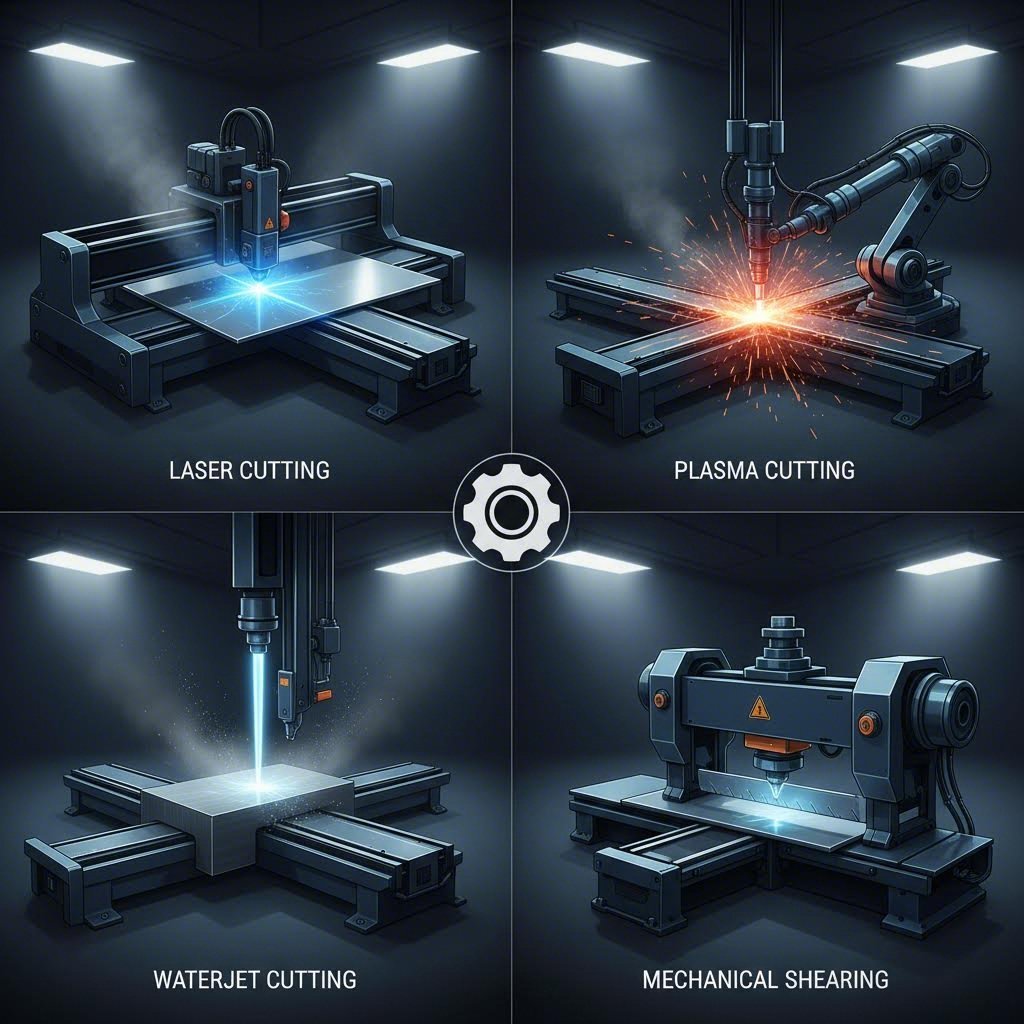
Tässä on totuus, jota useimmat laitteiden toimittajat eivät kerro: laserleikkaus ei aina ole paras vaihtoehto jokaiseen terässovellukseen. Joskus plasmaleikkuri tarjoaa paremman taloudellisen ratkaisun. Silloin tällöin vesileikkaus on ainoa käypä vaihtoehto. Ja tietyissä suoraviivaisissa töissä mekaaninen leikkaus on edelleen täysin järkevä ratkaisu.
Älykkäiden valmistuspäätösten avain? Ymmärtää tarkasti, milloin kukin tekniikka loistaa – ja milloin se ei loista. Tämä vertailu hälventää markkinointimelun ja antaa sinulle käytännön viitekehyksen oikean menetelmän valitsemiseksi projektisi erityisten vaatimusten perusteella.
Tarkkuus- ja toleranssivertailu
Kun toleranssimääritykset ohjaavat valmistuspäätöksiäsi, leikkausteknologioiden väliset erot tulevat täysin selviksi. Jokaisella menetelmällä on sisäiset tarkkuusrajoitukset, joita ei voida ylittää millään operaattorin taidolla.
Laserileikkaus:
Xometryn teknisen analyysin mukaan laserleikkaus tuottaa leikkaukset raakoleikkauksella noin ±0,15 mm ja tarkkuudella 0,01 mm tai sitä pienemmillä arvoilla. Keskittynyt energiasäde luo niin kapean raon, että monimutkaiset suunnitelmien kulmat ja pienet reiät muodostuvat tavalliseksi työskentelyksi.
- Paras luokassaan tarkkuus ohuille ja keskivahvoille materiaaleille
- Karvoja vapaat, sileät leikkauspinnat, jotka usein eivät vaadi toissijaista viimeistelyä
- Vähäinen raon leveys säilyttää materiaalin ja mahdollistaa tarkan asettelun
- Ideaali kontuurien, monimutkaisten kuvioiden ja tarkkojen reikien valmistukseen
Plasmaleikkaus:
CNC-plasmaleikkauskone toimii perustavanlaatuisesti laajemmilla toleransseilla — tyypillisesti 0,5–1 mm tarkkuudella ja raon leveyksillä, jotka ylittävät 3,8 mm. StarLab CNC:n vuoden 2025 oppaan mukaan modernit korkearesoluutioiset plasmasysteemit CNC-plasmataulussa saavuttavat melkein laservertaisen laadun materiaaleissa, joiden paksuus on yli 1/4 tuumaa, mutta reunan kohtisuoruus on edelleen haasteellinen hyvin ohuilla tai hyvin paksuilla levyillä.
- Suurempi raon leveys tarkoittaa vähäisempää tarkkuutta yksityiskohtaistyössä
- Reunoihin kohdistuvat kohtisuoruusongelmat saattavat edellyttää hiontaa ennen hitsausta
- Erinomainen rakennekomponenteissa, joissa tiukat toleranssit eivät ole kriittisiä
- Moderni HD-plasma supistaa aukkoa laserin kanssa keskikokoisilla teräslevyillä
Vesisuihkuleikkaus:
Waterjet tarjoaa tarkkuuden, joka on vertailukelpoinen laserleikkaukseen – usein ±0,1 mm:n sisällä – yhdellä merkittävällä edullalla: ei ollenkaan lämpövääristymää. ESABin leikkausmenetelmäoppaan mukaan ESABin leikkausmenetelmäopas waterjet ylittää laserleikkauksen reunanlaadussa samalla kun säilyttää mitallisen tarkkuuden, koska lämpövaikutukset puuttuvat.
- Tarkkuus ei vaarannu lämpöön liittyvästä materiaalivääristymästä
- Reunalaatu pysyy tasaisena riippumatta materiaalin paksuudesta
- Suihkun hajaantuminen rajoittaa tarkkuutta erittäin paksuilla materiaaleilla
- Ihanteellinen lämpöherkille sovelluksille, jotka edellyttävät tiukkoja toleransseja
Mekaaninen leikkaus (leikkaus, rei'itys):
Perinteiset mekaaniset menetelmät tarjoavat riittävän tarkkuuden suorille leikkauksille ja yksinkertaisille geometrioille, mutta ne eivät pysty kilpailemaan lämpöleikkausmenetelmien kanssa monimutkaisissa muodoissa.
- Erinomainen toistotarkkuus suorille leikkauksille ja standardipoikkirei'ille
- Reunadeformaatio (ylivuoto, kiilto) on prosessin luonteeseen kuuluva ilmiö
- Rajoittuu yksinkertaisiin geometrioihin – ei kaaria tai monimutkaisia ääriviivoja
- Parhaiten sopii suurten sarjojen tuotantoon standardiosista
Kustannus-osuusanalyysikehys
Tarkkuus kertoo vain osan tarinasta. Kun tuotantotalous ohjaa päätöstäsi, jokaisen teknologian todellisen kustannusrakenteen ymmärtäminen paljastaa, mikä menetelmä tarjoaa parhaan arvon tietylle sovelluksellesi.
Alkuinvestointi:
Aluetietojen mukaan CNC-plasmaleikkauspöydät tarjoavat parhaan arvotarjouksen useimmille valmistamoyrityksille, kun alhaisimmat järjestelmät alkavat noin 15 000–50 000 dollarista. Laserleikkauslaitteet vaativat huomattavasti suurempaa pääomaa – tyypillisesti 150 000–500 000 dollaria tai enemmän teollisille kuitulaserijärjestelmille. Vesileikkuujärjestelmät sijoittuvat näiden ääripäiden väliin, mutta vaativat lisäinfrastruktuuria vedenkäsittelyyn ja hionnepiinien käsittelyyn. Jopa kannettava plasmaleikkuri tarjoaa leikkauskyvyn murto-osaan laserlaitteiden kustannuksia.
Toimintakustannukset:
Xometryn kustannusanalyysin mukaan laserleikkausten käyttökustannukset ovat keskimäärin noin 20 $/tunti, kun taas plasmaleikkausten kustannukset ovat tyypillisesti noin 15 $/tunti. Vesileikkuujärjestelmät aiheuttavat korkeimmat jatkuvat kustannukset rubiinin kulutuksen vuoksi – usein 25–40 $/tunti leikkausparametrien mukaan.
- Plasmaleikkaus: Alhaisin kustannus leikatun tuuman kohtaa kohden; kulutustarvikkeisiin kuuluvat elektrodit, suuttimet ja suojakannet
- Laserileikkaus: Korkeammat kulutavarakustannukset (apukaasu, linssit, suuttimet), mutta nopeat leikkausnopeudet kompensoivat kustannukset ohuissa materiaaleissa
- Waterjet: Granaatti-abrasivi muodostaa 50–70 % käyttökustannuksista; korkeapaineisen pumppujärjestelmän huolto lisää merkittävästi jatkuvia kustannuksia
- Mekaaninen: Alhaisimmat käyttökustannukset soveltuvilla geometrioilla; työkalujen kulumisesta aiheutuvat kustannukset ovat pääasiallinen kulu
Nopeus ja läpivirtaus:
Tuotantomäärät vaikuttavat ratkaisevasti siihen, mikä teknologia on taloudellisesti järkevä
- Laser: Nopein ohuissa materiaaleissa – erinomaiset nopeudet levyissä, joiden paksuus on alle 1/4 tuumaa; nopeus laskee merkittävästi yli 1 tuuman paksuudella
- Plasma: Mukaan lukien StarLab CNC , plasmaleikkauspöytä voi leikata 1/2" kevyttä terästä yli 100 tuumaa minuutissa – nopein vaihtoehto keskivahvoille ja paksummille levyille
- Waterjet: Hidasin lämpö- ja abrasiomenetelmistä 5–20 tuumaa minuutissa; läpivirtausrajoitukset heijastuvat korkean volyymin talouteen
- Mekaaninen: Nopein yksinkertaisille, toistuville geometrioille; leikkuutoiminnot valmistuvat sekunneissa
Arvioitaessa paras plasmaleikkauskone vai laser leikkuujärjestelmä omalle toiminnalle, tulee huomioida, että CNC-plasmajärjestelmät tarjoavat johdonmukaisesti parhaan vastineen rahalle kaikille niille, jotka työstävät terästä 0,018" – 2" paksuisia, eikä lähes laserlaatuista reunalaitetta vaadita.
Oikean tekniikan valitseminen projektiisi
Sen sijaan, että valittaisiin suosikkiteknologia ja pakotettaisiin kaikki työt sen läpi, menestyksekäät valmistajat sovittavat leikkausmenetelmät tiettyihin projektivaatimuksiin. Käytä tätä päätöksentekokehystä ohjatakseen valintaa:
Valitse laserleikkaus, kun:
- Materiaalin paksuus on alle 1" (25 mm) teräkselle
- Vaaditaan tiukat toleranssit (±0,1 mm tai parempi)
- Tarvitaan monimutkaisia ääriviivoja, pieniä reikiä tai yksityiskohtaisia kuvioita
- Reunalaadun tulee olla kiiltoinen ilman lisäkäsittelyä
- Ohuiden levyjen korkean nopeuden tuotanto on etusijalla
- Materiaalivaihtelu sisältää sekä metalleja että ei-metalleja
Valitse plasmaleikkaus, kun:
- Teräksen prosessointi 1/4" – 2" paksuisena tuotantomäärinä
- Budjettirajoitteet suosivat alhaisempaa pääomainvestointia
- Reunalaatuvaatimukset sallivat hieman hiontaa ennen hitsausta
- Rakenneterästen valmistus, raskas koneisto tai ilmastointisovellukset
- Kaltevuusleikkaus hitsausta varten tarvitaan usein
- Nopeus ja kustannus per osa ovat tärkeämpiä kuin tarkkuus
Valitse vesileikkuu kun:
- Lämpövaikutettu alue on ehdottomasti hyväksymätön (ilmailu, lääketieteelliset laitteet)
- Lämmön aiheuttama leikkaus vahingoittaisi materiaalia (käsitelty lasi, komposiitit)
- Erittäin paksujen materiaalien leikkaaminen, jossa laser- ja plasmaleikkaukset kohtaavat vaikeuksia
- Sekamateriaalisovellukset sisältävät kiveä, laattoja tai muita ei-metallisia materiaaleja
- Reunan metallurgian on pysyttävä täysin muuttumattomana
- Leikkausnopeus on vähemmän tärkeä kuin materiaalin eheys
Valitse mekaaninen leikkaus, kun:
- Vaaditaan vain suoria leikkauksia tai yksinkertaisia reikäkuvioita
- Erittäin suuri määrä identtisiä osia tuotetaan
- Materiaalin paksuus on tasainen ja laitteiston kapasiteetin sisällä
- Pääomabudjetti on erittäin rajoitettu
- Reunalaatuvaatimukset ovat vähäiset
| Kriteerit | Laserleikkaus | Plasma-leikkaus | Vesijet-leikkaus | Mekaaninen leikkaus |
|---|---|---|---|---|
| Tarkkuus | ±0.01 mm | ±0,5–1 mm | ±0.1 mm | ±0,5 mm (suorat leikkaukset) |
| Leikkausleveys | ~0,15 mm | >3,8 mm | 0,5–1,5 mm | Ei käytössä (leikkausviiva) |
| Teräksen paksuusalue | Enintään 25 mm (optimaalinen); 100 mm+ (korkea teho) | 0,46 mm – 50,8 mm+ (optimaalinen 6,35 mm–38,1 mm) | Virtuaalisesti rajoittamaton | Laitteisto riippuvainen |
| Leikkausnopeus | Nopein ohuissa materiaaleissa | Nopein keskivahvoilla materiaaleilla | 5–20 tuumaa/min (hidas) | Erittäin nopea yksinkertaisiin leikkauksiin |
| Lämpövaikutusalue | Minimaalinen | Kohtalainen merkittävään | Ei mitään | Ei mitään |
| Reunan laatu | Erinomainen; reunat ilman piirtymää | Hyvä; saattaa vaatia hiontaa | Erinomainen; sileä | Tyydyttävä; reunan taipuminen/piirtymä yleistä |
| Toimintakustannukset | ~$20/tunti | ~$15/tunti | 25–40 €/tunti | Alin |
| Alkuinvestointi | Korkea ($150K–500K+) | Alhainen–kohtalainen ($15K–100K) | Kohtalainen–korkea ($100K–300K) | Alhainen ($5K–50K) |
| Materiaalin monipuolisuutta | Metallit + ei-metallit | Vain sähköä johtavat metallit | Mikä tahansa materiaali | Metallit pääasiassa |
| Paras käyttösovellus | Tarkkuusohut–keskikokoiset teräkset | Rakenteellinen/paksu terästalous | Lämpöherkät/paksut materiaalit | Suuritehoinen yksinkertaiset muodot |
Yhteenveto? Yksikään teknologia ei voita kaikilla kriteereillä. Laserleikkaus hallitsee tarkkuustyöt ohuissa ja keskikokoisissa teräksissä. Plasmaleikkaus tarjoaa parhaamatonta taloudellisuutta rakennemateriaalien valmistuksessa. Vesileikkaus säilyttää materiaalin eheyden, kun lämpö ei ole sallittua. Mekaaninen leikkaus säilyy elinvoimaisena suoraviivaisissa, suuritehoisissa sovelluksissa.
Älykkäät valmistajat ylläpitävät usein pääsyä useisiin teknologioihin – joko omassa organisaatiossaan tai palveluntarjojien kautta – jotta voivat valita oikean menetelmän kunkin projektin erityisvaatimusten mukaan. Mutta riippumatta siitä, mitä leikkausteknologiaa valitset, käyttöturvallisuus on ratkaisevan tärkeää. Tarkastellaan keskeisiä turvallisuusvaatimuksia ja protokollia, jotka suojaavat sekä käyttäjiä että laitteistoa.
Turvallisuusvaatimukset ja käyttöön liittyvät harkinnat
Tässä on jotain, jota usein sivuutetaan keskusteltaessa teollisesta laserleikkauksesta: tekniikka, joka leikkaa terästä tarkasti, voi aiheuttaa vakavia vaaroja, jos asianmukaisia turvallisuusprotokollia ei noudateta. Arvioitpa laitehankintoja tai valitsut palveluntarjoajia, turvallisuusvaatimusten tunteminen erottaa ammattimaiset toiminnot riskialttiilta kompromisseilta.
Teollisuuslaserleikkauskone sisältää luokan 4 laserin—korkeimman vaarallisuusluokituksen—joka voi aiheuttaa silmävammoja, ihon palamista ja tulipaloja. Kun sama järjestelmä on kuitenkin asianmukaisesti suojattu ja sitä käytetään oikein, se muodostaa luokan 1 -ympäristön, joka on turvallinen normaalikäytössä. Mikä on ero? Teknisiä turvatoimenpiteitä, toimintaprotokollia ja koulutettua henkilökuntaa, jotka toimivat yhdessä.
Laserin turvallisuusluokat ja niiden merkitys
Laserin turvallisuusluokituksia, joita määrittää ANSI Z136 -standardi , kuvaa laserlaitteiden mahdollisen vaarallisuuden tason. Näiden luokitusten ymmärtäminen auttaa arvioimaan laitteiston turvallisuutta ja sääntelyn noudattamista.
- Luokka 1: Turvallinen kaikissa normaalikäytön olosuhteissa—säde on täysin suljettu eikä pääse ulos käytön aikana
- Luokka 2: Turvallinen tahattomalle katselulle; sisältää näkyviä lasereita, joissa räpäytysrefleksi tarjoaa suojan
- Luokka 3R: Alhainen vammavaara; edellyttää varovaisuutta ja perusturvaohjeita
- Luokka 3B: Vaarallinen suoraan silmille; vaatii suojalaseja ja rajoitettua pääsyä
- Luokka 4: Korkea vammavaara; voi aiheuttaa silmä- ja ihovammoja sekä tulipalovaaran
Useimmat kaupalliset laserleikkausjärjestelmät myydään luokan 1 tuotteina, mikä tarkoittaa, että luokan 4 laser toimii täysin lukitussa kotelossa. Mukaan MIT:n laserleikkurin turvallisuusohjeet , jotkut suurimuotoiset leikkaajat, jotka pystyvät käsittelemään täysikokoisia laserleikattuja metallilevyjä, myydään luokan 4 järjestelminä ja vaativat lisätoimenpiteitä, kuten rajoitettuja pääsyalueita, varoituskylttejä ja pakollista suojasilmälaseja.
Arvioitaessasi kaupallista laserleikkaajaa tilallesi, tarkista luokitus ja varmista, että järjestelmässä on turvatulppaukset, jotka sammuttavat laserin automaattisesti, jos koteloa avataan. Älä koskaan poista tai ohita näitä tulppauksia – tämä voisi mahdollistaa säteen pääsyn ulos, luoden välittömän vaaran läheisille henkilöille.
Kaasu- ja höyrypoiston vaatimukset materiaalin mukaan
Hengitystieturvallisuusriskit laserleikkausjärjestelmässä saavat usein vähemmän huomiota kuin säteilyturvallisuus – mutta ne ovat yhtä tärkeitä pitkän aikavälin käyttäjän terveydelle. Kun laser haihduttaa terästä, syntyy palamistuotteita, jotka muistuttavat hitsauspölyjä. Pinnoitetut teräkset pahentavat tätä ongelmaa merkittävästi.
MIT:n turvallisuusohjeiden mukaan tehokas poistoilmanvaihto on ratkaisevan tärkeää turvallista ja tehokasta käyttöä varten. Sekä laitteen oman poistolaitteen että tilan yleisen ilmanvaihdon on toimittava – tilat, joissa ilmanvaihto perustuu sisäilman kierrättämiseen, eivät sovi metallien käsittelyyn laserleikkauksen kaltaisissa toiminnoissa.
Materiaalikohtaiset huvahuomiot:
- Pehmeä ja hiiliteräs: Tavallinen savunpoisto on yleensä riittävä; rautaoksidihiukkaset ovat pääasiallinen huolenaihe
- Muut, joissa on vähintään 50 painoprosenttia: Leikatessa syntyy kromi(VI)-yhdisteitä – vaatii suuremman kapasiteetin poistojärjestelmän ja HEPA-suodatusta
- Galvanoidut teräset: Sinkkipinnoite haihtuu alhaisemmassa lämpötilassa kuin teräs, tuottaen sinkkioksidihöyryjä, jotka voivat aiheuttaa metallipölykuumeen, jos niitä hengitetään toistuvasti
- Pinnattu tai maalattu teräs: Tuntemattomat päällysteet saattavat sisältää vaarallisia aineita; hanki turvallisuustiedotteet ennen käsittelyä
Suodatujärjestelmän parhaat käytännöt:
- Suorita suodattimien vaihto valmistajan suositteleen aikataulun mukaan tai järjestelmän painemittarien osoittaessa
- Pidä varasuodattimet saatavilla nopeaa vaihtoa varten, kun suorituskyky heikkenee
- Jätä suodatus toimimaan 10–15 sekuntia leikkauksen jälkeen poistaaksesi jäljelle jääneet höyryt
- Jos huoneessa havaitaan hajuja, keskeytä toiminnot ongelman ratkaisemiseen asti
- Älä koskaan leikkaa tuntemattomasta materiaalista valmistettuja kohteita – pyydä ensin SDS-dokumentaatio
Galvanoidun teräksen tai päällysteisten materiaalien säännöllisessä käsittelyssä on erityisiä metallityökaluja savujen keruuseen lähteessä – ei pelkästään tilan yleisilmanvaihtoa – välttämättömiä säädösten noudattamiseksi ja työntekijöiden suojelua varten.
Palon ehkäisy ja hätätoimenpiteet
Vaikka teollista laserleikkuulaitetta huollettaisiin asianmukaisesti, sen käytössä esiintyy joskus liekkien syttymistä. Laserleikkuun tehokkuuden mahdollistava keskittynyt lämpö luo myös syttymisvaaran – erityisesti palavien jätteiden kertyessä, virheellisten parametrien vallitessa tai riittämättömän poistoilman tilanteessa.
MIT:n ohjeiden mukaan laserleikkureiden tulipaloissa on yleensä yksi tai useampi edistävä tekijä:
- Laserleikkurin toiminnan tarkkailun laiminlyönti
- Materiaalille virheelliset teho- ja pulssiasetukset
- Riittämätön poistoilma, joka aiheuttaa lämmön ja roskien kertymisen
- Sopimattomien materiaalien käyttö prosessoinnissa
- Likaiset optiikat, jotka aiheuttavat säteen hajonnan
- Laitetta ei puhdisteta säännöllisesti – roskien kertyminen leikkuukammioon
Tulipalon ehkäisyyn tarvittava varusteisto:
- Palosammutin: Asennettava seinälle laitteen läheisyyteen; CO2- tai Halotron-sammuttimia suositellaan enemmän kuin kuivakemikaalisammuttimia, koska ne eivät vahingoita laserin optiikkaa
- Ilmavahdistusjärjestelmä: Tarjoaa paineilmaa leikkauspisteessä syntyvien jätteiden ja lämmön poistamiseksi, estäen hiiltymisen ja liekkien syttymisen
- Palamaton työskentelypinta: Älä koskaan aseta laitteita puun tai muiden syttyvien materiaalien päälle
- Siisti ympäristö: Pitäkää alue siistinä, ilman roskia, syttyviä nesteitä ja palavia materiaaleja
- Esteetön tarkkailuikkuna: Älä peitä ikkunaa – käyttäjien on voitava havaita leikkausta silmällä pitääkseen liekit huomattuna heti
Hätätilaprotokolla:
Jos liekkejä havaitaan, sammuta laserleikkuulaite, ilmavahdistus ja suodatin välittömästi. Tämä voi sammuttaa pienet liekit poistamalla syttymislähteen. Pysyvien pienten liekkien kohdalla suositellaan tulta tukahduttavaa palosammatetta tai palamatonta materiaalia ennen sammuttimien käyttöönottoa.
Tärkein yksittäinen tulensammutustoimenpide? Älä koskaan jättää käynnissä olevaa laserleikkaajaa valvomatta. Käyttäjien on seurattava leikkausprosessia jatkuvasti ongelmien havaitsemiseksi ennen kuin ne pahenevat. Tämä ei ole vaihtoehto – se on turvallisen laserleikkauksen perusta.
Asianmukaisen turvallisuusinfrastruktuurin ollessa paikoillaan teräksen laserleikkaus muuttuu luotettavaksi ja tehokkaaksi prosessiksi. Seuraava huomioon otettava asia? Miten tämä teknologia integroidaan jälkikäsittelyvalmistusoperaatioihin, erityisesti vaativissa autoteollisuuden sovelluksissa, joissa tarkkuus ja sertifiointivaatimukset kohtaavat.
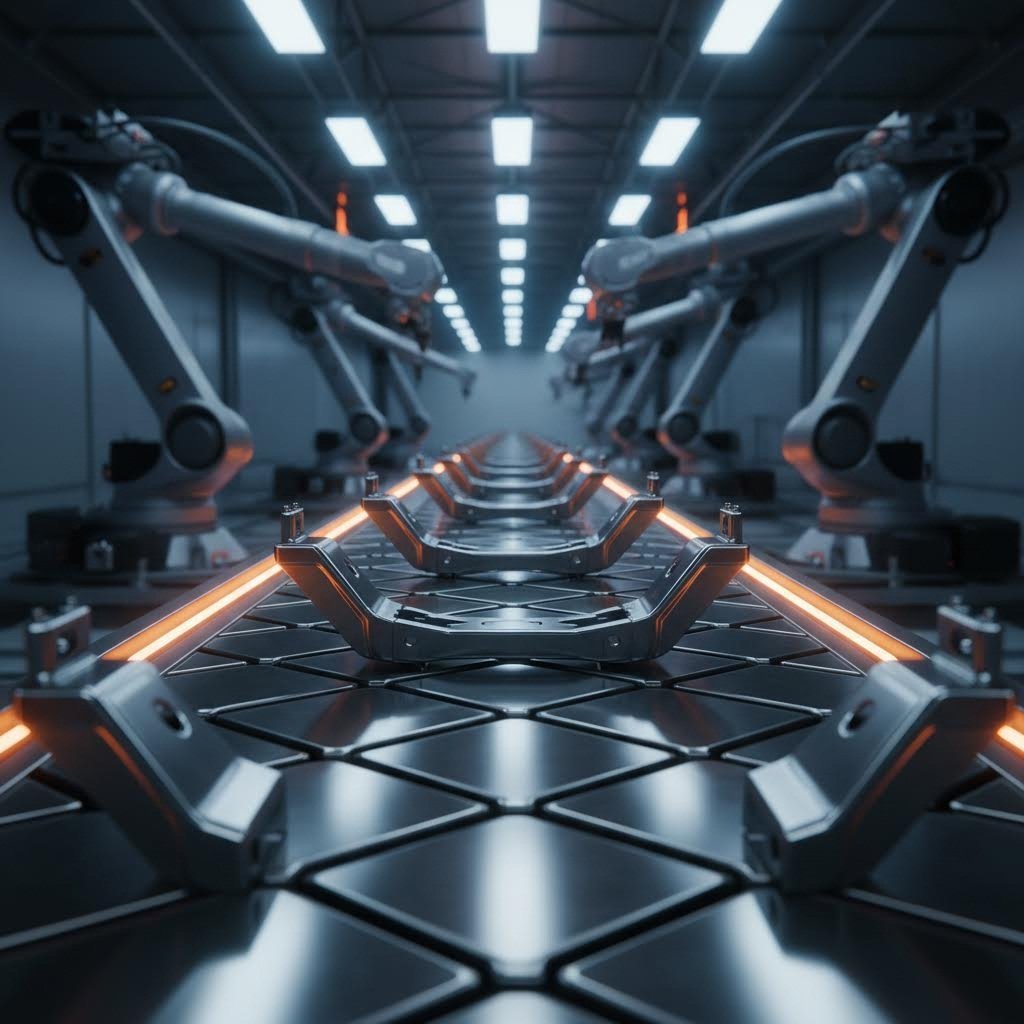
Autoteollisuus- ja tarkkuusvalmistussovellukset
Kun alustakomponentti jättää toleranssit tarkkuudesta vaikka vain murto-osan millimetriä, koko kokoonpanolinja pysähtyy. Kun suspensioholkki ei istu täsmälleen oikein, ajoneuvon turvallisuus heikkenee. Siksi autoteollisuus on omaksunut laserleikkaamisen tarkkuuskomponenttien valmistuksen perustaksi – ja siksi näiden sovellusten ymmärtäminen on tärkeää, olitpa sitten osien hankintaa tai valmistajapuolia arvioimassa.
Autoteollisuus vaatii sitä, mitä harvat muut toimialat vaativat samanaikaisesti: äärimmäistä tarkkuutta, täydellistä toistettavuutta ja tuotantomääriä, jotka voivat vuosittain saavuttaa miljoonia täysin samanlaisia osia. Tarkastellaan, miten laserleikkaus täyttää nämä vaatimukset keskeisissä ajoneuvosysteemeissä.
Autoliikenteen komponenttisovellukset
Mukaan lukien Hygrade Laser Profiling laserleikkausteknologia mahdollistaa valmistajien luoda erinomaisen monimutkaisia suunnitelmia vähäisellä jätteellä samalla kun saavutetaan poikkeuksellista lujuutta ja kestävyyttä auton komponenteissa. Sovellukset kattavat käytännössä kaikki ajoneuvon järjestelmät:
Runko- ja rakennekomponentit:
- Rungon kiskot ja poikkikappaleet: Ajoneuvon rakenteen perusta, joka vaatii tarkan asennuksen törmäysturvallisuuden varmistamiseksi
- Kiinnikkeet ja kiinnityslevyt: Erityisvalmistettuja osia, jotka yhdistävät tärkeitä kokoonpanoja täsmällisellä sijoituksella
- Vahvistuslevyt: Strategiset vahvistuselementit, jotka leikataan tarkasti integroitaviksi kotelorakenteisiin
- Alarungot: Monimutkaiset geometriat, jotka tukevat voiman siirtojärjestelmiä ja jousitusjärjestelmiä
Jousituskomponentit:
- Ohjaustangot: Tarkasti leikattu teräs, joka säilyttää pyörän akselin asennossa dynaamisten kuormitusten alaisena
- Ohjausliitokset: Komponentit, joiden mitatarkkuus vaikuttaa suoraan ajomukavuuteen
- Jousituspaat ja kiinnitystangot: Kantavat osat, joissa vaaditaan johdonmukaista laatua
Moottori- ja voimansiirtojärjestelmän tuki:
- Moottorin kiinnitystuet: Värähtelyjä eristävät kiinnikkeet leikattuina tarkasti määriteltyihin mittoihin
- Vaihteiston tukirakenteet: Rakenteelliset elementit, jotka ylläpitävät voimansiirron asentoa
- Pakoputkijärjestelmän komponentit: Alalähteiden mukaan laserleikkaus mahdollistaa tehokkaan kaasuvirtauksen suunnittelun ja tarkan päästöjenhallintajärjestelmän asennuksen
Miksi levyjen valmistus laserleikkauksella on niin keskeistä näissä sovelluksissa? Vastaus löytyy automobiilijärjestelmien vaatimista toleransseista. Mukaan HantenCNC:n tarkkuusanalyysi , autoteollisuuden sovelluksissa tarvitaan tarkkuutta, jotta varmistetaan osien oikea istuvuus ja toimivuus – usein ±0,025 mm:n tarkkuudella kriittisissä komponenteissa. Perinteiset leikkausmenetelmät eivät yksinkertaisesti pysty tuottamaan tällaista tarkkuutta johdonmukaisesti.
Tarkkuusvaatimukset kokoonpanossa
Kuvittele, että asennat suspensiojärjestelmää, jossa jokaisen komponentin on täsmättävä täydellisesti turvallisen ajoneuvon toiminnan varmistamiseksi. Kerro nyt se tuhansilla ajoneuvoilla päivässä. Tämä on autoteollisuuden metallityön todellisuus – ja miksi laserleikkaus on muodostunut korvaamattomaksi.
Zetwerkin B2B-oppaan mukaan autoteollisuuden valmistuksessa tarkkuus on edistyneen laserleikkauksen perusta. Korkeatehoisia lähteitä käyttävät lasersysteemit tuottavat leikkauksia millimetrien murto-osien tarkkuudella – tarkkuus, jolla on merkittävä vaikutus autoteollisuuden tiukkojen standardien noudattamiseen.
Toleranssikriittiset näkökohdat:
- Reikien sijoitus: Kiinnitysreikien on osuttava tarkasti vastinosien kanssa; laserleikkaus saavuttaa johdonmukaisen sijoittelun 0,1 mm:n tarkkuudella
- Reunan suoruus: Hitsausliitosten vaatima reunojen geometria on ennustettava, jotta hitsaus tunkeutuu yhdenmukaisesti
- Toistettavuus: Tuhatnes osa on oltava täsmälleen sama kuin ensimmäinen – CNC-valmistus tarjoaa tämän yhdenmukaisuuden automaattisesti
- Vähäinen vääristyminen: Lämpövaikutetun alueen on pysyttävä riittävän pienessä koossa, jotta seuraavat muovausoperaatiot voidaan suorittaa ilman ongelmia
CNC-metallinkäsittely laserjärjestelmien avulla mahdollistaa tämän tarkkuuden, koska leikkausreitti ohjelmoidaan digitaalisesti, mikä poistaa operaattorin aiheuttaman vaihtelun. Samat parametrit tuottavat identtisiä tuloksia vuorosta toiseen, mikä tekee laadunvalinnasta ennakoitavampaa eikä reaktiivista.
Toiminnoille, jotka etsivät metallivalmistajaa läheltäni tai arvioivat metallivalmistuspalveluita läheltäni, nämä tarkkuusominaisuudet tulisi ottaa etusijalle arvioinnissa. Kaikki työpajat eivät ylläpitäkään laitteiden kalibrointia ja laatusysteemejä, joita vaaditaan autoteollisuuden vaatimien toleranssien täyttämiseen.
Leikatusta osasta valmiiseen kokoonpanoon
Tässä on se, mikä erottaa todella integroidut autoteollisuuden toimittajat yksinkertaisista leikkaustoiminnnoista: ymmärrys siitä, että laserleikkaus on vain yksi vaihe monivaiheisessa valmistusprosessissa. Parhaat tulokset saavutetaan, kun leikkausparametrit on optimoitu paitsi itse leikkaukseen, myös kaikkeen siihen liittyvään jälkikäsittelyyn.
Jälkikäsittelyprosessien integrointi:
- Muotoilu ja kaarettaminen: Laserilla leikatut levyt täytyy taivuttaa halkeamatta; tämä edellyttää lämpövaikutettujen alueiden ja reunojen kovuuden hallintaa leikkauksen aikana
- Metalliosien hitsaus: Reunakäsittely vaikuttaa hitsin laatuun; typellä leikatut reunat ruostumattomasta teräksestä mahdollistavat välittömän hitsauksen ilman puhdistusta
- Koaksuaatiotoiminnot: Laserilla leikatut levyt syötetään usein eteneviin muotteihin lopulliseen muotoon; mittojen tarkkuus takaa oikean muottien asettelun
- Pinta-terminhoito: Puhtaat, hapettomat reunat vähentävät valmisteluaika ennen maalausta tai pinnoitetta
- Asennuksen sovitus: Kun jokainen laserilla leikattu komponentti täyttää vaatimukset, asennus on ennustettavaa ja tehokasta
Zetwerkin analyysin mukaan edistynyt laserleikkaus vähentää asennusaikaa, poistaa tarpeen jälkikoneistukselle ja mahdollistaa monimutkaisten leikkausten tekemisen yhdellä toimenpiteellä, mikä johtaa alhaisempiin tuotantokustannuksiin ja lyhyempiin toimitusajoille. Juuri tämä integraatiokyky tekee laserleikkauksesta niin arvokasta CNC-leikkuustoiminnassa, joka palvelee automerien OEM-valmistajia.
Autoteollisuuden valmistajille, jotka vaativat IATF 16949 -sertifioinnin laatua, laserleikkauksen ja tarkkailtujen painojen integrointi on kriittistä. Kuten kumppanit Shaoyi (Ningbo) Metal Technology näyttävät, kuinka viiden päivän nopea prototypointi yhdistettynä automatisoituun massatuotantoon mahdollistaa alustan, suspensio- ja rakenteellisten komponenttien toimittamisen autoteollisuuden laatuvaatimusten mukaisesti.
Laatuvaatimukset:
Autoteollisuuden sovellukset vaativat enemmän kuin vain tarkan varustuksen – ne edellyttävät dokumentoituja laatuohjelmia, jotka takaavat johdonmukaisuuden tuotantoerissä. Tarkasteltavia keskeisiä sertifikaatteja ovat:
- IATF 16949: Autoteollisuuden laadunhallintastandardi, joka takaa systemaattisen prosessihallinnan
- Ensimmäisen osan tarkastus: Varmistus siitä, että alkuperäinen tuotanto vastaa suunnittelun tarkoitusta
- Tilastollinen prosessikontrolli: Jatkuva valvonta, joka havaitsee poikkeamat ennen kuin ne aiheuttavat virheitä
- Jäljitettävyysjärjestelmät: Dokumentaatio, joka yhdistää valmiit osat materiaalieriihin ja prosessiparametreihin
Toimittajia arvioitaessa kattava DFM-tuki (suunnittelu valmistettavuuden huomioon ottamiseksi) osoittaa kumppanin ymmärtävän, miten laserleikkauspäätökset vaikuttavat myöhempiin toimenpiteisiin. Nopea tarjouskäsittely — 12 tuntia tai vähemmän monimutkaisille kokoonpanoille — osoittaa nopeasti reagoivan viestinnän, joka estää tuotantoviiveet.
Yhteenveto? Laserleikattu teräs mahdollistaa autoteollisuuden tarkan tarkkuuden, jota edelliset teknologiat eivät yksinkertaisesti pystyneet saavuttamaan. Tämän potentiaalin toteuttaminen edellyttää kumppaneiden valintaa, jotka ymmärtävät koko valmistusketjun — alkaen ensimmäisestä leikkauksesta loppukokoonpanoon ja laadunvarmentamiseen asti.
Valmistutpa sisäisesti tai hankit ulkoisesti, päätöksentekokehys on tärkeä. Miten päätät sijoittaa laitteisiin vai tehdä yhteistyötä asiantuntijoiden kanssa? Tarkastellaan tekijöitä, jotka ohjaavat tätä kriittistä valintaa.
Oikean ratkaisun tekeminen teräksen leikkuustarpeisiisi
Olet tutustunut teknologiaan, ymmärtänyt parametrit ja oppinut, miten eri terästyypit käyttäytyvät säteen vaikutuksesta. Nyt on käytännön kysymys, johon jokainen valmistava toiminto sooner or later törmää: tulisiko sijoittaa laserleikkuukoneeseen vai tehdä yhteistyötä palveluntuottajan kanssa, jolla on jo laitteet ja asiantuntemus?
Tämä ei ole yksinkertainen kustannuslaskelma. Lähteessä Iter Consultingin toimitusketjuanalyysi , valinta tehdä vai ostaa ei koske pelkästään hintaa – se koskee pitkän aikavälin marginaalinsuojaa, toiminnallista joustavuutta ja strategista hallintaa. Toimialoilla, joissa millisekunnit ja mikrometrit ratkaisevat, väärä päätös tuotantovastuusta voi viivyttää julkaisuja, kasvattaa kustannuksia ja heikentää resistanssia.
Tarkastellaan päätöksen puitteita, jotka auttavat sinua valitsemaan viisaasti – olipa kyseessä teräksen laserleikkuukoneen osto, ulkoistaminen kuitulaserleikkuupalveluihin tai hybridiratkaisun käyttöönotto.
Osta tai ulkoista -päätöskehys
Kun arvioidaan, tulisiko teräksen laserleikkauskone ostaa vai hankkia ulkopuolisen toimittajan palvelut, kolme keskeistä ulottuvuutta ohjaa analyysiä: kustannus, kyvykkyys ja riski. Oikean päätöksen tekeminen edellyttää rehellistä arviointia kaikilla kolmella alueella.
Määrärajojen kynnysarvot:
Tuotantotilavuus on usein ensimmäinen harkinnan kohde – mutta laskutoimitus ei ole yhtä suoraviivainen kuin miltä se näyttää. Teräksen laserleikkauskone edellyttää merkittäviä pääomakustannuksia alussa, mukaan lukien laitteiston hankinta, asennus, koulutus ja jatkuva huolto. Kun kuitenkin alkuinvestointi on tehty, osan rajakustannus laskee huomattavasti.
- Alhainen tilavuus (alle 100 tuntia/vuosi leikkausta): Ulkopuolinen toiminta on yleensä kannattavampaa; laitteisto jää liian usein tyhjilleen oikeuttaakseen pääomainvestoinnin
- Keskitaso (100–500 tuntia/vuosi): Sekamalli usein optimaalinen; ulkoistetaan huippukapasiteetti samalla kun arvioidaan laitteiden hankintaa
- Suuri tilavuus (500+ tuntia/vuosi): Omat laitteet tulevat taloudellisesti houkutteleviksi; takaisinmaksuaika lyhenee 18–36 kuukauteen
- Erikoistyö tai protyypit: Ulkoistaminen tarjoaa pääsyn monipuoliseen laitteistoon ilman pääomasidonnaisuutta
Pääomainvestointien harkinnan kohteet:
CNC-laserleikkaajan hinnan lisäksi terästä varten kokonaisinvestointiin kuuluvat tilojen muutokset, kaasujen poistojärjestelmät, käyttäjien koulutus ja toimintapääoma kulutustarvikkeita varten. Kun etsit myytävää laserleikkauskonetta metalliin, ota huomioon nämä piilotetut kustannukset analyysissasi:
- Asennus ja tilojen valmistelu: tyypillisesti 10–15 % laitekustannuksista
- Turvakaapit ja ilmanvaihto: 20 000–100 000 dollaria järjestelmän koosta riippuen
- Käyttäjien koulutus ja sertifiointi: 2–4 viikkoa alentunutta tuottavuutta käyttöönoton aikana
- Vaihto-osavarasto ja huoltosopimukset: 3–5 % laitekustannuksista vuosittain
- Ohjelmistolisenssit ja ohjelmointikyky: jatkuvia tilauskustannuksia
Tekninen asiantuntemus vaaditaan:
Teräksen laserleikkauskoneen tehokas käyttö edellyttää enemmän kuin vain painikkeiden painamista. Taitavat käyttäjät ymmärtävät materiaalin käyttäytymisen, parametrien optimoinnin, ennakoivan huollon ja laaduntarkastuksen. Iter Consultingin mukaan kyvyttömyys ilman kapasiteettia on väärä positiivinen tulos – jokaisen päätöksen on arvioitava, onko sisäiset toiminnot todella varustettu kasvamaan pätevissä käyttäjissä, laadunvalvonnan valvonnassa ja ristiriippuvaisessa tuessa.
- Onko sinulla – vai voitko palkata – laserleikkauskokemusta omaavia käyttäjiä?
- Pystyykö huoltotiimisi vianmääritykseen CNC-järjestelmissä ja optisissa komponenteissa?
- Onko tekniikkatiimisi varustettu kehittämään leikkausohjelmia ja optimoimaan parametreja?
- Takaako johdon sitoutuminen jatkuvan koulutuksen ja taitojen kehittämisen?
Toimitusaikatekijät:
Markkinoille saattamisen nopeus usein ratkaisee. Sisäinen teräksen laserleikkaus poistaa ulkoiset riippuvuudet ja vähentää huomattavasti ylävirran häiriöiden vaikutuksia. Ulkoistaminen puolestaan tarjoaa skaalautuvuutta kysynnän piikkeihin ilman laitteiden hankintakauden aiheuttamaa viivettä.
Laserleikkauspalveluntarjoajien arviointi
Jos ulkoistaminen on strategisesti järkevää toiminnallesi, oikean kumppanin valinta muuttuu kriittiseksi. Kaikki kuitulaserleikkauspalvelut eivät tarjoa yhtä korkeaa laatua, ja väärä valinta voi aiheuttaa ongelmia, jotka ylittävät kaikki mahdolliset kustannussäästöt. Rache Corporationin sertifiointioppaan mukaan sertifioitu kumppani laserleikkaustarpeisiin osoittaa sitoutumista laatuun, tarkkuuteen ja alan standardeihin noudattamiseen.
Palveluntarjoajien keskeiset arviointikriteerit:
- Teollisuuden sertifikaatit: Etsi AS9100 (ilmailu), IATF 16949 (autoteollisuus) tai ISO 9001 (yleinen laadunhallinta) -sertifikaatteja teollisuuden alasi tarpeiden mukaan
- Laitteistokapasiteetit: Varmista, että he käyttävät modernia kuitulaserjärjestelmää, joka pystyy prosessoimaan materiaalityyppejäsi ja paksuuksiasi
- Laadunhallintajärjestelmät: Kysy tarkastusprotokollasta, tilastollisesta prosessinohjauksesta ja jäljitettävyysasiakirjoista
- Käsittelyajat: Laaduksi keskittyvät valmistajat tarjoavat nopean tarjouspalvelun – 12 tunnin kääntöaika osoittaa reagoivia viestintäjärjestelmiä
- Prototyyppien valmistusnopeus: 5 päivän nopea prototyyppivalmisuus osoittaa joustavaa toimintaa, joka pystyy tukemaan kehityssykliä
- DFM-tuki: Kattava valmistettavuuden suunnittelu (DFM) -palautetta osoittaa kumppania, joka ymmärtää, miten valmistuspäätökset vaikuttavat myöhempiin prosesseihin
- Tietoturva-edellytykset: Puolustus- tai arkaluonteisiin sovelluksiin ITAR-rekisteröinti ja NIST 800-171 -mukaisuus voivat olla pakollisia
Kysymykset mahdollisille kumppaneille:
- Mikä on teidän ajoissa-täyteen (OTIF) toimitussuorituskykyne edellisten 12 kuukauden aikana?
- Voitteko toimittaa viittauksia asiakkaista, jotka toimivat samalla alalla kuin minä?
- Kuinka käsittelette tuotantovaiheen aikaisia teknisiä muutospyyntöjä?
- Minkälainen laaduntarkastus suoritetaan ennen osien lähettämistä?
- Ylläpitäätkö jatkuvuussuunnitelmia laitteiden vikatilanteisiin tai toimituskatkoihin?
Autoteollisuuden sovelluksissa, jotka vaativat tarkkuusmetallikomponentteja, kumppanit kuten Shaoyi (Ningbo) Metal Technology edustavat etsimyksiä: IATF 16949 -sertifiointi, 5 päivän nopea prototyyppivalmistus, 12 tunnin tarjouskierros ja kattava DFM-tuki. Nämä kyvykkyydet osoittavat toimittajan olevan varustautunut vaativiin tuotantovaatimuksiin, joissa laserleikatut komponentit siirtyvät seuraaviin stampaus- ja kokoonpanotoimenpiteisiin.
Toimitusketjustrategian optimointi
Älykkäimmät valmistajat harvoin sitoutuvat täysin yhteen lähestymistapaan. Hybridistrategiat hyödyntävät sekä sisäisten että ulkoisten kumppanuuksien vahvuuksia, luoden siten resistenssiä, jota puhtaat lähestymistavat eivät voi saavuttaa.
Hybridistrategian vaihtoehdot:
- Ydin sisäisesti, huippukuorma ulkoisesti: Ylläpidä teräslaserleikkausta suurten sarjojen vakiotyöhön; ulkoista ylivuoto- ja erikoistyöt
- Prototyyppi ulkoisesti, tuotanto sisäisesti: Käytä ulkoisia palveluntarjoajia kehitysjoustavuuden vuoksi; siirrä tuotantosarjat sisäiseksi, kun suunnittelut vakiintuvat
- Erikoistuotokset ulkopuolelta, perustarvikkeet sisäisesti: Käsittele rutiinityöt sisäisesti; hyödynnä erikoistuneita osaamisia monimutkaisissa tai sertifioituissa vaatimuksissa
- Maantieteellinen jakautuminen: Ylläpidä alueellisia kumppaneita kuljetuskustannusten ja toimitusaikojen vähentämiseksi eri asiakaspaikkakunnille
Riskien lievitys hajauttamalla:
Iter Consultingin mukaan häiriöt iskevät nopeasti – paine kasvaa ja vaihtoehdot kavenevat. Useiden palveluntarjoajien kanssa ylläpidettyjen suhteiden avulla voidaan luoda varakapasiteetti, kun ensisijaiset lähteet kohtaavat ongelmia. Myös sellaiset toiminnot, joilla on vahva sisäinen kapasiteetti, hyötyvät pätevistä ulkoisista kumppaneista, jotka voivat ottaa vastaan kysynnän, kun laitteisto menee huoltokatkoon.
Tärkeät riskinhuomioonotettavat seikat sisältävät:
- Mitä tapahtuu, jos päätoimittajasi kohtaa tulipalon, kyberhyökkäyksen tai luonnonkatastrofin?
- Onko käytössäsi fyysistä varmuuskopiointia tai sopimuspohjaisia varatoimenpiteitä?
- Voivatko toimittajanne osoittaa viralliset liiketoiminnan jatkuvuussuunnitelmat (BCP)?
- Onko näkyvyys raaka-aineita toimittaviin tier 2 - ja tier 3 -toimittajiin?
Päätöksenteko:
Oikea valinta riippuu tarkoista olosuhteistanne—yleispätevää vastausta ei ole. Aloita muodostamalla risteyksellinen tiimi, johon kuuluvat operaatiot, talous, tekninen osaaminen ja hankintanäkökohdat. Kerää tietoa nykyisistä kustannuksista, ennustetuista määrämääristä ja kyvykkyyksien puutteista. Arvioi sen jälkeen kustannus-kyky-riski-puitteissa:
- Kustannukset: Vertaatko todella koko elinkaaren kustannuksia, eikä vain yksikköhintoja?
- Kapasiteetti: Voitteko te tai toimittajanne toimittaa luotettavasti ja vaaditulla laadulla tarvittavat määrät?
- Riski: Mitä voisi mennä pieleen, ja miten toipuisitte siitä?
Sijoittaitte sitten laserleikkauskoneeseen tai teette yhteistyötä asiantuntijoiden kanssa, tavoite pysyy samana: luotettava tuotanto tarkkuus teräsosista, jotka täyttävät laatuvaatimuksenne kilpailukykyisillä kustannuksilla. Yllä oleva viitekehys auttaa sinua tekemään päätöksen luottamuksella – ja joustavuudella mukautua, kun yrityksesi kehittyy.
Usein kysyttyjä kysymyksiä laserleikkauksesta
1. Kuinka paljon maksaa teräksen laserleikkaus?
Laserleikkauskustannukset vaihtelevat materiaalin paksuuden, mutkikkuuden ja tilausmäärän mukaan. Useimmat palveluntarjoajat veloittavat 15–30 dollaria asennuskustannuksia sekä kappalehinnan. Laserjärjestelmien käyttökustannukset ovat keskimäärin noin 20 dollaria/tunti verrattuna plasmaleikkauksen 15 dollariin/tunti. Hintoja vaikuttavat apukaasun valinta (typpeä on kalliimpi kuin happea), reunojen laatuvaatimukset ja toimitusaika. Suurille volyymeille auto- tai tarkkuusteollisuudessa yhteistyö IATF 16949 -sidosryhmien, kuten Shaoyi Metal Technologyn, kanssa voi optimoida kustannuksia DFM-tuen ja tehokkaiden tuotantoprosessien kautta.
2. Mikä on haittoja teräksen laserleikkauksessa?
Teräksen laserleikkausella on useita rajoituksia, jotka on otettava huomioon. Materiaalipaksuuden rajoitukset ovat olemassa – kuitulaserit toimivat parhaiten enintään 25 mm:n paksuudella, vaikka suuritehoiset järjestelmät saavuttavat yli 100 mm. Alkuperäinen laitteistosijoitus on merkittävä (150 000–500 000+ dollaria teollisuusjärjestelmissä). Virrankulutus on huomattava, ja riittävä ilmanvaihto on pakollista myrkyllisten kaasujen vuoksi, erityisesti sinkittyjen tai pinnoitettujen terästen leikatessa. Lämpövaikutuksen alueet voivat muuttaa materiaalin ominaisuuksia leikkausreunoilla, mikä saattaa vaikuttaa seuraaviin muovaus- tai hitsausoperaatioihin. Lisäksi erittäin heijastavat metallit edellyttävät kuitulaseria CO2-järjestelmien sijaan.
3. Onko teräksen laserleikkaus helppoa oppia?
Peruslaserin teräksenleikkaustoimet voidaan oppia suhteellisen nopeasti – operaattorit saavuttavat usein onnistuneet yksinkertaiset leikkaukset jo yhden päivän tarkoitetun koulutuksen jälkeen. Kuitenkin eri terästyyppien parametrien optimointi, virheiden kuten roskan ja kiilin muodostumisen korjaaminen sekä tehon, nopeuden ja paksuuden välinen suhde vaativat kuukausia kokemusta. Nykyaikaiset CNC-järjestelmät helpottavat ohjelmointia, mutta johdonmukaisten, korkealaatuisten tulosten saavuttaminen eri materiaaleilla edellyttää apukaasujen valintaa, polttopisteen asettamista ja materiaalikohtaista käyttäytymistä. Monet työpajat aloittavat hiiliteräksellä, joka on helpoin materiaali, ennen kuin siirtyvät ruostumattomaan tai hiiliteräkseen.
4. Mikä on ero kuitulaserin ja CO2-laserin välillä teräksen leikkaamisessa?
Kuitulaserit toimivat aallonpituudella 1,064 μm, kun taas CO2-laserit käyttävät aallonpituutta 10,6 μm, mikä vaikuttaa perustavanlaatuisesti teräksen absorptioon ja leikkuutehokkuuteen. Kuitulaserit tarjoavat 3–5 kertaa nopeammat leikkausnopeudet ohuissa materiaaleissa, 50–70 % alhaisemmat käyttökustannukset ja 35–50 % hyötysuhteen pistorasiasta, kun taas CO2-lasereilla se on vain 10–15 %. Kuitujärjestelmät soveltuvat erinomaisesti ohut- ja keskivahvaiseen teräkseen (jopa 25 mm) sekä heijastaviin metalleihin kuten alumiiniin. CO2-lasereilla on edelleen etuja erittäin paksussa levyssä (yli 25 mm), kun reunalaadulla on ratkaiseva merkitys. Myös huoltokustannukset eroavat merkittävästi – kuitulaserien osalta vuosittain 200–400 dollaria verrattuna CO2-järjestelmiin 1 000–2 000 dollaria.
5. Pitäisikö ostaa laserleikkuukone vai ulkoistaa palveluntarjoajalle?
Päätös riippuu volyymista, pääoman saatavuudesta ja teknisestä osaamisesta. Alle 100 tunnin vuosittaisella leikkausajalla ulkoistaminen on taloudellisesti usein kannattavampaa. Suuritilavuistoiminnat (500+ tuntia/vuosi) oikeuttavat usein laitehankinnat 18–36 kuukauden takaisinmaksuajoilla. Ota huomioon piilevät kustannukset laitehinnan lisäksi: asennus (10–15 % laitekustannuksista), ilmanvaihtojärjestelmät (20 000–100 000 dollaria), käyttäjien koulutus ja jatkuva huolto. Ulkoistaessa arvioi toimittajia niiden sertifikaattien (esim. IATF 16949 automobilialalle), toimitusaikojen ja DFM-tuen perusteella. Sekamallit – ydinosaamisen pitäminen sisällä ja ulkoistaminen huippukuormitukselle tai erikoistyölle – tarjoavat usein optimaalisen joustavuuden.