 Small batches, high standards. Our rapid prototyping service makes validation faster and easier —
  EN
EN


Hemmelighederne bag leverancer af støvler til emaljering: Hvad de ikke fortæller dig, før du underskriver kontrakten
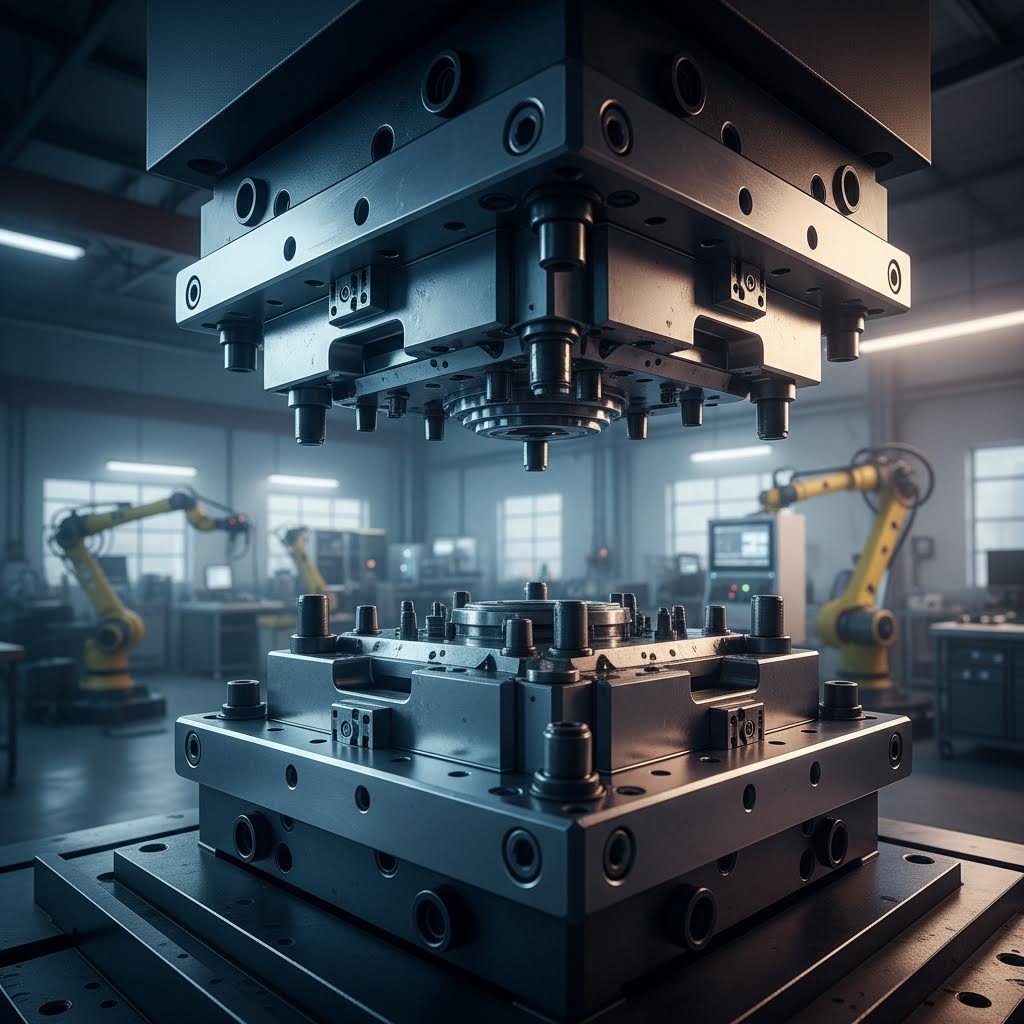
Hvad en leverandør af stempelværktøj faktisk gør
Når du hører udtrykket «leverandør af stempelværktøj», tænker du måske på et firma, der simpelthen sender metalværktøjer til producenter. Men her er det, de fleste købere ikke indser: Din leverandør af stempelværktøj kontrollerer i virkeligheden DNA’et i hver eneste komponent, der ruller ud fra din produktionslinje. Tænk over det – hvert stempelværktøj er et unikt præcisionsværktøj, der er designet til at skære og forme metalplader til specifikke former, og det firma, der leverer dette værktøj, påvirker direkte din kvalitet, dine omkostninger og dine produktionsplanlægning.
En stempelværktøjsleverandør gør langt mere end blot at fremstille og levere værktøj. De udvikler løsninger, fejlsøger produktionsudfordringer og bliver ofte langsigtede partnere i din fremstillingssucces. At forstå, hvad de faktisk gør – og hvordan deres kompetencer varierer – kan betyde forskellen mellem problemfrie produktionsløb og kostbare standstilstande.
Grundlaget for præcisionsmetalformning
Hvordan fungerer et stempelværktøj egentlig? Forestil dig en kraftig presse, der presser et særligt hærdet værktøj ned i et metalplade. Stempelaftrykket skaber en kontrolleret deformation, der omdanner det flade materiale til præcist formede komponenter. Denne koldformningsproces anvender ikke bevidst varme, men friktionen i processen efterlader ofte færdige dele ret varme.
Ifølge Diecos tekniske ressourcer stansværktøjer indeholder typisk skærende og formende sektioner, der normalt fremstilles af hærdbar værktøjsstål eller hårde slidstærke materialer som carbid. Disse sektioner skal kunne klare kolossale tryk og gentagne brugsomgange – nogle gange fremstiller de millioner af identiske dele fra et enkelt stansværktøjssæt.
Hvert stansværktøj bygger på kernekomponenter, der fungerer i harmoni:
- Stansplader (sko/sæt): Fundamentet, hvorpå alle andre komponenter monteres, typisk fremstillet af stål eller lette aluminiumslegeringer
- Stansstifter: Værktøjerne, der presser ind i metal for at bøje det eller stanse huller i det; tilgængelige i runde, aflange, firkantede og specialfremstillede spidsformer
- Stansknapper: Modstykket til stansstifterne, der leverer den modsatte skærekant; let større end stifterne for at skabe den såkaldte "stansbrud" til rene skær
- Guidepinds og busninger: Præcisionskomponenter fremstillet med tolerancer inden for 0,0001 tommer, der sikrer præcis justering af øverste og nederste stansplader
- Afstripperplader: Komponenter, der holder metalpladerne på plads og fjerner materialet fra stansstifterne efter hver slagcyklus
- Stempelfjedre: Høj-kraft kompressionsfjedre – enten mekaniske eller med kvælstofgas – der leverer den nødvendige kraft under omformningsprocesser
Hvorfor valg af diesupplier afgør produktionens succes
Her er det, der adskiller tilfredsstillende leverandører fra exceptionelle: Den præcise relation mellem presse og die bestemmer alt, der følger efter. Når stansværktøjer til trykpresse er konstrueret korrekt, opnår du konsekvent delequalitet, minimale udskudsrater og forudsigelige vedligeholdelsesplaner. Hvis de ikke er det? Står du over for produktionsforsinkelser, kvalitetsafvisninger og stigende omkostninger.
Overvej dette: et stansværktøj fremstillet med stramme tolerancer producerer dele, der opfylder strenge kvalitetskrav hver eneste gang. Selv mindste dimensionelle afvigelser i bilapplikationer kan medføre tætningsfejl, vandlekkage og reduceret brændstofeffektivitet. Din leverandørs ingeniørkompetencer påvirker direkte, om dine dele godkendes ved inspektion eller bliver dyr skrald.
De bedste leverandører af stempelstøvler tilbyder mere end blot fremstillingskapacitet. De tilbyder designrådgivning, avancerede simulationsmuligheder, ekspertise inden for prototyping og vedvarende teknisk support. Som du vil opdage gennem denne guide, kan en vurdering af disse kompetencer inden underskrivelse af en aftale spare dig betydelige hovedpine – og penge – på sigt.
Typer af stempelstøvler og deres fremstillingsanvendelser
Har du nogensinde undret dig over, hvorfor nogle stempelprojekter koster betydeligt mere end andre – selv når komponenten ser relativt simpel ud? Svaret ligger ofte i valget af støvler. At vælge den forkerte type støvler til din anvendelse er en af de dyreste fejl, producenter begår, men det diskuteres sjældent, før kontrakterne er underskrevet. At forstå, hvordan progressive stempelstøvler, transportstøvler, kombinerede støvler og enkeltpoststøvler adskiller sig fra hinanden, giver dig forhandlingsstyrke, når du taler med en leverandør af stempelstøvler.
Hver støbetype fungerer efter grundlæggende forskellige principper, hvilket gør dem velegnede til forskellige produktionsforhold. Lad os gennemgå præcis, hvordan hver enkelt fungerer, så du kan vurdere, om din leverandørs anbefalinger faktisk svarer til dine projektkrav.
Progressive stans til høje produktionsvolumener
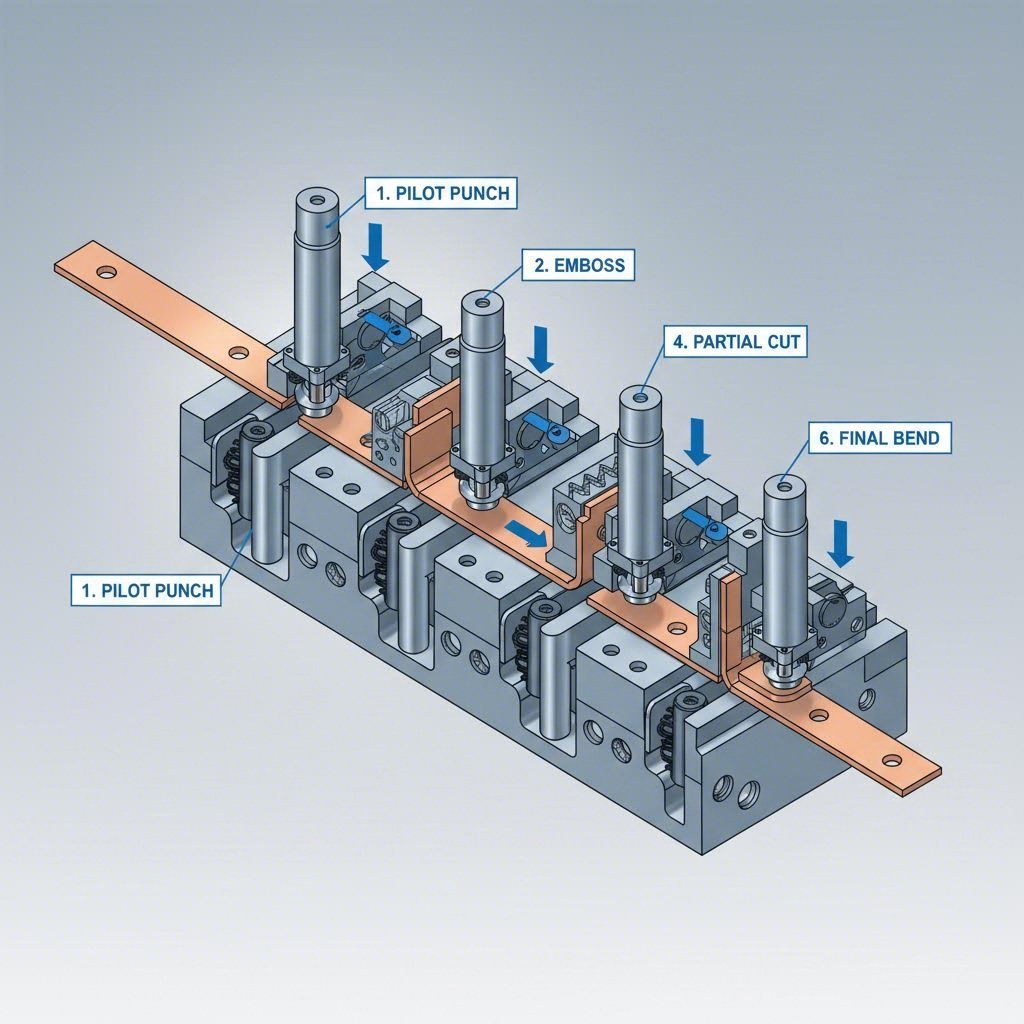
Forestil dig en samlebånd-konstruktion komprimeret til et enkelt værktøj. Det er i princippet det, en progressiv støbeform opnår. Ifølge Layanas tekniske dokumentation , omdanner en progressiv støbeform flade metalstrimler fra stålspoler til komplekse dele ved hjælp af en række stationer inden for ét værktøj. Ved hver presstød fremrykkes strimlen til den næste station, hvor forskellige operationer – som udskæring, punktering, bøjet, afskæring – gradvist former metallet.
Her er den væsentlige fordel: Flere operationer finder sted samtidigt under hver slagcyklus. Mens én sektion af båndet bliver bøjet, bliver en anden sektion perforeret, og endnu en anden sektion bliver skåret. Denne multitask-funktion gør det muligt for producenter at fremstille tusindvis af dele i timen, hvilket gør diesæt af denne type ideelle til produktionsmiljøer med høj kapacitet.
Progressive dies er fremragende, når du har brug for:
- Produktionsvolumener på over 10.000 dele
- Komplekse geometrier, der kræver flere operationer
- Smalle tolerancer med høj gentagelighed
- Minimalt arbejdskraftforbrug gennem automatisering
Progressive stansedies kræver dog en betydelig forudgående værktøjsinvestering. De er også ikke velegnede til dele, der kræver dybtrækning, eller til konstruktioner, der er for store til at fødes gennem som kontinuerlige bånd. Hvis din leverandør anbefaler en progressiv die til en prototypeproduktion på 500 dele, er det et rødt flag, der bør efterprøves.
Overførsels- og sammensatte die-anvendelser
Hvad sker der, når din delkonstruktion ikke kan forblive fastgjort til et metalbånd gennem hele produktionsprocessen? Det er her, hvor overførselsdies trykning træder i billede . I modsætning til progressive operationer adskiller overførselsdies hver enkelt del fra grundmaterialet allerede ved den første operation. Mekaniske »fingre« transporterer derefter enkeltdelene gennem flere stationer til efterfølgende omformningsoperationer.
Overførselsdies er særligt velegnede til anvendelser, der kræver dybtrækning, indviklede funktioner som riller eller gevind og fremstilling af rør. Som Engineering Specialties bemærker, kan pressemasinen stanses lige så dybt, som det rå materiale tillader, fordi ingen metalstrimmel forbliver forbundet — en evne, som progressive dies simpelthen ikke kan matche.
Sammensatte dies anvender en helt anden fremgangsmåde. I stedet for at udføre operationer sekventielt på tværs af flere stationer udfører en kombination af en blankingsdie og en omformningsdie flere skæringer, stansninger og bøjninger i én enkelt slag. Dette gør sammensatte stansdies ekstremt hurtige til fremstilling af simple flade dele som underlagsskiver, hvor hastighed er mere afgørende end geometrisk kompleksitet.
Enkeltstationsdies repræsenterer den simpleste mulighed – ét værktøj udfører én operation pr. slag. De er omkostningseffektive til produktion i lav mængde og enkle designs, selvom effektiviteten falder markant, når flere simple dies skal bruges sekventielt.
| Diestype | Produktionsvolumen | Kompleksitetskapacitet | Omkostningsovervejelser | Typiske anvendelser |
|---|---|---|---|---|
| Progressiv presseform | Høj volumen (10.000+ dele) | Komplekse geometrier; flere operationer | Høj værktøjsomkostning; lav omkostning pr. del ved stor mængde | Bilbracketter, elektronikforbindere, apparatkomponenter |
| Overførselsværktøj | Mellem til høj volumen | Dybe træk; indviklede funktioner (riller, forstærkningsribber, gevind) | Moderat værktøjsomkostning; højere krav til håndtering | Rørapplikationer, dybtrukne kabinetter, komplekse 3D-forme |
| Sammensat støb | Mellem til høj volumen | Enkle flade dele; begrænset geometri | Lavere værktøjsomkostning end progressiv; hurtige cykeltider | Skiver, flade pakninger, simple stansede dele |
| Enkeltstationsskærm | Lav volumen; prototyper | Én operation pr. slag | Laveste værktøjsomkostning; højere omkostning pr. enkelt del | Korte serier, simple skæringer eller bøjninger, validering af prototyper |
Når du vurderer tilbud fra producenter af fremskridtsstansværktøjer eller andre værktøjsleverandører, skal du specifikt spørge, hvorfor de anbefaler en bestemt stanstype til dit projekt. En kompetent partner vil forklare, hvordan din produktionsmængde, delens geometri og materialekrav har påvirket deres anbefaling – og ikke blot citere en pris.
At forstå disse grundlæggende forskelle gør dig i stand til at genkende, når et leverandørs forslag stemmer overens med dine reelle behov, og hvornår de muligvis leder dig mod deres foretrukne fremstillingsmetode. Denne viden bliver især værdifuld, når vi undersøger, hvordan forskellige stansmaterialer interagerer med bestemte værkdelsmetaller.
Materialekompatibilitet ved stansværktøjsvalg
Her er noget, som de fleste leverandører ikke frivilligt nævner i de indledende samtaler: Det forkerte diesmateriale kombineret med dit værkværksmetal kan reducere værktøjets levetid med 50 % eller mere. Selvom din prisangivelse måske ser konkurrencedygtig ud på papiret, opstår skjulte omkostninger, når ståldies slitter for tidligt ved abrasiv rustfrit stål, eller når carbiddies sprækker, fordi de ikke er velegnede til din anvendelse. At forstå materialekompatibilitet transformerer dig fra en passiv køber til en informeret forhandler.
I overensstemmelse med ASM-håndbog om pladtdannelse , hvor valg af materialer til presseform-dies kræver en vurdering af produktionsvariable, herunder værkværksmaterialers egenskaber, forventede produktionsmængder og de specifikke formningsoperationer, der indgår. Lad os afkode, hvad dette betyder for dine metalstansedies-projekter.
Tilpasning af diesmaterialer til dine produktionsmetaller
Tænk på støbning som et makkerpar—forholdet mellem dit værktøjsmateriale og det metal, du bearbejder, afgør, om I vil nyde en lang og produktiv samarbejdspartnerskab, eller om du vil stå over for konstant vedligeholdelsesproblemer. Forskellige materialer til det bearbejdede stykke stiller unikke krav, der kræver specifikke løsninger med hensyn til diesmateriale.
Bløde metaller som aluminium og kobberlegeringer er milde over for værktøjer, men skaber alligevel forskellige problemer. Aluminium har tendens til at galere (sidde fast på die-overflader), hvilket kræver diesmaterialer med fremragende overfladehårdhed eller specialbelægninger. Kobber og messing er selvom meget formbare, i stand til at forårsage adhæsiv slid på blødere værktøjsstål. Dies til plademetal, der håndterer disse materialer, drager fordel af hærdede overflader, der modstår materialeoverførsel.
Hårdere værktøjsmaterialer fortæller en anden historie. Rustfrit stål og højstyrke-lavlegeret stål slidter aktivt på dødefladerne gennem abrasion. Døder til blikstansning, der bearbejder disse metaller, kræver mere holdbare og slidstærkere materialer – ofte karbidindsatser på kritiske slidpunkter. Uden korrekt materialematchning vil du finde dig selv til at udskifte eller genoprette døder langt hyppigere, end din leverandør oprindeligt havde estimeret.
Valg af stålsorte til optimal dødydelse
Værktøjsstålslag udgør rygraden i de fleste metal-dødanvendelser, men ikke alle stål yder lige godt i hver situation. Som anført i JV Manufacturing's tekniske vejledning anvendes hærdet værktøjsstål og karbid almindeligt i fremadskridende dødkonstruktion, fordi de tilbyder forbedret styrke og slidmodstand til højtydende anvendelser.
Her er en praktisk oversigt over almindelige dødmaterialer og deres ideelle kombinationer:
- A2-værktøjsstål: God holdhed og moderat slidstærkhed; fungerer godt med blødt stål og aluminium i applikationer med mellemstor produktionsmængde
- D2 Værktøjsstål: Højere slidstærkhed end A2; egnet til hårdere værktøjsmaterialer som rustfrit stål i større produktionsmængder
- M2 Højhastighedsstål: Udmærket varmebestandighed; ideel til højhastighedsbearbejdning med konstante materialeegenskaber
- Carbidindsæt: Maksimal slidstærkhed; afgørende ved slibende materialer som rustfrit stål eller storseriefremstilling på over 500.000 dele
- Bronselegeringer: Anvendes i specifikke omformningsapplikationer, hvor reduceret friktion er mere afgørende end hårdhed
| Emnemateriale | Anbefalet værktøjsmateriale | Centrale overvejelser | Forventet dies levetid (relativ) |
|---|---|---|---|
| Blødt stål | A2- eller D2-værktøjsstål | Balancerer omkostninger med slidstærkhed; belægninger forlænger levetiden | Høj |
| Rustfrit stål | D2-værktøjsstål eller carbidskære | Højst abrasiv; kræver maksimal hårdhed ved skærekanterne | Moderat (uden carbid) |
| Aluminium | A2-værktøjsstål med belægning | Risiko for galling; polerede overflader og TiN-belægninger reducerer adhæsion | Høj (med korrekt belægning) |
| Kobber\/Brass | D2-værktøjsstål eller bronze | Adhæsiv slid er et problem; overfladebehandlinger hjælper | Høj |
| Højstærke stål | Karbidindslætninger | Ekstrem slid; ståldie kræver hyppig vedligeholdelse | Lav (uden carbid) |
Den samlede ejerskabsomkostning strækker sig langt ud over den oprindelige købspris for die. Stålstempelstøvler fremstillet af premiummaterialer koster mere opfront, men giver ofte betydeligt lavere stykpriser over deres levetid. Når du vurderer tilbud, skal du specifikt spørge din leverandør, hvilke stålsorter til støvler de anbefaler og hvorfor. En transparent partner vil forklare, hvordan deres materialevalg balancerer din produktionsmængde, værkdelenes hårdhed og dine budgetbegrænsninger.
Stålstøvler udgør kun én del af puslespillet. Overfladebehandlinger som titannitridbelægning (TiN), nitridering og chrompladering kan betydeligt forlænge støvlernes levetid uanset basismaterialer—især ved bearbejdning af metaller, der er tilbøjelige til at blive klebende, fx aluminium. Disse behandlinger medfører ekstraudgifter, men betaler sig ofte allerede inden for den første større produktionsomgang.
Når fundamentet for materialekompatibilitet er på plads, bliver det næste kritiske spørgsmål: Hvordan ser den faktiske fremstilling af støvlerne ud, og hvad bør du forvente i hver fase?
Fremstillingen af støvler til stansning forklaret
Hvad er dieproduktion egentlig? De fleste købere modtager tilbud, godkender design og til sidst værktøj, men den sorte boks mellem disse milepæle forbliver frustrerende uigennemsigtig. Forståelsen af den komplette proces for fremstilling af stempler gør dig fra en passiv modtager til en engageret partner, der kan identificere potentielle problemer, før de bliver dyre forsinkelser. Når man ved, hvad der sker i hvert trin, kan man stille klogere spørgsmål og holde sin stemplingsplatformsleverandør ansvarlig.
Rejsen fra koncept til produktionsklar stempeltværktøj varer typisk 8-16 uger, afhængigt af kompleksiteten. Men her er hvad leverandører sjældent forklarer på forhånd: Din involvering på specifikke kontrolpunkter har dramatisk indflydelse både på tidslinjen og den endelige kvalitet. Lad os gå gennem præcis hvad der sker og hvad du kan forvente i hver fase.
Fra koncept til produktionsklar værktøjning
Hvert vellykket projekt inden for værktøjs- og støbeformproduktion følger en struktureret sekvens. Spring et trin over, og problemerne forstærkes i de efterfølgende faser. Hvis du skynder dig i de tidlige faser, betaler du for det under produktionen. Ifølge fremstillingsarbejdsgangens eksperter hos Alsette opnår købere, der forbliver engagerede i hver af de centrale faser, bedre resultater, hurtigere tidsplaner og færre hovedpine.
Her er den komplette arbejdsgang for støbeformbearbejdning og -fremstilling, som du bør forvente:
- Designrådgivning og DFM-analyse (1–2 uger): Denne indledende fase sætter tonen for hele dit projekt. Din leverandør gennemgår dine reservedels tegninger, materialekrav, tolerancer og den tænkte anvendelse. Analysen af Design til Fremstillingsegnethed (DFM) identificerer potentielle problemer – f.eks. detaljer, der er svære at stampe, tolerancer, der kræver specialværktøj, eller konstruktioner, der kunne forenkles uden at påvirke funktionen. Forvent, at din leverandør stiller detaljerede spørgsmål om produktionsmængder, materialekvaliteter og krav til endelige anvendelse. Hvis de ikke stiller spørgsmål, bør du betragte det som et advarselssignal.
- CAE-simulering og teknisk analyse (1–3 uger): Før der skæres i noget stål, udfører sofistikerede leverandører Computer-Aided Engineering-simuleringer for at teste stampeprocessen virtuelt. Denne digital-tvilling-metode forudsiger materialestrømmen, identificerer potentielle områder med tyndning eller revner og optimerer dørgeometrien. Som nævnt i Jeelix' vejledning til progressiv stempel denne forudsigelsesevne transformerer udviklingen af værktøjer fra en »byg-og-test«-tilgang til et videnskabeligt paradigme baseret på »forudsig-og-optimer«—hvilket potentielt kan spare uger med fysisk prøve-og-fejl-arbejde.
- Prototypeudvikling og designgodkendelse (2–3 uger): Når simuleringerne er valideret, oprettes detaljerede støbemodeller. Du bør modtage 3D-modeller eller detaljerede tegninger til godkendelse. Nogle leverandører tilbyder prototyper fremstillet med blødt værktøj til initial validering af dele, inden der investeres i hærdede produktionsværktøjer. Denne milepæl er din sidste mulighed for at foretage designændringer uden betydelige omkostningskonsekvenser.
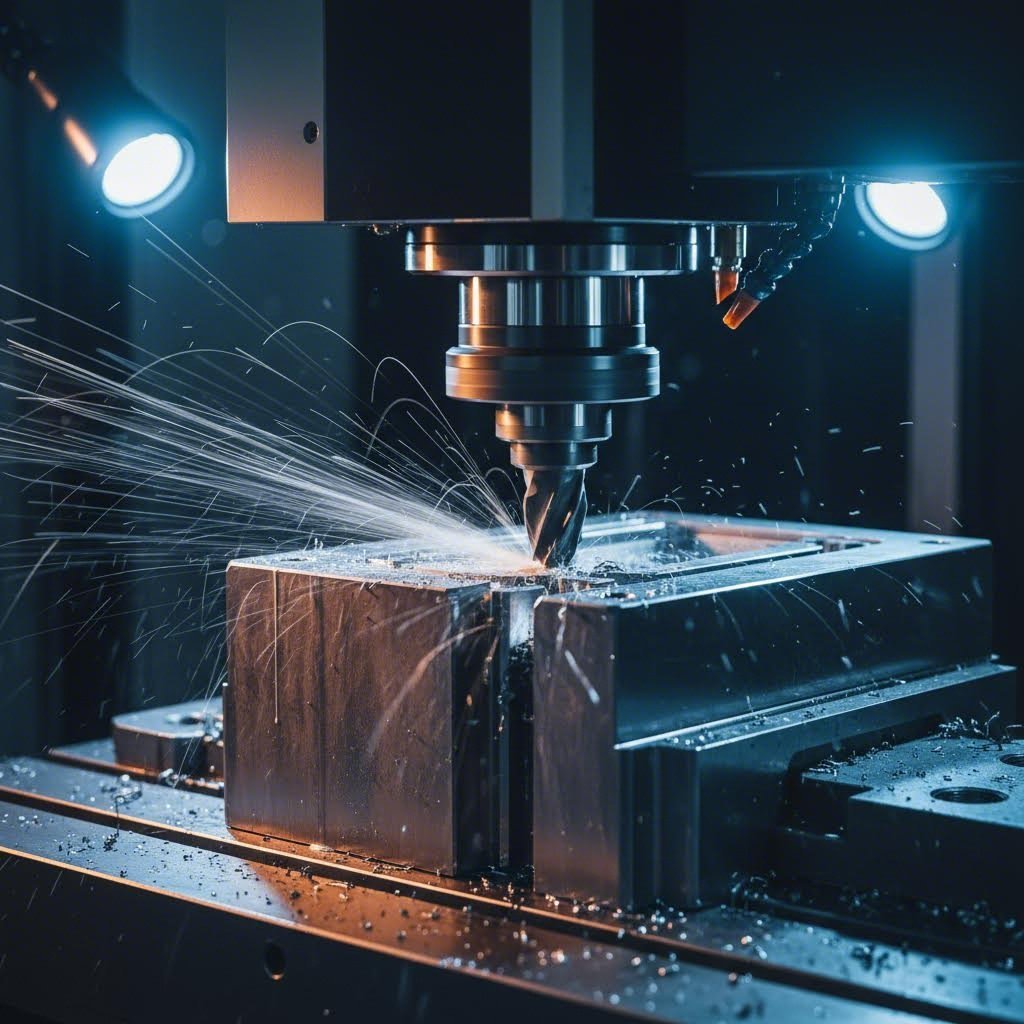
- Værktøjsfremstilling og støbemodellering (4–8 uger): Her er det, hvor støbemodeller til fremstilling af koncepter bliver til fysisk virkelighed. CNC-fremstillingsscentre fræser støbemodulblokke, tråd-EDM skaber indviklede profiler, og slibningsprocesser opnår de endelige tolerancer. Varmebehandling hærder kritiske komponenter. Montage integrerer støber, støbemodulknapper, vejledningssystemer og fjedre i funktionsdygtig værktøjning. Tidsplanen varierer betydeligt afhængigt af støbemodulens kompleksitet – et simpelt sammensat støbemodul kan tage 4 uger, mens et komplekst progressivt støbemodul med 20+ stationer kan kræve 8 uger eller mere.
- Test og validering (1–2 uger): Indledende prøveindstillinger (T0) tester den grundlæggende funktionalitet – fødes båndet korrekt? Udskilles delene rent? Første-artikel-dele måles i forhold til specifikationerne. Efterfølgende prøver (T1, T2) finjusterer indstillingerne og verificerer dimensionel stabilitet over flere produktionsomgange. Din involvering er afgørende her: Ved at gennemgå prøveprøver og målerapporter, inden den endelige godkendelse, undgås problemer under masseporduktion.
- Produktionsfreigivelse og dokumentation (1 uge): Når valideringen er afsluttet, modtager stansen endelig godkendelse til produktionsbrug. Dokumentationspakkerne omfatter typisk vedligeholdelsesplaner, reservedelslister, indstillingsparametre og inspektionskriterier. Denne pakke bliver afgørende for den løbende reparation og vedligeholdelse af stansen gennem dens levetid.
Ingeniørgranskningen
Lyd det kompliceret? Det burde det – for kvalitetsstansproduktion er faktisk kompliceret. Men her er hemmeligheden, som de fleste leverandører ikke vil afsløre: Din aktive deltagelse ved tre kritiske granskningspunkter kan forkorte tidsplanerne og forhindre kostbare revisioner.
Granskningspunkt 1: DFM-bekræftelse. Send ikke bare tegninger og forsvind. Som fremstillingsspecialister understreger, kan ti minutters videokonference med ingeniører under DFM-begrebet spare ti dage senere. Bekræft materialekravene, diskutér toleranceprioriteringer og afklar, hvordan dele skal bruges i den endelige samling.
Granskningspunkt 2: Simulationsresultater. Bed om at se CAE-analyseoutput. Hvor forudsiger simulationen materialeudtynding? Hvor sikre er ingeniørerne på, at omformningen lykkes? Leverandører, der bruger avanceret simulering, bør kunne vise dig forudsagte spændingsfordelinger og materialestrømningsmønstre.
Gennemgangspunkt 3: Godkendelse af prøveprøver. Godkend aldrig produktionsfreigivelse udelukkende ud fra fotos. Anmod om dimensionelle rapporter, inspicer prøvedele, når det er muligt, og verificer, at kritiske funktioner opfylder specifikationerne. Uanset om du besøger faciliteten eller gennemgår detaljerede måledata fjernstyretd, forhindrer din feedback i dette trin fremstilling af tusindvis af dele, der ikke opfylder specifikationerne.
I hele denne proces afspejler kommunikationsfrekvensen leverandørens kvalitet. Partnere, der proaktivt deler fremskridtsopdateringer, tidligt signalerer potentielle problemer og inviterer dig til at give input ved beslutningspunkter, leverer typisk bedre resultater end dem, der holder tavs mellem ordreplacering og meddelelse om afsendelse.
Med en klar forståelse af, hvordan støbeforme fremstilles, er det næste overvejelse, hvordan kravene adskiller sig på tværs af brancher – fordi en bilbracket og en forbindelseskontakt til medicinsk udstyr kræver fundamentalt forskellige tilgange, selvom de grundlæggende processer er lignende.
Branchespecifikke krav til støbeforme
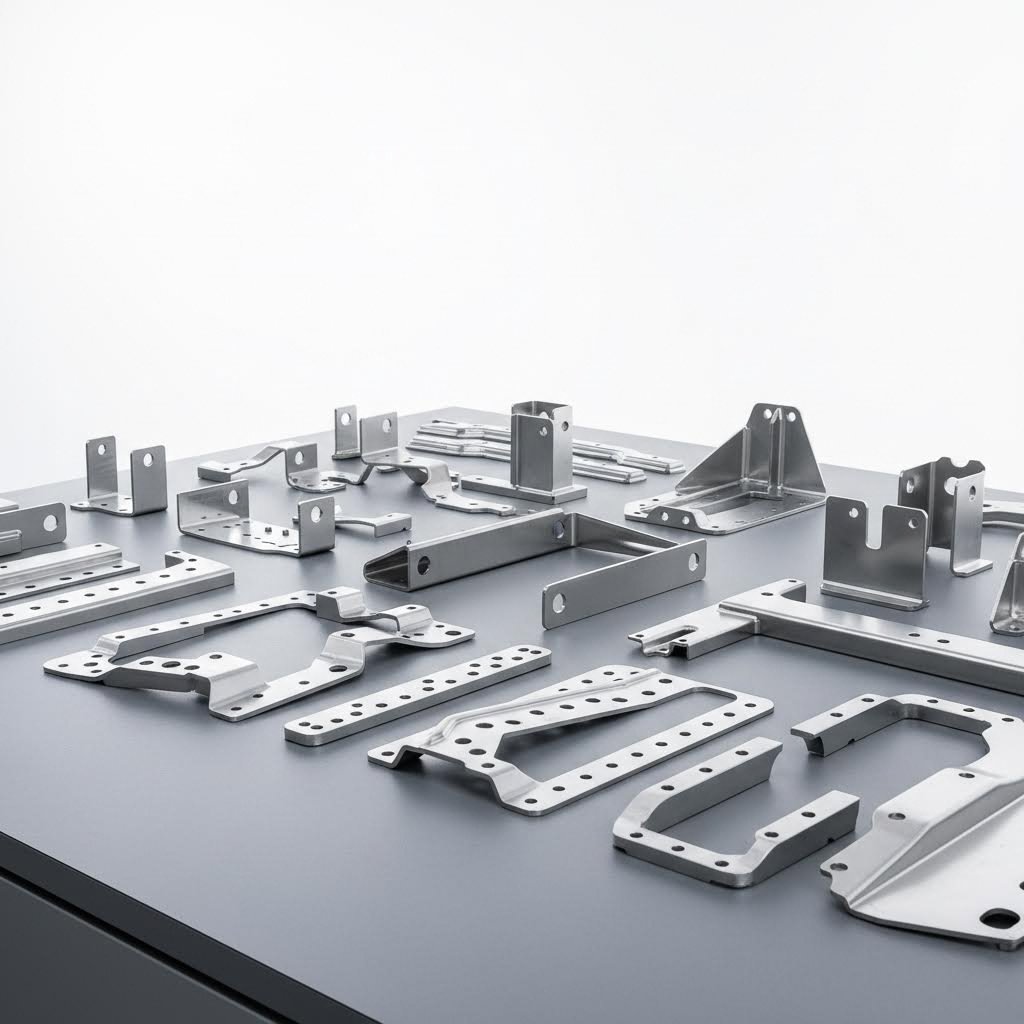
Her er en realitet, som mange leverandører af støbeforme ikke nævner under jeres indledende samtaler: Den støbeform, der fungerer perfekt til bilbrackets, kan fejle spektakulært i produktionen af medicinsk udstyr. Branchespecifikke krav går langt ud over delens geometri – de dikterer certificeringsstandarder, tolerancemål, materialevalg og endda, hvordan jeres leverandør dokumenterer deres processer. At forstå disse forskelle, inden I indgår en aftale, stiller jer i stand til at vurdere, om en leverandør virkelig opfylder jeres branches krav, eller om de blot siger det, de tror, I gerne vil høre.
Tænk over det på denne måde: Ville du stole på en leverandør af automobil-stansedie til at fremstille komponenter til et implantabelt medicinsk udstyr uden at verificere deres medicinske certificeringer? De tekniske kompetencer kan være overlappende, men kvalitetssystemerne, dokumentationskravene og reguleringsrammerne er helt forskellige. Lad os undersøge, hvad hver større industri faktisk kræver af præcisionsdies og stansprocesser.
Præcisionskrav inden for bilsektoren
Bilproduktion udgør en af de mest krævende miljøer for progressive dies til metalstansning. Volumenkravene er overvældende – én enkelt bilmodel kan kræve flere millioner stansede komponenter årligt, hvor hver enkelt skal opfylde identiske specifikationer. Når du fremstiller karosseridelte, strukturelle beslag eller gearkassekomponenter, er konsekvens ikke blot ønskeligt – det er påkrævet.
Ifølge Master Products' certificeringsdokumentation , IATF 16949:2016-certificering etablerer en basis for kvalitetsforventninger, når der indgås kontrakter om metalstansningsprojekter inden for bilindustrien. Denne certificering, som oprindeligt blev udarbejdet af International Automotive Task Force i 1999, har til formål at harmonisere kvalitetsvurderingssystemer på tværs af den globale bilindustri. De tre primære mål fokuserer på forbedring af produktkvalitet og konsekvens, oprettelse af pålidelige leveringskæder gennem status som »foretrukken leverandør« samt nahtl integration med ISO-certificeringsstandarder.
Hvad betyder IATF 16949-certificering faktisk for dit projekt med bilstansningsforme? Litteraturen understreger fejlforebyggelse, minimering af produktionsvariationer samt reduktion af affald og spild. Leverandører, der besidder denne certificering, har demonstreret:
- Robuste proceskontroller, der forhindrer dimensionel afdrift under seriefremstilling i stor skala
- Avancerede målesystemer, der er i stand til at registrere variationer, inden de bliver fejl
- Dokumenterede procedurer for materiale-sporbarhed fra råmateriale til færdige dele
- Kundecentrerede kvalitetssystemer, der tager højde for unikke produktionsbehov og forventninger
Typiske tolerancer for automobil-stansedie ligger mellem ±0,1 mm og ±0,05 mm for kritiske dimensioner, selvom strukturelle sikkerhedskomponenter ofte kræver strengere kontrol. Fremstillere af progressive stansedie til automobil-OEM’er skal ikke kun demonstrere kapacitet, men også konsekvens i millioner af produktionscyklusser.
Tolerancer for medicinsk udstyr og elektronik
Hvis automobil-tolerancer lyder krævende, så opererer fremstilling af medicinsk udstyr i et helt andet præcisionsunivers. Som Hobson & Motzers tekniske analyse forklarer, er præcision afgørende i fremstilling af medicinsk udstyr – fra kirurgiske instrumenter til komplekse endoskopiske klampeenheder og robotbaserede kirurgiske systemer. Kvaliteten og nøjagtigheden af stansede komponenter påvirker direkte ydelsen, sikkerheden og især patientens helbred.
Medicinske anvendelser kræver ISO 13485-certificering, et kvalitetsstyringssystem, der specifikt er udviklet til producenter af medicinsk udstyr. I modsætning til generelle industrielle certificeringer lægger ISO 13485 vægt på:
- Risikostyring gennem hele produktets levetid
- Strenge dokumentationskrav til designkontrol og validering
- Fuld sporbarehed af materialer og processer
- Validering af fremstillingsprocesser, der påvirker produktkvaliteten
Tolerancer ved stansning af medicinsk udstyr når ofte ±2–5 mikrometer for kritiske egenskaber. Ifølge Aliconas vejledning til præcisionsdies-fremstilling kræver brancher som medicinteknologi langt strammere tolerancer end almindelige anvendelser, og ortopædiske skruer samt implantatkomponenter kræver fejlfri dimensional nøjagtighed for at opfylde sikkerhedskravene.
Elektronikfremstilling stiller lignende krav til præcision. Mikroforbindere, halvlederlederstel og afskærmningskomponenter kræver ofte tolerancer, der svarer til medicinske specifikationer. Højhastighedsprogressive støbeforme producerer millioner af identiske dele, hvor selv mikroskopiske variationer kan føre til monteringsfejl eller elektriske ydelsesproblemer.
Kravene til biokompatible materialer tilføjer en yderligere kompleksitetslag. Medicinske støbningsprocesser arbejder ofte med forskellige kvaliteter af rustfrit stål, titanlegeringer og specialmaterialer, som kræver specifik håndtering og dokumentation. Brugerdefinerede metalstøbemodeller til medicinske anvendelser skal kunne håndtere disse materialer, samtidig med at præcisionen opretholdes gennem længerevarende produktionsløb.
Overvejelser inden for luftfarts- og forbrugsvarersektoren
Luft- og rumfartsstansning optager en unik position mellem automobilindustriens volumen og medicinsk præcision. Komponenter skal klare ekstreme forhold – temperaturcykler, vibration og spændingsbelastninger, der ville ødelægge almindelige dele. Certificeringer som AS9100 regulerer leverandører til luft- og rumfartsindustrien og kræver dokumenterede proceskontroller samt materialecertificeringer, der overstiger standardindustrielle krav.
Trådvalsedie til luft- og rumfartsforbindelsesmidler kræver, som anført i forskning inden for præcisionsfremstilling, ekstraordinær holdbarhed, da de koldformer tråde under ekstrem trykbelastning. De resulterende tråde er stærkere end skårne tråde, fordi kornstrukturen følger formen i stedet for at blive afbrudt. Denne specialiserede kompetence illustrerer, hvordan ekspertise inden for automobilstansedie ikke automatisk kan overføres til luft- og rumfartsapplikationer.
Produktion af forbrugsgoder foregår typisk i den modsatte ende af toleranceintervallet. Selvom præcision er vigtig, har omkostningsoptimering ofte prioritet. Komponenter til apparater i store mængder, møbelbeslag og dekorative profiler kan acceptere tolerancer på ±0,2 mm eller større. Vægten flyttes fra mikrometerpræcis fokusering til reduktion af cykeltid, materialeeffektivitet og stempellevetid.
| Branche | Typiske tolerancegrænser | Krævede certificeringer | Forventede produktionsmængder | Præferencer for materialer |
|---|---|---|---|---|
| Automobil | ±0,05 mm til ±0,1 mm | IATF 16949, ISO 9001 | Høj (100.000+ årligt) | Mildt stål, HSLA-stål, aluminiumlegeringer |
| Medicinsk udstyr | ±2–5 mikrometer (kritiske egenskaber) | ISO 13485, FDA-overensstemmelse | Mellem til høj | Rustfrit stål, titan, biokompatible legeringer |
| Elektronik | ±0,01 mm til ±0,05 mm | ISO 9001, branchespecifikke | Meget høj (millioner årligt) | Kobberlegeringer, fosforbronze, berylliumkobber |
| Luft- og rumfart | ±0,025 mm til ±0,075 mm | AS9100, Nadcap (processer) | Lav til medium | Titanium, Inconel, luftfartsaluminium |
| Forbrugsvarer | ±0,1 mm til ±0,3 mm | ISO 9001 (typisk) | Høj volumen, omkostningsdrevet | Koldvalsede stål, aluminium, rustfrit stål |
Når du vurderer potentielle leverandører, skal du afstemme deres certificeringsportfolio med dine branchekrav. En leverandør med IATF 16949-certificering demonstrerer automobilkompetence, men kan mangle de dokumentationssystemer, der kræves for medicinsk udstyr. Omvendt kan en ISO 13485-certificeret specialleverandør inden for medicinsk udstyr have svært ved at imødegå volumenkravene og omkostningstrykket i automobilproduktion.
Spørg specifikt om erfaring inden for din branche. Hvor mange lignende projekter har de gennemført? Kan de fremlægge referencer fra sammenlignelige anvendelser? Hvilken procentdel af deres nuværende produktion er rettet mod din branche? Disse spørgsmål afslører, om en leverandør virkelig forstår din branches særlige krav, eller om de blot påstår bred kompetence uden specialiseret ekspertise.
At forstå branchespecifikke krav forbereder dig til at vurdere leverandører mere effektivt. Men at vide, hvilke certificeringer der er relevante, er kun begyndelsen – næste skridt er at udvikle en omfattende ramme for at vurdere en leverandørs faktiske tekniske kompetencer og kvalitetssystemer.
Sådan vurderes leverandører af stempelværktøj
Du har identificeret dine branchekrav, forstået typerne af stempelværktøj og forstået grundlaget for materialekompatibilitet. Nu kommer den afgørende beslutning: hvilken leverandør af stempelværktøj fortjener virkelig din forretning? Her er den ubehagelige sandhed – de fleste leverandørvurderingsprocesser fokuserer på forkerte kriterier. Købere sammenligner citater for priser, tjekker et par referencer og håber på det bedste. I mellemtiden bliver de faktorer, der rent faktisk afgør projektets succes, ofte ikke undersøgt, før problemer opstår.
Tænk på leverandørvurdering som ansættelse til en kritisk stilling. Ville du vælge en kandidat udelukkende ud fra deres lønforventninger og en hurtig referencetjek? Selvfølgelig ikke. Du ville vurdere færdigheder, verificere kvalifikationer, vurdere kulturel tilpasning og teste problemløsningskompetencer. Din samarbejdspartnerskab med die-producenten kræver den samme stringens. En omfattende vurderingsramme beskytter dig mod leverandører, der lover for meget og leverer for lidt – samtidig med at den identificerer partnere, der rent faktisk opfylder dine tekniske og operative krav.
Kriterier for vurdering af teknisk kapacitet
Når du vurderer en værktøjs- og stempelværksted, går vurderingen af teknisk kapacitet langt ud over at spørge: «Kan I fremstille denne komponent?» Ifølge omfattende vejledning til valg af leverandører indikerer en leverandørs udstyrsliste direkte deres kapacitet – men du skal se længere end blot antallet af pressemaskiner. Type og tonnage af deres pressemaskiner afgør størrelsen, tykkelsen og kompleksiteten af de komponenter, de kan fremstille.
Start din vurdering med disse indikatorer for ingeniørkapacitet:
- Designingeniørmæssige ressourcer: Anvender leverandøren dedikerede stempeldesignere? Kan de udføre en DFM-analyse (Design for Manufacturability)? Et kompetent værktøjs- og stempeldesignhold bør kunne identificere potentielle problemer, før der skæres i stål—hvilket sparer uger med prøve-og-fejlkorrektioner.
- CAE-simuleringsmuligheder: Spørg specifikt om software til formningssimulation. Leverandører, der anvender avanceret computerstøttet ingeniørarbejde (CAE), kan forudsige materialestrøm, tyndningszoner og potentielle fejl, inden der udføres fysiske prøvepresninger. Denne forudsigelsesevne adskiller moderne specialiserede værktøjs- og stempelproduktion fra traditionelle byg-og-test-metoder.
- Udstyr og teknologi: Anmod om en udstyrsliste, der viser CNC-fremstillingcentre, tråd-EDM-kapacitet, slibemaskiner og presstonnageområder. Flere-akse-fremstillingsmuligheder er afgørende for komplekse stempelgeometrier. Varmebehandlingskapacitet—enten internt eller gennem certificerede partnere—påvirker både tidsplanen og kvalitetskonsekvensen.
- Prototypehastighed: Hvor hurtigt kan de fremstille første prøveemner? Ledende værktøjsproducenter inkluderer blødt værktøj til hurtig prototypevalidering. Spørg specifikt: "Hvad er jeres typiske tidsramme fra godkendelse af designet til første prøveemner?" Svar i området 2–4 uger indikerer en responsiv drift; 8+ uger tyder på kapacitetsbegrænsninger eller forældede processer.
- Produktionskapacitet og skalerbarhed: Kan leverandøren imødekomme jeres nuværende volumenkrav og skala op med fremtidig vækst? Vurder den nuværende kapacitetsudnyttelse, vagtskemaer og udvidelsesmuligheder. En værktøjs- og støbemaskinfirma, der kører med 95 % kapacitetsudnyttelse, kan have svært ved at imødekomme jeres hasteproduktionsordrer eller volumenstigninger.
- Kommunikationsrespons: Hvor hurtigt reagerer de på forespørgsler? Stil en teknisk spørgsmål under jeres evaluering og mål svarhastigheden. Leverandører, der tager dage på at besvare spørgsmål før kontraktens indgåelse, forbedrer sig sjældent efter kontraktens underskrivelse. Søg efter dedikerede projektlederkontaktpersoner og klare eskaleringsprocedurer.
Tolerancekrav kræver specifik verificering. Hvilke præcisionsniveauer skal du forvente? Som anført i forskning om præcisionsfremstilling opnår almindelige industrielle anvendelser typisk tolerancer på ±0,1 mm, mens krævende sektorer kræver betydeligt strengere kontrol. Spørg potentielle leverandører direkte: "Hvilke tolerancer opretholder I rutinemæssigt på fremskridtsdies til vores materialetype?" Anmod om målerapporter fra lignende projekter som bevis.
Certificering og verificering af kvalitetssystem
Certificeringer udgør en tredjepartsvalidering af en leverandørs engagement over for kvalitetsprocesser – men ikke alle certificeringer har samme vægt for din specifikke anvendelse. Ifølge specialister inden for kvalitetsstyringssystemer hjælper forståelsen af, hvad hver enkelt certificering faktisk kræver, dig med at vurdere, om en leverandørs kvalifikationer matcher dine behov.
ISO 9001:2015 etablerer grundlaget. Denne internationalt anerkendte standard bekræfter, at en leverandør opererer under dokumenterede kvalitetsstyringssystemer med fokus på vedvarende forbedring og kundetilfredshed. Fordele inkluderer forbedret rentabilitet gennem optimerede processer, forbedret ydeevne i leveringskæden og øget organisatorisk troværdighed. For almindelige industrielle anvendelser giver ISO 9001-certificering tilstrækkelig sikkerhed for grundlæggende kvalitetskontroller.
IATF 16949 bygger videre på ISO 9001 med krav specifikt inden for bilindustrien. Oprindeligt udviklet af International Automotive Task Force (IATF), harmoniserer denne standard kvalitetssystemer på tværs af den globale bilindustrielle leveringskæde. Vigtige tilføjelser omfatter avanceret produktkvalitetsplanlægning (APQP), procesgodkendelsesprocedure for produktionsdele (PPAP) samt krav til statistisk proceskontrol. Hvis du indkøber specialfremstillede støbemoduldele til bilindustrielle anvendelser, bør IATF 16949-certificering være obligatorisk – ikke valgfri.
ISO 13485 adresserer specifikt fremstilling af medicinsk udstyr. I modsætning til generelle industrielle standarder lægger ISO 13485 vægt på overholdelse af reguleringskrav, risikostyring og procesvalidering, der er specifikke for sikker fremstilling af medicinsk udstyr. Standarden fjerner ISO 9001’s fokus på løbende forbedring og erstatter det med et fokus på vedligeholdelse af effektive, validerede processer. Købere af medicinsk udstyr bør ikke kun verificere certificeringen, men også dens omfang – dækker leverandørens certificering specifikt stansningsoperationer?
Ud over certificeringer bør man vurdere leverandørens interne kvalitetssystemer:
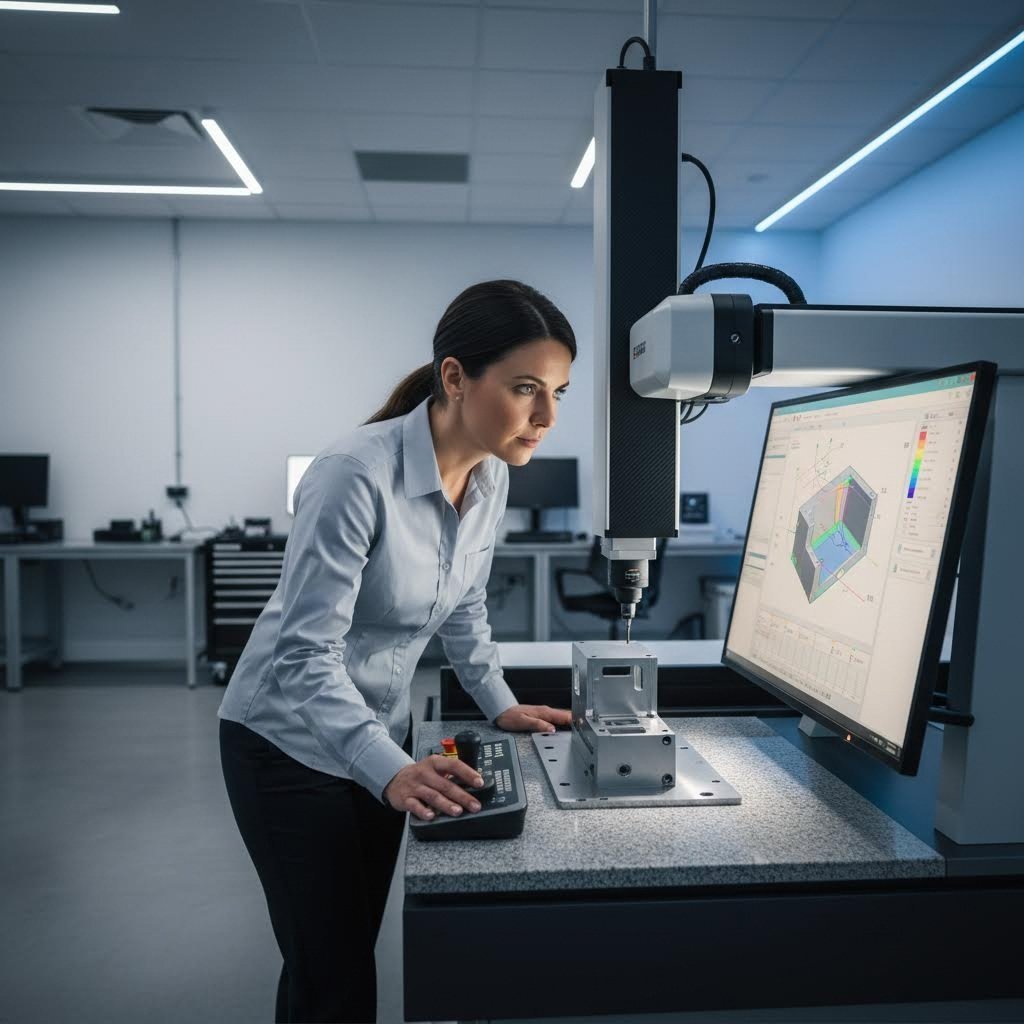
- Måleevner: Hvilket inspektionsudstyr anvender de? Koordinatmålemaskiner (CMM), optiske sammenligningsapparater og værktøjer til måling af overfladekvalitet indikerer en alvorlig kvalitetsforpligtelse. Spørg om procedurerne for målesystemsanalyse (MSA) og kalibreringsplanlægning.
- Statistisk proceskontrol: Overvåger de kritiske mål i hele produktionsløbet? Realtime-statistisk proceskontrol (SPC) forhindre dimensionel afdrift, inden komponenter bliver ikke-konforme. Anmod om eksempler på kontrolkort fra tidligere projekter.
- Materialens sporbarhed: Kan de dokumentere materialecertificeringer fra råmateriale til færdige støbeforme? Fuldstændig sporbarehed er afgørende for regulerede industrier og leverer værdifuld data ved fejlfinding i forbindelse med kvalitetsproblemer.
- Korrektive handlingsystemer: Hvordan håndterer de ikke-konformiteter? Robuste CAPA-procedurer (korrektive og forebyggende foranstaltninger) indikerer organisatorisk modenhed. Spørg efter eksempler på, hvordan de har håndteret kvalitetsproblemer i tidligere projekter.
Den laveste pris repræsenterer sjældent den bedste værdi i støbemaskiner eller ethvert miljø for præcisionsfremstilling. Sand værdi fremkommer fra leverandører, der kombinerer teknisk kompetence med robuste kvalitetssystemer og responsiv kommunikation. Når du vurderer potentielle partnere, skal du tildele vægtede point til hvert kriterium ud fra dine prioriteringer – og lad derefter objektive data lede din beslutning i stedet for salgspræsentationer eller intuition.
Tekniske kompetencer og certificeringer er af stor betydning, men de fortæller ikke hele historien. Din næste overvejelse bør adressere en beslutning, som mange købere står over for: om man skal indkøbe værktøjer hjemmefra eller overveje internationale leverandører – hvor hver tilgang har sine tydelige fordele og skjulte omkostninger.
Overvejelser vedrørende hjemmehavende versus internationale leverandører
Her er en beslutning, som de fleste købere kæmper med, men sjældent diskuterer åbent: Skal du købe dine værktøjsstamper fra et nationalt værktøjs- og stampleverandør eller overveje internationale muligheder? De anførte priser kan virke tiltalende – internationale leverandører angiver ofte stykpriser, der er 30–50 % lavere end de nationale alternativer. Men her er det, som disse tiltalende tilbud ikke afslører: Den reelle samlede ejerskabsomkostning fortæller ofte en helt anden historie.
Dette er ikke en simpel ligning af typen «nationalt = godt, internationalt = dårligt». Begge tilgange har legitime fordele, afhængigt af dine produktionskrav, din risikotolerance og dine operative prioriteringer. At forstå det fulde billede – herunder faktorer, som leverandører sjældent frivilligt fremhæver – sætter dig i stand til at træffe beslutninger baseret på forretningsmæssig realitet i stedet for ufuldstændige pris sammenligninger.
Leveringstid og kommunikationsovervejelser
Forestil dig følgende scenario: Din produktionslinje stopper, fordi en komponent til en støbemaskine uventet svigter. Du har brug for erstatningsværktøj med det samme. Med en lokal leverandør kan du måske få nye komponenter inden for få dage. Med en international partner tager det uger – plus forsinkelser i forbindelse med fragt, toldafklaring og mulig kvalitetsverificering ved ankomst.
Ifølge Monroe Engineering's indkøbsanalyse giver lokal indkøb typisk kortere leveringstider, hvilket reducerer ventetiden mellem ordreplacering og modtagelse af dele. Desuden forenkler det kommunikationen på grund af tidszoneoverensstemmelse og fælles sprog. Disse fordele bliver afgørende, når problemer opstår – og i præcisionsfremstilling opstår der uundgåeligt problemer.
Kommunikationsudfordringer med internationale støbemaskinværksteder går ud over simple sproglige barrierer:
- Tidszoneforskelle: En tidsforskel på 12 timer betyder, at din brændende morgene-mail muligvis ikke modtager et svar før din næste arbejdsdag – hvilket effektivt tilføjer mere end 24 timer til hver afklaringsrunde
- Tekniske oversættelsesproblemer: Ingeniørterminologi kan ikke altid oversættes præcist, hvilket skaber risiko for forkerte fortolkninger af specifikationer eller tolerancekrav
- Kulturelle kommunikationsstilarter: Direkte problemanerkendelse varierer mellem kulturer; problemer kan nedtones i stedet for at blive eskaleret straks
- Begrænset ansigt-til-ansigt-interaktion: Videokald hjælper, men intet erstatter at stå ved en pressemaskine og gennemgå prøver sammen med dit ingeniørteam
Indenlandske værktøjs- og stempelfirmaer eliminerer størstedelen af kommunikationsproblemer. Svar samme dag, besøg på stedet målt i timer fremfor internationale flyrejser samt fælles ingeniørstandarder skaber samarbejdsmæssige relationer, der fremskynder problemsolutionen.
Analyse af total ejerneskabskost
Den attraktive internationale prisangivelse? Den udgør måske kun 40 % af dine faktiske omkostninger. Som logistikspecialister understreger en myte om globalisering er, at lave produktionsomkostninger for arbejdskraft betyder, at de samlede omkostninger for det færdige produkt også vil være lave. Omkostningerne ved at håndtere kompleksitet, variation og begrænsninger i globale forsyningskæder kan stige til mere end de samlede indførselsomkostninger.
Overvej disse ofte oversete omkostningsfaktorer, når du vurderer international frem for national sourcing:
Fordele ved national sourcing
- Kortere leveringstider, hvilket reducerer lageromkostninger og produktionsforsinkelser
- Forenklet logistik med forudsigelige fragtomkostninger og tidsplaner
- Ingen importtold, toldafgifter eller mæglergebyrer
- Lettere kvalitetsverificering via besøg på stedet og realtidskommunikation
- Stærkere beskyttelse af intellektuel ejendom inden for velkendte juridiske rammer
- Hurtig nødreaktion, når der opstår produktionsproblemer
- Reduceret risiko for valutakursudsving og betalingskompleksitet
Fordele ved international sourcing
- Lavere grundlæggende produktionsomkostninger – især ved arbejdskraftintensive processer
- Adgang til specialiserede kompetencer, der ikke er tilgængelige inden for landet
- Større leverandørbase, der giver mere konkurrencedygtige bud
- Mulig volumenkapacitet, der overstiger den indenlandske tilgængelighed
- Geografisk diversificering, der reducerer koncentrationen af regionale risici
Ulemper ved national sourcing
- Højere angivne stykomkostninger for ækvivalent værktøj
- Potentielt begrænset kapacitet i perioder med høj efterspørgsel
- Mindre leverandørbase inden for specialiserede nicheområder
Ulemper ved international sourcing
- Forlængede leadtider – ofte 8–16 uger mod 4–8 uger inden for landet
- Volatilitet i fragtkomponenter (containerpriser svingede fra 2.500 USD til over 14.000 USD under seneste forstyrrelser)
- Udfordringer med kvalitetskonsekvens – kræver yderligere inspektionsprotokoller
- Risici for intellektuel ejendom – som advokater specialiseret i international produktion bemærker , er de mest almindelige risici tyveri af intellektuel ejendom og leverandører, der bliver direkte konkurrenter
- Komplekse toldregler, der øger den administrative byrde og potentielle forsinkelser
- Begrænset retslig gennemførelse, når tvister opstår på tværs af internationale jurisdiktioner
For at beregne den reelle samlede ejerskabsomkostning ud over stykprisen skal du opstille en omfattende ramme, herunder:
- Landed Costs: Forhandlet pris plus fragt (alle transportformer), toldmæglertjenester, toldafgifter, forsikring og bankgebyrer
- Lageromkostninger: Udvidede ledetider kræver større sikkerhedslager – beregn omkostningerne til lagerføring som 20–30 % af lagerens værdi årligt
- Kvalitetssikringsomkostninger: International sourcing kræver ofte uafhængige tredjepartsinspektioner, hvilket tilføjer $500–2.000+ pr. ordre
- Kommunikationsomkostninger: Ingeniørtid brugt på at afklare specifikationer, gennemgå prøver og håndtere udfordringer relateret til tidszoner
- Risikopræmier: Inkludér potentielle omkostninger forbundet med kvalitetsfejl, leveranceforsinkelser og værste tænkelige forsyningssvigt
- Beskyttelse af intellektuel ejendom: Juridiske omkostninger ved international varemærkeregistrering og gennemførlige NNN-aftaler
Når den samlede ejeromkostning beregnes omhyggeligt, reduceres ofte den 30–50 % lavere stykpris ved international sourcing til én-cifrede tal – eller forsvinder helt.
Den rigtige valgmulighed afhænger af din specifikke situation. Højvolumenproduktion med stor stabilitet og lange planlægningshorisonter kan retfærdiggøre international sourcing, selvom det er komplekst. Tidsfølsomme projekter, der kræver fleksibilitet, hurtig iteration eller streng beskyttelse af intellektuel ejendom, foretrækker typisk lokale samarbejdspartnere. Mange producenter anvender hybride strategier – lokale leverandører til kritisk eller tidsfølsom værktøjning og internationale leverandører til standardiserede, højvolumenkomponenter.
Uanset hvilken sourcingbeslutning du træffer, er den sidste del af puslespillet at opbygge varige leverandørrelationer, der leverer konsekvent værdi over tid – og dermed omdanner transaktionelle køb til strategiske partnerskaber.
Opbygning af et succesfuldt partnerskab med en stempel-die-leverandør
Du har vurderet de tekniske kompetencer, verificeret certificeringer og analyseret den samlede ejerskabsomkostning. Nu kommer det afsnit, der adskiller gode indkøbsbeslutninger fra fremragende: at omdanne din udvalgte leverandør til en ægte strategisk partner. Her er den virkelighed, de fleste købere opdager for sent – underskrivelsen af kontrakten er ikke mållinjen. Den er udgangspunktet for en relation, der enten vil forøge din produktionseffektivitet eller dræne ressourcer gennem konstant gnidning.
Tænk på dine mest succesfulde forretningsrelationer. De skete ikke ved et tilfælde. De udviklede sig gennem bevidst samarbejde, klare forventninger og fælles investering i fælles resultater. Din partnerskab med leverandøren af stempelstøvler fortjener den samme bevidste tilgang. Ifølge forskning inden for optimering af forsyningskæder har du brug for mere end en leverandør – du har brug for en strategisk partner, der forstår alle nuancerne i processen og demonstrerer en urokkelig serviceforpligtelse.
Opbygning af produktive leverandørrelationer
Hvad adskiller transaktionsbaserede indkøb fra strategiske partnerskaber? Engagemangsdybden. Som specialister inden for samarbejdsmæssig konstruktion understreger, kan prototypens og forproduktionsfasen i fremstillingen ikke gennemføres uden et ægte partnerskab. Leverandører, der lover ærlige vurderinger, åbne drøftelser af kapaciteter og konsekvent værdilevering, klarer sig typisk bedre end dem, der udelukkende fokuserer på at vinde ordrer.
Begynd med at opbygge produktive relationer ved hjælp af disse grundlæggende praksisformer:
- Inkluder tidligt i designfasen: Vent ikke, til tegningerne er færdige, før du inddrager din leverandør af stempelværktøj. Tidlig samarbejdsmæssig udvikling af stempelværktøj til dybtrækning muliggør DFM-optimering, hvilket reducerer omkostningerne og forkorter tidsplanerne. Din leverandørs fremstillingsmæssige ekspertise, anvendt i de indledende designfaser, forhindrer dyre revideringer senere.
- Etabler klare kommunikationsprotokoller: Definer, hvor ofte der kommunikeres, gennem hvilke kanaler og hvem der har ansvaret for specifikke beslutninger. Ugentlige statusopdateringer under igangværende projekter, månedlige relationsgennemgange i produktionsfasen samt umiddelbare eskaleringsveje ved akutte problemer skaber forudsigelige arbejdsgange.
- Del produktionsprognoser transparent: Leverandører, der kender din volumenudvikling, kan planlægge kapacitet, materialer og ingeniørmæssige ressourcer tilsvarende. Overraskelser fører til hasteværk; prognoser muliggør forberedelse.
- Invester i personlig interaktion: Videokald virker, men periodiske besøg på stedet – både i begge retninger – bygger tillid, som digital kommunikation ikke kan efterligne. At se leverandørens drift direkte afslører kompetencer og kultur, som tilbud aldrig kan fange.
De mest produktive relationer indebærer samarbejdsmæssig problemløsning frem for konfrontativ skyldfordeling, når der opstår problemer. Som bemærket i forskning om leverandørsforholdshåndtering organisationer, der praktiserer succesfuld leverandørstyring (SRM), oplever forbedret driftseffektivitet, øget kvalitetskontrol, lavere samlede driftsomkostninger og mere pålidelige forsyningskilder.
Samarbejde for fremragende produktion
Alt det, der behandles i denne vejledning – støbningstyper, materialekompatibilitet, fremstillingsprocesser, branchekrav og vurderingskriterier – samler sig i ét afgørende resultat: fremragende produktion. Din succes med brugerdefineret metalstansning afhænger af, at du vælger partnere, der demonstrerer de kompetencer, vi har gennemgået, og derefter plejer disse relationer til vedvarende forbedring.
Hvad bør du prioritere, når du fastlægger leverandørpartnerskaber?
- Uddybelse af ingeniørsamarbejde: Partnere, der konstruktivt udfordrer dine design – og dermed identificerer muligheder for forbedret fremstillelighed og omkostningsreduktion – skaber større værdi end partnere, der blot indgiver et tilbud på det, du anmoder om.
- Hurtige prototyping-muligheder: Hastighed til første-artikel-dele fremskynder hele din produktudviklingscyklus; leverandører, der tilbyder hurtig prototypproduktion på dage i stedet for uger, giver en betydelig konkurrencemæssig fordel
- Kvalificeringscertifikater, der matcher din branche: IATF 16949 for automotive, ISO 13485 for medicinsk udstyr, AS9100 for luft- og rumfart – verificér, at certifikaterne er i overensstemmelse med dine specifikke krav
- Avancerede simulationsværktøjer: CAE-analysefunktioner forudsiger problemer, inden fysiske tests udføres, hvilket reducerer antallet af iterationer og forkorter udviklingstidsplanerne
- Beviste første-gennemførselssuccesrater: Spørg potentielle partnere om deres godkendelsesrater for diesammenmontering; høje første-gennemførselsrater indikerer teknisk modenhed og procesdisciplin
For automobilproducenter, der søger partnere, der opfylder disse kriterier, Shaoyi's løsninger til præcisionsstansningsværktøj demonstrere, hvordan omfattende kompetence ser ud i praksis. Deres IATF 16949-certificering bekræfter kvalitetssystemer på bilindustriniveau, mens avanceret CAE-simulering gør det muligt at forudsige fejl, inden værktøjsfremstillingen begynder. Med hurtige prototyperingstidsrammer på så lidt som 5 dage og en godkendelsesrate på 93 % ved første gennemgang af progressive stansværktøjer leverer deres ingeniørteam den kombination af hastighed, præcision og pålidelighed, som kræves for fremragende produktion.
At opbygge vellykkede leverandørpartnerskaber kræver en vedvarende investering fra begge parter. Planlæg regelmæssige ydeevlueringer – ikke kun, når problemer opstår. Fejr sammen med succes og løs udfordringer samarbejdsmæssigt. Del feedback åbent og erkend, at din leverandørs forbedring direkte gavner dine produktionsresultater.
De bedste leverandørrelationer føles mindre som leverandørtransaktioner og mere som en udvidelse af dit eget ingeniørteam.
Når du går videre med udvælgelsen af leverandører og udviklingen af partnerskaber, skal du huske, at de "hemmeligheder", der afsløres i denne vejledning, slet ikke er hemmeligheder – de er blot de spørgsmål, som de fleste købere aldrig tænker på at stille, og de kriterier, som de fleste vurderingsprocesser overse. Udstyret med denne viden er du nu i stand til at vælge partnere inden for præcisionsstøbning, der virkelig svarer til dine krav, forhandle ud fra en velinformerede position og opbygge relationer, der leverer vedvarende produktionsværdi i årevis fremad.
Ofte stillede spørgsmål om leverandører af støbdie
1. Hvad er et stansningsværktøj og hvordan fungerer det?
En stempelmatrice er et præcisionsværktøj, der skærer og former metalplader til specifikke former ved hjælp af kuldeformningsprocesser. Den fungerer, når en kraftig presse presser et hærdet værktøj (stempel) ned i pladeemal mod en matricesten, hvilket skaber kontrolleret deformation. Kernekomponenter omfatter matriceplader, stempler, matriceknapper, guidestifter, stripperplader og matricefjedre – alle arbejder i harmoni for at fremstille identiske dele gentagne gange. Kvalitetsmatricer fra pålidelige leverandører som Shaoyi kan fremstille millioner af dele, mens de opretholder stramme tolerancer.
2. Hvilke typer stempelmatricer findes der?
Fire hovedtyper af stempelværktøj tjener forskellige fremstillingsbehov: Progressiv værktøj håndterer produktionsmængder i stor skala (mere end 10.000 dele) med komplekse geometrier gennem flere simultane operationer. Overførselsværktøj adskiller dele fra materialet først, hvilket muliggør dybe træk og indviklede funktioner. Sammensatte værktøjer udfører flere operationer i én enkelt slag og er ideelle til simple flade dele som underlagsskiver. Enkeltpost-værktøjer udfører én operation pr. slag og er velegnede til lavvolumenproduktion eller prototypearbejde. Din produktionsmængde, delkompleksitet og budget afgør det optimale valg.
3. Hvordan vælger jeg det rigtige støvlemateriale til min anvendelse?
Valget af materiale afhænger af dit værktøjsmateriale og produktionsvolumen. Værktøjsstål A2 tilbyder god slidstyrke til blødt stål og aluminium ved medium volumen. Værktøjsstål D2 giver højere slidbestandighed til anvendelse med rustfrit stål. Carbidskiver leverer maksimal slidbestandighed til abrasive materialer eller serier, der overstiger 500.000 dele. Overfladebehandlinger som titan-nitridbelægning forlænger stempelens levetid uanset basis-materiale. Leverandører certificeret i henhold til IATF 16949, såsom Shaoyi, bruger avanceret CAE-simulering til at anbefale optimale materialekombinationer til din specifikke anvendelse.
4. Hvilke certificeringer bør jeg søge efter hos en leverandør af stempelværktøj?
Krævede certificeringer afhænger af din branche. ISO 9001 fastlægger grundlæggende krav til kvalitetsstyring for almindelige industrielle anvendelser. IATF 16949 er obligatorisk for leverandører til bilindustrien og indeholder yderligere krav om APQP, PPAP og statistisk proceskontrol. ISO 13485 regulerer fremstilling af medicinsk udstyr med særlig fokus på risikostyring og sporbarehed. AS9100 dækker luft- og rumfartsapplikationer. Ud over certificeringer skal du verificere målekapaciteter, praksis for statistisk proceskontrol, systemer til materiale-sporbarhed og procedurer for korrektive foranstaltninger.
5. Skal jeg vælge en national eller international stempel-die-leverandør?
Beslutningen afhænger af dine prioriteringer ud over enhedsprisen. Indenlandske leverandører tilbyder hurtigere leadtider (4–8 uger mod 8–16 uger), nemmere kommunikation, stærkere beskyttelse af intellektuel ejendom og hurtig nødreaktion. Internationale leverandører kan tilbyde 30–50 % lavere citerte priser, men medfører skjulte omkostninger, herunder fragt, toldafgifter, kvalitetsverifikation og lageromkostninger. Beregn den samlede ejerskabsomkostning – herunder indførselsomkostninger, lageromkostninger, kvalitetssikring og risikopræmier – før du træffer en beslutning. Mange producenter anvender hybride strategier, hvor kritisk værktøj købes indenlands, mens standardiserede komponenter bestilles internationalt.