 Small batches, high standards. Our rapid prototyping service makes validation faster and easier —
  EN
EN


Tallers de tall de metall exposats: el que no expliquen als compradors novells
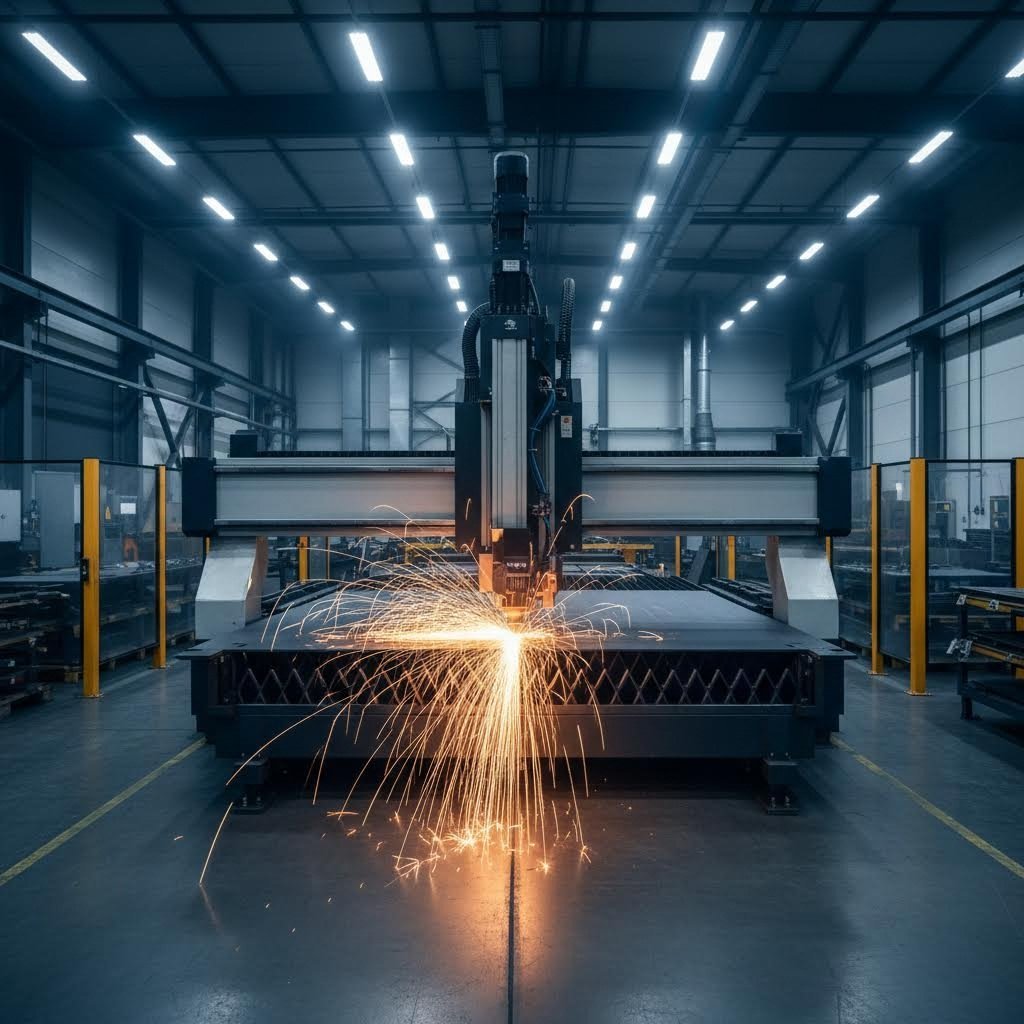
Què són els tallers de tall de metall i per què són importants
Us heu preguntat mai com les fulles d'acer en brut es converteixen en components precisos del xassís del vostre cotxe o en les bigues estructurals que subjecten els edificis? La resposta rau en els tallers de tall de metall: instal·lacions especialitzades en les quals la majoria de la gent mai pensa, però que són l'eina vertebral de gairebé totes les indústries que pugueu imaginar.
Què fan realment els tallers de tall de metall
Els tallers de tall de metall són instal·lacions de fabricació dedicades a transformar materials metàl·lics en brut en components precisos mitjançant tecnologies de tall avançades. Penseu-hi com a traductors entre matèries primeres i productes acabats. Agafen fulles grans, plaques, tubs i perfils estructurals i els tallen en mides, formes i configuracions específiques que necessiten els fabricants.
A diferència dels tallers mecànics generals que poden gestionar des de soldadures fins a muntatges, aquestes instal·lacions especialitzades es centren principalment en el procés de tall. Inverteixen fortament en equips com talladors làser, taules de plasma, sistemes d'aigua a alta pressió (waterjet) i serra de tall per metall per oferir talls precisos en diversos materials i gruixos. Algunes instal·lacions també disposen d'estacions amb eines de rectificació per al acabat i preparació dels cantells un cop finalitzades les operacions de tall.
Des de material brut fins a peces de precisió
El procés des del metall brut fins als components utilitzables implica diverses categories de serveis, cadascuna orientada a necessitats de fabricació diferents:
- Tall de xapa metàl·lica: Manipulació de materials de gruix fi, normalment inferiors a 1/4 de polzada, ideals per a envolventes, suports i elements decoratius
- Tall de planxa: Processament de materials més gruixuts, des de 1/4 de polzada fins a diverses polzades, utilitzats en equipaments pesants, aplicacions estructurals i maquinària industrial
- Tall de tubs i canonades: Tall especialitzat per a seccions buides, essencial per a marcs de mobles, sistemes d'escapament i aplicacions de transport de fluids
- Tall d'acer estructural: Treballar amb bigues en I, canals, angles i altres formes mitjançant equips com un conjunt de tall amb serra per metall per a projectes de construcció i infraestructures
Cada categoria exigeix equips i coneixements tècnics diferents. Un taller que destaca en treballs complexos de xapa metàl·lica amb una serra de tall per metall pot no disposar de la taula de plasma pesant necessària per al tall de plaques gruixudes. Per això, entendre aquestes diferències ajuda a trobar el soci adequat per al vostre projecte específic.
La base de la fabricació moderna
Això és el que molts compradors novells no saben: els tallers de metall es troben en l'etapa inicial clau de gairebé tots els projectes de fabricació. Abans que una premsa plegadora pugui doblegar les peces o una freixa pugui formar formes complexes, primer cal tallar-les amb precisió a partir de material brut.
Segons les pràctiques del sector documentades per H&S Manufacturing , el procés de fabricació comença amb la preparació del material: inspeccionar els metalls en busca de defectes i després utilitzar equips de tall o tisores per retallar les fulles amb les mides adequades per a cada projecte. Aquest pas fonamental determina tot el que segueix.
Diferents tallers especialitzen-se en diferents mètodes i materials per bones raons. Alguns es centren exclusivament en l'alumini i metalls no ferrosos, mentre que d'altres desenvolupen experiència en acer inoxidable o aliatges especials. Les inversions en equipament, la formació dels operadors i els processos de control de qualitat varien segons aquestes especialitzacions. Una esmeriladora pot ser un equip estàndard en un taller però innecessària en un altre, depenent dels seus projectes habituals i requisits d'acabat.
Comprendre què fan realment aquestes instal·lacions i adonar-se que no totes fan les mateixes coses és el primer pas per prendre decisions de compra més intel·ligents i evitar errors costosos derivats d'haver triat un mal company per al vostre projecte.
Comparació de mètodes de tall de metall
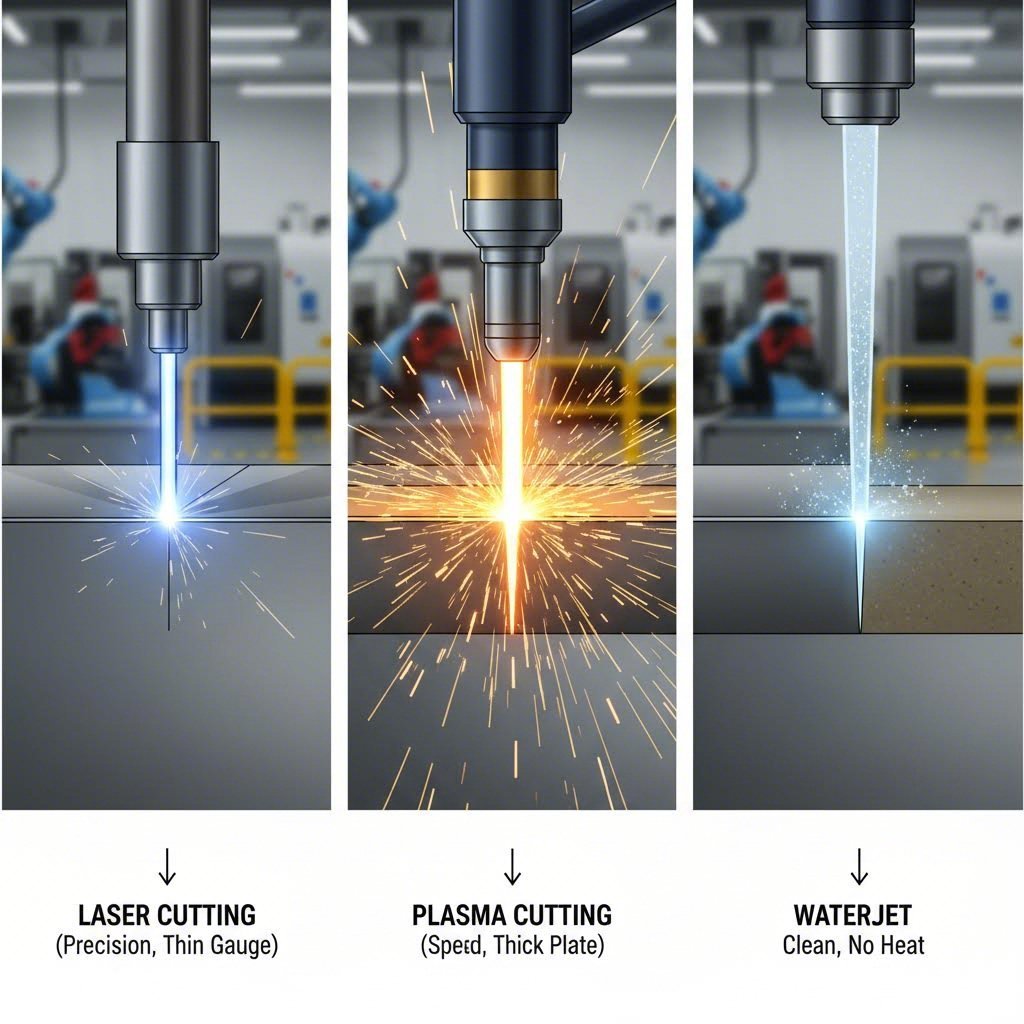
Ara que enteneu què fan aquestes instal·lacions, la següent pregunta és: com tallen exactament el metall? La resposta no és senzilla perquè els tallers professionals utilitzen diverses tecnologies de tall, cadascuna amb avantatges diferents. Triar el mètode incorrecte us pot costar milers d'euros en material desperdiciat i plazos més llargs. Analitzem cada opció perquè pugueu parlar amb confiança amb possibles proveïdors.
Tall amb làser per a una precisió intrincada
Imagineu-vos concentrant una llum intensa sobre una superfície metàl·lica amb tanta precisió que fons o vaporitza el material al llarg d'un recorregut controlat digitalment. Això és el tall làser en acció. Segons La comparació de tall de metall de Cubbison , el làser genera calor intensa que fon o vaporitza el metall ràpidament, sense possibilitat d'error humà, ja que cada tall està controlat digitalment.
Quan heu d'escollir el tall làser? Considereu-lo com a opció principal quan:
- Les vostres peces necessiten vores netes amb mínim postprocessat
- Necessiteu forats petits, cantonades agudes o formes complexes
- El gruix del material roman per sota de 1/2 polzada per a l'acer
- Les toleràncies són estretes i la precisió és ineludible
El tall làser destaca en la fabricació d'electrònica, la producció de dispositius mèdics i qualsevol aplicació on el detall importi més que la velocitat bruta de tall. La tecnologia ofereix toleràncies excepcionalment estretes, cosa que la fa ideal per a projectes que exigeixen precisió i complexitat.
Alternatives de tall per plasma i aigua a alta pressió
Què passa quan el vostre projecte implica plaques d'acer gruixudes on els làsers tenen dificultats? En aquest cas entra en joc el tall per plasma. Els talladors per plasma utilitzen un arc elèctric combinat amb gas comprimit per fondre i foradar metalls conductors. Les proves realitzades per Wurth Machinery van mostrar que el tall per plasma en acer d'1 polzada era aproximadament 3-4 vegades més ràpid que l'aigua a alta pressió, amb uns costos operatius d'aproximadament la meitat per peu.
Una taula de tall per plasma CNC es converteix en l'opció intel·ligent quan esteu treballant en la fabricació d'acer estructural, la producció d'equips pesants o qualsevol projecte que impliqui metalls conductors gruixuts. La configuració de la taula de plasma ofereix una excel·lent velocitat i eficiència de costos per a materials amb un gruix superior a 1/2 polzada.
I què passa amb els materials que no poden suportar la calor? El tall per hidroabrasiu utilitza aigua a alta pressió barrejada amb partícules abrasives per tallar gairebé qualsevol cosa—des de l'acer fins a la pedra—sense generar calor. Això vol dir cap deformació, cap endureiximent i cap zona afectada per la calor. El mercat del tall per hidroabrasiu continua expandint-se i es preveu que superi els 2.390 milions de dòlars el 2034 segons investigacions del sector.
El tall per hidroabrasiu esdevé essencial quan:
- S'ha d'evitar el dany per calor a qualsevol preu
- Esteu contestant materials no metàl·lics com el vidre, la pedra o els compostos
- La integritat del material no pot veure's compromesa pels efectes tèrmics
- Els components aerospacials requereixen zones afectades per la calor nul·les
Mètodes de Tall Mecànic Explicats
No tots els treballs de tall necessiten tecnologia CNC sofisticada. Mètodes de tall mecànic continuen sent treballadores en moltes tallers, especialment per a aplicacions específiques on superen les alternatives tèrmiques.
La serra de cinta —o serrat amb cinta com sovint s'escriu— manipula formes estructurals i peces massisses amb una eficàcia remarcable. En tallar bigues en I, barres massisses o tubs, una serra de cinta de qualitat equipada amb fulles adequades ofereix talls nets i rectes a costos raonables. Molts fabricants tenen una serra de cinta portàtil a mà per a treballs in situ o ajustos ràpids. Equipament premium com una serra de cinta Milwaukee ofereix fiabilitat en entorns de producció exigents.
Les tisores de metall representen una altra opció mecànica essencial. El cisallament es produeix quan la pressió obliga dues fulles metàl·liques a trobar-se, fent que el metall cedeixi i es separi al llarg de la línia de tall. Aquest mètode ofereix una velocitat i consistència excepcionals en diversos gruixos —perfecte per a talls rectes d'alta volumetria on no es requereixen formes complexes.
Tanmateix, la cisalladura té limitacions. A diferència del tall amb làser o amb jet d'aigua, la cisalladura pot provocar vores més rugoses i potencialment més desperdici de material. Per a aplicacions que requereixen vores llises o perfils complexos, els mètodes de tall tèrmic solen ser superiors.
| Mètode de tall | Interval d'espessor del material | Nivell de precisió | Velocitat | Cost relatiu | Millors aplicacions |
|---|---|---|---|---|---|
| Tall Llàser | Fins a 1/2" d'acer | Molt Alt | Ràpid (materials prims) | Mitjà-Alta | Parts complexes, electrònica, dispositius mèdics |
| Tall per Plasma | d'1/4" a 2"+ d'acer | Mitjà | Molt ràpid | Baix-Mitjà | Acer estructural, maquinària pesant, construcció naval |
| Tall per Jet d'Aigua | Fins a 12"+ (qualsevol material) | Alt | Lent-Mitjà | Alt | Aeroespacial, pedra/vidre, materials sensibles a la calor |
| Serra circular | Material massís, formes estructurals | Mitjà | Mitjà | Baix | Barres, tubs, acer estructural |
| Cisalla | Fins a 1/2" (varia segons la màquina) | Baix-Mitjà | Molt ràpid | Molt baix | Talls rectes d'altes volums, embutició |
Moltes tallers de tall de metall exitosos incorporen diverses tecnologies en lloc de confiar només en una. El plasma i el làser sovint combinen bé, mentre que el tall amb jet d'aigua aporta una versatilitat sense igual per a materials especialitzats. Comprendre aquestes diferències ajuda a fer les preguntes adequades quan s'avaluen proveïdors potencials i assegura que el vostre projecte acabi en un taller preparat per gestionar els vostres requisits específics.
Capacitats de materials i gruixos
Has après com funcionen els diferents mètodes de tall —però aquí hi ha quelcom que molts compradors novells passen per alt: el material que esteu tallant és igual d'important que l'equip amb què es fa el tall. No totes les tallers poden manipular tot tipus de metall, i no tots els mètodes de tall funcionen igual de bé amb tots els materials. Comprendre aquestes relacions us estalvia triar un proveïdor inadequat i descobrir problemes després que el vostre material ja estigui estropejat.
Metalls habituals i els seus requisits de tall
Els tallers de metall treballen una gamma sorprenentment àmplia de materials, però cada metall comporta reptes únics en el procés de tall. La composició del vostre material influeix directament en quin mètode de tall ofereix els millors resultats.
- Acot: L'acer industrial per excel·lència. Graus com A36 i A572 responen excepcionalment bé a gairebé tots els mètodes de tall: plasma, làser, oxi-combustió i mecànic. Segons l' Anàlisi de KGS Steel , els acers suaus produeixen talls nets amb formació mínima de llots quan es tallen amb plasma, cosa que els fa ideals per a aplicacions estructurals i fabricació general.
- Acero inoxidable: Les qualitats austenítiques com la 304 i la 316 responen especialment bé al tall làser gràcies a la seva composició i propietats tèrmiques consistents. La seva menor conductivitat tèrmica en realitat afavoreix el tall làser, permetent talls més nets amb zones afectades pel calor mínimes.
- Alumini: L'alumini, altament reflectant i conductor tèrmic, requereix ajustos curats dels paràmetres. Els làsers de fibra amb potència suficient el poden processar eficaçment, tot i que el tall per jet d'aigua és molt utilitzat en seccions més gruixudes on la deformació tèrmica esdevé un problema.
- Cop i bronce: Aquests metalls reflectants van representar històricament un repte per als sistemes làser, però els làsers de fibra moderns els poden tallar de manera eficient. Sovint es fa servir una politidora amb motriu per afinar les vores després del tall en aquests materials més tous.
- Aliatges especials: L'Inconel, el titani i altres aliatges d'alt rendiment requereixen una especialització específica. El tall per aigües abrasives sovint és superior en aquests casos, ja que no introdueix zones afectades per la calor que podrien comprometre les propietats del material.
Sembla complex? Aquí hi ha la conclusió pràctica: sempre parleu del vostre material específic amb els proveïdors potencials abans de comprometre-vos. Un taller especialitzat en la fabricació d'acer al carboni pot mancar de l'equip o de l'experiència necessària per al vostre projecte d'acer inoxidable.
Comprendre les limitacions d'espessor
L'espessor del material determina quins mètodes de tall romanen viables — i aquí és on molts projectes fallen. Demanar un tall làser per a una placa d'acer de 5 cm, per exemple, pot ser rebutjat directament o produir resultats deficients.
Segons La guia de tall de Longxin Laser , les capacitats d'espessor varien significativament segons la potència del làser i el tipus de material:
- Tall amb Laser: Òptim per a materials d'unes 2,5 cm de gruix, segons la potència de la màquina. Un làser de fibra de 3kW gestiona la majoria de treballs industrials en acer suau fins a 12 mm, mentre que per tallar materials més gruixuts es requereixen sistemes de 10 kW o superiors.
- Tall de plasma: Destaca en el tall d'acer gruixut, especialment entre 1,27 cm i 5 cm. Aquest mètode continua sent efectiu per a materials de més de 50 mm, encara que la qualitat del tall disminueix en comparació amb seccions més fines.
- Tall per hidrojet: Pot tallar materials extremadament gruixuts —fins a 25 cm o més— sense distorsió tèrmica. Això el converteix en l'opció preferida per a treballs amb xapes gruixudes on les zones afectades pel calor són inacceptables.
- Mètodes mecànics: La cisalladora funciona eficaçment en xapa metàl·lica fins a aproximadament 1,27 cm, mentre que una mola o esmeriladora de banc prepara els vores després del tall. Les serras de cinta destaquen en perfils estructurals independentment del gruix.
Per a resultats fiables, seleccioneu un mètode de tall classificat per a una mica més del vostre requisit màxim d'espessor. Això assegura un rendiment constant i permet adaptar-se a necessitats futures de projecte.
Quan es preparen vores de tall per a soldadura o acabat, eines com una roda de fil posada en una esmeriladora fixa eliminen eficientment l'oxidació i l'escòria. Algunes tallers utilitzen una premsa plegadora per a operacions posteriors de conformació, però una preparació adequada de la vora durant el tall minimitza la feina posterior.
Consideracions sobre materials especials i aliatges
Això és el que saben els fabricants experimentats i que sovint passen per alt els compradors novells: les propietats del material afecten la selecció del mètode de tall de maneres que no són immediatament evidents.
La reflectivitat importa en el tall làser. Metalls molt reflectors com el coure, el llautó i l'alumini poden retroreflexionar l'energia làser cap al cap de tall, amb el risc de danyar l'equip. Els làsers de fibra moderns superen en gran mesura aquesta limitació, però els tallers amb equips CO2 antics poden tenir dificultats amb aquests materials.
La conductivitat determina el rendiment del plasma. El tall amb plasma requereix materials elèctricament conductors; simplement no funciona amb materials no metàl·lics. Tanmateix, els materials altament conductors com el coure poden necessitar ajustos de paràmetres per aconseguir talls nets.
La duresa influeix en el tall mecànic. Quan s'utilitzen serra de cinta o equips de cisallament, els materials més durs com les eines d'acer exigeixen velocitats de tall més lentes i fulles especialitzades. Una brosta de filferro pot ajudar a eliminar les escòries i mantenir la qualitat del tall en aliatges difícils.
El contingut de carboni també té un paper fonamental en els processos de tall tèrmic. Segons KGS Steel, els acers baixos en carboni que contenen menys del 0,3% de carboni generalment es tallen de manera més previsible i neta que les alternatives alts en carboni, especialment quan s'utilitzen mètodes de plasma o làser.
El resum? Demaneu als proveïdors potencials informació específica sobre la seva experiència amb la combinació exacta del vostre material i el seu gruix. Un taller que treballa amb confiança acer dolç de 1/4 de polzada pot no haver treballat mai amb l'aliatge exòtic que requereix el vostre projecte aeroespacial, i descobrir aquesta manca després d'haver iniciat la producció genera problemes costosos.
Normes de precisió i certificacions de qualitat
Heu identificat el mètode de tall adequat i heu verificat que el vostre material es pugui processar, però aquí teniu una pregunta que distingeix els compradors experimentats dels novells: com podeu saber que les peces acabades realment compliran les vostres especificacions? La resposta rau en comprendre les toleràncies i les certificacions, dos conceptes que molts talladors de metall esmenten però rarament expliquen.
Comprensió de les toleràncies de tall
La tolerància fa referència a la desviació acceptable respecte a una dimensió especificada. Quan un plànol demana una longitud de 10 polzades amb una tolerància de ±0,005", la peça real pot mesurar entre 9,995" i 10,005" i encara es considerarà acceptable. Diferents mètodes de tall ofereixen capacitats de tolerància molt diferents.
Segons la comparativa tècnica de RapidDirect, el tall làser aconsegueix toleràncies d'aproximadament ±0,002" (0,05 mm) amb una escletxa mínima de tall de només 0,006" (0,15 mm). El tall per jet d'aigua, tot i ser excel·lent per a aplicacions sensibles a la calor, té toleràncies més grans, d'uns ±0,008" (0,2 mm), amb mides mínimes d'escletxa de 0,02" (0,5 mm).
Ajusteu els vostres requisits de tolerància a les capacitats del mètode de tall abans de sol·licitar pressupostos. Especificar toleràncies més estretes del necessari augmenta els costos, mentre que subestimar els requisits porta al rebuig de peces.
Quin nivell de precisió requereix realment la vostra aplicació? Considereu aquestes orientacions generals:
- Fabricació general: una tolerància de ±0,030" normalment és suficient per a components estructurals, suports i muntatges no crítics
- Fabricació de precisió: ±0,005" fins a ±0,010" per a muntatges mecànics, carcasses d'equipaments i components que requereixen un ajust precís
- Aeroespacial i mèdic: ±0,002" o més ajustat per a components crítics de vol i dispositius mèdics on el fracàs no és una opció
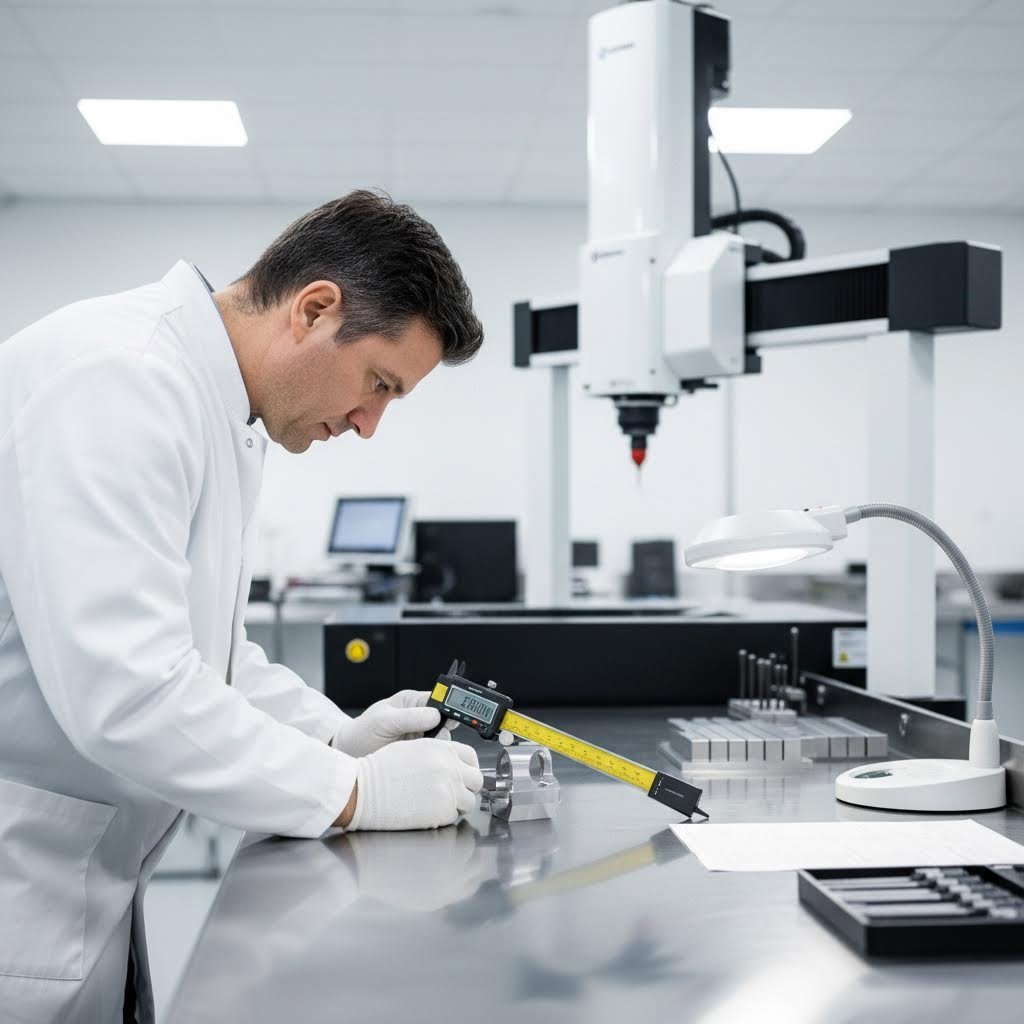
Els fabricants experimentats utilitzen eines de mesura de precisió durant tot el procés de producció. Un buscaplans digital o una eina nivelladora verifica l'exactitud angular en components doblegats, mentre que un buscaplans confirma que els extrems tallats compleixin els requisits especificats. Aquestes passes de verificació, combinades amb l'ús adequat d'eines de desbarbat per eliminar vores afilades, asseguren que les peces compleixin les especificacions dimensionals.
Per què són importants les certificacions per al vostre projecte
Quan avaluïeu tallers de tall de metall, us trobareu amb diverses certificacions, però què signifiquen realment per al vostre projecte? Comprendre aquestes credencials us ajuda a identificar proveïdors capaços de complir els requisits específics del vostre sector.
ISO 9001:2015 representa la base de la gestió de la qualitat. Segons la guia de certificació de Zintilon, aquesta norma exigeix que les organitzacions defineixin i segueixin sistemes de gestió de la qualitat mentre identifiquen contínuament àmbits d'implantació. Estableix principis bàsics de qualitat, inclosa l'atenció al client, el lideratge sòlid, enfocaments basats en processos i la presa de decisions basada en evidències.
IATF 16949 es basa en la ISO 9001 específicament per a aplicacions automotrius. Aquesta norma reconeguda mundialment té com a objectiu prevenir el desperdici i reduir els defectes en totes les fases del desenvolupament de productes automotrius. Amb més de 70.000 organitzacions certificades arreu del món, la certificació IATF 16949 indica la capacitat d'un taller per gestionar components de xassís, peces estructurals i altres aplicacions automotrius amb la traçabilitat i la consistència que exigeixen els fabricants d'automòbils.
AS9100D compleix els exigents requisits de la fabricació aeroespacial, espacial i de defensa. Aquesta certificació subratlla la seguretat del producte, la qualitat dels serveis i la documentació completa de les necessitats del client. Les empreses amb certificació AS9100D han demostrat la seva capacitat per produir components en què un possible fracàs podria tenir conseqüències catastròfiques —penseu en paletes de turbines, components estructurals del fuselatge i muntatges crítics per al vol.
A més d’aquestes certificacions principals, és possible que us trobeu amb ISO 13485 per a la fabricació de dispositius mèdics i ISO 14001 per a sistemes de gestió ambiental. Cada certificació aborda requisits específics del sector i necessitats de compliment normatiu.
Control de Qualitat en Operacions Professionals de Tall
Les certificacions representen sistemes documentats, però el que succeeix a la planta de producció també és igual d'important. Les talleres professionals de metall implementen diversos punts de control de qualitat durant tot el procés de tall.
La inspecció de la primera peça verifica que els talls inicials compleixin les especificacions abans de començar la producció completa. Els operadors utilitzen instruments de precisió, incloent dispositius digitals de nivell per a la verificació de planor i calibres de bisell per als perfils dels vores, per confirmar l'exactitud dimensional. Qualsevol desviació provoca ajustaments immediats dels paràmetres abans de processar més material.
La inspecció en procés continua durant tot el cicle de producció. Les profunditats de sotavolt, la ubicació dels forats i les dimensions generals es verifiquen periòdicament segons els plànols. Això permet detectar desviacions en el rendiment de la màquina abans que afectin grans quantitats de peces.
La inspecció final documenta que les peces acabades compleixin totes les especificacions. Els tallers certificats mantenen registres detallats que vinculen peces específiques amb números de lots del material, configuracions de màquines, identificació de l’operador i resultats d’inspecció. Aquesta traçabilitat és essencial quan es investiguen problemes de qualitat o es demostra el compliment durant auditories del client.
Com Tempco Manufacturing subratlla , el control de qualitat per a la fabricació avançada de metalls es realitza d'acord amb certificacions per oferir les peces més precises i fiables. El seu enfocament, representatiu d’operacions professionals, inclou el control estadístic del procés, informes d’inspecció del primer article i una documentació exhaustiva durant tot el procés de producció.
El resultat final? Les certificacions no són només logotips en un lloc web. Representen enfocaments sistemàtics cap a la qualitat que afecten totes les peces que surten de la instal·lació. Per a aplicacions crítiques en indústries automotrius, aerospacials o mèdiques, treballar amb proveïdors adequadament certificats no és opcional: és essencial per assegurar que els components funcionin segons el disseny quan més importa.
Com triar el taller de tall de metall adequat
Enteneu els mètodes de tall, les consideracions dels materials i les normes de qualitat, però aquí és on la teoria es troba amb la realitat: seleccionar un proveïdor entre desenes d'opcions. Aquesta decisió pot fer o trencar el calendari i pressupost del vostre projecte. Massa compradors novells trien només segons el preu, per descobrir després que la cita més barata arribava amb concessions ocultes. Analitzem un enfocament sistemàtic que professionals experimentats en adquisicions utilitzen per avaluar possibles col·laboradors.
Preguntes essencials per a proveïdors potencials
Abans de sol·licitar pressupostos, prepareu una llista de preguntes dirigides que revelin les veritables capacitats d'un taller. Segons La guia d'avaluació de proveïdors de Wisconsin Metal Tech , entendre el que el vostre proveïdor pot o no pot fer pot semblar evident, però és fonamental per agilitzar el procés i maximitzar l'eficiència.
Comenceu amb aquestes preguntes fonamentals:
- "Quines certificacions teniu, i com assegureu el compliment normatiu?" Un taller qualificat hauria d'explicar fàcilment els seus sistemes de gestió de la qualitat i com compleixen els requisits específics del sector.
- «Heu completat projectes similars al meu?» L'experiència importa. Els tallers amb antecedents rellevants en projectes poden compartir la seva experiència i suggerir millores de procés basades en les lliçons apreses.
- «Quins materials solíeu treballar habitualment?» La transparència sobre l'expertesa en materials revela si realment estan preparats per als vostres aliatges i gruixos específics.
- «Quin és el temps de resposta habitual per a projectes d'aquest abast?» Quan la vostra operació depèn de l'entrega puntual, confirmar la compatibilitat del calendari des del principi evita retards costosos.
- «Com gestionareu aquest projecte des del començament fins al final?» Un partner compromès ofereix una gestió de projecte que manté la vostra feina en camí mentre troba maneres d'estalviar temps i diners.
No dubteu a demanar referències de projectes similars. Els tallers reputats acullen amb satisfacció l'oportunitat de mostrar el seu historial.
Avaluació d'equips i capacitats
L'equipament explica una història sobre la inversió d'un taller en qualitat i la seva capacitat per gestionar els seus requisits específics. Quan avaluï possibles proveïdors, tingui en compte aquests factors segons l'ordre de prioritat:
- Alineació de la tecnologia de tall: El taller disposa de l'equipament adequat pel seu material i gruix? Una instal·lació que només tingui tall per plasma no pot oferir la precisió necessària per a components tallats amb làser complexos.
- Estat i manteniment de la màquina: L'equipament modern i ben mantingut produeix resultats consistents. Consulti els horaris de manteniment i l'edat de l'equipament: els tallers orgullosos de les seves capacitats compartiran aquesta informació.
- Suports i fixacions: Els tallers professionals utilitzen equips de suport adequats, com ara una mordassa de banc o una mordassa Wilton per a operacions secundàries, així com claus en C i sistemes de tub i pinça per fixar els materials durant el tall. Aquests detalls indiquen atenció a la qualitat.
- Capacitats secundàries: Poden gestionar el desbarbat, l'acabat de vores o la conformació després del tall? Segons la guia de selecció d'Elemet Group, un taller complet excel·leix no només en tasques bàsiques sinó també en serveis especialitzats com el tall làser de precisió i el mecanitzat CNC.
- Equip d'inspecció: Els tallers centrats en la qualitat inverteixen en instruments de mesura: màquines de mesura per coordenades, comparadors òptics i calibres de precisió que verifiquen que les peces compleixin les especificacions.
- Capacitat de manipulació de materials: Poden gestionar les mides de les seves xapes i els pesos dels seus palets? Els tallers amb gruixes de pont i equipament adequat per a la manipulació de materials treballen de manera més eficient amb materials pesants.
Alguns tallers disposen d'equipament especialitzat com una premsa d'eix per a operacions de muntatge o una esmaltadora fixa per a la preparació de vores. Tot i que aquestes eines secundàries no són essencials per al tall, la seva presència sovint indica una instal·lació ben equipada i preparada per oferir suport complet en projectes.
Senyals d'alerta quan es tria un taller
L'experiència ensenya als compradors a reconèixer senyals d'advertència abans de comprometre's amb un proveïdor. Dr. Shahrukh Irani de Lean and Flexible, LLC assenyala que ha vist innombrables projectes frustrats per aliances amb tallers que no van ser avaluats exhaustivament: el que sonava bé en el pressupost sovint resulta ser un excés de promeses, provocant retards i treballs repetits a causa de la mala qualitat.
Estigui atent als senyals d'avís següents:
- Manca de certificacions: Els tallers que presten serveis als sectors automotriu, aeroespacial o mèdic haurien de tenir les certificacions corresponents. La manca de normes ISO 9001 o de credencials específiques del sector suggereix una gestió de la qualitat inconsistent.
- Pressupostos poc clars o imprecisos: Els tallers professionals ofereixen pressupostos detallats que especifiquen els costos del material, operacions de tall, processos secundaris i qualsevol càrrec addicional. Els costos ocults apareixen quan els pressupostos manquen de transparència.
- Comunicació deficient: Si obtenir respostes triga dies durant la fase de pressupost, imagineu com de responsius seran quan sorgeixin problemes en producció. Una comunicació efectiva des de la consulta inicial fins a l'entrega final assegura que tothom estigui al corrent.
- Reticència a facilitar referències: Les botigues establertes acullen amb satisfacció les comprovacions de referències. La vacil·lació suggereix una experiència limitada o clients anteriors insatisfets.
- Sense documentació de qualitat: Pregunteu sobre els informes d'inspecció del primer article i els controls de qualitat en procés. Les botigues que no poden explicar els seus procediments de control de qualitat probablement no disposen de sistemes robustos.
- Promeses irrealistes: Els pressupostos significativament més baixos que els competidors o els terminis de lliurament irrealment ràpids sovint indiquen que es faran retallades. Equilibreu cost, qualitat i puntualitat: el més barat no sempre és millor quan la fabricació de qualitat requereix mà d'obra qualificada, equipament avançat i materials premium.
També importen les consideracions geogràfiques. Les botigues més properes a la vostra instal·lació redueixen els costos d'enviament i permeten visites in situ. Tanmateix, no sacrifiqueu la capacitat per comoditat: una botiga certificada a tres estats de distància pot oferir resultats millors que una opció local no certificada. Els grans C que subjecten les vostres peces durant el tall importen menys que els sistemes que asseguren que aquestes peces compleixin les especificacions.
La inversió que feu en l'avaluació de proveïdors dóna beneficis durant tot el projecte. Un procés de selecció exhaustiu —fer preguntes concretes, verificar capacitats i tenir en compte senyals d'alerta— us posiciona per a una associació exitosa en lloc d’una experiència frustrant que costarà temps i diners corregir.
Tall metàl·lic dins del procés de fabricació
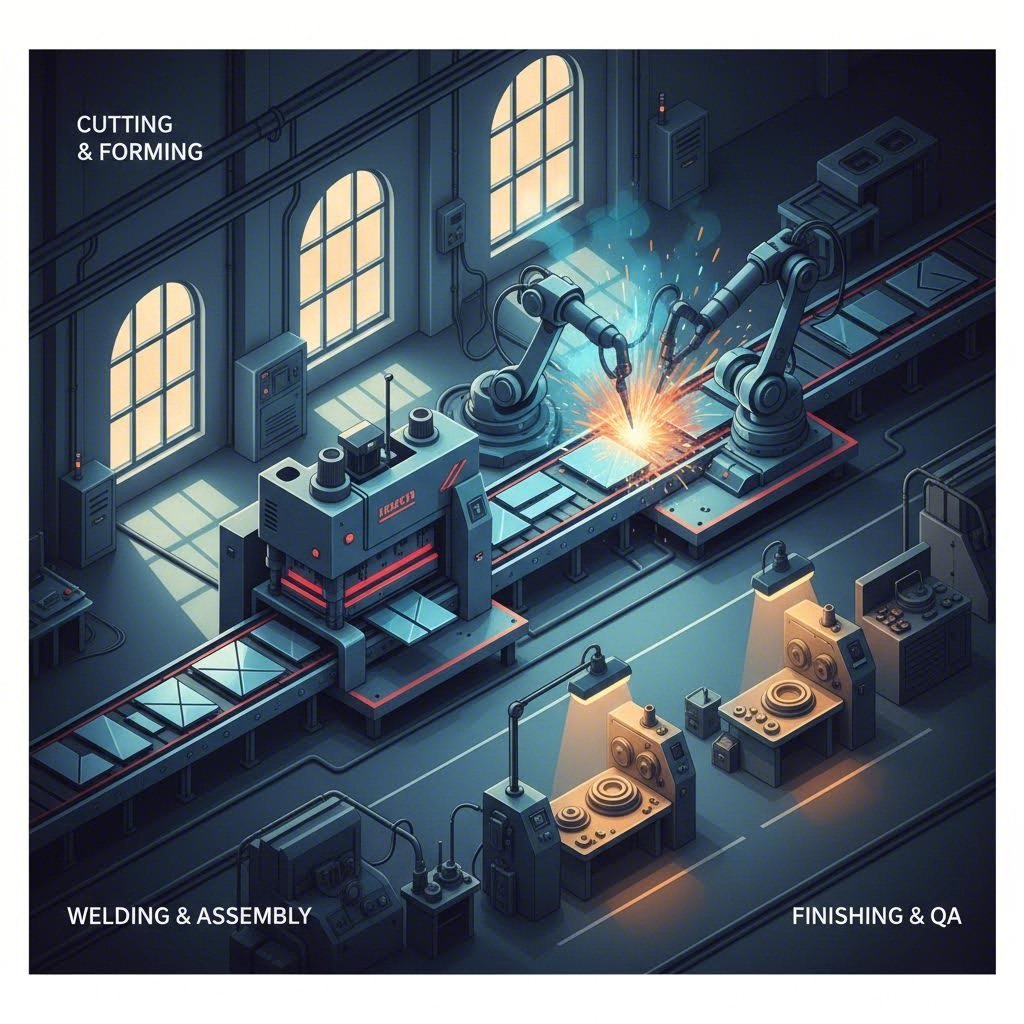
Heu seleccionat el proveïdor adequat i enteneu com funcionen els mètodes de tall, però aquí hi ha una realitat: el tall gairebé mai és el final de la història. La majoria de projectes requereixen operacions addicionals abans que les peces es converteixin en components funcionals. Comprendre com s’integra el tall metàl·lic amb els processos posteriors us ajuda a prendre decisions més intel·ligents sobre la selecció de proveïdors i la planificació del projecte.
Del tall a la fabricació completa
Penseu en el tall metàl·lic com al capítol inicial d’una narrativa de fabricació més llarga. Un cop les peces surten de la taula de tall, normalment passen per diversos processos addicionals abans de estar preparades per utilitzar-se.
Doblegat i conformació transformar peces tallades planes en formes tridimensionals. Segons la guia de prototipatge de Fictiv, el plecament i conformació de xapes metàl·liques utilitza premses doblegadores, rodets i, de vegades, motlles d'estampació econòmics per donar forma al metall en geometries personalitzades. Aquests processos permeten crear angles complexos, corbes i contorns que el tall pla no pot aconseguir per si sol.
Soldadura i unió muntar múltiples components tallats en estructures unificades. Tècniques com la soldadura MIG i TIG creen unions permanents, mentre que un soldador TIG esdevé essencial per a aplicacions que exigeixen precisió i estètica neta. Moltes tallers de fabricació disposen de munts de taula de soldadura exclusius on els operaris utilitzen una torxa TIG per unir peces tallades amb un control excepcional. Per a entorns de producció, una màquina de soldadura TIG ofereix la consistència necessària per obtenir resultats repetibles.
Operacions de fi preparar les peces per al seu entorn d'ús final:
- Desbarbament: Elimina vores afilades deixades per les operacions de tall, millorant la seguretat i l'ajust del muntatge
- Revestiment i pintura: El recobriment en pols, la pintura humida i altres acabats protectors protegeixen contra la corrosió
- Revestiment: El zinc, el níquel, el crom i altres recobriments afegueixen durabilitat i atractiu estètic
- Tractament tèrmic: Modifica les propietats del material per a requisits específics de rendiment
Algunes operacions requereixen equipament especialitzat. Una trepanadora magnètica —també anomenada broca magnètica— permet una col·locació precisa de forats en grans muntatges fabricats on les premses de perforació tradicionals no poden arribar. Aquestes unitats portàtils de trepanadora magnètica es subjecten directament a superfícies d'acer, permetent als operaris crear forats precisos sense haver de moure soldadures pesades.
Fluxos de treball de prototipatge i producció
Com s'integra el tall al cicle de desenvolupament del producte? Comprendre aquest flux de treball evita sorpreses costoses i ajuda a planificar terminis realistes.
Durant la prototipatge, la velocitat i la flexibilitat són el més important. Fictiv assenyala que el prototipatge ràpid de xapa metàl·lica redueix significativament el temps necessari per desenvolupar i provar nous dissenys. Amb mètodes avançats de fabricació com el tall làser i el doblegat automatitzat, les peces de xapa metàl·lica es poden produir en uns pocs dies, permetent als enginyers detectar defectes de disseny precoçment i fer ajustaments ràpidament.
Un flux de treball típic de prototipatge segueix aquestes etapes:
- Disseny i modelatge CAD: Els enginyers creen models 3D detallats amb control precís sobre dimensions i toleràncies
- Selecció de material: Trieu metalls que coincideixin amb la intenció de producció assegura proves de rendiment precises
- Tall: El làser, el jet d'aigua o el plasma creen els buits plans
- Conformació i Doblegat: Les premses dobleguen les peces en components tridimensionals
- Muntatge i acabat: La soldadura amb una torxa TIG uneix els components, després les superfícies reben tractaments adequats
- Proves i validació: Els prototips funcionals passen una avaluació en condicions reals
Quan es fan prou prototips, la línia que separa la prototipatge de la producció en petites sèries comença a desdibuixar-se. El prototipatge en xapa metàl·lica elimina la necessitat d'eines complexes i costoses, convertint-se en una opció pràctica i assequible per a produccions de baix volum un cop s'aprova el disseny final.
Font única vs. Aproximacions amb múltiples proveïdors
Aquí hi ha una decisió que té un impacte significatiu en els resultats del vostre projecte: cal treballar amb un únic taller que ho gestioni tot, o coordinar entre diversos proveïdors especialitzats?
Segons Anàlisi de New Concept Technology , la fabricació amb font única ofereix avantatges destacables. Quan teniu un projecte, podeu confiar en el vostre proveïdor perquè gestionin els productes i peces necessaris des del concepte fins a la finalització.
Avantatges de la fabricació amb font única:
- Ahorro de costos: Obtenir-ho tot d'una sola font redueix els costos administratius derivats de fer comandes a diferents subministradors, així com la logística necessària per reunir materials de diferents ubicacions
- Millora de la qualitat: Quan s'adquireix d'un sol proveïdor en lloc de molts, és més fàcil controlar els estàndards de qualitat. La facilitat per gestionar les retirades de productes fa que l'adquisició única sigui més atractiva
- Temps de resposta més ràpids: Els diferents proveïdors tenen temps de lliurament variables a causa dels seus processos i ubicacions únics. Amb la compra d'un sol origen, resulta més fàcil obtenir els materials i productes necessaris puntualment
- Comunicació millorada: Una relació més propera i col·laborativa facilita identificar l'origen dels problemes i treballar en una solució
Quan té sentit recórrer a múltiples proveïdors:
- Processos altament especialitzats que requereixen coneixements tècnics específics
- Limitacions geogràfiques on especialistes locals redueixen els costos d'enviament
- Diversificació del risc per a cadenes d'aprovisionament crítiques
- Limitacions de capacitat en proveïdors únics durant períodes de demanda elevada
El compromís queda clar: una única font simplifica la coordinació, però requereix trobar un proveïdor amb capacitats completes. L’enfocament amb múltiples proveïdors ofereix experiència especialitzada, però exigeix una supervisió de gestió més intensa i introdueix riscos de traspàs entre proveïdors.
Per a la majoria de projectes —especialment aquells que impliquen tallat seguit de conformació, soldadura i acabat— treballar amb un proveïdor únic competent simplifica l’execució i redueix les acusacions mutues quan sorgeixen problemes. Les vostres peces romanen sota un mateix sostre, des de la matèria primera fins al component acabat, amb normes de qualitat consistents aplicades durant tot el procés.
Amb aquesta comprensió de com s’integra el tall en els processos de fabricació més amplis, ja esteu preparats per explorar les aplicacions sectorials concretes on aquests serveis integrats aporten el màxim valor.
Indústries ateses per tallers de tall de metall
Diferents indústries exigeixen coses molt diferents dels seus proveïdors de tall. Un taller que destaca en la producció de panells arquitectònics decoratius pot trobar dificultats per complir amb les ajustades toleràncies que exigeixen les aplicacions aeroespacials. Comprendre aquestes exigències específiques de cada sector ajuda a identificar proveïdors realment preparats per al vostre àmbit, en lloc de descobrir mancances de capacitat després d'iniciar la producció.
Aplicacions automobilístiques i de transport
La indústria automobilística representa un dels majors consumidors de components metàl·lics de precisió tallats. Segons guies de fabricació industrial , la fabricació de xapa metàl·lica en l'automoció té un paper fonamental en la creació de tot, des del bastidor del vehicle fins a components intrincats utilitzats al motor i a l'interior.
Quins components produeixen els tallers de metall per a aquest sector?
- Components del xassís: Rails del bastidor, travessers i reforsços estructurals que requereixen una precisió dimensional constant
- Suports i fixacions: Suports del motor, brackets de suspensió i accessoris de fixació de la carroceria que exigeixen una ubicació precisa dels forats i una qualitat òptima dels vores
- Panells de la carrosseria: Portes, capots, paragols i panells laterals on el gruix del material normalment varia entre 0,5 mm i 2,0 mm
- Components del sistema d'escapament: Tubs, brides i escuts tèrmics que sovint es processen amb eines com un expandidor de tubs d'escapament per garantir un ajust correcte
- Components estructurals interiors: Estructures dels seients, suports del taulell i bigues de reforç
Les aplicacions automotrius exigeixen tallers amb certificació IATF 16949 — l'estàndard reconegut internacionalment que té com a objectiu prevenir el desperdici i reduir els defectes en totes les fases del desenvolupament de productes automotrius. Aquesta certificació indica la capacitat per gestionar els requisits de traçabilitat que imposen els fabricants d'automòbils.
La fabricació automotriu moderna depèn cada cop més de materials lleugers. La facilitat amb què es pot conformar l'alumini i la seva resistència natural a la corrosió el fan ideal per produir vehicles eficients en combustible. Una doblegadora de tubs o canonades esdevé un equip essencial per als sistemes d'escapament i les conduccions de fluids, mentre que les tisores de tall aeronautes s'utilitzen per retallar materials de gruix més fi.
Requisits de Precisió Aeroespacial
La fabricació aeroespacial opera en una lliga completament diferent. Segons la guia de toleràncies de Pinnacle Precision, el sector aeroespacial és potser el més exigent quan es tracta de toleràncies estretes. Els components crítics per al vol, com les paletes de turbines, carcasos de motors i suports estructurals, s'han de fabricar segons els estàndards més alts per garantir la seguretat, l'eficiència del combustible i el rendiment aerodinàmic.
Penseu en les conseqüències: fins i tot desviacions microscòpiques poden provocar concentracions d'esforç o desequilibris que posen en perill tot un sistema d'aeronaus. Aquesta realitat condiciona tots els aspectes del tall de metall en l'àmbit aeroespacial:
- Requisits del material: El titani, l'Inconel i les aleacions especialitzades d'alumini dominen les aplicacions aeroespacials per la seva relació resistència-pes
- Esperances de tolerància: Normalment ±0,002" o més ajustat per als components crítics per al vol
- Requisits de certificació: La certificació AS9100D és gairebé obligatòria, amb èmfasi en la seguretat del producte, la qualitat dels serveis i la documentació completa
- Requisits de traçabilitat: Cada peça tallada ha de estar vinculada a certificacions del material, configuracions de la màquina i registres de l'operador
El tall amb jet d'aigua sovint resulta superior per a aplicacions aerospacials, ja que no introdueix zones afectades tèrmicament que podrien comprometre les propietats del material. Quan s'utilitzen mètodes de tall tèrmic, segueix una verificació de qualitat exhaustiva per confirmar que la integritat del material roman intacta.
Els tallers que atenen clients aerospacials inverteixen fortament en equips de metrologia —màquines de mesura per coordenades, comparadors òptics i mesuradors de rugositat superficial— que verifiquen que cada dimensió compleixi especificacions exigents. Un plegador de tubs en un taller aerospacial ha de garantir una precisió repetible que l'equip de fabricació general simplement no pot assolir.
Construcció i ferrateria arquitectònica
Les aplicacions de construcció presenten reptes diferents dels de la fabricació de precisió. Segons L'anàlisi sectorial de Metal Tronics , la fabricació de metall té un paper fonamental en donar forma a estructures duradores, eficients i innovadores adequades per a la construcció. Des dels marcs estructurals fins als elements decoratius, els components fabricats en metall ofereixen integritat estructural en diverses aplicacions.
Els projectes típics de construcció i arquitectònics inclouen:
- Estructures portants: Bigues, columnes i suports d'acer que proporcionen integritat estructural a edificis i ponts
- Escales i baranes: Escales metàl·liques personalitzades, balustrades i passamans que requereixen tant resistència com atractiu estètic
- Cobertes i façanes: Xapes metàl·liques fabricades utilitzades en sistemes de coberta i façanes contemporànies per la seva durabilitat i impacte visual
- Sistemes HVAC: Tubs i components de ventilació que requereixen una fabricació personalitzada per a un ajust i funcionament correctes
- Detalls arquitectònics: Pantalles decoratives, senyalització i treball metàl·lic personalitzat on la flexibilitat de disseny és el factor més important
Les toleràncies de construcció solen ser menys estrictes que les de l’aeroespacial o l’automotriu: normalment ±0,030" és suficient per a components estructurals. No obstant això, el volum i l’escala elevats dels projectes de construcció exigeixen tallers amb una capacitat important de manipulació de materials i capacitats de producció eficients.
Quan es fixen materials durant les operacions de tall, els tallers especialitzats en construcció utilitzen sovint un esclau de tub per subjectar peces rodones i tubs estructurals. Aquestes robustes solucions de sujeció poden manejar els materials pesats habituals en aplicacions edilícies, alhora que mantenen la precisió del tall.
El sector de la construcció valora l'eficiència i l'efectivitat econòmica. Segons Metal Tronics, els components fabricats estan preconcebuts i prèviament muntats en entorns controlats abans d'enviar-se a les obres. Aquest enfocament redueix la mà d'obra in situ, el desperdici de materials i les retards, convertint així els tallers de tall de metall en socis essencials en els fluxos de treball moderns de la construcció.
Tant si el vostre projecte pertany al sector automobilístic, aeroespacial, de la construcció o de la fabricació general, la conclusió clau continua sent la mateixa: cal ajustar les capacitats i certificacions del proveïdor a les exigències específiques del vostre sector. Un taller perfectament adequat per a treballs metàl·lics arquitectònics pot mancar de l'equipament de precisió i dels sistemes de qualitat necessaris per als vostres components aeroespacials; i descobrir aquesta incompatibilitat després de començar la producció genera problemes molt més cars que el temps invertit en una avaluació adequada del proveïdor.

Començar amb el vostre projecte de tall metàl·lic
Heu fet la investigació: coneixeu els mètodes de tall, les consideracions sobre els materials, les certificacions de qualitat i com avaluar possibles proveïdors. Ara arriba el moment que separa els compradors ben informatos dels frustrats: contactar realment amb un taller de talls metàl·lics i posar en marxa el vostre projecte. Els passos que feu abans de demanar el primer pressupost determinen si el vostre projecte avança sense problemes o topa amb retards evitables.
Preparació de les especificacions del vostre projecte
Imagineu-vos demanant una hamburguesa personalitzada però oblidant mencionar que la voleu sense enciam. Això és, essencialment, el que passa quan els compradors presenten especificacions de projecte incompletes. Segons la guia per a compradors d'AMG Industries, sovint els fabricants diuen que preferirien que expliquéssiu massa a deixar-los endevinar, i aquest és un consell acertat.
Abans de contactar amb qualsevol proveïdor, organitzeu aquests detalls essencials:
- Especificacions del material: Designació exacta de l'aliatge (no només "acer inoxidable" sinó "acer inoxidable 304"), gruix requerit i requisits d'acabat superficial
- Requisits de Quantitat: Quantitats inicials de comanda més volums anuals previstos: això afecta la fixació de preus i la planificació de producció
- Toleràncies dimensionals: Especifiqueu quina precisió exigeix realment la vostra aplicació en lloc d’optar per especificacions innecessàriament ajustades
- Operacions secundàries: Necessitaràs soldadures personalitzades, doblegament, acabat o muntatge després del tall?
- Pla temporal de lliurament: Quan necessiteu les peces, i hi ha flexibilitat per plazos urgents o estàndard?
Els vostres fitxers de disseny requereixen la mateixa atenció. Segons Directrius de disseny de SendCutSend , millor és el fitxer, millors són les peces. Per a operacions de tall CNC, els tallers solen acceptar aquests formats de fitxer:
| Format de fitxer | Millor per | Consideracions Clau |
|---|---|---|
| DXF | perfils de tall 2D | El més universalment acceptat; verifiqueu les dimensions després de la conversió des d'altres formats |
| DWG | Projectes nadius d'AutoCAD | Preserven la informació de capes; confirmeu la compatibilitat amb els sistemes CAD del taller |
| PASSA | models 3D que requereixen tallat | Ideal quan les peces necessiten operacions posteriors de conformació o mecanitzat |
| AI/EPS | Disseny basat en gràfics | Converteix el text a contorns; verifica que l'escala coincideixi amb les dimensions previstes |
Un error comú que comet la gent que compra per primera vegada és enviar fitxers raster o dissenys amb quadres de text actius. Si has convertit des d'un fitxer raster, sempre comprova les dimensions: imprimir el teu disseny al 100 % d'escala ajuda a confirmar que tot coincideix amb el que tenies previst. Els elements de text s'han de convertir a formes (anomenat "convertir a contorns" a Illustrator o "explota" al programari CAD) abans de l'entrega.
Quan el vostre projecte requereix talls angulars precisos o característiques conformades, utilitzar un calibre de contorn durant la verificació del disseny assegura que els models CAD representin amb exactitud els requisits físics. De manera similar, fer mesures amb eines d'angle durant la prototipatge detecta discrepàncies abans que comenci la producció completa.
Obtenir pressupostos acurats ràpidament
Què diferencia un pressupost amb un torn de 12 hores d'una espera d'una setmana? La preparació. Segons les millors pràctiques del sector, una preparació exhaustiva demostra el professionalisme que els fabricants aprecien; és la base d’una col·laboració sòlida.
La vostra sol·licitud de pressupost (RFQ) hauria d'incloure:
- Informació de l'empresa: Qui sou, el vostre sector i dades de contacte per a preguntes tècniques
- Dibuixos complets: Plànols acotats amb toleràncies, especificacions del material i acabats
- Desglossament de volum: Quantitats de prototips, lots inicials de producció i ús anual previst
- Requisits de cronograma: Dates de lliurament objectives i qualsevol flexibilitat en l'agenda
- Requisits de qualitat: Certificacions necessàries, documentació d'inspecció esperada i proves especials
En comparar pressupostos, mireu més enllà del cost total. Tallers de soldadura personalitzats poden incloure operacions secundàries de manera diferent que instal·lacions només de tall. Un pressupost que sembli més alt pot incloure desbarbat, documentació d'inspecció i envasat que altres competidors cobren per separat.
Els plazos de lliurament varien considerablement segons el mètode de tall i la complexitat del projecte. Segons l'anàlisi dels plazos habituals del sector:
- Tall amb Laser: 1 a 3 dies per a prototips; 3 a 7 dies per a lots de producció
- Tall de plasma: 2 a 5 dies depenent del gruix de la placa i del volum
- Tall per hidrojet: 3 a 7 dies, especialment per a peces gruixudes o complexes
- Serrat per mitjà mecànic: 1 a 3 dies per a talls estàndard en existències disponibles
Els factors que allarguen aquests terminis inclouen la disponibilitat del material (els aliatges especials poden requerir retards d'adquisició), geometries complexes que necessiten una programació cuidadosa, i operacions secundàries com ara formació o acabats. Planificar aquestes variables evita sorpreses en el calendari.
Per a operacions de perforació posteriors al tall, especificar els requisits pel que fa a broques helicoidals o mides de broques helicoidals en la vostra documentació ajuda els tallers a planificar fluxos de treball complets. Una plantilla de perforació assegura una col·locació coherent dels forats quan la perforació manual complementa les operacions CNC.
Col·laborant amb fabricants certificats
Per a projectes del sector automobilístic i de fabricació de precisió, els serveis de tall estàndard sovint representen només el punt de partida. Aquests sectors exigeixen capacitats integrades: tall, punxonat, conformació i muntatge, tot sota sistemes unificats de gestió de la qualitat.
Penseu en què passa quan necessiteu components de xassís o suports estructurals per a aplicacions automobilístiques. No només requereix un tall precís, sinó també processos de producció certificats segons la IATF 16949 que assegurin la traçabilitat des del material brut fins al muntatge final. Trobar un partner que ofereixi capacitats completes elimina els problemes de coordinació derivats de gestionar diversos proveïdors.
Fabricants especialitzats com Shaoyi (Ningbo) Metal Technology exemplifiquen aquest enfocament integrat. Les seves operacions combinen tallat amb estampació de metall i muntatges de precisió, oferint prototipatge ràpid en 5 dies juntament amb producció massiva automatitzada. Per als compradors amb requisits automotrius o de precisió, aquests fabricants ofereixen qualitat certificada segons IATF 16949 per a components d'estructura, suspensió i estructurals, tot això amb suport complet DFM (Disseny per a Fabricabilitat) i respostes pressupostàries en 12 hores.
Quan avaluïeu fabricants integrats, busqueu aquests indicadors de preparació per a la producció:
- Capacitat de prototipatge ràpid: Poden produir prototips funcionals en qüestió de dies en lloc de setmanes?
- Alineació de certificacions: Les seves certificacions de qualitat coincideixen amb els requisits del vostre sector?
- Suport en el disseny per a la fabricació (DFM): Revisaran els vostres dissenys i suggeriran millores abans de la producció?
- Rapidesa en les ofertes: Una resposta ràpida al pressupost sovint indica operacions eficients i un interès genuí pel vostre negoci
- Escalabilitat de producció: Poden gestionar tant quantitats de prototips com volums eventuals de producció massiva?
La transició des del prototipatge a la producció hauria de ser perfectament fluida. Els socis amb sistemes robustos mantenen els mateixos estàndards de qualitat tant si produeixen cinc unitats com si en produeixen cinc mil, eliminant així el risc de deriva de la qualitat quan augmenten els volums.
El vostre projecte de tall de metall triomfarà o fracassarà segons les bases que poseu abans de començar la producció. Prepareu especificacions detallades, presenteu documentació completa, enteneu els terminis realistes i, per a aplicacions exigents, col·laboreu amb fabricants certificats que disposin dels mitjans per gestionar els vostres requisits des del concepte fins al final. La inversió en una preparació adequada dóna fruits en peces que arriben puntualment, conforme a les especificacions i preparades per funcionar.
Preguntes freqüents sobre tallers de tall de metall
1. Quant costa el tall de metall?
Els costos de tall de metall solen oscil·lar entre 0,50 i 2 dòlars per polzada lineal segons el tipus de material, el gruix i el mètode de tall. Les tarifes horàries generalment es troben entre 20 i 30 dòlars. El tall làser té un preu superior per a treballs de precisió, mentre que el tall per plasma ofereix tarifes més econòmiques per a materials més gruixuts. Sol·liciteu sempre pressupostos detallats que especifiquin els costos del material, les operacions de tall i qualsevol procés secundari per evitar càrrecs ocults.
2. Quina professió talla metall?
Diversos professionals treballen en el tall de metall: els mecànics operen equips de precisió per fabricar peces i eines metàl·liques, els fullers operen maquinària de tall, i els operadors CNC programen i gestionen sistemes automatitzats de tall com taules làser o per plasma. Els metal·listes combinen el tall amb habilitats de conformació i soldadura. Per a aplicacions automotrius certificades segons la norma IATF 16949, fabricants especialitzats com Shaoyi Metal Technology compten amb tècnics formats que mantenen uns rigorosos estàndards de qualitat durant tot el procés productiu.
3. Quin mètode de tall és el millor per a les plaques d'acer gruixudes?
El tall per plasma és excel·lent per a plaques d'acer gruixudes, ja que normalment pot tractar materials des de mitja polzada fins a més de dues polzades de manera eficient. Les proves mostren que el plasma talla l'acer d'una polzada aproximadament entre 3 i 4 vegades més ràpid que el tall per aigua a pressió, amb un cost operatiu d'aproximadament la meitat per peu. Per a aplicacions que requereixen una zona lliure d'efectes tèrmics en materials gruixuts, el tall per aigua a pressió pot manejar plaques d'unes 12 polzades o més sense distorsió tèrmica, cosa que el fa ideal per a aplicacions aerospacials i sensibles al calor.
4. Quines certificacions hauria de buscar en un taller de tall metàl·lic?
Les certificacions essencials depenen del vostre sector: la ISO 9001:2015 estableix un sistema de gestió de la qualitat fonamental per a la fabricació general; la IATF 16949 és obligatòria per a aplicacions automotrius i assegura la prevenció de defectes durant tot el procés de producció; la AS9100D respon als rigorosos requisits aerospacials on una fallada del component podria ser catastròfica. La fabricació de dispositius mèdics requereix la ISO 13485. Les tallers certificats mantenen sistemes de qualitat documentats, registres de traçabilitat i es sotmeten a auditories regulars.
5. Quins formats de fitxer accepten les tallers de tall metàl·lic?
La majoria d'operacions de tall CNC accepten fitxers DXF com a estàndard universal per a perfils de tall 2D. Els fitxers DWG funcionen bé per a projectes nadius d'AutoCAD, mentre que els fitxers STEP són adequats per a models 3D que requereixen operacions posteriors de conformació. Els formats AI i EPS admeten dissenys basats en gràfics però requereixen convertir el text en contorns. Sempre verifiqueu les dimensions després de la conversió del fitxer i envieu fitxers vectorials en lloc d'imatges de trama per obtenir resultats de tall precisos.