 Small batches, high standards. Our rapid prototyping service makes validation faster and easier —
  EN
EN


Tall làser per a l'acer: secrets de potència entre fibra i CO2 que amaguen els fabricants
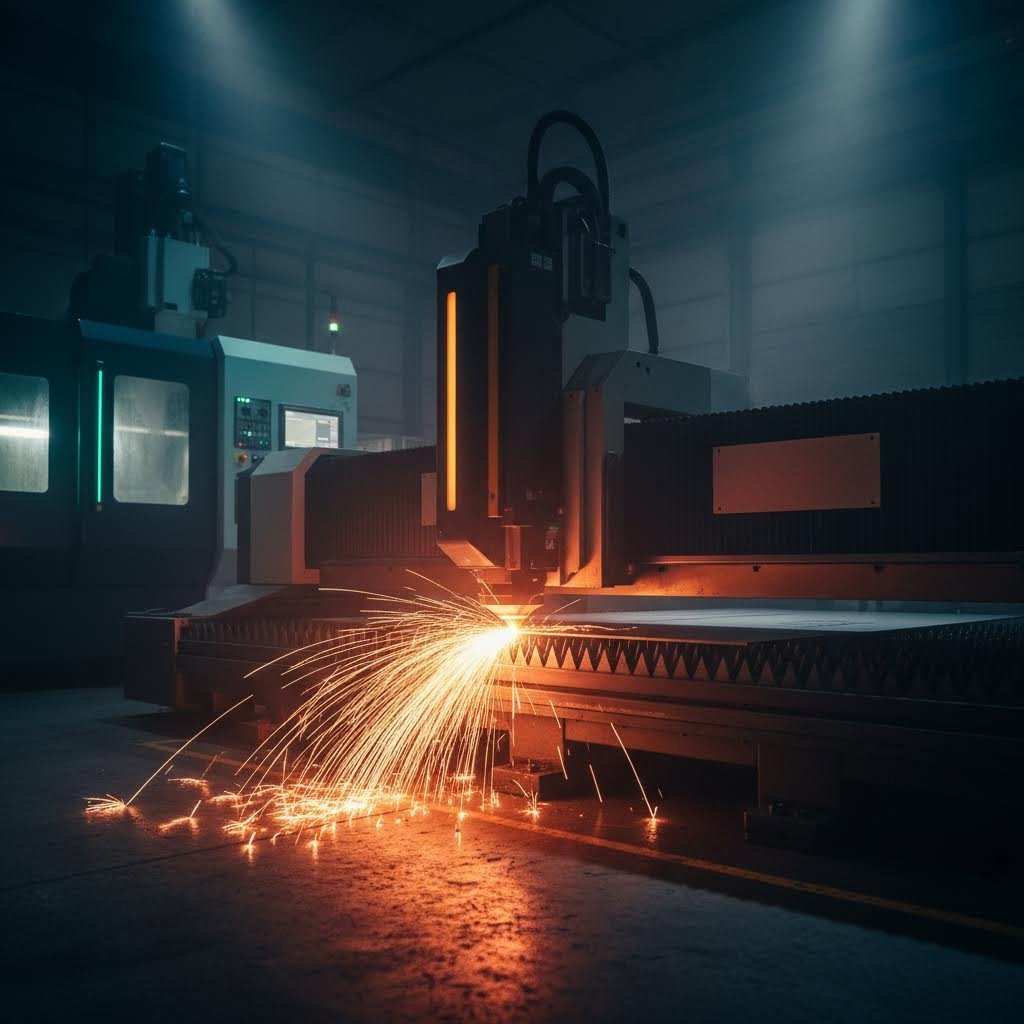
Comprendre la tecnologia de tall per làser per a la fabricació d'acer
Imagineu un raig de llum tan precís que pot tallar l'acer amb amplades de tall tan petites com 0,004 polzades. Aquesta és la realitat del tall per làser en acer: una tecnologia que ha passat d'ésser una novetat industrial al mètode dominant i de precisió en la fabricació moderna de metalls. Ja sigui que produïu components de xassís d'automòbils o panells arquitectònics complexos, aquest procés ofereix una precisió incomparable amb toleràncies sovint dins de 0,001 polzada (0,025 mm) .
Al seu nucli, el tall per làser en acer consisteix a dirigir un raig altament concentrat d'energia lluminosa al llarg de trajectòries programades per fondre, vaporitzar o cremar el metall amb precisió quirúrgica. El raig làser, típicament focalitzat en un punt d'aproximadament 0,001 polzades (0,025 mm), concentra prou energia tèrmica per tallar plaques d'acer mantenint una qualitat excepcional del tall.
Per què els fabricants d'acer trien la tecnologia làser
Potser et preguntes què fa que un làser de tall metàl·lic sigui superior als mètodes tradicionals. La resposta es troba en tres avantatges clau:
- Precisió sense contacte - A diferència del tall mecànic, no hi ha desgast d'eina ni risc de contaminació
- Zones afectades tèrmicament mínimes - Una menor deformació significa una millor estabilitat dimensional en les peces acabades
- Versatilitat en diferents gruixos - Les màquines modernes de tall làser industrial poden tractar des de xapes fines fins a plaques que superen els 13 mm
El tall làser industrial ha evolucionat espectacularment des que el Centre de Recerca d'Enginyeria de Western Electric va introduir la primera màquina de tall làser per producció l'any 1965. Als anys 70, els làsers CO2 es van convertir en l'estàndard industrial, i els sistemes làser de fibra actuals operen a velocitats que haurien semblat impossibles fa només unes dècades.
La Revolució de la Precisió en el Processament del Metall
Què diferencia una màquina làser de tall de metall dels sistemes de plasma o hidroabrasius? Quan es necessita precisió combinada amb velocitat, la tecnologia làser supera sistemàticament altres opcions. Els valors estàndard de rugositat disminueixen amb una potència làser més elevada i velocitats de tall més grans, mentre que les capacitats de les màquines industrials de tall làser arriben ara a sistemes de 6 kW i superiors, aproximant-se a la capacitat de tall de plasma però mantenint una qualitat de vora superior.
En les seccions següents, descobriràs els secrets que utilitzen els fabricants per triar entre sistemes de fibra i CO2, optimitzar els paràmetres per a diferents tipus d'acer i resoldre problemes habituals de tall. Tant si estàs avaluant la teva primera inversió en un tallador làser de metall com si estàs ajustant un procés existent, aquesta guia t'ofereix el coneixement pràctic necessari per assolir resultats professionals.
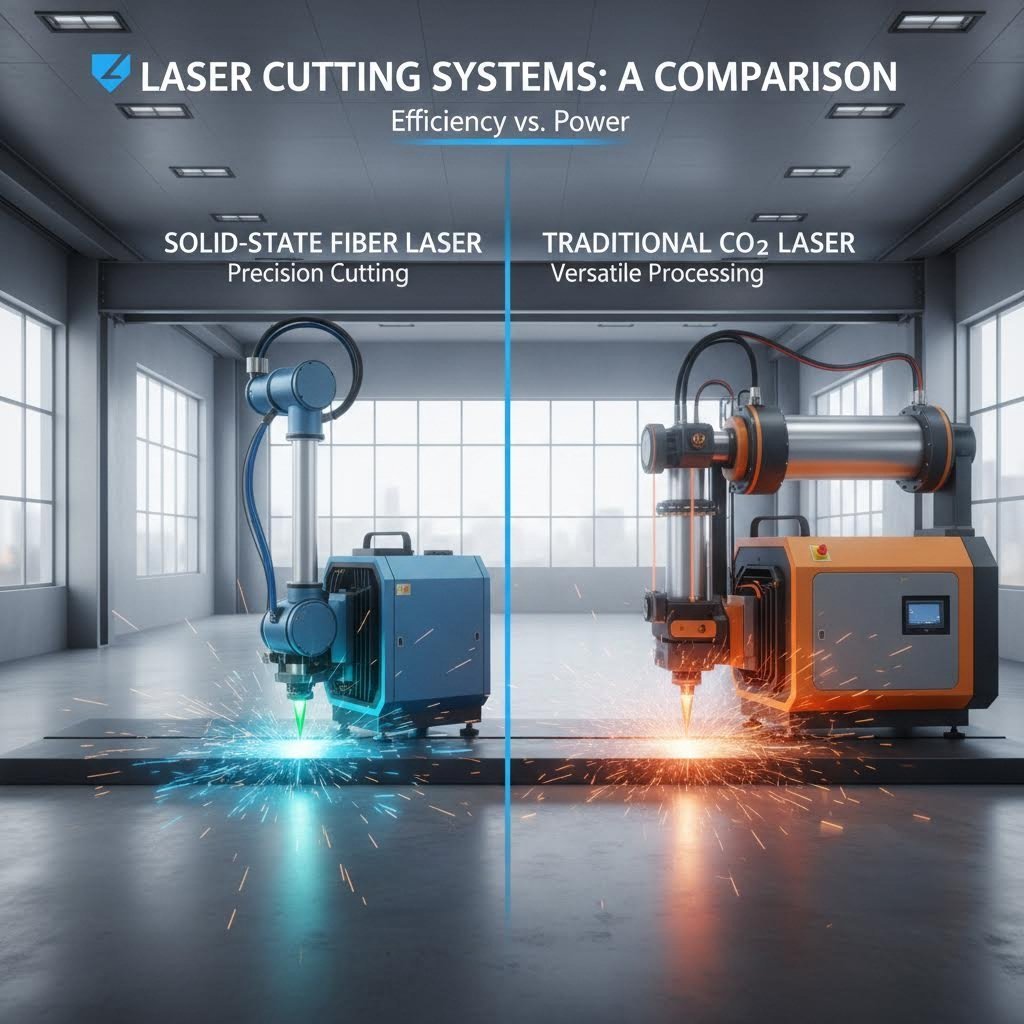
Làser de fibra vs sistemes de làser de CO2 per a l'acer
Així que esteu preparats per invertir en tecnologia de tall làser, però quin sistema ofereix realment els millors resultats per a l'acer? Aquí és on molts fabricants troben consells contradictoris. La veritat és que tant les màquines de tall làser de fibra com els sistemes CO₂ tenen aplicacions legítimes, però entendre'n les diferències fonamentals revela per què els fabricants moderns d'acer cada cop més prefereixen un davant de l'altre.
La diferència fonamental comença amb la longitud d'ona. Un tallador làser de fibra opera a aproximadament 1,064 micròmetres, mentre que els sistemes de tall metàl·lic làser CO₂ produeixen feixos a 10,6 micròmetres. Aquesta diferència d’un ordre de magnitud afecta de manera dramàtica com interacciona cada tecnologia amb les superfícies d’acer i, finalment, determina la velocitat de tall, la qualitat del tall i els costos operatius.
Avantatges del Làser de Fibra per al Processament d'Acer
El que els fabricants no sempre publitzen: les màquines de tall làser de fibra poden assolir velocitats de tall fins a tres vegades més ràpides que els làsers de CO2 quan es processen materials d'acer fi. Un sistema de làser de fibra que talla acer inoxidable pot assolir velocitats d'fins a 20 metres per minut en fulls fins - un rendiment que es tradueix directament en una major productivitat i temps de lliurament més curts.
Per què passa això? La longitud d'ona més curta de la tecnologia de làser de fibra es focalitza en un punt excepcionalment petit, concentrant l'energia tèrmica de manera més eficient sobre la superfície de l'acer. Aquest feix concentrat crea:
- Absorció superior en metalls reflectants - L'acer inoxidable, l'alumini i el coure responen excepcionalment bé a les longituds d'ona de fibra
- Mínima distorsió tèrmica - Menys dissipació de calor significa talls més nets amb menys deformació
- Major eficiència elèctrica - Els sistemes de fibra converteixen aproximadament el 35% de l'energia elèctrica en llum làser, comparat amb només el 10-20% dels de CO2
- Menors exigències de manteniment - La tecnologia d'estat sòlid elimina els tubs de gas i la necessitat d'alineació de miralls
L'avantatge en eficiència per si sol canvia l'economia de la fabricació d'acer. Quan la vostra màquina de tall amb làser de fibra consumeix aproximadament un terç de la potència operativa d'un sistema CO₂ comparable, aquestes estalvies es van acumulant durant cada hora de producció. Afegiu la vida útil prolongada d'uns 100.000 hores dels sistemes de fibra, comparada amb les 20.000-30.000 hores dels tubs CO₂, i el cost total de propietat canvia significativament.
Quan encara té sentit utilitzar làsers CO₂
Malgrat les avantatges de la fibra, descartar La tecnologia de màquines de tall de metall amb làser CO₂ per complet seria un error. Els làsers CO₂ conserven determinats punts forts que són rellevants per a certes aplicacions amb acer:
Els materials més gruixuts plantejen una equació diferent. Tot i que els talladors làser de fibra destaquen en materials d'uns 5 mm d'escassos, un sistema de tall de metall amb làser CO₂ pot processar de manera eficient plaques d'acer superiors als 20 mm. La longitud d'ona més llarga distribueix la calor de forma més uniforme a través de seccions transversals més gruixudes, sovint produint acabats de cantonada més llisos en treballs amb plaques pesades.
Els requisits de qualitat del tall també influeixen en la decisió. Els làsers CO2 solen oferir acabats superficials lleugerament més suaus en talls gruixuts, cosa que pot reduir els requisits de processat secundari en aplicacions on l'estètica del tall és important.
| Factor de comparació | Làser de Fibra | Làser CO2 |
|---|---|---|
| Longitud d'ona | 1,064 micròmetres | 10,6 micròmetres |
| Velocitat de tall (acer fi) | Fins a 20 m/min; 2-3 vegades més ràpid que el CO2 | Velocitat estàndard de referència |
| Eficiència elèctrica | ~35% de taxa de conversió | ~10-20% de taxa de conversió |
| Consum d'energia en funcionament | Aproximadament 1/3 del CO2 | Requisits elèctrics més elevats |
| Requisits de manteniment | Mínim; no calen tubs de gas ni alineació de miralls | Substitució periòdica del tub i alineació òptica |
| Vida útil esperada | Fins a 100.000 hores | 20.000-30.000 hores |
| Gruix òptim d'acer | Excel·lent fins a 5 mm; capaç fins a ~25 mm | Rendiment superior en plaques de 20 mm o més |
| Manipulació de metalls reflectants | Excel·lent (acer inoxidable, alumini, coure) | Limitat; risc de dany per reflexió posterior |
| Qualitat del tall - Materials prims | Excepcional; acabats sense rebava | Bo |
| Qualitat del tall - Materials gruixuts | Pot requerir acabat | Voress més suaus |
El marc de decisió queda més clar quan s'ajusta la tecnologia a l'aplicació. Per a la producció en alt volum de components d'acer prim a mitjà –especialment acer inoxidable–, un tallador làser de fibra ofereix avantatges notables en velocitat i cost. Per a treballs especialitzats en xapa gruixuda o operacions amb materials mixtos que inclouen no metàl·lics, la tecnologia CO₂ manté la seva rellevància.
Ara que coneixeu les diferències fonamentals entre tecnologies, la següent qüestió crucial és: com es comporten aquests sistemes amb diferents tipus d'acer? La resposta requereix examinar els paràmetres específics de tall per a l'acer suau, l'acer inoxidable i les varietats d'acer al carboni.
Selecció del Tipus d'Acer i Paràmetres de Tall
Aquí teniu un secret que molts fabricants aprenen a la mala: els mateixos paràmetres del làser que produeixen talls impecables en acer suau poden generar escòria excessiva, vores rugoses o penetració incompleta en acer inoxidable. Per què? Perquè la composició del material canvia fonamentalment com l'acer absorbeix i respon a l'energia del làser. Comprendre aquestes diferències és la clau per obtenir resultats consistents i de qualitat professional quan tallar làser xapa d'acer de qualsevol tipus.
Cada tipus d'acer presenta propietats tèrmiques úniques, característiques de reflectivitat i comportaments de fusió diferents. Quan esteu configurant el tall làser de xapa metàl·lica, aquestes variables determinen tot, des dels requisits de potència fins a la posició òptima de focus. Analitzem els paràmetres específics que importen per a cada tipus d'acer.
Paràmetres de tall d’acer dolç
El tallat làser d'acer suau representa l'aplicació més tolerant per a la majoria de fabricants. Amb el seu baix contingut de carboni (típicament entre 0,05 i 0,25 %) i elements d'aliatge mínims, l'acer suau absorbeix eficientment l'energia làser i respon de manera previsible als ajustos dels paràmetres.
Quan talles acer suau, normalment utilitzes oxigen com a gas auxiliar. Això crea una reacció exotèrmica que realment afegeix energia al procés de tallat: l'oxigen reacciona amb el ferro de l'acer, alliberant calor que ajuda el làser a penetrar en materials més gruixuts. Per a fulls primes inferiors a 3 mm, pots assolir velocitats de tallat superiors a 10 metres per minut amb ajustos de potència moderats.
Les variables clau que afecten els resultats del tallat làser d'acer suau inclouen:
- Gruix del material - Determina directament els requisits mínims de potència i la velocitat màxima assolible
- Qualitat de vora desitjada - Velocitats més altes poden sacrificar la suavitat de la vora; velocitats més lentes milloren l'acabat però augmenten la calor introduïda
- Requisits de velocitat de producció - Equilibrar la productivitat amb la qualitat sovint significa trobar el punt òptim on ambdues són acceptables
- Sensibilitat a la calor - Els materials prims es corben més fàcilment, cosa que exigeix velocitats més ràpides i estratègies de refredament optimitzades
La posició del focus té un paper fonamental aquí. Per a l'acer suau amb assistència d'oxigen, una posició de focus positiva - on el punt focal està lleugerament per sobre de la superfície del material - produeix una reacció d'oxigen millorada i una eficiència de tall superior. Aquesta configuració crea un llaut més ample però permet una penetració més ràpida en seccions gruixudes.
Consideracions sobre l'acer inoxidable i l'acer al carboni
Tallar amb làser l'acer inoxidable comporta un conjunt completament diferent de reptes. El contingut de crom (típicament un 10,5 % o superior) que fa que l'acer inoxidable sigui resistent a la corrosió també canvia el seu comportament tèrmic durant el tall. El crom forma una capa d'òxid protectora que afecta l'absorció del làser i pot influir en la qualitat del tall si els paràmetres no s'ajusten correctament.
A diferència de l'acer suau, el contingut de crom de l'acer inoxidable permet que la superfície s'oxide naturalment, protegint el metall de la meteorització. Tanmateix, durant el tall de fulls metàl·lics amb làser, aquesta mateixa propietat fa que normalment es canvii a un gas d'assistència com el nitrogen per evitar l'oxidació i aconseguir vores netes i brillants, tal com exigeixen les aplicacions amb acer inoxidable.
L'acer al carboni ocupa una posició intermèdia entre l'acer suau i l'inoxidable en termes de complexitat de tall. Un major contingut de carboni (0,6-1,0% en les qualitats d'alt carboni) augmenta la duresa i afecta la distribució de la calor durant el tall. L'acer per eines, amb altres elements d'aliatge com tungstè, crom i vanadi, requereix una selecció encara més cuidadosa dels paràmetres per evitar fissures degudes a l'esforç tèrmic.
| Grau d'Acer | Rang d'espessor | Potència recomanada | Interval de velocitat de tall | Posició de focus | Gas d'assistència principal |
|---|---|---|---|---|---|
| Acer suau (A36/1008) | 1-3mm | 1-2 kW | 8-15 m/min | Positiu (+1 a +2 mm) | Oxigen |
| Acer suau (A36/1008) | 4-10 mm | 3-6 kW | 2-6 m/min | Positiu (+2 a +3 mm) | Oxigen |
| Acer inoxidable (304/316) | 1-3mm | 2-3 kW | 6-12 m/min | Negatiu (-1 a -2 mm) | Nitrogen |
| Acer inoxidable (304/316) | 4-8 mm | 4-6 kW | 1,5-4 m/min | Negatiu (-2 a -3 mm) | Nitrogen |
| Acer al carboni (1045/1095) | 1-3mm | 1,5-2,5 kW | 6-12 m/min | De zero a positiu | Oxigen |
| Acer al carboni (1045/1095) | 4-10 mm | 3-6 kW | 1,5-5 m/min | Positiu (+1 a +2 mm) | Oxigen |
| Acer per eines (D2/A2/O1) | 1-3mm | 2-3 kW | 4-8 m/min | Negatiu (-1 mm) | Nitrogen |
| Acer per eines (D2/A2/O1) | 4-6 mm | 4-6 kW | 1-3 m/min | Negatiu (-1 a -2 mm) | Nitrogen |
Fixeu-vos com l'acer inoxidable i l'acer per eina requereixen posicions de focus negatives? Això situa el punt focal sota la superfície de la peça, augmentant l'efecte de fusió interna i permetent una millor penetració amb seccions transversals més suaus. És especialment eficaç per a materials resistents a l'oxidació en què es vol evitar la combustió superficial.
Quan talliu làmines metàl·liques de diferents qualitats, recordeu que la preparació de la superfície és tan important com els paràmetres de la màquina. L'acer ha de ser tan net com sigui possible abans del tall; qualsevol oli, òxid o escòria interferiran en una absorció consistent del làser. Netegar amb acetona o desgreixant, seguit d'aire comprimit, resol la majoria dels problemes de contaminació.
La relació entre la composició de l'acer i els paràmetres de tall esdevé intuïtiva amb l'experiència. Comenceu amb els ajustos recomanats a la taula anterior, i després ajusteu-los segons el vostre lot de material específic i els requisits de qualitat del tall. Observeu els patrons d'estelles durant el tall: un flux constant cap avall indica una velocitat òptima, mentre que les estelles inclinades suggereixen que aneu massa ràpid.
Un cop teniu ajustats els paràmetres per al tipus d'acer, el següent factor clau és seleccionar el gas auxiliar adequat. L'elecció entre oxigen, nitrogen i aire comprimit afecta no només la qualitat del tall, sinó també la velocitat de tall i els costos operatius de maneres que podrien sorprendre-us.
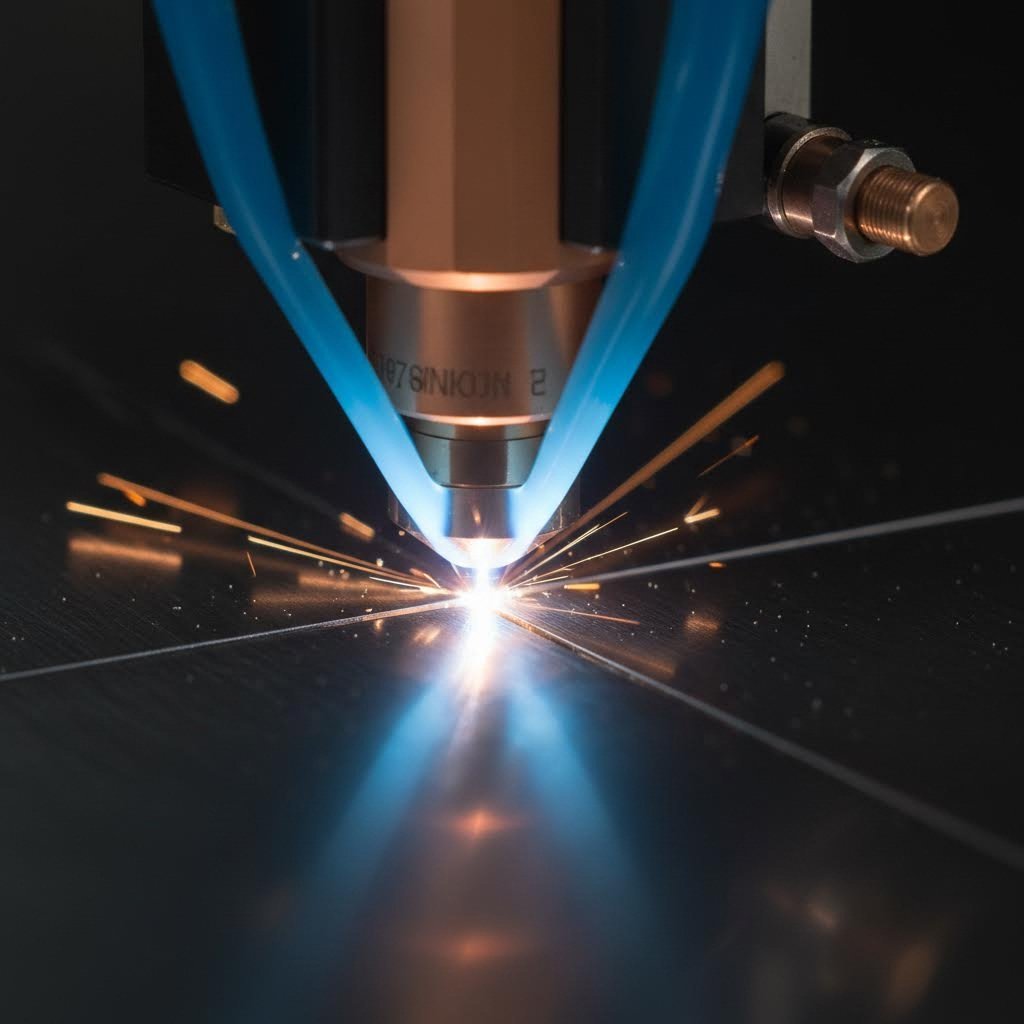
Selecció del gas d'assistència per a una qualitat òptima del tall
Us heu preguntat mai per què dues configuracions idèntiques de talladora làser d'acer poden produir acabats de vora radicalment diferents? La resposta sovint es troba en el que flueix a través de la tovera de tall juntament amb el raig làser. La selecció del gas auxiliar és un dels factors més oblidats en el tall làser d'acer, encara que controli directament si les peces acabades presenten vores netes i lliures d'òxid o necessiten processos secundaris costosos.
Quan feu el tall làser d'acer, el gas auxiliar realitza dues funcions clau: expulsa el metall fos del llit de tall i o bé reacciona químicament amb el material o el protegeix de la contaminació atmosfèrica. Comprendre aquesta diferència transforma el vostre enfocament en cada treball de tall.
Auxili amb oxigen per a l'acer al carboni
Aquesta és la química que fa que l'oxigen sigui tan eficaç per a l'acer al carboni: quan l'oxigen entra en contacte amb ferro calent a temperatures de tall, provoca una reacció exotèrmica, és a dir, allibera energia tèrmica addicional. Aquest procés d'oxidació converteix essencialment el vostre sistema de tall làser en un sistema de tall tèrmic-químic combinat.
El resultat pràctic? Segons proves de la indústria, l'oxigen realitza aproximadament el 60 per cent del treball de tall en l'acer al carboni. Aquesta energia addicional us permet:
- Tallar materials més gruixuts - L'energia tèrmica addicional permet penetrar xapes que d'altra manera superarien la capacitat del vostre làser
- Augmentar la velocitat de processament - L'ajuda exotèrmica significa un tall més ràpid en acers suaus i qualitats d'acer al carboni
- Reduir els requisits de potència - Configuracions de menor potència poden assolir una penetració equivalent en comparació amb el tall amb gas inert
Tanmateix, el tall amb oxigen comporta un inconvenient. La mateixa reacció química que augmenta l'eficiència del tall també genera oxidació al llarg del cant de tall , produint una aparença lleugerament grisa. Per a aplicacions que requereixen pintura, soldadura o acabats estètics, aquesta vora oxidada pot necessitar un brossat, esmorteït o tractament químic abans d’un processament addicional.
Els requisits de pressió d'oxigen romanen relativament moderats: normalment al voltant de 2 bar amb un consum d'aproximadament 10 metres cúbics per hora. Aquesta demanda de pressió més baixa es tradueix en uns costos de gas reduïts en comparació amb el tall amb nitrogen d’alta pressió.
Nitrogen per a vores netes d'acer inoxidable
Quan les vostres aplicacions de tall amb làser d'acer inoxidable exigeixen una qualitat de vora impecable, el nitrogen esdevé l'opció essencial. A diferència de l'enfocament reactiu de l'oxigen, el tall amb nitrogen és purament mecànic: el gas inert a alta pressió simplement expulsa el material fos sense cap interacció química.
Aquest comportament inert crea el que els fabricants anomenen "tall net" – les vores apareixen lliures d'òxids, sense decoloració ni depòsits d'escòria. En aplicacions d'acer inoxidable on la resistència a la corrosió i l'aspecte són fonamentals, el nitrogen preserva les propietats intrínseques del material fins a la vostra de tall.
Les especificacions clau per al tall amb assistència de nitrogen inclouen:
- Requisits de puresa del gas - La qualitat estàndard 4,5 (99,995 % de puresa) ofereix un rendiment suficient; les impureses perilloses com els hidrocarburs i la humitat són els veritables problemes, més que assolir una puresa ultraelevada
- Paràmetres de pressió - És essencial operar a alta pressió, entre 22 i 30 bar, per expulsar eficacement el material i obtenir talls nets
- Taxes de consum - Cal esperar aproximadament entre 40 i 120 metres cúbics per hora, segons el gruix del material i la velocitat de tall
- Resultat del acabat de vora - Superfícies brillants i lliures d'oxidació, preparades per a soldar, pintar o aplicacions visibles sense necessitat de processos secundaris
La consideració del cost és significativa: el consum de nitrogen és aproximadament 4-6 vegades superior al de l’oxigen a causa de les exigències de pressió més elevades. A més, la velocitat de tall amb làser de nitrogen és aproximadament un 30 % inferior a la del tall amb oxigen, ja que no hi ha cap contribució d’energia exotèrmica. No obstant això, quan es tenen en compte la supressió de la mà d’obra per a l’acabat i la conservació de les propietats del material, el nitrogen sovint ofereix un valor global millor per a treballs amb acer inoxidable i alumini.
La tendència del mercat és cap a una única font de gas multifuncional que utilitzi nitrogen. És clar que, en casos concrets —com ara empreses que només tallen acer amb un gruix superior a 2 o 3 mm—, l’oxigen continua sent la millor solució.
Quan té sentit utilitzar aire comprimit
Sembla car haver d’escollir entre gasos especialitzats? L’aire comprimit ofereix una alternativa que val la pena considerar, tot i que l’«aire de taller» gratuït no és tan sense cost com podria semblar.
Tall amb aire talla acer galvanitzat o aluminitzat dues vegades més ràpid com altres mètodes. També gestiona eficaçment l'acer fi i l'alumini per a aplicacions no crítiques. El contingut d'oxigen d'aproximadament un 20% a l'aire comprimit proporciona un benefici exotèrmic parcial mentre és més econòmic que l'aprovisionament d'oxigen pur.
Tanmateix, els requisits de qualitat de l'aire són estrictes:
- Contingut d'aigua - S'ha de reduir a menys de 2.000 ppm com a mínim; idealment per sota de 100 ppm amb equipament adequat de secat
- Contaminació per oli - Els hidrocarburs totals han de romandre per sota de 2 ppm sense gotes per evitar l'embrutiment de la lent
- Compromisos en la qualitat del tall - Espereu superfícies parcialment ennegrides i possibles rebavos que requereixen mecanitzat secundari
- Desgast de la lent - El risc de contaminació implica un canvi de lent més freqüent en comparació amb sistemes de gas pur
Quan es calculin els costos reals del tall amb aire, incloeu l'electricitat per a la compressió (que varia entre 0,06 $ i 0,20 $ per kW segons les diferents regions), el manteniment de l'equipament de filtratge i secatge, i el canvi accelerat de lent. Per a operacions d'alta producció, aquests costos ocults poden superar les despeses de gas especialitzat.
Ajustar el gas a la seva aplicació
El gas d'assistència òptim depèn de combinar el material, el gruix i els requisits de qualitat. Utilitzi aquest marc de decisió per guiar la seva selecció en qualsevol aplicació de tall per làser per a l'acer:
| Tipus d'acer | Rang d'espessor | Acabat desitjat | Gas òptim | Pressió (bar) | Consideracions Clau |
|---|---|---|---|---|---|
| Acer suau/carboni | 1-6mm | Estàndard (oxidació acceptable) | Oxigen | 1-2 | Tall més ràpid; cost del gas més baix |
| Acer suau/carboni | 6-25mm | Estàndard (oxidació acceptable) | Oxigen | 2-4 | La reacció exotèrmica és essencial per a plaques gruixudes |
| Acer suau/carboni | 1-6mm | Net (sense òxid) | Nitrogen | 18-25 | Cost més elevat però elimina l'acabat |
| Acer inoxidable | 1-4 mm | Net (sense òxid) | Nitrogen | 18-22 | Preserva la resistència a la corrosió |
| Acer inoxidable | 5-12 mm | Net (sense òxid) | Nitrogen | 22-30 | Alta pressió essencial per a l'acer inoxidable gruixut |
| Acer galvanitzat | 1-4 mm | Estàndard | Aire comprimit | 8-12 | 2 vegades més ràpid que l'oxigen; rendible |
| Acer fi (qualsevol) | Sota 2 mm | No crític | Aire comprimit | 6-10 | Opció econòmica per a peces simples d'alta producció |
Recordeu que també és important la logística de subministrament de gas. Les operacions que consumeixen més de 800-1.000 metres cúbics de nitrogen mensualment haurien d'avaluar l'emmagatzematge en dipòsit massiu versus estants de bombones. L'emmagatzematge en dipòsit ofereix un cost inferior per unitat, però requereix un volum de consum suficient per compensar les pèrdues per evaporació durant períodes d'inactivitat.
Un cop optimitzada la vostra estratègia de gas d'assistència, la següent pregunta clau és: quanta potència làser necessiteu realment per al vostre rang de gruixos d'acer? La resposta implica més que només la potència bruta en watts: la qualitat del feix, l'optimització del focus i la tecnologia del capçal de tall influeixen totes elles en la capacitat real.
Requisits de potència làser per a rangs de gruix d'acer
Quant potència de làser necessiteu realment? És la pregunta que es fa tot fabricant quan inverteix en una màquina de tall làser d'acer – i la resposta és més matizada que simplement comprar l'unitat més potent disponible. Seleccionar el wattatge adequat implica equilibrar la capacitat amb el cost, perquè tant els sistemes insuficients com els excessivament potents creen problemes que mengen els vostres beneficis.
Aquesta és la realitat: una màquina de tall d'acer amb làser que té dificultats per penetrar el gruix del vostre material produeix vores irregulars, escòria excessiva i talls incomplets que requereixen retraball. Però un sistema amb molta més potència de la necessària malgasta electricitat, augmenta el desgast dels consumibles i immobilitza capital que podria destinat-se a altres usos. Trobar el punt òptim significa entendre exactament com la potència es tradueix en capacitat de tall.
Ajustar la potència del làser al gruix de l'acer
La relació entre la potència del làser i el gruix de tall no és lineal. Segons dades d'assaigs industrials , duplicar la potència no duplica la capacitat de gruix – les limitacions físiques en la penetració del feix, la dissipació de calor i l'expulsió del material provoquen rendiments decreixents a nivells d'energia més alts.
Per a l'acer suau, els números expliquen una història clara. Un sistema de 3kW pot manejar fins a 15 mm amb talls de bona qualitat, arribant fins a 18 mm amb velocitat reduïda i acabat de vora inferior. Amb un sistema de 6kW es poden processar fins a 25 mm amb excel·lents resultats. Els sistemes de 12kW, que són cada cop més comuns en entorns de producció, tallen 35 mm d'acer suau amb nivells de qualitat aptes per a producció.
L'acer inoxidable requereix més potència per a gruixos equivalents a causa del seu contingut més alt de crom i de les seves propietats tèrmiques. El mateix làser de 3kW té un límit d'aproximadament 12 mm per a l'inoxidable, mentre que el de 6kW arriba als 20 mm amb assistència de nitrogen a alta pressió. Per a treballs amb xapes gruixudes d'inoxidable superiors a 30 mm, calen màquines de classe 12kW.
| Potència del llaser | Acer Suau - Tall de Qualitat | Acer Suau - Màxim | Acer Inoxidable - Tall de Qualitat | Acer Inoxidable - Màxim |
|---|---|---|---|---|
| 1 kW | 6 mm | 10 mm | 3 mm | 5 mm |
| 2KW | 10 mm | 16 mm | 6 mm | 8mm |
| 3KW | 15mm | 20mm | 10 mm | 12mm |
| 4KW | 18mm | 22 mm | 12mm | 16 mm |
| 6kw | 22 mm | 30mm | 18mm | 20mm |
| 10KW | 30mm | 40mm | 25 mm | 30mm |
| 12kW+ | 35 mm | 50 mm | 30mm | 40mm |
Fixeu-vos en la diferència entre "tall de qualitat" i gruix "màxim". Un tallador làser CNC per a acer pot tècnicament penetrar el material al seu límit màxim, però l'acabat del cantell es degrada significativament. Per a peces de producció que requereixin un processat secundari mínim, cal mantenir-se dins del rang de tall de qualitat. Reserviu la capacitat màxima per a operacions de desbast o peces que en qualsevol cas aniran a ser sotmeses a un mecanitzat intens.
Comprendre els requisits de potència
La potència bruta només explica part de la història. Quan s'avalua una taula de tall làser per a acer, diversos factors més enllà de la potència determinen el rendiment real del tall:
- Qualitat del feix (BPP) - Valors més baixos del producte del paràmetre del feix indiquen una millor capacitat de focus i una penetració més profunda amb nivells de potència equivalents; els feixos d'alta qualitat mantenen la densitat energètica a través de materials gruixuts
- Optimització del focus - Els caps de tall moderns amb control dinàmic del focus ajusten la posició focal durant el tall, mantenint una concentració òptima d'energia fins i tot en seccions gruixudes
- Tecnologia del cap de tall - Els caps d'enfocament automàtic, sensors anticol·lisió i dissenys de toveres d'alta pressió influeixen tots en la capacitat real més enllà de la potència nominal en watts
- Brillantor del feix - La potència dividida pel quadrat del BPP determina la capacitat de tall; una brillantor més elevada permet aconseguir millors resultats amb nivells de potència més baixos
Això explica per què un làser de tall d'acer CNC de 6 kW ben dissenyat d'un fabricant premium pot superar un sistema de 10 kW mal dissenyat. El factor de qualitat del feix afecta fins a quin punt l'energia es concentra estretament al punt focal - i l'energia concentrada talla més profund i net que la potència difusa.
La velocitat també varia notablement segons la potència seleccionada. Segons proves comparatives , en tallar acer inoxidable de 8 mm, una màquina de 6 kW funciona gairebé un 400 % més ràpid que un sistema de 3 kW. Per a inoxidable de 20 mm d'espessor, 12 kW ofereix velocitats un 114 % superiors a les de 10 kW. Aquestes diferències de velocitat s'acumulen durant els processos de producció, afectant els costos per peça i la capacitat de lliurament.
El càlcul econòmic queda més clar quan es té en compte que un sistema làser CNC de 10 kW per tallar acer costa menys del 40% més que una màquina de 6 kW, però ofereix més del doble d'eficiència de producció per hora. Per a operacions que tallen grans volums d'acer mitjà i gruixut, la inversió en una potència superior es recupera ràpidament gràcies a l'augment de la productivitat.
Tanmateix, cal reservar un cert marge en la selecció de potència. Les fonts làser experimenten una disminució gradual de la sortida al llarg de la seva vida útil, i els paràmetres de tall que funcionen perfectament amb un tub nou poden resultar insuficients després de 30.000 hores de funcionament. Seleccionar un sistema amb un marge del 20-30% per sobre dels requisits habituals assegura una qualitat constant durant tota la vida útil de l'equip.
Un cop enteses les necessitats d'energia, el següent repte és mantenir la qualitat del tall en producció. Fins i tot combinacions de potència i gruix perfectament ajustades poden generar resultats decepcionants quan apareixen problemes habituals de tall – com la formació de llorera, zones afectades per la calor i rugositat del cantell –, que requereixen enfocaments específics de resolució de problemes.
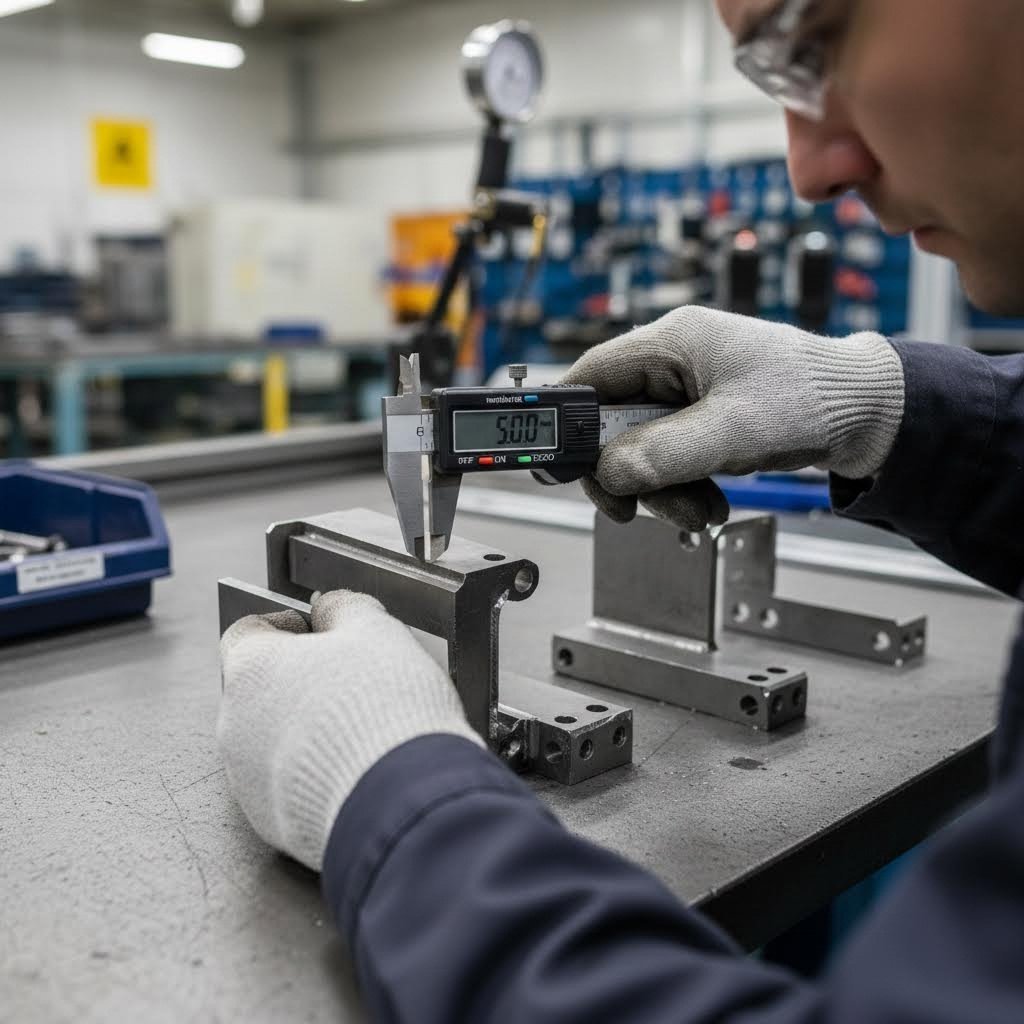
Resolució de problemes habituals en el tall d'acer
Ja heu ajustat els paràmetres de potència, seleccionat el gas auxiliar adequat i programat els vostres recorreguts de tall, però encara així les peces acabades no compleixen les especificacions. Us sona familiar? Fins i tot els professionals més experimentats troben problemes de qualitat persistents en el tall làser de metalls, i les causes no sempre són evidents. La diferència entre un taller bo i un de gran rau en una resolució sistemàtica de problemes que aborda les causes arrel en lloc dels símptomes.
Quan es talla metall amb làser, cinc problemes representen la majoria de rebuigs de qualitat: acumulació de escòria, zones afectades tèrmicament excessives, rugositat del cantell, talls incomplets i deformació del material. Cada un té causes i solucions diferents, i entendre aquest marc de resolució de problemes us estalviarà nombroses hores d'ajustaments per prova i error.
Solucionar els problemes de formació d'escòria
L'escòria —aquest material fos que s'enganxa obstinadament a la cara inferior dels vostres talls— representa una de les queixes més habituals en operacions de tall de metall amb làser. Segons l'anàlisi del sector, la formació d'escòria sol derivar de tres causes principals:
- Pressió del gas d'assistència massa baixa - El flux de gas insuficient no expulsa el metall fos abans que es torni a solidificar al cantell del tall
- Alçada de la tovera o desalineació del focus - Una distància inadequada interromp el patró de flux de gas necessari per a una expulsion neta del material
- Paràmetres mal ajustats al gruix del material - Paràmetres optimitzats per a materials més fins provoquen una fusió incompleta en plaques més gruixudes
Les solucions es deriven lògicament d’aquestes causes. Comenceu ajustant la distància del cap de tall – fins i tot canvis de 0,5 mm poden afectar dràsticament el comportament de la llengua. Augmenteu progressivament la pressió del gas d’assistència fins que observeu una expulsió neta sense turbulències excessives. Per a problemes persistents, utilitzeu suports de tall elevats amb barres o graelles per permetre que la llengua caigui netament en comptes d’acumular-se a la peça treballada.
Observeu els patrons d’estelleig durant el tall. Espurnes descendents i constants indiquen paràmetres òptims, mentre que espurnes inclinades cap enrere suggereixen una velocitat excessiva que no permet l’expulsió completa del material.
Minimització de les zones afectades tèrmicament
La zona afectada tèrmicament (ZAT) al voltant de cada tall làser planteja un problema de qualitat més subtil però igualment important. Aquesta és la zona on la microestructura del metall ha estat alterada per l’exposició tèrmica – cosa que pot reduir la resistència o crear fragilitat i afectar el rendiment de la peça.
Segons recerca en gestió tèrmica , la formació de la ZAT depèn de diversos factors que interactuen entre si:
- Velocitat de tall - Velocitats més lentes augmenten la calor afegida i expandeixen la zona afectada
- Paràmetres de potència del làser - L'excés de potència respecte al gruix del material crea una difusió tèrmica innecessària
- Selecció i pressió del gas d'assistència - Un flux de gas adequat proporciona refrigeració que limita la penetració de calor al material circumdant
- Conductivitat tèrmica del material - Metalls com l'alumini dissipen la calor ràpidament, reduint la ZAT; l'acer inoxidable reté la calor durant més temps
Calibrar la potència, la velocitat i el focus per equilibrar la qualitat del tall amb una entrada mínima de calor és l'estratègia clau. Per a aplicacions sensibles a la calor, considereu modes de tall làser en polsos que redueixin l'aportació contínua de calor, o canvieu a un gas d'assistència de nitrogen a alta pressió pel seu efecte addicional de refrigeració.
Solucionar la rugositat del cantell i els talls incomplets
Les vores irregulars i les estriacions visibles indiquen desequilibris de paràmetres que requereixen un diagnòstic sistemàtic. El làser que talla el metall amb precisió un dia pot produir un acabat superficial inacceptable l'endemà, sovint a causa de problemes de manteniment ignorats i no pas d'errors de configuració.
Les causes habituals de rugositat de vora inclouen:
- Òptiques brutes - Les lents i miralls contaminats dispersen l'energia del feix, reduint la precisió del tall
- Vibració mecànica - Els problemes de moviment del portal creen patrons visibles a la superfície tallada
- Toveres gastades - Les puntes de tovera deteriorades alteren la simetria del flux de gas
- Velocitat d'alimentació incorrecta - Una velocitat excessiva produeix una penetració incompleta; massa lenta causa una fusió excesiva
Per a talls incomplets on el làser no aconsegueix penetrar completament, el procediment de resolució de problemes varia lleugerament. Anàlisi tècnica indica aquestes causes principals: potència del làser massa baixa per al gruix del material, velocitat de tall massa elevada per a una penetració completa, posició de focus massa lluny de l'òptima o diàmetre de tovera inadient respecte als requisits de tall.
Control de la deformació del material i la distorsió tèrmica
Les fulles primes s'enrotllen com si fossin cletes després del tall? La deformació del material en operacions de tall làser de xapa metàl·lica prové d'una distribució irregular de la calor que causa dilatació i contracció localitzades. Aquest repte s'intensifica amb materials de gruix fi, geometries de cantonades ajustades i disposicions imbricades d'alta volumetria.
Estratègies efectives de mitigació inclouen:
- Fixació adequada - Fixeu fermament els materials en posició plana mitjançant taules de buit, cargols fixadors o gabies per evitar moviments durant el tall
- Optimització de la seqüència de tall - Programar els recorreguts de tall per distribuir uniformement la calor per tota la fulla en lloc de concentrar l'aportació tèrmica en una única àrea
- Ajust de paràmetres - Utilitzeu modes de tall intermitent o múltiples passades de baixa potència per minimitzar l'acumulació de calor
- Suport adequat - Apliqueu plaques posteriors sacrificials per a materials prims propensos a la deflexió
Els diferents metalls reaccionen de manera única a l'estrès tèrmic. Les consideracions específiques del material indiquen que l'alumini requereix velocitats de tall més ràpides per evitar l'acumulació de calor, mentre que la conductivitat tèrmica més baixa de l'acer inoxidable fa que la calor s'acumuli a prop de la zona de tall i es dissipi lentament. Adaptar els paràmetres a les característiques tèrmiques de cada material evita la distorsió abans que es produeixi.
Manteniment de la precisió dimensional
Les especificacions de tolerància en el tall làser de metalls solen oscil·lar entre ±0,001 i ±0,005 polzades segons el material, el gruix i la capacitat de la màquina. Quan les peces queden fora d'aquestes especificacions, les causes sovint es deuen a:
- Efectes de dilatació tèrmica - L'acumulació de calor durant seqüències de tall prolongades provoca una deriva dimensional progressiva
- Errors de compensació del kerf - La configuració del programari CAM que no coincideix amb l'amplada real del tall provoca peces més petites o més grans del compte
- Problemes de fixació del material - Una mala fixació permet el moviment de la fulla durant el tall
- Derivació en la calibració de la màquina - El joc en els sistemes d'accionament acumula errors de posicionament
Compensar l'amplada del tall al vostre programari CAD/CAM soluciona el problema dimensional més comú. Mesureu l'amplada real del tall mitjançant talls d'assaig amb el material i configuració específics, i després apliqueu aquest desplaçament de manera coherent. Per a treballs de precisió sensibles a la calor, utilitzeu velocitats de tall lentes i deixeu refredar entre les peces disposades conjuntament.
El principi fonamental de la qualitat del tall làser: els resultats òptims s'aconsegueixen equilibrant la velocitat de tall amb l'aportació de calor. Si s'avança massa ràpid, es perjudica l'acabat del vora i la penetració. Si es talla massa lentament, s'incrementen la distorsió tèrmica, l'ampliació de la zona afectada pel calor (HAZ) i les pèrdues de productivitat. Trobar el punt òptim específic per a cada combinació de material i gruix transforma la resolució de problemes d'una actuació reactiva en un control de qualitat proactiu.
El manteniment regular de la màquina evita molts problemes de qualitat abans que apareguin. Neteges òptiques setmanalment en operacions d’alt volum, comproves l’estat de la tovera abans de cada treball i verifiques l'alineació del feix mensualment. Aquestes mesures preventives costen minuts però estalvien hores de diagnòstic i treballs de reforma.
Un cop controlats els reptes de qualitat, la següent consideració és assegurar resultats consistents des del començament del procés de treball. Les pràctiques adequades de preparació i manipulació del material estableixen les bases per a tot el que segueix en el procés de tall.
Preparació del material i optimització del flux de treball
Ja heu començat mai un tall només per descobrir problemes de qualitat misteriosos que semblen no tenir cap causa lògica? Abans d'acusar la configuració de la vostra màquina, considereu això: molts problemes de tall làser es remunten al que va passar abans que l'acer arribés a la vostra plataforma de tall. La preparació del material no és espectacular, però és la base que determina si els vostres paràmetres cuidadosament optimitzats realment produeixen resultats consistents.
Quan treballeu amb una operació de full metàl·lic làser, la contaminació superficial i l'estat del material creen barreres invisibles a la qualitat. El residu d'oli canvia les característiques d'absorció del làser. L'escòria reflecteix l'energia de manera imprevisible. La humitat introdueix variables que cap ajust de paràmetres pot superar. Comprendre i controlar aquests factors separa els fabricants professionals d'aquells que constantment intenten corregir resultats inconsistents.
Preparació superficial prèvia al tall
Els requisits de neteja superficial per al tallat làser de xapes metàl·liques són més exigents del que molts operaris pensen. Segons les directrius del sector, les peces han d'estar correctament preparades per garantir talls precisos, i aquesta preparació comença entenent quins contaminants afecten realment el procés.
Els principals contaminants superficials que cal eliminar inclouen:
- Olis i lubricants - Els fluids de tall residuals, olis d'ús i recobriments protectors interfereixen amb l'absorció consistent del làser i poden generar fum que es diposita sobre les òptiques
- Òxid i corrosió - Les superfícies corroïdes absorbeixen l'energia làser de manera irregular, provocant una penetració inconsistent i variacions en la qualitat del tall
- Càscara de laminació - Aquesta capa d'òxid formada durant la producció de l'acer reflecteix l'energia làser de manera imprevisible i impedeix talls nets i consistents
- Pelicules protectores - Tot i que de vegades es deixen intencionadament per protegir les superfícies, les pel·lícules de plàstic poden fondre's, encendre's o generar fums durant el tall
Els mètodes de neteja efectius depenen del tipus de contaminació. Per a oli i greix, netejar amb acetona o desengreixant comercial seguit d'aire comprimit elimina la majoria de residus. La ferrugine requereix una eliminació mecànica mitjançant brotxa de filferro o granallat en casos greus. L’escòria en acer laminat en calent sovint necessita rectificació o decapació per a una eliminació completa, encara que algunes operacions tallin a través d’escòria lleugera amb paràmetres ajustats.
Com la guia tècnica confirma , la contaminació superficial com ara oli o pel·lícula protectora pot afectar l'absorció del làser i el flux de gas, especialment en acer inoxidable i alumini. Els pocs minuts dedicats a una neteja adequada eviten hores de resolució de problemes causats per variacions de qualitat misterioses.
Millors Pràctiques en la Manipulació de Materials
La manera com emmagatzemeu i manipuleu l'acer abans del tall és tan important com la forma en què el netegeu. L'absorció d'humitat, els danys físics i la contaminació deguda a un emmagatzematge inadequat creen problemes que la preparació superficial no pot resoldre per si sola.
L'emmagatzematge adequat del material evita problemes abans que es produeixin:
- Control del clima - Emmagatzemeu l'acer en ambients secs amb temperatures estables per evitar la condensació i la ferrugine ràpida
- Emmagatzematge elevat - Mantingueu les fulles allunyades dels sòls de formigó utilitzant prestatgeries o palets per evitar l'absorció d'humitat
- Cobertura protectora - Utilitzeu cobertures transpirables que impedeixin l'acumulació de pols i al mateix temps permetin l'evacuació de l'humitat
- Rotació primer en entrar, primer en sortir - Utilitzeu les existències més antigues abans que les noves arribades per evitar la degradació per emmagatzematge prolongat
La planor del material afecta directament la qualitat del tall, especialment en gruixos més fins. La documentació tècnica subratlla que les fulles torsionades o irregulars poden provocar variacions en la posició del focus, talls incomplets i una qualitat de vora inconsistent. Si una fulla està clarament torsionada, s'hauria de nivellar o substituir abans d'iniciar el tall.
Quan és necessari el nivel·lament? Les fulles amb curvatura visible superior a 3 mm per metre solen requerir aplanament mitjançant equipament de nivel·lament per rodets. Els materials més fins de menys de 2 mm són especialment susceptibles als danys per manipulació i poden necessitar nivel·lament fins i tot amb un emmagatzematge cuidatós. La inversió en equipament adequat de nivel·lament dóna fruits mitjançant la reducció de rebuts i una qualitat constant de les peces.
Flux complet des del material fins a la peça acabada
Les operacions professionals de tall làser en xapa metàl·lica segueixen un flux de treball sistemàtic que elimina les variacions de qualitat. Cada pas es basa en l'anterior, creant una base per a resultats consistents:
- Inspecció de recepció - Verificar que les certificacions del material coincideixin amb les especificacions de comanda, inspeccionar possibles danys durant el transport, mesurar el gruix real respecte als valors nominals i documentar qualsevol problema d'estat superficial abans d'acceptar la recepció
- Preparació de la superfície - Netegi els contaminants utilitzant mètodes adequats segons el tipus de contaminació, verifiqui la planor i nivellació si és necessari, elimini les pel·lícules protectores si el tall generarà excesse de calor
- Programació - Importi fitxers de disseny validats amb unitats i escala correctes, verifiqui la geometria per detectar contorns oberts o línies duplicades, organitzi les capes de tall per a una seqüència òptima, imbrinqui les peces eficientment per minimitzar el desperdici
- L'fixació - Col·loqui el material fermament sobre el llit de tall amb el suport adequat, verifiqui l'alineació de la fulla amb el sistema de coordenades de la màquina, fixi el material mitjançant cargols, buit o pesos segons el gruix
- Tall - Confirmini la selecció del gas auxiliar i la pressió, verifiqui la posició de focus i l'estat de la tovera, supervisi el primer perforat i els talls inicials per validar els paràmetres, mantingui la supervisió durant tot el procés de producció
- Post-processament - Deixi refredar prou abans de manipular, extregui les peces de l'estructura residual amb cura per evitar ratllades, inspeccioneu les vores tallades per verificar la qualitat, eliminï el rebavat o netegi segons sigui necessari per a l'aplicació
Aquest enfocament estructurat transforma les operacions de tall de fulls metàl·lics amb làser d'una resolució reactiva de problemes a una gestió proactiva de la qualitat. Cada punt de control detecta possibles errors abans que es propaguin durant tot el procés de producció.
Manipulació de diferents gruixos i mides d'acer
Els requisits de manipulació del material varien significativament segons el gruix de la fulla i les dimensions generals. Els materials fins requereixen una manipulació més suau per evitar deformacions i danys superficials, mentre que les plaques pesades necessiten assistència mecànica i una col·locació cuidadosa.
Per a materials de gruix fi inferior a 3 mm:
- Utilitzeu equip de levitació per aspiració en lloc de pinces que puguin causar danys en els vores
- Suporteu completament les fulles durant el transport per evitar deformacions permanents
- Considereu intercalar paper entre fulles apilades per evitar ratllades
- Manipuleu les vores amb cura: els materials fins es dobleguen fàcilment si s'agafen incorrectament
Per a plaques pesades superiors a 10 mm:
- Utilitzeu equip de levitació adequat dimensionat pel pes real de la fulla
- Col·loqueu amb cura sobre el llit de tall per evitar impactes que puguin danyar les llistes de suport
- Verifiqueu la capacitat de la taula abans de carregar fulls de mida gran o especialment pesats
- Permeteu un temps d'assentament després de posicionar abans d'iniciar talls en plaques molt pesades
Els fulls de format gran presenten reptes addicionals independentment del gruix. Tal com indiquen les directrius operatives, per a fulls més grans, assegureu-vos que el material estigui ben centrat per evitar tensions o flexions durant el tall. Un suport desigual crea tensions internes que es poden alliberar durant el procés de tall, provocant derivades dimensionals i distorsió de les peces
Les consideracions de temperatura també són importants per a treballs de precisió. L'acer s'expandeix aproximadament 0,012 mm per metre i grau Celsius. Els fulls extrets directament de magatzems freds i portats a tallers càlids haurien d'estabilitzar-se a la temperatura ambient abans del tall de precisió, un procés que pot trigar diverses hores en el cas de plaques gruixudes
Amb els materials correctament preparats i manipulats, heu eliminat les variables ocultes que sabotegen fins i tot uns ajustos perfectes de la màquina. El següent aspecte a considerar és l'econòmic: comprendre els costos reals del tall làser i com aquesta tecnologia es compara amb altres mètodes segons les diferents aplicacions i volums.
Marc d'anàlisi de costos per al tall làser d'acer
Quant costa realment tallar una peça d'acer amb làser? Si alguna vegada heu rebut pressupostos que variaven un 300% per a un mateix treball, enteneu per què aquesta pregunta és important. La veritat és que els costos del tall làser depenen de molt més que només el temps de màquina, i entendre el panorama complet dels costos us ajuda a prendre decisions informades sobre inversions en equipament, opcions d'externalització i estratègies de preus competitius.
Un tallador làser de metall representa una inversió de capital important, però els costos d'operació determinen si aquesta inversió genera beneficis o consumeix recursos. Quan es desglossen els costos reals per peça, els factors ocults sovint superen els més evidents. Analitzem el marc complet per calcular què costa realment el tall làser en acer.
Càlcul dels costos reals de tall
Cada peça tallada en una màquina de tall làser per a metalls acumula costos en diverses categories. L'estimació professional de costos requereix controlar cada component:
- Temps de màquina - La base de qualsevol càlcul; inclou la durada real del tall més la preparació, posicionament i temps d'inactivitat entre peces
- Consumibles - El consum de gas auxiliar, el canvi de lentilles, el desgast de les toveres i els canvis de finestra protectora s'acumulen ràpidament en sèries de producció
- Electricitat - El consum d'energia varia notablement entre tecnologies; els làsers de fibra consumeixen aproximadament un terç de l'electricitat dels sistemes CO2 equivalents
- Mà d’obra - Els sous del operari, el temps de programació, la manipulació de materials i la inspecció de qualitat contribueixen tots al cost per peça
- Assignació de manteniment - Distribuir els costos de manteniment preventiu i reparacions entre les hores de producció revela la despesa real de l'equipament
Considereu un exemple pràctic: tallar 100 suports idèntics de 6 mm d'acer suau. El temps directe de màquina podria ser de 45 minuts, però la preparació afegeix 15 minuts, el consum de gas és d'aproximadament 12 $, el cost d'electricitat 8 $ i la mà d'obra assignada s'acosta als 35 $. Aquests 55 $ en costos "evidents" en realitat s'acosten més als 85 $ quan s'inclouen els consumibles i l'assignació de manteniment.
La prima de preu de la màquina de tall per làser de fibra respecte als sistemes CO2 sovint es recupera en 18-24 mesos gràcies a uns costos operatius reduïts, especialment estalvis d'electricitat i menors necessitats de manteniment. Tanmateix, aquest càlcul depèn molt de les taxes d'utilització. Una màquina que funcioni en torns simples amb una eficiència del 60% presenta uns resultats econòmics molt diferents d’una altra que operi en tres torns amb una utilització del 85%.
Làser vs Mètodes Alternatius
Com es compara una màquina de tall per làser metàl·lic amb alternatives com el plasma, el jet d’aigua i els mètodes mecànics? Cada tecnologia ocupa un niu econòmic diferenciat segons el gruix del material, els requisits de precisió i els volums de producció. Segons l' anàlisi comparativa del sector , la millor opció depèn d’ajustar la tecnologia a l’aplicació, i no pas imposar automàticament cap solució única.
| Mètode de tall | Rang de Cost del Equipament | Gruix d'acer recomanat | Capacitat de precisió | Cost d'Operació/Hora | Aplicació ideal |
|---|---|---|---|---|---|
| Làser de Fibra | $150,000 - $500,000+ | 0,5 mm - 25 mm | ±0,001" - ±0,005" | $15 - $35 | Parts de precisió, calibres mitjans-fins, alt volum |
| Làser CO2 | $80,000 - $300,000 | 1 mm - 25 mm+ | ±0,002" - ±0,008" | 25 $ - 50 $ | Placa gruixuda, materials mixtes |
| PLASMA | 60.000 $ - 150.000 $ | 6 mm - 50 mm+ | ±0,015" - ±0,030" | 20 $ - 40 $ | Placa pesada, acer estructural |
| Jet d'aigua | 100.000 $ - 300.000 $ | Qualsevol gruix | ±0,003" - ±0,010" | 30 $ - 60 $ | Sensible a la calor, materials mixtes |
| Cisallament mecànic | $20.000 - $80.000 | 0,5 mm - 12 mm | ±0,010" - ±0,030" | $8 - $15 | Formes senzilles, alt volum |
Les dades revelen patrons clars. El tall per plasma domina quan es treballa amb metalls conductors gruixuts mantenint uns costos assumibles: les proves mostren que el tall per plasma en acer d'una polzada és de 3 a 4 vegades més ràpid que el tall per hidroerosió al voltant de la meitat del cost operatiu per peu. En la fabricació estructural i la producció d'equips pesats, el tall per plasma sovint ofereix el millor retorn de la inversió.
Els talladors làser per aplicacions en metall destaquen allà on la precisió és fonamental. Quan les peces requereixen vores netes, forats petits o formes complexes, la tecnologia làser justifica els seus costos horaris superiors mitjançant una reducció del processament secundari. La fabricació d'electrònica, dispositius mèdics i peces de precisió prefereix sistemàticament el tall làser malgrat els costos més elevats per hora.
L’hidroerosió esdevé l’opció clara quan cal evitar danys tèrmics o quan es tallen materials no metàl·lics juntament amb l’acer. El mercat de l’hidroerosió és amb previsions d'arribar als 2.390 milions de dòlars el 2034 , reflectint la creixent demanda de capacitat de tall fred en aplicacions aeroespacials i sensibles.
És important destacar per a tallers que considerin la diversificació: la capacitat d’un talladora làser per al coure alumini sovint ve integrada de sèrie en sistemes de fibra, ampliant el mercat accessible sense necessitat d’inversions addicionals en equipament. Aquesta versatilitat millores l’aproveitament general de l’equipament i reparteix els costos fixos entre més aplicacions generadores d’ingressos.
Volum de producció i rendiment econòmic
La relació entre volum i cost per peça segueix patrons previsibles que haurien de guiar les vostres decisions tecnològiques. El temps de preparació, programació i els costos d’inspecció del primer article romanen relativament fixos independentment de la quantitat, fet que significa que aquestes despeses disminueixen considerablement per peça a mesura que augmenten les quantitats.
Per a quantitats de prototips de 1-10 peces, els costos de preparació sovint superen els costos de tall. Un treball que requereixi 30 minuts de programació i 15 minuts de muntatge pot comportar només 10 minuts de tall real. Aquests 45 minuts fixos repartits entre 10 peces suposen 4-5 $ cadascuna; repartits entre 100 peces, el cost unitari baixa per sota dels 0,50 $.
La producció d’alta volumetria revela la verdadera avantatge econòmica del tall làser. Els sistemes de càrrega automàtica, el nidificat òptim i l'operació contínua minimitzen el temps de no tall. En volums superiors a 1.000 peces mensuals, el cost per peça en aplicacions adequades sovint és inferior al d’altres alternatives que semblen més econòmiques en baixos volums.
El càlcul del punt d'inici per a tallar internament versus subministrar externament depèn de la taxa d'utilització. Una màquina de tall làser de metall de 200.000 $ amb costos anuals de 40.000 $ (finançament, manteniment, assignació d'instal·lacions) requereix aproximadament 2.000 hores productives anuals només per arribar al punt d'inici en la propietat - sense comptar la mà d'obra ni els consumibles. Les operacions que no poden assolir aquesta utilització sovint troben que externalitzar és més econòmic.
Aprofitament de material i economia del nidi
Aquí hi ha un factor que pot fer palès tots els altres aspectes de cost: la eficiència amb què s'utilitza el material brut. Segons la investigació sobre optimització del nidi, el programari professional normalment recupera el seu cost en 1-6 mesos només mitjançant estalvis de material.
Considereu les matemàtiques d'una operació d'alt volum que gasta 50.000 $ mensuals en acer. Una millora moderada del 5% en l'aprofitament gràcies a un millor nesting genera estalvis anuals de 30.000 $, recuperant la inversió en programari de 10.000 $ en aproximadament 4 mesos. En el cas d'operacions que processen aliatges cars com l'acer inoxidable, el retorn s'incrementa encara més ràpidament.
Les estratègies eficaces de nesting inclouen:
- Tall de línia comuna - Les peces adjacents comparteixen trajectòries de tall, eliminant el desperdici entre peces i estalviant un 8-12% de material i un 15-25% de temps de tall
- Disposició de forma real - Les peces es giren i es reflecteixen per optimitzar l'ajust, cosa que requereix una inversió en programari però ofereix un ROI mesurable
- Gestió de residuals - El seguiment sistemàtic i el reús de talls sobrants redueixen els costos de rebuts entre un 30-60% en materials cars
- Nesting dinàmic - Algoritmes avançats que proven milers d'arranjaments s'aproximen al màxim teòric d'aprofitament
La Càlcul del ROI el programari de nidificació esdevé essencial en qualsevol volum significatiu: una talla diària de 100 suports idèntics amb nidificació de línia comuna redueix 200 operacions de tall a 100 (parelles reflectides), estalviant 4 hores diàries en temps de tall amb un valor de 80-150 dòlars, a més d’un estalvi del 10-12% en material.
Els marges exteriors i l'espaiat entre peces també afecten el rendiment. La pràctica habitual consisteix a mantenir entre 3 i 5 mm respecte als vores de la fulla i entre 1 i 3 mm entre peces. Els materials reflectants com l'alumini requereixen un espaiat de 2-4 mm per motius de dissipació tèrmica. Aquestes petites toleràncies s’acumulen en milers de peces i provoquen diferències significatives en el consum de material.
Quan s’avalua l’economia del tall per làser, cal recordar que el preu horari més baix rarament proporciona el cost per peça més baix. L’anàlisi del cost total, que inclou l’aprofitament del material, els requisits de processament secundari i la coherència de la qualitat, sovint revela que els serveis premium de tall per làser superen alternatives aparentment més econòmiques. Comprendre aquest marc complet permet prendre decisions millors sobre la inversió en equipament, la selecció del proveïdor de serveis i l’estratègia de preus competitius.
Un cop establerts els fonaments del cost, la pregunta pràctica es converteix en: on acaba realment l’acer tallat per làser? Les aplicacions en els sectors de l’automoció, la construcció i la fabricació de precisió expliquen per què aquesta tecnologia s’ha convertit en indispensable en la indústria moderna.
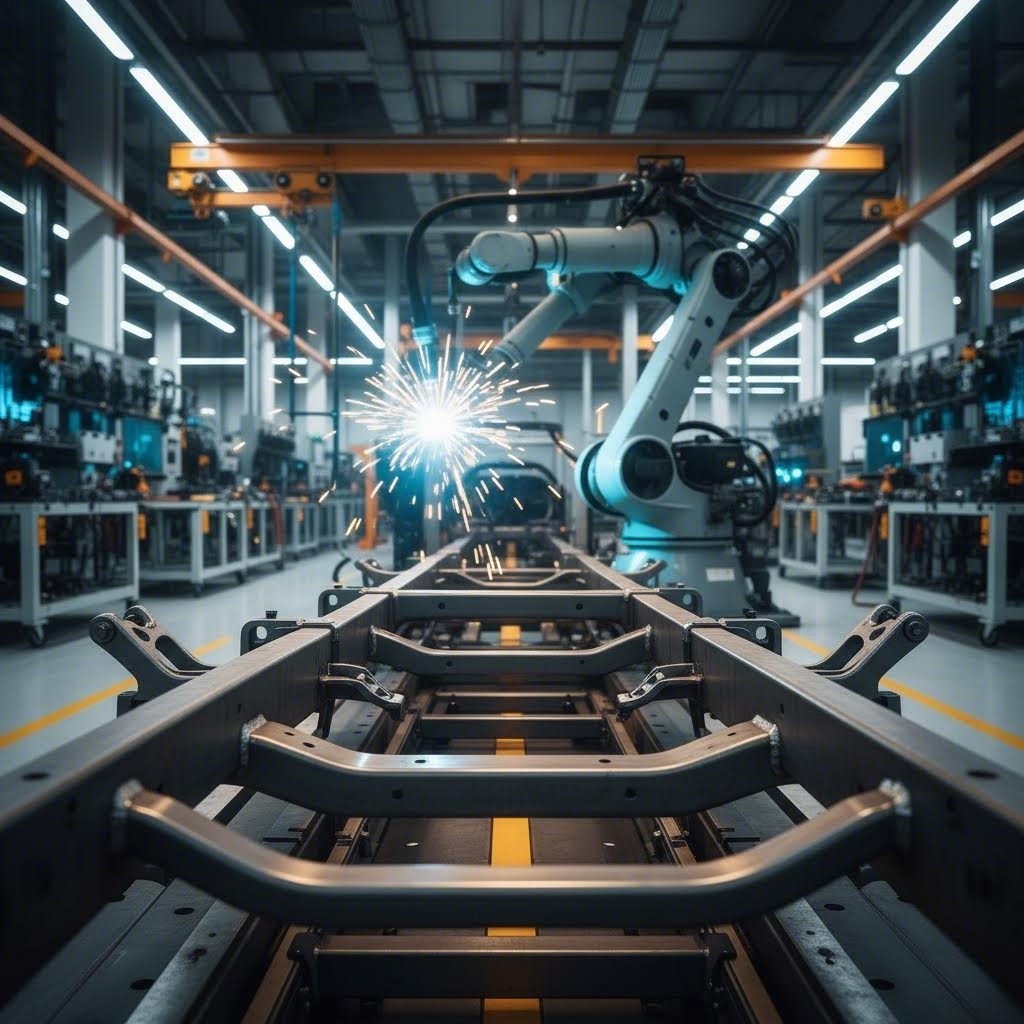
Aplicacions industrials de components d’acer de precisió
On acaba realment tot aquest acer tallat amb precisió? Comprendre les aplicacions del món real revela per què el tall per làser s'ha convertit en el mètode de fabricació dominant en tots aquells sectors que requereixen toleràncies ajustades i qualitat consistent. Des del xassís que hi ha sota el vostre vehicle fins a les bigues estructurals que suporten l’arquitectura moderna, una màquina de tall de metalls per làser configura els components que defineixen la fabricació moderna.
La versatilitat d’una màquina industrial de tall per làser va molt més enllà del simple processament de fulls. La tecnologia actual de màquines de tall de metalls per làser produeix tot des de panells decoratius intrincats fins a grans muntatges estructurals; cadascuna d’aquestes aplicacions exigeix graus específics de material, gruixos i especificacions de qualitat del cantell. Explorarem com diferents sectors industrials aprofiten aquesta tecnologia per resoldre reptes reals de fabricació.
Aplicacions automobilístiques i de transport
El sector de l'automoció representa un dels entorns més exigents per a la tecnologia de màquines de tall làser en metall. Quan esteu produint components de xassís, suports de suspensió i conjunts estructurals, la precisió no és opcional: és el que diferencia els vehicles que funcionen de manera segura dels que fallen sota tensió.
Considereu la fabricació de bastides tubulars per a aplicacions de motorsport. Els mètodes tradicionals que impliquen esberlingat manual de tubs, esmorteït i ajustos repetits consumeixen una enorme quantitat d'hores de mà d'obra mentre produeixen resultats inconstants. Els sistemes moderns de làser tubular 3D realitzen corbes de tall copiat perfectes en aproximadament 3 segons, comparats amb els 5 minuts del procés manual, amb encaixos tipus peca de trencaclosques que s'alineen automàticament durant el muntatge.
Les aplicacions de l'acer automotriu inclouen:
- Rels de xassís i travessers - Tub 4130 Chromoly tallat amb ranures i pestanyes que es fixen automàticament durant la soldadura
- Suports de muntatge de suspensió - Forats de precisió posicionats dins de ±0,05 mm per garantir una geometria d'alineació correcta
- Refors i reforços personalitzats - Formes orgàniques complexes que distribueixen millor l'esforç que els dissenys triangulars simples
- Panells de carroceria i components estructurals - Panells metàl·lics tallats amb làser amb vores netes, preparats per al acabat sense necessitat de rectificació secundària
L'avantatge va més enllà de la velocitat de tall. Quan els forats de fixació de la suspensió es tallen amb làser amb el diàmetre exacte dels perns, aquests entren sense cap joc, evitant l'"ovoïditat" que es produeix sota vibracions de competició quan els jocs són excessius. Aquesta precisió afecta directament la manipulació i la seguretat del vehicle.
Per als fabricants automotrius que requereixen tant el tall amb làser com operacions posteriors de conformació, els socis de fabricació integrats ofereixen avantatges significatius. Empreses com Shaoyi (Ningbo) Metal Technology combina les capacitats de tall làser amb el conformant metàl·lic per produir solucions completes de xassís i suspensió. La seva certificació IATF 16949 - l'estàndard de gestió de qualitat de la indústria automobilística - assegura que els components d'acer precisió compleixin els rigorosos requisits dels principals fabricants d'equip original. Amb una capacitat de prototipatge ràpid en 5 dies, els cicles de desenvolupament que abans trigaven mesos ara es poden reduir a setmanes.
Components estructurals i arquitectònics d'acer
La indústria de la construcció ha adoptat la tecnologia de tall làser tant per aplicacions estructurals com decoratives. Segons anàlisi del sector , el tall làser ofereix una precisió sense igual per crear dissenys intrincats amb toleràncies mínimes - capacitats que els mètodes manuals simplement no poden igualar.
Les aplicacions d'enginyeria estructural exigeixen una exactitud absoluta:
- Bigues i armadures d'acer - Els talls de precisió asseguren la integritat estructural allà on els components portants requereixen especificacions exactes
- Plates de connexió i reforços - Els patrons de forats de cargol estan situats amb precisió en múltiples superfícies d'acoblament
- Components de façana ventilada - Perfils complexos que s'integren amb els sistemes de l'envolupant del edifici
- Façanes decoratives - Patronatges intrincats i treballs de filigrana replicats amb precisió en diversos materials
Les possibilitats arquitectòniques s'expandeixen de manera dramàtica amb la tecnologia làser. Senyals de metall tallades amb làser i elements ornamentals que abans eren massa cars per produir manualment ara surten dels sistemes CNC a velocitats adequades per a la producció. Patrons complexos, logotips personalitzats i obres d'art detallades es tradueixen directament des de fitxers de disseny a components finals d'acer.
El que fa especialment valuosa la talla làser per a aplicacions estructurals és la zona afectada tèrmicament mínima en comparació amb el tall de plasma. Quan es solda a un tall de plasma, la zona endurida i fràgil creada per l'excessiva entrada de calor pot comprometre la integritat de la unió. Les vores tallades amb làser romanen metal·lúrgicament sòlides fins a la superfície de tall, permetent soldadures de màxima resistència sense necessitat d’una preparació extensa de les vores.
Fabricació de maquinària pesant i equipaments
Els fabricants d'equips industrials compten amb el tall làser per a components que van des de carcasses de precisió fins a bastidors estructurals pesats. La tecnologia suporta tot l'abast de gruixos que aquestes aplicacions requereixen: des de recobriments de xapa fina fins a acer en planxa superior a 25 mm.
Aplicacions principals de maquinària inclouen:
- Equipament agrícola - Components de sistemes estenedor, bastidors i sistemes de manipulació de gra que requereixen durabilitat en entorns agressius
- Maquinària de Construcció -Seccions de tubs de braç per a grues , components d'excavadores i conjunts estructurals
- Sistemes de manipulació de materials - Bastidors de transportador, suports de muntatge i proteccions de seguretat amb patrons de forats consistents
- Equipament per a la generació d'energia - Carcasses, suports i elements estructurals que compleixen requisits dimensionals estrictes
L'avantatge de la repetibilitat és especialment valuós per als fabricants d'equips. Si es talla a mà un xassís, cap dels dos és exactament igual. Quan un client necessita peces de recanvi anys després, essencialment s'ha de començar de zero. Amb el tall làser, els fitxers digitals asseguren que cada component coincideixi amb l'original, permetent kits de peces, recanvis in situ i escalat de producció sense variacions de qualitat.
Productes de consum i components de precisió
Més enllà de la indústria pesant, el tall làser serveix per a aplicacions que requereixen qualitat estètica juntament amb precisió funcional. Els productes orientats al consumidor exigeixen vores netes, acabats consistents i toleràncies ajustades que justifiquen l'avantatge de precisió de la tecnologia làser.
Les aplicacions de consum i de precisió inclouen:
- Carcasses d'electrònica - Carcasses de gruix reduït amb talls precisos per a connectors, pantalles i ventilació
- Components de mobiliari - Elements decoratius d'acer, bastidors estructurals i accessoris metàl·lics amb vores visibles
- Senyalització i visualitzadors - Senyals metàl·liques tallades amb làser que requereixen detall intrincat i presentació neta
- Equip mèdic - Components d'acer inoxidable que compleixen requisits estrictes d'higiene i dimensions
- Aplicacions militars - Components que compleixen especificacions úniques i regulacions governamentals exigents
El sector de fabricació per contracte es beneficia especialment de la versatilitat del tall amb làser. La capacitat de produir ràpidament peces prototip amb qualitat idèntica a la producció accelera els cicles de desenvolupament. Quan els prototips es tallen amb el mateix equipament que en les sèries de producció, les proves de validació reflecteixen realment la realitat de fabricació en lloc de característiques específiques del prototip.
Des del prototip fins a l'escala de producció
Una de les característiques més valuoses del tall làser és l'escalabilitat. El mateix procés que produeix una única peça de prototipus pot funcionar sense canvis per a quantitats de producció en milers. Aquesta consistència elimina les llacunes de qualitat que sovint apareixen quan es passa de mètodes de prototipatge a eines de producció.
Per a aplicacions automotrius específicament, aquesta escalabilitat té una gran importància. Un suport de suspensió validat durant les proves de prototipatge ha de tenir un comportament idèntic a volums de producció. Quan fabricants com Shaoyi ofereixen suport integral DFM (Disseny per a Fabricació) juntament amb prototipatge ràpid, els equips de desenvolupament poden optimitzar els dissenys tant per al rendiment com per a la fabricabilitat abans de comprometre's amb volums de producció. El seu torn ràpid de pressupostos en 12 hores permet cicles d'iteració ràpids que mantenen els projectes de desenvolupament dins del calendari establert.
El pont entre el treball personalitzat "única peça" i la fabricació en sèrie mai ha estat tan curt. L'inventari digital - mantenir fitxers DXF en lloc d'estoc físic - significa que qualsevol peça es pot reproduir sota demanda. Ja necessiteu un suport de substitució o mil unitats de producció, la qualitat roman consistent.
Comprendre aquestes aplicacions diverses aclareix per què la tecnologia de tall làser ha assolit una adopció tan generalitzada. La combinació de precisió, velocitat i escalabilitat aborda els reptes de fabricació en gairebé tots els sectors que treballen amb acer. Però aprofitar eficaçment aquestes capacitats requereix una planificació estratègica - des de la selecció de tecnologia fins a les decisions sobre aliances de producció. L'última secció aborda com construir una estratègia completa de tall d'acer que ofereixi resultats consistents.
Recomanacions Estratègiques per a l'Èxit en la Fabricació d'Acer
Heu assimilat els detalls tècnics: sistemes de fibra versus CO2, paràmetres del grau d'acer, composició dels gasos auxiliars, requisits de potència i estratègies de resolució de problemes. Ara arriba la pregunta pràctica: com podeu transformar aquest coneixement en una estratègia coherent de tall d'acer que ofereixi resultats consistents i una avantatge competitiu?
Tant si esteu avaluant la vostra primera inversió en un tallador làser per xapes metàl·liques com si optimitzeu una operació existent, l'èxit depèn de la capacitat de sintetitzar aquests factors en decisions executives. Els talladors que prosperen no són necessàriament els que tenen l'equipament més car, sinó aquells que combinen tecnologia, processos i aliances segons les seves necessitats productives específiques.
Construir la vostra estratègia de tall d'acer
Tota operació d'estructura metàl·lica exitosa descansa sobre quatre pilars interconnectats. Una feblesa en qualsevol àrea compromet els resultats independentment de la força en altres àrees:
- Selecció adequada de la tecnologia - Ajusteu el tipus de làser (de fibra o CO2), el nivell de potència i la mida del llit a les vostres tipologies principals de materials i rangs de gruix. Tingueu en compte que un sistema de fibra ben configurat de 6 kW sovint supera una màquina de 10 kW mal adaptada. Considereu el creixement futur, no només els requisits actuals
- Optimització de paràmetres - Elaboreu paràmetres de tall documentats per a cada tipus de material i gruix que processiu habitualment. Creeu receptes estandarditzades que els operadors puguin executar de manera coherent, i després refineu-les segons els resultats reals de producció, no pas segons càlculs teòrics
- Preparació del material - Establiu criteris d'inspecció d'entrada, protocols d'emmagatzematge i procediments de preparació de superfícies que eliminen variables de contaminació abans que arribin al llit de tall. Aquest fonament poc espectacular evita innombrables problemes de qualitat
- Sistemes de control de qualitat - Implementeu punts de control d'inspecció en etapes clau: verificació del material entrant, aprovació del primer article, monitoratge durant el procés i inspecció final. Documenteu-ho tot per permetre la millora contínua
Aquests elements s'agreguen entre si. Una tecnologia superior ofereix resultats inconstants sense uns paràmetres adequats. Uns paràmetres perfectes fallen en material contaminat. Una excel·lent preparació malgasta recursos sense verificació de qualitat. L'avantatge estratègic neix de la integració sistemàtica en les quatre àrees.
Intern versus externalització: El marc de decisió
No totes les operacions es beneficien de disposar d'un tallador làser de xapa metàl·lica. L'economia depèn del volum, la complexitat i les prioritats estratègiques. Segons recerca sectorial , les empreses amb necessitats anuals de tall làser inferiors a 2.000 hores solen assolir una millor economia mitjançant l'externalització, mentre que aquelles que superen les 4.000 hores poden justificar la inversió en equipament intern.
Plantegeu-vos la capacitat interna quan:
- Els volums de producció justifiquen una utilització de l'equip superior al 60-70% de la capacitat disponible
- Un temps de resposta ràpid per a canvis de disseny ofereix avantatge competitiu
- Els dissenys propis requereixen protecció contra l'exposició externa
- La integració amb altres processos interns (soldadura, conformació, acabat) crea eficiències en el flux de treball
- Els requisits de control de qualitat exigeixen una supervisió directa de cada pas de producció
Externalitzar sovint té més sentit quan:
- El volum fluctua significativament, fent que l'ús de l'equipament sigui imprevisible
- El capital s’aprofita millor en competències clau com el disseny, les vendes o el muntatge
- Diversos tipus i gruixos de materials requereixen flexibilitat d’equipament més enllà de la capacitat d’una única màquina
- Les certificacions especialitzades (aeroespacial, mèdica, automoció) requereixen inversió més enllà de la capacitat de tall
- La distribució geogràfica dels clients es beneficia de proveïdors ubicats per regió
L’enfocament híbrid funciona per a moltes operacions: mantenir la capacitat interna per a la producció clau mentre es externalitza la càrrega addicional, materials especialitzats o treballs amb xapes molt gruixudes que requereixen equipament d’alta potència.
Donant el següent pas en la fabricació de precisió
Tant si es construeix capacitat interna com si es seleccionen socis d'externalització, els criteris d'avaluació romanen constants. Segons les orientacions del sector sobre la selecció de socis, els millors socis de fabricació demostren excel·lència en certificacions, capacitats i resposta.
Els requisits de certificació importen enormement. Per a aplicacions automotrius, la certificació IATF 16949 indica un sistema de gestió de la qualitat dissenyat específicament per a les exigents necessitats del sector. Certificació ISO 9001 demostra sistemes de qualitat estructurats i reproductibles que ofereixen resultats consistents. Quan es talla l'acer inoxidable per a aplicacions alimentàries o farmacèutiques, cal buscar socis que compleixin els requisits de la FDA i les normes de fabricació higiènica.
L'avaluació de capacitats va més enllà de les llistes d'equipament. Un taller pot tenir un làser de 12kW per a operacions de tall de màquines, però poden processar realment els vostres materials específics amb les toleràncies requerides? Demaneu talls de mostra sobre les qualitats reals dels vostres materials. Reviseu biblioteques de paràmetres documentades. Informeu-vos sobre programes de formació i certificació dels operadors. La capacitat del tallador de metall només importa si l'expertesa operativa iguala el potencial de l'equip.
El temps de resposta reflecteix l'eficiència operativa. Quan s'avaluen socis fabricants de components d'acer de precisió, el temps de resposta indica la capacitat general. Els socis que ofereixen suport complet DFM (Disseny per a Fabricació) i una rapidesa en l'elaboració d'ofertes — com la capacitat de proporcionar pressupostos en 12 hores que ofereixen especialistes com Shaoyi (Ningbo) Metal Technology — demostren una maduresa del procés i una orientació al client que es tradueix en un rendiment de producció fiable. Aquesta agilitat és especialment important durant les fases de desenvolupament, quan la velocitat d'iteració determina l'èxit del projecte.
Cerqueu capacitats integrades. Els millors socis fabricants combinen el tall làser amb processos complementaris - estampació, formació, soldadura i acabat - per oferir solucions completes en lloc de només peces tallades. Aquesta integració redueix la càrrega de gestió dels proveïdors alhora que assegura la responsabilitat sobre la qualitat del component final.
El seu pla d'acció
Transformi aquest coneixement en resultats amb aquests passos immediats:
- Avaluï el seu estat actual - Documenti la seva combinació de materials, rangs de gruix, requisits de volum i especificacions de qualitat. Aquesta línia base determina si les inversions tecnològiques o els canvis de col·laboració tenen sentit
- Calculi els costos reals - Apliqui el marc de costos de seccions anteriors per entendre les seves despeses reals per peça incloent factors ocults. Moltes operacions descobreixen que externalitzar costa menys del que suposaven quan s'inclouen totes les variables
- Avalui l'adequació tecnològica - Si es considera la inversió en equip, combina la selecció de fibra amb CO2, el nivell de potència i les característiques d'automatització amb els teus requisits documentats. Deixa marge per al creixement
- Desenvolupa biblioteques de paràmetres - Tant si és intern com treballant amb socis, crea especificacions de tall documentades per a cada combinació de material i gruix que utilitzis habitualment
- Estableix mètriques de qualitat - Defineix rangs de tolerància acceptables, estàndards de qualitat del tall i protocols d'inspecció que assegurin resultats consistents
Els fabricants que dominen els seus mercats aborden el tall làser de manera estratègica en lloc de tàctica. Inverteixen en comprendre la tecnologia, optimitzar els seus processos i crear aliances que ampliïn les seves capacitats. Tant si produeix components de xassís, elements arquitectònics o muntatges de precisió, aquest enfocament sistemàtic proporciona l'avantatge competitiu que distingeix els líders del sector dels seguidors.
El tall amb làser per a l'acer ha evolucionat des d'una tecnologia especialitzada fins a convertir-se en un element essencial de la fabricació. Els secrets no són realment secrets: es tracta de l'aplicació disciplinada dels principis exposats al llarg d'aquesta guia. El vostre proper pas consisteix a implementar-los en el vostre context específic, un tall optimitzat alhora.
Preguntes freqüents sobre el tall amb làser per a l'acer
1. Quant costa fer tallar l'acer amb làser?
Els costos del tall amb làser per a l'acer solen oscil·lar entre 15 i 30 $ per a les tarifes de configuració, més taxes horàries de 15 a 50 $ segons el tipus de làser i el gruix del material. Els costos per peça inclouen el temps de màquina, consumibles (gas, lentilles, toveres), electricitat i mà d'obra. Els làsers de fibra solen oferir uns costos operatius més baixos que els sistemes CO2 degut a una major eficiència elèctrica i un manteniment reduït. Per a produccions d'alta volumetria, els costos disminueixen significativament a mesura que les despeses de configuració es reparteixen entre més peces. L'aprofitament del material mitjançant un anidament optimitzat pot reduir els costos generals del projecte entre un 5% i un 12%.
2. Fins a quina gruix d'acer pot tallar un làser?
Els làsers de fibra moderns tallen acer suau fins a 50 mm i acer inoxidable fins a 40 mm amb sistemes d'alta potència de 12 kW o més. Per talls de qualitat amb vores netes, els sistemes de 6 kW poden manejar fins a 22 mm d'acer suau i 18 mm d'inoxidable. Les opcions de menor potència, com els equips de 3 kW, processen eficaçment fins a 15 mm d'acer suau i 10 mm d'inoxidable. Els làsers de CO2 destaquen en materials més gruixuts que superen els 20 mm degut a les seves característiques d'ona. El límit pràctic de gruix depèn del nivell de potència, la qualitat requerida de la vora i les necessitats de velocitat de tall.
3. Quina és la diferència entre el làser de fibra i el làser CO2 per al tall d'acer?
Els làsers de fibra operen a una longitud d'ona de 1,064 micròmetres, tallant acer fi fins a 3 vegades més ràpid que els sistemes CO₂ i consumint aproximadament un terç de l'electricitat. Són excel·lents per a metalls reflectants com l'acer inoxidable i l'alumini, amb requisits mínims de manteniment i una vida útil de 100.000 hores. Els làsers CO₂ a 10,6 micròmetres ofereixen acabats de tall més suaus en xapes gruixudes superiors a 20 mm i poden gestionar operacions amb materials mixtos, incloent-hi no metàl·lics. La tecnologia de fibra domina la fabricació moderna d'acer per a treballs amb fulls de gruix mitjà i fi, mentre que el CO₂ manté avantatges en aplicacions especialitzades amb xapes gruixudes.
4. Quin gas d'ajuda he d'utilitzar per al tall làser d'acer?
Utilitzeu oxigen per al carboni i acer suau quan es permetin vores oxidades, ja que crea una reacció exotèrmica que augmenta la velocitat de tall i permet una major penetració a pressions de 1-4 bar. Trieu nitrogen a 18-30 bar per a l'acer inoxidable que requereixi vores netes i sense òxid, adequades per a soldadura o aplicacions visibles. L'aire comprimit funciona de manera econòmica per a l'acer galvanitzat i peces fines no crítiques, tallant materials galvanitzats dues vegades més ràpid que altres mètodes. La selecció òptima depèn del tipus d'acer, el gruix i la qualitat de fi de vora requerida.
5. Què causa la escòria i les vores irregulars en el tall làser de l'acer?
La formació de residus sol ser conseqüència d'una pressió insuficient del gas auxiliar que no aconsegueix expulsar el metall fos, d'una alçada inadequada de la tovera que altera el flux del gas, o de paràmetres inadients pel gruix del material. Les vores irregulars provenen d'òptiques brutes que dispersen l'energia del feix, de vibracions mecàniques en el sistema de portic, de toveres desgastades o de velocitats d'alimentació incorrectes. Les solucions inclouen ajustar la distància de separació, incrementar progressivament la pressió del gas, netejar les òptiques setmanalment i verificar la posició del focus. Uns patrons d'estelles descendents consistents durant el tall indiquen uns paràmetres òptims, mentre que les estelles inclinades suggereixen una velocitat excessiva.