 Small batches, high standards. Our rapid prototyping service makes validation faster and easier —
  EN
EN


Serveis de tall amb làser d’alumini: Quina aliatge s’adapta al vostre projecte?
Què és el tallat per làser d’alumini i per què és important
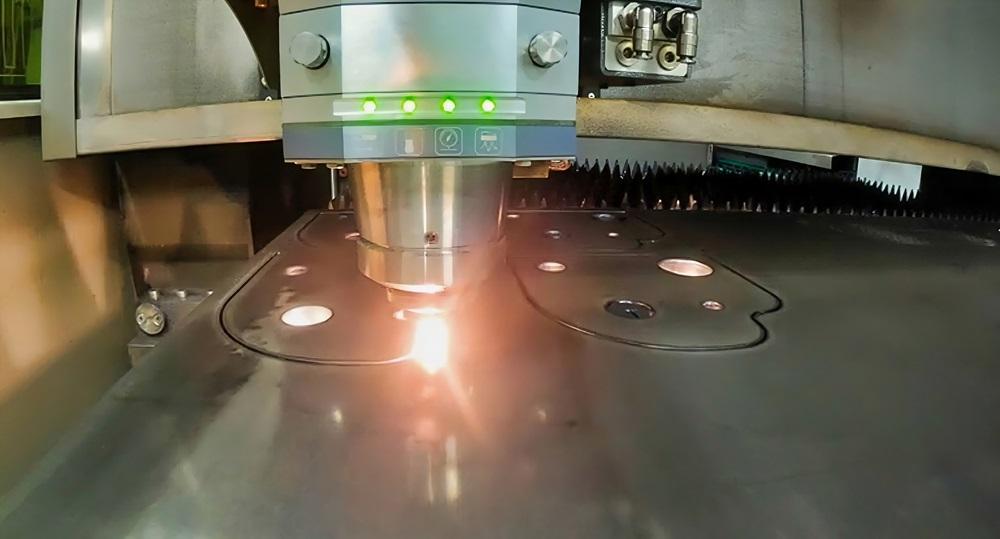
Us heu preguntat mai com fabriquen els fabricants aquests components d’alumini d’una precisió impossible que veieu en tot, des dels telèfons intel·ligents fins als avions? La resposta rau en el tallat per làser d’alumini: un procés de fabricació que utilitza un feix làser d’alta potència i molt concentrat per tallar fulles o plaques d’alumini en formes especificades per CAD amb una precisió extraordinària.
Així és com funciona: un feix concentrat de radiació lluminosa escalfa i fon un petit punt de la superfície d’alumini. Un gas auxiliar —normalment nitrogen— expulsa llavors el metall fos, exposant el material nou que hi ha sota. A mesura que el làser avança al llarg d’un camí programat, extreu components dissenyats amb precisió a partir de fulles planes, peces formades o fins i tot tubs.
Aquesta tecnologia s’ha convertit en essencial gairebé en tots els sectors de la fabricació. El sector aeroespacial hi confia àmpliament per a les estructures d’alumini tallades per làser d’avió , panells interiors i components del motor on la resistència lleugera és imprescindible. Els fabricants automobilístics l'utilitzen per a panells de carrosseria i components del xassís per millorar l'eficiència energètica. Les empreses electròniques depenen d'aquesta precisió per a dissipadors de calor, carcasses i components de PCB on les toleràncies ajustades són crítiques.
Com la tecnologia làser transforma la fabricació d'alumini
Què fa tan transformadora la tallada d'alumini amb làser? Ofereix una precisió excepcional mentre minimitza el residu de material. A diferència dels mètodes tradicionals de tall, el calor altament localitzat genera una zona afectada pel calor mínima, reduint el risc de deformació. Sovint, les peces requereixen poca o cap postprocessament: els cantons queden nets i amb mínims esglaons quan els paràmetres estan correctament optimitzats.
Per a aquells que busquen una màquina de tall làser capaç de treballar metalls reflectants, els sistemes moderns de làser de fibra han revolucionat el que era possible. Aquestes màquines assolixen velocitats de tall que, fa només una dècada, haguessin semblat impossibles.
Per què els fabricants trien el làser en lloc dels mètodes tradicionals
L'alumini presenta reptes únics que el diferencien d'altres metalls. La seva alta reflectivitat pot fer rebotar l'energia làser cap a l'equipament. La seva excel·lent conductivitat tèrmica dissipa ràpidament la calor lluny de la zona de tall. I el seu punt de fusió relativament baix exigeix un control precís de la potència per evitar la cremada o la deformació.
Aquestes característiques van fer que, en el passat, l'alumini fos notòriament difícil de processar amb tecnologies làser de CO₂ més antigues. No obstant això, els làsers de fibra actuals utilitzen una longitud d'ona que l'alumini absorbeix molt més eficientment, cosa que permet obtenir talls nits més ràpids i fiables que mai.
En la guia completa que segueix, descobrireu quines aliatges d'alumini funcionen millor per al tall amb làser, com triar entre sistemes de fibra i de CO₂, directrius de disseny que redueixen els costos i com seleccionar el proveïdor de serveis adequat per al vostre projecte. Sigui què sigui que esteu fent —des del prototipatge d’un sol component fins a la planificació d’una sèrie de producció—, comprendre aquests fonaments us ajudarà a prendre decisions informades sobre les vostres necessitats de tall de metall amb làser.
Desafiaments tècnics del tall d’alumini amb làser
Imagineu-vos intentar tallar un mirall que també funcioni com una paella: reflecteix l’energia de tall mentre dissipa ràpidament la calor en totes direccions. Això és, essencialment, el que passa quan es fa servir un làser per tallar alumini . Tot i que el tall de metalls amb làser s’ha convertit en l’estàndard d’or per a la fabricació de precisió, l’alumini exigeix una comprensió més profunda de tres reptes interrelacionats que poden determinar l’èxit o el fracàs del vostre projecte.
Entendre aquests obstacles no és només una qüestió acadèmica. Quan sabeu per què l'alumini es comporta de manera diferent sota un feix làser, podeu treballar amb el vostre proveïdor de serveis per optimitzar els paràmetres i aconseguir tallats nits i precisos que exigeix la vostra aplicació.
Gestió de la reflectivitat de l'alumini durant el tall
Aquí teniu un número que pot sorprendre-vos: l'alumini reflecteix fins al 92 % d'algunes longituds d'ona làser. Quan utilitzeu un làser per tallar metall enfocant-hi una intensa energia lluminosa sobre una superfície, el fet que gran part d'aquesta energia es reflecteixi genera dos problemes greus.
En primer lloc, l’energia reflectida redueix dràsticament l’eficiència del tall. Si només un 8 % de la potència del vostre làser s’absorbeix realment, cal una potència significativament més elevada per assolir el mateix efecte de tall que s’obtindria amb l’acer. En segon lloc —i això és encara més preocupant—, aquesta energia reflectida ha d’anar a parar a algun lloc. En els sistemes làser de CO₂ antics, que operaven a una longitud d’ona de 10,6 micròmetres, els feixos reflectits podien viatjar cap enrere pel camí òptic i danyar components cars com les lentilles i els miralls.
Els làsers de fibra moderns han resolt en gran mesura aquest problema de la reflectivitat. En operar a una longitud d’ona de 1,06 micròmetres, els làsers de fibra s’absorbeixen aproximadament set vegades més eficientment per l’alumini que els làsers de CO₂. Això significa que més energia es destina al tall i menys n’escapa cap enrere cap a l’equipament. El resultat? Velocitats de tall més ràpides, vores més netes i un risc reduït de danys òptics.
Tot i això, fins i tot amb làsers de fibra, els operadors encara han de tenir en compte la naturalesa reflectora de l'alumini. Començar els talls amb una potència inferior i augmentar-la progressivament ajuda a establir una absorció inicial abans d'aplicar la potència màxima. La preparació de la superfície —la retirada d'olis, òxids i contaminants— també millora l'absorció d'energia al punt d'inici del tall.
Solucions per a la conductivitat tèrmica per obtenir vores netes
L'alumini condueix la calor excepcionalment bé —és per això que s'utilitza en estris de cuina i dissipadors tèrmics. Tanmateix, quan es talla amb làser, aquesta propietat treballa en contra seva. La calor es dispersa ràpidament des de la zona de tall, cosa que dificulta mantenir la fusió localitzada necessària per a talls precisos.
Les conseqüències es manifesten de diverses maneres. Potser observareu amplades més grans de la ranura quan la calor es propaga lateralment. La zona afectada tèrmicament (ZAT) al voltant dels vostres cantells de tall pot modificar les propietats del material, afectant potencialment la resistència o l’aspecte en aplicacions crítiques. En casos greus, la distorsió tèrmica pot deformar làmines primes o provocar imprecisions dimensionals en les peces acabades.
Com contraresten els operadors experimentats aquesta propagació tèrmica? La velocitat és la vostra amiga. Una màquina de tall per làser funciona millor amb l’alumini quan es mou prou ràpid per mantenir-se per davant de la dissipació de la calor. Si us movieu massa lentament, essencialment estareu intentant omplir un cubell amb un forat: la calor escapa més ràpidament del que podeu afegir-la.
La mínima zona afectada tèrmicament que produeixen els làsers de fibra els dona una altra avantatge en aquest aspecte. Com que els làsers de fibra transfereixen l’energia de forma més eficient i poden tallar més ràpid, hi ha menys temps perquè la calor es propagui al material circumdant. Això es tradueix en cantells més nets i amb menys distorsió tèrmica.
Control precís de la potència per a metalls de baix punt de fusió
L'alumini es fon a uns 660 °C (1.220 °F), una temperatura significativament inferior a la del punt de fusió de l'acer. Tot i que això podria semblar una avantatge, en realitat requereix una gestió de la potència més precisa. Si s'aplica massa potència, hi ha el risc de perforar el material o provocar una fusió excessiva al llarg dels cantons de tall. Si se n'aplica massa poca, els talls seran incomplets o es formarà una escòria excessiva.
Aquí és on el sistema de control de la màquina de tall amb làser esdevé fonamental. Les màquines modernes poden modular la sortida de potència milers de vegades per segon, ajustant la distribució d'energia segons la velocitat de tall, les transicions en les cantonades i la retroalimentació del material. Els modes de tall per impulsos poden refinar encara més la introducció d'energia per a característiques delicades o materials prims.
Per assolir resultats òptims en el tall amb làser, els operaris experimentats solen ajustar aquests paràmetres clau:
- Selecció del gas d'assistència: El nitrogen produeix tallats lliures d'òxids amb vores brillants i netes, ideal per a components visibles o peces que requereixen soldadura. L'oxigen pot augmentar la velocitat de tall per a materials més gruixuts, però deixa una vora oxidada. L'aire comprimit ofereix un compromís econòmic per a aplicacions menys crítiques.
- Tècniques de modulació de potència: L'augment progressiu de la potència al començament del tall i als cantons evita la perforació excessiva. Els modes pulsats proporcionen un control precís de l'energia per a característiques complexes. El mode d'ona contínua (CW) maximitza la velocitat en tallats rectes a través de materials més gruixuts.
- Optimització de la velocitat de tall: Trobar el punt òptim entre massa lent (entrada de calor excessiva, fusió, decoloració) i massa ràpid (penetració incompleta, vores irregulars) requereix proves. La majoria de tallats d'alumini es troben entre 100 i 400 polzades per minut, segons el gruix i l'aliatge.
- Ajust de la posició del focus: Col·locar el punt focal lleugerament per sobre o per sota de la superfície del material pot millorar la qualitat del tall. La posició òptima del focus varia segons el gruix del material i les característiques desitjades de la vora.
Aquests ajustos no són decisions que es configuren una vegada i ja estan. Diferents aliatges d'alumini es comporten de manera diferent sota el feix, i fins i tot factors ambientals com la temperatura ambient poden afectar els resultats. Per això és important treballar amb serveis experimentats de tall per làser d'alumini: ja han desenvolupat les biblioteques de paràmetres i l'expertesa necessàries per ajustar-los a la vostra aplicació concreta.
Tenint en compte aquests reptes tècnics, la següent pregunta clau és: quin aliatge d'alumini heu d'especificar per al vostre projecte? No tots els tipus responen igual de bé al processament per làser, i triar-ne un adequat pot tenir un impacte significatiu tant en la qualitat del tall com en els costos totals del projecte. 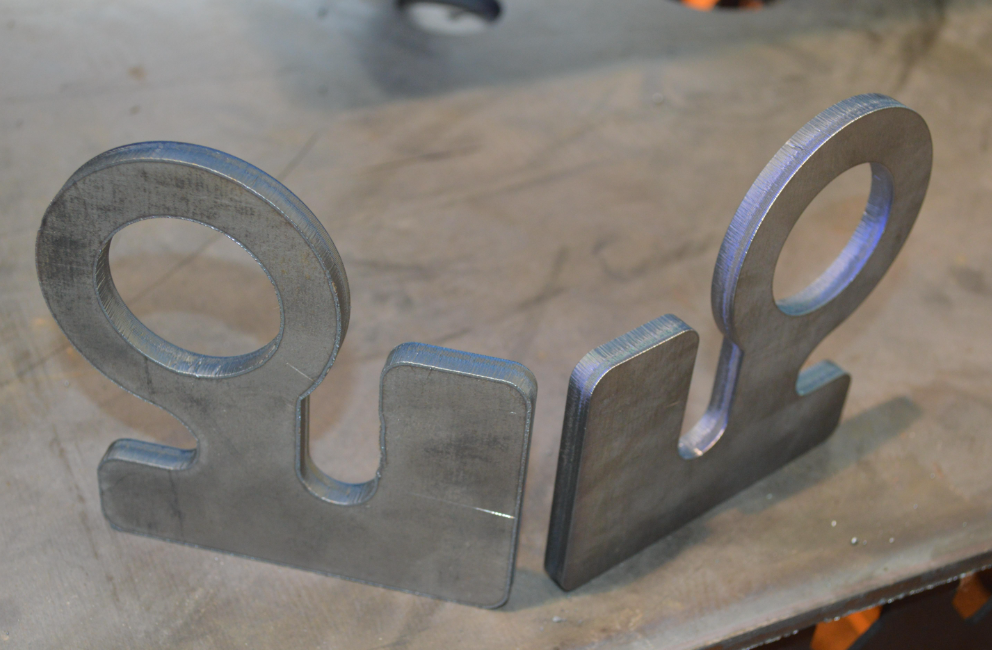
Compatibilitat dels aliatges d'alumini i selecció de material
Heu seleccionat el tall per làser com a mètode de fabricació, però quin aliatge d'alumini heu d'especificar al vostre plànol? Aquesta decisió afecta tot des de la qualitat del cantell fins a la precisió dimensional, i, sorprenentment, és aquí on molts projectes es desvien abans que es faci ni tan sols un tall.
No tots els tipus d’alumini es comporten de la mateixa manera sota un feix làser focalitzat. Alguns es tallen com una mantega, amb vores llises com un mirall. D’altres requereixen ajustos cuidadosos dels paràmetres per evitar superfícies rugoses o excés de resclosida. Comprendre aquestes diferències abans de presentar el vostre disseny pot estalviar setmanes de revisions repetides i costos inesperats.
Guia de selecció d’aliatges per obtenir resultats òptims
En avaluar aliatges d’alumini per a aplicacions de tall de xapa metàl·lica amb làser , trobareu cinc tipus que dominen els projectes industrials. Cadascun d’ells presenta propietats distintes que afecten la netedat amb què la màquina de tall de xapa metàl·lica amb làser pot processar les vostres peces.
| Tipus d'Aliatge | Aplicacions típiques | Adequació al tall làser | Expectatives de qualitat del tall | Consideracions especials |
|---|---|---|---|---|
| 6061-T6 | Components estructurals, estructures aeroespacials, components automotius, accessoris marins | Excel·lent. | Vores netes i llises, amb mínima resclosida | L’aliatge més amigable amb el làser; el contingut equilibrat de magnesi i silici genera un comportament de tall previsible |
| 5052 | Entorns marins, dipòsits de combustible, senyalització, carcasses de xapa metàl·lica | Molt bo | Vores llises; ideal per a components visibles | Alta resistència a la corrosió; resistència lleugerament inferior a la de l’aliatge 6061, però talla amb una consistència excepcional |
| 3003 | Intercanviadors de calor, utensilis de cuina, acabats decoratius, treball general de xapa metàl·lica | Molt bo | Talls nets; el material més tou pot mostrar petites irregularitats al cantell en peces gruixudes | Aliatge amb la major formabilitat; excel·lent per a peces que requereixen operacions posteriors de doblegat o conformació |
| 2024 | Estructures d’aeronaus, rodes de camions, components sotmesos a altes tensions | Bo | Cantells acceptables; pot requerir velocitats més lentes per obtenir un acabat òptim | L’alt contingut de coure (4,4 %) augmenta la reflectivitat; cal ajustar potències més elevades i un control rigorós dels paràmetres |
| 7075 | Components estructurals aeroespacials, aplicacions militars, peces d’alt rendiment | Moderat | Possibles cantells més rugosos; pot requerir processament posterior per a superfícies crítiques | El contingut de zinc genera dificultats en el tall; exigeix reduir les velocitats i utilitzar paràmetres especialitzats; té la relació resistència-pes més elevada |
Fixeu-vos com l’aliatge 6061-T6 ocupa la primera posició en les classificacions de idoneïtat. Hi ha bones raons per això. Els elements d’aliatge, magnesi i silici, configuren una composició que absorbeix l’energia làser de manera previsible, sense les complicacions introduïdes pel coure (en l’aliatge 2024) ni pel zinc (en l’aliatge 7075). Quan el tall làser de fulles metàl·liques exigeix toleràncies ajustades i un aspecte net, l’aliatge 6061-T6 ofereix resultats constants.
La designació del temple T6 també és rellevant. Aquest tractament tèrmic proporciona una bona resistència mecànica, alhora que conserva les característiques de maquinabilitat que es tradueixen bé al processament làser. Si el vostre projecte implica components de fulla metàl·lica tallats amb làser que requereixen tant resistència com qualitat visual, l’aliatge 6061-T6 hauria de ser la vostra opció per defecte.
Ajustar el vostre projecte a la qualitat d’alumini adequada
Seleccionar l’aliatge òptim requereix equilibrar les exigències mecàniques amb les realitats de fabricació. Plantegeu-vos aquestes preguntes:
- És fonamental la resistència a la corrosió? Trieu l’aliatge 5052 per a aplicacions marines o exteriors on hi hagi risc d’exposició a la sal.
- Els components patiran una segona conformació? Especifiqueu 3003 per als components que requereixen estampats profunds o doblecs complexos després del tall.
- És la resistència màxima la prioritat? Considereu l’aliatge 7075 per a aplicacions aeroespacials o d’alta tensió, però preveieu un pressupost addicional per al temps de processament i, possiblement, per a l’acabat secundari de les vores.
- Necessiteu vores visibles i estèticament atractives? Continueu amb 6061-T6 o 5052 quan les expectatives de qualitat de vora siguin les més altes.
Curiosament, els reptes associats al tall làser de l’acer inoxidable difereixen significativament dels de l’alumini. Mentre que l’acer inoxidable presenta problemes de retenció de calor i formació d’òxid de crom, les complicacions de l’alumini provenen de la seva reflectivitat i conductivitat tèrmica. Això vol dir que els paràmetres optimitzats per a projectes d’acer tallat amb làser no es poden transferir directament a l’alumini: els proveïdors de serveis experimentats mantenen receptes de tall separades per a cada família de materials.
Capacitats d’espessor i límits pràctics
Fins a quin gruix poden processar les seves peces els serveis de tall per làser d’alumini? La resposta depèn molt de la potència del làser i de l’aliatge concret implicat.
Segons les dades sectorials de HG Laser Global , les màquines de tall per làser de fibra mostren aquestes capacitats aproximades de gruix màxim per a l’alumini:
- sistemes de 1000 W: Fins a 3 mm (0,12 polzades)
- sistemes de 2000 W: Fins a 5 mm (0,20 polzades)
- sistemes de 3000 W: Fins a 8 mm (0,31 polzades)
- sistemes de 6000 W o més: Fins a 16 mm (0,63 polzades) o més
Aquestes xifres representen la capacitat màxima de tall, no les condicions òptimes de tall. Per obtenir vores de qualitat adequada per a la producció, reduïu aquests gruixos aproximadament un 40 %. Un làser de fibra de 3000 W pot tallar alumini fins a 8 mm com a màxim, però ofereix la millor qualitat de vora en materials d’un gruix inferior a 5 mm.
Per a l’alumini amb un gruix superior a 12-15 mm, mètodes alternatius com el tall per jet d’aigua sovint produeixen millors resultats. La física, simplement, fa que diferents aproximacions siguin més adequades per a aquests gruixos.
Especificacions de tolerància: què és assolible?
La precisió dimensional és fonamental per a les peces que han d’encaixar exactament amb altres components. Quines toleràncies podeu esperar realment del tall d’alumini amb làser?
Segons les dades de tolerància de Stephens Gaskets, el tall d’alumini amb làser sol assolir toleràncies de ±0,15 mm a ±0,25 mm en intervals de gruix de 0,5-6 mm. Això situa l’alumini una mica menys precís que l’acer inoxidable (±0,1 a ±0,2 mm), però més precís que molts materials no metàl·lics.
Diversos factors influeixen en les toleràncies assolibles:
- Espessor del material: Les fulles més fines mantenen toleràncies més estretes. Les zones afectades tèrmicament s’expandeixen amb l’augment del gruix, reduint la precisió dimensional.
- Mida de la peça: Les peces més grans acumulen més moviment tèrmic. Les dimensions crítiques en components de gran mida poden requerir inspeccions addicionals.
- Complexitat de les característiques: Els tallats intrincats requereixen velocitats d’alimentació reduïdes, cosa que permet més temps perquè els efectes tèrmics influïnixen en la precisió.
- Calibració de la màquina: L’equipament ben mantingut, amb òptiques i sistema de subministrament de gas revisats regularment, produeix resultats més consistents.
Amb sistemes de làser de fibra en fulles d’alumini de menys de 3 mm, es poden assolir toleràncies tan estretes com ±0,05 mm per a geometries no complexes. Si la vostra aplicació exigeix aquest nivell de precisió, parleu-ne de la viabilitat amb el vostre proveïdor de serveis abans de finalitzar els dissenys.
Ara que ja coneixeu quines aleacions funcionen millor i quin rendiment dimensional podeu esperar, la següent decisió implica l’equipament mateix. Heu d’especificar el processament amb làser de fibra, o hi ha situacions en què encara té sentit utilitzar làsers de CO₂ en projectes d’alumini?
Làser de fibra vs làser CO₂ per a la tallada d’alumini
Ja heu identificat la vostra aliatge d’alumini i heu confirmat els requisits de gruix. Ara arriba una pregunta que pot afectar significativament la qualitat, el cost i el termini del vostre projecte: quina tecnologia làser ha de processar les vostres peces?
Aquesta no és una decisió trivial. La diferència entre els làsers de fibra i els làsers CO₂ per a la tallada d’alumini va molt més enllà de les especificacions comercials. Afecta tot des de l’acabat del cantell fins als costos d’explotació, passant per si les vostres peces surten correctament o no. Analitzem exactament què diferencia aquestes tecnologies quan el làser i la màquina CNC es troben amb l’alumini.
Avantatges del làser de fibra per a projectes d’alumini
Aquesta és la física fonamental que importa: els làsers de fibra operen a una longitud d’ona de 1,06 micròmetres, mentre que els làsers CO₂ emeten a 10,6 micròmetres. Per què és això important per a les vostres peces d’alumini?
L’alumini absorbeix les longituds d’ona dels làsers de fibra aproximadament set vegades més eficientment que les longituds d’ona de CO₂. Quan es transfereix més energia al material en lloc de reflectir-se, s’aconsegueixen velocitats de tall més elevades, vores més neta i un risc dràsticament reduït de danys òptics en l’equipament.
Els sistemes moderns de làser de fibra incorporen una tecnologia patentada d’antireflectança que monitoritza i regula activament la llum reflectida. Això elimina pràcticament el risc de "retrobocat" que afectava els antics sistemes CNC làser quan intentaven processar alumini. El resultat? Els proveïdors de serveis poden fer funcionar els làsers de fibra amb confiança sobre materials reflectants sense haver de preocupar-se per danys catastròfics a l’equipament.
Però la velocitat i la seguretat només són el principi. Tingueu en compte aquests altres avantatges dels làsers de fibra per a l’alumini:
- Eficiència de conversió electroòptica superior al 30%: Això es tradueix directament en costos elèctrics més baixos per peça. Quan es treballa a volums de producció, aquestes estalvies s’acumulen ràpidament.
- Qualitat del feix i enfocament superiors: El feix làser de fibra es concentra en un punt extremadament fi, cosa que permet escotes més estretes i zones afectades tèrmicament més petites. Per a aplicacions de tall làser de precisió —penseu, per exemple, en components de dispositius mèdics o carcasses electròniques— aquesta precisió és fonamental.
- Requeriments de manteniment reduïts: No hi ha consum de gas làser, no cal alinear miralls ni preocupar-se per la contaminació del camí òptic. Els làsers de fibra utilitzen tecnologia d’estat sòlid amb menys components consumibles.
- Velocitats de tall més ràpides en alumini fi a mitjà: Per a materials d’una gruixor inferior a 12 mm, els làsers de fibra poden tallar diverses vegades més ràpidament que sistemes CO₂ comparables.
Quan s’avalua el millor làser per a tallar alumini en la majoria d’escenaris, la tecnologia de fibra guanya clarament en eficiència, qualitat i cost total de propietat.
Quan encara té sentit utilitzar làsers CO₂
Això vol dir que els làsers CO₂ han quedat obsolets per al tall d’alumini? No del tot —tot i que la seva finestra competitiva s’ha reduït significativament.
Per a plaques d’alumini extremadament gruixudes —normalment de 15 mm o més— la longitud d’ona més llarga del CO₂ pot acoblar-se de forma més eficient amb el plasma metàl·lic generat durant el tall. En alguns entorns de fabricació antics que no han actualitzat els seus sistemes de fibra d’alta potència, els làsers de CO₂ continuen processant comandes de plaques gruixudes amb resultats acceptables.
No obstant això, els inconvenients són substancials. Els làsers de CO₂ assolixen una eficiència de conversió electroòptica d’aproximadament el 10 %, el que significa que gairebé el 90 % de l’energia elèctrica subministrada es converteix en calor residual en lloc d’energia de tall. Aquesta ineficiència es trasllada a costos operatius més elevats, necessitats de refrigeració més exigents i una petjada de carboni més gran per peça.
A més, els sistemes de CO₂ requereixen consumibles com les barreges de gas làser i el reemplaçament periòdic de components òptics —miralls i lentilles que es degraden amb el temps—. Aquests costos recurrents s’acumulen, cosa que fa que els sistemes de CO₂ siguin cada cop menys econòmics en comparació amb les alternatives de fibra.
Per a aplicacions de tall làser d'acer, els làsers de CO₂ mantenen una competivitat una mica millor perquè l'acer no presenta els mateixos reptes de reflectivitat que l'alumini. Tanmateix, fins i tot en el processament de l'acer, els làsers de fibra han capturat la majoria de les noves instal·lacions d'equipaments. El mercat de màquines de tall làser per a acer s'ha decantat decididament cap a la tecnologia de fibra per raons similars d'eficiència.
Comparació directa de tecnologies
Els números expliquen la història amb més claredat que les generalitzacions. A continuació es mostra com es comparen aquestes tecnologies segons les mètriques que realment afecten els vostres projectes i costos:
| Especificació | Làser de Fibra | Làser de CO₂ |
|---|---|---|
| Longitud d'ona | 1,06 μm | 10,6 μm |
| Gestió de la reflectivitat de l'alumini | Excel·lent: longitud d'ona absorbida eficientment; sistemes antireflectants estàndard | Pobre: alta reflectivitat a aquesta longitud d'ona; risc de danys òptics |
| Velocitat de tall (alumini de 3 mm) | 1.500-3.000 mm/min | 500-1.200 mm/min |
| Velocitat de tall (alumini de 6 mm) | 800-1.500 mm/min | 300-600 mm/min |
| Qualitat dels cantons | Tallat uniforme, escassa escòria i tall estret | Acceptable, però zona afectada per la calor (HAZ) més ampla; pot ser necessari més processament posterior |
| Eficiència electroòptica | 30-40% | 8-12% |
| Costos d'operació | Més baix — consumibles mínims i menor consum d’energia | Més alt — gas per al làser, substitució d’òptiques i major ús d’electricitat |
| Freqüència de manteniment | Mínim — tecnologia d’estat sòlid | Regular — cal atenció als miralls, les lentilles i els sistemes de gas |
| Millors casos d'ús | Alumini fi a mitjà (0,5-15 mm); treball de precisió; producció en gran volum | Alumini en plaques gruixudes (15 mm o més) en instal·lacions antigues; tallers de materials mixts amb equipament existent |
Aquesta comparació fa que la diferència de rendiment sigui innegable. Per a la immensa majoria d’aplicacions de màquines CNC per tallar alumini amb làser, la tecnologia de fibra ofereix resultats més ràpids, a un cost inferior i amb una qualitat millor.
Paràmetres de tall per a l’alumini: què cal esperar
Quan el vostre proveïdor de serveis us faci la pressupostació del projecte, configurarà paràmetres específics segons el gruix del material i els requisits de qualitat. Comprendre aquests ajustos us ajuda a avaluar les pressupostacions i a comunicar-vos de forma eficaç sobre les vostres expectatives.
Ajustos de potència segons el gruix:
- Alumini fi (0,5-2 mm): una potència de làser de fibra de 500 W-1.500 W és normalment suficient
- Alumini mitjà (2-6 mm): una potència de 1.500 W-4.000 W ofereix l’equilibri òptim entre velocitat i qualitat
- Alumini gruixut (6-12 mm): es requereix una potència de 4.000 W-10.000 W o superior per obtenir vores de qualitat industrial
Segons els recursos tècnics de Xometry, les velocitats de tall per a l’alumini fi (fins a 3 mm) solen oscil·lar entre 1.000 i 3.000 mm/min, segons la potència del làser i les propietats del material. Per a materials de gruix mitjà (3-6 mm) es requereixen velocitats entre 500 i 1.500 mm/min, mentre que per a plaques gruixudes calen velocitats de 200 a 800 mm/min per obtenir resultats de qualitat.
Requeriments de gas auxiliar:
El gas auxiliar que especifiqueu afecta directament la qualitat del cantell i el cost:
- Nitrogen (puresa ≥99,999%): Produeix talls sense òxids amb un brillantor metàl·lic blanc argentat. És essencial per a components visibles, peces que requereixen soldadura o aplicacions en què l’oxidació afecta el rendiment. Un consum superior de gas augmenta el cost per peça, però elimina la necessitat d’acabats secundaris.
- Oxigen: Accelerar el tall mitjançant una reacció exotèrmica amb l’alumini. És més ràpid en materials més gruixuts, però deixa una capa oxidada al cantell. Rarament es prefereix per a l’alumini degut als compromisos estètics i funcionals.
- Aire comprimit: Opció econòmica per a aplicacions no crítiques. Les vores mostren una certa oxidació, però són acceptables per a components ocults o peces que rebran un revestiment o pintura posterior.
Consideracions sobre l’acabat superficial
El tallatge làser d'alumini produeix acabats superficials característics que difereixen dels d'altres materials. Què cal esperar — i quan cal especificar un acabat addicional?
Amb gas auxiliar de nitrogen i paràmetres optimitzats, els làsers de fibra produeixen vores brillants i metàl·liques, essencialment lliures de residus. La documentació tècnica de LS Manufacturing descriu l’assoliment d’un «tallatge de superfície brillant», en què la vora tallada manté un bril·lant metàl·lic blanc platejat uniforme, adequat per a muntatge directe en components exteriors d’alta gamma.
No obstant això, diversos factors poden comprometre l’acabat superficial:
- Velocitat de tall excessiva: Crea estries rugoses al llarg de la cara tallada
- Pressió insuficient del gas auxiliar: Permet que els residus s’adhereixin a la vora inferior
- Toberes desgastades: Alteren el curtinatge de gas protector, provocant oxidació localitzada
- Posició de focus incorrecta: Donen lloc a una obertura de tall més ampla i una textura més rugosa
Per a materials revestits —alumini recobert en pols, fulles anoditzades o materials pintats—, els proveïdors experimentats poden ajustar la forma d'ona del làser i la velocitat de tall per minimitzar els danys al revestiment protector prop dels cantells tallats. Si el vostre projecte implica materials preacabats, discutiu aquest requisit explícitament quan demaneu pressupostos.
La tria de tecnologia és clara per a la majoria d'aplicacions amb alumini: els làsers de fibra ofereixen resultats superiors a costos operatius més baixos. Tanmateix, seleccionar el làser adequat és només una variable. Com es compara el tall làser amb altres mètodes alternatius, com ara el tall per jet d'aigua o el tall per plasma? La resposta depèn de les vostres necessitats específiques en quant a gruix, toleràncies i pressupost.
Tall làser d'alumini vs. mètodes per jet d'aigua i plasma
Heu determinat que la tecnologia làser —especialment els làsers de fibra— ofereix resultats excepcionals per a l'alumini. Però aquí teniu la pregunta que fa trontollar fins i tot als enginyers experimentats: el tall làser és realment el mètode adequat per al vostre projecte concret?
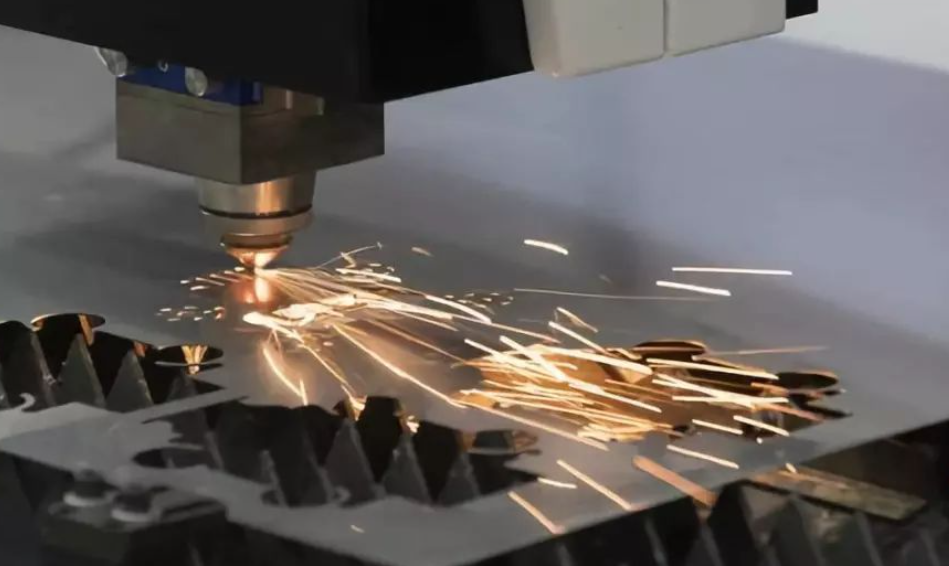
La resposta honesta? Depèn. El tall amb làser domina certes aplicacions, però queda curt en d’altres. Comprendre on cada tecnologia de tall amb làser destaca —i on les alternatives la superen— us estalvia refeccions costoses i retards en els terminis. Analitzem exactament quan cal especificar el tall amb làser, amb jet d’aigua o amb plasma per a les vostres peces d’alumini.
Tria entre làser, tall per aigua i plasma
Cada mètode de tall aporta una física diferent. Un làser de tall fon el material mitjançant energia lluminosa focalitzada. El jet d’aigua erosionat el material mitjançant aigua a alta pressió barrejada amb partícules abrasives —normalment granat o òxid d’alumini— a pressions que arriben fins a 90.000 PSI. El tall per plasma utilitza un jet accelerat de gas ionitzat a temperatures d’fins a 45.000 °F (25.000 °C) per fondre i eliminar metalls elèctricament conductors.
Aquestes diferències fonamentals es tradueixen en compromisos pràctics en les mètriques que importen per al vostre projecte:
| Mètode | Millor rang de gruix | Qualitat dels cantons | Zona afectada pel calor | Velocitat | Eficiència en Costos | Aplicacions ideals |
|---|---|---|---|---|---|---|
| Tall Llàser | 0,5 mm – 12 mm (0,02″ – 0,5″) | Excel·lent — vores llises, escasses escories, amplada del tall d’aproximadament 0,4 mm | Petit però present; distorsió mínima en materials prims | Molt ràpid en materials prims (1.500–3.000 mm/min); es ralentit significativament per sobre dels 6 mm | Cost operatiu baix (~20 $/hora); inversió elevada en equipament | Envants electrònics de precisió, components aeroespacials, panells decoratius, producció en gran volum |
| Tall per Jet d'Aigua | Qualsevol gruix fins a 150 mm o més (6" o més) | Molt bo: cap efecte tèrmic, amplada del tall ~0,6 mm | Cap: el procés de tall fred conserva les propietats del material | Lent (5–20 polzades/min); la velocitat disminueix amb el gruix | Cost operatiu elevat (~30 $/hora); el consum d’abrasius incrementa la despesa | Plaques d’alumini gruixudes, aliatges sensibles a la calor, conjunts de materials compostos i metàl·lics, treballs artístics i arquitectònics |
| Tall per Plasma | 0,5 mm - 50 mm+ (0,02" - 2"+) | Moderada: vores més toscas, amplada del tall ~3,8 mm; millora amb sistemes d’alta definició | Més gran que el làser; el plasma subaquàtic redueix la zona afectada per la calor (HAZ) | Ràpida en tots els gruixos (més de 100 polzades/minut en acer de 12 mm) | Cost més baix (~15 $/hora); equipament assequible (50.000 $ - 100.000 $) | Fabricació d’estructures, conductes de climatització i ventilació (HVAC), maquinària pesada, construcció naval |
Busqueu serveis de tall per plasma a prop de casa vostra? Els trobareu àmpliament disponibles perquè l’equipament de plasma és significativament més assequible que els sistemes làser o d’aigua a alta pressió. Segons l’anàlisi de costos industrial d’Isotema , les màquines CNC de tall per plasma industrials tenen un preu comprès entre 50.000 $ i 100.000 $, mentre que els sistemes làser superen els 350.000 $ i els sistemes d’aigua a alta pressió es troben entre 100.000 $ i 300.000 $.
Aquesta diferència de cost explica per què les cerques de serveis de tall per plasma a prop meu donen com a resultat moltes opcions: la barrera d'entrada més baixa significa que més tallers ofereixen capacitats de tall per plasma. No obstant això, un cost inferior de l'equipament no implica automàticament un cost inferior de les peces, especialment quan la qualitat del cantell o la precisió són fonamentals.
Requisits del projecte que fan que el tall per làser sigui preferible
Quan el procés de tall per làser de metall ofereix el millor valor? Diverses característiques del projecte apunten clarament cap a la tecnologia làser:
- Es requereixen toleràncies estretes: El tall per làser assolix toleràncies de mida de peça d’aproximadament ±0,004 polzades (1 mm), comparat amb ±0,005 polzades per al tall per plasma i ±0,020 polzades per al tall per jet d’aigua. Si les vostres components han d’encaixar amb precisió amb altres peces acoblades, normalment el tall per làser ofereix la consistència dimensional que necessiteu.
- Alumini fi a mitjà (menys de 12 mm): Aquest és el punt òptim del tall per làser. Les velocitats de tall romanen altes, la qualitat del cantell es manté excel·lent i la zona afectada tèrmicament mínima preserva les propietats del material a prop dels cantells tallats.
- Volums elevats de producció: L'avantatge de velocitat del làser s'acumula en grans quantitats. Quan es tallen milers de peces, el temps de cicle més ràpid redueix dràsticament el cost total del projecte, malgrat les tarifes horàries més altes de l'equipament.
- Geometries complexes i detalls petits: L'estret ample de tall (aproximadament 0,4 mm) i el control precís del feix permeten obtenir detalls que el plasma i el tall per jet d'aigua simplement no poden assolir. Les petites pestanyes, els forats petits i els contorns complexos són especialment adequats per al procés làser.
- Requisits estètics dels cantells: Per a components visibles on els cantells tallats queden exposats, l'alumini tallat amb làser ofereix un acabat net i llis que elimina la necessitat d'operacions secundàries de desburrat.
Els serveis de tall de metalls recomanen cada cop més el làser per a aplicacions amb fulls d'alumini precisament perquè aquestes característiques coincideixen amb la majoria dels requisits de fabricació de precisió. La combinació de velocitat, precisió i qualitat dels cantells genera un valor molt interessant per a peces d'un gruix inferior a mig polzada.
Quan el tall per jet d'aigua es converteix en l'opció millor
El tall per jet d’aigua elimina completament la calor de l’equació —i aquesta única diferència el converteix en l’opció preferida per a determinats escenaris:
- Plaques d’alumini gruixudes (superiors a 12-15 mm): La velocitat de tall per làser disminueix dràsticament en materials gruixuts, mentre que la qualitat es veu afectada per l’acumulació de calor. El tall per jet d’aigua pot processar alumini de 25 mm, 50 mm i fins i tot més de 150 mm amb una qualitat uniforme del cantell.
- Aliatges o aplicacions sensibles a la calor: Alguns aliatges d’alumini —especialment aquells en estat templat— perden les seves propietats mecàniques quan s’exposen a la calor del tall. El procés de tall fred preserva les característiques del material que els mètodes tèrmics comprometrien.
- No cal endurir els cantells tallats: El làser i el plasma creen una zona petita afectada tèrmicament on les propietats del material canvien lleugerament. Per a aplicacions estructurals crítiques, pot ser obligatori especificar el tall per jet d’aigua, que no produeix cap efecte tèrmic.
- Muntatges de materials mixtos: El tall per jet d'aigua pot treballar gairebé qualsevol material: metalls, materials compostos, vidre, pedra i ceràmica. Si el vostre projecte combina alumini amb materials no conductors, el tall per jet d'aigua pot processar-ho tot en una sola màquina.
L'inconvenient? La velocitat i el cost. El tall per jet d'aigua opera a 5-20 polzades per minut, comparat amb els més de 100 polzades per minut que pot assolir el làser en alumini fi. Els costos operatius són aproximadament un 50 % superiors als del làser, principalment degut al consum d'abrasius. Per a la producció en gran volum de peces fines, aquests inconvenients descarten completament el tall per jet d'aigua.
Tall per plasma: L'alternativa econòmica
Els serveis de tall d'acer sovint opten pel plasma perquè la seva relació velocitat-cost és inigualable per a materials ferrosos més gruixuts. Tanmateix, el plasma també talla l'alumini de manera eficaç, però amb certes reserves.
El tall per plasma és adequat per a l'alumini quan:
- La qualitat del cantell no és crítica: La ranura més ampla (aproximadament 3,8 mm, comparada amb 0,4 mm per al laser) i l’acabat de cantonada més rugós són acceptables per a components estructurals ocults, peces que rebran un mecanitzat posterior o aplicacions on l’aspecte no és rellevant.
- Les restriccions pressupostàries predominen: Tant l’equipament com els costos d’explotació són els més baixos per al plasma. Quan el vostre projecte ha d’assolir objectius de preus molt exigents i la precisió no és fonamental, el plasma ofereix una solució eficaç.
- L’escorça del material supera les capacitats del laser: Per a plaques d’alumini de 25 mm o més d’espessor, el plasma sovint supera econòmicament al laser, mantenint una qualitat acceptable per a aplicacions estructurals.
- Es requereix fabricació in situ o en obra: Els sistemes portàtils de plasma permeten realitzar tallats en obres de construcció, astillers o ubicacions remotes on no és pràctic utilitzar equipaments làser fixos.
Els sistemes moderns de plasma d’alta definició han reduït significativament la diferència de qualitat. Segons L’anàlisi tècnica de StarLab CNC , el plasma avançat assolix una qualitat gairebé comparable a la del làser en moltes aplicacions, especialment en materials de més de 6 mm d’escorça, mentre que talla significativament més ràpid.
Marc de presa de decisions: adaptació del mètode als requisits
Encara no esteu segurs de quin mètode s’adapta millor al vostre projecte? Analitzeu aquests criteris de decisió:
Requisits de tolerància:
- ±0,1 mm o més ajustat → Làser (materials prims) o maquinatge secundari
- ±0,25 mm a ±0,5 mm → Làser o jet d’aigua
- ±1 mm o menys ajustat → Qualsevol mètode és acceptable; trieu-lo segons el cost
Volum de producció:
- Prototip o volum baix (1–50 peces) → Considereu tots els mètodes; les tarifes de preparació poden fer que el jet d’aigua sigui més avantatjós
- Volum mitjà (50–1.000 peces) → El làser sol ser el més econòmic per peça
- Volum elevat (1.000+ peces) → L’avantatge de velocitat del làser esdevé determinant
Restriccions de Pressupost:
- Cost mínim possible, qualitat secundària → Plasma
- Equilibri entre cost i qualitat → Làser
- Qualitat primordial, cost flexible → talla per jet d’aigua per materials gruixuts; talla làser per materials prims
Per a la majoria de projectes d’alumini que impliquen fulls de material de menys de 12 mm, on la precisió i l’estètica són fonamentals, la talla làser ofereix la combinació òptima de velocitat, qualitat i rendiment. Tanmateix, saber quan les alternatives són més adequades —i especificar-les correctament— demostra el criteri tècnic que condueix a projectes exitosos.
Un cop seleccionat el mètode de tall, el vostre següent repte consisteix a dissenyar peces que es puguin fabricar de manera eficient. Les decisions que preneu al vostre fitxer CAD afecten directament tant la qualitat com el cost —i la diferència entre un disseny bo i un excel·lent pot suposar estalvis significatius en la vostra oferta final.
Directrius de disseny per a peces d’alumini tallades amb làser
Heu seleccionat la vostra aleació, heu escollit la tecnologia de làser de fibra i heu confirmat que la talla làser s’adapta als requisits del vostre projecte. Ara arriba la fase que distingeix els projectes exitosos dels frustrants: dissenyar peces que realment es puguin fabricar bé.
Aquesta és la realitat: el vostre fitxer CAD determina directament tant la qualitat com el cost de les peces tallades al làser. Un disseny optimitzat per a la fabricabilitat pot reduir els costos per peça entre un 20 % i un 40 %, millorant alhora la qualitat dels cantells i la precisió dimensional. Per contra, els dissenys que ignoren les limitacions del tall al làser donen lloc a pressupostos rebutjats, a prolongacions dels terminis i a resultats compromesos.
Anem a revisar els principis concrets de disseny per a la fabricabilitat (DFM) aplicables al tall al làser personalitzat de metall d’alumini: regles que complementen els enfocaments generals de DFM, però que tenen en compte els comportaments únics de l’alumini sota un feix làser concentrat.
Regles de disseny per a peces d’alumini amb cost eficient
En dissenyar per a serveis de tall al làser de precisió, cal mantenir certes relacions geomètriques per garantir talls nets i dimensions precises. Aquestes no són regles arbitràries: provenen directament de la manera com el làser interactua amb les propietats tèrmiques de l’alumini.
- Mides mínimes de les característiques respecte al gruix del material: Segons Directrius de tall per làser en metall de Sculpteo , els detalls més petits que el gruix del material no es poden tallar de forma fiable. Per a una fulla d’alumini de 2 mm, els forats han de tenir un diàmetre d’almenys 2 mm. Els elements més petits que aquest llindar corren el risc de tall incomplet, marques a la superfície o deformació deguda a la calor concentrada.
- Recomanacions òptimes per al radi de les cantonades: Les cantonades internes agudes concentren l’esforç tèrmic i obliguen el làser a reduir la velocitat, augmentant així la calor aplicada. Especifica radis interns de cantonada d’almenys 0,5 mm —idealment iguals o superiors al gruix del material. Les cantonades externes poden mantenir-se agudes, però s’hi beneficien lleugerament de radis (0,25 mm o més) per reduir la formació de baves.
- Relació entre diàmetre del forat i gruix: Per obtenir forats fiables i amb vores netes, mantingues una relació mínima entre diàmetre i gruix de 1:1. Una fulla d’alumini de 3 mm de gruix requereix forats d’almenys 3 mm de diàmetre. Es poden fer forats més petits, però poden presentar vores més rugoses o exigir velocitats de tall reduïdes, cosa que augmenta el cost.
- Distància mínima entre línies de tall: Mantingueu una separació entre tallats adjacents d’almenys 2x el gruix del material. Per a l’alumini de 2 mm, les línies de tall adjacents han d’estar separades com a mínim 4 mm. Una separació més estreta comporta el risc de deformació del material per l’acumulació de calor o una separació incompleta entre les característiques.
- Disseny de pestanyes i ranures per al muntatge: Quan dissenyeu components encaixables, tingueu en compte l’amplada del tall (kerf) en les dimensions de les ranures. Les ranures s’han de dimensionar segons l’amplada de la pestanya més l’amplada del tall (aproximadament 0,3-0,5 mm per a l’alumini). Afegir un joc addicional de 0,1-0,2 mm més enllà de la compensació de l’amplada del tall assegura que les peces es muntin sense necessitat de fer força.
- Consideracions sobre l’encastellament per a una major eficiència del material: Disposeu les peces en el vostre disseny de fulla per minimitzar els residus. Deixeu com a mínim 3 mm d’espai entre les peces (o 1,5x el gruix del material, el que sigui més gran) per permetre’n una separació neta. Quan sigui possible, alineu les vores rectes paral·lelament als costats de la fulla per maximitzar la quantitat de material útil.
Aquestes relacions dimensionals asseguren que les peces es tallin netament a la primera temptativa. Violar-les no fa necessàriament impossible el tall, però sí que augmenta el risc, allarga el temps de processament i sovint requereix ajustos de paràmetres que incrementen el cost.
Comprendre la compensació de l'amplada de tall (kerf)
Quan un làser talla alumini, elimina una petita quantitat de material: el tall. Aquest espai, que normalment té entre 0,3 i 0,5 mm d'amplada per a l'alumini en sistemes de làser de fibra, implica que la peça acabada serà lleugerament més petita que la geometria dibuixada, llevat que s'apliqui una compensació.
Segons Guia tècnica de DW Laser sobre el tall , compensar l'amplada del tall implica desplaçar la trajectòria de tall:
- Per a contorns exteriors: Desplaceu la trajectòria de tall cap a l'exterior una distància igual a la meitat de l'amplada del tall (normalment entre 0,15 i 0,25 mm)
- Per a característiques interiors (forats, escotillons): Desplaceu la trajectòria de tall cap a l'interior una distància igual a la meitat de l'amplada del tall
La majoria de serveis d’alleugeriment per làser d’alumini apliquen automàticament la compensació del tall (kerf) mitjançant el seu programari CAM. No obstant això, cal que comprengueu si les vostres dimensions representen valors nominals (tal com s’han dibuixat) o valors ja compensats. Quan enviïu els fitxers, aclareixeu-ho amb el vostre proveïdor:
- Les dimensions estan dibuixades a la mida final de la peça, esperant que el proveïdor apliqui la compensació?
- O ja heu aplicat prèviament la compensació de les dimensions al vostre fitxer CAD?
Una mala comprensió de la compensació del tall (kerf) és una causa habitual d’errors dimensionals. Les peces dissenyades per encaixar-se poden quedar amb espais excessius o bé bloquejar-se, segons com s’hagi aplicat (o no) la compensació. Per a muntatges amb ajustos ajustats, sol·liciteu un tall de mostra per verificar les dimensions abans de passar a la producció en sèrie.
Evitant errors de disseny comuns
Fins i tot els enginyers experimentats envien ocasionalment dissenys que generen problemes de fabricació. A continuació es detallen els errors que els proveïdors especialitzats en tall per làser de precisió detecten amb més freqüència —i com evitar-los:
- Textos i lletres sense ponts de motlle: Quan es tallin lletres com ara A, B, D, O, P, Q o R, la part interior caurà llevat que estigui connectada al material circumdant. Dissenyi text en estil plantilla amb ponts petits (d’1 a 2 mm d’amplada) que uneixin les illes interiors amb la forma exterior. Això s’aplica a qualsevol forma tancada interior, no només al text.
- Característiques massa properes als extrems: Els forats o les obertures situats a menys de dues vegades el gruix del material respecte dels marges de la peça poden provocar distorsió o perforació. El material entre la característica i el marge no pot dissipar eficaçment la calor, cosa que pot provocar deformació o tallades inconsistents.
- Ulleres extremadament llargues i estretes: Les protusions fines —característiques amb una relació longitud/ample superior a 10:1— acumulen calor al llarg de la seva longitud i poden deformar-se o doblegar-se durant el tall. Si el vostre disseny requereix ulleres estretes, considereu connexions de trencament o operacions de conformació posteriors al tall.
- Ignorar la direcció del gra: La làmina d'alumini laminada té una orientació del gra que afecta el comportament de doblegament. Si les peces sotmetran a una formació secundària, alineu les línies de doblegament perpendicularment a la direcció de laminació quan sigui possible. Sol·liciteu l'especificació de la direcció del gra si és crítica.
- Especificar toleràncies innecessàriament ajustades: Tall láser estàndard que assolix una precisió de ±0,15 mm a ±0,25 mm en alumini. Especificar ±0,05 mm quan ±0,25 mm és suficient incrementa els costos perquè cal reduir la velocitat de tall i augmentar els requisits d'inspecció. Reserveu les toleràncies estretes només per a les dimensions que realment les necessitin.
Preparació dels fitxers i formats preferits
El format del vostre fitxer de disseny afecta la precisió amb què la vostra intenció es tradueix en les peces acabades. Els serveis de tall láser d'alumini solen acceptar aquests formats, llistats per ordre de preferència:
- DXF (Drawing Exchange Format): L'estàndard industrial per al tall láser 2D. Els fitxers DXF contenen geometria vectorial que s'importa directament al programari CAM sense necessitat de conversió. Exporteu-los a escala 1:1 amb les unitats clarament especificades (es prefereixen els mil·límetres).
- DWG (format natiu d’AutoCAD): Igualment acceptable com a DXF per a la majoria de proveïdors. Assegureu-vos que tota la geometria es troba en una única capa o en capes clarament organitzades. Suprimiu els blocs i les capes no utilitzats abans de l'enviament.
- STEP (Standard for Exchange of Product Data): Essencial per a peces o conjunts 3D que requereixen l'extracció de patrons plans. Els fitxers STEP conserven les relacions geomètriques i poden desplegar-se amb precisió mitjançant el programari del proveïdor.
- AI (Adobe Illustrator): Acceptable quan està preparat correctament només amb vectors (sense imatges de mapa de bits) i amb mides adequades de l'àrea de treball. Convertiu tot el text en contorns abans d’exportar-lo.
Independentment del format, verifiqueu aquests requisits dels fitxers abans de l’enviament:
- Tota la geometria és basada en vectors (sense imatges incrustades ni elements de mapa de bits)
- S’han eliminat les línies duplicades (la geometria superposada provoca tallats dobles)
- Totes les corbes estan tancades (els camins oberts causen errors de tall)
- L’escala és precisa i les unitats s’especifiquen clarament
- Les línies de construcció, les dimensions i les anotacions s’han eliminat o bé es troben en capes separades
Criteris d’inspecció de qualitat per a l’alumini tallat al làser
Com avaluau si les peces tallades amb làser compleixen els estàndards de qualitat acceptables? Comprendre els criteris d'inspecció us ajuda a especificar des del principi els requisits adequats i a avaluar objectivament les peces lliurades.
Avaluació de la qualitat del cantell:
- Escòria: Droguetes mínimes o cap de metall solidificat adherides al cantell inferior. Les peces tallades amb gas auxiliar nitrogen haurien d’aparèixer pràcticament lliures de residus. Els residus lleugers que es poden eliminar fàcilment amb l’ungla són generalment acceptables; en canvi, els residus adherits que requereixen esmerilat indiquen paràmetres subòptims.
- Estris: Les línies verticals fines a la superfície tallada són normals i acceptables. Les estries fortes i irregulars o les bandes horitzontals suggereixen problemes de velocitat de tall o de potència.
- Canvi de color: Els cantells tallats amb nitrogen haurien d’aparèixer d’un color argent brillant. La decoloració groga o marró indica oxidació deguda a la contaminació del gas auxiliar o a la infiltració d’aire. La decoloració blava o iridescent suggereix una entrada excessiva de calor.
Verificació de la precisió dimensional:
- Mesureu les dimensions crítiques mitjançant instruments calibrats (escaires, micròmetres, màquines de mesura per coordenades per a peces complexes)
- Comproveu les posicions de les característiques respecte als punts de referència, no només les mides individuals de les característiques
- Verifiqueu els diàmetres dels forats en diversos punts: els efectes tèrmics poden provocar una lleugera conicitat
- Confirmeu la planitat en peces primes que podrien haver patit distorsió tèrmica
Avaluació de l'acabat superficial:
- La superfície superior ha de quedar sense marques del procés de tall (les salpicadures d’escòria indiquen paràmetres inadequats)
- La superfície posterior pot mostrar lleugeres marques causades pels listons de suport: això és normal i, habitualment, acceptable
- Segons Guia d’ABC Vietnam per al tall làser d’alumini , les ratllades a les superfícies d’alumini són, de vegades, inevitables; especifiqueu una pel·lícula protectora si la conservació de la superfície és crítica
Quan demaneu pressupostos, comuniqueu explícitament els vostres requisits de qualitat. La qualitat comercial estàndard és suficient per a la majoria d’aplicacions, però components aerospacials, mèdics o arquitectònics visibles poden requerir protocols de control i documentació reforçats.
Amb el vostre disseny optimitzat per a la fabricació, les variables finals que afecten el vostre projecte són el cost i el termini. Comprendre com calculen els preus els proveïdors —i què fa pujar o baixar aquests costos— us posiciona per prendre decisions informades i, potser, reduir significativament el pressupost del vostre projecte.
Factors de cost i preus per a projectes d'alumini amb tall laser
Heu optimitzat el vostre disseny, heu seleccionat l'aliatge adequat i heu confirmat que el tall laser compleix les vostres necessitats. Ara arriba la pregunta que determina si el vostre projecte avança: quin serà, realment, el seu cost?
Aquesta és la realitat frustrant: els preus del tall laser varien molt entre proveïdors, i la majoria de pressupostos es presenten com un sol número, sense cap explicació. Comprendre què impulsa aquest número us permet prendre decisions informades, optimitzar els vostres dissenys per a una major eficiència de costos i comparar els pressupostos de manera significativa. A continuació, desvelarem com els serveis de tall laser de metall calculen els preus per a projectes d'alumini.
Entenent la desglossació del vostre pressupost
Quan un proveïdor calcula el vostre pressupost per a tallat làser d’alumini, avalua diversos components de cost que es combinen per formar el preu final. La majoria de pressupostos no detallen explícitament aquests factors, però comprendre’ls us ajuda a identificar on es poden obtenir estalvis.
- Cost del material (tipus d’aliatge i gruix): Segons l’anàlisi de preus de Komacut, el material representa una part significativa del cost total. Els diferents aliatges tenen preus diferents: l’aliatge 7075 per a aplicacions aeroespacials és substancialment més car que l’aliatge general 3003. El gruix també importa: les làmines més gruixudes són més cares per polzada quadrada i requereixen temps de tall més llarg. Alguns proveïdors inclouen el material als seus pressupostos; d’altres esperen que proveiu-vos de l’estoc.
- Temps de tall (complexitat i longitud total de tall): El làser no es cobreix per peça, sinó per segon. Cada polzada de trajectòria de tall, cada punt de perforació i cada cantonada intrincada afegeixen temps. Una simple suport rectangular amb quatre talls es processa en segons; un panell decoratiu intrincat amb centenars de corbes pot trigar minuts. Les geometries complexes amb nombroses obertures requereixen més punts de perforació i trajectòries de tall més llargues, cosa que augmenta directament els costos.
- Taxes de configuració: La programació de la màquina, la càrrega del material, la configuració dels paràmetres i l’execució de talls de prova consumeixen temps abans d’iniciar la vostra producció. Aquests costos fixos es distribueixen entre la quantitat de comanda, fet pel qual el preu per peça disminueix dràsticament a mesura que augmenta la quantitat.
- Descomptes per quantitat: La comanda massiva redueix significativament el cost per unitat en repartir les tarifes de preparació entre més peces. Molts proveïdors ofereixen preus escalonats, de manera que duplicar la quantitat pot reduir el cost per peça entre un 30 % i un 40 %. Això també us permet accedir a descomptes sobre el material per part dels proveïdors.
- Requisits d'acabat: Segons l’anàlisi de costos del sector, els processos secundaris com el desburrat, la xamfranat, la rosca, la politura o el revestiment afegeixen mà d’obra, temps d’equipament i, en alguns casos, materials especialitzats. Cada pas d’acabat augmenta tant el cost com el temps d’entrega.
- Urgència del termini d'entrega: Els encàrrecs urgents són més cars: sovint es cobren primes del 25-50 % per a la seva tramitació accelerada. Els terminis normals permeten als proveïdors agrupar feines similars de forma eficient; en canvi, els encàrrecs urgents interrompen aquest flux de treball i comporten preus premium.
Per il·lustrar els preus reals del mercat, la plataforma online de tall per làser de SendCutSend mostra exemples: una peça senzilla de 2,56" x 1,82" té un cost aproximadament de 2,28 $ per material i tall, mentre que una peça de 9" x 6,6" amb anodització, doblecs i insercions de components mecànics arriba a 70 $ o més. Aquests preus de SendCutSend mostren com les operacions secundàries multipliquen els costos bàsics de tall.
Estratègies per reduir el cost per peça
Sembla car? Aquí teniu la bona notícia: l’optimització del disseny afecta directament el preu, i diverses estratègies poden reduir substancialment els vostres costos sense comprometre la qualitat.
Simplifiqueu la vostra geometria: Reviseu el vostre disseny per detectar una complexitat innecessària. Aquest patró decoratiu de perforacions pot utilitzar menys forats? Aquestes corbes ornamentals poden convertir-se en arcs més senzills? Cada reducció de la longitud del recorregut de tall es tradueix en estalvis de cost. Segons L’anàlisi de costos del Laser Podcast , augmentar lleugerament els radis dels angles pot estalviar un temps de processament significatiu sense modificar perceptiblement l’aspecte.
Optimitzeu l'eficiència del niddedat: La disposició de les peces sobre la làmina de material afecta tant el residu com el temps de tall. El programari d’encastiment eficient maximitza l’ús del material disposant les peces tan a prop com sigui possible, minimitzant els residus i reduint la quantitat de matèria primera necessària. Si demaneu formes personalitzades, considereu si petites modificacions del disseny podrien millorar l’eficiència de l’encastiment.
Trieu toleràncies adequades: Especificació d’una tolerància de ±0,05 mm quan n’hi ha prou amb ±0,25 mm obliga a velocitats de tall més lentes i a un temps addicional d’inspecció. Reserveu les toleràncies ajustades només per a les dimensions que realment les necessitin: això solament pot reduir els costos entre un 15 % i un 25 %.
Consolidar comandes: Si necessitareu peces de nou d’aquí a sis mesos, considereu la possibilitat de comandar quantitats més grans ara. El cost d’instal·lació que pagueu una sola vegada es reparteix entre més unitats, i la compra de materials en quantitats més grans sol donar dret a preus millors.
Seleccioneu materials econòmics: Quan l’aplicació ho permet, triar aliatges estàndard fàcils d’obtenir, com ara l’aliatge 6061 o el 5052, resulta menys costós que fer servir aliatges especials d’alta qualitat per a l’aeroespacial. A més, fer servir formats estàndard de làmina evita càrrecs addicionals per tallar materials a mida.
Prototipatge respecte a producció: estructures de cost diferents
Per què sembla desproporcionadament elevat el pressupost del vostre prototip en comparació amb els preus de producció? L’economia és fonamentalment diferent entre petites i grans quantitats.
Els comandes de prototips —normalment de 1 a 10 peces— assumeixen el cost total d’instal·lació repartit entre un nombre molt reduït d’unitats. Així, una tarifa de programació i instal·lació de 50 $ dividida entre 5 peces suposa 10 $ per peça. Si es divideix la mateixa tarifa entre 500 peces, només representa 0,10 $ per peça. Això explica per què els serveis de tall per làser sovint mostren reduccions de preu per peça molt marcades entre les quantitats de prototipatge i les de producció.
Molts proveïdors ofereixen preus específics per a prototips que tenen en compte aquesta economia, però que romanen accessibles per al treball de desenvolupament. Alguns mantenen valors mínims de comanda (25-50 $) en lloc de quantitats mínimes, el que us permet demanar exactament el que necessiteu per a les proves de validació.
Quan elabori el pressupost per al desenvolupament del producte, tingueu en compte que els costos dels prototips solen ser 3-10 vegades superiors per peça respecte als preus definitius de producció. Aquest sobrepreu és habitual: és el cost de validar els dissenys abans de comprometre’s amb inversions més grans.
Previsió de terminis d’entrega i sobrepreus per a entregues urgents
Els terminis normals per al tall làser d’alumini solen oscil·lar entre 5 i 10 dies hàbils per a peces senzilles, i s’allarguen a 2-3 setmanes per a comandes complexes que requereixen operacions secundàries. Segons l’anàlisi del sector, aquests terminis permeten als proveïdors agrupar feines similars, optimitzar l’ús del material i mantenir una qualitat consistent.
Necessiteu les peces més ràpidament? Caldrà pagar-ne el privilegi:
- Entrega accelerada (3-5 dies): Normalment un sobrepreu del 25-35 % respecte al preu normal
- Entrega urgent (1-2 dies): Sovent una prima del 50-75 %; la disponibilitat depèn de la càrrega de treball actual
- Mateix dia o dia següent: prima del 100 % o més quan està disponible; no tots els proveïdors ofereixen aquesta opció
Planificar amb antelació permet estalviar diners. Si el termini del vostre projecte permet respectar els plazos habituals, pagareu el preu base i sovint rebreu un control de qualitat més atent.
Sol·licitar i comparar pressupostos de forma efectiva
Ja esteu preparats per sol·licitar pressupostos? La manera com abordeu aquest procés afecta tant l’exactitud com la comparabilitat de les respostes que rebeu.
Proporcioni tota la informació completa des del principi: Inclou les especificacions del material (aliatge i tractament tèrmic), el gruix, la quantitat necessària, el format del fitxer, els requisits de tolerància, les especificacions d’acabat i la data de lliurament desitjada. Les sol·licituds incompletes generen pressupostos incomplets que requereixen cicles de clarificació.
Utilitzeu especificacions idèntiques en tots els proveïdors: En comparar pressupostos, assegureu-vos que cada proveïdor faci el pressupost per al mateix abast. Les diferències en l’origen del material, el nivell d’acabat o els requisits d’inspecció donen lloc a comparacions inadients.
Pregunteu què hi és inclòs i què hi és exclòs: El pressupost inclou el material? L’acabat? L’embalatge? El transport? Les tarifes ocultes per a la preparació de fitxers o la consulta de disseny poden fer pujar les factures finals per sobre de l’import pressupostat.
Demaneu desglossaments del pressupost quan sigui possible: Alguns proveïdors —especialment aquells que ofereixen plataformes en línia de tall per làser— detallen els costos per operació. Aquesta transparència us ajuda a identificar quins elements impulsen els vostres costos i on cal centrar els esforços d’optimització.
Tingueu en compte el valor total, no només el preu: Un pressupost lleugerament més elevat d’un proveïdor amb millor reputació de qualitat, un temps de resposta més ràpid o una comunicació més àgil pot donar resultats de projecte millors que els de l’ofertant amb el preu més baix.
Un cop compresos els factors de cost i disposades les estratègies d’optimització, l’últim pas consisteix a seleccionar el partner adequat per dur a terme el vostre projecte. El proveïdor que trieu afecta no només el preu, sinó també la qualitat, la comunicació i, en definitiva, si les vostres peces compleixen els vostres requisits i es lliuren en termini.
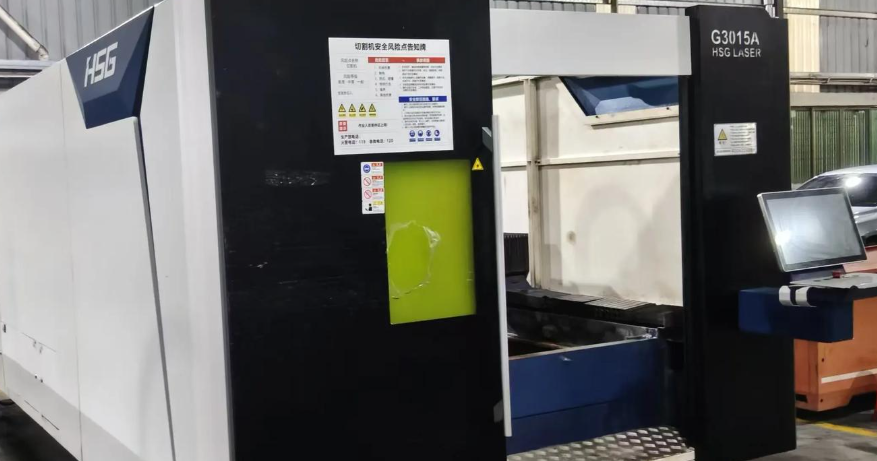
Selecció del partner adequat per al tall per làser d’alumini
Heu dissenyat peces optimitzades, heu entès els factors que determinen el cost i heu preparat correctament els fitxers. Ara arriba una decisió que determinarà si el vostre projecte té èxit o troba obstacles: triar el servei adequat de tall per làser a prop meu per fer realitat la vostra visió.
Això no es tracta simplement de trobar l’oferta més econòmica. El proveïdor que seleccioneu influeix en la qualitat de les peces, en la fiabilitat dels terminis, en l’experiència de comunicació i, finalment, en el fet que les vostres components d’alumini compleixin o no les especificacions. Un procés d’avaluació reflexiu des del principi evita sorpreses costoses: peces rebutjades, terminis perduts o intercanvis frustrants que desvien el vostre pla de treball.
Com es pot avaluar objectivament els possibles socis? Analitzem junts els criteris que distingeixen els proveïdors fiables dels que comporten risc.
Avaluació de les capacitats del proveïdor de serveis
Quan cerqueu serveis de tall per làser a prop meu, us trobareu amb proveïdors que van des de petites botigues de treball fins a grans operacions industrials. Cadascun ofereix capacitats diferents, i comprendre aquestes diferències us ajuda a associar els requisits del vostre projecte amb el partner adequat.
- Capacitats de l’equipament (potència del làser de fibra i mida de la plataforma): Segons la guia de selecció de proveïdors de JP Engineering, és essencial verificar que el proveïdor de serveis utilitzi equipaments de tall per làser d’última generació capaços de treballar els materials específics i de complir els requisits de precisió del vostre projecte. Per a projectes d’alumini, assegureu-vos que disposen de sistemes moderns de làser de fibra, i no d’equipaments antics de CO₂. Pregunteu sobre la potència del làser (una potència més elevada permet tallar materials més gruixuts amb més rapidesa) i la mida de la plataforma (les plataformes més grans permeten allotjar peces més grans o una disposició més eficient).
- Experiència en Materials: Diferents materials requereixen tècniques de tall diferents. Un proveïdor fiable de serveis de tall per làser CNC hauria de demostrar experiència treballant específicament amb alumini, no només amb metall en general. Informeu-vos sobre projectes anteriors similars al vostre. Processen habitualment la nostra aleació especificada? Han treballat amb el rang de gruixos que necessiteu? L'experiència amb la combinació exacta de materials que utilitzeu redueix l'assaig i error i millora les taxes d'èxit en la primera peça.
- Temps de resposta i capacitats de producció: El temps sovint és un factor crític en la fabricació. Informeu-vos sobre els terminis habituals del proveïdor, les opcions d'urgència i la seva capacitat de producció. Poden escalar des de quantitats de prototipus fins a volums de producció sense degradació de la qualitat? Un servei fiable de tall per làser hauria de complir els terminis del vostre projecte sense comprometre la qualitat. Una comunicació clara sobre els terminis és essencial per a una col·laboració exitosa.
- Responsivitat en la comunicació: La comunicació efectiva és la pedra angular d'una associació exitosa. Avaluï com de ràpidament responen els proveïdors potencials a la vostra consulta inicial. Un proveïdor receptiu i comunicatiu us mantindrà informats sobre l'evolució del projecte i resoldrà les preocupacions de forma immediata. Si obtenir un pressupost triga setmanes, imagineu-vos gestionar un problema real de producció.
- Disponibilitat de peces mostres: Els proveïdors reputats ofereixen tallats mostres o inspeccions de la primera peça abans de comprometre's amb volums de producció. Aquest pas de validació —encara que comporti un cost addicional— confirma que les seves capacitats coincideixen amb els vostres requisits. Els proveïdors que confien en la seva qualitat acullen aquesta revisió; aquells que hi resisten podrien estar amagant deficiències de capacitat.
- Transparència en el preu: Cerqueu un proveïdor de serveis de tall per làser de metall a prop meu que ofereixi estructures de preus transparents. Les tarifes ocultes o els pressupostos poc clars poden provocar desviacions pressupostàries i retards. Demaneu una desglossament detallat dels costos, incloent-hi qualsevol càrrec addicional possible per a la preparació, el material, l'acabat o l'acceleració.
Quan avaluïu proveïdors industrials de tall amb làser, no us basi només en les afirmacions dels seus llocs web. Demaneu referències de clients amb perfils de projecte similars. Demaneu peces mostres que demostrin la qualitat del seu tall d’alumini. Visiteu les instal·lacions quan sigui possible: res revela millor les capacitats que veure l’equipament i els processos de primera mà.
Certificacions de qualitat que importen
Les certificacions ofereixen una validació per part d’un tercera part que el proveïdor manté sistemes de qualitat consistents. Tot i que les certificacions no garanteixen peces perfectes, indiquen una maduresa operativa i una disciplina de procés que es correlaciona amb resultats fiables.
- ISO 9001: La certificació fonamental de gestió de la qualitat. Els proveïdors certificats segons la norma ISO 9001 mantenen processos documentats, realitzen auditories periòdiques i demostren un compromís amb la millora contínua. Aquesta certificació s’ha de considerar com a mínim exigible —no com a excepcional— per a qualsevol proveïdor serios de tall de metall amb làser a prop meu.
- IATF 16949 (per a aplicacions automotrius): Si les vostres peces d'alumini són per a aplicacions automotrius, aquesta norma de qualitat específica per al sector automobilístic té una gran importància. La certificació IATF 16949 demostra la capacitat de complir amb la documentació rigorosa, la traçabilitat i el control de qualitat que exigeixen les cadenes d’aprovisionament automotrius. Fabricants com Shaoyi (Ningbo) Metal Technology mantenen la certificació IATF 16949 específicament per atendre els requisits de xassís, suspensió i components estructurals, on les deficiències de qualitat poden comportar riscos per a la seguretat.
- AS9100 (per a aplicacions aeroespacials): Les aplicacions aeroespacials requereixen la certificació AS9100, que afegeix requisits específics per al sector aeroespacial sobre les bases de la norma ISO 9001. Si les vostres peces d’alumini volen, el vostre proveïdor hauria de tenir aquesta certificació.
- NADCAP (per a processos especials): Quan es requereixen processos secundaris com el tractament tèrmic, el processament químic o les proves no destructives, l’acreditació NADCAP valida que aquestes capacitats concretes compleixen les normes del sector.
Sol·liciteu còpies de les certificacions actuals en lloc d'acceptar afirmacions verbals. Verifiqueu que l'àmbit de la certificació cobreix els processos concrets que requereix el vostre projecte: alguns proveïdors tenen certificacions només per a parts de les seves operacions.
La importància del suport DFM i de la consulta d'enginyeria
Els millors proveïdors de serveis de tall làser a prop meu no només tallen peces, sinó que us ajuden a dissenyar peces millors. El suport per al disseny per a la fabricació (DFM) detecta problemes abans que es converteixin en problemes de producció costosos.
Com és un suport DFM significatiu?
- Retroalimentació proactiva sobre el disseny: En lloc de limitar-se a fer una oferta per als fitxers que envieu, els proveïdors de qualitat revisen els vostres fitxers i senyalen possibles problemes: característiques massa properes als marges, toleràncies que requereixen ajustos de paràmetres, geometria que complica l'eficiència de l'apilament.
- Suggeriments d'optimització de costos: Els enginyers experimentats sovint identifiquen modificacions senzilles del disseny que redueixen el temps de tall sense afectar la funcionalitat. Un petit canvi en el radi de les cantonades o el repositionament d'una característica podrien estalviar un 20 % en els costos de producció.
- Assessorament en selecció de materials: Quan la seva aleació especificada genera dificultats de tall, proveïdors experimentats li recomanen alternatives que assoliran els seus requisits de rendiment amb una millor fabricabilitat.
- Comprovacions realistes de toleràncies: Si les toleràncies que ha especificat superen les capacitats habituals, la revisió de la concepció per a la fabricació (DFM) ho identifica abans que comenci la producció, cosa que permet fer ajustos per evitar taxes elevades de rebutjament.
Els proveïdors que ofereixen un suport integral DFM i consultoria d’enginyeria ràpida —com ara el termini de resposta de 12 hores per a pressupostos i les capacitats de prototipatge ràpid en 5 dies de Shaoyi— permeten cicles de validació de disseny més ràpids. Quan pot verificar els dissenys de forma ràpida, detecta problemes des del principi i accelera el seu calendari global de desenvolupament.
Verificació de la qualitat mitjançant comandes de mostres
Imagineu-vos aquesta situació: heu avaluat llocs web, comparat pressupostos, verificat certificacions i seleccionat un proveïdor. Aquest proveïdor fabrica el vostre primer lot de producció, però les peces no compleixen les especificacions. Ara us enfronteu a retards, costos addicionals i converses difícils amb els vostres propis clients.
Les comandes de mostres eviten aquest escenari. Abans de comprometre’s amb volums de producció, sol·liciteu una petita quantitat de peces representatives —normalment entre 5 i 10 unitats— per fer-ne una avaluació exhaustiva.
Què s’ha d’avaluar en les peces de mostra:
- Precisió dimensional: Mesureu les característiques crítiques segons les vostres especificacions. S’assoleixen realment les toleràncies, o les mesures es concentren prop dels límits?
- Qualitat del cantell: Examineu els cantells tallats per detectar escòria, estries i decoloració. La qualitat compleix els vostres requisits visuals i funcionals?
- Coherència: Compareu diverses mostres entre si. Les dimensions i la qualitat romanen constants d’una peça a l’altra, o hi ha variacions preocupants?
- Planor: Comproveu les peces fines per detectar distorsions tèrmiques. Les mostres deformades indiquen problemes de paràmetres que persistiran durant la producció.
- Muntatge i funcionalitat: Si les peces s’han d’ajustar a altres components, proveu-ne el muntatge real. L’exactitud dimensional sobre el paper no significa res si les peces no funcionen en la vostra aplicació.
Sí, les comandes de mostres suposen un cost i un temps addicionals. Considereu-les una assegurança. El cost de 10 peces mostres és negligible comparat amb el rebutjament de 1.000 peces de producció que no compleixen les especificacions.
Construir una associació a llarg termini
El resultat ideal no és trobar un proveïdor, sinó construir una associació. Els proveïdors que comprenen les vostres aplicacions, anticipen les vostres necessitats i invertissen en el vostre èxit aporten valor més enllà dels simples serveis de tall.
Indicadors del potencial d’associació:
- Flexibilitat i personalització: Un proveïdor que ofereix opcions de personalització i serveis de prototipatge pot ser inestimable per perfeccionar els vostres dissenys. Això és especialment crucial per a empreses que necessiten components únics o especialitzats.
- Comunicació constant: Actualitzacions periòdiques del projecte, notificació proactiva de problemes i suport tècnic accessible són senyals d’un proveïdor compromès amb els vostres resultats.
- Millora contínua: Els proveïdors que segueixen indicadors, apliquen les retroalimentacions i milloren progressivament els seus processos es converteixen en socis més valuables a mesura que es desenvolupen nous projectes.
- Capacitat de creixement: Si els vostres volums augmentaran, assegureu-vos que el vostre proveïdor pugui escalar de manera adequada. Un taller perfecte per a prototips pot tenir dificultats amb quantitats de producció.
Trobar el soci adequat per al tall làser d’alumini requereix un esforç previ, però aquesta inversió reporta beneficis en tots els projectes posteriors. El soci adequat es converteix en una extensió del vostre equip, aportant experiència que millora els vostres productes i optimitza les vostres operacions de fabricació.
Un cop establerts els criteris de selecció del proveïdor, esteu preparats per passar de la planificació a l’acció. L’últim pas consisteix a consolidar tot allò que heu après en un pla d’acció pràctic que guiï el vostre projecte des del concepte fins a les peces acabades.
Posar en marxa el vostre projecte de tall d’alumini
Heu assimilat una guia completa que cobreix la selecció d’aliatges, la comparació de tecnologies làser, l’optimització del disseny, els factors de cost i l’avaluació de proveïdors. I ara? El coneixement sense acció roman teòric. Transformem tot el que heu après en un pla d’acció pràctic que porti el vostre projecte de tall làser d’alumini des del concepte fins a les peces acabades.
El vostre pla d’acció per al tall làser d’alumini
Preparats per avançar? Seguiu aquesta seqüència per maximitzar les probabilitats d’èxit del vostre projecte:
Pas 1: Definiu clarament els vostres requisits. Abans de contactar qualsevol proveïdor, documenteu les especificacions del material (aliatge, tractament tèrmic, gruix), les necessitats quantitatives, els requisits de tolerància, les expectatives sobre l’acabat i les restriccions de termini. Aquesta claredat evita malentesos i permet obtenir pressupostos precisos.
Pas 2: Optimitzeu el vostre disseny per a la fabricabilitat. Reviseu els vostres fitxers CAD segons les directrius de DFM tractades anteriorment. Comproveu les mides mínimes de les característiques, els radis dels cantons, les relacions forat-gruix i les distàncies lliures respecte als vores. Segons la llista de comprovació de DFM de JC Metalworks, seguir aquests principis des del principi minimitza els riscos i millora la probabilitat d’entregar el projecte a temps i dins pressupost.
Pas 3: Sol·liciti pressupostos a diversos proveïdors. Envieu especificacions idèntiques a 3-5 proveïdors qualificats. Busqueu-ne aquells que ofereixin capacitats personalitzades de tall per làser i que demostrin experiència específica en alumini. Quan cerqueu un tallador làser a prop meu, doneu preferència als proveïdors que disposin d’equipament de làser de fibra i de certificacions pertinents per al vostre sector industrial.
Pas 4: Valideu amb peces mostres. Abans de comprometre-vos amb quantitats de producció, demaneu mostres per verificar les dimensions i avaluar la qualitat. Aquesta petita inversió evita sorpreses costoses quan s’escala la producció.
Pas 5: Establiu una comunicació contínua. Un cop hàgiu seleccionat un partner, mantingueu un contacte regular durant tot el procés de producció. Una comunicació proactiva detecta possibles problemes abans que es converteixin en qüestions costoses.
Per a aplicacions d’automoció i fabricació de precisió, fabricants com Shaoyi (Ningbo) Metal Technology ofereixen una resposta en menys de 12 hores per als pressupostos i suport complet de DFM (anàlisi de fabricabilitat del disseny), capacitats que acceleren els vostres cicles de validació de disseny. La seva prototipació ràpida en 5 dies i la producció certificada segons la norma IATF 16949 els fan especialment valuables per al desenvolupament de xassís, sistemes de suspensió i components estructurals, on tant la qualitat com la velocitat són essencials.
Punts Clau per a l'Èxit del Projecte
El factor més important per assolir l’èxit en el tall làser d’alumini és consultar prontament un expert en DFM (anàlisi de fabricabilitat del disseny): detectar problemes de disseny abans d’iniciar el tall suposa només una fracció del cost que comportaria descobrir-los durant la producció.
Sigui quin sigui el vostre necessitat —gravat làser personalitzat per a panells decoratius o components estructurals de precisió—, tingueu present aquestes consideracions essencials:
- La selecció de l’aliatge determina els resultats: l’aliatge 6061-T6 ofereix les propietats més adequades per al tall amb làser en aplicacions generals. Trieu l’aliatge segons les necessitats reals de rendiment: no especifiqueu excessivament quan els graus estàndard són suficients.
- Els làsers de fibra dominen el processament de l’alumini: La seva absorció superior de la longitud d’ona, la seva major eficiència i les velocitats de tall més elevades els converteixen en l’opció per defecte per a l’alumini de menys de 12 mm d’gruix.
- L’optimització del disseny redueix els costos: Modificacions senzilles —com ara radis d’esquines adequats, separació correcta de les característiques i toleràncies realistes— poden reduir els costos per peça entre un 20 % i un 40 % sense comprometre la funcionalitat.
- La selecció del mètode és fonamental: El tall amb làser destaca en l’alumini fi a mitjà quan es requereix precisió i velocitat. El tall per jet d’aigua és idoni per a plaques gruixudes i aplicacions sensibles a la calor. El tall per plasma s’utilitza en treballs estructurals on la qualitat del cantell és secundària.
- L’avaluació del proveïdor evita problemes: Verifiqueu les capacitats de l'equipament, l'experiència en materials, les certificacions de qualitat i la resposta comunicativa abans de comprometre-vos. Els comandes de mostres validen les afirmacions amb proves físiques.
Tal com subratlla GTR Manufacturing, combinar velocitat i precisió requereix capacitats i equipaments avançats que donin als clients confiança fins i tot en prototips complexos que compleixin exactament les especificacions. El soci adequat aporta aquesta experiència a cada projecte.
L’èxit del vostre projecte de tall de fusta d’alumini depèn, en última instància, de decisions informades preses abans que comenci el tall. Aplicau els coneixements d’aquesta guia, col·laboreu amb proveïdors qualificats des del principi i invertiu en consultories d’enginyeria per a la fabricació (DFM) que detectin problemes mentre encara són econòmics de resoldre. El camí des del fitxer de disseny fins a les peces d’alumini tallades amb precisió esdevé senzill quan seguiu aquests principis contrastats.
Preguntes freqüents sobre serveis de tall d’alumini amb làser
1. Quina és l’aliatge d’alumini més adequat per al tall amb làser?
l'aliatge d'alumini 6061-T6 és àmpliament considerat l'aliatge d'alumini més adequat per al tall amb làser degut al seu contingut equilibrat de magnesi i silici, que produeix un comportament de tall previsible. Genera vores netes i llises amb una quantitat mínima de residus i funciona bé en diverses gruixos. Per a aplicacions marines que requereixen resistència a la corrosió, el 5052 és una excel·lent alternativa. Els projectes aerospacials d'alta resistència poden necessitar el 7075, tot i que exigeix paràmetres especialitzats a causa del seu contingut de zinc. Fabricants certificats segons la norma IATF 16949, com ara Shaoyi, ofereixen experiència en el processament de diversos graus d'aliatges per a components automotius i estructurals.
2. Quant costen els serveis d’alumini tallat amb làser?
Els costos del tallat per làser d'alumini depenen de diversos factors: el tipus i el gruix del material, la longitud total del trajecte de tall, la complexitat de la peça, la quantitat sol·licitada i els requisits d'acabat. Les peces senzilles poden costar entre 2 i 5 $ cadascuna, mentre que les peces complexes amb operacions secundàries com doblegat o anoditzat poden arribar a costar 70 $ o més. Les tarifes d'instal·lació solen oscil·lar entre 25 i 50 $ i es distribueixen entre la quantitat de la comanda, fet pel qual el cost per peça disminueix significativament amb comandes més grans. Les comandes urgents solen suposar una prima del 25-75 % respecte als preus habituals.
3. Quin gruix d'alumini es pot tallar per làser?
Els sistemes moderns de làser de fibra poden tallar alumini fins a 16 mm (0,63 polzades) o més amb equips d’alta potència (6000 W o més). No obstant això, la qualitat òptima del cantell s’aconsegueix a gruixos reduïts, aproximadament un 40 % per sota de la capacitat màxima. Per obtenir resultats de qualitat industrial, els sistemes de 3000 W donen millors resultats en alumini de menys de 5 mm. En alumini de més de 12-15 mm, el tall per jet d’aigua sovint produeix una millor qualitat del cantell. Quan demaneu pressupostos, especifiqueu exactament els gruixos que necessiteu, de manera que els proveïdors puguin recomanar el mètode de tall més adequat.
4. El làser de fibra o el làser CO₂ és millor per tallar alumini?
Els làsers de fibra són significativament millors per tallar alumini. En operar a una longitud d'ona de 1,06 micròmetres, els làsers de fibra són absorbits aproximadament set vegades més eficientment per l'alumini que els làsers de CO₂. Això es tradueix en velocitats de tall més ràpides, vores més neta, costos operatius més baixos i un risc reduït de danys òptics causats per l'energia reflectida. Els làsers de CO₂ encara es poden utilitzar per a plaques d'alumini extremadament gruixudes (15 mm o més) en instal·lacions obsoletes, però la tecnologia de fibra domina el processament modern d'alumini per a materials de menys de 12 mm.
5. Com puc trobar serveis fiables de tall làser a prop meu?
Avalieu els proveïdors potencials segons les seves capacitats d’equipament (làsers de fibra moderns), l’experiència específica en alumini, les certificacions de qualitat (ISO 9001, IATF 16949 per al sector automotiu), els temps de resposta i la capacitat de comunicació ràpida. Demaneu peces mostres abans de comprometre’s amb volums de producció per verificar l’exactitud dimensional i la qualitat dels cantells. Els proveïdors que ofereixen suport complet de DFM (Disseny per a la Fabricació) i temps de resposta ràpids per a pressupostos —com ara el temps de resposta de 12 hores i la prototipació en 5 dies de Shaoyi— demostren l’expertesa tècnica necessària per assolir projectes exitosos.