 Small batches, high standards. Our rapid prototyping service makes validation faster and easier —
  EN
EN


অ্যালুমিনিয়াম স্ট্যাম্পিং প্রক্রিয়ার রহস্যোদ্ঘাটন: কাঁচা শীট থেকে সম্পূর্ণ তৈরি অংশ পর্যন্ত
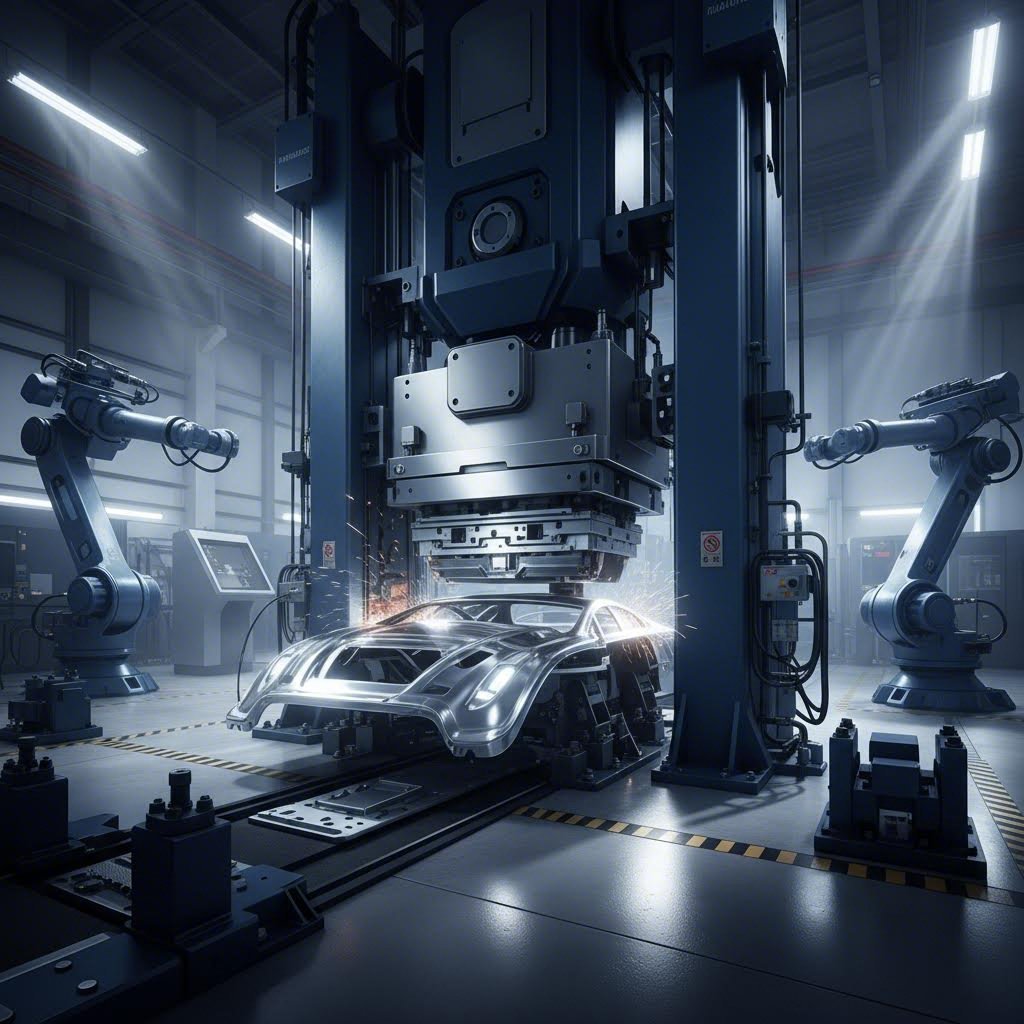
অ্যালুমিনিয়াম স্ট্যাম্পিং প্রক্রিয়ার বোধগম্যতা
যখন আপনি ল্যাপটপের হাউজিং, অটোমোবাইলের বডি প্যানেল বা এয়ার কন্ডিশনিং উপাদানের মতো দৈনন্দিন পণ্যগুলি কীভাবে তৈরি হয় তা ভাবেন, তখন অ্যালুমিনিয়াম স্ট্যাম্পিং প্রক্রিয়াটি এদের উৎপাদনে কেন্দ্রীয় ভূমিকা পালন করে। কিন্তু এই উৎপাদন পদ্ধতিটি শিল্পখাতগুলিতে কেন এত গুরুত্বপূর্ণ হয়ে ওঠে?
অ্যালুমিনিয়াম স্ট্যাম্পিং হলো একটি ধাতুকার্য প্রক্রিয়া যাতে বিশেষায়িত ডাই এবং উচ্চ-চাপ প্রেস ব্যবহার করে অ্যালুমিনিয়াম শীটগুলিকে ব্ল্যাঙ্কিং, পিয়ার্সিং, বেন্ডিং এবং ড্রয়িং-এর মতো প্রক্রিয়ার মাধ্যমে সঠিক ও সম্পূর্ণ অংশে রূপান্তরিত করা হয়।
স্টিল, তামা বা পিতলের মতো সাধারণ ধাতু স্ট্যাম্পিংয়ের বিপরীতে, অ্যালুমিনিয়াম স্ট্যাম্পিংয়ের জন্য এর অনন্য উপাদান আচরণ সম্পর্কে বোধগম্যতা প্রয়োজন। এই হালকা ধাতুটি চাপের নিচে ভিন্নভাবে প্রতিক্রিয়া করে, যার ফলে অপ্টিমাল ফলাফল অর্জনের জন্য বিশেষায়িত টুলিং, সমন্বিত প্রেস সেটিং এবং নির্দিষ্ট লুব্রিকেশন কৌশল প্রয়োজন হয়।
অন্যান্য স্ট্যাম্পিং ধাতু থেকে অ্যালুমিনিয়ামকে আলাদা করে দেয় কী?
অ্যালুমিনিয়াম অন্যান্য স্ট্যাম্পিং ধাতু থেকে নিম্নলিখিত কারণে পৃথক: কয়েকটি বিশিষ্ট উপাদান বৈশিষ্ট্য যা গঠন অপারেশনের সময় এটির কার্যকারিতাকে সরাসরি প্রভাবিত করে:
- হালকা প্রকৃতি: ইস্পাতের তুলনায় এটির ওজন মাত্র এক-তৃতীয়াংশ, ফলে গঠনমূলক অখণ্ডতা বজায় রেখে উপাদানের ওজন উল্লেখযোগ্যভাবে কমিয়ে দেয়। এই বৈশিষ্ট্যটি গাড়ি ও বিমান শিল্পে অত্যন্ত মূল্যবান, যেখানে জ্বালানি দক্ষতার জন্য প্রতিটি গ্রামই গুরুত্বপূর্ণ।
- প্রাকৃতিক ক্ষয় প্রতিরোধ ক্ষমতা: বাতাসের সংস্পর্শে এলে অ্যালুমিনিয়াম একটি সুরক্ষামূলক অক্সাইড স্তর গঠন করে যা ধাতুকে আর্দ্রতা ও পরিবেশগত ক্ষয় থেকে রক্ষা করে। এই স্ব-রক্ষামূলক বৈশিষ্ট্যটি অনেক ক্ষেত্রে অতিরিক্ত মরচে-প্রতিরোধী চিকিৎসার প্রয়োজন ঘটায় না।
- উত্তম তাপ চালকতা: অ্যালুমিনিয়াম তাপ দক্ষতার সাথে স্থানান্তর করে, ফলে স্ট্যাম্পড উপাদানগুলি তাপ ব্যবস্থাপনার প্রয়োজনীয় হিট সিঙ্ক, রেডিয়েটর এবং ইলেকট্রনিক আবদ্ধকগুলির জন্য আদর্শ।
- উন্নত নমনীয়তা: উপলব্ধ ধাতুগুলির মধ্যে দ্বিতীয় সবচেয়ে নমনীয় ধাতু হওয়ায়, অ্যালুমিনিয়ামকে স্ট্যাম্পিং প্রক্রিয়ায় ফেটে যাওয়া বা ভেঙে যাওয়া ছাড়াই টানা, প্রসারিত করা এবং জটিল আকৃতিতে বাঁকানো যায়।
- বৈদ্যুতিক পরিবাহিতা: তামার কার্যকারিতার সমতুল্য না হলেও, অ্যালুমিনিয়ামের পরিবাহিতা এবং হালকা ওজনের সংমিশ্রণ এটিকে বৈদ্যুতিক উপাদান ও কানেক্টরগুলির জন্য খরচ-কার্যকর পছন্দ করে তোলে।
এই বৈশিষ্ট্যগুলির ফলে গঠনকালীন অ্যালুমিনিয়াম ইস্পাতের চেয়ে বেশ ভিন্নভাবে আচরণ করে। আপনি লক্ষ্য করবেন যে, এটি আরও কঠোর ডাই ক্লিয়ারেন্স প্রয়োজন করে, বাঁকানোর পর এটি আরও উল্লেখযোগ্য স্প্রিংব্যাক অনুভব করে এবং পৃষ্ঠের ঘর্ষণজনিত ক্ষতি (গ্যালিং) প্রতিরোধের জন্য লুব্রিকেশনের প্রতি সাবধানতাপূর্ণ মনোযোগ প্রয়োজন।
উৎপাদকরা কেন অ্যালুমিনিয়াম স্ট্যাম্পিং বেছে নেন
এই ধাতু গঠন পদ্ধতির প্রতি বৃদ্ধিপ্রাপ্ত পছন্দ কোনো দৈবচয়ন নয়। বিভিন্ন শিল্পখাতের উৎপাদকরা ব্যবহারিক ও গুরুত্বপূর্ণ কারণে বিকল্প পদ্ধতিগুলির পরিবর্তে ক্রমবর্ধমানভাবে অ্যালুমিনিয়াম স্ট্যাম্পিং বেছে নিচ্ছেন:
- ওজন হ্রাসের লক্ষ্য: যানবাহন উৎপাদকরা জ্বালানি দক্ষতা মানদণ্ড পূরণের জন্য হালকা যানবাহনের দিকে ঝুঁকছেন, ফলে অ্যালুমিনিয়ামের উপাদানগুলি অপরিহার্য হয়ে উঠেছে। স্ট্যাম্প করা অংশগুলি শক্তি বজায় রেখে মোট যানবাহনের ওজন উল্লেখযোগ্যভাবে হ্রাস করে।
- লাগনি কার্যকর উৎপাদন: প্রগ্রেসিভ বা ট্রান্সফার ডাই ব্যবহার করে উচ্চ-পরিমাণ স্ট্যাম্পিং অপারেশনগুলি মেশিনিং বা কাস্টিং-ভিত্তিক বিকল্পগুলির তুলনায় প্রতি-অংশ খরচ কমিয়ে ধারাবাহিক গুণগত মান প্রদান করে।
- ডিজাইন নমনীয়তা: আধুনিক ডাই প্রযুক্তির সঙ্গে অ্যালুমিনিয়ামের আকৃতি গঠনের সক্ষমতার সমন্বয়ে উৎপাদকরা একটি একক উৎপাদন চক্রেই জটিল জ্যামিতিক আকৃতি, গভীর-টানা আকৃতি এবং জটিল বিবরণ তৈরি করতে পারেন।
- পৃষ্ঠ চিকিত্সা সামঞ্জস্যতা: স্ট্যাম্প করা অ্যালুমিনিয়াম সহজেই অ্যানোডাইজিং, পাউডার কোটিং, ইলেক্ট্রোপ্লেটিং এবং অন্যান্য সমাপ্তি প্রক্রিয়া গ্রহণ করে যা চেহারা উন্নত করে এবং সেবা জীবন বৃদ্ধি করে।
- পরিবেশগত সুবিধা: অ্যালুমিনিয়াম গুণগত অবক্ষয় ছাড়াই উচ্চ মাত্রায় পুনর্ব্যবহারযোগ্য। পুনর্ব্যবহৃত উপকরণ ব্যবহার করা মূল আকরিক প্রক্রিয়াজাত করার তুলনায় উল্লেখযোগ্যভাবে কম শক্তি প্রয়োজন করে, যা টেকসই উন্নয়ন প্রচেষ্টাকে সমর্থন করে।
এই প্রক্রিয়ার বহুমুখিতা প্রায় প্রতিটি প্রধান শিল্পের মধ্যে বিস্তৃত। এয়ারোস্পেস কাঠামোগত ব্র্যাকেট থেকে শুরু করে চিকিৎসা সরঞ্জামের আবাসন, ভোক্তা ইলেকট্রনিক্সের আবরণ থেকে খাদ্য প্যাকেজিংয়ের উপাদান—স্ট্যাম্পড অ্যালুমিনিয়াম অংশগুলি আধুনিক পণ্যগুলির জন্য প্রয়োজনীয় কার্যকারিতা বৈশিষ্ট্যগুলি প্রদান করে।
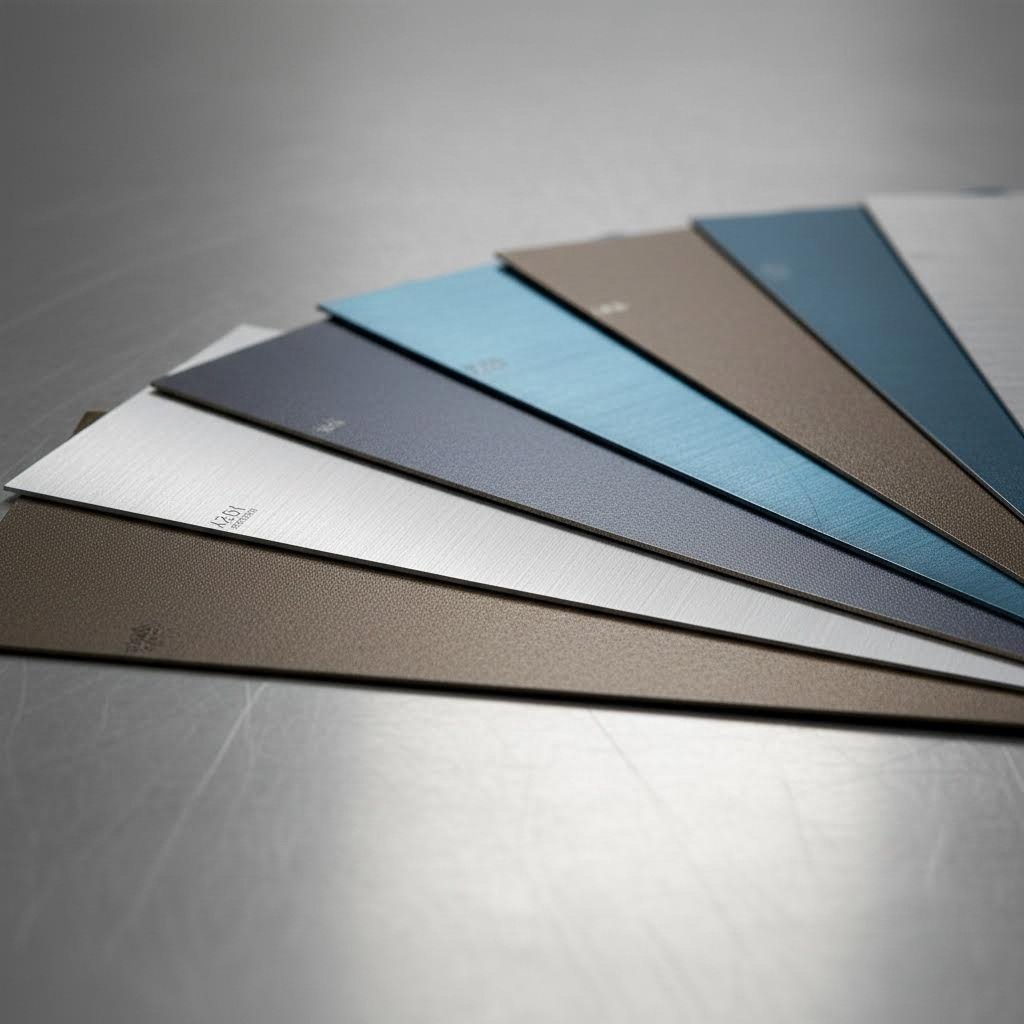
স্ট্যাম্পিংয়ের জন্য সঠিক অ্যালুমিনিয়াম মিশ্র ধাতু নির্বাচন
সঠিক অ্যালুমিনিয়াম মিশ্র ধাতু নির্বাচন করা আপনার স্ট্যাম্পিং প্রকল্পের সফলতা বা ব্যর্থতা নির্ধারণ করতে পারে। ভুল মিশ্র ধাতু বেছে নিলে আপনি ফাটলযুক্ত অংশ, অত্যধিক টুল ক্ষয় বা প্রত্যাশিত মতো কার্যকর না হওয়া অংশগুলির মুখোমুখি হবেন। কিন্তু মিশ্র ধাতুর সংখ্যাগুলির অবিচ্ছিন্ন তালিকা থেকে পারফেক্ট মিলটি খুঁজে পেতে আপনি কীভাবে নেভিগেট করবেন?
মূল কথাটি হলো, অ্যালুমিনিয়াম মিশ্র ধাতুগুলিকে তাদের প্রাথমিক মিশ্র উপাদানের ভিত্তিতে সিরিজে সাজানো হয়। প্রতিটি সিরিজের নিজস্ব বৈশিষ্ট্য রয়েছে যা সরাসরি উপাদানটির আচরণকে প্রভাবিত করে শীট মেটাল স্ট্যাম্পিং অপারেশনের সময় । চলুন প্রতিটি সিরিজ কী প্রদান করে তা বুঝে নেওয়া যাক।
অ্যালুমিনিয়াম মিশ্র ধাতু সিরিজ এবং তাদের স্ট্যাম্পিং বৈশিষ্ট্য
অ্যালুমিনিয়াম মিশ্র ধাতুগুলি সাতটি প্রধান শ্রেণীতে বিভক্ত, যার প্রত্যেকটিরই স্ট্যাম্পযোগ্যতাকে প্রভাবিত করে এমন অনন্য বৈশিষ্ট্য রয়েছে:
- ১XXX শ্রেণী (বিশুদ্ধ অ্যালুমিনিয়াম): এই মিশ্র ধাতুগুলিতে ৯৯% বা তার বেশি অ্যালুমিনিয়াম থাকে। গ্রেড ১১০০-এর চমৎকার ক্ষয় প্রতিরোধ ক্ষমতা এবং উচ্চ তাপীয় পরিবাহিতা রয়েছে, যা এটিকে তাপ বিনিময়কারী এবং রান্নার পাত্রের জন্য আদর্শ করে তোলে। তবে, এর নিম্ন শক্তির কারণে এটি কাঠামোগত প্রয়োগের ক্ষেত্রে সীমিত।
- ২XXX শ্রেণী (অ্যালুমিনিয়াম-তামা): উচ্চ শক্তি এবং চমৎকার ক্লান্তি প্রতিরোধ ক্ষমতার জন্য পরিচিত এই মিশ্র ধাতুগুলি বিমান চলাচল শিল্পের প্রয়োগের জন্য উপযুক্ত। গ্রেড ২০২৪ প্রায়শই বিমানের কাঠামোতে ব্যবহৃত হয়, যদিও এর কম ক্ষয় প্রতিরোধ ক্ষমতার কারণে সুরক্ষামূলক আবরণের প্রয়োজন হয়।
- ৩XXX শ্রেণী (অ্যালুমিনিয়াম-ম্যাঙ্গানিজ): গ্রেড ৩০০৩ এই শ্রেণীর কাজের ঘোড়া। শিল্প বিশেষজ্ঞদের মতে, এটি স্ট্যাম্পিং-এর ক্ষেত্রে সবচেয়ে সাধারণ অ্যালুমিনিয়াম মিশ্র ধাতুগুলির মধ্যে একটি, কারণ এর চমৎকার আকৃতি গঠন ক্ষমতা এবং ভালো ক্ষয় প্রতিরোধ ক্ষমতা রয়েছে। এটি সজ্জামূলক ট্রিম এবং রান্নাঘরের সরঞ্জামের মতো সরল অংশ তৈরির জন্য আদর্শ।
- ৪XXX শ্রেণী (অ্যালুমিনিয়াম-সিলিকন): এই সংকর ধাতুগুলি মূলত ওয়েল্ডিং এবং ব্রেজিং-এর জন্য ফিলার উপাদান হিসাবে ব্যবহৃত হয়; এগুলি অটোমোটিভ হিট এক্সচেঞ্জার এবং রেডিয়েটরে দেখা যায়।
- ৫XXX সিরিজ (অ্যালুমিনিয়াম-ম্যাগনেসিয়াম): এই সিরিজটি চাপসৃষ্টিকারী অ্যাপ্লিকেশনগুলির জন্য অসাধারণ কার্যকারিতা প্রদান করে। ৫০৫২ অ্যালুমিনিয়াম স্ট্যাম্পিং উচ্চ শক্তি এবং টেকসইতা প্রয়োজন হওয়া প্রকল্পগুলিতে, বিশেষ করে সামুদ্রিক পরিবেশ এবং অটোমোটিভ উপাদানগুলিতে, একটি পছন্দের বিকল্প হয়ে উঠেছে।
- ৬XXX সিরিজ (অ্যালুমিনিয়াম-ম্যাগনেসিয়াম-সিলিকন): গ্রেড ৬০৬১ ভালো যান্ত্রিক বৈশিষ্ট্য এবং চমৎকার ওয়েল্ডেবিলিটির সাথে বহুমুখী ব্যবহারের সুযোগ প্রদান করে। এটি সাধারণ উদ্দেশ্যের গঠনমূলক অ্যাপ্লিকেশনগুলির জন্য সবচেয়ে জনপ্রিয় এবং খরচ-দক্ষ অ্যালুমিনিয়াম সংকর ধাতু।
- ৭XXX সিরিজ (অ্যালুমিনিয়াম-জিঙ্ক): এই উচ্চ-শক্তির সংকর ধাতুগুলি, বিশেষ করে ৭০৭৫, বিমান চলাচল এবং সামরিক অ্যাপ্লিকেশনগুলিতে ব্যবহৃত হয়। তবে, এগুলি গঠন করা কঠিন এবং ব্যয়বহুল, যার ফলে এগুলি সাধারণ স্ট্যাম্পিং অপারেশনের জন্য কম উপযুক্ত।
আপনার অ্যাপ্লিকেশনের প্রয়োজনীয়তা অনুযায়ী সংকর ধাতুগুলি মিলিয়ে নেওয়া
অ্যালুমিনিয়াম শীট মেটাল স্ট্যাম্পিং-এর জন্য একটি অ্যালয় নির্বাচন করার সময়, আপনাকে একাধিক ফ্যাক্টরের মধ্যে ভারসাম্য বজায় রাখতে হবে। আপনার পার্টটির চূড়ান্ত ব্যবহার, গঠনের জটিলতা এবং আপনার বাজেটের সীমাবদ্ধতা সম্পর্কে ভাবুন। নিজেকে তিনটি গুরুত্বপূর্ণ প্রশ্ন করলে আপনি দ্রুত বিকল্পগুলি সীমিত করতে পারবেন:
- আপনার অ্যাপ্লিকেশনে কতটা শক্তির প্রয়োজন? সাধারণ ব্র্যাকেট এবং সজ্জামূলক উপাদানগুলি নরম, অধিক গঠনযোগ্য অ্যালয় ব্যবহার করতে পারে। লোড-বেয়ারিং বা গঠনমূলক অংশগুলির জন্য উচ্চ-শক্তি সম্পন্ন অ্যালয়ের প্রয়োজন হয়।
- পার্টটি কোন পরিবেশে কাজ করবে? সামুদ্রিক বা বাইরের অ্যাপ্লিকেশনগুলির জন্য ৫০৫২ এর মতো উৎকৃষ্ট ক্ষয় প্রতিরোধী অ্যালয়ের প্রয়োজন। অভ্যন্তরীণ ইলেকট্রনিক্সের ক্ষেত্রে কম ব্যয়বহুল বিকল্পগুলি ব্যবহার করা যেতে পারে।
- আপনার অংশের জ্যামিতি কতটা জটিল? গভীর ড্র বা কঠিন বাঁক সহ জটিল আকৃতির জন্য অত্যন্ত গঠনযোগ্য অ্যালয় ব্যবহার করা উচিত, যা গঠনের সময় ফেটে না যায়।
নীচের টেবিলটি স্ট্যাম্পড অ্যালুমিনিয়াম শীট উৎপাদনে ব্যবহৃত সাধারণ অ্যালুমিনিয়াম অ্যালয়গুলির তুলনা করে:
| মিশ্র ধাতু | স্ট্যাম্পযোগ্যতা রেটিং | আকৃতি দেওয়ার সুযোগ | শক্তি | সাধারণ প্রয়োগ |
|---|---|---|---|---|
| 1100 | চমৎকার | চমৎকার | কম | রাসায়নিক সরঞ্জাম, তাপ বিনিময়কারী, রান্নার সরঞ্জাম |
| 3003 | চমৎকার | চমৎকার | নিম্ন-মাঝারি | ছাদ, পার্শ্ব আবরণ, সজ্জামূলক ট্রিম, সাধারণ ব্র্যাকেট |
| 5052 | ভাল | ভাল | মধ্যম-উচ্চ | সামুদ্রিক হার্ডওয়্যার, অটোমোটিভ উপাদান, চাপ পাত্র |
| 6061 | মাঝারি | ভাল | উচ্চ | গাঠনিক অ্যাপ্লিকেশন, পাইপলাইন, বিনোদনমূলক সরঞ্জাম |
দ্রষ্টব্য যে, আলুমিনিয়াম স্ট্যাম্পিং-এর প্রায় ৮০% প্রকল্প সফলভাবে ৩০০৩ বা ৫০৫২ আলুমিনিয়াম ব্যবহার করে সম্পন্ন করা যায়। এই দুটি মিশ্রধাতু সরল ইলেকট্রনিক ব্র্যাকেট থেকে জটিল অটোমোটিভ প্যানেল পর্যন্ত বিস্তৃত অ্যাপ্লিকেশনের একটি অত্যন্ত বিস্তৃত পরিসর কভার করে।
এখানে একটি ব্যবহারিক বিবেচনা: ৫০৫২ সাধারণত ৩০০৩-এর তুলনায় প্রায় ২০% বেশি খরচ সাপেক্ষে হয়, কিন্তু এটি উল্লেখযোগ্যভাবে উচ্চতর শক্তি প্রদান করে। যেসব অংশে এই অতিরিক্ত টেকসইতা প্রয়োজন হয় না, সেখানে ৩০০৩ নির্বাচন করলে গুণগত মান অক্ষুণ্ণ রেখে প্রকল্পের খরচ কমানো যায়।
মিশ্রধাতুর গঠন কীভাবে আপনার স্ট্যাম্পিং ফলাফলকে প্রভাবিত করে—এই বোঝাপড়া সফলতার ভিত্তি গড়ে তোলে। সঠিক উপাদান নির্বাচন করার পর, পরবর্তী গুরুত্বপূর্ণ পদক্ষেপ হলো কাঁচা শীটকে চূড়ান্ত উপাদানে রূপান্তরিত করার জন্য ক্রমিক পর্যায়গুলির দক্ষতা অর্জন করা।
ধাপে ধাপে আলুমিনিয়াম স্ট্যাম্পিং প্রক্রিয়ার বিশদ বিবরণ
সুতরাং আপনি আপনার প্রকল্পের জন্য পারফেক্ট অ্যালয় নির্বাচন করেছেন। এখন কী করবেন? অ্যালুমিনিয়ামকে সমতল শীট থেকে একটি সূক্ষ্ম উপাদানে রূপান্তরিত হওয়ার প্রক্রিয়াটি সম্পর্কে সঠিক ধারণা অর্জন করলে আপনি গুণগত মান অপটিমাইজ করতে পারবেন এবং ব্যয়বহুল ত্রুটি প্রতিরোধ করতে পারবেন। চলুন, অ্যালুমিনিয়াম স্ট্যাম্পিং-এর পূর্ণ প্রক্রিয়াটি শুরু থেকে শেষ পর্যন্ত প্রতিটি ধাপ অতিক্রম করি।
কাঁচা শীট থেকে সম্পূর্ণ উপাদান
সম্পূর্ণ অ্যালুমিনিয়াম স্ট্যাম্পিং প্রক্রিয়াটি একটি যুক্তিসঙ্গত ক্রম অনুসরণ করে, যেখানে প্রতিটি ধাপ পূর্ববর্তী ধাপের উপর ভিত্তি করে গড়ে ওঠে। ইস্পাতের তুলনায় অ্যালুমিনিয়ামের নিম্ন ঘনত্ব এবং উচ্চ তন্যতা প্রতিটি ধাপে বিশেষ আচরণ সৃষ্টি করে। নিচে সম্পূর্ণ প্রক্রিয়াটি সহজে বোঝার জন্য কয়েকটি পরিচালনাযোগ্য ধাপে ভাগ করা হয়েছে:
- উপাদান প্রস্তুতি এবং পরিদর্শন: এই প্রক্রিয়াটি নির্দিষ্ট অ্যালয় ও টেম্পারে অ্যালুমিনিয়াম শীট বা কয়েল গ্রহণ করে শুরু হয়। গুণগত পরিদর্শকরা আগত উপাদানের পৃষ্ঠের ত্রুটি, পুরুত্বের সামঞ্জস্য এবং সঠিক শস্য দিকনির্দেশ পরীক্ষা করেন। যেহেতু অ্যালুমিনিয়াম ইস্পাতের তুলনায় সহজেই আঁচড় খায়, তাই ভাণ্ডারে রাখা ও পরিবহনের সময় সাবধানতাপূর্ণ পরিচালনা করলে চূড়ান্ত পণ্যের গুণগত মানকে প্রভাবিত করতে পারে এমন সৌন্দর্যগত সমস্যা প্রতিরোধ করা যায়।
- ডাই ডিজাইন ও সেটআপ: কম্পিউটার-এইডেড ডিজাইন (CAD) এবং কম্পিউটার-এইডেড ম্যানুফ্যাকচারিং (CAM) সফটওয়্যার ব্যবহার করে প্রকৌশলীরা চূড়ান্ত অংশটির জন্য প্রয়োজনীয় নির্দিষ্ট ডিজাইনের সাথে মিল রেখে ডাই তৈরি করেন। অ্যালুমিনিয়ামের প্রবল স্প্রিংব্যাক বৈশিষ্ট্যগুলি ডিজাইনে বিবেচনা করতে হবে, যার অর্থ উপাদানটি শিথিল হওয়ার পর লক্ষ্য জ্যামিতিক আকৃতি অর্জনের জন্য ডিজাইনাররা প্রায়শই কোণগুলিকে ২–৫ ডিগ্রি অতিরিক্ত বাঁকান। ডাইটি স্ট্যাম্পিং প্রেসে ঢোকানো হয় এবং অপারেটররা সঠিক সামঞ্জস্য নিশ্চিত করেন।
- লুব্রিকেশন প্রয়োগ: স্ট্যাম্পিং শুরু হওয়ার আগে, টেকনিশিয়ানরা অ্যালুমিনিয়াম পৃষ্ঠে বিশেষায়িত লুব্রিক্যান্ট প্রয়োগ করেন। এই ধাপটি অ্যালুমিনিয়ামের ক্ষেত্রে ইস্পাতের তুলনায় আরও গুরুত্বপূর্ণ, কারণ নরম উপাদানটি উপযুক্ত লুব্রিকেশন ছাড়া টুলিং পৃষ্ঠের বিরুদ্ধে ঘষতে শুরু করে। লুব্রিক্যান্টটি ঘর্ষণ কমায়, ডাইয়ের আয়ু বৃদ্ধি করে এবং পৃষ্ঠের ফিনিশ মান উন্নত করে।
- অ্যালুমিনিয়াম ব্ল্যাঙ্কিং: প্রথম ফর্মিং অপারেশনটি সাধারণত কাঁচামালের শীটকে উপযুক্ত আকারের ব্ল্যাঙ্কে কাটার সঙ্গে জড়িত। এই পর্যায়ে, স্ট্যাম্পিং প্রেস ডাইয়ের প্রান্তের বিরুদ্ধে উপাদানটিকে কাটে। কাটা অংশটি আপনার কাজের টুকরো (ওয়ার্কপিস) হয়ে ওঠে, যখন অবশিষ্ট কাঠামোগত উপাদানটি পুনর্ব্যবহারযোগ্য হয়। পরিষ্কার ও বার-মুক্ত প্রান্ত অর্জনের জন্য অ্যালুমিনিয়াম ব্ল্যাঙ্কিং-এ ইস্পাতের তুলনায় তীব্রতর ডাই প্রান্ত এবং আরও কঠোর ক্লিয়ার্যান্স প্রয়োজন।
- পিয়ার্সিং অপারেশনস: যদি আপনার পার্টের ডিজাইনে ছিদ্র, স্লট বা অন্যান্য অভ্যন্তরীণ কাটআউট থাকে, তবে ব্ল্যাঙ্কিং-এর পরে পিয়ার্সিং সম্পাদন করা হয়। তীব্র পাঞ্চগুলি অ্যালুমিনিয়াম ব্ল্যাঙ্কের মধ্য দিয়ে ভেদ করে, যখন একটি ডাই চারপাশের উপাদানকে সমর্থন করে। অপসারিত স্লাগগুলি স্ক্র্যাপ হিসেবে বাদ পড়ে। অ্যালুমিনিয়াম নরম হওয়ায়, পিয়ার্সিং পাঞ্চগুলির ক্ষয় কম হয়, কিন্তু প্রান্তের গুণগত মান বজায় রাখতে এদের আরও ঘন ঘন শার্পেনিং করা প্রয়োজন।
- গঠন এবং বাঁকানো: এই পর্যায়ে বেঁকানো, ফ্ল্যাঞ্জিং বা বক্রতা প্রয়োগের মাধ্যমে সমতল ব্ল্যাঙ্কটিকে ত্রিমাত্রিক জ্যামিতিক আকৃতিতে রূপান্তরিত করা হয়। এখানে অ্যালুমিনিয়ামের কাজ করার সময় শক্তিশালী হওয়ার বৈশিষ্ট্যগুলি উল্লেখযোগ্য ভূমিকা পালন করে। আপনি যখন ধাতুটিকে গঠন করেন, তখন বিকৃত অঞ্চলগুলিতে এটি ক্রমশ শক্তিশালী এবং কম তন্য হয়ে ওঠে। একাধিক গঠন প্রক্রিয়ার জন্য আকৃতি পুনরুদ্ধার করে ফাটল রোধ করার জন্য মধ্যবর্তী অ্যানিলিং প্রয়োজন হতে পারে।
- গভীর টানা (যখন প্রয়োজন হয়): যেসব অংশে খালি, কাপ-আকৃতির আকৃতির প্রয়োজন হয়, সেগুলির জন্য গভীর টানা প্রক্রিয়ায় একটি পাঞ্চ ব্যবহার করে ব্ল্যাঙ্ককে ডাই কোষের মধ্যে চাপ দেওয়া হয়। পানীয়ের ক্যান, রান্নার পাত্র এবং গাড়ির প্যানেলের মতো টানা অ্যালুমিনিয়াম উপাদানগুলি এই প্রক্রিয়া থেকে উৎপন্ন হয়। উপাদানটি উল্লেখযোগ্য প্লাস্টিক বিকৃতির সম্মুখীন হয়, এবং ভালোভাবে নিয়ন্ত্রিত ব্ল্যাঙ্ক হোল্ডার চাপ কুঁচকে যাওয়া রোধ করে এবং উপাদানের প্রবাহ নিশ্চিত করে।
- ছাঁটাই এবং সমাপ্তকরণ: গঠনের পর, অংশটির পরিধির চারপাশের অতিরিক্ত উপাদানগুলি চূড়ান্ত মাত্রায় কেটে ফেলা হয়। এর পরে দ্বিতীয়ক প্রক্রিয়াগুলি—যেমন বার সরানো, প্রান্ত প্রস্তুতকরণ এবং পৃষ্ঠ চিকিত্সা—অনুসরণ করে। অ্যালুমিনিয়াম অ্যানোডাইজিং, পাউডার কোটিং এবং বিভিন্ন প্লেটিং ফিনিশ গ্রহণ করে যা দৃশ্যমান রূপ এবং ক্ষয় প্রতিরোধের উভয় দিকই উন্নত করে।
- গুণবত্তা পরীক্ষা: চূড়ান্ত পদক্ষেপে মাত্রা নির্ভুলতা, পৃষ্ঠের গুণগত মান এবং নির্দিষ্টকরণের সঙ্গে সামঞ্জস্য যাচাই করা হয়। পরিদর্শকরা গুরুত্বপূর্ণ সহনশীলতা পরীক্ষা করেন, ফাটল বা ত্রুটির জন্য পরীক্ষা করেন এবং প্যাকেজিং ও পাঠানোর আগে অংশটি গ্রাহকের প্রয়োজনীয়তা পূরণ করছে কিনা তা নিশ্চিত করেন।
অ্যালুমিনিয়াম গঠনের গুরুত্বপূর্ণ পর্যায়সমূহ
প্রতিটি পর্যায়ে অ্যালুমিনিয়াম ইস্পাত থেকে কীভাবে ভিন্ন আচরণ করে তা বুঝতে পারলে আপনি চ্যালেঞ্জগুলি পূর্বাভাস দিতে পারবেন এবং আপনার প্রক্রিয়াটি অপ্টিমাইজ করতে পারবেন। তিনটি বিষয় বিশেষ মনোযোগ প্রয়োজন:
- স্প্রিংব্যাক কম্পেনসেশন: বাঁকানোর পরে অ্যালুমিনিয়াম ইস্পাতের তুলনায় বেশি স্থিতিস্থাপক পুনরুদ্ধার প্রদর্শন করে। যখন গঠনকারী বল মুক্ত হয়, তখন অংশটি তার মূল সমতল অবস্থার দিকে ফিরে আসে ("স্প্রিং ব্যাক" হয়)। এর অর্থ হলো আপনার টুলিং-এর লক্ষ্য কোণগুলি অর্জনের জন্য উপাদানটিকে অতিরিক্ত বাঁকানো আবশ্যক। একাধিক বাঁকযুক্ত জটিল অংশের ক্ষেত্রে প্রতিটি কোণের জন্য উপাদানের পুরুত্ব, বাঁক ব্যাসার্ধ এবং মিশ্র ধাতুর বৈশিষ্ট্য অনুযায়ী ভিন্ন ভিন্ন কম্পেনসেশন প্রয়োজন হতে পারে।
- কাজ দ্বারা শক্তিকরণের প্রভাব: প্রতিটি গঠনকারী অপারেশন বিকৃত অ্যালুমিনিয়ামের শক্তি ও কঠোরতা বৃদ্ধি করে এবং এর অবশিষ্ট তন্যতা হ্রাস করে। ভারীভাবে কাজ করা অঞ্চলগুলি পরবর্তী গঠনের প্রতি আরও প্রতিরোধী হয়ে ওঠে। যদি আপনার অংশে একাধিক তীব্র গঠন পদক্ষেপের প্রয়োজন হয়, তবে ফর্মযোগ্যতা পুনরুদ্ধার করতে এবং ভাঙন রোধ করতে অপারেশনগুলির মধ্যে আংশিকভাবে গঠিত উপাদানটিকে অ্যানিল (তাপ চিকিৎসা) করা প্রয়োজন হতে পারে।
- গ্যালিং প্রতিরোধ: অ্যালুমিনিয়ামের টুলিংয়ের পৃষ্ঠে আটকে থাকার প্রবণতা একটি ঘটনা সৃষ্টি করে যার নাম 'গ্যালিং' (Galling), যেখানে উপাদানটি ডাই ও পাঞ্চগুলিতে স্থানান্তরিত হয়ে জমা হয়। এই জমাটি পৃষ্ঠের আঁচড় এবং মাত্রাগত সমস্যার কারণ হয়। উপযুক্ত লুব্রিকেশন, টুল কোটিং নির্বাচন এবং ডাই উপাদান নির্বাচন স্ট্যাম্পিং ধাতু প্রক্রিয়ার সময় গ্যালিং প্রতিরোধ করতে সহায়তা করে।
এই পর্যায়গুলির ক্রমিক প্রকৃতির কারণে প্রাথমিক অপারেশনগুলিতে সমস্যাগুলি পরবর্তী পর্যায়ে জটিলতর হয়ে ওঠে। খারাপভাবে প্রস্তুত ব্ল্যাঙ্ক ফর্মিংয়ের সময় সমস্যা সৃষ্টি করে। অপর্যাপ্ত লুব্রিকেশন ডাইয়ের ক্ষয়কে ত্বরান্বিত করে এবং পৃষ্ঠের ফিনিশকে প্রভাবিত করে । প্রতিটি পদক্ষেপ কীভাবে পরবর্তী পদক্ষেপকে প্রভাবিত করে তা বুঝতে পারলে, গুণগত সমস্যা দেখা দিলে মূল কারণগুলি চিহ্নিত করা সম্ভব হয়।
এই প্রক্রিয়া পর্যায়গুলি আয়ত্ত করা ভিত্তি প্রদান করে, কিন্তু আপনার নির্দিষ্ট অ্যাপ্লিকেশনের জন্য সঠিক পদ্ধতি নির্বাচন করলে আপনার ফলাফল আরও উন্নত হয়। বিভিন্ন স্ট্যাম্পিং পদ্ধতি আপনার পার্টের জটিলতা এবং উৎপাদন পরিমাণের প্রয়োজনীয়তা অনুযায়ী বিভিন্ন সুবিধা প্রদান করে।
অ্যালুমিনিয়াম স্ট্যাম্পিং পদ্ধতি ও পদ্ধতিসমূহ
এখন যখন আপনি ধাপে ধাপে সম্পন্ন হওয়া প্রক্রিয়াগুলি বুঝতে পেরেছেন, তখন আপনার নির্দিষ্ট অ্যালুমিনিয়াম প্রকল্পের জন্য সঠিক স্ট্যাম্পিং পদ্ধতি কীভাবে নির্বাচন করবেন? আপনি যে পদ্ধতি নির্বাচন করবেন, তা সরাসরি উৎপাদন দক্ষতা, অংশের গুণগত মান এবং মোট খরচকে প্রভাবিত করবে। চলুন প্রধান পদ্ধতিগুলি নিয়ে আলোচনা করি এবং বিভিন্ন অ্যালুমিনিয়াম ধাতু স্ট্যাম্পিং অ্যাপ্লিকেশনের জন্য কোন পদ্ধতিটি সবচেয়ে উপযুক্ত তা জানি।
প্রতিটি পদ্ধতির নিজস্ব সুবিধা রয়েছে, যা আপনার অংশের জ্যামিতি, উৎপাদন পরিমাণ এবং জটিলতা সংক্রান্ত প্রয়োজনীয়তার উপর নির্ভর করে। এই পার্থক্যগুলি বুঝতে পারলে আপনি আপনার উৎপাদন ফলাফলকে অপ্টিমাইজ করার জন্য সঠিক সিদ্ধান্ত নিতে পারবেন।
অ্যালুমিনিয়ামের জন্য প্রগ্রেসিভ ডাই বনাম ট্রান্সফার ডাই
এই দুটি পদ্ধতি উচ্চ-পরিমাণের অ্যালুমিনিয়াম উৎপাদনের ক্ষেত্রে প্রধান পদ্ধতি হিসেবে কাজ করে, তবে এদের উদ্দেশ্য স্পষ্টভাবে আলাদা।
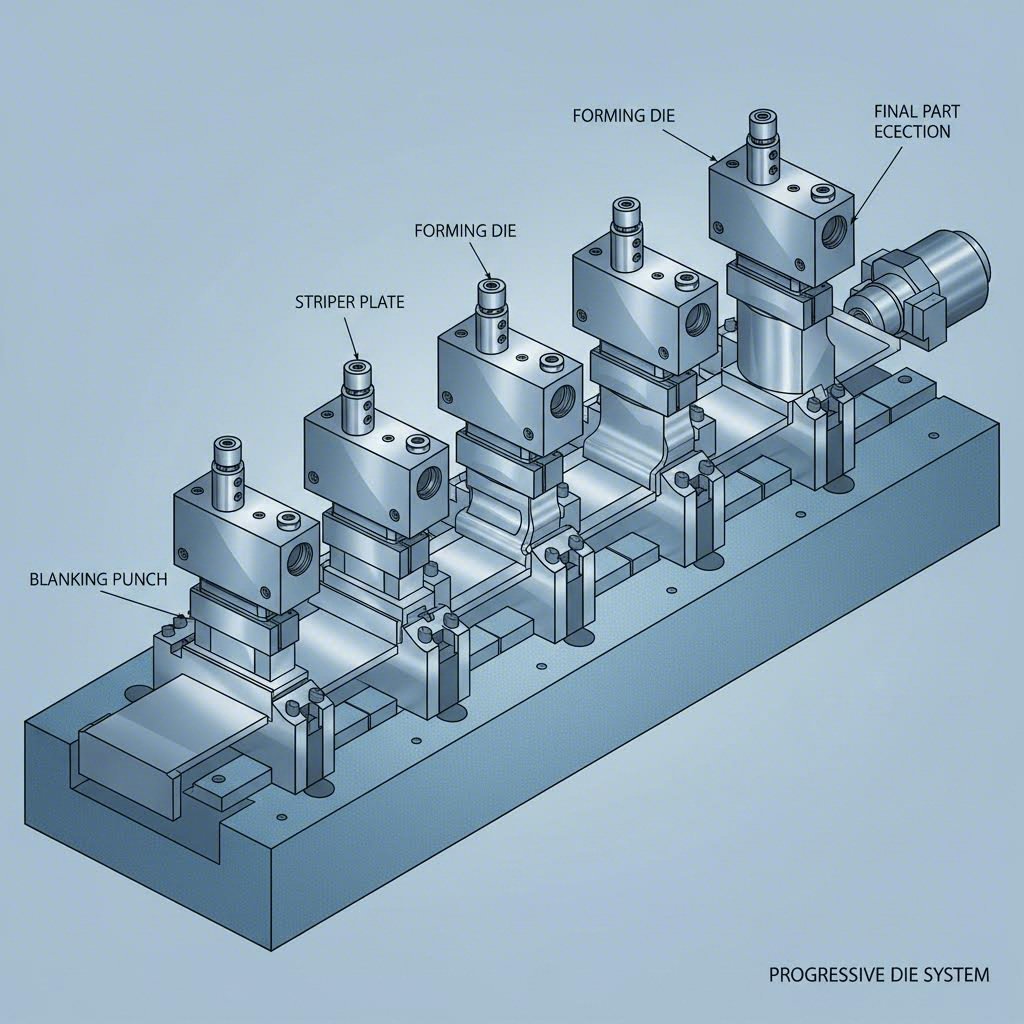
প্রগতিশীল ডাই স্ট্যাম্পিং একটি ধারাবাহিক রৈখিক গতিতে অ্যালুমিনিয়াম শীটকে একাধিক স্টেশনের মধ্য দিয়ে প্রবাহিত করে। প্রতিটি স্টেশন একটি নির্দিষ্ট অপারেশন—যেমন পাঞ্চিং, বেঁকিং বা ফর্মিং—সম্পাদন করে, যতক্ষণ না সম্পূর্ণ অংশটি শেষ প্রান্ত থেকে বেরিয়ে আসে। প্রক্রিয়াজাতকরণের সময় সমগ্র উপাদানটি ক্যারিয়ার স্ট্রিপের সঙ্গে সংযুক্ত থাকে, এবং চূড়ান্ত অপারেশনটি সাধারণত সম্পূর্ণ অংশটিকে পৃথক করে দেয়।
প্রগ্রেসিভ ডাই-এ অ্যালুমিনিয়াম ব্যবহার করার সময় আপনি কিছু বিশেষ বিবেচনার সম্মুখীন হবেন:
-
অ্যালুমিনিয়ামের জন্য সুবিধাসমূহ:
- উচ্চ-পরিমাণ উৎপাদনের জন্য অত্যন্ত দ্রুত সাইকেল সময়
- যেহেতু সমস্ত অপারেশন একটি প্রেস স্ট্রোকের মধ্যে সম্পন্ন হয়, তাই প্রতিটি অংশের মধ্যে সামঞ্জস্যপূর্ণ গুণগত মান
- হাজার বা মিলিয়ন সংখ্যক উপাদান উৎপাদনের ক্ষেত্রে প্রতি-অংশ খরচ কম
- ব্র্যাকেট, কানেক্টর এবং হিট সিঙ্কের মতো ছোট ও সরল অ্যালুমিনিয়াম অংশগুলির জন্য অত্যন্ত উপযুক্ত
-
অ্যালুমিনিয়ামের সীমাবদ্ধতাসমূহ:
- একক-অপারেশন ডাই-এর তুলনায় টুলিং-এর প্রাথমিক বিনিয়োগ বেশি
- ক্যারিয়ার স্ট্রিপ বর্জ্য হয়ে যাওয়ায় অধিক কাঁচামাল প্রয়োজন
- যেমন থ্রেড রোলিং বা রোটারি স্ট্যাম্পিং-এর মতো অপারেশনগুলি সম্পাদন করা সম্ভব নয়, যেখানে অংশটিকে স্ট্রিপ থেকে বিচ্ছিন্ন করতে হয়
- প্রেস বেডের মাত্রা এবং কয়েলের প্রস্থের উপর ভিত্তি করে অংশের আকারের সীমাবদ্ধতা
ট্রান্সফার ডাই স্ট্যাম্পিং এটি একটি ভিন্ন পদ্ধতি অবলম্বন করে। প্রক্রিয়ার শুরুতেই অ্যালুমিনিয়াম ব্ল্যাঙ্কটি শীট থেকে পৃথক করা হয়, তারপর মেকানিক্যাল আর্ম বা স্বয়ংক্রিয় সিস্টেমগুলি এটিকে স্টেশন থেকে স্টেশনে শারীরিকভাবে স্থানান্তরিত করে। প্রতিটি ডাই অংশটি সম্পূর্ণ হওয়া পর্যন্ত একটি নির্দিষ্ট ফর্মিং অপারেশন সম্পাদন করে।
-
অ্যালুমিনিয়ামের জন্য সুবিধাসমূহ:
- প্রোগ্রেসিভ ডাইয়ের ক্ষমতা অতিক্রম করে এমন বৃহত্তর ও জটিল অংশগুলি পরিচালনা করে
- স্টেশনগুলির মধ্যে অংশটিকে নিয়ন্ত্রণ করা বা ঘোরানোর প্রয়োজন হয় এমন অপারেশনগুলি সম্ভব করে তোলে
- বিডিং, নেকিং, ফ্ল্যাঞ্জ কার্লিং এবং অন্যান্য বিশেষায়িত ফর্মিং কৌশলগুলি সক্ষম করে
- সমস্ত স্টেশন একসাথে কাজ করে, যা মোট উৎপাদন দক্ষতা বৃদ্ধি করে
-
অ্যালুমিনিয়ামের সীমাবদ্ধতাসমূহ:
- সাধারণত প্রোগ্রেসিভ স্ট্যাম্পিং-এর তুলনায় ধীর সাইকেল সময়
- রক্ষণাবেক্ষণের জন্য আরও গতিশীল অংশ সহ উচ্চতর সরঞ্জাম জটিলতা
- ট্রান্সফার মেকানিজম এবং প্রেস অপারেশনের মধ্যে সাবধানতাপূর্ণ সিঙ্ক্রোনাইজেশন প্রয়োজন
- অপ্টিমাল অপারেশনের জন্য বেশি প্রাথমিক সেটআপ সময় এবং বিশেষজ্ঞতা প্রয়োজন
এই পদ্ধতিগুলির মধ্যে পছন্দ করা সাধারণত অংশের আকার এবং জটিলতার উপর নির্ভর করে। প্রগ্রেসিভ ডাইগুলি ছোট থেকে মাঝারি আকারের অ্যালুমিনিয়াম উপাদানগুলির উচ্চ পরিমাণে দ্রুত ও অর্থনৈতিকভাবে উৎপাদনে উৎকৃষ্ট। যখন অংশগুলি বড় হয়ে যায় বা ক্যারিয়ার স্ট্রিপের সাথে সংযুক্ত থাকাকালীন যেসব ফর্মিং অপারেশন সম্ভব হয় না, তখন ট্রান্সফার ডাইগুলি প্রয়োজন হয়।
গভীর টানা অ্যালুমিনিয়াম উপাদান
যখন আপনার অ্যাপ্লিকেশনে খালি, কাপ-আকৃতির বা সিলিন্ড্রিক্যাল উপাদানের প্রয়োজন হয়, তখন গভীর টানা উৎপাদন প্রক্রিয়াটি অপরিহার্য হয়ে ওঠে। উদাহরণস্বরূপ: পানীয়ের ক্যান, রান্নার পাত্র, অটোমোটিভ জ্বালানি ট্যাঙ্ক এবং ইলেকট্রনিক আবরণ—সবগুলিই এই বিশেষায়িত ফর্মিং প্রক্রিয়ার মাধ্যমে তৈরি করা হয়।
গভীর টানা প্রেসে, একটি পাঞ্চ অ্যালুমিনিয়াম ব্ল্যাঙ্ককে ডাই কেভিটিতে চাপ দিয়ে ঢুকিয়ে দেয়, যার ফলে উপাদানটি বিস্তৃত হয় এবং ত্রিমাত্রিক আকৃতিতে প্রবাহিত হয়। ব্ল্যাঙ্ক হোল্ডার কুঞ্চন রোধ করতে নিয়ন্ত্রিত চাপ প্রয়োগ করে, কিন্তু একইসাথে কেভিটিতে যথেষ্ট উপাদান প্রবাহের অনুমতি দেয়।
গভীর টানার সময় অ্যালুমিনিয়াম ইস্পাতের তুলনায় বেশ ভিন্ন আচরণ করে, কারণ এটির অপ্রত্যাস্থ বৈশিষ্ট্য রয়েছে। অনুযায়ী, টোলেডো মেটাল স্পিনিং , স্টেইনলেস স্টিলের মতো যা বলের অধীনে প্রবাহিত হয়ে এবং তার পুরুত্ব পুনর্বিন্যাস করে, অ্যালুমিনিয়ামকে অতিরিক্ত টানা যায় না বা অত্যধিক বিকৃত করা যায় না। এর অর্থ হলো আপনাকে একাধিক প্যারামিটারের উপর নিখুঁত নিয়ন্ত্রণ বজায় রাখতে হবে:
- টানার অনুপাত ব্যবস্থাপনা: পাঞ্চ ব্যাস ও ব্ল্যাঙ্ক ব্যাসের মধ্যে সম্পর্ক সফলতার জন্য গুরুত্বপূর্ণ। অ্যালুমিনিয়ামের সীমিত দৈর্ঘ্য বৃদ্ধির কারণে অপ্টিমাল টানার অনুপাত অতিক্রম করলে ফাটল বা ছিঁড়ে যাওয়ার ঘটনা ঘটে।
- ব্ল্যাঙ্ক স্থাপন: ধাতব শীটটিকে প্রেসের উপর নির্ভুলভাবে স্থাপন করতে হবে। এমনকি সামান্য বিচ্যুতিও অসম টানার সৃষ্টি করে, যা গভীর টানা অ্যালুমিনিয়াম অংশগুলিতে ফাটল বা ভাঙনের কারণ হয়।
- ব্ল্যাঙ্ক হোল্ডার বল: অত্যধিক চাপ উপাদানের প্রবাহকে বাধা দেয় এবং ছিঁড়ে যাওয়ার ঘটনা ঘটায়। অপর্যাপ্ত চাপে কুঁচকে যাওয়ার সম্ভাবনা থাকে। প্রতিটি অংশের ডিজাইনের জন্য সঠিক ভারসাম্য খুঁজে পেতে সাবধানে ক্যালিব্রেশন করা আবশ্যক।
- বিশেষায়িত লুব্রিকেশন: প্রতিটি উপাদানের বৈশিষ্ট্য অনুযায়ী বিভিন্ন লুব্রিক্যান্টের প্রয়োজন হয়। অ্যালুমিনিয়ামের পৃষ্ঠের বৈশিষ্ট্যগুলির সাথে কাজ করার জন্য বিশেষভাবে তৈরি করা লুব্রিক্যান্ট এর প্রয়োজন হয়।
গভীর আঁচড়ানোর (ডিপ ড্রয়িং) শীতল-গঠনকারী প্রকৃতি আসলে অ্যালুমিনিয়াম উপাদানগুলির জন্য সুবিধাজনক। যখন ব্ল্যাঙ্কটি ঘরের তাপমাত্রায় চূড়ান্ত আকৃতিতে গঠিত ও প্রসারিত হয়, তখন শস্য গঠনের পরিবর্তন ঘটে এবং উপাদানটির শক্তি বৃদ্ধি পায়। এই কাজ-দ্বারা-কঠিনীভূত হওয়া (ওয়ার্ক হার্ডেনিং) প্রভাবের ফলে আপনার সম্পূর্ণ তৈরি করা অংশটি মূল শীটের তুলনায় শক্তিশালী ও টেকসই হয়ে উঠে।
ফাইন ব্লাঙ্কিং অন্য একটি বিশেষায়িত প্রযুক্তি হিসাবে ফাইন ব্ল্যাঙ্কিং-এর উল্লেখ করা উচিত। যখন আপনার অ্যালুমিনিয়াম অংশগুলির অত্যন্ত মসৃণ, নির্ভুল এবং খারাপ কিনারা বা বার্র ছাড়া কিনারা প্রয়োজন হয়, তখন ফাইন ব্ল্যাঙ্কিং উৎকৃষ্ট ফলাফল প্রদান করে। উচ্চতর চাপ এবং বিশেষায়িত টুলিং ব্যবহার করে এই পদ্ধতিটি গিয়ার, ওয়াশার এবং যেসব নির্ভুল উপাদানে কিনারার গুণগত মান গুরুত্বপূর্ণ, সেগুলোর জন্য পরিষ্কার কিনারা তৈরি করে।
ড্র অ্যালুমিনিয়াম অ্যাপ্লিকেশনগুলির জন্য এই প্রযুক্তিগুলি কীভাবে তুলনা করা যায়, তা নিম্নরূপ:
| প্রযুক্তি | সর্বোত্তম অ্যালুমিনিয়াম অ্যাপ্লিকেশনগুলি | উৎপাদন পরিমাণ উপযোগিতা | জটিলতার স্তর |
|---|---|---|---|
| প্রগতিশীল ডাই স্ট্যাম্পিং | ছোট ব্র্যাকেট, সংযোগকারী, তাপ বিচ্ছুরক, ইলেকট্রনিক আবদ্ধন | উচ্চ থেকে খুবই উচ্চ পরিমাণ (১০,০০০+ অংশ) | নিম্ন থেকে মাঝারি |
| ট্রান্সফার ডাই স্ট্যাম্পিং | বড় ফ্রেম, আবদ্ধন, গঠনমূলক উপাদান, প্যানেল | মধ্যম থেকে উচ্চ পরিমাণ (১,০০০–১০০,০০০ অংশ) | মাঝারি থেকে উচ্চ |
| গভীর অঙ্কন | কাপ, ক্যান, রান্নার পাত্র, সিলিন্ডার, ট্যাঙ্ক, গভীর আবদ্ধন | মাঝারি থেকে উচ্চ পরিমাণ | উচ্চ |
| ফাইন ব্লাঙ্কিং | গিয়ার, ওয়াশার, সূক্ষ্ম সমতল অংশ, নিরাপত্তা উপাদান | মাঝারি থেকে উচ্চ পরিমাণ | উচ্চ |
| মাল্টিস্লাইড স্ট্যাম্পিং | ছোট জটিল অংশ, স্প্রিং, ক্লিপ, জটিল সংযোগকারী | উচ্চ আয়তন | খুব বেশি |
অ্যালুমিনিয়ামের জন্য কাজ কঠিনকরণের বৈশিষ্ট্যগুলি প্রযুক্তি নির্বাচনকে উল্লেখযোগ্যভাবে প্রভাবিত করে। প্রতিটি আকৃতি পরিবর্তন করা প্রক্রিয়া উপাদানের শক্তি বৃদ্ধি করে এবং অবশিষ্ট তন্যতা হ্রাস করে। যেসব অংশে একাধিক চড়া আকৃতি পরিবর্তন প্রক্রিয়ার প্রয়োজন হয়, সেগুলির জন্য আকৃতি পরিবর্তনের মধ্যবর্তী সময়ে আংশিক অ্যানিলিং প্রয়োজন হতে পারে যাতে আকৃতি পরিবর্তনের সক্ষমতা পুনরুদ্ধার করা যায়। যেসব প্রযুক্তি কম সংখ্যক প্রক্রিয়ায় বেশি পরিমাণে আকৃতি পরিবর্তন সম্পন্ন করে—যেমন প্রগ্রেসিভ বা ট্রান্সফার স্ট্যাম্পিং—সেগুলি কাজ কঠিনকরণের চ্যালেঞ্জগুলিকে ন্যূনতম করতে পারে।
উপযুক্ত পদ্ধতি নির্বাচন করা আপনার উৎপাদন কাঠামো প্রতিষ্ঠা করে, কিন্তু এই পদ্ধতিগুলিকে সমর্থন করে এমন টুলিং এবং ডাই ডিজাইনই শেষ পর্যন্ত আপনার অ্যালুমিনিয়াম উপাদানগুলির সাফল্য নির্ধারণ করে।
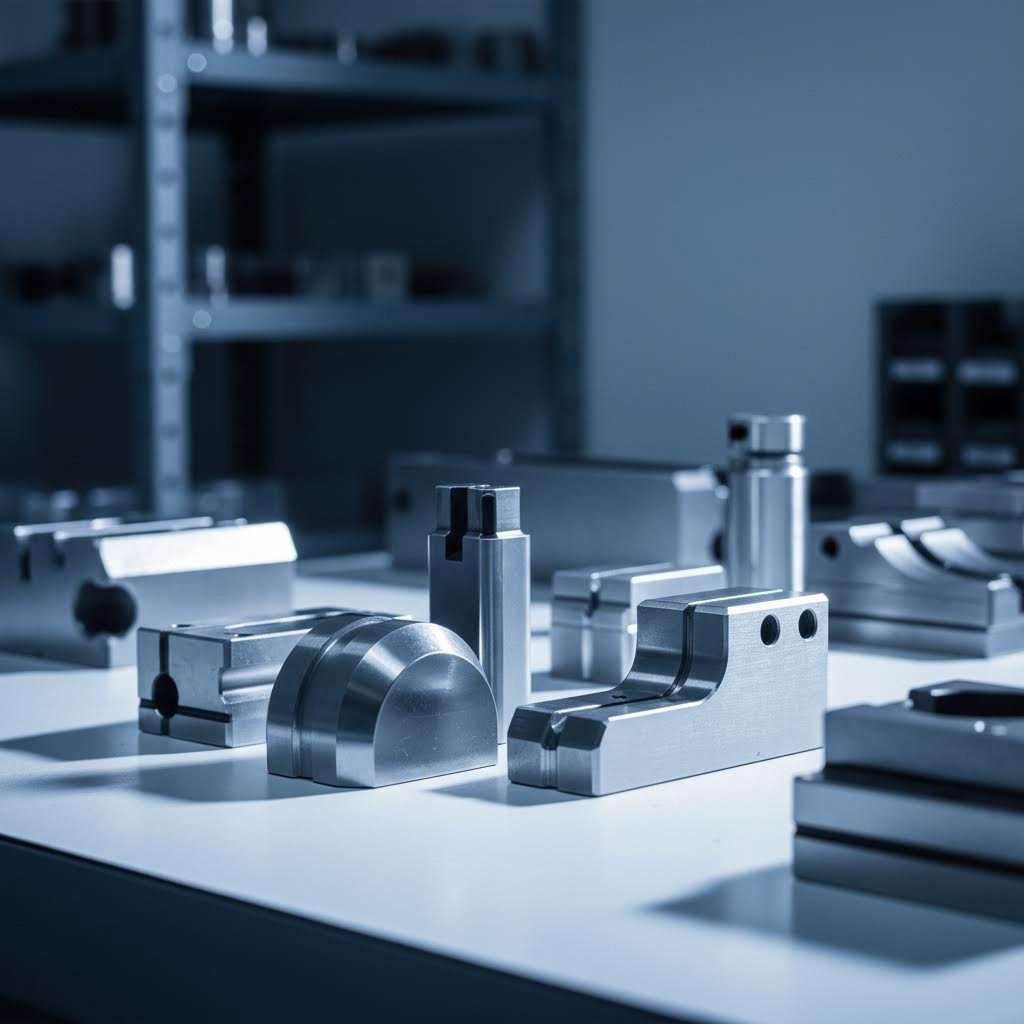
অ্যালুমিনিয়াম স্ট্যাম্পিং-এর জন্য টুলিং এবং ডাই ডিজাইন
আপনি আপনার পদ্ধতি নির্বাচন করেছেন এবং প্রক্রিয়ার পর্যায়গুলি বুঝতে পেরেছেন। কিন্তু এখানেই অনেক প্রকল্প সফল হয় বা ব্যর্থ হয়: টুলিংটি নিজেই। অ্যালুমিনিয়াম স্ট্যাম্পিং ডাইগুলির জন্য স্টিল টুলিং-এর তুলনায় মৌলিকভাবে ভিন্ন ডিজাইন বিবেচনা প্রয়োজন। এই বিবরণগুলি ভুল করলে আপনি ছোট ছোট ধাতব টুকরো (slivers), অত্যধিক বার (burr), টুলের প্রারম্ভিক ক্ষয় এবং অসঙ্গত অংশের গুণগত মানের সম্মুখীন হবেন।
অ্যালুমিনিয়াম স্ট্যাম্পিং টুলগুলি এত ভিন্ন হয় কেন? এর উত্তর হলো কাটিং এবং ফর্মিং অপারেশনের সময় অ্যালুমিনিয়ামের অনন্য যান্ত্রিক আচরণকে বুঝতে পারা।
অ্যালুমিনিয়ামের জন্য ডাই ক্লিয়ারেন্স এবং জ্যামিতি
ডাই ক্লিয়ারেন্স—অর্থাৎ পাঞ্চ এবং ডাইয়ের কাটিং প্রান্তের মধ্যবর্তী ফাঁক—শীট মেটাল স্ট্যাম্পিং করার সময় আপনার ফলাফলকে ব্যাপকভাবে প্রভাবিত করে। এখানেই অ্যালুমিনিয়াম সাধারণ ধারণার বিরুদ্ধে যায়।
উপকরণ কাটার সাধারণ নিয়মে বলা হয়েছে যে নরম ধাতুগুলির জন্য ছোট ক্লিয়ারেন্স প্রয়োজন। তবে অ্যালুমিনিয়াম ভিন্নভাবে আচরণ করে। অনুসারে, ফ্যাব্রিকেটর কাটার সময় অপর্যাপ্ত ক্লিয়ারেন্স সংকোচন বিকৃতি সৃষ্টি করে, অন্যদিকে অতিরিক্ত ক্লিয়ারেন্স টান বিকৃতি সৃষ্টি করে। যখন ক্লিয়ারেন্স খুব কম হয়, তখন ভাঙনের পর ধাতুটি পুনরায় প্রসারিত হয় এবং পাঞ্চের পার্শ্বদেশকে জড়িয়ে ধরে, ফলে ঘর্ষণ ব্যাপকভাবে বৃদ্ধি পায় এবং স্লিভার (অংশবিশেষ) সৃষ্টি হয়।
অতএব, কোন ক্লিয়ারেন্সই সর্বোত্তম? অ্যালুমিনিয়ামের জন্য কাটার ক্লিয়ারেন্স সাধারণত প্রতি পাশে ধাতুর পুরুত্বের ৫ শতাংশের নীচে হওয়া উচিত নয়। প্রায়শই, প্রতি পাশে ক্লিয়ারেন্স ১২ শতাংশ থেকে ১৮ শতাংশের মধ্যে বাড়ানো মাত্রই স্লিভার গঠন উল্লেখযোগ্যভাবে কমিয়ে দিতে পারে। এটি সহজাত বোধের বিপরীতে কাজ করে—আপনি আসলে ফাঁকটি আরও বাড়াচ্ছেন, না সংকুচিত করছেন।
এটি কেন কাজ করে? বৃদ্ধি পাওয়া ক্লিয়ারেন্স ফ্র্যাকচার ঘটার আগেই ধাতুকে ডাই-এর মধ্যে সামান্য প্রসারিত করে। ধাতু ফ্র্যাকচার হওয়ার পর, এটি পাঞ্চ-এর দ্বারা ধরা পড়ার বদলে তার থেকে দূরে সরে যায়। এখানে লক্ষ্য হলো ধাতুকে কম্প্রেশন-এর বদলে টেনশন-এ ব্যর্থ করা।
পাঞ্চ ও ডাই-এর জ্যামিতির প্রতি সমান মনোযোগ দেওয়া আবশ্যক:
- কাটিং অ্যাঙ্গেল গুরুত্বপূর্ণ: যদিও পার্টের পৃষ্ঠের সাপেক্ষে ৯০ ডিগ্রি কোণে ইস্পাত কাটা ভালোভাবে কাজ করে, অ্যালুমিনিয়ামের ক্ষেত্রে কোণযুক্ত কাটিং ভালো ফল দেয়। কোণযুক্ত পৃষ্ঠে কাটার সময় কাটার আগেই ধাতুটিকে টান দেওয়া হয়, যা অ্যালুমিনিয়ামকে পাঞ্চ থেকে দূরে টেনে নিয়ে যায়। কাটিং অ্যাঙ্গেল বৃদ্ধি পেলে ক্লিয়ারেন্স কমানো যায়।
- কাটিং সেকশনগুলো স্কয়ার রাখুন: এমনকি সামান্য কোণ পরিবর্তনও ছোট ছোট ধাতব টুকরো (স্লাইভার) তৈরি করতে পারে। উপরের অংশটি অবশ্যই সেকশনের নীচের অংশের সাপেক্ষে সম্পূর্ণ স্কয়ার হতে হবে। যেকোনো বিচ্যুতি অসম চাপ বণ্টন সৃষ্টি করে, যা গুণগত সমস্যার কারণ হয়।
- ধারালো প্রান্ত অত্যাবশ্যক: কাটিং সেকশনগুলির প্রান্তগুলি অত্যন্ত ধারালো হওয়া উচিত—অ্যালুমিনিয়াম কাটিং সেকশনের জন্য মাত্র ০.০০৫-ইঞ্চি ব্যাসার্ধ বিশিষ্ট প্রান্ত অস্বাভাবিক নয়। যখন কাটিং কোণগুলি বৃদ্ধি পায়, তখন রেজার-ধারালো প্রান্তের প্রয়োজনীয়তা আরও বেশি গুরুত্বপূর্ণ হয়ে ওঠে।
- পাঞ্চ প্রবেশ হ্রাস করুন: পাঞ্চটি ডাই-এ যতটা সম্ভব কম প্রবেশ করানোর মাধ্যমে ইন্টারফেসে ঘর্ষণ হ্রাস করা যায়। এই সহজ সামঞ্জস্যটি ছোট ছোট ধাতব টুকরো (স্লাইভার) গঠন কমায় এবং টুলের আয়ু বৃদ্ধি করে।
- নির্ভুল পার্ট ফিটিং: পার্টটি নিচের ডাই-এর সাথে খুব নির্ভুলভাবে ফিট হতে হবে, এবং চাপ বা স্ট্রিপার প্যাডটি অ্যালুমিনিয়াম পার্টের সাথে খুব ঘনিষ্ঠভাবে ফিট হতে হবে। ঢিলে ফিটিং চলাচল সৃষ্টি করে, যা স্লাইভার গঠন এবং অসঙ্গতিপূর্ণ কাটিং-এর কারণ হয়।
শীট মেটাল ফর্মিং স্ট্যাম্পিং ডাই-এ বাইপাস নটচগুলি সম্পর্কে: এই ডিজাইন বৈশিষ্ট্যগুলি জটিল ফর্মিং অপারেশনের সময় উপকরণের প্রবাহ নিয়ন্ত্রণ করতে এবং কুঁচকে যাওয়া রোধ করতে সাহায্য করে। অ্যালুমিনিয়ামের ক্ষেত্রে, বাইপাস নটচগুলি উপকরণের স্থানীয় বিকৃতির প্রবণতা মাথায় রেখে সাবধানে অবস্থান নির্ধারণ করা এবং আকার নির্ধারণ করা আবশ্যক।
আয়নায়িত করণ এবং ক্ষয় রোধের পদক্ষেপ
অ্যালুমিনিয়াম একটি বিপরীতাভাস উপস্থাপন করে: এটি ইস্পাতের চেয়ে নরম, কিন্তু টুলিং-এর জন্য আরও ক্ষয়কারী। এটা কীভাবে সম্ভব? অ্যালুমিনিয়ামের পৃষ্ঠে স্বাভাবিকভাবে যে অক্সাইড স্তরটি গঠিত হয়, তা অত্যন্ত কঠিন এবং টুল স্টিলের বিরুদ্ধে স্যান্ডপেপারের মতো কাজ করে। এই ক্ষয়কারী ধর্মটি, যদি উপযুক্তভাবে পরিচালনা না করা হয়, তবে কাটিং অংশগুলিকে ব্যাপকভাবে ক্ষতিগ্রস্ত করতে পারে।
এছাড়া, অ্যালুমিনিয়ামকে একটি খুবই "গামি" বা আঠালো উপাদান হিসেবে বর্ণনা করা হয়। এই আঠালো ধর্মটি টুলের পৃষ্ঠে উপাদানের জমাট বাঁধার ঘটনা ঘটায়, যার ফলে গ্যালিং, পৃষ্ঠে আঁচড় এবং মাত্রাগত সমস্যা দেখা দেয়। উপযুক্ত লুব্রিকেশন আপনার প্রাথমিক প্রতিরক্ষা হয়ে ওঠে।
কার্যকর লুব্রিকেশন কৌশলগুলির মধ্যে রয়েছে:
- ব্যারিয়ার-ধরনের লুব্রিক্যান্ট ব্যবহার করুন: এগুলি অ্যালুমিনিয়াম এবং টুলিং পৃষ্ঠের মধ্যে একটি শারীরিক ব্যারিয়ার তৈরি করে, যা সংযোগ ও গ্যালিং-এর কারণ হওয়া সরাসরি ধাতব-থেকে-ধাতব যোগাযোগকে প্রতিরোধ করে।
- লুব্রিক্যান্ট সুষ্ঠুভাবে প্রয়োগ করুন: অসুষ্ঠু লুব্রিকেশন অসুষ্ঠু ফলাফলের কারণ হয়। স্বয়ংক্রিয় লুব্রিকেশন সিস্টেমগুলি নিশ্চিত করে যে প্রতিটি ব্ল্যাঙ্কে যথাযথ আবরণ প্রদান করা হয়েছে।
- অপারেশনের সাথে লুব্রিক্যান্ট মিলিয়ে নিন: গভীর টানার কাজের জন্য সাধারণ পার্চিং-এর চেয়ে ভারী লুব্রিক্যান্ট প্রয়োজন। অ্যালুমিনিয়াম-নির্দিষ্ট ফর্মুলেশনের জন্য লুব্রিক্যান্ট সরবরাহকারীদের সঙ্গে পরামর্শ করুন।
- শুষ্ক ফিল্ম লুব্রিক্যান্ট বিবেচনা করুন: কিছু অ্যাপ্লিকেশনের ক্ষেত্রে, স্ট্যাম্পিং-এর আগে ব্ল্যাঙ্কগুলিতে প্রয়োগ করা শুষ্ক ফিল্ম কোটিংগুলি তরল লুব্রিক্যান্টের অসুবিধা ছাড়াই চমৎকার ফলাফল প্রদান করে।
টুল ক্ষয় প্রতিরোধ শুধুমাত্র লুব্রিকেশনের বাইরেও বিস্তৃত:
- কাটিং সেকশনের পৃষ্ঠের গুণগত মান: কাটিং সেকশনগুলির পৃষ্ঠগুলি যতটা সম্ভব উচ্চ-পলিশ করা এবং ঘর্ষণ-বিরোধী কোটিং দিয়ে আবৃত করা উচিত। কাটিং দিক বরাবর রৈখিকভাবে স্টোন ও পলিশ করার জন্য সময় নিন। হাত দিয়ে গ্রাইন্ড করা পৃষ্ঠগুলি অ্যালুমিনিয়াম কাটার ক্ষেত্রে অত্যন্ত খারাপ কাজ করে।
- টুল কোটিং নির্বাচন: টাইটানিয়াম নাইট্রাইড (TiN), টাইটানিয়াম কার্বনাইট্রাইড (TiCN) বা ডায়মন্ড-লাইক কার্বন (DLC) এর মতো আধুনিক কোটিংগুলি অ্যালুমিনিয়াম দিয়ে কাজ করার সময় ডাই-জীবন উল্লেখযোগ্যভাবে বাড়ায়। এই কোটিংগুলি ঘর্ষণ কমায় এবং অ্যালুমিনিয়ামের কারণে হওয়া আঠালো ক্ষয়কে প্রতিরোধ করে।
- ডাই উপকরণ নির্বাচন: উচ্চ-গতির ইস্পাত এবং কার্বাইড টুলিং উপকরণগুলি স্ট্যান্ডার্ড টুল স্টিলের তুলনায় অ্যালুমিনিয়ামের ক্ষয়কারী অক্সাইড স্তরকে ভালোভাবে প্রতিরোধ করে। উচ্চ-পরিমাণ উৎপাদনের জন্য, উচ্চ-মানের ডাই উপকরণে বিনিয়োগ দীর্ঘতর টুল জীবন এবং আরও সুসংগত পার্টস অর্জনের মাধ্যমে লাভজনক হয়।
- বহিঃস্থ চাপ প্যাড: যদিও কখনও কখনও এগুলি ব্যয়বহুল হয় এবং অপচয় অপসারণের চ্যালেঞ্জ সৃষ্টি করে, তবুও বহিঃস্থ চাপ প্যাডগুলি ধাতুকে প্যাডের দিকে টান প্রয়োগ করে এবং বিকৃত অঞ্চলটি হ্রাস করে। ফলস্বরূপ, ছোট ছোট ধাতব টুকরো (slivers) এবং ছোট কাটিং বার্স কম হয়।
অ্যালুমিনিয়াম স্ট্যাম্পিংয়ের জন্য প্রয়োজনীয় টনেজ সাধারণত ইস্পাতের তুলনায় কম হয়, কারণ অ্যালুমিনিয়ামের আঁশিক শক্তি কম। তবে, টনেজ কেবল সমানুপাতিকভাবে কমাবেন না। নরম উপাদানটি পরিষ্কার শিয়ারিং অর্জনের জন্য যথেষ্ট বল প্রয়োজন করে, যাতে অত্যধিক বিকৃতি না হয়। প্রেস গতির সুপারিশগুলি অপারেশনের ধরন অনুযায়ী ভিন্ন হয়—পার্সিং এবং ব্ল্যাঙ্কিং অপারেশনগুলি প্রায়শই ডিপ ড্রয়িং অপারেশনের তুলনায় দ্রুত চালানো যায়, যেখানে উপাদান প্রবাহের জন্য আরও নিয়ন্ত্রিত সময়সূচী প্রয়োজন।
অ্যালুমিনিয়াম কাটিংয়ের সময় সম্পূর্ণরূপে ছোট ছোট ধাতব টুকরো এবং বার্রস (খাঁজ) দূর করা এখনও একটি চ্যালেঞ্জিং কাজ বলে বিবেচিত হয়। তবে, ধাতুকে সংকোচনের বদলে টানের অধীনে ব্যর্থ করাই মূল কৌশল—এই বোধটি প্রতিটি টুলিং সংক্রান্ত সিদ্ধান্তকে নির্দেশনা প্রদান করে। যখন উপাদানটি পাঞ্চের দিকে আটকে না থেকে বরং তার থেকে ছিটকে যায়, তখন ঘর্ষণ কমে যায় এবং গুণগত মান উন্নত হয়।
উপযুক্তভাবে ডিজাইন করা টুলিং স্থাপন করার পর পরবর্তী যুক্তিসঙ্গত প্রশ্ন হয়: স্ট্যাম্পিংয়ের সময় অ্যালুমিনিয়ামের আচরণ স্টিলের তুলনায় কীরূপ, এবং কখন আপনি একটি উপাদানকে অপরটির ওপর পছন্দ করবেন?
অ্যালুমিনিয়াম বনাম স্টিল স্ট্যাম্পিং তুলনা
আপনি অ্যালুমিনিয়াম স্ট্যাম্পিংয়ের জন্য প্রয়োজনীয় কৌশল, টুলিং প্রয়োজনীয়তা এবং প্রক্রিয়ার ধাপগুলি শিখে ফেলেছেন। কিন্তু এখানে একটি প্রশ্ন আছে যা ধারাবাহিকভাবে উঠে আসে: ফর্মিংয়ের সময় অ্যালুমিনিয়াম আসলে স্টিলের তুলনায় কীভাবে আচরণ করে? এই পার্থক্যগুলি বোঝা শুধুমাত্র একাডেমিক বিষয় নয়—এটি সরাসরি আপনার উপাদান নির্বাচনের সিদ্ধান্ত এবং প্রক্রিয়া প্যারামিটারগুলিকে প্রভাবিত করে।
দুটি ধাতু আণবিক স্তরে আরও ভিন্ন হতে পারে না। পরিবেশগত তাপমাত্রায় ইস্পাত একটি বডি সেন্টার্ড কিউবিক (BCC) গঠন প্রদর্শন করে, অন্যদিকে অ্যালুমিনিয়াম ফেস সেন্টার্ড কিউবিক (FCC) গঠন প্রদর্শন করে। ফর্মিংওয়ার্ল্ড অনুযায়ী, আপনি এই পার্থক্যটি একটি সহজ পরীক্ষা ব্যবহার করে চিহ্নিত করতে পারেন: ইস্পাত চৌম্বকীয় বল দ্বারা শক্তিশালীভাবে আকৃষ্ট হয়, কিন্তু অ্যালুমিনিয়াম তা নয়। এই মৌলিক পার্থক্যটি স্ট্যাম্পিং অপারেশনের সময় সাতটি গুরুত্বপূর্ণ আচরণগত পার্থক্যের কারণ হয়ে ওঠে।
গঠনকরণের সময় প্রধান আচরণগত পার্থক্য
ছাঁচ করা অ্যালুমিনিয়াম ও ইস্পাত উপাদানগুলির তুলনা করার সময়, কয়েকটি যান্ত্রিক বৈশিষ্ট্য গঠন প্রক্রিয়ার সময় ব্যাপকভাবে ভিন্ন ফলাফল তৈরি করে:
- স্প্রিংব্যাক বৈশিষ্ট্য: ইয়াং-এর গুণাঙ্ক পরিমাপ করে কোনো উপাদানের স্থিতিস্থাপক অঞ্চলে কতটা কঠিন (স্টিফ) হয়। এই বৈশিষ্ট্যটি স্প্রিংব্যাক ফলাফলের সঙ্গে ব্যস্তভাবে সমানুপাতিক। যদি আপনি একই টুলিং ব্যবহার করে ইস্পাত ও অ্যালুমিনিয়াম থেকে অভিন্ন পার্টস স্ট্যাম্প করেন, তবে চূড়ান্ত আকৃতিগুলো উল্লেখযোগ্যভাবে ভিন্ন হবে। অ্যালুমিনিয়াম উপাদানটি ইস্পাতের তুলনায় অনেক বেশি স্প্রিংব্যাক প্রদর্শন করবে, যার ফলে লক্ষ্য জ্যামিতি অর্জনের জন্য টুলিং-এ ২–৫ ডিগ্রি বা তার বেশি কম্পেনসেশন প্রয়োজন হবে।
- গ্রীবা-অঞ্চলের পরে বিকৃতি ধারণ ক্ষমতা: এখানেই অ্যালুমিনিয়াম ড্রয়িং বিশেষভাবে চ্যালেঞ্জিং হয়ে ওঠে। গ্রীবা-অঞ্চল শুরু হওয়ার পরে ইস্পাত তার সমরূপ দৈর্ঘ্য বৃদ্ধি (ইউই) সীমার প্রায় দ্বিগুণ অতিরিক্ত বিকৃতি ধরে রাখতে পারে। অন্যদিকে, অ্যালুমিনিয়াম ইউই মান অর্জন করার পরে কোনো উল্লেখযোগ্য অতিরিক্ত বিকৃতি ধরে রাখতে পারে না—সাধারণত ইউই মানের ১০% এর কম। অর্থাৎ, অ্যালুমিনিয়াম গ্রীবা-অঞ্চলে প্রবেশ করার পরে ব্যর্থতা দ্রুত ঘটে।
- উপাদান প্রবাহ আচরণ: ল্যাঙ্কফোর্ড সহগ (R-মান) বিকৃতির পৃষ্ঠতলের ক্ষেত্রফল ও পুরুত্বের মধ্যে কীভাবে বণ্টন হয় তা পূর্বাভাস দেয়। অ্যালুমিনিয়ামের নিম্ন R-মান বোঝায় যে, বিকৃতি পুরুত্ব পরিবর্তনের উপর অধিকতর কেন্দ্রীভূত হয়। ড্রয়িং অপারেশনের সময়, নিম্ন R-মানযুক্ত উপকরণগুলি ব্ল্যাঙ্কহোল্ডার কম্প্রেশনের অধীনে উল্লেখযোগ্য পুরুত্ব বৃদ্ধি দেখায়।
- বিকৃতি বণ্টন: বিকৃতি শক্তিকরণ সূচক (n-মান) বর্ণনা করে যে, কোনো উপকরণ কতটা ভালোভাবে পাতলা চাদরের সমগ্র তলজুড়ে পীড়ন বণ্টন করে এবং স্থানীয় গর্ত গঠন (লোকাল নেক ফরমেশন) এড়ায়। DC05 জাতীয় ইস্পাতের ক্ষেত্রে n-মান প্লাস্টিক বিকৃতির সময় আনুমানিক স্থির থাকে। অন্যদিকে, অ্যালুমিনিয়াম 5754-এর ক্ষেত্রে, সমরূপ দৈর্ঘ্য বৃদ্ধির দিকে বিকৃতি অগ্রসর হওয়ার সাথে সাথে n-মান তীব্রভাবে হ্রাস পায়। এর অর্থ হলো, অ্যালুমিনিয়াম স্ট্যাম্পিং ভালো পীড়ন বণ্টন ক্ষমতা নিয়ে শুরু হয়, কিন্তু ফরমিং প্রক্রিয়া অগ্রসর হওয়ার সাথে সাথে এই ক্ষমতা দ্রুত হারিয়ে যায়।
- বর্ধিত বিকৃতি আচরণ: বাস্তব বিকৃতি-পীড়ন বক্ররেখা মডেলিং করার সময় ১০০% বিকৃতি পর্যন্ত অ্যালুমিনিয়ামের ঢাল ইস্পাতের তুলনায় অনেক কম হয়। এটি ইঙ্গিত দেয় যে সম-দৈর্ঘ্য বৃদ্ধির কাছাকাছি এবং তার পরে অ্যালুমিনিয়ামের বিকৃতি গ্রহণ ক্ষমতা হ্রাস পায়—যেকোনো অতিরিক্ত পীড়ন উচ্চতর বিকৃতি সৃষ্টি করে, ফলে টুলিং ট্রাইআউট কঠিন হয়ে ওঠে এবং বিভাজন এড়ানো আরও চ্যালেঞ্জিং হয়ে পড়ে।
ফর্মিং লিমিট ডায়াগ্রাম (FLD) এই পার্থক্যগুলি দৃশ্যমানভাবে ধারণ করে। যেহেতু অ্যালুমিনিয়ামের R-মানগুলি কম এবং UE-এর কাছাকাছি n-মানগুলি হ্রাস পায়, তাই এর ফর্মিং লিমিট বক্ররেখার সর্বোচ্চ মান গভীর ড্রয়িং ইস্পাতের তুলনায় ছোট। এটি সরাসরি অ্যালুমিনিয়াম স্ট্যাম্পিং অপারেশনের সময় বিকৃতি গ্রহণ ক্ষমতা হ্রাসের দিকে নির্দেশ করে।
নিচে এই উপকরণগুলির মধ্যে প্রধান স্ট্যাম্পিং প্যারামিটারগুলির তুলনামূলক বিশদ বিবরণ দেওয়া হল:
| প্যারামিটার | অ্যালুমিনিয়াম | ইস্পাত |
|---|---|---|
| ডাই ক্লিয়ারেন্স | প্রতিটি পাশে ১২–১৮% (সাধারণত); কম ক্লিয়ারেন্সে স্লাইভার গঠন হয় | প্রতিটি পাশে ৫–১০% (সাধারণত); কম ক্লিয়ারেন্স সহ্য করতে পারে |
| টনেজ প্রয়োজনীয়তা | টান শক্তি কম হওয়ায় কম; সাধারণত ইস্পাতের ৬০–৭০% | উচ্চতর বল প্রয়োজন; প্রেস সাইজিংয়ের জন্য বেসলাইন নির্ধারণ করে |
| স্প্রিংব্যাক | উল্লেখযোগ্যভাবে উচ্চতর; ২-৫° বা তদধিক ওভারবেন্ডিং কমপেনসেশন প্রয়োজন | নিম্নতর এবং অধিকতর ভবিষ্যদ্বাণীযোগ্য; কমপেনসেট করা সহজ |
| স্নেহক প্রয়োজন | গুরুত্বপূর্ণ; গ্যালিং প্রতিরোধের জন্য বাধা-ধরনের লুব্রিক্যান্ট অপরিহার্য | গুরুত্বপূর্ণ কিন্তু কম সংবেদনশীল; লুব্রিক্যান্টের সামঞ্জস্যতা বিস্তৃত |
| টুল ওয়্যার প্যাটার্ন | ক্ষয়কারী অক্সাইড স্তর অপ্রত্যাশিত ক্ষয় ঘটায়; আঠালো গ্যালিং সাধারণ | ভবিষ্যদ্বাণীযোগ্য ক্ষয়কারী ক্ষয়; কম উপাদান জমাট |
| পৃষ্ঠের সমাপ্তি মান | উপযুক্তভাবে লুব্রিকেট করলে চমৎকার; সুরক্ষা ছাড়া সহজেই দাগ পড়ে | ভালো; প্রক্রিয়ার ছোটখাটো পরিবর্তনের প্রতি অধিকতর সহনশীল |
| ম্যাটেরিয়াল হ্যান্ডлин্গ | ভ্যাকুয়াম সিস্টেম প্রয়োজন; চুম্বকগুলি কাজ করবে না | চুম্বকীয় হ্যান্ডলিং সিস্টেমগুলি কার্যকরভাবে কাজ করে |
| নেকিং-পরবর্তী তন্যতা | খুব কম (ইউই মানের ১০% এর কম); ফাটলগুলি দ্রুত অনুসরণ করে | উচ্চ (ইউই-এর প্রায় দ্বিগুণ পর্যন্ত পৌঁছাতে পারে); আরও সহনশীল |
স্টিলের চেয়ে অ্যালুমিনিয়াম কখন বেছে নেবেন
এই আচরণগত পার্থক্যগুলি বিবেচনা করে, আপনার অ্যাপ্লিকেশনের ক্ষেত্রে কখন অ্যালুমিনিয়াম স্ট্যাম্পিং উপযুক্ত হবে? সাধারণত এই সিদ্ধান্তটি প্রযুক্তিগত প্রয়োজনীয়তা এবং ব্যবহারিক বাধার মধ্যে ভারসাম্য বজায় রাখার উপর নির্ভর করে:
- ওজন-সংক্রান্ত অ্যাপ্লিকেশন: যখন প্রতিটি গ্রামই গুরুত্বপূর্ণ—গাড়ির বডি প্যানেল, বিমান ও মহাকাশ উপাদান, পোর্টেবল ইলেকট্রনিক্স—অ্যালুমিনিয়ামের ওজনের এক-তৃতীয়াংশ সুবিধা অতিরিক্ত প্রক্রিয়াজাতকরণ জটিলতাকে যথেষ্ট কারণ হিসেবে বিবেচনা করে।
- ক্ষয়রোধী প্রয়োজনীয়তা: বাইরের পরিবেশ, সামুদ্রিক অথবা আর্দ্র পরিবেশের জন্য অ্যালুমিনিয়ামের প্রাকৃতিক অক্সাইড স্তর স্বতঃস্ফূর্ত সুরক্ষা প্রদান করে। তবে টেনরাল অনুযায়ী, অপরিশোধিত অ্যালুমিনিয়াম অংশগুলি বাইরে রাখলে অক্সিডাইজড হয়ে সাদা হয়ে যায়। অ্যানোডাইজিং চিকিত্সা অংশগুলিকে ৪৮০+ ঘণ্টা ধরে লবণ স্প্রে পরীক্ষার বিরুদ্ধে প্রতিরোধ করতে এবং ৫+ বছর ধরে মরচেমুক্ত রাখতে সক্ষম করে।
- উত্তপ্ত ব্যবস্থাপনা: তাপ বিলোপক (হিট সিঙ্ক), রেডিয়েটর উপাদান এবং ইলেকট্রনিক আবরণগুলি অ্যালুমিনিয়ামের উৎকৃষ্ট তাপীয় পরিবাহিতার সুবিধা গ্রহণ করে।
- উচ্চ-পরিমাণ উৎপাদনের অর্থনীতি: মাসিক ১,০০,০০০টির বেশি ভর উৎপাদনের জন্য, ছাঁচনির্মিত অ্যালুমিনিয়ামের প্রতি-একক খরচ ছাঁচের খরচ উৎপাদন চক্রের মধ্যে বিস্তৃত হওয়ার পর স্টেইনলেস স্টিলের তুলনায় প্রায় ২৫% কম হয়।
যেখানে ইস্পাত আরও ভাল পছন্দ হয়:
- সর্বোচ্চ শক্তির প্রয়োজন: ভারবহনকারী কাঠামোগত উপাদান, গিয়ার এবং উচ্চ-চাপসহ অ্যাপ্লিকেশনগুলি ইস্পাতের শ্রেষ্ঠ পরম শক্তির প্রতি পছন্দ করে।
- গঠনের জটিলতা অত্যন্ত বেশি: ইস্পাতের উচ্চতর পোস্ট-নেকিং তন্যতা এবং স্থিতিশীল n-মান আক্রমণাত্মক গঠন অপারেশনগুলিকে আরও সহনশীল করে তোলে।
- ছোট ব্যাচ উৎপাদন: মাসিক উৎপাদন ১০,০০০টির নিচে হলে, অ্যালুমিনিয়ামের ছাঁচ খরচের অনুপাত ইস্পাতের বিকল্পগুলির তুলনায় অনুকূল হয় না।
- বাজেট সীমাবদ্ধ: স্টেইনলেস স্টিল স্ট্যাম্পিংয়ের প্রতি-একক মূল্য অ্যালুমিনিয়ামের তুলনায় প্রায় ১.৫-২ গুণ বেশি হয়, কিন্তু ইস্পাতের নিম্ন টুলিং সংবেদনশীলতা সরল পার্টসের জন্য সামগ্রিক প্রকল্প খরচ কমাতে পারে।
শুধুমাত্র উপকরণ হ্যান্ডলিং-এর পার্থক্যগুলি নিজেই উল্লেখযোগ্য সরঞ্জাম পরিবর্তন প্রয়োজন করে। ইস্পাতের জন্য ব্যবহৃত চৌম্বকীয় পিক-অ্যান্ড-প্লেস সিস্টেমগুলি অ্যালুমিনিয়ামের সাথে কাজ করবে না, ফলে ভ্যাকুয়াম-ভিত্তিক রোবট টিপস দিয়ে এগুলিকে প্রতিস্থাপন করা আবশ্যক। প্রেসের অভ্যন্তরে অবস্থিত সেন্সিং সিস্টেমগুলিও অচৌম্বকীয় উপকরণ সনাক্তকরণের জন্য সমন্বিত করা আবশ্যক।
স্ট্যাম্পিং-এর সময় অ্যালুমিনিয়াম ও ইস্পাতের আচরণের মধ্যে এই মৌলিক পার্থক্যগুলি বোঝা উপকরণ নির্বাচনে সঠিক সিদ্ধান্ত গ্রহণে সহায়তা করে। কিন্তু গুণগত অংশগুলি ধারাবাহিকভাবে উৎপাদন করতে হলে শক্তিশালী পরিদর্শন পদ্ধতি এবং সহনশীলতা মানদণ্ডের প্রয়োজন—যা যেকোনো স্ট্যাম্পিং অপারেশনের পরবর্তী গুরুত্বপূর্ণ বিবেচ্য বিষয়।
মান নিয়ন্ত্রণ এবং সহনশীলতার মান
আপনি উপযুক্ত টুলিং-এ বিনিয়োগ করেছেন, সঠিক অ্যালয় নির্বাচন করেছেন এবং আপনার ফর্মিং প্যারামিটারগুলি অপ্টিমাইজ করেছেন। কিন্তু আপনি কীভাবে জানবেন যে আপনার স্ট্যাম্পড অ্যালুমিনিয়াম অংশগুলি আসলে নির্দিষ্টকরণ পূরণ করছে? কঠোর মানসম্মত নিয়ন্ত্রণ ছাড়া, সর্বোত্তম ডিজাইন করা স্ট্যাম্পিং অপারেশনও অসঙ্গত ফলাফল তৈরি করতে পারে, যা ব্যয়বহুল প্রত্যাখ্যান এবং গ্রাহকদের অভিযোগের কারণ হতে পারে।
অ্যালুমিনিয়াম স্ট্যাম্পিং পার্টসের গুণগত যাচাইকরণ অনন্য চ্যালেঞ্জগুলি তৈরি করে। উপাদানটির নরম পৃষ্ঠটি হ্যান্ডলিংয়ের সময় সহজেই আঁচড় খেয়ে যায়, স্প্রিংব্যাক পরিবর্তনগুলি মাত্রাগত নির্ভুলতাকে প্রভাবিত করতে পারে এবং প্রাকৃতিক অক্সাইড স্তরটি অন্তর্নিহিত ত্রুটিগুলিকে আড়াল করতে পারে। আসুন যাচাইকরণ পদ্ধতি এবং সহনশীলতা মানগুলি অন্বেষণ করি যা নিশ্চিত করে যে আপনার কম্পোনেন্টগুলি চাপসৃষ্টিকারী অ্যাপ্লিকেশনের প্রয়োজনীয়তা পূরণ করছে।
স্ট্যাম্পড অ্যালুমিনিয়াম পার্টসের জন্য যাচাইকরণ পদ্ধতি
কার্যকর গুণগত নিয়ন্ত্রণ প্রথম পার্টটি প্রেস থেকে বের হওয়ার অনেক আগে শুরু হয়। একটি ব্যাপক যাচাইকরণ প্রোগ্রামে আগত উপকরণ, প্রক্রিয়া-মধ্যবর্তী মনিটরিং এবং চূড়ান্ত যাচাইকরণ অন্তর্ভুক্ত থাকে। এখানে উৎপাদনের সময় ব্যবহৃত গুরুত্বপূর্ণ চেকপয়েন্ট এবং পদ্ধতিগুলি উল্লেখ করা হল:
- আগত উপকরণ পরিদর্শন: উৎপাদন শুরু করার আগে ধাতুর মিশ্রণ গঠন, টেম্পার নির্দেশনা এবং শীটের পুরুত্ব যাচাই করুন। পৃষ্ঠের অবস্থা পরীক্ষা করে আঁচড়, দাগ বা অক্সাইড অনিয়মিততা চিহ্নিত করা হয় যা চূড়ান্ত পার্টের গুণগত মানকে প্রভাবিত করতে পারে।
- প্রথম আর্টিকেল ইনস্পেকশন (FAI): নতুন উৎপাদন চক্রের প্রাথমিক অংশগুলি প্রকৌশল আঁকা চিত্রের বিরুদ্ধে বিস্তারিত মাত্রিক যাচাইয়ের অধীনে আসে। এটি পূর্ণ উৎপাদন শুরু হওয়ার আগে প্রাথমিক অনুরূপতা প্রতিষ্ঠা করে।
- স্থানাঙ্ক পরিমাপ মেশিন (CMM): এই স্বয়ংক্রিয় সিস্টেমগুলি ০.০০১ মিমি নির্ভুলতায় জটিল জ্যামিতি, ছিদ্রের অবস্থান এবং গুরুত্বপূর্ণ মাত্রা সঠিকভাবে পরিমাপ করে। কঠোর সহনশীলতা প্রয়োজনীয় অ্যালুমিনিয়াম স্ট্যাম্পিং অংশগুলির জন্য সমন্বিত মাপন যন্ত্র (CMM) পরীক্ষা অপরিহার্য।
- আলোকিত পরিমাপ ব্যবস্থা: দৃষ্টিভিত্তিক পরীক্ষা দ্রুততার সাথে ছিদ্রের ব্যাস, প্রান্ত প্রোফাইল এবং পৃষ্ঠের নকশা সহ ২ডি বৈশিষ্ট্যগুলি যাচাই করে। উৎপাদন পর্যবেক্ষণের জন্য এই সিস্টেমগুলি উচ্চ-গতির পরীক্ষায় অত্যন্ত দক্ষ।
- উচ্চতা গেজ এবং ক্যালিপার: পাতলা হওয়া, বাঁকানোর কোণ এবং সামগ্রিক মাত্রা পরীক্ষার জন্য ঐতিহ্যগত হাতের সরঞ্জামগুলি এখনও প্রক্রিয়ার মধ্যে দ্রুত পরীক্ষার জন্য মূল্যবান। অপারেটররা উৎপাদন চক্রের সময় নিয়মিত ব্যবধানে এই পরিমাপগুলি সম্পাদন করেন।
- গো/নো-গো গেজ: বিশেষভাবে ডিজাইন করা গেজগুলি ছিদ্রের আকার, স্লটের প্রস্থ এবং ফর্ম ফিট সহ গুরুত্বপূর্ণ বৈশিষ্ট্যগুলি যাচাই করে। এই সরল সরঞ্জামগুলি জটিল পরিমাপ ছাড়াই দ্রুত 'অতিক্রম/ব্যর্থ' সিদ্ধান্ত গ্রহণের সুযোগ করে দেয়।
- পৃষ্ঠের কর্কশতা পরীক্ষাকারী: প্রোফিলোমিটারগুলি পৃষ্ঠের শেষ গুণগত মান নির্দিষ্টকরণের সাথে মেনে চলছে কিনা তা যাচাই করার জন্য Ra (গড় খাদ) মান পরিমাপ করে। অ্যালুমিনিয়ামের গ্যালিং-এর প্রবণতা পৃষ্ঠের গুণগত মান যাচাইকে বিশেষভাবে গুরুত্বপূর্ণ করে তোলে।
- চোখের পরীক্ষা: প্রশিক্ষিত পরিদর্শকরা আঁচড়, ধস, বার্র এবং রঙের পরিবর্তনসহ সৌন্দর্যবৃদ্ধিকর ত্রুটিগুলির জন্য অংশগুলি পরীক্ষা করেন। অ্যালুমিনিয়ামের প্রতিফলিত পৃষ্ঠে ত্রুটি সনাক্তকরণকে উন্নত করতে উপযুক্ত আলোকবিন্যাস এবং বর্ধন যন্ত্রপাতি ব্যবহার করা হয়।
- পরিসংখ্যানগত প্রক্রিয়া নিয়ন্ত্রণ (এসপিসি): চলমান পরিমাপের তথ্যগুলি নিয়ন্ত্রণ চার্টে প্রবেশ করে যা অংশগুলি নির্দিষ্টকরণের বাইরে যাওয়ার আগেই প্রক্রিয়ার বিচ্যুতি চিহ্নিত করে। এই পূর্বাভাসী পদ্ধতি সমস্যাগুলিকে তাড়াতাড়ি ধরে ফেলে, যার ফলে বর্জ্য এবং পুনরায় কাজ করার পরিমাণ কমে যায়।
গাড়ির জন্য ব্যবহৃত অ্যাপ্লিকেশনগুলিতে গুণগত মানের প্রয়োজনীয়তা আরও কঠোর হয়ে ওঠে। রেগাল মেটাল প্রোডাক্টস অনুযায়ী, গাড়ি সরবরাহ শৃঙ্খলে প্রতিযোগিতামূলক থাকতে হলে কোম্পানিগুলির আইএটিএফ ১৬৯৪৯ মান মেনে চলা আবশ্যিক। আন্তর্জাতিক অটোমোটিভ টাস্ক ফোর্স কর্তৃক প্রতিষ্ঠিত এই বৈশ্বিক গুণগত ব্যবস্থাপনা মানটি নথিভুক্ত পদ্ধতি, নিয়মিত নিরীক্ষণ এবং চলমান উন্নয়ন প্রক্রিয়ার মাধ্যমে সুস্পষ্ট গুণগত মান নিশ্চিত করে।
উৎপাদনে কঠোর সহনশীলতা অর্জন
আপনি অ্যালুমিনিয়াম স্ট্যাম্পিং পার্টসের সাথে বাস্তবসম্মতভাবে কোন সহনশীলতা অর্জন করতে পারেন? এর উত্তর কয়েকটি বিষয়ের উপর নির্ভর করে, যেমন— অ্যালয় নির্বাচন, পার্টসের জটিলতা এবং আপনার সরবরাহকারীর ক্ষমতা।
স্ট্যাম্প করা অ্যালুমিনিয়াম উপাদানগুলির সাধারণ সহনশীলতা নির্দেশিকা হল:
- রৈখিক মাত্রা: সাধারণ স্ট্যাম্পিং পদ্ধতিতে পার্টসের আকার ও জটিলতার উপর নির্ভর করে ±০.১ মিমি থেকে ±০.২৫ মিমি পর্যন্ত সহনশীলতা অর্জন করা যায়। উপযুক্ত টুলিং এবং প্রক্রিয়া নিয়ন্ত্রণের মাধ্যমে প্রিসিশন অপারেশনগুলি ±০.০৫ মিমি বা তার চেয়ে কঠোর সহনশীলতা বজায় রাখতে পারে।
- ছিদ্রের ব্যাস: ছিদ্রযুক্ত হওয়ার পর সাধারণত ±০.০৫ মিমি থেকে ±০.১ মিমি পর্যন্ত সহনশীলতা বজায় থাকে। ফাইন ব্ল্যাঙ্কিং অপারেশনগুলি উৎকৃষ্ট প্রান্ত গুণগত মানের সাথে আরও কঠোর সহনশীলতা অর্জন করে।
- বেঁকে যাওয়া কোণ: মানক বেন্ডিং প্রক্রিয়ায় স্প্রিংব্যাক বিবেচনা করার পর ±১° থেকে ±২° পর্যন্ত সহনশীলতা বজায় থাকে। ±০.৫° বা তার চেয়ে ভালো সহনশীলতা প্রয়োজনীয় নির্ভুল অ্যাপ্লিকেশনগুলির জন্য বিশেষায়িত টুলিং এবং প্রক্রিয়া নিয়ন্ত্রণ প্রয়োজন।
- Flate এর সমতা: অধিকাংশ স্ট্যাম্পড অ্যালুমিনিয়াম পার্টসের জন্য ১০০ মিমি প্রতি ০.১ মিমি শীট সমতলতা অর্জনযোগ্য লক্ষ্যমাত্রা হিসেবে বিবেচিত হয়। গুরুত্বপূর্ণ অ্যাপ্লিকেশনগুলির জন্য দ্বিতীয় স্তরের সমতলীকরণ অপারেশন প্রয়োজন হতে পারে।
- অবস্থান সহনশীলতা: ছিদ্র-থেকে-ছিদ্র এবং বৈশিষ্ট্য-থেকে-প্রান্ত অবস্থান সাধারণত উপযুক্তভাবে রক্ষণাবেক্ষণ করা প্রগ্রেসিভ বা ট্রান্সফার ডাই ব্যবহার করে ±০.১ মিমি পর্যন্ত সহনশীলতা বজায় রাখে।
এইচএলসি মেটাল পার্টস অনুযায়ী, উন্নত স্ট্যাম্পিং সুবিধাগুলি চাহিদাপূর্ণ অ্যাপ্লিকেশনগুলির জন্য ০.০১ মাইক্রনের মধ্যে সহনশীলতা বজায় রাখে। এই নির্ভুলতার মাত্রা আধুনিক সরঞ্জাম, জলবায়ু-নিয়ন্ত্রিত পরিবেশ এবং কঠোর প্রক্রিয়া ডকুমেন্টেশনে বিনিয়োগের প্রয়োজন হয়।
আপনার নির্ভরযোগ্যভাবে কঠোর সহনশীলতা বজায় রাখার ক্ষমতাকে প্রভাবিত করে এমন কয়েকটি বিষয় হলো:
- টুলের অবস্থা: ডাই ক্ষয় সরাসরি মাত্রিক নির্ভুলতাকে প্রভাবিত করে। নিয়মিত রক্ষণাবেক্ষণ পরিকল্পনা এবং প্রতিস্থাপন প্রোটোকলগুলি সহনশীলতা বিচ্যুতি রোধ করে।
- উপাদানের সামঞ্জস্য: শীটের পুরুত্ব, টেম্পার এবং মিশ্র ধাতুর গঠনের পরিবর্তনগুলি ফর্মিং আচরণকে প্রভাবিত করে। আগত পরিদর্শন উৎপাদনে প্রবেশ করার আগেই সমস্যাযুক্ত উপকরণগুলি শনাক্ত করে।
- প্রেসের অবস্থা: র্যামের সমান্তরালতা, শাট হাইটের নির্ভুলতা এবং টনেজের সামঞ্জস্য সমস্তগুলিই অংশের গুণগত মানকে প্রভাবিত করে। প্রতিরোধমূলক রক্ষণাবেক্ষণ প্রেসগুলিকে নির্দিষ্টকরণের মধ্যে কার্যকর রাখে।
- পরিবেশগত উপাদান: তাপমাত্রার পরিবর্তন টুলিং এবং অংশগুলিতে তাপীয় প্রসারণ ঘটায়। জলবায়ু-নিয়ন্ত্রিত সুবিধাগুলি নির্ভুল কাজের জন্য এই পরিবর্তনশীলতা কমিয়ে দেয়।
- অপারেটর প্রশিক্ষণ: দক্ষ অপারেটররা গুণগত মানের বিচ্যুতির প্রাথমিক লক্ষণগুলি চিহ্নিত করতে পারেন এবং স্ক্র্যাপ উৎপাদন করার আগেই সংশোধনমূলক ব্যবস্থা গ্রহণ করেন।
গুণগত সার্টিফিকেশনগুলি নিশ্চিত করে যে একটি স্ট্যাম্পিং সরবরাহকারী স্থির ফলাফল অর্জনের জন্য প্রয়োজনীয় সিস্টেমগুলি বজায় রাখছেন। ISO 9001 সার্টিফিকেশন গুণগত ব্যবস্থাপনার মৌলিক প্রয়োজনীয়তা নির্ধারণ করে। গাড়ির জন্য অ্যালুমিনিয়াম স্ট্যাম্পিং পার্টসের ক্ষেত্রে, IATF 16949 সার্টিফিকেশন শিল্প ক্ষেত্রের দ্বারা চাহা কঠোর মানদণ্ডের প্রতি প্রতিশ্রুতিবদ্ধতা প্রদর্শন করে। চিকিৎসা যন্ত্রপাতির অ্যাপ্লিকেশনগুলির জন্য ISO 13485 অনুসরণ আবশ্যক হতে পারে।
সম্ভাব্য সরবরাহকারীদের মূল্যায়ন করার সময়, তাদের পরীক্ষা-নিরীক্ষা ক্ষমতা, টলারেন্স রেকর্ড এবং গুণগত সার্টিফিকেশন সম্পর্কে জিজ্ঞাসা করুন। একটি ভালভাবে নির্মিত টুল ও ডাই ভিত্তি, যা নথিভুক্ত গুণগত প্রক্রিয়ার সঙ্গে সমন্বিত, আপনার অ্যাপ্লিকেশনগুলির জন্য প্রয়োজনীয় স্থির স্ট্যাম্পিং পার্টস সরবরাহ করে। গুণগত সিস্টেমগুলি প্রতিষ্ঠিত থাকলে, বিভিন্ন শিল্প ক্ষেত্রে এই স্ট্যাম্পড উপাদানগুলি কীভাবে প্রয়োগ করা হয় তা বোঝা অ্যালুমিনিয়াম স্ট্যাম্পিং-এর উৎপাদন খাতের বিভিন্ন ক্ষেত্রে এর পূর্ণ প্রভাব উন্মোচন করে।
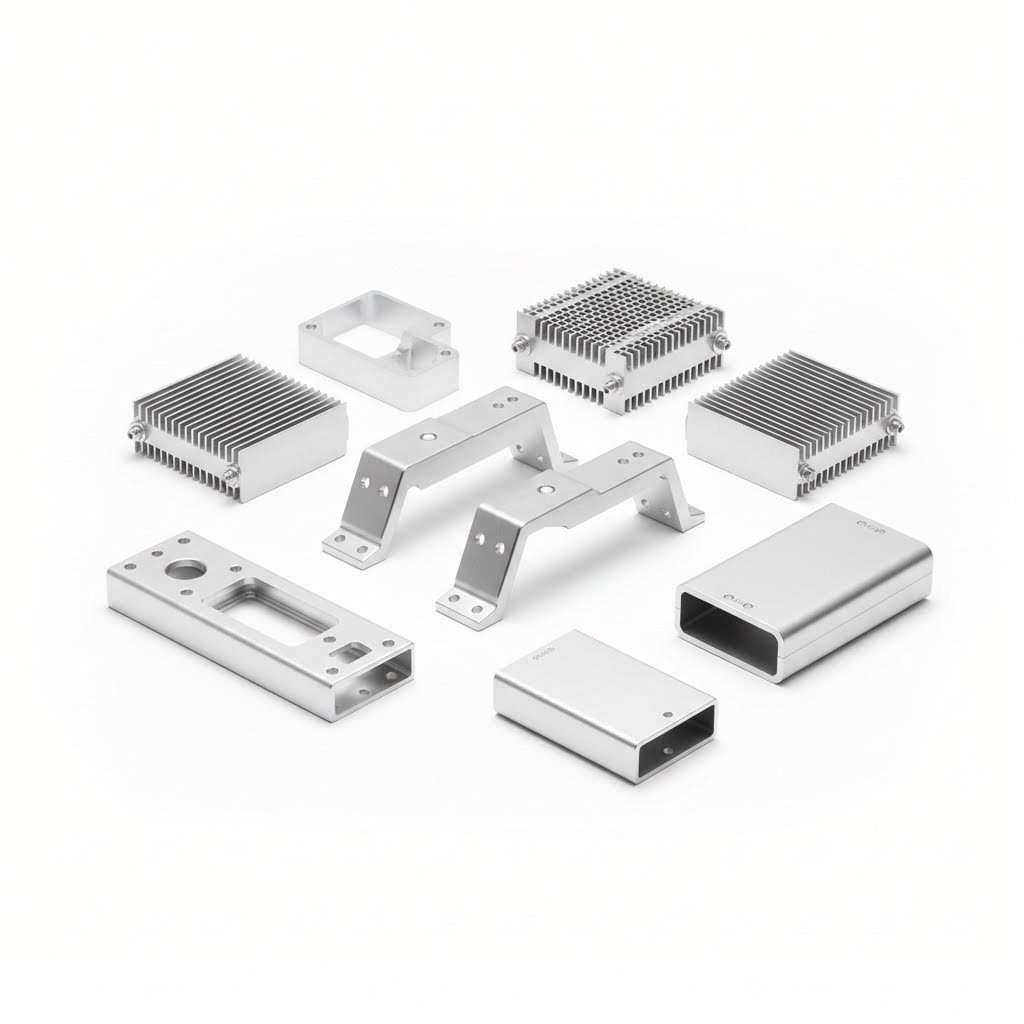
স্ট্যাম্পড অ্যালুমিনিয়াম পার্টসের শিল্প প্রয়োগ
আপনি প্রযুক্তিগত মৌলিক বিষয়গুলি—মিশ্র ধাতু নির্বাচন, প্রক্রিয়াকরণের পর্যায়সমূহ, টুলিং ডিজাইন এবং গুণগত মানদণ্ড—এর উপর দখল অর্জন করেছেন। কিন্তু এই সমস্ত ছাপানো অ্যালুমিনিয়াম উপাদানগুলি আসলে কোথায় যায়? উত্তরটি প্রায় প্রতিটি প্রধান উৎপাদন খাতকে ব্যাপ্ত করে, আপনার চালিত গাড়ি থেকে শুরু করে আপনার পকেটে থাকা স্মার্টফোন পর্যন্ত।
বাস্তব জগতের প্রয়োগগুলি বোঝা আপনাকে উৎপাদকদের নির্দিষ্ট উপাদান ও প্রক্রিয়া নির্বাচনের কারণগুলি চিহ্নিত করতে সাহায্য করে। প্রতিটি শিল্প ক্ষেত্র অ্যালুমিনিয়াম মিশ্র ধাতু নির্বাচন থেকে শুরু করে পৃষ্ঠ সমাপ্তি পর্যন্ত সবকিছুকে প্রভাবিত করে এমন বিশিষ্ট প্রয়োজনীয়তা নিয়ে আসে। চলুন দেখি কীভাবে ছাপানো অ্যালুমিনিয়াম শীট মেটাল উপাদানগুলি বিভিন্ন শিল্প ক্ষেত্রে গুরুত্বপূর্ণ চ্যালেঞ্জগুলির সমাধান করে।
অটোমোটিভ এবং এয়ারস্পেস অ্যাপ্লিকেশন
এই দুটি শিল্প ক্ষেত্র অ্যালুমিনিয়াম স্ট্যাম্পিং-এর ক্ষেত্রে অনেকাংশে উদ্ভাবন পরিচালনা করে, যা হালকা ও উচ্চ-কার্যকর উপাদানগুলির সীমা প্রসারিত করে।
অটোমোটিভ অ্যাপ্লিকেশন গাড়ি নির্মাতারা জ্বালানি দক্ষতা এবং নিঃসরণ বিধিনিষেধের প্রতি ক্রমশ কঠোর হওয়ার সাথে সাথে অ্যালুমিনিয়াম স্ট্যাম্পিং-এর দিকে ঝুঁকে পড়েছেন। গাড়ি থেকে প্রতি কিলোগ্রাম ওজন কমানো সরাসরি দক্ষতা উন্নয়নের দিকে পরিচালিত করে। আইগেন ইঞ্জিনিয়ারিং-এর মতে, সাধারণ গাড়ির অ্যালুমিনিয়াম স্ট্যাম্পিং-এর মধ্যে ব্র্যাকেট, তাপ রক্ষাকারী আবরণ এবং কাঠামোগত ফ্রেম অন্তর্ভুক্ত।
- বডি প্যানেল এবং ক্লোজার: হুড, ট্রাঙ্ক লিড এবং দরজার প্যানেলগুলি ক্রমশ স্ট্যাম্পড অ্যালুমিনিয়াম ব্যবহার করছে যাতে স্টিলের সমতুল্য তুলনায় বডি-ইন-হোয়াইটের ওজন ৪০% বা তার বেশি কমানো যায়।
- গাঠনিক ব্র্যাকেট: ইঞ্জিন মাউন্ট, সাসপেনশন উপাদান এবং চ্যাসিস শক্তিকরণ গুরুত্বপূর্ণ লোড-বেয়ারিং অ্যাপ্লিকেশনের জন্য অ্যালুমিনিয়ামের শক্তি-প্রতি-ওজন অনুপাতকে কাজে লাগায়।
- তাপ রক্ষী ঢাল: স্ট্যাম্পড অ্যালুমিনিয়াম এক্সহস্ট সিস্টেমের তাপ থেকে সংবেদনশীল উপাদানগুলিকে রক্ষা করে, যার ফলে উপাদানটির চমৎকার তাপীয় বৈশিষ্ট্যগুলি কাজে লাগে।
- ব্যাটারি আবরণ: ইলেকট্রিক ভেহিকেল নির্মাতারা ব্যাটারি প্যাকগুলিকে রক্ষা করতে স্ট্যাম্পড অ্যালুমিনিয়াম হাউজিং-এর উপর নির্ভর করেন, যখন ওজন বৃদ্ধির প্রভাব সর্বনিম্ন রাখা হয়।
- অভ্যন্তরীণ ট্রিম উপাদান: সজ্জামূলক এবং কার্যকরী অভ্যন্তরীণ অংশগুলি অ্যালুমিনিয়ামের উচ্চ-গুণাগুণ সম্পন্ন এম্বসড অ্যালুমিনিয়াম ফিনিশ এবং অ্যানোডাইজড পৃষ্ঠগুলি গ্রহণ করার ক্ষমতা থেকে উপকৃত হয়।
এয়ারস্পেস অ্যাপ্লিকেশনগুলি চাহিদা আরও উচ্চতর কর্মক্ষমতা মানদণ্ড চায়। ওজন কমানো সরাসরি জ্বালানি দক্ষতা এবং লোড বহন ক্ষমতায় রূপান্তরিত হয়—যখন প্রতিটি গ্রাম চালানোর অর্থনৈতিকতা প্রভাবিত করে, তখন এগুলি অত্যন্ত গুরুত্বপূর্ণ কারক।
- ফিউজেলেজ কাঠামোগত উপাদান: অনুযায়ী উইনকো স্ট্যাম্পিং , বিমানের ফিউজেলেজ অংশ এবং ল্যান্ডিং গিয়ার উপাদানগুলি অ্যালুমিনিয়াম স্ট্যাম্পিং প্রক্রিয়ার মাধ্যমে তৈরি করা যেতে পারে।
- অভ্যন্তরীণ ব্র্যাকেট এবং মাউন্টিং হার্ডওয়্যার: কেবিন ফিক্সচার, সিট ফ্রেম এবং ওভারহেড কম্পার্টমেন্ট সাপোর্টগুলি ওজন-সংবেদনশীল অ্যাপ্লিকেশনের জন্য স্ট্যাম্পড অ্যালুমিনিয়াম ব্যবহার করে।
- এভিওনিক্স এনক্লোজার: ইলেকট্রনিক সরঞ্জামের হাউজিংগুলিতে ইলেকট্রোম্যাগনেটিক শিল্ডিং এবং তাপীয় ব্যবস্থাপনার প্রয়োজন হয়, যা অ্যালুমিনিয়াম কার্যকরভাবে প্রদান করে।
- নিয়ন্ত্রণ পৃষ্ঠের উপাদান: ফ্ল্যাপ, এইলেরন এবং রাডার উপাদানগুলিতে ওজন হ্রাস বিমানের নিয়ন্ত্রণ বৈশিষ্ট্য উন্নত করে এমন স্থানে স্ট্যাম্পড অ্যালুমিনিয়াম অংশ অন্তর্ভুক্ত করা হয়।
উভয় শিল্পক্ষেত্রের সিদ্ধান্ত গ্রহণের ক্ষেত্রে সাধারণ বিষয়গুলি হল: প্রমাণিত উপকরণের ট্রেসেবিলিটি, কঠোর টলারেন্স প্রয়োজনীয়তা এবং কঠোর মানের ডকুমেন্টেশন। এই খাতগুলিতে সেবা প্রদানকারী সরবরাহকারীরা সাধারণত গাড়ি শিল্পের জন্য IATF 16949 এবং মহাকাশ শিল্পের জন্য AS9100 সার্টিফিকেশন বজায় রাখেন।
ইলেকট্রনিক্স ও ভোক্তা পণ্যের উপাদান
ইলেকট্রনিক্স শিল্প সম্পূর্ণ ভিন্ন ধরনের চ্যালেঞ্জের সম্মুখীন হয়—এখানে উপকরণ নির্বাচনের সিদ্ধান্তগুলি নির্ধারিত হয় মিনিয়াটুরাইজেশন, তাপীয় ব্যবস্থাপনা এবং তড়িৎ-চৌম্বকীয় সামঞ্জস্যতা দ্বারা।
ইলেকট্রনিক্স অ্যাপ্লিকেশন অ্যালুমিনিয়ামের তাপীয় পরিবাহিতা এবং শিল্ডিং বৈশিষ্ট্য কাজে লাগানো হয়:
- হিট সিঙ্ক: স্ট্যাম্পড অ্যালুমিনিয়াম হিট সিঙ্কগুলি প্রসেসর, পাওয়ার সাপ্লাই এবং LED আলোক ব্যবস্থার থেকে তাপীয় শক্তি বিলুপ্ত করে। উপকরণটির তাপীয় পরিবাহিতা এবং আকৃতি গঠনের সক্ষমতা জটিল ফিন জ্যামিতি তৈরি করতে সক্ষম করে যা শীতলীকরণ দক্ষতা সর্বাধিক করে।
- বৈদ্যুতিক হাউজিং এবং এনক্লোজার: ওয়ার্থি হার্ডওয়্যার অনুযায়ী, গভীর টানা (ডিপ ড্রয়িং) পদ্ধতিতে সিমলেস আবরণ তৈরি করা হয় যা চমৎকার সুরক্ষা প্রদান করে, অন্যদিকে প্রগ্রেসিভ ডাই স্ট্যাম্পিং পদ্ধতিতে ব্র্যাকেট এবং অভ্যন্তরীণ মাউন্টিং হার্ডওয়্যার তৈরি করা হয়।
- আরএফ শিল্ডিং উপাদান: স্ট্যাম্প করা অ্যালুমিনিয়াম শিল্ডগুলি সার্কিটের বিভিন্ন অংশের মধ্যে ইলেকট্রোম্যাগনেটিক ইন্টারফেরেন্স (ইএমআই) প্রতিরোধ করে, যার ফলে সংবেদনশীল ইলেকট্রনিক্স সিগন্যাল ক্ষয় থেকে রক্ষা পায়।
- কানেক্টর হাউজিং: ছোট, নির্ভুলভাবে গঠিত হাউজিংগুলি বৈদ্যুতিক সংযোগকে রক্ষা করে এবং একসাথে মাউন্টিংয়ের বৈশিষ্ট্যও প্রদান করে। অ্যালুমিনিয়াম মাল্টিস্লাইড স্ট্যাম্পিং এই জটিল উপাদানগুলি উচ্চ পরিমাণে উৎপাদন করতে অত্যন্ত দক্ষ।
- ব্যাটারি যোগাযোগ বিন্দু এবং টার্মিনাল: ভোক্তা ইলেকট্রনিক্স হালকা ওজনের, ক্ষয়রোধী বৈদ্যুতিক সংযোগের জন্য স্ট্যাম্প করা অ্যালুমিনিয়াম কন্টাক্টের উপর নির্ভর করে।
ভোক্তা পণ্যের প্রয়োগ অ্যালুমিনিয়াম স্ট্যাম্পিং যেখানে ব্যবহারিক সুবিধা প্রদান করে সেই দৈনন্দিন ব্যবহার্য বস্তুর একটি বিশাল পরিসর জুড়ে বিস্তৃত:
- রান্নাঘরের পণ্য: ছাঁকনি, উইস্ক, সংরক্ষণ পাত্র এবং রান্নার যন্ত্রপাতির উপাদানগুলি ক্ষয়রোধী এবং খাদ্য-নিরাপদ বৈশিষ্ট্যের জন্য স্ট্যাম্প করা অ্যালুমিনিয়াম ব্যবহার করে।
- যন্ত্রপাতির খোল: ওয়াশিং মেশিনের ড্রাম, রেফ্রিজারেটর প্যানেল এবং ছোট বৈদ্যুতিক যন্ত্রপাতির আবরণগুলি অ্যালুমিনিয়ামের টেকসইতা এবং পৃষ্ঠ সমাপ্তির গুণগত মান থেকে উপকৃত হয়।
- ক্রীড়া সামগ্রী: ক্যাম্পিং সরঞ্জাম থেকে শুরু করে ফিটনেস যন্ত্রপাতি পর্যন্ত সবকিছুর জন্য সরঞ্জামের ফ্রেম, সুরক্ষামূলক আবরণ এবং গঠনমূলক উপাদানগুলি।
- আলোকসজ্জা: বাসগৃহ ও বাণিজ্যিক আলোক ব্যবস্থার জন্য রিফ্লেক্টর, আবরণ এবং মাউন্টিং ব্র্যাকেট।
মেডিকেল ডিভাইস অ্যাপ্লিকেশন অত্যন্ত পরিষ্কারতা এবং জৈব-সামঞ্জস্যতা প্রয়োজন করে:
- চলাচল সহায়ক সরঞ্জাম: উইঞ্কো স্ট্যাম্পিং উল্লেখ করে যে, ওয়াকার, কেন, হুইলচেয়ারের বাস্কেট এবং চিঠি লেখার সহায়ক সরঞ্জামগুলিতে হালকা ও টেকসই অ্যালুমিনিয়াম ধাতুর স্ট্যাম্পড অংশগুলি ব্যবহার করা হয়।
- রোগ নির্ণয়ের সরঞ্জামের আবাসন: চিকিৎসা চিত্রায়ণ ও নজারা যন্ত্রপাতির আবরণগুলির জন্য সঠিক মাত্রা এবং উত্তম পৃষ্ঠ সমাপ্তি প্রয়োজন।
- সার্জিক্যাল যন্ত্রের উপাদান: হ্যান্ডেল, গার্ড এবং গঠনমূলক উপাদান যেখানে ওজন হ্রাস দীর্ঘ সময় ধরে চলমান প্রক্রিয়াগুলিতে মানবদেহের সাথে সামঞ্জস্য বজায় রাখার জন্য সহায়ক হয়।
- স্টেরিলাইজেশন ট্রে: ছাপানো অ্যালুমিনিয়ামের পাত্রগুলি পুনরাবৃত্তি অটোক্লেভ চক্রের মধ্য দিয়ে যাওয়ার পরেও টিকে থাকে, এবং হাতলের জন্য হালকা থাকে।
এই বিভিন্ন শিল্পখাতের উৎপাদকদের অ্যালুমিনিয়াম স্ট্যাম্পিং বেছে নেওয়ার সিদ্ধান্তগুলির কারণ কী কী? উত্তরটি সাধারণত পাঁচটি প্রধান বিবেচনার উপর নির্ভর করে:
- ওজনের প্রয়োজনীয়তা: যেসব অ্যাপ্লিকেশনে কম্পোনেন্টের ভর সরাসরি পণ্যের কার্যকারিতা বা ব্যবহারকারীর অভিজ্ঞতাকে প্রভাবিত করে, সেখানে অ্যালুমিনিয়ামকে প্রাধান্য দেওয়া হয়।
- উৎপাদনের পরিমাণ: উচ্চ-পরিমাণ উৎপাদনের প্রয়োজনীয়তা টুলিং বিনিয়োগকে যথার্থ করে যা প্রতি-অংশ খরচ কমিয়ে দেয়—এখানে প্রগ্রেসিভ এবং ট্রান্সফার ডাই স্ট্যাম্পিং অত্যন্ত কার্যকর।
- পরিবেশগত ব্যাপার: বাইরের পরিবেশ, সামুদ্রিক বা উচ্চ-আর্দ্রতা সম্বলিত অ্যাপ্লিকেশনগুলিতে অ্যালুমিনিয়ামের প্রাকৃতিক ক্ষয়রোধী গুণাবলী লাভজনক।
- তাপীয় ব্যবস্থাপনার প্রয়োজনীয়তা: যেসব পণ্য তাপ উৎপন্ন করে বা তাপের প্রতি সংবেদনশীল, সেগুলিতে অ্যালুমিনিয়ামের তাপ পরিবাহিতা ব্যবহার করে নিষ্ক্রিয় শীতলীকরণ সাধন করা হয়।
- পৃষ্ঠের সমাপ্তির প্রত্যাশা: অ্যানোডাইজড, পাউডার-কোটেড বা এমবসড অ্যালুমিনিয়াম ফিনিশ প্রয়োজন এমন ভোক্তা-উন্মুখ পণ্যগুলির জন্য অ্যালুমিনিয়াম স্বাভাবিক পছন্দ।
অ্যাপ্লিকেশনগুলির বিস্তৃত পরিসর অ্যালুমিনিয়াম স্ট্যাম্পিং-এর বহুমুখী প্রয়োগের প্রমাণ দেয়, যা বিভিন্ন শিল্প খাতে—যাদের প্রয়োজনীয়তা একেবারেই ভিন্ন—এই প্রক্রিয়াটিকে সামঞ্জস্যপূর্ণ করে। এটি হতে পারে অ্যালুমিনিয়াম মাল্টিস্লাইড স্ট্যাম্পিং-এর মাধ্যমে লক্ষ লক্ষ ছোট ইলেকট্রনিক ক্লিপ উৎপাদন করা, অথবা ট্রান্সফার ডাইজের মাধ্যমে বড় অটোমোটিভ প্যানেল গঠন করা; মৌলিক প্রক্রিয়াটি বিভিন্ন ধরনের উৎপাদন চ্যালেঞ্জের সাথে সামঞ্জস্য বজায় রাখে।
স্ট্যাম্প করা অ্যালুমিনিয়াম উপাদানগুলি কোথায় প্রয়োগ করা হয় তা বুঝতে পারলে, চূড়ান্ত বিবেচনা হয় আপনার প্রকল্পটিকে ধারণা থেকে উৎপাদনে নিয়ে যাওয়ার জন্য সঠিক উৎপাদন পার্টনার নির্বাচন করা।
সঠিক অ্যালুমিনিয়াম স্ট্যাম্পিং পার্টনার নির্বাচন
আপনি অ্যালয় নির্বাচন, প্রক্রিয়াকরণের পর্যায়গুলি, টুলিংয়ের প্রয়োজনীয়তা এবং গুণগত মানদণ্ড সম্পর্কে অনুসন্ধান করেছেন। এখন আসছে সেই সিদ্ধান্ত যা সবকিছুকে একত্রিত করে: এমন একটি উৎপাদন পার্টনার নির্বাচন করা যিনি আপনার প্রকল্পের প্রয়োজনীয়তা আসলেই পূরণ করতে সক্ষম। ভুল পছন্দের ফলে সময়সীমা লঙ্ঘন, গুণগত সমস্যা এবং বাজেট অতিক্রম হওয়ার ঝুঁকি থাকে। সঠিক পার্টনার আপনার সরবরাহ শৃঙ্খলকে বছরের পর বছর ধরে শক্তিশালী করে তোলে এবং একটি কৌশলগত সম্পদে পরিণত হয়।
অসাধারণ অ্যালুমিনিয়াম স্ট্যাম্পিং সরবরাহকারীদের সাধারণ সরবরাহকারীদের থেকে কীভাবে পৃথক করা যায়? এর উত্তর বহুমাত্রিক দিক থেকে ক্ষমতা মূল্যায়নের সাথে জড়িত—যেমন প্রযুক্তিগত দক্ষতা ও গুণগত ব্যবস্থা থেকে শুরু করে খরচ-প্রতিযোগিতামূলকতা এবং যোগাযোগ ক্ষমতা পর্যন্ত। চলুন এই গুরুত্বপূর্ণ সিদ্ধান্ত নেওয়ার সময় যেসব বিষয় সবচেয়ে বেশি গুরুত্বপূর্ণ, সেগুলি বিশদভাবে বিশ্লেষণ করি।
স্ট্যাম্পিং পার্টনার এবং ক্ষমতা মূল্যায়ন
ট্যালান প্রোডাক্টস অনুযায়ী, একটি ধাতব স্ট্যাম্পিং সরবরাহকারী নির্বাচন করা একটি গুরুত্বপূর্ণ সিদ্ধান্ত, যা সরাসরি আপনার উৎপাদনের মান, খরচ এবং সরবরাহ শৃঙ্খলের বিশ্বস্ততাকে প্রভাবিত করে। যদিও আপনি স্বয়ংচালিত, শিল্পকারখানা বা ভোক্তা প্রয়োগের জন্য সরবরাহ করছেন, সঠিক অংশীদার নির্বাচন করা সফলতা এবং ব্যয়বহুল সমস্যার মধ্যে পার্থক্য তৈরি করতে পারে।
আপনার টানা অ্যালুমিনিয়াম প্রকল্পের জন্য সম্ভাব্য অংশীদারদের মূল্যায়ন করার সময় এই অপরিহার্য মানদণ্ডগুলির ওপর ফোকাস করুন:
- প্রমাণিত মান এবং কম ত্রুটির হার: একটি স্ট্যাম্পিং সরবরাহকারী নির্বাচন করার সময় মান অবশ্যই অপরিহার্য। এমন একটি কোম্পানি খুঁজুন যার প্রতি মিলিয়নে অংশের (PPM) ত্রুটির হার কম—যা প্রক্রিয়া নিয়ন্ত্রণ এবং বিশ্বস্ততার একটি শক্তিশালী নির্দেশক। কম ত্রুটির অর্থ কম বর্জ্য এবং আপনার উৎপাদন সময়সূচীতে কম বাধা।
- নির্ভরযোগ্য সময়মতো ডেলিভারি: একজন চমৎকার স্ট্যাম্পিং অংশীদার সবসময় সময়মতো ডেলিভারি দেয়। দেরিতে পাঠানো অংশগুলি উৎপাদন লাইন বন্ধ করে দিতে পারে, খরচ বাড়াতে পারে এবং বিশাল অদক্ষতা সৃষ্টি করতে পারে। চূড়ান্ত সিদ্ধান্ত নেওয়ার আগে সম্ভাব্য সরবরাহকারীদের কাছ থেকে তাদের ডেলিভারি পারফরম্যান্স মেট্রিক্স সম্পর্কে জিজ্ঞাসা করুন।
- খরচ প্রতিযোগিতামূলকতা এবং দক্ষতা: সবচেয়ে দক্ষ ধাতব স্ট্যাম্পিং কোম্পানিগুলি গুণগত মান কমানো ছাড়াই বিশ্বব্যাপী প্রতিযোগিতামূলক মূল্য অফার করে। উচ্চ উৎপাদন দক্ষতা আপনার প্রকল্পের জন্য প্রতি-অংশ খরচ কমায়।
- অভিজ্ঞতা এবং দীর্ঘমেয়াদী অংশীদারিত্ব: গ্রাহক ধরে রাখার শক্তিশালী রেকর্ড এমন একটি সরবরাহকারীকে নির্দেশ করে যার উপর আপনি বিশ্বাস করতে পারেন। যদি কোনো কোম্পানি দীর্ঘমেয়াদী গ্রাহকদের সাথে সম্পর্ক বজায় রেখে থাকে, তবে সম্ভবত তারা ধারাবাহিক গুণগত মান, নির্ভরযোগ্যতা এবং সেবা প্রদান করে।
- দক্ষ কর্মীবল এবং প্রশিক্ষণের প্রতি প্রতিশ্রুতিবদ্ধতা: আপনার স্ট্যাম্পিং অংশীদারকে কর্মীবলের উন্নয়নে বিনিয়োগ করা উচিত। বিশেষজ্ঞতা উচ্চ মান, দক্ষতা এবং সমস্যা সমাধানের ক্ষমতা বৃদ্ধি করে—বিশেষ করে যখন অ্যালুমিনিয়াম ব্যবহার করার সময় অপ্রত্যাশিত চ্যালেঞ্জগুলি দেখা দেয়।
- কর্মস্থলের নিরাপত্তা এবং পরিচালন স্থিতিশীলতা: একটি নিরাপদ কর্মস্থল মানে কম বাধা, উচ্চ উৎপাদনশীলতা এবং দীর্ঘমেয়াদীভাবে নির্ভরযোগ্য একটি সরবরাহকারী। আপনার মূল্যায়নের সময় নিরাপত্তা রেকর্ড সম্পর্কে জিজ্ঞাসা করুন।
- উন্নত সিমুলেশন ক্ষমতা: দোষ প্রতিরোধের জন্য CAE সিমুলেশন ব্যবহার করা অংশীদাররা টুলিং-এ ইস্পাত কাটার আগেই সম্ভাব্য সমস্যাগুলি চিহ্নিত করতে পারেন। অনুযায়ী কিসয়াগ সিমুলেশনের মাধ্যমে ব্যয়বহুল শারীরিক প্রোটোটাইপ ছাড়াই বিভিন্ন উপকরণ ও ডিজাইনের পরীক্ষা করা যায়, যা দ্রুততর উদ্ভাবন এবং চূড়ান্ত পণ্যের উপর আরও নির্ভুল নিয়ন্ত্রণ সক্ষম করে।
- গুণত্ব সার্টিফিকেট: ISO 9001:2015 সার্টিফিকেশন কঠোর মান বজায় রাখার জন্য গুণগত ব্যবস্থাপনা প্রক্রিয়া নিশ্চিত করে। গাড়ি উৎপাদনের ক্ষেত্রে IATF 16949 সার্টিফিকেশন অপরিহার্য—এটি শিল্পখাত যে কঠোর মানগুলি চায়, তার প্রতি প্রতিশ্রুতিবদ্ধতা প্রদর্শন করে।
আপনার অ্যালুমিনিয়াম স্ট্যাম্পিং প্রকল্পটি অপ্টিমাইজ করা
অ্যালুমিনিয়াম স্ট্যাম্পিং-এর খরচ নির্ধারণকারী কারণগুলি বোঝা আপনাকে গুণগত প্রয়োজনীয়তা এবং বাজেট সীমাবদ্ধতার মধ্যে সঠিক ভারসাম্য রেখে সঠিক সিদ্ধান্ত গ্রহণ করতে সাহায্য করে। আপনার চূড়ান্ত প্রকল্পের অর্থনৈতিক পরিস্থিতি নির্ধারণ করে এমন একাধিক পরস্পর-সংযুক্ত কারণ রয়েছে:
ম্যাটেরিয়াল খরচ আপনার প্রকল্প বাজেটের একটি উল্লেখযোগ্য অংশ প্রতিনিধিত্ব করে। Worthy Hardware অনুসারে, অ্যালুমিনিয়াম খরচের স্পেকট্রামের মধ্যবর্তী অবস্থানে রয়েছে—প্রতি কিলোগ্রামে মৌলিক কার্বন স্টিলের চেয়ে দামি, কিন্তু স্টেইনলেস স্টিল, ব্রাস, তামা এবং উচ্চ-নিকেল মিশ্র ধাতুর চেয়ে সস্তা। তবে, খরচ গণনা কেবল প্রতি কিলোগ্রাম দাম তুলনা করে সহজ নয়:
| খরচ ফ্যাক্টর | অ্যালুমিনিয়ামের সুবিধা | ইস্পাতের সুবিধা |
|---|---|---|
| কাঁচামালের দাম | — | প্রতি কিলোগ্রাম কম দাম |
| উপকরণ ব্যবহার | নিম্ন ঘনত্বের কারণে প্রতি কিলোগ্রামে বেশি সংখ্যক পার্টস | — |
| পাঠানোর খরচ | কম ওজন পরিবহন ব্যয় হ্রাস করে | — |
| মাধ্যমিক ফিনিশিং | প্রাকৃতিক ক্ষয় প্রতিরোধ ক্ষমতা প্লেটিং এড়াতে সাহায্য করে | মরচে রোধ করতে সুরক্ষামূলক কোটিং প্রয়োজন |
| যন্ত্রের আয়ু | নরম উপাদান ডাইয়ের আয়ু বৃদ্ধি করতে পারে | — |
যখন আপনি দীর্ঘতর টুল জীবন, কম ফিনিশিং প্রয়োজন এবং কম পরিবহন ব্যয় বিবেচনা করেন, তখন অ্যালুমিনিয়াম কখনও কখনও আরও অর্থনৈতিক বিকল্প হয়ে ওঠে—বিশেষ করে হালকা ওজনের অ্যাপ্লিকেশনে, যেখানে অ্যালুমিনিয়াম কম্পোনেন্টগুলির ড্রয়িং করা কর্মক্ষমতা উন্নতির সুবিধা প্রদান করে।
টুলিং বিনিয়োগ এটি আপনার উৎপাদন পরিমাণের উপর ভিত্তি করে বণ্টিত হওয়া একটি প্রধান প্রারম্ভিক খরচ প্রতিনিধিত্ব করে। উচ্চ-খরচ উৎপাদনের জন্য জটিল প্রগ্রেসিভ ডাইগুলি সরল একক-অপারেশন টুলিং-এর চেয়ে উল্লেখযোগ্যভাবে বেশি খরচ সাপেক্ষ হতে পারে, কিন্তু এগুলি বৃহৎ পরিমাণে উৎপাদনের ক্ষেত্রে প্রতি-অংশ খরচ অত্যন্ত কমিয়ে দেয়। দ্রুত প্রোটোটাইপিং সেবা প্রদানকারী অংশীদারগণ—যাদের মধ্যে কিছু মাত্র ৫ দিনের মধ্যে চালু করতে পারে—আপনাকে উৎপাদন টুলিং-এ বিনিয়োগ করার আগে ডিজাইনগুলি যাচাই করতে সাহায্য করে।
উৎপাদন পরিমাণের অর্থনীতি আপনার খরচ গঠনকে মৌলিকভাবে প্রভাবিত করে। উচ্চ-খরচ চালানোর মাধ্যমে টুলিং খরচগুলি অধিক সংখ্যক অংশের মধ্যে বণ্টিত হয়, যার ফলে প্রতি-একক অর্থনৈতিক পরিস্থিতি ক্রমশ আকর্ষক হয়ে ওঠে। মাসিক ১,০০,০০০ টির বেশি উৎপাদনের ক্ষেত্রে, স্ট্যাম্পড অ্যালুমিনিয়াম বিকল্প ফর্মিং পদ্ধতির তুলনায় উল্লেখযোগ্যভাবে কম প্রতি-একক খরচ প্রদান করে।
সারফেস ট্রিটমেন্ট অপশন আপনার স্ট্যাম্পড অংশগুলিতে কার্যকারিতা ও দৃষ্টিনন্দন গুণাবলী যোগ করে এবং সামগ্রিক প্রকল্প খরচকে প্রভাবিত করে:
- Anodizing: এটি একটি টেকসই অক্সাইড স্তর তৈরি করে যা ক্ষয়রোধী ক্ষমতা বৃদ্ধি করে এবং রংয়ের বিকল্পগুলি সম্ভব করে। টাইপ II অ্যানোডাইজিং সজ্জামূলক প্রয়োগের জন্য উপযুক্ত, অন্যদিকে টাইপ III (হার্ডকোট) ঘর্ষণ প্রতিরোধী ক্ষমতা প্রদান করে।
- পাউডার কোটিং: প্রায় যেকোনো রংয়ে একটি ঘন, টেকসই ফিনিশ প্রয়োগ করে। আঘাত প্রতিরোধ এবং ইউভি স্থিতিশীলতা প্রয়োজনীয় অংশগুলির জন্য চমৎকার।
- ইলেকট্রোপ্লেটিং: নিকেল বা ক্রোমের মতো ধাতব কোটিং জমা দেয় যাতে পরিবাহিতা, লোহার সংযোগযোগ্যতা বা সজ্জামূলক চেহারা উন্নত করা যায়।
- রূপান্তর কোটিং: ক্রোমেট বা অ-ক্রোমেট চিকিত্সা পেইন্ট আসক্তি উন্নত করে এবং মৌলিক ক্ষয় প্রতিরোধের সুযোগ প্রদান করে।
- ক্লিয়ার কোটিং: অ্যালুমিনিয়ামের প্রাকৃতিক চেহারা অক্ষুণ্ণ রেখে আঁচড় ও ক্ষয় প্রতিরোধের ক্ষমতা যোগ করে।
প্রতিটি চিকিত্সা অংশের খরচ, লিড টাইম এবং কার্যকারিতা বৈশিষ্ট্যকে ভিন্নভাবে প্রভাবিত করে। আপনার সহযোগী আপনার অ্যাপ্লিকেশনের প্রয়োজনীয়তা অনুযায়ী সর্বোত্তম ফিনিশ নির্বাচনে আপনাকে সহায়তা করা উচিত।
সম্পূর্ণ প্রকল্প জীবনচক্র—প্রাথমিক উপকরণ নির্বাচন থেকে চূড়ান্ত মানের যাচাইয়ের পর্যন্ত—প্রারম্ভিক অংশীদার অংশগ্রহণ থেকে উপকৃত হয়। যাদের প্রথম পাস অনুমোদনের হার উচ্চ (শিল্পের নেতৃস্থানীয় সংস্থাগুলো ৯৩% বা তার বেশি অর্জন করে), তারা ব্যয়বহুল ডিজাইন পুনরাবৃত্তি এবং টুলিং পরিবর্তন কমিয়ে দেয়। তাদের প্রকৌশলী দল সম্ভাব্য ফর্মিং চ্যালেঞ্জগুলো চিহ্নিত করতে পারে, খাদ প্রতিস্থাপনের পরামর্শ দিতে পারে অথবা কঠিন টুলিং-এ বিনিয়োগ করার আগেই উৎপাদনযোগ্যতা উন্নত করার জন্য ডিজাইন পরিবর্তনের পরামর্শ দিতে পারে।
IATF ১৬৯৪৯ অনুমোদন প্রয়োজনীয় স্বয়ংচালিত অ্যাপ্লিকেশনের জন্য, এমন অংশীদাররা যেমন Shaoyi ওইএম মান পূরণকারী ব্যাপক ছাঁচ ডিজাইন ও নির্মাণ ক্ষমতা প্রদান করে। তাদের ত্রুটি প্রতিরোধের জন্য উন্নত CAE সিমুলেশন, দ্রুত প্রোটোটাইপিং সময়সীমা এবং প্রমাণিত মান ব্যবস্থার সমন্বয় আপনার যোগ্য স্ট্যাম্পিং অংশীদার থেকে যে ক্ষমতাগুলো আপনি আশা করছেন তা প্রদর্শন করে।
অবশেষে, সঠিক উৎপাদন পার্টনার বুঝতে পারে যে আপনার সাফল্যই তাদের সাফল্য। তারা আপনার ডিজাইনগুলিকে নির্ভরযোগ্য, খরচ-কার্যকর অ্যালুমিনিয়াম উপাদানে রূপান্তরিত করার জন্য প্রযুক্তিগত দক্ষতা, মান ব্যবস্থাপনা এবং উৎপাদন ক্ষমতা নিয়ে আসে—যা স্ট্যাম্পিং প্রেসের চেয়ে অনেক বেশি মূল্য প্রদান করে।
অ্যালুমিনিয়াম স্ট্যাম্পিং সম্পর্কিত প্রায়শই জিজ্ঞাসিত প্রশ্নসমূহ
১. অ্যালুমিনিয়াম স্ট্যাম্পিং প্রক্রিয়াটি কী?
অ্যালুমিনিয়াম স্ট্যাম্পিং হলো একটি ধাতুকর্ম প্রক্রিয়া যা ক্রমিক অপারেশনের মাধ্যমে সমতল অ্যালুমিনিয়াম শীটগুলিকে নির্ভুল চূড়ান্ত অংশে রূপান্তরিত করে। এটি উপকরণ প্রস্তুতি ও পরীক্ষার সাথে শুরু হয়, যার পরে স্প্রিংব্যাক কম্পেনসেশনসহ ডাই ডিজাইন ও সেটআপ করা হয়। গ্যালিং প্রতিরোধের জন্য লুব্রিকেশন প্রয়োগ করা হয়, তারপর ব্ল্যাঙ্কিং পদ্ধতিতে উপযুক্ত আকারের টুকরোগুলি কাটা হয়। পিয়ার্সিং পদ্ধতিতে ছিদ্র ও কাটআউটগুলি তৈরি করা হয়, যখন ফর্মিং ও বেন্ডিং পদ্ধতিতে ত্রিমাত্রিক জ্যামিতিক আকৃতি গঠন করা হয়। প্রয়োজন হলে ডিপ ড্রয়িং পদ্ধতিতে খোলা আকৃতির বস্তু তৈরি করা হয় এবং ট্রিমিং পদ্ধতিতে অতিরিক্ত উপকরণ অপসারণ করা হয়। প্রক্রিয়াটি শেষ হয় ফিনিশিং চিকিত্সা ও মাত্রিক নির্ভুলতা যাচাই করার জন্য গুণগত পরীক্ষার মাধ্যমে।
2. স্ট্যাম্পিং পদ্ধতির 7টি ধাপ কী কী?
সাতটি সবচেয়ে সাধারণ ধাতু স্ট্যাম্পিং প্রক্রিয়ার মধ্যে রয়েছে ব্ল্যাঙ্কিং (শীট মেটাল থেকে সমতল আকৃতি কাটা), পিয়ার্সিং (ছিদ্র এবং অভ্যন্তরীণ কাটআউট তৈরি করা), ড্রয়িং (কাপ-আকৃতির বা খালি আকৃতি গঠন করা), বেন্ডিং (কোণ এবং ফ্ল্যাঞ্জ তৈরি করা), এয়ার বেন্ডিং (নমনীয় কোণ নিয়ন্ত্রণের জন্য কম বল ব্যবহার করা), বটমিং এবং কয়েনিং (উচ্চ চাপে নির্ভুল কোণ অর্জন করা) এবং পিঞ্চ ট্রিমিং (গঠিত অংশগুলি থেকে অতিরিক্ত উপাদান অপসারণ করা)। বিশেষভাবে অ্যালুমিনিয়ামের ক্ষেত্রে, প্রতিটি ধাপের জন্য ডাই ক্লিয়ারেন্স কমানো, স্প্রিংব্যাক কম্পেনসেশন এবং উপাদানটির বিশিষ্ট বৈশিষ্ট্যগুলির হিসাব রাখার জন্য বিশেষায়িত লুব্রিকেশনসহ প্যারামিটারগুলি সামঞ্জস্য করা আবশ্যক।
৩. অ্যালুমিনিয়াম স্ট্যাম্প করা কি সহজ?
অ্যালুমিনিয়ামকে একটি নরম ধাতু হিসাবে বিবেচনা করা হয়, যা ইস্পাতের মতো কঠিন উপকরণের তুলনায় অপেক্ষাকৃত সহজেই ছাপানো যায়। এটি মধ্যম মাত্রার চাপ প্রয়োজন—সাধারণত ইস্পাতের চেয়ে ৬০-৭০% কম—এবং এটি স্ট্যান্ডার্ড সরঞ্জাম দিয়ে ছাপা যায়। তবে, অ্যালুমিনিয়ামের কিছু বিশিষ্ট চ্যালেঞ্জ রয়েছে, যেমন: বাঁকানোর পর উল্লেখযোগ্য প্রত্যাস্থ প্রতিক্রিয়া (স্প্রিংব্যাক), উপযুক্ত লুব্রিকেশন ছাড়া টুলিং-এর বিরুদ্ধে ঘষণের প্রবণতা (গ্যালিং), এবং গলার শুরু হওয়ার পর প্রসার্যতার সীমিত হওয়া। সফলতা অর্জনের জন্য ডাইয়ের ক্লিয়ারেন্স কমিয়ে (প্রতি পাশে ১২-১৮%) আরও টাইট রাখা, বিশেষায়িত ব্যারিয়ার-ধরনের লুব্রিক্যান্ট ব্যবহার করা এবং অ্যালুমিনিয়ামের আচরণের উপযোগী টুলিং ডিজাইন করা আবশ্যক। ১১০০ এবং ৩০০৩ ধরনের অ্যালয় অধিকাংশ অ্যাপ্লিকেশনের জন্য চমৎকার স্ট্যাম্পযোগ্যতা প্রদান করে।
৪. আপনি কত পুরু অ্যালুমিনিয়াম স্ট্যাম্প করতে পারেন?
অ্যালুমিনিয়াম শীট মেটালের প্রমাণ স্ট্যাম্পিং অ্যাপ্লিকেশনগুলির জন্য সাধারণত পুরুত্ব ০.২ মিমি থেকে ৬ মিমি পর্যন্ত হয়। অধিকাংশ উৎপাদন স্ট্যাম্পিং কাজ ০.৫ মিমি থেকে ৩ মিমি পুরুত্বের শীটগুলির সাথে করা হয়, যেখানে উপাদানটি অতিরিক্ত টনেজ প্রয়োজন ছাড়াই সহজে গঠিত হয়। ঘন অ্যালুমিনিয়ামের জন্য উচ্চতর প্রেস বল প্রয়োজন হয় এবং ফাটল রোধ করার জন্য মধ্যবর্তী অ্যানিলিং-সহ একাধিক ফর্মিং অপারেশন প্রয়োজন হতে পারে। প্রিসিশন স্ট্যাম্পিং অপারেশনগুলি যেকোনো পুরুত্বের জন্য ±০.০৫ মিমি টলারেন্স অর্জন করতে পারে। আপনার নির্দিষ্ট পার্ট ডিজাইন, অ্যালয় নির্বাচন এবং ফর্মিং জটিলতা প্রয়োজনীয়তার উপর ভিত্তি করে অপটিমাল পুরুত্ব নির্ধারিত হয়।
৫. স্ট্যাম্পিং-এর জন্য কোন অ্যালুমিনিয়াম অ্যালয়গুলি সবচেয়ে ভালো কাজ করে?
স্ট্যাম্পিং-এর জন্য সবচেয়ে বেশি ব্যবহৃত অ্যালুমিনিয়াম মিশ্র ধাতুগুলি হল ৩০০৩ এবং ৫০৫২, যা প্রায় ৮০% স্ট্যাম্পিং প্রকল্পের কাজ সম্পন্ন করে। অ্যালয় ৩০০৩-এর চমৎকার আকৃতি গঠনের ক্ষমতা এবং ভালো ক্ষয় প্রতিরোধ ক্ষমতা রয়েছে, যা সজ্জামূলক ট্রিম, ব্র্যাকেট এবং রান্নাঘরের সরঞ্জামের জন্য আদর্শ। অ্যালয় ৫০৫২ সমুদ্র যানের যন্ত্রপাতি এবং গাড়ির উপাদানের মতো উচ্চ শক্তি ও টেকসইতা প্রদান করে, যদিও এটি মূল্যে ২০% বেশি খরচ করে। শুধুমাত্র আকৃতি গঠনের ক্ষমতা বিবেচনা করলে ১১০০ অ্যালুমিনিয়াম সেরা, কিন্তু এর শক্তি কম। ৬০৬১ অ্যালয় কাঠামোগত প্রয়োগের জন্য ভালো যান্ত্রিক বৈশিষ্ট্য প্রদান করে। অ্যালয় নির্বাচন করার সময় শক্তির প্রয়োজনীয়তা, আকৃতি গঠনের জটিলতা, পরিবেশগত প্রভাব এবং বাজেটের সীমাবদ্ধতা—এই সবগুলির মধ্যে ভারসাম্য বজায় রাখা হয়।