 Small batches, high standards. Our rapid prototyping service makes validation faster and easier —
  EN
EN


Kim loại cắt theo kích thước: Các điểm cần lưu ý trước khi đặt hàng

Hiểu về Dịch vụ Cắt Kim loại Theo Kích thước
Bạn đã từng đặt mua kim loại cho một dự án chỉ để phát hiện ra rằng nó hơi dài quá, rộng quá một chút, hoặc đơn giản là không hoàn toàn phù hợp? Bạn không phải là người duy nhất gặp phải tình huống này. Nhiều người làm thủ công tại nhà và chuyên gia trong lĩnh vực công nghiệp đều đối mặt với thực tế gây bực bội này khi làm việc với các kích thước tiêu chuẩn có sẵn. Đó chính là lúc dịch vụ cắt kim loại theo kích thước phát huy tác dụng — và việc hiểu rõ chính xác những gì dịch vụ này cung cấp có thể thay đổi hoàn toàn cách bạn tiếp cận dự án tiếp theo của mình.
Kim loại Cắt Theo Kích thước Thực sự Có Ý Nghĩa Gì Đối với Dự án Của Bạn
Nói một cách đơn giản, cắt kim loại theo yêu cầu là một dịch vụ mà nhà cung cấp sẽ cắt các tấm kim loại, thanh kim loại, ống kim loại hoặc tấm kim loại theo đúng thông số kỹ thuật do bạn yêu cầu trước khi vận chuyển đến bạn. Thay vì nhận một tấm tiêu chuẩn kích thước 4' x 8' và tự vật lộn để cắt gọn lại, bạn sẽ nhận được những chi tiết đã được đo đạc chính xác theo kích thước bạn yêu cầu — sẵn sàng sử dụng ngay lập tức.
Hãy hình dung như thế này: khi bạn đặt mua kim loại được cắt theo yêu cầu , bạn về cơ bản đang thuê ngoài công việc gia công chính xác cho các chuyên gia sử dụng thiết bị công nghiệp. Những chuyên gia này có thể đạt được độ chính xác trong cắt gọt lên tới ±0,003 inch, cao hơn độ chính xác của kim loại mới xuất xưởng từ nhà máy. Mức độ chính xác này gần như không thể tái tạo được bằng các dụng cụ cơ bản trong xưởng.
Dịch vụ này bao quát nhiều hơn hẳn việc chỉ điều chỉnh chiều dài.
- Chiều dài kim loại chính xác theo bản vẽ kỹ thuật của bạn
- Các góc tùy chỉnh và hình dạng phức tạp
- Xử lý mép và hoàn thiện bề mặt theo yêu cầu cụ thể
- Cắt nhiều chi tiết với thông số kỹ thuật giống hệt nhau nhằm đảm bảo tính đồng nhất
Tại sao kích thước tiêu chuẩn thường không đáp ứng được nhu cầu
Kim loại tiêu chuẩn được cung cấp với các kích thước đã được xác định sẵn — thuận tiện cho nhà cung cấp, nhưng hiếm khi phù hợp hoàn hảo với nhu cầu thực tế của bạn. Khi mua kim loại thành phẩm trên thị trường, về cơ bản bạn đang buộc dự án của mình phải thích nghi với những kích thước sẵn có thay vì chọn vật liệu phù hợp với thiết kế.
Hãy cân nhắc chi phí thực tế khi làm việc với các kích thước tiêu chuẩn. Bạn sẽ tốn thời gian đo đạc và cắt, đối mặt với rủi ro mắc sai sót dẫn đến lãng phí vật liệu đắt tiền, và thường kết thúc với những phế liệu không phục vụ mục đích nào. Đối với các nhà sản xuất và xưởng gia công, những bất hiệu quả này nhanh chóng tích lũy qua các đợt sản xuất.
Cắt chính xác loại bỏ hoàn toàn sai số và có thể nâng cao độ an toàn cũng như hiệu quả cho dự án của bạn — dù đó là một đường cắt phức tạp duy nhất hay một loạt các phép đo tinh vi.
Kim loại được cắt theo yêu cầu còn mang lại điều mà vật liệu tiêu chuẩn thông thường không thể cung cấp: tính nhất quán. Khi mỗi chi tiết đều được cắt đúng theo cùng một thông số kỹ thuật, bạn loại bỏ được sự biến động vốn dễ phát sinh trong quá trình cắt thủ công. Sự đồng nhất này đặc biệt quan trọng trong xây dựng và sản xuất, nơi độ bền cấu trúc phụ thuộc vào độ chính xác của các phép đo.
Trong toàn bộ hướng dẫn này, bạn sẽ học cách điều hướng chính xác quy trình cắt kim loại theo yêu cầu — từ việc lựa chọn vật liệu phù hợp và hiểu rõ các cấp độ chất lượng đến việc xác định dung sai và đánh giá nhà cung cấp. Đến cuối hướng dẫn, bạn sẽ có đủ kiến thức để đặt hàng một cách tự tin và tránh những sai lầm tốn kém thường khiến người mua lần đầu gặp phải.
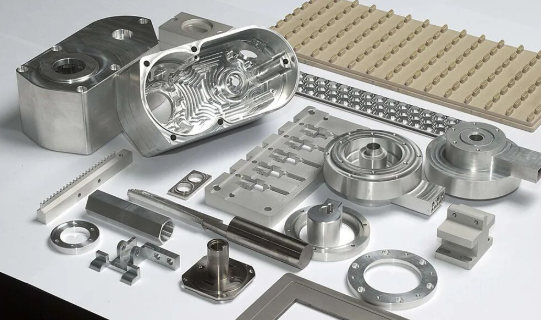
Lựa chọn Kim loại Phù Hợp cho Đơn Hàng Cắt Theo Yêu Cầu của Bạn
Giờ đây, khi bạn đã hiểu rõ các dịch vụ cắt kim loại theo kích thước mang lại những gì, một câu hỏi lớn hơn sẽ xuất hiện: bạn thực sự nên đặt hàng kim loại nào? Hãy bước vào bất kỳ danh mục sản phẩm nào của nhà cung cấp, bạn sẽ thấy hàng chục lựa chọn — tấm nhôm, tấm thép, tấm thép không gỉ, đồng, đồng thau và nhiều loại khác nữa. Mỗi loại đều có những ưu điểm riêng biệt, và việc lựa chọn sai có thể dẫn đến lãng phí chi phí hoặc thất bại trong dự án.
Đây là thực tế mà phần lớn nhà cung cấp sẽ không nói với bạn: không tồn tại loại "kim loại tốt nhất" một cách tuyệt đối. Lựa chọn phù hợp hoàn toàn phụ thuộc vào ứng dụng cụ thể, môi trường làm việc và ngân sách của bạn. Hãy cùng phân tích các loại kim loại phổ biến nhất và giúp bạn đưa ra quyết định sáng suốt.
Nhôm so với Thép cho các Dự án Cắt Tùy chỉnh
Đây là cuộc tranh luận thường gặp nhất giữa những người mua đặt hàng kim loại cắt theo yêu cầu. Cả hai vật liệu đều chiếm vị trí chủ đạo trong ngành gia công, nhưng chúng phục vụ những mục đích cơ bản khác nhau.
Nhôm công nghiệp nhôm được đánh giá cao nhờ đặc tính nhẹ—trọng lượng chỉ khoảng một phần ba so với thép. Điều này khiến tấm nhôm và tấm nhôm lá trở thành lựa chọn lý tưởng khi cần giảm trọng lượng, chẳng hạn như trong các bộ phận hàng không vũ trụ, linh kiện ô tô hoặc thiết bị di động. Nhôm cũng có khả năng chống ăn mòn tự nhiên rất tốt mà không cần xử lý bổ sung. Tuy nhiên, theo các chuyên gia gia công tại Swisher , nhược điểm chính của nhôm là độ cứng thấp hơn thép, do đó dễ bị móp và trầy xước trong các môi trường chịu tác động mạnh.
Thép vẫn là vật liệu chủ lực trong gia công theo yêu cầu nhờ chi phí thấp, độ bền cao và tính linh hoạt. Vật liệu này chịu được tải trọng nặng, chống lại hư hại do va đập và có giá thành thấp hơn đáng kể so với hầu hết các lựa chọn thay thế khác. Tuy nhiên, điểm hạn chế là thép sẽ bị gỉ khi tiếp xúc với độ ẩm, trừ khi bạn phủ lớp bảo vệ hoặc chọn loại thép mạ kẽm. Đối với các ứng dụng kết cấu trong nhà hoặc các dự án mà tỷ lệ độ bền trên chi phí là yếu tố quan trọng nhất, thép thường là lựa chọn hàng đầu.
Hãy tưởng tượng bạn đang chế tạo đồ nội thất sân vườn ngoài trời. Nhôm là lựa chọn hợp lý — vật liệu này không bị gỉ, đủ nhẹ để di chuyển dễ dàng và chịu đựng rất tốt điều kiện thời tiết. Giờ hãy tưởng tượng bạn đang sản xuất kệ kho hạng nặng cho một nhà kho. Lúc này, độ bền và chi phí thấp hơn của thép trở nên quý giá hơn nhiều so với lợi thế giảm trọng lượng của nhôm.
Khi nào Thép Không Gỉ Đáng Để Chi Trả Mức Giá Cao Hơn
Thép không gỉ thuộc một nhóm riêng biệt. Vật liệu này kết hợp độ bền của thép thông thường với khả năng chống ăn mòn vượt trội — không bị gỉ, bảo trì tối thiểu và mang vẻ ngoài thanh lịch. Nghe có vẻ hoàn hảo, phải không?
Điểm hạn chế nằm ở chi phí. Tấm thép không gỉ thường đắt hơn thép tiêu chuẩn từ 3–5 lần. Mức chi phí cao này chỉ thực sự hợp lý khi ứng dụng của bạn thực sự yêu cầu loại vật liệu này:
- Thiết bị chế biến thực phẩm đòi hỏi bề mặt vệ sinh
- Môi trường hàng hải tiếp xúc với nước biển
- Thiết bị y tế cần tương thích với quy trình khử trùng
- Các yếu tố kiến trúc nơi tính thẩm mỹ dài hạn là yếu tố quan trọng
- Xử lý hóa chất với các chất ăn mòn
Đối với những dự án không có các yêu cầu cụ thể nêu trên, việc sử dụng thép không gỉ thường là quá mức cần thiết. Một giải pháp thép cacbon đã xử lý đúng cách hoặc nhôm có thể mang lại hiệu suất tương đương với chi phí chỉ bằng một phần nhỏ.
Đồng và Đồng thau: Kim loại chuyên dụng cho các nhu cầu cụ thể
Ngoài ba loại kim loại phổ biến nhất, tấm đồng và tấm đồng thau đảm nhiệm những vai trò chuyên biệt trong các dự án cắt theo yêu cầu.
Đồng đồng vượt trội trong các ứng dụng điện và nhiệt nhờ khả năng dẫn điện và dẫn nhiệt vượt trội. Đây là vật liệu được ưu tiên lựa chọn cho thanh cái điện, bộ trao đổi nhiệt và mái lợp trang trí — loại mái này dần hình thành lớp patina đặc trưng theo thời gian. Nhược điểm? Đồng có giá thành cao hơn đáng kể so với thép hoặc nhôm và đòi hỏi xử lý cẩn thận để tránh làm xước bề mặt.
Đồng thau đồng thau — một hợp kim của đồng và kẽm — sở hữu khả năng gia công tuyệt vời cùng độ chống ăn mòn cao. Điều này khiến đồng thau trở nên phổ biến trong các phụ kiện trang trí, nhạc cụ, phụ tùng đường ống và các chi tiết chính xác nơi yêu cầu bề mặt hoàn thiện mịn màng. Đồng thau gia công rất tốt, tạo ra các cạnh sắc nét, ít cần xử lý hậu kỳ.
So sánh các đặc tính vật liệu trong tầm nhìn tổng quát
Khi đánh giá các loại kim loại cho đơn hàng cắt theo yêu cầu của bạn, bảng so sánh dưới đây sẽ giúp bạn cân nhắc các yếu tố then chốt:
| Vật liệu | Chi phí tương đối | Khối lượng | Khả năng chống ăn mòn | Độ bền | Phương pháp cắt tối ưu | Ứng Dụng Điển Hình |
|---|---|---|---|---|---|---|
| Thép carbon | Thấp ($) | Nặng | Kém (yêu cầu lớp phủ) | Xuất sắc | Plasma, laser, cắt bằng kéo | Các thành phần kết cấu, máy móc, giá đỡ |
| Thép không gỉ | Cao ($$$) | Nặng | Xuất sắc | Xuất sắc | Laser, tia nước | Thiết bị chế biến thực phẩm, hàng hải, thiết bị y tế |
| Nhôm công nghiệp | Trung bình ($$) | Nhẹ | Rất tốt | Trung bình | Cắt laser, cắt bằng tia nước, cắt tấm kim loại | Hàng không vũ trụ, ô tô, vỏ bọc bảo vệ |
| Đồng | Cao ($$$) | Nặng | Tốt (phát triển lớp patina) | Thấp | Cắt bằng tia nước, cắt laser | Điện, truyền nhiệt, trang trí |
| Đồng thau | Cao ($$$) | Nặng | Rất tốt | Trung bình | Cắt laser, cắt bằng tia nước, cơ khí | Phụ kiện kim khí, phụ kiện lắp ráp, tấm ốp trang trí |
Hãy để môi trường thực hiện dự án của bạn làm yếu tố định hướng quyết định
Dưới đây là hướng dẫn thực tiễn mà hầu hết các nhà cung cấp đều không chia sẻ: môi trường thực hiện dự án của bạn nên là tiêu chí hàng đầu để lựa chọn vật liệu.
Tiếp xúc trong nhà so với ngoài trời: Các ứng dụng trong nhà mở ra nhiều lựa chọn chi phí thấp hơn như thép carbon chưa xử lý. Các dự án ngoài trời đòi hỏi khả năng chống ăn mòn — nhôm, thép không gỉ hoặc thép được phủ lớp bảo vệ phù hợp trở thành những khoản đầu tư bắt buộc.
Chịu lực so với trang trí: Các thành phần kết cấu ưu tiên độ bền và độ cứng vững, do đó thép hoặc tấm nhôm dày là lựa chọn hàng đầu. Các tấm trang trí có thể sử dụng vật liệu mỏng hơn và ưu tiên yếu tố thẩm mỹ, khiến đồng thau, đồng đỏ hoặc thép không gỉ đánh bóng trở thành những lựa chọn hấp dẫn.
Khả năng tiếp cận để bảo trì: Sau khi lắp đặt, bạn có thể bảo trì, sơn hoặc xử lý kim loại hay không? Nếu việc tiếp cận bị hạn chế, hãy chọn các vật liệu có khả năng chống ăn mòn vốn có thay vì phụ thuộc vào các lớp phủ bảo vệ có thể mất hiệu lực theo thời gian.
Bằng cách lựa chọn các đặc tính vật liệu phù hợp với yêu cầu thực tế của bạn — thay vì mặc định chọn loại rẻ nhất hoặc quen thuộc nhất — bạn sẽ đạt được kết quả tốt hơn và thường tiết kiệm được chi phí về lâu dài. Việc hiểu rõ các cấp độ chất lượng (grade) và hợp kim kim loại sẽ nâng cao quyết định lựa chọn này lên một tầm cao mới, nội dung này sẽ được trình bày chi tiết trong phần tiếp theo.
Giải mã các cấp độ chất lượng (grade) và hợp kim kim loại
Bạn đã chọn loại vật liệu — nhưng giờ đây bạn đang bối rối trước các ký hiệu như "6061-T6" hay "thép không gỉ 304", tự hỏi chúng thực sự có ý nghĩa gì. Điều này có quen thuộc không? Những mã ký tự chữ-số này khiến nhiều người mua cảm thấy e ngại, thế nhưng việc hiểu chúng lại khá đơn giản nếu bạn nắm được quy luật đằng sau chúng.
Vậy hợp kim chính xác là gì? Đó đơn giản là một kim loại được kết hợp với các nguyên tố khác nhằm cải thiện các tính chất cụ thể của kim loại — như độ bền, khả năng chống ăn mòn, khả năng gia công cơ khí hoặc khả năng gia công bằng biến dạng. Các kim loại nguyên chất hiếm khi đáp ứng được yêu cầu hiệu suất trong thực tế, vì vậy gần như toàn bộ kim loại cắt theo yêu cầu đều ở dạng hợp kim. Ký hiệu cấp (grade) cho biết chính xác bạn đang nhận được hợp kim nào và những tính chất nào có thể kỳ vọng.
Giải mã các số hiệu hợp kim nhôm
Các hợp kim nhôm tuân theo hệ thống bốn chữ số, trong đó chữ số đầu tiên cho biết nguyên tố hợp kim chủ yếu. Khi bạn thấy các ký hiệu như 3003, 5052, 6061 hoặc 7075, chữ số đầu tiên sẽ kể cho bạn câu chuyện đó:
- 1xxx Series: Nhôm gần như tinh khiết (trên 99%) — khả năng chống ăn mòn xuất sắc nhưng độ bền thấp
- dãy 3xxx (ví dụ: 3003): Hợp kim chứa mangan — khả năng tạo hình tốt, độ bền trung bình, thường được sử dụng trong các ứng dụng tấm kim loại thông dụng
- dãy 5xxx (ví dụ: 5052): Hợp kim chứa magie — khả năng chống ăn mòn xuất sắc, khả năng hàn tốt, lý tưởng cho các ứng dụng hàng hải
- dãy 6xxx (ví dụ: 6061): Hợp kim magiê và silic – bền, dễ gia công cơ khí, có thể xử lý nhiệt
- dãy 7xxx (ví dụ: 7075): Hợp kim kẽm – độ bền cao nhất, tiệm cận độ bền của thép
Các ký hiệu hậu tố cũng rất quan trọng. Ký hiệu "-T6" sau 6061 chỉ trạng thái tôi luyện — nghĩa là nhôm đã trải qua xử lý nhiệt và già hóa nhân tạo nhằm tối đa hóa độ cứng và độ bền. Theo bảng so sánh các loại hợp kim của SendCutSend, 6061-T6 có giới hạn bền kéo cao hơn 32% so với 5052 H32, do đó được ưu tiên sử dụng trong các ứng dụng kết cấu yêu cầu độ cứng vững.
Đây là điểm thực tiễn cần lưu ý: 5052 uốn cong tuyệt vời mà không nứt và hàn dễ dàng — lý tưởng cho vỏ bọc và các chi tiết được tạo hình. 6061 dễ gia công cơ khí hơn và có độ bền vượt trội, nhưng đòi hỏi bán kính uốn lớn hơn. 7075 có tỷ lệ độ bền trên khối lượng tương đương titan, tuy nhiên không nên uốn hay hàn — loại này được thiết kế dành riêng cho các bộ phận hiệu suất cao, thường được sử dụng ở dạng cắt sẵn.
Giải thích đơn giản về các mác thép không gỉ
Cuộc tranh luận giữa thép không gỉ 304 và 316 làm bối rối vô số người mua - nhưng sự khác biệt thực ra đơn giản hơn vẻ ngoài của nó. Cả hai đều là thép không gỉ austenit (không nhiễm từ, khả năng tạo hình tuyệt vời), nhưng thành phần của chúng khác nhau ở những điểm quan trọng đối với các môi trường cụ thể.
thép không gỉ 304 - thường được gọi là "18/8" do chứa 18% crôm và 8% niken - là mác thép không gỉ được sử dụng phổ biến nhất trên toàn thế giới. Loại này mang lại khả năng chống ăn mòn xuất sắc trong hầu hết các ứng dụng trong nhà và ngoài trời điều kiện nhẹ, với mức giá hợp lý. Thiết bị nhà bếp, vật liệu ốp kiến trúc và gia công chung thường sử dụng thép 304.
Thép không gỉ SS 316 thêm molypden vào thành phần (2–3%), nhờ đó cải thiện đáng kể khả năng chống lại muối clorua, axit và ăn mòn điểm (pitting corrosion). Như Unified Alloys giải thích , điều này khiến thép 316 trở thành vật liệu thép không gỉ lý tưởng cho các môi trường biển, chế biến hóa chất, thiết bị y tế và cơ sở sản xuất thực phẩm có yêu cầu vệ sinh nghiêm ngặt.
- thép không gỉ 304: Khả năng chống ăn mòn tiêu chuẩn, chi phí thấp hơn, lý tưởng cho thiết bị trong nhà, các yếu tố kiến trúc và gia công chung
- thép không gỉ 316: Khả năng chống ăn mòn bởi clorua/axit vượt trội, chi phí cao hơn, bắt buộc phải sử dụng trong môi trường tiếp xúc với nước biển, thiết bị dược phẩm và các môi trường hóa chất khắc nghiệt
Chênh lệch chi phí giữa thép 316 và 304 khoảng 20–30% cao hơn. Có đáng để chi thêm không? Chỉ khi ứng dụng của bạn thực sự đòi hỏi mức độ bảo vệ bổ sung này. Một tấm ốp lưng bếp không cần dùng thép 316, nhưng tay vịn trên thuyền thì tuyệt đối cần.
Các cấp độ thép: Kim loại ferro dùng trong thi công kết cấu
Khi đặt hàng kim loại ferro như thép cacbon và thép hợp kim, bạn sẽ gặp các ký hiệu như 1018, 1045 và 4140. Hệ thống đánh số này tuân theo tiêu chuẩn AISI/SAE:
- 1018 (thép mềm): Hàm lượng cacbon thấp (0,18%), dễ hàn và gia công cơ khí, rất phù hợp cho các chi tiết như giá đỡ, khung và gia công chung nơi không yêu cầu độ bền cực cao
- 1045 (thép cacbon trung bình): Độ bền cao hơn 1018, thường được dùng làm trục, bánh răng và các chi tiết yêu cầu độ cứng vừa phải
- 4140 (thép hợp kim): Việc bổ sung crôm và molypden tạo ra độ bền cao, độ dẻo dai và khả năng chống mỏi tốt — được ưu tiên sử dụng trong các ứng dụng cơ khí đòi hỏi khắt khe
Câu hỏi then chốt: khi nào thép cacbon thấp là đủ và khi nào bạn cần thép hợp kim? Đối với tải trọng kết cấu tĩnh như giá đỡ , kệ hoặc khung, thép cacbon thấp loại 1018 xử lý công việc một cách kinh tế. Khi các chi tiết chịu ứng suất động, tải lặp lại hoặc yêu cầu tôi luyện để đạt độ cứng, thép hợp kim như 4140 xứng đáng với mức chi phí cao hơn.
Khi các cấp độ vật liệu đã được làm rõ, giờ đây bạn đã sẵn sàng để xác định chính xác những gì mình cần. Tuy nhiên, phương pháp cắt vật liệu cũng quan trọng không kém — phần tiếp theo sẽ phân tích chi tiết các phương pháp cắt và thời điểm áp dụng từng phương pháp phù hợp với dự án của bạn.
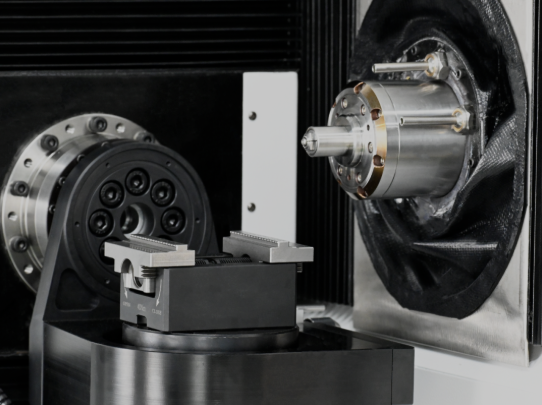
Các phương pháp cắt và thời điểm sử dụng từng phương pháp
Bạn đã chọn vật liệu và cấp độ phù hợp nhất cho dự án của mình — nhưng đây là điều mà phần lớn nhà cung cấp thường không giải thích: cách cắt kim loại của bạn ảnh hưởng mạnh mẽ đến chất lượng mép, độ chính xác và việc bạn có cần thực hiện thêm các công đoạn gia công hoàn thiện hay không. Gia công kim loại dựa trên bốn công nghệ cắt chủ yếu, mỗi loại đều có những ưu điểm nổi bật và mặt hạn chế riêng. Việc hiểu rõ các phương pháp này sẽ giúp bạn đưa ra quyết định đặt hàng sáng suốt hơn và tránh được những bất ngờ tốn kém.
Chúng ta hãy cùng phân tích chi tiết về cắt laser, cắt bằng tia nước, cắt plasma và cắt cơ học bằng dao trượt để bạn có thể lựa chọn quy trình phù hợp nhất với yêu cầu cụ thể của mình.
Cắt Laser Độ Chính Xác và Hạn Chế
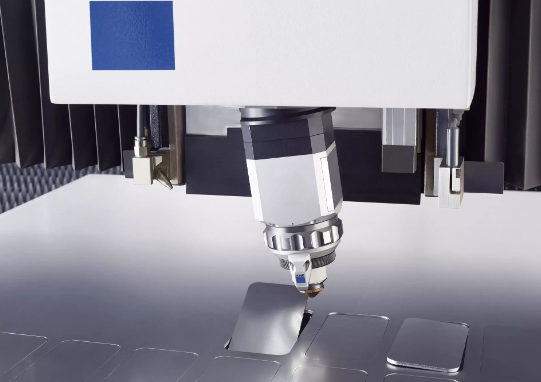
Cắt laser sử dụng chùm ánh sáng cường độ cao để cắt xuyên qua kim loại với độ chính xác như phẫu thuật — và đây đã trở thành phương pháp được ưu tiên hàng đầu trong gia công tấm kim loại đòi hỏi chi tiết tinh xảo. Khi bạn cần mép cắt sạch, lỗ nhỏ hoặc hình dạng phức tạp, cắt laser thường mang lại kết quả tốt nhất.
Công nghệ này hoạt động vượt trội trên các vật liệu mỏng. Theo các bài kiểm tra do Wurth Machinery thực hiện cắt bằng laser tạo ra các cạnh cực kỳ sạch với lượng gia công bổ sung tối thiểu trên các tấm có độ dày dưới 1/4". Bạn sẽ đạt được độ chính xác lên đến ±0,005" — đủ cao để các chi tiết lắp khít với nhau mà không cần điều chỉnh.
Tuy nhiên, cắt bằng laser có một số hạn chế cần lưu ý:
Ưu điểm
- Độ chính xác tuyệt vời đối với kim loại tấm mỏng (dưới 1/4")
- Các cạnh sạch và nhẵn, yêu cầu ít gia công hoàn thiện
- Rất phù hợp cho các hoa văn phức tạp và đường kính lỗ nhỏ
- Tốc độ cắt nhanh trên các vật liệu thích hợp
- Chiều rộng rãnh cắt (kerf) hẹp giúp giảm thiểu hao hụt vật liệu
Nhược điểm
- Tạo vùng chịu ảnh hưởng nhiệt (HAZ), làm thay đổi vi cấu trúc kim loại gần đường cắt
- Gặp khó khăn khi cắt vật liệu dày — hiệu suất giảm đáng kể ở độ dày trên 1/2"
- Các kim loại phản quang như đồng và đồng thau đòi hỏi laser sợi quang chuyên dụng
- Vùng chịu ảnh hưởng bởi nhiệt (HAZ) có thể gây đổi màu, cứng hóa hoặc giòn hóa ở vùng cắt
Vùng chịu ảnh hưởng bởi nhiệt này cần được quan tâm đặc biệt. Khi kim loại tiếp xúc với nhiệt độ cao trong quá trình cắt laser, cấu trúc vi mô bên trong sẽ thay đổi — điều này có thể ảnh hưởng đến cách chi tiết phản ứng với các công đoạn gia công tiếp theo như hàn nhôm, hàn điểm hoặc uốn. Đối với các chi tiết yêu cầu độ chính xác cao, trong đó tính chất của mép cắt là yếu tố then chốt, đây là một vấn đề mang tính quyết định.
Khi nào nên sử dụng phương pháp cắt bằng tia nước
Cắt bằng tia nước sử dụng dòng nước áp lực cao pha trộn với các hạt mài để cắt xuyên qua gần như mọi loại vật liệu — hoàn toàn không sinh nhiệt. Quá trình cắt lạnh này loại bỏ hoàn toàn biến dạng do nhiệt, do đó trở nên vô cùng quý giá khi các hiệu ứng nhiệt có thể làm suy giảm chất lượng chi tiết của bạn.
Tính linh hoạt của công nghệ cắt bằng tia nước thật ấn tượng. Hệ thống cắt bằng tia nước có thể xử lý mọi loại vật liệu, từ titan đến đá, vật liệu compozit đến thép đã tôi cứng. Đối với các bộ phận hàng không vũ trụ, thiết bị y tế hoặc bất kỳ ứng dụng nào mà vùng ảnh hưởng nhiệt là điều không thể chấp nhận được, cắt bằng tia nước trở thành lựa chọn rõ ràng nhất. Thị trường cắt bằng tia nước tiếp tục mở rộng nhanh chóng và dự kiến sẽ vượt quá 2,39 tỷ USD vào năm 2034.
Ưu điểm
- Vùng ảnh hưởng nhiệt bằng không — không gây biến dạng, tôi cứng hay thay đổi vi cấu trúc
- Cắt được gần như mọi loại vật liệu, bao gồm cả vật liệu compozit và kim loại phản quang
- Xử lý được vật liệu dày mà tia laser không thể xuyên thấu
- Không gây ứng suất cơ học lên chi tiết trong quá trình cắt
- Rất phù hợp cho các ứng dụng nhạy cảm với nhiệt
Nhược điểm
- Tốc độ cắt chậm hơn so với laser và plasma
- Chi phí vận hành cao hơn do tiêu hao vật liệu mài mòn
- Độ nhẵn bề mặt mép cắt hơi kém hơn so với laser khi cắt vật liệu mỏng
- Chi phí thiết bị khoảng gấp đôi so với hệ thống plasma
Cắt plasma: ‘Con ngựa thồ’ xử lý kim loại dày
Cắt plasma chiếm ưu thế khi làm việc với các kim loại dẫn điện dày trong khi vẫn kiểm soát được chi phí. Quá trình này sử dụng hồ quang điện và khí nén để làm nóng chảy và thổi bay thép, nhôm và đồng với tốc độ ấn tượng.
Nếu bạn đặt hàng tấm thép dày 1/2 inch hoặc hơn, cắt plasma mang lại sự kết hợp tối ưu giữa tốc độ và hiệu quả chi phí. Kết quả thử nghiệm cho thấy việc cắt thép dày 1 inch bằng plasma nhanh hơn khoảng 3–4 lần so với cắt bằng tia nước, đồng thời chi phí vận hành chỉ vào khoảng một nửa trên mỗi foot. Trong các ứng dụng như gia công thép kết cấu, sản xuất thiết bị hạng nặng và đóng tàu, cắt plasma thường là lựa chọn thực tiễn nhất.
Ưu điểm
- Tốc độ xuất sắc trên các kim loại dẫn điện dày (trên 1/2 inch)
- Chi phí thiết bị và chi phí vận hành thấp hơn so với cắt bằng tia nước hoặc laser
- Xử lý được tấm dày mà laser không thể cắt một cách hiệu quả
- Phù hợp cho sản xuất số lượng lớn vật liệu dày hơn
Nhược điểm
- Vùng ảnh hưởng nhiệt lớn hơn so với cắt laser
- Chất lượng mép cắt thô hơn, đòi hỏi xử lý hậu kỳ nhiều hơn
- Độ chính xác thấp hơn so với laser khi cắt vật liệu mỏng
- Chỉ giới hạn với các kim loại dẫn điện
Cắt cơ học: Đơn giản và Kinh tế
Cắt cơ học sử dụng hai lưỡi dao đối diện nhau để cắt tấm kim loại — tương tự như cách kéo cắt giấy. Đây là phương pháp kinh tế nhất để thực hiện các đường cắt thẳng trên các tấm có độ dày mỏng đến trung bình.
Quá trình cắt không tạo ra vùng bị ảnh hưởng bởi nhiệt và diễn ra rất nhanh, nhưng chỉ giới hạn ở các đường cắt thẳng. Chất lượng mép phụ thuộc rất nhiều vào tình trạng lưỡi dao và độ dày vật liệu. Đối với các chi tiết hình chữ nhật đơn giản được sản xuất với số lượng lớn, cắt cơ học thường là lựa chọn hợp lý về mặt kinh tế.
So sánh phương pháp cắt tại một cái nhìn
Khi đánh giá các phương pháp cắt kim loại cho đơn hàng tùy chỉnh của bạn, bảng so sánh này sẽ giúp bạn cân nhắc các yếu tố then chốt:
| Yếu tố | Cắt Laser | Cắt bằng nước | Cắt plasma | Cắt cơ học |
|---|---|---|---|---|
| Độ Chính Xác Tolerances | +/-0.005" | ±0,005" đến ±0,010" | ±0,020" đến ±0,030" | ±0,010" đến ±0,030" |
| Chất lượng mép cắt | Tuyệt vời (mịn, sạch) | Rất tốt (bề mặt hơi có vân) | Trung bình (thô hơn, có thể cần mài) | Tốt (chỉ áp dụng cho các đường cắt thẳng) |
| Phạm vi độ dày vật liệu | Lên đến 1/2" (tối ưu dưới 1/4") | Lên đến 6"+ tùy theo vật liệu | từ 1/4" đến 2"+ (tối ưu trên 1/2") | Thông thường lên đến 1/4" |
| Vùng ảnh hưởng nhiệt | Vừa phải (hẹp) | Không | Lớn | Không |
| Chi phí tương đối | Trung bình | Cao | Thấp | Thấp |
| Phù hợp nhất cho | Thép không gỉ mỏng, hình dạng phức tạp | Vật liệu nhạy cảm với nhiệt, vật liệu compozit | Thép dày, cấu trúc khối lượng lớn | Cắt thẳng, hình dạng đơn giản |
Cách phương pháp cắt ảnh hưởng đến nhu cầu xử lý hậu kỳ
Đây là câu hỏi thực tiễn mà phần lớn người mua thường bỏ qua: điều gì xảy ra sau khi cắt? Lựa chọn phương pháp cắt của bạn ảnh hưởng trực tiếp đến khối lượng công việc hoàn thiện cần thực hiện trước khi các chi tiết có thể sử dụng được.
Các chi tiết cắt bằng tia laser thường chỉ cần xử lý sau gia công tối thiểu trên các vật liệu mỏng. Tuy nhiên, nếu hiện tượng đổi màu vùng ảnh hưởng bởi nhiệt (HAZ) hoặc làm cứng mép là không chấp nhận được đối với ứng dụng của bạn, bạn có thể cần phải mài hoặc xử lý hóa chất.
Các chi tiết cắt bằng tia nước loại bỏ hoàn toàn lo ngại về nhiệt nhưng có thể để lại mép hơi nhám. Đối với các ứng dụng yêu cầu độ chính xác cao hoặc tính thẩm mỹ, việc chà nhẹ hoặc vát mép (deburring) có thể là cần thiết.
Các chi tiết cắt bằng plasma thường đòi hỏi nhiều công đoạn xử lý sau gia công nhất. Bạn cần dự kiến sẽ mài hoặc chà mép, loại bỏ xỉ (kim loại nóng chảy tái đông đặc), và có thể phải khắc phục biến dạng do nhiệt đáng kể trên các vật liệu mỏng.
Các chi tiết cắt bằng dao trượt (sheared parts) tạo ra mép sạch trên các đường cắt thẳng nhưng có thể xuất hiện hiện tượng cuộn mép nhẹ hoặc ba via (burring), do đó cần thực hiện vát mép (deburring).
Việc hiểu rõ những điểm đánh đổi này giúp bạn lập ngân sách một cách thực tế cho toàn bộ dự án — không chỉ riêng chi phí cắt mà còn cả chi phí cho các bước hoàn thiện cần thiết để đạt được kết quả mong muốn. Tiếp theo, chúng ta sẽ giải quyết một lĩnh vực khác thường gây nhầm lẫn cho người mua: các tiêu chuẩn độ dày (gauge) và độ dày tấm kim loại.
Các tiêu chuẩn độ dày và thước đo kim loại tấm
Dưới đây là điều khiến ngay cả những người gia công có kinh nghiệm cũng dễ nhầm lẫn: khi đặt hàng kim loại cắt theo kích thước, số gauge càng cao thực tế lại có nghĩa là chất pha loãng vật liệu càng mỏng. Nghe có vẻ ngược đời, phải không? Hệ thống phản trực quan này gây nhầm lẫn cho vô số khách hàng — trong khi nhà cung cấp hiếm khi dành thời gian giải thích rõ điều này. Việc hiểu rõ hệ thống độ dày theo gauge giúp tránh những sai sót tốn kém khi đặt hàng và đảm bảo bạn nhận được vật liệu thực sự phù hợp với yêu cầu dự án.
Cách Đọc Bảng Tra Cứu Cỡ Tấm Kim Loại
Hệ thống gauge bắt nguồn từ nước Anh thế kỷ XIX, khi độ dày dây kim loại được xác định bằng số lần dây đó đi qua các khuôn kéo. Số lần kéo càng nhiều thì dây càng mỏng — và số gauge càng cao. Theo hướng dẫn biểu đồ gauge thép của Ryerson, đặc điểm lịch sử này vẫn tồn tại cho đến ngày nay, khiến các số gauge có mối quan hệ nghịch đảo với độ dày thực tế.
Hãy suy nghĩ theo cách này: Độ dày thép cỡ 10 (10 gauge) tương đương khoảng 0,1345 inch — đủ lớn để sử dụng trong các ứng dụng kết cấu. Khi tăng lên độ dày thép cỡ 16 (16 gauge), bạn chỉ còn 0,0598 inch — tức là dày khoảng một nửa. Hơn nữa, bước nhảy giữa hai cỡ liên tiếp không đồng đều, điều này làm tăng thêm một lớp phức tạp.
Điều khiến nhiều người mua bất ngờ là giá trị thập phân tương đương giữa hai cỡ liên tiếp lại khác nhau. Việc chuyển từ cỡ 14 sang cỡ 13 tạo ra bước nhảy lớn hơn so với việc chuyển từ cỡ 16 sang cỡ 15. Mối quan hệ phi tuyến tính này có nghĩa là bạn không thể ước tính độ dày một cách đơn giản — mà cần tra cứu bảng quy đổi cỡ tấm kim loại chính xác.
Chuyển đổi cỡ (gauge) sang độ dày thực tế
Khi đặt hàng cắt theo yêu cầu, việc biết chính xác các giá trị thập phân tương đương sẽ giúp tránh hiểu lầm. Bảng tra cứu dưới đây bao gồm các cỡ thường được đặt hàng nhất cùng các ứng dụng điển hình của chúng:
| Độ dày dây | Inch dạng thập phân | Dung sai tiêu chuẩn (+/-) | Ứng Dụng Điển Hình |
|---|---|---|---|
| 10 gauge | 0.1345" | 0.0070" | Các thanh đỡ kết cấu nặng, khung chịu lực, mặt sàn rơ-moóc |
| 11 gauge | 0.1196" | 0.0050" | Thiết bị công nghiệp, vỏ bọc chịu tải nặng, tấm chắn máy móc |
| 12 gauge | 0.1046" | 0.0050" | Tấm thân ô tô, kết cấu trung bình, vỏ thiết bị |
| 14 gauge | 0.0747" | 0.0040" | Gia công cơ khí chung, hệ thống ống dẫn, các bộ phận kết cấu nhẹ |
| 16 gauge | 0.0598" | 0.0030" | Tấm trang trí, biển hiệu, vỏ bọc nhẹ, ứng dụng trong hệ thống HVAC |
Tại sao tiêu chuẩn độ dày (gauge) lại khác nhau giữa các loại kim loại
Dưới đây là một chi tiết khác khiến người mua bất ngờ: cùng một giá trị gauge sẽ tương ứng với độ dày khác nhau tùy theo loại kim loại. Một tấm thép gauge 14 có độ dày 0,0747 inch, trong khi tấm thép không gỉ gauge 14 lại dày 0,0751 inch. Nhôm thì lại tuân theo một hệ thống gauge hoàn toàn riêng biệt.
Sự chênh lệch này tồn tại vì các hệ thống gauge được phát triển độc lập cho từng loại kim loại dựa trên trọng lượng tính theo diện tích (bảng foot vuông), chứ không phải dựa trên độ dày tuyệt đối. Khi đặt hàng kim loại cắt theo yêu cầu, bạn luôn cần xác nhận nhà cung cấp của mình sử dụng hệ thống gauge tiêu chuẩn cho thép, thép không gỉ hay nhôm — và nên trao đổi bằng đơn vị inch thập phân khi độ chính xác là yếu tố quan trọng.
Hướng dẫn thực tiễn để lựa chọn độ dày phù hợp
Việc lựa chọn độ dày tấm kim loại phù hợp phụ thuộc vào việc khớp độ dày với tải trọng thực tế và yêu cầu ứng dụng. Sử dụng tấm quá dày sẽ gây lãng phí chi phí; trong khi sử dụng tấm quá mỏng sẽ tạo ra rủi ro về an toàn.
Khi độ dày 16 gauge là đủ: Các tấm ốp tường trang trí, biển hiệu nhẹ, nắp tủ điện và các chi tiết hoàn thiện không chịu lực đều hoạt động rất tốt với độ dày thép 16 gauge. Vật liệu dễ gia công, chi phí thấp hơn và giúp giảm tổng trọng lượng công trình.
Khi bạn cần độ dày thép 10 gauge: Các giá đỡ chịu lực, khung kết cấu, tấm bảo vệ thiết bị nặng và bất kỳ bộ phận nào phải chịu tải trọng đáng kể đều yêu cầu độ dày tối thiểu là 10 gauge hoặc dày hơn. Sự khác biệt giữa độ dày 10 gauge và 16 gauge không hề nhỏ — bạn sẽ nhận được độ dày vật liệu tăng hơn gấp đôi và độ cứng vững tăng mạnh.
độ dày thép cỡ 11 và độ dày thép cỡ 12 chiếm vị trí trung gian cho các ứng dụng yêu cầu độ bền vừa phải mà không cần trọng lượng tối đa. Các loại vỏ bọc công nghiệp, vỏ thiết bị và tấm phục chế ô tô thường sử dụng các cỡ trung gian này.
Dung sai gia công: Những yếu tố độ chính xác mà các dự án phải cân nhắc
Mỗi cỡ tấm kim loại đều có dung sai gia công vốn có — tức là những sai lệch nhỏ so với độ dày danh định, điều này là tiêu chuẩn ngành. Theo các thông số quy đổi cỡ , một tấm kim loại cỡ 14 có thể sai lệch ±0,0040 inch so với độ dày danh định là 0,0747 inch. Sai lệch tiềm năng này tương đương khoảng 5%.
Đối với hầu hết các dự án gia công, những dung sai này không gây ra vấn đề nào. Tuy nhiên, trong các ứng dụng yêu cầu độ chính xác cao – đặc biệt là các cụm lắp ráp gồm nhiều chi tiết ăn khớp với nhau – cần phải tính đến sự biến thiên này. Khi dung sai có vai trò then chốt, hãy quy định độ dày bằng inch dạng số thập phân kèm theo các yêu cầu dung sai cụ thể thay vì chỉ dựa vào ký hiệu độ dày (gauge) mà thôi.
Sau khi đã nắm vững các nguyên lý cơ bản về độ dày (gauge), bạn đã sẵn sàng để làm chủ kỹ năng quan trọng tiếp theo: đo đạc và quy định đơn hàng một cách chính xác nhằm tránh những sai sót tốn kém.
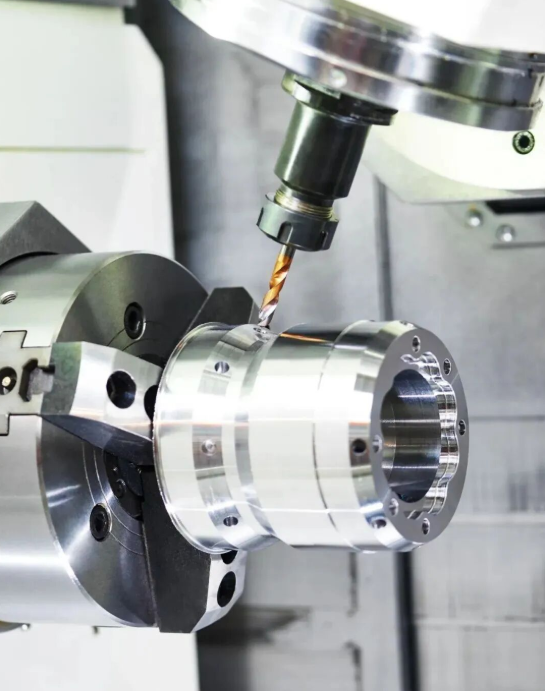
Cách đo đạc và quy định đơn hàng một cách chính xác
Bạn đã lựa chọn vật liệu, hiểu rõ các cấp chất lượng (grade) và chọn phương pháp cắt phù hợp. Giờ đây là bước khiến nhiều đơn đặt hàng kim loại theo yêu cầu bị sai lệch: đo đạc và quy định thông số. Để cắt tấm kim loại đúng kích thước một cách chính xác, bạn không chỉ cần biết kích thước mong muốn mà còn phải tính đến các yếu tố mà phần lớn nhà cung cấp thường không giải thích — ví dụ như chiều rộng rãnh cắt (kerf width), yêu cầu về dung sai và đặc tả cạnh.
Sự khác biệt giữa một bộ phận vừa khít hoàn hảo và một bộ phận sai lệch gây bực bội thường nằm ở những chi tiết bạn đã chỉ định — hoặc chưa chỉ định — khi đặt hàng. Hãy cùng tìm hiểu từng bước cách đo đạc và truyền đạt yêu cầu của bạn sao cho tấm thép cắt theo kích thước hoặc tấm thép không gỉ cắt theo kích thước được giao đến đúng như mong đợi, sẵn sàng để sử dụng ngay.
Đo đạc để đạt độ chính xác cho các sản phẩm cắt theo yêu cầu
Việc đo đạc chính xác bắt đầu ngay từ trước khi bạn liên hệ với nhà cung cấp. Dù bạn đang thay thế một bộ phận hiện có hay chế tạo một sản phẩm mới, việc tuân theo một quy trình hệ thống sẽ giúp tránh những sai sót tốn kém thường gặp ở những người mua lần đầu.
- Sử dụng các dụng cụ đo phù hợp: Thước kẹp điện tử cung cấp kết quả đo chính xác tới phần nghìn inch — điều kiện thiết yếu đối với công việc đòi hỏi độ chính xác cao. Thước dây phù hợp để đo các kích thước sơ bộ, nhưng các phép đo quan trọng cần sử dụng các thiết bị đo có độ chính xác cao hơn.
- Đo nhiều lần: Hãy đo mỗi kích thước quan trọng ít nhất hai lần, tốt nhất là ba lần. Nếu kết quả đo chênh lệch nhau, hãy xác minh nguyên nhân trước khi tiếp tục.
- Xác định các bề mặt tham chiếu của bạn: Xác định xem bạn đang đo từ các cạnh bên trong, cạnh bên ngoài hay các điểm trung tâm. Sự phân biệt này có ảnh hưởng rất lớn đến độ khít lắp.
- Tính đến các chi tiết ghép nối: Nếu chi tiết cắt của bạn phải lắp vừa với các thành phần hiện có, hãy đo trực tiếp các thành phần đó thay vì dựa vào bản vẽ hoặc thông số kỹ thuật — những tài liệu này có thể không phản ánh đúng kích thước thực tế.
- Ghi chú yêu cầu về độ dày vật liệu: Khi độ chính xác là yếu tố quan trọng, hãy quy định độ dày theo đơn vị inch thập phân thay vì theo mã độ dày (gauge). Đồng thời nêu rõ phạm vi dung sai cho phép.
- Ghi chú bất kỳ yêu cầu đặc biệt nào đối với mép chi tiết: Các mép có bị nhìn thấy không? Có cần làm sạch ba via không? Có bắt buộc phải giữ vuông góc để hàn không? Hãy nêu rõ những yêu cầu này ngay từ đầu.
- Cân nhắc các công đoạn gia công sau khi cắt trong việc xác định kích thước: Nếu chi tiết sẽ được sơn, phủ bột hoặc mạ, hãy tính đến độ dày lớp phủ trong các thông số kỹ thuật của bạn.
Hiểu về Kerf và Tại sao Nó Quan trọng
Đây là một khái niệm giúp phân biệt những khách hàng am hiểu với những người nhận các bộ phận không vừa khít hoàn toàn: độ cắt (kerf). Khi bất kỳ phương pháp cắt nào đi qua kim loại, nó đều loại bỏ một lượng vật liệu — chiều rộng bị loại bỏ này được gọi là độ cắt (kerf). Bỏ qua yếu tố này, chi tiết hoàn thiện của bạn sẽ nhỏ hơn kích thước dự kiến.
Theo chuyên gia cắt laser tại Rabbit Laser USA , độ rộng kerf thay đổi tùy theo phương pháp cắt, loại vật liệu và độ dày. Cắt laser thường tạo ra độ kerf từ 0,1 mm đến 0,4 mm, trong khi cắt plasma tạo ra các đường cắt rộng hơn đáng kể. Độ kerf của cắt phun nước (waterjet) nằm ở khoảng giữa hai giá trị trên.
Hãy tưởng tượng bạn đặt hàng một miếng vuông có cạnh 10 mm. Sau khi cắt laser, bạn đo và phát hiện kích thước thực tế chỉ còn 9,65 mm. 0,35 mm đã đi đâu? Tia laser đã làm bốc hơi phần đó — mỗi bên đường cắt mất đi một nửa. Việc tính toán độ kerf rất đơn giản:
Kích thước kerf = (Chiều rộng ban đầu – Chiều rộng sau khi cắt) ÷ 2
Vì vậy: (10 mm – 9,65 mm) ÷ 2 = 0,175 mm độ kerf mỗi bên
Hầu hết các dịch vụ cắt chuyên nghiệp nhất đều tự động áp dụng bù độ cắt (kerf compensation) — điều chỉnh đường đi của tia laser ra ngoài để kích thước thành phẩm của bạn khớp đúng với thông số kỹ thuật đã nêu. Tuy nhiên, như đội ngũ kỹ sư của Ponoko lưu ý, các thiết kế có các chi tiết liên kết với nhau cần xem xét các giới hạn dung sai, nơi cả bù độ cắt lẫn sai lệch trong quá trình sản xuất đều cộng dồn. Hai chi tiết được thiết kế để lắp khít với nhau có thể cùng đạt hai giới hạn dung sai đối lập, khiến chúng không thể lắp ghép được.
Thông số dung sai: Các con số này thực tế nghĩa là gì
Khi nhà cung cấp đưa ra các giá trị dung sai như ±0,005" so với ±0,030", điều đó thực tế có ý nghĩa gì đối với dự án của bạn?
Một dung sai bằng ±0.005"(khoảng 0,13 mm) biểu thị khả năng cắt độ chính xác cao — thường đạt được nhờ công nghệ cắt laser hoặc phun nước (waterjet) trên các vật liệu phù hợp. Điều này có nghĩa là kích thước 6 inch mà bạn quy định có thể đo được trong khoảng từ 5,995" đến 6,005". Đối với các chi tiết yêu cầu lắp ghép chính xác, tương thích với các bộ phận gia công cơ khí hoặc đáp ứng các tiêu chuẩn kỹ thuật, mức độ chính xác này thường là bắt buộc.
Một dung sai bằng ±0.030"(khoảng 0,76 mm) thể hiện dung sai gia công tiêu chuẩn — phù hợp cho các công việc kết cấu, giá đỡ và các ứng dụng không yêu cầu độ khít chính xác. Đoạn vật liệu dài 6 inch của bạn có thể có kích thước dao động từ 5,970" đến 6,030".
Đây là điều mà phần lớn nhà cung cấp sẽ không nói với bạn: dung sai chặt hơn đồng nghĩa với chi phí cao hơn. Đạt được dung sai ±0,005" thường đòi hỏi cắt bằng tia laser hoặc cắt bằng tia nước (waterjet), kèm theo thiết lập cẩn thận và kiểm tra chất lượng kỹ lưỡng. Trong khi đó, dung sai tiêu chuẩn ±0,030" có thể sử dụng các quy trình nhanh hơn và kinh tế hơn như cắt plasma hoặc cắt bằng máy cắt tấm (shearing). Hãy chỉ định đúng mức dung sai bạn thực sự cần — chứ không phải mức dung sai chặt nhất có thể.
Những sai sót phổ biến trong đặc tả kỹ thuật khiến bạn tốn thêm chi phí
Sau nhiều năm xử lý các đơn hàng gia công theo yêu cầu, các xưởng gia công thường xuyên bắt gặp những lỗi tương tự. Tránh những sai sót này sẽ giúp bạn tiết kiệm thời gian, chi phí và giảm bớt sự bực bội:
- Không tính đến các quy trình hoàn thiện: Lớp phủ bột (powder coating) làm tăng độ dày 0,002"–0,004" trên mỗi bề mặt. Sơn cũng làm tăng độ dày tương tự. Nếu chi tiết của bạn phải lắp vừa khít vào một khoang cụ thể sau khi hoàn thiện, hãy giảm kích thước cắt ban đầu cho phù hợp.
- Sự nhầm lẫn giữa kích thước bên trong và bên ngoài: Một hộp 4" x 4" có các kích thước bên trong và bên ngoài khác nhau tùy thuộc vào độ dày thành hộp. Hãy nêu rõ bạn đang cung cấp kích thước nào — và xác minh nhà cung cấp của bạn hiểu đúng yêu cầu này.
- Không nêu rõ yêu cầu về cạnh: Cạnh cắt bằng tia laser khác với cạnh cắt bằng máy cắt trượt (shear). Nếu chất lượng cạnh ảnh hưởng đến yếu tố thẩm mỹ, hàn hoặc lắp ráp, hãy nêu rõ yêu cầu của bạn một cách cụ thể. Các cụm như “cạnh đã làm sạch ba-vơ” hoặc “cạnh phù hợp để sơn tĩnh điện” sẽ truyền đạt rõ ràng kỳ vọng của bạn.
- Bỏ qua khả năng cong vênh của vật liệu: Như các chuyên gia gia công cảnh báo, nhiệt sinh ra trong quá trình cắt có thể khiến tấm kim loại mỏng bị cong vênh, đặc biệt ở các thiết kế phức tạp có mật độ cắt thay đổi. Đối với các ứng dụng yêu cầu độ phẳng cao, hãy thảo luận vấn đề này với nhà cung cấp trước khi đặt hàng.
- Giả định nhà cung cấp hiểu rõ ý định của bạn: Một bản vẽ thể hiện hình chữ nhật kích thước 100 mm × 200 mm không làm rõ liệu những giá trị đó là giới hạn tối đa, kích thước danh nghĩa hay yêu cầu tối thiểu. Hãy ghi chú rõ dung sai cho các kích thước quan trọng.
Việc cắt tấm kim loại đúng kích thước đòi hỏi sự trao đổi thông tin rõ ràng. Khi chưa chắc chắn, hãy cung cấp quá nhiều thông tin về yêu cầu của bạn — những nhà cung cấp tốt luôn đánh giá cao các đặc tả chi tiết vì điều này giúp họ giao đúng sản phẩm bạn cần.
Sau khi đã nắm vững những nguyên lý cơ bản về đo lường, việc hiểu cách các loại kim loại khác nhau phù hợp với từng ứng dụng dự án cụ thể sẽ giúp bạn đưa ra quyết định lựa chọn vật liệu thông minh hơn nữa — nội dung này sẽ được khám phá ở phần tiếp theo.
Lựa chọn Kim loại Phù hợp với Các Ứng dụng Dự án Thông dụng
Đây là điều mà hầu hết các nhà cung cấp kim loại thường làm sai: họ sắp xếp mọi thứ theo loại sản phẩm — tấm nhôm ở đây, tấm thép không gỉ ở kia — và kỳ vọng bạn tự xác định xem loại nào phù hợp với dự án cụ thể của mình. Tuy nhiên, khi bạn đang chế tạo giá đỡ, thiết kế vỏ bọc hoặc gia công các bộ phận ô tô, bạn cần sự tư vấn bắt đầu từ ứng dụng thực tế của bạn, chứ không phải từ danh mục vật liệu.
Hãy đảo ngược cách tiếp cận này. Bên dưới, bạn sẽ tìm thấy các khuyến nghị thực tiễn được sắp xếp theo những gì bạn thực sự đang cố xây dựng, kèm theo các tổ hợp cụ thể về vật liệu và độ dày phù hợp với từng hạng mục dự án.
Lựa chọn kim loại cho giá đỡ kết cấu
Các giá đỡ và phụ kiện lắp đặt tạo thành nền tảng cho vô số dự án — từ các giá đỡ máy móc công nghiệp đến các giá đỡ kệ đơn giản. Việc lựa chọn vật liệu phù hợp hoàn toàn phụ thuộc vào chức năng mà giá đỡ đó phải đảm nhiệm.
Theo các chuyên gia gia công tại CSMFG các giá đỡ kết cấu yêu cầu phải phù hợp về tải trọng với độ bền vật liệu tương ứng. Một giá đỡ kệ trang trí chịu các yêu cầu hoàn toàn khác biệt so với giá đỡ hỗ trợ thiết bị công nghiệp nặng.
- Giá đỡ kết cấu hạng nặng: Thép carbon có độ dày 10–12 gauge (0,105"–0,135") — rất phù hợp cho các ứng dụng chịu tải, giá đỡ máy móc và khung thiết bị. Cần phủ lớp sơn tĩnh điện hoặc mạ kẽm để bảo vệ chống ăn mòn.
- Phụ kiện lắp đặt hạng trung: Tấm kim loại thép có độ dày 14 gauge (0,075") — thích hợp cho giá đỡ bảng điều khiển điện, giá đỡ thiết bị đo lường và các giá đỡ công nghiệp chung.
- Giá đỡ chống ăn mòn: Tấm kim loại thép không gỉ có độ dày 14–16 gauge — lý tưởng cho chế biến thực phẩm, môi trường hàng hải và ứng dụng ngoài trời, nơi khả năng chống gỉ là yếu tố quan trọng.
- Giải pháp lắp đặt nhẹ: Tấm kim loại nhôm có độ dày 0,080"–0,125" — hoàn hảo cho vỏ bọc thiết bị điện tử, thiết bị di động và các ứng dụng yêu cầu giảm trọng lượng.
- Phụ kiện trang trí: Tấm kim loại đồng thau độ dày 16–18 gauge — khả năng gia công tuyệt vời và bề mặt hoàn thiện bắt mắt, thích hợp cho các giá đỡ kiến trúc và phụ kiện đồ nội thất lộ ra ngoài.
Khi lựa chọn giá đỡ, cần xem xét cách lực tác động lên chúng. Tải trọng tĩnh (ví dụ: kệ sách chịu tải sách) khác biệt đáng kể so với tải trọng động (ví dụ: máy móc rung động). Thiết kế dư thừa làm lãng phí chi phí, trong khi thiết kế thiếu sót lại gây nguy cơ mất an toàn. Đối với các ứng dụng kết cấu quan trọng, việc tham vấn các nhà gia công am hiểu về tính toán tải trọng sẽ giúp tránh những sai lầm tốn kém.
Vỏ bọc, hộp và vỏ bảo vệ
Việc chế tạo vỏ bọc đặt ra những thách thức riêng — yêu cầu uốn chính xác, kích thước đồng nhất trên nhiều tấm panel và thường cần xử lý bề mặt chuyên biệt. Môi trường sử dụng của bạn ảnh hưởng đến việc lựa chọn vật liệu ở ứng dụng này nhiều hơn hầu hết các ứng dụng khác.
- Vỏ điện trong nhà: Tấm kim loại thép độ dày 16–18 gauge với lớp phủ bột — giải pháp bảo vệ kinh tế cho các bảng điều khiển, hộp nối và vỏ thiết bị.
- Hộp điện ngoài trời: Tấm thép không gỉ độ dày 14–16 gauge hoặc thép mạ kẽm — khả năng chống ăn mòn thiết yếu cho các lắp đặt ngoài trời.
- Vỏ bọc điện tử: Tấm nhôm có độ dày 0,063"–0,090" — nhẹ, có tính năng chắn nhiễu điện từ (EMI) tự nhiên và tản nhiệt xuất sắc.
- Vỏ bọc đạt tiêu chuẩn an toàn thực phẩm: thép không gỉ loại 304 hoặc 316 độ dày 16 gauge — đáp ứng yêu cầu vệ sinh với bề mặt dễ làm sạch.
- Vỏ bọc thiết bị y tế: Ống thép không gỉ hoặc nhôm kết hợp với tấm phẳng — đáp ứng yêu cầu khử trùng và mang vẻ ngoài sạch sẽ, thẩm mỹ.
Biển hiệu và tấm trang trí
Khi yếu tố thẩm mỹ quan trọng ngang bằng chức năng, việc lựa chọn vật liệu sẽ thiên về các cân nhắc thẩm mỹ. Độ hoàn thiện bề mặt, khả năng phủ sơn và khả năng duy trì vẻ ngoài lâu dài trở thành các yếu tố hàng đầu.
- Biển hiệu nội thất: Tấm nhôm có độ dày 0,040"–0,063" — nhẹ, dễ sơn đẹp và gia công chính xác để tạo chữ rõ nét.
- Biển hiệu bên ngoài: Nhôm có độ dày 0,080" trở lên hoặc thép không gỉ — khả năng chống chịu thời tiết giúp ngăn ngừa hư hỏng trong nhiều năm tiếp xúc với môi trường.
- Tấm ốp kiến trúc trang trí: Tấm đồng phát triển lớp patin hấp dẫn theo thời gian; tấm đồng thau mang lại tông màu ấm áp cùng khả năng gia công cơ khí xuất sắc.
- Tấm biển hiệu chiếu sáng từ phía sau: Nhôm mỏng (0,032"–0,040") — cho phép tạo các hoa văn cắt laser tinh xảo trong khi vẫn đảm bảo độ bền cấu trúc.
Cắt theo yêu cầu cho ứng dụng ô tô:
Gia công ô tô đòi hỏi độ chính xác cao mà các dự án thông thường không yêu cầu. Các chi tiết phải vừa khít chính xác, chịu được rung động và duy trì ổn định về kích thước trong mọi điều kiện nhiệt độ khắc nghiệt. Đây là lúc việc hợp tác với các nhà sản xuất am hiểu những yêu cầu này trở nên đặc biệt quan trọng.
Như các chuyên gia trong lĩnh vực gia công ô tô lưu ý, độ chính xác và tính đồng nhất về vật liệu giữa các đợt sản xuất trực tiếp ảnh hưởng đến hiệu suất và độ an toàn của xe. Một giá đỡ sai lệch chỉ vài phần nghìn inch có vẻ chấp nhận được — cho đến khi bạn phải lắp đặt hàng trăm chi tiết giống hệt nhau.
- Các tấm thân xe và chắn bùn: Tấm thép cán nguội có độ dày từ 18–20 gauge hoặc nhôm có độ dày từ 0,040"–0,063" — dễ định hình với bề mặt mịn để hoàn thiện.
- Các thành phần khung: Thép carbon có độ dày từ 10–12 gauge hoặc hợp kim thép cường độ cao — đảm bảo độ bền cấu trúc dưới tải động.
- Giá đỡ và giá treo động cơ: Thép có độ dày từ 10–14 gauge tùy theo yêu cầu tải — phải chịu được rung động và chu kỳ nhiệt.
- Tấm Chắn Nhiệt: Tấm thép không gỉ có độ dày từ 22–24 gauge hoặc nhôm — khả năng chịu nhiệt tốt với trọng lượng tối thiểu.
- Các bộ phận ống xả tùy chỉnh: Thép không gỉ có độ dày từ 16–18 gauge — khả năng chống ăn mòn do khí thải và điều kiện đường.
- Giá đỡ ốp nội thất: Tấm kim loại nhôm hoặc thép mạ kẽm có độ dày từ 18 đến 20 gauge — nhẹ nhưng đủ độ bền cho các bộ phận đỡ không chịu lực.
Đối với ứng dụng ô tô, khả năng truy xuất nguồn gốc vật liệu và chất lượng ổn định có ý nghĩa rất lớn. Một nhà gia công uy tín cần cung cấp tài liệu chứng minh đặc tính kỹ thuật của vật liệu và duy trì nguồn cung ổn định qua các đơn hàng. Khi các chi tiết phải đồng nhất giữa các lô sản xuất, sự ổn định này giúp tránh các sự cố trên dây chuyền lắp ráp cũng như các vấn đề liên quan đến bảo hành.
Các thành phần kết cấu và gia công nặng
Các ứng dụng kết cấu không dung thứ bất kỳ sai sót nào. Dù bạn đang chế tạo khung thiết bị, bệ máy hay các bộ phận đỡ chịu tải, việc lựa chọn vật liệu phải ưu tiên hàng đầu về độ bền và độ chắc chắn.
- Khung và bệ máy: Tấm thép cacbon có độ dày từ 1/4" đến 1/2" — kết cấu hàn, phủ sơn tĩnh điện hoặc sơn thông thường để bảo vệ.
- Kết cấu băng tải: Thép mạ kẽm hoặc thép không gỉ dành cho môi trường tiếp xúc với độ ẩm.
- Sàn thao tác công nghiệp: Tấm thép dày từ 3/16" đến 1/4" với bề mặt xử lý chống trượt.
- Lưới bảo vệ thiết bị: Tấm thép cán mỏng độ dày 14–16 gauge, có lỗ đục trên những vị trí yêu cầu khả năng quan sát.
Việc hiểu rõ các khuyến nghị cụ thể theo từng ứng dụng này giúp bạn giao tiếp hiệu quả hơn với nhà cung cấp và đảm bảo kim loại cắt theo yêu cầu của bạn sẽ sẵn sàng sử dụng ngay cho mục đích đã định. Tiếp theo, chúng ta sẽ đề cập đến một vấn đề mà các nhà cung cấp hiếm khi thảo luận công khai: những yếu tố thực sự ảnh hưởng đến giá thành của đơn hàng kim loại gia công theo yêu cầu.
Hiểu về giá cả và các yếu tố chi phí
Bạn đã bao giờ tự hỏi vì sao hai đơn hàng kim loại gia công theo yêu cầu trông có vẻ tương tự nhau lại có mức báo giá chênh lệch đáng kể? Bạn không phải là người duy nhất thắc mắc điều này. Giá thành gia công kim loại thường giống như một 'hộp đen' — các nhà cung cấp đưa ra con số nhưng không giải thích rõ nguyên nhân hình thành chúng. Sự thiếu minh bạch này khiến người mua cảm thấy bực bội và gần như không thể lập ngân sách một cách chính xác.
Hãy thay đổi điều đó. Việc hiểu rõ những yếu tố thực sự ảnh hưởng đến đơn hàng thép, nhôm hoặc thép không gỉ theo yêu cầu của bạn sẽ giúp bạn đưa ra quyết định sáng suốt hơn, tối ưu hóa thiết kế nhằm nâng cao hiệu quả chi phí và tránh những bất ngờ đáng tiếc khi nhận hóa đơn.
Những yếu tố thực sự ảnh hưởng đến chi phí kim loại theo yêu cầu của bạn
Theo các chuyên gia định giá gia công tại JLCCNC, việc lựa chọn vật liệu có tác động lớn nhất đến chi phí cuối cùng của bạn. Tuy nhiên, đây không chỉ đơn thuần là việc chọn giữa thép và nhôm — mà còn phụ thuộc vào cấp độ cụ thể, độ dày và dạng vật liệu, tất cả đều cộng dồn để xác định mức giá cơ sở của bạn.
Dưới đây là cách mỗi yếu tố ảnh hưởng đến số tiền bạn phải trả:
- Loại và cấp vật liệu: Thép cán nguội thường có chi phí thấp nhất, tiếp theo là nhôm. Thép không gỉ đắt hơn từ 3–5 lần, trong khi các kim loại đặc chủng như tấm thép tùy chỉnh hợp kim 4140 hoặc thép không gỉ cấp hàng hải 316 có mức giá cao hơn đáng kể.
- Độ dày: Vật liệu dày hơn đòi hỏi lực cắt và uốn lớn hơn, làm tăng mài mòn dụng cụ và thời gian sản xuất. Như phân tích của JLCCNC cho thấy, gia công thép không gỉ độ dày 1,2 mm có thể tốn kém hơn 40–60% so với thép carbon độ dày 0,8 mm do tải máy cao hơn và tốc độ cắt giảm.
- Phương pháp cắt yêu cầu: Cắt laser tấm mỏng chi phí thấp hơn cắt phun nước cùng loại vật liệu. Tuy nhiên, tấm thép dày lại yêu cầu cắt plasma — phương án rẻ nhất đối với vật liệu nặng. Độ phức tạp thiết kế và sự kết hợp vật liệu của bạn sẽ xác định phương pháp nào phù hợp.
- Đặc điểm dung sai: Yêu cầu dung sai ±0,005" thay vì dung sai tiêu chuẩn ±0,030" sẽ làm tăng chi phí đáng kể. Dung sai chặt hơn đòi hỏi tốc độ cắt chậm hơn, thiết lập cẩn trọng hơn và các bước kiểm tra chất lượng bổ sung.
- Thiết kế phức tạp: Mỗi lần uốn, lỗ khoan hoặc mối hàn đều làm tăng thời gian thiết lập và số lượng nguyên công gia công. Một giá đỡ đơn giản được cắt bằng laser có chi phí sản xuất thấp, trong khi một vỏ bọc có nhiều nếp uốn, lỗ chìm và góc hàn thì đòi hỏi nhiều lao động hơn đáng kể.
- Yêu cầu hoàn thiện cạnh: Các cạnh đã được làm sạch ba via, các bề mặt đã được mài nhẵn hoặc các xử lý cạnh cụ thể sẽ làm tăng chi phí gia công hậu kỳ. Nếu các cạnh sẽ được nhìn thấy hoặc yêu cầu chuẩn bị hàn, hãy tính đến chi phí hoàn thiện.
Giảm giá theo số lượng và định giá theo khối lượng
Lợi thế kinh tế nhờ quy mô phát huy tác dụng mạnh mẽ trong sản xuất theo đơn đặt hàng. Vì sao vậy? Bởi vì chi phí thiết lập máy được phân bổ trên số lượng chi tiết ngày càng tăng.
Hãy xem xét tình huống sau: một lô gồm 500 chi tiết sẽ có giá thành đơn vị thấp hơn nhiều so với một lô chỉ 5 chi tiết — ngay cả khi chi phí cắt và vật liệu cho mỗi chi tiết gần như không đổi. Việc lập trình, thiết lập máy, vận chuyển vật liệu và kiểm tra chất lượng chỉ thực hiện một lần, bất kể bạn sản xuất 5 hay 500 chi tiết.
Đơn đặt hàng ống thép tùy chỉnh minh họa rõ ràng điều này. Chi tiết đầu tiên đòi hỏi phải lập trình trình tự cắt, nạp vật liệu và kiểm tra kích thước. Các chi tiết tiếp theo sẽ được gia công liên tục với mức thiết lập bổ sung tối thiểu. Đặt hàng 50 chi tiết thay vì 5 chi tiết có thể chỉ làm tăng tổng chi phí lên 3–4 lần, trong khi giảm giá thành trên mỗi chi tiết xuống 80% hoặc hơn.
Thời gian giao hàng cũng ảnh hưởng đến giá cả. Sản xuất tiêu chuẩn thường mất 5–7 ngày, nhưng đơn hàng khẩn cấp có thể bị tính thêm phụ phí từ 20–40% để ưu tiên xử lý công việc của bạn trên dây chuyền sản xuất.
Các chi phí ẩn mà bạn nên dự kiến
Ngoài giá gia công được báo trước, một số yếu tố phụ trợ khác có thể khiến người mua bất ngờ:
- TRỌNG LƯỢNG VẬN CHUYỂN: Tấm thép nặng và thép không gỉ dày làm tăng đáng kể chi phí vận chuyển. Một tấm thép kích thước 4' x 4', dày 1/4" nặng khoảng 160 pound — chi phí vận chuyển phản ánh khối lượng này.
- Phí thiết lập cho các chi tiết cắt phức tạp: Các thiết kế tinh vi yêu cầu thay đổi nhiều dụng cụ hoặc sử dụng đồ gá đặc biệt có thể phát sinh phí thiết lập một lần.
- Hoàn thiện bề mặt: Lớp phủ bột thường dao động từ 0,50–2,00 USD mỗi foot vuông. Anod hóa nhôm thêm từ 0,50–1,50 USD mỗi foot vuông. Mạ kẽm nhằm bảo vệ chống ăn mòn cũng phát sinh chi phí bổ sung. Như phân tích chi phí gia công cho thấy, những lớp hoàn thiện này cải thiện cả vẻ ngoài lẫn độ bền, nhưng cũng làm tăng rõ rệt tổng chi phí dự án.
- Yêu cầu bao bì: Các bộ phận chính xác yêu cầu bao bì bảo vệ hoặc đóng kiện chuyên dụng làm tăng chi phí vận chuyển vượt quá mức giá tiêu chuẩn.
- Phí đặt hàng tối thiểu: Nhiều nhà gia công áp dụng mức phí tối thiểu cho mỗi đơn hàng, bất kể đơn hàng của bạn nhỏ đến đâu. Một bộ phận nhỏ duy nhất có thể có chi phí tương đương với 10 bộ phận do các yêu cầu tối thiểu về thiết lập và xử lý.
Các Chiến lược Tiết kiệm Chi phí Thực sự Hiệu quả
Những quyết định thiết kế thông minh ngay từ giai đoạn đầu của dự án có thể giảm chi phí sản xuất tới 30% mà không ảnh hưởng đến chất lượng bộ phận. Dưới đây là những điểm mà các chuyên gia mua hàng giàu kinh nghiệm tập trung tối ưu hóa:
- Tối ưu hóa bố trí cắt: Sắp xếp hiệu quả các bộ phận trên vật liệu tấm giúp giảm phế liệu. Phần mềm tiên tiến sắp xếp các bộ phận nhằm tối đa hóa việc sử dụng vật liệu — hãy hợp tác với các nhà gia công áp dụng các kỹ thuật này.
- Lựa chọn dung sai phù hợp: Chỉ định đúng những gì bạn thực sự cần, thay vì dung sai chặt chẽ nhất có thể. Nới lỏng dung sai từ ±0,005" lên ±0,020" đối với các kích thước không quan trọng có thể giảm đáng kể chi phí gia công.
- Chọn đúng cấp độ vật liệu: Đừng mặc định chọn thép không gỉ 316 khi thép không gỉ 304 đã đáp ứng đầy đủ yêu cầu ứng dụng của bạn. Đừng chỉ định nhôm 6061-T6 khi nhôm 5052 hoạt động hoàn hảo. Hãy lựa chọn vật liệu sao cho tính chất của nó phù hợp chính xác với yêu cầu thực tế.
- Đơn giản hóa thiết kế: Giảm thiểu các đoạn uốn không cần thiết, hạn chế số lượng mối hàn và ưu tiên sử dụng độ dày vật liệu tiêu chuẩn khi có thể. Mỗi lần giảm độ phức tạp đều tương ứng với việc tiết kiệm chi phí.
- Gộp các đơn hàng tương tự: Nếu bạn cần các chi tiết cho nhiều dự án khác nhau, việc kết hợp các đơn hàng sẽ chia sẻ chi phí thiết lập trên số lượng chi tiết lớn hơn.
- Lên Kế Hoạch Trước: Các đơn hàng khẩn cấp phát sinh phụ phí. Thời gian giao hàng tiêu chuẩn rẻ hơn — hãy lên kế hoạch cho nhu cầu gia công theo yêu cầu của bạn với khoảng thời gian dự phòng hợp lý.
- Ưu tiên sử dụng kích thước tiêu chuẩn: Việc đặt mua một tấm có kích thước 23,5" x 47,5" gây lãng phí vật liệu gần bằng mức lãng phí khi đặt mua một tấm đầy đủ kích thước tiêu chuẩn 24" x 48". Khi có khả năng linh hoạt, hãy điều chỉnh các kích thước sao cho phù hợp với các kích thước tồn kho tiêu chuẩn.
Thông tin quan trọng nhất? Cân bằng là yếu tố then chốt. Vật liệu mỏng nhất nhưng vẫn đáp ứng yêu cầu về độ bền cấu trúc, dung sai lớn nhất nhưng vẫn đảm bảo độ khít chính xác, và thiết kế đơn giản nhất nhưng vẫn đạt được mục tiêu của bạn — những lựa chọn này tích lũy lại sẽ tạo ra khoản tiết kiệm đáng kể.
Khi các yếu tố ảnh hưởng đến chi phí đã được làm rõ, bạn sẽ có đủ kiến thức để đánh giá các báo giá một cách thông minh và tối ưu hóa đơn hàng nhằm đạt giá trị tốt nhất. Còn phần cuối cùng? Đó là biết cách lựa chọn nhà cung cấp dịch vụ phù hợp và chuẩn bị đơn hàng sao cho thành công.
Lựa chọn nhà cung cấp dịch vụ và đặt hàng
Bạn đã nắm vững việc lựa chọn vật liệu, hiểu rõ các cấp chất lượng và dung sai, đồng thời cũng đã học được những yếu tố tác động đến giá cả. Giờ đây, bạn bước vào quyết định quan trọng cuối cùng: chọn nơi gia công kim loại và cách truyền đạt yêu cầu của mình một cách hiệu quả. Đối tác gia công phù hợp sẽ biến các thông số kỹ thuật của bạn thành những chi tiết chính xác; trong khi đối tác không phù hợp sẽ gây ra những rắc rối, chậm trễ và các chi tiết không vừa khít như mong muốn.
Dù bạn đang tìm kiếm dịch vụ gia công kim loại gần nơi bạn ở, so sánh các lựa chọn gia công tấm kim loại gần nơi bạn ở, hay đánh giá các xưởng gia công trên toàn quốc, việc biết rõ những yếu tố cần xem xét sẽ giúp phân biệt giữa những dự án thành công và những trải nghiệm gây thất vọng.
Đánh Giá Các Nhà Cung Cấp Dịch Vụ Cắt Kim Loại
Không phải tất cả các dịch vụ cắt kim loại đều mang lại kết quả như nhau. Trước khi cam kết hợp tác với một nhà cung cấp, hãy đánh giá những yếu tố then chốt sau đây — những yếu tố trực tiếp ảnh hưởng đến sự thành công của dự án bạn:
Khả năng cắt và thiết bị: Xưởng gia công có trang bị đúng thiết bị đáp ứng nhu cầu cụ thể của bạn hay không? Một xưởng chỉ có máy cắt plasma sẽ không thể thực hiện được công việc cắt laser đòi hỏi độ chính xác cao. Hãy xác minh rằng họ có thể xử lý loại vật liệu, dải độ dày và yêu cầu dung sai mà bạn đưa ra. Theo hướng dẫn lựa chọn đối tác gia công, việc sở hữu đầy đủ thiết bị trong cùng một cơ sở sẽ giúp giảm quãng đường vận chuyển sản phẩm trong quá trình sản xuất, cắt giảm chi phí khoán ngoài và nâng cao hiệu quả kiểm soát chất lượng.
Danh mục vật liệu: Các nhà cung cấp duy trì kho nguyên vật liệu đa dạng có thể thực hiện đơn hàng nhanh hơn và thường với giá tốt hơn. Hãy hỏi về tồn kho các loại vật liệu tiêu chuẩn của họ — ví dụ như họ có sẵn nhôm 6061, thép không gỉ 304 và 316, hay các loại thép carbon khác nhau hay không? Tồn kho hạn chế đồng nghĩa với thời gian giao hàng kéo dài hơn do họ phải tìm nguồn cung vật liệu cụ thể theo yêu cầu của bạn.
Đảm bảo độ chính xác (sai số cho phép): Các nhà gia công chất lượng cao công bố rõ dung sai đạt được và cam kết đảm bảo độ chính xác đó. Hãy thận trọng với những tuyên bố chung chung. Hãy yêu cầu thông tin cụ thể về khả năng đạt dung sai đối với phương pháp cắt và loại vật liệu mà bạn lựa chọn. Các nhà cung cấp uy tín sẽ cung cấp tài liệu minh bạch, rõ ràng về năng lực gia công chính xác của họ.
Thời gian hoàn thành: Họ có thể giao hàng nhanh đến mức nào? Thời gian giao hàng tiêu chuẩn thường dao động từ 5–7 ngày làm việc đối với các đơn hàng đơn giản. Khi đánh giá các nhà cung cấp, hãy ưu tiên những đơn vị cung cấp giải pháp chế tạo mẫu nhanh — một số nhà cung cấp thậm chí có thể giao các chi tiết mẫu trong vòng chỉ 5 ngày, điều này đặc biệt quý giá khi bạn cần kiểm chứng thiết kế trước khi tiến hành sản xuất loạt.
Chứng nhận Chất lượng: Chứng nhận rất quan trọng — đặc biệt đối với các ứng dụng yêu cầu cao. Chứng nhận ISO 9001 đại diện cho tiêu chuẩn cơ bản của hệ thống quản lý chất lượng. Chứng nhận IATF 16949 chỉ ra rằng nhà cung cấp đã đạt được tiêu chuẩn vàng về quản lý chất lượng trong ngành ô tô. Chứng nhận này, do Nhóm Công tác Ô tô Quốc tế (International Automotive Task Force) xây dựng, đảm bảo rằng các nhà cung cấp duy trì "một hệ thống quản lý chất lượng theo quy trình nhằm thúc đẩy cải tiến liên tục, phòng ngừa sai hỏng và giảm thiểu sự biến động cũng như lãng phí."
Các nhà sản xuất ô tô hàng đầu như BMW, Ford và Stellantis yêu cầu các đối tác trong chuỗi cung ứng của họ phải có chứng nhận IATF 16949. Nếu bạn đặt hàng thép cắt theo yêu cầu hoặc tấm thép không gỉ cắt theo yêu cầu dùng cho khung xe, hệ thống treo hoặc các bộ phận kết cấu ô tô, việc hợp tác với nhà cung cấp được chứng nhận IATF sẽ đảm bảo độ đồng nhất về chất lượng trên toàn bộ các lô sản xuất.
Hỗ trợ kỹ thuật và DFM: Những đối tác gia công tốt nhất không chỉ cắt kim loại — mà còn giúp tối ưu hóa thiết kế của bạn ngay từ giai đoạn trước khi sản xuất bắt đầu. Hỗ trợ Thiết kế cho Khả năng Chế tạo (DFM) giúp phát hiện sớm các vấn đề tiềm ẩn, đề xuất thay thế vật liệu nhằm giảm chi phí mà không ảnh hưởng đến hiệu năng, đồng thời đảm bảo các dung sai có thể đạt được trước khi bạn chính thức tiến hành cắt. Như các chuyên gia trong ngành nhận định, những nhà gia công chất lượng cao thực hiện đánh giá khả thi và đưa ra khuyến nghị kỹ thuật nhằm tối thiểu hóa chi phí và nâng cao hiệu quả quản lý rủi ro về chất lượng.
Phản hồi báo giá: Một nhà cung cấp tiềm năng phản hồi yêu cầu báo giá nhanh đến mức nào? Thời gian báo giá chậm thường là dấu hiệu dự báo tiến độ sản xuất cũng sẽ chậm. Hãy tìm các nhà gia công cam kết thời gian báo giá nhanh — một số đơn vị có thể cung cấp báo giá trong vòng 12 giờ, từ đó hỗ trợ ra quyết định và lập tiến độ dự án nhanh hơn. Đối với các nhà sản xuất như Shaoyi Metal Technology , việc kết hợp báo giá nhanh cùng hỗ trợ DFM toàn diện giúp khách hàng tối ưu hóa thiết kế trước khi bước vào giai đoạn cắt.
Chuẩn bị Đơn hàng Tùy chỉnh Đầu tiên Của Bạn
Sẵn sàng đặt đơn hàng của bạn chưa? Việc tuân theo một quy trình chuẩn bị hệ thống sẽ giúp tránh sai sót và đảm bảo kết quả tìm kiếm 'xưởng gia công kim loại gần tôi' cung cấp các chi tiết đúng với yêu cầu kỹ thuật chính xác của bạn. Hãy sử dụng danh sách kiểm tra này trước khi gửi bất kỳ đơn hàng tùy chỉnh nào:
- Hoàn tất thông số thiết kế: Xác nhận tất cả kích thước là chính xác, dung sai phù hợp với ứng dụng của bạn và bản vẽ thể hiện rõ các đặc điểm quan trọng. Đối với các kích thước yêu cầu độ chính xác cao, hãy ghi rõ bằng đơn vị inch thập phân thay vì chỉ dựa vào ký hiệu độ dày (gauge).
- Chọn và xác minh thông số vật liệu: Ghi rõ loại vật liệu, cấp chất lượng và trạng thái nhiệt luyện (ví dụ: "nhôm 6061-T6", chứ không chỉ ghi chung chung là "nhôm"). Chỉ định độ dày bằng đơn vị inch thập phân kèm theo phạm vi dung sai cho phép.
- Xác định yêu cầu về cạnh và bề mặt: Nêu rõ liệu các cạnh có cần làm sạch ba-via, mài hoặc đạt chất lượng hoàn thiện cụ thể hay không. Ghi chú nếu bề mặt cần được bảo vệ trong quá trình vận chuyển.
- Chỉ định số lượng và yêu cầu đóng gói: Bao gồm số lượng chi tiết chính xác, bất kỳ yêu cầu bao bì nào đối với các bộ phận dễ vỡ và việc bạn có cần các bộ phận được bọc riêng lẻ hay đóng gói theo lô hay không.
- Thông báo yêu cầu về bề mặt hoàn thiện: Nếu các chi tiết cần phủ sơn tĩnh điện, anod hóa, mạ hoặc các xử lý bề mặt khác, hãy nêu rõ những yêu cầu này ngay từ đầu. Ghi chú xem nhà gia công có cung cấp các dịch vụ này hay không, hoặc bạn sẽ tự thực hiện khâu hoàn thiện riêng.
- Xác lập tiến độ giao hàng: Xác nhận ngày giao hàng yêu cầu và việc có cần xử lý ưu tiên hay không. Thời gian sản xuất tiêu chuẩn có chi phí thấp hơn so với đơn hàng khẩn cấp.
- Yêu cầu chứng nhận vật liệu: Đối với các ứng dụng quan trọng, đề nghị cung cấp chứng chỉ nhà máy hoặc báo cáo kiểm tra vật liệu để xác minh các đặc tính của vật liệu.
- Xác nhận giá cả và điều khoản thanh toán: Kiểm tra báo giá để đảm bảo bao gồm toàn bộ chi phí như cắt, hoàn thiện, bao bì và vận chuyển. Làm rõ kỳ vọng về thanh toán trước khi bắt đầu sản xuất.
- Nhận xác nhận đơn hàng: Nhận xác nhận bằng văn bản về toàn bộ thông số kỹ thuật trước khi bắt đầu sản xuất. Tài liệu này bảo vệ cả hai bên và đảm bảo sự thống nhất về các kỳ vọng.
Một mẹo cuối cùng: Đừng ngần ngại đặt câu hỏi. Các nhà gia công chất lượng cao luôn hoan nghênh những thắc mắc chi tiết, bởi họ hiểu rằng giao tiếp rõ ràng sẽ giúp tránh phát sinh vấn đề. Nếu một nhà cung cấp tỏ ra bực bội trước các câu hỏi của bạn hoặc vội vàng bỏ qua những chi tiết quan trọng, hãy coi đó là một dấu hiệu cảnh báo về cách họ sẽ xử lý đơn hàng của bạn.
Với kiến thức thu được từ hướng dẫn này — lựa chọn vật liệu, hiểu biết về cấp độ chất lượng, phương pháp cắt, thông số dung sai và các yếu tố ảnh hưởng đến chi phí — giờ đây bạn đã sẵn sàng đặt hàng kim loại theo yêu cầu một cách tự tin. Dù bạn cần một mẫu thử nghiệm duy nhất hay số lượng lớn cho sản xuất, việc nắm vững chín điểm thiết yếu này sẽ giúp bạn chuyển từ một khách hàng bối rối thành một khách hàng am hiểu, người luôn nhận đúng sản phẩm mình cần ngay từ lần đầu tiên.
Các câu hỏi thường gặp về dịch vụ cắt kim loại theo kích thước
1. Cắt kim loại theo kích thước là gì?
Cắt kim loại theo kích thước là dịch vụ mà nhà cung cấp cắt các tấm kim loại, thanh kim loại, ống kim loại hoặc bản kim loại theo đúng thông số kỹ thuật do bạn yêu cầu trước khi vận chuyển. Khác với các kích thước tiêu chuẩn sẵn có, việc cắt theo yêu cầu giúp loại bỏ phế liệu và đảm bảo các chi tiết được giao đến trong tình trạng sẵn sàng sử dụng ngay lập tức. Các dịch vụ chuyên nghiệp có thể đạt độ chính xác lên tới ±0,003 inch bằng thiết bị công nghiệp như máy cắt laser, máy cắt tia nước (waterjet) hoặc máy cắt plasma.
2. Làm thế nào để tôi lựa chọn giữa nhôm và thép cho việc cắt theo yêu cầu?
Chọn nhôm khi trọng lượng là yếu tố quan trọng — nhôm chỉ nặng bằng một phần ba thép và có khả năng chống ăn mòn tự nhiên, do đó rất phù hợp cho các ứng dụng hàng không vũ trụ, ô tô hoặc thiết bị di động. Thép mang lại độ bền vượt trội, khả năng chịu va đập tốt hơn và chi phí thấp hơn, nên thích hợp hơn cho các giá đỡ kết cấu, máy móc và ứng dụng đòi hỏi độ bền cao. Đối với các dự án ngoài trời sử dụng thép, hãy yêu cầu loại mạ kẽm hoặc lên kế hoạch phủ lớp bảo vệ.
3. Sự khác biệt giữa thép không gỉ 304 và 316 là gì?
Cả hai đều là thép không gỉ austenit, nhưng loại 316 chứa molypden, giúp cải thiện đáng kể khả năng chống lại muối clorua, axit và ăn mòn điểm (pitting corrosion). Sử dụng loại 304 cho thiết bị nhà bếp, vật liệu trang trí kiến trúc và các ứng dụng chung trong nhà. Chọn loại 316 cho môi trường biển, nơi tiếp xúc với nước biển, thiết bị y tế và xử lý hóa chất — giá thành cao hơn 20–30% nhưng bắt buộc phải dùng khi khả năng chống ăn mòn là yếu tố then chốt.
4. Tôi nên sử dụng phương pháp cắt nào cho dự án kim loại của mình?
Cắt bằng tia laser mang lại độ chính xác cao nhất đối với vật liệu mỏng dưới 1/4 inch, với mép cắt sạch. Cắt bằng tia nước (waterjet) loại bỏ hoàn toàn biến dạng do nhiệt trong các ứng dụng nhạy cảm với nhiệt và có thể cắt gần như mọi loại vật liệu. Cắt plasma là lựa chọn kinh tế nhất đối với thép dày trên 1/2 inch. Cắt cơ học (mechanical shearing) phù hợp nhất để cắt thẳng trên tấm mỏng với chi phí thấp nhất.
5. Vì sao số chỉ độ dày (gauge) càng cao thì kim loại lại càng mỏng?
Hệ thống phản trực quan này bắt nguồn từ nước Anh thế kỷ XIX, nơi độ dày của dây kim loại được xác định bằng số lần kéo qua khuôn — số lần kéo càng nhiều thì dây càng mỏng và chỉ số gauge càng cao. Ngày nay, thép có độ dày 10 gauge tương đương khoảng 0,135 inch, trong khi thép 16 gauge chỉ dày 0,060 inch. Luôn kiểm tra các giá trị tương đương dạng thập phân và lưu ý rằng tiêu chuẩn gauge có sự chênh lệch nhẹ giữa thép, thép không gỉ và nhôm.