 Small batches, high standards. Our rapid prototyping service makes validation faster and easier —
  EN
EN


Khuôn cho chế tạo: Những quyết định then chốt ảnh hưởng trực tiếp đến hiệu quả đầu tư (ROI) của bạn
Khuôn trong sản xuất là gì và tại sao nó lại quan trọng
Khi bạn nghe từ "khuôn", có thể đầu óc bạn sẽ liên tưởng đến xúc xắc, cái chết hoặc thậm chí nhuộm tóc. Nhưng trong lĩnh vực sản xuất, "khuôn" lại mang một ý nghĩa hoàn toàn khác — và việc hiểu rõ sự khác biệt này có thể giúp bạn tiết kiệm hàng nghìn đô la chi phí do hiểu lầm trong giao tiếp.
Định nghĩa về khuôn sản xuất
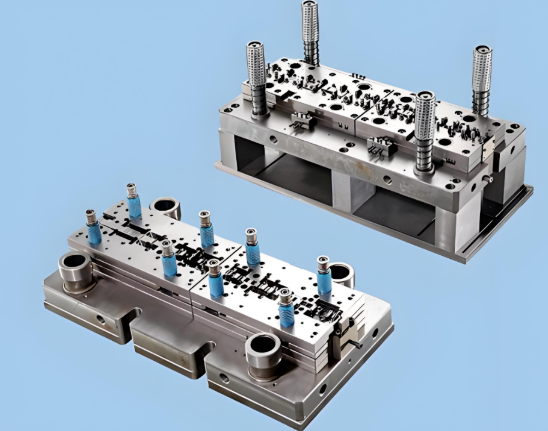
Vậy khuôn trong sản xuất là gì? Nói một cách đơn giản, khuôn sản xuất là một dụng cụ chính xác chuyên biệt được thiết kế để cắt , tạo hình hoặc định dạng vật liệu thành các cấu hình cụ thể. Khác với khuôn đúc (mold) hoạt động trên vật liệu ở trạng thái lỏng, khuôn thường định hình vật liệu ở trạng thái rắn — đặc biệt là kim loại — thông qua lực tác động.
Khuôn dập là một dụng cụ chính xác dùng để cắt và tạo hình kim loại thành các hình dạng chức năng. Hai nửa khuôn được đặt bên trong một máy ép có khả năng tạo ra lực đủ lớn để thực hiện các chức năng cần thiết của khuôn.
Khuôn dập là gì? Hãy hình dung chúng như những dụng cụ cắt bánh quy được thiết kế riêng cho các ứng dụng công nghiệp — chỉ khác là thay vì cắt bột, chúng cắt xuyên qua thép, nhôm và các kim loại khác với độ chính xác tuyệt vời. Theo định nghĩa của các nhà sản xuất khuôn dập, khuôn là những dụng cụ được chế tạo từ thép dụng cụ đã tôi cứng, bao gồm các bộ phận nam (đầu dập) và bộ phận nữ (buồng khuôn), hoạt động đồng bộ dưới áp lực cực lớn.
Tại sao khuôn dập lại quan trọng trong sản xuất hiện đại
Đây là lúc vấn đề trở nên thú vị — và cũng là lúc sự nhầm lẫn thường xuất hiện. Bạn sẽ bắt gặp hai khái niệm liên quan nhưng khác biệt rõ ràng:
- Chế tạo khuôn - Quy trình chế tạo bản thân khuôn dập, từ thiết kế, gia công đến hoàn thiện
- Sản xuất bằng khuôn dập - Sử dụng khuôn dập đã hoàn tất để sản xuất linh kiện ở quy mô lớn
Tại sao điều này lại quan trọng? Hãy tưởng tượng bạn đặt hàng "dịch vụ chế tạo khuôn dập" trong khi thực tế bạn cần một đơn vị sử dụng khuôn dập hiện có để sản xuất. Sự hiểu nhầm này có thể làm chậm tiến độ dự án của bạn tới vài tuần và hoàn toàn phá vỡ ngân sách.
Ý nghĩa thực sự của việc sản xuất khuôn là gì? Hãy xem xét điều này: gần như mọi chi tiết kim loại trong xe ô tô, điện thoại hoặc thiết bị gia dụng của bạn đều bắt đầu từ tấm kim loại phẳng, sau đó được khuôn định hình thành chi tiết chức năng. Từ các giá đỡ ô tô đến các bộ phận hàng không vũ trụ, khuôn cho phép sản xuất hàng loạt những chi tiết đồng nhất và đạt chất lượng cao—điều mà nếu làm thủ công thì sẽ không thể thực hiện được một cách kinh tế. Việc hiểu rõ khuôn là gì trong sản xuất sẽ trang bị cho bạn nền tảng cần thiết để đưa ra những quyết định thông minh hơn về dụng cụ gia công—và đó chính xác là nội dung chúng ta sẽ khám phá xuyên suốt hướng dẫn này.
Các chức năng cốt lõi và thành phần của khuôn sản xuất
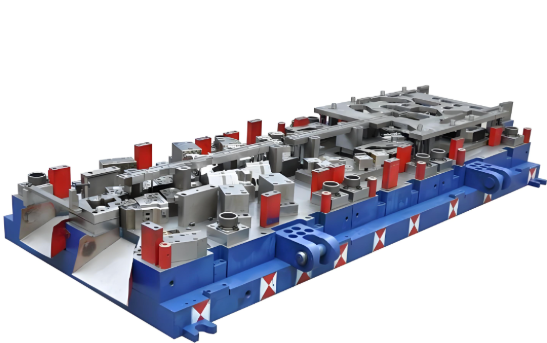
Bạn đã bao giờ tự hỏi điều gì thực sự xảy ra bên trong máy ép khuôn trong những chu kỳ sản xuất chỉ kéo dài trong tích tắc? Việc hiểu rõ các chức năng cốt lõi của một dụng cụ khuôn không chỉ mang tính học thuật—mà còn ảnh hưởng trực tiếp đến chất lượng chi tiết, tốc độ sản xuất và cuối cùng là lợi nhuận của bạn.
Bốn chức năng thiết yếu của khuôn
Mỗi khuôn sản xuất thực hiện bốn chức năng quan trọng trong mỗi hành trình của máy ép. Các chức năng này diễn ra theo một trình tự chính xác, thường chỉ trong vài phần nghìn giây, và bất kỳ điểm yếu nào ở một khâu đều ảnh hưởng đến toàn bộ quá trình vận hành.
- Xác Định Vị Trí - Trước tiên, vật liệu phải được định vị với độ chính xác tuyệt đối. Các chốt dẫn hướng, lỗ dẫn và các đặc điểm định vị đảm bảo tấm kim loại của bạn được đặt đúng vị trí cần thiết — thường trong dung sai chỉ 0,0001 inch. Hãy hình dung điều này giống như luồn kim vào lỗ kim ở tốc độ cao, hàng ngàn lần mỗi ngày.
- Kẹp chặt - Sau khi đã được định vị, vật liệu cần được giữ cố định tại chỗ. Các lò xo khuôn và bộ kẹp phôi tác dụng lực ép kiểm soát được nhằm cố định phôi trong suốt quá trình gia công. Lực kẹp quá nhỏ sẽ khiến vật liệu bị dịch chuyển; còn lực kẹp quá lớn lại có nguy cơ làm rách vật liệu hoặc gây mài mòn quá mức.
- Làm việc - Đây là nơi điều kỳ diệu diễn ra. Một bộ khuôn (die) được sử dụng để cắt, uốn, dập sâu hoặc tạo hình vật liệu thành hình dạng cuối cùng. Các thành phần chày (punch) và khuôn (die) phối hợp với nhau với độ hở chính xác — thường khoảng 10% độ dày vật liệu đối với các thao tác cắt — nhằm biến vật liệu phẳng thành các chi tiết chức năng.
- Giải phóng - Sau khi tạo hình, chi tiết hoàn chỉnh phải được đẩy ra một cách sạch sẽ mà không gây hư hại. Các tấm đẩy (stripper plates), chốt đẩy (ejector pins) và cơ cấu đẩy ra (knockout mechanisms) giúp tách chi tiết đã hoàn tất khỏi khuôn và chuẩn bị khuôn cho chu kỳ tiếp theo.
Điều làm nên sự hấp dẫn ở đây là: bốn chức năng này không chỉ diễn ra tuần tự — mà còn tương tác động học với nhau. Ví dụ, việc kẹp chặt không đúng trong giai đoạn làm việc có thể khiến vật liệu dịch chuyển, làm sai lệch cơ chế giải phóng và tiềm ẩn nguy cơ gây hư hại cả chi tiết lẫn khuôn trong các ứng dụng ép .
Cách các khuôn (dies) biến đổi vật liệu thô
Khi bạn đặt tấm kim loại vào máy dập khuôn, bạn đang chứng kiến một quá trình biến đổi được lên kế hoạch tỉ mỉ. Hai nửa khuôn trên và dưới khép lại với nhau dưới lực ép khổng lồ — đôi khi vượt quá vài trăm tấn — và trong vòng vài miligiây, vật liệu phẳng đã trở thành một chi tiết có hình dạng chính xác.
Mối quan hệ giữa chày và khuôn đặc biệt quan trọng. Chày di chuyển xuống xuyên qua vật liệu trong khi phần đệm khuôn (die button) cung cấp cạnh cắt đối diện. Theo Moeller Precision Tool, phần đệm khuôn thường được thiết kế lệch lớn hơn đầu chày từ 5–10% độ dày của vật liệu được đục — khoảng lệch này gọi là "độ phá khuôn" (die break), tạo ra khoảng hở cần thiết để đảm bảo quá trình cắt sạch sẽ.
Hiểu rõ các thành phần khuôn này cũng như cách chúng tương tác với nhau sẽ giúp bạn chẩn đoán sự cố nhanh hơn và đưa ra các quyết định thiết kế hợp lý ngay từ giai đoạn đầu.
Tám Thành Phần Khuôn Thiết Yếu Được Liên Hệ Với Các Chức Năng Tương Ứng
Một bộ dụng cụ dập bao gồm nhiều chi tiết hoạt động đồng bộ. Dưới đây là tám thành phần khuôn cơ bản mà mọi kỹ sư và người mua đều cần nắm rõ:
| Thành phần | Chức năng chính | Nó làm gì |
|---|---|---|
| Các tấm dập (giày dập) | Nền tảng / Định vị | Đóng vai trò là bệ gắn cố định cho tất cả các thành phần khác; thường được làm từ thép hoặc hợp kim nhôm |
| Chốt dẫn và bạc dẫn | Xác Định Vị Trí | Đảm bảo căn chỉnh chính xác giữa nửa trên và nửa dưới của bộ khuôn trong phạm vi 0,0001 inch; có sẵn loại ma sát hoặc loại ổ bi |
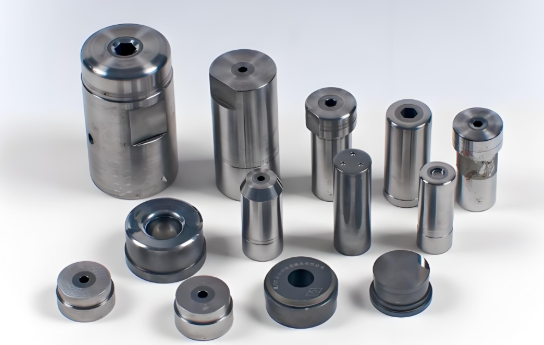
| Đầu đấm | Làm việc | Thành phần dạng dương ép vào vật liệu để cắt hoặc tạo hình; có sẵn dạng tròn, vuông, bầu dục và theo yêu cầu đặc biệt |
| Nút khuôn | Làm việc | Thành phần dạng âm tương ứng, cung cấp cạnh cắt đối diện; có kích thước lớn hơn đột từ 5–10% để đảm bảo khe hở phù hợp |
| Tấm giữ phôi / tấm đẩy phế liệu | Kẹp / Thả | Giữ cố định vật liệu trong giai đoạn gia công và đẩy các chi tiết đã hoàn thành ra khỏi đột khi đầu dập đi lên |
| Lò xo khuôn | Kẹp chặt | Cung cấp lực điều khiển để kẹp và đẩy phế liệu; có loại cơ khí hoặc loại sử dụng khí nitơ |
| Bộ giữ khuôn | Xác định vị trí/Làm việc | Giữ chặt các chày và nút bấm chính xác ở vị trí; các kiểu phổ biến gồm chốt bi, chốt vai và chốt đầu loa |
| Bộ đẩy ra/Bộ đẩy phôi | Giải phóng | Đẩy các chi tiết đã gia công ra khỏi buồng khuôn để tránh kẹt hoặc hư hỏng |
Hãy chú ý cách một số thành phần đảm nhiệm nhiều chức năng? Ví dụ, bộ kẹp phôi vừa thực hiện chức năng kẹp vừa tham gia vào quá trình nhả phôi. Sự liên kết này giải thích vì sao những sự cố tưởng chừng nhỏ ở một thành phần có thể lan rộng thành các vấn đề sản xuất nghiêm trọng.
Khi những nguyên lý cơ bản này đã rõ ràng, bạn đã sẵn sàng khám phá các loại khuôn khác nhau được sử dụng — mỗi loại đều được thiết kế cho các ứng dụng và yêu cầu sản xuất cụ thể.
Các loại khuôn được sử dụng trong các quy trình sản xuất
Lựa chọn sai loại khuôn cho dự án của bạn giống như dùng dao phết bơ để cắt thép — về mặt kỹ thuật vẫn là một công cụ cắt, nhưng hoàn toàn không phù hợp với công việc. Với hàng chục biến thể khuôn hiện có, việc hiểu rõ loại khuôn nào phù hợp với yêu cầu sản xuất của bạn có thể tạo nên sự khác biệt giữa hiệu quả mang lại lợi nhuận và việc phải làm lại tốn kém.
Khuôn dập liên tục vs Khuôn truyền động vs Khuôn phức hợp
Ba loại khuôn dập này đại diện cho những công cụ chủ lực trong gia công kim loại. Mỗi loại thực hiện quá trình chuyển đổi từ tấm phẳng thành chi tiết hoàn chỉnh theo cách riêng, và lựa chọn của bạn phụ thuộc rất nhiều vào độ phức tạp của chi tiết, khối lượng sản xuất cũng như các ràng buộc về ngân sách.
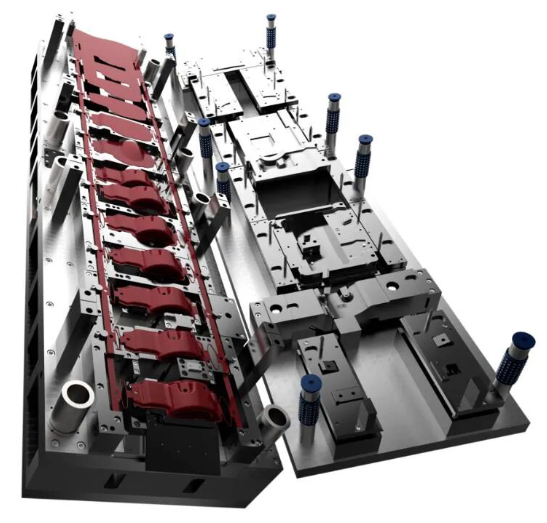
Khuôn tiến bộ hoạt động như một dây chuyền lắp ráp được nén gọn vào trong một khuôn duy nhất. Như Larson Tool giải thích, những khuôn này bao gồm nhiều trạm được bố trí tuần tự, mỗi trạm thực hiện một thao tác cụ thể khi dải kim loại di chuyển qua máy ép. Trạm một có thể khoan lỗ dẫn hướng, trạm hai cắt biên dạng ngoài, trạm ba uốn gờ, và cứ thế tiếp tục — tất cả các thao tác này đều diễn ra trong mỗi lần hành trình của máy ép.
Điều gì khiến khuôn tiến bộ đặc biệt hiệu quả? Chúng vượt trội trong việc sản xuất hàng loạt các chi tiết phức tạp trong khi vẫn duy trì độ đồng nhất xuất sắc. Tuy nhiên, thiết kế phức tạp này đòi hỏi chi phí ban đầu cho khuôn cao hơn và lịch trình bảo trì nghiêm ngặt hơn. Nếu bạn sản xuất các giá đỡ ô tô hoặc kẹp điện tử với số lượng hàng nghìn chiếc, khuôn dập tiến bộ sẽ mang lại hiệu quả kinh tế trên mỗi chi tiết vượt trội.
Compound dies tiếp cận theo một cách khác — thực hiện nhiều thao tác trong một lần gõ thay vì phân bổ qua nhiều trạm. Hãy tưởng tượng việc cắt, uốn và tạo gân đều diễn ra đồng thời trong một bộ khuôn duy nhất. Việc tích hợp này làm giảm đáng kể thời gian sản xuất và loại bỏ nhu cầu thiết lập thêm các bộ khuôn phụ.
Khi nào nên sử dụng khuôn dập tổ hợp? Theo Durex Inc., những khuôn dập kim loại này rất phù hợp cho các chi tiết có kích thước trung bình và cấu trúc phức tạp, được sử dụng trong hàng tiêu dùng và thiết bị y tế. Cấu trúc đơn giản hơn so với khuôn dập tiến bộ giúp giảm yêu cầu bảo trì và chi phí đầu tư ban đầu — mặc dù chúng ít thích hợp hơn đối với các hình dạng cực kỳ phức tạp hoặc các lô sản xuất quy mô lớn.
Khuôn chuyển (Transfer) di chuyển các phôi giữa các trạm bằng hệ thống truyền động cơ khí thay vì giữ các chi tiết gắn trên dải dẫn hướng. Phương pháp này xử lý các chi tiết lớn hơn hoặc phức tạp hơn, vốn không thực tế khi áp dụng trong các quy trình dập liên tục. Việc truyền động được kiểm soát giúp duy trì độ chính xác cao đồng thời mang lại khả năng mở rộng cho các cụm lắp ráp phức tạp, thường gặp trong ngành hàng không vũ trụ và máy móc hạng nặng.
Nghe có vẻ phức tạp? Đúng vậy. Các bộ khuôn truyền động đòi hỏi chi phí chế tạo khuôn và thiết lập cao hơn do cơ cấu truyền động tinh vi của chúng, vì vậy chúng phù hợp nhất với các khối lượng sản xuất trung bình đến cao, nơi khả năng xử lý các chi tiết phức tạp đủ để biện minh cho khoản đầu tư này.
Giải thích các loại khuôn chuyên dụng
Ngoài ba loại khuôn chủ đạo, còn có một số loại khuôn chuyên dụng phục vụ các nhu cầu sản xuất cụ thể:
- Khuôn Đột Biên (Blanking Dies) - Điểm khởi đầu cho nhiều quy trình gia công. Những khuôn cắt đơn giản này cắt các hình dạng cụ thể từ tấm kim loại, tạo ra các phôi được cắt sạch với lượng phế liệu tối thiểu. Thiết kế đơn giản của chúng giúp chi phí sản xuất thấp khi tạo các chi tiết cơ bản và chuẩn bị vật liệu thô cho các công đoạn tiếp theo.
- Việc vẽ khuôn - Biến đổi các phôi phẳng thành các hình khối ba chiều thông qua các quá trình dập sâu. Hãy nghĩ đến các lon đồ uống, bình nhiên liệu ô tô hoặc chậu rửa nhà bếp — bất kỳ chi tiết nào yêu cầu độ sâu đáng kể so với đường kính của nó.
- Khuôn đóng dấu (Coining) - Đạt độ chính xác tuyệt vời cho các chi tiết chi tiết, hoàn thiện tinh xảo. Ngành trang sức và các nhà sản xuất thiết bị y tế phụ thuộc vào khuôn ép định hình khi chất lượng bề mặt và độ chính xác về kích thước là yếu tố then chốt.
- Khuôn dập nổi - Tạo các hoa văn nổi hoặc chìm trên bề mặt kim loại, vừa tăng tính thẩm mỹ vừa bổ sung các tính năng chức năng như cải thiện độ bám hoặc nhận diện thương hiệu.
- Khuôn lưỡi thép - Cắt dập là gì đối với vật liệu linh hoạt? Các khuôn cắt dập bằng thanh thép (steel rule dies) trả lời câu hỏi này. Những dụng cụ cắt dập này sử dụng các lưỡi thép mỏng được gắn vào một nền để cắt các vật liệu mềm hơn như cao su, xốp, gioăng đệm và thậm chí cả ứng dụng cắt vải. Chúng có chi phí thấp hơn đáng kể so với các khuôn cắt dập bằng thép tôi, do đó rất phù hợp cho sản xuất số lượng nhỏ hoặc chạy mẫu.
- Khuôn rèn - Định hình phôi kim loại đã được nung nóng thông qua lực nén thay vì cắt hoặc dập. Phương pháp này thường được áp dụng trong sản xuất các chi tiết có độ bền cao cho ngành ô tô và hàng không vũ trụ, nơi tính toàn vẹn của vật liệu là yếu tố then chốt.
- Khuôn đúc - Được thiết kế đặc biệt cho quy trình đúc áp lực, trong đó kim loại nóng chảy được phun vào buồng khuôn dưới áp lực. Khác với khuôn dập, những dụng cụ này phải chịu được nhiệt độ cực cao và chu kỳ thay đổi nhiệt.
So sánh các loại khuôn: Phù hợp giữa công cụ và yêu cầu
Việc lựa chọn khuôn dập phù hợp đòi hỏi phải cân nhắc nhiều yếu tố. Bảng so sánh dưới đây tổng hợp các tiêu chí ra quyết định chính:
| Loại die | Chức năng chính | Ứng dụng tốt nhất | Khối lượng sản xuất | Mức độ phức tạp tương đối |
|---|---|---|---|---|
| Dies tiến bộ | Dập tạo hình nhiều công đoạn tuần tự | Kẹp ô tô, giá đỡ điện tử, chi tiết nhỏ phức tạp | Sản lượng cao (trên 100.000 chi tiết) | Cao – nhiều trạm, thời điểm vận hành phức tạp |
| Dụng cụ phức hợp | Thực hiện đồng thời nhiều công đoạn trong một lần đột | Chi tiết phẳng độ phức tạp trung bình, linh kiện y tế | Khối lượng trung bình (10.000–100.000 chi tiết) | Trung bình – đơn giản hơn dập tiến bộ |
| Khuôn chuyển tiếp (Transfer Die) | Chi tiết lớn/phức tạp được di chuyển giữa các trạm | Kết cấu hàng không vũ trụ, linh kiện máy móc hạng nặng | Trung bình đến cao | Cao – cơ cấu truyền động làm tăng độ phức tạp |
| Mẫu đột | Cắt các hình dạng từ vật liệu tấm | Các thành phần cơ bản, chuẩn bị cho các công đoạn gia công thứ cấp | Mọi khối lượng | Thấp – thiết kế đơn giản |
| Khuôn kéo sâu | Tạo hình các chi tiết 3D từ phôi phẳng | Thùng chứa, vỏ bọc, các chi tiết dập sâu | Trung bình đến cao | Trung bình đến cao – phụ thuộc vào độ sâu dập |
| Khuôn dập định hình | Hoàn thiện bề mặt độ chính xác cao | Đồ trang sức, thiết bị y tế, linh kiện chính xác | Trung bình đến thấp | Trung bình – độ chính xác là yếu tố then chốt |
| Thước thép chết | Cắt các vật liệu linh hoạt/nhẹ | Bộ đệm kín, mút xốp, cao su, khuôn cắt vải | Trung bình đến thấp | Thấp – xây dựng tiết kiệm chi phí |
| Khuôn đúc | Đúc kim loại nóng chảy dưới áp lực | Các chi tiết nhôm/kẽm phức tạp, vỏ bọc | Số lượng lớn | Cao – quản lý nhiệt là yếu tố then chốt |
Bạn có nhận ra xu hướng này không? Độ phức tạp cao hơn thường tương quan với chi phí ban đầu cao hơn, nhưng chi phí trên mỗi chi tiết lại thấp hơn khi sản xuất ở quy mô lớn. Khuôn dập tiến bộ có thể đắt gấp mười lần khuôn cắt đơn giản, nhưng khi bạn sản xuất hàng triệu chi tiết, khoản đầu tư ban đầu này sẽ mang lại lợi ích đáng kể về tốc độ và độ nhất quán.
Khi đánh giá các lựa chọn của mình, hãy xem xét những yếu tố ra quyết định sau:
- Địa hình phần - Các hình dạng phức tạp với nhiều đặc điểm kỹ thuật ưu tiên sử dụng khuôn dập tiến bộ hoặc khuôn dập chuyển vị
- Sản lượng hàng năm - Khối lượng sản xuất lớn hơn làm cho việc đầu tư vào thiết kế khuôn tinh vi (và đắt đỏ) hơn trở nên hợp lý
- Yêu cầu dung sai - Các dung sai chặt hơn có thể yêu cầu sử dụng khuôn dập tổ hợp hoặc khuôn ép định hình
- Độ dày vật liệu - Vật liệu dày hơn thường phù hợp hơn với phương pháp dập chuyển vị
- Các hạn chế ngân sách – Ngân sách hạn chế có thể khiến bạn lựa chọn các loại khuôn đơn giản hơn với nhiều thao tác phụ thủ công hơn
Hiểu rõ các loại khuôn này sẽ giúp bạn có được vốn từ vựng cần thiết để giao tiếp hiệu quả với các đối tác sản xuất khuôn của mình. Bây giờ, hãy cùng xem xét quy trình thực tế để chế tạo những loại khuôn này – từ ý tưởng ban đầu cho đến khuôn hoàn chỉnh sẵn sàng đưa vào sản xuất.
Quy trình làm khuôn toàn diện
Bạn đã bao giờ tự hỏi một chiếc khuôn đi từ bản phác thảo ý tưởng đến một công cụ chính xác có khả năng sản xuất hàng triệu chi tiết giống hệt nhau như thế nào chưa? Hành trình này đòi hỏi nhiều hơn rất nhiều so với việc chỉ đơn thuần cắt gọt kim loại – đây là một quy trình kỹ thuật hệ thống, trong đó mỗi bước đều dựa trên và phát triển từ bước trước đó. Nếu đẩy nhanh bất kỳ giai đoạn nào, bạn đang tự đặt mình vào nguy cơ phải sửa chữa tốn kém hoặc khuôn bị hỏng sớm.
Từ ý tưởng thiết kế đến khuôn hoàn chỉnh
Làm thế nào để chế tạo một chiếc khuôn vận hành ổn định trong nhiều năm? Hãy tuân theo quy trình đã được kiểm chứng này, vốn đã được các chuyên gia làm khuôn giàu kinh nghiệm hoàn thiện qua nhiều thập kỷ. Mỗi giai đoạn đều phục vụ một mục đích cụ thể, và việc bỏ qua bất kỳ bước nào cũng đồng nghĩa với việc tự rước thảm họa.
- Thiết kế và Đánh giá khả thi về mặt sản xuất (DFM) - Mọi thứ bắt đầu bằng bản vẽ khuôn chi tiết và phân tích Khả năng Sản xuất (DFM). Đội ngũ kỹ sư của bạn sẽ xem xét thiết kế chi tiết và cùng nhau tối ưu hóa thiết kế này cho quá trình chế tạo khuôn. Việc này bao gồm việc thêm góc thoát khuôn để chi tiết tách ra một cách sạch sẽ, điều chỉnh độ dày thành để ngăn ngừa biến dạng, và xác định đường phân khuôn nhằm giảm thiểu các đường nối dễ nhìn thấy. Theo GOHO Tech, việc dành thêm một tuần ở giai đoạn DFM có thể giúp tiết kiệm tới sáu tuần sửa đổi khuôn về sau.
- Mô phỏng Dòng Chảy Khuôn - Trước khi gia công bất kỳ khối thép nào, phần mềm mô phỏng sẽ dự đoán chính xác cách vật liệu sẽ chảy, lấp đầy buồng khuôn và hành xử trong suốt quá trình tạo hình. Việc kiểm tra kỹ thuật số này giúp phát hiện sớm các khuyết tật tiềm ẩn như bẫy khí hoặc tập trung ứng suất — những vấn đề nếu phát sinh sau khi đã gia công khuôn thì sẽ vô cùng tốn kém để khắc phục. Hãy coi đây như một quả cầu pha lê cho dự án khuôn của bạn.
- Lựa chọn vật liệu - Việc lựa chọn đúng cấp thép dụng cụ quyết định tuổi thọ khuôn, yêu cầu bảo trì và chất lượng sản xuất. Đối với hầu hết các ứng dụng, thép dụng cụ H13 vẫn là tiêu chuẩn ngành nhờ khả năng chống sốc nhiệt và mài mòn xuất sắc. Cố gắng tiết kiệm chi phí bằng cách sử dụng thép rẻ hơn là một sai lầm tốn kém — loại thép này sẽ nhanh chóng hư hỏng.
- Các Quá Trình Gia Công Chính Xác - Giai đoạn gia công khuôn biến các khối thép thành các bộ phận công cụ chức năng. Các máy phay CNC tạo ra các hình dạng chính với độ chính xác được điều khiển bằng máy tính, trong khi gia công xung điện (EDM) xử lý các chi tiết tinh tế, góc nhọn và các đặc điểm sâu mà phương pháp cắt thông thường không thể đạt được.
- Xử lý nhiệt - Sau khi gia công, các chi tiết thép trải qua quá trình tôi luyện trong chân không để đạt được độ cứng cần thiết (thường từ 44–48 HRC) và độ dai. Bước vô hình này làm thay đổi cấu trúc bên trong của thép, giúp nó vừa đủ cứng để chịu được áp lực ép phun, vừa đủ dai để chống nứt do ứng suất nhiệt.
- Hoàn thiện bề mặt - Các bề mặt lõi và lòng khuôn được đánh bóng kỹ lưỡng bằng tay để tạo độ mịn cần thiết cho các chi tiết đúc chất lượng cao. Đối với các bộ phận mang tính thẩm mỹ, bề mặt có thể được đánh bóng đến mức sáng bóng như gương. Chỉ một vết xước nhỏ trên bề mặt khuôn cũng sẽ được sao chép lên từng chi tiết sản xuất ra.
- Lắp ráp và Kiểm tra Thử nghiệm - Tất cả các thành phần đã hoàn tất — bao gồm lòng khuôn, lõi, chốt đẩy và các khối trượt — được lắp ráp thành bộ khuôn hoàn chỉnh. Toàn bộ khuôn sau đó trải qua lần thử nghiệm đầu tiên (T1), trong đó các chi tiết đầu tiên được đúc và đo kiểm tra so với thông số kỹ thuật. Bước xác nhận này chứng minh khuôn đã sẵn sàng cho sản xuất hàng loạt trước khi rời khỏi cơ sở.
Công nghệ Hiện đại trong Sản xuất Khuôn Ép
Ngày nay, việc chế tạo khuôn ép dựa vào những công nghệ sản xuất tiên tiến mà chỉ vài thập kỷ trước đây còn được coi là khoa học viễn tưởng. Việc hiểu rõ những công nghệ này giúp bạn đánh giá năng lực của nhà cung cấp và nhận thức rõ lý do vì sao khuôn chính xác lại có giá cao.
Gia công CNC đại diện cho nền tảng cốt lõi của các quy trình gia công khuôn hiện đại. Các hệ thống Điều khiển Số bằng Máy tính (CNC) sử dụng các dụng cụ cắt quay được điều khiển bởi chương trình mã G để loại bỏ vật liệu với độ chính xác tuyệt vời. Các máy CNC hiện đại có 5 trục có thể tiếp cận phôi từ gần như mọi góc độ, tạo ra các hình học phức tạp với ít lần gá đặt hơn và đạt được dung sai chặt chẽ hơn nhiều so với các phương pháp thủ công.
Gia công xung điện (EDM) xử lý những nhiệm vụ mà phương pháp cắt thông thường không thực hiện được. Công nghệ này sử dụng tia lửa điện được kiểm soát để ăn mòn thép cứng, tạo ra các góc trong sắc nét, các rãnh sâu và hẹp, cũng như các chi tiết tinh xảo mà các dụng cụ cắt quay không thể tiếp cận được. Đối với thợ làm khuôn sản xuất các khuôn dập liên tục phức tạp, gia công xung điện (EDM) là yếu tố không thể thiếu.
Dây EDM đưa độ chính xác lên một tầm cao mới. Một sợi dây kim loại mỏng mang điện tích cắt xuyên qua kim loại giống như dao cắt phô mai cắt qua phô mai cheddar — ngoại trừ việc độ chính xác ở đây được đo bằng phần mười nghìn inch. Công nghệ này đặc biệt vượt trội trong việc tạo ra các biên dạng đấm và khuôn dập với chất lượng mép tuyệt hảo và biến dạng bề mặt tối thiểu.
Sự tương tác giữa các công nghệ này là yếu tố quan trọng. Một quy trình sản xuất khuôn điển hình có thể bắt đầu bằng gia công phay CNC thô để loại bỏ nhanh lượng vật liệu dư lớn, sau đó là các lần gia công CNC tinh cho các bề mặt chính, tiếp theo là gia công xung điện (EDM) cho các chi tiết phức tạp, và cuối cùng là gia công cắt dây (wire EDM) cho các biên dạng chày yêu cầu cạnh cắt bóng mượt như gương.
Các yếu tố kỹ thuật được xem xét trong toàn bộ quy trình này ảnh hưởng trực tiếp đến hiệu năng và tuổi thọ của khuôn. Khe hở phù hợp giữa chày và các thành phần khuôn, góc thoát khuôn đủ để đẩy chi tiết ra, đặc tính giãn nở nhiệt cân bằng và vị trí kênh làm mát được tối ưu hóa — tất cả đều quyết định liệu khuôn hoàn thiện của bạn có vận hành ổn định và đáng tin cậy trong nhiều năm hay sẽ trở thành gánh nặng bảo trì.
Khi đã hiểu rõ quy trình làm việc, quyết định quan trọng tiếp theo là lựa chọn vật liệu phù hợp cho ứng dụng cụ thể của bạn — một lựa chọn ảnh hưởng mạnh mẽ đến tuổi thọ khuôn, chi phí bảo trì và chất lượng sản xuất.
Lựa chọn Vật liệu Khuôn và Các Yếu tố Kỹ thuật
Bạn đã thiết kế khuôn hoàn hảo, lên kế hoạch chi tiết cho quy trình làm việc và lựa chọn loại khuôn lý tưởng cho nhu cầu sản xuất của mình. Giờ đây, bạn phải đưa ra một quyết định sẽ ám ảnh — hoặc đền đáp — bạn trong nhiều năm tới: vật liệu nào nên được sử dụng để chế tạo khuôn? Hãy lựa chọn cẩn trọng: khuôn công cụ của bạn có thể vận hành hàng trăm nghìn chu kỳ mà không gặp sự cố. Nhưng nếu lựa chọn sai lầm, bạn sẽ phải thay thế các bộ phận ngay trước khi quý sản xuất đầu tiên kết thúc.
Các Loại Thép Dụng Cụ Dùng Để Chế Tạo Khuôn
Các loại thép dụng cụ không giống nhau về tính chất. Mỗi loại mang đến một tổ hợp riêng biệt gồm độ cứng, độ dai, khả năng chống mài mòn và khả năng gia công — và việc hiểu rõ những sự đánh đổi này là điều thiết yếu để đưa ra quyết định thông minh về khuôn công cụ.
Điều gì làm cho thép dụng cụ khác biệt so với thép thông thường? Theo Protolabs, thép dụng cụ chứa 0,5–1,5% carbon cùng các nguyên tố hợp kim như crôm, vanađi, vonfram và molypden. Những nguyên tố này tạo thành các cacbua, mang lại độ cứng và khả năng chống mài mòn vượt trội cho dụng cụ và khuôn. Tuy nhiên, điểm cần lưu ý là luôn tồn tại sự đánh đổi giữa độ cứng và độ dai: thép càng cứng thì càng giòn.
Hãy cùng phân tích các mác thép chủ lực mà bạn sẽ gặp trong sản xuất khuôn và dụng cụ:
D2 (Thép làm việc ở nhiệt độ thấp) - Vô địch về khả năng chống mài mòn. Với hàm lượng crôm khoảng 12% và độ cứng đạt 58–62 HRC, D2 nổi trội trong các ứng dụng chịu mài mòn cao như khuôn dập, khuôn cắt phôi và khuôn cắt biên. Tuy nhiên, điểm yếu chí mạng của nó là khả năng chịu mỏi nhiệt kém và độ dai hạn chế — do đó không phù hợp cho các khuôn đúc ở nhiệt độ cao hoặc các dụng cụ chịu chu kỳ thay đổi nhiệt.
A2 (Thép tôi trong không khí) - Loại vật liệu có hiệu suất cân bằng. Quá trình tôi cứng bằng cách làm nguội trong không khí thay vì tôi trong nước hoặc dầu giúp giảm thiểu biến dạng trong quá trình nhiệt luyện. Với độ cứng khoảng 55–62 HRC và khả năng chịu va đập ở mức trung bình, thép A2 đóng vai trò cầu nối giữa khả năng chống mài mòn và độ bền va đập. Đây là lựa chọn hàng đầu cho các khuôn dập đa dụng, dụng cụ tạo hình và các ứng dụng yêu cầu độ ổn định kích thước tốt.
O1 (Thép tôi trong dầu) - Chuyên gia về độ chính xác. Nổi tiếng nhờ tính dự báo được và dễ thực hiện nhiệt luyện, thép O1 gia công tốt và đạt độ cứng 57–64 HRC. Vật liệu này được sử dụng rộng rãi cho các dụng cụ đo lường, dụng cụ cắt và khuôn tạo hình, nơi độ chính xác về kích thước quan trọng hơn khả năng chống mài mòn cực cao.
S7 (Thép chịu va đập) - Vật liệu hấp thụ va đập. Khi khuôn và dụng cụ của bạn phải chịu tải va đập lặp đi lặp lại, thép S7 với độ cứng 54–58 HRC mang lại độ dai tuyệt vời mà không bị giòn. Các loại đục, chày dập và khuôn dập cơ khí nặng đều dựa vào mác thép này để chống nứt dưới tác động cơ học lặp lại.
H13 (Thép làm việc ở nhiệt độ cao) - Người chiến binh chịu nhiệt. Duy trì độ bền cấu trúc ở nhiệt độ lên tới 540°C (1000°F), thép H13 ở độ cứng 45–55 HRC là tiêu chuẩn công nghiệp cho khuôn đúc áp lực nhôm và kẽm, khuôn ép phun khối lượng lớn, cũng như mọi ứng dụng liên quan đến chu kỳ gia nhiệt và làm nguội lặp đi lặp lại.
P20 (Thép khuôn nhựa) - Người bạn thân thiết của thợ tiện. Được tôi sơ bộ ở độ cứng chỉ 28–32 HRC, thép P20 dễ gia công mà không cần xử lý nhiệt sau gia công. Đây là lựa chọn tiết kiệm chi phí cho khuôn mẫu, dụng cụ sản xuất số lượng nhỏ và các ứng dụng không yêu cầu độ cứng cực cao.
Lựa chọn vật liệu phù hợp với yêu cầu sản xuất
Việc lựa chọn vật liệu khuôn kim loại không phải là tìm loại thép "tốt nhất", mà là lựa chọn sao cho tính chất vật liệu phù hợp với yêu cầu sản xuất cụ thể của bạn. Dưới đây là bảng so sánh toàn diện nhằm hỗ trợ các quyết định kỹ thuật về khuôn của bạn:
| Loại Nguyên Liệu | Dải độ cứng (HRC) | Ứng dụng tốt nhất | Chống mài mòn | Các yếu tố chi phí |
|---|---|---|---|---|
| Thép Dụng cụ D2 | 58-62 | Khuôn dập chịu mài mòn cao, khuôn cắt phôi, khuôn cắt biên | Xuất sắc | Trung bình – giá trị tốt cho các ứng dụng yêu cầu khả năng chống mài mòn cao |
| Thép công cụ A2 | 55-62 | Khuôn đa dụng, dụng cụ tạo hình | Tốt | Trung bình – hiệu năng cân bằng giữa chi phí và hiệu quả |
| Thép dụng cụ O1 | 57-64 | Dụng cụ cắt, dưỡng kiểm tra, khuôn mẫu | Trung bình | Thấp hơn – kinh tế cho khuôn mẫu sản xuất số lượng nhỏ |
| Thép công cụ S7 | 54-58 | Khuôn dập, chày dập, búa | Trung bình | Trung bình – phù hợp cho các ứng dụng chịu va đập |
| Thép Dụng Cụ H13 | 45-55 | Đúc áp lực, rèn nóng, khuôn ép phun | Tốt | Cao hơn – thiết yếu cho các ứng dụng nhiệt |
| Thép công cụ P20 | 28-32 | Khuôn mẫu thử nghiệm, sản xuất số lượng nhỏ | Thấp-Trung bình | Thấp hơn – thời gian gia công giảm bù đắp chi phí vật liệu |
| Carbua Tungsten | >80 | Các mảnh chèn chịu mài mòn cao, dụng cụ cắt có tuổi thọ dài | Nổi bật | Cao cấp – chỉ được biện minh trong môi trường mài mòn cực kỳ khắc nghiệt |
| Đồng Beryllium | 35-45 | Chốt lõi, thanh trượt yêu cầu tản nhiệt | Trung bình | Cao cấp – độ dẫn nhiệt lý giải chi phí trong các khu vực yêu cầu làm mát nghiêm ngặt |
Khi nào vật liệu cao cấp biện minh được cho khoản đầu tư cao hơn? Hãy xem xét các tình huống sau:
- Khối lượng sản xuất vượt quá 500.000 chu kỳ - Tiết kiệm chi phí trên mỗi chi tiết nhờ tuổi thọ khuôn kéo dài dễ dàng bù đắp chi phí vật liệu cao cấp. Như Neway đã nêu, vật liệu H13 và carbide mang lại tuổi thọ khuôn vượt quá 500.000 lần ép trong các ứng dụng đòi hỏi khắt khe.
- Gia công vật liệu mài mòn - Nhựa gia cố sợi thủy tinh, vật liệu compozit gia cường hoặc hợp kim nhôm có hàm lượng silicon cao đòi hỏi đầu cắt D2 hoặc carbide để duy trì chất lượng cạnh cắt.
- Chu kỳ nhiệt là điều không thể tránh khỏi - Các quy trình đúc áp lực hoặc rèn nóng phá hủy các loại thép kém hơn chỉ trong vài tuần. Khả năng chống mỏi nhiệt của thép H13 không phải là lựa chọn – mà là yếu tố bắt buộc.
- Độ hoàn thiện bề mặt là yếu tố then chốt - Các chi tiết mang tính thẩm mỹ yêu cầu sử dụng thép như H13, loại thép có khả năng đánh bóng đạt độ bóng gương và duy trì chất lượng đó dưới tác động của ứng suất trong quá trình sản xuất.
- Độ chính xác về dung sai phải được đảm bảo nghiêm ngặt - Sự co thể tích dưới 0,3% sau khi tôi cứng là yếu tố then chốt đối với khuôn dập chính xác. Thép A2 và đồng berili đặc biệt vượt trội về độ ổn định kích thước.
Đây là điều các kỹ sư khuôn giàu kinh nghiệm hiểu rõ: việc lựa chọn vật liệu không chỉ dựa trên chi phí ban đầu — mà còn liên quan đến tổng chi phí sở hữu suốt vòng đời. Loại thép làm khuôn giá rẻ hơn có thể giúp bạn tiết kiệm 15% chi phí ban đầu, nhưng nếu nó cần được thay thế thường xuyên gấp ba lần, bạn vừa mất tiền vừa mất thời gian sản xuất. Nghiêm trọng hơn, sự mài mòn không đồng đều của khuôn sẽ gây ra những sai lệch về chất lượng, từ đó ảnh hưởng dây chuyền tới toàn bộ hoạt động sản xuất của bạn.
Việc lựa chọn vật liệu phù hợp cũng ảnh hưởng mạnh mẽ đến yêu cầu bảo trì. Các loại thép cứng hơn chống mài mòn tốt hơn nhưng có thể bị vỡ vụn dưới tải va đập, do đó đòi hỏi thao tác xử lý cẩn trọng hơn. Các cấp độ thép dai hơn chịu được tác động cơ học mạnh hơn nhưng lại mài mòn nhanh hơn, dẫn đến nhu cầu mài sắc hoặc thay thế cạnh cắt thường xuyên hơn. Khả năng bảo trì và lịch trình sản xuất của bạn cần được xem xét kỹ lưỡng trong mọi quyết định lựa chọn vật liệu.
Khi đã hiểu rõ về việc lựa chọn vật liệu, yếu tố tiếp theo cần cân nhắc là cách những lựa chọn khuôn này được áp dụng trong các ngành công nghiệp khác nhau — mỗi ngành đều có những yêu cầu riêng biệt về dung sai, khối lượng sản xuất và chứng nhận chất lượng.
Ứng dụng Ngành nghề từ Ô tô đến Hàng không Vũ trụ
Bạn đã lựa chọn loại khuôn phù hợp, lập bản đồ quy trình làm việc và chọn đúng vật liệu. Tuy nhiên, thực tế cho thấy: giải pháp hoạt động tuyệt vời khi dập các giá đỡ ô tô có thể thất bại hoàn toàn khi dùng để gia công các bộ phận cấu trúc hàng không vũ trụ. Ngành công nghiệp khuôn không vận hành theo mô hình 'một kích cỡ phù hợp với tất cả', bởi mỗi lĩnh vực đều đặt ra những yêu cầu đặc thù về dung sai, vật liệu, khối lượng sản xuất và chứng nhận chất lượng.
Ứng dụng khuôn dập trong ngành ô tô
Hãy đi quanh bất kỳ chiếc xe hiện đại nào, và bạn sẽ thấy hàng nghìn chi tiết được tạo hình bằng khuôn dập. Từ các tấm thân xe định hình vẻ ngoài của ô tô đến các giá đỡ cấu trúc ẩn giúp đảm bảo an toàn cho hành khách, quá trình sản xuất khuôn và dụng cụ trong ngành ô tô ảnh hưởng đến gần như mọi bộ phận trong quy trình sản xuất xe.
Xét các tấm thân ngoại thất — cửa xe, nắp ca-pô, chắn bùn và tấm chắn sau. Những chi tiết này đòi hỏi loại khuôn dập mà ngành công nghiệp gọi là khuôn dập cấp A. Theo Master Products , khuôn dập cấp A được thiết kế để đạt độ tin cậy cực cao và được chế tạo từ các vật liệu có độ bền vượt trội — thường là những loại thép cứng nhất hiện có. Vì sao lại có những yêu cầu khắt khe như vậy? Mỗi tấm thân được dập ra phải hoàn toàn nhẵn mịn và không có khuyết tật, bởi vì những bề mặt này sẽ xuất hiện nổi bật trên sản phẩm hoàn thiện.
Các con số kể câu chuyện: một bộ khuôn dập tiến bộ cấp A duy nhất có thể sản xuất hàng triệu chi tiết dập theo yêu cầu trong suốt vòng đời của nó. Đó là lý do vì sao việc sản xuất khuôn và đồ gá cho ứng dụng ô tô được định giá cao — khoản đầu tư ban đầu sẽ mang lại lợi ích trong nhiều năm sản xuất với khối lượng lớn.
Ngoài các tấm thân xe nhìn thấy được, khuôn dập ô tô còn sản xuất:
- Các Bộ Phận Kết Cấu - Các cột chống va chạm, dầm gia cường và các thành phần khung yêu cầu tạo hình chính xác và tính chất vật liệu đồng đều
- Giá đỡ và phần cứng lắp ráp - Giá đỡ động cơ, giá treo hệ thống treo và các điểm lắp đặt nội thất, được sản xuất với số lượng hàng triệu chiếc
- Các bộ phận hộp số và hệ truyền động - Bánh răng, vỏ bọc và các chi tiết kết nối, nơi phương pháp đúc khuôn trong ngành công nghiệp ô tô tạo ra các hình dạng phức tạp từ các hợp kim nhẹ
Chứng nhận có vai trò vô cùng quan trọng ở đây. Chứng nhận IATF 16949 — tiêu chuẩn quản lý chất lượng của ngành công nghiệp ô tô — ảnh hưởng đến mọi khía cạnh trong sản xuất khuôn dập dùng cho ứng dụng ô tô. Chứng nhận này yêu cầu các quy trình chất lượng được tài liệu hóa, kiểm soát quy trình thống kê và khả năng truy xuất nguồn gốc đầy đủ từ vật liệu thô đến chi tiết hoàn thiện.
Yêu cầu về khuôn đặc thù theo từng ngành
Vượt ra ngoài lĩnh vực ô tô, mỗi ngành công nghiệp đều mang đến những thách thức riêng biệt, từ đó định hình thiết kế khuôn, lựa chọn vật liệu và các quy trình kiểm soát chất lượng.
Ứng dụng hàng không
Hãy tưởng tượng độ dung sai chặt chẽ tới mức ±0,001 inch — đó chính là thực tế của quá trình dập kim loại trong ngành hàng không vũ trụ. Theo Die-Matic, ngay cả những sai lệch nhỏ nhất cũng có thể làm suy giảm hiệu suất chi tiết hoặc độ khít khi lắp ráp, dẫn đến nguy cơ phải gia công lại tốn kém hoặc chậm trễ chương trình.
Khuôn hàng không vũ trụ phải đối mặt với độ phức tạp gia tăng do các vật liệu mà chúng gia công. Titan, hợp kim Inconel và các loại hợp kim nhôm chuyên dụng mang lại tỷ lệ độ bền trên trọng lượng xuất sắc nhưng lại đặt ra những thách thức riêng trong quá trình tạo hình. Lực ép không phù hợp, thiết kế khuôn hoặc thao tác xử lý sai có thể dẫn đến nứt, mài mòn bề mặt (galling) hoặc biến dạng vĩnh viễn. Đây chính là lúc chuyên môn kỹ thuật về khuôn công nghiệp và kỹ thuật chế tạo khuôn trở nên then chốt — lựa chọn lớp phủ khuôn phù hợp, tối ưu hóa lực ép (tấn máy ép), và thiết kế hình học khuôn một cách chính xác đặc biệt dành cho các loại hợp kim đòi hỏi cao này.
Các thao tác tạo hình nhiều bước rất phổ biến trong ngành hàng không vũ trụ. Nhiều chi tiết yêu cầu các công đoạn kéo sâu, uốn kép hoặc nhiều giai đoạn tạo hình liên tiếp. Khuôn tiến bộ (progressive dies) và khuôn đa vị trí (multi-station dies) cho phép tạo ra các hình dạng phức tạp này theo các chuỗi kiểm soát được và lặp lại chính xác. Một số nhà sản xuất thậm chí còn kết hợp dập (stamping) với gia công cơ khí chính xác — dập phần lớn chi tiết trước, sau đó gia công cơ khí các đặc điểm quan trọng để đạt được dung sai cực kỳ chặt.
Điện tử tiêu dùng
Vỏ nhôm của điện thoại thông minh, vỏ đầu nối trong máy tính xách tay và các thanh chắn bên trong tivi của bạn — tất cả đều bắt đầu từ tấm kim loại phẳng được gia công bằng khuôn chính xác. Thiết bị điện tử tiêu dùng yêu cầu:
- Xử lý vật liệu cực mỏng (thường dưới 0,5 mm độ dày)
- Hình học phức tạp với bán kính cong nhỏ
- Bề mặt hoàn thiện thẩm mỹ đạt chuẩn lớp A dành cho ô tô
- Sản xuất khối lượng lớn với khả năng chuyển đổi nhanh chóng
Thiết bị Y tế
Khuôn thiết bị y tế hoạt động trong chế độ kiểm soát chất lượng khắt khe nhất trong sản xuất. Dụng cụ phẫu thuật, thành phần cấy ghép và vỏ thiết bị chẩn đoán không chỉ đòi hỏi độ chính xác về kích thước mà còn yêu cầu truy xuất nguồn gốc vật liệu đầy đủ và quy trình sản xuất đã được xác nhận. Một thành phần lỗi duy nhất có thể đe dọa đến an toàn bệnh nhân, do đó tài liệu kiểm soát chất lượng quan trọng ngang bằng chính bộ khuôn vật lý.
Vật liệu Xây dựng
Ở đầu kia của phổ độ chính xác, các khuôn chuyên dùng cho xây dựng ưu tiên độ bền hơn là độ chính xác vi mô. Các tấm lợp, giá đỡ kết cấu, linh kiện hệ thống điều hòa không khí (HVAC) và vật liệu trang trí kiến trúc đòi hỏi những khuôn có khả năng gia công các loại vật liệu dày hơn với tốc độ cao. Mặc dù dung sai có thể được nới lỏng hơn so với các ứng dụng hàng không vũ trụ, nhưng tuổi thọ khuôn lại trở thành yếu tố quan trọng bậc nhất khi dập thép tấm dày trên quy mô hàng dặm.
Mô hình này rất rõ ràng: việc sản xuất khuôn thành công đòi hỏi sự thích nghi linh hoạt với đặc thù riêng của từng ngành công nghiệp — cụ thể là sự giao thoa giữa yêu cầu về dung sai, thách thức về vật liệu, khối lượng sản xuất và yêu cầu chứng nhận. Việc hiểu rõ vị trí của ứng dụng bạn trên các phổ này sẽ trực tiếp ảnh hưởng đến mọi quyết định liên quan đến khuôn — từ thiết kế ban đầu, lựa chọn vật liệu cho đến đánh giá và lựa chọn đối tác. Nói đến các quyết định, các yếu tố chi phí chi phối khoản đầu tư vào khuôn cũng cần được phân tích một cách cẩn trọng tương tự.
Các yếu tố chi phí và quyết định đầu tư vào khuôn
Đây là sự thật khó chịu về việc sản xuất khuôn dập: Báo giá rẻ nhất thường không mang lại tổng chi phí thấp nhất. Việc hiểu rõ những yếu tố thực sự ảnh hưởng đến giá khuôn dập — và cách những yếu tố này tác động lan tỏa đến hiệu quả kinh tế sản xuất của bạn — sẽ phân biệt được những người mua thông thái với những người phải học những bài học đắt đỏ theo cách khó khăn nhất.
Hiểu các yếu tố ảnh hưởng đến chi phí khuôn dập
Điều gì quyết định chi phí khuôn dập sản xuất của bạn là 15.000 USD hay 150.000 USD? Năm yếu tố liên quan mật thiết với nhau quyết định mức giá cuối cùng, và mỗi yếu tố đều cần được xem xét kỹ lưỡng trong giai đoạn lập kế hoạch của bạn.
Độ phức tạp và các đặc điểm thiết kế
Theo Carsai Precision Parts , các đặc điểm thiết kế làm tăng chi phí bao gồm dung sai chặt chẽ đòi hỏi thêm công đoạn gia công, hình học phức tạp yêu cầu hệ thống khuôn nhiều công đoạn, và các công đoạn gia công phụ như ren hoặc tarô. Một khuôn cắt đơn giản chỉ thực hiện một thao tác cắt có thể có giá chỉ bằng một phần nhỏ so với khuôn tiến bộ gồm mười hai trạm thực hiện đồng thời các thao tác cắt, uốn và tạo hình theo trình tự.
Hãy suy nghĩ theo cách này: mỗi tính năng bổ sung trong thiết kế chi tiết của bạn đều tương ứng với việc tăng thêm các trạm khuôn, khoảng hở chật hơn hoặc cơ cấu phức tạp hơn. Cạnh gập thanh lịch kèm hoa văn lỗ đục chính xác kia? Đó là một giải pháp kỹ thuật tuyệt đẹp, nhưng lại đòi hỏi hệ thống khuôn chuyên biệt, tốn nhiều thời gian hơn để thiết kế, gia công và kiểm định.
Lựa chọn vật liệu
Nhà sản xuất khuôn của bạn phải đưa ra hai quyết định liên quan đến vật liệu: loại thép nào dùng để chế tạo khuôn và vật liệu nào mà khuôn sẽ gia công. Cả hai yếu tố này đều ảnh hưởng đáng kể đến chi phí. Các loại thép làm khuôn cao cấp như H13 hoặc đầu cắt hợp kim cứng (carbide) có giá cao hơn so với các loại thép tiêu chuẩn, nhưng chúng mang lại tuổi thọ khuôn kéo dài—điều thường khiến khoản đầu tư ban đầu trở nên xứng đáng. Đồng thời, việc gia công các vật liệu có độ bền cao hoặc vật liệu đặc chủng thường yêu cầu hệ thống khuôn chắc chắn hơn và máy ép có công suất lớn hơn—từ đó làm tăng cả chi phí khuôn lẫn chi phí vận hành.
Yêu cầu dung sai
Độ dung sai chặt chẽ hơn làm tăng chi phí do yêu cầu gia công chính xác hơn, các bước kiểm tra bổ sung và vật liệu dụng cụ có cấp độ cao hơn. Như tài liệu tham khảo đã nêu, việc quy định độ dung sai quá mức thường dẫn đến chi phí tăng không cần thiết mà không mang lại lợi ích chức năng nào. Cách tiếp cận thông minh là gì? Chỉ quy định những gì ứng dụng của bạn thực sự yêu cầu. Nếu độ dung sai ±0,005 inch đáp ứng được yêu cầu chức năng, thì đừng yêu cầu ±0,001 inch chỉ vì giá trị đó nghe có vẻ ấn tượng hơn.
Yêu Cầu Về Khối Lượng Sản Xuất
Khối lượng sản xuất ảnh hưởng đến quyết định đầu tư khuôn theo những cách trái với trực quan. Khối lượng lớn hơn sẽ biện minh cho việc sử dụng thiết kế khuôn tinh vi hơn (và đắt đỏ hơn), bởi chi phí khuôn sẽ được phân bổ trên số lượng chi tiết nhiều hơn. Một khuôn dập tiến bộ trị giá 100.000 USD sản xuất 1 triệu chi tiết chỉ làm tăng thêm 0,10 USD cho mỗi chi tiết. Cùng khuôn dập đó nếu chỉ sản xuất 10.000 chi tiết thì sẽ làm tăng thêm 10 USD cho mỗi chi tiết — điều này thường khiến việc lựa chọn khuôn đơn giản và ít tốn kém hơn trở thành giải pháp hợp lý hơn đối với khối lượng sản xuất thấp.
Các hoạt động thứ cấp
Các quy trình sau khi dập như xử lý bề mặt, mạ, lắp ráp và nhiệt luyện làm tăng chi phí nhưng thường là bắt buộc. Tuy nhiên, việc kết hợp hiệu quả các công đoạn trong quá trình dập có thể giúp giảm tổng chi phí gia công. Một nhà sản xuất khuôn chuyên nghiệp sẽ xác định các cơ hội tích hợp các công đoạn phụ trợ vào khuôn chính, từ đó loại bỏ các bước thao tác thủ công và giảm chi phí tổng thể cho chi tiết.
Đánh giá khoản đầu tư vào khuôn
Các quyết định đầu tư thông minh vào khuôn đòi hỏi phải nhìn vượt ra ngoài báo giá ban đầu để hiểu rõ kinh tế sản xuất dài hạn. Dưới đây là cách đánh giá xem một khoản đầu tư cụ thể vào khuôn có hợp lý về mặt tài chính hay không.
Phân tích chi phí trên mỗi chi tiết
Tính toán cơ bản rất đơn giản: chia tổng chi phí chế tạo khuôn cho khối lượng sản xuất dự kiến, sau đó cộng thêm chi phí sản xuất trên mỗi chi tiết. Tuy nhiên, những yếu tố phức tạp nằm ở chi tiết. Theo Palomar Technologies , việc tính toán ROI thực tế đòi hỏi phải bao gồm toàn bộ chi phí phát sinh trước khi hệ thống bắt đầu sản xuất – chi phí lắp đặt, đào tạo, bảo trì ban đầu và các lần chạy kiểm định.
Hãy xem một ví dụ thực tế: Một khuôn trị giá 50.000 USD sản xuất 500.000 chi tiết trong vòng năm năm làm tăng chi phí khuôn lên 0,10 USD cho mỗi chi tiết. Thêm 0,15 USD cho vật liệu và 0,08 USD cho nhân công trên mỗi chi tiết, tổng chi phí của bạn sẽ đạt 0,33 USD cho mỗi chi tiết. So sánh con số này với các quy trình thay thế như gia công CNC ở mức 2,50 USD mỗi chi tiết, thì việc đầu tư vào khuôn trở nên rất hấp dẫn.
Các yếu tố liên quan đến tỷ lệ sản phẩm đạt chuẩn ngay từ lần đầu tiên
Các phép tính tỷ lệ đạt chuẩn truyền thống thường không phản ánh đúng bức tranh tổng thể. Một phép tính được gọi là tỷ lệ sản phẩm đạt chuẩn ngay từ lần đầu tiên (FTY) không chỉ bao gồm kết quả kiểm tra mà còn tính cả chi phí gia công lại trong quá trình sản xuất. Nếu quy trình hiện tại của bạn chỉ đạt tỷ lệ đạt chuẩn 70%, trong khi quy trình tự động sử dụng khuôn có thể đạt 99%, thì riêng sự cải thiện này cũng đủ để biện minh cho khoản đầu tư đáng kể vào khuôn trong vài năm tới.
Các yếu tố cân nhắc về ngân sách theo quy mô sản xuất
Quy mô sản xuất của bạn ảnh hưởng mạnh mẽ đến mức đầu tư phù hợp cho khuôn dập:
- Chế tạo mẫu (1–100 chi tiết) - Đối với lô nhỏ, gia công kim loại tấm hoặc khuôn mềm có thể kinh tế hơn so với khuôn dập cứng dùng trong sản xuất hàng loạt. Các công ty chế tạo khuôn thường cung cấp dịch vụ làm khuôn mẫu với chi phí giảm nhằm kiểm tra, xác nhận trước khi đầu tư vào khuôn dập đạt tiêu chuẩn sản xuất.
- Sản lượng thấp (100–10.000 chi tiết) - Các khuôn dập đơn giản thực hiện một công đoạn duy nhất hoặc khuôn dập bằng thanh thép (steel rule dies) mang lại mức giá khởi điểm. Ngành công nghiệp chế tạo khuôn cung cấp nhiều lựa chọn ở các mức giá khác nhau để đáp ứng nhu cầu ở phân khúc trung gian đầy thách thức này.
- Khối lượng trung bình (10.000–100.000 chi tiết) - Khuôn dập tổ hợp (compound dies) hoặc khuôn dập tiến bộ cơ bản (basic progressive dies) trở nên hấp dẫn về mặt kinh tế. Chi phí khuôn tính theo từng chi tiết giảm xuống mức mà những cải thiện về chất lượng nhờ sử dụng khuôn chuyên dụng đủ để biện minh cho khoản đầu tư này.
- Sản lượng cao (trên 100.000 chi tiết) - Khuôn dập tiến bộ (progressive dies) hoặc khuôn dập chuyển vị (transfer dies) mang lại chi phí trên mỗi chi tiết thấp nhất. Việc sử dụng vật liệu cao cấp và thiết kế tinh vi sẽ được hoàn vốn thông qua tuổi thọ khuôn kéo dài và thời gian ngừng bảo trì giảm đáng kể.
Các yếu tố chi phí tiềm ẩn
Ngoài các khoản mục chi phí rõ ràng, một số yếu tố gián tiếp cũng ảnh hưởng đến giá trị tổng thể của khoản đầu tư vào khuôn dập:
- Giảm Thời Gian Thiết Lập - Các hệ thống tự động có thể thay thế nhiều thao tác thủ công, giải phóng nhân lực để thực hiện các nhiệm vụ khác và cho phép sản xuất liên tục 24/7
- Sự nhất quán về chất lượng - Độ chính xác và khả năng lặp lại cao giúp loại bỏ tổn thất tỷ lệ phế phẩm do sự biến thiên trong thao tác thủ công
- Yêu cầu bảo trì - Khuôn dập chất lượng cao hơn đòi hỏi ít can thiệp bảo trì hơn, từ đó giảm cả chi phí bảo trì trực tiếp lẫn gián đoạn sản xuất
- Kết hợp với nhà cung cấp - Việc tham gia sớm của nhà sản xuất khuôn dập trong giai đoạn thiết kế thường mang lại mức tiết kiệm chi phí lớn nhất nhờ tối ưu hóa chi tiết để phù hợp với quá trình dập hiệu quả
Mối quan hệ giữa chi phí khuôn dập ban đầu và kinh tế sản xuất dài hạn tuân theo một mô hình rõ ràng: việc đầu tư nhiều hơn ngay từ đầu vào khuôn dập chất lượng cao, vật liệu cao cấp và quy trình kiểm định kỹ lưỡng thường dẫn đến tổng chi phí thấp hơn trong suốt chu kỳ sản xuất. Việc cắt giảm chi phí trên chất lượng khuôn dập tạo ra một ‘nền kinh tế giả’: bạn sẽ phải bù đắp khoản chênh lệch đó thông qua chi phí bảo trì, khắc phục lỗi và thay thế khuôn trước thời hạn.
Khi các yếu tố chi phí đã được hiểu rõ, vấn đề quan trọng tiếp theo là đảm bảo khuôn của bạn luôn vận hành ở hiệu suất cao nhất thông qua các thực tiễn bảo trì phù hợp.
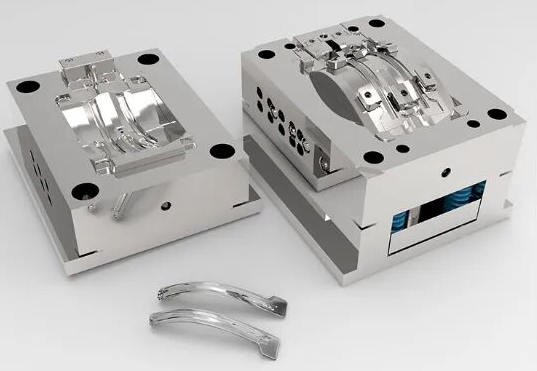
Bảo trì khuôn và tối ưu hóa tuổi thọ công cụ
Bạn đã đầu tư hàng nghìn — thậm chí hàng trăm nghìn — đô la vào các bộ khuôn chính xác. Giờ đây, câu hỏi đặt ra là: làm thế nào để bảo vệ khoản đầu tư đó? Việc hiểu cách sử dụng khuôn đúng cách vượt xa hơn nhiều so với việc vận hành máy ép. Sự chênh lệch giữa một khuôn có tuổi thọ 200.000 chu kỳ so với 2 triệu chu kỳ thường phụ thuộc vào các biện pháp bảo trì — vốn chi phí tương đối thấp nhưng mang lại lợi ích to lớn.
Các Thực Hành Tốt Nhất Về Bảo Trì Phòng Chống
Theo The Phoenix Group , bảo trì khuôn đề cập đến quy trình hệ thống nhằm kiểm tra, sửa chữa và tối ưu hóa các khuôn được sử dụng trong các quy trình sản xuất. Từ then chốt ở đây là 'hệ thống' — việc bảo trì phản ứng sau khi sự cố xảy ra sẽ tốn kém hơn rất nhiều so với việc chăm sóc chủ động.
Hãy coi việc bảo trì khuôn dập như việc chăm sóc một chiếc xe hiệu suất cao. Bạn sẽ không bỏ qua việc thay dầu và kỳ vọng động cơ vẫn bền bỉ. Tương tự vậy, khuôn dập trên máy cũng cần được kiểm tra định kỳ để duy trì hiệu suất tối ưu. Bảo trì phòng ngừa hiệu quả tuân theo thứ bậc sau:
- Kiểm tra trực quan hàng ngày - Kiểm tra nhanh trong quá trình chuyển đổi sản xuất giúp phát hiện sớm các vấn đề đang phát sinh trước khi chúng trở nên nghiêm trọng. Hãy quan sát sự tích tụ phoi vụn, hư hỏng rõ ràng và các mẫu mài mòn bất thường.
- Đo lường hiệu suất hàng tuần - Theo dõi các chỉ số then chốt như chất lượng đường cắt, độ chính xác về kích thước và thời gian chu kỳ. Các giá trị giảm dần là dấu hiệu cảnh báo những vấn đề đang phát triển.
- Đánh giá chi tiết hàng tháng - Ghi chép tiến trình mài mòn ở các cạnh cắt, kiểm tra lực căng lò xo, xác minh độ đồng tâm và kiểm tra hệ thống bôi trơn.
- Đánh giá chuyên sâu hàng quý - Mời chuyên gia đến đánh giá các bộ phận mà bạn có thể bỏ sót và phát hiện các dấu hiệu cảnh báo tinh vi.
Bôi trơn đòi hỏi sự chú ý đặc biệt trong mọi ứng dụng khuôn. Việc lựa chọn và áp dụng chất bôi trơn phù hợp giúp giảm ma sát, ngăn ngừa hiện tượng dính mài mòn (galling) và kéo dài tuổi thọ các bộ phận. Khi lượng chất bôi trơn tiêu thụ tăng đáng kể — nghĩa là phải bôi thường xuyên hơn để duy trì hiệu suất — điều đó cho thấy khuôn của bạn đang báo hiệu cần được kiểm tra.
Nhận biết khi nào khuôn cần được chú ý
Làm thế nào để biết khi nào khuôn dùng cho các thao tác gia công máy đang tiến gần đến giới hạn sử dụng? Sakazaki xác định một số dấu hiệu cảnh báo quan trọng đòi hỏi hành động ngay lập tức:
- Suy giảm trực quan - Mẻ hoặc nứt rõ ràng dọc theo các cạnh cắt, các mô hình mài mòn quá mức tạo ra bề mặt không đồng đều, các đường mỏi kim loại ở những khu vực chịu ứng suất cao
- Suy giảm hiệu suất - Các cạnh cắt bị xù xì hoặc sờn thay vì cắt sắc nét, hình thành ba via khiến phải gia công hoàn thiện thêm, sai lệch kích thước vượt quá dung sai cho phép
- Suy giảm hiệu suất - Áp lực cắt tăng lên khi gia công các vật liệu tiêu chuẩn, tốc độ sản xuất chậm lại để đảm bảo chất lượng, tỷ lệ phế phẩm tăng cao
- Tăng cường bảo trì - Mài sắc hàng tuần thay vì theo lịch trình hàng tháng, điều chỉnh lặp đi lặp lại để duy trì độ chính xác, và sửa chữa khẩn cấp trở thành việc thường xuyên
Khi những dấu hiệu này xuất hiện, khuôn của bạn thường đang hoạt động ở mức hiệu suất 60–70%. Quy trình khuôn đã chuyển từ tạo ra giá trị sang phá hủy giá trị — mỗi chu kỳ sản xuất đều tạo ra các chi tiết có chi phí cao hơn mức cần thiết đồng thời tiềm ẩn nguy cơ thất bại về chất lượng.
Việc đánh giá kinh tế giữa việc tân trang và thay thế phụ thuộc vào nhiều yếu tố. Việc chủ động thay thế khuôn khi còn 70–80% tuổi thọ sẽ tối đa hóa lợi tức đầu tư của bạn đồng thời đảm bảo tính ổn định trong sản xuất. Việc chờ đến khi khuôn hoàn toàn hỏng sẽ làm tăng nguy cơ gián đoạn sản xuất nghiêm trọng, gây tổn thất lớn hơn nhiều so với chi phí thay thế được lên kế hoạch trước. Khi ra quyết định này, hãy xem xét các chỉ số hiệu suất hiện tại so với thông số kỹ thuật, các cửa sổ bảo trì định kỳ nhằm giảm thiểu gián đoạn, cũng như thời gian giao hàng cho khuôn thay thế.
Việc bảo trì kém gây ra các chi phí phát sinh vượt xa những chi phí rõ ràng. Các khuyết tật về chất lượng làm tăng chi phí phân loại, gia tăng khả năng vận chuyển các chi tiết lỗi và tiềm ẩn rủi ro phải thực hiện các biện pháp kiểm soát khách hàng tốn kém. Thời gian máy ép bị mất do các điều chỉnh tạm thời sẽ làm tăng gấp đôi chi phí bảo trì khi các sửa chữa vĩnh viễn sau đó bắt buộc phải được thực hiện. Khoản đầu tư vào việc chăm sóc khuôn theo phương pháp hệ thống sẽ mang lại lợi ích thiết thực cho toàn bộ hoạt động sản xuất của bạn — từ dây chuyền máy ép đến khâu vận chuyển và lắp ráp.
Lựa chọn Đối tác Sản xuất Khuôn Phù Hợp
Bạn đã tìm hiểu kỹ về các loại khuôn, vật liệu, quy trình bảo trì và cách tính toán chi phí. Giờ đây, bạn bước đến quyết định then chốt để kết nối mọi yếu tố: ai sẽ thực sự chế tạo khuôn cho bạn? Việc lựa chọn nhà sản xuất khuôn phù hợp không chỉ đơn thuần là một quyết định chọn nhà cung cấp thông thường — mà còn là việc lựa chọn một đối tác, năng lực của họ sẽ trực tiếp quyết định thành bại của dự án bạn, hoặc biến dự án thành một bài học đắt giá về những điều không nên làm.
Những tiêu chí cần xem xét khi lựa chọn Đối tác Sản xuất Khuôn
Hiểu rõ ý nghĩa của khuôn và dụng cụ không chỉ dừng lại ở các định nghĩa — mà còn có nghĩa là nhận ra rằng chuyên môn của đối tác sẽ trở thành lợi thế cạnh tranh của bạn. Khi đánh giá các nhà cung cấp tiềm năng, hãy tập trung vào những lĩnh vực đủ điều kiện quan trọng sau:
Chứng nhận và Tiêu chuẩn Chất lượng
Các chứng chỉ không chỉ là những vật trang trí trên tường — mà còn là tấm lưới an toàn của bạn. Theo Phương thức nhanh , chứng nhận ISO 9001 xác nhận quy trình được thiết lập một cách bài bản, trong khi chứng nhận IATF 16949 là bắt buộc đối với các ứng dụng trong ngành ô tô. Một nhà cung cấp thiếu chứng nhận phù hợp cũng giống như lái xe mà không có bảo hiểm — bạn có thể vẫn ổn, nhưng bạn đang chấp nhận một rủi ro đáng kể.
Đối với các dự án ô tô cụ thể, chứng nhận IATF 16949 là bắt buộc, không phải tùy chọn. Tiêu chuẩn này yêu cầu các quy trình chất lượng được ghi chép đầy đủ, kiểm soát quy trình thống kê (SPC) và khả năng truy xuất nguồn gốc hoàn toàn. Shaoyi là minh chứng tiêu biểu cho tiêu chuẩn này, khi hỗ trợ các giải pháp khuôn dập chính xác bằng chứng nhận IATF 16949 và công nghệ mô phỏng CAE tiên tiến giúp phát hiện các khuyết tật tiềm ẩn ngay từ giai đoạn trước sản xuất.
Năng Lực Kỹ Thuật Và Trang Thiết Bị
Đánh giá xem đối tác tiềm năng của bạn có công nghệ cần thiết để đáp ứng yêu cầu của bạn hay không. Các năng lực cốt lõi cần xác minh bao gồm:
- Phần mềm mô phỏng tiên tiến - Mô phỏng CAE (Kỹ thuật hỗ trợ bằng máy tính) dự đoán dòng chảy vật liệu, xác định các khuyết tật tiềm ẩn và tối ưu hóa thiết kế trước khi gia công bất kỳ chi tiết thép nào. Công nghệ này giúp giảm đáng kể chi phí thử nghiệm và sai sót.
- Các trung tâm gia công hiện đại - Thiết bị CNC với khả năng từ 3 trục đến 5 trục, cùng với máy xung điện (EDM) và máy xung điện dây (wire EDM) để gia công các chi tiết phức tạp
- Thiết bị kiểm tra chất lượng - Máy đo tọa độ (CMM), máy kiểm tra độ nhám bề mặt và thiết bị kiểm tra độ cứng
- Xử lý nhiệt và hoàn thiện nội bộ - Các nhà cung cấp có đầy đủ năng lực nội bộ giúp giảm thiểu sự chậm trễ và rủi ro về chất lượng do phải thuê ngoài
Như BIG DAISHOWA lưu ý, dụng cụ cắt chất lượng thấp thường dẫn đến hiệu suất không ổn định, gây khó khăn trong việc duy trì dung sai chặt chẽ trên toàn bộ loạt sản xuất. Quy trình sản xuất và kiểm soát chất lượng đằng sau dụng cụ cắt quyết định việc bạn nhận được những dụng cụ nhất quán, đáng tin cậy hay những dụng cụ gặp vấn đề.
Chuyên môn Kỹ thuật và Hợp tác
Một đối tác sản xuất khuôn chuyên nghiệp không chỉ thực hiện các thiết kế của bạn — mà còn cải tiến chúng. Hãy tìm những đội ngũ cung cấp phân tích Khả thi trong Sản xuất (DFM), chủ động đề xuất các giải pháp tối ưu hóa về chi phí và hiệu năng, đồng thời giao tiếp minh bạch trong suốt vòng đời dự án.
Giao tiếp hiệu quả quan trọng ngang bằng với việc sở hữu hệ thống khuôn mẫu chất lượng. Theo các chuyên gia trong ngành, giao tiếp tốt bao gồm việc phản hồi trong vòng 24 giờ, tài liệu rõ ràng, cập nhật tiến độ hàng tuần trong quá trình phát triển khuôn, cũng như cung cấp ảnh hoặc video kỹ thuật số về các giai đoạn sản xuất. Nếu một nhà cung cấp trả lời email chậm chạp ngay từ trước khi bạn ký hợp đồng, hãy tưởng tượng họ sẽ hành xử ra sao sau khi hợp đồng đã được ký kết.
Các chỉ số về Tốc độ và Độ tin cậy
Thời gian đưa sản phẩm ra thị trường thường quyết định sự thành công của dự án. Hãy đánh giá các đối tác tiềm năng dựa trên các mốc thời gian thực tế mà họ thực sự có thể đáp ứng. Một số nhà sản xuất cung cấp khả năng chế tạo mẫu nhanh — ví dụ như Shaoyi, có thể cung cấp bộ khuôn mẫu trong thời gian ngắn nhất là 5 ngày, từ đó giúp xác thực thiết kế nhanh hơn trước khi chuyển sang giai đoạn sản xuất khuôn đạt tiêu chuẩn.
Tỷ lệ phê duyệt lần đầu phản ánh trình độ vận hành xuất sắc. Tỷ lệ phê duyệt lần đầu đạt 93% — như kết quả mà Shaoyi đạt được — đồng nghĩa với việc giảm số vòng lặp điều chỉnh, cắt giảm chi phí phát triển và đẩy nhanh tiến độ đưa vào sản xuất. Khi đánh giá chất lượng gia công khuôn và đồ gá, chỉ số này cho thấy rõ mức độ nghiêm ngặt trong kỹ thuật của đối tác.
Bắt Đầu Dự Án Gia Công Khuôn Thành Công
Ngoài việc lựa chọn đối tác, một số thực tiễn sau đây sẽ cải thiện đáng kể khả năng thành công của dự án khi bạn làm việc với khuôn trong sản xuất:
Tham gia sớm vào quá trình thiết kế
Tiết kiệm chi phí lớn nhất đến từ việc hợp tác trong giai đoạn thiết kế chi tiết — chứ không phải sau khi bản vẽ đã được hoàn tất. Các nhà sản xuất khuôn chuyên nghiệp có thể nhận diện các cơ hội để đơn giản hóa hệ thống khuôn, giảm số trạm trong khuôn dập liên tục hoặc điều chỉnh dung sai sao cho không ảnh hưởng đến chức năng nhưng lại tác động đáng kể đến chi phí.
Cung cấp Đặc tả Đầy đủ
Sự mơ hồ gây ra vấn đề. Hãy chia sẻ thông tin toàn diện, bao gồm hình học chi tiết với tất cả các dung sai được xác định rõ ràng, khối lượng sản xuất dự kiến (cả dự báo ban đầu và tổng suốt vòng đời), đặc tả vật liệu và yêu cầu về độ nhẵn bề mặt, cũng như bất kỳ yêu cầu nào về chứng nhận hoặc khả năng truy xuất nguồn gốc.
Lập Kế hoạch Kiểm định
Dành thời gian và nguồn lực cho các lần chạy thử trước khi sản xuất hàng loạt. Việc kiểm tra mẫu đầu tiên, kiểm tra kích thước và các nghiên cứu đánh giá khả năng đảm bảo rằng hệ thống khuôn của bạn hoạt động đúng như thiết kế. Việc đẩy nhanh giai đoạn này để đáp ứng tiến độ thường dẫn đến những chậm trễ lớn hơn khi các vấn đề phát sinh trong quá trình sản xuất.
Thiết lập Kỳ vọng Bảo trì Rõ ràng
Thảo luận về các yêu cầu bảo trì phòng ngừa, khả năng cung cấp phụ tùng thay thế và dịch vụ tân trang ngay từ đầu. Việc hiểu rõ những yếu tố này giúp bạn lập ngân sách cho tổng chi phí sở hữu (TCO) chứ không chỉ tập trung vào khoản đầu tư ban đầu cho khuôn mẫu.
Thế nào là sự xuất sắc trong lĩnh vực khuôn mẫu trong thực tiễn? Đó là sự kết hợp giữa các hệ thống chất lượng được chứng nhận, công nghệ tiên tiến, hỗ trợ kỹ thuật phản ứng nhanh và các chỉ số hiệu suất đã được kiểm chứng. Các đối tác đáp ứng những tiêu chuẩn này — như Shaoyi với bộ giải pháp toàn diện của họ — khả năng thiết kế và chế tạo khuôn — cung cấp khuôn mẫu hiệu quả về chi phí và đạt chất lượng cao, được thiết kế riêng theo tiêu chuẩn của nhà sản xuất ô tô gốc (OEM).
Chín quyết định mà chúng ta đã tìm hiểu — từ việc lựa chọn loại khuôn, lựa chọn vật liệu, quy trình bảo trì đến việc đánh giá và lựa chọn đối tác — cùng nhau quyết định liệu khoản đầu tư vào khuôn mẫu của bạn sẽ mang lại tỷ suất hoàn vốn (ROI) vượt trội hay trở thành một bài học cảnh báo. Với kiến thức này trong tay, bạn hoàn toàn có thể đưa ra những quyết định sáng suốt nhằm bảo vệ khoản đầu tư, tối ưu hóa quy trình sản xuất và củng cố vị thế cạnh tranh của mình trong bất kỳ ngành công nghiệp nào bạn đang phục vụ.
Các câu hỏi thường gặp về khuôn dập trong sản xuất
1. Khuôn dập là gì trong nhà máy?
Một khuôn dập trong nhà máy là một dụng cụ chính xác chuyên biệt được thiết kế để cắt, tạo hình hoặc định dạng vật liệu—chủ yếu là kim loại—thành các cấu hình cụ thể. Khác với khuôn đúc hoạt động trên vật liệu ở trạng thái lỏng, khuôn dập định hình vật liệu ở trạng thái rắn thông qua lực tác động. Khuôn dập bao gồm các bộ phận nam (đầu dập) và bộ phận nữ (buồng khuôn), được chế tạo từ thép dụng cụ đã tôi cứng, phối hợp với nhau dưới áp lực rất lớn nhằm biến tấm kim loại thô thành các chi tiết chức năng được sử dụng trong ngành ô tô, hàng không – vũ trụ, điện tử và y tế.
2. Sự khác biệt giữa sản xuất khuôn dập và sản xuất bằng khuôn dập là gì?
Việc chế tạo khuôn (die manufacturing) đề cập đến quy trình sản xuất bản thân khuôn—từ thiết kế và mô phỏng trên phần mềm CAD, gia công chính xác, xử lý nhiệt cho đến kiểm định. Sản xuất bằng khuôn (manufacturing with dies) có nghĩa là sử dụng các khuôn đã hoàn tất để sản xuất linh kiện ở quy mô lớn. Việc nhầm lẫn giữa hai thuật ngữ này có thể làm chậm tiến độ dự án hàng tuần và ảnh hưởng đáng kể đến ngân sách. Hiểu rõ sự khác biệt này giúp bạn giao tiếp chính xác với các đối tác chuyên về khuôn và đặt đúng dịch vụ phù hợp với nhu cầu sản xuất của bạn.
3. Làm thế nào để tôi lựa chọn giữa khuôn dập liên tục (progressive die), khuôn dập phức hợp (compound die) và khuôn dập chuyển vị (transfer die)?
Khuôn tiến bộ thực hiện các thao tác tuần tự khi kim loại di chuyển qua nhiều trạm — lý tưởng cho sản xuất số lượng lớn (trên 100.000 chi tiết) các bộ phận nhỏ phức tạp như giá đỡ ô tô. Khuôn tổ hợp thực hiện nhiều thao tác trong một lần gõ, phù hợp nhất cho sản xuất số lượng trung bình các chi tiết phẳng tinh xảo. Khuôn chuyển vị di chuyển các phôi lớn hơn giữa các trạm bằng hệ thống cơ khí, thích hợp cho các bộ phận trong ngành hàng không vũ trụ và máy móc hạng nặng. Lựa chọn của bạn phụ thuộc vào mức độ phức tạp của chi tiết, khối lượng sản xuất, yêu cầu về dung sai và các ràng buộc về ngân sách.
4. Những mác thép dụng cụ nào là tốt nhất cho việc chế tạo khuôn?
Thép D2 (58–62 HRC) mang lại khả năng chống mài mòn xuất sắc cho các ứng dụng dập với mức độ mài mòn cao. Thép A2 cung cấp hiệu suất cân bằng cùng độ ổn định kích thước tốt, phù hợp cho khuôn đa dụng. Thép H13 (45–55 HRC) duy trì độ nguyên vẹn ở nhiệt độ lên đến 540°C, do đó trở thành tiêu chuẩn ngành đối với khuôn đúc áp lực. Thép S7 hấp thụ xung lực, thích hợp cho các ứng dụng chịu tải va đập mạnh. Việc lựa chọn vật liệu phụ thuộc vào loại vật liệu gia công, khối lượng sản xuất, yêu cầu về nhiệt và đặc tả dung sai—các vật liệu cao cấp thường có thể biện minh cho chi phí cao hơn nhờ tuổi thọ khuôn kéo dài vượt quá 500.000 chu kỳ.
5. Đối tác sản xuất khuôn cần có những chứng nhận nào?
ISO 9001 xác nhận các quy trình chất lượng có cấu trúc ở mức cơ bản. Đối với ứng dụng ô tô, chứng nhận IATF 16949 là bắt buộc—tiêu chuẩn này yêu cầu hệ thống quản lý chất lượng được tài liệu hóa, kiểm soát quy trình bằng phương pháp thống kê và khả năng truy xuất nguồn gốc đầy đủ. Các đối tác như Shaoyi kết hợp chứng nhận IATF 16949 với công nghệ mô phỏng CAE tiên tiến nhằm phát hiện các khuyết tật trước khi sản xuất. Ngoài ra, cần xác minh các năng lực bao gồm gia công CNC, công nghệ gia công xung điện (EDM), xử lý nhiệt nội bộ, thiết bị kiểm tra bằng máy đo tọa độ ba chiều (CMM) và tỷ lệ đạt phê duyệt lần đầu trên 90%.