 Small batches, high standards. Our rapid prototyping service makes validation faster and easier —
  EN
EN


Ishlab chiqaruvchilar nima uchun tegirmonlangan po'latdan yasalgan boshqaruv qo'l-oyog'ini tanlaydi
Qisqacha
Ishlab chiqaruvchilar asosan massali ishlab chiqarish uchun eng arzon yechim bo'lgani uchun preslangan po'latdan tayyorlangan boshqaruv tayanchlaridan foydalanadilar. Bu usul past birlamchi narxda tezkor, yuqori hajmli ishlab chiqarish imkonini beradi va aksariyat oddiy yo'lovchi avtomobillarining ehtiyojlariga yetarli mustahkamlik va duranglikni ta'minlaydi. Alyuminiy yoki nayli po'ta kabi boshqa variantlarda ishlash afzalliklarini taklif etsa ham, bosib chiqilgan po'lat odatdagi haydovchining xarajat, funktsiya va ehtiyojlari o'rtasida amaliy muvozanatni anglatadi.
Asosiy omil: Xarajatlarni tejash va ishlab chiqarish samaradorligi
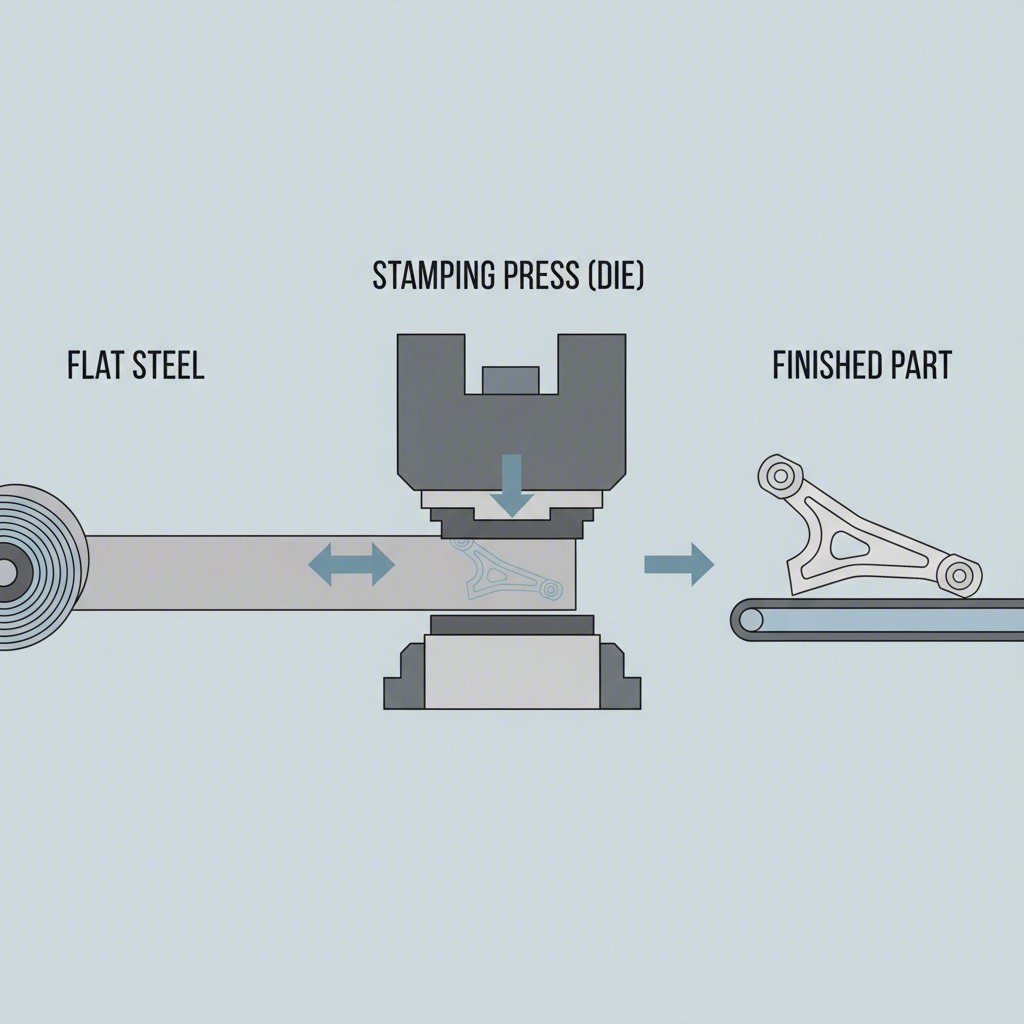
Boshqaruv tayanchi kabi muhim komponent uchun preslangan po'latdan foydalanish haqidagi qaror zamonaviy avtomobillarni ishlab chiqarish iqtisodiga asoslangan. Boshqaruv tayanchi transport vositasining shassi bilan g'ildirak to'plamini ulovchi muhim bog'lovchi hisoblanadi va uning dizayni boshqaruvchanlik hamda barqarorlikka bevosita ta'sir qiladi. Preslangan po'lat tayanchlar yuqori bosimli matritsadan foydalangan holda po'lat varaqalarni aniq shaklga keltirish orqali yaratiladi. Bu jarayon juda tez, takrorlanishi yuqori va chiqindi kam hosil qiladi, bu esa butun dunyo bo'ylab avtomobillar ishlab chiqarish masshtabiga mos keladi.
Aluminiyni qoliplash yoki forginka qilish kabi boshqa usullarga nisbatan po'latni bosish ancha arzon. Xom ashyo narxi arzonroq, shuningdek, ishlab chiqarish uchun kerak bo'ladigan energiya va vaqt ham kamroq. Har yili millionlab avtomobillar ishlab chiqarilganda, bu tejamkorlik avtomashinaning yakuniy narxiga sezilarli ta'sir qiladi. Shuningdek, bu e'tiborga loyiq darajada mustahkamligi bor qismlarni ishlab chiqarishga e'tibor qaratilganligi haqida suspensiyaga mutaxassislarning aytishicha, asfaltlangan yo'llarda harakatlanadigan aksariyat haydovchilar uchun etarli mustahkamlikka ega bo'lgan qismlarni iste'molchilarga arzonroq almashtirish imkonini beradi va tushuntiradi.
Ushbu ishlab chiqarish tanlovi hisoblangan muvozanatdir. Bu eng yengil yoki eng yuqori samaradorlikka ega bo'lmagan bo'lsada, presslangan po'lat har kundalik haydash sharoitida tuzilma talablarini qondiradi yoki oshirib ketadi. Jarayon millionlab qismlarda bir xillikni ta'minlaydi, bu esa avtomashina xavfsizligi va montaj liniyasi samaradorligi uchun muhim. Ushbu sohada aniq va ishonchli natijalarni qidirayotgan avtomobil ishlab chiqaruvchilar uchun ixtisoslashtirilgan firmalar zarur. Masalan, kompaniyalar Shaoyi (Ningbo) Metal Teknologiyasi Co., Ltd. murakkab presslangan komponentlarni yetkazib berish uchun IATF 16949 avtomobil sifati standartlariga javob beradigan ilg'or avtomatlashtirilgan ob'ektlardan foydalangan holda talab etiladigan yuqori texnologik yondashuvni aks ettiradi, prototiplashdan massali ishlab chiqarishgacha bo'lganda ham xarajatlarning samaradorligi ham ishonchliligini ta'minlaydi.
Ishlanma: Kuch, Og'irlik va Chidamlilikdagi Savdo Chegaralari
Narx asosiy omil bo'lsada, preslangan po‘latdan tayyorlangan boshqaruv tayanchlarining ishlashi yaxshi tushunilgan almashtirish hikoyasidir. Ularning asosiy afzalligi oddiy yuk ostida mustahkamlik va chidamlilikdir. Po‘lat o'ziga xos mustahkam material bo'lib, tezlanish, to'xtash va burilish paytida avtomobil osishiga ta'sir qiladigan katta kuchlarga chidash qobiliyatiga ega. Yuk mashinalari va SUV kabi og'ir avtomobillar uchun yoki jangovorlik muhim bo'lgan sohalarda po‘latning og'ir yuklarni va urilishlarni bartaraf etish qobiliyati uning mantiqiy tanloviga sabab bo'ladi, bu haqda solishtirishda ta'kidlansa Metrix Premium Parts .
Biroq, ushbu mustahkamlik ikkita katta kamchilik bilan birga keladi: og'irlik va korroziyaga moyillik. Po'lat alyuminiyga qaraganda ancha og'irmidir va bu avtomashinaning "prujinaga tortilmagan massasini" — ya'ni prujinalar tomonidan qo'llab-quvvatlanmaydigan barcha komponentlarning og'irligini oshiradi. Prujinaga tortilmagan massaning yuqori bo'lishi suspensiyani yo'l nuqsonlariga nisbatan kamroq moslashuvchan qilishi mumkin, natijada sarsilaydigan harakatlanish va kamroq aniq boshqarishga olib kelishi ehtimol. Har bir funt ahamiyatli bo'lgan yuqori samarali transport vositalari uchun bu ortiqcha og'irlik jiddiy kamchilikdir.
Boshqa muhim muammo esa korroziya. Dan ma'lumotnoma tushuntirishicha, GMT Rubber , bosib tayyorlangan po'lat qismlar nam iqlim yoki yo'llarni qishda tuz bilan ishlov beriladigan hududlarda korroziyaga chidamli emas. Vaqt o'tishi bilan rust qo'lda tayyorlangan po'lat qismning konstruksion mustahkamligini buzishi va natijada uning ishdan chiqishiga olib kelishi mumkin. Ishlab chiqaruvchilar himoya qoplamalari qo'llashsa ham, ushbu qoplamalar yo'l axlatlari tomonidan shikastlanib, po'latning o'ta sirtini ochib qo'yishi mumkin. Avtomobil egasi uchun bu narsa uzun muddatli xavfsizlik uchun rust va troshchinalarni muntazam tekshirish zarur ekanligini anglatadi.
| Xususiyat | Bosib tayyorlangan po'lat boshqaruv bilagichlari |
|---|---|
| Ijobiy tomonlar |
|
| Salbiy tomonlar |
|
Bosib tayyorlangan po'lat vs. Boshqa variantlar: Solishtirma tahlil
Pishirilgan po'lat nima uchun shunchalik keng tarqoq ekanligini tushunish uchun uni to'g'ridan-to'g'ri quyilgan alyuminiy va trubali po'tg'al kabi ommabop alternativlar bilan solishtirish kerak. Har bir material oilaviy sedandan tortib, lyuks SUV yoki klassik mushakli avtomobilgacha bo'lgan aniq muhandislik maqsadlariga erishish uchun tanlanadi. Tanlov hech qachon ixtiyoriy bo'lmaydi va doim narx, og'irlik hamda ishlash ko'rsatkichlarini muvozanatlashni talab etadi.
Quyilgan alyuminiy tayanchlar keng tarqalgan yangilanishdir va ko'pincha lyuks hamda ishlash ko'rsatkichlari yuqori bo'lgan avtomobillarda standart sifatida uchraydi. Alyuminiyning asosiy afzalligi uning past massasidir, bu esa sozlanmagan massani sezilarli darajada kamaytiradi. Natijada, oshish tezligi yaxshilanadi, yo'lda ushlanish sifati yaxshilanadi. Alyuminiy shuningdek, tabiiy ravishda korroziyaga chidamli. Biroq, uni ishlab chiqarish qimmatga turadi va keskin, kutilmagan ta'sirlarga duch kelganda po'tg'al singari avval bukilishga moyilligiga qaramay, yorilish yoki sinishga moyilroq bo'lishi mumkin.
Quvurli po'lat tayanchlar, ayniqsa, klassik avtomobillar va poygalar uchun keng tarqalgan keyingi savdo yangilamasi hisoblanadi. Ijro etilish qismlari ishlab chiquvchisi tomonidan batafsil bayon etilganidek QA1 quvurli tayanchlar yuqori mustahkamlikdagi po'lat quvurdan tayyorlanadi, bu esa bosib chiqilgan po'tgandan ancha yaxshiroq mustahkamlik-og'irlik nisbatini ta'minlaydi. Ular ancha yengilroq va qattiqroq bo'lib, suspensiyani optimallashtirish imkonini beradi, masalan, yuqori tezlikda barqarorlikni oshirish uchun kasterni kengaytirish. Bosib chiqilgan po'tganga qaraganda mustahkamroq va yengilroq bo'lsada, ularni ishlab chiqarish ancha qimmat, shu sababli ham massaviy bozor avtomobillarini ishlab chiqarish uchun mos emas.
| Xususiyat | Tashqi po'lat | Дукаст алюминий | Tubular steel |
|---|---|---|---|
| Ishlab chiqarish xarajatlari | Past | O'rtacha-yuqori | Yuqori |
| Keng tarqalgan transport vositasi qo'llanilishi | Oddiy yo'lovchi avtomobillari, oddiy model yuk mashinalari | Lyuks avtomobillar, performansli transport vositalari, SUV lar | Performans/poyga avtomobillari, klassik avtomobillarni yangilash |
| Vazn | Og'ir | Yengil | Yengil-O'rta |
| Kuchlik | Yaxshi | Judada yaxshi | Ajoyib |
| Korroziyaga chidamli | Yomon (qoplamaga ehtiyoj bor) | Ajoyib | Yomon (qoplamaga ehtiyoj bor) |
| Ideal Foydalanish Holati | Arzon kunlik haydash | Yaxshilangan sayohat qulayligi va boshqaruv | Maksimal ishlash samaradorligi va sozlanuvchanlik |
Boshqaruv tayanchi materiallari haqida FAQ
1. Rul tayyorlamalar uchun eng yaxshi material nima?
Barcha boshqaruv tayanchlari uchun yagona "eng yaxshi" material mavjud emas; ideal tanlov transport vositasining maqsadi va haydovchining ustunliklariga butunlay bog'liq. Kunda ishlatiladigan aksariyat avtomobillar uchun preslangan po'lat eng yaxshi variantdir, chunki u kerakli mustahkamlikni eng past narxda ta'minlaydi. Silliqlik sifati va boshqaruv qilish muhim bo'lgan lyuks yoki sport avtomobillari uchun yengil quyilma aluminiy ko'pincha afzalroqdir. Butunlay poygaga mo'ljallangan avtomobillar yoki maksimal ishlash samarasini ta'minlash maqsad qilingan klassik avtomobillarni tiklash uchun quvurli po'lat mustahkamlik, yengillik va geometrik aniqlikning eng yaxshi kombinatsiyasini taklif etadi.