 Small batches, high standards. Our rapid prototyping service makes validation faster and easier —
  EN
EN


A380 va A360 Alyuminiy: Die Shtampovka Uchun Qaysi Birini Tanlash Kerak
Qisqacha
Die shtamplash uchun A380 va A360 aluminiy orasidan tanlov qilishda asosiy farq ularning kimyoviy tarkibida va ma'lum muhitlardagi ishlash ko'rsatkichlarida namoyon bo'ladi. A360 nisbatan ancha kam miqdorda mis tutadi, bu esa unga yuqori korroziyaga chidamlilik va bosim ostida zichlik beradi hamda uni qattiq dengiz yoki sanoat sharoitidagi qismlar uchun ideal tanlov qiladi. Boshqacha tarzda, A380 eng keng tarqoq, arzon va universal qotishma bo'lib, turli xildagi umumiy maqsadli dasturlar uchun mustahkamlik va shtamplanuvchanlikning ajoyib muvozanatini ta'minlaydi.
Kimyoviy tarkib: Asosiy farq
Asosan, A380 va A360 asosan aluminiy, ranga (Si) va mis (Cu) dan tashkil topgan qotishmalar hisoblanadi. Biroq, ularning elementar tarkibidagi kichik farqlar ularning alohida ishlash xususiyatlariga olib keladi. Eng muhim farq — bu mis miqdorida. A360 korroziv sharoitlarda uning yaxshilangan chidamliligiga sabab bo'ladigan minimal miqdordagi mis bilan tayyorlanadi.
Sanoatning ishlovchi otasi hisoblanadigan A380 mustahkamligi va qattikligi uchun ajoyib xususiyatlarga ega bo'lishi uchun 3,0% dan 4,0% gacha misni o'z ichiga oladi. Boshqa tomondan, A360 mis miqdorini 0,6% yoki undan kam chegaraga cheklagan. Bu kamaytirish korroziyaga chidamlilikni keskin oshiradi. Pastki mis miqdoriga ko'ra qattiklikdagi engil pasayishni qoplayish uchun A360 magniyning yuqori foizini o'z ichiga oladi. Shuningdek, A360 odatda A380 (7,5-9,5%) ga nisbatan biroz yuqori ranga tarkibiga ega (9,0-10,0%), bu qotishmaning quyish jarayonidagi suyuqlik xususiyatini yaxshilaydi.
Quyida ikkala qotishmaning asosiy element tarkiblarining odatdagi solishtirmasi keltirilgan, bu ularning die litay sanoatidagi so'nggi xatti-harakatlarini belgilaydi.
| Элемент | A360 Alyuminiy (%) | A380 Alyuminiy (%) |
|---|---|---|
| Kremniy (Si) | 9,0 – 10,0 | 7,5 – 9,5 |
| Mis (Cu) | ≤ 0.6 | 3,0 – 4,0 |
| Magniy (Mg) | 0,4 – 0,6 | ≤ 0.1 |
| Temir (Fe) | ≤ 1.3 | ≤ 1.3 |
| Rux (Zn) | ≤ 0.5 | ≤ 3,0 |
| Alyuminiy (Al) | Balans | Balans |
Aynan shu asosiy tarkib farqi muhandisni qotishmani tanlashdan oldin ishlatish muhitini ehtiyotkorlik bilan ko'rib chiqishga majbur qiladi. Atrof-muhit ta'sirlariga chidash talab etiladigan detal uchun A360 ning past misli kimyoviy tarkibi aniq afzallik beradi.
Mexanik va fizik xususiyatlar: Boshma-bosh solishtirma
A360 va A380 umumiy mexanik xususiyatlari jihatidan o'xshash bo'lsada, ularning xususiyatlaridagi nozik farqlari aynan shu die litay sohasidagi ishlash uchun muhim ahamiyatga ega. A380 quyish xususiyatlari va mustahkamligining ajoyib kombinatsiyasi bilan mashhur bo'lib, ishlashni osonlashtiradi. Biroq, A360 ayniqsa bosim zichligi, issiqlik o'tkazuvchanligi hamda ajralib turadigan korroziyaga chidamlilik kabi A380 yetishmaydigan sohalarda ustun turadi.
A360 ning eng muhim afzalliklaridan biri korroziyaga qarshi himoya beruvchi passivlashtiruvchi qavat hosil qilish qobiliyatidir; A380 yuqori mis tarkibiga ega bo'lganligi sababli bu qobiliyatga ega emas va shu sababli atrof-muhit ta'sirida tezroq vayron bo'ladi. Shunday ekan, tuzli eritmalarda o'tkazilgan sinovlar a360 ning korroziya tezligi ancha past ekanligi ko'rsatilgan. Shuningdek, A360 ning yuqori issiqlik o'tkazuvchanligi (A380 uchun 96 W/m°K ga qaraganda 113 W/m°K) elektron korpuslar yoki avtomobil komponentlari uchun foydali bo'lgan issiqlikni samarali tarqatish imkonini beradi.
Aniqroq tasavvurga ega bo'lish uchun quyida materialshunoslik ma'lumotlar bazalari, masalan MakeItFrom.com .
A360 Alyuminiy
- Yaxshi tomonlari: Yaxshiroq korroziyaga chidamlilik, ajoyib bosim zichligi, yuqori haroratlarda mustahkamlik va yuqori issiqlik o'tkazuvchanlik.
- Salbiy tomonlari: A380 ga qaraganda kamroq mavjud bo'lishi va biroz qiyinroq qadoqlanishi mumkin.
A380 Alyuminiy
- Yaxshi tomonlari: Kuch, qotishmalar va issiqlik xususiyatlarining a'lo muvozanati. Keng tarqoq va odatda arzonroq.
- Salbiy tomonlari: Yuqori mis tarkibigi uchun qattiq sharoitlarda korroziyaga chidamli emas.
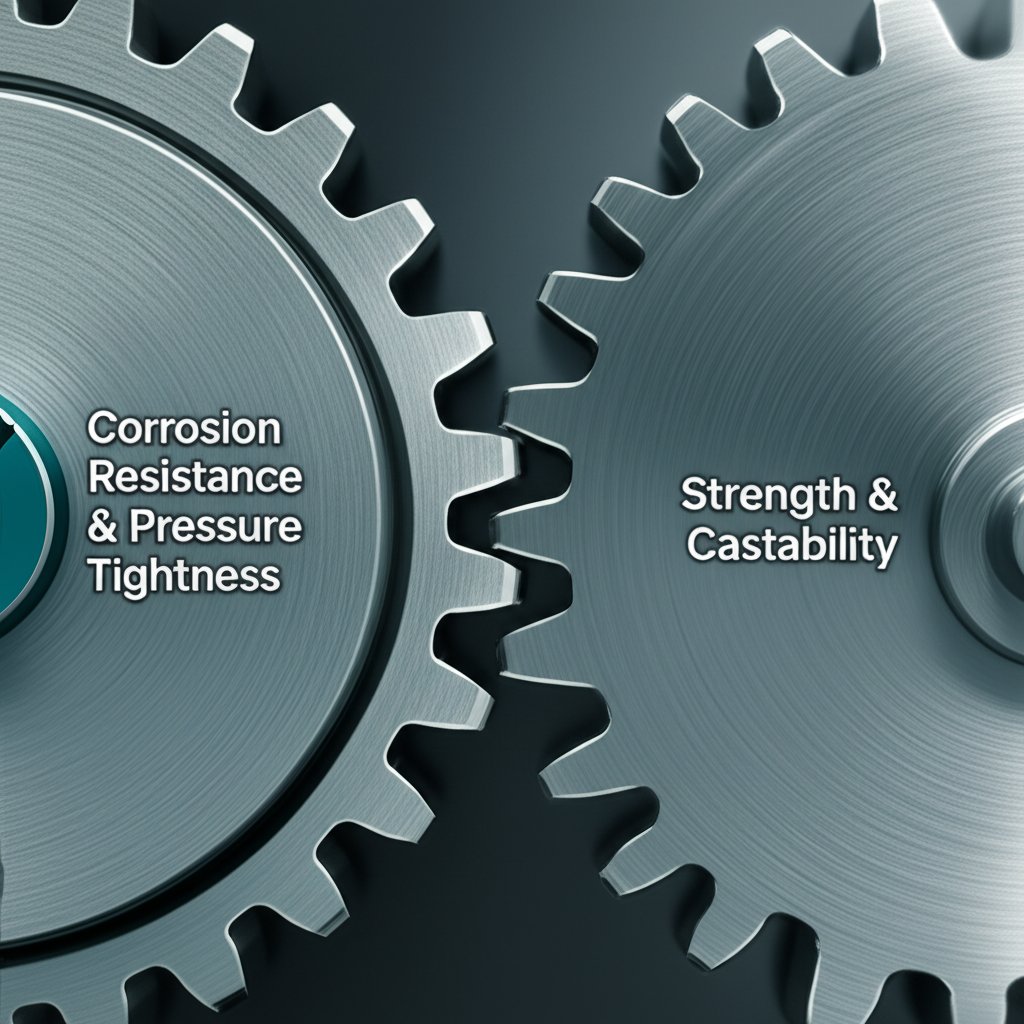
Xulosa qilganda, tanlov qilish ishlatilish sohasining eng muhim talabiga bog'liq. Agar detal suvsiz o'tkaziladigan yoki rustga chidamli bo'lishi kerak bo'lsa, A360 yaxshiroq muhandislik tanlovi hisoblanadi. Agar ko'p maqsadlilik va arzonlik asosiy omillar bo'lsa, A380 standart sifatida qo'llaniladi.
Qo'llanilish sohalari: Ish uchun to'g'ri qotishmani tanlash
A380 va A360 alushuminiy qotishmalari orasidagi farq ularning ideal dasturlarini ko'rib chiqish orqali aniq bo'ladi. Umumiy qoida shundan iboratki, ko'pchilik standart matritsa qotishma loyihalari uchun A380 ni standart sifatida ishlatish kerak, A360 esa qattiq atrof-muhit yoki operatsion sharoitlarga duch keladigan detallar uchun maxsus yechim sifatida tanlanadi.
A360 quyidagilar uchun afzal qotishmadir:
- Dengiz komponentlari: Ajoyib korroziyaga chidamliligi uni dengiz motorlari, armatura va tashqi ta'sirlarga duchor bo'ladigan korpuslar uchun a'lo darajada mos qiladi.
- Avtomashina qismlari: A360 gidravlik silindrlar va klapan qopqoqlari kabi bosim ostida ishlaydigan, issiqlikka va korroziyaga chidamli bo'lishi kerak bo'lgan motor sovutish tizimi komponentlari uchun ishlatiladi.
- Tashqi muhit va sanoat uskunalari: Bu aloqa infratuzilmasi, elektron korpuslar hamda shikastlanishsiz tashqi ta'sirlarga chiday oladigan barcha qismlarni o'z ichiga oladi.
Ko'plab avtomobil qismlari uchun o'ttirib quyish keng tarqalgan bo'lsada, maksimal mustahkamlik va chidamlilik talab etiladigan komponentlar ko'pincha boshqa ishlab chiqarish jarayonlaridan foydalanadi. Masalan, avtomobil qurilishida ishlangan hissalar shao Yi (Ningbo) Metal Texnologiyasi kabi mutaxassislar yuqori kuch ta'sir etadigan sohalarda ishlatiladigan mustahkam qismlarni ishlab chiqarish uchun qizdirib forchesh qilishdan foydalanadi.
A380 turli xil sohalarda standart tanlov hisoblanadi, jumladan:
- Universal quyma qismlar: Uning muvozanatli xususiyatlari va quyma qilish imkoniyati stol-ustonlardan tortib quvvat asboblari korpuslarigacha bo'lgan hamma narsaga mos keladi.
- Xarakteristika elektronik: Issiqlik o'tkazuvchanligi va mustahkamligi foydali bo'lgan ramalar, issiqlik ajratgichlar va ichki kronshteynlar uchun ishlatiladi.
- Dvigatel kronshteynlari va rama qismlari: Kam korroziyagarda avtomobillarning qo'llanilish sohasida A380 samarali narxda zarur mustahkamlik va chidamlilikni ta'minlaydi.
To'g'ri tanlov qilish uchun dizayn muhandis quyidagi asosiy savollarga javob berishi kerak: detalning ishlatilish sharoiti qanday? Bosim zichligi hal etuvchi nosozlik nuqtasi bo'lib xizmat qiladimi? Bu savollarga javob berish vazifaga eng mos lehimni tezda aniqlashga yordam beradi.
Narx, mavjudlik va ishlab chiqarish jihatlari
Texnik xususiyatlardan tashqari, narx va mavjudlik kabi amaliy omillar materialni tanlashda muhim rol o'ynaydi. Shu jihatdan A380 aniq ustunlikka ega. Dunyoning eng mashhur va keng tarqalgan die shtampovka lehimi sifatida A380 katta miqdorda ishlab chiqariladi, bu esa ko'proq mavjudlik va masshtab iqtisorini anglatadi. Siz deyarli barcha die shtampovka korxonalarida A380 ni topasiz, bu ko'pincha arzonroq material narxlariga va qisqaroq yetkazib berish muddatlariga olib keladi.
A360 esa aksincha, maxsus qotishma hisoblanadi. U noyob bo'lmagan bo'lsada, A380 kabi universal ravishda saqlanmaydi. Bu har bir funt uchun boshlang'ich narxni yuqori ko'tarishiga olib kelishi va manba aniqlash uchun ko'proq rejalashtirish talab qilinishi mumkin. Ishlab chiqaruvchilar maxsus buyurtmalar berishlari kerak bo'lishi ehtimoli mavjud, bu esa loyiha muddatini uzaytirishi hamda murakkab tushunchalarni ishlab chiqarishda biroz qiyinchilik tug'dirishi mumkin. A380 ning a'lo darajadagi quyilishi turli xil murakkab detallarni ishlashni yanada osonlashtiradi, bu esa ishlab chiqarish xarajatlarini kamaytirishga hissa qo'shishi mumkin.
Biroq, faqat dastlabki material narxini emas, balki umumiy egallash narxini (TCO) hisobga olish muhim. Korroziv muhitda ishlatiladigan qism uchun A360 ning yuqori dastlabki narxi osongina asoslanishi mumkin. Uning yuqori chidamliligi xizmat muddatini ancha uzaytirishi, qimmatbaho almashtirishlarni, kafolat talablari va ta'mirlash ehtiyojini kamaytirishi mumkin. Bunday hollarda A360 ning dastlabki yuqori sarmoyasi uzoq muddatda yaxshiroq qiymat beradi. Aqlli oxirgi qadam har doim so'nggi takliflar va ikkala materialning mavjudligi to'g'risida die casting hamrahingiz bilan maslahatlashishdir, chunki bozor sharoitida o'zgarishlar bo'lishi mumkin.

Oxirgi xulosa: Samaradorlik va amaliyotni muvozanatlash
A380 va A360 aluminий die shtampovka uchun tanlov — bu universal xususiyatlar va maxsus ishlash o'rtasidagi klassik muhandislik savdosi. Bu eritmalardan birortasi shartli ravishda 'yaxshiroq' emas; ular oddiygina turlicha maqsadlarga moslashtirilgan. A380 mustahkamlik, shtampovkaga yarashuvchanlik va arzon tannarxning ajoyib muvozanati tufayli sanoat standarti sifatida o'z o'rnini mustahkamladi hamda aksariyat die shtampovka loyihalari uchun to'g'ri tanlovdir.
Biroq, agar loyiha muvaffaqiyati qattiq yoki korroziyaga chidamli muhitda ishlashga bog'liq bo'lsa, A360 aniq g'olib bo'ladi. Undagi past mis miqdori A380 taqdim eta olmaydigan yuqori korroziyaga chidamlilik va bosim ostida zichlikni ta'minlaydi. Shu tufayli dengiz, avtomobil va sanoat sohalaridagi, xususan, chidamlilik juda muhim bo'lgan sohalarda A360 beqiyos materialga aylandi. Yakuniy qaroringiz detalning yakuniy foydalanish sharoiti, asosiy ishlash talablari va uzoq muddatli qiymat ko'rsatkichlari tahlili asosida qabul qilinishi kerak.
Tez-tez beriladigan savollar
1. Die shtampovka uchun eng yaxshi aluminiy qaysi?
Yagona 'eng yaxshi' qotishma mavjud bo'lmasa ham, A380 alyuminiy umumiy o'tkazma quyish sohasida eng mashhur va keng tavsiya etiladigan tanlovdir. U turli xil murakkab tushirilgan qismlar uchun mos keladigan mustahkamlik, chidamlilik va ajoyib quyilish qobiliyatining ajoyib kombinatsiyasini taklif etadi. Juda kuchli korroziyaga chidamlilik kabi maxsus talablarni o'z ichiga olmagan loyihalar uchun A380 odatda eng ishonchli va arzon variant hisoblanadi.
a380 va 383 alyuminiy orasidagi farq nima?
A380 va A383 juda o'xshash qotishmalar, lekin A383 (ADC12 sifatida ham tanilgan) matritsa to'ldirish xususiyatlarini yaxshilash uchun ishlab chiqilgan va issiq ostida shikillanishga kamroq moyillikka ega. Bu uni murakkab va nozik komponentlarni yaratish uchun ayniqsa mos qiladi. Biroq, bu biroz almashtirishga olib keladi, chunki A380 odatda biroz yaxshiroq mustahkamlik va chidamlilikni taqdim etadi.
a380 o'tkazma qotishma qanday?
A380 alyuminiy-sichqoncha-kumushli oilasiga mansub alyuminiy qotishmasidir. U yaxshi mustahkamlik, qattiqlik va sovunuvchanlik jumladan, mexanik va issiqlik xususiyatlarining ajoyib aralashmasi bilan tanilgan. Odatda 7,5-9,5% sichqoncha va 3,0-4,0% misni o'z ichiga olgan tarkibi uni turli sanoat sohalarida keng qo'llaniladigan ko'plab to'q sonli qismlarni ishlab chiqarish uchun mos va iqtisodiy tanlov qiladi.