 Small batches, high standards. Our rapid prototyping service makes validation faster and easier —
  EN
EN

- Otomotiv Metal Şekillendirme Tedarikçisi Niteliklendirme Süreci: 5 Adımda
- Otomotiv Metal Şekillendirme: Süreçler, Uygulamalar ve Kalite Standartları
- Otomotiv Sac Parçaları Ne Kadar Maliyetlidir? Parça Fiyatı Karşılaştırması ile Kalıp Maliyeti
- 5 Temel DFM İpucu ile Alüminyum Ekstrüzyon Maliyetlerini Azaltın

Çevrimiçi Metal İmalatın Sırları: Gönderimden Kapınıza Varmaya Kadar
Time : 2026-01-20
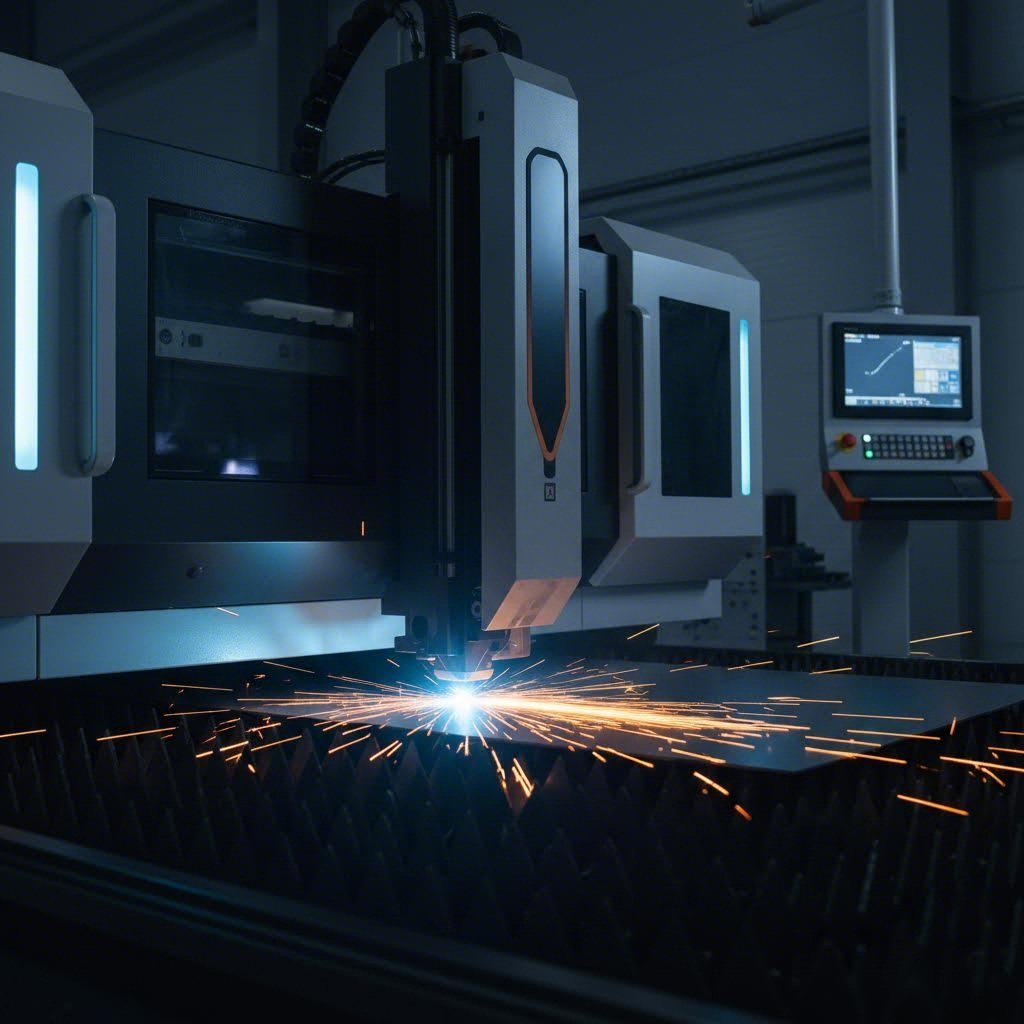
Dijital Çağda Metal İmalatını Anlamak
Bir vintage motosiklet restorasyonu için özel bir metal braket, işletmeniz için benzersiz bir tabela parçası , ya da bir robotik projesi için hassas bileşenler düşünün. On yıl önce, yerel tornalara saatlerce araştırma yapar, teklif almak için günlerce bekler ve karmaşık müzakereler yürütürdünüz. Bugün ise bir tasarım dosyası yüklersiniz, anında bir teklif alırsınız ve profesyonelce imal edilmiş parçalar genellikle birkaç gün içinde kapınıza teslim edilir.
Bu, çevrimiçi metal imalatıdır ve bireylerin ve işletmelerin profesyonel metal işleme hizmetlerine erişim biçimini temelden değiştiriyor. Temelinde bu dijital yaklaşım, geleneksel imalatı, tasarım sahibi herkesin bir üretici haline gelebileceği, erişilebilir ve kolaylaştırılmış bir sürece dönüştürür.
Mimari Tasarımdan Tarayıcıya: Dijital İmalat Devrimi
Metal imalatı online, özel parça sipariş sürecinin tamamen dijitalleştirilmesini ifade eder. Bir imalathane yerine fiziksel olarak web tabanlı platformlar aracılığıyla tamamen etkileşim kurarsınız. İş akışı şaşırtıcı derecede basittir: bir dijital tasarım dosyası oluşturur veya temin edersiniz, bir imalat platformuna yüklersiniz, malzeme ve özellikleri seçersiniz, otomatik fiyatlandırma alır ve tek bir telefon görüşmesi yapmadan ya da yüz yüze toplantıya girmeden siparişinizi verirsiniz.
Bu devrimi mümkün kılan nedir? İleri düzey imalat ekipmanları, tasarımları otomatik olarak analiz edebilen, malzeme ihtiyaçlarını hesaplayabilen ve saniyeler içinde doğru fiyat teklifleri oluşturabilen gelişmiş yazılımlarla birlikte kullanıldığında devreye girer. Send Cut Send gibi platformlar bu yaklaşımın öncüsü olmuştur ve müşterilerin basit düz parçalardan karmaşık bükümlü montajlara kadar her şey için anında fiyatlandırma almalarını sağlamaktadır.
Çevrimiçi imalatın güzelliği, erişilebilir olmasında yatmaktadır. Bir tekil sanat projeleri yaratan bir amatör müsünüz, üretim parçaları için prototip geliştiren bir mühendis mi yoksa bir ürün hattı başlatan bir girişimci mi, aynı profesyonel seviyedeki ekipmanlar ve süreçler sizin için mevcuttur. Asgari sipariş miktarı korkusu yoktur, fiyat teklifi görüşmeleri sırasında sektör terminolojisini bilme ihtiyacı yoktur ve fiyatlandırmada tahminde bulunma gerekmez.
Çevrimiçi Metal İmalatını Farklı Kılan Nedir
Geleneksel özel imalat genellikle ilişkiye dayalı bir iş modeli anlamına gelirdi—makul fiyat alabilmek için doğru imalathaneyi tanımanız, imalat terimlerini anlamanız ve daha büyük miktarlara taahhüt etmeniz gerekirdi. Çevrimiçi metal hizmetleri bu süreci tamamen demokratikleştirmiştir.
Dijital platformlar aracılığıyla sunulan hizmet yelpazesi kapsamlıdır. Çoğu çevrimiçi imalat sağlayıcısı şunları sunar:
- Lazer Kesimi – Yüksek yoğunluklu odaklanmış ışın demetlerini kullanarak sac metal ve levha malzemelerden hassas şekiller kesmek
- Sujet Kesim – Kalın malzemeleri bile kesmek için ince aşındırıcılarla yüksek basınçlı su jetlerini kullanma
- Cnc yönlendirme – Belirli malzeme uygulamaları için bilgisayar kontrollü döner kesim aletlerini kullanma
- Bükme ve Şekillendirme – Pres bükme makinelerini kullanarak düz parçaları üç boyutlu şekillere dönüştürme
- Diş Açma ve Sıkma Parçası Ekleme – Dişli delik ekleme ve somunlar, ayaklar gibi bağlantı elemanlarını yerleştirme
- Son İşlemler Hizmetleri – Toz boya, anodize ve çinko kaplama dahil koruyucu ve estetik işlemler uygulama
- Çapak Alma ve Tumbling – Keskin kenarları kaldırma ve pürüzsüz, profesyonel yüzeyler sağlama
Bu kapsamlı hizmet sunumu, işlenmemiş bileşenler yerine montaj öncesi tamamlanmış parçalar alabileceğiniz anlamına gelir. Yapıcılar ve üreticiler için çevrimiçi imalat, çok sayıda tedarikçiyi koordine etmenin karmaşıklığını ortadan kaldırır—tek bir yükleme, tek bir sipariş, tek bir teslimat.
Bu hizmetlerin hedef kitlesi etkileyici bir yelpazeyi kapsar. Hobici kullanıcılar, özel işaretlemeler, dekoratif parçalar ve kendin yap projeleri için bu hizmetleri kullanır. Mühendisler prototipleme ve yineleme için hızlı dönüş sürelerinden yararlanır. Küçük üreticiler maliyetli ekipmanları bünyesinde bulundurmadan üretim parçalarını temin eder. Hatta büyük şirketler kendi tesislerinde üretiminin haklı çıkmayacağı özel bileşenler için özel imalat hizmetlerini kullanır.
Bu kılavuz boyunca, belirli süreçleri anlama, doğru malzemeleri seçme ve tasarımlarınızı maliyet ile kalite açısından optimize etme konularından başlayarak bu dijital üretim dünyasında güvenle dolaşmanızı sağlayacak bilgiye sahip olacaksınız.
Çevrimiçi Metal İmalat Siparişi Nasıl Çalışır
Özel metal imalatını çevrimiçi olarak keşfetmeye karar verdiniz—ancak "yükükle" düğmesine tıkladığınızda aslında ne olur? Daha önce hiç deneyimlemediyseniz süreç gizemli gelebilir, ancak her bir adımın anlaşılması belirsizliği güvene dönüştürür. Tasarım dosyasından teslim edilen parçalara kadar olan süreci birlikte inceleyelim.
Adım Adım: İlk Çevrimiçi İmalat Siparişiniz
Çevrimiçi sac metal imalatını, tasarımınız ile gelişmiş üretim yazılımı arasında gerçekleşen optimize edilmiş bir diyalog gibi düşünün. Dosyaları gidip gelirken e-posta ile göndermek, günlerce yanıt beklemek ve fiyat müzakerelerini çok sayıda telefon görüşmesiyle yapmak gibi geleneksel yöntemlerin aksine, dijital platformlar bu süreci dakikalarla sınırlar.
Bir sipariş verdiğinizde tam olarak şu adımlar gerçekleşir:
- Tasarım Dosyanızı Hazırlayın – Kabul edilen bir formatta dijital bir tasarım oluşturun veya edinin. Çoğu platform, sac metal parçalar için 3D CAD dosyaları gerektirir ve STEP dosyaları (.step, .stp) evrensel standarttır. Tasarımınız dişli, kaynaklı birleştirme veya dar toleranslar gibi özel gereksinimleri içeriyorsa, açıkça açıklamalarla birlikte 2D çizim (PDF, DWG veya DXF) de sunmanız gerekir.
- Platforma Yükle – İmalat hizmetinin fiyat teklifi sayfasına gidin ve dosyanızı yükleyin. Sistem, tasarımı anında analiz etmeye başlar, malzeme gereksinimlerini hesaplar ve olası üretim sorunlarını belirler.
- Özeliklerinizi Yapılandırın – İstenilen malzemeyi (alüminyum, çelik, paslanmaz vs.), kalınlığı, miktarı ve toz boya kaplama ya da anodize gibi herhangi bir yüzey işleme seçeneğini belirtin. Bu adımda siparişi projenizin ihtiyaçlarına göre özelleştirirsiniz.
- Anlık Fiyat Teklifini İnceleyin – Seçimlerinize dayanarak sistem saniyeler içinde fiyatlandırma oluşturur. Malzeme maliyetleri, işleme, yüzey işlemleri ve tahmini nakliye ücretlerinin ayrıntılı bir şekilde görünür.
- El ile İnceleme İçin Gönder – Siparişinizi verdikten sonra, insan mühendisler üretilebilirliği doğrulamak için tasarımınızı inceler. Şuraya göre JLCCNC'nin sipariş verme kuralları , bu inceleme genellikle iş günleri içerisinde 10 dakika ile 4 saat arasında tamamlanır.
- Ödemeyi Tamamla – Onaylandıktan sonra, ödemenizi nihai hale getirmeniz için bildirim alacaksınız. Çoğu platform PayPal, kredi kartları ve platforma özel bakiye sistemlerini kabul eder.
- Üretimi ve Teslimatı Takip Et – Siparişiniz üretim kuyruğuna girer. Parçalar adresinize gönderilene kadar hesap panonuz aracılığıyla durumu izleyebilirsiniz.
Dosya Biçimleri ve Tasarım Gereksinimleri Açıklanmıştır
Karmaşık görünüyor mu? Aslında beklediğinizden daha basit ancak birçok ilk defa kullanıcı dosya hazırlık aşamasında zorlanıyor. Biçim gereksinimlerini önceden anlamanız, hayal kırıklığına uğramanızı ve siparişlerin reddedilmesini önler.
Sac metal parçalar için 3D STEP dosyası şarttır. Bu biçim, büküm çizgilerini, malzeme deformasyonunu ve kesim yollarını hesaplamak için üretim yazılımının ihtiyaç duyduğu hassas geometriyi korur. Sadece düz lazer kesim parçalarıyla çalışıyorsanız, DXF dosyaları mükemmel şekilde iş görür; bunlar tam olarak kesim geometrisini içeren dijital mavi baskılar gibidir.
3D modelinizin yanı sıra ne zaman bir 2B çizim eklemelisiniz? Parçanızın sadece geometriyle ifade edilemeyen spesifikasyonları olduğunda:
- Diş spesifikasyonları (tapalama boyutları, diş derinliği)
- Standart üretim doğruluğundan daha dar kritik toleranslar
- Belirli alanlar için yüzey kaplama gereksinimleri
- Kaynak noktaları ve spesifikasyonları
- Silindir baskılı yazı veya işaret koyma gereksinimleri
Lazer kesim anlık teklifinin arkasındaki sihir, otomatik analiz yazılımında yatmaktadır. Bir dosya yüklediğinizde algoritmalar anında toplam kesim yolunu hesaplar, gerekli delme sayısını belirler, malzeme yerleştirme verimliliğini değerlendirir ve hazırlık süresini dikkate alır. Bu işlem saniyeler içinde gerçekleşir; insan tahmincilerin 30 dakikadan fazla sürebileceği bir görevdir.
Geleneksel Teklif İste (RFQ) süreçleri farklı şekilde işlerdi. Dosyaları birden fazla işyerine e-posta ile gönderir, yanıt başına 2-5 iş günü beklerdiniz, farklı biçimlerde ve varsayımlarla teklifler alır ve sonra tutarsızlıkları açıklığa kavuşturmak için zaman harcardınız. Sac metal çevrimiçi teklif devrimi bu sürtüşmeyi tamamen ortadan kaldırır.
Yeni başlayanlar için önemli bir not: başlangıçta aldığınız otomatik teklif genellikle ön tekliftir. JLCCNC'nin belirttiği gibi, "sistem tarafından oluşturulan otomatik teklif yalnızca referans amaçlıdır. Nihai fiyat, manuel inceleme onayımıza tabidir." Bu inceleme, yazılımın kaçırabilecekleri tasarım hatalarını yakalar—kıvırma çizgilerine çok yakın olan özellikler, belirli geometriler için uygun olmayan malzeme seçimleri veya açıklanması gereken spesifikasyonlar.
Çevrimiçi özel metal imalatında başarı için ilk siparişinizi basit bir tasarım ile verin. Temel malzeme seçimiyle düz bir parçayla platformun işleyişini karmaşıklık olmadan öğrenebilirsiniz. Bir kez rahat hissettikten sonra, online sac metal teklif sürecinin her aşamasında tam olarak ne bekleyeceğinizi bilerek, birden fazla kıvrım, donanım ekleme ve yüzey işlemleri içeren montajlara geçebilirsiniz.
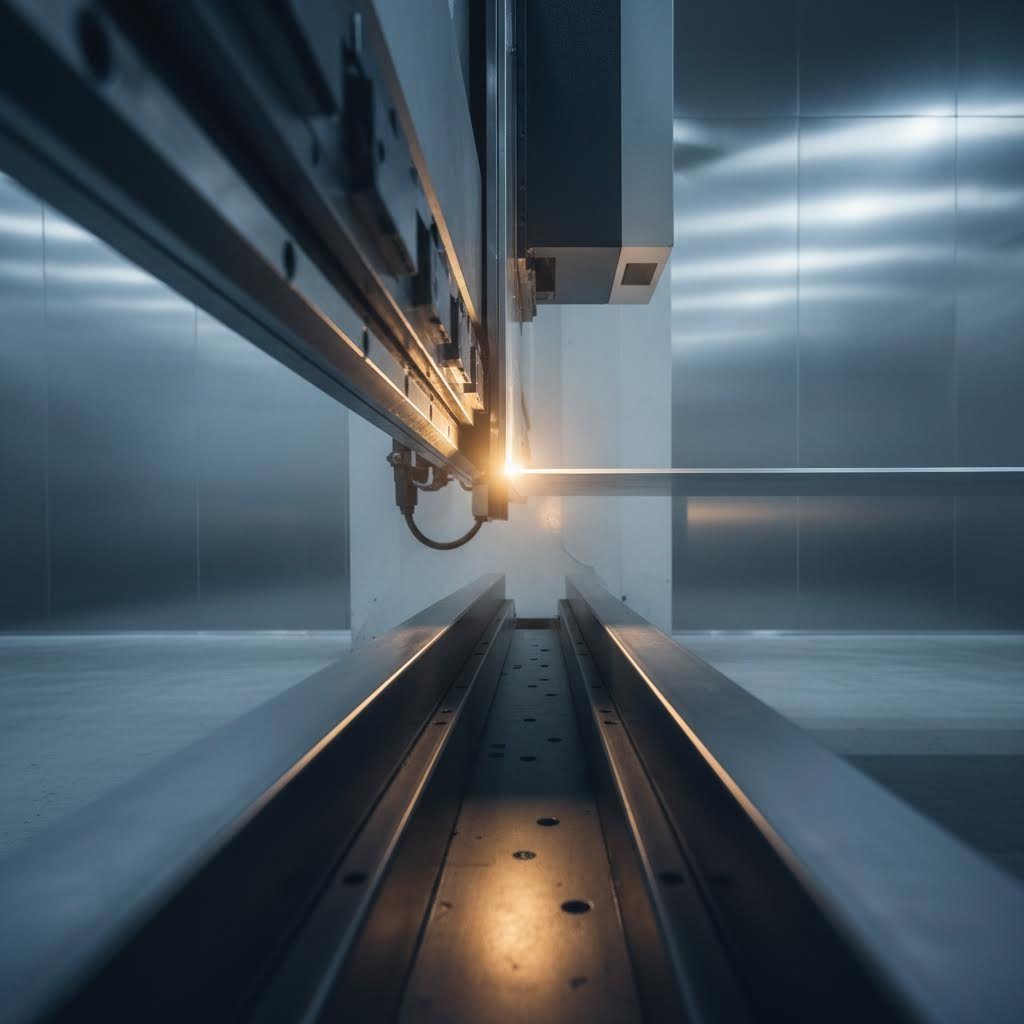
Her Proje İçin Açıklanan İmalat Süreçleri
Şimdi sipariş vermenin nasıl yapıldığını anladığınıza göre, üretim başladıktan sonra malzemenizle ilgili olarak aslında neler olduğunu inceleyelim. Her imalat süreci, tasarım kararlarınızı, malzeme seçimlerinizi ve nihai parça kalitenizi etkileyen farklı özelliklere sahiptir. Bu süreçleri anlamak, sizi pasif bir müşteriden, daha iyi sonuçlar elde etmek için tasarımlarını optimize edebilecek bilinçli bir üreticiye dönüştürür daha iyi sonuçlar için tasarımları optimize eder .
Lazer Kesme: Işık Hızında Hassasiyet
Tasarımınız bir lazer kesim makinesine girdiğinde, dikkat çeken bir şey olur. Uyarılmış emisyon adı verilen bir süreçle üretilen yüksek enerjili, koherent ışık hüzmesi, kurşun kalemin ucu büyüklüğünden daha küçük bir noktaya odaklanır. Bu yoğunlaşmış enerji, malzemeyi eritecek, kömürleştirecek veya tamamen buharlaştıracak şekilde hızla ısıtır. Gaz destek (genellikle azot veya oksijen), erimiş malzemeyi temizler ve makinenin tasarımı izlerken temiz bir kesim yolu oluşturur.
Xometry'nin teknik kılavuzuna göre, lazer kesme, Western Electric'in yaklaşık 1975 civarında ilk ticari makineleri geliştirdiği zamandan bu yana büyük ölçüde gelişmiştir. Bugün optimize edilmiş sistemler, sertleştirilmiş çelik ve karmaşık kompozit malzemeleri en fazla 100 mm kalınlığa kadar kesme kapasitesine sahiptir.
Ancak çoğu platformun açıklayamayacağı şey şudur: kerf (kesim boşluğu). Bu terim, kesme işlemi sırasında aslında uzaklaştırılan malzeme genişliğini ifade eder. Bir testere bıçağı gibi düşünün—bıçağın kendisinin bir kalınlığı vardır, dolayısıyla kesim izinden biraz daha geniştir. Lazer kesim için kerf, malzeme türüne, kalınlığa ve lazer gücü ayarlarına bağlı olarak tipik olarak 0,1 mm ile 0,4 mm arasında değişir.
Kesim genişliği (kerf), tasarımlarınız için neden önemlidir? Tam olarak başka bir bileşenle dişlileri uyumlu olacak şekilde bir dişli tasarladığınızı düşünün. Kesim genişliğini hesaba katmadan dişleri tam olarak belirtildiği gibi tasarladıysanız, gerçek parçanız istenen boyuttan biraz daha küçük olacaktır—lazer kesim çizgisinin her iki yanında da malzeme kaldırır. Profesyonel imalat platformları bu durumu otomatik olarak telafi eder; ancak bu kavramı anlamak, toleransları yorumlamanıza ve uyumlu parçaları doğru şekilde tasarlamanzı sağlar.
Metal kesim işlemi, son parça üzerinde etkili olan birkaç optimize edilebilir parametreyi içerir:
- Laser Gücü – Daha yüksek güç, kesimi hızlandırır ve kalın malzemeleri kesmenizi sağlar; ancak ısı etkilenmiş bölgeyi (HAZ) artırabilir
- Kesim Hızı – Daha yüksek hızlar HAZ’ı azaltır ancak daha pürüzlü kenarlar bırakabilir; daha düşük hızlar ise daha temiz kesimler üretir
- Odak noktası konumu – Odak derinliğini ayarlamak, kalın malzemelerde kesim genişliğinin şekli ve kesim kalitesini kontrol eder
- Yardımcı Gaz Türü – Oksijen, çelikte oksidasyon ile daha hızlı kesim sağlar; azot ise renk değişimi olmadan daha temiz kenarlar oluşturur
Lazer kesiciye göre su jeti ne zaman tercih edilmelidir? Su jeti, lazer ısısında bükülerek şekil değiştiren veya renk değiştiren ısıya duyarlı malzemelerde üstün performans gösterir. Ayrıca bakır ve pirinç gibi yansıtıcı malzemeleri daha güvenilir şekilde işler ve lazerin kapasitesini aşan çok kalın malzemeleri kesebilir. Ancak su jeti genellikle daha yavaştır ve biraz daha pürüzlü bir kenar yüzeyi bırakır.
CNC Frezeleme, Bükme ve Daha Fazlası
Düz kesim sadece başlangıçtır. Parçalarınız kesildikten sonra ek süreçler onları montaj için hazır üç boyutlu bileşenlere dönüştürür.
CNC Sac Büküm düz sac metal parçaları, bir punta ve zımba sistemi kullanarak hassas açılar oluşturur. Bu işlem, malzemenin eşleşen takım arasına yerleştirilip istenen açıda şekil alana kadar baskı uygulanmasıyla gerçekleştirilir. Buna göre Metal Works of High Point , doğru bükümler elde etmek birkaç temel kavramı anlamayı gerektirir:
- Eğim yarıçapı – Büküm ekseni ile iç yüzey arasındaki mesafe; çatlamayı önlemek için genellikle malzeme kalınlığına eşit ya da onu aşmalıdır
- Bahar geri dönmesi – Malzemenin büküldükten sonra orijinal şekline kısmen geri dönme eğilimi; hedef açıları elde etmek için hafifçe aşırı bükülme yapılması gerekir
- K-faktör – Bükme sırasında malzeme içinde nötr eksenin nerede yer aldığını belirleyen değer (genellikle 0.25-0.5 arası)
- Büküm Payı – Düz desen boyutlarının doğru şekilde hesaplanması için esas olan, büküm boyunca nötr eksenin yay uzunluğu
Sac metal bükme hizmetleri düz tasarımlarınızı muhafazalara, braketlere, kanallara ve karmaşık şekillere dönüştürür. Minimum büküm yüksekliği, malzeme kalınlığının en az dört katı artı büküm yarıçapı kadar olmalıdır; aksi takdirde parça öngörülemeyen şekilde deforme olur.
Diş Açma ve Sıkma Parçası Ekleme parçalarınıza işlevsellik kazandırır. Diş çekme, deliklere iç vida oluşturarak makine vidalarıyla bileşenleri birleştirmenizi sağlar. Sertifika basma işlemi ise somunları, ayaklıkları ve saplamaları doğrudan sac metale presleyerek kalıcı bağlantı noktaları oluşturur. Her iki işlem de uygun delik boyutunu gerektirir—çok küçükse matkap kırılır, çok büyükse dişler tutmaz.
İşte çoğu çevrimiçi platform aracılığıyla sağlanan temel imalat süreçlerinin bir karşılaştırması:
| İşlem | Desteklenen Malzemeler | Tipik Kalınlık Aralığı | Hassas Tolerans | En İyi Uygulamalar |
|---|---|---|---|---|
| Fiber lazer kesimi | Çelik, paslanmaz, alüminyum, pirinç, bakır | 0,5 mm – 25 mm | ±0,1 mm – ±0,25 mm | Karmaşık şekiller, ince detaylar, yüksek üretim hacmi |
| CO2 lazer kesimi | Çelik, paslanmaz çelik, alüminyum, ahşap, akrilik | 0,5 mm – 25 mm | ±0,1 mm – ±0,3 mm | Karışık malzemeler, gravür, daha kalın organik malzemeler |
| Sujet Kesim | Cam ve taş da dahil olmak üzere neredeyse tüm malzemeler | 0,5 mm – 150 mm+ | ±0,1 mm – ±0,5 mm | Isıya duyarlı malzemeler, çok kalın ham madde |
| Cnc yönlendirme | Alüminyum, plastikler, ahşap, kompozitler | 1 mm – 75 mm | ±0,05 mm – ±0,15 mm | 3D profiller, ceplere açma, yumuşak malzemeler |
| CNC Sac Büküm | Çelik, paslanmaz, alüminyum | 0,5 mm – 12 mm | ±0,5° açı, ±0,25 mm konum | Kapaklar, braketler, şekillendirilmiş bileşenler |
Her metal kesici ve şekillendirme işlemi tasarımınızı etkileyen minimum özellik boyutu gereksinimlerine sahiptir. Lazerle kesilen delikler genellikle malzeme kalınlığına eşit ya da bu değerden büyük olmalıdır. Büküm hatlarının uçlarında bulunan küçük çentikler olan büküm payları yırtılmayı önler ve büküm yarıçapından plus malzeme kalınlığından daha derin olmalıdır. Büküm hatlarına çok yakın olan özellikler şekillendirme sırasında bozulur.
Bu teknik özellikleri anlamak, parçalarınızı ilk denemede verimli bir şekilde imal edebilecek şekilde tasarmanıza olanak tanır. Süreç bilgisi oluşturulduktan sonra, bir sonraki kritik karar, belirli uygulama ihtiyaçlarınıza uygun doğru malzemeyi seçmektir.
Uygulamanız İçin Doğru Metali Seçme
Sipariş verme sürecini öğrendiniz ve farklı imalat yöntemlerinin nasıl çalıştığını anladınız. Şimdi projenizin başarısını belirleyecek bir karar vermeniz gerekiyor: aslında hangi metali kullanmalısınız? Bu seçim, yapısal bütünlükten uzun vadeli dayanıklılığa, üretim maliyetinden nihai görünüme kadar her şeyi etkiler.
Malzeme seçimi zorlayıcı olmak zorunda değildir. Bazı temel özellikleri ve bunların uygulamanıza nasıl uyduğunu anlayarak performans ile bütçeyi dengeli şekilde karşılayan güvenli kararlar alabilirsiniz.
Alüminyum mu, Çelik mi, Paslanmaz mı: Doğru Seçimi Yapmak
Herhangi bir imalat platformunun malzeme seçeneklerinde dolaşırsanız şu üç baskın kategoriyle karşılaşacaksınız: alüminyum, yumuşak çelik ve paslanmaz çelik. Bunların her biri projenize ayrı avantajlar —ve sınırlamalar— getirir.
Alüminyum Alaşımları ağırlık önemli olduğunda tercih edilen seçenektir. Şuna göre Clickmetal'in malzeme karşılaştırması , alüminyumun dayanım-ağırlık oranı yaklaşık olarak 1/8'dir ve paslanmaz çeliğin oranı ise 1/16'dır. Bu pratikte ne anlama gelir? Aynı yükü taşıyan bir çelik yapının aksine, alüminyum sac yapı daha büyük olacak ancak yaklaşık yarısı kadar ağırlığa sahip olacaktır.
Alüminyum, hava ile temas ettiğinde doğal olarak koruyucu bir oksit tabakası oluşturur ve bu da ek işlem gerekmeden mükemmel korozyon direnci sağlar. Bu nedenle nemli ortama maruz kalınması kaçınılmaz olan dış mekan tabelaları, deniz uygulamaları ve elektronik muhafazaları için alüminyum sac idealdir. Ayrıca yüksek ölçüde iletken olması nedeniyle elektrik iletim hatlarında çelik yerine alüminyum kullanılır.
Peki dezavantajı nedir? Ham mukavemet. Alüminyumla çelik ve paslanmaz çeliği karşılaştırıldığında, çelik mutlak mukavemette her zaman üstündür. Daha yüksek karbon içeriği, ağır yükler altında şekil değiştirmeye karşı dirençli, daha sert ve güçlü bir malzeme oluşturur.
Hafif Çelik yapısal uygulamalar için en iyi değer önerisini sunar. Paslanmaz çelik veya alüminyuma kıyasla önemli ölçüde daha ucuzdur, kaynaklanması kolaydır ve neredeyse her kalınlıkta kolayca temin edilebilir. İmalat atölyeleri, düşük karbonlu çeliğin tahmin edilebilir şekilde işlenmesi ve yüzey işlemlerini (örneğin kaplama, cilalama) iyi kabul etmesi nedeniyle bu malzemeyle çalışmaktan hoşlanır.
Ancak bir dezavantajı vardır: Düşük karbonlu çelik paslanır. Galvanizleme, toz boya veya boyama gibi koruyucu kaplamalar olmadan, nemli ortamda yüzeye temas eden nem düşük karbonlu çeliğin korozyona uğramasına neden olur. Bu durum mutlaka bir anlaşma engeli değildir—birçok uygulama koruyucu yüzey işlemlerine izin verir—ancak dış mekân veya nemli ortamlarda kullanımda kritik bir değerlendirme unsuru olmaya devam eder.
Paslanmaz çelik dayanıklılık ile korozyon direnci arasında bir denge kurar. Krom ilavesiyle (genellikle %10,5 veya daha fazla) paslanmaz çelik, mükemmel yapısal özelliklerini korurken paslanma ve oksidasyona karşı dikkat çekici bir direnç kazanır. 316 paslanmaz çelik, molibden ilavesiyle bu özelliği daha da geliştirir ve klorürler ile aşırı kimyasal ortamlara karşı üstün bir direnç sağlar.
316 paslanmaz çelik ne zaman özellikle belirtilmelidir? Deniz ortamları, kimyasal işleme, gıda hazırlama yüzeyleri ve tıbbi ekipmanlar, artılmış korozyon direncinden faydalanır. Standart 304 paslanmaz çelik, daha düşük maliyetle çoğu genel amaçlı uygulamaları karşılar.
Özel malzemeler pirinç ve bakır gibi malzemeler dar uygulama alanları için kullanılır. Pirinç, estetik görünümlü olmasının yanı sıra antimikrobiyal özellikler sunar ve dekoratif armatürler ile temas yüzeyleri için idealdir. Bakır ise olağanüstü elektrik ve termal iletkenlik sağlar ve bu nedenle ısı yayıcılar ile elektrik bileşenleri için vazgeçilmezdir.
Projeniz İçin Önemli Olan Malzeme Özellikleri
Genel kategorilerin ötesinde, bir malzemenin uygulamanızda performans gösterip göstermeyeceğini belirleyen özel özellikler vardır. Değerlendirmeniz gerekenler şunlardır:
Çekme Dayanımı bir malzemenin kopmadan önce ne kadar çekme kuvvetine dayanabileceğini ölçer. Çelik, düşük alaşımlı türleri için tipik olarak 400-550 MPa çekme mukavemeti sunar, alüminyum alaşımları ise kullanılan alaşıma bağlı olarak 70-700 MPa aralığında değişir. Daha yüksek çekme mukavemeti, eşdeğer yükleri taşıyabilmek için daha ince malzeme kullanılabilmesi anlamına gelir ve bu da potansiyel olarak ağırlık ve maliyetten tasarruf sağlar.
Şekil verilebilirlik malzemenin çatlamadan ne kadar kolay bükülebildiğini tanımlar. Alüminyum bu konuda üstündür; oldukça sünektir ve kırılmadan karmaşık şekillere uzatılabilir. Çelik daha rijittir ve şekillendirme sınırlarının ötesine geçildiğinde kırılır. Tasarımınız dar bükümleri veya karmaşık geometriyi içeriyorsa bu önemli bir farktır.
Kaynaklanabilirlik montaj seçeneklerini etkiler. Düşük karbonlu çelik, yaygın kaynak yöntemleriyle mükemmel şekilde kaynaklanır. Alüminyum, gözenekliliği önlemek için özel TIG kaynağına ve dikkatli tekniklere ihtiyaç duyar. Paslanmaz çelik iyi kaynaklanır ancak çarpılmayı ve karbür çökelmesini engellemek için ısı yönetimi konusunda dikkatli olunmalıdır.
Korozyon Direnci uzun vadeli dayanıklılığı belirler. Alüminyumun doğal oksit katmanı onu sonsuza dek korur. Paslanmaz çelik, krom içeriği sayesinde paslanmaya direnç gösterir. Hafif çelik, nem veya rutubete maruz kalması durumunda koruyucu kaplamalar gerektirir.
Malzeme özelliklerini uygulama ihtiyaçlarınızla eşleştirmek için bu karşılaştırma tablosunu kullanın:
| Malzeme | Göreli Ağırlık | Göreli Dayanıklılık | Göreli Maliyet | Korozyon Direnci | En İyi Uygulamalar |
|---|---|---|---|---|---|
| Alüminyum (6061) | Düşük | Orta | Orta | Mükemmel (doğal oksit) | Havacılık, elektronik, tabelalar, denizcilik |
| Hafif Çelik | Yüksek | Yüksek | Düşük | Zayıf (kaplama gerektirir) | Yapısal, otomotiv, genel imalat |
| 304 Paslanmaz Çelik | Yüksek | Yüksek | Yüksek | Çok iyi. | Gıda ekipmanları, mimari, genel endüstriyel |
| 316 paslanmaz çelik | Yüksek | Yüksek | Çok Yüksek | Mükemmel (klorür dirençli) | Denizcilik, kimya, tıp, eczacılık |
| Pirinç | Yüksek | Orta | Yüksek | İyi | Dekoratif, tesisat, elektrik kontakları |
| Bakır | Yüksek | Düşük-Orta | Çok Yüksek | İyi (patina geliştirir) | Elektrik, termal yönetim, dekoratif |
Gauge Kalınlık Standartlarını Anlamak
Malzeme seçeneklerine göz atarken, daha yüksek sayıların daha ince malzemeyi ifade etmesi nedeniyle sezgisel olmayan kalibre numaralarıyla karşılaşacaksınız. 14 kalibre çelik kalınlığı yaklaşık 0,0747 inç (1,9 mm) ölçerken, 16 kalibre 0,0598 inç (1,5 mm) ölçer. Kalibre boyutu tablosu, mantıksal bir artış yerine tarihsel üretim gelenekleri nedeniyle mevcuttur.
İşte durumun zorlaştığı kısım: kılcal ölçümler ferrous ve non-ferrous metaller arasında farklılık gösterir. All Metals Fabrication'ın kalınlık kılavuzuna göre , "Aynı kalibre ile sınıflandırılan ferrous ve non-ferrous metallerin aslında farklı kalınlıkları vardır." Çoğu imalat uzmanı, karışıklığı önlemek için çelik ve paslanmaz çeliği kalibre ile ölçerken alüminyum, bakır ve pirinci ondalık kalınlık değerleriyle belirtir.
Karşılaşacağınız yaygın kalibre kalınlıkları:
- 24 kalibre – Yaklaşık 0,024" (0,6 mm) – Hafif kullanım kutuları ve dekoratif uygulamalar için ince sac
- 20 gauge – Yaklaşık 0,036" (0,9 mm) – HVAC kanal sistemi ve hafif braketler için standart
- 16 gauge – Yaklaşık 0,060" (1,5 mm) – Yapısal braketler ve orta sınıf muhafazalar için yaygın olarak kullanılır
- 14 gauge – Yaklaşık 0,075" (1,9 mm) – Ağır hizmet braketleri, otomotiv bileşenleri
- 11 gauge – Yaklaşık 0,120" (3 mm) – Önemli mukavemet gerektiren yapısal uygulamalar
7 numaradan kalın malzeme (yaklaşık 0,188" veya 4,8 mm), 'saç metal' alanından 'plaka metal' alanına geçer ve farklı taşıma ekipmanları ile üretim yöntemleri gerektirir.
Malzeme Sertifikasının Önem Arzettiği Durumlar
Hobici projeler ve genel prototipleme için standart ticari sınıf malzemeler tamamen uygundur. Ancak bazı uygulamalar, malzemenin izlenebilirliğinin belgelenmesini gerektirir.
Parçalarınız aşağıdaki amaçlarla kullanılacaksa malzeme sertifikası talep edin:
- İzlenebilir malzeme kökeni gerektiren havacılık uygulamaları
- Regülasyon uygunluğuna tabi tıbbi cihazlar
- Otomotiv Güvenlik Parçaları
- Kod gereksinimleri olan basınçlı kaplar veya yapısal uygulamalar
- Malzeme belgelendirilmesini belirten devlet veya askeri sözleşmeler
Malzeme sertifikaları (sıkça "ham madde sertifikaları" veya "MTR'ler" olarak adlandırılır) malzemenizin tam kimyasal bileşimi, mekanik özellikleri ve üretim kökeni hakkında bilgi verir. Bu belgeler maliyet ekler ancak düzenlenmiş sektörler için gerekli olan izlenebilirliği sağlar.
Malzeme seçiminiz netleştikten sonra, maliyetli revizyonlara ve gecikmelere yol açan yaygın hatalardan kaçınarak üretimi kolaylaştıracak parçalar tasarlamaya odaklanabilirsiniz.
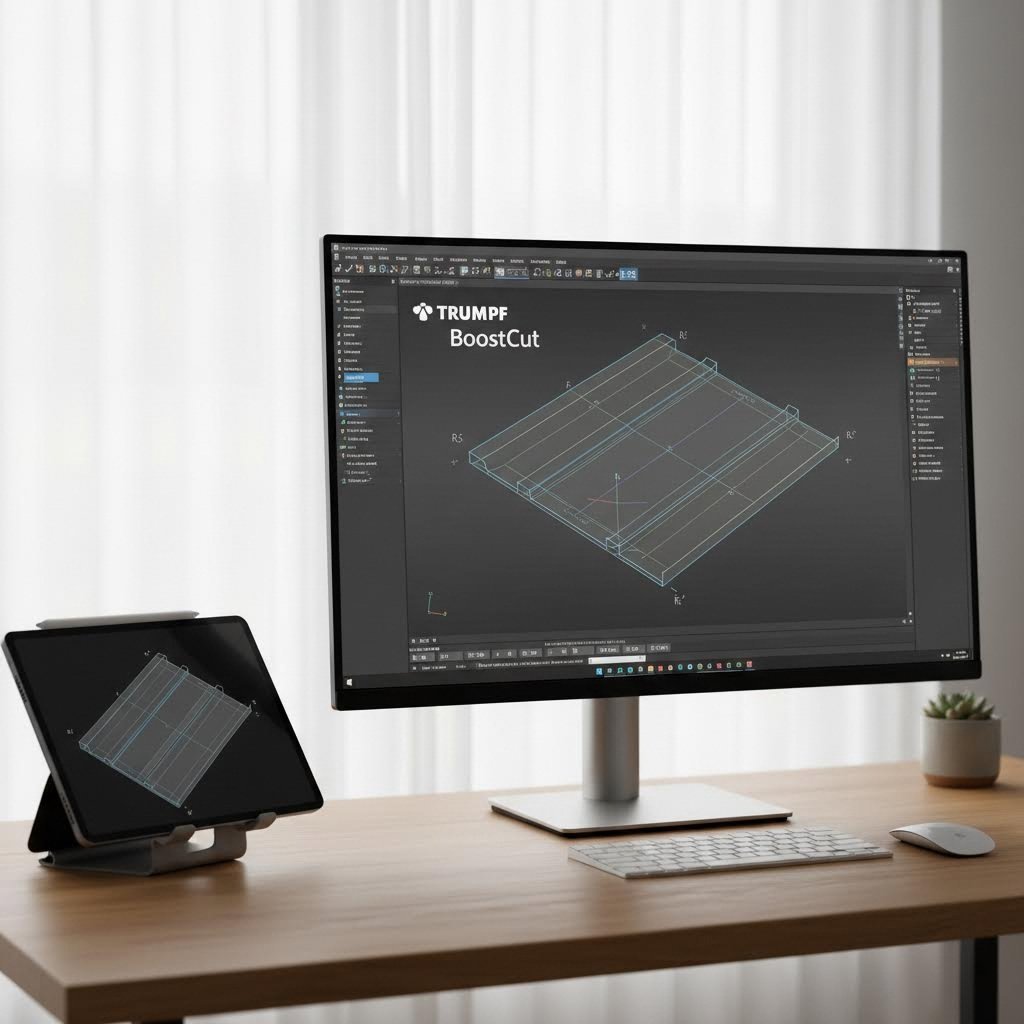
İmalata Hazır Parçalar İçin Tasarım Kılavuzu
Malzemenizi seçtiniz ve kullanılabilecek imalat süreçlerini anladınız. Şimdi başarılı siparişleri maliyetli revizyonlardan ayıran aşamaya geldiniz: üretim ekipmanlarıyla uyumlu çalışan parçalar tasarlamak. Sorunsuz bir üretim süreci ile birden fazla düzeltme döngüsü arasında genellikle "yükleye" tıklamadan önce yapılan birkaç kritik tasarım kararı vardır.
Bu kuralları sac metal imalatının dili olarak düşünün. Tasarımınız bu dili akıcı bir şekilde konuştuğunda, imalatçılar tam olarak hayal ettiğiniz ürünü zamanında ve bütçeniz dahilinde üretebilir.
Zaman ve Para Kazandıran Tasarım Kuralları
Her imalat sürecinin fiziksel sınırlamaları vardır. Bunları göz ardı etmek, onları ortadan kaldırmaz; aksine reddedilen parçalara, maliyetli yeniden işlenmelere ve can sıkıcı gecikmelere neden olur. Projelerinizin sorunsuz ilerlemesini sağlayan temel kuralları inceleyelim.
Minimum delik çapları
Kırık takımları ve bozulmuş özellikleri önlemek için basit bir kural şudur: deliğinizin çapı malzeme kalınlığına eşit ya da daha büyük olmalıdır. Buna göre Blackstone Advanced Technologies , kalın malzemede küçük delikler delmek kesim araçlarına aşırı gerilim uygular. 2 mm'lik çelikte 1 mm'lik bir delik mi? Bu sorun çıkarması beklenen bir durumdur. Aynı deliği 2 mm çapında tasarladığınızda üretim sorunsuz ilerler.
Büküm yarıçapı gereksinimleri
Bir kağıt parçasını keskin bir şekilde katladığınızda dış kenar kıvrılır veya yırtılır. Metal de benzer şekilde davranır. İç büküm yarıçapı, en az malzeme kalınlığınıza eşit olmalıdır—1,5 mm alüminyum için en az 1,5 mm iç yarıçap ile bükün. Bu, şekillendirme sırasında malzemenin uzandığı dış yüzeyde çatlak oluşmasını önler.
Ancak tam tersi yöne de fazla sapmayın. Blackstone mühendislik ekibi, aşırı büyük büküm yarıçaplarının kendi problemlerini yarattığını belirtiyor: artan yaylanma, hassas büküm açıları elde etmede zorluk ve tutarsız sonuçlar. Yarıçapları makul düzeyde tutun—çoğu uygulama için genellikle malzeme kalınlığının 1x ile 2x arası olmalıdır.
Özellik Aralığı ve Delikten-Büküme Mesafe
Metalin büküleceği yerin hemen yanına bir delik açtığınızı düşünün. Şekillendirme sırasında bu delik oval hâle gelir ve sabitleyiciler veya hassas oturmalar için işlevsiz hâle gelir. Norck'un DFM kurallarına göre, delikler herhangi bir büküm çizgisinden en az iki kat malzeme kalınlığı kadar uzakta olmalıdır.
Birden fazla özelliği olan özel boyutlarda sac parçalar için, delikler, yuvalar ve kenarlar arasında tutarlı mesafeler korunmalıdır. Genel kural olarak: özellik-arası ve özellik-kenar arası mesafeler malzeme kalınlığının en az 2 katı olmalıdır. Bu, temiz sac kesim sağlar ve sonraki işlemler sırasında çarpılmayı önler.
Minimum Flanş Genişliği
Yukarı doğru bükülen malzeme kısmı olan flanşın, fren takımlarının düzgün şekilde kavrayabilmesi için yeterli yüzey alanına sahip olması gerekir. Blackstone'ın açıkladığı gibi, "flanş genişliği metal kalınlığının dört katından daha aşağı inmemelidir." 1 mm kalınlığında bir braket tasarımı mı yapıyorsunuz? Flanşlarınız en az 4 mm genişliğinde olmalıdır. Daha kısa flanşlar maliyetleri önemli ölçüde artıran özel takımlar gerektirir.
En Yaygın İmalat Hatalarından Kaçınmak
Deneyimli tasarımcılar bile üretimi zorlaştıran hatalar yapabilir. Dikkat etmeniz gerekenler ve bunları nasıl düzelteceğiniz şöyledir:
- Büküm Röleflerinin Eksikliği – Bir büküm çizgisi düz bir kenarla kesiştiğinde, malzeme bu birleşim noktasında yırtılır. Çözüm: Büküm çizgisinin uç noktalarına küçük dikdörtgen veya yarım daire şeklinde kesmeler ekleyin (en az malzeme kalınlığı kadar geniş ve büküm yarıçapı artı malzeme kalınlığı kadar derin olmalıdır).
- Tane yönünü göz ardı etmek – Sac metal, haddeleme işleminden kaynaklanan bir 'tane' yapısına sahiptir. Bu tane yönüne paralel büküm yapıldığında çatlama meydana gelir. Çözüm: Parçanızı, bükümlerin tane yönüne dik olarak gerçekleşecek şekilde yönlendirin; sac metal büküm hizmet sağlayıcınız malzeme yönü konusunda size tavsiyede bulunabilir.
- Aşırı Dar Kesmeler – İnce yuvalar veya çıkıntılar, lazer ısısı yoğunluğundan dolayı çarpılır. Çözüm: Isıl distorsiyonu önlemek için dar özelliklerin en az malzeme kalınlığının 1,5 katı kadar geniş kalmasını sağlayın.
- Büküm Payını Unutmak – Metal bükülürken uzar; bu nedenle bükülmüş parçalar, düz bölümlerinin toplamından daha uzun olur. Çözüm: Son boyutların doğru olmasını sağlamak için büküm payı hesaplamalarını kullanın (ya da bu işlemi imalatçınızın yazılımının yapmasına izin verin).
- Gereksiz Toleranslar Belirtmek ±0,25 mm'nin uygulamanız için iyi çalıştığı durumda ±0,05 mm hassasiyet talep etmek, muayene süresini ve maliyetini artırır. Çözüm: Sadece kritik birleştirme yüzeylerinde dar toleranslar belirtin.
- Standart dışı delik boyutları 5,123 mm'lik bir delik özel kesici takımlar gerektirir. Çözüm: Üreticilerin stokta bulundurduğu ve anında delebileceği standart matkap boyutlarını (5 mm, 6 mm, 1/4") kullanın.
Büküm Payını Anlamak
Sac metal büküldüğünde dış yüzey uzarken iç yüzey sıkışır. Malzemenin ne uzadığı ne de sıkıştığı teorik düzlem olan nötr eksen bu süreçte kayar. Bu, düz desen boyutlarınızın malzeme deformasyonunu dikkate alması gerektiği anlamına gelir.
İki adet 50 mm'lik kola ve 90°'lik bir kıvrıma sahip basit bir L şeklinde bağlantı parçasını düşünün. Düz desen, sadece 100 mm genişliğinde değildir. Kıvrım payı formülü, malzeme kalınlığını, kıvrım açısını, iç yarıçapı ve K-katsayısını (çoğu malzeme için genellikle 0,3–0,5 aralığındadır) içerir. Modern CAD yazılımları ve imalat platformları bu hesabı otomatik olarak yapar; ancak bu kavramı anlamak, tasarımlarınızın doğru boyutlarda parçalar üretmesini sağlamanıza yardımcı olur.
Montaj İçin Tasarım
Özel kesim sac metal parçalarınız birbirine bağlanacaksa, bireysel bileşenlerin ötesine geçin. Başarılı montajlar şunları gerektirir:
- Tutarlı toleranslar – Birbirine oturan parçaların uyumlu toleranslara sahip olması gerekir. İki birbirine oturan kenarda ±0,25 mm tolerans, maksimum 0,5 mm’lik potansiyel boşluk veya geçme oluşturabilir.
- Hizalama Özellikleri – Montajı kolaylaştırmak ve tekrarlanabilir konumlandırmayı sağlamak için çıkıntılar, yuvalar veya konumlandırma delikleri ekleyin.
- Donanım Erişimi – Parçalar yerleştirildikten sonra bağlantı elemanlarına gerçekten ulaşabiliyor musunuz? Aletler ve parmaklar için yeterli açıklık sağlandığından emin olun.
- Kaynak Hazırlığı – Parçalar kaynak yapılacaksa, uygun birleştirme konfigürasyonlarını ve kaynak ekipmanı için erişilebilirliği tasarlayın.
DFM Desteğinin Değeri
İmalat Dostu Tasarım (DFM) desteği, üretimin başlamasından önce potansiyel sorunları çözülmüş sorunlara dönüştürür. Dosyalarınızı kaliteli bir sac metal imalat platformuna yüklediğinizde, mühendislik incelemesi otomatik sistemlerin kaçırabileceği sorunları tespit eder.
Etkili DFM desteği ne sağlar?
- İmalat kısıtlarını ihlal eden özellikleri belirleme
- İşlevselliği zayıflatmadan maliyeti düşüren tasarım değişiklikleri önerme
- Malzeme seçiminizin geometrinize uygun olduğunu doğrulama
- Toleransların belirtilen süreçlerle gerçekleştirilebilir olduğunun onaylanması
Norck'un DFM kılavuzuna göre, "Bir tasarım çok karmaşık olursa veya metalin fiziksel sınırları göz ardı edilirse, 'imalatta sürtünmeye' yol açar: daha yüksek fiyatlar, daha uzun bekleme süreleri ve hata riskinde artış." Başlangıçta DFM incelemesine zaman yatırmak, ileride maliyetli düzeltmeleri önler.
Standart sac metal kesme ve şekillendirme süreçleriyle elde edilebilen tipik toleranslar, lazerle kesim yapılan özellikler için ±0,1 mm'den büküm açıları için ±0,5°'ye kadar değişir. Daha dar toleranslar ek inceleme adımları gerektirir ve maliyeti artırır—sadece uygulamanız gerçekten yüksek hassasiyet talep ettiğinde bunları belirtin.
Bu tasarım kurallarına sahip olmak, üretimde ilk denemede doğru şekilde imal edilebilecek dosyalar sunmanıza olanak tanır. Sırada fiyatlandırmanın nasıl işlediğini inceleyelim—tasarımlarınızı sadece üretilebilirlik açısından değil, aynı zamanda bütçe verimliliği açısından da optimize edebilirsiniz.
Fiyatlandırmayı Anlamak ve Bütçenizi Optimize Etmek
İmalata hazır bir parça tasarladınız, mükemmel malzemeyi seçtiniz ve sipariş vermeye hazırsınız. Ardından teklif gelir—ve sorar: bu fiyat makul mudur? Tam olarak ne için ödeme yapıyorum? Sac metal imalat teklifinin yapısını anlamak, sizi pasif fiyat alıcısından, maliyetleri stratejik olarak optimize edebilecek bilgili bir alıcıya dönüştürür.
Fiyat karşılaştırmasının doğrudan yapılabildiği ham madde satın alımlarının aksine, sac metal teklifleri, birbirleriyle bağlantılı onlarca değişkeni yansıtır. Bu değişkenleri birlikte inceleyerek teklifleri akıllıca değerlendirebilir ve bütçenizi göz önünde bulunduran tasarım kararları alabilirsiniz.
Fabrikasyon Teklifinizi Ne Belirler?
Her çevrimiçi metal fabrikasyon hizmeti, temel bileşenlerden aynı şekilde teklif oluşturur—ancak bu bileşenlerin oranları, projenizin özel gereksinimlerine bağlı olarak büyük ölçüde değişir. Aslında şunlar için ödeme yapıyorsunuz:
Malzeme Maliyetleri
Ham madde genellikle toplam teklifinizin %30–50'sini oluşturur. TZR Metal'in maliyet analizine göre, ham madde maliyetini belirleyen birkaç faktör vardır:
- Malzeme Türü – Karbon çelik, paslanmaz çelik veya alüminyum alaşımlarına kıyasla önemli ölçüde daha ucuzdur. Bakır, pirinç ve titanyum gibi özel metaller ise yüksek fiyatlar talep eder.
- Kalınlık – Daha kalın malzemeler birim alana göre daha pahalıdır ve daha güçlü makinelere veya daha yavaş işleme hızlarına ihtiyaç duyar.
- Miktar – Daha büyük siparişler, imalatçıların malzemeyi toplu alım indirimleriyle satın almasına ve levha kullanımını optimize etmesine olanak tanır.
- Piyasa Dalgalanmaları – Küresel emtia fiyatları sürekli değişir ve ham madde maliyetlerini aylık olarak etkiler.
İşleme Maliyetleri
Her kesim, büküm ve delik işlem süresine ve maliyete ek yapar. TZR Metal, malzeme ve karmaşıklığa göre lazer veya plazma kesim fiyatını doğrusal ayak başına 1,50-6,00 ABD doları arası tahmin ediyor. Temel bükümler adet başı 1-5 ABD doları ekleyebilir ve bu tutar malzeme kalınlığı ile tolerans gereksinimlerine bağlı olarak artar. Parçanızın gerektirdiği işlem sayısı ne kadar fazlaysa teklifinizdeki işleme bileşeni de o kadar yüksek olur.
Tasarım karmaşıklığı, maliyetleri birkaç mekanizma üzerinden katlar:
- Kesim Yolu Uzunluğu – Birçok eğri ve detaya sahip karmaşık tasarımlar daha uzun kesim süresi gerektirir
- Işlem sayısı – Her büküm, diş açma veya donanım ekleme, hazırlık ve çevrim süresine ek yapar
- Tolerans Gereksinimleri – Daha sıkı toleranslar, daha yavaş işlemeyi ve ek incelemeleri gerektirir
- İç içe kesim verimliliği – Karmaşık şekiller malzeme levhalarında verimli bir şekilde paketlenemeyebilir ve bu da atığı artırabilir
Bitirme ve ikincil işlemler
Toz kaplama, anodize veya kaplama gibi yüzey işlemlerinin hem malzeme hem de işçilik maliyetleri vardır. TZR Metal'e göre temel toz kaplama veya boyama yaklaşık olarak yüzey alanının her bir kare fiti başına 2-5 ABD doları tutar, özel kaplamalar ise kare fit başına 5-15 ABD doları ve üzeri seviyelere çıkabilir. Kenar temizleme (deburring), montaj ve sabitleme elemanlarının yerleştirilmesi ek ücretlere neden olur.
Nakliye ve Ambalaj
Lojistiği göz ardı etmeyin. Ağırlık, hacim, varış noktası ve gönderim hızı nihai maliyeti etkiler. Hassas parçalar taşıma sırasında hasar görmesini önlemek için köpük dolgulu özel ambalajlar veya VCI torbalar gerektirebilir—bu maliyet ekler ancak yatırımınızı korur.
"Minimum Sipariş Miktarı Yok" Olmasının Önemi — Ve Ne Zaman Önemli Olmadığı
Birçok çevrimiçi platform, prototipleme ve tek seferlik projeler için gerçekten değerli olan esnekliği sağlayan "minimum sipariş miktarı yok" ifadesini temel bir avantaj olarak reklam yapar. Yüzlerce adet sipariş vermek zorunda kalmadan tek bir parça sipariş edebilirsiniz.
Ancak üretim ekonomisini anlamak, neden hacim hâlâ cüzdanınız açısından önemli olduğunu gösterir. Kurulum maliyetleri—programlama, kalıp konfigürasyonu, ilk parça muayenesi—sipariş miktarınız üzerinden ortalama hesaplanır. Bir adet parça sipariş ederseniz kurulum maliyetinin %100'ünü siz üstlenirsiniz. Yüz adet parça sipariş ederseniz her bir parça bu genel giderin yalnızca %1'ini taşır.
Zintilon'un üretim maliyeti kılavuzuna göre, bu durum prototip fiyatlandırması ile seri üretim fiyatlandırması arasındaki parça başı büyük fiyat farkını açıklar. Tek bir prototip için bir lazer kesim çevrimiçi teklifi parça başına 50 ABD doları gösterebilirken, aynı tasarım 500 birimde parça başına 8 dolara düşer. Bu fiyatlardan herhangi biri 'yanlış' değildir—farklı ekonomik gerçeklikleri yansıtırlar.
Maliyetleri En İyi Hale Getirmek İçin Akıllı Stratejiler
Maliyet unsurlarını anlayarak işlevselliği zedelemeden maliyetleri azaltacak bilinçli seçimler yapabilirsiniz. İşte maliyet optimizasyon rehberiniz:
- Tasarımınızı basitleştirin – Her özellik bir maliyet doğurur. Gereksiz kıvrımları kaldırın, büküm sayısını azaltın ve karmaşık kesimlerin gerçekten bir amaca hizmet edip etmediğini sorgulayın. Zintilon'un belirttiği gibi, "Malzeme kalınlığına eşit iç yarıçaplı basit açılı bükümler imalat maliyetlerini düşürmeye yardımcı olabilir."
- Maliyeti Düşük Malzemeler Seçin – Fazla spesifikasyon yapmayın. Eğer standart yumuşak çelik gereksinimlerinizi karşılıyorsa, paslanmaz çelik veya alüminyum tercih etmek maliyet artırır ancak fayda sağlamaz. Malzemeyi gerçek kullanım ihtiyacınıza göre seçin.
- Levha Kullanım Verimliliği İçin Optimize Edin – Parça boyutlarında küçük ayarlamalar yaparak levhaya daha fazla parça sığdırabilir misiniz? Standart malzeme ebatlarınıza en uygun ölçüleri sağlamak için imalatçınızla görüşün.
- Benzer Siparişleri Toplu Hale Getirin – Birden fazla parçayı tek bir siparişte birleştirerek hazırlık maliyetlerini paylaşabilirsiniz. Bugün braketlere, önümüzdeki ay panollara ihtiyacınız varsa, birlikte sipariş vermeyi düşünün.
- Kritik olmayan toleranslarda gevşeme uygulayın – Dar toleranslar daha yavaş işleme ve ek inceleme gerektirir. Yalnızca fonksiyon gerekiyorsa yüksek hassasiyet belirtin.
- Son İşlem Gereksinimlerini Yeniden Değerlendirin – Bir muhafaza içinde bulunan bir parçaya boya kaplama ihtiyacınız var mı? Bazen ham veya en az işlenmiş parçalar tam olarak işlevini yerine getirir.
- Standart Özellikleri Kullanın – Standart delik boyutları, yaygın büküm yarıçapları ve piyasadan temin edilebilen donanım, kalıp gereksinimlerini ve hazırlık süresini azaltır.
Sac Metal Teklifinizi Değerlendirme
Sac metal imalat tekliflerini aldığınızda, sadece rakamı kabul etmeyin. Değerlendirme için bir çerçeve geliştirin:
Elma ile Elmayı Karşılaştırın
Tekliflerin aynı spesifikasyonları kapsadığından emin olun. Daha düşük bir fiyat, yüzey işlemlerini kapsamıyor olabilir, farklı malzeme kaliteleri kullanıyor olabilir ya da daha gevşek toleranslar varsayıyor olabilir. Mümkün olduğunda kalemlere ayrılmış maliyet analizleri isteyin.
Toplam mülkiyet maliyetini göz önünde bulundurun
En ucuz teklif her zaman en iyi değer demek değildir. Aşağıdakileri dikkate alın:
- Teslim süresi maliyetleri (gecikmelerin gerçek iş etkisi vardır)
- Kalite tutarlılığı (yeniden işleme ve hurda, gizli maliyetler ekler)
- İletişim verimliliği (belirsiz özellikler revizyon döngülerine maliyet ekler)
- Nakliye ve işleme ücretleri
Miktar İndirimleri Hakkında Sorun
Şu anda küçük miktarlar sipariş verseğiniz bile, hacim bazlı fiyatlandırmayı anlamak ölçeklenebilirliği planlamanıza yardımcı olur. Bazı imalatçılar beklenmedik derecede düşük miktarlarda önemli indirimler sunar.
DFM Geri Bildirimi İsteyin
Kaliteli imalatçılar inceleme sırasında maliyet tasarrufu sağlayan tasarım değişikliklerini belirleyecektir. TZR Metal'in ifade ettiği gibi "potansiyel maliyet unsurlarını belirlemeye ve tasarımlar nihai hale gelmeden önce değişiklik önermeye" olanak tanıyan bu iş birliği yaklaşımı, genellikle tedarikçiler arasındaki fiyat farkını aşan tasarruflar sağlar.
Sac metal için fiyatlar kontrolünüzde olan faktörlere göre büyük ölçüde değişir. Maliyetleri hangi unsurların belirlediğini anlayarak stratejik optimizasyon uyguladığınızda, imalat sürecini öngörülemeyen bir gider yerine yönetilebilir ve optimize edilebilir bir yatırıma dönüştürürsünüz. Fiyatlandırma artık daha net hâle geldiğine göre, son işlemler ve kalite standartlarının imalat resmini nasıl tamamladığına bakalım.
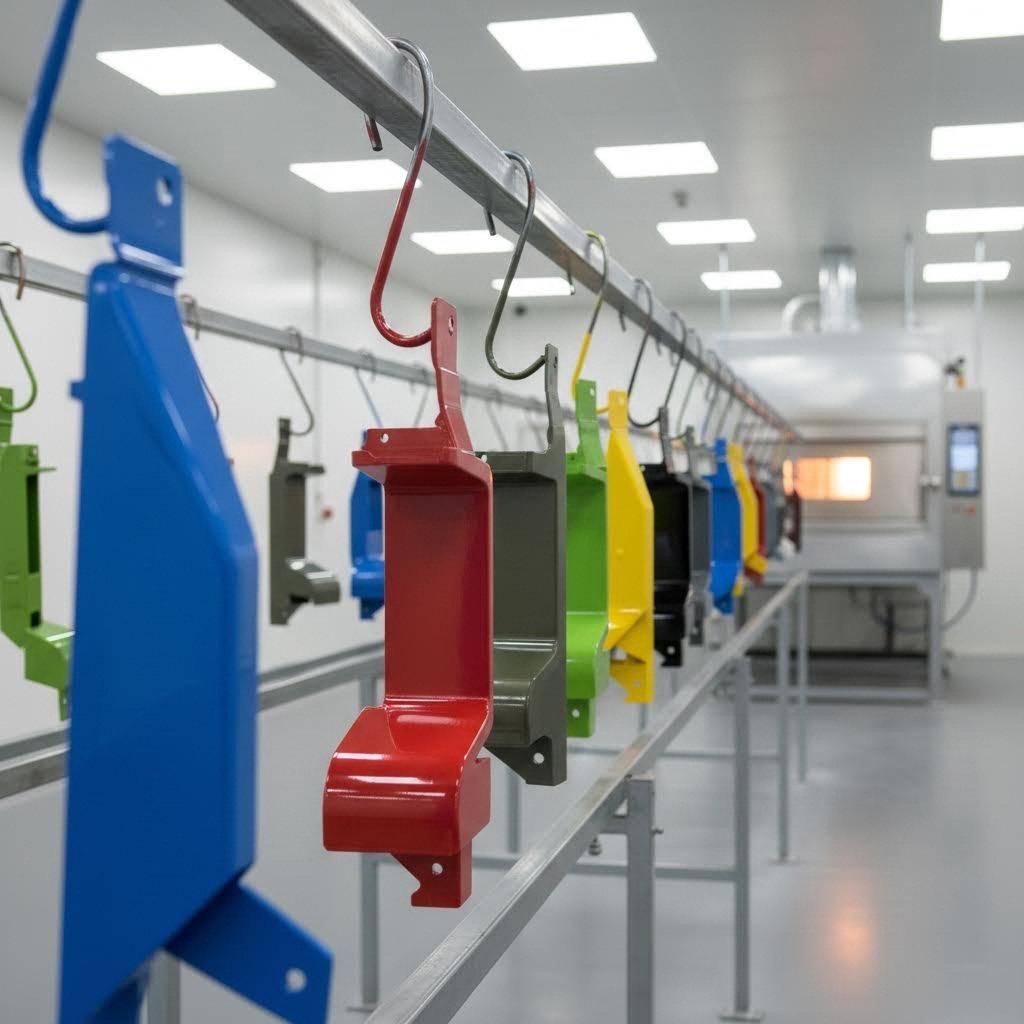
Sonlandırma Seçenekleri ve Kalite Güvence Standartları
Parçalarınız, belirtildiği şekilde kesilmiş, bükülmüş ve şekillendirilmiştir. Ancak işlenmemiş imal edilmiş metal nadiren nihai ürünü temsil eder. Sonlandırma aşaması, işlevsel bileşenleri amaçlanan uygulamaları için profesyonel ve dayanıklı hale getirir. Bu seçeneklerin ne zaman önemli olduğunu anlamak, yeterli sonuçlarla olağanüstü sonuçlar arasındaki farkı oluşturur.
İşlenmemiş Parçaları Dönüştüren Sonlandırma Seçenekleri
Metal parçalar neden sonlandırılır? İşlenmemiş yüzeyler kesim izleri, oksitlenme potansiyeli ve hem işlevi hem de görünümü olumsuz etkileyebilecek keskin kenarlar gösterir. Doğru sonlandırma işlemi bu sorunlara çözüm sunar ve uygulamanızın gerektirdiği özellikleri ekler.
Çevrimiçi imalat platformları aracılığıyla sunulan en yaygın sonlandırma seçenekleri şunlardır:
- Toz kaplama – Toz boyama, elektrostatik olarak yüklenmiş toz partiküllerinin topraklanmış metal parçalara yapıştığı, ardından dayanıklı ve homojen bir kaplama oluşturmak için fırında sertleştirildiği kuru bir son işlem yöntemidir. Gabrian’ın yüzey işlemleri karşılaştırmasına göre, toz boyama, "hava koşullarına maruz kalınsa bile uzun süre dayanan canlı renkler veya eşsiz dokular" sağlamakta üstün performans gösterir. Tipik uygulama alanları arasında dış mekân ekipmanları, mimari bileşenler ve hem koruma hem de estetik gereksinimleri olan tüketici ürünleri yer alır.
- Anodizasyon – Anodizasyon, alüminyumun doğal oksit tabakasını kalınlaştıran bir elektrokimyasal işlemdir. Gabrian’ın açıkladığı gibi, teknisyenler "[alüminyum parçayı] elektrolit bir banyoya daldırır ve üzerinden elektrik akımı geçirir", bu da aşınmaya dayanıklılığı, korozyon korumasını ve ısı dağıtımını iyileştirir. Anodize edilmiş alüminyum, metalik görünümünü korurken renklendirme amacıyla boyalarla işlenebilir.
- Kaplama (Çinko, Nikel, Krom) – Elektrokaplama, temel malzemelerin üzerine ince metal katmanları çökerterek korozyon direnci, aşınma koruması veya dekoratif yüzeyler sağlar. Çinko kaplama, çelik için ekonomik korozyon koruması sunar; nikel ve krom kaplama ise sertlik ve estetik görünümlülük kazandırır.
- Çapak Alma ve Tumbling – Keskin kenarları kaldıran ve yüzeyleri pürüzsüz hale getiren mekanik süreçler. Kenarların yaralanmaya veya işlevselliğe engel olabileceği uygulamalarda, elle tutulan veya montajı yapılan parçalar için gereklidir.
- Passifleşme – Paslanmaz çeliğin kimyasal işlemiyle yüzey kirleticilerin uzaklaştırılması ve koruyucu krom oksit tabakasının güçlendirilmesi, böylece maksimum korozyon direnci sağlanır.
Sonlandırma Ne Zaman Gerekli, Ne Zaman İsteğe Bağlıdır?
Her parça sonlandırmaya ihtiyaç duymaz — ancak ne zaman önemli olduğunu bilmek gereksiz maliyetlerin ve erken arızaların önüne geçer.
Parça aşağıdaki durumlarda sonlandırma gerekir:
- Parçalar nem, kimyasallar veya dış ortamlara maruz kalacaksa (korozyon koruması)
- Bileşenler sıkça elle temas edilecekse (düzgün kenarlar, estetik görünüm)
- Uygulamanızın belirli elektriksel özelliklere ihtiyacı varsa (anodize yüzeyler iletken değildir)
- Parçaların gıda temaslı veya tıbbi sınıf standartları karşılaması gerekirse (uygun kaplamalar ve pasivasyon)
- Renk eşleştirme veya marka kimliği gerekiyorsa (boya tozu veya boyalı anodizasyon)
Şu durumlarda yüzey işleme isteğe bağlı olabilir:
- Parçalar, çevresel etkilerden korunmuş şekilde kapalı muhafazalar içinde kalıyorsa
- Bileşenler daha sonraki montaj aşamalarında ek yüzey işlemleri alacaksa
- İç prototipler için maliyet kısıtlamaları görünüm kaygılarını aşıyorsa
- Malzeme zaten yeterli korozyon direnci sağlıyorsa (hafif ortamlarda paslanmaz çelik)
Alüminyum parçalar için anodizasyon ile boya tozu arasında seçim yaparken, anodizasyonun daha dar boyutsal toleranslara sahip olduğunu göz önünde bulundurun—oksit tabakası son derece incedir—buna karşılık boya tozu ölçülebilir kalınlık ekler. Parçalarınızda hassas oturmalar varsa, anodize kaplama kritik boyutların korunmasını daha iyi sağlar.
Talep Edilmesi Gereken Kalite Standartları
Sonlandırma kalitesi, üreticinin kalite yönetim sistemlerine büyük ölçüde bağlıdır. Kritik uygulamalar için sertifikalar, tutarlı sonuçlara dair yazılı güvence sağlar.
Xometry'nin sertifikasyon kılavuzuna göre, IATF 16949 sertifikası, otomotiv ürünleri boyunca "tutarlılık, güvenlik ve kaliteyi" garanti ederek otomotiv sektörünün kalite standardını temsil eder. Otomotiv uygulamaları için geliştirilmiş olsa da, bu sertifikasyon herhangi bir hassasiyet gerektiren projede üretim disiplininin göstergesidir.
IATF 16949 sertifikasyonu parçalarınız için aslında ne anlama gelir? Sertifikalı tesisler şunları sürdürür:
- İzlenebilir süreçlere sahip belgelendirilmiş kalite yönetim sistemleri
- Titizlikli iç ve dış denetim programları
- Kusur azaltmaya ve israf en aza indirmeye bağlılık
- Personel için tutarlı eğitim ve yeterlilik doğrulaması
Otomotiv şasisi, süspansiyon bileşenleri veya diğer güvenlikle ilgili kritik montajlara yönelik parçalar için IATF 16949 sertifikalı tedarikçilerle çalışmak isteğe bağlı değil—zorunludur.
İnceleme Ve Belgelendirme
Kalite güvencesi, sertifikaların ötesine geçerek gerçek muayene uygulamalarını da kapsar. Profesyonel metal bükme hizmeti verenler ve imalatçılar şunu sunmalıdır:
- İlk Makale Muayenesi (FAI) – Üretim örneklerinin sizin spesifikasyonlarınıza karşı ayrıntılı ölçüm doğrulaması
- Boyutsal raporlar – Kritik boyutların tolerans gereksinimlerini karşıladığını onaylayan dokümantasyon
- Malzeme Sertifikasyonları – Malzeme kökenini ve özelliklerini belirten ham madde test raporları (belirtilmişse)
- Son işlem doğrulaması – Korozyona dayanıklı kaplamalar için kaplama kalınlığı ölçümleri, yapışma testleri veya tuz sis testi sonuçları
Birbiriyle uyumlu olması amaçlanan birden fazla parça sipariş ederken montaj doğrulamasını talep edin. İmalatçının, parça sevk edilmeden önce birbirleriyle eşleşen parçaların gerçekten doğru şekilde monte edilebildiğini onaylaması, tek tek parça muayenelerinin kaçırabilecekleri tolerans yığılması sorunlarını tespit etmenizi sağlar.
Sonlandırma seçenekleri ve kalite standartları netleştirildikten sonra, üretim için hazır parçaları tam olarak belirtecek duruma gelirsiniz. Bulmacanın son parçası nedir? Belirli ihtiyaçlarınıza uygun doğru imalat ortağını değerlendirmeyi ve seçmeyi bilmek.
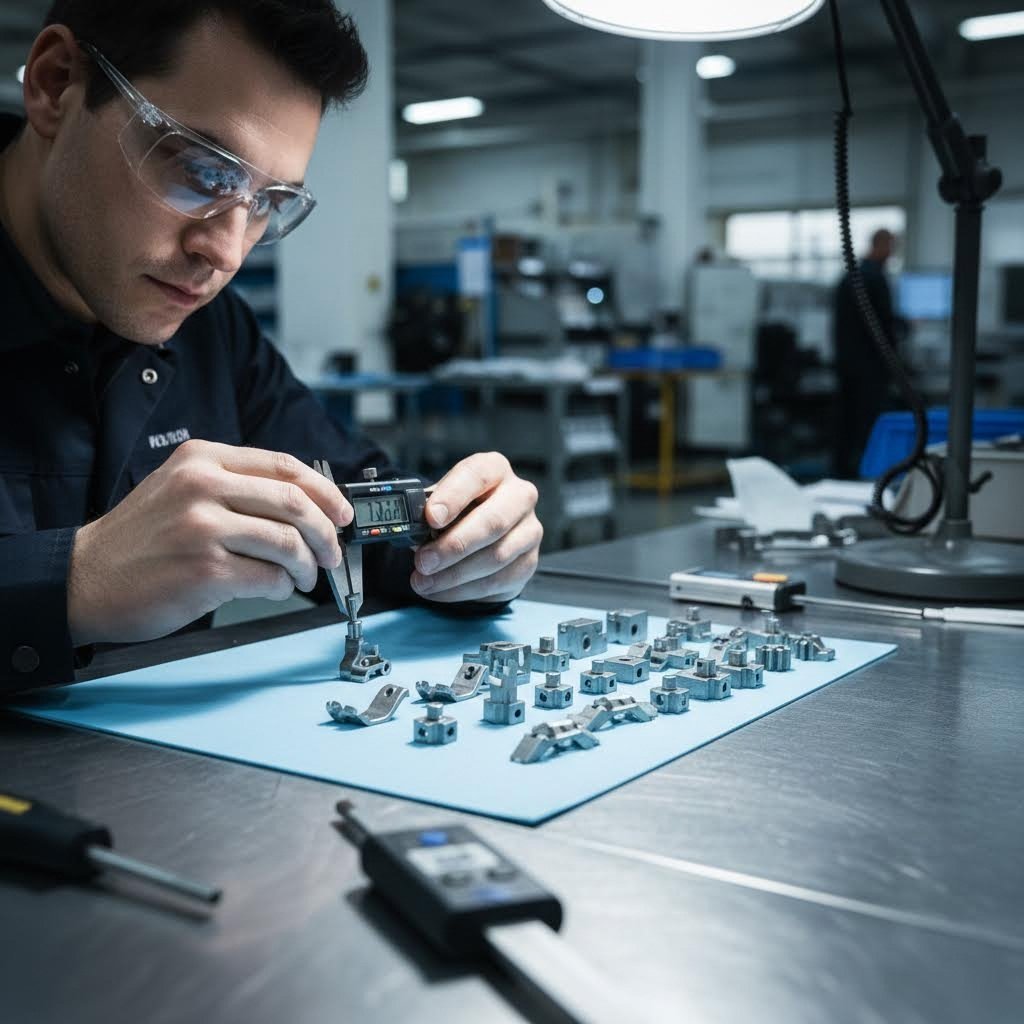
İhtiyaçlarınız için Çevrim İçi İmalat Hizmetlerini Değerlendirme
Tasarım ilkelerini öğrendiniz, malzeme seçeneklerini anladınız ve parçalarınızın hangi sonlandırma işlemlerini gerektirdiğini biliyorsunuz. Şimdi projenizi başarısızlığa uğratabilecek ya da başarılı kılacak bir karar geliyor: Doğru imalat ortağını seçmek. İşinizi almak için birbirleriyle yarışan onlarca sac metal imalatçısı arasında nasıl mükemmel hizmeti ortalama uygulamalardan ayırt edersiniz?
Yakınımda imalat atölyeleri mi arıyorsunuz yoksa ülke çapında çevrim içi platformları mı keşfediyorsunuz, değerlendirme kriterleri aynı kalır. Hafta sonu amatörü, profesyonel mühendis veya üretim hacimlerini yöneten satın alma uzmanı olmanıza bakılmaksızın, özel ihtiyaçlarınıza uygun bir çerçeve kuralım.
İmalat Hizmetlerini Karşılaştırırken Dikkat Edilmesi Gereken Temel Faktörler
Tüm imalat hizmetleri eşit değildir. Şuna göre Prince Manufacturing'ın seçim kılavuzu , "Doğru metal imalat hizmeti sağlayıcısını seçmek, istediğiniz sonucu elde etmek için hayati öneme sahiptir." İmalat ortağınızın kalitesi, prototip doğruluğundan üretim tutarlılığına kadar projenizin başarısını doğrudan etkiler.
Sistematik olarak değerlendirmeniz gerekenler şunlardır:
Teslim Süresi Seçenekleri
Zaman çizelgesi gereksinimleriniz tedarikçi kapasiteleriyle uyumlu olmalıdır. Bazı projeler gün biriminde ölçülen hızlı prototipleme gerektirir; diğerleri ise haftalar süren standart üretim programlarına uyum sağlayabilir. En iyi çelik imalatçılar katmanlı seçenekler sunar:
- Acil / Hızlı Prototipleme – Tasarım doğrulama ve test için 3-7 günde gönderilen parçalar
- Standart Üretim – Maliyet verimliliğini makul bir hızla dengeleyen 2-3 haftalık teslim süreleri
- Toplu üretim – Büyük siparişlerde maksimum maliyet tasarrufu için optimize edilmiş uzatılmış zaman çizelgeleri
Otomotiv ve hassas uygulamalar için Shaoyi Metal Technology gibi üreticiler, hızlı prototipleme (en kısa 5 günde) ile üretim ölçeklenebilirliğinin bir araya gelerek proje yaşam döngüsünün tamamına – ilk kavram doğrulamasından seri üretime kadar – nasıl hizmet verdiğini göstermektedir.
Malzeme Seçimi Çeşitliliği
İşbirliği yapacağınız üreticinin malzeme envanteri, tasarım seçeneklerinizi doğrudan sınırlar. Aşağıdakileri stoklayıp stoklamadıklarını değerlendirin:
- Farklı kalınlıklarda alüminyum, düşük karbonlu çelik ve paslanmaz çelikten yaygın kaliteler
- Zorlu uygulamalar için özel alaşımlar (316 paslanmaz çelik, 6061-T6 alüminyum)
- Gerektiğinde pirinç, bakır ve bronz gibi ferro olmayan alternatifler
- Çeşitli yüzey kaplamaları ve ön işlemler
Yüzey İşleme Kapasitesi
İmalatçı, parçalarınızı dahili olarak tamamlayabilir mi yoksa son işlem aşamaları için üçüncü parti tedarikçilerle koordinasyon gerekiyor mu? Toz boya, anodizasyon, kaplama ve donanım yerleştirme gibi işlemler için dahili yetenekler, tedarik zincirinizi kolaylaştırır ve taşıma sırasında hasar riskini azaltır.
Kalite Sertifikaları
Prince Manufacturing'in belirttiği gibi, "Kalite güvencesi metal imalatında hayati öneme sahiptir. Endüstri standartlarına ve sertifikalara, örneğin ISO 9001'e uygunluk gösteren bir sağlayıcı seçiniz." Otomotiv bileşenleri için IATF 16949 sertifikası, güvenlik açısından kritik uygulamalara özel olarak tasarlanmış üretim disiplinini gösterir. Şaoyi Metal Teknoloji tarafından sunulan hizmetler—şase, süspansiyon ve yapısal bileşenler için IATF 16949 sertifikalı kalite sağlaması—doğruluk gerektiren parçaların tedarik edilmesi sürecinde aranacak kalite göstergelerini ortaya koyar.
Müşteri Destek Erişilebilirliği
Sorular ortaya çıktığında—ve mutlaka çıkar—konuya hakim destek ekibine hızlıca ulaşabiliyor musunuz? Yanıt sürelerini, iletişim kanallarını ve teknik personelin doğrudan tasarım veya üretim sorularını cevaplayabilme yetisini değerlendirin.
Anlık Teklif Platformları ile Geleneksel Teklif İsteği (RFQ) Süreçleri
Çevrimiçi imalat hizmetleri genellikle iki kategoriye ayrılır ve her biri farklı kullanım durumlarına uygundur:
Anlık Teklif Platformları
Bu otomatik sistemler yüklediğiniz dosyaları analiz ederek hemen fiyatlandırma sunar. Avantajları arasında 24/7 erişilebilirlik, şeffaf fiyatlandırma ve teklif bekleme süresinin ortadan kalkması yer alır. Standart malzemeler ve süreçlerle üretilen basit parçalar için idealdir.
Ancak karmaşık montajlar, nadir malzemeler veya kapsamlı DFM danışmanlığı gerektiren parçalar otomatik teklif sistemlerine uygun olmayabilir. Bazı platformlar bu siparişleri manuel inceleme için işaretler ki bu da yanıt sürelerini uzatabilir.
Geleneksel RFQ (Teklif İsteği) Süreçleri
Geleneksel teklif süreci, fiyatlandırma yapılmadan önce insan mühendislerin teknik özelliklerinizi incelemesini içerir. Bu yaklaşım karmaşık gereksinimlere uyum sağlar, ayrıntılı teknik tartışmalara olanak tanır ve genellikle otomatik sistemlerin gözden kaçırdığı maliyet tasarrufu fırsatlarını belirleyebilir.
Peki bu durumun bir bedeli var mı? Elbette—daha uzun yanıt süreleri; tipik olarak saniyeler yerine 1-5 iş günü. Yüksek risk taşıyan seri üretim siparişleri veya yakın iş birliği gerektiren parçalar için bu tür insan denetimli incelemeye yapılan yatırım genellikle kâr getirir. Örneğin, Shaoyi Metal Teknolojisi, 12 saatte teklif verme hızıyla kapsamlı DFM desteği birleştirerek, otomatik kolaylık ile mühendislik uzmanlığı arasındaki boşluğu doldurur.
Tedarikçi Seçiminde Sarı Işıklar ve Yeşil Işıklar
Deneyim, hangi sinyallerin ileride başarıyı haber verdiğiyle hangilerin sorun olduğunu ayırt etmeyi öğretir. Dikkat etmeniz gerekenler şunlardır:
Yeşil Işıklar (Olumlu Göstergeler)
- Şeffaf Fiyatlandırma – Malzeme, işleme, yüzey işlemleri ve nakliye maliyetlerini ayrı ayrı gösteren kalemlere ayrılmış teklifler
- Proaktif DFM Geri Bildirimi – Üretimden önce potansiyel sorunları tespit eden ve iyileştirme önerileri sunan mühendisler
- Açık ve Şeffaf İletişim – Gerektiğinde teknik personele doğrudan erişim sağlayan hızlı destek
- Belgelendirilmiş Kalite Sistemleri – Gerçek denetim protokolleri ve kalite kayıtlarıyla desteklenen sertifikalar
- Referans Uygunluğu – Vaka çalışmaları sağlama veya daha önceki müşterilerle bağlantı kurmanıza yardımcı olma isteği
Kırmızı Bayraklar (Uyarı İşaretleri)
- Olağanüstü düşük teklifler – Prince Manufacturing’in uyardığı gibi, "Kalitenin zayıflamasına veya gizli maliyetlere işaret edebilecek aşırı düşük fiyat tekliflerine dikkat edin"
- Belirsiz Spesifikasyonlar – Malzeme sınıfını, toleransları veya dahil edilen hizmetleri açıkça belirtmeyen fiyat teklifleri
- Zayıf İletişim – Yavaş yanıtlar, belirsiz cevaplar veya karar vericilere ulaşmakta zorluk çekilmesi
- Kalite Belgeleri Yok – Müşteri denetim raporları, malzeme sertifikaları veya süreç dokümantasyonu sağlayamama
- Esnek olmama – Makul tasarım değişikliklerini kabul etmeme veya spesifikasyon açıklamalarında esnek olmama
Tedarikçileri Alıcı Tiplerine Eşleştirme
Farklı alıcıların farklı öncelikleri vardır. Değerlendirmenizi kendi durumunuz için en önemli olanlara odaklamak üzere bu çerçeveyi kullanın:
| Alıcı Tipi | Birincil Öncelikler | Temel Değerlendirme Kriterleri | Önerilen Yaklaşım |
|---|---|---|---|
| Hobici/Yapımcılar | Kullanım kolaylığı, asgari sipariş miktarı yok, makul fiyatlandırma | Sezgisel yükleme süreci, açık fiyatlandırma, yardımcı eğitim materyalleri | Anında teklif platformlarıyla başlayın; kullanıcı deneyimini önceliklendirin |
| Mühendisler/Tasarımcılar | Teknik doğruluk, İmalat için Tasarım (DFM) desteği, malzeme seçenekleri | Mühendislik inceleme kalitesi, tolerans kapasiteleri, teknik destek erişimi | En düşük fiyatın üzerinde DFM geri bildirimini değerleyin; önce prototip siparişleriyle test edin |
| Satın Alma Takımları | Belgeler, sertifikalar, tedarik zinciri güvenilirliği | Kalite sertifikaları, muayene raporları, üretim kapasitesi, zamanında teslimat geçmişi | Referans isteyin; sertifikaları doğrulayın; nitelendirme süreci oluşturun |
| Otomotiv/Havacılık | IATF 16949 veya AS9100 sertifikasyonu, izlenebilirlik, kusursuz kalite | Sertifikalı kalite sistemleri, ilk parça muayene protokolleri, malzeme izlenebilirliği | Başlangıçta sertifika belgelerini talep edin; mümkünse tedarikçi denetimleri gerçekleştirin |
Yakınımda metal imalatı veya yakınımda sac metal imalatı ararken, taşıma maliyetlerinin baskın olduğu büyük veya ağır parçalar için coğrafi yakınlığın avantajları olduğunu unutmayın — ancak birkaç ek taşıma gününün üretim mükemmelliğinden daha az önemli olduğu hassas bileşenler için yetenekler ve kalite seçimde önceliklidir.
Tedarikçi Değerlendirme Kontrol Listesini Oluşturma
Herhangi bir imalat ortağına bağlı kalmadan önce şu değerlendirme çerçevesini uygulayın:
- Yeteneklerin Gereksinimlerle Uyumlu Olduğunu Doğrulayın – Belirli malzemelerinizi, kalınlıklarınızı ve süreçlerinizi işleyebildiklerini onaylayın
- Örnek veya Test Siparişi Talep Edin – Küçük bir prototip siparişi, gerçek kaliteyi ve iletişim etkinliğini gösterir
- Kalite Belgelerini İnceleyin – Numune muayene raporlarını isteyin ve sertifika geçerliliğini doğrulayın
- İletişim Hızına Test Edin – Teknik sorular gönderin ve yanıt kalitesi ile hızını değerlendirin
- Toplam Maliyeti Karşılaştırın – Teklif edilen fiyatların yanı sıra nakliye, olası yeniden işlenme ve zaman çizelgesi etkilerini de dikkate alın
- Referansları Kontrol Et – Prince Manufacturing'ın önerdiği gibi, "Daha önceki müşterilerle doğrudan konuşmak, imalatçının performansı hakkında daha net bir fikir edinmenizi sağlayabilir"
Doğru imalat ortağı rekabet avantajı haline gelir—tutarlı kalite, hızlı destek ve güvenilir teslimat süreleriyle üretimle ilgili sorunlara takılmadan temel işinize odaklanmanızı sağlar. Değerlendirme kriterleriniz belirlendikten sonra bir sonraki projenizde güvenle harekete geçmeye hazırsınız.
Metal İmalat Projelerinizle İlerlemek
Levha metalin çevrimiçi olarak ne ifade ettiğini anlamaktan, tasarım kurallarını, malzeme seçimini ve tedarikçi değerlendirmesini öğrenmeye kadar bir yolculuk yaptınız. Bu, dijital imalatın nasıl çalıştığını merak eden birinden, özel parçaları güvenle sipariş edebilecek düzeye gelen birine dönüşüm demek. Bu önemli bir değişim.
Ancak eylem olmadan bilgi teorik kalmaya devam eder. Şimdi her şeyi, metal imalat yolculuğunuzun hangi aşamasında olursanız olun size uygun uygulanabilir sonraki adımlara dönüştürelim.
Çevrimiçi Levha Metal İmalatında İlerideki Yolunuz
Her başarılı imalat projesi aynı kritik karar noktalarından geçer. İlk dosyanızı — ya da yüzüncü dosyanızı — yüklemekten önce şu zihinsel kontrol listesini gözden geçirin:
- İşlem seçimi – Tasarımınız lazer kesim, su jeti, büküm veya bunların bir kombinasyonunu mı gerektiriyor? Geometrinizi ve malzemenizi doğru üretim yöntemine göre eşleştirin.
- Malzeme seçimi – Performans gereksinimlerini maliyetle karşılaştırarak dengede mi tuttunuz? Unutmayın: etkileyici gelenı değil, ihtiyacınız olanı belirtin.
- Üretim için Tasarım – Delik boyutlarınız, büküm yarıçaplarınız ve özellik aralıkları fiziksel üretim sınırlarına uyuyor mu? Bu konudaki ihlaller gecikmelere ve maliyet aşımına neden olur.
- Tedarikçi Uyumu – Seçtiğiniz imalatçının yetenekleri, sertifikaları ve iletişim tarzı projenizin gereksinimleriyle uyumlu mu?
İşlem, malzeme, tasarım ve tedarikçi olmak üzere bu dört temel unsur, projenizin sorunsuz ilerleyip ilerlemeyeceğini ya da revizyonlarla zorlanacağını belirler.
Çevrimiçi platformlar, profesyonel metal parça imalatına erişimi demokratikleştirmiştir. Daha önce sektör bağlantıları ve hacim taahhütleri gerektiren aynı hassasiyetli ekipmanlar ve süreçler artık bir tasarım dosyası ile hayata değer bir fikri olan herkesin kullanımına sunulmuştur.
Bir Sonraki Projede Aksiyon Almak
Nereden başlayacağınız, şu anki durumunuza bağlıdır. İmalat yolculuğunuzun farklı evreleri için özel rehberlik aşağıdadır:
İlk Defa Kullanıcılar: Basit Başlayın
Amacınız mükemmellik değil, iş akışını öğrenmektir. Basit bir düz parça seçin: basit bir braket, dekoratif bir tabela veya temel bir kaplama paneli. Tek bir malzeme kullanın, minimum büküm yapın ve standart yüzey işlemlerini tercih edin. Bu yaklaşım, fazla karmaşıklık olmadan yükleme-teklif alma-sipariş verme-teslim alma döngüsünü öğrenmenizi sağlar.
Yüklemeye başlamadan önce önceki bölümlerdeki tasarım kurallarını uygulayın. Delik çaplarını malzeme kalınlığına göre kontrol edin. Özellikler arası mesafelerin minimum gereksinimleri karşıladığını doğrulayın. Temiz bir ilk sipariş, daha iddialı projeler için güven oluşturur.
Deneyimli Mühendisler: DFM Desteğinden Yararlanın
İmalat kısıtlamalarını anlarsınız ancak yeni bakış açıları gözden kaçan noktaları fark edebilir. Birden fazla bükümlü parçaya sahip karmaşık montajlarda, dar toleranslarda veya yenilikçi geometrilerde çalışırken kapsamlı DFM incelemesi sunan imalatçılarla iş birliği yapın.
Göre UPTIVE'nin prototipten üretime geçiş kılavuzu , deneyimli üretim ortaklarıyla çalışmak, "ürün tasarımınızı daha hızlı iyileştirmenize" yardımcı olurken "uzun vadeli, büyük hacimli üretimi daha maliyet etkin hâle getirir". DFM geri bildirimini eleştiri olarak değil, maliyetli sonraki düzeltmelerin önüne geçecek ücretsiz bir mühendislik danışmanlığı olarak değerlendirin.
Üretim Alıcıları: Sertifikalı Tedarikçilere Öncelik Verin
Parçalar güvenlik, güvenilirlik veya mevzuata uyum açısından etkiliyse, tedarikçi seçimi fiyat kıyaslamasının ötesine geçer. Sektörünüze uygun belgelenmiş kalite sistemlerine, izlenebilir süreçlere ve sertifikalara sahip imalatçıları tercih edin.
Otomotiv şasi, süspansiyon ve yapısal bileşenler için IATF 16949 sertifikasyonu isteğe bağlı değildir—zorunludur. Şirketler gibi Shaoyi Metal Technology başlangıç geliştirme aşamasından seri üretime kadar kesintisiz geçişi sağlayan, 12 saatte teklif verme, 5 günde prototipleme kapasitesi ve IATF 16949 sertifikalı üretim kombinasyonunu sergiler.
Üretim hacimleri için çelik imalatı, tutarlı bir şekilde ölçeklenebilen tedarikçiler gerektirir. Zamanında teslimat geçmişini doğrulayın, büyük siparişlere karar vermeden önce numune parçaları inceleyin ve başlangıçta net kalite spesifikasyonları belirleyin.
Öğrendiklerinizi Uygulama
Yakınımda metal imalatı mı arıyorsunuz yoksa ülke genelinde çevrimiçi hizmetleri mi değerlendiriyorsunuz, önceki bölümlerdeki değerlendirme çerçevesi sizin yol haritanızdır. Herhangi bir satıcıya bağlanmadan önce:
- Teklif süreçlerini ve DFM geri bildirim kalitesini değerlendirmek için bir test dosyası gönderin
- Kalite belgelendirme uygulamalarını doğrulamak için örnek muayene raporları talep edin
- Projenizin zaman çizelgesiyle uyumlu olduğundan emin olmak için dönüş süresi seçeneklerini doğrulayın
- Belirli gereksinimleriniz için malzeme mevcudiyetini doğrulayın
- Teknik sorularla iletişim tepki sürekliliğini test edin
Özel metal kesme ve şekillendirme işlemi hiç bu kadar erişilebilir olmamıştı. Yapıcıları üretimden ayıran engeller—asgari sipariş miktarları, iç bilgiye erişim, ilişkiler temelinde belirlenen fiyatlar—büyük ölçüde ortadan kalktı. Geriye kalan tek şey ilk adımı atmak için gösterdiğiniz istek.
Tasarımınızı yükleyin. Fiyat teklifinizi alın. Gerçek bir şey inşa edin. Dijital imalat devrimi artık gelmek üzere değil—zaten burada ve bir sonraki projenizi bekliyor.
Çevrimiçi Metal İmalatı Hakkında Sıkça Sorulan Sorular
1. Özel sac metal imalatı nedir ve çevrimiçi olarak nasıl çalışır?
Çevrimiçi özel sac metal imalatı, tasarım dosyalarınızı (genellikle STEP, DXF veya DWG formatlarında) web tabanlı bir platforma yüklediğiniz, malzeme ve kalınlık seçeneklerini yapılandırdığınız, anında teklif aldığınız ve profesyonelce üretilmiş parçaların teslim alındığı dijital bir üretim sürecidir. Bu süreç, otomatik tasarım analizi, üretilebilirlik açısından insan mühendislik incelemesi ile lazer kesme, CNC bükme ve yüzey işlemlerini içeren üretim aşamalarını kapsar ve fiziksel bir işletmeye gitmeden tamamlanır.
çevrimiçi metal imalat siparişleri için hangi dosya formatları kabul edilmektedir?
Çoğu çevrimiçi imalat platformu, sac metal parçalar için 3D CAD dosyaları gerektirir ve STEP dosyaları (.step, .stp) evrensel standarttır. Sadece düz lazer kesim parçalar için DXF dosyaları, tam kesim geometrisini içerdiği için iyi bir seçenektir. Tasarımınız dişli, kaynaklı veya dar toleranslar içeriyorsa, sadece geometriyle ifade edilemeyen özellikleri iletmek için net ek açıklamalar içeren 2D bir çizim (PDF, DWG veya DXF) de sağlamalısınız.
3. Projeniz için alüminyum, çelik ve paslanmaz çelik arasında nasıl seçim yaparsınız?
Ağırlık önemliyse ve korozyon direnci gerekiyorsa alüminyum tercih edin — havacılık, elektronik ve deniz uygulamaları için idealdir. Yüksek mukavemet gerektiren maliyet açısından uygun yapısal uygulamalar için hafif çelik seçin, ancak paslanmaya karşı koruyucu kaplamalara ihtiyaç duyar. Ek olarak bir kaplama gerekmeden hem mukavemet hem de korozyon direnci gerektiğinde genel kullanım için paslanmaz çelik (304) ve sert ortamlar için (316) tercih edin. Bu kararı verirken uygulamanızın nem maruziyeti, gerekli mukavemet, ağırlık sınırlamaları ve bütçenizi dikkate alın.
4. Sac metal imalatında uyulması gereken temel tasarım kuralları nelerdir?
Kritik tasarım kuralları şunlardır: delik çapları, malzeme kalınlığına eşit veya bu değerden büyük olmalıdır; iç büküm yarıçapı, malzeme kalınlığının minimum değerine eşit olmalıdır; delikler, büküm çizgilerinden en az 2 kat malzeme kalınlığı kadar uzakta olmalıdır; çıtaların genişliği en az 4 kat malzeme kalınlığı kadar olmalıdır; ayrıca büküm çizgisi uç noktalarında her zaman büküm rahatlama (relief) elemanları bulunmalıdır. Bu yönergelerin uygulanması, çatlama, çarpılma ve takım kırılması gibi imalat sorunlarını önlerken aynı zamanda maliyetleri düşürür ve üretim gecikmelerini azaltır.
5. Özel olarak imal edilen metal parçalar siparişi verirken maliyetleri nasıl düşürebilirim?
Gereksiz özellikleri ortadan kaldırarak tasarımları basitleştirerek, gereksinimleri karşılayan ancak aşırı spesifikasyon yapmayan maliyet açısından uygun malzemeler seçerek, kurulum maliyetlerini paylaşmak için benzer siparişleri toplu olarak vererek, kritik olmayan toleranslara gevşeklik kazandırarak, standart delik boyutlarını ve büküm yarıçaplarını kullanarak ve gerekmeyen parçalar için yüzey işlemlerinin yeniden değerlendirilmesiyle maliyetleri optimize edin. Toplu siparişler ayrıca parça başına maliyeti önemli ölçüde düşürür çünkü kurulum giderleri daha fazla sayıda parçaya yayılır. İmalatçıdan DFM geri bildirimi istemek, ek maliyet tasarrufu sağlayan tasarım değişikliklerini ortaya çıkarmada sıklıkla yardımcı olur.