 Small batches, high standards. Our rapid prototyping service makes validation faster and easier —
  EN
EN


Ano-ano ang Iba't Ibang Uri ng Pagpapakawala?
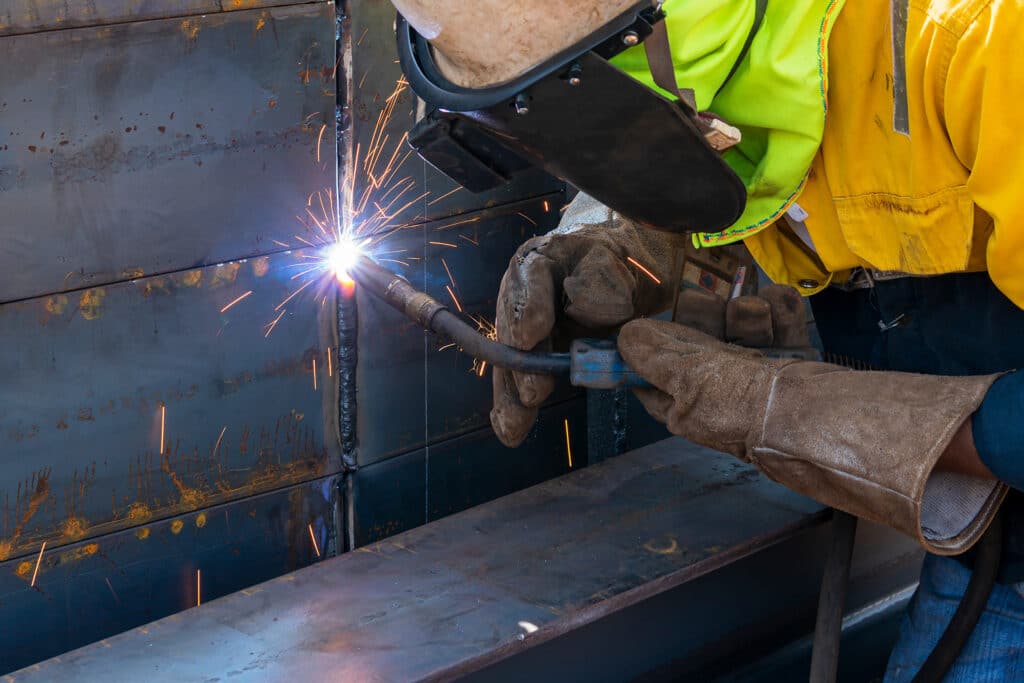
Ano ang Welding at Bakit Mayroong Maraming Uri Nito?
Kung itanong mo, ano ang welding, ang pinakamaikli ngunit kapaki-pakinabang na sagot ay ito: ito ay isang paraan ng pangmatagalang pagpapakasal sa mga materyales, kadalasan ay mga metal, sa pamamagitan ng paglalapat ng init, presyon, o pareho. Mahalaga ito dahil kapag tinatanong ng mga tao ang tungkol sa iba’t ibang uri ng welding, hindi sila nagtatanong tungkol sa isang kasangkapan o isang teknik lamang. Tinatanong nila ang buong pamilya ng mga paraan ng pagpapakasal na idinisenyo para sa iba’t ibang materyales, hugis ng sambitan, at kondisyon sa trabaho.
Ginagawa ng welding ang pangmatagalang sambitan sa pamamagitan ng pag-uugnay ng dalawang bahagi gamit ang kontroladong init, presyon, o pareho. Ang ilang paraan ay natutunaw ang materyales, samantalang ang iba ay nag-uugnay nito nang hindi ganap na natutunaw ang base metal.
Ano ang Kahulugan ng Welding sa Praktikal na Pananaw
Sa shop floor, ano ang ginagawa ng welding? Ito ay nagpapalit ng magkahiwalay na bahagi sa isang tuloy-tuloy na assembly. Kung naghahanap ka ng paano gumagana ang welding, ang praktikal na sagot ay simple: ang enerhiya ay nakatuon sa sambitan upang ang mga materyales ay mag-ugnay habang natutunaw at lumalamig, o sa ilalim ng presyon at panlabas na pwersa. Keyence ay nagpapangkat ng pag-uugnay ng metal sa malawak na kategorya: fusion welding, pressure welding, at brazing o soldering. Ang artikulong ito ay nakatuon sa iba't ibang uri ng pag-welding na karaniwang tinutukoy ng karamihan kapag inihahambing ang mga paraan ng pag-welding.
Bakit Marami ang Pamilya ng Proseso sa Pag-welding
Walang iisang proseso ang pinakamainam para sa bawat gawain. Ang fusion welding ay pinalalapot ang lugar ng sambitan , madalas na may idinadagdag na filler metal upang palakasin o punuan ang sira. Ang pag-uugnay batay sa presyon ay higit na umaasa sa puwersa, panlaban na paggalaw (friction), o kasalukuyang elektriko at maaaring hindi umaasa sa ganap na natunaw na weld pool. Dahil dito, ang tanong na 'ano-ano ang iba't ibang uri ng pag-welding' ay may higit sa isang sagot. Karaniwang una nang marinig ng mga nagsisimula ang tungkol sa MIG, TIG, Stick, at Flux-Cored. Ginagamit din ng industriya ang resistance, laser, electron beam, at mga paraan na batay sa friction.
Mga Pangunahing Salik na Nagbabago sa Tamang Paraan
Ang tamang pagpili ay umaasa sa higit pa sa pangalan ng makina. Ang pinagmumulan ng init, ang filler metal, ang shielding, ang disenyo ng sambitan, at ang kalagayan ng base metal ay lahat nagbabago sa resulta.
- Uri ng materyal, tulad ng carbon steel, stainless steel, aluminum, o thermoplastics
- Kapal ng materyal at ang panganib ng pagkasunog o pagkabali
- Kapaligiran ng paggawa, lalo na ang kontrolado sa loob ng gusali kumpara sa hangin sa labas
- Kinakailangang anyo at antas ng kahusayan
- Bilis ng produksyon at rate ng deposition
- Kalagayan ng ibabaw, kabilang ang rust, langis, pintura, at kalidad ng pagkakabit
Kapag tingnan sa mas malawak na pananaw, mas madaling iuri ang iba’t ibang uri ng pag-weld. Ang isang malinaw na mapa ng mga pamilyang ito ay nagpapagaan sa pag-unawa sa kanilang mga pangalan, acronym, at aktwal na gamit sa tunay na buhay.

Mga Uri ng Proseso ng Pag-weld sa Isang Sulyap
Ang mga pangalan tulad ng MIG at TIG ay karaniwang nangingibabaw sa impormal na usapan, ngunit kasali sila sa mas malawak na mapa ng mga proseso ng pag-weld. Pormal BS EN ISO 4063 ang mga klasipikasyon ng pagpuputol ay nagpapangkat ng mga pamamaraan sa mga pamilya tulad ng arc, resistance, gas, forge, at iba pang proseso ng pagpuputol. Para sa karamihan ng mga mambabasa, gayunpaman, ang kapaki-pakinabang na paghahati ay mas simple: karaniwang mga pamamaraan ng arc na ginagamit ng kamay, mga pamamaraan ng pagsasamang ginagawa sa shop at pabrika, at mga lubos na kontroladong sistema ng industriya.
Isang Malinaw na Taxonomy ng mga Pamamaraan ng Pagpuputol
Kung gusto mo ng maikling buod ng iba't ibang uri ng proseso ng pagpuputol, simulan mo muna sa pamilya ng proseso bago ang palayaw ng makina. Sakop ng arc welding ang mga pamamaraan na unang natututunan ng karamihan. Ang resistance welding ay nag-uugnay ng sheet metal sa pamamagitan ng elektrikal na resistance at presyon. Ang mga power beam method ay gumagamit ng laser o enerhiya ng electron. Ang mga friction-based method ay umaasa sa puwersa at galaw imbes na sa tradisyonal na bukas na arc. Ang istrukturang ito ay ginagawang mas madali ang paghahambing ng maraming uri ng pagpuputol nang hindi pinagkakalao ang mga kasangkapang madaling gamitin ng mga nagsisimula at ang mga kagamitan na eksklusibong ginagamit sa produksyon.
Karaniwang mga Proseso ng Arc at Kanilang Mga Akronim
Sa lahat ng uri ng pag-weld, apat na paraan ng arc ang madalas ulitin sa paggawa: Gas Metal Arc Welding (GMAW o MIG), Gas Tungsten Arc Welding (GTAW o TIG), Shielded Metal Arc Welding (SMAW o Stick), at Flux Cored Arc Welding (FCAW). Makikita mo rin ang Submerged Arc Welding (SAW) sa malalaking gawaan, kahit na ito ay mas bihira sa mga maliit na workshop. Para sa mga nagsisimula, ipinapaliwanag dito ang mga uri ng pag-weld batay sa pang-araw-araw na gamit muna, at ang mga akronim naman ay pangalawa.
| Pamilya ng proseso | Buong Pangalan | Akronim | MGA PINAGNAGNGANG-LUNGSOD | Karaniwang Mga Materyales | Pinakamahusay na Gamit | Kaugnay na kahirapan | Kakayahang dalhin | Panloob o panlabas |
|---|---|---|---|---|---|---|---|---|
| ARC | Gas Metal Arc Welding | GMAW o MIG | Elektrikong arc na may wire electrode at gas shield | Carbon steel, stainless steel, aluminum, copper, nickel | Mabilis na pangkalahatang paggawa at produksyon | Mas mababa | Katamtaman | Kadalasan sa loob ng gusali, sensitibo sa hangin |
| ARC | Gas Tungsten Arc Welding | GTAW o TIG | Elektrikong arc na may tungsten electrode at gas shield | Aluminum, magnesium, stainless steel, copper alloys, nickel alloys | Mga gawaing may kahusayan at mga weld na may mataas na kalidad sa panlabas na anyo | Mataas | Katamtaman | Karamihan sa loob ng gusali o nakatagong lugar |
| ARC | Shielded Metal Ark Welting | SMAW o Stick | Elektrikong arko gamit ang elektrodo na may pampalasa | Asero, bakal na sinisira, bakal na may butil, nikel, tanso | Pang-repair sa field, asero para sa istruktura, tulay at pipeline | Katamtaman | Mataas | Panloob o panlabas |
| ARC | Flux Cored Arc Welding | FCAW | Elektrikong arko gamit ang wire na may pampalasa sa loob | Asertong carbon, asertong stainless, bakal na sinisira, mga alloy para sa hard surfacing | Mabigat na paggawa, paggawa ng barko, trabaho sa tulay, at pang-repair | Katamtaman | Katamtaman hanggang Mataas | Loob ng gusali o labas ng gusali, depende sa uri ng wire |
| ARC | Pag-welding ng submerged arc | KITA | Elektrikong arko sa ilalim ng butil-butil na flux | Makapal na seksyon ng bakal | Malalaking paggawa, mga sisidlan ng presyon, riles, tulay | Mga dalubhasa | Mababa | Pangunahing produksyon sa loob ng gusali |
| Pagtutol | Pag-weld ng spot o seam gamit ang resistensya | RSW | Resistensya sa kuryente kasama ang presyon | Plateng bakal, stainless steel, aluminum | Mabilis na pagsasama ng mga plateng metal sa industriya ng sasakyan at mga appliance | Mga dalubhasa | Mababa hanggang Katamtaman | Pangunahing produksyon sa loob ng gusali |
| Sinag ng kapangyarihan | Laser beam welding | LBW | Nakatuon na radiation ng laser | Asero, hindi karumal-dumang asero, ilang uri ng aluminum | Tumpak at mataas ang bilis na produksyon sa mas manipis na materyales | Mga dalubhasa | Mababa | Panloob na kontroladong setup |
| Sinag ng kapangyarihan | Pagsusulat gamit ang Singsing ng Elektron | EBW | Mataas ang bilis na singsing ng elektron, kadalasan sa vakuum | Mga kritikal na metal at mga bahagi na may tumpak na sukat | Malalim at mataas ang kalidad na pagsusulat sa mga advanced na industriya | Labis na espesyalisado | Napakababa | Panloob na kontroladong setup |
| Batay sa panunod | Friction welding | FW | Panunod at presyon | Steel, stainless steel, aluminum | Produksyon sa mataas na dami at mahahalagang mga sambitan | Labis na espesyalisado | Napakababa | Panloob na kontroladong setup |
Mga Prosesong Pang-industriya Na Lampas sa MIG at TIG
Walang talahanayan ang maaaring sakop ang lahat ng uri ng pagpapakawala nang pantay na kalaliman, ngunit malinaw ang pangkalahatang pattern. Ang mga portable na paraan ng arko ay nababaluktot. Ang mga paraang nakasentro sa pabrika ay binibigay ang kahutukan para sa bilis, pagkakapareho, o mas mahigpit na kontrol sa proseso. Kaya nga ang iba’t ibang uri ng proseso ng pagpapakawala ay hindi magkakahalili, kahit na ang lahat ay gumagawa ng permanenteng sambitan.
- Pinakakaraniwan sa pangkalahatang paggawa: GMAW o MIG, GTAW o TIG, SMAW o Stick, at FCAW.
- Pinakaspesyalisado: LBW, EBW, at friction welding.
- Karaniwang nakikita sa produksyon imbes na sa gawaing pang-libangan o sa field: SAW, RSW, LBW, EBW, at mga sistema na batay sa panunod.
Ang mga akronim ay kailanman ang ibabaw lamang. Kapag ikinalahad mo ang mga paraan ng pagsusunog nang magkakasalungat, ang tunay na pagkakaiba ay lumilitaw sa bilis, kalinisan, kontrol, at kung gaano kaluwag ang bawat proseso sa aktwal na gawa.
Ano ang 4 na Uri ng Pagsusunog sa Pamamagitan ng Arc?
Sa mas malawak na mapa ng pagsusunog, apat na pangalan ang nangingibabaw sa pang-araw-araw na paggawa: MIG, TIG, Stick, at Flux Cored. Kung tinatanong mo kung ano ang 4 na uri ng pagsusunog na karaniwang inilalahad, ito ang karaniwang listahan. Ang mga ito ang pinakakilala sa mga uri ng pagsusunog sa pamamagitan ng arc dahil lahat ng apat ay gumagamit ng electric arc, ngunit bawat isa ay nagpapahandling ng filler metal, shielding, at mga kondisyon ng gawain sa napakaiiba nitong paraan. Dahil dito, ang mga paghahanap para sa mig mag tig welding ay karaniwang humahantong sa mas malaking desisyon tungkol sa bilis, kontrol, paglilinis, at lokasyon ng gawain. Ang grupong may apat na prosesong ito ay malawakang kilala sa pamamagitan ng InterTest , habang binibigyang-diin ng Xometry kung paano nagbabago ang pag-setup ng proseso sa portabilidad, anyo ng weld, at pagkakasya sa materyales.
MIG at GMAW para sa Mabilis na Pangkalahatang Paggawa
Para sa mabilis kahulugan ng gas metal arc welding , Ang MIG welding, na opisyal na tinatawag na Gas Metal Arc Welding (GMAW), ay gumagamit ng patuloy na ipinapadala na wire electrode at isang panlabas na shielding gas upang protektahan ang lugar ng pagweld. Sa praktikal na pananaw, ang wire ay parehong electrode at filler metal. Dahil dito, ang MIG ay mabilis, epektibo, at mainam para sa trabaho sa shop, pagmamanupaktura, paggawa ng sasakyan, at mga metal na may light hanggang medium gauge. Karaniwang isa ito sa mga mas madaling proseso para sa mga nagsisimula sa malinis na bakal dahil patuloy ang pagpapadala ng wire at hindi kailangang huminto ang operator upang palitan ang mga electrode rod. Ang mga weld ay karaniwang mas malinis ang itsura kumpara sa mga pamamaraan na batay sa flux, na walang slag na kailangang tanggalin, ngunit sensitibo ang prosesong ito sa hangin at karaniwang pinakamainam na ginagawa sa loob ng gusali o sa mga protektadong kondisyon.
Mga Kawilihan ng MIG
- Mabilis na bilis ng paglalakbay at deposition para sa pangkalahatang paggawa
- Mas madaling matutunan kaysa sa TIG at madalas na mas madaling i-run kaysa sa Stick
- Magandang itsura ng weld na may kaunti lamang na kailangang linisin kumpara sa mga pamamaraan na lumilikha ng slag
- Gumagana sa bakal, stainless steel, at aluminum kapag tama ang setup
Mga Kakulangan ng MIG
- Kailangan ng gas ng pagtakpan, kaya ang hangin ay maaaring makabawas sa weld
- Karaniwan nang mas gusto ng mas malinis, mas mahusay na inihanda na materyal
- Mas mababa ang portability kaysa sa mas simpleng mga pamamaraan na madaling gamitin sa larangan
- Ang kontrol sa manipis na metal ay mabuti, ngunit hindi kasing-tunay ng TIG
TIG at GTAW para sa Katumpakan at Pagkakakita
Ang TIG welding, pormal na Gas Tungsten Arc Welding (GTAW), ay gumagamit ng isang di-nakakain na tungsten electrode upang lumikha ng arc, habang ang isang hiwalay na punong rod ay idinagdag sa weld pool. Ang ganitong paraan ay nagbibigay sa welder ng mas mahusay na kontrol. Kilala ang TIG sa tumpak, mataas na kalidad na welds, mas mababang spatter, at ang pinakamahusay na hitsura ng apat na karaniwang mga pamamaraan ng arc. Ito ay malawakang ginagamit kapag ang manipis na metal na kontrol ay mahalaga, o kapag ang aluminyo, stainless steel, tubo, at hitsura-sensitive na trabaho ay nangangailangan ng isang mas malinis na pagtatapos. Ang tradeoff ay bilis. Ang GTAW ay mas mabagal, nangangailangan ng higit na koordinasyon, at karaniwan nang binibigyan ng gantimpala ang malinis na materyal at maingat na pag-aayos. Para sa karamihan ng nagsisimula, ang TIG ang pinakamahirap na proseso upang matutunan nang maayos, bagaman ang natapos na resulta ay maaaring mukhang mahusay.
Mga Pro ng TIG
- Pinakamahusay na kontrol sa manipis na materyales at maliit na lugar ng pagweld
- Pinakamataas na kalidad ng anyo kumpara sa apat na karaniwang proseso
- Napakahusay para sa aluminum, stainless steel, at detalyadong paggawa
- Nagbibigay ng mas kauntiang splatter kaysa sa mas agresibong mga paraan ng arko
Mga Kawalan ng TIG
- Pinakamabagal na bilis ng deposition sa apat
- Mas matarik na kurba ng pagkatuto at higit na koordinasyon ng kamay
- Kadalasan ay nangangailangan ng malinis na materyales at protektadong kondisyon
- Mas hindi pasensyoso kapag ang bilis ay mas mahalaga kaysa sa huling anyo
Stick at SMAW Kasama ang Flux-Cored at FCAW
Pagsusulat gamit ang stick (SMAW) ay nananatiling paborito kung saan ang pagiging simple at kahusayan ay mas mahalaga kaysa sa anyo. Ang simpleng kahulugan ng stick welding ay isang manu-manong proseso ng arko na gumagamit ng isang rod na may panlabas na coating na flux bilang parehong electrode at filler metal. Kung kailangan mong maikli at mabilis na ilarawan ang SMAW, ito ay nangangahulugang Shielded Metal Arc Welding. Ang coating na flux ay lumilikha ng protektibong gas at bumubuo ng slag sa ibabaw ng weld. Ang kahulugan ng smaw welding, kaya, ay simpleng stick welding sa ilalim ng opisyal nitong pangalan. Dahil hindi ito nangangailangan ng panlabas na gas cylinder, lubos na portable ang SMAW at malawakang ginagamit sa mga gawaing pagkukumpuni, konstruksyon, pipeline, pangangalaga, at paggawa sa lugar. Ginagampanan din nito nang maayos ang mga bakal na metal at mga ibabaw na hindi gaanong perpekto kaysa sa MIG. Ang kahinaan nito ay ang hindi gaanong magandang hitsura ng weld, higit na usok at splatter, kailangang tanggalin ang slag, at mas mabagal na progreso dahil kailangang palitan ang mga electrode.
Mga Kawilihan ng Stick Welding
- Simpleng kagamitan at malakas na portabilidad
- Nagagamit nang maayos sa labas ng gusali at sa malalayong lokasyon
- Mas tolerant sa marumi, karumal-dumal, o hindi gaanong perpektong ibabaw ng bakal
- Popular sa pagre-repair, pagpapanatili, at trabaho sa field
Mga Stick Cons
- Mas maraming usok, splatter, at karagdagang paglilinis
- Intermittent na proseso dahil kailangang palitan ang mga electrode rod
- Mas magaspang na anyo ng weld kumpara sa MIG o TIG
- Mas hindi ideal para sa manipis na sheet metal at mga weld na sensitibo sa hitsura
Flux Cored Arc Welding (FCAW) nasa gitna ng bilis ng MIG at lakas ng Stick. Para sa mga mambabasa na nagsusuri ng kahulugan ng FCAW, ito ay nangangahulugang Flux Cored Arc Welding. Katulad ng MIG, gumagamit ito ng patuloy na wire. Hindi tulad ng MIG, ang wire ay naglalaman ng flux, at ang ilang FCAW wire ay self-shielded, kaya walang kailangang panlabas na gas. Ginagawa nitong malakas na opsyon ang FCAW para sa trabaho sa labas, mas makapal na bakal, pagre-repair, at mataas na deposition na produksyon. Lalo itong kapaki-pakinabang kung saan ang hangin, mas makapal na materyal, o mas mahigpit na kondisyon ang nagpapababa ng praktikalidad ng gas-shielded na MIG. Gayunpaman, lumilikha ito ng slag, mas maraming usok, at mas maraming paglilinis kaysa sa MIG, at hindi ito ang unang pinipili para sa napakapanipis na metal o para sa pinakamalinis na hitsura ng weld.
Mga Bentahe ng FCAW
- Mataas na deposition rate at malakas na produktibidad sa mas makapal na bakal
- Magandang pagganap sa labas ng gusali na may kawad na may sariling proteksyon
- Mas mapagbigay kaysa sa MIG sa mas mahihirap na kondisyon
- Angkop para sa mabigat na paggawa at pagkukumpuni
Mga Kawalan ng FCAW
- Mas maraming usok at karagdagang paglilinis pagkatapos ng pag-weld
- Ang hitsura ng weld ay karaniwang hindi gaanong perpekto kaysa sa TIG o MIG
- Hindi gaanong angkop para sa manipis na sheet metal at mga gawaing pang-estetika
- Karaniwang nakatuon sa bakal imbes na sa malawak na halo ng mga metal
Walang iisang proseso sa mga ito ang nananalo sa bawat kategorya. Ang MIG ay mabilis at madaling matutunan, ang TIG ay tumpak, ang Stick ay matibay, at ang FCAW ay produktibo sa mas mahihirap na kondisyon. Ito ang sagot sa bersyon ng tanong para sa mga nagsisimula, ngunit ang buong larangan ay lumalawak pa kapag kasali na ang produksyon ng sheet metal, mga apoy na gas, submerged arc welding, at mga pamamaraang eksklusibo sa pabrika.
Gas Welding, Spot Welding, at mga Pang-industriya na Paraan ng Pagpupugay
Ang MIG, TIG, Stick, at Flux-Cored ay sumasaklaw sa karamihan ng mga gawaing ginagawa gamit ang kamay, ngunit hindi nila lubos na nasasagot ang tanong kung ano-ano ang iba't ibang uri ng pag-weld. Maraming workshop ang lumilipat na palayo sa pang-araw-araw na arc at gas welding nang magsimula nang kasali ang produksyon ng sheet metal, pagre-repair ng heating system, o malalaking fabrications sa isang trabaho. Dito na ang listahan ng lahat ng proseso ng pag-weld ay naging mas malawak kaysa sa pangunahing hanay para sa mga nagsisimula.
Mga Pangunahing Kaalaman sa Gas Welding at Oxy-Fuel
Ang gas welding ay karaniwang tumutukoy sa mga kagamitan na gumagamit ng oxyfuel. Ang AWS nagpapahiwatig na ang mga prosesong oxyfuel ay ginagamit pa rin upang magfabricate, mag-cut, mag-dismantle, mag-maintain, mag-repair, mag-preheat, mag-temper, mag-anneal, mag-bend, mag-shape, mag-weld, at mag-braze ng metal. Ang saklaw na ito ang eksaktong dahilan kung bakit nananatiling mahalaga ang gas welding. Sa mismong pag-weld, ang acetylene ay lalo pang kapaki-pakinabang dahil ang combustion nito ay naglalabas ng CO2 na tumutulong na protektahan ang weld pool mula sa kontaminasyon ng atmospera. Sa tunay na trabaho, ang oxyfuel ay higit na pinahahalagahan hindi para sa mataas na bilis ng produksyon kundi para sa repair, heating, brazing, at portable field use.
Resistance at Spot Welding para sa Sheet Metal
Ang resistance spot welding ay gumagana nang lubhang magkaiba. Inilalarawan ng Fronius ang mga overlapping na sheet na pinipigilan sa pagitan ng dalawang electrode, inaapakan nang magkasama, at pinainit sa pamamagitan ng electrical resistance hanggang sa ang mga napiling spot ay tumunaw at sumanib habang sila ay lumalamig. Walang kailangang shielding gas. Ginagamit na ang prosesong ito sa industriyal na produksyon mula noong mga 1930 at karaniwan sa automotive bodywork, sheet metal processing, at ilang electrical components. Ang mabilis na cycle times at madaling automation ang nagpapagawa nito na ideal para sa gawaing pabrika, bagaman mahalaga ang kalidad ng surface at ang wear ng electrode ay maaaring baguhin ang mga parameter ng welding. Kung nakita mo na ang terminong contact welding, karaniwang ito ang pamilya ng resistance-based sheet metal na tinutukoy.
Plasma Arc at Submerged Arc sa Industriya
Maikli paghahambing ng Proseso inilalarawan ang plasma welding bilang isang inert-gas arc na pinipilit sa pamamagitan ng maliit na butas upang lumikha ng lubos na ionized na plasma stream. Ang nakonsentrong init na ito ay mainam para sa napakapalabas na mga materyales, gayundin sa mga tubo at pipa. Ang submerged arc welding ay gumagamit ng patuloy na ipinapadala na wire electrode, ngunit ang arc ay nananatiling nakatago sa ilalim ng isang layer ng flux na nagpaprotekta sa lugar ng pagwelding mula sa hangin. Dahil dito, ang SAW ay mainam para sa makapal na mga materyales, pahalang na mga weld, at malalaking bakal na gawa tulad ng pressure vessels, paggawa ng barko, at mabibigat na kagamitan.
| Proseso | MGA PINAGNAGNGANG-LUNGSOD | Mga Karaniwang Materyales | Uri ng Sugat | Kung saan karaniwang makikita ito |
|---|---|---|---|---|
| Oxyfuel gas welding | Hanging ng oxygen at fuel gas | Mga bahagi ng bakal at pangkalahatang pagre-repair ng metal | Mga seam na pang-repair at mga edge joint | Pangangalaga, pagre-repair, pag-init, brazing, at field fabrication |
| Resistance Spot Welding | Electrical resistance plus electrode pressure | Mga overlapping sheet metals, kabilang ang bakal at aluminum | Mga lap joints at multi-sheet spot joints | Pangkatawan ng sasakyan, produksyon ng sheet metal, mga bahagi ng kuryente |
| Plasma welding | Nakapipigil na busilak na arko mula sa ionized na inert na gas | Mga napakahinang seksyon ng metal | Mga hiyawan na may kahusayan, mga sambitan ng tubo at pipa | Aeroespasyo, automotive, trabaho sa tubo at pipa |
| Pag-welding ng submerged arc | Elektrikong arko sa ilalim ng butil-butil na flux gamit ang wire electrode | Makapal na seksyon ng bakal | Mga mahabang pahalang na hiyawan | Mga sisidlang may presyon, paggawa ng barko, malalaking kagamitan |
- Pinakapraktikal para sa pagre-repair at pagpainit: oxyfuel gas welding.
- Pangunahing ginagawa sa pabrika: resistance spot welding at maraming submerged arc setups.
- Karaniwang nauugnay sa mas mahigpit na kontrol: pagsusulat ng plasma para sa mga manipis na seksyon, at pagsusulat ng spot kapag mahalaga ang pag-uulit at malinis na ibabaw ng sheet.
Ang mas malawak na pananaw na ito ay tumutulong ipaliwanag kung bakit hindi maaaring ituring ang mga pangalan ng proseso bilang simpleng mga kasingkahulugan. Ang ilang pamamaraan ay idinisenyo para sa pagkukumpuni, ang ilan para sa bilis ng sheet metal, at ang ilan para sa mahabang, mabibigat na seam sa ilalim ng kontroladong kondisyon. Sa mas malayo pa, ang kagamitan ay naging mas espesyalisado, lalo na kapag ang enerhiya ay nakatuon sa isang napakaliit na beam o kapag ang mga metal ay pinagsasama nang hindi ganap na natutunaw ang base material.
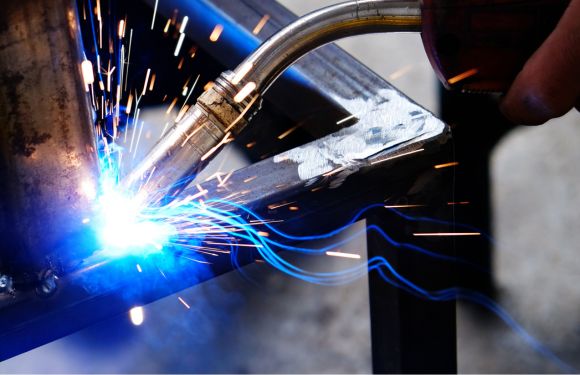
Mataas na Enerhiya at Solid State na Pamamaraan ng Pagsusulat
Ang ilang pamamaraan ng pagsusulat ay nagpapakilos ng labis na enerhiya sa isang napakaliit na lugar. Ang iba naman ay iwasan ang ganap na pagtunaw ng base metal. Sa mga iba't ibang teknik ng pagsusulat na ginagamit sa advanced na pagmamanupaktura, ang mga espesyalisadong pamilyang ito ay lumalawak sa sagot sa tanong na 'ano ang iba't ibang uri ng proseso ng pagsusulat' nang lampas sa MIG, TIG, at gas welding.
Pagsusulat gamit ang Laser at Electron Beam
Ang Pagpapakulay ng Sinag ng Laser, o LBW, ay gumagamit ng isang lubos na nakatuon na sinag ng liwanag upang patunawin at pagdugtungin ang materyal. Ang Pagpapakulay ng Sinag ng Electron, o EBW, ay gumagamit ng mga electron na may mataas na bilis, karaniwang sa loob ng isang kamerang walang hangin. Isang kapaki-pakinabang Paghahambing ng EBW at LBW ay nagpapakita ng malinaw na praktikal na paghahati: ang pagpapakulay ng laser ay pinahahalagahan dahil sa bilis, kumpiyansa, at madaling pag-setup dahil hindi nito kailangan ang kamerang walang hangin, samantalang ang pagpapakulay ng sinag ng electron ay nagtatangi dahil sa napakataas na kumpiyansa at malalim na pagpasok. Pareho ay karaniwang mga proseso sa industriya, hindi para sa mga nagsisimula pa lamang.
- Mga Kalamangan: Napakataong input ng init, mataas na kalidad ng pagsasama, potensyal na mabilis na produksyon, at relatibong maliit na mga lugar na apektado ng init.
- Limitasyon: Ang EBW ay kadalasang nangangailangan ng kagamitan na may kamerang walang hangin, ang LBW ay sensitibo sa pagkakatugma ng mga bahagi na sasamahin, at pareho ay kasali sa mas mataas na gastos sa kagamitan at mga pang-fixturing.
- Tipikal na mga aplikasyon: Aeroespasyo, automotive, elektronika, paggawa ng medikal na kagamitan, at iba pang mahigpit na kontroladong kapaligiran sa produksyon.
Mga Proseso na Batay sa Panlaban at Solid State
Hindi lahat ng pagsasama ay umaasa sa isang molten pool. Friction Stir Welding ay isang proseso ng pagsasalansan na gumagamit ng solid state kung saan ginagamit ang isang umiikot na kasangkapan upang lumikha ng init dulot ng pagkakalbo, pahinain ang materyal, at ihalo ito sa buong sambitan nang hindi ganap na tinutunaw ito. Ito ay tumutulong ipaliwanag kung bakit ang mga sagot sa tanong na ilan ang mga proseso ng pagsasalansan ay maaaring magkaiba-iba nang malaki. Ang ilang pamilya ay nasa labas ng klasikong pagsasalansan na may pagtutunaw. Ang mga gabay sa sanggunian tungkol sa cold welding ay naglalarawan din ng pag-uugnay batay sa presyon para sa mga espesyalisadong aplikasyon na may ductile metal.
- Mga Kalamangan: Mas mababang distorsyon, malalakas at homogeneous na sambitan, at sa FSW ay walang filler metal, shielding gas, o nakakalason na usok.
- Limitasyon: Espesyalisadong kagamitan, mas mataas na paunang gastos, at mga limitasyon sa aplikasyon batay sa materyal at hugis ng bahagi.
- Tipikal na mga aplikasyon: Mga padron ng aluminum at tanso, mga panel sa aerospace, mga bahagi ng sasakyan, paggawa ng barko, mga istruktura sa riles, at pag-uugnay ng espesyal na wire.
Kung Saan Nagkakaroon ng Kahulugan ang mga Espesyalisadong Paraan
Ang mga iba't ibang teknik ng pag-weld na ito ay may kahulugan kapag ang isang gawain ay nangangailangan ng labis na katiyakan, paulit-ulit na produksyon, mababang distorsyon, o maaasahang pagsasama ng mga materyales na mahirap i-weld gamit ang mas karaniwang paraan. Mas kaunti ang pakikipag-ugnayan sa versatility sa field at mas nakatuon sa kontrol sa loob ng isinakdang proseso. Mahalaga ang pagkakaiba nito, dahil ang pinakamahusay na paraan ay madalas na napapasyahan hindi lamang sa pamamagitan ng weld mismo, kundi sa pamamagitan ng uri ng materyal, kapal, kondisyon ng ibabaw, at mga layunin sa produksyon na kasama rito.
Paano Pumili ng Tamang Proseso ng Pag-weld
Ang mahabang listahan ng mga pangalan ng proseso ay interesante, ngunit ang tunay na halaga ay lumilitaw kapag kailangan mong pumili ng isa. Kung nagtatanong ka kung anu-anong mga uri ng pag-weld ang umiiral, ang praktikal na sagot ay mas makitid kaysa sa buong listahan ng mga pamilya ng pag-weld. Ang karamihan sa mga gawain ay napapasyahan ng ilang filter: uri ng metal, kapal, kondisyon ng ibabaw, inaasahang huling anyo, at lokasyon kung saan gagawin ang trabaho. Para sa mga pangunahing kaalaman tungkol sa pag-weld, iyan ang tamang punto ng pagsisimula.
Mga sanggunian tulad ng 3D Mechanical ,Baker's Gas , at ang Worthy Hardware ay lahat ay tumutukoy sa parehong pattern: walang proseso ang pinakamahusay sa lahat ng bagay. Ang tamang pagpipilian ay nakasalalay sa gawain, hindi sa popularidad ng makina.
Ipareho ang Proseso sa Materyales at Kapal
Ang materyales at kapal ay mabilis na nagpapaliit sa hanay ng mga opsyon. Ang TIG at laser ay paulit-ulit na pinipili para sa manipis na sheet dahil nagbibigay sila ng mas mahusay na kontrol sa init at tumutulong na bawasan ang distorsyon. Ang MIG ay malawakang ginagamit dahil epektibo itong naghahandle ng maraming pangkalahatang gawaing pabrika. Ang Stick at FCAW ay mas malakas na kandidato kapag ang bakal ay mas makapal o kapag ang gawain ay mas hindi kontrolado.
- Simulan sa base metal. Ang mild steel ang nagbibigay ng pinakamaraming kakayahang umangkop. Ang stainless steel at aluminum ay madalas na nagpupush sa pagpipilian patungo sa MIG o TIG, depende sa kinakailangan para sa huling hitsura at kontrol.
- Suriin ang kapal sa susunod. Ang manipis na sheet ay karaniwang pabor sa TIG, at sa mahigpit na kontroladong produksyon, sa laser, dahil ang sobrang init ay maaaring magdulot ng pagkabuwel o pagkasunog na lubos.
- Lumipat sa mas makapal na seksyon. Ang MIG, Stick, at FCAW ay mas praktikal kapag ang produktibidad at mas mabigat na bakal ang mahalaga.
- Tingnan ang kalinisan. Ang TIG ay mas pabor sa napakalinis na materyales. Ang MIG ay nakikinabang din sa paghahanda. Ang Stick ay mas pasensyoso sa mga bakal na may kalawang o marumi, at ang FCAW ay madalas na mas epektibo sa mas mabibigat na kondisyon.
- Pagkatapos, alamin kung ang layunin ay pagre-repair, paggawa ng bagong bahagi, o mataas na produksyon. Ang spot welding at laser welding ay mas angkop sa paulit-ulit na produksyon ng sheet metal kaysa sa pangkalahatang pagre-repair.
Balansin ang Bilis, Panlabas na Anyo, at Kurba ng Pag-aaral
Ang bilis at kalidad ng panlabas na anyo ay bihirang umabot sa pinakamataas na antas nang sabay-sabay. Ayon sa Baker's Gas, ang MIG ay isa sa pinakamadaling at pinakapopular na proseso ng welding, kaya maraming mambabasa ang itinuturing itong pinakamadaling uri ng welding para simulan. Ito rin ay madalas na itinuturing na pinakakaraniwang uri ng welding sa pangkalahatang paggawa dahil mabilis ito, malinis, at medyo madaling matutunan. Ang TIG ay mas mabagal at mahirap dominahan, ngunit nagbibigay ito ng mas mahusay na presisyon at mas magandang hitsura ng weld. Ang Stick ay matibay at madaling dalhin, bagaman lumilikha ito ng higit na slag at kailangan ng higit na paglilinis. Ang FCAW ay produktibo sa mas makapal na bakal, lalo na kung ang hitsura ay mas kaunti ang kahalagahan kaysa sa output.
| Karaniwang Senaryo | Karaniwang pinakamalakas na pagkakasya | Pangunahing dahilan | Karakteristikong halaga ng paunang gastos |
|---|---|---|---|
| Malinis na pangkalahatang paggawa sa loob ng gusali | MIG | Mabilis, versatile, at madaling gamitin para sa mga nagsisimula pa lamang | Katamtaman |
| Manipis na sheet o mga gawain kung saan mahalaga ang itsura | Tig | Mas mahusay na kontrol at mas malinis na resulta | Mas mataas |
| Pagkukumpuni ng marumi o madumiang metal | Stick | Mas pasensyoso sa magaspang na ibabaw | Mas mababa |
| Panlabas na mas mabigat na trabaho sa bakal | Stick o FCAW | Mas angkop sa hangin at mahihirap na kondisyon | Mas Mababa hanggang Katamtaman |
| Produksyon ng sheet metal nang mataas na bilis | Spot o laser | Pag-uulit at kahusayan sa produksyon | Mas mataas sa espesyalisado |
Isaisip ang kapaligiran, dalisay na dalhin, at badyet
Ang lugar ng paggawa ay maaaring ganap na baguhin ang sagot. Ang mga proseso na umaasa sa shielding gas, tulad ng MIG at TIG, ay mas hindi komportable sa bukas na labas na may hangin maliban kung protektado ang lugar. Patuloy na popular ang Stick sa konstruksyon at pagkukumpuni dahil madaling dalhin at epektibo sa trabaho sa labas. Ang FCAW ay angkop din sa mas matitinding kapaligiran, lalo na sa mas makapal na mga materyales.
Kung gusto mong matuto ng pag-weld, simulan mo ang gawain na inaasahan mong gagawin nang madalas, hindi ang proseso na may pinakamagandang hitsura ng mga bead sa internet. Para sa maraming nagsisimula, ibig sabihin nito ay ang MIG sa loob ng gusali o ang Stick sa labas ng gusali. Ito ay isa sa mga pangunahing konsepto sa pag-weld na kadalasang napapabayaan ng mga tao. At habang kadalasang itinatanong ng mga mambabasa kung ilang uri ng pag-weld ang umiiral, ang mas kapaki-pakinabang na tanong ay alin sa mga ito ang naglulutas ng gawaing ito nang may pinakakaunting kompromiso. Ang tanong na ito ay duma-diretso sa susunod na praktikal na antas: uri ng makina, gas na pambalot, wire, mga rod, at iba pang mga pagpipilian sa pag-setup na nakaaapekto sa kagamitan ng isang proseso.
Mga Uri ng Makina at Gamit sa Pag-weld
Ang pagpili ng proseso ng pag-weld ay kalahati lamang ng gawain. Ang makina, kasalukuyang daloy, polaridad, at mga consumables ang nagdedesisyon kung ang prosesong iyon ay maramdaman bilang simple, nakakabagot, portable, o handa na para sa produksyon. Dito kung saan madalas na nalilito ang maraming mambabasa sa pagitan ng mga paraan ng pag-weld at ng mga uri ng mga makina sa pag-weld na ginagamit upang patakbohin ang mga ito. Ang isang MIG setup at isang FCAW setup ay maaaring magmukhang katulad sa unang tingin, ngunit ang wire, shielding, polaridad, at paglilinis ay maaaring lubos na magkaiba.
Mga Pinagkukunan ng Kapangyarihan, Mga Makina, at mga Pangunahing Konsepto ng Polaridad
Kung ikaw ay natanong na kailanman kung ano ang welding procedure sa pang-araw-araw na wika ng isang workshop, isipin ito bilang isang ulitin-ulitin na recipe ng setup para sa isang tiyak na gawain: proseso, makina, kasalukuyang daloy, polaridad, filler, shielding, at teknik na gumagana nang sabay-sabay. Ang Gabay sa Polaridad ng TWS ay nagpapaliwanag na ang DCEP ay karaniwang nagbibigay ng mas malalim na penetration, ang DCEN ay nagbibigay ng mas mababaw na penetration ngunit may mas mataas na deposition rate, at ang AC ay maaaring tumulong sa mga sitwasyon tulad ng aluminum TIG o sa mga gawaing madaling apektuhan ng arc-blow. Binanggit din nito na ang DC ay karaniwang nagbibigay ng mas maasikaso at mas madaling kontrolin na arko kaysa sa AC.
| Proseso | Karaniwang uri ng makina | Karakteristikong polaridad | Gas na Pamprotekta | Pangunahing kagamitang na nauubos | Espesyal na hardware | Kompromiso sa dalangkaban |
|---|---|---|---|---|---|---|
| MIG o GMAW | Pinagkukunan ng kuryente para sa pagpapadala ng wire | Karaniwang DCEP | Karaniwang oo | Solid wire | Gun, mga rol ng pampadala, regulator | Katamtamang dalangkaban, ngunit ang gas ay nagdaragdag ng bigat |
| TIG o GTAW | Pinagkukunan ng kuryente para sa TIG | Kadalasan ay DCEN sa karamihan ng mga metal, AC para sa ilang gawaing aluminum | Oo | Elektrodo na gawa sa tungsten at karagdagang filler rod kung kinakailangan | TIG torch at kagamitan para sa gas | Mas hindi madaling dalhin at mas sensitibo sa pag-setup |
| Stick o SMAW | AC o DC na stick machine | Kadalasan ay DCEP, ngunit nakasalalay sa uri ng electrode | Walang panlabas na gas | Mga electrode na may coating na flux | Tagahawak ng Eletrodo | Napakahusay na madaling dalhin at angkop para sa field work |
| Flux-Cored o FCAW | Pinagkukunan ng kuryente para sa pagpapadala ng wire | Ang gas-shielded ay karaniwang DCEP, ang self-shielded naman ay karaniwang DCEN | Kadahilan | Wire na may pampuno ng flux | Pandurog, mga rol ng pagsasalakay, at posibleng regulator | Magandang kakayahang umangkop sa labas gamit ang self-shielded na wire |
Ang talahanayan na iyon ay nagpapaliwanag rin kung bakit ang maling polarity o ang maling uri ng wire ay nagdudulot ng hindi regular na arc at mahinang deposition. Kahit isang electric welding machine na sumusuporta sa maraming proseso ay kailangan pa rin ng tamang torch, lead, wire, rod, at mga setting para sa pamamaraan na ginagamit.
Shielding Gas, Wire, Rods, at Electrodes
Ang paghahambing ng mga arc process ay nagpapakita nang malinaw ng pagkakaiba sa mga consumable. Ang MIG at TIG ay umaasa sa panlabas na gas shielding. Ang Stick at FCAW naman ay gumagamit ng flux, na lumilikha ng shielding at slag. Ang solong pagkakaibang ito ay nagbabago sa mga uri ng welding equipment na nakapaligid sa machine mismo. Ang mga gas-shielded setup ay nangangailangan ng mga cylinder, regulator, hose, at mas mahusay na kontrol sa hangin. Samantala, ang mga flux-based setup ay binabawasan ang paggamit ng gas, ngunit karaniwang nagdaragdag ng slag removal, at ang FCAW ay maaaring magproduksi ng higit na usok.
- Auto-darkening helmet at safety glasses
- Mga guwantes sa pagsusulat, jacket, at damit na tumututol sa apoy
- Ventilasyon o pag-alis ng usok, lalo na para sa FCAW
- Mga klipe, mga iman, at isang matatag na ibabaw ng trabaho
- Ground clamp, malinis na kable, at sinuri ang mga koneksyon
- Chipping hammer at wire brush para sa mga proseso na nagpapalabas ng slag
Pag-iisip sa Saklaw ng Presyo nang hindi lumalabag sa pangako sa mga numero
Kapag inihahambing ang iba't ibang uri ng kagamitan sa pag-weld, ang tunay na gastos ay hindi lamang ang power source. Ang mga bote ng gas, regulator, contact tips, nozzle, drive rolls, tungsten, filler rods, electrodes, at mga pampalit na lead ay lahat nakaaapekto sa pang-araw-araw na paggamit. Ang parehong sanggunian mula sa Megmeet ay binibigyang-diin din ang kahalagahan ng pagkakatugma ng output at duty cycle sa kapal ng materyal at haba ng weld, dahil ang mga maliit at mababang-duty na makina ay maaaring mahirapan sa mas mahabang welding run. Sa pangkalahatan, ang Stick welding ay may mas mababang kumplikasyon sa pag-setup, ang MIG at FCAW ay karaniwang nasa gitna, at ang TIG ay karaniwang may mas mataas na kumplikasyon sa kagamitan dahil ito ay nagdaragdag ng mga bahagi ng torch at kontrol ng gas. Kaya nga ang tanong na 'ano ang welding procedure' ay hindi maisasagot gamit lamang ang pangalan ng proseso. Sa produksyon, ang mga maliit na detalye sa pag-setup na ito ay nagiging pormal na proseso ng kontrol, at ito ang isa sa pinakamalinaw na paraan upang penpenin ang isang kwalipikadong welding partner.
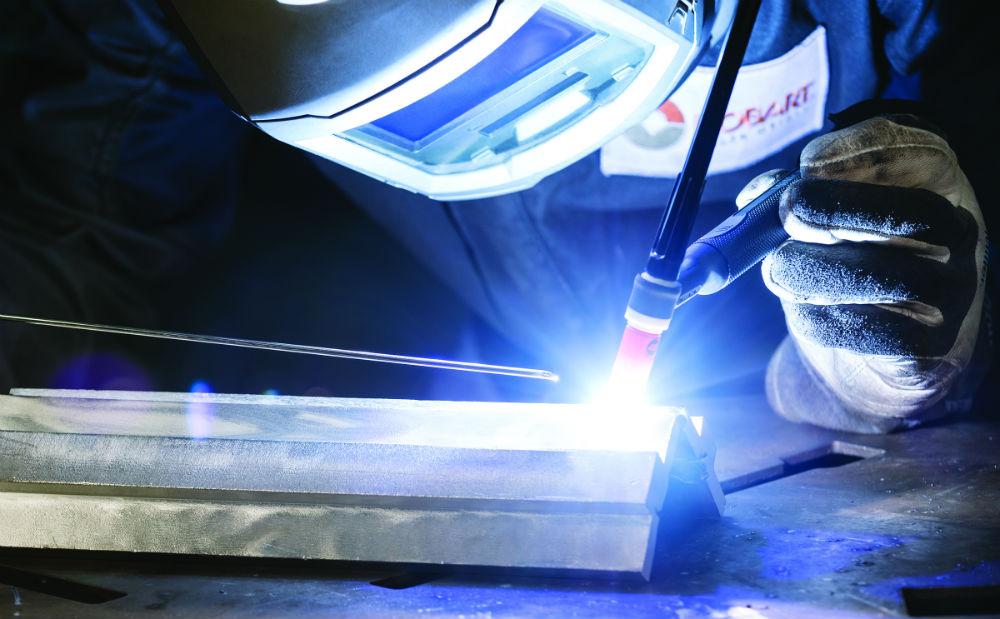
Pagpili ng Welding Partner para sa Produksyon ng Automotive
Ang mga pagkakatakda ng makina, ang pag-shield, ang mga fixture, at ang mga proseso ng inspeksyon ay naging mga isyu sa pagsusuri sa mga tagapag-suplay sa sandaling lumipat ang isang welded component papasok sa produksyon para sa industriya ng sasakyan. Sa industriya ng pag-weld, ang tanong na 'ano ang iba't ibang uri ng pag-weld?' ay walang kahit ano kundi ang simula lamang. Ang mga bumibili ng mga bahagi ng chasis ay nangangailangan ng ebidensya na ang napiling proseso ay maaaring mapanatili ang konsistensya sa buong produksyon, hindi lamang magmukhang maganda sa isang sample.
Ano ang Hinihiling ng Pag-weld sa Automotive Chassis
Para sa mga sambungan na nagdadala ng beban, ang mga kriteria sa pag-approba ay dapat na mas mahigpit kaysa sa mga sambungan na pang-panganggap lamang, at ang tagapag-suplay ay dapat na kayang ipakita ang mga qualified na Welding Procedure Specification (WPS) at Procedure Qualification Record (PQR), ang unang inspeksyon ng artikulo, at ang pagsubaybay sa pinagmulan ng materyales. Ang parehong sanggunian ay binibigyang-diin din kung bakit ang visual inspection lamang ay hindi palaging sapat. Para sa mga sambungan na may mataas na panganib, ang mga bumibili ay dapat magtanong kung kailan ginagamit ang Penetrant Testing (PT), Ultrasonic Testing (UT), o Radiographic Testing (RT), at paano kontrolado ang sukat ng weld, ang lapad ng throat, ang porosity, at ang undercut. Dito nangyayari ang transisyon mula sa pangkalahatang tanong na 'ano ang mga uri ng pag-weld?' tungo sa tunay na mga kriteria sa pagpili ng mga aplikasyon ng pag-weld.
Paano Susuriin ang Robotikong Produksyon at Kontroladong Kalidad
Ang pagkuha ng mga bahagi para sa automotive ay nagdaragdag ng isa pang antas. IATF 16949 ay sapilitan para sa karamihan sa mga Tier 1 na supplier na naglilingkod sa mga pangunahing OEM, at inaasahan ng pamantayan ang disiplinadong paggamit ng APQP, PPAP, FMEA, MSA, at SPC. Kung ang isang supplier ay nangangampanya para sa robotikong pag-weld, tanungin kung paano napatutunayan ang mga fixture, paano kontrolado ang pagbabago ng mga parameter, at paano napapag-apruba ang mga pagbabago sa proseso matapos ang FAI. Isang may kaugnay na halimbawa ay Shaoyi Metal Technology , na ang opisyal na buod ng kakayahan ay tumutukoy sa mga linya ng robotikong pag-weld at isang sertipikadong sistema na sumusunod sa IATF 16949 para sa mga komponente ng chassis na gawa sa bakal at aluminum. Mahalaga ito dahil ang pag-uulit at dokumentasyon ang kadalasang naghihiwalay sa isang maaasahang kasosyo sa produksyon mula sa isang workshop na pamilyar lamang sa mga pangalan ng proseso.
Kung Paano Nagdaragdag ng Halaga ang Isang Espesyalisadong Partner sa Pag-weld
- Pag-uulit na suportado ng nakakandadong mga fixture, matatag na mga parameter, at aprubadong unang artikulo
- Nakatatakda nang maayos na kakayahan para sa parehong bakal at aluminum kapag ang programa ay nangangailangan ng halo-halong materyales
- Pagsusuri at kontrol ng fixture sa mga mahahalagang punto ng pagkakabit, hindi lamang sa huling visual na pagsusuri
- Disiplina sa pagsusuri na may malinaw na mga pamantayan sa pagtanggap at pag-escalate ng NDT batay sa panganib
- Paghahanda ng daloy para sa paglulunsad, pagtaas ng dami, at kakayahang mabawi
- Dokumentasyon na sumasaklaw sa WPS, PQR, mga elemento ng PPAP, nakapag-ttrace, at kontrol sa pagbabago
Pumili ng kasosyo na kayang patunayan ang kontrol sa iyong tiyak na sambungan, materyales, at dami.
Karaniwang ito ang mas kapaki-pakinabang na sagot sa tanong kung anu-anong uri ng pag-weld ang meron: ang mga proseso na kayang i-qualify, i-monitor, inspeksyunin, at idokumento ng isang supplier nang walang sorpresa.
Mga Karaniwang Tanong Tungkol sa Proseso ng Pag-weld
1. Ano ang apat na pangunahing uri ng pag-weld na karaniwang tinutukoy?
Sa pang-araw-araw na paggawa ng mga bahagi, ang apat na karaniwang tinutukoy na proseso ay ang MIG, TIG, Stick, at Flux-Cored. Ang MIG ay sikat para sa mabilis na trabaho sa shop, ang TIG ay pinipili para sa mas malinis at mas tumpak na mga weld, ang Stick ay hinahangaan dahil sa portabilidad nito at para sa mga gawaing pagkukumpuni, at ang Flux-Cored ay kapaki-pakinabang para sa mas makapal na bakal at mas mataas na output. Lahat ng ito ay gumagamit ng electric arc, ngunit nagkakaiba sila sa paraan ng pag-shield, antas ng kahirapan sa pag-aaral, kailangan ng paglilinis, at sa mga sitwasyon kung saan sila pinakaepektibo.
2. Ano ang pagkakaiba sa pagitan ng MIG at TIG na pagsusulat?
Ang MIG ay nagpapadala ng patuloy na wire, kaya ito ay karaniwang mas mabilis at mas madali para sa pangkalahatang paggawa. Ang TIG naman ay gumagamit ng tungsten electrode at madalas ay hiwalay na filler rod, na nagbibigay ng mas mahusay na kontrol ngunit nagpapabagal sa proseso. Sa simpleng salita, ang MIG ay karaniwang nananalo sa bilis at produktibidad, samantalang ang TIG ay pinipili kapag mahalaga ang kontrol sa manipis na metal, mas malinis na hitsura ng weld, o mas detalyadong gawain.
3. Alin sa mga proseso ng pagsusulat ang pinakamadali para sa mga nagsisimula?
Para sa maraming bagong welder, ang MIG ang pinakamadaling simulan kapag nagtatrabaho sa loob ng gusali sa malinis na bakal dahil ang wire feed ay patuloy at ang paglilinis pagkatapos ng pagsusulat ay mas magaan. Ang Stick naman ay maaari ring maging praktikal na unang proseso kung ang layunin ay panlabas na pagrepare o pangunahing trabaho sa field, dahil hindi ito umaasa sa panlabas na shielding gas. Ang pinakamadaling opsyon ay nakasalalay pa rin sa uri ng materyal, kapaligiran, at sa dami ng suporta sa pag-setup na meron ang welder.
4. Ilan lahat ang uri ng pagsusulat?
Walang iisang maikling numero dahil ang pag-weld ay maaaring pangkatin ayon sa malalawak na pamilya o ayon sa mga tiyak na proseso. Sa mataas na antas, makikita mo ang arc welding, gas welding, resistance welding, power beam methods tulad ng laser at electron beam, at solid-state methods tulad ng friction welding. Para sa karamihan ng mga mambabasa, ang mas kapaki-pakinabang na tanong ay hindi ang eksaktong bilang, kundi alin sa mga prosesong ito ang angkop para sa metal, kapal, kinakailangan sa finishing, at kapaligiran ng trabaho.
5. Ano-ano ang dapat hanapin ng mga tagagawa ng sasakyan sa isang kasosyo sa pag-weld?
Dapat tingnan ng mga tagagawa ang higit sa mga pangalan ng makina at tuunan ng pansin ang kontrol sa proseso. Ang isang malakas na kasosyo sa pag-weld ay dapat kayang ipakita ang matatag na pagkakabit ng mga bahagi, na na-document na mga pamamaraan, paulit-ulit na pagpapatakbo gamit ang robot o manu-manong paraan, disiplina sa pagsusuri, at nakapag-uugnay na pagsubaybay para sa mga bahaging ginagawa. Para sa mga programa ng chasis, ang kakayahan sa parehong bakal at aluminum ay maaari ring mahalaga. Ang mga supplier na may sertipikadong sistema ng kalidad at kontroladong linya ng robot, tulad ng Shaoyi Metal Technology, ay karapat-dapat suriin kapag ang paulit-ulit na paggawa at kalidad ng produksyon ay napakahalaga.