 Small batches, high standards. Our rapid prototyping service makes validation faster and easier —
  EN
EN


Mga Sekreto sa Pagmamanupaktura ng Metal Plate: Mula sa Hilaw na Bakal Hanggang sa Nakumpletong Produkto
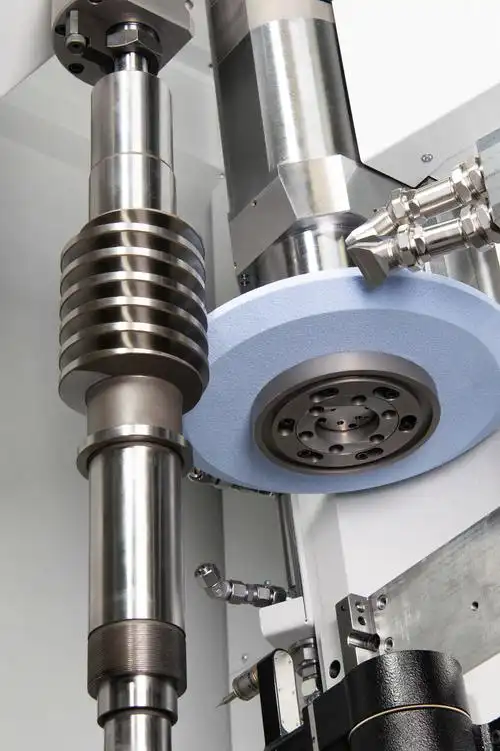
Ano ang Nagpapabukod ng Metal Plate Fabrication sa Sheet Metal Work
Kapag naririnig mo ang terminong "metal fabrication," maaaring isipin mo ang mga manggagawa na binubuo ang manipis na mga sheet ng metal upang maging kaban ng mga appliance o mga panel ng sasakyan. Ngunit ano ang nangyayari kapag ang isang proyekto ay nangangailangan ng mas matibay—tulad ng mga bahagi ng tulay, mga pressure vessel, o mga frame ng mabibigat na makina? Dito pumasok ang metal plate fabrication, at ang pag-unawa sa pagkakaiba ng dalawang prosesong ito ay maaaring makatipid sa iyo ng malalaking gastos dahil sa mga pagkakamali sa proyekto.
Kaya ano nga ba ang metal fabrication kapag tinutukoy ang mga plate kumpara sa mga sheet? Ang sagot ay nakasalalay sa isang mahalagang kadahilanan: ang kapal. Ang simpleng sukatan na ito ay nagdedetermina ng lahat—mula sa mga kinakailangang kagamitan hanggang sa mga kakayahan sa istruktura , ngunit marami pa rin sa industriya ang nagkakalito sa dalawang lubos na magkaibang proseso na ito.
Pagtatakda ng Mga Pamantayan sa Kapal ng Plate at Sheet Metal
Ang industriya ng bakal ay naglalagay ng malinaw na hangganan sa pagitan ng mga sheet ng metal at ng plato ng bakal batay sa kapal ng materyal. Ayon sa mga pamantayan ng industriya, ang sheet ng bakal ay kategorya ng anumang materyal na may kapal na mas mababa sa 0.187 pulgada (humigit-kumulang sa 3/16 pulgada o 4.76 mm), samantalang ang plato ng bakal ay sumasaklaw sa lahat ng materyal na may kapal na katumbas o higit pa sa threshold na ito.
Ang plato ng bakal ay tinutukoy bilang anumang materyal na may kapal na higit sa 0.187 pulgada (3/16"), habang ang sheet ng bakal ay nasa ilalim ng sukat na ito. Ang threshold na ito—na sumusunod sa pamantayan ng industriya—ay nagpapabago nang malaun ng mga kinakailangan sa paggawa, mga kagamitan na kailangan, at ang kahihinatnan sa paggamit.
Para magbigay ng konteksto, ang mga sheet ng metal ay karaniwang may kapal na 0.5 mm hanggang sa mas mababa sa 6 mm—sapat na manipis para sa proseso ng cold rolling na nagbibigay ng makinis na ibabaw. Ang mga plato ng bakal, sa kabilang banda, ay maaaring umabot mula sa simula nitong 6 mm hanggang sa ilang pulgada ang kapal, na nangangailangan ng lubos na iba’t ibang paraan ng pagmamanupaktura. Halimbawa, ang heavy steel plate ay tumutukoy sa anumang materyal na may kapal na higit sa 3 pulgada.
Bakit Mahalaga ang Pag-uuri ng Kapal sa Paggawa
Bakit dapat mong pansinin ang pagkakaiba na ito? Isaalang-alang ang mga praktikal na implikasyon:
- Mga kinakailangan sa kagamitan: Ang paggawa ng sheet metal ay gumagamit ng mas magaan na makina tulad ng karaniwang press brake at shears. Ang paggawa ng plate naman ay nangangailangan ng mataas na toneladang kagamitan na kayang humawak ng malaki pang materyal na resistensya.
- Mga paraan ng pagproseso: Ang mga metal sheet ay madalas na inilalagay sa cold rolling sa temperatura ng silid para sa mas mataas na lakas at makinis na surface finish. Ang mga plate naman ay kadalasang pinapailalim sa hot rolling sa temperatura na mas mataas sa recrystallization point ng bakal.
- Mga Kaugalian sa Estruktura: Kapag ang mga proyekto ay nangangailangan ng kakayahang tumiis sa malakas na stress—tulad ng mga katawan ng barko, mga tangke ng imbakan, o mga istruktural na bahagi ng tulay—ang mga materyales na may kapal na katumbas ng plate lamang ang nagbibigay ng sapat na lakas at tibay.
- Kumplikasyon sa Pagsolda: Ang mas makapal na plate ay nangangailangan ng iba’t ibang paraan ng paghahanda ng joint, mga pagsasaalang-alang sa preheat, at mga teknik sa pagsolda kumpara sa mas manipis na sheet metal.
Ang saklaw ng paggawa ng mga plato ay sumasaklaw sa mga mahihirap na industriya kung saan ang kabiguan ay hindi isang opsyon. Ang konstruksyon ay umaasa sa mga ginawang plato para sa mga istruktural na bahagi ng mga gusaling mataas at tulay. Ang sektor ng langis at gas ay umaasa sa kanila para sa mga pipeline at imbakan ng tangke na idinisenyo upang tumagal sa matitinding kondisyon ng kapaligiran. Ang mga tagagawa ng mabibigat na makina, mga tagapagawa ng kagamitang pandigma, at mga tagagawa ng barko ay lahat ay nangangailangan ng malakas na katangian na lamang magagawa ng mga materyales na may kapal na plato.
Ang pag-unawa sa pundamental na pagkakaiba na ito ay nagpipigil sa isang karaniwang kamalian: ang pagtukoy sa paggawa ng sheet metal kapag ang iyong aplikasyon ay nangangailangan talaga ng lakas at tibay ng paggawa ng plato. Habang tatalakayin natin ang mga proseso, materyales, at teknik na partikular sa pagtrato ng mas makapal na materyales, makakakuha ka ng kaalaman na kailangan mo upang gumawa ng impormadong desisyon para sa iyong susunod na proyekto sa mabibigat na paggawa.
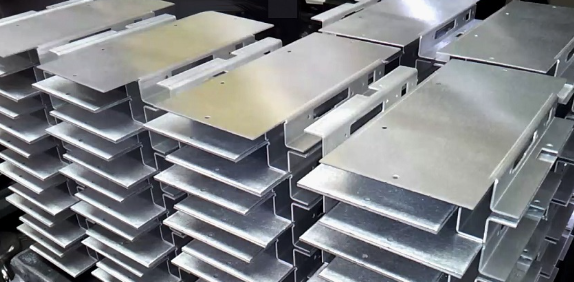
Gabay sa Pagpili ng Materyales para sa mga Proyektong Paggawa ng Plato
Ang pagpili ng tamang materyal para sa iyong proyekto sa paggawa ng metal plate ay hindi lamang tungkol sa pagpili ng mga bagay na available—kundi tungkol sa pagtutugma ng mga katangian ng materyal sa mga tiyak na pangangailangan ng iyong aplikasyon. Ang iyong komponente ba ay ilalagay sa korosibong kapaligiran sa dagat? Kailangan ba nitong tumagal sa ekstremong temperatura? Dapat ba nitong mabawasan ang timbang habang pinapanatili ang kahusayan ng istruktura? Ang mga sagot sa mga tanong na ito ang magbibigay-daan sa iyo upang pumili ng carbon steel, stainless steel, aluminum, o mga espesyal na alloy.
Subukin nating talakayin ang bawat kategorya ng materyal upang makapagdesisyon ka nang may kumpiyansa at kaalaman na i-balance ang mga pangangailangan sa pagganap kasama ang mga konsiderasyon sa badyet.
Mga Carbon Steel Plate para sa Mga Aplikasyong Istriktrural
Ang carbon steel ay nananatiling pangunahing materyal sa industriya ng paggawa ng plate, at may mabuting dahilan para dito. Ayon sa Industrial Metal Service, ang carbon steel ay isang alloy ng bakal at karbon na naglalaman ng 0.15% hanggang 3.4% na karbon batay sa timbang, kung saan ang antas ng karbon ang pangunahing determinante ng mga katangian ng materyal.
Bakit karamihan sa mga proyektong istruktural ay gumagamit ng carbon steel? Isaalang-alang ang mga sumusunod na mga pakinabang:
- Cost-effectiveness: Ang mas simple na komposisyon at mas madaling paggawa ay nagpapagawa ng carbon steel na malaki ang kabawasan sa presyo kumpara sa mga alternatibong stainless steel.
- Excellent Weldability: Ang mga grado ng mababang carbon (mild) steel ay nangangailangan lamang ng kaunting pre-weld at post-weld heat treatments, na nagpapabilis sa proseso ng paggawa.
- Maraming opsyon sa lakas: Mula sa mga ductile na grado ng mababang carbon na perpekto para sa pagbuo hanggang sa mga mataas na carbon na grado na nagbibigay ng exceptional na kahigpit, mayroong isang grado para sa halos bawat aplikasyon.
- Malawak na Pagkakaroon: Ang mga plato ng carbon steel ay madaling makukuha sa buong supply chain, na nagpapababa ng lead time.
Ang mababang carbon steel (0.05% hanggang 0.15% carbon) ay nag-aalok ng mataas na ductility, na ginagawang angkop ito para sa mga istruktural na materyales, tubo, at bahagi ng sasakyan. Ang mga grado ng gitnang carbon (0.1% hanggang 1.29% carbon) ay nagbibigay ng mahusay na balanse sa lakas at kakayahang gamitin—perpekto para sa paggawa ng pressurized at non-pressurized na tangke. Ang mataas na carbon steel naman ay nagbibigay ng kahigpit na kailangan para sa mga cutting tool at wear-resistant na komponente.
Ang kapalit? Ang carbon steel ay kulang sa likas na paglaban sa korosyon. Kung walang protektibong coating o paggamot, madaling magkaroon ng rust kapag nakalantad sa kahalumigmigan. Para sa mga aplikasyon sa loob ng gusali o mga proyekto kung saan ang mga protektibong huling hulma ay isinasaalang-alang, ang limitasyong ito ay madaling pangasiwaan. Para sa mga mapanghamong kapaligiran, kailangan mo nang hanapin ang ibang alternatibo.
Kung Kailan Dapat Piliin ang Stainless Steel Plate
Kapag ang paglaban sa korosyon ay hindi na maaaring kompromisa, ang mga plate na gawa sa stainless steel ang sumisilip. Ang pangunahing nagpapakilala rito ay ang chromium—ang stainless steel ay naglalaman ng hindi bababa sa 10.5% na chromium, na bumubuo ng protektibong oxide layer na nagpapangalaga sa ibabaw laban sa rust at korosyon.
Ang mga sheet metal at plate na gawa sa stainless steel ay nahahati sa limang pangunahing pamilya, bawat isa ay angkop para sa iba’t ibang aplikasyon:
- Austenitic (halimbawa: 304, 316 na stainless steel): Ang pinakakaraniwang uri, na nag-aalok ng superior na paglaban sa corrosion at mahusay na formability. Ang 316 stainless steel ay may dagdag na molybdenum para sa mas mataas na paglaban sa chlorides—na kailangan sa mga kapaligiran ng maritime at chemical processing.
- Ferritic: Magnetic, may magandang paglaban sa corrosion, at cost-effective. Perpekto para sa kagamitan sa paghawak ng pagkain at mga aplikasyon sa kusina.
- Martensitic: Maaaring i-heat-treat para sa mataas na lakas at kahigpit. Ginagamit sa mga bahagi ng valve, turbine, at medikal na instrumento.
- Duplex: Kombinasyon ng austenitic at ferritic na istruktura para sa ultra-high na lakas at paglaban sa stress corrosion cracking—perpekto para sa industriya ng langis, gas, at kemikal.
- Pagpapakigmas ng Precipitation: Maaaring i-heat-treat upang makamit ang mataas na tensile strength habang panatilihin ang paglaban sa corrosion. Karaniwan sa aerospace at nuclear na aplikasyon.
Ang mas mataas na ductility at weldability ng stainless steel kumpara sa high-carbon steel ay nagpapaginhawa sa paggawa at pag-aayos nito. Gayunpaman, ang mga benepisyong ito ay may kapalit—ang stainless steel ay mas mahal sa unang pagbili dahil sa laman nito ng chromium at nickel. Gayunpaman, ang nababawasan na pangangailangan ng pagpapanatili at ang mas mahabang buhay ng serbisyo ay madalas na nagdudulot ng mas mahusay na halaga sa pangmatagalang panahon.
Mga Benepisyo at Limitasyon ng Aluminum Plate
Kapag ang timbang ay naging isang mahalagang kadahilanan, ang aluminum sheet metal at aluminum plates ay nag-ooffer ng isang nakakaakit na alternatibo. Dahil sa density nito na humigit-kumulang sa isang ikatlo ng density ng bakal, ang aluminum ay malaki ang nagpapabaga sa timbang ng komponente habang nananatiling nagbibigay ng kasiya-siyang lakas.
Ayon sa Gengfei Steel , ang mga aluminum plate ay tinutukoy bilang mga piraso na may minimum na kapal na karaniwang nagsisimula sa 6 mm at maaaring umabot sa ilang pulgada ang kapal. Matitigas, matibay, at kaya ng tumanggap ng malalaking karga para sa mga aplikasyong istruktural na may mataas na karga.
Kabilang sa karaniwang mga aluminum alloy para sa paggawa ng plate:
- 5000 series (halimbawa: 5052, 5083): Mahusay na paglaban sa korosyon at kakayahang mapag-solder kasama ang mataas na lakas sa mga hindi napapailalim sa heat treatment na alpoy. Angkop para sa mga aplikasyon sa karagatan at sa atmospera.
- 6000 series (halimbawa: 6061, 6082): Napapailalim sa heat treatment na may magandang mekanikal na katangian at kakayahang mapag-solder. Karaniwang in-eextrude at ginagamit para sa mga bahagi ng istruktura.
- 7000 series (halimbawa: 7075): Ang pagsasama ng zinc at magnesium ay nagbibigay ng mataas na lakas, tibay, at paglaban sa pagkapagod—isa sa pinakagaan na alpoy sa komersyal na produksyon.
Ang aluminum ay nangangalaga sa sarili nito sa pamamagitan ng likas na pagbuo ng oxide layer na nagbibigay ng likas na paglaban sa korosyon kahit walang karagdagang paggamot. Ito rin ay lubhang maaaring i-recycle, na sumusuporta sa mga layunin sa pangangalaga sa kapaligiran. Ano ang mga limitasyon? Ang tensile strength ng aluminum ay hindi umaabot sa antas ng bakal sa katumbas na kapal, at ang pag-solder nito ay nangangailangan ng mas espesyalisadong teknik. Para sa mga aplikasyon na nangangailangan ng pinakamataas na istruktural na karga, ang bakal at ang stainless steel ay nananatiling mas superior.
Paghahambing ng Katangian ng Materyales
Ang pagpili ng tamang materyal para sa plato ay nangangailangan ng pag-unawa kung paano nakikita ang mga pangunahing katangian nito laban sa bawat isa. Ang sumusunod na talahanayan ay nagbibigay ng buod ng mga mahahalagang kadahilanan na dapat isaalang-alang:
| Mga ari-arian | Carbon steel | Stainless Steel (304/316) | Aluminum (6061) |
|---|---|---|---|
| Lakas sa Pagpapahaba | 400–550 MPa (nababago ayon sa grado) | 515-620 MPa | 270-310 MPa |
| Pagtutol sa Korosyon | Mababa (Kailangan ng patong) | Napakahusay | Mabuti (natural na oxide layer) |
| Kakayahan sa paglilimos | Mahusay (mababang carbon) | Maganda hanggang Napakaganda | Magaling (nangangailangan ng espesyalisadong teknik) |
| Relatibong Gastos | Mababa | Mataas | Katamtaman |
| Timbang (Kerapatan) | 7.85 g/cm³ | 7.9–8.0 g/cm³ | 2.7 g/cm³ |
| Mga Tipikal na Aplikasyon | Pang-istrakturang bakal, makinarya, konstruksyon | Pang-industriyang kemikal, kagamitan sa pagkain, pandagat | Pang-espasyo at aeronautical, transportasyon, mga magaan na istraktura |
Bukod sa mga pangunahing materyales na ito, ang mga espesyal na alloy ay ginagamit sa mga tiyak na aplikasyon kung saan ang karaniwang mga opsyon ay hindi sapat. Ang mga plato ng Inconel at Hastelloy ay kayang tumagal ng napakataas na temperatura at agresibong kemikal sa larangan ng aeronautical at pang-industriyang kemikal. Ang titanium naman ay nag-aalok ng napakahusay na ratio ng lakas sa timbang para sa mga aplikasyon sa aeronautical at medikal.
Kapag sinusuri ang mga materyales, isaalang-alang ang buong larawan: paunang gastos, kumplikasyon sa paggawa, mga kinakailangan sa pagpapanatili, at ang inaasahang haba ng serbisyo. Ang isang materyal na mas mahal sa simula ay maaaring maging ekonomikal sa loob ng 20-taong haba ng serbisyo kung ito ay nag-aalis ng paulit-ulit na pagpapalit o pangmatagalang proteksyon laban sa korosyon.
Nang ang iyong pagpili ng materyal ay nabawasan na, ang susunod na mahalagang desisyon ay ang pagpili ng tamang paraan ng pagputol upang baguhin ang mga hilaw na plato sa mga bahagi na may presisyon.
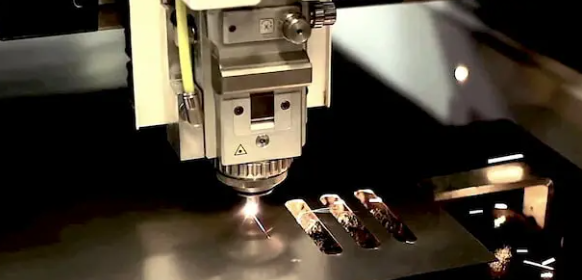
Mga Pangunahing Paraan ng Pagputol para sa Mga Makapal na Metal na Plato
Pumili ka na ng perpektong materyal para sa iyong proyekto. Ngayon ay dumating ang tanong na maaaring magpatibay o magpabagsak sa iyong takdang panahon at badyet sa paggawa: paano mo ito puputulin? Hindi tulad ng pagtrato sa mga manipis na metal na sheet, ang pagputol sa mga makapal na plato ay nangangailangan ng espesyalisadong kagamitan at maingat na pagpili ng paraan. Ang maling pagpili ay magreresulta sa mga bahaging nabuwel, mga gilid na naging masyadong matigas para sa karagdagang pagmamakinis, o mga toleransya sa presisyon na hindi mo talaga kayang makamit.
Ang bawat paraan ng pagputol ng metal ay nagdudulot ng mga natatanging pakinabang at limitasyon kapag ginagamit sa mga materyales na may kapal na plato . Ang pag-unawa sa mga kompromiso na ito ay tumutulong sa iyo na tukuyin ang tamang proseso—at maiwasan ang mahal na pag-uulit ng gawa sa susunod na yugto.
Pagputol ng Plasma para sa Mga Aplikasyon na May Mabigat na Plating
Ang pagputol ng plasma ay nagpapadala ng sobrang mainit na, elektrikal na naka-charged na gas sa pamamagitan ng maliit na nozzle nang mabilis. Ang busilak na arko ay umaabot sa temperatura hanggang 20,000°C, na pumuputol at tumutunaw nang mabilis at epektibo sa mga metal na may kakayahang magpadaloy ng kuryente. Para sa pangkalahatang pagputol ng makapal na plating ng bakal, mahirap talaga mapatalo ang bilis at kabisaan sa gastos ng paraan na ito.
Ayon sa teknikal na paghahambing ng Xometry, ang mga plasma cutter ay kayang putulin ang mga plating ng metal na hanggang 38 mm (humigit-kumulang 1.5 pulgada) ang kapal—na malaki ang pagkakaiba kumpara sa karamihan ng mga sistema ng laser. Dahil dito, ang plasma ang unang pinipili sa pagputol ng metal para sa mabibigat na gawaing istruktural, paggawa ng barko, at pang-industriyang paggawa kung saan ang pinakamataas na kahusayan ay hindi ang pangunahing konsiderasyon.
Ang mga kompromiso? Ang pagputol gamit ang plasma ay nagbubunga ng mas malawak na kerf (ang lapad ng materyal na tinatanggal sa panahon ng pagputol) at nag-iwan ng mas magaspang na gilid kumpara sa mga paraan na gumagamit ng laser o waterjet. Upang tukuyin ang dross—ito ay ang solidified na natunaw na metal na nakadikit sa gilid ng putol, at ang pagputol gamit ang plasma ay gumagawa ng malaking halaga nito. Ang slag na ito ay nangangailangan ng pagpapakinis bago ang pag-weld o pagpipino, na nagdaragdag ng gastos sa paggawa. Ang heat-affected zone (HAZ) ay pumipigil din sa pagkakabuo ng materyal sa mga gilid ng putol, na nagpapakahirap sa mga pangalawang operasyon sa pagmamasina.
Mga Kakayahan at Limitasyon sa Kapal ng Pagputol Gamit ang Laser
Ang pagputol gamit ang laser ay nagtutuon ng napakalakas na enerhiya ng liwanag sa isang tiyak na punto, na nagbubunga ng napakamaliit na lapad ng kerf at presisyong toleransya na maaaring umabot sa 0.01 mm. Kapag kailangan mo ng mga kumplikadong hugis o mataas na katumpakan sa dimensyon, ang laser cutter ay nagbibigay ng resulta na hindi kayang gawin ng plasma.
Tatlong pangunahing uri ng laser ang ginagamit sa mga aplikasyon sa paggawa:
- Ang mga laser ng CO2: Ang pinakakaraniwang uri—versatile, cost-effective, at kakayahang magputol ng iba’t ibang materyales kabilang ang mga hindi metal.
- Mga Fiber Laser: Gamitin ang fiberglass upang palakasin ang sinag, na nagpapahusay sa pagputol ng mga metal na sumasalamin tulad ng aluminum at tanso na mahirap putulin ng mga sistema ng CO2.
- Mga laser na neodymium: Nagbibigay ng mataas na densidad ng kapangyarihan para sa mga espesyalisadong aplikasyon na nangangailangan ng malalim na pagpasok.
Dito naging napakahalaga ang kapal. Ayon sa datos mula sa industriya, ang karamihan sa mga sistema ng laser ay umaabot lamang sa maximum na 19 mm para sa stainless steel, 25.4 mm para sa mild steel, at 12.7 mm para sa aluminum. Kapag lumampas sa mga threshold na ito, ang bilis ng pagputol ay biglang bumababa at ang kalidad ng gilid ay nawawala. Kung nagtatanong ka kung paano putulin ang perspex o iba pang di-metalikong materyales, ang mga laser ay madaling ginagawa ang mga ito—ngunit ang makapal na mga plato ng metal ay pumipilit sa kanila na abutin ang kanilang mga limitasyon.
Ang Heat-Affected Zone (HAZ) mula sa pagputol ng laser, bagaman mas maliit kaysa sa plasma, ay nananatili pa rin. Ang mga sistema ng laser ay karaniwang gumagamit ng oxygen bilang assist gas upang mapabilis ang pagputol, ngunit ito ay nag-iwan ng mga gilid na oksidado na nangangailangan ng kemikal o mekanikal na paglilinis bago ang pag-weld o pagpipinta.
Waterjet Cutting para sa Heat-Sensitive Materials
Kapag ang pagkabagu-bago ng hugis dahil sa init ay hindi talagang tinatanggap, ang pagputol gamit ang waterjet ay nag-aalok ng alternatibong paraan ng pagputol na walang init—na ganap na nililimita ang Heat-Affected Zone (HAZ). Ang mga sistemang ito ay pumipilit na dumaloy ang tubig na may halo ng mga abrasive na butil ng garnet sa pamamagitan ng isang napakaliit na bukas na may presyon na lampas sa 60,000 PSI, na kumukulog sa halos anumang materyal.
Ayon sa Teknikal na gabay ng Jet Edge , ang mga sistemang waterjet ay kayang putulin ang mga plato na may kapal na anim na pulgada at higit pa—na limitado pangunahin ng travel ng z-axis ng makina kaysa sa kakayahang magputol. Walang pagkabagu-bago ng hugis dahil sa init, walang pinatitigas na gilid, at walang nawawalang tempering ng materyal. Para sa mga bahagi ng aerospace, mga istruktural na elemento kung saan ang mga katangian ng materyal ay mahalaga, o mga alloy na sensitibo sa init, ang pagputol gamit ang waterjet ay madalas na ang tanging viable na opsyon.
Ang mga malinis na gilid ng putol ay madalas nang lumalabas mula sa makina na handa nang gamitin nang walang karagdagang pagpapakinis o finishing. Bagaman mas mabagal ang aktwal na bilis ng pagputol kumpara sa mga thermal na paraan, ang pag-alis ng post-cut machining ay kadalasang nagpapabilis o nagpapaganda ng kabuuang cycle time.
Paghahambing ng Mga Paraan ng Pagputol
Ang pagpili ng tamang proseso ng pagputol ay nakasalalay sa iyong materyales, mga kinakailangan sa kapal, at mga espesipikasyon sa kalidad. Narito kung paano naihahambing ang bawat paraan:
- Plasma cutting: Ideal na saklaw ng kapal mula 6mm hanggang 38mm; kahusayan na humigit-kumulang ±0.5–1mm; mabilis na bilis ng pagputol; malaki ang Heat-Affected Zone (HAZ) at dross; pinakamainam para sa mga pangkalahatang pagputol sa istruktura ng bakal.
- Laser Cutting: Ideal na kapal hanggang 19–25mm depende sa materyales; kahusayan na humigit-kumulang ±0.1mm o mas mahusay; makinis na kalidad ng gilid; katamtamang HAZ; pinakamainam para sa mga detalyadong bahagi sa manipis hanggang katamtamang plato.
- Waterjet cutting: Kakayahang gamitin ang kapal mula sa manipis na sheet hanggang sa higit sa 150mm; kahusayan na humigit-kumulang ±0.1–0.25mm; walang HAZ; napakahusay na kalidad ng gilid; pinakamainam para sa mga materyales na sensitibo sa init at sa mga makapal na plato.
- Oxy-fuel cutting: Kakayahang gamitin ang kapal na lumalampas sa 300mm; kahusayan na humigit-kumulang ±1–2mm; malaking HAZ; limitado lamang sa mga bakal na may bakal (ferrous metals); pinakamainam para sa napakamakapal na carbon steel plates.
- Mabibigat na Pagpipisan (Heavy-Duty Shearing): Limitado lamang sa tuwid na pagputol sa mga materyales na may kapal na humigit-kumulang 25mm; walang HAZ; mabilis na proseso; pinakamainam para sa simpleng rectangular na blanks.
Ang kapal ng materyal ay direktang nakaaapekto sa bawat aspeto ng pagpili ng paraan. Ang mas makapal na mga plato ay nangangailangan ng higit na kapangyarihan, mas malalaking sukat ng kerf, at lumilikha ng mas malalaking heat-affected zones gamit ang mga prosesong pang-init. Ang isang operasyon sa pagputol na gumagana nang mahusay sa 6mm na plato ay maaaring magbunga ng hindi tinatanggap na resulta sa 25mm.
Para sa mga proyekto na nangangailangan ng parehong kahusayan sa istruktura at katiyakan sa sukat, maraming tagapagawa ang nagkakasama ng mga paraan—gamit ang plasma o oxy-fuel para sa mga paunang putol at waterjet o machining para sa mga kritikal na tampok. Ang ganitong hybrid na pamamaraan ay nagpapabalance sa kahusayan sa gastos at mga kinakailangan sa kalidad.
Kapag ang mga plato ay naputol na ayon sa kanilang profile, ang susunod na hamon ay ang pagbuo ng mga ito sa tatlong-dimensyonal na hugis—isang proseso na nagdudulot ng sariling hanay ng mga konsiderasyon para sa mga makapal na materyales.
Mga Teknik sa Pagbuo at Pagbubukod para sa mga Plating na Materyales
Nagpuputol ka na ng iyong mga plato ng bakal ayon sa profile—ngayon naman ang hamon ng pagbabago ng mga patag na stock sa tatluhang dimensyonal na istruktural na bahagi. Mukhang simple lang ba? Sa mga matitigas na plato, ang pagbubukod ay nagdudulot ng mga kumplikadong isyu na hindi umiiral kapag gumagamit ng mas manipis na mga sheet ng metal. Ang mga puwersang kailangan, ang mga konsiderasyon sa gamit na kagamitan, at ang panganib ng pagkabigo ng materyal ay lahat na tumaas nang malaki habang tumataas ang kapal.
Kahit na gumagawa ka man ng mga frame ng mabibigat na kagamitan, mga bahagi ng pressure vessel, o mga istruktural na bracket, ang pag-unawa kung paano nakaaapekto ang kapal ng plato sa bawat aspeto ng proseso ng pagbuo ay nakakaiwas sa mahal na mga pagkakamali at nagpapatiyak na ang mga bahagi ay sumusunod sa mga teknikal na pamantayan.
Press Brake Bending para sa mga Isturktural na Plato
Ang pagpindot sa brake bending ay nananatiling pangunahing operasyon para sa paglikha ng mga baluktot na anggulo sa mga plato ng bakal. Ang isang punch ay bumababa papasok sa isang V-shaped die, na pumipilit sa plato na sumunod sa ninanais na anggulo. Simple sa konsepto—ngunit kapag nagtatrabaho ka sa mga kapal ng plato ng bakal na 3/16 pulgada at higit pa, ang mga pangangailangan sa inhinyerya ay tumataas.
Ayon sa Wilson Tool International , ang mga industriya tulad ng paggawa ng barko, transportasyon, at gawaing bakal na istruktural ay nangangailangan ng "malalaking baluktot at malakas na mga punch." Ang mga mabibigat na aplikasyong ito ay nagpapakilala sa mga tool ng labis na stress mula sa mga abrasive na materyales na madalas na hindi pa napapalis ang mga burr. Ang radius ng mga tip ng punch ay mas mabilis na nawawala kumpara sa katawan ng punch, na nagdudulot ng maagang pagpapalit ng tool.
Ang mga kinakailangang tonelada ay tumataas nang eksponensyal kasabay ng kapal ng materyal. Ang isang pagkukurba na nangangailangan ng 20 toneladang puwersa sa 1/4-inch na mababang bakal ay maaaring kailanganin ang 80 tonelada o higit pa sa 1/2-inch na kapal. Ang mga tagagawa ay kailangang kalkulahin ang kinakailangang tonelada batay sa uri ng materyal, kapal, haba ng kurba, at lapad ng bukana ng die—ang pagkakamali sa pagtataya ay nagdudulot ng hindi kumpletong kurba o pinsala sa kagamitan.
Kasalukuyang mga solusyon para sa pagkukurba ng makapal na plato ay kinabibilangan ng:
- Mga palit-palit na punch na may radius: Nagpapahintulot sa mga operator na palitan lamang ang bahaging naka-wear sa dulo nang hindi kailangang palitan ang buong kagamitan—isa itong malaking pagtitipid sa gastos para sa mataas na dami ng operasyon.
- Mga kagamitan na may induction-hardened: Ang mga dulo ng punch at mga balikat ng die ay tinatamnan ng espesyal na heat treatment upang mapahabain ang kanilang serbisyo laban sa mga abrasibong materyal.
- Mga multi-axis na backgauge: Tumatutulong sa tiyak na posisyon ng makapal at mabigat na plato na mahirap pangasiwaan manu-manong.
Pag-unawa sa Ugnayan ng Bend Radius at Kapal ng Plano
Isipin ang pagpapalabas ng isang credit card kumpara sa isang makapal na karton—ang mas makapal na materyal ay nangangailangan ng mas banayad na kurba upang maiwasan ang pagsira. Ang parehong prinsipyo ay nalalapat sa mga serbisyo ng pagbubukod ng metal, kung saan ang minimum na radius ng pagbubukod ay tumataas nang direkta kasabay ng kapal ng materyal.
Bilang pangkalahatang gabay, ang panloob na radius ng pagbubukod ay dapat katumbas ng hindi bababa sa kapal ng materyal para sa ordinaryong bakal. Ang mga plato ng stainless steel at mas mataas na lakas na alahas ay kadalasang nangangailangan ng 1.5 hanggang 2 beses ang kapal upang maiwasan ang pagsira sa panlabas na ibabaw kung saan nakatuon ang tensile stresses. Ang pagpapalampas sa mga limitasyong ito ay nagdudulot ng panganib na mabasag ang materyal sa tuktok ng pagbubukod.
Ang springback ay nagtatanghal ng isa pang hamon na natatangi sa mas makapal na mga materyales. Kapag inilabas ng press brake ang presyon, ang plato ay bahagyang "bumabalik" papunta sa orihinal nitong patag na posisyon. Ang anggulo ng pagkukurba na nakamit habang nasa ilalim ng presyon ay iba sa huling anggulo matapos ang paglabas ng presyon. Sa pagkukurba ng bakal na sheet na may mas manipis na gauge, ang springback ay maaaring 2–3 degree. Ang mga mabibigat na plato ay maaaring bumalik hanggang 5 degree o higit pa, kaya kailangan ng mga operator na mag-overbend nang sinasadya upang makamit ang target na mga anggulo.
Ang mga salik na nakaaapekto sa kompensasyon ng springback ay kinabibilangan ng:
- Lakas ng yield ng materyales: Ang mga bakal na may mas mataas na lakas ay nagpapakita ng mas malaking springback.
- Bend Radius: Ang mas malalaking radius na ihahambing sa kapal ay nagpapataas ng springback.
- Direksyon ng Hilatsa: Ang pagkukurba na perpendicular sa direksyon ng pag-rol ay karaniwang nababawasan ang springback.
- Lapad ng die opening: Ang mas makitid na die opening ay nababawasan ang springback ngunit tumataas ang kinakailangang tonelada.
Mga Teknik sa Hot Forming para sa Mga Materyales na May Makapal na Gauge
Kapag ang malamig na pagbuo ay umaabot sa kanyang mga hangganan—maging dahil sa labis na kapal, maliit na radius, o mataas na lakas ng mga alloy—ang mainit na pagbuo ay nagbibigay ng alternatibong paraan. Sa pamamagitan ng pagpainitin ng plato nang lampas sa kanyang temperatura ng muling pagkakristal, ang metal ay naging malaki ang ductility at kadaling paggawa.
Ayon sa pananaliksik sa proseso ng pagmamanupaktura , ginagawa ang hot working sa itaas ng temperatura kung saan nagsisimulang muling bumuo ang bakal ng mga bagong butil. Sa mga mataas na temperatura na ito—karaniwang 900°C hanggang 1200°C para sa carbon steel—ang materyal ay dumadaloy nang plastik na may malakiang pagbaba sa mga pwersang kinakailangan para sa pagbuo at napakaliit na panganib ng pagsira.
Ang mga paraan ng mainit na pagbuo para sa mga plato ay kinabibilangan ng:
- Mainit na pagbuo sa press: Ang mga plato ay pinainit sa mga hurno, pagkatapos ay agad na inililipat sa mga press brake o mga hugis na die habang nananatili pa sa mataas na temperatura.
- Roll forming na may induction heating: Ang lokal na pagpainit sa linya ng pagkukurba ay nagpapahintulot ng maliit na radius sa makapal na materyales na magkakasira kapag binuo nang malamig.
- Mainit na pag-rol ng plato: Ang mga mainit na plato ay dumaan sa mga motorisadong rolle r upang lumikha ng mga hugis na cylindrical o conical para sa mga pressure vessel at tangke.
Ang mga kompromiso sa hot forming ay kasali ang kalidad ng surface finish at dimensional accuracy. Ang mga ibabaw na naka-hot-work ay bumubuo ng scale (iron oxide) na kailangang tanggalin, at mas mahirap makamit ang mas tiyak na toleransya kumpara sa cold forming. Maaaring kailanganin din ang post-forming heat treatment upang ibalik ang ninanais na mechanical properties.
Hakbang-kahakbang na Proseso ng Pagbuo
Ang de-kalidad na pagbuo ng plato ay sumusunod sa isang sistematikong pamamaraan na tumutugon sa mga natatanging hamon sa pagtrato ng maitim na materyales:
- Paghahanda ng Materiales: Suriin ang mga plato para sa mga depekto sa ibabaw, i-verify ang sertipikasyon ng materyales, at tanggalin ang mga burr o slag mula sa mga gilid na pinutol na maaaring makasira sa tooling o magdulot ng stress concentrations.
- Mga Kalkulasyon sa Pagbuo: Tukuyin ang kinakailangang tonelada, minimum bend radius, springback compensation, at pagpili ng die batay sa uri ng materyales, kapal, at mga espesipikasyon ng pagbend.
- Pag-setup ng Tooling: Itakda ang angkop na mga kombinasyon ng punch at die, i-verify ang pagkakalinya, at ikumpirma ang sapat na kapasidad ng makina para sa mga nakalaang operasyon.
- Subukan ang mga baluktot: Gawin ang mga pagsusubok na baluktot sa mga scrap na materyales na may katulad na uri at kapal upang mapatunayan ang mga kalkulasyon sa springback at i-adjust ang mga parameter kung kinakailangan.
- Paggawa sa produksyon: Isagawa ang mga baluktot sa tamang pagkakasunud-sunod—karaniwang ang mga panloob na baluktot bago ang mga panglabas na baluktot, at ang mas maliit na mga flange bago ang mas malalaking flange upang mapanatili ang daanan para sa mga susunod na operasyon.
- Pagsusuri Habang Nagaganap ang Proseso: I-verify ang mga anggulo at sukat pagkatapos ng bawat baluktot gamit ang mga kalibradong protractor, angle gauge, o kagamitan sa pagsukat ng coordinate. Suriin ang mga punit sa mga radius ng baluktot.
- Huling Pagsisiyasat: Ikumpirma na ang lahat ng sukat, anggulo, at kondisyon ng ibabaw ay sumusunod sa mga tukoy sa drawing bago ipaalis ang mga bahagi para sa mga sumunod na operasyon.
Ang mga hakbang sa pagkontrol ng kalidad na partikular sa pagbuo ng makapal na plato ay kasama ang pagsusuri gamit ang dye penetrant o magnetic particle sa mga radius ng pagkukurba upang matukoy ang mga pangsibat na pukyutan sa ibabaw na hindi nakikita ng walang tabing na mata. Para sa mga kritikal na istruktural na aplikasyon, ang mga di-nakasisirang pagsusuring ito ay nagbibigay ng garantiya na ang mga nabuo na bahagi ay gagana ayon sa disenyo nito kapag pinapailalim sa karga.
Ngayong ang inyong mga plato ay hiwa-hiwa na at nabuo na sa tatlong dimensyon, ang susunod na mahalagang hakbang ay ang pangmatagalang pag-uugnay ng mga bahaging ito—isa sa mga proseso kung saan ang makapal na materyales ay nangangailangan ng espesyalisadong mga pamamaraan sa pagweld at maingat na pamamahala ng init.
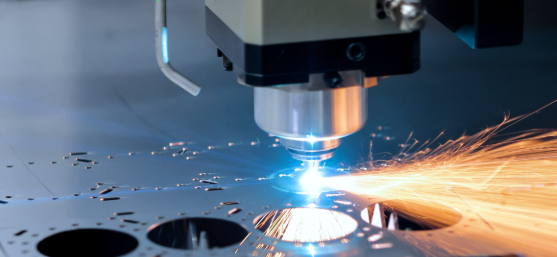
Mga Pamamaraan sa Pagweld at Pag-uugnay para sa Paggawa ng Istukturang Plato
Ang iyong mga plato ay pinutol at binuo—ngunit paano mo sila pagsasamahin nang permanente upang mabuo ang mga istruktural na kumpol na hindi mabigo sa ilalim ng karga? Ang pag-weld ng mga matitibay na plato ay nagdudulot ng mga hamon na simpleng hindi umiiral sa mas manipis na mga sheet ng metal. Ang init na kailangan para makamit ang buong pagpapasok, ang panganib ng hydrogen cracking, at ang distorsyon dulot ng thermal stresses ay lahat ay tumataas nang malaki habang dumadami ang kapal.
Ang pagpili ng tamang proseso ng pag-weld—at ang wastong pagpapatupad nito—ang magdedetermina kung ang iyong nabuong kumpol ay gagana nang maaasahan sa loob ng maraming dekada o babagsak nang katas-tasahan habang ginagamit. Tingnan natin ang mga pamamaraan, mga pamantayan, at mga konsiderasyon sa kalidad na naghihiwalay sa propesyonal na paggawa ng stainless steel at trabaho sa structural plate mula sa mga amatur na gawain.
MIG vs TIG Welding para sa Plate Fabrication
Kapag ikukumpara ang MIG at TIG na pagwewelding para sa mga aplikasyon na may makapal na plato, tunay na binabalanse mo ang bilis laban sa katiyakan. Ayon sa inhenyeriyang paghahambing ng Jiga, ang MIG welding ay karaniwang 2 hanggang 6 na beses na mas mabilis sa produktibidad batay sa haba ng weld kaysa sa TIG, depende sa kapal ng materyal. Ang ganoong pakinabang sa bilis ang nagpapagawa sa MIG bilang pangunahing paraan sa paggawa ng istruktural na bakal kung saan mahalaga ang bilis ng produksyon.
Ang MIG (Metal Inert Gas) welding ay nagpapadala ng patuloy na wire electrode sa pamamagitan ng gun, na nagsisilbing parehong filler metal at electrode. Ang awtomatikong pagpapadala ng filler na ito ay nagpapahintulot sa mga operator na panatilihin ang mahabang, tuloy-tuloy na weld beads nang walang pagkakaiba-iba na dulot ng manu-manong pagpapadala ng filler. Para sa kapal ng plato mula 3mm hanggang 12mm at higit pa, ang MIG ay nagbibigay ng:
- Mataas na deposition rates: Ideal para sa pagpupuno ng mas malalaking weld joint na kinakailangan sa mga gawaing may makapal na plato.
- Malalim na Pagbabad: Pansamantalang pagkakaisa sa mga medium at heavy section kapag ang mga parameter ay wastong naitakda.
- Mas madaling awtomatiko: Ang robotic MIG cells ang nangingibabaw sa automotive at istruktural na kapaligiran ng produksyon.
- Pawang pagkakasunod-sunod: Mas kaunti ang sensitibidad sa mga puwang ng sambungan at sa hindi eksaktong paghahanda kaysa sa TIG.
Ang TIG (Tungsten Inert Gas) na pag-weld ay gumagamit ng isang hindi-nauubos na tungsten electrode kasama ang hiwalay na ipinapadala na filler rod. Ang paghihiwalay ng kontrol sa arc mula sa pagpapadala ng filler ay nagbibigay-daan sa napakahusay na pagpino—ngunit sa mas mabagal na bilis. Kailan makatuwiran gamitin ang TIG sa pag-weld ng mga plato?
- Mga root pass: Ang mga kritikal na weld sa tubo at pressure vessel ay madalas na nagsisimula sa mga TIG root pass para sa buong pagpasok, at pagkatapos ay lumilipat sa MIG o stick para sa mga fill pass.
- Mga Eksotikong Alloys: Ang pag-weld ng aluminum, titanium, at mga espesyal na metal ay nangangailangan ng tiyak na kontrol sa init ng TIG.
- Visible Welds: Kapag mahalaga ang anyo—tulad ng metalwork sa arkitektura o mataas na kalidad na kagamitan—ang malinis at pantay-pantay na beads ng TIG ay nag-aalis ng pangangailangan ng paggiling at pagpipino.
- Mga transisyon mula manipis hanggang makapal: Ang metal fabrication na gawa sa stainless steel ay madalas na kumakatawan sa pagsasama ng magkaibang kapal kung saan ang panganib ng burn-through ay nangangailangan ng foot-pedal na modulasyon ng init ng TIG.
Para sa makapal na istruktural na plato, maraming tagagawa ang pagsasama-sama ng mga paraan nang estratehiko. Ang unang pagpasa gamit ang TIG ay nagtiyak ng kumpletong pagsasamang metal sa ilalim ng sambitan, na sinusundan ng mas mabilis na mga pagpasa gamit ang MIG upang matapos ang welding nang ekonomikal. Karaniwang ginagamit ang hybrid na pamamaraang ito sa mga tubo at pipa na gawa sa stainless steel.
Mga Pamantayan at Sertipikasyon sa Istruktural na Welding
Hindi lahat ng welding ay pareho—and para sa mga istruktural na aplikasyon, ang pagsunod sa mga itinatag na code ay hindi opsyonal. Ayon sa Ang Tagagawa , ang D1.1 code ng American Welding Society ay sumasaklaw sa welding ng istruktural na bakal para sa mga materyales na may kapal na 1/8 hanggang 8 pulgada, na kinokontrol ang lahat mula sa pagpili ng materyales hanggang sa mga kinakailangan sa inspeksyon.
Mahalaga ang pag-unawa sa terminolohiya. Ang isang welder ay maaaring maging kwalipikado sa AWS sa isang tiyak na proseso sa pamamagitan ng pagdaan sa pagsusulit na ino-organisa ng kaniyang employer, ngunit maaari lamang siyang maging sertipikado sa AWS sa pamamagitan ng pagpapakita ng kahusayan sa isang testing facility na akreditado ng AWS. Ang pagkakaiba ay may tunay na epekto sa mga teknikal na tukoy ng proyekto at sa pananagutan.
Ang mga pangunahing sertipikasyon at pamantayan para sa paggawa ng plato ay kasama ang:
- AWS D1.1: Kodigo sa Pagsusulat ng Estructural na Bakal. Sakop nito ang mga gusali, tulay, at mga istrakturang sibil na nakakabit sa lupa.
- Sertipikasyon ng AISC: Ang sertipikasyon ng American Institute of Steel Construction ay nagpapalagay sa mga tagapagawa ng plato tungkol sa pagsusulat pati na rin sa iba pang karaniwang gawain sa trabaho sa bakal na istraktural.
- AWS D1.6: Kodigo sa Pagsusulat ng Estructural na Stainless Steel. Ito ay ginagamit kapag ang mga alloy na laban sa korosyon ang tinutukoy.
- ASME Section IX: Nagpapatakbo ng kwalipikasyon sa pagsusulat ng pressure vessel at pressure piping.
Isa sa mga pakinabang na natatangi sa AWS D1.1 ay ang konsepto ng "prequalified welding procedure specifications." Kung ang lahat ng mga variable ay nasa itinakdang saklaw—base metal, filler metal, at mga parameter ng kuryente—ang prosedura ay itinuturing na katanggap-tanggap nang walang pisikal na pagsubok. Ito ay malaki ang nagpapababa sa gastos sa kwalipikasyon para sa mga tagapagawa ng plato na sumusunod sa karaniwang pamamaraan.
Pamamahala ng Heat Input sa Pagsusulat ng Makapal na Plato
Ang pagsusulat ng makapal na plato ay nagpupokus ng napakalaking enerhiyang pang-init sa mga lokal na lugar. Kung walang tamang pamamahala sa init, tinatawag mo ang pagkabali, pagkabuo ng depekto, at pagkawala ng kalidad ng materyales sa buong heat-affected zone (HAZ).
Ayon sa Gabay sa teknikal ng Powerblanket , ang preheating sa bakal bago ang pagsusulat ay gumagampan ng maraming mahahalagang tungkulin:
- Bumababa ang thermal stress: Ang preheating ay binabawasan ang pagkakaiba ng temperatura sa pagitan ng base metal at weld metal, na nagpapabagal sa rate ng paglamig at nababawasan ang thermal shock.
- Binabawasan ang hydrogen cracking: Ang kahalumigmigan mula sa mga coating o flux ay nagdadala ng hydrogen sa weld pool. Ang preheating ay nagbibigay-daan sa hydrogen na umalis bago ito magdulot ng cold cracking.
- Naililinis ang mabilis na paglamig: Kung ang weld metal at HAZ ay masyadong mabilis na lumalamig, nabubuo ang brittle martensite. Ang preheating ay nagsisiguro ng mas mabagal at mas pantay na paglamig.
- Bumababa ang porosity: Ang natitirang kahalumigan ay umuusok bago ang pag-weld, na nagpipigil sa mga butas na dulot ng hydrogen na nagpapahina sa sambungan.
Anong temperatura ang dapat gamitin para sa preheating? Sa pangkalahatan, ang 200°F hanggang 400°F (93°C hanggang 204°C) ay angkop para sa karamihan ng mababang-carbon na bakal. Ang mataas na carbon na bakal o mas makapal na seksyon ay maaaring nangangailangan ng 500°F hanggang 800°F (260°C hanggang 427°C). Ang AWS D1.1 code ay naglalathala ng mga kinakailangang preheat at interpass temperature chart para sa iba’t ibang uri ng bakal.
Ang post-weld heat treatment (PWHT) ay tumutugon sa mga residual stresses matapos tapusin ang pag-weld. Ang proseso ay kasali ang pagpainitin ng welded assembly sa isang tiyak na temperatura, paghawak nito sa isang nakatakda nang panahon, at pagkatapos ay mabagal na paglamig. Ang PWHT ay lalo pang mahalaga para sa mataas na lakas na bakal na madaling sumira at sa mga makapal na seksyon kung saan nakatuon ang mga residual stresses.
Paghahambing ng Mga Paraan ng Pag-weld para sa Plate Applications
Ang pagpili ng pinakamainam na proseso ng pag-weld ay nakasalalay sa uri ng materyales, kapal, dami ng produksyon, at mga kinakailangan sa kalidad. Ang paghahambing na ito ay tumutulong na i-match ang mga pamamaraan sa kanilang angkop na aplikasyon:
| Pamamaraan ng Pagtutugma | Kasaklaw ng Kapal ng Plaka | Bilis | Mga Tipikal na Aplikasyon |
|---|---|---|---|
| MIG (GMAW) | 3 mm hanggang 25 mm at mas malaki; mahusay para sa mga plakang katamtaman hanggang makapal | Mataas | Pangunahing bakal, mabibigat na kagamitan, balangkas ng sasakyan |
| TIG (GTAW) | Pinakamainam sa ilalim ng 6 mm; ginagamit para sa unang pagpasa (root pass) sa mas makapal na materyales | Mababa | Agham panghimpapawid, mga sisidlan ng presyon, metal na gawaing arkitektural |
| Stick (SMAW) | 6 mm hanggang 38 mm at mas malaki; versatile para sa mga kondisyon sa field | Katamtaman | Pagkakabit sa field, trabaho sa pagrepare, panlabas na pag-weld ng istruktura |
| Submerged Arc (SAW) | 12 mm hanggang 150 mm at mas malaki; ideal para sa mabibigat na plaka | Napakataas | Paggawa ng barko, mga sisidlan ng presyon, paggawa ng mabibigat na istruktura |
| Flux-Cored (FCAW) | 6 mm hanggang 38 mm; mabuting pagpapasok sa mga makapal na seksyon | Mataas | Pangunahing bakal, malalaking kagamitan, at panlabas na paggawa |
Ang submerged arc welding (SAW) ay karapat-dapat bigyan ng espesyal na pagbanggit para sa mga aplikasyon sa makapal na plato. Ang proseso ay nakatago ang arko sa ilalim ng butil-butil na flux, na nagbibigay-daan sa mataas na rate ng deposition at lalim ng pagpapasok na hindi posible sa mga pamamaraan na may nakalantad na arko. Para sa paggawa ng barko, paggawa ng pressure vessel, at mga istruktural na bahagi na may kapal na higit sa isang pulgada, ang SAW ay nagbibigay ng produktibidad na walang ibang proseso ang kayang tugunan.
Mga Pag-iisip Tungkol sa Kalidad at Pagsusuri
Ang mga tagapaggawa ay minsan ay umaasa na ang pagsusuri ng ikatlong partido ay kapalit ng kontrol sa kalidad habang ginagawa ang gawa—ito ay isang mapanganib na maling akala. Ang AWS D1.1 ay nangangailangan sa mga tagapaggawa na isagawa ang visual inspection sa pagkakasunod-sunod ng mga bahagi (fit-up) at sa pagsusulat, at siguraduhing sinusunod ang mga welding procedure specifications. Ang pagsusuri ng ikatlong partido ay nagdodokumento na ang kontrol sa kalidad ay isinagawa; hindi ito kapalit nito.
Ang mga paraan ng non-destructive testing (NDT) para sa mga weld ng makapal na plato ay kinabibilangan ng:
- Visual inspection: ang mga Unang linya ng depensa—ang mga pagsasanay na inspektor ay nagtataya sa anyo ng bead, undercut, porosity, at mga indikasyon ng sira.
- Pagsusuri sa Ultrasonic (UT): Ang mga alon ng tunog ay nakikita ang mga panloob na kawalan ng pagkakatuloy, lalo na kapag epektibo sa mga makapal na seksyon kung saan nahihirapan ang radiography.
- Radiographic Testing (RT): Ang X-ray o gamma-ray na imaging ay nagpapakita ng panloob na porosity, mga inclusion, at kakulangan ng pagsasamang (lack of fusion).
- Pagsusuri gamit ang magnetic particle (MT): Nakikilala ang mga sira sa ibabaw at malapit sa ibabaw sa mga ferromagnetic na materyales.
- Pagsusuri gamit ang dye penetrant (PT): Ipinapakita ang mga depekto na nasa ibabaw ng lahat ng materyales sa pamamagitan ng capillary action.
Ang kontrol sa distorsyon ay nangangailangan ng pagpaplano bago pa man i-strike ang unang arc. Ang tamang disenyo ng joint, balanseng pagkakasunod-sunod ng welding, at intermittent na tack welds ay lahat na nagpapababa sa pagkabingi (warping) na dulot ng thermal contraction. Para sa mga mahahalagang structural assembly, ang mga teknik na pre-bend o pre-set ay ginagamit upang kompensahin ang inaasahang distorsyon, na nagpapatitiyak na ang huling sukat ay sumusunod sa mga tukoy na spec.
Dahil ang mga bahagi mo ay naka-ugnay na nang pangsamantala, ang susunod na hakbang ay ang pagprotekta sa kanila laban sa degradasyon dulot ng kapaligiran—sa pamamagitan ng mga opsyon sa pagpapaganda ng ibabaw na kumakatawan mula sa pang-industriyang powder coating hanggang sa mga espesyalisadong galvanizing treatments.
Mga Opsyon sa Pagpapaganda ng Ibabaw para sa mga Ginawang Plaka
Ang iyong mga plato ay pinuputol, binubuo, at isinolda upang mabuo ang matitibay na mga yunit—ngunit kung walang tamang proteksyon sa ibabaw, kahit ang mga bahagi na may pinakatumpak na paggawa ay magkakasira. Ang corrosion ay hindi nagmamalasakit sa iyong mahigpit na toleransya o sa mga sertipikadong solda. Ang kahalumigmigan, mga kemikal, eksposur sa UV, at mga kapaligirang may abrasibo ay sumusugod nang walang awa sa metal na walang proteksyon, at ginagawang karat at scale ang iyong investisyon.
Ang pagpili ng tamang huling pagtrato ay nangangailangan ng balanse sa proteksyon laban sa korosyon, mga pangangailangan sa estetika, mga kondisyon sa kapaligiran, at mga limitasyon sa badyet. Dapat ba kayong gumamit ng powder coating para sa makulay na mga opsyon? Galvanize para sa matagal na tibay sa labas ng gusali? Anodize ang aluminum para sa integradong proteksyon ng oxide? Ang bawat paraan ay nagbibigay ng natatanging mga pakinabang—at ang pag-unawa sa mga pagkakaiba ng mga ito ay nakakaiwas sa parehong sobrang inhinyeriyang disenyo at maagang kabiguan.
Powder Coating para sa Mga Komponente ng Industrial Plate
Kapag kailangan mo ang parehong proteksyon at visual appeal, ang powder coating ay nagbibigay ng mga bagay na hindi kayang gawin ng tradisyonal na likidong pintura. Ayon sa Keystone Koating , ang powder coating ay isang proseso na may maraming hakbang na nagsisiguro na ang mga ibabaw ay malinis at handa para sa makinis na aplikasyon at malakas na pagkakadikit. Ang prosesong ito ay gumagamit ng positibo at negatibong elektrikong singil, na kumikilos upang atrasin ang mga tuyong polymer na pulbos sa bawat nakalantad na ibabaw ng metal at panatilihin ang mga ito roon hanggang sa matapos ang pagpapainit.
Bakit kaya ang maraming mga tagagawa ang nagtatakda ng mga powder coat finish para sa mga komponente ng industriya?
- Pagbabago ng Kulay: Hindi tulad ng galvanizing na may iisang opsyon na metallic silver, ang powder coatings ay available sa malawak na hanay ng mga stock na kulay na may opsyon para sa custom color-matching.
- Mga Kapakinabangan sa Kapaligiran: Ang proseso ay nagmamaksima ng pagkolekta at muling paggamit ng materyales, na nagbubunga ng halos walang basura o emissions—isa itong mahalagang konsiderasyon para sa mga tagagawa na nakatuon sa sustainability.
- Mekanismo ng proteksyon: Ang powder coatings ay bumubuo ng isang patuloy na barrier sa paligid ng item, na nanghihimpil sa mga korosibong materyales na pumasok hanggang sa substrate.
- Mga opsyon para sa tibay: Ang Super Durable Powders ay nag-aalok ng mas mataas na proteksyon laban sa araw at ultraviolet light para sa mga aplikasyon sa labas.
Ang mga kinakailangan sa paghahanda ay direktang nakaaapekto sa pagdikit at haba ng buhay ng coating. Bago ang aplikasyon ng powder, ang mga ginawang plato ay karaniwang binablast upang alisin ang mill scale, rust, at iba pang kontaminante sa ibabaw. Ang mga proseso ng pretreatment—tulad ng phosphate conversion coatings o chromate treatments—ay nagpapabuti ng pagdikit at nagbibigay ng karagdagang proteksyon laban sa corrosion sa ilalim ng layer ng powder. Pagkatapos ng electrostatic application, pumapasok ang mga bahagi sa curing ovens kung saan ang temperatura ay karaniwang umaabot sa 350°F hanggang 400°F (175°C hanggang 205°C), na pinagsasamang muli ang powder upang mabuo ang isang tuloy-tuloy na film.
Para sa mga ginawang assembly na may malalim na recesses o matatalas na panloob na sulok, may mga limitasyon ang powder coating. Ang electrostatic attraction na nagpapaganda ng epekto ng aplikasyon ay nahihirapan ding abutin nang pare-pareho ang mga nakatagong ibabaw. Ang mga kumplikadong geometry ay maaaring mangailangan ng maraming anggulo ng aplikasyon o karagdagang manu-manong spray upang makamit ang pantay na takip.
Mga Opisyon sa Galvanizing para sa mga Panlabas na Estructural na Elemento
Para sa mga komponente ng istruktural na plato na inilaan para sa pagkakalantad sa labas—mga bahagi ng tulay, mga tore ng transmisyon, at kagamitan sa pagsasaka—ang pagpapabakal ay nagbibigay ng napatunayan nang proteksyon na sinusukat sa mga dekada imbes na sa mga taon. Ang proseso ay naglalagay ng isang patong ng zinc sa mga ibabaw ng bakal sa pamamagitan ng mainit na paglilinis sa mga banyo ng tinunaw na zinc.
Ayon sa mga paghahambing sa industriya, karaniwan ang pagpapabakal para sa mga aplikasyon sa dagat at mga materyales sa konstruksyon. Sa panahon ng pagpapabakal, dumaan ang mga produkto ng metal sa ilang kemikal na banyo para sa paghahanda, pagkatapos ay inilalagay sa tinunaw na zinc at ipinapabitin upang matuyo habang lumalamig. Ang zinc ay nakakabond sa paraang metalurhiko sa substrato ng bakal, na lumilikha ng protektibong patong na gumagana nang iba kaysa sa mga barrier coating.
Narito kung saan naiiba ang pagpapabakal nang fundamental mula sa powder coating: ang mga pampalasa na may bakal ay sumisipsip ng mga substansyang nakakasira upang protektahan ang produkto laban sa rust, na literal na ino-offer ang sarili nila upang panatilihin ang ilalim na bakal. Ang proteksiyong katodiko na ito ay nagpapatuloy kahit kapag nasugatan o nasira ang pampalasa—ang paligid na zinc ang una nang kinokoros, na protektado ang nakalantad na bakal sa mga gilid ng pinutol at sa mga maliit na bahagi na nasira.
Ang mga bahagi ng galvanized sheet metal at plate ay mahusay sa tiyak na kondisyon:
- Mga marine na kapaligiran: Ang resistensya sa salt spray ay gumagawa ng pagpapabakal na ideal para sa mga istruktura sa baybayin at kagamitan sa dagat.
- Mga aplikasyon na nakabaon: Ang mga tubo, poste, at mga elemento ng istruktura sa ilalim ng lupa ay nakikinabang sa pangmatagalang proteksiyon ng pagpapabakal.
- Pagkakalantad sa atmospera: Ang mga transmission tower, guardrail, at istruktural na bakal sa labas ay umaasa sa proteksiyong galvanized.
May mga limitasyon sa temperatura—ang galvanized steel ay kayang tumagal ng temperatura hanggang 480°F (250°C), ngunit ang pagkakalantad sa mas mataas na temperatura ay nagdudulot ng pagkakalag ng zinc coating. Mahalaga rin ang paghahanda ng ibabaw. Ang mga produkto na takpan ng slag, makapal na residue, kandila, o iba pang materyales ay kadalasang nangangailangan ng paglilinis ng ibang provider bago galvanize, hindi tulad ng powder coating kung saan ang in-house blasting ang kumakayang maglinis ng karamihan sa mga kontaminante.
Maaari bang pagsamahin ang parehong paraan? Oo—ang pag-apply ng powder coat sa itaas ng galvanized steel ay lumilikha ng de-kalidad na arkitektural na huling hugis na may napakahusay na resistensya sa mga elemento. Gayunpaman, kailangan ng blasting at pretreatment ang galvanized na ibabaw upang matiyak ang de-kalidad na adhesion sa powder topcoat.
Anodizing ng Aluminum Plate para sa Enhanced Protection
Para sa anodized aluminum components, ang proteksyon ay galing sa loob mismo ng metal imbes na mula sa mga applied coatings. Ayon sa CMT Finishing ang anodizing ay isang elektrolitikong proseso ng passivation na nagpapalakas sa likas na oxide layer sa ibabaw ng mga surface ng aluminum. Sa panahon ng proseso, ang metal ay inilalagay sa loob ng isang elektrolitikong solusyon habang isang elektrikong kasalukuyan ang inaapply. Ang kontroladong reaksyon ng oksidasyon na ito ay pina-papalapot nang malaki ang oxide layer sa ibabaw.
Hindi tulad ng mga coating na nakapatong lamang sa ibabaw, ang mga anodized na layer ay sumasali sa metal mismo. Ang pagsasama-samang ito ay nagbibigay ng ilang pangunahing pakinabang:
- Superior Adhesion: Ang oxide layer ay hindi maaaring mangupas o magkiskis tulad ng mga tradisyonal na coating dahil bahagi ito ng substrate ng aluminum.
- Resistensya sa Pagmamaga: Ang pinatitibay na ibabaw ay binabawasan ang pagkasira at pagkapagod, na nagpapahaba nang malaki ng buhay ng komponent.
- Elektrikal na Insulasyon: Kapag angkop na sini-seal, ang mga anodized na surface ay naging di-magdadala ng kuryente.
- Mga Pagpipilian ng Kulay: Ang makapal at porous na anodic coatings ay sumisipsip ng mga dye, na nagbubunga ng mga buhay na kulay na stable sa UV at hindi nawawala tulad ng mga painted finishes.
Ang resistensya sa korosyon ng anodizing ay nagpapagawa ng mga bahaging anodized na ideal para sa mga kapaligiran sa karagatan, mga aplikasyon sa agham panghimpapawid, at mga istrukturang arkitektural na nakakalantad sa matitinding kondisyon. Dahil ang layer na anodized ay hindi nababali o nabubulok, ito ay nagsisiguro ng mahabang panahon ng pagganap at mas mababang gastos sa pagpapanatili kumpara sa mga nilalagay na coating.
Kabilang sa mga opsyon sa proseso ang Type II anodizing (sulfuric acid) para sa dekoratibong gamit at mga aplikasyong may katamtamang karga, at ang Type III hard anodizing para sa pinakamataas na resistensya sa pagsuot at korosyon. Ang mga opsyon sa huling anyo ay mula sa matte hanggang sa glossy, kung saan ang mga transparent na coating ay lumilikha ng mga epekto ng light interference para sa natatanging visual appeal.
Ano ang limitasyon? Ang anodizing ay maaari lamang isagawa sa aluminum, titanium, at ilang napiling alloys—kailangan ng mga bahaging bakal ng iba’t ibang paraan ng proteksyon. Bukod dito, ang proseso ay nagdudulot ng kaunting pagtaas sa kabuuang kapal ng bahagi, na maaaring mangailangan ng mga pag-aadjust sa toleransya para sa mga presisyong assembly.
Pagpili ng Tamang Finish para sa Iyong Aplikasyon
Ang pagpili ng angkop na pangwakas na pagtatapos ayon sa mga kinakailangan ng aplikasyon ay nakakaiwas sa parehong sobrang pagtatakda ng mga katangian at maagang pagkabigo.
- Powder Coating: Mahusay na paglaban sa kemikal, UV, at pagsuot kasama ang kakayahang magbigay ng dekoratibong pagkakaiba. Angkop para sa kagamitang panloob, mga produkto para sa konsyumer, at mga bahagi para sa labas kung saan mahalaga ang kulay. Kinakailangan ang pagrerepaso ng mga nasirang lugar upang mapanatili ang proteksyon.
- Hot-dip Galvanizing: Hindi karaniwang mahabang panahong proteksyon laban sa korosyon kasama ang kakayahang mag-ayos ng sarili sa mga nasirang bahagi. Pinakamainam para sa istruktural na bakal sa labas, kapaligiran sa dagat, at mga aplikasyong nakabaon. Limitado lamang sa anyo ng metalikong pilak.
- Pagkakalawa kasama ang powder coat: Pinagsasama ang tibay ng pagkakalawa at ang estetika ng powder coating. Premium na opsyon para sa arkitektural at mataas na visibility na istruktural na aplikasyon.
- Anodizing: Integrated oxide protection para sa mga bahagi ng aluminum. Mahusay na paglaban sa pagsuot at korosyon kasama ang mga opsyon sa kulay. Angkop para sa aerospace, aluminum na gamit sa dagat, at mga elemento ng arkitektura.
- Mga sistema ng likidong pintura: Tradisyonal na opsyon na nag-aalok ng walang hanggang bilang ng kulay at kakayahang i-retoque. Nangangailangan ito ng maraming layer at mas mahabang panahon para matuyo kaysa sa powder coating. Pinakamainam para sa mga finishes na ina-apply sa field at malalaking istruktura.
Ang mga pagsasaalang-alang sa gastos ay umaabot nang higit sa paunang presyo ng finishing. Sa pangkalahatan, ang powder coating ay mas cost-effective kaysa sa galvanizing para sa karaniwang mga komponente ng industriya. Gayunpaman, ang mas mahabang buhay ng serbisyo ng galvanizing at ang mas kaunting pangangailangan nito sa pagpapanatili ay kadalasang nagbibigay ng mas mahusay na halaga sa buong buhay para sa mga outdoor na istruktural na aplikasyon kung saan hindi praktikal ang pagre-coat ulit.
Kapag na-address na ang proteksyon sa ibabaw, handa na ang iyong mga fabricated plate assemblies para sa kanilang layunin—at ang mga industriya na humihikayat ng demand para sa mga heavy-duty na komponenteng ito ay kasing-diverse ng mga opsyon sa finishing na nagpaprotekta sa kanila.
Mga Industriyal na Aplikasyon na Humihikayat ng Demand para sa Pagmamanupaktura ng Plate
Saan nga ba napupunta ang lahat ng itong mga gawa-gawang plato ng metal? Mula sa mataas na gusali na nakatindig sa iyong lungsod hanggang sa excavator na binabago ang anyo ng mga tanawin, ang mga makapal na bahagi ng plato ay bumubuo ng pundasyon ng modernong imprastruktura at industriya. Ang pag-unawa sa mga aplikasyong ito ay tumutulong sa iyo na tukuyin ang tamang mga materyales, toleransya, at huling pagpapaganda para sa iyong partikular na proyekto—dahil ang isang girder ng tulay at isang lalagyan ng presyon ay nangangailangan ng lubhang magkakaibang pamamaraan kahit parehong nagsisimula bilang plato ng bakal.
Tingnan natin kung paano ginagamit ng mga pangunahing industriya ang mga kakayahan sa paggawa ng plato at ano ang ibig sabihin ng kanilang natatanging mga kinakailangan para sa pagpili ng materyales at mga espesipikasyon sa proseso.
Mga Estruktural na Bahagi sa Konstruksyon at Imprastruktura
Ang konstruksyon ay umaasa nang malaki sa paggawa ng bakal para sa mga bahagi na literal na nagpapanatili ng mga gusali at tulay. Ayon sa Bodega ng bakal , ang bakal na plato ay karaniwang ginagamit sa mga aplikasyon na nangangailangan ng matibay at pangmatagalang materyal, tulad ng paggawa ng mabibigat na kagamitan, kalsada, gusali, mga pampublikong serbisyo, barko, mga sisidlan ng presyon, at iba pang istruktura.
Anong mga istruktural na aplikasyon ang nangangailangan ng mga materyal na may kapal na plato? Isaalang-alang ang mga sumusunod na halimbawa:
- Mga bahagi ng tulay: Ang mga flange ng girder, mga bearing plate, at mga gusset na panlipat ay nangangailangan ng mga plato na may kapal na 1/2 pulgada hanggang sa ilang pulgada. Ang mga espesipikasyon ng ASTM A709 ay nagpapatakbo sa bakal na ginagawa partikular para sa mga aplikasyon sa tulay.
- Mga balangkas ng gusali: Ang mga base plate ng haligi, mga koneksyon na may moment, at mga mabibigat na sambungan ng beam at haligi ay umaasa sa mga nabuo na plato upang maipasa nang ligtas ang napakalaking mga load.
- Mga istruktura ng palpatan at arena: Ang mga sistema ng bubong na may malawak na span at mga suporta na may cantilever ay nangangailangan ng kakayahang magdala ng beban na lamang kayang ibigay ng mga makapal na plato.
- Pampublikong imprastruktura: Ang mga pasilidad sa paglilinis ng tubig, mga estasyon ng bomba, at mga istruktura ng pampublikong serbisyo ay kasama ang mga nabuo na bahagi ng plato sa buong sistema.
Ang mga teknikal na tukoy sa materyal para sa mga istruktural na aplikasyon ay karaniwang nangangailangan ng ASTM A36—na inilarawan ng Steel Warehouse bilang "isang napaka-popular na teknikal na tukoy para sa istruktural na bakal." Para sa mas mataas na kailangan sa lakas, ang ASTM A572 at A656 ay nagtatakda ng mga grado ng HSLA (high-strength low-alloy) na nababawasan ang timbang habang pinapanatili ang integridad ng istruktura. Ang mga grado na may kakayahang tumagal sa panahon tulad ng A588 at A606 ay nagbibigay ng resistensya sa korosyon dulot ng atmospera para sa mga istruktural na elemento na nakalantad.
Ang mga kinakailangan sa toleransya sa konstruksyon ay karaniwang nagpapahintulot ng mas malaking pagkakaiba sa sukat kaysa sa mga aplikasyon na nangangailangan ng mataas na kahusayan sa mekanikal. Gayunpaman, nananatiling mahigpit ang mga pamantayan sa kalidad ng welding—ang sertipikasyon ng AWS D1.1 ay karaniwang sapilitan para sa mga tagagawa ng istruktural na bakal na gumagawa ng mga gusali at tulay.
Mga Aplikasyon sa Mabibigat na Kagamitan at Makina
Nakapanood ka na ba ng isang excavator na kumukuha nang madali ng maraming tonelada ng lupa? Ang mga istruktural na frame, boom assembly, at mga bahagi ng bucket na nagpapagana nito ay nagsisimula bilang mga pinalamutiang plato ng bakal. Ayon sa DS Pipe & Steel Supply , ginagamit ng mga tagagawa ng mabibigat na makinarya ang mga plato ng bakal upang magfabricate ng mga bahagi na kayang tumagal sa patuloy na pagkakaubos at mekanikal na stress, tulad ng mga loader, excavator, at crane.
Ang pang-industriyang fabricasyon para sa mabibigat na kagamitan ay nangangailangan ng labis na tibay. Ang mga bahaging ito ay nakakaranas ng:
- Cyclic loading: Ulang-ulit na siklo ng stress mula sa pag-aangkat, paghukay, at paghawak ng materyales ay nangangailangan ng mga disenyo na laban sa fatigue at de-kalidad na mga weld.
- Abrasive Wear: Ang pakikipag-ugnayan sa bato, lupa, at mga agregado ay nangangailangan ng mga grado ng plato na laban sa pagsusuot o mga paggamot sa pagpapalakas ng ibabaw.
- Paggamit ng impact loading: Ang biglang pagkabigla mula sa paghawak ng materyales ay nangangailangan ng mga materyales na may mataas na toughness upang maiwasan ang pagsira.
Bukod sa mga kagamitang pang-land development, ang mga tagagawa ng bakal ay gumagawa rin ng mga bahagi para sa kagamitang pang-riles, crane, makinarya sa pagmimina, at mga kagamitang pang-agrikultura. Bawat aplikasyon ay may kani-kaniyang partikular na mga kinakailangan—ang mga riles ay nangangailangan ng mahigpit na limitasyon sa timbang, ang kagamitang pangmimina ay nangangailangan ng lubhang mataas na resistensya sa abrasyon, at ang kagamitang pang-agrikultura ay nangangailangan ng proteksyon laban sa corrosion mula sa mga pataba at kimika ng lupa.
Ang mga tagapagawa na nagsisilbi sa mga merkado na ito ay umaasa sa mga plato ng bakal para sa mga base ng makina, mga tangke ng imbakan, mga sisidlan ng presyon, at mga platform. Ayon sa DS Pipe & Steel, sa mga industriyal na kapaligiran ang mga platong ito ay madalas gamitin sa paggawa ng mga heat exchanger, silo, at iba pang kagamitang proseso na nangangailangan ng mga materyales na kayang tumagal sa mataas na presyon at pagbabago ng temperatura.
Mga Paggamit sa Industriya ng Automotive at Transportasyon
Maaaring hindi ka agad makakakonekta ng paggawa ng metal plate sa pagmamanupaktura ng automotive—ngunit tingnan mo ang nasa ilalim. Ayon sa mga sanggunian sa industriya, ang mga plato ng bakal ay may mahalagang papel sa industriya ng automotive, lalo na sa paggawa ng mga body panel, mga bahagi ng chassis, at mga pampalakas. Pinapalakas nito ang lakas ng sasakyan at ang paglaban nito sa impact, kaya nagpapabuti ng kaligtasan ng mga pasahero sa panahon ng collision.
Ang mga aplikasyon sa transportasyon ay umaabot nang malayo sa mga sasakyang pangpasahero:
- Mga frame ng komersyal na truck: Ang mga pangunahing chasis na may mataas na kapasidad ay nangangailangan ng mga plato na kayang suportahan ang pinakamataas na rating ng karga habang sumisipsip sa mga stress mula sa kalsada.
- Paggawa ng trailer: Ang mga flatbed deck, mga istruktural na crossmember, at mga bahagi ng coupling ay lahat ay umaasa sa mga gawa sa bakal na plato.
- Transportasyon sa Riles: Ang mga frame ng locomotive, mga istruktura ng freight car, at mga bahagi ng imprastraktura ng riles ay nangangailangan ng mga materyales na may kapal na plato.
- Paggawa ng barko: Ang pagpapalapad ng katawan (hull plating), mga istruktural na bulkhead, at mga deck plate ang bumubuo sa pundasyon ng mga sasakyang pandagat — mula sa mga tugboat hanggang sa mga tanker.
Dapat bigyan ng espesyal na pagbanggit ang industriya ng pandagat. Ayon sa DS Pipe & Steel, ang sektor na ito ay lubhang umaasa sa bakal na plato sa paggawa ng mga barko, submarino, at mga offshore platform. Dahil ang bakal na plato ay laban sa korosyon at lubhang matibay, ito ay kayang tumagal sa tuloy-tuloy na presyon, pagkakalantad sa tubig-alat, at stress ng kapaligiran sa karagatan. Ginagamit din ito sa pagre-repair ng mga hull at iba pang istruktural na bahagi na nangangailangan ng matagalang lakas at katatagan.
Ang paggawa ng bakal na hindi naipapaso ay naglalaro ng mahalagang papel sa mga aplikasyon sa transportasyon kung saan ang paglaban sa pagka-kaagnas ay nagpapaliwanag sa mas mataas na gastos sa materyales—mga sistema ng pagsisiphon, mga tangke ng gasolina, at mga bahagi ng istruktura sa mga kapaligiran na may mataas na posibilidad ng pagka-kaagnas. Ang paggawa ng mga bahaging metal para sa mga automotive OEM ay kadalasang nangangailangan ng sertipikasyon na IATF 16949, na nagsisiguro na ang mga sistemang pangkalidad ay sumusunod sa mahigpit na pamantayan ng industriya ng sasakyan.
Mga Aplikasyon sa Industriya Ayon sa Sektor
Ang pag-unawa sa karaniwang mga teknikal na tukoy sa bawat industriya ay tumutulong sa iyo na maipahayag nang epektibo ang mga kinakailangan sa mga kasosyo sa paggawa. Narito kung paano kadalasang tinutukoy ng iba’t ibang sektor ang kanilang mga pangangailangan sa paggawa ng plato:
- Aerospace: Platong bakal na may kalidad na panghimpilan para sa mga kagamitan at kagamitang pangsuporta sa lupa; napakapigil na mga toleransya; kinakailangan ang pagsubaybay sa pinagmulan ng materyales; platong aluminum para sa mga bahaging kritikal sa paglipad kung saan ang timbang ay mahalaga.
- Pamamahala ng mga produkto Mga plato ng carbon steel para sa mga harvester, plow, at tiller; mga grado na tumutol sa pagsuot para sa mga ibabaw na nakikipag-ugnayan sa lupa; mga natatakpan ng zinc o pinturang aparatong panlabas para sa pangmatagalang paggamit sa labas.
- Konstruksyon: Mga istrukturang grado ng ASTM A36 at A572; pagsusulat na sertipikado ayon sa AWS D1.1; toleransya ayon sa mga pamantayan ng AISC; pinapalawit o may primer na pangwakas depende sa eksposisyon.
- Depensa: Plateng bakal na ginawa ayon sa mga teknikal na kahilingan ng militar; plateng panlaban para sa mga sasakyan at istruktura; mahigpit na mga kahilingan sa sertipikasyon at pagsubok ng materyales.
- Enerhiya: Plateng panglalagyan ng presyon ayon sa mga espesipikasyon ng ASME; mga istrukturang torre ng hangin na nangangailangan ng mataas na lakas na mga grado; mga sistema ng pag-mount ng solar na gumagamit ng aluminum o galvanized steel.
- Olip at Gas: Mga grado para sa sour service para sa mga kapaligiran na may hydrogen sulfide; mga espesipikasyon para sa panglalagyan ng presyon at tubo; mga rating para sa ekstremong temperatura para sa mga aplikasyon sa offshore at refinery.
- Paggawa ng barko: Mga plateng pangmarino na may sertipikasyon mula sa Lloyd's, ABS, o DNV; mga alloy na tumutol sa korosyon para sa eksposisyon sa tubig-dagat; makapal na mga plato ng katawan ng barko na nangangailangan ng espesyal na pagsusulat.
Ang mga kinakailangan sa aplikasyon ang nagpapatakbo ng bawat desisyon sa unahan ng proseso ng paggawa. Ang isang tangke na may presyon na para sa serbisyo sa kemikal ay nangangailangan ng iba't ibang grado ng materyales, mga pamamaraan sa pag-weld, at di-sinisirang pagsusuri kumpara sa isang istruktural na suporta para sa kagamitang pang-agrikultura—kahit na parehong mukhang identical na metal plate stock ang pinagmulan ng pareho.
Kung ang iyong proyekto ay kasali ang istruktural na bakal para sa isang bagong gusali, mga bahagi para sa mabibigat na makina, o espesyal na aplikasyon sa dagat, ang pagkakatugma ng mga kakayahan sa paggawa sa mga pangangailangan ng aplikasyon ay nagpapagarantiya sa matagumpay na resulta. Ngunit paano mo malalaman ang tamang kasosyo sa paggawa ng plato na may sapat na kagamitan, sertipikasyon, at ekspertisya na kailangan ng iyong proyekto?
Paano Susuriin at Piliin ang Kasosyo sa Pagmomoldura ng Plato
Naitakda na ninyo ang inyong mga kailangan sa materyales, naunawaan na ang mga proseso sa pagputol at pagbuo, at alam ninyo nang eksakto ang hinihinging finishing ng inyong aplikasyon. Ngayon ay dumating ang isang desisyon na maaaring gawin o sirain ang inyong proyekto: kanino ba kayo magtitiwala para ipagawa ang inyong mga teknikal na spesipikasyon? Ang pagpili ng maling workshop ay magdudulot ng hindi napapanahong paghahatid, mga bahagi na hindi sumusunod sa mga istandar, at mahal na pag-uulit ng trabaho. Samantala, ang tamang pagpili ay magdudulot ng mga komponenteng gumaganap nang eksaktong gaya ng idisenyo—na hatid nang kung kailan ninyo kailangan.
Kung mananagot man kayo para sa 'metal fabrication malapit sa akin' o sinusuri ang mga kasosyo sa buong bansa, ang mga pamantayan ay umaabot nang malayo sa presyo bawat pound. Ang mga sertipiko sa kalidad, kakayahan ng kagamitan, suporta mula sa inhinyero, at mga praktika sa komunikasyon ang lahat ay nagpapasiya kung ang inyong proyekto ay magiging matagumpay o magkakamali. Tingnan natin nang paisa-isa ang mga katangian na naghihiwalay sa mga kwalipikadong partner sa custom fabrication mula sa mga nangunguna lamang sa pagmamay-ari ng tamang kagamitan.
Mga Sertipikasyon sa Kalidad na Mahalaga sa Plate Fabrication
Ang mga sertipiko ay hindi lamang mga plaka na nakakabit sa pader—kumakatawan sila ng mga naidokumentong sistema para makabuo ng pare-parehong, maaasahang resulta. Ayon sa OGS Industries, ang mga sertipiko tulad ng IATF 16949 ay sumusunod sa lahat ng mga kinakailangan ng ISO 9001 "at higit pa," na nagpapatitiyak ng pagkakasunod sa mga pamantayan ng lean manufacturing, pag-iwas sa mga depekto, pagpigil sa mga pagkakaiba, at pagbawas ng basura.
Aling mga sertipiko ang dapat mong unahin kapag sinusuri ang mga shop na nagsasagawa ng paggawa?
- ISO 9001: Ang pangunahing pamantayan sa pamamahala ng kalidad. Nagpapatunay na ang tagapaggawa ay may mga naidokumentong proseso, sinusubaybayan ang mga sukatan ng pagganap, at nagsusumikap para sa patuloy na pagpapabuti. Ituring ito bilang pinakapangunahing inaasahan para sa mga propesyonal na tagapaggawa.
- IATF 16949: Kailangan para sa gawain sa automotive supply chain. Ang sertipikasyong ito ay lumalampas sa ISO 9001 upang tumugunan ang mga partikular na kailangan ng automotive industry, kabilang ang mga proseso sa pag-apruba ng bahagi sa produksyon, advanced product quality planning, at failure mode analysis.
- Sertipikasyon ng AWS: Ang mga sertipikasyon ng American Welding Society ay nagpapatunay na ang mga kakayahan sa pag-weld ay sumusunod sa mga code para sa istruktura. Hanapin ang sertipikasyon na D1.1 para sa bakal na istruktural at D1.6 para sa paggawa ng stainless steel.
- Sertipikasyon ng AISC: Ang sertipikasyon ng American Institute of Steel Construction ay nag-e-evaluate sa mga tagapagawa batay sa pag-weld at iba pang karaniwang gawain sa paggawa ng istruktural na bakal—na kritikal para sa mga bahagi ng gusali at tulay.
- ASME Certification: Kinakailangan para sa paggawa ng pressure vessel at boiler. Ang "U" stamp ay nangangahulugan ng kakayahan na gumawa ng pressure vessel na sumusunod sa ASME Boiler and Pressure Vessel Code.
Ano nga ba ang mga benepisyo ng mga sertipikasyong ito? Ayon sa OGS Industries, ang mga tagapagawa na may sertipikasyon na IATF 16949 ay nagbibigay ng pare-parehong kalidad sa pamamagitan ng mga proseso na sinusubaybayan at sinusukat, nababawasan ang pagkakaiba-iba ng produkto sa pamamagitan ng mga mapabuting sistema ng pagmamanufaktura, maaasahang mga network ng supplier, nababawasan ang basura sa pamamagitan ng mas maayos na operasyon, pag-iwas sa depekto sa pamamagitan ng mga na-probekang proseso, at nadaragdagan ang kasiyahan ng customer sa pamamagitan ng matibay na mga prinsipyo sa pamamahala ng kalidad.
Para sa mga istruktural na bahagi ng sasakyan tulad ng chasis, suspension, at mga elemento ng katawan, ang sertipikasyon ng IATF 16949 ay hindi opsyonal—karaniwang kinakailangan ito upang isaalang-alang bilang tier-one supplier. Ang mga kumpanya tulad ng Shaoyi (Ningbo) Metal Technology panatilihin ang sertipikasyong ito nang tiyak upang maglingkod sa mga automotive OEM na nangangailangan ng dokumentadong mga sistema ng kalidad para sa mga bahaging mahalaga sa kaligtasan.
Pag-evaluate sa Kakayahan at Kapasidad ng Kagamitan
Ang mga sertipikasyon ay nagpapatunay sa mga sistema ng kalidad—ngunit kayang ba talaga ng fabricator na gawin ang iyong mga bahagi? Ayon sa gabay sa pagtataya ng TMCO, hindi lahat ng mga workshop ng paggawa ng metal ay nag-aalok ng parehong antas ng kakayahan. May ilan na nagta-tap ng metal lamang, samantalang ang iba ay nag-outrsource ng machining, finishing, o assembly—na nagdudulot ng mga pagkaantala, mga puwang sa komunikasyon, at mga pagkakaiba-iba sa kalidad.
Kapag sinusuri ang mga custom metal fabricator, imbestigahan ang kanilang mga kakayahan na nasa loob ng kumpanya sa mga sumusunod na mahahalagang larangan:
| Lugar ng kakayahan | Ano ang Dapat Hanapin | Bakit ito mahalaga |
|---|---|---|
| Paggupit | Kakayahan sa plasma, laser, waterjet, at oxy-fuel; pinakamataas na kapal at sukat ng bed | Nagtutukoy kung ang iyong mga profile ng plato ay maaaring putulin sa loob ng kumpanya nang may angkop na kahusayan |
| Pagbubuo | Pwersa ng pindutin ng prensa para sa pagpapalambot; pinakamahabang haba ng pagkukurba; kapasidad ng roll forming | Nagpapatiyak na ang mga makapal na plato ay maaaring ikurba nang walang limitasyon sa kagamitan na nagpapapilit sa mga pagbabago sa disenyo |
| Pagweld | Mga kakayahan sa MIG, TIG, at SAW; mga selula ng robotikong pag-welding; mga welder na sertipikado sa loob ng kumpanya | Nag-aangkop ng mga paraan ng pag-welding sa iyong materyales at mga kinakailangan sa istruktura |
| Pagmamakinis | CNC machining at turning; mga kakayanan sa toleransya; kagamitan sa inspeksyon | Nagpapahintulot ng mga tampok na may kahusayan nang walang outsourcing sa mga pangalawang tagapag-suplay |
| Pagpapakaba | Pangloob na serbisyo sa powder coating, blasting, o mga kasunduan sa galvanizing | Nagpapabilis ng paghahatid at panatilihin ang kontrol sa kalidad hanggang sa kumpletuhin ang proyekto |
Ang buong serbisyo at naisasagawa sa iisang pasilidad ay nagpapabilis sa buong proseso sa ilalim ng isang bubong, na nagbibigay ng mas mahigpit na kontrol sa produksyon, mas mabilis na oras ng pagtatapos, at pare-parehong pamantayan sa kalidad. Kapag hinahanap mo ang "metal fabrication shop near me" o "sheet metal fabrication shops near me," bigyan ng priyoridad ang mga katuwang na kayang tapusin ang iyong proyekto nang hindi kinakailangang ipasa ang mahahalagang operasyon sa ibang partido.
Ang kapasidad ay kasing importantes ng kakayahan. Ang isang workshop na may kahanga-hangang kagamitan ngunit may limitadong espasyo sa sahig o oras ng paggamit ng makina ay maaaring mahirapan sa pagsunod sa iyong takdang panahon. Itanong ang kasalukuyang pasanin, karaniwang lead time para sa mga katulad na proyekto, at kung paano nila hinaharap ang mga limitasyon sa kapasidad tuwing panahon ng mataas na demand.
Mga Konsiderasyon Mula sa Prototype hanggang sa Produksyon sa Dami
Ang iyong ideal na kasosyo ay sumusuporta sa parehong kasalukuyang pangangailangan at sa hinaharap na paglago. Ayon sa TMCO, ang isang kumpanya ng paggawa ay dapat na kayang i-scale ang produksyon mula sa mga prototype hanggang sa buong produksyon nang hindi nawawala ang kalidad.
Ano ang ibig sabihin nito sa praktikal na aspeto? Isaalang-alang ang mga sumusunod na tanong na may kaugnayan sa dami:
- Kakayahan sa paggawa ng prototype: Kaya ba nilang gawin nang mabilis ang mga sample na isang beses lamang para sa pagpapatunay ng disenyo? Gaano ang karaniwang lead time para sa prototype?
- Produksyon na may mababang dami: Nakapagkakataon ba sila para sa ekonomikal na maikling produksyon, o ang minimum na dami ay nagiging sanhi ng labis na mataas na gastos para sa maliit na batch?
- Pagtaas ng produksyon sa mataas na dami: Kung magtagumpay ang iyong prototype, kaya ba nilang dagdagan ang produksyon patungo sa mga dami para sa komersyal na produksyon gamit ang awtomasyon at pare-parehong kalidad?
- Pamamahala ng imbentaryo: Nag-ooffer ba sila ng blanket orders, mga programa sa Kanban, o consignment stocking upang mapadali ang iyong supply chain?
Ang mga kakayahan sa mabilis na prototyping ay karapat-dapat ng espesyal na atensyon. Kapag kailangan mong i-validate ang isang disenyo bago magpasya sa produksyon ng mga tooling, ang paghihintay ng mga linggo para sa mga sample ay nakakapinsala sa momentum ng proyekto. Ang mga nangungunang fabricator tulad ng Shaoyi ay nag-ooffer ng mabilis na prototyping sa loob ng 5 araw na nagpapabilis sa mga development cycle—na pinagsasama rin ang 12-oras na turnaround time para sa quote na panatilihin ang iyong plano sa tamang landas.
Suporta sa engineering at pakikipagtulungan sa DFM
Ang matagumpay na fabrication ay hindi nagsisimula sa makina—nagsisimula ito sa engineering. Ayon sa TMCO, ang isang maaasahang fabricator ay magkakolabora sa iyo nang maaga sa proseso, sa pamamagitan ng pagsusuri sa mga drawing, CAD files, toleransya, at mga pangangailangan sa pagganap.
Ang suporta sa Design for Manufacturability (DFM) ang naghihiwalay sa tunay na mga kasosyo mula sa mga tagatanggap lamang ng order. Ayon sa Dalsin Industries , Ang DFM ay nangangahulugan ng pagdidisenyo o pag-iinginilya ng isang produkto upang lubos na mapadali ang proseso ng pagmamanupaktura. Kasama sa mga benepisyo nito ang pagbawas ng gastos at ang maagang pagkilala sa mga problema sa yugto ng disenyo—"na siyang pinakamurang lugar para tugunan ang mga hamon."
Kapag sinusuri ang mga tagapagawa na malapit sa iyo, tanungin kung sila ba ay nagbibigay ng:
- Suporta sa CAD/CAM: Kaya ba nilang gamitin ang iyong mga format ng file at kilalanin ang mga isyu bago magsimula ang pagputol?
- Inirerekomendang Materyales: Magmumungkahi ba sila ng mga alternatibo na magpapababa ng gastos o magpapabuti ng pagganap?
- Pagsusuri ng toleransya: Nagpapahiwatig ba sila ng mga hindi kailangang mahigpit na toleransya na nagpapataas ng gastos nang walang anumang benepisyong pang-fungsyon?
- Optimisasyon ng Disenyo: Makapagrekomenda ba sila ng mga pagbabago na magpapasimple sa paggawa habang pananatilihin ang pagganap?
Ang komprehensibong suporta sa DFM ay nagpapalit sa iyong kasosyo sa paggawa mula sa isang simpleng tagapag-suplay patungo sa isang tunay na katuwang. Para sa mga aplikasyon sa automotive at istruktural kung saan ang mga pagbabago sa disenyo sa huling bahagi ng pag-unlad ay may napakalaking gastos, ang maagang pakikilahok sa DFM ay nakakaiwas sa mga mahal na sorpresa.
Komunikasyon at Pamamahala ng Proyekto
Ang transparenteng komunikasyon ay nagpipigil sa mahal na mga pagkakasurprise at panatilihin ang pagkakasunod-sunod ng mga proyekto mula simula hanggang wakas. Ayon sa TMCO, ang isang maaasahang fabricator ay magbibigay ng malinaw na mga timeline, mga update sa proyekto, at mga realistikoong inaasahan.
Suriin ang mga gawi sa komunikasyon bago magpasiya:
- Bilis ng pagbigay ng quote: Gaano kabilis ang kanilang pagtugon sa mga RFQ? Ang mga pagkaantala sa yugto ng pagkuha ng quote ay madalas na nagsisilbing paunang palatandaan ng mga pagkaantala sa buong proyekto.
- Mga update sa proyekto: Nagkakaroon ba sila ng proaktibong komunikasyon tungkol sa kasalukuyang kalagayan, o kailangan mo bang habulin ang impormasyon?
- Pagtaas ng isyu: Kapag may mga problema—at tiyak na mayroon—gaano kabilis ba nilang ipinapaalam sa iyo at nagmumungkahi ng mga solusyon?
- Teknikal na kakayahang ma-access: Maaari mo bang kausapin nang direkta ang mga inhinyero at tauhan sa produksyon, o lahat ng komunikasyon ay dumaan sa departamento ng sales?
Lalo pang mahalaga ang transparency sa lead time. Ang mga fabricator na nagbibigay ng agresibong timeline upang manalo ng trabaho, ngunit paulit-ulit na nahuhuli sa paghahatid, ay lumilikha ng kaguluhan sa iyong mga schedule para sa assembly at delivery. Humiling ng mga reference at suriin kung ang mga na-quote na lead time ay tugma sa aktuwal na performance.
Pagpili ng Tamang Kandidato
Ang pagkuha ng isang fabricator ay hindi lamang isang desisyon sa pagbili—ito ay isang mahabang panahong investisyon sa pagganap at katiyakan ng iyong mga produkto. Ayon sa TMCO, ang tamang kasosyo ay magbibigay ng suporta sa engineering, advanced na teknolohiya, malakas na sistema ng kalidad, at isang kolaboratibong paraan na nagdaragdag ng halaga nang lampas sa mismong metal.
Bago mo pansagutan ang iyong pagpili, tiyakin ang mga sumusunod na mahahalagang kadahilanan:
- Pagkakatugma ng karanasan: Nakagawa na ba sila ng katulad na mga bahagi para sa iyong industriya? Makakapagbigay ba sila ng mga sanggunian o mga kaso ng kanilang ginawa?
- Kahalagahan ng sertipikasyon: Tumutugma ba ang kanilang mga sertipiko sa mga kinakailangan ng iyong aplikasyon?
- Pagkakatugma ng kapasidad: Kaya ba nilang harapin ang iyong dami ng order nang hindi napapabigat o nawawalan ng interes?
- Pagkakatugma ng komunikasyon: Tumutugma ba ang kanilang istilo ng komunikasyon at bilis ng pagtugon sa iyong mga pangangailangan sa pamamahala ng proyekto?
Ang isang pinagkakatiwalaang kumpanya sa paggawa ng mga bahagi ay hindi lamang gumagawa ng mga bahagi—nagbibigay din ito ng suporta sa iyong mga layunin, pinabubuti ang iyong produkto, at tumutulong na i-position ang iyong proyekto para sa tagumpay sa mahabang panahon. Kapag naitatag na ang iyong mga pamantayan sa pagpili ng kumpanya na magkakasama sa iyo, ang pag-unawa sa karaniwang mga kamalian sa paggawa ay makatutulong upang mas epektibo kayong makipagtulungan at maiwasan ang mga pagkakamali na nagpapabagal o nagpapabigo sa mga proyektong maingat na iniplano man.
Karaniwang mga Kamalian sa Pagpapagawa ng Plaka at Paano Iwasan Ang mga Ito
Kahit ang mga proyektong pagpapagawa ng plaka na gawa sa metal na pinakamaingat na iniplano ay maaaring magkamali kapag nahuli ng mga inhinyero at disenyador ang karaniwang mga panganib. Ang pagkabukod ng materyal pagkatapos ng pag-weld, ang mga espesipikasyon sa toleransya na hindi tugma sa mga katotohanan sa produksyon, at ang mga disenyo na maganda sa ekran ngunit napakamahal sa produksyon—ang mga isyung ito ay nagpapabagal o nagpapabigo sa mga takdang panahon at badyet sa buong industriya. Ang magandang balita? Karamihan sa mga kabiguan sa pagpapagawa ay lubos na maiiwasan gamit ang tamang kaalaman at maagang pakikipagtulungan.
Kung ikaw ay baguhan pa sa paggawa ng sheet metal na may mataas na kahusayan o kung ikaw ay nangangasiwa na sa ika-sandaan mong proyekto, ang pag-unawa sa mga karaniwang pagkakamali—kasama ang kanilang mga solusyon—ay nagpapalit ng nakakapagod na muling paggawa sa isang maasahan at matagumpay na resulta.
Pag-iwas sa Pagkabuko at Pagkabagu-bago sa Mga Makapal na Plaka
Itanong mo sa anumang welder ang kanyang pinakamalaking problema sa pagtrabaho sa makapal na plaka, at ang pagkabuko ay nasa tuktok ng listahan. Ayon sa Wiley Metal Fabricating , ang pagkabagu-bago ay ganoon kalakas na inaasahan na ang mga tagagawa ay idinadagdag ito sa "mga tiyak na katotohanan sa buhay" kasama ang kamatayan at buwis. Ang pag-unawa kung bakit nangyayari ang pagkabagu-bago ay tumutulong sa iyo na idisenyo ang mga solusyon laban dito.
Ang pisika nito ay simple: ang arc welding ay nagpapadepos ng filler metal sa temperatura na humigit-kumulang sa 2,500°F (1,370°C). Ang napakalakas na init na ito ay kumakalat palabas, kaya nagpapalawak ang metal. Habang ang weld bead ay lumalamig at tumitigas, ito ay sumisiksik—ngunit sa oras na iyon, ang mga bahagi ay kumakapit na sa isa't isa. Ano ang resulta? Pagkabuko at pagkabaluktot habang hinahanap ng panloob na stress ang equilibrium.
Ang mga katangian ng materyal ay may malaking epekto sa pag-uugnay ng pagkabend. Ang mga metal na may mataas na thermal conductivity, tulad ng aluminum at copper, ay mabilis na kumakalat ng init sa mas malawak na lugar, na binabawasan ang lokal na paglal expansion at contraction. Ang stainless steel ay nagdudulot ng partikular na hamon—ang kanyang mababang conductivity na pinagsama sa mataas na expansion coefficient ay ginagawa itong lalo pang madaling magdistort sa panahon ng mga operasyon sa sheet metal working.
Ano ang mga praktikal na hakbang upang mabawasan ang pagkabend sa iyong mga proyekto?
- Pagsunod-sunod ng pag-weld: Piliin ang alternatibong mga weld sa magkabilang panig ng mga assembly upang balansehin ang thermal stresses imbes na i-concentrate ang mga ito.
- Estratehiya sa tack weld: Gamitin ang intermittent tacks upang pigilan ang mga bahagi sa kanilang posisyon, na nagbibigay ng ilang pagaalis ng stress sa pagitan ng bawat pass.
- Disenyo ng Fixture: Ang rigid fixturing ay nagpapigil sa mga bahagi habang nangyayari ang pag-weld at paglamig, na nakakaiwas sa libreng distortion.
- Mga protokol sa preheat: Ang preheating sa mga makapal na seksyon ay nababawasan ang temperature differential sa pagitan ng weld zone at base metal.
- Disenyo para sa distortion: Ang mga ekspertong tagapagawa ay nakakapredik ang mga pattern ng distorsyon at nakakapre-set ng mga komponente upang makamit ang huling mga sukat matapos ang inaasahang paggalaw.
Ang pag-iwas sa pamamagitan ng disenyo ay mas epektibo kaysa sa pagkumpensar pagkatapos ng paggawa. Ang isang designer na may espesyalisadong kaalaman sa mga proseso ng pag-weld ay maaaring tukuyin ang pinakamainam na posisyon ng weld—minsan sa neutral axis kung saan ang mga stress ay naka-balance—upang bawasan ang epekto ng distorsyon sa huling mga sukat.
Karaniwang Mga Pagkakamali sa Disenyo na Nagpapataas ng Mga Gastos sa Paggawa
Ang mga kumplikadong heometriya na tila impresibo sa CAD ay madalas na nagiging sanhi ng mga problema sa paggawa. Ayon sa Greenline Metals , ang pagkakawala ng pag-isip sa mga prinsipyo ng Design for Manufacturability (DFM) sa simula ay nagdudulot ng mga pagkaantala at paglabag sa badyet na maaaring maiwasan kung may maagang pakikipagtulungan.
Ano ang mga pagpipilian sa disenyo na nagpapataas ng hindi kinakailangang gastos sa mga proyekto ng metal fabrication?
- Maling pagpili ng materyales: Ang pagpili ng mga materyales nang walang pagsasaalang-alang sa kanilang kahusayan sa pag-weld, kakayahang pormain, o mga kinakailangan sa kapaligiran ay nagdudulot ng mga komplikasyon sa paggawa o maagang pagkabigo ng produkto. Isaalang-alang ang lahat ng katangian ng materyales—timbang, lakas, tibay, at paglaban sa korosyon—sa panahon ng pagpili.
- Pag-iiwan sa kasanayang pang-industriya: Ang sobrang kumplikadong disenyo na mahirap o mahal gawin ay nagdudulot ng mga problema sa susunod na yugto. Magtulungan nang maaga sa mga koponan sa paggawa upang pasimplehin ang disenyo nang hindi nawawala ang kanyang tungkulin.
- Hindi makatotohanang toleransiya: Ang pagtatakda ng sobrang mahigpit na toleransya ay nagpapataas ng gastos nang walang anumang benepisyong pangtungkulin. Samantala, ang sobrang maluwang na toleransya ay maaaring makasagabal sa tamang pagkakaharap at pagganap ng mga bahagi.
- Pag-iiwan sa kapaligiran ng operasyon: Ang pagkakawala ng pansin sa mga pagbabago ng temperatura, kahalumigmigan, eksposurang UV, at potensyal na korosyon ay nagdudulot ng maagang pagkasira at pagkabigo sa larangan.
- Paglalaktaw ng paggawa ng prototype: Ang pagbawas sa pagsubok ng prototype ay nagdudulot ng di-inaasahang pagkabigo sa produksyon. Ang mga prototype ay nakakatukoy ng mga isyu nang maaga, kung kailan pa pinakamura ang pagpapatupad ng mga pagbabago.
- Pagbibigay-diin sa estetika kaysa sa pagganap: Kahit mahalaga ang visual appeal, ang pag-iiwan ng pagganap at ergonomiks ay nagdudulot ng mga produkto na maganda ang itsura ngunit hindi mabuti ang pagganap.
- Mahinang komunikasyon sa mga stakeholder: Ang hindi pagkakasundo sa mga inaasahan ng mga designer, engineer, at fabricator ay nagreresulta sa mahal na mga pagbabago sa huling bahagi ng mga proyekto.
- Paggawa ng mga disenyo nang hindi isinasaalang-alang ang badyet: Ang pagpapakompleto ng mga disenyo nang walang pagsasaalang-alang sa gastos sa materyales, produksyon, at lakas-paggawa ay nagbubunga ng mga bahagi na sobrang mahal para sa kumikitang paggawa.
- Sobrang engineering: Ang pagdaragdag ng kumplikadong disenyo na hindi nagbibigay ng makabuluhang halaga ay sumisira ng oras at likhaan habang pinapalaking kumplikado ang pagpapanatili.
- Pagkalimot sa dulo ng user: Ang mga disenyo na hindi isinasaalang-alang ang kaginhawahan, kadalian sa paggamit, o accessibility ng user ay binabawasan ang pagtanggap ng merkado anuman ang antas ng teknikal na kahusayan.
Ano ang tema na nag-uugnay sa mga pagkakamaling ito? Ang kawalan ng sapat na pakikipagtulungan sa pagitan ng disenyo at pagmamanupaktura. Kapag nagtatrabaho nang hiwa-hiwalay ang mga disenyador, nawawala nila ang mga oportunidad na pasimplehin ang paggawa habang pinapanatili—or kahit pinapabuti—ang pagganap. Ang mga pasadyang bahagi mula sa metal ay kumikinabang nang higit sa lahat kapag kasali na agad ang mga workshop ng metal fabrication.
Pag-unawa sa mga Tiyak na Toleransya para sa Pagtrato sa Plaka
Ang mga maling pag-unawa sa toleransya ang sanhi ng higit na mga alitan sa paggawa kaysa sa halos anumang iba pang kadahilanan. Ayon sa Proplate , ang mga toleransya ay gumagana bilang mga batayan para sa kontrol ng kalidad, na nagpapamuno sa mga tagagawa na sumunod sa mga nakatakdang pamantayan na nakaaapekto sa kahusayan at haba ng buhay ng produkto sa aktwal na paggamit. Ang maling pagtatakda ng mga ito ay nakaaapekto sa lahat—from sa pagkasya sa pagtitipon hanggang sa pagganap ng istruktura.
Tatlong pangunahing kategorya ng toleransya ang namamahala sa paggawa ng plaka:
- Dimensional Tolerances: Tukuyin ang payagan na pagbabago sa sukat—haba, lapad, diameter, kapal. Ang isang sukat na 50mm ± 0.5mm ay nangangahulugan na ang aktwal na sukat ay maaaring nasa hanay na 49.5mm hanggang 50.5mm.
- Mga geometric tolerance: Porma, oryentasyon, at lokasyon ng address—kabuuan (flatness), bilog (roundness), kahalagahan (parallelism), at katapatan (perpendicularity). Mahalaga para sa mga bahagi na kasali sa paggalaw o interaksyon sa pagitan ng mga gumagalaw na komponente.
- Mga toleransya sa posisyon: Nagtatakda ng katanggap-tanggap na lokasyon ng mga tampok na kaugnay sa mga punto ng sanggunian. Mahalaga para sa mga pattern ng butas, mga puwang (slots), at mga tampok na kailangang mag-align sa panahon ng pagmamassemble.
Bakit gaano kahalaga ang mga espesipikasyon ng toleransya? Ayon sa Proplate, kapag hindi angkop na pinamamahalaan ang mga toleransya, "mga iba't ibang isyu ang maaaring lumitaw na makakaapekto sa pagganap ng panghuling produkto." Sa mga pagmamassemble kung saan ang maraming komponente ay kailangang eksaktong magkasya, ang di-pagkakatugma dahil sa hindi tamang toleransya ay nagdudulot ng mekanikal na kabiguan, ingay, at nababawasan ang kahusayan. Sa mga aplikasyong may mataas na stress tulad ng aerospace o automotive, ang kumulatibong epekto ng mga toleransya ay maaaring magdulot ng malalang kabiguan.
Ang pagsusuri ng pag-akumulasyon ng toleransya ay sinusuri kung paano nagkakalat ang mga indibidwal na toleransya ng bahagi sa mga assembly. Ang paraan ng pinakamasamang kaso ay umaasal na lahat ng toleransya ay nagkakalat nang hindi paborable—masyadong mapag-ingat ngunit maaaring labis na disenyo. Ang istatistikal na pagsusuri ay gumagamit ng probabilidad upang hulaan kung gaano kadalas ang mga assembly na tutugon sa mga espesipikasyon—mas realistiko ngunit nangangailangan ng mas sopistikadong pagsusuri.
Para sa mga aplikasyon ng lumalawak na sheet metal at mga nabuo na komponente, tandaan na ang plating, coating, o kapal ng finishing ay nagdaragdag sa kabuuang sukat. Ang isang bahagi na idinisenyo na may mahigpit na toleransya bago ang finishing ay maaaring lumabas sa loob ng espesipikasyon pagkatapos ng powder coating o galvanizing na nagdaragdag ng kanilang layer. Isama ang mga dagdag na ito sa panimulang disenyo.
Pag-iwas sa mga Problema sa pamamagitan ng Maagang Pakikipagtulungan
Ang pinakamabisang lugar para malutas ang mga problema sa paggawa ay sa panahon ng disenyo—bago pa man lang i-cut ang anumang metal. Ang proaktibong pakikipagtulungan sa iyong kasosyo sa paggawa ay nakakapigil sa mga isyu na magiging mahal na ayusin sa huli.
Itatag ang mga sumusunod na pagsasamahan sa paggawa ng sheet metal kasama ang iyong katuwang:
- Ibahagi ang konteksto ng aplikasyon: Tulungan ang mga tagapagawa na maunawaan kung paano gagamitin ang mga bahagi, anong mga load ang kakaharapin nila, at anong mga kondisyon sa kapaligiran ang kakaharapin nila. Ang kontekstong ito ang nagbibigay-daan sa mga rekomendasyon tungkol sa materyales at proseso.
- Humiling ng DFM review: Bago pa tapusin ang disenyo, hilingin sa mga tagapagawa na tukuyin ang mga katangian na nagpapakumplikado sa produksyon o nagdudulot ng hindi kinakailangang gastos.
- Talakayin nang maaga ang mga toleransya: Linawin kung aling mga sukat ang kritikal sa pagganap kumpara sa mga sukat na maaaring tanggapin ang mas malawak na pagkakaiba. Presisyon kung saan ito kailangan, at karaniwang toleransya kung saan hindi ito mahalaga.
- Magplano para sa mga epekto ng init: Sa mga welded assembly, talakayin ang mga estratehiya para maiwasan ang pagkabuwisit (warping) bago simulan ang paggawa—hindi pagkatapos na dumating ang mga bahaging may depekto.
- I-verify gamit ang mga prototype: Subukan ang mga kritikal na katangian at ang pagkakasya sa pag-aassemble gamit ang mga prototype bago magpasya sa dami ng produksyon.
Ang pinakamahal na mga pagkakamali sa paggawa ay ang mga natuklasan matapos na tapusin ang produksyon. Ang maagang pakikipagtulungan sa pagitan ng mga koponan sa disenyo at pagmamanupaktura ay nakakatukoy ng mga isyu nang maaga, kung saan ang mga pagbabago ay nagkakahalaga lamang ng ilang dolyar imbes na ng libo-libong dolyar.
Ang dokumentasyon ay nagpapigil din ng mga maling pag-unawa. Ang malinaw na mga drawing na may tiyak na mga toleransya, mga tukoy na espesipikasyon sa materyales, at mga kinakailangan sa huling anyo ay walang iniwang puwang para sa mga kamalian sa interpretasyon. Kapag ang mga espesipikasyon ay mahina o hindi malinaw, ang mga tagagawa ay gumagawa ng mga palagay—at ang mga palagay na iyon ay maaaring hindi tugma sa inyong layunin.
Kapag naunawaan na ang karaniwang mga panganib at naipatupad na ang mga estratehiya upang maiwasan ang mga ito, handa na kayo para magplano ng mga proyektong paggawa na magiging matagumpay sa unang pagkakataon. Ang huling hakbang ay nagbibigay-buod sa lahat ng tinalakay natin at binubuo ang isang balangkas sa pagdedesisyon na gabay sa inyong susunod na proyekto sa paggawa ng metal plate mula sa konsepto hanggang sa matagumpay na pagkumpleto.
Pagpaplano ng Inyong Proyekto sa Paggawa ng Metal Plate para sa Tagumpay
Nasipsip mo na ang mga teknikal na detalye—mga materyales, paraan ng pagputol, pamamaraan ng pagbuo, proseso ng pagweld, mga panghuling hugis ng ibabaw, at mga kriteya sa pagtataya sa mga katuwang. Ngayon ay dumating na ang sandali na naghihiwalay sa mga matagumpay na proyekto mula sa mga nakakapagod na proyekto: ang pagsasama-sama ng kaalaming ito upang makabuo ng mga konkretong desisyon para sa iyong tiyak na aplikasyon. Kung ikaw man ay nagsasaad ng mga bahagi para sa mabibigat na kagamitan, istruktural na bakal, o mga bahagi ng sasakyan, ang isang malinaw na balangkas sa pagdedesisyon ay nagpapalit sa kumplikadong sitwasyon ng kumpiyansa.
Gawin nating mas madali ang lahat ng tinalakay natin sa pamamagitan ng isang praktikal na gabay na tutulungan kang magpatnubay sa iyong susunod na proyekto sa paggawa ng plato mula sa unang konsepto hanggang sa matagumpay na paghahatid.
Balangkas sa Pagdedesisyon para sa Iyong Proyekto sa Paggawa ng Plato
Ang bawat matagumpay na proyekto sa paggawa ng metal ay nagsisimula sa pamamagitan ng pagtugon sa mga pangunahing tanong bago makipag-ugnayan sa isang shop na nagpapagawa ng metal. Ayon sa Integrated Manufacturing Solutions, ang pagsisimula ng isang malaking proyekto sa paggawa ng metal nang walang sapat na pagpaplano ay parang naglalakbay sa hindi pa napag-aaralang tubig nang walang kompas—maaaring akala mo ay nasa tamang landas ka, ngunit nang walang gabay, maaari kang papunta sa kaguluhan.
Gawin ang mga puntong ito sa pagdedesisyon nang sistematiko:
| Larangan ng Pagdedesisyon | Mahahalagang Tanong | Epekto sa Proyekto |
|---|---|---|
| Mga Kinakailangan sa Application | Anong mga karga ang aabutin ng mga bahagi? Anong mga kondisyong pangkapaligiran ang aabutin nila? Gaano katagal ang inaasahang buhay ng serbisyo? | Nagpapadriver sa pagpili ng materyales, mga kinakailangan sa huling pagpapaganda (finish), at mga espesipikasyon sa toleransya |
| Paggawa ng Pagsasanay sa Materyales | Mahalaga ba ang resistensya sa korosyon? Mahalaga ba ang timbang? Ano ang limitasyon sa badyet? | Nagtatakda ng gastos, kumplikasyon sa paggawa, at pangmatagalang pagganap |
| Mga Pangangailangan sa Proseso | Anong antas ng katiyakan ang tunay na kailangan? Tinatanggap ba ang mga heat-affected zones? Anong mga saklaw ng kapal ang kailangan? | Nagpapaliit sa mga opsyon para sa pagputol, pagbuo, at pag-weld |
| Dami at Panahon | Prototype o produksyon? Ano ang dami? Gaano kabilis ang kailangang pagpapadala? | Nakaaapekto sa pagpili ng partner at sa istruktura ng gastos |
| Mga Pamantayan ng Kalidad | Anong mga sertipikasyon ang kinakailangan? Anong mga paraan ng pagsusuri? Anong dokumentasyon ang kailangan? | Nagfi-filter ng mga potensyal na partner sa paggawa upang maging mga kwalipikadong kandidato |
Ayon sa Swanton Welding , sa isang pasadyang proyekto, bawat aspeto ay nangangailangan ng tiyak na atensyon sa proseso ng pagpaplano. Bago magsimula ang paggawa, gumawa ng kompletong plano na kasama ang mga timeline, mga materyales, badyet, mga kinakailangan sa pagpapadala, at mga espesyal na konsiderasyon para sa panghuling gamit. Ang paglaan ng oras upang magtrabaho kasama ang iyong partner sa paggawa sa panahon ng pagpaplano ay nagpapaseguro na ang iyong daloy ng trabaho ay tumatakbo nang maayos.
Pagkakatugma ng mga Kinakailangan sa Kakayahan sa Paggawa
Ang iyong mga kinakailangan ay kailangang i-align na ngayon sa mga kakayahan ng tagapaggawa. Ayon sa IMS, limang pangunahing konsiderasyon ang tumutukoy sa tagumpay ng proyekto: disenyo, mga kakayahan ng workshop, gastos, pagpaplano, at mga materyales. Ang mga pagkakamali sa metal fabrication ay maaaring mahal at hindi mababalik—kaya naman ang komprehensibong pagkakatugma ay napakahalaga.
Kapag sinusuri ang mga tagapagtatag ng pasadyang metal batay sa mga pangangailangan ng iyong proyekto, tiyaking may pagkakasunod-sunod sa mga sumusunod na aspeto:
- Suporta sa Disenyo: Ang pagtukoy sa layunin ng proyekto ang unang prayoridad. Ang disenyo ay dapat sumuporta sa ninanais na gamit, at ang pagkakaroon ng detalyadong mga konsepto ay tumutulong sa mga tagapagtatag na maunawaan nang eksaktong ang mga kinakailangan.
- Mga kakayahan ng workshop: Dapat suriin ang laki ng pasilidad, kagamitan, at mga nakaraang matagumpay na proyekto upang matiyak na kayang tapusin ng kompanya ang iyong proyekto ayon sa mga teknikal na tatakda. Hanapin ang mga tagapagtatag ng sheet metal na may naipakita nang karanasan sa iyong partikular na larangan ng aplikasyon.
- Transparensya ng Gastos: Ang mga proyektong metal fabrication ay hihigit pa sa presyo ng hilaw na materyales. Ang bayad sa paggawa, mga sertipiko, mga coating, pagpapadala, kumplikado ng disenyo, at inspeksyon ay lahat nakaaapekto sa panghuling gastos. Magtrabaho kasama ang mga katuwang na nagbibigay ng tumpak at bukas na pagtataya mula sa simula.
- Mapagkakasunduang Pagpaplano: Lahat ng mga stakeholder—ang tagapagtatag, ang project manager, at ang mga inhinyero—ay dapat magkaisa upang handa sa anumang hamon na maaaring dumating. Ang mga katuwang na nag-ofer ng value engineering ay tumutulong na matukoy ang mga oportunidad para mapadali ang proseso ng fabrication at bawasan ang gastos.
- Ekspertisang Materyales: Ang pagpili ng tamang materyales ay mahalaga para sa pagganap at kahusayan sa gastos. Ang mga katangian tulad ng paglaban sa pagka-ubos, kakayahan sa paghahatid ng init, at paglaban sa impact ang dapat magbigay-daan sa pagpili.
Para sa mga proyekto ng paggawa ng aluminum, tiyaking may karanasan ang tagagawa sa iyong partikular na serye ng alloy—ang pag-weld ng 7075 ay naiiba nang malaki sa 5052. Para sa mga gawaing stainless steel, kumpirmahin kung ang kanilang koponan ay nakakaintindi sa mga pagkakaiba sa pagitan ng austenitic, ferritic, at duplex na grado. Ang ekspertisya sa materyales ay nagpapigil sa mahal na mga kamalian bago pa man mangyari ang mga ito.
Ang tamang kasosyo sa paggawa ay hindi lamang gumagawa ng mga bahagi—nag-aambag din sila ng suporta sa engineering, advanced na teknolohiya, malakas na sistema ng kalidad, at isang kolaboratibong pamamaraan na nagdaragdag ng halaga nang lampas sa mismong metal.
Susunod na Hakbang para sa Tagumpay ng Proyekto
Handa nang ipagpatuloy? Baillie Fab ayon sa
- 2D na drawing at 3D na modelo: Makapagpaplano nang mahusay ng landas at pag-programa ng kagamitan. Kung wala ang mga file na ito, kailangang muling likhain ng mga tagagawa ang mga ito—na nagpapahaba ng oras sa pagkalkula ng presyo at nagdudulot ng panganib na magkaroon ng mga kamalian.
- Mga drawing ng pag-aassemble: Ibinubunyag ang buong kuwento ng iyong bahagi—ang pagkakasya, pagganap, at kahalagahan sa paningin. Ang kompletong konteksto ng pag-aassemble ay tumutulong sa mga tagagawa na magbigay ng tumpak na presyo at gamitin ang pinakamainam na pamamaraan sa paggawa.
- Mga tiyak na teknikal na detalye ng materyales: Huwag lamang isipin ang "bakal"—tukuyin ang partikular na grado. Ang pagpili ng materyales ay may malaking epekto sa presyo, oras, at gastos.
- Mga piniling proseso: Kung may partikular kang kinalulugmok na pamamaraan—halimbawa, laser kumpara sa plasma, o MIG kumpara sa TIG—ipahayag ang mga ito.
- Ang layunin ng paggamit: Kapag nauunawaan ng mga tagagawa kung paano gagamitin ang mga bahagi, mas handa silang makita ang mga kamalian at magbigay ng mga mungkahi.
- Mga mahahalagang sukat at toleransya: Tukuyin ang mga pangunahing sukat ngunit iwasan ang labis na pagtatakda ng toleransya. Ang hindi kailangang mahigpit na mga tukoy na sukat ay nagpapataas ng gastos nang walang benepisyong pang-fungsyon.
- Mga kahilingan sa pagtatapos: Isama ang powder coating, galvanizing, o iba pang detalye ng pagtatapos. Iwasan ang labis na pagtatakda—ang hindi kailangang mga tukoy na detalye ay nagpapataas ng presyo at ng oras ng paggawa.
Kapag naghahanap ka ng "mga kumpanya ng metal fabrication malapit sa akin" o "sheet metal fabrication malapit sa akin," tandaan na ang pisikal na kalapitan ay nagbibigay ng tunay na mga pakinabang. Ayon sa IMS, ang mga lokal na fabricator ay nag-aalok ng mas maikling oras ng paghahatid, mas mahusay na kontrol sa supply chain, at mas madaling komunikasyon sa buong proyekto. Ang pag-alis ng mga hadlang na heograpikal ay nagpapaginhawa sa proseso ng proyekto.
Para sa mga bahagi ng sasakyan at istruktural na plato na nangangailangan ng sertipikadong mga sistema ng kalidad, isaalang-alang ang mga kasosyo tulad ng Shaoyi (Ningbo) Metal Technology ang kanilang sertipikasyon sa IATF 16949, 5-araw na mabilis na paggawa ng prototype, at 12-oras na pagbabalik ng quote ay nagpapakita ng kanilang kahandaan at pamantayan sa kalidad na pabilisin ang mga supply chain ng automotive. Kapag ang mga chassis, suspension, o istruktural na komponente ay nangangailangan ng parehong bilis at sertipikadong kalidad, ang kanilang komprehensibong suporta sa DFM ay tumutulong na i-optimize ang kakayahang mag-produce mula sa pinakasimula ng disenyo.
Ang tagumpay sa paggawa ng metal plate ay nakasalalay sa tatlong pangunahing salik: ang pagpili ng tamang materyales para sa iyong aplikasyon, ang pagkakaukop ng mga proseso sa iyong mga kinakailangan sa katiyakan at pagganap, at ang pakikipagtulungan sa mga fabricator na ang mga kakayahan at sistema ng kalidad ay umaayon sa mga pangangailangan ng iyong proyekto.
Ang susunod mong proyekto ay hindi kailangang magpahalang sa mga di-nakatala na tubig. Kasama ang kaalaman na natutunan mo—mula sa mga katangian ng materyales at mga paraan ng pagputol hanggang sa pagbuo, pag-weld, at pagpipinong huling yugto—kaya kang handa na upang malinaw na tukuyin ang mga kinakailangan, tiyak na suriin ang mga kasosyo, at epektibong makipagtulungan mula sa konsepto hanggang sa paghahatid. Ang mga 'lihim' ng paggawa ng metal plate ay hindi talaga lihim—ito ay ang nakapagtipon-tipong kaalaman na nagbabago ng hilaw na bakal sa mga bahagi na may eksaktong inhinyero na gumaganap nang eksakto ayon sa disenyo.
Mga Karaniwang Itinanong Tungkol sa Paggawa ng Metal Plate
1. Magkano ang gastos sa paggawa ng mga metal plate?
Ang mga gastos sa paggawa ng mga plato na yari sa metal ay nag-iiba nang malaki batay sa uri ng materyal, kapal, kumplikasyon, at mga kinakailangan sa pagtatapos. Ang mga plato na yari sa carbon steel ang pinakamurang opsyon, samantalang mas mahal ang stainless steel at aluminum dahil sa mga pagkakaiba sa materyal at proseso ng paggawa. Kasama rin sa iba pang mga salik ang paraan ng pagputol (plasma laban sa waterjet laban sa laser), kumplikasyon ng pag-weld, dami ng order, at mga finishing sa ibabaw tulad ng powder coating o galvanizing. Para sa tumpak na presyo, magbigay ng detalyadong mga drawing kasama ang mga tukoy na materyal, toleransya, at dami sa iyong kasosyo sa paggawa. Ang mga tagagawa na sertipikado sa IATF 16949 tulad ng Shaoyi ay nag-aalok ng 12-oras na turnaround time para sa quote upang matulungan kang magplano ng badyet nang epektibo.
2. Ano ang tatlong uri ng paggawa ng metal?
Ang tatlong pangunahing pamamaraan sa paggawa ng metal ay ang pagpupot, pagbubukod (pagbuo), at pagkakabit. Ang pagpupot ay kasama ang mga paraan na plasma, laser, waterjet, at oxy-fuel upang lumikha ng mga profile mula sa mga plato. Ang pagbubukod ay gumagamit ng press brake, roll forming, at hot forming upang lumikha ng mga three-dimensional na hugis mula sa mga patag na plato. Ang pagkakabit ay kinasasangkutan ng welding (MIG, TIG, stick, submerged arc) at mekanikal na pagkakabit upang pagsamahin nang permanente ang mga bahagi. Para sa mga matitigas na plato (3/16 pulgada at mas malaki pa), bawat pamamaraan ay nangangailangan ng espesyalisadong kagamitang pang-malalaking gawain at mga bihasang operator upang mapamahalaan ang mas mataas na puwersa at mga hamon sa pamamahala ng init.
3. Ano ang pagkakaiba ng paggawa ng sheet metal at plate metal?
Ang pangunahing pagkakaiba ay ang kapal ng materyal. Ang sheet metal ay tinutukoy bilang materyal na may kapal na mas mababa sa 0.187 pulgada (3/16 pulgada o humigit-kumulang 4.76 mm), habang ang plate metal ay katumbas o lumalampas sa threshold na ito. Ang pagkakaibang ito ay nagbabago nang fundamental sa mga kinakailangan sa paggawa: ang paggawa ng plate ay nangangailangan ng press brake na may mas mataas na tonelada, mas makapangyarihan na mga sistema ng pagputol, espesyalisadong mga teknik sa pag-weld na may kinakailangang preheat, at iba't ibang mga kagamitan. Ang paggawa ng plate ay ginagamit para sa mga istruktural na aplikasyon tulad ng mga bahagi ng tulay, mga pressure vessel, at mabibigat na makina kung saan kulang ang sheet metal sa sapat na lakas at tibay.
4. Anong mga sertipiko ang dapat kong hanapin sa isang kasosyo sa paggawa ng plate?
Ang mga pangunahing sertipikasyon ay nakasalalay sa iyong aplikasyon. Ang ISO 9001 ay nagbibigay ng pangkalahatang garantiya sa pamamahala ng kalidad. Ang IATF 16949 ay mahalaga para sa trabaho sa automotive supply chain, at sumasaklaw sa lean manufacturing, pag-iwas sa depekto, at mga proseso sa pag-apruba ng mga bahagi sa produksyon. Ang sertipikasyon ng AWS D1.1 ay nagsisilbing patunay sa kakayahan sa pag-weld ng istruktural na bakal, samantalang ang sertipikasyon ng ASME (U stamp) ay kinakailangan para sa paggawa ng pressure vessel. Ang sertipikasyon ng AISC ay nagtataya sa kumpletong kakayahan sa paggawa ng istruktural na bakal. Para sa automotive chassis, suspension, at istruktural na mga bahagi, ang pakikipagtulungan sa mga tagapagawa na sertipikado sa IATF 16949 tulad ng Shaoyi ay nagpapatibay na ang dokumentadong sistema ng kalidad ay sumusunod sa mahigpit na mga kinakailangan ng OEM.
5. Paano ko maiiwasan ang pagkabuwel at pagkabali sa welding ng makapal na plato?
Ang pag-iwas sa pagkabiyuk (warping) ay nangangailangan ng estratehikong pagpaplano bago magsimula ang pag-weld. Gamitin ang balanseng pagkakasunod-sunod ng weld, na pumapalit-palit sa magkabilang panig upang pantay na ipamahagi ang thermal stresses. Gamitin ang mga intermittent tack welds upang bigyan ng daan ang stress relief sa pagitan ng bawat pass. Idisenyo ang mga rigid fixture upang pigilan ang mga bahagi habang nag-weweld at habang lumalamig. I-preheat ang mga makapal na seksyon (karaniwang 200°F hanggang 400°F para sa carbon steel) upang bawasan ang temperature differentials at palagumin ang cooling rates. Ang mga ekspertong fabricator ay kayang hulaan ang mga pattern ng distortion at i-pre-set ang mga bahagi upang makamit ang huling sukat matapos ang inaasahang thermal movement. Ang maagang pakikipagtulungan sa iyong fabrication partner sa panahon ng disenyo ay tumutulong na maisama nang epektibo ang mga estratehiya para sa pagbawas ng distortion.