 Small batches, high standards. Our rapid prototyping service makes validation faster and easier —
  EN
EN


Ang Pag-decode sa mga Komponente ng Machining: 8 Mga Salik na Naghihiwalay sa Perpektong Bahagi Mula sa Mahal na Rejected Parts
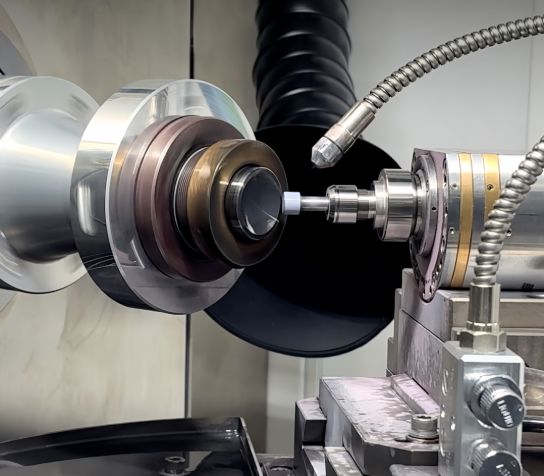
Ano ang mga Bahaging Ginagawa sa Pamamagitan ng Paggawa at Bakit Mahalaga ang mga Ito
Nakapagtataka ka na ba kung paano ginagawa ang mga kumplikadong bahagi sa loob ng motor ng iyong sasakyan, eroplano, o kahit ng iyong smartphone nang may ganitong kahusayan? Ang sagot ay matatagpuan sa mga bahaging ginagawa sa pamamagitan ng paggawa—ang pundasyon ng modernong pagmamanufacture na nagbabago ng hilaw na materyales sa mga tiyak na bahagi na nagpapatakbo ng halos bawat industriya ngayon.
Ang mga bahaging ginagawa sa pamamagitan ng paggawa ay mga bahaging may mataas na kahusayan na nililikha sa pamamagitan ng subtractive manufacturing, isang proseso kung saan ang materyales ay sistematikong tinatanggal mula sa solidong piraso ng materyales gamit ang mga kasangkapang pang-iskrip upang makamit ang eksaktong mga tukoy, mahigpit na toleransya, at napakahusay na surface finish.
Mula sa Hilaw na Materyal hanggang sa Precision Part
Isipin ang pagsisimula sa isang solidong bloke ng aluminum o bakal. Sa pamamagitan ng maingat na kontroladong pagputol, pagpapakalbo, at paghuhubog, ang hilaw na materyales ay nababago sa isang bahagi na may mga sukat na tumpak hanggang sa libong bahagi ng isang pulgada. Ito ang kaluluwa kung paano nabubuhay ang mga bahaging nahugis sa makina.
Ang biyahe mula sa hilaw na stock hanggang sa natapos na produkto ay kasama ang ilang pangunahing yugto:
- Paggawa ng Pagsasanay sa Materyales – Pagpili ng tamang metal o plastik batay sa mga kinakailangan sa pagganap
- Paghahanda ng workpiece – Pagkakabit ng materyales para sa mga operasyong pagputol na may mataas na katiyakan
- Material Removal – Paggamit ng turning, milling, drilling, o grinding upang hubugin ang bahagi
- Mga Operasyon sa Pagwawakas – Pagkamit ng kinakailangang kalidad ng ibabaw at katiyakan ng sukat
Kung manu-manu o sa pamamagitan ng CNC automation ang produksyon, ang mga bahaging nahugis sa makina ay nagbibigay ng hindi mapagkakahalintulad na pag-uulit at kahusayan sa gastos para sa mga aplikasyon na nangangailangan ng mataas na katiyakan.
Ang Kalamangan ng Subtractive Manufacturing
Ano ang nagpapabukod-tangi sa pagmamakinis kumpara sa iba pang paraan ng paggawa? Hindi tulad ng additive manufacturing (3D printing), na gumagawa ng mga bahagi nang pa-layer, ang subtractive processes ay nagsisimula sa isang materyal na mas marami kaysa sa kailangan at tinatanggal ang sobra. Ang pundamental na pagkakaiba na ito ay lumilikha ng mga natatanging pakinabang.
Ayon sa Dassault Systèmes, ang subtractive manufacturing ay gumagawa ng mga bahagi na may mas magkadikit na surface finish at mas tiyak na dimensional tolerances kumpara sa additive processes. Ang industriya ng pagmamakinis ay gumagamit ng mga teknik tulad ng milling, turning, drilling, grinding, at electrical discharge machining (EDM) upang makamit ang mga resultang ito.
Kapag ikinalahad sa casting o forging, ang mga bahaging naimachined nang may katiyakan ay nag-aalok ng ilang pangunahing pakinabang:
- Superior na Katumpakan – Mga toleransya hanggang sa ±0.01 mm para sa mga kritikal na tampok
- Mahusay na Tapusin ang Ibabaw – Mga makinis at tiyak na ibabaw nang direkta mula sa makina
- Kababalaghan ng Materyales – Katugma sa mga metal, plastic, composite, at kahit sa mga ceramic
- Mababang gastos sa tooling – Walang kinakailangang mga mold o die, kaya nababawasan ang gastos sa pag-setup
- Pagpapalakas ng Disenyo – Mabilis na pagbabago nang walang mahal na retooling
Bakit Nananatiling Mahalaga ang Pagmamakinis sa Modernong Paggawa
Kahit na may mga pag-unlad sa 3D printing at iba pang teknolohiya, ang mga produkto na pinagmamakinisan ay nananatiling hindi mapapalitan sa mga kritikal na sektor. Mula sa mga makina ng eroplano na nangangailangan ng labis na kumpiyansa hanggang sa mga implante sa medisina na nangangailangan ng perpektong biokompatibilidad, ang mga bahagi na pinagmamakinisan ay nagbibigay ng serbisyo kung saan ang iba pang paraan ay simple lamang na hindi kayang gawin.
Isipin ang paggawa ng aerospace, kung saan ang ratio ng 'buy-to-fly' ay maaaring magkakaiba mula sa 15:1 hanggang 30:1 —ibig sabihin, kinakailangan ang malaking pag-alis ng materyales upang lumikha ng magaan ngunit malalakas na mga bahagi. Ang industriya ng pagmamakinis ay umunlad upang harapin ang mga pangangailangang ito sa pamamagitan ng awtomasyon ng CNC, mga kakayahan sa multi-axis, at mga advanced na tooling.
Ang mga bahaging hinahalo ngayon ay lumilitaw sa halos bawat sektor na maaari mong isipin—mga powertrain ng sasakyan, mga instrumentong pang-operasyon, kagamitan para sa semiconductor, at mga sistema ng depensa. Ang kanilang presensya ay napakalaganap na ang modernong buhay ay hindi na maikikilala kung wala sila. Tulad ng matutuklasan mo sa buong gabay na ito, ang pag-unawa sa mga salik na naghihiwalay sa mga perpektong bahagi mula sa mga mahal na itinatapon ay maaaring magbigay-daan sa tagumpay sa pagmamanupaktura o sa mahal na kabiguan.
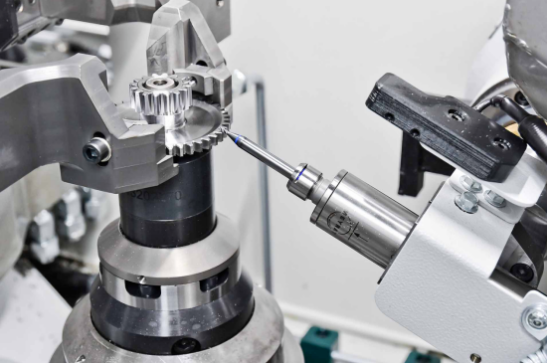
Mga Pangunahing Proseso ng Pagmamachine sa Likod ng Bawat Bahaging May Presisyon
Ngayong nauunawaan mo na kung ano ang mga bahaging hinahalo at kung bakit mahalaga ang mga ito, tayo nang pag-aralan ang mga pundamental na proseso na nagbibigay-buhay sa mga bahaging may presisyon na ito. Ang bawat operasyon sa pagmamachine ay may tiyak na layunin, at ang pagkakaroon ng kaalaman kung kailan dapat gamitin ang bawat teknik ay maaaring magpabago sa resulta—mula sa isang perpektong bahagi hanggang sa isang mahal na itinatapon.
Mga Pangunahing Prinsipyo ng Turning at Milling
Isipin ang turning at milling bilang ang mga pangunahing makina sa mundo ng pagmamachine ang dalawang prosesong ito ang nangangasiwa sa karamihan ng mga operasyon sa pag-alis ng materyal, ngunit gumagana sila sa lubos na magkaibang paraan.
Paglilipat gumagana ang turning batay sa isang simpleng ngunit eleganteng prinsipyo: ang workpiece ay umiikot habang ang stationary cutting tool ay gumagalaw sa ibabaw nito. Dahil dito, mainam ito sa paggawa ng mga cylindrical na hugis—tulad ng mga shaft, bushings, bearing sleeves, at mga bahaging may thread. Ayon sa PANS CNC, ang turning ay mahusay sa paggawa ng mga rotational surface tulad ng mga panlabas na bilog, panloob na butas, at mga thread na may accuracy grades na IT10–IT7.
Pag-aayuno ang milling naman ay nagbabago ng papel—dito, ang cutting tool ang umiikot samantalang ang workpiece ang gumagalaw sa ilalim nito. Ang multi-edge cutting action na ito ay lumilikha ng mga planar surface, groove, at kumplikadong three-dimensional surface na hindi kayang gawin ng turning. Kapag kailangan mo ng mga cnc milled parts na may kumplikadong pockets, slots, o contoured surfaces, ang milling ang pinakamainam na proseso.
Mga pangunahing katangian na naghihiwalay sa mga prosesong ito:
- Paglilipat – Pinakamainam para sa mga shaft-like at disc-shaped na cnc machined components; nagbibigay ng mahusay na concentricity
- Pag-aayuno – Angkop para sa mga patag na ibabaw, mga keyway, mga ngipin ng gear, at mga kumplikadong hugis; mahusay na nakapagpaproseso ng mga prismatic na hugis
- Huling Pabulag-bulagan – Parehong nakakamit ang mga halaga ng Ra na 12.5–1.6 μm sa ilalim ng karaniwang kondisyon
- Tooling – Ang turning ay gumagamit ng mga single-point na tool; ang milling naman ay gumagamit ng mga multi-tooth na cutter tulad ng end mills at face mills
Paliwanag sa Advanced Multi-Axis Machining
Mukhang kumplikado? Hindi kinakailangan. Ang multi-axis machining ay nangangahulugan lamang na ang cutting tool o ang workpiece ay maaaring gumalaw sa higit sa tatlong tradisyonal na direksyon (X, Y, at Z). Ang kakayahang ito ay nagpabago nang radikal sa paraan kung paano hinaharap ng mga tagagawa ang mga kumplikadong bahagi sa pagmamachine.
Ang tradisyonal na 3-axis milling ay naglilimita sa galaw ng tool sa vertical at horizontal na mga dambana. Ngunit isipin ang pagmamachine ng isang aerospace turbine blade na may compound curves—kailangan mo ng maraming setup, na tumataas ang panganib ng error sa bawat pag-uulit ng pagpo-posisyon. Narito ang 4-axis at 5-axis CNC machines.
Sa pamamagitan ng mga bahagi na pinoproseso nang may kahusayan gamit ang 5-axis CNC, ang cutting tool ay maaaring lapitan ang workpiece mula sa halos anumang anggulo sa isang solong setup. Ito ay nagbibigay ng ilang mga pakinabang:
- Mas kaunting paghahanda – Pagkumpleto ng mga kumplikadong bahagi sa isang operasyon lamang, na binabawasan ang mga pagkakamali sa paghawak
- Mas mainam na surface finish – Ang optimal na mga anggulo ng tool ay nagpapanatili ng pare-parehong chip load at mga kondisyon sa pagputol
- Mas maikling cycle time – Ang cross machining strategies ay nagpapahintulot sa pangkalahatang multi-surface operations nang sabay-sabay
- Mas masiglang toleransiya – Ang pag-alis ng mga pagkakamali sa pagreposition ay nagpapabuti ng dimensional consistency
Ang ebolusyon mula sa manual machining patungo sa CNC-controlled operations ay napakalaki ang epekto nito. Noong una’y ginagawa ng mga bihasang machinist ang pagkontrol sa kamay, ngayon naman ay isinasagawa ng mga modernong CNC system ang mga pre-programmed na instruksyon na may repeatability na sinusukat sa microns. Ang pagbabagong ito ay nagpapahintulot sa mga tagagawa na mag-produce ng mga identikal na machined parts sa libo-libo—o kahit sa milyon-milyon—na may hindi nagbabagong konsistensiya.
Pagsusunod ng Proseso sa Mga Kinakailangan ng Bahagi
Ang pagpili ng tamang proseso ng pagmamachine ay hindi lamang tungkol sa kakayahan—kundi pati na rin sa kahusayan. Kapag pinipili mo ang pinakamainam na paraan para sa bawat bahagi ng pagmamachine, nababawasan mo ang cycle time, binabawasan ang gastos sa mga tool, at pinapataas ang kalidad.
| Proseso | Pinakamahusay na Aplikasyon | Berkalidad ng katiwalian | Ibabaw na Kahigpitan (Ra) | Karaniwang Kagamitan |
|---|---|---|---|---|
| Paglilipat | Mga shaft, mga pin, mga bushing, mga bahaging may thread | IT10-IT7 | 12.5-1.6μm | CNC lathe, turning center |
| Pag-aayuno | Mga patag na ib surface, mga pocket, mga slot, mga contour | IT10-IT7 | 12.5-1.6μm | Vertical/horizontal mill |
| Pagbuhol | Through holes, blind holes, bolt patterns | IT12-IT10 | >12.5μm (rough) | Drill press, machining center |
| Paggrinde | Finish machining, hardened surfaces | IT6-IT5 | 1.6–0.1 μm | Surface/Cylindrical Grinder |
Pansinin kung paano ang pagpapalit ng butas (drilling) ay nagsisilbing unang operasyon sa paggawa ng butas, na karaniwang sinusundan ng pagpapalawak ng butas (reaming) o pagpapaiba ng laki ng butas (boring) upang mapabuti ang katiyakan. Samantala, ang pagpapakinis (grinding) ay isinasama kapag kailangan ng napakahusay na kalidad ng ibabaw o kailangang i-proseso ang mga matitigas na materyales na maaaring sirain ang karaniwang mga kasangkapan sa pagputol.
Ito ay isang praktikal na balangkas sa pagdedesisyon para sa pagpili ng proseso:
- Bilog na hugis? – Simulan sa mga operasyon sa pagpapaikot (turning)
- Prismatiko o kumplikadong mga hugis? – Ang pagpapakinis (milling) ang pangunahing proseso
- Kailangan ba ng mga butas? – Gamitin ang pagpapalit ng butas (drilling) para sa unang paglikha; ang pagpapaiba ng laki ng butas (boring) o pagpapalawak ng butas (reaming) naman para sa katiyakan
- Kailangan ang surface finish na nasa sub-micron? – Ang pagpapaganda (grinding) bilang huling operasyon
- Mga hardened na materyales? – Pagpapaganda (grinding) o espesyalisadong teknik sa hard-turning
Ang maraming bahagi na naka-mill at mga naka-turn na komponent ay nangangailangan ng maraming proseso nang sunud-sunod. Halimbawa, ang isang hydraulic valve body ay maaaring dumadaan sa rough milling, precision drilling, boring para sa mga critical bores, at surface grinding para sa mga sealing faces—bawat proseso ay nag-aambag ng tiyak na katangian sa panghuling komponent.
Ang pag-unawa sa mga pangunahing prosesong ito ay maghahanda sa iyo para sa susunod na mahalagang desisyon: ang pagpili ng tamang materyales para sa iyong mga naka-machined na komponent. Tulad ng makikita mo, direktang nakaaapekto ang pagpipili ng materyales kung aling proseso ang gagana nang pinakamabuti at kung anong mga toleransya ang maaaring abutin nang realistiko.
Gabay sa Pagpili ng Materyales para sa mga Bahaging Napapagawa
Nasakop mo na ang mga pangunahing prosesong machining—ngunit narito ang punto: kahit ang pinakamalinang na 5-axis CNC machine hindi kayang kompensahin ang pagpili ng maling materyal. Ang pagpili ng materyal ay direktang nagtatakda sa iyong mga kinakailangan sa tooling, mga naaabot na toleransya, mga gastos sa produksyon, at sa huli kung ang iyong bahagi ay gagana nang perpekto o babagsak nang maaga sa serbisyo.
Kung gumagawa ka man ng mga metal na bahagi na pinapakinis para sa mga aplikasyon sa aerospace o mga bahaging plastik na pang-enginyero para sa mga medikal na device, mahalaga ang pag-unawa sa mga katangian ng materyal. Tingnan natin ang iyong mga opsyon at alamin kung paano bawat pagpipilian ay nakaaapekto sa iyong estratehiya sa pagpapakinis.
Pagpili ng Metal para sa mga Estruktural na Bahagi
Kapag ang kahusayan ng istruktura ay mahalaga, ang mga metal ang nangunguna sa usapan. Ngunit dahil mayroong maraming uri ng alloy, paano mo pipiliin ang tamang isa? Ang sagot ay nakasalalay sa balanseng pagtingin sa lakas, timbang, resistensya sa korosyon, at kadaliang mapakinis laban sa mga kinakailangan ng iyong aplikasyon.
Aluminio Alpaks – Ang mga magaan na pinuno ng mga bahagi ng metal na may kahusayan sa pagmamachine. Ang aluminum ay madaling mapapagawa nang maayos, na nagbibigay ng mahusay na pagbuo ng mga chip at nagpapahintulot ng mataas na bilis ng pagputol. Ang 6061-T6 alloy ay nag-aalok ng isang nananalo na kombinasyon ng lakas, paglaban sa korosyon, at kakayahang mapag-weld para sa pangkalahatang mga aplikasyon sa istruktura. Para sa mga komponente ng aerospace na nangangailangan ng mas mataas na lakas, ang 7075-T6 ay nagbibigay ng superior na pagganap—bagaman may mas mataas na gastos.
Klaseng Bakal – Kapag ang lakas ang higit na mahalaga kaysa sa timbang, ang bakal ang nagbibigay ng pinakamainam na resulta. Ang mga mababang karbon na bakal tulad ng 1018 ay madaling mapapagawa at tumatanggap ng case hardening para sa mga ibabaw na nakakaranas ng pagsuot. Ang medium-carbon na 4140 ay nag-aalok ng mahusay na ratio ng lakas sa presyo para sa mga shaft at gear. Para sa mga ekstremong kailangan ng kahigpitang, ang mga tool steel tulad ng D2 o A2 ay nagbibigay ng exceptional na paglaban sa pagsuot—bagaman kailangan nila ng mas agresibong mga parameter sa pagmamachine at espesyalisadong kagamitan.
Stainless steel – Ang paglaban sa korosyon ang nagpapadala sa pagpili ng stainless steel. Ang grado ng 303 ay mas madaling panghinayang kaysa sa kanyang mga kamag-anak dahil sa dagdag na sulfur, na ginagawang ideal ito para sa mataas na dami ng pagmamasin ng mga bahagi ng metal. Samantala, ang 316L ay nagbibigay ng superior na paglaban sa korosyon para sa mga aplikasyon sa medisina at pandagat, bagaman ang kanyang katendencya na maging matigas habang pinoproseso ay nangangailangan ng maingat na pansin sa mga parameter ng pagputol.
Titan – Ang paboritong materyal ng industriya ng aerospace at medisina ay nagkakasama ang kahanga-hangang ratio ng lakas sa timbang at napakahusay na biocompatibility. Ang Grade 5 titanium (Ti-6Al-4V) ang nangunguna sa mga sektor na ito. Gayunpaman, ang pagmamasin ng mga bahagi ng metal mula sa titanium ay nangangailangan ng respeto—ang kanyang mababang thermal conductivity ay nagpapasentro ng init sa gilid ng pagputol, na nangangailangan ng mas mababang bilis, matitibay na setup, at espesyalisadong tooling.
Tanso – Para sa kahusayan sa pagdaloy ng kuryente, dekoratibong huling pagpapaganda, o mga aplikasyon na nangangailangan ng mababang panlaban sa paggalaw, ang tanso ay lubos na epektibo. Ang libreng pang-makinang na tanso na C360 ay nagbibigay ng magandang huling anyo ng ibabaw sa mataas na bilis na may kaunting pagsuot sa mga kasangkapan. Makikita mo ang mga bahagi na gawa sa tanso sa mga konektor ng kuryente, katawan ng mga valve, at mga presisyong fitting sa buong industriya ng pagmamanupaktura.
Mga Inhinyeriyang Plastik sa Mga Aplikasyong May Presisyon
Hindi lahat ng bahagi ay nangangailangan ng lakas ng metal. Ang mga plastik na ginagamit sa inhinyeriya ay nag-aalok ng malaking pakinabang kapag mahalaga ang pagbawas ng timbang, pagtutol sa kemikal, o pagkakahiwalay sa kuryente. Ang mga materyales na ito ay nakakuha na ng kanilang lugar sa mga mahihirap na aplikasyon—ngunit kailangan nila ng iba’t ibang paraan ng pagmamasin kumpara sa kanilang mga katumbas na metal.
PEEK (Polyether Ether Ketone) – Ang tagapagtagumpay na may mataas na pagganap sa mga plastik na pang-enginyero. Ang PEEK ay kaya ng tuloy-tuloy na temperatura hanggang 250°C habang nag-aalok ng mahusay na paglaban sa kemikal at lakas na mekanikal. Ang mga implant sa medisina, kagamitan sa semiconductor, at mga bahagi ng aerospace ay lahat nakikinabang sa natatanging profile ng katangian ng PEEK. Inaasahan ang mas mataas na gastos sa materyales, ngunit ang pagganap nito ay katuwiran para sa mga kritikal na aplikasyon.
Delrin (Acetal/POM) – Kapag kailangan mo ng pagkakapareho ng sukat, mababang panlaban sa paggalaw (friction), at mahusay na kakayahang pahiramin (machinability), ang Delrin ang nagbibigay nito. Ang materyales na ito ay gumagawa ng malinaw na mga detalye na may kaunting burr, kaya ito ay perpekto para sa mga eksaktong gear, bantalan (bearings), at mga bahaging nahahati dahil sa paggamit. Ang konsistenteng mga katangian nito at karampatang presyo ay ginagawa itong pangunahing pagpipilian para sa mga aplikasyong mekanikal.
Nylon – Versatil at mura, ang nylon ay kayang magdala ng katamtamang karga habang nagbibigay ng mabuting paglaban sa pagsuot at sariling paglalagay ng lubricant. Ang mga bersyon na may halo ng salamin ay nagpapataas ng rigidity at dimensional stability, na kumakalat sa saklaw ng aplikasyon ng nylon. Gayunpaman, ang nylon ay sumisipsip ng kahalumigmigan—isa itong konsiderasyon para sa mga bahagi na may presisyong machining na nangangailangan ng mahigpit na toleransya sa iba’t ibang kapaligiran.
Kapag gumagawa ng mga bahaging metal gamit ang CNC machining, kinakailangan mong labanan ang kahigpit ng materyal at pamahalaan ang init. Sa mga plastik, ang mga hamon ay lumilipat sa pagkontrol ng init sa ibang paraan—ang mga materyal na ito ay natutunaw imbes na malinis na tinutupad kung ang temperatura ay sobrang mataas. Ang mga talim na napakatalim, ang angkop na bilis, at minsan ay ang coolant o hangin na ipinapadala sa ilalim ng presyon ay mahalaga upang makamit ang de-kalidad na resulta.
Mga Katangiang Materyal na Nakaaapekto sa Kakayahang Maputol
Bakit gaano kahalaga ang pagpili ng materyal para sa machining ng mga bahaging metal at plastik? Dahil ang mga katangian ng materyal ang nagdidikta ng halos lahat ng parameter sa pagmamachine—from cutting speeds at feeds hanggang sa pagpili ng tool at mga toleransya na maaaring makamit.
Isaisip ang mga sumusunod na mahahalagang ugnayan ng mga katangian:
- Kakatiran – Ang mas matitigas na mga materyales ay nangangailangan ng mas mabagal na bilis ng pagputol, mas matatag na mga setup, at mas matitigas na mga kagamitan (karbida o seramika kumpara sa HSS)
- Paglilipat ng Init – Ang mga materyales na mahinang magdadala ng init (titanium, stainless steel) ay nagpapasentro ng init sa gilid ng pagputol, na pabilis ng pagsuot ng kagamitan
- Work Hardening – Ang ilang materyales (lalo na ang austenitic stainless steels) ay tumitigas habang pinuputol, kaya kailangan ng pare-parehong carga ng chips upang maiwasan ang pinsala sa kagamitan
- Paggawa ng Chip – Ang mga libreng-machining na alloy ay gumagawa ng maikli at madaling pangasiwaang chips; ang iba naman ay gumagawa ng mahabang, nakakalitong chips na nagdudulot ng problema sa kalidad ng ibabaw
- Dimensional Stability – Ang mga materyales na may mataas na thermal expansion ay nangangailangan ng kapaligiran na may kontroladong temperatura para sa mga gawain na nangangailangan ng mahigpit na toleransya
| Kategorya ng Materyal | Mga Tipikal na Aplikasyon | Rating sa Machinability | Mga Pagsasaalang-alang sa Gastos | Makakamit na Toleransiya |
|---|---|---|---|---|
| Aluminum 6061-T6 | Mga struktural na komponent, housing, bracket | Napakahusay | Mababa-Hindi gaanong mataas | ±0.025 mm (pamantayan) |
| Steel 4140 | Mga shaft, gear, at mga bahagi na nasa mataas na stress | Mabuti | Mababa | ±0.05 mm bilang pamantayan |
| Stainless 303 | Kagamitan para sa pagkain/medikal, mga fitting | Mabuti | Katamtaman | ±0.05 mm bilang pamantayan |
| Buhangin 316l | Mga implant sa medisina, hardware para sa dagat | Katamtaman | Katamtaman-Mataas | ±0.075 mm bilang pamantayan |
| Titanium Grade 5 | Aerospace, mga dental at medikal na implante | Masama | Mataas | ±0.05 mm (kung may pag-iingat) |
| Tanso C360 | Elektrikal, dekoratibo, mga fitting | Napakahusay | Katamtaman | ±0.025 mm (pamantayan) |
| PEEK | Panggagamot, semiconductor, aerospace | Mabuti | Napakataas | ±0.05 mm bilang pamantayan |
| Delrin/Acetal | Mga gear, bilihin, mekanikal na bahagi | Napakahusay | Mababa-Hindi gaanong mataas | ±0.05 mm bilang pamantayan |
| Nylon (hindi pinunuan) | Mga bushing, bahagi na nagsisipag-ubos, mga insulator | Mabuti | Mababa | ±0.1 mm (sensitibo sa kahalumigan) |
Pansinin kung paano ang mga rating ng kakayahang pang-makinis ay nauugnay nang berso sa antas ng kahirapan? Ang mga materyales na may mahusay na rating—tulad ng aluminum at brass—ay nagpapahintulot ng mas mabilis na produksyon na may kaunting pagsusuot sa mga tool, na direktang nakaaapekto sa iyong gastos bawat bahagi. Sa kabilang banda, ang mahinang kakayahang pang-makinis ng titanium ay nangangahulugan ng mas mahabang cycle time, mas madalas na pagpapalit ng tool, at mas mataas na gastos sa pagmamanupaktura.
Ang pagpili ng tool ay sumusunod nang malapit sa mga katangian ng materyales. Kapag pinoproseso ang aluminum? Gumagamit ng mga polished carbide tool na may matutulis na gilid upang maiwasan ang pagdikit ng materyales. Kapag gumagawa ng titanium? Ginagamit ang mga espesyal na coating at geometry upang pamahalaan ang init at panatilihin ang integridad ng cutting edge. Ang mga engineering plastics ay karaniwang pinoproproseso nang pinakamainam gamit ang mga tool na idinisenyo partikular para sa mga di-metal—may mas matutulis na anggulo, polished na ibabaw, at minsan ay may isang-flute na disenyo na epektibong inaalis ang mga chip.
Ang kolum ng mga abot-kayang toleransya ay nagpapakita ng isa pang katotohanan: ang ugali ng materyal ang naglilimita sa katiyakan nang hindi na kailangang isipin ang kakayahan ng makina. Ang thermal expansion at pag-absorb ng kahalumigmigan ng plastics ay nagdudulot ng pagbabago sa sukat na hindi nararanasan ng mga metal. Samantala, ang mga materyal na nangangailangan ng work-hardening tulad ng 316L stainless steel ay nangangailangan ng pare-parehong mga estratehiya sa pagmamachine upang mapanatili ang mga resulta na maaasahan.
Kapag napili na ang iyong materyal, ang susunod na mahalagang tanong ay lumilitaw: anong mga toleransya ang talagang kailangan ng iyong aplikasyon? Tulad ng malalaman mo, ang pagtukoy ng mas mahigpit na toleransya kaysa sa kailangan ay hindi lamang nagpapataas ng gastos—ito ay maaaring magpabigat sa proseso ng pagmamanupaktura nang hindi nagpapabuti sa pagganap ng komponente.
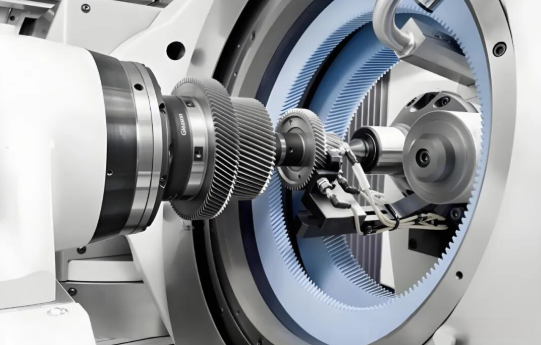
Paliwanag sa mga Pamantayan sa Toleransya at mga Kinakailangang Katiyakan
Narito ang isang tanong na naghihiwalay sa mga ekspertong inhinyero mula sa mga baguhan: anong toleransya ang talagang kailangan ng iyong bahagi na may mataas na presisyon sa pagmamachine? Ang pagtukoy ng ±0.01 mm kapag sapat na ang ±0.1 mm ay hindi nagpapakita ng kamalayan sa kalidad—ito ay nagpapakita ng kahinaan sa pag-unawa na magdudulot ng mas mataas na gastos sa produksyon nang hindi mapapabuti ang pagganap ng komponente.
Ang mga espesipikasyon ng toleransya ay kumakatawan sa wika ng mga bahaging may mataas na presisyon sa pagmamachine. Ang pagtatamo ng kahusayan sa wika na ito ay tumutulong sa iyo na malinaw na ipahayag ang mga kinakailangan, maiwasan ang hindi kinakailangang gastos, at tiyakin na ang iyong mga komponente ay gumagana nang eksaktong gaya ng inaasahan.
Pag-unawa sa Mga Antas ng Toleransya at Kanilang Epekto
Ang mga antas ng toleransya ay nagbibigay ng pamantayan na balangkas para sa pagtukoy ng katiyakan ng dimensyon. Ang sistema ng ISO ay gumagamit ng mga antas ng IT (International Tolerance grades) na umaabot mula sa IT01 (pinakamataas na presisyon) hanggang sa IT18 (pinakamaluwag). Ang bawat hakbang pataas ay halos dobleng laki ng payagan na pagkakaiba, na lumilikha ng lohikal na pag-unlad mula sa ultra-presisyon hanggang sa pangkalahatang pagmamachine.
Ano ang ibig sabihin ng mga antas na ito sa praktikal na pananaw?
- IT5–IT6 – Sakop ng panghihigpit na pagpapaganda; ginagamit para sa mga tugma ng bilyon at mataas na pagganap na mga pagsasama
- IT7-IT8 – Pamantayang panghihigpit na pagmamasina; karaniwan para sa pangkalahatang mga bahagi ng mekanikal
- IT9-IT10 – Pangkalakalang pagmamasina; angkop para sa mga dimensyon na hindi kritikal
- IT11-IT12 – Panimulang pagmamasina; angkop para sa mga ibabaw na naka-machined na hindi nangangailangan ng mahigpit na kontrol
Ang pamantayan ng ASME Y14.5 ay namamahala sa Geometric Dimensioning and Tolerancing (GD&T) sa Hilagang Amerika, na nagbibigay ng isang komplementaryong sistema na tumutugon hindi lamang sa laki kundi pati na rin sa anyo, oryentasyon, at posisyon. Kapag tinutukoy mo ang isang bahagi na may mataas na presisyon sa pagmamasina, ang mga simbolo ng GD&T ay nagpapahayag nang eksakto kung paano dapat magkaugnay ang mga tampok—impormasyong hindi maipapahayag ng simpleng plus/minus na toleransya.
Isipin ang isang pagsasama ng shaft at bore. Ang mga toleransya na may plus/minus ay nagpapakita sa iyo ng katanggap-tanggap na saklaw ng diameter, ngunit wala silang sinasabi tungkol sa bilog o tuwid na anyo. Maaaring nasa loob ng toleransya sa sukat ang isang bore ngunit hugis-itlog—ganap na tinatanggap ayon sa mga espesipikasyon ng dimensyon ngunit hindi gumagana sa praktikal na gamit. Ang pagtawag sa cylindricity ng GD&T ay nalulutas ang problemang ito sa pamamagitan ng pagkontrol sa anyo nang hiwalay sa sukat.
Mga Tukoy sa Surface Finish: Pinapaliwanag
Ang surface finish ay gumagana kasabay ng mga toleransya sa dimensyon upang tukuyin ang mga bahagi na may mataas na kahusayan sa pagmamachine. Ang mga halaga ng roughness average (Ra) ay nagpapakita ng texture ng ibabaw sa micrometers o microinches, na direktang nakaaapekto sa friction, wear, kakayahang mag-seal, at buhay na may fatigue.
Iba-ibang proseso ng pagmamachine ang nakakakuha ng katangi-tanging saklaw ng surface finish:
- Rough milling – Ra 6.3–12.5 μm; may nakikitang mga marka ng tool, angkop para sa mga ibabaw na hindi sumasali sa direct contact
- Finish milling – Ra 1.6–3.2 μm; makinis na anyo, angkop para sa pangkalahatang bahagi ng mekanikal
- Tumpak na pagliko – Ra 0.8–1.6 μm; halos walang nakikitang marka, mainam para sa mga sliding fit
- Paggrinde – Ra 0.2–0.8 μm; kalidad na katulad ng salamin, kinakailangan para sa mga bahagi na may mataas na kahusayan sa pagpaputol at sa mga ibabaw na ginagamit para sa pagse-seal
- Pagpapalambot/Pagpapakinis – Ra 0.05–0.1 μm; kalidad na optical, ginagamit para sa mga gauge block at kritikal na seal
Ito ang madalas na nakakaligtaan ng maraming inhinyero: ang mga espesipikasyon sa surface finish ay nagpaparami ng oras ng pagmamachine nang eksponensyal. Ang pagkamit ng Ra 0.4 μm ay maaaring tumagal ng tatlong beses na mas matagal kaysa sa Ra 1.6 μm sa parehong bahagi. Kapag nagtatakda ka ng mga bahaging may mataas na kahusayan sa pagmamachine at ultra-makinis na surface finish, tiyaking tunay nga ang pangangailangan nito sa aplikasyon.
Kung Kailan Nagkakahalaga ang Mga Mahigpit na Toleransya ang Iyong Pag-invest
Ang mas mahigpit na toleransya ay laging mas mahal—ngunit minsan ay lubos na mahalaga. Ang susi ay nasa pag-unawa kung saan ang kahusayan ay nagbibigay ng tunay na pandagdag na kabuluhan sa pagganap kumpara sa kung saan ito ay simpleng pagsayod sa badyet.
Ang mahigpit na toleransya ay nabibigyang-katwiran ang kanilang gastos kapag:
- Mahalaga ang pagkakapalit-palit – Dapat makasama ang mga komponente nang walang hand-fitting o pagpili
- Kritikal ang dinamikong pagganap – Ang mga umiikot na pagsasaayos ay nangangailangan ng balanseng fit upang bawasan ang pagvibrate
- Nakasalalay ang integridad ng pagse-seal dito – Ang pagpigil sa likido o gas ay nangangailangan ng kontroladong clearance
- Kailangan ito ng mga kadahilanan sa kaligtasan – Mga aplikasyon sa agham pang-eroplanong panghimpapawid at medikal kung saan ang mga bunga ng kabiguan ay napakaseryoso
Kabaligtaran nito, ang labis na pagtatakda ng mga toleransya ay lumilikha ng mga problema bukod sa gastos. Ang hindi kinakailangang mahigpit na mga espesipikasyon ay nagpapataas ng porsyento ng mga itinatapon, nagpapahaba ng lead time, at naglilimita sa iyong mga opsyon sa mga supplier. Ang isang toleransya na kayang gawin ng 90% ng mga machine shop ay nagbubukas ng kompetitibong bidding; ang isang toleransya naman na nangangailangan ng espesyalisadong kagamitan ay malaki ang nagpapaliit sa iyong hanay ng mga posibleng supplier.
Ang matalinong pagtatalaga ng mga toleransya ay sumusunod sa isang simpleng prinsipyo: gamitin ang presisyon kung saan ito mahalaga para sa pagganap ng tungkulin, at paluwagin ang mga espesipikasyon sa lahat ng iba pang lugar. Ang pattern ng mga butas para sa pag-mount? Maliban kung ito ay kumokonekta sa isang kasalungat na bahagi na nangangailangan ng eksaktong posisyon, malamang ay sapat na ang IT10. Ngunit ang bearing journal sa mataas na kalidad na mga bahagi na may precision machining? Ang IT6 o mas mahusay kasama ang kontroladong cylindricity ay nag-aaseguro ng maaasahang pagganap.
Ang ugnayan sa pagitan ng mga kinakailangan sa toleransya at kumplikadong paggawa ay hindi linyar—ito ay eksponensyal. Ang paglipat mula sa ±0.1 mm patungo sa ±0.05 mm ay maaaring magdagdag ng 20% sa mga gastos sa pagmamakinis. Ngunit ang pagpupush patungo sa ±0.01 mm ay maaaring idoble o triplicate ang mga gastos, na nangangailangan ng mga kapaligiran na may kontroladong temperatura, espesyal na kagamitan para sa pagsusuri, at mga highly skilled na operator.
Ang pag-unawa sa mga prinsipyong ito tungkol sa toleransya ay naghahanda sa iyo para sa isang kasing-mahalagang desisyon: ang pagtutugma ng mga teknikal na tukoy sa mga kinakailangan ng industriya. Tulad ng makikita mo sa susunod, ang aerospace, medical, automotive, at electronics na sektor ay may bawat isa nitong natatanging pangangailangan na hugis ang paraan kung paano dapat gumana ang mga bahagi na may mataas na presisyon sa pagmamakinis.
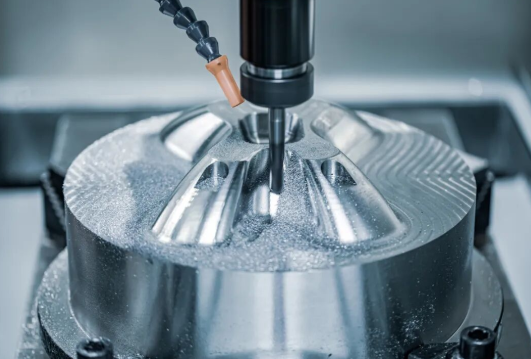
Mga Aplikasyon sa Industriya mula sa Aerospace hanggang sa mga Medical Device
Narining mo na ang tungkol sa mga toleransya at mga pamantayan sa katiyakan—ngunit dito ay nagkakasalubong ang teorya at ang realidad. Ang bawat industriya ay gumagamit ng mga prinsipyong ito nang iba-iba, na may natatanging mga kinakailangan na maaaring magpasya sa tagumpay o kabiguan ng iyong bahagi. Ang isang bahagi na pumasa sa inspeksyon sa pagmamanupaktura ng sasakyan ay maaaring biglang mabigo sa aerospace. Ang isang bahagi na gumagana para sa mga elektronikong pang-consumer ay hindi kailanman papayagan para sa mga implant na medikal.
Ang pag-unawa sa mga natatanging pangangailangan ng bawat industriya ay hindi lamang aklatang kaalaman—kundi mahalaga ito upang tukuyin nang wasto ang mga bahaging mekanikal na may mataas na katiyakan mula sa simula pa lang. Tingnan natin kung ano talaga ang hinihiling ng bawat pangunahing sektor sa kani-kanilang mga bahaging napaproseso.
Mga Kinakailangan sa Pagpoproseso ng Bahagi para sa Aerospace
Kapag gumagawa ka ng mga bahagi na lumilipad sa taas na 35,000 paa at dala ang daan-daang pasahero, walang anumang puwang para sa "sapat na magaling." Ang aerospace ay kumakatawan sa pinakamataas na antas ng pagpoproseso ng mga bahaging may mataas na katiyakan, kung saan ang bawat teknikal na detalye ay umiiral dahil ang mga konsekwensiya ng kabiguan ay hindi maisip-sip.
Ano ang nagpapakilala sa pagmamasma ng aerospace bilang isang napakahihirap na gawain?
- Mga Exotic na Materyales – Ang mga padron ng titanium, Inconel, at aluminum-lithium ang pangunahing ginagamit; bawat isa ay nagdudulot ng malalaking hamon sa pagmamasma
- Sobrang katiyakan sa sukat – Ang mga mahahalagang bahagi ay karaniwang tinutukoy sa ±0.01 mm o mas mahigpit pa
- Optimisasyon ng Timbang – Mga kumplikadong bahaging pinamasma na may manipis na pader at mga 'pocket' na tampok upang mabawasan ang timbang nang hindi nawawala ang lakas
- Kompletong traceability – Ang bawat batch ng materyales, bawat hakbang sa proseso, at bawat resulta ng inspeksyon ay idokumento sa buong buhay ng komponente
Ang sertipikasyon sa AS9100 ang nagsisilbing tagapagbantay ng kalidad sa industriya ng aerospace. Ang pamantayan na ito ay batay sa ISO 9001 ngunit nagdaragdag ng mga kinakailangan na partikular sa aviation tulad ng pamamahala ng konpigurasyon, pamamahala ng panganib, at mas mahigpit na kontrol sa proseso. Walang sertipikasyon sa AS9100, ang mga suplay ay hindi makakalahok sa mga supply chain ng aerospace—kahit anong antas man ng kanilang teknikal na kakayahan.
Ang Nadcap (National Aerospace and Defense Contractors Accreditation Program) ay nagdaragdag ng isa pang antas para sa mga espesyal na proseso. Ang heat treatment, chemical processing, at non-destructive testing ay lahat ay nangangailangan ng hiwalay na akreditasyon mula sa Nadcap upang matiyak na ang mga kritikal na operasyong ito ay sumusunod sa mahigpit na pamantayan ng aerospace industry.
Pamantayan sa Paggawa ng Medical Device
Isipin ang isang bahagi na ilalagay sa loob ng katawan ng tao nang ilang dekada. Ngayon naiintindihan mo kung bakit ang mga machined component para sa medical application ay may mga kinakailangan na hindi katulad ng anumang ibang industriya. Ang biocompatibility, sterility, at ganap na traceability ay hindi mga opsyon—ito ay mga hindi pwedeng ipagkait na mandato.
Ang pagmamachine ng medical device ay nagdudulot ng natatanging hamon:
- Biocompatible Materials – Ang Titanium Grade 23 (ELI), 316L stainless steel, PEEK, at cobalt-chrome alloys ang pangunahing ginagamit sa mga implantable application
- Kahalagahan ng surface finish – Ang mga surface ng implant ay kadalasang nangangailangan ng polishing hanggang sa Ra 0.4 μm o mas maliit pa upang maiwasan ang irritation sa tissue
- Control ng Kontaminasyon – Ang mga kapaligiran sa pagmamanufacture ay dapat pigilan ang particle at chemical contamination na maaaring mag-trigger ng adverse reactions
- Mga Kinakailangan sa Pagpapatunay – Ang mga proseso ay kailangang i-validate at idokumento upang patunayan ang pare-parehong at maulit-ulit na resulta
Ang sertipikasyon sa ISO 13485 ay nagtatatag ng balangkas sa pamamahala ng kalidad para sa paggawa ng medical device. Binibigyang-diin ng pamantayang ito ang pamamahala ng panganib sa buong lifecycle ng produkto at nangangailangan ng nakadokumentong ebidensya na ang mga proseso ay konsekwenteng gumagawa ng mga produktong sumusunod sa mga kinakailangan. Para sa mga mataas na presisyong bahagi na gawa sa machining at inilaan para sa implantasyon, karagdagang pagpaparehistro sa FDA at pagsumbon sa 21 CFR Part 820 (Quality System Regulation) ay kinakailangan sa mga merkado sa Estados Unidos.
Ang paggawa ng maliit na bahagi ay umaabot sa kanyang pinakamataas na antas sa mga aplikasyon sa medisina. Ang mga kabaong para sa spinal fusion, mga dental implant, at mga dulo ng mga instrumentong pang-siruhya ay nangangailangan ng mga kumplikadong tampok na nahahango sa napakaliit na sukat—madalas na may mga toleransya na kumakatawan sa isang bahagi lamang ng lapad ng buhok ng tao.
Mga Pangangailangan sa Produksyon ng Automotive
Ang pagmamachine ng automotive ay gumagana sa isang iba't ibang uniberso kumpara sa aerospace at medical—kung saan ang dami, pagkakapareho, at kahusayan sa gastos ang nangingibabaw. Kapag gumagawa ka ng milyong mga bahagi bawat taon, ang kahit na mikrosekondong pagbawas sa cycle time at ang kahit na bahagi ng sentimo sa pagtitipid sa gastos ay nagpaparami ng malalaking kompetitibong kalamangan.
Ano ang tumutukoy sa mga kinakailangan sa pagmamachine ng automotive?
- Konsistensya sa mataas na dami – Ang statistical process control ay nagtiyak na ang bawat bahagi, mula sa unang bahagi hanggang sa i-milyon, ay sumusunod sa mga teknikal na tatakda.
- Presyon sa gastos – Ang agresibong presyo ay nangangailangan ng mga optimisadong proseso, pinakamababang bilang ng mga sirang bahagi (scrap), at pinakamataas na paggamit ng makina
- Paggamit ng Just-in-Time Delivery – Mga mahigpit na panahon ng paghahatid kasama ang parusa para sa mga huling pagpapadala
- Mabilis na pagpapalawak ng produksyon – Kakayahan na pabilisin ang kapasidad kapag inilulunsad ang mga bagong modelo ng sasakyan
Ang sertipikasyon ng IATF 16949 ay kumakatawan sa pamantayan ng kalidad para sa industriya ng sasakyan, na itinatayo sa ISO 9001 kasama ang mga partikular na kinakailangan para sa automotive. Ang pamantayang ito ay nangangailangan ng statistical process control (SPC), measurement system analysis (MSA), at dokumentasyon ng production part approval process (PPAP). Ang mga supplier na walang sertipikasyon na IATF 16949 ay nakakaranas ng malalaking hadlang sa pagpasok sa mga supply chain ng automotive.
Ang mga kinakailangan sa toleransya sa mga aplikasyon ng automotive ay maaaring mukhang mas hindi mahigpit kaysa sa aerospace—ngunit huwag kang mapagkamalan. Ang pagkamit ng IT8 toleransya nang paulit-ulit sa milyon-milyong kumplikadong machined parts ay nangangailangan ng sopistikadong proseso ng kontrol, awtomatikong inspeksyon, at mga sistema ng tuloy-tuloy na pagpapabuti na kung saan maraming tagagawa ang nahihirapan na maisagawa nang matagumpay.
Mga Kakayahan sa Elektroniks at Miniaturisasyon
Ang mga kagamitang pang-elektronika para sa konsyumer ay nagturo sa atin na asahan ang mga device na sumasali sa bawat henerasyon habang dumadagdag ang kanilang kakayahan. Sa likod ng trend na ito ay ang paggawa ng mga bahagi na may kahusayan sa mga sukat na hamon sa mga tradisyonal na pamamaraan ng pagmamasakal.
Kabilang sa mga pangangailangan sa pagmamasakal ng mga elektroniko:
- Miniaturization – Mga tampok na sinusukat sa ika-sampung bahagi ng millimetro; kapal ng pader na umaabot sa mga hangganan ng materyal
- Pamamahala ng init – Mga hugis ng heat sink na optimizado para sa pinakamalaking lawak ng ibabaw sa pinakamaliit na espasyo
- EMI Shielding – Mga kahon na nangangailangan ng tiyak na conductivity at mga ibabaw na eksaktong tumutugma
- Mabilis na mga siklo ng disenyo – Ang mga lifecycle ng produkto ay sinusukat sa buwan, hindi sa taon
Ang mga bahaging may mataas na kahusayan na pinagmamasakal para sa mga elektroniko ay kadalasang nangangailangan ng mga kakayahan sa micro-machining—espesyalisadong kagamitan, mga tool, at teknik para sa mga tampok na mas maliit sa 1 mm. Ang industriya ng kagamitan para sa semiconductor ay lalo pang inuunlad ang mga hangganan na ito, na nangangailangan ng ultra-linis na mga kapaligiran sa paggawa at mga surface finish na malapit sa kalidad ng optical.
Paghahambing ng Mga Pangangailangan sa Industriya
Paano nasisira ang mga sektor na ito sa isa't isa? Ang sumusunod na paghahambing ay nagpapaliwanag ng mga natatanging pangangailangan na inilalagay ng bawat industriya sa mga bahagi na pinagmamachine:
| Kinakailangan | Aerospace | Medikal | Automotive | Electronics |
|---|---|---|---|---|
| Tipikal na Mga Toleransiya | ±0.01–0.025 mm | ±0.025–0.05 mm | ±0.05-0.1 mm | ±0.01–0.05 mm |
| Mga Karaniwang Materyales | Titanium, Inconel, Al-Li alloys | Ti Grade 23, 316L SS, PEEK | Asero, aluminum, bakal na may mataas na halaga ng bakal | Aluminum, tanso, engineering plastics |
| Pangunahing Sertipikasyon | AS9100, Nadcap | ISO 13485, FDA registration | IATF 16949 | ISO 9001, partikular sa industriya |
| Dami ng Produksyon | Mababa–katamtaman (daan-daan hanggang sampung libo) | Mababa–katamtaman (daan-daan hanggang isang milyong) | Mataas (isang milyong hanggang milyon-milyon) | Katamtaman hanggang mataas (mga libo-libo hanggang milyon) |
| Antas ng Trackability | Kumpletong pagsubaybay sa buong lot/seri | Kumpleto kasama ang mga kinakailangan sa UDI | Batay sa lot, mga rekord ng SPC | Nag-iiba depende sa aplikasyon |
| Katatapos ng Surface (Ra) | 0.4–1.6 μm kadalasan | 0.2–0.8 μm para sa mga implant | 1.6–3.2 μm kadalasan | 0.4–1.6 μm kadalasan |
Napapansin mo ang pattern? Ang aerospace at medisina ay binibigyang-prioridad ang ganap na kalidad at pagsubaybay kaysa sa gastos, samantalang ang automotive ay nagpapantay ng kalidad at ekonomiya ng dami. Ang electronics naman ay nasa gitna—nangangailangan ng kahusayan sa katamtamang dami kasama ang mabilis na timeline sa pag-unlad.
Ang pag-unawa sa mga pangangailangan na partikular sa bawat industriya ay tumutulong sa iyo na tukuyin nang wasto ang mga komponente—at piliin ang mga supplier na kaya ng sumunod sa natatanging pangangailangan ng iyong sektor. Tungkol naman sa gastos, ang susunod na mahalagang kadahilanan sa paghihiwalay ng perpektong mga bahagi mula sa mahal na mga reklamo ay ang pag-unawa kung ano talaga ang nagpapadami sa gastos sa produksyon at kung paano nakaaapekto ang mga desisyong disenyo sa kabuuang kita.
Pag-unawa sa mga Kadahilanang Nakaaapekto sa Gastos sa Pagmamanupaktura ng Komponente
Narito ang isang katotohanan na nagpapagulat sa maraming inhinyero: humigit-kumulang 70% ng mga gastos sa pagmamanupaktura ay tinutukoy na noong yugto ng disenyo, ayon sa Modus Advanced . Ibig sabihin, ang mga desisyon na ginagawa mo bago pa man magkakaroon ng anumang pagputol sa isang chip ay may mas malaking epekto sa iyong badyet kaysa sa anumang nangyayari sa shop floor. Ang pag-unawa sa mga salik na nagpapadagdag ng gastos sa pagmamanupaktura ng mga bahagi ng makina ay nagbibigay-daan sa iyo na gumawa ng mas matalinong mga desisyon—at maiwasan ang mahal na mga sorpresa.
Ang pagkakaiba sa pagitan ng isang optimisadong disenyo at isang sobrang-engineered na disenyo ay maaaring magbigay ng pagkakaiba sa pagitan ng isang bahaging nagkakahalaga ng $50 at ng isang bahaging nagkakahalaga ng $500—na may parehong kakayahang gumana. Tingnan natin nang buo kung saan napupunta ang iyong pera at kung paano ito kontrolin.
Ano ang Nagpapadagdag ng Gastos sa mga Bahagi na Nakabase sa Pagmamakinis
Hindi lahat ng mga salik na nakaaapekto sa gastos ay may parehong bigat. Narito sila na inuri ayon sa karaniwang epekto sa iyong badyet para sa pagmamanupaktura ng mga bahagi:
- Komplikadong Heometriko – Ang mga kumplikadong kurba, mga undercut, at mga tampok na nangangailangan ng 5-axis machining imbes na ng karaniwang 3-axis na operasyon ay lumilikha ng eksponensyal na pagtaas ng gastos
- Mga Kinakailangan sa Tolerance – Habang ang mga toleransya ay nagiging mas mahigpit nang lampas sa ±0.13 mm (±0.005"), ang mga gastos ay tumataas nang eksponensyal; ang ultra-precise na paggawa ay maaaring magpaparami ng mga gastos ng 8–15 beses
- Paggamit ng materyales at basura – Ang mga premium na materyales ay mas mahal sa unang pagbili, at ang mahinang machinability ay nagpapahaba ng cycle time; ang mataas na buy-to-fly ratio ay nagpapataas ng basurang materyales
- Dami ng Produksyon – Ang mga gastos sa setup na ipinamamahagi sa higit pang mga bahagi ay malaki ang bawas sa presyo bawat yunit kapag ang dami ng produksyon ay mataas
- Mga Sekundaryong Operasyon – Ang heat treatment, surface finishing, at espesyalisadong inspeksyon ay nagdaragdag ng mga hakbang sa proseso at oras sa paghawak
- Mga tukoy sa tapusin ng ibabaw – Ang paglipat mula sa standard na machined finish patungo sa polished surfaces ay maaaring magpataas ng mga gastos ng 500–1000%
Isipin ito: isang bahagi na nangangailangan ng limang-axis machining imbes na ng karaniwang tatlong-axis na operasyon ay hindi lamang mas mahal sa oras ng makina—kailangan din nito ng espesyalisadong kagamitan, mahabang panahon sa programming, at kumplikadong fixturing solutions. Ang bawat karagdagang antas ng kumplikasyon ay nagpaparami ng mga gastos.
Mga Desisyong Disenyo na Nakakaapekto sa Iyong Badyet
Kapag tinutukoy mo ang mga bahagi na kinakailangan para sa iyong aplikasyon, bawat pagpili sa disenyo ay nagdudulot ng epekto sa gastos. Ang pag-unawa sa mga ugnayang ito ay tumutulong sa iyo na balansehin ang mga kinakailangan sa pagganap laban sa kahihinatnan sa pagmamanupaktura.
Ang pagtatalaga ng toleransya ay lubhang mahalaga. Ang mga karaniwang toleransya (±0.13 mm) ay nagpapadali ng epektibong produksyon gamit ang karaniwang kagamitan. Kung pilitin mo ang mga mataas na antas ng presisyon (±0.025 mm), ang gastos ay tataas nang 3–5 beses kasama ang pangangailangan ng espesyalisadong kagamitan at kontrol sa kapaligiran. Ang mga gawaing ultra-presisyon (±0.010 mm) ay nangangailangan ng 8–15 beses na basehan ng gastos kasama ang 100% na inspeksyon at mga operasyon para sa pagbawas ng stress.
Ang pagpapakumbini ng mga tampok ay nababawasan ang bilang ng mga operasyon. Ang bawat natatanging katangian ay maaaring nangangailangan ng iba't ibang kagamitan, pag-setup, o proseso. Ang pagsasama-sama ng mga katangian kung saan posible ay nag-aalis ng mga kinakailangan sa pag-setup at nagpapabuti ng kahusayan sa produksyon. Mga matutulis na sulok sa mga kinukurang kavidad? Kinakailangan nila ang karagdagang operasyon upang makamit ang kinakailangang radius. Mga labis na kurba? Nakatuon na kagamitan at mas mahabang oras ng siklo.
Ang pagpili ng materyales ay nakaaapekto sa higit pa kaysa sa presyo ng hilaw na stock. Mas mahal ang titanium kaysa sa aluminum—ngunit ang tunay na gastos ay nasa mas mabagal na bilis ng pagputol, dagdag na pagsusuot ng kagamitan, at mga espesyalisadong kinakailangan sa pagmamachine. Ang mga libreng machine na alloy tulad ng brass C360 o aluminum 6061 ay nagpapahintulot ng mas mabilis na produksyon na may mas kaunting pagkonsumo ng kagamitan, na direktang binabawasan ang gastos sa mga bahagi na nabuo.
Prototyping vs. Produksyon: Pag-unawa sa Agwat sa Gastos
Bakit ang mga bahaging napuputol para sa prototype ay nagkakahalaga ng napakarami kumpara sa mga batch ng produksyon? Ang ekonomiya ay simple lamang kapag nauunawaan mo ang mga likas na salik.
Kapag ginagawa ang isang solong prototype, ang bahaging iyon ay dumaan sa mahigpit na pagsusuri ng sukat sa lahat ng mga katangian nito. Sa mass production, ang ganitong pagsusuri ay isinasagawa lamang sa mga statistical sample. Ang mga gastos sa pag-setup na maaaring kumatawan sa $500 para sa paghahanda ng makina ay nakapaloob sa isang bahagi lamang sa prototyping, samantalang sa produksyon ay hinahati ito sa libu-libong bahagi.
Lalong lumalala ang isyu sa pagkuha ng materyales. Ang pagbili ng maliit na dami ng mga espesyal na alloy ay nagkakaroon ng mas mataas na presyo bawat pound kumpara sa mga bulk purchase. Ang isang production run ay maaaring makipagkasundo ng presyo ng materyales na 30–40% na mas mababa kaysa sa dami para sa prototype, simpleng dahil sa lakas ng pagbili.
Nagbabago rin ang equation sa kasanayang pangtrabaho. Ang paggawa ng mga bahagi ng makina sa dami ng prototype ay nangangailangan ng mga eksperyensiyadong machinist na gumagawa ng mga real-time na desisyon. Ang mga production run naman ay maaaring gumamit ng mas automated na proseso kung saan kailangan ng mas kaunti ang moment-to-moment na ekspertisya—kaya nababawasan ang gastos sa trabaho bawat bahagi.
Pagbabalanse ng Kalidad at Kahusayan sa Gastos
Ang optimisasyon ng gastos ay hindi nangangahulugan ng pagkompromiso sa kalidad—ito ay nangangahulugan ng pag-alis ng basura na nakatago bilang kahusayan. Narito kung paano binabawasan ng mga matalinong inhinyero ang gastos habang pinapanatili ang pagganap:
- Tukuyin ang angkop na tolerances – Gamitin ang mahigpit na toleransya lamang kung kailangan ito ng mga pangunahing kinakailangan; paluwagin ang mga espesipikasyon sa mga di-mahalagang katangian
- Pamantayanin kung maaari – Ang paggamit ng mga identikal na fastener, bracket, o komponente sa iba’t ibang produkto ay nagpapataas ng dami ng produksyon at nababawasan ang kumplikadong imbentaryo
- Disenyohan para sa standard na kagamitan – Ang mga katangian na gumagamit ng madaling makuha na mga kagamitan ay nababawasan ang parehong paunang gastos at pangmatagalang mga pangangailangan sa pagpapanatili
- Isaisip ang alternatibong materyales – Minsan, ang isang ibang alloy ay nakakamit ang parehong pagganap ngunit may mas mababang gastos sa pagmamasin
- Isama ang produksyon nang maaga – Ang pakikipagtulungan sa panahon ng disenyo ay nakakatukoy ng mga oportunidad para makatipid bago pa man maisara ang mga gastos sa paggawa ng mga kagamitan
Ang pagpapantay ng mga bahagi ay nagdudulot ng kumakalat na mga benepisyo. Ang isang bahagi na nagkakahalaga ng $20.00 bawat yunit sa 100 piraso ay maaaring bumaba sa $2.00 bawat yunit sa 5,000 piraso dahil sa ekonomiya ng dami. Bago magdisenyo ng mga pasadyang bahagi, hanapin ang mga umiiral nang solusyon na sumasapat sa mga kinakailangang pang-fungsyon—ang mga karaniwang handa-na-sa-pamilihan na item ay kadalasang mas murang gastos kaysa sa mga pasadyang ginawa na bahagi.
Ano ang pinakaepektibong estratehiya para sa pagbawas ng gastos? Ang maagang pakikipagtulungan sa iyong kasosyo sa pagmamanupaktura. Ang mga pagsusuri sa disenyo na tinitingnan ang mga kinakailangan sa toleransya, pagpili ng materyales, kumplikadong heometriya, at katugmang proseso ay nakakaiwas sa mahal na pagrere-design sa huling bahagi. Ang mga pagbabago na ginagawa sa paunang disenyo ay nagkakahalaga ng ilang sentimo; ang mga pagbabago naman na ginagawa pagkatapos ng pormal na pagkakasundo sa mga kagamitan ay nagkakahalaga ng dolyar—or kahit higit pa.
Kapag naunawaan na ang mga salik na may kinalaman sa gastos, handa ka nang alamin kung ano ang mangyayari pagkatapos ng pagmamachine. Ang mga sekondaryang operasyon at pagpapatunay ng kalidad ang huling hakbang na naghihiwalay sa mga hilaw na machined na bahagi mula sa mga natapos na, sinuri na bahagi na handa nang i-assemble.
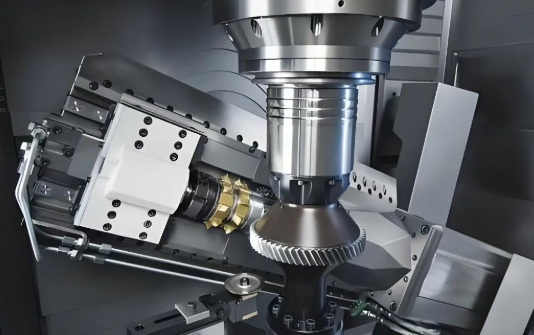
Mga Sekondaryang Operasyon at Pagpapatunay ng Kalidad
Ang iyong bahagi na may mataas na kahusayan sa pagmamachine ay kahapon lamang nanggaling sa CNC machine—ngunit talaga bang tapos na ito? Para sa maraming aplikasyon, ang sagot ay hindi. Ang nangyayari matapos ang pagmamachine ang kadalasang nagpapasya kung ang isang bahagi ay magbibigay ng maaasahang serbisyo nang ilang dekada o kaya ay mabibigo nang maaga sa field. Ang mga sekondaryang operasyon at pagpapatunay ng kalidad ay kumakatawan sa mahahalagang huling yugto ng pagmamanupaktura ng mga bahagi na nagbabago sa mga hilaw na bahaging nacamachine patungo sa mga na-verify at handa nang mai-install na produkto.
Isipin ito sa ganitong paraan: ang pagmamachine ang gumagawa ng hugis, ngunit ang post-processing ang gumagawa ng performance. Tingnan natin ang mga proseso na kumpleto sa biyahe ng iyong bahagi mula sa hilaw na materyales hanggang sa buong sistema na nabuo.
Mga Opisyon sa Heat Treatment at Surface Enhancement
Bakit mo ihihilo ang isang bahagi na may mataas na kahusayan sa pagmamachine sa napakataas na temperatura matapos itong masusing mapagawa ayon sa mabibigat na mga toleransya? Dahil ang heat treatment ay lubos na nagbabago ng mga katangian ng materyal—nagpapataas ng kahigpit, nagpapawala ng panloob na stress, o nagpapahusay ng pagtutol sa pagsuot sa paraan na hindi maisasagawa ng pagmamachine lamang.
Ayon sa Impro Precision , ang heat treatment ay sumusunod sa tatlong pangunahing hakbang: pagpainitin ang metal upang magdulot ng ninanais na mga pagbabago sa istruktura, pagpapanatili ng init upang matiyak ang pantay na temperatura sa buong bahagi, at kontroladong paglamig sa mga tiyak na bilis. Ang kahiwagaan ay nasa paraan kung paano pinagsasama-sama ang mga variable na ito upang makabuo ng iba't ibang resulta.
Kabilang sa karaniwang proseso ng heat treatment para sa pagpoproseso ng mga presisyong bahagi:
- Pagtatamak – Pagpainitin na sinusundan ng mabilis na paglamig sa langis o tubig; nagpapataas ng lakas ngunit maaaring magdulot ng kahinaan na nangangailangan ng susunod na tempering
- Pagpapahina – Prosesong ginagawa sa mas mababang temperatura na nagpapawala ng panloob na stress mula sa pagpapatigas habang pinapanatili ang pagpapahusay ng lakas; ang paglamig ay ginagawa sa hangin imbes na sa likido
- Pagpapalamig – Mabagal na pag-init, matagal na pagbababad, at unti-unting paglamig sa pugon; pinapalambot ang metal at binabawasan ang posibilidad na mabasag
- Normalizing – Nagpapagaan sa mga stress na dulot ng pagmamachine; ang mga bahagi ay kinukuha mula sa hurno at agad na pinapalamig sa hangin sa labas
- Pagproseso ng Solusyon – Para sa mga stainless steel; lumilikha ng purong istrukturang austenitic na nagpapabuti ng tibay at resistensya sa korosyon
Ang mga espesyalisadong proseso ng pagpapagamot ay karagdagang pinalalawig ang mga kakayahan na ito. Ang kriyogenikong proseso ay umaabot sa ekstremong temperatura na -80°C, na nagpapahusay ng kahigpit at impact toughness habang binabawasan ang deformasyon. Ang gas nitriding ay lumilikha ng matitigas at tumutol sa pagsuot na ibabaw sa mga bahaging bakal sa pamamagitan ng pagpainit sa nitrogen-rich na kapaligiran. Ang induction heat treating ay selektibong pinapatigas ang mga tiyak na lugar gamit ang electromagnetic fields—na iniwan ang mga katangian ng core material na hindi nabago.
Ang mga paggamot sa ibabaw ay tumutugon sa lubos na magkakaibang mga kinakailangan. Samantalang ang paggamot sa init ay nagbabago sa panloob na istruktura, ang pagpapaganda ng ibabaw ay nagpaprotekta at nagpapahusay sa panlabas na bahagi. Ayon sa Fictiv, mahalaga ang pag-unawa sa pagkakaiba sa pagitan ng kinalabasan ng pagpapaganda ng ibabaw (mga hindi regular na anyo sa mikro-antas) at ng proseso ng pagpapaganda ng ibabaw (mga prosesong paggamot) upang tama ang pagtukoy sa mga sangkap.
Ang mga pangunahing opsyon para sa paggamot sa ibabaw ay kinabibilangan ng:
- Pag-anodizing – Isang elektrokimikal na proseso na lumilikha ng mga protektibong oxide layer sa ibabaw ng aluminum; ang Mga Uri I, II, at III ay nag-aalok ng magkakaibang kapal at katangian; nagpapahintulot sa pagkulay at pagse-seal
- Pagiging pasibo – Isang kemikal na paggamot na nag-aalis ng libreng bakal mula sa ibabaw ng stainless steel; pinipigilan ang korosyon nang hindi nagdaragdag ng kapal
- Elektrolis Nickel Plating – Nagpapadeposito ng coating na gawa sa nickel-alloy nang walang kasamang elektrikal na kasalukuyan; ang mas mataas na nilalaman ng phosphorus ay nagpapabuti ng resistensya laban sa korosyon
- Pulbos na patong – Pinapainom na pinturang pulbos na inilalapat gamit ang elektrostatis na pamamaraan at pinapainom sa mataas na temperatura; nagbibigay ng makapal at matibay na kinalabasan sa iba't ibang kulay
- Itim na Oksido – Gumagawa ng layer na magnetite sa mga materyales na may bakal para sa kahinaan ng pagka-corrode at matte finish
- Chromate conversion (Alodine) – Manipis na coating na nagpapassivate sa aluminum habang pinapanatili ang electrical conductivity
Ang mga proseso sa surface finishing tulad ng media blasting at tumbling ay binabago ang texture kaysa magdagdag ng mga protektibong layer. Ang media blasting ay gumagamit ng presurisadong abrasive particles upang lumikha ng uniform na matte finishes—madalas isinasagawa bago ang anodizing para sa premium na MacBook aesthetic. Ang tumbling naman ay pumipihit sa mga bahagi kasama ang abrasive media upang alisin ang mga burrs at pahinain ang mga gilid, bagaman mas hindi kontrolado kaysa sa blasting.
Pagpapatunay ng Kalidad at Mga Paraan ng Pagsusuri
Paano mo mapapatunayan na ang isang precision machined component ay talagang sumusunod sa mga specifications? Paniniwalaan, ngunit i-verify—and sa proseso ng paggawa ng precision parts, ang verification ay nangangahulugan ng dokumentadong data mula sa pagsukat na nagpapakita ng pagkakasunod-sunod sa bawat critical dimension.
Ang modernong quality verification ay gumagamit ng maraming teknolohiya sa pagsukat, kung saan ang bawat isa ay angkop para sa tiyak na mga kinakailangan:
- Mga Coordinate Measuring Machine (CMM) – Ang mga touch probe o optical sensor ay kumukuha ng eksaktong 3D na koordinado; nagbubuo ng detalyadong ulat sa pagsusuri na kinokompara ang aktuwal na sukat sa mga tukoy na sukat sa CAD
- Profilometriya ng Ibabaw – Sinusukat ang mga parameter ng kabuuang kagaspangan ng ibabaw (Ra, Rz) gamit ang stylus o optical na pamamaraan; binibigyang-katwiran ang mga tukoy na kahilingan sa huling pagpapaganda na mahalaga para sa mga aplikasyon sa pagse-seal at pagsusuot
- Optical comparators – Ipinoproproyekto ang mga napakalaking profile ng bahagi sa mga screen para sa visual na paghahambing laban sa mga overlay template; epektibo para sa pagsusuri ng profile
- Gauge blocks at pins – Ang go/no-go gauges ay nagbibigay ng mabilis na pass/fail na pagpapatunay para sa mga kritikal na sukat sa mga kapaligiran ng produksyon
- Non-Destructive Testing (NDT) – Ang ultrasonic, magnetic particle, o dye penetrant inspection ay nagpapakita ng mga panloob na depekto nang hindi nasasira ang mga komponente
Ang paraan ng pagsusuri ay nag-iiba depende sa aplikasyon. Ang mga bahagi na naka-prototype at naka-machined ay karaniwang sinusuri nang buo (100%) sa lahat ng sukat at katangian. Sa mga produksyon naman, ginagamit ang estadistikal na sampling—kung saan sinusukat ang representatibong sample upang mapatunayan ang pagkakapare-pareho ng proseso imbes na suriin ang bawat yunit. Ang Statistical Process Control (SPC) ay sumusubaybay sa mga pangunahing sukat sa paglipas ng panahon upang matukoy ang mga trend bago pa man makabuo ng mga bahaging hindi sumusunod sa pamantayan.
Ang mga kinakailangan sa dokumentasyon ay nakasalalay sa mga pamantayan ng industriya. Ang mga komponente para sa aerospace ay nangangailangan ng kumpletong trackability, kung saan ang mga rekord ng pagsusuri ay kailangang maiuugnay sa tiyak na mga batch ng materyales at mga serial number. Ang mga medical device ay nangangailangan ng ebidensya ng validation na nagpapatunay ng pare-parehong at paulit-ulit na resulta. Samantala, ang mga aplikasyon sa automotive ay nakatuon sa datos ng SPC na nagpapakita ng kakayahang ng proseso (mga halaga ng Cpk) imbes na sa mga indibidwal na sukat.
Mula sa Bahaging Naka-machined hanggang sa Buong Sistema na Naka-assemble
Ang isang tagagawa ng mga bahagi na pinapakinis ay hindi lamang nagpapadala ng mga komponente—kundi nagpapadala rin ng mga solusyon na maaaring maisama sa mas malalaking sistema. Ang pag-unawa sa mga konsiderasyon sa pag-aassemble ay nagsisiguro na ang iyong bahaging pinapakinis nang may kahusayan ay gagana nang tama kapag inilagay kasama ng iba pang mga elemento.
Ang karaniwang daloy ng gawain pagkatapos ng pagpapakinis ay sumusunod sa isang lohikal na pagkakasunud-sunod mula sa hilaw na bahaging pinapakinis hanggang sa bahaging handa nang i-assemble:
- Pag-alis ng burr at paghahanda ng gilid – Alisin ang mga matutulis na gilid at mga burr mula sa pagpapakinis na maaaring magdulot ng mga sugat sa paghawak o hadlang sa proseso ng pag-aassemble
- Paglilinis at pag-alis ng grasa – Alisin ang mga likido sa pagpuputol, mga chip, at iba pang kontaminante na maaaring makompromiso ang mga susunod na operasyon
- Paggamot sa init – Ilagay ang prosesong pagpapatibay, pagpapagaan ng stress, o iba pang prosesong termal ayon sa nakasaad
- Panghuling paggamit sa ibabaw – Ilagay ang mga protektibong coating, anodizing, o iba pang proseso ng pagtatapos
- Huling inspeksyon – I-verify ang lahat ng sukat, mga finishing ng ibabaw, at mga espesipikasyon ng paggamot
- Pag-iingat at pagpapakete – Ilagay ang mga inhibitor ng corrosion kung kinakailangan; paketein nang angkop para sa pagpapadala at imbakan
- Pagsasama-sama ng mga bahaging pinapakinis – I-integrate ang mga bahagi kasama ang mga kabit na bahagi, mga fastener, at mga sub-assembly
Ang mga konsiderasyon sa assembly ay nakaaapekto sa mga espesipikasyon sa pagmamachine mula sa simula. Ang mga press-fit na interface ay nangangailangan ng kontroladong interference fits—sapat na mahigpit upang panatilihin nang ligtas, ngunit sapat na luwag upang maisagawa ang assembly nang walang pinsala. Ang mga threaded connection ay nangangailangan ng tamang haba ng thread engagement at mga espesipikasyon sa torque. Ang mga sealing surface ay nangangailangan ng mga kinakailangan sa surface finish na tugma sa mga espesipikasyon ng gasket o O-ring.
Ang mga respetadong tagagawa ng machined components ay isinasaalang-alang ang mga downstream na pangangailangan na ito sa panahon ng pagpaplano ng produksyon. Ang pag-unawa kung paano nakikipag-ugnayan ang mga bahagi sa kanilang mga kabit na bahagi ay tumutulong na matukoy ang mga potensyal na problema bago pa man maging mga isyu sa assembly line. Ang hydraulic manifold na may mga intersecting passages? Ang tamang deburring sa mga internal na gilid ay nagpapapigil sa kontaminasyon na maaaring makasira sa mga pump at valve sa downstream.
Ang pagpapakabit ng mga bahaging hinugot sa makina ay kadalasang nagbubunyag ng mga isyu sa kalidad na hindi nakikita sa panahon ng pagsusuri sa bawat hiwalay na bahagi. Ang pagsubok sa pagganap—na tunay na pagkakabit at pagpapatakbo ng sistema—ay nagbibigay ng huling pagpapatunay na ang mga teknikal na tukoy ay naiuugnay sa tunay na pagganap sa mundo ng realidad. Dahil dito, ang mga nangungunang tagagawa ay nagpapanatili ng kakayahan sa pagpapakabit kasabay ng mga operasyon sa paghuhugot sa makina, upang mahuli ang mga isyu sa integrasyon bago ang pagpapadala.
Kapag natapos na ang mga sekondaryang operasyon at ang pagsusuri sa kalidad, isa pa lamang ang mahalagang desisyon: ang pagpili ng tamang kasosyo sa paggawa. Tulad ng iyong matutuklasan, ang mga sertipiko, kakayahan, at paraan ng pakikipagtulungan ay kasing halaga ng ekspertisya sa paghuhugot sa makina kapag hinahati ang mga maaasahang supplier mula sa mga may peligro.
Pagpili ng Tamang Kasosyo sa mga Bahaging Hinugot sa Makina
Nakaspecify na ninyo ang mga materyales, toleransya, at mga sekondaryang operasyon—ngunit narito ang hindi komportableng katotohanan: wala sa mga iyon ang mahalaga kung pipiliin ninyo ang maling supplier ng mga machined components. Ang agwat sa pagitan ng isang kwalipikadong partner at isang hindi epektibong vendor ay maaaring magbigay-daan sa pagkakaiba sa pagitan ng perpektong produksyon at mahal na mga recall, nabigong mga deadline, at nasirang relasyon sa customer.
Paano ninyo maihihiwalay ang mga tagagawa ng mga precision machined parts na nagpapadala nang konstante mula sa mga nangangako lamang? Ang sagot ay nakasalalay sa pag-unawa kung ano talaga ang sinisiguro ng mga sertipiko, kung paano obhetibong suriin ang mga teknikal na kakayahan, at kung bakit ang tamang paraan ng pakikipagtulungan ay kasing-importante ng ekspertisya sa machining.
Mga Pangunahing Sertipikasyon at Pamantayan sa Kalidad
Ang mga sertipiko ay hindi lamang dekorasyon sa pader—kumakatawan sila ng dokumentadong patunay na ang isang tagagawa ng mga bahagi ng makina ay nag-invest na sa mga sistema, pagsasanay, at proseso na nagbibigay ng pare-parehong kalidad. Ayon sa American Micro Industries, ang mga sertipiko ay nagsisilbing mga haligi sa loob ng isang sistema ng pamamahala ng kalidad, na nangangatwiran sa bawat yugto ng proseso ng produksyon.
Ngunit alin nga ba sa mga sertipikasyon ang tunay na mahalaga para sa iyong aplikasyon?
- ISO 9001 – Ang pundamental na pamantayan sa pamamahala ng kalidad; itinatag ang dokumentadong mga daloy ng gawain, pagsubaybay sa pagganap, at mga proseso ng corrective action; nagsisilbing batayan para ipakita ang pare-parehong output
- IATF 16949 – Ang pandaigdigang pamantayan sa kalidad para sa automotive; pinagsasama ang mga prinsipyo ng ISO 9001 kasama ang mga pangangailangan na partikular sa sektor para sa tuloy-tuloy na pagpapabuti, pag-iwas sa mga depekto, at mahigpit na pangangasiwa sa mga supplier; kinakailangan para sa mga supply chain ng automotive
- AS9100 – Pamantayan na partikular sa aerospace na batay sa ISO 9001 kasama ang mas mahigpit na pamamahala ng panganib, mga kinakailangan sa dokumentasyon, at mga kontrol sa integridad ng produkto; kailangan para sa mga aplikasyon sa aviation at depensa
- ISO 13485 – Pamantayan sa kalidad ng medical device na binibigyang-diin ang pamamahala ng panganib, pagsubaybay (traceability), at mga prosesong napatunayan (validated); kinakailangan para sa paggawa ng mga komponente ng medical device
- Nadcap – Akreditasyon para sa mga espesyal na proseso tulad ng heat treating, chemical processing, at non-destructive testing; nagbibigay ng karagdagang garantiya sa kalidad para sa mga aplikasyon sa aerospace at depensa
Ang sertipikasyon na kailangan mo ay nakasalalay lubos sa iyong industriya. Ang mga automotive OEM at Tier 1 supplier ay hindi tatanggapin ang mga supplier ng mga bahagi na may precision machining kung wala silang sertipikasyon na IATF 16949—kahit anong antas ng teknikal na kakayahan nila. Ang mga kumpanya ng medical device ay nangangailangan ng ISO 13485 bilang pangunahing pamantayan. Ang mga programa sa aerospace ay kadalasang nangangailangan ng parehong AS9100 at ang mga kaugnay na akreditasyon mula sa Nadcap.
Bukod sa mga sertipikasyon na partikular sa industriya, hanapin ang ebidensya ng pormal na kontrol sa proseso. Ang Statistical Process Control (SPC) ay isang mahalagang kakayahan para sa produksyon ng mataas na dami. Ayon sa Machining Custom, ang SPC ay nagbibigay ng paraan upang subaybayan at mapabuti ang kalidad ng produkto habang nangyayari ang produksyon sa pamamagitan ng pagsubaybay sa tunay-na-panahong datos, pagkilala sa mga anomaliya, at pagpapatupad ng mga corrective measure bago pa man dumating ang mga depekto.
Ang pagpapatupad ng SPC ay kasama ang pagbuo ng mga control chart na nagpapakita ng mga trend ng pangunahing variable sa paglipas ng panahon, patuloy na pagsubaybay sa mga anomaliya na nagpapahiwatig ng kawalan ng katatagan ng proseso, at pagpapatupad ng mga na-verify na hakbang para sa pagpapabuti. Para sa mga presisyong CNC component na ginagawa sa malaking dami, ang SPC ay nagagarantiya ng pagkakapare-pareho mula sa unang bahagi hanggang sa i-milyon, na eksaktong kailangan ng mga aplikasyon sa automotive at electronics.
Pagsusuri sa mga Teknikong Kaya
Ang mga sertipikasyon ay nagsisilbing patunay sa mga sistema—ngunit ano naman ang aktuwal na kakayahan sa machining? Maaaring mayroon ang isang supplier ng lahat ng nauugnay na sertipikasyon ngunit kulang sa kagamitan, ekspertisya, o kapasidad para sa iyong partikular na mga kinakailangan.
Kapag sinusuri ang mga tagagawa ng mga bahagi na pinapatakbo ng makina, tingnan ang mga sumusunod na teknikal na kadahilanan:
- Saklaw at kalagayan ng kagamitan – Modernong CNC na kagamitan na may angkop na kakayahan sa bilang ng axis (3-axis, 4-axis, 5-axis); ang maayos na pinapanatiliang mga makina ay nagbibigay ng mas pare-parehong resulta kaysa sa lumang kagamitan
- Materyal na kaalaman – Nakapagpapakita ng karanasan sa iyong partikular na mga materyales; ang pagpapatakbo ng titanium ay nangangailangan ng iba’t ibang ekspertisya kaysa sa aluminum o sa mga engineering plastics
- Kakayahang Toleransiya – Nakapagpapakita ng kakayahang panatilihing nakakatugon nang paulit-ulit sa iyong kinakailangang toleransya, hindi lamang paminsan-minsan; humiling ng datos na Cpk na nagpapakita ng kakayahang proseso
- Inspeksyon na Ekipamento – Kakayahang gamitin ang CMM, mga kasangkapan sa pagsukat ng surface, at mga espesyalisadong kagamitan sa pagsusuri na angkop sa iyong mga teknikal na tukoy
- Kakayahang magbigay ng sekondaryong operasyon – Sariling kakayahan o ugnayan sa mga kwalipikadong subcontractor para sa heat treatment, surface finishing, at iba pang post-machining na proseso
- Suporta sa Engineering – Mga teknikal na tauhan na kaya ring suriin ang mga disenyo para sa manufacturability at magmungkahi ng mga pagbabago na makatipid sa gastos
Humiling ng mga tour sa pasilidad kapag posible. Ang shop floor ay nagpapakita ng mga katotohanan na itinatago ng mga presentasyon sa benta. Hanapin ang mga organisadong lugar ng trabaho, malinaw na daloy ng proseso, at ebidensya ng sistematikong mga praktika sa kalidad. Ang mga maayos na operasyon ay nagpapakita ng mga instruksyon sa trabaho sa mga makina, pinapanatili ang kalinisan sa mga lugar ng pagsukat, at ipinapakita ang mga sistema ng traceability habang ginagamit.
Humiling ng mga sample na ulat sa inspeksyon mula sa mga katulad na proyekto. Gaano kadalas ang detalye ng mga sukat? Kasama ba sa mga ulat ang estadistikal na datos o mga resulta lamang na pass/fail? Ang mga tagagawa ng mga bahagi na may mataas na presisyon sa pagmamasin ay nagbibigay ng komprehensibong dokumentasyon nang walang pag-aatubili.
Pagbuo ng Mapagkakatiwalaang Pakikipagtulungan sa Supply Chain
Ang pinakamahusay na relasyon sa pagitan ng mga tagapag-supply ng mga bahaging may mataas na presisyon ay lumalampas sa transaksyonal na pagbili. Ang tunay na pakikipagtulungan ay kasama ang kolaboratibong paglutas ng problema, transparenteng komunikasyon, at magkasamang pamumuhunan sa pangmatagalang tagumpay.
Gamitin ang checklist na ito sa pagtataya sa mga potensyal na katuwang:
- Lead Time Performance – Napatunayan na ang pagkakaroon ng konsistenteng track record sa on-time delivery; humiling ng mga sanggunian at mga sukatan ng delivery mula sa kasalukuyang mga customer
- Kakayahang Palawakin – Nakapagpapakita ng kakayahan na lumipat mula sa mga prototype na naka-machined na bahagi patungo sa production volumes nang walang pagbaba sa kalidad
- Bilis ng tugon sa komunikasyon – Gaano kabilis ang kanilang pagtugon sa mga katanungan? Gaano kahusay ang kanilang proaktibong komunikasyon tungkol sa mga potensyal na isyu?
- Kasaysayan ng paglutas ng problema – Lahat ng supplier ay nakakaranas ng mga isyu; ang mahalaga ay kung paano sila tumutugon kapag lumitaw ang mga problema
- Kulturang Pagsasabog ng Pagpapabago – Ebidensya ng patuloy na pamumuhunan sa kagamitan, pagsasanay, at pagpapabuti ng proseso
- Pansamantala na Kalakihan – Ang mga supplier na nasa presyon dahil sa pinansyal na suliranin ay maaaring magtipid sa mga hakbang na nakaaapekto sa kalidad at delivery
- Mga Isaalang-alang na Heograpikal – Ang lokasyon ay nakaaapekto sa mga gastos sa pagpapadala, lead times, at kakayahang magconduct ng on-site audits
Ang transisyon mula sa prototype patungo sa produksyon ay nangangailangan ng espesyal na atensyon. Maraming mga tagagawa ng mga bahagi na may mataas na kahusayan sa pagsasama-samang mekanikal ay mahusay sa trabaho ng prototype na may mababang dami, ngunit nahihirapan kapag tumataas ang dami ng produksyon. Sa kabaligtaran, ang mga eksperto sa mataas na dami ng produksyon ay maaaring kulang sa kakayahang umangkop sa mga kinakailangan sa yugto ng pag-unlad. Ang mga ideal na kasosyo ay nagpapakita ng kakayahan sa buong hanay—sumusuporta sa mabilis na paggawa ng prototype sa panahon ng pag-unlad habang nakakapag-iskala nang maayos patungo sa mass production.
Para sa mga aplikasyon sa automotive nang partikular, ang Shaoyi Metal Technology ay isang halimbawa ng kung ano ang dapat hanapin sa isang kwalipikadong kasosyo sa pagsasama-samang mekanikal. Ang kanilang serbisyo ng presisong cnc machining ay sumasali sa sertipikasyon ng IATF 16949 kasama ang mahigpit na pagpapatupad ng Statistical Process Control (SPC), na nagbibigay ng mga komponenteng may mataas na toleransya na may lead time na maaaring maging mabilis hanggang isang araw ng trabaho lamang. Kung kailangan mo man ang mga kumplikadong chassis assembly o mga custom na metal bushings, ang kanilang pasilidad ay nagpapakita ng kakayahang umangkop mula sa mabilis na paggawa ng prototype hanggang sa mass production—na kung saan ay isang pangangailangan ng mga supply chain sa industriya ng automotive.
Ang desisyon sa pagpili ng tagapag-suplay ay huling nagbibigay-daan sa iyong tagumpay sa pagmamanupaktura nang higit pa kaysa sa anumang iba pang kadahilanan. Ilagay ang oras sa masusing pagsusuri, i-verify ang mga sertipiko at kakayahan sa pamamagitan ng mga audit at mga sample na proyekto, at bigyan ng priyoridad ang mga kasosyo na nagpapakita ng tunay na dedikasyon sa iyong tagumpay. Ang tamang tagagawa ng mga bahagi na may presisyong pagmamasin ay naging karugtong ng iyong koponan sa engineering—nakikita ang mga potensyal na isyu bago pa man ito maging problema at nag-aambag ng ekspertisya na nagpapabuti sa iyong mga produkto.
Tandaan: Ang perpektong mga bahagi sa pagmamasin ay hindi nangyayari nang kaso-kaso. Ang mga ito ay resulta ng mahigpit na kontrol sa proseso, angkop na mga sertipiko, kasanayang kagamitan, at mga pakikipagtulungan na itinatayo sa batayan ng magkakasamang dedikasyon sa kalidad. Kasama ang kaalaman mula sa gabay na ito, handa ka na ngayong tukuyin nang wasto ang mga bahagi, obhetibong suriin ang mga tagapag-suplay, at itatag ang mga relasyon sa supply chain na naghihiwalay sa mga lider sa pagmamanupaktura mula sa mga kumpetidor na nahihirapan.
Mga Karaniwang Itinanong Tungkol sa mga Bahagi sa Pagmamasin
1. Ano ang component machining?
Ang component machining ay isang subtractive manufacturing process kung saan ang materyal ay sistematikong tinatanggal mula sa isang solidong workpiece gamit ang mga cutting tool tulad ng mills, lathes, at grinders. Ang prosesong ito ay nagpapabago sa mga hilaw na materyal—mga metal o plastic—sa mga bahagi na may presisyon, eksaktong mga espesipikasyon, mahigpit na toleransya, at napakagandang surface finish. Hindi tulad ng additive manufacturing na gumagawa nang layer by layer, ang machining ay nagsisimula sa mas maraming materyal kaysa kailangan at tinatanggal ang sobra upang makamit ang ninanais na geometry.
2. Ano ang machined components?
Ang mga bahagi na naka-machined ay mga bahaging may kahusayan na ginagawa mula sa mga bakal at di-bakal na metal o mga plastik na pang-enginyero sa pamamagitan ng mga kontroladong operasyon sa pagputol. Kasama rito ang mga maliit na gear ng relo hanggang sa malalaking bahagi ng turbina, at mahalaga sila sa mga aplikasyon na nangangailangan ng patlat, bilog, o kesebuhan. Ang mga bahaging ito ay ginagamit sa halos bawat industriya—tulad ng mga powertrain ng sasakyan, mga instrumentong pang-siruhya, mga makina ng aerospace, at kagamitan para sa semiconductor—kung saan ang tiyak na sukat at maaasahang pagganap ay napakahalaga.
3. Ano ang 7 pangunahing makina na gamit sa pagmamachine?
Ang pitong pangunahing makina sa pabrika ay kinabibilangan ng: (1) mga makina sa pagpapaikot tulad ng mga lathe at boring mill para sa mga cylindrical na bahagi, (2) mga shaper at planer para sa mga patag na ibabaw, (3) mga makina sa pagpapalit ng butas para sa paglikha ng mga butas, (4) mga milling machine para sa mga kumplikadong hugis at patag na ibabaw, (5) mga grinding machine para sa de-kalidad na pagwawakas, (6) mga power saw para sa pagputol ng materyales, at (7) mga press para sa mga operasyon sa pagbuo. Ang modernong teknolohiyang CNC ay nagpahusay sa mga tradisyonal na makina na ito gamit ang kumpiyuter-kontroladong kumpiyuter at multi-axis na kakayahan.
4. Paano ko pipiliin ang tamang materyal para sa mga machined na komponent?
Ang pagpili ng materyal ay nakasalalay sa pagbabalanse ng mga kinakailangan sa pagganap laban sa kahihirapan sa pagmamakinis at gastos. Ang mga padron ng aluminum ay nag-aalok ng magaan ngunit malakas na katangian kasama ang mahusay na kahihirapan sa pagmamakinis para sa pangkalahatang aplikasyon. Ang mga grado ng bakal ay nagbibigay ng napakahusay na lakas para sa mga kritikal na bahagi ng istruktura. Ang titanium ay nagbibigay ng napakahusay na ratio ng lakas sa timbang para sa aerospace at mga implant sa medisina, ngunit nangangailangan ng espesyalisadong pagmamakinis. Ang mga plastik na pang-ingenyero tulad ng PEEK at Delrin ay gumagana nang maayos para sa paglaban sa kemikal at pag-iinsulate sa kuryente. Isaalang-alang ang mga salik tulad ng kahigpit, thermal conductivity, at mga abot-kayang toleransya kapag ginagawa ang iyong pagpili.
5. Ano-anong sertipikasyon ang dapat taglayin ng isang tagapag-suplay ng mga bahaging pampagmamakinis?
Ang mga kailangang sertipikasyon ay nakasalalay sa iyong industriya. Ang ISO 9001 ay nagsisilbing pundamental na pamantayan sa kalidad para sa lahat ng mga tagagawa. Ang mga aplikasyon sa automotive ay nangangailangan ng sertipikasyon na IATF 16949 kasama ang pagpapatupad ng Statistical Process Control. Ang mga komponente para sa aerospace ay nangangailangan ng AS9100 at posibleng akreditasyon mula sa Nadcap para sa mga espesyal na proseso. Ang paggawa ng medical device ay nangangailangan ng sertipikasyon na ISO 13485. Bukod sa mga sertipikasyon, suriin ang mga supplier batay sa kanilang kakayahan sa CMM inspection, ekspertisya sa materyales, at naipakita nilang kakayahan na palawakin ang produksyon mula sa prototyping hanggang sa buong dami ng produksyon.