 Small batches, high standards. Our rapid prototyping service makes validation faster and easier —
  EN
EN


Mga Sekreto ng Metal Cutting Service: Mula Hilaw na Bakal Hanggang Perpektong Bahagi
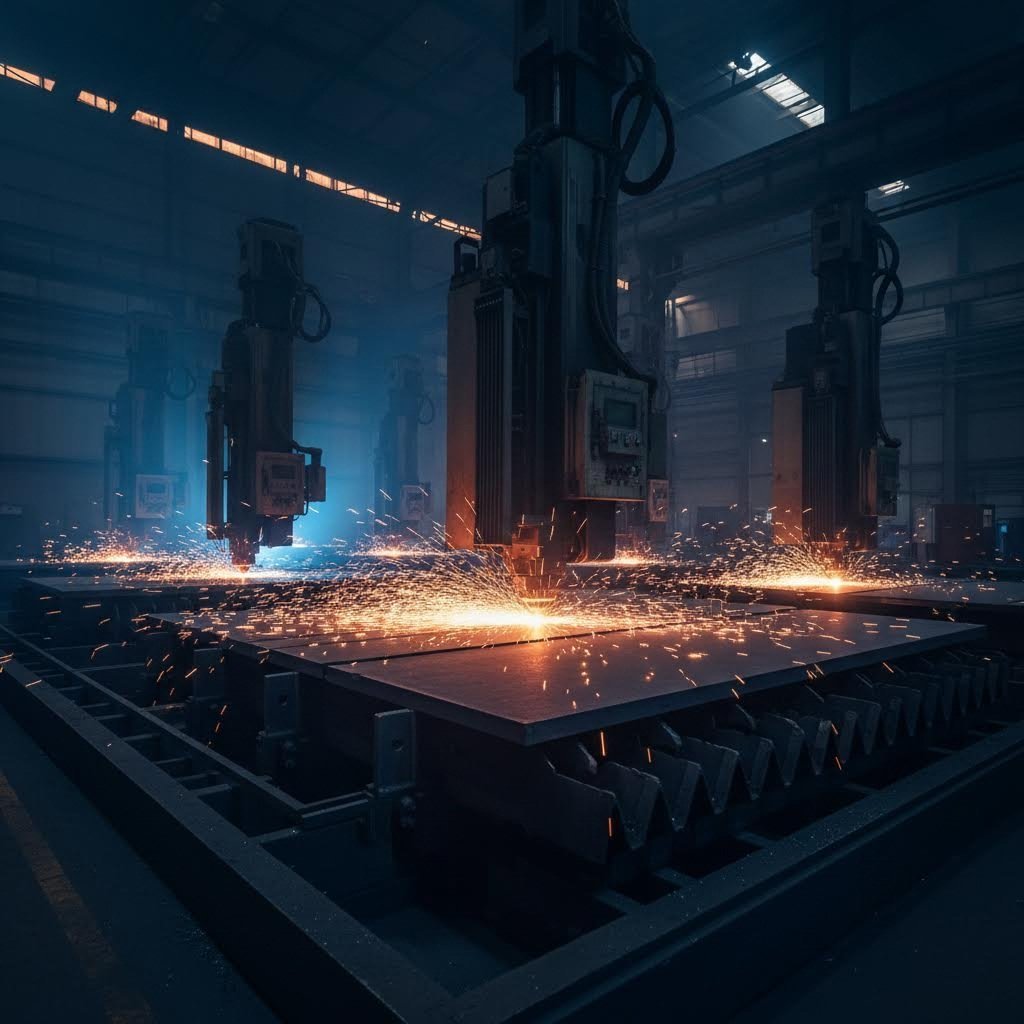
Pag-unawa sa mga Serbisyo sa Pagputol ng Metal at Kanilang Epekto sa Produksyon
Nagtanong ka na ba kung paano nagmula ang isang hilaw na tabla ng bakal patungo sa mga bahagi na may tumpak na sukat sa loob ng iyong kotse, smartphone, o medical device? Ang sagot ay nakasaad sa ekspertisya ng mga serbisyo sa pagputol ng metal—isang pangunahing haligi ng modernong pagmamanupaktura na nagpapatakbo sa halos lahat ng industriya na maimagine mo.
Ang pagputol ng metal ay isang prosesong subtractive na metalworking na humahati sa mga workpiece na gawa sa metal sa tumpak na hugis gamit ang puwersa , thermal energy, o mga pamamaraan tulad ng erosion. Sa pamamagitan man ng mga blade, electrical discharge, sinag ng laser, o mataas na presyong jet ng tubig, ang mga prosesong ito ay nagbabago sa mga hilaw na materyales sa metal fabrication upang maging mga bahagi na sumusunod sa eksaktong espesipikasyon.
Ano Talaga ang Ibinibigay ng mga Serbisyo sa Pagputol ng Metal
Kapag nakipagtulungan ka sa isang propesyonal na tagapagputol ng metal, nakakakuha ka ng access sa mga kakayahan sa industriya na lampas sa simpleng pagputol. Ang mga serbisyong ito ay sumasaklaw sa buong proseso mula sa konsultasyon sa disenyo hanggang sa pagkumpleto ng mga bahagi. Ang mga shop para sa paggawa ng bakal ay nagha-handle mula sa manipis na sheet metal hanggang sa makapal na structural plate, na binabago ang kanilang pamamaraan batay sa natatanging pangangailangan ng iyong proyekto.
Impresibo ang saklaw nito. Ang mga modernong fabrication shop malapit sa akin—at sa iba't ibang global manufacturing hub—ay gumagamit ng apat na pangunahing kategorya ng pagputol: mechanical cutting, abrasive cutting, thermal cutting, at electrochemical methods. Ang bawat isa ay may kakaibang kalamangan para sa tiyak na materyales at aplikasyon.
Mula sa Hilaw na Stock hanggang sa Mga Precision Component
Ang pag-unawa sa kahulugan ng CNC (Computer Numerical Control) ay nakatutulong upang ipaliwanag kung bakit ang kasalukuyang proseso ng pagputol ay nakakamit ng napakahusay na akurasya. Ang teknolohiyang CNC ay awtomatikong nagpapatakbo sa mga operasyon ng pagputol ng metal, na nagbibigay-daan sa mga tolerance na kasing liit ng +/- 0.001 pulgada sa mga pamamaraan tulad ng waterjet Cutting . Ang ganitong kalidad ng pagkakapreciso ay hindi pa posible ilang dekada lamang ang nakalilipas.
Ang pagpili ng tamang paraan ng pagputol ay maaaring magbawas sa gastos ng proyekto sa pamamagitan ng pagbawas sa basurang materyales, pag-alis ng pangalawang operasyon sa pagtapos, at pag-iwas sa mga lugar na apektado ng init na nakompromiso ang integridad ng bahagi.
Sa kabuuan ng gabay na ito, matutuklasan mo kung paano gumagana ang iba't ibang teknolohiya sa pagputol, aling mga materyales ang pinakaaangkop sa bawat paraan, at anong mga pamantayan ang pinakamahalaga kapag binibigyang-kahulugan ang mga opsyon sa paggawa ng metal malapit sa akin. Matututo ka sa buong proseso mula sa pagsumite ng disenyo hanggang sa paghahatid, mauunawaan ang mga kinakailangan sa kalidad na partikular sa industriya, at makakakuha ng praktikal na pananaw tungkol sa mga salik sa pagpepresyo at pagpaplano ng oras.
Kahit ikaw ay naghahanap ng mga precision component para sa aerospace o mga pangkalahatang bahagi para sa pang-araw-araw na produkto, tinutulungan ng resource na ito na masakop ang agwat ng kaalaman sa pagitan ng mga nagbibigay-serbisyo at mga mamimili—tumutulong sa iyo na magdesisyon nang may kaalaman upang mapabuti ang kalidad ng bahagi habang ino-optimize ang badyet sa pagmamanupaktura.
Paano Gumagana ang Iba't Ibang Teknolohiya sa Pagputol ng Metal
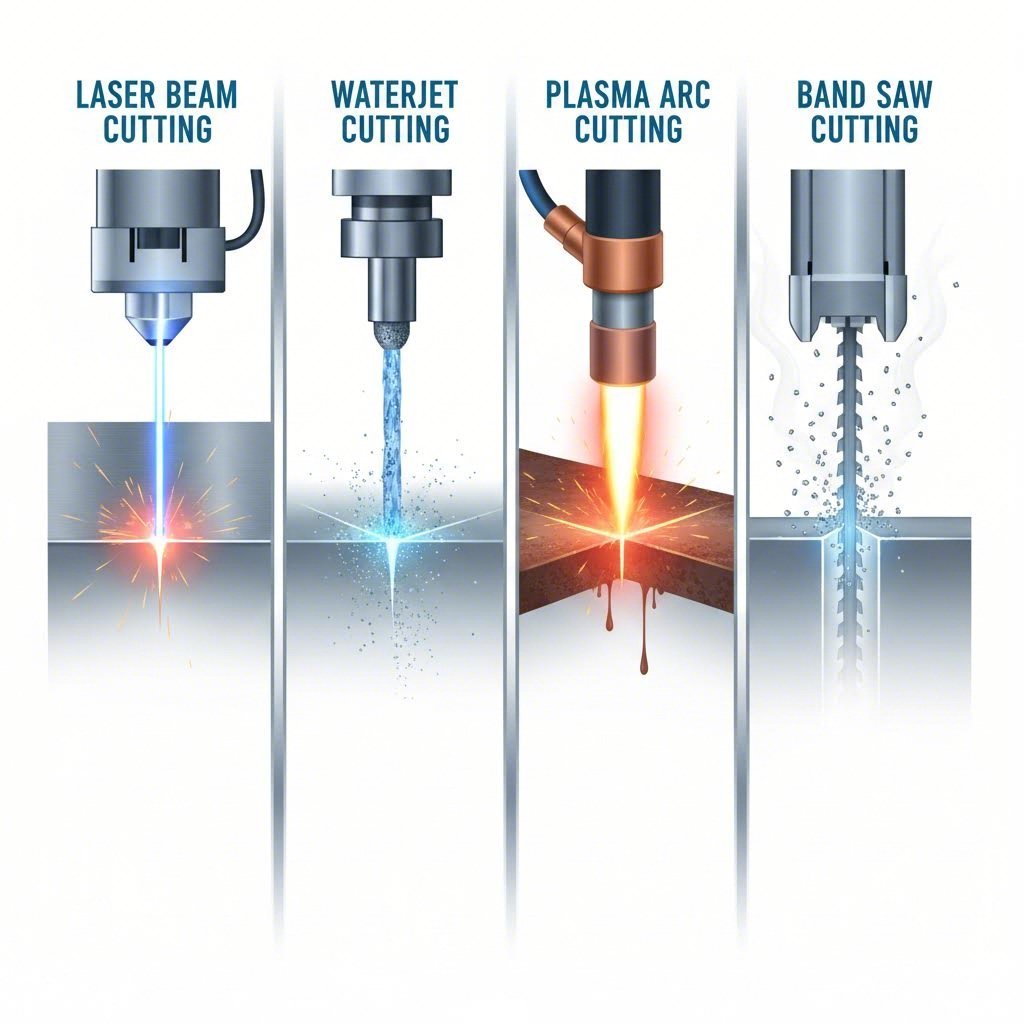
Isipin mo na nakatayo ka sa isang shop sa pagmamanupaktura at pinapanood mo ang apat na magkakaibang makina habang pinoproseso ang iisang plaka ng bakal. Ang isa ay gumagamit ng hindi nakikitang sinag ng liwanag, ang isa ay nagpapaputok ng tubig na may halo na buhangin, ang isa ay lumilikha ng busilak ng napakainit na plasma, at ang isa ay umaasa sa mga ngipin na pamilyar na. Tilaw-tila iba-iba ang bawat paraan—ngunit lahat ay nakakamit ang parehong layunin. Ang pag-unawa kung paano gumagana ang mga teknolohiyang ito ay makatutulong upang mapili mo ang tamang pamamaraan para sa iyong proyekto.
Ang pisika sa likod ng bawat metal laser cutting method ay nagdedetermina sa lahat, mula sa kakayahang tumpak hanggang sa gastos sa pagpapatakbo. Alamin natin kung ano talaga ang nangyayari sa loob ng mga makitang ito.
Paano Nakakamit ng Laser Cutting ang Tumpak na Sukat sa Mikron
Ang laser cutter ay nagpo-focus ng isang matinding sinag ng liwanag sa isang napakaliit na lugar, na lumilikha ng temperatura na umaabot sa mahigit 20,000°F. Ang ganitong nakapokus na enerhiya ay nagpapalambot, nagpapasinga, o nagpapavaporize sa materyal kasunod ng isang nakaprogramang landas. Ano ang resulta? Mga putol na sobrang tumpak na sinusukat na nasa mikron imbes na milimetro.
Ngunit dito masaya—hindi pare-pareho ang lahat ng laser metal cutter. Dalawang nangingibabaw na teknolohiya ang kompetisyon sa kasalukuyang merkado:
- Mga Fiber Laser: Gumagamit ng solid-state technology na may fiber optic cables na may halo ng rare-earth elements. Gumagana ito sa wavelength na 1.064 micrometers, at kayang abutin ang bilis ng pagputol na aabot sa 20 metro bawat minuto sa manipis na stainless steel. Ang kahusayan nito ay umabot sa humigit-kumulang 35%, na nangangahulugan ng mas mababang singil sa kuryente at haba ng buhay na mahigit sa 100,000 oras .
- Ang mga laser ng CO2: Bumuo ng laser na ilaw sa pamamagitan ng elektrikal na pagpimula sa isang tubong may laman na gas na may carbon dioxide. Ang mas mahabang wavelength nito na 10.6 micrometers ay higit na angkop para sa mga di-metalikong materyales tulad ng kahoy, acrylic, at tela. Ang kahusayan ay nasa paligid ng 10-20%, na may karaniwang haba ng buhay na 20,000–30,000 oras.
Para sa mga aplikasyon ng metal laser cutting, ang fiber technology ang nangingibabaw. Ang mas maikling wavelength ay tumutuon sa mas maliit na sukat ng tuldok, na nagbibigay-daan sa mas matulis na pagputol sa mga nakakasilaw na metal tulad ng aluminum at tanso na maaaring masira ang CO2 system sa pamamagitan ng back reflection.
Waterjet kumpara sa Plasma Technology na ipinaliwanag
Mukhang kumplikado? Isipin ang waterjet cutting bilang pagsisira sa hyperdrive. Pinipiga ang tubig na may presyon—madalas na halo-halo sa mga abrasive particle tulad ng garnet—at sumabog sa materyales sa presyon na lampas sa 60,000 PSI. Ang prosesong ito ng malamig na pagputol ay lumilikha ng zero heat-affected zone, na ginagawa itong perpekto para sa mga sensitibong haluang metal at materyales kung saan ang thermal distortion ay nangangahulugan ng mga nasirang bahagi.
Ang plasma cutting ay kumuha ng kabaligtarang pamamaraan. Ang electrical arc ay nagpapainit nang husto sa compressed gas upang maging plasma—ang ikaapat na estado ng matter—na umabot sa temperatura na mga 40,000°F. Ang ionized gas stream na ito ay pinagsama-samang tinutunaw at inilalabas ang materyal. Kapag ikaw ay nagpo-potong ng mga conductive metal tulad ng bakal, aluminum, o tanso na may kapal na higit sa kalahating pulgada, ang plasma ang nag-aalok ng pinakamabilis na bilis at pinakamababang gastos .
Ano ang pangunahing pagkakaiba? Ang waterjet ay kayang gamitin sa halos anumang bagay—mga metal, bato, salamin, composites—nang walang epekto ng init. Ang plasma naman ay lubos na epektibo sa makapal na conductive metal kung saan ang bilis ng pagputol ang pinakamahalaga.
Mechanical Sawing: Ang Workhorse Method
Huwag balewalain ang tradisyonal na saw cutting para sa ilang aplikasyon. Ang circular at band saws ay gumagamit ng matalas na metal teeth upang putulin nang mekanikal ang materyales. Ang pamamaraang ito ay nag-aalok ng ilang di-kilalang pakinabang:
- Ang close tolerance cutting ay binabawasan ang basura ng materyales
- Mabilis na bilis sa makapal na bar, tubo, at istrukturang bahagi
- Ang mataas na kalidad ng pagputol ay madalas na nag-aalis ng pangalawang pagwawakas
- Mas mababang gastos sa kagamitan kumpara sa mga prosesong termal
Ang pagputol gamit ang lagari ay pinakaepektibo para sa mga materyales na may mas makapal na kapal o magkakaibang cross-section—tulad ng structural steel beams, solid bars, at mabigat na plate kung saan mahihirapan ang laser cutting machine para tumagos o kaya aabubuhin ng oras ang waterjet.
Kumpletong Paghahambing ng Teknolohiya
Kapag binibigyang-pansin kung aling pamamaraan ng pagputol ang angkop para sa iyong proyekto, ito ang mga pinakamahalagang teknikal na detalye:
| Salik | Laser Cutting | Waterjet Cutting | Pagputol ng plasma | Mechanical Sawing |
|---|---|---|---|---|
| Presisyong Tolerance | ±0.001" to ±0.005" | ±0.001" to ±0.005" | ±0.015" hanggang ±0.030" | ±0.005" hanggang ±0.015" |
| Saklaw Ng Kapal Ng Materyal | Hanggang 1" (bakal) | Hanggang 6" | Hanggang 6"+ (mga conductive metal) | Walang limitasyon (bar/plate stock) |
| Heat-Affected Zone | Maliit hanggang katamtaman | Wala (prosesong malamig) | Malaki | Walang (mekanikal) |
| Kalidad ng gilid | Mahusay (walang burr) | Mahusay (makinis) | Mabuti (maaaring kailangan ng pagpapakintab) | Maganda hanggang Napakaganda |
| Pinakamahusay na Aplikasyon | Manipis na metal, kumplikadong disenyo, elektronika | Liga na sensitibo sa init, komposito, makapal na materyales | Estrikturang bakal, makapal na plaka, paggawa ng barko | Mga bar, tubo, estrikturang seksyon |
| Relatibong Bilis (makapal na materyal) | Mabagal | Katamtaman | Mabilis | Katamtaman hanggang Mabilis |
| Relatibong Bilis (manipis na materyal) | Sobrang Bilis | Mabagal | Katamtaman | Katamtaman |
Pansinin na walang iisang teknolohiya ang nananalo sa lahat ng kategorya. Ang metal cutting laser ay nag-aalok ng hindi matatawarang presisyon sa manipis na plaka ngunit nahihirapan sa makakapal. Ang plasma ay mabilis na tumatagos sa mabigat na bakal ngunit hindi kayang tularan ang husay ng laser. Ang waterjet ay kayang gumana sa anumang materyales nang walang epekto ng init ngunit mas mabagal kaysa sa mga thermal proseso. Ang pag-unawa sa mga kalakdang ito ay nakakatulong upang maibalanse ang teknolohiya sa iyong partikular na pangangailangan.
Ngayong alam mo na kung paano gumagana ang bawat pamamaraan ng pagputol, ang susunod na mahalagang tanong ay: aling mga materyales ang pinakaepektibo para sa bawat teknolohiya? Malaki ang impluwensya ng mga katangian ng materyales sa pagpili ng pamamaraan— at ang pagkakamali dito ay maaaring magresulta sa sirang bahagi, lumampas sa badyet, o pagkaantala sa produksyon.
Mga Tiyak na Katangian ng Materyales at Isaalang-alang ang Kapal
Narito ang isang pagharap sa katotohanan: ang pagpili ng maling paraan ng pagputol para sa iyong materyales ay hindi lang nakakaapekto sa kalidad—maaari nitong dobleng dumami ang iyong gastos o kaya'y hindi na magamit ang mga bahagi. Iba-iba ang ugali ng bawat metal kapag ilapat ang sinag ng laser, tubig na jet, at plasma arc. Ang pag-unawa sa mga ugaling partikular sa materyales ay nagbabago sa iyo mula sa isang mamimili na naglalagay ng order tungo sa isang kasosyo na tiyak na nakakalahad kung ano ang kailangan ng iyong proyekto.
Pagpili ng materyales at paraan ng pagputol mga desisyong hindi maihihiwalay. Ang isang stainless steel sheet na magandang mapuputol gamit ang teknolohiyang fiber laser ay maaaring nangangailangan ng ganap na iba't ibang mga parameter kumpara sa aluminum sheet metal na may magkaparehong kapal. Alamin natin kung bakit.
Mga Saklaw ng Kapal at Kakayahang Toleransiya Ayon sa Materyales
Kapag tiningnan mo ang isang tsart ng kapal ng sheet metal, nakikita mo ang mga pamantayang sukat ng kapal na nagdedetermina kung aling mga teknolohiyang pang-potong ang maia-aply. Ang mga sukat ng gauge ay may baligtad na ugnayan—mas mataas ang numero, mas manipis ang material. Halimbawa, ang kapal ng 14 gauge na bakal ay mga 0.0747 pulgada (1.9mm), samantalang ang 22 gauge ay bumababa lamang sa 0.0299 pulgada.
Direktang nakaaapekto ang kapal na ito sa iyong mga opsyon:
- Manipis na gauge ng sheet metal (hanggang 3mm): Ang laser cutting ang nangingibabaw dito, na nakakamit ng toleransiya na ±0.1–0.2mm (±0.004–0.008 pulgada) gamit ang fiber lasers. Maaaring umabot ang bilis ng pagputol sa 1,000–3,000 mm/min depende sa lakas ng laser.
- Katamtamang kapal (3–6mm): Parehong ang laser at plasma ay maaaring gamitin. Kaunti lamang tumataas ang toleransiya ng laser cutting sa ±0.25mm, samantalang ang plasma ay nag-aalok ng mas mabilis na throughput sa toleransiya na ±0.4–0.8mm.
- Mabigat na steel plate (mahigit sa 6mm): Ang plasma at waterjet ang nangingibabaw. Kailangan ng 3,000–8,000 watts o higit pa para sa laser cutting ng aluminum o bakal sa mga kapal na ito, kung saan bumababa ang bilis ng pagputol sa 200–800 mm/min.
Ang kapal ng materyal ay nakakaapekto rin sa lapad ng kerf—ang materyal na natatanggal habang pinuputol. Karaniwan ang kerf ng fiber laser ay nasa 0.1–0.3mm, na nangangahulugan na ang maliliit na panloob na bahagi ay effectively magiging mas maliit ng halagang ito. Habang dinisenyo ang mga tab para mapasok sa mga slot, dapat isama ang kapal ng dulo ng toleransiya ng materyal (magdagdag ng 0.2–0.4mm na clearance) upang maiwasan ang problema sa pag-assembly.
Bakit Ang Mga Katangian ng Materyal ang Nagsasaayos ng Iyong Pagpipilian sa Pagputol
Higit pa sa kapal, ang likas na katangian ng materyal ay lumilikha ng tiyak na hamon sa pagputol. Ang pag-iiwan ng mga katangiang ito ay nagdudulot ng mga problema sa kalidad, pinsala sa kagamitan, o pareho.
Bakal at carbon steel
Ang steel plate ang pinakamalambot na materyal para sa mga operasyon ng pagputol. Ang pare-parehong thermal properties nito at katamtamang reflectivity ay gumagana nang maayos sa laser, plasma, at mechanical methods. Maaaring maabot ang karaniwang tolerances na ±0.1–0.2mm sa manipis hanggang katamtamang kapal ng steel sheet gamit ang maayos na nakakalibrang kagamitan. Maaaring magbago ang mill tolerances ng ±0.1–0.3mm depende sa gauge at specification, kaya mahalaga ang pagdidisenyo ng clearance sa mga mating feature upang maiwasan ang problema sa pagkakasakop.
Plato ng bakal na may tinitigan
Ang stainless ay nag-aalok ng mahusay na resistensya sa corrosion ngunit nagdudulot ng komplikasyon sa pagputol. Ang mas mataas na chromium content ay nagpapataas ng hardness, na nagpapabilis sa pagsusuot ng tool sa mechanical cutting. Kayang-kaya ng fiber lasers ang stainless, bagaman bumababa ang bilis ng pagputol nang humigit-kumulang 20-30% kumpara sa carbon steel sa magkatumbas na kapal. Kailangan bigyan ng atensyon ang heat-affected zones—ang labis na init ay maaaring sumira sa corrosion-resistant properties na siyang dahilan kung bakit mo paunang pinili ang stainless.
Aluminum sheet metal
Ang aluminum ay nagtatampok ng mga natatanging hamon na nakakapagpabigo sa mga hindi karanasan sa pagmamanupaktura. Isaalang-alang ang mga sumusunod na mahahalagang salik:
- Mataas na Reflectivity: Ang aluminum ay sumasalamin sa enerhiya ng laser, lalo na sa CO2 na haba ng daluyong (10.6 µm). Maaari itong makapinsala sa mga optics ng laser dahil sa panibagong pagkakasalamin. Ang fiber laser na may 1.064 µm na haba ng daluyong ay mas epektibong nakakapaghawak ng aluminum.
- Thermal conductivity: ang mga ito ay: Mabilis na iniinit ang aluminum, kaya't nangangailangan ito ng mas mataas na antas ng kapangyarihan—kahit 500W para sa 3mm na aluminum sheet, at umaabot sa 3,000W o higit pa para sa materyales na mahigit sa 6mm.
- Layer ng oksido: Ang pag-oxidize sa ibabaw ay nakakaapekto sa pagsisimula ng pagputol at kalidad ng gilid. Ang tamang pagpili ng gas na tagatulong (karaniwan ay nitrogen) ay nakakatulong upang mapamahalaan ito.
- Pagpili ng grado: Karaniwang mga grado tulad ng 5052 at 6061 ay maayos na napuputol gamit ang laser, samantalang ang matibay na 7075 ay nangangailangan ng mas mabagal na bilis at mas mataas na kapangyarihan dahil sa nadagdagan nitong katigasan.
Tanso at bakal
Ang mga mataas na sumasalamin na metal na ito ay may pagkakatulad sa mga hamon sa pagputol ng aluminoy gamit ang laser, ngunit mas malakas pa. Ang kondaktibidad termal ng tanso—ang pinakamataas sa karaniwang mga metal—ay nangangailangan ng malaking kapangyarihan upang mapagtagumpayan ang pagkalat ng init. Parehong gumagana nang mas mahusay ang mga metal na ito gamit ang fiber laser kaysa CO2 system, bagaman ang waterjet cutting ay ganap na iniiwasan ang problema sa pagmumuni-muni habang pinapanatili ang mga katangian ng materyal.
Buod ng Mga Pagsasaalang-alang sa Pagputol Ayon sa Materyal
- Mga isyu sa pagmumuni-muni: Ang aluminoy, tanso, at tanso ay sumasalamin ng enerhiya ng laser pabalik patungo sa mga optics. Mas epektibo ang fiber laser kumpara sa CO2 system; ganap na iniiwasan ng waterjet ang problemang ito.
- Sensitibo sa init: Ang ilang mga haluang metal ay nawawalan ng temper o lumalaban sa korosyon kapag sobrang nag-init. Ang proseso ng cold-cutting ng waterjet ay nagpapanatili ng mga metalurhikal na katangian na maaaring masira ng thermal methods.
- Mga salik ng katigasan: Ang matitigas na materyales tulad ng tool steels at hardened stainless ay nagpapabilis sa pagsusuot ng saw blade at binabawasan ang bilis ng pagputol. Ang abrasive waterjet ay kayang hawakan ang katigasan nang walang alalahanin sa pagsusuot ng kasangkapan.
- Mga pagbabago sa kapal ng materyal: Maaaring magbago ang makapal ng metal sheet ng ±5-10% mula sa nominal na kapal. Ang isang 12 gauge na bakal (humigit-kumulang 2.66mm nominal) ay maaaring may aktwal na sukat kahit saan sa saklaw na iyon—kaya dapat idisenyo nang naaayon ang mga clearance.
Ang pag-unawa kung paano nakikipag-ugnayan ang mga katangian ng materyales sa teknolohiya ng pagputol ay nakakaiwas sa mga mahahalagang pagkakamali. Ngunit ang pag-alam sa tamang paraan ay kalahati lamang ng solusyon. Ang susunod na hakbang ay ang pagpapalit ng disenyo mo sa mga bahagi na maaaring gawin—isang proseso kung saan ang paghahanda ng file at pagsusuri sa disenyo para sa kakayahang paggawa ang nagtatakda kung ang proyekto mo ay magtatagumpay o babagsak.
Ang Kompletong Daloy ng Trabaho sa Pagmamanupaktura Mula sa Disenyo hanggang sa Paghahatid
Napili mo na ang paraan mo sa pagputol at tinukoy mo na ang iyong materyales. Ano ngayon? Ang paglalakbay mula sa CAD file hanggang sa natapos na laser-cut na bahagi ay kasama ang maraming checkpoint kung saan ang maliliit na desisyon ay lumilikha ng malaking epekto sa gastos, kalidad, at oras. Ang pag-unawa sa workflow na ito ay nakakatulong upang maiwasan mo ang mga di inaasahang suliranin na nakakaantala sa proyekto at nagpapataas sa badyet.
Sinusunod ng propesyonal na paggawa ng sheet metal ang isang nakabalangkasyong pagkakasunod-sunod na idinisenyo upang mahuli ang mga problema nang maaga—nang sila ay pinakamura pang mapatawad. Halika at tignan natin ang eksaktong mangyayari pagkatapos i-click ang "ipasa."
Ang Proseso ng Disenyo hanggang Paghahatid, Inilalarawan
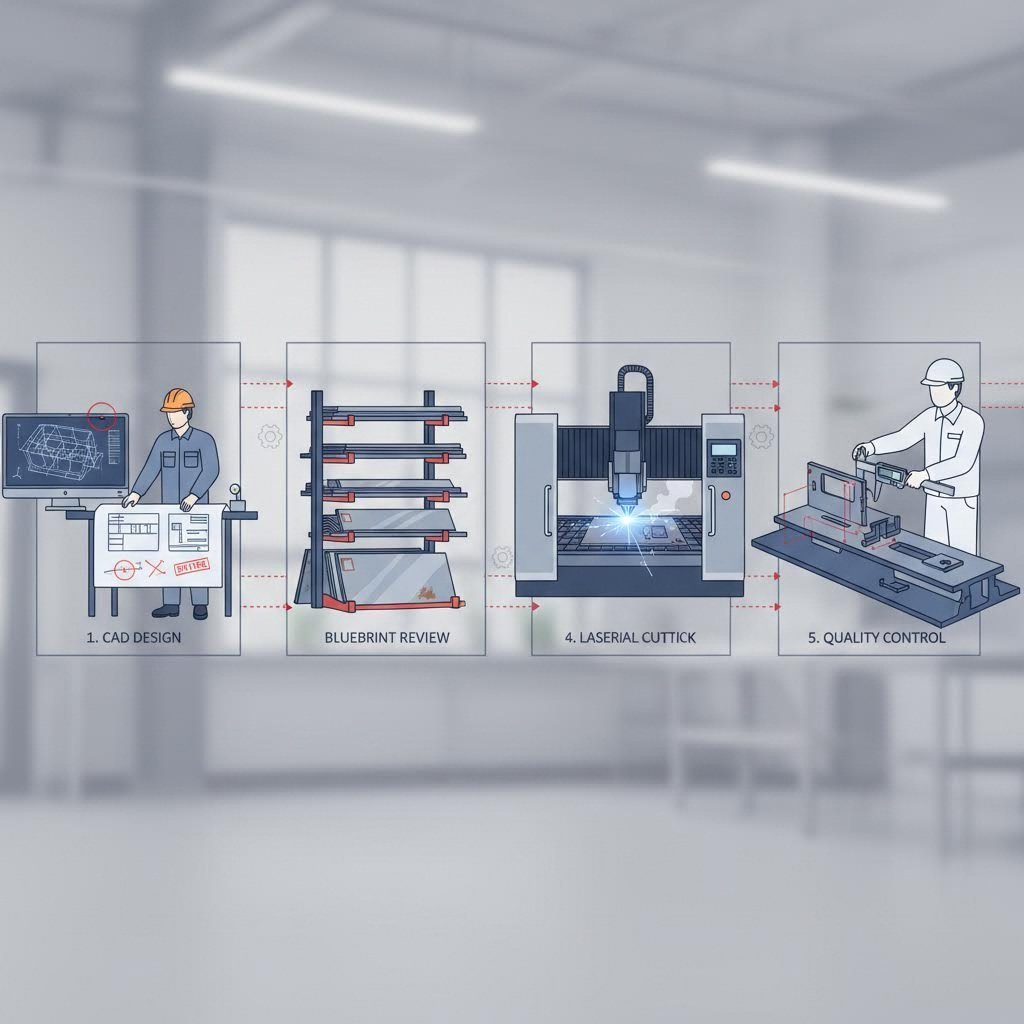
Ang kompletong metal fabrication workflow ay dumaan sa iba't ibang yugto, kung saan bawat isa ay nagtatayo sa nakaraang hakbang. Narito ang sunud-sunod na proseso na sinusundan ng iyong proyekto:
- Pagsusumite ng Disenyo: Ibinibigay mo ang teknikal na file—karaniwang isang 2D drawing (PDF format) kasama ang 3D CAD data (.STEP o .IGES files). Ang mga dokumentong ito ang naglalahad ng geometrikong kumplikado, tolerance specifications, at teknikal na kinakailangan. Sinusuri ng mga tagagawa ng steel ang mga ito para sa symmetry ng bahagi, machinability, at kapal ng pader bago magpatuloy.
- Pagsubok ng DFM: Isinasagawa ng mga bihasang inhinyero ang pagsusuri sa Disenyo para sa Pagmamanupaktura upang matukoy ang mga potensyal na mga salik na may panganib. Kasama rito ang pagtataya sa mga undercut, manipis na bahagi, sobrang masikip na toleransiya, at mga katangian na nagpapakomplikado sa pagputol o nagdaragdag sa antas ng kalabisan. Ang mga rekomendasyon sa yugtong ito ay nagpapababa sa oras at gastos ng pag-machining.
- Pagpili at Pagkuha ng Materyales: Kinukuha at sinusuri ang mga sertipikadong hilaw na materyales batay sa mga teknikal na tukoy. Pinuputol ang stock sa magagalang na sukat at nilalagyan ng mga code para sa pagsubaybay ng trabaho upang masiguro ang mapapatunayan na landas sa buong produksyon.
- Operasyon ng Pagputol: Ang iyong mga bahagi ay ipinapasa sa laser cutting para sa sheet metal, waterjet, plasma, o mekanikal na proseso batay sa nakaraang mga tukoy. Ginagawa ng mga programmer ng CAM ang pinakamaayos na landas ng kasangkapan upang minumin ang oras na hindi gumagana, bawasan ang basura ng materyales, at tiyakin ang pare-parehong kalidad sa buong produksyon.
- Pagsusuri ng kalidad: Ang pagpapatunay ng sukat gamit ang micrometer, calipers, o CMM (coordinate measuring machines) ay nagpapatibay na ang mga bahagi ay sumusunod sa mga espesipikasyon. Ang mga kritikal na aplikasyon ay maaaring mangangailangan ng unang ulat sa inspeksyon kasama ang buong dokumentasyon para sa traceability.
- Mga Pagpipilian sa Pagtatapos: Batay sa iyong mga kinakailangan, ang mga bahagi ay ipinagpapatuloy sa pangalawang operasyon—anodizing, powder coating, thermal treatments, o electropolishing. Ang bawat pagtrato ay nakatuon sa tiyak na pangangailangan sa estetika o pagganap.
Ang sistematikong pamamarang ito ay nalalapat anuman kung ikaw ay naghahain ng limang prototype na piraso o limang libong bahaging produksyon. Ang pagkakaiba ay nakabase sa paglalaan ng setup at inaasahang oras ng pagkumpleto.
Ano ang Mangyayari Matapos Isumite ang Iyong CAD File
Kapag ikaw ay nakikipagtulungan sa isang pasilidad para sa custom laser cutting, mahalaga ang file format nang higit sa iniisip mo. Ang mga native CAD file mula sa mga programa tulad ng SolidWorks o Fusion 360 ay hindi lahat nababasa sa bawat sistema. Sa halip, i-export ang neutral na format:
- .STEP files: Ang karaniwang pamantayan sa industriya para sa palitan ng 3D geometry, na nagpapanatili ng tumpak na surface data
- .IGES files: Mas lumang format ngunit malawak ang kakompatibilidad para sa mga kumplikadong baluktot na ibabaw
- .DXF/.DWG files: Mahalaga para sa mga profile ng 2D cutting at patag na disenyo
- Mga drawing na PDF: Ipinapahiwatig ang mga sukat, toleransiya, at espesyal na kinakailangan
Ang hindi kompletong pagsumite ay nagdudulot ng mga pagkaantala. Ang nawawalang tawag sa toleransiya, hindi natukoy na mga espesipikasyon ng materyales, o ambisyosong mga kinakailangan sa tapusin ay nagpapagulo ng paulit-ulit na komunikasyon na nagpapahaba ng mga orasan ng ilang araw o linggo.
Kinakatawan ng DFM review ang pinakamalaking oportunidad mo para sa pagbawas ng gastos. Ayon sa pananaliksik sa industriya tungkol sa mga kasanayan sa DFM , mas mura ang pagtugon sa mga isyu sa paggawa sa panahon ng pagdidisenyo kaysa sa pag-ayos ng mga problema habang nasa produksyon. Sinusuri ng pagsusuring ito ang mga salik tulad ng anyo ng hilaw na materyales, dimensyonal na toleransiya, at mga kinakailangan sa pangalawang proseso—na nagpapatupad ng mga pagbabago upang mapabuti ang output nang walang kompromiso sa pagganap.
Kapag ang laser-cut na sheet metal ay nangangailangan ng karagdagang mga katangian bukod sa patag na pagputol—tulad ng mga threaded hole, chamfer, o eksaktong bore diameter—ang pangalawang CNC machining services ay isinasama sa proseso. Ang pag-unawa sa ugnayang ito ay makatutulong upang magdisenyo ka ng mga bahagi na minimizes ang paghawak sa pagitan ng mga operasyon, na binabawasan ang gastos at potensyal na mga isyu sa kalidad.
Karaniwang Mga Kamalian sa Disenyo na Nagpapataas ng Gastos
Ang ilang desisyon sa disenyo ay madalas na nagdudulot ng pagkaantala sa produksyon o labis na gastos. Iwasan ang mga karaniwang kamalian na ito:
- Masyadong masikip na tolerances: Ang pagtukoy ng ±0.001" kung saan sapat na ang ±0.005" para matugunan ang functional requirements ay nagpapalitaw ng mas mabagal na cutting speed at karagdagang hakbang sa inspeksyon
- Pag-iiwan ng kerf width: Ang pagdidisenyo ng mga tabs at slots nang hindi isinasaalang-alang ang material na natatanggal habang nagcu-cut ay nagdudulot ng problema sa pagkakabuo
- Hindi sapat na bend relief: Ang mga bahaging idedesenyo para ibomba ay nangangailangan ng relief cuts malapit sa mga linya ng pagbuo—ang pagkakaunti nito ay nagdudulot ng pagkakasira
- Masyadong maliit na text at logo: Ang mahahalagang detalye sa ilalim ng 0.5mm ay naging mahirap basahin o mahina ang istruktura pagkatapos ng pagputol
- Mga hindi tugmang kapal ng materyales: Ang pagtukoy sa karaniwang sukat nang hindi ninanais na maipapatupad ay nagpapalawig sa oras ng paghahanda para sa mga espesyal na order
Ang masusing pagsusuri sa disenyo para sa pagmamanupaktura (DFM) ay nakakakuha ng mga isyung ito bago pa man makarating ang anumang metal sa mesa ng pagputol. Ano ang resulta? Mas kaunting rebisyon, mas mabilis na paghahatid, at mga bahagi na gumagana nang maya't maya.
Kapag ang iyong disenyo ay nai-optimize at malinaw na ang workflow, ang susunod na dapat isaalang-alang ay nakabatay sa industriya: anong mga pamantayan ng kalidad at sertipikasyon ang kailangan ng iyong aplikasyon? Malaki ang pagkakaiba ng sagot dito sa pagitan ng dekoratibong bahagi at mahahalagang bahagi para sa kaligtasan sa aerospace.
Mga Kaugnay na Industriya at Sertipikasyon sa Kalidad
Narito ang isang bagay na madalas hindi inaasahan ng maraming mamimili: ang isang bahagi na ganap na katanggap-tanggap sa isang industriya ay maaaring ganap na tanggihan sa iba—kahit na eksaktong magkatugma ang mga sukat. Ano ang pagkakaiba? Mga kinakailangan sa sertipikasyon, pamantayan sa dokumentasyon, at inaasahang toleransiya na lubhang iba-iba sa bawat sektor.
Ang pag-unawa sa mga partikular na pangangailangan ng industriya ay nakatutulong upang ikaw ay makipagkomunikasyon nang epektibo sa mga serbisyong provider at maiwasan ang mga mahal na hindi pagtugma sa pagitan ng kung ano ang kailangan mo at kung ano ang ibinibigay.
Mga Toleransiya sa Aerospace vs Karaniwang Pamantayan sa Pagmamanupaktura
Isaalang-alang ang agwat sa pagitan ng mga structural steel beam at mga bahagi ng eroplano. Maaaring payagan ng isang konstruksiyong beam ang toleransiya hanggang ±0.030 pulgada nang walang panganib sa kaligtasan—dahil binibilang ng istraktura ang pagbabagong ito. Ang isang bahagi ng aerospace na gumagana sa 30,000 talampakan sa ilalim ng matinding tensyon? Ang ganitong toleransiya ay maaaring magdulot ng malubhang kabiguan.
Ang pagmamanupaktura sa aerospace ay nangangailangan ng tinatawag ng mga inhinyero na "napakakitid na toleransiya"—na madalas sinusukat sa libo-libong bahagi ng isang pulgada. Kahit ang mga maliit na paglihis ay nakakaapekto sa aerodynamics, katatagan ng istraktura, at pagkakatugma ng mga bahagi sa loob ng mga de-husay na montiya. Ang mga precision laser cutting service na nakatuon sa sektor na ito ay namumuhunan nang husto sa kalibrasyon ng kagamitan, kontrol sa kapaligiran, at mga protokol sa inspeksyon na karaniwang hindi kailangan ng mga pangkalahatang shop sa pagmamanupaktura.
Ang mga pamantayan sa pangkalahatang paggawa, sa kabilang dako, ay nagbabalanse ng presisyon laban sa praktikal na mga pagsasaalang-alang sa gastos. Ang mga bahagi ng istraktura, kahon, at mga di-kritikal na suporta ay nakakapagtiis ng mas malawak na pagkakaiba dahil ang kanilang tungkulin ay hindi nangangailangan ng katumpakan na antas-mikron. Ang pangunahing tanong ay naging: anong antas ng presisyon ang talagang kailangan ng iyong aplikasyon?
Mga Kinakailangang Sertipikasyon Ayon sa Industriya
Ang mga sertipikasyon sa kalidad ay gumaganap bilang maikling paraan—nagsasabi ito na mayroong dokumentadong sistema ang isang tagapagkaloob na tumutugon sa tiyak na pamantayan. Ngunit hindi lahat ng sertipikasyon ay may pantay na bigat sa lahat ng industriya.
ISO 9001 nagsisilbing batayan sa pamamahala ng kalidad. Ayon sa mga gabay sa sertipikasyon ng industriya , ipinapakita ng mga organisasyong sertipikado ng ISO 9001 ang kanilang kakayahang maghatid ng mga de-kalidad na produkto nang patuloy habang natutugunan ang mga kinakailangan ng customer at regulasyon. Ang sertipikasyong ito ay nalalapat sa halos lahat ng sektor ng pagmamanupaktura at nagpapakita ng karaniwang antas ng kahusayan sa pamamahala ng kalidad.
IATF 16949 ay batay sa ISO 9001 na may mga kinakailangan partikular sa industriya ng automotive. Ito ay binuo ng International Automotive Task Force, at tinutugunan nito ang mga natatanging hinihingi ng mga supply chain sa automotive—kabilang ang chassis, suspension, at mga structural component kung saan ang pagkabigo ay magdudulot ng panganib sa kaligtasan. Ang mga supplier ng automotive ay dapat sumunod sa parehong IATF 16949 at ISO 9001 upang makakuha ng sertipikasyon.
AS9100D ay kumakatawan sa ekwibalente nito sa aerospace, na nagdaragdag ng mahigpit na mga pamantayan para sa traceability, risk management, at configuration control. Ang mga tagagawa na sertipikado ayon sa AS9100D 2016 ay nagpapakita ng kakayahan na alinsunod sa mga hinihingi ng aerospace at defense.
ISO 13485 ay namamahala sa pagmamanupaktura ng medical device, na nagtitiyak na ang mga gawi sa quality management ay nagpoprotekta sa mga konsyumer laban sa mga device na hindi tumutugon sa mga pamantayan sa kaligtasan at pagganap. Kapag ang mga laser-cut na stainless steel component ay napupunta sa mga surgical instrument o implantable device, ang sertipikasyong ito ay hindi mapapalitan.
Paggawa-Spesipiko na Pagsusuri
Ang bawat sektor ay nagdudulot ng natatanging dokumentasyon, traceability, at mga kahilingan sa inspeksyon:
- Automotibo: Buong material na traceability mula sa hilaw na stock hanggang sa nakumpletong bahagi; dokumentasyon ng PPAP (Production Part Approval Process); statistical process control para sa produksyon; aluminum laser cutting para sa magaang chassis components na nangangailangan ng pare-parehong kalidad sa mataas na dami
- Aerospace: Mga unang-ulat sa inspeksyon ng artikulo na may pagpapatunay ng sukat; sertipikasyon ng materyales na may heat lot traceability; non-destructive testing para sa mahahalagang bahagi; pamamahala ng konpigurasyon para sa mga pagbabago sa disenyo
- Mga medikal na device: Mga napatunayang proseso ng paglilinis at passivation para sa stainless steel sheet metal; dokumentasyon ng biocompatibility para sa mga surface na nakikipag-ugnayan sa pasyente; lot traceability upang mapadali ang recall kung may mga isyu sa kalidad
- Elektronika: Mga protokol sa ESD (electrostatic discharge) na paghawak; tumpak na toleransiya para sa mga kahon at heat sink; mga espesipikasyon sa surface finish na nakakaapekto sa thermal management
- Pang-industriya: Mga karaniwang ulat sa pagsusuri; mga ulat sa pagsusuri ng materyales; pagpapatunay ng sukat batay sa mga plano
Ang pagkakaiba sa pagitan ng mga pandekorasyong bahagi at mga kritikal na bahagi para sa kaligtasan ay lampas sa toleransya. Ang isang 316 stainless steel na bracket na nagpapahawak ng isang palatandaan ay maaaring nangangailangan lamang ng biswal na pagsusuri at pangunahing pagsusuri ng sukat. Ang parehong materyal na ginawang medikal na implante ay nangangailangan ng wastong proseso, dokumentadong protokol sa paglilinis, at buong traceability mula sa sertipiko ng paggawa hanggang sa huling pag-iiwan.
Bakit Mahalaga ang mga Sertipikasyon para sa Iyong Proyekto
Ang mga sertipikasyon ay hindi lamang mga birokratikong kinakailangan—ito ay nagpapakita ng kapanahunan ng operasyon. Ang isang tagapagbigay na nagpapanatili ng sertipikasyon na IATF 16949 ay namuhunan sa dokumentadong pamamaraan, nakapagsanay na kawani, nakakalibrang kagamitan, at mga sistema ng patuloy na pagpapabuti. Nakikinabang ang imprastrakturang ito sa lahat ng mga kliyente, hindi lamang sa mga automotive program.
Kapag binibigyang-pansin ang mga serbisyong precision laser cutting, isaalang-alang kung aling mga sertipikasyon ang tugma sa mga pangangailangan ng iyong industriya. Ang sobrang pagbabayad para sa kalidad na katumbas ng aerospace sa mga dekoratibong bahagi ay sayang sa badyet. Ang kulang na pagtukoy sa kalidad para sa mga komponenteng kritikal sa kaligtasan ay nagdudulot ng panganib sa pananagutan.
Ang kalidad ay hindi lamang tungkol sa pagsunod sa mga teknikal na detalye—ito ay tungkol sa pagkakapare-pareho. Ang tamang sertipikasyon ay nagpapahiwatig na ang isang tagapagbigay ay may kakayahang maghatid ng parehong resulta sa ika-isang libong bahagi gaya ng sa unang bahagi. Kapag malinaw na ang mga pamantayan sa kalidad, ang susunod na praktikal na tanong ay: magkano nga ba ang gastos nito, at gaano katagal bago matatapos?
Mga Salik sa Pagpepresyo at Paghahanda ng Timeline ng Proyekto
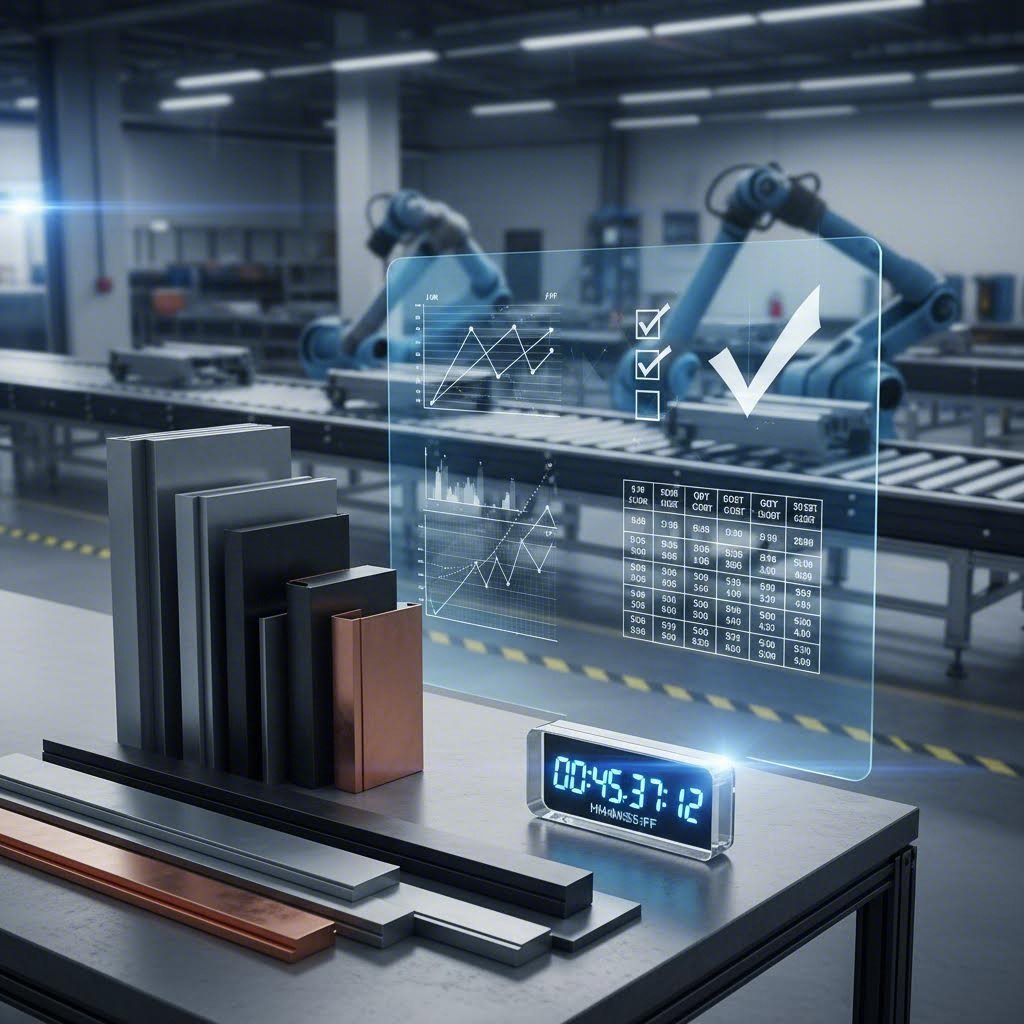
Natukoy mo na ang iyong materyales, pinili mo na ang paraan ng pagputol, at kinumpirma mo na ang mga kinakailangan sa kalidad. Ngayon ay dumating ang tanong na tinatanong ng bawat project manager: magkano ang gastos nito, at kailan ko makakatanggap ng mga bahagi? Ang mga sagot ay nakadepende sa mga salik na nag-uugnayan sa paraan na hindi inaasahan ng maraming buyer—and ang pag-unawa sa mga dinamikang ito ay nagbibigay sa iyo ng mas malakas na posisyon sa negosasyon.
Ang pagpepresyo para sa mga serbisyo sa pagputol ng metal ay hindi arbitraryo. Bawat item sa iyong quote ay sumasalamin sa tunay na gastos ng operasyon, mula sa oras ng makina hanggang sa paghawak ng materyales. Alamin natin kung ano ang nagtutulak sa mga numerong ito at kung paano nakaaapekto ang mga desisyon sa oras sa iyong kabuuang gastos.
Ano ang Nagtutulak sa Gastos ng Serbisyo sa Pagputol ng Metal
Kapag humiling ka ng quote para sa laser cutting, sinusuri ng mga tagagawa ang ilang magkakaugnay na salik bago itakda ang presyo. Ang pagkawala ng anumang isa sa mga pagsasaalang-alang na ito ay magbubunga ng hindi inaasahang singil o binagong tantiya sa gitna ng proyekto.
Uri at Kadaaan ng Materyales
Ang iba't ibang metal ay may malaking pagkakaiba-iba sa gastos—pareho sa hilaw na materyales at sa proseso. Ayon sa pananaliksik sa presyo ng industriya, ang pagpili ng materyales na nasa stock ay maiiwasan ang mga singil sa minimum order na nagpapataas nang malaki sa quote. Ang mga espesyal na order na haluang metal o hindi karaniwang kapal ay nangangailangan ng mas mahabang oras sa pagkuha at kadalasang may mas mataas na presyo.
Ang mga katangian din ng materyales ay nakaaapekto sa gastos sa proseso. Ang mga metal na mataas ang reflectivity tulad ng aluminum at tanso ay nangangailangan ng higit pang oras sa makina at mga espesyal na parameter. Ang pinatigas na bakal ay nagpapabilis sa pagsusuot ng mga consumable. Ang mga salik na ito ay direktang nakakaapekto sa singil sa laser cutting na lampas sa basehang gastos ng materyales.
Epekto ng Kapal
Mas makapal ang materyales, mas mahaba ang oras ng pagputol—at ang oras ay pera. Ang isang 1/4" na plaka ng bakal ay nangangailangan ng malaking oras sa makina kumpara sa 16-gauge na sheet metal. Binabanggit ng mga eksperto sa fabricating na ang pagsasaalang-alang kung ang mas manipis na materyales ba ay maaaring magamit nang epektibo para sa iyong aplikasyon ay isa sa pinakaepektibong estratehiya para bawasan ang gastos.
Kumplikasyon ng Disenyo
Ang mga komplikadong hugis na may masalimuot na mga butas, manipis na sulok, at maraming detalye ay nagpapahaba nang malaki sa oras ng pagputol. Ang bawat pagbabago ng direksyon, punto ng pagtusok, at maliit na detalye ay nagdaragdag ng ilang segundo na magkakasama sa buong produksyon. Ayon sa mga dalubhasa sa eksaktong pagmamanupaktura , ang mga bahagi na may maraming baluktot, masalimuot na mga hiwa, o mahigpit na tolerasya ay nangangailangan ng higit pang oras para sa programming, pag-setup, at pagsusuri.
Ang pagpapasimple sa mga komplikadong detalye na hindi talaga kinakailangan—lalo na yaong idinagdag pangunahin para sa hitsura imbes na tungkulin—ay maaaring makapagdulot ng malaking epekto sa limitadong badyet.
Mga Kinakailangan sa Tolerance
Ang mas mahigpit na tolerasya ay nagpapataas ng gastos sa maraming paraan:
- Mas mabagal na bilis ng pagputol upang mapanatili ang presisyon
- Mas mataas na antas ng basura dahil sa mga bahaging lumalabag sa espesipikasyon
- Karagdagang hakbang at dokumentasyon sa pagsusuri
- Posibleng karagdagang operasyon sa pag-machining kapag hindi sapat ang pagputol lamang upang matugunan ang mga kailangan
Bago itakda ang ±0.005" na toleransiya, suriin kung sapat na ang ±0.010" o ±0.015" upang matugunan ang mga pangangailangan nang hindi nakakaapekto sa pagganap.
Pagpapakinis at mga karagdagang operasyon
Dagdag gastos at oras ang mga panlabas na tratamiento. Ang powder coating, anodizing, polishing, at heat treatment ay may kanya-kanyang presyo batay sa sukat ng ibabaw, uri ng patong, at pangangailangan sa tibay. Karaniwang mas mahusay ang kontrol sa gastos at mas mabilis ang pagpapadala kapag isinasagawa ng integradong tagagawa ang pagtatapos sa loob ng sariling pasilidad kumpara sa mga operasyon na umaasa sa panlabas na nagbibigay-serbisyo.
Pagbabalanse sa Bilis, Kalidad, at Badyet
Ang bawat proyekto ay humaharap sa klasikong tatsulok ng pagmamanupaktura: mabilis, maganda, o mura—pumili ng dalawa. Ang pag-unawa kung paano gumagana ang mga kompromisong ito ay nakakatulong upang makagawa ka ng matalinong desisyon imbes na tanggapin lamang ang alok ng isang provider.
Mga Gastos sa Pag-setup at Ekonomiya ng Dami
Ang paunang pag-setup—pagsusulat ng CNC paths, pag-configure ng mga makina, at pag-load ng mga materyales—ay may mga nakapirming gastos anuman kung ikaw ay magpo-potong ng sampung bahagi o sampung libong bahagi. Ang pamumuhunan sa setup na ito ay nahahati sa kabuuang dami ng order, na nagdudulot ng malaking pagkakaiba sa presyo bawat piraso.
Maaaring umabot sa $50 bawat isa ang isang prototype na binubuo ng limang piraso kung ang setup ang karamihan sa mga gastos. Ang parehong bahagi sa dami ng 500 piraso ay maaaring bumaba sa $8 bawat isa habang nababawasan ang epekto ng setup sa mas malaking produksyon. Sa 5,000 piraso, ang awtomatikong produksyon ay lalo pang binabawasan ang gastos bawat yunit.
Prototype vs. Production Timeline
Ang mabilisang prototyping at masalimuot na produksyon ay gumagana batay sa lubos na iba't ibang iskedyul. Ayon sa mga eksperto sa tooling at proseso, ang operasyon para sa prototype ay binibigyang-priyoridad ang bilis at kakayahang umangkop—upang makagawa ng ilang pisikal na kopya upang subukan ang mga konsepto at ayusin ang mga problema bago maglaan ng puhunan sa produksyon. Naman, ang mga production run ay binibigyang-pansin ang kahusayan at pagkakapare-pareho sa libo-libong magkakatulad na bahagi.
| Uri ng produksyon | Karaniwang oras ng pagproseso | Saklaw ng Dami | Gastos Bawat Piraso | Pinakamahusay Para sa |
|---|---|---|---|---|
| Mabilis na paggawa ng protipo | 1-5 araw na may trabaho | 1-50 piraso | Pinakamataas (nabibingi sa pag-setup) | Pagpapatunay ng disenyo, pagsusuri ng pagkakasya, mga sample para sa mga investor |
| Pormal na Produksyon | 1-3 linggo | 50-1,000 piraso | Katamtaman (balanse) | Paunang paglulunsad sa merkado, imbentaryo ng mga parte para sa palitan |
| Mataas na dami ng produksyon | 3-6 linggo | 1,000 piraso pataas | Pinakamababa (kakayahan sa dami) | Patuloy na produksyon, mga kontrata na may maraming taon |
| Mabilis/Pinabilis | 24-72oras | Anumang dami | Premium (overtime, prayoridad sa iskedyul) | Pang-emerhensiyang palitan, mga proyektong kritikal sa deadline |
Pansinin kung paano nagbabago ang inaasahang oras ng paggawa at ekonomiya bawat piraso sa mga kategoryang ito. Kapag naghahanap ng laser cutting malapit sa akin o mga serbisyo ng laser cutting malapit sa akin, tiyakin kung saan sa mga kategorya nabibilang ang iyong proyekto—nakakaapekto ito sa parehong presyo at pagpili ng provider.
Oras ng Pagkuwota bilang Indikasyon ng Kalidad
Narito ang isang pananaw na madalas hindi napapansin ng mga mamimili: ang bilis ng isang provider na ibalik ang iyong kuwota ay nagpapakita ng kahusayan sa operasyon at kalidad ng serbisyo sa customer. Ang isang serbisyong laser cutting malapit sa akin na tumutugon sa loob lamang ng ilang oras ay nagpapakita ng maayos na sistema ng pagkuwota at sapat na kakayahan sa inhinyero. Ang mga provider na tumatagal ng linggo para magbigay ng simpleng kuwota ay madalas nahihirapan din sa iskedyul ng produksyon.
Ang mga online na laser cutting platform ay nagpapabilis nang malaki sa pagbibigay ng quote—mayroon nga na nag-aalok ng agarang presyo para sa karaniwang materyales at hugis. Bagaman ang mga awtomatikong sistema na ito ay epektibo para sa mga simpleng bahagi, ang mga kumplikadong proyekto na may serbisyo ng tube laser cutting, di-karaniwang materyales, o mahigpit na toleransiya ay nakikinabang pa rin sa pagsusuri ng inhinyero at ekspertong tao.
Pagpaplano para sa Tagumpay
Ang epektibong pagpaplano ng proyekto ay nangangahulugang pagtutugma ng badyet, iskedyul, at inaasahang kalidad bago humiling ng quote. Isaalang-alang ang mga estratehiyang ito:
- Pagsamahin ang magkatulad na bahagi: Ang pagsasama ng maraming numero ng bahagi sa iisang order ay nagpapabuti sa paggamit ng materyales at nababawasan ang dalas ng pag-setup
- Mag-plan Nang Maaga: Madalas na idinaragdag ng mga singil sa bilis na paghahatid ang 25-50% sa karaniwang presyo—ang pagbuo ng sapat na lead time sa iskedyul ay nag-eelimina sa dagdag na bayad na ito
- Ipaalam ang dami: Ang pagbabahagi ng inaasahang taunang dami ay nakatutulong sa mga provider na i-optimize ang presyo para sa pangmatagalang pakikipagtulungan
- Humiling ng DFM na puna: Ang mga pagbabagong disenyo na iminumungkahi habang kinukuwota ay kadalasang mas nakakabawas sa gastos kaysa sa pag-negotiate ng margin
Kinakatawan ng presyo at oras ang mga kadalisay na salik na maaari mong isaplan. Ngunit ano naman ang kalidad mismo? Ang pag-alam kung ano ang dapat hanapin kapag dumating ang mga bahagi—pati na rin kung anong mga tanong ang dapat itanong bago pa man sila ipadala—ay nagpoprotekta sa iyong pamumuhunan at nag-iwas sa mahal na pag-aayos.
Mga Pagsasaalang-alang sa Kalidad at Karaniwang Hamon sa Pagputol
Naipadala na ang iyong mga bahagi. Dumating ang mga kahon, binuksan mo ang mga ito—at may nakikitang hindi tama. Maaaring magaspang ang pakiramdam sa gilid, hindi eksaktong tumutugma ang sukat sa iyong mga plano, o may pagbabago ng kulay sa paligid ng mga linyang pinutol na hindi inaasahan. Ang mga isyung ito sa kalidad ay nagkakaroon ng tunay na gastos: nasirang mga bahagi, huli sa pag-assembly, at mga hinayang na customer sa susunod na proseso.
Ang pag-unawa kung ano ang hitsura ng mga problema sa kalidad—at kung bakit ito nangyayari—ay nagbabago sa iyo mula isang pasibong tatanggap tungo sa isang mapagmuni-munig na mamimili na nakakakita ng mga isyu bago pa man ito lumala at magdulot ng mas malaking problema. Tingnan natin ang mga pinakakaraniwang depekto sa pagputol at kung ano ang ipinapakita nito tungkol sa kontrol sa proseso.
Pagkilala sa mga Problema sa Kalidad Bago Pa Man Magastos
Ang mga isyu sa kalidad sa pagputol ng metal ay nahuhulog sa mga inaasahang kategorya. Ang pagkilala sa mga pattern na ito ay nakakatulong upang masuri ang mga paparating na bahagi at epektibong makipag-ugnayan sa mga tagapagkaloob kapag may problema.
Pagbuo ng mga dross
Kung gayon, ano nga ba ang dross? Ito ay ang natigil na tinunaw na metal na lumalapat sa gilid na nasa ilalim ng mga laser o plasma cut. Nakikita ito bilang magaspang, parang butil na deposito na nangangailangan ng pangalawang paggiling o pag-alis upang matanggal. Ayon sa mga eksperto sa proseso ng pagputol, ang kaunti lamang na dross ay nagpapahiwatig ng maayos na naayos na lakas ng laser, bilis, at mga setting ng tulungang gas.
Kapag masyadong labis ang dross, ito ay nagpapahiwatig ng mga problema sa proseso: maling bilis ng pagputol, hindi sapat na presyon ng tulungang gas, o mga nozzle na puro na. Ang mga bahaging dumating na may malaking pagbuo ng dross ay nagmumungkahi na ang tagapagkaloob ay walang maayos na kalibrasyon ng kagamitan o nagmadali sa produksyon nang walang sapat na pagsusuri sa kalidad.
Mga Heat-affected zones (HAZ)
Ang mga prosesong thermal cutting—laser at plasma—ay nagdudulot ng matinding init na maaaring baguhin ang mga katangian ng materyal malapit sa gilid ng putol. Ang heat-affected zone na ito ay nagpapakita ng pagbabago sa katigasan, nabagong mikro-istruktura, at kung minsan ay nakikitang pagbabago sa kulay. Para sa karamihan ng aplikasyon, ang makitid na HAZ ay hindi nagdudulot ng anumang pangunahing problema. Ngunit kapag gumagawa ka gamit ang mga heat-treated na haluang metal o mga materyales kung saan mahalaga ang katigasan ng gilid, ang labis na HAZ ay nakompromiso ang pagganap ng bahagi.
Ang isang sheet metal laser cutter na gumagana sa optimal na parameter ay pinapaliit ang HAZ sa pamamagitan ng mabilis na paggalaw upang ang init ay hindi lumutang nang malalim sa paligid na materyal. Ang mabagal na bilis ng pagputol o labis na power setting ay pinalalawak ang sonang ito—kung minsan ay nakikita, ngunit lagi namang masusukat.
Pagsibol ng Burr
Ang mga burr ay mga gilid na nakataas o maliliit na fragmento ng metal na nananatili nakakabit pagkatapos ng pagputol. Hindi tulad ng dross (na nabubuo mula sa natunaw na metal), ang mga burr ay resulta ng mechanical deformation sa panahon ng proseso ng pagputol. Karaniwan ito sa mechanical sawing at maaaring mangyari sa thermal cutting kapag ang mga parameter ay umalis sa optimal na settings.
Kapag sinusuri ang mga bahagi ng aluminum na pinutol ng laser, bigyang-pansin lalo ang pagkabuo ng burr. Dahil sa kalinisan at mataas na thermal conductivity ng aluminum, madaling magkaroon ng irregularidad sa gilid kung hindi eksaktong kontrolado ang mga parameter ng pagputol. Ipini-positibo ng pagsusuri sa industriya na ang mga materyales na mataas ang reflectivity tulad ng aluminum at brass ay nangangailangan ng tiyak na kombinasyon ng assist gas at lakas upang makamit ang malinis na mga gilid.
Mga Isyu sa Dimensyonal na Katiyakan
Ang mga bahaging hindi tugma sa mga espesipikasyon ng dimensyon ay nagdudulot ng mga problema sa pag-aassemble. Karaniwang mga sanhi ay:
- Thermal expansion habang nagpuputol na hindi binigyan ng kompensasyon sa programming
- Paggalaw o pag-vibrate ng material habang nagpoproseso
- Mga nasirang bahagi ng makina na nakakaapekto sa katumpakan ng posisyon
- Maling kompensasyon sa kerf sa CAM programming
Ang pagputol ng laser sa stainless steel ay nangangailangan ng masusing pag-iingat sa pamamahala ng init. Dahil mas mababa ang thermal conductivity ng materyales kumpara sa aluminum, ang init ay tumutuon malapit sa putol, na maaaring magdulot ng lokal na pagkawarped sa manipis na sheet o mga bahagi na may makitid na detalye.
Pagsubok sa Kalidad ng Gilid at Toleransya
Ang kalidad ng gilid ay naglalahad ng kuwento tungkol sa buong operasyon ng pagputol. Kapag sinusuri mo ang mga bahagi mula sa isang laser sheet metal cutter o anumang proseso ng pagputol, ang sistematikong inspeksyon ang nagpapakita kung ang provider ay sumusunod sa tamang kontrol sa proseso.
Pag-unawa sa Epekto ng Lapad ng Kerf
Ang kerf—ang materyal na natanggal habang nagpu-potol—ay direktang nakakaapekto sa sukat ng bawat bahagi at sa kahusayan ng pagkakalagay ng mga bahagi sa loob ng sheet stock. Ayon sa mga gabay sa fabrication , karaniwang nasa pagitan ng 0.1mm hanggang 1.0mm ang lapad ng kerf, depende sa materyal at mga parameter ng pagputol.
Bakit ito mahalaga para sa iyong mga disenyo? Isipin ang isang tab-and-slot assembly kung saan eksaktong idinisenyo ang puwang na akma sa lapad ng teoretikal na 'tab'. Ang laser cutting sa mga metal sheet ay nagtatanggal ng materyal sa magkabilang gilid ng 'tab' at puwang—na epektibong pinapaliit ang 'tab' at pinapalawak ang puwang kumpara sa sukat ng disenyo. Nang walang tamang kerf compensation, hindi tama ang pagkakasya ng mga bahagi.
Ang mahusay na pagkaka-arrange ng mga bahagi ay nakasalalay din sa pag-iisip sa kerf. Ang paglalagay ng distansya sa pagitan ng mga gilid na may hindi bababa sa dalawang beses ang kapal ng sheet ay nagpipigil ng thermal distortion sa pagitan ng magkatabing bahagi. Ang labis na pagpapalapit ng mga bahagi—upang subukang i-maximize ang paggamit ng materyales—ay madalas na bumabalik sa iyo dahil sa pagkabalisa at pagbaba ng kalidad ng gilid.
Tseklis sa Inspeksyon ng Kalidad
Kapag dumating ang mga bahagi mula sa iyong sheet metal laser cutter provider, suriin ang mga sumusunod na mahahalagang salik:
- Kakinisan ng gilid: Igalaw nang dahan-dahan ang iyong daliri sa gilid ng mga pinutol na bahagi (maging maingat). Ang maayos na pinutol na bahagi ay mararamdaman bilang makinis na may pinakamaliit na pagkakabuhaghari. Ang sobrang tekstura ay nagpapahiwatig ng hindi optimal na parameter o gumagapang na kagamitan.
- Katumpakan ng Sukat: Sukatin ang mga mahahalagang dimensyon laban sa mga espesipikasyon sa guhit gamit ang mga kalibradong instrumento. Mga Protokolo sa Kontrol sa Kalidad inirerekomenda ang paggamit ng mga panukat na kalibrado nang hindi bababa sa isang decimal place na lampas sa kailangang tolerance.
- Surface Finish: Suriin ang mga surface para sa mga scratch, dudukdok, o pinsalang dulot ng paghawak. Pinoprotektahan ng mga propesyonal na nagbibigay-serbisyo ang mga surface ng materyales habang pinoproseso at hinahawakan.
- Integridad ng Materyal: Suriin ang pagkabagu-bago, lalo na sa manipis na materyales o mga bahagi na may hindi simetriko na hugis. Ang sobrang init ay maaaring magdulot ng pagkabaliko na posibleng hindi na maibabalik.
- Katahimikan ng gilid: Dapat patayo ang mga gilid ng pagputol sa ibabaw ng materyales. Ang nakamiring gilid ay nagpapahiwatig ng gumuho nang optics, maling focal distance, o problema sa pag-align ng sinag.
- Pare-parehong kalidad ng pagputol: Ihambing ang maramihang bahagi mula sa iisang batch. Ang pagkakaiba sa pagitan ng mga piraso ay nagpapakita ng hindi matatag na kontrol sa proseso.
Mga Katanungan na Dapat Itanong sa Inyong Nagbibigay-Serbisyo
Bago pa man lumitaw ang mga problema sa kalidad, ang mapaghandang komunikasyon ay nagtatatag ng inaasahan at nagbubunyag ng kakayahan ng nagbibigay-serbisyo. Isaalang-alang ang mga sumusunod na katanungan kapag binibigyang-pansin ang mga kasosyo sa pagputol ng metal:
- Anong kagamitan sa pagsusuri ang ginagamit mo, at gaano kadalas ito binabalanse?
- Anong plano sa pag-sample ang sinusunod mo para sa produksyon?
- Paano mo naidodokumento at hinaharap ang mga bahaging hindi sumusunod sa pamantayan?
- Maaari mo bang ibigay ang ulat ng pagsusuri sa unang artikulo para sa mahahalagang sukat?
- Anong mga kontrol sa proseso ang nagpipigil sa paglihis ng mga parameter sa mahahabang operasyon ng pagputol?
- Paano mo sinisigurong tugma ang mga sertipiko ng materyales sa mga espesipikasyon?
Ang mga tagapagkaloob na may matibay na sistema sa pamamahala ng kalidad ay buong-loob na tinatanggap ang ganitong mga tanong—malaki ang kanilang puhunan upang masagot ito nang sistematiko. Ang mga palihis na sagot o malabong pangako ay nagpapahiwatig ng mga puwang sa imprastraktura ng kalidad na maaaring lumitaw bilang depekto sa iyong mga bahagi.
Mas mura ang mga problema sa kalidad na natutuklasan nang maaga kumpara sa mga natuklasan habang nagmamanupaktura o—mas masahol—habang ginagamit na. Sa malinaw na pag-unawa kung ano ang dapat hanapin at mga tanong na dapat itanong, handa ka nang suriin hindi lamang ang mga indibidwal na bahagi kundi pati na rin ang kabuuang kakayahan ng potensyal mong kasosyo sa pagmamanupaktura.
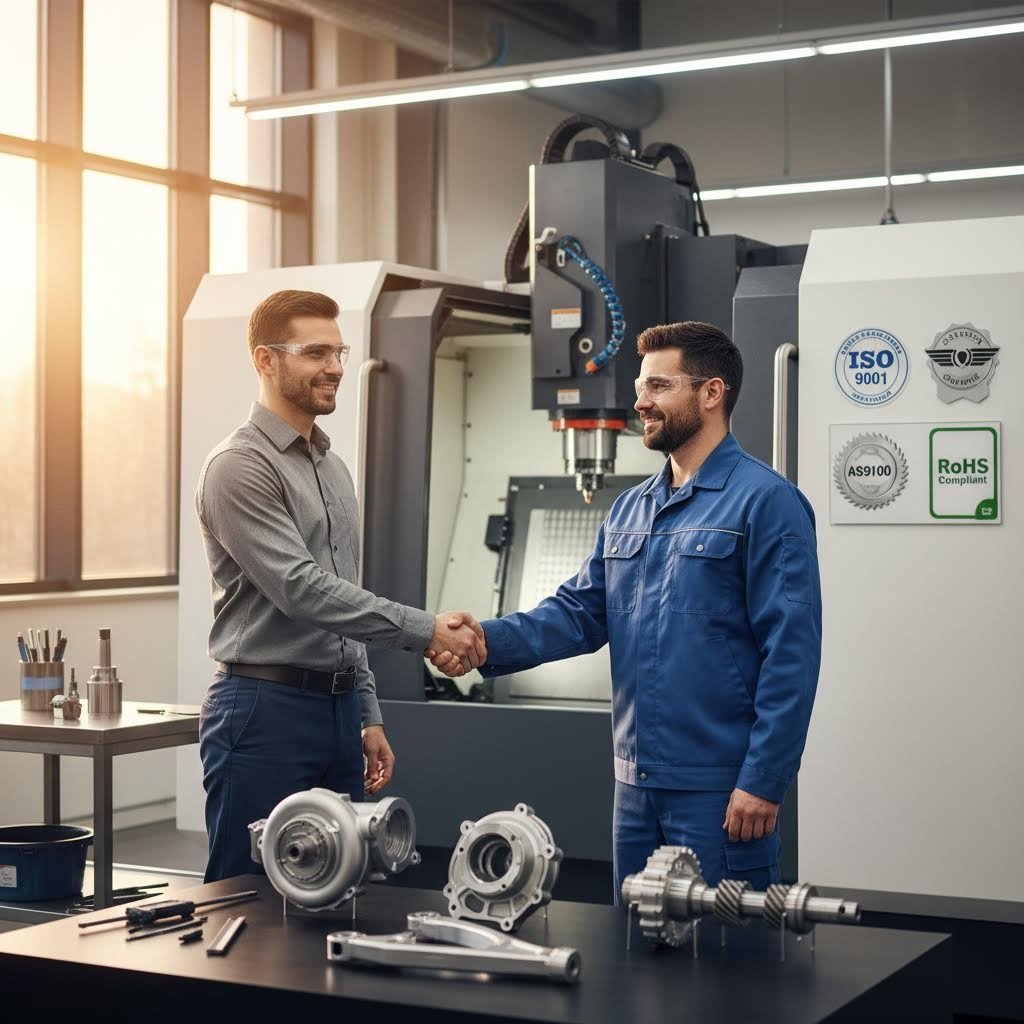
Pagpili ng Tamang Provider ng Metal Cutting Service
Napagtagumpayan mo na ang mga teknolohiya sa pagputol, nauunawaan ang mga ugali ng materyales, alam kung ano ang hitsura ng kalidad, at kayang intindihin ang mga istraktura ng presyo. Ngayon ay dumating na ang desisyon na magdedetermina kung lahat ng kaalaming iyon ay mauuwi sa matagumpay na mga bahagi: ang pagpili ng tamang kasosyo sa pagmamanupaktura. Ang pagpili na ito ay nakaaapekto hindi lamang sa kasalukuyang proyekto kundi maging sa mga darating na taon ng produksyon, mga pagbabago sa disenyo, at katiyakan ng supply chain.
Ang paghahanap ng mga metal fabricators malapit sa akin sa pamamagitan ng mabilisang paghahanap ay nagbabalik ng maraming opsyon. Paano mo ibabahagi ang mga provider na simple lamang nagpuputol ng metal at yaong naging tunay na kasosyo sa iyong tagumpay sa pagmamanupaktura? Ang sagot ay nakasalalay sa sistematikong pagtatasa batay sa mga pamantayan na pinakamahalaga para sa iyong partikular na pangangailangan.
Pagtutugma ng Mga Pangangailangan sa Proyekto sa Kakayahan ng Provider
Hindi lahat ng nagbibigay ng serbisyo sa pagputol ng metal ay mahusay sa bawat aplikasyon. Iba ang operasyon ng isang shop na nakatuon sa mataas na dami ng produksyon para sa automotive kaysa sa isang dalubhasa sa mga prototype para sa aerospace. Ang pagtutugma ng iyong mga kinakailangan sa mga lakas ng provider ay maiiwasan ang pagkabigo sa pagpilit na ipasok ang parisukat na pako sa bilog na butas.
Pagsusuri sa Kagamitan at Teknolohiya
Magsimula sa mga pangunahing kaalaman: mayroon ba ang provider ng kagamitang kayang gamitin para maisagawa ang iyong mga teknikal na detalye? Ayon sa mga gabay sa pagtatasa ng industriya, ang moderno at maayos na kagamitan ay karaniwang nangangahulugan ng mas mataas na presisyon at mas mabilis na oras ng pagkumpleto. Habang pinapahalagahan ang mga serbisyo sa pagputol ng metal gamit ang laser o mga kakayahan ng cnc laser cutting, isaalang-alang ang:
- Edad ng makina at henerasyon ng teknolohiya: Ang mga fiber laser na ginawa noong huling limang taon ay mas mahusay kaysa sa matandang CO2 system sa mga replektibong metal
- Kapasidad ng kapangyarihan: Mas mataas na wattage ay nagbibigay-daan sa proseso ng mas makapal na materyales at mas mabilis na bilis ng pagputol
- Limitasyon ng laki ng higaan: Kumpirmahin na ang pinakamataas na sukat ng sheet ay sapat para sa iyong pinakamalaking bahagi
- Multi-process capabilities: Ang mga nagtatanyag ng laser fabrication kasama ang pagbuo, pagwelding, at pagpapakintab ay nagpapadali sa iyong supply chain
Magtanong din tungkol sa redundancy ng kagamitan. Ang isang shop na may iisang makina ay nangangahulugan na humihinto ang iyong proyekto kapag kailangan nitong mapanatili. Ang mga nagtatanyag na may maramihang sistema ng pagputol ay nag-aalok ng patuloy na produksyon kahit sa panahon ng pagmementena ng kagamitan.
Pagpapatunay ng Ekspertisya sa Materyales
Iba ang pagputol ng bakal kumpara sa pagproseso ng aluminum, titanium, o mga eksotikong haluang metal. Binibigyang-diin ng mga eksperto sa fabricating na ang mga metal tulad ng aluminum, bakal, at tanso ay may kakaibang katangian na nakakaapekto sa paraan ng pagpoproseso nito. Ang isang nagtatanyag na may malalim na karanasan sa iyong partikular na materyales ay nakakaunawa sa mga pagbabago ng parameter, pangangailangan sa tooling, at kalidad na mga pagsasaalang-alang upang matiyak ang pare-parehong resulta.
Humiling ng mga halimbawa ng katulad na proyekto sa materyales. Magtanong tungkol sa mga hamon na kanilang naranasan sa inyong alloy at kung paano nila ito nalutas. Ang mga mapagkakatiwalaang tagapagbigay ay may kumpiyansa sa pagtalakay tungkol sa mga estratehiya sa pamamahala ng init, pagpili ng assist gas, at pag-optimize ng surface finish. Ang mga hindi pamilyar sa inyong materyales ay nagbibigay lamang ng pangkalahatang komento o nangangako ng mga kakayahan na hindi nila napakita.
Pagtataya sa mga Partner sa Serbisyo para sa Matagalang Tagumpay
Ang transaksyonal na relasyon ay gumagana para sa mga proyektong isang beses lang. Ngunit kung ikaw ay bumubuo ng mga produkto na nangangailangan ng patuloy na produksyon, mga pagbabago sa disenyo, o mga kasunduang pang-supply na maraming taon, kailangan mong suriin ang mga partner gamit ang ibang pananaw—na nakatuon sa lalim ng kakayahan at katatagan ng operasyon.
Katayuan sa Sertipikasyon bilang Indikador ng Kakayahan
Ang mga sertipikasyon sa kalidad ay nagpapakita ng higit pa sa pagsunod sa mga pamantayan—nagpapahiwatig ito ng sistematikong disiplina sa operasyon. Tulad ng naibahagi kanina, ang sertipikasyon ng IATF 16949 ay nangangahulugan ng pamamahala ng kalidad na angkop sa industriya ng automotive kabilang ang dokumentasyong PPAP, statistical process control, at mga sistemang patuloy na pagpapabuti. Ang mga tagapagbigay na may ganitong sertipikasyon ay malaki ang namuhunan sa imprastraktura na nakakabenepisyo sa lahat ng kliyente.
Halimbawa, ang mga tagagawa tulad ng Shaoyi (Ningbo) Metal Technology ipinapakita kung paano isinasalin ng sertipikasyon ng IATF 16949 ang mga praktikal na kakayahan: 5-araw na mabilisang prototyping para sa pagpapatunay ng disenyo, automated mass production para sa epektibong dami, at komprehensibong DFM support na nakakakita ng mga isyu sa pagmamanupaktura bago pa man ito magdulot ng mataas na gastos. Ang kanilang 12-oras na quote turnaround ay isang halimbawa ng agarang pagtugon sa operasyon na pinananatili ng mga sertipikadong tagagawa.
Bilis ng tugon sa komunikasyon
Ang paraan kung paano hinaharap ng isang tagapagbigay ang iyong paunang katanungan ay nagpapahiwatig kung paano nila haharapin ang mga hamon sa produksyon. Ayon sa karanasan sa industriya, ang mabilis na komunikasyon, pagiging handa na tugunan ang mga alalahanin, at mapag-imbentong paglutas ng problema ay mga katangian ng mahusay na suporta sa customer.
Suriin ang mga sumusunod na palatandaan ng komunikasyon:
- Tagal ng quote turnaround: Ang mga kustumisadong quote para sa pagputol ng metal na ibinalik sa loob ng ilang oras ay nagpapakita ng sapat na kakayahan sa inhinyero at maayos na proseso
- Pagtugon sa teknikal na katanungan: Ang may kaalaman na mga sagot sa mga katanungan tungkol sa materyales o proseso ay nagpapakita ng malalim na ekspertisyen
- Mapag-imbentong DFM na Tumutulong: Ang mga tagapagbigay na nagmumungkahi ng mga pagpapabuti sa disenyo ay nagpapakita ng tunay na interes na maging kapartner
- Malinaw na dokumentasyon: Detalyadong quote na may malinaw na paghahati-hati ng presyo ay nagpapakita ng maayos na operasyon
Ang Halaga ng Komprehensibong DFM Support
Ang pagsusuri sa disenyo para sa pagmamanupaktura ay maaaring itinuturing na pinakamataas ang halaga sa mga serbisyo na inaalok ng isang metal laser cutting service provider—ngunit karamihan sa mga mamimili ay hindi sapat ang pagpapahalaga dito. Ang masusing DFM analysis ay nakikilala ang mga oportunidad para sa pagbawas ng gastos, nagpipigil sa mga problema sa produksyon, at optima ang disenyo para sa epektibong pagputol bago pa man mahawakan ng metal ang cutting table.
Ayon sa mga pamantayan sa pagtatasa ng fabrication service , dapat mong itanong: Makakatulong ba sila sa disenyo at inhinyeriya upang mapabuti ang iyong produkto? Handa ba silang harapin ang mga prototype at maliit na produksyon? Ang mga provider na nag-aalok ng matibay na DFM suporta ay gumagana bilang karugtong ng iyong engineering team imbes na simpleng taga-tanggap ng order.
Tseklis ng Pamantayan sa Pagtatasa ng Provider
Kapag ihinahambing ang mga potensyal na kasosyo sa pagputol ng metal, ang sistematikong pagtatasa ay nagbabawas ng tsansa na hindi mapansin ang mahahalagang salik. Gamitin ang komprehensibong tseklis na ito na inangkop mula sa pananaliksik sa pagpili ng job shop:
- Karanasan at Eksperto: Taon ng operasyon, karanasan sa partikular na industriya, kwalipikasyon at sertipikasyon ng mga technician
- Mga pasilidad at kagamitan: Modernong makinarya, maayos na pasilidad, kakayahan para sa parehong prototype at produksyon sa dami
- Mga sistema ng kontrol sa kalidad: Nadokumentong proseso, sertipikasyon sa industriya (ISO 9001, IATF 16949, AS9100), regular na inspeksyon at protokol sa pagsusuri
- Kakayahan sa materyales: Iba't ibang uri ng metal at haluang metal na napag-uusapan, maaasahang suplay na kadena, kaalaman sa mga katangian at teknikal na detalye ng materyales
- Pagpapasadya at suporta sa disenyo: Tulong sa DFM, kakayahan sa paggawa ng prototype, handa sa pakikipagtulungan sa inhinyero
- Transparency sa pagpepresyo: Mga detalyadong quote, mapagkumpitensyang presyo nang walang kabawasan sa kalidad, mga value-added na serbisyo para sa optimal na kabuuang gastos
- Kapapanahanan ng lead time: Nakapagpadala nang on-time, kakayahan sa rush order, komitment sa realistiko at nakatakda nang oras
- Kalidad ng serbisyo sa customer: Mabilis na tugon sa komunikasyon, regular na update sa proyekto, epektibong resolusyon sa reklamo
- Mga Sanggunian at reputasyon: Mga mapapatunayang testimonial ng kustomer, pagsusuri ng mga kasama sa industriya, mga kaso na nagpapakita ng katulad na tagumpay ng proyekto
Ang Pamantayan
Ang mga sertipikadong tagagawa na may malawakang kakayahan ang nagsisilbing pamantayan kung saan dapat ihambing ang iba pang mga provider. Kapag pinagsama ng isang provider ang kalidad ng sistema na may sertipikasyon na IATF 16949 sa bilis ng mabilisang prototyping, kahusayan ng automated na produksyon, at madaling maabot na suporta sa DFM, ipinapakita nila ang kadalubhasaan sa operasyon na nagbubunga ng maaasahang mga bahagi at tiyak na mga takdang oras.
Ang kombinasyong ito—kalidad na sinusuportahan ng sertipikasyon, sariwa at mabilis na prototyping, kakayahang palawakin ang produksyon, at pakikipagsosyo sa larangan ng inhinyera—ay kumakatawan sa kailangan ng mga seryosong programa sa pagmamanupaktura. Kung ikaw ay naghahanap ng mga bahagi para sa chassis, mga precision assembly, o mga istrukturang bahagi, ang mga provider na sumusunod sa mga pamantayang ito ay nagbibigay ng tiwala na lampas sa indibidwal na order.
Paggawa ng Desisyon Mo
Ang pagpili ng isang metal cutting partner ay hindi tungkol sa paghahanap ng pinakamababang presyo o pinakamabilis na pangako. Tungkol ito sa pagkilala sa mga provider na ang mga kakayahan, sistema ng kalidad, at istilo ng komunikasyon ay tugma sa iyong mga pangangailangan sa proyekto at pangmatagalang manufacturing strategy.
Ang kaalaman na natamo mo sa kabuuan ng gabay na ito—pag-unawa sa mga cutting technology, pag-uugali ng mga materyales, mga indicator ng kalidad, at dinamika ng pagpepresyo—ay nagbibigay sa iyo ng kakayahang suriin ang mga provider mula sa isang maayos na posisyon. Maaari kang magtanong ng tamang mga katanungan, tama ang pag-interpreta sa mga sagot, at makilala kung kailan ang mga kakayahan ay tumutugma sa iyong mga pangangailangan o kung kailan kulang ang mga ito.
Ano ang iyong susunod na hakbang? I-aplay ang balangkas ng pagsusuri na ito sa iyong kasalukuyang proyekto. Humiling ng mga quote mula sa maraming provider, suriin ang kalidad ng kanilang DFM feedback, i-verify ang kanilang katayuan sa sertipikasyon, at ihambing hindi lamang ang presyo kundi pati ang buong value proposition na inaalok nila. Ang tamang partner ay nagbabago sa metal cutting mula sa isang transaksyonal na commodity tungo sa isang strategic manufacturing advantage.
Mga Karaniwang Katanungan Tungkol sa mga Serbisyo ng Pagputol ng Metal
1. Magkano ang gastos sa pagputol ng metal?
Karaniwang nasa $0.50 hanggang $2 bawat linear inch para sa pagputol ng sheet o bar, o $20 hanggang $30 bawat oras depende sa paraan na ginagamit ang gastos sa pagputol ng metal. Ang mga pangunahing salik na nakakaapekto sa presyo ay kasama ang uri at kapal ng materyal, kahirapan ng disenyo, kinakailangang toleransiya, dami ng order, at mga pangangailangan sa pagpapakinis. Ang mga gastos sa pag-setup ay nahahati sa kabuuang order—maaaring umabot sa $50 bawat piraso ang isang prototype na may 5 piraso, samantalang maaaring bumaba sa $8 bawat isa kung 500 ang piraso ng magkaparehong bahagi. Ang paghiling ng mga quote mula sa mga nagbibigay ng serbisyo na sertipikado sa IATF 16949 ay karaniwang nagbubunga ng mapagkumpitensyang presyo na may garantisadong pamantayan sa kalidad.
2. Magkano ang gastos sa pagputol ng sheet metal?
Ang paggawa ng sheet metal ay nagkakaroon ng average na gastos na $1,581 bawat proyekto, na nakasasa sa saklaw na $418 hanggang $3,018 depende sa kahirapan. Ang gastos kada square foot ay nasa pagitan ng $4 at $48 batay sa uri ng materyales at antas ng pagpapasadya. Ang laser cutting para sa manipis na gauge na materyales ay nag-aalok ng pinakamurang solusyon para sa mga detalyadong disenyo, habang ang plasma cutting ay mas tipid para sa makapal na bakal. Ang pagpili ng mga materyales na nasa stock, pagpapasimple sa mga kumplikadong bahagi, at pagsama-samahin ang magkakatulad na parte ay mga epektibong estratehiya upang bawasan ang kabuuang gastos.
3. Ano ang pagkakaiba sa pagitan ng laser cutting at plasma cutting?
Ginagamit ng laser cutting ang nakapokus na sinag ng liwanag na nagkakamit ng toleransiya mula ±0.001" hanggang ±0.005", mainam para sa manipis na sheet metal hanggang 1 pulgada na may mahusay na kalidad ng gilid at minimum na burrs. Ginagamit ng plasma cutting ang napakainit na ionized gas na umabot sa 40,000°F, na nag-aalok ng toleransiya mula ±0.015" hanggang ±0.030" ngunit mahusay sa makapal na conductive metal na higit sa 6 pulgada nang mas mabilis at mas murang gastos. Ang laser ay gumagawa ng mas maliit na heat-affected zones at mas malinis na mga gilid, habang ang plasma ay mas ekonomikal sa pagproseso ng mabigat na structural steel. Ang iyong pagpili ay nakadepende sa kapal ng materyal, pangangailangan sa katumpakan, at badyet.
4. Anong mga materyales ang maaaring maproseso gamit ang metal cutting services?
Ang mga propesyonal na serbisyo sa pagputol ng metal ay nagpoproseso ng malawak na hanay ng mga materyales kabilang ang carbon steel, stainless steel (304, 316), aluminum alloys (5052, 6061, 7075), brass, copper, titanium, at specialty alloys. Ang bawat materyal ay nangangailangan ng tiyak na mga parameter sa pagputol—ang mataas na reflectivity ng aluminum ay nangangailangan ng fiber lasers, samantalang ang katigasan ng stainless steel ay nakakaapekto sa bilis ng pagputol. Mula manipis na gauge sheet metal (22 gauge sa 0.03 pulgada) hanggang mabigat na plato (6+ pulgada) ay kayang i-proseso gamit ang angkop na paraan ng pagputol—laser, waterjet, plasma, o mechanical sawing.
5. Paano ko pipiliin ang tamang provider ng serbisyo sa pagputol ng metal?
Suriin ang mga provider batay sa kakayahan ng kagamitan (modernong fiber laser, sapat na kapasidad ng kuryente), ekspertisyang materyal sa iyong partikular na alloys, may-katuturang sertipikasyon (ISO 9001, IATF 16949 para sa automotive, AS9100 para sa aerospace), at pagiging mabilis tumugon sa komunikasyon. Humiling ng sample na gawa na katulad ng iyong proyekto, i-verify ang proseso ng pagsusuri at kontrol sa kalidad, at suriin ang kanilang suporta sa DFM (Design for Manufacturability). Ang mga provider na nag-aalok ng 12-oras na quote turnaround at komprehensibong engineering feedback ay karaniwang nagpapakita ng husay sa operasyon na nagreresulta sa maaasahang mga bahagi at on-time na paghahatid.