 Small batches, high standards. Our rapid prototyping service makes validation faster and easier —
  EN
EN


ஸ்டாம்ப் செய்யப்பட்ட ஸ்டீல் கட்டுப்பாட்டு கை சோதனை தரநிலைகளை விளக்குதல்
சுருக்கமாக
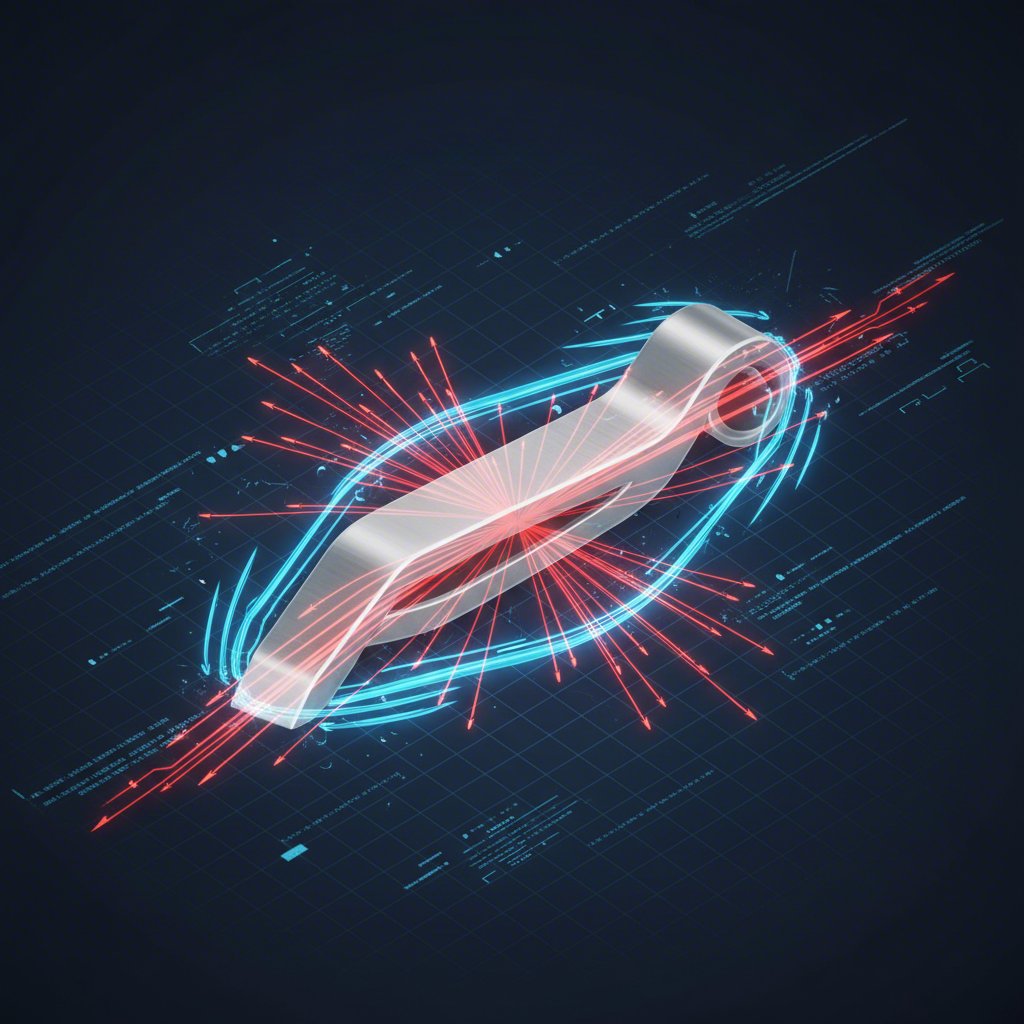
அச்சிடப்பட்ட ஸ்டீல் கட்டுப்பாட்டு கையேட்டு சோதனை தரநிலைகள் ஒரு குறிப்பிட்ட, பொதுவான குறியீடு அல்ல, SAE International போன்ற பொறியியல் அமைப்புகள் மற்றும் தனி வாகன உற்பத்தியாளர்களால் வரையறுக்கப்பட்ட தொழில்நுட்ப நடைமுறைகளின் தொகுப்பாகும். வாகன பாதுகாப்பு, நீடித்தன்மை மற்றும் அசல் உபகரண (OE) தரநிலைகளுக்கு ஏற்ப இந்த கடுமையான சோதனைகள் கடினத்தன்மை, வடிவமாற்றம், வலிமை மற்றும் மோதல் தன்மை போன்ற முக்கிய செயல்திறன் அளவுருக்களை மதிப்பீடு செய்கின்றன.
அச்சிடப்பட்ட ஸ்டீல் கட்டுப்பாட்டு கையேடுகளை வரையறுத்தல்: பண்புகள் மற்றும் அடையாளம் காணுதல்
ஸ்டாம்ப் செய்யப்பட்ட ஸ்டீல் கட்டுப்பாட்டு கையேடு என்பது வாகனத்தின் சஸ்பென்ஷன் அமைப்பின் முக்கிய பகுதியாகும், இது சேஸிஸை சக்கர அமைப்புடன் இணைக்கிறது. இது ஸ்டீல் தகடுகளை ஸ்டாம்ப் செய்து வெல்டிங் செய்வதன் மூலம் உருவாக்கப்படும் ஒரு உள்ளீடற்ற, கடினமான கட்டமைப்பாகும். இந்த செயல்முறை மிகவும் செலவு-பயனுள்ளதாக இருப்பதால், பல நவீன பயணிகள் கார்கள் மற்றும் லாரிகளுக்கு ஸ்டாம்ப் செய்யப்பட்ட ஸ்டீல் கையேடுகள் பொதுவான தேர்வாக உள்ளன. இதன் முதன்மை நன்மை என்பது வலிமை மற்றும் குறைந்த உற்பத்தி செலவு இடையே உள்ள சமநிலையாகும், இது தொடர் உற்பத்தி வாகனங்களில் பரவலான பயன்பாட்டை அனுமதிக்கிறது. எனினும், பாதுகாப்பு பூச்சு பாதிக்கப்பட்டால், இரும்பு அல்லது அலுமினியம் போன்ற மாற்றுகளை விட இவை ரஸ்ட் ஏற்படுவதற்கு அதிக வாய்ப்புள்ளதாக இருக்கலாம்.
இந்த உறுப்புகளின் தயாரிப்பு ஒரு துல்லியமான பொறியியல் பணி ஆகும். அதிக அளவு உற்பத்தி என்பது தகடு உலோகத்தை இரண்டு அரை-உறைகளாக அடித்து வடிவமைத்து, பின்னர் அவற்றை வெல்டிங் மூலம் இணைத்தல் ஆகும். கட்டமைப்பு நேர்மை மற்றும் நிலையான செயல்திறனை உறுதி செய்ய, இந்த செயல்முறை மிகவும் கவனமாக கட்டுப்படுத்தப்பட வேண்டும். உலோக அடிப்புவதில் துல்லியத்தை விரும்பும் வாகன உற்பத்தியாளர்களுக்கு, முன்மாதிரி தயாரிப்பு முதல் தொடர் உற்பத்தி வரை முழுமையான தீர்வுகளை வழங்கும் சிறப்பு வழங்குநர்கள் உள்ளனர். உதாரணமாக, Shaoyi (Ningbo) Metal Technology Co., Ltd. இந்த நிபுணத்துவத்தை வெளிப்படுத்துகிறது, சிக்கலான வாகன பயன்பாடுகளுக்கான உயர்தர உறுப்புகளை வழங்க IATF 16949 சான்றிதழுடன் கூடிய மேம்பட்ட தானியங்கி வசதிகளைப் பயன்படுத்துகிறது.
காரில் ஸ்டாம்ப் செய்யப்பட்ட ஸ்டீல் கட்டுப்பாட்டு கையை அடையாளம் காண்பது சில காட்சி சான்றுகளுடன் எளிதானது. காஸ்ட் செய்யப்பட்ட பாகங்களின் மேற்பரப்பை விட ஸ்டாம்ப் செய்யப்பட்ட ஸ்டீல் கைகள் பொதுவாக மிகவும் சுத்தமான மேற்பரப்பையும், நீளம் முழுவதும் தெளிவாக உருவாக்கப்பட்ட வெல்டிங் சீமையும் கொண்டிருக்கும். சேவை மற்றும் மேம்படுத்தலுக்கான அவசியத்திற்காக, குறிப்பாக செவி சில்வராடோ அல்லது ஜிஎம்சி சியாரா போன்ற கார்களில், மாடல் ஆண்டுகளுக்கு இடையே பல்வேறு பொருட்கள் பயன்படுத்தப்பட்டிருப்பதால், அவற்றை அடையாளம் காண தெரிந்திருப்பது முக்கியம்.
உங்கள் காரில் ஸ்டாம்ப் செய்யப்பட்ட ஸ்டீல் கட்டுப்பாட்டு கைகள் உள்ளதை உறுதி செய்ய, பின்வரும் பண்புகளைத் தேடவும்:
- முடிவு: அவை பொதுவாக துருப்பிடிப்பிலிருந்து பாதுகாக்க கருப்பு பளபளப்பான பூச்சு முடித்த தோற்றத்தைக் கொண்டிருக்கும்.
- பரப்பு உருவமைப்பு: காஸ்ட் இரும்பு அல்லது காஸ்ட் அலுமினியத்தின் மோசமான மேற்பரப்பை விட, மேற்பரப்பு பொதுவாக சுத்தமாக இருக்கும்.
- கட்டுமானம்: இரண்டு ஸ்டாம்ப் செய்யப்பட்ட பாதிகள் இணைக்கப்பட்டுள்ள இடத்தில் தெரியும் வெல்டிங் சீம் ஒரு தெளிவான அடையாளம்.
- பொருள் சோதனை: எளிய காந்த சோதனை உதவ முடியும்; காந்தம் ஸ்டீலில் உறுதியாக ஒட்டும், ஆனால் அலுமினியத்தில் ஒட்டாது.
கட்டுப்பாட்டு கைகளுக்கான ஆட்டோமொபைல் சோதனை தரநிலைகளின் சூழல்
அடிப்படையிலான எஃகு கட்டுப்பாட்டு கையேடுகளை சோதிப்பதற்கான ஒரு தனி, பொதுவாக அணுகக்கூடிய, பொதுவான தரநிலை இல்லை. பதிலாக, செயல்திறன் மற்றும் பாதுகாப்பு தேவைகள் தொழில்துறை அமைப்புகளால் உருவாக்கப்பட்ட உள்நிறுவன உற்பத்தியாளர் தரநிலைகள் மற்றும் வழிகாட்டுதல்களின் சிக்கலான கட்டமைப்பால் ஆளப்படுகின்றன. SAE International போன்ற அமைப்புகள் கட்டமைப்பு, வடிவமைப்பு மற்றும் வலிமை போன்ற முக்கிய பண்புகளை மதிப்பிட தொழில்துறையில் பயன்படுத்தக்கூடிய தரப்படுத்தப்பட்ட சோதனை நடைமுறைகளை உருவாக்க உதவுகின்றன. இருப்பினும், இவை பெரும்பாலும் கட்டாயமான, பொதுவான குறியீடாக அல்ல, அடிப்படை அல்லது முறைக்கான வழிகாட்டுதலாக செயல்படுகின்றன.
பெரும்பாலான சோதனை தரநிலைகள் ஃபோர்டு, ஜிஎம் மற்றும் பிற அசல் உபகரண தயாரிப்பாளர்கள் (OEMs) க்கு உரிமையானவை. ஒவ்வொரு வாகன உற்பத்தியாளரும் குறிப்பிட்ட வாகன தளம், அதன் எடை, பயன்பாடு மற்றும் மோதல் பாதுகாப்பு இலக்குகளுக்கு ஏற்ப தங்கள் சொந்த விரிவான தேவைகள் மற்றும் சோதனை நெறிமுறைகளை உருவாக்குகின்றனர். இந்த உள்ளக தரநிலைகள் மிகவும் ரகசியமானவை, மேலும் ஒரு வழங்குநரின் கட்டுப்பாட்டு கையை உற்பத்திக்கு அங்கீகரிக்க வேண்டிய செயல்திறன் அளவுகோல்களை துல்லியமாக வரையறுக்கின்றன. இது ஒவ்வொரு பாகமும் வாகனத்தின் ஒருங்கிணைந்த பாதுகாப்பு மற்றும் சஸ்பென்ஷன் அமைப்புகளுக்குள் முன்னறியத்தக்க விதத்தில் செயல்படுவதை உறுதி செய்கிறது.
வாகனத்தின் பாதுகாப்பு மற்றும் நீர்மியத்தை உறுதி செய்வதற்கு இந்த தரநிலைகள் முக்கியமானவை. கட்டுப்பாட்டு கை திருப்பங்கள், பிரேக்கிங் மற்றும் மோதல்களின் போது பெரும் விசைகளை தாங்கும் திறன் பெற்றிருக்க வேண்டும். சோதனை அந்த பாகம் அதிகபட்ச சுமைகளுக்கு கீழ் மடியாமல் அல்லது உடையாமல் இருக்கும் என்பதையும், மோதலின் போது முன்னறியத்தக்க விதத்தில் வடிவம் மாறுவதையும் உறுதி செய்கிறது, இது மோதல் ஆற்றலை நிர்வகிக்க உதவுகிறது. ஆராய்ச்சியில் குறிப்பிட்டுள்ளபடி பொலிடெக்னிகோ டி டொரினோ , புதுமையான அல்லது கலப்பின பொருள் ஆதரவுகளின் செயல்திறனை சரிபார்ப்பதற்காக சர்வதேச சோதனை தரநிலைகளுக்கு ஏற்ப இருப்பது அவசியம். ஸ்டாம்ப் செய்யப்பட்ட எஃகு அல்லது வேறு பொருளால் ஆன ஒவ்வொரு கட்டுப்பாட்டு ஆதரவும் கண்டிப்பான பாதுகாப்பு மற்றும் செயல்திறன் தரநிலைகளை பூர்த்தி செய்வதை உறுதி செய்வதற்காக இந்த கடுமையான சரிபார்ப்பு உதவுகிறது.
முக்கிய சோதனை நடைமுறைகள்: கடினத்தன்மையிலிருந்து மோதல் திறன் வரை
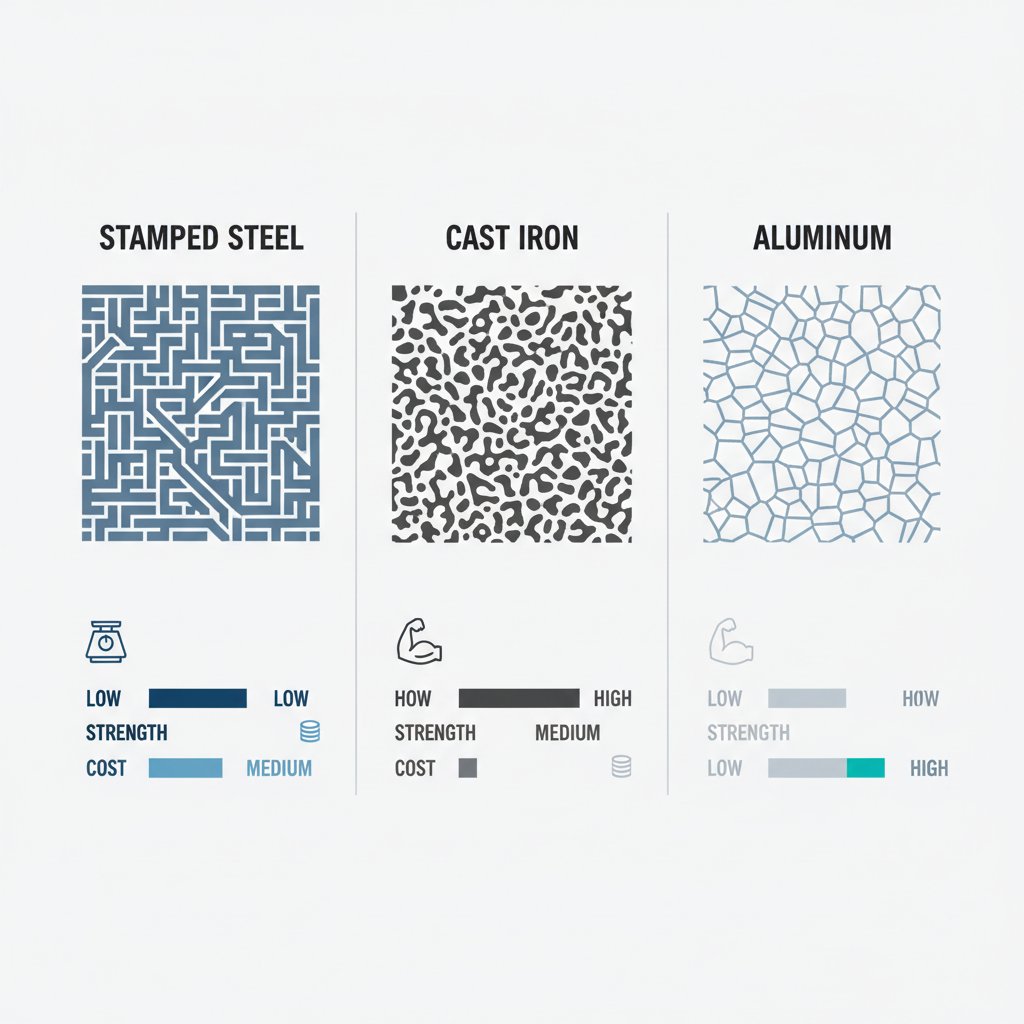
ஸ்டாம்ப் செய்யப்பட்ட எஃகு கட்டுப்பாட்டு ஆதரவின் செயல்திறனை சரிபார்ப்பதற்காக, நிலையான கடினத்தன்மையிலிருந்து அதிகபட்ச அழுத்தத்தில் தோல்வி புள்ளிகள் வரை அனைத்தையும் அளவிடுவதற்காக பொறியாளர்கள் உண்மையான சூழ்நிலைகளை பிரதிபலிக்கும் தொடர் கடுமையான சோதனைகளை பயன்படுத்துகின்றனர். SAE தொழில்நுட்ப ஆவணங்களில் குறிப்பிடப்பட்டுள்ளபடி, கடினத்தன்மை, வடிவமாற்ற முறை மற்றும் இறுதி வலிமை ஆகியவற்றை சோதிப்பதற்கான தரப்படுத்தப்பட்ட அணுகுமுறையை உருவாக்குவதே மொத்த நோக்கம் ஆகும். இந்த சோதனைகளை நிலையான, இயங்கும், சோர்வு மற்றும் சுற்றுச்சூழல் மதிப்பீடுகள் என பரவலாக வகைப்படுத்தலாம்.
நிலையான சுமைச் சோதனைகள் மாறாத விசைக்கு உட்பட்ட கட்டுப்பாட்டு கையின் கடினத்தன்மை மற்றும் சீர்குலைவை அளவிடுகின்றன. எடுத்துக்காட்டாக, குறிப்பிட்ட சுமை பயன்படுத்தப்படுகிறது, அதன் விளைவாக ஏற்படும் இடப்பெயர்ச்சி அளவிடப்படுகிறது. குறிப்பிடத்தக்க சுமைக்கு கீழ் சீர்குலைவு குறைவாக இருந்தால், ஒரு பகுதி தேர்ச்சி பெற்றதாகக் கருதப்படலாம்; 32kN சுமைக்கு கீழ் வெறும் 0.17mm சீர்குலைவைக் குறிப்பிட்ட ஒரு ஒப்பிட்ட சோதனை இருந்தது. மாறாக, இயக்க அல்லது தாக்கு சோதனை, திடீர் விசைகளுக்கு கையின் பதிலை மதிப்பிடுகிறது, இது அதன் மோதல் தகுதியை மதிப்பிடுவதற்கு முக்கியமானது. இந்த சோதனைகள் ஓரம் அல்லது பொத்தாம் பொட்டலத்தை மோதுவது போன்ற நிகழ்வுகளை இயக்குகின்றன மற்றும் மோதலின் போது பகுதி பாதுகாப்பான மற்றும் முன்னறியத்தக்க விதத்தில் தோல்வியடைவதை உறுதி செய்வதற்கு முக்கியமானவை.
களைப்பு சோதனை மற்றொரு முக்கியமான அம்சமாகும், இதில் கட்டுப்பாட்டு கையேடு தனது முழு சேவை ஆயுள் முழுவதும் ஒத்ததாக இருக்கும் வகையில் பல கோடி சுழற்சிகளுக்கு வெவ்வேறு சுமைகளுக்கு உட்படுத்தப்படுகிறது. இது பிளவுகள் ஏற்படாமல் அல்லது முன்கூட்டியே தோல்வியடையாமல் நாள்பட்ட ஓட்டுநர் பயன்மையின் மீண்டும் மீண்டும் ஏற்படும் அழுத்தங்களை பொருள் தாங்க முடியும் என்பதை உறுதி செய்கிறது. இறுதியாக, சூழல் சோதனை உப்புத் தெளிப்பு மற்றும் ஈரப்பதம் போன்ற நிலைமைகளுக்கு கையேட்டை வெளிப்படுத்தி அதன் துரு எதிர்ப்பு பூச்சுகளின் திறமையை சரிபார்க்கிறது, இது எஃகு பாகங்களின் நீடித்த ஆயுளுக்கு முக்கிய காரணியாகும்.
இந்த பல்வேறு சோதனை முறைகள் ஒரு கட்டுப்பாட்டு கையேட்டின் திறன்களைப் பற்றிய முழுமையான படத்தை வழங்குகின்றன. பின்வரும் அட்டவணை முதன்மை சோதனை வகைகளைச் சுருக்கமாக வழங்குகிறது:
| சோதனை வகை | குறிப்பு | அளவிடப்பட்ட முக்கிய அளவுகோல்கள் |
|---|---|---|
| நிலையான சுமை சோதனை | மாறாத விசைக்கு எதிராக பொருளின் வடிவமாற்றத்திற்கான எதிர்ப்பை அளவிட இது பயன்படுகிறது. | கடினத்தன்மை (விசை எதிர் இடப்பெயர்வு), விடுவிப்பு வலிமை. |
| ஓசை/தாக்கு சோதனை | தாக்கங்கள் மற்றும் விபத்துகளை ஒத்திருக்கும் திடீர், அதிக ஆற்றல் கொண்ட சுமைகளுக்கு கீழ் செயல்திறனை மதிப்பீடு செய்ய | விபத்து பாதுகாப்பு, வடிவமாற்ற முறை, உடைந்த நிலையில் சுமை. |
| களைப்பு சோதனை | வாகனத்தின் ஆயுள் காலத்தில் ஏற்படும் மீண்டும் மீண்டும் வரும் அழுத்த சுழற்சிகளை உருவகப்படுத்துவதன் மூலம் நீண்ட கால உறுதிப்பாட்டை உறுதி செய்ய. | களைப்பு ஆயுள் (தோல்விக்கு முன் உள்ள சுழற்சிகளின் எண்ணிக்கை). |
| சுற்றுச்சூழல் சோதனை | பாகத்தின் அரிப்பு மற்றும் சுற்றுச்சூழல் மோசடிக்கு எதிரான எதிர்ப்பை மதிப்பீடு செய்ய. | பாதுகாப்பு பூச்சுகளின் திறமை (எ.கா., பெயிண்ட், மேற்பரப்பு சிகிச்சைகள்). |
அச்சிடப்பட்ட எஃகு மற்றும் இரும்பு ஓட்டம் மற்றும் அலுமினிய கைகளை ஒப்பிடுதல்
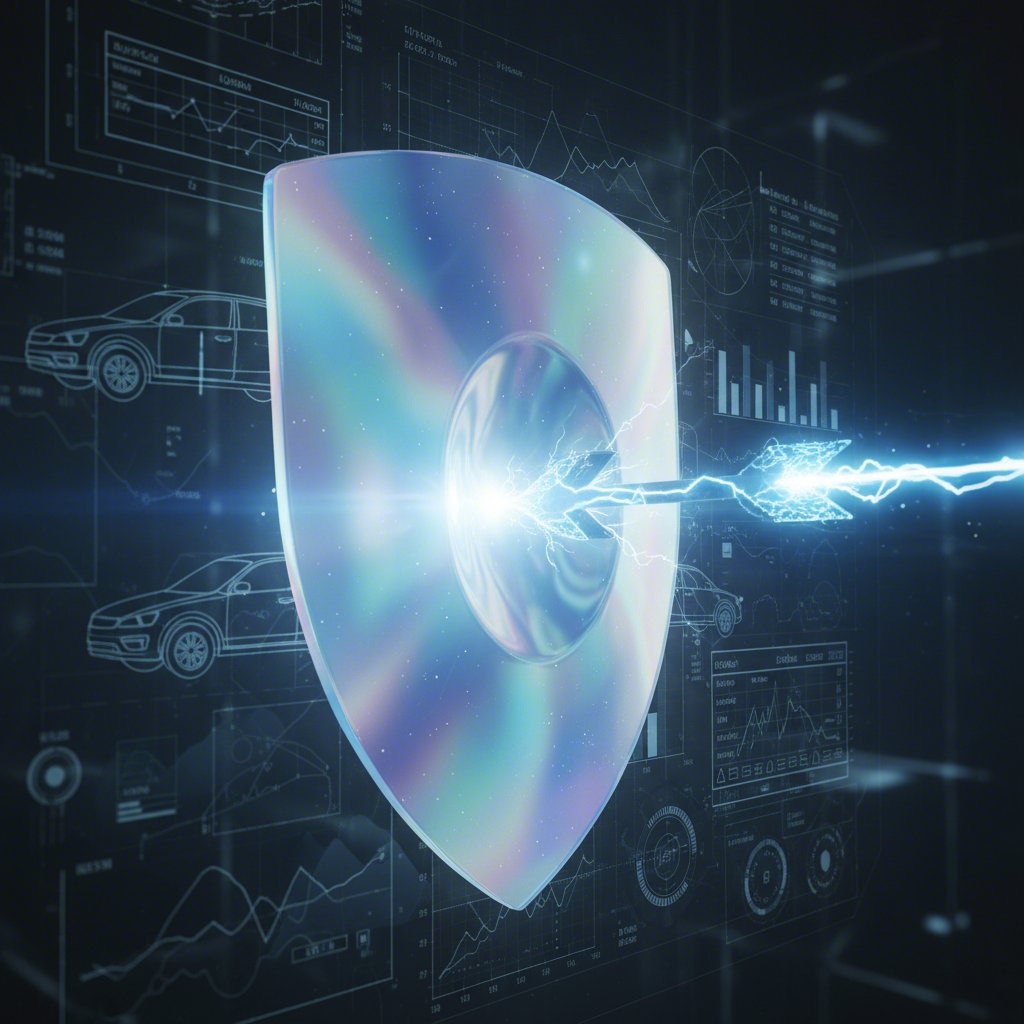
அச்சிடப்பட்ட எஃகு கட்டுப்பாட்டு கைகளுக்கு பிரபலமான தேர்வாக இருந்தாலும், தொழிற்சாலைகள் அடிக்கடி ஓட்டப்பட்ட இரும்பு மற்றும் ஓட்டப்பட்ட அலுமினியத்தையும் பயன்படுத்துகின்றன, ஒவ்வொரு பொருளும் தனித்துவமான வர்த்தக ஈடுபாடுகளை வழங்குகிறது. எந்த பொருளைப் பயன்படுத்துவது என்பதைத் தீர்மானிப்பது வாகனத்தின் நோக்கம், செயல்திறன் இலக்குகள் மற்றும் செலவு கருத்துகளைப் பொறுத்தது. "கட்டுப்பாட்டு கைகளுக்கான சிறந்த உலோகம் எது?" என்ற கேள்விக்கு பதிலளிக்க, இந்த வேறுபாடுகளைப் புரிந்து கொள்வது அவசியம்.
அச்சிடப்பட்ட எஃகு கைகள் குறைந்த உற்பத்தி செலவு மற்றும் நல்ல எடை-வலிமை விகிதம் காரணமாக மதிப்பிடப்படுகின்றன, இது பொதுவான பயணிகள் கார்கள் மற்றும் லாரிகளுக்கு ஏற்றதாக இருக்கிறது. அடர்த்தியான மற்றும் வலிமையான ஓடு இருப்பதால், கடுமையான நிலைமைகளின் கீழ் அதிகபட்ச நீடித்தன்மை முக்கியமாக இருக்கும் கனரக லாரிகள் மற்றும் எஸ்யூவிகளில் அடிக்கடி பயன்படுத்தப்படுகிறது. இது உயர்ந்த வலிமை மற்றும் கடினத்தன்மையை வழங்குகிறது, ஆனால் அதிக எடை என்ற விலையில். அலுமினியத்தை ஓடாக்குவது ஒரு இலகுவான மாற்று, சுமக்கப்படாத நிறையை மிகவும் குறைப்பது, இது கையாளுதல் மற்றும் பயணத்தின் தரத்தை மேம்படுத்த முடியும். இது செயல்திறன் மற்றும் ஐசிய வாகனங்களுக்கு விருப்பமான தேர்வாக இருக்கிறது, இருப்பினும் இது பொதுவாக அதிக விலை கொண்டது மற்றும் எஃகை விட தாக்கத்தின் போது குறைந்த நெகிழ்ச்சியைக் கொண்டிருக்கலாம்.
சரியான பொருளைத் தேர்ந்தெடுப்பது வலிமை, எடை மற்றும் செலவுக்கு இடையே சமநிலையை உருவாக்குவதை உள்ளடக்கியது. ஒரு கனரக டிரக்குக்கு, இரும்பு ஓட்டையின் திடக்கட்டமைப்பு முதன்மையானதாக இருக்கலாம். ஒரு ஸ்போர்ட்ஸ் காருக்கு, அலுமினியத்திலிருந்து கிடைக்கும் எடை குறைப்பு முடிவெடுக்கும் காரணியாக இருக்கலாம். அன்றாட வாகனங்களின் பரந்த அளவிலான பயன்பாட்டிற்கு அடித்தள எஃகு பெரும்பாலும் சிறந்த சமரசத்தைக் குறிக்கிறது. ஆஃப்டர்மார்க்கெட் வழங்குநர்கள் அனைத்து பொருட்களிலும் விருப்பங்களை வழங்குகின்றனர், இதன் மூலம் வாகன உரிமையாளர்கள் தங்கள் குறிப்பிட்ட தேவைகளுக்கு ஏற்ப OE தரநிலைகளைப் பொருத்தவாறு பொருத்துவதையோ அல்லது செயல்திறனை மேம்படுத்துவதையோ தேர்வு செய்யலாம்.
மூன்று பொதுவான கட்டுப்பாட்டு கையேட்டு பொருட்களின் ஒப்பீடு இங்கே உள்ளது:
| அம்சம் | அச்சிடப்பட்ட ஸ்டீல் | பொருள் இருக்கம் | அல்மினியம் |
|---|---|---|---|
| உற்பத்தி முறை | தாள் உலோகத்தை அடித்தல் மற்றும் வெல்டிங் செய்தல் | ஒரு வார்ப்பனில் உருகிய இரும்பை ஊற்றுதல் | ஒரு வார்ப்பனில் உருகிய அலுமினியத்தை ஊற்றுதல் |
| சாதாரண பயன்பாடு | அதிகப்படியான பயணிகள் கார்கள் மற்றும் இலகுரக டிரக்குகள் | கனரக டிரக்குகள் மற்றும் எஸ்யூவிகள் | செயல்திறன் கொண்ட கார்கள், ஐசு வாகனங்கள் |
| திறன் | சரி | அருமை | நல்லது முதல் சிறந்தது வரை |
| எடை | சரி | கனமான | விளக்கு |
| 代價 | குறைவு | சரி | உயர் |
அடிக்கடி கேட்கப்படும் கேள்விகள்
1. எனது கட்டுப்பாட்டு கையேடுகள் அடித்தள எஃகு என்பதை எவ்வாறு அறிவது?
நீங்கள் பொதுவாக அச்சிடப்பட்ட எஃகு கட்டுப்பாட்டு கைகளை அவற்றின் தோற்றத்தால் அடையாளம் காணலாம். இவை பொதுவாக மென்மையான, பளபளப்பான கருப்பு பூச்சு முடித்த முடிவையும், கையின் இரு பாதிகள் இணைக்கப்பட்டுள்ள இடத்தில் தெரியும் சீமை பொருத்தப்பட்ட இணைப்பையும் கொண்டிருக்கும். ஒரு எளிய சோதனை காந்தத்தைப் பயன்படுத்துவதாகும்; அது ஒட்டிக்கொண்டால், கை எஃகில் (அச்சிடப்பட்ட அல்லது ஊற்றப்பட்ட இரும்பு) செய்யப்பட்டது. இதற்கு மாறாக, அலுமினிய கைகள் காந்தத்தை ஈர்க்காது மற்றும் பெரும்பாலும் அசிங்கமான, பூச்சு இல்லாத வெள்ளி முடிவைக் கொண்டிருக்கும்.
2. ஸ்டாம்ப் செய்யப்பட்ட கட்டுப்பாட்டு கை என்றால் என்ன?
அச்சிடப்பட்ட கட்டுப்பாட்டு கை என்பது எஃகின் தகடுகளிலிருந்து செய்யப்பட்ட ஒரு சஸ்பென்ஷன் பகுதியாகும், இது குறிப்பிட்ட வடிவத்திற்கு அழுத்தப்படுகிறது (அச்சிடப்படுகிறது) பின்னர் ஒரு குழாய் ஆனால் வலிமையான கட்டமைப்பை உருவாக்க இணைக்கப்படுகிறது. இந்த உற்பத்தி முறை மிகவும் செலவு-பயனுள்ளதாக இருப்பதால், அச்சிடப்பட்ட எஃகு கட்டுப்பாட்டு கைகள் பல நவீன, தொகுதி-உற்பத்தி செய்யப்பட்ட கார்கள் மற்றும் லாரிகளில் பரவலாக பயன்படுத்தப்படுகின்றன. வலிமையானவை என்றாலும், பாதுகாப்பு பூச்சு சேதமடைந்தால் கடுமையான காலநிலையில் இவை ரஸ்ட் ஆகும் போக்கைக் கொண்டிருக்கலாம்.
3. கட்டுப்பாட்டு கைகளுக்கான சிறந்த உலோகம் எது?
கட்டுப்பாட்டு கையேடுகளுக்கான "சிறந்த" உலோகம் முற்றிலும் வாகனத்தையும் அதன் பயன்பாட்டையும் பொறுத்தது. பலத்திற்கும், குறைந்த செலவுக்கும், மிதமான எடைக்கும் இடையே சிறந்த சமநிலையை ஸ்டாம்ப் செய்யப்பட்ட எஃகு வழங்குகிறது, இது பெரும்பாலான அன்றாட வாகனங்களுக்கு ஏற்றதாக இருக்கிறது. ஊற்று இரும்பு கனமானது, ஆனால் மிகவும் நீடித்தது, அதிக அழுத்தத்தை தாங்கும் கனரக லாரிகளுக்கு இது சிறந்ததாக இருக்கிறது. ஊற்று அலுமினியம் மிக இலகுவான விருப்பமாகும், இது சஸ்பென்ஷன் செயல்திறன் மற்றும் கையாளுதலை மேம்படுத்துகிறது, இது செலவை விட செயல்திறனை முன்னுரிமையாகக் கொண்ட ஸ்போர்ட்ஸ் கார்கள் மற்றும் ஐசிய வாகனங்களுக்கு விருப்பமான தேர்வாக இருக்கிறது.