 நாங்கள் ஆட்டோமெகானிகா ஃபிராங்க்புர்ட் 2026இல் கண்காட்சியில் கலந்து கொள்ள உள்ளோம் — செப்டம்பர் 8 | ஹால் 4.2, ஸ்டாண்ட் M31 —
 EN
EN


கட்டுப்பாட்டு கையேட்டு துருப்பிடிப்பை நிறுத்துங்கள்: உங்கள் முக்கியமான பாதுகாப்பு உத்தி

சுருக்கமாக
அச்சிடப்பட்ட ஸ்டீல் கட்டுப்பாட்டு கைகளை உலோகத்துகளிலிருந்து பாதுகாப்பதற்கு பல நிலைகளில் அணுகுமுறை தேவை. இந்த செயல்முறை ஏற்கனவே உள்ள உலோகத்தை முழுவதுமாக நீக்கி தூய உலோகத்திற்கு கொண்டுவருவதில் தொடங்குகிறது. அடுத்து, உலோகத்து மாற்றி அல்லது உயர்தர பிரைமர் போன்றவற்றைக் கொண்டு பரப்பை சிகிச்சை செய்ய வேண்டும். இறுதியாக, சஸி பெயிண்ட் அல்லது பவுடர் கோட்டிங் போன்ற நீடித்த, ஈரப்பதத்தை எதிர்க்கும் மேல் பூச்சை உலோகத்தின் மீது பூசி, சூழலிருந்து அதை அடைப்பு செய்து நீண்டகால பாதுகாப்பை உறுதி செய்ய வேண்டும்.
ஆபத்தைப் புரிந்துகொள்ளுதல்: ஏன் அச்சிடப்பட்ட ஸ்டீல் கட்டுப்பாட்டு கைகள் உலோகத்துகளுக்கு உள்ளாகின்றன
அடிப்பகுதியில் உள்ள ஸ்டாம்ப் செய்யப்பட்ட ஸ்டீல் கட்டுப்பாட்டு கைகள் முக்கியமான சஸ்பென்ஷன் பாகங்கள் ஆகும், ஆனால் அவற்றின் பொருள் அவற்றை துருப்பிடிக்கும் அபாயத்திற்கு உள்ளாக்குகிறது. இரும்பு ஆக்சைடு என்று வேதியியல் ரீதியாக அறியப்படும் துரு, ஸ்டீலின் முதன்மை பொருளான இரும்பு ஆக்ஸிஜன் மற்றும் ஈரப்பதத்திற்கு ஆளாகும்போது ஏற்படும் வினையின் விளைவாகும். வாகனத்தின் அடிப்பகுதி இந்த செயல்முறைக்கு ஏற்ற சூழலை வழங்குகிறது, தொடர்ந்து தண்ணீர், சாலை உப்பு மற்றும் தூசி ஆகியவற்றால் பாதிக்கப்படுவதால் துருப்பிடிப்பு வேகமாக முன்னேறுகிறது.
துருப்பிடிப்பு உருவாகும் மின்னியல் செயல்முறை காலப்போக்கில் உலோகத்தை பலவீனப்படுத்துகிறது. இது மேற்பரப்பில் சிறிய நிறமாற்றத்தில் தொடங்கி, பின்னர் உரிதல், துளைகள் மற்றும் இறுதியில் கடுமையான கட்டமைப்பு சிதைவை அடையலாம். வாகனத்தின் சட்டத்தை ஸ்டீயரிங் நாக்குடன் இணைக்கும் முக்கியமான பாகமான கட்டுப்பாட்டு கையில், மேம்பட்ட துருப்பிடிப்பு சஸ்பென்ஷன் நேர்மையை சமன் செய்து, தீவிர பாதுகாப்பு அபாயத்தை ஏற்படுத்தும். எனவே சில வாகனங்கள் இயல்பாகவே பாதுகாப்பான ஆக்சைடு அடுக்கை உருவாக்கி, இத்தகைய சிதைவிற்கு எதிராக மேலும் எதிர்ப்பைக் கொண்டுள்ள அலுமினிய கட்டுப்பாட்டு கைகளைப் பயன்படுத்துகின்றன.
இந்த பாகங்களை தொழிற்சாலையில் இருந்து பாதுகாப்பதற்கு வாகன உற்பத்தியாளர்கள் பல்வேறு முறைகளைப் பயன்படுத்துகின்றனர். எடுத்துக்காட்டாக, வாகனத் துறையைச் சார்ந்த சிறப்பு அடிப்பது போன்ற நிறுவனங்கள் Shaoyi Metal Technology உறுப்புகள் கண்டிப்பான தரம் மற்றும் நீடித்தன்மை தரநிலைகளை பூர்த்தி செய்வதை உறுதி செய்ய மேம்பட்ட உற்பத்தி நுட்பங்களைப் பயன்படுத்தி ஆரம்ப பாதுகாப்பு பூச்சுகளை பயன்படுத்துகின்றன. எனினும், கல் துகள்கள், சிராய்ப்புகள் மற்றும் ஓட்டுதலின் பொதுவான தேய்மானம் போன்றவை இந்த தொழிற்சாலை பூச்சுகளை சேதப்படுத்தலாம். பாதுகாப்பு அடுக்கு உடைந்தவுடன், கீழே உள்ள ஸ்டீல் வெளிப்படும் மற்றும் துருப்பிடித்தல் செயல்முறை தொடங்கும். இது இந்த பாகங்களின் ஆயுட்காலத்தை நீட்டிக்க தொடர்ந்து கண்காணித்தல் மற்றும் சரியான பராமரிப்பு அவசியமாக்குகிறது.
முழுமையான பாதுகாப்பு நெறிமுறை: ஒரு படிப்படியான வழிகாட்டி
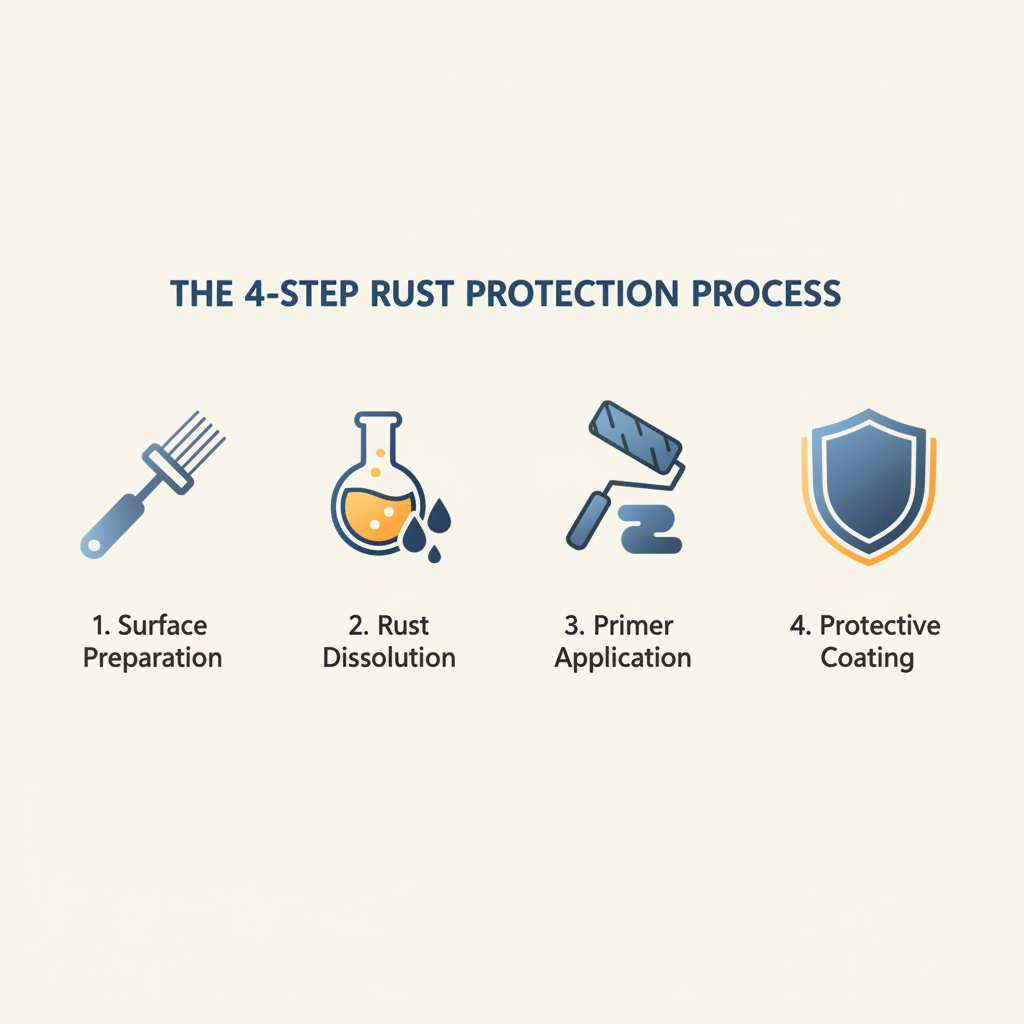
உங்கள் ஸ்டாம்ப் செய்யப்பட்ட ஸ்டீல் கன்ட்ரோல் ஆர்ம்களுக்கு துருவை திறம்பட நிறுத்தி நீண்ட காலத்திற்கு பாதுகாப்பதற்கு, நீங்கள் ஒரு முறைசார் செயல்முறையைப் பின்பற்ற வேண்டும். ஒரு படியைத் தவிர்ப்பதோ அல்லது பொருந்தாத தயாரிப்புகளைப் பயன்படுத்துவதோ பூச்சின் முன்கூட்டியே தோல்வியில் முடிவதற்கு வழிவகுக்கும், அதனால் நீங்கள் மீண்டும் தொடங்க வேண்டியிருக்கும். கடினமான சாலை நிலைமைகளைத் தாங்கக்கூடிய நீடித்த, தொழில்முறை தரமான முடிவை உறுதிசெய்யும் இந்த ஐந்து-படி நெறிமுறை.
- மேற்பரப்பு தயாரிப்பு: முதல் மற்றும் மிக முக்கியமான படி, கன்ட்ரோல் ஆர்ம்களை முற்றிலும் சுத்தம் செய்வதாகும். எண்ணெய், கிரீஸ் மற்றும் சாலை தூசி அனைத்தையும் நீக்க ஒரு சக்திவாய்ந்த டிகிரீஸரைப் பயன்படுத்தவும். பின்வரும் பூச்சுகளின் சரியான ஒட்டுதலுக்கு ஒரு சுத்தமான பரப்பு அவசியம். டிகிரீஸ் செய்த பிறகு, சோப்பு மற்றும் தண்ணீரில் பாகங்களைக் கழுவி முற்றிலும் உலர விடவும்.
- முற்றிலும் துரு அகற்றுதல்: உள்ள துருவின் ஒவ்வொரு அடையாளத்தையும் நீக்க வேண்டும். இலேசான மேற்பரப்பு துருவுக்கு, டிரில் அல்லது கோண தேய்மானியில் உள்ள சாந்து துண்டு அல்லது வயர் சக்கரம் நன்றாக பயன்படும். கனமான துருவுக்கு, சாந்து சீற்றம் எல்லாவற்றிலும் பயனுள்ள முறையாகும், ஏனெனில் இது உலோகத்தை சுத்தம் செய்து, பிரைமர் ஒட்டுதலுக்கு ஏற்றவாறு மேற்பரப்பை தயார் செய்கிறது. பாஸ்பாரிக் அமிலத்தைக் கொண்டுள்ள வேதியியல் துரு நீக்கும் முறைகள் துருவைக் கரைத்து, பெயிண்ட் பூசுவதற்கு ஏற்ற மேற்பரப்பை விட்டுச் செல்லும் மற்றொரு விருப்பமாகும்.
- துரு நடுநிலையாக்கம்: இயந்திர ரீதியாக நீக்கிய பிறகு, திறந்த உலோகத்தை துரு மாற்றி அல்லது மறுஆக்கியால் சிகிச்சை அளிப்பது நல்லது. ரஸ்ட்-ஓ-லீம் ரஸ்ட் ரீஃபார்மர் போன்ற பிரபலமான இந்த தயாரிப்புகள், மீதமுள்ள நுண்ணிய துரு துகள்களை வேதியியல் ரீதியாக ஒரு நிலையான, வினைபுரியாத கருப்பு பாலிமராக மாற்றுகின்றன. இது ஒரு அடைக்கப்பட்ட, பெயிண்ட் பூசக்கூடிய மேற்பரப்பை உருவாக்கி, உங்கள் புதிய பூச்சுகளுக்கு கீழே துரு மீண்டும் பரவாமல் தடுக்கிறது.
- ஒட்டுதல் மற்றும் பாதுகாப்பிற்கான பிரைமிங்: உங்கள் பாதுகாப்பு அமைப்பின் அடித்தளம் ஒரு அதிக-தரமான பிரைமர் ஆகும். ஈரப்பதம் மற்றும் வேதிப்பொருட்களுக்கு எதிராக அதிக எதிர்ப்பைக் கொண்ட கடினமான, பாகுபடாத தடையை 2-பகுதி எப்பாக்ஸி பிரைமர் வழங்குகிறது. மற்றொரு சிறந்த தேர்வு சிங்க்-செறிவுள்ள பிரைமர் ஆகும், இது பெரும்பாலும் "குளிர் கால்வனைசிங்" சேர்மம் என்று அழைக்கப்படுகிறது. சென்ட்கட்சென்ட் என்ற கட்டுரையில் விரிவாக குறிப்பிடப்பட்டுள்ளபடி, எஃகை விட முன்பே சிதைந்து, கதோடிக் பாதுகாப்பை வழங்குவதற்காக சிங்கம் ஒரு தியாக அடுக்காக செயல்படுகிறது.
- நீடித்த மேல் பூச்சை பயன்படுத்துதல்: இறுதி அடுக்கு, உடல் ரீதியான தாக்கங்கள் மற்றும் சூழல் காரணிகளுக்கு எதிராக முதன்மை பாதுகாப்பை வழங்குகிறது. DIY பயன்பாடுகளுக்கு ஒரு கடினமான, சிப்-எதிர்ப்பு சாசிஸ் பெயிண்ட் ஒரு சிறந்த தேர்வாகும், ஏனெனில் இது கீழ்க்கட்டமைப்பு பாகங்களுக்காக குறிப்பாக வடிவமைக்கப்பட்டுள்ளது. சாத்தியமான மிக நீடித்த முடிச்சைப் பெற பவுடர் கோட்டிங் சிறந்த விருப்பமாகும், இது ஆக்சிஜன் மற்றும் ஈரப்பதத்தை திறம்பட தடுக்கும் கடினமடைந்த பாலிமர் அடுக்கை பயன்படுத்துகிறது. எந்த முரண்பாடான வினைகளையும் தடுக்க உங்கள் தேர்ந்தெடுத்த மேல் பூச்சு பிரைமருடன் பொருந்தக்கூடியதாக இருப்பதை எப்போதும் உறுதி செய்து கொள்ளுங்கள்.
உங்கள் கவசத்தை தேர்வு செய்தல்: சரியான பாதுகாப்பு பூச்சுகளை தேர்வு செய்தல்
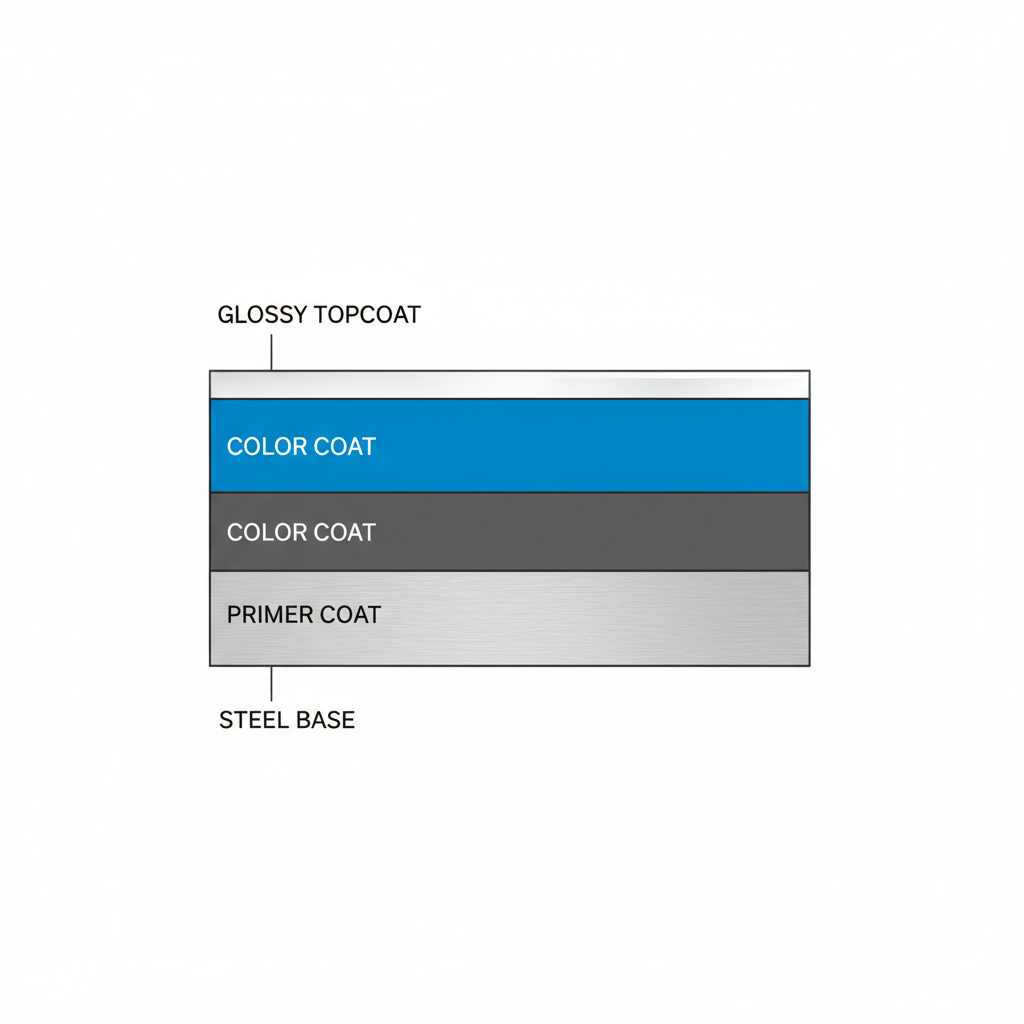
சந்தையில் பல்வேறு தயாரிப்புகள் இருப்பதால், பூச்சுகளின் சரியான கலவையைத் தேர்ந்தெடுப்பது கடினமாகத் தோன்றலாம். உங்கள் பட்ஜெட், கிடைக்கும் கருவிகள் மற்றும் நீடித்திருக்க வேண்டிய அளவு ஆகியவற்றைப் பொறுத்து சிறந்த தேர்வு மாறுபடும். ஒவ்வொரு வகை பூச்சின் செயல்பாட்டைப் புரிந்து கொள்வது தகுந்த முடிவெடுக்க உதவும். எப்போக்ஸி பிரைமர்கள் மற்றும் பெயிண்ட்கள் போன்ற தடை பூச்சுகள் ஒரு ஊடுருவ முடியாத சீல் உருவாக்குவதன் மூலம் செயல்படும். துருப்பிடிக்காமல் இருக்க உதவும் துருப்பிடிக்கும் பூச்சுகள், ஜிங்க்-ரிச் பிரைமர்கள் போன்றவை, எஃகை விட அதற்குப் பதிலாக துருப்பிடிக்க செய்வதன் மூலம் பாதுகாக்கின்றன. சிறந்த முடிவுகளுக்கு, இரண்டையும் இணைக்கும் ஒரு அமைப்பு பெரும்பாலும் பரிந்துரைக்கப்படுகிறது.
தேர்வு செய்வதை எளிதாக்க, பாதுகாப்பின் அடுக்குகளில் விருப்பங்களை நீங்கள் கருதலாம். மிதமான காலநிலையில் உள்ள வாகனங்களுக்கு அடிப்படை அமைப்பு தேவையான பாதுகாப்பை வழங்குகிறது, அதே நேரத்தில் சாலை உப்பு அதிகம் பயன்படுத்தப்படும் பகுதிகளுக்கு அல்லது நீடித்திருக்க வேண்டிய முக்கியத்துவம் உள்ள மீட்டமைப்புகளுக்கு பிரீமியம் அமைப்பு பரிந்துரைக்கப்படுகிறது. பொருட்கள் ஒரே அமைப்பிலிருந்து தேர்ந்தெடுக்கப்பட வேண்டும் அல்லது வெவ்வேறு பிராண்டுகளுக்கு இடையே ஒருங்கிணைப்பு உறுதி செய்யப்பட வேண்டும், இதனால் பொத்தாம் பொது பொருளாக பிரித்தல் அல்லது விரிசல் போன்ற பிரச்சினைகள் தவிர்க்கப்படும்.
| பாதுகாப்பு அமைப்பு | நீடித்த தன்மை | தோராயமான விலை | பயன்பாட்டு சிரமம் |
|---|---|---|---|
| நல்லது: ரஸ்ட்-மாற்றும் பெயிண்ட் | சரி | குறைவு | எளிதான (ராட்டில் கேன்) |
| மேம்பட்டது: எப்பாக்ஸி பிரைமர் + சாசிஸ் பெயிண்ட் | உயர் | சராசரி | நடுத்தரம் (ஸ்பிரே துப்பாக்கி தேவை) |
| சிறந்தது: தொழில்முறை பவுடர் கோட்டிங் | மிக அதிகம் | உயர் | கடினம் (தொழில்முறை சேவை தேவை) |
நீண்டகால எச்சரிக்கை: பராமரிப்பு மற்றும் ஆய்வு
நீடித்த பூச்சு அமைப்பைப் பயன்படுத்துவது ஒரு முக்கியமான படியாகும், ஆனால் ரஸ்ட் தடுப்பது தொடர்ச்சியான செயல்முறையாகும். உங்கள் கடின உழைப்பு ஆண்டுகளாக நீடிக்கும் என்பதை உறுதிப்படுத்த தொடர்ச்சியான பராமரிப்பு மிகவும் முக்கியமானது. நிபுணர்களால் சுட்டிக்காட்டப்பட்டபடி, நீண்டகால மூலோபாயங்களில் மிகவும் பயனுள்ள ஒன்று ஆர்மர் பாதுகாப்பு பேக்கேஜிங் , கூறுகளை குறைந்தபட்சம் சாத்தியமான அளவு சுத்தமாகவும், உலர்ந்த நிலையிலும் வைத்திருப்பதே இதன் நோக்கம். இந்த எளிய செயல், துருப்பிடிப்பு ஏற்படுவதை கணிசமாக தாமதப்படுத்த முடியும்.
ஆண்டுக்கு குறைந்தபட்சம் இருமுறை, குறிப்பாக குளிர்காலத்திற்கு முன்னும் பின்னும், சேர்ந்துள்ள உப்பு, தூசி மற்றும் ஈரத்தை கழுவி எடுக்க வாகனத்தின் அடிப்பகுதியை முழுமையாக சுத்தம் செய்ய வேண்டும். சுத்தம் செய்யும் போது, கட்டுப்பாட்டு கையேடுகள் மற்றும் பிற சஸ்பென்ஷன் பாகங்களின் காணொளி ஆய்வை மேற்கொள்ளவும். கீழே உள்ள உலோகத்தை வெளிப்படுத்தக்கூடிய பூச்சில் ஏதேனும் சிதைவுகள், கீறல்கள் அல்லது விரிசல்கள் இருக்கிறதா என்று பார்க்கவும். கற்கள் மோதுதல் அல்லது சாலை துகள்களால் ஏற்படும் சேதத்தால் கூட, மிகவும் உறுதியான பூச்சுகள் கூட சேதமடைய வாய்ப்புள்ளது.
நீங்கள் ஏதேனும் பாதிக்கப்பட்ட பகுதிகளைக் கண்டறிந்தால், உடனடியாக அதை சரி செய்ய வேண்டும். பின்னர் முழு மறுசீரமைப்பை விட உடனடி திருத்தங்கள் மிகவும் எளிதானவை. உங்கள் ஆய்வுக்கான ஒரு எளிய பட்டியல் இது:
- அடிப்பகுதியை முழுமையாக கழுவி, உலர்த்தவும்.
- பூசப்பட்ட பரப்புகளில் ஏதேனும் சேதங்கள் இருப்பதைக் கண்டறிய ஒரு பிரகாசமான விளக்கைப் பயன்படுத்தவும்.
- பூச்சுகள் மிகவும் மெல்லியதாக இருக்கும் வெல்டிங் இணைப்புகள் மற்றும் ஓரங்களில் கவனத்தை செலுத்தவும்.
- ஒரு சிப்பைக் கண்டால், ஓரங்களை சரிசெய்ய பகுதியை மென்மையாக இடைநிறுத்தி, கரைப்பானைக் கொண்டு சுத்தம் செய்து, புதுப்பிக்கும் பிரைமர் மற்றும் பெயிண்ட்டை பூசி மேற்பரப்பை மீண்டும் அடைக்கவும்.
ரஸ்ட் பாதுகாப்பு பற்றிய அடிக்கடி கேட்கப்படும் கேள்விகள்
1. எஃகை ரஸ்ட் ஆகாமல் தடுக்க எந்த ஸ்பிரே உதவும்?
திறந்த உலோகத்திற்கு, ரஸ்ட்-ஓலீயம் ரஸ்ட் இன்ஹிபிட்டர் போன்ற தயாரிப்பு ஈரப்பதத்திற்கு எதிராக தெளிவான, பாதுகாப்பான தடையை உருவாக்க வடிவமைக்கப்பட்டுள்ளது. ஆனால், கட்டுப்பாட்டு கைப்பிடி போன்ற பகுதிக்கு நிரந்தர தீர்வுக்கு, பல படிநிலை செயல்முறை நல்லது. இதில் உயர்தர பிரைமர் (ஜிங்க்-செழிவான அல்லது எப்பாக்ஸி பிரைமர் போன்றது) மற்றும் சாசிஸ் பெயிண்ட் போன்ற நீடித்த மேல் பூச்சு அடங்கும்.
2. ரஸ்டோலியம் ஸ்பிரே உண்மையில் ரஸ்ட் எதிராக பாதுகாக்கிறதா?
ஆம், ரஸ்ட்-ஒலியம் தயாரிப்புகள் பல ரஸ்ட் எதிர்ப்பிற்கு மிகவும் பயனுள்ளதாக இருக்கும். உதாரணமாக, அவர்களின் "ஸ்டாப்ஸ் ரஸ்ட்" தொடர் என்பது சரியாக தயாரிக்கப்பட்ட ரஸ்ட் பரப்புகளில் நேரடியாக பூச முடியக்கூடிய பிரைமர் மற்றும் டாப்கோட்டாக வடிவமைக்கப்பட்டுள்ளது. இது ஈரப்பதத்தை வெளியே அடைக்கும் வலுவான பாதுகாப்பு தடுப்பை உருவாக்குவதன் மூலம் செயல்படுகிறது. கட்டுப்பாட்டு கையேடு போன்ற அதிக தாக்கத்தை ஏற்படுத்தும் பகுதிக்கு, அவர்களின் தொழில்முறை தரம் பிரைமர்கள் மற்றும் டாப்கோட்டுகளைப் பயன்படுத்துவது சிறந்த முடிவுகளைத் தரும்.
3. ரஸ்ட் தடுக்க WD-40 ஐ உலோகத்தில் பயன்படுத்த முடியுமா?
WD-40 என்பது நீண்ட கால ரஸ்ட் தடுப்பாக இல்லை. அதன் முதன்மை செயல்பாடு நீரை இடமாற்றுவதாகும் (அதன் பெயரில் உள்ள "WD"), தேய்மானம் நீக்கும் திரவமாகவும், ரஸ்ட்டை உடைக்க கரைப்பாகவும் உள்ளது. ஈரப்பதத்தை வெளியே தள்ளுவதன் மூலம் தற்காலிகமாக ஒரு பரப்பைப் பாதுகாக்க முடிந்தாலும், அது வேகமாக ஆவியாகி அழிந்துவிடக்கூடிய மிக மெல்லிய படலத்தை விட்டுச் செல்கிறது, எனவே நிரந்தரமான பாதுகாப்பை வழங்காது. கட்டுப்பாட்டு கையேடு போன்ற பாகங்களுக்கு, தற்காலிக எண்ணெய் படலத்திற்கு பதிலாக நிரந்தர பூச்சுத் தேவை.