 Small batches, high standards. Our rapid prototyping service makes validation faster and easier —
  EN
EN


Žični nasproti cevnim krmilnim rokom: Priročnik iz vsakdanjice
POVZETEK
Cevarni nosi so pomemben napredek v zmogljivosti v primerjavi s tovarniškimi jeklenimi kraki. Ponujajo bistvene prednosti pri trdnosti, zmanjšanju teže in še posebej pri sposobnosti popraviti in optimizirati geometrijo oviranja za sodobne pnevmatike in vožnje pogoje. Medtem ko so žični jekleni kraki primerni za serijske vozila, pa se višji stroški cevarnih krakov obneseta pri vsakem izgradnji, ki temelji na zmogljivosti, saj omogočajo znatno izboljšano ravnanje, občutek volana in stabilnost.
Izdelava in materiali: Osnovne razlike
Osnovna razlika med izžimanimi jeklenimi in cevnatimi vodilnimi rokavi je v njihovi izdelavi in konstrukcijski filozofiji. Izžimani jekleni vodilni rokavi, ki so originalna oprema večine klasičnih vozil, se množično izdelujejo tako, da se pločevina izžme v obliko črke C s pomočjo kalupa. Ta metoda je cenovno učinkovita in proizvede del, ki je popolnoma primeren za prvotne specifikacije vozila in trakaste pnevmatike. Za avtomobilske proizvajalce, ki se zanašajo na visokoobsežno, natančno kovinsko žiganje, so specializirani dobavitelji bistveni. Na primer, Shaoyi (Ningbo) Metal Technology Co., Ltd. ponuja celovite rešitve pri avtomobilskih žiganih delih in zagotavlja, da komponente izpolnjujejo stroge industrijske standarde, kot je IATF 16949, od izdelave prototipa do množične proizvodnje.
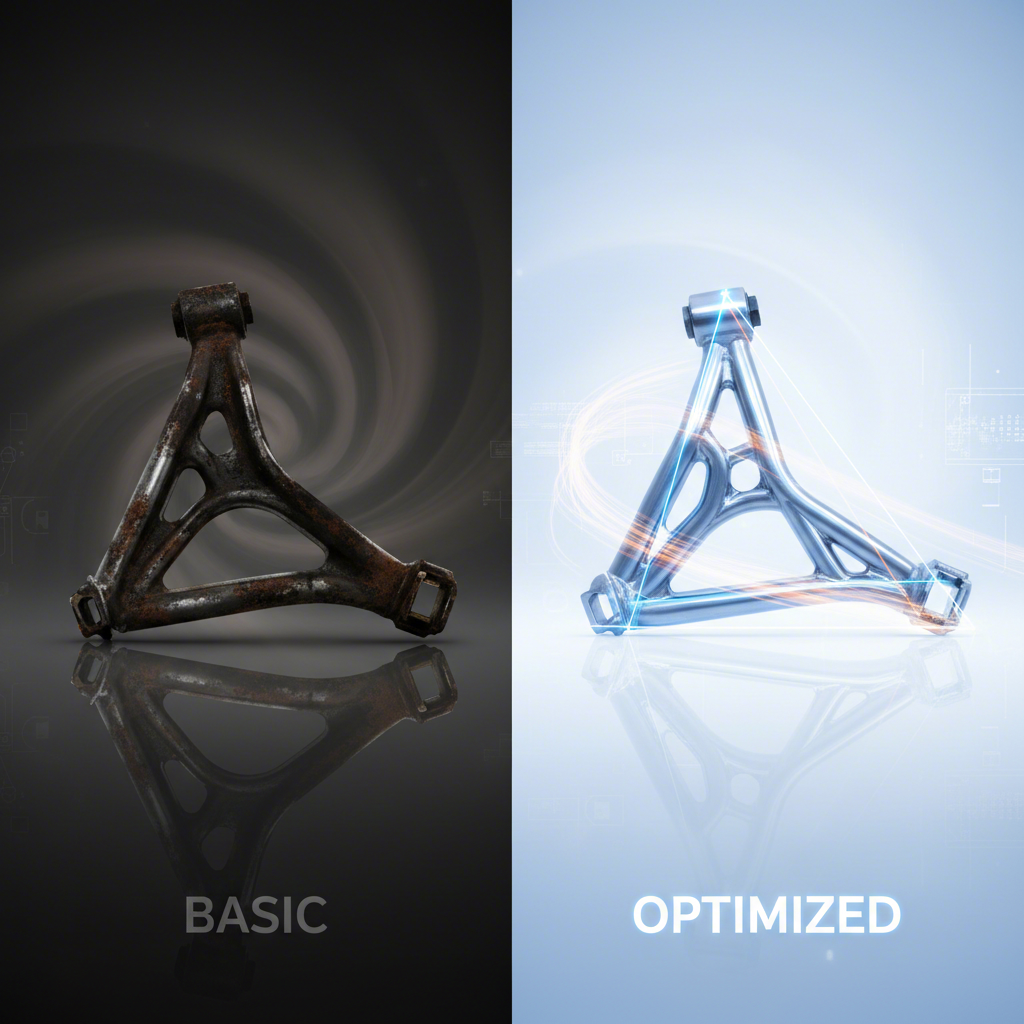
Nasprotno pa so cevnati vodilni rokavi konstruirani za zmogljivost od tal do vrha. Kot je podrobno opisano v virih iz QA1 , ti so običajno izdelani iz jeklenih cevi z visoko trdnostjo in nizko leguro, ki se prerežejo, upognejo in zavarujejo v trdno, triangulirano strukturo. Ta konstrukcija je po svoji naravi trša in bolj odporna proti zasuknim silam kot odprti C-profil žlice iz žice. Cevasta izvedba prav tako znatno zmanjša težo, kar je ključen dejavnik za izboljšanje zmogljivosti ovina.
Vizualna identifikacija je preprosta. Žlica iz žlice pogosto izgleda kot preprost, stisnjen kovinski del, včasih s podaljšanimi rebri. Na njej se bo prilepil magnet. Cevaste žlice imajo značilen videz, pri katerem so okrogle ali včasih ovalne cevi zavarene skupaj in prikazujejo sodobnejši ter inženirski videz.
| Značilnost | Žigosani jekleni vodilni kraki | Cevaste vodilne ročice |
|---|---|---|
| Material | Stisnjeno pločevino | Jeklo z visoko trdnostjo |
| Proizvodnja | Die-stamping | Rezanje, upinanje in varjenje |
| Teža | Težje | Lažji |
| Trdnosti | Primeren za uporabo zalog | Višja togost, manj upogibanja |
| Stroški | Nizka (OEM) | Višja (Aftermarket) |
| Najprimernejše za | Originalne obnove, kruzerji | Vožnja z užitkom, uporaba na dirkališču |
Upravljanje in obnašanje: Zakaj je geometrija pomembna
Najpomembnejši razlog za nadgradnjo na cevaste vodilne roke je izrazito izboljšano obnašanje vozila, ki izhaja neposredno iz optimizirane geometrije ovinka. Ovinki na klasičnih avtomobilih so bili predvideni pred desetletji za diagonalne pnevmatike in druge zahteve glede zmogljivosti. Sodobne radialne pnevmatike imajo popolnoma druge lastnosti oprijema in zahtevajo posodobljene nastavitve poravnave, da delujejo pravilno – nastavitve, ki jih pogosto ni mogoče doseči s serijskimi komponentami.
Ena od glavnih prednosti je zmanjšanje nedeformabilne mase. Nedeformabilna masa je teža vseh delov, ki jih poenostavljeno vzmetenje ne podpira (kolesa, pnevmatike, zavore in vodilne roke). Lažje komponente, kot so cevaste roke, omogočajo, da se ovinek veliko hitreje prilagaja neravninam in nepravilnostim cestne podlage, kar omogoča boljši stik pnevmatike s cesto. To pomeni izjemno kakovost vožnje in doslednejše obnašanje vozila.
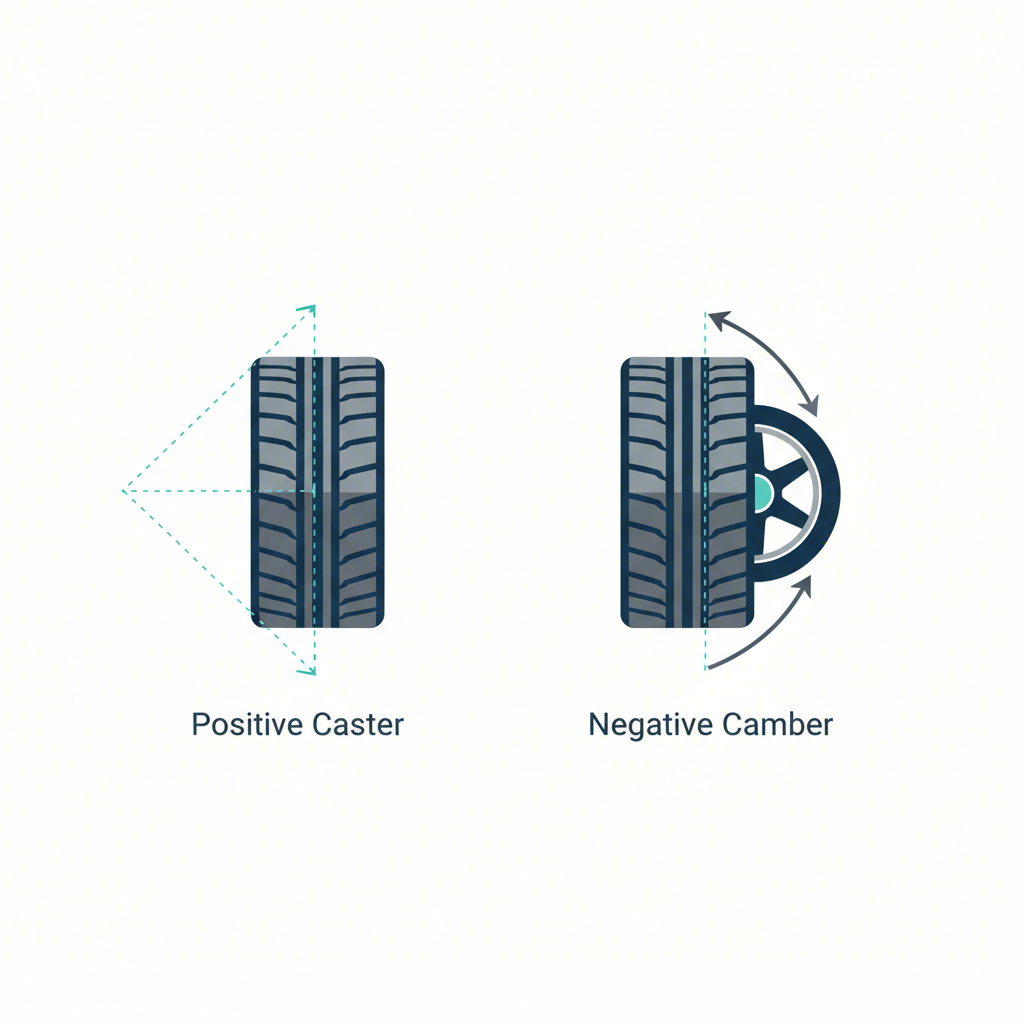
Poleg tega so cevasti vodilni rokavi zasnovani s pravilno geometrijo, vgrajeno v konstrukcijo. Dva ključna kota sta nagib upravljalne osi (caster) in naklon kolesa (camber). NAGIB je naprej ali nazaj nagnjenost upravljalne osi. Klasična vozila so pogosto imela zelo malo pozitivnega nagiba upravljalne osi (približno 2–3 stopinje), kar je povzročilo nejasno, drsečo ravnanje, ki zahteva stalno popravljanje pri hitrostih na avtocesti. Po trditvah podjetja QA1 so njihovi cevasti rokavi zasnovani tako, da povečajo pozitivni nagib upravljalne osi na 5–7 stopinj. Dodan nagib omogoča boljšo stabilnost pri vožnji naravnost, občutek tesnejšega vodenja in samodejno centriranje ob izhodu iz ovinkov.
Stranska ukrivljenost je naklon vrha pnevmatike navznoter ali navzven. Pri vožnji z zmogljivostnim pristopom želite, da pnevmatika pridobi negativen koten nagiba (naklon navznoter), ko se odbojnik stisne v ovinski krivini, kar poveča stično ploskev pnevmatike na cesti. Mnogi nadomestni cevasti vzmetni rokavi so zasnovani z izboljšanimi krivuljami koten nagiba in možnostjo nastavitve, kar omogoča nastavitve poravnave, pri katerih ostaja pnevmatika tesno pritisnjena k tlom za znatno izboljšan oprijem in večjo samozavest v krivinah.
Moč, Trajnost in Estetika
Poleg geometrije prinaša nadgradnja na cevaste vodilne rokave opazne koristi pri strukturni trdnosti in življenjski dobi. Zvarjena, triangulirana struktura cevastega rokava je po svoji naravi bolj togota od pocinkanega jeklenega C-profila. Ta povečana trdnost preprečuje upogibanje ali zasukanje rokava pod visokimi obremenitvami, kot so močne ovinske manevre ali pospeševanje, zlasti pri vozilih z visoko močjo in širokimi, oprijemnimi pnevmatikami. Ta togost zagotavlja, da se vaše nastavitve poravnave ne spreminjajo takrat, ko jih potrebujete najbolj.
Trajnost izboljšajo tudi sestavni deli, ki običajno prihajajo s kompleti cevastih vzvodov. Tovarniški vodilni vzvodi uporabljajo mehke gume izolatorje, ki so zasnovani za dušenje vibracij, vendar omogočajo tudi pomemben odklon, kar lahko negativno vpliva na natančnost vodenja. Nakupni cevasti vzvodi skoraj vedno vključujejo izboljšane materiale izolatorjev:
- Izolatorji iz poliuretana: Pogosta nadgradnja za ulično zmogljivost, ki ponuja tršo povezavo, zmanjšuje odklon, ne da bi bila preveč trda.
- Kompozitni izolatorji: Pogosto uporabljani v profesionalnem vožnji ali dirkaških vzvodih, omogočajo zelo nizko trenje in minimalen odklon za najbolj natančno gibanje odbojnika.
Nazadnje igra pomembno vlogo tudi estetika pri odločanju. Kot opažajo strokovnjaki pri OnAllCylinders , cevasti vodilni vzvodi preprosto izgledajo bolje. Za prikazni avto, restomod ali katerokoli izvedbo, kjer je odbojnik vidna, čisti varjeni šivi in inženirsko oblikovanje cevastih vzvodov zagotavljajo videz visoke zmogljivosti, ki ga pocinkan jekleni list ne more primerjati.

Zaključek: Ustrezna izbira za vaše vozilo
Odločitev med žičnimi in cevnatimi vodilnimi rokavci se končno zreducira na namembnost vašega vozila in vaše cilje glede zmogljivosti. Gre za klasičen kompromis med tovarniško ustreznostjo in preobrazno naložbo v vašo vožnjo. Žični rokavci so popolnoma primerni za obnovo v skladu s časom ali za nenavadno vožnjo v vikendih, kjer sta izvirnost in proračun glavna skrb.
Čeprav načrtujete izboljšati vedenje vozila, stabilnost in sploh občutek na cesti, so cevasti nosi kontrolnih rok ena najučinkovitejših nadgradenj, ki jih lahko izvedete. Prednosti niso uporabne le na dirkališču; izboljšana stabilnost pri vožnji v ravnih črtah, odzivno krmiljenje in predvidljivo vedenje v zavojih sta opazna in dodatno povečata zaupanje tudi pri vsakodnevni vožnji. Za vsako vozilo z modernimi radijalnimi pnevmatikami, povečano močjo motorja ali lastnika, ki želi tesnejši občutek med vožnjo, so cevasti nosi kontrolnih rok nujna in smiselna investicija.
Preden kupite, sebe vprašajte naslednja ključna vprašanja:
- Kako vozim svoje avto? (nenavzočno vožnja po mestu nasproti dinamični vožnji po zavitičastih cestah ali dirkanje na dirkališču)
- Kakšni so moji načrti za prihodnje spremembe? (Širše pnevmatike, več moči itd.)
- Kolikšen je moj proračun za nadgradnjo ovinka?
- Je sodoben, tesnejši občutek med vožnjo za mene prednostna naloga?
Odgovori na ta vprašanja vas pripeljejo do prave izbire. Za preprost krožni vožnji bo morda zadoščalo tudi serijsko stanje. Za katero koli raven vožnje s poudarkom na zmogljivosti pa vodi pot očitno do cevastih nihajnih rok.
Pogosto zastavljena vprašanja
1. Katera je razlika med izrezanimi in kovanimi nosiči?
Nihajne roke iz žigosanega jekla se izdelujejo tako, da se list kovine stisne v obliko, kar je cenovno učinkovita metoda za masovno proizvodnjo. Kovane nihajne roke se izdelujejo tako, da se segreje kovinski blok in stisne v kalup. Ta kovalni postopek poravna notranjo zrnatost kovine, kar rezultira v delu, ki je znatno trši in bolj odporen na utrujanje kot njegov ekvivalent iz žigosanega ali litja.
2. Kateri material je najboljši za vilice?
Najboljši material je odvisen od namena uporabe. Visoko trdo jeklo, ki se uporablja pri večini cevastih rok, ponuja odlično ravnovesje med trdnostjo, težo in stroški za uporabo pri zmogljivostnih aplikacijah. Kovano aluminij je še ena premium možnost, ki se pogosto uporablja v luksuznih ali visoko zmogljivostnih vozilih zaradi svoje lahke teže in naravne odpornosti proti koroziji, kar izboljša udobje in voznost.
3. Kako preverim, ali imam nihajne roke iz žigosanega jekla?
Najlažji način preverjanja je s preprostim magnetom. Če se magnet trdno pritrdi na vaš vodilni rok, je izdelan iz jekla, kar pri večini klasičnih avtomobilov pomeni, da gre za žični jeklen del. Praviloma imajo tudi preprostejši videz, kot je oblika kanala C ali školjke, v nasprotju s svarjenimi cevmi cevnatega roka ali trdnim, masivnejšim videzom kovanega aluminijastega roka.