 Small batches, high standards. Our rapid prototyping service makes validation faster and easier —
  EN
EN


Storitve laserskega rezkanja kovin razložene: od datoteke z načrtom do končnega dela
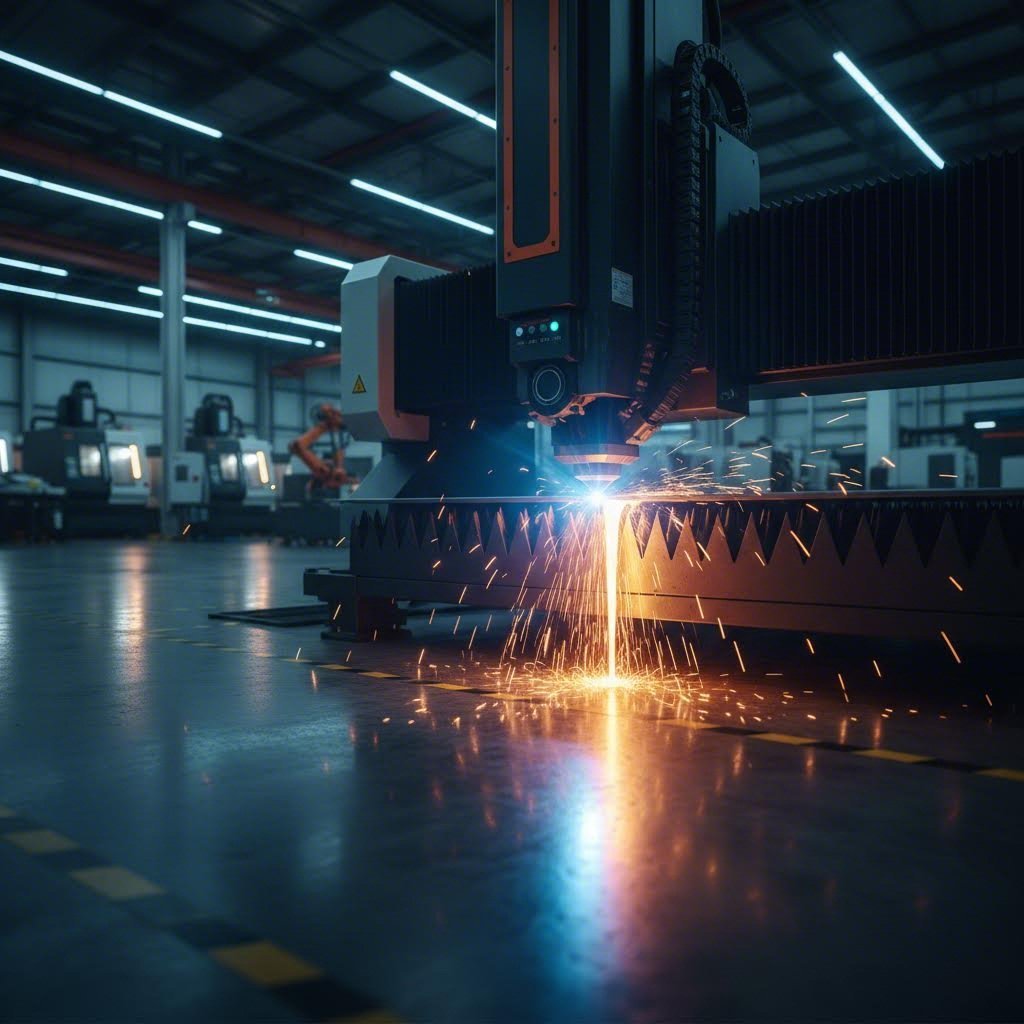
Zakaj je rezanje kovin z laserjem bistveno za sodobno proizvodnjo
Predstavljajte si, da se ravna pločevina iz jekla pretvori v natančno komponento z tolerancami, manjšimi od človeškega lasu – in to brez neposrednega stika med orodjem in materialom. Prav to ponuja storitev rezanja kovin z laserjem. V osnovi ta tehnologija uporablja usmerjene žarke visokoenergijske svetlobe za rezanje, graviranje ali oblikovanje kovinskih pločevin in komponent z izjemno natančnostjo . Ne glede na to, ali kupujete dele za letalsko industrijo ali razvijate prototip novega izdelka, razumevanje delovanja tega procesa vam omogoča pomemben prednost pri ocenjevanju možnosti proizvodnje.
Od svetlobnega žarka do natančnega dela
Kako torej žarek svetlobe prereže trdno kovino? Postopek se začne, ko močvirni laserski vir ustvari koncentriran žarek, ki se usmerja skozi posebna leča in zrcala. To osredotočena energija segreva kovino do točke taljenja ali izparevanja v natančno nadzorovanem tiru. Sistemi numeričnega računalniškega krmiljenja (CNC) vodijo laserski rezalnik z izjemno natančnostjo in sledijo digitalnim datotekam oblikovanja, da ustvarijo zapletene oblike, ki bi jih s tradicionalnimi metodami rezanja bilo težko ali nemogoče izdelati.
Rezultat? Čisti in natančni rezi z minimalnim odpadkom materiala. Za razliko od mehanskega rezanja, ki fizično stira in obrablja obdelovanec, je lasersko rezanje kovin postopek brez stika. To pomeni manj mehanskih napetosti na delih in nobene obrabe orodja, ki bi s časom ogrozila natančnost.
Znanost za laserskim rezanjem kovin
Lasersko rezanje kovin uporablja tri glavne vrste laserjev, od katerih ima vsaka različne lastnosti:
- CO2 Laserji uporablja električno stimuliran plin ogljikovega dioksida za ustvarjanje infrardeče svetlobe, deluje dobro pri tanjših kovinah in nekovinskih materialih
- Fiber Laserji uporablja optična vlakna, dopirana z redkimi zemeljskimi elementi, kot je iterbij, ter ponuja nadpovprečno zmogljivost pri rezkanju jekla, aluminija, bakra in mesinga
- Nd:YAG laserji uporablja kristale, dopirane z neodimom, za specializirane aplikacije, ki zahtevajo preciznost mikroobdelave
Razlike v valovnih dolžinah med temi tipi laserjev določajo, kako učinkovito interagirajo z različnimi kovinami. Na primer, laserski žarek iz vlaknastega lasera proizvaja valovne dolžine, ki jih kovine bolj učinkovito absorbirajo, zato so ti laserji postali prevladujoča izbira za kovinske obdelave, kjer je potrebna hitrost in natančnost.
Laserjska tehnologija rezkanja ponuja nepremagovljivo natančnost, učinkovitost in prilagodljivost – kar jo naredi bistveno za proizvajalce, ki želijo ostati konkurenčni in hkrati izpolnjevati stroge industrijske standarde.
Zakaj laserjsko rezkanje prevlada v sodobni proizvodnji
Od sestavnih delov podvozij avtomobilov do strukturnih delov za letalstvo je laserski rezalnik kovin postajal nepogrešljiv v skoraj vsakem proizvodnem sektorju. Zakaj? Prednosti so zelo ugledne:
- Izjemna natančnost: Tolerance do ±0,03 mm omogočajo zmanjšanje ali popolno odpravo dodatnih obdelav
- Hitrost in produktivnost: Hitri cikli rezanja znatno povečajo izhodnost v primerjavi s tradicionalnimi metodami
- Učinkovitost materiala: Ožji rezi zmanjšujejo odpad, optimirajo uporabo materiala in zmanjšujejo stroške
- Gnusna fleksibilnost: Kompleksne geometrije in zapleteni vzorci se izdelujejo brez prilagodljivega orodja
- Pogojena kakovost: CNC avtomatizacija zagotavlja enake rezultate pri serijah katerekoli velikosti
Bodite že inženir, ki določa sestavne dele, nakupec specializiran za primerjavo dobaviteljev ali vodja projekta, ki načrtuje časovne potek proizvodnje, vas bo ta priročnik popeljal skozi vse, kar morate vedeti o storitvah laserskega rezanja kovin – od osnov tehnologije, obravnavanih tukaj, do izbire materiala, smernic za oblikovanje, specifikacij toleranc in meril za oceno ponudnika v nadaljnjih poglavjih.
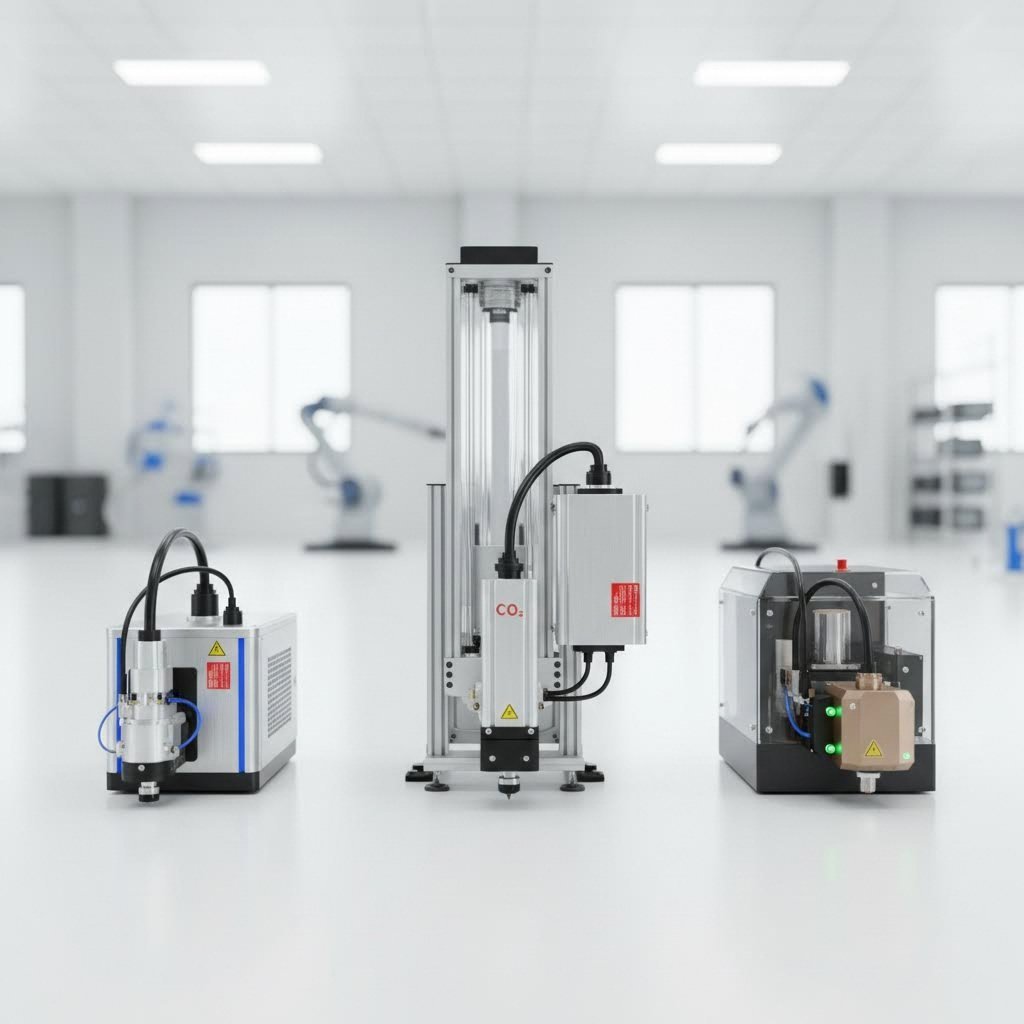
Razumevanje vrst tehnologije laserskega rezanja in njihovih zmogljivosti
Ko ocenjujete stroj za lasersko rezanje za kovinske projekte, ima tip laserske tehnologije neposreden vpliv na rezultate. Vsi laserji niso enaki – vsak tip odlično opravlja določene naloge, hkrati pa ima omejitve pri drugih. Razumevanje teh razlik vam pomaga izbrati primernega ponudnika storitev in postaviti realistična pričakovanja glede rezultatov vašega projekta.
Fibrski laserji in njihova prevlada pri rezanju kovin
Zakaj so se vlaknasti laserji uveljavili kot najboljša izbira za rezkanje kovin z laserskimi stroji? Odgovor leži v njihovi učinkovitosti in vsestranskosti. Vlaknasti laserji ustvarjajo svetlobo prek optičnih kablov, dopiranih z redkozemeljskimi elementi, kot je iterbij. Ta trdotelesna konstrukcija proizvaja valovne dolžine okoli 1,06 mikrometra – pogostost, ki jo kovine absorbirajo veliko učinkoviteje kot daljše valovne dolžine iz CO2 sistemov.
Praktične prednosti so znatne. Glede na podatke industrije od DP Laser , vlaknasti laserski rezalni stroji omogočajo izjemno natančnost pri rezanju kovinskih pločevin različnih debelin in s tem minimalne izgube. Moč se giblje od vstopnih sistemov okoli 1,5 KW za občutljive električne komponente do industrijskih enot, ki presegajo 100 KW za težka konstrukcijska dela.
Kar posebej privlačne naredi vlaknene laserje za CNC lasersko rezkanje, so njihove nizke zahteve po vzdrževanju. V nasprotju s CO2 sistemi, ki potrebujejo redno poravnavo zrcal in dolivanje plina, imajo vlaknasti laserji manj gibljivih delov in porabnega materiala. To pomeni manj prostojov in nižje dolgoročne obratovalne stroške – kar je ključen dejavnik pri izbiri dobavitelja naprav za lasersko rezkanje limarin.
Primerjava tehnologij CO2 in vlaknastih laserjev
CO2 laserji že desetletja služijo industriji kovinskih konstrukcij in še vedno ponujajo prednosti pri določenih aplikacijah. Ti sistemi uporabljajo električno stimuliran ogljikov dioksid za ustvarjanje infrardeče svetlobe z valovnimi dolžinami okoli 10,6 mikrometrov. Čeprav je ta valovna dolžina odlična za rezkanje nemetalov, kot so les, akril in usnje, kovine veliko tega energije odbijajo namesto da bi jo absorbirale.
Tožej, naprave za rezanje kovin z CO2 laserjem ostajajo primerne za določene operacije. V komercialnih pogojih ponujajo moč običajno med 40 W in 150 W, s čimer zagotavljajo ravnovesje med zmogljivostjo rezanja in obratovalnimi stroški. Za tanke kovine in delavnice, ki obdelujejo tudi nemetalne materiale, lahko sistem CO2 lasera služi dvojnim namenom.
Kristalni laserji – posebej sistemi Nd:YAG (neodim-dopirani itrij-aluminijev granat) – predstavljajo tretjo možnost. Glede na tehnične specifikacije podjetja 4Lasers , ti kristali oddajajo valovno dolžino 1064 nm z odlično toplotno prevodnostjo in optično kakovostjo. Zlasti so primerni za natančne aplikacije, ki zahtevajo sposobnosti mikro-obdelave, vključno z izdelavo medicinskih naprav in finega nakita.
Primerjava tipa lasera z vašo aplikacijo za kovine
Izbira ustreznega laserskega rezalnika za pločevino je odvisna od vaših specifičnih zahtev. Upoštevajte to primerjavo ob ocenjevanju ponudnikov storitev:
| Faktor | Vlaken laser | Co2 laser | Kristalni laser (Nd:YAG) |
|---|---|---|---|
| Kompatibilnost s kovinami | Odličen za jeklo, aluminij, mesing, baker | Omejeno; najbolje deluje s tankimi kovinami | Specializirano za natančno obdelavo kovin |
| Kapaciteta debeline | Do 30 mm ali več, odvisno od moči | Ponavadi pod 6 mm za kovine | Najbolj primeren za tanke materiale pod 3 mm |
| Hitrost rezanja | Najhitrejši za kovine | Zmerno; počasneje pri svetlobnimih kovinah | Počasneje; primerno za podrobno delo |
| Kakovost roba | Čisto, minimalna cona toplotnega vpliva | Dobro pri tankih materialih | Odlično za mikropreciznost |
| Cene eksploatacije | Najnižji dolgoročni stroški | Srednje; stroški plina in vzdrževanja | Višje; potrebna zamenjava kristala |
| Najboljše uporabe | Splošna obdelava kovin, proizvodnja v visokih količinah | Delavnice za obdelavo različnih materialov, tanka kovina | Medicina, nakit, mikroobdelava |
Za večino strojev za lasersko rezkanje kovin za domače delavnice ali manjše obrate za obdelavo kovin , sistemi ustreznega vstopnega nivoja ponujajo najboljšo ravnovesje med zmogljivostmi in vrednostjo. Industrijski obrati imajo koristi od močnejših vlaknastih sistemov, ki omogočajo obdelavo vsega, od tankih pločevin iz aluminija do debelih jeklenih ploščih, brez menjave opreme.
Ko zahtevate ponudbe od ponudnikov storitev, povprašajte po specifikacijah njihove opreme. Delavnica, ki uporablja sodobno tehnologijo vlaknastih laserjev, bo praviloma omogočila hitrejše čase izvedbe in boljšo kakovost robov pri kovinskih projektih kot tista, ki se zanaša na starejše sisteme CO2 laserskega rezanja kovin. To znanje o opremi vam pomaga oceniti, ali zmogljivosti ponudnika ustrezajo zahtevam vašega projekta – temo, ki jo bomo pobliže raziskali ob razpravi o združljivosti materialov v naslednjem razdelku.
Vodnik za združljivost materialov za projekte izrezovanja kovin z laserjem
Izbrali ste pravo lasersko tehnologijo – vendar ste premislili, kako izbira materiala vpliva na zmogljivost rezkanja? Vsi kovinski materiali se pod laserskim žarkom ne obnašajo enako. Nekateri se čisto odrežejo pri impresivnih debelinah, drugi pa zahtevajo previdno prilagoditev parametrov, da se doseže sprejemljiv rezultat. Razumevanje teh razlik pred oddajo datotek z dizajnom prihrani čas, zmanjša stroške in prepreči frustracije zaradi kakovosti.
Ali delate s pločevino iz nerjavnega jekla za opremo za hrano ali z aluminijasto pločevino za lahke ohišja, ima vsak material edinstvene lastnosti, ki vplivajo na hitrost rezkanja, kakovost roba in največjo dosegljivo debelino. Poglejmo si, kaj morate vedeti za najpogostejše kovine.
Parametri rezanja jekla in nerjavnega jekla
Ogljikovo jeklo ostaja najlažji kovinski material za rezkanje z laserjem – in to iz dobrega razloga. Glede na Tehnično dokumentacijo GWEIKE , kisikovno podprto rezkanje ustvarja eksotermno reakcijo, ki dejansko pomaga laserju pri delu. Kisik reagira s segretim jeklom in sprošča dodatno toploto, kar izboljša učinkovitost rezkanja. Zato je možno rezati pločevino iz ogljikovega jekla bistveno debelejšo kot druge kovine pri enakovredni moči.
Za praktično usmeritev: vlaknasti laser 6 kW obdeluje ogljikovo jeklo do približno 20 mm z rezultati, primerenimi za serijsko proizvodnjo. Pri sistemih 12 kW pa lahko zanesljivo režete skozi material debeline 25 mm ali več. Ključni izraz tukaj je »kakovost za proizvodnjo« – največje debeline, navedene v tržnih materialih, predstavljajo to, kar je tehnično mogoče, ne pa tega, kar zagotavlja dosledne, prodajne dele.
Pločevina iz nerjavnega jekla predstavlja drugačno izziv. Za razliko od ogljikovega jekla, za nerjaveno jeklo običajno potrebujete dušik kot pomožni plin, da dobite svetle, brezoksidne robove. Kot pojasnjuje Universal Tool, nerjavno jeklo omogoča čiste in visokokakovostne robove tudi pri večjih debelinah – vendar boste pri isti moči izgubili nekaj zmogljivosti rezanja v primerjavi z ogljikovim jeklom.
Zakaj je razlika? Dušik ne prispeva energije k procesu rezanja, kot to počne kisik pri ogljikovem jeklu. Laser mora opraviti skoraj vso delo sam. Pri aplikacijah, ki zahtevajo nerjavno jeklo 316 ali druge korozijo odporne sorte, pričakujte največjo debelinsko zmogljivost približno za 30–40 % nižjo v primerjavi s specifikacijami za ogljikovo jeklo.
Aluminij in izzivi pri rezkanju odsevnih kovin
Tukaj postane izbira materiala zanimiva. Aluminij zmede mnoge kupce na prvi pogled, ker njegovo vedenje pod laserjem zveni protislovno. Kljub temu, da je mehkejši od jekla, je aluminijasta pločevina pri enakih debelinah dejansko težje rezati. Dve fizikalni lastnosti povzročata to težavo:
- Visoka odbojnost: Aluminij odbija pomemben del laserske energije namesto da jo absorbira, kar zmanjša učinkovitost rezanja
- Odlična toplotna prevodnost: Toplota se hitro razprši skozi material namesto da se koncentrira v coni rezanja
V praksi aluminij »raznaša energijo« namesto da bi ostal dovolj vroč za čisto rezanje. Tudi z močnimi vlaknastimi laserji, ki bolje obvladajo odsevnost kot starejši CO2 sistemi, največja debelina aluminija običajno znaša 40–50 % manj kot zmogljivost za ogljikovo jeklo.
Galvanizirana plošča kovine je še ena dejavnost. Zinkov prevlek se izhlapi drugače kot osnovni jeklen, kar lahko vpliva na kakovost robov in ustvarja dodatne pare, ki zahtevajo ustrezno prezračevanje. Večina ponudnikov storitev redno ravna z galvanizirani material, vendar je vredno potrditi njihovo izkušnjo z vašo vrsto premaza.
Baker in meden predstavljajo podobne izzive pri odsevnosti, ki jih povečuje odlična toplotna prevodnost. Glede na industrijske merila, ti materiali običajno dosežejo največ 5-8 mm, tudi z visoko zmogljivo opremo. Za debelejše uporabe bakra mnogi proizvajalci priporočajo alternativne metode rezanja, namesto da bi lasersko tehnologijo pospešili.
Specijalni kovini in omejitve debeline
Titan ima edinstven položaj pri laserskem rezanju. Kot Opombe za univerzalno orodje , titan ponuja najvišji razmerje med trdnostjo in težo med običajno rezanimi kovinami – hkrati pa tudi najvišjo ceno. Dobra novica? Titan se lažje reže z laserjem kot s kovanjem ali mehanskim obdelovanjem, zaradi česar je lasersko rezanje privlačna možnost za letalsko-tehnološke in medicinske aplikacije.
Preden se lotite izbire materiala, vam bo razumevanje specifikacij debeline omogočilo učinkovito komunikacijo s ponudniki storitev. Sistem lestvice debeline (gauge) na prvi pogled morda zmede – ni linearen, saj nižje številke dejansko pomenijo debelejši material. Kot navaja tehnični referenčni vir Xometryja, so številke gauge sprva razvili tako, da so debelino pločevine merili glede na težo na kvadratni čevelj.
Na primer, kovina debeline 10 meri približno 3,4 mm (0,1345 palca) – idealna za trdne strukturne komponente. Medtem je material debeline 26 le 0,45 mm debel in primerni za dekorativne plošče ali lahke ohišja. Večina lima ima debelino med 0,5 mm in 6 mm; vse, kar je debelejše, se običajno uvršča med pločevino, ne lim.</p>
| Vrsta materiala | Največja debelina (kakovost proizvodnje) | Tipična tolerance | Kakovost roba | Ključne razprave |
|---|---|---|---|---|
| Ogljikova jeklena litina | 25-30 mm (z vlaknom 12 kW+) | ±0,1 mm do ±0,25 mm | Dobro; rahlo oksidacija z dodatkom O2 | Najlažje za rezati; dodatek kisika izboljša učinkovitost |
| Nerjavnega jekla | 15-20 mm (z vlaknom 12 kW+) | ±0,1 mm do ±0,2 mm | Odlično; svetli robovi z dodatkom N2 | Za brezoksidno površino je potreben dušik |
| Aluminijaste | 12-15 mm (z visoko močjo) | ±0,1 mm do ±0,3 mm | Dobro; morda rahlo nazobčanje | Refleksiven; zahteva previdno upravljanje toplote |
| Mesing | 6-8mm | ±0,1 mm do ±0,2 mm | Dobro pri pravih parametrih | Visoka svetlobna odbojnost; počasnejše hitrosti rezkanja |
| Bakrom | 5-8mm | ±0,15 mm do ±0,25 mm | Sprejemljivo; izziv pri debelini | Najbolj izzivalen refleksiven kovina |
| Titan | 8-12mm | ±0,1 mm do ±0,2 mm | Odlično | Zahteva inertno atmosfero; premijsko cenjenje |
Ko izbirate materiale za svoj projekt, upoštevajte te praktične smernice:
- Prednost dajte zahtevom uporabe: Odpornost proti koroziji, omejitve glede teže in mehanske lastnosti naj določajo izbiro materiala pred razmislekom o rezkanju
- Ostanite znotraj razponov, primerenih za proizvodnjo: Maksimalne specifikacije debeline predstavljajo tehnične meje, ne pa optimalne obratovalne pogoje
- Upoštevajte potrebe po dokončni obdelavi: Nekateri materiali zahtevajo dodatno obdelavo, ki poveča stroške in čas izdelave
- Jasno komunicirajte s ponudniki: Navedite kakovost materiala in debelino z enotnimi merskimi enotami (mm ali kaliber)
Razumevanje vedenja materiala pri laserskem rezanju omogoča realistična pričakovanja in učinkovito sodelovanje s storitvenimi ponudniki. Toda tudi popolnoma prava izbira materiala ne more nadomestiti slabih konstrukcijskih rešitev – kar nas privede do ključnih smernic za načrtovanje, ki zagotavljajo, da bodo vaši deli pravilni že ob prvi izdelavi.
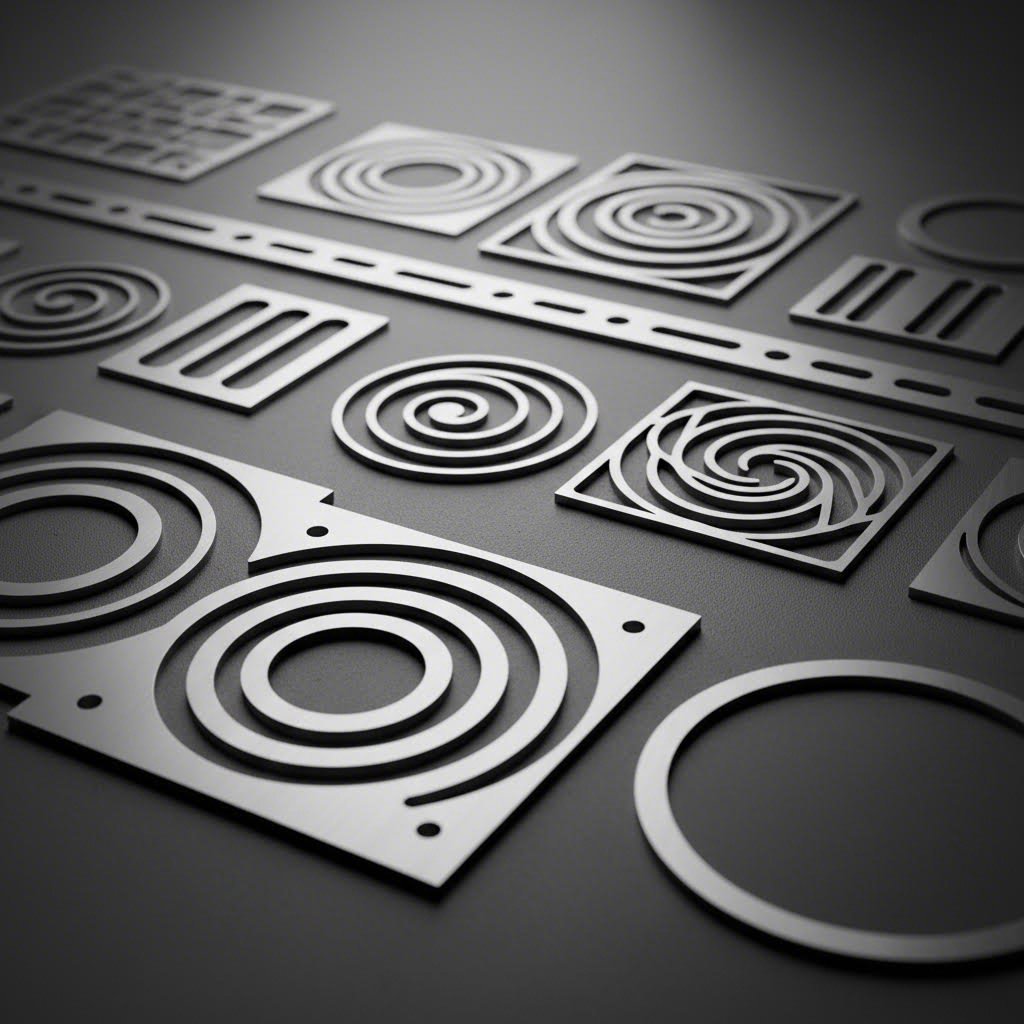
Smernice za načrtovanje, ki zagotavljajo uspešne dele pri laserskem rezanju
Izbrali ste idealni material in razumete lasersko tehnologijo to bo vse razumelo, ampak poglejva si dejstvo. Celo izkušeni inženirji včasih predložijo modele, ki na zaslonu izgledajo odlično, vendar povzročajo glavobol v proizvodnji. Razlika med delovi, ki so poseknuti z laserjem in so pripravljeni za uporabo, in tistimi, ki zahtevajo popravek, se pogosto sklada z odločitvami o zasnovi, sprejete preden datoteka sploh zapusti računalnik.
Pravi načeli oblikovanja za proizvodnjo (DFM) zmanjšujejo stroške, izboljšujejo kakovost delov in pospešujejo čas obratovanja. Prejdimo skozi osnovna načela, ki ločujejo gladke projekte od frustrirajočih zamud.
Oblike datotek in zahteve za programsko opremo za zasnovo
Preden se spustite v pravila geometrije, morate razumeti, kateri datotečni formati dejansko delujejo za lasersko rezkanje pločevine. Glede na smernice Xometryja za lasersko rezkanje so bistveni vektorski datotečni formati. Zakaj? Vektorske datoteke definirajo robove s pomočjo matematičnih izrazov namesto pikslov. Ko povečate bitno sliko, boste videli posamezne piksle, ki poslabšajo kakovost slike. Vektorske datoteke ohranjajo natančne robove ne glede na povečavo.
Najpogosteje sprejeti formati vključujejo:
- DXF (Drawing Exchange Format): Industrijski standard za 2D lasersko rezkanje; združljiv z vso CAM programsko opremo
- DWG: Lasten format AutoCAD-a; široko podprt, vendar morda zahteva pretvorbo
- AI (Adobe Illustrator): Vektorski format, ki se pogosto uporablja za dekorativne namene ali za tabele
- SVG (Scalable Vector Graphics): Odprtokodni vektorski format; uporaben za preprostejše oblike
Ali vaš CAD program riše krivulje s pomočjo ravnih odsekov namesto pravih lokov? To je pomembnejše, kot bi pričakovali. Ker Pojasnjuje Baillie Fabricators , daljše segmentne črte lahko ustvarijo ukrivljene oblike, ki spominjajo na niz kratkih ravnih stranic namesto gladkih kontur. Predstavljajte si, da naročite krog, vi pa prejmete nekaj, kar je bližje šestkotniku – to je skrajni primer, a načelo ostaja veljavno. Preden predložite zasnovo za prilagojeno lasersko rezkanje, preverite, ali uporabljajo resnične loki in ne aproksimiranih segmentov.
Še ena pomembna preverba: povežite vse pike. Nepovezane črte ali odprti konturi lahko povzročijo slabo rezane dele ali dodatni čas risanja pri ponudniku storitve – pogosto na vaš račun.
Ključna pravila za čiste reze
Tu uspeh ali neuspeh projekta laserskega rezkanja pločevine. Če sledite tem osnovnim pravilom, zagotovite čiste reze in ustreznost delov dimenzijam:
- Minimalni premeri lukenj: Premeri lukenj morajo biti vsaj enaki debelini vašega materiala. Režete pločevino iz nerjavnega jekla 3/16" (4,8 mm)? Tudi najmanjši premer lukenj je 3/16". Manjše luknje lahko povzročijo slabo kakovost robov ali natančnost dimenzij.
- Razdalja od roba do lukenj: Izogibajte se načrtovanju lukenj, ki so preblizu robom materiala. Pustite razdaljo vsaj enako debelini materiala med katerokoli luknjo in robom. Aluminij pogosto zahteva dvakrat toliko ali več zaradi svojih toplotnih lastnosti.
- Kompenzacija žaga: Širina reza—količina materiala, odstranjena med rezanjem—običajno meri od 0,1 mm do 1,0 mm, kar je odvisno od vrste materiala, moči laserja in hitrosti rezanja. Vaš dizajn mora upoštevati to izgubo materiala, bodisi tako, da premakne pot reza v CAD-u, ali tako, da omogoči laserski programske opremi samodejno kompenzacijo.
- Zahteve za polmer vogalov: Ostri notranji koti so pri laserskem rezanju fizikalno nemogoči. Žarek ima merljiv premer, zato bodo vsi notranji koti imeli polmer, ki je enak vsaj polovični širini reza. Načrtujte notranje kote s predvidenimi polmeri, namesto da pričakujete popolne 90-stopinjske kote.
- Dopusti za jezičke in žlebove: Pri konstrukcijah s povezavami načrtujte vrzel 0,1–0,2 mm med jezički in žlebovi. To kompenzira nihanje širine reza in zagotavlja, da se deli lahko sestavijo brez prisile.
- Razporeditev elementov: Pri debelih materialih ali materialih z nizko točko taljenja lahko tesno razporejeni rezalni poti povzročijo lokalno taljenje ali upogibanje med rezi. Preizkusite svojo konstrukcijo, če je razdalja med elementi primerljiva s debelino materiala.
Ko načrtujete dele iz aluminija za lasersko rezanje, imajte v mislih, da zrcalni kovini morate posvetiti še posebno pozornost pri postavitvi lukenj in razporeditvi elementov. Toplotna prevodnost, ki aluminiju otežuje rezanje, namreč pomeni tudi, da se toplota drugače oddaja okoli majhnih elementov.
Preprečevanje dragih konstrukcijskih napak
Zveni zapleteno? Te pogoste napake zmedejo celo izkušene oblikovalce. Če se jim izognete, prihranite tako čas kot denar:
Napaka št. 1: Ignoriranje standardnih velikosti pločevin. Standardne kovinske pločevine merijo 4'x8' ali 4'x10' s smerjo žil vzdolž dolžine. Čeprav se zdi, da bi dva dela 4'x4' morala popolnoma stati na pločevino 4'x8', potrebujejo laserski rezalniki do 0,5" robu okoli vsakega dela. Načrtovanje delov, ki najbolj učinkovito izkoriščajo površino pločevine – ob upoštevanju tega roba – znatno zmanjša stroške materiala.
Napaka št. 2: Neupoštevanje smeri žil. Pri matirani nerjavnem jeklu ali drugih površinah z določeno smerjo lahko nejasnost glede tega, katera stran je obrnjena »gor« in kakšna je želena usmerjenost žil, povzroči dele, ki ne ustrezajo vašim estetskim zahtevam. Na risbah jasno označite prednjo stran in smer žil.
Napaka št. 3: Načrtovanje izven mejnih debelin. Le to, da laser tehnično lahko reže material debeline 3/8", še ne pomeni, da je to najcenejši pristop. Glede na smernice industrije standardne delavnice s kombiniranimi postopki učinkovito režejo večino materialov do 3/8" (9,5 mm). Debelejši materiali morda zahtevajo specializirano opremo ali alternative metode rezanja, kar povečuje stroške in čase dobave.
Napaka #4: Določanje nestandardnih debelin. Kot opaža KomaCut, laserski rezalniki so kalibrirani za standarde velikosti materialov. Zahteve po izdelavi nenavadnega lista debeline 3,2 mm namesto standardnega 3 mm lahko zahtevajo minimalne količine naročil v desetinah ali stotine listov, podaljšajo dobavo za tedne in povzročijo znatno višje cene.
Povežite se s svojim ponudnikom storitev že med fazo načrtovanja – ne šele potem. Pomagali vam bodo določiti pravilne mere za navojne odprtine, optimalen izbor materiala ter najprimernejše proizvodne postopke za vaš specifični del.
Kdaj morate zahtevati podporo pri DFM? Če vaš dizajn vključuje kateri koli od naslednjih elementov, bo strokovni pregled pred ponudbo preprečil težave kasneje:
- Značilnosti, ki se približujejo minimalnim velikostnim mejam
- Kompleksne zaklepne sestave
- Stroge tolerance na kritičnih dimenzijah
- Neobičajni materiali ali specifikacije debeline
- Proizvodnja v visokem obsegu, kjer majhne optimizacije prispevajo k pomembnim prihrankom
Večina uglednih ponudnikov storitev ponuja povratne informacije o DFM kot del postopka ponujanja. Izkoristite jih – njihovo izkušnje s proizvodnjo pogosto razkrijejo izboljšave, ki zmanjšajo stroške in hkrati izboljšajo kakovost delov. Kar zadeva kakovost, pa razumevanje tolerančnih specifikacij zagotavlja točno natančnost, ki jo zahteva vaša aplikacija, brez pretiravanja pri inženiringu zahtev.
Pojasnilo tolerančnih in natančnostnih specifikacij
Zasnovali ste svoj del popolnoma in izbrali idealen material – vendar kako zagotoviti, da končni sestavni del ustreza vašim specifikacijam? Razumevanje zahtev glede tolerance ločuje projekte, ki se brezhibno sestavijo, od tistih, ki zahtevajo dragocene predelave. Tukaj pa je zadeva: če tolerance preveč omejite, se vaši stroški lahko povečajo za 50–200 %, ne da bi pri tem dosegli funkcionalno korist. Razkrijmo, kakšno natančnost lasersko rezanje dejansko omogoča in kdaj strožje specifikacije resnično štejejo.
Standardne nasproti natančnim specifikacijam tolerance
Kakšne tolerance lahko realno pričakujete pri operacijah laserskega rezanja lima? Glede na Tehnično dokumentacijo podjetja A-Laser , se dosegljiva natančnost bistveno razlikuje glede na vrsto lasera:
- Izdelek iz točke 6A001.a. Pojavljajo se običajno v območju tolerance od ±0,002 do ±0,005 palca (±0,05 mm do ±0,13 mm)
- Laserski vlakni: Omogočajo tesnejše tolerance od ±0,001 do ±0,003 palca (±0,025 mm do ±0,076 mm)
- UV laserji: Dosežite presenetljivo majhne tolerance, nizke do ±0,0001 palca (±0,0025 mm), za mikroobdelovalne aplikacije
Pri večini natančnostnih storitev laserskega rezanja standardne tolerance znašajo približno ±0,1 mm za tipične delovne liste. Ta raven natančnosti zadostuje večini industrijskih aplikacij – od ohišij in nosilcev do strukturnih komponent. Operacije natančnega laserskega rezanja lahko dosežejo še ožje tolerance, kadar to zahteva vaša aplikacija, vendar se s tem ustrezno povečajo zahteve glede opreme, časa nastavitve in pregledovanja.
Ko z laserjem režete nerjaveče jeklo ali druge kovine, material sam vpliva na dosegljivo natančnost. Rezanje nerjavnega jekla z laserjem običajno omogoča ožje tolerance kot aluminij, saj ima nerjaveče jeklo med rezanjem višjo toplotno stabilnost. Zelo odsevne kovine, kot sta baker in mesing, predstavljajo večje izzive in pogosto zahtevajo širše dopuščene tolerance.
Branje in določanje dimenzijskih zahtev
Razumevanje listov s specifikacijami zahteva poznavanje dejavnikov, ki dejansko vplivajo na zmogljivost toleranc. Po tehnični analizi ADHMT določajo štirje glavni elementi, ali vaši deli izpolnjujejo zahteve glede dimenzij:
- Uvajanje stroja: Sistemi z visoko razrednimi laserji in linearnimi motorji dosegajo natančnost pozicioniranja ±0,001 mm, medtem ko sistemi zobniškega gonila običajno dosegajo ±0,1 mm
- Lastnosti materiala: Toplotna prevodnost, odbojnost in debelina vplivajo na doslednost, s katero laser reže po programiranih poteh
- Termalna širitev: Spremembe temperature med obdelavo povzročijo raztezanje aluminija za 23 mikrometrov na meter na stopinjo Celzija – kar naredi nadzor okolja bistvenega za tesne tolerance
- Strokovnost operaterja: Izkušeni operaterji prilagajajo moč, hitrost in položaj fokusa, da optimizirajo rezultate za vsako kombinacijo materiala in debeline
Razmerje med debelino materiala in zmogljivostjo tolerance sledi napovedljivemu vzorcu. Tanjši materiali lažje zadržijo tesnejše tolerance, medtem ko debelejše plošče predstavljajo večje izzive zaradi kopičenja toplote in možnega poševnega reza.
| Vrsta materiala | Obseg debeline | Standardna toleranca | Natančnost tolerance (na voljo) | Ključni dejavniki |
|---|---|---|---|---|
| Ogljikova jeklena litina | Pod 6 mm | ±0,1 mm | ±0.05mm | Najlažje nadzorljivo; stabilno rezkanje |
| Ogljikova jeklena litina | 6-15mm | ±0,15 mm | ±0,1 mm | Povečano območje s toploto vplivanim |
| Ogljikova jeklena litina | Nad 15 mm | ±0,25 mm | ±0,15 mm | Poševnost postaja bolj izrazita |
| Nerjavnega jekla | Pod 6 mm | ±0,1 mm | ±0.05mm | Odlično dimenzijsko stabilnost |
| Nerjavnega jekla | 6-12mm | ±0,15 mm | ±0,08 mm | Dušik kot pomožni plin ohranja natančnost |
| Aluminijaste | Pod 4 mm | ±0,1 mm | ±0.05mm | Toplotno raztezanje zahteva nadzor |
| Aluminijaste | 4-10MM | ±0,2mm | ±0,1 mm | Svetlobna odbojnost vpliva na enakomernost |
| Kositer/Baker | Pod 5 mm | ±0,15 mm | ±0,1 mm | Najzahtevnejše; najpočasnejše rezanje |
Ko dejansko zadevajo tesne tolerance
Tukaj je vprašanje, ki si ga mnogi inženirji zamislijo: ali vaša aplikacija resnično zahteva natančne tolerance? Po mnenju strokovnjakov za proizvodnjo pri Okdor potrebuje večina CNC delov tesne tolerance le na funkcionalnih elementih – ponavadi ±0,01 mm za vstave pod ležaji, povezovalne površine in žlebove za tesnila. Neciljne dimenzije enako dobro delujejo pri ±0,05 mm ali še bolj širokih tolerancah.
Ohranite tesne tolerance za elemente, ki jih resnično zahtevajo:
- Vstavi za ležaje in drsne reže
- Žlebovi za O-obroče in tesnilne površine
- Zaorezani odprti za kritične vijake
- Povezovalne površine med sestavljenimi komponentami
Zunanji robovi, prirobnice za pritrditev in dekorativni elementi redko koristijo od natančnih specifikacij. Uporaba standarda ISO 2768-m za neciljne dimenzije ohranja razumne stroške in hkrati zagotavlja funkcionalno učinkovitost.
Tesne tolerance (±0,01 mm) povečajo stroške za 50–200 % zaradi specializirane orodne opreme, počasnejših pospeškov, večkratnih nastavitev in zahtev za preverjanje s koordinatnim merilnim strojem. Standardne tolerance uporabljajo običajna orodja in osnovno merilno opremo, kar znatno zmanjša čas in stroške.
Zahtevi glede kontrole se prav tako povečajo pri tesnejših specifikacijah. Deline z toleranco ±0,1 mm se hitro preverijo s šuberno mero in mikrometrom. Če pa gre za toleranco ±0,01 mm, postanejo nujni koordinatni merilni stroji (CMM), kar pomeni dodatne stroške opreme in podaljšan čas kontrole. Pri storitvah preciznega laserskega rezkanja za kritične dele v letalski in medicinski industriji je ta investicija smiselna. Pri splošnih izdelovalnih delih pa pogosto predstavlja nepotrebno bremenitev.
Najpametnejši pristop? Določite izbirno. Ožja dopustna odstopanja naj bodo določena le za mere, ki vplivajo na ujemanje, funkcionalnost ali sestavo. Vse ostalo naj sledi standardnim proizvodnim tolerancam. Ta strategija optimizira tako stroške kot kakovost – zagotavlja natančnost tam, kjer je pomembna, hkrati pa se izogiba nepotrebnim stroškom. Razumevanje, kdaj je lasersko rezanje prava izbira – in kdaj bi morda bile primernejše alternative – dopolnjuje to odločanje.
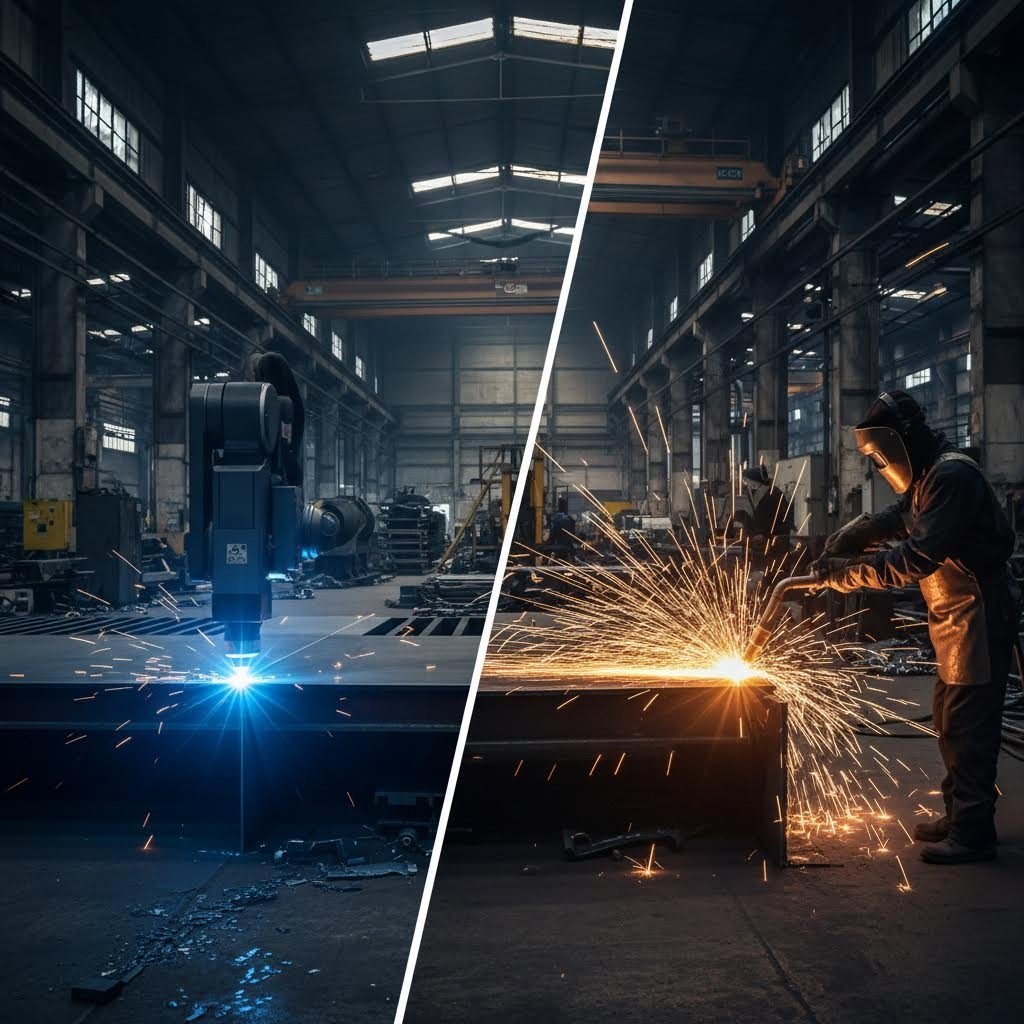
Laserjsko rezkanje v primerjavi z alternativnimi metodami rezkanja kovin
Tu je iskrena resnica, ki si jo marsikateri priročniki za izdelavo privoščijo: lasersko rezanje ni vedno najboljša izbira za vsak projekt. Čeprav lasersko rezanje odlično opravlja precizno delo na tankih do srednje debelih kovinah, včasih druge metode omogočajo boljše rezultate po nižjih stroških. Razumevanje, kdaj izbrati – in kdaj se izogibati – laserskemu rezanju, vam omogoča sprejemanje odločitev, ki optimizirajo tako kakovost kot proračun.
Poglejmo, kako se lasersko rezanje primerja z vodnim curkom, plazemskim rezanjem, CNC žigosanjem in EDM glede na dejavnike, ki resnično vplivajo na izide vašega projekta.
Laser nasproti vodnemu curku pri debelih materialih
Ko vaš projekt vključuje materiale, debeljše od 25 mm, ali toplotno občutljive zlitine, je rezanje z vodnim curkom resna možnost. Glede na tehnično primerjavo podjetja Flow Waterjet sistemi za rezanje z vodnim curkom obdelujejo materiale do 24 palcev debeline za grube reze – kar znatno presega zmogljivosti laserja.
Ključna razlika? Temperatura. Lasersko rezanje ustvarja znatno toploto v coni reza, kar povzroči toplotno vplivano cono (HAZ), ki lahko spremeni lastnosti materiala ob robu. Rezanje z vodnim curkom je hladni postopek, ki pusti mehak, satensko gladki rob brez toplotnega napetja ali zakalitve. Za letalske komponente, zakaljene orodne jekle ali materiale, ki ne morejo prenesti nobenih metalurških sprememb, je rezanje z vodnim curkom pogosto edina uporabna možnost.
Vendar ima rezanje z vodnim curkom tudi slabosti:
- Hitrost: Rezanje z vodnim curkom je na debelem kovinu 3–4-krat počasnejše kot plazemsko rezanje
- Stroški obratovanja: Poraba abraziva dodaja pomembne stalne stroške
- Natančnost pri tankih materialih: Laserjsko rezkanje omogoča ožje tolerance pri pločevini
- Zahteve po čiščenju: Mešanica vode in abraziva povzroči več neporodka kot suhe metode rezkanja
Izberite vodni curek, kadar je treba izogniti toplotnim poškodbam, pri rezkanju kompozitov ali kamna skupaj z kovinami ali kadar debelina materiala presega zmogljivosti lasera. Pri tankih do srednje debelih kovinskih pločevin naj izbira ostane pri laserskem rezkanju, kjer sta hitrost in natančnost najpomembnejši.
Kdaj je bolj smiselno uporabiti plazemsko rezanje
Iščete »plazemsko rezkanje v moji bližini« za svoj projekt? Plazemska tehnologija ponuja ugodne prednosti za določene aplikacije – še posebej pri debelih prevodnih kovinah, kjer so zahteve po natančnosti zmerno visoke.
Po Preizkusni podatki podjetja Wurth Machinery , plazemsko rezkanje prevlada pri delu s pločevino debelo več kot 1/2 palca. Kombinacija hitrosti in cenovne učinkovitosti naredi iz plazme najbolj uporabno rešitev za izdelavo konstrukcijskih jekel, proizvodnjo težke opreme ter gradnjo ladij.
Prednost v stroških je znatna. Celoten plazemski sistem stane približno 90.000 dolarjev ZDA, primerjalni hidrorezni sistem pa 195.000 dolarjev ZDA – obratovalni stroški na čevelj reza pa so približno polovica. Za delavnice, ki se ukvarjajo s kovinsko obdelavo in se osredotočajo predvsem na jeklo in aluminij večje debeline, plazma pogosto ponuja najboljši donos naložbe.
Ampak plazma ima očitne omejitve:
- Natančnost: Laserjevan rez je veliko natančnejši za zapletene podrobnosti in majhne elemente
- Kakovost roba: Plazma pušča šaro ali droz, kar zahteva dodatno dokončno obdelavo
- Območje toplotnega vpliva: Podobno kot laserjevan rez tudi plazma povzroča toplotno napetost na robovih reza
- Omejitev materiala: Deluje le na prevodnih kovinah – brez plastike, lesa ali kompozitov
- Varnostne razmere: Plazma proizvaja škodljivo elektromagnetno sevanje in zahteva dodatno zaščitno opremo
Kateri stroj za rezanje kovin pogosto uporabljajo delavnice? Plazma. Ko vaš projekt vključuje preproste oblike, debele robove in ne zahteva popolnih končnih ploskev, ponuja plazemsko rezanje odlično vrednost.
Izbira med laserjem in CNC žigosanjem
CNC žigosanje uporablja orodja iz kaljenega jekla za mehansko izdelavo oblik iz pločevine – temeljno drugačen pristop kot termične metode rezkanja. Pri visokoserijski proizvodnji preprostih oblik s standardnimi elementi, kot so rešetke, reliefi in oblikovani jezički, pogosto žigosanje prekaša lasersko rezkanje tako po hitrosti kot po stroških.
Odločitev je odvisna od vaših specifičnih zahtev:
- Prostornina: Žigosanje odlično opravlja pri visokoserijskih serijah, kjer se stroški orodij porazdelijo na tisoče delov
- Geometrija: Kompleksne krivulje in zapleteni vzorci kažejo v prid laserju; ponavljajoče se standardne oblike pa v prid žigosanju
- Sekundarne operacije: Žigosanje lahko hkrati z rezkanjem oblikuje tudi funkcionalne elemente (kot so jezički in rešetke)
- Debelina materiala: Obema metodama ustreza podobno območje debelin pločevine
Številni sodobni montažni obrti združujejo obe tehnologiji. Lasersko rezkanje se uporablja za prototipe in kompleksne geometrije, medtem ko CNC žigosanje prevzame visokoserijsko proizvodnjo standardiziranih delov. Nekateri stroji celo združujejo obe možnosti in samodejno izberejo optimalno metodo za vsak posamezen element.
Pri primerjavi strojev za izrezovanje oken upoštevajte, da so zaradi stroškov orodij ploski noži dragi za majhne serije ali prilagojene oblike. Laserjsko rezanje ne potrebuje orodij, specifičnih za posamezni del, zato je idealno za prototipe, kratke serije in oblike, ki se pogosto spreminjajo.
Celovita primerjava metod
Ta primerjalna tabela povzema zmogljivosti posamezne tehnologije za rezanje kovin glede na ključne dejavnike ocenjevanja:
| Faktor | Laserjeva rezovanja | Vodni curki | Plazma | Cnc punching | Elektronsko odrbeljevanje (EDM) |
|---|---|---|---|---|---|
| Obseg debeline materiala | Do 25–30 mm (jeklo) | Do 600 mm (grubi rezi) | Do 150 mm+ | Do 8 mm tipično | Do 300 mm |
| Natančnostna zmogljivost | ±0,05 mm do ±0,1 mm | ±0,1 mm do ±0,25 mm | ±0,5 mm do ±1,5 mm | ±0,1 mm do ±0,25 mm | ±0,005 mm do ±0,025 mm |
| Kakovost roba | Odlično; minimalna dokončna obdelava | Dobro; satensko gladka površina | Zmerno; zahteva odstranjevanje žlebov | Dobro; nekoliko prekrivanja robov | Odlično; možna zrcalna površina |
| Toplotno vplivna cona | Majhna, a prisotna | Brez (hladno rezkanje) | Pomembno | Brez (mehansko) | Minimalen |
| Hitrost rezanja | Hitro pri tankih materialih | Počasi | Hitro pri debelih materialih | Zelo hitro za standardne oblike | Zelo počasi |
| Strošek opreme | Srednja do visoka | Visoka | Nizka do srednja | Srednja | Visoka |
| Stroški delovanja | Nizko (vlaknasti laserji) | Visoko (abrazivi) | Nizka | Nizko (po orodni opremi) | Srednja |
| Vsestranskost materialov | Kovine predvsem | Skoraj vsak material | Samo prevodne kovine | Pločevina | Samo prevodni materiali |
| Najboljše uporabe | Natančni pločevinski izdelki, prototipi | Debeli materiali, kompoziti, toplotno občutljivi | Konstrukcijski jeklo, težka izdelava | Proizvodnja v velikih količinah | Utegnjene jekle, kompleksne geometrije |
EDM si zasluži omenitev za specializirane aplikacije. Glede na primerjave industrije , elektroerozijsko obdelovanje zagotavlja izjemno natančnost pri predelavi velikih delov, ki zahtevajo določene končne obrusne robove ali rezanje naprednih geometrij v zakalenih materialih. Vendar je to ponavadi najpočasnejša metoda in deluje le s prevodnimi materiali.
Ni enojne »najboljše« tehnologije rezkanja – vsaka ima svoje področje uporabe. Plazma odlično opravlja pri debelih prevodnih kovinah pri nižjih stroških. Laser zagotavlja natančnost pri tankih materialih in zapletenih oblikah. Vodni curek ponuja univerzalnost pri različnih materialih brez toplotnih učinkov.
Najpametnejši izdelovalci se ne omejujejo le na eno tehnologijo. Razumevanje laserskega rezanja in njegovih alternativ vam pomaga prilagoditi vsak projekt najustreznejši metodi – včasih izberete laser za natančne elemente, medtem ko za debelejše dele iste sestave določite plazemsko ali vodni curek. Ta fleksibilnost zagotavlja najboljšo kombinacijo kakovosti, hitrosti in stroškov za vsak del. Ko enkrat ugotovite, da je lasersko rezanje primerno za vaš projekt, izbira ustrezne možnosti dokončne obdelave zaključi specifikacijo vašega dela.
Možnosti dodatne obdelave in dokončne obdelave za lasersko režane kovine
Rezani deli iz laserskega reza prihajajo s čistimi robovi in natančnimi dimenzijami – vendar ali so že primerni za uporabo? V mnogih primerih je rezni proces le začetek. Dodatna obdelava pretvori surovo porezane kovine v komponente, ki so odporne proti koroziji, ustrezajo estetskim zahtevam in zanesljivo delujejo v končni uporabi. Razumevanje možnosti dokončne obdelave vam omogoča, da točno določite, kar vaš projekt potrebuje, hkrati pa se izognete odvečnim stroškom nepotrebnih obravnav.
Glede na navodilo za dokončno obdelavo podjetja SendCutSend lahko površinska obdelava kovin izboljša več lastnosti hkrati – od odpornosti proti obrabi in trdote površine do zaščite pred korozijo ter električne prevodnosti. Upravičena izbira površinske obdelave doda zadnji dodatek, ki zaključi vaš projekt, hkrati pa zagotovi dolgoročno zmogljivost.
Možnosti prašnega prekritja in barvanja
Ko potrebujete trajno barvo in zaščito pred korozijo, premazi z prašnim prekritjem zagotavljajo izjemne rezultate. V nasprotju s tekočo barvo, ki se nanese v mokrem stanju, prašno prekrivanje uporablja električno nabit suhi prašek, ki se prilepi na kovinske površine, preden se strdi v peči. Rezultat? Premaz, ki traja do 10-krat dlje kot tradicionalna barva, hkrati pa odpravlja hlapne organske spojine (VOC) iz postopka nanosa.
Storitve prašnega prekrivanja delujejo najbolje na kovinah, ki ohranjajo elektrostatični naboj – zaradi tega sta aluminij in jeklo ter nerjavno jeklo idealni izbiri. Strjen premaz zagotavlja tako zaščito pred korozijo kot tudi obrabo, kar ščiti vaše dele v zahtevnih okoljih.
- Mat premaz: Zmanjšajte utripanje in vidnost prstnih odtisov; idealno za industrijsko opremo in ohišja
- Leskasti premazi: Zagotovite večji vizualni učinek in lažje čiščenje; priljubljeno za potrošniške izdelke in tabele
- Gozdaste teksture: Skrijte površinske nepravilnosti in hkrati dodajte oprijem; pogosto uporabljeno za ročaje orodij in ohišja opreme
Ena stvar, ki jo je treba upoštevati: ožig in mikro spoji iz procesa rezanja lahko ostanejo vidni skozi prašni premaz, zlasti pri debelejših materialih. Če je pomembna brezševna videza, pred zaključkom razpravite odstranitev ožigov z dobaviteljem.
Anodizacija za aluminijaste komponente
Delo z anodiranim aluminijem ponuja prednosti, ki jih nobena druga površina ne more preseči. Anodizacija ustvari zaščitni oksidni sloj tako, da se aluminij potopi v električno polnjen kisli kopeli – najpogosteje žveplovo kislino. Ta elektrokemični postopek poveča naravni oksidni sloj kovine in ustvari površino, ki je sestavni del materiala, ne pa le nanos na površju.
Prednosti segajo dlje od videza:
- Izjemna vzdržljivost: Otrdeli oksidni sloj bolje zdrži drsanje kot barva ali prašni premaz
- Odpornost proti koroziji: Idealno za uporabo v zunanjih okoljih in zahtevnih pogojih
- Toplotna in električna odpornost: Uporabno za ohišja elektronskih naprav in upravljanje toplote
- Raznolikost barv: Barvilke prodrejo v porozni oksidni sloj in omogočajo žive, odporne proti izbelitvi barve
Anodizacija podaljša čas izdelave—običajno za dodatnih 7–10 delovnih dni. Vendar pa pri delih, ki so izpostavljeni zunanjim vplivom ali zahtevajo visoko kakovost videza, ta investicija prinese dolgoročne koristi glede življenjske dobe in videza.
Dokončanje robov in odstranjevanje ostrin
Laserjsko rezanje proizvede opazno bolj čiste robove v primerjavi s strojnimi metodami rezanja, vendar nekatere aplikacije zahtevajo še gladkejše rezultate. Odstranjevanje ostrin odstrani rahlo dvignjene robove (ostrine) in manjše nepravilnosti, ki ostanejo po proizvodnem procesu. Dve glavni metodi rešita te potrebe:
- Linearno odstranjevanje debel: Postopek brušenja, ki zgladi eno stran večjih delov in pripravi površine za barvanje ali nadaljnje dokončanje. Na spodnji ploskvi delov lahko še vedno ostanijo manjše brazgotine.
- Tumbling: Vibracijsko-abrazivno dokončanje za manjše dele, pri katerem se uporabljajo keramična sredstva z natančno nastavljenimi harmoničnimi lastnostmi, da se doseže enakomerno zglajevanje robov na vseh površinah
Upogibne operacije pogosto sledijo rezanju, pri čemer se ravni laserjem odrezani polizdelki pretvorijo v tridimenzionalne komponente. Ustrezen odstranekovi pred upogibanjem prepreči razpoke na robovih in zagotovi čiste črte lomljenja – kar je še posebej pomembno za vidne dele ali tiste, ki zahtevajo majhne polmere upogiba.
Nikaljenje ponuja še eno možnost za dokončno obdelavo, pri kateri se nanese kovinski premaz na podlago za izboljšane lastnosti. Cinkanje izboljša odpornost proti koroziji pri jeklenih delih, nikaljenje pa poveča električno prevodnost in obratovalno vzdržljivost bakerastih in jeklenih delov.
Kontrola kakovosti in certifikacijski standardi
Kako veste, da vaši dokončani deli ustrezajo specifikacijam? Kakovostna potrdila zagotavljajo, da so proizvodni procesi nadzorovani, merjeni in nenehno izboljševani. Za obdelavo kovin sta najpomembnejši dve certifikaciji:
- ISO 9001:2015: Temeljni standard za kakovostno upravljanje, ki poudarja zadovoljstvo strank, doslednost procesov in nenehno izboljševanje
- IATF 16949: Temelji na zahtevah ISO 9001, ta avtomobilsko-specifična certifikacija dodaja zahteve za varčno proizvodnjo, preprečevanje napak in zmanjševanje odstopanj
Glede na pregled certifikacij podjetja OGS Industries zagotavlja IATF 16949 dosledno kakovost, zmanjšano variabilnost izdelkov, zanesljive dobavne verige in zmanjšano odpadnost. Pri avtomobilskih aplikacijah ali katerem koli projektu, ki zahteva stroge zahteve glede zagotavljanja kakovosti, delo s certificiranimi ponudniki zmanjša tveganje in zagotovi, da dele izpolnjujejo trdne specifikacije.
Vpliv dokončne obdelave na roke dobave in stroške
Vsaka operacija dokončne obdelave poveča čas in stroške vašega projekta. Načrtujte ustrezno:
| Možnost dokončne obdelave | Tipično podaljšanje roka dobave | Stroškovni dejavnik | Najboljše uporabe |
|---|---|---|---|
| Debariranje | 0–1 dan | Nizko (pogosto brezplačno) | Splošno brušenje robov, priprava za barvanje |
| Valčenje | 1-2 dni | Nizka do zmerna | Majhni deli, enakomerna površina |
| Porcelaniziran pokrov | 3-5 dni | Srednje | Zaščita pred korozijo, barva |
| Anodizacija | 7-10 dni | Srednja do visoka | Aluminij, premium estetika |
| Ploščanje | 5-7 dni | Srednje | Prevodnost, obratovalna odpornost |
Izbira pravilnega zaključka je odvisna od uravnoteženja zahtev glede zmogljivosti, vizualnih pričakovanj, časovnih omejitev in proračuna. Številni ponudniki storitev ponujajo več možnosti v okviru iste hiše, kar poenostavi vaš dobavninski verigi in hkrati zagotavlja doslednost kakovosti od rezanja do dokončne obdelave. Razumevanje zahtev vaše uporabe – in njihova jasna komunikacija – postavi temelj za izbiro ponudnika storitev, ki lahko zagotovi celovite rešitve.
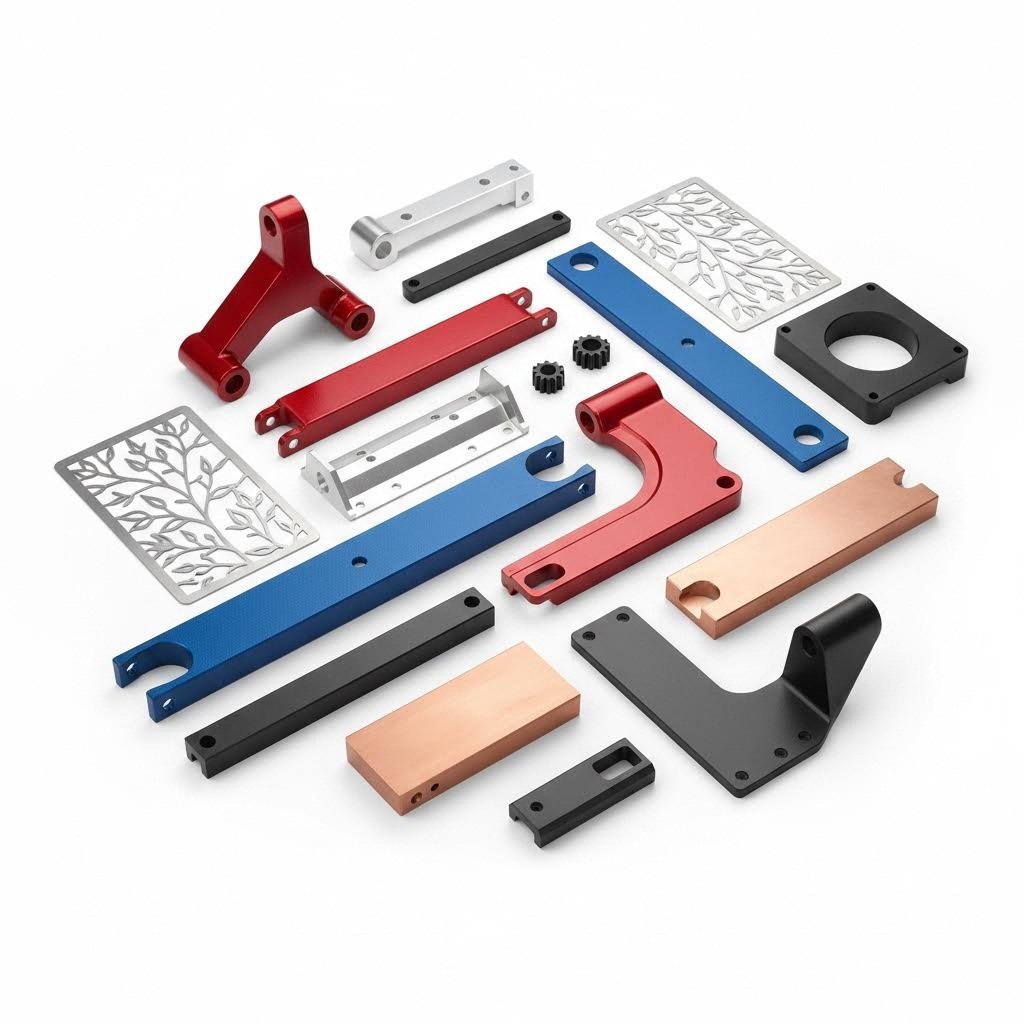
Industrijske aplikacije in vidiki načrtovanja projektov
Ko sedaj razumete možnosti dokončne obdelave in standarde kakovosti, kje dejansko tehnologija laserskega rezanja pusti svoj pečat? Od vozila, ki ga vozite, do znakov pred vašo pisarno – natančno lasersko rezanje sega skoraj v vsako panogo industrije. Razumevanje teh uporab vam pomaga prepoznati priložnosti za lastne projekte, hkrati pa se učiti od uveljavljenih najboljših praks iz različnih proizvodnih okolij.
Po Analizo industrije podjetja Great Lakes Engineering , je natančno lasersko rezanje postalo nepogrešljivo na več sektorjih zaradi svoje neprimerljive natančnosti, učinkovitosti in univerzalnosti. Sposobnost tehnologije, da obdela kompleksne konture in tanke materiale brez poškodbe obdelovanca, jo naredi primereno za vse – od sestavnih delov za letalsko in vesoljsko industrijo do dekorativnih arhitekturnih elementov.
Avtomobilistične in prometne aplikacije
Avtomobilska industrija se v veliki meri zanaša na natančno lasersko rezkanje za učinkovito proizvodnjo visoko kakovostnih komponent. Ko nabavljate dele za vozila, imata hitrost in natančnost neposreden vpliv na stroške in varnost. Proizvajalci uporabljajo to tehnologijo za izdelavo:
- Podvozje in konstrukcijske komponente: Okvirne nosilce, prečne nosilce in okrepitvene plošče, ki zahtevajo tesne tolerance
- Karoserijske plošče in dodatki: Vrata, delove blatnikov in dekorativne okrasne elemente
- Sestavni deli motorja: Toplinske ščite, tesnilne obroče in natančne priključke
- Suspension parts: Nosilce vodil, sedeže poletnic in montažne elemente
- Notranji elementi: Nosilce armaturne plošče, okvire sedežev in sestavne dele konzole
Zahteva avtomobilske industrije po natančnosti sega dlje od posameznih delov. Operacije obdelave pločevine za to industrijo morajo ohranjati certifikat IATF 16949 – kakovostni standard, ki zagotavlja dosledno in brezhibno proizvodnjo pri serijah visokih volumnov. Proizvajalci, kot je Shaoyi (Ningbo) Metal Technology, združujejo lasersko rezkanje s sposobnostmi žigosanja kovin, da nudijo popolne rešitve za dele podvozij in ovinkov, poleg tega pa tudi hitro izdelavo prototipov v petih dneh skupaj s samodejno masovno proizvodnjo, da izpolnijo zahtevne pogoje dobavnih verig v avtomobilski industriji.
Izdelava jeklenih konstrukcij za promet se razteza dlje od osebnih vozil. Komercialni tovornjaki, železniški vagoni, kmetijska oprema in pomorska plovila vse vključujejo dele, izrezane z laserjem. Visoka hitrost in natančnost te tehnologije omogočata hitro proizvodnjo delov, ki ustrezajo tesnim tolerance – kar je ključno, kadar varnost vozil odvisna od točnih ujemajočih se delov in dosledne kakovosti.
Arhitekturni in dekorativni kovinski deli
Ali ste že kdaj mimo stavbe z zapleteno kovinsko rešetko ali občudovali prilagojene kovinske tabule na trgovini? Natančno lasersko rezkanje omogoča te oblike. Kot kaže Povzetek dekorativnih aplikacij HeatSigna , je tehnologija preobrazila kovinsko dekoracijo tako, da omogoča zapletene vzorce, ki niso mogoči s tradicionalnimi metodami rezkanja.
Arhitekturne uporabe segajo tako v funkcionalne kot estetske namene:
- Fasade stavb: Dekorativne rešetke, sončna zaščita in plošče za zasebnost
- Notranja oprema: Stenska umetnost, pregrade med prostori in elementi stropa
- Oznake: Prilagojene kovinske tabule za podjetja, sisteme usmerjanja in spominske plošče
- Nameštaj: Podstavki za mize, dekorativne plošče in prilagojena oprema
- Zunanje instalacije: Vrtne skulpture, svetilke za urejanje krajine in oblike vrat
Če iščete delavnice za izdelavo kovinskih konstrukcij v bližini, ki bi se ukvarjale s kovinskim dekorativnim delom, poiščite ponudnike z izkušnjami pri uporabi materialov, ki delujejo vizualno učinkovito. Nerjavna jekla in aluminij prevladujeta pri arhitekturnih aplikacijah zaradi odpornosti proti koroziji in raznovrstnih možnosti obdelave površin. Baker in mesing dodajata toplino pri visoko kakovostnih instalacijah, medtem ko se za umetnostne objekte na prostem uporablja vremensko jeklo (Corten), ki ustvarja dramatične oksidirane površine.
Možnost neposrednega prenosa digitalnih dizajnov v rezano kovino odpira ustvarjalne možnosti, ki jim tradicionalne metode niso mogle kos. Oblikovalci vnašajo zapletene vzorce – cvetne motive, geometrijska poplulljanja ali prilagojeno tipografijo – in prejmejo dele z čistimi robovi in gladkimi krivuljami, za katere so si prej morali veliko dela opraviti ročno.
Industrijska oprema in strojni deli
Za vsakim proizvodnim procesom stojijo oprema, izdelana iz natančnih komponent. Metalurški izdelovalci v moji bližini in po vseh globalnih dobavnih verigah proizvajajo ključne dele, ki zagotavljajo zanesljivo delovanje industrijskih strojev:
- Ohišja in opletanja: Električni ohišja, kontrolne škatle in zaščitne prekrivke
- Natančni nosilci: Nosilci motorjev, nosilci senzorjev in nosilne konstrukcije
- Varnostne ograje za stroje: Varnostna ohišja z ventilacijskimi vzorci in dostopnimi ploščami
- Komponente transporterja: Vodilne tirnice, pripenjalne plošče in nastavljivi nosilci
- HVAK-delov: Prehodi kanalov, zaklopke in pripenjalni flansi
Jekleni izdelovalci, ki delujejo na industrijskih trgih, pogosto opravljajo projekte, ki segajo od posameznih prototipov do serij tisočih kosov. Elektronska industrija posebej profitira iz natančnosti laserskega rezanja, saj s to tehnologijo reže tiskane vezove, polprevodniške materiale in priključke iz kovin, kot sta baker in mesing.
Glede na raziskave industrije se energetski sektor zanaša na natančno lasersko rezkanje opreme za proizvodnjo energije in sistemov obnovljivih virov energije – pri rezkanju delov za turbine, izmenjevalnike toplote in posode, ki morajo prenesti visoke temperature in korozivna okolja.
Dejavniki časa dostave in načrtovanje projekta
Razumevanje dejavnikov, ki vplivajo na roke dobave, vam pomaga učinkovito načrtovati projekte. Na hitrost, s katero se vaši z laserjem režani deli premaknejo od datoteke z načrtom do končnega sestavnega dela, vpliva več dejavnikov:
- Kompleksnost oblikovanja: Zapleteni vzorci z majhnimi tolerance zahtevajo počasnejše hitrosti rezkanja in bolj skrbno nastavitev
- Razpoložljivost materiala: Standardni materiali se hitreje dostavijo kot posebni zlitini, ki jih je treba posebej naročiti
- Sekundarne operacije: Lahnanje, dokončna obdelava in sestava povečajo čas obdelave
- Položaj v vrsti: Proizvodni urniki v napornih obratih za kovinsko izdelavo v moji bližini vplivajo na čas izvedbe
- Zahteve po kakovosti: Certifikati IATF 16949 ali za letalsko industrijo dodajajo korake pregledovanja
Po Analizo cenovanja podjetja Fortune Laser , najpomembnejši dejavnik, ki vpliva tako na stroške kot na čas dobave, ni površina materiala – temveč čas obratovalnega dela, ki ga zahteva vaš specifični dizajn. Kompleksne geometrije z veliko ozkimi krivuljami prisilijo stroj, da upočasni delovanje, kar podaljša čas rezanja in roke dobave.
Kako količina naročila vpliva na ceno in čas izdelave
Količina naročila dramatično vpliva na stroške na kos. Razlog je naslednji: vsaka naloga vključuje fiksne stroške za nastavitev, programiranje in rokovanje z materialom, ki se porazdelijo na število naročenih delov.
| Količina naročila | Tipičen vpliv na kos | Upoštevanje roka dobave |
|---|---|---|
| Prototip (1–5 delov) | Najvišji strošek na kos; stroški nastavitve niso amortizirani | Pogosto najhitrejše; minimalen vpliv na vrsto čakajočih naročil |
| Majhna serija (6–50 delov) | Umerjeno zmanjšanje; začetek uresničevanja ekonomije obsega | Standardno načrtovanje proizvodnje |
| Srednji volumn (51–500 delov) | Pomembna prihranki; učinkovito postavljanje zmanjšuje odpadke | Morda zahteva namenski čas stroja |
| Visok volumn (500+ delov) | Najboljša cena; poročali o popustih do 70 % | Daljši roki dobave; potrebno načrtovanje proizvodnje |
Učinkovitost postavljanja vpliva tudi na ceno. Izkušeni programerji razporejajo dele po listih materiala, da zmanjšajo odpadke – boljše postavljanje neposredno zmanjša vaše stroške materiala. Ko zahtevate ponudbe, vprašajte, kako ponudnik ureja razporeditev delov in ali optimizira postavitve za količine vaših naročil.
Za avtomobilske projekte, ki zahtevajo hitro odzivanje, iščite ponudnike, ki nudijo pospešene storitve. Nekateri proizvajalci ponujajo 5-dnevno hitro izdelavo prototipov z 12-urnim obračunskim časom za ponudbo – tovrstni kazalniki kažejo na resen vlaganje v odzivnost do strank. Kompleten DFM podpora podjetja Shaoyi je primer dodane vrednosti storitev, ki ločujejo vrhunske ponudnike od osnovnih rezalnih operacij.
Ekonomija obsega deluje v vašo korist: fiksni stroški nastavitve se porazdelijo na vse dele v naročilu, zato se strošek na del značilno zmanjša z večanjem količine.
Načrtovanje naprej prinaša dividende. Konsolidacija več dizajnov delov v eno naročilo, določitev materialov, ki jih ponudnik že ima na zalogi, in omogočanje fleksibilnih okenc za dostavo pogosto odklene boljše cene in hitrejšo storitev. Razumevanje teh dinamik vas pripravi na učinkovito ocenjevanje ponudnikov storitev – usklajevanje njihovih zmogljivosti z zahtevami vaše specifične uporabe.
Izbira pravega ponudnika servisa za lasersko rezkanje kovin
Osvojili ste tehnologijo, materiale in načela oblikovanja – vendar najti pravega partnerja za izvedbo projekta? Tu mnogi inženirji in strokovnjaki za nabavo zatonejo. Ne vse službe za lasersko rezkanje kovin ponujajo enake rezultate, napačna izbira pa lahko pomeni zamaknjene roke, težave s kakovostjo in prekoračitev proračuna. Ali zdaj iščete lasersko rezkanje v bližini ali ocenjujete globalne dobavitelje, poznavanje razlik med izjemnimi in povprečnimi ponudniki varuje uspeh vašega projekta.
Glede na priporočila California Steel Services glede industrije, ima izbira prave storitve laserskega rezkanja pomembno vpliv na uspeh projekta. Od kakovosti opreme do odzivnosti pri komunikaciji – več dejavnikov določa, ali boste prejeli dele, ki ustrezajo specifikacijam, ali boste soočeni s frustrirajočimi cikli popravil.
Ocenjevanje opreme in zmogljivosti
Stroji, ki stojijo za vašimi deli, imajo večji pomen, kot bi morda pričakovali. Pri ocenjevanju lokalnih ali oddaljenih storitev laserskega rezkanja, začnite s tehničnimi specifikacijami njihove opreme:
- Vrsta laserske tehnologije: Vlaknasti laserji prevladujejo sodobno rezkanje kovin zaradi hitrosti, natančnosti in obratovalne učinkovitosti. Posebej vprašajte, katere sisteme ponudniki uporabljajo – TRUMPF predstavlja visoko razred, pri čemer so stroji znani po izjemni natančnosti in zanesljivosti
- Močnostna zmogljivost: Sistemi višje moči obdelujejo debelejše materiale in režejo hitreje. Delavnica s 6–12 kW vlaknastimi laserji ponuja večje zmogljivosti kot tista, omejena na opremo 2–3 kW
- Velikost mize in kapaciteta: Večje rezalne postelje omogočajo obdelavo večjih delov in učinkovito gnezdenje za naročila večjih količin
- Zaloge materialov: Ponudniki, ki imajo na zalogi pogoste materiale (jeklo, nerjavno jeklo, aluminij standardnih debelin), dostavijo hitreje kot tisti, ki za vsako nalogo zahtevajo posebne naročila
- Sekundarne operacije: Ali ponudnik ponuja upogibanje, dokončne površine in sestavljanje? Konsolidacija operacij poenostavi vašo dobavno verigo in zagotavlja doslednost kakovosti
Po pregledi industrijske opreme , proizvajalci premijskih izdelkov, kot so TRUMPF, Mazak in Bystronic, redno zagotavljajo odlično natančnost rezkanja in zanesljivost. Ko ponudnik storitev CNC laserskega rezkanja vloži v opremo vrhunskih kakovosti, s tem kaže svojo angažiranost do kakovostnih rezultatov.
Ne pozabite na zmogljivost proizvodnje. Ponudnik storitve laserskega rezkanja v vaši bližini lahko ponuja odlično kakovost, a hkrati nima zadostne kapacitete za vaše obsege. Vprašajte o trenutnih rokih dostave, stopnji izkoriščenosti strojev ter o tem, ali delujejo v več turnusih. Ponudniki, ki obratujejo 24/7 z avtomatiziranimi sistemi za rokovanje materiala, praviloma omogočajo hitrejšo izvedbo večjih naročil.
Certifikati in kazalniki zagotavljanja kakovosti
Certifikati povedo, ali sistem kakovosti ponudnika ustreza uveljavljenim standardom. Za ponudnike storitev CNC laserskega rezkanja, ki delujejo na zahtevnih panogah, so te priznane izkušnje pomembne:
- ISO 9001:2015: Osnovni certifikat za upravljanje kakovosti, ki zagotavlja dokumentirane postopke, usmerjenost k strankam in stalno izboljševanje
- IATF 16949: Nujno za delo v avtomobilskem dobavnem verigam — ta certifikat dodaja zahteve po proizvodnji po načelih odstranjevanja izgub, protokole za preprečevanje napak ter stroge ukrepe za zmanjševanje odstopanj
- AS9100: Ekvivalent v letalski industriji, ki zahteva še strožji nadzor kritičnih komponent za letenje
- NADCAP: Posebna akreditacija procesov za toplotno obdelavo, varjenje in druge nadzorovane operacije
Pojdite čez same certifikate in neposredno ocenite prakse kontrole kakovosti. V skladu z najboljšimi praksami v panogi, ugledni ponudniki sledijo strogi kontroli kakovosti ter brez težav posredujejo vzorce preteklega dela. Zaprosite za vzorce izdelanih delov, zahtevajte študije o zmogljivosti toleranc in povprašajte po opremi za pregledovanje – CMM stroji, optični primerjalniki in kalibrirana merilna sredstva kažejo na resen vlaganju v kakovost.
Mnenja strank in ugled v panogi omogočajo dodatne vpoglede. Uveljavljeno podjetje z močnimi referencami bo verjetno zagotovilo boljše skupne izkušnje. Ne oklevajte zaprositi za priporočila od strank z podobnimi zahtevami za projekte kot vi.
Pridobivanje natančnih ponudb in primerjava storitev
Pripravljeni ste zahtevati ponudbo za lasersko rezkanje? Način, kako pristopite k temu postopku, vpliva tako na natančnost kot na vašo sposobnost primerjave ponudnikov po enakih merilih. Storitve sodobnega laserskega rezkanja kovin pogosto vključujejo spletne sisteme za cenjenje, ki samodejno ustvarijo ocene na podlagi naloženih projektov. Čeprav je to priročno, delujejo ti avtomatizirani predračuni najbolje za preproste dele – za kompleksnejše projekte pa je koristnejša neposredna komunikacija.
Ko zahtevate ponudbe, poskrbite za popolne informacije:
- Projektna datoteke: Vektorski formati (DXF, DWG) z jasno določenimi potmi reza
- Specifikacija materiala: Točna kakovost, debelina in morebitni zahtevi za površinsko obdelavo
- Količina: Tako takojšnje potrebe kot napovedane letne količine, če velja
- Tolerance: Posebej navedite kritične mere ločeno od splošnih zahtev
- Sekundarne operacije: Potrebe po upogibanju, dokončni obdelavi, vstavljanju armatur ali sestavljanju
- Dobavne zahteve: Ciljne datume in preference pri dostavi
Pri tolmačenju ponudb je potrebno pozornost nameniti temu, kaj je vključeno – in kaj ni. Stroški materiala, čas rezanja, sekundarne operacije in dokončna obdelava prispevajo k skupni ceni. Nekateri ponudniki storitve pakirajo skupaj, drugi pa vse podrobno razčlenijo. Postavite pojasnitvenna vprašanja, da zagotovite primerjavo enakovrednih obsegov pri ocenjevanju več ponudb.
Podjetje, ki cenilno obratuje do odnosa z naročniki, bo verjetneje zagotovilo pozitivno izkušnjo in visokokakovostne rezultate. Iščite ponudnike, ki so odzivni, pozorni in vas obveščajo skozi celoten proces.
Čas odziva sam po sebi kaže kakovost ponudnika. Pri ocenjevanju možnosti blizu me leaserjske rezine opazujte, kako hitro potencialni dobavitelji odgovarjajo na povpraševanja. Vodilni proizvajalci si merijo uspešnost po hitrosti odzivanja – nekateri kot standardno prakso ponujajo predračune v roku 12 ur. Shaoyijeve zmožnosti hitrega izdelovanja prototipov v petih dneh in celovita podpora DFM-ju prikazujeta dodatni vrednosti storitve, ki jih morajo kupci iskati, kadar so pomembni roki izvedbe projekta.
Vrednost podpore DFM za kompleksne projekte
Podpora pri oblikovanju za proizvodnjo (DFM) razmejuje osnovne storitve rezkanja od resničnih proizvodnih partnerjev. Glede na navodila industrije je pomoč pri oblikovanju neprecenljiva, če potrebujete pomoč pri izboljšanju oblike projekta ali imate omejeno izkušnjo s laserjem rezanimi postopki.
Kaj vključuje učinkovita DFM podpora?
- Pregled načrta: Prepoznavanje lastnosti, ki bi lahko povzročile težave pri rezkanju, pred začetkom proizvodnje
- Priporočila materialov: Predlog alternativ, ki izboljšujejo izdelavo ali zmanjšujejo stroške
- Optimizacija toleranc: Pomoč pri določanju natančnosti tam, kjer je pomembna, in popuščanje netrajnih mer
- Predlogi za zmanjšanje stroškov: Priporočanje sprememb v načrtovanju, ki poenostavijo proizvodnjo
- Ogledi sestavljanja: Zagotavljanje, da deli delujejo skupaj, kadar morajo večkratni sestavni deli tesno prilegati
Zlasti za avtomobilske in letalske projekte podpora DFM preprečuje dragocene ponovitve. Ponudniki, kot je Shaoyi, ki združujejo izkušnje s laserskim rezanjem in kovinskim žigosanjem, razumejo, kako odločitve pri načrtovanju vplivajo na celoten proizvodni proces – in ponujajo vpogled, ki ga čisti rezalni obrti preprosto ne morejo zagotoviti.
Ključni seznam za oceno
Preden se zavezete kakršnim koli storitvam laserskega rezanja v vaši bližini ali oddaljenim ponudnikom, preverite naslednje bistvene elemente:
| Ocenjevalni dejavnik | Kaj je potrebno opazovati | Rdeči zastavi |
|---|---|---|
| Kakovost opreme | Sodobni vlaknasti laserji (TRUMPF, Mazak, Bystronic); zadostna moč za vaše materiale | Zastareli sistemi samo z CO2; nejasni opisi opreme |
| Zaloge materialov | Na voljo pogosti materiali; hiter dostop do specialnih sort | Vsak material zahteva posebno naročilo |
| Sekundarne operacije | Krivljenje, dokončna obdelava, sestava v hiši | Vse mora biti izposlovano; razdrobljeno oskrbovalno verigo |
| Certifikati | Minimalno ISO 9001; IATF 16949 za avtomobilsko industrijo | Brez certifikatov kakovosti; ni mogoče zagotoviti dokumentacije |
| Komunikacija | Hitri odzivi na ponudbe; jasne posodobitve projekta; dostopni kontakti | Počasni odzivi; nejasno cenjenje; težko dosegeljivi |
| Podpora DFM | Proaktiven povratni učinek pri zasnovi; strokovno znanje za izdelavo | le »pošljite datoteko in bomo rezali« pristop |
Geografski dejavniki prav tako vplivajo na vašo odločitev. Ponudnik laserskega rezkanja v vaši bližini lahko ponuja prednosti pri prevoznih stroških, času izvedbe ter osebnem sporazumevanju, kadar je to potrebno. Vendar pa lahko specializirane zmogljivosti ali konkurenčno cenjenje oddaljenih dobaviteljev pretehtajo prednosti blizine pri večjih projektih.
Pravi ponudnik storitev laserskega rezkanja kovin postane proizvodni partner, ne le dobavitelj. Z oceno opreme, certifikatov, kakovosti komunikacije in dodatnih storitev, kot je podpora pri oblikovanju za proizvodnjo (DFM), boste ugotovili, katere ponudnike so sposobni uspešno izvajati vaše projekte – od začetne konstrukcijske datoteke do končnih delov, pripravljenih za sestavo.
Pogosta vprašanja o storitvi laserskega rezkanja kovin
1. Koliko stane lasersko rezanje kovin?
Stroški laserskega rezkanja kovin so odvisni od več dejavnikov, vključno s stroški obratovalnega časa, vrsto materiala, debelino in zapletenostjo oblike. Urni stroški se navadno gibljejo med 60–150 USD, hitrost rezkanja pa se glede na material in moč laserja razlikuje od 1–20 m/min. Preproste oblike na tankih materialih stanejo manj, medtem ko zapletene vzorce na debelejših ploščah potrebujejo več strojnega časa in so dražji. Popusti za večje količine lahko znatno zmanjšajo stroške na kos – naročila večjih količin (500+ delov) lahko prihranijo do 70 % v primerjavi s prototipskimi količinami.
2. Ali je lasersko rezkanje kovin drago?
Laserjevanje kovin ponuja konkurenčne cene v primerjavi z alternativnimi metodami, še posebej pri natančnih opravilih na tankih do srednje debelih materialih. Čeprav lahko začetni ponudbi izgledajo višje kot pri plazemskem rezanju, laserjevanje pogosto odpravi potrebo po sekundarnih dokončevalnih operacijah, kar zmanjša skupne stroške projekta. Tehnologija optičnih vlaken je znatno zmanjšala obratovalne stroške, saj so porabni materiali in zahtevki za vzdrževanje minimalni. Pri kompleksnih geometrijah in tesnih toleranceh se laserjevanje pogosto izkaže za bolj ekonomsko učinkovito rešitev kot mehanske alternative, ki zahtevajo prilagodljiva orodja.
3. Koliko stane storitev laserskega rezkanja?
Cenjenje storitve laserskega rezkanja se razlikuje glede na čas uporabe stroja, ki je neposredno povezan s kompleksnostjo oblike in debelino materiala. Mnogi ponudniki zaračunavajo 50–150 $ na uro strojnega časa. Spletni platformi za pridobivanje ponudb omogočata takojšnje ocene za standardne dele, medtem ko pri zapletenih projektih priporočamo neposredno posvetovanje. Dejavniki, ki vplivajo na ceno, vključujejo stroške materiala, sekundarne operacije, kot so likanje ali dokončne obdelave, ter količino naročila. Za točna primerjalna ocenjevanje stroškov priporočamo pridobitev ponudb od več ponudnikov z vsemi podrobnostmi specifikacij.
4. Katere materiale je mogoče rezati z laserjem?
Laserjev rez lahko obdela širok spekter kovin, vključno s podrobnim jeklom (do 30 mm), nerjavnim jeklom (do 20 mm), aluminijem (do 15 mm), mesingom, bakrom in titanom. Najučinkoviteje se reže podrobno jeklo zaradi reakcij z dodatkom kisika, medtem ko za odsevne kovine, kot sta aluminij in baker, potrebujejo močnejše vlaknene lasere. Pri izbiri materiala je treba prednost dati zahtevom aplikacije – odpornosti proti koroziji, omejitvam glede teže in mehanskim lastnostim – pri čemer so vidiki rezanja podrejeni. Ponudniki imajo na zalogi pogoste materiale za hitrejši promet.
5. Kako izbrati ponudnika storitve laserjnega rezanja?
Ocenite ponudnike glede na kakovost opreme (moderna vlaknena laserja od TRUMPF, Mazak ali Bystronic), certifikate (ISO 9001, IATF 16949 za avtomobilsko industrijo), zaloge materialov in zmogljivosti sekundarnih operacij. Čas odziva kaže na kakovost storitve – vodilni proizvajalci ponujajo predračun v 12 urah in hitro izdelavo prototipov v petih dneh. Zahtevajte vzorce del, preverite postopke kontrole kakovosti in ocenite razpoložljivost podpore pri oblikovanju za proizvodnjo (DFM). Ponudniki, ki ponujajo celovite storitve od rezanja do dokončne obdelave, poenostavijo vaš dobavninski verigi in zagotovijo dosledno kakovost.