 Small batches, high standards. Our rapid prototyping service makes validation faster and easier —
  EN
EN


Prilagojeno rezkanje aluminijastih pločevin: Uskladite svojo zlitino z ustreznim postopkom
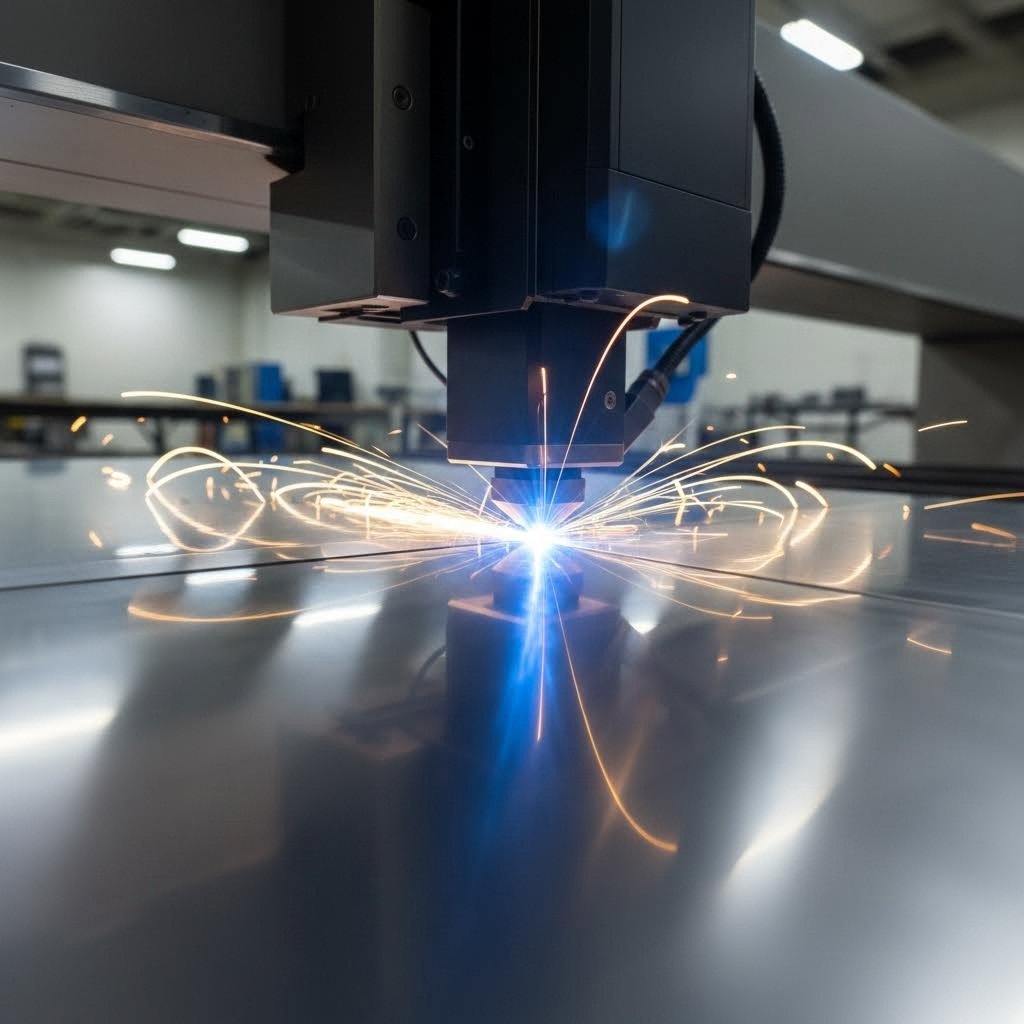
Razumevanje prilagojenega rezanja aluminijastih pločevin
Si lahko predstavljate, da naročite aluminijasto pločevino in nato porabite ure za obrezovanje, brušenje in prilagajanje, da bi ustrezala vašemu projektu? Razdrgljivo, kajne? Prilagojeno rezanje aluminijastih pločevin to težavo popolnoma odpravi. Gre za postopek pretvarjanja standardnih aluminijastih pločevin v točne oblike in velikosti s pomočjo specializiranih tehnologij rezanja – dobite komponente, ki so takoj uporabne, direktno iz škatle.
Ali ste inženir, ki določa dele za prototip, izdelovalec, ki nabavlja materiale za serijo izdelkov , ali navdušenec, ki se loti DIY projekta za vikend, razumevanje tega procesa vam pomaga sprejeti boljše odločitve. Način rezanja, ki ga izberete, neposredno vpliva na kakovost robov, točnost mer in uspeh celotnega projekta.
Kaj naredi rezanje aluminijastih pločevin prilagojeno
Beseda »custom« loči natančno izdelavo od preprostega nakupa standardnih razpoložljivih velikosti. Ko kupite standardni aluminijev list 4x8 čevljev, dobite generički izdelek, ki zahteva dodatno obdelavo, da ustreza vašim specifikacijam. Prilagojen rezani aluminijev list pa prihaja v točno določenih dimenzijah in skladu z vašimi zahtevami po oblikovanju.
To razliko je pomembnejše, kot si morda mislite. Rezanje aluminijevega lista v natančne specifikacije pomeni:
- Deli se pravilno ujemajo brez ročnega prilagajanja
- Odpad materiala se znatno zmanjša – včasih celo za 30 % ali več
- Sekundarne postopke, kot so obrezovanje in odstranjevanje ostrin, je moč zmanjšati na minimum
- Trajanje projektov se skrajša, ker komponente prihajajo pripravljene za sestavljanje
Prilagoditveno rezanje spremeni aluminij iz surovega materiala v namensko izdelane komponente. Namesto da bi prilagajali svoj dizajn razpoložljivim velikostim, se material prilagodi vašemu dizajnu.
Zakaj natančno rezanje spremeni surovi material v funkcionalne dele
Natančnost ni le modna beseda – to je tisto, kar loči delujoč del od odpadnega kovinskega materiala. Glede na raziskave v proizvodnji, rešitve za natančno rezanje po meri zmanjšujejo odpadke tako, da izdelujejo komponente v točno določenih specifikacijah , kar zmanjša količino surovega materiala, potrebnega za dani projekt.
Razmislite, kaj se zgodi, ko aluminij režete s standardnimi orodji v primerjavi s specializirano opremo. Ročno rezanje vnaša človeške napake. Osnovna strojna oprema nima dovolj majhnih dopustnih odstopanj za tesne sestave. A sodobni sistemi CNC, laserskega in vodnega curka? Omogočajo ponovljivost, merjeno v tisočinkah palca.
Te natančnosti neposredno koristijo vašemu poslovnemu uspehu. Ko vsak posebej izrezan aluminijast list popolnoma ustreza vaši datoteki CAD, izognete se dragim ponovnim procesom in prepravljanju zavrnjenih delov. Opazili boste tudi hitrejše proizvodne cikle, saj komponente neposredno prehajajo iz rezanja v sestavo brez dodatnih obdelovalnih korakov.
Pravi pristop k rezanju je odvisen od več dejavnikov, ki jih bo ta članek raziskal: izbrana zlitina, debelina materiala, zahtevane tolerance, zahteve glede zaključka roba in predvidena uporaba. Vsaka spremenljivka vpliva na to, katera metoda rezanja zagotavlja optimalne rezultate za vaš določen projekt.
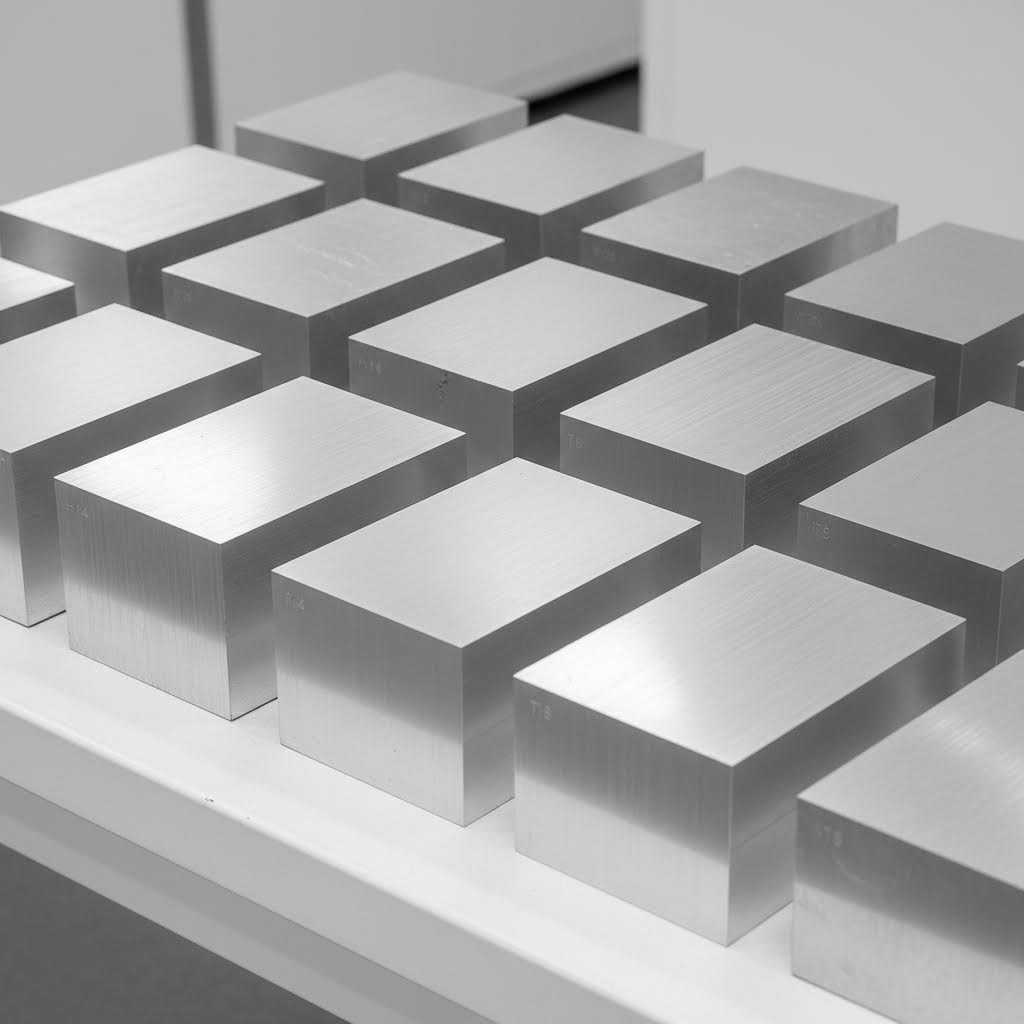
Aluminijeve zlitine in bistveni vidiki izbire materiala
Tukaj je nekaj, kar večina vodnikov za režnjeve storitve ne bo povedala: zlitina, ki jo izberete, vpliva na veliko več kot le trdnost ali odpornost proti koroziji. Neposredno vpliva na to, katera metoda rezanja deluje najbolje, kakšno kakovost roba lahko pričakujete in kako se bodo obnašali vaši končani deli. Razumevanje teh povezav vam pomaga izogniti se dragim napakam že pred oddajo naročila.
Aluminijaste pločevine niso vse enake. Določena mešanica zlitinskih elementov – magnezija, silicija, bakra ali manganu – spreminja način, kako material reagira na toploto laserskega žarka, abrazijo vodnega curka in mehansko friziranje. Poglejmo si najpogostejše možnosti in kaj pomenijo za vaš projekt.
Pogoste zlitine za projekte rezanja pločevin
Ko nabavljate alu pločevine za natančno rezanje, se boste pogosto srečali s tremi zlitinami: 3003, 5052 in 6061. Vsaka ima drugačno namembnost, izbira napačne pa lahko povzroči težave pri izdelavi ali slabšo zmogljivost.
aluminij 3003 vsebuje mangan kot glavni legirni element, zaradi česar je najbolj oblikovljiva možnost. Najdete jo na strešnih panelih, dekorativnih pločevinah, jedilnem priboru, ter vodih za klimatizacijo. Njena mehka struktura omogoča lasersko rezkanje s čistimi robovi in minimalnimi toplotno vplivnimi conami, čeprav lahko prožnost materiala povzroči rahlo deformacijo pri zelo tankih debelinah.
5052 aluminij doda magnez v zmes, kar zagotavlja odlično odpornost proti koroziji – še posebej v slanem okolju. Ta razred se pogosto uporablja za morske dele, trupe čolnov, gorivne rezervoarje in ohišja električnih naprav. Glede na primerjave industrije , 5052 je prednostna izbira za uporabo ob morju zaradi odlične odpornosti proti morski magli. Višja trdota v primerjavi s 3003 pomeni nekoliko drugačne parametre rezanja, vendar se vse glavne metode z njim dobro spopadejo.
6061-T6 Aluminij je delovni konj za strukturne in obdelane komponente. Sestava magnezij-silicij v kombinaciji s termičnim obdelovanjem T6 povzroči mejo plastičnosti okoli 276 MPa—značilno višjo od 193 MPa pri 5052. Ta sorta aluminijaste pločevine se pogosto navaja za CNC-obdelane dele, avtomobilske dele, kolesarske okvirje in nosilne konstrukcije.
| Oznaka zlitine | Tipične aplikacije | Ocena oblikovanja | Ogled rezanja |
|---|---|---|---|
| 3003-H14 | Strehe, dekorativne plošče, jedilni pribor, kanali za prezračevanje in klimatizacijo | Odlično | Reže čisto z vsemi metodami; mehakost lahko povzroči rahlo bruhanje robov na tankih listih |
| 5052-H32 | Marinski deli, gorivne posode, električni ohišji | Dobro | Proizvaja enakomerno robove; odličen za laser in vodni curek; višja trdota podaljša življenjsko dobo orodja |
| 6061-T6 | Nosilni okviri, avtomobilske komponente, obdelane komponente | Srednje | Stanje termičnega obdelovanja vpliva na toplotno rezanje; morda zahteva prilagojene parametre laserskega rezanja |
| 5052 anodizirana | Oznake, arhitekturni plošči, dekorativne uporabe | Dobro | Anodizirani aluminijasti lim je treba previdno rokovati, da se prepreči poškodba površine; za končne površine se priporoča vodni curek |
Primerjava aluminijevega razreda z vašo uporabo
Izbira prave zlitine ni samo vprašanje preverjanja tabele trdnosti – gre za usklajevanje lastnosti materiala z vašim določenim primerom uporabe. Zastavite si naslednja vprašanja:
- Bo del izpostavljen korozivnim okoljem? Če izdelujete opremo za pomorske namene ali zunanje oznake, ima 5052 boljše zmogljivosti od drugih možnosti. Vsebina magnezija zagotavlja boljšo zaščito pred morsko vodo in vlažnostjo kot jo ponuja 3003.
- Zahteva aplikacija obdelavo ali navijanje nitov? 6061-T6 ponuja odlično obdelovanje z rezanimi orodji in izjemno kakovost površine. Ravnotežna duktilnost ustvarja kratke, segmentirane ostruške, ki se med sekundarnimi operacijami enostavno odstranijo.
- Je oblikovanje prednostna naloga? Pri kompleksnih upogibih, žlebljenju ali globokem vlečenju ostaja 3003 najboljša izbira. Njegova mehkokovnost omogoča oblikovanje zapletenih oblik brez razpokanja.
Tu je, kar konkurenti pogosto spregledajo: oznake temperiranja, kot so T6, H32 in H14, močno vplivajo tako na obnašanje pri rezanju kot na končne lastnosti. "H" oznake pomenijo material, utrjen s plastično obdelavo – hladno obdelan za povečanje trdnosti brez toplotne obdelave. "T" oznake vključujejo toplotno obdelavo z raztapljanjem, ki ji sledi staranje, kar zagotavlja najvišjo raven trdnosti.
Zakaj je to pomembno pri rezanju? Aluminij 6061-T6, obdelan s toploto, se obnaša drugače pri laserskem rezanju kot žareno mehčan material. Toplotni vnos lahko v coni toplotnega vpliva povzroči lokalno mehčanje, kar potencialno zmanjša trdnost ob robovih reza. Rezanje z vodnim curkom s tem popolnoma izogne, saj se toplota ne prenese na obdelovanec. Za konstrukcijske aplikacije aluminijastih limov kjer je pomembna trdnost robov, ta razlika vpliva na izbiro metode.
Podobno ohranja raztegnjeno trdo H32 stanje pri 5052 lastnosti ob rezkanju z vodnim curkom in mehanskem rezkanju, vendar se lahko blizu robov, rezanih z laserjem, pojavi nekaj razbremenitve napetosti. Razumevanje teh interakcij vam pomaga določiti pravo zlitino in optimalni pristop rezkanja.
Še ena končna opomba: medtem ko se nerjavno jeklo 316 pogosto pojavlja v razpravah o korozijsko odpornih kovinah, aluminijeve zlitine, kot je 5052, ponujajo primerljivo zaščito pri približno eni tretjini mase – kar je pomembna prednost za številne aplikacije.
Ko ste izbrali svojo zlitino, naslednja ključna odločitev vključuje uskladitev z ustreznimi tehnologijami rezkanja. Različne metode odlično delujejo pri različnih materialih in debelinah, razumevanje teh odnosov pa zagotavlja optimalne rezultate.
Primerjava metod rezkanja za aluminijaste projekte
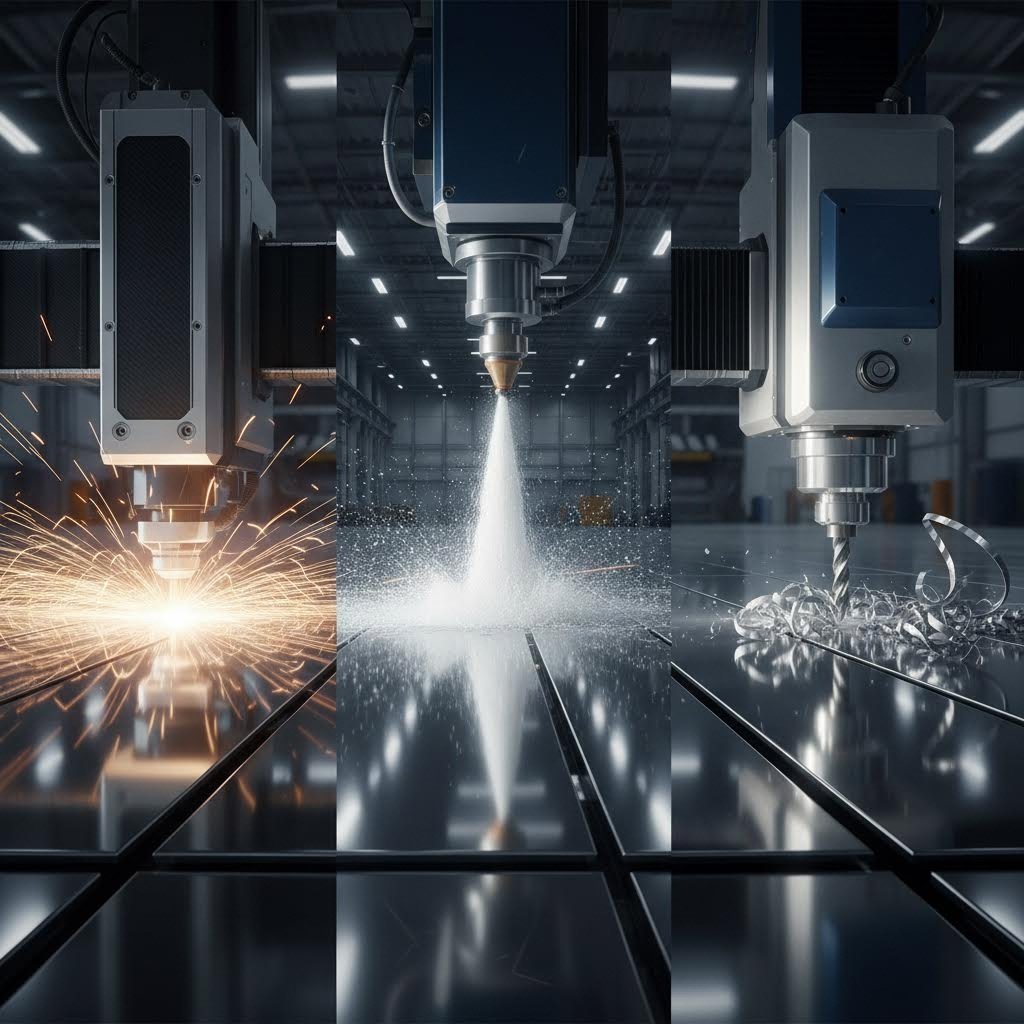
Izbrali ste torej svojo zlitino – kaj zdaj? Najboljši način rezkanja aluminija je odvisen od veliko več kot le od lastništva prave opreme. Vsaka tehnologija rezkanja drugače deluje z aluminijem, ustvarjanje različnih obdelav robov , tolerance in toplotni učinki. Razumevanje teh kompromisov pomaga pri prilagoditvi zahtev projekta najprimernejšemu postopku.
Razmislite o tem na naslednji način: laserski rezalnik, vodni curek in CNC freza lahko vsi prerežejo isti list aluminija, a bodo rezultati različni. Eden lahko zagotovi zrcalno gladke robove, drugi pa bolje ohranja lastnosti materiala. Pogledajmo si znanost za vsako metodo in kdaj izbrati eno pred drugo.
Prednosti in omejitve laserskega rezanja aluminija
Lasersko rezanje uporablja usmerjen žarek svetlobne energije – ojačan do izjemne intenzivnosti – ki talil, izgara in izpareva aluminij vzdolž programirane poti. Sodobni vlaknasti laserji z močjo od 4 kW do 12 kW so spremenili možnosti rezanja aluminija, pri čemer dosežejo hitrosti do 2.500 palcev na minuto in hkrati ohranjajo tesne tolerance.
Tukaj je, kako učinkovito rezati pločevino iz aluminija z lasersko tehnologijo: postopek uporablja pomožna plina (običajno dušik za aluminij), ki raztaljeno snov izpiha iz reza – ozkega kanala, ki nastane med rezanjem. To omogoča čiste robove na tanjših materialih, pri katerih je pogosto potrebna minimalna nadaljnja obdelava.
Prednost v hitrosti je znatna. Po mnenju strokovnjakov za industrijo, če potrebujete 5.000 delov iz pol palčne jeklene pločevine, bo laser težko premagati. Isto velja tudi za aluminij – pri serijah visoke proizvodnje je rezanje z laserjem ugodnejše za materiale debeline do približno enega palca.
Aluminij pa prinaša posebne izzive. Njegova visoka svetlobna odbojnost lahko odbije lasersko energijo nazaj proti rezilni glavi, kar lahko povzroči poškodbe, še posebej pri starejših CO2 sistemih. Fiberski laserji to obravnavajo bolje, vendar morajo upravljavci še vedno uporabiti optimizirane parametre. Oprema za rezanje kovin mora upoštevati odlično toplotno prevodnost aluminija, ki hitro odvaja toploto iz območja reza.
Razumevanje toplotno vplivanih con pri aluminiju
Vsak termični postopek rezkanja ustvari toplotno vplivano cono (HAZ) – območje ob rezu, kjer se lastnosti materiala spremenijo zaradi izpostavljenosti temperaturi. Pri aluminiju to pomeni več, kot bi pričakovali.
Ko se z laserskim rezkanjem obdelujejo toplotno obdelane zlitine, kot je 6061-T6, se lahko v toplotno vplivani coni pojavlja lokalno mehčanje. Natančno dosežene lastnosti T6 tempers se lahko zmanjšajo ob robovih rezov in tako zmanjšajo trdnost na teh mestih. Za čisto dekorativne dele to ni pomembno. Za strukturne komponente, kjer je pomembna celovitost roba, pa je to resna težava.
Dobra novica? Sodobni visoko zmogljivi vlaknasti laserji režejo tako hitro, da je prenos toplote minimalen. Zaradi izjemno visokih hitrosti rezkanja, napredne programske opreme in majhnega premera žarka postane toplotno vplivana cona pri enostavnih geometrijah praktično nepomembna. Pri zapletenih vzorcih z mnogimi spremembami smeri ali tesnimi vogali se toplota kljub temu kopiči.
Prednosti in slabosti laserskega rezkanja aluminija
Prednosti
- Najhitrejši razpoložljivi način rezkanja – idealen za proizvodne količine
- Odlična natančnost z dopustnimi odstopanji pogosto znotraj ±0,005 palca
- Nižji obratovalni stroški v primerjavi z vodnim curkom (približno 2–3 dolarjev na uro v primerjavi s 50–75 dolarji za vodni curk)
- Čisti robovi na tanjših materialih, ki zahtevajo minimalno odstranjevanje žic
- Lahko se integrira v avtomatizirane proizvodne linije
Slabosti
- Ustvarja toplotno vplivljena območja, ki lahko spremenijo lastnosti materiala
- Kakovost roba upada pri debelejših materialih (nad 0,187 palca se pojavijo striacije)
- Težave pri zelo refleksivnih ali poliranih aluminijastih površinah
- Ostra notranja vogala se lahko zaradi nakopičene toplote »razpočijo«
- Maksimalna praktična debelina okoli 1 palec za večino sistemov
Ko vodni cur z visokim tlakom prekaša laser pri aluminiju
Rezanje z vodnim curkom uporablja popolnoma drugačen pristop. Namesto toplotne energije uporablja curek vode pod zelo visokim tlakom – ki se običajno meša s fino mletim abrazivnim granatom – ter ga usmeri v ozek cur. Ta cur razjeda material po predpisani poti in odreže aluminij brez nastanka toplote.
Ta hladni postopek rezanja popolnoma odpravi skrbi glede toplotno vplivnega območja (HAZ). Kot je poudaril en izmed strokovnjakov za aplikacije, tehnologija rezanja z vodnim curkom omogoča uporabo v medicinskih in obrambnih aplikacijah, ker ni toplotno vplivnega območja – kar je ključno za regulirane industrije, kjer je pomembna dokumentacija lastnosti materiala.
Pri aluminiju posebej se rezanje z vodnim curkom izkaže v več primerih:
- Debli plošči: Materiali z debelino 1,5 palca in več se rezajo z boljšo kakovostjo z vodnim curkom, laser pa jih morda sploh ne more obdelati
- Aplikacije občutljive na toploto: Aeroprostorski deli, medicinske naprave in precizni instrumenti, kjer toplotna deformacija ni dopustna
- Projekte iz mešanih materialov: Preklop med aluminijem, titanom, ogljikovim vlaknom in plastiko zahteva le programske prilagoditve – brez sprememb orodja
- Tesni notranji koti: Vodni curki dosegajo vogale, ki bi se pri laserskem rezanju razstregli zaradi toplote
Kakovost roba predstavlja še eno prednost vodnega curka. Abrazivno delovanje zagotavlja enakomerno gladke površine z odlično pravokotnostjo – celo pri debelih ploščah, merjenih v palcih. Natančnost doseže ±0,005 palca, kar ujema ali presega laserske tolerance pri mnogih aplikacijah.
Zamenjava? Hitrost in stroški. Rezanje z vodnim curkom je znatno počasnejše kot lasersko rezanje, obratovalni stroški pa so višji zaradi porabe abraziva in vzdrževanja črpalk. Za dva jeklena dela, tri aluminijaste dele ali štiri dele iz nilona v prototipni seriji ima smisel uporabiti vodni curk. Pri tisočih identičnih komponentah pa je gospodarnost na strani laserskega rezanja.
CNC frezanje: Mehanska alternativa
CNC friziranje—kjer pomen CNC računalniško numerično krmiljenje—uporablja vrteče rezalno orodje, ki fizično odstrani material. Za razliko od toplotnih ali erozijskih postopkov friziranje mehansko izdela aluminij s točno nadzorovanimi gibi vretena.
Ta metoda se izkazuje pri debelejših aluminijastih ploščah, kjer niti lasersko niti vodni žarek ne ponujata optimalnih rezultatov. Frizirka sledi programiranim potem, tako kot ostali rezalni postopki, vendar se mehanizem odstranjevanja materiala bistveno razlikuje. Material se odlomi v obliki ostružkov namesto taljenja ali erozije.
Za aluminijaste projekte ponuja CNC friziranje določene prednosti:
- Odlična površina rezanih robov—pogosto boljša od laserskega reza pri debelih materialih
- Popolnoma brez toplotnih učinkov
- Tolerance navadno znotraj ±0,005 palca
- Deluje dobro tudi s plastičnimi masami, kompoziti in lesom poleg kovin
Omejitve vključujejo geometrijske omeje. Notranji vogali ne morejo biti ostrejši od premera frezarskega vrtanja – ponavadi je zahtevan najmanjši polmer 0,063" ali večji. Deli potrebujejo tudi pritrdilne zatiče med rezanjem, da se prepreči premikanje, kar lahko pusti majhne sledi, ki jih je treba obdelati po postopku.
Celovita primerjava metod
Izbira med temi tehnologijami zahteva hkratno tehtanje več dejavnikov. Naslednja primerjava obravnava ključne spremenljivke, ki vplivajo na projekte rezkanja aluminija:
| Način režanja | Idealno območje debeline | Kakovost roba | Toplotni vpliv | Najboljše uporabe |
|---|---|---|---|---|
| Vlaken laser | 0,020" do 1,0" | Odlično pri tankih materialih; nad 0,187" se pojavijo striacije | Ustvarja cono toplotnega vpliva (HAZ); lahko vpliva na žareno obdelane trdote v bližini robov | Visokoserijska proizvodnja, zapleteni deli iz tankega materiala, projekti s hitrim časom izvedbe |
| Vodni curki | 0,030" do 6"+ | Vedno enakomerno gladko z odlično pravokotnostjo pri vseh debelinah | Brez vpliva – hladni postopek reza ohranja vse lastnosti materiala | Debli plošči, sestavni deli za letalstvo, toplotno občutljivi deli, naloge z mešanimi materiali |
| CNC router | 0,125" do 2"+ | Odlična površinska obdelava; lahko pusti majhne oznake prirezov | Minimalno – mehanski postopek proizvaja le trenje toplote | Debli plošči iz aluminija, deli, ki zahtevajo ostro površinsko obdelavo, prototipne serije |
Izbor pravega rešitve
Namesto da bi se odločili za najcenejšo ali najbolj dostopno metodo, upoštevajte naslednje dejavnike odločanja:
- Količina proizvodnje: Laserjsko rezkanje prevlada pri stotine ali tisoče delov; vodni curek je primeren za prototipe in majhne serije
- Debelina materiala: Pod 0,5", običajno zmaga laser; nad 1,5", prevzame vodni curek; CNC routing dobro opravlja srednje področje
- Zahteve za robovi: Ali morate zvariti ali anodizirati rezane robove? Razmislite, ali ima toplotno vplivano cono (HAZ) pomen za vašo uporabo
- Stopnja zapletenosti geometrije: Tesni notranji vogali bolj ustrezajo vodnemu curku; enostavne oblike se hitreje režejo s laserjem
- Omejitve proračuna: Stroški obratovanja lasera so približno 20–30-krat nižji kot pri vodnem curku na uro
En izkušen strokovnjak iz panoge, ki je upravljal oba sistema, je opazil, da se skladiščenje pločevin do štiri plasti visoko dejansko izvede hitreje na vodnem curku kot obdelava posameznih pločevin s laserjem – kar je presenetljiv ugotovitev, ki poudarja, zakaj splošna priporočila redko veljajo
Pogovor o metodah rezanja s tem še ni končan. Debelina vašega aluminija igra enako pomembno vlogo pri določanju tega, kateri pristop prinese najboljše rezultate – in uvede dodatne omejitve, ki jih boste morali upoštevati pri načrtovanju projekta
Kako debelina vpliva na možnosti rezanja
Ali ste se kdaj vprašali, zakaj ista metoda rezkanja pri enem projektu povzroči brezhibne robove, pri drugem pa razočarajoče rezultate? Debelina je pogosto skrita spremenljivka. Mera aluminijaste pločevine ne določa le teže in togosti – temveč osnovno spremeni, katere tehnologije rezkanja bodo delovale in kakšno kakovost roba lahko pričakujete.
Tukaj je resničnost: tanek aluminij pod 0,125 palca se popolnoma drugače obnaša pod laserskim žarkom kot debelejša aluminijasta pločevina, ki meri pol palca ali več. Razumevanje teh pragov vam pomaga izogniti naročanju napačnega postopka ter izgubi časa in materiala.
Pragovi debeline, ki spreminjajo možnosti rezkanja
Različne tehnologije rezkanja imajo svoje najboljše območje – obsege debeline, kjer delujejo optimalno. Če presežete te meje, se boste srečali s težavami, od grobih robov do popolnega neuspeha rezkanja.
Tanke materiale (pod 0,125"): Laserjsko rezkanje prevlada v tem obsegu. Koncentrirana energija hitro prereže tanko debelino, pri čemer nastanejo čisti robovi z minimalnim segrevanjem. Pločevina iz aluminija debeline 18 (0,040 palca) se odlično prereže s fibernimi laserji, pogosto brez potrebe po dodatni obdelavi. Vodni curek tudi deluje, vendar izgine prednost hitrosti – plačujete premije za zmogljivosti, ki jih ne potrebujete.
Srednje debeline (0,125" do 0,5"): Ta obseg ponuja največ fleksibilnosti. Laser, vodni curek in CNC friziranje uspešno obdelajo te materiale, zato je izbira odvisna od drugih dejavnikov: zahtev glede kakovosti roba, količine proizvodnje in proračuna. Glede na specialiste za obdelavo aluminija , laserjsko rezkanje prične prikazovati brazgotine nad debelino 0,187", zaradi česar je vodni curek bolj primeren, kadar je pomembna kozmetična kakovost roba.
Debela pločevina (nad 0,5"): Možnosti se tukaj precej zožijo. Optična vlakna lahko teoretično režejo aluminij do približno 1" z zadostno močjo, vendar se kakovost roba znatno poslabša. Kot opažajo strokovnjaki za rezanje, aluminijeva visoka toplotna prevodnost hitro odvaja koncentrirano toploto laserskega žarka, hkrati pa njegova zrcalna površina odbija energijo nazaj proti glavi za rezanje. Pri materialu debelejšem od približno 0,75" (20 mm) skoraj vedno daje vodni curek boljše rezultate.
Razumevanje merjenja debeline pločevine iz aluminija
Zveni zapleteno? Sistem kalibrov zmede celo izkušene obrtnike. Za razliko od preprostih metričnih meritev, kalibri sledijo neintuitivnemu vzorcu: manjša številka kalibra pomeni debelejši material . Ta zgodovinski navadni pojav izvira iz kovinarskih praks 19. stoletja, ko je kaliber meril korake proizvodnega postopka in ne dejanske dimenzije.
Tu je še ena težava—aluminij uporablja ameriški sistem žičnih kalibrov (AWG), imenovan tudi Brown & Sharpe kaliber. Jeklo uporablja popolnoma drugačen standardni kaliber proizvajalca (MSG). Oznaka 14. kalibra predstavlja zelo različne debeline glede na kovino:
- 18. kaliber aluminij: 0,0403" (1,024 mm) — Pogosto uporabljen za prometne znake, dekorativne plošče in ohišja za lažje obremenitve
- 14. kaliber aluminija: 0,0641" (1,628 mm) — Primerno za zmerno strukturno uporabo in ohišja opreme
- 11. kaliber aluminij: 0,0907" (2,304 mm) — Težje aplikacije, ki zahtevajo večjo togost in odpornost proti udarom
- kaliber 10 aluminija: 0,1019" (2,588 mm) — Industrijska uporaba in strukturni elementi
- 3. kaliber aluminij: 0,2294" (5,827 mm) — Trdno izdelane plošče, ki se približujejo meji med pločevino in ploščami
Zanesljiv graf merila lima postane bistven za načrtovanje projekta. Glede na industrijske standarde debelina lima običajno sega od 0,5 mm do 6 mm – vse, kar presega 6 mm, se splošno šteje za pločevino in ne za lim. Med fazami načrtovanja imite graf merila dostopen, da se izognete napakam pri specifikacijah.
Kako debelina vpliva na kakovost reza
Trije kritični dejavniki se spreminjajo z naraščajočo debelino materiala: širina reza, naklon roba in dimenzionalna natančnost.
Širina reza —material, odstranjen med rezanjem—se povečuje z debelino. Širina laserskega reza na tanek material lahko meri 0,008 palca, medtem ko je pri vodnem curku običajno med 0,030" in 0,040". To je pomembno pri načrtovanju delov z majhnimi tolerance ali gosto postavitvijo. Vaša CAD datoteka mora upoštevati to izgubo materiala, sicer se deli ne bodo pravilno ujemali.
Naklon roba postane bolj izrazit pri debelejših materialih. Robovi, rezani z laserjem, se lahko nekoliko naklanjajo – spodnji del reza je širši kot zgornji. Vodni curek kaže podobno obnašanje pri debelih pločevinah. Za točne sestave, ki zahtevajo pravokotne robove, morate določiti pričakovanja glede kakovosti ali načrtovati dodatno obdelavo.
Dimenzionalna natančnost je neposredno povezan s stopnjo debeline. Tanke pločevine enostavno ohranijo tolerance ±0,005 palca; debele plošče pa lahko dosežejo le ±0,010 palca ali še manj natančno. Glede na smernice za izdelavo morajo profesionalne specifikacije vključevati zahteve po tolerancah debeline – dovoljeno odstopanje od nazivnih dimenzij. Ignoriranje te razlike pogosto loči elegantne konstrukcije od dejansko izvedljivih in funkcionalnih izdelkov.
Tehnološke meje na prvi pogled
Vsaka metoda rezanja doseže praktične meje, ki jih mora pametno načrtovanje projekta upoštevati:
- Fiberski laser (2 kW–20 kW): Minimum ~0,020", maksimum ~1,0" za kakovostne reze; 30 mm predstavlja absolutno zgornjo mejo pri visoko zmogljivih sistemih
- Vodni curki: Najmanj ~0,030", največ 6"+ glede na material; brez omejitev, povezanih s toploto, pri kateri koli debelini
- CNC router: Najmanj ~0,125" (tanji material povzroča vibracije), največ 2"+ z ustrezno orodjem in posmiki
To niso poljubna števila. 20 kW vlaknasti laser lahko prereže 60 mm mehkega jekla v enem samem prehodu – vendar ista moč omogoča le 30 mm pri aluminiju 5083 zaradi toplotnih lastnosti kovine. Načrtovanje na podlagi teh dejstev preprečuje zamude pri projektih in prekoračitve proračuna.
Ko so debeline določene, naslednji logični korak vključuje uskladitev teh zmogljivosti s specifičnimi aplikacijami. Ne glede na to, ali izdelujete znake, nosilne konzole ali ohišja za elektroniko, morajo zahteve aplikacij voditi izbiro metode rezanja – ne obratno.
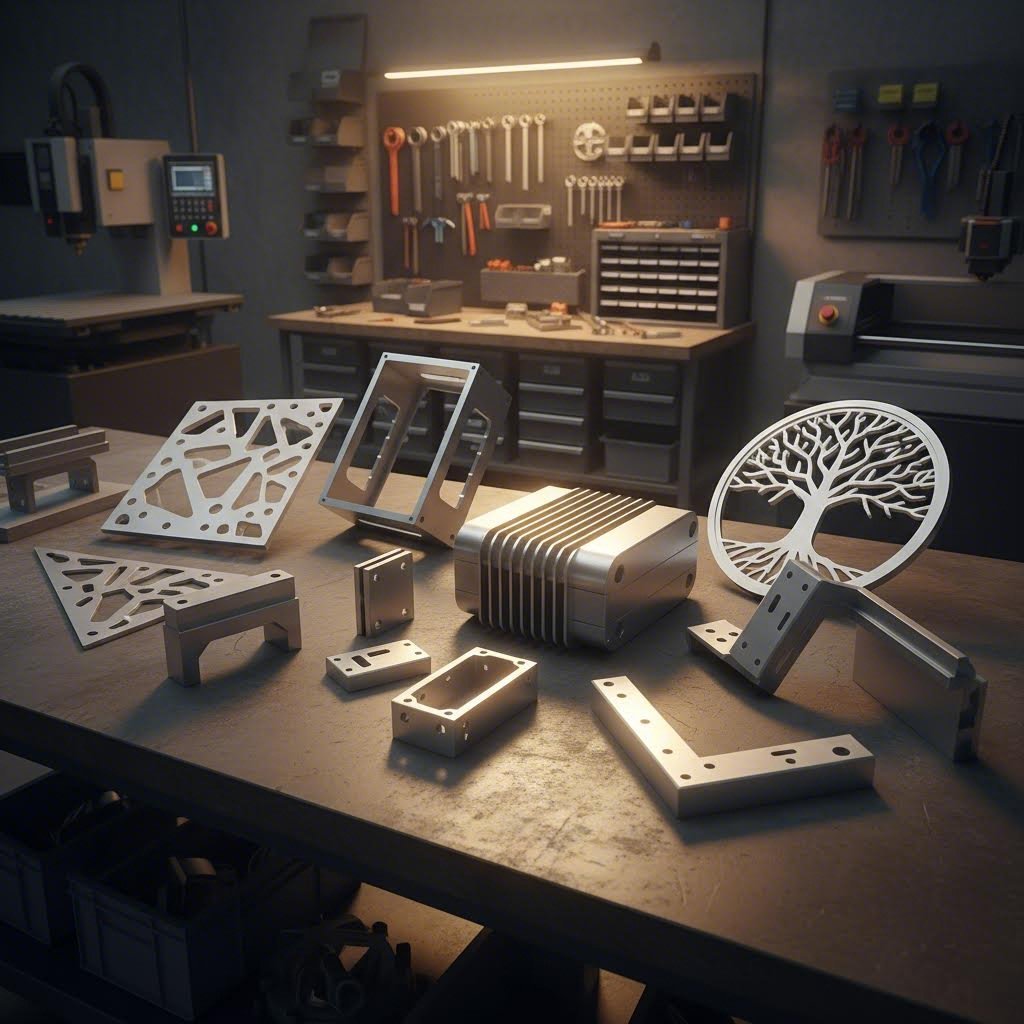
Primerjanje metod rezanja z običajnimi aplikacijami
Imate znanje o zlitinah in primerjave metod rezkanja – toda tukaj se stvari resnično začnejo. Namesto vprašanja »kaj ta stroj zmore?«, obrnite vprašanje: »kar dejansko potrebuje moj projekt?« Ta pristop, usmerjen k aplikaciji, prepreči pogosto napako izbire postopka rezkanja izključno na podlagi cene ali razpoložljivosti, da bi kasneje ugotovili, da ne zagotavlja kakovosti roba ali toleranc, ki jih vaš projekt zahteva.
Bodisi da ste inženir proizvodnje, ki določa aluminijaste dele za serijo, ali lastnik malega podjetja, ki izdeluje prilagojene kovinske tabele, najzahteve vaše aplikacije vodijo vsako odločitev. Poglejmo si najpogostejše primere uporabe in jih povežimo z najustreznejšimi metodami rezkanja.
Zahteve za rezkanje tablic in dekorativnih plošč
Prilagojene kovinske table in dekorativne aluminijaste plošče imata eno ključno zahtevo: vizualno popolnost. Ko nekdo opazuje končano tablo ali arhitekturno ploščo, kakovost rezanih robov postane del estetike – ne le proizvodna podrobnost, skrita znotraj sestava.
Za aplikacije oznak upoštevajte naslednje dejavnike:
- Vidnost roba: Oglati robovi morajo imeti gladke, brez žagastih končev površine, ki izgledajo namerno, ne industrijsko
- Kompatibilnost z anodiranjem: Če načrtujete obarvane anodizirane površine, vpliva metoda rezanja na enakomernost nastanka anodnega sloja vzdolž robov
- Podrobno pisavo: Fine črke in podrobni logotipi zahtevajo natančen nadzor reza in čiste notranje kote
- Obdelava tankega materiala: Večina oznak uporablja material debeline med 0,040" in 0,125" – kar spada v optimalno območje laserskega rezanja
Pri dekorativnih aluminijastih ploščah, namenjenih arhitekturnim instalacijam, običajno lasersko rezanje zagotavlja najboljšo kombinacijo hitrosti, natančnosti in kakovosti roba pri materialih pod 0,187". Hitro rezanje zmanjša segrevanje materiala in ohranja videz materiala za nadaljnjo dokončno obdelavo.
Če pa vaš dizajn vključuje zapletene izreze s tesnimi notranjimi vogali ali če delujete z že dokončanimi površinami, hidrorezanje odpravi skrbi glede toplotne spremembe barve ali poškodovanih kotov. Hladni postopek rezanja deluje tudi izjemno dobro z anodiranimi aluminijastimi pločevinami in ohranja obstoječo površinsko obdelavo neposredno do roba reza.
Potrebe po izdelavi nosilnih konzol in ohišij
Konstrukcijske aplikacije dajejo prednost funkciji pred estetiko – vendar to ne pomeni, da je izbira metode rezanja poljubna. Konzole in ohišja zahtevajo dimenzijsko natančnost, trdnost robov in združljivost z nadaljnjimi procesi, kot so likanje in varjenje.
Izdelava konzol vključuje več kot le izrezovanje ravnih oblik. Po mnenju strokovnjakov za izdelavo pločevine nosilci običajno sestojijo iz dveh ali več ravnin, povezanih vzdolž enega roba – kar pomeni, da bodo vaši izrezani deli podvrženi nadaljnjim upogibnim operacijam. Način rezanja vpliva na to, kako čisto se material prepogne:
- L-nosilci in U-nosilci: Laserjsko rezanje odlično ustreza ravni zagoti; poskrbite le, da se črte upogiba ne bodo sekale območij z toplotnim vplivom pri debelejših materialih
- Nosilci s kotači: Te nosilne komponente imajo koristi od vodnega curka pri rezanju, kadar je pomembna trdnost, saj hladni postopek ohranja lastnosti materiala po celotnem obsegu
- Vzorci lukenj: Za pritrdila so na nosilcih potrebne natančno postavljene luknje – laserjsko rezanje zagotavlja potrebno natančnost za pravilno poravnavo
Elektronske ohranjevalnice predstavljajo različne izzive. Ti zaščitni ohišji morajo izpolnjevati določene dimenzijske tolerance, da komponente pravilno sedijo, hkrati pa zagotavljajo ustrezno zaščito in upravljanje toplote. Strokovnjaki za oblikovanje ohišij poudarjajo, da je zaradi odlične toplotne prevodnosti aluminija ta material idealen za zaščito elektronskih komponent – vendar za uresničitev te prednosti potrebujemo natančno izdelavo.
Pri projektih ohišij izbor metode določajo zahteve po tolerancah:
- Standardne komercialne tolerance (±0,010"): Laserjsko rezanje teh toleranc učinkovito obravnava pri serijski proizvodnji
- Natančne tolerance (±0,005" ali manj): Voda pod visokim tlakom ali laser s protokoli kakovostnega nadzora
- Ključne stične površine: Morda zahtevajo sekundarno obdelavo s CNC stroji, ne glede na izbrano metodo rezanja
Priporočila za posebne uporabe
Naslednji pregled razvršča pogoste aplikacije z optimalnimi parametri rezanja:
-
Pojavne kovinske table (za notranjost):
- Idealna metoda rezanja: Fiberski laser
- Tipična zlitina: 5052-H32 ali 3003-H14
- Ogled pri zaključevanju: Gladke robove čisto sprejmejo barvo ali vinilne prevleke; za visoko kakovostno izvedbo upoštevajte anodizacijo
-
Nadstrešnice za arhitekturne plošče na prostem:
- Idealna metoda rezanja: Laser za hitrost, vodni curk za predhodno anodirane materiale
- Tipična zlitina: 5052 za odpornost proti koroziji
- Ogled pri zaključevanju: Določite zaščitno folijo med rezanjem; robovi morda potrebujejo odstranjevanje žlebov pred nanosom prahove barve
-
Elektronske ohišja:
- Idealna metoda rezanja: Laser za večino debelin; CNC routing za debele stene
- Tipična zlitina: 6061-T6 za obdelavo ob dodatnih operacijah
- Ogled pri zaključevanju: Upoštevajte zahteve glede IP razreda – odprtine za prezračevanje in toplotni grebenci morda potrebujejo natančno postavitev
-
Avtomobilske konzole:
- Idealna metoda rezanja: Laser za serijo; vodni curek za prototipe, ki zahtevajo polno trdnost materiala
- Tipična zlitina: 6061-T6 zaradi razmerja med trdnostjo in težo
- Ogled glede na dokončanje: Robovi so pogosto skriti v sestavu; prednost dajte dimenzijski doslednosti namesto kozmetični kakovosti robov
-
Marinski sestavni deli:
- Idealna metoda rezanja: Prednostno uporaba vodnega curka (brez toplotnega območja, ki bi ogrozilo odpornost proti koroziji)
- Tipična zlitina: 5052-H32 izključno za okolja z morsko vodo
- Ogled glede na dokončanje: Anodizacija ali prahno barvanje sta nujna; reži so še posebej ranljivi za korozijo, če niso zaščiteni
Ogledi za DIY in majhna podjetja
Ne vsak projekt vključuje serijsko proizvodnjo. Če ste navdušenec, ki gradi prilagojen ohišje, majhno podjetje, ki ustvarja blagovno označeno signalizacijo, ali izdelovalec, ki razvija prototipe prilagojenih aluminijastih delov, so vaše prednosti drugačne kot pri proizvajalcih velikih količin.
Za manjše projekte:
- Količina je manj pomembna kot nastavitev: Rezanjske storitve pogosto vključujejo minimalne stroške – en sestavni del s kompleksno obliko lahko stane toliko kot deset preprostih delov
- Dorobčevanje postane vaša odgovornost: Načrtujte čas za odstranjevanje ostrin in čiščenje, razen če posebej zahtevate obdelane robove
- Oblikovalska prožnost deluje v vaš prid: Brez omejitev orodjarstva za proizvodnjo lahko optimizirate konstrukcije za rezanje namesto obratno
Tukaj je nekaj, kar večji konkurenti pogosto prezirajo: strankam, ki naročajo majhne serije, zelo koristi, če povprašajo rezalne storitve o združevanju naročil. Če potrebujete pet različnih delov, jih je mogoče razporediti na en sam list? To zmanjša stroške nastavitve in odpad materiala – prihranki, ki so pomembni, kadar je vaš proračun izražen v stotinah namesto tisočih dolarjev.
Ključna uvid za katero koli uporabo? Uskladite svoje zahteve z močnimi stranmi rezkanja in ne prisiljujte neujemanja. Izbira laserskega rezkanja, ker je najcenejše, je smiselna za preproste dele z zmernimi tolerance. Toda za prilagojene aluminijaste dele, ki zahtevajo popolne robove za vidne aplikacije, ali za konstrukcijske komponente, kjer bi HAZ lahko ogrozil zmogljivost, upraviči višji strošek vodnega curka ali natančnost CNC frezanja.
Razumevanje zahtev aplikacij vam pomaga učinkovito komunicirati s storitvami rezkanja – toda poznavanje dejavnikov, ki vplivajo na njihove cene, vam pomaga optimizirati stroške, ne da bi žrtvovali kakovost. Poglejmo si dejavnike, ki vplivajo na ponudbe za rezkanje po meri.
Razumevanje cen in dejavnikov pri ponudbah
Tukaj je frustrirajoča resničnost: večina spletnih mest za rezanje navaja zmogljivosti, vendar molči o cenah. Ostanejo vam ugibanja, ali bo vaš projekt stal 50 ali 500 dolarjev, dokler ne pošljete zahteve za ponudbo in počakate odgovor. Razumevanje spremenljivk, ki vplivajo na stroške pločevine iz aluminija, vam omogoča, da ocenite proračun, optimizirate oblikovanje in postavljate pametnejša vprašanja pri primerjavi dobaviteljev.
Prilagodljeno rezanje ni surovinska storitev z fiksnimi ceniki. Vsaka ponudba odraža kombinacijo stroškov materiala, časa obratovanja strojev, montažnega dela in zahtev za dokončno obdelavo. Razčlenimo vsak dejavnik, da boste točno vedeli, za kaj plačujete – in kje lahko najdete prihranke.
Kaj vpliva na stroške prilagojenega rezanja
Ponudbo si predstavljajte kot recept z več sestavinami, od katerih vsaka prispeva k končni ceni aluminijaste pločevine. Nekatere neposredno nadzorujete prek izbir v oblikovanju; druge so odvisne od tržnih razmer ali opreme ponudnika režnje.
Stroški materiala tvorijo temelj. Po podatke o cenah v industriji , aluminij trenutno stane približno 2,00 do 3,50 USD na funt – kar je znatno več kot mehki jeklo po 0,50 do 1,50 USD na funt, vendar manj kot nerjavno jeklo ali specialni kovini. Izbrana zlitina vpliva na to osnovno ceno: zlitini 3003 in 5052 običajno stojita manj kot termično obdelana zlitina 6061-T6, medtem ko aluminij letalskega razreda 7075 uživa premijske cene.
Debelina neposredno pomnoži stroške materiala. Plošča debeline 0,25" tehta približno štirikrat več kot pločevina debeline 0,063" enakih dimenzij, s čimer se četverokrat poveča delež surovega materiala v vašem strošku aluminijeve pločevine. Ko dobavitelji zagotavljajo material namesto rezanja odjemalčevega materiala, pričakujte pristavek za nabavo, rokovanje in stroške skladiščenja.
Stopnja zapletenosti postopka rezanja znatno vpliva na strojne ure. Kot pojasnjuje ena izmed navodil za izdelavo, lasersko rezkanje s fibernim laserjem poteka hitreje in poceni za tanke do srednje debeline kovine, medtem ko vodni curek – čeprav počasnejši – bolje obvlada debele materiale in toplotno občutljive aplikacije. Razlika v obratovalnih stroških je pomembna: lasersko rezkanje običajno stane 2–3 $ na uro za porabne materiale, operacije z vodnim curkom pa 50–75 $ na uro zaradi porabe abrazivnega granata in vzdrževanja visokotlačne črpalke.
Priključnine se upoštevajo ne glede na količino. Programiranje CNC opreme, nalaganje materiala in izvedba kontrole prvega dela zahtevajo delo že pred dejanskim rezkanjem. Pri manjših naročilah se ti fiksni stroški porazdelijo na manjše število kosov, kar povečuje ceno na kos. Mnoge delavnice določijo minimalne stroške naročila – pogosto 50 do 150 $ – da zagotovijo rentabilnost pri manjših opravilih.
Tolerance vplivajo tako na izbiro metode kot tudi na zahteve glede kontrole. Standardne komercialne tolerance (±0,010 palca) omogočajo hitrejše rezkanje z manj strogo kontrolo. Ožje tolerance (±0,005 palca ali boljše) lahko zahtevajo počasnejše hitrosti rezkanja, dodatna prehajanja ali pregled po rezkanju s koordinatnimi merilnimi napravami. Deli visoke natančnosti, ki zahtevajo 100 % pregled, bodo naravno dražji , saj dodatna kakovostna verifikacija poveča stroške neposrednega dela.
Oblikovanje zapletenosti zasluži posebno pozornost. Preprostokotniki se hitro prerežejo – stroj izvede štiri ravne reze in preide na naslednji del. Zapleteni vzorci s krivuljastimi profili, majhnimi izrezki in tesnimi notranjimi koti znatno podaljšajo pot rezkanja in čas obratovanja stroja. Po mnenju strokovnjakov za panogo podrobni elementi in majhni izrezi upočasnijo postopek rezkanja, podaljšane poti rezkanja pa se neposredno odražajo v višjih stroških.
Pridobivanje točnih ponudb za vaš projekt
Zahtevanje ponudb ne bi smelo biti kot metanje puščic z vezanimi očmi. Opredmeteni z pravimi informacijami lahko hitro pridobite točne cene in prepoznate priložnosti za varčevanje, preden se zavezete k naročilu.
Količinski popusti spodbujajo napovedno načrtovanje. Stroji za rezanje ponujajo količinske popuste, ker se stroški nastavitve porazdelijo na več kosov, nakup materiala postane učinkovitejši in izboljšano je načrtovanje obratovanja strojev. Posamezen del bi lahko stal 25 dolarjev, medtem ko naročilo 25 enakih delov zmanjša ceno na enoto na 8 dolarjev ali manj. Posebej povprašajte po cenovnih ravneh – morda boste ugotovili, da vam bo naročilo 20 % več delov stalilo le 10 % več denarja, kar vam bo omogočilo zaloge za prihodnje potrebe.
Cene so prizadete tudi odvisno od časa izvedbe. Nujna naročila, ki zahtevajo dostavo naslednji dan ali isti teden, pogosto vključujejo prispevke v višini 25–50 %. Standardni roki izvedbe 5–10 delovnih dni običajno prinašajo boljše cene. Nekateri obrti ponujajo ekonomsko vrsto čakanja – vaše naročilo se izvede takrat, ko je najbolj primerno – po znižanih cenah za stranke z razprtimi roki izvedbe.
Se sprašujete, ali poceni aluminij pridobivate na račun kakovosti? Razmislite o skupnih stroških lastništva. Storitve z nižjimi cenami lahko dobavijo dele, ki zahtevajo obsežno odstranjevanje žic, predelavo ali celo odpadejo – stroški, ki se ne pojavijo v prvotnem ponudbenem ceniku, a kljub temu porabijo vaš čas in vire.
Strategije varčevanja, ki dejansko delujejo
Pametne odločitve pri načrtovanju in naročanju lahko zmanjšajo stroške pločevine iz aluminija za 20–40 %, ne da bi pri tem ogrozili kakovost. Uvedite te strategije med fazo načrtovanja projekta, ne šele potem, ko dokončate konstrukcijske rešitve:
- Postavite več delov na eno pločevino: Kombiniranje različnih komponent na skupnem materialu maksimalno izkorišča material in razdeli stroške nastavitve. Vprašajte svojo rezalno storitev o optimizaciji postavitve – večina uporablja programske opreme, ki avtomatsko razporedi dele tako, da se zmanjša odpad.
- Izberite ustrezne tolerance: Navedite tesne tolerance le tam, kjer jih funkcija zahteva. Dekorativni panel nima potrebe po natančnosti ±0,005 palca; pogosto popolnoma zadostuje ±0,015 palca, kar omogoča hitrejše rezanje.
- Izberite standardne zlitine: Pogosto uporabljene vrste, kot so 3003, 5052 in 6061, stanejo manj in se hitreje dostavijo kot specialne zlitine. Preverite, ali eksotični materiali resnično prinašajo prednosti vaši aplikaciji, preden jih določite.
- Strategično načrtujte količine po serijah: Izračunajte letne potrebe in naročajte četrtletne serije namesto mesečnih majhnih serij. Prihranki na enoto pogosto opravičujejo hranjenje umernega zaloge.
- Poenostavite geometrijo, kadar je mogoče: Zaobljeni notranji vogali se režejo hitreje kot ostri. Večje izrezke zahtevajo manj natančnosti kot zapletena podrobna obdelava. Vsaka poenostavitev načrta zmanjša čas obratovanja stroja.
- Upoštevajte zahteve glede obdelave robov: Če rezani robovi ne bodo vidni ali bodo v vsakem primeru še dodatno obdelani, standardna kakovost robov prihrani stroške v primerjavi z visokokakovostno obdelavo.
- Zahtevajte material, ki ga zagotavlja stranka: Če že imate obstoječe zaloge ali imate dostop do poceni aluminijaste plošče prek distribucijskih odnosov, lahko zagotavljanje lastnega materiala izogne dodatnim stroškom dobavitelja.
Vprašanja, ki vam omogočajo boljše ponudbe
Ko kontaktirate storitve rezkanja, določena vprašanja prinašajo natančne odgovore – in razkrijejo, katere dobavitelji res razumejo vaše potrebe:
- "Kakšna je vaša najnižja cena za najmanjšo naročilo in koliko kosov ponavadi opraviči namensko nastavitev?"
- "Ali ponujate cene z znižanjem pri količinah 10, 25, 50 ali 100 kosov? Kako izgleda krivulja cen?"
- "Katere standarde tolerance upoštevate in kakšna dodatna cena velja za ožje specifikacije?"
- "Ali lahko združite moje različne načrte delov, da zmanjšate odpad materiala?"
- "Kakšna je razlika v rokih izvedbe med standardno in nujno obdelavo?"
- "Ali ponujate odstranjevanje žlebov in obdelavo robov ter koliko to poveča strošek na kos?"
Odgovori razkrivajo več kot le cene – kažejo, ali storitev rezkanja obravnava vaš projekt kot komoditno transakcijo ali kot sodelovanje. Dobavitelji, ki pojasnjujejo kompromise in predlagajo optimizacije, pogosto ponujajo večjo vrednost kot tisti, ki ponujajo le najnižjo privlačno ceno.
Ko razumete dejavnike, ki vplivajo na ceno, lahko natančno načrtujete proračun in optimizirate zasnove glede na učinkovitost stroškov. A rezanje je le en korak – mnogi aluminijasti deli zahtevajo dodatno obdelavo po rezanju, preden so resnično pripravljeni za uporabo. Razumevanje teh sekundarnih operacij vam pomaga načrtovati celoten časovni razpored in proračun projekta.
Možnosti dokončne obdelave in procesiranja po rezanju
Vaši deli so pravkar zapustili mizo za rezanje – a so res že pripravljeni za uporabo? Za mnoge aplikacije je odgovor ne. Rezanje po meri iz aluminijastih pločevin zagotavlja natančne oblike, a rezani robovi in surove površine pogosto zahtevajo dodatno obdelavo, preden se deli lahko sestavijo, namestijo ali dostavijo strankam.
Zrezovanje si predstavljajte kot prvi korak večstopenjskega procesa. To, kar se zgodi potem, določa, ali bodo končni sestavni deli izgledali profesionalno, zanesljivo delovali in odporni na korozijo med celotno življenjsko dobo. Razumevanje možnosti nadaljnjega obdelovanja vam pomaga načrtovati realne časovne okvire, natančno proračunati stroške in jasno sporočiti zahteve svojim partnerjem pri izdelavi.
Možnosti dokončne obdelave robov po rezanju
Vsaka metoda rezanja pusti svoj pečat na robu materiala. Laserjevanje ustvari toplotno vplivno cono z možnim nabiranjem drosove. Vodni curek proizvede rahlo teksturirano površino zaradi abrazivnega obruska. CNC frezanje lahko pusti manjše sledi orodja. Ti znaki niso napake – so le naravni rezultat posameznega procesa – vendar pogosto zahtevajo posebno pozornost, preden se deli premaknejo na naslednjo stopnjo.
Odstranjevanje burkov odstrani ostre robove in ostankov rezanja. Po specialisti za dokončno obdelavo aluminija , laser ali vodni curek rezani deli imajo lahko ostre robove in ostruške, ki nastanejo pri rezanju. Ti lahko povzročijo poškodbe osebju in izdelku dajo neprofesionalen videz. Določena metoda odstranjevanja ostruškov je odvisna od vaše metode rezanja:
- Deli, režani z laserjem: Imajo lahko droz (strjen kovinski tal) na spodnji strani, ki ga je treba odstraniti; območja, vplivana s toploto, se lahko nekoliko pobarvajo
- Deli, režani z vodnim curkom: Robovi so ponavadi čistejši, vendar lahko imajo rahel nagib; abrazivne delce včasih ujamemo v mehkejše zlitine
- Deli, obdelani s CNC frezanjem: Ponavadi imajo najbolj gladke robove, vendar lahko nastanejo majhni ostruški na mestih vstopa/izstopa orodja ter na mestih odstranjevanja nosilcev
Pri serijski proizvodnji je brušenje s trakom najpogostejša metoda odstranjevanja žlebov. Specializirani stroji uporabljajo trakove iz silicijevega karbida, ki odstranjujejo žlebe brez zamašitve – kar je pomembno zaradi hitrega nabiranja aluminijaste prašine na običajnih brusnih ploskvah. Rotacijski brusni stroji ponujajo alternativo za dele s prevlečenimi zlitinami, ki morajo ostati nedotaknjene, saj brisi le zaokrožijo robove perforiranih in friziranih delov, površinska prevleka pa ostane nespremenjena.
Sekundarna obdelava naslavlja tesne tolerance. Ko morajo rezani robovi izpolnjevati specifikacije, ki so ožje od ±0,005 palca, ali ko zahteve glede kakovosti površine presegajo tisto, kar zagotovi sam rez, operacije CNC friziranja ali struženja očistijo kritične površine. To poveča stroške, vendar zagotovi točno ujemanje delov v sestavih.
Upoštevanje upogibanja je neposredno povezano z metodo reza. Če bodo vaši ploski polizdelki preživeli krivljenje z lomilnim orodjem ali valjno upogibanje, potem proces rezkanja vpliva na kakovost upogiba. Cone s toplotnim vplivom, ki nastanejo pri laserskem rezkanju, se lahko med oblikovanjem obnašajo drugače – lokalno mehčanje lahko v nekaterih primerih dejansko izboljša sposobnost upogibanja, vendar lahko povzroči tudi neenakomeren povratni učinek. Deli, rezani z vodnim curkom pod visokim tlakom, ohranjajo enotne lastnosti po celotnem prerezu, kar omogoča napovedljivejše obnašanje pri upogibanju.
Površinske obdelave, ki izboljšujejo aluminijaste dele
Poleg čiščenja robov večina aluminijastih komponent profitira od površinskih obdelav, ki izboljšajo videz, trdnost ali oboje. Tri najpogostejše možnosti – anodizacija, prahno barvanje in poliranje – imajo vsaka svojo posebno funkcijo in se različno obnašajo glede na različne metode rezkanja.
Anodizacija ustvari integralni zaščitni sloj. Za razliko od barve ali prevleke, ki leži na kovini, anodizacija spremeni sam aluminijev površinski sloj v trd, korozijo odporen oksid s pomočjo elektrokemičnega postopka. Po mnenju strokovnjakov za površinsko obdelavo je ta sloj veliko trši od surovega aluminija in omogoča žive barvne možnosti, ki ne izgubljajo intenzivnosti s časom.
Tukaj je nekaj, kar večina priročnikov spregleda: metoda rezanja neposredno vpliva na rezultate anodizacije. Pripravljalni postopek pred anodizacijo – še posebej etčenje – mora upoštevati razlike v lastnostih robov rezov. Kot opažajo strokovnjaki za končne obdelave, je pri anodiziranju aluminija ključnega pomena uporaba pravega abrazivnega minerala med odstranjevanjem ostružin. Trakovi s silicijevim karbidom, ki se pogosto uporabljajo za splošno odstranjevanje ostružin, lahko po elektrokemičnem postopku povzročijo grde madeže. Če kot končni cilj določite anodizirane aluminijeve plošče, morate to komunicirati že v zgodnjih fazah, da zagotovite ustrezno pripravo robov.
Anodizacija prav tako razkrije morebitne neenakomernosti osnovnega materiala. Območja, ki so bila segreta z laserjem, se lahko anodizirajo nekoliko drugače kot okoliška območja, kar lahko povzroči vidne razlike v barvi. Za delovne dele, kjer je pomembna estetika, rezanje z vodnim curkom težavo popolnoma odpravi.
Storitve pršenja s praškom zagotavljajo izjemno trdnost. Pri tem postopku se suh prašek – običajno na osnovi poliestra ali epoksidov – elektrostatično nanese in nato v peči zaključi, da nastane trdna, enakomerna prevleka. Pršenje s praškom ponuja prednosti pred tekočo barvo: debelejše prekrivanje, izvirno odpornost proti odlomkom in odsotnost летljivih organskih spojin med nanosom.
Za aluminijaste dele pršenje s praškom omogoča:
- Odlično odpornost proti zunanjim vremenskim vplivom pri uporabi formulacij na osnovi poliestra
- Skoraj neomejene možnosti barv, vključno z teksturami in kovinskimi odtenki
- Dobro prekrivanje manjših površinskih napak
- Učinkovito zaščito v zahtevnih okoljih, kjer sama anodizacija morda ni dovolj učinkovita
Priprava robov je pomembna tudi tukaj. Ostri robovi ne zadržijo prahu dobro – elektrostatični naboj se kopiči na točkah, kar povzroči tanek premaz, ki prej ko slej odpove. Ustrezen odstranekovičenje in zaokroževanje robov pred nanosom prahu zagotavlja enakomerno debelino filma.
Poliranje ustvarja zrcalne ali satenske površine. Pri dekorativnih aplikacijah, kjer je pomemben vizualni učinek, mehansko poliranje spremeni rezani aluminij v polirani aluminijasti list s svetlečimi ali čopičastimi videzi. Ta izključno estetska obdelava najbolje deluje na mehkejših zlitinah, kot je 3003, in zahteva previdno ravnanje med vsemi nadaljnjimi operacijami, da se prepreči poškodba s ogrebotinami.
Pogosta zaporedja dodatne obdelave
Ko deli zahtevajo več korakov dokončne obdelave, je zaporedje pomembno. Opravljanje postopkov v napačnem vrstnem redu porablja čas in lahko ogroža kakovost. Tukaj je tipičen tok od rezanja do zaključka:
- Odstranjevanje ostrin in obdelava robov: Vedno najprej – ostri robovi poškodujejo orodje, povzročajo poškodbe pri rokovanju in motijo nadaljnje procese
- Drugi obdelovalni postopki: Dokončajte vse vrtanje, navijanje ali natančno friziranje pred površinsko obdelavo
- Oblikovanje: Limanje, žigosanje ali valjanje poteka, ko je kovina še nepokrivena
- Zvarjanje ali mehanska sestava: Spojite sestavne dele pred nanosom površinskih obdelav
- Čiščenje in priprava: Odstranite olja, okside in onesnaževala takoj pred dokončno obdelavo
- Površinska obdelava: Anodizacija, prahno barvanje ali druge zaščitne/dekorativne površine
- Končni pregled in pakiranje: Preverjanje kakovosti ter zaščitno pakiranje za pošiljanje
Zvarjanje in posledice toplotnega vplivnega območja
Če vaši aluminijasti deli zahtevajo zvarjanje po rezkanju, je treba pozornost nameniti interakciji med metodo rezkanja in kakovostjo zvara. Po mnenju metalurgov, specializiranih za zvarjanje aluminija, lokovno zvarjanje prenese znatno količino toplote v osnovni material okoli zvara, kar ustvari toplotno vplivno območje, kjer se spreminjajo lastnosti materiala.
Pri neizmenljivih zlitinah, kot je 5052, to pomeni, da se hladno obdelana trdota odstrani s žarom v bližini zvara. Fine deformirane zrni rekristalizirajo v večje, mehkejše strukture. Pri izmenljivih zlitinah, kot je 6061-T6, se previdno dosežene lastnosti temperiranja zmanjšajo v coni vpliva toplote (HAZ), ker se precipitati vrnejo v raztopino ali prestarajo.
Tukaj je povezava s rezanjem: robovi, obrezani s laserjem, imajo že majhno cono vpliva toplote (HAZ) zaradi samega postopka rezanja. Ko varite v bližini teh robov, učinkovito ustvarjate dvojno toplotno obremenitev. V večini aplikacij to ni problematično – cona HAZ pri varjenju se navadno razteza dlje kot cona HAZ pri rezanju. Vendar za spoje, kritične glede trdnosti, v bližini obreznih robov, upoštevajte:
- Uporaba rezanja z vodnim curkom za odpravo obstoječe cone HAZ pred varjenjem
- Načrtovanje mest varjenja čim dlje od obreznih robov
- Navajanje toplotne obdelave po varjenju za zlitine serije 6xxx v zahtevnih aplikacijah
Ključno vprašanje? Izbira metode rezanja ima posledice za vsako nadaljnjo operacijo. Če na začetku izberete pravi postopek—z upoštevanjem ne le samega reza, temveč tudi vseh nadaljnjih procesov—preprečite neprijetne presenečenje in zagotovite, da končni aluminijasti deli izpolnjujejo vse zahteve.
Ko razumete možnosti dokončne obdelave, zadnji korak vključuje učinkovito sporočanje vaših zahtev. Pravilna priprava datotek in jasne specifikacije zagotavljajo, da bodo storitve rezanja natančno izpolnile vaše potrebe že ob prvem poskusu.
Priprava datotek z zasnovo in specifikacij
Izbrali ste zlitino, izbrali ste metodo rezanja in načrtovali ste operacije dokončne obdelave. Zdaj pride korak, ki določa, ali se bo vaš projekt gladko izvajal ali zatakal v neskončnih ciklih predelave: priprava datotek. Če datoteke z zasnovo in specifikacije pripravite pravilno že ob prvem poskusu, odpravite dragocene ponovne ponudbe, preprečite zamude v proizvodnji in zagotovite, da bodo vaši na želeno velikost prerezani aluminijasti deli prišli točno tako, kot ste si zamislili.
Zasnovano oddajo obravnavajte kot pogovor z CNC opremo za rezkanje. Bolj jasna navodila pomenijo boljše rezultate. Nejasne specifikacije vabijo k razlagam – razlage pa ne ustrezajo vedno vašim pričakovanjem.
Datotečni formati, ki jih sprejemajo storitve rezkanja
Vsi datotečni formati enako dobro ne komunicirajo z opremo za rezkanje. Čeprav storitve rezkanja sprejmejo različne formate, se nekateri bolj zanesljivo prevedejo v točna strojna navodila.
Datoteke DXF ostajajo industrijski standard za ravno rezkanje. Ta avtogen format shranjuje čisto geometrijo – črte, loki in krivulje – brez nepotrebnih podatkov, kot so mere, opombe ali naslovni bloki. Glede na smernice Xometryja za pripravo datotek je najboljši način za pridobitev takojšnjega ponudbeva naložiti datoteko za rezkanje, ne celotnega risbe. Uporaba datoteke DXF ustvari ponudbo za »ravno izrezan« ploščat del brez upogibanj.
Datoteke DWG delujejo podobno vendar vsebujejo več podatkov, specifičnih za AutoCAD, ki jih morda zahteva pretvorba. Večina storitev za rezanje obravnava oba formata, čeprav DXF pogosto zanesljiveje deluje na različnih programskih platformah.
Za dele z ukrivitvami , datoteke DXF v ravnem vzorcu ne povejo celotne zgodbe. Če vaši aluminijasti deli, izrezani na želene mere, vključujejo operacije oblikovanja, nam pošljite 3D CAD-modele v formatu STEP, ki prikazujejo končno oblikovani del. To omogoča storitvi za rezanje, da izračuna dimenzije ravnega izvirnika z upoštevanjem dovoljenj za ukrivitev in razteg materiala.
Ključna pravila pri pripravi DXF-datotek
Predložitev delujoče DXF-datoteke zahteva pozornost na več tehničnih podrobnosti, ki kljub izkušenim oblikovalcem povzročajo težave:
- Samo merilo 1:1: Vaš risbi mora predstavljati natančne končne dimenzije dela – ne sme biti povečana ali zmanjšana zaradi udobja tiskanja.
- Skladnost enot: Datoteke naj bodo v milimetrih ali palcih. Glede na industrijske standarde sistem privzame milimetre, če največja dolžina presega 48,5 enote; če je manj kot 1 enota, pa privzame palce.
- Samo reži črte: Odstranite mere, opombe, naslovne bloke in vso geometrijo, ki ni dejanska pot reza – ti elementi zmedejo programske opreme za obdelavo
- Geometrija v ravnini XY: Vsi elementi risbe morajo ležati ravno v ravnini XY; 3D elementi povzročijo napake pri obdelavi datotek
- Brez sestavljenih komponent: Vsak del naj bo ločena datoteka; ne pošiljajte večdelnih sestavov kot posamezne datoteke DXF
Jasno določanje dopustnosti in zahtev
Vaša rezalna datoteka prikazuje, kaj je treba prerezati. Vaše specifikacije pa rezalni storitvi povejo, kako natančno naj to naredi – in kaj še pomembnega velja za končne dele. Ločitev teh informacij prepreči zmedo in zagotovi, da se nič ne izgubi.
Oznake dopustnosti zahtevajo ločeno dokumentacijo. Kot poudarjajo strokovnjaki za izdelavo, če vaši deli zahtevajo določene tolerance, ki presegajo privzete proizvodne standarde, je treba tolerance navedeti v takojšnjem ponudbenem predračunu in vključiti v priložen risbi za natančno cenitev. Standardne tolerance običajno znašajo ±0,010" za lasersko rezkanje in ±0,005" za vodni curek – ožji zahtevki so dražji in zahtevajo jasno označitev.
Najboljše prakse dimenzioniranja za vašo specifikacijsko risbo vključujejo:
- Navedite le kritične dimenzije, ki morajo izpolnjevati določene tolerance
- Uporabite simbole geometrijskega dimenzioniranja in toleranc (GD&T) za zahteve glede položaja, ravnosti in pravokotnosti
- Jasno označite referenčne površine, kadar je pomembna točnost položaja
- Določite, ali se dimenzije nanašajo na režne robove ali končane robove po odstranjevanju ostrin
Pogoste napake pri specifikacijah, ki povzročajo zamude
Določene napake se v zahtevkih za ponudbe pojavljajo ponavljajoče, kar povzroča dodatna pojasnila in podaljšuje časovne okvire. Izognite se tem pogostim pastem:
- Mešanje merskih enot: Predložitev risb, pri katerih so nekatere mere v palcih, druge pa v milimetrih, povzroča zmedo in morebitne napake
- Izpuščanje navedbe materiala: "Aluminij" ni dovolj – navedite točno zlitino (5052-H32, 6061-T6) in debelino
- Neoznačevanje dopustnih odstopanj: Privzeto razumevanje, da izraz "tesno" pomeni isto tako vam kot dobavitelju rezanja, lahko prinese razočaranje
- Zabivanje količine: Ponudba za en del se bistveno razlikuje od ponudbe za sto delov
- Ignoriranje smeri zrna: Pri oblikovanih delih ali aplikacijah, kjer je pomemben videz površine, vpliva smer zrna na videz in kakovost prepogibanja
Tudi zapletenost konstrukcije povzroča težave, če ni jasno sporočena. Glede na smernice za načrtovanje laserjskega rezanja , geometrija rezanja s korakom vsaj dvakrat večjim od debeline pločevine prepreči deformacijo – vendar vaša storitev rezkanja lahko sledi temu pravilu le, če geometrija datoteke ustreza.
Od zasnove do naročila: celoten proces
Sledenje strukturiranemu delovnemu toku zagotavlja, da med vašim CAD programom in mizo za rezkanje ni izpuščenih korakov:
- Dokončajte svoj dizajn pri čemer morajo biti vse geometrije, vzorci lukenj in izrezi pravilno postavljeni; preverite mere glede na vaše zahteve
- Izvozite geometrijo rezov v formatu DXF ki vsebuje samo poti rezanja – odstranite vse opisne sloje, okvirje z naslovom in referenčne geometrije
- Ustvarite ločeno specifikacijsko dokumentacijo v kateri so navedeni tip materiala, debelina, količina, tolerance in posebne zahteve
- Vključite risbo s podanimi merami (PDF format deluje dobro) prikaz kritičnih dimenzij s tolerancami za preverjanje kakovosti
- Pošljite vse datoteke skupaj preko ponudbenega sistema rezalnega servisa, pri čemer vsako datoteko poimenujte jasno za enostavno referenco
- Pozorno pregledajte ponudbo glede na točnost materiala, količine in specifikacij pred odobritvijo
- Potrdite čas izdelave in zahteve za dostavo da se zagotovi, da dele prideta, ko so potrebni
Sporočanje posebnih zahtev
Poleg osnovne geometrije in toleranc imajo mnogi projekti dodatne zahteve, ki vplivajo na obravnavo delov med celotno proizvodnjo:
Smer zrna je pomembno za dele, ki bodo upognjeni ali kjer je pomemben videz površine. Valjanje ustvari smerno strukturo zrna v aluminijastih pločevinah – ukrivi, pravokotni na smer zrna, običajno delujejo bolje kot vzporedni ukrivi. Ko je pomembno, navedite orientacijo zrna glede na geometrijo dela.
Želje po zaščitni foliji se razlikujejo glede na uporabo. Pri nekaterih rezalnih storitvah se proizvajalčevo nanesena zaščitna folija med rezanjem pusti na mestu; pri drugih pa se odstrani. Če potrebujete, da se zaščitna folija ohrani tudi med dostavo, ali če posebej potrebujete material brez folije za takojšnjo obdelavo, to jasno navedite.
Založbi preprečijo poškodbe med prevozom. Deli, ki so naslageni neposredno drug na drugega, se lahko zarežejo; težki deli lahko zdrobijo lažje. Ko je pomembno stanje površine, navedite vmesni papir, posamezno pakiranje ali prilagojeno embalažo.
Označevanje in identifikacija pomaga slediti delom skozi vaš proizvodni proces. Če je za vašo uporabo pomembna sledljivost, zahtevajte vgraviranje številke dela, identifikacijo serije ali določeno označevanje.
Čas, posvečen pravilni pripravi datotek in popolnemu določanju zahtev, se obrestuje v obliki hitrejših ponudb, manjše število predelav ter delov, ki ustrezajo vašim pričakovanjem. Ko imate specifikacije jasno določene, je zadnja težava izbira ustreznega partnerja za izvedbo projekta – odločitev, ki vpliva na vse, od kakovosti do zanesljivosti časovnega razporeda.
Izbira pravega partnerja za rezanje
Naredili ste težko delo – izbrali svojo zlitino, jo uskladili z ustreznim postopkom rezanja, pripravili brezhibne konstrukcijske datoteke in natančno določili vsa dopustna odstopanja. Zdaj pride odločitev, ki določa, ali se vsa ta priprava prenese v uspešne dele: izbira tistega, ki bo dejansko rezal vaš material.
Iskanje storitve rezanja ni težko. Hitro iskanje izraza »metaloplastika near me« ali »delavnice za obdelavo kovin near me« vrne desetine možnosti. A najti pravo desno partner—tisti, katerega zmogljivosti, sistemi kakovosti in slog komunikacije ustrezajo zahtevam vašega projekta—zahteva bolj premišljeno ocenjevanje. Najcenejša ponudba redko ponuja najboljšo vrednost, najbolj učinkovita spletna stran pa ne zagotavlja zanesljive izvedbe.
Ocena zmogljivosti servisa za rezkanje
Ocenjevanje začnite s temelji: ali ima ta dobavitelj opremo in strokovno znanje za izvedbo vašega določenega projekta? Glede na strokovna priporočila za izbiro partnerjev za obdelavo kovin, iščite ponudnika z bogato izkušnjo na področju specifične vrste obdelave, ki jo potrebujete—vsak postopek zahteva različna znanja in veščine.
Oprema je pomembnejša, kot bi morda mislili. Sodobna in dobro vzdrževana oprema pogosto pomeni večjo natančnost in učinkovitost. Ko ocenjujete proizvajalce obdelave kovin v moji bližini, zastavite si konkretne vprašanja:
- Kakšne tehnologije rezkanja uporabljate? (valovna moč vlaknastega lasera, tlak vodnega curka, zmogljivosti CNC routerja)
- Kakšna je največja velikost pločevine in debelina, ki jo lahko obdelujete za aluminij?
- Kdaj je bila vaša oprema nazadnje umerjena ali nadgrajena?
- Ali imate rezervno opremo, da preprečite zamaikanje pri posameznih strojih?
Tehnična podpora loči zadostne dobavitelje od odličnih. Najboljši partnerji za obdelavo kovin ne izvajajo le vaših datotek – pregledujejo tudi konstrukcijske rešitve, prepoznavajo morebitne težave in predlagajo izboljšave še preden se začne rezanje. Kot poudarjajo strokovnjaki za obdelavo kovin, kolaborativni pristop zagotovi, da končni izdelek ustrezata vašemu načrtu in specifikacijam. Preverite, ali potencialni dobavitelji kot del postopka ponujanja vključujejo povratne informacije o primernosti konstrukcije za izdelavo (DFM).
Možnosti časa izvedbe se znatno razlikujejo. Nekateri izdelovalci jekla in aluminija ohranjajo možnost hitre izvedbe za prototipe in nujne proizvodne potrebe; drugi pa zaradi učinkovitosti združujejo naročila na račun hitrosti. Pogovorite se o svojih časovnih zahtevah že v začetni fazi in preverite, ali navedeni časi dostave odražajo dejansko obremenitev obrata – ne le teoretično zmogljivost.
Pomembne certifikacije kakovosti
Certifikati kažejo sistematično zavezanost kakovosti, namesto ad hoc pregleda. Za zahtevne aplikacije – še posebej avtomobilsko, letalsko in konstrukcijske dele – pogosto status certifikacije določa, ali sploh pride dobavitelj v poštev.
ISO 9001 določa osnovno raven. Ta certifikat nakazuje dokumentiran sistem upravljanja s kakovostjo z opredeljenimi postopki, rednimi revizijami in mehanizmi za stalno izboljševanje. Glede na standardov za obdelavo industrije , ti certifikati kažejo na zavezanost ohranjanju visokokakovostnih procesov.
IATF 16949 znatno poviša vstopno ravni za avtomobilske aplikacije. Temelji na ISO 9001, vendar dodaja zahteve, ki so specifične za avtomobilsko industrijo; ta certifikat prikazuje sposobnost dobave globalni avtomobilski industriji. Kot pojasnjujejo strokovnjaki za kakovostno upravljanje, IATF 16949 zagotavlja skladnost z načeli učinkovite proizvodnje, preprečevanjem napak, izogibanjem se odstopanjem in zmanjševanjem odpadkov – kar gre daleč prek osnovnih zahtev sistemov kakovosti.
Praktične prednosti sodelovanja s ponudniki, certificiranimi po IATF 16949, vključujejo:
- Pogojena kakovost: Spremljani in merjeni procesi maksimizirajo produktivnost ter zagotavljajo ponovljive rezultate
- Zmanjšanje variacij izdelkov: Prilagojene aluminijaste izdelke dosledno ustrezajo specifikacijam, ne glede na čas proizvodnje
- Zanesljiv Dostavni Veriger Mednarodno priznan certifikat vzpostavi tršje in zanesljivejše odnose z dobavitelji
- Preprečevanje napak: Preizkušeni procesi najprej zmanjšujejo napake, namesto da bi jih le odkrivali s pregledi
Ko integrirana proizvodnja dodaja vrednost
Tukaj je, kaj mnogi kupci spregledajo: rezanje je pogosto le en korak v večoperacijski proizvodni zaporedju. Če vaši deli zahtevajo rezanje plus pri žigosanju, oblikovanju, varjenju ali sestavljanju povzroča oddajanje vsake operacije posebej težave pri koordinaciji, tveganja za kakovost pri prenosu dela in podaljšane dobavne roke.
Upoštevajte tipični projekt avtomobilskega nosilca. Ravni osnove se prerežejo z laserjem, nato oblikujejo na gnilih prestavnikih, nato pa jih morda še označijo za dodajanje funkcij in končno sestavijo s pripadajočo opremo. Vsak prenos med dobavitelji prinaša potencialne težave:
- Razmerni odmik, saj se tolerance nabirajo skozi posamezne operacije
- Poškodbe materiala med prevozom med obrati
- Težave pri usklajevanju urnika, kadar en dobavitelj pozni
- Nejasna odgovornost, kadar končni deli ne ustrezajo specifikacijam
Integrierani proizvodni partnerji odpravijo te točke trenja. Glede na študije primerov iz industrije , podjetja, ki združujejo možnosti žiganja, obdelave in sestavljanja, ponujajo strankam poenostavljeno proizvodnjo z odgovornostjo na eni točki. Premik proti integriranim storitvam odraža strankovo zahtevo po manjših količinah, vendar pogosteje – nihče ne želi koordinirati več dobaviteljev za vsako naročilo.
Za avtomobilske in konstrukcijske aluminijaste aplikacije, ki zahtevajo tako natančno rezkanje kot tudi nadaljnje žiganje kovin ali sestavljanje, integrirani proizvodni partnerji zmanjšujejo čase dostave in tveganja za kakovost. Dobavitelji, kot je Shaoyi (Ningbo) Metal Technology ponazarjajo ta pristop in ponujajo kakovost po standardu IATF 16949 za izdelane kovinske dele in natančne sestave – od hitrega prototipiranja v 5 dneh do avtomatizirane serijske proizvodnje za šasije, ovire in konstrukcijske komponente.
Ključna merila za oceno pri zahtevnih aplikacijah
Ko vaš projekt vključuje kompleksne zahteve – tesne tolerance, več operacij, regulirana področja ali visokovolumsko proizvodnjo – dajte prednost dobaviteljem, ki kažejo te zmogljivosti:
- Certifikat IATF 16949: Nujno za sodelovanje v avtomobilskem dobavnem veriženju; nakazuje kakovostne sisteme svetovnega razreda
- Možnost hitrega izdelovanja prototipov: izdelava prototipa v petih dneh omogoča hitro ponavljanje oblikovanja, ne da bi bilo treba vlagati v orodja za proizvodnjo
- Celovita podpora DFM: Tehnični pregled načrtov pred proizvodnjo prepreči dragocene težave pri izdelavi
- Hitra izdaja ponudbe: odgovor na ponudbo v 12 urah prikazuje operativno učinkovitost in osredotočenost na stranko
- Integrirane sekundarne operacije: Kleščenje, oblikovanje, varjenje in sestavljanje pod eno streho poenostavijo kompleksne projekte
- Razširljiva zmogljivost: Zmožnost prehoda od količin prototipov do serijske proizvodnje brez zamenjave dobaviteljev
- Jasni komunikacijski kanali: Prilagodljivo vodenje projekta in redna posodabljanja med celotno proizvodnjo
Pravi proizvodni partner ni le dobavitelj – je podaljšek vaše inženirske ekipe, ki ujame morebitne težave, preden postanejo dragocene težave.
Vzamem končno odločitev
Po oceni zmogljivosti, certifikatov in integriranih storitev zožite izbiro z uporabo teh praktičnih korakov:
Zahtevajte reference iz podobnih projektov. Kot priporočajo vodniki za izbiro izdelovalcev, neposreden pogovor s prejšnjimi strankami omogoča jasnejšo predstavo o zmogljivostih izdelovalca, kakovosti dela in načinu reševanja izzivov.
Začnite z vzorčnim naročilom. Preden se zavezete na večje serije proizvodnje, preskusite sodelovanje s projektom manjše obsega. Ocenate odzivnost pri komunikaciji, spoštovanje citiranih specifikacij ter dejanske dobe dobave v primerjavi s citiranimi.
Upoštevajte skupne stroške lastništva. Najnižja cena na kos nič ne pomeni, če dele ponovno obdelavo, prihajajo pozno ali odpovejo med uporabo. Pri primerjavi ponudb upoštevajte doslednost kakovosti, zanesljivost in tehnično podporo.
Ali iskali pločevino v bližini mene za izdelavo prototipa ali ugotavljali dolgoročno proizvodno partnerstvo za prilagojene aluminijaste izdelke, okvir za ocenjevanje ostaja enak: uskladite zmogljivosti dobavitelja s svojimi specifičnimi zahtevami, preverite kakovostne sisteme prek certifikatov in dajte prednost partnerjem, katerih integrirane storitve poenostavijo vaš proizvodni proces.
Uspeh projekta rezanja aluminijastih ploč ni odvisen le od samega reza. Od izbire zlitine prek metode rezanja, upoštevanja debeline, končnih operacij, priprave datotek in končno izbire dobavitelja – vsaka odločitev temelji na prejšnjih. Opredeljeni s poznavanjem iz tega priročnika, ste opremljeni za sprejemanje informiranih odločitev, ki zagotavljajo natančne dele, ki ustrezajo vašim točnim specifikacijam, pravično in v skladu z določenim proračunom.
Pogosto zastavljena vprašanja o prilagojenem rezanju aluminijastih ploč
1. Katera je najboljša metoda za rezanje aluminijastih ploč?
Najboljša rezalna metoda je odvisna od vaših specifičnih zahtev. Rezanje s fibernim laserjem izstopa pri tankem do srednje debelih aluminijastih pločevinah (pod 0,5 palca), kadar potrebujete visoko proizvodno zmogljivost in hitre čase izdelave. Vodni curek je idealen za debele plošče, toplotno občutljive aplikacije in kadar je pomembno ohraniti lastnosti materiala – ne povzroči območja, vplivanega s toploto. CNC frezanje dobro deluje pri debelejših materialih, kjer je potrebna odlična površina. Pri izbiri metode upoštevajte debelino materiala, zahteve po kakovosti roba, količino proizvodnje in proračun.
2. Koliko stane rezanje aluminijastih ploč po meri?
Stroški rezkanja aluminija po meri se razlikujejo glede na več dejavnikov: stroške materiala (2,00–3,50 $ na funt za aluminij), metodo rezkanja (laser 2–3 $/uro proti vodnemu curku 50–75 $/uro porabnih materialov), stroške nastavitve (minimalno 50–150 $ za manjše naloge), tolerance in zapletenost oblikovanja. Preprosti pravokotniki stanejo manj kot zapleteni vzorci. Količinske stopnje znatno zmanjšajo ceno na enoto – naročilo 25 delov bi lahko stalo le 30 % več kot naročilo enega. Zahtevajte ponudbe pri več dobaviteljih in povprašajte o možnostih postavljanja (nesting) za optimizacijo porabe materiala.
3. Kateri aluminijeve zlitine najbolj ustrezajo projektom rezkanja po meri?
Tri zlitine prevladujejo pri prilagojenih rezalnih aplikacijah: aluminij 3003 ponuja odlično oblikovanje za dekorativne plošče in kanale HVAC; 5052 zagotavlja odlično odpornost proti koroziji za pomorske in zunanjih aplikacij; 6061-T6 pa ponuja višjo trdnost za konstrukcijske komponente in obdelane dele. Vaša izbira vpliva na obnašanje pri rezanju – toplotno obdelan 6061-T6 lahko doživi lokalno mehčanje ob robovih, kjer je bilo rezano z laserjem, medtem ko 5052 ohranja enakomeren lastnosti pri vseh metodah rezanja. Zlitino prilagodite zahtevom aplikacije namesto da bi uporabili najpogostejšo možnost.
4. Katere datotečne formate sprejemajo storitve za rezanje aluminija?
DXF datoteke so industrijski standard za ravne rezne operacije – vsebujejo čisto geometrijo brez mer in opomb. Pošljite datoteke v razmerju 1:1 z enotnimi merskimi enotami (paličice ali milimetri). Za dele, ki zahtevajo prepogibanje, posredujte 3D modele v STEP formatu, ki prikazujejo končne oblike. Vedno pripravite ločene dokumente s specifikacijami, v katerih navedete vrsto materiala, debelino, količino, tolerance in posebne zahteve. Iz reznih datotek odstranite naslovne bloke, sloje z merami in pomožno geometrijo, da preprečite napake pri obdelavi.
5. Kakšno debelino aluminija je mogoče rezati z laserjem?
Sodobni laserski rezalniki z vlakni učinkovito režejo aluminij debeline približno od 0,020 palca do 1 palca, čeprav se najboljša kakovost dosega pri debelinah pod 0,5 palca. Pri debelinah nad 0,187 palca lahko opazite brazgotine na robovih reza. Zaradi visoke toplotne prevodnosti in odsevnosti površine aluminij predstavlja izziv za lasersko rezanje pri večjih debelinah – material hitro odvaja toploto iz območja reza. Pri ploščah, debelejših od 0,75 palca, vodni curek ponuja boljšo kakovost roba in dimenzijsko natančnost brez območij, vplivanih s toploto.