 Small batches, high standards. Our rapid prototyping service makes validation faster and easier —
  EN
EN


Rozlúštenie kovových tvárníc: Od surového ocele po dokonalé vtlačeniny
Čo sú kovové razidlá a ako fungujú
Niekedy ste sa zamysleli, ako výrobcovia trvalo označujú sériové čísla na motory alebo ako klenotníci vtlačujú svoje podpisové logá na cenné kovy? Odpoveď je v kovových razidlách – presných nástrojoch, ktoré vytvárajú trvalé vtlačeniny prostredníctvom priamej fyzickej sily. Na rozdiel od dočasných metód označovania tieto nástroje fyzicky premiestňujú materiál, aby vytvorili značky odolné voči extrémnym podmienkam – od priemyselného opotrebovania po vystavenie vonkajším vplyvom.
Kovové razidlo je v podstate ztvrdnutý nástroj z ocele alebo karbidu s vystupujúcim alebo zatlačeným dizajnom na pracovnej ploche. Keď sa aplikuje sila – buď kladivom, arborovým lisom alebo hydraulickým strojom – razidlové die prenáša svoj vzor do obrobku , čím vzniká trvalý dojem. Tento jednoduchý, no účinný princíp sa zásadne nezmenil už stáročia, hoci moderné výrobné metódy výrazne zvýšili presnosť a trvanlivosť.
Mechanika za trvalým značením kovov
Pochopte, ako funguje razenie kovov, začnete s materiálovou vedou. Razidlo musí byť vždy tvrdšie ako obrobok. Razidlá z nástrojovej ocele dosahujú zvyčajne tvrdosť 58–62 HRC (Rockwell), zatiaľ čo razidlá z karbidu dosahujú ešte vyššie hodnoty. Keď sa tvrdšie razidlo dotkne mäkšieho materiálu pod tlakom, premiestňuje kov namiesto toho, aby ho režalo – tento proces studeného tvárnenia vytvára dojmy, ktoré sa stávajú súčasťou samotného obrobku.
Medzi dvoma hlavnými kategóriami existuje dôležitý rozdiel. Šablóny na razítko s individuálnym tvarom majú jedinečné dizajny – logá, symboly alebo špeciálne značky vytvorené pre konkrétne aplikácie. Razidlá s písmenami a číslicami naopak predstavujú štandardizované sady znakov určené na vytváranie textových identifikácií. Oba typy využívajú rovnaký mechanický princíp, avšak ich aplikácie sa výrazne líšia.
Od priemyselných podláh po remeselné dielne
Prečo je trvalé označovanie tak dôležité? V regulovaných odvetviach, ako sú letecký priemysel a obrana, je sledovateľnosť nevyhnutná pre bezpečnosť, dodržiavanie predpisov a kontrolu kvality. Ako uvádzajú odborníci z odvetvia, každá súčiastka – od spojovacích prvkov až po nosné prvky – musí byť počas celého svojho životného cyklu jednoznačne identifikovateľná a označenia musia byť dostatočne odolné voči náročným prostrediam a zároveň čitateľné počas kontrol.
Kovové razidlá sa používajú v troch hlavných kategóriách aplikácií:
- Priemyselná identifikácia súčiastok: Sériové čísla, dátumové kódy a označenia špecifikácií, ktoré umožňujú sledovateľnosť a overenie kvality vyrábaných komponentov
- Ručná výroba: Zlatníci, koželári a kováči používajú tieto nástroje na pridávanie personalizovaných prvkov, značiek výrobcu a dekoratívnych prvkov
- Značenie značky: Firemné logá a certifikačné symboly, ktoré zaisťujú autenticitu a splňujú regulačné požiadavky
Ak je komponent správne vytlačený do formy (die stamp), výsledné označenie sa stane neoddeliteľnou súčasťou materiálu. Na rozdiel od etikiet, ktoré sa odpadávajú, farieb, ktoré vyblednú, alebo atramentov, ktoré sa opotrebujú, fyzický otlačok zostáva čitateľný aj po rokoch prevádzky – čím sa tieto nástroje stávajú nevyhnutnými v mnohých priemyselných odvetviach.
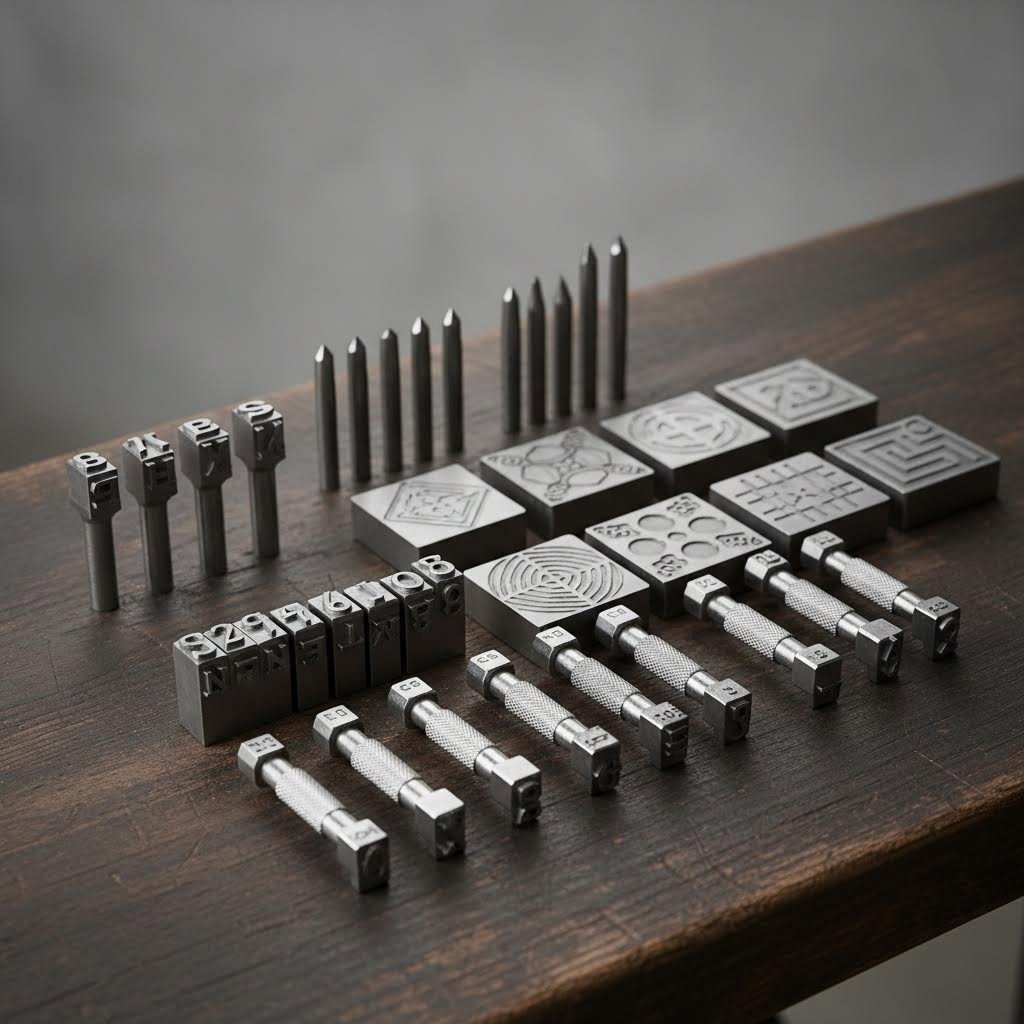
Typy kovových vytlačovacích foriem (die stamps) a ich najvhodnejšie aplikácie
Teraz, keď už viete, ako fungujú kovové razidlá, vzniká ďalšia otázka: ktorý typ si vybrať? Keďže vo výbere máte na výber od jednoduchých ručných nástrojov až po sofistikované razidlá montované do lisov, výber správneho razidla môže byť pre vás prehľadný. Kľúčové je prispôsobiť nástroj vašim konkrétnym požiadavkám týkajúcim sa výrobnej kapacity, materiálu obrobku a presnosti.
Predstavte si to takto – používať presné karbidové razidlo na občasné záľubové projekty je nadmerné, zatiaľ čo pri označovaní vysokopresných súčiastok pre letecký priemysel sa spoliehať na základné oceľové razidlá povedie k predčasnému opotrebovaniu a nekonzistentným výsledkom. Prejdime si jednotlivé kategórie podrobnejšie, aby ste mohli urobiť informované rozhodnutia.
Ručné razidlá vs. doskové razidlá pre rôzne výrobné objemy
Ručné razidlá predstavujú najprístupnejší vstup do kovového označovania. Tieto nástroje – ktoré sa uderujú kladivom alebo mlatom – ponúkajú prenosnosť a flexibilitu, ktorú nástroje namontované na strojoch jednoducho nemôžu poskytnúť. Podľa Durable Technologies oceľové ručné razítká sú vyrobené z ocele špeciálnej kvality pre nástroje, aby odolávali vylupovaniu a húbkovaniu, čo ich robí prekvapivo odolnými pri manuálnych aplikáciách.
Kedy je vhodné použiť ručné razítká?
- Práca v teréne, kde nie je k dispozícii zdroj elektrickej energie
- Výrobné série malého rozsahu (menej ako 100 kusov denne)
- Servisné dielne, ktoré vyžadujú označovanie na mieste
- Remeselnícke dielne vyrábajúce individuálne kusy
- Situácie, keď je potrebné označiť zakrivené, duté alebo nepravidelné povrchy
Razítkové dosky (nazývané tiež držiaky razítok alebo tlačné razítká) sa naopak namontujú do arborských lisov, hydraulických systémov alebo pneumatického zariadenia. Zabezpečujú konzistentnú hĺbku a zarovnanie po tisíckach otlačkov – čo je niečo, čo sa pri ručnom údere nedá dosiahnuť. V produkčných prostrediach, kde sa denne označuje 500 a viac súčiastok, razítkové dosky eliminujú únavu a nepresnosti spojené s ručným úderom.
Kvalitná sada číselných razítok v doskovej konfigurácii dokáže vyrobiť desiatky tisíc odtlačkov pred tým, než bude potrebná výmena, zatiaľ čo rovnaké znaky v ručnej forme môžu po niekoľkých tisícoch úderov prejaviť opotrebovanie spôsobené nepatrnými odchýlkami uhla pri náraze.
Keď karbid prekonáva nástrojovú oceľ
Výber materiálu výrazne ovplyvňuje výkon razítok. Razidlá zo štandardnej nástrojovej ocele sa výborne osvedčujú pri označovaní hliníka, mosadzu, medi a mäkkej ocele. Ale čo sa stane, ak potrebujete označovať kalenú oceľ, nehrdzavejúce zliatiny alebo titán? Tu prichádza do hry karbid.
Karbidové razidlá dosahujú tvrdosť vyššiu ako 70 HRC – výrazne vyššiu ako bežný rozsah 58–62 HRC u nástrojovej ocele. Táto extrémna tvrdosť sa priamo prejavuje v dlhovekosťou pri označovaní náročných materiálov. Avšak krehkosť karbidu znamená, že tieto razidlá vyžadujú vhodnú podporu a presné dávkovanie sily; nie sú vhodné na údery kladivom.
Razidlá s nízkym zaťažením si zaslúžia osobitnú pozornosť pre každého práca s tepelne spracovanými alebo kalenými materiálmi tradičné razítko s ostrým profilom koncentruje silu na okrajoch znakov, čo môže spôsobiť mikropraskliny v namáhaných komponentoch. Konštrukcie s nízkym napätím – dostupné v plných znakoch aj v bodkovom vyhotovení – rozdeľujú silu rovnomernejšie, čo ich robí nevyhnutnými pre letecké aplikácie, tlakové nádoby a akékoľvek situácie, kde nesmie byť ohrozená celistvosť materiálu.
| Typ razítka | Tvrdosť materiálu (HRC) | Typické aplikácie | Požiadavky na silu | Predpokladaná životnosť | Úroveň nákladov |
|---|---|---|---|---|---|
| Štandardné ručné (nástrojová oceľ) | 58-62 | Všeobecné značenie, mäkké kovy, nízky objem | Ručný úder kladivom | 5 000–15 000 otlačkov | $ |
| Hevi-Bevl ručné | 60-62 | Tvrdé kovy, ručné značenie vysokého objemu | Silný úder kladivom | 15 000–30 000 otlačkov | $$ |
| Nízke zaťaženie (plný znak) | 58-62 | Letecký priemysel, tlakové nádoby, kalené súčiastky | Ovládaný lis alebo opatrný úder | 10 000–25 000 otlačkov | $$ |
| Nízke zaťaženie (bodový znak) | 58-62 | Podzemné potrubie, komponenty kritické z hľadiska namáhania | Ľahké až stredné | 20 000–40 000 otlačkov | $$ |
| Tlačidlá / držiaky | 58-62 | Výrobné linky, konzistentné vysokozdružné označovanie | Ovládané tlakom (hydraulické/pneumatické) | 50 000–100 000+ otlačkov | $$$ |
| - Karbidové razítko | 70+ | Označovanie z kaleného ocele, nehrdzavejúcej ocele a titánu | Iba ovládané tlakom | 100 000–500 000+ otlačkov | $$$$ |
Špeciálne razítka pre špecifické požiadavky
Okrem týchto hlavných kategórií existuje niekoľko špeciálnych možností na riešenie konkrétnych výziev v oblasti označovania. Okrajové razítka obsahujú znaky umiestnené vnútri kruhov, štvorcov alebo trojuholníkov – často sa používajú na identifikáciu zváračov, keď musia byť označenia okamžite rozpoznateľné. Razítka s obrátenými znakmi vytvárajú zrkadlové otlačky, čo je nevyhnutné pri označovaní foriem alebo kovacích dielov, ktoré vytvoria konečné čitateľné označenie na liatych alebo kovaných súčiastkach.
Hľadáte kompletný sad na kovové razenie? Najskôr zvážte svoje skutočné potreby. Základná kombinácia písmenových a číselných razníkov pokrýva väčšinu textových označení. Logo razníky pridajte len vtedy, keď to vyžadujú požiadavky na značkovanie. Pre dielne, ktoré spracúvajú rôznorodé projekty, je investícia do písmenových razníkov na text aj do vlastných razníkov na opakované aplikovanie loga najvhodnejším riešením pre maximálnu flexibilitu.
Ako dlho budú vaše razníky skutočne vydržať? Odpoveď závisí od troch faktorov: materiálu razníka, tvrdosti obrobku a techniky úderu. Správne udržiavaný razník z nástrojovej ocele na označovanie hliníka môže vydržať viac ako 50 000 otlačkov, kým ten istý razník pri označovaní nehrdzavejúcej ocele môže ukázať výrazné opotrebovanie už po 5 000 úderoch. Razníky z karbidu na označovanie zhutnených materiálov môžu dosiahnuť životnosť meranú stotisíckami otlačkov – čo ospravedlňuje ich vyššiu počiatočnú cenu pri aplikáciách s vysokým objemom.
Keď sú typy razidiel jasné, ďalšie kľúčové rozhodnutie spočíva v priradení materiálu razidla k spracovávanému dielu – takéto spárovanie priamo určuje kvalitu otlačku a životnosť nástroja.
Výber materiálu pre razidlá a spracovávané diely
Výber vhodného materiálu razidla nezohľadňuje len odolnosť – priamo určuje, či budú vaše otlačky ostré a čitateľné alebo povrchné a deformované. Základné pravidlo? Materiál razidla musí byť vždy výrazne tvrdší ako materiál, ktorý označujete. Ak toto spárovanie zvolíte nesprávne, čakajú vás predčasný opotrobenie razidla, nejednotná hĺbka označenia a nákladné opravy.
Avšak samotná tvrdosť neposkytuje úplný obraz. Musíte tiež zohľadniť húževnatosť (odolnosť voči odlupovaniu pri náraze), odolnosť proti opotrebovaniu a správanie sa materiálu razidla pri opakovanom tepelnom cyklovaní. Poďme rozlúštiť vedu stojacu za úspešným spárovaním materiálov.
Prispôsobenie tvrdosti razidla materiálu spracovávaného dielu
Tvrdosť v oblasti tvárnenia sa meria podľa Rockwellovej stupnice – konkrétne sa pre nástrojové ocele používa stupnica HRC (Rockwell C) a pre karbidy stupnica HRA (Rockwell A). Tieto čísla možno chápať ako priamy ukazovateľ toho, ktorý materiál „zvíťazí“, keď sa razidlo dotkne polotovaru. Vyššie číslo znamená väčšiu odolnosť voči vtlačovaniu a opotrebovaniu.
Tu je praktický význam týchto čísel:
- HRC 58–62: Štandardný rozsah pre kvalitné nástrojové ocele – vhodné na značenie väčšiny bežných kovov
- HRC 62–65: Premium rozsah pre nástrojové ocele určené pre tvrdšie polotovary, napríklad nehrdzavejúcu oceľ
- HRA 89–93: Oblasť karbidov (približne ekvivalentná HRC 70+) – vyhradená pre najnáročnejšie aplikácie značenia
Podľa Metrické tvárnenie , pričom karbid s obsahom 6 % kobaltu dosahujúci tvrdosť 92 HRA je výrazne tvrdší než tradičná tepelne spracovaná nástrojová oceľ s tvrdosťou 62 HRC. Táto výhoda tvrdosti sa priamo prejavuje v predĺženej životnosti pri značení abrazívnych alebo zhutnených materiálov.
Pri výbere nerezovej raznice na označovanie nerezových polotovarov potrebujete raznice s vyššou tvrdosťou v rámci spektra tvrdosti. Austenitické nerezové ocele (304/316) sa pri označovaní tvrdia, čo znamená, že sa v skutočnosti stávajú tvrdšie počas samotného razenia – a teda vyžadujú raznice, ktoré dokážu zvládnuť túto stúpajúcu odolnosť.
Druhy ocelí, ktoré určujú kvalitu razníc
Nie všetky nástrojové ocele sa správajú rovnako. Tri triedy ocelí dominujú v profesionálnom kovovom priemysle pre aplikácie razenia, pričom každá ponúka výrazné výhody:
Oceľ na nástroje S7 vyznačuje sa vynikajúcou odolnosťou voči nárazu. Ako uvádza Prime Fab Works, odolnosť ocele S7 ju robí ideálnou pre ručné nárazové aplikácie, pri ktorých raznica absorbuje opakované údery kladiva. Ak si vytvárate sadu razníc z ocele na manuálne označovanie rôznych materiálov, oceľ S7 zvládne intenzívne zaťaženie bez toho, aby sa odštiepila alebo poškodila.
Nástrojová oceľ D2 ponúka vynikajúcu odolnosť proti opotrebovaniu vďaka vysokému obsahu karbidu chrómu. To robí z ocele D2 preferovanú voľbu pre diely na označovanie namontované do lisov, ktoré sa používajú pri označovaní abrazívnej nehrdzavej ocele a pozinkovaného plechu. Výrobné prostredia, kde sa denne vykonáva tisíce vytlačených označení, profitujú z predĺženej životnosti ocele D2.
Nástrojová oceľ A2 predstavuje všestrannú strednú možnosť – dobrú húževnatosť kombinovanú s primeranou odolnosťou proti opotrebovaniu. Pre všeobecné označovanie v rámci zmiešanej výroby poskytuje oceľ A2 vyvážený výkon bez špeciálnych vlastností (a nákladov) ocelí S7 alebo D2.
Karbidové razítko sa používa v prípadoch, keď oceľové razítko jednoducho nestačí. Pri označovaní kalenej ocele, titánu alebo pri extrémne vysokých výrobných objemoch na akomkoľvek materiáli ospravedlňuje investíciu výnimočná tvrdosť a tlaková pevnosť karbidu wolframu. Avšak krehkosť karbidu vyžaduje kontrolované použitie v lisoch – karbidové razítko nikdy nesmie byť úderom kladiva narážané.
| Materiál razítka | Hliník (mlaký) | Brasna/Med | Mäkká oceľ | Nehrdzavejúca oceľ | Otvrdnutá ocele |
|---|---|---|---|---|---|
| Nástrojová oceľ S7 (HRC 58–60) | Výborné | Výborné | Dobré | Je to fér. | Nie je odporúčané |
| Nástrojová oceľ A2 (HRC 58–62) | Výborné | Výborné | Výborné | Dobré | Je to fér. |
| Nástrojová oceľ D2 (HRC 60–62) | Výborné | Výborné | Výborné | Výborné | Dobré |
| Karbid wolframu (HRA 89–93) | Výborné | Výborné | Výborné | Výborné | Výborné |
Rozmerové tolerancie a hĺbka značenia
Jasnosť otlačku závisí od viac ako len tvrdosti materiálu. Tolerancie rozmerov —presnosť výšky, šírky a medzier medzi znakmi—určuje, či bude váš odtlačený kov niesť čitateľné a profesionálne značky alebo rozmazané približné znaky.
Kvalitné oceľové značky udržiavajú tolerancie v rozmedzí ±0,001" až ±0,003" pri rozmeroch znakov. Úzke tolerancie sú drahšie, avšak zabezpečujú konzistentne čitateľné otlačky počas celých výrobných sérií. Pre aplikácie vyžadujúce optické rozpoznávanie znakov (OCR) alebo automatizovanú kontrolu investujte do značiek s dokumentovanými rozmerovými špecifikáciami.
Požiadavky na hĺbku značenia sa líšia podľa aplikácie:
- Ľahké identifikačné označenie (0,003"–0,005"): Vhodné pre súčiastky, ktoré nebudú vystavené intenzívnemu opotrebovaniu ani dokončovacím operáciám
- Štandardné priemyselné (0,005"–0,010"): Dostatočné pre väčšinu požiadaviek na sledovateľnosť v rámci výroby
- Ťažké podmienky / dokončovacie operácie (0,010"–0,020"): Vyžaduje sa, keď sú diely následne lakované, práškovo povlakové alebo vystavené abrazívnym prostrediam
Užitočný odporúčaný postup z odbornej praxe predpokladá hĺbku značky 10–20 % výšky znaku pri kujnom železe. Pre znak výšky 3 mm by teda optimálna čitateľnosť a trvanlivosť vyžadovali vtlač medzi 0,3 mm a 0,6 mm.
Kvalita povrchu tiež ovplyvňuje výber razidla. Anodizovaný hliník vyžaduje hlbšie vtlačenie na dosiahnutie dostatočného kontrastu a viditeľnosti, kým u natieranej ocele je výhodnejšia technika doplnkového naplnenia vtlačených znakov farbou po značení. Výkon razidla vždy overte na skutočnom výrobnom materiáli a povrchovom úprave – nie len na neupravených testovacích vzorkách.
Keď ste pochopili kompatibilitu materiálov, môžete sa presunúť k preskúmaniu toho, ako tieto presné nástroje podporujú štandardy kvality a dodržiavanie predpisov v náročných priemyselných prostrediach.
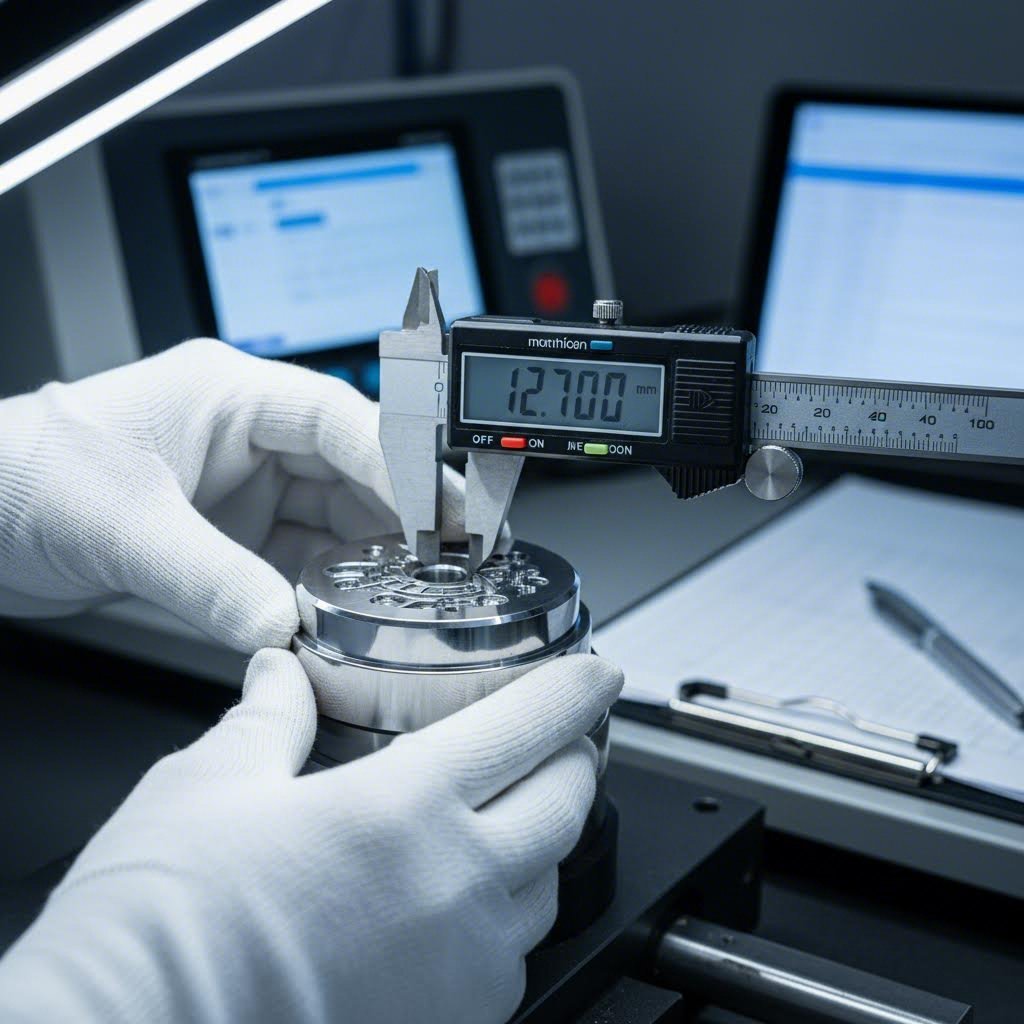
Štandardy kvality a priemyselná zhoda
Keď môže jediný nesprávne prečítaný znak na razidlovanej súčiastke spôsobiť spätné vyvolanie výrobku alebo ohroziť bezpečnosť, kvalita nie je len marketingovým tvrdením – je to merateľný požiadavok. Pre výrobcov v automobilovom, leteckom a zdravotníckom priemysle musia razidlá, ktoré používajú, spĺňať prísne štandardy, ktoré zabezpečujú, že každý otlačok zostane čitateľný po celú dobu životnosti súčiastky.
Ale čo oddeľuje profesionálne kovové razidlá od nástrojov určených pre koníčkov? Odpoveď spočíva v certifikátoch, zdokumentovaných postupoch a systematických kontrolách kvality, ktoré upravujú výrobu a overovanie razidiel. Porozumenie týmto štandardom vám pomôže vybrať nástroje, ktoré vás nezradia v čase, keď prídu audítori na kontrolu dodržiavania predpisov.
Čo znamená certifikácia ISO pre kvalitu razidiel
ISO 9001:2015 je jednou z najviac uznávaných kvalitných noriem na celom svete, avšak jej skutočná hodnota sa rozširuje ďaleko za certifikát zavesený na stene. Podľa spoločnosti Jennison Corporation vyžaduje norma ISO 9001, aby si podniky zabudovali kvalitu do svojich procesov prostredníctvom zdokumentovaných pracovných postupov, identifikácie rizík, merateľných cieľov a pravidelných revízií, ktoré zabezpečujú neustálu zlepšovaciu činnosť.
V praxi pre výrobu nástrojov na kovové štampovanie sa certifikácia ISO prejavuje nasledovne:
- Konzistencia: Každý štamp sa vyrába podľa stanovených postupov, takže výsledky nezávisia od toho, ktorý operátor obsluhuje zariadenie alebo ktorá smena vyrába váš objednávkový kus.
- Stopovateľnosť: Ak sa objaví problém, procesy podľa normy ISO umožňujú presne určiť jeho koreňovú príčinu a systematicky ho odstrániť, namiesto toho, aby sa len dočasne odstránili jeho príznaky.
- Korekčné opatrenia: Keď k problémom dôjde, analyzujú sa a opravia sa tak, aby sa ich opakovanie zabránilo – nie sú jednoducho považované za bežnú variabilitu.
Čo to znamená pre vás ako pre kupujúceho? Pečiatky od výrobcov certifikovaných podľa noriem ISO vykazujú menšiu variabilitu medzi jednotlivými šaržami. Znaky na vašich náhradných sadách pečiatok budú zhodné so znakmi z objednávok umiestnených pred rokmi. Procesy tepelného spracovania, ktoré určujú tvrdosť, sú kontrolované a dokumentované, nie je ich vykonávanie ponechané na úsudok operátora.
Okrem normy ISO 9001 sa špeciálne certifikácie zaoberajú odvetvovo špecifickými požiadavkami. Norma IATF 16949 pokrýva požiadavky na kvalitu v automobilovom priemysle, zatiaľ čo norma AS9100 upravuje aplikácie v leteckej a vesmírnej technike. Pre projekty súvisiace s obranou zaisťuje registrácia ITAR dodržiavanie federálnych predpisov týkajúcich sa citlivých technických údajov a výrobných procesov. Tieto vrstvené certifikácie odrážajú stúpajúcu úroveň disciplíny v procesoch – každá z nich pridáva dokumentáciu, kontrolné mechanizmy a kroky overovania, ktoré priamo prospejú koncových používateľov.
Požiadavky na sledovateľnosť v regulovaných odvetviach
Predstavte si, že sa počas kontroly poruší súčiastka lietadla. Vyšetrovatelia potrebujú presne vedieť, z ktorej dávky materiálu, z ktorej revízie výrobného procesu a cez ktoré kontroly kvality prešla táto konkrétna súčiastka. Táto spätná sledovateľnosť – teda poznanie všetkého, čo sa do výrobku použilo – je základnou požiadavkou regulovanej výroby.
Značky, ktoré vaše razítko vytvorí, sa stávajú trvalými záznamami, ktoré umožňujú túto sledovateľnosť. Ako je uvedené v Požiadavkách normy AS9100 , systém riadenia kvality v leteckom priemysle vyžaduje vhodné označenie, ktoré zachováva konfiguráciu počas celého životného cyklu výrobku. To zahŕňa presné poznanie, ktoré sériové čísla jednotlivých súčiastok sú v danom okamihu zahrnuté v montáži, pričom sledovateľnosť siaha až po suroviny.
Kvalitné razítko podporuje tento regulačný rámec vytváraním značiek so špecifickými, overiteľnými vlastnosťami:
- Konštantná hĺbka: Hĺbka vtlačov musí spĺňať špecifikované tolerancie (zvyčajne ±0,002 palca), aby sa zabezpečila čitateľnosť po dokončovacích operáciách, ako je natieranie alebo pokovovanie
- Jasnosť znakov: Ostré, dobre ohraničené okraje, ktoré zostávajú čitateľné pri kontrole optickými kontrolnými systémami aj vizuálnou kontrolou ľudským okom
- Trvanlivosť za podmienok environmentálneho zaťaženia: Označenia, ktoré vydržia tepelné cyklovania, chemické vplyvy a mechanické opotrebovanie bez degradácie nad hranicu čitateľnosti
- Auditná sledovateľnosť: Dokumentácia, ktorá prepojuje nástroj na označovanie s kalibračnými záznamami, certifikátmi materiálov a výrobnými špecifikáciami
Podľa Laserové technológie značenia , v norme ISO 9001:2015, bod 8.5.2 špecificky stanovuje požiadavku na jasné identifikovanie výrobkov a dokumentovanú sledovateľnosť, pričom vyžaduje od výrobcov pridelenie jedinečných identifikátorov súčiastkam alebo dávkam a uchovávanie prístupných záznamov od surovín až po konečnú dodávku.
Požiadavky na zhodu v kritických odvetviach
Rôzne odvetvia uplatňujú rozdielne požiadavky na označovanie, ktoré priamo ovplyvňujú, aké typy razítok spĺňajú požiadavky na danú úlohu:
Automobilová výroba vyžaduje značky, ktoré vydržia desaťročia vystavenia cestnej soli, extrémnym teplotám a mechanickým vibráciám. Komponenty nesúce údaje súvisiace s VIN alebo bezpečnostne kritické identifikácie musia zostať čitateľné počas celej životnosti vozidla. Certifikácia podľa štandardu IATF 16949 preukazuje schopnosť dodávateľa spĺňať tieto prísne požiadavky.
Leteckých aplikáciách vyžaduje dodržiavanie noriem MIL-STD-130 a AS9132, ktoré predpisujú trvalé a čitateľné identifikátory na všetkých sledovateľných súčiastkach. Tieto normy definujú minimálne kontrastné pomery, požiadavky na veľkosť kódov dátových matíc a špecifikácie trvanlivosti, ktoré súčiastky musia spĺňať prostredníctvom povrchových úprav a za prítomnosti náročných prevádzkových podmienok.
Výroba zdravotníckych pomôcok funguje v súlade so smernicou FDA 21 CFR Part 801.20 a európskym nariadením o zdravotníckych pomôckach (MDR) 2017/745, ktoré vyžadujú jedinečné identifikátory zariadení (UDI), ktoré vydržia opakované sterilizačné cykly. Chirurgické nástroje môžu prejsť stovkami autoclávnych cyklov – značky musia zostať skenovateľné a čitateľné počas tohto náročného prevádzkového životného cyklu.
Spoločnou nítkou je to, že každý priemyselný odvetvie vyžaduje dokumentované dôkazy o tom, že nástroje na značenie konzistentne vytvárajú označenia vyhovujúce požiadavkám. Táto dokumentácia – certifikáty materiálov, správy o skúškach tvrdosti, záznamy o rozmerných kontrolách – rozlišuje profesionálne kovové razidlá od nástrojov, ktoré nemajú overené technické špecifikácie.
Ako kvalitné razidlá umožňujú dosiahnuť regulatívnu zhodu
Znie to zložito? Praktický záver je jednoduchý: kvalitné razidlá od certifikovaných výrobcov sú dodávané spolu s dokumentáciou, ktorá podporuje vaše požiadavky na zhodu. Keď vás audítori opýtajú, ako ste overili, že vaše nástroje na značenie vyhovujú stanoveným špecifikáciám, môžete im predložiť stopeľné záznamy namiesto váhavých záruk.
Táto dokumentácia zvyčajne zahŕňa osvedčenia o zložení materiálu, potvrdenia tepelného spracovania, výsledky skúšok tvrdosti a správy o kontrolách rozmerov. Pre špeciálne diely pridajte záznamy o schválení návrhu a údaje z prvej kontrolnej skúšky. Spoločne tieto záznamy preukazujú, že váš proces označovania funguje v rámci kontrolovateľných parametrov – presne to, čo vyžadujú regulačné rámce.
Investícia do certifikovanej nástrojovej výbavy prináša výhody nielen v súvislosti s pripravenosťou na audit. Konzistentná kvalita razítka znamená menej zamietnutých súčiastok kvôli nečitateľným označeniam, znížené opätovné spracovanie kvôli plytkým vtlačom a istotu, že váš systém sledovateľnosti skutočne funguje v prípade, že niekto potrebuje stopy komponentu spätnou analýzou cez vašu výrobnú históriu.
Keď poznáte normy kvality a požiadavky na dodržiavanie predpisov, ste pripravení preskúmať, ako sa tieto princípy uplatňujú v rôznych aplikáciách označovania – od priemyselnej identifikácie súčiastok až po remeselné výrobky.
Požiadavky na razenie špecifické pre danú aplikáciu
Tu je otázka, ktorú stojí za to zvážiť: čo presne chcete dosiahnuť pomocou svojich kovových razítok? Odpoveď na túto otázku určuje všetko – od typu razítka, ktoré si vyberiete, až po veľkosť potrebnej sily a rozhodnutie, či je pre vašu situáciu vhodnejšie ručné raženie alebo metódy s použitím lisu.
Príliš často sa kupujúci sústreďujú na technické špecifikácie razítok ešte pred tým, než upresnia skutočné požiadavky svojej aplikácie. Poďme tento prístup obrátiť. Ak začnete s cieľom, ktorý chcete dosiahnuť, urobíte múdrejšie rozhodnutia týkajúce sa nástrojov, techník a úrovne investícií, ktoré zodpovedajú vašim reálnym potrebám.
Priemyselné označovanie súčiastok na účely sledovateľnosti
Výrobné prostredia vyžadujú označenia, ktoré prežijú desiatky rokov prevádzky a zároveň zostanú okamžite čitateľné. Či už ide o identifikáciu automobilových komponentov, leteckých spojovacích prvkov alebo pouzdelí lekárskych prístrojov, priemyselné označovanie má špecifické požiadavky, ktorým nástroje určené pre hobby jednoducho nemôžu vyhovieť.
Priemyselné aplikácie zvyčajne vyžadujú:
- Označovanie sériových čísel a dátumových kódov: Hlboké vtlačeniny (0,010"–0,020"), ktoré zostávajú čitateľné aj po nanesení farby, práškovej povlakovej úpravy alebo pokovovania
- Značky zhody so špecifikáciami: Výška a štýl znakov zodpovedajú štandardom MIL-STD-130, AS9132 alebo požiadavkám zákazníka
- Identifikácia zvárača a obsluhy: Okrajové pečiatky alebo jedinečné symboly, ktoré umožňujú spätné sledovanie výrobku až k kvalifikovanému personálu
- Overenie triedy materiálu: Značky uvádzajúce druh zliatiny, stav tepelnej úpravy alebo identifikáciu šarži
Požiadavky na silu v priemyselných podmienkach výrazne rastú s veľkosťou znakov a tvrdosťou obrobku. Podľa spoločnosti Durable Technologies sa nárazová sila potrebná na značenie zvyšuje exponenciálne pri súčasnom značení viacerých znakov. To, čo funguje pri značení jediného znaku, sa stáva výrazne náročnejšie, keď sa v jednej operácii označujú úplné čísla dielov alebo viacriadkový text.
Pri výrobných objemoch presahujúcich 100 súčiastok denne pneumatické nárazové lisovacie stroje zabezpečujú každýkrát konštantný tlak – tým sa odstraňuje ľudská premennosť, ktorá komplikuje ručné razenie. Operátor umiestni súčiastku, aktivuje lis a dosiahne rovnaké výsledky bez ohľadu na svoju skúsenosť alebo únavu spôsobenú smenou.
Umelnícke aplikácie – od šperkov po kožu
Trh pre remeselníkov predstavuje úplne iné výzvy. Tu je dôležitejšia kreatívna expresia než presnosť a pri práci s mäkšími materiálmi sa požiadavky na silu výrazne znížia. Kovové písmenkové raznice určené pre šperkové polotovary vyžadujú oveľa jemnejšie zaobchádzanie ako ich priemyselné prototypy.
Aplikácie v oblasti šperkov a kováčstva zahŕňajú:
- Personalizované šperkové tablietky: Meno, dátumy a významné frázy na medailóny, charm-y a náramkové polotovary
- Značky výrobcov: Podpisy umelcov a logá dielní, ktoré potvrdzujú autenticitu
- Dekoratívne okraje a vzory: Dizajnové razítko, ktoré pridáva vizuálny záujem dokončeným dielam
- Značky obsahu kovov: Sterlingové striebro, karátové zlato alebo označenia čistoty kovov
Keď razítkom vytlačíte písmená do kovových polotovarov na šperky, technika sa výrazne líši od priemyselnej značky. Ako uvádza Beaducation , rôzne kovy vyžadujú rôzne množstvo nárazovej sily – hliník zvyčajne nepotrebuje tak silný úder ako môže vyžadovať mosadz. Cvičenie vám pomôže vyvinúť cit pre to, akú silu každá zliatina vyžaduje.
Razítko na kožu a náradie na razenie kože tvoria úplne samostatnú kategóriu. Rastlinne tanovaná koža krásne prijíma vtlačené vzory, ak je správne zvlhčená, a vyžaduje stredný tlak buď úderom kladiva, alebo stlačením na arborovom lisovacom stroji. Prirodzená pružnosť materiálu znamená, že vtlačené vzory sa hlbšie zapájajú postupným tlakom namiesto ostrého nárazu – ide o významný rozdiel v technike oproti razeniu kovov.
Použitie vyhrievaných značkovacích dielov je pri spracovaní dreva výhodnejšie ako studené razenie. Horenie vytvára kontrast a trvalosť, ktoré sa pri studených otlačkoch v pórovitých vláknach dreva nedajú dosiahnuť. Avšak písmenové razidla určené na mäkké kovy môžu v hustých tvrdých drevinách vytvárať akceptovateľné značky, ak sa použije dostatočná sila.
Výber medzi manuálnou a lisovou metódou
Objem výroby a požiadavky na presnosť určujú, či je vhodnejšie používať ručné alebo lisom upevnené razidlá. Zvážte tieto prahy:
| Typ aplikácie | Denný objem | Odporučená metóda | Kľúčové úvahy |
|---|---|---|---|
| Záľubové / remeselné šperky | 1–20 kusov | Ručné razidlo s kladivom | Príznivá flexibilita, nízka cena, kreatívna kontrola |
| Výroba špeciálne vyrobených šperkov | 20–100 kusov | Ručné razidlo alebo ľahký arborkový lis | Rovnováha medzi rýchlosťou a flexibilitou |
| Malé výrobné zariadenia | 50–200 súčiastok | Stojanový alebo pneumatický lis | Dôležitá sa stáva konzistencia |
| Výroba a výrobné procesy | 200+ súčiastok | Pneumatický alebo hydraulický lis | Kritické sú rýchlosť, bezpečnosť a opakovateľnosť |
| Priemyselná výroba vo veľkom rozsahu | 500+ súčiastok | Automatické lisovacie systémy | Vyžaduje sa integrácia s výrobnou linkou |
Bezpečnostné aspekty často ovplyvňujú toto rozhodnutie. Spoločnosť Durable Technologies uvádza, že ručné značenie nevyhnutne umiestňuje ruky operátora do úderovej zóny. Aj pri používaní vhodných bezpečnostných prostriedkov, ako sú držiaky značiek a ochranné kryty pre ruky, určité riziko stále zostáva. Pneumatické lisovacie stroje so dvoma bezpečnostnými ovládačmi pre ruky úplne odstraňujú operátora z úderovej zóny – tento fakt je dôležitý najmä pri zvyšovaní výrobných objemov.
Hranica, pri ktorej sa mení výhodnosť, sa líši podľa zložitosti aplikácie. Jednoduché značky s jedným znakom môžu zostať efektívne aj pri ručnej metóde až do 200 súčiastok denne. Zložitejšie viacriadkové značenie alebo značenie loga posúva rovnováhu smerom k pneumatickým systémom už pri nižších výrobných objemoch, keď je obtiažne dosiahnuť konzistentné výsledky ručného značenia a mechanická pomoc sa tak stáva užitočnou.
Požiadavky na hĺbku vtlaču tiež ovplyvňujú výber metódy. U remeselných aplikácií sa zvyčajne vyžadujú plytké značky (0,003"–0,005"), ktoré pridávajú vizuálny záujem bez oslabenia tenkých kovových polotovarov. Pri priemyselnej sledovateľnosti sa vyžadujú hlbšie vtlače, ktoré prežijú dokončovacie operácie – úrovne sily, ktoré pri manuálnej aplikácii stovky krát za smenu spôsobujú únavu obsluhy.
Akoákokoľvek je vaša aplikácia, ktorá vás vedie k záujmu o technológiu kovových písmenových razníkov, priradenie správnej metódy k vašim skutočným požiadavkám zabráni nielen nedostatočnému investovaniu (čo vedie k problémom s kvalitou), ale aj nadmernému investovaniu (čo viaže kapitál v nepotrebných schopnostiach). Začnite tým, čo potrebujete dosiahnuť, a potom sa vráťte späť k vhodným nástrojom.
Porozumenie požiadavkám vašej aplikácie vás pripraví na ďalšiu závažnú otázku: ako sa vlastne vyrábajú špeciálne kovové razníky a čo oddeľuje kvalitné nástroje od komoditných výrobkov.
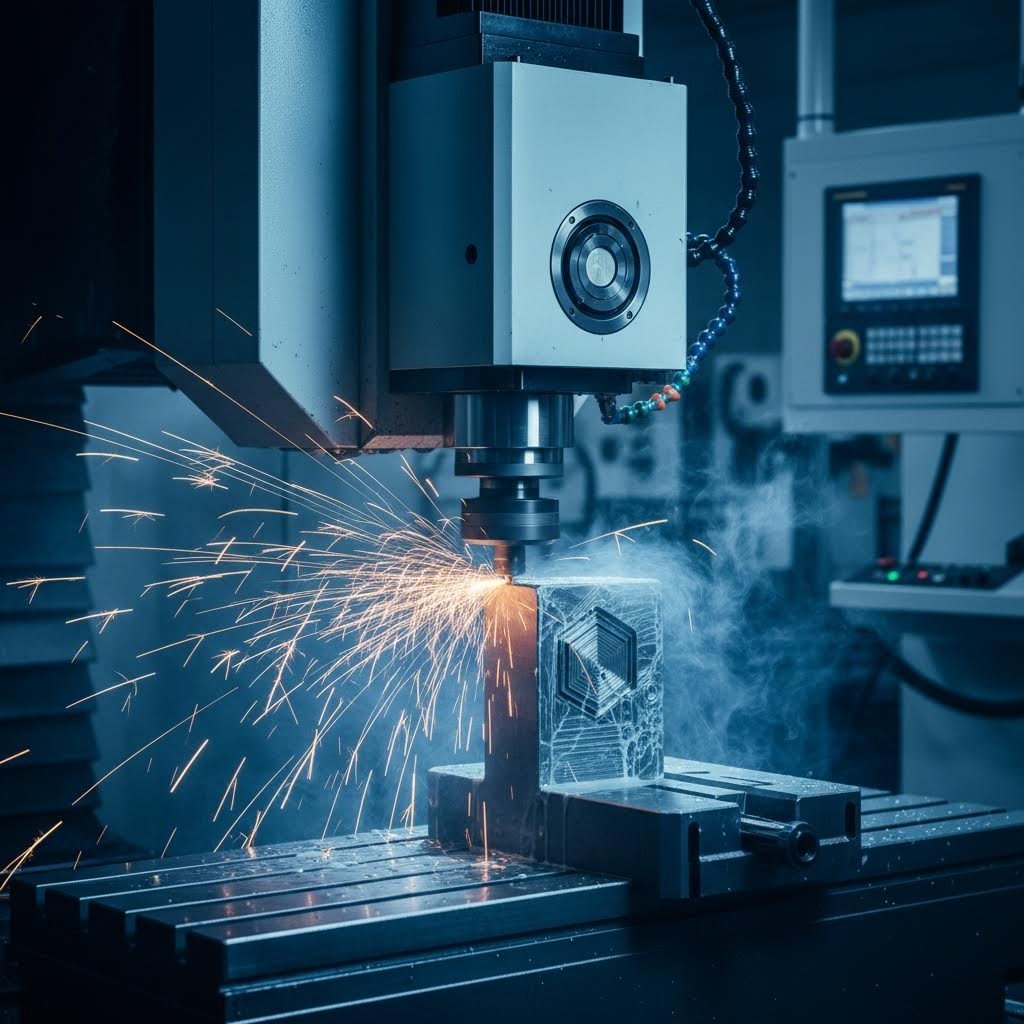
Výroba špeciálnych kovových razníkov
Niekedy ste sa zamysleli, čo sa deje medzi odoslaním súboru s vaším logom a prijatím presného vlastného kovového razítka, ktoré vytvára bezchybné odtlačky? Výrobný proces je omnoho zložitejší, než si väčšina kupujúcich uvedomuje – a pochopenie tohto procesu vám pomôže posúdiť dodávateľov, stanoviť realistické časové rámce a rozpoznať kvalitu, keď ju uvidíte.
Na rozdiel od hotových súprav písmen vyžadujú vlastné kovové razítko špeciálne inžinierske riešenia na každom stupni výroby. Každé rozhodnutie – od výberu triedy materiálu po parametre tepelného spracovania – priamo ovplyvňuje výkon vášho razítka po tisíckach odtlačkov. Prejdime spolu celým výrobným postupom, ktorý premieňa surové oceľové polotovary na presné nástrojové a formovacie komponenty pre razenie.
Od návrhového súboru po dokončenú formu
Cesta od návrhu po dokončenú špeciálnu kovovú raznicu pre ražbu prebieha systematickou postupnosťou, pri ktorej kontrola kvality na každom stupni určuje konečný výkon. Ak akýkoľvek krok preskočíte alebo zrýchlite, zaplatíte za to predčasným opotrebovaním, nezhodnými otlačkami alebo úplným zlyhaním raznice.
- Návrh a inžinierska revízia: Vaša grafika alebo CAD súbor sa analyzujú z hľadiska možnosti ražby. Inžinieri posudzujú vzdialenosť medzi znakmi, hrúbku čiar a rozlíšenie detailov, aby sa zabezpečilo, že návrh bude čistým spôsobom prenášaný pri náraze. Príliš jemné detaily, ktoré vydržia ražobný proces, sa označia ako potrebné upraviť.
- Výber materiálov: Na základe materiálu vašej súčiastky, objemu výroby a metódy aplikácie sily inžinieri určia vhodnú triedu nástrojovej ocele alebo zloženie karbidu. Toto rozhodnutie určuje tvrdosť, húževnatosť a odolnosť voči opotrebovaniu.
- Obrábanie CNC alebo spracovanie EDM: Obrábanie riadené počítačom odstraňuje materiál, aby vytvorilo základnú geometriu razidla. Pre zložité logá alebo jemné detaily sa na vyrezávanie prvkov, ktoré nedokážu dosiahnuť konvenčné rezné nástroje, používa elektroerozívne obrábanie (EDM) – materiál sa odstraňuje kontrolovanými elektrickými iskrami, čím sa dosahujú ostré vnútorné rohy a zložité obrysy.
- Tepelná úprava: Obrábané razidlo prechádza presne kontrolovanými cyklami zahrievania a ochladzovania, aby sa dosiahla požadovaná tvrdosť. Tento kritický krok premieňa relatívne mäkkú obrábateľnú oceľ na zhutnené nástrojové oceľové materiály, ktoré vydržia tisíce úderov. Presnosť teploty, doba vyhrievania a metódy kalenia musia byť prispôsobené konkrétnej triede ocele.
- Dokončovanie a leštenie: Po tepelnej úprave nasleduje brúsenie a leštenie, ktoré upravujú povrchy a zaostrujú okraje znakov. Kvalita tohto dokončovacieho procesu priamo ovplyvňuje jasnosť otlačku – hrubé povrchy razidla prenášajú svoje nedostatky do každého vytvoreného otlačku.
- Overenie kvality: Záverečná kontrola potvrdzuje, že rozmery, hodnoty tvrdosti a povrchová úprava zodpovedajú špecifikáciám. Profesionálni výrobcovia tieto merania dokumentujú a poskytujú stopy pre sledovanie, ktoré podporujú váš systém manažmentu kvality.
Podľa Green Oak Tool , proces výroby razidla začína počítačovým softvérom, ktorý digitálne naplánuje každý krok od začiatku do konca. Táto digitálna základňa – kombinovaná s CNC obrábaním, elektroerozívnym obrábaním (EDM), výrobou prototypov a tradičnou odbornosťou v oblasti výroby nástrojov a razidiel – zabezpečuje geometriu a špecifikácie vášho výrobku už pred začatím fyzickej výroby.
Inžinierske faktory ovplyvňujúce výkon razidla
Čo rozdeľuje razidlo, ktoré vydrží 500 000 otlačkov, od takého, ktoré zlyhá už po 5 000 otlačkoch? Odpoveď leží v inžinierskych rozhodnutiach prijatých ešte pred začatím výroby – a v simulačných nástrojoch, ktoré predpovedajú výkon v reálnych podmienkach.
Moderné vlastné kovové razidlové nástrohy profitujú z počítačovej simulácie inžinierskych riešení (CAE), ktorá identifikuje potenciálne problémy ešte pred tým, než sa začne rezať akýkoľvek oceľ. Ako uvádza DFE-Tech , časná simulácia a optimalizácia procesu pomáhajú identifikovať a vyriešiť problémy, ako sú praskliny, vrásky alebo nerovnomerná hrúbka, ešte pred začiatkom výroby. Táto prediktívna schopnosť zníži výrobné riziká a zároveň optimalizuje geometriu a parametre procesu.
Kľúčové inžinierske faktory ovplyvňujúce kvalitu razenia zahŕňajú:
- Optimalizácia geometrie znaku: Uhol náklonu, polomery rohov a hĺbky vybraní navrhnuté tak, aby sa znak čistou a bez deformácií uvoľnil z materiálu polotovaru
- Analýza rozloženia napätia: Identifikácia miest s vysokou koncentráciou napätia, ktoré by mohli viesť k predčasnému vzniku prasklín alebo odštiepovania pri opakovanom náraze
- Modelovanie toku materiálu: Predikcia toho, ako sa kov polotovaru bude počas razenia posúvať, aby sa zabezpečili úplné a konzistentné otlačky
- Predikcia tepelného správania: Pochopte, ako tepelné spracovanie ovplyvní konečné rozmery, a kompenzujte to v etape obrábania
Tieto inžinierske schopnosti vysvetľujú, prečo je dôležitá certifikácia. Výrobcovia držiaci certifikát IATF 16949 – štandard automobilového priemyslu pre systém manažmentu kvality – demonštrujú systematické inžinierske postupy, ktoré znížia počet chýb. Napríklad: Riešenia presných tvárnicových nástrojov Shaoyi kombinujú certifikáciu IATF 16949 s pokročilou CAE simuláciou a dosahujú mieru schválenia pri prvej skúške 93 %, čo odzrkadľuje pevnú inžiniersku disciplínu.
Rýchla výroba prototypov vs. výrobné nástroje
Očakávané časové rámce sa výrazne líšia podľa toho, či potrebujete prototypové nástroje na overenie alebo nástrojové súpravy pre kovové tvárnenie výrobného stupňa určené na dlhodobú výrobu.
Rýchla prototypizácia kladie dôraz na rýchlosť namiesto maximálnej trvanlivosti. Zjednodušené cykly tepelného spracovania, znížený počet dokončovacích krokov a rýchlejšie obrábací stratégie umožňujú vyrobiť funkčné razidla už za 5 dní — čo vám umožní overiť návrhy, otestovať parametre razenia a potvrdiť kompatibilitu s polotovarom ešte pred tým, ako sa zaväzujete k výrobe výrobného nástroja. Tieto prototypové razidlá môžu vydržať tisíce otlačkov, avšak nie sú optimalizované pre dlhodobú prevádzku.
Výrobné nástroje vyžaduje dodatočný čas na prípravu materiálu, presné obrábanie, optimálne tepelné spracovanie a dôkladné dokončenie. Pri špeciálne vyrobených kovových razidlách určených na vysokozdružnú výrobu sa počíta s dohou výroby 2–4 týždne. Táto investícia prináša výhody v podobe predĺženej životnosti, konzistentnej kvality otlačkov počas celej výrobnej série a nižších nákladov na nástroje na jednotku, keď sa tieto náklady rozložia na stotisíce otlačkov.
Voľba medzi týmito prístupmi závisí od fázy vášho projektu:
| Úvahou | Rýchla prototypizácia | Výrobné nástroje |
|---|---|---|
| Bežná dodacia lehota | 5-10 dní | 2–4 týždne |
| Predpokladaná životnosť | 5 000–20 000 otlačkov | 100 000–500 000+ otlačkov |
| Najlepšie využitie | Overenie návrhu, vzorkovanie | Výroba a výrobné procesy |
| Značka materiálu | Štandardná nástrojová oceľ | Premium nástrojová oceľ alebo karbid |
| Úroveň dokumentácie | Základná inšpekcia | Kompletné záznamy o kvalite |
| Náklady na jedno vystavenie | Vyššia (kratšia životnosť) | Nižšia (rozpočítaná na objem výroby) |
Výrobcovia ponúkajúci obe možnosti – napríklad Shaoyi s rýchlym výrobou prototypov už za 5 dní spolu s výrobou vo veľkom objeme – poskytujú flexibilitu na rýchlu validáciu návrhov a následný prechod na optimalizované výrobné nástroje po potvrdení špecifikácií.
Ako vyzerá kvalitná výroba v praxi
Ako rozlíšiť kvalitnú výrobu špeciálnych tvárnic od komoditnej výroby? Hľadajte tieto ukazovatele:
- Inžinierska konzultácia: Kvalitní výrobcovia pred vyhotovením cenovej ponuky preskúmajú váš návrh z hľadiska možnosti tvárnenia, pričom identifikujú potenciálne problémy namiesto toho, aby jednoducho vyrábali podľa akéhokoľvek súboru, ktorý im predložíte.
- Certifikácia materiálu: Nástroj na sledovanie dokumentácie oceli až po konkrétne čísla tavby s overeným chemickým zložením a mechanickými vlastnosťami
- Kontrola procesov: Dokumentované parametre tepelného spracovania, kalibrované kontrolné zariadenia a systematické kontrolné body kvality počas výroby
- Kontrola prvého kusového vzorky: Overenie, či počiatočné výrobné razítko spĺňa všetky špecifikácie pred uvoľnením celého objednávky
- Záruky výkonu: Dôvera v ich proces preukázaná podmienkami záruky a reakciou na otázky týkajúce sa kvality
Rozdiel medzi mierou schválenia pri prvej kontrole 93 % a priemernou mierou odmietnutia v odvetví má významné dopady na náklady a harmonogram vašich projektov. Pri vyhodnocovaní dodávateľov pre výrobu individuálnych kovových razidiel sa opýtajte na ich technické schopnosti, certifikačné osvedčenia a ukazovatele kvality – tieto indikátory odhaľujú oveľa viac ako samotné ceny uvedené v ponuke.
Keď poznáte základy výroby, ste pripravení preskúmať prevádzkové techniky, ktoré maximalizujú výkon a životnosť razidla v konkrétnych aplikáciách.
Prevádzkové techniky a údržba razidiel
Vybrali ste správny typ razidla, správne ste zhodili materiály a investovali ste do kvalitného nástrojového vybavenia – avšak nič z toho nemá význam, ak vaša technika kompromituje výsledky. Či ste začínajúci používateľ razidiel alebo skúsený operátor, ktorý sa snaží optimalizovať svoj proces, ovládnutie základov aplikácie sily a údržby priamo určuje kvalitu otlačku a životnosť razidla.
Predstavte si svoje razidlo a matricu ako presné prístroje, ktoré si vyžadujú rešpekt. Správna technika zaručuje každýkrát jasné a konzistentné označenie. Zlý zvyk zrýchľuje opotrebovanie, vytvára nečitateľné otlačky a mení vaše investície do nástrojového vybavenia na odpadkový kov omnoho skôr, ako je to nevyhnutné.
Dosiahnutie konzistentnej hĺbky otlačku
Nejčastejšou frustráciou pri razítkovaní je nejednotná hĺbka razítok. Jeden znak je zrazu hlboký a čitateľný, zatiaľ čo nasledujúci sa len mierne dotýka povrchu. Čo spôsobuje túto rozdielnosť – a ako ju odstrániť?
Pri používaní ručných písmenových a číselných razidiel je technika dôležitejšia ako čistá sila. Podľa spoločnosti DeVore Engraving je jednotná hĺbka kľúčová na zabezpečenie čitateľnosti bez oslabenia súčiastky – a odborné používanie ručných razidiel vytvára vysokokvalitné otlačky, ak sa uplatní správna technika.
Zvládnite tieto základné princípy pre konzistentné ručné razítkovanie:
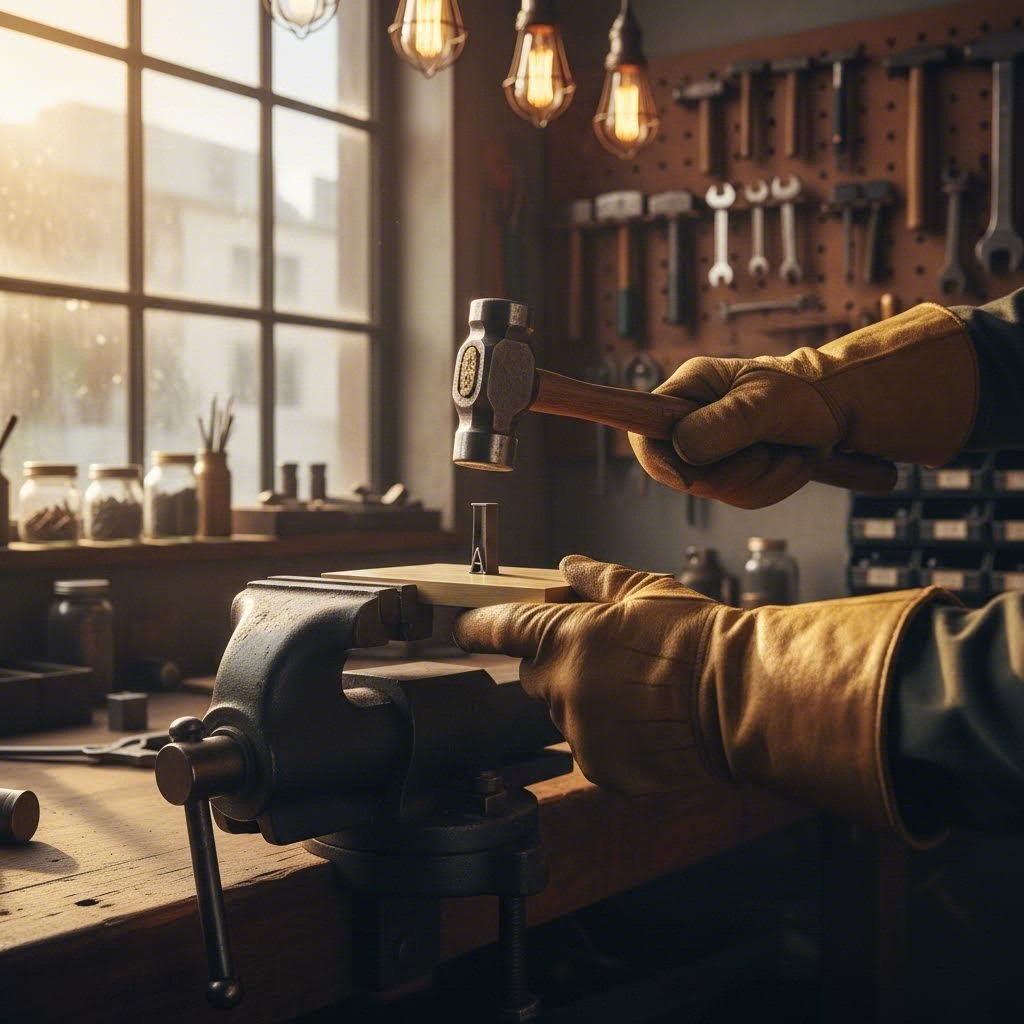
- Zabezpečte si obrobok: Akýkoľvek pohyb počas úderu spôsobuje plytké alebo dvojité otlačky. Použite oceľový pracovný blok, zverák alebo špeciálne upevňovacie zariadenie, ktoré zabráni posunutiu.
- Umiestnite razidlo kolmo: Držte razidlo dokonale zvislo voči pracovnej ploche. Už malé odchýlky od kolmosti spôsobujú nerovnomernú hĺbku znakov a deformované značky.
- Udrieť raz s plným angažovaním: Jeden sebavedomý úder kladivom je účinnejší než viaceré neiste pokusy. Neisté udieranie vytvára vrstvené otlačky, ktoré rozmazávajú obrysy znakov
- Prispôsobte silu materiálu: Hliník vyžaduje ľahšie údery ako mosadz; mäkká oceľ vyžaduje väčšiu silu ako ktorýkoľvek z týchto dvoch materiálov. Precvičte si techniku na odpadovom materiáli, aby ste ju nastavili.
Operácie razenia pomocou stlačenia eliminujú väčšinu premenných techniky, avšak zavádzajú aspekty týkajúce sa nastavenia. Správne zarovnanie nástroja, konzistentné nastavenia hĺbky zdvihu a vhodná úprava tlaku zabezpečujú opakovateľné výsledky počas celého výrobného cyklu. Ako uvádza spoločnosť Die-Made, razenie riadené strojom zaručuje konzistenciu a pravidelná kalibrácia lisu v kombinácii s prísne dodržiavanými štandardmi výroby nástrojov udržiavajú túto konzistenciu aj pri dlhodobom výrobe.
Ak sa aj napriek správnej technike stále vyskytujú plytké otlačky, preskúmajte tieto základné príčiny:
- Tvrdosť polotovaru presahuje možnosti razidla – zvážte prechod na karbid
- Nedostatočná tonáž lisu pre veľkosť znakov a kombináciu materiálov
- Opotrebená tlačová plocha už nepreberá plnú hĺbku znakov
- Znečistenie povrchu obrobku bráni čistému premiestňovaniu materiálu
Predĺženie životnosti tlačidiel
Kvalitné tlačidlá predstavujú významné investície – ochrana tejto investície prostredníctvom správnej údržby maximalizuje váš návrat. Rozdiel medzi tlačidlami, ktoré vydržia 10 000 otlačkov, a tlačidlami, ktoré vydržia 100 000 otlačkov, sa často spája skôr s dôslednosťou údržby než s kvalitou materiálu.
Zavedenie týchto najlepších postupov údržby:
- Čistenie po každom použití: Odstráňte kovové nečistoty, zvyšky maziva a iné kontaminanty vhodnými rozpúšťadlami a kefkami. Hromadenie nečistôt sa prenáša na nasledujúce otlačky a zrýchľuje opotrebovanie.
- Pravidelná kontrola tlačových plôch: Preskúmajte okraje znakov na prítomnosť odlomenín, zaoblení alebo nánosov. Včasná detekcia opotrebovania zabraňuje vzniku kvalitatívnych problémov u vašich výrobných súčiastok.
- Aplikácia ochrannej vrstvy pri ukladaní: Ľahký olej zabraňuje korózii nástrojovej ocele pri dlhodobom ukladaní. Pred použitím odstráňte olej utretím, aby ste zabránili kontaminácii spracovávaných dielov.
- Ukladajte v kontrolovanom prostredí: Vlhkosť zrýchľuje tvorbu hrdzy; kolísanie teploty spôsobuje zmeny rozmerov. Ukladanie v klimatizovanom prostredí s ochrannými puzdrami alebo regálmi predlžuje životnosť výrobku.
- Údržba nárazových nástrojov: Rozširujúce sa („hubovité“) plochy kladív a opotrebované komponenty lisov prenášajú poškodenie na vaše razidla. Vymeňte alebo opravte nárazové plochy, kým nepoškodia vaše presné nástroje.
Podľa Odporúčania Die-Made týkajúce sa údržby , pri používaní vhodných mazív sa minimalizuje trenie medzi pohyblivými časťami a tým sa zníži opotrebovanie. Pravidelne mazané razidlá pracujú hladko, čo vedie k nižšiemu riziku porúch počas razových operácií.
Riešenie bežných problémov pri razení
Aj pri správnej technike a údržbe sa občas vyskytnú problémy. Rýchla diagnostika a odstránenie porúch minimalizuje prerušenie výroby a zabraňuje nepotrebnému výmenám razidiel.
Mierne vtlačeniny zvyčajne naznačujú nedostatočnú silu, tvrdosť obrobku presahujúcu schopnosti razidla alebo opotrebované pracovné plochy razidla. Skontrolujte nastavenia sily, overte kompatibilitu materiálu a preskúmajte stav razidla, než predpokladáte, že je potrebná jeho výmena.
Nerovnomerné značky naznačujú problémy s zarovnaním – buď razidlo nie je kolmé na pracovný povrch, obrobok nie je správne upepnený, alebo sa posunulo zarovnanie lisu. Ako uvádza spoločnosť Die-Matic, nesprávne zarovnanie lisu a nezhody v tvárni spôsobujú, že súčiastky vychádzajú mimo rozmerových tolerancií; pravidelná kalibrácia lisu v kombinácii s kontrolou opakovateľnosti nástrojov zabezpečuje konzistentné výsledky.
Skreslenie znakov často vzniká vplyvom nadmerného zaťaženia, prehrievania razidla počas intenzívnej výroby alebo úderu opotrebovaného súboru písmenových razidiel pod nesprávnym uhlom. Postupne znížte použitú silu, medzi intenzívnymi značiacimi cyklami umožnite razidlu ochladiť sa a overte kolmosť jeho umiestnenia.
Hrany alebo hrubé okraje na otlačkoch sa prejavujú tupé nástroje alebo nesprávne vymedzené medzery. Die-Matic odporúča udržiavať správne medzery nástrojov a používať opotrebovaniu odolné povlaky na matriciach, aby sa predĺžila životnosť nástrojov a znížili sa mierky chýb.
Kedy nahradiť a kedy obnoviť
Nie každý opotrebovaný razítkový nástroj je potrebné nahradiť. Mierne opotrebovanie hrán, kontaminácia povrchu a ľahká korózia sa často dajú odstrániť obnovou – čistením, jemným leštením alebo profesionálnym ostrením, ktoré obnovia výkon za zlomok nákladov na výmenu.
Avšak určité poškodenia vyžadujú výmenu:
- Odlomené alebo zlomené prvky písma, ktoré nie je možné obnoviť
- Výrazné opotrebovanie čelného povrchu, ktoré zníži hĺbku písma nad prípustné limity
- Trhliny v tele razítka, ktoré svedčia o únavovej poruche
- Deformácia spôsobená nesprávnym používaním alebo aplikáciou nadmerných síl
Stanovte intervaly kontrol na základe svojho výrobného objemu. Pri vysokozdružných prevádzkach môže byť potrebné vykonávať kontroly týždenne; pri prevádzkach s nižším výrobným objemom stačí kontrola raz mesačne. Zaznamenávajte stav razidiel v čase, aby ste identifikovali vzory opotrebovania a predvídate čas ich výmeny ešte predtým, než sa kvalitné problémy prejavia na vašich výrobných súčiastkach.
Keď ste zvládli prevádzkové techniky a základy údržby, máte potrebné znalosti na posúdenie dodávateľov razidiel podľa toho, čo skutočne záleží pre vaše konkrétne aplikácie a požiadavky.
Výber vhodného dodávateľa razidiel pre vaše potreby
Zvládli ste typy razidiel, pochopili ste kompatibilitu materiálov a naučili ste sa správne prevádzkové techniky – ale kde vlastne zakúpite kovové razidlá, ktoré spĺňajú vaše štandardy? Dodávateľ, ktorého si vyberiete, ovplyvňuje všetko – od počiatočnej kvality až po dlhodobú podporu, a najnižšia cena zvyčajne neposkytuje najlepšiu hodnotu.
Navigácia na trhu môže byť pre niekoho prehľadná. Dodávatelia katalógov ponúkajú pohodlie pri štandardných položkách. Výrobcovia na objednávku vyrábajú presne to, čo potrebujete. Špecializovaní dodávatelia sa zameriavajú na konkrétne odvetvia alebo aplikácie. Pochopenie toho, čo každý typ ponúka – a aké otázky je potrebné položiť – vám pomôže nájsť vhodného partnera pre vaše špecifické požiadavky.
Hodnotenie dodávateľov razidiel nad rámec ceny
Cena za jedno razidlo vám takmer nič nepovie o celkových nákladoch na vlastníctvo. Lacnejšie razidlo, ktoré sa opotrebuje po 5 000 otlačkoch, stojí oveľa viac ako kvalitné nástrojové razidlo s životnosťou 50 000 otlačiek. Podľa Sprievodcu KY Hardware pre výber dodávateľov , najnižšia cena za súčiastku zvyčajne nie je najlepšou hodnotou – skutočnú hodnotu prináša dodávateľ, ktorý vystupuje ako strategický partner.
Hodnoťte potenciálnych dodávateľov podľa týchto kľúčových kritérií:
- Kvalita materiálu a dokumentácia: Môžu poskytnúť certifikáty materiálov, ktoré dovoľujú stopy nástrojovej ocele späť na konkrétne čísla tavby? Kvalitné nástroje pre kovové vytlačovanie sú dodávané so overiteľnými špecifikáciami, nie s vágymi zárukami.
- Možnosti prispôsobenia: Nabízajú inžiniersku konzultáciu alebo jednoducho vyrábajú akýkoľvek súbor, ktorý im predložíte? Dodávatelia, ktorí preskúmavajú návrhy z hľadiska možnosti vytlačovania, odhaľujú problémy ešte predtým, než sa z nich stanú drahé chyby.
- Čas výroby: Čo je realistické z hľadiska vášho časového plánu – a ponúkajú rýchle dodacie možnosti, ak projekt vyžaduje zrýchlenie?
- Technická podpora: Budú inžinieri pomáhať pri riešení problémov s aplikáciou, alebo sa vzťah s dodávateľom končí okamžitým odoslaním tovaru?
- Osvedčenia a certifikáty: Certifikát ISO 9001:2015 preukazuje základnú disciplínu v oblasti kvality; certifikát IATF 16949 indikuje procesnú kontrolu na úrovni automobilového priemyslu.
Ako uvádza spoločnosť Standard Die, najlepšie služby v oblasti prispôsobenia zahŕňajú podporu pri návrhu, výber materiálov, určenie povrchových úprav a poskytovanie inžinierskej odbornosti počas celého procesu – nie len výrobnú kapacitu.
Zvážte výhody a nevýhody prispôsobených a skladom dostupných vytlačovacích nástrojov.
Kedy dáva zmysel štandardná sada razítok s písmenami a číslami a kedy sa oplatí investovať do vlastných kovových razidiel? Rozhodnutie závisí od vašich konkrétnych požiadaviek na označovanie a výrobného kontextu.
Štandardné razítko funguje dobre, keď:
- Vaše požiadavky na označovanie zahŕňajú štandardné alfanumerické znaky
- Objem výroby nepodporuje investíciu do vlastných nástrojov
- Okamžitá dostupnosť je dôležitejšia ako dokonalá optimalizácia
- Aplikácie, ako napríklad sada razidiel z hliníka na občasné použitie v dielni alebo razítko s písmenami abecedy pre remeselné projekty
Vlastné razidlá sa stávajú výhodnými, keď:
- Logá, symboly alebo vlastnícke označenia vyžadujú jedinečný dizajn
- Vysoké objemy ospravedlňujú amortizáciu nákladov na výrobné vybavenie cez celú výrobu
- Špecifické tolerancie alebo požiadavky na materiál presahujú štandardné ponúkané možnosti
- Potrebujete personalizované kovové razidlo, ktoré konkurencia nemôže napodobniť
Štandardné razidlo zdôrazňuje, že výroba kovových dielov na mieru poskytuje nekonkurovatelné výhody, vrátane kompatibility s vašimi konkrétnymi komponentmi, spoľahlivosti zabezpečenej účasťou inžinierov, presnosti výroby podľa vašich tolerancií a vlastníctva vašich návrhov ako duševného vlastníctva.
| Typ dodávateľa | Najvhodnejšie pre | Bežná dodacia lehota | Úroveň prispôsobenia | Kľúčové úvahy |
|---|---|---|---|---|
| Certifikovaní výrobcovia na mieru (napr. Shaoyi) | Automobilový priemysel, letecký a vesmírny priemysel, výroba vo veľkom rozsahu | 5 dní (prototyp) až 2–4 týždne (výroba) | Úplne individuálny návrh vrátane CAE simulácie | Certifikácia IATF 16949, schválenie v prvom prechode v pomere 93 %, dodržiavanie noriem OEM |
| Dodávatelia katalógu | Štandardné sady písmen a čísel, okamžité potreby | Týždeň od dátumu objednávky (ten istý deň až 1 týždeň) | Obmedzené na dostupné skladom možnosti | Pohodlie a dostupnosť; overte špecifikácie materiálov |
| Všeobecní výrobcovia na objednávku | Vlastné logá, stredné objemy | 1–3 týždne | Vlastné návrhy bez pokročilej simulácie | Požiadajte o certifikáty materiálov a dokumentáciu kvality |
| Špecializovaní poskytovatelia | Aplikácie pre konkrétne odvetvia (šperky, koža) | Závisí od zložitosti | Návrhy optimalizované pre konkrétny výrobok | Hlboká odborná znalosť konkrétnych materiálov a techník |
Otázky, ktoré treba položiť pred objednaním
Nepredpokladajte – overte. Správne otázky odhalia schopnosti dodávateľa a zabránia drahým nesúladom medzi vašimi požiadavkami a ich skutočnými ponúkanými službami.
O materiáloch a toleranciách:
- Aké značky nástrojových ocelí používate a môžete poskytnúť certifikáty materiálu?
- Aké rozmerové tolerance udržiavajú vaše razidlá pre výšku a vzdialenosť znakov?
- Ponúkate riešenia s karbidovými vložkami pre aplikácie s kalenými polotovarmi?
O kvalite a výrobnom procese:
- Aké certifikáty má vaša výrobná prevádzka (ISO 9001, IATF 16949, AS9100)?
- Aká je vaša typická miera schválenia pri prvej kontrole pre špeciálne nástroje?
- Poskytujete dokumentáciu pre kontrolu spolu s dokončenými objednávkami?
O podpore a zárukach:
- Aké podmienky záruky pokrývajú materiálové alebo výrobné chyby?
- Nabídzate technické poradenstvo pre optimalizáciu návrhu?
- Aký je váš postup pri riešení kvalitatívnych problémov po dodaní?
KY Hardware odporúča vytvoriť váženú skórovaciu tabuľku, v ktorej sa každému kritériu – systémy kvality, technická podpora, cena, doba dodania – priradí dôležitosť a následne sa každý dodávateľ objektívne ohodnotí. Tento prístup eliminuje osobné predpojatosti a identifikuje dodávateľa, ktorý najlepšie vyhovuje vašim najdôležitejším požiadavkám.
Prijímanie konečného rozhodnutia
Vzťah so dodávateľom sa rozširuje ďaleko za vašu prvú objednávku. Zvážte dlhodobé faktory: Dokáže sa dodávateľ prispôsobiť vášmu rastu? Budú náhradné razítko zhodné s pôvodnými razítkami objednanými pred rokmi? Investuje do kapacít, ktoré budú prospešné pre vaše budúce projekty?
Pre automobilové alebo vysokozdružné aplikácie sa dodávatelia s pokročilými schopnosťami – ako napríklad kombinácia certifikácie IATF 16949, CAE simulácií na predchádzanie chybám a rýchleho výrobného prototypovania do 5 dní u spoločnosti Shaoyi – stávajú referenčnými značkami profesionálneho výrobného priemyslu. Ich úspešná miera prvej schvaľovacej kontroly 93 % odzrkadľuje inžiniersku disciplínu, ktorá sa priamo prejavuje v nižšom počte zamietnutých súčiastok a skrátenej dobe realizácie projektov.
Nezávisle od vašej konkrétnej aplikácie uprednostňujte dodávateľov, ktorí fungujú ako partneri a nie len ako správcov transakcií. Správny dodávateľ vám pomáha riešiť problémy, optimalizovať návrhy a dosahovať výsledky označovania, ktoré podporujú vaše ciele týkajúce sa kvality – nie len poskytovať označenia, ktoré môžu, alebo nemusia vyhovovať vašim skutočným požiadavkám.
Často kladené otázky o kovových razidlách
1. Koľko stojí kovová lisovacia lis?
Náklady na výrobu nástrojov na kovové štampovanie sa pohybujú od 500 do 15 000 USD v závislosti od zložitosti, požiadaviek na materiál a objemu výroby. Jednoduché ručné písmenkové razidlá začínajú okolo 10–50 USD za kus, zatiaľ čo špeciálne razidlá s logom vyrobené z karbidu pre aplikácie s vysokým objemom výroby dosahujú horný rozsah cien. Pre automobilové alebo letecké aplikácie, ktoré vyžadujú nástroje certifikované podľa štandardu IATF 16949 a CAE simulácie – ako napríklad tie od spoločnosti Shaoyi – investícia odráža inžiniersku odbornosť, ktorá zabezpečuje úspešné schválenie pri prvej skúške v 93 % prípadov a výrazne nižšie náklady na jednotlivú súčiastku po rozpočítaní na celý výrobný cyklus.
2. Čo je razidlo pri kovovom štampovaní?
Šablóna na kovové razenie je špeciálny zhutnený nástroj, ktorý vytvára trvalé vtlačeniny pôsobením sily. Na rozdiel od rezných nástrojov razové šablóny fyzicky premiestňujú materiál, aby vytvorili vyčnievajúce alebo zatlačené značky. Šablóny sa pohybujú od jednoduchých ručných písmenových razoviek, ktoré sa uderujú kladivom, až po presné nástroje namontované do lisov a používané v automatickej výrobe. Šablóna musí byť vždy tvrdšia ako spracovávaný diel – zvyčajne 58–62 HRC pre nástrojovú oceľ alebo viac ako 70 HRC pre karbid – aby preniesla svoj vzor bez predčasného opotrebovania.
3. Aké sú štyri typy kovového razenia?
Štyri hlavné procesy kovového štampovania sú postupné štampovanie pomocou viacstaničných dielov (neustála privádzanie pásu cez viacero stanicí), štampovanie pomocou prenosových dielov (súčiastky sa presúvajú medzi samostatnými stanicami dielov), hlboké ťahanie (výroba komponentov v tvare pohára) a mikro/miniaturistické štampovanie (presné práce v malom meradle). Pre aplikácie označovania sa konkrétne používajú nasledujúce typy štampov: ručné štampe na prenosnosť, doskové štampe na montáž do lisu, karbidové štampe na kalené materiály a štampe s nízkym mechanickým namáhaním pre tepelne spracované komponenty, kde je kritické zabrániť vzniku mikroprasklín.
4. Aký je rozdiel medzi tlakovým liatim a kovovým štampovaním?
Litie do vstrekovacích foriem a kovové razenie používajú zásadne odlišné technologické postupy. Pri lití do vstrekovacích foriem sa kov roztavuje a pod tlakom sa vtlačuje do foriem, čím sa vytvárajú komplexné trojrozmerné tvary z roztavenej hmoty. Kovové razenie sa vykonáva za studena – tuhé nástroje sa stláčajú na plech alebo pevné povrchy, čím sa vytvárajú trvalé vtlačeniny bez roztavenia materiálu. Razidlové nástroje pre razenie označujú identifikačné údaje, logá a kódy pre sledovateľnosť, zatiaľ čo liatie do vstrekovacích foriem vyrába celé tvarové komponenty. Každý z týchto postupov slúži odlišným výrobným účelom.
5. Ako dlho vydržia kovové razidlové nástroje pred ich výmenou?
Životnosť razidla sa výrazne líši v závislosti od použitého materiálu a spôsobu aplikácie. Razidlá zo štandardnej nástrojovej ocele na označovanie hliníka dosahujú viac ako 50 000 otlačkov, zatiaľ čo rovnaké razidlá na nehrdzavejúcej oceli môžu ukázať opotrebovanie už po 5 000 úderoch. Razidlá z karbidu na označovanie zhutnených materiálov môžu prekročiť 500 000 otlačkov. Kľúčové faktory ovplyvňujúce životnosť sú správna technika úderu, pravidelné čistenie, vhodné uplatnenie sily a prispôsobenie tvrdosti razidla materiálu obrobku. Razidlá namontované do lisu zvyčajne vydržia dlhšie ako ručné verzie v dôsledku konštantného dodávania sily.