 Small batches, high standards. Our rapid prototyping service makes validation faster and easier —
  EN
EN


Rahsia Mesin Acuan Penokokan: Apa yang Pengilang Tidak Akan Katakan kepada Anda
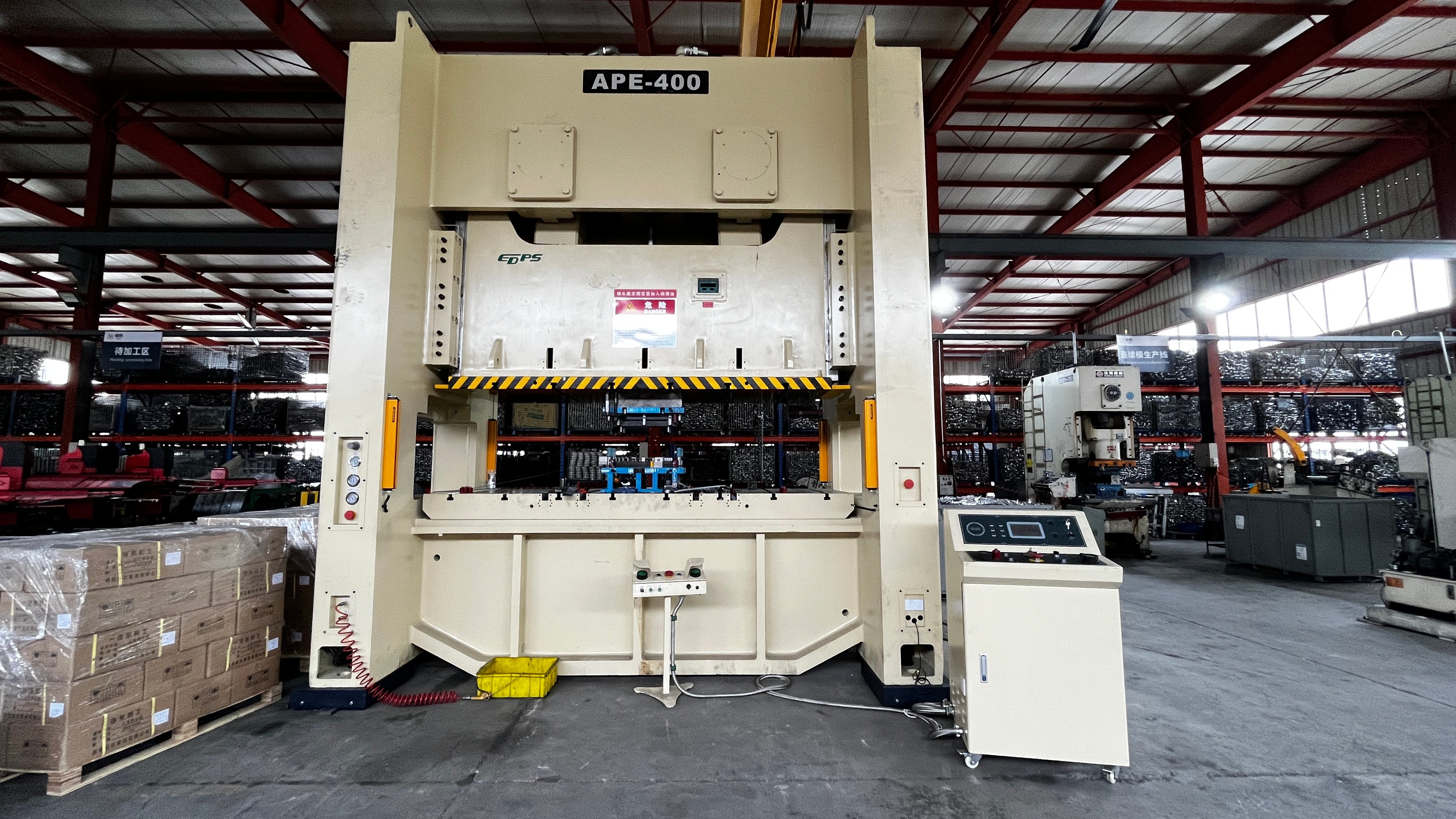
Apakah Mesin Acuan Pengetipan dan Bagaimana Ia Beroperasi
Pernahkah anda tertanya-tanya bagaimana komponen logam rumit dalam kereta, telefon pintar, atau peralatan dapur anda dihasilkan dengan ketepatan yang begitu tinggi? Jawapannya terletak pada satu peralatan berkuasa yang mampu mengubah kepingan logam rata menjadi bentuk kompleks dalam masa beberapa saat sahaja.
Mesin acuan pengetipan ialah sebuah mesin pengetipan logam khusus yang menggunakan daya terkawal dan perkakasan tersuai (acuan) untuk memotong, membengkok, atau membentuk kepingan logam menjadi komponen tepat melalui proses pembentukan sejuk.
Tidak seperti peralatan penekan logam tujuan umum, mesin-mesin ini bergantung pada acuan—alat khas yang menentukan bentuk dan ciri-ciri tepat bagi komponen siap pakai. Bayangkan begini: mesin penekan menyediakan tenaga, manakala acuan menyediakan pelan kerja. Tanpa acuan yang direkabentuk secara tepat, walaupun mesin penekan paling berkuasa sekalipun hanya akan menghasilkan logam rata tanpa bentuk.
Mekanisme Utama di Sebalik Transformasi Logam
Jadi, apakah sebenarnya proses penekanan pada asasnya? Proses ini bermula apabila kepingan logam rata dimasukkan ke dalam mesin , sama ada secara manual atau melalui sistem gulungan automatik. Mekanisme mesin penekan kemudian bergerak ke bawah dengan daya yang sangat besar, menolak bahagian atas acuan (dikenali sebagai penusuk) ke dalam rongga acuan bahagian bawah.
Semasa hentaman terkawal ini, beberapa perkara boleh berlaku secara serentak:
- Logam dipotong mengikut garis luar tertentu (pengelupasan)
- Lubang dibuat (penusukan atau pengetipan)
- Bahan dibengkokkan atau dibentuk menjadi bentuk tiga dimensi
- Butiran permukaan dijalurkan atau dicetak timbul ke dalam komponen tersebut
Seluruh kitaran—dari pemberian bahan hingga pelontaran komponen siap—sering kali mengambil masa kurang daripada satu saat. Kelajuan ini, digabungkan dengan ketepatan pengulangan yang luar biasa, menjadikan proses pengecap (stamping) salah satu kaedah paling cekap untuk menghasilkan komponen logam yang identik dalam jumlah besar.
Mengapa Acuan Membuat Perbezaan dalam Pembuatan Ketepatan
Berikut adalah faktor yang membezakan mesin acuan pengecap (stamping die machine) daripada peralatan tekan biasa: acuan itu sendiri merupakan alat presisi, yang sering direkabentuk dengan toleransi sehingga berukuran ribuan inci. Setiap lengkung, sudut, dan ciri pada komponen akhir anda ditentukan oleh cara acuan direkabentuk dan diperbuat.
Apabila komponen dikenakan proses pengecap dan penekanan melalui perkakasan (tooling) yang direkabentuk secara tepat, komponen tersebut keluar dengan dimensi yang konsisten, tepi yang bersih, serta spesifikasi yang tepat—komponen demi komponen, dan bergilir demi bergilir. Konsistensi inilah sebabnya industri yang tidak memberi ruang langsung kepada ralat sangat bergantung pada mesin-mesin ini.
Pertimbangkan pelbagai aplikasi yang terlibat:
- Kereta: Panel badan, pendakap, komponen enjin, dan bahagian struktur
- Aeroangkasa: Elemen struktur ringan dan rumah presisi
- Elektronik: Penyambung, perisai, dan penghawa dingin
- Alatan Elektrik: Keseluruhan luaran, rangka dalaman, dan hiasan dekoratif
Mengikut sumber industri, pengacuan logam melayani berpuluh-puluh industri di seluruh dunia , daripada jentera perubatan hingga peralatan telekomunikasi. Proses ini menangani segala-galanya, dari washer rata biasa hingga komponen tiga dimensi yang sangat rumit—yang tidak dapat dihasilkan secara ekonomikal melalui kaedah lain.
Memahami hubungan asas antara mesin pengacuan logam dan acuannya merupakan langkah pertama anda untuk membuat keputusan yang bijak mengenai peralatan pembentukan logam. Dalam bahagian seterusnya, anda akan mengetahui secara tepat komponen-komponen yang menjadikan mesin-mesin ini berfungsi, jenis-jenis yang sesuai untuk pelbagai aplikasi, serta aspek-aspek yang sering diabaikan oleh pengilang dalam hujah jualan mereka.
Komponen Penting Mesin Acuan Pengacuan Logam Moden
Sekarang anda telah memahami cara mesin-mesin ini mengubah lempengan logam menjadi komponen presisi, mari kita buka tabir untuk melihat apa yang sebenarnya terdapat di dalamnya. Kebanyakan pengilang mengabaikan butiran mekanikal, tetapi memahami setiap komponen membantu anda menilai kualiti peralatan, mendiagnosis masalah dengan lebih cepat, dan membuat keputusan pembelian yang lebih bijak.
Setiap mesin pengepres—sama ada unit meja kecil atau jentera pengeluaran berkapasiti seribu tan—mengandungi sistem-sistem utama yang sama yang beroperasi secara koordinasi tepat. Berikut adalah perkara-perkara penting yang perlu anda ketahui mengenai setiap sistem tersebut.
Di Dalam Rangka Mesin Penekan dan Sistem Pemacuan
Rangka merupakan tulang belakang bagi mana-mana tekan cap logam , dan ia mesti mampu menahan daya dinamik yang sangat besar tanpa mengalami lenturan. Terdapat dua reka bentuk rangka yang mendominasi industri:
- Rangka-C (Rangka Rekahan): Memberikan akses mudah ke tiga sisi kawasan kerja dan mengambil ruang lantai yang lebih kecil, tetapi boleh mengalami lenturan sudut di bawah beban berat
- Rangka sisi lurus: Menampilkan lajur menegak yang menghilangkan ketidakselarasan sudut, memberikan jangka hayat acuan yang unggul dan ketepatan komponen untuk aplikasi yang mencabar
Mekanisme pemacu menggerakkan peluncur tekan—komponen bergerak yang memberikan daya pembentukan kepada perkakasan anda. Menurut sumber teknikal industri, pemacu mekanikal menggunakan motor elektrik yang memutar roda jentera, dengan cakar kait diaktifkan untuk menghantar tenaga melalui aci engkol ke peluncur. Sistem hidraulik menggunakan tekanan bendalir untuk aplikasi daya yang lebih terkawal, manakala sistem pengepresan elektromekanikal dengan motor servo menawarkan profil pergerakan yang boleh diprogramkan untuk operasi pembentukan yang kompleks.
Peluncur (juga dikenali sebagai peluncur menegak) merupakan komponen utama yang benar-benar mengenakan daya (dalam unit ton) ke atas acuan anda. Ia bergerak secara menegak pada setiap ayunan, membawa separuh bahagian acuan atas ke bawah ke arah benda kerja. Kelarasan selari peluncur dan panjang ayunan yang konsisten secara langsung mempengaruhi kualiti komponen—walaupun variasi kecil pun boleh menyebabkan masalah dimensi atau kehausan awal pada acuan.
Sistem Suapan yang Menjaga Kelancaran Pengeluaran
Mesin pengepresan logam anda hanya seproduktif kemampuannya menggerakkan bahan ke kedudukan yang tepat dengan cepat dan jitu. Peralatan pengepresan logam moden menggunakan beberapa jenis sistem suapan:
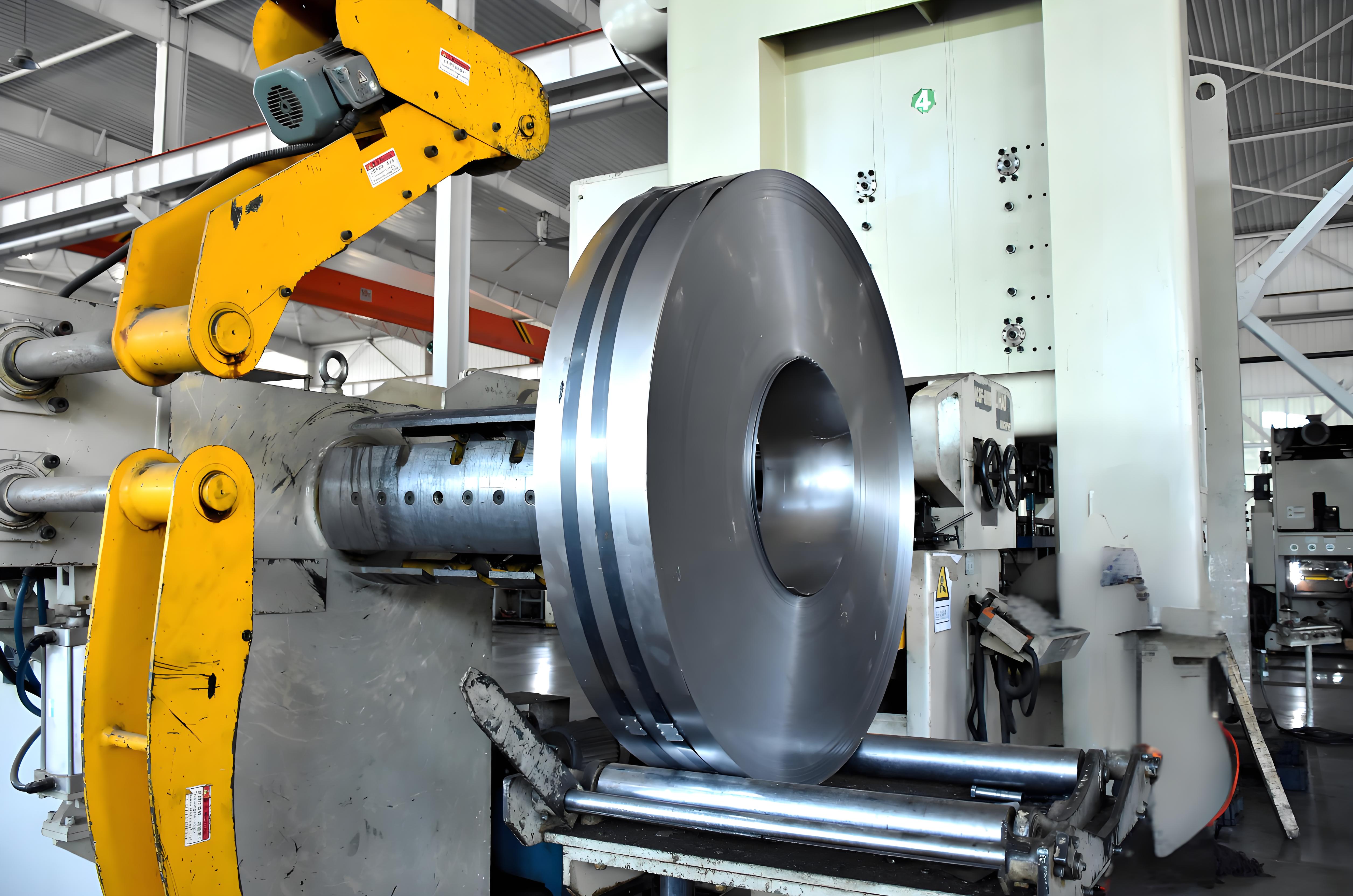
- Suapan gelung: Menggulung keluar bahan jalur daripada gelung besar untuk pengeluaran berkelanjutan dalam jumlah tinggi
- Suapan servo: Menggunakan motor berketepatan tinggi bagi penentuan kedudukan yang tepat, membolehkan kelajuan lebih tinggi dan mengurangkan sisa
- Suapan udara: Sistem berkuasa secara pneumatik yang sesuai untuk aplikasi berintensiti rendah
- Suapan pengapit: Menggerakkan bahan secara mekanikal sejarak tertentu, melepaskannya, dan kembali ke kedudukan asal untuk kitaran seterusnya
Operasi berisipadu tinggi kerap menggunakan sistem terpadu 3-dalam-1 yang menggabungkan proses membuka gulungan, meluruskan, dan memberi suapan ke dalam satu unit tersinkronkan. Ini mengelakkan masalah penyelarasan antara mesin-mesin berasingan dan secara ketara mengurangkan masa penukaran.
Sistem kawalan menghubungkan semua komponen ini. Mesin cetak moden bergantung pada PLC (Pengawal Logik Boleh Atur) yang mengkoordinasikan masa suapan, kedudukan peluncur, dan interlock keselamatan. Sensor memantau parameter kritikal sepanjang setiap kitaran, manakala sistem keselamatan—termasuk tirai cahaya, penghalang fizikal, dan butang henti kecemasan—melindungi operator daripada daya-daya besar yang terlibat.
| Komponen | Fungsi | Kesan terhadap Kualiti Pengeluaran |
|---|---|---|
| Rangka | Sokongan struktur bagi semua komponen tekanan | Kekukuhan mengelakkan lenturan; mempengaruhi ketepatan dimensi dan jangka hayat acuan |
| Peluncur (Slaid) | Memberikan daya menegak kepada acuan bahagian atas | Keselarian dan konsistensi langkah menentukan keseragaman komponen |
| Plat Penyokong | Menyokong separuh acuan bahagian bawah; menyerap daya kerja | Kerataan dan kekukuhan memastikan penyelarasan acuan yang tepat |
| Set acuan | Gabungan penumbuk dan acuan yang membentuk bahan | Kejuruteraan tepat menentukan geometri akhir komponen dan toleransinya |
| Sistem Pemandu | Menggerakkan pergerakan ram (mekanikal, hidraulik, atau servo) | Mempengaruhi kemampuan kelajuan, kawalan daya, dan kecekapan tenaga |
| Sistem Pemberian | Mengenali kedudukan bahan bagi setiap kitaran pengacuan | Ketepatan mengelakkan kegagalan pemakanan; kelajuan menentukan kadar pengeluaran |
| Kawalan PLC | Menyelaraskan ketika dan memantau operasi mesin acuan | Membolehkan kitaran yang konsisten serta pemantauan kualiti secara masa nyata |
| Interlok keselamatan | Menghalang operasi apabila penghadang dibuka atau bahaya wujud | Melindungi operator; diperlukan untuk mematuhi peraturan |
Semasa satu kitaran pengecapkan lengkap, komponen-komponen ini beroperasi dalam urutan yang tepat: sistem suapan menggerakkan bahan ke kedudukan yang betul, PLC mengesahkan semua syarat keselamatan telah dipenuhi, pemacu diaktifkan untuk menggerakkan peluncur ke bawah, set acuan menjalankan operasi pembentukannya, dan peluncur ditarik balik sementara sistem suapan menyediakan bahagian bahan seterusnya. Keseluruhan jujukan ini sering selesai dalam masa kurang daripada satu saat pada peralatan berkelajuan tinggi.
Memahami cara sistem-sistem ini saling berinteraksi membantu anda mengenal pasti titik lemah dalam talian pengeluaran anda dan mengemukakan soalan yang tepat ketika menilai peralatan baharu. Setelah asas mekanikal diliputi, marilah kita terokai pelbagai jenis mesin pengecapkan dan aplikasi terbaik bagi setiap satunya.
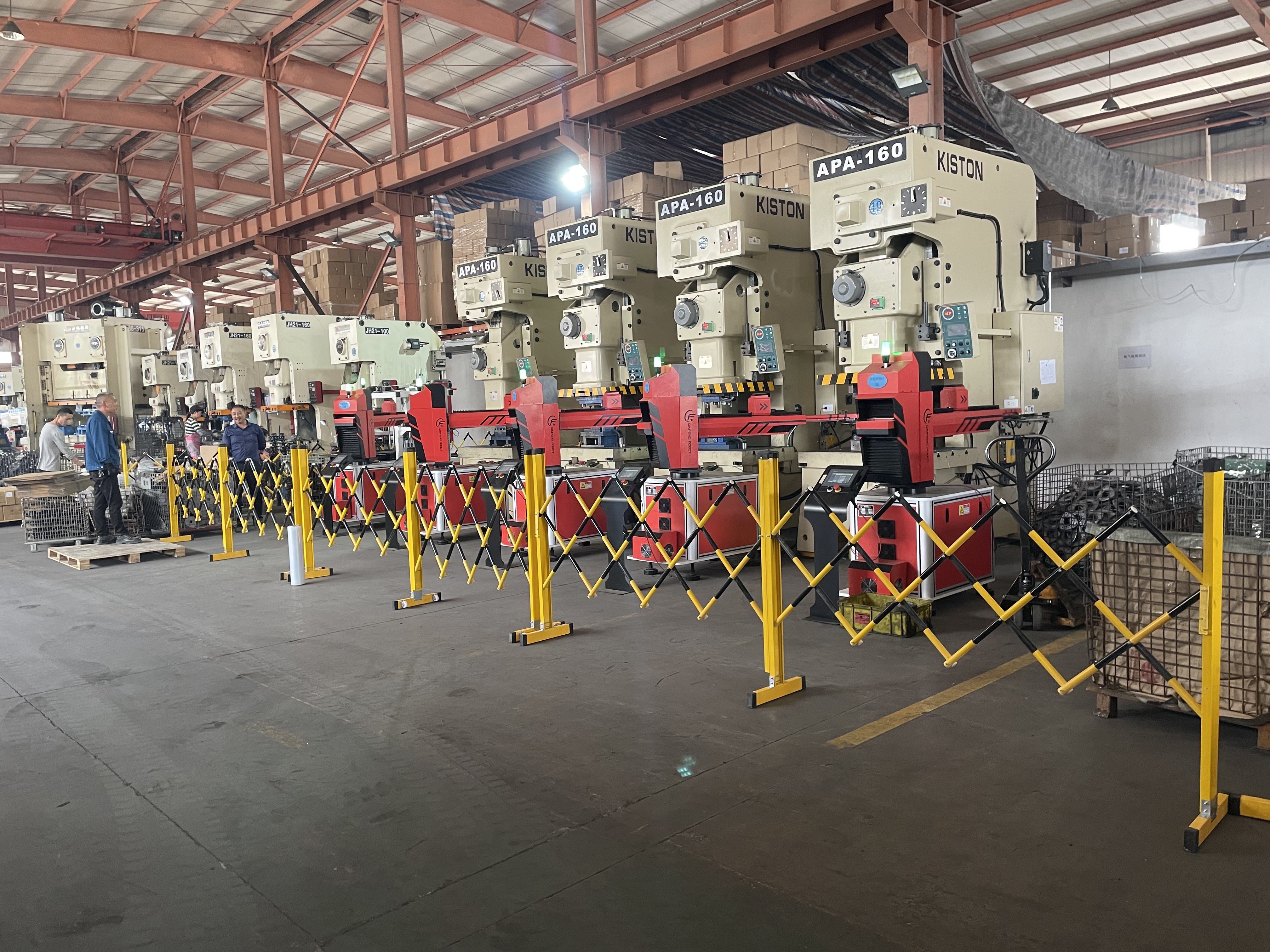
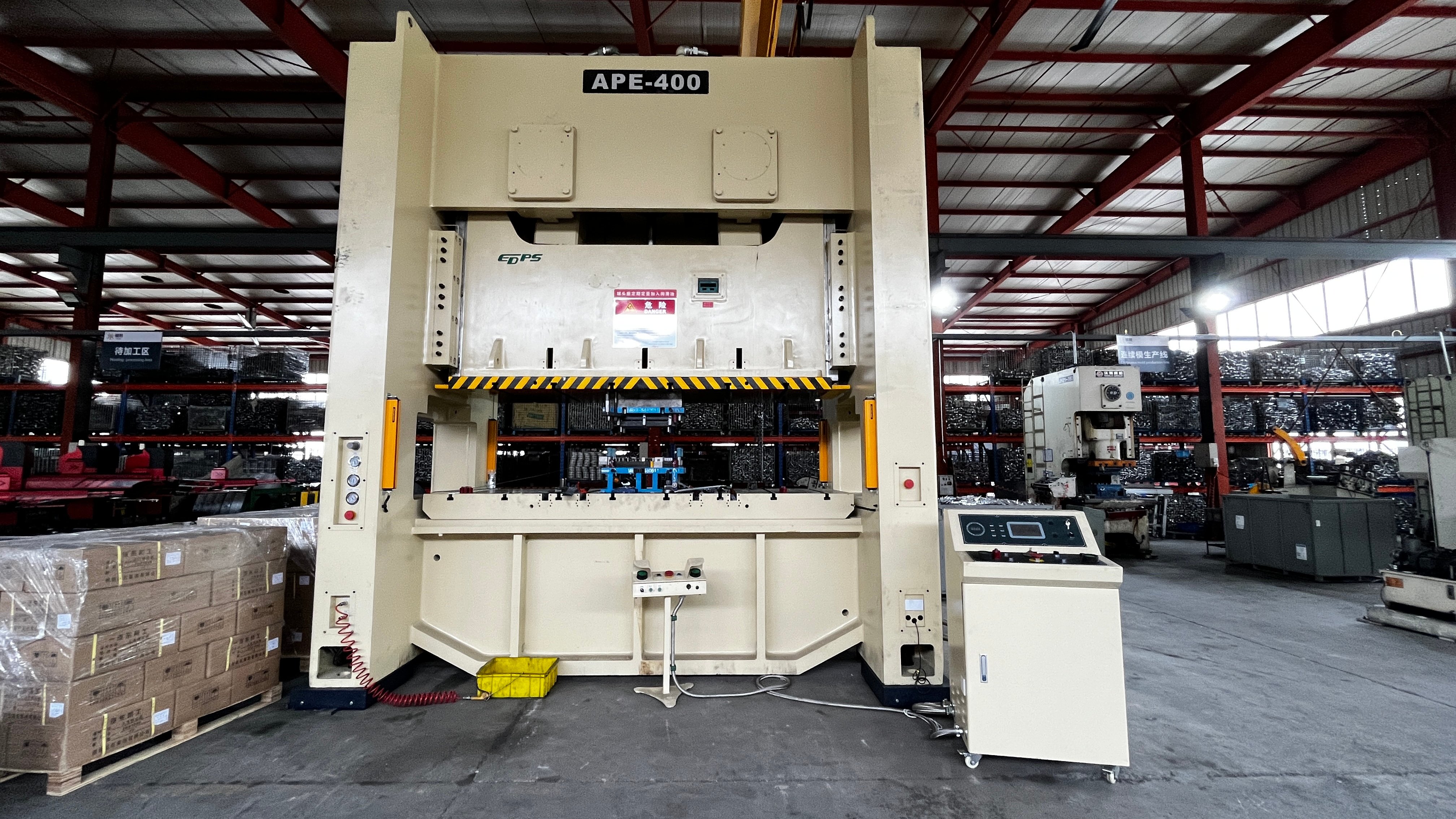
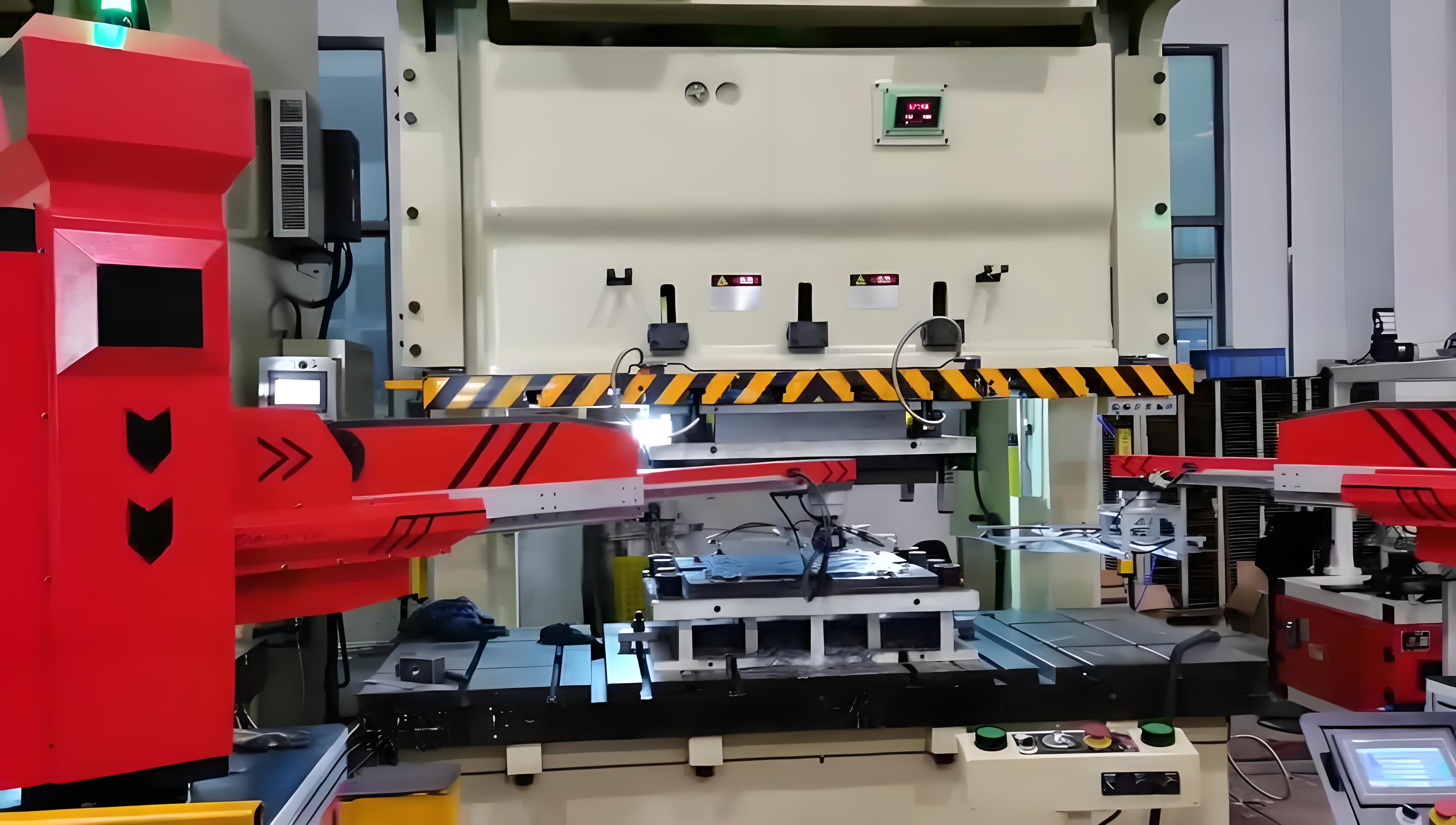
Jenis-Jenis Mesin Acuan Pengecapkan dan Aplikasinya
Memilih antara tekanan pengecapkan bukan sekadar memilih mesin yang paling besar atau paling pantas yang tersedia. Setiap jenis mesin die stamping membawa kelebihan—dan had—yang unik, yang secara langsung mempengaruhi kecekapan pengeluaran anda, kualiti komponen, dan hasil akhir perniagaan. Rahsia yang jarang dikongsi oleh pengilang? Tiada jentera yang "terbaik" secara mutlak. Hanya jentera terbaik untuk aplikasi khusus anda sahaja yang wujud.
Mari kita bahagikan empat kategori utama jentera pengepresan logam supaya anda dapat memadankan peralatan yang sesuai dengan keperluan pengeluaran anda.
Ciri Prestasi Jentera Pengepres Mekanikal berbanding Hidraulik
Jentera pengepres mekanikal mendominasi persekitaran pengeluaran berisipadu tinggi atas sebab yang kukuh. Jentera-jentera ini menggunakan motor elektrik yang memutar roda flywheel untuk menyimpan tenaga kinetik, yang kemudiannya dilepaskan melalui suatu cakera pemutar (clutch) ke dalam aci engkol (crankshaft) bagi menggerakkan peluncur (ram) ke bawah. Hasilnya? Kitaran operasi yang luar biasa pantas dan ciri-ciri langkah (stroke) yang konsisten, menjadikannya sangat sesuai untuk operasi berulang.
Apa yang menjadikan jentera pengepres mekanikal unik:
- Kelajuan: Mampu menghasilkan 20 hingga lebih 1.500 langkah seminit bergantung pada saiz dan konfigurasinya
- Konsistensi: Panjang langkah yang tetap menjamin keadaan pembentukan yang identik pada setiap kitaran
- Kecekapan: Penyimpanan tenaga cakera flywheel bermaksud kadar pengeluaran yang tinggi dengan penggunaan tenaga yang sederhana
- Ketahanan: Sistem mekanikal yang lebih ringkas sering kali bermaksud jangka hayat perkhidmatan yang lebih panjang dan penyelenggaraan yang lebih mudah
Walau bagaimanapun, tekanan mekanikal mempunyai batasan. Menurut pakar industri, tekanan jenis ini memberikan kawalan yang kurang tepat pada bahagian bawah langkah berbanding sistem hidraulik. Oleh itu, ia kurang sesuai untuk operasi penarikan dalam atau aplikasi yang memerlukan profil daya berubah-ubah.
Tekanan stamping hidraulik mengambil pendekatan yang sama sekali berbeza. Sebagai ganti tenaga kinetik tersimpan, mesin-mesin ini menggunakan bendalir bertekanan untuk menjana daya pembentukan. Silinder hidraulik menyediakan daya penuh (tonnage penuh) sepanjang keseluruhan langkah—bukan sahaja pada titik mati bawah seperti sistem mekanikal.
Di mana tekanan hidraulik unggul:
- Keluwesan daya: Tekanan boleh laras membolehkan penyesuaian halus untuk pelbagai bahan dan operasi
- Keupayaan lukisan dalam: Kawalan daya sepanjang langkah mengelakkan koyak semasa pembentukan kompleks
- Bahan berat: Lebih disukai untuk bahan berkekuatan tegangan tinggi yang memerlukan tekanan berterusan
- Pelbagai Guna: Satu mesin boleh mengendalikan pelbagai aplikasi dengan pelarasan yang mudah
Kompromi? Sistem hidraulik beroperasi lebih perlahan berbanding sistem mekanikalnya. Jika anda membuat kesan timbul ribuan komponen ringkas setiap jam, tekanan kesan timbul berkelajuan tinggi dengan pemacu mekanikal akan sentiasa mengatasi peralatan hidraulik. Namun, untuk komponen logam berkesan timbul yang kompleks yang memerlukan kawalan daya yang tepat, sistem hidraulik lebih unggul.
Apabila Teknologi Servo Memberikan Hasil yang Lebih Unggul
Tekanan servos mewakili evolusi terkini dalam tekanan pembentukan logam. Mesin-mesin ini menggantikan roda gear tradisional dan cakar kait dengan motor servo lanjutan yang memberikan kawalan tanpa tandingan terhadap pergerakan peluncur, kelajuan, dan daya pada setiap milisaat dalam kitaran pembentukan.
Bayangkan mengatur tekanan mesin anda untuk bergerak perlahan semasa sentuhan awal dengan bahan, mempercepat semasa bahagian pembentukan langkah, berhenti seketika untuk aliran bahan, kemudian menarik balik pada kelajuan maksimum. Itulah kuasa teknologi servo—penyesuaian pergerakan sepenuhnya untuk setiap aplikasi unik.
Manfaat utama tekanan servo termasuk:
- Profil gerakan boleh aturcara: Sesuaikan kelajuan peluncur dan masa tahan untuk mengoptimumkan setiap operasi
- Kecekapan Tenaga: Motor hanya menggunakan tenaga semasa menjalankan kerja aktif, mengurangkan kos pengoperasian sebanyak 30–50% berbanding sistem roda gear yang beroperasi secara berterusan
- Kurang bising: Perlambatan terkawal mengelakkan hentaman kejut yang biasa berlaku dalam tekanan mekanikal
- Perubahan persiapan yang cepat: Simpan pelbagai program untuk beralih serta-merta antara komponen berbeza
Pelaburan awal yang lebih tinggi dalam teknologi servo memberikan pulangan yang berbaloi bagi operasi yang menghasilkan pelbagai nombor komponen, memerlukan toleransi ketat, atau menangani bahan yang sukar dibentuk. Pengilang peranti perubatan dan pengeluar elektronik khususnya lebih gemar menggunakan sistem servo atas keupayaannya dalam ketepatan.
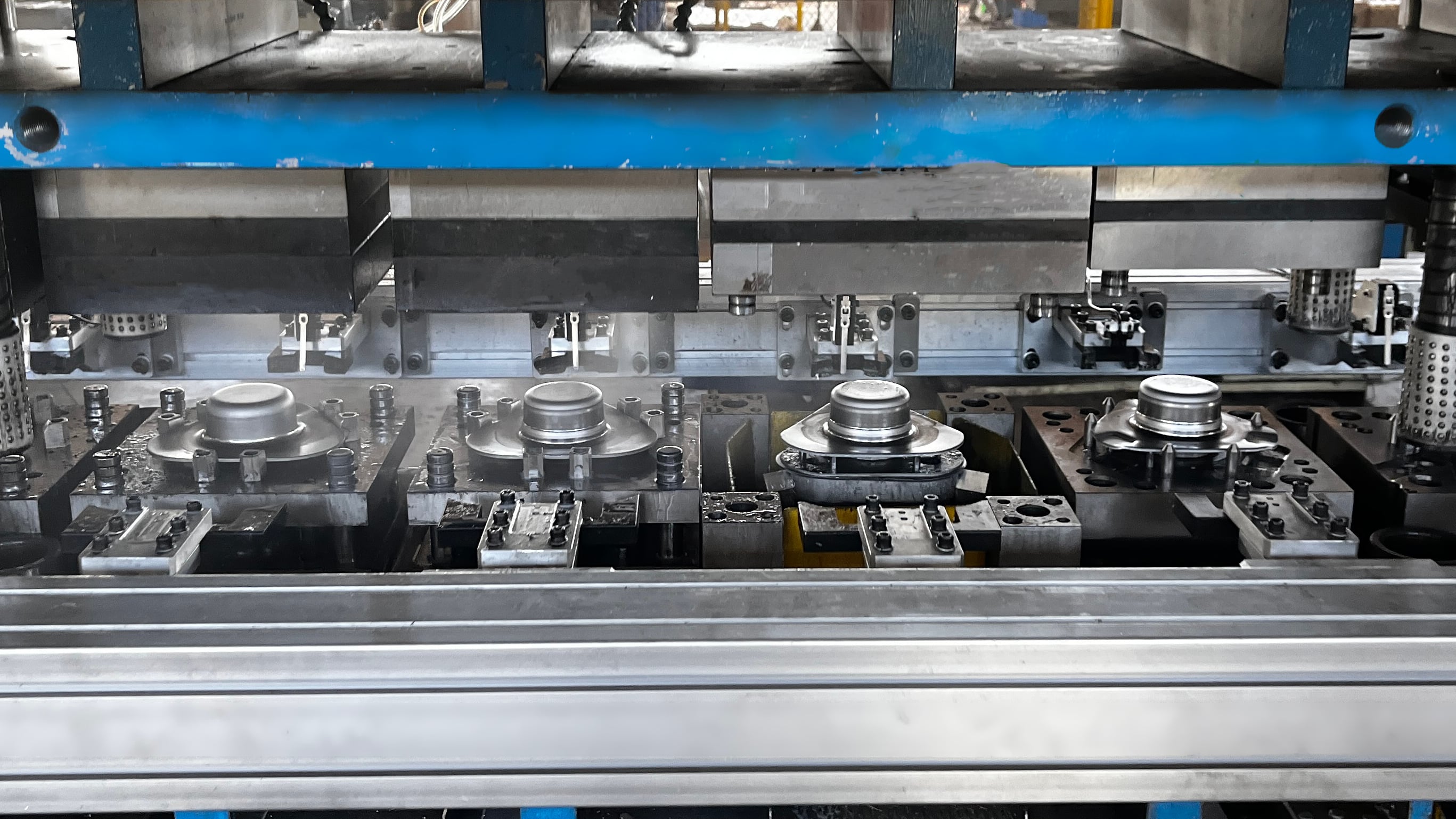
Tekanan pemindahan menambahkan dimensi lain: keupayaan pelbagai stesen. Mesin khas ini menggerakkan benda kerja melalui siri stesen acuan, menjalankan operasi berbeza di setiap hentian. Satu tekanan pemindahan tunggal boleh membuat kelompok (blanking), mengebor (piercing), membentuk (forming), dan memotong (trimming) suatu komponen dalam satu jujukan automatik—menghilangkan pengendalian manual antara operasi dan meningkatkan ketara produktiviti untuk komponen kompleks.
Menyesuaikan Jenis Tekanan dengan Keperluan Acuan
Memahami jenis-jenis acuan pengetipan membantu menjelaskan teknologi tekanan yang sesuai dengan keperluan anda:
- Matriks progresif memerlukan tekanan dengan ketepatan selari peluncur (ram) yang luar biasa dan lelaran (stroke) yang konsisten, memandangkan bahan jalur bergerak melalui pelbagai stesen tanpa keluar daripada acuan
- Pemindahan cetakan memerlukan mesin dengan automasi pengendalian komponen terbina dalam dan ketepatan masa antara stesen ke stesen
- Acuan garisan (operasi tunggal) boleh beroperasi pada peralatan yang lebih ringkas memandangkan setiap tekanan hanya menjalankan satu langkah pembentukan
| Jenis Pencet | Julat ketangkasan | Kelajuan Lelaran (SPM) | Penggunaan Tenaga | Aplikasi Terbaik | Ketebalan Bahan |
|---|---|---|---|---|---|
| Mekanikal | 10–6.000+ tan | 20-1,500+ | Sederhana (penyimpanan roda gear) | Blanking volum tinggi, penusukan, pembentukan cetek | 0.005"–0.250" (biasa) |
| Hidraulik | 10–10,000+ tan | 5-50 | Lebih tinggi (pengepaman berterusan) | Penarikan dalam, bahan berat, keperluan daya berubah-ubah | 0.020"–1.0"+ mungkin |
| Servo | 10–4,000+ tan | 10–300 (boleh diprogram) | Rendah (kuasa atas permintaan) | Komponen tepat, bahan sukar, pertukaran kerap | 0.005"–0.375" lazim |
| Pemindahan | 200–3,000+ tan | 10-80 | Sederhana hingga Tinggi | Bahagian operasi pelbagai yang kompleks, cana logam berskala besar | 0.030"–0.500" (tipikal) |
Apabila menilai tekanan cana logam untuk operasi anda, pertimbangkan bukan sahaja keperluan semasa tetapi juga kelentukan masa depan. Tekanan servo mungkin memerlukan kos awalan yang lebih tinggi, namun kelenturannya boleh mengelakkan keperluan terhadap beberapa mesin khusus. Sebaliknya, jika anda menghasilkan berjuta-juta bahagian ringkas yang identik, kebolehpercayaan yang telah terbukti bagi tekanan mekanikal mungkin memberikan nilai jangka panjang yang lebih baik.
Sekarang setelah anda memahami pilihan peralatan yang tersedia, bagaimanakah cara sebenarnya mengira spesifikasi mesin yang sesuai dengan keperluan bahagian tertentu anda? Itulah perkara tepat yang akan kami bincangkan seterusnya.
Cara Memilih Mesin Acuan Cana yang Sesuai
Inilah yang jarang diberitahu oleh pengilang secara terbuka: pemilihan jentera pengecap logam yang salah menelan kos yang jauh lebih tinggi daripada perbezaan harga antara model-model tersebut. Peralatan yang terlalu kecil akan berjuang dan gagal sebelum waktunya. Manakala jentera yang terlalu besar akan membazirkan tenaga dan ruang lantai tanpa memberikan nilai tambah apa-apa. Titik optimumnya? Suatu proses penilaian sistematik yang mencocokkan kapasiti jentera dengan keperluan pengeluaran sebenar anda.
Sama ada anda melabur untuk membeli jentera pengecap keluli pertama atau mengembangkan operasi sedia ada, kriteria pemilihan ini akan membantu anda mengelakkan kesilapan mahal.
Mengira Tonase yang Tepat untuk Komponen Anda
Tonase merupakan titik permulaan bagi setiap pembelian jentera pengecap—dan di sinilah kebanyakan pembeli melakukan kesilapan pertama mereka. Sekadar menjumlahkan daya yang diperlukan untuk operasi pembentukan utama anda tidaklah mencukupi.
Menurut pakar industri di The Fabricator , pengiraan tonase yang tepat mesti mengambil kira setiap elemen dalam acuan anda yang menghasilkan beban:
- Operasi utama: pengelupasan, penusukan, penarikan, pembentukan, lenturan, dan percetakan
- Daya sekunder: tekanan pemisah pegas, pin pengangkat jalur, bantalan tekanan nitrogen
- Beban tambahan: kamek yang dipacu, pemotongan sisa rangka, penusukan lubang panduan
Rumus pengiraan memerlukan pengetahuan tentang kekuatan ricih bahan anda (untuk operasi pemotongan) atau kekuatan tegangan muktamad (untuk operasi penarikan), ketebalan bahan, serta perimeter pemotongan keseluruhan atau luas pembentukan. Setelah beban direkodkan pada setiap stesen, jumlahkan semua beban tersebut untuk memperoleh jumlah tonase yang diperlukan.
Namun inilah yang tidak ditekankan oleh ramai pengilang: tonase sahaja tidak menjamin kejayaan . Anda juga perlu mengira keperluan tenaga. Kecekapan tenaga yang tidak mencukupi—walaupun tonase mencukupi—akan menyebabkan jentera pencetak terkunci di titik mati bawah. Kelalaian umum ini mengakibatkan masa henti yang mahal dan berpotensi merosakkan peralatan.
Satu petunjuk amalan yang praktikal? Saizkan mesin percetakan logam anda pada 70–80% daripada kapasiti berkadarnya untuk kerja-kerja paling berat anda. Ini memberikan jarak keselamatan bagi variasi bahan sambil mengelakkan ketidakcekapan akibat kelengkapan yang terlalu besar.
Menyesuaikan Keupayaan Mesin dengan Spesifikasi Bahan
Pemilihan bahan anda secara langsung mengehadkan pilihan mesin anda. Operasi percetakan tekanan pada aluminium nipis memerlukan peralatan yang sama sekali berbeza berbanding pembentukan keluli automotif berkekuatan tinggi.
Pertimbangan bahan yang kritikal termasuk:
- Julat ketebalan bahan: Setiap jentera tekan mempunyai keupayaan ketebalan minimum dan maksimum berdasarkan daya tekan (ton), bukaan cahaya (daylight opening), dan ketinggian tutup (shut height)
- Lebar bahan: Mesti muat dalam lebar alas (bed width) dengan jarak yang mencukupi untuk penyuapan dan panduan
- Ciri-ciri bahan: Keluli berkekuatan tinggi memerlukan daya tekan (tonnage) yang lebih tinggi setiap inci berbanding keluli lembut; aluminium memerlukan jarak bebas (clearances) yang berbeza berbanding keluli
- Kapasiti berat gulungan: Bagi operasi berterusan, mesin pengelupas gulungan (decoiler) anda mesti mampu mengendali gulungan pengeluaran penuh
Menurut panduan pemilihan peralatan , untuk menampal atau membentuk keluli lembut berdiameter 1/8 inci, anda memerlukan daya minimum 30–50 tan bergantung pada luas permukaan yang diproses. Sentiasa kira keperluan daya tepat menggunakan formula kekuatan ricih, bukan hanya mengandalkan anggaran umum.
Mesin cap keluli yang direka untuk bahan berketebalan tinggi sering kali tidak mempunyai kawalan ketepatan yang diperlukan untuk kerja foil nipis. Sebaliknya, mesin cap logam yang dioptimumkan untuk komponen elektronik tidak akan tahan lama apabila digunakan untuk membentuk pengapit tebal. Pilih mesin yang sesuai dengan realiti bahan anda—bukan harapan anda terhadap kepelbagaian fungsi di masa depan.
Menilai Saiz Tapak, Stroke, dan Keperluan Kelajuan
Selain daripada kapasiti tan, spesifikasi mekanikal ini menentukan sama ada mesin benar-benar sesuai dengan keperluan pengeluaran anda:
- Saiz tapak (kawasan bolster): Mesti mampu menampung acuan terbesar anda dengan ruang tambahan untuk pengekalan (clamping). Kadar kapasiti tan mesin pencetak mengandaikan beban diagihkan atas dua pertiga daripada luas tapak—melebihi kepekatan ini berisiko menyebabkan masalah pesongan.
- Ketinggian tutup: Jarak antara penyangga dan omboh pada titik mati bawah mesti melebihi ketinggian tertutup acuan anda
- Panjang Rentap: Mesti membenarkan ruang lega yang mencukupi untuk ekstraksi komponen dan penyuapan bahan
- Langkah per minit: Sesuaikan dengan keperluan isipadu pengeluaran tanpa melampaui kelajuan selamat sistem penyuapan
Kerja automotif berisipadu tinggi mungkin memerlukan 400+ langkah per minit, manakala operasi pembentukan berat mungkin beroperasi pada 15–20 langkah per minit. Kadar pengeluaran sasaran anda, didarabkan dengan bilangan shift sehari dan bilangan hari setahun, menentukan sama ada kemampuan kelajuan tinggi itu wajar dari segi kos tambahannya.
Isipadu Pengeluaran dan Keputusan Pelaburan Acuan
Inilah soalan yang membezakan pembeli bijak daripada operasi yang menghadapi cabaran: apabila pelaburan pada acuan progresif menjadi munasabah berbanding dengan perkakasan acuan yang lebih ringkas seperti acuan kompaun atau acuan operasi tunggal?
Acuan progresif kosong jauh lebih tinggi berbanding acuan kompaun—seringkali 3–5 kali ganda lebih mahal untuk komponen yang kompleks. Namun, ia secara ketara mengurangkan kos seunit pada isipadu tinggi dengan menyelesaikan pelbagai operasi dalam satu langkah penekanan sahaja. Analisis titik pulang modal bergantung kepada:
- Isi Padu Tahunan: Acuan progresif biasanya dibenarkan dari segi pelaburan apabila pengeluaran melebihi 100,000–500,000 unit setahun
- Ketakteraturan Bahagian: Semakin banyak operasi, semakin sesuai menggunakan acuan progresif
- Kos Buruh: Acuan progresif menghilangkan perlunya pemindahan bahan antara operasi
- Keperluan kualiti: Pengeluaran dengan satu tetapan sahaja mengurangkan variasi dimensi
Untuk isipadu rendah, acuan kompaun (yang menjalankan pelbagai operasi dalam satu langkah tetapi pada helaian individu) atau bahkan operasi sekunder pada peralatan yang lebih ringkas mungkin lebih sesuai. Jangan biarkan wakil jualan acuan memaksakan penyelesaian progresif untuk aplikasi di mana pendekatan yang lebih ringkas memberikan ekonomi yang lebih baik.
Kriteria Penilaian Kritikal Mengikut Urutan Kepentingan
Apabila membandingkan mesin cetak logam, utamakan faktor-faktor berikut:
- Kapasiti Tonn: Mesti melebihi keperluan terkira dengan margin keselamatan yang sesuai
- Saiz Katil dan Ketinggian Tutup: Mesti mampu menampung saiz acuan semasa dan yang dijangka
- Julat kelajuan enjutan: Mesti sepadan dengan sasaran isi padu pengeluaran
- Keserasian Automasi: Sistem suapan, pengekstrakan komponen, dan integrasi kawalan
- Keperluan ruang lantai: Termasuk pengendalian gulungan, pembuangan sisa, dan akses operator
- Kecekapan Tenaga: Sistem servo mengurangkan kos operasi sebanyak 30–50% berbanding pemacu konvensional
- Kemudahan penyelenggaraan: Akses yang mudah mengurangkan masa henti dan kos perkhidmatan
- Sistem keselamatan: Tabir cahaya, pelindung, dan sistem interlok yang memenuhi piawaian ANSI B11.1
- Sokongan pengedar: Ketersediaan komponen dan masa tindak balas perkhidmatan di wilayah anda
Ingat: mesin pengepresan yang paling murah bukanlah mesin dengan harga pembelian terendah—tetapi mesin yang memberikan kos terendah setiap komponen berkualiti sepanjang jangka hayat operasinya. Setelah kriteria pemilihan mesin anda ditetapkan, memahami operasi pengepresan khusus yang dijalankan oleh mesin-mesin ini akan membantu anda mencocokkan keupayaan peralatan dengan keperluan pengeluaran anda.
Operasi Penempaan dan Keperluan Mesin
Anda telah memilih tonase yang tepat, mencocokkan spesifikasi bahan anda, dan mengenal pasti jenis tekanan yang ideal. Namun, inilah yang benar-benar menentukan kejayaan pengeluaran: memahami secara tepat apa yang berlaku semasa setiap operasi penempaan—dan ciri-ciri mesin manakah yang memungkinkan operasi-operasi tersebut dilaksanakan.
Setiap acuan tekan menjalankan satu atau lebih operasi asas. Sebilangan memotong bahan. Yang lain membentuknya. Ramai yang melakukannya secara serentak. Memahami cara setiap operasi berfungsi membantu anda menentukan peralatan yang memberikan hasil yang konsisten, bukan masalah yang berterusan.
Daripada Pembuangan (Blanking) hingga Pengedaran (Coining) dalam Satu Dayungan
Mari kita telusuri operasi utama yang boleh dilakukan oleh mesin acuan penempaan anda, bersama dengan keperluan peralatan khusus bagi setiap operasi:
Pengecapan memisahkan bahagian lengkap dari bahan kepingan di sekitarnya. Penusuk menekan melalui benda kerja manakala acuan menyediakan tepi pemotongan di bahagian bawah. Apakah yang menjadikan operasi ini mencabar? Seluruh perimeter pemotongan terlibat secara serentak, memerlukan daya tonase yang mencukupi untuk memotong bahan secara bersih. Mesin dengan rangka kaku dan lendutan minimum menghasilkan komponen dengan kualiti tepi yang konsisten serta ketepatan dimensi.
Penembusan membuat lubang di dalam komponen—secara asasnya merupakan proses pembuangan (blanking) secara songsang, di mana jalur potongan (slug) menjadi sisa buangan manakala bahan di sekelilingnya menjadi produk anda. Pengacuan tekan (press stamping) untuk operasi penusukan memerlukan penyelarasan yang tepat antara penusuk dan acuan. Walaupun ketidakselarasan yang kecil sekalipun akan mempercepat kerosakan alat dan menghasilkan tajam (burrs) yang memerlukan pemesinan sekunder.
Pembentukan melengkung dan membentuk bahan tanpa mengeluarkan sebarang bahagiannya. Ini termasuk:
- Lengkungan mudah sepanjang garis lurus
- Lengkung dan kontur kompleks
- Flens dan hem
- Ribu pengukuhan dan butiran
Operasi pembentukan memerlukan mesin dengan kawalan daya yang terkawal sepanjang langkah. Keluk pemulihan elastik—kecenderungan bahan untuk kembali sebahagian ke bentuk asalnya—bermaksud peralatan anda mesti memberikan daya yang mencukupi untuk mengatasi pemulihan elastik.
Lukisan menghasilkan kedalaman dengan menarik bahan rata ke dalam rongga acuan, membentuk cawan, kotak, kulit, dan bentuk tiga dimensi lain. Operasi ini memberikan tekanan kepada logam stamping dalam beberapa arah secara serentak, menjadikannya salah satu proses yang paling mencabar. Mesin yang menjalankan penarikan mendalam memerlukan:
- Daya yang konsisten sepanjang keseluruhan langkah (bukan hanya pada titik mati bawah)
- Tekanan pemegang kepingan yang dikawal secara tepat untuk mengelakkan kedutan
- Kelajuan langkah yang sesuai—kelajuan terlalu tinggi menyebabkan koyakan bahan
Coining mengenakan mampatan ekstrem untuk mengalirkan bahan ke dalam rongga acuan yang tepat, menghasilkan butiran halus dan toleransi ketat. Pengeluaran mata wang merupakan contoh klasik, tetapi aplikasi industri termasuk kenalan elektrik dan permukaan galas presisi. Proses coining memerlukan daya tonase yang jauh lebih tinggi berbanding operasi lain—seringkali 3–5 kali ganda daya yang diperlukan untuk proses blanking bahan yang sama. Peralatan pengepresan dan penstampingan anda mesti mampu memberikan daya ini tanpa berlakunya lenturan pada rangka yang boleh menjejaskan ketepatan dimensi.
Penggoresan mencipta ciri-ciri permukaan yang timbul atau lesap tanpa memotong sepenuhnya bahan tersebut. Logo, teks, dan corak hiasan merupakan aplikasi yang biasa. Walaupun proses embossing memerlukan tonase yang lebih rendah berbanding coining, ia menuntut penyelarasan acuan yang sangat baik dan keselarian ram yang konsisten untuk menghasilkan kesan seragam di seluruh permukaan komponen.
Operasi Acuan Progresif dan Keperluan Ketepatan Mesin
Di sinilah kecekapan pengedaran dan penekanan mencapai tahap maksimum: acuan progresif menggabungkan pelbagai operasi ke dalam satu alat tunggal, yang dilaksanakan secara berurutan semasa bahan jalur bergerak melalui acuan tersebut.
Mengikut sumber industri, pengedaran menggunakan acuan progresif merupakan proses berkelajuan tinggi dan berprestasi tinggi yang menjalankan pelbagai operasi dalam satu kitaran tekanan. Setiap stesen dalam acuan tersebut mengendalikan tugas tertentu, dan komponen siap keluar di stesen akhir—seringkali pada kadar melebihi 100 komponen per minit.
Urutan operasi tipikal bagi acuan progresif untuk tekanan adalah seperti berikut:
- Lubang Penuntun: Lubang tepat ditusuk terlebih dahulu untuk memastikan kedudukan jalur secara jitu di setiap stesen berikutnya
- Penusukan: Lubang dalaman dan ciri-ciri lain dibentuk semasa bahan masih rata
- Notching: Bahan dikeluarkan dari tepi jalur untuk membolehkan pembentukan tanpa gangguan
- Pembentukan: Lengkungan dan bentuk dibentuk secara progresif, biasanya melalui beberapa stesen
- Pemblanan: Pemisahan akhir komponen siap daripada jalur pembawa
Ciri-ciri mesin apakah yang diperlukan oleh acuan progresif? Keperluannya sangat ketat:
- Keselarian peluncur yang tepat: Peluncur mesti kekal sepenuhnya selari dengan alas sepanjang langkah. Sebarang sisihan sudut menyebabkan pemotongan tidak sekata dan kerosakan acuan yang lebih cepat
- Panjang langkah yang konsisten: Variasi dalam kedudukan titik mati bawah menghasilkan ketidaksekataan dimensi pada ciri-ciri yang dibentuk
- Penyuapan yang tepat: Strip mesti maju pada jarak yang sama setiap kitaran—ketepatan suapan dalam julat ±0,001" adalah biasa dalam kerja presisi
- Kekukuhan rangka yang mantap: Dengan pelbagai operasi yang memberi beban kepada acuan secara serentak, pesongan rangka mesti dikekalkan pada tahap minimum di bawah daya puncak
Hubungan antara acuan dan tekanan dalam perkakasan acuan progresif adalah terutamanya kritikal. Walaupun mesin berkualiti tinggi tidak dapat mengimbangi kekurangan rekabentuk acuan, dan walaupun acuan terbaik sekalipun akan berprestasi rendah pada mesin yang tidak mempunyai ketepatan yang diperlukan untuk operasi ini.
Memahami keperluan operasi ini membantu anda mengajukan soalan yang lebih baik semasa menilai peralatan—dan mengenali apabila spesifikasi mesin benar-benar sepadan dengan keperluan pengeluaran anda. Tentunya, walaupun peralatan terbaik sekalipun memerlukan penjagaan yang sesuai untuk mengekalkan prestasi puncaknya, yang membawa kita kepada amalan penyelenggaraan yang mencegah masa henti yang mahal.
Pemeliharaan dan Amalan Operasi Terbaik
Inilah yang membezakan operasi pembuatan stempel yang menguntungkan daripada operasi yang sentiasa bergelut dengan kegagalan peralatan: satu program penyelenggaraan yang sistematik untuk mencegah masalah sebelum ia menghentikan pengeluaran. Namun, inilah justru aspek yang hampir tidak disebutkan oleh kebanyakan pengilang peralatan—fokus mereka adalah pada jualan mesin, bukan pada memastikan mesin tersebut beroperasi selama beberapa dekad.
Sama ada anda mengendalikan mesin stempel di sebuah loji automotif berkelantangan tinggi atau menjalankan kelompok pengeluaran yang lebih pendek, protokol penyelenggaraan ini melindungi pelaburan anda dan memastikan komponen terus diproses. Mari kita bahaskan perkara-perkara penting yang perlu diketahui oleh setiap operator tekanan stempel.
Rutin Penyelenggaraan Harian dan Mingguan yang Mencegah Masa Henti
Perhatian harian yang konsisten dapat mengesan isu-isu kecil sebelum ia menjadi pembaikan yang mahal. Menurut panduan penyelenggaraan industri , titik aci brek perlu diisi dengan pelincir sebelum setiap shift, manakala komponen-komponen klac memerlukan pelinciran tekanan minyak harian. Bersihkan jentera sebelum menghentikan setiap shift—suatu tabiat mudah yang memberi pulangan yang berbaloi.
Mengapa kebersihan begitu penting? Jentera tekan yang bersih membolehkan operator dan kakitangan penyelenggara mengesan masalah sebaik sahaja ia berlaku. Apabila peralatan pengecap logam lembaran anda bebas daripada habuk dan sisa minyak, pengesanan lokasi kebocoran, kegagalan atau haus tidak normal menjadi jauh lebih mudah.
Senarai semak penyelenggaraan harian:
- Semak dan isi semula pelincir pada semua titik yang ditetapkan
- Periksa peranti keselamatan—tirai cahaya, pelindung, dan butang hentian kecemasan
- Sahkan bacaan tekanan udara berada dalam julat operasi normal
- Dengar untuk bunyi-bunyi tidak biasa semasa permulaan dan operasi
- Semak kehadiran kebocoran minyak atau udara yang kelihatan di sekitar segel dan sambungan
- Keluarkan sisa bahan dan kotoran yang terkumpul dari kawasan acuan dan penyangga
- Turas air dari takungan sistem pneumatik
Tugasan penyelenggaraan mingguan:
- Periksa komponen tampal acuan untuk kerosakan, pecah atau haus
- Periksa pengikat dan ketatkan mana-mana yang telah longgar
- Sahkan keselarasan sistem suapan dan ketepatan masa
- Periksa keadaan tali sawat untuk retak, berbulu atau mengilat
- Uji masa pengaktifan cakera gesekan dan tindak balas brek
- Semak penapis dan takungan sistem pelinciran
Sistem pneumatik memerlukan perhatian khusus kerana ia mengawal brek dan sistem keseimbangan anda. Seperti yang dinyatakan oleh pakar peralatan, tekanan udara yang tidak tepat akan menjejaskan prestasi brek dan fungsi sistem keseimbangan—sistem-sistem ini mengawal masa berhenti, dan kegagalan boleh membahayakan operator serta peralatan.
Keperluan Penyelenggaraan Bulanan dan Tahunan
Di luar rutiniti harian dan mingguan, mesin pengecap logam anda memerlukan pemeriksaan berkala yang lebih mendalam:
Tugas Bulanan:
- Sahkan keselarasan tekanan dan keselarian peluncur menggunakan peralatan pengukur ketepatan
- Periksa bantalan aci engkol untuk kausan berlebihan atau kelegaan berlebihan
- Periksa litar elektrik, keadaan motor, dan operasi solenoid
- Periksa plat geseran klac dan lapisan brek untuk kausan
- Semak fungsi peranti pelincir dan kualiti minyak pelincir
- Ukur kelegaan gibus peluncur dan laraskan jika perlu
Item pemeriksaan semula tahunan:
- Pengesahan ketepatan tekanan secara menyeluruh dan penyesuaian semula
- Periksa permukaan panduan aci engkol untuk corak kausan
- Periksa bolt pengikat meja badan dan tetapan pra-beban
- Gantikan pelincir dan tapisan penapis di seluruh sistem
- Semak keseimbangan roda pemutar dan keadaan bantalan
- Sahkan keadaan blok penutup dan cincin penutup
Tekanan yang seimbang secara tepat berfungsi lebih baik; oleh itu, pemeriksaan tahunan harus termasuk pengesahan keseimbangan. Gantikan tapisan pelincir pada masa yang sama dengan menukar minyak—ramai operator mengabaikan penggantian tapisan apabila mengendalikan sistem minyak berkitar, yang menyebabkan isu pencemaran dan mempercepat kerosakan.
Penyelenggaraan Acuan untuk Jangka Hayat Alat yang Lebih Panjang
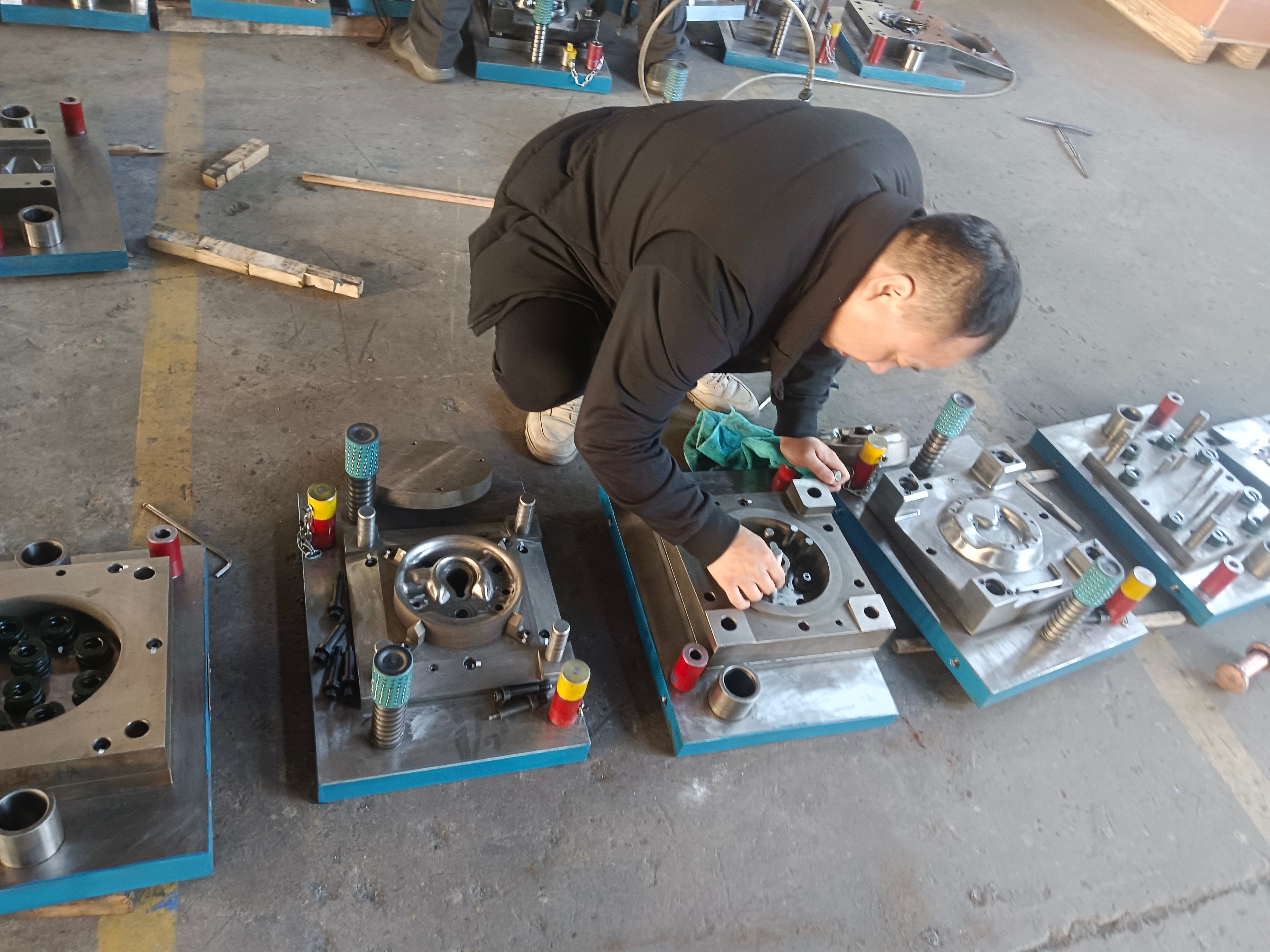
Acuan anda merupakan pelaburan yang besar, dan penyelenggaraan yang betul secara ketara memperpanjang jangka hayat penggunaannya:
- Selang penajaman: Pantau ketinggian gerigi pada komponen yang dicetak—apabila gerigi melebihi had yang diterima, acuan perlu dikikis semula. Selang masa tipikal berkisar antara 50,000 hingga 500,000 ketukan, bergantung kepada jenis bahan dan kualiti keluli acuan
- Pelarasan kelonggaran: Apabila acuan haus, kelonggaran antara penusuk dan acuan meningkat. Pengukuran berkala memastikan kelonggaran kekal dalam spesifikasi
- Penggantian spring: Spring stripper kehilangan ketegangan seiring masa. Gantilah sebelum gagal menanggalkan komponen dari pengepam dengan betul
- Pemeriksaan komponen: Periksa pilot, bushing, dan pin penuntun untuk kerosakan yang mempengaruhi ketepatan pelarasan
Melaksanakan SMED untuk Pertukaran Acuan yang Lebih Cepat
Ingin mengetahui suatu metodologi yang mengubah cara pembuatan tetapi jarang dijelaskan? SMED—Single-Minute Exchange of Die—dikembangkan oleh Shigeo Shingo di Toyota pada tahun 1960-an dan 1970-an untuk mengurangkan inventori yang mahal dan meningkatkan kecekapan. Menurut sumber-sumber pembuatan lean , acuan cetak besar yang biasanya mengambil masa berjam-jam untuk ditukar kini dapat diganti dalam masa kurang daripada 10 minit menggunakan teknik-teknik ini.
Konsep utamanya? Bezakan antara kerja yang dilakukan semasa jentera tekan berhenti (Persiapan Dalaman) dan kerja persiapan yang dilakukan semasa jentera tekan masih beroperasi (Persiapan Luaran). Sebelum SMED, hampir semua kerja pertukaran dilakukan ketika jentera tidak beroperasi.
Pelaksanaan SMED mengikut empat peringkat:
- Dokumentasikan keadaan semasa: Rekodkan setiap langkah dalam proses penukaran semula sedia ada anda
- Kilangkan penyetel dalaman dan luaran: Kenal pasti tugas-tugas yang benar-benar memerlukan jentera dihentikan
- Tukarkan tugas dalaman kepada luaran: Alihkan sebanyak mungkin tugas untuk dilakukan semasa pengeluaran berlangsung
- Rampingkan operasi yang tinggal: Optimumkan kedua-dua tugas dalaman dan luaran bagi kelajuan maksimum
Teknik praktikal yang mengurangkan masa penukaran semula termasuk:
- Peralatan berperingkat: Sediakan acuan seterusnya di atas troli khusus di sebelah jentera tekan
- Operasi selari: Ahli pasukan berbilang orang bekerja secara serentak bukan secara berurutan
- Ketinggian acuan piawai: Tetapan ketinggian tutup yang umum menghilangkan masa penyesuaian
- Klip pelepasan pantas: Gantikan bolt yang memerlukan beberapa pusingan dengan pengapit tindakan-kemudi atau hidraulik
- Jadual penggelek atau troli acuan: Menggerakkan acuan berat lebih cepat daripada yang dibenarkan oleh forklift atau kren
- Peralatan pra-tetap: Laraskan dan sahkan acuan sebelum membawanya ke mesin tekan
Manfaat-manfaat ini meluas jauh di luar minit yang dijimatkan. Pengurangan masa pertukaran membolehkan kelompok pengeluaran yang lebih kecil, kos inventori yang lebih rendah, tindak balas yang lebih cepat terhadap permintaan pelanggan, dan peningkatan tahap pemanfaatan jentera. Operasi yang dahulu mengelakkan pertukaran dengan menghasilkan inventori berlebihan kini boleh menjalankan pengeluaran just-in-time.
Penyediaan Pengendali dan Protokol Keselamatan
Bahkan peralatan yang paling baik diselenggarakan pun menjadi berbahaya tanpa operator yang dilatih secara betul. Keselamatan mesti diintegrasikan ke dalam setiap aspek operasi pengepresan:
- Bangunkan prosedur operasi keselamatan yang ditujukan berdasarkan jenis tekanan tertentu dan keperluan pemprosesan
- Berikan latihan kerja yang menyeluruh sebelum membenarkan operasi secara bebas
- Pastikan operator memahami dan mematuhi arahan keselamatan pengilang
- Semasa penyelenggaraan, sahkan bahawa prosedur penguncian dan penguncian (lockout) dilaksanakan dengan betul
- Letakkan gelongsor pada pusat bawah mati (bottom dead center) sebelum menjalankan penyelenggaraan brek
- Jangan sekali-kali melangkau atau mematikan interlok keselamatan—interlok ini wujud atas sebab-sebab kritikal
Latihan penyegaran berkala mengukuhkan tabiat keselamatan dan memperkenalkan prosedur terkini kepada operator. Dokumenkan semua latihan dan simpan rekod yang menunjukkan pematuhan terhadap kehendak OSHA dan ANSI B11.1.
Dengan protokol penyelenggaraan yang sesuai telah ditetapkan dan operator telah dilatih, anda akan meminimumkan masa henti tidak dirancang. Namun, apabila masalah berlaku—dan ia pasti akan berlaku—keupayaan untuk mendiagnosis dan menyelesaikannya dengan cepat membezakan operasi yang cekap daripada operasi yang sentiasa bergelut dengan isu kualiti.
Mengesan dan Menyelesaikan Masalah Lazim Mesin Acuan Penempaan
Walaupun penyelenggaraan yang teliti telah dilaksanakan, masalah tetap berlaku. Komponen keluar dari mesin tekan dengan tajam (burrs). Dimensi berubah keluar daripada spesifikasi. Kecacatan permukaan muncul secara tiba-tiba tanpa amaran. Apabila pengeluaran terhenti sepenuhnya, tekanan untuk memperbaiki perkara dengan segera boleh menyebabkan kaedah teka—dan teka sering kali memburukkan lagi masalah.
Inilah yang diketahui oleh pakar penyelesaian masalah berpengalaman: setiap cacat menceritakan suatu kisah. Kuncinya terletak pada cara membaca kisah tersebut dengan betul. Dengan memahami takrifan pembentukan bagi setiap jenis cacat dan melacak gejala kembali kepada punca asalnya, anda boleh menyelesaikan isu secara sistematik, bukan dengan membuat pelbagai pelarasan secara rawak.
Mendiagnosis Punca Cacat Komponen
Apabila komponen logam yang dibentuk gagal lulus pemeriksaan, masalah tersebut berasal daripada salah satu daripada empat sumber: mesin, acuan, bahan, atau parameter proses. Melakukan pelarasan acuan secara langsung apabila punca sebenar ialah variasi bahan akan menyia-nyiakan masa dan boleh menimbulkan masalah baharu.
Mulakan diagnosis anda dengan mengajukan soalan-soalan berikut:
- Bilakah masalah ini bermula? Kemunculan secara tiba-tiba menunjukkan suatu peristiwa tertentu—kegagalan alat, perubahan kelompok bahan, atau ralat dalam persediaan. Penurunan secara beransur-ansur menunjukkan isu berkaitan haus.
- Adakah cacat itu konsisten atau tidak konsisten? Masalah yang konsisten biasanya menunjukkan isu pada acuan atau mesin. Kecacatan tidak berterusan sering kali disebabkan oleh variasi bahan atau ketidaksekataan dalam sistem penghantaran.
- Adakah kecacatan itu muncul di lokasi yang sama pada setiap komponen? Masalah yang spesifik mengikut lokasi menunjukkan kausan tempatan seperti haus atau kerosakan pada acuan. Posisi kecacatan yang rawak menunjukkan pemboleh ubah berkaitan bahan atau proses.
- Adakah terdapat perubahan baru-baru ini? Pembekal bahan baharu, operator baharu, penajaman acuan, atau penyelenggaraan mesin boleh menyumbang kepada variasi.
Berdasarkan sumber penyelesaian masalah industri, mesin tampal acuan yang sedang digunakan cenderung mengalami kadar haus yang berbeza pada setiap kedudukan sisi teras penampal. Sebilangan komponen mengalami garisan yang lebih besar dan haus lebih cepat—situasi ini terutamanya ketara pada acuan segi empat tepat yang nipis dan sempit.
Mari kita teliti kecacatan paling biasa serta kaedah diagnosisnya:
Pembentukan Tepi Tirus kelihatan sebagai tepi tajam yang menonjol atau gulungan bahan berlebih di sepanjang tepi potongan. Punca utamanya? Jarak bebas antara penusuk dan acuan. Seperti yang diterangkan oleh pakar percetakan presisi, pencegahan gerigi memerlukan penggilapan tepat pada penusuk dan acuan untuk mengawal jarak bebas dengan cermat. Tepi pemotong yang haus juga menghasilkan gerigi—apabila perkakasan menjadi tumpul, ia merobek bukan memotong bahan secara bersih.
Ubah Bentuk Komponen kelihatan sebagai komponen keluli yang dicetak dengan bentuk melengkung, terpuntir, atau tidak konsisten dari segi dimensi. Punca-puncanya termasuk taburan tekanan yang tidak sekata di seluruh bahagian, acuan atas dan bawah yang tidak selari, variasi suhu semasa proses pembentukan, serta kelentingan bahan (springback) yang tidak dikompensasi dengan mencukupi. Menurut sumber industri, pengurusan kelentingan bahan memerlukan pembengkokan berlebihan dan penggunaan kompensasi pembengkokan yang sesuai semasa rekabentuk acuan.
Dimensi tidak konsisten menyebabkan frustasi dalam kawalan kualiti apabila komponen diukur dengan betul pada satu jam dan gagal memenuhi spesifikasi pada jam berikutnya. Masalah ketepatan suapan—jalur yang bergerak sedikit lebih jauh atau kurang daripada yang diinginkan—menghasilkan variasi dalam lokasi ciri-ciri. Kehausan acuan secara beransur-ansur meningkatkan kelegaan dan mengubah dimensi yang dibentuk. Penghanyutan tetapan tekanan, terutamanya dalam kedalaman langkah, mempengaruhi ketinggian ciri yang dibentuk dan kedalaman tarikan.
Kecacatan Permukaan termasuk kesan goresan, galling, dan pewarnaan merosakkan rupa komponen dan boleh mempengaruhi fungsi. Isu pelinciran merupakan antara punca paling biasa—jumlah pelincir yang tidak mencukupi membenarkan sentuhan logam-ke-logam yang menyebabkan pemindahan bahan antara acuan dan komponen. Kerosakan acuan akibat objek asing atau bongkah bahan menghasilkan tanda berulang pada setiap komponen seterusnya.
Rujukan Pantas: Masalah-Sebab-Penyelesaian
Apabila anda memerlukan jawapan dengan cepat, matriks ini memberikan titik permulaan untuk diagnosis:
| Masalah | Penyebab biasa | PENYELESAIAN |
|---|---|---|
| Duri Berlebihan | Tepi penusuk/acuan haus; kelegaan tidak tepat; perkakas tumpul | Ketajamkan semula tepi pemotong; laraskan atau gerinda semula untuk kelegaan yang sesuai; gantikan komponen yang haus |
| Ketidaksempurnaan bentuk/lekuk bahagian | Tekanan pemegang bahan yang tidak sekata; acuan tidak selari; kelenturan semula bahan | Laraskan bantalan tekanan; sahkan keselarian mesin penekan; ubah suai acuan untuk pampasan kelenturan semula |
| Variasi dimensi | Ketepatan pengisian yang rendah; hausnya acuan; kedalaman stroke yang tidak konsisten; variasi ketebalan bahan | Kalibrasikan sistem pengisian; periksa dan baiki semula acuan; semak tetapan mesin penekan; sahkan bahan masuk |
| Garis-garis permukaan/kegagalan geseran berlebihan (galling) | Pelinciran yang tidak mencukupi; kerosakan pada permukaan acuan; sisa bahan melekat pada perkakasan | Tingkatkan pelinciran atau tukar jenis pelincir; kilapkan permukaan acuan; bersihkan dan salut perkakasan |
| Retak/Koyak | Daya tonase yang berlebihan; sudut-sudut perkakasan yang haus; sifat bahan yang tidak sesuai; pelinciran yang tidak mencukupi | Kurangkan daya; asahkan semula jejari; sahkan spesifikasi bahan; tingkatkan pelinciran |
| Haus yang tidak sekata di seluruh acuan | Turet tidak selaras; ketepatan acuan/panduan rendah; kelonggaran tidak sesuai; busing panduan haus | Selaraskan semula pemasangan; gantikan komponen panduan; sahkan kelonggaran; gunakan acuan berpanduan penuh |
| Pengeluaran Slang | Kelonggaran acuan tidak mencukupi; kesan vakum; penusuk haus | Tingkatkan kelonggaran; tambah ciri-ejeksi slug; gantikan penusuk yang haus |
| Ciri-ciri diletakkan di lokasi yang salah | Pilot haus; komponen longgar; ralat sistem suapan; ketidakselarasan stesen acuan progresif | Gantikan pilot dan busing; ketatkan pengikat; kalibrasi sistem suapan; selaraskan semula stesen acuan |
Bilakah Perlu Membaiki Berbanding Mengganti Acuan Penempaan
Setiap acuan penempaan tepat akhirnya haus sehingga melebihi kos pembaikan yang ekonomikal. Namun, mengganti acuan secara prematur membazirkan pelaburan peralatan, manakala menggunakan acuan yang telah haus terlalu lama menghasilkan barang buangan dan menimbulkan risiko kegagalan teruk. Berikut adalah cara membuat keputusan yang tepat:
Pembaikan adalah sesuai apabila:
- Kehausan terlokalisasi pada komponen yang boleh digantikan—penusuk, pelaras, lapisan galas, dan spring
- Tepi pemotong boleh diketajamkan semula tanpa melebihi had pengisaran yang dibenarkan
- Ketepatan dimensi kekal dalam spesifikasi selepas pelarasan
- Jumlah kos pembaikan kekal di bawah 40–50% daripada kos penggantian
- Pembinaan acuan membenarkan pemulihan yang sesuai tanpa menjejaskan integriti struktural
Penggantian menjadi perlu apabila:
- Komponen utama acuan—blok acuan, pemegang penusuk, dan tapak acuan—menunjukkan kehausan atau kerosakan yang ketara
- Pengisaran berterusan telah menghabiskan ruang ketajaman yang tersedia
- Geometri atau toleransi bahagian telah berubah, memerlukan pengubahsuaian acuan di luar had praktikal
- Kekerapan pembaikan telah meningkat sehingga kos masa henti melebihi pelaburan untuk penggantian
- Teknologi acuan telah maju cukup sehingga perkakas baharu menawarkan peningkatan produktiviti yang ketara
Mengikut pakar pemecahan masalah, mengekalkan penyelarasan adalah kritikal untuk memperpanjang jangka hayat acuan. Penggunaan mandrel penyelarasan secara berkala untuk memeriksa dan melaras penyelarasan menara mesin dan tapak pemasangan dapat memperpanjang jangka hayat acuan secara ketara. Penggantian busing pandu pada masa yang sesuai serta pemilihan acuan cembung dan cekung dengan pelarasan yang sesuai juga mengelakkan kausan awal.
Lacak sejarah acuan anda: bilangan hentaman, kitaran penajaman, kos pembaikan, dan trend kualiti. Data ini mendedahkan apabila acuan hampir mencapai akhir jangka hayatnya dan membantu membenarkan pelaburan penggantian sebelum masalah kualiti menjadi lebih serius.
Memahami cara mendiagnosis dan menyelesaikan isu-isu biasa ini membolehkan operasi anda berjalan secara cekap. Namun, pemecahan masalah hanyalah sebahagian daripada persamaan—mengetahui kos sebenar operasi pengepresan dan cara mengoptimumkan pulangan pelaburan (ROI) membezakan operasi yang menguntungkan daripada operasi yang sentiasa bergelut dengan margin.
Pertimbangan Kos dan ROI untuk Operasi Pengepresan
Inilah yang jarang dibincangkan oleh pengilang mesin pengepresan stamping semasa proses jualan: harga pembelian hanya mewakili sebahagian kecil daripada pelaburan sebenar anda. Mesin yang terletak di lantai kilang anda mengumpul kos setiap hari—sebahagiannya jelas kelihatan, manakala yang lain terselindung sehingga muncul dalam penyata kewangan anda beberapa bulan kemudian.
Memahami jumlah kos kepemilikan membezakan operasi yang berjaya daripada operasi yang sentiasa terkejut akibat lebihan belanjawan. Sama ada anda menilai mesin pengepresan stamping logam untuk talian pengeluaran baharu atau menganalisis keuntungan operasi sedia ada, kerangka ini mendedahkan di manakah sebenarnya wang anda digunakan.
Mengira Kos Sebenar Setiap Komponen Stamping
Setiap komponen stamping membawa beban kos yang jauh melebihi kos bahan mentah. Menurut analisis kos pencetakan automotif , formula anggaran utama ialah: Jumlah Kos = Kos Tetap (Reka Bentuk + Alat Cetak + Penyediaan) + (Kos Pemboleh Ubah per Unit × Isipadu). Kelihatan mudah—tetapi mengira setiap elemen secara tepat memerlukan analisis terperinci.
Jumlah kos pemilikan anda dibahagikan kepada kategori-kategori yang berbeza:
- Pelaburan awal mesin: Harga pembelian, pemasangan, latihan, dan pengubahsuaian kemudahan untuk mesin tekanan pengecap anda
- Kos alat cetak mati: Cetakan mati tersuai mempunyai julat harga yang sangat luas—daripada lebih kurang RM5,000 untuk cetakan mati pemotongan ringkas hingga melebihi RM100,000 untuk cetakan mati progresif kompleks dengan pelbagai stesen pembentukan
- Kos operasi: Penggunaan tenaga, penyelenggaraan berjadual, baiki tidak dirancang, dan kos buruh setiap tukar gilir
- Barang habisan: Pelincir, penukar mata pencetak, spring, dan komponen haus yang memerlukan pengisian semula secara berkala
- Kawalan kualiti: Peralatan pemeriksaan, sistem pengukuran, dan jam kejuruteraan yang diperlukan untuk pengesahan
- Bahan buangan dan kerja semula: Sisa bahan dan kos buruh apabila komponen gagal memenuhi spesifikasi
Bagi sebuah mesin pengecap industri yang beroperasi dalam pengeluaran, kos bahan sering kali menyumbang 60–70% daripada harga seunit yang berubah-ubah. Namun, berikut adalah perkara yang sering mengejutkan banyak operasi: kadar jam mesin berbeza secara ketara bergantung kepada kapasiti tekanan (ton) dan penggunaan tenaga. Sebuah jentera tekan 600 tan mempunyai kadar jam yang jauh lebih tinggi berbanding jentera tekan 100 tan disebabkan oleh faktor penggunaan tenaga dan penyusutan.
Pengiraan kecekapan juga penting. Seperti yang dinyatakan oleh sumber-sumber industri, kecekapan tidak pernah mencapai 100%—ambil kira pertukaran gulungan, selang penyelenggaraan, dan masa henti tidak terancang apabila mengira kos sebenar mesin. Kebanyakan operasi mencapai 80–85% Keseluruhan Keberkesanan Peralatan (OEE), bermakna kos sebenar per unit adalah lebih tinggi daripada yang diramalkan oleh pengiraan teoretikal.
Bagaimana Isipadu Pengeluaran Mempengaruhi Ekonomi Kos Per Unit
Berbeza daripada proses-proses di mana kos kekal agak rata bagi setiap unit, proses pencetakan mengikuti lengkung asimptotik di mana kos bagi setiap komponen turun secara mendadak apabila isipadu meningkat. Memahami hubungan ini menentukan sama ada pelaburan anda masuk akal dari segi kewangan.
Pertimbangkan pengiraan untuk penyusutan alat cetak. Jika acuan progresif berharga $80,000 tetapi menghasilkan 500,000 komponen dalam tempoh lima tahun, tambahan kos alat cetak hanyalah $0.16 bagi setiap komponen. Sebaliknya, untuk kelompok hanya 5,000 komponen, acuan yang sama menambahkan $16.00 bagi setiap komponen—yang kemungkinan besar menjadikan projek ini tidak ekonomikal untuk proses pencetakan.
Apabila pelaburan dalam acuan progresif menjadi wajar berbanding pilihan yang lebih mudah? Had isipadu biasanya berada antara 10,000 hingga 20,000 komponen setahun, di mana kecekapan acuan progresif menampung harga awalnya yang tinggi. Bagi projek automotif yang melebihi 10,000 unit setahun, pelaburan dalam acuan progresif yang kompleks biasanya memberikan jumlah kos pemilikan terendah dengan mengurangkan masa kitaran dan buruh secara ketara.
Pengilang jentera pengecapan acap kali menekankan keupayaan kelajuan tanpa menerangkan realiti ekonomi ini. Sebuah jentera pengecapan logam industri berkelajuan tinggi yang beroperasi pada 400 denyutan seminit memberikan kecekapan seunit bahagian yang luar biasa—tetapi hanya jika isi padu pengeluaran anda menghalalkan pelaburan alat yang diperlukan untuk mencapai kadar tersebut.
Bagaimana Kualiti Acuan Mempengaruhi Ekonomi Pengeluaran Jangka Panjang
Halangan terbesar untuk memasuki pasaran ialah kos alat, dan kualiti acuan secara langsung menentukan struktur kos jangka panjang anda. Sebuah acuan yang direkabentuk dengan tepat dan dimesin daripada keluli perkakasan keras mampu menahan berjuta-juta kitaran impak, manakala pilihan yang lebih murah memerlukan penyelenggaraan kerap dan penggantian lebih awal.
Faktor-faktor yang mempengaruhi jangka hayat acuan dan kitaran penggantiannya termasuk:
- Kualiti keluli perkakasan: Keluli keras berkualiti tinggi (seperti karbida atau D2) membolehkan jaminan sehingga jutaan denyutan berbanding jangka hayat yang lebih pendek daripada bahan-bahan kurang berkualiti
- Ketepatan Kejuruteraan: Jarak bebas yang sesuai dan geometri yang dioptimumkan mengurangkan kadar haus serta memanjangkan selang ketajaman semula
- Disiplin penyelenggaraan: Pemeriksaan berkala dan penajaman semula yang tepat masa mengelakkan kerosakan berantai
- Keserasian bahan: Acuan yang direka khas untuk sifat bahan tertentu anda tahan lebih lama berbanding penyelesaian am
Peruntukkan belanjawan untuk penyelenggaraan acuan—secara umumnya 2–5% daripada kos perkakasan setiap tahun—bagi menajamkan penusuk dan menggantikan bahagian yang haus. Pelaburan berterusan ini melindungi perbelanjaan awal anda terhadap perkakasan serta mengekalkan kualiti komponen.
Mengurangkan Kos Melalui Simulasi dan Kejuruteraan Ketepatan
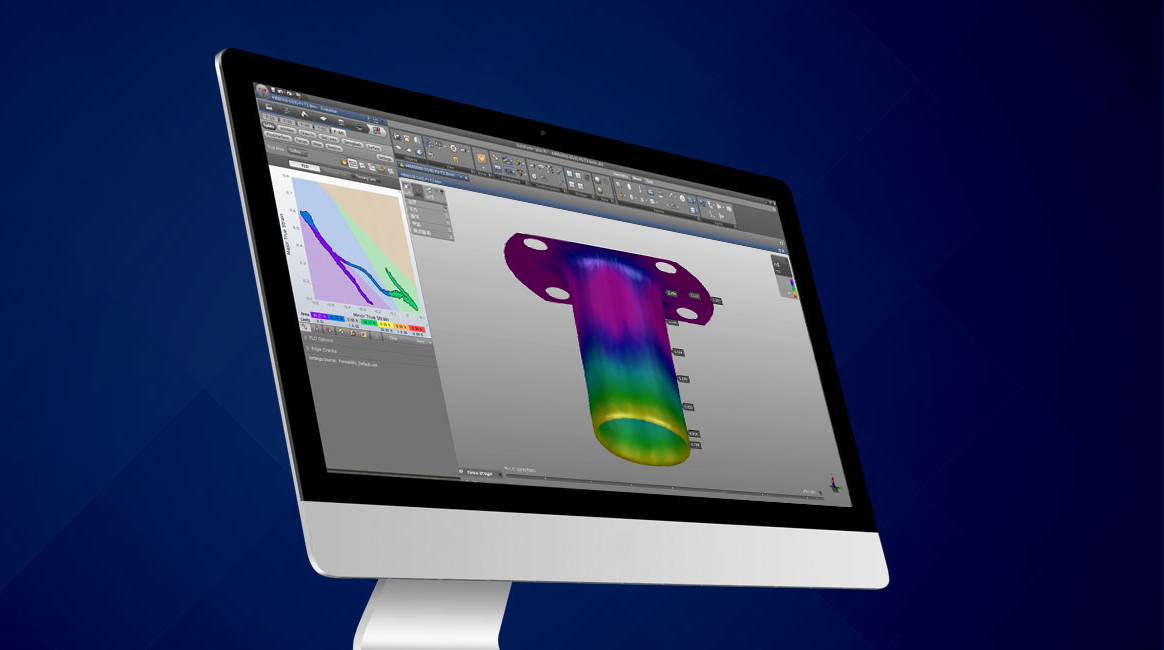
Di sinilah teknologi moden memberikan pulangan pelaburan (ROI) yang boleh diukur: simulasi KEJ (Kejuruteraan Bantu Komputer) menghilangkan kaedah percubaan dan ralat yang mahal semasa pembangunan acuan. Teknologi simulasi mengoptimumkan bentuk kepingan sebelum alat fizikal dipotong, menjimatkan peratusan yang diterjemahkan kepada penjimatan ketara dalam pengeluaran isipadu tinggi.
Proses pembangunan acuan tradisional melibatkan pembinaan prototaip fizikal, menjalankan ujian percubaan, mengenal pasti masalah, mengubah suai perkakasan acuan, dan mengulangi proses tersebut—kadangkala melalui beberapa kitaran mahal. Setiap kitaran ini menggunakan bahan, masa mesin, dan jam kejuruteraan sambil menangguhkan permulaan pengeluaran.
Kemampuan simulasi lanjutan mengubah persamaan ini secara ketara dengan meramalkan kelakuan bahan, mengenal pasti cacat potensi, dan mengoptimumkan geometri acuan sebelum memotong keluli. Hasilnya? Masa lebih pantas untuk pengeluaran dan lebih sedikit kejutan mahal semasa fasa ujian percubaan.
Di sinilah pemilihan pembekal acuan yang tepat menjadi keputusan strategik, bukan sekadar transaksi pembelian biasa. Penyelesaian acuan penempaan Shaoyi yang bersijil IATF 16949 mereka menunjukkan nilai ini melalui kadar kelulusan pertama sebanyak 93%—maksudnya acuan berfungsi dengan betul tanpa kitaran kerja semula yang mahal. Kemampuan simulasi CAE mereka meminimumkan bilangan iterasi perkakasan acuan, manakala pembuatan prototaip pantas dalam tempoh seawal 5 hari mempercepat masa untuk pengeluaran dalam aplikasi jentera pengepresan logam lembaran.
Faktor Kos Tersembunyi yang Mempengaruhi Hasil Akhir Anda
Di luar item-baris yang jelas, beberapa faktor secara signifikan mempengaruhi ekonomi proses stamping:
Kawalan Kualiti dan Pensijilan: Komponen automotif memerlukan pengesahan yang ketat, yang kerap melibatkan dokumentasi PPAP (Production Part Approval Process). Ini bukanlah percuma—ia memerlukan alat pemeriksaan, masa CMM (Coordinate Measuring Machine), dan jam kejuruteraan. Memilih mesin tekan stamping dan pembekal acuan tanpa sijil yang sesuai boleh menyebabkan kegagalan kualiti yang mahal.
Logistik dan Rantai Pasokan: Walaupun acuan dari luar negara mungkin kelihatan 30% lebih murah pada permulaan, pertimbangkan kos keseluruhan setelah tiba di destinasi. Penghantaran acuan keluli berat, kemungkinan kelengkapan di pelabuhan, dan ketidakmampuan untuk segera menyelesaikan perubahan kejuruteraan boleh menghapuskan simpanan awal. Kedekatan dengan pembekal acuan anda menjadi penting apabila masalah memerlukan penyelesaian yang cepat.
Sokongan Kejuruteraan: Harga seunit terendah sering kali menipu. Acuan yang memerlukan pelarasan berterusan menghabiskan masa kejuruteraan yang tidak kelihatan dalam invois perkakasan. Bekerjasama dengan pengilang yang mampu menjana peralihan lancar dari pembuatan prototaip kepada pengeluaran pukal dapat mengurangkan risiko dan kos tersembunyi.
Reka Bentuk untuk Kekelolaan Pengeluaran: Setiap ciri pada suatu komponen memerlukan stesen yang sepadan dalam acuan. Panduan DFM (Design for Manufacturability) yang bijak—seperti menggunakan rekabentuk simetri dan menghapuskan bentuk-bentuk tambahan—mengurangkan masa pengeluaran dan kos perkakasan sebelum kos-kos tersebut dikeluarkan.
Ringkasan Faktor Kos
- Kos tetap: Pembelian jentera, pelaburan perkakasan acuan, jam reka bentuk kejuruteraan, percubaan awal dan penyesuaian kalibrasi
- Kos berubah-ubah: Bahan mentah (bahan gulung), kadar jam jentera, buruh langsung, pelincir dan bahan habis pakai
- Kos kualiti: Peralatan pemeriksaan, dokumentasi PPAP, sisa buangan dan kerja semula apabila komponen gagal memenuhi spesifikasi
- Kos Penyelenggaraan: Program penyelenggaraan berjadual, penajaman acuan, penggantian komponen, serta baikan tidak dirancang
- Kos Tersembunyi: Masa sokongan kejuruteraan, kelambatan dalam rantaian bekalan, keperluan pensijilan, dan peruntukan ruang lantai
Anggaran kos yang tepat memerlukan pandangan strategik terhadap keseluruhan kitaran hayat produk—daripada penyusutan pelaburan peralatan hingga pengoptimuman mikro masa kitaran dan kadar sisa. Harga yang dikutip paling rendah jarang sekali memberikan jumlah kos keseluruhan pemilikan yang paling rendah.
Dengan pemahaman yang jelas mengenai ekonomi percetakan logam (stamping), bahagian terakhir teka-teki menjadi nyata: memaksimumkan pulangan pelaburan anda memerlukan lebih daripada sekadar membeli peralatan yang sesuai—ia menuntut perkongsian yang tepat dan strategi operasi yang berkesan.
Memaksimumkan Pelaburan Mesin Acuan Percetakan Logam (Stamping Die Machine) Anda
Anda telah meneroka cara kerja dalaman peralatan percetakan logam, membandingkan jenis-jenis mesin penekan, mengira keperluan daya tonase, dan mempelajari cara menyelesaikan masalah lazim. Kini tiba soalan yang menentukan sama ada pelaburan anda akan memberikan pengeluaran menguntungkan selama beberapa dekad atau kekecewaan bertahun-tahun: bagaimanakah anda menyatukan semua elemen ini ke dalam satu strategi yang koheren bagi memaksimumkan pulangan?
Pengilang yang menjual peralatan mesin penekan cap tidak akan memberitahu anda perkara ini, tetapi pemilihan mesin hanyalah separuh daripada persamaan. Apakah mesin penekan cap tanpa kelengkapan acuan yang direkabentuk dengan betul? Ia hanyalah sekeping logam mahal yang terletak di lantai bengkel anda. Rahsia sebenar kejayaan dalam proses penekanan terletak pada pemahaman tentang bagaimana setiap keputusan—dari jenis mesin, pembekal acuan, hingga protokol penyelenggaraan—saling berkait dan menentukan hasil jangka panjang anda.
Membina Strategi Pengeluaran Penekanan yang Lengkap
Bayangkan operasi penekanan anda sebagai satu sistem di mana setiap elemen sama ada menyokong atau melemahkan elemen lain. Sebuah mesin penekan keluli yang beroperasi pada prestasi puncak masih menghasilkan barang buangan jika acuan tidak direkabentuk dengan betul. Kelengkapan acuan yang direkabentuk secara sempurna akan gagal lebih awal jika digunakan pada mesin yang tidak mempunyai kapasiti tonase atau ketepatan yang mencukupi. Kelalaian dalam penyelenggaraan akhirnya akan merosakkan bahkan peralatan terbaik sekalipun.
Strategi pengeluaran lengkap anda mesti menangani elemen-elemen yang saling berkait ini:
- Penyesuaian mesin dengan aplikasi: Padankan jenis tekanan (mekanikal, hidraulik, servo, atau pemindahan) dengan keperluan pembentukan khusus anda. Kerja progresif berkelajuan tinggi memerlukan kemampuan yang berbeza berbanding operasi lukisan dalam.
- Pengesahan tonase dan kemampuan: Kira keperluan daya sebenar termasuk semua beban sekunder—bukan hanya operasi pembentukan utama. Saiz peralatan pada 70–80% daripada kapasiti kadar untuk aplikasi paling berat anda.
- Kesesuaian bahan-peralatan: Pastikan spesifikasi tekanan anda menyokong julat ketebalan bahan, keperluan lebar, dan kapasiti berat gulungan anda.
- Infrastruktur penyelenggaraan: Tetapkan jadual penyelenggaraan berjadual sebelum pengeluaran bermula. Pelinciran harian, pemeriksaan mingguan, dan pemeriksaan semula tahunan melindungi pelaburan anda.
- Program latihan operator: Laburkan dalam latihan komprehensif yang merangkumi operasi selamat, penyelesaian masalah asas, dan prosedur pengesahan kualiti.
- Perkongsian dengan pembekal acuan: Pilih rakan pembekal acuan berdasarkan keupayaan kejuruteraan dan rekod kualiti—bukan hanya harga yang dikutip.
Menurut pakar industri, memilih pengilang stamping yang sesuai bukan sekadar memenuhi spesifikasi—tetapi lebih kepada membina suatu perkongsian yang menjamin kebolehpercayaan, ketepatan, dan nilai jangka panjang. Prinsip ini berlaku sama-sama terhadap pembekal peralatan dan pembekal acuan anda.
Apabila menilai jentera stamping untuk dijual, jangan hanya mempertimbangkan harga pembelian. Ambil kira ketersediaan komponen, masa tindak balas perkhidmatan di wilayah anda, serta reputasi pembekal dalam menyokong peralatan sepanjang keseluruhan jangka hayat operasinya. Sebuah jentera yang dimulakan operasinya tanpa infrastruktur sokongan yang mencukupi akan menjadi beban, bukan aset.
Berkongsi Kerja dengan Pasukan Kejuruteraan Acuan yang Tepat
Inilah realiti yang membezakan operasi yang menghadapi cabaran daripada para pemimpin industri: walaupun jentera stamping paling canggih sekalipun tidak dapat mengimbangi kekurangan dalam rekabentuk acuan. Kualiti acuan menentukan kualiti komponen, kecekapan pengeluaran, dan kos operasi jangka panjang.
Mesin acuan stamping terbaik di dunia menghasilkan hasil yang sederhana sahaja apabila menggunakan acuan yang sederhana. Namun, acuan yang direkabentuk dengan baik dan beroperasi pada tekanan (press) yang sesuai mampu menghasilkan komponen berkualiti tinggi secara konsisten, shift demi shift, tahun demi tahun.
Apakah ciri-ciri yang perlu anda cari dalam rakan rekabentuk acuan?
- Kolaborasi pada peringkat awal: Rakan yang terlibat sejak peringkat rekabentuk produk dapat mengenal pasti peluang untuk mengurangkan bahan buangan (scrap), merampingkan perkakasan (tooling), dan meningkatkan prestasi komponen sebelum perkakasan dibina
- Keupayaan simulasi: Analisis CAE yang meramalkan kelakuan bahan dan mengenal pasti kecacatan potensi sebelum keluli dipotong dapat menjimatkan kitaran percubaan dan ralat yang mahal
- Sijil Kualiti: Sijil IATF 16949 menunjukkan kawalan kualiti yang konsisten, ketelusuran yang didokumentasikan, dan amalan penambahbaikan berterusan yang penting bagi aplikasi automotif
- Kelajuan prototaip: Keupayaan untuk menghantar prototaip fungsional dengan cepat mempercepatkan masa pelancaran produk ke pasaran dan mengurangkan risiko pembangunan
- Kebolehlaksanaan Pengeluaran: Rakan kongsi yang menyokong kedua-dua kuantiti prototaip dan pengeluaran berkelompok tinggi memberikan kesinambungan sepanjang seluruh kitaran hayat produk anda
Untuk aplikasi pengecap automotif di mana toleransi ketat dan jangkaan kualiti tidak boleh dikompromikan, Keupayaan reka bentuk dan pembuatan acuan Shaoyi yang komprehensif menunjukkan bagaimana rupa sebenar suatu perkongsian kejuruteraan. Proses mereka yang bersijil IATF 16949, disokong oleh simulasi CAE lanjutan, memberikan kadar kelulusan pertama sebanyak 93%—maksudnya perkakasan berfungsi dengan betul tanpa kitaran kerja semula yang mahal. Dengan prototaip pantas yang tersedia dalam masa selewat-lewatnya 5 hari dan pasukan kejuruteraan yang berpengalaman dalam piawaian OEM, mereka menjadikan transisi dari konsep kepada pengeluaran berkelompok tinggi menjadi lancar.
Soalan-soalan yang anda ajukan kepada pembekal acuan berpotensi mendedahkan keupayaan sebenar mereka. Menurut pakar percetakan tepat, pengilang percetakan yang cekap harus lebih daripada sekadar pembekal—mereka harus bertindak sebagai rakan kejuruteraan. Kolaborasi pada peringkat awal melalui Reka Bentuk untuk Kebolehpembuatan dapat mengenal pasti peluang untuk mengurangkan bahan buangan, merampingkan perkakasan acuan, dan meningkatkan prestasi produk sebelum pengeluaran bermula.
Intisari Utama untuk Kejayaan Jangka Panjang
Apabila anda membuat keputusan mengenai peralatan percetakan, ingatlah prinsip-prinsip berikut:
- Jumlah kos lebih penting daripada harga pembelian: Tawaran harga peralatan terendah jarang memberikan kos terendah setiap komponen berkualiti sepanjang jangka hayat operasinya
- Kualiti acuan menentukan hasil: Laburkan dalam perkakasan acuan yang direka secara tepat bersama rakan yang mempunyai keupayaan kejuruteraan yang telah terbukti
- Penyelenggaraan mencegah kejutan mahal: Program penyelenggaraan pencegahan yang sistematik melindungi pelaburan anda dan mengekalkan kualiti komponen
- Perkongsian lebih unggul daripada transaksi: Pembekal yang menyediakan sokongan kejuruteraan, tindak balas pantas, dan penambahbaikan berterusan mencipta nilai yang lebih tinggi berbanding pembekal komoditi
- Pengetahuan mengurangkan risiko: Memahami peralatan, proses, dan pemandu kos anda membolehkan pengambilan keputusan yang lebih baik di setiap peringkat
Industri pematerian memberi ganjaran kepada mereka yang mendekati pemilihan peralatan secara strategik, bukan secara reaktif. Dengan mencocokkan keupayaan mesin kepada keperluan aplikasi, menetapkan protokol penyelenggaraan yang kukuh, serta bekerjasama dengan pembekal acuan berkualiti, anda menempatkan operasi anda untuk pengeluaran yang produktif dan menguntungkan dalam jangka masa panjang.
Sama ada anda menentukan spesifikasi mesin acuan pematerian pertama anda atau mengoptimumkan talian pengeluaran sedia ada, rahsia yang dikongsikan sepanjang panduan ini memberikan pengetahuan yang sering disembunyikan oleh pengilang. Gunakan maklumat ini untuk mengajukan soalan yang lebih baik, membuat keputusan berdasarkan maklumat, dan membina operasi pematerian yang memberikan hasil yang konsisten—bahagian demi bahagian, tahun demi tahun.
Soalan Lazim Mengenai Mesin Acuan Pematerian
1. Berapakah kos acuan pemeteraian logam?
Kos acuan pembentuk logam berada dalam julat $500 untuk acuan pemotongan ringkas hingga melebihi $100,000 untuk acuan progresif kompleks dengan pelbagai stesen pembentukan. Harga bergantung kepada kerumitan komponen, keperluan bahan, dan isi padu pengeluaran. Projek automotif berisi padu tinggi mendapat manfaat daripada pelaburan acuan progresif apabila isi padu tahunan melebihi 100,000 unit, memandangkan kos acuan seunit turun secara ketara. Bekerja bersama pembekal yang bersijil IATF 16949 seperti Shaoyi—yang mencapai kadar kelulusan pertama sebanyak 93%—mengurangkan kitaran kerja semula yang mahal dan memberikan nilai jangka panjang yang lebih baik.
2. Bagaimanakah cara acuan pembentuk logam beroperasi?
Acuan pengepresan beroperasi melalui proses pembentukan sejuk, di mana mekanisme penekan menggerakkan bahagian acuan atas (penusuk) ke dalam rongga acuan bawah dengan daya yang sangat besar. Semasa hentaman terkawal ini, acuan memotong, membengkokkan atau membentuk logam lembaran menjadi komponen yang tepat. Acuan progresif menggerakkan bahan jalur secara beransur-ansur melalui pelbagai stesen, menjalankan operasi berbeza pada setiap hentian—seperti pemotongan kasar (blanking), penusukan (piercing), pembentukan (forming), dan percetakan (coining)—dan sering menyelesaikan pembuatan komponen dalam masa kurang daripada satu saat. Kejuruteraan tepat acuan menentukan geometri akhir komponen, toleransi, dan kualitinya.
3. Mesin manakah yang digunakan untuk pengepresan?
Mesin pengepresan adalah mesin utama yang digunakan dalam operasi pengepresan logam. Terdapat empat jenis utama: mesin pengepres mekanikal (berpemacu roda jejari untuk pengeluaran berkelajuan tinggi), mesin pengepres hidraulik (daya boleh ubah untuk penarikan mendalam), mesin pengepres servo (profil pergerakan boleh atur cara untuk kerja ketepatan tinggi), dan mesin pengepres pemindahan (keupayaan pelbagai stesen untuk komponen kompleks). Pemilihan mesin bergantung kepada keperluan daya tekan (ton), kelajuan lengkok, spesifikasi bahan, dan isi padu pengeluaran. Penyesuaian jenis mesin pengepres yang sesuai dengan aplikasi anda memastikan kualiti komponen yang optimal dan kecekapan pengeluaran.
4. Apakah perbezaan antara pemotongan acuan dan pengepresan?
Walaupun kedua-dua proses ini membentuk logam, pemotongan acuan (die cutting) biasanya merujuk kepada operasi pemotongan ringkas yang memisahkan bahan mengikut garis luar yang ditetapkan. Pengetipan logam (metal stamping) merangkumi pelbagai operasi yang lebih luas termasuk pengelupasan (blanking), penusukan (piercing), pembentukan (forming), penarikan (drawing), pengedaran (coining), dan timbul (embossing)—sering kali menggabungkan beberapa operasi dalam satu acuan. Pengetipan menggunakan kepingan logam yang diumpan dari gulungan atau kepingan terpisah melalui proses pembentukan sejuk, manakala pengecoran acuan (die casting) menggunakan logam cair yang dituang ke dalam acuan. Pengetipan unggul dalam pengeluaran berkelompok tinggi bagi komponen tepat dan konsisten di industri automotif, penerbangan, dan elektronik.
5. Bagaimana saya mengira tonase yang sesuai untuk mesin pengetipan saya?
Kira beban pengepresan dengan mengambil kira semua elemen yang menghasilkan beban: operasi utama (pemotongan, pelubangan, pembentukan), daya sekunder (penyepit spring, bantal nitrogen), dan beban tambahan (kam, pemotongan sisa). Gunakan kekuatan ricih bahan untuk operasi pemotongan dan kekuatan tegangan untuk operasi penarikan. Tambahkan beban dari semua stesen aci untuk mendapatkan jumlah beban yang diperlukan secara keseluruhan. Saizkan jentera pengepresan anda pada 70–80% daripada kapasiti kadarannya untuk aplikasi paling berat anda bagi menyediakan jarak keselamatan. Selain itu, sahkan juga keperluan tenaga—kekurangan tenaga boleh menyebabkan jentera terkunci walaupun beban tonase yang disediakan mencukupi.