 Small batches, high standards. Our rapid prototyping service makes validation faster and easier —
  EN
EN


Keratan Laser Kepingan Keluli: Baiki Kecacatan, Pilih Gas yang Tepat, Kurangkan Kos
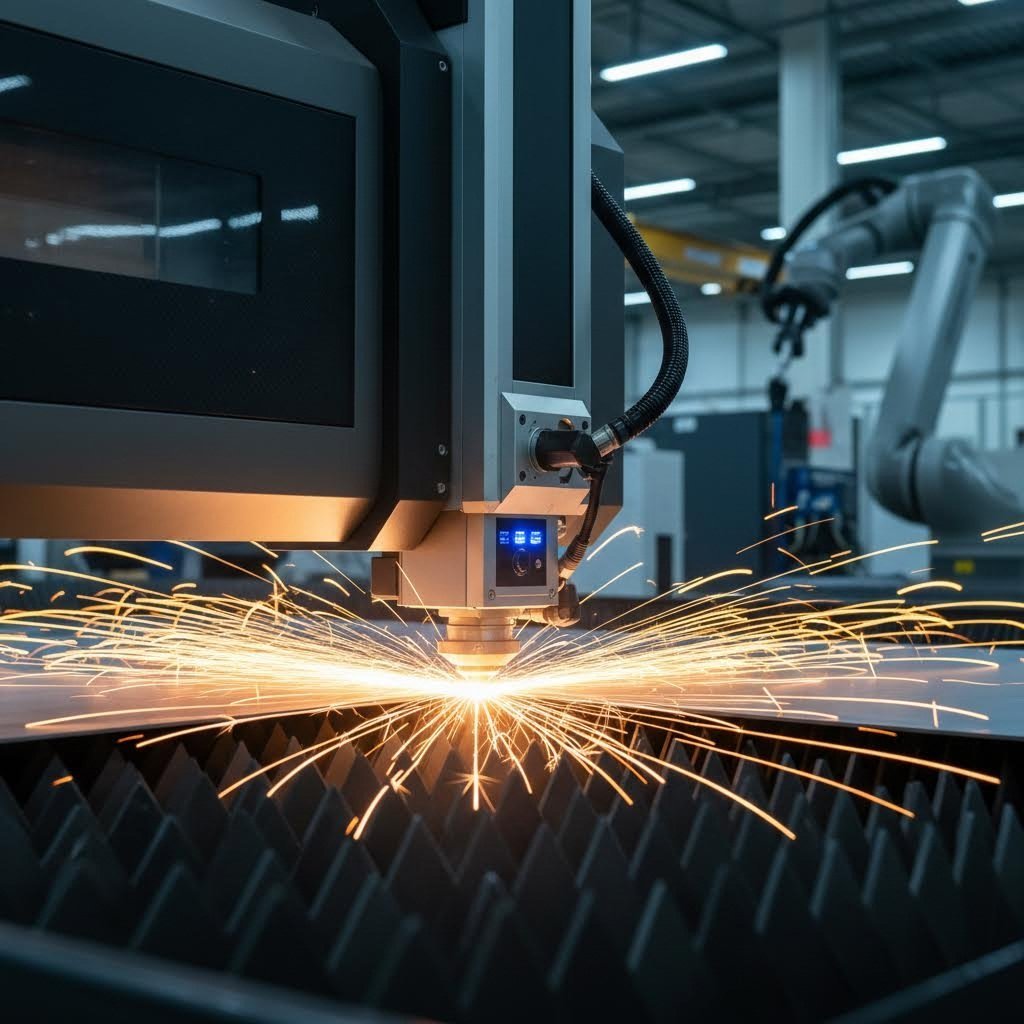
Apakah Pemotongan Keluli dengan Laser dan Bagaimanakah Ia Berfungsi
Pernah tertanya-tanya bagaimana pengilang mencapai potongan yang begitu tepat pada komponen keluli? Jawapannya terletak pada salah satu teknologi paling bertransformasi dalam pembuatan logam moden: pemotongan kepingan keluli dengan laser. Proses ini telah merevolusikan cara industri membentuk dan memproses keluli, memberikan tahap ketepatan yang tidak mampu dicapai oleh kaedah pemotongan konvensional.
Pemotongan laser adalah proses haba berketepatan tinggi yang menggunakan alur cahaya yang koheren, terpusat, dan dimodulasi untuk melebur, mengewapkan, dan memotong logam sepanjang laluan yang diprogramkan dengan ketepatan geometri yang luar biasa.
Jadi, apakah sebenarnya pemotongan laser? Intipatinya, teknologi ini mengarahkan alur laser yang sangat terfokus ke atas permukaan keluli , menghasilkan suhu sekitar 3,000°C pada titik fokus. Tenaga haba terkonsentrasi ini akan melebur atau mengubah logam keluli kepada wap, menghasilkan potongan yang bersih dan tepat tanpa mengenakan tekanan mekanikal pada benda kerja. Hasilnya? Tepi yang bebas dari gerigis dengan kekasaran permukaan yang berkurang, sering kali tidak memerlukan operasi pembaikan tambahan.
Bagaimana Sinar Laser Mengubah Kepingan Keluli
Apabila anda membuat potongan laser pada keluli, keajaiban berlaku pada peringkat molekul. Proses ini bermula apabila tenaga elektrik mencetuskan zarah-zarah di dalam sumber laser—sama ada laser gentian atau sistem CO2. Zarah-zarah yang teruja ini membebaskan foton melalui pemancaran terangsang, menghasilkan alur cahaya inframerah yang terkonsentrasi yang kemudian difokuskan ke titik berdiameter sangat kecil pada permukaan keluli.
Bayangkan memfokuskan cahaya matahari melalui kanta pembesar, tetapi dengan ketepatan dan kuasa yang jauh lebih tinggi. Sistem CNC moden mengawal lintasan pemotongan, kelajuan suapan, kuasa laser, dan parameter gas bantu secara serentak, membolehkan operator menyesuaikan tetapan berdasarkan jenis dan ketebalan bahan. Tahap kawalan inilah yang menjadikan pemotongan logam menggunakan laser sebagai pilihan utama bagi pelbagai aplikasi, daripada komponen automotif hingga elemen arkitektur.
Sains Di Sebalik Ketepatan Pemotongan Termal
Dua jenis laser utama mendominasi pemprosesan kepingan keluli pada hari ini: laser gentian dan laser CO2. Setiap satu menjana tenaga haba tumpu secara berbeza, tetapi kedua-duanya mencapai matlamat yang sama—penyingkiran bahan secara tepat melalui ablasi termal yang terkawal.
Laser gentian memancarkan cahaya pada panjang gelombang kira-kira 1.06 mikron, manakala laser CO2 beroperasi pada 10.6 mikron. Perbezaan panjang gelombang ini memberi kesan besar terhadap penyerapan tenaga laser oleh keluli. Memandangkan logam mempunyai kerintangan yang lebih rendah terhadap panjang gelombang yang lebih pendek, laser gentian memberikan kuasa pemotongan yang lebih efektif bagi output tenaga yang sama. Menurut Laser Photonics , laser gentian boleh menukar sehingga 42% tenaga elektrik kepada cahaya laser, berbanding hanya 10-20% untuk sistem CO2.
Proses pemotongan dengan laser juga mendapat manfaat daripada gas bantu—biasanya oksigen atau nitrogen—yang membantu mengalirkan bahan lebur keluar dari zon potongan sambil mempengaruhi kualiti tepi. Sama ada anda menggunakan pemotong laser untuk bahan nipis atau memproses plat yang lebih tebal, memahami asas-asas ini membantu anda mengoptimumkan keputusan dan mengawal kos.
Gabungan ketepatan terma, kawalan CNC, dan sains bahan inilah yang menjadikan pemotongan kepingan keluli dengan laser sebagai piawaian industri bagi pembuatan logam presisi—menawarkan kebolehulangan, kelajuan, dan kualiti yang tidak dapat ditiru oleh kaedah pemotongan mekanikal.
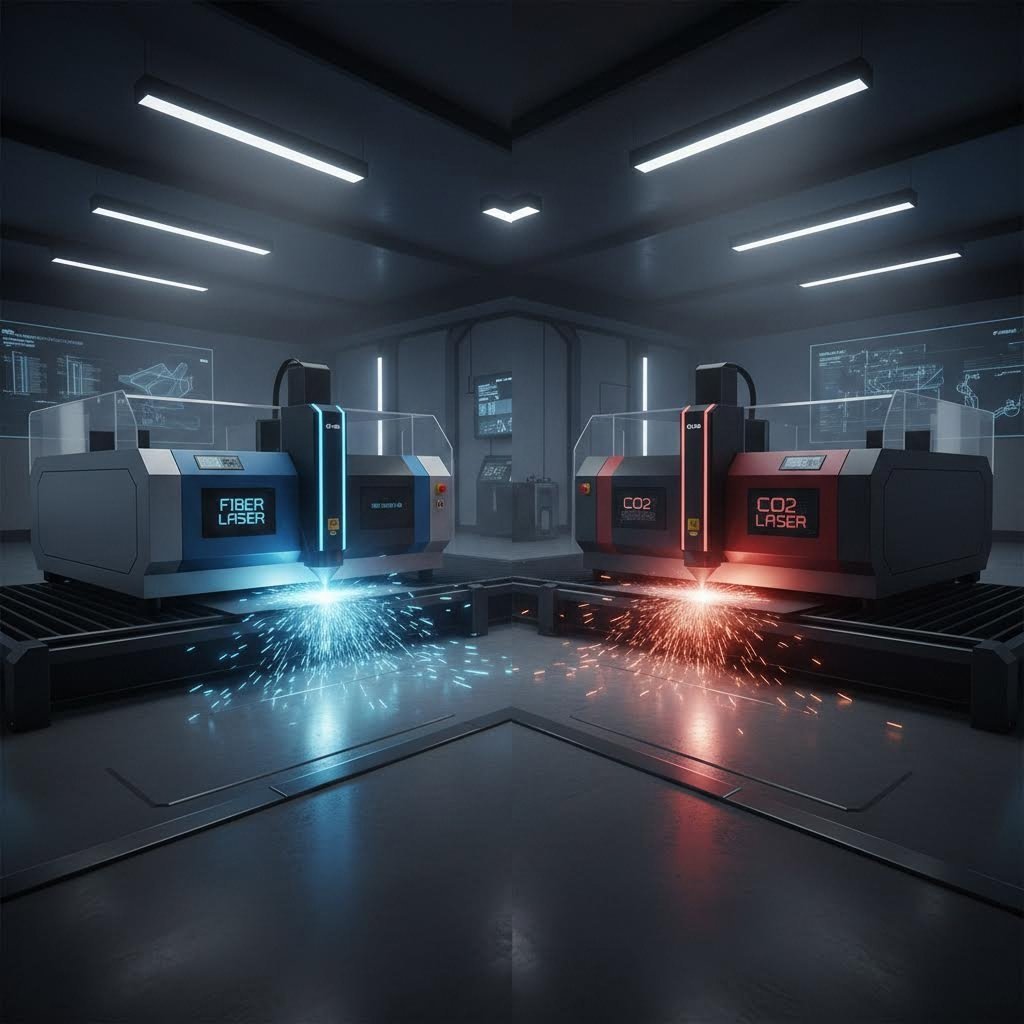
Laser Gentian berbanding Laser CO2 untuk Aplikasi Kepingan Keluli
Sekarang anda telah memahami cara kerja pemotongan laser, laser jenis manakah yang harus dipilih untuk projek kepingan keluli anda? Keputusan ini memberi kesan besar terhadap kelajuan pemotongan, kos pengendalian, dan kualiti tepi. Mari kita analisis perbezaan antara gentian dan CO2 supaya anda dapat membuat pilihan yang bijak untuk aplikasi khusus anda.
Perbezaan asas terletak pada panjang gelombang. Laser gentian beroperasi pada 1.064 mikrometer, manakala laser CO2 memancarkan pada 10.6 mikrometer. Mengapa ini penting? Keluli menyerap panjang gelombang yang lebih pendek dengan lebih cekap, bermakna laser gentian memberikan kuasa pemotongan yang lebih tinggi bagi setiap watt tenaga masukan. Kelebihan panjang gelombang ini telah mendorong penerimaan pantas teknologi gentian dalam operasi pemotongan laser industri di seluruh dunia .
Kelebihan Laser Fiber untuk Pemprosesan Keluli
Jika anda memproses kepingan keluli nipis—kebanyakannya 1/2 inci atau kurang—laser gentian biasanya merupakan laser terbaik untuk memotong bahan anda. Menurut Alpha Lazer , mesin laser gentian boleh memotong sehingga lima kali lebih cepat berbanding sistem CO2 konvensional pada bahan nipis. Kelajuan ini secara langsung diterjemahkan kepada kos per unit yang lebih rendah dan kitaran pengeluaran yang lebih pendek.
Pertimbangkan perbezaan kos pengendalian: menjalankan laser CO2 4kW menelan kos kira-kira $12.73 sejam, manakala laser fiber 4kW yang setara hanya beroperasi pada $6.24 sejam. Sepanjang ribuan jam pengeluaran, penjimatan ini bertambah dengan mendadak. Sistem fiber juga memerlukan penyelenggaraan yang kurang kerana reka bentuk pepejalnya dengan komponen bergerak yang lebih sedikit—tiada tiub gas atau cermin optik yang perlu diganti secara berkala.
Perkembangan teknologi fiber adalah luar biasa. Apabila laser fiber kali pertama memasuki industri pembuatan sekitar tahun 2008, ia cepat mencapai ambang pemotongan 4kW yang mengambil masa dua dekad bagi laser CO2 untuk dicapai. Kini, laser fiber telah melampaui 12kW dan seterusnya, membolehkan pemprosesan bahan yang semakin tebal sambil mengekalkan kelebihan dari segi kelajuan dan kecekapan.
Apabila Laser CO2 Masih Sesuai
Walaupun gentian mendominasi dalam pemprosesan bahan nipis, pemotongan keluli dengan laser CO2 masih sesuai untuk aplikasi tertentu. Apabila memotong keluli yang lebih tebal—melebihi 20mm—laser CO2 boleh memberikan kualiti tepi yang lebih licin. Panjang gelombang yang lebih panjang mengagihkan haba dengan lebih sekata merentasi keratan tebal, menghasilkan kemasan permukaan yang lebih baik pada plat berat.
Sistem CO2 juga menawarkan kelebihan apabila operasi anda melibatkan pelbagai jenis bahan. Jika susunan laser dan CNC anda perlu memproses bahan bukan logam seperti akrilik, kayu, atau plastik bersama keluli, laser CO2 menyediakan pelbagai kebolehan ini. Teknologi yang telah terbukti dan kos peralatan awal yang lebih rendah menjadikannya pilihan menarik untuk bengkel yang mengendalikan aliran kerja bahan campuran.
Namun begitu, untuk pemprosesan keluli khusus—terutamanya dalam pembuatan berjumlah tinggi—teknologi gentian biasanya memberikan pulangan pelaburan yang lebih unggul. Laser untuk mesin pemotong yang anda pilih harus sejajar dengan jenis bahan utama, keperluan ketebalan, dan jumlah pengeluaran anda.
| Parameter | Laser Fiber | Co2 laser |
|---|---|---|
| Julat Ketebalan Keluli | Optimum sehingga 25mm | Berkesan sehingga 40mm+ |
| Kelajuan Pemotongan (Keluli Nipis) | Sehingga 20 meter/minit | 3-5 kali lebih perlahan daripada gentian |
| Kos Pengendalian (4kW) | ~$6.24/jam | ~$12.73/jam |
| Kualiti Tepi (Bahan Tipis) | Cemerlang, kilatan minima | Baik |
| Kualiti Tepi (Bahan Tebal) | Mungkin memerlukan pascapemprosesan | Permukaan yang lebih licin |
| Keperluan Penyelenggaraan | Minima (reka bentuk pepejal) | Rutin (tiub gas, cermin) |
| Jangka Hayat Peralatan | Sehingga 100,000 jam | 20,000-30,000 jam |
| Kecukupan Tenaga | ~35% penukaran | 10-20% penukaran |
Apabila menilai sistem laser CNC untuk operasi anda, pertimbangkan kedua-dua keperluan segera dan pertumbuhan masa depan. Laser gentian memerlukan pelaburan awal yang lebih tinggi tetapi memberikan kos seumur hidup yang jauh lebih rendah melalui perbelanjaan pengendalian yang dikurangkan, penyelenggaraan minima, dan jangka hayat peralatan yang lebih panjang. Bagi kebanyakan aplikasi kepingan keluli, terutamanya dalam pembuatan automotif, aerospace, dan elektronik, teknologi gentian telah menjadi pemimpin prestasi yang jelas.
Gred Keluli dan Pemilihan Bahan untuk Pemotongan Laser yang Optimum
Anda telah memilih jenis laser anda—tetapi adakah anda mempertimbangkan sama ada keluli anda benar-benar sesuai untuk pemprosesan laser? Pemilihan bahan memainkan peranan yang sama pentingnya dalam mencapai potongan yang bersih dan tepat. Tidak semua gred keluli bertindak balas secara sama terhadap tenaga haba termampat, dan memahami perbezaan ini boleh menyelamatkan anda daripada kerja semula yang mahal, pembentukan dross yang berlebihan, dan kualiti tepi yang tidak konsisten.
Gred keluli bukan pengkelasan yang sewenang-wenang. Menurut KGS Steel , sistem pengkelasan AISI dan ASTM memberikan maklumat penting mengenai kandungan karbon, unsur aloi, dan sifat mekanikal—semuanya secara langsung mempengaruhi bagaimana bahan anda bertindak balas terhadap proses pemotongan logam kepingan. Mari kita teliti apa yang menjadikan sesetengah keluli sesuai untuk pemprosesan laser dan bagaimana menyediakan bahan anda untuk keputusan yang optimum.
Memahami Spesifikasi Keluli Berkualiti Laser
Apakah sebenarnya yang menjadikan keluli itu "berkualiti laser"? Apabila pengilang merujuk istilah ini, mereka menggambarkan bahan yang telah diproses secara khusus untuk menghapuskan masalah pemotongan biasa. Gudang baja menerangkan bahawa keluli berkualiti laser melalui proses lulusan temper di pabrik temper, perata, pelurus, dan gunting putaran berterusan—saluran potong-ke-panjang yang menukar keluli kilang jalur piawai kepada bahan pemotongan bebas masalah.
Inilah sebabnya ini penting untuk operasi pemotongan laser kepingan logam anda. Gelung keluli piawai mengekalkan "memori" daripada proses penggulungan, menyebabkan kepingan melengkung atau melompat semasa pemotongan. Pergerakan ini mencipta jarak fokus yang tidak konsisten, mengakibatkan kualiti potongan yang berbeza di seluruh bahagian anda. Keluli berkualiti laser menghilangkan memori gelung ini sepenuhnya.
- Kerataan Meja: Keluli berkualiti laser terletak rata sepenuhnya di atas katil pemotongan, mengekalkan fokus alur konsisten merentasi keseluruhan kepingan
- Kualiti Permukaan: Kemasan permukaan yang dipertingkat mengurangkan variasi pantulan yang boleh mempengaruhi penyerapan tenaga
- Toleransi ketat: Ketebalan yang konsisten di seluruh kepingan memastikan parameter pemotongan yang boleh diramal
- Konsistensi Komposisi Kimia: Taburan aloi yang seragam menghalang titik panas atau tindak balas terma yang tidak konsisten
- Penghapusan Memori Gelung: Tiada kesan lantunan semula atau melengkung semasa proses pengolahan
Untuk pemotongan laser keluli lembut, gred seperti A36 dan 1008 memberi sambutan luar biasa terhadap pemprosesan laser. Keluli karbon rendah ini—yang mengandungi kurang daripada 0.3% karbon—dipotong dengan lebih konsisten dan bersih berbanding pilihan keluli karbon tinggi. Sifat termal yang konsisten membolehkan operator mengoptimumkan parameter pemotongan sekali sahaja dan mengekalkan kualiti sepanjang proses pengeluaran.
Pemotongan laser keluli tahan karat membawa pertimbangan yang berbeza. Menurut SendCutSend, keluli tahan karat austenitik seperti gred 304 dan 316 memberi sambutan luar biasa disebabkan komposisi yang konsisten dan kekonduksian haba yang lebih rendah. Kekonduksian yang lebih rendah ini sebenarnya menjadi kelebihan—haba tertumpu dengan lebih berkesan di zon pemotongan, menghasilkan tepi yang lebih bersih dengan zon terjejas haba yang minimum.
Apabila bekerja dengan keluli aloi rendah kekuatan tinggi (HSLA), keluli kekuatan tinggi lanjutan (AHSS), atau keluli ultra kekuatan tinggi (UHSS), dijangka perlu menyesuaikan parameter pemotongan anda. Kandungan aloi yang lebih tinggi boleh mempengaruhi kadar penyerapan tenaga dan tingkah laku haba. Kandungan karbon memainkan peranan yang sangat penting—bahan dengan kandungan karbon yang tinggi mungkin memerlukan kelajuan dan tetapan kuasa yang diubah suai untuk mengelakkan pengerasan tepi.
Pertimbangan Pemotongan Keluli Berguling Panas berbanding Berguling Sejuk
Selain pemilihan gred, jenis siap akhir keluli anda memberi kesan besar terhadap hasil pemotongan laser. Memahami perbezaan antara keluli berguling panas dan keluli berguling sejuk membantu anda menyediakan bahan dengan betul dan menetapkan parameter mesin yang sesuai.
Keluli Berguling Panas: Dicipta apabila keluli digulingkan pada suhu melebihi 1700°F, kemudian disejukkan secara semula jadi pada suhu bilik. Proses ini menormalkan bahan tetapi meninggalkan skala kilang yang khas—lapisan oksida gelap yang boleh mengganggu penyerapan tenaga laser. Keluli karbon berguling panas sesuai untuk aplikasi struktur di mana kekuatan lebih penting daripada kemasan estetik, tetapi skala kilang tersebut perlu diberi perhatian.
Bagi operasi mesin pemotong logam kepingan dengan laser, skala kilang memberikan dua cabaran. Lapisan oksida mempunyai sifat terma yang berbeza daripada logam asas, menyebabkan penyerapan tenaga yang tidak konsisten. Selain itu, skala boleh terkelupas semasa pemotongan, mencemarkan optik anda atau menyebabkan kecacatan permukaan. Pertimbangkan pendekatan persediaan berikut:
- Penghilangan skala secara mekanikal sebelum pemotongan untuk keputusan yang konsisten
- Melaraskan kuasa laser ke tahap lebih tinggi untuk menembusi skala (kurang boleh dipercayai)
- Memilih bahan berguling panas yang dicuci asid dan dilumuri minyak (HRP&O)
Berguling Panas Dicuci Asid dan Dilumuri Minyak (HRP&O): Bahan ini melalui rawatan mandian asid selepas penggelekkan untuk menghilangkan sisik, kemudian dilapisi minyak pelindung bagi mencegah karat. Anda mendapat manfaat kos keluli berguling panas dengan permukaan yang lebih bersih yang memberi tindak balas lebih konsisten terhadap pemprosesan laser. Permukaan yang lebih licin menjadikan HRP&O pilihan pertengahan yang sangat baik untuk kepingan logam potong laser yang tidak memerlukan ketepatan bahan berguling sejuk.
Keluli Berguling Sejuk: Selepas penggelekkan panas awal dan penyejukan, bahan ini digelek semula pada suhu bilik untuk mencapai permukaan yang lebih licin dan lebih tepat. Pengerasan akibat proses tambahan ini menjadikan keluli berguling sejuk lebih kuat dan lebih tepat secara dimensi berbanding alternatif berguling panas. Bagi operasi pembuatan yang memerlukan had toleransi ketat atau operasi lenturan seterusnya, keluli berguling sejuk memberikan keputusan unggul.
Permukaan berguling sejuk memberikan penyerapan tenaga laser yang konsisten, kelakuan pemotongan yang boleh diramal, dan tepi yang lebih bersih. Namun begitu, kualiti yang ditingkatkan ini datang dengan kos bahan yang lebih tinggi. Apabila memotong aluminium dengan laser atau memproses logam reflektif lain, prinsip penyediaan permukaan yang serupa digunakan—permukaan yang lebih bersih dan konsisten sentiasa menghasilkan keputusan yang lebih baik.
Ketebalan juga mempengaruhi pilihan gred dan kemasan anda. Laser gentian moden mampu memproses keluli lembut sehingga 25mm, manakala pemotongan laser untuk keluli tahan karat dan aloi lain mungkin mempunyai had ketebalan yang lebih terhad bergantung kepada kuasa peralatan. Untuk bahan yang lebih tebal, keadaan permukaan menjadi semakin penting kerana masa pemotongan meningkat dan akumulasi haba bertambah.
Dengan memadankan gred dan kemasan keluli anda mengikut keupayaan peralatan laser dan keperluan penggunaan akhir, anda membina asas bagi potongan yang konsisten dan berkualiti tinggi. Namun pemilihan bahan hanyalah sebahagian daripada persamaan—gas bantu yang anda pilih turut memainkan peranan sama penting dalam menentukan kualiti tepi dan kecekapan pemprosesan.
Pemilihan Gas Bantu dan Kesan Terhadap Kualiti Potongan Keluli
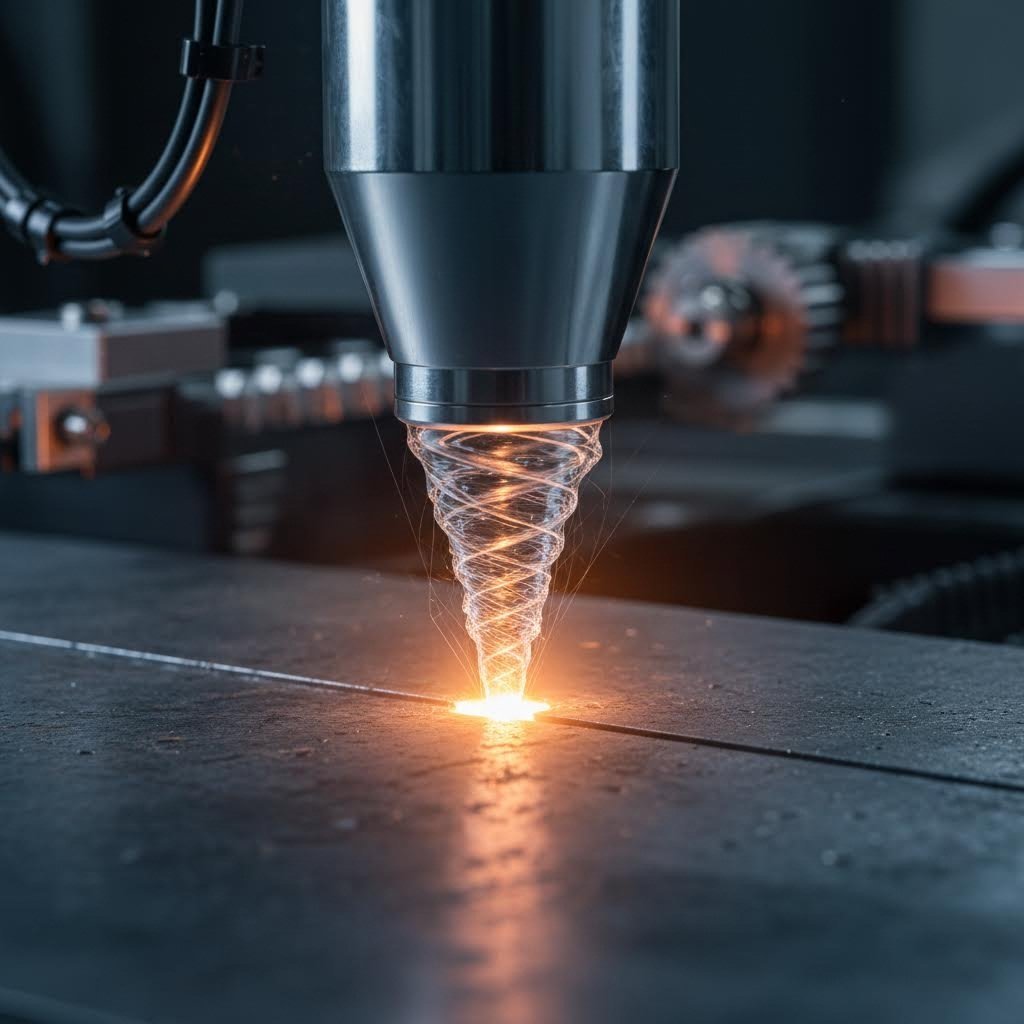
Anda telah memilih jenis laser dan menyediakan bahan keluli anda—tetapi di sinilah ramai pembuat membuat kesilapan mahal. Gas bantu yang mengalir melalui muncung pemotong anda bukan sekadar pelaku sampingan; ia secara fundamental menentukan kualiti tepi, kelajuan pemotongan, dan keperluan pemprosesan seterusnya. Anggaplah laser sebagai mata pisau yang melebur logam, manakala gas bertindak sebagai jet kuat yang membersihkan bahan lebur dan membentuk hasil akhir anda.
Menurut Metal-Interface, pengilang kadangkala membuat keputusan pemilihan gas dengan tergesa-gesa—namun pilihan ini secara langsung memberi kesan kepada segala-galanya daripada kelulusan pengeluaran hingga kos lepas proses. Sama ada anda menggunakan laser untuk memotong keluli dalam pengeluaran automotif berjumlah tinggi atau komponen presisi satu-satu, memahami sains di sebalik pemilihan gas bantu akan mengubah hasil pemotongan anda.
Jadi, apakah sebenarnya fungsi gas bantu? Apabila alur cahaya laser menembusi permukaan keluli, ia membentuk kolam lebur yang secara semula jadinya akan membeku semula di laluan potongan tanpa campur tangan. Aliran gas bertekanan melakukan empat fungsi kritikal serentak: melontarkan logam cair untuk mencegah pembentukan dross, mengawal tindak balas kimia pada tepi potongan, melindungi optik mesin anda daripada asap dan percikan, serta menguruskan haba bagi mengurangkan kemekaran. Operasi pemotongan logam laser moden adalah mustahil dilakukan tanpa penghantaran gas yang betul.
Pemotongan Oksigen untuk Kelajuan dan Kecekapan
Apabila memotong karbon dan keluli lembut, oksigen memberikan sesuatu yang tidak dapat diberikan oleh gas lain: tindak balas eksotermik yang secara aktif mempercepat proses pemotongan anda. Begini caranya—oksigen bukan sahaja meniup bahan leburan, tetapi juga bertindak balas secara kimia dengan keluli yang dipanaskan, menghasilkan tenaga haba tambahan yang melengkapi kuasa laser anda.
Tindak balas pembakaran ini menerangkan mengapa pemotongan logam berbantuan oksigen menggunakan laser mencapai kelajuan yang jauh lebih tinggi pada keluli lembut. Menurut Rise Laser , tindak balas eksotermik menjana haba tambahan yang membolehkan laser anda memotong keluli lembut tebal jauh lebih cepat daripada sebarang pilihan gas lain. Bagi operasi berkeluaran tinggi yang memproses keluli karbon, kelebihan kelajuan ini secara langsung diterjemahkan kepada kos per unit yang lebih rendah.
Parameter operasi menceritakan segalanya. Pemotongan oksigen biasanya hanya memerlukan tekanan sekitar 2 bar dengan penggunaan kira-kira 10 meter padu per jam—jauh lebih rendah berbanding pemotongan nitrogen. Penggunaan yang lebih rendah ini bermakna kos operasi yang dikurangkan bagi operasi pemotongan laser keluli yang terutamanya menumpukan kepada pemprosesan keluli lembut.
Namun begitu, pemotongan oksigen membawa satu kompromi besar: pengoksidaan. Tindak balas kimia yang sama yang mempercepatkan pemotongan akan menghasilkan lapisan oksida gelap pada tepi potongan anda. Permukaan beroksida ini kelihatan sedikit keabu-abuan dan mungkin memerlukan kerja-kerja penyelesaian tambahan termasuk:
- Penggosokan atau penggilapan sebelum pengecatan
- Penanggalan kimia untuk aplikasi estetik
- Persediaan tepi sebelum kimpalan untuk memastikan peleburan yang betul
- Masa pembersihan tambahan dalam aliran kerja pengeluaran
Untuk komponen keluli struktur, peralatan pertanian, atau aplikasi di mana tepi yang dipotong akan disembunyikan atau dicat, kelebihan kelajuan oksigen biasanya lebih besar daripada kebimbangan pengoksidaan. Tetapi apabila rupa tepi atau kualiti kimpalan penting, anda memerlukan pendekatan yang berbeza.
Pemotongan Nitrogen untuk Tepi Sedia-Kimpal
Apabila proses hulu memerlukan tepi yang sempurna—seperti kimpalan, salutan serbuk, atau elemen arkitektur yang kelihatan—nitrogen menjadi penyelesaian laser pemotong keluli pilihan anda. Berbeza dengan tindak balas oksigen, nitrogen adalah lengkap tidak aktif. Fungsinya adalah sepenuhnya mekanikal: menyembur bahan lebur keluar pada tekanan tinggi sambil melindungi tepi potongan daripada oksigen atmosfera.
Keputusannya bercakap sendiri. Isotema menerangkan bahawa nitrogen menghalang pengoksidaan semasa pemotongan, menghasilkan tepi yang bersih dan cerah serta sedia untuk dikimpal tanpa memerlukan proses susulan. Ini menjadikan nitrogen pilihan utama untuk keluli tahan karat, aluminium, dan sebarang aplikasi di mana anda memerlukan hasil pemotongan logam laser yang boleh terus ke peringkat pengeluaran seterusnya.
Namun, tepi yang bersih ini datang dengan kos—iaitu dari segi penggunaan gas dan kelajuan pemotongan. Pemotongan menggunakan nitrogen memerlukan tekanan yang jauh lebih tinggi (22-30 bar berbanding 2 bar untuk oksigen) dan menggunakan kira-kira 40 hingga 60 meter padu sejam, kadangkala mencapai 120 meter padu sejam untuk bahan yang lebih tebal. Selain itu, pemotongan bantuan nitrogen berjalan kira-kira 30% lebih perlahan berbanding pemotongan oksigen pada ketebalan keluli yang sebanding.
Walaupun parameter operasi ini lebih tinggi, nitrogen sering kali terbukti lebih ekonomikal apabila mengambil kira keseluruhan gambaran pengeluaran. Pertimbangkan kos hulu yang dihapuskan:
- Tiada tenaga kerja penggilap atau berus untuk penyediaan tepi
- Keupayaan terus ke proses kimpalan tanpa risiko pencemaran
- Lekatan cat dan salutan serbuk tanpa persediaan tambahan
- Menghapuskan kesempitan di stesen penyelesaian
Seperti yang dinyatakan oleh Jean-Luc Marchand dari Messer France dalam Laporan industri Metal-Interface "Kini, trend pasaran adalah menggunakan satu sumber gas pelbagai guni dengan nitrogen." Keserbagunaan ini—nitrogen berfungsi dengan berkesan pada keluli, keluli tahan karat, dan aluminium—memudahkan operasi bengkel yang memotong pelbagai bahan.
| Parameter | Gas Bantuan Oksigen | Gas Bantuan Nitrogen |
|---|---|---|
| Kemasan Tepi | Lapisan gelap, teroksida | Lapisan cerah, bersih, bebas oksida |
| Kelajuan Pemotongan (Keluli Lembut) | ~30% lebih pantas daripada nitrogen | Kelajuan asas |
| Tekanan Operasi | ~2 bar | 22-30 bar |
| Kehabisan gas | ~10 m³/jam | 40-120 m³/jam |
| Kos Gas Setiap Jam | Lebih rendah | Lebih tinggi |
| Sesuai Untuk Bahan | Keluli karbon, keluli lembut | Keluli tahan karat, aluminium, semua logam |
| Aplikasi yang Sesuai | Komponen struktur, tepi tersembunyi, keluli berjumlah tinggi | Kimpalan, bahagian dicat, komponen yang kelihatan |
| Pascapemprosesan Diperlukan | Kerap kali (penggilapan, pembersihan, persediaan) | Minima hingga tiada |
Keputusan antara oksigen dan nitrogen pada akhirnya bergantung kepada alur kerja khusus anda. Bagi syarikat yang memotong keluli karbon terutamanya yang lebih tebal daripada 2-3mm di mana tepinya akan dicat atau disembunyikan, kelebihan kelajuan oksigen adalah logik dari segi ekonomi. Bagi bengkel yang memproses keluli tahan karat, aluminium, atau komponen yang memerlukan pengimpalan segera, tepi bersih nitrogen menghapuskan operasi sekunder yang mahal.
Sesetengah operasi mengekalkan keupayaan dua gas, menukar berdasarkan jenis bahan dan keperluan penggunaan akhir. Fleksibilitas ini membolehkan anda mengoptimumkan setiap kerja secara individu—mendapatkan manfaat kelajuan oksigen di mana sesuai sambil menggunakan kelebihan kualiti nitrogen untuk aplikasi yang mencabar. Memahami kriteria pemilihan gas ini membolehkan anda membuat keputusan yang bijak untuk menyeimbangkan kualiti potongan, kelajuan pemprosesan, dan jumlah kos pengeluaran.
Tentu, memilih gas yang sesuai hanyalah sebahagian daripada usaha untuk mencapai keputusan optimum. Walaupun gas yang digunakan adalah tepat, parameter pemotongan yang salah tetap boleh memperkenalkan kecacatan yang merosakkan komponen anda. Mari kita periksa parameter kualiti utama yang menentukan kejayaan hasil pemotongan laser keluli.
Parameter Kualiti Potongan dan Keupayaan Rongga
Anda telah menetapkan jenis laser, memilih gred keluli yang sesuai, dan memilih gas bantu—tetapi bagaimanakah anda tahu sama ada potongan anda benar-benar memenuhi spesifikasi? Memahami parameter yang boleh diukur yang menentukan ketepatan pemotongan laser membezakan antara komponen yang diterima dan ditolak. Metrik kualiti ini secara langsung mempengaruhi sama ada komponen potongan laser anda muat dengan betul, berfungsi dari segi struktur, dan memenuhi jangkaan pelanggan anda.
Pemotongan laser kejayaan pada lembaran logam bukan sahaja tentang menembusi bahan—tetapi juga mengawal dengan tepat bagaimana pemotongan itu berlaku. Menurut DW Laser, kualiti pemotongan laser ditentukan oleh empat faktor utama: ketepatan (dimensi yang tepat seperti yang dinyatakan), kualiti tepi (kelancaran dan kemasan), kekonsistenan (pemotongan seragam merentasi pelbagai bahagian), dan zon terjejas haba yang minimum. Mari kita telusuri setiap parameter supaya anda boleh menilai dan mengoptimumkan hasil pemotongan anda.
Lebar Kerf dan Kesan terhadap Ketepatan Bahagian
Bayangkan melukis garisan dengan pen marker berbanding pen hujung halus. Pen marker mengeluarkan lebih banyak bahan berbanding pen tersebut, mengubah dimensi akhir anda. Lebar kerf berfungsi dengan cara yang sama—ia merupakan jumlah bahan yang sebenarnya dikeluarkan oleh alur cahaya laser semasa pemotongan. Butiran yang kelihatan kecil ini mempunyai implikasi besar terhadap had toleransi bahagian dan hasil penggunaan bahan.
Menurut Boco Custom , celah laser serat biasanya berada dalam julat 0.006 hingga 0.015 inci (0.15–0.38mm), bergantung kepada jenis bahan, ketebalan, dan susunan nozel. Perubahan ini mungkin kelihatan tidak signifikan, tetapi apabila anda memotong komponen yang perlu padan dengan tepat, setiap persepuluh milimeter adalah penting.
Di sinilah kepentingan celah menjadi kritikal: ciri dalaman kecil seperti lubang akan secara efektif 'mengecut' mengikut lebar celah, manakala potongan dalaman yang besar boleh 'membesar'. Sebagai contoh, jika anda memerlukan lubang laluan M6 (6.6mm), melukisnya tepat pada 6.6mm akan menghasilkan lubang yang terlalu kecil selepas proses pemotongan laser melalui bahan tersebut. Mengimbangi ukuran kepada 6.6–6.8mm dalam fail rekabentuk anda mengurangkan risiko kesesakan semasa pemadanan selepas pemotongan dan penyelesaian.
Kerf juga mempengaruhi pengiraan hasil bahan anda. Apabila menyusun pelbagai bahagian pada satu kepingan, anda perlu mengambil kira lebar kerf serta jarak yang mencukupi antara bahagian. Gagal memperhitungkan kehilangan bahan ini akan menyebabkan pembaziran keluli atau bahagian yang tidak dalam had ralat. Operasi pemotongan logam kepingan mesin laser anda menjadi lebih berkesan dari segi kos apabila anda memahami dengan tepat berapa banyak bahan yang digunakan bagi setiap potongan.
- Kuasa laser: Tetapan kuasa yang lebih tinggi boleh melebarkan kerf, terutamanya pada bahan nipis di mana tenaga berlebihan merebak secara melintang
- Kelajuan pemotongan: Kelajuan yang lebih perlahan meningkatkan pendedahan haba, yang berpotensi melebarkan potongan; kelajuan yang lebih cepat mungkin menghasilkan kerf yang lebih bersih dan sempit
- Kedudukan fokus: Fokus yang optimum menghasilkan saiz tompok terkecil dan kerf paling sempit; defokus meningkatkan lebar kerf
- Tekanan Gas Bantuan: Tekanan yang lebih tinggi membantu melontarkan bahan lebur dengan lebih cekap, mengurangkan aliran balik dan mengawal geometri kerf
- Jarak Nozel dari Permukaan: Mengekalkan jarak yang konsisten memastikan aliran gas dan penghantaran sinar yang seragam merentasi keseluruhan laluan potongan
Menguruskan Zon Terjejas Hablur dalam Keluli
Apabila tenaga haba berpusat meleburkan keluli, bahan di sekitarnya tidak terlepas daripada kesan tersebut. Zon terjejas haba (HAZ) merujuk kepada kawasan bersebelahan dengan potongan anda yang mengalami perubahan suhu yang cukup ketara untuk mengubah struktur mikronya—walaupun ia tidak benar-benar melebur. Bagi aplikasi struktur, memahami HAZ adalah penting untuk mengekalkan integriti bahan.
Menurut Keluli Amber , pemotongan laser membentuk HAZ yang kecil dan setempat berhampiran kawasan potongan—jauh lebih kecil berbanding kaedah pemotongan plasma atau oksiasetilena. Input haba yang terkawal ini merupakan salah satu sebab perkhidmatan pemotongan laser tepat lebih dipilih untuk aplikasi yang memerlukan sifat bahan yang konsisten.
Mengapa HAZ penting? Dalam zon ini, sifat mekanikal keluli berubah. Anda mungkin menghadapi peningkatan kekerasan (yang kedengaran baik tetapi boleh menyebabkan kerapuhan), rintangan kakisan yang berkurang dalam keluli tahan karat, atau struktur biji yang berubah yang mempengaruhi prestasi lesu. Dalam keluli berkekuatan tinggi, HAZ boleh menjadi titik lemah di mana kegagalan bermula apabila dikenakan beban.
Saiz HAZ anda bergantung kepada beberapa faktor. Bahan dengan kebolehlarasan haba yang lebih tinggi akan menyebarkan haba dengan lebih cepat, menghasilkan zon yang lebih sempit. Sebaliknya, bahan yang mengekalkan haba lebih lama akan menghasilkan kawasan terjejas yang lebih besar. Parameter pemotongan anda juga memainkan peranan penting yang sama:
- Input haba yang lebih rendah: Kelajuan pemotongan yang lebih cepat dan tetapan kuasa yang dioptimumkan mengurangkan pendedahan haba keseluruhan, meminimumkan kedalaman HAZ
- Kelajuan pemotongan yang lebih tinggi: Kurang masa pada suhu tinggi bermakna kurang haba meresap ke dalam bahan sekeliling
- Aliran gas bantu yang betul: Penyejukan efisien daripada gas tekanan tinggi mengurangkan pengumpulan haba
- Ketebalan Bahan: Bahan yang lebih tebal bertindak sebagai peresap haba yang lebih baik, sering kali menghasilkan ZAH yang lebih sempit berbanding isipadu bahan
Untuk komponen struktur kritikal, anda mungkin perlu mengalih keluar ZAH sepenuhnya melalui pemprosesan susulan. Mesin atau penggilangan tepi potongan akan mengalih keluar bahan yang terjejas tetapi meningkatkan tenaga kerja dan mengurangkan hasil. Pendekatan yang lebih praktikal? Optimumkan parameter pemotongan anda untuk meminimumkan ZAH sejak dari permulaan—mencapai potongan yang bersih yang mengekalkan sifat bahan tanpa operasi tambahan.
Kemasan Tepi dan Tolok yang Boleh Dicapai
Laraskan jari anda di sepanjang tepi yang dipotong dengan laser, dan anda akan serta-merta merasakan perbezaan dari segi kualiti. Ciri-ciri kemasan tepi berkisar daripada licin bagaikan cermin hingga bergaris ketara—anda faktor menentukan kedudukan potongan anda dalam spektrum ini. Untuk perkhidmatan pemotongan laser presisi, kualiti tepi kerap menentukan sama ada bahagian lulus pemeriksaan.
Garis-garis—garis halus yang berjalan berserenjang dengan arah potongan anda—berasal daripada sifat tenaga laser yang disampaikan secara pulsa dan dinamik bahan lebur. Garis-garis yang lebih kasar biasanya menunjukkan kelajuan pemotongan yang tidak sepadan dengan tetapan kuasa anda, manakala tepi yang lebih licin menunjukkan parameter yang telah dioptimumkan. Spesifikasi kekasaran permukaan untuk keluli yang dipotong dengan laser biasanya berada dalam julat 25 hingga 100 mikroinci, bergantung kepada ketebalan bahan dan parameter pemotongan.
Apakah had toleransi yang benar-benar boleh dicapai? Menurut data rujukan daripada pembekal presisi, laser gentian biasanya mengekalkan ±0.005 inci (0.13mm) pada bahan lembaran nipis, meningkat kepada ±0.010 inci (0.25mm) apabila ketebalan bertambah. Untuk ketepatan kedudukan pada corak lubang yang bersambung dengan sistem pendirian, ±0.010 inci biasanya boleh dicapai dengan perincian dan kalibrasi yang betul.
Bahagian panjang membawa cabaran tambahan. Pada panjang yang lebih besar, ralat kumulatif boleh menyimpang sebanyak ±0.3–0.5mm per meter disebabkan oleh pengembangan haba dan dinamik mesin. Apabila memotong plat pemasangan atau rel yang panjang, kawal panjang keseluruhan dan jarak lubang penting ke tepi secara berasingan untuk mengelakkan penimbunan toleransi yang boleh merosakkan pemasangan anda.
Variasi bahan juga mempengaruhi ketepatan yang boleh dicapai. Spesifikasi keluli lembaran piawai membenarkan variasi ketebalan sebanyak ±5–10% daripada nilai nominal. Jika anda mereka bentuk lid untuk muat pada bahan setebal 0.125 inci, keluli sebenar mungkin berukuran antara 0.118 hingga 0.137 inci. Membina ruang bebas yang sesuai dalam reka bentuk anda dapat menampung variasi dunia sebenar ini tanpa menimbulkan masalah pemasangan.
Perlu diingat bahawa caj pemotongan laser dan kos keseluruhan projek kerap kali berkaitan dengan keperluan rongga toleransi. Rongga toleransi yang lebih ketat memerlukan pengoptimuman parameter yang lebih teliti, kelajuan pemotongan yang lebih perlahan secara berpotensi, dan masa pemeriksaan kualiti yang lebih lama. Nyatakan rongga toleransi yang ketat hanya di mana diperlukan dari segi fungsi, dan gunakan ketepatan piawai di tempat lain untuk mengekalkan keberkesanan kos.
Parameter kualiti ini—lebar kerf, kedalaman HAZ, kemasan tepi, dan rongga toleransi dimensi—menyediakan rangka ukur yang boleh diukur untuk menilai keputusan pemotongan laser anda. Namun, apakah yang berlaku sekiranya potongan tidak memenuhi spesifikasi? Memahami kecacatan biasa dan punca-puncanya memberikan anda pengetahuan penyelesaian masalah untuk membetulkan masalah dengan cepat dan mengekalkan kualiti yang konsisten.

Kecacatan Biasa dan Penyelesaian Masalah pada Potongan Laser Keluli
Walaupun dengan tetapan mesin yang optimum dan bahan berkualiti, kecacatan masih boleh muncul pada bahagian keluli yang dipotong menggunakan laser. Kabar baiknya? Kebanyakan masalah pemotongan mengikuti corak yang boleh diramal dengan punca yang dapat dikenal pasti—dan setelah anda memahami hubungan ini, penyelesaian masalah menjadi lebih mudah. Sama ada anda menghadapi sisa potongan yang degil, tompokan yang tidak menarik secara visual, atau helaian nipis yang bengkok, bahagian ini memberikan penyelesaian praktikal yang diperlukan untuk kembali menghasilkan komponen berkualiti.
Menurut HG Laser Global, tompokan dan kecacatan lain berlaku disebabkan oleh pengendalian yang tidak betul atau masalah teknikal—bukan kerana isu kualiti peralatan. Kuncinya terletak pada pemahaman bahawa pemotongan logam menggunakan laser memerlukan koordinasi tepat antara kuasa, kelajuan, gas, dan fokus. Apabila mana-mana parameter menyimpang daripada tahap optimum, kecacatan akan muncul.
Menghapuskan Pembentukan Sisa Potongan dan Gerigis
Dross—bahan lebur likat yang mengeras semula pada tepi potongan anda—merupakan salah satu masalah paling menjengkelkan dalam pemotongan logam lembaran menggunakan laser. Alih-alih mendapatkan tepi yang bersih dan sedia untuk perakitan, anda ditinggalkan dengan tonjolan kasar yang memerlukan penggilapan atau kemasan tambahan. Memahami sebab pembentukan dross membantu anda menghapuskan masalah ini dari sumbernya.
Bayangkan pembentukan dross seperti ini: laser anda meleburkan keluli, dan gas bantu anda sepatutnya menyemburkan bahan lebur tersebut keluar sepenuhnya dari celah potongan (kerf). Apabila gas tersebut gagal mengalirkan semua logam cair keluar sebelum ia mengeras semula, dross akan melekat pada tepi potongan anda. Menurut Accurl , ini biasanya disebabkan oleh tiga punca utama yang beroperasi secara berasingan atau bersama-sama.
-
Masalah: Pengumpulan dross yang banyak pada tepi bawah
Sebab: Kuasa laser tidak mencukupi untuk ketebalan bahan—sinar tidak menembusi sepenuhnya, meninggalkan bahan separuh lebur yang melekat pada tepi
Penyelesaian: Tingkatkan kuasa laser atau kurangkan kelajuan pemotongan; pastikan kebersihan kanta dan periksa pencemaran optik yang boleh menjejaskan penghantaran sinar -
Masalah: Dross muncul secara berselang-seli sepanjang laluan potongan
Sebab: Kelajuan pemotongan terlalu tinggi untuk tetapan kuasa—laser bergerak sebelum penembusan penuh selesai
Penyelesaian: Kurangkan kadar suapan secara beransur-ansur sehingga potongan yang bersih dan konsisten diperoleh; seimbangkan dengan pelarasan kuasa untuk mengekalkan produktiviti -
Masalah: Zarah dross halus melekat walaupun kuasa dan kelajuan betul
Sebab: Tekanan atau aliran gas tidak mencukupi—bahan leburan tidak dikeluarkan dengan cukup kuat
Penyelesaian: Tingkatkan tekanan gas bantu; untuk pemotongan nitrogen pada keluli tahan karat, cuba tekanan 12-15kg untuk menghembus sisa dengan berkesan dan mencegah pembentukan burr
Burr membawa masalah yang berkaitan tetapi berbeza. Manakala dross melibatkan logam yang membeku semula, burr adalah zarah sisa berlebihan yang terbentuk apabila laser memotong logam pada tetapan yang tidak sesuai. Seperti HG Laser menjelaskan, ketulenan gas memainkan peranan penting—selepas dua isi semula silinder, ketulenan gas merosot dan kualiti pemotongan terjejas. Sentiasa gunakan gas berkemurnian tinggi dan sahkan piawaian kualiti pembekal anda.
-
Masalah: Burr pada potongan keluli tahan karat
Sebab: Tekanan gas tidak mencukupi untuk mencegah pengoksidaan dan membersihkan serpihan
Penyelesaian: Beralih kepada nitrogen pada tekanan 12-15kg; sifat lengai nitrogen mencegah pengoksidaan sambil memberikan kuasa pembersihan serpihan yang berkesan -
Masalah: Tepi tajam muncul selepas sesi pemotongan yang panjang
Sebab: Hanyutan haba menyebabkan perubahan kedudukan fokus, atau ketidakstabilan mesin akibat operasi berpanjangan
Penyelesaian: Benarkan mesin berehat dan sejuk; kalibrasi semula kedudukan fokus; periksa kehausan atau kerosakan nozel
Mencegah Penyongsangan Haba pada Kepingan Keluli Tipis
Pengasingan mewakili salah satu kecacatan paling sukar diperbetulkan selepas fakta—dan juga salah satu yang paling boleh dicegah apabila anda memahami fizik yang terlibat. Menurut Reger Laser , penyongsangan bahagian adalah pembunuh senyap produktiviti dalam fabrikasi laser. Anda mereka bentuk komponen yang sempurna, memotongnya menggunakan peralatan presisi, dan bahagian yang dihasilkan keluar bengkok atau melengkung.
Inilah yang berlaku: apabila alur laser berkuasa tinggi anda memotong logam, ia menghasilkan haba yang sangat tinggi dalam kawasan yang sangat kecil. Apabila laser bergerak, logam di sekeliling mengalami kitaran pemanasan dan penyejukan yang cepat. Taburan haba yang tidak sekata ini menyebabkan pengembangan dan pengecutan berbeza—dan apabila tekanan yang terperangkap ini dilepaskan selepas pemotongan, bahagian tersebut mengubah bentuk untuk melegakan dirinya.
Semakin nipis bahan anda dan semakin kompleks geometrinya, semakin ketara kesannya. Alat untuk memotong lembaran logam dengan jayanya mesti mengambil kira pengurusan haba sepanjang proses tersebut.
-
Masalah: Lembaran nipis melengkung semasa atau serta-merta selepas pemotongan
Sebab: Pengumpulan haba yang berlebihan daripada pemotongan yang tertumpu pada satu kawasan
Penyelesaian: Gunakan urutan pemotongan yang strategik—selang-seli antara kawasan berbeza pada lembaran untuk membenarkan penyebaran haba; elakkan menyelesaikan semua potongan dalam satu kawasan sebelum berpindah -
Masalah: Bahagian kecil dan halus berubah bentuk sebelum pemotongan selesai
Sebab: Bahagian terputus daripada bahan sekeliling terlalu awal, membenarkan tekanan haba mengubah bentuknya
Penyelesaian: Gunakan mikro-tab untuk mengekalkan sambungan bahagian ke rangka sehingga pemotongan selesai; bahan sekeliling bertindak sebagai peresap haba -
Masalah: Bahagian yang panjang dan sempit melengkung sepanjang panjangnya
Sebab: Pemotongan berperingkat mencipta kecerunan haba dari permulaan hingga akhir
Penyelesaian: Potong dari tengah ke luar secara bergantian arah; kurangkan kuasa sedikit dan tingkatkan kelajuan untuk meminimumkan input haba setiap unit panjang
Pengoptimuman urutan pemotongan sering kali merupakan alat paling berkesan untuk meminimumkan penyongsangan—dan ia tidak memerlukan kos untuk dilaksanakan. Daripada memotong bahagian mengikut susunan yang ditemui dalam nest anda, atur laluan pemotongan anda untuk mengagihkan haba secara sekata merentasi kepingan. Benarkan bahagian-bahagian menyejuk sementara memotong di kawasan lain, kemudian kembali untuk melengkapkan ciri-ciri bersebelahan.
Menangani Tepi yang Kasar dan Berjalur
Apabila operasi pemotongan kepingan logam laser anda menghasilkan tepi dengan garisan yang kelihatan, kekasaran berlebihan, atau kemasan yang tidak konsisten, masalahnya biasanya disebabkan oleh ketidaksesuaian parameter atau keadaan peralatan.
-
Masalah: Garis-garis ketara (garisan berserenjang dengan arah potongan)
Sebab: Kelajuan pemotongan tidak sepadan dengan output kuasa—terlalu laju atau terlalu perlahan untuk keadaan tersebut
Penyelesaian: Jika garis-garis condong ke arah bahagian atas potongan, kelajuannya terlalu laju; jika ia condong ke arah bawah, kelajuannya terlalu perlahan. Laraskan secara beransur-ansur sehingga garis-garis diminimumkan -
Masalah: Kualiti tepi yang kasar dan tidak sekata berbeza-beza merentasi kepingan
Sebab: Kedudukan fokus tidak betul atau berubah-ubah; variasi rata pada bahan
Penyelesaian: Kalibrasikan semula kedudukan fokus; pastikan bahan diletakkan rata tanpa kawasan yang terangkat; periksa muncung bagi kerosakan yang mempengaruhi keseragaman aliran gas -
Masalah: Sisa melekat pada bahagian bawah tepi potongan
Sebab: Kelajuan pemotongan terlalu laju—benda kerja tidak sempat dipotong, menghasilkan jalur condong dan serpihan
Penyelesaian: Kurangkan kelajuan pemotongan wayar; tingkatkan kuasa jika ketebalan menghendakinya
Ingat bahawa pemotongan laser adalah proses yang tepat di mana perubahan kecil pada parameter menghasilkan perbezaan kualiti yang boleh diukur. Apabila menyelesaikan masalah, ubah satu pemboleh ubah pada satu masa dan dokumentasikan keputusannya. Pendekatan sistematik ini membantu anda mengenal pasti punca khusus berbanding membuat pelbagai perubahan serentak yang menyamarkan penyelesaian.
Dengan kecacatan yang dikenal pasti dan diperbetulkan, anda boleh menghasilkan komponen berkualiti tinggi secara konsisten. Namun pemotongan laser bukanlah satu-satunya pilihan untuk memproses kepingan keluli—dan memahami bila kaedah alternatif lebih sesuai membantu anda memilih pendekatan optimum mengikut keperluan setiap projek.
Pemotongan Laser berbanding Kaedah Plasma, Waterjet dan Mekanikal
Pemotongan laser memberikan ketepatan luar biasa untuk pemprosesan kepingan keluli—tetapi adakah ia sentiasa pilihan yang tepat? Memahami bagaimana teknologi laser dibandingkan dengan plasma, jet air, dan pengetaman mekanikal membantu anda memadankan kaedah pemotongan yang optimum dengan keperluan khusus setiap projek. Kadangkala laser terbaik untuk aplikasi anda sebenarnya bukan laser langsung.
Menurut 3ERP, setiap teknologi pemotongan mempunyai kekuatan unik dan aplikasi yang sesuai. Keputusan bergantung pada ketebalan bahan, rongga toleransi yang diperlukan, keperluan kualiti tepi, dan batasan bajet. Mari kita lihat bagaimana perkhidmatan pemotongan keluli ini berbanding mengikut parameter yang paling penting untuk keputusan pengeluaran anda.
Laser berbanding Plasma untuk Pemprosesan Kepingan Keluli
Apabila anda perlu memotong logam dengan laser secara cepat dan tepat, laser gentian mendominasi pemprosesan bahan nipis. Namun, pemotongan plasma menjadi pertimbangan apabila ketebalan meningkat dan bajet terhad. Memahami di mana setiap teknologi unggul membantu anda menggunakan alat yang tepat untuk setiap kerja.
Pemotongan plasma menggunakan jet gas termion (ionized gas) yang dipantas dan dipanaskan hingga suhu melebihi 20,000°C untuk meleburkan logam konduktif secara elektrik. Menurut Wurth Machinery, plasma menjadi pilihan utama apabila memotong plat keluli lebih daripada 1/2 inci tebal, menawarkan kombinasi kelajuan dan kecekapan kos yang terbaik untuk bahan berat.
Di sinilah pertukaran menjadi jelas. Laser yang memotong logam dengan ketepatan pembedahan menghasilkan lebar kerf sekitar 0.4mm. Plasma? Kira-kira 3.8mm—hampir sepuluh kali lebih lebar. Perbezaan ini secara langsung mempengaruhi hasil bahan dan had toleransi komponen anda. Untuk geometri rumit, lubang kecil, atau perakitan yang rapat, plasma tidak dapat memberikan ketepatan yang diperlukan.
Pertimbangan kos menyokong plasma bagi bengkel dengan keperluan yang lebih mudah. Syarikat Perkhidmatan Oksigen menyatakan bahawa meja plasma dan mekanisme pemotongan kosnya jauh lebih rendah berbanding sistem laser. Bagi pengilang yang hanya perlu memotong logam dan tidak memerlukan ketepatan tinggi, plasma menawarkan titik masuk yang menarik.
Kualiti tepi merupakan satu lagi perbezaan penting. Logam kepingan yang dipotong dengan laser muncul dengan tepi yang licin, sering kali bebas dari kilatan dan sedia untuk digunakan serta-merta atau dikimpal. Tepi yang dipotong dengan plasma kelihatan lebih kasar dengan zon terjejas haba yang lebih ketara, biasanya memerlukan penggilapan atau kemasan kedua sebelum proses seterusnya. Apabila aliran kerja anda menuntut kesediaan kimpalan serta-merta atau permukaan yang dicat, tepi bersih daripada laser menghapuskan operasi sekunder yang mahal.
Apabila Waterjet atau Shearing Lebih Sesuai
Sesetengah aplikasi memerlukan keupayaan yang tidak dapat disediakan oleh pemotongan laser atau plasma. Pemotongan jet air dan pengetaman mekanikal masing-masing mengisi ceruk khusus di mana mereka memberikan prestasi lebih baik berbanding kaedah pemotongan haba.
Pemotongan jet air: Menggunakan air bertekanan tinggi—biasanya antara 30,000 hingga 90,000 psi—yang dicampur dengan zarah abrasif untuk memotong hampir semua bahan. Kelebihan utama? Tiada haba. Menurut 3ERP, sistem jet air tidak menghasilkan zon terjejas haba, menjadikannya ideal untuk logam dengan takat lebur rendah atau aplikasi yang tidak boleh menerima penyongsangan haba.
Pertimbangkan jet air apabila anda memproses:
- Bahan sensitif haba yang akan melengkung di bawah pemotongan termal
- Bahan tebal yang melebihi keupayaan laser—jet air boleh mengendalikan apa-apa ketebalan
- Gabungan bahan campuran termasuk batu, kaca, atau komposit
- Aplikasi yang memerlukan perubahan metalurgi sifar di tepi potongan
Kekurangannya? Kelajuan dan kos. Mesin Wurth pengujian menunjukkan pemotongan jet air pada keluli setebal 1 inci bergerak 3 hingga 4 kali lebih perlahan daripada plasma, dengan kos pengendalian kira-kira dua kali ganda per kaki potongan. Selain itu, pembersihan menjadi memakan masa—kombinasi air dan abrasif menghasilkan lebih banyak sisa berbanding pemotongan laser. Untuk pengeluaran kepingan keluli berjumlah tinggi, pelbagai keupayaan jet air jarang membenarkan kelajuan pengeluarannya yang lebih perlahan.
Pengguntingan mekanikal: Untuk potongan lurus pada kepingan logam, tiada yang mengatasi kelajuan dan kesederhanaan proses shearing. Teknologi berusia berabad-abad ini menggunakan bilah bertentangan untuk memisahkan bahan tanpa sebarang barangan habis pakai—tiada gas, tiada elektrik selain kuasa mesin, tiada abrasiv untuk diganti.
Pemotongan dengan shearing sangat baik apabila komponen anda memerlukan hanya tepi lurus dan geometri segi empat yang mudah. Mesin shearing boleh memotong bertimbun-timbun kepingan keluli dalam beberapa saat, jauh lebih pantas berbanding kaedah haba atau abrasif untuk potongan lurus. Bagi operasi pengekodan atau memotong stok kepingan mengikut saiz, shearing memberikan kecekapan yang tiada tandingan.
Apakah hadnya? Geometri. Segera anda memerlukan lengkungan, lubang, alur, atau sebarang ciri bukan linear, shearing menjadi tidak berguna. Teknologi ini mengendalikan satu tugas dengan sangat baik tetapi tiada fleksibiliti langsung untuk potongan selain daripada potongan lurus.
| Parameter | Pemotongan laser | Pemotongan plasma | Pemotongan Airjet | Pemotongan mekanikal |
|---|---|---|---|---|
| Julat Ketebalan | Sehingga 25mm (fiber) | 3mm hingga 150mm+ | Tidak terhad | Sehingga 25mm biasanya |
| Kualiti tepi | Cemerlang, kilatan minima | Sederhana, tepi lebih kasar | Sangat baik, tiada HAZ | Pemotongan bersih, sedikit ubah bentuk |
| Zon Terjejas oleh Haba | Kecil, tempatan | Lebih besar, lebih ketara | Tiada | Tiada |
| Kelajuan Pemotongan (Nipis) | Sangat Cepat | Pantas | Sederhana | Sangat pantas (lurus sahaja) |
| Kelajuan Pemotongan (Tebal) | Sederhana | Pantas | Lambat | Pantas (lurus sahaja) |
| Lebar Kerf | ~0.4mm | ~3.8mm | ~0.6mm | N/A (tiada bahan dikeluarkan) |
| Kos Operasi | Rendah | Rendah | Tinggi | Sangat Rendah |
| Kos peralatan | Tinggi | Rendah | Tinggi | Sederhana |
| Keupayaan Geometri | Bentuk kompleks, ciri-ciri kecil | Bentuk ringkas hingga sederhana | Bentuk Kompleks | Hanya potongan lurus sahaja |
| Julat Bahan | Luas (logam, sesetengah bukan logam) | Logam konduktif sahaja | Sebarang bahan | Logam lembaran mulur |
Menyesuaikan Teknologi dengan Kebutuhan Anda
Jadi kaedah manakah yang patut anda pilih? Jawapannya bergantung sepenuhnya pada apa yang anda potong dan apa yang berlaku kepada bahagian itu seterusnya.
Pilih keluli potongan laser apabila:
- Bahagian memerlukan had ketat (tolok ±0.005 inci boleh dicapai)
- Geometri termasuk lubang kecil, corak rumit, atau butiran halus
- Kualiti tepi mesti menyokong kimpalan atau pengecatan serta-merta
- Ketebalan bahan kekal di bawah 25mm
- Isipadu pengeluaran menggalkan pelaburan peralatan
Pilih Plasma Apabila:
- Bahan melebihi ketebalan 1/2 inci dan keperluan ketepatan adalah sederhana
- Kekangan bajet mengehadkan pelaburan peralatan
- Bentuk ringkas dengan had yang lebih lebar memenuhi keperluan
- Kelajuan pada plat tebal lebih penting daripada kemasan tepi
Pilih waterjet apabila:
- Sindiran haba sama sekali tidak dapat diterima
- Bahan sangat tebal atau sensitif terhadap haba
- Memproses bahan bukan logam bersama keluli
- Integriti metalurgi pada tepi potongan adalah kritikal
Pilih pemotongan apabila:
- Hanya potongan lurus yang diperlukan
- Keluaran maksimum pada bentuk mudah adalah yang paling penting
- Meminimumkan kos bahan pakai adalah keutamaan
Ramai perkhidmatan pemotongan logam yang berjaya mengekalkan pelbagai teknologi untuk memenuhi keseluruhan keperluan pelanggan mereka. Bermula dengan sistem yang mengendalikan kerja paling biasa anda, kemudian menambah kemampuan pelengkap apabila isi padu meningkat, memberikan fleksibiliti untuk menerima pelbagai projek sambil mengoptimumkan kos bagi setiap aplikasi.
Memahami pertukaran teknologi ini menempatkan anda untuk membuat keputusan pembelian yang bijak—sama ada anda menilai pembelian peralatan atau memilih perkhidmatan pemotongan logam luaran untuk projek anda. Pertimbangan seterusnya? Memahami apa yang memandu kos supaya anda boleh membuat belanjawan dengan tepat dan menilai sebut harga secara berkesan.
Faktor Kos dan Pembelian Perkhidmatan Pemotongan Laser
Sekarang bahawa anda memahami teknologi dan parameter kualiti, mari bincangkan soal kewangan. Sama ada anda mendapatkan perkhidmatan pemotongan logam laser atau menilai pembelian peralatan, memahami faktor yang mendorong kos akan membantu anda membuat bajet dengan tepat, rundingan secara berkesan, dan membuat keputusan pengadaan yang lebih bijak. Wawasan paling penting? Ia bukan tentang keluasan bahan—ia tentang masa mesin.
Menurut Fortune Laser, ramai orang menghampiri penetapan harga dengan soalan yang salah: "Berapa harganya per kaki persegi?" Sebuah komponen ringkas dan satu lagi yang rumit yang diperbuat daripada lembaran bahan yang sama boleh mempunyai harga yang sangat berbeza kerana kerumitan—bukan saiz—yang menentukan berapa lama laser itu beroperasi. Mari kita pecahkan dengan tepat ke mana wang anda dibelanjakan.
Memahami Apa yang Mendorong Kos Pemotongan Laser
Setiap anggaran harga pemotongan laser berasal daripada formula asas yang menyeimbangkan lima elemen utama. Memahami struktur ini mendedahkan peluang untuk mengurangkan perbelanjaan tanpa mengorbankan kualiti.
Harga Akhir = (Kos Bahan + Kos Berubah + Kos Tetap) × (1 + Margin Untung)
Jenis dan ketebalan bahan: Ini cukup mudah—kos keluli mentah ditambah sebarang sisa. Tetapi inilah faktor tersembunyi: ketebalan bahan tidak hanya mempengaruhi harga bahan. Menurut Fortune Laser, menggandakan ketebalan bahan boleh menyebabkan masa dan kos pemotongan lebih daripada berganda kerana laser perlu bergerak jauh lebih perlahan untuk menembusi dengan bersih. Plat setebal 1/4 inci jauh lebih mahal untuk diproses berbanding kepingan berketebalan 16-gauge, walaupun sebelum mengambil kira harga bahan mentah.
Kerumitan Potongan dan Jumlah Panjang Potongan: Masa mesin adalah perkhidmatan utama yang anda bayar. Setiap inci yang dilalui oleh laser menambah kos, tetapi bukan sahaja soal jarak. Bilangan lubang tembusan sangat penting—setiap kali laser mula potongan baru, ia mesti menembusi bahan terlebih dahulu. Reka bentuk dengan 100 lubang kecil boleh menelan kos lebih tinggi daripada satu potongan besar disebabkan masa penembusan kumulatif. Geometri kompleks dengan lengkungan sempit memaksa mesin melambat, seterusnya memperpanjang masa pemprosesan.
Kuantiti dan Keperluan Pemasangan: Kebanyakan perkhidmatan pemotongan laser CNC mengenakan yuran persediaan untuk menampung pemuatan bahan, penentukuran peralatan, dan penyediaan fail rekabentuk anda. Kos tetap ini akan disebar merata-rata ke semua komponen dalam pesanan anda—maksudnya harga setiap komponen akan turun secara ketara apabila kuantiti meningkat. Fortune Laser menyatakan bahawa diskaun pesanan volum tinggi boleh mencapai 70% berbanding harga seunit.
Operasi Sekunder: Pemotongan laser suai sering kali hanya merupakan satu langkah dalam proses pengeluaran anda. Lenturan, pengeleman benang, pemasangan perkakasan, salutan serbuk—setiap operasi tambahan ini menambahkan caj berasingan. Apabila menilai sebut harga untuk pemotongan logam laser suai, pastikan semua proses yang diperlukan disenaraikan secara terperinci supaya anda membandingkan jumlah kos sepenuhnya.
Keputusan Pemotongan Sendiri berbanding Penggunaan Kontraktor Luar
Inilah soalan klasik dalam pengeluaran: adakah anda harus membeli peralatan atau terus menggunakan perkhidmatan luar? Menurut Arcus CNC , jika anda membelanjakan lebih daripada $20,000 setahun untuk komponen laser dari luar, anda sebenarnya telah membayar kos mesin—cuma anda tidak memiliki mesin tersebut.
Pertimbangkan contoh dunia sebenar: sebuah pengilang yang menggunakan 2,000 keping plat keluli setiap bulan pada harga $6.00 seunit membayar $144,000 setahun untuk pemotongan luar. Operasi yang sama dengan peralatan sendiri kosnya kira-kira $54,120 setahun—menjimatkan hampir $90,000 dan mencapai pulangan pelaburan untuk mesin $50,000 dalam sedikit lebih daripada enam bulan.
Tetapi kiraan kewangan bukanlah keseluruhan cerita. Pemotongan dalam rumah memberi kelebihan melebihi penjimatan kos:
- Kelajuan: Tempoh penyediaan prototaip berkurang daripada berminggu-minggu kepada beberapa minit—berjalan ke mesin, potong komponen anda, uji serta merta
- Perlindungan IP: Fail CAD anda tidak pernah meninggalkan kemudahan anda
- Pengurangan Inventori: Potong tepat apa yang diperlukan minggu ini, bukannya memesan kuantiti besar untuk mendapatkan harga isi padu
Namun begitu, pemotongan dalam rumah tidak sentiasa merupakan jawapan. Jika anda membelanjakan kurang daripada $1,500-$2,000 sebulan untuk komponen luar, pulangan pelaburan (ROI) berkemungkinan tidak menarik. Sesetengah pengilang bijak menggunakan pendekatan hibrid—mengendalikan 90% kerja harian dalam rumah sambil melaksanakan kerja-kerja khas seperti plat tebal atau bahan eksotik kepada pakar luar.
Menilai Pembekal Perkhidmatan Pemotongan Laser
Apabila mencari perkhidmatan pemotongan laser berdekatan saya, bukan semua pembekal memberikan nilai yang sama. Steelway Laser Cutting menekankan bahawa membentuk perkongsian yang betul memerlukan pandangan lebih jauh daripada tawaran harga terendah sahaja. Berikut adalah soalan penting yang perlu ditanya:
- Apakah jenis bahan dan ketebalan yang boleh anda kendalikan? Sahkan sama ada mereka boleh memproses gred keluli khusus anda pada ketebalan yang diperlukan dengan hasil yang optimum
- Berapakah masa penyiapan tipikal anda? Fahami tempoh masa dari penerimaan fail sehingga penghantaran—dan sama ada pilihan pantas sedia ada
- Teknologi laser apakah yang anda gunakan? Fiber berbanding CO2 memberi kesan kepada kualiti tepi dan pengekalan harga untuk bahan yang berbeza
- Adakah anda menawarkan maklum balas Reka Bentuk untuk Kebolehsahtaan Pengeluaran (DFM)? Bengkel tempatan kerap menyediakan nasihat DFM percuma yang boleh mengurangkan kos anda secara ketara—perkhidmatan automatik dalam talian biasanya mengenakan bayaran tambahan
- Apakah yang termasuk dalam tawaran harga anda? Nyahmaklumkan sama ada harga merangkumi penyediaan fail, bahan, semua operasi pemotongan, dan penghantaran
- Bolehkah anda mengendalikan operasi sekunder? Pembengkokan, salutan serbuk, dan penyisipan perkakasan di bawah satu bumbung memudahkan rantaian bekalan anda
- Apakah sijil kualiti yang anda miliki? Untuk aplikasi automotif atau aerospace, sijil seperti IATF 16949 atau AS9100 mungkin diwajibkan
Platform sebut harga dalam talian menawarkan kelajuan yang tiada tandingan—muat naik fail CAD anda dan terima penetapan harga serta-merta. Ini menjadikannya sesuai untuk jurutera yang memerlukan maklum balas bajet serta-merta atau prototaip pantas. Walau bagaimanapun, sistem automatik tidak mengesan ralat rekabentuk yang mahal seperti garisan pendua, dan panduan pakar biasanya dikenakan caj tambahan. Perkhidmatan pemotongan laser tradisional berdekatan dengan saya mengambil masa lebih lama untuk memberi sebut harga tetapi kerap kali memberikan cadangan pengoptimuman bernilai yang mengurangkan jumlah kos anda.
Kesimpulannya? Sama ada anda menilai perkhidmatan potongan laser untuk prototaip tunggal atau pengeluaran berterusan, fokuskan pada jumlah kos pemilikan dan bukan hanya kutipan harga seunit. Pertimbangkan kesan tempoh penghantaran, kekonsistenan kualiti, keperluan operasi sekunder, dan nilai sokongan teknikal. Harga terendah setiap komponen jarang memberi jumlah kos projek yang paling rendah.
Mengoptimumkan Projek Pemotongan Keluli Laser Anda untuk Kejayaan
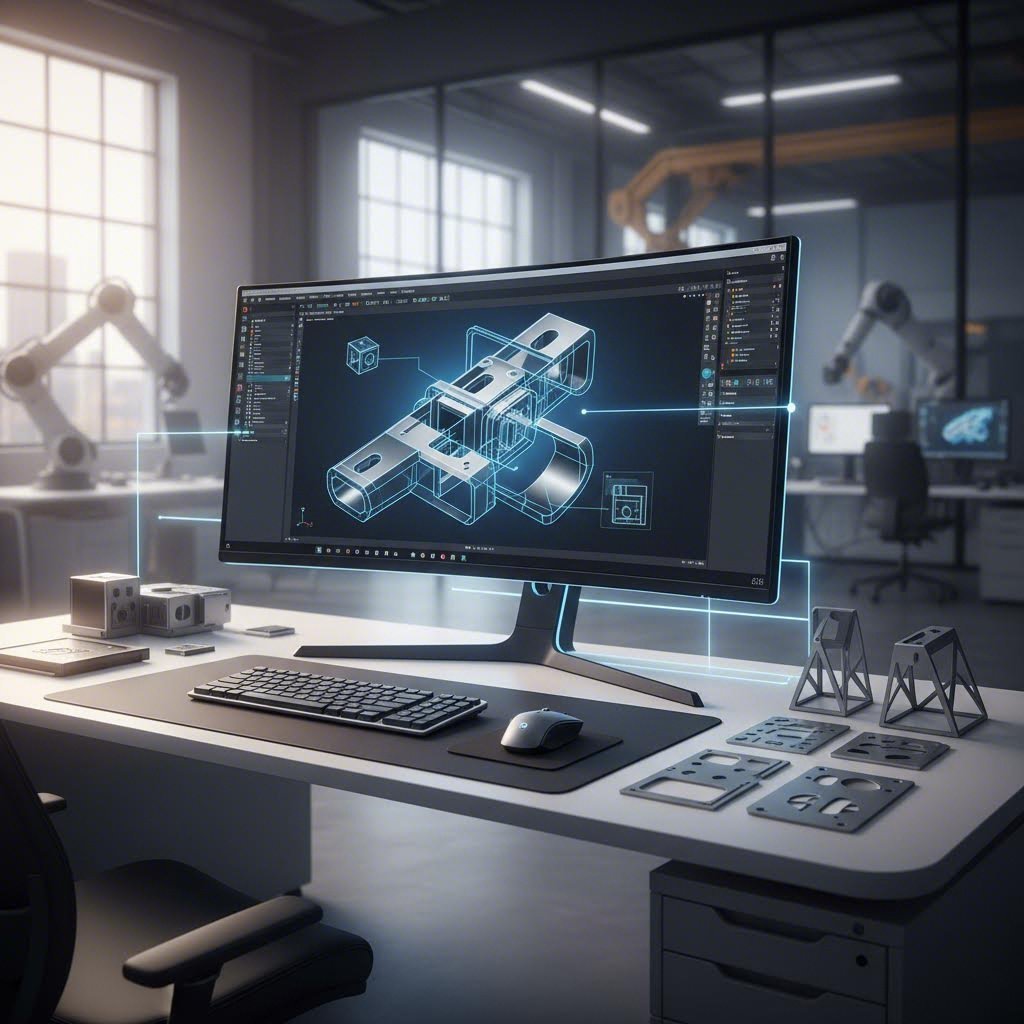
Anda telah menguasai teknologi ini, memahami faktor-faktor kos, dan belajar cara menyelesaikan kecacatan—tetapi kejayaan dalam pemotongan dan pembuatan laser pada akhirnya bergantung kepada keputusan rekabentuk yang bijak yang dibuat jauh sebelum kepingan keluli anda menyentuh katil pemotongan. Prinsip Rekabentuk untuk Pengeluaran (DFM) mengubah komponen yang baik kepada komponen yang hebat sambil mengurangkan kos pengeluaran dan menghapuskan masalah di kemudian hari.
Menurut Komaspec, bahagian yang dipotong menggunakan laser kelihatan mudah apabila meninjau lukisan biasa, tetapi pendekatan DFM yang lemah akan mengakibatkan kos lebih tinggi dan isu kualiti. Apakah isu utamanya? Ketiadaan pengetahuan mengenai pertimbangan proses kritikal dari perspektif jurutera biasa. Mari selesaikan perkara ini dengan menerangkan strategi pengoptimuman reka bentuk yang membezakan reka bentuk amatur daripada kecemerlangan yang sedia untuk pengeluaran.
Pengoptimuman Reka Bentuk untuk Bahagian Keluli yang Dipotong Laser
Sebelum menerokai peraturan khusus, tanyakan kepada diri sendiri soalan asas: adakah bahagian anda benar-benar sesuai untuk pemotongan laser? Menurut garis panduan kejuruteraan Komaspec, ciri-ciri tertentu boleh menyebabkan bahagian berada di luar lingkungan optimum mesin pemotong laser untuk pemprosesan logam:
- Had ketebalan: Bahagian melebihi 25mm (~1 inci) kerap menghasilkan permukaan kasar, masa pemprosesan yang terlalu lama, atau ubah bentuk akibat haba—pertimbangkan kaedah alternatif untuk plat tebal
- Ketebalan minimum: Bahan di bawah 0.5mm boleh dipotong secara tidak tepat akibat anjakan bahagian atau ubah bentuk semasa pemprosesan
- Ciri 3D kompleks: Bezel, anak tangga, dan chamfer memerlukan pemesinan sekunder kerana sistem pemotong logam lembaran laser hanya memotong tepi lurus sahaja
Setelah anda mengesahkan bahawa pemotongan laser sesuai dengan aplikasi anda, gunakan amalan terbaik DFM berikut untuk mengoptimumkan rekabentuk anda:
- Ambil kira lebar kerf: Apabila mereka bentuk perakitan dengan pelbagai komponen yang dipotong menggunakan laser yang perlu diletakkan bersama, tambah separuh kerf kepada objek dalaman dan tolak separuh daripada komponen luaran—kegagalan untuk membuat penyesuaian ini akan menyebabkan kesan interferens atau ruang berlebihan
- Peraturan saiz lubang: Diameter lubang minimum harus sama atau melebihi ketebalan lembaran sebagai amalan terbaik; minimum mutlak adalah separuh daripada ketebalan lembaran. Di bawah ambang ini, titik tusup menyebabkan lubang di luar toleransi yang memerlukan pengeboran sekunder
- Jejari sudut penting: Sudut tajam memaksa kepala laser untuk melambat, meningkatkan masa pemotongan dan berpotensi menyebabkan pembakaran berlebihan dengan sisa akibat kekotoran. Jejari minimum adalah R0.2mm, tetapi jejari yang lebih besar secara langsung membawa kepada pengurangan kos dan peningkatan kualiti
- Permudahkan ciri: Setiap lubang, alur, dan kontur menambah masa pemotongan dan pemenggalan. Bahagian dengan ciri-ciri rumit yang kurang diproses lebih cepat dan kosnya lebih rendah—hapuskan sebarang geometri yang tidak perlu secara fungsian
- Reka bentuk tab dan slot: Apabila mencipta perakitan yang boleh memposisikan sendiri, reka bentuk penanda sedikit lebih sempit daripada slot untuk mengakomodasi kerf dan memastikan kesesuaian licin semasa kimpalan atau pengikatan
- Pertimbangkan kesan tirus: Dalam keluli melebihi ketebalan 15mm, potongan laser menghasilkan tirus yang boleh diukur dari atas ke bawah—penting untuk aplikasi pas masuk atau perakitan presisi
Pengekakan memerlukan perhatian khas kerana ia tidak dapat dilakukan semasa pemotongan laser. Semua lubang berulir memerlukan pemesinan susulan, bermakna diameter lubang mesti mengakomodasi operasi mengetap dan bukannya hanya memenuhi ambang minimum pemotongan laser. Begitu juga, mana-mana tepi digilap atau kemasan permukaan tertentu memerlukan operasi sekunder—nyatakan keperluan ini dengan jelas pada lakaran anda untuk memastikan petikan harga yang tepat.
Dari Prototaip ke Kecemerlangan Pengeluaran
Di sinilah pengeluar pintar memperoleh kelebihan bersaing: prototaip pantas mengesahkan reka bentuk anda sebelum melabur dalam peralatan pengeluaran atau pengeluaran berjumlah tinggi. Pemotong laser keluli boleh menghasilkan prototaip berfungsi dalam masa beberapa jam sahaja, bukannya berminggu-minggu, membolehkan anda menguji kesesuaian, bentuk, dan fungsi menggunakan komponen keluli sebenar, bukannya anggaran cetakan 3D.
Menurut Ponoko, perkhidmatan pemotong logam laser moden memberikan komponen tersuai pada hari yang sama dengan ketepatan dimensi dari ±0.003 inci (0.08mm). Kelajuan ini mengubah kitaran pembangunan anda—mengenal pasti masalah reka bentuk pada hari Isnin, membuat semakan pada Selasa, dan menerima prototaip yang telah diperbetulkan pada Rabu. Bandingkan ini dengan jadual pembuatan tradisional di mana perubahan peralatan mengambil masa berminggu-minggu.
Fasa penggubalan prototaip juga mendedahkan isu-isu kebolehpengilangan yang tidak kelihatan pada skrin. Alur melengkung yang anggun itu? Ia mungkin mencipta kepekatan haba yang berlebihan menyebabkan pelengkungan. Lubang-lubang yang rapat itu? Ia boleh menggugat integriti struktur antara potongan. Prototaip fizikal mendedahkan masalah-masalah ini sebelum ia menjadi kerosakan pengeluaran yang mahal.
Pertimbangkan bagaimana komponen yang dipotong dengan laser disepadukan dengan aliran kerja pengeluaran anda secara keseluruhan. Kebanyakan komponen keluli tidak wujud secara berasingan—ia bersambung dengan komponen rangka yang ditebuk, braket yang dibengkokkan, perakitan kimpalan, atau antara muka mesinan. Pemotong laser anda untuk logam kepingan menghasilkan bentuk asas, tetapi proses seterusnya menentukan fungsi akhir.
Perspektif integrasi ini penting apabila memilih rakan kongsi pembuatan. Pembekal yang hanya mengendalikan pemotongan laser memaksa anda untuk mengkoordinasi beberapa vendor, mengurus logistik antara kemudahan, dan menerima tanggungjawab terhadap sebarang masalah kecocokan antara proses. Pengilang bersepadu yang menggabungkan pemotongan laser dengan penempaan, lenturan, dan kimpalan di bawah satu bumbung dapat menghapuskan masalah koordinasi ini.
Untuk aplikasi automotif di mana komponen keluli yang dipotong dengan laser perlu bersambung dengan sasis dan bahagian suspensi yang ditempa, pensijilan menjadi kritikal. Pengilang seperti Shaoyi (Ningbo) Metal Technology memegang pensijilan IATF 16949 khusus untuk sistem kualiti automotif, memastikan proses yang konsisten dari ulasan DFM awal hingga pemeriksaan akhir. Tempoh perwujudan prototaip pantas mereka selama 5 hari dan respons kutipan dalam 12 jam membolehkan kitaran lelaran pantas yang memendekkan tempoh pembangunan.
Apabila menilai rakan kongsi potensial untuk pengeluaran, pertimbangkan sokongan DFM yang komprehensif selain daripada keupayaan pemotongan. Pengilang terbaik akan mengkaji rekabentuk anda secara proaktif, mencadangkan pindaan yang meningkatkan kualiti sambil mengurangkan kos. Kerjasama ini mengubah hubungan pembekal daripada vendor transaksional kepada rakan strategik yang berminat dengan kejayaan anda.
Projek pemotongan laser anda berjaya apabila pengoptimuman rekabentuk, pengesahan pantas, dan pembuatan terintegrasi bekerjasama. Mulakan dengan prinsip DFM yang menghormati keupayaan proses. Buat prototaip secara agresif untuk mengesan masalah lebih awal. Berkolaborasilah dengan pengilang yang memahami bagaimana komponen yang dipotong dengan laser sesuai dalam perakitan lengkap. Pendekatan sistematik ini menghasilkan komponen yang berfungsi sempurna sambil meminimumkan kos dan tempoh pengeluaran—definisi sebenar kecemerlangan pembuatan.
Soalan Lazim Mengenai Pemotongan Kepingan Keluli dengan Laser
1. Bolehkah anda memotong kepingan keluli menggunakan laser?
Ya, pemotongan laser adalah salah satu kaedah paling berkesan untuk memproses kepingan keluli. Kedua-dua laser gentian dan CO2 boleh memotong keluli lembut, keluli tahan karat, dan pelbagai gred aloi dengan ketepatan yang luar biasa. Laser gentian unggul dalam memotong kepingan keluli nipis sehingga 25mm, mencapai rongga toleransi ±0.005 inci serta menghasilkan tepi yang bersih dan bebas kilatan. Proses ini menggunakan tenaga haba termusyat untuk melebur atau mengewapkan keluli di sepanjang laluan yang diprogramkan, menjadikannya sesuai untuk geometri kompleks, lubang kecil, dan corak rumit yang tidak dapat dicapai oleh pemotongan mekanikal.
2. Berapakah kos untuk mendapatkan potongan laser pada keluli?
Kos pemotongan laser bergantung kepada ketebalan bahan, kerumitan potongan, panjang potongan keseluruhan, dan kuantiti. Caj persediaan biasanya berada dalam lingkungan $15-30 setiap kerja, dengan caj buruh sekitar $60 sejam untuk kerja tambahan. Masa mesin menyumbang kepada kebanyakan kos—penggandaan ketebalan bahan boleh mendorong masa pemprosesan lebih daripada dua kali ganda. Diskaun volum boleh mencapai sehingga 70% untuk pesanan kuantiti tinggi. Bagi pengilang yang membelanjakan lebih daripada $20,000 setahun untuk pemotongan luar, peralatan sendiri biasanya memberikan pulangan pelaburan (ROI) yang lebih baik, dengan tempoh bayar balik seawal enam bulan.
3. Berapa ketebalan keluli yang boleh dikendalikan oleh pemotong laser?
Laser gentian moden dapat memproses keluli setebal hingga 25mm, manakala laser CO2 boleh mengendalikan ketebalan 40mm atau lebih dengan parameter yang sesuai. Tahap kuasa menentukan ketebalan maksimum: mesin 1000W dapat memotong keluli tahan karat sehingga 5mm, 2000W mengendalikan 8-10mm, dan sistem 3000W+ memproses 12-20mm bergantung kepada keperluan kualiti. Untuk bahan yang lebih tebal, laser CO2 sering memberikan kualiti tepi yang lebih licin disebabkan oleh panjang gelombang yang lebih panjang yang mengagihkan haba secara lebih sekata merentasi keratan rentas.
4. Apakah perbezaan antara gas bantuan oksigen dan nitrogen untuk pemotongan keluli?
Oksigen menghasilkan tindak balas eksotermik yang mempercepatkan kelajuan pemotongan pada keluli lembut sehingga 30%, tetapi meninggalkan tepi yang teroksidasi gelap yang memerlukan pemesinan susulan sebelum pengecatan atau kimpalan. Nitrogen menghasilkan tepi yang bersih, cerah, dan sedia dikimpal tanpa pengoksidaan, tetapi memerlukan tekanan lebih tinggi (22-30 bar berbanding 2 bar) dan menggunakan 4 hingga 12 kali lebih banyak gas. Pilih oksigen untuk keluli struktur di mana tepinya akan dicat atau disembunyikan; pilih nitrogen untuk keluli tahan karat, aluminium, atau apa-apa aplikasi yang memerlukan pemesinan susulan serta-merta.
5. Apakah bahan-bahan yang tidak boleh dipotong menggunakan pemotong laser?
Pemotong laser tidak boleh memproses PVC, polikarbonat (Lexan), polistirena, atau bahan yang mengandungi klorin dengan selamat—bahan-bahan ini akan membebaskan gas toksik apabila dipanaskan. Logam yang sangat reflektif seperti tembaga dan loyang memerlukan laser gentian dengan panjang gelombang tertentu, kerana laser CO2 mungkin dipantulkan semula dan merosakkan optik. Bahan dengan komposisi yang tidak konsisten atau kontaminan terbenam boleh menghasilkan keputusan yang tidak dapat diramal. Khusus untuk pemotongan keluli, bahan bergulung panas yang berskala tebal mungkin memerlukan pensahihan skala atau penyesuaian parameter untuk mencapai kualiti yang konsisten.