 Small batches, high standards. Our rapid prototyping service makes validation faster and easier —
  EN
EN


Lengan Kawalan Tempa vs Lengan Kawalan Dicetak: Mengapa Kekuatan Penting di Medan Luar Jalan
RINGKASAN
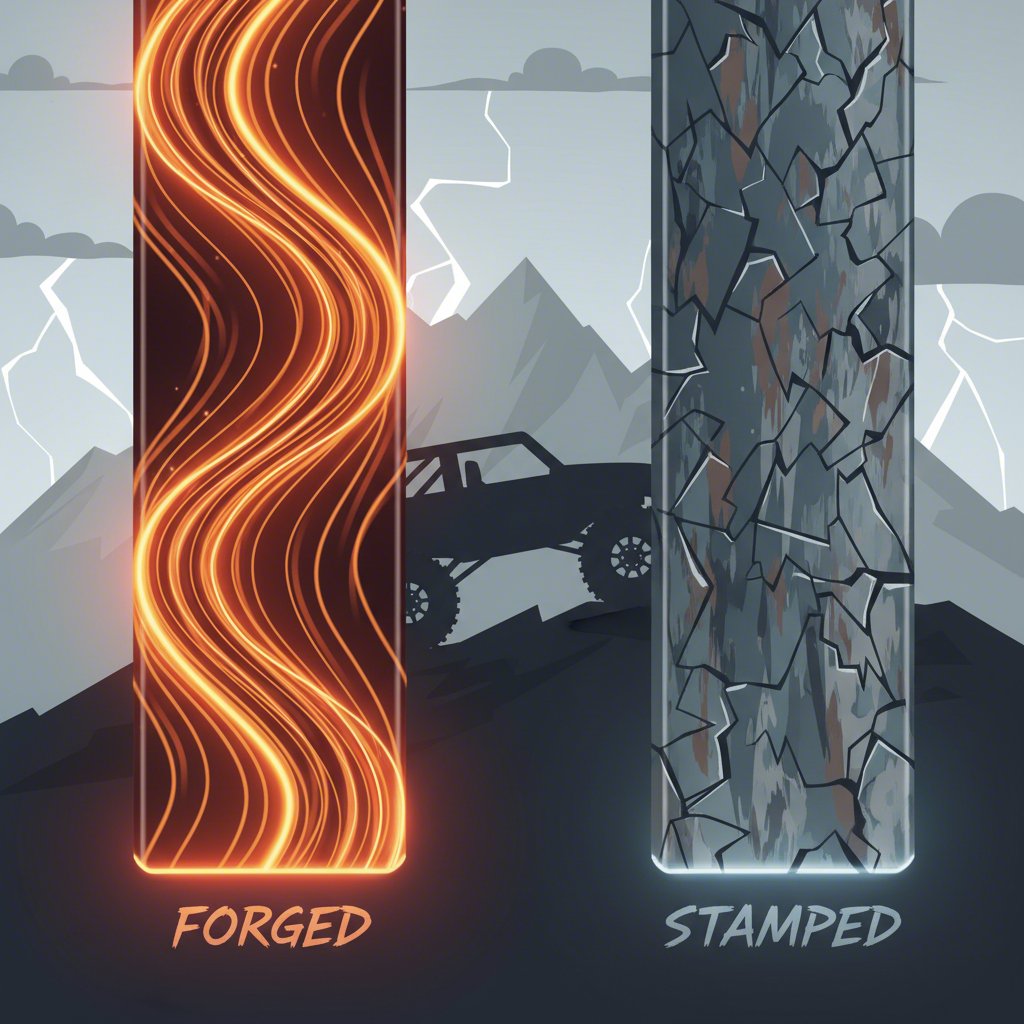
Untuk aplikasi luar jalan, lengan kawalan tempa adalah jauh lebih kuat dan tahan lama berbanding rakan sepadan yang ditekan. Proses penempaan memampatkan satu keping logam tunggal, menyelaraskan struktur butir dalaman untuk rintangan yang lebih unggul terhadap lenturan dan pecah. Lengan kawalan yang ditekan, yang merupakan piawaian pada kebanyakan kenderaan asal, dibuat daripada plat keluli yang dibengkokkan dan dikimpal bersama. Walaupun kosnya lebih rendah, mereka jauh lebih mudah gagal di bawah tekanan melampau luar jalan.
Analisis Mendalam Pengeluaran: Cara Lengan Tempa dan Ditekan Dibuat
Memahami perbezaan asas antara lengan kawalan tempa dan ditekan bermula dengan proses pengeluaran mereka. Perbezaan utama ini bertanggungjawab atas setiap kelebihan dan kekurangan prestasi, terutamanya dalam persekitaran beratensi tinggi. Setiap kaedah menghasilkan komponen dengan struktur dalaman yang sangat berbeza dan, akibatnya, tahap kekuatan dan kebolehpercayaan yang berbeza.
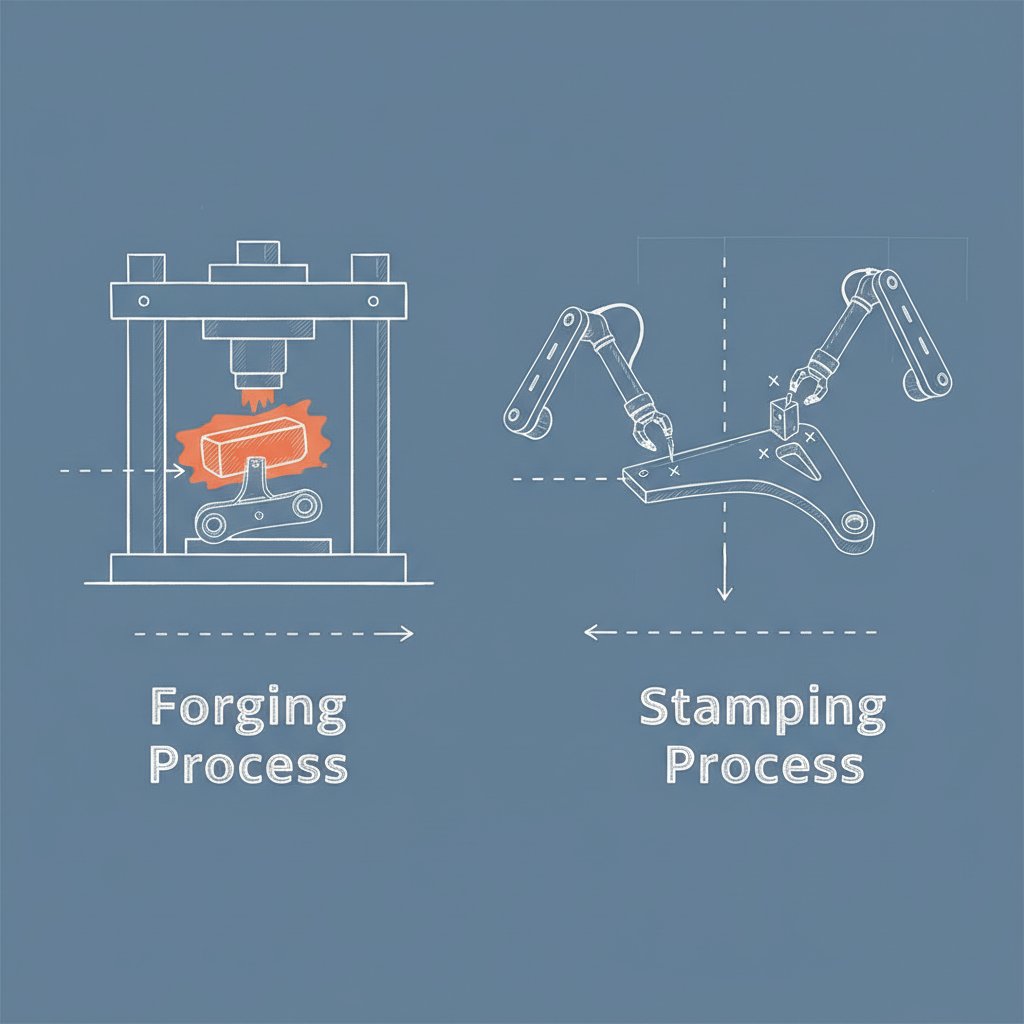
Lengan kawalan tempa dihasilkan dengan memanaskan billet logam pejal (biasanya keluli atau aloi aluminium) dan menggunakan tekanan yang sangat besar untuk menekannya ke dalam acuan. Proses ini, seperti yang diterangkan dalam panduan seperti Glosari SH Auto Parts , bukan sahaja membentuk logam; malah mengubahnya secara asas. Mampatan yang kuat ini memaksa butiran dalaman logam menyelaraskan diri dengan bentuk lengan tersebut. Aliran butiran yang berterusan dan tersusun ini ibarat serat pada sekeping kayu, memberikan komponen itu kekuatan tegangan yang luar biasa serta rintangan terhadap kelesuan dan retakan. Tiada sambungan atau kimpalan yang mencipta titik kelemahan.
Sebaliknya, lengan kawalan bergam diperbuat daripada kepingan keluli. Proses ini melibatkan pemotongan corak rata daripada keluli, membengkokkannya mengikut bentuk yang diperlukan, dan kemudian mengimpal kepingan-kepingan tersebut untuk membentuk lengan akhir. Kaedah ini pantas, berkesan dari segi kos, dan sesuai untuk pengeluaran besar-besaran, justeru lengan bergam menjadi pilihan lazim bagi kebanyakan kenderaan kilang. Walau bagaimanapun, kimpalan memperkenalkan titik-titik kegagalan yang berpotensi, dan struktur biji keluli plat yang tidak sejajar kurang kekuatan asli berbanding komponen tempa.
Bagi pengilang automotif yang memberi tumpuan kepada ketepatan dan kebolehpercayaan dalam bidang ini, kepakaran khusus adalah penting. Syarikat-syarikat seperti Shaoyi (Ningbo) Metal Technology Co., Ltd. menyediakan penyelesaian penempaan logam yang komprehensif, menunjukkan bagaimana automasi dan kejuruteraan terkini boleh menghasilkan komponen bergam berkualiti tinggi untuk pelbagai aplikasi automotif. Walaupun dengan teknik terkini, perbezaan asas dari segi integriti struktur tetap wujud.
Perbandingan Kaedah Pengeluaran
| Ciri | Lengan Kawalan Ditempa | Lengan Kawalan Bergam |
|---|---|---|
| Bahan Masukan | Batu logam pejal (keluli atau aloi aluminium) | Plat keluli rata |
| Proses | Dipanaskan dan dimampatkan dalam acuan bertekanan tinggi | Dipotong, ditekuk, dan dikimpal bersama |
| Ciri utama | Aliran bijih dalaman yang sejajar | Jahitan dan sambungan kimpalan |
| Struktur Terhasil | Bahagian monolitik dengan kekuatan tegangan tinggi | Bahagian fabrikasi dengan titik kelemahan berpotensi |
Pertarungan Prestasi Off-Road: Kekuatan, Ketahanan, dan Kelenturan
Apabila jalan raya berakhir, perbezaan teori dalam pengeluaran menjadi jurang prestasi yang kritikal dalam dunia sebenar. Bagi sebarang aktiviti off-roading yang serius—daripada memandu di trek hingga merangkak atas batu—kelebihan utama lengan kawalan tempa adalah kelebihan yang ketara. Tugas utama lengan kawalan adalah mengekalkan geometri suspensi yang betul, dan di bawah impak kuat serta berulang semasa memandu off-road, kelemahan lengan cetakan menjadi jelas.
Lengan tempa unggul dari segi kekuatan dan ketahanan. Memandangkan ia terdiri daripada satu bahagian pepejal tunggal dengan struktur biji yang sejajar, lengan ini mampu menahan lenturan dan kegagalan teruk. Perbandingan pakar daripada Shock Surplus mencatat bahawa lengan keluli tempa, seperti yang dikeluarkan oleh pengilang SPC, adalah "sangat kukuh" dan "hampir tidak boleh dimusnahkan". Tahap ketahanan ini memastikan penjajaran roda anda kekal konsisten walaupun melalui medan kasar, mencegah kehausan tayar yang tidak sekata dan mengekalkan pengendalian yang boleh diramal. Mereka direka untuk menahan daya-daya yang akan dengan mudah menyebabkan komponen yang lebih lemah berubah bentuk.
Sebaliknya, lengan berganda lebih cenderung melentur di bawah beban berat. Lenturan ini boleh mengubah sementara penjajaran kenderaan anda, menyebabkan stereng menjadi kabur dan tingkah laku yang tidak dapat diramal di atas trek. Lebih penting lagi, kimpalan merupakan titik lemah komponen ini. Kitaran tekanan berulang akibat hentaman boleh menyebabkan kimpalan retak dan akhirnya gagal, yang boleh meninggalkan anda terperangkap dengan kenderaan yang tidak berfungsi. Walaupun mencukupi untuk pemanduan harian di jalan berturap, mereka bukan direkabentuk untuk menahan tuntutan penggunaan off-road yang serius.
Kelebihan dan Kekurangan Off-Road
| Jenis Lengan Kawalan | Kelebihan | Keburukan |
|---|---|---|
| Dicetak |
|
|
| Berkanji |
|
|
Cara Mengenal Pasti Lengan Kонтrol Anda: Panduan Visual
Sebelum memesan komponen pengganti atau merancang peningkatan, anda perlu mengetahui apa yang sedang digunakan pada kenderaan anda. Untungnya, lengan kawalan tempa dan berganda mempunyai ciri-ciri visual yang berbeza yang memudahkan pengenalpastian hanya dengan pemeriksaan pantas. Mengetahui cara membezakan antara keduanya dapat menjimatkan masa dan mengelakkan pesanan komponen yang salah.
Lengan kawalan tempa secara umum kelihatan seperti satu keping logam padu. Permukaannya mungkin agak kasar, dan ciri utama pengenalannya ialah "garis pemisah" halus atau garis flash. Ini adalah tompok kecil yang tertinggal dari tempat dua belah acuan tempa bertemu. Bentuk keseluruhan sering kali lebih kompleks dan kukuh berbanding lengan berganda.
Lengan kawalan yang dicetak, sebaliknya, jelas kelihatan dibuat daripada beberapa keping logam. Petanda paling ketara ialah kewujudan sambungan kimpalan. Carilah garisan di mana plat atas dan bawah atau plat sisi telah disambungkan bersama. Lengan itu juga mungkin kelihatan lebih berongga atau mempunyai rupa seperti kotak, diperbuat secara fabrikasi. Sambungan-sambungan ini merupakan tanda pasti bahawa ia dibina secara pencetakan.
Ikuti langkah-langkah mudah berikut untuk memeriksa lengan kawalan anda:
- Capai Ophanging dengan Selamat: Letakkan kenderaan anda pada permukaan yang rata dan aktifkan brek pegun. Jika perlu, gunakan jek dan penyangga jek untuk mengangkat bahagian hadapan kenderaan dengan selamat bagi mendapatkan pandangan yang lebih baik.
- Bersihkan Lengan Kawalan: Lengan-lengan ini kerap ditutupi debu dan kotoran. Gunakan berus dawai dan kain lap untuk membersihkan permukaan supaya ciri-cirinya dapat dilihat dengan jelas.
- Cari Ciri Utama: Periksa lengan tersebut dengan teliti. Adakah terdapat sambungan kimpalan yang jelas berjalan sepanjang panjangnya? Jika ya, ia adalah lengan cetakan. Kelihatan seperti satu kepingan padu dengan garisan pertemuan yang samar? Jika ya, ia adalah lengan tempa.
- Bandingkan dengan Imej Rujukan: Jika anda masih tidak pasti, cari imej-imej lengan kawalan yang ditempa dan dicetak untuk model kenderaan khusus anda untuk dijadikan perbandingan visual.
Kos berbanding Pelaburan: Adakah Kemas kini Tempaan Berbaloi untuk Anda?
Salah satu faktor paling penting dalam sebarang pengubahsuaian kenderaan ialah kos. Lengan kawalan tempaan jelas lebih mahal berbanding yang dicetak, tetapi bagi peminat off-road, adalah lebih tepat untuk melihat perbezaan harga ini sebagai pelaburan dalam kebolehpercayaan dan keselamatan, bukan sekadar perbelanjaan. Keputusan akhir bergantung kepada bagaimana anda menggunakan kenderaan anda.
Jurang harga tidak selalu sebesar yang anda sangkakan. Sebagai contoh, satu set lengan kawalan atas piawai mungkin berharga sekitar $550, manakala satu set lengan aftermarket tempa yang lebih baik boleh berharga hampir $629. Walaupun ini merupakan peningkatan dari segi kos awal, adalah penting untuk mempertimbangkan Jumlah Kos Pemilikan. Kos sebenar kegagalan lengan piawai di jalan terpencil bukan sahaja termasuk ganti bahagian, tetapi juga yuran tarikan, upah pembaikan, dan perjalanan yang rosak—perbelanjaan yang boleh dengan cepat melebihi penjimatan awal.
Melabur dalam lengan tempa adalah langkah proaktif untuk mengelak kegagalan komponen. Ini berkaitan dengan ketenangan fikiran dan memastikan kenderaan anda mampu menghadapi medan yang ingin ditakluki. Bagi kenderaan yang jarang meninggalkan jalan rata, lengan piawai adalah mencukupi. Tetapi bagi kenderaan yang dibina untuk petualangan, kekuatan komponen tempa adalah sebahagian penting daripada keseluruhan persediaan.
Senarai Semak Pengambilan Keputusan
Gunakan senarai semak mudah ini untuk menentukan jenis lengan kawalan yang merupakan pelaburan tepat bagi keperluan anda:
- Anda harus melabur dalam lengan tempa jika: Anda kerap melakukan pemanduan luar jalan, menghadapi medan mencabar seperti batu atau lubang, mempunyai suspensi yang dinaikkan, atau mengutamakan ketahanan dan kebolehpercayaan maksimum di atas segala-galanya.
- Lengan berganda adalah mencukupi jika: Kenderaan anda terutamanya digunakan harian, anda hanya menggunakan trek ringan di jalan tanah yang diselenggara, anda mempunyai bajet terhad untuk penggantian asal, atau kenderaan anda tidak dinaikkan.
Soalan Lazim
1. Adakah lengan kawalan atas aluminium tempa baik?
Ya, lengan kawalan atas aloi aluminium tempa adalah pilihan yang sangat baik, terutamanya untuk aplikasi berprestasi tinggi. Ia menawarkan pengurangan berat yang ketara berbanding lengan keluli, yang mengurangkan jisim tak tersangga dan boleh meningkatkan sambutan suspensi serta pengendalian. Proses penempaan memastikan ia jauh lebih kuat berbanding komponen aloi aluminium tuangan atau cetakan. Walaupun keluli aloi biasanya merupakan bahan terkuat secara keseluruhan untuk aktiviti merangkak batu ekstrem, aloi aluminium tempa memberikan keseimbangan hebat antara kekuatan tinggi dan berat ringan, menjadikannya ideal untuk pengembaraan jarak jauh (overlanding), pemanduan di gurun, dan kegunaan luar jalan secara amnya.
2. Apakah bahan terbaik untuk lengan kawalan?
Bahan terbaik bergantung kepada penggunaan kenderaan dan bajet. Untuk kekuatan maksimum dan rintangan hentaman dalam aplikasi luar jalan yang berat, keluli aloi tempa (seperti 4140 Chromoly) sering menjadi pilihan utama kerana ketahanan dan kekuatannya. Untuk aplikasi prestasi di mana berat adalah perkara utama, aloi aluminium tempa (seperti 6061-T6) adalah ideal kerana menyediakan nisbah kekuatan-kepada-berat yang sangat baik. Untuk kereta penumpang piawai dan trak ringan yang digunakan di jalan raya, keluli tekan adalah bahan yang paling biasa digunakan kerana memenuhi keperluan kilang dengan kos terendah.