 Small batches, high standards. Our rapid prototyping service makes validation faster and easier —
  EN
EN


Tajne stampera: Od prvog rezka do besprijekornih obrta
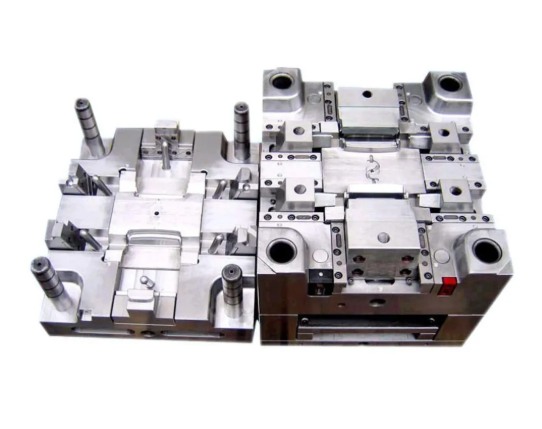
Razumijevanje strojeva za rezanje žigova i kako oni mijenjaju umjetnost
Jeste li se ikad zapitali kako zanatlije stvaraju one savršeno oblikovane, složeno detaljne papirne elemente koji izgledaju gotovo nemoguće rezati ručno? Odgovor leži u snažnom alatu koji je napravio revoluciju u svijetu obrta: s druge strane, - Što? Ovaj genijalni sustav spaja dvije omiljene tehnike izrade - iscipanje i rezanje na matici - u jedan neometan radni tok koji svaki put donosi dosljedne, profesionalne rezultate.
Što je to rezanje i kako se to odnosi na stampiranje? U osnovi, rezanje je proces kojim se metalnim čepićem reže papir ili drugi materijal u određene oblike ili dizajne. Smatraj to kao da koristiš rezač za kolače, ali umjesto da režeš tjesteninu, oštre ivice režu materijal koji si izabrao čistim, preciznim rezovima uz pomoć pritiska iz mašine.
Stamping rezač je sustav za izradu koji kombinuje precizne metalne obloge s koordiniranim gumenim ili prozirnim pečatima, omogućavajući zanatlijama da pečate detaljne slike i zatim režete savršeno usklađene oblike, što uklanja potrebu za dosadnim ručnim rezanjem
Mehanika rezanja stempelom
Kad radite s sustavom za rezanje pečata, primijetit ćete da je proces iznenađujuće jednostavan. Vaš papir se sloje između matice i skup plastičnih ploča koje pomažu stroju ravnomjerno primijeniti pritisak. Kad okrenete manijak (na ručnim strojevima) ili aktivirate motor (na električnim modelima), ovaj "sandvič" valja preko platforme stroja i oblik koji se stvara izlazi savršeno oblikovan.
Što je bilo s time? Svaki put savršeno isječeni oblik papira, bilo da to znači izuzetno detaljan natpis, precizan obris pečate slike ili složene cvjetne uzorke. Za razliku od noževa ili preciznog oštrica, više se nećete brinuti za slučajne klizišta ili deformirane rezultate.
Kako se štampe i žigovi koriste zajedno
Ovdje se magija stvarno događa. Mnoge tvrtke za marke sada proizvode tanke metalne štampe kao pratnje svojim setovima maraka. Ova koordinacija znači da prvo možete obrisati sliku, a zatim je provesti kroz stroj za rezanje s odgovarajućom maticom koja je savršeno postavljena preko tog obrisanog dizajna. Uređuje ti otisak i izreže ga kirurškom preciznošću.
Što čini marke i crteže različite kada se koriste odvojeno, a ne zajedno? Samostalni marki dodaju slike i tekst vašim projektima, dok samostalni žigovi jednostavno režu oblike. Ali kada ih kombinirate u sustav za crtanje, otključate potpuno novu razinu kreativnih mogućnosti. Vaše pečatirane slike postaju savršeno obrezane, spremne za slojeve, dimenzije i aranžman bez ikakvog žestokog rezanja.
Razumijevanje što je rezanje na strijelu zapravo se svodi na cijenjenje ove temeljne veze: strijel daje oblik, pečat daje detalje, i zajedno stvaraju elemente koji izgledaju profesionalno proizvedeni - čak i ako tek počinjete s proizvodnjom papira.
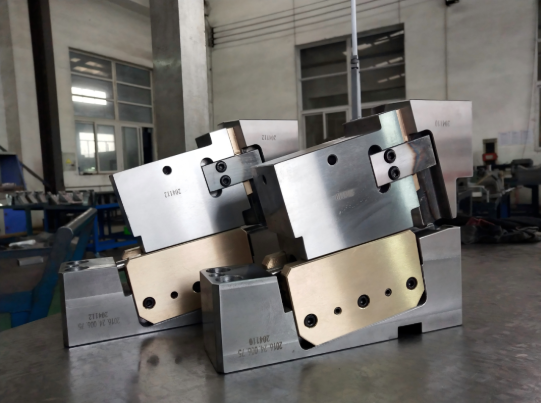
Vrste strojeva za rezanje na podređenju za svaku razinu vještine
Sada kad znate kako se čarolija odčepa čini, vjerojatno se pitate koja mašina je prava za vas. Ovdje je stvar ne svi strojevi za rezanje su stvoreni jednaki. Od kompaktnih ručnih štapova savršenih za vašu radnu sobu do snažnih industrijskih sustava koji proizvode tisuće rezova na sat, na prvi pogled mogu se činiti preplavljujućim.
Dakle, što je to točno strojevi za rezanje i kako birate između različitih vrsta? Stroj za rezanje je u osnovi motor koji pokreće vaš cijela operacija rezanja matice - Što? To daje pritisak potreban za prisilno probijanje metala kroz papir, karton, tkaninu ili druge materijale. Tip koji izaberete ovisi u potpunosti o obimu projekta, proračunu, radnom prostoru i količini kontrole koju želite tijekom procesa rezanja.
Priručni i elektronički sustavi za rezanje
Zamislite ovo: radite na ručno izrađenoj rođendanskoj čestitci i morate izrezati samo nekoliko dekorativnih elemenata. Da li vam stvarno treba kompjuterski uređaj za to? Vjerojatno ne. Ručni strojevi za rezanje kao što je popularni Sizzix Big Shot nude jednostavnost, pristupačnost i potpunu kontrolu nad svakim rezom koji napravite.
Ručni strojevi rade kroz ručni mehanizam. Stvoriš svoj "senvič" od rezača, materijala i obrade, a zatim okreneš ručicu kako bi sve prošao kroz stroj. Pritisak koji valjci vrše prisiliće matrice da prođu kroz materijal, stvarajući čisti rez. Ove naprave obično su u početku jeftinije, ne zahtijevaju struju i zauzimaju minimalni prostor na vašem stolu za izradu.
Elektronski strojevi za rezanje na strijelu koriste drugačiji pristup. Ti sustavi, koji se pokreću motorima i često upravljaju računalnim programom, potpuno automatiziraju proces rezanja. Naći ćete opcije koje se kreću od strojeva za potrošače koji se povezuju s aplikacijama za dizajn na vašem tabletu do sofisticiranih digitalnih sustava koji se koriste u tiskarnicama i komercijalnim operacijama. Prema industrijskim usporedbama, elektronički rezalici pružaju brže brzine i dosljednije rezultate, ali dolaze s višim cijenama i strmijim krivulama učenja.
Evo kako se ključne razlike razbijaju:
- Fizički napor: Ručni strojevi zahtijevaju da svaki rez ručno pokrenete, dok elektronički sustavi rade posao automatski
- Brzina: Elektronski strojevi znatno brže obrađuju rezove, što ih čini idealnim za velike projekte
- Preciznost: Elektronski sustavi obično daju dosljednije rezultate u velikim serijama
- Cijena: Ručni strojevi su ekonomičniji, a Sizzix Big Shot Machine i slične opcije počinju od manje od 200 dolara
- Složenost: Ručni sečevi jednostavno se koriste, dok elektronički strojevi zahtijevaju obuku u softveru
Izbor između pločastih i rotirajućih strojeva
Osim ručne i elektronske razlike, susretat ćete se s dva temeljna dizajna strojeva: rezači s ravnim ledom i rotirajuće rezače. Razumijevanje razlike pomaže vam da odaberete pravi alat za svoje specifične potrebe.
Ravnog rezanja stroj koristi ravnu platformu gdje materijal i umrijeti sjedi stacionarno dok se pritisak primjenjuje odozgo ili kroz valjci mehanizama. Većina strojeva orijentiranih na zanatstvo, uključujući popularne opcije poput AccuCut MARK serije i raznih Sizzix modela, koristi ovaj pristup. Digitalni rezalice su postale sve popularnije jer ne zahtijevaju fizičke reze uopće; umjesto toga, koriste tehnologiju oštrica vođenu digitalnim linijama za rezanje bilo kojeg oblika koji možete dizajnirati na računalu.
Rotary strojevi za rezanje, s druge strane, koriste cilindrične strojeve koji se neprekidno rotiraju dok se materijal prolazi. Ovi sustavi su odlični u proizvodnim okruženjima velikih količina, gdje je brzina najvažnija. Stručnjaci iz industrije napominju da rotirajuće rezalice obrađuju ploče na fiksnim brzinama ciklusa bez obzira na složenost dizajna - značajna prednost kada režete tisuće identičnih oblika.
-Premjena? Rotary stene obično koštaju 250 dolara ili više ovisno o složenosti, a za proizvodnju trebaju više od 24 sata. Za kratke serije i promjenjive konstrukcije, platni sustavi nude veću fleksibilnost bez ulaganja u per-die.
| Vrsta | Najbolje za | Razina vještine | Tipične primjene |
|---|---|---|---|
| U slučaju da je to potrebno, mora se upotrebljavati i druga sredstva za ispitivanje. | S druge strane, za proizvodnju proizvoda iz kategorije 95.01 i 95.02 | Početnik | Izrada kartica, scrapbooking, projektni uređenje kuće |
| Elektronski pločni krevet | Ozbiljni zanatlije i mala poduzeća | Srednje | Dizajnirani po narudžbi, složeni uzorci, mješoviti mediji |
| Digitalni pločni podnožji | Službe za štampanje i proizvodnju varijabilnih dizajna | Srednja do napredna | Uređivanje i proizvodnja proizvoda |
| Rotacioni štamparijski rezac | Komercijalni i industrijski radovi | Napredno | Proizvodnja u velikom obimu, pakiranje, etikete |
Za većinu zanatlija koji tek počinju putovanje rezanjem stempla, ručni pločni rezač stempla predstavlja savršenu ulaznu tačku. Naučit ćete osnove postavljanja matice, podešavanja tlaka i izbora materijala bez složenosti softvera ili ulaganja u industrijsku opremu. Kako vaše vještine rastu i zahtjevi vašeg projekta rastu, uvijek možete nadograditi na elektroničke ili specijalizirane sustave koji odgovaraju vašim rastućim potrebama.
Osnovni dijelovi sustava za rezanje stempera
Izabrao si svoj stroj. Što sad? Evo istine koju mnogi početnici otkrivaju na teži način: samo strojem za rezanje nećete daleko stići. Da biste postigli te profitabilne rezultate, potreban vam je kompletan sustav u kojem sve komponente rade u harmoniji. Smatraj to simfonijskim orkestrom. Svaki dio svira svoju ulogu, a zajedno stvaraju nešto lijepo.
Odnos između markica, umotača i rezanja ploča čini temelj svakog uspješno radno vrijeme rezanja iz matične mase - Što? Kada razumijete kako se ovi elementi međusobno odnose, brže ćete rješavati probleme, manje trošiti materijal i otključati kreativne mogućnosti koje niste ni zamišljali.
Izgradite svoju kolekciju maraka i stampica
Što točno bi trebao sakupljati? Stamp and die set nudi najpametnije polazno mjesto za većinu zanatlija. U te usklađene pakete spadaju i gumeni ili prozirni žig (za dodavanje detaljnih slika) i odgovarajuća metalna matica (za rezanje preciznog obrisa). Kada investirate u ove setove, eliminišete nagađanje o odgovarajućim oblicima, sve se savršeno poravnava od početka.
Stampovi s rezom na stampu stvaraju neometan tok rada koji ide otprilike ovako: stampirajte sliku na karton, postavite koordinirajuću stampu direktno iznad vašeg stampiranog dizajna, provjerite sve kroz stroj, i voilà, savršeno okružen, savršeno rezani element spreman za vaš projekt. Nema potrebe za prefinjenim rezanjem.
Osim odgovarajućih setova, želite istražiti samostalne setove za sveobuhvatne oblike i uzorke. Strojevi za izradu kartica mogu imati jednostavne geometrijske oblike ili slojevite dizajne koji se spoje kako bi se ostvarili dimenzionalni efekti. Radne matrice dolaze u različitim temama za svaku priliku: cvijeće, osjećaji, okviri, granice i sezonski motivi. Kao U skladu s člankom 3. stavkom 1. , obloženi su tankim maticama postali omiljeni izbor među papirnim zanatlijama jer su lagani, pristupačni i lako se skladište u usporedbi s većim čeličnim maticama.
Osnovni pribor za čiste rezove
Jesi li ikad imao prekrasan rez uništen jer su sitni komadi ostali zaglavljeni u mati? Ili gledao tvoj materijal klizi na pola rezanja, ostavljajući vas s pokvareni nered? Pravi pribor za rezanje na podmetač sprečava ove frustrirajuće scenarije i podiže vaše rezultate od prihvatljivih do iznimnih.
Evo vam ključni alat za čiste, dosljedne rezove svaki put:
- Sljedeći elementi: Akrilne ploče čine "sandvič" koji drži vaš čip i materijal na mjestu. Sizzix rezače i slične opcije drugih marki posebno su dizajnirane tako da pružaju točan pritisak koji je potreban vašoj mašiniA ploča obično sjedi na ivici rezanja dok se B ploča nalazi na vrhu
- Metalni čip: Tanak metalni list koji dodaje dodatni pritisak za složene, fino detaljne rezne obloge. Samo ga gurni između štapova i gornje ploče kad ti treba malo dodatnog snaga.
- -Radnički izbor: Ovaj šiljat alat pomaže ti da nježno izgurneš sitne komadiće koji se zaglave u detaljnim obradama bez da oštetiš svoje osjetljive rezove
- S druge strane, za proizvodnju proizvoda iz poglavlja 94. Kad se komadi tvrdoglavo drže kockice, ovaj duo ih sigurno otpusti. Pritisnite maticu licem prema dolje protiv pjene podloge i četkica preko leđa
- Skloniva traka: Washi traka ili lepilna materijala s niskom upornošću sprečavaju pomak materijala tijekom procesa rezanja
- Sljedeći članak Ovaj gumeni podmetač vam omogućuje da kreirate podignute otiske koristeći svoje redovne matrice umjesto rezanja kroz materijal. Zamijenite ga u kada želite teksturu umjesto rezova
- Izgravirane fascikle: Plastične fascikle koje dodaju uzorke poput platna, cigle ili cvjetnih dizajna na papir kada se prolaze kroz stroj
- Kvalitetni karton: Stručnjaci iz industrije preporučuju 80 do 110 funti kartona za najčistije rezove. U slučaju da se papir razdvoji, može se dogoditi da se ne može potpuno rezati.
Ne zaboravi i lepilne materijale u svom alatniku. Tečni ljepilo najbolje radi za sitne, složene komade, dok pjena traka stvara slojevito, dimenzionalni izgled bez gomilanja više rezova. Ako imate obje mogućnosti, možete fleksibilno raditi na bilo kojem projektu.
S svojim pečatima, maticama, pločama i priborom sastavljenim, potpuno ste opremljeni za rješavanje gotovo svakog materijala koji vaš stroj može nositi. Govoreći o materijalima, hajde da istražimo što točno možete rezati svojim sustavom za stampiranje i kako prilagoditi pravu matricu svakom podložku.
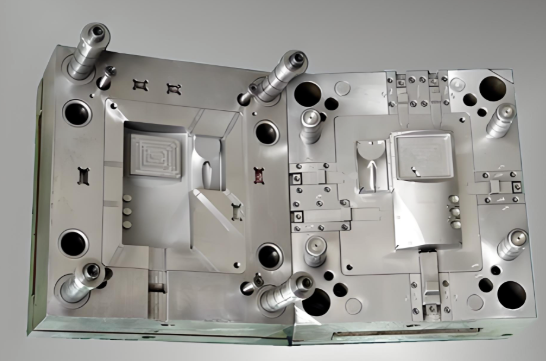
Materijali koje možete rezati pomoću sustava za stampiranje
Spreman da gurneš svoj rezač za pečat izvan osnovnog kartona? Ovdje stvari postaju uzbudljive. Dok je proizvodnja papira i dalje najpopularnija primjena, vaša strojeva za rezanje na stisnuću mogu rezati impresivan spektar materijala, od delikatnog pergamena do čvrste čepovske ploče, pa čak i tkanine i tanke kože. Ključ leži u razumijevanju koje obloge rade s kojim supstratima i kako prilagoditi tehniku za svaki.
Ne može svaki materijal jednako dobro. Strojevi za rezanje papira namijenjeni za lagan karton neće raditi isto na debelom pluću ili umjetnoj koži. Odgovaranje vrste matrice odabranom materijalu nije samo prijedlog, već je neophodno za čiste rezove i zaštitu opreme od nepotrebne habanja.
Tehnike rezanja papira i kartona
Papirni proizvodi ostaju kruh i maslac za rezanje pečata, i to s dobrim razlogom. Prihvatljivi su, široko dostupni i pružaju dosljedno čiste rezultate. Ali čak i unutar ove kategorije, naići ćete na značajne varijacije koje utječu na vaš pristup.
Evo što možete rezati u papirnoj obitelji:
- Kopiranje papira (20lb): Lako se reže, ali može razdvojiti složene dizajne; najbolje za vježbanje i brze projekte
- Karta (65-110 lb): Slatka točka za većinu projekata s rezom papira; 80 lb nudi idealnu ravnotežu između izdržljivosti i čistog rezanja
- Specijalni karton: Blizanci, teksturirani i metalni kartoni zahtijevaju malo više pritiskapridružite metalni šminka za potpune rezove
- Vellum: Ovaj prozirni materijal dodjeljuje elegantnu mekinu slojevima; koristite tanku traku kako biste spriječili pomak
- Sljedeći: Teže od kartona, čipboard dodaje stabilnost i dimenzije; osigurati da je vaš crtež je procijenjen za deblje materijale
- S druge vrijednosti: Savršeno za metalne akcente; prolazi kroz standardni pritisak za većinu zanatskih folija
Kad radite s strojem za rezanje papira, debljina je važnija nego što biste mogli očekivati. Prema Crafterovom drugaru , materijali iznad predviđene debljine vaše ploče mogu oštetiti i rezu i valjake vaše mašine. Prije nego što eksperimentirate s nepoznatim supstratima, uvijek provjerite preporuke proizvođača.
Rad s tkaninama i posebnim materijalima
Želite proširiti u quilting, mješovite medije, ili domaći dekor projekata? Izrezanje tkanine na crteži otvara potpuno novo kreativno područje, ali zahtijeva specijalizirane alate. Standardni tanki oblici obično nisu dizajnirani za tekstilni rad. Umjesto toga, trebat ćete rezanje tkanine ili multimedijske obloge posebno dizajnirane za mekše, više vlaknasti materijali.
U tkaninskim obradama postoje ojačane ivice za rezanje koje čisto režu vlakna bez da se isprže. Evo što možete riješiti sa pravom opremom:
- Od tekstilnih vlakana: Radi prekrasno s tkanine umiru; primijeniti privremeni stabilizator tkanine za čistije rubove
- Od: Reže kao san i dobro drži oblik; za većinu debljina nije potreban stabilizator
- S druge površine: Rezanje umire kožne aplikacije zahtijevaju dodatni pritisak; koristiti metalni šim i pokrenuti kroz polako
- S druge plastike: Dodaje instant teksturu projektima; izaberite tanji pluć (manje od 1 mm) za najbolje rezultate
- S druge vrste: Savršeno za dimenzionalne efekte; sloj ispod papira rez za visinu i interes
Metalni rezni strojevi namijenjeni za obrtne primjene također mogu nositi tanke aluminijske listove, bakarnu folijnu i slične materijale, iako ti posebni rezovi zahtijevaju strpljenje i odgovarajuću tehniku. Uvijek prvo testirajte na otpadnom materijalu, i nikada ne silujte rez koji ne radi čisto.
-Ključna stvar? Vaš sustav za crtanje pečata je mnogo svestranji od samo papira. Uz prave matrice i malo eksperimentiranja, otkrićete aplikacije koje transformišu sve od ručno izrađenih kartica do prekrivača do umjetničkih djela. Sada ćemo istražiti kako umjetnici koriste ove mogućnosti za različite vrste projekata.
Praktične primjene u zanatstvu i industriji
Dakle, imate svoju mašinu, vaše matrice, i rastuću kolekciju materijala spremnih za rezanje. Sada dolazi zabavni dio zapravo stvaranje nešto! Ljepota rezača pečatnih stena leži u njegovoj izuzetnoj svestranosti. Bilo da ste hobijac koji radi čestitke za kuhinjskim stolom, učitelj koji priprema materijale za učionicu ili vlasnik tvrtke koja proizvodi brendirane ambalaže, ovi alati se prilagođavaju gotovo svakom kreativnom izazovu koji im postavite.
Razmotri kako različiti korisnici koriste moć maraka i marki za izradu kartica, scrapbooking, obrazovanje i komercijalnu proizvodnju. Otkrićete da se vaše vještine rezanja na stisnuću mogu prenijeti u bezbroj aplikacija, a svaki projekt koji poduzmete stvara stručnost za sljedeći.
Upotreba za izradu kartica i skrapbooking
Proizvođači kartica predstavljaju najveću zajednicu entuzijasta za rezanje maraka, i lako je razumjeti zašto. Rezanje kartona pomoću rezanja na čepovima eliminira satima dosadnog ručnog rezanja, a daje rezultate koji izgledaju profesionalno. Zamislite stvaranje hrpe vjenčanih pozivnica gdje svaki cvjet, svaka granica, svaki delikatni leptir savršeno odgovara - to je čarolija koju pozivnica donosi na vaš stol.
Kosači za izradu karata blistaju posebno sjajno kada proizvodite multiplike. Rođendanske čestitke za svakog člana obitelji, čestitke za praznike za cijelu vašu poštansku listu ili zahvalnice nakon velikog događaja - ovi projekti postaju upravljiviji nego opterećeni kada vaši roditelji obave precizan posao.
I oni koji su čitali knjige s fotografijama su prihvatili rezanje s jednakim oduševljenjem. Izrez za scrapbooking pretvara obične stranice sjećanja u dimenzionalna umjetnička djela. Prema Scrapbook.com , mogućnosti se protežu od manjih matrica koje se odnose na pečate do velikih matrica za uređenje kuće i reliefskih fascikli koji dodaju savršenu teksturu. Ploštani okviri, zamršene granice i koordinirani ukrasi sve se sastavljaju brže i preciznije nego što je ručno rezanje ikada dopustilo.
Evo napredovanja složenosti projekta da vam pomogne na vašem kreativnom putu, od prvih rezova do naprednih aplikacija:
- Jednostavne karte: Počnite s osnovnim geometrijskim kolicima, krugovima, kvadratima i ovalnim. Složite različite boje i veličine za trenutnu vizualnu zanimljivost bez naprednih tehnika
- Obilježeni i ukrašeni osjećaji: Kombinujte svoje koordinirane pečate i setove crteža da biste stvorili savršeno okružene pozdrave. Prvo pečat, a zatim rezati s odgovarajućim matice za profesionalne rezultate
- Složeni cvjetni aranžmani: Stack više crtež cvijeće u diplomiranje veličine. Dodajte dimenziju s pjenom lepljivim između slojeva za 3D efekat
- Interaktivne kartice za šejker: Napravite prozore sa matricama, dodajte acetat iza njih, ispunite ih paletama ili perlicama i zapečatite kartice koje doslovno blještaju kada se pomjeraju
- Komplicirane karte scena: Kombinujte pejzažne slike, znakove i okvir za osjećaje kako biste izgradili kompletne prizore u jednoj kartici
- Mini albumi s mješovitim medijima: Stranice, naslovnice i mehanizmi za vezivanje za stvaranje ručno izrađenih memorijskih knjiga, kao što Harvest Moon Papiere pokazuje sa slatkim mini knjigama punim ljubavnih pisama
- Promjenili umjetnički projekti: Preobratite kutije od papirne maše, drvene oznake ili pronađene predmete sa ukrašenim ukrasima u komade koje pokazuju vaše vještine
Učenje i trgovačka primjena
Učionice diljem zemlje oslanjaju se na tehnologiju rezanja na osnovi materijala, jer ona preobražava pripremu za nastavu od dugotrajne na učinkovitu. Učitelji koriste rezne crte za izradu kartica, slova abecede, brojeva i dekorativnih ploča. Kada vam je potrebno 30 identičnih jabuka za nastavu ili 26 slova za zid riječi, vaše karte pružaju konzistentnost koju makaze jednostavno ne mogu usporediti.
Obrazovne primjene se protežu izvan ukras. Učitelji znanosti stvaraju označene dijagramske komponente. Učitelji matematike su rezali geometrijske oblike za praktično učenje. Učenjaci umjetnosti pripremaju jedinstvene osnove za studente. Samo ušteda vremena opravdava ulaganje za mnoge škole i obitelji koje uče kod kuće.
Komercijalni korisnici otkrivaju još šire primjene. Prema MBO Americi , rezanje na izrezku pretvara obične projekte štampe u izvanredne komade kroz prilagođene oblike i uzorke koji dodaju dubinu i vizualni interes. Poduzeća koriste ovu sposobnost za:
- U skladu s člankom 6. stavkom 1. Urezi za rezanje oznaka stvaraju jedinstvene oblike za boce, staklenke i pakovanje s profesionalnom dosljednošću
- Označena ambalaža: Prozorni rezovi u kutijama omogućuju uvid u sadržaj, dok prilagođeni oblikovi čine pakovanje odmah prepoznatljivim
- Promotivni materijali: Na gužvim tržnicama privlače pažnju posjetnice, brošure s slojevima efekata i otkucajuće mailere
- Materijali za događaj: Organizatori vjenčanja, organizatori zabava i tvrtke koje organiziraju događaj pripremaju koordinirane pozivnice, karte za vjenčanje, oznake za priznanje i ukrase
- Maloprodajni izlozi: Materijali s prilagođenim oblicima na mjestu kupnje učinkovitije privlače pozornost kupaca nego standardni pravokutnici
Razlika između zanata, obrazovanja i komercijalne uporabe često se svodi na zahtjeve za količinom i preciznošću. Hobiisti mogu rezati tucet oblika za vikend projekat. Učitelji trebaju stotine identičnih komada tijekom školske godine. Komercijalne operacije zahtijevaju tisuće dosljednih rezova s nultim varijacijama gdje preciznost postaje zaista od najveće važnosti.
Kad smo kod preciznosti, čak i najiskusniji majstori na putu dobijaju poteškoće. Ako znate kako riješiti probleme s rezanjem, uštedit ćete vrijeme, materijale i frustriranje dok proširite svoje primjene.
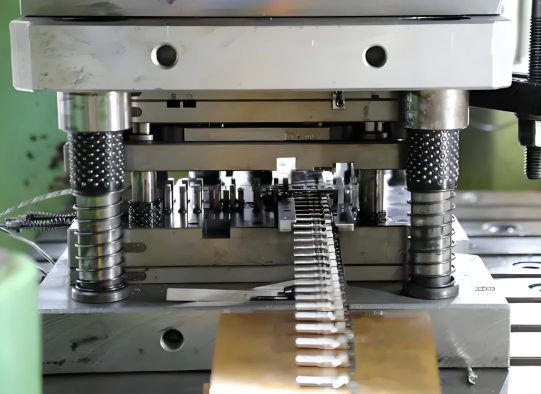
Rješenje problema s rezanjem na stroju
Čak i iskusni majstori na svojim sustavima za rezanje stempera nađu frustrirajuće prepreke. Sve si savršeno postavio, povukao rukovodič s povjerenjem, i... rez nije čist. Možda su mali komadi ostali povezani. Možda je tvoj kocka pomaknuo sredinu valjanje. Ili tvoje rezače izgledaju kao da su preživjele ratnu zonu. Zvuči poznato?
Evo dobre vijesti: većina problema sa rezačem ima jednostavna rješenja kada jednom shvatite što ih uzrokuje. Prema SBL mašineriji , neuspjehi u rezanju su ponekad neizbježni, ali učenje iz njih temelj je budućeg uspjeha. Hajde da prođemo kroz najčešće probleme i kako ih točno popraviti.
Rješavanje problema sa nepotpunim rezom
Ništa ne frustrira umjetnike više od nepotpunog rezanja. Izvučeš materijal iz stroja i nađeš da su dijelovi još uvijek povezani, pa moraš pažljivo odrezati ili obrezati preostalu. To gubi vrijeme i često šteti vašem projektu.
Što uzrokuje da se materijal ne reže? Nekoliko krivca može biti u igri:
- Nepotpuni pritisak: Vaš stroj za rezanje ne primjenjuje dovoljno sile da potakne maticu kroz materijal.
- Odjeću za noževe: Stalno korištenje s vremenom otupljuje oštre ivice, što smanjuje učinkovitost rezanja
- S druge vrijednosti: Dugotrajan pritisak stvara lokalizirane udubljenja u svojim pločama, uzrokujući nejednaki raspodjeli sile
- Razlike u debljini materijala: Vaš karton može biti deblji nego što ste očekivali, što zahtijeva prilagođavanje postavki
-O čemu se radi? Počnite dodavanjem metalnog šminka na svoj sendvič. Ovaj tanak dodatak daje dodatni pritisak točno tamo gdje vam je potreban. Ako to ne riješi problem, provjerite li na ploči za rezanje vidljive tragove habanja ili otpad. Zamjenite sve ploče koje pokazuju značajne oštećenja, to su potrošne stvari koje trebaju periodičnu zamjenu.
Za tvrdoglavo nepotpunje rezova, pokušati provesti sendvič kroz stroj dva puta. Neki složeni oblici za strojeve za sečenje obloga jednostavno zahtijevaju dodatni prolaz, osobito kad se radi s težim kartonom ili posebnim materijalima.
Održavanje strojeva i ploča za rezanje
Prevencija uvijek pobjeđuje rješavanje problema. Uspostavljanje redovnih navika održavanja značajno produžava životni vijek opreme i sprečava da se i one frustrirajuće probleme pojave.
Vaše mrtvice zahtijevaju nježno rukovanje od trenutka kad ih otključate. Wilson Manufacturing naglašava zato pazite kada ih rukovodimo kroz čišćenje i skladištenje. Nikada ne stavljajte slobodne matice jedna na drugu gdje se ivice mogu dodirnuti i otupiti. Umjesto toga koristite magnetne ploče za skladištenje ili pojedinačne rukave.
Nakon svake obrade, uklonite ostatke papira s matrica pomoću mekane četkice ili ručnog pick-a. Mali vlakni koji ostaju mogu se nakupiti i utjecati na kvalitetu budućeg rezanja. Za tvrdoglavost, pritisnite maticu prema dolje na pjenušnu podlogu i nježno perite preko leđa.
Vaše rezače su također vrijedne pažnje. Nakon upotrebe ih obrišite i čuvajte na ravnom mjestu kako ne bi se deformirali. Kada primjetite da su linije postale vidljive na površini, vrijeme je za zamjenu. Nastavak korištenja iscrpljenih ploča prisiliće vas da primjenjujete pretjerani pritisak, što ubrzava habanje i na vašoj tiskari i na vašoj tiskari.
Evo brzog vodiča za najčešće probleme s kojima ćete se susresti:
| Problem | Vjerojatni uzrok | Rješenje |
|---|---|---|
| Nepotpuni rezovi u određenim područjima | Nejednakost nošenja ploče ili niskih mrlja na oštrici | Dodajte šim; zamijeniti iscrpljene ploče; provjeriti izrez za oštećenja |
| Sklonjenje matice tijekom rada | S druge strane, za proizvodnju proizvoda iz poglavlja 8 | Koristite nisko-priključljiva traka za osiguravanje crtež na materijal prije rezanja |
| Hrapavi ili razvučeni rubovi | Neispravno pritisak ili neispravno čipanje | Izmijenite iscrpljene obloge; prilagodite postavke pritiska; provjerite vlažnost materijala |
| Uređaj za ugrušavanje materijala | Sandvič je preguš ili nepravilno poravnan | Smanjivanje slojeva; osiguravanje pravilne kombinacije ploča; provjerite poravnanost |
| Mali komadići zaglavljeni u matici | Normalno ponašanje sa složenim dizajnima | Upotrijebi tehniku za uzimanje i pjenušnu podlogu; provedi dva puta |
| S druge vrste | Prekomjeran pritisak ili starenje ploča | Upotreba minimalnog potrebnog pritiska; zamjena ploča s znakovima napona |
| S druge strane, od: | Korištenje za proizvodnju materijala | Uređivanje i obrade |
Jedan često zanemareni savjet za održavanje: uvijek pokrenite stroj za izrezjanje s minimalnim pritiskom potrebnim za čist rez. Stručnjaci iz industrije preporučuju korištenje mernika tlaka u stanici za izreziranje kako bi se lako mogli postaviti i nadzirati odgovarajući razini. Prekomjerni pritisak ubrzava habanje na svemu - na rezanju rubova, ploča i valjaka.
Okoljski čimbenici važniji su nego što većina zanatlija shvaća. Ako je moguće, skladištite svoje materijale i opremu u prostorima s klimatiziranim prostorom. U skladu s člankom 3. stavkom 2. točkom (a) Uredbe (EZ) br. Prekomjerno suhi papir stvara otpad i grube rubove, dok se prekomjerno vlažan papir slabi i raspada tijekom rezanja matica.
S ovim strategijama za rješavanje problema i praksama održavanja u svom alatku, provest ćete manje vremena boreći se protiv opreme i više vremena stvarajući. Sada kada znate kako održati vaš sustav glatko, hajde da istražimo kako odabrati pravi nastavak rezača za vaše specifične ciljeve i proračun.
Odabir odgovarajućeg stroja za rezanje žigova
Naučili ste kako ovi alati rade, istražili mogućnosti materijala, pa čak i otkrili kako riješiti uobičajene probleme. Sada dolazi pitanje od milijun dolara: kojoj stroji za rezanje matica zapravo pripada vaša radna soba? S desetine opcija koje obuhvaćaju svaku cijenu i postavku značajki, pravi izbor se osjeća preplavljujuće, ali ne mora biti.
Tajna pronalaženja savršene parnice? Prestani se fokusirati na ono što je "najbolje" i počni se fokusirati na ono što je najbolje za Tebe - Što? Profesionalni dizajner kartica treba potpuno drugačije sposobnosti od roditelja koji napravi ukrase za rođendanske zabave. Na sve odluke trebaju utjecati vaši konkretni ciljevi, raspoloživi proračun i trenutna vještina.
Učiniti strojeve odgovarajućim ciljevima vašeg projekta
Prije nego što usporedite bilo koju stroju za rezanje, postavite si temeljna pitanja: Što ćete zapravo stvoriti? Koliko često ćete koristiti opremu? A koliko prostora možete posvetiti svom postavljanju?
Prvo razmislite o svojim primjenama. Ako ste usredotočeni na ručno izrađene kartice i ukrasove za albume, kompaktni rezač kartica lijepo se nosi s tim zadatcima bez da preplavlja vaš radni prostor. Planirate se baviti tkaninskim projektima za prekrivanje ili dekoriranje kuće? Trebat ćete stroj s pritiskom i veličinom platforme da primi veće tkanine. Zanimaju vas prilagođeni vinilni naljepnici ili složena papirna umjetnost? Elektronske strojeve za rezanje na stisnuću pružaju fleksibilnost u dizajnu koju ručne opcije jednostavno ne mogu nadmašiti.
Veličina je također značajna. Prema istraživanju Cybernews , ručni strojevi savršeno rade za amatere i povremene zanatlije, dok elektronički sustavi bolje služe onima koji proizvode veće količine ili vode mala poduzeća. Taj Sizzix stroj za rezanje može biti savršen za vikend projekte, ali ako ste izraditi vjenčanja pozivnice po stotinama, automatizirani sustav štedi satima ručno-pokretanje.
Razmislite i o potencijalu širenja. Početak s strojem za rezanje papira ne znači da ste zaključani u papiru zauvijek. Mnogi zanatlije počinju sa osnovnim radovima na kartonu, a zatim se postupno šire u tkanine, kožu i mješovite medije kako se njihova vještina razvija. Odabir stroja koji je kompatibilan s više oblika matrica i dodatnih sustava daje vam prostor za rast bez zamjene cijelog uređaja.
Razmatranja proračuna za početnike i profesionalce
Evo nešto što su iskusni zanatlije poželjeli da im je netko rekao ranije: Vaša početna kupovina stroja predstavlja samo početak vaše investicije. S vremenom se sve to povećava.
Ručni strojevi za rezanje na matici nude najpovoljnije ulazne točke. U industriji se pokazalo da ručni strojevi nisu tako skupi, ali da se stalno troše na materijalne obloge, zamjenske oštrice i rezače. Kase za rezanje obično počinju oko 10 dolara, dok zamjenski nožici koštaju od 5 do 15 dolara ovisno o marki. U međuvremenu, elektroničke mašine imaju veće početne cijene, ali smanjuju tekuće troškove jer smanjuju kompatibilni digitalni dizajn bez potrebe za fizičkim obradama za svaki oblik.
Za početnike, počinje skromno ima smisla. Kvalitetna ručna mašina plus nekoliko koordiniranih setova za pečat i crtanje omogućava vam da odmah kreirate bez značajne financijske obaveze. Kako otkrivate svoje preferencije i razvijate svoje vještine, možete strateškije ulagati u oblike i dodatke koji se usklađuju s vašim stilom.
Profesionalni zanatlije i vlasnici malih poduzeća suočavaju se s različitim proračunima. Kad je vrijeme jednako novcu, učinkovitost prilagođenog rezača ili elektroničkog sustava često opravdava veće početne troškove. Ako vam elektronička naprava uštedi 10 sati mjesečno, koliko brzo će ta učinkovitost nadoknaditi razliku u cijeni?
Upotrijebi sljedeći popis kada uspoređuješ svoje mogućnosti:
- Smanjenje emisije CO2 Osigurajte širinu otvora prilagođava tipične dimenzije projektaA4 (9") rukovodi većinom potreba za kartom, dok veći projekti zahtijevaju šire platforme
- Saglasnost materijala: Provjerite da li stroj upravlja vašim omiljenim materijalima, bilo da je to standardni karton, specijalni papiri, tkanina ili mješoviti mediji
- Standardi za oblikiranje: Provjerite koje marke i stilovi matice rade s odabranom strojem neki sustavi koriste vlasničke formate, dok drugi prihvaćaju univerzalne tanke matice
- Svaka vrsta vozila mora biti opremljena: Tražite strojeve koji omogućavaju promjene pritiska za različite debljine materijala i vrste matica
- Kvaliteta građe: Čvrsta konstrukcija osigurava dosljedne rezultate i duži životni vijek oprememetalne komponente obično nadmašuju potpuno plastične konstrukcije
- Potrebne informacije o prenosivosti: Razmislite o težini i veličini ako ćete prevoziti svoju mašinu u usjeve, klase, ili zanat povlačenja
- Pripremna oprema: Osigurati zamjenske ploče, shims, i kompatibilne pribor ostaju lako dostupni za vaš odabrani brend
- Recenzije korisnika za vaš slučaj korištenja: Tražite povratne informacije od zanatlija s sličnim ciljevima projekta, a ne opće ocjene
- Garancija i podrška: Razumijete što je pokriveno i koliko je dostupna usluga za korisnike ako se pojave problemi
Još jedno: nemojte dopustiti da vam liste sadržaja zasune stvarne potrebe. Sizzix rezač s svakom zvonicom i zviždaljkom možda izgleda privlačno, ali jednostavniji strojevi često daju identične rezultate za osnovne projekte. Učinite kupnju u skladu s vašim trenutnim razinom vještina i stvarnim zahtjevima uvijek možete nadograditi kasnije kako se vaše putovanje razvije.
Sa pravom sistemom za rezanje pečata izabranim za vašu situaciju, opremljeni ste da kreirate s povjerenjem. Ali što se događa kad vaše ambicije za izrade preraste iz hobijskih projekata u komercijalne? Razgledat ćemo kako industrijsko rezanje uzdiže preciznost proizvodnje na potpuno drugačiji nivo.
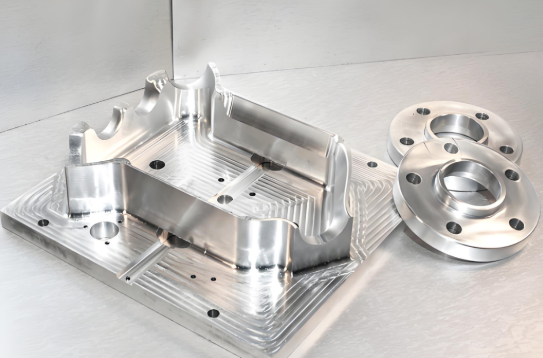
Industrijska sečenje i precizna proizvodnja
Jeste li se ikad zapitali što se događa kada se tehnologija rezanja pečata proširi od radnih prostorija do tvorničkih podova? Skok od amaterskih aplikacija do industrijskog rezanja na strijelu otkriva potpuno drugačiji svijet - onaj u kojem se tolerancije mjere u tisućinčini inča, proizvodni redovi broje u milijunima, a jedan defektan rez može zaustaviti cijelu proizvodnu liniju.
Dok vaš pouzdan ručni rezač crteža stvara prekrasne kartice i elemente za album, industrijska mašina za rezanje crteža pretvara sirovine u ključne komponente za automobile, medicinske uređaje, elektroniku i pakiranje. Osnovni princip ostaje isti - oblikovano oštro koje pritisne kroz materijal - ali sve ostalo se dramatično mijenja.
Prema stručnjacima iz proizvodne industrije , strojevi za rezanje su ključni u industrijama poput pakiranja, automobilske industrije, tekstila i još mnogo toga, pretvarajući sirovine u upotrebljive komponente s preciznošću i efikasnošću. Uzmimo za primjer: ako je ručno rezanje teškom poput rezanja kolača na tjesteninu, onda je industrijsko rezanje precizno kao kirurški instrument koji izvodi istu operaciju milijun puta bez promjene.
U skladu s člankom 3. stavkom 2.
Što razlikuje industrijski rezač od svog zanatnog kolegu? Odgovor leži u zahtjevima preciznosti koje bi se kućnim majstorima činile gotovo nemogućim. Industrijske primjene zahtijevaju konzistentnost tisuća ili milijuna identičnih dijelova, gdje čak i mikroskopske varijacije mogu uzrokovati kvarove u sastavu ili nedostatke proizvoda nizvodno.
Uzmimo automobilsku industriju. Uređivači, čvrstoće i izolacijski dijelovi moraju uvijek savršeno pristajati. Seal Methods Inc. napominje da njihova precizna rezanja izrezom proizvodi testere, testere i trake pomoću pločnih i rotirajućih tiskara, rukovanje materijalima od pene i filma do tkanine, folije, gumenog elastomera i kompozitnih materijala visoke temperature. Njihov tim bira idealan proces na temelju materijala dijela, veličine, zapremine i dimenzionalne tolerancije faktorima koji rijetko utječu na vikendske zanatlije, ali dominiraju u donošenju industrijskih odluka.
Industrijski sektor strojeva za rezanje na podmetač u velikoj mjeri ovisi o sertifikacijama kvalitete kako bi se osigurali dosljedni rezultati. ISO/IATF 16949 registracijastandart upravljanja kvalitetom u automobilskoj industrijinaznačuje da proizvođač održava stroge kontrole nad svim aspektima proizvodnje. Kada nabavljate komponente za vozila koja putuju brzinom na autocesti, "dovoljno dobro" jednostavno nije prihvatljivo.
Industrijske rezače također obrađuju materijale daleko iznad onoga što zanat može nositi:
- Metali: S druge vrste, osim onih iz tarifne kategorije 9403
- S masenim udjelom od: Uređaji za proizvodnju električnih vozila
- S druge strane, neovisno o tome jesu li oni u skladu s člankom 77. stavkom 1. Materijali dizajnirani tako da zadržavaju svoj integritet pod ekstremnim temperaturnim uvjetima
- Svaka vrsta proizvoda može se upotrebljavati za proizvodnju električnih vozila. Specijalni supstrati koji blokiraju elektromagnetne i radiofrekvencijske smetnje u osjetljivoj elektronici
- S više slojeva: Sastavljeni materijali koji kombiniraju ljepila, pjene, filmove i funkcionalne slojeve
Proizvođači rotornih rezača su razvili opremu posebno za ove zahtjevne primjene. Za razliku od sustava s ravnim podnožjem koji pritisnu i puštaju, oprema za rezanje rotirajućih matica radi neprekidno cilindrične matice rotiraju velikom brzinom dok materijal prolazi bez zaustavljanja. Ova neprekidna operacija pruža proizvodne količine koje sustavni pločni ležaj jednostavno ne može nadmašiti, što čini rotirajuću opremu omiljenim izborom za pakiranje, etikete i proizvodnju velikih količina komponenti.
Od prototipa do velike proizvodnje
Ovdje industrijsko rezanje strojevima zaista pokazuje svoju vrijednost: put od koncepta do masovne proizvodnje. U zanatlijskim aplikacijama, možete eksperimentirati s novim dizajnom matrice na otpadnom kartonu dok ne dobijete rezultate koje želite. Industrijska proizvodnja slijedi mnogo striktniji put, gdje napredna tehnologija simulacije predviđa rezultate prije nego što se bilo koji materijal ikad iseče.
Moderne industrijske naprave za rezanje na izrezanje koriste simulaciju CAE (Computer-Aided Engineering) za virtualno modeliranje procesa rezanja. Inženjeri analiziraju kako će se oblici obrađivati s određenim materijalima, predviđaju moguće kvarove i optimiziraju dizajn prije nego što se odluče za skupe alate. Ovaj pristup simulacije dramatično smanjuje vrijeme razvoja, istovremeno osiguravajući da proizvodni matice rade točno kako je namijenjeno od prvih rezova.
Faza prototipa se odvija izuzetno brzo u dobro opremljenim objektima. Dok tradicionalni alat može zahtijevati tjedne razvoja, napredni proizvođači mogu isporučiti funkcionalne prototipove u iznenađujuće kratkim vremenskim okvirima. Na primjer, Shaoyi je precizno žigosanje umre rješenja pokazati što je moguće s optimiziranim procesima njihov inženjerski tim pruža brze prototipiranje za samo 5 dana, omogućavajući automobilskih klijenata da brzo procijene dizajne prije nego se obaveže na punu proizvodnju alata.
Osiguranje kvalitete u industrijskim okruženjima daleko je duže od vizualne inspekcije. U skladu s člankom 4. stavkom 1.
- Dimenzioni pregled: U skladu s člankom 3. stavkom 2.
- Testiranje lepljenja: Za utvrđivanje kvalitete i kvalitete materijala za laminiranje
- Ispitivanje svojstava materijala: Potvrda da supstrati ispunjavaju zahtjeve za karakteristike performansi
- Statistička kontrola procesa: Kontinuirano praćenje kako bi se otkrile promjene prije nego što postanu nedostatci
Rezultati govore sami za sebe. Dobro upravljane industrijske operacije rezanja na stisnutim materijalima postižu stopu odobrenja prvog prolaska koja bi se činilo gotovo nemogućim postići ručno. Shaoyi je s druge vrste , podržani IATF 16949 certifikatom, pokazuju stopu odobrenja 93% prve prolaze što znači da velika većina dijelova ispunjava specifikacije bez preobrazbe ili prilagodbe. Za proizvođače automobila koji zahtijevaju komponente bez mana, ta pouzdanost se pokazala kao ključna.
Ako istražujete industrijske strojeve za rezanje na smrt za prodaju, bilo za proizvodnju pakiranja, automobilske komponente ili druge velike primjene, razumijevanje ovih standarda kvalitete pomaže vam da procijenite potencijalne dobavljače. Tražite certifikata, pitate o mogućnostima simulacije, i zatražite podatke o stopi odobrenja za prvi prolaz. Razlika između adekvatnog i izvrsnog industrijskog rezanja na matici često određuje da li proizvodna linija radi glatko ili se suočava s stalnim izazovima kvalitete.
Za čitatelje čije je putovanje rezanjem na stisnutim strojevima raslo od zanatničkih projekata do komercijalnih ili industrijskih primjena, ovi načeli precizne proizvodnje pružaju uvid u to gdje vas napredne mogućnosti mogu odvesti. Bilo da ste u procesu proširenja malog poduzeća ili istraživanja industrijskih partnerstava, razumijevanje kako stručnjaci postižu dosljedne, velike količine rezultata pomaže informirati vaše sljedeće korake.
Kako da unaprijediš svoje vještine rezanja
Putovali ste kroz cijeli krajobraz rezanja pečatom, od razumijevanja kako pečatovi i pečatovi rade zajedno do istraživanja precizne proizvodnje u industrijskom obimu. Sada je vrijeme da to znanje pretvorimo u akciju. Bilo da držite svoj prvi rez ili već godinama stvarate, put naprijed počinje iskrenom procjenom gdje ste i kamo želite ići.
Evo što razlikuje uspješne zanatlije od frustriranih: oni razumiju da je set za pečat samo jedan dio cijelog sustava. Vaš stroj, vaše stampe, pečate, vaše rezače i vaši pribor moraju raditi u harmoniji. Ulagaš u vrhunsku mašinu, ali štediš na kvalitetnom kartonu? Borit ćeš se s nedosljednim rezultatima. Kupiti desetine lijepih rezova bez razumijevanja pravilnih postavki pritiska? Frustracija čeka.
Najvrednija ulaganja koju možete napraviti nisu vaša mašina ili vaše marke, potrebno je vrijeme da razumete kako svaka komponenta vašeg sustava marki i marki radi zajedno prije nego što potrošite nijedan dolar.
Vaš put naprijed s rezanjem stampom
Pa, gdje počinješ? Izlazno mjesto ovisi u potpunosti o vašem trenutnom stupnju iskustva i kreativnim ambicijama.
Za potpune početnike: Ne pokušavajte sve kupiti odjednom. Počnite s pouzdanim ručnim strojem i dva ili tri koordinirana stampom set pakete u stilovima koje stvarno volite. Praktikujte osnove: ispravno sastavljanje sendviča, podešavanje pritiska i čista manipulacija materijalima. Naučite osnovne stvari izrade jednostavnim projektima poput poklonnih oznaka i kartica s jednim slojem prije nego što pokušate složene dizajne. Vaše rane pobjede grade samopouzdanje koje vas nosi kroz izazovnije tehnike kasnije.
Za srednjoizvodnike: Znaš osnovne stvari. Sada se strategijski proširi. Dodajte ugnjetao setove koje množe vaše mogućnosti dizajna bez nereda u vašem skladištu. Eksperimentirajte s novim materijalima - isprobajte taj rezač tkanine koji ste očekivali, ili testirajte svoje vještine na specijalnom kartonu. Osredotočite se na rezanje tehnike rezanja izrezom koje dodaju dimenzije: slojevljenje, djelomično rezanje izrezom i primjene mješovitih medija.
Za napredne zanatlije koji razmišljaju o komercijalnim primjenama: Vaše zahtjeve za zapreminom i preciznošću se razvijaju. Provjerite mogu li vam elektronički sustavi pomoći da bolje radite. Razmislite kako bi industrijska rješenja mogla podržati vaš rast. Za one koji se šire prema automobilskoj ili proizvodnoj primjeni, Shaoyi-jevi sveobuhvatni kapaciteti za dizajniranje i proizvodnju kalupova pružaju uvid u ono što je moguće postići profesionalnim preciznim pečatom.
Izgradnja vještina kroz vježbanje
Znanje bez primjene ostaje teoretsko. Umjetnici koji postižu savršene rezultate imaju jednu zajedničku osobinu: stalno vježbaju. Svaki sastanak s stampom uči nešto novo, bilo da je to otkrivanje kako različite mase papira reagiraju na pritisak ili učenje koliko lepila trebaju vaši slojevi.
Postavite si jednostavan izazov: završi jedan projekt tjedno koristeći tehniku koju još niste savladali. Možda je to toplina koja je ove nedelje izrezala tvoje rezove, a onda pokušala akvarelom oprati na pečatiranim slikama sljedeći tjedan. Napredne tehnike poput metalnih akvarelnih boja, Nuvo kapljica i detalja olovke pretvaraju obične rezove u izvanredne fokalne točke, ali zahtijevaju praktično eksperimentiranje za usavršavanje.
Dokumentiš svoj napredak. Fotografirajte svoje projekte, zapamtite što je uspjelo, a što nije, i pratite koje kombinacije rezova proizvedu vaše omiljene rezultate. Ova osobna knjižnica postaje neprocjenjiva kako ti se vještine razvijaju.
Tvoje putovanje rezanjem markica nema ciljnu liniju. Svaki projekt nudi priliku da usavršiš tehniku, istražiš nove materijale i pomeriš kreativne granice. Alati su spremni. Znanje je tvoje. Sada idi stvoriti nešto lijepo.
Često postavljana pitanja o strojevima za rezanje žigova
1. za Što je to?
U skladu s člankom 3. stavkom 2. točkom (a) ovog članka, "specifična oznaka" znači oznaka ili oznaka ili oznaka ili oznaka ili oznaka ili oznaka ili oznaka ili oznaka ili oznaka ili oznaka ili oznaka ili oznaka ili oznaka ili oznaka ili oznaka ili oznaka ili oznaka ili ozn Pečat dodaje detaljne slike ili tekst materijalu, dok se odgovarajuća matica precizno reže oko tog pečatnog dizajna. Ovaj sustav stvara savršeno okružene, profesionalno izgledeće elemente bez ručnog rezanja. Samonapisive pečate obično imaju perforacije rezane s pomoću strojeva, koje su valovite linije koje se režu metalnim uređajima, a ne tradicionalnim puklim perforacijama.
2. - Što? Koja je najbolja mašina za rezanje na izrez za rezanje?
Ručni pločni strojevi poput Sizzix Big Shot-a izvrsni su u rezanju i rezanju za amaterske zanatlije. Ove su strojeve kompaktne, čvrste i pogodne za početnike, što vam omogućuje lako prebacivanje između rezanja i rezanja prebačenih folija. Za veće količine ili složenije potrebe za rezanjem, elektronički sustavi nude automatiziranu kontrolu tlaka i dosljedne rezultate. Vaš izbor ovisi o učestalosti projekta, proračunu i da li želite praktičnu kontrolu ili automatiziranu pogodnost.
3. Slijedi sljedeće: Možeš li napraviti natpisane naljepnice kod kuće?
Da, možete napraviti natpisane naljepnice kod kuće uz odgovarajuću opremu. Potrebni su vam papirići ili vinil, kvalitetan štampač za vaše dizajne i stroj za sečenje koji je kompatibilan s odabranim materijalima. Ručni rezači za rezanje obrazaca rade za unaprijed dizajnirane oblike koristeći fizičke obloge, dok elektroničke strojeve za rezanje omogućuju prilagođene dizajne putem povezanih softvera. Za profesionalne rezultate, osigurati odgovarajuće postavke pritiska i koristiti materijale za određenu mašinu.
4. - Što? Mogu li koristiti rezove bez stroja?
Za fizičke metalne obloge potrebna je mašina koja će primijeniti dovoljan pritisak za čiste rezove. Iako neki majstori pokušavaju koristiti valjanu ili slične alate, ovaj pristup radi samo za rezanje i rijetko dobiva čiste rezove. Nejednak pritisak obično uzrokuje pomaknute i nepotpune rezultate. Međutim, predrezane oblike su dostupne za kupnju ako želite estetiku bez ulaganja u opremu, ili možete ručno rezati jednostavnije oblike preciznim makazama.
- Pet. Kako popraviti nepotpune rezove na mojoj stroji za rezanje?
Nepotpuni rezovi obično nastaju zbog nedovoljnog pritiska, iscrpljenih rezačkih ploča ili tupih reznica. Za početak, na sendvič za rezanje dodajte metalnu šemu za dodatni pritisak. Provjerite li na rezanju ploča vidljive tragove habanja ili otpadove i zamijenite oštećene ploče. Za složene oblike, pokušajte dva puta proći kroz materijal. Uvijek koristite karton u preporučenom rasponu težine (80-110 lb) i osigurati da je vaš matičar dizajniran za željenu debljinu materijala.