 Small batches, high standards. Our rapid prototyping service makes validation faster and easier —
  EN
EN


Teräslevymetallin valmistus: olennaiset asiat, joita insinöörit usein jättävät huomiotta
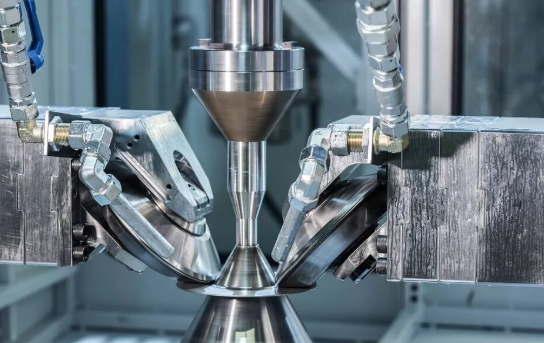
Mitä teräksen levymetallin valmistus todellisuudessa tarkoittaa
Oletko koskaan miettinyt, kuinka tasaiset metallilevyt muuttuvat tarkoituksenmukaisiksi autoteollisuuden komponenteiksi, teollisuuskuoreiksi ja rakenteellisiksi osiksi, joita näet joka päivä? Tämä muutos tapahtuu teräksen levymetallin valmistuksen kautta – tarkennetun valmistusprosessin kautta, joka toimii nykyaikaisen teollisuuden perustana.
Teräksen levymetallin valmistus on prosessi, jossa tasaiset teräslevyt muunnetaan toimiviksi kolmiulotteisiksi rakenteiksi leikkaamalla, taivuttamalla, muovailulla ja yhdistämällä. Toisin kuin yleinen metallintyöstö, tämä erikoistunut ala keskittyy erityisesti teräslevyihin ja metallilevyihin, joiden paksuus on yleensä neljäsosa tuumaa tai vähemmän.
Raakateräksestä tarkkuuskomponentteihin
Mitä metallin valmistus sitten tarkalleen ottaen on? Ytimessään metallin valmistus kattaa kaikki toissijaiset valmistusprosessit, jotka muuntaa puolivalmiit materiaalit valmiiksi tuotteiksi teräksen käsittely tarkoittaa erityisesti raakaterästuotteiden – teräslevyjen, -levyjen ja -nauhojen, joita tuotetaan terästeollisuudessa – käsittelyä ja niiden muuttamista tarkkojen asiakasvaatimusten mukaisiksi komponenteiksi.
Ajattele sitä näin: ensisijainen valmistus tuottaa raaka-aineet, kun taas levyteräksen käsittely muuttaa nämä raaka-aineet toimiviksi osiksi. Tämä ero on tärkeä, koska käsittely vaatii erityisasiantuntemusta siitä, miten teräs käyttäytyy leikkaus-, taivutus- ja kokoonpano-operaatioiden aikana.
Miksi teräs hallitsee teollista käsittelyä
Voit kysyä, miksi teräs säilyy edelleen suosituimpana materiaalina, vaikka vaihtoehtoja kuten alumiiniakin on olemassa. Vastaus piilee ylivoittamattomassa yhdistelmässä vahvuutta, edullisuutta ja ennustettavaa suorituskykyä. Mukaan lukien IQS-hakemisto , rautamalmien sulatus vaatii vähemmän energiaa kuin alumiinin erottaminen, mikä merkittävästi edistää teräksen alhaisempaa tuotantokustannusta ja kilpailukykyistä hintatasoa.
Tämä kustannusedunsa lisäksi erinomaiset mekaaniset ominaisuudet tekevät teräksen valmistuksesta välttämättömän lähes kaikissa teollisuuden aloissa – rakentamisesta ja liikenteestä energia- ja kaivosteollisuuteen sekä kuluttajatuotteiden valmistukseen.
Tässä oppaassa saat käytännöllistä tietoa ydinteknologioista, materiaalien valinnasta, suunnittelun ohjeista ja viimeistelyvaihtoehdoista, jotka määrittävät projektin onnistumisen. Olitpa insinööri, joka määrittelee osia, tai ostaja, joka arvioi valmistusyhteistyökumppaneita, nämä yhdeksän keskeistä kohtaa auttavat sinua välttämään kalliita virheitä ja saavuttamaan parempia tuloksia.
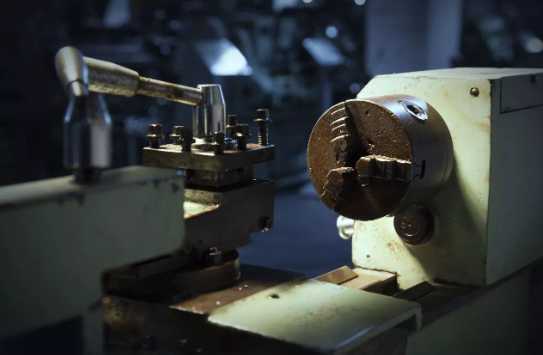
Ydinvalmistusprosessit selitettyinä
Nyt kun tiedät, mitä teräksen levyvalmistus tarkoittaa, tutkitaan, kuinka se itse asiassa toimii. Tasaisesta teräslevystä valmiiksi komponentiksi muuntuminen tapahtuu kahden perusprosessiryhmän avulla: leikkaaminen ja muovaus. Näiden prosessien ymmärtäminen auttaa sinua tekemään fiksumpia suunnittelupäätöksiä ja viestimään tehokkaammin valmistuskumppanisi kanssa.
Leikkausmenetelmät, jotka muovaavat suunnittelua
Jokainen valmistettu osa alkaa leikkaustoiminnoilla jotka erottavat materiaalin alkuperäisestä levystä. Valitsemasi menetelmä vaikuttaa reunalaadun, mittojen tarkkuuden ja lopulta projektisi kustannuksiin. Tässä on tietoa kustakin metallileikkausteknologiasta.
Laserileikkaus: Laserleikkaaja keskittää voimakasta valoenergiaa sulattamaan ja höyrystämään terästä kirurgisen tarkan tarkkuuden avulla. Jos valmistat osia, joissa vaaditaan puhtaita reunoja, pieniä reikiä tai monimutkaisia muotoja, laserleikkaus on yleensä paras vaihtoehto. Nykyaikaiset kuitulaserit toimivat erinomaisesti ohuista keskitumaisiin teräslevyihin, tarjoamalla poikkeuksellisen hyvän reunalaadun ja vähimmäislevynleveyden – eli leikkausaukon leveyden – aikana poistuvan materiaalin määrän. Elektroniikkakoteloille, tarkkuuskiinnikkeille ja yksityiskohtaiselle koristetyölle mikään muu tekniikka ei pääse laserin tasolle.
Plasmaleikkaus: Kun työskentelet paksuilla materiaaleilla, plasmaleikkaus tarjoaa parhaan nopeuden ja kustannustehokkuuden. Tässä prosessissa käytetään sähkökaarta ja puristettua kaasua sulattamaan ja läpikuorimaan sähköä johtavia metalleja. Mukaan lukien Wurth Machinery plasmaleikkaus 25 mm paksuisesta teräksestä on noin 3–4 kertaa nopeampaa kuin vesisuihkuleikkaus, ja käyttökustannukset ovat noin puolet jalkaa kohden. Rakenneteräksen valmistus, raskaiden koneiden valmistus ja alustenrakennus luottavat voimakkaasti plasma-tekniikkaan.
Vesisuihkuleikkaus: Tarvitsetko leikkausta ilman lämpövaikutuksia? Vesisuihkujärjestelmät käyttävät korkeapainea vettä, johon on sekoitettu kuluttavia hiukkasia, jotta niillä voidaan leikata lähes mitä tahansa materiaalia. Lämmön puuttuminen tarkoittaa, ettei tapahdu vääntymistä, kovettumista tai lämpövaikutusalueita – mikä on ratkaisevan tärkeää esimerkiksi ilmailukomponenteille tai lämpöherkille seoksille. Vesisuihkumarkkinoiden ennustetaan ylittävän 2,39 miljardia dollaria vuoteen 2034 mennessä, mikä heijastaa kasvavaa kysyntää tälle monikäyttöiselle metallileikkausmenetelmälle.
Mekaaninen leikkaus: Suorille leikkauksille ohuemmista levyistä mekaaninen leikkaus pysyy edelleen nopeimpana ja taloudellisimpana vaihtoehtona. Työkaluleikkauskone painaa terän läpi materiaalin aivan kuten sakset leikkaavat paperia. Vaikka leikkaus on rajoitettu suoraviivaisiin leikkauksiin, leikkaus tuottaa korkeita tuotantotasoja tyhjiin levyihin ja yksinkertaisiin muotoihin.
| Prosessityyppi | Paksuuskapasiteetti | Tarkkuustaso | Parhaat käyttösovellukset |
|---|---|---|---|
| Laserleikkaus | Enintään 1" teräs | ±0,005 tuumaa tai parempi | Monimutkaiset muodot, elektroniikka, tarkkuusosat |
| Plasma-leikkaus | Enintään 3 tuumaa terästä | ±0,015" – ±0,030" | Rakenneteräs, raskas kalusto, laivanrakennus |
| Vesijet-leikkaus | Enintään 12 tuumaa terästä | ±0,003" - ±0,005" | Lämpöherkät materiaalit, ilmailu- ja avaruusteollisuus, paksut profiilit |
| Mekaaninen leikkaus | Enintään 0,5" teräs | ±0,010" - ±0,030" | Suorat leikkaukset, esileikatut kappaleet, suuritehoinen tuotanto |
Muovausmenetelmät kolmiulotteisille osille
Leikkaus tuottaa tasaisen profiilin. Muovaus muuttaa kyseisen profiilin toimivaksi kolmiulotteiseksi komponentiksi. Tässä vaiheessa materiaalitiede saa erityisen merkityksen – teräksen käyttäytyminen muovauksen aikana määrittää, mitä on mahdollista ja mitä aiheuttaa vikoja.
Taivutus: Yleisin muovausoperaatio on taivutus, jossa käytetään puristuspainetta levyterästen kulmamuotojen luomiseen. Kun taivutat terästä, ulkopinta venyy ja sisäpinta puristuu. Tämän muodonmuutoksen jakautuman ymmärtäminen on ratkaisevan tärkeää – kaikki metallit haluavat palata alkuperäiseen muotoonsa muodonmuutoksen jälkeen, ja tämän niin sanotun springback-ilmiön määrä vaihtelee materiaalin ominaisuuksien mukaan. Kovan teräksen tapauksessa springback on suurempi, mikä vaatii korvausta työkalujen suunnittelussa.
Leikkaus: Suurten tuotantomäärien valmistukseen leimautus muuntaa tasaiset levyt monimutkaisiksi muodoiksi korkeapaineisilla puristimilla ja tarkkuusmuotteilla. Kuten RapidDirect selittää, leimautus käsittää useita metallin muotoiluprosesseja, kuten taivuttamista, reunustamista, kolikointia ja leikkaamista. Autokorin paneelit, lentokonenosat ja elektroniset liittimet valmistetaan yleensä leimautusprosesseissa.
Punching: Pistosta (punching) tulee usein sekaannus leimautuksen kanssa, mutta pistossa luodaan erityisesti reikiä ja leikkauksia levymetallille. Pistotyökalu työntyy materiaalin läpi muottiin, jolloin syntyy siisti leikkaus ja tarkat avoimet alueet. Erotettu osa – niin sanottu sirppu – jää jätteeksi, kun taas osasi säilyttää kokonaisuutensa. Pistoa käytetään yleensä täydentävänä menetelmänä muiden leimautusmenetelmien kanssa esimerkiksi reikien, kiinnitysreikien tai ilmanvaihtopiirien lisäämiseen.
Syvävedonlyönti: Kun tarvitset kupumaisia tai sylinterimäisiä osia, syväveto vetää tasaiset levyt muottien sisään luodakseen kolmiulotteisia muotoja. Tämä prosessi riippuu voimakkaasti metallin r-arvosta – sen kyvystä muovautua plastisesti ilman liiallista ohenemista. Lähteessä Valmistaja , korkeammat r-arvot (numeerisesti ilmaistuna välillä 1–2) tekevät metallista helpommin vetäytyvän, mikä tekee siitä ihanteellisen öljysäiliöiden ja muiden syvämuovattujen komponenttien valmistukseen.
Teräksen muodonmuutosten ymmärtäminen näissä prosesseissa auttaa ennakoimaan mahdollisia ongelmia. Työkovettuminen tapahtuu aina, kun metalli kokee pysyvän muodonmuutoksen – samalla tavoin kuin vaatteidenripustimen taivuttaminen toistuvasti, kunnes se jähmenee ja lopulta pettää. Materiaalien on työkovettuduttava oikein hyvän venyvyyskyvyn ja venymän jakautumisen saavuttamiseksi, mutta prosessia on säädettävä estääkseen halkeamia tai liiallista ohenemista.
Kun leikkaus- ja muovausperusteet on käsitelty, seuraava keskeinen tietoalue liittyy materiaalitekniikkaan – erityisesti teräksen mittakaavajärjestelmän ymmärtämiseen ja paksuuden sovittamiseen sovellustarpeisiin.
Teräksen mittakaavajärjestelmän ja paksuuden valintaa ohjaava opas
Oletko koskaan katsonut teknistä eritettä, jossa vaaditaan "16-mittakaavan terästä" ja miettinyt, kuinka paksua 16-mittakaavan teräs oikeastaan on? Et ole yksin. Mittakaavajärjestelmä hämmentää jopa kokeneita insinöörejä, koska se toimii päinvastaisesti kuin voisi odottaa – ja vaihtelee eri metallien välillä. Selvitellään tämä sekasorto lopullisesti.
Teräksen mittakaavajärjestelmän selvittäminen
Tässä tulee intuitiivisesti hämmentävä osa: mitä pienempi kalvon numero, sitä paksumpi materiaali 10-mittakaavan teräslevy on huomattavasti paksuampi kuin 20-mittakaavan levy. Tämä päinvastainen numerointi johtuu historiallisista langanvetoprosesseista, jolloin mittakaavan numero kuvasi, kuinka monta kertaa metallia oli vedetty yhä pienempien suuttimien läpi. Mitä enemmän vetokertoja, sitä ohuemmasta langasta oli kyse – siksi ohuemmalle materiaalille käytetään suurempaa lukua.
Xometryn mukaan mittausluokkien numerot edustavat paksuutta neliöjalkaa kohden mitattuna painona eikä suorana mittauksena. Tämä tarkoittaa, että mittausluokkien koko ei ole lineaarinen – paksuusero mittausluokkien välillä vaihtelee koko asteikolla. Esimerkiksi 3-mittausluokan levy on noin 6,07 mm (0,2391 tuumaa) paksu, kun taas 38-mittausluokan levy on vain 0,15 mm (0,0060 tuumaa) paksu.
Mikä tekee tästä vielä vaikeampaa? Mittausluokkien koot vaihtelevat materiaalityypeittäin. 16-mittausluokan paksuus teräksessä ei vastaa 16-mittausluokan paksuutta alumiinissa tai ruostumattomassa teräksessä. Jokaisella metallilla on oma mittausluokkataulukko, joka perustuu sen tiukkuuteen. Varmista aina, että käytät oikeaa levymetallin mittausluokkataulukkoa juuri sinun materiaalillesi.
| Mittari | Paksuus (tuumat) | Paksuus (mm) | Tyypillisiä käyttökohteita |
|---|---|---|---|
| 10 gauge | 0.1345" | 3.42 mm | Raskaita rakenteellisia komponentteja, teollisuuslaitteiden kehyksiä |
| 11 kalvo | 0.1196" | 3.04 mm | Kuorma-autojen lastausalueita, raskaita suojakoteloita, rakenteellisia tukia |
| 14 kalvo | 0.0747" | 1.90 mm | Autoteollisuuden paneeleja, ilmastointikanavia, kodinkoneiden koteloita |
| 16 kalvo | 0.0598" | 1.52 mm | Sähkökoteloita, koristemetalloja, kalusteita |
| 18 gauge | 0.0478" | 1.21 mm | Keittiölaitteita, kevyitä kiinnikkeitä, kuluttajatuotteita |
| 20 gauge | 0.0359" | 0,91 mm | Elektroniikkakoteloitukset, kevyet kansi- ja koristekappaleet |
| 22 gauge | 0.0299" | 0,76 mm | Kattojen päällysteet, vesikourut, kevytvalmistukset |
| 24 kalibria | 0.0239" | 0,61 mm | Vesitiivisteet, kevyt koteloitukset, koristekäytöt |
Huomaa, että 11-gauminen teräs on hieman yli 3 mm paksu – tämä tekee siitä ihanteellisen raskaiden käyttökohteiden, joissa vaaditaan merkittävää kuormankestävyyttä, valinnan. Sen sijaan 14-gauminen teräs, jonka paksuus on noin 1,9 mm, soveltuu hyvin keskitasoisille rakenteellisille vaatimuksille, kuten auton rungolevyille.
Paksuuden sovittaminen käyttötarkoitukseen
Oikean gaumin valinta ei perustu pelkästään rakenteellisiin laskelmiin. Eri valmistusmenetelmät asettavat omat paksuusrajoituksensa, jotka vaikuttavat materiaalin valintaanne.
Leikkausrajoitukset: Vaikka lasersorvi voi leikata kaikenlaisia levyjä, myös ohuimpia levyjä ja noin 1 tuuman paksuisia levyjä, tarkkuus ja leikkausreunan laatu heikentyvät paksuuden kasvaessa. Plasmaleikkaus on taloudellisempi vaihtoehto yli 1/4 tuuman paksuisille materiaaleille. Jos suunnittelussanne vaaditaan monimutkaisia yksityiskohtia, ohuemmat gaumit säilyttävät leikkauslaadun.
Taivutusrajoitukset: Paksuumpi materiaali vaatii suurempia taivutussäteitä ja tehokkaampia taivutuspaineenottimia. Pienin sallittu taivutussäde on tyypillisesti yhtä suuri kuin materiaalin paksuus pehmeässä teräksessä – eli 14-gauminen teräs vaatii pienimmän sisäsäteen noin 0,075 tuumaa, jotta halkeamia ei syntyisi. Näiden rajojen ylittyminen aiheuttaa pinnan halkeamia taivutuksen ulkosäteellä.
Kuumavalssattu vs. kylmävalssattu: Paksuusvalintanne liittyy myös siihen, miten teräs on käsitelty. Kuumavalssattu teräs, joka muovataan korkeassa lämpötilassa, soveltuu hyvin rakenteellisiin käyttötarkoituksiin, joissa pinnanlaatu ei ole ratkaiseva tekijä. Kylmävalssattu teräs käsitellään lisäksi huoneenlämmössä, mikä tuottaa tarkemmat paksuustoleranssit, sileämmät pinnat ja parantuneen mittatarkkuuden – mikä on välttämätöntä tarkkuuskomponenteille ja näkyville pinnoille.
Muista, että levyteräksellä on käytännöllisiä rajoituksia. Useimmat valmistusliikkeet käsittelevät materiaaleja, joiden paksuus on 0,5–6 mm. Kuten Xometry huomauttaa, yli 6 mm:n paksuiset materiaalit luokitellaan yleensä jo "levyksi" ei enää "levyteräkseksi", mikä vaatii erilaisia laitteita ja prosesseja.
Kun levykoodien perusteet ovat selvinneet, seuraava päätöksesi koskee terästyypin valintaa – hiilikterästä, ruostumatonta terästä tai sinkittyä levyterästä – joista jokaisella on omat etunsa eri sovelluksissa.
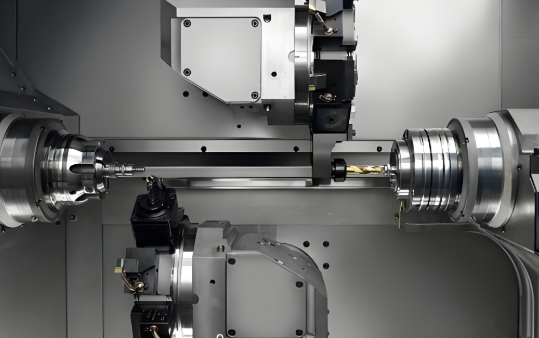
Terästyypin valinta projektillesi
Olet hallinnut levykoodien valinnan – nyt tulee toinen ratkaiseva päätös, joka usein aiheuttaa vaikeuksia monille insinööreille. Pitäisikö projektissasi määritellä hiilikterästä, ruostumatonta terästä vai sinkittyä levyterästä? Jokainen materiaali tarjoaa omat etunsa ja rajoituksensa, jotka vaikuttavat suoraan valmistuksen laatuun, pitkäaikaiseen suorituskykyyn ja kokonaishankintakustannuksiin.
Hiilikteräs rakenteelliseen lujuuteen
Kun raakavoima ja edullisuus ohjaavat vaatimuksiasi, hiiliteräksen tarjoama arvo on erinomainen. Tämä työhevonen muodostaa rakenteellisen valmistuksen perustan ja tarjoaa ennustettavia mekaanisia ominaisuuksia kilpailukykyisellä hinnoittelulla.
Kaikki hiiliteräkset eivät kuitenkaan suorita yhtä hyvin valmistuksessa. Käsittelymenetelmä – kuumavalssattu vai kylmävalssattu – vaikuttaa merkittävästi tuloksiisi.
Lämpöpunnostettu teräs valssataan lämpötiloissa, jotka ylittävät 1 700 °F, minkä jälkeen materiaali jäähtyy luonnollisesti. Tämä prosessi luo karakteristisen kalvopinnan ja tuottaa materiaalia, jonka mitat ovat hieman vapaammin sallituissa toleransseissa. Kuumavalssattuja teräslevyjä käytetään usein rakenneteräspalkkeihin, rakennusrunkoihin ja raskaisiin koneisiin, joissa pinnan ulkonäkö on vähemmän tärkeä kuin voimakkuus ja kustannustehokkuus.
Kylmävaljutettu teräs käsittelee kuumavalssattua materiaalia lisäprosessoinnissa huoneenlämmössä. Tämä ylimääräinen vaihe tuottaa tarkemmat paksuustoleranssit, sileämmät pinnat ja parantuneen mittatarkkuuden. Kun suunnittelussasi vaaditaan tarkkoja kiinnityksiä tai näkyviä pintoja, kylmävalssattu teräs oikeuttaa sen pienemmän hintalisän. Autoteollisuuden runkopaneelit, kodinkoneiden koteloimet ja huonekalukomponentit määrittelevät yleensä kylmävalssatun materiaalin.
Mikä on kompromissi? Hiiliteräs ei omaa luonnollista korrosionkestävyyttä. Ilman suojaavia pinnoitteita se ruostuu kosteuden ja hapen vaikutuksesta – merkittävä rajoitus ulko- tai kosteissa käyttöolosuhteissa.
Kun korrosionkestävyys vaatii ruostumatonta terästä
Kuvittele hiiliteräksen määrittelyä merenkulun varusteisiin tai elintarviketeollisuuden laitteisiin. Muutamassa kuukaudessa korrosio heikentää sekä ulkonäköä että rakenteellista kestävyyttä. Tässä vaiheessa ruostumaton teräslevy muuttuu välttämättömäksi.
Ruostumaton teräs sisältää kromia (yleensä 16,5–18,5 %), joka muodostaa itsensä korjaavan passiivikerroksen pinnalle. Mukaan lukien AZoM tämä suojaava oksidikalvo muodostuu uudelleen naarmuutettaessa tai vahingoittaessa – toisin kuin pinnoitteet, jotka pysyvät pysyvästi vaurioituneina kerran rikkoontuessaan.
316 rostiton teräs on huippuluokan valinta vaativiin ympäristöihin. Molyybdeen lisääminen parantaa 316-lajin vastustuskykyä piste- ja rakokorroosiolle, erityisesti kloridiympäristöissä. Vedyn vetolujuus vaihtelee 500–700 MPa:n välillä, ja 316-lajin ruostumaton teräslevyt säilyttävät erinomaisen sitkeyden jopa kryogeenisissa lämpötiloissa, mikä tekee niistä kriittisiä sovelluksia paperiteollisuudesta lääketeollisuuden laitteisiin.
Paksuille hitsattaville kokoonpanoille, joiden paksuus ylittää 6 mm, 316L (matalahiilinen variantti) estää hiilikarbidi-sedimentoinnin raerajoilla hitsauksen aikana. Kuten AZoM selittää, tämä tekee 316L:stä immuunin sensitiivisyyteen – hitsaukseen liittyvään heikkouteen, joka voi johtaa raerajakorroosioon tavallisissa lajeissa.
Ruostumattoman teräksen valmistus vaatii erityisiä työkaluja. Hiiliteräksestä valmistettujen työkalujen ristikontaminaatio voi upottaa rautahiukkasia, jotka värjäävät pintoja ja luovat korroosion alkamiskohtia. Materiaali myös kovettuu muovauksen aikana, mikä vaatii huomiota taivutusjärjestykseen ja hehkutukseen operaatioiden välillä.
Kadonnutettu teräs: Suojakäytön harkinnat
Mitä tehdään, jos tarvitaan korroosionsuojaa ilman ruostumattoman teräksen kustannuksia? Kadonnutettu levyteräs tarjoaa käytännöllisen kompromissin, kun standardihiiliteräkseen levitetään sinkkipinnoite.
Kuumasinkkaus – yleisin menetelmä – upottaa teräksen sulassa sinkissä, mikä luo metallurgisesti sidotun suojakerroksen. Unified Alloys -yrityksen mukaan sinkki toimii uhrianiidina: jopa naarmuuntuneessa kohdassa sinkki korrodoituu eteenpäin ennen alapuolista terästä.
Kadonnutus tuo kuitenkin mukanaan tiettyjä käsittelyhaasteita:
- Hitsausturvallisuus: Sinkki haihtuu hitsaustemperatuureissa, tuottaen myrkyllisiä sinkkiksidipölyjä, jotka voivat aiheuttaa metallipölykuumeen. Lähteessä Megmeet Welding mainitaan, että galvanoitujen materiaalien hitsaamisessa on käytettävä asianmukaista ilmanvaihtoa ja hengityssuojaimia.
- Pinnan kuluminen: Lämpövaikutusalueet menettävät sinkkipinnoitteensa suojatoiminnan, joten hitsaamisen jälkeen on tehtävä korjauskäsittely kylmällä galvanoinnilla, lämpösuihkutuksella tai sinkkirikkaalla pinnoitteella korroosionkestävyyden palauttamiseksi.
- Pintatekstuuri: Sinkkipinnoite muodostaa karkeamman pinnan kuin raakateräs tai ruostumaton teräs, ja pinta tulee ajan myötä yhä karkeammaksi, mikä lisää puhdistustarvetta elintarviketeollisuuden sovelluksissa.
Parhaan tuloksen saavuttamiseksi hitsaus tulisi suorittaa aina ennen galvanointia, jos projektin aikataulut sallivat sen. Tämä lähestymistapa välttää pölypäästöihin liittyvät vaarat ja varmistaa täydellisen pinnoituskattavuuden valmiissa kokoonpanoissa.
| Materiaalilaji | Korroosionkestävyys | Hitsauskelpoisuus | Kustannustekijä | Ihanteelliset sovellukset |
|---|---|---|---|---|
| Hiiliteräs (kuumanvalssattu) | Heikko – vaatii pinnoitteen | Erinomainen | Alin | Rakenteelliset kehiköt, raskas koneisto, rakentaminen |
| Hiiliteräs (kylmävalssattu) | Heikko – vaatii pinnoitteen | Erinomainen | Matala-Kohtalainen | Auto-osat, kotitalouskoneet, tarkat kotelot |
| 316 rostiton teräs | Erinomainen – merikäyttöön soveltuva | Hyvä (vaatii varovaisuutta) | Suurin | Elintarviketeollisuus, merenkulku, lääketiede, lääketeollisuus |
| Rautaustettu teräs | Hyvä – sinkin uhri-suojaus | Haastavaa (kaasupäästövaarat) | Kohtalainen | Ilmanvaihto, ulkokäyttöiset rakenteet, maatalouslaitteet |
Yhteenveto? Hiiliteräs ja ruostumaton teräs ovat molemmat erinomaisia eri tilanteissa. Hiiliteräs on edullisempi ja helpommin työstettävissä. Ruostumattoman teräksen valinta oikeutuu sen korkeammalla hinnalla, kun korrosionkestävyys, hygieniasuojelu tai ulkonäkö ovat ratkaisevia tekijöitä. Sinkitty teräs tarjoaa kompromissiratkaisun ulkokäyttöön, jossa riittää kohtalainen suojataso kohtuullisella hinnalla.
Kun materiaalinvalinta on selvennetty, seuraava haaste on muuntaa nämä valinnat valmistettaviksi suunnitelmiksi – ymmärtää taivutussäteet, reikäpaikat ja toleranssit, jotka erottavat onnistuneet projektit kalliista epäonnistumisista.
Suunnittelun ohjeet valmistettaville teräksisille osille
Olet valinnut materiaalin ja ymmärrät mittatoleranssit – mutta tässä moni insinööri tekee virheen. CAD-ohjelmassa täydellisen näköinen suunnittelu voi muuttua valmistuksen kohtalokkaaksi painajaiseksi, jos se jättää huomiotta perustavanlaatuiset valmistusrajoitukset. Sileän tuotantoprosessin ja kalliiden uudelleentyöntöjen välinen ero johtuu usein todistettujen suunnittelusääntöjen noudattamisesta teräslevyjen taivutuksessa, reikien sijoittelussa ja toleransseissa.
Olipa kyseessä levymetalliprototyyppi tai valmius täysmittaiseen tuotantoon, nämä ohjeet estävät halkeamia, vääntymiä ja mitallisesti epäonnistuneita osia, jotka aiheuttavat hankkeiden keskeytymisen.
Taivutussäde-säännöt, jotka estävät halkeamia
Kun terästä taivutetaan, ulkopinta venyy ja sisäpinta puristuu. Jos ylitetään materiaalin rajat, ulkosäteellä ilmestyy halkeamia – vika, joka tekee osista hylättyjä ja viivästyttää aikataulua.
Perussääntö? James Manufacturingin mukaan noudatettava 1× paksuus -sääntö: taivutussäde tulisi olla suurempi tai yhtä suuri kuin materiaalin paksuus. Esimerkiksi 0,060 tuuman teräslevylle on määriteltävä vähintään 0,060 tuuman sisäsäde.
Protolabs kuitenkin huomauttaa, että 0,030 tuuman taivutussäde toimii hyvin 95 %:ssa kaikista osista, kun käytetään asianmukaisesti kalibroitua laitteistoa. Poikkeus? Materiaalit kuten 6061-T6-alumiini vaativat suurempia säteitä hieman haurauden vuoksi, mikä lisää halkeamisriskiä.
Tässä on tärkeä kustannustekijä: valitsemasi taivutussäde tulisi olla yhtenäinen kaikilla osasi liukukohdilla. Protolabsin mukaan eri säteiden määrittäminen samassa osassa tarkoittaa lisäasetuksia – ja korkeampia kustannuksia. Standardoi valmiiksi saatavilla olevien työkalukokojen mukaan, jotta tarkkuuslevyvalmistuksesi pysyy taloudellisena.
- Standardisädevaihtoehdot: 0,030", 0,060", 0,090" ja 0,120" toimitetaan yleensä kolmen päivän toimitusaikana
- Laajennetut vaihtoehdot: 0,125", 0,187", 0,250" ja 0,312" saatavilla tiettyihin sovelluksiin
- Pienin lievi: Vähintään nelinkertainen materiaalin paksuus varmistaaksesi asianmukaisen muotoilun
- Taitekulman toleranssi: Odota ±1 asteen poikkeamaa kaikissa taivutuskulmissa
- Kimmoisen takaisinmenon kompensointi: Ota huomioon materiaalin muistivaikutus taivuttamalla hieman liikaa – työskentele kokeneiden valmistajien kanssa, jotta määritetään sopivat korjausarvot
Älä unohda taivutusreliefiä. Kaikkialla, missä kaksi levyä kohtaa kulmassa, tarvitaan pieniä notkia (noin 0,030 tuumaa leveitä), jotka estävät materiaalin pullistumisen ulospäin liitoksen kohdalla. Monet CAD-järjestelmät generoivat nämä automaattisesti, mutta tarkista, että ne ovat läsnä ennen suunnitelmien lähettämistä.
Reikien sijoittaminen ja reunavälin standardit
Kuulostaa yksinkertaiselta – riittääpä vain porata reikä sinne, missä sitä tarvitaan, eikö niin? Valitettavasti liian reunan tai taivutuksen lähelle sijoitetut reiät muodostavat heikkoja kohtia, jotka vaarantavat rakenteellisen kokonaisuuden.
Protolabsin suunnitteluojeiden mukaan reunavälin vaatimukset riippuvat materiaalin paksuudesta:
- Materiaalille, jonka paksuus on 0,036" tai pienempi: Pidä reiät vähintään 0,062" etäisyydellä reunasta
- Ainekselle, jonka paksuus on yli 0,036 tuumaa: Pitäydy vähintään 0,125 tuuman etäisyydellä reunoista vääntymisen välttämiseksi
- Pienin reiän halkaisija: Tulisi olla yhtä suuri tai suurempi kuin aineksen paksuus
- Väli taitoksista: Pitää pitää reiät vähintään kaksi kertaa aineksen paksuuden etäisyydellä taivutusviivoista
Mukautettujen metalliosien, joissa vaaditaan kiinnityskappaleita, osalta noudatetaan valmistajan määrittämiä etäisyysvaatimuksia – nämä ovat usein tiukemmat kuin tavalliset reikäpaikkojen sijoittelusäännöt, jotta varmistetaan riittävä kuorman jakautuminen.
Leikkausaukot ja -kiinnikkeet (notches and tabs) ovat omia rajoituksiaan. Leikkausaukon leveys tulee olla vähintään yhtä suuri kuin aineksen paksuus tai 0,040 tuumaa (kumpi tahansa on suurempi), ja sen pituus ei saa ylittää viittä kertaa sen leveyttä. Kiinnikkeen (tab) leveys tulee olla vähintään kaksi kertaa aineksen paksuus tai 0,126 tuumaa, ja sen pituudella on sama rajoitus.
Yleiset suunnitteluvirheet, jotka kasvattavat kustannuksia
Levyteräksen prototyypitys paljastaa ongelmia varhaisessa vaiheessa – mutta vain, jos tiedetään, mitä etsiä. Tässä ovat virheet, jotka jatkuvasti kasvattavat kustannuksia tai aiheuttavat valmistusvirheitä:
- Materiaaliominaisuuksien sivuuttaminen: Jokaisella teräslaadulla on yksilöllinen vetolujuus, taipumiskyky ja muotoiluominaisuudet. Näitä ominaisuuksia ei otettaessa huomioon suunnittelussa voi syntyä halkeamia, vääntymiä tai valmistusvaikeuksia.
- Liian monimutkainen geometria: Tarpeeton yksityiskohtaisuus ja terävät sisäkulmat lisäävät työkalujen kustannuksia ja tuotantoaikaa. Korvaa terävät kulmat kaarevilla ja poista toiminnallisesti tarpeeton piirteet.
- Epärealististen toleranssien määrittäminen: Liian tiukat toleranssit nostavat kustannuksia merkittävästi, kun taas liian löysät toleranssit johtavat heikkojen kokoonpanojen syntymiseen. Käytä realistisia toleransseja, jotka varmistavat toiminnallisuuden ilman, että tuotantoa rasitetaan liikaa.
- Pintakäsittelyvarauksen unohtaminen: Jauhepinnoitus, anodointi ja muut pintakäsittelyt lisäävät mitattavaa paksuutta. Ota huomioon pintakäsittelytoleranssit suunnittelun mitoissa estääksesi sovitusongelmia.
- Prototyyppien validoinnin ohittaminen: Siirtyminen suoraan tuotantoon aiheuttaa riskin, että suunnitteluvirheet havaitaan vasta työkalujen valmistuttua. Käytä nopeita prototyyppimenetelmiä, kuten laserleikkausta, testataksesi ja parantaaksesi suunnitelmia varhaisessa vaiheessa.
Siirtyminen prototyyppisten levyosien valmistuksesta sarjatuotantoon tuo mukanaan lisähuomioita. Ominaisuudet, jotka toimivat hyvin pienillä tuotantomääriä, saattavat osoittautua epäkäytännöllisiksi suuremmassa mittakaavassa. Yhteistyö valmistuspartnerien kanssa varhaisessa vaiheessa varmistaa, että suunnittelu on linjassa valmistusteknisten mahdollisuuksien kanssa – tämä yksittäinen askel estää enemmän ongelmia kuin mikään muu.
Valmistettavuuden huomioon ottava suunnittelu ei rajoita luovuutta – se tarkoittaa sen ymmärtämistä, mitä valmistusprosesseilla voidaan saavuttaa luotettavasti ja taloudellisesti.
Kun nämä suunnittelun perusteet on vahvistettu, seuraava huomioon otettava asia on valmiiden komponenttien suojaaminen sopivilla pinnankäsittelyillä – pinnankäsittelyvaihtoehdoilla, jotka määrittävät pitkäaikaisen kestävyyden ja ulkonäön.
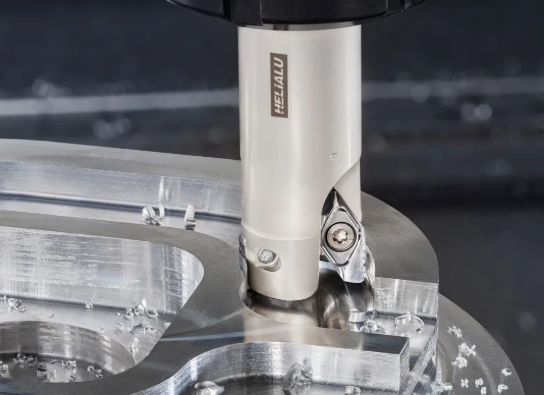
Pintakäsittelyvaihtoehdot teräksen valmistukseen
Valmistamasi teräskomponentti näyttää täydelliseltä, kun se tulee puristusmuokkauskoneesta – mutta ilman asianmukaista pinnankäsittelyä tämä siisti osa ei pysy siistinä kovin pitkään. Pinnankäsittelytoimenpiteet tekevät enemmän kuin parantavat ulkoasua; ne suojaavat sijoitustasi korroosiolta, kulumiselta ja ympäristötekijöiden aiheuttamilta haitoilta sekä mahdollistavat räätälöidyn ratkaisun, joka täyttää tarkat projektivaatimukset.
Valitsemasi pinnankäsittelymenetelmä riippuu käyttöympäristöstä, esteettisistä vaatimuksista ja budjettirajoituksista. Tutkitaan nyt vaihtoehtoja, jotka ovat tärkeimmät teräslevymetallin valmistusprojekteissa.
Jauhepinnoitus kestäville väripinnoille
Haluatko pinnoituksen, joka kestää paljon paremmin naarmuuntumista, naarmuuntumista ja vähentymistä verrattuna perinteiseen maaliin? Jauhepinnoitus tarjoaa juuri sen – ja se on muodostunut suosituimmaksi valinnaksi sekä teollisuustuotteissa että kuluttajatuotteissa.
Tässä on kuinka prosessi toimii: kuivat jauhehiukkaset (yleensä epoksi-, polyesteeri- tai hybridimuodostelmat) saavat sähköstaattisen varauksen, kun niitä suihkutetaan maadoitettuihin terösosiin. Mukaan lukien Tiger Coatings , oikea maadoitus on väistämättä tärkein tekijä onnistuneessa jauhepinnoituksessa – ilman sitä kohtaat epätasaisen pinnoituspaksuuden, huonon peittävyyden ja jopa turvallisuusriskejä sähkövarauksen purkautumisesta.
Sovelluksen jälkeen pinnoitettu komponentti siirtyy kuumennusuuniin lämpötilaan 110–250 °C. Jauhe sulaa, virtaa yhtenäiseksi kalvoiksi ja muodostaa ristiverkkoja muodostaakseen kestävän ja vankkan pinnan. Konvektiouunit, joissa käytetään kierrätettyä lämmitettyä ilmaa, ovat edelleen yleisin kuumennusmenetelmä, vaikka infrapuna- ja UV-kuumentamisteknologiat tarjoavat nopeampaa käsittelyä tietyissä sovelluksissa.
Jauhepinnoitteet tarjoavat useita etuja nestemäisiin maaleihin verrattuna:
- Erityinen kestoisuus: Paksuempaa kalvopaksuutta (yleensä 2–6 mil) voidaan käyttää paremmin vastustamaan iskuja, kulumaan ja kemikaaleja verrattuna perinteisiin pinnoitteisiin
- Värin yhtenäisyys: Yhtenäinen sähköstaattinen pinnoitus eliminoi valumat, tippumat ja paksuusvaihtelut
- Ympäristöedut: Ei haihtuvia orgaanisia yhdisteitä (VOC) tai vaarallisiksi ilmanepäineiksi luokiteltavia aineita – liiallinen suihkutus voidaan kerätä uudelleenkäyttöä varten
- Kustannustehokkuus: Materiaalin hyötyosuus ylittää 95 % asianmukaisilla keräysjärjestelmillä
Kahden kerroksen järjestelmät tarjoavat parannettua suojaa ja esteettisiä vaihtoehtoja. Pohjamaali kovettuu osittain 200 °C:n lämpötilassa 2–3 minuuttia ennen päällystekerroksen soveltamista, mikä varmistaa erinomaisen välikerrosten adheesion. Tämä tekniikka mahdollistaa vaikutteet, kuten metalliset, kromimaalit ja läpinäkyvät karamellimaalit, joita yksinkertainen kerros ei voi saavuttaa.
Sinkitys ja metallipinnoitus korroosiosuojaukseen
Kun korroosionkestävyys on tärkeämpi kuin esteettiset näkökohdat, sinkkipohjaiset käsittelyt tarjoavat todistettua suorituskykyä eri hintatasoilla. Näiden erojen ymmärtäminen auttaa sinua määrittämään oikean suojatason.
Lumppugarvaus: Tässä prosessissa puhdistettu teräs upotetaan sulassa olevaan sinkkiin noin 450 °C:n lämpötilassa (842 °F). Accu Components -yrityksen mukaan sinkki muodostaa kemiallisen sidoksen teräksen pinnan kanssa, joka sitten reagoi ilman hapen kanssa muodostaen sinkkioksidia – joka puolestaan reagoi hiilidioksidin kanssa muodostaen suojaavan sinkkikarbonaatin.
Syntyvän pinnoitteen paksuus ylittää yleensä 0,1 mm:n, mikä tarjoaa kymmeniä vuosia kestävän suojan jopa vaativissa ulkoisissa olosuhteissa. Esikäsittely on ratkaisevan tärkeää: osien on käytävä läpi rasvanpoisto, happokuparointi ja fluksaus, jotta kaikki epäpuhtaudet poistetaan ennen upotusta. Epäpuhtaasta teräksestä ei muodostu sinkin kanssa asianmukaista reaktiota.
Sinkkiverho: Tätä menetelmää kutsutaan myös sähkökromaukseksi, ja siinä käytetään sähkövirtaa sinkin saostamiseen teräskomponenteille. Osasta tulee elektrolyyttisen kennojen katodi (negatiivinen napa), joka houkuttelee positiivisesti varattuja sinkki-ioneja vesiliuoksesta.
Sinkinpinnoitus tuottaa ohuempia pinnoitteita (0,005 mm – 0,025 mm) kuin kuumasinkitys, mikä tekee siitä taloudellisemman ratkaisun pienemmillä osilla, mutta vähemmän kestävän ankariin ulkoisiin olosuhteisiin. Sileämpi ja kiiltävämpi pinnanlaatu sopii sisäkäyttöön, jossa ulkonäkö on tärkeä.
| Pintakäsittelymenetelmä | Pöydän paksuus | Parhaat käyttösovellukset | Tärkeimmät rajoitukset |
|---|---|---|---|
| Jauhemaalaus | 0,002" – 0,006" | Laitteiden koteloit, huonekalut, autoteollisuuden koristeosat | Vaatii kuumennusuunin; rajoitettu monimutkaisten geometrioiden kohdalla |
| Kuuma sinkitys | 0,004"+ (0,1 mm+) | Ulkoiset rakenteet, maatalouskoneet, suojakaiteet | Karkea tekstuuria; vaikeaa hitsata pinnoituksen jälkeen |
| Sinkkiverho | 0,0002" – 0,001" | Kiinnittimet, kiinnikkeet, sisäkäyttöön tarkoitetut metalliosat | Rajoitettu ulkokäyttökesto; ohuempi suojaus |
| Maalaus | 0,025 mm – 0,076 mm | Yleiset teollisuus- ja koristekäyttötarkoitukset | Pienempi kestävyys kuin pulverimaalauksella; VOC-ongelmat |
| Anodisoitu (vain alumiinille) | 0,005 mm – 0,076 mm | Arkkitehtoniset, elektroniikka- ja ilmailualueet | Ei sovellettavissa teräsalustoihin |
Pintakäsittely: Pinnanlaadun perusta
Tässä on se, mitä monet insinöörit jättävät huomiotta: minkä tahansa pinnanlaatutason laatu riippuu suoraan pintakäsittelystä. Jos ohitat tämän vaiheen tai suoritat sen riittämättömästi, jopa korkealaatuiset pinnoitteet katoavat ennenaikaisesti.
Tehokas pintakäsittely poistaa valssauskalan, ruosteen, öljyt ja muut epäpuhtaudet, jotka estävät asianmukaista tarttumista. Yleisiä menetelmiä ovat:
- Karkeavaahotus: Työntää mediaa pintaa vasten saastumusten poistamiseksi ja mekaanisen ankkurointiprofiilin luomiseksi
- Kemiallinen puhdistus: Rasvanpoistoaineet liuottavat öljyt ja muut orgaaniset jäämät, joita vesi-pohjaiset menetelmät eivät poista
- Fosfaattimuuntuminen: Luo kiteisen pinnoitteen, joka parantaa maalin ja pulverimaalin tarttumista
- Happokuplitus: Poistaa valssauskalan ja ruosteen ohjatulla kemiallisella reaktiolla – välttämätöntä sinkitystä edeltävässä vaiheessa
Kuten Valence Surface Technologies korostaa, että metallipinnan käsittelyprosessit auttavat valmistajia noudattamaan tiukkoja alan standardeja – mutta vain kun asianmukainen esikäsittely varmistaa pinnoitteen eheyden alusta lähtien.
Pintakäsittelyjen valinta ympäristön ja vaatimusten perusteella
Sovittamalla pintakäsittely sovellukseen estetään sekä liiallinen spesifikaatio (rahan tuhlaaminen) että riittämätön spesifikaatio (liian aikainen hajoaminen). Ota huomioon seuraavat tekijät:
- Sisäiset hallitut ympäristöt: Sinkkipinnoitus tai standardi pulveripinnoite tarjoaa riittävän suojan kohtuulliseen hintaan
- Ulkoilma-altistus: Kuumasinkitys tai merikäyttöön tarkoitetut pulveripinnoitteet kestävät kosteutta, UV-säteilyä ja lämpötilan vaihteluita
- Kemikaalialtistuminen: Erikoisvalmisteiset pulverikoostumukset tai monikerroksiset järjestelmät kestävät tiettyjä kemiallisia vaikutuksia
- Elintarvikkeiden kanssa kosketuksissa olevat tuotteet: FDA:n vaatimukset täyttävät pinnoitteet tai ruostumaton teräsperusta täyttävät sääntelyvaatimukset
- Esteettiset vaatimukset: Pulveripinnoitteella on rajaton värivalikoima; anodointi soveltuu alumiinikomponentteihin, joille vaaditaan sekä suojaa että ulkonäköä
Huomaa, että anodointi – vaikka se on erinomainen alumiinille – ei sovellu teräksen pinnalle. Jos projektiisi kuuluu sekä teräs- että alumiinikomponentteja, sinun on käytettävä kummallekin materiaalille eri pinnoitustrategioita.
Paras pinnoite on se, joka vastaa todellista käyttöympäristöäsi – ei kallein vaihtoehto eikä halvin pikaratkaisu.
Kun pinnankäsittelyvaihtoehdot on selvennetty, eri teollisuudenalat soveltavien teräslevyjen valmistusperiaatteiden ymmärtäminen auttaa sinua vertailemaan vaatimuksiasi todistettuihin sovelluksiin omalla alallasi.
Toimialakohtaiset sovellukset ja alan vaatimukset
Olet hallinnut materiaalit, prosessit ja pinnankäsittelyvaihtoehdot – mutta miten teräslevyjen valmistus tosiasiallisesti suoriutuu käytännössä? Alakohtaisen soveltamisen ymmärtäminen auttaa sinua vertailemaan projektisi vaatimuksia todistettuihin ratkaisuihin. Olitpa etsinyt metallivalmistusta läheltäni tai arvioinut lähellä olevia metallivalmistusliikkeitä, tietämys siitä, mitä kunkin teollisuudenalan vaatimukset ovat, varmistaa, että löydät kumppaneita, joilla on asianmukaista kokemusta.
Auton alusta ja rakennekomponentit
Autoteollisuus edustaa yhtä vaativimmista sovelluksista teräslevyjen valmistuksessa. Jokaisen komponentin on tasapainotettava lujuutta, painoa ja kustannuksia samalla kun se täyttää tiukat turvallisuus- ja laatuvaatimukset.
Alustakomponentit muodostavat jokaisen ajoneuvon rakenteellisen perusrungon. Niihin kuuluvat kehikkoraidat, poikkijäsenet ja alakehiköiden kokoonpanot, jotka on suunniteltu absorboimaan törmäysenergiaa samalla kun ne säilyttävät matkustajatilan eheytetä. Whip Industriesin mukaan autoteollisuuden sovelluksissa vaaditaan luotettavaa suorituskykyä, toistettavaa laatua ja skaalautuvuutta – mikä tekee prosessin valvonnasta ja dokumentoinnista olennaisia tekijöitä.
Jousitusosien vaaditaan olevan erinomaisen tarkkoja. Ohjausviput, kiinnityskannakkeet ja kiinnityslevyt kokevat koko ajoneuvon elinkaaren ajan jatkuvaa dynaamista kuormitusta. Materiaalinvalinnassa suositaan yleensä kylmävalssattua terästä sen tiukempia toleransseja ja yhtenäisempiä mekaanisia ominaisuuksia varten, kun taas kuumavalssaus mahdollistaa korkean lujuuden komponenttien valmistuksen, jotka kestävät muodonmuutoksia törmäystilanteissa.
Rakenteelliset kokoonpanot – mukaan lukien ovien vahvistukset, katon raiteet ja pilarien osat – perustuvat edistyneisiin korkealujuus-teräksiin, jotka tarjoavat suurimman mahdollisen suojan mahdollisimman pienellä painolla. Nämä sovellukset asettavat valmistuskykyyn erinomaisia vaatimuksia, vaativien esimerkiksi tiukat taivutussäteet, tarkan reikäasennuksen ja hitsausten laadun, joka täyttää tai ylittää OEM-määritykset.
Ilmastointilaitteiden koteloit ja rakennussovellukset
Alkaen toimistorakennuksen ilmanvaihtoputkistosta teollisuusvarastojen katon päällykseen teräslevyjen valmistus muokkaa rakennettua ympäristöämme.
Mukaan lukien KGS Steel ilmastointilaitteiden (HVAC) valmistus vaatii levymetallin työstöä kaikissa ilmastointijärjestelmissä. Siihen kuuluu taivuttaminen, leikkaaminen, poraaminen ja hitsaus komponenttien, kuten ilmanvaihtoputkien, jakoputkien, säätöpeltien ja hajottimien, valmistamiseksi. Materiaali kestää lämpöä, tulen ja korroosiota – olennaisia ominaisuuksia, kun konditionoitua ilmaa kuljetetaan kaupallisissa ja teollisissa tiloissa.
Teollinen rakennusvalmistus ulottuu paljon laajemmalle kuin pelkkä ilmastointitekniikka. Tarkastellaan seuraavia sovelluksia:
- Katto- ja seinäratkaisut: Mukautetut levyteräspanelit tarjoavat kestäviä ja luotettavia ratkaisuja teollisuustaloihin, varastoihin ja laajamittaisiin rakennuksiin. Eristetyt panelit tuovat energiansäästöjä samalla kun ne suojavat työntekijöitä äärimmäisiltä lämpötiloilta.
- Vesikourut ja kourut: Levyteräksen kestävyys ja korroosionkestävyys tekevät siitä suositun valinnan vesienhallintajärjestelmiin. Mukautettu valmistus takaa tarkan sovituksen erityisiin rakennusmittoihin.
- Tiukkukset: Nämä ohuet metalliosat suojaavat veden vaurioilta alttiita alueita, kuten katon reunaa, ikkunoita ja ovia. Mukautetut tiukkukset täyttävät erityiset rakennusvaatimukset ja täydentävät samalla kokonaisuuden estetiikkaa.
- Kuljetuslaitteet ja kuljetuskanavat: Teollinen materiaalin käsittely perustuu valmistettuihin teräskomponentteihin, jotka kestävät kulumaan, korkeita lämpötiloja ja kosteuden aiheuttamaa korroosiota paremmin kuin muovivaihtoehdot.
Kadonrakennussovelluksissa käytetään pääasiassa sinkittyä terästä, joka tarjoaa uhri-zinkkisuojan ja joka pidentää käyttöikää kymmeniä vuosia. Ilmastointisovelluksissa sinkitetyn ja ruostumattoman teräksen valinta riippuu ympäristöstä – elintarviketeollisuuden laitokset vaativat usein ruostumatonta terästä hygieniastandardien täyttämiseksi.
Elektroniikkakoteloit ja teollisuuslaitteet
Kun etsit metallityöstöyrityksiä läheltä itsellesi elektroniikka- tai teollisuussovelluksiin, sektorikohtaisten vaatimusten ymmärtäminen auttaa sinua arvioimaan toimintakykyjä tehokkaasti.
Elektroniikkakotelot suojavat herkkiä komponentteja elektromagneettiselta häiriöltä (EMI), ympäristölikasteilta ja fyysiseltä vahingolta. Nämä sovellukset määrittelevät yleensä kylmävalssattua terästä sen sileän pinnanlaadun ja tarkkojen toleranssien vuoksi, ja jauhepinnoitus tarjoaa sekä suojan että esteettisen ulkoasun. Liittimien, ilmanvaihtoaukkojen ja kiinnityskomponenttien tarkka rei’itys vaatii laserleikkausmenetelmän tarjoamaa tarkkuutta.
Teollisuuslaitteet kattavat kaiken: koneiden suojauslaitteet ja ohjauspaneelit sekä kokonaiset laitteistokehikot ja rakenteelliset kokoonpanot. Lähteessä Whip Industries teollisuuden valmistuspalvelut tukevat aloja, kuten valmistuslaitteita, materiaalikäsittelyjärjestelmiä ja infrastruktuurikomponentteja – jokaisella on omat tekniset vaatimuksensa.
Minun läheisyydessä sijaitsevat metallivalmistusyritykset, jotka palvelevat teollisuusasiakkaita, tarjoavat yleensä:
- Suuri leveyden kyky: Laitteistokehikot vaativat usein rakenteellista jäykkyyttä varten 10-taivutuspaksuutta tai paksuampaa materiaalia
- Sertifioitu hitsaus: Rakenteelliset kokoonpanot vaativat dokumentoitua hitsausten laatua ja jäljitettäviä menettelyjä
- Pinnankäsittelyn joustavuus: Sinkkipinnoitteesta sisäkäyttöön hot-dip-sinkityksiin ulkokäyttöön
- Kokoonpanopalvelut: Kokonaismekaaninen kokoonpano vähentää toimitusketjun monimutkaisuutta
Räätälöidyt metallikyltit edustavat erikoistunutta teollisuuden valmistussovellusta, jossa esteettisyys kohtaa kestävyyden. Nämä komponentit vaativat tarkkaa leikkausta kirjaimille ja logotyypille, oikean materiaalin valintaa ulkokäyttöön sekä viimeistelyä, joka säilyttää ulkonäön vuosien ajan käytön aikana.
Miten alan vaatimukset ohjaavat valmistuspäätöksiä
Jokaisen alan erityisvaatimukset vaikuttavat materiaalinvalintaan ja valmistusmenetelmiin ennustettavalla tavalla:
- Autotalous: IATF 16949 -sertifiointi, kehittyneet korkealujuus teräkset, suuritehoinen puristusmuovaus, tiukat toleranssit
- Rakennus-/ILV-järjestelmät: Sinkitty materiaali, räätälöidyt liitokset, kenttäasennusvaatimukset, säänkestävyys
- Sähkölaitteet: Kylmävalssattu teräs, EMI-suojausnäkökohdat, tarkka leikkaus, puhtaasti viimeistelty pinta
- Teollisuuslaitteet: Paksut levyt, sertifioitu hitsaus, kestävyys esteettisyyden sijaan, laajennettava tuotanto
Näiden mallien ymmärtäminen auttaa sinua viestimään tehokkaasti mahdollisten valmistusyhteistyökumppaneiden kanssa. Arvioitaessa lähellä sijaitsevia valmistusliikkeitä kysy heiltä kokemuksestaan juuri sinun alallasi – kyvyt, jotka ovat erinomaisia ilmastointikanavien valmistuksessa, eivät välttämättä sovellu autoalan tarkkuusvaatimuksiin.
Kun teollisuussovellukset on selkeytetty, seuraava huomiosi koskee oikean valmistusyhteistyökumppanin valintaa – ymmärrä, mitkä sertifikaatit, kyvyt ja tukipalvelut erottavat luotettavat toimittajat muista.
Oikean teräsvalmistuksen yhteistyökumppanin valinta
Olet määritellyt materiaalispecifikaatiot, viimeistellyt suunnittelusi ja ymmärrät, mitä alasi vaatii. Nyt kohtaat päätöksen, joka voi ratkaista projektisi menestyksen tai epäonnistumisen: valinta teräksenvalmistajien joukosta, jotka todella pystyvät toimittamaan tarvitsemasi. Vaivaton tuotantoprosessi ja kalliit viivästykset eroavat usein toisistaan vain siitä, kysyttekö oikeat kysymykset ennen sitoutumista.
Olipa kyseessä sitten levytölppävalmistuksen etsintä lähialueeltani tai kansainvälisten toimittajien arviointi, nämä arviointikriteerit erottavat luotettavat kumppanit niistä, jotka antavat liian suuria lupauksia ja eivät täytä niitä.
Sertifikaatit, jotka osoittavat laatuun sitoutumisen
Sertifikaatit eivät ole pelkästään seinälle ripustettavia tauluja – ne edustavat dokumentoituja järjestelmiä, jotka varmistavat yhtenäisen laadun jokaisella tuotantokerralla. Kun arvioit levytölppävalmistusta tarjoavaa yritystä lähialueeltani, ymmärtäminen siitä, mitä kutakin sertifikaattia tarkoittaa, auttaa sinua arvioimaan kykyjä ja sitoutumista.
IATF 16949 iATF 16949 on autoalan levytölppävalmistuksen kumppaneille asetettu kultainen standardi. Xometryn mukaan tämä sertifikaatti perustuu ISO 9001 -laatumhallintaperiaatteisiin, mutta se lisää autoalan erityisvaatimuksia vian ehkäisemiseen, jätteen vähentämiseen ja jatkuvan parantamisen edistämiseen. Sertifikaatti on binäärinen – yritys joko täyttää standardin tai ei. Osasertifikaatteja ei ole.
Miksi IATF 16949 -standardi on merkityksellinen myös autoteollisuuden ulkopuolella? Tiukka tarkastusprosessi kattaa seitsemän keskeistä osa-aluetta, mukaan lukien organisaation konteksti, johtaminen, suunnittelu, tuki, toiminta, suorituskyvyn arviointi ja parantaminen. Tämän sertifikaatin säilyttävät yritykset osoittavat:
- Dokumentoidut prosessit: Jokainen menettely on dokumentoitu, jäljitettävissä ja toistettavissa
- Virheiden ehkäisyn painotus: Järjestelmät, jotka on suunniteltu havaitsemaan ongelmia ennen kuin ne päätyvät asiakkaille
- Jatkuvan parantamisen kulttuuri: Säännölliset tarkastukset edistävät jatkuvaa prosessien kehittämistä
- Toimitusketjun luotettavuus: Toimittajat ja urakoitsijat vaativat usein tätä sertifikaattia yhteistyön aloittamiseksi
Esimerkiksi: Shaoyi (Ningbo) Metal Technology säilyttää IATF 16949 -sertifikaatin alustansa, jousitusjärjestelmänsä ja rakenteellisten komponenttiensa tuotannossa – mikä osoittaa dokumentoidut laatuohjelmat, joita autoteollisuuden alkuperäisvalmistajat (OEM:t) odottavat tier-toimittajilta.
IATF 16949:n lisäksi kannattaa tarkistaa myös ISO 9001 -standardi peruslaatuindikaattorina sekä alan erityisiä sertifikaatteja, jotka ovat merkityksellisiä teidän sovellukseenne. Kuten TMCO huomauttaa, sertifikaatit osoittavat sitoutumista dokumentoituihin järjestelmiin ja toistettaviin tuloksiin.
Prototyypin ja tuotantokapasiteetin arviointi
Tässä vaiheessa monet insinöörit jäävät kiinni: valmistaja, joka on erinomainen prototyyppien valmistajana, saattaa kamppailla tuotantomäärien kanssa, kun taas suurten tuotantomäärien asiantuntijat eivät välttämättä tarjoa sitä joustavuutta, jota varhaisessa projektivaiheessa vaaditaan. Ihanteellinen kumppani tukee sinua koko matkallasi konseptista skaalautumiseen.
Prototyypin nopeus vaikuttaa suoraan kehitysajanmäärittelyysi. UPTIVE Manufacturingin mukaan prototyypitys on kriittinen testausvaihe, jossa ideat muokataan, hioon ja validoidaan valmistuksen onnistumisen varmistamiseksi. Myöhästymiset tällä vaiheella vaikuttavat koko aikatauluaasi.
Arvioidessasi valmistusliikkeitä kysy niiltä prototyypityksen toimitusaikoja. Joissakin kumppaneissa on nopea toimitusaika – esimerkiksi Shaoyi tarjoaa 5 päivän nopean prototyypityksen erityisesti räätälöityihin metallipainososia ja tarkkuuskoottaviin osiin. Tämä nopeus mahdollistaa nopeamman suunnitteluiteroinnin ja kiihdyttää polkua tuotantovalmiisiin komponentteihin.
Tuotantoon Suunnittelu (DFM) -tuki osoittautuu yhtä tärkeäksi. TMCO:n mukaan onnistunut valmistus ei ala koneella – se alkaa suunnittelulla. Etsi kumppaneita, jotka:
- Tarkistavat piirustukset ja CAD-tiedostot yhteistyössä ennen tuotannon aloittamista
- Antavat materiaali- ja suunnittelusuosituksia valmistuksen todellisten olosuhteiden perusteella
- Tunnistavat kustannusten alentamismahdollisuudet suorituskyvyn vaarantamatta
- Tarjoavat prototyyppitestauksen suunnitelmien varmentamiseksi ennen tuotantotyökalujen hankintaa
Shaoyin kattava DFM-tuki havainnollistaa tätä lähestymistapaa ja auttaa insinöörejä optimoimaan suunnitelmia sekä prototyyppitestaukseen että tehokkaaseen sarjatuotantoon.
Tarjouksen käsittelyaika paljastaa toiminnallisen tehokkuuden. Jos valmistaja tarvitsee viikkoja hintatarjouksen laatimiseen, kuvittele, miten se hoitaa tuotantoaikataulutusta. Johtavat kumppanit, kuten Shaoyi, tarjoavat 12 tunnin aikana valmiin tarjouksen – mikä mahdollistaa nopeamman päätöksenteon ja projektin etenemisen.
Kapasiteettiharkinnat tuotannon laajentamiseksi
Prototyypinne onnistuu, kysyntä syntyy ja teidän täytyy laajentaa tuotantoa. Voiko valmistusyhteistyökumppaninne kasvaa teidän mukana? UPTIVEN mukaan ideaalinen kumppani tukee sekä nykyisiä että tulevia kasvutarpeitanne ilman laadun heikkenemistä.
Arvioi näitä laajentamiseen liittyviä tekijöitä valittaessasi levytelineiden valmistukseen erikoistuneita yrityksiä lähialueeltanne:
- Laitteistojen laajuus: Kumppanit, joilla on laserkäsittely-, CNC-koneistus-, tarkkuusmuotoilu- ja automatisoitu hitsauskapasiteetti, voivat hoitaa monimuotoisia vaatimuksia yhden katon alla
- Tuotannon joustavuus: Kyky siirtyä pienistä eristä suurimittaiseen sarjatuotantoon kysynnän muuttuessa
- Automaatiokyky: Robottijärjestelmät varmistavat toistettavuuden ja kustannustehokkuuden laajentamisen myötä – mikä on ratkaisevan tärkeää auto- ja teollisuussovelluksissa
- Laadun tasaisuus: Ensimmäisen tuotteen tarkastus, prosessin aikaiset tarkastukset ja lopullinen validointi on säilytettävä tiukkoina riippumatta tuotantomäärästä
Shaoyin kehitys viidestä päivästä kestävästä prototyypityksestä automatisoituun massatuotantoon kuvastaa tätä kykyjen laajuutta. Heidän automatisoidut tuotantojärjestelmänsä varmistavat IATF 16949 -sertifioitua laatua sekä prototyyppien että täysmittaisten sarjatuotantojen aikana alustan ja jousituskomponenteille.
Viestintä ja kumppanuussuhde
Tekninen osaaminen ei merkitse juurikaan ilman tehokasta viestintää. Kuten TMCO korostaa, läpinäkyvä viestintä estää kalliita yllätyksiä ja pitää projektit linjassa alusta loppuun asti.
Ennen kumppanivalinnan lopullista vahvistamista arvioi seuraavia seikkoja:
- Vastauskyky: Kuinka nopeasti he vastaavat teknisiin kysymyksiin?
- Läpinäkyvyys: Antavatko he realistisia aikatauluja ja tiedottavat aktiivisesti mahdollisista viiveistä?
- Insinööripuolen yhteistyö: Ovatko he valmiita työskentelemään kanssasi ongelmien ratkaisemiseksi vai hylkäävätkö ne yksinkertaisesti haastavat suunnittelut?
- Dokumentointi: Voivatko he tarjoada tarkastusraportteja, materiaalitodistuksia ja prosessirekisteröintejä?
Oikea valmistuspartneri ei ainoastaan valmista osia – se tukee tavoitteesi saavuttamista, parantaa tuotettasi ja auttaa sijoittamaan projektisi pitkäaikaiseen menestykseen.
Kun kumppaninvalintakriteerit on määritelty, viimeinen vaihe on soveltaa kaikki oppimasi, jotta teräslevyjen muokkausprojektisi etenee käsitteestä onnistuneeseen tuotantoon.
Käytä teräksenmuokkaustietoja käytännössä
Olet omaksunut paljon tietoa – paksuusjärjestelmistä ja materiaalien valinnasta suunnittelun ohjeisiin ja viimeistelyvaihtoehtoihin. Nyt tulee käytännöllinen kysymys: kuinka muunnat tämän tiedon onnistuneiksi projektituloksiksi? Riippumatta siitä, oletko aloittamassa ensimmäistä räätälöityä metalliprojettiasi vai hioisitko lähestymistapaasi metallinkäsittelyyn, nämä toimenpideohjeet auttavat sinua liikkumaan varmasti käsitteestä tuotantoon.
Avainpäätökset, jotka ohjaavat projektin menestystä
Jokainen onnistunut teräslevyjen muokkausprojekti perustuu kolmeen toisiinsa liittyvään päätökseen. Tee nämä oikein, ja muu kaikki asettuu paikoilleen.
Materiaalivalinta: Valintasi hiiliteräksestä, ruostumattomasta teräksestä tai sinkityistä vaihtoehdoista vaikuttaa kustannuksiin, kestävyyteen, valmistuskompleksisuuteen ja viimeistelyvaatimuksiin. Älä valitse automaattisesti halvinta vaihtoehtoa – sovita materiaalin ominaisuudet todelliseen käyttöympäristöön. Muista, että kylmävalssattu teräs tarjoaa tarkemmat toleranssit tarkkuussovelluksiin, kun taas kuumavalssattu teräs sopii hyvin tilanteisiin, joissa pinnanlaatu ei ole yhtä tärkeä.
Valmistusprosessin valinta: Leikkausmenetelmä, muovausmenetelmä ja kokoonpanotapa vaikuttavat kaikki lopullisen osan laatuun ja kustannuksiin. Laserleikkaus tarjoaa tarkkuutta monimutkaisiin suunnitteliin; plasmaleikkaus käsittelee taloudellisesti paksuimpia osia. Määrittele taivutussäteet siten, että ne vastaavat saatavilla olevaa työkalukalustoa, jotta vältät tarpeettomat asennuskustannukset.
Suunnitelman optimointi: Valmistettavuusohjeiden noudattaminen estää halkeamien, vääntymien ja mittojen poikkeamien aiheuttamia aikatauluhäiriöitä. Pidä vähimmäisreunaväliä, standardoi taivutussäde koko osassa ja lisää taivutusvapaat kulmiin. Nämä yksityiskohdat vaikuttavat pieniltä, mutta ne erottavat sujuvan tuotantoprosessin kalliista uudelleentyöstöstä.
Siirtyminen konseptista tuotantoon
Oletko valmis pyytämään tarjouksia? AMG Industriesin mukaan hyvä valmistautuminen estää myöhempänä ilmeneviä merkittäviä ongelmia. Tässä on mitä levytelinevalmistajat tarvitsevat sinulta:
- Yksityiskohtaiset piirustukset tai CAD-tiedostot: Sisällytä tarkat mitat, toleranssit ja materiaalimääritykset
- Määränvaatimukset: Alkuperäisen prototyypin määrät sekä odotetut sarjatuotantomäärät
- Aikatauluodotukset: Prototyyppien toimituspäivämäärät ja tuotantoaikataulun vaatimukset
- Laatutiedot: Vaaditut sertifikaatit, tarkastuskriteerit ja dokumentointivaatimukset
- Päällystysvaatimukset: Pintakäsittely, pinnoitustyypi ja ulkonäkövaatimukset
Mukaan lukien Metal One keskustele tavoitteistasi valmistajan kanssa, jolloin he voivat suositella materiaaleja, jotka tasapainottavat kustannustehokkuutta ja pitkäaikaista luotettavuutta. Selkeä viestintä koko tuotantoprosessin ajan pitää projektin aikataulussa ja varmistaa, että se vastaa täsmälleen sinun määrittelemiäsi vaatimuksia.
Kun arvioit metallivalmistusprojekteja, joissa käytetään sekä terästä että alumiinia, muista, että kumpikin materiaali vaatii erilaisia käsittelytapoja ja viimeistelystrategioita. Keskustele monimateriaalisista kokoonpanoista kumppanisi kanssa mahdollisimman varhaisessa vaiheessa, jotta suunnittelu voidaan tehdä asianmukaisesti.
Kun arvioit teollisuuden metallivalmistuspalveluita, anna etusija kumppaneille, jotka tarjoavat kattavaa DFM-tukea – esimerkiksi Shaoyin insinöörijoukkue , jotka tarkistavat suunnittelut yhteistyössä ennen tuotannon aloittamista. Heidän 12 tunnin lainatarjouksen käsittelyaikansa nopeuttaa päätöksentekoa, kun taas 5 päivän nopea prototyypitys mahdollistaa nopeamman suunnittelun validoinnin auto- ja tarkkuussovelluksissa.
Onnistuneimmat valmistusprojektit alkavat selkeistä eritelmistä, realistisista odotuksista ja kumppaneista, jotka ymmärtävät sekä välittömät tarpeesi että pitkän aikavälin tavoitteesi.
Nyt kun olet oppinut materiaaleista, valmistusmenetelmistä, suunnittelun ohjeista ja kumppanien valinnasta, olet valmis lähestymään seuraavaa teräslevyjen valmistusprojektiasi luottavaisesti. Tässä opaskirjassa käsitellyt yhdeksän olennaista kohtaa muodostavat perustan, joka erottaa onnistuneet insinöörit niistä, jotka oppivat nämä asiat kalliiden kokeilujen ja virheiden kautta.
Usein kysytyt kysymykset teräslevyjen valmistuksesta
2. Paljonko levyn työstö maksaa?
Levyteräksen valmistuskustannukset vaihtelevat yleensä 418–3 018 dollaria, keskimäärin 1 581 dollaria. Kustannukset vaihtelevat 4–48 dollaria neliöjalkaa kohden riippuen materiaalin tyypistä, projektin monimutkaisuudesta, määrästä ja erityisvaatimuksista. Myös leikkausmenetelmä, muotoilun monimutkaisuus, pinnankäsittelyvaihtoehdot ja sertifikaatit vaikuttavat hinnoitteluun. Kuten Shaoyi, kumppanit tarjoavat 12 tunnin laina-ajan tarjousten antamiseen, jotta saat tarkat kustannusarviot nopeasti omien projektitarpeidesi mukaan.
2. Mikä on levyteräksen valmistus ja miten se toimii?
Levyteräksen valmistus muuttaa tasaiset teräslevyt toimiviksi kolmiulotteisiksi komponenteiksi leikkaamalla, taivuttamalla, muotoilemalla ja yhdistämällä. Prosessi alkaa leikkaustoimenpiteillä, kuten laser-, plasma- tai vesisuihkuleikkauksella, jonka jälkeen tulevat muotoilumenetelmät, kuten taivutus, syväpainatus ja syvävetäminen. Lopuksi osan valmistus saadaan päätökseen yhdistämällä ja pinnankäsittellemällä. Tämä eroaa yleisestä metallityöstöstä siinä, että se keskittyy erityisesti materiaaleihin, joiden paksuus on yleensä neljäsosa tuumaa tai vähemmän.
3. Mikä on ero levytelineiden valmistukseen ja valmistukseen?
Valmistus viittaa ensisijaisiin tuotantoprosesseihin, joissa tuotetaan raaka-aineita, kuten teräslevyjä ja -levyjä, tehtaissa. Valmistus on toissijainen prosessi, jossa näitä puolivalmiita materiaaleja muokataan valmiiksi komponenteiksi leikkaamalla, muovailulla ja kokoonpanolla. Valmistukseen vaaditaan erikoistunutta osaamista teräksen käyttäytymisen ymmärtämisessä näissä prosesseissa, ja sillä tuotetaan asiakkaan tarkkojen vaatimusten mukaisia räätälöityjä osia.
4. Kuinka valitsen oikean teräslajin valmistushankkeelleni?
Valinta riippuu sovellustarpeistanne. Hiiliteräksellä on parhaiten suhteutettu lujuus-kustannussuhde rakenteellisiin sovelluksiin, mutta sille tarvitaan suojaavia pinnoitteita. Ruisuteräksellä on erinomainen korroosionkestävyys merikäytöön, elintarviketeollisuuteen ja lääketieteellisiin sovelluksiin. Sinkitty teräs tarjoaa keskitason korroosionsuojan kohtalaisella hinnalla. Ottaen huomioon tekijät, kuten ympäristöaltistus, hitsattavuusvaatimukset, pinnanlaatuvaatimukset ja budjetti, teette lopullisen päätöksen.
5. Mitkä sertifikaatit tulisi etsiä teräksenvalmistukseen erikoistuneelta kumppanilta?
IATF 16949 -sertifiointi edustaa autoteollisuuden sovelluksissa kultakantaa, joka takaa dokumentoidut prosessit, vikojen ehkäisyn ja jatkuvan parantamisen. ISO 9001 toimii laajalle levinneenä laatuindikaattorina kaikilla aloilla. Erityissovelluksia varten kannattaa etsiä alaerityisiä sertifiointeja. Sertifioituja kumppaneita, kuten Shaoyi, pitävät yllä IATF 16949 -sertifiointia ja tarjoavat kattavaa DFM-tukea, viiden päivän nopean prototyypin valmistuksen sekä automatisoidut sarjavalmistusmahdollisuudet.