 Small batches, high standards. Our rapid prototyping service makes validation faster and easier —
  EN
EN


Laserleikkausyritykset paljastettuna: hinnoittelu, tiedostot ja valintasalaisuudet
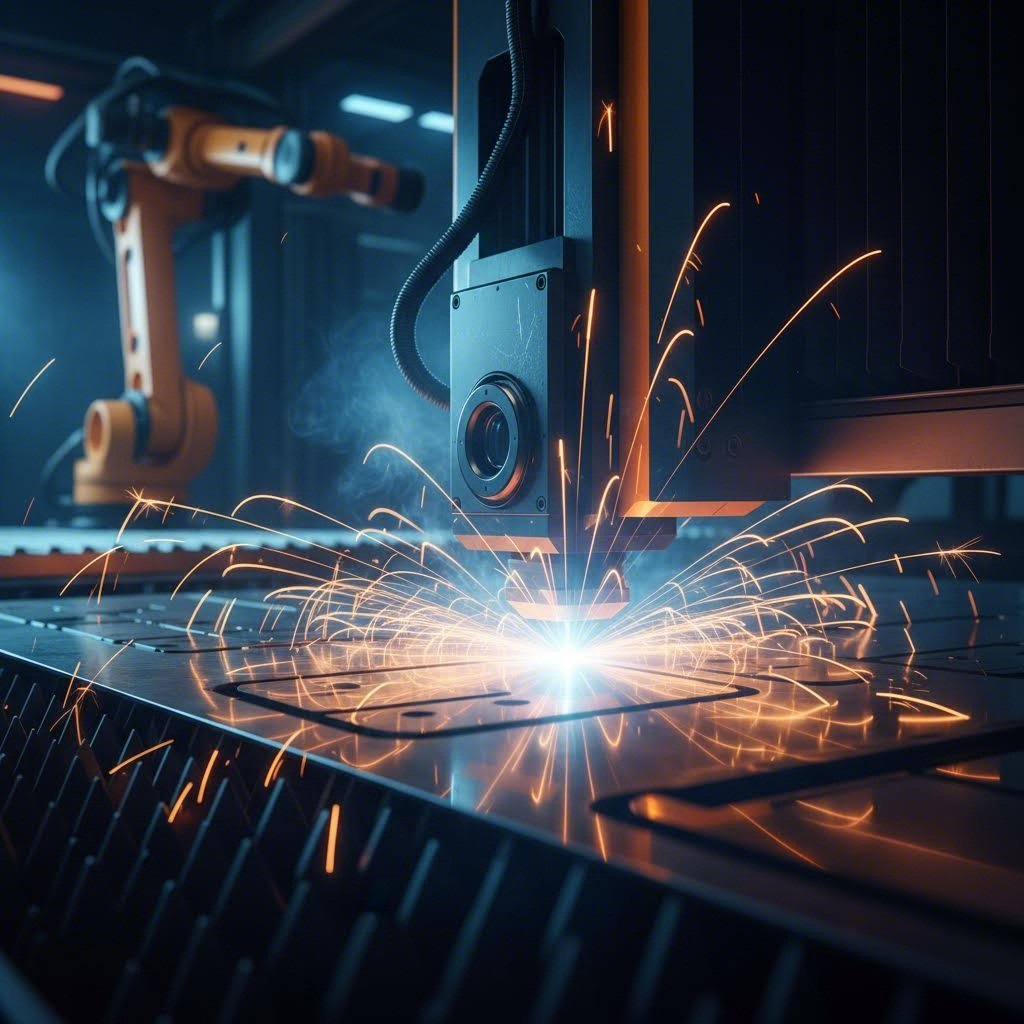
Laserleikkausteknologian ymmärtäminen ja sen toimintaperiaate
Mitä laserleikkaus sitten tarkalleen on? Kuvittele auringonvalon keskittäminen suurennuslasin läpi polttamaan reikä paperiin – kerro nyt tuo intensiteetti tuhansilla kertoimilla. Laserleikkaus on tarkkuusvalmistusprosessi joka käyttää erittäin tiivistä valonsädettä materiaalien höyrystämiseen, sulattamiseen tai polttamiseen poikkeuksellisen tarkan tarkkuuden avulla. Kun arvioit laserleikkausyrityksiä projektillesi, tämän perusteknologian ymmärtäminen auttaa sinua esittämään oikeita kysymyksiä ja tekemään hyvin perusteltuja päätöksiä.
Teknologia perustuu stimuloidun emissioon kutsuttuun prosessiin. Laserresonatorissa atomit tai molekyylit saadaan energiatilaiseksi, kunnes ne vapauttavat fotoneja—valon pieniä hiukkasia. Nämä fotonit heijastuvat peilien välillä, kasvattaen voimakkuuttaan, kunnes ne muodostavat koherentin ja voimakkaan säteen. Xometryn mukaan tämä säde ohjataan linssien läpi, jotka keskittävät energian erittäin pieneksi halkaisijaksi, luoden paikallisen korkea-energian pisteen, joka pystyy leikkaamaan metalleja, muoveja, puuta ja lukemattomia muita materiaaleja laserilla.
Miten laserteknologia muuttaa raaka-aineita
Kun keskittynyt säde osuu materiaaliisi, tapahtuu yksi kolmesta asiasta riippuen materiaalista ja laserin asetuksista. Metallit sulavat yleensä voimakkaan lämmön vaikutuksesta, ja suuripaineinen kaasuvirta – joko inertti typpeä tai reaktiivista happea – puhaltaa sulan materiaalin pois leikkausalueelta. Ei-metallisia materiaaleja, kuten puuta tai akryyliä, palaa tai höyrystyy usein täysin. Jotkin leikkuumenetelmät, joita kutsutaan etä- tai sublimaatiolleikkuksi, eivät edes vaadi apukaasua – leikkuulaseri poistaa materiaalin suoraan ablaatiolla.
Tämä tarkkuus tekee laserleikkauksesta valmistuksen kannalta huippuunsa kehittynyttä teknologiaa. Mekaanisten leikkuumenetelmien, jotka fyysisesti koskettavat materiaaleja, vastakohtana lasersäteillä ei ole työkalun kulumista, ja niillä voidaan saavuttaa monimutkaisia muotoja, joita perinteiset menetelmät eivät pysty toteuttamaan. Tuloksena on siistejä reunoja, tiukkoja toleransseja ja kyky käsitellä kaikkea herkillä prototyypeistä suurten tuotantosarjojen valmistukseen.
CO2- vs Kuitu- vs Nd:YAG-laserjärjestelmät
Kaikki laserit eivät ole samanlaisia. Ammattimaiset valmistajat puhuessaan kyvyistään tarkoittavat yleensä jotakin kolmesta pääasiallisesta lasertyypistä – joilla kullekin on omat erityisvahvuutensa, jotka voivat vaikuttaa hankkeeseesi.
- CO2 Laserit: Nämä työjuhlat käyttävät hiilidioksidin, typen ja heliumin seosta voimistusaineena. Toimiessaan aallonpituudella 10 600 nm CO2-laserit soveltuvat erinomaisesti leikkaamaan ja kaivertamaan orgaanisia materiaaleja, muoveja ja puuta. Ne selviytyvät myös levymetallista, mutta vaikeuksissa ovat erittäin heijastavilla materiaaleilla, kuten kuparilla ja messingillä. CO2-laserleikkuukone edustaa monipuolista vaihtoehtoa liikkeille, jotka käsittelevät erilaisia materiaaleja.
- Kuitulaserit: Dopattua kuituoptista kaapelia käyttäen laserkuplina, kuitulaserit tuottavat lyhyempiä aallonpituuksia (tyypillisesti noin 1 064 nm), joita heijastavat metallit absorboivat helpommin. Xometryn mukaan tämä tekee kuitulaserista suositun valinnan kuparin, messingin, alumiinin ja ruostumattoman teräksen leikkaamiseen. Niiden korkeampi sähkötehokkuus ja pienemmät kunnossapitolisäkustannukset ovat tehneet niistä yhä suositumpia teollisissa sovelluksissa.
- Nd:YAG-laserit: Nämä kiinteän olomuodon laserit käyttävät neodyymillä dopattuja kiteitä tuottaakseen tehokkaita säteitä, jotka ovat ihanteellisia paksujen metallien leikkaamiseen ja tarkkaan hitsaukseen. Vaikka niitä käytetään harvemmin yleisessä valmistuksessa, Nd:YAG-laserit loistavat erikoissovelluksissa, joissa vaaditaan syvää tunkeutumista tai pulssitoimintoa hauraisiin töihin.
Ottessasi yhteyttä mahdollisiin valmistuskumppaneihin, kysy, mitä laserlaitteita he käyttävät. Yritys, jolla on useita laser-teknologioita, pystyy paremmin sovittamaan laitteiston tiettyihin materiaali- ja tarkkuusvaatimuksiin – tämä on keskeinen tekijä, joka erottaa poikkeukselliset palveluntarjoajat niistä, jotka tarjoavat yhden ratkaisun kaikkiin tilanteisiin.
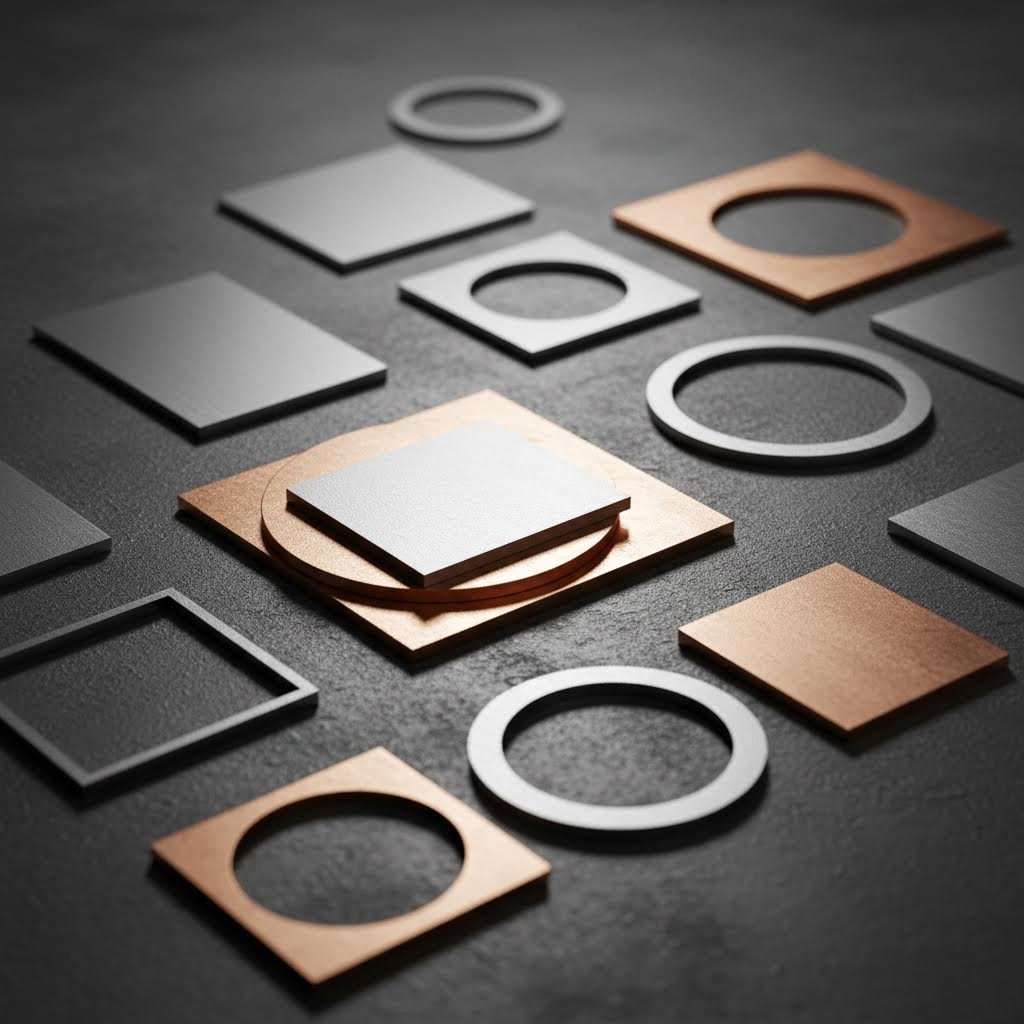
Ammattilaisten laserleikkauspalveluiden kanssa yhteensopivat materiaalit
Oletko koskaan miettinyt, miksi valmistuskumppanisi suosittelee toista materiaalia toisen sijaan? Salaisuus piilee eri materiaalien reagoinnissa laserenergiaan. Arvioitaessasi laserleikkausyrityksiä, tieto niiden materiaalikäytön mahdollisuuksista – ja rajoituksista – auttaa sinua asettamaan realistisia odotuksia reunalaadulle, paksuusalueille ja hankkeen aikatauluille.
Tässä on käytännön ohjeet, joita useimmat tarjoajat eivät jaa: jokainen materiaali käyttäytyy eri tavalla keskittyneen valonsäteen alla. Jotkut tuottavat peilikirkkaat reunat, kun taas toiset vaativat lisäviimeistelyä. Käydään läpi tarkalleen, mitä voit odottaa kustakin materiaaliryhmästä.
Metallinleikkuukyvyt ja paksuusalueet
Metallit ovat ammattilaisten laserleikkauspalveluiden perusta. Laadukas metallin laserleikkuulaite leikkaa kaikenlaisia materiaaleja, alkaen paperinohuista kalvoista aina merkittäviin rakennuslevyihin asti – mutta tulokset vaihtelevat huomattavasti materiaalityypin ja paksuuden mukaan.
Teräs ja pehmeä teräs: Nämä valmistuksen työjuhlat leikkautuvat erinomaisesti kuitulaserilla. Mukaan lukien SendCutSendin materiaalimääritykset , terästä voidaan käsitellä paksuudeltaan 0,030" – 0,500" erinomaisella reunaläpivirtauslaadulla. Ohuemmat mittarit tuottavat erittäin puhtaita leikkauksia vähän lämmön vaikutuksesta johtuvia vyöhykkeitä, kun taas paksummissa levyissä saattaa näkyä lievää hapettumista leikkausreunoilla, kun käytetään happiavusteista leikkausta.
Ruostumattoman teräksen laserleikkaus: Sekä 304 että 316 -ruosteteräkset soveltuvat erinomaisesti kuitulaserikäsittelyyn. Ammattipalvelut käsittelevät yleensä ruostetonta terästä 0,030" – 0,500" paksuudella, ja ohuempia materiaaleja käytettäessä typen apukaasulla saadaan kirkkaat, hapettumattomat leikkauksen reunat. Tämä tekee ruostumattoman teräksen laserleikkaamisesta ideaalin elintarviketeollisuuden laitteisiin, lääketieteellisiin laitteisiin ja arkkitehtuurisovelluksiin, joissa ulkonäöllä on merkitystä.
Alumiinin laserleikkaus: Tässä kohtaa laserteknologia todella loistaa. Kuitulaserit käsittelevät tehokkaasti alumiiniseoksia – mukaan lukien 5052-, 6061- ja jopa lentokonealaan tarkoitettu 7075-laatua – paksuudeltaan 0,040" – 0,750". Alumiinin onnistuneeseen laserleikkaamiseen ammattilaisyksiköt käyttävät typpeä apukaasuna estääkseen hapettumisen ja saavuttaakseen luonteenomaiset kirkkaat, kiilaomaiset reunat. Alumiinin heijastava luonne aiheutti haasteita vanhemmille CO2-järjestelmille, mutta nykyaikaiset kuitulaserit hoitavat sen tavallisesti.
Erikoismetallit: Kelpo laserleikkaaja metalliin ulottuu yhteisten seosten lisäksi. Titaani (luokat 2 ja 5), messingi, kupari ja jopa panssarisuojauslevy (AR400/AR500) kuuluvat hyvin varustettujen työpajojen kykyjen piiriin. Jokainen vaatii tiettyjä parametrien säätöjä, mutta kokeneet palveluntarjoajat saavuttavat johdonmukaisia tuloksia näillä vaativilla materiaaleilla.
Ei-metallimateriaalit ja pintalaadun odotukset
Levymetallin laserleikkaus hallitsee teollisuuden, mutta laser teknologia käsittelee vaikuttavaa määrää ei-metallisia materiaaleja – joilla kullekin on omat erityispiirteensä.
Akryyli: Tämä suosittu materiaali tuottaa liehikäsitellyt reunat, kun sitä käsitellään oikein CO2-lasereilla. Akryylin leikkauspalvelu käsittelee yleensä paksuuksia 0,060" - 1,00", ja reunat ovat niin sileät, ettei niiden jälkikäsittelyä usein tarvita. Valumuovia tuottaa parempia tuloksia verrattuna puristusmuovattuihin versioihin, jotka voivat näyttää lieviä jännitysmerkkejä.
Puu ja viimeistelykerros: CO2-laserit soveltuvat erinomaisesti puun leikkaamiseen ja tuottavat tyypillisiä tummennettuja reunoja, joita monet suunnittelijat tarkoituksellisesti hyödyntävät muotoilussaan. Leikattavan materiaalin paksuus riippuu tiheydestä – pehmeämpää puuta voidaan leikata nopeammin ja paksummaksi kuin kovaa puuta – mutta useimmat palvelut käsittelevät materiaaleja ongelmitta paksuuteen 0,750" asti.
Polycarbonaatti ja muut muovit: Kaikki muovit eivät ole sopivia laserleikkaukseen. Polycarbonaattia voidaan leikata, mutta sen reunaan jää huonompilaatuinen viimeistely verrattuna akryyliin. PVC:stä ei saa koskaan käyttää laserleikkausta – se vapauttaa vaarallista kloorikaasua. Tarkista aina materiaalin yhteensopivuus ennen kuin lähetät projektisi.
Materiaalivertailu: mitä voit odottaa valmistuskumppaniltasi
| Materiaalilaji | Suositeltu laser | Maksimipaksuus | Reunan laatu | Erityiset näkökohdat |
|---|---|---|---|---|
| Mieto teräs | Kuitu | 0.500" | Erinomainen; puhdas, vähän roskia | Hapetusvoiteella voi esiintyä lievää hapettumista paksujen leikkausten kohdalla |
| 304/316 Rostonsitka | Kuitu | 0.500" | Erinomainen; typpeä käytettäessä hapeton pinta | Typpeä suositellaan käytettäväksi kirkkaiden reunojen saavuttamiseksi |
| 6061 Alumiini | Kuitu | 0.750" | Hyvä; kirkas pintaviimeistely mahdollinen | Lämpövaikutuksen alue on laajempi kuin teräksellä; ohuissa osissa lievä vääntymisriski |
| Titaani luokka 5 | Kuitu | 0.250" | Hyvä; vaatii parametrien optimointia | Reagoiva korkeissa lämpötiloissa; jalokaasu on välttämätön |
| Kupari/Putous | Kuitu | 0.250" | Hyvä; voi näyttää lievää tummumista | Korkea heijastavuus edellyttää kuitulaseria; CO2:ta ei suositella |
| Akrüüliä | CO2 | 1.00" | Erinomainen; liehullisesti hiotut reunat | Valuakryyli suositellaan; puristusmuovattu voi näyttää jännitysrajoja |
| Puu/Kolmiliuskapuu | CO2 | 0.750" | Hyvä; ominaiset hiilikuolet | Hartsisisältö vaikuttaa leikkauslaatuun; ilmanvaihto on kriittinen |
Lämpövaikutusten alueiden ja vääntymisriskien ymmärtäminen
Mukaan lukien Dowell Laserin laatuopas , lämpövaikutuksen alueen (HAZ) minimoiminen on ratkaisevan tärkeää materiaalin ominaisuuksien säilyttämiseksi. Tämä alue – leikkauksen viereinen osa, joka kokee lämpöjännitystä – vaihtelee materiaalin lämmönjohtavuuden ja paksuuden mukaan.
Alumiini ja ohuet metallilevyt aiheuttavat suurimman vääntymisvaaran niiden lämmönjohtavuuden vuoksi. Ammattimainen metallilevyjen laserleikkaus ratkaisee tämän optimoiduilla leikkausnopeuksilla, strategisella osien sijoittelulla ja typen avustuskaasulla, jotta lämpötuloa voidaan vähentää. Kun tarkkuus on tärkeää, keskustele näistä asioista etukäteen palveluntarjoajasi kanssa – kokemukselliset tiimit tietävät täsmälleen, miten vääristymistä voidaan minimoida juuri sovelluksessasi.
Kun materiaalien ominaisuudet on selvitetty, seuraava kysymys kuuluu: missä toimialoilla vaaditaan näitä tarkkuusleikkauspalveluita, ja mitä erityisvaatimuksia ne tuovat mukanaan?
Teollisuuden sovellukset ja erikoiskäyttötarkoitukset
Kun etsit oikeaa valmistuskumppania, tässä on jotain, mitä useimmat laserleikkausyritykset eivät kerro suoraan: eri aloilla vaaditaan hyvin erilaisia kykyjä. Liike, joka onnistuu arkkitehtuurikyltien valmistuksessa, saattaa kamppailla lentokonetoleranssien kanssa. Näiden alakohtaisten vaatimusten ymmärtäminen auttaa sinua tunnistamaan todella projektisi taitoiset palveluntarjoajat – ei vain niitä, jotka väittävät omaavansa laajaa asiantuntemusta.
Tutkitaanpa, miltä tarkka laserleikkaus näyttää pääteollisuuden aloilla ja mitä ainutlaatuisia vaatimuksia kunkin toimialan edellyttää.
Autoteollisuuden ja liikenteen komponenttivalmistus
Autoteollisuus edustaa yhtä vaativimmista ympäristöistä teollisessa laserleikkauksessa. Ajoneuvovalmistajat ja heidän toimitusketjunsa vaativat johdonmukaista laatua tuhansille – joskus miljoonille – identtisille osille. Yksi mittapoikkeama voi levitä koko kokoonpanolinjalle aiheuttaen kalliita viiveitä.
Metallin laserleikkaus soveltuu autoteollisuuden sovelluksiin, jotka vaihtelevat rakenteellisista komponenteista dekoraatiojälkiin. Tyypillisiä osia ovat:
- Alusta- ja kehärakenteet: Edellyttää tarkkuutta ±0,005 tuumaa – ±0,010 tuumaa ja johdonmukaista reunojen laatua suurissa sarjoissa
- Jousituskiinnikkeet ja kiinnityslevyt: Edellyttävät tarkan rei'än sijoittelun oikealle kohdalle kokoonpanon aikana
- Lämpösuojat ja pakoputkikomponentit: Tarvitsevat puhdasta leikkausta ruostumattomasta teräksestä ja erikoisloydoista, jotka kestävät äärimmäisiä lämpötiloja
- Sisustusjälki ja dekoraatioelementit: Edellyttävät karvojen vapaat reunat ja johdonmukainen ulkonäkö tuotantoserioissa
- Putki- ja letkukomponentit: Laserputkileikkauspalvelut käsittelevät rullakko-osia, pakoputkistoa ja rakenteellisia jäseniä monimutkaisten liitosgeometrioiden kanssa
Miksi tässä tapauksessa todistaminen on tärkeää? Mukaan Modus Advanced , autoteollisuuden sovellukset vaativat usein IATF 16949 -sertifioinnin – kansainvälisen laatujohtamisstandardin, joka on erityisesti suunniteltu autoteollisuuden toimitusketjuihin. Tämä sertifiointi takaa yhdenmukaiset prosessit, dokumentoidun laadunvalvonnan ja jäljitettävyyden, joita OEM:t vaativat kaikilta toimittajatasoiltakin.
Ilmailu- ja puolustusteollisuuden vaatimukset
Kun komponentit lentävät 30 000 jalan korkeudessa tai suojaavat henkilökuntaa kentällä, tarkkuus muuttuu ehdottoman välttämättömäksi. Ilmailu- ja puolustussovellukset vievät laserleikkauskyvyt äärirajoilleen ja edellyttävät toleransseja, joita tavalliset leikkuupajat eivät yksinkertaisesti pysty saavuttamaan.
Tyypillisiä ilmailukomponentteja ja niiden tarkkuusvaatimuksia ovat:
- Lennonohjauselementit: ±0,001" – ±0,005" toleranssit, täydellinen materiaalijäljitettävyys ja sertifiointiasiakirjat
- Instrumenttikotelot ja -paneelit: Edellyttävät tiukkaa ulottuvuusvalvontaa oikean varusteiden istuvuuden ja EMI-suojaustehokkuuden varmistamiseksi
- Rakenteelliset kiinnikkeet ja liitokset: Edellyttävät yhdenmukaista mekaanista ominaisuutta vähimmäispienen lämpövaikutustason alueella
- RF-suojarakenteet: Tarkka laserleikkaus varmistaa sähkömagneettisen suojauksen tehokkuuden kaikilla käyttötaajuuksilla
AS9100-sertifiointi vastaa lentokonealalla IATF 16949 -standardia – se vahvistaa, että valmistajat ylläpitävät laatuun liittyviä järjestelmiä, jotka soveltuvat lentoon kriittisiin sovelluksiin. Puolustussopimuksissa vaaditaan usein lisäksi MIL-STD-määrityksiä näiden vaatimusten päälle, mikä luo dokumentointi- ja jäljitettävyysvaatimuksia, jotka erottavat erikoistuneet toimittajat yleisistä valmistajista.
Lääketeollisuuden ja elektroniikan sovellukset
Lääkelaitevalmistuksessa on ainutlaatuisia haasteita, joissa potilaan turvallisuus riippuu valmistustarkkuudesta. Mukaan Tapeconin lääkelaiteoppaasta , laserleikkaus mahdollistaa mikrometrin tarkkuuden puhdistettujen, tiivistettyjen reunojen kanssa, mikä vähentää saastumisriskiä – erityisen tärkeää laitteille, jotka koskettavat potilaita suoraan.
Tarkka laserleikkaus soveltuu lääketieteellisiin sovelluksiin, kuten:
- Kirurgiset instrumentit ja istutettavat laitteet: Edellyttävät ±0,05 mm:stä ±0,13 mm:iin ulottuvia toleransseja ja noudattavat FDA 21 CFR 820 - ja ISO 13485 -vaatimuksia
- Diagnostiikkalaitteiden kotelot: Vaadi johdonmukaista mitallista tarkkuutta luotettavien mittausten saavuttamiseksi
- Käytettävät laitekomponentit: Tarvitsevat tarkkoja sovitteita ja sileitä reunoja potilaiden mukavuuden vuoksi
- Kertakäyttöiset lääketuotteet: Edellyttävät puhtaita leikkauksia ja toistettavaa tarkkuutta suurissa volyymeissä
Elektroniikan valmistus vaatii samoin tiukkoja toleransseja, erityisesti ruostumattomien terästen (ss) koteloiden laserleikkausta varten, jotka tarjoavat EMI-suojausta. Piirilevyjen jäykisteiden, liittimien koteloiden ja lämmönhallintakomponenttien valmistuksessa hyödynnetään ammattilaisten laserpalveluiden tarjoamaa tarkkuutta ja toistettavuutta.
Tarkkuusvaatimukset eri aloilla
Toleranssien odotusten ymmärtäminen auttaa sinua viestimään tehokkaasti mahdollisten valmistuskumppaneiden kanssa. Tässä on esimerkkejä siitä, mitä eri sektorit yleensä vaativat:
| Teollisuus | Tyypillinen suvaitsevaisuus | Tärkeimmät sertifikaatit | Tilavusraja |
|---|---|---|---|
| Autoteollisuus | ±0,005" - ±0,010" | IATF 16949 | Prototyyppivaiheesta yli 100 000 yksikköön |
| Ilmailu | ±0,001" - ±0,005" | AS9100, Nadcap | tyypillisesti 1–5 000 yksikköä |
| Lääketieteelliset laitteet | ±0,002" - ±0,005" | ISO 13485, FDA-rekisteröity | Prototyyppivaiheesta massatuotantoon |
| Kyltit/arkkitehtuuri | ±0,25 mm – ±0,51 mm | ISO 9001 | 1–500 yksikköä tyypillisesti |
| Elektroniikka | ±0,003" – ±0,010" | ISO 9001, IPC-standardit | 100–50 000+ yksikköä |
Kyltitys- ja arkkitehtuurihankkeet – vaikka ne eivät aseta yhtä tiukkoja toleranssivaatimuksia – tuovat mukanaan omat haasteensa. Suurten muotojen komponentit, dekoratiiviset pinnat ja monimutkaiset geometriset suunnittelut edellyttävät laitteistokapasiteettia ja viimeistelymahdollisuuksia, joita tarkkuuteen keskittyvillä toimittajilla saattaa puuttua.
Mikä on päätelmä? Yhdistä toimialasi vaatimukset toimittajan kykyihin ennen tarjouspyyntöä. Valmistaja, joka erikoistuu putkien laserleikkaamiseen autonpoistojärjestelmiin, toimii eri tavalla kuin sellainen, joka keskittyy lääketieteellisten laitteiden prototyyppien valmistukseen – ja näiden erojen ymmärtäminen säästää aikaa toimittajan valinnassa.
Nyt kun ymmärrät, miten eri teollisuudenalat hyödyntävät laserleikkausteknologiaa, miten tämä prosessi vertautuu vaihtoehtoisiin leikkausmenetelmiin, kuten vesileikkuun, plasmaleikkaukseen tai CNC-jyrsintään?
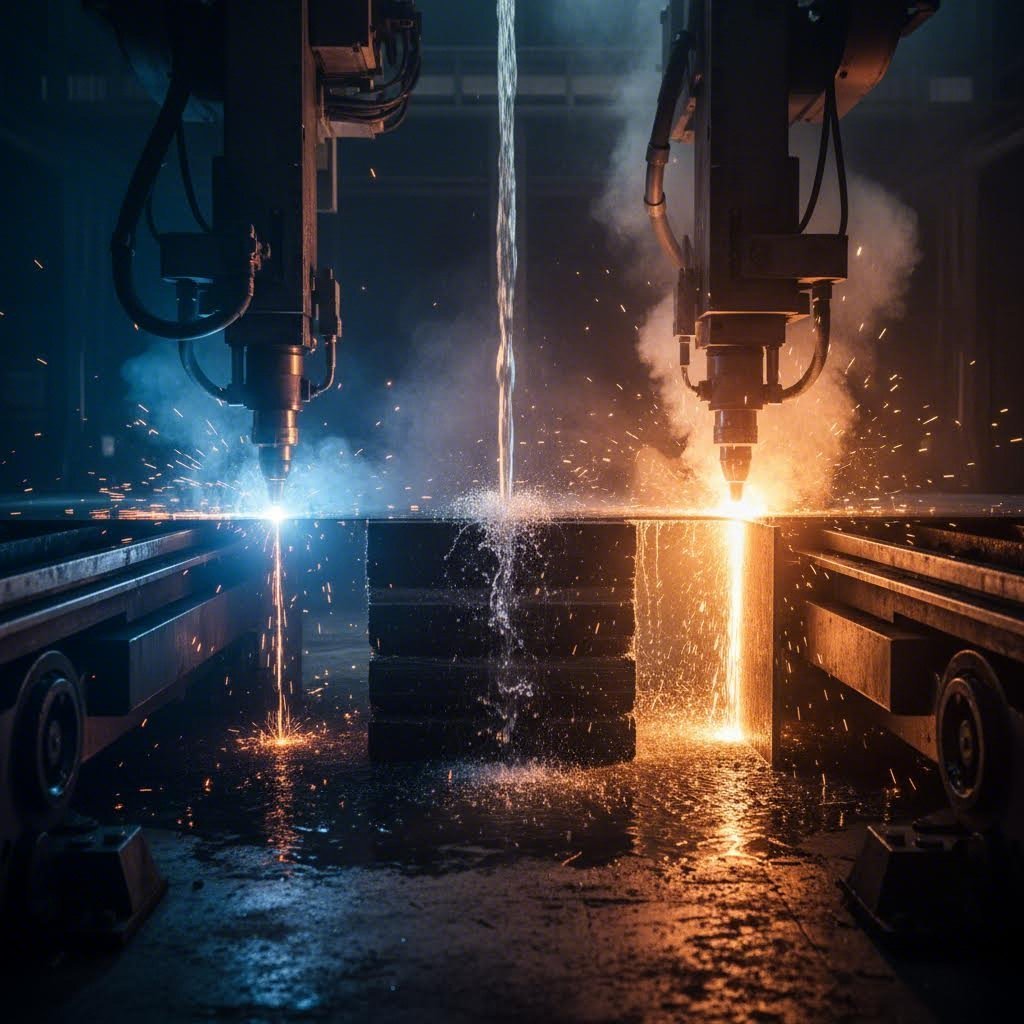
Laserleikkaus verrattuna vesileikkaukseen, plasmaan ja CNC-vaihtoehtoihin
Tässä kysymys, johon suurin osa laserleikkausyrityksistä ei vastaa suoraan: onko laserleikkaus todella paras vaihtoehto hankkeellesi? Rehellinen vastaus riippuu tarkoista vaatimuksistasi. Vaikka laserteknologia hallitsee tiettyjä sovelluksia, vaihtoehdot kuten vesileikkaus, plasmaleikkaus ja CNC-jyrsintä loistavat tilanteissa, joissa laser menestyy huonosti. Näiden kompromissien ymmärtäminen antaa sinulle mahdollisuuden tehdä fiksumpia valmistuspäätöksiä – ja joskus se tarkoittaa kokonaan eri teknologian valitsemista.
Tarkastellaan tarkasti, milloin kukin leikkuumenetelmä loistaa ja milloin pitäisi harkita vaihtoehtoja.
Milloin laserleikkaus on parempi kuin vaihtoehdot
Metallinleikkaava laserkone tarjoaa vertaansa vailla olevia etuja useissa keskeisissä tilanteissa. SendCutSendin valmistusoppaan mukaan laserleikkaus voi saavuttaa nopeuden jopa 2 500 tuumaa minuutissa – mikä tekee siitä nopeimman saatavilla olevan vaihtoehdon useimmille ohuille materiaaleille.
CNC-laserleikkaus loistaa todella, kun hankkeesi edellyttää:
- Tarkkuutta vaativat ohuet materiaalit: Levyt, joiden paksuus on alle 0,25 tuumaa, saadaan leikattua erittäin puhtaina leikkauksina vähäisten lämpövaikutusvyöhykkeiden kanssa
- Monimutkaiset suunnitelmien ja hienot yksityiskohdat: Laserkeilan kapea leikkausleveys mahdollistaa ominaisuuksia, joita ei voida saavuttaa mekaanisilla leikkausmenetelmillä
- Korkean volyymin tuotanto: Työkalujen kuluminen pois tarkoittaa tasaisesti samanlaatuisia tuloksia ensimmäisestä osasta tuhanteenteen
- Tiukat tarkkuusvaatimukset: Ammattilaislaser-CNC-järjestelmät saavuttavat tavallisesti ±0,005 tuuman tarkkuuden
- Puhtaasti viimeistellyt reuna: Monet materiaalit eivät vaadi toissijaisia viimeistelyjä laserprosessoinnin jälkeen
Paras laser ohuiden metallien, muovien ja puun leikkaamiseen on edelleen kuitu- tai CO2-laserteknologia. Kuitenkin tietyissä tilanteissa muut menetelmät toimivat paremmin kuin laserit – ja tietäminen, milloin vaihtaa menetelmää, säästää sekä rahaa että turhautumista.
Vaihtoehtoisten leikkausteknologioiden ymmärtäminen
Plasmaleikkaus: Jos etsit hakusanalla "plasmaleikkaus lähellä minua" paksun teräksen valmistukseen, olet oikealla jäljillä. Mukaan Wurth Machineryn vertailuopas , plasmaleikkaus hallitsee johtavien metallien käsittelyssä, kun paksuus on yli 0,5 tuumaa. Ionisoitu kaasukaari – joka saavuttaa lämpötilan jopa 30 000 °C – leikkaa raskasta levyä teräksestä 3–4 kertaa nopeammin kuin vesileikkuu noin puolella käyttökustannuksilla. Kompro Rommi? Suuremmat lämpövaikutuksen alueet ja tarkempi reunalaatu verrattuna laserleikkaukseen.
Vesisuihkuleikkaus: Kun lämpö ei saa koskea materiaaliisi, vesileikkaus on selvä valinta. Korkeapaineinen vesi, johon sekoitetaan abrasiviivista granaattia, leikkaa käytännössä mitä tahansa – titaanista kiveen ja komposiitteihin – ilman lämpömuodonmuutoksia. Alan arvioiden mukaan vesileikkuumarkkinat ennustetaan kasvavan yli 2,39 miljardiin dollariin vuoteen 2034 mennessä, ja kasvua ajaa etenkin ilmailualan sovellukset, joissa lämpövaikutuksen alueiden poistaminen on pakollista.
CNC-jyrsintä: Laser- ja CNC-reititys jakavat tietokoneohjatun tarkkuuden, mutta reitityksessä käytetään fysikaalisia leikkuutyökaluja sen sijaan, että käytettäisiin valoenergiaa. Tämä mekaaninen menetelmä tuottaa paremman pinnanlaadun komposiiteissa, muoveissa ja puussa, joissa laserprosessoinnissa voi esiintyä värjäytymistä tai vaarallisten höyryjen muodostumista. Toleranssi ±0,13 mm vastaa laserin kykyjä, vaikka reitityksessä tarvitaan kiinnitystappien käyttöä, jotka voivat jättää pieniä jälkiä, jotka vaativat käsikäsittelyä.
Teknologiavertailu: Oikean menetelmän valinta
| Tekijä | Laserleikkaus | Vesijet-leikkaus | Plasma-leikkaus | CNC-maalaus |
|---|---|---|---|---|
| Tarkkuustaso | ±0,005" tyypillinen | tyypillinen ±0,23 mm | ±0,020"–±0,030" | ±0,005" tyypillinen |
| Materiaalinen yhteensopivuus | Metallit, muovit, puu, akryylit; ei PVC:tä tai erittäin heijastavia metalleja (CO2) | Melkein kaikkialla käytettävissä – metallit, kivi, lasi, komposiitit, keraamiset materiaalit | Vain sähköä johtavat metallit | Muovit, komposiitit, puu, jotkin metallit |
| Reunan laatu | Erinomainen; ei usein tarvitse viimeistelyä | Hyvä; voi näyttää lievää tekstuuria hionnan aiheuttamasta karheudesta | Kohtalainen; hapettuminen ja sulamisjätteet ovat yleisiä | Erinomainen yhteensopivilla materiaaleilla |
| Leikkausnopeus | Nopein ohuille materiaaleille (jopa 2 500 IPM) | Hidas kaikkein hitain | Nopea paksuille metalleille | Kohtalainen |
| Lämpövaikutusalue | Vähäinen oikeilla parametreilla | Ei mitään – kylmä leikkausprosessi | Merkittävä; materiaalin kovettuminen mahdollista | Ei mitään—mekaaninen prosessi |
| Laitteiston hinta | Keskitaso korkeaan | Korkea (~195 000 $ tai enemmän teollisuusjärjestelmissä) | Alempi (~90 000 $ verrattavissa järjestelmiin) | Kohtalainen |
| Ihanteelliset sovellukset | Ohuet levyt, monimutkaiset suunnitelmien, suurten sarjojen valmistus, tarkkuusosat | Lämpöherkät materiaalit, kivi/lasi, ilmailuteollisuuden komponentit, paksut komposiitit | Rakenneteräs, laivanrakennus, raskas välineistö, paksujen levysten valmistus | Muovit, komposiitit, puutuotteet, materiaalit jotka vapauttavat kaasuja kuumentamisen yhteydessä |
Oikean leikkausteknologian valitseminen projektiisi
Kuulostaako monimutkaiselta? Tässä on yksinkertaistettu päätöksen teko-kehys projektisi ensisijaisten vaatimusten perusteella:
Valitse laserleikkaus, kun:
- Työskentelet levyjen parissa, joiden paksuus on alle 0,5 tuumaa
- Suunnitelmassasi on monimutkaisia kuvioita, pieniä reikiä tai hienoja yksityiskohtia
- Reunalaatu ja minimaalinen jälkikäsittely ovat tärkeitä
- Tarvitset suurten määrien johdonmukaisuutta ilman työkalujen kulumista
- Nopeus ja kustannustehokkuus ovat etusijalla ohuille materiaaleille
Valitse vesileikkuu kun:
- Lämpövaikutusten alueet ovat ehdottomasti sallimattomia (ilmailusovellukset)
- Leikkaat kiveä, lasia, keramiikkaa tai paksuja komposiitteja
- Materiaalin paksuus ylittää laserin leikkuukyvyn
- Työskentelet hiilikuitu-, G10- tai fenolihartsimateriaalien kanssa, jotka ovat alttiita kerrostumiselle
Valitse plasmaleikkaus, kun:
- Leikkaat johtavia metalleja, joiden paksuus on yli 1 tuuma
- Nopeus on tärkeämpää kuin leikkauksen tarkkuus
- Budjettirajoitteet rajoittavat teknologia- vaihtoehtoja
- Sovellukset sisältävät rakenteiden valmistuksen tai raskaslaitteet
Valitse CNC-reitinhaku kun:
- Käsitellään muoveja, jotka vapauttavat vaarallisia höyryjä laserilla käsiteltäessä (kuten PVC)
- Komposiittien pintalaadun laatu on kriittinen
- Työskennellään HDPE-, ABS- tai erikoismuovien kanssa
- Materiaalin ominaisuudet tekevät lämpöleikkaamisesta epäkäytännöllistä
Alan testien mukaan monet menestyksekäs valmistamoyritykset ottavat lopulta käyttöön useita teknologioita. Plasma- ja laserleikkaus sopivat hyvin yhdessä kattavien metallikäyttömahdollisuuksien saavuttamiseksi, kun taas vesileikkuun lisääminen tarjoaa vertaansa vailla matkia monipuolisuutta haastavissa materiaaleissa.
Ydin on siinä, että "paras" teknologia riippuu täysin projektisi erityisvaatimuksista. Kun otat yhteyttä mahdollisiin valmistajiin, kysy, mitä leikkausmenetelmiä he tarjoavat – useita teknologioita omaavat toimijat voivat suositella optimaalista tapaa sen sijaan, että pakottaisivat projektisi yhden ainoan käytettävissä olevan prosessin piiriin.
Teknologia- vaihtoehtojen ymmärtäminen selkeyttää päätöksenteon toista puolta – mutta entä kustannukset? Tarkastellaan hinnoitteluun vaikuttavia tekijöitä, jotka todella määrittävät projektibudjettisi.
Hinnoittelutekijät ja projektitason kustannusseikat
Oletko koskaan saanut laserleikkauslaskua, joka on jättänyt sinut arvaamaan? Et ole yksin. Useimmat valmistajat pitävät hinnoittelurakenteensa ärsyttävän epäselvänä – jättäen asiakkaat arvaamaan, miksi samannäköisillä projekteilla on niin erilaiset hinnat. Tässä se mitä kukaan ei kerro etukäteen: projektisi hinta riippuu paljon vähemmän materiaalin pinta-alasta kuin koneajasta. Kaksi osaa, jotka on leikattu täysin samankokoisista levyistä, voivat olla laserleikkauksessa huomattavasti eri hintaisia pelkästään suunnittelun monimutkaisuuden vuoksi.
Todellisten kustannustekijöiden ymmärtäminen antaa sinulle hallinnan. Avataan verhot siitä, miten ammattivalmistajat todella laskevat tarjouksesi – ja miten voit käyttää tätä tietoa viisaamman budjetoinnin tueksi.
Keskeiset tekijät, jotka vaikuttavat laserleikkauskustannuksiin
Mukaan lukien Fortune Laserin hinnoitteluperusteet , lähes jokainen toimittaja käyttää peruskaavaa: Lopullinen hinta = (Materiaalikustannukset + Muuttuvat kustannukset + Kiinteät kustannukset) × (1 + Voittomarginaali) . Jokaisen komponentin analysointi paljastaa, mihin rahasi todella menee.
Tässä ovat ensisijaiset kustannustekijät, jotka on lueteltu vaikutuksensa mukaan lopulliseen tarjoukseesi:
- Koneajan muuttuvat kustannukset: Tämä on suurin yksittäinen tekijä. Teollisuuden laserleikkauskoneiden tuntihinta vaihtelee yleensä 60–120 dollaria, kerrottuna leikkausaikana. Monimutkaiset suunnitelmien hitaammat nopeudet lisäävät tätä komponenttia merkittävästi.
- Materiaalin paksuus: Kaksinkertaistamalla materiaalin paksuutesi voit tuplata leikkausajan ja -kustannukset. Paksujen materiaalien kanssa laserin on liikuttava huomattavasti hitaammin saadakseen puhtaat leikkaukset – mikä tekee tästä tehokkaimman keinon kustannusten alentamiseksi.
- Materiaalin tyyppi: Perusmateriaalikustannusten lisäksi eri metallit käyttäytyvät eri tavoin laserprosessoinnissa. Teräksen leikkaaminen on yleensä halvempaa kuin ruostumattoman teräksen tai alumiinin, koska apukaasujen tarve on pienempi. Erikoismetallien, kuten titaanin, räätälöity leikkaus hinnoitellaan korkeammalla tasolla.
- Suunnittelun monimutkaisuus: Tarkat kaaret, terävät kulmat ja monimutkaiset kuviot pakottavat koneen hidastumaan toistuvasti. Suunnittelu, jossa on 100 pientä reikää, voi maksaa enemmän kuin suurella leikkauksella varustettu malli kumuloituneen porausajan vuoksi.
- Puhalluskertojen määrä: Aina kun laser aloittaa uuden leikkauksen, sen on ensin lävistettävä materiaalin pinta. Korkea lävistysmäärä – yleinen ilmiö esimerkiksi reikäkuvioissa tai monireikäsuunnitelmissa – lisää huomattavaa aikaa jokaiseen työhön.
- Asetusmaksut ja minimiarvot: Useimmat palvelut veloittavat asetusmaksuja tai vaativat vähimmäistilauksia, jotta ne voivat katsoa materiaalin lataamisen, koneen kalibroinnin ja tiedostojen valmistelun kustannukset. Nämä kiinteät kustannukset jaetaan tilausmäärän kesken.
- Toissijaiset toiminnot: Taivutus, kierteitys, kiinnikkeiden asennus, pulverimaalaus tai muu viimeistely lisää erillisiä kustannuksia perusleikkauskustannusten lisäksi.
Miten budjetoida leikkaustyösi
Mittakaavaetujen ymmärtäminen muuttaa perustavanlaatuisesti tilaamistapaa. Teollisuuden aineiston mukaan suuritilauksille myönnettävät alennukset voivat olla jopa 70 % verrattuna yksittäisen osan hintaan. Miksi? Kiinteät aloitus- ja asetuskustannukset jaetaan useamman osan kesken, ja tehokas materiaalin sijoittelu vähentää hukkaa.
Kun pyydät ja vertailet tarjouksia verkkopohjaisista laserleikkauspalveluista, ota huomioon nämä strategiat:
- Käytä mahdollisimman ohutta materiaalia: Jos rakenteelliset vaatimukset sallivat, paksuuden vähentäminen tuo merkittävimmät kustannussäästöt. Tarkista aina minimipaksuusvaatimukset ennen kuin valitset raskaampaa materiaalia.
- Yksinkertaista toiminnallisuuden salliessa: Vähennä monimutkaisia kaaria, yhdistä pienet reiät suuremmiksi loviksi ja poista puhtaasti koristeellisia piirteitä, jotka lisäävät leikkausaikaa ilman toiminnallista arvoa.
- Siisti suunnittelutiedostosi: Kaksoisviivat, piilotetut objektit ja avoimet ääriviivat aiheuttavat manuaalisen korjauksen – usein lisämaksulla. Automaattiset tarjousjärjestelmät yrittävät leikata jokaisen viivan, mikä tarkoittaa, että kaksoisviivoilla on kirjaimellisesti kaksinkertainen kustannus kyseiselle ominaisuudelle.
- Konsolidoi tilaukset: Useiden projektien ryhmittely tai suurempien määrien tilaaminen vähentää merkittävästi kappalekohtaisia kustannuksia. Jos ajoitus sallii, odota yhdistääksesi tarpeet sen sijaan, että teet usein pieniä tilauksia.
- Kysy varastossa olevista materiaaleista: Materiaalien valitseminen, joita toimittajasi jo käyttää, poistaa erikoistilausemakset ja voi lyhentää toimitusaikoja huomattavasti.
Käsitys toimitusaikojen odotuksista
Projektien aikataulut vaikuttavat sekä ajoitukseen että joskus hinnoitteluun. Mukaan alanyritysanalyysi , toimitusaika riippuu useista tekijöistä leikkuunopeuden lisäksi: tiedostojen valmistelun laatu, materiaalien saatavuus, työpajan aikataulutus ja jälkikäsittelytoiminnot vaikuttavat kaikki toimituspäivämääriin.
Tyypilliset toimitusajan odotukset projektityypin mukaan:
- Nopea prototyyppi: 3–7 arkipäivää yksinkertaisille osille standardimateriaaleilla. Kiireellispalveluissa saattaa olla saatavilla 24–48 tunnin vaihtoehtoja korkeammalla hinnalla.
- Tavalliset tuotantosarjat: 1–3 viikkoa määrästä, monimutkaisuudesta ja viimeistelyvaatimuksista riippuen.
- Suuret volyymitilaukset: 3–6 viikkoa suurten tuotantomäärien kanssa, kun laaduntarkastusprosessit otetaan huomioon.
- Hankkeet, jotka edellyttävät erikoismateriaaleja: Lisää 1–2 viikkoa materiaalin hankintaan, jos määrittämääsi seostyyppiä tai paksuutta ei ole varastossa.
Hyvin valmistellut CAD-tiedostot, jotka on räätälöity leikkausvaatimuksia varten, antavat sinulle hyvän lähtöaseman – siistit, valmistukseen valmiit suunnitelmat siirtyvät näytöltä levylle ilman viivästyksiä, joita voivat aiheuttaa muunnokset tiedostomuodoissa tai suunnittelukorjaukset.
Vertaillessasi leikkauspalvelujen hintoja tai tarjouksia muiden toimittajien kanssa, varmista että vertailet vastaavia toimitusaikoja. Edullinen leikattujen levyjen tarjous, jossa toimitusaika on 4 viikkoa, ei välttämättä säästä rahaa nopeampaan palveluun verrattuna, jos hankkeen aikataulu on tärkeä.
Yhteenveto? Selkeät hinnat perustuvat siihen, miten ymmärrät suunnitteluratkaisujesi vaikutuksen koneaikaan. Tämän tiedon avulla voit optimoida suunnitelmiasi ennen tarjouspyyntöä ja käydä merkityksellisiä keskusteluja valmistajien kanssa kustannus-hyöty-suhteista.
Mutta vaikka budjetoitu projekti olisi täydellinen, se voi jäädä paikoilleen jo lähtöviivalla, jos suunnittelutiedostot eivät ole oikein valmisteltu. Tarkastellaan tarkasti, mitä valmistajat tarvitsevat lähettämistänne tiedostoista – ja yleisimmät virheet, jotka viivästyttävät projekteja ennen kuin leikkaus on edes alkanut.
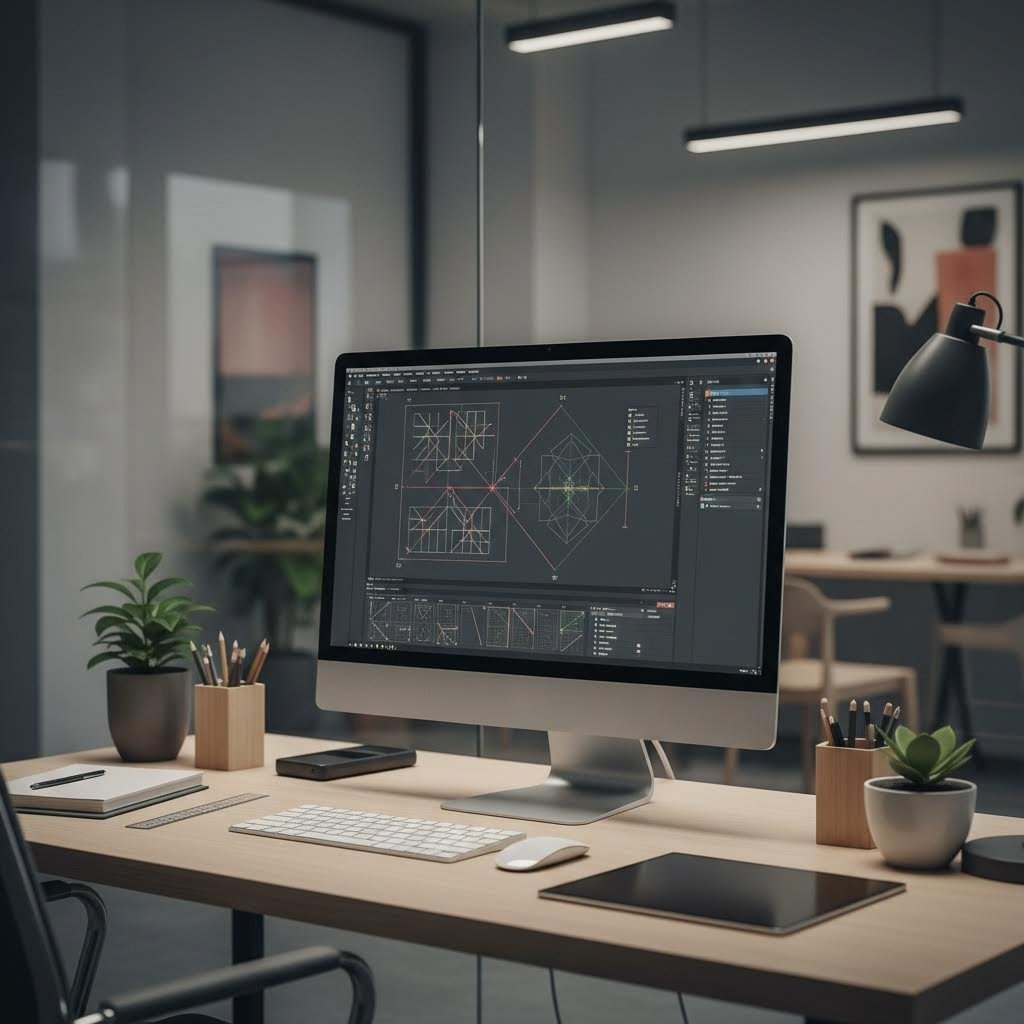
Suunnitustiedostojen valmistelu laserleikkausta varten
Olet valinnut materiaalisi, vertaillut teknologioita ja budjetoineet projektisi – mutta tässä kohdassa monet ensikertalaiset ostajat törmäävät ongelmiin: tiedostojen valmistelu. Vaikka lähettämäsi suunnitelma näyttää täydelliseltä näytöllä, se ei takaa, että se leikkautuu oikein. Metallin laserleikkuukone tulkitsee tiedostosi hyvin eri tavalla kuin suunnitteluohejelmasi näyttää sen. Tämän käännösprosessin ymmärtäminen poistaa turhauttavat korjaukset edestakaisin ja saa laserleikatut osasi tuotantoon nopeammin.
Hyvät uutiset? Kun ymmärrät, mitä valmistajat todella tarvitsevat, lähetysvalmiiden tiedostojen valmistelu muuttuu suoraviivaiseksi. Käydään läpi olennaiset vaatimukset, jotka erottavat onnistuneet ensimmäisellä kerralla toteutetut hankkeet niistä, jotka jäävät tarkistuskierteeseen.
Tiedostomuodot ja suunnittelun ohjelmistoyhteensopivuus
Kaikki tiedostomuodot eivät puhu samalla kielellä kuin levyjen laserleikkuukone. Quote Cut Shippiin suunnitteluoppaasta ilmenee, että laserleikkurit eivät tulkitse JPEG- tai PNG-tiedostoja samalla tavalla kuin suunnittelun ohjelmasi. Nämä rasterikuvamuodot näyttävät pikselit näytöllä – mutta lasersäteen täytyy seurata tarkkoja reittejä.
Siisteihin ja tarkkoihin leikkauksiin tarvitset vektoripohjaisia muotoja, jotka määrittelevät tarkan matemaattiset polut:
- DXF (Drawing Exchange Format): Yleismaailmallinen standardi räätälöityyn laserleikkaukseen. Melkein kaikki valmistajat hyväksyvät DXF-tiedostot, ja useimmat suunnitteluohjelmat tuottavat niitä natiivisti. AutoCAD-käyttäjille tämä on luonnollinen valinta.
- DWG (AutoCAD-piirustus): AutoCADin natiivi formaatti toimii hyvin monimutkaisiin teknisiin piirustuksiin, joissa on useita tasoja ja yksityiskohtaista mitoitusta.
- AI (Adobe Illustrator): Suosittu muotoilijoille, jotka työskentelevät dekoratiivisten tai taiteellisten projektien parissa. Erinomainen monimutkaisille kuvioille ja räätälöidyille laserleikattaville puusovelluksille.
- SVG (Scalable Vector Graphics): Avoimen lähdekoodin vaihtoehto, joka kasvattaa suosiotaan verkkoyhteensopivuutensa ja selkeän tiedostorakenteensa ansiosta.
- EPS (Encapsulated PostScript): Toinen vektorimuoto, jota useimmat palvelut tukevat, vaikka se olekin yhtä yleinen kuin DXF- tai AI-muodot.
Mukaan lukien xToolin suunnitteluopas , suosittuja ohjelmia näiden tiedostojen luomiseen ovat Adobe Illustrator ja CorelDraw skaalautuvia vektorigrafiikkoja varten, kun taas AutoCAD hallitsee teknisiä piirustusmuotoja. Yksinkertaisemmissa suunnitelmissa jotkin laserleikkuuohjelmistot mahdollistavat perusgrafiikan luomisen suoraan ohjausliittymän kautta.
Kun työskentelet laserleikkaavan CNC-koneen kanssa, muista että tiedostosi määrittää kaikki liikkeet. Viivat kertovat laserille, minne leikata, kun taas täytetyt alueet osoittavat alueet, joissa tehdään kaiverrusta. Tämän eron ymmärtäminen estää kalliit yllätykset.
Valmistuksen onnistumisen kriittiset suunnittelun vaatimukset
Tiedostomuodon lisäksi useat tekniset määritelmät määräävät, leikataanko suunniteltu osa onnistuneesti vai tarvitseeko sitä tarkistaa.
Leikkaustarkistus: Tässä jotain, mitä monet suunnittelijat sivuuttavat – laserkeila itsessään on leveydeltään tietyn kokoinen. xToolin mukaan termi 'kerf' viittaa materiaaliin, joka poistuu laserleikkauksen aikana. Tarkkojen liitosten, kuten toisiinsa lukkiutuvien liitosten, osalta tehtäessä räätälöityjä laserileikattuja puuosia, sinun on säädettävä mittoja huomioimaan tämä materiaalin menetys. Useimmat ammattipalvelut hoitavat kerfin kompensoinnin automaattisesti, mutta varmista aina, edustavatko mitat nimelliskokoja vai sisältävätkö ne jo korjauksen.
Pienimmät ominaisuudet: Jokaisella materiaalilla on rajat siitä, kuinka pieniä reikiä, lovia ja yksityiskohtia voidaan luotettavasti leikata. Yritettäessä toteuttaa pienempiä kohteita kuin materiaalin paksuus, tyypillisesti epäonnistutaan – ohuet ulokkeet muuttuvat haurastumaan ja pienet reiät eivät ehkä läpäise puhdisti. Yleinen sääntö: vähimmäiskoon tulisi olla yhtä suuri tai suurempi kuin käytetty materiaalin paksuus.
Viivojen välimatka: Quote Cut Shinin mukaan, kun suunnittelulinjat sijoitetaan liian lähelle toisiaan, laser voi polttaa yli tai leikata vahingossa alueille, jotka pitäisi säilyttää koskemattomina. Pidä vähintään 0,010 tuuman välimatka kriittisten reittien välillä rakenteen eheyden ylläpitämiseksi ja heikentyneiden reunojen välttämiseksi.
Oikea mitoitus: Sisällytä kokonaismitat, kriittiset toleranssit ja kaikki erikoishuomiot suoraan tiedostoon tai liittyvään dokumentaatioon. Älä oleta, että valmistajat mittaa vektorireiteistäsi – eksplisiittiset mitat estävät väärinymmärrykset.
Yleisten suunnitteluvirheiden välttäminen, jotka viivästyttävät projekteja
Vaikka kokeneet suunnittelijat tekevät virheitä, jotka hidastavat tuotantoa. Tässä on numeroitu tarkistuslista useimmista ongelmista, joihin valmistajat usein törmäävät:
- Muunna kaikki teksti äänimerkeiksi tai käyriksi. Alan asiantuntijoiden mukaan, jos teksti jätetään fonttimuotoon, laser voi korvata tekstin tai menettää sen kokonaan, mikäli tuota fonttia ei ole saatavilla tuotantojärjestelmässä. Muuntaminen äänimerkeiksi lukitsee typografian vektorimuodoiksi.
- Sulje ja yhdistä kaikki polut. Avoinna olevat tai yhdistämättömät polut voivat hämmentää laserin ohjaimen, mikä saattaa johtaa epätäydellisiin leikkauksiin tai epäsäännölliseen gravointiin. Käytä suunnittelun ohjelman polkujen siistimis- ja yhdistämistoimintoja ennen vientiä.
- Poista päällekkäiset viivat. Kaksoisviivat näyttävät näytöllä samoilta, mutta aiheuttavat sen, että laser leikkaa saman polun kahdesti – heikentäen reunoja ja mahdollisesti läpilyöntiä materiaalissa. Automaattiset hinnoittelujärjestelmät veloittavat molemmista kulkuista.
- Poista piilotetut tai satunnaiset objektit. Alustasi ulkopuolella olevat elementit, lukitut tasot tai piilotetut objektit voivat silti viedä ja yrittää leikata. Tarkista koko tiedosto ennen lähettämistä.
- Käytä johdonmukaisia mittayksiköitä. Tuumien ja millimetrien sekoittaminen samassa tiedostossa aiheuttaa skaalausongelmia. Käytä yhtä mittajärjestelmää koko suunnittelun ajan.
- Määrittele viivojen ominaisuudet oikein. XToolin mukaan viivaleveydet välittävät merkitystä laserjärjestelmille – 0,2 pisteen leveys saattaa tarkoittaa leikkausta, kun taas 1 piste tarkoittaa kaiverrusta. Tarkista toimittajasi vaatimukset viivavahvuusstandardeista.
- Ota huomioon materiaalin paksuus kokoonpanoissa. Mukaan lukien Tarjous Leikkaa Toimita , jos materiaalin syvyyttä ei oteta huomioon suunniteltaessa lukkiutuvia osia, tuloksena on osia, jotka eivät sovi yhteen. Tarkista aina materiaalimäärittelyt ja ota ne huomioon suunnittelussa.
- Tarkista tiedoston skaala ennen vientiä. 6 tuumaa tarkoitettu suunnitelma, joka viedään 6 millimetrinä, vie kaikkien aikaa hukkaan. Varmista aina, että lopulliset mitat vastaavat suunniteltua.
Erityisvaatimusten selvä viestintä
Suunnittelutiedostosi kertoo osan tarinasta – mutta erityisvaatimuksia täytyy dokumentoida nimenomaisesti. Kun projektisi edellyttää tiettyä reunan viimeistelyä, tavanomaista tiukempia toleransseja tai tiettyjä pintasuuntia, ilmoita nämä tarpeet selvästi:
- Toleranssimerkinnät: Jos standardi ±0,005" ei ole riittävä, määritä tarkalleen, mitkä mitat vaativat tiukempaa toleranssia ja mikä toleranssi tarvitaan.
- Reunakäsittelyn vaatimukset: Huomaa, vaativatko näkyvät reunat kiilaamista, tiettyä pintakarkeutta tai suunnan mukaista asennetta materiaalin jyvän suhteen.
- Kriittiset mitat: Korosta, mitkä mitat ovat toiminnallisia (täytyy olla tarkkoja) verrattuna viitemittoihin (voivat sietää laajempaa vaihtelua).
- Materiaalin suunta: Suunnan mukaista jyvää tai pintaa olevilla materiaaleilla ilmoita, kuinka suunnitelmassasi tulee olla linjassa materiaalin ominaisuuksien kanssa.
- Määrä- ja erävaatimukset: Ilmoita, täytyykö kaikkien osien tulla samalta levyltä vai onko erien sekoittaminen sallittua.
Useimmat ammattivalmistajat arvostavat erillistä huomautustiedostoa tai selvästi merkittyjä piirustuksia, jotka toimitetaan vektoritiedostojen mukana. Tällainen dokumentaatio estää oletukset ja varmistaa, että leikatut laserilla olevat osat saapuvat täsmälleen niin kuin on suunniteltu.
Kun oikein valmistellut tiedostot ovat käsissä, olet valmis arvioimaan mahdollisia valmistuskumppaneita. Mutta miten erottaa laadukkuuteen keskittyvät toimittajat niistä, jotka tarjoavat tavallista palvelua? Tarkastellaan tärkeimpiä valintakriteerejä.
Laserleikkausyritysten arviointi ja valinta
Olet valmistanut täydelliset suunnittelutiedostot ja ymmärrät teknologian – mutta tässä vaiheessa monet hankkeet silti epäonnistuvat: väärän valmistuskumppanin valitseminen. Kaikki laserleikkausyritykset eivät toimita yhtä hyviä tuloksia, ja alin tarjous usein peittää laatuongelmia, jotka tulevat esiin vasta osien saapuessa. Mukaillen Dr. Shahrukh Irania Lean and Flexible, LLC:stä , liiketoiminnat usein kohtelevat työpajoja vaihtoehtoisina, lähettäen laajalti pyyntöjä tarjouksille ja valitsemalla ainoastaan hinnan tai nopeuden perusteella – mikä johtaa viivästyksiin ja korjauksiin heikon laadun vuoksi.
Fruktroiva kokemus ja onnistunut yhteistyö eroavat toisistaan systemaattisen arvioinnin kautta. Kun etsit laserleikkauspalvelua läheltäni tai tarkkoja laserleikkauspalveluja, tietämys siitä, mitä kysymyksiä tulisi esittää, erottaa pätevät toimijat niistä, jotka todennäköisesti pettävät. Rakennetaan kehys tämän ratkaisevan päätöksen tekemiseen luottavaisin mielin.
Välttämättömät sertifikaatit ja laatuvaatimukset, jotka on varmistettava
Sertifikaatit eivät ole pelkkiä seinäkoristeita – ne edustavat vahvistettuja sitoumuksia laatujärjestelmiin ja -prosesseihin. A-Laserin sertifikaattiohjeen mukaan ISO-sertifiointi tarkoittaa, että valmistajat toimivat vuosittain paikan päällä suoritettavien tarkastusten kautta vahvistettujen standardien mukaisesti, mikä tuo etuja, kuten lisääntynyttä asiakastyytyväisyyttä, parantunutta laatua ja tehokkuutta, alentuneita kustannuksia sekä täydellistä jäljitettävyyttä.
Arvioitaessa metallin laserleikkauspalvelua, priorisoi näitä pätevyyksiä alan perusteella:
- ISO 9001: Teollisuuden laajasti käytetty peruslaatustandardi. Tämä sertifikaatti vahvistaa dokumentoidut prosessit, laadunvalvontamenettelyt ja jatkuvan kehitystyön.
- ISO 9013: Erityisesti lämpöleikkausprosesseihin, mukaan lukien laserleikkaus. Alan standardien mukaan tämä luokitus kattaa materiaalit, joiden paksuus on 0,5–40 mm, ja siinä annetaan ohjeet leikattujen ominaisuuksien muodosta, suunnasta, sijainnista ja poikkeamisesta.
- IATF 16949: Välttämätön autoteollisuuden toimitusketjussa. Tämä sertifikaatti osoittaa tiukat laatuohjelmat, joita ajoneuvovalmistajat edellyttävät kaikilta toimittajatasoiltakin.
- AS9100: Ilmailualan vastine, joka vahvistaa laatuohjelmat lentoturvallisuuteen kriittisissä sovelluksissa, joissa epäonnistuminen ei ole vaihtoehto.
- ISO 13485: Vaaditaan lääketietelaitteiden valmistuksessa, ja se varmistaa, että prosessit täyttävät FDA:n vaatimukset ja potilasturvallisuusstandardit.
Miksi sertifikaatit ovat tärkeitä projektillesi? Lähteestä A-Laser , valtuutukseen sijoittavat valmistajat hyötyvät koulutetusta henkilökunnasta, joka noudattaa standardeja, joita yhä useammat toimialat vaativat liiketoiminnan edellytyksenä. Teille tämä tarkoittaa lisääntynyttä luotettavuutta, asianmukaista dokumentointia ja varmuutta siitä, että osien suorituskyky on suunniteltuun tapaan.
Tuotantokapasiteetin ja läpivientikyvyn arviointi
Oikean kaluston omaavan laserleikkaajan löytäminen läheltäni on vain ensimmäinen askel – pystyykö he todella hoitamaan projektinne aikataulun ja määrän? Tuotantokapasiteetin epäjohdonmukaisuudet aiheuttavat enemmän viivytyksiä kuin laitekelpoisuuden rajoitukset. Pienosaprojekteihin sopiva työpaja saattaa kamppailla tuotantomäärien kanssa, kun taas suurten sarjojen asiantuntijat saattavat aliarvioida pienimuotoisen tilauksenne.
All Metals Fabricatingin arviointikehyksen mukaan työpajan kokonaisvaltainen ymmärtäminen antaa parhaan kuvan sen perustavasta luotettavuudesta. Harkitse potentiaalisten kumppaneiden arviointia seuraavissa keskeisissä kategorioissa:
- Laitteistokapasiteetit: Mitä laserlajia he käyttävät (kuitu, CO2 vai molemmat)? Mikä on suurin leveys ja paksuus, jota he voivat prosessoida? Onko heillä varalaitteita yhden kohdan epäonnistumisen estämiseksi?
- Materiaali-asiantuntijuus: Varastoitavatko he tarvitsemasi materiaalit, vai lisäävätkö erikoistilaukset toimitusaikaa? Kuinka paljon kokemusta heillä on tietyn seostasi tai materiaalilaadustasi?
- Tilavuuden joustavuus: Voivatko he skaalata prototyyppimääristä tuotantosarjoihin? Miten hinnoittelujärjestelmänsä muuttuu määrän myötä?
- Toissijaiset toiminnot: Tarjoavatko he sisäistä taivutusta, hitsausta, viimeistelyä tai kiinnikkeiden asennusta? Toimintojen pitäminen saman katon alla vähentää käsittelyä, toimituksia ja koordinaation monimutkaisuutta.
- Maantieteelliset näkökohdat: Kun etsit läheltä olevia laserleikkauspalveluja tai metallin laserleikkausta lähelläsi, sijainti on tärkeää toimituskustannusten, viestinnän helpon ja mahdollisten tilakäyntien kannalta.
DFM-tuen kriittinen rooli
Tässä on jotain, mikä erottaa poikkeukselliset valmistuskumppanit tilausten vastaanottajista: valmistettavuuden suunnittelu (DFM) -palautteet. Lähellä oleva laserleikkauspalvelu, joka yksinkertaisesti leikkaa tarkalleen sen, mitä lähetät, saattaa vaikuttaa tehokkaalta – mutta jättää huomioimatta mahdollisuudet parantaa suunnittelua, vähentää kustannuksia tai estää valmistusongelmat ennen kuin ne syntyvät.
Laadukkuuteen keskittyvät tarkkuuslaserleikkauspalvelut tarkistavat suunnittelusi ennen tuotantoa ja antavat käytännön suosituksia:
- Toleranssien optimointi: Onko määrittämäsi toleranssit tiukempia kuin tarpeen? Ei-kriittisten mittojen löysääminen voi vähentää kustannuksia ilman toiminnallisuuden heikkenemistä.
- Ominaisuuksien parannukset: Voivatko reiät olla hieman eri kohdassa parantaakseen levynkäytön tehokkuutta? Parantaisiko nurkkakaarien säätäminen leikkauslaatua?
- Materiaaliesitykset: Onko olemassa kustannustehokkaampaa seosta, joka täyttää vaatimuksesi? Parantaisiko eri paksuus jäykkyys ilman painon lisääntymistä?
- Prosessisuositukset: Pitäisikö tiettyjä ominaisuuksia leikata laserilla vai punchata? Parantaisivatko vaihtoehtoiset apukaasut leikkauksen reunojen laatua sovelluksessanne?
Tohtori Iranin konsulttikokemuksen mukaan sitoutunut johtaminen korreloi aina valmistajan suorituskyvyn kanssa. Ne toimittajat, jotka tarjoavat ennakoivaa DFM-tukea, osoittavat juuri tällaista sitoutumista – he panostavat projektinne onnistumiseen, eivätkä pelkästään tilausten käsittelyyn.
Laadunvalvonta ja toleranssien tarkistusprosessit
A-Laserin laatuoppaan mukaan tiukkojen toleranssien noudattamisella saavutetaan tarkkuusosien toiminnallisuuden parantuminen, muodon ja asennuksen toistettavuus, liitettävien osien luotettavuus sekä vianmäärän väheneminen. Mutta miten voit varmistaa, että toimittaja todella tarjoaa nämä edut?
Kysy tarkastusprotokollista ja dokumentointikäytännöistä:
- Ensimmäisen artiklan tarkastus (FAI): Tarkistavatko he alussa valmistetut osat vastaavatko ne määriteltyjä vaatimuksianne ennen kuin käynnistävät täyden tuotannon? Tämä havaitsee ongelmat aikaisessa vaiheessa, kun korjaukset ovat edullisimpia.
- Valmistuksen seuranta: Mitä tarkastuksia suoritetaan tuotantokatojen aikana? Miten he havaitsevat ja korjaavat poikkeamat tai vaihtelut?
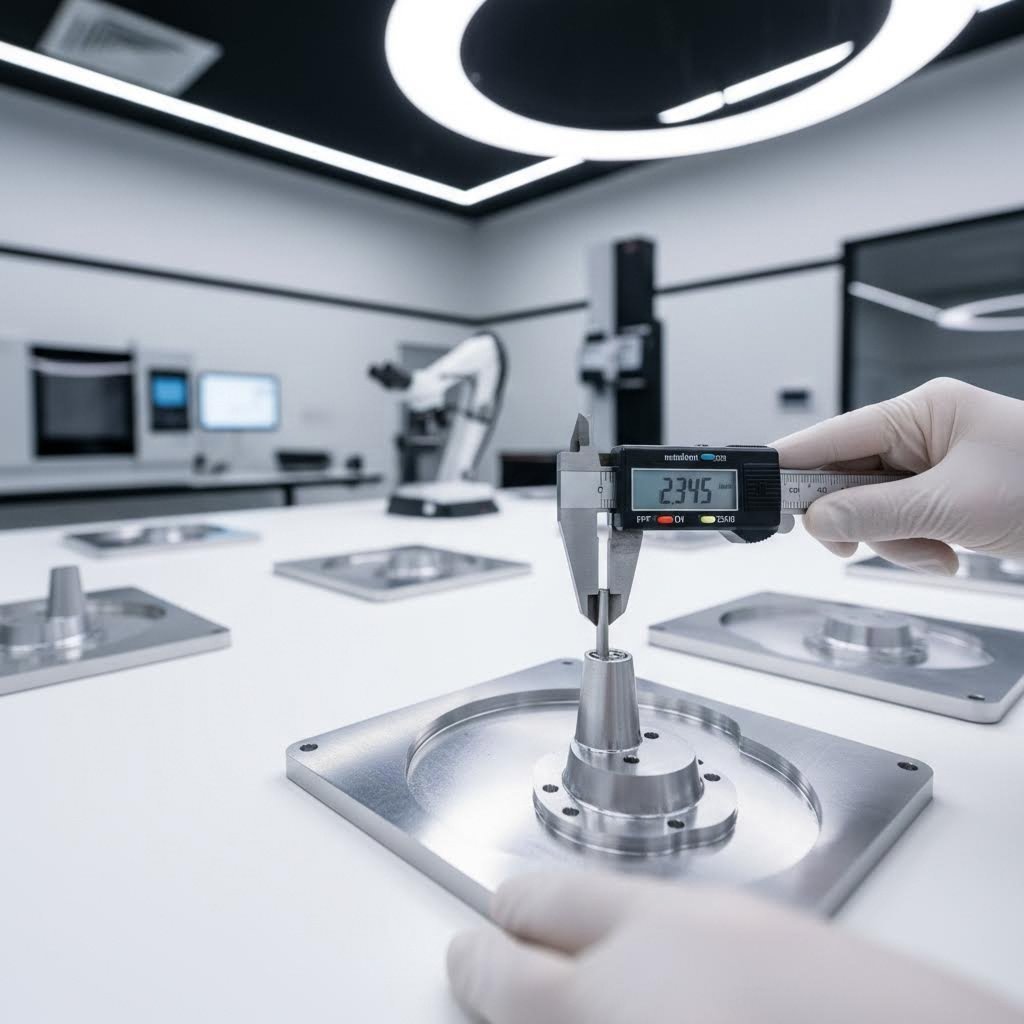
- Lopputarkastus: Minkä osuuden osista tehdään mitallinen tarkastus? Mitä mittauslaitteita he käyttävät (CMM, optiset vertailulaitteet, työkalut)?
- Dokumentointi ja jäljitettävyys: Voivatko he toimittaa tarkastusraportteja, materiaalitodistuksia ja erätason jäljitettävyyttä? Säänneltyihin toimialoihin tämä dokumentaatio saattaa olla pakollista.
- Virheellisten osien käsittely: Mitä tapahtuu, jos osat eivät täytä määrityksiä? Onko heillä dokumentoituja korjaustoimenpideprosesseja?
Kysymykset, joita tulisi esittää ennen kumppanin valintaa
Ennen kuin sitoudut mihinkään toimittajaan, käytä tätä kattavaa tarkistuslistaa arvioidaksesi sopivuuden:
- Mitä laserlaitteita käytätte, ja mitkä ovat niiden ominaisuudet ja rajoitteet?
- Mitkä laatutodistukset teillä on voimassa, ja milloin viimeisin tarkastus tehtiin?
- Mikä on tyypillinen käsittelyaikanne minun kaltaisilleni projekteille?
- Tarjoaatteko DFM-palautetta ennen tuotannon aloittamista?
- Mitä materiaaleja pidätte varastossanne verrattuna erikoistilauksiin?
- Kuinka suoritatte toleranssien tarkistuksen ja laaduntarkkailun?
- Voitteko toimittaa viittauksia asiakkaista, jotka toimivat samalla alalla kuin minä?
- Mikä on viestintäprosessinne projektipäivityksille ja ongelmien ratkaisemiseen?
- Kuinka käsittelette kiireellisiä muutoksia tai nopeutettuja tilauksia?
- Mitä toissijaisia prosesseja voitte tehdä sisäisesti?
Alan parhaiden käytäntöjen mukaan työpajojen arviointi selkeän kriteeristön perusteella ja niiden vertaaminen keskenään parantaa mahdollisuuksianne löytää oikea kumppani, joka toimittaa korkealaatuisia tuloksia. Kaikki tekijät eivät sovellu yhtä hyvin kaikkiin projekteihin – räätälöikää lista omiin tarpeisiinne ja prioriteetteihinne.
Myös "pehmeät" tekijät ovat tärkeitä. Viestinnän nopeus, valmius keskustella avoimesti haasteista sekä yleinen ammattitaitoisuus tarjousprosessin aikana ennustavat usein sitä työskentelysuhdetta, jota kohtaatte tuotannon aikana. Luottakaa instinkteihin, jos vuorovaikutukset tuntuvat hankeilta jo ennen kuin olette edes tehneet tilausta.
Kun valintakriteerit ovat selkeät ja kumppani on valittu, mitä itse asiassa tapahtuu, kun lähetät tarjouspyynnön? Projektin elinkaaren ymmärtäminen auttaa sinua ennakoimaan jokaisen vaiheen ja varmistamaan sujuvan toteutuksen lähetystä toimitukseen asti.
Projektin elinkaari tarjouksesta toimitukseen
Olet valinnut valmistuskumppanisi ja lähettänyt tiedostosi – mutta mitä sitten? Useimmat laserleikkausyritykset pitävät tämän prosessin ärsyttävän epäselvänä, jolloin asiakkaat miettivät, eteneekö heidän projektinsa vai seisooko se jonossa. Tarjouksesta toimitukseen ulottuvan työnkulun ymmärtäminen muuttaa sinut passiivisesta tilaajasta tietoiseksi osallistujaksi, joka pystyy ennakoimaan haasteita ja varmistamaan sujuvan toteutuksen.
A-Laserin prosessidokumentoinnin mukaan jokainen projekti tarjoaa ainutlaatuisen näkymän teknisiin edistysaskeleihin, ja korkealaatuiseen tyytyväisyyteen johtava tiimityö on olennainen osa menestystä. Laserin valmistusprosessi saattaa vaikuttaa yksinkertaiselta paperilla, mutta jokainen vaihe on tärkeä – alkavasta hetkestä, jolloin lähetät kyselyn, aina valmistettujen osien lähetykseen asti.
Tarjouspyynnöstä valmiiden osien toimitukseen
Ammattimaiset metallin laserleikkauspalvelut noudattavat rakennettua työnkulkua, joka takaa laadun jokaisessa vaiheessa. Näin tapahtuu, kun klikkaat 'lähetä' -painiketta tarjouspyynnössä:
- Tarjouksen tarkastus ja arviointi: A-Laserin mukaan kaikki uudet tarjouspyynnöt käsitellään CAD- ja konetekniikan henkilökunnan toimesta, jotka tarkastelevat huolellisesti geometriaa ja sitä, miten se leikataan, puhdistetaan, tarkastetaan, pakataan ja toimitetaan. He merkitsevät mahdolliset huolenaiheet, jotta tiimi voi käsitellä ne ennen etenemistä. Laadukkuuteen keskittyvät kumppanit, kuten Shaoyi (Ningbo) Metal Technology esittelee parhaat käytännöt täällä 12 tunnin tarjouskäännösajoilla – asettaen odotukset nopealle palvelulle jo ensimmäisestä päivästä alkaen.
- DFM-palautteen ja suunnittelun optimointi: Ennen tuotannon aloittamista kokeneet toimittajat tarkistavat suunnittelusi valmistettavuuden kannalta. Tämä vaihe havaitsee mahdolliset ongelmat — ominaisuudet, jotka ovat liian pieniä leikattavaksi siististi, liian tiukat toleranssit tai geometria, joka voitaisiin optimoida kustannussäästöjen vuoksi. Kattava DFM-tuki, kuten alan johtavien valmistajien tarjoama, voi tunnistaa parannuksia, jotka vähentävät kustannuksiasi säilyttäen samalla toiminnallisuuden.
- Materiaalien hankinta ja varmistus: Mukaan lukien Prime Fabricationin laatukäsikirja , materiaalitarkastusvaiheessa huomioidaan mahdolliset virheet, mitan tarkkuus ja materiaalin koostumus – mukaan lukien korroosion, halkeamien ja epäjohdonmukaisuuksien tunnistaminen. Ammattimaiset CNC-laserleikkauspalvelut ylläpitävät laajoja varastoja yleisimmistä metalleista paikan päällä, mikä poistaa viiveet erikoistilauksista.
- Tuotannon aikataulutus ja jononhallinta: Projektisi siirtyy tuotantosuunnitelmaan sen monimutkaisuuden, materiaalien saatavuuden ja sovitun toimituspäivämäärän perusteella. Tehokkailla aikataulusysteemeillä varustetut teräksen laserleikkauspalveluntarjoajat voivat usein valmistaa projektit jo 24 tunnissa standardimateriaaleille ja -geometrioille.
- Laserprosessointi ja leikkaus: Varsinainen leikkausvaihe alkaa, kun materiaalit on valmisteltu ja ohjelmat vahvistettu. CM Fabricationin mukaan ohjelmisto optimoi raakamateriaalin jokaisen tuuman minimoidakseen hävikin, ja lähettää sitten ohjelman suoraan huippuluokan kuitulaserleikkuukoneisiin, jotka pystyvät tiukkoihin toleransseihin ja nopeaan käsittelykapasiteettiin.
- Karvojen poisto ja toissijaiset toiminnot: Leikatut osat vaativat usein reunojen siiston, kiinnikkeiden asennuksen, taivutuksen tai muita toissijaisia prosesseja. Ammattimaiset laserleikkauspalvelut hoitavat nämä toiminnot sisäisesti ylläpitääkseen laadunvalvontaa ja vähentääkseen käsittelyä eri tilojen välillä.
- Laaduntarkastus ja varmistus: Ennen pakkauksen tekemistä osat tarkistetaan mittatoleranssien mukaisuuden varmistamiseksi asiakkaan määrittelyjen mukaan. Tämä vaihe paljastaa mahdolliset poikkeamat ennen lähetystä – estäen kalliit havainnot vastaanottotilalla.
- Puhdistus, pakkaukset ja lähetys: A-Laserin mukaan useat puhdistus- ja pakkaustasot varmistavat, että lopullinen tuote lähetetään turvallisesti asiakkaan toiveiden mukaisesti. Asianmukainen pakkaukset suojaavat tuotetta kuljetuksen aikaiselta vaurioitumiselta ja ylläpitävät tuotannossa saavutettua laatua.
Autoteollisuuden sovelluksissa, jotka vaativat nopeaa prototyyppiä massatuotantoon asti, valmistajat kuten Shaoyi osoittavat, miltä tämä kattava työnkulku näyttää parhaalla tasollaan – viiden päivän nopeaksi prototyypiksi aina IATF 16949 -sidosmerkinnällä varustettuihin tuotantokierroksiin runkojen, jousituksen ja rakenteellisten komponenttien osalta.
Laadunvarmistus ja tarkastusmenettelyt
Prime Fabricationin mukaan laadunvalvontaprosessit ovat ratkaisevan tärkeitä metallin työstössä, jotta lopputuotteet täyttävät määritellyt standardit, asiakastarpeet ja sääntelyvaatimukset. Mutta miltä tämä käytännössä oikeasti näyttää?
Ammattimaisiin tarkastusprotokolliin kuuluu useita varmistusvaiheita:
- Ensimmäisen artiklan tarkastus (FAI): Alkuosat mitataan tarkasti vastaamaan määriteltyjä teknisiä vaatimuksia ennen koko tuotantosarjan käynnistämistä. Tämä mahdollistaa asennusvirheiden havaitsemisen silloin, kun niiden korjaaminen on edullisinta.
- Valmistuksen seuranta: A-Laserin mukaan heidän kykynsä mitata ja tarkastaa jopa 300-kertaisella suurennoksella mahdollistaa kriittisten toleranssien tarkastamisen, joita pyydetään usein arvoilla 0,0125 mm – 0,0254 mm. Kaikki virheelliset mittaukset merkitään, säädetään uudelleen ja varmistetaan, jotta varmistutaan virheiden puuttumisesta.
- Lopullinen mittatarkastus: Pakkaamista varten kriittiset mitat tarkistetaan lopullisesti kalibroidulla mittauslaitteistolla — CMM-laitteilla, optisilla vertailulaitteilla tai tarkkuusmittauskalibreilla riippuen toleranssivaatimuksista.
- Dokumentointi ja jäljitettävyys: Alan standardien mukaan asianmukaiset tiedot on säilytettävä kaikissa valmistusvaiheissa, mukaan lukien tarkastuskertomukset, teknisistä määrityksistä poikkeamat ja alkuperäissuunnitelmien muutokset. Tämä takaa vastuullisuuden ja mahdollistaa johdonmukaisen laadunvalvonnan.
Yleisten projektien haasteiden ratkaiseminen
Vaikka suunnittelu olisi huolellista, laserleikkausprosessin aikana voi esiintyä haasteita. Näin ammattilaispalveluntarjoajat ratkaisevat yleisimmät ongelmat:
Reunalaatuongelmat: Karkeat reunat, drossi tai liiallinen lämmön vaikutuksesta muuttunut vyöhyke voivat heikentää osan toimintaa ja ulkonäköä. Kokemuksekkaat valmistajat säätävät leikkausparametreja – nopeutta, tehoa, apukaasun painetta ja polttoväliä – optimoidakseen reunalaadun asiakkaan tietyn materiaalin ja paksuuden mukaan. Mukautettu lasereurointa tai jälkikäsittely voidaan käyttää estetiikan parantamiseen, jos pelkkä leikkaus ei tuota haluttuja tuloksia.
Mittatarkkuusongelmat: Toleranssien ulkopuolella olevat mitat johtuvat yleensä koneen kalibroinnin muuntumisesta, materiaalivaihtelusta tai lämpömuodonmuutoksesta leikkaamisen aikana. Laadukkuutta tärkeänä pitävät toimittajat noudattavat säännöllisiä kalibrointiaikoja, tarkistavat saapuvan materiaalin paksuuden ja käyttävät optimoituja leikkausjärjestelmiä lämmön kertymisen vähentämiseksi.
Pintakäsittelyn huomioonotettavat seikat: Hapotuminen, värimuutokset tai pintamerkinnät voivat esiintyä laserprosessoinnin aikana. Ammattimaiset tehot valitsevat sopivat apukaasut – esimerkiksi typpeä hapettomille ruostumattoman teräksen reunoille – ja käsittelevät osia varovasti estääkseen vauriot leikkauksen jälkeen.
Materiaalin saatavuuden viivästykset: Erityispuhtaat tai epätavalliset paksuudet saattavat vaatia hankintaviivettä. Mukaan CM Fabrication , syvän metallivaraston ylläpito paikalla – alumiinista ja hiiliteräksestä ruostumattomaan teräkseen ja erikoispuhtiin – poistaa viivästyksiä materiaalien odottamisessa. Kysy potentiaalisilta toimittajilta heidän tavanomaisista varastoistaan ennen sitoutumista.
Viestinnän epäonnistumiset: Projektin tilan epävarmuus ärsyttää asiakkaita ja aiheuttaa tarpeetonta stressiä. Parhaat metallin laserleikkauspalvelut asettavat selkeät viestintäprotokollat – vahvistamalla tiedostojen vastaanoton, tarjoamalla tuotantopäivitykset ja ilmoittamalla asiakkaille välittömästi, kun kysymyksiä ilmenee. Tämä ennakoiva lähestymistapa estää pienet ongelmat kasvamasta suuriksi viiveiksi.
Frustratingin valmistuskokemuksen ja menestyksekään yhteistyön ero johtuu usein prosessikurista. Kumppanit, jotka noudattavat rakennettuja työnkulkuja, pitävät tiukkoja laatuvaatimuksia ja viestivät aktiivisesti, saavat aikaan johdonmukaisia tuloksia projektista toiseen.
Tämän täydellisen elinkaaren ymmärtäminen – alkaen alustavan tarjouspyynnön esittämisestä ja päättyen lopulliseen toimitukseen – antaa sinulle mahdollisuuden asettaa asianmukaiset odotukset, esittää perusteltuja kysymyksiä ja tunnistaa, milloin toimittajan prosessit osoittavat laatupainotusta verrattuna kulmien leikkaamiseen. Selkeän työnkulun myötä olet valmis ottamaan viimeisen askeleen: käynnistämään oman projektisi luottavaisin mielin.
Seuraavat askeleet leikkaushankkeessasi
Olet nyt ymmärtänyt teknologian, materiaalit, hinnoitteluun vaikuttavat tekijät ja valintakriteerit, jotka erottavat onnistuneet valmistushankkeet turhauttavista kokemuksista. Mutta tieto ilman toimintaa pysyy teoreettisena. Olitpa sitten valmistautumassa ensimmäiseen "laserleikkaus lähelläni" -hakuun tai skaalaamassa olemassa olevaa tuotesarjaa suuremmille volyymeille, eteenpäin kulku edellyttää tarkoituksellisia askelia, jotka vastaavat nykyistä tilannettasi.
Muutetaan kaikki käsitelty konkreettisiksi seuraaviksi toimenpiteiksi, jotka on räätälöity ostomatkasi vaiheeseen.
Aloita ensimmäinen laserleikkaushankkeesi
Jos olet uusi tekemään räätälöityjä metallilaserleikkuja, prosessi voi tuntua ylivoimaiselta. Mukaan lukien OMTechin aloittelijan opas , oikean lähestymistavan valitseminen on ensimmäinen kriittinen askel – mikä tarkoittaa vaatimusten yhdistämistä palveluntarjoajan kykyihin ennen kuin lähetät mitään tiedostoja.
Tässä toimintaluettelo ensimmäisille ostajille:
- Aloita materiaalin valinnalla: Valitse ohuin mittakaava, joka täyttää rakenteelliset vaatimukset. Tämä yksi päätös vaikuttaa kustannuksiin enemmän kuin mikään muu tekijä.
- Valmistele valmistukseen valmiit tiedostot: Muunna teksti ääriviivoiksi, sulje kaikki polut, poista kaikki kaksoisviivat ja vie DXF- tai AI-muodossa.
- Pyydä tarjouksia useilta toimittajilta: Vertaile hinnan lisäksi myös toimitusaikaa, DFM-tukea ja viestintävalmiutta.
- Kysy vähimmäistilauksista: Asetusmaksut jaetaan määrän kesken – vähimmäismäärien tunteminen auttaa sinua suunnittelemaan budjetin tarkasti.
- Varmista materiaalin saatavuus: Vahvista, että haluamasi materiaali ja paksuus ovat varastossa, jotta vältät hankintaviiveet.
Onnistuneimmat ensimmäiset hankkeet jakavat yhden ominaisuuden: suunnittelijat, jotka kommunikoivat avoimesti valmistuskumppaneidensa kanssa ennen suunnitelmien viimeistelyä. Viiden minuutin keskustelu materiaalin valinnasta tai toleranssivaatimuksista voi säästää viikkojen mittaiset tarkistussyklit.
Laajentuminen prototyypeistä tuotantomääriin
Siirtyminen prototyypistä tuotantoon aiheuttaa erilaisia haasteita. All Metals Fabricatingin mukaan yksittäisissä prototyypeissä huomaamattomat DFM-valinnat voivat moninkertaistua kustannuksiksi, pidentää syklin kestoa ja horjuttaa tuotantoa, kun siirrytään suurempiin määriin.
Kokeneille ostajille, jotka etsivät tuotantokumppaneita, tulisi priorisoida seuraavia arviointikriteerejä:
- Sertifiointien yhdenmukaisuus: Varmista, että toimittajan sertifikaatit vastaavat alasi tarpeita — IATF 16949 autoteollisuudelle, AS9100 ilmailulle, ISO 13485 lääketarvikkeille.
- Kapasiteetin varmistaminen: Vahvista laitevarmuus ja aikataulusuunnittelun joustavuus, jotta voidaan käsitellä ennustettuja määriä luomatta pullonkauloja.
- Laatujärjestelmän syvyys: Tarkastele tarkastusprotokollia, dokumentointikäytäntöjä ja korjaavien toimenpiteiden prosesseja.
- DFM-kumppanuus: Etsi toimittajia, jotka tarjoavat suunnittelun optimointiehdotuksia — äläkä vain tilausten vastaanottajia, jotka leikkaavat täsmälleen sen, mitä lähetät.
Erityisesti automaalisovelluksiin valmistajat kuten Shaoyi (Ningbo) Metal Technology näyttää, miltä pätevät tuotantokumppanuudet näyttävät — IATF 16949 -sertifiointi, 5 päivän nopeakäynnistysprototypointikyky automatisoituun massatuotantoon sekä kattava DFM-tuki alustalle, suspenssioille ja rakenteellisille komponenteille.
Tuotannon onnistuminen edellyttää prosessikurinalaisuutta molemmilta osapuolilta. Hyväksy "prototypointi tuotantoa silmällä pitäen" -asenne — rakenna prototyypit käyttäen samoja materiaaleja, paksuuksia ja työkaluratkaisuja, joita aiot käyttää sarjatuotannossa. Dokumentoi, missä kohdin prototyypit poikkeavat ja vaativat valmistajan kanssa delta-tarkastelun ennen skaalautumista.
Olitpa etsimässä laserin merkkauspalveluita läheltäni yhden projektin tarpeisiin tai arvioimassa alumiinin laserleikkauskumppaneita jatkuvaan tuotantoon, perusperiaatteet pysyvät samoina: ymmärrä vaatimuksesi, valmistele siistejä tiedostoja, arvioi toimittajia systemaattisesti ja kommunikoi avoimesti koko prosessin ajan. Tämän oppaan tiedoilla varustettuna olet valmis navigoimaan valmistusmaailmassa itsevarmasti – ja saavuttamaan tarkkuuden tulokset, joita projektit vaativat.
Usein kysyttyjä kysymyksiä laserleikkausyrityksistä
1. Mitkä ovat parhaat laserleikkausyritykset?
Johtavia laserleikkausyrityksiä ovat SendCutSend, Ponoko, Xometry, Protolabs ja A-Laser. Paras vaihtoehto riippuu tarkoista tarpeistasi — materiaalilajista, määrätarpeesta, toimitusaikataulusta ja alan sertifiointivaatimuksista. Autoalalla, jossa vaaditaan IATF 16949 -sertifiointia, erikoistuneet valmistajat kuten Shaoyi (Ningbo) Metal Technology tarjoavat nopeat prototyyppivaiheesta massatuotantoon laajat DFM-tukipalvelut ja 12 tunnin tarjouskierroksen.
kuinka paljon laserleikkaus maksaa tunnissa?
Teolliset laserleikkurit veloittavat tyypillisesti 60–150 dollaria tunnissa, mutta lopulliset hinnat riippuvat useista tekijöistä koneajan lisäksi. Materiaalin tyyppi ja paksuus vaikuttavat merkittävästi hinnoitteluun — paksummat materiaalit vaativat hitaampaa leikkausnopeutta. Suunnittelun monimutkaisuus, porausmäärä, asennusmaksut sekä jälkikäsittelytoiminnot, kuten taivutus tai viimeistely, vaikuttavat myös tarjoukseen. Suurempien määrien tilaaminen vähentää kappalekohtaista hintaa, koska kiinteät asennuskustannukset jakautuvat useammille osille.
3. Onko laserleikkaamisessa rahaa?
Kyllä, laserleikkaus tarjoaa kannattavia mahdollisuuksia eri teollisuuden aloilla. Ammattimaiset palvelut saavat korkeaa hinnoittelua tarkkuustyöstä automobiili-, ilmailu- ja avaruusteollisuudessa, lääketekniikassa sekä elektroniikassa. Materiaalien käsittely on koskematon, mikä poistaa työkalujen kulumiskustannukset ja mahdollistaa monimutkaiset suunnitteluratkaisut, jotka eivät ole mahdollisia mekaanisilla menetelmillä. Suurten tuotantomäärien valmistuksessa hyödynnetään skaalatuottoja, kun taas räätälöidyn valmistuksen yksilöllisissä hankkeissa voidaan saavuttaa houkuttelevia voittojakaumoja tarkan työn arvon ansiosta.
4. Mitä tiedostomuotoja laserleikkausyritykset hyväksyvät?
Useimmat laserleikkausyritykset hyväksyvät vektoripohjaiset muodot, kuten DXF (yleinen standardi), DWG, AI (Adobe Illustrator), SVG ja EPS. Rasterikuvat kuten JPEG tai PNG ei voida käyttää suoraan, koska laser vaatii tarkkoja matemaattisia polkuja seurattavaksi. Ennen lähettämistä muunna kaikki tekstit jäljiksi, sulje kaikki polut, poista päällekkäiset viivat ja varmista mittojen oikeellisuus välttääksesi viiveitä.
5. Miten valitsen oikean laserleikkausyrityksen projektiini?
Arvioi potentiaalisia kumppaneita laitteistokapasiteettien (kuitu- vs CO2-laserit), materiaaliosaamisen, asiaankuuluvien sertifikaattien (ISO 9001, IATF 16949 automoteollisuudessa, AS9100 ilmailussa), laadunvalvontaprosessien ja DFM-tuen perusteella. Pyydä viittauksia asiakkaista omalla toimialallasi, tarkista läpivientikyky tarpeidesi mukaisille tilavuuksille ja arvioi viestintäaktiivisuutta tarjousprosessin aikana. Alhaisin hinta peittää usein laatuongelmia — systemaattinen arviointi estää kalliit yllätykset.