 Small batches, high standards. Our rapid prototyping service makes validation faster and easier —
  EN
EN


Teräksen laserleikkaussalaisuudet: Paksuusrajoista täydellisiin pinnoitteisiin
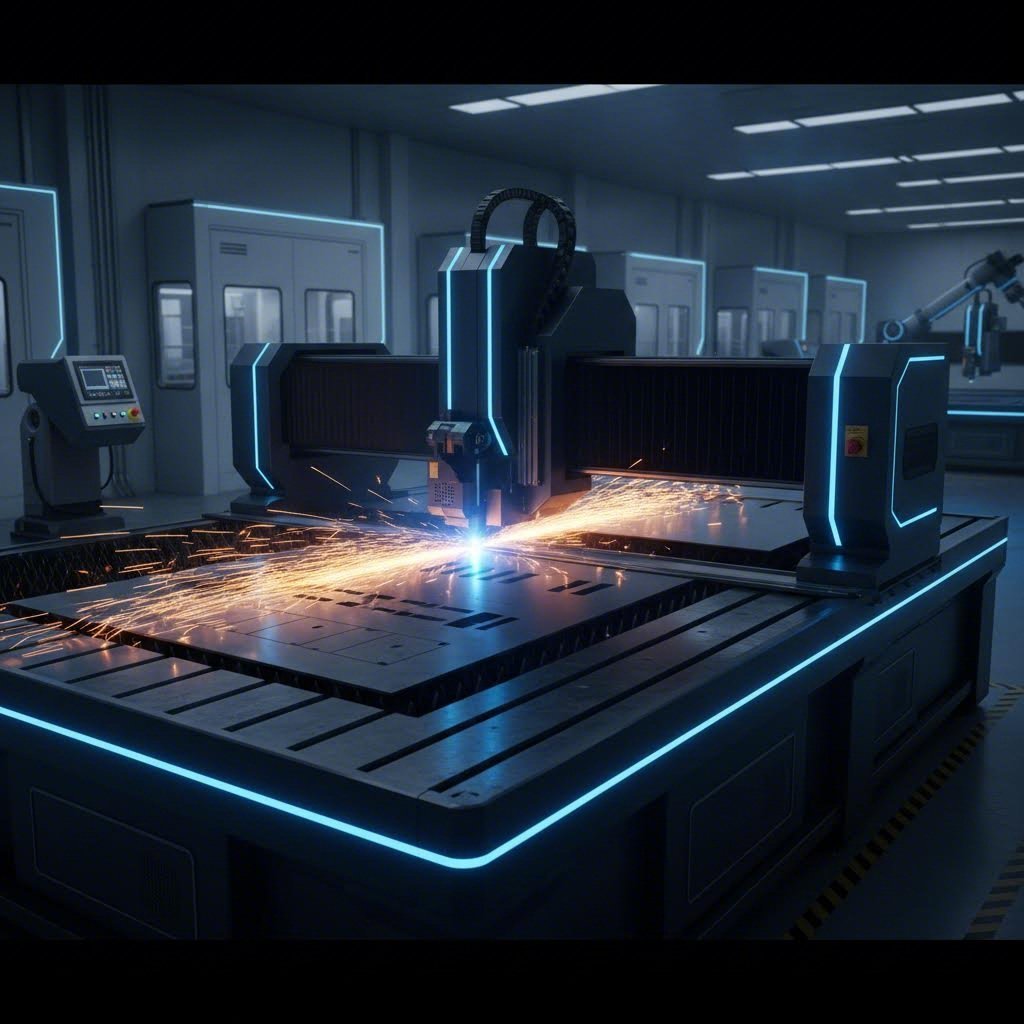
Laserleikatun teräksen ymmärtäminen ja sen rooli valmistuksessa
Kuvittele valonsäde, joka on niin tarkasti keskitetty, että se voi leikata kiinteän metallin läpi kirurgisen tarkan tarkkuuden avulla. Täsmälleen näin käy, kun työstetään laserleikattua terästä – tarkkaa valmistusmenetelmää, joka on muuttanut tapaa, jolla teollisuudet suhtautuvat metallin työstöön.
Perimmiltään teräksen laserleikkaus sisältää erittäin keskittämän lasersäteen ohjaamista tietokoneohjelmoitua reittiä pitkin. Kun tämä keskitetty energia osuu teräspintaan, se kuumenee nopeasti sulamaan, palamaan tai haihtumaan asti. Tuloksena on siistejä, tarkkoja leikkauksia, joita perinteiset menetelmät eivät yksinkertaisesti pysty saavuttamaan. Apukaasu – yleensä happi tai typpeä – puhaltaa sitten sulan materiaalin pois, jättäen sileät, terävät reunat ilman virheitä.
Tämä teknologia on muodostunut välttämättömäksi nykyaikaisessa valmistuksessa. Autoteollisuuden alustakomponenteista monimutkaisiin arkkitehtuurielementteihin, laserilla leikattu teräs esiintyy kaikkialla, missä tarkkuus on tärkeää. Teräksen työstöliikkeet luottavat nyt CNC-ohjattuihin laserjärjestelmiin tarjoamaan toistettavissa olevia tuloksia, olipa kyseessä yksi prototyyppi tai tuhannet identtiset osat.
Modernit metallin laserleikkausjärjestelmät voivat saavuttaa mittojen toleransseja aina tarkkuudella +/- 0,1 mm, mikä tekee niistä ideaalin vaihtoehdon sovelluksiin, joissa tarkkuus ei ole valinnainen – vaan perusedellytys.
Mikä erottaa laserleikkauksen perinteisestä teräksen leikkaamisesta
Perinteiset teräksen leikkausmenetelmät – esimerkiksi leikkaaminen, sahausta tai plasmaleikkaus – jakavat kaikki yhden rajoituksen: fyysinen kosketus työkalun ja materiaalin välillä. Tämä kosketus aiheuttaa mekaanista kulumista, tuo mukanaan värähtelyjä ja rajoittaa leikkausten monimutkaisuutta.
Laserleikkaus poistaa nämä rajoitteet täysin. Työkalun ja materiaalin välillä ei ole suoraa kosketusta, mikä tarkoittaa:
- Nollamekaanista kulumista leikkauskomponenteissa
- Vähennetty huoltovaatimus ajan myötä
- Kyky toteuttaa monimutkaiset geometriat ja tiukat kulmat, joihin fyysiset työkalut eivät pääse
- Yhtenäinen reunojen laatu ilman lisäviimeistelyvaiheita
Kun käsitellään korkean lujuuden materiaaleja, joissa vetolujuus on tärkeää, tämä koskematon menetelmä säilyttää materiaalin mekaaniset ominaisuudet leikkausvyöhykkeellä. Perinteiset menetelmät heikentävät usein näitä ominaisuuksia liiallisen lämmön tai mekaanisen rasituksen vuoksi.
Teräksen lämpöerottamisen taustalla oleva tiede
Mitä siis tapahtuu materiaalitasolla, kun terästä leikataan laserilla? Prosessi perustuu siihen, mitä insinöörit kutsuvat fototerminen ilmiöksi.
Kun suurienerginen laserkeila osuu teräs-pintaan, materiaali absorboi tämän energian ja muuttaa sen lämmöksi lähes välittömästi. Paikallinen lämpötila nousee niin nopeasti, että teräs siirtyy kiinteästä tilasta nestemäiseen – tai jopa suoraan höyryksi – millisekunnin murto-osassa. Juuri tämä keskittynyt energiansyöttö mahdollistaa niin tarkan leikkauksen.
Avaintekijä tässä on tehontiheys: laserenergian määrä pinta-alayksikköä kohti. Korkeampi tehontiheys tarkoittaa nopeampaa lämmitystä ja tehokkaampaa leikkausta. CNC-järjestelmät säätävät tätä tarkasti, mukauttaen syötön nopeutta, laserin tehoa, säteen fokusointia ja muita parametreja sen mukaan, millaista terästä ja minkä paksuista materiaalia käsitellään.
Tämän tason hallinta on syy, miksi metallin työstöalan ammattilaiset valitsevat yhä enemmän laser-teknologiaa. Kaikki asetukset voidaan kalibroida vastaamaan tarkasti tarpeitasi – olipa kyse nopeasta tuotantosarjasta tai monimutkaisesta ainutlaatuisesta palasta. Lopputuloksena on prosessi, joka ei ainoastaan ole tarkka, vaan myös ympäristöystävällinen, koska siinä syntyy vähän jätettä eikä tarvita voiteluöljyjä, jotka pitäisi myöhemmin puhdistaa pois.
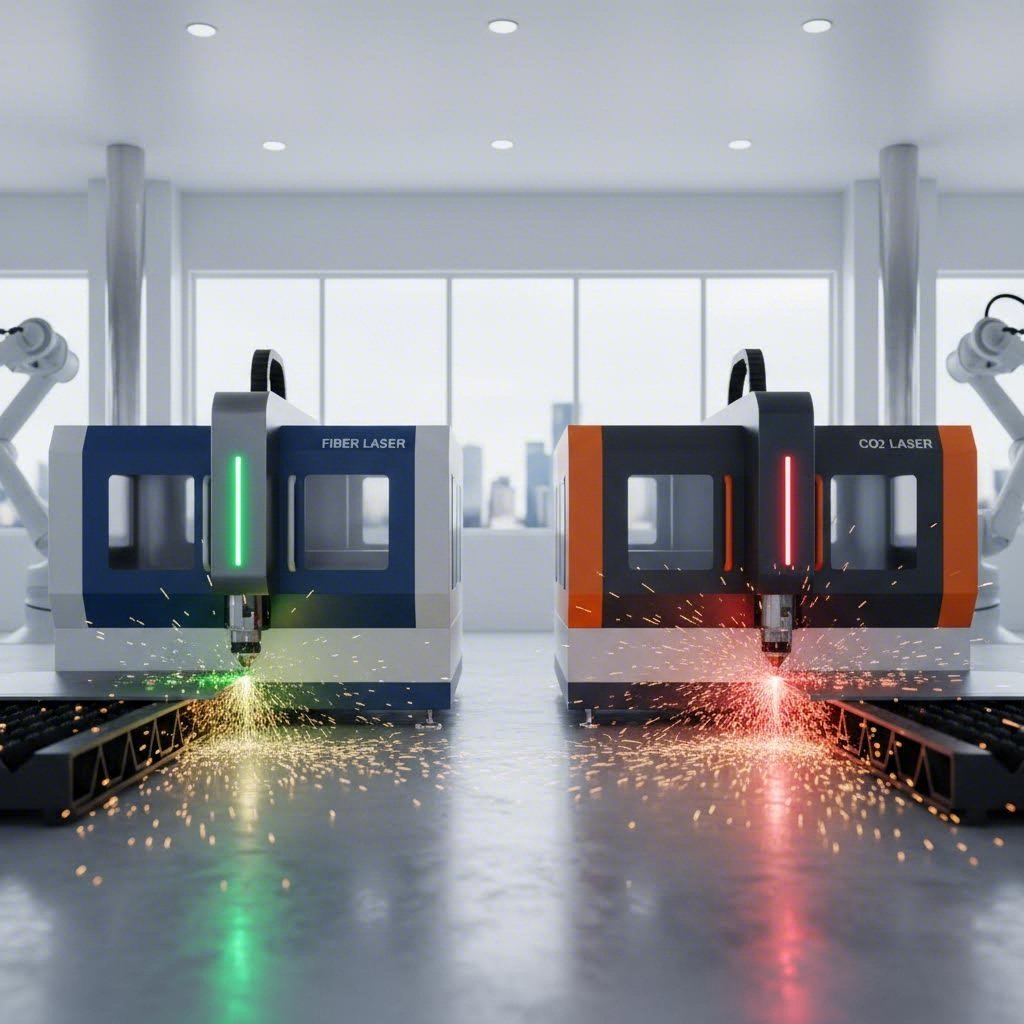
Kuitulaser vs CO2-laser -tekniikka terästä varten
Nyt kun ymmärrät, miten laserleikkaus toimii, seuraava kysymys on: kumpaa laser-teknologiaa sinun tulisi käyttää? Teräksen leikatessa kohtaat kaksi päävaihtoehtoa – kuitulaserit ja CO2-laserit. Kumpikin perustuu perustavanlaatuisesti erilaisiin fysiikan lakeihin, ja väärä valinta voi maksaa sinulle aikaa, rahaa ja leikkauksen reunan laatua.
Ajattele näin: molemmat teknologiat tuottavat voimakkaita valonsäteitä, jotka kykenevät viemään läpi teräksen. Mutta samankaltaisuudet päättyvät tähän. Kuitulaserleikkauskone ja CO2-laserin metallia leikkaava kone eroavat siinä, miten ne tuottavat säteen, millaisen aallonpituuden valon ne tuottavat, ja lopulta siinä, kuinka tehokkaasti teräs absorboi niiden energiaa.
Mukaan lukien EVS Metalin vuoden 2025 analyysi , kuitulaserit hallitsevat nyt noin 60 % leikkausmarkkinoista, tarjoten 3–5-kertaiset leikkausnopeudet ja 50–70 % matalammat käyttökustannukset verrattuna CO2-järjestelmiin. Tämä markkinamuutos kertoo sinulle tärkeää siitä, mihin suuntaan teknologia on kehittynyt.
| Tekijä | Kuitu laser | Co2-laseri |
|---|---|---|
| Leikkausnopeus (ohut teräs) | 2–5-kertaa nopeampi; jopa 100 m/min ohuissa materiaaleissa | Hitaampi; noin 10–12 m/min vastaavilla materiaaleilla |
| Optimaalinen paksuusalue | Erinomainen alle 20 mm:n paksuudessa; kykenee jopa 100 mm:iin korkean tehon järjestelmillä | Ylivoimainen reunasujuvuus yli 25 mm:ssa; perinteisesti suositeltu paksulle levyille |
| Energiatehokkuus | Enintään 50 % tehonsyöttöhyötysuhde | 10–15 % tehonsiirtotehokkuus |
| Vuotuinen huoltokustannus | tyypillisesti 200–400 $ | tyypillisesti 1 000–2 000 $ |
| Parhaat käyttösovellukset | Levyt, heijastavat metallit (alumiini, kupari, messingi), suuritehoinen tuotanto | Paksun levyn leikkaus, sovellukset, joissa vaaditaan erinomaista reunavirkeyttä |
| Aaltopituus | 1,06 µm (lähi-infrapuna) | 10,6 µm (kauko-infrapuna) |
Kuitulaserin edut ohuissa teräslevyissä
Tässä fysiikka todella ratkaisee. Kuitulaser tuottaa valoa aallonpituudella noin 1,06 mikrometriä — täsmälleen kymmenen kertaa lyhyempi kuin CO2-laserin 10,6 mikrometrin aallonpituus. Miksi tämä on tärkeää teräksen leikkauksessa?
Metallien pinnat ovat täynnä vapaasti liikkuvia elektroneja, jotka heijastavat pidempiä aallonpituuksia. CO2-laserin pitkä aallonpituus kimpoaa pois metallipinnoilta, jolloin merkittävä määrä energiaa kuluu heijastuneena valona. Kuitulaserin lyhyempi aallonpituus sen sijaan tunkeutuu tehokkaammin tämän elektronien "meren" läpi ja sitoo energiansa suoraan teräkseen.
Tämä parempi absorptio näkyy käytännön etuina:
- Huomattava nopeuden kasvu: 4 kW:n kuitulaser voi leikata 1 mm ruostumatonta terästä yli 30 metrin minuutissa, kun taas vastaava CO2-laser saavuttaisi vain 10–12 metriä minuutissa
- Parempi säteen laatu: Kuituoptiikassa tuotettu säde säilyttää erinomaisen keskittymiskyvyn, tuottaen pienempiä pistekokoja ja kapeampia leikkauslevyjä
- Heijastavan metallin leikkauskyky: Alumiini, kupari ja messingi – materiaalit, jotka haastavat CO2-järjestelmät – voidaan leikata tehokkaasti kuitutekniikalla
- Alhaisemmat käyttökustannukset: Energiankulutus laskee noin 70 % verrattuna vastaaviin CO2-järjestelmiin
Suurten levynvalmistustilauksien kohdalla – kuten elektroniikkakoteloiden, ilmanvaihtojärjestelmien komponenttien tai autoteollisuuden karosseriosien valmistuksessa – teollisuuskuitulaser tuottaa enemmän osia tunnissa alemmalla kappalekustannuksella. CNC-kuitulaserleikkuukone on käytännössä muodostunut standardiksi ohuiden teräslevyjen käsittelyssä.
Kun CO2-laserit loistavat teräksen leikkaamisessa
Tarkoittaako tämä, että CO2-teknologia on vanhentunut? Ei aivan. Kun siirrytään yli 20 mm paksuisten teräslevyjen pariin, tilanne alkaa muuttua.
CO2-laserit tuottavat leveämmän leikkausaukon, mikä oikeastaan auttaa paksujen levyjen leikkaamisessa. Laajempi leikkausaukko edesauttaa sulan materiaalin tehokkaampaa poistumista, mikä johtaa usein suorampiin, sileämpään leikkausreunaan vähemmällä roskalla – eli uudelleen kiinteytyneellä metallilla, joka voi tarttua leikkauksen alareunaan.
Harkitse näitä skenaarioita, joissa CO2-järjestelmät kilpailevat edelleen:
- Paksu ruostumaton teräs: Kun reunojen viimeistelylaatu on tärkeämpää kuin leikkausnopeus, CO2-tekniikka tarjoaa erittäin sileät, lähes kiiltävät reunat
- Perinteiset toiminnot: Vakiintuneet työpajat, joissa on kypsä CO2-huoltoverkko ja koulutetut käyttäjät, saattavat katsoa siirtymiskustannusten ylittävän hyödyt tietyissä sovelluksissa
- Sekamateriaaliympäristöt: Työpajat, jotka käsittelevät merkittäviä määriä epämetallisia materiaaleja teräksen ohella, voivat hyötyä CO2:n monipuolisuudesta orgaanisten materiaalien, kuten puun ja akryylin, kanssa
On kuitenkin huomioitava, että teollinen laserleikkuutekniikka kehittyy nopeasti. Nykyaikaiset korkean tehon kuitulaserit saavuttavat nyt 40 kW:n ja sitä suuremmat tehot, mikä haastaa CO2:n perinteiset edut paksissa levyissä Alanyritysanalyysi viittaa siihen, että kuitulaserit valtaavat 70–80 % metallinleikkauksen sovelluksista vuoteen 2030 mennessä
Käytännön johtopäätös? Useimmissa teräksen leikkaussovelluksissa vuonna 2025 – erityisesti ohutlevyissä, joiden paksuus on alle 20 mm – kuitulaseritekniikalla on merkittäviä etuja nopeudessa, tehokkuudessa ja käyttökustannuksissa. CO2-laserit säilyvät edelleen merkityksellisinä erikoistuneissa paksulevysovelluksissa, joissa reunojen laatu oikeuttaa hitaamman käsittelyn. Molempien teknologioiden ymmärtäminen auttaa sinua valitsemaan oikean työkalun tarkoitukseesi sopiville terästoteillesi.
Teräksen paksuuden rajat ja leikkauksen rajoitukset
Olet valinnut laserlaitteiston – nyt tulee kaikkia levynkäsittelijöitä askarruttava kysymys: kuinka paksua terästä voidaan todella leikata? Vastaus ei ole yksi yksittäinen luku. Se riippuu suhteesta laserin tehoon, materiaalityyppiin sekä sovellukseesi vaadittuun laatuun.
Tässä asia, jonka monet laitteiden myyjät eivät kerro suoraan: tietolehdessä mainittu "suurin leikattava paksuus" heijastaa harvoin sitä, mitä saavutetaan arjessa tuotannossa. GWEIKEn valmistusdata , sinun tulisi ymmärtää kolme erillistä paksuustasoa — maksimiteoreettinen, vakaa tuotanto ja optimaalinen taloudellinen leikkausalue.
Leikkaussyvyydet laserin tehon mukaan
Laserin teho, joka mitataan kilowatteina (kW), on ensisijainen osoittaja paksuuden käsittelykyvylle. Mutta suhde ei ole pelkästään lineaarinen. Tehon kaksinkertaistaminen ei kaksinkertaista maksimipaksuutta — fysiikka tuo mukanaan väheneviä tuottoja, kun siirrytään paksumpiin teräslevyihin.
| Laserteho | Hiiliteräs (happi) | Rustiton teräs (typpi) | Alumiini | Paras käyttösovellus |
|---|---|---|---|---|
| 1,5–2 kW | Enintään 10 mm | Enintään 6 mm | Enintään 4 mm | Levyt, ohutkalibriset työt |
| 3–4 kW | Enintään 16 mm | Enintään 10 mm | Enintään 8 mm | Yleinen valmistus |
| 6 kW | Enintään 22 mm | Enintään 16 mm | Enintään 12 mm | Keskipaksu tuotanto |
| 10–12 kW | Enintään 35 mm | Enintään 25 mm | Enintään 20mm | Raskaslevyjen valmistus |
| 20 kW+ | Enintään 60 mm | Enintään 40 mm | Enintään 30 mm | Erityisosaaminen erittäin paksuissa levyissä |
Huomaatko jotain tärkeää tästä ohutlevyn paksuustaulukosta, joka kuvaa leikkauskykyjä? Hiiliterästä voidaan leikata paksumpaa kuin ruostumatonta terästä tai alumiinia samalla tehollisella teholla. Syynä on, että happiavusteinen leikkaus hiiliteräksessä aiheuttaa eksotermin reaktion – happi itse asiassa auttaa laseria tuottamalla lisälämpöä hapettumisen kautta. Ruostumaton teräs leikataan typellä sen korroosionkestävyyden säilyttämiseksi, jolloin leikkaus perustuu ainoastaan laserin energiaan.
Kun viitatat projekteissasi paksuustaulukkoon, muista, että 14-gauge-teräksen paksuus on noin 1,9 mm, kun taas 11-gauge-teräksen paksuus on noin 3 mm. Nämä ohuet materiaalit leikataan vaivatta jo varsin vaatimattomilla 1,5–2 kW järjestelmillä, usein nopeuksilla, jotka ylittävät 30 metriä minuutissa.
Ohutlevyn tarkkuus huomioon ottaen
Levyjen laserleikkaus ohuilla materiaaleilla tuo mukanaan omat tarkkuushuomiot. Tässä vaiheessa leikkauslevyn leveys (kerf) on ratkaisevan tärkeä suunnittelun onnistumisen kannalta.
Mitä tarkalleen ottaen on kerf? Se on leikkausprosessin aikana poistettu materiaalin leveys – olennaisesti leikkausviivan "paksuus". Ohuilla levyillä kerfin leveys on tyypillisesti välillä 0,1 mm – 0,3 mm. Kun materiaalin paksuus kasvaa, myös kerfin leveys kasvaa, saavuttaen joskus 0,5 mm tai enemmän paksussa teräslevyssä.
Miksi tämä on tärkeää? Ota huomioon nämä tarkkuuteen vaikuttavat seikat:
- Osien sijoittelun tehokkuus: Kapeampi kerf mahdollistaa osien sijoittamisen tiukemmin toisiinsa nähden levylle, mikä vähentää materiaalin hukkaa
- Mitallinen tarkkuus: CAD-suunnittelusi on otettava huomioon kerf – jos tarvitset 10 mm:n uran, saatat joutua ohjelmoimaan 10,2 mm kompensoimaan sitä
- Toleranssikyvyt: Materiaaleissa, joiden paksuus on alle 3 mm, voidaan saavuttaa tarkkuus ±0,1 mm; paksuimmille materiaaleille tyypillinen tarkkuus on yleensä ±0,25 mm – ±0,5 mm
- Pienimmät ominaisuudet: Reiät, jotka ovat pienempiä kuin materiaalin paksuus, aiheuttavat haasteita – esimerkiksi 5 mm levy vaatii vähintään 5 mm:n reikien halkaisijan tai suuremman
Prototech Laserin valmistusohjeiden mukaan ohuet materiaalit sallivat tarkkuuden jopa ±0,005" (0,127 mm), kun taas paksummat levyt voivat vaatia ±0,01" – ±0,02" (0,25 mm – 0,5 mm) riippuen materiaalista ja koneparametreista.
Tilanteet, joissa laserleikkaus ei ole käytännöllinen
Jokaisella teknologialla on rajansa. Sen tunteminen, milloin kannattaa luopua laserleikkauksesta, säästää aikaa, rahaa ja turhautumista. Harkitse vaihtoehtoisia menetelmiä silloin, kun:
- Paksuus ylittää käytännölliset rajat: Vahingossa jopa 20 kW:n järjestelmä kamppailee tasaisen laadun kanssa yli 50–60 mm paksuilla hiiliteräksillä. Plasmaleikkaus tai liekkileikkaus ovat taloudellisempia vaihtoehtoja.
- Reunakallistuma ei ole hyväksyttävällä tasolla: Erittäin paksussa materiaalissa laserkeila levenee tunkeutuessaan, mikä luo lievän kulman ylhäältä alaspäin. Jos suorat seinämät ovat kriittisiä, saatat tarvita lisäkoneenjälkikäsittelyä.
- Nopeustarpeet eivät oikeuta kustannuksia: Leikkaaminen 25 mm terästä 0,3 metriä minuutissa sitoo kalliita laitteita. Plasmaleikkaus leikkaa saman paksuuden 3–4 kertaa nopeammin ja pienemmillä käyttökustannuksilla.
- Materiaalin heijastavuus aiheuttaa turvallisuusriskin: Erittäin kiillotettu kupari ja messinki voivat heijastaa laserenergian takaisin leikkuupäähän, mikä saattaa vahingoittaa laitetta.
Käytännönläheinen sääntö kokemuksella varusteilta: jos leikkaat paksua levyä vain kerran kuukaudessa, älä mitoita laitettasi tuon satunnaisen tehtävän mukaan. Ulkoista sen sijaan poikkeuksellisen paksujen leikkaustyöt ja optimoi koneesi niiden 80–90 %:n töiden osalta, jotka todella tuottavat sinulle voittoa.
Näiden paksuussuhteiden ymmärtäminen auttaa sinua sovittamaan hankkeet oikeisiin kykyihin – ja usein tärkeämpää on tietää rajojesi kuin yrittää työntää niitä yli.
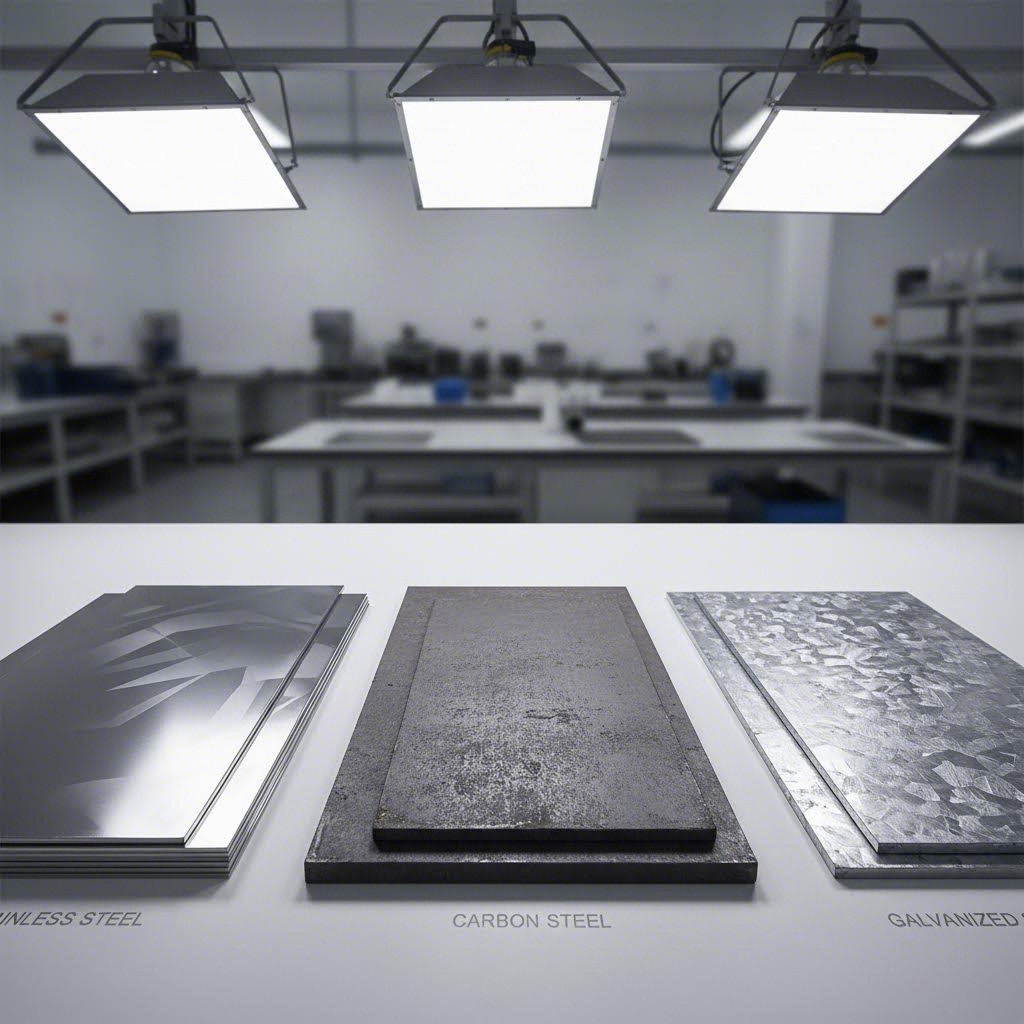
Terästyypit ja materiaalin valinta laserleikkaukseen
Paksuustoteutusten ymmärtäminen on vain puolet yhtälöstä. Leikattava teräslaji muuttaa perustavanlaatuisesti laserin toimintaa – ja sitä, täyttävätkö valmiit osat vaatimukset. Erilaiset teräksien koostumukset absorboivat laserenergiaa eri tavoin, tuottavat vaihtelevia reunapäätteitä ja edellyttävät erilaisia käsittelyparametreja.
Ajattele näin: hitsausrauta ja 316 ruostumaton teräs saattavat näyttää samanlaisilta materiaalihyllyssä, mutta ne käyttäytyvät täysin eri tavalla lasersäteen alla. Amber Steelin valmistusanalyysin mukaan näiden erojen ymmärtäminen auttaa työpajoja parantamaan tehokkuutta, hallitsemaan kustannuksia ja saavuttamaan parempia tuloksia projektin monimutkaisuudesta riippumatta.
Alla kattava katsaus siihen, miten yleiset teräslaatut vuorovaikuttavat laserleikkaustekniikan kanssa:
- Hitsausrauta (A36, A572): Helpoin leikattava. Matala hiilipitoisuus (0,05–0,25 %) mahdollistaa ennustettavat ja puhtaat leikkaukset vähäisellä roskalla. Toimii sekä hapen että typen apukaasujen kanssa. Erinomainen vaihtoehto suurien sarjojen nopeaan tuotantoon.
- Ruostumaton teräslevy (304, 316): Edellyttää typen apukäyttöä korroosionkestävyyden säilyttämiseksi. Alhaisempi lämmönjohtavuus itse asiassa hyödyttää laserleikkausta keskittämällä lämpöä. Tuottaa puhtaat reiät, mutta leikkaa hitaammin kuin vastaava pehmeän teräksen paksuus.
- Korkealujuinen matalaseosteinen (HSLA) teräs: Yhdistää lujuuden hyvään laserleikattavuuteen. Optimaalista reunalaatua varten saattaa vaadita parametrien säätöjä. Yleinen rakenteissa ja autoteollisuudessa.
- Kulumiskestävät laadut (AR500): Haastavaa erittäin suuren kovuuden vuoksi (460–544 Brinell). Kuitulaserit toimivat parhaiten, yleensä rajoittuen 0,500" paksuuteen. Lämpövaikutuksen alueen minimoiminen on ratkaisevan tärkeää kovuusominaisuuksien säilyttämiseksi.
- Sinkitty levyteräs: Sinkkipinnoite haihtuu leikatessa, luoden höyryjä, jotka edellyttävät riittävää ilmanvaihtoa. Saattaa tuottaa hieman karkeammat reuna-alueet verrattuna pinnoittamattomaan teräkseen. Esileikkauksessa puhdistaminen tarvitaan harvoin.
Hiiliteräslaadut ja laserleikkausominaisuudet
Hiiliteräs säilyy laserleikkaustoimintojen työjuhta . Sen ennustettava käyttäytyminen ja suopea luonne tekevät siitä ihanteellisen sekä aloittelijoille että tuotantoympäristöille, jotka vaativat johdonmukaisia tuloksia.
Miksi hiiliterästä voidaan leikata niin siististi? Vastaus piilee hapella avustetussa leikkauksessa. Kun ohjaat happikaasun virtauksen leikkausvyöhykkeelle, se aiheuttaa eksotermissen reaktion kuumennetun hiiliteräksen kanssa. Tämä hapettumisprosessi tuottaa lisälämpöä – olennaisesti auttaen laseria tekemään työnsä. Tuloksena? Nopeammat leikkausnopeudet ja paksujen teräslevyjen käsittelykyky parempi kuin typellä avustettaessa.
Tämä hapetusreaktio tuottaa kuitenkin oksidikerroksen leikkausreunaan. Rakenteellisissa sovelluksissa tämä harvoin merkitsee mitään. Jos osia on tarkoitus hitsata tai pinnoittaa jauhepintalla, saattaa olla tarpeen kevyt hiominen tai puhdistus ennen jatkotoimenpiteitä. Jos tarvitset täydellisiä, hapettomia reunoja hiiliteräksessä, voidaan käyttää typpeä apukaasuna – odota kuitenkin hitaampia leikkausnopeuksia ja suurempaa kaasunkulutusta.
Materiaalin valmistelu vaikuttaa merkittävästi tuloksiin. KGS Steelin valmistusohjeiden mukaan puhtaat, levymäiset pinnat A36- tai A572-laatuihin tuottavat yleensä parempia tuloksia kuin ruosteiset tai levymäiset pinnat. Ennen teräslevyjen leikkaamista kriittisiin sovelluksiin harkitse seuraavia valmisteluvaiheita:
- Pintaruostumaa: Kevyt pintaoxidaatio yleensä kestää leikkauksen hyvin, mutta raskas levytus tulisi poistaa mekaanisesti tai harjaamalla
- Öljy ja rasva: Leikattaessa saastuneen pinnan läpi syntyy savua ja se saattaa heikentää reunalaatua – pyyhi tarvittaessa liuottimella
- Suojapeitteet: Laserinvarmua paperia tai muovia voidaan jättää paikoilleen leikkausta varten; vinyl-päällysteet tulisi poistaa
- Valssauskate: Tuore teräs, jossa on kylmävalssattu pintakalvo, leikataan yleensä hyväksyttävästi; irtoava kalvo aiheuttaa ongelmia
Erityisteräkset, joita on haastava leikata laserilla
Kaikki teräkset eivät toimi yhtä hyvin laserkeilassa. Sen ymmärtäminen, mitkä materiaalit saavat laitteistosi rajat vastaan, auttaa sinua tekemään tarkkoja tarjouksia, asettamaan realistisia odotuksia asiakkaille ja tietämään, milloin vaihtoehtoiset menetelmät ovat järkevämpiä.
Ruisleikkauksen huomioon otettavat seikat: Austeniittiset laadut, kuten 304 ja 316 -ruostumaton teräs, soveltuvat erinomaisesti laserleikkaukseen niiden tasaisen koostumuksen ja lämpöominaisuuksien ansiosta. Alhaisempi lämmönjohtavuus verrattuna hiiliteräkseen keskittää oikeastaan leikkausvyöhykkeeseen lämpöä, mikä mahdollistaa tarkan leikkauksen vähentäen lämpövaikutuksen aluetta. Leikkausnopeus on kuitenkin noin 30–40 % hitaampi kuin vastaavalla hiiliteräksellä.
Ruostumattomien sovellusten, kuten elintarviketeollisuuden, lääkintälaitteiden tai meriympäristöjen, käsittelyssä typen käyttö apuna on välttämätöntä. Happi luo kromioksidikerroksen, joka heikentää korroosionkestävyyttä, josta maksat. Vaihtoehto? Korkeammat kaasukustannukset ja hitaammat leikkausnopeudet – mutta oikein leikattu ruostumaton teräslevy säilyttää arvokkaat ominaisuutensa.
AR500 ja kulumista kestävät luokat: McKiney Manufacturingin AR500-leikkausoppaan mukaan kuitulaserit ovat paras vaihtoehto kulumista kestävän teräksen leikkaamiseen, kun tarkkuus, nopeus ja materiaalin lujuus ovat tärkeitä. AR500:n kovuus Brinell-kovuusasteikolla on välillä 460–544 – tämä erittäin suuri kovuus rajoittaa laserleikkausta noin 0,500 tuuman paksuuteen.
Kriittinen huomio AR500:ssa? Lämmönhallinta. Tämä teräs saavuttaa kovuutensa lämpökäsittelyn kautta. Liiallinen lämpösisäänkulu leikatessa voi aiheuttaa pehmeitä kohtia, mikä kumoaa AR500:n määrittämisen tarkoituksen. Kuitulaserit minimoivat tätä riskiä tuottamalla pienemmän lämpövaikutetun vyöhykkeen verrattuna plasma- tai happipolttoleikkaukseen.
Alumiinilevyhuomiot: Vaikka alumiini ei ole terästä, alumiinilevyt esiintyvät usein yhdessä teräksen kanssa valmistustöissä. Sen korkea heijastavuus on historiallisesti haastanut CO2-lasereita, mutta nykyaikaiset kuitulaserit käsittelevät alumiinia tehokkaasti. Odota erilaisia apukaasutarpeita (typpeä tai paineilmaa) ja säädetyjä polttovälin parametreja verrattuna teräsasetuksiin.
ASTM-määritykset, sotilaslaitemäärittelyt ja erikoislegaamit sisältävät kukin omat erityispiirteensä. Kun tarjoat tuntemattomia materiaaleja, pyydä koekatkaisu näytteestä ennen kuin vahvistat tuotantoparametrit. Muutaman koekappaleen kustannus on mitätön verrattuna koko tuotantosarjan hylkäämiseen odottamattoman materiaalikäyttäytymisen vuoksi.
Materiaalivalintasi vaikuttaa suoraan kaikkiin seuraaviin päätöksiin – apukaasun valinnasta leikkausnopeuteen ja jälkikäsittelyvaatimuksiin. Oikean perustan saaminen oikein luo pohjan onnistuneille sovelluksille kaikilla toimialoilla.
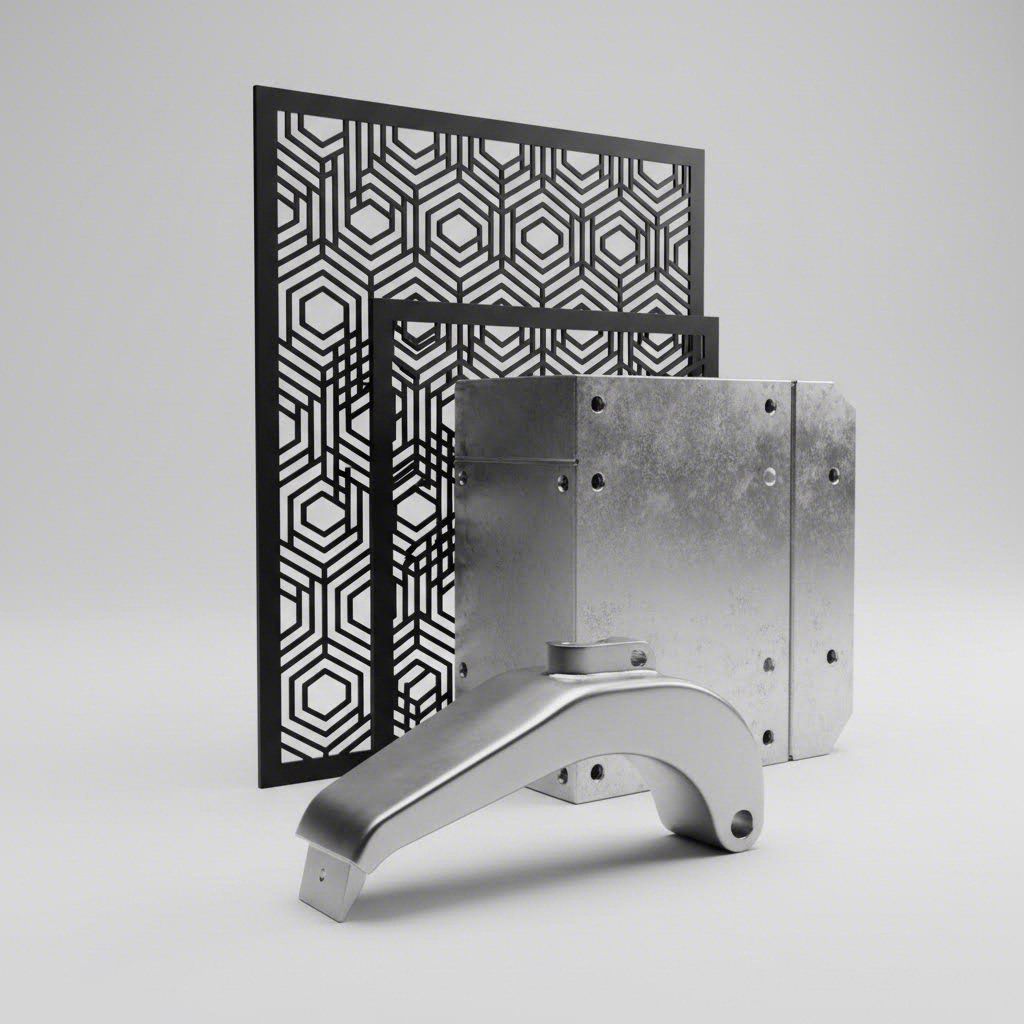
Laserleikatut teräsosat – teollisuuden käyttökohteet
Olet valinnut materiaalisi ja ymmärrät koneesi kyvyt – mutta missä lazerileikattua terästä oikeasti käytetään oikeassa maailmassa? Sovellukset vaihtelevat korkean suorituskyvyn moottoriurheilusta taiteellisiin räätälöityihin metallikyltteihin, jotka roikkuvat suosikkikäsibisnesi ulkopuolella. Jokainen teollisuudenala tuo mukanaan ainutlaatuisia tarkkuusvaatimuksia, toleranssiodotuksia ja suunnittelunäkökohtia, jotka muovaavat sitä, miten valmistajat lähestyvät jokaista projektia.
Mikä tekee tästä teknologiasta niin monipuolisen? Lazerivalmistus poistaa kompromissin geometrian mutkikkuuden ja hinnan välillä. Leikkaat sitten yksinkertaisia kiinnikkeitä tai monimutkaisia dekoratiivisia paneeleja, kone ei välitä geometriasta – se seuraa ohjelmoitua reittiä yhtä tarkasti. Tämä mahdollisuus on avannut ovia useilla aloilla, jotka aiemmin olivat riippuvaisia kalliista työkaluista tai työn vaativista manuaalisista prosesseista.
Tarkastellaan tärkeimpiä aloja, jotka hyödyntävät lazerileikattuja osia, ja mitä kukin ala vaatii teknologialta:
- Autoteollisuus ja moottoriurheilu: Alustakomponentit, suspensiojen kiinnikkeet, rullakaapelin putket, mukautetut asennusliitännät
- Arkkitehtuuri ja rakentaminen: Dekoratiiviset ulkoseinäpaneelit, yksityisyydensuojat, kantavat elementit, portaiden osat
- Teollisuuskoneet: Laitteiden kotelot, asennuslevyt, suojat, kuljettimien komponentit
- Taide ja kyltit: Mukautetut metallikyltit, dekoratiiviset taulupaneelit, bränditetyt näyttelyt, puutarhakalusteet
Auton alustan ja rakenteellisten komponenttien sovellukset
Jos olet koskaan rakentanut rullakaapelia käsin ohjatulla putkileikkurilla ja porakoneella, tiedät työn vaikeuden. Mittaa kolme kertaa, aseta kulma, käynnistä reikäsaha – ja puolet ajasta leikkaus jää hieman väärin. Viimeiset kaksikymmentä minuuttia vietät kulmahiomakoneen äärellä yrittäen saada putken istumaan tiukasti TIG-hitsausta varten.
Mukaan lukien YIHAI Laserin autoteollisuuden valmistusanalyysi , laserkäyttöinen metallin leikkaus muuttaa koko työnkulun. Moottoriurheilussa ja räätälöidyn autonvalmistuksessa – olipa kyseessä Formula Drift, Trophy Trucks tai korkean tason Restomodit – asennuksen tarkkuus on kaikki kaikessa. Väli chassisputkessa ei ole vain rumaa; se on rakenteellinen heikkous, joka vaarantaa turvallisuuden.
Tässä mitä tekee laservalmistuksen välttämättömäksi autoteollisuuden levyvalmisteessa:
- Täydellinen liitosleikkaus: Laser leikkaa täsmälleen oikean monimutkaisen kaaren siinä kohdassa, missä yksi putki kohtaa toisen, ottamalla huomioon seinämän paksuuden ja leikkauskulman. Hiontaa ei tarvita.
- Itsestään kiinnittyvät kokoonpanot: Lovi-ja-niitti -suunnittelu mahdollistaa chassisosien lukittumisen paikoilleen ilman monimutkaisia kiinnityspöytiä – osat asettuvat automaattisesti suorakulmaisesti.
- Taivutuskohdan merkintä: Laser voi ruveta tarkan alku- ja loppulinjan malliputkien taivuttimille. Valmistaja linjaa merkin kanssa ja taivuttaa – viivainta ei tarvita.
- Suspension Precision: Anti-dive-, rullakeski- ja bump steer -geometrian kääntöpisteen sijainnit perustuvat reikien täsmälliseen paikkaan. Laserjärjestelmät pitävät toleranssit ±0,05 mm:n tarkkuudella, mikä takaa, että asennossasi ei esiinny virheitä.
Autoteollisuuden tarkkuusvaatimukset edellyttävät tyypillisesti toleransseja ±0,1 mm:sta ja ±0,25 mm:ään kriittisissä kiinnityspisteissä. Suspendointilevyt, jotka on valmistettu 4130 Chromoly- tai korkean lujuuden Domex-teräksestä — materiaaleista, jotka tuhoavat poranterät — leikataan helposti ilman työkalujen kulumista. Metallitöiden tehtaille, jotka palvelevat autoteollisuutta, tämä toistettavuus tarkoittaa, että voitte myydä "weld-it-yourself"-rakennussarjoja, joissa jokainen osa on samanlainen aina.
Yksi keskeinen huomio: kun leikkaat Chromolya kaatumissuojakaariin, käytä typpeä tai korkeapaineista ilmaa leikkauskaasuna eikä happea. Happi voi hapettaa ja hieman kovettaa leikkausreunaa, mikä lisää halkeamisen riskiä hitsauksen aikana. Typpi mahdollistaa puhtaan leikkauksen vähimmäispienen lämpövaikutuksen alueen kanssa, säilyttäen rakenteelliseen hitsaukseen tarvittavan muovautuvuuden.
Arkkitehtuuriset teräselementit ja räätälöity valmistus
Kävele minkä tahansa modernin kaupallisen rakennuksen läpi, ja huomaat laserileikatun teräksen kaikkialla – dekoratiiviset yksityisyydensuojaverkot, auringonsuojapaneelit, rei'itetty fasadipeite sekä koristeelliset portaiden osat. Sitä, mihin tarvittiin ennen kalliita vaivoin leikattuja työkaluja, voidaan nyt toteuttaa suoraan digitaalisesta suunnittelusta valmiiksi paneeliksi.
Mukaan lukien VIVA Railingsin arkkitehtuuristen paneelien tekniset tiedot , nämä tarkkuuslaserileikatut paneelit täyttävät useita toimintoja samanaikaisesti: yksityisyydensuoja, auringonsuoja, dekoratiivinen tehoste ja jopa reittiohjausmerkinnät. Monipuolisuus johtuu laserin kyvystä toteuttaa monimutkaisia rei'itysmalleja, jotka olisivat mahdottomia tai liian kustannusintensiivisiä perinteisillä menetelmillä.
Arkkitehtuurisovellukset jaetaan yleensä kolmeen malliluokkaan:
- Geometriset kuviot: Laatoitettuja tai ruudukkoon perustuvia motiiveja, jotka tekevät voimakkaita lauseita julkisissa asennuksissa
- Orgaaniset mallit: Luontoon inspiroituneet suunnittelut, jotka pehmentävät tiloja biofilisen suunnittelun periaatteiden avulla
- Ensisijaiset kuviot: Modernit, minimalistiset suunnitelmat, jotka sopivat nykyaikaiseen arkkitehtuuriin
Materiaalien valinta arkkitehtonisia töitä varten sisältää usein ruostumattoman teräksen, alumiinin ja hiiliteräksen – kaikki saatavana paksuuksina, jotka vastaavat rakenteellisia vaatimuksia ja tukien välistä jännettä. Ulkokäytössä korroosion kestävyys on kriittistä. Jauhepinnoitetut tai PVDF-pinnoitteiset levyt parantavat säänkestävyyttä samalla kun tarjoavat mahdollisuuden värimukauttamiseen.
Toleranssivaatimukset arkkitehtonisille paneeleille ovat tyypillisesti löysemmät kuin autoteollisuudessa – usein ±0,5 mm:sta ±1 mm:iin on hyväksyttävää. Kuitenkin, kun paneelit asetellaan vierekkäin suurilla fasadeilla, kumuloituvat mitallisvirheet tulevat näkyviksi. Kokemuksesta valmistavat tehdasmyymälät lähelläni tietävät tarkistaa leikkuukaavojen tarkkuuden ja ylläpitää tasaisia materiaalipaksuuksia tuotantosarjoissa estääkseen näkyvät epäkohdat paneelien liitoksissa.
Harrastajille ja pienimuotoiselle räätälöidylle työlle arkkitehtoniset tekniikat skaalautuvat erinomaisesti. Puutarhansuojat, sisätilojen huonejaon väliseinät ja koristeelliset seinätaidot hyötyvät kaikki samasta tarkkuudesta. Räätälöidyt metallikyltit yrityksille, kotiosoitteiden plaketit ja bränditetyt näyttötelineet edustavat saavutettavia aloituskohteita laserileikatun teräksen mahdollisuuksien tutkimisessa.
Teollisuuslaitteet ja tuotantosovellukset
Näkyvien sovellusten lisäksi laserileikattu teräs muodostaa teollisuuslaitteiston perustan ympäri maailmaa. Laitteistonsuojat, koneiden kotelot, sähkökaapit ja kuljettimien osat luottavat kaikki johdonmukaiseen, toistettavaan valmistukseen – juuri sitä mitä laserleikkaus tarjoaa.
Teollisuussovellukset asettavat erilaisia vaatimuksia kuin autoteollisuus tai arkkitehtuurityöt:
- Johdonmukaisuus tuotantoserioissa: Kun leikataan tuhansia täysin samanlaisia kiinnikkeitä, jokaisen osan on täsmättävä mittojen mukaan ilman manuaalista tarkistusta
- Materiaalin hyödyntäminen: Teollisuuden levyjen työstö vaatii tehokasta sisäkkäistä sijoittelua, jotta roskapitoisuus minimoituu suurten tuotantomäärien yhteydessä
- Toissijaisen toimenpiteen yhteensopivuus: Osia siirretään usein suoraan taivutukseen, hitsaukseen tai pulveripintaukseen – leikkauslaatu on oltava riittävä alavirtatoimille prosesseille
- Dokumentointi ja jäljitettävyys: Laserin avulla voidaan merkitä osien numeroita, erätunnuksia ja teknisiä tietoja suoraan komponentteihin
Toleranssiodotukset yleisessä teollisuustyössä vaihtelevat tyypillisesti ±0,25 mm:stä ±0,5 mm:iin – tiukemmat kuin arkkitehtuurissa, mutta antavampia kuin tarkkateknisessä autoteollisuudessa. Avaintekijänä on toistettavuus: tuhannes osa leikataan täsmälleen samoin kuin ensimmäinen, mikä poistaa laadun heilahtelun, joka haittaa manuaalisia prosesseja.
Tehtailla, jotka tarjoavat palveluja teollisuusasiakkaille ja sijaitsevat lähelläni, nopeus, tarkkuus ja vähäinen jälkikäsittely muuttuvat suoraan kilpailukykyiseksi hinnoitteluksi. Kun laserleikatut reunat ovat riittävän puhtaat siirtyäkseen suoraan pinnoitukseen tai kokoonpanoon, olet eliminoinut hiomatyön, joka lisää kustannuksia lisäämättä arvoa.
Suunnittelunäkökohdat sovellusluokkien mukaan
Riippumatta toimialasta tietyt suunnitteluperiaatteet parantavat tuloksia, kun työstätä laserleikattua terästä:
- Pienin ominaisuuden koko: Reiät ja urat tulisi yleensä olla vähintään yhtä leveitä kuin materiaalin paksuus. 3 mm:n levy selviytyy hyvin 3 mm:n reiistä; 1 mm:n reikien tekeminen aiheuttaa laatuongelmia.
- Reunaväli: Pidä elementit vähintään yhden materiaalipaksuuden päässä reunoista välttääksesi vääristymisen tai reunan säröytymisen.
- Nurjahduksen ja uran toleranssit: Itsekiinnittyvien kokoonpanojen osalta suunnittele urat hieman leveämmiksi kuin nurjahdukset (tyypillisesti 0,1–0,2 mm:n vapaus) varmistaaksesi asennuksen ilman pakottamista.
- Rakosuunta: Taivutettaville osille tulee ottaa huomioon materiaalin jyväsuo: taivutus kohtisuoraan jyväsuoja vastaan vähentää halkeamisriskiä.
- Lämmön kertyminen: Tiheä leikkauskuvio voi kerätä lämpöä. Suunnittele riittävä väli tai suunnittele leikkojen väliin jäähdytys tauot.
Olitpa rakentamassa kilpailurunkoa, määrittelemässä fasadijulkisivupaneleita kaupalliseen rakennukseen tai luomassa räätälöityjä metallikylttejä työpajaasi, näiden sovelluskohtaisten seikkojen ymmärtäminen auttaa sinua viestimään tehokkaasti valmistajan kanssa – ja saamaan lopulta osat, jotka täyttävät tarkat vaatimuksesi.
Kustannustekijät ja hinnoitteluun vaikuttavat muuttujat teräksen laserleikkauksessa
Olet suunnitellut osasi, valinnut materiaalisi ja määrittänyt käyttötarkoituksesi – nyt on aika vastata jokaisen projektinjohtajan kysymykseen: paljonko tämä oikeastaan maksaa? Tässä yllättävä totuus, jonka useimmat ihmiset ohittavat pyytäessään laserleikkauslaskua: materiaalin hinta neliömetriä kohti ei harvoin ole pääasiallinen kustannustekijä. Se, mikä todella määrää lopullisen laskusi, on koneaika.
Ajattele tätä näin. Kaksi osaa, jotka on leikattu samasta teräslevystä – sama materiaalikustannus – voivat olla täysin eri hintaisia. Yksinkertaisen suorakulmaisen kiinnikkeen leikkaus kestää sekunnit. Mutkikas koristeellinen paneeli, jossa on satoja reikiä, sitoo koneen käyttöön minuutteina. Mukaan Fortune Laserin hinnoitteluanalyysi , peruskaava, jota useimmat metallinleikkauspalvelut käyttävät, jakautuu seuraavasti:
Lopullinen hinta = (Materiaalikustannukset + Muuttuvat kustannukset + Kiinteät kustannukset) × (1 + Voittomarginaali)
Muuttuvat kustannukset – ennen kaikkea koneaika – ovat suurin tekijä, jolla voit vähentää kustannuksia. Sen ymmärtäminen, mikä vaikuttaa tähän aikaan, auttaa sinua tekemään viisaampia suunnittelupäätöksiä jo ennen kuin lähetät tiedostot tarjouspyyntöön.
Materiaalikustannukset ja prosessointiajan talous
Laserleikkauskustannuksia laskettaessa viisi päätekijää määrittää lopullisen hinnan. Jokainen niistä vaikuttaa joko materiaalikustannukseen tai työn valmistumiseen tarvittavaan prosessointiaikaan.
- Materiaalin tyyppi ja hinta: Raaka-aineiden hinnat vaihtelevat huomattavasti. Kevytteräs maksaa murto-osan 316 ruostumattoman teräksen hinnasta. Valittu materiaali määrittää kustannusperustan ennen kuin leikkaus edes alkaa.
- Materiaalin paksuus: Tämä tekijä vaikuttaa kustannuksiin eksponentiaalisesti, ei lineaarisesti. Komacutin hinnoittelun mukaan materiaalin paksuuden kaksinkertaistaminen voi yli kaksinkertaistaa leikkausajan, koska laserin on liikuttava paljon hitaammin saavuttaakseen puhtaat leikkaukset paksummasta teräksestä.
- Leikkauspituus yhteensä: Jokainen laserin kuljettu tuuma lisää aikaa. Suunnitelma, jossa on laajaa reunaviivan leikkausta tai monimutkaisia sisäosia, vie enemmän koneaikaa kuin yksinkertaiset geometriat.
- Puhalluskertojen määrä: Aina kun laser aloittaa uuden leikkauksen, sen on ensin lävistettävä materiaalin pinta. Suunnitelma, jossa on 100 pientä reikää, maksaa enemmän kuin suuri leikkaus, jonka kehän pituus on vastaava – nämä lävistykset kertyvät.
- Asetteluajan ja työn hinta: Materiaalin lataaminen, koneen kalibrointi, tiedoston valmistelu – nämä kiinteät kustannukset pätevät riippumatta siitä, leikataanko yksi osa vai sata.
Tässä käytännön merkitys: Strousen valmistustiedot osoittavat, että materiaalikustannukset muodostavat usein 70–80 % yksinkertaisten osien kokonaiskustannuksista. Mutta mitä monimutkaisemmaksi suunnittelu muuttuu, sitä enemmän kustannussuhde siirtyy käsittelyaikaan.
Tarkkuusvaatimusten ja käsittelykustannusten välinen suhde noudattaa samankalaista mallia. Toiminnallisesti tarpeettomien tiukempien toleranssien määrittäminen pakottaa koneen ajamaan hitaammilla ja tarkemmin ohjatuilla nopeuksilla. Jos sovelluksesi todella vaatii ±0,1 mm tarkkuutta, se on perusteltua. Mutta lentokonetason toleranssien määrittäminen dekoratiivipaneeleihin tuhlaa rahaa lisäämättä arvoa.
Suurten sarjojen kustannustehostus
Prototyyppien hinnoittelun ja tuotantosarjojen välillä on huomattavia säästömahdollisuuksia. Kun tilaat yhden prototyypin verkon kautta laserleikkauspalvelusta, kiinteät käyttöönottokustannukset—koneen valmistelu, tiedoston tarkistus, materiaalin käsittely—laskutetaan täysimääräisenä kyseiselle osalle. Tilaa sata identtistä osaa, ja nämä samat kiinteät kustannukset jakautuvat koko erälle.
Alan hinnoittelutietojen mukaan suurten tilausten alennukset voivat nousta jopa 70 % yksikköä kohti. Tämä ei ole markkinointipuheetta – se heijastaa todellisia tehokkuusedistymyksiä eräkäsittelystä.
Toimitusaika tuo mukanaan toisen kustannusmuuttujan. Kiireelliset tilaukset, jotka ohittavat tuotantolinjan jonon, maksavat korkeampaa hintaa – usein 25–50 % yli tavallisten tavaroiden hinnan. Aikatauluttaminen etukäteen ja standardien toimitusaikojen hyväksyminen pitää teräksen leikkauskustannukset ennustettavina.
Valmis vähentämään räätälöityjen laserleikkauskustannuksiasi? Nämä strategiat tuovat havaittavia säästöjä:
- Yksinkertaista suunnittelua: Vähennä mahdollisuuksien mukaan monimutkaisia kaaria ja yhdistä pienet reiät suuremmiksi loviksi. Tämä minimoi sekä leikkausetäisyyden että aikaa vievät poraukset.
- Määrittele mahdollisimman ohut käytännöllinen materiaali: Tämä on yksittäinen tehokkain kustannustehokkuutta parantava tekijä. Jos 14-gauge-teräs täyttää rakenteelliset vaatimuksesi, älä määrittele 11-gaugea vain varmuuden vuoksi.
- Siisti suunnittelutiedostosi: Poista päällekkäiset viivat, piilotetut objektit ja rakennemerkinnät ennen lähettämistä. Automaattiset verkkopohjaiset laserleikkausjärjestelmät yrittävät leikata kaiken – kaksinkertaiset viivat tuplaavat käytännössä kustannukset kyseisestä ominaisuudesta.
- Optimoi asettelu: Tehokas asettelu maksimoi materiaalin käytön järjestämällä osat tiiviisti levylle, mikä vähentää jäteaineen määrää. Monet räätälöidyt metallin leikkauspalvelut hoitavat tämän automaattisesti, mutta tehokkaasti asetteltavien osien suunnittelu pienentää silti tarjoustasi.
- Konsolidoi tilaukset: Kerää tarpeesi suuremmiksi, harvemmin toistuviksi tilauksiksi. Yksikköhinta laskee, kun asetuskustannukset jakautuvat useammille osille.
- Valitse varastosta löytyviä materiaaleja: Materiaalien valitseminen palveluntarjoajalta, jolla ne ovat jo varastossa, poistaa erikoistilauksen lisäkustannukset ja lyhentää toimitusaikoja.
Pyytäessäsi laserleikkauslaskua, toimita kaikki tiedot etukäteen: materiaalin tyyppi ja paksuus, tarvittava määrä, toleranssit ja mahdolliset jälkikäsittelytoimenpiteet. Epätäydelliset pyynnöt tuottavat varovaisia arvioita, jotka saattavat yliarvioida todelliset kustannukset. Mitä paremmin valmistaja ymmärtää vaatimuksesi, sitä tarkemmin hän voi hinnoitella työn – ja sitä suuremmat mahdollisuudet hänellä on ehdottaa kustannussäästövaihtoehtoja.
Näiden kustannusdynamikoiden ymmärtäminen asettaa sinut tekemään perusteltuja päätöksiä koko projektisi ajan. Mutta mitä tapahtuu, kun laser on lopettanut leikkauksen? Seuraava huomioon otettava asia – jälkikäsittely ja viimeistely – määrää usein sen, ovatko osasi todella tuotantovalmiita.
Jälkikäsittely ja viimeistely laserleikatuille teräsosille
Osat ovat juuri tultaneet laserleikkuukoneelta—terävät reunat, tarkka geometria, täsmälleen sellaiset kuin ohjelmoit. Mutta tässä ero ammattitaitoisten valmistusprojektien ja harrastelijoiden välillä: mitä tapahtuu sen jälkeen. Raakaa laserilla leikattua terästä ei harvoin oteta suoraan käyttöön. Jälkikäsittely muuttaa hyvät leikkaukset valmiiksi komponenteiksi, jotka ovat valmiita asennettaviksi, pinnoitettaviksi tai toimitettaviksi asiakkaalle.
Miksi viimeistely on niin tärkeää? Weldflow Metal Productsin valmistusanalyysin mukaan viimeistely ei ole vain ulkonäköön liittyvä kysymys—se ratkaisee korroosion estämisessä, lujuuden lisäämisessä ja komponenttien valmistelussa asennusta varten. Jokainen viimeistelyvaihtoehto palvelee ainutlaatuista tarkoitusta materiaalista, käyttötarkoituksesta ja halutusta lopputuloksesta riippuen.
Ennen kuin valitset minkään pintakäsittelyn, sinun on ymmärrettävä, mitä laser jättää jälkeensä. Jopa tarkat kuitulaserjärjestelmät muodostavat lämpöön vaikuttaneen vyöhykkeen (HAZ) – kapean kaistan, jossa teräksen mikrorakenne muuttuu leikkauksen aikana. Tämä vyöhyke, joka on tyypillisesti 0,1–0,5 mm leveä riippuen materiaalin paksuudesta ja leikkausparametreista, voi olla muuttunut kovuudeltaan, jännitysten osalta tai lievästi värisiltään. Rakennekäyttökohteissa HAZ ei juuri koskaan aiheuta huolta. Kuitenkin väsymisalttiille tai esteettisille osille tarvitaan lisäkäsittelyjä näiden ilmiöiden korjaamiseksi.
Lakaisun ja reunojen viimeistelyn menetelmät
Laserleikkaus tuottaa erittäin puhtaat leikkausreunat verrattuna plasmaleikkaukseen tai mekaaniseen leikkaukseen, mutta "puhdas" ei tarkoita "valmista". Terävät kulmat voivat silti leikata käsiä käsittelyn aikana. Mikrolakat – pienet kiinteiksi kiteytyneen metallin ulokkeet – voivat tarttua leikkauksen alareunaan. Drossina tarkoitetaan tätä alapinnalle muodostuvaa kiinteää slaggia; se on yleensä ensimmäinen asia, johon useimmat jälkikäsittelyt suuntautuvat.
Mukaan lukien SendCutSendin viimeistelyopas , viilto poistaa terävät reunat ja pienet viilat, mikä tekee osista turvallisempia käsitellä ja helpompia integroida suurempiin kokoonpanoihin. Tässä mitä kukin menetelmä tarjoaa:
- Lineaarinen viilto: Hihnakäyttöinen harjausmenetelmä, joka tasaa isompien osien yhden puolen. Poistaa naarmut ja valuriepot sekä valmistelee pinnat seuraavia pinnoitteita varten. Toimii parhaiten osille, joiden lyhyin akseli on alle 24 tuumaa.
- Tärinähiominta/Värähtelypintaus: Keraaminen väliaine ja harmonisesti säädetty värähtely tasoittavat pienempien osien reunoja. Tuottaa johdonmukaisempia tuloksia kuin manuaaliset menetelmät. Poistaa terävät reunat, mutta ei kokonaan valmistusjälkiä.
- Manuaalinen hionta: Käsikäyttöiset kulmahiojat tai suutinhiojat kohdistuvat tiettyihin ongelmakohtiin. Välttämätön, kun on poistettava merkittävä määrä materiaalia tai valmisteltava hitsausliitoksia.
- Scotch-Brite- tai abrasoivat padit: Keveään viimeistelyyn abrasiiviset padit poistavat pienet terävät reunat ottamatta pois merkittävää määrää materiaalia.
Yksi tärkeä huomio: kiillonnus kohdistuu yleensä vain yhteen pintaan. Jos sovelluksessasi vaaditaan sileitä reunoja molemmilta puolilta, määrittele kaksipuolinen käsittely tai suunnittele manuaalinen jälkikäsittely osien vastaanottamisen jälkeen. Tiukkoja istumia vaativissa kokoonpanoissa on muistettava, että kiillonnus poistaa pienen määrän materiaalia – otathan tämän huomioon toleranssilaskelmissasi.
Kun leikattujen osien jatkokäsittelynä on taonti, reunanlaatu on kriittisen tärkeä. Taiteviivoilla olevat kiilat tai roskat voivat aiheuttaa halkeamista tai epätasaisia taitekulmia. Oikea aikainen kiillonnus ennen taontia varmistaa puhdasta ja ennustettavissa olevaa lopputulosta ilman materiaalivikoja muodostetuilla reunoilla.
Leikatulle teräkselle tarjottavat pintakäsittelyvaihtoehdot
Kun reunat ovat sileät, pintakäsittely suojaa ja parantaa osien ominaisuuksia niiden tarkoitettua käyttöympäristöä varten. Vaihtoehtojen valinta perustuu korroosion kestävyysvaatimuksiin, esteettisiin tavoitteisiin, mittojen tarkkuusvaatimuksiin sekä budjettirajoituksiin.
- Jauhepinnoite: Lämpökäsittelemällä kovettuva sähköstaattisesti levitetty kuiva jauhe luo erittäin kestävän pinnoitteen. Teollisuuden tietojen mukaan jauhepinnoite voi kestää jopa 10 kertaa pidempään kuin maali, eikä siinä ole lainkaan haihtuvia orgaanisia yhdisteitä. Saatavilla matta-, kiilto- ja teksturoituina pinnoitteina useissa väreissä. Parhaat materiaalit: alumiini, teräs ja ruostumaton teräs, jotka kykenevät pitämään sähköstaattisen varauksen.
- Anodointi: Luo hallitun hapettumiskerroksen, joka sitoutuu suoraan alumiinipinnalla. Anodisoitu pinta tarjoaa erinomaisen korroosio-, lämpö- ja sähkönsuojauksen. Saatavilla selkeänä tai värjättynä vaihtoehtona, mukaan lukien kirkkaat värit. Huomio: anodisointi soveltuu vain alumiinille, ei teräkselle, joten tämä vaihtoehto sopii sekamateriaaliprojekteihin, joissa leikataan molempia metalleja.
- Sähköpintaa: Kerrostaa sinkkiä, nikkelin tai kromia teräspintoihin. Sinkkikäsittely (sinkittyminen) suojaa korroosiota vastaan ulko- ja teollisuusympäristöissä. Nikkelipinnoitus parantaa kulumisvastusta ja sähkönjohtavuutta. Molemmat menetelmät soveltuvat hyvin sovelluksiin, joissa pitkä kestävyys vaativissa olosuhteissa on keskeistä.
- Maalaus: Perinteiset nestemäiset pinnoitteet ovat edelleen käypä vaihtoehto moniin sovelluksiin. Asianmukainen pinnan esikäsittely — hionta harjalla seuraamana liuotepuhdistuksella — takaa hyvän tarttumisen. Maalaus on halvempaa kuin jauhepinnoitus, mutta sen kestävyys ja ympäristövaikutusten kestämiskyky ovat heikompia.
- Passivointi: Kemiallinen käsittely, joka parantaa ruostumattoman teräksen luonnollista korrosionkestävyyttä lisäämättä näkyvää pinnoitetta. Poistaa pinnasta vapaata rautaa samalla kun edistää suojaavan krominoksidikerroksen muodostumista.
Alumiinikomponenteille, jotka on leikattu laserilla yhdessä teräsosien kanssa, anodointi tarjoaa erinomaisen yhdistelmän kestävyyttä ja esteettisyyttä. Anodointiprosessi luo naarmuille kestävän pinnoitteen ja mahdollistaa väri vaihtoehdot, joita jauhepinntaus ei pysty saavuttamaan alumiinipohjissa.
Jauhepinntauspalvelut tuovat tyypillisesti eniten arvoa sääolosuhteille, kemikaaleille tai kulumiselle altistuville teräsosille. Karkaistu pinnoite sitoutuu mekaanisesti ja kemiallisesti esikäsiteltyyn teräspintaan, mikä luo suojauksen, joka kestää paljon paremmin lohkeamista, naarmuja ja UV-hajoamista verrattuna maalivaihtoehtoihin.
Laaduntarkastus ja mittojen tarkistus
Ennen kuin osat poistuvat tehtaalta – tai ennen kuin vastaanotat toimittajalta toimituksen – tarkistus varmistaa, että kaikki täyttää vaatimukset. Laaduntarkastus laserleikatuille teräsosille sisältää sekä mitallisen tarkkuuden että pintalaadun arvioinnin.
Mittojen tarkistus sisältää tyypillisesti:
- Vernierimittausten: Tarkista kriittiset mitat piirustuksia vasten. Tarkista reikien halkaisijat, loven leveydet ja kokonaisosamitat useista eri kohdista.
- Mitatarkastukset: Kyllä/ei-liipaimet tarkistavat nopeasti, että reikien kooot ja loven leveydet ovat sallittujen toleranssien sisällä.
- CMM-tarkastus: Tarkkuutta vaativille osille koordinaattimittakoneet tarjoavat kattavat mittausraportit, joiden tarkkuus on tuhannesosainchissä.
- Optiset vertailijat: Profiiliprojektorit asettavat leikatut osat skaalattujen piirustusten päälle monimutkaisten muotojen ja ominaisuuksien sijaintien varmentamiseksi.
Pintalaadun arviointi käsittelee erilaisia näkökohtia:
- Reunapystysuoruus: Paksuilla materiaaleilla laserleikkausta saattaa esiintyä lievää kaltevuutta. Varmista, että reunan kulma täyttää sovelluksen vaatimukset.
- Pinta-roughness: Ra-mittaukset mittaavat reunan pintalaadun laatua, kun erityiset pinnan ominaisuudet on määritelty.
- Roiskeiden läsnäolo: Visuaalinen tarkastus tunnistaa kaikki leikkausreunoille jääneet kiinteät metallipalat, jotka ovat jääneet viimeistelyn ulkopuolelle.
- Kuumavärjäytymä: Rustiinattomaan teräkseen voi ilmestyä "lämpövärjäyksiä" leikkauksen viereen. Esteettisissä sovelluksissa tämä hapettuma on poistettava syövytyksellä tai mekaanisella hiomisella.
Tarkastuskriteerien määrittäminen ennen tuotannon alkua estää riitoja ja uudelleenvalmistusta. Dokumentoi hyväksyttävät vaihteluvälit kriittisille mitoille, määritä pinnanlaatuvaatimukset ja selvitä, mikä muodostaa hylkäyskelpoisen virheen. Tuotantosarjoissa tilastollinen otanta – joka kymmenennen tai kahdeskymmenennen osan tarkastaminen – takaa laadun ilman, että jokaista osaa tarvitsee tarkastaa.
Kun jälkikäsittely on valmis ja laatu on varmistettu, laserleikatut teräskomponenttinne ovat valmiit asennettaviksi tai toimitettaviksi. Mutta entä jos laserleikkaus ei ole oikea vaihtoehto juuri teidän projektillenne? Tämän tekniikan vertailu vaihtoehtoihin, kuten plasmaleikkaus- ja vesileikkuumenetelmiin, auttaa sinua valitsemaan optimaalisen menetelmän jokaiseen sovellukseen.
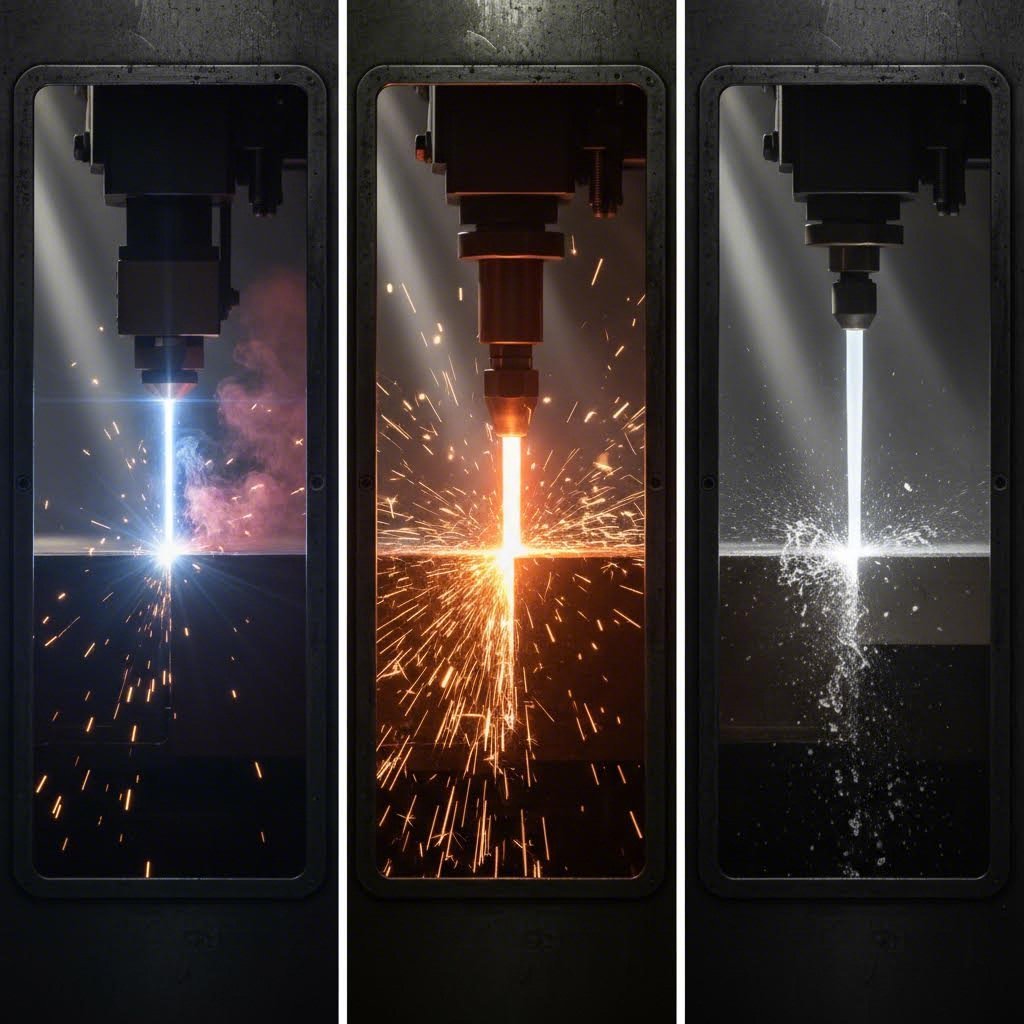
Laser-, plasma- ja vesileikkauksen valinta teräkselle
Osien suunnittelu on tehty, materiaali on valittu ja jälkikäsittelyvaatimukset tunnetaan – mutta tässä on kysymys, joka voi säästää tai tuhlata tuhansia euroja: onko laserleikkaus todella oikea menetelmä projektillesi? Totuus on, että laserleikkausteknologia loistaa monissa tilanteissa, mutta jää puutteelliseksi toisissa. Tieto siitä, milloin vaihtaa plasmalle tai vesileikkaukselle, erottaa asiantuntevat valmistajat niistä, jotka oppivat kalliista virheistä.
Ajatellaan näin: kaikki kolme teknologiaa leikkaavat terästä, mutta ne ovat perustavanlaatuisesti erilaisia työkaluja. Mukaan Wurth Machineryn vertaileva analyysi , väärän CNC-leikkuutyypin valitseminen voi maksaa sinulle tuhansia hukkaan menneinä materiaaleina ja menetettynä aikana. Tämä ei ole markkinointipuheen liioittelua – se heijastaa todellisia seurauksia, kun teknologia ei sovi kohteeseen.
Tässä on kattava vertailu päätöksentekosi tueksi:
| Tekijä | Laserleikkaus | Plasma-leikkaus | Vesijet-leikkaus |
|---|---|---|---|
| Tarkkuus/Toleranssi | ±0,1 mm – ±0,25 mm; poikkeuksellisen hyvä reuna-laatu | ±0,5 mm – ±1,5 mm; paranee korkean tarkkuuden järjestelmillä | ±0,1 mm – ±0,25 mm; erinomainen paksuilla materiaaleilla |
| Leikkausnopeus | Nopein ohuilla materiaaleilla (<6 mm); hidastuu huomattavasti paksulla levyllä | Nopein keskipaksulla ja paksulla levyllä (6–50 mm); yli 100 IPM 12 mm teräksessä | Yleisesti hitain; 5–20 IPM riippuen paksuudesta |
| Paksuusalue | Optimaalinen alle 20 mm; mahdollista jopa 60 mm korkean tehon järjestelmillä | 0,5 mm – 50 mm tai enemmän; loistaa 6–50 mm vaihteluvälillä | Virtuaalisesti rajoittamaton; yleensä 150 mm tai enemmän teräksessä |
| Lämpövaikutusalue | Vähäinen (0,1–0,5 mm); säilyttää materiaalin ominaisuudet | Suurempi lämpövaikutusalue; voi vaikuttaa kovuuteen herkissä sovelluksissa | Ei ollenkaan lämpövaikutusta; kylmäleikkausprosessi |
| Materiaalinen yhteensopivuus | Johtavat ja jotkin ei-johtavat materiaalit; haasteita erittäin heijastavilla metalleilla | Vain johtavat metallit; ei muovia, puuta tai lasia | Yleiskäyttöinen; leikkaa käytännössä mitä tahansa materiaalia |
| Alkuinvestointi | $150 000–$500 000+ teollisille järjestelmille | $15 000–$90 000 vertailukelpoisella suorituskyvyllä | $100 000–$300 000+ tyypillisissä asennuksissa |
| Toimintakustannukset | Kohtalainen; sähkö ja apukaasu ovat pääasiallisia kulutustarvikkeita | Alhaisin leikkauspolun tuottava; kulutustarvikkeet ovat edullisia | Korkein; hiekkahioma lisää merkittävästi jatkuvia kustannuksia |
Laser- ja plasmaleikkaus teräsprojekteissa
Milloin tulisi valita teollinen laserleikkuulaite plasmasta — ja toisinpäin? Päätös perustuu usein materiaalin paksuuteen, tarkkuusvaatimuksiin ja tuotantomäärään.
StarLab CNC:n vuoden 2025 valmistusoppaan mukaan laserleikkaus ja plasmaleikkaus hallitsevat eri segmenttejä teräksen käsittelyssä. Kuitulaserit hall dadoissa ohuissa materiaaleissa, saavuttaen erinomaisia nopeuksia levyissä, joiden paksuus on alle 6 mm. Leikkausnopeus kuitenkin laskee merkittävästi materiaalin paksuuden kasvaessa, ja hidastuu dramaattisesti yli 25 mm paksuissa materiaaleissa.
Plasmaleikkaus kääntää tämän yhtälön päinvastaiseksi. CNC-plasmataulut loistavat leikkausnopeudessa materiaaleissa, joiden paksuus vaihtelee 0,5 mm:stä 50 mm:iin. Tehokas plasmasysteemi voi leikata 12 mm:ää kevyttä terästä yli 100 tuumaa minuutissa – mikä tekee siitä nopeimman vaihtoehdon keskipaksuille ja paksuille metallilevyille.
Ota huomioon nämä valintakriteerit:
- Valitse laser, kun: Tarvitset tarkkaa laserleikkausta, jonka toleranssi on alle ±0,25 mm, monimutkaisia geometrioita pienillä ominaisuuksilla, puhtaita reunoja, jotka vaativat vähimmäiskäsittelyä, tai suurta määrää ohuita levyjä
- Valitse plasmaleikkaus kun: Materiaalin paksuus ylittää 12 mm, nopeudella on suurempi merkitys kuin reunojen laadulla, budjettirajoitteet rajoittavat laiteinvestointeja, tai käsittelet pääasiassa rakenneterästä ja paksuja levyjä
Tarkkuusero ansaitsee korostuksen. Teollinen laserleikkaus tarjoaa lähes täydellisen reunalaadun vähäisellä kalotteisuudella – ratkaisevan tärkeää osille, jotka sopivat yhteen ilman hiontaa. Nykyaikaiset korkean tarkkuuden plasmaleikkausjärjestelmät ovat huomattavasti supistaneet välimatkaa saavuttaen monissa sovelluksissa melkein laservertaisen laadun samalla kun säilyttävät paremman leikkausnopeuden. Mutta sovelluksissa kuten lovi- ja nuppiliitoksissa, joissa 0,1 mm:llä on merkitystä, laser on edelleen selvä valinta.
Kustannusnäkökohdat usein yllättävät ensikertalaisia ostajia. Mukaan Tormachin teknologiavertailu , plasmaleikkureilla on huomattavasti alhaisempi kynnys kuin laserleikkureilla. Teollisuuden käyttämän tuotantolaatuisen laserleikkuukoneen hinta alkaa noin 150 000 dollarista, kun taas vastaava plasmaleikkuukyky saavutetaan alle 20 000 dollarilla. Liikkeille, jotka leikkaavat pääasiassa yli 10 mm paksua terästä, plasma tarjoaa usein paremman sijoituksen tuoton.
Kun vesileikkaus toimii paremmin kuin laser
Vesisuihkutekniikka perustuu täysin erilaisiin fysiikan lakeihin – ja tämä ero luo ainutlaatuisia etuja, joita laser- ja plasma-tekniikat eivät voi yhtä helposti saavuttaa.
Käyttäen ohjelmoitua polkua pitkin materiaalia kuluttavaa korkeapainetta vesisuihkua, jossa on abrasiviisi granuuttijauhetta, vesisuihkujärjestelmät leikkaavat materiaalia jopa 90 000 PSI:n paineella. Tämä kylmä leikkausprosessi ei tuota ollenkaan lämpöä, säilytten materiaalin ominaisuudet, joita lämpömenetelmät heikentävät.
Vertailevien testitulosten mukaan vesisuihku on selvä valinta, kun:
- Lämpövauriot On Vältettävä: Kovetetut teräkset, lämpökäsitellyt komponentit ja lämpömuodonmuutoksille herkät materiaalit hyötyvät waterjetin kylmästä leikkausprosessista. Ei vääntymistä, ei muutoksia kovuuteen, ei lämpövaikutuksen aluetta.
- Ei-metallien leikkaus teräksen rinnalla: Sekamateriaalirakenteet, jotka yhdistävät terästä kiveen, lasiin, komposiitteihin tai eksotiikkiseoksiin, voidaan käsitellä samalla koneella. Laseri ja plasma eivät pysty käsittelemään monia näistä materiaaleista.
- Erityisen suuret paksuusvaatimukset: Kun teräslevyn paksuus ylittää 50 mm, waterjet säilyttää laadun, kun taas laserilla on vaikeuksia ja plasma tuottaa karkeampia reunoja.
- Tarkkuus paksuilla materiaaleilla: Laserin tarkkuus heikkenee paksulla levyllä säteen hajaantumisen vuoksi. Waterjet säilyttää ±0,1 mm tarkkuuden riippumatta paksuudesta.
Hinta? Nopeus ja kustannukset. Waterjet-järjestelmät toimivat hitaimmin kaikista kolmesta teknologiasta – tyypillisesti 5–20 tuumaa minuutissa materiaalista riippuen. Lähteestä teollisuuden tiedot , plasmaleikkaus 25 mm teräksessä on noin 3–4 kertaa nopeampaa kuin waterjet, ja käyttökustannukset ovat noin puolet edullisemmat jalan osalta.
Metallin leikkaamiseen tarvittava abrasivipunamulta edustaa merkittävää jatkuvaa kustannusta. Yhdistettynä korkeampiin alkuinvestointikustannuksiin ja monimutkaisempiin huoltovaatimuksiin, vesileikkaus on taloudellisesti kannattava lähinnä silloin, kun sen ainutlaatuiset ominaisuudet – kylmä leikkaus ja kaikkien materiaalien yhteensopivuus – tuovat suoraa hyötyä sovelluksessasi.
Hybridioteemat monimutkaisiin projekteihin
Tässä mitä kokemuksella varustetut valmistamoyritykset ymmärtävät: teknologioiden valinta ei aina ole joko-tai-päätös. Monet menestyksekäs toimijat käyttävät useita eri leikkausmenetelmiä ja valitsevat jokaiseen tehtävään optimaalisen työkalun.
Harkitse monimutkaista projektia, jossa tarvitaan sekä ohuita tarkkuuskomponentteja että paksuja rakennepeltiä. Kun kaikki käsitellään tarkkuuslaserleikkausjärjestelmällä, koneajan käyttö paksuihin materiaaleihin, jotka plasma leikkaa nopeammin, menee hukkaan. Toisaalta plasmaleikkaus ohuesta levytangosta heikentää reunojen laatua tarpeettomasti.
Hybridiratkaisu yhdistää teknologian tehtävään:
- Laser tarkkuuskomponentteihin: Kiinnikkeet, asennuslevyt ja kokoonpanot, jotka edellyttävät tarkkoja toleransseja ja siistejä reunoja
- Plasma rakenteellisiin elementteihin: Paksut levyt, vahvistuskulmat ja komponentit, joissa nopeus on tärkeämpää kuin viimeistely
- Waterjet erikoistapauksiin: Lämpöherkät materiaalit, äärimmäisen paksut tai eri materiaaleista koostuvat leikkaukset
Aluetason analyysien mukaan monet työpajat aloittavat yhdellä teknologialla ja kasvattavat toimintaansa kattamaan laajemmin. Plasma ja laser sopivat usein hyvin yhteen – plasma hoitaa paksuun liittyvät tehtävät, kun taas laser tarjoaa tarkan leikkauksen ohutlevyihin. Waterjet-ominaisuuden lisääminen lisää joustavuutta entisestään niille työpajoille, jotka palvelevat monipuolisia markkinoita.
Työpajoille, joilla ei ole useita sisäisiä järjestelmiä, näiden kompromissien ymmärtäminen auttaa oikean toimittajan valinnassa jokaiseen projektiin. Teollisuuden laserleikkausta erikoistunut metallinleikkauspalvelu ei välttämättä ole paras vaihtoehto 40 mm levylle – vaikka he teknisesti pystyisivätkin prosessoimaan sitä. Tietäminen siitä, milloin työt tulisi ohjata plasma- tai waterjet-asiantuntijalle, tuottaa usein parempia tuloksia alhaisemmalla hinnalla.
Päätöskehys palautuu lopulta teknologian ominaisuuksien yhdistämiseen projektivaatimuksiin. Nopeus, tarkkuus, paksuus, lämmöllinen herkkyys, materiaalityyppi ja budjetti vaikuttavat kaikki optimaaliseen valintaan. Tämän ymmärryksen turvin olet varustautunut valitsemaan oikean leikkausmenetelmän – tai menetelmien yhdistelmän – jokaista teräksen työstöhaastetta varten.
Toimittajakumppanit ja projektin optimointistrategiat
Olet hallinnut teknologian, ymmärtänyt materiaalien valinnan ja tiedät täsmälleen, mitä viimeistelyä osillesi tarvitaan. Nyt kohtaamme haasteen, joka saa takeltamaan jopa kokeneet insinöörit: oikean valmistuskumppanin löytäminen ja projektin valmistelu saumatonta tuotantoa varten. Sujuvan valmistusprosessin ja viikkojen ikävän takaisin-välillisen kommunikaation ero johtuu usein siitä, kuinka hyvin olet valmistautunut ennen ensimmäisen tiedoston lähettämistä.
Tässä on jotain, mitä monet ihmiset huomaavat liian myöhään: kaikki lähellä olevat laserleikkauspalvelut eivät tarjoa yhtä hyviä tuloksia. Bendtech Groupin valmistusanalyysin mukaan verkkopohjaiset laserleikkausalustat ovat vallanneet pääsyn, ja maailmanmarkkinat saavuttivat 7,12 miljardia Yhdysvaltain dollaria vuonna 2023 sekä ennustetaan lähes kaksinkertaistuvan vuoteen 2032 mennessä. Mutta vaihtoehtojen lisääntyminen tekee toimittajavalinnasta tärkeämpää – ei vähemmän.
Olitpa sitten prototyypittämässä yksittäistä kiinnikettä tai skaalaamassa tuhansiin tuotantokomponentteihin, systemaattinen lähestymistapa estää kalliita virheitä ja nopeuttaa aikataulua suunnittelusta toimitukseen.
Laserleikkauspalvelujen kykyjen arviointi
Ennen kuin lataat tiedostoja mihin tahansa lähellä olevaan metallivalmistukseen, sinun on varmistettava, että toimittaja pystyy todella toimittamaan projektisi vaatimat ominaisuudet. Kaikki workshopit eivät käsittele kaikkia materiaaleja, paksuuksia tai tarkkuusvaatimuksia. Oikeiden kysymysten esittäminen etukäteen säästää viikkoja myöhemmin aiheutuvaa turhautumista.
Aloita arvioimalla nämä keskeiset kykyaluet:
- Laitteet ja teknologia: Käyttääkö työpaja kuitu- vai CO2-lasereita? Mitkä tehotasot ovat saatavilla? Ohutlevymetallien kohdalla 4 kW:n kuitulaseri tuottaa erinomaisia tuloksia. Paksujen levyjen käsittelyyn tarvitaan yli 10 kW:n teho tai vaihtoehtoisia leikkausmenetelmiä.
- Materiaaliinventti: Työpajat, jotka varastovat yleisiä materiaaleja kuten hiiliterästä, rostumatonta terästä ja alumiinia, voivat toimittaa tilauksia nopeammin kuin ne, jotka vaativat erikoistilauksia. Kysy niiden tavanomaisesta varastosta ja toimitusajoista ei-varastoitaville materiaaleille.
- Toleranssikyvyt: Tarkkuuslaserleikkauspalveluiden saavutettavissa olevat toleranssit vaihtelevat merkittävästi. Tuotantotyöpajat saattavat tavallisesti pitää ±0,25 mm:n tarkkuutta, kun taas erikoisjälleenmyyjät saavuttavat ±0,1 mm:n tarkkuuden kriittisiä sovelluksia varten.
- Toissijaiset toiminnot: Voivatko he hoitaa taivutuksen, hitsauksen, jauhepinnoituksen tai kokoonpanon sisäisesti? Toimintojen keskittäminen yhden toimittajan alle yksinkertaistaa logistiikkaa ja vastuun seurattavuutta.
Laadunvarmistussertifikaatit tarjoavat objektiivisen vahvistuksen toimittajan kyvyistä. Mukaan IATF 16949 Sertifiointivaatimukset , autoteollisuuden käyttöön tarkoitettujen komponenttien toimittajien on osoitettava dokumentoidut prosessit laadunhallinnassa, toimittajariskien arvioinnissa ja jatkuvassa parantamisessa. Kun hankitaan alustaa, suspensiota tai rakenteellisia komponentteja autoihin, IATF 16949 -sertifikaatti osoittaa, että toimittaja täyttää autoteollisuuden vaativat standardit.
Vastausaika paljastaa paljon toiminnallisesta kyvykkyystä. Parhaat metallin laserleikkauspalvelut tarjoavat yleensä tarjouksia 12–24 tunnin kuluessa. Jos yksinkertaisesta tarjouksesta kestää päivät, kuvittele kuinka kauan tuotantoon liittyvien ongelmien ratkaiseminen saattaa kestää. Autoteollisuuden toimitusketjuissa, joissa ajoitus on kriittistä, toimittajat kuten Shaoyi (Ningbo) Metal Technology näyttävät, miltä nopea asiakaspalvelu näyttää — 12 tunnin tarjouskierros asettaa mittapuun, jonka vakavat valmistajat tulisi saavuttaa.
Arvioi nämä lisävalintakriteerit ennen sitoutumista:
- DFM-tuki: Tarjoaako toimittaja valmistettavuuden suunnittelua (DFM) koskevaa palautetta? Kattava DFM-tuki havaitsee ongelmat ennen leikkausta, mikä estää kalliit uudelleenvalmistukset. Kumppanit, jotka panostavat aikaansa tarkastamaan suunniteltasi, osoittavat sitoutumista menestykseesi – eivätkä pelkästään tilauksesi käsittelyyn.
- Prototyyppien valmistusnopeus: Tuotekehityksessä nopea prototyyppivalmistus on erittäin tärkeää. Jotkut toimittajat toimittavat prototyyppiosia viidessä päivässä tai alle, mikä mahdollistaa nopeat iteraatiokyklit ja lyhentää kehitysaikoja huomattavasti.
- Tuotannon skaalautuvuutta: Prototyyppien toimittaja ei välttämättä ole tuotannon toimittaja. Varmista, että toimittaja pystyy skaalaamaan yksittäisistä näytteistä automatisoituun massatuotantoon laadun heikkenemättä tai kapasiteetin rajoituksista huolimatta.
- Maantieteelliset näkökohdat: CNC-laserleikkauspalvelut lähellä toimipaikkaasi vähentävät kuljetuskustannuksia ja kuljetusvaurioiden riskiä. Erityisosaaminen saattaa kuitenkin perustella etäisempien toimittajien käyttöä tietyissä sovelluksissa.
Suunnitustiedoston valmistelu tuotannon onnistumiseksi
Valmistuskumppanisi voi valmistaa vain sen, mitä tiedostot välittävät. Epäselvät, epätäydelliset tai väärin muotoillut suunnittelutiedostot aiheuttavat viivästyksiä, väärinymmärryksiä ja osia, jotka eivät vastaa odotuksiasi. Oikeiden tiedostojen valmistelu jo ensimmäisellä kerralla nopeuttaa tuotantoa ja vähentää kustannuksia aiheuttavaa takaisin-eteen-viestintää.
Xometryn DXF-valmisteluojeen mukaan Drawing Interchange Format (DXF) on edelleen universaali standardi leikkaustiedostoille. Vuonna 1982 ensimmäisen AutoCAD-julkaisun yhteydessä luotu DXF on avoimen lähdekoodin ansiosta yhteensopiva käytännössä kaikkien CAD-ohjelmien ja laserleikkuujärjestelmien kanssa.
Noudata tätä vaiheittaista tarkistuslistaa tuotantovalmiiksi tiedostoiksi valmistautumiseksi:
- Valitse oikea tiedostomuoto: Lähetä vektoritiedostot DXF-, AI-, SVG- tai PDF-muodossa. Vältä rasterikuvia (JPG, PNG), jotka eivät pysty määrittämään tarkkoja leikkausreittejä. DXF toimii universaalisti; AI ja SVG sopivat suunnittelupainotteisiin työnkulkuun.
- Aseta sopivat viivapaksuudet: Määritä kaikki leikkauspolut viivaleikkauksina noin 0,1 mm:n viivanleveydellä. Paksujen viivojen vuoksi laserohjelmisto saattaa hämmentyä tarkoitetuista leikkauskohdista.
- Erota toiminnot kerroksittain: Käytä erillisiä kerroksia tai värikoodausta leikkausten, gravointien ja syövytysten erottamiseen. Selkeä kerroserottelu estää kalliita tuotantovirheitä.
- Pysy johdonmukaisissa yksiköissä: Käytä millimetrejä koko suunnittelussa. Sekoitettuja yksiköitä tai epäselvää skaalausta käyttämällä syntyy osia väärissä mitoissa – yllättävän yleinen virhe.
- Siisti geometriasi: Poista päällekkäiset viivat, päällekkäiset polut ja satunnaiset rakennuselementit. Laser yrittää leikata kaiken tiedostossasi olevan — kaksinkertaiset viivat kaksinkertaistavat kustannukset kyseisestä ominaisuudesta.
- Ota huomioon leikkausleveys (kerf): Muista, että laser poistaa 0,1–0,3 mm materiaalileveyttä. Säädä loviin ja liitoksen mittoja sen mukaan. Tiukasti istuville kokoonpanoille lisää 0,1–0,2 mm pelivaraa loviksi.
- Tarkista pienimmät ominaisuudet: Reikien tulee olla yhtä suuria tai suurempia kuin materiaalin paksuus. Tekstin korkeuden tulee olla vähintään 3 mm ja viivojen paksuuden vähintään 0,5 mm. Tämän ohjeen alittavat ominaisuudet voivat aiheuttaa laatuongelmia.
- Ota huomioon järjestelytehokkuus: Vaikka monet putkileikkauspalvelut ja levyjen käsittelijät hoitavat järjestelyn automaattisesti, tehokkaasti sijoitettujen osien suunnittelu laskee tarjousten hintoja.
- Sisällytä täydellinen dokumentaatio: Liitä piirrustukset, joissa määritellään materiaalin tyyppi, paksuus, määrä, toleranssit ja mahdolliset erityisvaatimukset. Täydellinen tieto mahdollistaa tarkan tarjouksen ja estää oletusten tekemisen.
- Pyydä DFM-tarkastusta: Ennen tuotannon aloittamista pyydä toimittajaa tarkistamaan tiedostot valmistettavuuden kannalta. Tämä askel havaitsee ongelmia, kuten mahdottomat geometriat, liian pienet ominaisuudet tai materiaali-suunnitelma -epäkohdat.
Ohjelmiston valinta vaikuttaa työnkulun tehokkuuteen. Alateollisuuden suositusten mukaan useat ohjelmat ovat erinomaisia laser-leikattavien tiedostojen luomisessa:
- Inkscape: Ilmainen, monialustainen ja helppokäyttöinen. Erinomainen yksinkertaisiin 2D-suunnitteluun.
- Fusion 360: Pilvipohjainen ja reaaliaikaisella yhteistyöllä. Maksulliset tasot alkavat noin 70 $/kuukausi, mutta tarjoavat kattavaa CAD/CAM-integraatiota.
- Adobe Illustrator: Alan standardi suunnitteluohjelmisto 20,99 $/kuukausi. Tehokas, mutta vaatii koulutussijoituksen.
- AutoCAD: Alkuperäinen DXF-tiedostojen tekijä. Ihanteellinen tarkkuusinsinöörityöskentelyyn ja monimutkaisiin kokoonpanoihin.
Kun käytät online-laserleikkauspalvelua, hyödynnä heidän digitaalisia validointityökalujaan. Mukaan Bendtech Groupin tuotantotiedot , nykyaikaiset alustat integroivat suunnittelun validoinnin ja valmistuksen palautteen suoraan tilausprosesseihin. Nämä automatisoidut tarkistimet huomauttavat mahdottomista geometrioista, liian pienistä ominaisuuksista ja materiaalivirheistä ennen kuin siirryt tuotantoon – estäen kalliita uudelleenvalmistuksia arvokkailla materiaaleilla tai suurissa tuotantoerissä.
Prototyypityksen ja tuotannon skaalauksen optimointi
Matka konseptista tuotantoon sisältää erillisiä vaiheita, joilla kussakin on eri painopisteet. Lähestymistavan optimointi jokaista vaihetta varten estää ajan ja rahojen hukkaamisen.
Nopean prototyypin prioriteetit:
Kehitysvaiheessa nopeus on tärkeämpi kuin kappalekustannukset. Tarvitset fyysisiä osia vahvistaaksesi sovitteen, muodon ja toiminnan – ei täydellisesti optimoituja tuotantotaloudellisia tekijöitä. Etsi toimittajia, jotka tarjoavat viiden päivän tai nopeamman prototyyppipalvelun. Tämä nopea iterointikyky lyhentää kehitysjaksoja merkittävästi, jolloin voit testata useita suunnittelumuutoksia ennen kuin ryhdyt tuotantotyökaluihin tai suuriin materiaalitilauksiin.
Autonosien kehityksessä kumppaneilla, jotka erikoistuvat alustoihin, suspensioihin ja rakenteellisiin sovelluksiin, on ymmärrys näiltä osilta vaadituista erityisvaatimuksista. Kattava DFM-tuki prototypointivaiheessa havaitsee ongelmia, jotka myöhemmin saattaisivat pysäyttää tuotannon – paljon edullisempaa korjata ongelmat CAD-vaiheessa kuin valmistetuissa osissa.
Tuotannon laajennuksen huomioonotettavat seikat:
Siirryttäessä massatuotantoon taloudelliset tekijät muuttuvat. Nyt kappalekustannuksilla on merkittävä vaikutus, ja tuhansien osien yhdenmukaisuus muuttuu kriittiseksi. Arvioi toimittajia seuraavien perusteella:
- Automaattisen tuotannon kyvykkyys: Manuaalinen käsittely rajoittaa läpimäärää ja aiheuttaa vaihtelua. Automaattinen materiaalien käsittely ja valojen pois -leikkaus mahdollistavat johdonmukaisen suurten volyymin tuotannon.
- Laatujärjestelmän kypsyyden arviointi: Tuotantosarjat edellyttävät tilastollista prosessinvalvontaa, dokumentoituja tarkastusmenettelyjä ja jäljitettäviä laatuasiakirjoja. IATF 16949 -sertifiointi osoittaa näiden järjestelmien olemassaolon.
- Kapasiteetinsuunnittelu: Voiako toimittajasi hoitaa ennustamasi määrät? Keskustele tuotannon aikataulutuksesta, toimitusaikojen pituuksista ja varasuunnitelmista kysynnän vaihdellessa.
- Kustannusten optimointi: Suurempien tilausten hinnan tulisi heijastaa todellisia tehokkuushyötyjä – ei pelkästään alennusprosentteja. Kysy, miten toimittaja vähentää yksikkökustannuksia leikkaussuunnittelun optimoinnilla, materiaalin käytön tehostamisella ja prosessitehokkuudella.
Viestinnän parhaat käytännöt helpottavat koko prosessia. Määritä selkeät yhteyshenkilöt, hyväksyntätyönkulut ja dokumentoi kaikki teknisten vaatimusten muutokset. Monimutkaisille kokoonpanoille kannattaa harkita aloituspalaveria odotusten tasaamiseksi ennen tuotannon alkua. Alkuvaiheen viestintään sijoitettu aika tuottaa tulosta vähentyneinä virheinä ja nopeampina ratkaisuina ongelmatilanteissa.
Hankitpa laserleikkauspalveluita yksittäistä projektiota varten tai luodessasi pitkäkestoisia tuotantokumppanuuksia, menestyksen edellytyksenä on valmistautuminen. Toimittajakapasiteetin ymmärtäminen, tiedostojen oikea valmistelu ja lähestymistavan sovittaminen projektivaiheen vaatimuksiin muuttavat laserleikatun teräksen valmistushaasteesta luotettavan kilpailuedun.
Usein kysyttyjä kysymyksiä laserleikatusta teräksestä
1. Kuinka paljon maksaa teräksen laserleikkaus?
Laserleikkauskustannukset riippuvat ensisijaisesti koneajasta eivätkä ainoastaan materiaalista. Asetusmaksut vaihtelevat tyypillisesti 15–30 dollaria per työ, ja tuntihinta on noin 60 dollaria. Keskeisiä kustannustekijöitä ovat materiaalin tyyppi ja paksuus, leikkauksen kokonaispituus, porausmäärä ja suunnittelun monimutkaisuus. Suuremmat tilauserät voivat vähentää yksikkökustannuksia jopa 70 %:lla, koska kiinteät asetuskustannukset jakautuvat useammille osille. Ohuempia materiaaleja tulisi käyttää rakenneratkaisujen sallimissa rajoissa ja suunnitelmia voidaan yksinkertaistaa vähentämällä hienojakoisia leikkauksia – nämä ovat tehokkaimmat keinot kustannusten alentamiseksi.
voiko laserleikkauslaitteella leikata terästä?
Kyllä, modernit kuitu- ja CO2-laserit leikkaavat terästä tehokkaasti. Kuitulaserit soveltuvat erinomaisesti ohuille materiaaleille, joiden paksuus on alle 20 mm, kun taas suuritehoiset järjestelmät (20 kW+) voivat leikata hiiliterästä jopa 60 mm:n paksuisena. Rostumatonta terästä voidaan tyypillisesti leikata jopa 40 mm:ään asti ja alumiinia noin 30 mm:ään huippulaadukkaalla varustuksella. Laserkeila sulattaa tai haihduttaa teräksen tarkasti ohjelmoitua rataa pitkin, kun apukaasut puhaltelevat sulan materiaalin pois, jättäen siistit ja tarkat reunat, joiden toleranssi voi olla yhtä tiukka kuin ±0,1 mm.
3. Kuinka paksua terästä 1000 W:n laser voi leikata?
1000 W:n laserleikkuukone selviytyy hiiliteräksestä jopa noin 5 mm:n paksuudella laadukkaasti, kun käytetään happiapukaasua. Rostumattomalle teräkselle typen apukaasulla saadaan puhtaasti leikattua 3–4 mm asti. Vaikka maksimileikkaussyvyys saavuttaa hieman korkeammat arvot, tuotantolaatuinen tulos tasaisella reunalopputuloksella saavutetaan näiden rajojen sisällä. Suuremmat tehot skaalautuvat vastaavasti – 3 kW:n laserilla leikataan 10 mm rostumatonta terästä ja 6 kW:n järjestelmillä päästään 16 mm:iin luotettavaan päivittäiseen tuotantotyöhön.
4. Mitä materiaaleja ei voida leikata laserleikkurilla?
Useita materiaaleja ei voida leikata turvallisesti tai sopivasti laserilla. PVC vapauttaa myrkyllistä kloorikaasua lämpötilan noustessa. Polycarbonaatti ja Lexan tuottavat huonolaatuisia leikkauksia samalla kun ne vapauttavat haitallisia kaasuja. Voimakkaasti heijastavat kiillotetut metallit, kuten kupari ja messinki, voivat heijastaa laserenergian takaisin leikkuupäähän, mikä aiheuttaa laitevaurioriskin – vaikka nykyaikaiset kuitulaserit selviytyvät näistä paremmin kuin CO2-järjestelmät. Materiaaleja, jotka sisältävät halogeeneja, tiettyjä muoveja tai komposiitteja tuntemattomien hartsiyhdisteiden kanssa, tulisi välttää tai varmistaa valmistajan kanssa.
5. Mikä on ero kuitulaserin ja CO2-laserin välillä teräksen leikkaamisessa?
Kuitulaserit toimivat aallonpituudella 1,06 µm, jonka teräs absorboi tehokkaammin, mikä mahdollistaa 2–5-kertaiset leikkausnopeudet ohuissa materiaaleissa ja 50–70 % alhaisemmat käyttökustannukset. Ne toimivat erinomaisesti paksuudella alle 20 mm ja selviytyvät hyvin heijastavista metalleista kuten alumiinista. CO2-laserit, jotka toimivat aallonpituudella 10,6 µm, tarjoavat ylivoimaisen leikkauksen reunalaadun paksussa levyssä yli 25 mm, mutta niiden toiminta on hitaampaa ja kunnossapitokustannukset korkeammat (vuosittain 1 000–2 000 dollaria verrattuna kuitulaserien 200–400 dollariin). Useimmille levyjen työstösovelluksille, joissa paksuus on alle 20 mm, kuitulaseritekniikka tarjoaa merkittäviä etuja.