 Small batches, high standards. Our rapid prototyping service makes validation faster and easier —
  EN
EN


Mukautettu teräslevyjen valmistus: ensimmäisestä luonnoksesta viimeiseen leikkaukseen
Mitä räätälöity teräslevyvalmistus todellisuudessa tarkoittaa
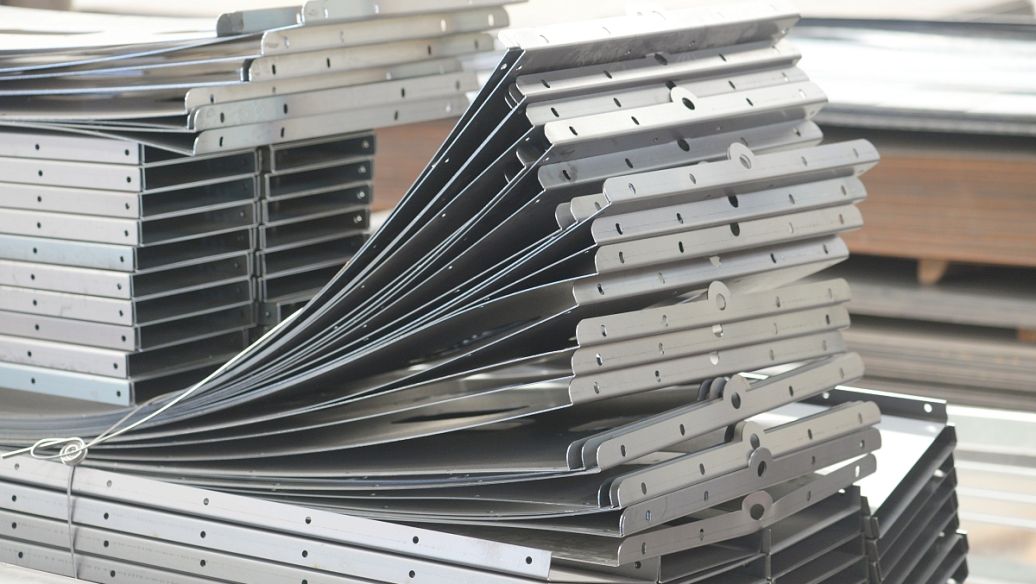
Kun tarvitset teräskomponenttia, jota ei ole saatavilla valmiina kaupasta, minne sitten käännyn? Tässä juuri räätälöity teräslevyvalmistus tulee kyseeseen. Se on silta käsitteesi ja todelliseen maailmaan sovellettavaksi tarkoitettuun, tarkasti suunniteltuun osaan välillä.
Räätälöity teräslevyvalmistus on koko prosessi, jossa raakateräslevyistä valmistetaan tarkasti suunniteltuja komponentteja leikkaamalla, taivuttamalla, hitsaamalla ja muovailmalla – täysin mukautettuna tarkkoihin vaatimuksiin, joita standardimateriaalit eivät pysty täyttämään.
Toisin kuin valmiiden osien ostaminen, tämä erikoistunut muoto metallivalmistusta antaa sinulle hallinnan kaikista mitoista, toleransseista ja materiaaliominaisuuksista. Riippumatta siitä, kehitätkö teollisuuskoneiden komponentteja vai arkkitehtonisia elementtejä, tämän prosessin ymmärtäminen mahdollistaa tehokkaan viestinnän valmistajien kanssa sekä perustellut päätökset, jotka säästävät sekä aikaa että rahaa.
Raakateräksestä tarkkuuskomponentteihin
Kuvittele, että aloitat yksinkertaisesta teräslevystä – tasaisesta metallilevystä, jolla on standardimitat. Teräksenvalmistustekniikoilla tämä raakamateriaali muuttuu merkittävästi. Valmistajat leikkaavat sen tarkoituksenmukaisiin muotoihin plasmapoltto-, laser- tai vesisuihkuleikkurilla. He taivuttavat sen monimutkaisiin kulmiin hydraulisilla puristuspainoilla. He hitsaavat useita osia yhteen luodakseen kokonaisuuksia, jotka suorittavat tiettyjä toimintoja.
Jokainen vaihe vaatii huolellista suunnittelua ja toteutusta. Alan asiantuntijoiden mukaan jopa pieni mittausvirhe valmistuksen aikana voi aiheuttaa merkittäviä ongelmia lopullisessa kokoonpanossa. Siksi kokeneet valmistajat työskentelevät tarkkojen työpiirustusten ja 3D-mallien pohjalta varmistaakseen, että jokainen leikkaus, taivutus ja hitsaus vastaa täsmälleen suunnittelun tarkoitusta.
Nykyajan valmistuksen perusta
Räätälöity valmistus muodostaa perustan lukuisille teollisuuden aloille. Räätälöityjä teräslevykomponentteja löydät esimerkiksi seuraavista sovelluksista:
- Raskaiden koneiden ja laitteiden koteloista
- Kaupallisten rakennusten rakenteellisista tukirakenteista
- Maatalouskoneista ja käsittelylaitteista
- Autoteollisuuden alustojen ja jousitusjärjestelmien osista
- Arkkitehtonisista elementeistä, kuten koristelevyistä ja kaiteista
Metallilevyjen käsittelyn monipuolisuus ulottuu paljon pidemmälle kuin yksinkertaiset tasaiset osat. Taitavat valmistajat muovaa, muotoilee ja yhdistää materiaaleja luodakseen kaikenlaisia tuotteita – suurista urheiluareenojen tukipalkkeista aina erinomaisen tarkkuuden vaativiin komponentteihin, joiden toleranssit voivat olla jopa ±0,003 tuumaa.
Tässä oppaassa tutustut tarkasti siihen, miten kukin valmistustekniikka toimii, milloin tiettyjä menetelmiä tulisi käyttää ja miten valmistautua projektin onnistumiseen. Katso tätä kattavana reittikarttana ensimmäisestä luonnoksesta viimeiseen leikkaukseen.
Ydinvalemistustekniikat ja niiden käyttötilanteet
Nyt tiedät, mitä räätälöity teräslevyvalmistus sisältää – mutta miten valmistajat muuttavat todellisuudessa raaka-aineen tarkkuuskomponenteiksi? Vastaus piilee siinä, että hallitsee useita erillisiä tekniikoita , joista kussakin on tiettyjä vahvuuksia, mikä tekee siitä ihanteellisen tietyille sovelluksille. Väärän menetelmän valitseminen voi tarkoittaa hukattua materiaalia, ylittynyttä budjettia tai osia, jotka eivät yksinkertaisesti toimi kunnolla.
Leikkausmenetelmät ja niiden parhaat käyttökohteet
Metallin leikkaaminen on ensimmäinen ratkaiseva päätös missä tahansa valmistusprojektissa. Teollisuudessa dominoi neljä pääasiallista menetelmää, ja niiden erojen ymmärtäminen auttaa sinua määrittämään oikean lähestymistavan tarpeitasi varten.
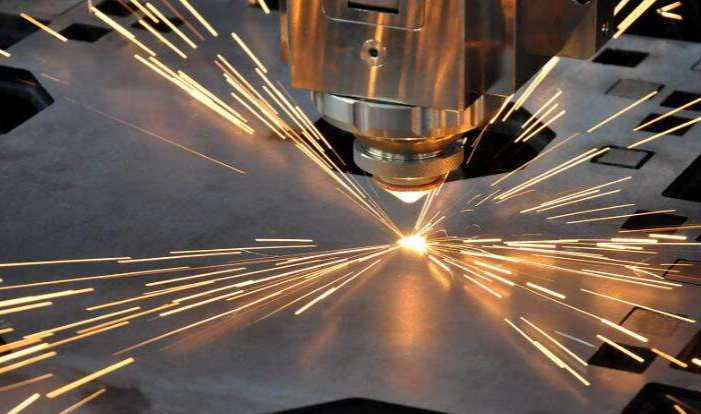
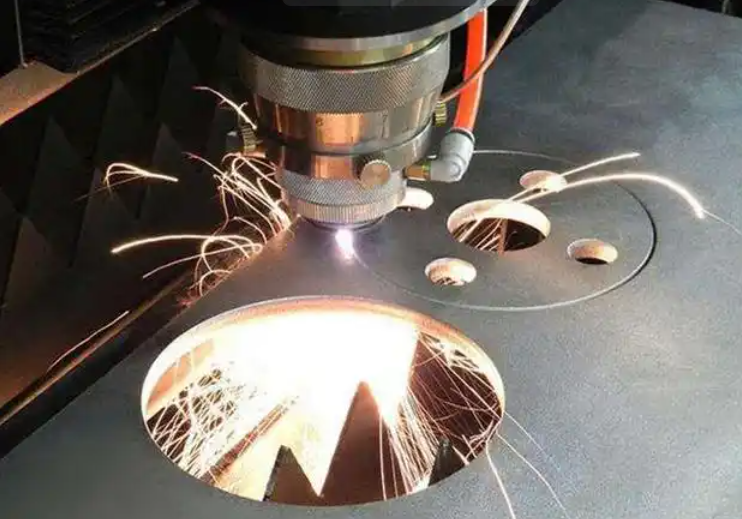
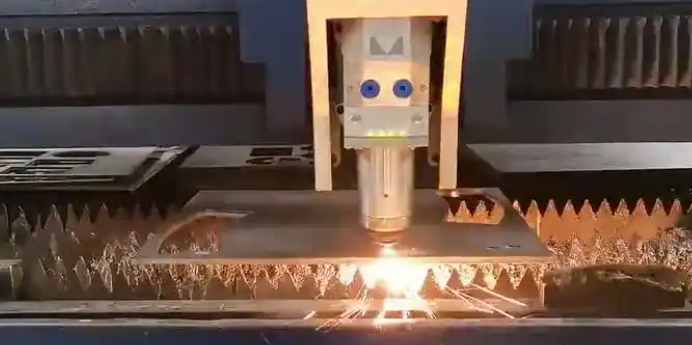
Laserleikkaus käyttää erittäin keskitettyä valonsädettä – yleensä CO2- tai kuitulaserlähteestä – sulattaakseen, polttakseen tai höyrystääkseen materiaalin ohjelmoitua reittiä pitkin. Keskitetty energia mahdollistaa erinomaisen tarkat leikkaukset vähäisellä lämpövaikutusalueella. Kuitulasersäteet erinomaisivat erityisesti alle 1/4 tuuman paksuisille materiaaleille, saavuttaen poikkeuksellisia nopeuksia ja reunalaatua. Leikkausnopeus kuitenkin hidastuu merkittävästi, kun materiaalin paksuus kasvaa, ja hidastuminen on dramaattinen yli 1 tuuman paksuisilla materiaaleilla.
Plasma-leikkaus käyttää kiihdytettyä kuumaa plasma-heittoa, jonka lämpötila voi nousta jopa 45 000 °F:een, jotta sähköä johtavia materiaaleja voidaan leikata. Lähteessä teollisuuslähteet nykyaikaiset CNC-plasmapöydät ovat erinomaisia leikkaamaan materiaaleja, joiden paksuus vaihtelee 0,018 tuumasta (0,46 mm) 2 tuumaan (50,8 mm), ja tehokkaat järjestelmät leikkaavat 1/2 tuuman (12,7 mm) pehmeää terästä yli 100 tuumaa minuutissa (yli 254 cm/min). Tämä tekee plasman nopeimmaksi vaihtoehdoksi keski- ja paksuille levyille sekä teollisuuden standardiksi rakenneteräksen käsittelyyn.
Vesijet-leikkaus käyttää korkeapaineaaltoa vettä – usein sekoitettuna kuluttaviin hiukkasiin –, joka toimii paineessa, joka voi olla jopa 90 000 PSI (620 MPa), jotta materiaalia kulutetaan ohjelmoitua reittiä pitkin. Tärkein etu? Ei lämmönmuodostusta lainkaan. Tämä säilyttää materiaalin rakenteellisen eheyden, mikä tekee vesisuihkun ihanteelliseksi lämpöherkillä sovelluksilla, joissa lämpövääntymä vaarantaisi osan tarkkuuden. Kompromissi on leikkausnopeus – tyypillisesti 5–20 tuumaa minuutissa (12,7–50,8 cm/min) riippuen materiaalin paksuudesta ja lajista.
Mekaaninen leikkaus tarjoaa yksinkertaisimman ratkaisun suorien leikkausten tekemiseen levy-aineisiin. Vastakkaisia teriä käyttäen leikkausleikkaus leikkaa metallia nopeasti ja taloudellisesti. Se on täydellinen perusleikkaustoimenpiteisiin, joissa tarvitaan suorakulmaisia tai neliömäisiä palasia haluttuun kokoonsa ennen lisäkäsittelyä.
Leikkausleveyden – eli leikkaamisen aikana poistettavan materiaalin leveyden – ymmärtäminen on tärkeää tarkkuustyöhön. Laserleikkaus tuottaa kapeimman leikkausleveyden, sen jälkeen tulee plasmaleikkaus ja sitten vesileikkaus. Tämä vaikuttaa materiaalilaskelmiisi ja siihen, kuinka tiukalle osia voidaan sijoittaa toistensa viereen.
| Tekniikka | Paksuusalue | Tarkkuustaso | Ihanteelliset sovellukset |
|---|---|---|---|
| Laserleikkaus | Enintään 1" (optimaalinen alle 1/4") | ±0,005 tuumaa tai parempi | Monimutkaiset suunnittelut, ohuet materiaalit, korkean tarkkuuden työt |
| Plasma-leikkaus | 0,018"–2" | ±0,015" – ±0,030" | Rakenneteräs, raskas kalusto, suuritehoinen tuotanto |
| Vesijet-leikkaus | Enintään 12"+ (kaikki materiaalit) | ±0,003" – ±0,010" | Lämpöherkät materiaalit, sekamateriaalikokoonpanot, paksut levyt |
| Mekaaninen leikkaus | Enintään 1/2" (tyypillinen) | ±0,010" - ±0,030" | Suorat leikkaukset, perusleikkaustoimenpiteet, suorakulmaiset muodot |
Taivutus- ja muovausmenetelmät selitettyinä
Kun olet leikannut teräslevyisiisi haluttuun muotoon, taivutus ja muovaus muuttavat tasaisen materiaalin kolmiulotteisiksi komponenteiksi. Kaksi pääasiallista menetelmää kattaa useimmat sovellukset.
Puristussaran toiminnoille käytetään hydraulista tai mekaanista puristinta, jolla levyterästä painetaan V-muotoiseen tai U-muotoiseen muottipariin, mikä luo tarkat taivutukset tietyissä kulmissa. Taivutuspuristimet ovat erinomaisia kulmataivutusten – kuten 90 asteen kulmien, reunalevyjen ja kanavaprofiilien – tuottamisessa korkealla tarkkuudella. Tämä menetelmä soveltuu hyvin pienestä keskimittaiseen tuotantomäärään sekä erityisesti mukautettuihin osiin, joissa jokaisen taivutuksen kulma voi vaihdella.
Rullamuotoilu terästä kuljetetaan jatkuvasti sarjan rullamuotteja läpi, jolloin materiaali muotoutuu vähitellen yhtenäisiksi profiileiksi. Mukaan lukien teollisuuden asiantuntijat rullamuotous tarjoaa tuotantonopeuden, joka ylittää 100 jalkaa minuutissa, sekä tiukemmat toleranssit sekä pituudelle että reikien sijoittelulle. Se mahdollistaa käytännössä rajattoman pituiset osat ja syöttää materiaalia suoraan teräsputoista, jolloin esileikattuja tyhjiä ei tarvita. Korkean tuotantomäärän yhtenäisten profiilien valmistukseen rullamuotous tarjoaa paremman nopeuden ja kustannustehokkuuden.
Valinta näiden menetelmien välillä riippuu tuotantomäärävaatimuksistanne. Leikkauspuristus soveltuu prototyyppeihin ja erityisvalmistukseen, jossa joustavuus on tärkeämpi kuin nopeus. Rullamuovaus tulee taloudellisesti kannattavaksi, kun tarvitset tuhansia identtisiä osia, joilla on yhtenäinen poikkileikkaus.
Hitsaustavat teräslevyjen kokoonpanoon
Kun suunnittelussanne vaaditaan useiden valmistettujen osien yhdistämistä, oikean hitsaustavan valinta vaikuttaa suoraan liitoksen lujuuteen, ulkoasuun ja tuotannon tehokkuuteen. TIG- ja MIG-hitsauksen välinen vertailu perustuu siihen, että ymmärretään, missä tilanteissa kumpikin menetelmä toimii parhaiten.
MIG-hitsaus (Metallinerttikaasuhitsaus) käyttää jatkuvasti syötettävää langaelektrodia, joka sulaa muodostaakseen hitsin, kun taas suojauskaasu suojaa sulan metallin kylmäytymistä. Mukaan lukien hitsaustyön erikoisasiantuntijat mIG on erinomainen kaikilla paksuusalueilla, alkaen 26-gaumaisesta levytangosta aina raskasrakenteisiin levyihin. Prosessi toimii jatkuvasti pitkiä aikoja, mikä tekee siitä tehokkaamman korkean tuotannon ympäristöissä. Sitä on helpompi oppia – sitä kutsutaan usein hitsauksen "kuumaleimuriksi" – ja se tuottaa hitsausliitokset nopeammin kuin TIG, mikä johtaa alhaisempiin työvoimakustannuksiin.
TIG-hitsaus (Tungsten Inert Gas) käyttää kulumaton volframielektrodin ja erillistä täytelangat, mikä tarjoaa erinomaisen tarkkuuden ja puhtaamman ulkoasun. TIG tuottaa korkealaatuisimpia hitsausliitoksia vähimmällä sulkupirttäytyksellä, mikä tekee siitä ideaalin näkyvien liitosten ja korkealaatuisen pinnan vaativien sovellusten valinnan. Kuitenkin tekniikka vaatii enemmän taitoa ja etenee huomattavasti hitaammin kuin MIG.
Alumiinin hitsaamiseen molemmat menetelmät soveltuvat, mutta TIG tuottaa yleensä parempia tuloksia ohuissa alumiiniosissa, joissa lämmön säätö on ratkaisevan tärkeää. MIG käsittelee tehokkaasti paksuampaa alumiinia silloin, kun tuotantonopeus on tärkeämpi kuin kosmeettinen täydellisyys.
Ota nämä ohjeet huomioon, kun määrittelet hitsausmenetelmiä:
- Valitse MIG-rakenneteräkselle, paksuille materiaaleille ja suuriteholliseen sarjatuotantoon
- Valitse TIG näkyville hitsauksille, ohuille materiaaleille ja tarkkoihin kokoonpanoihin
- Käytä MIG-hitsausta, kun hitsaat eri materiaaleja yhteen (se käsittelee tätä tehokkaammin)
- Käytä TIG-hitsausta, kun pinnan ulkonäkö on ensisijainen huolenaihe
Näiden perusmetallileikkureiden ja liitosmenetelmien ymmärtäminen antaa sinulle sanaston, jolla voit viestiä tarkasti valmistajien kanssa. Seuraavaksi sinun on ymmärrettävä materiaalimäärittelyt – sillä vaikka valmistustekniikat olisivat täydellisiä, ne eivät voi kompensoida väärän teräslajin valintaa.
Teräslevyjen määrittelyt ja materiaalin valinta
Olet oppinut leikkaus-, taivutus- ja hitsausmenetelmiä – mutta tässä on se tärkeä seikka: mikään niistä ei merkitse mitään, jos määrittelet väärän materiaalin. Teräslevyjen määrittelyt saattavat vaikuttaa kuivuilta teknisiltä tiedoilta, mutta ne ovat itse asiassa perusta, joka määrittää sen, toimivatko valmistamasi komponentit moitteettomasti vai epäonnistuvatko ne ennenaikaisesti. Selvitellään nyt terminologiaa, jotta voit esittää vaatimuksesi varmasti.
Teräksen mittakaavan ymmärtäminen
Oletko koskaan miettinyt, kuinka paksu 16-mittainen teräs on? Vastaus ei ole yhtä suoraviivainen kuin voisi odottaa. Mittakaavajärjestelmä juontaa juurensa 1800-luvulle, ennen kuin standardoidut paksuusmitat olivat olemassa. Tuohon aikaan lehden painon mittaaminen oli luotettavampaa kuin yksittäinen paksuusmittaus, koska valmistusprosessit olivat epätasaisia.
Tässä tulee intuitiivisesti hämmentävä osa: mitä pienempi kalvon numero, sitä paksumpi materiaali tämä johtuu mittayksikön kaliberin alkuperästä langanvalmistuksesta. Luku kertoi, kuinka monta kertaa lankaa vedettiin pienenevien muottien läpi – enemmän vetokertoja tuotti ohuempaa lankaa ja korkeampia kaliberlukuja.
Siksi vertailtaessa kaliberikokoja 14 kaliberin teräksen paksuus (0,075 tuumaa teräkselle) on itse asiassa paksumpi kuin 16 kaliberin paksuus (0,060 tuumaa teräkselle). Tämä hämmentää monia ensimmäistä kertaa ostavia, jotka olettavat, että suuremmat luvut tarkoittavat enemmän materiaalia.
Tärkeä varoitus: eri materiaalit käyttävät eri kalibertaulukoita. Alan asiantuntijoiden mukaan 16 kaliberin ruostumaton teräs on 0,0625 tuumaa paksu, kun taas 16 kaliberin alumiini on 0,0508 tuumaa paksu – ero 0,033 tuumaa on huomattavan suuri ja ylittää useimpien suunnittelujen sallitut toleranssit. Väärän kalibertaulukon käyttö voi aiheuttaa koko projektin epäonnistumisen.
| Mittari | Teräs (tuumaa) | Teräs (mm) | Tyypillisiä käyttökohteita |
|---|---|---|---|
| 10 gauge | 0.135" | 3,43 mm | Raskaiden koneiden paneelit, rakenteelliset kiinnikkeet |
| 11 kalvo | 0.120" | 3,05 mm | Teollisuuskuoret, koneiden suojat |
| 12 gauge | 0.105" | 2.66 mm | Autoteollisuuden komponentit, työkalulaatikot |
| 14 kalvo | 0.075" | 1.90 mm | Ilmanvaihtojärjestelmät, yleinen valmistus |
| 16 kalvo | 0.060" | 1.52 mm | Sähkökuoret, valaisimet |
| 18 gauge | 0.048" | 1,22 mm | Koristelevyt, laitteiden koteloit |
| 20 gauge | 0.036" | 0,91 mm | Vesikourut, kevyet suojakannet |
Yli 1/4 tuuman paksuisilla materiaaleilla siirrytään "levymetallin" alueelta "levyn" alueelle, ja niitä määritellään yleensä desimaali- tai murto-osamittauksin eikä mittalukujen avulla. Tämä ero on tärkeä, kun pyydät tarjouksia – valmistajat odottavat eri terminologiaa riippuen materiaalin paksuudesta.
Oikean teräslajin valinta sovellukseesi
Materiaalin luokan valinta vaikuttaa suoraan suorituskykyyn, valmistusmenetelmien yhteensopivuuteen ja hankkeen kustannuksiin. Jokainen luokka tarjoaa erilaisia ominaisuuksia, jotka sopivat tiettyihin sovelluksiin. Lähtien valmistusspesialistit tiedoista ymmärtäminen näistä eroista auttaa sinua tasapainottamaan lujuutta, korrosionkestävyyttä ja budjettia.
A36 teräs on edelleen rakenteellisen valmistuksen työhevonen. Tämä vähähiilinen teräs tarjoaa erinomaisen hitsattavuuden ja muovattavuuden taloudellisella hinnalla. Sitä käytetään palkkeihin, kehyksiin ja yleisiin rakennussovelluksiin, joissa kohtalainen vetolujuus (58 000–80 000 PSI:n myötölujuus) täyttää useimmat vaatimukset.
AR500-teräs (Kulumisesta vastustava) soveltuu vaativiin kulumissovelluksiin. Tämän laadun Brinell-kovuusarvo on noin 500, mikä tekee siitä kulumisvastaisen kaivosteollisuuden laitteissa, kuljetuskanavissa ja korkean iskukuorman alttiissa ympäristöissä. Kompromissi? Se on vaikeampi työstää ja hitsata, mikä vaatii erityisiä menetelmiä.
304 ruostumaton teräs tarjoaa yleisten ympäristöjen korrosionkestävyyteen tarkoitetun ratkaisun. 18 % kromi- ja 8 % nikkeli sisältävä seos muodostaa suojaavan oksidikerroksen, joka estää ruostumista. Ruokateollisuus, arkkitehtoniset sovellukset ja lääkintälaitteet määrittelevät yleensä 304 -teräksen korrosionkestävyyden ja hinnan tasapainon vuoksi.
316 rostiton teräs parantaa korroosiosuojaa lisäämällä molybdeenia, mikä erityisesti suojelee klorideilta ja happamilta ympäristöiltä. Merenkulkuun, kemialliseen käsittelyyn ja lääketeollisuuden laitteisiin vaaditaan 316-ruostumatonta terästä, kun odotetaan altistumista suolalle tai aggressiivisille kemikaaleille.
- A36-ominaisuudet: 36 000 PSI:n vähimmäismyötölujuus, erinomainen hitsattavuus, helppokäyttöinen koneistettava materiaali, halvin vaihtoehto rakenteellisiin sovelluksiin
- AR500-ominaisuudet: 500 Brinell-kovuus, erinomainen kulumisvastus, korkeampi vetolujuus, vaatii esilämmityksen hitsausta varten
- 304-ruostumaton teräs -ominaisuudet: 30 000 PSI:n myötölujuus, kestää hapettumista lämpötilaan 1500 °F asti, ei-magneettinen pehmitetynä, hyvä muovattavuus
- 316-ruostumaton teräs -ominaisuudet: Ylivertainen kloridivastus, kestää korkeampia lämpötiloja kuin 304, noin 20 %:n hintalisä verrattuna 304:ään
Paksuus vaikuttaa suoraan valittaviin valmistusmenetelmiin ja kustannuksiin. Ohuemmat materiaalit leikataan nopeammin lasersäteellä, kun taas plasmasäde tulee taloudellisemmin kannattavaksi yli 1/4 tuuman paksuisille levyille. Paksujen levyjen taivuttaminen vaatii tehokkaampaa laitteistoa ja saattaa rajoittaa saavutettavia taivutussäteitä. Tarkkuuslaitteilla voidaan saavuttaa toleranssit ±0,003 tuumaa – mutta tiukemmat toleranssit paksuilla materiaaleilla lisäävät yleensä käsittelyaikaa ja kustannuksia.
Määrittellessäsi materiaaleja anna sekä laadun merkintä (esim. ASTM A36 tai AISI 316) että tarkka paksuus desimaalituuminna tai millimetreinä. Tämä poistaa epäselvyydet mittakaavakorttien vaihteluista ja varmistaa, että valmistajat antavat tarkat tarjoukset. Kun materiaalispesifikaatiot on selkeästi määritelty, olet valmis siirtymään seuraavaan kriittiseen vaiheeseen: projektiasiakirjojen valmisteluun valmistusta varten.
Suunnittelet omaa räätälöityä valmistusprojektiasi
Sinulla on suunnittelukonseptisi ja materiaalit ovat tuttuja – nyt tulee kysymys, jonka jokainen projektinjohtaja esittää: kuinka paljon metalliosan valmistaminen maksaa? Rehellinen vastaus riippuu kokonaan siitä, kuinka hyvin olet valmistautunut ennen kuin otat yhteyttä valmistusliikkeisiin. Epätäydelliset pyynnöt aiheuttavat takaisin-ja-edistä -sähköpostivaihtoa, viivästyneitä tarjouksia ja tuottavia yllätyksiä tuotantovaiheessa. Hyvin valmistautunut pyyntö taas antaa sinulle tarkan hinnan, realistiset aikataulut ja osat, jotka sopivat täydellisesti jo ensimmäisellä kerralla.
Välttämätön tiedot valmistuspyyntöösi
Ajattele tarjouspyyntöäsi keskusteluna valmistajasi kanssa. Mitä selkeämmin viestit etukäteen, sitä nopeammin ja tarkemmin saat vastauksen. Alan asiantuntijoiden mukaan puuttuvat tiedot tai kriittiset tiedot hidastavat prosessia ja vaativat lisäpuheluita tai sähköpostivaihtoa, joita kukaan ei halua.
Ennen kuin otat yhteyttä teräsvalmistajiin saadaksesi tarjouksia teräslevyprojektistasi, kerää nämä välttämättömät tiedot:
- Luettavat piirrokset tai tulosteet — Selkeät, täysin mitoitetut piirrokset, joissa näkyvät kaikki reiät, taivutukset ja kriittiset ominaisuudet. Epäselvät luonnokset johtavat väärään tulkintaan ja virheellisiin tarjouksiin.
- CAD-tiedostot (2D tai 3D) — Digitaaliset tiedostot standardimuodoissa (DXF, STEP, IGES) antavat valmistajille tarkat määrittelyt CNC-laitteiston ohjelmointia varten.
- Materiaalin tekniset tiedot — Määrittele tarkasti materiaalin tyyppi (A36, 304-ruostumaton teräs jne.), paksuus tuumina desimaalilukuna sekä mahdollinen pintakäsittely tai vaadittava todistus.
- Määrävaatimukset — Ilmoita tarkasti, kuinka monta kappaletta tarvitset. Viiden osan prototyyppierä hinnoitellaan hyvin eri tavoin kuin 500 kappaleen tuotantotilaus.
- Toleranssimerkinnät — Merkitse, mitkä mitat vaativat tiukkoja toleransseja ja mitkä voivat hyväksyä standardit valmistustoleranssit.
- Hitsausmäärittelyt — Jos levyteräksen valmistusprojektissasi vaaditaan hitsausta, määrittele liitostyypit, hitsausmerkit ja mahdolliset vaadittavat todistukset (esim. AWS D1.1).
- Pintakäsittelyvaatimukset — Tarkenna kaikki tarvittavat maalaus-, pulverimaalaus-, sinkitys- tai muut pinnankäsittelyt.
- Toimitusaika — Anna todellinen toimitusaika, älä vain "mahdollisimman pian". Kiireelliset tehtävät maksavat enemmän, ja rehelliset aikataulut auttavat valmistajia antamaan sinulle realistisia tarjouksia.
Osaluvut ja piirustusten versiomääritykset ovat tärkeämpiä kuin saattaisi vaikutaa. Kun metallilevyjen suunnittelu kehittyy iteraatioiden kautta, selkeä versiohallinta estää valmistajia tarjoamasta tai tuottamasta vanhentuneita suunnitelmia. Ei mitään tuhlaa rahaa nopeammin kuin 200 osan valmistaminen viime kuukauden piirustuksesta.
Yleisimmät määrittelyvirheet
Jopa kokemuksetta olevat insinöörit tekevät määrittelyvirheitä, jotka aiheuttavat valmistusprojektien epäonnistumisen. Näiden ansaluukkujen ymmärtäminen auttaa sinua välttämään kalliita viivästyksiä.
Toleranssien liiallinen tiukentaminen kuuluu kalleimmista virheistä. Mukaan lukien valmistusspesialistit epärealistiset tai tarpeettoman tiukat toleranssit lisäävät valmistuskompleksisuutta ja kustannuksia ilman, että toiminnallisuutta parannetaan. Käytä oletusarvoisesti standardisia levytelineiden valmistustoleransseja ei-kriittisille mitoille—yleensä ±0,015" laserleikattujen reunojen ja ±1° taivutusten osalta. Varaa tiukat toleranssit vain niille mitoille, jotka todella vaikuttavat kokoamiseen tai toimintaan.
Taivutustilan laskemisen sivuuttaminen johtaa osiin, jotka eivät vastaa suunniteltuja mittoja. Kun metallia taivutetaan, se venyy ulkopuolella ja puristuu sisäpuolella. Tasomallin mitat on laskettava ottaen huomioon tämä materiaalin käyttäytyminen. Jos et ole kokemusrikas taivutustilan laskennassa, pyydä valmistajaa tarkistamaan suunnitelmasi ennen tuotantoon siirtymistä.
Reikien sijoittaminen liian lähelle taivutusviivoja aiheuttaa vääristymiä muovauksen aikana. Yleinen sääntö: pidä reikien reunat vähintään 2–3 kertaa materiaalin paksuuden etäisyydellä mistä tahansa taivutusviivasta. Tämän ohjeen noudattamatta jättäminen johtaa venyneisiin tai vääristyneisiin reikiin.
Materiaalien ja valmistusmenetelmien väärä yhdistäminen tuottaa turhia aikakustannuksia ja rahankäyttöä. Esimerkiksi erityisen kovaa materiaalia, kuten AR500-laatua, vaadittaessa osalle, joka edellyttää monimutkaisia taivutuksia, syntyy ongelmia – materiaalin kovuus rajoittaa saavutettavia taivutussäteitä ja lisää työkalujen kulumista. Aikainen yhteistyö suunnittelutiiminne ja valmistusliikkeiden välillä tunnistaa tällaiset ristiriidat ennen kuin ne muodostuvat kalliiksi muutospyynnöiksi.
Toleranssivaatimusten ilmaisemisessa ole tarkka siitä, mIKSI joissakin mitoissa on merkitystä. Jos kerrot valmistajalle: "tämän reiän halkaisijan on oltava 0,500 tuumaa ±0,002 tuumaa, koska siihen asennetaan painolevylaakeri", annat hänelle kontekstin, joka mahdollistaa oikean priorisoinnin ja voi jopa johtaa vaihtoehtoisien, toiminnallisesti vastaavien mutta taloudellisemmin toteutettavien ratkaisujen ehdottamiseen.
Suunnittelun monimutkaisuuden, materiaalin valinnan ja projektin toteuttamismahdollisuuden välinen suhde ei aina ole ilmeinen. Suunnittelu, joka toimii erinomaisesti pehmeässä teräksessä, saattaa olla käytännössä toteuttamaton kovannetussa seoksteräksessä. Monimutkaiset geometriat, jotka näyttävät yksinkertaisilta ruudulla, voivat vaatia kalliita lisätoimenpiteitä tai erityisiä työkaluja. Kokemukset valmistajat tarjoavat valmistettavuuden kannalta suunnittelua koskevia palautteita, joissa nämä ongelmat tunnistetaan varhain – ennen kuin olet sitoutunut budjetillisesi vialliseen lähestymistapaan.
Kun projektiasiakirjasi on valmiina ja määrittelyvirheiltä on vältytty, olet valmis saamaan tarkkoja tarjouksia ja realistisia aikatauluja. Mutta miten tiedät, vastaako valmistajan laatu vaatimuksiasi? Tässä vaiheessa on olennaista ymmärtää tarkkuusvaatimukset ja sertifikaatit.
Laatustandardit ja tarkkuusvaatimukset
Olet valmistanut projektisi dokumentaation ja valinnut materiaalisi – mutta tässä on kysymys, joka erottaa onnistuneet valmistusprojektit turhauttavista epäonnistumisista: kuinka tarkka osasi todellisuudessa tarvitsee olla? Toleranssit eivät ole vain lukuja piirustuksessa. Ne määrittävät suoraan, sopivatko ruostumattomasta teräksestä valmistetut levyt yhteen ilman aukkoja vai vaativatko ne kalliita uudelleenvalmistuksia. Laatuvaatimusten ymmärtäminen auttaa sinua määrittelemään vaatimukset, jotka saavuttavat toiminnalliset tavoitteesi ilman tarpeetonta kustannusten nousua.
Mitä tarkkuusvaatimukset tarkoittavat projektillesi
Kuvittele koneen kokoonpanoa, jossa komponentit tulevat kolmesta eri valmistajasta. Jokainen osa näyttää yksinään oikealta – mutta kun yrität kiinnittää ne yhteen, reiät eivät linjaa, reunat jäävät epätasaisiksi väleiksi ja vastakkaiset pinnat eivät kohtaa tasaisesti. Tämä kauhuprosessi johtuu toleranssien yhteensopimattomuuksista, jotka vaikuttimeltaan näyttivät merkityksettömiltilä paperilla, mutta käytännössä osoittautuivat katastrofaalisiksi.
Toleranssit määrittelevät sallitun vaihteluvälin nimellismitoista. ±0,010 tuuman toleranssi 2,000 tuuman mitalla tarkoittaa, että todellinen mittaus voi vaihdella välillä 1,990–2,010 tuumaa ja silti täyttää vaatimukset. teollisuuden standardit mukaan geometriset toleranssit teräsrakentamisessa jaetaan kolmeen erilliseen luokkaan: rakenteellisen turvallisuuden kannalta olennaiset toleranssit, kokoamisen ja sovituksen kannalta toiminnallisesti merkitykselliset toleranssit sekä erityistarkoituksiin tarkoitetut erityistoleranssit.
Tarkkuuskoottavissa ruostumattomasta teräksestä valmistetuissa levyosissa pienetkin poikkeamat kertyvät useiden osien yli. Jos käytät 11 gauge -teräksen paksuutta ja kymmenen toisiinsa sopivan reiän jokainen poikkeaa sallitun enimmäismäisen mukaan vastakkaisiin suuntiin, kokoonpano saattaa olla mahdoton ilman muokkausta.
- Kaupallinen toleranssi (±0,030 tuumaa tai suurempi): Yleinen valmistus, jossa ulkoasu ja suunnilleen oikea koko ovat tärkeämpiä kuin tarkkuus. Soveltuu rakenteellisiin kiinnikkeisiin, koteloihin ja ei-kriittisiin peitteisiin.
- Standarditoleranssi (±0,38 mm–±0,51 mm): Useimmat räätälöidyt teräslevyvalmisteet käyttävät oletusarvoisesti tätä toleranssialuetta. Soveltuu koneiden suoja-aitoihin, laitteiden koteloituksiin ja komponentteihin, joissa vaaditaan kohtalaisen tarkkaa istumaa.
- Tarkka toleranssi (±0,13 mm–±0,25 mm): Vaaditaan, kun osien on yhdistettävä koneistettuihin komponentteihin tai kun useita valmistettuja osia on kokoonnettava pienillä väleillä. Yleinen ruostumattomasta teräksestä valmistetuissa levykokoonpanoissa elintarviketeollisuudessa tai lääkintälaitteissa.
- Erittäin tarkka toleranssi (±0,08 mm tai tiukempi): Lähestyy koneistustasoisia tarkkuuksia. Välttämätön puristusliitoksissa, tarkan työkalun valmistuksessa ja komponenteissa, jotka liittyvät hiottuihin tai hioittuihin pintoihin. Kasvattaa merkittävästi kustannuksia ja toimitusaikoja.
Tässä on se, mitä monet ostajat jättävät huomiotta: tiukemmat toleranssit vaikuttavat enemmän kuin vain kappalehintaan. Valmistusalan asiantuntijoiden mukaan tiukempien toleranssien saavuttaminen edellyttää hitaampia leikkausnopeuksia, lisäinspektioita ja joskus myös toissijaisia konepistotöitä. Ruostumatonta teräslevyä, jonka toleranssi on määritelty ±0,003 tuumaa, voi maksaa kolme kertaa enemmän kuin sama osa, jonka toleranssi on ±0,015 tuumaa – ei siksi, että materiaali eroaisi, vaan siksi, että valmistusprosessi muuttuu merkittävästi.
Käytännöllinen lähestymistapa? Määrittele tiukat toleranssit ainoastaan siellä, missä toiminnalliset vaatimukset niitä edellyttävät. Merkitse kriittiset mitat erikseen piirustuksiisi ja salli muualla standarditoleranssit. Tämä kertoo valmistajallesi tarkalleen, missä kohdissa tarkkuustyötä on keskitettävä, mikä optimoi sekä kustannukset että laadun.
Alan sertifikaatit ja niiden merkitys
Kun hankit ruostumatonta terästä autojen alustakomponentteihin tai lääketieteellisiin laitteisiin, miten varmistat, että valmistaja pystyy jatkuvasti toimittamaan tarvitsemasi laadun? Sertifikaatit tarjoavat tämän varmuuden osoittamalla, että valmistaja noudattaa dokumentoituja laatum hallintajärjestelmiä, joita on tarkastanut riippumaton tarkastaja.
IATF 16949 iATF 16949 edustaa kultakantaa autoteollisuuden toimitusketjun laadulle. Sertifiointiasiantuntijoiden mukaan tämä kehys perustuu ISO 9001 -standardiin, mutta lisää siihen autoteollisuudelle ominaisia vaatimuksia, jotka keskittyvät vikojen ehkäisemiseen, vaihtelun vähentämiseen ja jätteiden poistamiseen. Sertifiointi on binäärinen: yritys joko täyttää kaikki vaatimukset tai ei kelpaa sertifiointiin. Alusta-, jousitus- ja rakenteellisiin komponentteihin, joiden epäonnistuminen voi aiheuttaa turvallisuusongelmia, IATF 16949 -sertifiointi osoittaa valmistajan sitoutumisen johdonmukaiseen laatuun.
ISO 9001:2015 muodostaa perustan laatujohtamisjärjestelmille kaikilla aloilla. Laatuteollisuuden asiantuntijoiden mukaan tämä sertifiointi vaatii organisaatioita määrittämään ja noudattamaan laatuun liittyviä prosesseja sekä tunnistamaan jatkuvasti parannettavat alueet. Kolmannen osapuolen tarkastajat testaavat noudattamista vuosittain, mikä varmistaa, etteivät standardit heikkenisi ajan myötä.
AS9100D laajentaa ISO 9001 -standardia ilmailualan sovelluksia varten ja lisää vaatimuksia tuoteturvallisuudesta, väärennettyjen osien estämisestä ja konfiguraationhallinnasta. Jos valmistamasi komponentit pääsevät ilmailualan toimitusketjuun, tämä sertifiointi on välttämätön.
Sertifiointien lisäksi laatuvalvontaprosessit määrittävät päivittäisen yhdenmukaisuuden. Luotettavat valmistajat pitävät kirjaa tarkastusmenettelyistä, mukaan lukien:
- Ensimmäisen näytteen tarkastus, jolla varmistetaan, että alkuperäinen tuotanto vastaa määritelmiä ennen kuin koko tuotantosarja käynnistetään
- Tuotantoprosessin aikaiset mittatarkastukset kriittisissä valmistusvaiheissa
- Lopputarkastus kalibroituja mittauslaitteita käyttäen
- Materiaalin jäljitettävyys, joka yhdistää valmiit osat tiettyihin materiaalieriin ja kuumennusnumeroihin
- Poikkeamien käsittelymenettelyt, joissa dokumentoidaan, miten poikkeamat tunnistetaan, arvioidaan ja ratkaistaan
Kuten teräsrakennustekniikan asiantuntijat huomauttavat, määriteltyjen toleranssien mahdollinen vaikeus liittyy valmistuksen aikana vaadittavaan tarkastukseen. Kohtalaiset toleranssit eivät tulisi merkittävästi lisätä kustannuksia, sillä kokemukset valmistajat noudattavat niitä ilman erityismenettelyjä. Tarkastustoimet kuitenkin lisäävät aikaa – ja kustannukset kertyvät, kun tarkastusten viivästykset estävät osien siirtymistä seuraavaan tuotantovaiheeseen.
Arvioitaessa valmistajia kysy heiltä tehdasvalvontajärjestelmistä. Nämä dokumentoidut menettelyt määrittelevät tarkastusten taajuuden kullekin projektityypille sopivalla tavalla. Kaikkia mittoja ei mitata jokaisesta osasta – mutta kriittiset mitat ja ne mitat, jotka todennäköisesti poikkeavat sallitusta toleranssista, tarkastetaan.
Laatuvaatimusten ymmärtäminen mahdollistaa vaatimusten asianmukaisen määrittelyn ja potentiaalisten toimittajien tehokkaan arvioinnin. Mutta raakana valmistettu teräs harvoin siirtyy suoraan käyttöön – useimmat sovellukset vaativat suojaavia tai esteettisiä pinnoitteita, jotka pidentävät komponenttien käyttöikää ja parantavat ulkoasua.
Valmistettujen teräslevyjen pinnoitusvaihtoehdot
Valmistettujen teräskomponenttienne täyttävät kaikki mitalliset vaatimukset ja läpäisevät laatuinspektion – mutta ne eivät ole vielä käyttövalmiita. Ilman asianmukaista pinnoitusta jopa tarkasti suunnitellut osat voivat altistua korroosiolle, kulumiselle ja ennenaikaiselle vioittumiselle. Oikean pinnoituksen valinta muuttaa raakana valmistetun teräksen komponenteiksi, jotka toimivat luotettavasti vuosikymmeniä ja täyttävät myös esteettiset vaatimukset.
Kuulostaa vaikealta? Ei tarvitse olla. Kun tiedät, milloin kukin pinnoitusmenetelmä toimii parhaiten, voit tasapainottaa suojausta, ulkoasua ja budjettia tehokkaasti.
Suojapeitteet kestävyyden vuoksi
Suojelu alkaa ymmärtämisestä toimintaympäristöäsi. Komponentti, joka on tarkoitettu sisätilojen ilmastoidulle käytölle, vaatii erilaista käsittelyä kuin komponentti, joka altistuu suolavesihäille tai teollisuuskemikaaleille. Valmistusasiantuntijoiden mukaan oikea pinnankäsittely vaikuttaa merkittävästi osan kestävyyteen, ulkonäköön ja toimintakykyyn.
Kuuma sinkitys kuumasinkitys on edelleen työhevonen raskaiden korroosiosuojien toteuttamisessa. Prosessissa valmistettu teräs upotetaan noin 450 °C:n lämpöiseen sulatettuun sinkkiin, mikä luo metallurgisesti sidotun pinnoitteen, joka suojaan perusmetallia uhraavalla tavalla. Vaikka pinnoite naarmuuntuisi, ympäröivä sinkki jatkaa altistuneen teräksen suojaamista galvaanisen vaikutuksen avulla. Rakenteelliset komponentit, ulkotilalaitteet ja maatalouskoneet saavat yleensä kuumasinkityksen huoltovapaaan suojaan, joka kestää yli 50 vuotta maaseutuympäristöissä.
Sähkölaastaminen saostaa ohuita metallikerroksia—sinkkiä, nikkeliä tai kromia—elektrokemiallisilla prosesseilla. Toisin kuin kuumasukkelausmenetelmän paksu pinnoite, sähkökromaus tuottaa tarkat ja yhtenäiset pinnat, jotka sopivat komponentteihin, joissa vaaditaan tiukkaa mitallista tarkkuutta. Kompromissi? Ohuemmat pinnoitteet tarjoavat vähemmän korrosiosuojaa aggressiivisissa ympäristöissä.
Jauhettua pinnoitteet sovelletaan kuivina polymeeripartikkelina sähköstaattisesti ennen lämpökäsittelyä kestäväksi kalvoiksi. Tuloksena oleva pinnoite kestää paremmin naarmuja, irtoamista ja värimuutoksia verrattuna perinteisiin nestemäisiin maaleihin. Jauhemainen pinnoitus tarjoaa käytännössä rajattomasti väri vaihtoehtoja samalla kun se poistaa orgaanisten liuottimien (VOC) aiheuttamat haitat, jotka liittyvät liuotinpohjaisiin maaleihin. Kun jauheet kovettuvat, ne eivät aiheuta ilmansaasteita—tämä on yhä tärkeämpi näkökohta ympäristöasetusten tiukentuessa.
Sekamateriaalisten kokoonpanojen, joissa on alumiinikomponentteja, anodointi tarjoaa erinomaista suojaa. Anodointipinnoite muodostuu perusalumiinista sähkökemiallisella prosessilla, jolloin syntyy kiinteä oksidikerros, joka ei irtoa tai karsiudu. Pinnanvalmistusasiantuntijoiden mukaan pinnoitteen kestoikä on suoraan verrannollinen käytetyn anodisuorakerroksen paksuuteen. Luokan I anodointi (0,7 mil) kestää ulkokäytössä noin kaksi kertaa niin kauan kuin luokan II anodointi (0,4 mil).
Anodointi tehdystä alumiinista saadaan parempi kulutuskestävyys kuin maalatuista pinnoitteista – mikä tekee siitä ihanteellisen korkean liikennemäisen alueiden, kuten ovenvarusteiden ja käsikahvojen, materiaalin. Lisäksi anodointipinnoitetta voidaan uudistaa puhdistamalla sitä jopa vuosien kuluttua säätä, kun taas epäonnistunut maali vaatii yleensä täydellisen uudelleenmaalaamisen.
Esteettiset pinnoitteet ja niiden kestävyys
Kun ulkonäkö on yhtä tärkeä kuin suojelu, valintamahdollisuutesi lopputuotteelle laajenevat merkittävästi. Kuvittele ruostumattomasta teräksestä valmistettu takaseinä kaupallisessa keittiössä – se vaatii sekä korrosiosuojaa että visuaalista viehätystä, joka tekee vaikutuksen asiakkaisiin.
PVDF-pintakäsittelyt (polyvinylidendifluoridi) hallitsevat arkkitehtonisia sovelluksia, joissa värin säilyminen on tärkeää. Nämä pinnoitteet valmistetaan 70 %:sta PVDF-hartsista ja 30 %:sta akryyleistä, ja ne kestävät UV-säteilyä ja kemiallista vaikutusta paremmin kuin useimmat muut vaihtoehdot. Teollisuuden standardien mukaan AAMA 2605 -vaatimukset täyttävät PVDF-pintakäsittelyt testataan todellisessa kymmenen vuoden ajan Floridassa – mikä tarjoaa todellisen maailman suorituskyvyn vahvistuksen eikä nopeutettuja laboratoriotuloksia.
Polyesteripintakäsittelyt tarjoavat laajemman värivaihtoehtojen valikoiman alhaisemmassa hinnassa kuin PVDF-pintakäsittelyt, vaikka niissä hieman heikentyy pitkän aikavälin kiilto. Sisäsovelluksiin tai ulkosovelluksiin, joissa kestävyysvaatimukset eivät ole yhtä tiukat, polyesteripintakäsittelyt tarjoavat erinomaista suhteellista arvoa.
Erikoisviimeistelyt osoittaa yksilöllisiä vaatimuksia. Harjattu tai satiinihieno pinnanpäällys piilottaa sormenjäljet ja pienet naarmut ruostumattomasta teräksestä. Peilikaristus luo dramaattisen visuaalisen vaikutelman rakennuksellisiin elementteihin. Teksturoitu jauhepinnoite lisää liukumattomuutta kävelypintoihin tai piilottaa pieniä pinnan epätäydellisyyksiä valmistettujen osien pinnassa.
| Pintakäsittelymenetelmä | Korroosionkestävyys | Kustannustaso | Parhaat käyttösovellukset |
|---|---|---|---|
| Kuuma sinkitys | Erinomainen (yli 50 vuotta maaseudulla) | Kohtalainen | Rakenneteräs, ulkotarvikkeet, maatalouskoneet |
| Jauhemaalaus | Hyvä erinomaiseen | Kohtalainen | Laitteiden kotelot, huonekalut, autoteollisuuden komponentit |
| PVDF-maali | Erinomainen | Korkeampi | Rakennuspaneelit, verhoilupaneelit, metallikatto |
| Sähkökromaus (sinkki) | Hyvä | Alhainen keskitasolle | Kiinnittimet, tarkkuuskomponentit, sisätilojen kiinnitystarvikkeet |
| Anodisoitu (alumiini) | Erittäin hyvä | Kohtalainen | Kauppaikkunat, käsikahvat, rakennustekniset koristeosat, eri materiaaleista koostuvat kokoonpanot |
| Polyyesteripudero | Hyvä | Alempi | Sisätilakäyttö, yleiset teollisuuslaitteet |
Valitun pinnankäsittelyn suora vaikutus on sekä toimitusaikaan että kustannuksiin. Sinkityn pinnoituksen vaatima osien kuljetus erikoistuneisiin pinnoitustehoihin lisää kuljetusaikaa ja käsittelylogistiikkaa. Muiden kuin varastossa olevien pulveripinnoitteiden värivaihtoehtojen valinta saattaa edellyttää vähimmäiseriä, kun taas varastossa olevat värit voidaan lähettää välittömästi. PVDF-arkkitehtuuripinnoitteet vaativat pidempiä kovettumisaikoja kuin tavallisissa pulveripinnoitteissa käytetään. Ottaa nämä muuttujat huomioon projektin aikataulussa jo alusta alkaen.
Yksi ratkaiseva huomio: pinnan esikäsittely määrittää pinnoitteen tarttuvuuden ja kestävyyden riippumatta siitä, mikä pinnankäsittelyvalinta tehdään. Oikea puhdistus, rasvanpoisto ja esikäsittely muodostavat perustan pitkäaikaiselle suorituskyvylle. Tässä vaiheessa tehtävät lyhennykset heikentävät jopa korkealuokkaisten pinnoitusjärjestelmien suorituskykyä.
Kun lopputuloksen vaatimukset, materiaalispesifikaatiot ja toleranssivaatimukset on määritelty, olette lähes valmiina koko projektipaketin kanssa. Ennen tarjousten pyytämistä on kuitenkin tärkeää ymmärtää, miten tuotantomäärä vaikuttaa hintoihin, jotta voitte tehdä perusteltuja päätöksiä prototyyppien ja sarjatuotannon välillä.
Prototyypistä tuotantovolyymiin liittyvät harkinnat
Tässä on kysymys, joka usein yllättää ostajat: tuo täydellisesti suunniteltu teräslevykomponentti, joka näkyy näytöllänne – tilaatteko sen viisi kappaletta testaukseen vai viisisataa kappaletta tuotantoon? Vastaus vaikuttaa kaikkeen: yksikköhintaan, projektiaikatauluun ja kaikkeen muuhunkin. Kun ymmärtää, milloin erikoisteräslevyjen valmistus on taloudellisesti järkevämpää kuin valmiiden levyjen käyttö, voidaan budjettia suunnitella tehokkaammin ja välttää kalliita virheitä.
Milloin räätälöity valmistus on taloudellisesti järkevää
Räätälöityjen osien valmistuksen ja varastossa olevien materiaalien taloudellisuus eivät aina ole intuitiivisia. Joskus tarkalleen tarpeen mukaan tilattavat osat maksavat vähemmän kuin valmiiden osien muokkaaminen. Toisinaan taas hieman muokatut varastossa olevat materiaalit osoittautuvat huomattavasti taloudellisemmmiksi. Tämän mukaan valmistusalan analyytikot , päätös perustuu siihen, miten ymmärretään kokoamiskustannusten, materiaalitehokkuuden ja tuotantomäärän vuorovaikutus.
Tuotantomäärä vaikuttaa perusteellisesti yksikköhintaan. Jokainen valmistustehtävä sisältää kiinteitä kustannuksia – esimerkiksi CNC-koneiden ohjelmointi, työkalujen asennus, kiinnityslaitteiden valmistus ja ensimmäisen tuotteen tarkastus. Yhden prototyypin tapauksessa sinun on kantava nämä kustannukset kokonaan itse. Tilatessasi 500 identtistä osaa samat kokoamiskustannukset jakautuvat kaikkien yksiköiden kesken, mikä alentaa huomattavasti yksikköhintaa.
Levytelineiden valmistukseen erikoistuneiden asiantuntijoiden mukaan sarjatuotannon yksikkökustannukset ovat yleensä 50–80 % alhaisemmat kuin yhden prototyypin kustannukset. Tämä merkittävä alennus johtuu valmistusprosessien käynnistyskustannusten jakamisesta, toistuvien operaatioiden prosessien optimoinnista ja tilavuusperusteisista materiaalialennuksista.
Räätälöity valmistus on taloudellisesti järkevää yleensä silloin, kun:
- Varastomateriaaleja vaaditaan laajaa muokkausta — Jos valmiiksi valmistettuja osia on leikattava, porattava tai hitsattava huomattavasti saadakseen ne vastaamaan vaatimuksiasi, räätälöity valmistus poistaa tämän toissijaisen työn
- Tarkat vaatimukset ovat tärkeitä — Varastomateriaalit ovat standardikokoisia ja -muotoisia, mikä ei välttämättä vastaa suunnittelun vaatimuksiasi, mikä johtaa jätteiden syntymiseen tai heikentyneeseen suorituskykyyn
- Materiaalin hävikki kasvaa liiallisesti — Räätälöityjen muotojen leikkaaminen standardilevyistä tuottaa jätteitä; optimoitu sijoittelu (nesting) räätälöidyssä valmistuksessa minimoi materiaalin menetyksen
- Kokoonpanon monimutkaisuus kasvaa — Useita varastosta saatavia komponentteja, jotka vaativat yhdistämistä, maksavat usein enemmän kuin yksittäiset, sovellukseen suunnitellut valmistetut osat
- Tuotantomäärä oikeuttaa työkaluinvestoinnit — Suuremmat määrät jakavat kiinteät kustannukset niin ohueksi, että erityisesti suunnitellut ratkaisut tulevat kustannustehokkaiksi
- Laatukontrolli edellyttää jäljitettävyyttä — Erityisvalmistus tarjoaa materiaalitodistukset ja tarkastusasiakirjat, joita varastomateriaaleista saattaa puuttua
Kriittinen piste vaihtelee merkittävästi osan monimutkaisuuden mukaan. Yksinkertaiset kiinnikkeet voivat tulla kustannustehokkaiksi jo 25 kappaleen määrällä, kun taas monimutkaiset kokoonpanot, joissa on useita toimenpiteitä, voivat vaatia yli 200 kappaletta ennen kuin erityisvalmistus on edullisempi vaihtoehto kuin varastosta muokatut osat.
Laajentuminen prototyypistä tuotantoon
Prototyypityksellä on perustavanlaatuinen ero verrattuna tuotantoon – ja prosessi heijastaa tätä eroa. Nopean prototyypityksen asiantuntijoiden mukaan varhaisessa vaiheessa tehtävät prototyypit keskittyvät toiminnallisille testeille, kokoonpanon tarkistukselle ja markkinavalidoinnille. Korkea yksikkökustannus edustaa investointia suunnittelun riskien vähentämiseen ennen kalliiden tuotantotyökalujen hankintaa.
Kun etsit levytelinevalmistusta lähialueeltani tai metallivalmistusta lähialueeltani, huomaat, että eri työpajojen prototyypityskyvyt vaihtelevat merkittävästi. Nopean prototyypityksen palvelut tuottavat toimivia metalliosia päivissä eikä viikoissa, mikä mahdollistaa nopeat suunnitteluiteroinnit. Tämä nopeus tulee kuitenkin kustannuksella – mutta suunnitteluvirheiden havaitseminen ennen tuotantotyökalujen valmistamista säästää paljon enemmän kuin prototyyppien kustannukset.
Siirtyminen prototyypistä sarjatuotantoon muuttaa useita keskeisiä elementtejä:
Prosessin optimointi käynnistyy. Prototyypin valmistuksen aikana valmistajat antavat etusijan joustavuudelle ja nopeudelle tehokkuuden sijaan. Sarjatuotannossa he käyttävät aikaa leikkauspolkujen optimointiin, työkaluvaihdosten vähentämiseen ja materiaalin hyötykäytön maksimoimiseen. Nämä optimoinnit eivät ole järkeviä viidelle osalle, mutta ne ovat välttämättömiä 500 osalle.
Työkalujen hankinnasta tulee perusteltua. Erityisesti tuotantoprosessia nopeuttavat mukautetut kiinnikkeet, erikoispuupohjat tai erikoisjiggit voivat maksaa tuhansia euroja alussa. Tällainen investointi ei ole järkevä prototyypeille, mutta se tuottaa hyötyjä suurissa sarjatuotannoissa lyhentämällä kiertoaikoja ja parantamalla tulosten yhtenäisyyttä.
Laatujärjestelmät tiukentuvat. Prototyyppien tarkastuksessa tarkistetaan yleensä jokainen mittojen arvo jokaisesta osasta. Sarjatuotannossa käytetään tilastollista prosessin ohjausta – otantatarkastuksia suoritetaan määritellyin väliajoin ja koneparametrejä seurataan jatkuvasti. Tämä lähestymistapa varmistaa laadun samalla kun se mahdollistaa korkeamman tuotantonopeuden.
Toimitusaikaa koskevat odotukset muuttuvat myös tilaustilavuuden mukaan. Esiprototyyppitilaus voi toimitetaan 3–5 arkipäivässä hyväksyttyjen piirustusten jälkeen. Sen sijaan 500 kappaleen tuotantosarja voi vaatia 3–4 viikkoa materiaalien hankinnasta, tuotannon suunnittelusta ja laadunvarmistuksesta – vaikka kyseessä olisi sama valmistaja. Aikataulun suunnittelu realististen tuotantoaikataulujen mukaan estää kalliita kiireellistämismaksuja.
Yksi yhä suosituimmaksi muodostuva strateginen lähestymistapa on siirtotyökalut. Valmistusalan asiantuntijoiden mukaan tämä keskitie ratkaisu käyttää vähemmän kestäviä (ja edullisempia) työkaluja useiden sadan ja muutaman tuhannen osan valmistamiseen. Se on ideaalinen ratkaisu esitesteihin tai markkinatestaukseen ennen kovennettujen tuotantotyökalujen hankintaa, jotka voivat olla huomattavasti kalliimpia, mutta kestävät satojatuhansia käyttökertoja.
Näiden volyymidynamiikkojen ymmärtäminen mahdollistaa perustellut päätökset siitä, milloin prototyyppien valmistus kannattaa aloittaa, milloin tuotantoon voidaan siirtyä ja miten budjetointi voidaan tehdä tarkasti molemmissa vaiheissa. Kun volyymiharkinnat ovat selkeät, seuraava kriittinen tekijä, joka vaikuttaa projektinne onnistumiseen, on aikataulutus – ja mitkä tekijät vaikuttavat erityisesti tilattujen teräslevyjen valmistuksen toimitusaikoihin.
Toimitusajat ja kiertoaikan optimointi
Olette viimeistellyt suunnittelunne, valinneet materiaalit ja määrittäneet tuotantomäärän – nyt tulee kysymys, joka ohjaa jokaista projektia: kuinka kauan kestää, ennen kuin osat saapuvat? Tilattujen teräslevyjen valmistuksen toimitusajat vaihtelevat huomattavasti tekijöiden mukaan, jotka ovat sekä teidän hallintanne alaisia että ulkopuolisia. Näiden aikataulutekijöiden ymmärtäminen auttaa teitä suunnittelemaan realistisesti, viestimään tehokkaasti valmistajien kanssa ja tunnistamaan mahdollisuudet kiihdyttää toimitusta, kun määräpäivät kiristyvät.
Valmistusasiantuntijoiden mukaan yksinkertainen räätälöity osa, joka valmistetaan standardimateriaaleista ja jolle tehdään vähän jälkikäsittelyä, voidaan toimittaa 5–7 arkipäivässä. Monimutkaisemmat tilaukset, jotka sisältävät räätälöityjä työkaluja, erikoispinnoitteita tai suuria määriä, vaativat yleensä 2–4 viikkoa. Näiden ääripäiden välinen aukko riippuu useista toisiinsa liittyvistä muuttujista – ja tietäminen, mitkä niistä voit vaikuttaa, tekee kaiken eron.
Tärkeimmät tekijät, jotka vaikuttavat aikatauluun
Kaikki viivästykset eivät ole yhtä merkittäviä. Joissakin tekijöissä viivästyksiä kertyy päiviä, toisissa viikkoja. Tämän hierarkian ymmärtäminen auttaa sinua priorisoimaan ne alueet, joihin optimointiponnisteluita tulisi kohdentaa.
- Materiaalin saatavuus — Tämä yksittäinen tekijä määrittää usein sen, eteneekö hanke nopeasti vai jääkö se pysähtymään jo ennen valmistuksen aloittamista. Alan asiantuntijoiden mukaan, jos materiaalia ei ole saatavilla, toimitusviivät ovat välttämättömiä. Yleisesti käytetyt materiaalit, kuten alumiinilevy, sinkitty levy ja tavallinen hiiliteräs, ovat yleensä varastossa muovailijoilla tai paikallisilla jakelijoilla. Toisaalta erikoispuualttien, epätavallisten paksuuksien tai sertifioitujen materiaalien (kuten paineastiakäyttöön tarkoitettu tehdassertifioitu ruostumaton teräslevy) hankinta vaatii tilauksen ensisijaisilta toimittajilta – mikä lisää aikaa yhdestä kolmeen viikkoon jo ennen leikkausten aloittamista.
- Suunnittelun monimutkaisuus — Monimutkaiset suunnittelut tiukkoine toleransseineen ja useine taivutuksineen vievät enemmän aikaa jokaisessa vaiheessa. Monimutkaisten työkalupolkujen ohjelmointi kestää pidempään. Koneen asennukseen vaaditaan suurempaa tarkkuutta. Jokainen taivutus, reikä ja leikkaus lisää käsittelyaikaa. Yksinkertainen kiinnike voi valmistua tunneissa; monimutkainen kotelo, jossa on kymmeniä ominaisuuksia, voi vaatia pelkästään koneaikaa päiviä.
- Pintakäsittelyvaatimukset — Toissijaiset prosessit, kuten jauhepinnoitus, sinkitys tai hitsaus, lisäävät lisäkoordinaatiotasoja. Jos viimeistely tehdään erillisessä toimipisteessä, osat on pakattava, kuljetettava, käsiteltävä ja palautettava. Jopa sisäinen viimeistely lisää kovettumisaikoja ja lisäkäsittelyä. Esimerkiksi kuparilevyosan erikoispinnoitus voi vieä enemmän aikaa viimeistelyyn kuin valmistukseen.
- Tuotannon määrä — Vastoin odotuksia suuremmat tilaukset eivät aina merkitse suhteellisesti pidempiä toimitusaikoja. Asetusajat pysyvät samana, olipa osia valmistettavana 10 tai 1 000 kappaletta. Konekapasiteetin rajoitukset ja suurten määrien materiaalien hankinta voivat kuitenkin venyttää aikataulua. Valmistusalan asiantuntijoiden mukaan pienempien erien toimitukset saattavat myöhästyä koneenvaihtojen vuoksi, kun taas suurempia määriä voi rajoittaa konekapasiteetti tai työvoiman saatavuus.
- Nykyinen työkuorma työpajassa — Vaikka parhaiten varustettu valmistustehdas käsitteleekin vain tietyn määrän tilauksia yhtä aikaa. Jos työpaja tekee laajamittaisia teollisuusprojekteja, pienemmät erityistilaukset voivat joutua jonoon. Nykyisten toimitusaikojen kysyminen varhain auttaa sinua arvioimaan realistisia toimitusaikoja.
- Laadunvarmistusvaatimukset — Mittatarkkuuden tarkistus, materiaalitodistukset ja ensimmäisen näytteen tarkastus lisäävät kaikki aikaa. Valmistusalan asiantuntijoiden mukaan luotettavat työpajat suorittavat laadunvarmistustarkastukset, jotka voivat lisätä aikaa yhdestä kolmeen päivään riippuen tarkastuksen tarkkuusvaatimuksista. Projektit, joissa vaaditaan sertifioituja laadunvarmistusasiakirjoja – erityisesti auto- tai ilmailualan sovelluksissa – sisältävät lisäksi muita varmistusvaiheita.
Strategiat nopeammalle toimitukseksi
Vaikka osa aikataulutekijöistä pysyykin sinun hallintasi ulkopuolella, useat strategiat voivat merkittävästi kiihdyttää projektiasi tarjouksesta toimitukseen.
Valmistele täydelliset asiakirjat etukäteen
Mitään ei hidasta projekteja nopeammin kuin puutteelliset eritelmät, jotka aiheuttavat takaisin- ja edaspäin meneviä selvennyksiä. Mukaan lukien valmistusasiantuntijat , yhteistyö valmistajasi kanssa suunnitteluvaiheessa auttaa sinua tekemään muutoksia, jotka vähentävät tuotantokompleksisuutta kompromissitta toiminnallisuuksien kanssa. Toimita alustavaan pyyntöösi täysmitatut piirrokset, materiaalieritelmät ja tarkkuusvaatimukset. Jokainen kysymys, jonka valmistajan on esitettävä, venyttää aikatauluaasi vähintään päivällä.
Etsi valmistajia, jotka antavat nopean tarjousvastauksen
Tarjouksesta hyväksyntään vievä vaihe vie usein enemmän aikaa kuin itse valmistus. Viikon odottelu useilta toimittajilta saada tarjoukset ja vielä yksi viikko tarkistuksille viivästyttävät tuotannon aloitusta kahdella viikolla ennen kuin mitään metallia leikataan. Valmistajat, jotka tarjoavat nopean tarjousvastauksen – joissakin tapauksissa vastaukset saadaan jopa 12 tunnissa – tiukentavat tätä vaihetta merkittävästi. Autoteollisuuden sovelluksissa, joissa vaaditaan IATF 16949 -sertifioidun laadun varmistusta, Shaoyi (Ningbo) Metal Technology yhdistää 12 tunnin tarjouskäsittelyajan ja 5 päivän nopean prototyypinvalmistuskyvyn, mikä vähentää merkittävästi kampitekniikan, jousitusjärjestelmien ja rakenteellisten komponenttien käsitteestä osaksi -aikajanaa.
Määrittele mahdollisuuksien mukaan standardimateriaalit
Ennen eksotiikkojen seosten määrittelyä tarkista, täyttävätkö standardivaihtoehdot toiminnalliset vaatimukset. Valmiiksi saatavilla oleva alumiinilevy jakelijan varastosta lähtee välittömästi; erikoisseoksen valmistus tehtaalla saattaa viivästyttää projektiasi viikoiksi. Kun suorituskyky vaatii todella tiettyjä materiaaleja, ilmoita tästä vaatimuksesta varhain, jotta valmistajat voivat aloittaa materiaalien hankinnan samalla kun muut tiedot viimeistellään.
Hyödynnä sisäisiä kapasiteetteja
Teollisuuden lähteiden mukaan, jos kaikki tehdään yhdessä paikassa, asiat yleensä etenevät nopeammin. Valmistajat, jotka hoitavat leikkaamisen, muotoilun, hitsauksen ja viimeistelyn sisäisesti, poistavat monen toimijan työnkulussa syntyvät koordinointiviat. Arvioitaessa mahdollisia kumppaneita kannattaa kysyä, mitkä prosessit suoritetaan sisäisesti ja mitkä ulkoistetaan aluntaitajille.
Harkitse kiireellisen tilauksen vaihtoehtoja – mutta ymmärrä kustannukset
Useimmat valmistajat tarjoavat nopeutettua käsittelyä kiireellisiin projekteihin. Kiireellisen käsittelyn mahdollisuudet sisältävät yleensä tilauksesi priorisoimista muiden tilausten edelle, ylityövuorojen käyttöä tai materiaalien ilmakuljetusta. Odota kiireellisyyslisää 25–50 % tai enemmän riippuen siitä, kuinka merkittävästi aikataulua tiukennetaan. Todella kiireellisissä tapauksissa tämä lisä maksaa usein vähemmän kuin viivästetyn toimituksen aiheuttamat seuraavat kustannukset.
Rakenna suhteita toistotilauksia varten
Valmistajat antavat etusijan luotettaville asiakkailla, joilla on jatkuvia tarpeita. Kun olette luoneet toimivan yhteistyösuhteen, projektinne hyötyvät organisaation sisäisestä tietämyksestä – valmistuslaitos tuntee jo laatuvaatimuksenne, sillä on tallennettuna työkaluohjelmat ja se saattaa pitää varastossa usein käyttämiänne materiaaleja. Valmistusalan asiantuntijoiden mukaan prosessi nopeutuu huomattavasti toistojen yhteydessä, kun kerran ohjelmat on kirjoitettu ja työkalut kalibroitu.
Sijoita suunnittelun valmistettavuuden arviointiin
Tuotannon asiantuntijoiden mukaan toimitusaikojen lyhentäminen tekee toiminnasta tehokkaamman, kilpailukykyisemmän ja asiakaslähtöisemmän. Laaja-alainen suunnittelun valmistettavuuden (DFM) tuki tunnistaa suunnittelussa ne elementit, jotka turhaan monimutkaistavat valmistusta – tämä mahdollistaa muutokset ennen tuotannon aloittamista eikä vasta kesken prosessin. Tämä alustava sijoitus estää kalliit viivästykset, jotka aiheutuisivat suunnittelumuutoksista työkalujen valmistumisen jälkeen.
Suunnittelu eteenpäin on edelleen tehokkain keino optimoida aikataulua. Alan lähteiden mukaan valmistajat arvostavat asiakkaita, jotka kommunikoivat aikataulunsa selkeästi. Aikarajoitusten mainitseminen alustavissa keskusteluissa mahdollistaa työpajojen arvioida toteuttamismahdollisuuksia ja mahdollisesti säätää aikataulua vastaamaan asiakkaan tarpeita.
Kun realistiset aikatauluodotukset on asetettu ja optimointistrategiat ovat käytössä, yksi ratkaiseva päätös jää vielä tehtäväksi: oikean valmistuspartnerin valinta. Valitun valmistajan kyvyt, sertifikaatit ja palvelulähestymistapa määrittävät lopullisesti sen, onnistuuko hanke.
Oikean valmistuskumppanin valitseminen
Olet määritellyt materiaalispesifikaatiotasi, asettanut toleranssivaatimukset ja optimoinut aikataulun odotuksesi. Nyt tulee päätös, joka yhdistää kaiken yhteen: valitaan valmistusyhteistyökumppani, joka pystyy muuntamaan vaatimuksesi tarkkuuskomponenteiksi. Tämä valinta vaikuttaa paljon enemmän kuin vain kustannuksiin – se määrittää laadun tasaisuuden, viestintäselvyyden ja projektisi lopullisen menestyksen.
Alan asiantuntijoiden mukaan oikean metallivalmistusyhteistyökumppanin valinta on ratkaiseva päätös, joka voi vaikuttaa projektisi kustannuksiin, suorituskykyyn, laatuun ja pitkäaikaiseen luotettavuuteen. Koska niin moni yritys tarjoaa samankaltaisia palveluita, on tärkeää arvioida enemmän kuin pelkästään hintaa. Kokemukseen perustuvien valmistajien kanssa yhteistyön todellinen arvo piilee ammattimaisuudessa, teknologiassa, laajennettavuudessa ja todistetussa sitoutumisessa laatuun.
Arviointi valmistajien kykyjä
Kaikki valmistuslaitokset eivät tarjoa samaa taitotasoa – ja nämä erot vaikuttavat merkittävästi projektinne tuloksiin. Jotkin laitokset suorittavat ainoastaan perustason leikkaustoimintoja ja ulkoistavat koneistuksen, viimeistelyn tai kokoonpanon kolmansien osapuolten palveluihin. Tämä hajanainen lähestymistapa aiheuttaa viestintäaukkoja, koordinaatioviiveitä ja mahdollisia laatueroja prosessien välisissä siirroissa.
Kokonaispalvelua tarjoavat, integroidut laitokset tehostavat koko prosessia yhden katon alla. Valmistusalan asiantuntijoiden mukaan tämä mahdollistaa tiukemman tuotannon valvonnan, nopeamman toimitusajan ja yhtenäiset laatuvaatimukset. Kun arvioitte potentiaalisia kumppaneita alumiinilevyjen, ruostumattoman teräksen levyjen tai messinkilevyjen valmistustarpeittonne täyttämiseksi, etsikää laajaa sisäistä osaamista, johon kuuluvat muun muassa:
- Laserleikkaus, plasmaleikkaus tai vesisuihkuleikkaus eri materiaalipaksuuksille
- CNC-koneenpuru ja -kääntö toissisiin toimiin
- Tarkkuusmuovaus ja puristintaivutus
- TIG/MIG-hitsaus ja robottihitsauskyvyt
- Jauhepinnoitus, anodisointi tai muut viimeistelyvaihtoehdot
- Kokoonpano- ja testituki
Kokemus on yhtä tärkeää kuin laitteisto. Alan lähteiden mukaan liiketoiminnassa kuluva aika usein kääntyy syvemmäksi materiaalituntemukseksi, hiontuiksi prosesseiksi ja kyvyksi ennakoida haasteita ennen kuin ne muodostuvat kalliiksi ongelmiksi. Kokemukselliset valmistajat ymmärtävät metallien vaihtelut—kuten teräksen ja ruostumattoman teräksen, alumiinin, hiiliteräksen ja erikoispuualtisten—sekä sitä, miten kukin niistä käyttäytyy leikkaamisen, muovauksen ja hitsauksen aikana.
Sertifikaatit tarjoavat objektiivisen laadunvarmistuksen. Vaativiin sovelluksiin, kuten autojen alustoihin ja jousituskomponentteihin, IATF 16949 -sertifikaatti osoittaa valmistajan sitoutumisen viallisten tuotteiden ehkäisemiseen, vaihtelun vähentämiseen ja jätteen poistamiseen. Tämä autoteollisuudelle erityisesti suunniteltu laatuohjelma perustuu ISO 9001 -standardiin, mutta lisää siihen vaatimuksia, jotka ovat ratkaisevan tärkeitä turvallisuuden kannalta merkityksellisille rakenteellisille komponenteille. Valmistajat, kuten Shaoyi (Ningbo) Metal Technology osoittavat tämän sitoutumisen IATF 16949 -sertifikaatin avulla, mikä varmistaa johdonmukaisen laadun tarkkuuskoottaville kokoonpanoille.
Sertifiointiasiantuntijoiden mukaan, kun teette sopimuksen kolmannen osapuolen sertifioidun valmistajan kanssa, voitte olettaa, että heidän mittauslaitteensa on kalibroitu ja materiaalit täyttävät vaaditut ominaisuudet. Kolmannen osapuolen sertifiointi takaa rauhan mieliin siitä, että teillä on tekemistä laadukkaan organisaation kanssa, joka ei ainoastaan täytä vaatimuksia ja alan standardeja, vaan ylittää niitä.
Suunnittelun valmistettavuuden tukemisen arvo
Onnistunut valmistus ei ala koneella – se alkaa insinööritiimin yhteistyöstä. Alan asiantuntijoiden mukaan luotettava valmistaja tekee yhteistyötä teidän kanssanne varhaisessa vaiheessa prosessia tarkistaen piirustuksia, CAD-tiedostoja, toleransseja ja toiminnallisia vaatimuksia. Monet hankkeet hyötyvät valmistettavuuden suunnittelua (DFM) koskevasta ohjeannosta, joka auttaa hioimaan suunnitelmia kustannustehokkaaseen tuotantoon vaikuttamatta suorituskykyyn.
Kuvittele, että suunnittelet timanttikuvioista levyosaa, jonka ominaisuudet näyttävät täydellisiltä CAD-ohjelmassa, mutta joka osoittautuu taloudellisesti epäkäytännölliseksi valmistaa. Ilman DFM-tukea saatat huomata tämän vasta, kun tarjoukset saapuvat – tai vielä pahemmin tuotannon aikana, kun muutokset tulevat kalliiksi.
Arvioidessasi mahdollisia kumppaneita kysy, tarjoavatko he:
- CAD/CAM-tukea ja tiedostoyhteensopivuutta
- Prototyyppien testausta ja validointia
- Teknisen neuvonnan materiaalin ja valmistusmenetelmän valinnassa
- Materiaali- ja suunnittelusuosituksia valmistettavuuden perusteella
- Toleranssien optimointisuosituksia
Tämä tukitaso vähentää riskejä, lyhentää toimitusaikoja ja varmistaa sujuvan tuotannon – erityisesti monimutkaisten kokoonpanojen osalta. Autoteollisuuden sovelluksissa valmistajat, jotka tarjoavat kattavaa DFM-tukea yhdessä nopean prototyypinvalmistuksen mahdollisuuksien kanssa (esimerkiksi viiden päivän toimitusaika), auttavat tiukentamaan kehityskaaria säilyttäen samalla laadun. Alan käytännön mukaan tämä yhteistyöläinen lähestymistapa havaitsee mahdolliset ongelmat jo ennen työkalujen investointia, mikä säästää merkittäviä kustannuksia myöhempinä vaiheina.
Viestintä ja maantieteelliset näkökohdat
Avoin viestintä erottaa erinomaiset valmistuskumppanit riittävistä kumppaneista. Valmistusalan asiantuntijoiden mukaan luotettava valmistaja antaa selkeät aikataulut, projektipäivitykset ja realistiset odotukset. Vahva viestintä estää kalliita yllätyksiä ja pitää projektin linjassa alusta loppuun.
Maantieteellinen läheisyys tarjoaa tiettyjä etuja – helpommat paikalla käynnit, nopeampi prototyyppien toimitus ja yksinkertaisemmat logistiikkaratkaisut. Erityisosaaminen voi kuitenkin joskus olla tärkeämpää kuin etäisyys. Paikallinen työpaja, jolla ei ole tarvittavaa varustusta esimerkiksi aaltopellin sovellukseenne tai räätälöityihin metallikyltteihin, saattaa johtaa laatuun liittyviin kompromisseihin, jotka ovat suurempia kuin toimitusmukavuuden edut.
Ota huomioon seuraavat tekijät, kun arvioit paikallisten ja kaukana sijaitsevien valmistajien välistä vaihtoehtoa:
- Prototyyppien iteraatiot: Paikallisilla valmistajilla on mahdollisuus nopeampaan palautteeseen, kun suunnitelmia täytyy tarkistaa useita kertoja
- Erikoistuneet kyvykkyydet: Kaukana sijaitsevat valmistajat, joilla on tiettyjä laitteita tai sertifikaatteja, voivat tuottaa parempia tuloksia kuin paikalliset yleisvalmistajat
- Tilavuustuotanto: Toimituskulut pienenevät suhteessa tilausten kokoon, mikä tekee erikoistuneista kaukana sijaitsevista laitoksista houkuttelevamman vaihtoehdon
- Laatukriteerit: Sovellukset, joissa vaaditaan tiettyjä sertifikaatteja, oikeuttavat maantieteellisen joustavuuden, jotta voidaan päästä kvalifioiduille toimittajille
Autoteollisuuden toimitusketjuille, joissa vaaditaan sertifioitua laatua ja nopeaa vastausta, yhtälö suosii usein erikoistuneita valmistajia sijainnista riippumatta. Nopea tarjousten käsittely – jotkin valmistajat vastaavat jopa 12 tunnissa – lyhentää arviointivaihetta, kun taas vakiintuneet logistiikkaverkostot minimoivat toimitusviiveet.
Kysymykset mahdollisille valmistuskumppaneille
Ennen kuin sitoudut valmistuskumppaniin, perusteellinen arviointi suojelee projektisi investointia. Käytä tätä tarkistuslistaa valintaprosessissasi:
- Kuinka kauan olette valmistaneet komponentteja, jotka vastaavat projektini vaatimuksia?
- Voitteko jakaa esimerkkejä, tapaustutkimuksia tai viitteitä samankaltaisista sovelluksista?
- Mitkä valmistusprosessit suoritetaan sisäisesti ja mitkä ulkoistetaan aluntaitajille?
- Millaisia sertifikaatteja teidän tuotantolaitoksellanne on (ISO 9001, IATF 16949, AS9100)?
- Tarjoatteko valmistettavuuden suunnittelua (DFM) tukevia palveluita tarjouksen laatimisen vaiheessa?
- Mitä tarkastusmenetelmiä ja laatuasiakirjoja tarjoatte?
- Mikä on tyypillinen tarjouskierroksenne kesto?
- Kuinka käsittelette suunnittelumuutoksia tai määrittelypäivityksiä projektin keskellä?
- Mitä viimeistelyvaihtoehtoja tarjoatte sisäisesti?
- Voitteko skaalata prototyyppimääristä tuotantomääriin?
- Mikä on nykyinen toimitusaika teille tällaisille projekteille?
- Kuinka tiedottelette projektin tilasta ja mahdollisista ongelmista?
Mukaan lukien laatutodistusten asiantuntijat , laatua ei voida tarkastaa osaan – se on joko sisäänrakennettu prosessiinne tai sitten ei. Näihin kysymyksiin annetut vastaukset paljastavat, onko valmistaja integroinut laadun toimintaansa vai tarkastaa ainoastaan valmiita tuotteita toivottaen virheiden löytämistä.
Ideaalinen kumppaninne tukee sekä nykyisiä tarpeitanne että tulevaa kasvua. Alan asiantuntijoiden mukaan valmistusyrityksen on pystyttävä laajentamaan tuotantoa prototyypeistä täysmittaiseen sarjatuotantoon ilman, että laatu kärsii. Tämä skaalautuvuus on tärkeää, olipa kyseessä uusien tuotteiden kehittäminen tai jo todistetun suunnittelun laajentaminen suurempiin tuotantomääriin.
Valinta valmistajaa ei ole pelkästään ostopäätös – se on pitkäaikainen investointi tuotteiden suorituskykyyn ja luotettavuuteen. Oikea kumppani tarjoaa insinööritukea, edistynyttä teknologiaa, vahvoja laatuvarmistusjärjestelmiä ja yhteistyöllistä lähestymistapaa, joka lisää arvoa metallin itsensä yläpuolella. Käytä aikaa perusteelliseen arviointiin, esitä tarkentavia kysymyksiä ja valitse kumppani, jonka osaaminen vastaa projektisi vaatimuksia ja laatuodotuksia.
Usein kysytyt kysymykset räätälöidystä teräslevyjen valmistuksesta
1. Kuinka kauan kestää saada räätälöidyt metalliosat valmiiksi?
Toimitusaikojen pituus teollisesti valmistettavien teräslevyjen osalta vaihtelee sen mukaan, kuinka monimutkainen kappale on, kuinka saatavilla materiaalit ovat ja mitä pinnankäsittelyvaatimuksia on. Yksinkertaiset osat, jotka valmistetaan standardimateriaaleista, lähetetään yleensä 5–7 arkipäivän sisällä, kun taas monimutkaisemmat tilaukset, joissa käytetään erityisiä työkaluja tai erikoispinnoitteita, vaativat 2–4 viikkoa. Aikataulua vaikuttavat myös muun muassa suunnittelun monimutkaisuus, tuotantomäärä ja laadunvarmistukseen liittyvät vaatimukset. Yhteistyö valmistajien kanssa, jotka tarjoavat nopeaa prototyyppivalmistusta (jo 5 päivässä) ja nopeaa tarjouspyyntöjen käsittelyä, voi merkittävästi lyhentää projektin aikataulua.
2. Mikä on ero laserleikkauksen, plasmaleikkauksen ja vesisuihkuleikkauksen välillä?
Jokainen leikkausmenetelmä on erinomainen eri sovelluksissa. Laserleikkaus tarjoaa korkeimman tarkkuuden (±0,005 tuumaa tai parempi) ja toimii parhaiten materiaaleilla, joiden paksuus on alle 1/4 tuumaa. Plasmaleikkaus käsittelee keskimittaisia ja paksuja levyjä (enintään 2 tuumaa) korkealla nopeudella, mikä tekee siitä ideaalin rakenneteräksen käsittelyyn. Vesileikkaus ei käytä lämpöä, mikä säilyttää materiaalin eheyden lämpöherkissä sovelluksissa, ja se voi leikata käytännössä mitä tahansa materiaalia, jonka paksuus on enintään 12 tuumaa tai enemmän. Valintasi riippuu materiaalin paksuudesta, vaaditusta tarkkuudesta ja siitä, onko lämpövääntymä huolenaihe.
3. Kuinka valitsen oikean teräslaadun valmistusprojektiani varten?
Teräslaadun valinta riippuu käyttötarkoituksestasi. A36-teräs tarjoaa erinomaisen hitsattavuuden ja muovattavuuden alhaisella hinnalla yleisiin rakenteellisiin tehtäviin. AR500-teräs tarjoaa erinomaisen kulumisvastuksen kulumiselle altistuvien sovellusten, kuten kaivosteollisuuden laitteiden, osalta. 304-ruostumaton teräs tarjoaa korrosiovastusta elintarviketeollisuuden ja lääkintälaitteiden käyttöön, kun taas 316-ruostumaton teräs sisältää molyybdenia, joka tarjoaa paremman suojan kloridien ja happojen vaikutukselta meriympäristöissä tai kemiallisissa olosuhteissa. Ottaen huomioon vetolujuus, korrosioalttius ja valmistusvaatimukset valitessasi teräslaata.
4. Mitä tietoja tarvitsen antaa räätälöidyn valmistuksen tarjousta varten?
Täydellinen tarjouspyyntö sisältää selkeät piirrokset täydellisin mitoituksin, CAD-tiedostot (DXF-, STEP- tai IGES-muodossa), materiaalimäärittelyt tarkalla laadulla ja paksuudella, määrävaatimukset, kriittisten mittojen tarkkuusvaatimukset, mahdolliset hitsausmäärittelyt, viimeistelyvaatimukset sekä toimitusaikataulunne. Versionumeroiden ja selkeän dokumentoinnin antaminen estää viivästyksiä takaisin- ja edaspäin kulkevien selvennysten vuoksi ja varmistaa tarkat hinnoittelut valmistusliikkeistä.
5. Mitkä tarkkuudet ovat saavutettavissa räätälöidyssä teräslevyvalmistuksessa?
Saavutettavat toleranssit riippuvat valmistusmenetelmästä ja sijoituksestasi. Kaupallisesti käytetyt toleranssit (±0,030 tuumaa) sopivat yleiseen valmistukseen, kun taas standarditoleranssit (±0,015–±0,020 tuumaa) kattavat useimmat erikoisvalmisteiset projektit. Tarkat toleranssit (±0,005–±0,010 tuumaa) vaaditaan, kun osat liittyvät koneistettuihin komponentteihin. Korkean tarkkuuden toleranssit (±0,003 tuumaa tai tiukemmat) lähestyvät koneistustasoisia tarkkuuksia, mutta ne lisäävät merkittävästi sekä kustannuksia että toimitusaikaa. Määritä tiukat toleranssit ainoastaan siinä tapauksessa, että niitä vaaditaan toiminnallisista syistä, jotta laatu ja budjetti voidaan optimoida.