 Small batches, high standards. Our rapid prototyping service makes validation faster and easier —
  EN
EN


Räätälöity levytelineen valssaus: kuumat ja kylmät menetelmät sekä tilanteet, jolloin kumpi tahansa menetelmä on parempi
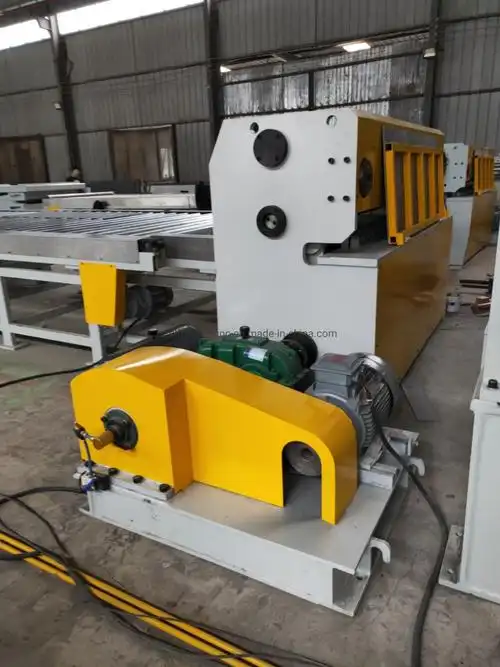
Mitä räätälöity levymetallin pyöritys todellisuudessa tarkoittaa
Oletko koskaan miettinyt, kuinka tasainen metallilevy muuttuu täydellisen kaarevaksi säiliönkuoreksi tai lieriömäiseksi putkeksi? Vastaus piilee mukautettu leppometalirullaus – tarkkamuotoiluprosessissa, jossa tasaisia lähtöaineita muokataan kaareviksi, lieriömäisiksi tai kartiomainen muodoiksi ohjatulla mekaanisella voimalla.
Räätälöity levymetallin pyöritys on prosessi, jossa tasaisia metallilevyjä ohjataan erityisesti suunniteltujen rullien väliin, jotka aiheuttavat puristusjännityksiä ja taivuttavat materiaalia vaiheittain kaareviksi tai lieriömäisiksi muodoiksi plastisen muodonmuutoksen kautta.
Toisin kuin tavallinen tasalevyjen valmistus – joka sisältää leikkaamista, reikien poraamista tai laserprosessointia säilyttäen materiaalin tasomaisen muodon – pyöritys muuttaa perusteellisesti työkappaleen geometriaa. Et vain muokkaa tasopintaa; muokkaat sitä kokonaan kolmiulotteisiksi kaareviksi rakenteiksi.
Tasaisesta levystä kaarevaan muotoon
Kuvittele, että syötät litteän teräslevyn koneeseen ja katselet, kuinka se tulee ulos täydellisen kaarevana kaarena. Juuri näin tapahtuu pääasiassa levyteräksen pyörityksessä, vaikka taustalla oleva tiede onkin mielenkiintoinen.
Prosessi alkaa, kun litteä metallilevy kulkee kahden tai useamman sylinterimäisen rullan välistä. Nämä rullat kohdistavat materiaaliin puristusvoimia, ja tässä kohtaa tapahtuu taikuutta – metalli kokee sitä, mitä insinöörit kutsuvat muovinen muodonmuutos muodonmuutokseksi.
Komissio DoITPoMS-opetus- ja oppimispaketit , pyöritys on itse asiassa laajimmin käytetty muodonmuutostapa metallien valmistuksessa. Rullat ohjaavat kolmea kriittistä tekijää:
- Sähkölaitteet - lopullisen kaarevuussäteen määrittäminen
- Kaari - taivutuksen tiukkuuden tai sujuvuuden säätäminen
- Muoto - siitä, luodaanko sylinterejä, kartioita vai yhdistettyjä kaaria
Metallikaarevuuden mekaniikka
Mutta miten kaarevuus itse asiassa syntyy? Kaikki riippuu asteikollisista kierroksista ja ohjatusta paineesta.
Kun metalli kulkee rullien läpi, se ei saavuta lopullista muotoaan yhdellä kerralla. Sen sijaan valmistajat tekevät useita vaiheittaisia kertoja, jolloin kaarevuutta lisätään asteikollisesti jokaisella kierroksella. Ajattele tätä esimerkiksi kuten metallilangan taivuttamista – et pakota sitä yhtäkkiä ympyrän muotoon, vaan työskentelet sitä asteikollisesti.
Jokaisella kerralla rullat aiheuttavat puristusjännityksiä, jotka ylittävät metallin myötävyysrajan. Tämä pakottaa materiaalin muodonmuuttumaan plastisesti ulkopinnalla, kun taas sisäpinta kokemaa puristusta. Tuloksena on pysyvä kaarevuus, joka säilyy muotonsa, kun paine poistetaan.
Nykyiset levyntaivutuskoneet voivat tuottaa kaikenlaisia muotoja: suuria kaaria täydellisiin sylintereihin, neliöihin, ellipsseihin ja moniosaisiin kaareviin muotoihin. Kun taivutus on valmis, kaarevat osat voidaan hitsata yhteen valmiiksi tuotteiksi, kuten putkiksi, säiliöiksi ja rakennuskomponenteiksi.
Tämän prosessin ymmärtäminen on tärkeää, olipa kyseessä sitten insinööri, joka määrittelee osia, valmistaja, joka suunnittelee tuotantoa, tai hankintaprofessionaali, joka arvioi valmistusvaihtoehtoja. Tietämys valssausprosessin toiminnasta auttaa teitä tekemään perusteltuja päätöksiä materiaalin valinnasta, toleranssivaatimuksista ja projektin toteuttamismahdollisuuksista – näitä aiheita käsitellään tässä oppaassa.
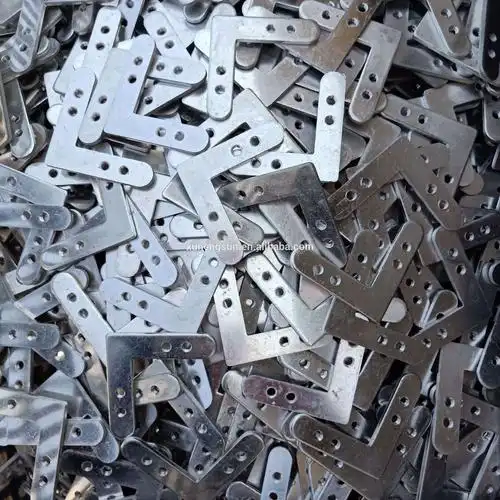
Kuumavalssaus versus kylmävalssaus selitetty
Nyt kun ymmärrät miten metallin kaaret muodostuvat vaiheittaisilla kulkuilla , tässä on ratkaiseva kysymys: missä lämpötilassa valssausta tulisi suorittaa? Vastaus muuttaa perusteellisesti kaiken – voiman, joka tarvitaan, lopputuotteen lujuuden ja ulkonäön.
Jokaisella metallilla on, mitä insinöörit kutsuvat uudelleenkiteytymislämpötila . Kun työstelet metallia tämän kynnystason yläpuolella, muodostuvat uudet jyväsrakenteet ja kuluttavat vanhat. Työstelet metallia tämän kynnystason alapuolella, ja muovaat sen sijaan olemassa olevia jyviä. Tämä ainoa muuttuja – lämpötila – luo kaksi täysin erilaista prosessia, joilla on erilaiset tulokset.
Lämmön vaikutus metallin käyttäytymiseen
Kuumavalssaus tapahtuu metallin uudelleenkristalloitumispisteen yläpuolella. Teräslevyjen osalta tämä tarkoittaa lämmittämistä yli 1 700 °F:n ennen valssausta. Näissä äärimmäisissä lämpötiloissa materiaali muuttuu taipuisaksi ja helposti muokattavaksi. Merkittävää muodonmuutosta voidaan saavuttaa ilman suuria voimia, eikä metalli kehitä sisäisiä jännityksiä.
Mukaan lukien Mill Steelin tekninen analyysi , kuumavalssattu teräs tarjoaa erinomaista lujuutta ja kestävyyttä rakennussovelluksiin. Kun kuitenkin metallilevy jäähtyy, saattaa syntyä pieniä paksuus- ja muotoerotuksia. Pinta saa myös karkean, kuorenmaisen pintakäsittelyn, joka yleensä vaatii toissijaisen puhdistuksen esimerkiksi hiomalla, happokäsittelyllä tai hiukkaspuhalluksella.
Kylmävalssaus puolestaan tapahtuu huoneenlämpötilassa tai sen läheisyydessä – mutta vain sen jälkeen, kun materiaali on ensin kuumavalssattu. Tämä lisäkäsittelyvaihe muuttaa perusteellisesti metallin ominaisuuksia. Koska työskennellään alapuolella uudelleenkiteytymislämpötilaa, olemassa olevia kiteitä vääntyy ja muovataan pikemminkin kuin niitä muodostetaan uudelleen.
Mitä tämä tarkoittaa käytännössä? Kylmävalssatut materiaalit saavat lisää vetolujuutta ja kovuutta, mutta menettävät sitkeyttä. Yhtä kerralla ei voida soveltaa yhtä suurta muodonmuutosta, mikä on syy siihen, miksi kylmävalssaus sopii parhaiten ohuille osille, jotka käsitellään useiden rullaparien läpi.
Kuumien ja kylmien prosessien valinta
Kuulostaa monimutkaiselta? Tarkastellaan asiaa suorana vertailuna:
| Tekijä | Lämpöpistelehtiminen | Kylmä tiivistys |
|---|---|---|
| Lämpötila-alue | Yläpuolella uudelleenkiteytymislämpötilaa (teräs: >927 °C) | Huoneilma-lämpötilassa |
| Pinnan käsittely | Karkea, kuorunomainen – vaatii toissijaisen viimeistelyn | Sileä, puhdas – valmis käytettäväksi tai pinnoitettavaksi |
| Mittausmuoto | Laajat toleranssit johtuen jäähtymisvaihteluista | Tiukat, tarkat toleranssit |
| Materiaalin paksuus | Käsittelee paksua teräslevyä ja raskaita osia | Paras ohuempien ruostumattomasta teräksestä valmistettujen levyjen ja alumiinilevyjen käsittelyyn |
| Tyypillisiä käyttökohteita | Rakenteelliset palkit, pilareet ja raskas koneisto | Autoteollisuuden osat, kotitalouskoneet ja tarkka kehitys |
| Kustannusnäkökohdat | Alhaisemmat kustannukset – yksinkertaisempi prosessi | Korkeammat kustannukset – lisäprosessointivaiheet |
| Materiaalin ominaisuudet | Muovautuva, helposti työstettävä, alhaisempi kovuus | Korkeampi vetolujuus, kovempi, vähemmän muovautuva |
Yksi insinööriperiaate, johon törmäät molemmissa prosesseissa, on karkauma – metallin taipumus palata osittain alkuperäiseen muotoonsa taivutusvoimien poistuttua. Tässä lämpötilalla on merkittävä vaikutus.
Kuumavalssatut materiaalit osoittavat vähäistä takaisinpyrkimistä (springback), koska korkeat lämpötilat mahdollistavat metallin täydellisen rentoutumisen uuteen muotoon. Uudelleenkristallisointiprosessi 'nollaa' käytännössä jyvärakenteen, joten materiaali säilyttää kaarevan muotonsa luonnollisesti.
Kylmävalssatut materiaalit kokevat kuitenkin voimakkaampaa palautumista. Koska muovaat olemassa olevia jyviä ilman lämpörelaksaatiota, sisäiset jännitykset jäävät lukittuina metalliin. Valmistajien on kompensoitava tätä hieman liikaa taivuttamalla, koska materiaali palautuu kohti tavoiteradiusta. Tämä vaatii tarkempia työkalulaskelmia ja kokemukseen perustuvia käyttäjiä.
Joten kumpi prosessi voittaa? Kun MMC Roll Form selittää , kumpikaan ei ole periaatteessa parempi – oikea valinta riippuu kokonaan sovelluksen vaatimuksista. Kuumavalssaus on järkevä vaihtoehto rakenteellisten osien valmistukseen, kun ne eivät ole näkyvissä, kun muokattavuus on tärkeää tai kun mitalliset toleranssit ovat joustavia. Kylmävalssaus oikeuttaa korkeamman hinnan silloin, kun tarvitset korkeaa mitallista tarkkuutta, näkyvää pinnanlaatua tai lisättyä kovuutta ja jäykkyyttä.
Näiden lämpötilasta johtuvien erojen ymmärtäminen auttaa sinua valitsemaan oikean prosessin heti alusta – mutta materiaalin valinta vaikuttaa yhtä paljon puristustuloksiin.
Materiaalin valinta onnistuneisiin puristusprojekteihin
Olet oppinut, miten lämpötila vaikuttaa puristustuloksiin – mutta tässä on jotain yhtä tärkeää, jota useimmat ohjeet sivuuttavat: eri metallit käyttäytyvät puristusprosessin aikana dramaattisen eri tavoin. Hiiliteräksen valitseminen silloin, kun olisi pitänyt valita alumiinilevy, tai väärän ruostumatonta terästä -luokan valitseminen voi kaataa koko projektisi.
Miksi tämä on tärkeää? Koska jokainen metalli tuo mukanaan omat muovautuvuus-, myötölujuus- ja työstökovettumisominaisuutensa puristusprosessiin. Näiden ominaisuuksien ymmärtäminen auttaa sinua ennakoimaan jousipalautumista, arvioimaan pinnanlaatua ja määrittämään, onko haluamasi kaarevuus edes saavutettavissa tietyllä materiaalilla.
Teräksen ja ruostumattoman teräksen puristusominaisuudet
Hiiliterästä käytetään edelleen laajasti rullattujen osien valmistuksessa. Sen ennustettava käyttäytyminen ja edullinen hinta tekevät siitä ideaalin valinnan rakenteellisiin sovelluksiin, säiliöihin ja teollisuuslaitteisiin. Älä kuitenkaan oleta, että kaikki teräkset käyttäytyvät samalla tavalla.
Mukaan lukien Valmistajan materiaalianalyysi , korkealujuuspien-seostus (HSLA) -teräkset aiheuttavat erityisiä haasteita. Nämä materiaalit, joiden myötölujuus vaihtelee 60 000–120 000 PSI:n välillä, aiheuttavat merkittävää kimpoamista rullausta aikana. Joissakin tapauksissa valmistajien on ylikäyrrettävä materiaalia jopa 25 astetta tai enemmän saavuttaakseen 90 asteen kaarevuuden. Kaksoisfaasiset martensiittiset teräkset edistävät tätä vielä pidemmälle, ja niiden myötölujuus voi olla 180 000–220 000 PSI.
Tässä on mikä tekee ruostumattomasta teräksestä erityisen haastavan levymetallin: työkovettuminen. Kun ruostumatonta terästä rullataan, materiaali muuttuu asteittain kovemmaksi ja lujuudeltaan vahvemmaksi – mutta samalla myös vähemmän muovautuvaksi. Yleisimmin käytetyt laadut kuuluvat selkeisiin luokkiin:
- Austeniittiset (300-sarja): Teräslajit kuten 304 ja 316 ovat erinomaisen muovautuvia, mutta ne kovettuvat nopeasti muovauksen aikana. Ne sisältävät 16–24 % kromia ja 3,5–37 % nikkeliä, mikä tarjoaa erinomaisen korroosionkestävyyden. Nämä ei-magneettiset seokset vaativat huolellista huomiota passien järjestykseen.
- Ferriittiset (400-sarja): Nämä teräslajit tarjoavat rajoitetun muovautuvuuden ja heikentynyt muovattavuuden. Vaikka ne ovat yleensä halvempia kuin 300-sarjan teräkset, ne kovettuvat nopeasti ja niiden hitsaaminen aiheuttaa haasteita. Useimmat ferritiittiset ruostumattomat teräkset ovat magneettisia.
Ruostumattoman teräksen valssaus vaatii suurempaa voimaa kuin hiiliteräksen, parempaa voitelua, joka kestää korkeampaa painetta, sekä huolellista huomiota pinnan ominaisuuksiin. Korkean kiillon, joka tekee ruostumattomasta teräksestä toivottavan materiaalin, ansiosta se on myös altis näkyville merkintöihin, jos valssit eivät ole kunnossa.
Alumiini- ja erikoismetalliharkinnat
Kuvittele, että määrittelet "alumiiniksi" pyörivässä projektissa ilman muita tarkennuksia. Tällöin teet sen, mitä lehti The Fabricator kutsuu "yhdeksi yleisimmistä virheistä, joita suunnittelijat tekevät, kun he eivät ole tutustuneet metallien ominaisuuksiin." Alumiiniseoksia on yhtä monta kuin teräslaatuja, ja jokaisella niistä on erilaiset muovautumisominaisuudet puristusmuovauksessa.
Alumiinin puristusmuovaaminen ei ole yhtä vaikeaa kuin teräksen, mutta se vaatii tarkempaa huomiota tiettyihin yksityiskohtiin. Rullien välisten aukkojen säätö on tehtävä tarkasti. Voiteluaineet on valittava huolellisesti, jotta alumiini ei tartu rullee. Lisäksi pinnanlaatua koskevat vaatimukset ovat tiukemmat – työkalujen pienikin epätäydellisyys siirtyy suoraan valmiiseen tuotteeseen.
Alumiiniliiton numerointijärjestelmä luokittelee muovattavia seoksia niiden pääseostusaineiden mukaan. 3000-sarjan seokset – mukaan lukien 3003, 3004 ja 3105 – ovat yleisimmin käytettyjä puristusmuovausoperaatioissa. Seoksen merkintän lisäksi myös karkaustila on erinomaisen tärkeä:
- O:n luonne: Pehmennetty saavuttaakseen alhaisimman lujuuden ja suurimman muovautuvuuden
- H-karkaustilat: Valssatulla kuormitettuna, nimikkeillä H14 (puolikuormitettu) ja H18 (täysin kuormitettu)
- T-mallit: Lämpökäsittely ja vanheneminen, joissa on erityisiä lujuusominaisuuksia
Kun vertaamalla messinä ja pronssina erikoisvalssatukseen , molemmat kuparipohjaiset seokset ovat erinomaisesti muotoilukelpoisia, mutta käyttäytyvät eri tavalla. Kupari-sinkkivalssat kiertävät yleensä helpommin, kun taas pronssi (kupari-tin) on korroosionkestävämpää, mutta sitä on hoidettava huolellisemmin.
Jos tarvitaan galvanoitua levyä, on otettava huomioon muutkin seikat. Sinkkipinnoite voi hajota tai halkea tiukalla kaareva-radiolla, joten kaareva-asteen vaatimukset ovat yleensä konservatiivisempia. Samoin jos valmistuotteesi vaatii alumiinissaulausta, kannattaa valita lämpökäsittelyyn sopivia seoksia, jotka säilyttävät ominaisuutensa lämpöaltistuksen jälkeen.
Ennen kuin teet lopullisen materiaalivalinnan, arvioi seuraavat avainkriteerit:
- Muodostusluokitus: Kuinka helposti materiaali kestää muovisen muodonmuutoksen halkeamatta?
- Kimmoisuus: Kuinka paljon materiaali palautuu, kun puristusvoimat poistetaan?
- Pintalaadun vaatimukset: Vaatiiko sovelluksesi täysin virheettömiä pintoja vai sietääkö se näkyviä jälkiä?
- Korroosionkestävyysvaatimukset: Kohtaaako valmis tuote kosteutta, kemikaaleja tai ilmastollisia vaikutuksia?
Materiaalin paksuus vaikuttaa myös ratkaisevasti materiaalin tyypin kanssa. Mittaustaulukon tarkastelu osoittaa, että sama mittalukuma (gauge) edustaa eri todellisia paksuuksia teräkselle, alumiinille ja ruostumattomalle teräkselle. Esimerkiksi 14-gauge hiiliteräslevy on 0,0747 tuumaa paksu, kun taas 14-gauge alumiinilevy on 0,0641 tuumaa paksu. Tämä ero vaikuttaa pienimpään taivutussäteeseen, vaadittavaan puristusvoimaan ja saavutettaviin tarkkuuksiin – siksi on olennaista määrittää sekä materiaalin tyyppi että mittalukuma (gauge) suunniteltaessa projektiasi.
Kun materiaalin valintaperiaatteet on vahvistettu, seuraava askel on ymmärtää, miten mittalukuman (gauge) paksuus ja laitteiston ominaisuudet toimivat yhdessä määrittääkseen, mitä on todella saavutettavissa pyöritysprojektissasi.
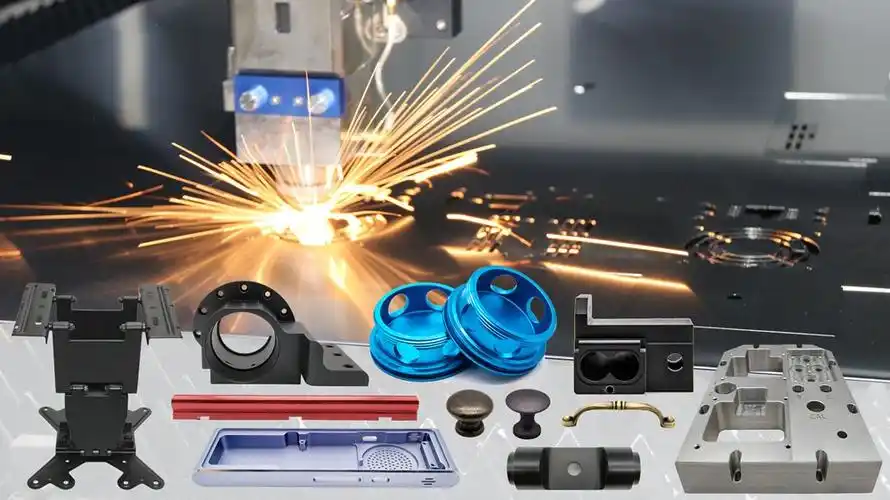
Mittalukuman paksuuden ja laitteiston ominaisuuksien yhdistäminen
Olet valinnut materiaalin - nyt tulee kysymys, joka määrittää, onko projektisi edes toteutettavissa: voiko käytettävissä oleva varuste todella rullata määritetyn paksuutesi vaadittuun säteelle? Kun ymmärretään mittakaavan ominaispiirteet ja niiden vuorovaikutus koneen kanssa, onnistuneet hankkeet eroavat turhautuneista umpikuista.
Tämä yllättää monia insinöörejä: mittarjärjestelmä ei ole lineaarinen. Xometryn teknisen dokumentaation mukaan mittausluvut kehitettiin historiallisesti mittaamalla laatan paksuutta suhteessa painonsa neliöjalkaan. Pienempi mittausluvut merkitsevät paksumpaa materiaalia, kun taas korkeammat luvut viittaavat ohuempiin levyihin. Tämä intuitiivisen järjestelmän vastainen järjestelmä kompastuttaa jopa kokeneita ammattilaisia.
Valkaistuksen leveyseritysten ymmärtäminen
Kun kohtaat ensimmäisen kerran levyteräksen mittakaavataulukon, numerointijärjestelmä saattaa vaikuttaa mielivaltaiselta. Kun kuitenkin ymmärrät desimaaliekvivalentit, materiaalien määrittäminen muuttuu suoraviivaiseksi. Tässä on viiteaulukko, joka kattaa yleisimmät rullausoperaatioissa käytetyt mittakaavakoot:
| Mittari | Teräksen paksuus (tuumia) | Teräksen paksuus (mm) | Tyypillisiä rullaustyösovelluksia |
|---|---|---|---|
| 7 gauge | 0.1793 | 4.55 | Raskaita rakenteellisia sylinterejä, paineastioita |
| 10 gauge | 0.1345 | 3.42 | Teollisuustankkeja, raskaiden laitteiden koteloita |
| 11-kalibran teräslevyn paksuus | 0.1196 | 3.04 | Ilmanvaihtoputkistoja, keskimittaisia rakenteellisia komponentteja |
| 14-kalibran teräslevyn paksuus | 0.0747 | 1.90 | ILV-komponentteja, kevyitä rakenteellisia töitä |
| 16 kalvo | 0.0598 | 1.52 | Arkkitehtonisia paneeleja, kotelointeja |
| 18 gauge | 0.0478 | 1.21 | Koriste-elementtejä, kevyitä koteloita |
| 20 gauge | 0.0359 | 0.91 | Pienihalkaisijaisia putkia, ohutseinäisiä sylinterejä |
| 24 kalibria | 0.0239 | 0.61 | Tarkkoja pienihalkaisijaisia rullaustöitä |
Pidä tämä kriittinen ero mielessä: kaikki noin 6 mm:tä (noin 0,236 tuumaa eli suunnilleen 3 gaugea) paksummat materiaalit luokitellaan yleensä levyksi eikä levymetalliksi. Tämä on tärkeää, koska levyjen taivutus vaatii kokonaan erilaista laitteistoa kuin levymetallien taivutus.
Paksuuden sovittaminen laitteiden kapasiteettiin
Mitä siis laitteiden määrittelyt, kuten "60 tuuman leveyskapasiteetti" tai "40 tuuman leveyskyky", todellisuudessa tarkoittavat projektiasi? Nämä luvut kertovat sinulle suurimman materiaalin leveyden, jonka kone voi käsitellä – mutta se on vain osa yhtälöä.
Mukaan lukien BendmakUSA:n kapasiteettiohjeet , jotta voidaan määrittää, pystyykö levytaivutinkone käsittelemään projektiasi, on tiedettävä kolme asiaa: kovimpina muovautuvan käytettävän materiaalin lujuusluokka, sen paksuus ja leveys sekä pienin saavutettava taivutussäde. Tässä on keskeinen suhde: kun levytaivutinkoneen leveyskapasiteetti kasvaa, myös taivutussäde on kasvatettava. Suuremmat taivutussäteet eivät mahdollista yhtä tiukkaa minimisädettä.
Yleissääntö? Pienin halkaisija, johon materiaalia voidaan helposti kiertää, on noin 1,5-kertainen yläpyörän halkaisija. Tiukempia kaaria voidaan saavuttaa useilla kierroksilla, mutta tämä lisää huomattavasti käsittelyaikaa ja kustannuksia.
Chicago Metal Rolled Products osoittaa, mitä erikoislaitteistolla voidaan saavuttaa: levykiertimet voivat muovata 18–24 gauge -materiaalia, jonka pituus on enintään 10 jalkaa, vain 3 tuuman halkaisijalle. Painavat levykiertimet voivat muovata 1,5 tuuman levyä, jonka pituus on 45 tuumaa, tiukalle 24 tuuman sisähalkaisijalle. Nämä ominaisuudet edustavat parhaimmillaan sitä, mitä on mahdollista saavuttaa asianmukaisella laitteistolla.
Paksuuden ja pienimmän taivutussäteen välinen suhde noudattaa ennustettavia kaavoja:
- Ohuemmat gauge-luokat (18–24): Voivat saavuttaa erinomaisen tiukat säteet, joskus jopa 1–2-kertaiset materiaalin paksuuteen verrattuna
- Keskisuuret gauge-luokat (11–16): Vaativat suurempia pienimpiä säteitä, yleensä 3–6-kertaisia materiaalin paksuuteen verrattuna
- Painavat gauge-luokat (7–10): Tarvitsevat edistyneemmin suurempia säteitä ja tehokkaampaa laitteistoa
Mitä tulee toleranssistaandardien? Saavutettava tarkkuus riippuu useista toisiinsa vaikuttavista tekijöistä. Materiaalin yhdenmukaisuus vaikuttaa tuloksiin – raaka-aineen paksuusvaihtelut kääntyvät suoraan valmiin kaarevan osan mittojen vaihteluiksi. Laitteiston kunto on merkittävä tekijä; kuten BendmakUSA huomauttaa, liian suurten kuormitusten aiheuttamat taipuneet rullat ovat yleisimpiä ongelmia käytetyssä rullauslaitteistossa, ja vaurioituneet rullat eivät voi tuottaa yhtenäisiä kaaria.
Kuten porakoon koko -kaavio tai poranterän koko -kaavio auttaa koneenohjaajia valitsemaan oikean työkalun tiettyyn reiän halkaisijaan, niin myös mittapyörän ja säteen välisten suhteiden ymmärtäminen auttaa sinua sovittamaan rullaustarpeesi sopivaan laitteistoon. Tyypilliset toleranssivaatimukset vaihtelevat ±1/16 tuumasta standardityöhön ja ±1/32 tuumasta tarkkuustyöhön – mutta tiukempien toleranssien saavuttaminen vaatii useampia kierroksia, hitaampia nopeuksia ja kokemusta omaavia käyttäjiä.
Kun mittatoleranssit ja laitteiden ominaisuudet ovat selkeitä, olet valmis arvioimaan, onko taivuttaminen todella paras valmistusmenetelmä kaarevilla osilla – vai voisiko vaihtoehtoiset menetelmät soveltua paremmin.
Taivuttamisen valinta vaihtoehtoisten valmistusmenetelmien sijaan
Olet tutustunut mittatoleransseihin ja laitteiden ominaisuuksiin – mutta tässä on peruskysymys: onko räätälöity levyteräksen taivuttaminen todella oikea prosessi kaarevilla osillasi? Tai sopisiko taivutuspuristus, leimaus tai jokin muu levyteräksen valmistusmenetelmä paremmin?
Vastaus riippuu kokonaan siitä, mitä yrität saavuttaa. Jokainen muovausmenetelmä erinomainen tietyissä tilanteissa, mutta heikompi muissa. Väärän valinnan tekeminen tarkoittaa korkeampia kustannuksia huonommasta lopputuloksesta – tai vielä pahempaa: tuotannon keskellä voit huomata, että valitsemasi prosessi ei yksinkertaisesti pysty tuottamaan tarvitsemaasi.
Kun taivuttaminen ylittää taivutuspuristuksen suorituskyvyn
Painopuristimet ja pyöräytyskoneet kilpailevat usein samoista projekteista, mutta ne toimivat perustavanlaatuisesti eri tavoin. Lähteessä Marlin Steelin tekninen vertailu painopuristus (jota kutsutaan myös jarrumuotoiluksi) asettaa levymäisen tai laattamaisen metallipalan akselin suuntaisesti ja käyttää sitten työntöä ja muottia esiasetettujen taivutusten tekemiseen. Pyöräytys puolestaan ohjaa materiaalia eteenpäin vaiheittaisen rullaparin läpi saavuttaakseen jatkuvia kaaria.
Milloin pyöräytys siis voittaa? Erot tulevat selviksi, kun otetaan huomioon kaarevuuden tasaisuus ja osan pituus.
Kuvittele, että tarvitset sileän ja tasaisen kaaren 12 jalan mittaiselle osalle. Painopuristus vaatisi useita yksittäisiä taivutuksia, joista kumpikaan ei tuottaisi todellista säteikästä kaarta vaan pikemminkin monikulmaisen approksimaation. Pyöräytys tuottaa saman kaaren jatkuvilla käsittelyillä, mikä antaa todella sileän kaarevuuden ilman näkyviä katkoja.
Osaan liittyvä pituus on tässä merkittävä tekijä. Architectural Systems Fabricators selittää, että puristuspainatus tapahtuu yksittäisillä metallilevyillä, ja puristimen leveys rajoittaa sekä levyjen kokoa että taivutuspituutta. Rullamuovauksessa käytetään jatkuvia keloja, eikä taivutuspituudelle ole teoreettista rajaa – leikkaat vain valmiit osat haluttuihin mittoihin rullauksen jälkeen.
Puristuspainatuksella on kuitenkin selvät edut kulmien muodostamisessa. Tarvitsetko tarkan 90 asteen kanavan, V-pohjaisen muodon tai teräväreunaisen hattukanavan? Puristin tuottaa teräviä ja määriteltyjä taivutuksia, joita rullamuovauksella ei voida saavuttaa. Ajattele asiaa näin: rullamuovaus luo kaaria, kun taas puristuspainatus luo kulmia.
Milloin voisi käyttää molempia menetelmiä? Monet hankkeet hyötyvät näiden toisiaan täydentävien prosessien yhdistämisestä. Esimerkiksi monimutkainen kotelo saattaa vaatia rullattuja sylinterimäisiä osia, jotka liitetään puristuspainatulla tehtyihin kulmaisiin kehyksiin. Kun tiedät, milloin kumpaakin menetelmää tulisi käyttää, voit määritellä oikean prosessin – tai prosessien yhdistelmän – sovellukseesi.
Pyörivä vs. leimattava menetelmä kaarevilla osilla
Leimaus tulee kyseeseen, kun tuotantomäärä nousee tuhansiin. Kuitenkin leimauksen ja pyörimisen vertailu paljastaa tärkeitä kompromisseja, jotka ulottuvat pelkän määrän yli.
Mukaan lukien Roller Die + Forming -analyysi , kun käytät leimausta, osa muovataan yhdellä iskulla. Tämä yksittäisiskuun perustuva lähestymistapa heikentää usein materiaalia, erityisesti kulmissa. Pyöriminen puolestaan luo vähitaisia taipumia, kunnes materiaali saavuttaa halutun muodon – mikä tarkoittaa, että metalli ja siten myös valmis tuote ovat vahvempia.
Tässä materiaalin lujuus muuttuu mielenkiintoiseksi. Rullamuovauksessa voidaan käyttää kovempia metalleja, joiden KSI-arvo (kilopoundia neliötuumaa kohti) on korkeampi. Lisäämällä rullia materiaalin taivuttamiseen useammassa vaiheessa valmistajat voivat käsitellä materiaaleja, jotka halkeaisivat yhtäkertaisessa muovauksessa aiheutuvan äkillisen muodonmuutoksen vaikutuksesta. Yritykset hyödyntävät tätä mahdollisuutta määrittelemällä ohuempaa materiaalia, jonka vetolujuus on korkeampi – saavuttaen näin vastaavan suorituskyvyn pienemmällä painolla ja alhaisemmillä kustannuksilla.
Nykyajan valmistusprosesseissa laserleikkaus on usein osa prosessia ennen muovaukseen liittyviä vaiheita. Riippumatta siitä, valmistetaanko tyhjiöitä leimattavaksi vai levyjä rullattavaksi, laserleikkaus tuottaa tarkat lähtömitat. Leikkausleveys – eli leikkaamisen aikana poistettavan materiaalin leveys – on otettava huomioon mitoituksessa riippumatta siitä, mikä muovausmenetelmä seuraa.
Levyntä on taloudellisesti järkevää, kun valmistetaan identtisiä osia niin suurina erinä, että työkalukustannukset kannattavat – yleensä kymmeniä tuhansia kappaleita tai enemmän. Puristusmuovauksella saavutetaan paremmat tulokset, kun tarvitaan tasaisia kaaria pienemmillä erillä, kun osien pituus ylittää levyntälaitteiden kapasiteetin tai kun muovauksen jälkeinen materiaalin lujuus on tärkeä sovelluksessasi.
Ennen kuin päättää mitään valmistusmenetelmää, arvioi seuraavat päätöksentekoon vaikuttavat tekijät:
- Kaarien tasaisuusvaatimukset: Tarvitsetko todellisia sileitä kaaria (puristusmuovaus) vai riittävätkö kulmikkaat approksimaatiot (puristuspainatus)?
- Tuotannon tilavuus: Pienet ja keskimittaiset erät suosivat puristusmuovausta; erinomaisen suuret erät voivat olla peruste puristusmuovausvälineistön sijoitukselle
- Osa-alueen geometrian monimutkaisuus: Yksinkertaiset kaaret sopivat hyvin puristusmuovaukseen; kulmikkaat piirteet vaativat painatusta; yhdistelmämuodot saattavat vaatia useita eri prosesseja
- Materiaalin paksuus: Paksuimmat materiaalit muovautuvat helpommin puristusmuovauksella kuin levyntäyksellä; ohuemmat materiaalit tarjoavat suurempaa prosessointijoustavuutta
- Valmiin osan lujuus: Puristusmuovauksen hitaampi muodonmuutos säilyttää materiaalin eheytetä paremmin kuin yksittäinen iskumuovaus
Levyjen kierretyksen ja valmiiden sylinterimäisten tuotteiden välinen suhde vaatii erityistä huomiota. Mukautettu putkituote, paineastian kuoret ja sylinterimäiset koteloitukset alkavat kaikki tasaisesta materiaalista, joka kierretään muotoon ja hitsataan saumassa. Tämän yhteyden ymmärtäminen auttaa visualisoimaan koko valmistusprosessin tasaisesta lähtöaineesta valmiiseen sylinteriin.
Kun oikea valmistusmenetelmä on valittu, seuraava tarkasteltava asia on, miten alan erityisvaatimukset vaikuttavat tarkkuusvaatimuksiin, pinnanlaatuodotuksiin ja laatuasiakirjojen tarpeisiin.
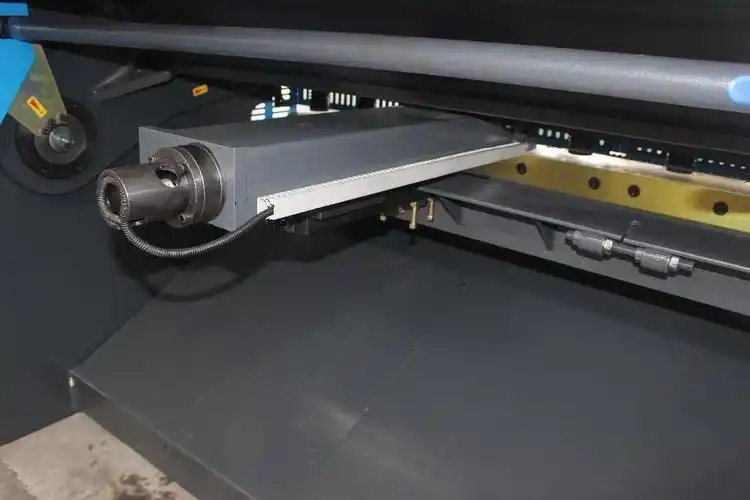
Teollisuussovellukset ja määrittelyvaatimukset
Olet valinnut valmistusmenetelmäsi – mutta tässä on se, mikä erottaa riittävät määrittelyt erinomaisista: ymmärrys siitä, miten alan ainutlaatuiset vaatimukset vaikuttavat kaikkiin kierretyksen prosessin osa-alueisiin. Autoalan alustaan tarkoitettu kierretty komponentti kohtaa täysin erilaisia laatuvaatimuksia kuin arkkitehtoninen kaareva levy, vaikka molemmat lähtisivätkin samanlaisesta tasaisesta lähtöaineesta.
Miksi tämä on tärkeää? Koska toleranssivaatimukset, pinnanlaatuvaatimukset ja sertifiointiasiakirjat vaihtelevat merkittävästi eri aloilla. Esimerkiksi "±1/16 tuuman toleranssi" saattaa täyttää teollisuuslaitteiden vaatimukset täydellisesti, mutta epäonnistua täysin ilmailusovelluksissa, joissa vaaditaan jäljitettävyyttä yksittäisiin lämpökäsittelyerien numeroihin asti.
Auto- ja liikenneteollisuuden valssattujen tuotteiden standardit
Kun tuotatte autoalan sovelluksiin tarkoitettuja valssattuja komponentteja, yksi sertifikaatti hallitsee keskustelua: IATF 16949. Tämä kansainvallisesti tunnustettu laatumhallintastandardi määrittelee, miten autoteollisuuden toimittajien on hallittava prosessejaan, dokumentoitava työtään ja varmistettava tuloksensa.
Autojen alustakomponentit, jousituskiinnikkeet ja rakenteelliset osat vaativat kaikki yhtenäistä ja toistettavissa olevaa laatua. Näihin osiin käytettävien teräksenvalmistusprosessien on osoitettava tilastollinen prosessin hallinta – eli valmistajien on seurattava mittoja tuotantosarjojen aikana ja osoitettava, että prosessit pysyvät ajan myötä vakaina.
Miltä tämä näyttää käytännössä? Kuvittele esimerkiksi kaarevien poikkijänteiden valssaus ajoneuvon alustaan. Tavoitemittojen saavuttamisen lisäksi sinun on dokumentoitava:
- Materiaalitodistukset: Valssitehdasraportit, jotka jäljittävät kunkin kelan sen lähtölämmön perusteella
- Prosessiparametrit: Valssauspyörän asetukset, kuljetusjärjestys ja käyttäjien pätevyystiedot
- Mittatarkistus: Tuotantoprosessin aikaiset ja lopulliset tarkastustiedot tilastollisella analyysillä varustettuina
- Pinnan kunto: Dokumentaatio, joka vahvistaa puutteen halkeamista, taitoksia tai hyväksymättömiä merkintöjä
Kuljetussovellukset autoteollisuuden ulkopuolella – kuten rautatie-, raskaskuorma-auto- ja merikuljetusalat – noudattavat usein samankaltaisia laatuun liittyviä kehyksiä. Nämä markkinat palvelevat teräsvalmistajat sijoittavat huomattavia varoja tarkastuslaitteisiin, koulutettuun henkilökuntaan ja asiakastarpeet johdonmukaisesti täyttäviin dokumentoituihin menettelyihin.
Ilmailun tarkkuusvaatimukset
Jos autoteollisuuden standardit vaikuttavat vaativilta, ilmailualan laatuvarmistus vie asian kokonaan toiselle tasolle. Pinnacle Precisionn ilmailuanalyysin mukaan kyseessä on teollisuudenala, jossa pienintäkin virhettä voidaan pitää elämän ja kuoleman rajana – mikä tekee tarkkuusmetallivalmistuksesta ehdottoman tärkeän.
Ilmailukomponenttien on noudatettava tiukkoja sääntelykehyksiä, kuten Yhdysvaltain liikenneministeriön (FAA) ilmailumääräyksiä ja Euroopan ilmailuviranomaisen (EASA) hyväksyntävaatimuksia. AS9100-sertifiointi – ilmailualan vastine ISO 9001 -standardille – lisää erityisvaatimuksia jäljitettävyyteen, konfiguraationhallintaan ja riskipohjaiseen ajatteluun, joita yleiset valmistusstandardit eivät kata.
Mikä tekee ilmailuteollisuuden puristuksen erilaiseksi? Harkitse näitä tekijöitä:
- Jäljitettävyysvaatimukset: Jokaisen komponentin on voidaan jäljittää tiettyihin raaka-aineneriin, ja koko dokumentaatioketju on säilytettävä raaka-ainevarastosta valmiiseen osaan asti
- Toleranssiodotukset: Mittojen tarkkuus mitataan usein tuhannesosain tuumina, eikä poikkeamia sallita lainkaan
- Pintakäsittelyn standardit: Prosesseja, kuten anodointia tai passivoimista, käytetään korroosionestoon, joka on ratkaisevan tärkeää komponenteille, jotka altistuvat ankariin ilmastollisiin olosuhteisiin
- Ei-rikkiöllinen testaus: Puristetut osat saattavat vaatia ultraäänitarkastuksen, radiograafisen tarkastuksen tai värimuovitarkastuksen sisäisen ja pinnan kokonaisuuden varmistamiseksi
Pintakäsittelyprosessit ovat ilmailukäyttöön erityisen tärkeitä. Kuten Pinnacle huomauttaa, pintakäsittelyt kuten anodointi tarjoavat korroosionestoa ja parantavat kestävyyttä – mikä on ratkaisevan tärkeää komponenteille, jotka kohtaavat korkealla merenpinnasta äärimmäisiä ympäristöolosuhteita. Suojapinnoitteet voivat myös parantaa lämmönkestävyyttä tai vähentää tutkasiirtoja sotilaskäytössä.
Arkkitehtuuriset ja rakenteelliset sovellukset
Arkkitehtoniset puristusprojektit tuovat mukanaan täysin erilaisen prioriteetin: visuaalisen ulkoasun. Kun puristettu komponentti muodostaa näkyvän rakennuksen ulkoseinän, koristeellisen ruudun tai räätälöityjä metallikylttejä, pinnan esteettisyys on yhtä tärkeää kuin mittojen tarkkuus.
Aallotetut metallilevyt, kaarevat kantavat järjestelmät ja skulpturaaliset elementit vaativat kaikkiaan paljon suurempaa huomiota pinnan laatuun kuin teollisuussovellukset yleensä edellyttävät. Jokainen puristusjälki, käsittelyraapaisu tai prosessointivirhe näkyy valmiissa asennuksessa.
Arkkitehtoniset spesifikaatiot käsittelevät yleensä:
- Pintalaadun vaatimukset: Tiettyjä karkeusarvoja, hyväksyttäviä jälkipatternsia ja heijastavuusstandardeja
- Pintakäsittelyn yhteensopivuus: Siihen, voidaanko puristettu pinta pinnoittaa pulverimaalauksella, anodoida tai käsitellä muilla suojaavilla menetelmillä ilman adheesiongelmia
- Mittatarkkuus: Kaarien yhdenmukaisuus useiden vierekkäin asennettavien levyjen välillä
- Materiaalivalinta: Anodisoitua alumiinia, säätöterästä tai erikoispintoja, jotka saavuttavat halutun esteettisen vaikutelman
Rakenteelliset sovellukset asettavat eri vaatimuksia. Teräspilareiden, kaarevien palkkien ja aaltopellin on täytettävä rakennusmääräysten vaatimukset kantavuudesta ja liitosten yksityiskohtaisista vaatimuksista. Tässä kolmannen osapuolen tarkastukset ja sertifioitujen hitsausmenetelmien noudattaminen ovat usein tärkeämpiä kuin pinnan ulkoasu.
Teollisuuslaitteet ja yleinen valmistus
Teollisuussovellukset – säiliöt, kuljetuspurkut, laitteiden koteloit ja prosessivarat – tarjoavat yleensä suurimman joustavuuden eritelmien suhteen. Toleranssit voivat olla suurempia, pinnanlaatuvaatimukset lievempiä ja dokumentointivaatimukset yksinkertaisempia kuin erikoisaloilla vaaditaan.
Älä kuitenkaan sekoita joustavuutta huolimattomuuteen. Teollisuuspyöritys edellyttää silti huomiota seuraaviin seikkoihin:
- Kestävyysvaatimukset: Komponenttien on kestettävä käyttöstressiä, värähtelyjä ja ympäristötekijöiden vaikutusta koko niiden käyttöiän ajan
- Hitsausvalmistelu: Pyörityksen muodostamat reunat on tehtävä niin, että ne täyttävät vaatimukset seuraavien hitsaustoimintojen kohdistamiseen
- Toiminnallisesti tärkeät mitat: Kriittiset kiinnityspinnat, kohdistuvat ominaisuudet ja välykset vaativat tarkistusta
- Korroosiosuojaus: Joko materiaalin valinnan, pulverimaalauksen tai muun palveluympäristölle sopivan käsittelyn kautta
Laatukontrolli eri teollisuudenaloilla
Miten valmistajat varmentavat, että pyöräytetyt osat täyttävät niille määritellyt vaatimukset? Tarkastusmenetelmät skaalautuvat teollisuuden vaatimusten ja osan kriittisyyden mukaan.
Perustavanlaatuinen mittausvarmentaminen käyttää mallipohjaisia tarkastusvälineitä, sädeviivoittimia ja suoraa mittausta varmistaakseen, että kaaret vastaavat määriteltyjä säteitä. Vaativammissa sovelluksissa käytetään koordinaattimittakoneita (CMM), jotka keräävät kolmiulotteisia pistepilviä ja vertailevat todellista geometriaa CAD-malleihin mikrometrin tarkkuudella.
Pintatarkastus vaihtelee visuaalisesta tarkastuksesta ohjatun valaistuksen alla kvantitatiiviseen karkeusmittaukseen profiilimittarein. Ilmailu- ja kriittisiin rakenteellisiin sovelluksiin käytetään lisävarmuuden saamiseksi ei-tuhottavia testausmenetelmiä – esimerkiksi ultraäänitarkastusta sisäisten vikojen ja väriaineella tapahtuvaa pinnan halkeamien tarkastusta.
Dokumentointivaatimukset noudattavat teollisuuden yleisiä malleja. Autoteollisuuden asiakkaat vaativat tilastollisen prosessinohjauksen (SPC) -tietoja ja PPAP-paketteja (Production Part Approval Process). Ilmailualan eritelmät edellyttävät täydellisiä jäljitettävyystietoja ja vaatimustenmukaisuussertifikaatteja. Arkkitehtonisissa projekteissa saattaa olla tarpeen työpiirrustukset, näytteiden hyväksyntä ja asennuskoordinointidokumentit.
Näiden alakohtaisten vaatimusten ymmärtäminen ennen kuin määrittelet pyörivän projektin auttaa varmistamaan, että osat täyttävät ei ainoastaan mitalliset tavoitteet, vaan myös kaikki laatu-, dokumentointi- ja sertifiointivaatimukset, joita sovelluksellesi asetetaan. Kun alakohtaiset vaatimukset ovat selkeät, seuraava vaihe on suunnitella projektin aikataulu ja budjetti realistisesti.
Hankkeen suunnittelu ja kustannustarkastelut
Olet tutustunut alakohtaisiin vaatimuksiin ja laatuodotuksiin – mutta tässä on käytännöllinen kysymys, johon jokainen hankintaprofessionaali ja insinööri joutuu vastaamaan: mikä tästä todellisuudessa tulee maksamaan ja kuinka kauan se kestää? Onnistuneen rullattavan levytelineen mukautetun projektin suunnittelu edellyttää realistisia odotuksia taloudellisista näkökohdista ja aikataulusta.
Totuus on, että kappalekohtainen hinta vaihtelee merkittävästi tekijöiden mukaan, joita voit vaikuttaa suunnitteluvaiheessa. Näiden kustannusajureiden ymmärtäminen ennen kuin lopullistat määrittelyt auttaa sinua tekemään viisaampia kompromisseja suunnittelun monimutkaisuuden, tuotantomäärän ja budjettirajoitusten välillä.
Erikoistuotannon koon taloudellisuus ja työkalujen harkinnat
MMC Roll Formin kustannusanalyysin mukaan työkalut ovat yksi merkittävimmistä kustannustekijöistä puristusmuovauksessa. Itse puristuspyörät – jotka valmistetaan suurista teräsbilleteistä, joiden jälkeen ne jyrsitään ja kovennetaan – vaativat huomattavan suuren alkuinvestoinnin. Monimutkaisemmat muotoilut vaativat useampia kulkuja, mikä tarkoittaa enemmän pyöräparia ja korkeampia työkalukustannuksia.
Tässä vaiheessa erikoistuotannon koon taloudellisuus saa ratkaisevan merkityksen. Suuremmat määrät vaativat enemmän materiaalia ja koneaikaa, mikä nostaa kokonaiskustannuksia. Kappalekustannukset kuitenkin laskevat huomattavasti, kun työkalu- ja asennuskustannukset jakautuvat suuremman määrän yksiköiden kesken. Tämä suhde tekee puristusmuovauksesta erityisen kustannustehokkaan keski- ja suurten tuotantomäärien vaatiessa.
Haluatko vähentää työkaluinvestointeja? Harkitse seuraavia strategioita:
- Yksinkertaista osan geometriaa: Vähemmän taivutuksia tarkoittaa vähemmän puristuspyöräkierroksia ja alhaisempia työkalukustannuksia
- Hyödynnä olemassa olevia työkaluja: Monet valmistajat pitävät laajaa puristuspyörävarastoa, johon asiakkaat voivat päästä käsiksi
- Hyväksy standardisäteet: Mukautetut käyrät vaativat mukautettuja työkaluja; standardimittoja voidaan käyttää saatavilla olevaa laitteistoa.
Materiaalin valinta vaikuttaa myös merkittävästi taloudellisiin näkökohtiin. Seokset, joita puristuspartnerinne jo hankkii suurina erinä, vähentävät materiaalilisämaksuja. Muotoiluun vaikeita materiaaleja, kuten ruostumatonta terästä, tarvitaan useampia puristusvaiheita – mikä lisää työkalukustannuksia, mutta voi mahdollisesti poistaa korroosiosuojauksen kustannukset myöhempinä vaiheina.
Kun arvioitte hitsaustarpeitanne pyörityksellä valmistettuihin komponentteihin, valinta MIG- ja TIG-hitsauksen välillä vaikuttaa sekä kustannuksiin että laatuun. MIG-hitsaus tarjoaa yleensä nopeammat tuotantonopeudet ja alhaisemmat kustannukset paksuille materiaaleille, kun taas TIG- ja MIG-hitsauksen vertailu suosii usein TIG-hitsausta ohuemmille paksuuksille ja näkyville liitoksille, joissa vaaditaan erinomaista ulkonäköä.
Toimitusaikatekijät mukautetussa pyörityksessä
Mukaan lukien Karkhanaan johtamisaikojen analyysi , useat tekijät vaikuttavat valmistusajansiirtoihin: materiaalin saatavuus, suunnittelun monimutkaisuus, tuotantomäärä, toissijaiset prosessit ja toimittajien koordinointi. Jokainen lisää mahdollisia viivästyksiä, jotka kertyvät yhteen projektin elinkaaren aikana.
Lyhin reitti tarjouspyynnöstä toimitukseen? Sovella suunnitteluaasi käyttämään olemassa olevaa työkaluista. Jos määrittelysi vaativat erityistyökaluja, odota huomattavasti pidempiä alkuperäisiä toimitusaikoja, kunnes nuo työkalut valmistetaan ja hyväksytään.
Toissijaiset operaatiot, kuten leikkaus, hitsaus ja viimeistely, lisäävät aikataulun monitasoisuutta. Kuten MMC Roll Form huomauttaa, rullakoneella itse suoritettavat rivioperaatiot ovat lähes aina nopeampia ja edullisempia kuin erilliset toissijaiset prosessit. Arvioitaessa, pitäisikö pyytää integroituja palveluita, harkitse, mitä ne maksaisivat sekä ajallisesti että taloudellisesti, jos niitä suoritettaisiin erillisinä toimenpiteinä.
Tyypillisen projektityönkulun ymmärtäminen auttaa sinua suunnittelemaan realistisia aikatauluja:
- Alkuperäisen suunnitelman tarkistus: Yhteistyö valmistajasi kanssa suunnitteluvaiheessa auttaa tunnistamaan valmistettavuuden parannuksia ja mahdollisia kustannusten alentamisia
- Materiaalivalinta: Vahvista seoksen saatavuus, erikoismateriaalien toimitusajat ja mahdolliset vähimmäistilattavat määrät
- Prototyypin kehitys: Vahvista suunnittelut näytteiden avulla ennen tuotantotyökalujen tilaamista
- Tuotannon suunnittelu: Lopullistetaan määrät, toimitusaikataulut ja laatuvaatimukset
- Laadun varmistus: Määritellään tarkastuskriteerit, dokumentointivaatimukset ja hyväksyntästandardit
- Toimituksen koordinointi: Järjestetään kuljetus, pakkausvaatimukset ja mahdolliset vaiheittaiset julkaisuaikataulut
Nopean prototyypin valmistuskyvyt voivat merkittävästi kiihdyttää kehityssykliä. Lähteessä Formlabsin tutkimus sisäinen prototyyppivalmistus lyhentää läpimenoaikoja viikoista päiviin mahdollistamalla nopeat suunnitteluiteroinnit ennen kalliiden tuotantotyökalujen hankintaa. Tämä lähestymistapa osoittautuu erityisen arvokkaaksi monimutkaisten geometrioiden validoinnissa tai kun testataan osien soveltuvuutta muihin komponentteihin.
Joustavuuden rakentaminen työnkulkuun lievittää välttämättömiä yllätyksiä. Koneiden rikkoutumiset, toimitusketjujen häiriöt ja laatuongelmat tapahtuvat huolimatta parhaasta suunnittelusta. Valmistajat, jotka pitävät varavarastoja ja vaihtoehtoisia materiaalilähteitä käytettävissä, toimittavat luotettavammin kuin ne, jotka toimivat maksimikapasiteetilla.
Kun projektin taloudelliset näkökohdat ja aikataulut ovat selkeästi ymmärretty, oikean kierretyksen suorittajan valinta muodostuu viimeiseksi – ja ehkä tärkeimmäksi – päätökseksi valmistusprosessissanne.
Oikean kierretyksen suorittajan valinta projektianne tarpeisiin
Olette valinneet materiaalin, ymmärtäneet paksuusmäärittelyt ja suunnitelleet projektinne aikataulun – mutta tämä päätös määrittää lopullisesti onnistumisen tai epäonnistumisen: oikean valmistuspartnerin valinta. Kierretyksen palveluntarjoajanne kyvyt, asiantuntemus ja reagointikyky vaikuttavat suoraan osien laatuun, toimitusten luotettavuuteen ja kokonaisprojektin kustannuksiin.
TMCO:n valmistusyrityksen valintaa ohjaavan oppaan mukaan oikean metallivalmistuspartnerin valinta on ratkaiseva päätös – se voi vaikuttaa projektinne kustannuksiin, suorituskykyyn, laatuun ja pitkäaikaiseen luotettavuuteen. Koska niin moni yritys tarjoaa samankaltaisia palveluita, on tärkeää arvioida paljon muutakin kuin hintaa.
Kierretyksen palvelukykyjen arviointi
Ei kaikki valmistusliikkeet tarjoa samaa kykytasoa. Jotkut leikkaavat ainoastaan metallia, kun taas toiset ulkoistavat koneistuksen, viimeistelyn tai kokoonpanon – mikä johtaa viivästymiin, viestintäaukkoihin ja laadullisiin epäjohdonmukaisuuksiin. Kuinka erottaa kyvykkäät kumppanit niistä, jotka eivät selviydy vaatimuksistanne?
Aloita tarkastelemalla heidän laitevalikoimaansa. Kuten Swanton Welding korostaa, kaikki laitteet eivät ole yhtä tehokkaita. Joitakin laitteita, kuten tarkkuusnelirullaisia taivutuskoneita, käytetään korkeammalla tarkkuustasolla verrattuna vastaaviin työkaluihin. Kun tutkit mahdollisia lähellä sijaitsevia metallivalmistajia, varaa aikaa tutkia heidän laitekykyjään ja sitä, kuinka tehokkaita nämä laitteet ovat juuri teidän erityisvaatimuksienne toteuttamiseen.
Arvioitaessa mahdollisia teräslevyjen taivutuspalveluja arvioi seuraavia keskeisiä kriteerejä:
- Laitteistojen laajuus: Voivatko he käsitellä materiaalin paksuutta, leveyttä ja pienintä taivutussädettä koskevia vaatimuksianne? Kysy heiltä heidän lähellä sijaitsevien levytöiden kyvyistä ja siitä, ovatko he hiljattain päivittäneet laitteistonsa.
- Materiaali-asiantuntijuus: Onko heillä kokemusta juuri teidän seoksestanne? Esimerkiksi alumiinilevyjen valssaukseen perehtynyt kumppani ymmärtää tarkat välysasetukset ja voiteluvaatimukset, jotka estävät pinnan virheitä.
- Laadutodistukset: Asianmukaiset sertifikaatit antavat varmuuden siitä, että dokumentoidut järjestelmät tuottavat toistettavia tuloksia. Autoteollisuuden sovelluksissa IATF 16949 -sertifikaatti osoittaa, että toimittaja täyttää tiukat laatum hallintastandardit alustalle, jousitusjärjestelmille ja rakenteellisille komponenteille.
- Prototyyppien valmistusnopeus: Kuinka nopeasti he voivat validoida suunnittelunne näyteosilla? Nopean prototyypinvalmistuksen mahdollisuudet – joissakin kumppaneissa 5 päivän kierrokausaika – kiihdyttävät kehitysprosesseja ja vähentävät riskejä ennen tuotantotyökalujen hankintaa.
- Teknisen tuen saatavuus: Tarjoavatko he valmistettavuuden suunnittelua (DFM) koskevaa neuvontaa? TMCO:n mukaan luotettava valmistaja tekee yhteistyötä prosessin varhaisessa vaiheessa tarkistaakseen piirustukset, CAD-tiedostot ja toiminnalliset vaatimukset, jotta suunnittelut voidaan optimoida kustannustehokkaaksi valmistukseksi.
Arvioi valmistajan työhistoriaa kykyjen yläpuolella. Oletko vaikuttunut heidän aiemmin tekemästään työstä? Mukaan lukien Choong Ngai Engineering , voit oppia paljon yrityksestä tarkastelemalla heidän aiempia projektejaan. Jos mahdollista, käy heidän pääkonttorissaan ja tarkista itse, onko toiminta siistiä ja järjesteltyä – sekä tapaa ihmiset, jotka työskentelevät sinun projektisi parissa.
Aloita rullattavan tuotteen mukautettu valmistus
Oletko valmis rullaamaan metallia sovellukseesi? Aloitusprosessi määrittää kaiken sen, mikä seuraa. Tässä on, miten aloitat vahvasti.
Valmista ensin kattava dokumentaatio. Tarjouspyyntöön pitää sisällyttää materiaalimäärittelyt, mittojen vaatimukset toleransseineen, pinnanlaatua koskevat odotukset sekä tarvittava määrä. Mitä kattavampi alustava paketti on, sitä tarkemmat tarjoukset ovat – ja sitä vähemmän yllätyksiä tuotannossa esiintyy.
Tarjouksen käsittelyaika paljastaa paljon mahdollisen kumppanin vastauksellisuudesta. Jotkut paikalliset metallityökalutehtaat vastaavat päivien tai viikkojen sisällä; toiset tarjoavat 12 tunnin tarjouksen käsittelyajan, joka pitää projektiasi liikkeessä. Nopea alustava vastaus korreloi usein vahvan viestinnän kanssa koko projektin elinkaaren ajan.
Älä ohita prototyyppivaihetta. Vaikka aikataulut tuntuisivatkin tiukoilta, suunnittelun validointi näytteiden osilla ennen tuotantomäärien vahvistamista estää kalliita virheitä. Kumppanit, jotka tarjoavat nopeaa prototyypintekoa, muuttavat viikkojen odottelun päiviksi tuottavaa iterointia.
Autoteollisuuden ja liikennepalvelujen sovelluksissa varmista, että kumppanisi laatuvaatimukset vastaavat omia vaatimuksiasi. IATF 16949 -sertifioidut toimittajat noudattavat tilastollista prosessinvalvontaa, dokumentointikäytäntöjä ja jäljitettävyysjärjestelmiä, joita autoteollisuuden alkuperäisvalmistajat vaativat. Tämä sertifikaatti ei ole pelkkä merkki – se edustaa systemaattista laatum hallintaa, joka suojelee toimitusketjuasi.
Lopuksi hyödynnä DFM-tukea mahdollisimman varhaisessa vaiheessa. Laaja-alainen valmistettavuuden suunnittelua (DFM) koskeva neuvonta auttaa optimoimaan kierrettävien osien suunnittelua ennen työkalujen hankintaa. Pienet muutokset kierroksille, materiaalimäärittelyihin tai tarkkuusvaatimuksiin voivat merkittävästi vähentää kustannuksia ja parantaa laadun tasoa – mutta vain, jos osaat hyödyntää insinööriosaamista ennen kuin suunnittelut on viimeistelty.
Oikea kierrotuskumppani ei ainoastaan valmista osia, vaan tukee myös tavoitteesi saavuttamista, parantaa tuotettaasi ja varmistaa projektisi pitkäaikaisen menestyksen. Riippumatta siitä, tarvitsetko teräslevyjen kierrotuspalveluita teollisuuslaitteisiin tai tarkkaa alumiinilevyjen kierrotusta arkkitehtonisiin sovelluksiin, arviointikriteerit pysyvät samoina: laitteiston kapasiteetti, materiaali-osaaminen, laatujärjestelmät, reagointikyky ja tekninen tuki.
Autoteollisuuden toimitusketjuun liittyviin sovelluksiin, joissa vaaditaan IATF 16949 -sertifioidun laadun, kattavaa DFM-tukea ja nopeaa prototyypityskykyä, Shaoyi (Ningbo) Metal Technology toimittaa räätälöityjä metallilevyjen muovaukseen perustuvia osia ja tarkkuuskoottuja kokoonpanoja, joissa nopea prototyypitys kestää 5 päivää ja tarjous valmistuu 12 tunnissa – kyvyt, jotka kiihdyttävät valmistusprosessiinne ajassa käsitteestä tuotantoon.
Usein kysytyt kysymykset räätälöidystä metallilevyn pyörityksestä
1. Mikä on räätälöity metallilevyn pyöritys ja miten se toimii?
Räätälöity metallilevyn pyöritys on tarkkuusmuovausprosessi, jossa tasaiset metallilevyt muokataan kaareviksi, sylinterimäisiksi tai kartiomaisiksi muodoiksi erityisten pyöröjen väliin ohjatun materiaalin avulla. Pyörät aiheuttavat puristusvoimia, jotka ylittävät metallin myötävyysrajan ja johtavat muovautumiseen. Useiden vaiheittaisten kierrosten avulla valmistajat lisäävät vähitellen kaarevuutta, kunnes saavutetaan haluttu säde. Tämä prosessi eroaa tasaisen levyn valmistuksesta siinä, että se muuttaa perusteellisesti materiaalin geometriaa kolmiulotteisiksi kaareviksi rakenteiksi eikä ainoastaan leikkaa tai poraa tasaisia pintoja.
2. Mikä on ero kuumapyörityksen ja kylmäpyörityksen välillä?
Kuumavalssaus tapahtuu metallin uudelleenkristalloitumislämpötilan yläpuolella (yli 1 700 °F teräkselle), mikä tekee materiaalista taipuisan ja helposti muokattavan vähäisen kimmoisuuden ansiosta. Se tuottaa karkeita pintoja, jotka vaativat toissijaista viimeistelyä, mutta sallii paksujen osien valmistamisen alhaisemmin kustannuksin. Kylmävalssaus tapahtuu huoneenlämmössä alun perin kuumavalssatun materiaalin jälkeen, mikä mahdollistaa tarkemmat mitat, sileämmät pinnat ja suuremman vetolujuuden – mutta myös selvästi ilmenevämmän kimmoisuuden ja korkeammat prosessointikustannukset. Valinta riippuu tarkkuusvaatimuksistanne, pintaviimeistelyyn liittyvistä tarpeistanne sekä materiaalin paksuusvaatimuksistanne.
3. Mitkä materiaalit soveltuvat räätälöityyn levyteräksen valssaukseen?
Hiiliterästä käytetään edelleen yleisimmin sen ennustettavan käyttäytymisen ja kustannustehokkuuden vuoksi. Ruostumattomien terästen laadut, kuten 304 ja 316, tarjoavat korroosionkestävyyttä, mutta ne kovettuvat muotoilun aikana. Alumiiniseokset 3000-sarjasta (3003, 3004, 3105) puristuvat hyvin, mutta niiden käytössä vaaditaan tarkkoja välysasetuksia ja huolellista voitelua. Kuparipohjaiset seokset, kuten messinki ja pronssi, tarjoavat erinomaisen muotoutuvuuden. Jokainen materiaali käyttäytyy eri tavoin suhteessa muovautuvuuteen, kimpoamispyrkimykseen ja pinnanlaatuun, joten valinnassa on otettava huomioon muotoutuvuusluokitukset, korroosionkestävyysvaatimukset sekä puristuksen jälkeiset viimeistelyvaatimukset.
4. Kuinka valitsen puristamisen, taivutuspainon ja leimauksen välillä?
Pyöritys on erinomainen vaihtoehto tasaisille kaareville ja lieriömäisille muodoille, erityisesti pidemmillä osilla, joissa jatkuva kaarevuus on tärkeää. Painopuristus soveltuu kulmaisiin taivutuksiin ja teräviin kulmiin, mutta se tuottaa kulmikkaat approksimaatiot eikä todellisia kaaria. Leimaus sopii parhaiten suurille sarjoille identtisiä osia (kymmeniä tuhansia tai enemmän), mutta se heikentää materiaalin lujuutta kulmissa. Pyöritys säilyttää myös materiaalin lujuuden paremmin hitaan muodonmuutoksen kautta. Harkitse kaarevuuden tasaisuusvaatimuksiasi, tuotantomäärää, osan geometrisen monimutkaisuuden astetta sekä sitä, tarvitsetko todellisia sileitä kaaria vai kulmaisia piirteitä.
5. Mitkä tekijät vaikuttavat räätälöityjen levyteräksen pyörityskustannuksiin ja toimitusaikoihin?
Työkalut edustavat merkittävintä kustannustekijää – monimutkaiset geometriat, jotka vaativat useita puristusvaiheita, lisäävät investointeja huomattavasti. Erän koon taloudellisuus suosii suurempia määriä, koska työkalu- ja asennuskustannukset jakautuvat useamman yksikön kesken. Materiaalin valinta vaikuttaa kustannuksiin seoksesta aiheutuvien lisämaksujen ja muovauksen vaikeuden kautta. Toimitusaika riippuu materiaalin saatavuudesta, suunnittelun monimutkaisuudesta, siitä, täyttääkö olemassa oleva työkaluasi spesifikaatiot, sekä toissijaisista operaatioista, kuten hitsauksesta tai viimeistelystä. Nopean prototyypinvalmistuksen mahdollisuudet voivat vähentää kehitysaikoja viikoista päiviin, kun taas DFM-neuvonta suunnittelun varhaisessa vaiheessa auttaa optimoimaan spesifikaatioita kustannustehokkaan tuotannon saavuttamiseksi.