 Small batches, high standards. Our rapid prototyping service makes validation faster and easier —
  EN
EN


Τι Είναι το Γαλβανισμένο Μέταλλο; Αποφύγετε την Αλλοίωση, τις Κακές Συγκολλήσεις και τις Λάθος Αγορές
Τι είναι το γαλβανισμένο μέταλλο σε απλή γλώσσα;
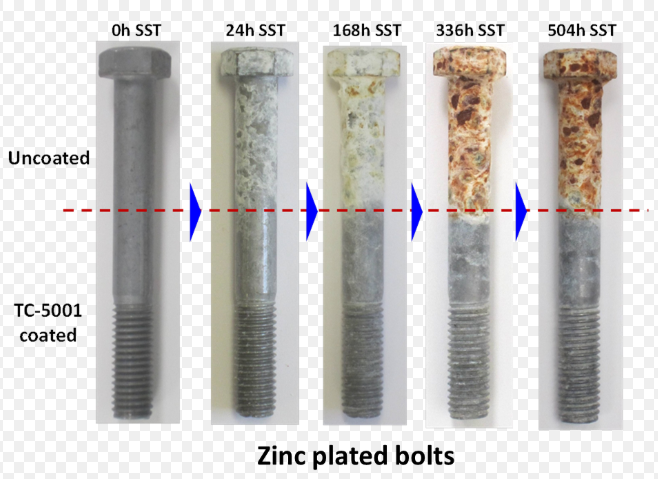
Όταν οι άνθρωποι ρωτούν τι είναι το γαλβανισμένο μέταλλο, συνήθως εννοούν ένα προϊόν από χάλυβα με επιπλέον προστασία κατά της σκουριάς. Σε απλούς όρους, το γαλβανισμένο μέταλλο είναι συνήθως σίδηρος ή χάλυβας επικαλυμμένος με ψευδάργυρο, ώστε να διαβρώνεται πιο αργά από το ακάλυπτο μέταλλο. Εξηγήσεις του κλάδου από τις εταιρείες Worthy Hardware και SteelPRO Group περιγράφουν τα γαλβανισμένα προϊόντα με αυτόν τον τρόπο, και στη σύγχρονη χρήση η συζήτηση επικεντρώνεται συνήθως στον χάλυβα.
Τι σημαίνει γαλβανισμένο μέταλλο
Το γαλβανισμένο μέταλλο είναι συνήθως σίδηρος ή χάλυβας επικαλυμμένος με ψευδάργυρο για να αντιστέκεται στη σκουριά και τη διάβρωση.
Εάν ρωτάτε επίσης τι είναι ο γαλβανισμένος χάλυβας, αυτή είναι η σύντομη απάντηση: χάλυβας συν ένα στρώμα ψευδαργύρου . Ωστόσο, η διατύπωση έχει σημασία. Ο γαλβανισμός είναι η διαδικασία. Το επίθετο «γαλβανισμένο» περιγράφει το τελικό υλικό μετά την ολοκλήρωση αυτής της διαδικασίας. Με άλλα λόγια, εάν έχετε ποτέ αναρωτηθεί τι είναι η γαλβάνιση, πρόκειται για την ίδια την επεξεργασία εφαρμογής ψευδαργύρου, όχι μόνο για το τελικό εξάρτημα που αγοράζετε.
Γαλβανισμένος χάλυβας έναντι γαλβανισμένου σιδήρου
Ιστορικά, ο όρος «γαλβανισμένος σίδηρος» αναφερόταν σε σίδηρο με επίστρωση ψευδαργύρου. Στη σύγχρονη πρακτική ορολογία αγοράς, ο όρος «γαλβανισμένος σίδηρος» χρησιμοποιείται ακόμη ελεύθερα για πολλά προϊόντα GI που στην πραγματικότητα έχουν ως βάση χαμηλού άνθρακα χάλυβα. Η SteelPRO Group καταγράφει αυτή τη μετατόπιση με σαφήνεια: ο σύγχρονος γαλβανισμένος χάλυβας είναι συνήθως ισχυρότερος, πιο εύκαμπτος και πιο διαδεδομένος στην κατασκευαστική και βιομηχανική χρήση, ακόμη και όταν οι αγοραστές χρησιμοποιούν εξακολούθηση τον όρο «γαλβανισμένος σίδηρος» από συνήθεια.
Ποια μέταλλα γαλβανίζονται συνήθως;
Ο άνθρακας χάλυβας είναι το πιο συνηθισμένο βασικό μέταλλο. Μπορεί επίσης να γαλβανιστεί και ο χυτοσίδηρος, ενώ ορισμένοι χάλυβες κραμάτων μπορούν επίσης να υποστούν αυτή την επεξεργασία. Αντιθέτως, μέταλλα όπως το αλουμίνιο, ο χαλκός, το ορείχαλκος και ο ανοξείδωτος χάλυβας δεν γαλβανίζονται κατά κανόνα με τη μέθοδο της θερμής εμβάπτισης με τον ίδιο τρόπο. Αυτό αποτελεί σημαντικό μέρος του ορισμού του γαλβανισμού, διότι δεν κάθε μέταλλο ακολουθεί την ίδια διαδρομή για την προστασία του από τη διάβρωση.
- Ο όρος «γαλβανισμένος» σημαίνει συνήθως χάλυβα ή σίδηρο με επίστρωση ψευδαργύρου.
- Το στρώμα ψευδαργύρου προστίθεται για να επιβραδύνει τη διάβρωση.
- Ο γαλβανισμός είναι η διαδικασία, ενώ ο «γαλβανισμένος» είναι το αποτέλεσμα.
- Δεν είναι όλα τα μέταλλα γαλβανισμένα με τον ίδιο τρόπο, ούτε πάντα γαλβανίζονται.
Μια λεπτή ασημί-γκριζη επίστρωση μπορεί να ακούγεται απλή, αλλά το ψευδάργυρο προστατεύει το βασικό μέταλλο με περισσότερους από έναν τρόπους. Εκεί είναι που η επιστήμη αρχίζει να έχει σημασία.
Πώς Προστατεύει το Ψευδάργυρο το Χάλυβα
Όταν οι άνθρωποι ρωτούν τι κάνει διαφορετικά το γαλβανισμένο μέταλλο σε σύγκριση με τον ακάθαρτο χάλυβα, η πραγματική απάντηση είναι η χημεία του ψευδαργύρου. Ένα επικάλυψη με γαλβανισμένο ψευδάργυρο είναι περισσότερο από μια λαμπερή επίστρωση. Βοηθά τον χάλυβα να αντιστέκεται στη διάβρωση με δύο διαφορετικούς τρόπους, γι’ αυτό και τα γαλβανισμένα προϊόντα διαρκούν συχνά πολύ περισσότερο από τα μη επιστρωμένα προϊόντα χάλυβα στο ίδιο περιβάλλον.
Πώς Προστατεύει το Ψευδάργυρο το Βασικό Μέταλλο
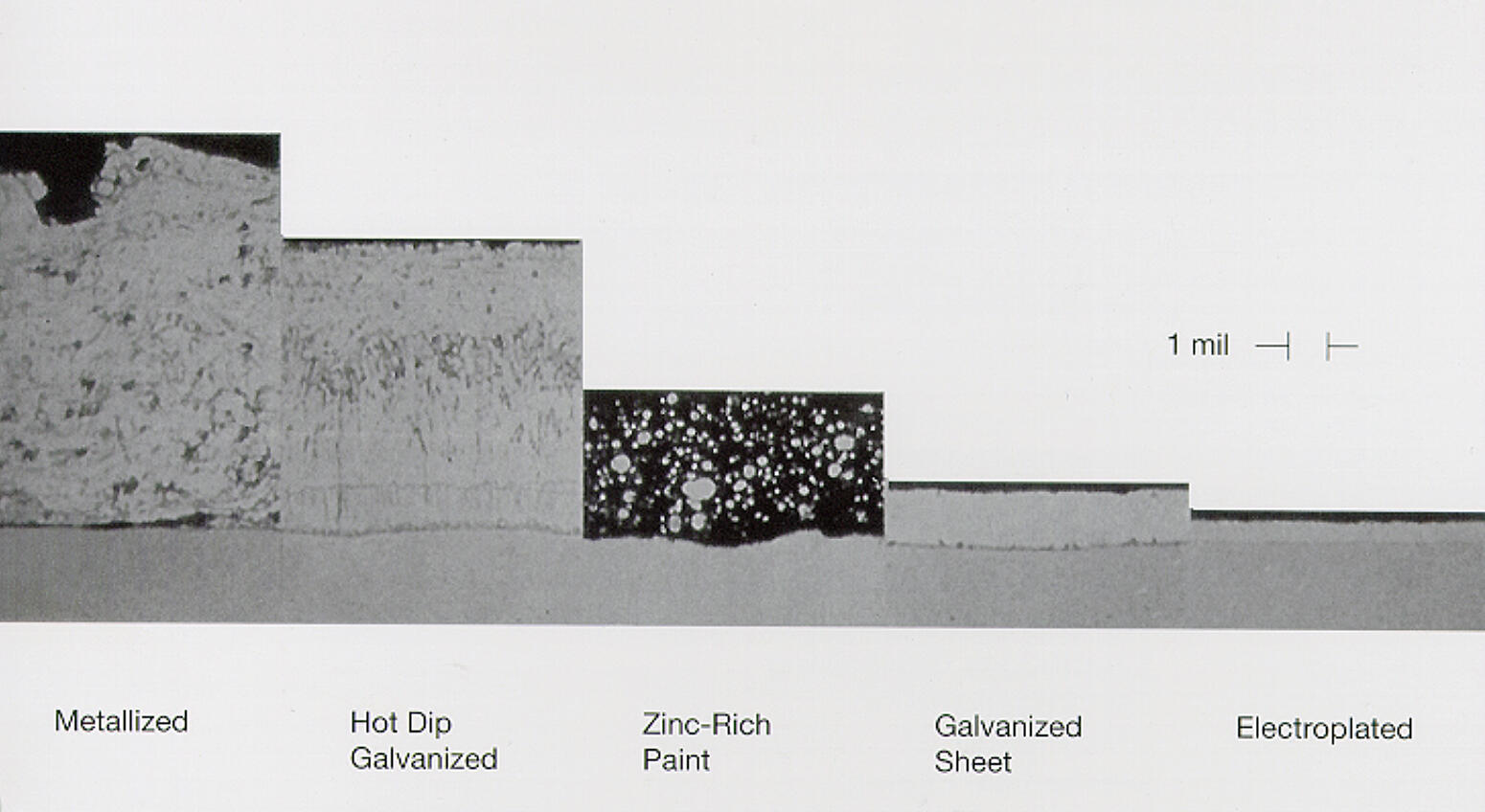
Το πρώτο επίπεδο προστασίας είναι απλό. Το ψευδάργυρο καλύπτει το χάλυβα και μειώνει την άμεση επαφή με την υγρασία και το οξυγόνο, τα συστατικά που προκαλούν τη σκουριά. Ωστόσο, η επιφάνεια δεν παραμένει «φρέσκια» για πολύ καιρό. Η AGA εξηγεί ότι το ψευδάργυρο σχηματίζει πυκνά, προσκολλητικά προϊόντα διάβρωσης, που συνήθως ονομάζονται πατίνα, και ότι το ψευδάργυρο μπορεί να διαβρωθεί 10 έως 100 φορές πιο αργά από τα σιδηρούχα υλικά, ανάλογα με το περιβάλλον. Με απλά ελληνικά, η επίστρωση μετατρέπεται σε λειτουργική προστασία, όχι απλώς σε διακοσμητικό περίβλημα.
Προστασία με Φραγμό και Θυσιαστική Προστασία
Η προστασία με φραγμό αποτελεί μόνο το μισό της ιστορίας. Η γαλβανισμένη επίστρωση προσφέρει επίσης επιπλέον προστασία στον χάλυβα όταν μικρές γρατσουνιές, κομμένες άκρες ή ζημιές από τη χειριστική επεξεργασία εκθέτουν το γυμνό μέταλλο. Το ψευδάργυρο διαβρώνεται πρώτο, θυσιάζοντας έτσι τον εαυτό του πριν από τον υποκείμενο χάλυβα. Αυτή είναι η βασική διαφορά μεταξύ του ψευδαργύρου και μιας απλής επίστρωσης βαφής. Μια πρακτική σύγκριση από Hog Slat καθιστά εύκολη την εικόνα: η βαφή προστατεύει κυρίως μέχρις ότου σπάσει το φιλμ, ενώ το ψευδάργυρο συνεχίζει να προστατεύει τη ζημιασμένη περιοχή, διότι είναι ενωμένο με την υποκείμενη επιφάνεια.
Ο ψευδάργυρος βοηθά το χάλυβα να διαρκεί περισσότερο, καθώς αποκλείει το περιβάλλον και θυσιάζεται πρώτος όταν συμβεί ζημιά.
Σύγκριση των Κύριων Μεθόδων Γαλβάνισης
Η διαδικασία γαλβάνισης αλλάζει τον τρόπο με τον οποίο ο ψευδάργυρος καταλήγει στον χάλυβα. Εδώ έχουν σημασία οι πρακτικές διαφορές. Μορφοποίηση Μετάλλων περιγράφει τρεις συνηθισμένες μεθόδους: γαλβάνιση με βυθισμό σε λιωμένο ψευδάργυρο (batch hot-dip galvanizing) για τελικά εξαρτήματα, συνεχή γαλβάνιση λαμαρίνας στο εργοστάσιο (continuous sheet galvanizing) και ηλεκτρογαλβάνιση (electrogalvanizing) για λεπτά επιστρώματα με αυστηρό έλεγχο. Αν αναζητάτε χάλυβα γαλβανισμένο με βυθισμό σε λιωμένο ψευδάργυρο, ενδέχεται να αναζητάτε είτε ένα προϊόν λαμαρίνας με επίστρωση από το εργοστάσιο είτε ένα κατασκευασμένο εξάρτημα που βυθίστηκε μετά την κατασκευή. Στην καθημερινή ορολογία του εργαστηρίου, ένα εξάρτημα που έχει υποστεί γαλβάνιση με βυθισμό (batch-dipped) αναφέρεται συχνά ως «θερμογαλβανισμένο».
| Τύπος διαδικασίας | Τρόπος εφαρμογής | Χαρακτήρας της επίστρωσης | Συνηθισμένες μορφές προϊόντων | Εμπορικές παραχωρήσεις |
|---|---|---|---|---|
| Γαλβάνιση με βυθισμό σε λιωμένο ψευδάργυρο (batch hot-dip galvanizing) | Τα πλήρως κατασκευασμένα εξαρτήματα βυθίζονται σε λιωμένο ψευδάργυρο | Η επίστρωση δημιουργείται μετά την κατασκευή και είναι κατάλληλη για τελικά, βαρύτερα εξαρτήματα | Βίδες και παξιμάδια, στύλοι, δοκοί, πλαίσια, συναρμολογημένα συνολικά | Ισχυρή προστασία από διάβρωση σε τελικά εξαρτήματα, αλλά η πρόσθετη χειριστικότητα και η θερμότητα μπορούν να την καθιστούν λιγότερο κατάλληλη για λεπτά εξαρτήματα που είναι ευαίσθητα σε παραμορφώσεις |
| Συνεχής γαλβάνωση λωρίδας | Η χάλυβας ταινία διέρχεται από ανόπτηση και στη συνέχεια από λουτρό ψευδαργύρου· μαχαίρια αέρα ή αζώτου ελέγχουν το βάρος της επίστρωσης | Ομοιόμορφη επίστρωση που εφαρμόζεται στο εργοστάσιο, συχνά με ορατό «σπάγκλ» ανάλογα με τη διαδικασία επεξεργασίας | Λαμαρίνες, ταινίες, πηνία, πάνελ, αεραγωγοί, εξαρτήματα με εμβολοκόπηση | Αποτελεσματική και συνεπής για προϊόντα λαμαρίνας υψηλού όγκου, αλλά περιορίζεται κυρίως σε κατασκευές βασισμένες σε πηνία και όχι σε μεγάλα, ήδη κατασκευασμένα εξαρτήματα |
| Ηλεκτρογαλβάνιση | Ο ψευδάργυρος επιτίθεται ηλεκτρολυτικά σε καθαρή χάλυβα ταινία σε θερμοκρασία δωματίου | Πολύ ακριβής έλεγχος, λεπτότερη επίστρωση με λείο τελικό αποτέλεσμα και χωρίς «σπάγκλ» | Εξωτερικά αυτοκινητοβιομηχανικά πάνελ, συσκευές, επιφανειακά κρίσιμα εμβολοτυπημένα εξαρτήματα | Εξαιρετική επεξεργασία επιφάνειας και έλεγχος επίστρωσης, αλλά συνήθως διατίθεται λιγότερο ψευδάργυρος σε σύγκριση με πολλά προϊόντα θερμής εμβάπτισης |
Η αρχή της προστασίας παραμένει η ίδια, ωστόσο ο χαρακτήρας της επίστρωσης μπορεί να διαφέρει σημαντικά από προϊόν σε προϊόν. Γι’ αυτόν τον λόγο, δύο ψευδαργυρωμένα είδη χάλυβα μπορεί να συμπεριφέρονται διαφορετικά κατά τη διαμόρφωση, το βάψιμο, την εμφάνιση και τη συγκόλληση, και γι’ αυτόν τον λόγο οι αγοραστές συχνά συγχέουν τον ψευδαργυρωμένο χάλυβα με διάφορα συναφή υλικά που μοιάζουν μόνο επιφανειακά.
Ψευδαργυρωμένος χάλυβας έναντι Galvalume, Galvanneal, ανοξείδωτου χάλυβα και αλουμινίου
Αυτή η ποικιλία στον χαρακτήρα της επίστρωσης είναι ακριβώς ο λόγος που τόσοι πολλοί αγοραστές συγχέουν μεταλλικά υλικά που μοιάζουν μεταξύ τους. Δύο αργυρογκριζαρισμένα φύλλα μπορεί να φαίνονται παρόμοια με μια ματιά, αλλά να συμπεριφέρονται πολύ διαφορετικά όταν βάφονται, συγκολλώνται, διαμορφώνονται ή εκτίθενται στην εξωτερική ατμόσφαιρα. Ορισμένα είναι πραγματικά χάλυβα επικαλυμμένο με ψευδάργυρο προϊόντα. Άλλα βασίζονται σε διαφορετικό σύστημα επίστρωσης ή στο ίδιο το βασικό μέταλλο για την αντοχή τους στη διάβρωση.
Ψευδαργυρωμένος χάλυβας και συναφείς όροι
Το γαλβανισμένο χάλυβα είναι χάλυβας που προστατεύεται από ψευδάργυρο. Αυτό ακούγεται απλό, αλλά οι συγγενείς όροι έχουν σημασία. Η Ramco περιγράφει το Galvalume ως χάλυβα που είναι επιστρωμένος με 55% αλουμίνιο, 43,4% ψευδάργυρο και 1,6% πυριτίου, επομένως δεν είναι το ίδιο πράγμα με τον τυπικό γαλβανισμένο χάλυβα, παρόλο που και τα δύο είναι επιστρωμένα λαμίνες. Ο επιχρισμένος χάλυβας είναι εντελώς διαφορετικός. Η προστασία του εξαρτάται από ένα εφαρμοσμένο πολύστρωμα βαφής, το οποίο μπορεί να εφαρμόζεται είτε σε ακάθαρτο χάλυβα είτε πάνω σε μεταλλικό στρώμα, ανάλογα με το προϊόν.
Η φράση γαλβανισμένο αλουμίνιο προκαλεί επίσης σύγχυση. Η Xometry σημειώνει ότι το αλουμίνιο μπορεί να είναι επιχρυσωμένο με ψευδάργυρο, ενώ GAA αναφέρει ότι το αλουμίνιο, ο ορείχαλκος και το χαλκός δεν είναι κατάλληλα για την τυπική διαδικασία θερμής εμβάπτισης με ψευδάργυρο που χρησιμοποιείται για τις περισσότερες σιδηρομεταλλικές κατασκευές. Επομένως γαλβανισμένο αλουμίνιο δεν πρέπει να θεωρείται γενικό συνώνυμο του γαλβανισμένου χάλυβα.
Γαλβανοεπικαλυμμένος χάλυβας έναντι γαλβανισμένου χάλυβα
Galvanneal ξεκινά ως γαλβανισμένη λαμίνα και στη συνέχεια υφίσταται επιπλέον θερμική επεξεργασία, ώστε το επίστρωμα να μετατραπεί σε στρώμα κράματος ψευδαργύρου-σιδήρου. Σε καθημερινούς όρους αγοράς, ο γαλβανοεπικαλυμμένος χάλυβας είναι συνήθως πιο αμυδρό και ματ από το συνηθισμένο γαλβανισμένο λαμαρίνιο, με πολύ λιγότερη από τη λαμπερή «σπάνγκλ» επίστρωση που πολλοί αναμένουν. Επιλέγεται συχνά για βαμμένα, εμπρεσαρισμένα και συγκολλημένα εξαρτήματα από λαμαρίνα. Το συνηθισμένο γαλβανισμένο λαμαρίνιο έχει συνήθως τη γνωστότερη λαμπερή, μεταλλική επίστρωση και προτιμάται συχνότερα όταν το εξάρτημα μπορεί να παραμείνει αβαμμένο κατά τη λειτουργία του. Με άλλα λόγια, δεν κάθε χάλυβα επικαλυμμένο με ψευδάργυρο προϊόν είναι βελτιστοποιημένο για την ίδια επίστρωση ή την ίδια διαδικασία κατασκευής.
Σύγκριση του Γαλβανισμένου Χάλυβα με το Ανοξείδωτο Χάλυβα και το Αλουμίνιο
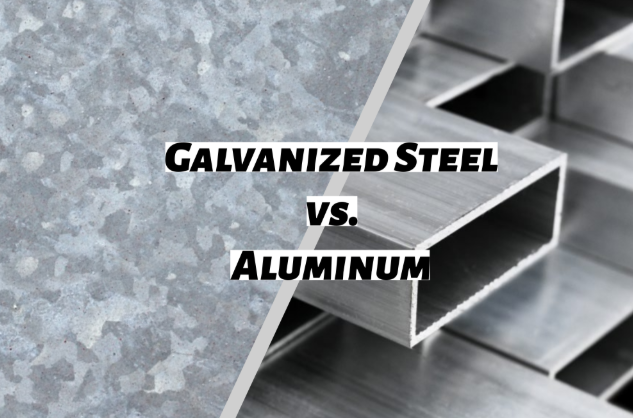
Σε μια γαλβανισμένος χάλυβας εναντίον αλουμινίου απόφαση, το βάρος αποτελεί μία από τις σημαντικότερες διαχωριστικές γραμμές. Η Xometry σημειώνει ότι το αλουμίνιο είναι πολύ ελαφρύτερο και σχηματίζει αυτόματα ένα προστατευτικό οξείδιο, ενώ ο γαλβανισμένος χάλυβας διατηρεί το προφίλ αντοχής του χάλυβα και προσθέτει προστασία από διάβρωση με βάση το ψευδάργυρο. Το ίδιο πηγαίνει επίσης ότι ο γαλβανισμένος χάλυβας είναι γενικά πιο ανθεκτικός στη σκουριά από το αλουμίνιο σε πολλά μη επιθετικά εξωτερικά περιβάλλοντα, ενώ το αλουμίνιο μπορεί να προσφέρει πλεονεκτήματα σε θαλάσσιες εκθέσεις.
Aγαλβανισμένος χάλυβας έναντι ανοξείδωτου χάλυβα η σύγκριση είναι διαφορετική. Το ανοξείδωτο χάλυβα δεν είναι καθόλου γαλβανισμένο προϊόν, και η GAA δεν συνιστά το θερμό εμβάπτισμα σε γαλβανισμό ανοξείδωτων χαλύβων. Οι αγοραστές συνήθως διαχωρίζουν αυτά τα υλικά βάσει του επιπέδου έκθεσης, των προσδοκιών για την επιφάνεια και των αναγκών κατασκευής, παρά μόνο με βάση την εμφάνισή τους.
| Υλικό | Συμπεριφορά στη διάβρωση | Ικανότητα βαφής | Συγχωνευσιμότητα | Εμφάνιση | Τυπικές Εφαρμογές |
|---|---|---|---|---|---|
| Ζινκωμένο Χάλυβι | Το ψευδάργυρο παρέχει προστασία με φραγμό και προστασία με θυσία για γενική εξωτερική χρήση | Μπορεί να βαφτεί με κατάλληλη προετοιμασία της επιφάνειας | Είναι συγκολλήσιμο, αλλά η ποσότητα ψευδαργύρου στη ζώνη συγκόλλησης πρέπει να ελέγχεται | Αργυρό-γκρι, συχνά λαμπερό, μερικές φορές με κρυσταλλικό μοτίβο (spangled) | Φράκτες, αεραγωγοί, στέγες, συνδετήρες, εξωτερικά κατασκευασμένα εξαρτήματα |
| Galvanneal | Παρέχει καλή προστασία, αλλά επιλέγεται συνήθως περισσότερο λόγω των αναγκών κατεργασίας και βαφής μετά την παραγωγή, παρά για τη λαμπερή εμφάνισή του σε εκτεθειμένες θέσεις | Συνήθως είναι εξαιρετικά συμβατό με τη βαφή | Χρησιμοποιείται συχνά για συγκολλημένα και εμβολοκατεργασμένα λαμαρινόμορφα εξαρτήματα | Ματ γκρι, επιφάνεια χαμηλής λάμψης | Πάνελ αυτοκινήτων και οικιακών συσκευών, βαμμένα πλαστικά εξαρτήματα |
| Galvalume | Η επίστρωση αλουμινίου-ψευδαργύρου-πυριτίου προσφέρει ισχυρή αντοχή στις καιρικές συνθήκες σε πολλές εφαρμογές κτιρίων | Συχνά επιδεκτικά βαφής, ανάλογα με το σύστημα προϊόντος | Είναι δυνατό, αλλά η διαχείριση της επίστρωσης παραμένει σημαντική | Λεία μεταλλική επιφάνεια | Στέγες, εξωτερική περίβληση, διακοσμητικά προφίλ |
| Ζυγαρισμένο χάλκαλο | Εξαρτάται σε μεγάλο βαθμό από την ακεραιότητα του βαφτικού φιλμ και την προστασία των άκρων | Έχουν ήδη τελική επεξεργασία όσον αφορά το χρώμα και την εμφάνιση | Η συγκόλληση συνήθως καταστρέφει την επίστρωση στην περιοχή γύρω από τη συγκόλληση | Τελική επεξεργασία με χρώμα ή επίστρωση | Πάνελ, συσκευές, αρχιτεκτονικά προϊόντα |
| Ανοξείδωτο χάλυβα | Υψηλή ενδογενής αντίσταση στη διάβρωση σε πολλά περιβάλλοντα, ωστόσο η κατηγορία και η έκθεση παραμένουν σημαντικοί παράγοντες | Συχνά αφήνονται χωρίς βαφή | Πολλές διαδεδομένες κατηγορίες είναι συγκολλήσιμες | Καθαρή λαμπερή ή ματ αντανακλαστική μεταλλική επιφάνεια | Εξοπλισμός τροφίμων, αρχιτεκτονικά έργα, εξαρτήματα για χρήση σε διαβρωτικά περιβάλλοντα |
| Αλουμίνιο | Δημιουργεί φυσικό οξείδιο και δεν σκουριάζει όπως ο χάλυβας, παρόλο που μπορεί να διαβρωθεί σε ορισμένα περιβάλλοντα | Μπορεί να βαφτεί | Είναι συγκολλήσιμο με την κατάλληλη διαδικασία και έλεγχο της θερμότητας | Ασημί-λευκό, συνήθως ματ | Μεταφορά, παράθυρα, πόρτες, ελαφριές μονάδες |
Αυτές οι διαφορές σπάνια παραμένουν κρυφές για πολύ καιρό. Σε πραγματικά εξαρτήματα, εμφανίζονται μέσω ορατών ενδείξεων, όπως η αστραπτερή επιφάνεια (spangle), η λάμψη, οι ματές επιφάνειες, οι ετικέτες των πηνίων και οι ετικέτες επικάλυψης.
Πώς να διαπιστώσετε αν ένα μέταλλο είναι γαλβανισμένο
Δύο αργυρογκριζαρισμένα φύλλα μπορεί να μοιάζουν πανομοιότυπα, αλλά να είναι εντελώς διαφορετικά προϊόντα. Αν αναρωτιέστε πώς να διαπιστώσετε αν ένα μέταλλο είναι γαλβανισμένο, ξεκινήστε από την επιφάνεια και στη συνέχεια επιβεβαιώστε με τα σχετικά έγγραφα. Αυτός είναι ο πιο πρακτικός τρόπος για να ελέγξετε ένα φύλλο γαλβανισμένου χάλυβα, απομεινάρια αποθηκευμένου υλικού ή μια ετικετοποιημένη δέσμη κατά την παράδοση. Αν το πραγματικό σας ερώτημα είναι πώς να διαπιστώσετε αν ο χάλυβας είναι γαλβανισμένος μετά από κοπή ή μετά από παρατεταμένη αποθήκευση, οι ορατές ενδείξεις και τα έγγραφα του εργοστασίου λειτουργούν καλύτερα σε συνδυασμό.
Πώς να αναγνωρίσετε γαλβανισμένο μέταλλο
Κοινά οπτικά σημάδια περιλαμβάνουν ένα κατασπόρευτο μοτίβο από κρυστάλλωση του ψευδαργύρου, ένα ασημί-γκριζο χρώμα και μια πιο αμαυρωμένη, ματ παρουσία αντί για λαμπερή γυαλάδα, όπως αναφέρει η South Atlantic. Το επιφανειακό τελικό αποτέλεσμα μπορεί επίσης να διαφέρει από κανονικό κατασπόρευτο μοτίβο έως ελαχιστοποιημένο ή ακόμη και μηδενικό κατασπόρευτο μοτίβο σε προϊόντα εργοστασίου, όπως τονίζει η DZH Steel στις οδηγίες ποιότητάς της.
- Εξετάστε υπό καλό φως το κατασπόρευτο μοτίβο, μια συνεκτική ασημί-γκριζα απόχρωση ή μια ματ επίστρωση ψευδαργύρου.
- Ελέγξτε εάν η επίστρωση εμφανίζεται ομοιόμορφη. Ακάλυπτες περιοχές, περίεργες κηλίδες ή ανομοιόμορφο χρώμα απαιτούν πιο προσεκτική εξέταση.
- Διαβάστε την ετικέτα ή το πιστοποιητικό. Σε μία πηνίο γαλβανισμένου χάλυβα ή σε λαμαρίνα γαλβανισμένου χάλυβα, τα έγγραφα αναφέρουν συχνά το πρότυπο, την επίστρωση και τις τιμές δοκιμής.
- Εάν παραμένει αμφιβολία, χρησιμοποιήστε μεθόδους επαλήθευσης. Η South Atlantic αναφέρει ως συνηθισμένες επιλογές τις χημικές επιτόπιες δοκιμές, την υπερηχητική μέτρηση και τις πιστοποιημένες εργαστηριακές δοκιμές.
Οπτικά Σημάδια στην Επιφάνεια και Ετικέτες Προϊόντων
Οι ετικέτες συχνά αποκαλύπτουν περισσότερα από ό,τι η εμφάνιση μόνη της. Η DZH Steel συνιστά να ελέγχετε το πιστοποιητικό συμμόρφωσης για το εφαρμοστέο πρότυπο και τις λεπτομέρειες της επίστρωσης πριν από την αποστολή. Σε προϊόντα εργοστασίου, ενδέχεται να δείτε πρότυπα όπως το ASTM A653/A653M, το EN 10346, το JIS G3302 ή το GB/T 2518. Μια λεία επιφάνεια δεν σημαίνει πάντα ότι το χάλυβας είναι ανεπίστρωτος· ενδέχεται απλώς να έχει επίστρωση με ελαχιστοποιημένη ή μηδενική «σπανγκλ» (spangle).
Τι σημαίνουν οι κωδικοί επίστρωσης
Για επίπεδα κυλινδρωμένα φύλλα, Hascall Steel εξηγεί ότι οι κωδικοί G30, G60, G90 και G235 αναφέρονται στο συνολικό βάρος της επίστρωσης από ψευδάργυρο στις δύο πλευρές του φύλλου, μετρούμενο σε oz/ft². Υψηλότεροι αριθμοί συνήθως σημαίνουν περισσότερο ψευδάργυρο και καλύτερη προστασία από διάβρωση. Ωστόσο, η ακριβής ερμηνεία πρέπει να προέρχεται πάντα από το πιστοποιητικό του εργοστασίου, τη μορφή του προϊόντος και την εφαρμοστέα προδιαγραφή.
| Ονομασία | Οδηγός σε απλή γλώσσα | Τυπικά παραδείγματα |
|---|---|---|
| Γ30 | Ελαφρύτερη επίστρωση | Εσωτερική κατασκευή πλαισίων, εξαρτήματα συσκευών |
| G60 | Μεσαία επίστρωση | Συστήματα Κλιματισμού, Εξαερισμού και Θέρμανσης (HVAC), ελαφριά εξωτερική κατασκευή πλαισίων |
| G90 | Υψηλότερη επίστρωση | Στέγες, πλευρικά περιβλήματα, γεωργικός εξοπλισμός |
| G235 | Πολύ βαριά επίστρωση | Προστατευτικά κιγκλιδώματα, αποθήκες με στύλους, κατασκευές σε παράκτιες περιοχές |
Ορισμένες παγκόσμιες προδιαγραφές χρησιμοποιούν συμβολισμούς Z σε g/m², όπως το Z275, αντί για αριθμούς G, όπως αναφέρεται από την DZH Steel. Μια ετικέτα σας ενημερώνει για το τι έχει εφαρμοστεί. Το πιο δύσκολο ερώτημα είναι πώς συμπεριφέρεται αυτή η επίστρωση όταν έρθει σε επαφή με τον καιρό, τα άλατα και την υγρασία.
Σουρώνεται το γαλβανισμένο μέταλλο με την πάροδο του χρόνου;
Λοιπόν, σουρώνεται το γαλβανισμένο μέταλλο; Ναι, μπορεί να σουρώσει, αλλά συνήθως πολύ αργότερα από το ατελές χάλυβα. Το ψευδάργυρο προορίζεται να διαβρωθεί πρώτο, κάτι που καθυστερεί την εμφάνιση της κόκκινης σκουριάς στον χάλυβα που βρίσκεται κάτω από αυτό. Αυτό απαντά επίσης και στη συνηθισμένη αναζήτηση: είναι το γαλβανισμένο χάλυβα αντισκουριασμένος; όχι ακριβώς. Είναι ανθεκτικό στη διάβρωση. Σε κανονικές εξωτερικές συνθήκες, η επιφάνεια του ψευδαργύρου αναπτύσσει μια σταθερή πατίνα κατά τους φυσικούς κύκλους υγρασίας και ξηρασίας. Στοιχεία από την AGA δείχνουν ότι η υγρασία, η βροχόπτωση, η θερμοκρασία, η ρύπανση και η αλατότητα του αέρα επηρεάζουν όλα την ταχύτητα με την οποία εξαντλείται αυτή η προστασία.
Σουρώνεται το γαλβανισμένο μέταλλο
Το γαλβανισμένο χάλυβα αντιστέκεται στη σκουριά, αλλά δεν είναι ανίκητος στη διάβρωση επ’ αόριστον.
Αν αναρωτιέστε κατασκουριάζει το γαλβανισμένο χάλυβα , ή ακόμη και σκουριάζει το γαλβανισμένο χάλυβα , η ειλικρινής απάντηση είναι ναι, τελικά, ειδικά όταν ο γαλβανισμένος στρώματος καταναλωθεί, υποστεί ζημιά ή βρεθεί σε απαιτητικό περιβάλλον. Οι άνθρωποι ρωτούν επίσης διαβρώνεται το γαλβανισμένο χάλυβα . Διαβρώνεται, αλλά η επίστρωση από ψευδάργυρο διαβρώνεται πρώτη εξ ορισμού. Αυτή η θυσιαστική δράση είναι αυτή που βοηθά τον βασικό χάλυβα να διαρκέσει περισσότερο.
Δεν όλα τα σημάδια διάβρωσης σημαίνουν το ίδιο πράγμα. Engineering Edge περιγράφει τη λευκή σκουριά ως μια αχνιστή, λευκή ουσία διάβρωσης που δημιουργείται στον ψευδάργυρο όταν η υγρασία και το οξυγόνο παραμένουν επί της επιφάνειας. Η κόκκινη σκουριά είναι κοκκινωπή-καφετί οξείδιο του σιδήρου, το οποίο υποδηλώνει ότι ο εκτεθειμένος χάλυβας διαβρώνεται ενεργά.
Πώς επηρεάζει το περιβάλλον την απόδοση έναντι της διάβρωσης
Το περιβάλλον συχνά έχει μεγαλύτερη σημασία από την ετικέτα του προϊόντος. Ένα γαλβανισμένο στήριγμα σε ξηρό χώρο εγκαταστάσεων μπορεί να παραμείνει ακέραιο για μεγάλο χρονικό διάστημα, ενώ το ίδιο εξάρτημα κοντά σε αλμυρή ψεκασμό ή σε περιοχή με εγκλωβισμένη υγρασία μπορεί να υποστεί πολύ ταχύτερη φθορά.
| Περιβάλλο | Πιθανές πιέσεις διάβρωσης | Οδηγίες σχετικά με την καταλληλότητα |
|---|---|---|
| Στεγνό εσωτερικό | Χαμηλή έκθεση σε υγρασία, ελάχιστες διαβρωτικές αποθέσεις | Συνήθως πολύ ευνοϊκό περιβάλλον για γαλβανισμένο χάλυβα |
| Αγροτικό εξωτερικό | Βροχή και υγρασία, αλλά γενικά χαμηλότερη ρύπανση και αλάτι | Συχνά αποτελεί ιδανική εφαρμογή για γαλβανισμένα προϊόντα |
| Αστικό εξωτερικό | Υγρασία σε συνδυασμό με μέτρια ρύπανση | Συνήθως κατάλληλο, αλλά η απόδοση εξαρτάται από την τοπική ποιότητα του αέρα και την αποστράγγιση |
| Βιομηχανική περιοχή | Ενώσεις θείου, ρύποι, υγρασία | Η προστασία μπορεί να καταναλωθεί ταχύτερα, γεγονός που καθιστά την επιλογή της επίστρωσης πιο σημαντική |
| Υγρή ή κακώς αποστραγγιζόμενη | Στάσιμη υγρασία, υγρές ραφές, περιορισμένη στέγνωση | Υψηλότερος κίνδυνος λευκής σκουριάς και ταχύτερης κατάρρευσης της επίστρωσης |
| Παράκτια ή θαλάσσια | Αλατότητα του αέρα, χλωρίδια, συχνή υγρασία | Χρησιμοποιείται με προσοχή. Η έκθεση σε αλάτι μπορεί να μειώσει σημαντικά τη διάρκεια ζωής της επίστρωσης |
Τι να περιμένετε στις άκρες, τις γρατζουνιές και τις ραφές
Μικρές γρατζουνιές δεν είναι πάντα καταστροφή. Το ΑΓΑ εξηγεί ότι το πλησιέστερο ψευδάργυρο μπορεί να παρέχει καθοδική προστασία σε μικρές εκτεθειμένες περιοχές, συμπεριλαμβανομένων των ακμών κοπής και των τρυπών ανόδου. Ωστόσο, μπορεί το γαλβανισμένο μέταλλο να σκουριάσει σε αρθρώσεις, άκρα ή φθαρμένες περιοχές; Ναι. Αυτές οι περιοχές είναι πιο ευάλωτες όταν συσσωρεύεται νερό, όταν η τριβή αφαιρεί συνεχώς το ψευδάργυρο ή όταν η ζημιά είναι τόσο μεγάλη, ώστε το περιβάλλον επικάλυμμα να μην μπορεί να ανταποκριθεί.
Και θα σκουριάσει το γαλβανισμένο μέταλλο σε παράκτιο αέρα ή σε ρυπασμένο, υγρό περιβάλλον; Ναι, και συχνά πιο γρήγορα από ό,τι περιμένουν πολλοί αγοραστές. Γι’ αυτό το γαλβανισμένο χάλυβα λειτουργεί καλύτερα όταν το επικάλυμμα, το περιβάλλον και ο σχεδιασμός του εξαρτήματος ταιριάζουν όλα στη συγκεκριμένη εφαρμογή. Η ίδια λογική ισχύει και για την επιλογή του προϊόντος, καθώς ορισμένες εφαρμογές είναι φυσικά κατάλληλες για γαλβανισμένο μέταλλο, ενώ άλλες δεν είναι.
Συνηθισμένες χρήσεις του γαλβανισμένου μετάλλου και πότε πρέπει να αποφεύγεται
Η σωστή επιλογή υλικού εξαρτάται από την έκθεση, όχι μόνο από την τιμή ή την εμφάνιση. Το γαλβανισμένο χάλυβας είναι πιο χρήσιμος όταν επιθυμείτε την αντοχή του χάλυβα σε συνδυασμό με καλύτερη αντίσταση στη διάβρωση σε σύγκριση με τον ακάθαρτο χάλυβα. Οδηγίες από την Kloeckner Metals δείχνουν πόσο ευρέως εφαρμόζεται αυτό στην πράξη: στέγες, δομικά πλαίσια, περιφράξεις, εγκαταστάσεις θέρμανσης, ψύξης και κλιματισμού (HVAC), αγωγοί, υποστηρίγματα ηλεκτρικής ενέργειας, προστατευτικά κιγκλιδώματα, γέφυρες, σωλήνες άρδευσης και εξοπλισμός για εξωτερική γεωργική χρήση εμφανίζονται όλοι στη λίστα των συνηθισμένων εφαρμογών. Αυτό το μοτίβο αποτελεί καλό στοιχείο κατεύθυνσης για την αγορά. Η προστασία με ψευδάργυρο έχει τον μεγαλύτερο νόημα όταν ο καιρός αποτελεί συνεχή πρόκληση, αλλά η χημική έκθεση, η τριβή και οι προσδοκίες για την επιφάνεια καθορίζουν ακόμα εάν αποτελεί την καλύτερη επιλογή.
Συνηθισμένες εφαρμογές γαλβανισμένου μετάλλου
- Στέγες και αποστράγγιση: πλάκες στέγης, στεγανοποιητικά υλικά, σωλήνες αποστράγγισης και γαλβανισμένοι χαλύβδινοι σωλήνες αποστράγγισης είναι συνηθισμένα, επειδή εκτίθενται σε βροχή, συμπύκνωση και εξωτερικό αέρα. Εάν αναζητήσετε γαλβανισμός στέγης , συνήθως αναζητάτε επιστρωμένα λαμαρίνια ή διακοσμητικά στοιχεία που θα διαρκέσουν περισσότερο από τον ακάθαρτο χάλυβα σε συνηθισμένη εξωτερική χρήση.
- Περιφράξεις και εργασίες περιμετρικής προστασίας: συστήματα αλυσιδωτής σύνδεσης, στηρίγματα και άλλα φράχτης από γαλβανισμένο χάλυβα τα προϊόντα είναι δημοφιλή επειδή παραμένουν στο εξωτερικό καθ’ όλο τον χρόνο και επωφελούνται από χαμηλότερη συντήρηση.
- Δομικά και χρησιμοποιητικά εξαρτήματα: πλαίσια, προστατευτικά κιγκλιδώματα, στύλοι, στηρίγματα και γαλβανοποιημένες τζιμπάτες χάλυβα είναι συνηθισμένα εκεί όπου ένα εξάρτημα απαιτεί την αντοχή του χάλυβα και μεγάλη διάρκεια ζωής σε εξωτερικό περιβάλλον.
- Κλιματισμός και λαμαρίνες: οι αγωγοί, οι θήκες και τα διαμορφωμένα εξαρτήματα λαμαρίνας χρησιμοποιούν συχνά λαμαρίνα με εργοστασιακό γαλβανισμό για να αντέχουν καλύτερα την υγρασία σε σύγκριση με τον απλό άνθρακα χάλυβα.
- Γεωργία και αποθήκευση: σιλό, γραμμές άρδευσης, επιλεγμένα γαλανούμενη νεροδότηση χρήσεις και γαλβανισμένα δοχεία όλα ταιριάζουν στο πρότυπο εξωτερικής ή χρησιμοθηκευτικής χρήσης, όπου η καθυστέρηση της σκουριάς έχει σημασία.
Όταν ο γαλβανισμός είναι μια έξυπνη επιλογή
- Χρειάζεστε την αντοχή και τη σκληρότητα του χάλυβα, αλλά ο ακάθαρτος χάλυβας θα διαβρωνόταν υπερβολικά γρήγορα.
- Το εξάρτημα θα χρησιμοποιηθεί σε τυπικό εξωτερικό, αγροτικό, αστικό ή γενικό βιομηχανικό περιβάλλον, αντί για σοβαρή χημική βύθιση.
- Η χαμηλή συντήρηση έχει μεγαλύτερη σημασία από μια τέλεια διακοσμητική επιφάνεια.
- Το προϊόν είναι ένα πρακτικό δομικό ή χρησιμοθηκευτικό αντικείμενο, όπως λαμαρίνα, αεραγωγός, περίφραξη, δομικό πλαίσιο ή εξοπλισμός αποθήκευσης.
- Επιθυμείτε μια γνωστή και οικονομικά συνετή βελτίωση του απλού χάλυβα για εκτεθειμένη χρήση.
| Ανάγκη εφαρμογής | Γυμνός Χάλυβας | Ζινκωμένο Χάλυβι |
|---|---|---|
| Πάνελ στέγης και στροφεία | Χρειάζεται γρήγορη προστασία ή συντήρηση της βαφής | Προτιμάται συνήθως για καλύτερη αντοχή στις καιρικές συνθήκες |
| Εξωτερικά φράγματα και υποστηρίγματα | Πιο ευάλωτο στη σκουριά κατά τη λειτουργία | Καλύτερη επιλογή για μακροπρόθεσμη εξωτερική έκθεση |
| Αγωγοί αεραγωγών και διαμορφωμένα λαμαρίνια | Η υγρασία μπορεί να μειώσει τη διάρκεια ζωής | Χρησιμοποιείται ευρέως για προϊόντα λαμαρίνας HVAC και χρήσιμων εφαρμογών |
| Εξωτερικά δομικά στοιχεία | Συχνά απαιτεί ξεχωριστό σύστημα επίστρωσης | Χρήσιμο όταν απαιτείται ταυτόχρονα ανθεκτικότητα στη διάβρωση και μηχανική αντοχή του χάλυβα |
Όταν Ένα Άλλο Υλικό Μπορεί Να Είναι Καλύτερο
Ο γαλβανισμένος χάλυβας δεν είναι η καθολική λύση. Η AGA σημειώνει ότι ο γαλβανισμένος χάλυβας προσφέρει καλύτερη απόδοση σε περιβάλλοντα με pH περίπου 5,5 έως 12. Η έκθεση σε εξαιρετικά όξινα ή εξαιρετικά αλκαλικά περιβάλλοντα μπορεί να καταναλώσει το ψευδάργυρο πολύ ταχύτερα, ενώ δεν συνιστάται pH κάτω του 3 ή άνω του 13,5.
- Ακραίο θαλάσσιο περιβάλλον με ψεκασμό ή συνεχή φόρτιση με αλάτι: ο γαλβανισμένος χάλυβας μπορεί να χρησιμοποιηθεί σε ορισμένες παράκτιες εφαρμογές, αλλά η έντονη έκθεση σε αλάτι συντομεύει τη διάρκεια ζωής της επίστρωσης και ενδέχεται να δικαιολογεί τη χρήση ενός βαρύτερου συστήματος ή ενός διαφορετικού υλικού.
- Εξαιρετικά όξινα ή αλκαλικά περιβάλλοντα: ο ανοξείδωτος χάλυβας, τα πολυμερή ή ένα δίπλωμα επίστρωσης διπλής σύνθεσης μπορεί να αποτελούν ασφαλέστερη επιλογή για μακροπρόθεσμη χρήση.
- Έντονη τριβή: η επαναλαμβανόμενη τριβή ή φθορά μπορεί να αφαιρέσει το ψευδάργυρο από τις άκρες και τα σημεία επαφής.
- Υψηλής ποιότητας αισθητική επεξεργασία: εάν η ομοιογένεια της επιφάνειας είναι κρίσιμη, το ανοξείδωτο χάλυβα ή το αλουμίνιο μπορεί να προσφέρουν πιο καθαρή εμφάνιση.
- Ειδική αποθήκευση χημικών: πολλά ουδέτερα περιβάλλοντα είναι κατάλληλα, αλλά για επιθετικά χημικά απαιτείται πιο προσεκτική αξιολόγηση των υλικών πριν από την επιλογή γαλβανισμένων κάδων ή δοχείων.
Αυτός είναι ο κανόνας στην πραγματικότητα: ο γαλβανισμός αποτελεί μια ισχυρή ενδιάμεση λύση, όχι ένα «μαγικό» υλικό. Επιλέξτε τον για μεταλλικά εξαρτήματα που εκτίθενται στον καιρό, επανεξετάστε την επιλογή όταν κυριαρχούν το αλάτι, τα χημικά ή η έντονη φθορά, και θυμηθείτε ότι η απόδοση εξαρτάται επίσης από το τι συμβαίνει μετά την παράδοση. Οι συνθήκες αποθήκευσης, η προετοιμασία για βαφή και οι πρακτικές συγκόλλησης μπορούν να επηρεάσουν το αποτέλεσμα τόσο όσο και η επιλογή του βασικού υλικού.
Πώς να αποθηκεύετε, βάφετε και συγκολλάτε γαλβανισμένο χάλυβα
Η καλή απόδοση μπορεί να χαθεί μετά την παράδοση. Η κακή αποθήκευση μπορεί να προκαλέσει υγρή κηλίδα αποθήκευσης , η κακή προετοιμασία μπορεί να οδηγήσει σε αποτυχία της βαφής και η απρόσεκτη συγκόλληση μπορεί να αφαιρέσει την προστατευτική επίστρωση ψευδαργύρου για την οποία πληρώσατε. Γι’ αυτόν τον λόγο, η συντήρηση έχει την ίδια σημασία με το βάρος της επίστρωσης, ιδιαίτερα εάν επιθυμείτε να αποφύγετε πρόωρη το σκούριασμα του γαλβανισμένου χάλυβα .
Πώς να αποθηκεύσετε και να συντηρήσετε γαλβανισμένο μέταλλο
Το λευκό σκουριά είναι ένα λευκό, πουδρόειδε ίζημα υδροξειδίου του ψευδαργύρου που δημιουργείται όταν τα γαλβανισμένα εξαρτήματα παραμένουν υγρά και στερούνται αερισμού και διοξειδίου του άνθρακα. Εμφανίζεται συχνά σε σφιχτά στοιβαγμένα φύλλα ή εξαρτήματα που είναι τοποθετημένα το ένα μέσα στο άλλο. Σε σοβαρές περιπτώσεις ενδέχεται να απαιτηθεί καθαρισμός και έλεγχος του πάχους της επίστρωσης πριν από την επισκευή, ωστόσο το λευκό σκουριά με εντυπωσιακή εμφάνιση δεν σημαίνει πάντα σημαντική απώλεια ψευδαργύρου.
- Αποθηκεύστε το υλικό σε στεγνό και καλά αεριζόμενο χώρο.
- Διατηρήστε τις δέσμες εκτός επαφής με το έδαφος χρησιμοποιώντας υποστηρίγματα και κλίνοντας το ένα άκρο ώστε να αποστραγγίζεται το νερό.
- Μην επιτρέπετε τη συγκέντρωση υγρασίας μεταξύ φύλλων ή εξαρτημάτων. Εάν το υλικό φτάσει υγρό, χωρίστε τα και αφήστε τα να στεγνώσουν πριν τα ξαναστοιβάξετε.
- Χρησιμοποιήστε αδιάβροχη κάλυψη που επιτρέπει ωστόσο τον αερισμό. Μην τυλίγετε το υλικό με πλαστικό, το οποίο μπορεί να προκαλέσει συμπύκνωση.
- Ελέγξτε τις γρατσουνιές, τις ακμές κοπής και τα λευκά ιζήματα κατά τη διάρκεια της αποθήκευσης.
Εάν δείτε λευκή πούδρα, αυτή διαφέρει από την πραγματική σκουριά του γαλβανισμένου χάλυβα μέχρι την κόκκινη διάβρωση του βασικού μετάλλου.
Μπορείτε να βάψετε γαλβανισμένες επιφάνειες;
Ναι, αλλά η βαφή προσκολλάται καλύτερα μετά από κατάλληλη προετοιμασία της επιφάνειας . Η AGA σημειώνει ότι το πρόσφατα γαλβανισμένο χάλυβα είναι σχετικά λείο και συνήθως απαιτεί προφιλοποίηση, το μερικώς εξωτερικά υποβαθμισμένο ψευδάργυρο είναι συχνά η δυσκολότερη κατάσταση για προετοιμασία, ενώ οι πλήρως εξωτερικά υποβαθμισμένες επιφάνειες μπορεί να είναι ευκολότερες, επειδή ο σταθερός ανθρακικός ψευδάργυρος είναι σφιχτά προσκολλημένος. Στην ορολογία του εργαστηρίου, οι επικαλύψεις επαναφοράς πλούσιες σε ψευδάργυρο ονομάζονται συχνά galv paint , αλλά η επαναφορά δεν είναι το ίδιο με την πώς να γαλβανίσετε χάλυβα στην πλήρη έννοια της θερμής εμβάπτισης.
- Να κάνεις: καθαρίστε την επιφάνεια, αφαιρέστε τις προεξοχές ή την ρύπανση, πλύνετε, στεγνώστε και χρησιμοποιήστε ένα συμβατό σύστημα βαφής.
- Δεν πρέπει να: βάψετε πάνω από σκόνη, λάδι, χαλαρό λευκό σκουριά ή μια λιπαρή, μη επεξεργασμένη επιφάνεια και να περιμένετε μόνιμη πρόσφυση.
Τι πρέπει να γνωρίζετε για τη συγκόλληση γαλβανισμένου χάλυβα
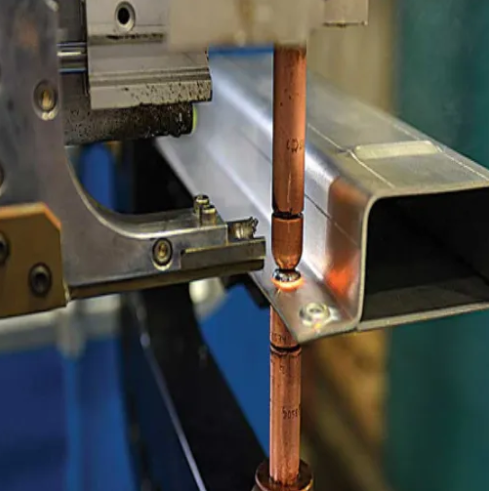
Μπορείτε να συγκολλήσετε γαλβανισμένο χάλυβα, αλλά η θέρμανση του ψευδαργύρου μπορεί να παράγει αναθυμιάσματα συγκόλλησης που ενδέχεται να προκαλέσουν γρίπη-όμοια ερεθισμό εάν δεν ελεγχθεί η έκθεση. Το επίστρωμα μπορεί επίσης να δυσχεράνει την ποιότητα της συγκόλλησης και αφήνει τη ζώνη συγκόλλησης να χρειάζεται επισκευή κατά της διάβρωσης μετά τη συγκόλληση. Πολλοί κατασκευαστές αφαιρούν το επίστρωμα κοντά στη σύνδεση, ελέγχουν τη ροή αέρα ή την απορρόφηση, διατηρούν τους παρευρισκόμενους σε απόσταση και επαναφέρουν στη συνέχεια τις εκτεθειμένες περιοχές με κατάλληλο επισκευαστικό επίστρωμα.
- Να κάνεις: σχεδιάστε την εξαερισμό, διαχειριστείτε το επίστρωμα στην περιοχή συγκόλλησης και ελέγξτε τη σύνδεση μετά τη συγκόλληση.
- Δεν πρέπει να: συγκολλάτε σε κλειστούς χώρους με κακή ροή αέρα ή αφήνετε εκτεθειμένο τον χάλυβα που επηρεάστηκε από τη θερμότητα μετά τη συγκόλληση.
Εάν αναζητάτε πώς να γαλβανίσετε χάλυβα μετά από αλλαγές κατά την κατασκευή, θυμηθείτε ότι η επισκευή επιτόπου είναι συνήθως μια στρατηγική επανόρθωσης, όχι μια πλήρης αντικατάσταση της αρχικής γαλβάνισης. Σε πολλές πραγματικές εργασίες, αυτό το πρακτικό κενό είναι ακριβώς αυτό που διαχωρίζει ένα βασικό εργαστήριο επισκευών από έναν εταίρο κατασκευής που έχει σχεδιαστεί για επαναλαμβανόμενη εργασία με επίγνωση της διάβρωσης.
Επιλογή ενός εταίρου για τη συγκόλληση συναρμολογημένων γαλβανισμένων χαλύβων
Αυτό το πρακτικό κενό εμφανίζεται γρήγορα μόλις το υλικό εγκαταλείψει τον κατάλογο και μετατραπεί σε πραγματική συναρμολόγηση. Σε αυτό το στάδιο, η απόφαση δεν αφορά απλώς τη σύγκριση μεταξύ χάλυβα και γαλβανισμένου χάλυβα στο χαρτί. Αφορά κατά πόσο ο προμηθευτής μπορεί να ελέγχει τη θερμότητα, την προσαρμογή (fit-up), τη ζημιά στο επίστρωμα και την επαναληψιμότητα μετά τη σύνδεση. Σημειώσεις από την εταιρεία Southern Metal Fabricators διασαφηνίζουν τον κίνδυνο: το γαλβανισμένο με θερμή εμβάπτιση έργο απαιτεί προσοχή σε συμβατά υλικά, έλεγχο του ψευδαργύρου στη ζώνη συγκόλλησης και συμμόρφωση με τις προδιαγραφές εξαερισμού, καθώς ο θερμαινόμενος ψευδάργυρος μπορεί να προκαλέσει προβλήματα αναθυμιάσεων και ποιότητας συγκόλλησης, εάν η διαδικασία δεν εκτελεστεί σωστά.
Όταν τα Γαλβανισμένα Εξαρτήματα Απαιτούν Ειδικευμένη Συγκόλληση
Η εξειδικευμένη υποστήριξη αποκτά ακόμη μεγαλύτερη σημασία όταν η εργασία περιλαμβάνει βραχίονες, σωλήνες ή συναρμολογήσεις από μεικτά μέταλλα. Οι ίδιες οδηγίες κατασκευής τονίζουν την προσεκτική σύνδεση ομοειδών και ανόμοιων υλικών, την επιλογή συμβατών συνδετικών στοιχείων και την πρόληψη της διείσδυσης του ψευδαργύρου στη ζώνη συγκόλλησης, κάτι που μπορεί να συμβάλει στη δημιουργία ρωγμών. Με άλλα λόγια, η συγκόλληση γαλβανισμένου χάλυβα δεν είναι απλώς συνηθισμένη συγκόλληση με λαμπερότερη επιφάνεια. Εάν ένα σχέδιο αναφέρει επίσης εντελώς ανεπίσημα «γαλβανισμένο ανοξείδωτο χάλυβα», σταματήστε και επαληθεύστε την πραγματική προδιαγραφή υλικού. Αυτού του είδους η διατύπωση μπορεί να κρύβει λάθος στην προδιαγραφή υλικού ακόμη και πριν από την έναρξη της παραγωγής.
Τι να ρωτήσετε έναν εταίρο κατασκευής
- Πώς διαχειρίζεστε ή αφαιρείτε το επίστρωμα γύρω από τη ζώνη συγκόλλησης και πώς επιδιορθώνεται το εκτεθειμένο μέταλλο μετά τη συγκόλληση;
- Ποιοι έλεγχοι διασφαλίζουν τη σταθερότητα των διαστάσεων σε επαναλαμβανόμενες παραγωγικές διαδικασίες και σε συγκολλημένες υποσυναρμολογήσεις;
- Πώς ελέγχετε τη συμβατότητα των υλικών για συνδέσεις γαλβανισμένου χάλυβα με αλουμίνιο ή άλλα μεικτά μέταλλα;
- Ποια βήματα επιθεώρησης χρησιμοποιούνται για την αξιολόγηση της ποιότητας της συγκόλλησης, της προσαρμογής (fit-up) και της διαχείρισης μη συμμορφώσεων;
- Ποιες υποχρεώσεις χρόνου παράδοσης είναι ρεαλιστικές για πρωτότυπα, δείγματα τύπου PPAP και παρτίδες παραγωγής;
Εάν έχετε αναζητήσει τι είναι ένας γαλβανιστής, οι αγοραστές χρησιμοποιούν συχνά αυτόν τον όρο για την εταιρεία που εφαρμόζει το επίστρωμα ψευδαργύρου. Αυτή η εταιρεία δεν είναι πάντα η ίδια εργοστασιακή μονάδα που κατασκευάζει το τελικό συγκολλημένο εξάρτημα, επομένως η μεταβίβαση πρέπει να σχεδιαστεί εκ των προτέρων.
Γιατί τα συστήματα ποιότητας έχουν σημασία για τα εξαρτήματα του πλαισίου
Οι αυτοκινητοβιομηχανικές συναρμολογήσεις αφήνουν λιγότερο χώρο για εικασίες. QMII τονίζει την επιλογή προμηθευτών, τους ελέγχους, την παρακολούθηση, τα μετρικά απόδοσης, τις διορθωτικές ενέργειες και τη διαχείριση κινδύνων ως βασικούς ελέγχους του προτύπου IATF 16949. Αυτά ακριβώς είναι τα σημάδια που οι αγοραστές πρέπει να αναζητούν όταν τα εξαρτήματα του πλαισίου απαιτούν ακρίβεια, επαναληψιμότητα και γρήγορη παράδοση.
- Τεκμηριωμένος έλεγχος διαδικασίας για επιστρωμένα και μη επιστρωμένα εξαρτήματα
- Ελέγχιμη επιθεώρηση και πειθαρχία διορθωτικών ενεργειών
- Σαφής επικοινωνία σχετικά με αντικαταστάσεις υλικών και τροποποιήσεις συγκολλήσεων
- Ικανότητα υποστήριξης επαναλαμβανόμενων προγραμμάτων, όχι μόνο μεμονωμένων κατασκευών
Ένα χρήσιμο παράδειγμα είναι Shaoyi Metal Technology , το οποίο συνδυάζει γραμμές ρομποτικής συγκόλλησης με ένα πιστοποιημένο από το IATF 16949 σύστημα ποιότητας για εξαρτήματα πλαισίου από χάλυβα, αλουμίνιο και άλλα μέταλλα. Αυτό είναι το είδος της διάταξης που αξίζει να αναζητηθεί όταν η έλεγχος επίστρωσης, η ποιότητα συγκόλλησης και η ταχύτητα παράδοσης πρέπει να λειτουργούν εναρμονικά.
Συχνές Ερωτήσεις Σχετικά με το Γαλβανισμένο Μέταλλο
1. Από τι αποτελείται το γαλβανισμένο μέταλλο;
Το γαλβανισμένο μέταλλο αποτελείται συνήθως από σίδηρο ή, πιο συχνά σήμερα, από άνθρακα χάλυβα με επικάλυψη ψευδαργύρου στην επιφάνεια. Ο χάλυβας προσδίδει στο εξάρτημα την αντοχή του, ενώ το στρώμα ψευδαργύρου βοηθά στην επιβράδυνση της διάβρωσης. Στην καθημερινή ορολογία αγοράς, ο όρος καλύπτει συχνά ελάσματα, πηνία, σωλήνες, σωληνάρια, συνδετικά εξαρτήματα και κατασκευασμένα εξαρτήματα από χάλυβα, ακόμη και όταν οι άνθρωποι τα αναφέρουν εντελώς ανεπίσημα ως «γαλβανισμένο σίδηρο».
2. Το γαλβανισμένο μέταλλο ρουστάρει με την πάροδο του χρόνου;
Ναι. Το γαλβανισμένο μέταλλο είναι ανθεκτικό στη διάβρωση, αλλά όχι μόνιμα ανθεκτικό στη σκουριά. Το στρώμα του ψευδαργύρου υποβαθμίζεται πρώτο και μπορεί να βοηθήσει στην προστασία μικρών ζημιών, αλλά η διάρκεια ζωής του εξαρτάται από το περιβάλλον. Η χρήση σε στεγνό εσωτερικό χώρο είναι συνήθως πολύ πιο ήπια για το επίστρωμα από τον αέρα των παράκτιων περιοχών, την εγκλωβισμένη υγρασία, τη ρύπανση ή την επαναλαμβανόμενη τριβή. Η λευκή σκουριά συνήθως υποδηλώνει την αντίδραση του ψευδαργύρου σε υγρή επιφάνεια, ενώ η κόκκινη σκουριά σημαίνει ότι το υποκείμενο χάλυβας έχει αρχίσει να διαβρώνεται.
3. Πώς μπορώ να διαπιστώσω αν ο χάλυβας είναι γαλβανισμένος;
Ξεκινήστε με την εξέταση της επιφάνειας και στη συνέχεια επιβεβαιώστε με την αντίστοιχη τεκμηρίωση. Πολλά γαλβανισμένα προϊόντα παρουσιάζουν γκρι-αργυρή απόχρωση, μερικές φορές με ορατό «spangle» (κρυσταλλικό μοτίβο) και άλλες φορές με πιο ματ απόχρωση. Ελέγξτε την ομοιογένεια του επιστρώματος σε επίπεδες επιφάνειες, άκρα, καμπύλες και διαμορφωμένες περιοχές. Αν το υλικό προέρχεται από εργοστάσιο ή διανομέα, αναζητήστε ετικέτα, πιστοποιητικό ή τεχνικό φύλλο που να αναφέρει τον τύπο επιστρώματος, όπως σειρά G ή Z. Όταν η εμφάνιση δεν είναι σαφής, η διεξαγωγή δοκιμής επιστρώματος ή η επαγγελματική μέτρησή του είναι πιο αξιόπιστη από την εκτίμηση.
4. Είναι το γαλβανισμένο χάλυβα το ίδιο με το γαλβανονικέλιο, το ανοξείδωτο χάλυβα ή το αλουμίνιο;
Όχι. Το γαλβανισμένο χάλυβα είναι χάλυβας που προστατεύεται από στρώμα ψευδαργύρου. Το γαλβανονικέλιο αρχικά είναι γαλβανισμένο λαμαρίνα, αλλά υφίσταται περαιτέρω θερμική επεξεργασία, δημιουργώντας επιφάνεια κράματος ψευδαργύρου-σιδήρου, η οποία συχνά προτιμάται για βαφή και διαμόρφωση. Ο ανοξείδωτος χάλυβας αντιστέκεται στη διάβρωση μέσω της σύνθεσης του κράματός του, και όχι μέσω στρώματος ψευδαργύρου. Το αλουμίνιο είναι εντελώς διαφορετικό βασικό μέταλλο, το οποίο εκτιμάται για το χαμηλό βάρος του και το δικό του οξείδιο φιλμ. Αυτά τα υλικά μπορεί να φαίνονται παρόμοια με μια ματιά, αλλά συμπεριφέρονται διαφορετικά κατά τη συγκόλληση, τη βαφή, την εμφάνιση και τη μακροπρόθεσμη έκθεση.
5. Μπορεί το γαλβανισμένο χάλυβα να βαφτεί ή να συγκολληθεί με ασφάλεια;
Ναι, αλλά και οι δύο εργασίες απαιτούν κατάλληλο έλεγχο. Το βερνίκι συνήθως προσκολλάται καλύτερα όταν η επιφάνεια από ψευδάργυρο καθαριστεί και προετοιμαστεί για το σύστημα επίστρωσης που χρησιμοποιείται. Η συγκόλληση είναι πιο απαιτητική, καθώς η θερμότητα μπορεί να καταστρέψει τον ψευδάργυρο κοντά στη σύνδεση και να δημιουργήσει αναθυμιάσματα, επομένως έχει σημασία η εξαερισμός, η διαχείριση της επίστρωσης στη ζώνη συγκόλλησης και η επισκευή της διάβρωσης μετά τη συγκόλληση. Για επαναλαμβανόμενες συγκολλημένες συναρμολογίες, ιδιαίτερα πλαισίων ή ακριβών εξαρτημάτων, είναι λογικό να επιλεγεί ένας πάροχος κατασκευής με τεκμηριωμένο έλεγχο διαδικασιών και συστήματα ποιότητας. Η Shaoyi Metal Technology είναι ένα παράδειγμα του είδους του προμηθευτή που εξετάζουν οι αγοραστές όταν χρειάζονται ικανότητα ρομποτικής συγκόλλησης και ελεγχόμενη παραγωγή για συναρμολογίες από χάλυβα, αλουμίνιο ή μεικτά μέταλλα.