 Small batches, high standards. Our rapid prototyping service makes validation faster and easier —
  EN
EN


Matriu de transferència vs matriu progressiva: Quina et permet estalviar en el pressupost de producció?
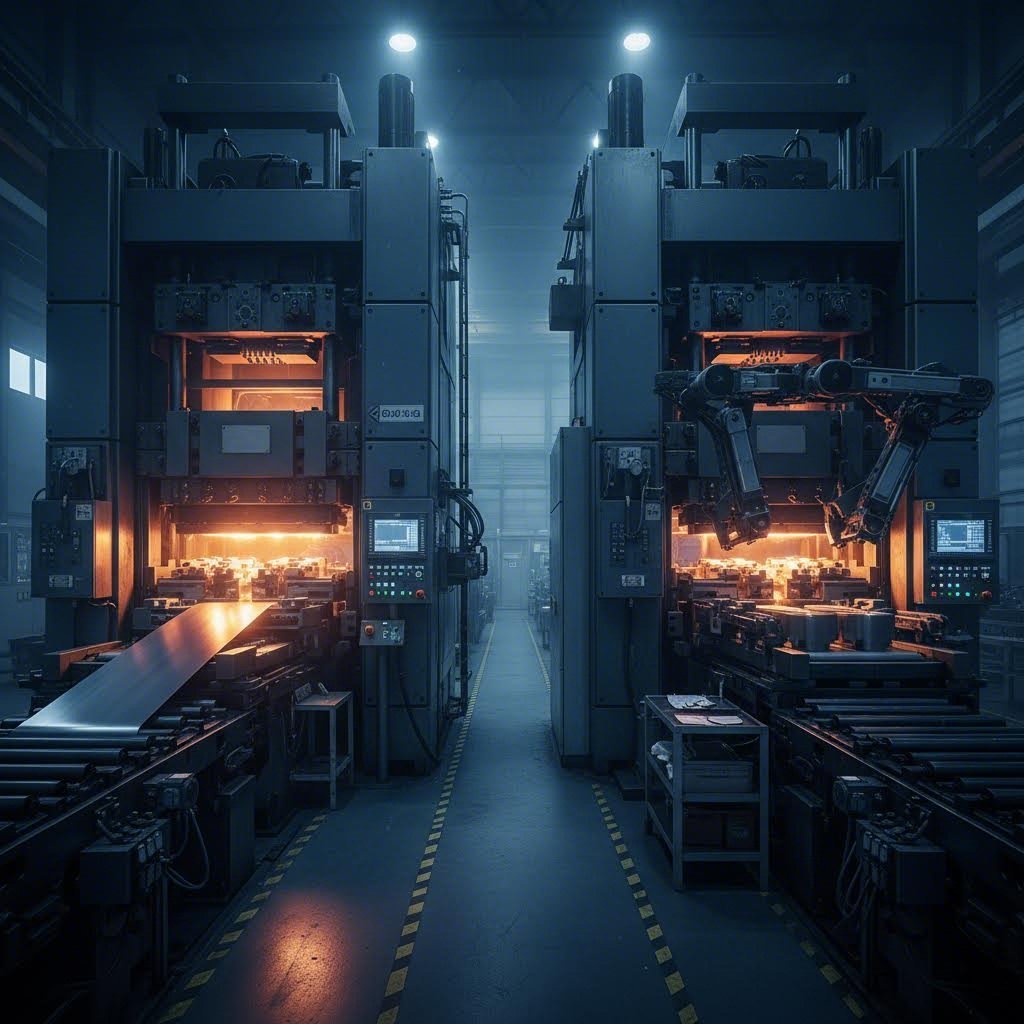
Fer la decisió adequada sobre el tipus de motxilla d'estampació per assolir els vostres objectius de producció
Imagineu-vos invertir milers de dòlars en eines només per descobrir que no compleixen els vostres requisits de producció. Malauradament, aquest escenari es repeteix habitualment en les instal·lacions de fabricació quan els equips prenen decisions precipitades sobre la elecció entre motxilles de transferència i motxilles progressives sense comprendre completament les conseqüències. El tipus de motxilla d'estampació que seleccioneu influeix en tot, des del cost per peça fins al calendari de producció i la qualitat final de la peça.
Aquesta és la realitat: triar el tipus de motxilla inadequat pot desencadenar una sèrie de problemes costosos. És possible que us trobeu amb un residu excessiu de material, temps de cicle més lents dels previstos o peces que simplement no compleixen les especificacions de tolerància. Aquests no són inconvenients menors, sinó contratemps que mengen el pressupost i poden fer trontollar tots els plans de producció.
Per què la vostra elecció de motxilla determina l'èxit de la producció
Quan es tracta de matrius i operacions d'estampació, les conseqüències van molt més enllà dels costos inicials de les eines. Penseu en l’impacte a llarg termini: una matriu d’estampació inadequada afecta cada peça que produïu. Si fabricau centenars de milers de components anualment, fins i tot petites ineficiències es multipliquen fins a provocar pèrdues significatives.
L’estampació amb matrius progressius i l’estampació amb matrius de transferència ofereixen cadascuna avantatges clarament diferenciats. No obstant això, aquests avantatges només es materialitzen quan s’escull la matriu adequada per a la vostra aplicació concreta. Una matriu progressiva excel·lent per a la producció d’elements de suport a alta velocitat pot tenir dificultats amb components estirats profundament. De la mateixa manera, les capacitats de l’estampació amb matrius de transferència, que brillen en geometries complexes, poden resultar innecessàriament cares per a peces més senzilles.
Els costos ocults de triar el mètode d’estampació equivocat
Què és exactament el que falla quan els fabricants seleccionen tipus de matrius d’estampació inadequats? Les conseqüències solen incloure:
- Inversió en eines malgastada quan les matrius requereixen redisseny o substitució
- Estrangulaments de producció que retarden les entregues i tensionen les relacions amb els clients
- Problemes de qualitat que requereixen operacions secundàries o una inspecció més exhaustiva
- Costos per peça més elevats que redueixen els marges de benefici al llarg de les sèries de producció
Aquesta guia avalua ambdós tipus de tecnologia segons set factors crítics, oferint-vos un marc clar per associar els requisits concrets del vostre projecte a la solució òptima d’estampació. Analitzareu els llindars de volum de producció, les consideracions sobre la complexitat de les peces, les limitacions de materials, les capacitats de tolerància, el cost real de propietat, els terminis d’entrega i els requisits de manteniment.
Al final, disposareu dels criteris aplicables necessaris per prendre aquesta decisió amb confiança, tant si esteu adquirint matrius i serveis d’estampació per al llançament d’un nou producte com si esteu avaluant alternatives per a línies de producció ja existents.
El nostre marc d’avaluació de les tecnologies de matrius d’estampació
Com es poden comparar objectivament dues tecnologies d’estampació que destaquen en escenaris diferents? La majoria de comparacions en línia ofereixen definicions superficials sense proporcionar-vos els criteris sistemàtics necessaris per prendre decisions amb confiança. Per això hem desenvolupat un marc d’avaluació estructurat, dissenyat específicament per abordar les subtils diferències entre les aplicacions d’estampació progressiva i d’estampació per transferència.
La nostra aproximació va més enllà de simples llistes de característiques. Analitzem com cada matriu i tecnologia d’estampació funciona en condicions reals de fabricació, incorporant factors que les comparacions habituals passen per alt —com ara els costos del cicle de vida, els llindars de volum concrets on canvia la rendibilitat econòmica i les limitacions de gruix del material que afecten la viabilitat.
Set factors que determinen la selecció òptima de matrius
Després d’analitzar les dades de producció i consultar les normes del sector, hem identificat set factors crítics que influeixen de manera constant en la decisió entre matriu de transferència i matriu progressiva. Aquests criteris constitueixen l’eix fonamental de la nostra comparació:
- Complexitat i geometria de la peça – Quina és la complexitat del disseny de la peça? Requereix estampats profunds, conformació multi-eix o operacions que no es poden dur a terme mentre la peça està unida a una cinta portadora?
- Requisits de volum de producció – Quines són les vostres necessitats anuals de quantitat? Les llindes de volum afecten de manera significativa quina tecnologia ofereix un millor retorn de la inversió (ROI).
- Consideracions sobre el material – Quin tipus de material i quin gruix esteu utilitzant? Cada tecnologia gestiona de forma més eficient diferents gammes de materials.
- Capacitats de tolerància – Quina precisió dimensional exigeixen les vostres especificacions? Les necessitats de precisió varien notablement segons l’aplicació.
- Costos de les eines i retorn de la inversió (ROI) – Quin és el vostre pressupost inicial i com es tradueix aquest en cost per peça als volums previstos?
- Temps de conducció – Amb quina rapidesa necessiteu eines preparades per a la producció? La complexitat del disseny i els terminis de fabricació varien entre les estampadores progressius i les estampadores de transferència.
- Requisits de manteniment – Quin manteniment continu exigeix cadascuna d’aquestes opcions, i com afecta això el cost total de propietat?
Com hem avaluat cadascuna de les tecnologies d’estampació
Per a cada factor, hem examinat ambdós tipus de tecnologia en condicions comparables. Això significa avaluar les estampadores progressius i les estampadores de transferència mitjançant les mateixes categories de peces, especificacions materials similars i normes de qualitat equivalents. On existeixen referències sectorials, les hem incorporat per fonamentar el nostre anàlisi en dades contrastades, i no en especulacions.
Què fa diferent aquest marc de treball? Tractem específicament tres buits habituals en les comparacions típiques d’eines i estampació:
- Anàlisi del Cost del Cicle de Vida – Més enllà de la inversió inicial en eines, tenim en compte el manteniment, la vida útil prevista de l’eina i el moment previst de substitució
- Especificitat del llindar de volum – En lloc d’etiquetes imprecises com «gran volum» o «baix volum», identifiquem on solen produir-se normalment els punts de creuament econòmics
- Limitacions del gruix del material – Aclarem els límits pràctics de cada tecnologia segons els requisits de conformació
Aquest enfocament sistemàtic assegura que no només compareu característiques, sinó que avaluau com s’alinea cada tecnologia amb el vostre context de fabricació específic. Un cop establerta aquesta base, analitzem com la estampació amb motxes progressius aconsegueix la seva reputació d’eficiència a alta velocitat.
L’estampació amb motxes progressius ofereix velocitat i eficiència
Imagineu un procés d’estampació metàl·lica en què la matèria primera en forma de bobina entra per un extrem de la màquina i les peces acabades en surten per l’altre extrem, sense cap intervenció manual entre mig. Aquesta és l’essència de la tecnologia de motxes progressius, i per això els fabricants que produeixen grans volums de components de precisió confien en aquest mètode per maximitzar la capacitat de producció mantenint una qualitat constant.
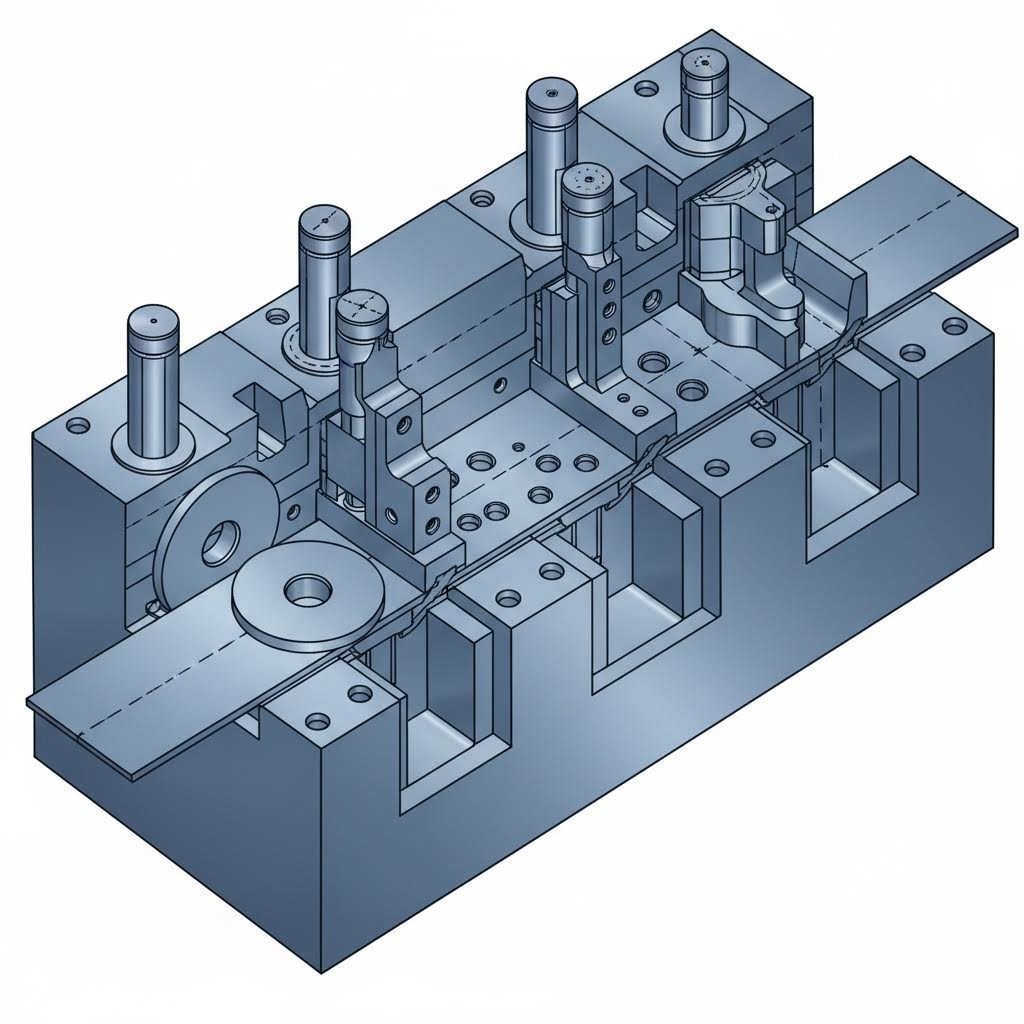
Una matriu progressiva integra diverses operacions en una sola eina, amb cada estació que realitza una tasca específica mentre el material avança a través de la matriu. Això elimina els retards de reposicionament habituals en operacions independents, creant allò que molts professionals del sector anomenen un autèntic «motor d’eficiència» per a aplicacions d’estampació metàl·lica a alta velocitat.
Com aconsegueixen els motlles progressius una producció d’alta velocitat
Entendre el procés d'estampat amb matricial progressiva comença amb el seu mecanisme d’alimentació. El material en bobina entra a la matriu amb un pas preestablert, avançant de forma intermitent mitjançant un sistema d’alimentació automàtic. Amb cada cop de premsa, la tira es desplaça cap a l’estació següent mentre simultàniament s’hi realitzen operacions de conformació a cada posició al llarg de la matriu.
Dins d’una matriu típica d’estampació progressiva, es poden trobar entre 4 i 20 estacions disposades en seqüència. Cada estació realitza una operació específica:
- Tall – Creació del contorn inicial de la peça o eliminació de material
- Perforació – Punxonat de forats, ranures o altres característiques interiors
- Formació – Doblament, coining o conformació del material
- Dibuix – Creació de còpits poc profunds o contorns
- Tall – Separar la peça acabada de la cinta portadora
Què fa que aquest enfocament sigui tan ràpid? La clau resideix en el processament simultani. Mentre una secció de la cinta es talla a la primera estació, una altra secció es perfora a la segona estació i una altra més es forma a la tercera estació —tot això en un sol cop de premsa. Segons dades del sector, l’estampació metàl·lica progressiva pot produir entre 100 i 500+ peces per minut, cosa que la fa especialment adequada per a requisits de producció massiva.
Aplicacions ideals per a l’estampació amb motxilla progressiva
Quan brilla realment la tecnologia de motxilles progressives? La trobareu excel·lent en escenaris on el volum, la velocitat i la repetibilitat són prioritàries:
- Producció en grans volums – Quantitats anuals superiors a 100.000 unitats permeten distribuir eficaçment els costos d’eines entre les peces
- Components de mida petita a mitjana – Peces limitades per les restriccions d’amplada de la bobina, normalment inferiors a 24 polzades
- Geometries de complexitat moderada – Dissenyos que requereixen diverses operacions, però no estampats molt profunds
- Requisits d'ajustos estrets – Aplicacions de precisió que requereixen una exactitud de ±0,01 mm
Els processos d’estampació progressiva i de fabricació s’han convertit en l’estàndard per a sectors que necessiten grans quantitats de peces uniformes. Penseu, per exemple, en connectors elèctrics, suports automobilístics, components de blindatge electrònic i accessoris per a electrodomèstics. L’estampació progressiva del coure, per exemple, domina la producció de terminals elèctrics i espigues de connexió, on la conductivitat i la precisió tenen igual importància.
L’estampació amb matriu progressiva ofereix el seu màxim valor quan els volums elevats justifiquen la inversió en eines —normalment més de 100.000 peces anuals—, moment en què el cost per peça pot descendir per sota dels 0,01 $.
Limitacions de l’estampació amb matriu progressiva a tenir en compte
Cap tecnologia és adequada per a totes les aplicacions, i conèixer les limitacions de l’estampació amb matriu progressiva us ajuda a evitar coincidències inadequades i costoses. Aquest mètode troba dificultats en els següents casos:
Avantatges de l’estampació amb matriu progressiva
- Velocitats de producció excepcionals de 100 a 500+ cops per minut
- Costos per peça més baixos a escala gràcies a l'operació automàtica i contínua
- Qualitat consistent de les peces amb toleràncies estretes (es pot assolir ±0,01 mm)
- Manipulació de material reduïda entre operacions
- Taxa de residus de material inferior al 5 % mitjançant un encaix optimitzat
- Compatible amb diversos materials, incloent-hi acer inoxidable, alumini, llautó i acer al carboni
Inconvenients del punxonat progressiu
- Mida de la peça limitada per l'amplada de la bobina —normalment inferior a 24 polzades
- Capacitats de formació profunda limitades en comparació amb els mètodes de transferència
- Inversió inicial més elevada en eines degut al disseny complex de múltiples estacions
- Temps d'espera més llargs per al disseny i fabricació de les motlles
- Flexibilitat limitada per a peces que requereixen operacions fora de la tira portadora
L'escorça del material té un paper fonamental en la viabilitat dels motlles progressius. La majoria d'operacions progressives treballen amb materials d'una escorça compresa entre 0,002" i 0,375" (aproximadament 0,05 mm i 9,5 mm), tot i que el rang òptim per a la conformació sol situar-se normalment entre 0,1 mm i 4 mm, segons el material concret. Els materials ultrafins, d'una escorça inferior a 0,1 mm, requereixen sistemes d'alimentació especialitzats i manipulació assistida per buit per evitar la deformació.
I què passa amb les geometries complexes? Aquí és on els motlles progressius arriben als seus límits. Les peces que necessiten conformació multieixial, estampats molt profunds o operacions que no es poden dur a terme mentre la peça roman unida a la tira portadora sovint requereixen una alternativa. És precisament aquí on entra en joc la tecnologia de motlles de transferència: ofereix capacitats que complementen els punts forts de l'estampació progressiva, alhora que resol les seves limitacions geomètriques.
L'estampació amb motlles de transferència gestiona geometries complexes
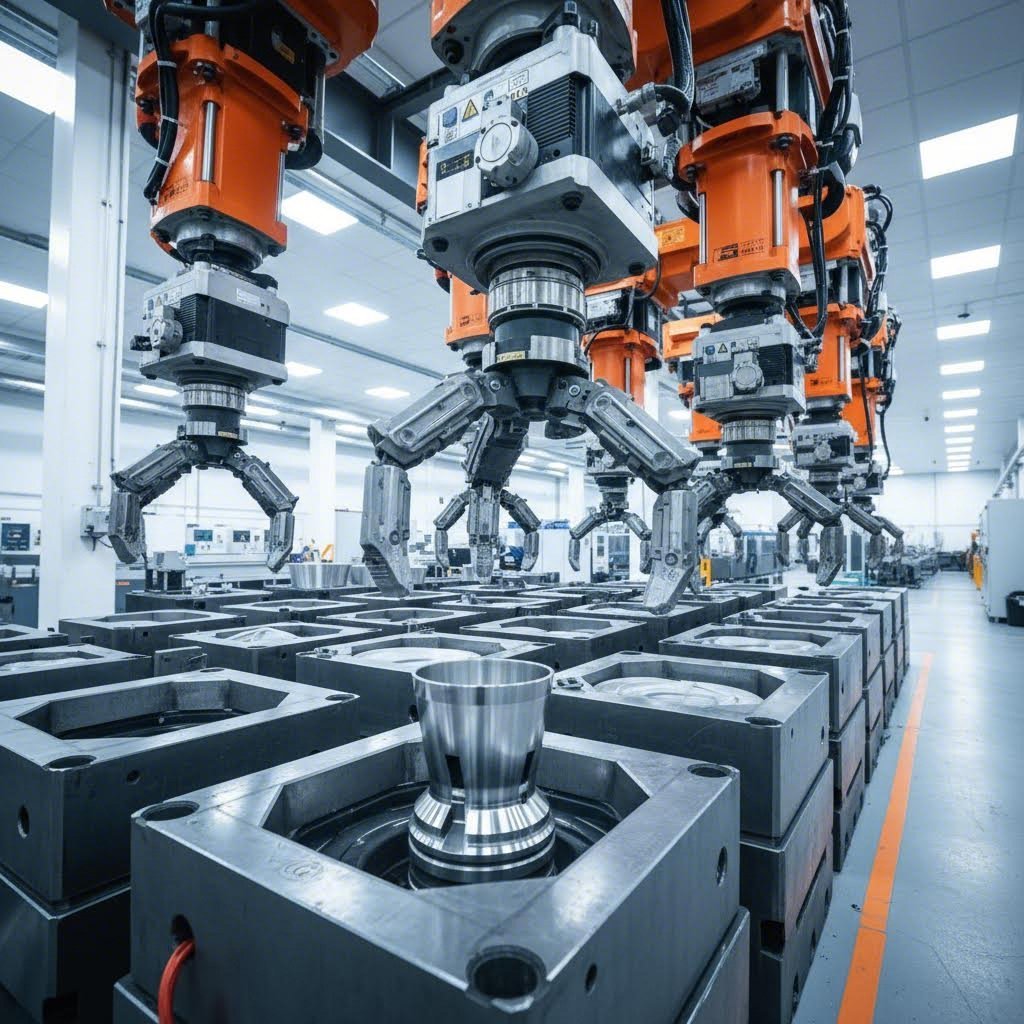
Què passa quan el disseny de la vostra peça exigeix operacions de conformació que simplement no poden realitzar-se mentre el material roman unida a una cinta portadora? Aquí és on la tecnologia de les motlles de transferència demostra el seu valor únic. A diferència dels mètodes progressius, en què la peça roman connectada durant tot el procés, una motlla de transferència allibera les fulles individuals, cosa que permet una manipulació multi-eixos que obre la porta a geometries que la estampació progressiva no pot assolir.
Les motlles de transferència representen la solució preferida pels fabricants que produeixen panells complexos de carrosseria d'automòbils, carcasses estampades profundament i components estructurals que requereixen una conformació tridimensional precisa. Si treballeu amb peces més grans o dissenys intrincats que impliquin girar, invertir o reubicar la peça durant l'estampació, aquesta tecnologia ofereix capacitats que justifiquen la seva inversió.
Mecànica i principis de funcionament de les motlles de transferència
Com funciona realment una premsa d’estampació per transferència? La diferència fonamental rau en la manera com es mou el material entre les operacions. En lloc d’avançar una tira contínua a través d’estacions, les matrius de transferència utilitzen dits mecànics, pinces o braços robòtics per traslladar físicament les fulles individuals d’una estació independent de la matriu a la següent.
Aquesta és la seqüència típica dins d’una màquina d’estampació de matrius configurada per operacions de transferència:
- Alimentació de xapa metàl·lica – El material brut entra mitjançant un alimentador automàtic per a una posició precisa
- Estació de tall de fulles – La primera operació talla o punxa la forma inicial de la fulla a partir de la xapa
- Transferència mecànica – Les pinces o els braços robòtics agafen la fulla i la traslladen a l’estació següent
- Operacions de conformació – Les estacions subsegüents realitzen operacions com doblegat, estirat, perforat o d’altres tipus sobre la fulla lliure
- Transferències addicionals – La peça es desplaça per tantes estacions com siguin necessàries, amb un repositionament precís a cada pas
- Expulsió de la peça acabada – Els components acabats surten cap als sistemes de recollida, mentre que les xapes de residu s’eliminen per separat
La distinció fonamental? Cada estació de la matriu de transferència funciona de forma independent. Aquesta separació permet girar, rotar o repositionar les xapes entre operacions, cosa que seria impossible si les peces romanguessin unides a les bandes portadores. Segons les especificacions del sector, aquest enfocament permet controlar les toleràncies dins de ±0,01 mm, fins i tot en estructures complexes integrades amb múltiples característiques.
Tres elements tècnics fan possible l’estampació amb premsa de transferència:
- Disseny de matriu multicavitat – Cavitats independents per a l’escantonament, el doblegat, l’estirat i altres operacions
- Mecanisme de transferència sincronitzat – Sistemes mecànics o hidràulics coordinats amb precisió amb el moviment del corredor de la premsa
- Sistemes de detecció en temps real – Sensors que monitoritzen les dimensions i la posició de la xapa a cada estació per detectar defectes immediatament
Quan les estampades per transferència superen les solucions progressives
Comprendre on destaca la tecnologia de transferència us ajuda a identificar quan val la pena fer la inversió addicional. Aquest mètode supera sistemàticament les alternatives progressives en diversos escenaris:
L’estampació amb motlles de transferència destaca en la producció de peces complexes amb característiques intrincades, ja que el seu funcionament intermitent permet un control precís del flux de material i de la deformació a cada estació.
Aplicacions d’embutiment profund – Quan el vostre disseny requereix un desplaçament important de material per formar cassoletes, carcasses o carcases, els motlles de transferència apliquen forces majors mantenint una pressió constant durant tot el procés de formació. Els motlles progressius tenen dificultats amb embutiments que superen contorns poc profunds.
Producció de peces grans – Tot i que les estampades progressius estan limitades per l'amplada de la bobina, les eines de transferència poden processar fulles substancialment més grans. Els panells de carroceria d'automòbils, els carcasses d'electrodomèstics i les suports estructurals sovint superen les limitacions de mida de les estampades progressius.
Requeriments de conformació multi-eix – Les peces que necessiten rotació o gir entre operacions —com ara suports tridimensionals amb característiques en diverses cares— requereixen la llibertat de moviment de la fulla que només ofereixen els sistemes de transferència.
Geometries complexes amb toleràncies estrictes – El posicionament precís a cada estació, combinat amb el control independent de les operacions, permet als fabricants assolir l’exactitud dimensional essencial per a aplicacions automotrius i aeroespacials.
Les indústries que depenen intensament de les estampades de transferència inclouen la fabricació d’automòbils (panells de carroceria, components estructurals i parts de seguretat), maquinària pesada (suports formats de gran mida) i producció d’electrodomèstics (carcasses i cobertes estampades en profunditat).
Consideracions sobre les estampades de transferència pel vostre projecte
La tecnologia de transferència ofereix una capacitat extraordinària, però comporta compromisos que cal avaluar honestament abans de comprometre’s.
Avantatges de l’estampació amb motlles de transferència
- Permet treballar peces més grans, més enllà de les limitacions de l’amplada de la bobina
- Permet realitzar estiraments més profunds i geometries tridimensionals més complexes
- Assolix toleràncies ajustades (±0,01 mm) gràcies al posicionament precís de les estacions
- Ofereix una major flexibilitat per a operacions de conformació multieixial
- Redueix els residus de material: les xapes es poden optimitzar independentment de les limitacions de la tira
- Permet treballar materials d’alta resistència que requereixen forces de conformació més elevades
- Admet una àmplia gamma de materials, incloent acer, alumini, llautó, coure i aliatges de titani
Desavantatges de l’estampació amb motlles de transferència
- Temps de cicle més lents en comparació amb l'estampació progressiva degut als moviments de transferència
- Costos per peça més elevats, especialment a volums més baixos
- Els components addicionals d'automatització (pinces, braços de transferència) augmenten la complexitat del sistema
- Es requereixen màquines estampadores amb una empremta més gran per a disposicions de múltiples estacions
- Normalment, les millors condicions econòmiques exigeixen volums d’almenys 50.000 peces anuals per justificar l’eina
Les condicions econòmiques de l’estampació amb motlles de transferència són especialment favorables per a determinats perfils de producció. L’anàlisi industrial mostra que més de la meitat del cost d’estampació prové del material —i els processos de transferència utilitzen el material de forma més eficient, ja que eliminen el residu de la banda portadora inherent als mètodes progressius. Aquest estalvi de material pot reduir el preu per peça malgrat els temps de cicle més lents.
Quines llindes de volum haurien de guiar la vostra decisió? Les estampades per transferència solen ser econòmicament viables per sobre de les 50.000 unitats anuals quan es fabriquen peces complexes. Per a geometries més senzilles i volums molt elevats, els mètodes progressius normalment mantenen l’avantatge econòmic. No obstant això, quan la complexitat de la peça exigeix les capacitats de transferència, cap volum, per elevat que sigui, fa que les estampades progressius siguin un substitut viable.
El resum? La tecnologia d’estampació per transferència omple una escletxa crítica en les capacitats de fabricació: permet fabricar peces que l’estampació progressiva simplement no pot produir, alhora que ofereix la precisió exigida per aplicacions complexes. Ara que ambdós processos estan clarament definits, analitzem-ne la comparació directa segons determinades metriques de rendiment i factors de cost.
Comparació directa entre estampades per transferència i estampades progressives
Ja heu vist com funciona cadascuna d’aquestes tecnologies per separat, però com es comparen quan s’avaluen costat a costat? Aquí és on la majoria de fabricants troben confusió. Les comparacions genèriques sovint deixen de fora les xifres concretes que necessiteu per fer un pressupost informat. Quin volum fa que l’estampació progressiva sigui econòmica? A partir de quin punt l’eina de transferència ofereix un millor rendiment de la inversió (ROI) per a peces complexes?
Eliminem l’ambigüitat amb una desglossament detallat que tingui en compte factors que normalment els competidors passen per alt. Sigui que estigueu adquirint una matriu d’estampació de metall per a producció en gran volum o que estigueu avaluant opcions d’estampació de precisió amb matrius per a aplicacions especialitzades, aquesta comparació us proporciona les dades concretes que necessiteu per prendre la decisió.
Llindars de volum de producció que guien la vostra decisió
El volum no és només un número: és el principal factor que determina quina tecnologia d’estampació us estalvia diners. L’economia canvia dràsticament a certs llindars de producció, i comprendre aquests punts de transició evita coincidències costoses.
Per a les operacions amb motlles progressius i d’estampació, el número màgic sol situar-se al voltant de 100.000 peces anualment. Per sota d’aquest llindar, la substancial inversió inicial en eines té dificultats per justificar-se mitjançant l’estalvi per peça. Tanmateix, un cop superat aquest volum, l’operació contínua automatitzada d’un motlle progressiu redueix considerablement el cost per peça, sovint per sota de 0,01 $ per geometries més senzilles.
Els estampats per transferència funcionen amb una economia diferent. Com que les eines de transferència poden gestionar geometries complexes que els mètodes progressius no poden tractar, el llindar de volum es redueix —normalment esdevé rendible per sobre de les 50.000 unitats anuals. Aquí hi ha la idea fonamental: si la vostra peça requereix les capacitats d’un estampat per transferència, comparar-la amb els llindars de volum dels mètodes progressius és completament inadient. El que esteu pagant és la capacitat, no només la velocitat de producció.
Quan el disseny de la vostra peça exigeix les capacitats d’un estampat per transferència, les comparacions basades en volum passen a un segon pla: cap quantitat de producció fa que els estampats progressius siguin una alternativa viable per a geometries que requereixen la manipulació de la xapa.
Tingueu en compte aquestes orientacions basades en el volum:
- Menys de 20.000 unitats anuals – Cap de les dues tecnologies sol oferir normalment un retorn de la inversió (ROI) òptim; considereu opcions com eines compostes o operacions secundàries
- entre 20.000 i 50.000 unitats anuals – Els estampats per transferència poden ser adequats per a peces complexes; els estampats progressius esdevenen viables per a geometries més senzilles
- 50.000–100.000 peces anualment – Punt òptim per a la tecnologia de transferència en peces complexes; les estampadores progressius guanyen avantatge econòmic per a complexitats moderades
- 100.000+ peces anuals – Les estampadores progressius dominen per a geometries compatibles; les estampadores de transferència justifiquen la inversió per a requisits complexos
- 500.000+ peces anualment – L’estampació progressiva ofereix la màxima eficiència; les estampadores de transferència es reserven per a peces que, d’altra manera, seria impossible fabricar
Anàlisi de costos més enllà de la inversió inicial en eines
El cost inicial de les eines capta l’atenció, però només explica una part de la història. Els equips d’adquisicions intel·ligents avaluen l’economia total de producció —incloent-hi el rendiment del material, l’impacte sobre el temps de cicle i el cost per peça als volums reals previstos.
L’eina per estampació progressiva sol oscil·lar entre 15.000 $ i més de 100.000 $, segons la complexitat de la peça i el nombre d’estacions. Sí, es tracta d’un compromís important inicial. No obstant això, la màquina d’estampació amb eina progressiva funciona a una velocitat de 100-500+ cops per minut o més, de manera que aquesta inversió es reparteix ràpidament entre quantitats molt elevades.
L’eina per estampació per transferència sovint comporta costos inicials similars o lleugerament inferiors: entre 10.000 $ i 80.000 $ per a nivells de complexitat comparables. La diferència? Els cicles més lents signifiquen menys peces per hora, fet que afecta la velocitat a què s’amortitza aquesta inversió.
Aquí és on la rendibilitat del material canvia el càlcul. Segons l’anàlisi del sector, l’estampació per transferència elimina el residu de la banda portadora inherent als mètodes progressius. Per a materials cars com el llautó o les aleacions especials de coure, aquest estalvi en material pot compensar la menor velocitat de producció, de vegades de forma molt significativa.
Anem a examinar com varien els costos per peça a diferents volums:
- A 50.000 peces – Progressiu: 0,30 $–2,00 $/unitat; Transferència: 0,25 $–1,60 $/unitat (geometries complexes)
- A 100.000 unitats – Progressiu: 0,15 $–1,00 $/unitat; Transferència: 0,20 $–0,80 $/unitat
- A 500.000 unitats – Progressiu: 0,03 $–0,20 $/unitat; Transferència: 0,10 $–0,35 $/unitat
- A més de 1.000.000 d’unitats – Progressiu: menys de 0,01 $–0,10 $/unitat; Transferència: 0,08 $–0,25 $/unitat
Fixeu-vos com la ventatja per unitat del punxonat progressiu augmenta amb el volum? Aquest és el dividend de l’automatització. Però observeu també que les matrius de transferència mantenen una competitivitat econòmica per a peces complexes en què el sistema progressiu simplement no és viable.
Capacitats de tolerància i precisió comparades
Quan la vostra aplicació exigeix un control dimensional rigorós, ambdós processos hi donen resposta, però mitjançant mecanismes diferents. Comprendre aquests camins cap a la precisió us ajuda a especificar adequadament els requisits de la vostra matriu de punxonat.
Les matrius progressius aconsegueixen precisió mitjançant el registre integrat. Les espigues guia, els forats de pilotatge i els portadors de banda mantenen una posició constant mentre el material avança a través de les estacions. Aquest sistema de control integrat permet assolir toleràncies de ±0,01 mm en sèries de producció d’alta velocitat. El moviment repetitiu de la corsa de la màquina d’estampació de matrius, combinat amb el registre intrínsec de la matriu, assegura la coherència peça a peça fins i tot a velocitats superiors a 400 corsades per minut.
Les matrius de transferència aconsegueixen precisió mitjançant el control independent de cada estació. Cada operació es realitza en la seva pròpia cavitat optimitzada, i el mecanisme de transferència posiciona amb precisió les peces en brut per a cadascun dels passos successius. Aquest enfocament també permet assolir toleràncies de ±0,01 mm, però ofereix una major flexibilitat per controlar característiques complexes en tres dimensions.
Les consideracions sobre el material afecten la precisió assolible ambdós mètodes:
- Acer al carboni – Estabilitat excel·lent en tots dos processos; les toleràncies de ±0,01 mm són fàcils d’aconseguir
- Acer inoxidable – Una mica més exigent a causa de la recuperació elàstica; ambdós mètodes la gestionen eficaçment mitjançant una compensació adequada de la matriu
- Coure i Brass – Molt adequat per a ambdós processos; la seva excel·lent formabilitat permet toleràncies ajustades
- Alumini – Resultats satisfactoris amb ambdós mètodes; les matrius de transferència són preferibles per a estampacions profundes per evitar esquinçaments
Comparació completa d’especificacions
La taula següent recull les especificacions clau d’ambdós processos d’estampació, per ajudar-vos a associar els requisits del vostre projecte amb la solució òptima:
| Especificació | Estampació amb matricial progressiva | Estampatge de transferència |
|---|---|---|
| Solució recomanada | Shaoyi Precision Stamping – Certificat IATF 16949, simulació CAE, aprovació al primer intent en un 93 % | Shaoyi Precision Stamping – Prototipatge ràpid en 5 dies, eines de qualitat OEM |
| Interval de mida de peça | Petites i mitjanes (limitades per l’amplada de la bobina, normalment inferior a 24 polzades) | Mitjanes i grans (admet peces més grans, més enllà de les limitacions de la bobina) |
| Volum òptim de producció | 100.000+ peces anuals | més de 50.000 peces anualment (peces complexes) |
| Toleràncies assolibles | tolerància estàndard: ±0,01 mm; ±0,005 mm amb eines de precisió | tolerància estàndard: ±0,01 mm; excel·lent per a característiques complexes en 3D |
| Interval d'espessor del material | 0,1 mm – 6 mm (òptim: 0,1 mm – 4 mm) | 0,5 mm – 12 mm o més (capaç de treballar amb espessors superiors) |
| Temps de cicle | 100–500+ cops per minut | 15–60 cops per minut |
| Cost inicial de les eines | 15.000 – 100.000 $ o més | 10.000 – 80.000 $ o més |
| Cost per peça (a un volum de 100.000 unitats) | $0,15 – $1,00 | $0,20 – $0,80 |
| Cost per peça (a un volum de 500.000 unitats) | $0,03 – $0,20 | $0,10 – $0,35 |
| Temps de lliurament habituals | 8–16 setmanes per a la fabricació d’eines; increment de la producció en 1–2 setmanes | 6–12 setmanes per a la fabricació d’eines; increment de la producció en 1–2 setmanes |
| Capacitat d’estampació profunda | Limitat a contorns poc pronunciats | Excel·lent per estampats profunds i conformació complexa |
| Adecuació del material | Acer al carboni, inoxidable, coure, llautó, alumini | Tots els anteriors, a més de calibres més gruixuts i aliatges especials |
Consideracions especifiques del material
La vostra selecció de material influeix en quina tecnologia ofereix resultats òptims. A continuació es mostra com es comporten els materials d’estampació habituals en cadascun dels processos:
Acer al carboni – Totes dues tecnologies treballen excepcionalment bé amb l’acer al carboni. Les matrius progressius destaquen en la producció a alta velocitat de suports, clips i components estructurals. Les matrius de transferència accepten calibres més gruixuts i formes més profundes per a components de xassís i carcasses.
Coure i Brass – Aquests materials molt deformables funcionen magníficament en tots dos processos. L’estampació progressiva predomina en la fabricació de terminals elèctrics, espigues de connexió i petits components de precisió. Els mètodes de transferència són adequats per a components de coure més grans que requereixen geometries complexes.
Acer inoxidable – Les característiques de recuperació elàstica requereixen una compensació precisa de la matriu en ambdós processos. L'estampació progressiva gestiona eficaçment l'acer inoxidable de gruix reduït per a escuts i carcasses contra interferències electromagnètiques (EMI). Les matrius de transferència gestionen l'acer inoxidable més gruixut per a aplicacions estructurals.
Quan col·laboreu amb un proveïdor d'estampació de precisió, busqueu equips d'enginyeria que coneguin bé ambdós processos i puguin recomanar l'enfocament òptim per a la vostra combinació específica de material i geometria. Les solucions d'estampació de precisió de Shaoyi són un exemple d'aquest enfocament de doble capacitat: ofereixen eines certificades segons la norma IATF 16949 i simulacions CAE que identifiquen possibles problemes de conformació abans de començar la producció, assolint una taxa d'aprovació al primer intent del 93 %, cosa que minimitza les costoses iteracions.
Amb l’economia de producció i les capacitats de precisió ja clarament definides, el següent factor crític sovint negligit en les comparacions fa referència als costos de propietat a llarg termini —especialment, com els requisits de manteniment i la vida útil de les matrius afecten la vostra inversió total durant el cicle de vida de les eines.
Manteniment d’eines i cost total de propietat
Heu comparat els costos inicials de les eines i l’economia per peça, però aquí és on la majoria de fabricants fallen: el cost real d’una matriu d’estampació es revela al llarg d’anys, no en el moment de la compra. Els requisits de manteniment, la vida útil prevista de la matriu i les despeses derivades de les parades determinen col·lectivament si la vostra inversió en eines genera rendiments sòlids o, de forma silenciosa, esgota el pressupost de producció.
Aquest factor distingeix els equips experimentats d’adquisició dels que aprenen leccions costoses. Segons recerca sectorial , els costos associats a una mala qualitat d'eines —incloent residus, treball de revisió i reclamacions per garantia— poden absorbir entre el 15 % i el 20 % de l'ingrés total de l'empresa. Una part significativa d’aquests costos es remunta directament a estratègies de manteniment inadequades i al reemplaçament prematur d’eines.
Requeriments de manteniment que afecten el ROI a llarg termini
Les eines progressius i les motlles de transferència exigeixen aproximacions diferents de manteniment, cadascuna amb implicacions de cost específiques. Comprendre aquestes diferències us ajuda a elaborar pressupostos amb precisió i a evitar aturades imprevistes.
Manteniment d'eines progressius es centra en la naturalesa integrada de les eines multicorredor. Amb entre 4 i 20 corredors que operen simultàniament, cada cop de premsa sotmet múltiples components a desgast. A continuació, es detallen els requeriments del manteniment d'eines progressius:
- Afilat de les vores de tall – Els punxons i les motlles requereixen un afilat regular per mantenir tallades neta; la freqüència depèn de la duresa del material i del volum de producció
- Inspecció de les espigues guia i de pilotatge – Els components d’inscripció es desgasten per l’avanç continu de la banda; els pilots desgastats provoquen errors de posicionament
- Substitució de ressorts i extractors – Els recomptes elevats de cicles provoquen fatiga als ressorts i als components d’extracció
- Control del sistema de lubricació – L’eficiència de les eines progressius i de la fabricació depèn d’una lubricació constant en totes les estacions
- Calibratge del sistema d’alimentació – Els alimentadors automàtics requereixen ajustos periòdics per mantenir una progressió precisa del pas
La compensació? Les matrius progressius amb més estacions poden necessitar intervals de manteniment més freqüents, però normalment ofereixen una vida útil global més llarga per a aplicacions d’alta volumetria. Quan es mantenen correctament, les matrius progressius poden superar el milió de cicles abans de requerir una revisió important.
Manteniment de la matriu de transferència introdueix una complexitat addicional mitjançant components d’automatització. A més de les estacions de la matriu en si, els sistemes de transferència requereixen atenció als següents aspectes:
- Manteniment del mecanisme de transferència – Els dits mecànics, les pinces i els braços de transferència experimenten desgast a causa del moviment repetitiu
- Alineació individual de les estacions – Cada estació independent ha de mantenir una posició precisa respecte als mecanismes de transferència
- Calibratge dels sensors – Els sistemes de detecció que supervisen la posició de les peces en brut requereixen recalibracions periòdiques
- Manteniment dels motors servo i dels seus variadors – Els sistemes de transferència electrònics necessiten la inspecció de components elèctrics
- Manteniment de les eines específiques per a cada estació – Cada estació de conformació exigeix una inspecció individual per identificar patrons de desgast
Les matrius de transferència normalment necessiten afilades menys freqüents que les matrius progressius a causa dels temps de cicle més lents, però els components d’automatització introdueixen categories de manteniment que no existeixen en les configuracions progressius.
Consideracions sobre la longevitat i el reemplaçament dels motlles
Quant de temps hauria de durar el vostre motlle d’estampació? La resposta depèn del material que s’estampa, del volum de producció, de la disciplina en el manteniment i de la complexitat de les operacions de conformació.
Les dades sectorials revelen que les reparacions d’emergència reactiva costen cinc a deu vegades més que programar i dur a terme el mateix treball de forma preventiva, cosa que fa essencials els programes de manteniment preventiu per controlar els costos del cicle de vida.
La vida útil esperada del motlle varia significativament segons la tecnologia i l’aplicació:
- Motlles progressius (alta volumetria, acer dolç) – De 500.000 a més de 2 milions de cicles amb un manteniment adequat de l’eina progressiva i de la fabricació
- Motlles progressius (materials abrasius) – De 200.000 a 500.000 cicles; l’acer inoxidable i els acers avançats d’alta resistència (AHSS) acceleren el desgast
- Motlles de transferència (aplicacions habituals) – De 300.000 a 1 milió de cicles, segons la severitat de la conformació
- Matrius de transferència (operacions d'estampació profunda) – De 150.000 a 400.000 cicles; les tensions extremes durant la conformació augmenten les taxes de desgast
Quan les matrius s’acosten al final de la seva vida útil, us enfronteu a una decisió: recondicionament o substitució? Segons directrius de manteniment , les revisions majors poden restablir el rendiment de les eines gairebé a l’estat nou amb una fracció del cost de substitució —sovint entre el 30 % i el 50 % de la inversió en eines noves.
Càlcul del cost real de propietat
Anar més enllà del preu inicial de compra requereix un marc complet. Utilitzeu aquest càlcul del cost total de propietat (TCO) per comparar acuradament les inversions en matrius d’estampació:
TCO = Inversió inicial + Costos operatives + Costos de manteniment + Costos per aturades – Valor residual
Desglossament de cada component:
- Inversió inicial – Preu de compra de la matriu, incloent-hi la instal·lació, les proves i les sèries de qualificació
- Costos d'operació – Consum d’energia, consumibles i temps de l’operari al llarg de la vida útil prevista de producció
- Costos de manteniment – Manteniment preventiu programat, components d'eines consumibles i serveis d'afilat
- Costos d'inactivitat – Valor de la producció perduda tant durant el manteniment programat com durant les avaries imprevistes
- Valor residual – Valor potencial de la renovació o de la recuperació com a residu al final de la vida útil
A continuació es mostra un exemple pràctic de càlcul. Suposem que les parades imprevistes suposen un cost per a la vostra operació de 500 $ l'hora en pèrdua de producció. Un motlle mal mantingut que provoca tres hores de parada inesperada genera pèrdues directes de 1.500 $ —excloent la mà d'obra per a la reparació, l'enviament urgent de peces de recanvi i les possibles sancions per entregues no efectuades a temps.
L'equació de la inversió en manteniment queda clara: invertir 2.000 $ anuals en un manteniment proactiu que eviti només dues avaries imprevistes ja es compensa immediatament, alhora que allarga la vida útil del motlle i manté la qualitat de les peces.
Ja sigui quan s’avaluen solucions de motlles progressius i estampació o opcions de motlles de transferència, els fabricants que aconsegueixen el cost total més baix invertiran sistemàticament en programes de manteniment preventiu en lloc d’esperar que es produeixin avaries. Aquesta disciplina transforma els motlles d’un despesa depreciativa en un actiu productiu gestionat que ofereix rendiments previsibles al llarg de tot el seu cicle de vida.
Un cop esclareixen les economies del manteniment, la següent consideració consisteix a adaptar aquestes tecnologies als requisits específics de cada sector: la indústria automobilística, l’electrònica i la fabricació d’electrodomèstics presenten necessitats distintes que fan que una aproximació resulti més adequada que l’altra.
Aplicacions industrials i recomanacions sectorials
Us heu preguntat mai per què la mateixa instal·lació de fabricació pot fer funcionar simultàniament operacions amb matrius progressius i amb matrius de transferència? La resposta rau en comprendre que diferents sectors industrials —i fins i tot components diferents d’un mateix muntatge— exigeixen aproximacions distintes al conformado per estampació. Els requisits específics del vostre sector sovint determinen, de forma prèvia, quina tecnologia ofereix resultats òptims.
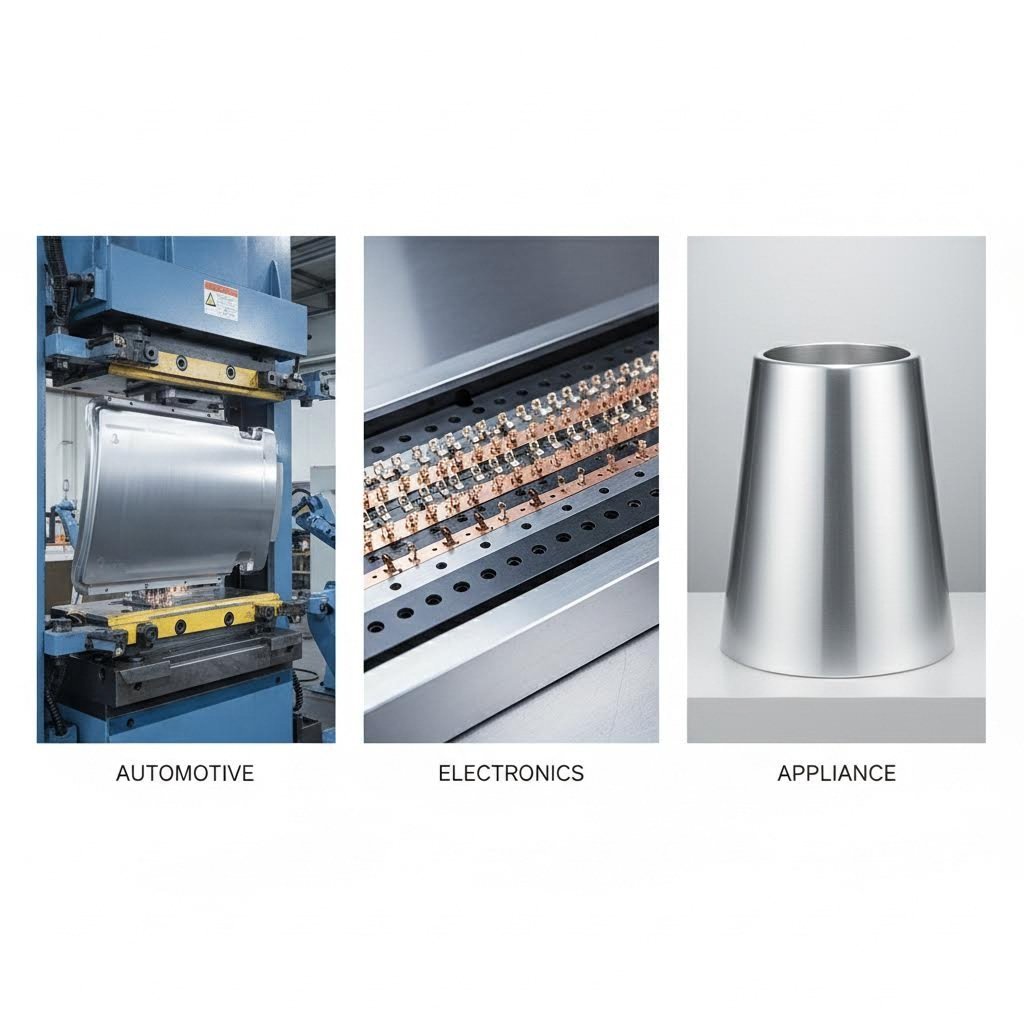
En lloc de donar orientacions genèriques, analitzem com tres sectors industrials importants implementen realment aquestes tecnologies. Descobrireu per què els fabricants automobilístics combinen estratègicament ambdós mètodes, per què els productors d’electrònica prefereixen aclaparadorament les matrius d’estampació progressiva i què impulsa els fabricants d’electrodomèstics cap a solucions de transferència per als seus components característics.
Models de selecció de matrius en el sector automobilístic
Recorreu qualsevol instal·lació d'estampació automotriu i trobareu que ambdues tecnologies treballen en harmonia —cadascuna s'encarrega d'aquelles aplicacions on destaca. Això no és indecisió; és una optimització estratègica. L'estampació progressiva de components automotrius ofereix una eficiència inigualable per a determinades categories de peces, mentre que les matrius de transferència romanen imprescindibles per a d'altres.
On domina l'estampació metàl·lica amb matrius progressives a la producció automotriu:
- Suports i clips de muntatge – Geometries d'alta volumetria i relativament senzilles que es beneficien de velocitats superiors a 300 cops per minut
- Contactes i terminals elèctrics – Components automotrius estampats de forma progressiva amb precisió per a harnesos de cables i sistemes de connexió
- Refors estructurals petits – Components d'acer de gruix fi produïts en quantitats superiors a 500.000 unitats anuals
- Components del bastidor del seient – Suports i mecanismes d'ajust repetitius que requereixen toleràncies constants
- Components del sistema de calefacció, ventilació i aire condicionat (HVAC) – Elements de persiana, suports i components de xarxa de ventilació adaptats a una eficiència progressiva
On les estampades per transferència resulten essencials en la fabricació automobilística:
- Panells del cos – Portes, capots, ales i panells posteriors que requereixen estampats profunds i mides grans de fulls en brut
- Components estructurals – Rails de xassís, elements transversals i components crítics de seguretat del xassís
- Carcasses estampades profundament – Copes d'iniciadors d'airbag, components del sistema de combustible i carcasses de sensors
- Suports tridimensionals complexos – Components que requereixen conformació multieixial impossible sobre cintes portadores
Els fabricants automobilístics despleguen estratègicament estampades progressives per a components senzills d'alta volumetria i estampades per transferència per a geometries complexes, sovint dins de la mateixa plataforma de vehicle. Un sol vehicle pot contenir més de 200 components estampats progressivament juntament amb 30-50 components formats per transferència.
Segons les dades sobre les capacitats del sector, les aplicacions automotrius abasten tot des de copes iniciadores per a airbags fins a contactes per a cables—el que demostra com ambdós processos tenen un paper fonamental en la producció de vehicles. La decisió es basa en fer coincidir els requisits de la peça amb les capacitats del procés, i no en triar exclusivament una tecnologia.
Consideracions sobre components electrònics i elèctrics
El procés d’estampació elèctrica presenta un perfil clarament diferent del de la fabricació automotriu. En aquest àmbit, les matrius d’estampació progressiva tenen una quota de mercat aclaparadora; entendre’n la raó revela veritats fonamentals sobre l’adaptació de la tecnologia als requisits de l’aplicació.
Per què la fabricació electrònica prefereix tant les tècniques progressives?
- Mides reduïdes de les peces – Els terminals de connectors, les espigues i els contactes solen mesurar només uns quants mil·límetres, cosa que els fa perfectament adequats per a operacions progressives amb alimentació per bobina
- Volums extremadament elevats – Un sol telèfon intel·ligent conté desenes de contactes estampats; multipliqueu-ho per milions d'unitats i els volums arriben ràpidament a milers de milions anualment
- Eficiència de materials – Les aleacions de metalls preciosos (coure recobert d'or, pal·ladi-níquel) exigeixen l'optimització de l'ajust que ofereixen les matrius progressius
- Precisió a nivell de micròmetre – Els requisits d'acoblament dels connectors exigeixen toleràncies que els sistemes progressius assolen de forma constant
Com especialistes en la fabricació de connectors explicar, l'estampació metàl·lica de precisió a alta velocitat amb matrius progressius defineix el contorn del terminal i afecta la qualitat superficial, la uniformitat dimensional i l'estabilitat del revestiment i el muntatge posteriors. El flux d'estampació totalment integrat — tall, doblegat, estirat profund, estampació fina i conformació local — s'executa en seqüència automàtica a velocitats impossibles d'aconseguir amb mètodes de transferència.
En la fabricació de connectors, l'estampació progressiva no només és preferida, sinó que pràcticament està imposada. La combinació de volums extrems, geometries miniatura i exigències de precisió crea un perfil d'aplicació que la tecnologia progressiva satisfà de manera única.
Les aplicacions específiques del procés d'estampació elèctrica inclouen:
- Terminales i pernes de connectors – Interfícies principals de transmissió de senyal que requereixen precisió geomètrica i qualitat superficial
- Components de blindatge EMI – Blindatges metàl·lics de gruix reduït que protegeixen l'electrònica sensible contra interferències
- Contactes de bateries – Connectors amb ressort per a electrònica de consum i dispositius portàtils
- Marcs de plom – Components d'embalatge de semiconductors produïts en quantitats massives
- Contactes de commutadors – Components de precisió per a teclats, panells de control i dispositius d'interfície
Quan apareix la tecnologia de transferència en electrònica? Principalment per a carcasses més grans, components de xassís i cobertes que superen les limitacions de mida progressives. Les carcasses d’alimentadors, els components de bastidors de servidors i les cobertes de control industrial sovint requereixen les capacitats de conformació que ofereixen les matrius de transferència.
Preferències de matrius en la fabricació d’electrodomèstics
Entreu en una operació de fabricació d’electrodomèstics i us trobareu amb una dinàmica completament diferent. A diferència de l’electrònica, on predomina la tècnica progressiva, la producció d’electrodomèstics recorre massivament la tecnologia de matrius de transferència, impulsada per la naturalesa fonamental dels requisits d’aquests productes.
Penseu què implica realment la fabricació d’electrodomèstics: revestiments de neveres, tambors de rentadores, fustes de rentavaixelles i cavitats de forn. Aquests no són petits components de precisió, sinó components formats de gran mida que requereixen estampats profunds, conformació tridimensional i calibres de material que les matrius progressives simplement no poden assolir.
Per què les matrius de transferència dominen la producció de components d’electrodomèstics:
- Dimensions grans de les peces – Les carcasses i cobertes dels aparells superen habitualment les limitacions d'amplada de la bobina del punxonat progressiu
- Requisits d'estirat profund – Les basses de les rentadores i els revestiments dels refrigeradors requereixen profunditats d'estampació que els mètodes progressius no poden assolir
- Grossors majors de material – Els components estructurals dels aparells utilitzen acer d'una grossor major que la típica en aplicacions progressius
- Formació complexa en tres dimensions – Les cantonades dels armaris, les corbes compostes i les característiques multi-eixos exigeixen la manipulació de la xapa plana
Segons l'anàlisi d'estampació metàl·lica, l'estampació amb motlles de transferència destaca en la producció de peces complexes amb múltiples característiques, geometries intrincades i estampacions profundes que no es poden aconseguir únicament mitjançant l'estampació progressiva. La fabricació d'aparells exemplifica aquesta necessitat de capacitat.
Tot i això, l'estampació progressiva continua jugant un paper secundari en la producció d'aparells:
- Suports dels panells de control – Components de muntatge petits produïts en grans volums
- Components de les articulacions de les portes – Elements de ferralla repetitius que s’aprofiten de la velocitat progressiva
- Clips de muntatge interns – Components d’ancoratge i suport a tot l’interior dels aparells
- Terminals de connexió elèctrica – Components de cablejat d’alimentació i de control similars als utilitzats en aplicacions electròniques
La fabricació d’aparells demostra la naturalesa complementària de les tecnologies d’estampació: les matrius de transferència gestionen els components principals formats a gran escala, mentre que l’estampació progressiva produeix els elements auxiliars i els sistemes d’ancoratge.
Fer eleccions adequades per al sector industrial
Quins patrons es poden observar en examinar aquests tres sectors? Els requisits de components de cada sector orienten de forma natural la selecció de la tecnologia:
| Indústria | Tecnologia principal | Tecnologia secundària | Factors clau |
|---|---|---|---|
| Automotiu | Ambdós utilitzats de manera equivalent | N/A | La diversitat de components exigeix ambdues capacitats |
| Electrònica | Progressiu (90 % o més) | Transferència per a carcasses | Components miniatura, volums extrems, precisió |
| Electrodomèstics | Transferència (70 % o més) | Progressiu per a components d’hardware | Components grans, extrusions profundes, calibres gruixuts |
El vostre context industrial proporciona una orientació valuosa, però els components específics que utilitzeu determinen la resposta final. Un fabricant pot servir el sector de l’automoció i, tot i això, especialitzar-se en contactes elèctrics, cosa que fa que la tecnologia progressiva sigui l’opció clara, malgrat que, en general, el sector de l’automoció utilitzi ambdós mètodes.
Ara que ja s’han establert patrons específics per a cada sector, roman la pregunta pràctica: com podeu avaluar sistemàticament els vostres propis projectes tenint en compte aquests factors? La següent secció us ofereix un marc de presa de decisions estructurat que podeu aplicar a qualsevol projecte d’estampació.
El vostre marc de presa de decisions per triar el tipus de motllo adequat
Ja heu assimilat els detalls tècnics, heu examinat les estructures de costos i heu revisat els patrons sectorials. Ara arriba la pregunta pràctica: com apliqueu tot aquest coneixement al vostre projecte concret? En lloc de deixar-vos que recolliu vosaltres mateixos les conclusions, anem a repassar un marc de presa de decisions estructurat que converteix la complexitat en claredat.
Penseu-hi com una llista de comprovació per a fer servir habitualment: un enfocament sistemàtic que els enginyers experimentats en eines apliquen quan avaluen projectes d'estampació. En respondre cinc preguntes fonamentals de forma seqüencial, arribareu a una recomanació segura que alineï les capacitats tecnològiques amb les vostres necessitats reals.
Cinc preguntes per determinar el tipus d’estampat òptim
Aquest arbre de decisió funciona perquè aborda els factors segons l’ordre del seu impacte. Comenceu per la geometria: si la vostra peça no es pot produir físicament mitjançant un determinat mètode, les consideracions sobre volum i cost ja no són rellevants. Respongueu cada pregunta abans de passar a la següent:
-
Avalieu la complexitat de la geometria de la peça
Comenceu aquí perquè la geometria sovint elimina opcions de manera immediata. Pregunteu-vos: aquesta peça requereix estampats profunds que superin contorns superficials? Les operacions hauran de realitzar-se en múltiples cares o eixos? Caldrà girar o rotar la làmina durant la conformació? Si heu respost afirmativament a alguna d’aquestes preguntes, la tecnologia de motxes de transferència es converteix en la vostra principal consideració. L’estampació amb motxa progressiva destaca en peces que es poden conformar mentre romanen unides a una cinta portadora, però aquesta unió crea limitacions fonamentals. Les peces que requereixen una manipulació tridimensional significativa simplement no poden avançar mitjançant operacions alimentades per cinta. -
Determineu els requisits de volum anual
El volum impulsa l'economia més que qualsevol altre factor. Per a quantitats inferiors a 50.000 peces anualment, cap de les dues tecnologies normalment ofereix un ROI òptim: en comptes d'això, considereu estampació amb motlles compostos o operacions secundàries. Entre 50.000 i 100.000 peces, els motlles de transferència esdevenen viables per a peces complexes, mentre que els mètodes progressius comencen a mostrar valor per a geometries més senzilles. Per sobre de les 100.000 peces, les operacions d’estampació progressiva amb premsa assolixen el seu punt òptim econòmic, amb costos per peça que poden caure per sota dels 0,01 $EUA. Recordeu: aquests llindars varien segons la complexitat de la peça i els costos del material. -
Avaluar les necessitats de material i gruix
La vostra elecció de material influeix en la viabilitat de tots dos mètodes. Les estampades progressius gestionen gruixos de 0,1 mm a uns 6 mm de manera eficaç, amb un rang òptim entre 0,1 mm i 4 mm. Les estampades per transferència accepten gruixos més elevats —de 0,5 mm a 12 mm o més—, el que les fa essencials per a components estructurals pesats. També importa el tipus de material: el coure i el llautó s’embossen perfectament en tots dos processos, mentre que els acerços avançats d’alta resistència poden requerir les etapes de conformació controlada que ofereixen les operacions de transferència. -
Tingueu en compte les especificacions de tolerància
Ambdós processos assolixen toleràncies molt estretes: ±0,01 mm és l’estàndard per a aplicacions de precisió. No obstant això, el camí cap a aquesta precisió difereix. Les matrius progressius mantenen la tolerància mitjançant un sistema d’alineació integrat que fa servir forats guia i sistemes de guiament. Les matrius de transferència aconsegueixen la precisió mitjançant el control independent d’estacions amb una col·locació exacta de la làmina. Per a aplicacions d’estampació amb matrius compostes que requereixen operacions de tall simultànies amb una alineació perfecta, cap dels dos tipus pot ser suficient; calen eines especialitzades. -
Calculeu les restriccions pressupostàries
Finalment, adapteu la vostra elecció a la realitat financera. Les matrius progressius solen requerir una inversió inicial de 15.000 a més de 100.000 $, però ofereixen els costos per peça més baixos a gran escala. Les matrius de transferència tenen un cost inicial entre 10.000 i més de 80.000 $, amb costos per peça superiors però una major flexibilitat. Si el vostre pressupost no permet optar per la tecnologia òptima, considereu enfocaments per fases: comenceu amb eines de prototipatge, valideu el disseny i, un cop es concretin els volums de producció, invertiu en matrius de grau industrial.
La seqüència de decisions és important. Una peça que requereix capacitats de matriu de transferència no es pot forçar a utilitzar mètodes progressius, independentment de les avantatges de volum: la capacitat precedeix l’economia en aquesta avaluació.
Els errors habituals de selecció i com evitar-los
Fins i tot els equips d’adquisicions experimentats cauen en trampes previsibles quan trien entre tecnologies de premsat i estampació. Reconèixer aquests obstacles abans de comprometre’s amb les eines permet estalviar recursos significatius i frustracions.
Error n.º 1: Donar prioritat al cost inicial de les eines sobre l’economia total de producció
La matriu més econòmica no és necessàriament la millor inversió. Una matriu progressiva menys cara que requereix tres operacions secundàries acaba costant més que una matriu de transferència correctament dissenyada que produeix peces acabades en un sol muntatge. Calculeu el cost total per peça —incloent-hi les operacions secundàries, la manipulació i els riscos de qualitat— abans de triar només en funció dels pressupostos de les eines.
Error n.º 2: Ignorar les implicacions de la matriu en el disseny de la tira progressiva
Quan es tria l’estampació progressiva, la geometria de la peça ha d’admetre l’acoblament de la cinta portadora durant tot el procés. De vegades, els dissenyadors finalitzen la geometria de la peça sense tenir en compte com es formaran les característiques mentre la peça està unida a la cinta. Implicau enginyers especialitzats en eines durant la fase de disseny —no després— per assegurar-vos que la geometria optimitza l’ús de la matriu en configuracions progressives.
Error núm. 3: Sotaestimar les previsions de volum
Triar matrius de transferència per estalviar costos en una producció de «baix volum», i després descobrir que les quantitats anuals superen realment les 200.000 unitats, comporta uns costos per peça permanentment elevats. Elaboreu previsions de volum realistes tenint en compte el cicle de vida del producte, el potencial de mercat i l’exactitud històrica de previsions anteriors.
Error núm. 4: Suposar que una única tecnologia pot gestionar tots els components
Les muntatges complets sovint contenen peces adequades per a diferents mètodes d'estampació. Forçar tots els components a utilitzar una única tecnologia —ja sigui progressiva o de transferència— compromet o bé l'eficiència o bé la capacitat. Avalua cada peça independentment abans de decidir-vos per un enfocament unificat.
Error núm. 5: Endarrerir la consulta amb enginyers especialitzats en eines
Les decisions sobre la geometria de les peces preses sense comptar amb l’expertesa en estampació sovint generen reptes de fabricació innecessaris. Implica enginyers especialitzats en eines durant les fases inicials del disseny, quan els canvis geomètrics no tenen cap cost. Les modificacions realitzades després de començar la construcció de les eines multipliquen dràsticament les despeses.
Quan té sentit aplicar enfocaments híbrids
Aquí hi ha alguna cosa que rarament mencionen els competidors: la millor solució per a muntatges complexos sovint implica l’ús simultani de totes dues tecnologies. Aquest enfocament híbrid aprofita les fortalles de cadascun dels mètodes per a diferents components dins del mateix producte.
Imagineu una submuntatge automotriu típica. La carcassa principal podria necessitar capacitats de matriu de transferència per la seva geometria estampada en profunditat i les seves grans dimensions. Al mateix temps, les suportes de fixació, les pinces de ressort i els contactes elèctrics que s’hi uneixen són candidats ideals per a estampacions amb matrius progressius. Fer servir una única tecnologia per a tot vol dir o bé acceptar costos innecessaris en peces senzilles d’alta volumetria, o bé comprometre la capacitat en components complexos.
Indicadors que les aproximacions híbrides aporten valor:
- La vostra muntatge conté components amb una complexitat geomètrica molt diferent
- Les peces individuals abasten una àmplia gamma de volums anuals
- Alguns components requereixen estampacions en profunditat, mentre que d’altres només necessiten tallat i conformació
- Els gruixos del material varien significativament dins de la muntatge
- Els requisits de termini d’entrega difereixen entre les categories de components
L'estratègia híbrida requereix treballar amb proveïdors capaços de dominar totes dues tecnologies i prou objectius per recomanar el mètode adequat per a cada peça, en lloc de fer pressió perquè tot s'orienti cap al seu procés preferit. Busqueu socis que us facin preguntes detallades sobre el vostre muntatge complet, en lloc de centrar-se exclusivament en components individuals.
Quan implicar els enginyers d'eines de forma precoç:
Els projectes d'estampació més exitosos comparteixen un patró comú: la col·laboració d'enginyeria comença durant la fase inicial del disseny del producte, no després que les geometries estiguin fixades. La participació precoç permet:
- Optimització del disseny per a la fabricabilitat – Ajustos menors de la geometria que milloren notablement l'eficiència de l'estampació
- Validació de la selecció del procés – Confirmació que el tipus de motlle previst és realment adequat per als requisits de la peça
- Refinament de l'especificació del material – Alineació de les opcions de material amb els requisits de conformació i els objectius de cost
- Racionalització de Toleràncies – Identificar quines dimensions requereixen un control estricte i quines altres admeten toleràncies més relaxades per reduir costos sense afectar la funcionalitat
El cost de la consultoria d'enginyeria en eines durant les fases de disseny és insignificant comparat amb la despesa de modificar les eines de producció —o, encara pitjor, descartar completament les matrius perquè les peces no es poden formar segons les especificacions. Tracteu la participació precoç de l'enginyeria com una assegurança contra problemes posteriors.
Un cop establert el vostre marc de presa de decisions i identificats els errors habituals, esteu preparats per avaluar sistemàticament els vostres projectes concrets. L’últim pas consisteix a sintetitzar tots aquests factors en recomanacions clares basades en perfils de projecte habituals —i en identificar el soci de fabricació adequat per dur a terme l’enfocament escollit.
Recomanacions finals per a la selecció de les vostres matrius d’estampació
Heu analitzat les comparacions tècniques, examinat les estructures de cost, revisat els patrons del sector i elaborat el vostre marc de presa de decisions. Ara és el moment de traduir tot aquest anàlisi en orientacions clares i aplicables. Quins perfils de projecte concrets apunten de manera inequívoqua cap a les estampades progressius? Quan esdevé la tecnologia de transferència l’opció més òbvia? I, potser el més important: com trobar un soci de fabricació capaç de donar-vos recomanacions objectives, en lloc de dirigir-vos cap a qualsevol tecnologia que prefereixi ell mateix?
Anem a desfer-nos de la complexitat restant amb recomanacions directes basades en escenaris habituals de projectes. Ja sigui que llanceu una nova línia de productes o optimitzeu la producció existent, aquestes directrius us proporcionen la claredat necessària per avançar amb confiança.
Millor opció per a peces senzilles d’alt volum
Quan el vostre perfil de producció coincideix amb aquestes característiques, les estampades progressius ofereixen avantatges indiscutibles:
- Volums anuals superiors a 100.000 unitats – El dividend de l’automatització entra en joc, fent que el cost per peça pugui quedar potencialment per sota dels 0,01 $
- Dimensions de la peça dins dels límits de l’amplada de la bobina – Normalment menys de 61 cm permet una alimentació eficient de la tira
- Geometries assolibles mentre la peça roman unida a la tira portadora – Operacions de tall, perforació, doblegat i conformació superficial
- Gruix del material entre 0,1 mm i 4 mm – El punt òptim per a l’eficiència del procés d’estampació progressiva
- Velocitat prioritzada sobre la complexitat geomètrica – De 100 a més de 500 cops per minut maximitzen la capacitat de producció
- Requisits de tolerància constants (assolible ±0,01 mm) – L'inscripció integrada manté la precisió al llarg de milions de cicles
Les eines progressius destaquen en aquests escenaris perquè l'operació contínua amb alimentació per tira elimina la manipulació entre estacions. Cada cop de premsa produeix diverses operacions simultànies: tall a l'estació un, perforació a l'estació dos i conformació a l'estació tres. Aquesta paral·lelització genera una eficiència que els mètodes de transferència simplement no poden igualar per a geometries compatibles.
Si la vostra peça es pot fabricar mentre roman unida a una tira portadora i els volums justifiquen la inversió en eines, les matrius progressius gairebé sempre ofereixen el cost total de producció més baix.
Les aplicacions típiques perfectament adaptades a les solucions amb matrius i eines progressius inclouen terminals de connectors elèctrics, suports i clips automotrius, components de blindatge electrònic, elements de fixació per a electrodomèstics i qualsevol component de precisió de mida petita a mitjana fabricat en quantitats substancials.
Millor opció per a peces complexes de volum baix a mitjà
La tecnologia de matriu de transferència es converteix en el vostre clar guanyador quan els requisits del projecte inclouen:
- Operacions d'embossat profund que superen contorns poc profunds – Copes, carcasses i cobertes que requereixen un desplaçament significatiu de material
- Mides de peça que superen les limitacions de l'amplada de la bobina – Blanques més grans que no es poden alimentar mitjançant cinta
- Requeriments de conformació multi-eix – Característiques en múltiples cares que requereixen rotació o gir de la blanca
- Gruix del material de 0,5 mm a 12 mm o més – Calibres més gruixuts que exigeixen etapes de conformació controlades
- Volums anuals de 50.000 peces o més per a geometries complexes – Suficients per justificar la inversió en eines especialitzades
- Flexibilitat prioritzada per a dissenys complexes – Cada estació independent optimitza operacions de conformació específiques
Els productes d'eines de transferència destaquen perquè les làmines individuals es mouen lliurement entre les estacions, cosa que permet operacions de conformació impossibles quan el material roman adherit a la tira. Segons l’anàlisi del sector, l’estampació amb motlles de transferència permet una major flexibilitat en la manipulació i orientació de les peces, fet que la fa adequada per a dissenys i formes complexes com les que defineixen els panells de carrosseria automobilística, les carcasses d’electrodomèstics i els components estructurals.
Quan la vostra aplicació exigeix capacitats que només poden oferir els motlles de transferència, les comparacions de volum passen a un segon pla. Cap quantitat de producció fa viable l’estampació progressiva per a peces que requereixen la manipulació de les làmines: en aquestes avaluacions, la capacitat precedeix l’economia.
Col·laborar amb el fabricant d’eines adequat
Aquesta és la realitat que separa els projectes d'estampació exitosos dels fracassos costosos: la selecció del fabricant és tan important com la selecció de la tecnologia. El millor disseny de motlles no serveix de res si el vostre proveïdor no disposa de la profunditat d'enginyeria necessària per executar-lo correctament, o us impulsa cap a solucions inadequades perquè només especialitza en una única tecnologia.
Què distingeix un partner òptim en l'àmbit de motlles?
- Capacitat dual en tecnologia – L'experiència tant en disseny de motlles progressius com en disseny de motlles de transferència assegura recomanacions objectives basades en les vostres necessitats reals
- Certificació en gestió de la qualitat – La certificació IATF 16949 demostra el control de processos a nivell automotiu i l’acompliment d’un compromís amb la millora contínua
- Capacitats avançades de simulació – L’anàlisi CAE identifica possibles defectes de conformació abans d’iniciar la construcció dels motlles, evitant iteracions costoses
- Serveis de prototipatge ràpid – La capacitat de velocitat fins a la primera mostra valida ràpidament els dissenys, accelerant el vostre calendari de producció
- Consultoria d'enginyeria durant les fases de disseny – La participació precoç optimitza la geometria de la peça per al mètode d'estampació escollit
- Anàlisi de costos transparent – Una avaluació honesta de l'economia total de producció, no només de les ofertes inicials per a les eines
Les solucions de motlles d'estampació de precisió de Shaoyi són un exemple d'aquest enfocament integral. Les seves serveis d'estampació d'automoció combinen la certificació IATF 16949 amb simulacions avançades CAE que detecten possibles problemes abans de tallar el metall, assolint una taxa d'aprovació del 93 % en la primera prova i minimitzant així cicles costosos d'assaig i error. Amb capacitats de prototipatge ràpid que permeten obtenir mostres en tan sols 5 dies, l'equip d'enginyeria ajuda els fabricants a validar dissenys de forma ràpida, assegurant al mateix temps que les eines compleixen els estàndards de qualitat OEM tant per a aplicacions progressives com per a transferència.
El partner de fabricació adequat us fa preguntes detallades sobre tots els vostres requisits de producció abans de recomanar la tecnologia, no després. Hauria de posar en qüestió les suposicions, identificar oportunitats d’optimització i oferir orientació honesta, fins i tot quan això signifiqui recomanar solucions més senzilles.
Preguntes que cal fer als proveïdors potencials d’eines:
- Ofereixen tant dissenys d’estampes progressius com d’estampes per transferència?
- Quines certificacions de qualitat manté la vostra instal·lació?
- Com validen els dissenys d’eines abans de la seva construcció?
- Quina és la vostra taxa habitual d’aprovació a la primera passada?
- Poden proporcionar prototips ràpids per validar els dissenys?
- Els vostres enginyers revisaran la geometria de les nostres peces per optimitzar-ne la fabricabilitat?
El teu camí endavant
La decisió entre motriu de transferència i motriu progressiva es redueix, en última instància, a fer coincidir el perfil concret del vostre projecte amb les capacitats i l’economia de cadascuna d’aquestes tecnologies. Les avantatges del procés d’estampació progressiva predominen en escenaris d’alta volumetria amb geometries compatibles. Les motrius de transferència esdevenen essencials quan la complexitat de la peça exigeix la manipulació de la xapa i una major llibertat de conformació.
Recordeu el principi fonamental: la capacitat precedeix l’economia. Si la vostra peça requereix característiques propies de la motriu de transferència, cap avantatge de volum fa que els mètodes progressius siguin viables. Recíprocament, obligar peces senzilles d’alta volumetria a passar per operacions de transferència infla de forma permanent el cost per peça sense cap benefici.
Per a muntatges complexos que contenen tipus diversos de components, no imposeu una solució basada en una única tecnologia. L’enfocament híbrid —motrius progressives per a peces senzilles d’alta volumetria, juntament amb motrius de transferència per a geometries complexes— sovint ofereix l’economia total òptima.
El més important és involucrar enginyers experimentats en eines al principi del vostre procés de disseny. La inversió en consultoria durant les fases inicials representa només una fracció del cost de modificar les eines de producció i evita errors costosos que es produeixen quan les geometries es fixen abans de la validació de la fabricabilitat.
Ja esteu preparats per explorar les opcions de motlles d’estampació amb un equip que ofereix tant tecnologia com orientació objectiva? Visiteu Les solucions d'estampació automotriu de Shaoyi per descobrir com les seves capacitats integralment integrades de disseny i fabricació de motlles poden accelerar el vostre calendari de producció, assegurant alhora una qualitat que compleixi els estàndards OEM més exigents.
Preguntes freqüents sobre motlles de transferència respecte a motlles progressius
1. Quina és la diferència entre motlles progressius i motllos de transferència?
Les estampades progressives utilitzen material alimentat en bobina que avança per múltiples estacions mentre roman unida a una cinta portadora, assolint 100-500+ cops per minut per a petites peces en gran volum. Les estampades per transferència utilitzen dits mecànics o automatització per moure fulles individuals entre estacions independents, cosa que permet estampats profunds, peces més grans i operacions de conformació multi-eix que són impossibles amb mètodes progressius. Les estampades progressives destaquen en volums superiors a 100.000 peces anualment, mentre que les estampades per transferència esdevenen rendibles per sobre de les 50.000 peces quan es tracta de geometries complexes.
2. Quins són els inconvenients del punxonat amb matriu progressiva?
L'estampació amb motxilla progressiva té diverses limitacions: la mida de la peça està restringida per l'amplada de la bobina (normalment inferior a 60 cm), les capacitats d'estirat profund estan limitades a contorns poc profunds i la inversió inicial en eines oscil·la entre 15.000 $ i més de 100.000 $. Les peces que requereixen conformació multi-eix, rotació de la xapa o operacions que no es poden dur a terme mentre estiguin unides a una cinta portadora no són factibles. A més, els plazos més llargs (de 8 a 16 setmanes) necessaris per al disseny d'eines complexes i el risc de trencament dels punxons durant la fabricació poden afectar els plans de producció.
3. Què és una motxilla progressiva?
Una matriu progressiva és una eina per al treball dels metalls que realitza diverses operacions d’estampació — tallat en brut, perforació, doblegat, conformació i tall — en un sol pas automatitzat. El material alimentat des d’una bobina avança a través de 4 a 20 estacions amb un pas preestablert, i cada cop de premsa processa simultàniament diferents seccions de la tira. Aquest disseny integrat permet velocitats de producció de 100 a 500+ peces per minut, toleràncies de ±0,01 mm i taxes de residus materials inferiors al 5 %, cosa que la fa ideal per a la fabricació en gran volum de connectors elèctrics, suports automotrius i components de precisió.
4. Quan he d’escollir l’estampació amb motlle de transferència en lloc de l’estampació amb motlle progressiu?
Trieu l'estampació amb motxilla de transferència quan les vostres peces requereixin extrusions profundes que superin contorns superficials, dimensions més grans que les restriccions d'amplada de la bobina, conformació multieixial amb rotació o gir del full, o espessor de material entre 0,5 mm i 12 mm o més. Les motxilles de transferència són especialment adequades per a panells de carrosseria d’automòbils, carcasses d’electrodomèstics, components estructurals i suports tridimensionals complexos. Volums anuals de 50.000 peces o més solen justificar la inversió en eines, i l’eliminació del residu de la banda portadora pot compensar els temps de cicle més lents, especialment quan es treballa amb materials cars com el llautó o aliatges especials.
5. Com puc calcular el cost total de propietat de les motxilles d’estampació?
Calculeu el cost total de propietat mitjançant la fórmula: CTB = Inversió inicial + Costos d'explotació + Costos de manteniment + Costos per aturades – Valor residual. Inclou el preu de compra de les eines, la instal·lació, les proves d'assaig, el consum energètic, el manteniment programat, els serveis d'afilat i la producció perduda durant les aturades. Les matrius progressius poden necessitar un manteniment més freqüent, però ofereixen una vida útil de 500.000 a més de 2 milions de cicles. Les matrius de transferència requereixen un manteniment addicional dels components d'automatització. Un manteniment preventiu que costa 2.000 $ anualment pot evitar fallades no planificades que suposen un cost de més de 500 $ per hora en pèrdua de producció.