 Small batches, high standards. Our rapid prototyping service makes validation faster and easier —
  EN
EN


Fabricants de motlles d'estampació exposats: el que no us diuen sobre els preus
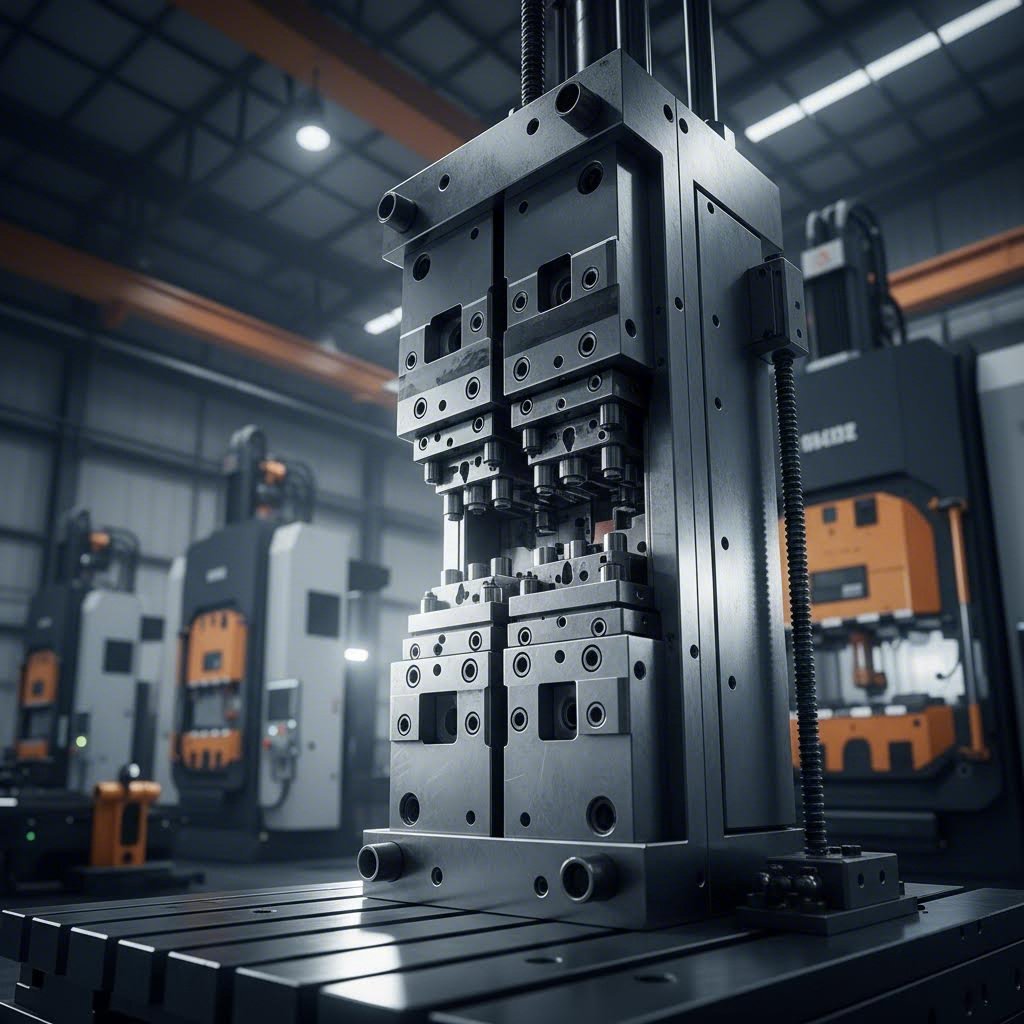
Comprendre la fabricació de matrius d'estampació i el seu impacte industrial
Quan agafeu el vostre smartphone, conduïu el vostre cotxe o visiteu un hospital, esteu interaccionant amb productes que no existirien sense les matrius d'estampació. Però què és exactament una matriu en la fabricació? En termes senzills, les matrius d'estampació són eines dissenyades amb precisió que transformen làmines metàl·liques planes en components tridimensionals complexos mitjançant una força controlada i geometries cuidadosament dissenyades. Els fabricants de matrius d'estampació creen aquestes eines essencials que constitueixen l'esquena dorsal de la producció en massa gairebé a tots els sectors industrials principals.
El fonament de la conformació metàl·lica de precisió
Imaginant que intentes fabricar milions de suports metàl·lics idèntics , connectors o carcasses a mà. La inconsistència seria impressionant i el cost, astronòmic. Això és precisament per què existeix la indústria de les matrius. Les matrius d'estampació metàl·lica permeten als fabricants produir components de gran volum i alta precisió amb una consistència i eficiència notables.
Al seu nucli, les matrius d’estampació consten de dos components principals: un punxó i una cavitat de matriu. Quan una premsa fa descarregar el punxó sobre una làmina metàl·lica col·locada sobre la cavitat de la matriu, el material adopta exactament la forma dissenyada a l’eina. Aquest concepte aparentment senzill exigeix una precisió extraordinària en la seva execució. Les toleràncies sovint es mesuren en mil·lèsimes de polzada i fins i tot imperfeccions microscòpiques poden fer que una matriu sigui inútil per a la producció.
La qualitat de les vostres matrius d’estampació determina directament la vostra capacitat de producció. Una matriu ben dissenyada no només conforma el metall, sinó que defineix els vostres costos per peça, la velocitat de producció i, en definitiva, la vostra posició competitiva al mercat.
Per què les matrius d’estampació impulsen la fabricació moderna
Comprendre què són les matrius a la fabricació ajuda a explicar per què aquestes eines requereixen una inversió tan significativa. La fabricació de matrius serveix quatre indústries clau amb necessitats específiques:
- Automòbil: Des de les plaques estructurals de la carroceria fins als connectors elèctrics intrincats, els vehicles contenen milers de components estampats que requereixen toleràncies ajustades i acabats superficials impecables.
- Aeronàutica: Les aplicacions crítiques en quantitat de pes exigeixen l’estampació precisa d’aliatges d’alumini i titani, sense cap marge d’error.
- Electrònica: Els components miniaturitzats per a dispositius requereixen motlles d’estampació capaços de produir característiques mesurades en fraccions de mil·límetre.
- Sanitari: Els instruments quirúrgics i els dispositius implantables exigeixen motlles d’estampació que compleixin les normes de qualitat i traçabilitat més exigents.
Al llarg d’aquesta guia, adquirireu els coneixements tècnics necessaris per avaluar de manera efectiva els fabricants de motlles d’estampació. Tractarem els tipus de motlles, els processos de fabricació, la selecció de materials, les especificacions de toleràncies i els factors de cost que la majoria de fabricants no discuteixen obertament. Sigui quin sigui el vostre objectiu —adquirir el primer motlle o optimitzar una cadena d’aprovisionament ja existent— comprendre aquests fonaments us permetrà prendre decisions informades, independentment del fabricant que finalment trieu.
Tipus de motxes d’estampació i quan utilitzar-ne cadascuna
Triar el tipus de motlle adequat és una de les decisions més transcendents que prendreu en treballar amb fabricants de motlles d’estampació. Trieu-lo adequadament i optimitzareu l’eficiència de la producció mentre minimitzeu el cost per peça . Trieu-lo inadequadament i podrieu enfrontar-vos a despeses innecessàries, estrangulaments en la producció o problemes de qualitat que afectin les vostres operacions durant anys. Com podeu saber, doncs, quin tipus de motlle s’adapta millor a la vostra aplicació?
La resposta depèn de diversos factors interconnectats: el volum de producció, la complexitat de la peça, els requisits de tolerància i les restriccions pressupostàries. Analitzem els quatre tipus principals de motlles d’estampació que ofereixen els fabricants de motlles, examinant en quins casos cadascun d’ells és estratègicament adequat per a les vostres necessitats concretes.
Motlles progressius per a una alta eficiència en volum
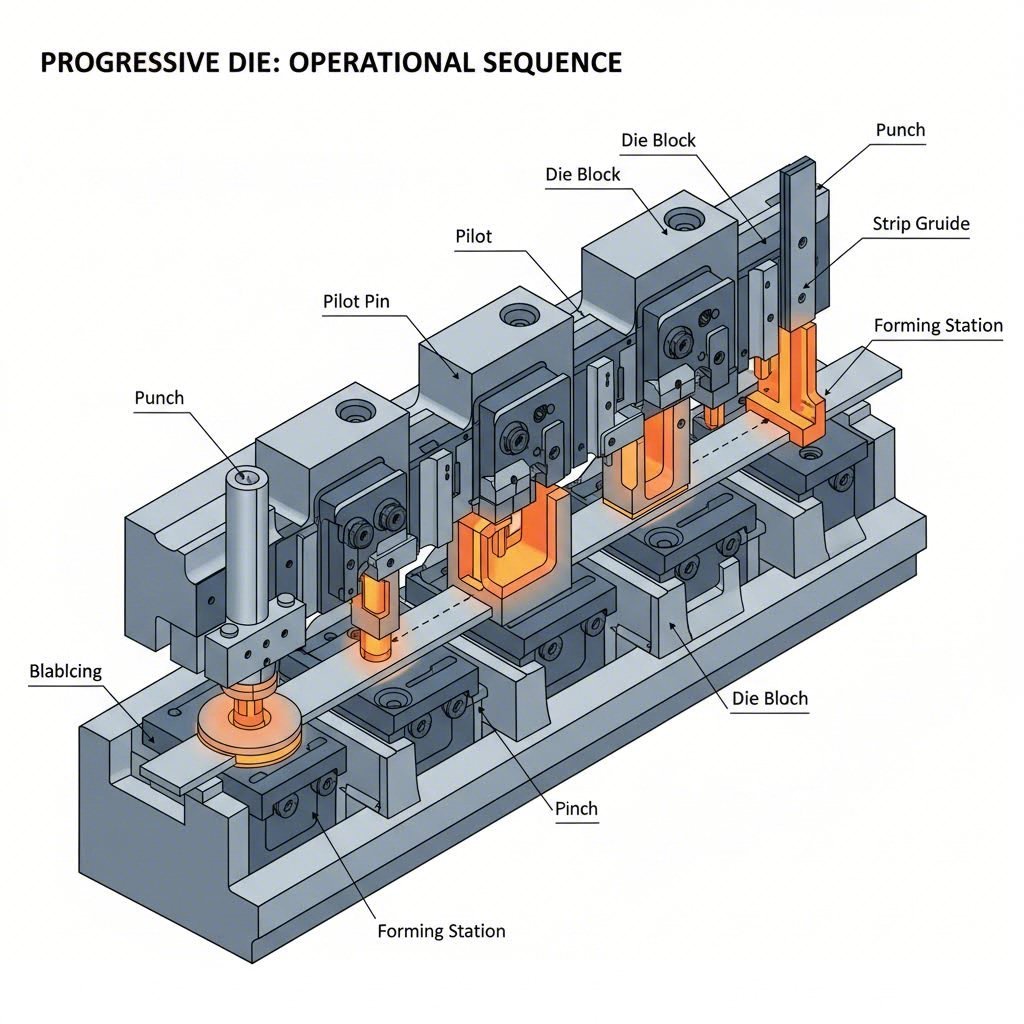
Quan cal produir milers o milions de peces idèntiques, l’estampació amb motlle progressiu es converteix en la vostra eina més potent. Un motlle d’estampació progressiu conté diverses estacions disposades en seqüència dins d’una única eina. A mesura que la tira metàl·lica avança per cada estació, es duen a terme operacions diferents — tallat, perforació, conformació, doblegat — de forma simultània a cada etapa.
A continuació s’expliquen les raons per les quals els motlles progressius dominen la producció en gran volum:
- Velocitat: L’estampació metàl·lica amb motlle progressiu pot produir entre 300 i 1.500+ peces per minut, segons la complexitat de la peça i les capacitats de la premsa.
- Coherència: Com que totes les operacions es realitzen en una única configuració, la variació entre peça i peça roman mínima.
- Eficiència laboral: Un cop configurada, una matriu progressiva funciona amb una intervenció mínima de l’operari, reduint dràsticament els costos laborals per peça.
- Optimització del material: Dissenyadors experimentats de matrius poden disposar eficientment les peces dins de la tira, minimitzant els residus.
No obstant això, les matrius progressives comporten una inversió inicial significativa. La complexitat de les eines implica uns costos inicials més elevats i uns terminis de lliurament més llargs. A més, requereixen sistemes d’alimentació de tira precisos i poden no ser adequades per a peces extremadament grans o per a aquelles que necessiten estampats profunds.
Matrius compostes i de transferència per a geometries complexes
No totes les peces són adequades per a l’estampació amb matrius progressives. Quan el vostre component exigeix geometries complexes, múltiples operacions en plans diferents o característiques que no es poden assolir mitjançant una progressió lineal de la tira, les matrius compostes i de transferència ofereixen solucions superiors.
Matrius compostes realitzar múltiples operacions simultàniament en un sol cop de premsa. Imagineu-vos que necessiteu una peça que requereix tant l’escantonament com el perforat amb una alineació precisa. Una matriu combinada realitza totes dues operacions al mateix temps, assegurant una concentricitat perfecta entre les característiques.
Motlons de transferència s’aproximen des d’un angle diferent. En lloc d’alimentar una tira contínua, els blanques individuals es desplacen d’estació en estació mitjançant dits mecànics o altres mecanismes de transferència. Això permet:
- Operacions sobre múltiples superfícies de la peça
- Estampats profunds i conformació tridimensional complexa
- El processament de blanques prèviament tallades, en lloc de material en bobina
- Manipular peces més grans que serien impracticables en matrius progressius
Matrius d’un sol cop (també anomenats matrius senzilles o de simple operació) realitzen només una operació per cada cop de premsa. Tot i que són menys eficients per a volums alts, ofereixen costos d’eina més baixos i temps d’entrega més curts. Són ideals per a la fabricació de prototips, la producció de baix volum o les operacions secundàries sobre peces fabricades mitjançant altres mètodes.
Selecció del tipus de matriu: una comparació completa
La selecció entre aquests tipus de matrius requereix valorar diversos factors simultàniament. La taula comparativa següent proporciona un marc per avaluar quin enfocament s’ajusta millor als vostres requisits de producció:
| Tipus de motlle | Volum de producció | Complexitat del component | Temps de Preparació | Cost per peça | Aplicacions típiques |
|---|---|---|---|---|---|
| Matrius progressives | Alt (100.000 peces o més) | Moderat a Alt | Muntatge inicial més llarg; canvi mínim | Molt baix | Suports automotius, connectors elèctrics, components d’electrodomèstics |
| Matrius compostes | Mitjà a alt (10.000-500.000) | Moderat (peces planes) | Moderat | Baix a Moderat | Arandelles, juntes, blanks de precisió amb múltiples forats |
| Motlons de transferència | Mitjà a alt (25.000-1.000.000) | Molt Alt | Més llarga (múltiples estacions) | Baix a Moderat | Carcasses estampades en profunditat, panells automobilístics complexos, peces formades amb múltiples eixos |
| Matrius d’un sol cop | Baixa a mitjana (100-50.000) | Baix a Moderat | Ràpid | Més elevat | Prototips, sèries curtes, operacions secundàries |
Fixeu-vos com canvia dràsticament la rendibilitat segons el volum. Una matriu progressiva pot tenir un cost inicial significativament superior al d’una alternativa d’un sol cop, però quan es produeixen mig milió de peces anualment, aquesta inversió reporta beneficis gràcies a uns costos per peça molt inferiors. Al contrari, utilitzar eines progressives cares per a una producció anual de 5.000 peces rarament té sentit des del punt de vista financer.
Quan consulteu fabricants de matrius d’estampació, compartiu-los tota la vostra situació productiva: les previsions de volum, els requisits de tolerància, la geometria de la peça i el preu objectiu. Tots aquests factors influeixen en quin tipus de matriu ofereix el millor valor. Els millors fabricants us assessoraran cap a la solució adequada, en lloc de recórrer per defecte a l’opció més cara.
Entendre aquests tipus de matrius us prepara per a la següent consideració fonamental: com es fabriquen realment les matrius d’estampació i quins processos determinen la seva qualitat i rendiment finals.
L’explicació completa del procés de fabricació de matrius
Us heu preguntat mai què passa entre fer una comanda a fabricants de matrius d’estampació i rebre l’eina preparada per a la producció? El recorregut des del concepte fins a la matriu acabada implica una seqüència sofisticada d’enginyeria, metal·lúrgia i mecanitzat de precisió que la majoria de compradors no veuen mai. Entendre aquest flux de treball us dona una avantatge significatiu a l’hora d’avaluar pressupostos, establir terminis realistes i comunicar-vos eficaçment amb els vostres socis especialitzats en eines.
La fabricació d’eines i matrius no és una caixa tancada: és un procés minuciosament orquestrat en què cada etapa es basa en l’anterior. Recorrem junts tot el flux de treball que converteix els vostres requisits de peça en la components de matriu d'estampació que impulsarà la vostra producció durant anys.
Del concepte de disseny a l’eina de precisió
La base de qualsevol projecte d'estampació exitós comença molt abans que el metall entri en contacte amb l'eina de tall. Aquesta fase inicial determina si la vostra estampa funcionarà perfectament o es convertirà en una font de frustració contínua.
- Desenvolupament del concepte i anàlisi de viabilitat: Els enginyers avaluem la geometria de la peça, les especificacions del material i els requisits de producció. Determinem quin tipus d'estampa s'adapta millor a la vostra aplicació, identifiquem possibles reptes en el formigat i establim estimacions preliminars de costos. Aquesta etapa revela sovint modificacions dissenyades que poden reduir la complexitat i el cost de les eines.
- Disseny d'estampes per estampació (enginyeria CAD/CAM): Mitjançant programari avançat, els dissenyadors creen models tridimensionals detallats de cada component de l'estampa. El disseny d'estampes per estampació de peces metàl·liques implica el càlcul del flux de material, la compensació de la recuperació elàstica (spring-back) i la seqüenciació òptima d'estacions per a les estampes progressius. El programari de simulació prediu com es comportarà la xapa metàl·lica durant el formigat, identificant possibles problemes abans que es talli cap peça d'acer.
- Selecció de material: Segons el volum de producció, les característiques del material estampat i els requisits de tolerància, els enginyers especifiquen acer per a motlles adequat per a cada component. Les zones amb un desgast elevat poden requerir acers D2 o inserts de carburs, mentre que els components que necessiten tenacitat poden fer servir acer S7. Aquesta decisió afecta directament la vida útil del motlle i els costos de manteniment.
- Llista de materials del motlle: Es genera una llista completa de tots els components: blocs del motlle, punxons, extractor, espigues guia, molles i elements de fixació. Aquesta documentació assegura que res es passi per alt durant la fabricació i constitueix la base per fer un seguiment precís dels costos.
Sembla complicat? Ho és, efectivament. Però aquesta inversió en enginyeria inicial evita sorpreses costoses durant la producció. Els fabricants experimentats de motlles d’estampació destinen recursos significatius a aquesta fase, ja que corregir errors de disseny en acer endurit resulta exponencialment més car que fer-ho en CAD.
Operacions crítiques d’usinatge i acabat
Un cop els dissenys estan definitius i s’han adquirit els materials, la mecanització de matrius transforma l’acer brut en eines de precisió. És aquí on les matrius en fabricació prenen realment forma.
- Mecanitzat brut Les fresadores CNC eliminen grans quantitats de material dels blocs de matriu, establint formes i característiques aproximades. Els operaris deixen intencionadament certes quantitats de material en brut per a les operacions de acabat. Aquí compta la velocitat, però encara no són crítics els ajustos de precisió: això vindrà més endavant.
- Tractament tèrmic: Els components de la matriu sotmeten a cicles controlats de càrrega tèrmica i refredament per assolir els nivells de duresa desitjats. Aquesta transformació metal·lúrgica confereix als acers per a eines la seva resistència a l’abrasió i la seva durabilitat. Segons la seva funció, diferents components poden requerir especificacions distintes de tractament tèrmic.
-
Tall millimètric: És aquí on els fabricants de matrius d’estampació es distingeixen dels proveïdors de productes genèrics. Diversos processos especialitzats permeten assolir les dimensions finals:
- EDM per fil (Electrical Discharge Machining): Un fil elèctricament carregat i fi talla perfils intrincats amb extrema precisió. Aquest procés destaca en la creació de formes complexes de punxons i matrius, amb toleràncies mesurades en dècimes de mil·lèsima de polzada.
- EDM d'injecció: Un elèctrode format «crema» cavitats precises a l’acer endurit. És ideal per crear superfícies texturades o característiques tridimensionals complexes que la maquinària convencional no pot assolir.
- Rectificació amb plantilla: Per a les toleràncies més ajustades en la ubicació dels forats i en els acabats superficials, la rectificació amb plantilla ofereix una precisió que cap altre mètode pot igualar.
- Rectificació plana: Assoleix superfícies planes i paral·leles essencials per a l’alineació correcta de les matrius i per garantir una qualitat uniforme de les peces.
- Muntatge: Els tècnics especialitzats en eines muntuen tots els components, assegurant-ne l’alineació i el funcionament adequats. Es munta’n els perns guia als jocs de matrius, s’instal·len els ressorts amb la precàrrega adequada i es fixen els components de tall. Aquesta fase requereix una habilitat artesanal que cap màquina pot replicar.
- Prova i ajust: La matriu muntada entra en una premsa d’assaig per a la prova inicial. Els enginyers fabriquen peces de mostra, mesuren les dimensions crítiques i identifiquen qualsevol àrea que requereixi ajustaments. És habitual tornar a mecanitzar les matrius durant aquest procés iteratiu per modificar l’ajust, el sincronisme o el flux del material.
- Validació i aprovació: Les peces de mostra finals sotmeten-se a una inspecció exhaustiva segons les especificacions del plànol. Les mesures estadístiques verifiquen la capacitat del procés. Només un cop complerts tots els criteris de qualitat la matriu obté l’aprovació per a la posada en producció.
Cadascuna d’aquestes deu fases contribueix directament a la qualitat final de la matriu. Ometre o escurçar qualsevol pas fa aparèixer problemes durant la producció: problemes que resulten molt més costosos de resoldre que fer bé les coses des del principi. En avaluar pressupostos de diferents proveïdors, tingueu present que les diferències significatives de preu sovint reflecteixen diferències en la rigorositat del procés en una o més d’aquestes fases clau.
Un cop desmitificat el procés de fabricació, ja esteu preparats per explorar la ciència dels materials darrere d’aquestes eines de precisió, concretament quines classes d’acer per a eines i opcions de carburs ofereixen el rendiment òptim per a diferents aplicacions.
Guia de selecció de materials per a matrius i acers per a eines
Aquí teniu una veritat que la majoria de fabricants de matrius d’estampació no us explicaran voluntàriament: la qualitat d’acer utilitzada en les vostres eines pot ser la diferència entre una matriu que funciona durant cinc milions de cicles i una altra que necessita ser reconstruïda després de 500.000. La selecció del material afecta directament el cost total de propietat, però molts compradors es centren exclusivament en el preu inicial sense comprendre realment què hi ha, efectivament, dins de les seves eines.
Les matrius d’acer per a estampació no són totes iguals. Les qualitats d’acer per a eines especificades per als components de la vostra matriu determinen la resistència a l’abrasió, la tenacitat i, en definitiva, el temps durant el qual la vostra inversió produeix peces de qualitat. Analitzem la ciència dels materials que distingeix les matrius personalitzades de conformació de metalls de qualitat superior d’aquelles eines que no compleixen les expectatives.
Classes d'acer per a eines i les seves aplicacions
Els acers per a eines contenen un contingut superior de carboni (normalment entre el 0,5 % i l'1,5 %) juntament amb elements d'aliatge com el crom, el vanadi, el tungstè i el molibdè. Aquests elements formen carburs que proporcionen la duresa i la resistència a l'abrasió essencials per als motlles d'estampació de xapa metàl·lica. Però quina classe s'adapta millor a la vostra aplicació?
Acer per a eines D2 (sèrie per a treball en fred)
Quan la resistència a l'abrasió és la vostra prioritat principal, l'acer D2 es converteix en l'opció preferida. Amb un contingut d'aproximadament el 12 % de crom, l'acer D2 assolix nivells de duresa de 58-62 HRC després del tractament tèrmic. Aquesta classe destaca en operacions de tall i perforació, on les vores de tall estan sotmeses constantment a abrasió per part dels motlles de xapa metàl·lica que processen materials d'alta resistència.
No obstant això, la duresa excepcional de l'acer D2 comporta un inconvenient: una menor tenacitat. Si la vostra aplicació implica càrregues d'impacte o xocs, l'acer D2 pot escindir-se o fissurar-se, mentre que una classe més tenaç resistiria millor.
Acer per a eines A2 (sèrie endurible a l'aire)
Necessiteu un rendiment equilibrat sense una especialització extrema? L’acer A2 ofereix un punt mitjà que el fa popular entre els fabricants de motlles d’estampació per a eines d’ús general. El fet que s’endureixi a l’aire durant el tractament tèrmic comporta menys deformació en comparació amb els acers endurits en oli o en aigua, cosa que es tradueix en toleràncies més estretes en els components acabats.
L’acer A2 assolirà una duresa de 55-62 HRC mantenint una tenacitat raonable per a aplicacions de càrrega moderada. El trobareu en motlles d’embossat, punxons i components on ni la resistència extrema a l’abrasió ni l’absorció d’impactes són els requisits dominants.
Acer per a eines S7 (sèrie resistents als xocs)
Quan les vostres eines d’estampació en acer estiguin sotmeses a impactes repetits —penseu, per exemple, en operacions de tall massiu, acuñació o aplicacions amb pics sobtats de càrrega—, l’acer S7 ofereix la tenacitat que altres qualitats no tenen. Amb una duresa de 54-58 HRC, és lleugerament menys dur que l’acer D2 o l’A2, però aquesta menor duresa permet una resistència excepcional a l’esquerdat i a les fissures.
L'S7 troba el seu lloc d'aplicació en operacions d'estampació pesades, en el processament de materials gruixuts i en qualsevol component de matriu que hagi d'absorbir càrregues d'impacte sense fallar de manera catastròfica. El compromís? Una menor resistència a l'abrasió implica un afilat o substitució més freqüents en comparació amb grades més durs.
M2 high-speed steel
Desenvolupat originalment per a eines de tall, l'acer M2 manté la seva duresa a temperatures elevades, on altres grades s'ablandirien. En aplicacions d'estampació, l'M2 resulta valuós quan les operacions a alta velocitat generen una quantitat significativa de calor a les vores de tall. El seu contingut en tungstè i molibdè li confereix una excel·lent duresa vermella, és a dir, la capacitat de mantenir la duresa quan brilla per efecte de la calor.
Per a jocs de matrius d'estampació metàl·lica que funcionen a velocitats elevades, els components d'M2 en àrees crítiques de desgast poden allargar notablement els intervals d'afilat.
Components de carburs per a una vida útil prolongada de les matrius
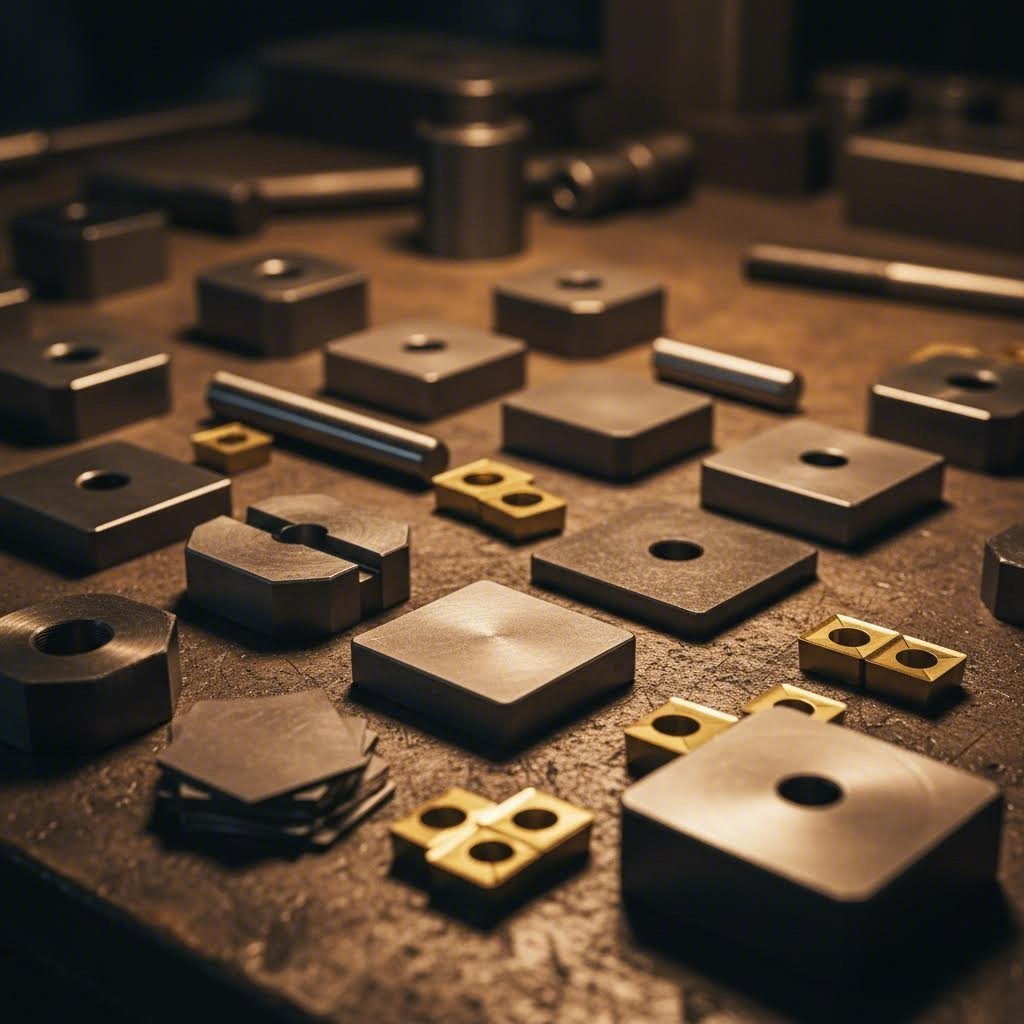
Quan l'acer per a eines simplement no és suficient, entra en escena el carburs. Els components de carburs de tungstè poden durar fins a 10 vegades més que l'acer per a eines en aplicacions exigents, el que els converteix en essencials per a la producció d’ultra-alts volums, malgrat els costos inicials més elevats.
On tenen sentit les plaquetes de carburs en les matrius per a xapa metàl·lica?
- Vores de tall en matrius progressius: En la producció de milions de peces, els punxons i botons de matriu de carburs redueixen dràsticament la freqüència de manteniment.
- Materials altament abrasius: L’estampació d’acer inoxidable, d’acer per a molles o d’acer silici acceleren el desgast de l’acer per a eines. El carburs resisteix aquesta abrasió molt més temps.
- Aplicacions amb toleràncies estretes: L’estabilitat dimensional del carburs implica menys derivació al llarg de les sèries de producció, cosa que permet mantenir les toleràncies crítiques durant més temps.
L’inconvenient? El carburs és fràgil. En aplicacions que impliquin càrregues laterals o impactes, els components de carburs poden esquerdar-se on l’acer per a eines només es deformaria. Un disseny adequat de la matriu aprofita els avantatges del carburs i, al mateix temps, el protegeix de la seva vulnerabilitat als xocs.
Marc de decisió en la selecció de materials
Triar entre aquestes opcions requereix avaluar quatre factors clau:
- Volum de producció: Volums més elevats justifiquen materials més durs i resistents a l’abrasió, malgrat l’augment de cost.
- Material que es estampa: Els materials abrasius o d’alta resistència exigeixen una resistència superior a l’abrasió.
- Requisits de tolerància: Toleràncies més estretes prefereixen materials amb major estabilitat dimensional.
- Restriccions de Pressupost: Equilibrar el cost inicial de les eines amb les despeses a llarg termini de manteniment i substitució.
La taula següent ofereix una comparació directa per orientar les vostres converses sobre materials amb els proveïdors:
| Material | Duresa (HRC) | Resistència al desgast | Resistència | Nivell de cost | Millors aplicacions |
|---|---|---|---|---|---|
| Acer per a eines D2 | 58-62 | Excel·lent. | Baixa-Moderada | Moderat | Operacions de tall per estampació, perforació i tall d’alta desgast |
| Acer per eines A2 | 55-62 | Bo | Moderat | Moderat | Punxons d’ús general, matrius de conformació, eines polivalents |
| S7 Acer d'eina | 54-58 | Moderat | Excel·lent. | Moderat | Aplicacions amb impacte, estampació pesada, materials gruixuts |
| M2 high-speed steel | 60-65 | Molt bo | Moderat | Moderat-Alta | Operacions a alta velocitat, aplicacions que generen calor |
| Carbúr de tungstè | 70+ (convertit) | Excel·lent | Molt baixa (fràgil) | Alt | Volum ultraelevat, materials abrasius, punts crítics de desgast |
Fixeu-vos que cap material únic destaca en totes les categories. La tria òptima depèn dels requisits concrets de la vostra aplicació. En revisar els pressupostos de diferents fabricants d’estampes, pregunteu específicament quins materials especifiquen per als components crítics. Les diferències de preu sovint es remunten a les decisions sobre materials, que afecten directament els vostres costos de producció a llarg termini.
La selecció del material representa només una peça del trencaclosques de la precisió. És igualment important comprendre les capacitats de tolerància que aquests materials permeten i saber especificar correctament els vostres requisits quan demaneu pressupostos.
Normes de precisió i especificacions de toleràncies
Quan demaneu pressupostos a fabricants de motlles d’estampació, les especificacions de toleràncies sovint es converteixen en la conversa que distingeix els compradors ben informats d’aquells que posteriorment es troben sorpresos pels costos. Les toleràncies estretes sonen impressionants sobre el paper, però realment les necessiteu? I què passa amb el vostre pressupost quan especifiqueu una precisió excessiva que la vostra aplicació no requereix?
Això és el que entenen els enginyers experimentats: les capacitats dels motlles i de l’estampació de precisió han avançat de manera espectacular, però les toleràncies més estretes comporten sempre un cost addicional. La clau consisteix a ajustar les vostres especificacions als requisits funcionals reals: ni més, ni menys. Explorarem què és assolible i com comunicar de forma efectiva les vostres necessitats.
Toleràncies assolibles en la fabricació moderna de motlles
Les tecnologies modernes de matrius de precisió permeten als fabricants de matrius d'estampació mantenir límits dimensionals sorprenentment ajustats. Les toleràncies habituals per a l'estampació de xapa metàl·lica són adequades per a aplicacions quotidianes, però els projectes crítics exigeixen valors més ajustats. Aleshores, quins valors cal esperar?
Per a aplicacions d’alta precisió, es poden assolir toleràncies de ±0,001 polzades (±0,025 mm) o fins i tot més ajustades en dimensions crítiques. No obstant això, aquestes capacitats comporten determinades condicions. Les propietats del material, la geometria de la peça i el tipus de matriu influeixen tots en allò que és realment assolible.
Tingueu en compte com afecten la precisió assolible diferents factors:
- Característiques del material: Els materials dúctils, com l’alumini i el coure, s’estampen de forma més previsible que els acers d’alta resistència. Els materials amb una resistència a la tracció més elevada resisteixen la deformació, però requereixen una força major, cosa que pot afectar la consistència dimensional.
- Complexitat de la peça: Els plans simples sense conformació mantenen toleràncies més ajustades que les peces que necessiten diverses operacions de conformació. Cada doblegament, estirat o conformació introdueix variables que poden acumular-se.
- Tipus de motlle: Les estampades progressives mantenen una excel·lent consistència perquè totes les operacions es duen a terme en un sol muntatge. Les transferències d’operacions entre estampes separades introdueixen una acumulació addicional de toleràncies.
- Volum de producció: L’estampació metàl·lica a alta velocitat, a més de 1.000 cops per minut, genera calor i desgast de les eines, el que afecta progressivament les dimensions. Els protocols de monitorització i ajust esdevenen essencials per mantenir les toleràncies durant execucions prolongades.
I què passa amb característiques concretes? En aplicacions d’alta precisió, les dimensions dels forats i els perfils de les vores en operacions d’estampació i estampat precís solen assolir una tolerància de ±0,002 polzades. No obstant això, les toleràncies poden relaxar-se segons l’escorça del material, la direcció del gra i la proximitat respecte a les característiques formades. Per exemple, els forats prop de les línies de doblegat poden desplaçar-se lleugerament durant les operacions de conformació.
Les toleràncies normals existeixen per una bona raó: representen el punt òptim on l’eficiència de fabricació coincideix amb els requisits funcionals. Especificar toleràncies massa exigents no millora les peces; només les fa més cares.
Com especificar els requisits de precisió
Comunicar de manera efectiva els requisits de tolerància evita malentesos que poden provocar la rebutjació de peces o pressupostos inflats. Quan prepareu la vostra documentació de sol·licitud de pressupost (RFQ), la claredat es converteix en el vostre recurs més valuós.
La relació entre els requisits de tolerància i el cost segueix un patró previsible: estretar les toleràncies per sobre dels nivells habituals requereix controls de procés addicionals, inspeccions més freqüents, velocitats de producció més lentes i materials d'eines de qualitat superior. Cada pas incrementa els costos. Les operacions d'estampació a alta velocitat esdevenen menys viables a mesura que augmenten les exigències de tolerància, ja que la velocitat i la precisió extrema rarament coexisteixen de forma econòmica.
Seguiu aquestes bones pràctiques d'especificació per comunicar-vos de manera efectiva amb els fabricants de motlles d'estampació:
- Identifiqueu les dimensions realment crítiques: No totes les dimensions de la vostra peça necessiten toleràncies ajustades. Les superfícies funcionals que s'acobliran a altres components requereixen precisió. Les zones no crítiques poden acceptar toleràncies habituals, reduint així el cost total.
- Utilitzeu la GD&T quan sigui adequat: La tolerància geomètrica i dimensional proporciona un llenguatge precís per comunicar requisits complexos. Les toleràncies de posició, les indicacions de planitat i les especificacions de perfil eliminen qualsevol ambigüitat.
- Especifiqueu clarament els referencials: Les mesures necessiten punts de referència. Definiu quines superfícies estableneixen l’estructura de referencials, de manera que els fabricants sàpiguen com muntar les peces per a la inspecció.
- Inclou les especificacions del material: Les capacitats de tolerància varien segons el material. Especifiqueu l’aliatge i el tractament exactes que requereixen, perquè els fabricants puguin oferir una precisió assolible.
- Indiqueu el volum de producció: Una tolerància fàcil de mantenir per a 10.000 peces pot resultar difícil d’assolir en un lot de 10 milions. Les previsions de volum ajuden els fabricants a avaluar els requisits de capacitat del procés.
- Distingiu entre dimensions crítiques i dimensions de referència: Marqueu explícitament les dimensions realment crítiques. Les dimensions de referència orienten la fabricació, però no requereixen una inspecció formal.
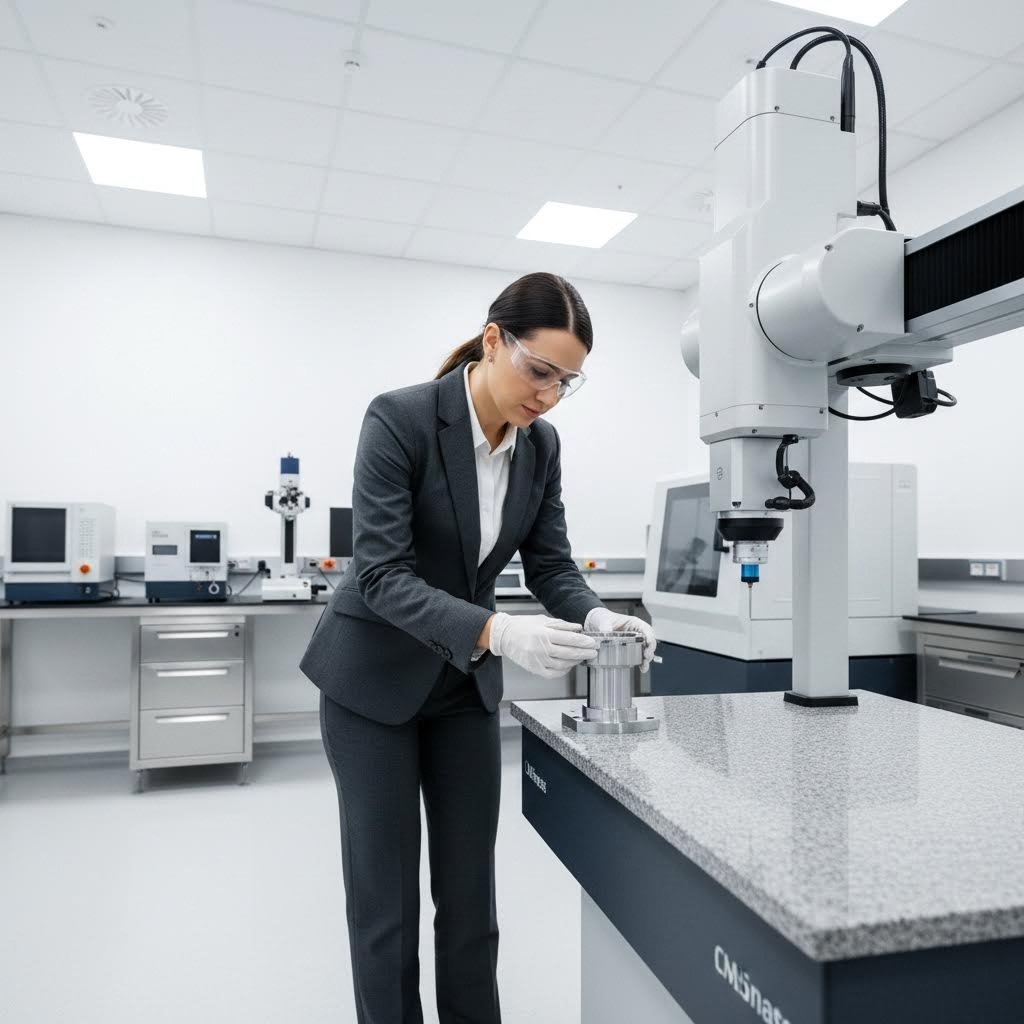
Els factors ambientals també influeixen en els resultats de precisió. Les fluctuacions de temperatura provoquen l’expansió i la contracció dels materials, afectant les mesures. La humitat afecta el rendiment de la lubricació i pot contribuir a la corrosió durant el procés. Els fabricants que mantenen entorns controlats demostren un compromís amb la coherència dels resultats, un factor que val la pena tenir en compte quan s’avaluen possibles proveïdors.
Comprendre aquests fonaments de toleràncies us posiciona per mantenir converses productives amb qualsevol fabricant d’estampades. Reconèixeríeu quan les toleràncies citades coincideixen amb les vostres necessitats reals i quan podrieu estar pagant una precisió innecessària. Encara més important, sabríeu quines són les preguntes adequades a fer quan les especificacions i els preus no semblen coincidir.
Les capacitats de tolerància representen només una dimensió de la qualificació del fabricant. Igualment importants són les certificacions específiques del sector i les normes de qualitat que validen la capacitat d’un proveïdor per complir els requisits únics del vostre sector.
Aplicacions i requisits de certificació específics del sector
No tots els fabricants de matrius d’estampació operen al mateix nivell —i les certificacions sectorials revelen aquesta realitat molt més ràpidament que qualsevol presentació comercial. Quan les vostres matrius d’estampació per a l’automoció han de complir les especificacions dels fabricants d’equipaments originals (OEM), quan els vostres components mèdics entren en contacte amb teixits humans o quan les vostres peces aeroespacials han de suportar condicions extremes, l’«amanida de lletres» de certificacions de sobte adquireix una importància fonamental. Però quines certificacions indiquen realment una capacitat efectiva, i quines són només expectatives bàsiques?
Diferents sectors industrials imposen requisits distints als fabricants de motlles, i comprendre aquestes diferències us ajuda a identificar proveïdors realment qualificats per a la vostra aplicació específica. Analitzem què exigeix cadascun dels principals sectors i com avaluar si un fabricant pot realment complir les vostres necessitats.
Requisits dels motlles per a l’automoció i normes dels fabricants d’equipament original (OEM)
El sector de l’automoció genera una demanda de motlles d’estampació superior a la de qualsevol altre sector, i els seus requisits reflecteixen dècades d’optimització de la cadena d’aprovisionament. Quan necessiteu capacitats personalitzades d’estampació metàl·lica per a l’automoció, el marc de certificacions es centra en un estàndard fonamental: IATF 16949 .
L’IATF 16949 es basa en la fundació de l’ISO 9001, però hi afegeix requisits específics per al sector de l’automoció que distingeixen els proveïdors competents dels que no ho són. Aquesta certificació exigeix la planificació avançada de la qualitat del producte (APQP), els processos d’aprovació de peces de producció (PPAP) i els protocols de control estadístic de processos que els fabricants d’equipament original (OEM) requereixen de tots els nivells de la seva cadena d’aprovisionament.
Què significa això pràcticament per als vostres projectes d'eines d'estampació per a l'automoció?
- Capacitat de procés documentada: Els fabricants han de demostrar que els seus processos poden assolir de forma consistent les toleràncies especificades, no només assolir-les ocasionalment.
- Enfocament en accions preventives: En lloc de reaccionar davant de defectes, la norma IATF 16949 exigeix la identificació i eliminació proactiva dels possibles modes de fallada.
- Sistemes de traçabilitat: Cada component, lot de material i paràmetre de procés ha de ser traçable durant tot el flux de treball d'estampació progressiva de components automotrius.
- Indicadors d' millora contínua: Els fabricants d'equipaments originals (OEM) esperen millores mesurables d'any a any en qualitat, lliurament i rendiment de costos.
Les estampacions metàl·liques de precisió progressiva per a aplicacions automotrius exigeixen més que una simple capacitat d’usinatge bàsica. Els fabricants d’equipament original (OEM) moderns esperen que els proveïdors facin servir la simulació per ordinador assistida per enginyeria (CAE) durant el disseny dels motlles, preveient el flux de material, la compensació de la recuperació elàstica (spring-back) i possibles problemes de conformació abans de tallar qualsevol acer. Aquest enfocament basat en la simulació redueix dràsticament el nombre d’iteracions durant les proves i accelera el temps fins a la producció.
Els fabricants que invertixen en aquestes capacitats d’enginyeria avançades assolen sistemàticament índexs més elevats d’aprovació a la primera prova —alguns arriben al 93 % o més—, el que es tradueix directament en llançaments de programa més ràpids i costos de desenvolupament reduïts. Per obtenir una visió completa de les solucions per a motlles d’estampació automotriu que combinen la certificació IATF 16949 amb capacitats avançades de simulació, exploreu els recursos especialitzats d’estampació automotriu disponibles als fabricants qualificats.
Exigències de precisió mèdiques i aerospacials
Si els requisits automotius semblen rigorosos, les aplicacions mèdiques i aeroespacials eleven encara més la barra. La seguretat dels pacients i el rendiment crític per al vol no deixen cap espai per a compromisos.
Fabricació de dispositius mèdics (ISO 13485)
El compliment normatiu dels dispositius mèdics exigeix que els fabricants implementin sistemes de qualitat específicament dissenyats per a aplicacions sanitàries. Segons les orientacions sectorials de la NSF , la norma ISO 13485 fa èmfasi en el compliment normatiu i la gestió del risc per garantir la seguretat i l’eficàcia dels dispositius mèdics.
Les principals diferències respecte a les certificacions generals de fabricació inclouen:
- Integració de la gestió del risc: La norma ISO 13485 exigeix l’avaluació del risc en tots els processos del sistema de qualitat, amb accions preventives com a entrades obligatòries en les revisions de direcció.
- Traçabilitat millorada: Els components de dispositius implantables requereixen sistemes de traçabilitat molt més exigents que els requisits habituals de fabricació.
- Protocols de salut del personal: Les mesures de control de la contaminació i els procediments d’higiene del personal es converteixen en obligatoris.
- Vigilància postcomercialització: Sistemes per recollir dades de camp, investigar reclamacions i notificar esdeveniments adversos a les autoritats reguladores.
Els fabricants de motlles d’estampació que donen servei a empreses de dispositius mèdics han d’entendre que els requisits de documentació són més prescriptius que en altres sectors. Els fitxers d’història de disseny, els registres mestres de dispositius i els registres d’història de dispositius configuren una traça documental exhaustiva que els reguladors esperen revisar.
Aplicacions aeroespacials (AS9100)
La certificació aeroespacial segons l’AS9100 respon als requisits específics dels components crítics per al vol. Aquesta norma incorpora els requisits de la ISO 9001 i hi afegeix controls específics per al sector aeroespacial en relació amb:
- Gestió de configuració: Un control rigorós dels canvis de disseny i de la seva documentació.
- Inspecció del primer article: Una verificació exhaustiva que els processos de producció poden generar sistemàticament peces conformes.
- Controls de processos especials: Supervisió millorada del tractament tèrmic, l'acabat superficial i altres operacions crítiques.
- Prevenció de peces falsificades: Sistemes per evitar que materials no aprovats entrin a la cadena d’aprovisionament.
Les estampacions de precisió ITD per a l’aeroespacial sovint requereixen materials com aliatges de titani i qualitats especialitzades d’alumini que exigeixen una expertesa més enllà de l’estampació estàndard d’acer. Els fabricants han de demostrar protocols de manipulació de materials, sistemes de traçabilitat i capacitats d’assaig específics per a aquests materials exigents.
Requisits de certificació per sector
Quan s’avaluïn fabricants d’estrínxers d’estampació, utilitzeu aquest marc per identificar les expectatives mínimes de certificació:
-
Cadena d’aprovisionament de fabricants d’automòbils:
- IATF 16949 (obligatori per als proveïdors directes dels OEM)
- ISO 9001 (mínim per als proveïdors de nivell inferior)
- Requisits específics del client (Ford Q1, GM BIQS, etc.)
-
Components de dispositius mèdics:
- ISO 13485 (essencial per accedir al mercat)
- Conformitat amb la norma FDA 21 CFR Part 820 (per al mercat nord-americà)
- Capacitat per treballar en sales netes (per a determinades classes de dispositius)
-
Aeroespacial i Defensa:
- AS9100 (requisit estàndard)
- Acreditació Nadcap (per a processos especials)
- Conformitat amb la normativa ITAR (per a aplicacions de defensa)
-
Electrònica i indústria general:
- ISO 9001 (expectativa bàsica)
- Els requisits específics del sector varien segons el client
- Conformitat amb RoHS/REACH per als mercats aplicables
Les certificacions proporcionen una qualificació bàsica, però no garanteixen el rendiment. Segons assenyalen experts en cadenes d’aprovisionament, les certificacions de normes de qualitat, com les concedides per l’ISO, representen una de les maneres més senzilles d’identificar l’assessoria en matèria de qualitat; tanmateix, la conseguida en termini, els equips experimentats i les capacitats de servei al client són igualment importants.
Quan demaneu pressupostos, pregunteu als proveïdors potencials no només sobre les seves certificacions, sinó també sobre la seva experiència real en el vostre sector concret. Un fabricant que disposa de la certificació ISO 13485 des de fa cinc anys i que té desenes de clients de dispositius mèdics ofereix una garantia diferent d’un altre que acaba d’obtenir la certificació i té una història mínima en projectes mèdics.
Comprendre els requisits de certificació us ajuda a filtrar ràpidament els proveïdors qualificats. Tanmateix, les certificacions no apareixen en les factures: els factors de cost sí que hi apareixen. Analitzem quins són, efectivament, els factors que determinen el preu dels motlles d’estampació i com avaluar de forma intel·ligent els pressupostos.
Factors de cost i com avaluar els pressupostos dels fabricants
Aquí teniu la veritat incòmoda que la majoria de fabricants d'estampes eviten discutir obertament: aquell pressupost de 50.000 $ que teniu sobre la vostra taula pot ser una bona oferta, o pot ser un robatori descarat. El problema? Sense entendre què determina realment el cost de les estampes, no podeu distingir-ne la diferència. Dos pressupostos per a eines aparentment idèntiques poden variar en un 50 % o més, i tots dos proveïdors podrien estar fent una valoració justa segons els seus mètodes.
L’economia de l’estampació amb motlles funciona de manera diferent de la majoria de productes fabricats. La vostra inversió inicial en eines només representa una peça d’un quadre financer molt més ampli que es desenvolupa durant anys de producció. Tirem el vel i analitzem què determina realment els preus i com avaluar els pressupostos com un professional experimentat del sector.
Factors clau que influeixen en el cost de fabricació de matrius
Quan els fabricants de motlles d'estampació calculen el vostre pressupost, tenen en compte múltiples factors que interactuen de forma complexa. Comprendre aquests factors us ajuda a reconèixer on es troba el vostre projecte en l'espectre de costos i on podrieu tenir capacitat d'actuació per optimitzar-lo.
Complexitat i intracícia del disseny
La geometria de la peça afecta directament els costos dels motlles d'estampació més que qualsevol altre factor. Les operacions senzilles de tall requereixen motlles senzills, mentre que les peces amb múltiples doblecs, formes i detalls ajustats exigeixen motlles progressius amb nombroses estacions. Segons anàlisi industrial de costos , cada característica addicional —forats, ranures, detalls en relleu o pestanyes formades— afegeix complexitat al disseny del motlle, accelera el desgast del motlle i augmenta els costos de manteniment.
Tingueu en compte com la complexitat es multiplica a través del vostre disseny:
- Nombre d'operacions: Cada pas de conformació, perforació o doblec requereix estacions de motlle especialitzades, el que augmenta la mida del motlle i les hores d'enginyeria.
- Dificultat geomètrica: Les corbes complexes, les cantonades interiors agudes i les extrusions profundes requereixen una mecanització més sofisticada i períodes d’assaig més llargs.
- Acumulació de toleràncies: Les peces amb múltiples dimensions crítiques en relació les unes amb les altres exigeixen enginyeria de precisió que no és necessària en peces senzilles.
Mida física i requisits de la premsa
Els motlles més grans requereixen més matèria primera, temps de mecanització més llargs i premses més grans, tot el qual fa pujar els costos. Un motlle d’estampació per a un petit connector elèctric pot caber a la mà, mentre que els motlles per a panells de carrosseria d’automòbil poden arribar a pesar diversos tons. A més dels costos de material, la grandària excessiva de les eines limita quins fabricants poden fer-nos una oferta per al vostre projecte, cosa que pot reduir la pressió competitiva.
Impacte de la selecció del material
Com s’ha analitzat anteriorment en la nostra discussió sobre les acerades per a eines, els materials dels components de les motlles afecten significativament el preu. Les acerades estàndard són menys cares que les qualitats premium, i les plaquetes de carburs per a zones d’alta desgast suposen un increment substancial del cost. Però aquí hi ha el compromís que molts compradors passen per alt: els materials més econòmics sovint comporten una manteniment més freqüent i una substitució més precoç de la motlla, cosa que pot suposar un cost superior al llarg de la vida útil de la vostra producció.
Requisits de Tolerància
Recorda la nostra discussió sobre la precisió? Aquestes especificacions de toleràncies repercutiran directament en la vostra cartera. Les eines per a estampació de metalls capaces de mantenir una tolerància de ±0,001" requereixen una mecanització més precisa, passos addicionals d’inspecció i components premium, comparades amb les capacitats estàndard de ±0,005". Abans d’especificar toleràncies ajustades, pregunteu-vos: la meva aplicació requereix realment aquesta precisió?
Expectatives de volum de producció
Aquí és on l’economia de l’estampació esdevé realment interessant. Volums previstos més elevats justifiquen la construcció de matrius més robustes —i, per tant, més cares—. Una matriu destinada a fabricar 100.000 peces anualment requereix una enginyeria diferent de la d’una matriu pensada per produir 10 milions de peces. Els proveïdors tenen en compte la vida útil prevista de l’eina en les seves decisions sobre materials, provisions de manteniment i enfocament general de disseny.
Pressió sobre el temps de lliurament
Els terminis habituals de 8 a 12 setmanes permeten als fabricants planificar eficientment i evitar costos addicionals. Comandes urgents? Espereu sobrecàrregues del 15 al 25 % per una acceleració moderada, que poden arribar al 50 % o més en casos d’emergència real. Planificar amb antelació equival, literalment, a estalviar diners.
Avaluació de pressupostos de diversos fabricants
Heu recollit tres pressupostos per al vostre projecte de matriu d’estampació. Els preus oscil·len entre 35.000 $ i 65.000 $. Com podeu interpretar aquesta franja de preus? Comenceu reconeixent que no esteu comparant coses equivalents llevat que investigueu més a fons.
Això és el que heu d’analitzar quan avaluem els pressupostos:
- Especificacions de l’eina: Quines qualitats d'acer per a eines s'especifiquen? Es poden substituir els components d'ús? S'inclou carburs on correspon?
- Vida útil esperada de l'eina: Quants components ha de produir aquest motló abans del manteniment important? Els motlons de qualitat poden superar el milió de cicles abans d'haver de fer una reconstrucció significativa.
- Serveis inclosos: L'oferta inclou la prova, la inspecció de la primera peça i les peces mostres? Si no s'inclouen, poden suposar un cost addicional considerable.
- Termes de la garantia: Quins defectes o problemes de rendiment garanteix el fabricant?
- Disposicions sobre el manteniment: S'inclouen peces de recanvi per a components d'ús? Quin és el pla previst de manteniment?
- Costos ocults: S'inclouen l'enviament, l'embalatge, les modificacions d'enginyeria i el suport a la producció, o són costos addicionals?
La relació entre el cost inicial del motlle i l’economia a llarg termini per peça mereix una atenció especial. Un motlle que costa 50.000 $ i que produeix peces a 0,50 $ cadascuna pot oferir un valor total millor que un motlle de 35.000 $ que produeix peces a 0,60 $ cadascuna, especialment en volums alts. Calculeu-ho segons la quantitat de producció prevista abans de centrar-vos únicament en el preu de les eines.
Preguntes que cal fer a cada proveïdor
Armeu-vos amb aquestes preguntes quan reviseu les ofertes dels fabricants de motlles d’estampació:
- Quines qualitats d’acer per a eines especifiqueu per als punxons i els components del motlle?
- Quants cicles hauria de durar aquest motlle abans de necessitar una manteniment important?
- Quina és la vostra taxa d’aprovació a la primera prova en motlles d’una complexitat similar?
- Els costos de proves inicials i les peces mostres estan inclosos en aquesta oferta?
- Quin suport d’enginyeria ofereixeu durant la fase de pujada de producció?
- Com gestionau els canvis de disseny després que comenci la construcció de les eines?
- Quins components de recanvi recomaneu tenir disponibles?
Atenció als senyals d'alerta: uns preus extremadament baixos poden indicar requisits mal interpretats, una inversió inadequada en eines o manca d'experiència amb la vostra aplicació. Com assenyalen professionals experimentats del sector, intentar reduir costos en eines i disseny de motlles sovint acaba sent contraproduent, provocant problemes de producció, defectes de qualitat i fallades prematures de les eines.
El punt òptim per a la inversió en la fabricació de motlles equilibra el cost inicial amb l’eficiència de producció, les necessitats de manteniment i la vida útil prevista de l’eina. Quan es coneix la imatge completa dels costos, es poden prendre decisions que optimitzin el valor total, en lloc de limitar-se a buscar la oferta més econòmica.
Un cop establerts els fonaments dels costos, esteu preparats per aplicar aquest coneixement de manera pràctica: començant per saber com preparar-vos per a una col·laboració exitosa amb el fabricant triat.

Col·laborar amb èxit amb fabricants de motlles d'estampació
Heu avaluat les ofertes, entès els factors que determinen el cost i identificat fabricants qualificats de motlles progressius per al vostre projecte. Ara arriba la fase que diferencia els llançaments fluents dels retards frustrants: treballar efectivament amb el proveïdor escollit. La qualitat de la vostra col·laboració afecta directament el rendiment de les eines, el compliment del calendari i, en última instància, l’èxit de la vostra producció.
Considereu la vostra relació amb un fabricant de motlles d’estampació com una associació més que com una transacció. Els projectes més exitosos es caracteritzen per la participació precoç d’enginyers, una documentació clara i una comunicació constant durant tot el procés de desenvolupament. Analitzem exactament què heu de preparar i com col·laborar de manera eficaç des del primer contacte fins a l’aprovació de la producció.
Preparació del paquet de sol·licitud de pressupost
Abans de posar-vos en contacte amb qualsevol proveïdor de matrius progressius i estampació, invertiu temps en preparar un paquet complet de sol·licitud de pressupost. Les sol·licituds de pressupost incompletes donen lloc a pressupostos inexactes, malentesos sobre l'abast del projecte i retards que frustraran tothom implicat. Quina documentació ha d'incloure el vostre paquet?
Seguiu aquesta llista de comprovació per preparar un paquet complet de sol·licitud de pressupost:
- Fitxers CAD definitius: Proporcioneu models 3D en formats universalment acceptats (STEP, IGES o fitxers CAD nadius). Inclou la versió actual i confirmeu que representa la geometria alliberada o gairebé definitiva.
- Dibuixos 2D detallats amb GD&T: Els dibuixos han d’indicar clarament les dimensions crítiques, les toleràncies, l’estructura de referències i els requisits d’acabat superficial. Tal com especifiquen les principals normes OEM per a eines, els proveïdors han d’obtenir les dades alliberades amb el GD&T adequat abans de dissenyar i fabricar les eines.
- Especificacions del material: Indiqueu exactament l’aliatge, l’estat de temple, el gruix i qualsevol requisit de revestiment. Les propietats del material tenen un impacte significatiu en el disseny de la matriu i en les toleràncies assolibles.
- Previsions de volum anual: Compartiu expectatives realistes sobre el volum al llarg de la durada del programa. Les estampacions d’alt volum justifiquen inversions diferents en eines que les aplicacions de baix volum.
- Preu objectiu: Si teniu restriccions pressupostàries, comuniqueu-les des del principi. Això ajuda els proveïdors a suggerir modificacions de disseny o alternatives que s’ajustin a la vostra situació econòmica.
- Requisits de cronograma: Especifiqueu les vostres dates objectiu per a la finalització de les eines, la recepció de les primeres mostres i l’inici de la producció. Indiqueu qualsevol termini improrrogable derivat de llançaments de clients o finestres de mercat.
- Requisits de qualitat i certificació: Identifiqueu les normes aplicables (IATF 16949, ISO 13485, etc.) i qualsevol requisit específic del client que calgui complir.
- Operacions secundàries: Lliste les necessitats posteriors a l’estampació —soldadura, galvanització, tractament tèrmic— que podrien influir en les decisions de disseny de les motlles.
Faltar-ne només un d’aquests elements obliga els proveïdors a fer suposicions que podrien no coincidir amb les vostres expectatives. Una documentació completa permet obtenir pressupostos precisos i evita sorpreses costoses durant el desenvolupament.
Millors pràctiques de col·laboració per a projectes exitosos
Un cop hàgiu seleccionat la vostra eina d’estampació i el vostre matriu associada, comença el treball real. La manera en què col·laboreu durant les fases de disseny, fabricació i proves determina si la vostra eina entra en funcionament sense problemes o si pateix una fase prolongada de depuració.
Implicació precoç de l’enginyeria
L’error més greu que cometem els compradors? Esperar que els dissenys estiguin tancats abans d’involucrar el fabricant de matrius. Una implicació precoç de l’enginyeria —durant la vostra fase de disseny de producte— obre possibilitats que desapareixen un cop la geometria queda definitiva.
Segons millors pràctiques de disseny per a la fabricabilitat comprendre com respon la xapa metàl·lica als processos de conformació hauria de guiar les vostres decisions de disseny. Característiques com els radis de doblegament, la ubicació dels forats respecte als doblecs i les consideracions sobre la direcció del gra influeixen tant en la qualitat de la peça com en la complexitat de l’eina.
Els enginyers experimentats en eines de troquelat progressiu poden identificar simplificacions que redueixen el cost de les eines sense comprometre la funció de la peça. Detectaran possibles reptes en la conformació, recomanaran característiques d’alleujament que evitin esquerdes i suggeriran ajustos de toleràncies quan les especificacions superin els requisits funcionals. Aquest enfocament col·laboratiu —de vegades anomenat enginyeria concurrent— normalment redueix tant el cost de les eines com el temps de desenvolupament.
Els fabricants que ofereixen capacitats de prototipatge ràpid —alguns dels quals lliuren peces mostres en tan sols 5 dies— permeten validar el disseny abans de comprometre’s amb les eines de producció. Aquest enfocament iteratiu detecta problemes de forma precoç, quan les correccions tenen un cost de centenes, i no de milers, d’euros.
Estableix Protocols de Comunicació Clars
Definiu com flueix la informació entre la vostra organització i el proveïdor d’estampació metàl·lica progressiva:
- Designeu contactes principals: Ambdós costats han de tenir punts de contacte clars per a preguntes tècniques, assumptes comercials i actualitzacions de calendari.
- Establiu la freqüència de les comunicacions sobre l’evolució: Les actualitzacions setmanals durant les fases actives de construcció mantenen els projectes al ritme previst i posen de manifest els problemes abans que es converteixin en crises.
- Documenteu totes les decisions: Les confirmacions per correu electrònic dels acords verbals eviten malentesos. Els canvis d’àmbit, cronograma o especificacions requereixen una acceptació per escrit.
- Participeu en les revisions de disseny: Els estàndards d’eines de l’OEM normalment exigeixen la conformitat del proveïdor en les fases del 0 % (disposició de la tira) i del 50 % (disseny de l’eina). Preneu aquestes revisions seriosament: detectar problemes en el disseny CAD és molt menys costós que descobrir-los en acer endurit.
Comprendre les expectatives realistes sobre els terminis
Les estampadores progressius complexes solen requerir entre 12 i 16 setmanes des de la comanda fins a l’eina preparada per a la producció. Aquest termini inclou el disseny, l’adquisició de materials, la mecanització, el tractament tèrmic, el muntatge, les proves i la validació. Accelerar qualsevol etapa introdueix riscos que es van acumulant en les etapes posteriors.
Què provoca les variacions del termini?
- Complexitat del motlle: Més estacions signifiquen més components a dissenyar, mecanitzar i ajustar.
- Disponibilitat del material: Les acereries especialitzades poden requerir plazos de subministrament prolongats.
- Iteracions de prova: Les primeres mostres rarament aconsegueixen la perfecció. Planifiqueu entre 2 i 3 cicles d’assaig per optimitzar els paràmetres de conformació i ajustar amb precisió el temps.
- Processos d’aprovació: Els vostres requisits interns de PPAP i les presentacions al client allarguen el termini més enllà de la finalització física de les eines.
Els equips d’enginyeria que aprofiten serveis completos de disseny d’emmotlladors i simulacions CAE redueixen sistemàticament els cicles de desenvolupament, ja que identifiquen i resolen problemes abans de començar els assaigs. Aquest enfocament basat en la simulació —combinat amb l’expertesa en eines econòmiques adaptades als estàndards dels fabricants d’equips originals (OEM)— permet una posada en producció més ràpida i taxes més elevades d’aprovació a la primera prova. Per a projectes que exigeixen terminis accelerats i una qualitat rigorosa, exploreu el conjunt complet de capacitats de disseny i fabricació ofertes pels fabricants especialitzats en aplicacions automotrius.
Planifiqueu el suport a la producció
La vostra relació amb els fabricants de matrius progressius no hauria d’acabar amb l’enviament de la matriu. Establiu les expectatives respecte al suport continu:
- Formació: El proveïdor formarà els operaris de les vostres premses en la manipulació i configuració adequades de la matriu?
- Components de recanvi: Quins elements d’desgast cal que emmagatzemeu a l’instal·lació per minimitzar les parades?
- Plans de manteniment preventiu: Quins intervals i procediments garantiran el rendiment òptim de les vostres matrius?
- Suport per a canvis d’enginyeria: Com es gestionaran les modificacions de disseny un cop comenci la producció?
Les millors col·laboracions tracten les matrius com un actiu a llarg termini que requereix atenció contínua, i no com una adquisició puntual. Els proveïdors que garanteixen la seva feina amb garanties de per vida i ofereixen un servei àgil demostren confiança en el seu ofici i compromís amb el vostre èxit productiu.
Dotat d'aquestes estratègies de preparació i pràctiques de col·laboració, esteu en una posició òptima per treballar eficaçment amb qualsevol fabricant qualificat de matrius d'estampació. Els coneixements que heu adquirit mitjançant aquesta guia —des dels tipus de matrius i materials fins als ajustos, certificacions i factors de cost— us transformen d'un comprador passiu en un soci informat capaç d'impulsar projectes d'eines exitosos des del concepte fins a la producció.
Preguntes freqüents sobre fabricants de matrius d'estampació
1. Què és una matriu en la fabricació i com funciona?
Un motlle d'estampació és una eina dissenyada amb precisió que transforma làmines planes de metall en components tridimensionals mitjançant una força controlada. Es compon de dues parts principals: un punxó i una cavitat del motlle. Quan una premsa fa descarregar el punxó sobre la làmina metàl·lica col·locada sobre la cavitat del motlle, el material adopta exactament la forma dissenyada a l'eina. Aquestes eines permeten als fabricants produir components de gran volum i alta precisió amb una consistència remarcable, amb toleràncies que sovint es mesuren en mil·lèsimes de polzada.
2. Quins són els diferents tipus de motlles d'estampació i quan s'ha d'utilitzar cadascun d'ells?
Els quatre tipus principals de matrius inclouen les matrius progressius per a la producció en gran volum (més de 100.000 peces) amb una velocitat d’execució de 300 a més de 1.500 peces per minut; les matrius compostes per a peces planes de volum mitjà o elevat que requereixen operacions simultànies; les matrius de transferència per a geometries complexes i estampats profunds, on les fulles es desplacen entre estacions; i les matrius d’un sol cop per a prototipatge i sèries de baix volum. La selecció depèn del volum de producció, la complexitat de la peça, els requisits de tolerància i les restriccions pressupostàries.
3. Quant costen les matrius d’estampació i quins factors afecten el preu?
Els costos dels motlles d'estampació varien significativament segons la complexitat, la mida, la selecció de materials, els requisits de tolerància, les previsions de volum de producció i el termini d’entrega. Els principals factors que condicionen el cost són el nombre d’operacions de conformació, la dificultat geomètrica, les qualitats d’acer per a motlles especificades i la vida útil prevista del motlle. Les ofertes per a projectes similars poden variar un 50 % o més entre fabricants diferents, a causa de les diverses opcions de materials i d’enfocaments d’enginyeria. És essencial comparar sempre les especificacions tècniques dels motlles, les condicions de garantia i els serveis inclosos, en lloc de centrar-se únicament en el preu inicial.
4. Quines certificacions haurien de tenir els fabricants de motlles d’estampació?
Les certificacions requerides depenen del vostre sector. Els proveïdors d’equipament original (OEM) per a l’automoció necessiten la certificació IATF 16949, que exigeix una planificació avançada de la qualitat del producte i un control estadístic de processos. La fabricació de dispositius mèdics requereix la norma ISO 13485, amb una traçabilitat millorada i una gestió de riscos més rigorosa. Les aplicacions aeroespacials exigeixen la certificació AS9100, amb una gestió de configuració rigorosa i una inspecció de l’article inicial (first article inspection). Per a aplicacions industrials generals, normalment es requereix com a mínim la norma ISO 9001. A més, els fabricants avançats també fan servir capacitats de simulació CAE per assolir taxes més elevades d’aprovació a la primera prova.
5. Què he d’incloure a la meva sol·licitud de pressupost (RFQ) quan em poso en contacte amb fabricants de motlles d’estampació?
Un paquet complet de sol·licitud de pressupost (RFQ) hauria d'incloure fitxers CAD definitius en formats universals, dibuixos 2D detallats amb especificacions GD&T, especificacions exactes de materials, incloent aliatge i tractament tèrmic, previsions de volum anual, preus objectiu i requisits de calendari, certificacions de qualitat aplicables i qualsevol requisit d'operacions secundàries. Una documentació completa permet emetre pressupostos precisos i evita sorpreses costoses durant el desenvolupament. Implicar l'enginyeria des del principi de la fase de disseny del producte pot reduir tant els costos d'eines com el temps de desenvolupament.