 دُفعات صغيرة، معايير عالية. خدمتنا لتطوير النماذج الأولية بسرعة تجعل التحقق أسرع وأسهل —
 EN
EN


ما هو التحكم الإحصائي في العمليات (SPC)؟ دليل عملي لجودة التصنيع

باختصار
مراقبة العمليات الإحصائية (SPC) هي منهجية لإدارة الجودة تعتمد على البيانات وتُستخدم في التصنيع لمراقبة والتحكم في العمليات. وبتطبيق الأساليب الإحصائية، تساعد SPC في التمييز بين التغيرات الطبيعية في العملية والمشكلات المهمة التي تتطلب تصحيحاً. وهدفها الرئيسي هو ضمان تشغيل العمليات بكفاءة، مما يؤدي إلى منتجات ذات جودة أعلى، وانخفاض الهدر، وخفض تكاليف الإنتاج من خلال الانتقال من الفحص التفاعلي إلى الإدارة الاستباقية للجودة.
تعريف مراقبة العمليات الإحصائية (SPC)
مراقبة العمليات الإحصائية (SPC) هي تطبيق للأساليب الإحصائية لمراقبة العمليات والتحكم فيها وتحسينها في النهاية. في جوهرها، توفر مراقبة العمليات الإحصائية إطارًا لفهم سلوك العملية واتخاذ قرارات مبنية على البيانات بدلاً من الاعتماد على التخمين. وهي تعتمد على المبدأ القائل بأن كل عملية تتضمن مستوى معينًا من التباين الطبيعي. والمفتاح هو فهم هذا التباين والتفاعل فقط عند الحاجة. يساعد هذا الأسلوب الاستباقي في منع العيوب قبل حدوثها، ويضمن أن المنتج النهائي يفي باستمرار بالمواصفات.
المفهوم الأساسي في ضبط الجودة الإحصائي (SPC) هو التمييز بين نوعين من تباين العمليات: السبب العام والسبب الخاص. يشير التباين الناتج عن السبب العام إلى التقلبات الطبيعية المتأصلة داخل عملية مستقرة، أي «الضوضاء» المتوقعة التي تكون موجودة دائمًا. أما التباين الناتج عن السبب الخاص فينجم عن أحداث خارجية غير متوقعة مثل عطل في الآلة، أو دفعة معيبة من المواد الخام، أو خطأ من المشغل. صُممت أدوات ضبط الجودة الإحصائي (SPC) لاكتشاف هذه الأسباب الخاصة حتى يمكن التحقيق فيها وإزالتها، وبالتالي إرجاع العملية إلى حالة الضبط الإحصائي.
فكّر في الأمر كما لو كنت تخبز دفعة من البسكويت. حتى لو اتبعت نفس الوصفة في كل مرة، فسوف تكون هناك اختلافات طفيفة لا يمكن تجنبها - تُعرف بالاختلافات الناتجة عن أسباب شائعة - في الحجم أو اللون. ولكن، إذا نسيت فجأة إضافة السكر أو ارتفع حرارة الفرن بشكل مفاجئ وغير متوقع، فستحصل على نتيجة مختلفة جدًا وغير مرغوبة. ويُعرف هذا بالاختلاف الناتج عن سبب خاص. يعمل التحكم الإحصائي بالعمليات (SPC) كمراقب مطبخ متطور، ينبهك لارتفاع درجة حرارة الفرن حتى تتمكن من إصلاحه فورًا، بدلًا من اكتشاف أن دفعة البسكويت قد احترقت لاحقًا.
الأهمية الاستراتيجية للتحكم الإحصائي بالعمليات (SPC) في التصنيع الحديث
في البيئة التنافسية اليوم، يجب على المصنّعين التركيز على ما يمكنهم التحكم فيه: جودة وكفاءة عملياتهم. يوفّر التحكم الإحصائي في العمليات (SPC) المنهجية لتحقيق ذلك بالضبط، حيث يُعدّ تحوّلًا حاسمًا من نهج تفاعلي قائم على الكشف إلى نهج استباقي قائم على الوقاية. بدلاً من فحص المنتجات النهائية والتخلص من العيوب — وهي ممارسة مكلفة وغير فعالة — يتيح نظام SPC للفرق مراقبة العمليات في الوقت الفعلي. مما يضمن اكتشاف أي انحرافات وتصحيحها قبل أن تؤدي إلى منتجات غير مطابقة أو مخلفات أو الحاجة لإعادة العمل.
إن تنفيذ نظام SPC قوي يحقق فوائد تجارية كبيرة تؤثر بشكل مباشر على الأرباح ورضا العملاء. ومن خلال استقرار عمليات الإنتاج، يمكن للمؤسسات تحقيق إنتاج أكثر تنبؤًا وموثوقية. ووفقًا لرؤى الخبراء في القطاع من ASQ فإن هذا يؤدي إلى دورة حميدة من التحسين المستمر.
تشمل الفوائد الرئيسية لاستخدام SPC في التصنيع ما يلي:
- تقليل الفاقد والنفايات: من خلال اكتشاف التغيرات في العملية مبكرًا، يقلل التحكم الإحصائي في العمليات (SPC) من إنتاج الأجزاء المعيبة، مما يقلل مباشرة من هدر المواد والتكاليف المرتبطة بالنفايات والإعادة.
- تحسين جودة المنتج وثباته: يساعد التحكم الإحصائي في العمليات (SPC) على تقليل التباين في العملية، مما يؤدي إلى منتجات أكثر اتساقًا تحقق توقعات العملاء ومواصفات التصميم بشكل دائم.
- زيادة الكفاءة التشغيلية: العملية المستقرة والمُتحكَّم بها هي عملية فعّالة. ويقلل التحكم الإحصائي في العمليات (SPC) من الحاجة للفحص اليدوي الواسع النطاق ويقلل من تأخيرات الإنتاج، ما يزيد من الإنتاجية إلى أقصى حد.
- اتخاذ قرارات مدعومة بالبيانات: يستبدل التحكم الإحصائي في العمليات (SPC) الحدس بالأدلة الإحصائية، مما يمكن المشغلين والمديرين من اتخاذ قرارات مستنيرة لتصحيح العمليات وتحسينها.
- خفض التكاليف: يؤدي انخفاض عدد العيوب وتقليل الهدر وزيادة الكفاءة جميعها إلى توفير كبير في التكاليف وتحسين الربحية.
الأدوات والتقنيات الأساسية للتحكم الإحصائي في العمليات (SPC)
في حين أن SPC هي منهجية واسعة، تطبيقها العملي يعتمد على مجموعة من الأدوات الإحصائية القوية. الأكثر مركزية و معترف بها على نطاق واسع من هذه هي مخطط التحكم، التي طورت لأول مرة من قبل والتر شيوهارت في 1920s. مخططات التحكم هي قلب SPC ، وتوفر تمثيلًا مرئيًا لبيانات العملية بمرور الوقت. تسمح لهم بمراقبة أداء العملية في الوقت الحقيقي وتفريق سريع بين الاختلافات المشتركة والخاصة.
يعرض مخطط التحكم نقاط البيانات بين ثلاث خطوط رئيسية: خط وسطي يمثل متوسط العملية (المتوسط الحسابي)، وحدًا أعلى للتحكم (UCL)، وحدًا أدنى للتحكم (LCL). تُحسب هذه الحدود من بيانات العملية نفسها وعادة ما تمثل ثلاثة انحرافات معيارية عن المتوسط. طالما سقطت نقاط البيانات بشكل عشوائي ضمن هذه الحدود، تُعتبر العملية "تحت السيطرة الإحصائية". أما إذا سقطت نقطة خارج الحدود، أو ظهر نمط غير عشوائي داخل الحدود، فهذا يشير إلى وجود سبب خاص يتطلب تحقيقًا.
توجد أنواع مختلفة من مخططات التحكم المصممة لأنواع مختلفة من البيانات. على سبيل المثال، تُستخدم مخططات X-bar وR للبيانات القابلة للقياس والمستمرة (مثل القطر أو درجة الحرارة)، في حين تُستخدم مخططات P أو C للبيانات الوصفية (مثل عدد العيوب أو الوحدات غير المطابقة). ويعد اختيار المخطط الصحيح أمرًا بالغ الأهمية لتحليل فعّال.
بالإضافة إلى مخططات التحكم، هناك العديد من الأدوات الأخرى التي تدعم إطار ضبط الجودة الإحصائي (SPC). وتُعرف هذه الأدوات باسم أدوات الجودة السبع الأساسية، وتساعد الفرق على تحليل المشكلات الإنتاجية وحلها. وفقًا لما ورد في منظمات الجودة مثل Spotfire ، فإنها غالبًا ما تشمل:
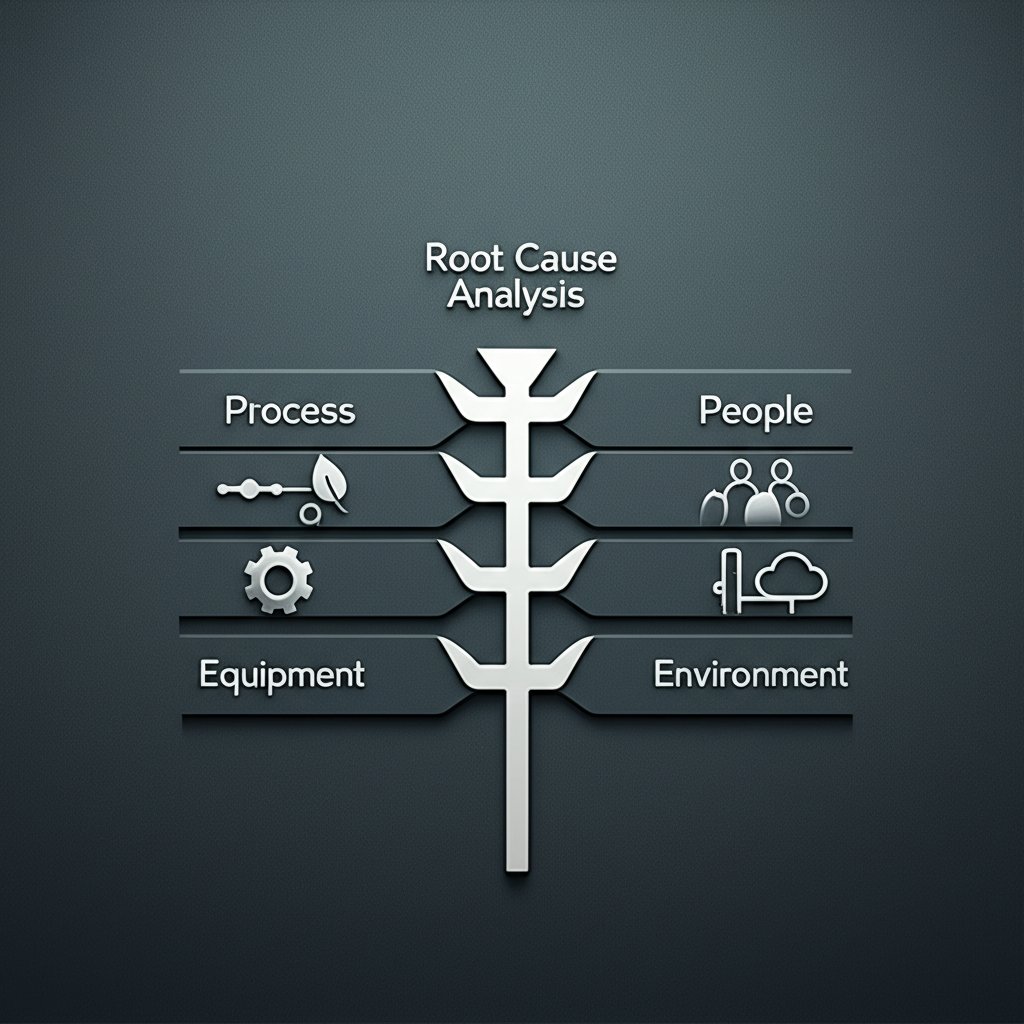
- مخططات السبب والنتيجة (مخططات العظام السمكية): أداة تُستخدم للعصف الذهني وتحديد جميع الأسباب الجذرية المحتملة لمشكلة ما.
- نماذج الفحص: نماذج بسيطة ومنظمة لجمع البيانات وتحليلها في الوقت الفعلي.
- مخططات التحكم: مخططات بيانية تُستخدم لدراسة كيفية تغير عملية إنتاجية مع مرور الوقت.
- المدرجات التكرارية: مخططات شريطية تُظهر التوزيعات التكرارية، وتساعد في تصور انتشار ومظهر مجموعة بيانات.
- مخططات باريتو: مزيج من مخطط شريطي وخطي يساعد في تحديد العوامل الأكثر أهمية في مشكلة ما، وفقًا لقاعدة 80/20.
- مخططات الانتشار: مخططات تمثل أزواجًا من البيانات العددية لتحديد العلاقات بين متغيرين.
- التقسيم الطبقي: تقنية لفصل البيانات الناتجة عن مصادر مختلفة بحيث يمكن رؤية الأنماط.

تنفيذ ضبط العمليات الإحصائي (SPC) على أرض المصنع: نظرة عامة خطوة بخطوة
إن تنفيذ عملية التحكم الإحصائي بنجاح يتطلب أكثر من مجرد فهم الأدوات؛ فإنه يتطلب نهجا منظم والتزام تنظيمي. الهدف هو دمج SPC في ثقافة الجودة اليومية، مما يجعل مراقبة العمليات القائمة على البيانات إجراءات تشغيل قياسية. وهذا ينطوي على تحديد المجالات الحرجة للتحسين، وتدريب الموظفين، وتطبيق المنهجية باستمرار. يضمن النهج التدريجي أن يكون التنفيذ قابلاً للإدارة ويقدم نتائج ملموسة بسرعة ، مما يخلق زخمًا لاعتماد أوسع.
تنفيذ نموذجي يتبع تسلسل منطقي من الخطوات لضمان أساس متين للنجاح على المدى الطويل. هذه الخريطة تساعد الفرق على الانتقال من التخطيط الأولي إلى التحكم المستمر في العملية والتحسين المستمر.
- تحديد العمليات الحرجة والمقاييس الرئيسية: ليس كل خصائص العملية تحتاج إلى مراقبة. يجب على فريق متعدد الوظائف أولاً تحديد العمليات الحرجة وخصائص المنتج التي لها أكبر تأثير على الجودة والتكلفة. المناطق التي تشهد معدلات كبيرة من الخردة أو إعادة العمل أو شكاوى العملاء هي غالباً أفضل الأماكن للبدء.
- اختر أدوات ملخص الخصائص المختلفة: بناءً على نوع البيانات التي سيتم جمعها (متغير أو سمة) ، حدد مخططات التحكم الصحيحة وأدوات الجودة الأخرى. ضمان أن نظام القياس نفسه دقيق وموثوق به من خلال تحليل أنظمة القياس (MSA) هو شرط أساسي.
- جمع البيانات بشكل ثابت: وضع خطة واضحة لجمع البيانات، بما في ذلك حجم العينة وتكرارها. يجب تدريب المشغلين على جمع البيانات بدقة ومتسقة. غالباً ما تقوم الأنظمة الحديثة بتشغيل هذه الخطوة الآلية بواسطة أجهزة استشعار وبرامج لضمان سلامة البيانات.
- تحليل البيانات ووضع حدود التحكم: بمجرد جمع مجموعة أولى من البيانات، يحسب المتوسط ويضع الحدود العليا والسفلية للسيطرة على مخططات التحكم. هذا الخط الأساسي يمثل القدرة الطبيعية للعملية. يستخدم البرنامج الإحصائي عادةً لإجراء هذه الحسابات تلقائيًا.
- مراقبة العملية والعمل على الإشارات: مع وضع مخططات التحكم في مكانها، ابدأ مراقبة في الوقت الحقيقي. تدريب المشغلين على التعرف على إشارات خارج السيطرة (نقاط خارج الحدود أو أنماط غير عشوائية) وتمكينهم من اتخاذ إجراءات فورية. قد يتضمن ذلك إيقاف الخط، والتحقيق في السبب، وتنفيذ تدابير تصحيحية لمنع إنتاج أجزاء غير مطابقة.
- تحسين مستمر SPC ليس علاج لمرة واحدة. استخدام البيانات والرؤى المكتسبة لدفع مبادرات التحسين المستمر. مع القضاء على الأسباب الخاصة للتباين وتحقيق الاستقرار في العملية، يمكن للفريق العمل على تقليل التباين في الأسباب الشائعة لتحسين القدرة العامة للعملية. بالنسبة للصناعات مثل تصنيع السيارات، العمل مع الشركاء الذين لديهم بالفعل أنظمة جودة قوية أمر ضروري. على سبيل المثال، موردي المكونات المخصصة غالبا ما يوفرون نموذجا للتميز. بالنسبة لمشاريع السيارات التي تتطلب مكونات هندسية دقيقة، فكر في طلاء الألومنيوم من شريك موثوق به. تكنولوجيا المعادن شاوي يي تقدم خدمة شاملة، من النماذج الأولية السريعة إلى الإنتاج على نطاق واسع، كل ذلك يدار بموجب نظام جودة معتمد IATF 16949 صارم.
الأسئلة الشائعة حول SPC
1. ما هو التحكم الإحصائي في العمليات في التصنيع؟
في التصنيع، التحكم الإحصائي في العمليات (SPC) هو طريقة لتحكم الجودة التي تستخدم التقنيات الإحصائية لمراقبة وتحكم في العملية. يساعد على ضمان أن العملية تعمل على كامل إمكاناتها لإنتاج منتجات متوافقة مع الحد الأدنى من النفايات أو الخردة أو إعادة العمل. من خلال جمع وتحليل البيانات في الوقت الحقيقي، يسمح SPC للمصنعين بالانتقال من نهج تفاعلي (مستند إلى التفتيش) إلى نهج استباقي (مستند إلى الوقاية) ، وتحديد المشكلات وتصحيحها قبل أن تؤدي إلى عيوب.
- 2. ما هي القواعد السبع لـ (SPC) ؟
في حين يشار إليها أحيانا باسم "قواعد 7"، إلا أنها تصف بدقة أكبر كمجموعة من المبادئ التوجيهية أو الاختبارات المستخدمة للكشف عن أنماط غير عشوائية على مخطط التحكم، والتي قد تشير إلى سبب خاص للتباين حتى لو لم تكن هناك نقاط خارج هذه القواعد، التي تسمى في كثير من الأحيان القواعد الكهربائية الغربية أو قواعد نيلسون، تساعد على تحديد الأنماط غير الطبيعية. وتشمل الأمثلة الشائعة: نقطة واحدة خارج حدود التحكم، وتشغيل تسع نقاط متتالية أو أكثر على نفس الجانب من الخط الأوسط، أو ست نقاط متتالية تتجه باستمرار صعودا أو هبوطا. هذه الأنماط تشير إلى أن العملية تتأثر بعامل محدد يمكن تحديده والذي يجب التحقيق فيه.