 Small batches, high standards. Our rapid prototyping service makes validation faster and easier —
  EN
EN


أسرار عروض أسعار التشغيل بالتحكم العددي الحاسوبي (CNC): عوامل التكلفة التي يُخفيها الموردون
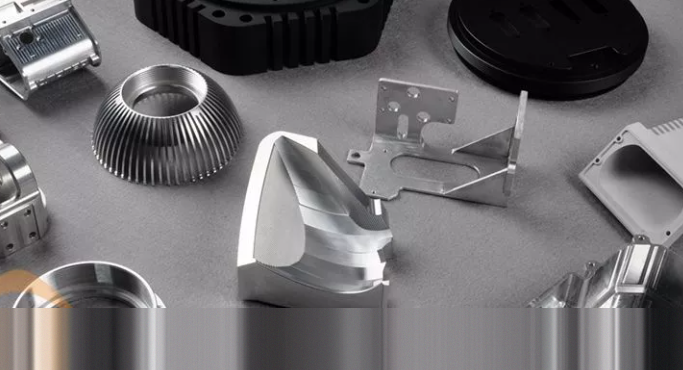
فهم عروض أسعار التشغيل الآلي بالحاسوب (CNC) من منظور المشتري
هل سبق أن تساءلت عن التكلفة المطلوبة لتصنيع قطعة معدنية؟ يبدأ الجواب بعرض أسعار التشغيل الآلي بالحاسوب (CNC)، وهو تقدير تفصيلي للتكلفة يوضح بدقة المبلغ الذي ستدفعه ولماذا. سواء كنتَ محترف مشتريات تُقارن بين الموردين ، أو مهندسًا يُحسّن تصميمًا، أو مدير مشروعٍ يُعدّ ميزانيةً، فإن فهمك لهذه العروض يمنحك ميزةً كبيرةً.
افترض أن عرض السعر ليس مجرد سعرٍ مكتوبٍ فقط، بل هو نافذةٌ تُظهر كيف يفسّر المصنع مشروعك، وما الموارد التي سيخصصها له، وأين قد تكمن وفورات التكلفة المحتملة. وعندما تستطيع قراءة هذه الوثيقة بسلاسة، فإنك تتحول من مشترٍ سلبي إلى شريكٍ واعٍ يتخذ قراراتٍ أكثر حكمةً.
ما الذي يتضمنه عرض أسعار التشغيل الآلي بالحاسوب (CNC) فعليًّا
العرض الاحترافي ليس مجرد رقم واحد فقط—بل هو تفصيل شامل لكل عنصر من عناصر التكلفة المشاركة في تحويل المادة الخام إلى الجزء المُنتَج النهائي الخاص بك. ويساعدك فهم كل مكوّنٍ على اكتشاف فرص التحسين، وعلى تحديد اللحظة التي لا تتطابق فيها الأرقام مع بعضها البعض.
وفيما يلي المكونات الأساسية التي ستجدها عادةً في عرض سعرٍ كامل:
- تكاليف المواد: سعر المادة الخام استنادًا إلى النوع والدرجة وحجم القطعة الأولية المطلوبة لجزئك. ويشمل ذلك أي مواد ناتجة عن التشغيل (أي النفايات) التي يجب إزالتها بالتشغيـل الآلي.
- رسوم الإعداد: الرسوم لمرة واحدة والتي تشمل إعداد الجهاز، وتركيب الأدوات، وإنشاء التثبيتات، وبرمجة ماكينات التحكم العددي الحاسوبي (CNC). وهذه التكاليف ثابتة بغض النظر عن الكمية.
- وقت التشغيل: العامل الرئيسي المُحرِّك للتكلفة، ويُحسب بضرب عدد ساعات التشغيل في السعر بالساعة. وتؤدي التعقيدات الهندسية والتسامحات الأضيق إلى زيادة هذه التكلفة بشكل كبير.
- عمليات التشطيب: تكاليف ما بعد المعالجة، ومنها إزالة الحواف الحادة (Deburring)، والمعالجات السطحية، والأكسدة الكهربائية (Anodizing)، والدهان، وتلميع السطح، وذلك لتلبية مواصفاتك.
- فحص الجودة: تكاليف التحقق من الأبعاد، وفحص التحملات، وأي شهادات أو وثائق مطلوبة.
- الشحن والمناولة: تكاليف اللوجستيات المتعلقة بالتغليف وتسليم الأجزاء المُنجزة الخاصة بك.
عندما تطلب عرض سعر لتصنيع قطع باستخدام الحاسب الآلي (CNC) عبر الإنترنت، ستلاحظ أن الموردين الموثوقين يوفرون الشفافية في جميع هذه الفئات. أما الأسعار الغامضة أو المجمَّعة فهي غالبًا إشارةٌ إلى مشكلات محتملة في المستقبل.
لماذا تُنقذ معرفة تحليل عروض الأسعار المشاريع؟
إن فهم تفاصيل عروض الأسعار لا يتعلق فقط بالبحث عن أدنى سعر — بل هو وسيلة لحماية مشروعك من المفاجآت المكلفة. ووفقًا لخبراء القطاع، فإن طلب عروض أسعار من عدة موردين يمكِّنك من مقارنة هياكل التسعير وتحديد الخيار الأنسب بناءً على متطلباتك المحددة.
إليك ما توفره لك معرفة تحليل عروض الأسعار فعليًّا:
إعداد الميزانية بدقة: عندما تفهم تفصيل تكاليف تصنيع القطع باستخدام الحاسب الآلي (CNC)، يمكنك التنبؤ بالنفقات بثقة. ولن تضطر بعد الآن إلى زيادة الميزانية بشكل احتياطي استنادًا إلى التخمين، أو أن تتفاجأ برسوم خفية.
فرص تحسين التصميم: يُظهر الاقتباس التفصيلي الميزات التي تؤدي إلى ارتفاع التكاليف. فربما أن التحمل الضيق المطلوب على بُعد غير حرجٍ يرفع سعرك بنسبة ٢٠٪. ولن تدرك ذلك ما لم تتمكن من قراءة الأرقام.
تأهيل المورِّدين: إن طريقة هيكلة المورِّد للاقتباس الذي يقدمه تُخبرك عن درجة احترافيته. فالاقتباسات التفصيلية التي تتضمن بنوداً واضحة تدل على عمليات منظمة وأنظمة للتحكم في الجودة.
قوة التفاوض: عندما تفهم العوامل الكامنة وراء كل عنصر من عناصر التكلفة، يمكنك إجراء محادثات ذات معنى حول البدائل، بدلًا من الاكتفاء بمطالبة المورِّد بتقديم خصومات.
ويبدأ العديد من المشترين اليوم باقتباسات التشغيل الآلي عبر الإنترنت لتحديد أسعار أساسية قبل التواصل المباشر مع المورِّدين. وهذه الطريقة توفر لك سياقًا سوقيًّا وتساعدك على التعرُّف على الاقتباسات التي تخرج عن النطاقات المعتادة — سواء كانت منخفضة بشكلٍ مشبوه أو مرتفعة دون مبرر.
النتيجة النهائية؟ إن الاقتباس الإلكتروني أو رد طلب العروض التقديمية (RFQ) التقليدي يحتوي على المعلومات التي تحتاجها لاتخاذ قرارات ذكية في مجال التصنيع. وستوضح لك الأقسام التالية بالضبط كيفية تفسير كل عامل من عوامل التكلفة والاستفادة من هذه المعرفة لصالحك.
عوامل التكلفة الرئيسية التي تشكّل كل اقتباس
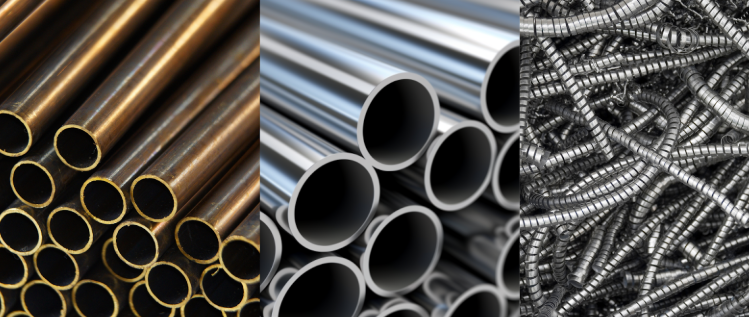
والآن وبعد أن فهمت ما تحتويه وثيقة الاقتباس، دعنا نتعمق في العوامل المحددة التي تُحدِّد تلك الأرقام فعليًّا. فتنبع كل تكلفة لتصنيع القطع باستخدام ماكينات التحكم العددي (CNC) من ثلاثة عوامل أساسية: المادة التي تقوم بقصّها، ومدة تشغيل الماكينة، ودرجة الدقة المطلوبة للقطعة النهائية. فإذا أتقنتَ هذه المتغيرات، فستعرف بالضبط أين تذهب أموالك — وأين قد تتمكن من تحقيق وفورات.
تكاليف المواد وعوامل القابلية للتشغيل الآلي
يُشكِّل اختيار المادة أساس كل عرض سعر. فالأمر لا يقتصر على تكلفة المادة الخام لكل رطل فقط، بل يتعلق أيضًا بكيفية تصرف هذه المادة تحت أداة القطع. وتُعرف هذه الخاصية باسم «القابلية للتشغيل الآلي»، وهي تؤثر تأثيرًا كبيرًا في سرعة إنتاج القطع ومدى سرعة اهتراء الأدوات.
فكِّر في تشغيل الألومنيوم مقابل تشغيل CNC من الفولاذ المقاوم للصدأ . ويُقطَع الألومنيوم بسلاسة كأنه زبدة. ويمكن للمكائن أن تعمل بسرعات أعلى مع اهتراء أقل في الأدوات، ما يُترجم إلى أوقات دورة أسرع وتكاليف أقل. أما الفولاذ المقاوم للصدأ؟ فهذه قصة مختلفة تمامًا. فهو أصلب، ويُولِّد حرارةً أكثر، ويستلزم معدلات تغذية أبطأ. ويعكس عرض السعر الخاص بك هذه الحقائق.
إليك كيفية مقارنة المواد المختلفة من حيث تأثيرها على التكلفة:
| المادة | التكلفة الأولية (لكل رطل) | تصنيف القابلية للتشغيل الآلي | الأثر النسبي على عرض السعر | أفضل الاستخدامات |
|---|---|---|---|---|
| ألمنيوم (6061) | $3–$6 | عالي | أدنى | أغراض عامة، وأقواس لقطاع الطيران والفضاء، ووحدات التغليف |
| النحاس | $5–$10 | عالي | منخفض-متوسط | التجهيزات، الأجزاء الزخرفية، المكونات الكهربائية |
| المادة 303 من الفولاذ المقاوم للصدأ | $8–$14 | متوسطة - عالية | متوسط | المحاور، والمسامير، والمكونات الصالحة للاستخدام في الأغذية |
| 316 الفولاذ المقاوم للصدأ | $10–$18 | متوسط | متوسطة - عالية | التطبيقات البحرية والطبية والمقاومة الكيميائية المطلوبة |
| مادة ديلرين (أسيتال) | $4–$8 | عالي | منخفض | التروس، والمحامل، والمكونات منخفضة الاحتكاك |
| نايلون | $3–$7 | متوسطة - عالية | منخفض | الكواتم، والعوازل، والأجزاء المقاومة للتآكل |
| التيتانيوم | $15–$35 | منخفض | الأعلى | الفضاء الجوي، والغرسات الطبية، والتطبيقات عالية الأداء |
متى تبرر المادة الممتازة تكلفتها؟ اسأل نفسك هذه الأسئلة:
- هل تتطلب التطبيقة ذلك؟ تحتاج الغرسات الطبية إلى التيتانيوم المتوافق حيويًّا. أما قطعة تثبيت أولية فغالبًا لا تحتاج إليه.
- هل تدفع مقابل خصائص لن تستخدمها؟ إذا لم تكن مقاومة التآكل أمرًا بالغ الأهمية، فإن الفولاذ المقاوم للصدأ من الدرجة 303 يؤدي المهمة بنفس كفاءة الدرجة 316 — وبسعر أقل.
- هل يمكن أن يُستَخدم بديل بلاستيكي؟ يقدِّم النايلون المستخدم في التشغيل الآلي ومادة الدلرين أداءً ممتازًا في التطبيقات الخاصة بالتروس والكواتم والمكونات منخفضة الاحتكاك، وبجزء بسيط فقط من تكلفة المعادن.
فعلى سبيل المثال، يوفِّر البرونز المشغول آليًّا مقاومة ممتازة للتآكل وحماية فعّالة ضد التآكل. لكن إذا لم تكن قطعتك بحاجةٍ إلى هذه الخصائص، فقد تؤدي بدائل الألومنيوم أو النحاس إلى خفض تكاليف المواد بشكل كبير مع الالتزام في الوقت نفسه بالمواصفات المطلوبة.
كيف تضاعف تعقيدات القطعة زمن التشغيل الآلي
هذه هي الحقيقة التي تفاجئ العديد من المشترين: إن زمن التشغيل الآلي هو العامل الرئيسي المُحرِّك للتكلفة في معظم العروض السعرية. ويرتبط تعقيد القطعة ارتباطًا مباشرًا بهذا الزمن.
فكِّر في الأمر من منظور الجهاز. فهل هي قطعة مستطيلة بسيطة تحتوي على بضعة ثقوب؟ يمكن لجهاز التحكم العددي (CNC) أن يُشكِّلها خشنًا بسرعة، ثم يثقب الثقوب، ويواصل العمل. أما مكوِّن طائرات فضائي معقد ذو أسطح منحنية وجُيوب داخلية وجدران رقيقة وزوايا مركَّبة؟ فقد تتطلَّب هذه القطعة عشرات تغييرات الأدوات، وعددًا من عمليات الإعداد، وإدارة دقيقة لمعدل التغذية لتفادي الاهتزاز.
ووفقًا لتحليلات القطاع، قد تبلغ تكلفة مكوِّن مكعبي بسيط حوالي ١٠٠ دولار أمريكي وتستغرق عملية تشغيله ما يقارب ساعتين، بينما قد ترتفع تكلفة تجميع معقَّد متعدد الجوانب إلى ٥٠٠ دولار أمريكي وتتطلب ١٠ ساعات من وقت الإنتاج.
ما هي الخصائص المحددة التي ترفع زمن التشغيل الآلي؟
- الجيوب والعُلب العميقة: وتتطلَّب هذه الخصائص أدوات خاصة طويلة المدى وسرعات قص أبطأ لمنع الانحراف. وبذلك يُزال كمية أقل من المادة في كل مرحلة، مما يطيل زمن الدورة.
- الجدران الرقيقة: تتطلب الأجزاء ذات الجدران الأقل سماكةً من ٠٫٥ مم برمجةً دقيقةً وتخفيضًا في معدلات التغذية لتجنب التشوه أو الاهتزاز.
- الزوايا الداخلية الحادة: تتطلب الزوايا الداخلية المربعة استخدام أدوات أصغر ومرورات إضافية. أما الزوايا المُدوَّرة فتُصنَّع بشكل أسرع وأكثر متانة.
- التفاصيل المعقدة ثلاثية الأبعاد: تحتاج الأسطح المنحنية إلى مسارات أداة أكثر وخطوات تداخل أدق، مما يزيد طول البرنامج بشكل كبير.
- المعالم المُسنَّنة: يُضيف كل ثقب مُثبَّتٍ عمليات إعداد وتشغيلاً إضافية. وينبغي التفكير فيما إذا كانت كل هذه الخيوط ضروريةٌ فعلًا.
ويُفاقِمُ سؤال التسامح هذه التعقيدات. فالأجزاء المصنوعة آليًّا وفق المواصفات القياسية تحتفظ عادةً بالتسامح ±٠٫٠٠٥ بوصة دون بذل جهد خاص. لكن عندما يحدّد الرسم الفني تسامحًا قدره ±٠٫٠٠١ بوصة؟ عندها تتباطأ سرعة التشغيل، ويتحقق المشغل من الأبعاد بشكل أكثر تكرارًا، وتزداد نسب المرفوضات. ووفقًا لبيانات تكلفة التصنيع، فإن التسامحات الأضيق تتطلب سرعات تشغيل أبطأ، وتغييرات أدوات أكثر تكرارًا، وفحوصات جودة معزَّزة — وكل ذلك يُضيف وقتًا وتكاليف إضافية.
كل ميزة في قطعتك تمثل قرارًا. والسؤال ليس فقط "هل يمكن تشغيل هذه الميزة آليًّا؟"، بل هو "هل تضيف هذه الميزة قيمة كافية لتبرير أثرها على التكلفة؟". وعندما تفهم كيف أن الهندسة تضاعف ساعات التشغيل الآلي، فإنك تكتسب القدرة على تحسين التصاميم قبل طلب عروض الأسعار، مما يؤدي إلى إنتاج قطع مشغولة تلبي متطلباتك بأقل سعر عملي.
عمليات التشغيل الآلي وتأثيرها على التسعير
لقد اخترت المادة المناسبة وحسّنت الشكل الهندسي لقطعتك— ولكن هنا بالضبط تبدأ تكاليف عروض الأسعار في التضاعف بصمت. فعمليات التشغيل الآلي المطلوبة لإنتاج قطعتك غالبًا ما تحدد ما إذا كنت ستتلقى عرض سعر اقتصادي أم عرض سعر يدفعك لإعادة النظر في المشروع بأكمله. وبفهمك للفرق بين التشغيل الآلي بالمحور الدوراني (CNC Turning)، وعمليات التشغيل الآلي بالطحن (CNC Mill Operations)، والتشغيل الآلي متعدد المحاور (Multi-axis Machining)، تكتسب المعرفة اللازمة لاتخاذ قرارات شراء أكثر ذكاءً.
فكّر في الأمر بهذه الطريقة: قد تحتاج عمود أسطواني بسيط فقط إلى عملية تشغيل آلي باستخدام مخرطة CNC قطعة دعم معقدة تُستخدم في مجال الفضاء الجوي، وتتضمن ميزات على جميع جوانبها؟ قد تتطلب هذه القطعة خدمات التصنيع باستخدام الحاسب الآلي (CNC) ذات الخمسة محاور، وتجهيزات خاصة، وعددًا متعددًا من عمليات التثبيت. نفس المادة، لكن الأسعار تختلف اختلافًا كبيرًا.
عندما تبرِّر عمليات التشغيل باستخدام ماكينات الخمسة محاور هذه التكلفة الإضافية
ليست جميع آلات التصنيع باستخدام الحاسب الآلي (CNC) متساويةً من حيث القدرات، ويؤثر عدد المحاور مباشرةً على شكل عرض السعر الخاص بك. وإليك كيفية التدرج في ذلك:
التشغيل ثلاثي المحاور: الآلة الأساسية في هذا المجال. حيث يتحرك أداة القطع على طول المحاور X وY وZ بينما تبقى قطعة العمل ثابتة. وهي مثالية للأجزاء المسطحة، والجيوب البسيطة، والميزات التي يمكن الوصول إليها من اتجاه واحد فقط. وهذه خيارك الأكثر فعالية من حيث التكلفة عندما تسمح هندسة القطعة بذلك.
التشغيل رباعي المحاور: تضيف محورًا دورانيًّا، ما يسمح بتدوير القطعة أثناء عملية القطع. وهي مثالية للأجزاء الأسطوانية التي تحتوي على ميزات تحيط بمحيطها — مثل غرف المحرك أو المغلفات الدائرية التي تحتوي على منافذ جانبية.
التشغيل خماسي المحاور: يمكن لأداة القطع أو قطعة العمل أن تتحرك في خمسة اتجاهات في الوقت نفسه. وفقًا لـ متخصصين في الصناعة ، ويسمح التشغيل الآلي الكامل المتزامن بخمسة محاور للأداة بالحفاظ على اتجاهها الأمثل بالنسبة للسطح طوال العملية — وهو أمرٌ بالغ الأهمية للأسطح ذات التموجات المعقدة.
إذن متى يكون دفع مبلغ إضافي مقابل القدرة على التشغيل بخمسة محاور منطقيًّا؟ ضع في اعتبارك هذه السيناريوهات:
- مكونات الطيران والفضاء ذات الأسطح المتموّجة: أجزاء تحتوي على منحنيات مركبة وتحت قصّ (Undercuts) لا يمكن الوصول إليها إطلاقًا باستخدام أساليب التشغيل الثلاثي المحاور.
- شفرات المراوح الدوارة (Impeller) ومكونات التوربينات: هندسة معقدة ملتوية تتطلب إعادة توجيه مستمرة للأداة.
- الغرسات الطبية: الأشكال العضوية التي تطابق تشريح الإنسان تتطلّب القدرة على التشغيل بعدة محاور.
- تجاويف القوالب ذات الميزات العميقة: يتيح التشغيل بخمسة محاور استخدام أدوات أقصر وأكثر صلابة، مما يحسّن جودة التشطيب السطحي ويقلل الاهتزاز.
إليك واقع التكلفة: قد تبلغ تكلفة ماكينة طحن عمودية قياسية ذات 3 محاور ما بين ٨٠٬٠٠٠ دولار أمريكي و١٥٠٬٠٠٠ دولار أمريكي، في حين تُباع ماكينات الـ ٥ محاور بأسعار أعلى بكثير بسبب آلياتها المتطورة. ويُحوَّل هذا الاستثمار الرأسمالي إلى أسعار ساعة التشغيل. ومع ذلك، فإن ماكينات الـ ٥ محاور غالبًا ما تقلل التكلفة الإجمالية للأجزاء المعقدة من خلال إلغاء الحاجة إلى عدة عمليات تركيب وتحسين جودة السطح في عملية واحدة.
تعقيد عملية التركيب والتكاليف الخفية المرتبطة بها
في كل مرة يعيد فيها المشغِّل تثبيت قطعتك، تتراكم التكاليف. فزمن التركيب هو وقت غير منتج لماكينة التشغيل — أي أن المغزل لا يقطع، لكن عداد الوقت لا يزال يعمل. والأمر الأسوأ أن كل إعادة توجيه للقطعة قد تؤدي إلى تراكم التسامحات، حيث تتراكم أخطاء التموضع الصغيرة عبر العمليات المختلفة.
خُذ على سبيل المثال قطعةً تحتوي ميزاتٍ على أربعة أوجه. وباستخدام التشغيل ثلاثي المحاور، قد يتطلب ذلك أربع عمليات تركيب منفصلة: تشغيل وجه واحد، ثم إيقاف الماكينة، وإعادة تثبيت القطعة وتثبيتها من جديد، والتحقق من محاذاة القطعة، ثم متابعة التشغيل. وفقًا لـ تحليل تكلفة التصنيع ، وقد تتفاوت عمليات الإعداد والبرمجة بشكلٍ واسع — فقد تستغرق الأجزاء البسيطة 15 دقيقة فقط، بينما قد تتطلب الأجزاء المعقدة التي تحتاج إلى مسارات أدوات مخصصة أكثر من 45 ساعة فقط للبرمجة والإعداد.
كما أن الفرق بين عمليات التشغيل بالمحور الدوار (اللَّاث) والعمليات بالطحن يؤثر أيضًا على هيكل عرض السعر الخاص بك. وتتفوق عمليات التصنيع باستخدام الحاسب الآلي بالدوران في إنتاج الأجزاء الأسطوانية — مثل المحاور والدبابيس والبطانات — حيث يدور المادة مقابل أداة ثابتة. وهي عادةً أسرع وأقل تكلفةً في تصنيع الأشكال الهندسية الدورانية. أما التشغيل السويسري فيُوسِّع هذه القدرة ليشمل الأجزاء الصغيرة المصنوعة بالدوران بدقة عالية جدًّا.
أما عمليات الطحن فتتناول كل ما سواها: الجيوب (التجاويف)، والشقوق، والأسطح ثلاثية الأبعاد المعقدة، والهندسات غير الأسطوانية. وعندما يحتاج جزؤك إلى ميزات من كلا النوعين (الدوران والطحن)، فأنت إما بحاجة إلى آلات متعددة أو إلى مركز تدوير-طحن — وكلتا الحالتين تؤثران على التكلفة.
فيما يلي سيناريوهاتٌ يمكن فيها تحقيق النتائج نفسها باستخدام أساليب تشغيل أبسط وبتكلفة أقل:
- دمج الميزات في جانب واحد عند الإمكان: إذا كان الدعامة تحتوي على فتحات تثبيت، فحاول ترتيبها بحيث تكون جميعها في متناول يد واحدة من إعداد واحد بدلًا من أن تكون موزَّعة على وجوه متعددة.
- استخدم وضعية 3+2 بدلًا من الحركة الكاملة الخمسية المحورية: الكثير من الأجزاء لا تحتاج إلى حركة خماسية المحاور في وقتٍ واحد. ويتم تحديد مواضع المحاور الدوارة ثم تنفيذ عمليات التشغيل باستخدام استراتيجيات ثلاثية المحاور (وتُسمى هذه الطريقة 3+2 أو الخمسية المحورية الوضعية)، وهي أقل تكلفةً مع القدرة على الوصول إلى زوايا متعددة.
- صمِّم مع مراعاة مدى الأداة القياسي: الجيوب العميقة التي تتطلب أدوات ذات مدى تمديد تبطئ عملية التشغيل وتزيد التكاليف. أما الملامح الأقل عمقًا فتُشغَّل بشكل أسرع.
- تجنب الملامح التي تتطلب قلب القطعة: تُضاعف الثقوب النافذة التي يجب حفرها باستخدام آلة CNC من كلا الجانبين عبء الإعداد. لذا، يُنصح بالنظر في استخدام الثقوب العمياء أو إعادة تصميم الميزة.
- حدِّد عمليات التشغيل بالدوران للقطاعات الأسطوانية: قد يكون الجزء الذي يحتوي على جسم أسطواني وملامح مشغولة بالفرز أكثر اقتصادية إذا بدأ تصنيعه على ماكينة خراطة ثم أُنهي على ماكينة فرز، بدلًا من تشغيله بالكامل من بلوك خام.
النتيجة النهائية؟ قبل أن تُقرّر التصميم النهائي، اسأل نفسك: كم مرة سيتطلّب هذا الجزء إعادة وضعه؟ فكل إعداد يُضاف إلى التكلفة، ويُدخل احتمال الخطأ، ويمدّد زمن التسليم. والتصميم الذكي يقلّل من عدد مرات الإعداد دون المساس بالوظيفة — وسيعكس عرض السعر الخاص بك هذه الكفاءة.
مواصفات التحمل ونهاية السطح في عروض الأسعار
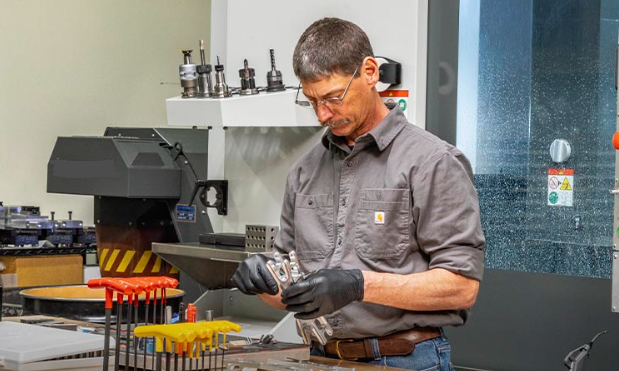
إليك سرًّا قد يوفّر عليك آلاف الدولارات: فقد تكون مواصفات التحمّل العاملَ الأكبر خفيًّا في رفع تكلفة عرض أسعار التشغيل الآلي باستخدام الحاسوب (CNC). فكثيرٌ من المهندسين يعتمدون بشكلٍ افتراضيّ على تحمّلات ضيّقة «للتحوط فقط»، دون إدراك أن كل منزل عشري إضافي قد يضاعف التكلفة بمقدار مرتين أو أربع مرات أو حتى أربعة وعشرين مرة. وفهم منحنى التكلفة هذا يغيّر تمامًا الطريقة التي تحدّد بها مواصفات القطعة — ويؤثّر تأثيرًا كبيرًا في المبلغ الذي ستدفعه.
العلاقة بين التحمل والتكلفة ليست خطية، بل هي علاقة أسية. فالتقليص من التحمل القياسي ±٠٫٠٠٥ بوصة إلى التحمل الدقيق ±٠٫٠٠١ بوصة لا يُضيف فقط ٢٠٪ إلى عرض السعر الخاص بك، بل قد يضاعف السعر ثلاث مرات أو أربع مرات. ولماذا ذلك؟ لأن التحملات الأضيق تتطلب سرعات قطع أبطأ، ومعدات أكثر دقة، وخطوات تفتيش إضافية، ومعدلات رفض أعلى. وكل ميكرونٍ إضافي من الدقة يضاعف هذه المتطلبات.
التكلفة الحقيقية لتحديد التحملات بدقة مفرطة
تصور أنك تقوم بإعداد عرض سعر لطلبية أجزاء مخصصة مصنوعة آليًّا من ألومنيوم على هيئة دعائم. وباستخدام التحملات القياسية، تبلغ تكلفة كل دعامة ٥٠ دولارًا أمريكيًّا. لكن الرسم الهندسي الخاص بك يحدد تحملًا قدره ±٠٫٠٠١ بوصة على كل الأبعاد — بما في ذلك الأسطح الخارجية غير الحرجة. وفجأة، ترتفع تكلفة الدعامة التي كانت ٥٠ دولارًا لتصل إلى ١٥٠–٢٠٠ دولار أمريكي. ووفقًا للتحليلات الصناعية، يمكن أن تؤدي التحملات الضيقة إلى زيادة تكاليف التشغيل بالآلات الرقمية (CNC) بنسبة تتراوح بين ضعفين ورباعية عند تحقيق دقة ±٠٫٠٠١ بوصة، وقد تصل الزيادة إلى ٢٤ ضعفًا في حالة التحملات الفائقة الضيق ±٠٫٠٠٠١ بوصة مقارنةً بالتحملات القياسية.
وهذا ما يحدث خلف الكواليس عند تحديدك لتحملات ضيقة:
- سرعات تشغيل أبطأ: تتطلب خدمات التشغيل الآلي الدقيق (CNC) تقليل معدلات التغذية وعمليات القطع الأخف. فما يستغرق ساعة واحدة عند التحملات القياسية قد يستغرق ثلاث ساعات عند المواصفات الضيقة.
- معدات متخصصة: غالبًا ما يتطلب العمل بدقة فائقة بيئات خاضعة للتحكم في درجة الحرارة، وأجهزة تشغيل عالية الدقة مزودة بصلابة معزَّزة.
- فحوصات تفتيش مكثَّفة: يتم فحص الأجزاء القياسية عيِّناتياً فقط، أما الأجزاء ذات التحملات الضيقة فتتطلب فحصاً كاملاً بنسبة ١٠٠٪ باستخدام جهاز قياس الإحداثيات (CMM)، مما يضيف تكلفة قياس وحده تتراوح بين ٥٠ و١٥٠ دولاراً أمريكيًّا لكل جزء.
- معدلات الفاقد الأعلى: ترفض الأجزاء التي كانت ستنجح في الفحص القياسي بموجب المواصفات الضيقة. ويُدمج هذا الهدر في عرض السعر المقدَّم لك.
- أوقات تسليم طويلة: توقع أن تطول مدة التسليم بنسبة تتراوح بين ضعفين وثلاثة أضعاف عند تحديد خدمات التشغيل الآلي الدقيق مع تحملات ضيقة.
يوضح الجدول أدناه كيف تترجم مستويات التحمل إلى عوامل تضخيم التكلفة:
| نطاق التسامح | التطبيق النموذجي | عامل تكلفة إضافية | طريقة الفحص | أثر أوقات التسليم |
|---|---|---|---|---|
| ±0.005 بوصة (±0.13 مم) | الخصائص العامة غير الحرجة | مرة واحدة (أساسي) | مقياس الفرجار، أجهزة القياس الدقيقة | قياسي (٥–٧ أيام) |
| ±0.002" (±0.05مم) | الأسطح الملائمة، وواجهات التجميع | 1.5–2 ضعف | مؤشرات رقمية، وأجهزة قياس دقيقة | +٤٠٪ (٧–١٠ أيام) |
| ±0.001" (±0.025 مم) | أجزاء المحامل، وأسطح الإغلاق | ٣–٤× | يتطلب الفحص باستخدام جهاز قياس إحداثي ثلاثي الأبعاد (CMM) | +100% (10–14 يومًا) |
| ±0.0005 بوصة (±0.0125 مم) | أجهزة قياس دقيقة، حرجة في مجال الفضاء الجوي | 6–10 مرات | جهاز قياس إحداثي عالي الدقة (CMM)، في بيئة خاضعة للرقابة | +150% (14–18 يومًا) |
| ±0.0001 بوصة (±0.0025 مم) | دقة فائقة، مكونات بصرية | ١٠–٢٤× | قياس متخصص، في بيئة خاضعة للتحكم المناخي | +200–300% (14–21 يومًا) |
إذن، كيف تحدد الأبعاد التي تتطلب بالفعل تحملات ضيقة؟ اسأل نفسك سؤالاً بسيطًا واحدًا: «ماذا يحدث إذا اختلف هذا البُعد بمقدار ±٠٫١ مم؟» فإذا كانت الإجابة تشمل فشل التجميع أو مشاكل وظيفية أو مخاوف تتعلق بالسلامة، فحدّد تحملات ضيقة. أما إذا كانت الإجابة «لا شيء جوهري»، فإن التحملات القياسية ستفي بالغرض تمامًا — وبتكلفة أقل بكثير.
الأبعاد الحرجة تشمل عادةً:
- الأسطح المتلامسة حيث يجب أن تناسب الأجزاء معًا بدقة
- مقاعد المحامل وملاءمات العمود التي تتطلب مسافات تشغيل محددة
- أسطح الإحكام لحلقات O والجوانات
- الوصلات المُلَوَّثة الخاضعة لأحمال
- سمات التموضع لتجميع المراحل اللاحقة
الميزات غير الحرجة — مثل الحواف الخارجية، والأسطح الزخرفية، والثقوب التصريفية — تعمل بشكل ممتاز مع التحملات القياسية. وقد اكتشف مورِّد أوروبي للقطاع automotive ذلك بنفسه: فعند تخفيف التحملات غير الحرجة من ±٠٫٠١ مم إلى ±٠٫٠٣ مم مع الحفاظ على التحملات الضيقة فقط للميزات الحرجة، نجح في خفض تكاليف التشغيل الآلي بنسبة تقارب ٢٢٪.
خيارات تشطيب السطح ونقاط أسعارها
تتبع مواصفات تشطيب السطح نمطاً مماثلاً من حيث التكلفة. فكلما زادت نعومة الجزء المطلوبة، ارتفعت التكلفة — لكن ليس كل تطبيق يتطلب تشكيلاً سطحياً يشبه المرآة. ويساعد فهم هذه الخيارات في تحديد المواصفات بدقة بما يتناسب مع المتطلبات الفعلية دون إنفاق مبالغ زائدة.
يُقاس خشونة السطح بوحدة Ra (متوسط الخشونة)، حيث تشير الأرقام الأصغر إلى أسطح أكثر نعومة. وفيما يلي تأثير مستويات التشطيب المختلفة على عرض سعرك:
كما تم تصنيعه (Ra من ٣,٢ إلى ٦,٣ ميكرومتر): وهذا هو الشكل الذي يظهر مباشرةً بعد عملية القطع باستخدام ماكينات التحكم العددي (CNC). وتبقى آثار الأدوات مرئية، لكن السطح يكون وظيفيًّا في معظم التطبيقات الميكانيكية. وهذه هي خيار التكلفة الأساسية لديك — دون الحاجة إلى أي معالجة إضافية.
تصنيع قياسي (Ra من ١,٦ إلى ٣,٢ ميكرومتر): تشطيب أنظف يُحقَّق من خلال تحسين معايير القطع. ووفقًا لأبحاث تشطيب الأسطح، فإن هذا النطاق غالبًا ما يكون كافيًا للاختبارات الوظيفية، ويضيف تكلفةً طفيفة جدًّا مقارنةً بالسطوح المصنَّعة كما هي.
تشطيب دقيق (Ra من ٠,٨ إلى ١,٦ ميكرومتر): يتطلب ذلك تقليل سرعة التغذية، وتقليص المسافات بين خطوات القطع، وقد يتطلّب عمليات ثانوية إضافية. وتتوقع ارتفاع التكلفة لكل قطعة بنسبة تتراوح بين ١٥٪ و٢٥٪. وهو مناسب للمكونات الظاهرة والتجهيزات الدقيقة.
لمعان (Ra أقل من ٠,٨ ميكرومتر): يتطلب عمليات يدوية إضافية للتشطيب أو عمليات تلميع متخصصة. وقد يضيف ذلك ما نسبته ٢٠–٤٠٪ إلى وقت التشغيل الآلي. وهو أمر بالغ الأهمية لأسطح الإحكام، والتطبيقات البصرية، والمظهر الراقي عالي الجودة.
يؤثر اختيار المادة في التشطيبات القابلة للتحقيق. وتستفيد خدمات تشغيل البولي كربونات وخدمات تشغيل الأكريليك باستخدام الحاسب الآلي من استراتيجيات قطع محددة لتفادي آثار الحرارة وتحقيق الوضوح البصري. أما المعادن مثل الألومنيوم والنحاس فهي تُلمَّع بسهولة أكبر مقارنةً بالفولاذ المقاوم للصدأ، مما يؤثر في جودة التشطيب والتكلفة على حد سواء.
ما التوجيه العملي في هذا الشأن؟ إنها مطابقة التشطيب السطحي لوظيفته. فقد يحتاج آلية ترس أولية إلى خشونة سطحية بمقدار Ra ٠,٨ ميكرومتر على أسطح المحامل لضمان التشغيل السليم — وتُظهر الدراسات أن الترس ذا الخشونة السطحية Ra ٠,٨ ميكرومتر يتعرض لفقدان عزم دوران أقل بنسبة ١٥٪ مقارنةً بالترس ذي الخشونة السطحية Ra ٣,٢ ميكرومتر. أما الغلاف الخارجي؟ فإن الخشونة السطحية القياسية Ra ٣,٢ ميكرومتر تكفي تمامًا ما لم يكن الغلاف ظاهرًا أمام العميل.
قبل الانتهاء من طلب اقتباسك القادم، راجع كل التسامحات ومواصفات التشطيب المذكورة في الرسم الهندسي الخاص بك. وانقد كل واحدة منها بعناية. فقد تكتشف أن ٨٠٪ من أبعاد قطعتك يمكن أن تستخدم تسامحات قياسية، بينما لا تتطلب سوى ٢٠٪ فقط تحكّمًا دقيقًا— وهذه الملاحظة وحدها قد تخفض اقتباسك بنسبة تتراوح بين ٣٠٪ و٥٠٪.
اقتصاديات حجم الدفعة وهياكل التسعير حسب الحجم
إليك سؤالٌ يُذهل العديد من المشترين الجدد: لماذا تبلغ تكلفة نموذج أولي واحد ٣١٥ دولارًا أمريكيًّا، بينما تنخفض تكلفة طلب ١٠٠ قطعة من نفس النوع إلى ١٨ دولارًا أمريكيًّا لكل قطعة؟ والإجابة تكمن في واحدة من أقوى المبادئ — وأكثرها إهمالًا في الغالب — في اقتصاديات اقتباس عمليات التشغيل الآلي بالحاسوب (CNC): توزيع تكلفة الإعداد على عدد القطع المنتجة. وفهم هذه الفكرة يُغيّر جذريًّا طريقة تخطيطك للطلبات وميزانيات مشاريعك.
الصيغة التي تحكم كل عرض سعر يستند إلى الحجم بسيطةٌ بشكل خادع:
السعر للوحدة = (تكلفة الإعداد لمرة واحدة ÷ كمية الطلب) + التكلفة المتغيرة لكل قطعة
تُقسَّم تكلفة الإعداد الثابتة—التي تشمل البرمجة وإنشاء التثبيتات وإعداد الأدوات وفحص القطعة الأولى—على كل قطعة تطلبها. فإذا طلبت قطعة واحدة، فإنك تتحمل تكلفة الإعداد بالكامل. أما إذا طلبت ١٠٠٠ قطعة، فإن كل قطعة تحمِل جزءًا ضئيلًا جدًّا من هذه التكلفة.
كيف تعمل خصومات الكمية فعليًّا
دعنا نوضّح ذلك بمثال ملموس. تخيل طلبًا لقطع مخرطة تحكم رقمي (CNC) تبلغ تكلفة إعداده ٣٠٠ دولار أمريكي، وتكلفة متغيرة قدرها ١٥ دولارًا أمريكيًّا لكل قطعة. ووفقًا لتحليل أسعار القطاع، فإليك كيف تتغير المعطيات الاقتصادية:
- قطعة واحدة: ٣٠٠ دولار أمريكي تكلفة إعداد + ١٥ دولار أمريكي تكلفة متغيرة = ٣١٥ دولارًا أمريكيًّا لكل وحدة
- ١٠ قطع: ٣٠ دولارًا أمريكيًّا حصة الإعداد + ١٥ دولارًا أمريكيًّا تكلفة متغيرة = ٤٥ دولارًا أمريكيًّا لكل وحدة
- ١٠٠ قطعة: ٣ دولارات أمريكية حصة الإعداد + ١٥ دولارًا أمريكيًّا تكلفة متغيرة = ١٨ دولارًا أمريكيًّا لكل وحدة
- ١٠٠٠ قطعة: ٠٫٣٠ دولار أمريكي حصة الإعداد + ١٥ دولارًا أمريكيًّا تكلفة متغيرة = ١٥٫٣٠ دولارًا أمريكيًّا لكل وحدة
هل لاحظت شيئًا بالغ الأهمية؟ إن الانخفاض في السعر يكون الأكثر حدة في المراحل الأولى. فعند الانتقال من وحدة واحدة إلى ١٠ وحدات، ينخفض سعر التصنيع باستخدام الحاسب الآلي (CNC) لكل وحدة بنسبة ٨٦٪. أما عند الانتقال من ١٠٠ وحدة إلى ١٠٠٠ وحدة، فإن التوفير الإضافي لا يتجاوز ١٥٪ فقط. وبمجرد أن تصل إلى أحجام الإنتاج الكبيرة، فإنك تقترب من «الحد الأدنى الحقيقي» — أي التكلفة المتغيرة التي تمثّل تكاليف المواد الأولية، ووقت التشغيل الآلي، والعمالة المباشرة.
ولهذا السبب يطلب المشترون ذوو الخبرة عروض أسعار مُقسَّمة حسب الكميات. فطلب عروض الأسعار لـ ١ و١٠ و٥٠ و١٠٠ و٥٠٠ وحدة يكشف بدقة عن النقاط المثلى («النقاط الحلوة») الخاصة بقطعتك المحددة. فبعض القطع المصنَّعة باستخدام الحاسب الآلي (CNC) تظهر انخفاضات جوهرية في السعر عند كمية ٢٥ وحدة، بينما لا تحقق قطع أخرى وفورات كبيرة إلا بعد تجاوز كمية ٢٠٠ وحدة.
تحذيرٌ واحد: يحذر خبراء التصنيع من أن المورِّدين الذين يدّعون «عدم وجود تكاليف هندسية أولية (NRE)» في عروض أسعار النماذج الأولية غالبًا ما يُخبئون تكاليف الإعداد داخل أسعار الوحدة المرتفعة بشكل مصطنع. وهذا يجعل عرض سعرهم جذّابًا لـ ١٠ قطع، لكنه يخلق مشاكل عند التوسُّع في الإنتاج. أما الشريك الشفاف فيفصل هذه التكاليف بوضوح تام.
استراتيجيات طلب عروض الأسعار للنماذج الأولية مقابل الإنتاج
الانتقال من النماذج الأولية المصنوعة باستخدام آلات التحكم العددي بالحاسوب (CNC) إلى الإنتاج الضخم لا يقتصر فقط على طلب أجزاء إضافية — بل يتعلق باختيار نهج التصنيع المناسب في كل مرحلة. فتختلف الطرق المُستخدمة من حيث الجدوى الاقتصادية حسب أحجام الإنتاج، ويقوم المشترون الأذكياء بالتخطيط لاستراتيجية الكميات وفقًا لذلك.
وفيما يلي الفئات النموذجية لأحجام الإنتاج وخصائص أسعارها:
- كميات النماذج الأولية (من وحدة إلى ١٠ وحدات): تسيطر تكاليف الإعداد على عرض السعر الخاص بك. وأعلى سعر وحدوي يظهر في هذه المرحلة، ولكن ذلك مقصودٌ تمامًا؛ إذ إنك تدفع مقابل السرعة والمرونة والقدرة على التحقق من صحة التصاميم قبل الالتزام بأدوات الإنتاج الدائمة. وتتركّز خدمات التشغيل الآلي باستخدام الحاسوب (CNC) في مرحلة النماذج الأولية على تحقيق أسرع وقت تسليم ممكن، بدلًا من التركيز على خفض التكلفة لكل جزء.
- الإنتاج بكميات منخفضة (10–100 وحدة): النطاق الأمثل الذي يبرز فيه التشغيل الآلي باستخدام الحاسوب (CNC) حقًّا. فتكاليف الإعداد تتوزَّع على عدد كافٍ من الوحدات لتصل إلى مستوى معقول، بينما تبقى الكميات منخفضة بما يكفي لتفادي الحاجة إلى أدوات تصنيع مخصصة باهظة الثمن. ويظل العديد من طلبات الأجزاء المخصصة المصنوعة باستخدام الحاسوب (CNC) ضمن هذا النطاق بشكل دائم.
- الإنتاج بمتوسط الكميات (100–1,000 وحدة): تستقر تكاليف الوحدة عند مستوى قريب من أدنى حدٍ لتكاليف التشغيل. وفي هذه المرحلة، قد يقدِّم المورِّدون خصومات إضافية من خلال تحسين التثبيتات، وجدولة الدفعات، وتقليل تكرار عمليات الفحص بعد اعتماد العينة الأولى.
- الإنتاج عالي الحجم (١٠٠٠+ وحدة): تظل تقنية التحكم العددي الحاسوبي (CNC) قابلة للتطبيق، لكن العمليات البديلة (مثل الصب بالحقن أو الصب بالقالب المعدني) قد تصبح أكثر جدوى اقتصاديًّا حسب هندسة القطعة. وتشير إرشادات اختيار العملية إلى أن التشغيل الآلي باستخدام التحكم العددي الحاسوبي (CNC) عادةً ما يكون الأفضل حتى ٥٠٠–٢٠٠٠ وحدة، قبل أن تصبح عمليات الصب أو الصب بالقالب المعدني بديلاً يستحق التقييم الجاد.
كيف تخطط لكميات الطلب لتحقيق أقصى قدر من التوفير في التكاليف دون الالتزام المفرط بالموجودات؟ ابدأ أولًا بفهم توقعات الطلب الفعلية لديك. فطلب ٥٠٠ قطعة للوصول إلى نقطة الخصم السعري لا معنى له إذا كنت ستبيع فقط ٥٠ قطعة هذا العام — إذ تأكل تكاليف التخزين تلك المدخرات بسرعة. بحث حول تحديد الكمية الاقتصادية للدفعة يُظهر أن تكاليف التخزين قد تمثِّل ما نسبته ٢٠–٦٠٪ من قيمة المخزون سنويًّا.
نهج أكثر ذكاءً: التفاوض على أوامر شاملة مع عمليات تسليم مجدولة. التزام بشراء 500 قطعة خلال 12 شهرًا، مع أخذ التسليم على دفعات شهرية تتراوح بين 40 و50 قطعة. وبذلك تضمن أسعار الحجم المُتفق عليها، مع تجنّب تكاليف التخزين والضغط على التدفق النقدي. ويُرحّب معظم المورِّدين بهذا الترتيب لأنه يوفّر جدولةً متوقَّعةً لأعمالهم.
النتيجة النهائية؟ كل عرض سعرٍ يروي قصةً عن حجم الطلب. تعلَّم كيف تقرأ هذه القصة، وستتخذ قراراتٍ أكثر ذكاءً بشأن الوقت الأنسب لتصنيع النموذج الأولي، والوقت الأمثل للتوسُّع في الإنتاج، وعدد القطع الدقيق الذي يجب طلبه في كل مرحلة من مراحل مشروعك.
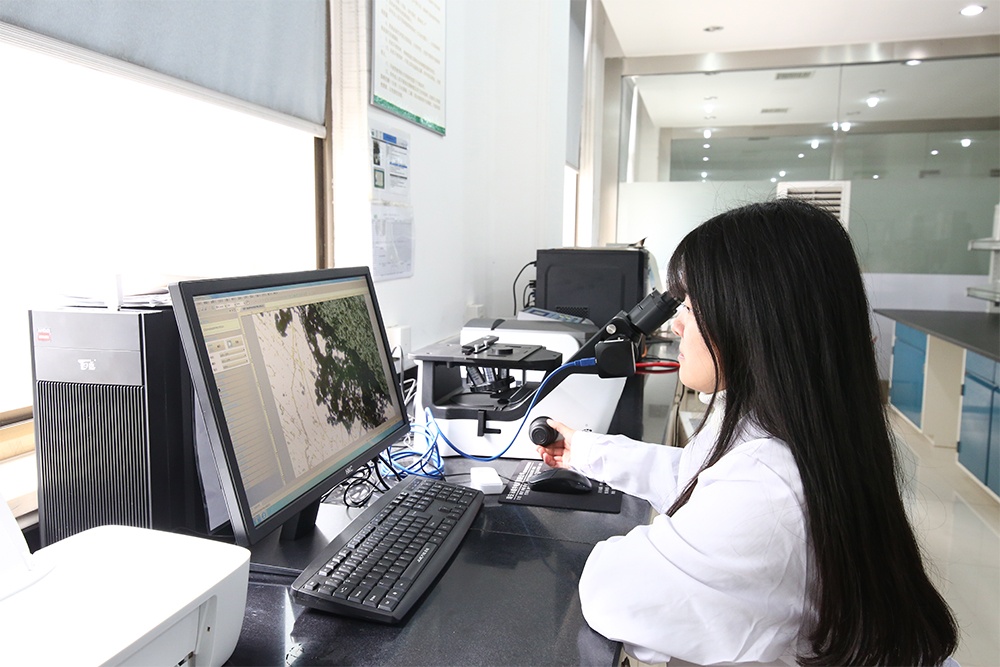
تقييم عروض الأسعار المتعددة ومقارنتها
لقد جمعت عروض أسعار من ثلاثة مورِّدين مختلفين. ويبلغ سعر أحدها ١٢٠٠٠ دولار أمريكي، وسعر الآخر ١٥٥٠٠ دولار أمريكي، بينما يبلغ سعر الثالث ١٨٢٠٠ دولار أمريكي. هل اتّخذ القرار أمرٌ سهلٌ؟ فقط اختر الخيار الأقل تكلفةً وانتقل إلى الخطوة التالية.
ليست الأمور بهذه السرعة. فقد تصل التكلفة الفعلية لعرض السعر البالغ ١٢٠٠٠ دولار أمريكي إلى ٢٥٠٠٠ دولار أمريكي عند أخذ رفض الجودة، وتأخر التسليم عن المواعيد المحددة، والبحث العاجل عن مورد بديل في منتصف المشروع في الاعتبار. وبالفعل، فإن أغلى خدمة تصنيع باستخدام الحاسب الآلي (CNC) على الورق قد تُقدِّم أفضل قيمة — بينما قد تتحول أرخص الخدمتين إلى كابوسٍ يُدمِّر الميزانية.
إن فهم كيفية تقييم عروض الأسعار بما يتجاوز الرقم النهائي يُميِّز محترفي المشتريات الناجحين عن أولئك الذين يقضون وقتهم في معالجة المشكلات المتكررة مع الموردين. ولنبنِّ معًا إطار عملٍ يعكس القيمة الحقيقية، وليس فقط السعر المذكور في العرض.
مقاييس تتجاوز مقارنة الأسعار
عندما تبحث عن ورش تصنيع ميكانيكي قريبة مني أو ورش تشغيل باستخدام الحاسب الآلي (CNC) قريبة مني، ستجد عشرات الخيارات. وسيُرسل لك كلٌّ منها بسرور عرض سعرٍ. لكن التقييم المهني ينظر إلى الصورة الكاملة — لأن أرخص خدمات ورش التشغيل الميكانيكي غالبًا ما تخفي تكاليف لا تظهر إلا بعد أن تكون قد التزمت بالعقد.
إليك ما يقيِّمه المشترون ذوو الخبرة جنبًا إلى جنب مع السعر:
موثوقية مدة التسليم: لا قيمة لوقت التسليم المُقدَّر إذا كان المورد يُسلِّم طلباته متأخرةً باستمرار. اطلب مؤشرات الأداء الخاصة بالتسليم في الوقت المحدد. ووفقاً لأبحاث قطاع التصنيع، يجب أن تكون فترة الاستجابة للأسئلة الفنية خلال ٢٤ ساعة، مع شرحٍ تفصيليٍّ يستند إلى الرسومات أو المواصفات الفنية. أما الموردون الذين يتواصلون بشكل ضعيف أثناء مرحلة الاقتباس، فنادراً ما يتحسَّن أداؤهم بعد أن تُرسل إليهم الطلب.
الكفاءة التقنية: هل يمتلك المورد بالفعل المعدات اللازمة لإنتاج أجزائك؟ قد يبدو عرض ورشة الآلات المحلية جذّاباً، لكن إذا كان يخطط لتوكيل عملك الخاص بالآلات الخمسية المحاور إلى مقاول من الباطن، فستفقد بذلك السيطرة على الجودة والجدول الزمني. اسأل تحديداً عن قائمة معداته، وما إذا كانت أجزاءك ستُنتَج داخلياً أم لا.
أنظمة الجودة: ما هو معدات الفحص التي يستخدمونها؟ هل يوفرون تقارير فحص القطعة الأولى؟ ولأعمال الدقة، تأكّد من أن لديهم القدرة على استخدام جهاز قياس الإحداثيات (CMM) وسجلات المعايرة الخاصة به. وتشير التوجيهات الصناعية إلى أنه أثناء عمليات التدقيق، ينبغي التحقق من سجلات المعايرة الخاصة بمعدات الفحص في المصنع، والتي يجب تحديثها مرة واحدة على الأقل سنويًا لضمان دقتها.
سرعة الاستجابة في التواصل: كم استغرق استلام العرض السعري؟ وهل أُجيب عن أسئلتك الفنية بإيضاحٍ كافٍ؟ ووفقًا لمعايير تقييم المورِّدين، فإن التواصل الفعّال يعزِّز الثقة ويضمن انسجام المشروع؛ إذ يُولي المصنع الموثوق اهتمامًا أولويًّا لسرعة الاستجابة والدعم الفني طوال العملية.
الاستقرار المالي: إن إغلاق المورِّد لأعماله في منتصف المشروع يؤدي إلى تأخيرات كارثية. وللطلبات الكبيرة، يُفضَّل طلب مراجع مالية أو التحقُّق من التصنيفات الائتمانية.
متطلبات الشهادات حسب القطاع الصناعي
الشهادات الصناعية ليست مجرد شعارات مثيرة للإعجاب— بل تمثل أنظمة جودة خاضعة لمراجعة مستقلة، وعمليات موثَّقة، والمساءلة عن الأداء. وعند البحث عن ورش تشغيل آلات بالقرب مني لتطبيقات حرجة، فإن امتلاك الشهادات يُميِّز الورش الهواة عن ورش التصنيع الاحترافية باستخدام ماكينات التحكم العددي (CNC).
فيما يلي الحالات التي تكتسب فيها الشهادات المحددة أهمية خاصة:
ISO 9001:2015: وفقًا لـ معايير الشهادات الصناعية وتُعتبر شهادة ISO 9001 أشمل شهادة تصنيع معترف بها على المستوى العالمي، وهي قابلة للتطبيق عبر جميع القطاعات وبجميع أحجام المؤسسات. وتؤكد هذه الشهادة أن منتجات أو خدمات المنظمة تتوافق مع توقعات العملاء والمتطلبات التنظيمية السارية. وهذه الشهادة تشكِّل الحد الأدنى المطلوب— إذ ينبغي أن يمتلك أي مورد جادٍّ هذه الشهادة.
IATF 16949: ضروري لأعمال السيارات. هذه المعايير العالمية لإدارة الجودة مصممة خصيصًا لصناعة السيارات، وتستند إلى معيار ISO 9001 مع إضافة متطلبات إضافية تتعلق بتصميم المنتجات وعمليات الإنتاج ومعايير العملاء الخاصة. وإذا كنت تُنتج مكونات سيارات، فإن المورِّدين غير الحاصلين على شهادة IATF 16949 يُشكِّلون مخاطر تتعلق بالامتثال.
AS9100D: حيويٌّ للتطبيقات الجوية والفضائية. تؤكِّد هذه الشهادة أن الأجزاء تفي بمتطلبات السلامة والجودة والمعايير العالية التي تفرضها صناعة الطيران. ووفقًا لخبراء التصديق، يعود جزء من سبب وجود شهادة مخصصة للقطاع الجوي والفضائي إلى درجة التخصص الفني الدقيق المطلوب في كل شيء لضمان السلامة والامتثال.
ISO 13485: مطلوبة لتصنيع الأجهزة الطبية. وتضمن هذه الشهادة أن تُصمَّم جميع الأجهزة الطبية وتُصنَّع مع مراعاة السلامة، حيث تُعتبر سلامة المريض ورفاهه الأولوية القصوى.
ISO 14001: شهادة إدارة البيئة—وهي تكتسب أهمية متزايدة للشركات التي تفرض متطلبات الاستدامة على سلاسل التوريد الخاصة بها.
لا تدفع مبلغاً إضافياً مقابل شهادات لا تحتاجها. فالقطع الصناعية العامة لا تتطلب شهادة AS9100D الخاصة بالطيران والفضاء. لكن لا تقبل أبداً مورِّداً غير معتمدٍ في القطاعات الخاضعة للتنظيم—فمخاطر المسؤولية والمخاطر المتعلقة بالامتثال تفوق بأضعافٍ أي وفورات ممكنة.
انتبه لهذه الإشارات التحذيرية التي تدل على أن العرض السعري قد يؤدي إلى مشاكل:
- أسعار منخفضة بشكل غير طبيعي: إذا كان عرض سعري واحد أقل بنسبة ٤٠٪ من عروض المنافسين، فهناك خطبٌ ما. فقد يكون المُقدِّم قد أساء فهم المواصفات، أو يخطط لتقليل الجودة، أو يكون في حالة يأس للحصول على طلب عمل—ولا شيء من هذه الاحتمالات يوحي بنتائج جيدة.
- بنود غامضة: العروض الاحترافية تفصّل التكاليف بوضوح. أما التسعير «الشامل» المدمج فيخفي مفاجآت محتملة ناتجة عن أوامر التغيير.
- عدم الإشارة إلى التسامح المسموح به: إذا كانت الرسومات الفنية الخاصة بك تحدد تسامحاً قدره ±٠٫٠٠١ بوصة ولم يذكر العرض القدرة على تحقيق الدقة المطلوبة، فقد لا يكون المُقدِّم قد درس متطلباتك بدقة.
- عدم تقديم وثائق الجودة: يذكر الموردون ذوو السمعة الطيبة تقارير الفحص، وشهادات المواد، وأنظمة الجودة دون أن يُطلب منهم ذلك.
- الاتصال البطيء أو غير الواضح: صعوبة الحصول على إجابات خلال مرحلة الاقتباس تنبئ بمشاكل قد تطرأ أثناء الإنتاج.
- التلكؤ في تقديم المراجع: يرحب الموردون الراسخون بالتحقق من المرجعيات. أما المقاومة في هذا الشأن فتشير إلى وجود ما يُراد إخفاؤه.
- أوقات تسليم غير واقعية: الوعود التي تفوق بشكلٍ كبير سرعة المنافسين قد تدل على مشاكل في السعة الإنتاجية أو نية التسرّع في تنفيذ طلبك.
- عدم ذكر أي شهادات: أما في القطاعات الخاضعة للتنظيم، فيبرز الموردون الحاصلون على شهادات مؤهلاتهم بوضوح.
ولتنظيم تقييمك بكفاءة، أنشئ جدول مقارنة إكسل يُوزِّن هذه العوامل بشكل مناسب. وخصِّص درجات (من ١ إلى ٥) لكل معيار، ثم اضربها في وزن الأهمية المخصص له، واحسب الدرجات الإجمالية للقيمة — وليس فقط ترتيب الأسعار. فعرض سعرٍ أعلى بنسبة ٢٠٪ لكنه مدعومٌ بسجلٍ مثبتٍ في التسليم في الوقت المحدد، وشهادات صحيحة، واتصال فعّال، غالبًا ما يمثل قيمة إجمالية أفضل من العرض الأقل سعرًا الذي يكتنفه الغموض في الفئات الحرجة.
تذكّر: الهدف ليس العثور على أقل عرض سعرٍ، بل هو إيجاد شريكٍ يقدّم أفضل قيمةٍ من خلال توريد قطع غيار عالية الجودة في الوقت المحدّد، وفي كل مرة. وهذه الفروق الدقيقة هي ما ينقذ المشاريع والميزانيات والمسيرات المهنية.
الأخطاء الشائعة في طلبات الاقتباس وكيفية تجنبها
لقد قمت بكل شيءٍ بشكلٍ صحيحٍ حتى الآن—وقد حسّنت تصميمك، واخترت المادة المناسبة، وطلبت عروض أسعار من مورِّدين مؤهلين. لكن عرض السعر الذي تلقّيته عاد إليك بأسعارٍ مُبالغٍ فيها، أو بنودٍ غامضةٍ في قائمة الأسعار، أو بطلبٍ لتوضيحٍ ما يؤخّر مشروعك أسبوعين. فما الخطأ الذي وقع؟
والإجابة عادةً ما تكمن في الطريقة التي أعددت بها وقدمت بها حزمة طلب العروض (RFQ). ووفقاً لخبراء القطاع، فإن عدم اكتمال الوثائق هو السبب الأكثر شيوعاً لتأخّر عروض الأسعار. فغياب التسامحات المسموح بها (Tolerances)، أو عدم تحديد المواد بدقة، أو وجود ملاحظات غامضة، كلّ ذلك يُربك عمليتي التسعير والإنتاج على حدٍّ سواء، مما يجبر المورِّدين على افتراضاتٍ لا تتطابق في الغالب مع متطلباتك الفعلية— وهذه الافتراضات نادراً ما تكون لصالح ميزانيتك.
الخبر السار؟ هذه الأخطاء يمكن تجنبها تمامًا. فلنُحلِّل الفجوات في الوثائق التي تُضخِّم عروض الأسعار، وكذلك حقائق المهلة الزمنية التي تفاجئ المشترين.
الفجوات في الوثائق التي تُضخِّم عروض الأسعار
تصوَّر أنك مورِّد ماكينات تحكم رقمي حاسوبي (CNC) تقوم بمراجعة طلب عرض أسعار وارد. وقد أرسل العميل ملف CNC يحتوي على هندسة جيدة نسبيًّا، لكن ما يلي هو ما يفتقر إليه: لا توجد إشارات إلى التسامح المسموح به، ولا مواصفات للمادة سوى عبارة «ألمنيوم»، ولا توجد أي إشارة إلى التشطيب السطحي المطلوب. فماذا تفعل؟
لديك خياران: إيقاف كل شيء لطرح أسئلة توضيحية (مما يؤخِّر إعداد عرض السعر لعدة أيام)، أو افتراضات حذرة تحمي ورشتك من التسعير المنخفض جدًّا. ويختار معظم المورِّدين الخيار الثاني — والافتراضات الحذرة تعني أسعارًا أعلى لك.
وفقًا لخبراء التشغيل الدقيق، يرتكب العديد من المشترين خطأً شائعًا يتمثّل في تضمين ملف STEP فقط في طلبات الاقتباس الخاصة بهم. وعلى الرغم من أن ملفات STEP مفيدةٌ بالفعل، فإن ملفات PDF لا تقل أهميةً لأنها تتضمّن ملاحظاتٍ جوهريةً تتعلّق بالتسامحات والمواد ومعالجة الحرارة والتشطيب السطحي وغيرها. وبغياب هذه المعلومات، يكاد يكون من المستحيل إعداد اقتباسٍ دقيق.
وفيما يلي قائمة شاملة بالمعلومات الأساسية التي يجب أن يتضمّنها كل طلب اقتباس:
- ملفات النماذج ثلاثية الأبعاد (CAD) بصيغ عالمية: تُقبل ملفات STEP (.step/.stp) وملفات IGES على نطاق واسع، وهي تحافظ بدقة على هندسة القطعة. ويجب تجنّب الصيغ الخاصة التي تتطلّب برامج محددة لفتحها.
- رسومات فنية ثنائية الأبعاد مع مواصفات الهندسة الهندسية والهندسة التصنيفية (GD&T): رسومات بصيغة PDF توضح جميع الأبعاد الحرجة والتسامحات والمرجعيات (Datums) ومتطلبات الفحص. وهذه هي الوثيقة التي تعبّر فيها بوضوح عن استراتيجيتك في تحديد التسامحات.
- مواصفات المواد الكاملة: ليست مجرد "فولاذ مقاوم للصدأ" بل "فولاذ مقاوم للصدأ من الدرجة 316L، في حالة التلدين." ويشمل ذلك درجة الفولاذ وحالة التصلب ومتطلبات الصلادة وأي شهادات مطلوبة (مثل شهادات المصنع أو الامتثال لمعايير RoHS).
- متطلبات تشطيب السطح: حدد قيم الخشونة السطحية (Ra) للأسطح الحرجة. ووضح أي الأسطح تُعتبر زخرفية وأيها وظيفية.
- الكمية والتنبؤ بالحجم: اشمل كلًّا من الكمية المطلوبة فورًا والكمية السنوية المتوقعة. فهذا يساعد المورِّدين على تقديم أسعار مناسبة حسب الحجم.
- تاريخ التسليم المطلوب: كن دقيقًا. عبارة "في أقرب وقت ممكن" ليست تاريخ تسليمٍ — بل هي دعوة لفرض رسوم إضافية بسبب الاستعجال.
- العمليات الثانوية: يجب توثيق متطلبات المعالجة الحرارية، أو الطلاء، أو الأنودة، أو النقش، أو التجميع بشكل واضح.
- متطلبات الفحص والتوثيق: تقارير فحص القطعة الأولى، وبيانات جهاز قياس الإحداثيات ثلاثي الأبعاد (CMM)، وشهادات المواد، أو أي مستندات مطلوبة وفقًا للمعايير الصناعية.
- مواصفات الخيوط: حدّد نوع الخيط، وفئة التوصيف (Class of fit)، وعمق الخيط. أما بالنسبة للثقوب العمياء، فيجب تحديد مواصفات القاعدة (Bottom-style specifications).
- متطلبات التغليف: بالنسبة لأجزاء الآلات الدقيقة التي تُصنَّع باستخدام ماكينات التحكم العددي (CNC)، قد يكون التغليف الواقي ضروريًّا لمنع التلف أثناء الشحن.
عندما لا تتطابق ملفات التحكم العددي بالحاسوب (CNC) مع الرسومات، يواجه المورِّدون مأزقًا. أي وثيقة تُعطى الأولوية؟ وتؤكد إرشادات التصنيع أن المورِّدين يقومون بمراجعات أكثر دقةً عندما تكون الملفات نظيفةً ومتسقةً وبنيتها صحيحةً؛ وأي تناقض بين النموذج ثلاثي الأبعاد والملاحظات المُدوَّنة على الرسم يؤدي إلى الالتباس والتأخير.
تكاليف الوثائق غير المكتملة لا تقتصر على تأخير عروض الأسعار فحسب، بل إن المواصفات الغامضة تفتح الباب أمام نزاعاتٍ حول نطاق العمل أثناء الإنتاج. فلقد توقَّعتَ أسطحًا مصقولةً، بينما قدَّم المورِّد الأجزاء كما هي بعد التشغيل الآلي. وكان رسمك البياني غامضًا، ولذلك فإنك الآن تواجه رسوم إعادة العمل أو تأخيرات في المشروع بينما يجري حل النزاع.
التوقعات مقابل الواقع فيما يتعلَّق بفترة التسليم
إليك حديثٌ يحدث كثيرًا جدًّا: «أحتاج هذه الأجزاء المشغَّلة خلال خمسة أيام. هل يمكنك إنجازها؟»
يقول المورد نعم—لأنه بحاجة إلى هذا العمل. لكن ما لم يخبرك به هو أن فترة التسليم المقدّرة بخمسة أيام تفترض أن المواد متوفرة في المخزون (وهي ليست كذلك)، وأنه لن تنشأ أي تعقيدات في البرمجة (وسيحدث ذلك بالفعل)، وأن لا شيء آخر في قائمة انتظاره سيتولى الأولوية (وربما يحدث ذلك). وبذلك تصل قطعك التي وُعدتَ بأنها ستُسلم خلال «خمسة أيام» بعد ثلاثة أسابيع، ويتعثّر الجدول الزمني الكامل لمشروعك.
تؤدي التوقعات غير الواقعية لفترة التسليم إلى مشاكل متراكبة:
تؤدي الرسوم الإضافية للطلبات العاجلة إلى ارتفاع التكاليف بشكل كبير: تتطلب الطلبات العاجلة تشغيل العمالة الإضافية، والبحث عن المواد ذات الأولوية، وإحداث اضطراب في سائر الأعمال المجدولة. وتوقّع دفع علاوة تتراوح بين ٢٥٪ و٥٠٪ على الطلبات العاجلة حقًّا— وذلك بافتراض أن المورد قادرٌ فعليًّا على الوفاء بالجدول الزمني الذي حددته.
تنخفض الجودة تحت الضغط: إن التشغيل العاجل للقطع يعني وقتًا أقل لضبط المعدات بدقة، وتقليل تكرار عمليات الفحص، وزيادة معدلات الرفض. وقد تصل القطع أسرع، لكن هل ستتوافق مع مواصفاتك؟
تؤدي توافرية المواد إلى تأخيرات خفية: قد تُشحن سبائك الألومنيوم القياسية خلال أيام، لكن الدرجات الخاصة أو السبائك الغريبة قد تتطلب أسابيع من وقت التوريد من المصانع. ولا يمكن لموردك أن يصنع أجزاء معدنية مخصصة باستخدام ماكينات التحكم العددي (CNC) حتى وصول المادة.
وفقًا لـ متخصصو التشغيل الآلي باستخدام الحاسوب (CNC) في معظم الحالات، يُرسل الموردون الموثوقون عروض الأسعار خلال ٤٨ إلى ٧٢ ساعة إذا كانت الملفات واضحة وكاملة. أما بالنسبة للمهام العاجلة أو الاستفسارات ذات الحجم الكبير، فقد تختلف الجداول الزمنية — لكن الاستجابات الأسرع شائعة عند التعامل مع موردٍ موثوقٍ يفهم متطلباتك جيدًا.
كيف يبدو وقت التوريد الواقعي لأجزاء التصنيع باستخدام ماكينات التحكم العددي (CNC)؟ إليك إطارًا عامًّا:
- أجزاء النماذج الأولية البسيطة (المواد القياسية): ٥–١٠ أيام عمل من وقت تأكيد الطلب
- أجزاء النماذج الأولية المعقدة (تتطلب إعدادات متعددة): 10-15 يوم عمل
- الطلبات الإنتاجية (المواد القياسية): ٢–٤ أسابيع حسب الكمية
- الأجزاء التي تتطلب تحملات دقيقة جدًّا: أضف ٣–٥ أيام لعمليات الفحص الإضافي والتعديلات المحتملة
- العمليات الثانوية (الأنوديزة، المعالجة الحرارية): أضف 3-7 أيام اعتمادا على العملية
- المواد المتخصصة: إضافة وقت شراء المواد، والتي يمكن أن تتراوح من أيام إلى أسابيع
أذكى طريقة؟ قم بتضمين وقت المكافئ في جدول مشاريعك وبلغ التوقعات الواقعية منذ البداية. ووفقاً لتوجيهات الصناعة، فإن تقديم توقعات التسليم المحددة يساعد الموردين على تخطيط القدرة والجدول الزمني، مما يؤدي إلى عروض أسعار أكثر دقة وأداء تسليم موثوق به.
عندما تقدم طلبك التالي، تذكر: نوعية المعلومات التي تقدمها تحدد مباشرة دقة الاقتباس الذي تتلقاه. الوثائق الكاملة تُبعد الافتراضات المواعيد الواقعية تمنع الخطأ المتسرع معا، فإنها تخلق الأساس للشراكات المعدنية CNC ناجحة سعر دقيق، التسليم الموثوق، وقطع الغيار التي تلبي مواصفاتك في المرة الأولى.

الاختيار بين الاقتباسات عبر الإنترنت وعمليات RFQ التقليدية
لقد أعددت وثائقك، وحسّنت تصميمك، وأصبحت جاهزًا لطلب الأسعار. لكن هناك قرارًا يغفله العديد من المشترين: هل تستخدم منصة اقتباس فوري أم تتبع عملية طلب عرض أسعار (RFQ) التقليدية؟ والإجابة تعتمد تمامًا على درجة تعقيد الجزء المطلوب، ومتطلبات الحجم، واحتياجات الجودة؛ وباختيار الطريقة الخاطئة قد تفقد وقتًا ومالًا معًا.
غيّرت خدمات التشغيل الآلي باستخدام آلات التحكم العددي (CNC) عبر الإنترنت طريقة حصول المشترين على الخدمات التصنيعية. ووفقًا لأبحاث القطاع، فإن أنظمة الاقتباس الفوري عبر الإنترنت للتشغيل الآلي باستخدام آلات التحكم العددي (CNC) توفر أسعارًا فورية وتقييمًا لقابلية التصنيع في غضون ٥–٦٠ ثانية، مقارنةً بـ ١–٥ أيامٍ للأساليب اليدوية التقليدية لطلب العروض. وهذه السرعة تمثل نقلة نوعية في مراحل النماذج الأولية والأجزاء البسيطة. لكن السرعة ليست كل شيء — لا سيما عندما تكون الدقة والشهادات المعتمدة وموثوقية الإنتاج أمورًا بالغة الأهمية.
إن فهم الوقت الذي يحقّق فيه كل نهج أقصى قيمة ممكنة يساعدك على اتخاذ قرارات شراء أكثر ذكاءً. ولنُفصّل هنا السيناريوهات التي يتفوّق فيها كل أسلوب.
متى تكون عروض الأسعار الفورية هي الأنسب؟
تتفوق منصات الاقتباس الفوري في سيناريوهات محددة تفوق فيها معايير التوحيد والسرعة احتياجات التخصيص. فإذا كنت تبحث عن خدمات التشغيل الآلي بالحاسوب (CNC) قريبة من موقعك وتحتاج إلى قطع بسرعة، فقد تكون هذه المنصات فعّالةً بشكلٍ ملحوظ.
فيما يلي الحالات التي يكون فيها الاقتباس الفوري مناسبًا:
- الهندسات القياسية ذات الميزات الشائعة: القطع ذات الجيوب والثقوب والحدود الخارجية البسيطة التي يمكن للخوارزميات تحليلها بدقة. ووفقًا لتحليل المنصة، فإن أنظمة الاقتباس الفوري تتعامل بكفاءة استثنائية مع أحجام القطع والمواد والتسامحات القياسية.
- اختيارات المواد الشائعة: ألومنيوم 6061، والفولاذ المقاوم للصدأ 304، وأكريلونيتريل بوتادين ستايرين (ABS)، وغيرها من المواد المتوفرة على نطاق واسع، حيث تُقدَّم أسعارها بدقة لأن بيانات التسعير شاملة وتوافر المواد متوقعٌ بدرجة عالية.
- كميات النماذج الأولية (1–25 وحدة): عندما تحتاج إلى عدد قليل من القطع بسرعة للتحقق من صحة تصميم ما، فإن المنصات الفورية تقدّم الاقتباسات خلال ثوانٍ وتسلّم القطع خلال أيام. وهذه هي المجالات التي تتميّز فيها هذه المنصات حقًّا.
- متطلبات التسامح القياسية: الأجزاء التي تحدد تحملات ±0.005 بوصة أو تحملات أقل دقةً تندرج بسلاسة ضمن خوارزميات الاقتباس الآلي. أما المواصفات الأدق تتطلب مراجعة بشرية.
- دورات تكرار التصميم: عندما تقوم بتعديل الهندسة بشكل متكرر وتحتاج إلى تغذية راجعة سريعة حول التكلفة، فإن تحميل الملفات المنقحة يستغرق دقائق بدلًا من أيام.
التقنية الكامنة وراء هذه المنصات مذهلة. وتستخدم الأنظمة الرائدة مثل Xometry وProtolabs اقتباساتٍ مدعومة بالذكاء الاصطناعي مع شبكات تضم أكثر من ١٠٬٠٠٠ مورد، وتدعم تحملات دقيقة تصل إلى ±٠٫٠٢٥ مم وأكثر من ٦٠ مادة. كما تُسلِّم Protolabs الأجزاء في غضون يومٍ واحدٍ فقط للنماذج الأولية العاجلة.
ومع ذلك، يحذر خبراء التشغيل الدقيق أن الاقتباسات الفورية غالبًا ما تبسِّط بشكل مفرط الهندسات المعقدة، ولا تأخذ في الاعتبار السمات الدقيقة أو التحملات أو المتطلبات الخاصة بالتشغيل. فهذه الخوارزميات تبني افتراضات عامة حول خصائص المواد وعمليات التشغيل، وقد لا تتماشى مع احتياجات مشروعك المحددة.
استخدم عروض الأسعار الفورية كمعيارك الأولي. فهي تُطلعك على ما يفرضه السوق مقابل العمل القياسي — وهي معلومة لا تُقدَّر بثمن عند تقييم عروض الأسعار المخصصة لاحقًا.
المواقف التي تتطلب عمليات طلب عروض أسعار مخصصة
عندما تخرج متطلباتك عن المعايير القياسية، فإن عمليات طلب عروض الأسعار التقليدية تُقدِّم قيمةً لا يمكن للخوارزميات أن تُنافسها. ويصبح التواصل المباشر مع المورِّدين ضروريًّا للمشاريع المعقدة، حيث يُحقِّق الوقت الإضافي المستثمر عوائدٍ كبيرةً من حيث الدقة والموثوقية.
فكِّر في اعتماد عمليات طلب عروض أسعار مخصصة عندما يتضمَّن مشروعك ما يلي:
هندسة أشكال معقدة تتطلَّب مراجعة هندسية: تستفيد الأجزاء ذات المنحنيات المركَّبة أو التجاويف العميقة أو الجدران الرقيقة أو السمات متعددة المحاور من التحليل البشري. ووفقًا لأبحاث التصنيع، يستطيع المهندسون ذوو الخبرة تقييم الأشكال الهندسية المعقدة والمتطلبات غير القياسية التي قد تفسِّرها الأنظمة الآلية بشكل خاطئ، مما يقلِّل من أخطاء التسعير التي قد تتجاوز ±١٠–١٥٪ للأجزاء المعقدة جدًّا.
المواد المتخصصة: السبائك الغريبة، والبوليمرات ذات الدرجة الطبية، أو المواد التي تتطلب شهادات معينة تحتاج إلى خبرة في مجال التوريد. وتتضمن خدمات التشغيل الآلي بالقطع الدوراني (CNC) لتطبيقات التشغيل الآلي في قطاع الطيران عادةً درجات التيتانيوم أو السبائك الفائقة النيكلية التي تتطلب معرفة متخصصة.
متطلبات التOLERANCE الضيقة: عندما تتطلب مواصفاتك دقةً تبلغ ±0.001 بوصة أو أعلى، فستحتاج إلى موردٍ يفهم المعداتَ وعمليات الفحص والتحكم في العملية المطلوبة. وغالبًا ما تتطلب تطبيقات التشغيل الآلي في القطاع الطبي هذا المستوى من الدقة.
التزامات حجم الإنتاج: وبالنسبة لدورات الإنتاج المستمرة، فإن التفاوض المباشر يُمكّن من الحصول على أسعار كمية، وترتيبات الطلبات الشاملة، والقدرة الإنتاجية المخصصة التي لا يمكن للمنصات الفورية تقديمها.
متطلبات الشهادات الصناعية: هذا هو المكان الذي تصبح فيه عمليات طلبات الاقتباس المخصصة ضرورية لا يمكن التنازل عنها. ووفقاً لخبراء مراقبة الجودة، فإن العديد من الصناعات تمتلك إرشادات صارمة تتعلق بسلامة المكونات وأدائها. وبغياب تدابير مراقبة الجودة المناسبة، قد لا تفي القطع بالمتطلبات التنظيمية، مما يؤدي إلى رفض الطلبات والمخاطر القانونية المحتملة.
وبالنسبة للتطبيقات في قطاع السيارات والتطبيقات عالية الدقة التي تتطلب شهادات مثل IATF 16949، فإن الموردين المتخصصين الذين يمتلكون قدرات على التحكم الإحصائي في العمليات (SPC) يقدمون عروض أسعار تأخذ بعين الاعتبار أنظمة الجودة اللازمة لإنتاج مكونات ذات جودة إنتاجية. وتضمن هذه الشهادات وجود عمليات موثَّقة، وإمكانية التعقُّب، وجودة متسقة لا يمكن لمنصات الاقتباس الفوري أن تضمنها أبداً.
المصنّعون مثل تكنولوجيا المعادن شاوي يي إظهار كيفية مزودين متخصصين الجمع بين السرعة والدقة، وتقديم تسجيلات سريعة مع أوقات التنفيذ سريعة مثل يوم عمل واحد لمعالجة الحاسب الآلي الدقيق. إن شهادات IATF 16949 وقدرات SPC تجعلها مناسبة بشكل خاص لتطبيقات السيارات التي تتطلب مجموعات الهيكل والمكونات المعدنية المخصصة حيث تكون وثائق الجودة إلزامية.
غالباً ما يعمل النهج الهجين بشكل أفضل للمشترين المتطورين: استخدام عروض فورية لتحديد الأسعار الأساسية وتأكيد الميزانيات التقريبية، ثم السعي إلى عروض مخصصة من الموردين المؤهلين لطلبات الإنتاج. هذه الاستراتيجية تعطيك سياق السوق مع ضمان أن شريك الإنتاج الخاص بك يمكن أن يوفر بالفعل الجودة، والشهادات، والموثوقية المتطلبات المشروع الخاص بك.
تذكّر: العرض السعري الفوري هو نقطة انطلاقٍ، وليس التزامًا. فبالنسبة لأي طلب يتجاوز النماذج الأولية البسيطة المصنوعة من المواد القياسية، فإن التواصل المباشر مع المورِّدين يوفّر الدقة والمساءلة والشراكة التي لا يمكن للخوارزميات محاكاتها. وبذلك فإن اليوم أو اليومين الإضافيين اللذين تقضيهما في إتمام عملية طلب العروض (RFQ) بشكلٍ سليمٍ يمنعان حدوث مشكلاتٍ قد تمتد لأسابيع عند بدء الإنتاج.
اتخاذ إجراءات بشأن عروض أسعار التشغيل الآلي بالحاسوب (CNC)
لقد تعلّمتَ كيف تؤثّر المواد والتسامحات وأحجام الدفعات وعمليات التشغيل على التسعير. كما أنك تعرف ما الذي يميّز المورِّد الجدير بالثقة عن المورِّد ذي المخاطر العالية. والآن حان وقت الحقيقة: تحويل هذه المعرفة إلى إجراءٍ عمليٍّ. فالدورة الكاملة لعملية العرض السعري — من مرحلة الإعداد وحتى القبول — هي التي تُحدّد ما إذا كان مشروعك سيحقّق النجاح أم سيواجه التعثّر.
فكّر في هذه المرحلة النهائية على أنها المرحلة التي تجتمع فيها كل الأمور معًا. فمشروع أجزاء التصنيع باستخدام الحاسب الآلي (CNC) يعتمد ليس فقط على فهم التكاليف، بل أيضًا على تنفيذ عملية منهجية تحمي مصالحك وتبني شراكات إنتاجية ناجحة مع المورِّدين. سواء كنت تستورد من مُصنِّع محلي قريب منك أو تعمل مع مصنِّعين في الخارج، فإن هذه المبادئ تنطبق عالميًّا.
قائمة التحقق من قبول العرض السعري
قبل أن توافق على أي عرض سعري، اتبع هذه العملية للتحقق منه. إن تخطي هذه الخطوات هو ما يؤدي إلى توسع نطاق العمل (Scope Creep)، وسوء الفهم، وتجاوز الميزانية.
التحقق من توافق المواصفات الفنية مع متطلباتك:
- هل المادة المذكورة في العرض السعري مطابقة تمامًا لمتطلبات الرسم الهندسي الخاص بك؟ فالعبارة «ألمنيوم» ليست هي نفسها «ألمنيوم 6061-T6».
- هل تم الإقرار صراحةً بالقدرات المتعلقة بالتلاقيح (Tolerances)؟ فإذا كان رسمك الهندسي يحدد تلاقيح بقيمة ±0.001 بوصة، بينما لا يشير العرض السعري إلى القدرة على تحقيق دقة كهذه، فيجب توضيح ذلك قبل القبول.
- هل التشطيب السطحي المذكور في العرض السعري متسقٌ مع مواصفاتك؟ تأكَّد من توثيق قيم الخشونة السطحية (Ra).
- هل تشمل السعر المُقدَّم جميع العمليات الثانوية (المعالجة الحرارية، والطلاء، والأكسدة الكهربائية)؟
تحقق من وضوح الشروط التجارية:
- ما هو الجدول الزمني الدقيق للتسليم بدءًا من تأكيد الطلب؟ وفقًا لـ أفضل الممارسات الدولية في إعداد العروض السعرية ، فإن الجداول الزمنية الغامضة مثل "أسبوعين" تتطلب توضيحًا— متى يبدأ العد؟
- هل تم تحديد شروط الدفع؟ وتؤكد التوجيهات الصناعية على ضرورة تقديم خيارات دفع متعددة لتيسير اتخاذ القرارات بشكل أسرع.
- ما هي شروط مراجعة الأسعار؟ ويُربط الموردون الشفافون أي تعديلات بمؤشرات موثَّقة مثل مؤشر لندن للمعادن (LME) بالنسبة للمعادن.
- هل شرط التسليم الدولي (Incoterm) مكتملٌ مع تحديد الموقع؟ فعبارة "CIF" وحدها غير كافية— والصيغة الصحيحة هي "CIF ميناء لوس أنجلوس."
تحقق من التزامات الجودة والتوثيق:
- ما التقارير الفاحصة التي ستُرفق مع التسليم؟ ويجب تحديد تقرير الفحص الأولي، والتقارير البُعدية، وشهادات المواد.
- هل تم توثيق إمكانية التتبع؟ وفقًا لخبراء التوريد، وبغياب إمكانية التتبع، يصبح من المستحيل تحديد مصدر العيوب في حال كانت مورِّدون متعددون يوفرون نفس المكوِّن.
- ما هي إجراءات التعامل مع المنتجات المرفوضة؟ وضِّح المسؤوليات المتعلقة بالفصل بين هذه المنتجات أو إعادة معالجتها أو استبدالها قبل حدوث المشكلات.
في مشاريع التشغيل المعدني التي تتطلب إمكانيات ماكينات مخصصة، تأكَّد من أن المورد يؤكد إنتاجه للأجزاء المطلوبة داخليًّا في مرافقه الخاصة، بدلًا من التعاقد مع مرافق غير معروفة. ويحمي هذا الإجراء كلاً من ضبط الجودة وحقوق الملكية الفكرية.
بناء علاقات طويلة الأمد مع الموردين
عملية الاقتباس ليست مجرَّد مسألة الفوز بأقل سعر — بل هي الأساس الذي تقوم عليه الشراكات التي تُحقِّق قيمةً على مدى سنوات من التعاون. ووفقًا لأبحاث إدارة علاقات المورِّدين (SRM)، فإن الإدارة الفعَّالة لهذه العلاقات تضمن سلسلة توريدٍ موثوقة، وتقلِّل من مخاطر الانقطاعات، وتضمن التسليم في الوقت المحدَّد للبضائع والخدمات.
إليك كيفية التفاوض لتحقيق القيمة بدلًا من التركيز فقط على خفض السعر:
ركِّز على تكلفة الملكية الإجمالية: المورد الذي يقدّم ملاحظات حول التصميم القابل للتصنيع (DFM) قد يقدّم عرض سعر أعلى بنسبة ١٠٪، لكنه يوفّر لك ٣٠٪ من التكاليف عبر تحسينات التصميم. هذه هي خلق القيمة، وليس مجرد خفض التكاليف.
اقترح التزامات كمية لتحسين الشروط: بدلاً من المطالبة بخفض أسعار الوحدة، قدّم رؤية تنبؤية واضحة وإصدارات جدولية منتظمة. ووفقاً لأفضل الممارسات في إدارة العلاقات مع الموردين (SRM)، فإن الشراكات طويلة الأجل التي تركز على النمو المتبادل تُمكّن من تحسينات تعاونية في تطوير المنتجات، وكفاءة العمليات، وتوفير التكاليف.
استثمر في تطوير الموردين: عندما تجد شريكاً متخصصاً في التشغيل الآلي باستخدام الحاسوب (CNC) بالقرب من موقعك يتمتّع بأسس قوية لكنه يملك مجالاً للتطوير، فكّر في تنفيذ برامج مشتركة لتنمية القدرات. فاستثمارات التدريب والدعم الفني تخلق مورّدين يتميّزون بملاءمتهم الفريدة لمتطلباتك.
احرص على وجود قنوات اتصال واضحة: وتبيّن أبحاث القطاع أن التواصل المنتظم يضمن التنسيق التام حول الأهداف والتوقعات والأداء، وذلك باستخدام أدوات تعاونية تتيح لكلٍّ من الموردين وفريقك الوصول إلى المعلومات ذات الصلة ومعالجة المشكلات في الوقت الفعلي.
في مشاريع التصنيع باستخدام الحاسب الآلي (CNC)، تُعد العلاقة مع المورد بنفس أهمية العرض السعري. فالمورد الذي يفهم تطبيقاتك، ويتنبّه باكرًا لاحتياجاتك، ويقترح تحسينات بشكل استباقي يصبح ميزة تنافسية—وليس مجرد بائع.
أفضل عرض سعري للتصنيع باستخدام الحاسب الآلي (CNC) ليس بالضرورة الأقل سعرًا، بل هو العرض الذي يعكس بدقة المبلغ الفعلي الذي ستدفعه مقابل القطع التي تتوافق تمامًا مع مواصفاتك، وتُسلم في الوقت الذي تحتاجه فيه، من موردٍ يتواصل معك بوضوح ويدعم جودة عمله.
ويحوّل هذا النهج المرتكز على احتياجات المشتري طريقة تفاعلك مع أي مزوِّد لخدمات التصنيع باستخدام الحاسب الآلي (CNC). فأنت لم تعد تتلقى العروض السعرية بشكل سلبي وتترقّب النتائج بأملٍ. بل أصبحت شريكًا واعيًا يفهم عوامل التكلفة، ويحدّد المتطلبات بدقة، ويقيّم الموردين بطريقة منهجية، ويتفاوض لتحقيق قيمة حقيقية.
تشمل العوامل التسع المتعلقة بالتكلفة التي يغطيها هذا الدليل: المواد، والتعقيد، وعمليات التشغيل الآلي، والتسامحات، ونوعية التشطيب السطحي، والاقتصاد المرتبط بحجم الدفعة، واشتراطات المؤهلات المطلوبة من المورِّدين، وجودة الوثائق، واختيار طريقة الاقتباس. وهذه العوامل تزوّدك بالمفردات اللازمة لإجراء محادثاتٍ ذات معنى مع الشركات المصنِّعة. واستخدم هذه المعرفة لطرح أسئلةٍ أفضل، وتحدي الاقتباسات غير الواضحة، واتخاذ قراراتٍ توازن بين التكلفة والجودة ومواعيد التسليم وفقًا لمتطلبات مشروعك المحددة.
يبدأ طلب الاقتباس القادم الخاص بك الآن. أعدّ وثائقٍ كاملة، وحدّد جداول زمنية واقعية، وقيّم المورِّدين بناءً على عوامل تتجاوز السعر فقط، وابنِ علاقاتٍ تُحقِّق قيمةً مستدامةً على مدى سنواتٍ قادمة. فبهذا الأسلوب يحوِّل المشترون الأذكياء اقتباسات عمليات التشغيل الآلي باستخدام الحاسوب (CNC) إلى مشاريع ناجحة.
أسئلة شائعة حول اقتباسات عمليات التشغيل الآلي باستخدام الحاسوب (CNC)
١. كيف تُقدَّم اقتباسات أعمال التشغيل الآلي باستخدام الحاسوب (CNC)؟
تُحسب عروض أسعار التشغيل بالتحكم العددي الحاسوبي (CNC) من خلال دمج تكاليف الإعداد الثابتة (مثل البرمجة، وتجهيزات التثبيت، وإعداد الأدوات) مع التكاليف المتغيرة لكل قطعة (مثل تكلفة المادة، ووقت تشغيل الآلة، والعمالة). ويقوم المورِّدون بتحليل ملفات التصميم ثلاثي الأبعاد (CAD) والرسومات الفنية الخاصة بك لتقدير عدد ساعات التشغيل استنادًا إلى درجة التعقيد، ثم يضيفون تكاليف المواد، وعمليات التشطيب، والتفتيش، والشحن. وتؤثر الكمية المطلوبة تأثيرًا كبيرًا في التسعير — إذ تُقسَّم تكاليف الإعداد على جميع القطع المطلوبة، وبالتالي تنخفض التكلفة لكل وحدة انخفاضًا حادًّا كلما زادت الكميات. وللحصول على عروض أسعار دقيقة، يُرجى تزويدنا بكافة الوثائق المطلوبة، ومنها ملفات STEP، والرسومات ثنائية الأبعاد مرفقة بالتسامحات المسموح بها، ومواصفات المادة.
٢. ما العوامل التي تؤثر في تكلفة التشغيل الآلي باستخدام الحاسب (CNC) أكثر ما يؤثر؟
تشمل العوامل الرئيسية التي تُحدد التكاليف في عروض أسعار التشغيل الآلي باستخدام الحاسب (CNC) اختيار المادة وقابليتها للتشغيل (فمثلاً يُشغَّل الألومنيوم أسرع من التيتانيوم)، وتعقيد الجزء وهندسته (مثل الجيوب العميقة والجدران الرقيقة والمنحنيات المركبة التي تزيد من الوقت المطلوب)، ومواصفات التحمل (فكل خطوة أكثر ضيقاً قد تضاعف التكلفة من ٢ إلى ٤ مرات)، وعدد مراحل الإعداد المطلوبة، والعمليات التشغيلية اللازمة (مثل التشغيل ثلاثي المحاور مقابل خمسة محاور)، وحجم الدفعة. كما أن تشديد التحملات بما يتجاوز ±٠٫٠٠١ بوصة قد يرفع التكاليف بنسبة ٣٠٠–٤٠٠٪ بسبب انخفاض سرعة التشغيل، والحاجة إلى معدات متخصصة، ومتطلبات الفحص المكثفة.
٣. كيف يمكنني الحصول على عرض سعر فوري للتشغيل الآلي باستخدام الحاسب (CNC) عبر الإنترنت؟
منصات الاقتباس الفوري عبر الإنترنت مثل Xometry وProtolabs وHubs تتيح لك رفع ملفات CAD والحصول على أسعار آلية خلال ثوانٍ إلى دقائق. وتعمل هذه المنصات بشكل أفضل مع الأشكال الهندسية القياسية، والمواد الشائعة (مثل الألومنيوم والفولاذ المقاوم للصدأ والبلاستيكات القياسية)، وأعداد النماذج الأولية (من وحدة واحدة إلى ٢٥ وحدة)، والتسامحات القياسية (±٠٫٠٠٥ بوصة أو أقل دقة). ما عليك سوى رفع ملف STEP الخاص بك، واختيار المادة وخيارات التشطيب، وتحديد الكمية، ثم ستحصل فورًا على السعر. ويمكنك استخدام هذه الاقتباسات كمرجع معياري، لكن يُنصح باللجوء إلى عمليات طلب عروض أسعار مخصصة (RFQ) للأجزاء المعقدة، أو التسامحات الضيقة جدًّا، أو أحجام الإنتاج التي تتطلب شهادات معتمدة.
٤. ما الذي ينبغي أن أتضمنه في طلب اقتباس لعمليات التشغيل الآلية باستخدام الحاسب (CNC)؟
يجب أن يشمل حزمة طلب عرض الأسعار (RFQ) الكاملة ملفات النماذج ثلاثية الأبعاد بتنسيق CAD (مثل STEP أو IGES)، والرسومات الفنية ثنائية الأبعاد مع مواصفات الهندسة الهندسية والهندسية التصنيعية (GD&T) التي توضح جميع التحملات والأبعاد الحرجة، ومواصفات المواد الكاملة (الدرجة، الحالة الميكانيكية، الصلادة)، ومتطلبات التشطيب السطحي (قيم Ra)، وكمية الطلب والتنبؤ بالحجم، والتاريخ المحدد للتسليم، ومتطلبات العمليات الثانوية (المعالجة الحرارية، الطلاء، الأنودة)، واحتياجات الفحص والشهادات، ومواصفات الخيوط، ومتطلبات التغليف. وغياب أية معلومةٍ من هذه المعلومات يُجبر المورِّدين على افتراضات تحفظية تؤدي إلى رفع الأسعار أو تسبّب تأخيرات أثناء طلبهم التوضيحات.
٥. متى يجب أن أختار مورِّدًا معتمدًا لعمليات التصنيع باستخدام الحاسب الآلي (CNC)؟
تصبح الشهادات الصناعية ضروريةً للتطبيقات الخاضعة للتنظيم. وتُعَد شهادة ISO 9001:2015 الحد الأدنى المطلوب لأي مورد جاد. أما شهادة IATF 16949 فهي إلزامية لمكونات قطاع السيارات، لضمان إدارة الجودة الخاصة بهذا القطاع. وتشترط تطبيقات الطيران والفضاء الحصول على شهادة AS9100D، حيث تكون معايير السلامة والدقة بالغة الأهمية. كما أن شهادة ISO 13485 ضرورية لتصنيع الأجهزة الطبية. ويوفّر الموردون المعتمدون، مثل شركة Shaoyi Metal Technology الحاصلة على شهادة IATF 16949 وقدرات التحكم الإحصائي في العمليات (SPC)، أنظمة جودة موثَّقة، وإمكانية تتبع المنتجات، وجودةٌ متسقة لا يمكن لمحلات التشغيل الآلي القياسية ضمانها.