 Small batches, high standards. Our rapid prototyping service makes validation faster and easier —
  EN
EN


Die-kastli oshpani yordamida transport vositasining ishlashini optimallashtirish
Qisqacha
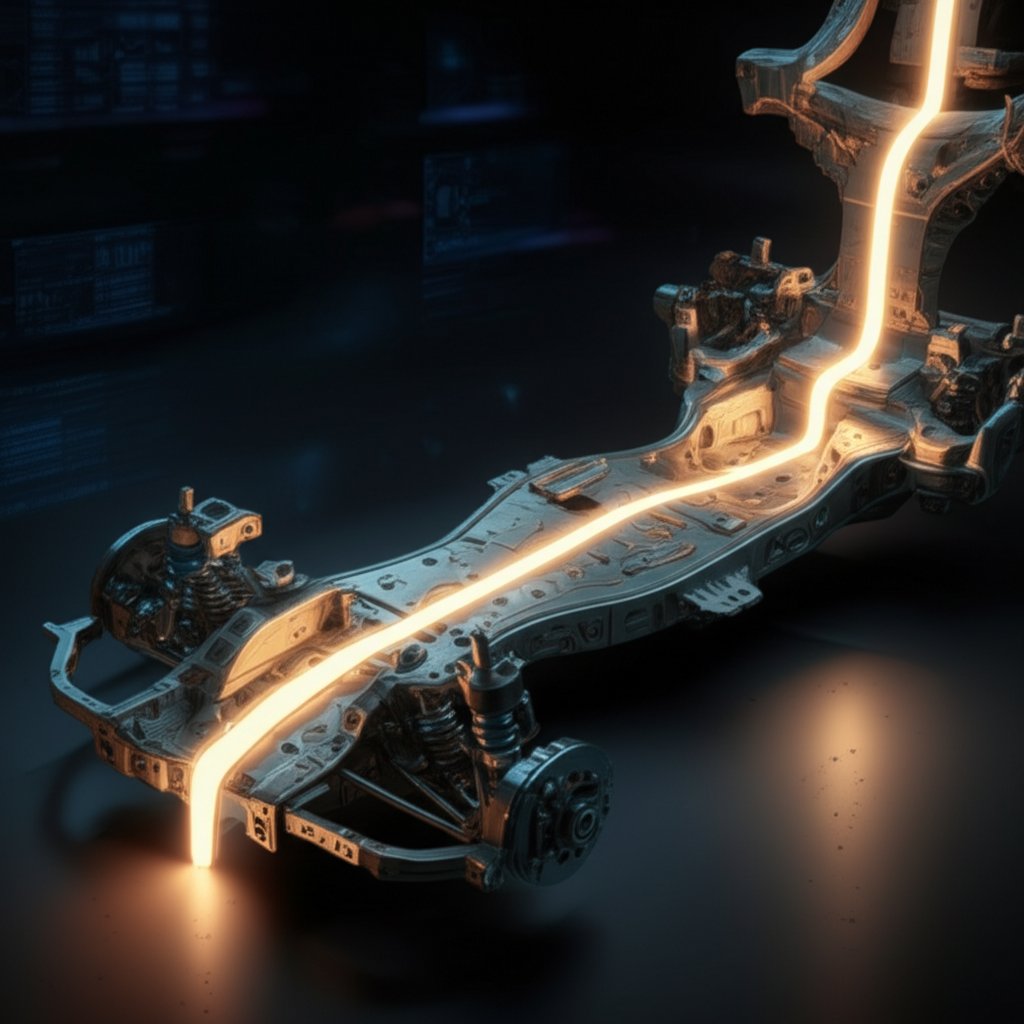
Matritsali quyish — asosan alyuminiy qotishmalardan yaratiladigan mustahkam, murakkab va yengil osma elementlarini ishlab chiqarishda muhim bo'lgan ishlab chiqarish jarayonidir. Ushbu usul avtomobillar korxonalariga umumiy transport vositasi massasini sezilarli darajada kamaytirish imkonini beradi, bu esa bevosita boshqaruv, yoqilg'i samaradorligi va ishlashni yaxshilaydi. Bir nechta detallarni bitta mustahkam komponentga birlashtirish orqali matritsali quyish montajni soddalashtiradi hamda konstruksion mustahkamlikni oshiradi.
Avtomobil osma tizimlari uchun matritsali quyishning roli va afzalliklari
Zamonaviy avtomashina sohasida yengilroq, mustahkamroq va samaraliroq transport vositalarini yaratish uchun doimiy izlanish olib borilmoqda. Shassi va o'q tizimlari uchun ayniqsa, shablon qotirish (die casting) ushbu sohadagi asosiy texnologiyaga aylanib qoldi. Bu jarayon, odatda, yuqori bosim ostida alyuminiy qotig'ini po'lat shablonga siqib kiritishni o'z ichiga oladi. Natijada, aniq shakllangan, mustahkamlik va yengillikning ajoyib kombinatsiyasini ta'minlovchi tayyor komponent hosil bo'ladi, bu esa transport vositasining dinamikasi uchun muhim ahamiyatga ega. Shablon qotirishdan foydalanish orqali ishlab chiqaruvchilar an'anaviy usullar bilan yaratish qiyin yoki imkonsiz bo'lgan murakkab geometrik shakldagi detallarni ishlab chiqarish imkoniyatiga ega bo'ladi.
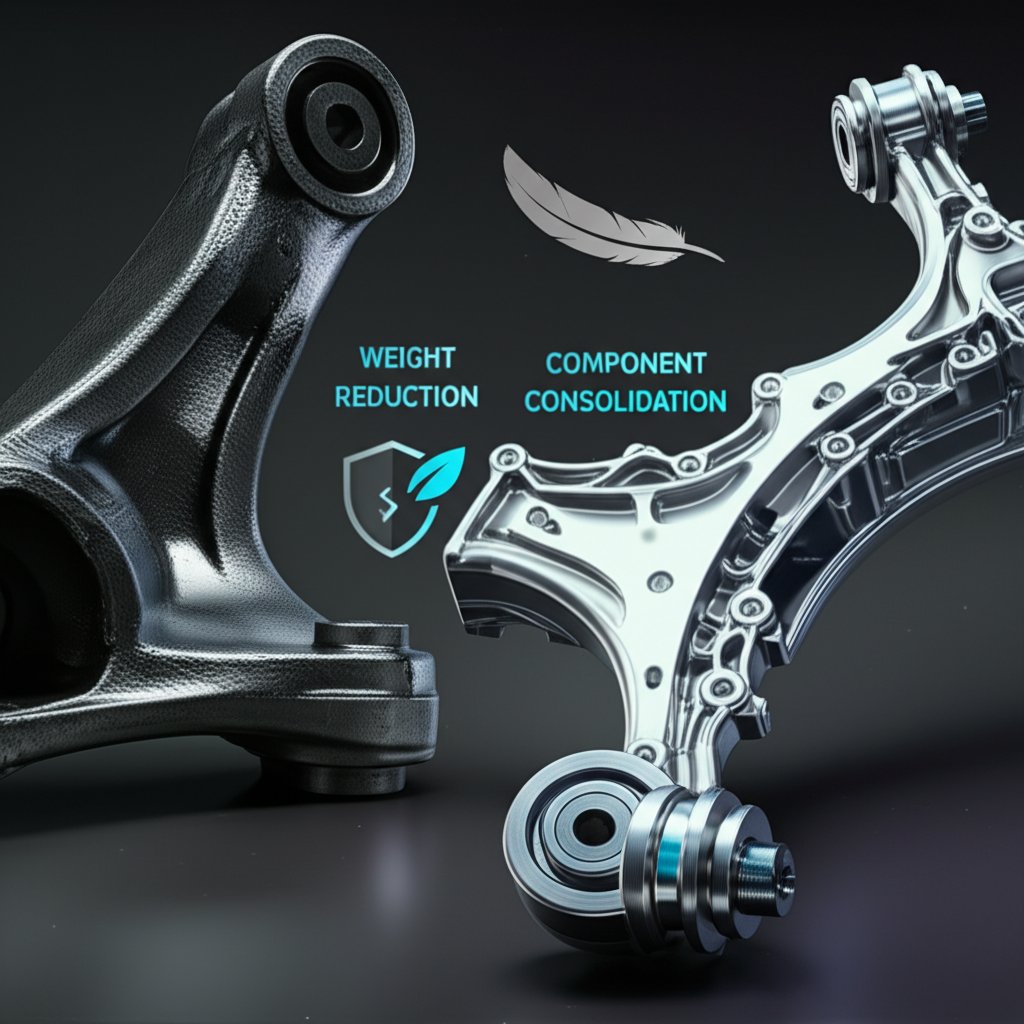
Soyilgan o'q sozlamalardan foydalanishning asosiy afzalliklari katta. Eng muhimi — og'irlikni kamaytirish. Sanoat tahlillariga ko'ra, po'lat kabi an'anaviy materiallardan tayyorlangan qismlarga nisbatan soyilgan aluminiy qismlardan foydalanish komponentlarning og'irligini 30% yoki undan ortiq kamaytirishi mumkin. Bu og'irlikni tejash bevosita yoqilg'i tejamkorligiga va chiqaziladigan gazlarni kamaytirishga olib keladi. Shuningdek, yengil komponentlar avtomashinaning tarang bo'lmagan massasini pasaytiradi, suspensiyaga yo'l nuqsonlariga tezroq javob berish imkonini beradi, bu esa boshqaruv, dam olish qulayligi va umumiy ishlashni yaxshilaydi.
Mustahkamlik va chidamlilik ham muhim afzalliklardir. Yuqori bosimli quyish jarayoni muhim kuchlanishlarga va tebranishlarga chidaydigan, porozligi past bo'lgan zich metall tuzilmalarni yaratadi, bu esa o'z navbatida, o'q tutqichlari va boshqaruv tirgaklari kabi xavfsizlik jihatidan muhim qismlar uchun juda muhim. Bu jarayon bir nechta kichik qismlarni birlashtirib, yagona, yanada mustahkam birlashma sifatida qayta ishlash imkonini beradi. Bu nafaqat montaj jarayonini soddalashtiradi, balki ishlamay qolish ehtimoli bo'lgan joylarni bartaraf etadi va suspensiyaga umumiy mustahkamlikni oshiradi. Yuqori ishlash ko'rsatkichiga ega avtomobillar ishlab chiqaruvchilari aynan shu sabablarga ko'ra shu texnologiyani qo'llashadi.
Boshqa ishlab chiqarish usullari bilan solishtirganda, o'q sotishga quyishning o'ziga xos afzalliklari mavjud. Murakkab, yengil qismlar uchun o'q sotishga quyish yaxshi bo'lsada, formpresslash kabi boshqa usullar ham muhim. Masalan, avtomobil sohasida formpresslash bo'yicha mutaxassislari, masalan, Shaoyi (Ningbo) Metal Technology , turli material xususiyatlari talab qilinadigan sohalarda qo'llaniladigan ilg'or issiq formpresslash jarayonlari yordamida mustahkam komponentlarni ishlab chiqaradi. Biroq, ingichka devorlarga ega murakkab shakllarni yaratish va a'lo sirt sifatini ta'minlash uchun o'zak quyish ko'proq samarali va arzon bo'ladi, bu esa keng qamrovli keyingi ishlov berish kerak bo'lish ehtimolini kamaytiradi.
Keng tarqalgan o'zak quyilgan osma va shassi komponentlari
O'zak quyish avtomashina shassisi va osma tizimining asosini tashkil qiluvchi keng qator muhim komponentlarni ishlab chiqarishda qo'llaniladi. Murakkab, yuqori sifatli qismlarni yaratish qobiliyati tufayli doimiy dinamik yuklarga duchor bo'ladigan komponentlar uchun bu jarayon g'oya uygun. Bu qismlar transport vositasining barqarorligi, boshqaruv reaktsiyasi va umumiy xavfsizligi uchun zarur.
Eng keng tarqalgan o'zak quyilgan osma va shassi komponentlariga quyidagilar kiradi:
- Boshqaruv tugunlari: Bu boshqaruv tizimini ostonka va g'ildirak to'plamiga ulaydigan asosiy komponentlardir. Soxta aluminiydan quyilgan burunlar temir yoki po'lat analoglariga qaraganda sezilarli darajada yengil bo'lib, zarur mustahkamlik va qattiqlikni ta'minlaydi.
- Boshqaruv qo'llari: Ostonka tizimidagi muhim bog'lovchi element sifatida boshqaruv qo'llari ham kuchli, ham yengil bo'lishi kerak. Soxta quyish maxsus tarmoqsimon dizaynlarni yaratish imkonini beradi, bu esa minimal material bilan maksimal mustahkamlikni ta'minlaydi.
- Pastki ramkalar va ostonka ushlab turuvchilari: Ushbu konstruktiv qismlar dvigatel va ostonka to'plamlarini qo'llab-quvvatlaydi. Soxta quyish katta, bitta bo'lakli pastki ramkalarni yaratish imkonini beradi, bu esa shassi qattiqiligini oshiradi va montaj murakkabligini kamaytiradi.
- Uzatish qutilari: Quvvat uzatish tizimining qismi bo'lsada, uzatish korpuslari ko'pincha shassi o'rnatish nuqtalari bilan birlashtiriladi. Soxta quyilgan korpuslar yengil, o'lchami jihatidan aniq va qattiq bo'lib, diapazonlarni silliq o'tkazish va quvvat uzatishni ta'minlaydi.
- Shok ustunlari: Ushbu komponentlar strut yoki shock absorberlarning yuqori birlashtirish nuqtalari hisoblanadi. Die-kast shok minori murakkab shakllarga ega bo'lishi mumkin, bu esa qotib qolgan dvigatel bo'limlariga mos kelish hamda zarur konstruktiv qo'llab-quvvatlashni ta'minlash imkonini beradi.
Ushbu die-kast qismlarni birlashtirish zamonaviy avtomashina arxitekturasining asosiy tarkibiy qismidir. Ular yuqori aniqlik va doimiylik bilan ishlab chiqarilganda, avtomobillar ishlab chiqaruvchilar o'z platformalarida yaxshiroq mos kelish, tekislash va ishlashni kafolatlay oladilar. Bu sohalarda yengil aluminiy qotishmalarga o'tish oddiygina elektromagnitli hamda elektr transport vositalaridagi yutug'lar uchun muhim omil hisoblanadi.
Asosiy die-kast jarayonlari va materiallar
Yuqori sifatli suspensiyaga ega komponentlarni ishlab chiqarish uchun ishlab chiqaruvchilar murakkablik, hajm hamda konstruktiv mustahkamlik talablari turlicha bo'lgan die-kast jarayonining bir necha variantlaridan foydalanadi. Jarayon tanlovi hamda alohida metall qotishma tanlovi ma'lum qism uchun kerakli mexanik xususiyatlarga erishish jihatidan hal etuvchi ahamiyatga ega.
Eng muhim jarayonlarga quyidagilar kiradi:
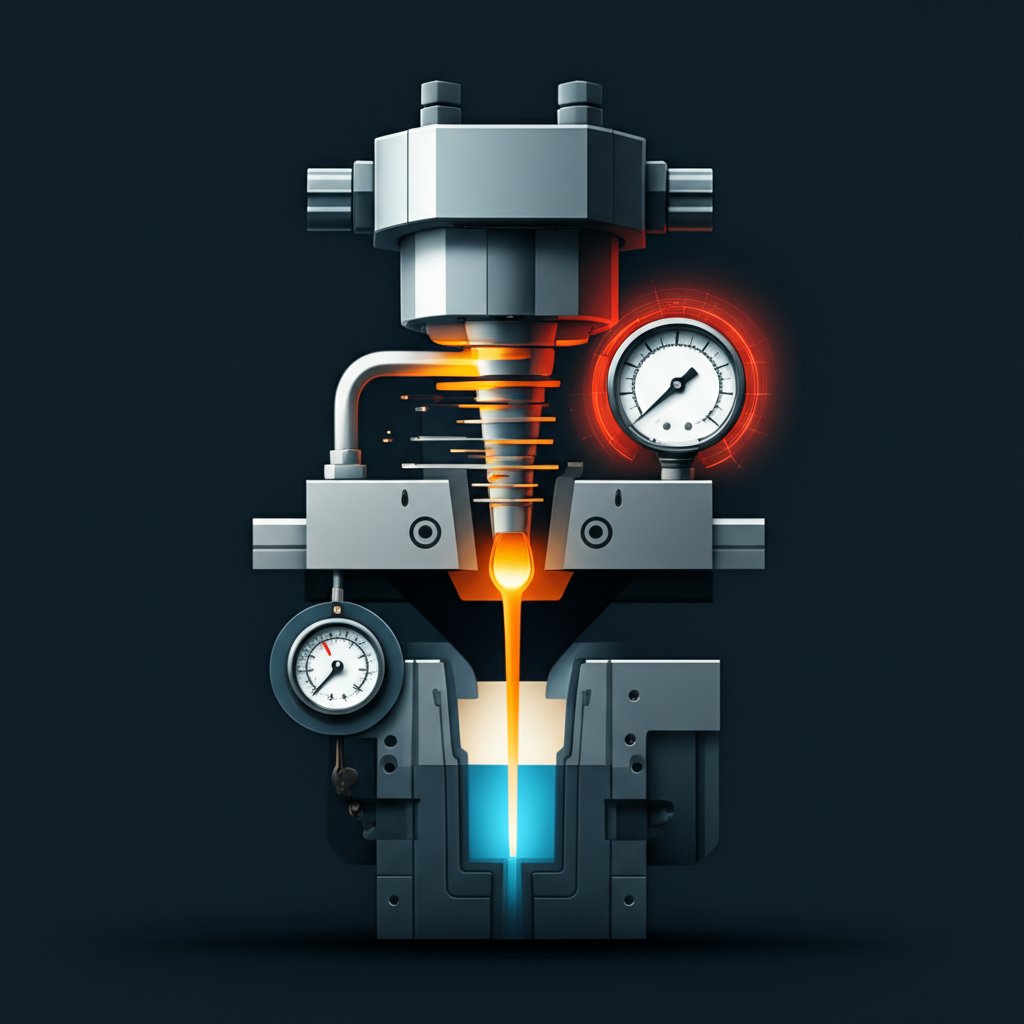
- Yuqori bosimli o'tkazma qolipda sovutish (HPDC): Bu eng keng tarqalgan usul bo'lib, unda suyuq holatdagi metall juda yuqori tezlikda va bosimda (30-70 MPa) matritsaga kiritiladi. HPDC ajoyib o'lchov aniqligi va silliq sirt bilan qismlarni ishlab chiqarish imkonini beradi hamda uzatish korpuslari va dvigatel bloklari kabi tushiriladigan hajmli komponentlar uchun ideal hisoblanadi.
- Past bosimli matritsali quyish (LPDC): Ushbu jarayonda metall past bosimda (0.08-0.15 MPa) kiritiladi. Sekinroq, boshqariladigan to'ldirish natijasida porozligi kamroq bo'lgan va mexanik xossalari yaxshilangan qismlar hosil bo'ladi, shu sababli issiqlikni davolash talab qilinishi mumkin bo'lgan xavfsizlikka oid muhim komponentlar uchun mos keladi.
- Vakuumli matritsali quyish: HPDCning takomillashtirilgan usuli bo'lib, metall quyilishdan oldin shakldagi havo va gazlarni vakuum orqali olib tashlaydi. Bu porozlikni ancha kamaytiradi, shu tufayli payvandlanishi yoki issiqlik bilan ishlanishi mumkin bo'lgan, mustahkamroq va ishonchli qismlar olinadi. U avtomobilsozlik hamda kosmik sanoatdagi yuqori sifatli tuzilma komponentlari uchun keng qo'llaniladi.
- Gравитационное литье в формы (GDC): Nomi ko'rsatib turibdiki, bu usul shaklni to'ldirishda og'irlik kuchiga tayanadi. Bu bosim ostida sovutishga qaraganda oddiyroq jarayon bo'lib, yuqori ishlab chiqarish tezligi asosiy talab bo'lmagan katta, qalin devorli komponentlar uchun qo'llaniladi.
Materiallarni tanlash ham ahamiyatli. Zamonaviy konstruktiv jihatdan yaxshi mustahkamlik-og'irlik nisbatiga ega bo'lgan aluminiy qotishmalari suspensiyali qismlar uchun yetakchi tanlovdir. Keng tarqalgan qotishmalar orasida A380 , uni quyiluvchanligi hamda mexanik xususiyatlari uchun qadrlashadi, va A356 , bu yaxshi mustahkamlik va plastiklikka ega bo'lib, past bosimli va og'irlik die sotilish uchun juda mos keladi. Yana ham yengilroq vazn talab qilinadigan sohalarda esa magniy qotishmalari singari AZ91D ham ishlatiladi. To'g'ri jarayon va qotishmaning kombinatsiyasi muhandislarga aynan belgilangan ishlash, vazn va narx maqsadlariga erishish uchun komponentlarni moslashtirish imkonini beradi.
Die-sotilgan qismlar uchun sirtni tuzatish va yakuniy ishlov berish
Suspensiyaga oid qism sotilgandan keyin uning ishlash, chidamlilik va tashqi ko'rinishini yaxshilash maqsadida bitta yoki bir nechta sirt ishlovlari o'tkaziladi. Bu kastdan keyingi jarayonlar muhim rol o'ynaydi, chunki ular detallarni namlik, yo'l tuzi va mexanik ta'sirlarga uchrash kabi qattiq ish sharoitlaridan himoya qiladi. Yakuniy ishlov berish usuli komponentning korroziyaga chidamlilik, iste'molga chidamlilik yoki estetik talablari kabi aniq ehtiyojlariga qaramay tanlanadi.
Alyuminiy die-sotilgan qismlar uchun eng keng tarqalgan sirt ishlovlari:
- Anodlanish: Ushbu elektrokimyoviy jarayon aluminiy sirtida qattiq, chidamli va korroziyaga chidamli oksid qatlamini hosil qiladi. Shuningdek, tarkibiy qismga rang qo'shish uchun ham ishlatilishi mumkin.
- Poroshakli qoplamalar: Yog'och changi qismga qo'llaniladigan va so'ngra issiqlik ostida quritiladigan quruq tozalash jarayoni. Bu yorilish, xiralash va korroziyaga nisbatan juda chidamli bo'lgan qalin, chidamli qoplam yaratadi.
- Elektrochiraklash: Tashqi qoplamani yashirish yoki dekorativ toza qilish uchun tashqi qoplamaga boshqa metall (xrom yoki nikel) ingichka qatlamini o'z ichiga olgan jarayon.
- Bo'ya qilish: Yaxshi korroziyaga chidamlilik va turli xil rang variantlarini ta'minlovchi an'anaviy suyuq qoplam.
- Passivatsiya: Sirtidagi erkin temirni olib tashlaydigan va aluminiyning tabiiy korroziyaga chidamliligini oshiruvchi passiv oksid qatlamini hosil qiluvchi kimyoviy muolajadir.
- Oʻq otish: Bu jarayonda abraziv materiallar qism sirtiga uloqtirilib, uni tozalash, burrlarni olib tashlash va keyingi qoplamalarning yopishqoqligini yaxshilash mumkin bo'lgan bir tekis matli matn hosil qilinadi.
To'g'ri sirt qoplamasini tanlash ishlab chiqarish jarayonida muhim qadamdir. Yo'l axlati va tuzga ta'sir qiluvchi oshpanaga uchraydigan oshpana uchun changsimon plyonka qoplamasi ideal bo'lishi mumkin. Ma'lum estetik ko'rinish talab qilinadigan tarkibiy qism uchun anodlash yoki bo'yoq qo'llash afzal ko'riladi. Yakuniy qilib aytganda, ushbu yakuniy ishlov die-kast qismlar faqat mexanik jihatdan yaxshi ishlashini emas, balki butun umr davomida xizmat qilishini ta'minlaydi.
Tez-tez beriladigan savollar
1. Suspensiyaga uchta asosiy qanday qismlar kerak?
Oddiy suspensiyaga uchta asosiy tarkibiy qismlar kiradi: tirqishlar (g'ildiraklarni qo'llab-quvvatlovchi boshqaruv tayyorlari va oshpanalar), prujinalar (tikkalardan kelib chiqadigan urishlarni so'rish uchun) va urish so'rgichlari yoki so'ndirgichlar (prujinalardan kelib chiqadigan energiyani tarqatish uchun sakrashni oldini olish uchun).
2. Die casting (matritsali quyish) komponentlari qanday?
Shikastalish asosiy komponentlari qism yaratish uchun ishlatiladigan metall qotishmalardir. Eng keng tarqalgan qotishmalar aluminiy, rux va magniyga asoslangan. Kuch, korroziyaga chidamlilik va shikastlanuvchanlik kabi noyob xususiyatlari uchun AA 380 aluminiy va AZ91D magniy kabi maxsus qotishmalar tanlanadi.
3. HPDC va LPDC nima?
HPDC yuqori bosimli shikastalishni, LPDC esa past bosimli shikastalishni anglatadi. Asosiy farq — aralashgan suyuq metallarni o'g'ilganga kiritishda ishlatiladigan bosim. HPDC tez ishlab chiqarish va aniq tafsilotlar uchun juda yuqori bosimdan foydalanadi, LPDC esa sekinroq, boshqariladigan to'ldirish uchun pastroq bosimdan foydalanadi, bu odatda porozligi kam bo'lgan zichroq detallarga olib keladi.
4. PDC va GDC nima?
PDC — bosim ostida sov o'tkazishni anglatadi, bu esa HPDC hamda LPDC ni o'z ichiga olgan keng atama. Bu suyuq holatdagi metall aralashmani bosim ostida matritsaga kiritish jarayonini anglatadi. GDC yoki og'irlik kuchi bilan sov o'tkazish — bu suyuq metall aralashmani matritsaga quyib, tashqi bosimsiz faqat og'irlik kuchidan foydalangan holda to'ldiriladigan jarayon.