 Small batches, high standards. Our rapid prototyping service makes validation faster and easier —
  EN
EN


Bakit Ang Pagpili Sa Kumuha Ng Serbisyo Para Sa Pagbubukod Ng Sheet Metal Ay Nakaaapekto Sa Kalidad Ng Bahagi
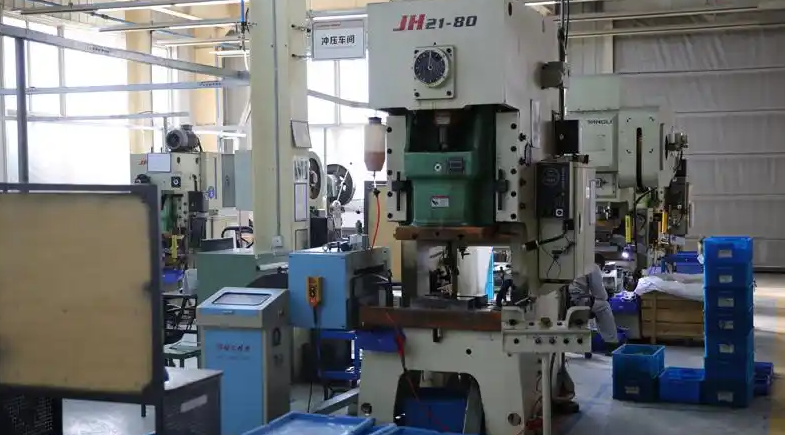
Ano nga ba ang Ginagawa ng Pagkukurba ng Sheet Metal sa Iyong Materyal
Isipin mo ang isang patag na piraso ng metal at ang pagbabago nito sa isang kumplikadong bracket, enclosure, o struktural na bahagi — nang walang pagputol ng materyal o pagtunaw ng mga bahagi upang pagsamahin. ito ang kaluluwa ng pagkukurba ng sheet metal , at ang pag-unawa kung paano ito gumagana ay mahalagang kaalaman bago ka man lang makipag-ugnayan sa isang kumpanya na nagbibigay ng serbisyo sa pagkukurba ng sheet metal.
Sa pangunahing bahagi nito, ang pagbubukod ng sheet metal ay isang proseso ng plastik na dehormasyon kung saan ang puwersa ay inaaplay sa isang linyar na aksis upang makabuo ng mga permanenteng anggulo at hugis. Kapag binubukod ang metal, ang panlabas na ibabaw ay umuunat samantalang ang panloob na ibabaw ay sumusuko. Sa pagitan ng dalawang zona na ito ay matatagpuan ang neutral axis — isang eroplano na nananatiling hindi nagbabago ang haba sa buong proseso ng pagbubukod. Ang pundamental na mekanika na ito ang nangunguna sa lahat, mula sa simpleng 90-degree na anggulo hanggang sa mga kumplikadong multi-bend na assembly na ginagamit sa pagmamanupaktura ng sasakyan, aerospace, at elektronika.
Ang Mekanika sa Likod ng Bawat Bahagi na Binubukod
Kung paano nga ba binubukod ang metal nang tumpak at paulit-ulit? Ang sagot ay nasa kontroladong plastik na dehormasyon. Hindi tulad ng elastic deformation (isipin ang isang spring na bumabalik sa orihinal na hugis), ang plastik na dehormasyon ay nagpapalit ng permanenteng hugis sa molekular na istruktura ng materyal. Ang isang press brake — ang pangunahing kagamitan sa pagmamanupaktura at pagbubukod ng metal — ay nag-aapply ng nakonsentrang puwersa sa pamamagitan ng isang punch na pumipindot sa sheet papasok sa isang V-shaped die.
Sa panahon ng prosesong ito, ang metal ay nakakaranas ng malaking panloob na stress. Ang mga panlabas na hibla ay lumalawig at maliit na yumoyomi, samantalang ang mga panloob na hibla ay nagsisiksik at tumitihis. Ang pag-unawa sa ganitong pag-uugali ay tumutulong sa mga inhinyero at disenyador na hulaan kung paano magpapaganap ang kanilang mga bahagi at kung bakit napakahalaga ng mga toleransya kapag pinipili ang isang kasosyo sa paggawa.
Bakit Mas Mainam ang Pagkukurba Kaysa sa Pagweld sa mga Bahaging May Anggulo
Kapag kailangan mo ng mga bahaging may anggulo, mayroon kang dalawang pangunahing opsyon: ikurba ang isang piraso o i-weld ang maraming piraso nang magkasama. Bagaman may sariling lugar ang pagweld, ang pagkukurba ng sheet metal ay nag-aalok ng mga tiyak na pakinabang na ginagawang piniling paraan ito para sa karamihan ng mga aplikasyon.
Ang pagkukurba ng sheet metal ay isang proseso ng pagbuo na walang pagkakalbo ng materyal—walang materyal ang tinatanggal, walang mga heat-affected zone ang nabubuo, at nananatili ang istruktura ng butil nang malaki sa buong kurba.
Ang pagpapanatili ng integridad ng materyal ay nagdudulot ng mga tunay na pakinabang sa praktikal na aplikasyon:
- Pananatili ng istruktural na pagkakaisa - Ang isang baluktot na bahagi ay nagpapanatili ng pare-parehong mga katangian ng materyal sa buong haba nito, hindi tulad ng mga welded joint na nagdudulot ng potensyal na mahinang punto
- Kostong Epektibo - Ang pagpupuno ng sheet metal ay nag-aalis ng pangangailangan ng karagdagang filler materials, nababawasan ang oras ng paggawa, at pinipigilan ang sobrang post-processing
- Kalidad ng Anyo - Ang mga baluktot na bahagi ay may malinis at pare-parehong mga guhit nang walang nakikitang seams o weld marks
- Mas Mabilis na Produksyon - Ang mga modernong CNC bending operation ay natatapos sa loob ng ilang segundo ang mga kumplikadong bahagi, imbes na ang ilang minuto na kinakailangan para sa welding at finishing
Para sa mga inhinyero, disenyo, at propesyonal sa procurement na sinusuri ang susunod nilang proyekto, ang pundamental na pag-unawa sa mekanika ng pagbubuhat ay hindi lamang aklatan — direktang nakaaapekto ito sa mga desisyon sa disenyo, pagpili ng materyal, at sa huli, kung aling kumpanya ng sheet metal bending ang kayang maghatid ng kahusayan na hinahanap ng iyong aplikasyon.
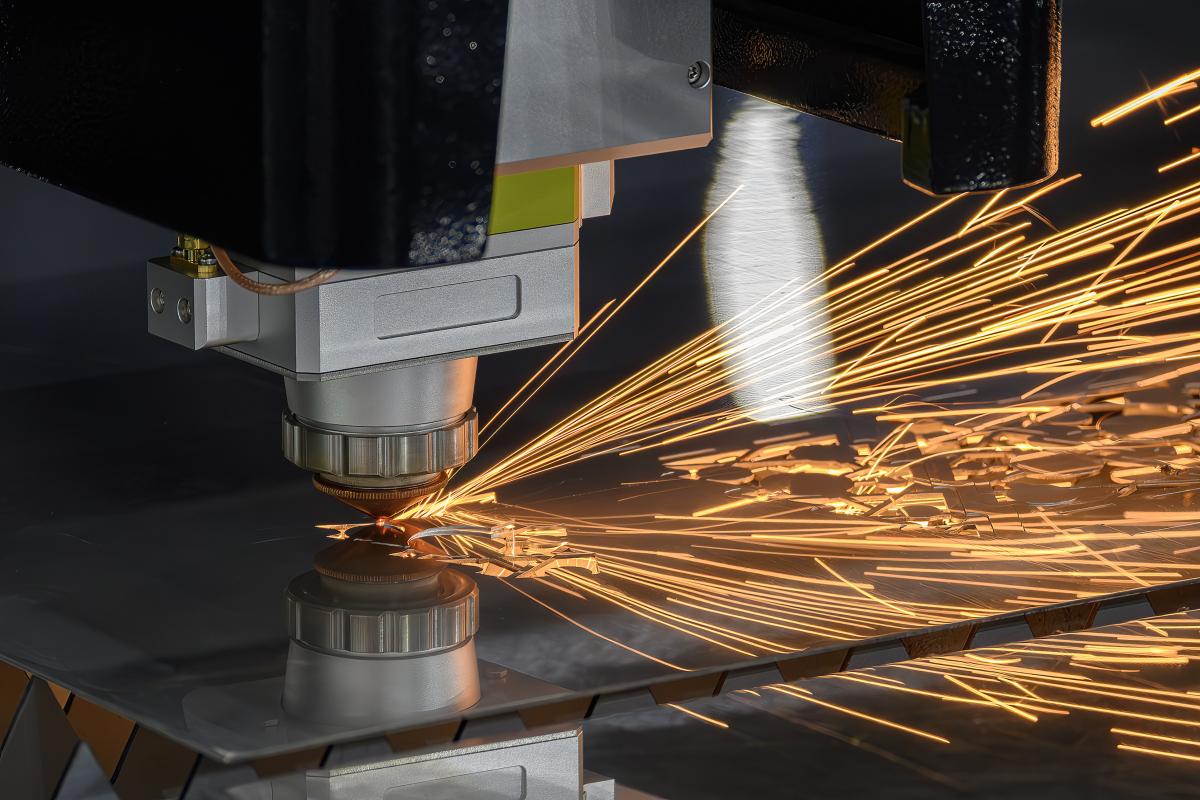
Mga Paraan at Pangunahing Kaalaman sa Tooling ng Press Brake
Ngayon na alam mo na kung ano ang nangyayari sa loob ng metal habang binubuo ito, tingnan natin ang mga makina at pamamaraan na nagpapagawa ng eksaktong pagbuo. Ang press brake ay nasa puso ng bawat propesyonal na kumpanya ng sheet metal bending—ngunit hindi lahat ng pamamaraan ng pagbuo ay nagbibigay ng parehong resulta. Ang pagpili sa pagitan ng air bending, bottom bending, at coining ay maaaring magbigay ng pagkakaiba sa pagitan ng mga bahagi na katanggap-tanggap at mga bahaging napakahusay.
Air Bending vs Bottom Bending vs Coining
Isipin ang tatlong iba’t ibang paraan ng pagpindot sa metal papasok sa isang V-die, kung saan bawat isa ay may iba’t ibang kompromiso sa lakas, katiyakan, at kakayahang umangkop. Ang pag-unawa sa mga kompromisong ito ay tumutulong sa iyo na makipag-ugnayan nang epektibo sa mga fabricator at gumawa ng impormadong desisyon kung aling pamamaraan ang angkop sa iyong aplikasyon.
Paghuhugas ng Hangin ay ang pinakakaraniwang teknik na ginagamit sa modernong CNC bending equipment ang punch ay bumababa papasok sa die, ngunit ang metal ay hindi kailanman umaabot sa ilalim ng die. Sa halip, tatlong puntos lamang ang umaabot sa workpiece: ang dulo ng punch at ang dalawang itaas na gilid ng bukana ng die. Ang minimal na kontak na ito ay nangangahulugan na maaari mong makamit ang maraming anggulo ng pagbend gamit ang isang set ng die lamang — i-adjust mo lang kung gaano kalalim ang pagbaba ng punch. Ang kahinaan? Mas malinaw ang springback, kaya kailangan ng kompensasyon sa iyong tooling setup o disenyo ng bahagi.
Pagbend sa Ilalim (tinatawag din minsan na bottoming) ay nagpapalawig pa nito. Dito, ang punch ang pumipilit sa metal upang mahigpit na makadikit sa ilalim ng die, na lumilikha ng mas lubos na kontak sa pagitan ng workpiece at mga ibabaw ng tooling. Kakailanganin mo ng humigit-kumulang tatlong beses na puwersa kumpara sa air bending, ngunit makakakuha ka ng mas tiyak na kontrol sa anggulo at mas mababang springback. Ang pamamaraang ito ay lubos na epektibo lalo na kapag ang pare-parehong mga anggulo sa buong production run ay mas mahalaga kaysa sa versatility ng tooling.
Paggawa ng barya kumakatawan sa pinakamataas na antas ng kahusayan. Pagkatapos makipag-ugnayan ang metal sa die, ang karagdagang puwersa—hanggang sampung beses ang kailangan para sa air bending—ay literal na nagpapabuo sa materyal. Ang labis na presyon ay nagdudulot ng permanenteng plastic flow na halos nawawala ang springback. Ano ang kapalit? Ang mas mataas na pagkasira ng tooling at mas mataas na konsumo ng enerhiya ay nagiging sanhi kung bakit ang coining ay ekonomikal lamang kapag ang ganap na kahusayan ay nagpapaliwanag sa gastos.
| Pangalan ng Pamamaraan | Pwersa na Kailangan | Antas ng Katumpakan | Kakayahang umangkop sa mga gamit | Pinakamahusay na Aplikasyon |
|---|---|---|---|---|
| Paghuhugas ng Hangin | Pinakamababa (basehan) | ±0.5° hanggang ±1° karaniwan | Mahusay—isa lang ang die na gumagawa ng maraming anggulo | Pangkalahatang paggawa, pagbuo ng prototype, at iba’t ibang produksyon |
| Pagbend sa Ilalim | ~3x ang air bending | ±0.25° hanggang ±0.5° karaniwan | Katamtaman—nakalaan ang mga die para sa bawat anggulo | Mga produksyon na nangangailangan ng pare-parehong anggulo |
| Paggawa ng barya | ~10x ang air bending | ±0.1° o mas mahusay pa | Mababa – kailangan ng tiyak na kagamitan | Mga komponenteng may mataas na kahusayan, mga bahagi para sa aerospace |
Paano Hinuhubog ng Kagamitan para sa Press Brake ang Inyong Resulta
Ang paraan ng pagbend na iyong pinipili ay kumukuha lamang ng kalahati ng kuwento. Ang pagpili ng kagamitan—ang tiyak na mga punch at die na nakainstal sa iyong makina para sa pagbend ng metal sheet—ang direktang nagdedetermina kung ang inyong mga bahagi ay sumusunod sa mga teknikal na pamantayan o natatapos sa basurahan.
Kapag sinusuri ang mga serbisyo ng press brake o kapag nagtatrabaho kasama ang isang partner sa paggawa, bigyang-pansin ang mga sumusunod na mahahalagang konsiderasyon tungkol sa kagamitan:
Pagpili ng V-Die Opening
Ang lapad ng V-die opening ay dapat tugma sa kapal at uri ng iyong materyal. Ayon sa mga gabay sa industriya para sa kagamitan , isang pangkalahatang patakaran ang pagpili ng V-opening na 8–10 beses ang kapal ng materyal. Ang manipis na sheet metal ay kumikinabang mula sa mas makitid na mga opening para sa mas mataas na kahusayan, samantalang ang mas makapal na materyales ay nangangailangan ng mas malawak na mga opening upang bawasan ang kinakailangang tonelada at protektahan ang kagamitan laban sa maagang pagkasira.
Hugis ng Punso
Iba't ibang hugis ng punso ay may iba't ibang layunin:
- Mga Punso na Pahilis - Karaniwang pagpipilian para sa mga pangunahing baluktot na may sapat na puwang
- Gooseneck Punches - May offset na profile upang makaiwas sa mga nauna nang nabuo na mga gilid sa mga kumplikadong bahagi
- Mga Punso na Pantalim - Dinisenyo para sa mga matalas na anggulo na mas mababa sa 90 degree
- Mga Punso na Pang-radius - Gumagawa ng malambot at kurbadong baluktot imbes na matatalas na sulok
Mga Pamantayan sa Kagamitan
Ang isang de-kalidad na CNC sheet metal bending machine ay karaniwang sumasakop sa alinman sa European (Amada-style) o Wila/Trumpf standard tooling. Ang European standard ay nag-aalok ng mahusay na compatibility sa pagitan ng mga tagagawa at malawak na availability, na ginagawang ideal ito para sa pangkalahatang fabrication at iba't ibang produksyon. Ang mga sistema ng Wila/Trumpf ay nagsasama ng hydraulic clamping para sa mas mabilis na pagbabago ng tool at mas mataas na repeatability—ang piniling opsyon para sa mataas na presisyong gawain at awtomatikong linya ng produksyon.
Mga Pag-iisip sa Materyal para sa Tooling
Kapag binubend ang stainless steel o mataas na lakas na alloys, ang iyong kasosyo sa fabrication ay dapat gumamit ng mga die at punch na may pinalakas na heat treatment at hardness. Ang karaniwang tooling ay mabilis na nawawear dahil sa mga materyal na ito, na nagdudulot ng hindi pare-parehong resulta at madalas na pagpapalit.
Para sa mga inhinyero na sinusuri ang isang CNC sheet metal bender o pumipili ng mga serbisyo sa press brake forming, ang pag-unawa sa mga pundamental na kaalaman tungkol sa tooling ay nagpapabago sa iyo mula sa isang pasibong customer patungo sa isang nakaaalam na kasosyo. Makikilala mo kung ang kagamitan ng isang fabricator ay sumasapat sa mga kinakailangan ng iyong proyekto — at kung kailan ito ay kulang.
Paano Iba’t Ibang Mga Metal Kumuha Sa Panahon ng Pagbend
Napili mo na ang paraan ng iyong pagbend at nauunawaan mo kung paano nakaaapekto ang tooling sa mga resulta. Ngunit narito ang naghihiwalay sa mga matagumpay na proyekto mula sa mga mahal na kabiguan: hindi lahat ng metal ay may parehong paraan ng pagbend. Ang materyal na nakaupo sa press brake bed ay may sariling karakter — sariling ugali sa pag-crack, pag-spring back, at pagtugon sa puwersa. Isang kadalubhasang kumpanya sa sheet metal bending ang lubos na nakauunawa sa mga ganitong ugali ng materyal, at dapat din ikaw.
Kung mananahi ka man ng mga manipis na metal na maaaring ibaluktot para sa mga kahon ng elektroniko o mga bahagi na pang-istraktura para sa mga aplikasyon sa sasakyan, ang pagpili ng materyales ay direktang nakaaapekto sa iyong pinakamaliit na radius ng pagkabaluktot, mga kinakailangan sa kagamitan, at kalidad ng huling bahagi. Tingnan natin kung paano ang bawat isa sa mga sumusunod—aluminum, stainless steel, at mild steel—ay nagdudulot ng natatanging hamon at oportunidad sa mga operasyon ng pagbuo ng manipis na bakal.
Mga Konsiderasyon sa Pagkabaluktot ng Aluminum
Ang aluminum ay tila madaling pagpipilian—magaan ito, tumutol sa pagka-rust, at madaling makuhang-makuhang. Ngunit ang pagkabaluktot ng manipis na metal na aluminum ay nangangailangan ng pag-unawa sa kanyang mga katangian. Ang iba’t ibang alloy ng aluminum ay may ganap na magkakaibang pag-uugali kapag inilalagay sa press brake.
- Nagbabago ang ductility depende sa alloy - Ang aluminum na 3003-H14 ay lubhang ductile (halos tulad ng tanso) at napakahusay na nababaluktot gamit ang maliit na radius. Samantala, ang aluminum na 6061-T6 ay kilala sa kahirapan sa pagkabaluktot, kung kaya’t kailangan nito ng loob na radius ng pagkabaluktot na hindi bababa sa anim na beses ang kapal ng materyales upang maiwasan ang pagsira.
- Ang springback ay katamtaman hanggang mataas - Ang mas mababang modulus ng kawalan ng pagkakatutong ng aluminum ay nangangahulugan na ito ay mas kumakalat kaysa sa bakal, kaya kailangan ng kompensasyon sa sobrang pagkukurba o mga na-adjust na pagkakalagay ng kagamitan.
- Mga patakaran sa minimum na radius ng kurba - Para sa mga mapapakurba na sheet metal na aluminum tulad ng 5052-H32, karaniwang maabot ang mga radius na katulad ng sa bakal na may mababang carbon. Para sa mga alloy na pinainit, kailangan ng mga radius na 2–6 na beses ang kapal ng materyal depende sa kondisyon ng temper.
- Sensitibidad ng Ibabaw - Madaling magkaroon ng mga ugat o marka ang aluminum habang inihahandle at binubuo. Ang mga de-kalidad na tagapagtatagpo ay gumagamit ng mga protektibong pelikula o espesyal na kagamitan upang panatilihin ang kalidad ng panlabas na ibabaw.
Kapag nagtutukoy ka ng pagkukurba ng aluminum sheet, ipaalam lagi sa iyong kasosyo sa paggawa ang eksaktong alloy at temper. Ang pagkakaiba sa pagitan ng 5052-H32 at 6061-T6 ay maaaring magbigay-daan sa tagumpay o sa pagtapon ng mga bahagi.
Mga Hamon at Solusyon sa Stainless Steel
Ang stainless steel ay nagtatanghal ng kabaligtaran na hamon kumpara sa aluminum—matibay ito, mabilis na lumalakas dahil sa paggawa (work-hardens), at ‘lumalaban’ laban sa mga operasyon ng pagbuo. Ang pag-unawa sa mga katangiang ito ay nakakatulong sa iyo na idisenyo ang mga bahagi na talagang maisasagawa ng mga tagagawa.
- Ang mataas na lakas ay nagdaragdag ng pag-aakyat - Ang hindi kinakalawang na bakal ay nagpapakita ng makabuluhang mas maraming springback kaysa sa banayad na bakal, na kadalasang nangangailangan ng labis na pag-ukol ng 2-4 degree o paggamit ng mga pamamaraan ng bottoming/coining para sa kritikal na mga anggulo.
- Paggawa ng pag-hardening kumplikado pagbuo - Habang ang hindi kinakalawang na bakal ay deform, ito'y nagiging mas matigas at mas lumalaban sa karagdagang pagbubuo. Ito'y nagpigil sa iyong pag-iikot at maaaring mangailangan ng pag-iinit sa pagitan ng mga operasyon para sa mga kumplikadong bahagi.
- Mga Kinakailangan sa Pinakamaliit na Radyus ng Pagburol - Ayon sa mga alituntunin ng Manual ng Makinarya, ang hindi kinakalawang na bakal ay karaniwang nangangailangan ng minimum na radius ng pagliko ng 0.5-1.5 beses ang kapal ng materyal depende sa grado at temperamento.
- Mas mataas na pangangailangan sa tonelada - Aasahan na gumamit ng 50% na mas maraming press brake force kumpara sa banayad na bakal na katumbas ng kapal. Ito ay nakakaapekto sa pagpili ng tooling at pagpaplano ng kapasidad ng makina.
- Mga bagay na may kaugnayan sa proteksyon ng ibabaw - Ang proteksiyon na film ng PVC ay pumipigil sa mga marka ng tooling sa mga dekorasyon na ibabaw, ngunit dapat alisin bago ang welding o paggamot sa init.
Para sa mga bahagi ng stainless steel na may kahusayan, ang mga ekspertong tagapagawa ay binabayaran ang mga pag-uugaling ito sa pamamagitan ng mga na-adjust na K-factor, binago ang pagkakasunod-sunod ng pagbubuhat, at ang tamang pagpili ng mga kagamitan—ang kaalaman na ito ay galing sa mga taon ng praktikal na karanasan sa pagbubuhat ng sheet metal.
Ang Mababang Bakal Bilang Pamantayan sa Pagbubuhat
Ang mababang bakal (low-carbon steel) ay ginagamit bilang sanggunian ng industriya para sa pag-uugali sa pagbubuhat. Ang kanyang mahuhulaan na katangian ang nagbibigay-daan sa kanya na maging pinakaluwag na materyal para sa mga operasyon sa pagbuo at ang pamantayan kung saan sinusukat ang iba pang materyales.
- Kasangkapan na Mahusay na Pagpaparami - Ang banayad na bakal ay madaling yumuko nang hindi nabibitak, tinatanggap ang masisikip na radius na maaaring makabali sa mga materyales na hindi gaanong ductile.
- Mababang springback - Ang ang relatibong mababang springback ng mababang bakal ay nagpapasimple sa pag-setup ng mga kagamitan at nababawasan ang pangangailangan ng kompensasyon sa sobrang pagbubuhat.
- Pamantayan sa radius ng pagbubuhat - Ang patakaran na '1x kapal = loob na radius' ay gumagana nang maaasahan para sa mababang bakal, na nagbibigay ng simpleng simula para sa geometry ng bahagi.
- Mahuhulaan na K-factor - Ang isang K-factor na 0.38–0.42 ay nagbibigay ng tumpak na mga kalkulasyon para sa flat pattern sa karamihan ng mga aplikasyon na gumagamit ng mababang carbon steel.
- Kostilyo-efektibong pagproseso - Ang mas mababang kinakailangang tonelada, nabawasan ang pagsusuot ng mga tool, at ang mas pasensiyoso o flexible na mga toleransya ay nagreresulta sa kompetitibong presyo sa paggawa.
Ang Mahalagang Papel ng Pagtuwid ng Buhas
Ito ang karaniwang inaalis o hindi binibigyang-pansin ng karamihan sa mga sanggunian: ang sheet metal ay may direksyon ng butil (grain direction) mula sa proseso ng pag-rol, at ang pag-ignorar nito ay maaaring sirain ang mga bahagi na kahit paano ay perpekto. Kapag inirorol ang metal upang maging mga sheet, ang istruktura ng butil ay umaayon nang parallel sa direksyon ng pag-rol. Ito ay lumilikha ng iba’t ibang mekanikal na katangian depende kung ikaw ba ay nagbebend sa direksyon ng butil o laban dito.
Pagbebend nang perpendicular sa direksyon ng butil (pahalang sa direksyon ng pag-rol) ang nagbibigay ng pinakamahusay na resulta. Ang mga metal na fibers ay lumilikod nang mas pantay, kaya nababawasan ang panganib ng pagkakasira at nabubuo ang mas malinis na kalidad ng pagkukurba. Ito ay lalo pang mahalaga para sa:
- Mga alloy ng aluminum na may mahigpit na mga kinakailangan sa pagbebend
- Mga grade ng stainless steel na naka-work-hardened
- Anumang materyal na binubend ayon sa minimum radius specifications
Pagbebend nang parallel sa direksyon ng butil ay nagpapataas ng panganib ng pagkakasira nang malaki. Ang estruktura ng butil ay kumikilos tulad ng mga maliit na linya ng pagsira na kumakalat sa ilalim ng stress sa pagkukurba. Kung ang iyong disenyo ay nangangailangan ng mga kurba sa maraming direksyon, tukuyin ang oryentasyon ng butil sa iyong mga drawing at talakayin ang pagkakasunod-sunod nito sa iyong fabricator.
Ang pag-unawa kung paano kumikilos ang iba't ibang metal habang binubend ay hindi lamang teoretikal na kaalaman—ito ay direktang nakaaapekto kung ang iyong mga bahagi ay lalabas nang tama sa unang pagkakataon. Ngunit ang pag-uugali ng materyal ay bahagi lamang ng equation. Sa susunod, tatalakayin natin ang pangyayari na nagdudulot ng pagkakamali sa mga anggulo kahit sa mga bahaging perpekto ang disenyo: ang springback.
Mga Pangunahing Prinsipyo sa Pagkompensar ng Springback at Bend Allowance
Ginawa mo na ang perpektong bahagi. Ang iyong CAD model ay nagpapakita ng malinaw na mga 90-degree na anggulo eksaktong sa mga lugar kung saan kailangan mo sila. Ngunit kapag dumating ang nabuong komponente, ang mga anggulong ito ay sumusukat ng 87 o 88 degree imbes na 90. Ano ang mali? Ang sagot ay nasa isang pangyayari na nauunawaan ng bawat propesyonal na kumpanya sa pagbubukod ng sheet metal, ngunit kakaunti lamang ang mga sanggunian na ipinaliliwanag ito nang wasto: ang springback.
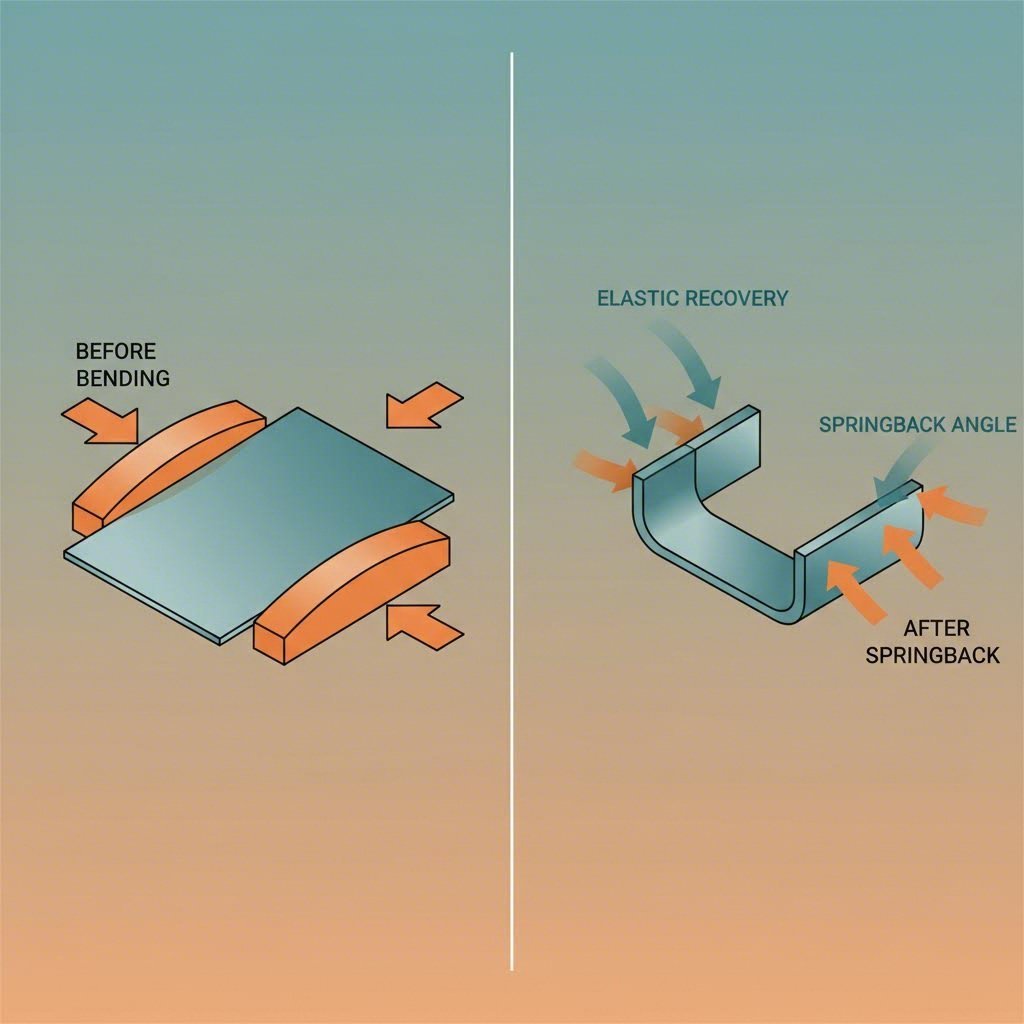
Kapag binubukod mo ang sheet metal, ginagawa mo nang sabay-sabay ang permanenteng (plastic) at pansamantalang (elastic) deformasyon. Kapag inilabas ng press brake ang kanyang puwersa, ang elastic na bahagi ay nais bumalik—tulad ng isang compressed na spring na nagpapalabas ng nakaimbak na enerhiya. Ang resulta? Ang iyong metal na nabukod ay bahagyang nagpapaluwag patungo sa orihinal nitong patag na estado, at ang mga tiyak na anggulo na iyong tinukoy ay kulang.
Pag-unawa sa Springback at Paano Kompensahin Ito
Ang springback ay hindi depekto o tanda ng mahinang kagamitan—ito ay pundamental na pisika. Ayon sa mga eksperto sa sheet metal forming , habang binubend ang materyal, ang panlabas na ibabaw ay nakakaranap ng tensile stress samantalang ang panloob na ibabaw ay nakakaranap ng compressive stress. Sa pagitan nila ay matatagpuan ang neutral axis na kung saan ang stress ay napakaliit. Ang hindi pantay na distribusyon ng stress na ito ang pangunahing kadahilanan ng springback behavior.
Ang ilang mga salik ang tumutukoy kung gaano kalaki ang springback na makikita mo:
- Tensile Strength ng Materyales - Ang mga materyal na may mataas na lakas ay mas tumututol sa permanenteng deformation, kaya nagdudulot ito ng mas malaking springback. Ang high-strength steels at stainless steel ay may mas malaking springback kaysa sa mild steel
- Kapal ng materyal - Ang mas manipis na mga sheet ay karaniwang nagpapakita ng mas malaking angular springback na nauugnay sa kanilang kapal
- Radios ng kurba - Ang mas malalaking inside bend radii ay nagpapahintulot ng mas maraming elastic deformation, kaya nadadagdagan ang springback
- Paraan ng pagbend - Ang air bending ay nagpapakita ng pinakamalaking springback dahil sa limitadong contact ng materyal, samantalang ang coining ay halos nawawala ang springback sa pamamagitan ng labis na plastic deformation
- Lapad ng die opening - Ang mas malawak na die openings ay binabawasan ang pagpigil sa materyal, kaya tumataas ang springback
Kaya paano binabayaran ng mga tagapagawa ang pagkukurba ng sheet metal para sa mga aplikasyong nangangailangan ng kahusayan? Ang pinakakaraniwang pamamaraan ay sinasadyang labis na pagkukurba — ang pagkukurba sa sheet nang lampas sa target na anggulo upang ito ay magrelaks at umabot sa ninanais na hugis. Ang mga modernong CNC press brake ay sumusuporta sa awtomatikong kompensasyon sa pamamagitan ng pag-aadjust sa lalim ng ram batay sa data ng materyal at sa real-time na pagsukat ng anggulo.
Ang kompensasyon para sa springback ang naghihiwalay sa mga amateur na disenyo mula sa mga bahagi na handa na para sa produksyon. Ang anumang eksperyensiyadong tagapagawa ay umaasa sa springback at nagpaplano para dito — ang tanong ay mayroon ba silang kaalaman at kagamitan upang kontrolin ito nang pare-pareho.
Para sa mga kumplikadong three-dimensional na anyo, hindi sapat ang simpleng overbending. Habang sinasabi ng mga eksperto sa forming simulation , kapag inihuhubog ang sheet metal sa paligid ng mga sulok o inilalagay sa mga kumplikadong hugis, ang materyal ay nakakaranas ng kumplikadong three-dimensional na stress. Kinakailangan ang advanced na teknolohiya ng forming simulation upang mahulaan at ikumpensahin ang resulting springback bago pa man i-cut ang anumang tooling.
Mga Kalkulasyon ng K-Factor para sa Tumpak na Mga Flat Pattern
Ang pag-unawa kung paano bawasan nang tama ang sheet metal ay nangangailangan ng pag-unawa sa isa pang mahalagang konsepto: ang K-factor. Kapag binubuhat ang metal, ang panlabas na ibabaw ay umuunat samantalang ang panloob na ibabaw ay sumisiksik. Ibig sabihin, ang mga sukat ng iyong flat pattern ay hindi simpleng magkakasum ang mga ito upang tugma sa mga sukat ng natapos na bahagi — kailangan mong isaalang-alang ang paggalaw ng materyal habang ginagawa ang bending.
Ang K-factor ay kumakatawan sa ratio sa pagitan ng kapal ng metal sa neutral axis at ng orihinal na kapal ng materyal. Ayon sa mga eksperto sa terminolohiya ng bending, ang neutral axis ay isang di-nakikita na linya na tumatakbo sa gitna ng bahagi na hindi sumisiksik o umuunat habang binubuhat — ito lamang ang gumagalaw patungo sa loob ng bending. Kapag umuunat at tumitinis ang materyal sa labas, ang paggalaw na ito ang lumilikha ng ugnayan ng K-factor.
Bakit ito mahalaga para sa iyong mga disenyo? Dahil ang K-factor ang direktang nagtatakda ng bend Allowance - ang dami ng materyal na ginagamit sa bawat baluktot ng sheet metal. Kung walang tumpak na kalkulasyon ng bend allowance:
- Mali ang mga sukat ng iyong flat pattern
- Ang mga flange ay magiging sobrang mahaba o sobrang maikli
- Ang mga bahagi ay hindi magkakasundo nang tama sa mga kasalungat na komponente
- Mag-aaksaya ka ng materyal at oras sa mga napagpabayaang bahagi
Iba-iba ang mga K-factor na nabubuo mula sa iba't ibang materyal at kondisyon ng pagbabaluktot. Ang karaniwang bakal (mild steel) ay gumagamit karaniwan ng mga K-factor na nasa paligid ng 0.38–0.42, samantalang ang aluminum at stainless steel ay nangangailangan ng mga na-adjust na halaga batay sa kanilang tiyak na elastikong pag-uugali. Ang mga ekspertong fabricator ay nagpapanatili ng mga database ng materyal at gumagamit ng mga na-probekang talahanayan ng bend allowance upang matiyak ang tumpak na pagbuo ng flat pattern.
Ang magandang balita? Hindi mo kailangang pagsikapang maging eksperto sa mga kalkulasyong ito. Ang isang kwalipikadong kumpanya ng sheet metal bending ang nangangasiwa sa kahirapan nito bilang bahagi ng kanilang proseso ng DFM (Design for Manufacturing). Kailangan mo lamang ng sapat na kaalaman upang makilala kung ang isang fabricator ay bihasa sa kanyang hanapbuhay — o kung siya ay naghihula lamang. Ang mga workshop na nag-uusap tungkol sa mga K-factor, mga estratehiya para sa kompensasyon ng springback, at mga bend allowance ay ipinapakita ang teknikal na lalim na humahantong sa eksaktong paggawa ng mga bahagi.
Kapag natapos na ang paliwanag sa mga pundamental na konsepto ng springback at bend allowance, may isa pang mahalagang kadahilanan na tumutukoy kung ang iyong mga kumplikadong bahagi ay gagawin nang tama: ang pagkakasunod-sunod ng mga bend.
Paghahanda sa Pagkakasunod-sunod ng mga Bend at Estratehiya sa Pagpili ng Die
Napili mo na ang tamang materyal, kinalkula na ang iyong mga allowance sa pagbend, at binigyan na ng kompensasyon ang springback. Dapat nang lumabas nang perpekto ang iyong bahagi, di ba? Hindi kinakailangang ganun. Narito ang isang katotohanan na kadalasang nagpapagulat sa maraming inhinyero: ang pagkakasunod-sunod ng mga pagbend ay maaaring lubos na magtukoy kung posible ba talagang gawin ang isang bahagi — o kung ito ay magiging mahal na basura lamang.
Isipin mo ito sa ganitong paraan. Bawat oras na gumagawa ka ng metal bend, binabago mo ang geometry ng bahagi. Ang dating patag na sheet ay mayroon na ngayong mga flange, mga anggulo, at mga nabuo nang mga feature na kailangang makadaan nang maayos sa tooling, sa frame ng makina, at sa mga nakaraang nabuong seksyon sa bawat sumunod na operasyon. Kung mali ang pagkakasunod-sunod, mapapanood mo nang walang magawa kung paano bumangga ang iyong bahagi sa press brake ram o kung paano naging pisikal na imposible na ilagay laban sa backgauge.
Pagpaplano ng Pagkakasunod-sunod ng Iyong mga Bend para sa Mga Komplikadong Bahagi
Ang pagbubukod ng mga sheet para sa mga simpleng bracket na may isang o dalawang baluktot ay bihira nang magdudulot ng mga problema sa pagkakasunod-sunod. Ngunit kapag ang iyong disenyo ay may apat, anim, o higit pang mga baluktot—lalo na sa mga bahagi na hugis kahon o channel—ang pagkakasunod-sunod ng mga baluktot ay naging di-nakikitaang kadahilanan na naghihiwalay sa matagumpay na mga serbisyo sa pagbuo mula sa mga napapagod na pagtanggi.
Ayon sa mga eksperto sa pagkakasunod-sunod ng press brake, sinusunod ng mga eksperyensiyadong tagapagawa ang tatlong ginto-ring batas sa pagpaplano ng pagkakasunod-sunod ng mga baluktot: panatilihin ang sapat na clearance sa pagitan ng bahagi at ng lahat ng ibabaw ng makina, panatilihin ang kontrol sa sukat sa pamamagitan ng paggamit muna ng pinakamatatag na reference surface, at tiyaking pare-pareho ang proseso para sa paulit-ulit na produksyon. Ang mga ito ay hindi mga rekomendasyon—kundi mga pundamental na limitasyon na namamahala sa bawat matagumpay na operasyon sa pagbuo ng bakal.
Kung paano nga ba tukuyin ang pinakamainam na pagkakasunod-sunod para sa isang kumplikadong bahagi? Sundin ang sistematikong pamamaraang ito:
- Ivisualize ang buong proseso ng pagbuo - Bago hawakan ang anumang kagamitan, isipin nang mental ang pagpapalawak ng patag na pattern papunta sa panghuling hugis nito sa 3D. Para sa mga kumplikadong heometriya, i-print ang patag na pattern nang may tamang sukat at i-fold ito nang pisikal gamit ang kamay. Ang simpleng simulasyon na ito ay agad na nagpapakita ng mga obius na collision at mga hindi komportableng posisyon sa paghawak.
- Tukuyin ang problema sa pagbend - Ang bawat kumplikadong bahagi ay may isang pagbend na naglilimita sa lahat ng iba pa. Hanapin muna ito. Maaaring ito ang pinakamaliit na radius, ang pinakamalalim na flange, o ang pagbend na pinakamalapit sa gilid na naglilimita sa mga opsyon sa paggauging. Ang buong sequence mo ay dapat sumasakop sa mahalagang limitasyong ito.
- I-apply ang prinsipyo ng 'labas-pasok' - Gumawa mula sa mga panlabas na pagbend patungo sa mga panloob na pagbend kung posible. Ito ay nagpapanatili ng orihinal na patag na datum surface para sa paggauging hanggang sa huling posibleng oras at pinipigilan ang mga nabent na flange na makagambala sa throat depth ng makina.
- Bigyan ng priyoridad ang mas mahabang mga gilid para sa paggauging - Kapag mayroon kang mga opsyon, piliin palaging ang pagkakasunod-sunod na nagpapahintulot sa iyo na magre-register mula sa pinakamahabang available na gilid. Ang isang bahagi na sinusukat laban sa 800mm na gilid ay mas matatag kaysa sa isang bahagi na inilalagay laban sa 200mm na flange.
- Ipagpaliban ang pagkukurba ng mga nakapaloob na gilid hanggang sa huli - Anumang kurba na nagbibigkis sa bahagi o naghihigpit sa pag-access ay dapat gawin sa dulo. Kasama rito ang mga return flange, mga pagsasara ng kurba sa apat na gilid ng kahon, at mga hemmed edge.
- I-verify gamit ang simulasyon - Ang modernong offline programming software ay nagpapatakbo ng mga virtual na collision check bago pa man ibenta ang anumang metal. Ang digital-first na paraan na ito ay nakakadetekta ng mga pagkakamali sa pagkakasunod-sunod nang walang anumang gastos sa pag-aayos.
Ano ang mangyayari kapag binabalewalain ng mga fabricator ang prosesong ito sa pagpaplano? Ayon sa pananaliksik sa industriya tungkol sa pag-iwas sa collision , ang pinakakaraniwang mga kabiguan ay kinabibilangan ng malalim na U-shaped na bahagi na sumasalpok sa ram, mga return flange na sumasalpok sa mga punch relief area, at mga nabuo na kahon na nahuhuli sa loob ng die space. Ang bawat collision ay nangangahulugan ng mga tinanggihan na bahagi, nasirang tooling, at nawastong oras sa produksyon.
Mga Panuntunan sa Pagpili ng V-Die na Nagpapigil sa mga Kabiguan
Kahit na perpekto ang pagkakasunod-sunod, ang maling pagpili ng V-die ay maaaring sirain ang operasyon ng pagbuo ng plato. Ang ugnayan sa pagitan ng lapad ng bukas na die, kapal ng materyal, at kalidad ng nabuo na baluktot ay sumusunod sa mga panuntunang madeterminar — huwag itong balewalain nang walang panganib.
Ang pangunahing gabay sa pagpili ng V-die: pumili ng die na may bukas na sukat na 6–10 beses ang kapal ng iyong materyal . Ang ratio na ito ay nagbabalanse ng ilang salungat na kadahilanan:
- Mas makitid na bukas (6x ang kapal) - Nagdudulot ng mas manipis na panloob na radius at mas matutulis na baluktot ngunit nangangailangan ng malaki ang toneladang puwersa. Pinakamabuti para sa mga manipis na materyal at detalyadong gawain kung saan mahalaga ang malinaw at matutulis na mga sulok.
- Mas malawak na bukas (10x ang kapal) - Binabawasan ang kinakailangang toneladang puwersa at stress sa tooling ngunit lumilikha ng mas malaking panloob na radius. Kinakailangan para sa mas makapal na materyal o kapag ang limitasyon sa kapasidad ng makina ay humihinto sa magagamit na puwersa.
- Pinakamaikling Haba ng Flange - Ang bukas ng iyong die ay direktang nagtatakda sa pinakamaikling flange na maaari mong i-bend. Sa pangkalahatan, ang minimum na haba ng flange ay katumbas ng humigit-kumulang 4x ang lapad ng bukas ng die. Ang isang 24mm V-die ay nangangailangan ng mga flange na may kahabaan na hindi bababa sa 10mm upang ma-gauge nang wasto.
Kapag kailangan mong i-bend ang metal sheet na may iba’t ibang kapal sa loob ng iisang bahagi, ang pagpili ng die ay naging kompromiso. Ang mga ekspertong fabricator ay madalas gumagamit ng mas malawak na bukas na nakakatugon sa lahat ng kapal imbes na palitan ang mga die sa gitna ng proseso — na nag-i-imbak ng oras sa pag-setup habang tinatanggap ang kaunti lamang na mas malalaking bend radii.
Bukod sa lapad ng bukas, ang radius ng die shoulder ay nakaaapekto sa kalidad ng ibabaw at sa springback. Ang mga sharp na shoulder ay maaaring mag-iwan ng marka sa mas malalambot na materyales tulad ng aluminum, samantalang ang sobrang bilog na shoulder ay nababawasan ang kontrol sa angle. Ang mga serbisyo ng quality forming ay sumasapat sa geometry ng shoulder batay sa mga kinakailangan ng materyal, hindi lamang sa mga tukoy na sukat ng kapal.
Ang interaksyon sa pagitan ng pagkakasunod-sunod ng pagbubukod at pagpili ng die ay nagpapakita ng isang mahalagang bagay tungkol sa pag-evaluate ng isang kumpanya na nagbabending ng sheet metal: ang teknikal na kasanayan ay nakikita sa mga detalyeng ito. Ang mga fabricator na nag-uusap tungkol sa mga estratehiya sa pagkakasunod-sunod, nagpapakita ng kakayahang mag-simulate ng collision, at ipinaliliwanag ang kanilang pangangatuwiran sa pagpili ng tooling ay may dalang ekspertisya na nakakaiwas sa mahal na mga sorpresa. Ang mga nagsisimplye lang ng presyo nang hindi tinatalakay ang mga pundamental na aspetong ito ay madalas na nagdudulot ng mga problema na kaakibat ng mga shortcut. 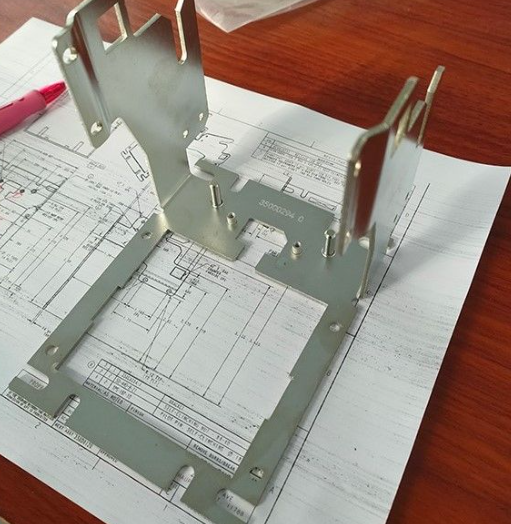
Mga Toleransya at Pamantayan sa Kalidad na Nakabase sa Industriya
Nakamaster mo na ang mga pundamental na aspeto ng mga paraan ng pagbubukod, ugali ng materyales, at pagpaplano ng pagkakasunod-sunod. Ngunit narito ang tanong na huling tumutukoy kung ang iyong mga bahagi ay gagana nang tama: anong mga toleransya ang talagang kayang abutin? Ang sagot ay lubos na nakasalalay sa iyong industriya — at ang pag-unawa sa mga pagkakaiba nito ay tumutulong sa iyo na itakda ang makatotohanang inaasahan kapag nakikipag-ugnayan ka sa anumang provider ng serbisyo sa pagbubukod ng sheet metal.
Ang iba't ibang aplikasyon ay nangangailangan ng iba't ibang antas ng kahusayan sa pagkukurba ng metal. Ang isang dekoratibong panel para sa arkitektura na may pagkakaiba ng kalahating degree ay hindi magdudulot ng problema. Ngunit ang parehong pagkakaiba sa isang istruktural na bracket para sa aerospace ay maaaring pinsalaan ang kaligtasan. Ang pag-unawa kung saan nahihinto ang iyong proyekto sa saklaw na ito — at kung anong mga toleransya ang tunay na maisasagawa — ay nagpapabawas ng mahal na pagkakamali at mga tinanggap na bahagi.
Mga Pamantayan sa Toleransya Ayon sa Industriya
Para sa karamihan ng mga aplikasyon sa pagkukurba ng sheet metal, Ang ISO 2768-1 ay nagbibigay ng sapat na gabay para sa pangkalahatang toleransya sa linear at angular na mga sukat. Ang malawakang ginagamit na pamantayan na ito ay nagtatakda ng makatotohanan at maisasagawang mga toleransya nang walang kinakailangang inspeksyon na partikular sa bawat bahagi para sa bawat kurba. Ngunit ang pangkalahatang mga pamantayan ay nagkukuwento lamang ng bahagi ng buong kuwento.
Gamit ang maayos na pinapanatili na CNC equipment at mga bihasang operator, narito ang mga realistiko at maisasagawang resulta ng mataas na kahusayan sa pagkukurba:
- Tolera ng anggulo - ±0.5° hanggang ±1° para sa air bending; ±0.25° o mas mainam para sa bottom bending at coining
- Posisyon ng linya ng kurba - ±0.25 mm hanggang ±0.5 mm depende sa kumplikado ng bahagi at sa paraan ng pagsusukat
- Pangkalahatang katiyakan sa sukat - Ang kabuuang toleransya ay nakasalalay sa bilang ng mga baluktot, kung saan ang bawat baluktot ay maaaring magdagdag ng ±0.1 mm hanggang ±0.2 mm na pagbabago
Narito ang isang mahalagang punto na binibigyang-diin ng mga eksperto sa toleransya: ang toleransya sa anggulo ay tinutukoy ng mas maikling gilid ng baluktot para sa pagkakapareho. Bakit? Kapag ang gilid na iyon ay mas mahaba, mas mahigpit ang toleransya dahil ang parehong pagkakamali sa anggulo ay nagdudulot ng mas malaking paglipat sa gilid. Ang isang pagkakamali na 1° sa isang flange na may sukat na 10 mm ay halos walang epekto; ang parehong pagkakamali sa isang flange na may sukat na 200 mm ay nagdudulot ng malaking pagkakaiba sa posisyon sa gilid.
| Sektor ng Industriya | Karaniwang Saklaw ng Tolerance | Mga Karaniwang Materyales | Mahahalagang Salik sa Kalidad | Mga Katangian ng Dami |
|---|---|---|---|---|
| Aerospace | ±0.1° hanggang ±0.25° sa anggulo; ±0.1 mm sa posisyon | Mga padron ng aluminum, titanium, stainless steel | Kasunod na pagsubaybay, sertipiko ng materyales, at pangangailangan ng walang depekto | Mababa hanggang katamtamang dami; mataas na pagkakaiba-iba |
| Automotive | ±0.5° sa anggulo; ±0.3 mm sa posisyon | Haplos na bakal, HSLA steel, aluminum | Pag-uulit sa mataas na dami, mga kinakailangan sa Cpk | Mataas na dami; awtomatikong produksyon |
| Mga Kapsula ng Elektroniko | ±0.5° hanggang ±1° na anggulo; ±0.5 mm na posisyon | Aluminum, stainless steel, galvanized steel | Kabuuan ng EMI shielding, kumpletong panlabas na anyo, pagkakasya sa pag-aassemble | Katamtamang dami; madalas na pagbabago sa disenyo |
| Arkitektural | ±1° hanggang ±2° na anggulo; ±1 mm na posisyon | Aluminum, stainless steel, weathering steel | Pangkalahatang anyo, kalidad ng huling pagpapaganda, pagtutol sa panahon | Mababang dami; pasadyang disenyo |
| Kagamitan Medikal | ±0.25° hanggang ±0.5° na anggulo; ±0.2 mm na posisyon | Hindi kinakalawang na bakal, Aluminiyo | Kakayahang linisin, biokompatibilidad, pagkakasunod sa regulasyon | Mababa hanggang katamtamang dami; mahigpit na dokumentasyon |
Mga Kinakailangan sa Pagkukurba ng Automotive vs Aerospace
Ang dalawang industriyang ito ay kumakatawan sa magkaibang ekstremo ng spectrum ng pagkukurba at paggawa ng bakal — at ang pag-unawa sa kanilang magkaibang mga kinakailangan ay nagpapaliwanag kung ano ang dapat asahan mula sa isang propesyonal na serbisyo sa pagkukurba ng metal.
Pagkukurba ng aerospace na may kahusayan ay gumagana sa ilalim ng hindi mapagpatawad na mga pangangailangan. Bilang Tinalakay ng mga eksperto sa OEM na paggawa , ang mga bahagi ng aerospace ay kailangang sumunod sa mahigpit na mga toleransya upang matiyak ang kaligtasan at pagganap. Ang bawat bahagi ay nangangailangan ng buong pagsubaybay sa materyales, madalas hanggang sa orihinal na heat ng mill. Ang dokumentasyon ng inspeksyon ay kasama sa bawat bahagi sa buong buhay nito bilang serbisyo. Ang mga saklaw ng toleransya ay hindi lamang mga teknikal na tatakda — sila ay mga kinakailangan sa kaligtasan na walang anumang pagkakamali.
Ano ang kailangan ng kakayahan sa serbisyo ng pagkukurba ng bakal na antas ng aerospace?
- Baliwagan ng Proseso - Mga dokumentadong prosedura na nagpapatunay ng kakayahan bago magsimula ang produksyon
- Inspeksyon ng Unang Artikulo - Buong pagpapatunay ng mga sukat ng unang mga bahagi laban sa layunin ng disenyo
- Pantyayaang Pagbabantay - Pagsubaybay sa mga estadistikal na kontrol sa bawat mahalagang sukat sa buong produksyon
- Sertipikasyon ng Materiales - Buong chain of custody mula sa hilaw na materyales hanggang sa natapos na komponente
Automotive precision metal bending harapin ang iba't ibang hamon: ang pagkamit ng pare-parehong kalidad sa libo-libo o milyon-milyong bahagi. Bagaman ang mga indibidwal na saklaw ng toleransya ay maaaring bahagyang mas pahihintulutan kaysa sa aerospace, ang mga kinakailangan sa estadistika ay katumbas na mahigpit. Ang mga supplier sa automotive ay kailangang ipakita ang kakayahan ng proseso (mga halaga ng Cpk) na patunayan na ang kanilang kagamitan at pamamaraan ay konstanteng gumagawa ng mga bahagi na nasa loob ng espesipikasyon — hindi lamang minsan-minsan, kundi nang may katiyakan.
Ang pagbibigay-diin ng industriya ng automotive sa kakayahan ng proseso ay nangangahulugan na ang mga serbisyo sa angle bending para sa sektor na ito ay nangangailangan ng:
- Awtomatikong Produksyon - Robotikong paghawak at CNC control na nililinis ang pagkakaiba-iba dahil sa tao
- Pagmamasid sa real-time - Mga sensor at sistema ng pagsukat na nakakadetekta ng drift bago pa man makagawa ng mga depekto
- Preventive Maintenance - Nakalaang pag-aalaga sa kagamitan na panatilihin ang katiyakan sa mahabang takbo ng produksyon
- Statistical Process Control - Patuloy na pagkolekta ng datos na nagpapatunay na ang proseso ay nananatiling sentro at matatag
Ang mga kahon para sa elektronika ay nasa gitnang lupain kung saan mahalaga ang pagkakasya at pagganap, ngunit ang ganap na katiyakan ay ibinibigay-daan sa iba pang mga konsiderasyon. Ang kahusayan ng EMI shielding ay nakasalalay sa pare-parehong kontak sa pagitan ng mga magkakasalungat na ibabaw — maliit na puwang ang maaaring makompromisa ang electromagnetikong pagganap. Ang mga kinakailangan sa anyo (cosmetic) ay madalas na mas mahigpit kaysa sa mga kinakailangan sa sukat, kung saan tinatanggihan ng mga customer ang mga bahagi dahil sa mga nakikitang sugat o marka ng kagamitan na walang anumang epekto sa pagganap.
Ang mga aplikasyon sa arkitektura ay kumakatawan sa pinakamaluwag na kapaligiran para sa mga toleransya, ngunit dala nito ang sariling mga hamon. Ang malalaking sukat ng panel ay nagpapalaki ng maliit na mga error sa anggulo, na nagreresulta sa malalaking pagkakaiba sa mga gilid. Ang pagkakalantad sa panahon ay nangangailangan ng mga materyales at huling pagpapanggap na panatilihin ang itsura sa loob ng ilang dekada. At ang mga pasadyang disenyo na isang beses lamang ay nangangahulugan na ang mga tagapagawa ay hindi makakabahagi ng mga gastos sa pag-setup sa kabuuang dami ng produksyon.
Kapag sinusuri ang anumang kumpanya na nagpapatakbo ng pagbubukod ng sheet metal, inaasahan na malinaw silang makikipag-usap tungkol sa kanilang kakayahan sa toleransya. Ang mga de-kalidad na tagapagtatagpo tulad ng Fabworks ay naglalathala ng tiyak na datos sa toleransya para sa kanilang mga proseso—ang ganitong transparensya ay sumisimbolo ng tiwala sa kanilang kakayahan. Kung ang isang potensyal na katuwang ay hindi kayang ipaliwanag ang mga toleransya na kanilang nakakamit, o nangangako ng di-makatotohanang kumpiyansa nang walang talakayan tungkol sa mga pamamaraan at kagamitan, ituring ito bilang babala.
Ang pag-unawa sa mga pangangailangan na partikular sa industriya ay tumutulong sa iyo na tukuyin ang angkop na mga toleransya—sapat na mahigpit upang matiyak ang pagganap, ngunit hindi sobrang mahigpit na magkakahalaga ka ng kumpiyansa na hindi mo naman kailangan. Ang susunod na konsiderasyon sa pagpili ng tamang katuwang sa paggawa: kung kayang-isakatuparan nila ang transisyon mula sa iyong unang mga prototype hanggang sa buong dami ng produksyon.
Pagsusuri sa mga Kasosyo sa Pagbubukod mula sa Prototype hanggang sa Produksyon
Kaya naman, dinisenyo mo na ang isang bahagi na nangangailangan ng eksaktong pagkukurba, kinalkula mo na ang iyong mga toleransya, at tinukoy mo na ang iyong mga materyales. Ngayon ay dumating ang tanong na nagpapalagay ng maraming inhinyero at propesyonal sa pagbili: alin sa mga tagapagawa ang dapat talagang gumawa ng mga bahaging ito? Ang sagot ay lubos na nakasalalay sa kung saan ka nasa lifecycle ng produkto — at kung ang napiling kasosyo mo ay kayang lumago kasama mo.
Ito ang katotohanang kadalasang iniiwan ng karamihan sa mga sanggunian: ang kumpanya ng pagkukurba ng sheet metal na mahusay sa mabilis na paggawa ng prototype ay maaaring mahirapan sa mga dami ng produksyon, at ang kabaligtaran nito. Ang ekonomiya ng tooling, mga sistema ng kalidad, at mga kakayahang operasyonal na humihikayat ng tagumpay sa iba’t ibang antas ay lubos na magkakaiba. Ang pag-unawa sa mga pagkakaiba na ito ay tumutulong sa iyo na maiwasan ang mahal na kamalian ng paglaki nang higit sa kakayahan ng iyong tagapagawa sa gitna ng proyekto — o ang labis na pagbabayad para sa mga kakayahang pang-produksyon na hindi mo pa kailangan.
Bilis ng Pagpapagawa ng Prototype vs Kakayahang Palawakin ang Produksyon
Kapag naghahanap ka ng mga serbisyo sa pagkukurba ng metal sa panahon ng yugto ng pagpapatunay ng disenyo, ang bilis ay mas mahalaga kaysa sa halos anumang iba pa. Kailangan mo ng mga bahagi nang mabilis—minsan ay loob ng ilang araw lamang—upang subukan ang pagkasya, pagganap, at pagtitipon. Sa yugtong ito, malamang na madalas kang nagpapalit ng disenyo, at bawat pagbabago sa disenyo ay nangangailangan ng bagong mga bahagi.
Ayon sa mga eksperto sa eksaktong paggawa, ang paggawa ng prototype ay isang pagsusuri na yugto kung saan malapit na nagtatrabaho ang mga inhinyero at disenyador upang subukan ang mga konsepto, materyales, at paraan ng paggawa. Ito ang kritikal na hakbang kung saan ginagawa ang mga pag-aayos at sinusuri ang kakayahang maisakatuparan bago magpasya sa produksyon ng mga kagamitan.
Ano ang nagpapagana sa mabilis na paggawa ng prototype?
- Madaling pagpaplano - Ang mga shop para sa prototype ay binabago ang karaniwang daloy ng trabaho upang tugunan ang mga order na may agarang kailangan
- Pinakamababang optimisasyon sa pag-setup - Tinatanggap ng mga operator ang mas mahabang oras sa bawat bahagi upang maiwasan ang mga pagkaantala dahil sa pagbabago ng mga kagamitan
- Direktang komunikasyon sa inhinyero - Agad na nasasagot ang mga katanungan imbes na i-queue sa pamamagitan ng mga project manager
- Pragmatismong tungkol sa toleransya - Tumutok sa pagpapatunay ng pagganap kaysa sa paulit-ulit na produksyon na may kalidad na para sa produksyon
Ngunit narito kung saan naging kapanapanabik ang mga bagay. Habang ipinaliliwanag ng mga analista sa gastos sa pagmamanupaktura , ang punto ng pagtawid sa pagitan ng ekonomiya ng paggawa ng prototype at ng ekonomiya ng produksyon ay karaniwang nangyayari sa pagitan ng ilang sampu hanggang ilang daan na bahagi, depende sa materyales at kumplikasyon ng bahagi. Ang maling pagkalkula sa transisyon na ito ay nagdudulot ng labis na paggastos sa mga kagamitan nang maaga—o ang pagseseguro sa mga mabagal at mahal na pamamaraan ng paggawa ng prototype para sa mga produksyon na may katamtamang dami.
Kapag mahalaga ang kakayahang palawakin ang produksyon:
- Amortisasyon ng Kagamitan - Ang mga tiyak na die at fixture ay mas mahal sa simula ngunit binabawasan ang gastos bawat bahagi kapag dumarami ang produksyon
- Automated Handling - Ang robotikong paglo-load at pag-unload ay nag-aalis ng pagkakaiba-iba at pagkaubos ng operator
- Pag-optimize ng proseso - Ang bawat segundo na na-save sa bawat siklo ay dumarami sa libo-libong bahagi
- Pang-estadistikong kontrol ng kalidad - Ang opisyal na pagsubaybay sa Cpk ay nagtiyak ng pagkakapare-pareho sa mahabang takdang produksyon
Ginagamit ng mga matalinong tagagawa ang mga kasangkapan sa tulay o malambot na tooling upang mag-navigate sa transisyong ito — pagsubok sa mga disenyo sa modest na dami bago pa man mag-commit sa mga hardened na production dies. Kung sinusuri mo ang mga opsyon para sa metal bending malapit sa akin, tanungin nang tiyak ang kanilang kakayanan sa bridge production. Ito ang magpapakita kung nauunawaan ba nila ang buong proseso mula sa prototype hanggang sa produksyon o kung sila ay gumagana lamang sa isang dulo ng spectrum.
Ano ang Dapat Hanapin sa isang Full-Service Bending Partner
Kung hanapin mo man ang mga sheet metal benders malapit sa akin para sa mabilis na prototype o sinusuri mo ang mga long-term production partner, may ilang kriterya sa pag-evaluate ang naghihiwalay sa mga kadalasang kaya ng mga fabricator mula sa mga hindi kayang tugunan ang iyong mga kinakailangan. Narito ang dapat suriin:
- Mabilis na Kapanataan ng Prototipo - Kayang ba nilang i-deliver ang unang sample sa loob ng 5–7 araw? Nag-o-offer ba sila ng feedback sa disenyo bago pa man i-cut ang metal? Hanapin ang mga fabricator na itinuturing ang mga prototype bilang engineering partnership, hindi lamang bilang pagpuno sa order.
- Awtomasyon ng Produksyon - Para sa mga gawaing pang-volume, ang mga awtomatikong press brake cell na may robotic loading ay nagpapabuti nang malaki ng pagkakapareho at binabawasan ang gastos bawat bahagi. Itanong ang antas ng kanilang awtomasyon at kapasidad sa produksyon.
- Sertipikasyon ng Kalidad - Ang sertipikasyon na ISO 9001 ay nagpapakita ng pangunahing kontrol sa proseso. Para sa mga aplikasyon sa automotive, ang sertipikasyon na IATF 16949 ay nagpapahiwatig ng mga advanced na sistema ng pamamahala ng kalidad na kinakailangan ng mga OEM. Ang mga gawain sa medikal at aerospace ay maaaring mangailangan ng karagdagang mga sertipikasyon na partikular sa industriya.
- DFM (Design for Manufacturability) suporta - Ang pinakamahusay na mga serbisyo sa metal bending malapit sa akin ay hindi lamang gumagawa ng mga bahagi na iyong tinukoy — tumutulong sila sa iyo sa disenyo ng mga bahagi na mas madali at mas murang gawin. Ayon sa mga eksperto sa pagpili ng supplier, ang kumpletong teknikal at prosesong kaalaman ay nagbibigay-daan sa mga fabricator na malutas ang mga praktikal na hamon at maisakatuparan ang disenyo para sa manufacturability.
- Katarungan sa pagtutuos - Ang mga propesyonal na tagagawa ay nagpapaliwanag nang malinaw ng mga gastos: materyales, pagproseso, kagamitan, pangwakas na paggamit sa ibabaw, at mga bayarin sa pamamahala. Mag-ingat sa mga presyo na lubhang mas mababa sa karaniwang antas ng industriya—madalas na lumalabas ang mga nakatagong gastos bilang "mga bayarin sa pagbabago" o "mga bayarin sa pabilis ng produksyon" matapos kang mag-decide.
- Bilis ng tugon sa komunikasyon - Subukan ito bago maglagay ng mga order. Gaano kabilis ang kanilang tugon sa mga teknikal na tanong? Mayroon ba silang nakalaang mga project manager? Ang mabilis at tumpak na komunikasyon habang nagkakaloob ng quote ay nagpapahiwatig kung paano nila haharapin ang mga isyu sa produksyon.
Kapag sinusuri ang mga kasosyo sa pasadyang pagkuha ng sheet metal, huwag kalimutang bigyang-pansin ang kapangyarihan ng personal na pagbisita sa kanilang pasilidad. Ayon sa mga gabay sa pagpili ng industriya, ang pansariling pagmasid sa kalagayan ng kagamitan, kalidad ng pamamahala, at organisasyon sa shop floor ay nagpapakita ng higit pa kaysa sa anumang presentasyon ng kakayahan.
Ang paglalakbay mula sa pag-unawa sa mga pangunahing konsepto ng pagbubukod hanggang sa pagpili ng isang provider ng pasadyang pagbubukod ng metal ay hindi linyar—ito ay paulit-ulit. Ang iyong mga kinakailangan ay umuunlad habang lumalawak ang mga disenyo, tumataas ang dami ng produksyon, at nagiging malinaw ang mga inaasahan sa kalidad. Ang ideal na kumpanya sa paggawa ay lumalago kasama mo sa prosesong ito, nang walang kaguluhan na lumilipat mula sa mga tagabukod ng metal malapit sa akin na nagbibigay ng mabilis na mga prototype patungo sa isang tagagawa na may kakayahang mag-produce sa malaking saklaw at sumusunod sa mahigpit na mga pamantayan sa kalidad.
Kapag na-establish na ang mga pamantayan sa pag-evaluate, ang huling pagsasaalang-alang ay ang pagtutugma ng iyong mga tiyak na pangangailangan para sa aplikasyon—lalo na ang mga pamantayan sa sertipikasyon at mga inaasahang timeline—sa mga nakapagpapatunay na kakayahan ng isang tagagawa.
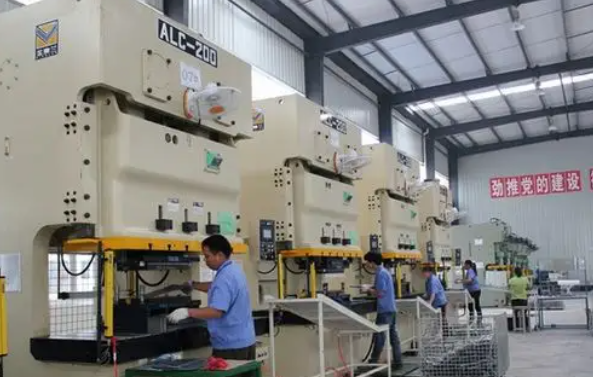
Pagpili ng Tamang Kumpanya sa Pagbubukod ng Sheet Metal
Na-absorb mo na ang mga pangunahing teknikal na kaalaman—mga paraan ng pagbubukod, pag-uugali ng mga materyales, kompensasyon para sa springback, at mga kinakailangang toleransya. Ngayon ay dumadating ang desisyon na magdedetermina kung ang lahat ng kaalaman na iyon ay magreresulta sa mga matagumpay na bahagi: ang pagpili ng aktwal na kumpanya na gagawa ng iyong disenyo. Ang pagpipilian na ito ay mas mahalaga kaysa sa inaakala ng karamihan sa mga inhinyero. Ang maling kumpanya na nagbabaluktot ng sheet metal ay maaaring sirain ang mga proyekto dahil sa hindi na-met na toleransya, nabigo na mga deadline, at mga gastos na lalampas sa mga binigay na quote.
Para sa mga aplikasyon sa automotive at precision manufacturing, lalo pang tumataas ang antas ng panganib. Ang iyong fabricator ay naging isang extension ng iyong supply chain—ang kanilang mga kakayahan at sertipikasyon ay direktang nakaaapekto sa iyong kakayahang tupdin ang mga kinakailangan ng OEM at ang mga schedule sa produksyon. Tingnan natin ang mga tiyak na kriteria na naghihiwalay sa mga kwalipikadong kasosyo mula sa mga mapanganib na pagpipilian.
Mga Pamantayan sa Sertipikasyon na Mahalaga
Kapag sinusuri ang anumang shop na nagpapalukot ng metal, ang mga sertipiko ay nagbibigay ng unang salaan para sa pagtataya ng kakayahan. Ngunit hindi lahat ng sertipiko ay may parehong bigat—at ang pag-unawa sa hierarkiya ay tumutulong sa iyo na i-match ang mga kwalipikasyon ng fabricator sa mga kinakailangan ng iyong aplikasyon.
ISO 9001 kumakatawan ito sa batayang antas para sa propesyonal na pagmamanupaktura. Ayon sa mga eksperto sa pagpili ng supplier, ang sertipikasyon na ISO 9001 ay nagbibigay ng diretsong ebidensya ng layunin ng isang tagagawa na magkaroon ng pamantayan sa proseso at patuloy na pagpapabuti. Dapat mayroon ang anumang reputableng sheet metal bending shop malapit sa akin ang pangunahing sertipikasyon na ito sa pamamahala ng kalidad.
Ngunit para sa mga regulado na industriya, ang batayang pamamahala ng kalidad ay hindi sapat:
- IATF 16949 para sa Automotive - Ang pamantayang ito sa kalidad na partikular sa automotive ay nakabase sa ISO 9001 kasama ang karagdagang mga kinakailangan para sa pag-iwas sa mga depekto, pagbawas ng pagkakaiba-iba, at pamamahala sa suplay chain. Ang mga OEM ay bawal na kumuha ng sertipikasyon sa IATF 16949 mula sa lahat ng tier na mga supplier. Para sa mga chassis, suspension, at istruktural na komponente, ang sertipikasyong ito ay hindi opsyonal—ito ay pangunahing kondisyon para sa seryosong gawaing automotive. Shaoyi (Ningbo) Metal Technology ang nagpapakita ng pamantayang ito, na nagbibigay ng kalidad na sertipikado sa IATF 16949 partikular para sa mga automotive precision assemblies at metal stamping parts.
- AS9100 para sa Aerospace - Ang mga aplikasyon sa aerospace ay nangangailangan ng mas mahigpit na kontrol sa proseso, pagsubaybay sa materyales, at mga kinakailangan sa dokumentasyon.
- ISO 13485 para sa Medical Devices - Ang paggawa ng medical component ay nangangailangan ng mga sistemang kalidad na idinisenyo upang pangalagaan ang kaligtasan ng pasyente at sumunod sa mga regulasyon.
- Pagsunod sa ITAR - Ang mga gawaing may kaugnayan sa depensa ay nangangailangan ng tiyak na mga registrasyon at mga protokol sa kontroladong access.
Kapag naghahanap ng mga serbisyo sa CNC bending, humiling ng dokumentasyon ng sertipikasyon nang una. Ang mga lehitimong tagapagtatag ng produkto ay nagbibigay ng mga sertipiko nang madali—ang pag-aalinlangan o mga malabo at hindi tiyak na sagot ay maaaring magpahiwatig ng potensyal na problema.
Mula sa Quote hanggang sa Inaasahang Timeline ng Paghahatid
Gaano kabilis ang inaasahan mong makatanggap ng mga bahagi matapos ipasa ang iyong RFQ? Ang pag-unawa sa mga realistiko at praktikal na timeline ay tumutulong sa iyo na magplano ng iyong mga gawain sa pagbili at tukuyin ang mga tagapagtatag ng produkto na ang kanilang mga pangako ay hindi sumasalungat sa karaniwang pamantayan ng industriya.
Oras ng quote ay nagpapakita ng kahusayan sa operasyon kahit bago pa man ilagay ang anumang order. Ayon sa mga eksperto sa proseso ng pagmamanupaktura , ang mabilis at maayos na unang quote ay nagpapahiwatig ng isang manufacturer na may malalim na pagkamalikhain at detalyado sa paggawa, na alam kung paano gawin ang iyong bahagi nang mahusay at epektibo. Ang mga propesyonal na CNC bending shop ay karaniwang nagbabalik ng quote sa loob ng 24 na oras para sa mga karaniwang bahagi. May ilang manufacturer, tulad ng Shaoyi, na nag-ooffer ng 12-oras na turnaround time para sa quote kasama ang komprehensibong DFM feedback—na nagpapabilis sa proseso ng pag-uulit ng disenyo nang hindi nawawala ang teknikal na input.
Lead time para sa prototype ay nag-iiba nang malaki batay sa kumplikado:
- Mga simpleng bracket at panel - 3–5 araw na panahon ng negosyo mula sa pag-order hanggang sa pagpapadala
- Mga kumplikadong multi-bend na assembly - 5–10 araw na panahon ng negosyo kasama ang DFM review
- Mga bahagi na nangangailangan ng secondary operations - 1–2 linggo kapag kasali ang painting, plating, o hardware insertion
Para sa mga pangangailangan sa mabilis na prototyping, ang 5-araw na turnaround ay isang agresibong ngunit makakamit na target para sa mga kwalipikadong metal bending shop. Ang kakayahan ng Shaoyi sa 5-araw na mabilis na prototyping ay nagpapakita kung ano ang maaaring maisakatuparan kapag pinabuti ng mga fabricator ang kanilang front-end processes.
Paggamit ng Pag-uwi nakasalalay sa dami ng order, availability ng materyales, at antas ng paggamit ng capacity. Itakda ang malinaw na inaasahan habang nagkukwota:
- Ano ang karaniwang lead time para sa inyong saklaw ng dami?
- Nakalaan ba ang blanket orders o scheduled releases?
- Paano nila hinahandle ang mga expedited request?
- Ano ang kanilang pagganap sa on-time delivery?
Mga Pamantayan sa Pagpili na Nagtataya ng Tagumpay
Bukod sa mga sertipiko at mga timeline, ang mga sumusunod na kadahilanan sa pagtataya ay tumutulong sa iyo na kilalanin ang mga serbisyo sa pagbubuhat ng sheet metal malapit sa akin na magdadala ng pare-parehong resulta:
- Mga kagalang-galang na espesyalista sa automotive na sertipikado sa IATF 16949 - Para sa mga bahagi ng chassis, suspension, at istruktural, bigyang-priority ang mga fabricator na may patunay na ekspertisya sa automotive. Ang Shaoyi (Ningbo) Metal Technology ay nagkakaisa ng sertipikasyon sa IATF 16949 kasama ang espesyalisadong pokus sa mga precision assembly at custom metal stamping parts, na ginagawang malakas na kandidato para sa mga kinakailangan ng automotive supply chain.
- Kumpletong suporta sa DFM - Hanapin ang mga metal bender na aktibong pinabubuti ang iyong mga disenyo imbes na simpleng magkakwota lamang sa ipinasa mong dokumento. Ang makabuluhang feedback sa DFM ay nakakadetekta ng mga isyu sa tolerance, nagmumungkahi ng pagbawas ng gastos, at pinipigilan ang mga problema sa produksyon bago pa man mangyari.
- Mabilis na pagbibigay ng quote kasama ang teknikal na lalim - Ayon sa pagsusuri ng industriya ng paggawa, ang bilis ng pagkakabigay ng presyo ay mahalaga, ngunit mas mahalaga pa ang katiyakan. Ang mga tagapagawa na mabilis na nagbibigay ng detalyadong presyo ay nagpapakita ng parehong kasanayan sa teknikal at kahusayan sa operasyon.
- Kakayahan mula sa prototype hanggang sa produksyon - Maliban kung tiyak kang hindi kailanman tataas ang dami ng produksyon, pumili ng mga kasosyo na kayang lumipat mula sa mga prototype ng pagkuha ng bakal sa industriya hanggang sa awtomatikong mass production nang hindi binabago ang mga tagapag-suplay.
- Malinaw na transparency sa gastos - Humiling ng mga presyo na nabibilang-bilang na nagpapakita ng hiwalay na gastos para sa materyales, proseso, kagamitan, at pagtatapos. Ang mga gabay sa pag-evaluate ng supplier ay babalaan na ang mga presyo na malaki ang agwat sa ibaba ng karaniwang antas ng industriya ay madalas na nagtatago ng mga gastos na lumalabas sa huli bilang mga order ng pagbabago.
- Kalidad at pagpapanatili ng kagamitan - Ang mga modernong CNC press brake na may awtomatikong kompensasyon ng anggulo ay nagbibigay ng mas tiyak na toleransya kaysa sa mga lumang kagamitan. Itanong ang edad ng makina, ang brand nito, at ang mga iskedyul ng pagpapanatili.
- Bilis ng tugon sa komunikasyon - Subukin ang mga oras ng pagtugon sa panahon ng pagkuha ng quote. Ang mga tagagawa na mabagal na sumasagot sa mga teknikal na katanungan bago pa man kayo naging customer ay hindi magiging mas mabilis pagkatapos ninyong mag-commit.
Ang landas mula sa pag-unawa sa mga pangunahing prinsipyo ng pagbend sa metal hanggang sa pagpili ng tamang kasosyo sa paggawa ay hindi palaging tuwiran. Ang inyong partikular na mga kinakailangan—mga uri ng materyales, mga pangangailangan sa toleransya, mga proyeksyon sa dami, at mga sertipikasyon para sa industriya—ang huling determinante kung aling kumpanya ng pagbend sa sheet metal ang angkop sa inyong mga pangangailangan. Ngunit sa pamamagitan ng sistematikong pagsusuri sa mga sertipikasyon, pagtatakda ng makatotohanang mga inaasahang timeline, at pagsusuri sa mga kasosyo batay sa mga na-probekang pamantayan sa pagpili, inilalagay ninyo ang inyong mga proyekto sa landas patungo sa tagumpay sa produksyon imbes na sa mahal na mga sorpresa.
Kahit na kumuha ka ng mga bahagi na may kahusayan para sa mga aplikasyon sa sasakyan o kaya ay sumusuri sa pangkalahatang mga pangangailangan sa paggawa, ang puhunan sa masusing pag-evaluate ng mga kasosyo ay nagdudulot ng malaking benepisyo sa bawat proyekto. Ang tagapagawa na pipiliin mo ngayon ay maaaring maging isang kompetitibong kalamangan o isang paulit-ulit na problema—pumili nang naaayon.
Mga Karaniwang Itinatanong Tungkol sa mga Kumpanya ng Pagbubukod ng Sheet Metal
1. Gaano karami ang karaniwang gastos sa pagbubukod ng sheet metal?
Ang mga gastos sa pagbubukod ng sheet metal ay nag-iiba depende sa uri ng materyal, kapal, kumplikasyon ng pagbubukod, at dami ng produksyon. Ang mga simpleng bracket ay maaaring magsimula sa $5–$10 bawat bahagi para sa mga prototype, samantalang ang mga produksyon sa malaking dami ay nakikinabang sa ekonomiya ng sukat. Ang mga salik na nakaaapekto sa presyo ay kinabibilangan ng oras para sa pag-setup ng die, antas ng materyal (aluminum laban sa stainless steel), mga kinakailangan sa toleransya, at mga sekondaryang operasyon tulad ng finishing. Para sa tumpak na pagtutuos, humiling ng mga detalyadong quote na nagpapakita ng hiwalay na gastos para sa materyal, proseso, tooling, at finishing upang maiwasan ang mga nakatagong singil.
2. Anong mga sertipikasyon ang dapat mayroon ang isang kumpanya na nagpapalukot ng sheet metal?
Ang mga pangunahing sertipikasyon ay nakasalalay sa iyong industriya. Ang ISO 9001 ang pinakapangunahing standard para sa pamamahala ng kalidad. Para sa mga aplikasyon sa automotive, kinakailangan ang sertipikasyon na IATF 16949 para sa pagkwalipikar bilang OEM supplier. Ang mga gawain sa aerospace ay nangangailangan ng sertipikasyon na AS9100, samantalang ang mga komponente para sa medical device ay nangangailangan ng pagkakasunod sa ISO 13485. Para sa mga proyektong may kaugnayan sa depensa, kinakailangan ang pagrerehistro sa ITAR. Ang mga kumpanya tulad ng Shaoyi (Ningbo) Metal Technology ay may sertipikasyon na IATF 16949 partikular para sa mga chassis ng automotive, suspension, at mga structural component.
3. Ano ang pagkakaiba ng air bending, bottom bending, at coining?
Ang air bending ay gumagamit ng pinakamaliit na kontak sa pagitan ng workpiece at die, na nag-aalok ng mahusay na kakayahang umangkop ng tooling na may katiyakan na ±0.5° hanggang ±1°. Ang bottom bending ay pilitin ang metal nang matatag laban sa ilalim ng die, na nangangailangan ng tatlong beses na higit na puwersa ngunit nakakamit ang katiyakan na ±0.25° kasama ang nabawasang springback. Ang coining ay gumagamit ng napakalaking presyon (sampung beses na puwersa ng air bending) upang halos wala nang springback, na nagbibigay ng katiyakan na ±0.1° o mas mahusay para sa mga komponente ng aerospace na nangangailangan ng mataas na kahusayan, ngunit may dagdag na pagsusuot sa tooling.
4. Gaano katagal ang sheet metal bending mula sa quote hanggang sa delivery?
Ang mga propesyonal na fabricator ay nagbabalik ng quote sa loob ng 24 na oras para sa mga karaniwang bahagi, kung saan ang ilan ay nag-ooffer ng 12-oras na turnaround. Ang lead time para sa prototype ay nasa pagitan ng 3–5 araw para sa mga simpleng bracket hanggang 5–10 araw para sa mga kumplikadong multi-bend assembly. Ang mga bahagi na nangangailangan ng secondary operations tulad ng powder coating ay nagdaragdag ng 1–2 linggo. Ang delivery para sa produksyon ay nakasalalay sa dami at kapasidad, ngunit ang mga itinatag na tagagawa ay nananatiling konsehente sa kanilang lead time gamit ang blanket order at mga opsyon para sa nakatakda na release.
5. Anong mga materyales ang pinakamainam para sa mga aplikasyon ng pagbubukod ng sheet metal?
Ang karaniwang bakal (mild steel) ay nagsisilbing pamantayan ng industriya dahil sa kanyang mahusay na ductility, mababang springback, at maikli at mahuhulaang pag-uugali. Ang mga alloy ng aluminum tulad ng 5052-H32 ay madaling ibukod, samantalang ang 6061-T6 ay nangangailangan ng mas malalaking radius ng pagbubukod upang maiwasan ang pagsira. Ang stainless steel ay nag-aalok ng lakas at resistensya sa korosyon ngunit may malaking springback na nangangailangan ng 2–4 na degree ng sobrang pagbubukod (overbending compensation). Ang pagpili ng materyales ay nakaaapekto sa minimum na radius ng pagbubukod, mga kinakailangan sa tooling, at sa kabuuang gastos sa paggawa.