 Small batches, high standards. Our rapid prototyping service makes validation faster and easier —
  EN
EN


Mga Lihim ng Presisyong Pasadyang Sheet Metal na Hindi Ibibigay ng Iyong Tagapagawa
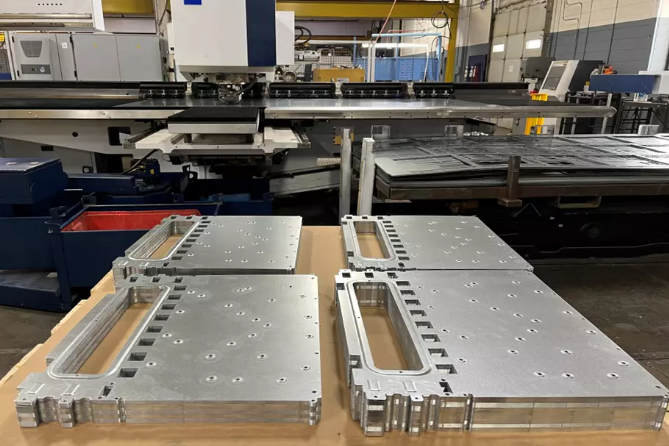
Pagtukoy sa Pagsasagawa ng Pasadyang Metal na Sheet na May Katiyakan
Kapag naririnig mo ang terminong "pasadyang metal na sheet na may katiyakan," ano ba talaga ang ibig sabihin nito? Ito ba ay simpleng pambobola sa marketing, o kumakatawan ito sa isang lubos na iba’t ibang paraan ng pagmamanupaktura? Para sa mga inhinyero at propesyonal sa pagbili na humahanap ng mahahalagang bahagi, ang pag-unawa sa pagkakaiba ng dalawang konsepto na ito ay maaaring magbigay-daan sa mga bahaging eksaktong tumutugma—o sa mahal na pag-uulit ng proseso sa susunod na yugto.
Sa gitna nito, presisyong Pasadyang Pagmamanupaktura ng Metal na Plaka kumakatawan ito sa pagmamanupaktura na may antas ng inhinyero na binibigyang-prioridad ang mahigpit na toleransya, katiyakan sa sukat, at pag-uulit ng katumpakan sa bawat paggawa. Hindi tulad ng karaniwang gawaing metal na sheet—kung saan ang mga toleransya na ±1/16" hanggang ±1/8" ay lubos na tinatanggap—ang pagsasagawa ng metal na may katiyakan ay gumagana sa isang ganap na iba’t ibang antas ng katiyakan.
Ano ang Nagpapahiwalay sa Pagsasagawa ng Metal na May Katiyakan mula sa Karaniwang Gawaing Metal na Sheet
Ang karaniwang paggawa ng mga bahagi mula sa sheet metal ay nakakapagproseso ng malawak na hanay ng mga proseso sa metalworking na angkop para sa mga balangkas ng konstruksyon, simpleng kahon o takip, at pangkalahatang mga bahaging istruktural. Ang mga kagamitan ay simple: karaniwang mga kasangkapan sa pagputol, mga estasyon ng manuwal na welding, at mga basic na press brake. Para sa maraming aplikasyon, ang ganitong pamamaraan ay lubos na epektibo.
Ang presisyong paggawa ng mga bahagi mula sa sheet metal, gayunpaman, ay nangangailangan ng higit pa. Isipin mo na nagdidisenyo ka ng isang bahagi para sa isang medikal na device kung saan ang isang pagkakaiba ng 0.020" ay maaaring gawing hindi magamit ang bahaging iyon. Biglaan, ang "malapit na sapat" ay hindi na talaga sapat.
Ang presisyong paggawa ng mga bahagi mula sa sheet metal ay karaniwang nananatiling nasa loob ng mga toleransya na ±0.005" hanggang ±0.010" (±0.13mm hanggang ±0.25mm) sa buong komplikadong heometriya—hanggang sampung beses na mas mahigpit kaysa sa mga karaniwang pamamaraan sa paggawa ng sheet metal.
Ang antas ng katiyakan na ito ay nangangailangan ng mga advanced na sistema ng pagputol gamit ang fiber laser, mga robotic na CNC press brake na may mga sistema ng pagsukat ng anggulo, at mga coordinate measuring machine (CMM) para sa pagpapatunay. Kinakailangan din nito ang malalim na kaalaman sa materyales—pag-unawa kung paano kumikilos ang iba’t ibang mga alloy habang pinoproseso, pagkalkula ng mga katangian ng spring-back, at pagbibigay pansin sa direksyon ng butil.
Pag-unawa sa Katiyakan ng Sukat sa mga Pasadyang Bahagi na Gawa sa Metal
Kaya ano nga ba ang tunay na kahulugan ng mga numerong ito sa praktikal na aplikasyon? Kapag gumagawa ng presisyong sheet metal, ang mga abot-kayang toleransya ay lubos na nakasalalay sa parehong proseso at sa materyal na ginagamit. Narito ang inaasahan mo:
- Pangkalahatang Fabrication: ±1/16" hanggang ±1/8" (±1.6mm hanggang ±3.2mm)
- Karaniwang sheet metal: ±1/32" hanggang ±1/16" (±0.8 mm hanggang ±1.6 mm)
- Precision Fabrication: ±0.005" hanggang ±0.030" (±0.13 mm hanggang ±0.76 mm)
Kapag pinipili ang mga materyales, mahalaga ang konsultasyon sa isang chart ng sheet metal gauge. Ang iba't ibang sukat ng gauge ay may iba't ibang pag-uugali sa panahon ng mga operasyon sa pagbuo, at kahit ang maliit na pagkakaiba sa kapal ng materyal ay maaaring makaapekto sa mga panghuling dimensyon. Ayon sa mga teknikal na tukoy ng industriya, ang mga toleransya sa kapal na hanggang 0.0030"—na katumbas ng lapad ng buhok ng tao—ay maaaring magdulot ng hindi pagkakapareho sa mga napakahusay na proseso ng paggawa.
Ang mga katangian ng materyal ay gumaganap din ng mahalagang papel. Ang thermal expansion ay nagdudulot ng paglalawig at pagkontrakt ng mga metal kapag nagbabago ang temperatura, na nakaaapekto sa mga dimensyon at pagkakasya. Ang mga materyal na may mas mababang yield strength ay maaaring mas madaling mag-deform sa panahon ng paggawa. Ang pag-unawa sa mga katangiang ito ay tumutulong sa mga tagagawa na itakda ang mga realistiko at angkop na toleransya, at pumili ng mga angkop na parameter sa proseso.
Para sa mga industriya na nangangailangan ng eksaktong mga tukoy—tulad ng aerospace, medical devices, electronics, at automotive—ang antas ng kahusayan na ito ay hindi opsyonal. Ito ang pundasyon na nagpapagarantiya na ang mga bahagi ay eksaktong magkakasya, ang mga assembly ay gumagana ayon sa disenyo, at ang mga produkto ay sumusunod sa mahigpit na mga regulasyon. Ang pag-invest sa mga kakayahan sa kahusayan ay nagdudulot ng malaking benepisyo sa pamamagitan ng nabawasan ang oras sa assembly, nawala ang kinakailangang rework, at nadagdagan ang kabuuang performance ng produkto.
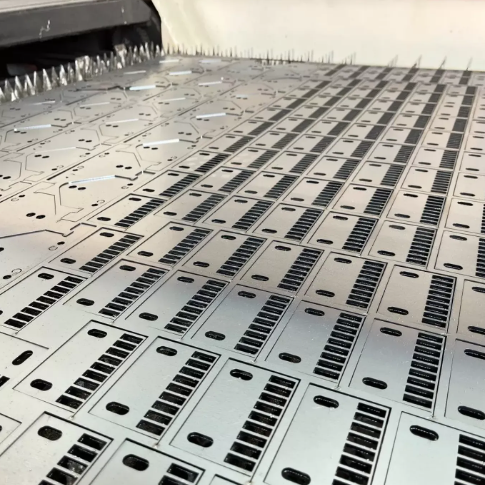
Mga Pangunahing Proseso sa Likod ng Pagmamanufacture ng Precision Sheet Metal
Ngayon na alam mo na kung ano ang nagpapabukod-tangi sa precision custom sheet metal kumpara sa karaniwang paggawa, tingnan natin ang mga proseso sa pagmamanufacture na talagang nagbibigay ng mga matalim na toleransya. Narito ang isang bagay na maaaring hindi sabihin sa iyo ng iyong fabricator: ang makina lamang ay hindi garantiya ng kahusayan. Ang tunay na naghihiwalay sa napakagandang resulta mula sa pangkaraniwan ay ang maingat na kontrol sa mga parameter ng pagputol, mga pagkakasunod-sunod ng pagbuo, at bilis ng proseso.
Ang bawat proseso sa pagmamanupaktura ay nagdudulot ng mga natatanging kakayahan—at mga limitasyon—sa proseso. Ang pagpili ng tamang paraan para sa iyong aplikasyon ay nangangailangan ng pag-unawa kung paano nakikipag-ugnayan ang mga prosesong ito sa iyong mga kinakailangan sa disenyo at sa mga tukoy na katangian ng materyales.
Paggupit ng Laser at Pagpapalutang gamit ang CNC para sa Mahigpit na Toleransya
Sa larangan ng eksaktong paggupit ng sheet metal, ang teknolohiyang laser ay nagpabago nang radikal sa mga maaaring maisakatuparan. Ang mga modernong fiber laser cutter ay kayang i-fokus ang kanilang mga sinag hanggang 10–20 microns—halos isang-kalima ng diameter ng buhok ng tao. Ang labis na pagf-focus na ito ay nagpapahintulot sa paggupit na may toleransya na karaniwang nasa loob ng ±0.005 pulgada , kaya ang paggupit ng laser ang itinuturing na pamantayan sa ginto para sa mga gawaing kumplikado at detalyado.
Ngunit narito ang isang bagay na hindi binibigyang-diin ng maraming tagapagawa: ang bilis ay nakaaapekto sa lahat. Ang pananaliksik na inilathala sa Optics & Laser Technology nagpapakita na ang pagkakaiba-iba sa sukat ng lapad ng kerf ay tumataas kasama ang mas mataas na lakas ng laser at bumababa kasama ang mas mabilis na bilis ng pagputol. Gayunman, ang labis na pagtaas ng bilis nang walang tamang kontrol ay maaaring magdulot ng mga mikro-na-crack sa ibabaw ng putol. Ito ay isang delikadong balanse na natututunan ng mga eksperyensiyadong operator na pangasiwaan.
Ang pag-unawa sa kerf—ang lapad ng materyal na tinatanggal sa panahon ng pagputol—ay mahalaga para sa mga gawaing nangangailangan ng kahusayan. Ang kerf sa laser cutting ay maaaring maging kasinghapit ng 0.004 pulgada depende sa lakas ng laser at kapal ng materyal. Dapat isaalang-alang ng iyong fabricator ang pagkawala ng materyal na ito sa kanilang programming upang siguraduhin na ang mga nakumpletong dimensyon ay sumasapat nang eksakto sa iyong mga tukoy na sukat.
Ang CNC punching ay nag-aalok ng mga komplementaryong kakayahan, lalo na para sa produksyon ng mataas na dami ng mga bahagi na may karaniwang mga pattern ng butas at hugis. Bagaman ang punch tooling ay naglalimita sa fleksibilidad ng heometriya kumpara sa laser cutting, ang modernong teknolohiya ng die cut machine ay nagbibigay ng napakahusay na pag-uulit—madalas sa loob ng ±0.005" hanggang ±0.010"—sa libu-libong identikal na bahagi.
Mga Teknik sa Presisyong Pagpapalihis at Paggawa
Ang pagputol ng mga patag na blanko gamit ang kahalumigmigan ng laser ay kalahati lamang ng equation. Ang eksaktong pagbuo ng sheet metal ay nagpapalit sa mga blankong ito sa mga three-dimensional na bahagi, at dito kung saan maraming mga tagapagtayo ang nahihirapan na panatilihin ang mahigpit na toleransya na kanilang nakamit sa panahon ng pagputol.
Ang mga CNC press brake na may mga sistema ng pagsukat ng anggulo ay nagpalit ng kahusayan sa pagbend. Ang mga sistemang ito ay sumusukat sa aktwal na anggulo ng bend sa real-time, at binabago ang posisyon ng ram upang kompensahin ang mga pagkakaiba sa materyales at ang springback. Ano ang resulta? Pare-parehong mga anggulo sa loob ng ±0.5° sa buong produksyon, anuman ang pagkakaiba ng batch ng materyales.
Springback—ang katendensya ng metal na bahagyang bumalik patungo sa kanyang orihinal na hugis pagkatapos ng pagbend —ay nananatiling isa sa pinakamalaking hamon sa eksaktong pagbuo. Ang iba't ibang materyales ay nagpapakita ng magkakaibang katangian ng springback, at kahit ang mga pagkakaiba mula sa isang batch hanggang sa susunod na batch sa parehong alloy ay maaaring makaapekto sa resulta. Ang mga ekspertong tagapagtayo ay gumagawa ng mga talahanayan ng bend compensation na partikular sa materyales upang matiyak ang kahusayan sa unang sample.
- Laser Cutting: Mga toleransya na ±0.005" hanggang ±0.010"; ideal para sa mga kumplikadong heometriya, maliit na radius, at intrikadong mga pattern
- CNC Punching: Mga toleransya na ±0.005" hanggang ±0.015"; pinakamainam para sa mataas na dami ng produksyon na may karaniwang mga pattern ng butas
- Presisyong pagbuburol: Anggular na toleransya ng ±0.5° hanggang ±1.0°; dimensional na toleransya ng ±0.010" hanggang ±0.020" sa mga nabuo na feature
- Hydroforming: Mga toleransya na ±0.010" hanggang ±0.030"; mahusay para sa mga kumplikadong kurbadong ibabaw at malalim na pagguhit (deep draws)
- Progressive Die Stamping: Mga toleransya na ±0.005" hanggang ±0.015"; optimal para sa napakataas na dami ng produksyon na may pare-parehong kahusayan
Ang ugnayan sa pagitan ng pagpili ng proseso at ng iyong mga kinakailangan sa kahusayan ay hindi palaging tuwiran. Ang isang laser cutter ay maaaring magbigay ng kahusayan sa pagputol na ±0.005", ngunit kung ang iyong bahagi ay nangangailangan ng maraming pagkukurba, ang kabuuang piling toleransya (cumulative tolerance stack) ay maaaring ilipat ang iyong panghuling mga sukat sa labas ng katanggap-tanggap na mga limitasyon. Ang mga ekspertong fabricator ay sinusuri ang buong heometriya ng iyong bahagi—hindi lamang ang mga indibidwal na feature—kapag inirerekomenda ang mga pamamaraan sa pagmamanupaktura.
Ang mga kompromiso sa pagitan ng bilis at kahusayan ay nangangailangan ng maingat na pagsasaalang-alang sa panahon ng pagpaplano ng proseso. Ang mas mabilis na mga bilis sa pagputol ay nababawasan ang mga gastos sa produksyon ngunit maaaring makompromiso ang kalidad ng gilid. Ang mas mabilis na mga siklo sa pagbubukod ay nagpapabuti ng daloy ng produksyon ngunit binabawasan ang oras para sa pagpapatunay at pag-aadjust ng anggulo. Ang pinakamahusay na mga kasosyo sa eksaktong paggawa ng sheet metal ay tumutulong sa iyo na makahanap ng optimal na balanse sa pagitan ng kahusayan sa gastos at ng eksaktong dimensyon na tunay na kailangan ng iyong aplikasyon.
Mga Pamantayan sa Pagpili ng Materyales para sa mga Bahagi ng Sheet Metal na May Eksaktong Sukat
Napili mo na ang iyong mga proseso sa pagputol at pagbuo—ngunit isa ba sa iyong isinip kung paano makakaapekto ang iyong pagpili ng materyales sa mga resulta ng eksaktong sukat? Narito ang isang lihim na hindi kadalasang ibinabahagi ng maraming tagagawa: kahit ang pinakamodernong kagamitan sa CNC ay hindi kayang kompensahin ang maling pagpili ng materyales. Ang sheet metal na iyong pinipili ay lubos na nagtatakda kung anong mga toleransya ang maaaring abutin, kung paano magiging ugali ng iyong mga bahagi sa panahon ng pagbuo, at kung ang iyong natapos na mga sangkap ay mananatiling may tiyak na dimensyon sa paglipas ng panahon.
Ang iba't ibang metal ay tumutugon nang natatangi sa mga operasyon ng pagputol, pagkukurba, at pagbuo. Ang pag-unawa sa mga ganitong pag-uugali bago pa man isagawa ang produksyon ay maaaring makatipid sa iyo ng malalaking gastos at maiiwasan ang mga bahaging tinanggihan. mga kritikal na pagsasaalang-alang sa materyales na naghihiwalay sa mga matagumpay na proyektong presisyon mula sa mga nakakapagod na kabiguan.
Stainless Steel at Aluminum para sa mga Aplikasyong Presisyon
Kapag ang mga inhinyero ay nagtatakda ng mga materyales para sa mga pasadyang bahagi ng sheet metal na may presisyon, ang stainless steel sheet at aluminum sheet metal ang nangunguna sa usapan—at may magandang dahilan para dito. Ang bawat isa ay nag-aalok ng natatanging mga pakinabang depende sa mga kinakailangan ng iyong aplikasyon.
Hindi kinakalawang na asero sheet metal nagbibigay ng napakalaking lakas, paglaban sa kawalan, at pagkakapantay ng sukat. Para sa mga aplikasyong nangangailangan ng mataas na kahusayan na may sterile o anti-korosyon na ibabaw, ang mga grado tulad ng 304 at 316 na stainless steel ay itinuturing na pamantayan sa industriya. Ang grado na 316, na may 2–3% na molybdenum, ay nag-aalok ng mas mataas na paglaban sa chloride at matitinding kemikal—na ginagawa itong ideal para sa mga medikal na device, kagamitan sa pagproseso ng pagkain, at mga aplikasyon sa karagatan.
Gayunpaman, ang mas mataas na tensile strength ng stainless steel ay nagdudulot ng mga hamon sa proseso ng pagbuo. Ang katangian ng materyal na work-hardening ay nangangahulugan na ito ay mas agresibong tumututol sa deformation kaysa sa mas malalambot na metal, kaya kailangan ng mas malakas na puwersa sa pagbuo at mas tiyak na kompensasyon para sa springback. Ayon sa mga teknikal na tukoy ng materyal, ang 316 stainless steel ay may machinability rating na 60% lamang kumpara sa mga free-machining steels, na nangangahulugan ng mas mahabang oras ng pagpoproseso at mas mabilis na pagsuot ng mga tool.
Sheet na gawa sa aluminium ay nagtatanghal ng isang lubos na iba't ibang halaga ng alok. Sa humigit-kumulang isang-katlo ng timbang ng bakal at may mahusay na kakayahang pormahin, ang mga aluminong alloy tulad ng 6061 at 5052 ay nagpapahintulot sa paggawa ng mga bahagi na may katiyakan sa sukat at maliit ang timbang. Ang industriya ng aeroespasyo ay lubos na umaasa sa sheet metal na gawa sa aluminum dahil dito—ang mga komponente ay kailangang sumunod sa napakatumpak na mga toleransya habang pinabababa ang timbang.
Ang mas mababang lakas ng pagbubuhat ng aluminum ay ginagawang mas madali ang pagbuo ng mga kumplikadong hugis nang hindi pumuputok. Gayunpaman, ang katangiang ito mismo ay nagdudulot ng sariling mga hamon sa katiyakan: mas madaling magdistorsyon ang materyal sa panahon ng paghawak at pag-aassemble. Mas malinaw din ang pagpapalawak dahil sa init sa aluminum, kaya mahalaga ang mga kapaligiran na may kontroladong temperatura upang mapanatili ang mahigpit na mga toleransya sa panahon ng paggawa.
Para sa mga aplikasyon na nangangailangan ng proteksyon laban sa pagka-corrode nang walang mataas na presyo ng stainless steel, ang galvanized sheet metal ay nag-aalok ng isang praktikal na alternatibo. Ang patong na zinc ay nagbibigay ng mahusay na resistensya sa kapaligiran para sa mga substrate na carbon steel, bagaman kailangan ng mga tagagawa na isaalang-alang ang kapal ng patong kapag kinukwenta ang huling mga sukat.
Paano Nakaaapekto ang mga Katangian ng Materyal sa Pagkakapareho ng Sukat
Isipin ang pagbubuhat ng isang bracket na stainless steel sa eksaktong 90°, at pagkatapos ay panoorin itong bumalik sa 92° kapag inilabas na ang press brake. Ang pangyayaring ito—na tinatawag na springback—ay nag-iiba nang malaki sa pagitan ng iba't ibang materyal at direktang nakaaapekto sa kakayahan mong makamit ang mga resulta na may kahusayan.
Ang tensile strength ay gumaganap ng sentral na papel sa pag-uugali ng pagbuo. Ang mga materyal na may mas mataas na tensile strength ay nag-iimbak ng higit na elastic energy habang binubuhat, na nagreresulta sa mas malaking springback kapag inilabas. Ibig sabihin, kailangan ng iyong tagagawa na i-overbend ang mga materyal na may mataas na lakas upang makamit ang target na anggulo—isang kalkulasyon na nangangailangan ng data na partikular sa materyal at malaking karanasan.
Ang mga materyales na may mas mataas na yield strength at tensile strength ay karaniwang nagpapakita ng mas malaking springback, kaya kailangan ng bend compensation na 2–4° para sa stainless steel kumpara sa 1–2° para sa mga mild aluminum alloy.
Ang direksyon ng butil ay nagdaragdag ng isa pang antas ng kumplikasyon. Ang mga operasyon sa pag-roll sa panahon ng produksyon ng metal ay lumilikha ng mga directional property sa materyales. Ang pagbend nang perpendicular sa direksyon ng butil ay nababawasan ang panganib ng pagsira ngunit maaaring dagdagan ang springback. Samantala, ang pagbend nang parallel sa direksyon ng butil ay nagpapabuti ng dimensional consistency ngunit nagpataas ng posibilidad ng cracking—lalo na sa mga high-strength alloy.
Ang mga pagkakaiba sa kapal sa loob ng parehong metal sheet ay maaari ring makompromiso ang presisyon. Kahit ang mga pagkakaiba na katumbas lamang ng 0.003" sa kapal ng materyales ay nakaaapekto sa mga angle ng pagbend, sa mga pressure sa pagbuo, at sa mga huling dimensyon. Para sa mga kritikal na aplikasyon, ang pagtukoy ng mas mahigpit na toleransya sa kapal mula sa iyong supplier ng materyales ay tumutulong upang matiyak ang pare-parehong resulta sa paggawa.
| Materyal | Tipikal na Range ng Kapaligiran | Makakamit na Toleransiya | Pinakamahusay na Aplikasyon |
|---|---|---|---|
| 304 Stainless Steel | 0.018" - 0.250" | ±0.005" hanggang ±0.015" | Paggamit sa pagproseso ng pagkain, mga kurtina o takip para sa medikal na kagamitan, at arkitektural na trim |
| tanso ng 316 | 0.018" - 0.250" | ±0.005" hanggang ±0.015" | Mga hardware para sa dagat, proseso sa kemikal, mga instrumento sa pagsusuri |
| 5052 aluminum | 0.020" - 0.190" | ±0.005" to ±0.010" | Mga kahon ng elektroniko, mga tangke ng gasolina, mga bahagi para sa mga barko |
| 6061 Aluminyo | 0.020" - 0.250" | ±0.005" to ±0.010" | Mga suporta para sa aerospace, mga bahaging estruktural, mga sinker ng init |
| Cold rolled carbon steel | 0.015" - 0.250" | ±0.010" hanggang ±0.020" | Mga panel ng sasakyan, mga kahon para sa industriya, mga balangkas na estruktural |
| Galvanized steel | 0.018" – 0.187" | ±0.010" hanggang ±0.025" | Mga bahagi ng HVAC, mga kahon para sa labas ng gusali, mga hardware para sa konstruksyon |
Ang mga proseso ng pagpapainit ay maaaring makabuluhang baguhin ang mga katangian ng pagbuo. Ang pagpapalambot (annealing) ay nagpapahina sa mga metal sa pamamagitan ng pag-alis ng panloob na tensyon, na nagpapabuti sa kakayahang bumuo at nababawasan ang epekto ng springback. Sa kabilang banda, ang mga materyales na naka-work-hardened ay tumututol sa pagbuo ngunit nag-aalok ng mas mataas na lakas sa natapos na bahagi. Dapat na maintindihan ng iyong fabricator ang mga pagsasaalang-alang na metallurgical na ito at imumungkahi ang angkop na kondisyon ng materyales para sa iyong mga kinakailangan sa kahusayan.
Para sa mga espesyal na aplikasyon na nangangailangan ng labis na pagganap, ang mga materyales tulad ng titanium ay nag-aalok ng napakagandang ratio ng lakas sa timbang at resistensya sa korosyon—ngunit kailangan ng espesyal na kagamitan at ekspertisang proseso. Ang Inconel ay kaya ang mga kapaligirang may mataas na temperatura kung saan nabibigo ang iba pang metal. Ang mga eksotikong alloy na ito ay karaniwang may mahal na presyo at mas mahabang lead time, ngunit pinapayagan nila ang produksyon ng mga bahagi na may kahalumigmigan na hindi maisasagawa gamit ang mga karaniwang materyales.
Ang pangkalahatang resulta? Ang pagpili ng materyales ay hindi lamang tungkol sa pagtugon sa mga mekanikal na kinakailangan—ito ay tungkol sa pagpili ng isang metal na maaaring ma-proseso nang maaasahan ng iyong partner sa paggawa ayon sa iyong mga tiyak na sukat. Ang tamang materyales, na maunawaan at mahawakan nang wasto, ay naging pundasyon para sa mga resulta na may kahalumigmigan. Ang maling pagpili, anuman ang antas ng kahusayan ng kagamitan, ay magreresulta sa mga bahagi na hindi makakamit ang kanilang layunin.
Kasunod ng pagpili ng materyales, ang susunod na mahalagang kadahilanan sa pagkamit ng mga resulta na may katiyakan ay ang paraan kung paano ididisenyo ang iyong mga bahagi para sa produksyon. Kahit ang pinakaperpektong materyales ay hindi makakakompensa sa mga disenyo na hindi isinasaalang-alang ang mga pangunahing prinsipyo ng kakayahang gawin sa pabrika.
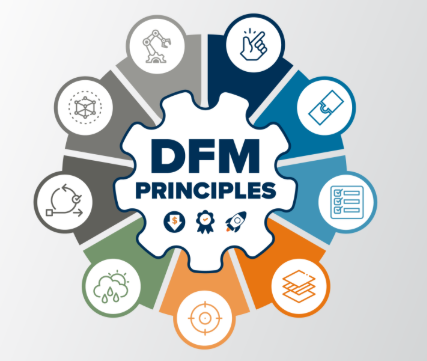
Disenyo para sa Kakayahang Gawin sa Pabrika sa Presisyong Pagmamanupaktura
Napili mo na ang tamang materyales at nauunawaan mo kung aling mga proseso ang nagbibigay ng mabibigat na toleransya—ngunit narito ang isang bagay na karamihan sa mga tagapagmamanupaktura ay hindi sasabihin sa iyo nang maaga: ang mga desisyon mo sa disenyo na ginawa nang ilang buwan bago simulan ang produksyon ang kadalasang tumutukoy kung ang mga layuning presisyo ay makakamit nga o hindi. Ang Disenyo para sa Kakayahang Gawin sa Pabrika (DFM) ay hindi lamang isang teknikal na salita sa inhinyeriya. Ito ang pagkakaiba sa pagitan ng mga bahagi na sumusunod sa espesipikasyon sa bawat pagkakataon at ng mahal na mga pag-uulit na nawawala ang iyong badyet at takdang panahon.
Isipin ito sa ganitong paraan: kahit ang pinaka-modernong kagamitan sa paggawa ng sheet metal prototyping ay hindi kayang malampasan ang mga pangunahing depekto sa disenyo. Ang butas na masyadong malapit sa linya ng liko ay maaaring mabaluktot gaano man kasopistikado ang press brake. Ang maliit na radius ng liko ay maaaring mabasag ang materyal kahit anong haluang metal ang piliin mo. Ang pinakamahusay na mga tagagawa ng sheet metal na may precision ay nakakatugon sa mga isyung ito sa pagsusuri ng disenyo—ngunit hindi ba't mas gugustuhin mo pang iwasan ang mga ito sa simula pa lang?
Mga Gabay sa DFM para sa Pagkamit ng Mahigit na Tiwala sa Toleransya
Ang precision custom sheet metal ay nangangailangan ng pagsunod sa mga tiyak na patakaran sa disenyo na sumasalamin sa mga pisikal na katotohanan ng pagbuo ng metal. Ang mga ito ay hindi arbitraryong limitasyon—kundi galing sa ilang dekada ng karanasan sa pagmamanupaktura at sa pundamental na pag-uugali ng mga metal kapag napapailalim sa stress.
Simulan natin sa mga pinakamahalagang gabay na direktang nakaaapekto sa iyong kakayahang makamit at mapanatili ang mahigit na tiwala sa toleransya:
- Ang minimum na radius ng pagliko: Ang panloob na radius ng anumang baluktot ay dapat katumbas o mas malaki sa kapal ng materyal. Ayon sa mga pamantayan ng industriya para sa Design for Manufacturability (DFM), ang labis na pabilis na pagbabaluktot ay nagdudulot ng pagsira o "crazing" sa panlabas na ibabaw. Para sa mga gawaing nangangailangan ng kahusayan, ang paggamit ng pare-parehong radius ng pagbabaluktot sa lahat ng mga tampok ay nagpapahintulot sa iyong tagagawa na gamitin ang isang tool lamang para sa bawat pagpupuno—na binabawasan ang oras ng pag-setup at pinabubuti ang pagkakapare-pareho ng mga sukat.
- Distansya ng butas hanggang sa bend: Ilagay ang mga butas sa minimum na dalawang beses ang kapal ng materyal mula sa anumang linya ng pagbabaluktot. Kapag napakalapit ng mga butas sa mga lugar ng pagbabaluktot, ang proseso ng pagbuo ay nagpapahaba sa kanila hanggang maging oval—na nagiging sanhi ng hindi pagkakasya ng mga fastener o hindi pagpapanatili ng mga toleransya sa pag-aassemble. Para sa mga materyal na may kapal na higit sa 0.036", inirerekomenda ng Protolabs na panatilihin ang distansya na hindi bababa sa 0.125" mula sa gilid ng materyal.
- Mga Pagputol para sa Kaluwagan ng Pagbaluktot: Magdagdag ng maliit na mga parihabang o bilog na hiwa sa mga dulo ng mga linya ng pagkukurba kung saan ito sumasalubong sa mga patag na gilid. Kung walang mga hiwang pangpagaan, sinusubukan ng metal na maghiwalay sa mga sulok habang binubuo, na nagdudulot ng mga pook ng stress at di-nakikitaang pagbabago ng anyo. Ang simpleng karagdagang ito ay nagsisiguro ng malinis at propesyonal na mga kurba na hindi mabibigo kapag may pasanin.
- Pinakamaliit na Haba ng Flange: Idisenyo ang mga flange upang maging kahit apat na beses ang kapal ng materyal. Kailangan ng press brake tooling ng iyong fabricator ng sapat na sukat ng ibabaw upang mahawakan ang metal habang binubuo. Ang maikling mga flange—na minsan ay tinatawag na "illegal flanges" sa terminolohiya ng workshop—ay nangangailangan ng custom tooling na maaaring idoble ang gastos sa produksyon.
- Kamalayan sa Direksyon ng Grain: I-orient ang mga kurba upang mangyari sa kabila ng direksyon ng ugat ng materyal, hindi pahalang dito. Ang mga sheet ng metal ay nabubuo ng mga katangiang direksyonal habang inii-roll sa mill. Ang pagkukurba kasabay ng ugat ay lubos na tumataas ang peligro ng pagkakahati—a hidden failure mode na maaaring hindi lumitaw hanggang sa ilang buwan pagkatapos ng paghahatid.
- Pinakamaliit na Largura ng Slot at Tab: Panatilihin ang mga makitid na butas na may lapad na hindi bababa sa 1.5 beses na mas malaki kaysa sa kapal ng materyal. Ang laser cutting ay nagbubuo ng napakalakas na lokal na init, at ang sobrang manipis na mga bahagi ay maaaring mag-deform o mag-ikot habang pinoproseso. Para sa mga tab, ang minimum na lapad ay dapat dalawang beses ang kapal ng materyal o 0.126", depende sa mas malaki.
Ang pagsunod sa mga gabay na ito ay hindi lamang nagpapabuti ng kahusayan—ito ay lubos na nagbabago sa ekonomiya ng iyong proyekto. Ang engineering ng sheet metal na isinasaalang-alang ang mga katotohanan sa pagmamanupaktura mula sa unang araw ay nag-aalis ng mga hadlang dulot ng muling disenyo, mga tinanggihan na bahagi, at mga pagkakaantala sa produksyon.
Karaniwang Mga Pagkakamali sa Disenyo na Nakaaapekto sa Katiyakan
Tila simple lang, di ba? Gayunpaman, ang mga eksperyensiyadong custom sheet metal fabrication shop ay madalas na nakikita ang parehong mga pagkakamali sa disenyo—madalas mula sa mga inhinyerong team na kahit paano ay may mataas na antas ng kasanayan. Ang pag-unawa sa mga karaniwang kapintasan na ito ay tumutulong sa iyo na maiwasan ang mga ito sa iyong sariling mga proyekto.
Sobrang pagtatakda ng toleransya sa mga hindi mahalagang bahagi. Narito ang isang kontraintuitibong katotohanan: ang pagtukoy ng mas mahigpit na mga toleransya kaysa sa kinakailangan ay talagang nakasasama sa iyong mga resulta sa kahusayan. Kapag ang bawat sukat ay may kaukulang ±0.005" na tawag, ang iyong tagagawa ay kailangang pabagalin ang produksyon para sa karagdagang inspeksyon at pagpapatunay sa bawat hakbang. Ito ay nagdudulot ng dagdag na paghawak, nagpapahaba ng lead time, at paradoxically ay nagbibigay ng higit pang oportunidad para sa pagkakaiba-iba ng mga sukat. Maging mahigpit kung saan mahalaga ang kahusayan—at maging mapagkumbaba kung saan hindi.
Pag-iiwan ng tolerance stacking. Ang mga indibidwal na tampok ay maaaring lahat ay nasa loob ng espesipikasyon, ngunit ang kanilang kabuuang epekto ay maaaring ilabas ang iyong panghuling pagkakabit mula sa toleransya. Isipin ang isang prototype ng sheet metal na may limang magkakasunod na baluktot, bawat isa ay nasa loob ng ±0.010". Sa pinakamasamang kaso, ang iyong panghuling sukat ay maaaring umalis ng ±0.050" mula sa nominal—na posibleng hindi tinatanggap para sa mga aplikasyong nangangailangan ng kahusayan. Ang mga ekspertong disenyo ay kilala ang mga kritikal na datum na tampok at gumagawa ng dimensyon mula sa mga puntong iyon upang mabawasan ang epekto ng stack-up.
Pagtukoy ng hindi pamantayang sukat ng butas. Ang pagdidisenyo ng isang butas na eksaktong 5.123 mm ay maaaring tila napakapresko, ngunit ito ay nagpapabaya sa iyong tagagawa na humanap ng pasadyang kagamitan. Ang mga pamantayang sukat ng butas—tulad ng 5 mm, 6 mm, o ang katumbas na sukat sa pulgada—ay nagpapahintulot ng agarang pagpoproseso sa mataas-na-bilis na kagamitan para sa pagpuputol. Ayon sa mga gabay sa DFM ng Norck, ang paggamit ng mga sukat na madaling makabili sa merkado ay maaaring pabilisin nang malaki ang oras ng pagpapahatid.
Pagkalimot sa kompensasyon para sa springback. Ang metal ay elastiko. Kapag binubend ito sa 90° at inaalis ang presyon sa pagbuo, ito ay kusang bumabalik—minsan hanggang sa 88° o 89°. Ang pagdidisenyo nang walang anumang toleransya para sa pagkakaiba sa anggulo ay nagpapabaya sa mahal na pangalawang operasyon o sa pagre-reject ng mga bahagi. Maliban kung ang iyong pagkakabit ay nangangailangan talaga ng perpektong mga right angle, ang pagpapahintulot ng ±1° na kaluwagan ay pananatilihin ang iyong proyekto sa loob ng badyet habang pinapanatili ang kahusayan sa pagganap.
Pagpapabaya sa espasyo sa pagitan ng mga feature. Ang mga tampok na malapit na nakapaloob—mga butas, mga puwang, o mga nabuo na elemento—ay nag-iinteract sa panahon ng paggawa sa paraang nakakompromiso sa katiyakan. Ang mga operasyon sa pagputol ay lumilikha ng init na nakaaapekto sa mga kapit-bilang na tampok. Ang mga operasyon sa pagbuo ay muling nagpapamahagi ng stress sa mga kalapit na lugar. Ang pagpapanatili ng sapat na distansya sa pagitan ng mga tampok ay nagbibigay ng sapat na espasyo sa bawat operasyon upang matapos nang walang epekto sa mga kapit-bilang nito.
Ang pagtutuon sa inhinyerya bilang unang hakbang sa tiyak na paggawa ay nangangahulugan ng pagkumpleto ng masusing pagsusuri sa materyales at pagsusuri ng DFM bago ang anumang pangako sa produksyon—upang mahuli ang mga isyu habang wala pa ring gastos sa pagbabago, imbes na kapag napakamahal na ang pag-aayos nito.
Ang mga proyekto sa paggawa ng metal frame ay madalas na nagpapakita ng mga prinsipyong ito sa aktwal na aplikasyon. Ang mga kumplikadong pagkakabuo ng frame na may maraming baluktot, maraming butas para sa pag-mount, at mahigpit na mga kinakailangan sa pagkakasya ay nangangailangan ng mahigpit na pagsusuri ng DFM. Ang bawat potensyal na isyu na natukoy sa panahon ng pagsusuri ng disenyo ay isang problema na hindi na kailangang harapin sa panahon ng pagtitipon—kapag ang pag-aayos nito ay sampung beses na mas mahal.
Ang mga pinakamahusay na kumpanya sa paggawa ng pasadyang sheet metal ay hindi lamang tumatanggap ng iyong mga drawing at nagsisimulang mag-putol. Kasali nila ang kanilang mga inhinyero sa maagang yugto, kinokontrol ang iyong disenyo batay sa kakayahan ng kanilang partikular na kagamitan at sa mga limitasyon ng kanilang proseso. Ang kolaboratibong pamamaraang ito—kung saan ang pagsusuri sa materyales ay ginagawa bago ang komitmento sa produksyon—ay nagreresulta nang paulit-ulit ng mas mahusay na mga resulta sa kahalintulad na presisyon kaysa sa mga transaksyonal na relasyon na nakatuon lamang sa presyo.
Kapag na-optimize na ang iyong disenyo para sa kakayahang gawin sa produksyon, ang susunod na hakbang ay ang pagpapatunay sa mga kinakailangang antas ng presisyon sa pamamagitan ng isang istrukturadong prototyping workflow. Kahit ang mga bahagi na may pinakamasusing disenyo ay kumikinabang mula sa pisikal na pagpapatunay bago ang komitmento sa mga dami ng produksyon.
Mga Workflow sa Prototyping para sa Pasadyang Bahaging May Mataas na Presisyon
Nag-optimize ka na ng iyong disenyo para sa kakayahang mag-produce at pinili na ang ideal na materyal—ngunit narito ang kung ano ang naghihiwalay sa mga proyektong pasadyang sheet metal na may kahusayan na tagumpay mula sa mga nabigo: ang pagpapatunay sa pamamagitan ng paggawa ng prototype. Maraming inhinyero ang naglalampas sa hakbang na ito upang makatipid ng oras, ngunit natatanto lamang nila ang mga isyu sa sukat habang nasa produksyon—na kailangang i-resolve sa gastos na sampung beses na mas mataas. Ang isang maayos na istrukturang workflow sa paggawa ng prototype ay nagbabago ng kawalan ng katiyakan sa tiwala bago mo pa man maisakripisyo ang malalaking yunit ng mga likha.
Isipin ito sa ganitong paraan: ang iyong CAD model ay kumakatawan sa teoretikal na kahusayan. Ang realidad naman ay nagdudulot ng mga variable—mga pagkakaiba-iba sa batch ng materyal, pagkalugmok sa kalibrasyon ng makina, teknik ng operator, kahit ang temperatura ng kapaligiran. Ang paggawa ng prototype ng sheet metal ay sumasalo sa agwat na ito, na nagpapakita kung paano talaga kumikilos ang iyong disenyo kapag ang metal ay nakikipag-ugnayan sa makina. Ang mga ideya at impormasyong nakukuha sa panahong ito ay madalas na napakahalaga upang makamit ang kahusayan na handa na para sa produksyon.
Mula sa CAD hanggang sa Unang Artikulo sa Pagpoprototype na May Kahusayan
Ang paglalakbay mula sa digital na disenyo hanggang sa wastong prototype na may kumpirmadong kahusayan ay sumusunod sa isang istrukturadong pagkakasunod-sunod. Ang bawat yugto ay may tiyak na layunin, na unti-unting nagpapalakas ng tiwala habang natutukoy ang mga isyu nang pauna—kapag pauna pa lamang sila at mura pang ayusin. Ayon sa pananaliksik ni Fictiv tungkol sa paggawa ng prototype ng sheet metal, ang mga modernong kagamitan sa paggawa at digital na workflow ay nagpabilis at nagpabisa sa prosesong ito nang higit kaysa dati, na mas umaayon sa layunin ng produksyon.
Ito ang workflow ng New Product Introduction (NPI) na ginagamit ng mga ekspertong tagapagawa para sa paggawa ng prototype ng sheet metal:
- Pagsusuri sa disenyo at pagsusuri sa DFM: Bago pa man putulin ang anumang materyales, ang koponan ng inhinyero ng iyong tagapagawa ay susuriin ang iyong mga file ng CAD para sa mga isyu sa kakayahang gawin. Sinusuri nila kung ang mga toleransya ay maisasagawa gamit ang mga makinaryang available, tinitignan ang mga katangian na maaaring magdulot ng problema sa pagbuo, at tinutukoy ang mga pagkakataon para pasimplehin ang produksyon. Ang kolaboratibong pagsusuring ito ay nakakapulot ng mga potensyal na hadlang sa kahusayan bago pa man ito maging mahal na realidad.
- Pagpili at Pagkuha ng Materyales: Batay sa iyong mga pangangailangan sa pagganap at mga layunin sa katiyakan, pinipili ng koponan ang angkop na antas ng materyales at kapal. Para sa tunay na prototipong may mataas na katiyakan, mahalaga ang paggamit ng mga tunay na materyales na ginagamit sa produksyon—ang pagpapalit ng ibang alternatibo ay maaaring magdulot ng maling interpretasyon sa iyong pagsusuri ng pagganap at makompromiso ang pagpapatunay ng disenyo. Sinusuri ang mga sertipiko ng materyales upang matiyak ang pagkakapareho sa layunin ng produksyon.
- Unang Produksyon ng Artikulo: Gamit ang parehong mga proseso na nakalaan para sa mas malaking produksyon, ginagawa ng iyong tagapagawa ang unang mga bahagi ng prototipo. Kasali dito ang pagputol ng mga patag na blanko gamit ang laser, CNC bending upang bumuo ng tatluhang dimensyonal na hugis, at anumang karagdagang operasyon tulad ng pagpasok ng hardware o pag-weld. Ang layunin ay kopyahin ang mga kondisyon ng produksyon nang may pinakamalapit na posibleng katumpakan.
- Pagsusuri at Pagpapatunay ng Sukat: Bawat mahalagang sukat ay sinusukat gamit ang angkop na kagamitan sa pagsusukat—mga coordinate measuring machine (CMM), optical comparator, o nakakalibrang gauge depende sa mga kinakailangan sa toleransya. Ang ulat ng inspeksyon ay nagrerecord ng aktwal na sukat laban sa mga itinakdang sukat, at tumutukoy sa anumang pagkakaiba na nangangailangan ng pansin.
- Pag-apruba at Dokumentasyon: Kasama ang datos mula sa inspeksyon, ikaw at ang iyong tagagawa ay magkakasamang susuriin ang mga resulta. Ang mga bahagi na sumusunod sa mga teknikal na tatakda ay aaprubahan para sa pagpapalabas sa produksyon. Ang anumang sukat na lumalabas sa loob ng toleransya ay mag-trigger ng pagsusuri sa ugat na sanhi at posibleng pag-aayos sa disenyo o proseso bago magpatuloy.
Ang sistematikong pamamaraan na ito sa paggawa ng metal prototype ay nagtatanggal ng paghuhula na nagdudulot ng mga problema sa produksyon. Bawat yugto ay gumagawa ng dokumentasyon na sumusuporta sa pagsubaybay at patuloy na pagpapabuti—mga mahalagang elemento para sa mga industriya na may regulatoryong mga kinakailangan.
Pagsusuri ng Katiyakan Bago ang Buong Produksyon
Bakit i-invest ang oras at pera sa mga prototype ng sheet metal kung maaari kang direktang tumalon sa produksyon? Dahil ang gastos sa pagtuklas ng mga problema sa katiyakan habang nasa yugto ng prototyping ay isang maliit na bahagi lamang ng halaga na gagastusin mo para ayusin ang mga ito sa malaking antas.
Isipin kung ano talaga ang iniluluwa ng pagpapatunay sa prototype. Una, natututo ka kung ang mga tinukoy mong toleransya ay tunay na maisasagawa gamit ang iyong piniling materyales at proseso. Ang mga teoretikal na kalkulasyon ay minsan ay nawawala sa mga kadahilanan sa tunay na buhay tulad ng pagbabago ng springback sa pagitan ng iba’t ibang batch ng materyal o ng pagpalawak dahil sa init habang ginagamit ang laser cutting. Ang isang pasadyang prototype ng metal fabrication ay nagpapakita ng mga variable na ito bago pa man ito makaapekto sa libu-libong bahagi.
Pangalawa, ang paggawa ng prototype ay nagpapatunay sa iyong mga pagpapalagay tungkol sa pag-aassemble. Ang mga bahagi na tila perpekto kapag hiwa-hiwalay ay maaaring hindi magkasya nang inaasahan. Ang pag-akumula ng toleransya sa maraming komponente ay maaaring magdulot ng interference o labis na puwang na nakakasira sa pagganap. Ang pagbuo at pag-aassemble ng mga prototype ng sheet metal ay nagpapakita ng mga isyung ito sa integrasyon habang ang mga pagbabago ay nananatiling simple.
Ang mabilis na paggawa ng prototype ng sheet metal ay malaki ang nagpapabawas sa oras na kailangan upang pabaguin at subukan ang mga bagong disenyo. Sa pamamagitan ng mga advanced na paraan ng paggawa, ang mga prototype na bahagi ay maaaring gawin sa loob lamang ng ilang araw, na nagbibigay-daan sa mga inhinyero na maagang matukoy ang mga depekto sa disenyo at mabilis na gawin ang mga kinakailangang pagbabago.
Pangatlo, ang mga eksaktong prototype ay sumusuporta sa pagsusulit ng tunay na pagganap. Hindi tulad ng mga visual mockup o mga aproksimasyon na 3D-printed, ang paggawa ng prototype ng sheet metal ay gumagawa ng mga functional na bahagi mula sa mga materyales na ginagamit sa produksyon. Maaari mong i-verify ang structural integrity sa ilalim ng load, ikumpirma ang thermal behavior sa mga kondisyon ng operasyon, at i-validate ang durability sa pamamagitan ng accelerated life testing. Ang data na ito ay nagtatayo ng tiwala na ang iyong mga bahaging gagamitin sa produksyon ay magpapakita ng tamang pagganap ayon sa disenyo.
Ang siklo ng pag-uulit ay nangangailangan ng espesyal na atensyon. Kaunti lamang ang mga disenyo na nakakamit ang kahusayan sa unang pagkakataon—at ganito ay lubos na normal. Ang bawat siklo ng prototype ay nagdudulot ng mga aral na nagpapabuti sa susunod na bersyon. Ang mga modernong kakayahan sa paggawa ay nagpapahintulot ng mabilis na pagbabalik sa mga binago na prototype, na pinipigil ang mga timeline ng pag-unlad na dati ay umaabot sa ilang buwan at ginagawang ilang linggo. Ang susi ay ang pagtrato sa bawat pag-uulit bilang isang oportunidad para matuto, hindi bilang isang kabiguan.
Kapag nagpapalit mula sa aprubadong prototype patungo sa produksyon, ang dokumentasyon na nakalap sa panahon ng pagsusuri ay naging napakahalaga. Ang datos mula sa inspeksyon ay nagtatatag ng batayang inaasahan para sa patuloy na pagsubaybay sa kalidad. Ang mga parameter ng proseso na napatunayan sa panahon ng paggawa ng prototype ay direktang naililipat sa pag-setup ng produksyon. Ang pagsang-ayon sa unang artikulo ay nagbibigay ng pamantayan sa kalidad kung saan sinusukat ang mga bahagi sa produksyon.
Para sa mga aplikasyong nangangailangan ng kahusayan, ang paraan ng pagbawas ng panganib na ito ay hindi opsyonal—kailangan ito. Ang maliit na pamumuhunan sa masusing paggawa ng prototype ay nagdudulot ng malaking benepisyo sa pamamagitan ng mas maayos na paglulunsad sa produksyon, mas kaunting nabuburang bahagi, at mga produkto na gumaganap nang eksaktong gaya ng inaasahan. Ang iyong prototype na may mataas na kahusayan ay nagsisilbing patunay na ang iyong disenyo, mga materyales, at proseso ng pagmamanupaktura ay nakasalig upang magbigay ng kahusayang dimensyonal na hinihiling ng iyong aplikasyon.
Kapag napatunayan na ng mga prototype ang kakayahang makamit ang iyong mga kinakailangang kahusayan, ang pokus ay lumilipat sa pagpapanatili ng kahusayang iyon sa buong proseso ng produksyon. Dito nagsisilbi ang matibay na mga proseso ng kontrol sa kalidad at inspeksyon bilang iyong patakaran ng seguransya laban sa anumang pagbabago sa dimensyon.
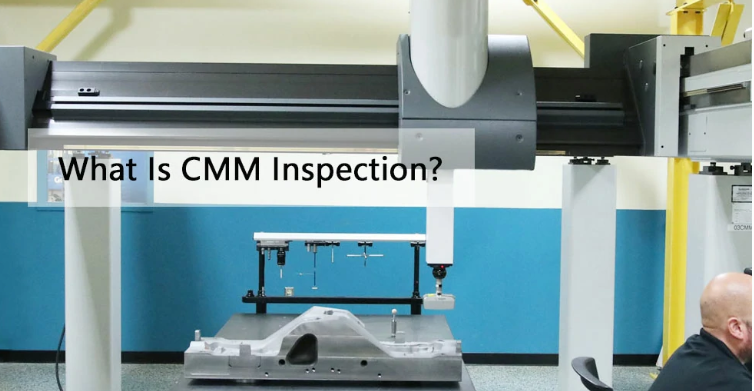
Kontrol sa Kalidad at Inspeksyon sa Pagmamanupaktura na May Mataas na Kahusayan
Ang inyong mga prototype ay pumasa sa pagpapatunay nang may kahanga-hangang resulta—ngunit narito ang hindi kadalasang ibinabahagi ng maraming tagagawa: ang pagpapanatili ng parehong antas ng katiyakan sa daan-daang o libu-libong bahagi para sa produksyon ay nangangailangan ng isang sistematikong kontrol sa kalidad na umaabot nang malayo sa mga pangkalahatang inspeksyon. Kung walang dokumentadong proseso ng inspeksyon at napapatunayang mga sistema ng kalidad, kahit ang pinakamalakas na tagagawa ng sheet metal na may mataas na katiyakan ay maaaring makaranas ng pagkakaiba sa sukat na magpapalit sa mga aprubadong disenyo sa mga tinanggihan na bahagi.
Ang kontrol sa kalidad sa presisyong pagmamanupaktura ay hindi lamang tungkol sa pagtukoy ng mga depekto. Ito ay tungkol sa pag-iwas sa kanila sa pamamagitan ng disiplina sa proseso, estadistikal na pagmomonitor, at patuloy na pagpapatunay. Ang mga pinakamahusay na tagagawa ng metal na may mataas na katiyakan ay itinuturing ang kalidad bilang isang buong sistema imbes na isang huling gate ng inspeksyon—at ang pag-unawa sa kahulugan nito ay tumutulong sa iyo na mas epektibong suriin ang mga potensyal na kasosyo sa pagmamanupaktura.
Mga Paraan ng Inspeksyon para sa Pagpapatunay ng Katiyakan sa Sukat
Kapag ang iyong mga toleransya ay sinusukat sa mga libong bahagi ng isang pulgada, ang mga paraan ng pagsusuri na ginagamit mo ay kasing-importante ng mga proseso ng paggawa mismo. Ang mga modernong pasilidad para sa presisyong sheet metal ay gumagamit ng maraming teknolohiya sa pagsukat, bawat isa ay angkop para sa iba't ibang gawain sa pagpapatunay.
Coordinate measuring machines (CMMs) kumakatawan sa pinakamataas na pamantayan para sa pagpapatunay ng presisyon sa tatlong dimensyon. Ang mga sopistikadong instrumentong ito ay gumagamit ng mga touch probe upang kumuha ng tiyak na datos ng koordinado sa tatlong dimensyon mula sa iyong mga bahagi, na kinokompara ang aktuwal na mga sukat sa mga modelo ng CAD kasama ang katitikan na Akwalidad . Para sa mga kumplikadong hugis na may maraming magkaugnay na mga katangian, ang pagsusuri gamit ang CMM ay nagbibigay ng pinakalawak na larawan ng dimensyon na magagamit.
Gayunman, ang pagsusuri gamit ang CMM ay nangangailangan ng oras. Bawat punto ng pagsukat ay kailangang pisikal na ma-contact, kaya ang lubos na pagsusuri sa mga kumplikadong bahagi ay isang mapag-isip na proseso. Para sa produksyon na may mataas na dami, ito ay lumilikha ng praktikal na limitasyon—hindi mo talaga maaaring i-CMM-suri ang bawat bahagi nang walang pagpapabagal o pagpapahinto ng produksyon.
Mga Optikal na Sistema ng Pagsukat tugunan ang limitasyon sa bilis na ito gamit ang teknolohiyang walang kontak. Ang mga mataas-na-resolusyon na kamera, mga projector ng structured light, at mga scanner na laser ay kumukuha ng kumpletong profile ng ibabaw sa loob ng ilang segundo imbes na minuto. Ang mga sistemang ito ay maaaring magproseso ng daan-daang sukat nang sabay-sabay, na ikukumpara ang mga ito sa mga espesipikasyon ng CAD na may kahalintulad na katiyakan sa tradisyonal na mga paraan na may kontak.
Ang mga modernong sistema ng optical measurement ay nililimitahan ang impluwensya ng operator habang nagbibigay ng kumpletong pagsusuri sa ibabaw at awtomatikong pag-uulat ng datos—na nagpoproseso ng mga gawain na tumatagal ng oras sa isang CMM sa loob lamang ng ilang segundo.
Bukod sa pagsusuri ng dimensyon, ang pagsusuri sa kalidad ng ibabaw ay naging lalong mahalaga para sa mga aplikasyong nangangailangan ng kahusayan. Ang mga tester ng kabuuang kagaspasan ng ibabaw ay nagpapakita ng mga katangian ng tekstura gamit ang mga parameter tulad ng Ra (average roughness), upang matiyak na ang mga huling anyo ng anodized aluminum o powder coat ay sumusunod sa mga itinakdang kinakailangan sa hitsura at pagganap. Para sa mga bahagi na papasok sa mga karagdagang proseso ng pagpapaganda, ang kalidad ng ibabaw sa oras ng pagtanggap ay direktang nakaaapekto sa pagkakadikit ng coating at sa panghuling hitsura.
Ang sumusunod na talahanayan ay nagpapakita ng paghahambing ng mga karaniwang pamamaraan ng pagsusuri na ginagamit sa kahusayang pagmamanupaktura ng sheet metal:
| Paraan ng pagsusuri | Kakayahang Presisyon | Mga Tipikal na Aplikasyon |
|---|---|---|
| Coordinate Measuring Machine (CMM) | ±0.0001" hanggang ±0.0005" | Pangunahing pagsusuri ng unang sample, kumplikadong 3D na hugis, pagpapatunay ng mahahalagang toleransya |
| Laser Scanner | ±0.001" to ±0.005" | Mga libreng hugis na ibabaw, buong profile ng bahagi, mabilis na pagsusuri ng buong ibabaw |
| Optical Comparator | ±0.001" to ±0.003" | pagsusuri ng 2D na kontur, mga pattern ng butas, pagtataya ng kalagayan ng gilid |
| Sistema ng Paningin (Automated) | ±0.001" to ±0.005" | Pagsusuri sa mataas na dami ng produksyon, pagsubaybay sa kalidad habang nasa linya |
| Digital na gauge ng taas | ±0.0005" to ±0.001" | Taas ng hakbang, profile ng ibabaw, mabilis na pagsusuri ng dimensyon |
| Pamantayan ng Katigasan ng Sufis | Resolusyon ng Ra 0.01 μm | Tapusin ang pagpapatunay bago ang mga serbisyo ng powder coating at paghahanda para sa anodizing |
Ang mga ulat ng First Article Inspection (FAI) ay nangangailangan ng espesyal na pansin sa mga gawaing may katiyakan. Ang mga komprehensibong dokumentong ito ay nagpapatunay na ang mga unang bahagi na ginawa sa produksyon ay sumusunod sa lahat ng teknikal na tukoy sa disenyo bago magsimula ang buong produksyon. Ang isang lubos na FAI ay kasama ang mga sukatan ng dimensyon para sa bawat mahalagang katangian, mga sertipiko ng materyales, at dokumentasyon ng proseso—na gumagawa ng batayan ng kalidad na ginagamit bilang pamantayan sa mga susunod na paggawa.
Ang mga matalinong fabricator ay nagpapatupad ng mga hybrid na estratehiya sa pagsusuri, na pagsasama-sama ng iba’t ibang paraan upang makamit ang isang komprehensibong penataya ng kalidad habang pinapabilis ang oras ng pagsusuri. Ang CMM verification ay nagtatatag ng mga batayan ng katiyakan, ang mga awtomatikong sistema ng paningin ay sinusubaybayan ang pagkakapare-pareho ng produksyon, at ang statistical sampling ay nakakakita ng anumang pagkakaiba bago ito maging isang problema.
Pag-unawa sa mga Sertipikasyon ng Kalidad sa Precision Fabrication
Ang mga kagamitang pang-inspeksyon lamang ay hindi nagpapagarantiya ng mga resulta na may katiyakan—ang sistema ng pamamahala ng kalidad na nakapaligid sa mga kagamitang iyon ang nagti-tiyak ng pare-parehong mga resulta. Dito nagsisimula ang kahalagahan ng mga sertipikasyon tulad ng ISO 9001:2015 at IATF 16949 bilang makabuluhang indikador ng dedikasyon ng isang fabricator sa pag-uulit ng kalidad.
ISO 9001:2015 itinatag ang pundamental na balangkas ng pamamahala ng kalidad na maaaring gamitin ng anumang organisasyon sa pagmamanupaktura. Ayon sa Gabay sa sertipikasyon ng NSF , kinakailangan ng pamantayang ito ang dokumentadong mga proseso para sa pagpaplano ng kalidad, pagtataya sa mga supplier, pag-iisip batay sa panganib, at patuloy na pagpapabuti. Para sa mga aplikasyon ng sheet metal na may mataas na katiyakan, ang sertipikasyon sa ISO 9001 ay nagpapahiwatig na ang isang fabricator ay lumampas na sa mga pampansamantalang gawain sa kalidad patungo sa sistematikong kontrol ng proseso.
Ngunit ano nga ba ang tunay na kahulugan nito para sa iyong mga bahagi? Ang isang pasilidad na sertipikado ayon sa ISO 9001 ay nagpapanatili ng nakakalibrang kagamitan sa pagsukat, nagtuturo sa mga operator gamit ang dokumentadong prosedura, sinusubaybayan ang mga hindi pagkakasunod-sunod para sa pagsusuri ng ugat na sanhi, at isinasagawa ang regular na panloob na audit. Kapag may nangyayaring problema sa sukat, tiyak na sisikapin ng sistema na imbestigahan at i-korek ito—hindi lamang pansamantalang ayusin hanggang sa sumunod na kabiguan.
IATF 16949 ay nagbibuild sa ibabaw ng ISO 9001 kasama ang mga kinakailangan na partikular sa industriya ng automotive, na nagtaas ng antas ng kalidad nang malaki. Hindi basta-basta makakakuha ng sertipikasyong ito ang anumang tagagawa—kinakailangan nito ang aktibong mga kasunduan sa mga customer mula sa industriya ng automotive, 12 buwan ng dokumentadong datos sa produksyon, at ipinapakita ang pagkakasunod sa mahigpit na karagdagang mga kinakailangan.
Ano ang nagpapabukod-tangi sa IATF 16949? Ang pamantayan ay nangangailangan ng:
- Mga Pangunahing Kasangkapan sa AIAG: Mga istrukturadong pamamaraan kabilang ang Production Part Approval Process (PPAP), Failure Mode and Effects Analysis (FMEA), Measurement System Analysis (MSA), at Statistical Process Control (SPC)
- Pinalakas na pamamahala sa mga supplier: Mga audit ng ikalawang partido, mga programa para sa pag-unlad ng mga tagapag-suplay, at mga na-dokumentong proseso para sa pagmomonitor sa mga tagapag-suplay
- Kumpletong Pamamahala ng Panganib: Mga aral na natutunan mula sa mga pagbawi ng produkto, mga pagbabalik mula sa field, at mga reklamo sa warranty na isinama sa pagpaplano ng kalidad
- Pamamahala sa Kaligtasan ng Produkto: Mga multi-level na pag-apruba at kakayahang subaybayan ang buong lifecycle ng produkto
- Tatlong uri ng panloob na audit: Mga audit ng QMS, mga audit ng proseso ng pagmamanupaktura, at mga audit ng produkto—na higit na komprehensibo kaysa sa pangkalahatang mga kinakailangan sa audit ng ISO 9001
Para sa mga tagapag-manupaktura ng metal na may mataas na presisyon na naglilingkod sa mga aplikasyon sa automotive, ang sertipikasyon sa IATF 16949 ay nagpapakita ng kakayahan na tumugon sa pinakamahigpit na mga inaasahan sa kalidad ng industriya. Ang disiplina na kailangan upang panatilihin ang sertipikasyong ito—na binibigyang-diin ang pag-iwas kaysa sa pagtukoy—ay karaniwang nagdudulot ng mas konsehente at eksaktong resulta sa lahat ng linya ng produkto, hindi lamang sa mga bahagi para sa automotive.
Ang Statistical Process Control (SPC) ay nangangailangan ng partikular na atensyon para sa mga aplikasyong nangangailangan ng katiyakan. Sa halip na suriin ang mga bahagi pagkatapos ng proseso, ang SPC ay sinusubaybayan ang mga pangunahing parameter ng proseso nang real-time, na nakikita ang mga trend bago pa man makalikha ng mga bahaging hindi sumusunod sa mga espesipikasyon. Kapag ang lapad ng kerf ng isang laser cutter ay nagsisimulang umakyat, ang SPC ay nakakadetekta ng pagbabago habang ang mga bahagi ay nasa loob pa rin ng tinatanggap na saklaw—na nagpapahintulot ng pag-aadjust bago pa man mangyari ang anumang depekto.
Ang mga modernong sistema ng kalidad ay unti-unting pinagsasama ang datos mula sa pagsusuri at mga sistema ng pagpapatupad ng produksyon, na lumilikha ng feedback na may sariling siklo na nagpapahintulot ng real-time na pag-aadjust sa proseso. Ang teknolohiyang digital twin ay sumisibol bilang isang kapangyarihan, na lumilikha ng mga virtual na modelo na sumasalamin sa pisikal na mga bahagi sa buong kanilang buhay at nagpapahintulot ng prediktibong kontrol sa kalidad bago pa man lumitaw ang mga problema.
Ang pangkalahatang resulta? Ang mga sertipiko ay hindi lamang mga logo sa isang website—kumakatawan sila sa mga na-dokumentong sistema na nagpapatiyak na ang iyong mga kinakailangan sa kahusayan ay natutugunan nang paulit-ulit, bawat paggawa. Kapag sinusuri ang mga tagapagawa ng sheet metal na may kahusayan, ang pagtatanong tungkol sa mga sertipiko sa kalidad ay nagpapakita ng higit pa kaysa sa pagtatanong tungkol sa listahan ng kagamitan. Ang makina ang gumagawa ng kahusayan; ang sistema ng kalidad ang nagpapanatili nito.
Dahil ang mga sistemang pangkalidad ay nagpapatiyak ng pare-parehong kahusayan sa buong produksyon, ang susunod na dapat isaalang-alang ay kung ang iyong tagapagawa ay tunay na nauunawaan ang mga tiyak na pangangailangan ng iyong industriya—dahil ang mga kinakailangan sa toleransya at mga pagpipilian sa materyales ay lubhang magkakaiba sa bawat sektor.
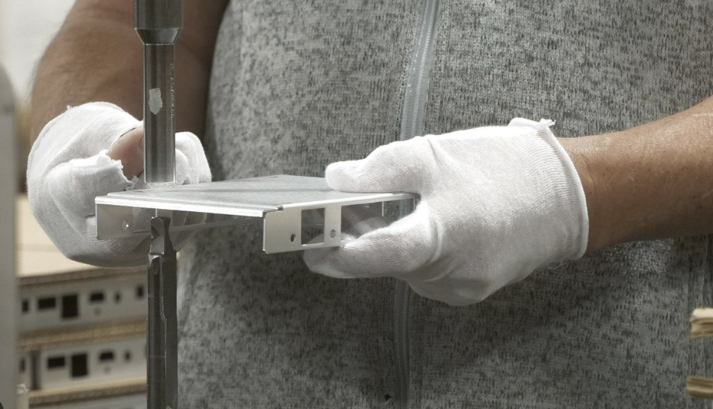
Mga Industriyang Nangangailangan ng Pasadyang Sheet Metal na May Kahusayan
Ang mga sistemang pangkalidad at mga protokol sa pagsusuri ay nagpapaguarantee ng pagkakapare-pareho—ngunit narito ang tunay na naghihiwalay sa mga kaya ng magfabricate mula sa mga napakahusay: ang malalim na pag-unawa sa mga partikular na kinakailangan ng iyong industriya sa larangan ng kahusayan. Ang isang toleransya na lubos na katanggap-tanggap para sa mga ductwork ng HVAC ay maaaring magdulot ng katastrofikong kabiguan sa katawan ng isang eroplano. Ang pagpipilian ng materyales na gumagana nang mahusay para sa isang kahon ng elektroniko ay maaaring mag-corrode sa loob lamang ng ilang buwan sa isang kapaligirang pang-dagat. Ang precision custom sheet metal ay hindi isang sukat na angkop sa lahat, at ang mga fabricator na itinuturing ito bilang ganito ay nawawala sa mahahalagang nuances na nakaaapekto sa pagganap ng iyong produkto.
Ang iba't ibang sektor ay nagbuo ng natatanging mga pamantayan sa toleransya, mga kagustuhang materyales, at mga inaasahang kalidad batay sa mga dekada ng karanasan sa aplikasyon. Ang pag-unawa sa mga pang-industriyang pangangailangan na ito ay tumutulong sa iyo na mas epektibong makipag-ugnayan sa mga potensyal na kasosyo sa pagmamanupaktura—at suriin kung talagang nauunawaan nila ang kailangan ng iyong aplikasyon.
Mga Hinihinging Precision sa Automotive at Aerospace
Kapag ang mga buhay ay nakasalalay sa integridad ng istruktura, ang mga toleransya para sa kahusayan ay biglang nagiging mas mahigpit. Ang mga sektor ng automotive at aerospace ang kumakatawan sa pinakamahihirap na mga aplikasyon para sa paggawa ng bakal at pagproseso ng aluminum sheet metal, na may mga kinakailangan sa toleransiya na pumipilit sa mga kakayahan sa paggawa hanggang sa kanilang mga limitasyon.
Mga Aplikasyon sa Automotive ang mga kailangang toleransiya ay karaniwang nasa hanay na ±0.002" hanggang ±0.003" para sa mga body panel at istruktural na komponente. Ang labis na kahusayan na ito ay nagsisiguro na ang mga panel ay sumasalo sa perpektong pagkakasunod-sunod sa panahon ng assembly, ang mga pinto ay isinasara nang may kasiyahan at kahusayan, at ang mga istruktural na elemento ay nagpapamahagi ng mga puwersa mula sa banggaan nang eksaktong gaya ng idisenyo. Ang high-strength low-alloy (HSLA) steel ang nangunguna sa mga aplikasyong ito, na nag-aalok ng ratio ng lakas sa timbang na kailangan para sa kahusayan sa paggamit ng gasolina nang hindi binabawasan ang kakayahang protektahan sa banggaan.
Isipin ang mangyayari kapag lumabas ang mga toleransya sa industriya ng sasakyan. Ang isang pagkakaiba sa sukat ng body panel na kahit 0.010" ay nagdudulot ng nakikitang mga puwang sa panel na agad na napapansin ng mga konsyumer—nasisira ang persepsyon sa brand. Paikli pa, ang mga bahagi ng istruktura na nasa labas ng itinakdang toleransya ay maaaring makalipas ang inspeksyon sa pagsasama-sama ngunit mabigo sa crash testing, na mag-trigger ng mahal na recall at pagsusuri sa engineering. Dahil dito, kinakailangan ng mga automotive OEM ang sertipikasyon na IATF 16949 mula sa kanilang mga supplier ng metal fabrication—ang antas ng panganib ay talagang hindi nagpapahintulot sa anumang kompromiso sa kalidad.
Mga Kailangan sa Tumpak na Aerospace lalo pang tumataas. Ayon sa mga pamantayan sa pasensya ng industriya , ang mga panel ng katawan ng eroplano na gawa sa 7075 aluminum alloy ay dapat panatilihin ang toleransya sa kapal na ±0.001" hanggang ±0.002"—na katumbas ng lapad ng isang buhok ng tao. Ang napakataas na mga kinakailangan na ito ay nagpapagarantiya sa integridad ng aerodynamic sa bilis ng paglipad kung saan ang anumang maliit na irregularidad sa ibabaw ay nagdudulot ng pagtaas ng drag at pagkonsumo ng fuel.
Ang mga materyales para sa aerospace ay dumadaan sa mahigpit na proseso ng sertipikasyon na pinamamahalaan ng AMS (Aerospace Material Specifications) at ng mga pamantayan ng MIL (Military). Ang bawat batch ng materyales ay kailangang ma-trace mula sa hilaw na stock hanggang sa natapos na bahagi, kasama ang mga kinakailangang dokumento na umaabot sa antas na lampas sa iba pang industriya sa isang order ng magnitude. Ang mga tagagawa ng bakal na nagsisilbi sa mga customer sa aerospace ay nag-iinvest nang malaki sa mga sistemang pangdokumento at imprastruktura ng kalidad na hindi karaniwang pinapanatili ng karamihan sa mga pangkalahatang workshop.
Mga Aplikasyon sa Medical Device at Electronics
Ang mga kinakailangan sa kahusayan sa mga aplikasyon sa medisina at elektronika ay nagmumula sa iba't ibang mga konsiderasyon kaysa sa automotive at aerospace—ngunit katumbas din ang kanilang kahigpitan sa sariling paraan.
Paggawa ng Medical Device pinauugnay ang katiyakan sa dimensyon kasama ang mga kinakailangan sa kalinisan ng materyal na nagdaragdag ng kumplikasyon nang lampas sa simpleng pagkontrol sa toleransya. Ayon sa pagsusuri ng industriya ng medisina ng H&S Manufacturing, ang mga instrumentong pangmedisina, kagamitan, at device ay may mahigpit na mga espesipikasyon para sa mga materyal, dimensyon, toleransya, at mga proseso sa pagpipinong upang matiyak ang kaligtasan ng pasyente at pagsumunod sa regulasyon.
Ang mga instrumentong pang-operasyon ay nangangailangan ng mga toleransya na katumbas ng mga komponente sa aerospace—madalas na ±0.002" o mas mahigpit pa—dahil ang pagganap ng kasangkapan ay direktang nakaaapekto sa mga resulta ng operasyon. Ang isang forceps na hindi eksaktong nakasara o isang retractor na biglang lumalabas ay sumisira sa kontrol ng surgeon. Bukod sa katiyakan sa dimensyon, ang mga aplikasyon sa medisina ay nangangailangan ng mataas na katiyakan at katumpakan nang sabay-sabay: ang mga bahagi ay dapat hindi lamang malapit sa isa’t isa (katiyakan) kundi dapat rin eksaktong sumunod sa mga espesipikasyon sa disenyo (katumpakan).
Sa paggawa ng mga medikal na produkto, ang pagkamit ng mataas na kahusayan at katumpakan ay mahalaga anuman ang mga kagamitan at proseso na ginagamit—upang matiyak ang tamang pagganap, mahabang buhay ng serbisyo, kaligtasan ng pasyente, at pagsunod sa mga regulasyon at pamantayan.
Ang pagpili ng materyales para sa mga bahagi ng medikal na kagamitan ay binibigyang-prioridad ang biokompatibilidad at kakayahang mabuhay sa proseso ng sterilisasyon. Ang mga uri ng stainless steel na 316 at 316L ang pangunahing ginagamit sa mga implantable at operatibong aplikasyon dahil sa kanilang resistensya sa korosyon at napatunayang biological compatibility. Ang mga finishing ng ibabaw ay dapat sumuporta sa paulit-ulit na mga siklo ng sterilisasyon nang walang pagbaba ng kalidad—kaya ang mga proseso ng pag-finish ay kasing-kritikal din ng kontrol sa dimensyon.
Mga Kapsula ng Elektroniko magpresenta ng ibang hamon sa kahusayan: electromagnetic compatibility (EMC). Ang mga kahon na gawa sa sheet metal para sa mga sensitibong elektroniko ay kailangang magbigay ng kumpletong electromagnetic shielding, na nangangailangan ng eksaktong pagkakasunod-sunod sa bawat seam at bukas. Ang mga puwang na kasing liit ng 0.020" ay maaaring pahintulutan ang electromagnetic interference na lumabas o pumasok, na nagdudulot ng kabiguan ng kagamitan o hindi pagkakasunod sa regulasyon.
Ang thermal management ay nagdaragdag ng isa pang dimensyon sa mga kinakailangan sa kahusayan ng elektroniko. Ang mga heat sink at mga channel para sa pagpapalamig ay kailangang eksaktong makasalubong sa mga komponenteng elektroniko upang maipasa nang epektibo ang init. Ang isang puwang na 0.005" lamang sa pagitan ng heat sink at processor ay maaaring dagdagan ang operating temperature ng 10–15°C—na posibleng kalahatin ang lifespan ng komponente.
Mga Pangangailangan sa Tolerance ng Industriya sa Isang Sulyap
Ang mga industriya ng metal fabrication na pinagsisilbihan ng precision custom sheet metal ay sakop ang napakalawak na hanay ng mga kinakailangan. Narito kung paano inihahambing ang karaniwang mga pangangailangan sa kahusayan sa mga pangunahing sektor:
- Aerospace: ±0.001" hanggang ±0.002" na mga toleransya; aluminum na 7075 at 6061, titanium; mga espesipikasyon ng AMS/MIL; kumpletong pagsubaybay sa materyales ay kinakailangan
- Automotibo: ±0.002" hanggang ±0.003" na mga toleransya; bakal na HSLA, aluminum; inaasahan ang sertipikasyon sa IATF 16949; mahalaga ang mataas na ulit-ulit na produksyon
- Mga medikal na device: ±0.002" hanggang ±0.005" na mga toleransya; stainless steel na 316/316L; pagsunod sa FDA, dokumentasyon ng biokompatibilidad; kakayahang mapasinop
- Elektronika/Telekomunikasyon: ±0.005" hanggang ±0.010" na mga toleransya; aluminum, bakal na malamig na irol; kahusayan sa pag-shield laban sa EMC; presisyon sa pamamahala ng init
- Kagamitan pang-industriya: ±0.010" hanggang ±0.020" na mga toleransya; carbon steel, stainless steel; pokus sa integridad ng istruktura; mga oportunidad para sa optimisasyon ng gastos
- HVAC/Konstruksyon: ±0.008" hanggang ±0.015" na mga toleransya; galvanized steel, aluminum; priyoridad sa funksyonal na pagkakaangkop; pinakamataas na sensitibidad sa gastos
Pansinin kung paano nagkakaiba ang mga kinakailangan sa toleransya ng halos isang order of magnitude sa pagitan ng aerospace at HVAC na mga aplikasyon? Ang pagkakaibang ito ay direktang nakaaapekto sa mga gastos sa pagmamanupaktura. Ang pagkamit ng kahalagahan ng ±0.001" ay nangangailangan ng CMM verification, mga lugar sa paggawa na may kontroladong temperatura, at mga highly skilled na operator—na walang isa man sa mga ito ay murang makukuha. Ang industrial sheet metal fabrication para sa mga aplikasyong may mas mababang pangangailangan ay maaaring gumamit ng mas mabilis na proseso at nabawasang mga kinakailangan sa inspeksyon, na nagpapasa ng mga savings sa gastos sa mga customer.
Ano ang pinakamatalinong paraan? Tukuyin ang antas ng kahalagahan (precision) na talagang kailangan ng iyong aplikasyon—wala nang higit pa, wala nang kulang pa. Ang sobrang pagtatakda ng toleransya ay nagpataas ng gastos nang hindi nagpapabuti sa pagganap. Samantala, ang kulang sa pagtatakda ng toleransya ay nagdudulot ng panganib na magkaroon ng mga kabiguan sa field at mga reklamo sa warranty. Ang mga eksperyensyadong metal fabricator malapit sa akin—at kahit saan man—ay tumutulong sa mga customer na makahanap ng optimal na balanse sa pagitan ng mga kinakailangan sa kahalagahan at mga konsiderasyon sa gastos batay sa tunay na pangangailangan ng aplikasyon.
Ang mga pamantayan sa industriya at kakayahan sa paggawa ay umiiral sa isang feedback loop. Habang nag-iinvest ang mga tagapagawa ng mas tiyak na kagamitan upang tugunan ang mga pangangailangan ng mga customer, sila ay nagbibigay-daan sa mas mahigpit na mga espesipikasyon na saka naman tinatanggap ng mga designer. Ang tuloy-tuloy na siklo ng pagpapabuti na ito ang nanguna sa napakadakilang mga unlad sa katiyakan sa nakalipas na dalawampung taon, na ginagawang posible ang mga toleransya na dati ay nangangailangan ng mga espesyalisadong machine shop sa pangunahing mga pasilidad para sa sheet metal.
Ang pag-unawa kung saan eksaktong kabilang ang iyong aplikasyon sa saklaw na ito—at ang paghahanap ng mga kasosyo sa paggawa na tunay na nakauunawa sa mga tiyak na pangangailangan ng iyong industriya—ay nagtatayo ng pundasyon para sa matagumpay na mga resulta sa katiyakan. Ngunit paano mo talaga susuriin kung ang isang potensyal na kasosyo ay may mga kakayahan na ipinangangako nila? Ang tanong na ito ay nangangailangan ng maingat na pagsasaalang-alang bago magpasiya sa anumang ugnayan sa produksyon.
Pagpili ng Tamang Kasosyo sa Presisyong Paggawa
Naiintindihan mo ang mga kinakailangan sa toleransya ng iyong industriya at alam mo kung aling mga sertipikasyon sa kalidad ang mahalaga—ngunit narito ang tunay na hamon: ang pagpapalagay ng kaalaman na iyon sa isang sistematikong pagtataya sa mga potensyal na kasosyo sa pagmamanupaktura. Ang paghahanap ng "metal fabrication near me" o "fabrication shops near me" ay nagreresulta ng maraming opsyon, ngunit hindi lahat ng mga kumpanya ng precision sheet metal fabrication ay nagbibigay ng magkakatumbas na resulta. Ang pagkakaiba sa pagitan ng isang kwalipikadong kasosyo at isang nakakadismaya na tagapagbigay ay madalas lamang maliwanag matapos mong ilaan ang mga mapagkukunan—kaya naman ang paunang pagtataya ay napakahalaga.
Isipin ang pagpili ng katuwang bilang pamamahala ng panganib. Ang tamang tagapagawa ay nagpapabilis sa pag-unlad ng iyong produkto, pinapanatili ang kalidad sa bawat produksyon, at naging estratehikong karugtong ng iyong koponan sa engineering. Ang maling pagpipilian ay nagdudulot ng mga pagkaantala, mga pagkakamali sa kalidad, at nakakapagod na mga kabiguan sa komunikasyon na kumukonsumo ng mas maraming oras kaysa sa naipadagdag mong oras mula sa mga binanggit na presyo. Ang isang istrukturadong balangkas para sa pagtataya ay tumutulong sa iyo na kilalanin ang mga tunay na katuwang sa serbisyo ng presisyong paggawa bago pa man lumitaw ang mga problema.
Pagsusuri sa Kakayahan at Sertipikasyon ng Fabricator
Simulan ang iyong pagtataya sa pamamagitan ng pagpapatunay ng kakayahan—ngunit lalim pa sa simpleng listahan ng kagamitan. Ayon sa Mga pamantayan sa pagpili ng tagapagawa ng Marc Technologies , ang mga kagamitan at teknolohiya na ginagamit ng isang kumpanya ng metal fabrication ay may malaking epekto sa kalidad, presisyon, at kahusayan ng kanilang gawa. Gayunpaman, ang mahusay na pinapanatiling kagamitan na pinapatakbo ng mga kasanayang manggagawa ay mas mahalaga kaysa sa pinakabagong makinarya na nakaupo lamang at hindi ginagamit.
Kapag sinusuri ang mga tagapag-suplay ng metal fabrication, suriin ang mga sumusunod na pangunahing pamantayan:
- Kakayahan sa Tolerance: Kaya ba nilang ipakita ang mga naabot na toleransya na sumasapat sa iyong mga teknikal na kailangan? Humiling ng mga ulat sa pagsusuri ng sample na nagpapakita ng ±0.005" o mas mahigpit na katumpakan sa sukat kung iyon ang kailangan ng iyong aplikasyon. Ang mga pahayag nang walang dokumentasyon ay simpleng marketing lamang.
- Mga Sertipikasyon sa Kalidad: Ang ISO 9001:2015 ay nagtatakda ng batayang pamamahala ng kalidad. Para sa mga aplikasyon sa automotive, ang sertipikasyon sa IATF 16949 ay nagpapatunay na ang tagapagawa ay may mga sistemang pangkalidad na naaayon sa antas ng automotive, kabilang ang PPAP, FMEA, at statistical process control. Ayon sa gabay ng Xometry tungkol sa IATF 16949, ang sertipikasyong ito ay hindi lamang papel—kailangan nito ng aktibong kasunduan sa mga customer sa larangan ng automotive at ng 12 buwang dokumentadong datos sa produksyon.
- Kakayahang magbigay ng suporta sa DFM: Nag-o-offer ba ang tagapagawa ng pagsusuri sa engineering bago magbigay ng presyo, o nagpapresyo lamang sila sa anumang ipinadadala mo? Ang komprehensibong suporta sa DFM (Design for Manufacturability) ay nakakatukoy ng mga isyu sa paggawa nang maaga, na binabawasan ang mga ulit-ulit na yugto ng pagpapaunlad at pinabubuti ang kahusayan ng mga resulta. Ang mga kasosyo na nag-i-invest ng oras at resources sa paunang engineering ay karaniwang nagdudulot ng mas mahusay na resulta kumpara sa mga nakatuon lamang sa bilis ng paggawa.
- Bilis ng prototyping: Gaano kabilis nila makabubuo ng unang sample para sa pagpapatunay? Ang mga kakayahan sa mabilis na pagpoprototype—kung saan ang ilang serbisyo sa paggawa ng metal ay nakakapaghatid ng unang bahagi sa loob ng 5 araw—ay pinaikli ang mga panahon ng pagpapaunlad at nagpapabilis ng pag-uulit ng disenyo. Itanong nang tiyak ang tungkol sa kanilang daloy ng trabaho sa pagpoprototype at sa karaniwang oras ng pagpapahatid.
- Pagkakasya ng Produksyon: Kaya ba nilang maisagawa nang maayos ang transisyon mula sa mga prototype hanggang sa mga dami para sa produksyon? May ilang workshop na bihasa sa mga indibidwal na gawa pero nahihirapan sa pag-uulit nang may konsistensya kapag dumadami ang produksyon. May iba naman na nakatuon eksklusibo sa mataas na dami ng produksyon at hindi kayang suportahan ang kahutukan sa yugto ng pagpapaunlad. Unawain kung saan nasa spektrong ito ang potensyal na mga kasosyo.
- Kalagayan ng kagamitan: Ang isang malinis, maayos, at maingat na pinapanatili na pasilidad ay nagpapakita ng pagmamalaki sa kalidad ng trabaho. Sa panahon ng pagbisita sa pasilidad, obserbahan kung ang mga kagamitan ay tila inaalagaan, kung ang mga estasyon ng trabaho ay maayos, at kung ang dokumentasyon tungkol sa kalidad ay nakikita at madaling ma-access.
Dapat seryosong suriin ang mga sertipiko dahil ang kanilang kahulugan ay lubhang nagkakaiba-iba. Ang sertipiko ng ISO 9001 mula sa isang respetadong registrar ay nangangahulugan ng mga sistema ng kalidad na nasusuri. Ang sertipikasyon sa IATF 16949 para sa mga kandidato sa presisyong paggawa ng sheet metal malapit sa akin ay nagpapahiwatig ng kakayahan na katumbas ng pamantayan ng industriya ng sasakyan—na nagreresulta sa kahusayan sa presisyon sa lahat ng linya ng produkto—kahit ang mga gawaing hindi pang-sasakyan ay nakikinabang sa disiplina na hinihiling ng mga sistemang ito.
Mga Mahahalagang Tanong na Dapat Itanong sa Mga Potensyal na Kasosyo sa Paggawa
Hindi lamang ang pagtsek sa mga kahon sa mga listahan ng kakayahan ang mahalaga; ang mga tanong na itinatanong mo—and kung paano sumasagot ang mga potensyal na kasosyo—ang nagpapakita kung sila ba ay magiging tunay na mga katuwang o simpleng tagaproseso ng transaksyon. Ang balangkas para sa pag-evaluate ng mga supplier ng Wisconsin Metal Tech ay binibigyang-diin na ang pag-unawa sa buong hanay ng mga kakayahan ng iyong supplier ay napakahalaga para sa tagumpay ng iyong sariling operasyon.
Simulan sa mga tanong na may teknikal na lalim:
"Anong mga toleransya ang naabot ninyo sa mga katulad na proyekto?" Ang mga pangkalahatang sagot tulad ng "kaya naming panatilihin ang mabibigat na toleransya" ay dapat magbigay-daan sa mga alalahanin. Ang mga tiyak na sagot na tumutukoy sa mga nakamit na resulta—"sa mga bracket na gawa sa 6061 aluminum na may maraming baluktot, pare-pareho naming napapanatili ang ±0.008" sa mga kritikal na sukat"—ay nagpapakita ng tunay na karanasan sa larangan imbes na mga aspirasyonal na kakayahan.
"Paano ninyo hinahandle ang mga pagkakaiba-iba sa bawat batch ng materyales?" Ang mga ekspertong tagapagawa ng mga bahagi na may mataas na kahusayan ay alam na ang mga katangian ng materyales ay nag-iiba depende sa supplier at kahit sa bawat batch mula sa iisang supplier. Dapat nilang ilarawan ang mga pag-aadjust para sa springback compensation, ang pagpapatunay sa kalidad ng dumarating na materyales, at ang mga pag-aadaptasyon sa proseso upang mapanatili ang kahusayan kahit sa harap ng mga pagkakaiba-iba na ito.
"Ano ang mangyayari kapag ang mga bahagi ay hindi sumusunod sa mga teknikal na pamantayan?" Ang tanong na ito ay mas nagpapakita ng kultura ng kalidad kaysa sa anumang sertipiko. Hanapin ang mga sagot na naglalarawan ng pagsusuri sa ugat na sanhi ng problema (root cause analysis), mga proseso para sa corrective action, at mga protokol sa komunikasyon sa customer—hindi lamang ang mga prosedurang pang-ulit o pagtapon ng mga bahaging hindi naaayon. Ang mga kasosyo na natututo mula sa mga insidente ng kalidad ay naging mas mahalaga sa paglipas ng panahon.
"Maaari mo bang ipaliwanag ang inyong paraan sa pamamahala ng proyekto?" Ayon sa pananaliksik sa industriya, ang mga karanasang kumpanya sa metal fabrication ay dapat magbigay ng malinaw na buod ng proseso sa pagproseso ng order, pagpaplano ng schedule, paghawak sa mga change order, at logistics ng paghahatid. Ang mga hindi organisadong sagot dito ay madalas na nagsasaad ng hindi organisadong pagpapatupad sa produksyon.
Pagsuriin nang kritikal ang mga pangako tungkol sa turnaround time. Ang isang 12-oras na pagtataya ng turnaround ay nagpapahiwatig ng maayos na proseso ng pagtantiya at sumasalamin sa isang kasosyo na handa nang suportahan ang bilis ng iyong pag-unlad. Gayundin, ang mga kakayahan sa mabilis na paggawa ng prototype sa loob ng 5 araw—na magagamit mula sa ilang napiling kumpanya ng presisyong sheet metal fabrication—ay maaaring paikliin ang mga cycle ng pag-unlad na dati’y umaabot sa ilang linggo.
Ang isang supplier na nakatuon sa iyong tagumpay ay mag-ooffer ng project management upang matiyak na ang iyong proyekto para sa bahagi o assembly ay tumatakbo nang maayos—nang palaging hanapin ang mga paraan upang makatipid ng oras at pera habang pinapanatili ang kalidad at pinabababa ang pagkakaiba-iba.
Huwag kalimutang suriin ang mga mas pabalanseng kadahilanan sa pagtataya. Gaano kabilis at epektibo ang kanilang komunikasyon sa panahon ng pagkuha ng quote? Nagtatanong ba sila ng mga clarifying question na nagpapakita ng tunay na pag-unawa sa iyong mga kinakailangan? Nag-aalok ba sila nang mapagkukunang-malay ng mga mungkahi na maaaring mapabuti ang iyong disenyo o bawasan ang gastos? Ang mga ganitong ugali ay nagpapahiwatig kung ano ang iyong mararanasan sa buong relasyon sa produksyon.
Ang mga pagsusuri ng customer at ang reputasyon sa industriya ay nagbibigay ng mahalagang pagpapatunay mula sa ikatlong panig. Mag-research ng mga testimonial online, humingi ng mga rekomendasyon mula sa mga kasamahan sa industriya, at tanungin ang mga potensyal na kapanisahan para sa mga sanggunian na maaari mong kontakin nang direkta. Ang isang positibong reputasyon ay sumasalamin sa dedikasyon sa kasiyahan ng customer na umaabot nang higit pa sa anumang isang proyekto.
Para sa mga aplikasyon sa automotive nang partikular, ang sertipikasyon na IATF 16949 ay kumakatawan sa isang hindi mapag-uusapang batayan—ngunit tingnan din ang higit pa sa sertipiko. Ang mga kapanisahan tulad ng Shaoyi (Ningbo) Metal Technology ay nagkakasama ng mga sistemang kalidad na sertipikado sa IATF 16949 kasama ang mga kakayahan sa mabilis na prototyping at komprehensibong suporta sa DFM, na nag-aabot ng buong pakete na hinahanap ng mga supply chain sa automotive. Ang kanilang 12-oras na turnaround sa quote at 5-araw na timeline para sa prototyping ay nagpapakita ng pagiging maagap na nagpapabilis sa mga programang pang-unlad.
Sa huli, isaalang-alang ang landas ng pakikipagtulungan. Ang inyong unang proyekto ay maaaring maliit pa lamang, ngunit paano mag-e-evolve ang ugnayang ito habang dumadami ang inyong volume o lumalakas ang mga kinakailangan sa kahusayan? Ang pinakamahusay na mga kasosyo sa metal fabrication ay nag-i-invest ng oras upang maunawaan ang inyong pangmatagalang direksyon, na nagsisilbing handa para lumago kasama ng inyong mga pangangailangan imbes na kailangan ninyong hanapin ang bagong mga kasosyo kapag nagbabago ang mga kinakailangan.
Ang pagpili ng isang kasosyo sa precision fabrication ay hindi lamang tungkol sa paghahanap ng pinakamababang presyo—ito ay tungkol sa pagkilala sa isang kasosyo sa produksyon na ang mga kakayahan, sistema ng kalidad, at kolaboratibong pamamaraan ay umaayon sa inyong mga kinakailangan sa kahusayan. Ang oras na inilaan para sa masusing pagsusuri ay nagdudulot ng malaking benepisyo sa pamamagitan ng mas maayos na produksyon, pare-parehong kalidad, at mga produkto na gumagana nang eksaktong gaya ng idisenyo.
Mga Karaniwang Tanong Tungkol sa Precision Custom Sheet Metal
1. Magkano ang gastos ng custom na paggawa ng sheet metal?
Ang mga gastos sa pasadyang paggawa ng sheet metal ay karaniwang nasa pagitan ng $4 hanggang $48 bawat square foot, kung saan ang average na mga proyekto ay nagkakahalaga ng humigit-kumulang $1,581. Ang mga pangunahing salik na nakaaapekto sa presyo ay ang pagpili ng materyales (mas mahal ang stainless steel kaysa sa carbon steel), ang mga kinakailangan sa toleransya (ang mas mahigpit na toleransya ay nangangailangan ng mas maraming inspeksyon), ang kumplikado ng disenyo, at ang dami ng produksyon. Ang presisyong paggawa ng sheet metal na may toleransya na ±0.005" ay nagkakahalaga ng mas mataas dahil sa pangangailangan ng espesyalisadong kagamitan at pagpapatunay ng kalidad.
2. Anong mga toleransya ang maaaring maabot ng presisyong paggawa ng sheet metal?
Ang presisyong paggawa ng sheet metal ay karaniwang nananatiling nasa loob ng toleransya na ±0.005" hanggang ±0.030", depende sa proseso at materyales. Ang laser cutting ay nakakamit ang toleransya na ±0.005" hanggang ±0.010", ang CNC punching ay nagbibigay ng toleransya na ±0.005" hanggang ±0.015", at ang presisyong bending ay panatilihin ang angular tolerance na ±0.5° hanggang ±1.0°. Ang mga aplikasyon sa aerospace ay maaaring mangailangan ng mas mahigpit na toleransya na ±0.001" hanggang ±0.002" para sa mga kritikal na bahagi.
3. Anong mga sertipikasyon ang dapat taglayin ng isang tagagawa ng sheet metal na may presisyon?
Hanapin ang sertipikasyon ng ISO 9001:2015 bilang pangunahing pamantayan sa pamamahala ng kalidad. Para sa mga aplikasyon sa automotive, mahalaga ang sertipikasyon ng IATF 16949—nangangailangan ito ng naidokumentong datos sa produksyon, mga kasunduan sa mga kliyenteng automotive, at mahigpit na mga tool sa kalidad tulad ng PPAP, FMEA, at statistical process control. Ang mga sertipikasyong ito ay nagsisiguro ng pare-parehong kahusayan sa pamamagitan ng sistematikong disiplina sa proseso, hindi lamang sa huling inspeksyon.
4. Anong mga materyales ang pinakamainam para sa mga bahagi ng sheet metal na may mataas na kahusayan?
Ang stainless steel (mga grado na 304 at 316) ay nag-aalok ng mahusay na pagkakapare-pareho ng dimensyon at resistensya sa korosyon, na nakakamit ang toleransya mula sa ±0.005" hanggang ±0.015". Ang mga alloy ng aluminum tulad ng 5052 at 6061 ay nagbibigay ng magaan ngunit eksaktong mga bahagi na may toleransya mula sa ±0.005" hanggang ±0.010". Ang pagpili ng materyales ay nakabase sa iyong aplikasyon—ang stainless steel na grado 316 para sa mga kapaligiran na may mataas na peligro ng korosyon, ang aluminum na grado 6061 para sa mga kinakailangan sa timbang sa aerospace, at ang galvanized steel para sa epektibong proteksyon laban sa korosyon nang may mababang gastos.
5. Gaano katagal ang proseso ng prototyping para sa mga bahagi ng sheet metal na may mataas na kahusayan?
Ang mga nangungunang tagapagawa ay may kakayahang magbigay ng unang mga sample sa loob ng 5 araw gamit ang mabilis na paggawa ng prototype. Ang workflow para sa paggawa ng prototype ay kasama ang pagsusuri ng disenyo, pagpili ng materyales, produksyon ng unang sample, pagsusuri ng dimensyon, at dokumentasyon para sa pag-apruba. Ang ilang mga kapatid na tagapagawa ng de-kalidad na produkto ay nag-ofer ng 12-oras na turnaround para sa quote upang paigtingin ang iyong timeline sa pag-unlad. Ang susing paggawa ng prototype ay nagpapatunay sa mga toleransya bago pa man isakatuparan ang produksyon sa malalaking dami.