 Small batches, high standards. Our rapid prototyping service makes validation faster and easier —
  EN
EN


Paano Mag-weld ng Metal Nang Walang Paghihinala: Gawin ang Unang Magandang Bead
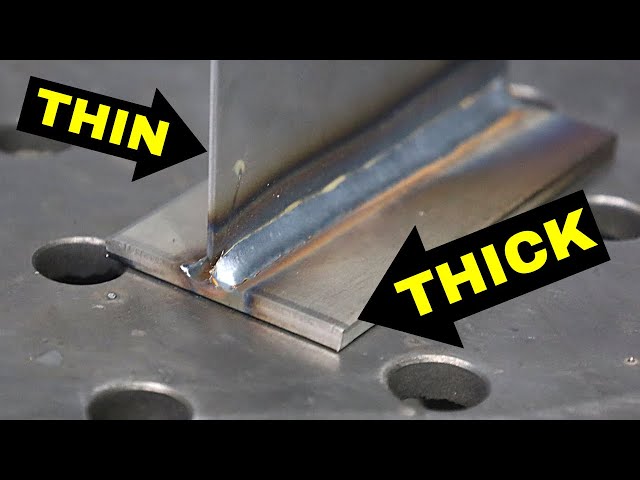
Paano Magsimula sa Pag-weld
Kung gusto mo ang pinakamaikling daan patungo sa pag-weld para sa mga nagsisimula, huwag muna simulan ang paghahambing sa bawat makina sa merkado. Simulan mo muna sa pagpili ng proseso na nag-aalis ng pinakamaraming variable. Parehong si Miller at Arccaptain nagpapahiwatig ng parehong praktikal na direksyon: ang MIG ay karaniwang ang pinakamadaling proseso ng pag-weld na matutunan sa malinis na mild steel, lalo na sa loob ng gusali o sa garahe kung saan hindi sisira ang hangin sa shielding gas. Kung ang iyong trabaho ay nasa labas, o ang metal ay hindi ganap na malinis, mas matalino ang pagsisimula sa stick welding. Ang flux-core naman ay nasa gitna. Ang TIG ay mahusay, ngunit nangangailangan ito ng higit na koordinasyon at pasensya kaysa sa kailangan ng karamihan sa unang araw.
Pumili ng Pinakamahusay na Proseso ng Pag-weld para sa Iyong Unang Proyekto
Gamitin ang gabay na ito sa mga uri ng pag-weld bilang isang filter. Magtanong ng tatlong bagay muna. Anong metal ang iwi-weld mo? Saan ka magwi-weld? Gaano karami ang setup na gusto mo? Para sa karamihan ng mga taong gustong matuto ng pag-weld nang mabilis, ang sagot ay simple: pumili ng MIG para sa malinis na mild steel sa loob ng gusali. Pumili ng stick para sa mga panlabas na pagre-repair, trabaho sa bukid, o mas makapal na steel na maaaring may manipis na rust o scale. Pumili ng self-shielded flux-core kapag gusto mo ang k convenience ng wire-feed nang walang gas bottle, na alam mong magkakaroon ka ng higit na usok at karagdagang paglilinis. Iwanan ang TIG para sa huli maliban kung ang iyong proyekto ay nangangailangan nang tiyak ng maayos at estetikong mga weld sa manipis na steel, stainless steel, o aluminum.
MIG vs Stick vs TIG para sa mga Bagong Welder
Isa sa mga pinakamagagamit na pangunahing kaalaman sa pag-weld ay ang bawat proseso ay nagpapadala ng arko nang iba-iba. Ang MIG ay gumagamit ng patuloy na solidong wire at shielding gas. Mabilis ito, malinis, at madaling gamitin ng mga nagsisimula sa pag-weld sa mild steel. Ang Stick ay gumagamit ng coated rod na lumilikha ng sariling shielding habang natutunaw, kaya mas mainam ito sa mga outdoor na kondisyon at sa mga ibabaw na hindi perpekto. Ang TIG ay gumagamit ng non-consumable na tungsten electrode at karaniwang hiwalay na filler rod, na nagbibigay ng pinakamataas na kontrol ngunit ginagawang pinakamahirap din itong proseso sa pagko-coordinate. Ang Flux-core ay katulad ng MIG, ngunit ang wire ay may laman na flux, kaya ang mga self-shielded na bersyon nito ay maaaring magamit nang maayos sa labas nang walang gas cylinder.
| Proseso | Pinakamahusay na Pagkakatugma | Paglilinis | Kurba ng Pag-aaral | Karaniwang sitwasyon sa unang paggamit |
|---|---|---|---|---|
| MIG | Malinis na mild steel, trabaho sa loob ng shop | Mababa | Mababa | Mga maliit na bracket, mga proyektong pang-hobby, pangunahing fabricating |
| Stick | Trabaho sa labas, mas makapal o marumi na bakal | Katamtaman hanggang mataas | Katamtaman | Mga pagre-repair, gate, kagamitan sa pagsasaka, pagpapalit ng istruktura |
| Tig | Manipis na metal, stainless steel, aluminum, at mga gawaing binibigyang-pansin ang itsura | Mababa | Mataas | Mga bahagi na nangangailangan ng katiyakan, mga weld na nakikita, detalyadong fabricating |
| Flux-core | Trabaho sa bakal sa labas nang walang shielding gas | Mataas | Mababa hanggang Katamtaman | Mga bakod, pagsasanay sa mas mabigat na scrap, pagkukumpuni sa mga lugar ng gawaing may malakas na hangin |
Kapag Ang Madaling Pag-setup ay Mas Mahalaga Kaysa sa Versatility
Maraming nagsisimula ang humihinto dahil hinahabol nila ang versatility bago pa man nila matatag ang konsistensya. Ang mas mainam na hakbang ay ang pagpokus sa isang bagay—sa pinakamabuti: isang makina, isang proseso, isang sambungan, isang uri ng metal. Ito ay isang gabay sa mga uri ng pag-weld na nakabatay sa paulit-ulit na pagsasanay, hindi sa pagmamalaki.
Ang pagsisimula sa isang paulit-ulit na setup ay mas mainam kaysa sa pagsubok sa apat na proseso nang sabay-sabay.
Kaya nga ang MIG welding sa malinis na mild steel ang lubos na mainam na unang hakbang sa pagpasok sa pag-weld. Ito ay nagbibigay-daan sa iyo na magtuon sa posisyon ng kamay, bilis ng paggalaw, at kontrol sa weld pool imbes na labanan ang hangin, slag, o karagdagang koordinasyon ng torch. Ang mga pangunahing konsepto sa pag-weld na ito ang bumubuo sa bawat sumusunod na weld. Ang kondisyon ay simple lamang: kahit ang tamang proseso ay maaaring mabigo sa isang hindi angkop na lugar ng trabaho, lalo na kapag kasali na ang gas coverage, mga spark, at paghahanda ng metal.
Kumuha ng mga Kagamitan at Gumawa ng Ligtas na Workspace para sa Pag-weld
Ang isang mabuting panimulang proseso ay mabilis na nagiging nakakapagod sa isang abala, nababalot ng kahalumigmigan, o usok na workshop. Para sa maraming nagsisimula, ito nga ang tunay na paano magsimula sa pag-weld : linisin ang lugar, kontrolin ang usok, at i-set up ang makina bago pa man kayo mag-strike ng isang arc. Ang gabay mula sa Miller ay paulit-ulit na binibigyang-diin ang mga pangunahing prinsipyo dahil may dahilan: gamitin ang malinis at tuyo na lugar ng trabaho, panatilihing nasa patag na ibabaw ang makina, at siguraduhing ang work clamp ay sumasalat sa malinis na bare metal imbes na sa pintura o rust.
Gumawa ng Ligtas na Workspace para sa Pag-weld
Kung natututo ka ng pag-weld sa bahay, gamitin ang garahe bilang lugar ng trabaho, hindi bilang dagdag na imbakan. Alisin ang papel, mga basahang panyo na may langis, gasolina, solvent, alikabok mula sa kahoy, at iba pang madaling sumunod sa apoy. Ilagay ang welder malapit sa outlet upang hindi mahila ang mga kable sa sahig. Mas mainam ang matibay na mesa na may ibabaw na gawa sa metal kaysa sa manipis na sheet metal na maaaring mag-deform. Ayon sa mga tip sa pag-aayos ng workshop mula sa Miller, inirerekomenda rin na hiwalayin ang welding mula sa cutting at grinding kapag posible, dahil ang alikabok mula sa preparasyon ay maaaring kontaminahin ang mga weld. Para sa welding sa bahay sa isang maliit na garahe, ang simpleng airflow ay nakakatulong, ngunit dapat itong ilipat ang mga usok palayo sa iyong breathing zone, hindi papasok dito. Ang bukas na pinto o bintana at isang box fan ay maaaring makatulong sa mga magaan na gawain, samantalang ang madalas na pag-weld ay maaaring nangangailangan ng fume extraction.
Mahahalagang Kagamitan Bago Magsimula
Kung nagtatanong ka kung ano ang kailangan mo para mag-weld, simulan muna ang proteksyon at pangalawa ang kaginhawahan.
- Helmet sa pag-weld at safety glasses sa ilalim nito
- Mga damit na tumutol sa apoy na sumasakop sa lahat ng exposed skin
- Buhok na leather welding
- Mga sapatos o boots na gawa sa leather na may mataas na collar
- Proteksyon sa respiratory kapag hindi sapat ang ventilation
- Pliers para sa mainit na metal
- Wire brush, chipping hammer, at grinder discs
- C-clamps o isang vise upang mahawakan nang ligtas ang mga bahagi
- Silinder ng shielding gas na nakaseguro nang patayo, kung ang iyong proseso ay gumagamit ng gas
Mga simpleng pagsubok na nakakaiwas sa mga karaniwang kamalian ng mga nagsisimula
- Linisin ang lugar mula sa mga kalat, madaling sumabog na bagay, at maruruming panyo.
- Ilagay ang workpiece sa isang matatag na ibabaw na gawa sa metal na may sapat na espasyo para sa ligtas na paggalaw.
- I-attach ang work clamp malapit sa joint sa malinis at walang takip na metal.
- I-arrange ang mga kable at hose palabas sa mga daanan ng paglalakad.
- Suriin ang mga hose para sa pagkabulok, mga sira, o mga fitting na hindi sapat ang pagkakabit. Ang pagsusuri gamit ang sabon at tubig ay maaaring magpakita ng mga ugong.
- Kumpirmahin ang pangangailangan ng kuryente ng makina at iwasan ang mga sirang kable o basang sahig.
- Isekyur ang mga silindro ng gas nang nakatayo at gamitin ang mga hose na idinisenyo para sa pagsolda.
- Gamitin ang isang screen o ang distansya upang protektahan ang ibang tao mula sa arc flash.
Ang karamihan sa mga unang problema sa pagsolda mula sa bahay ay hindi nagsisimula sa weld pool. Nagsisimula ito sa mahinang airflow, isang mababang punto ng clamp, o metal na may pa-ring pintura at kontaminasyon. Ang huling bahagi ay mas mahalaga kaysa sa tingin mo, dahil ang mild steel, stainless steel, aluminum, at galvanized na mga piraso ay nagre-react nang iba-iba kapag pumasok na ang init sa joint.
Paano Mag-solda ng Bakal at Iba Pang Karaniwang Metal
Ang pagpili ng metal ay nagbabago ng lahat. Ang arko ay maaaring galing sa parehong makina, ngunit ang malinis na bakal na may mababang carbon, stainless steel, aluminum, at galvanized na materyales ay hindi tumutugon sa init sa parehong paraan. Kung ang layunin mo ay matuto kung paano mag-weld ng metal na may mas kaunting sorpresa, piliin ang proseso matapos mong tukuyin ang base metal. Para sa karamihan sa mga nagsisimula, ang pinakamahusay na metal para sa pagsasanay sa pag-weld ay nananatiling malinis na bakal na may mababang carbon dahil ito ay mas paluwag kaysa sa aluminum, mas hindi sensitibo sa kontaminasyon kaysa sa stainless steel, at malaki ang kaligtasan nito sa pagsasanay kaysa sa galvanized na materyales.
Simulan sa Bakal na May Mababang Carbon para sa Predictable na Pagsasanay
Kung gusto mong matuto kung paano mag-weld ng bakal, simulan mo sa bakal na may mababang carbon. Isang maikli gabay sa materyales inilalarawan ng mild steel ang abot-kaya, maraming gamit, at mapagpatawad. Hindi ito mabilis uminit gaya ng aluminyo at hindi rin madaling mabasag gaya ng stainless can sa ilalim ng mahinang pamamaraan. Kaya naman ang mild steel welding ang karaniwang unang dapat gawin. Ang MIG ang pinakasimpleng opsyon sa loob ng bahay para sa mga malinis na kupon, habang ang stick ay nananatiling praktikal sa labas o sa mas makapal na bakal. Isang pag-iingat: hindi lahat ng bakal ay pantay na madali. Ang mga medium- at high-carbon na grado ay maaaring magpataas ng panganib ng pagbibitak at maaaring kailanganing painitin, kaya ang plain low-carbon steel para sa pagsasanay sa pagwelding ang matalinong pagpipilian para sa mga nagsisimula.
Paano Binabago ng Stainless at Aluminum ang Iyong Paraan
Ang stainless steel ay tila pamilyar, ngunit hinihingi nito ang mas malinis na gawi. Ang parehong sanggunian tungkol sa stainless steel ay binibigyang-diin ang paggamit ng nakalaan na mga kagamitan, paglilinis gamit ang acetone, at ang pagpili ng filler na tugma sa grade. Ang TIG at MIG ay parehong maaaring gamitin, ngunit ang overheating at kontaminasyon ay maaaring pinsala sa resistance nito sa corrosion. Ang stainless steel ay maaaring i-weld ng mga nagsisimula, ngunit mas hindi mapagbigay-pagkakataon kaysa sa mild steel.
Ang aluminum ay isang mas malaking hakbang. Isang gabay sa paghahambing ng aluminum at steel nagmamarka na ang aluminum ay natutunaw sa halos 1,221 °F, mabilis na nagpapalabas ng init, at mayroong oxide layer na natutunaw sa mas mataas na temperatura. Kaya naman napakahalaga ng paghahanda. Ang TIG na may AC ay karaniwang ginagamit para sa paglilinis at kontrol ng oxide, samantalang ang MIG ay kadalasang kumikinabang sa paggamit ng spool gun. Sa mga karaniwang metal na pinagkukumpol, ang aluminum ay karaniwang mas makatuwiran panggawin kapag nakakabasa ka na ng isang puddle sa bakal.
Bakit Dapat Mag-ingat Sa Galvanized Metal
Ang galvanized steel ay bakal pa rin sa ilalim, ngunit ang zinc coating ay nagbabago sa gawain. Kung ikaw ay nagtatanong, " pwede bang kumpunihin ang bakal " matapos itong galvanize, ang praktikal na sagot ay oo, ngunit lamang gamit ang karagdagang paghahanda at kontrol sa usok. Ang mga gabay tungkol sa galvanized steel ay babalaan na ang mainit na zinc ay maaaring lumikha ng toxic na usok at dagdagan ang splatter kung ang coating ay hindi tinanggal sa paligid ng lugar ng kumpol. Dahil dito, ang galvanized stock ay hindi mainam na unang materyales para sa pagsasanay. Kapag posible, ang pagkumpol bago ang galvanizing ang mas malinis na paraan.
| Metal | Mga pangangailangan sa paglilinis | Kadaliang para sa mga nagsisimula | Mga karaniwang isyu | Konsultahin ang mga sanggunian sa mga setting? |
|---|---|---|---|---|
| Banayad na Bakal | Alisin ang rust, langis, pintura, at makapal na mill scale | Mababa | Mga sputter, mahinang pagkakasunod kung madumi | Oo, ngunit ang pinakamadaling simula |
| Stainless steel | Napakalinis na ibabaw, mga tiyak na kagamitan, pagpapahid ng acetone | Katamtaman | Pagkontamina, sobrang init, nabawasan ang resistensya sa korosyon | Oo, lalo na para sa mga filler at pagpipilian ng gas |
| Aluminum | Alisin ang oxide layer at panatilihing napakalinis ang ibabaw | Mataas | Pagsusunog-pasa, porosity, kakulangan ng pagkakasunod | Oo, palaging |
| Galvanized steel | Buhuin ang coating pabalik malapit sa lugar ng welding | Mataas para sa mga nagsisimula | Mga nakakalason na usok, sira-sirang likido, mga lugar na may kawalan ng proteksyon laban sa pagkaubos | Oo, kasama ang mga gabay sa kaligtasan |
Kapag ikukumpara ang mga metal na puputulin, ang pinakasimpleng patakaran ay magsimula sa materyal na nagpapahintulot sa iyo na makita at kontrolin ang paltan nang madali. Ang metal na gagamitin sa pagsasanay sa pagpuputol ay dapat tumulong sa iyo na magtatag ng konsistensya, hindi humarang dito. Kahit ang karaniwang bakal ay maaaring maging pangit nang mabilis kapag nananatili ang rust, pintura, langis, o mahinang pagkakabit sa sambungan—kaya nga ang paglilinis ng ibabaw at ang maingat na pagkakabit ay napakahalaga bago pa man isagawa ang pagsusunog.
Pagpuputol Hakbang-Ka-Hakbang
Ang malinis na karaniwang bakal ay tila permissibo lamang kapag tunay na malinis at matatag ang sambungan. Ang dumi, langis, pintura, rust, at mill scale maaaring makagambala sa pagsasamang metal at magdulot ng mga depekto tulad ng mga butas o mahinang ugnayan, kaya ang isang mabuting linya ng pagsusunog ay nagsisimula pa bago pa man isagawa ang pagsusunog. Ito ang isa sa pinakamahalagang bahagi ng pangunahing pagpuputol, at dito nagsisimula ang karamihan sa mga problema ng mga nagsisimula.
Linisin ang Metal Bago Putulin
Ipareho ang paraan ng paglilinis sa uri ng kontaminasyon. Para sa mga maliit na proyekto, ang grinder o flap disc ay ang praktikal na pagpipilian para sa pintura, matinding rust, at matitigas na scale. Ang wire brush o wire wheel ay mas epektibo para sa malalagyang debris sa ibabaw at magaan na paglilinis pagkatapos ng paggrind. Linisin nang bahagya ang lugar na lumalampas sa seam mismo upang ang arc at ang work clamp ay parehong makapagkontak sa bare metal. Isa sa pinakamahusay na payo para sa pag-weld ay isa rin sa pinakasimpleng: kung ang ibabaw ay tila may problema, huwag mag-weld sa itaas nito.
I-fit ang Joint Upang Maging Matagumpay ang Weld
Ang fit-up ay simpleng pagpapasok ng mga piraso sa isang paraan na kayang iproseso ng weld. Ang edge alignment ay nangangahulugan na ang mga bahagi ay nakaupo sa tamang posisyon na gusto mo. Ang gap ay ang espasyo sa pagitan nila. Ang bevel ay isang nakakurba o nakatutol na gilid na nagbibigay ng higit na access sa weld sa mas makapal na materyales. Gawin muna ang dry-fit, pagkatapos ay i-clamp ang mga piraso upang hindi sila gumalaw habang tumataas ang init. Kahit sa antas ng pananaliksik, distansya ng suporta sa pag-clamp ay nauugnay sa distortion, na isang praktikal na paalala na dapat pansaklawin nang ligtas ang gawa at sapat na malapit sa joint upang limitahan ang galaw.
Ilagay ang mga Tack Welds upang Panatilihin ang Alignment
Sa pagsasagawa sa shop, ang mga tack welds ay pansamantalang mga weld na ginagamit upang panatilihin ang lokasyon, alignment, at puwang ng sambungan hanggang sa huling pass. Gamitin ang parehong proseso na nakaplanong gagamitin sa panghuling weld. Gumawa ng maikling mga tack, suriin ang alignment, at idagdag lamang ang karagdagang tack kung kinakailangan. Sa mas mahabang seam, iwasan ang paggawa mula sa isang dulo patungo sa kabila sa tuwid na linya dahil ang shrinkage ay maaaring hilahin ang malayong dulo palabas sa tamang posisyon. Kung mananatili ang isang tack sa sambungan, linisin ito bago ang panghuling welding at paunlarin ang mga magaspang na simula at katapusan.
- Alisin ang langis, pintura, kalawang, at scale mula sa lugar ng welding.
- Brisahan o punasin ang mga malalayang debris.
- Subukan ang pagkabit ng mga piraso at kumpirmahin ang alignment ng mga gilid at puwang.
- I-clamp ang sambungan sa isang matatag na ibabaw.
- I-attach ang work clamp sa malinis na bare metal malapit sa sambungan.
- Ilagay ang maikling mga tack weld at muling suriin ang alignment bago ang buong welding.
- Pagsusulat sa ibabaw ng pintura, langis, o mill scale
- Pag-iwas sa pagsubok ng pagkakasya
- Paggamit ng sobrang kakaunting clamp o pag-clamp na labis na malayo sa sambitan
- Paggawa ng mga tack weld na sobrang laki kaya naging balakid na sila
- Paglalagay ng work clamp na sobrang malayo sa lugar ng pagsusulat
Ang mga hakbang sa pagsusulat na ito ay hindi nakakapanggigil, ngunit nasa sentro sila ng mga pundamental na prinsipyo ng pagsusulat. Nakakapagpagaan din nila ang proseso ng pagtukoy at paglutas ng problema. Ang malinis at maayos na nakakabit na metal ay nagbibigay ng totoo at matapat na puna. Hindi ganoon ang marumi o hindi secure na metal, kaya mas mahalaga ang mga setting ng makina kapag handa na ang sambitan.
Gamitin ang Chart ng Makina at Subukan sa Mga Scrap
Ang malinis na metal at matibay na pagkakasya ay hindi pa rin makakaligtas sa maling setup. Dito nauuwi ang maraming unang pagsusulat. Kung ikaw ay nagsisimulang matuto kung paano gamitin ang welding machine , isipin ang setup bilang bahagi ng mismong pagsusulat. Magandang panuto sa pag-weld nagsisimula bago ang arko: i-match ang proseso, polarity, wire o filler, shielding gas kung kinakailangan, at kapal ng metal, pagkatapos ay gawin ang unang pagsisimula ng pag-weld sa scrap kaysa sa tunay na bahagi.
I-set up ang welder bago gumawa ng arc
Kung gusto mo ng mabilis na sagot sa tanong na “ilista ang mga hakbang sa pag-set up ng welder,” panatilihin ito simple at paulit-ulit.
- Piliin ang tamang proseso at mode ng machine para sa gawain.
- Kumpirmahin na ang machine ay may tamang input power at lead connections.
- Suriin ang polarity. Gabay sa mga setting ng ESAB nagpapansin na ang solid-wire MIG ay karaniwang gumagamit ng DCEP, habang ang ilang self-shielded flux-cored wires ay nangangailangan ng DCEN.
- Ipareho ang wire, rod, o filler metal sa base metal.
- Kung gumagamit ng gas, kumpirmahin na ang gas cylinder, regulator, mga koneksyon ng hose, at uri ng gas ay tugma sa proseso.
- I-attach ang work clamp sa malinis at walang takip na metal na may maikli at maaasahang landas ng kasalukuyan.
- Itakda ang makina gamit ang chart, pagkatapos ay i-run ang maikling pagsusubok na bead sa scrap.
Ang pagkakasunod-sunod ng pag-setup na iyon ay nag-aalis ng paghuhula sa iyong pag-setup ng welder . Ito rin ang nag-iingat sa iyo na huwag hanapin ang mga 'problema sa teknik' na tunay na mga problema sa makina.
Gamitin ang Chart ng Makina Bilang Iyong Puntong Simula
Ang pinakamahusay na simula ng mga numero ay karaniwang galing sa chart sa loob ng side panel ng makina, sa user manual, o sa packaging ng wire. A gabay sa tsart binibigyang-diin na ang mga tsart para sa solid-wire MIG at flux-core ay hindi magkakapalit, na isang detalye na mas mahalaga kaysa sa iniisip ng mga nagsisimula. Ipinaliwanag din ng ESAB na sa MIG welding, ang voltage ay nakaaapekto sa haba ng arc, samantalang ang bilis ng wire feed ang sumasaklaw sa bilis kung paano pumapasok ang wire sa puddle at, sa karamihan ng mga constant-voltage wire machine, ang pangunahing determinante ng amperage. Nagbabago rin ang pag-uugali batay sa napiling gas: ang pure CO2 ay karaniwang nagbibigay ng mas malalim na penetration ngunit may higit na spatter, samantalang ang mga argon-based mix ay nagpapabuti ng katatagan ng arc at ng anyo ng bead.
Kung nagtatanong ka paano gamitin ang welding machine mga kontrol nang walang pagmemorize ng mga random na numero—ito ang solusyon: simulan sa tsart, pagkatapos ay baguhin ang isang variable nang paisa-isa.
Mga palatandaan na kailangan ng pag-adjust ang iyong mga setting
| Sintomas | Malamang na sanhi ng setup | Direksyon ng pag-adjust |
|---|---|---|
| Labis na spatter | Maling gas, hindi balanseng voltage at wire feed, o ginamit ang maling tsart | Suriin ulit ang gas at proseso, pagkatapos ay i-fine-tune ang voltage at wire feed mula sa mga halaga sa tsart |
| Mahinang penetration o mataas at lamig na bead | Ang mga pasimula na setting ay masyadong mababa, mali ang polarity | I-verify ang polarity, pagkatapos ay itaas ang mga setting nang paunti-unti at subukan muli sa scrap |
| Hindi stable na popping arc | Masyadong mataas na wire feed para sa voltage, mahinang contact ng clamp | Linisin ang punto ng clamp, pagkatapos ay bawasan ang wire feed o unti-unting dagdagan ang voltage |
| Burn-Through | Masyadong mainit ang mga setting para sa manipis na metal | Bawasan ang voltage o wire feed, at tiyaking ang chart ay sumasang-ayon sa aktwal na kapal |
| Porosity | Problema sa gas: mga leakage, kontaminasyon, mahabang stickout | Suriin ang mga koneksyon at saklaw ng gas, linisin ang metal, at subukan muli |
Ang isang matatag na arc at isang bead na nagsasabi ng katotohanan ay nagmumula sa yugtong ito ng pagsusulit, hindi sa swerte. Ang makina ay handa na kapag sinabi ng scrap na handa na ito. Ang mga kamay, posisyon ng katawan, at kontrol sa puddle ang magdedesisyon kung ano ang mangyayari sa susunod.
Paano Mag-weld para sa mga Nagsisimula
Ang makina ay wala na ngayon, ang sambitan ay malinis na, at ang scrap na piraso ay nakakapit na. Dito tumitigil ang karamihan sa mga mambabasa at nagsisimulang maghula-hula. Ang mas mainam na paraan ay mas simple: ilagay ang isang maikling pampagsanay na bead sa isang lap joint na gawa sa mild steel at bigyang-pansin ang sinasabi ng weld puddle sa iyo. Ang gabay dito Ang Instructables na gabay sa lap joint at ang gabay ni Miller sa stick technique ay tumutukoy sa parehong mga pangunahing prinsipyo: magkaroon ng malinaw na pananaw sa weld puddle, panatilihin ang pare-parehong distansya, at gumalaw nang may bilis na kayang kontrolin. Kung gusto mo ang pinakamaikling sagot sa tanong kung paano mag-weld ng metal, ito ang sagot: gumawa muna ng isang ulitin-ulitin na bead bago hanapin ang bilis o istilo.
Gumawa ng Unang Pampagsanay na Weld Isa-isa
Gamitin ang dalawang maliit na piraso ng malinis na mild steel sa isang simpleng lap joint. Itakda ang makina gamit ang chart o manual nito, hindi mula sa random na mga numero sa internet. Sundin pagkatapos ang eksaktong pagkakasunod-sunod na ito.
- Tumayo kung saan mo malinaw na makikita ang sambungan. Panatilihin ang iyong ulo nang bahagya sa gilid at palayain ito mula sa usok. Ilagay ang iyong kamay na kumakapit sa welding gun o sa electrode laban sa mesa, sa iyong ibang kamay, o sa gawaing metal upang mapanatili ang katatagan ng iyong galaw.
- Ilagay ang kasangkapan sa simula ng sira. Para sa MIG o flux-core, i-cut ang wire upang ang isang maikling haba ang lumalabas mula sa dulo, tulad ng ipinapakita sa walkthrough ng Instructables, at ituro ang gun patungo sa sambungan sa isang anggulo ng paggawa na humigit-kumulang 45 degree. Para sa stick welding, hawakan ang electrode nang halos perpendicular sa sambungan, pagkatapos ay i-tilt ito ng humigit-kumulang 5 hanggang 15 degree sa direksyon ng paggalaw para sa flat work.
- Simulan ang arc. Sa MIG o flux-core, pindutin ang trigger at hayaan ang wire na magsimula ng arc. Sa stick welding, i-strike ang arc at agad na itaas ito papunta sa maikling arc length. Sinasabi ng Miller na ang mabuting starting point ay ang arc length na hindi lalampas sa diameter ng core ng electrode.
- Huminto nang maikli at obserbahan ang pagbuo ng molten puddle kung saan nagkakasalubong ang dalawang piraso. Huwag titigan ang mga spark sa paligid nito. Tignan lamang ang mismong molten pool.
- Magpatuloy nang pasulong sa isang maayos at pantay na linya. Panatilihin ang pare-parehong distansya ng nozzle o electrode. Sa stick welding, subukang panatilihin ang arc sa unang ikatlo ng harap ng puddle.
- Kung masyadong malawak, masyadong likido, o nagsisimulang umalis sa katuwiran ng pagsasama, huminto. Bigyan ng kaunti ang metal upang lumamig, pagkatapos ay simulan muli na may maliit na overlap sa nakaraang bead.
- Tapusin sa dulo ng seam nang walang biglang pag-alis. I-release ang trigger o putulin nang malinis ang arc, pagkatapos ay hayaan ang gawaing lumamig bago ito hawakan o pengehin.
Ang pagkakapantay ay mas mahalaga kaysa bilis. Isang maikling, pantay na bead ang nagtuturo ng higit kaysa sa mabilis ngunit magulo na pass.
Paano Dapat Mukhang isang Stable Arc at Puddle
Kapag tinatanong ng mga tao kung paano mag-weld, ang gusto nilang makita ay karaniwang isang visual na target. Ang isang stable na puddle ay dapat mukhang kontrolado, hindi labis na aktibo. Ang lapad nito ay dapat manatiling medyo pare-pareho, at dapat manatili sa gitna ng pagsasama imbes na lumipat-lipat. Kung ikaw ay nagsisimulang matuto ng welding, ito ang pinakamahalagang ugali: tingnan kung ang puddle ay sumasali sa parehong bahagi ng mga piraso, hindi kung ang mga spark ay tila dramatiko.
Para sa stick welding, binanggit ni Miller ang ilang kapaki-pakinabang na palatandaan. Kung ang electrode ay patuloy na nakakadikit, ang arc ay nagsisiksik, o paulit-ulit na nawawala habang sinusubukan mong panatilihin ang tamang haba ng arc, maaaring masyadong mababa ang amperage. Kung ang puddle ay pakiramdam na labis na likido at mahirap pangasiwaan, maaaring masyadong mataas ang setting. Para sa MIG, ang parehong prinsipyo ay may bisa sa pagsasagawa: isang bead na biglang lumalaki, sumusukat, o nawawala ang hugis karaniwang nangangahulugan na nabago ang iyong distansya o bilis ng paggalaw.
Paano Tapusin ang Bead Nang Hindi Nagmamadali
Mahalaga ang magandang pagtatapos dahil madalas na umiiwas ang mga nagsisimula sa sandaling makakita na sila ng sapat na metal sa joint. Labanan ang ganoong urge. Tapusin ang maikling pass, hayaang lumamig ito, at suriin kung ang bead ay tila nakakabit sa parehong piraso ng lap joint. Ganito ang paraan ng welding na tunay na nagpapaunlad ng kasanayan.
Kung gusto mong matuto kung paano mag-weld at patuloy na mapabuti ang iyong kasanayan, ulitin mo ang pagsasagawa ng pagsasanay na ito nang ilang beses sa mga scrap na metal bago ka lumipat sa ibang uri ng metal o proseso. Para sa sinumang nagtatanong kung paano mag-weld para sa mga nagsisimula, o kahit paano matutong mag-weld nang hindi masyadong binabawasan ang sarili sa isang pagkakataon, ang paulit-ulit na pagsasanay sa isang uri ng sambitan ay nananatiling pinakamabilis na paraan. Nakakatulong din ito upang gawing mas kaunti ang pagkabigo sa pag-aaral ng pag-weld, dahil ang bead na kontrolado mo dito ang magiging iyong sanggunian kapag nagbago ang hugis ng sambitan. Ang lap joint ay lamang ang simula. Ang butt, tee, at corner joints ay nangangailangan ng pagpapokus ng parehong init sa bahagyang iba’t ibang paraan.
Mga Teknik sa Pag-weld para sa mga Nagsisimula Ayon sa Uri ng Sambitan
Ang lap joint ay nagtuturo ng kontrol sa pagsusulat ng weld puddle. Ang hugis ng joint ang nagsisimulang magbago sa mga patakaran. Ang parehong mga setting ng makina ay maaaring kumilos nang iba kapag ang metal ay sumasalubong sa gilid-papunta-sa-gilid, nag-ooverlap, o bumubuo ng 90-degree na anggulo. Kaya nga ang matatag na teknik sa pag-weld para sa mga nagsisimula ay mas kaunti tungkol sa pagmemorize ng isang weld bead at higit pa sa pag-aaral kung saan dapat ilagay ang init. Ang joint guide ng Miller ay nagpapaliwanag nito nang malinaw: ang fit-up, anggulo, overlap, at direksyon ng stress ay lahat nagbabago sa paraan kung paano dapat mong i-weld ang joint.
Mag-weld ng Butt Joints Nang Hindi Nawawala ang Alignment
Sa isang butt joint, ang parehong piraso ay nakatayo sa parehong dambana, kaya ang alignment ay mahalaga mula sa simula. Sa manipis na materyal, ang square edge ay karaniwang sapat na. Sa mas makapal na materyal, maaaring kailanganin ang bevels o isang root opening. Para sa pagsasanay ng mga nagsisimula, panatilihin ang mga piraso na flush, i-tack ang parehong dulo, at idagdag ang isang center tack kung ang joint ay nagnanais na umunat. Tumutok ang arc nang direkta sa seam. Kung ang isang gilid ay nagsisimulang mas mabilis na natutunaw, pabagalin ang bilis at i-recenter ang init bago lumaki ang butas.
Ayusin ang Iyong Punto ng Pagtutok para sa Lap at Tee Joints
Ang mga lap at tee joint ang mga lugar kung saan naging mas madali na pakiramdaman ang mga pangunahing teknik at pamamaraan sa pag-weld. Sa isang lap joint, inilalagay ang weld kung saan nagkakasalubong ang dalawang piraso. Panatilihin ang mabigat na overlap nang walang bakas ng puwang. Ilagay ang karamihan ng iyong pansin sa panloob na sulok na iyon upang ang weld pool ay umabsorb sa parehong piraso. Sa mas manipis na metal, ang mas mabilis na paglalakbay ay tumutulong na bawasan ang distorsyon at pagbuburn-through.
Sa isang tee joint, hatiin ang anggulo upang ang init ay maabot ang parehong bahagi. Inirerekomenda ng Miller ang humigit-kumulang 45-degree work angle para sa 90-degree tee. Kung ang isa sa mga piraso ay mas makapal, ilagay ang higit na init patungo sa mas makapal na bahagi. I-tack muna ang parehong dulo upang ang nakatayo na bahagi ay hindi lumilingon habang sumusukat ang weld.
Pangasiwaan ang mga Corner Joint gamit ang Mas Mahusay na Kontrol sa Bead
Ang mga sulok na sambungan ay tila simple, ngunit madaling gumalaw. Panatilihin ang pagkakasunod-sunod ng sambungan nang parisukat bago mag-weld. Ang isang fixture o clamp ay nakakatulong. Ang bukas na mga sulok na sambungan sa mas manipis na metal ay maaaring kailanganin ng mas mabilis na paggalaw upang maiwasan ang pagbuburn-through, samantalang ang saradong mga sulok ay mas madaling pahirinin pagkatapos ng welding kung mahalaga ang itsura. Sa bahaging ito ng tutorial sa welding, ang pangunahing layunin ay ang kontrol, hindi ang malaking bead.
| Uri ng Sugat | Saan i-fokus ang init | Karaniwang Mga Pagkakamali ng mga Nagsisimula | Paano dapat mukhang ang natapos na bead sa pangkalahatan |
|---|---|---|---|
| Butt | Nasa gitna ng sira, balanse sa parehong gilid | Mababang pag-align ng gilid, sobrang luwang, kulang sa mga tack | Pantay na bead na nasa gitna ng sambungan na may maayos na pagsasama sa parehong gilid |
| Lap | Sa intersection ng mga naka-overlay na piraso | Nag-iwan ng luwang, nag-weld lamang sa itaas na gilid, sobrang init sa manipis na sheet | Bead na katulad ng fillet na pumapasok nang maayos sa parehong piraso kasalong sa overlay |
| T-shirt | I-split ang init sa parehong miyembro, kaunti lang na dagdag sa mas makapal na piraso kung kinakailangan | Nakatuon lamang sa vertikal na piraso, maling anggulo ng paggawa, mahinang tacking | Pantay na fillet na may katulad na sukat ng mga paa sa parehong panig kapag angkop |
| Sulok | Papasok sa sulok habang pinapanatili ang hugis na parisukat | Burn-through sa bukas na mga sulok, pagkuha sa sambitan palabas ng parisukat, sobrang laki ng bead | Malinis na bead na pinapanatili ang anggulo nang walang labis na pag-akumulasiyon |
- Gumamit ng higit pang tack welds kapag ang sambitan ay maaaring umalis sa linya.
- Mag-ingat sa pagsasama (fusion) sa parehong piraso, hindi lamang sa taas ng bead.
- Kung ang mga bahagi ay may iba’t ibang kapal, i-direct ang higit na init sa mas makapal na bahagi.
- Gamitin ang back stepping welding lamang sa mas mahabang mga sira kapag mahalaga ang kontrol sa pagkontrakt ng materyal, hindi bilang kinakailangan para sa unang pagsasanay.
- I-save ang seksyon ng tutorial na ito sa pag-weld at bisitahin muli bago magpalit ng uri ng sambitan.
Ang mabuting teknik sa pag-weld na nakatuon sa partikular na sambungan ay nagpapagaan ng malaki ang inspeksyon. Kapag alam mo na kung saan dapat ilagay ang weld bead, mas madali nang matukoy at ayusin ang mga depekto.
Mga Tip sa Pag-weld para sa mga Nagsisimula
Maaaring nasa tamang posisyon ang isang weld bead ngunit kailangan pa rin ng karagdagang paggawa. Dito sumasagot ang maraming nagsisimula sa dalawang totoo at payak na tanong: madali ba ang pag-weld, at gaano kahirap i-weld? Mas simple ang gawain kapag tumigil ka na sa pag-evaluate ng weld batay lamang sa itsura nito. Gamitin ang hitsura bilang unang pagsusuri, pagkatapos ay magdesisyon kung ang weld ay sapat na mabuti para panatilihin, kailangang ayusin, o mas mainam na tanggalin at ulitin.
Suriin ang Weld Bago Ipaalam na Tapos Na
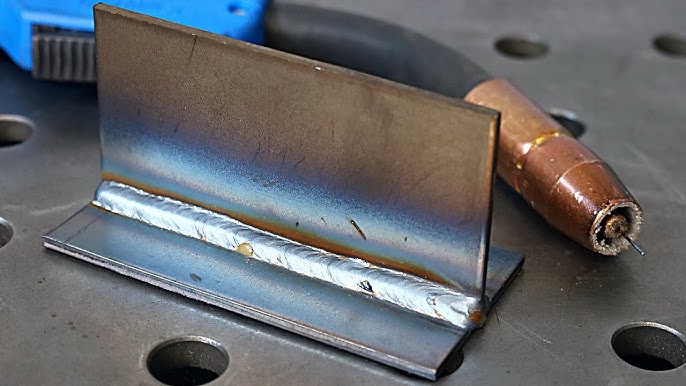
Simulan sa kung ano ang makikita mo. Dapat ay medyo pantay ang itsura ng isang pampagsanay na weld bead, nakakabit nang maayos sa parehong bahagi, at hindi napapalibutan ng labis na spatter. Ang gabay sa mga depekto ng ESAB ay nagsasaad na ang visual inspection ay maaaring magbunyag ng mga depekto sa ibabaw tulad ng porosity, undercut, spatter, at mga pukyut; samantalang ang ilang kawalan ng pagsasama (lack of fusion) ay maaaring nasa ilalim ng ibabaw at hindi madetect sa pamamagitan ng paningin lamang. Kaya ang isang magandang hitsura ng weld bead ay nakapagpapasigla, ngunit hindi ito panghuling patunay.
- Hanapin ang pare-parehong hugis ng bead mula sa simula hanggang sa wakas.
- Suriin kung ang pagkakasunod-sunod sa parehong gilid ng weld ay naaangkop.
- Pansinin ang mga butas na tulad ng pinhole, mga guhit sa gilid (toe grooves), mga pukyut, o malalaking splatter.
- Kung ang seksyon ay may malinaw na mga butas o sobrang natunaw na gilid, magsimula ulit imbes na subukang itago ito.
Ayusin ang Karaniwang Mga Problema at Sanayin nang May Layunin
Ang mabubuting payo sa pag-weld ay karaniwang simple: suriin, ayusin, ulitin. Kung patuloy kang nagtatanong, 'Paano ako matututo ng pag-weld?', ang siklong ito ang sagot. Isa sa pinakamahusay na payo sa pag-weld para sa mga nagsisimula ay ulitin ang parehong joint sa scrap metal imbes na hanapin ang perpektong hitsura ng bead sa bawat pass. Ito rin ang paraan ng pagsasanay sa pag-weld nang may layunin.
| Depekto | Pinakamalamang na Sanhi | Susunod na Aksyon |
|---|---|---|
| Porosity | Pagkakaroon ng kontaminasyon, kahalumigmigan, o hindi sapat na shielding | Alisin ang nasaktang bahagi, linisin ang metal, ayusin ang mga isyu sa shielding, at i-weld ulit |
| Mga Undercut | Labis na kasalukuyan o boltahe, mahabang arc length, mataas na bilis ng paglalakbay | Maikliin ang arc, mabagalin nang bahagya, at punuan ulit ang gilid (toe) kung kinakailangan |
| Kakulangan ng pagsasanib | Mababang input ng init, labis na bilis ng paggalaw, maling anggulo, kontaminasyon | Pangalawin hanggang sa makita ang tunay na metal, linisin nang lubusan, ayusin ang pamamaraan, at muling mag-weld |
| Mga Bitak | Matataas na pagsasalungat, pagkuha ng hydrogen, o hindi sapat na pagpuno sa crater | Huminto, alisin nang buo ang butas, at huwag mag-weld sa ibabaw ng pukyut |
| Labis na spatter | Hindi balanseng mga parameter, mahabang arc, hindi stable na transfer | Linisin ito, i-retune ang mga setting, at subukan muli sa scrap material |
Alamin Kung Kailan Dapat I-outsource ang Mga Trabaho na Nangangailangan ng Kagandahan
Kung nagtatanong ka kung gaano kahirap ang welding, ang pangunahing pagsasanay sa mild steel ay matututuhan. Ang sertipikadong paulit-ulit na resulta ay nasa ibang antas. Inilalahad ng ESAB na ang mga panloob na depekto ay maaaring mangailangan ng ultrasonic testing (UT) o radiographic testing (RT), kaya ang manufacturing na may mataas na panganib ay umaasa sa kontroladong proseso at quality assurance, hindi sa trial and error. Para sa sinumang patuloy na nagtatanong kung paano matututo ng welding, panatilihin ang iyong pagsasanay sa mga trabahong hindi kritikal.
- Shaoyi Metal Technology : Isang mas matalinong pagpipilian kapag ang mga bahagi ng automotive chassis ay nangangailangan ng paulit-ulit na pagganap ng robot, mataas na kahusayan, at isang kalidad na sistema na sertipikado sa IATF 16949. Tingnan ang Shaoyi Metal Technology .
- Pagsasanay sa Bahay pinakamainam para sa mga kupon ng scrap, pagsusuri sa pamamagitan ng paningin, at kontrol sa paggawa kasama ang mga tip para sa mga nagsisimulang mag-weld bago pumasok sa tunay na pagre-repair.
Ang susunod na pagpapabuti ay karaniwang hindi isang bagong makina. Ito ay isa pang piraso para sa pagsusuri, isang mas malinis na pagsusuri, at isang itinama na pagkakamali.
Mga Katanungan at Sagot Tungkol sa Paano Mag-weld ng Metal
1. Ano ang pinakamadaling paraan para magsimula sa pag-aaral ng pag-weld ng metal?
Ang pinakasimpleng landas para magsimula ay karaniwang ang MIG welding sa malinis na mild steel sa loob ng gusali na may mabuting sirkulasyon ng hangin. Ang ganitong setup ay nag-aalis ng maraming karaniwang problema ng mga nagsisimula, tulad ng hindi stable na shielding kapag nasa labas o mahirap na kontrolin ang weld pool sa mga mas mahihirap na uri ng metal. Kung kailangan mong magtrabaho sa labas o sa bakal na hindi perpektong malinis, ang stick welding ay karaniwang mas angkop. Ang isang matalinong plano para sa nagsisimula ay pumili ng isang makina, isang uri ng joint, at isang uri ng materyal, at ulitin ang parehong pagsasanay sa pag-weld hanggang sa maging mas pare-pareho ang weld bead.
2. Anong metal ang dapat gamitin ng mga nagsisimula para sa unang pagsasanay sa pag-weld?
Ang malinis na mild steel ang pinakamahusay na unang materyal para sa karamihan sa mga bagong welder. Mas mapagbigay ito kaysa sa aluminum, mas hindi sensitibo kaysa sa stainless, at malaki ang kaligtasan nito para sa pagsisimula kaysa sa galvanized metal. Nakakatulong din ito upang mas madaling makita kung ang iyong bilis ng paggalaw, haba ng arc, at paghahanda ng sambungan ay gumagana. Ang manipis o may coating na scrap ay maaaring gawing mas mahirap ang unang pagsasanay, kaya ang mga patag na piraso ng simpleng mild steel ang karaniwang pinakamainam na simula.
3. Ano ang kailangan ko bago mag-weld sa bahay?
Bago matuto ng welding sa bahay, kailangan mong i-set up ang isang lugar na malinis, tuyo, at malaya sa anumang madaling sumunod na basura. Kailangan mo ng welding helmet, safety glasses, gloves, damit na tumutol sa apoy, matibay na sapatos, mga clamps, pangunahing kagamitan sa paglilinis, at sapat na ventilation upang alisin ang usok mula sa iyong lugar ng paghinga. Dapat nakapatong ang workpiece sa isang matatag na ibabaw, at dapat nakakonekta ang work clamp sa malinis na bare metal na malapit sa lugar ng welding. Ang ligtas na pagsasanay sa bahay ay umaasa rin sa kontrol sa workspace gayundin sa sarili mong kakayahan bilang welder.
4. Paano ko malalaman kung mali ang mga setting ng aking welding machine?
Ang iyong pagsusuri sa weld sa scrap metal ay karaniwang makapagpapakita nito nang mabilis. Ang labis na splatter, isang mahigpit o nagpopop na arc, isang mataas at lumalamig na tingnan ang weld bead, ang burn-through, o ang nakikitang porosity ay lahat ay nagsasaad na kailangan ng pagkorek ang setup. Simulan sa chart ng machine o sa manual, pagkatapos ay i-adjust lamang ang isang variable nang sabay-sabay upang makita mo kung ano ang mga pagbabago. Kung ang weld bead ay naging makinis, nanatili sa joint, at sumasali nang pantay-pantay sa parehong bahagi, nasa tamang direksyon ka na.
5. Kailan dapat i-outsource ang mga gawaing pang-welding imbes na gawin ito sa loob ng kompanya?
Ang pagsasanay sa bahay ay angkop para sa pagbuo ng kasanayan, mga mockup, at mga proyektong hindi kritikal, ngunit ang mga bahagi na may mataas na antas ng kaligtasan o mataas na presisyon ay dapat ipagawa ng isang kwalipikadong partner sa produksyon. Ito ay lalo pang mahalaga para sa mga komponente ng chassis ng sasakyan, paulit-ulit na produksyon, at mga gawain na nangangailangan ng dokumentadong sistema ng kontrol sa kalidad. Sa mga ganitong kaso, mas mainam ang isang espesyalista tulad ng Shaoyi Metal Technology dahil nag-aalok sila ng kakayahang mag-weld gamit ang robot, suporta para sa mga bahaging bakal at aluminum, at isang sertipikadong sistema ng kalidad na sumusunod sa IATF 16949 para sa pare-parehong resulta sa produksyon.