 Small batches, high standards. Our rapid prototyping service makes validation faster and easier —
  EN
EN


Mga Serbisyo sa Pagputol ng CNC na Inilahad: I-angkop ang Iyong Materyales sa Tamang Paraan
Pag-unawa sa mga Serbisyo sa CNC Cutting at Kung Paano Sila Gumagana
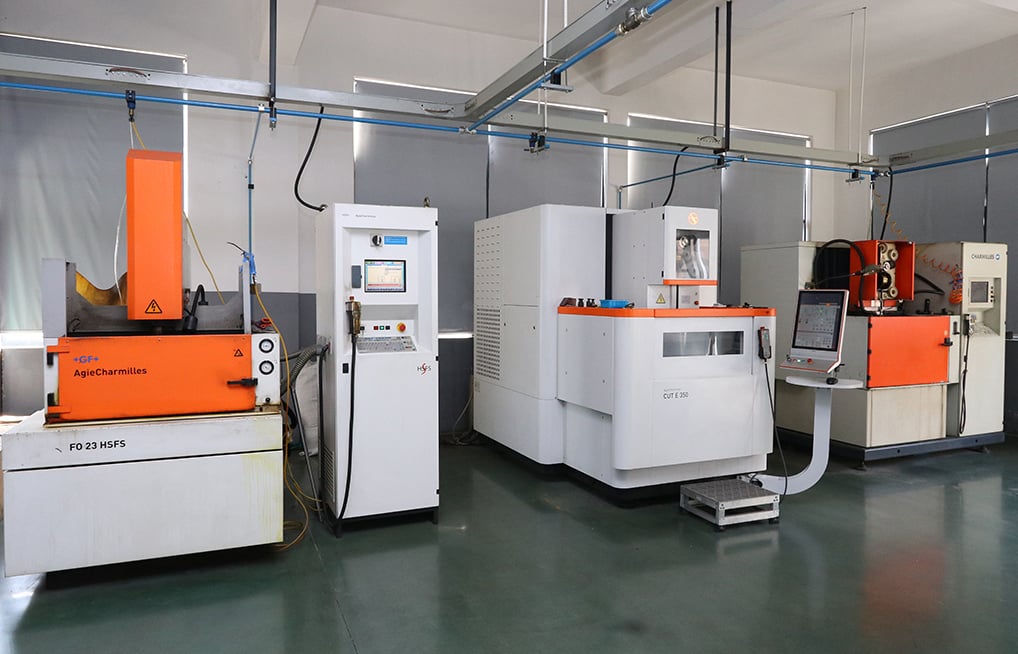
Kapag nagpaplano ka ng isang proyektong pagmamanupaktura, ang pagpili ng tamang paraan ng pagputol ay maaaring magbigay-daan sa isang perpektong resulta o sa mahal na pag-uulit ng gawain. Ang mga serbisyo sa CNC cutting ay gumagamit ng makina na kontrolado ng kompyuter upang hiwalayin ang mga materyales kasunod ng mga tiyak na naprogramang landas, na nagbibigay ng katiyakan na hindi kayang abutin ng mga pamamaraang manu-manong. Kung kailangan mo ng pasadyang serbisyo sa pagputol ng kahoy para sa mga bahagi ng mga kasangkapan o ng mga kumplikadong bahagi ng metal para sa mga aplikasyon sa industriya, ang pag-unawa kung paano gumagana ang mga teknolohiyang ito ay nagbibigay-daan sa iyo na gumawa ng mas matalinong desisyon.
Ano ang Nagpapabukod ng CNC Cutting sa Tradisyonal na Machining
Nakakalito ba? Hatiin natin ito. Ang tradisyonal na mga operasyon sa pagmamakinis tulad ng pagpapahid (milling) at pagpapaikot (turning) ay nakatuon sa pagbuo ng mga three-dimensional na anyo sa pamamagitan ng pag-alis ng materyal mula sa isang piraso ng gawaan. Ang CNC cutting naman ay nakatuon sa isang pangunahing layunin: hiwalayin ang mga piraso ng materyal nang may napakahusay na kahusayan. Isipin mo ito bilang pagkakaiba sa pag-uukit ng isang istatwa at pagputol ng isang piraso ng plywood upang lumikha ng mga panel para sa cabinet.
Halimbawa, ang serbisyo ng CNC router cutting ay sumusunod sa isang digital na plano upang gabayan ang mga kasangkapang pangputol sa pamamagitan ng kahoy, plastik, o composite materials. Ang kompyuter ang kumokontrol sa bawat galaw, na nag-aaseguro na ang bawat putol ay tumutugma nang eksakto sa mga nakaprogramang tukoy. Mahalaga ang pagkakaiba na ito dahil ito ang nakaaapekto sa kung aling serbisyo ang kailangan mo para sa iyong tiyak na mga pangangailangan sa proyekto.
Ang Pangunahing Teknolohiya Sa Likod Ng Precision Cutting
Sa puso ng bawat operasyon ng CNC cutting ay matatagpuan ang isang sopistikadong software na isinasalin ang iyong mga file ng disenyo sa mga instruksyon para sa makina. Bibigay mo ang isang CAD file, at ang sistema ay iko-convert ito sa mga toolpath na gabay sa paggalaw ng cutting head nang may kahalintulad na katiyakan sa antas ng micrometer. Ang prosesong ito ay nag-aalis sa pagkakaiba-iba na likas sa manu-manong pagputol habang pinapahintulutan ang mga kumplikadong hugis na hindi maaaring maisagawa gamit lamang ang kamay.
Ang mga provider na nakatuon sa kalidad ay karaniwang may sertipikasyon na ISO 9001:2015, na nagtatakda ng mahigpit na pamantayan sa pamamahala ng kalidad. Kapag sinusuri ang mga serbisyo sa CNC woodworking o mga provider ng metal cutting, ang sertipikasyong ito ay nagsisilbing maaasahang batayan para sa pare-parehong kalidad at kontrol sa proseso.
Narito ang pangunahing mga benepisyo na gumagawa ng mga serbisyong ito na napakahalaga sa iba’t ibang industriya:
- Katiyakan ng pag-uulit: Kapag na-program na, ang makina ay gumagawa ng mga eksaktong katulad na putol sa daan-daang o libong piraso nang walang anumang pagkakaiba
- Kakayahang gumawa ng kumplikadong heometriya: Ang mga kumplikadong pattern, kurba, at naka-embed na hugis na magiging hamon sa tradisyonal na pamamaraan ay naging simple na
- Kababalaghan ng Material: Mula sa mga kahoy na matitigas at acrylic hanggang sa aluminum at bakal, ang iba't ibang teknolohiya ng pagputol ay epektibong nakakapagproseso ng iba't ibang materyales
- Pagkakasya ng Produksyon: Ang parehong setup na ginagamit sa paggawa ng isang prototipo ay maaaring mabilis na mag-produce ng malalaking produksyon
Ang pag-unawa sa mga pundamental na konseptong ito ay naghihanda sa iyo upang suriin kung aling paraan ng pagputol ang angkop sa iyong materyales, kinakailangan sa kahusayan, at badyet. Sa mga sumusunod na seksyon, matutuklasan mo kung paano i-match ang partikular na teknolohiya ng pagputol sa mga pangangailangan ng iyong proyekto. 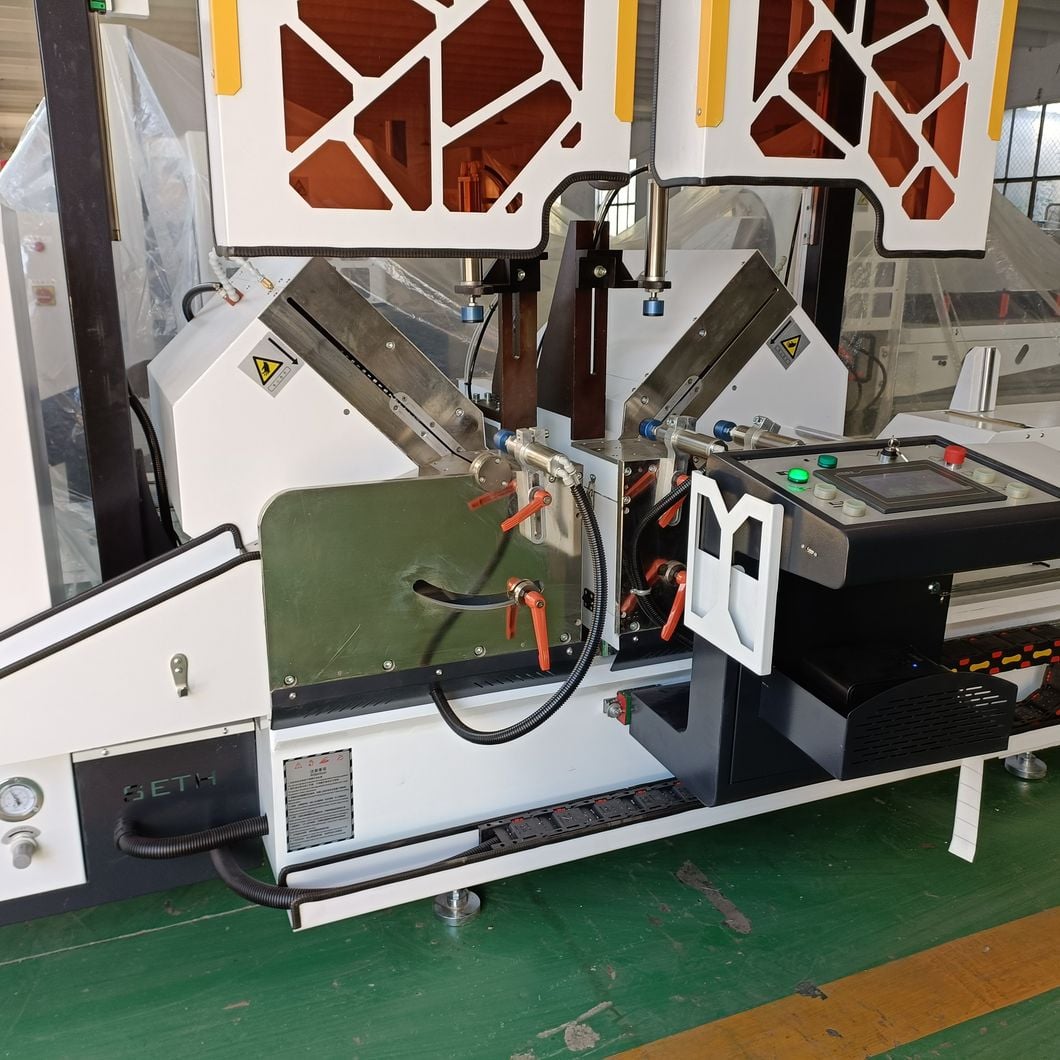
Paghahambing ng mga Paraan ng CNC Cutting para sa Iba't Ibang Aplikasyon
Ngayon na nauunawaan mo na kung paano gumagana ang CNC cutting, ang susunod na tanong ay napakalinaw: aling paraan ang dapat mong piliin? Ang sagot ay ganap na nakasalalay sa iyong materyales, kapal na kinakailangan, at kalidad ng nais na surface finish. Tingnan natin ang apat na pangunahing teknolohiya ng pagputol at alamin kung saan talaga sila nagtatagumpay.
Laser Cutting para sa Kahusayan at Bilis
Imahinahin ang pagpuputol ng mga intrikadong disenyo ng filigree sa manipis na bakal na may tanso gamit ang mga gilid na kaya nang malinis na hindi na kailangan ng karagdagang pagpapaganda. Iyan ang kagandahan ng laser cutting . Ang teknolohiyang ito ay gumagamit ng isang nakatuon na sinag ng liwanag upang tumunaw, sunugin, o pausin ang materyal kasabay ng mga naprogramang landas, na nakakamit ang mga toleransya na hanggang 0.001 pulgada sa mga angkop na materyales.
Ang mga pasilidad at provider ng laser cutting sa San Diego at sa buong bansa ay karaniwang nag-aalok ng dalawang pangunahing uri ng laser: ang CO2 laser para sa mga di-metal at organikong materyales, at ang fiber laser para sa mga metal. Ang mga serbisyo ng laser cutting sa San Diego ay madalas na nakakapagproseso mula sa dekoratibong signage hanggang sa mga eksaktong electronic enclosure, na nagpapakita ng versatility ng teknolohiyang ito.
Kung saan talagang nagtatagumpay ang laser cutting:
- Mga manipis na metal: Bakal, aluminum, at brass na hanggang humigit-kumulang isang pulgada ang kapal (mas manipis na materyales ang nagbibigay ng mas mahusay na kalidad ng gilid)
- Mga intrikadong pattern: Mga detalyadong disenyo, matatalas na sulok, at kumplikadong heometriya na may pinakamaliit na kerf width
- Produksyon sa mataas na dami: Ang mabilis na bilis ng pagpuputol ay nagpapababa ng gastos para sa mas malalaking dami
- Minimum na basura ng materyales: Ang mahigpit na kakayahan sa pag-uupack ay nagmamaksima ng paggamit ng sheet
Gayunpaman, ang laser cutting ay lumilikha ng heat-affected zone (sikat na lugar na apektado ng init) sa katabi ng gilid ng pinutol, na maaaring mahalaga para sa ilang aplikasyon. Ang mga highly reflective materials tulad ng tanso at brass ay maaari ring magdulot ng hamon sa ilang sistema ng laser.
Paliwanag sa Waterjet at Plasma Cutting
Kapag gumagawa ka ng mas makapal na metal o mga materyales na sensitibo sa init, ang waterjet at plasma cutting ay nag-aalok ng kahanga-hangang alternatibo.
Waterjet Cutting nagpapadala ng mataas na presyon na daloy ng tubig—na kadalasan ay halo ng abrasive na garnet particles—sa loob ng materyales sa presyon na lampas sa 60,000 PSI. Dahil hindi ito naglilikha ng init, ang waterjet cutting ay pinapanatili ang mga katangian ng materyales nang walang thermal distortion. Ginagawa nito ang proseso na ideal para sa tempered glass, titanium, at iba pang materyales na maaaring mag-deform o magbago ng kulay kapag inilantad sa init.
Pagputol ng plasma ginagamit ang elektrikal na ionized na gas upang putulin nang mabilis at murang mga metal na may kakayahang mag-conduct. Bagaman hindi ito katumbas ng kahusayan ng laser sa manipis na materyales, ang plasma ay kaya ng madaling putulin ang makapal na bakal na plato hanggang ilang pulgada. Para sa paggawa ng istruktural na bakal at malalaking aplikasyon sa industriya, ang plasma ay kadalasang nagbibigay ng pinakamahusay na halaga.
Pamamaraan ng CNC Routing kumukuha ng lubos na iba't ibang paraan. Ang isang serbisyo sa pagputol ng kahoy gamit ang CNC o serbisyo sa pag-rout ng kahoy gamit ang CNC ay gumagamit ng mga umiikot na carbide bit upang ukilin ang mas malalambot na materyales tulad ng kahoy, MDF, plastics, at composites. Ang mekanikal na pagputol na ito ay nagbibigay ng mahusay na kalidad ng gilid sa mga materyales na ito nang walang mataas na gastos sa kagamitan na kaugnay ng mga sistema ng laser o waterjet.
| Pamamaraan ng Paggupit | Pinakamahusay na mga materyales | Kisame ng kapal | Precision Level | Kalidad ng gilid | Mga Tipikal na Aplikasyon |
|---|---|---|---|---|---|
| Laser Cutting | Bakal, aluminum, stainless steel, acrylic, kahoy | 0.02" – 1" (depende sa materyales) | ±0.001" - 0.005" | Mahusay sa manipis na materyales; posible ang heat-affected zone | Mga palatandaan, mga kahon para sa elektroniko, dekoratibong panel, mga bahagi na may mataas na kahusayan |
| Pagputol ng plasma | Mga metal na may kakayahang mag-conduct: bakal, stainless, aluminum | 0.25" – 6"+ | ±0.015" - 0.030" | Maginhawa; maaaring kailanganin ang pangalawang pagpapaganda para sa mga gawaing nangangailangan ng kahusayan | Pangunahing bakal, malalaking kagamitan, pang-industriyang paggawa |
| Waterjet Cutting | Praktikal na anumang materyales kabilang ang salamin, bato, at komposito | Hanggang 12"+ (mas mabagal sa mga makapal na materyales) | ±0.003" - 0.010" | Mahusay; walang heat-affected zone | Mga bahagi ng aerospace, mga materyales na sensitibo sa init, at mga gawaing sining |
| Pamamaraan ng CNC Routing | Kahoy, plywood, MDF, plastics, foam, at malalambot na metal | Hanggang 6"+ (nakasalalay sa router) | ±0.003" - 0.010" | Mahusay sa kahoy; maaring makamit ang kalidad na pang-muwebles na huling pagpapaganda | Mga kabinet, muwebles, senyas, pakete, at mga prototype |
Ang pagpili sa pagitan ng mga pamamaraang ito ay hindi lamang tungkol sa kakayahan—kundi tungkol sa pagtugma ng teknolohiya sa iyong partikular na mga kinakailangan. Ang isang proyekto na nangangailangan ng pagputol na walang init sa mga titanium bracket para sa aerospace ay nangangailangan ng waterjet. Samantala, ang produksyon ng daan-daang bahagi ng kabinet mula sa plywood ay nangangailangan ng isang maaasahang serbisyo ng CNC wood routing. Ang pag-unawa sa mga pagkakaiba ng mga ito ay tumutulong sa iyo na makipag-ugnayan nang epektibo sa mga nagbibigay ng serbisyo at tiyakin na ang iyong proyekto ay tatanggap ng pinakamainam na paggamot.
Kapag malinaw na ang mga pamamaraang ito sa pagputol, ang susunod na hakbang ay ang pag-unawa kung aling mga materyales ang pinakaepektibo sa bawat pamamaraan at anong mga limitasyon ang dapat mong asahan.
Gabay sa Pagpili ng Materyales para sa mga Proyektong Pagputol gamit ang CNC
Nakita mo na ang talahanayan ng paghahambing—ngayon naman ay lalalim tayo sa mismong mga materyales. Ang bawat materyal ay may iba't ibang pag-uugali kapag inuutusan ng mga kasangkapan sa pagputol, at ang pagpili ng maling pamamaraan ay maaaring magdulot ng mga gilid na nabuwel, mga ibabaw na natunaw, o mga nabasag na stock. Ang pag-unawa sa mga pagsasaalang-alang na partikular sa bawat materyal ay tumutulong sa iyo na tukuyin nang eksakto ang kailangan mo kapag kinakausap mo ang isang serbisyo sa pagputol ng plywood o humihingi ng mga quote para sa paggawa ng metal.
Tatlong salik ang palaging nagdedetermina kung aling pamamaraan sa pagputol ang pinakamainam para sa anumang materyal: kapal, sensitibidad sa init, at ang nais mong kalidad ng gilid. Panatilihin ang mga ito sa isip habang tatalakayin natin ang bawat kategorya ng materyal.
Mga Pagsasaalang-alang at Limitasyon sa Pagputol ng Metal
Ang mga metal ay nagdudulot ng natatanging hamon dahil sa kanilang kakayanan na magpadala ng init, sumalamin ng liwanag (na problema para sa ilang uri ng laser), at magkaiba nang malaki sa katigasan. Narito ang kailangan mong malaman tungkol sa mga karaniwang tinutupad na metal:
- Asero (carbon at mild): Ang pangunahing materyal sa paggawa ng metal ang pagputol gamit ang laser ay epektibo sa mga sheet hanggang sa humigit-kumulang isang pulgada, samantalang ang plasma ang ginagamit para sa mas makapal na istruktural na plato. Para sa mga presisyong bahagi na may kapal na hindi lalampas sa 0.25 pulgada, ang laser ang nagbibigay ng mas mahusay na kalidad ng gilid.
- Stainless steel: Kailangan ng higit na kapangyarihan kaysa sa carbon steel dahil sa reflective surface nito at resistance sa init. Ang fiber laser ay lubos na epektibo dito, bagaman ang waterjet ang pinakakaraniwang napipili kapag hindi mo maaaring tanggapin ang anumang heat-affected zone malapit sa gilid ng putol.
- Aluminyo: Napakareflective at may mataas na thermal conductivity ang aluminum, kaya ito ay mahirap para sa CO2 laser. Ang fiber laser at waterjet ay epektibo sa paghawak nito. Mag-ingat sa pagkabur sa mas makapal na seksyon—maaaring kailanganin ang pangalawang deburring.
- Brass at Tanso: Ang mga metal na ito na may kakayahang sumalamin ay nagdudulot ng hamon sa maraming sistema ng laser. Ang pagputol gamit ang waterjet ay lubos na nililimitahan ang mga alalahanin ukol sa pagkakasalamin habang pinapanatili ang itsura ng materyal. Para sa dekoratibong bahagi ng tanso, ang pagputol gamit ang waterjet ay kadalasang nagbibigay ng pinakalinis na resulta.
Kapag sinusuri mo ang mga quote para sa pagputol ng metal, tukuyin mo palaging ang antas ng iyong materyal at ang eksaktong kapal nito. Ang isang sheet ng aluminum na may kapal na 0.060 pulgada ay nangangailangan ng ganap na iba't ibang mga parameter kumpara sa isang plato na may kapal na 0.5 pulgada, at kailangan ng mga provider ng serbisyo ang tumpak na mga teknikal na detalye upang maibigay ang tamang resulta.
Mga Gabay para sa Kahoy at Komposit na Materyales
Naghahanap ka ba ng mga serbisyo ng CNC para sa kahoy malapit sa akin? Ang mga materyales na gawa sa kahoy ay kabilang sa pinakasikat na aplikasyon para sa CNC routing, at may magandang dahilan para dito. Ang mekanikal na pagputol gamit ang mga tool na gawa sa karbida ay nagbibigay ng malinis na mga gilid nang walang pagkasunog o pagkachar na maaaring dulot ng laser cutting sa mga organikong materyales.
- Mga matitigas na kahoy (oak, maple, walnut): Nagtatagumpay ang CNC routing dito, na nakakamit ng mga finishing na katumbas ng antas ng mga kagamitan sa bahay gamit ang tamang pagpili ng cutting bit at feed rates. Mahalaga ang direksyon ng ugat—ang pagputol nang pahalang sa ugat ay nangangailangan ng iba't ibang bilis kaysa sa pagputol kasabay ng ugat.
- Plywood: Ang serbisyo ng CNC plywood cutting ay maaaring mag-produce ng napakalinis na mga gilid sa mataas-na-antad na plywood. Ang void-free o Baltic birch plywood ang nagbibigay ng pinakamahusay na resulta. Ang mga plywood na mababang antas ay maaaring magpakita ng tear-out sa mga interface ng layer.
- MDF (Medium Density Fiberboard): Marahil ang pinakaluwag na materyal para sa CNC routing. Ang pare-parehong density ng MDF ay nangangahulugan na walang direksyon ng ugat na kailangang pag-isipan, at ang mga gilid ay lumalabas na makinis at handa na para sa finishing. Napakahalaga ang dust collection dahil sa pagkakalikha ng napakaliit na particles.
- Particle board at melamine: Ang mga materyal na ito ay maaaring putulin nang sapat, ngunit maaaring mag-chip sa mga gilid ng ibabaw. Ang down-cut spiral bits ay tumutulong na minimizan ang chipping sa ibabaw ng mga laminated surface.
Ang laser cutting ay maaaring gamitin sa kahoy, lalo na para sa pag-uukit at manipis na veneer, ngunit iniwan nito ang katangian ng kayumangging gilid dahil sa pagsusunog. Para sa karamihan ng mga aplikasyon sa paggawa ng kahoy, nananatiling ang CNC routing ang pinakagustong pamamaraan.
Plastik at Mga Kompositong Materyales
Kailangan ng maingat na pagsasaalang-alang ang mga plastik dahil sila ay tumutugon sa init sa hindi inaasahang paraan. Ang ilan ay natutunaw, ang iba ay sumisira, at ang ilan pa ay nagpapalabas ng nakakasirang usok kapag labis na pinainitan.
- Akrilik (PMMA): Ang laser cutting ay gumagawa ng mga pinolish at napapasingaw na gilid sa acrylic—isa itong tiyak na kalamangan para sa mga kaso ng display at mga palatandaan. Maaari rin gamitin ang CNC routing, ngunit iniwan nito ang mga matte na gilid na nangangailangan ng karagdagang pagpo-polish.
- ABS (Acrylonitrile Butadiene Styrene): Kapag hinahanap ang mga lokasyon para sa pagmamasin ng ABS, hanapin ang mga provider na may karanasan sa versatile na plastik na ito. Magaling na maproseso ang ABS gamit ang CNC routing, ngunit maaaring magdulot ito ng mga stringy na chips kung hindi optimal ang feed rate at bilis. Maaari ring gamitin ang laser cutting, ngunit maaaring magdulot ito ng bahagyang pagbabago ng kulay sa gilid.
- Polikarbonato: Ang plastik na tumutol sa impact na ito ay nagdudulot ng mga hamon sa pagputol gamit ang laser—nagiging discolored ito at maaaring mag-self-ignite. Ang CNC routing o waterjet cutting ay nagbibigay ng mas ligtas at mas malinis na resulta para sa mga bahagi na gawa sa polycarbonate.
- Mga kompositong carbon fiber: Ang waterjet cutting ay epektibo sa pagputol ng carbon fiber nang walang panganib na delamination. Ang CNC routing ay gumagana kasama ang espesyalisadong tooling ngunit lumilikha ng mapeligro na alikabok na nangangailangan ng tamang pag-extract. Huwag kailanman gumamit ng laser cutting sa carbon fiber—nagpapalabas ito ng toxic fumes.
- Fiberglass (GFRP): Katulad ng carbon fiber, ang routing gamit ang diamond-coated tooling o waterjet cutting ay nagbibigay ng magandang resulta. Ang tamang proteksyon sa respiratory system habang nagroroute ay mahalaga.
Bago magpasya sa anumang proyekto ng pagputol ng plastik, tiyaking ang napiling provider ay may karanasan sa iyong partikular na materyal. Hindi pare-pareho ang pag-uugali ng mga plastik, at maaaring mahirapan ang isang workshop na may karanasan sa acrylic kapag kinakailangan nitong i-cut ang polycarbonate o HDPE.
Ang kapal ng materyal, sensitibidad sa init, at ninanais na pagkakabukod ng gilid ang tatlong salik na panghuling tumutukoy kung aling paraan ng pagputol ang magbibigay ng mga resulta na hinihiling ng iyong proyekto.
Kasangkapan ka na ng kaalaman tungkol sa materyal, kaya handa ka nang suriin ang uri ng surface finish at kahusayan na makakamit mo nang realistiko mula sa iba't ibang paraan ng pagputol—na tatalakayin natin sa susunod.
Surface Finish at Inaasahang Kahusayan Ayon sa Paraan ng Pagputol
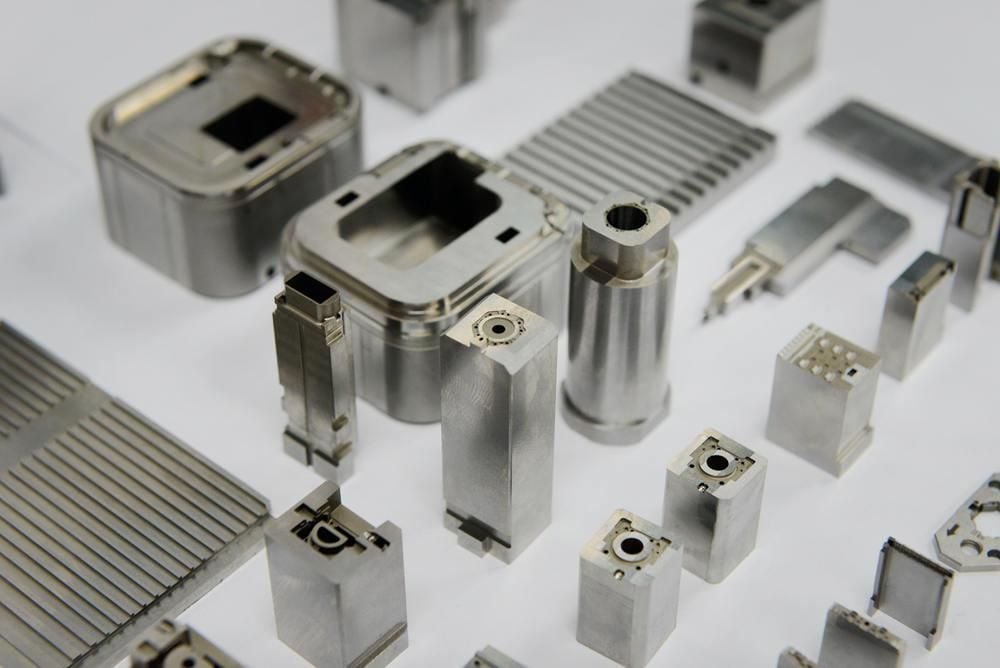
Napili mo na ang iyong materyal at natukoy ang tamang teknolohiya ng pagputol—ngunit anong uri ng finish talaga ang dapat mong asahan? Mahalaga ang tanong na ito kung ikaw ay isang hobbyist na gumagawa ng dekoratibong mga piraso o isang propesyonal sa pagmamanupaktura na gumagawa ng mga bahagi na may mataas na kahusayan. Ang pag-unawa sa inaasahang kalidad ng finish ay nakakatulong upang maiwasan ang pagkabigo at ma-planuhan nang wasto ang anumang sekondaryang proseso na maaaring kailanganin ng iyong proyekto.
Ang bawat paraan ng pagputol ay nag-iwan ng sariling marka sa gilid ng materyal. Ang ilan ay nagbibigay ng mga resulta na handa na gamitin nang direkta mula sa makina, habang ang iba ay nangangailangan ng karagdagang hakbang sa pagpapaganda upang matugunan ang mga pamantayan sa estetika o pagganap. Tingnan natin kung ano ang maaari mong realistiko asahan mula sa bawat paraan.
Mga Pamantayan sa Kalidad ng Gilid Ayon sa Mga Paraan ng Pagputol
Kapag sinusuri ang isang serbisyo ng CNC para sa kahoy o provider ng pagputol ng metal, ang kalidad ng gilid ay madalas na nagdedetermina kung kailangan mo pa ng karagdagang operasyon sa pagpapaganda. Narito kung paano inihahambing ang iba't ibang paraan:
Laser Cutting nagbibigay ng napakalinis na mga gilid sa manipis na materyales—madalas na walang kailangang post-processing para sa mga sheet metal na may kapal na hindi lalampas sa 0.25 pulgada. Gayunpaman, ang matinding init ay lumilikha ng kung ano ang tinatawag ng mga tagagawa na heat-Affected Zone (HAZ) . Ito ay isang mikroskopikong banda ng binago na materyal na nasa gilid ng putol kung saan ang temperatura ay nagbago sa panloob na istruktura ng metal nang hindi talaga ito natunaw. Ang mga palatandaan ng HAZ ay kasama ang bahagyang pagbabago ng kulay, pagtaas ng kahigpit, at sa mga ekstremong kaso, mikro-na-crack.
Para sa mga aplikasyong pangdekorasyon o mga bahagi na hindi magkakaroon ng stress sa gilid, ang HAZ ay bihira nangyayaring magdulot ng problema. Ngunit para sa mga komponente ng aerospace, mahahalagang istruktural na elemento, o mga bahagi na nangangailangan ng pag-welding malapit sa gilid ng pinutol, ang ganitong pagbabago dulot ng init ay maaaring makompromiso ang pagganap.
Waterjet Cutting lubos na nililimita ang mga kabalaka tungkol sa init. Dahil gumagamit ito ng tubig at mga abrasive na partikulo imbes na init, ang waterjet ay nagbubunga ng malalamig na gilid nang walang anumang heat-affected zone (HAZ). Ang kalidad ng huling anyo ay nakasalalay sa bilis ng pagputol—ang mas mabagal na pagdaan ay nagbibigay ng mas mahusay na huling anyo, habang ang mas mabilis na pagputol para sa produksyon ay maaaring magpakita ng mga banayad na striation. Para sa mga materyales na sensitibo sa init tulad ng tempered glass o titanium alloys, ang waterjet ay kadalasang ang tanging viable na opsyon.
Pagputol ng plasma binibigyang-prioridad ang bilis at kapal ng materyales kaysa sa pagpino ng gilid. Inaasahan ang mas magaspang na gilid na may napapansinang dross (mga solidified na patak ng metal) sa ilalim ng mga putol. Ang mga aplikasyon sa structural steel ay karaniwang tumatanggap nito, ngunit ang mga bahaging nangangailangan ng presisyon ay nangangailangan pa ng grinding o machining upang linisin ang mga gilid na pinutol gamit ang plasma.
CNC routing sa kahoy maaaring makamit ang mga finishing na katumbas ng kalidad ng mga kasangkapan kapag ang mga operator ay nagsasagawa ng optimal na pagpili ng mga tool at bilis. Ang isang de-kalidad na serbisyo ng CNC para sa kahoy ay gumagamit ng mga matalas na carbide bits, angkop na feed rates, at tamang bilis ng spindle upang makabuo ng mga gilid na handa na para sa finishing. Ayon sa mga eksperto sa machining, pagpapanatili ng magaan na pag-cut para sa huling pass at paggamit ng pinakamaikli at pinakapal na mga tooling na posible ay nagpapabuti nang malaki sa kalidad ng ibabaw habang binabawasan ang mga depekto na dulot ng vibration.
Sa mga aplikasyon ng serbisyo ng 3D wood carving, ang kalidad ng gilid ay naging mas mahalaga pa dahil ang mga kinukurba na ibabaw ay nananatiling nakikita sa panghuling produkto. Ang mga down-cut spiral bits ay tumutulong na bawasan ang tear-out sa mga ibabaw ng kahoy, samantalang ang compression cutters ay lubos na epektibo sa plywood at laminates kung saan parehong ang itaas at ilalim na ibabaw ay dapat manatiling malinis.
Kapag Kailangan ang Pangalawang Pagwawakas
Ang pag-unawa kung kailan kailangan ng karagdagang finishing ang iyong proyekto ay nakakatipid ng oras at badyet. Narito ang isang praktikal na ranggo ng mga inaasahang kalidad ng finishing sa iba't ibang uri ng aplikasyon:
- Mga dekoratibong piraso at piraso para sa pagpapakita (may pinakamataas na mga kinakailangan sa pagkakagawa): Ang mga nakikitang gilid ay nangangailangan ng halos perpektong kalidad. Ang acrylic na hinati gamit ang laser ay nagbibigay ng mga napinong, natutunaw na gilid na kadalasang ginagamit sa mga palatandaan at mga kahon para sa pagpapakita. Ang kahoy na hinukot gamit ang CNC ay maaaring magbigay ng katulad na resulta gamit ang matatalas na kagamitan at optimal na mga parameter. Ang mga metal na hinati gamit ang waterjet ay maaaring kailangang bahagyang ipalagay o i-polish para sa tunay na dekoratibong aplikasyon.
- Mga pangunahing bahagi na may estetikong kinakailangan: Kabilang dito ang mga bahagi ng kabinet, mga elemento ng kasangkapan, at mga kabalang pangkonsumo. Karaniwang nagbibigay ang CNC routing ng mga kasiya-siyang surface finish nang direkta, bagaman ang bahagyang pagpapalagay ay nagpapabuti ng pagdikit ng pintura o stain. Ang mga bahaging metal na hinati gamit ang laser ay maaaring kailangang bahagyang burr-removed, ngunit madalas ay hindi nangangailangan ng malaking pag-aayos.
- Mga istruktural na bahagi (may katamtamang kinakailangan sa pagkakagawa): Ang lakas at katiyakan ng sukat ay mas mahalaga kaysa sa itsura. Ang bakal na pinutol gamit ang plasma ay gumagana nang perpekto para sa mga balangkas na istruktural matapos ang pangunahing pag-alis ng dross. Ang mga gilid na pinutol gamit ang waterjet sa makapal na plato ng aluminum ay karaniwang sumusunod sa mga kinakailangan ng istruktura kahit walang karagdagang pagpapaganda.
- Mga bahagi na pang-industriya at nakatago (na may katanggap-tanggap na mga kinakailangan sa pagpapaganda): Ang mga komponente na hindi makikita ay binibigyang-prioridad ang pagganap kaysa sa anyo. Ang pagputol gamit ang plasma ay nagbibigay ng mahusay na halaga dito, at kahit ang mas magaspang na mga gilid ay nananatiling lubos na katanggap-tanggap kapag nakatago ang mga gilid o kapag sasalaminan na.
Mga Inaasahang Toleransya at Pagpili ng Paraan
Ang mga kinakailangan sa katiyakan ay direktang nakaaapekto sa kung aling paraan ng pagputol ang angkop para sa iyong proyekto. Narito ang mga realistiko mong inaasahan:
- Laser Cutting: ±0.001" hanggang ±0.005" sa manipis na materyales, na unti-unting lumalawak sa mas makapal na stock
- Waterjet cutting: ±0.003" hanggang ±0.010" depende sa kapal ng materyal at bilis ng pagputol
- CNC routing: ±0.003" hanggang ±0.010" na may tamang kalibrasyon ng makina at angkop na mga tool
- Plasma cutting: ±0.015" hanggang ±0.030"—angkop para sa mga gawaing istruktural ngunit hindi para sa mga komponenteng nangangailangan ng mataas na katiyakan
Kapag ang iyong proyekto ay nangangailangan ng mas mahigpit na toleransya kaysa sa mga saklaw na ito, kinakailangan ang mga sekondaryang operasyon sa pagmamachine anuman ang paraan ng pagputol na pinili mo. Ang pagbo-bore, pag-reame, at precision milling ay maaaring paunlarin ang mga kritikal na tampok matapos ang unang operasyon ng pagputol na nagtatatag ng hugis na may kahalumigmigan.
Ang pinakamahusay na kalidad ng surface finish ay nakukuha sa pamamagitan ng pagtutugma ng iyong mga pangangailangan sa katiyakan sa tamang paraan ng pagputol mula sa simula—hindi sa pamamagitan ng pagsubukang ayusin ang maling pagpili nang huli.
Ang pag-unawa sa mga inaasahang kalidad ng surface finish ay magbibigay-daan sa iyo upang makipag-usap nang may kaalaman sa mga provider ng serbisyo. Sa susunod, tatalakayin natin kung paano suriin ang mga provider na ito at i-tugma ang mga tiyak na pangangailangan ng iyong proyekto sa kanilang kakayahan.
Paano Pumili ng Tamang Serbisyo sa CNC Cutting para sa Iyong Proyekto
Nauunawaan mo ang mga paraan ng pagputol, mga materyales, at mga inaasahang kinalabasan ng pagpoproseso—ngunit paano talaga pipiliin ang tamang provider ng serbisyo? Ang desisyong ito ay higit pa sa paghahanap ng pinakamababang presyo. Kung hanap mo man ang mga serbisyo ng CNC router malapit sa akin para sa isang proyektong pang-weekend o sinusuri mo ang mga tagagawa para sa mga produksyon, ang isang sistematikong pamamaraan ay tumutulong sa iyo na kilalanin ang mga provider na tunay na kayang ipatupad ang kailangan ng iyong proyekto.
Isipin ang pagpili ng provider bilang pagtugma ng mga piraso ng puzzle. Ang iyong proyekto ay may tiyak na mga kinakailangan; ang tamang provider ng serbisyo naman ay may mga kakayahan na eksaktong umaangkop sa mga pangangailangang iyon. Gawin nating isang balangkas ang prosesong ito upang maging simple ang pagtutugma.
Pagtutugma ng Mga Kinakailangan ng Iyong Proyekto sa Mga Kakayahan sa Pagputol
Bago makipag-ugnayan sa anumang serbisyo ng CNC wood cutting malapit sa akin o sa isang shop na nagpapagawa ng metal, linawin mo muna nang husto ang iyong kailangan. Ang limang kadahilanan na ito ang nagsisilbing pundasyon ng bawat matagumpay na pagtukoy sa mga kinakailangan ng proyekto:
- Dami ng proyekto (prototype laban sa produksyon): Nagkakagawa ka ba ng isang prototipo lamang upang subukan ang iyong disenyo, o kailangan mo ng 10,000 na identikal na bahagi? Ang pagkakaiba sa pagitan ng dalawang ito ay malaki ang epekto sa kung aling mga provider ang angkop. Ang mga eksperto sa mabilis na prototyping ay mahusay sa mabilis na pagpapahatid para sa maliit na dami, samantalang ang mga workshop na nakatuon sa produksyon ay ino-optimize ang kahusayan sa malalaking dami. Ayon sa mga eksperto sa industriya sa 3ERP, mas mataas ang gastos bawat piraso sa mga prototipo kumpara sa mga produksyon dahil ang mga gastos sa pag-setup ay hinahati sa mas kaunting yunit.
- Uri at kapal ng materyal: Tukuyin ang eksaktong grado ng iyong materyal—hindi lamang "aluminum" kundi "6061-T6 aluminum, 0.125 pulgada ang kapal." Kailangan ng mga provider ang ganitong kahusayan upang magbigay ng tumpak na quote at kumpirmahin na madaling makuha nila ang iyong kinakailangang materyal. Ang mga pagkaantala sa pagkuha ng materyal ay direktang nagpapalawig ng lead time at nagpapataas ng gastos.
- Mga kinakailangan sa tolerance: Ano ang tiyak na kahalagahan ng dimensional accuracy para sa iyong aplikasyon? Ang paghiling ng ±0.001" kapag ang ±0.010" ay sapat na gumagana nang perpekto ay nagdaragdag ng hindi kinakailangang gastos. Sa kabaligtaran, ang pagkabigo na tukuyin ang mahigpit na toleransya nang maaga ay nagreresulta sa mga bahaging hindi magagamit.
- Mga kinakailangan sa oras ng pagpapahatid: Kailangan mo ba ang mga bahagi bukas, sa susunod na linggo, o sa susunod na buwan? Ang mga order na may mabilis na pagpapadala ay nangangailangan ng mas mataas na presyo. Ang pag-unawa sa karaniwang lead time—na kadalasan ay 3 hanggang 10 araw na panahon ng negosyo para sa karaniwang order—ay tumutulong sa iyo na magplano nang realistiko.
- Mga Limitasyon sa Badyet: Alamin ang iyong target na gastos bawat bahagi o kabuuang badyet ng proyekto bago humiling ng mga quote. Ito ay tumutulong sa iyo na suriin ang mga opsyon nang obhetibo imbes na habulin lamang ang pinakamababang halaga.
Ang mga kinakailangan para sa mabilis na prototyping ay lubhang nagkakaiba mula sa mga pangangailangan para sa mass production. Ang isang hobbyist na gumagawa ng pasadyang CNC wood cutting para sa isang piraso ng kagamitang pambahay ay binibigyang-prioridad ang kakayahang umangkop at komunikasyon. Samantala, ang isang tagagawa na gumagawa ng libo-libong automotive bracket ay binibigyang-prioridad ang pagkakapare-pareho ng proseso, mga sertipiko, at kakayahang palawakin ang kapasidad. Ang pagkilala kung saan nahihinto ang iyong proyekto sa spectrum na ito ay gabay sa iyo upang pumili ng angkop na mga provider.
Mga Tanong na Dapat Itanong Bago Pumili ng Service Provider
Kapag nakilala na ninyo ang mga potensyal na provider—man sa pamamagitan ng online na paghahanap para sa 'cnc routing service near me' o sa mga rekomendasyon mula sa industriya—ang mga tanong na ito ang magpapakita ng kanilang tunay na kakayahan:
- Anong mga sertipikasyon ang inyong hawak? Ang mga sertipiko ay nagpapakita ng dedikasyon sa mga dokumentadong sistema ng kalidad. Ang ISO 9001 ay nagtatakda ng pangunahing pamantayan sa pamamahala ng kalidad na may bisa sa lahat ng industriya. Para sa mga aplikasyon sa automotive, ang sertipikasyon sa IATF 16949 ay nagpapatunay ng pagsunod sa pandaigdigang pamantayan sa pamamahala ng kalidad para sa automotive, na pinagsasama ang mga prinsipyo ng ISO 9001 at ang mga partikular na kinakailangan ng sektor para sa tuloy-tuloy na pagpapabuti at pag-iwas sa mga depekto.
- Anong mga hakbang sa kontrol ng kalidad ang ginagamit ninyo? Hanapin ang mga provider na gumagamit ng Statistical Process Control (SPC) para sa mga production run. Ginagamit ng SPC ang real-time na pagsubaybay sa datos gamit ang mga control chart upang matukoy ang mga anomalya bago pa man maging mga depekto. Ayon sa mga sanggunian sa kalidad ng produksyon, ang pagpapatupad ng SPC ay kasama ang pagkuha ng mahahalagang parameter ng proseso, pagbuo ng mga control chart, at patuloy na pagsubaybay sa anumang pagkakaiba na nagpapahiwatig ng kawalan ng katatagan ng proseso.
- Kaya niyo ba ang aking tiyak na materyal? Hindi lahat ng shop ay may stock ng bawat materyal. Kumpirmahin kung ang iyong materyal ay nasa kanilang imbentaryo o kaya nilang bilhin nang mabilis nang walang matagal na pagkaantala.
- Ano ang inyong karaniwang lead time, at mayroon ba kayong mga opsyon para sa mabilisang paggawa? Unawain ang parehong karaniwang oras ng pagpapadalà at presyo para sa rush order. Ang ilang ISO-certified na manufacturer ay nakakapagpadala sa loob ng 3 araw na negosyo para sa karaniwang order.
- Maaari ko bang makita ang mga halimbawa ng katulad na gawa? Ang mga nakaraang proyekto ay mas mainam na patunay ng kakayahan kaysa sa mga pangako lamang. Humiling ng mga sample mula sa kanilang portfolio o mga case study na nagpapakita ng gawa na katulad ng iyong mga kinakailangan.
- Anong mga format ng file ang tinatanggap ninyo? Kumpirmahin ang pagkakasundo sa output ng iyong software sa disenyo bago mag-invest ng oras sa detalyadong mga quote.
Mga Sertipiko na Nagpapahiwatig ng Kalidad at Katiyakan
Para sa mga proyekto na nangangailangan ng pare-parehong kawastuhan—lalo na sa mga regulado na industriya—ang mga sertipiko ng provider ay lubhang mahalaga. Narito ang kahulugan ng ilang pangunahing sertipiko:
| Sertipikasyon | Ano ang Saklaw Nito | Pinakamahusay Para sa |
|---|---|---|
| ISO 9001:2015 | Pangkalahatang mga sistemang pangkalidad na sumasaklaw sa dokumentasyon, kontrol sa proseso, at patuloy na pagpapabuti | Lahat ng industriya na nangangailangan ng dokumentadong mga proseso sa kalidad |
| IATF 16949 | Pang-industriyang kalidad para sa automotive na may diin sa pag-iwas sa depekto, pangangasiwa sa mga supplier, at nakapagpapatakbo ng pagsusuri sa pinagmulan | Mga bahagi ng automotive at mga sangkap sa supply chain |
| AS9100 | Mga pamantayan sa kalidad para sa aerospace na batay sa ISO 9001 kasama ang karagdagang mga kinakailangan sa pamamahala ng panganib at dokumentasyon | Mga Bahagi para sa Aerospace at Depensa |
| ISO 13485 | Pangkalidad na pamamahala para sa medical device na sumasaklaw sa kontrol sa disenyo, nakapagpapatakbo ng pagsusuri sa pinagmulan, at pagbawas ng panganib | Mga bahagi ng medical device |
Para sa mga hobiist at mga proyektong maliit ang batch, ang malawak na sertipikasyon ay maaaring lumampas sa inyong mga pangangailangan. Ngunit para sa mga bahagi na gagamitin sa produksyon—lalo na sa mga kumpol ng sasakyan o sa mga aplikasyong kritikal sa kaligtasan—ang mga kredensyal na ito ay nagbibigay ng mahalagang garantiya na ang provider ay sumusunod sa mahigpit na kontrol sa proseso.
Bakit Mahalaga ang Statistical Process Control para sa Produksyon
Kapag nag-o-order ka ng dami para sa produksyon—man 100 na piraso man o 10,000—ang pagkakapare-pareho ay naging pinakamahalaga. Dito ipinapakita ng Statistical Process Control ang kanyang halaga.
Ginagawa ng SPC ang pagkuha ng mga real-time na sukat habang nasa produksyon at inilalagay ang mga ito sa mga control chart. Kapag nananatili ang mga datos sa loob ng itinakdang control limits, ang proseso ay matatag. Kapag lumampas ang mga puntos sa mga limitasyong ito, agad na sinusuri ng mga operator ang sitwasyon—bago pa man gumawa ng mga batch na may depekto.
Para sa inyong mga proyekto, ang pagpapatupad ng SPC sa isang service provider ay nangangahulugan ng:
- Kabawasan ng pagkakaiba-iba mula sa bawat piraso sa buong inyong order
- Maagang deteksyon ng pagsusuot ng tool, pagkalibot ng makina, o hindi pagkakapareho ng materyales
- Naidokumentong datos ng kalidad na sumusuporta sa mga kinakailangan para sa pagsubaybay
- Mas mababang rate ng depekto na nagreresulta sa mas kaunting bahagi na tinatanggihan at mas mabilis na paghahatid
Kapag sinusuri ang mga provider para sa produksyon, tanungin nang tiyak ang kanilang mga pampamamaraan sa Statistical Process Control (SPC). Ang mga workshop na nagsusubaybay sa mga pangunahing parameter tulad ng katiyakan ng sukat, pagkasira ng tool, at bilis ng feed ay nagbibigay ng mas konsebente na resulta kaysa sa mga gumagamit lamang ng huling inspeksyon upang matukoy ang mga problema.
Ang tamang provider ng CNC cutting service ay hindi kinakailangang ang pinakamura o ang pinakamalapit—kundi ang isa na ang mga kakayahan, sertipikasyon, at sistema ng kalidad ay sumasang-ayon nang eksakto sa aktwal na mga kinakailangan ng iyong proyekto.
Sa pamamagitan ng malinaw na pag-unawa kung paano suriin ang mga provider, ang susunod na hakbang ay ang pag-unawa sa mga salik na nakaaapekto sa kanilang presyo—upang makapag-budget ka nang realistiko at masuri nang matalino ang mga quote. 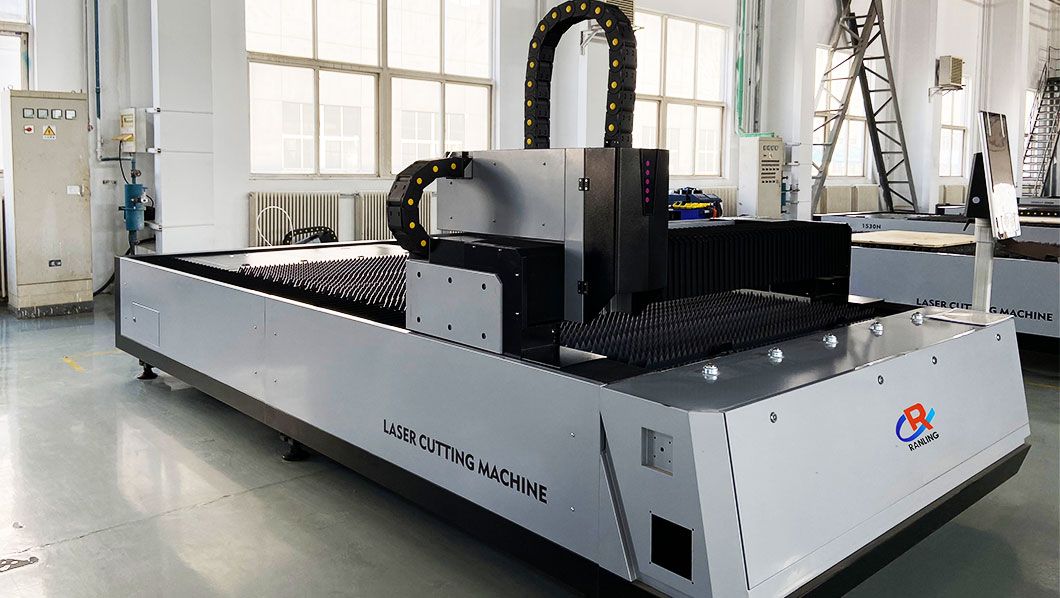
Mga Salik sa Gastos at Pagbuo ng Badyet para sa mga Proyektong CNC Cutting
Nagtanong na ba kayo kung bakit ang dalawang tila magkatulad na kutipan ay may napakalaking pagkakaiba sa presyo? Ang pag-unawa sa mga salik na nakaaapekto sa pagtatakda ng presyo ay tumutulong sa inyo na magkaroon ng makatotohanang inaasahan at mabigyang-husga nang matalino ang mga kutipan—sa halip na hanapin lamang ang pinakamababang halaga o masyadong magbayad para sa mga kakayahan na hindi ninyo kailangan.
Hindi tulad ng maraming provider ng serbisyo na umaasa lamang sa mga sistema ng paghiling ng kutipan nang walang paliwanag sa kanilang lohika sa pagtatakda ng presyo, ang detalyadong paliwanag na ito ay nagbibigay-daan sa inyo na hulaan ang mga gastos bago pa man kayo makipag-ugnayan sa isang workshop. Kung budgeting man kayo para sa mga proyekto ng CNC machining sa San Diego o sinusuri ang iba pang serbisyo ng Southern CNC sa iba pang lugar, ang mga salik na ito ay may bisa sa lahat.
Pag-unawa sa mga Salik na Nakaaapekto sa Mga Gastos sa CNC Cutting
Anim na pangunahing salik ang tumutukoy sa halaga na babayaran ninyo para sa anumang proyekto ng pagputol. Ang pag-unawa sa bawat isa ay tumutulong sa inyo na i-optimize ang inyong disenyo at mga teknikal na tukoy bago pa man humiling ng mga kutipan:
- Uri at dami ng materyales: Ang mga gastos sa hilaw na materyales ay nag-iiba nang malaki. Ang aluminum ay mas murang materyal kaysa sa stainless steel, na naman ay mas murang materyal kaysa sa titanium. Bukod sa mismong materyales, ang ilang mga workshop ay mayroon nang imbentaryo ng karaniwang stock, samantalang ang iba ay kailangang mag-special-order para sa iyong tiyak na alloy o kapal—na nagdaragdag ng oras sa pagkuha at posibleng minimum order charges.
- Kumplikasyon sa pagputol at oras ng makina: Ang mga kumplikadong pattern na may matalim na kurba ay nangangailangan ng mas mabagal na bilis ng pagputol kumpara sa tuwid na linya at mahinahon na arko. Ang mas kumplikadong heometriya ay nangangahulugan ng higit na oras ng paggamit ng makina, at ang oras ng makina ay direktang nakaaapekto sa gastos. Ang mga nested layout na nagmamaksima ng paggamit ng materyales ay maaaring bahagyang kompensahin ang mga gastos dulot ng kumplikasyon sa pamamagitan ng pagbawas ng basura.
- Pag-setup at programming: Bago pa man mangyari ang unang pagputol, kailangan ng isang tao na i-program ang mga toolpath, i-set up ang mga fixture, at i-configure ang mga parameter ng makina. Ang fixed cost na ito ay hinahati sa kabuuang dami ng iyong order—kaya nga ang mga prototype run ay mas mahal bawat piraso kaysa sa mga production volume.
- Mga kinakailangan sa tolerance: Ang paghiling ng ±0.001" na katiyakan kapag ang ±0.010" ay sapat na ay nagdaragdag ng gastos dahil sa mas mabagal na bilis ng pagpuputol, karagdagang pagsusuri sa kalidad, at posibleng iba't ibang mga kinakailangan sa kagamitan. Tukuyin lamang ang antas ng katiyakan na talagang kailangan ng iyong aplikasyon.
- Mga Kinakailangan sa Pagpipinta: Kailangan ba ng iyong proyekto ang tumble deburring, surface grinding, powder coating, o anodizing? Ang mga sekondaryang operasyon ay nagdaragdag ng parehong oras at gastos. Ang mga bahagi na gumagana nang direkta mula sa makina ay mas murang gawin kaysa sa mga nangangailangan ng malawakang post-processing.
- Dami ng order: Ang mga gastos sa pag-setup ay nananatiling halos pareho kung ikaw ay magpuputol ng 10 bahagi o 1,000. Ang mas malalaking dami ay nagpapabahagi ng mga gastos sa pag-setup sa higit pang piraso, na nagpapababa nang malaki sa gastos bawat yunit. Karaniwan, ang mga produksyon ay nagkakahalaga ng isang maliit na bahagdan lamang bawat piraso kumpara sa mga solong prototype.
Paano Nakaaapekto ang Dami sa Presyo Bawat Piraso
Isipin mo na kailangan mo ng isang pasadyang bracket na tinutupi mula sa aluminum. Ang shop ay gumugol ng oras sa pag-program ng iyong file, pag-setup ng machine, pag-load ng materyales, at paggawa ng mga pagsusuri bago magsimula ang produksyon. Kung mananalo ka man ng isang bracket o ng isang daan, halos pareho ang lakas ng loob na ginagawa para sa preparasyon na ito.
Para sa isang solong prototype, ang buong gastos sa setup ay napupunta sa iisang bahagi lamang. Kung mag-uutos ka ng isang daan na piraso, biglang bawas sa bawat bahagi ang overhead na iyon sa kada isang porsyento lamang. Ito ang paliwanag kung bakit ang mga san diego cnc machining shop—at ang lahat ng provider saanman—ay nagkakaroon ng malaki ang pagbaba sa presyo bawat piraso kapag tumataas ang dami ng order.
Kapag nagbabadya ka para sa mga prototype, inaasahan na ang gastos bawat yunit ay ilang beses na mas mataas kaysa sa presyo para sa produksyon. Hindi ito pangungurakot; ito ay simpleng matematika. Ang maagang pagpaplano at ang pagbuo ng mga prototype iteration sa isang solong order ay maaaring makabawas nang malaki sa mga gastos na ito.
Pagbabalanse ng Kalidad at Badyet sa Iyong mga Proyekto
Ang mga kinakailangan sa lead time ay lumilikha ng isa pang makabuluhang salik sa pagtatakda ng presyo. Kailangan mo ang mga bahagi bukas? Ang mga pabilis na serbisyo ay may dagdag na bayad—mga beses ay 50% o higit pa kaysa sa karaniwang presyo. Ang mga order na may mabilis na pagpapadaloy ay nakakagambala sa nakatakdang produksyon, nangangailangan ng labis na oras sa trabaho, at nangangailangan ng pinrioridad na pagkuha ng materyales.
Kabaligtaran nito, ang kakayahang magpakumbaba sa oras ay madalas na nagdudulot ng mas mabuting presyo. Maaaring mag-alok ang mga workshop ng diskwento para sa mga order na maaaring punuan ang mga puwang sa kanilang iskedyul ng produksyon o maghintay para sa optimal na pagpapangkat ng batch kasama ang mga katulad na materyales.
Narito kung paano balansehin ang mga inaasahan sa kalidad laban sa mga realidad ng badyet:
- I-optimize ang iyong disenyo: Pagsimplihin ang hugis kung maaari nang hindi nasasacrifice ang tungkulin. Mas kaunti ang mga kumplikadong tampok, mas mabilis ang pagputol at mas mababa ang gastos.
- Pumili ng angkop na tolerances: Mas mahal ang mahigpit na toleransya. Tukuyin ang mga kinakailangan sa katiyakan batay sa aktwal na tungkulin, hindi sa mga arbitraryong pamantayan.
- Isaisip ang mga alternatibong materyales: Kung ang aluminum ay gumagana rin nang maayos gaya ng stainless steel para sa iyong aplikasyon, ang pagtitipid sa materyales ay maaaring malaki.
- Magplano para sa Realistikong Oras: Ang sapat na lead time ay nakakaiwas sa mga dagdag na bayad sa mabilis na pagpapadaloy na nagpapataas sa kabuuang gastos ng proyekto.
- I-bundle ang mga order nang estratehiko: Ang pagsasama ng maraming bahagi o mga ulit-ulit na prototype sa isang kahilingan ay nagpapabisa ng pagkakalat ng mga gastos sa pag-setup.
Ang pag-unawa sa mga salik na nakaaapekto sa presyo bago humiling ng mga quote ay nagbabago sa iyo mula sa pasibong tagatanggap ng mga numero patungo sa isang may kaalaman na mamimili na kaya nang mag-evaluate ng mga panukala nang matalino at makipag-negosyo mula sa kaalaman.
Sa pamamagitan ng realistiko mong pag-unawa sa mga salik na nagpapadami ng gastos, handa ka nang suriin ang mga lokal na provider na maaaring mag-alok ng karagdagang mga benepisyo bukod sa kompetitibong presyo—na dinala tayo sa mga pakinabang ng pakikipagtulungan sa mga lokal na serbisyo ng pagputol.
Paghahanap ng Mga De-kalidad na Serbisyo sa CNC Cutting sa Inyong Lugar
Kapag naghahanap ka ng machine shop sa Escondido, CA o isang CNC machine shop sa San Diego, ang kalapitan ay nagbibigay ng mga pakinabang na hindi kayang tularan ng mga online lamang na provider. Bagaman ang mga digital na sistema para sa pagkuha ng quote at ang pambansang pagpapadala ay lubos na pinalawak ang iyong mga opsyon, ang pakikipagtulungan sa mga lokal na serbisyo sa pagputol ay nagdudulot ng mga benepisyo na tunay na mahalaga—lalo na para sa pag-unlad ng prototype, mga pangmatagalang ugnayan sa produksyon, at mga proyekto na nangangailangan ng direktang pakikipagtulungan.
Tingnan natin kung bakit pa rin mahalaga ang lokasyon at kung paano mo maaaring suriin nang epektibo ang mga machine shop sa iyong rehiyon.
Mga Pakinabang ng Pakikipagtulungan sa mga Lokal na Provider ng CNC Cutting
Isipin ang isang sitwasyon kung saan natuklasan mo ang isang problema sa dimensyon ng iyong prototype. Sa isang lokal na provider, maaari kang magmaneho doon, talakayin ang problema nang harap-harapan, at posibleng umuwi na may tama nang bahagi sa loob lamang ng parehong araw. Subukan ito sa isang supplier mula sa ibang estado, at handa ka nang harapin ang mga pagkaantala sa pagpapadala sa parehong direksyon pati na rin ang mas mahabang proseso ng komunikasyon.
Ito ang mga alok na ibinibigay ng mga lokal na provider na hindi madaling kopyahin ng mga malalayong alternatibo:
- Mas Mababang Gastos sa Pagpapadala: Ang pagpapadala ng mga mabibigat na materyales at ginawang bahagi ay nagkakahalaga ng malaki. Ang lokal na pagkuha ay ganap na inaalis ang mga bayarin sa pagpapadala, na maaaring magbigay ng makabuluhang pagtitipid sa malalaking order o sa madalas na pag-uulit ng mga prototype.
- Mas Mabilis na Pagpapagawa: Ang kawalan ng oras na kinakailangan para sa pagpapadala ay nangangahulugan na mas maaga ang pagdating ng iyong mga bahagi. Para sa mga urgent na pagrerebisa ng prototype o sa mga panahon ng pagsikip ng produksyon, ang pagkuha sa araw ng pag-order o kinabukasan ay lubos na kapaki-pakinabang.
- Mas madaling komunikasyon: Ang mga tawag sa telepono at email ay sapat para sa mga simpleng order, ngunit ang mga kumplikadong proyekto ay kumikinabang sa mga talakayan nang personal. Mas epektibo ang paglalakad kasama sa mga drawing, pagsusuri sa mga sample na materyales, o pagsusuri sa mga opsyon sa huling pagpipinta kapag nangyayari ito nang harapan.
- Mga pagbisita sa pasilidad: Ang pagbisita sa isang machine shop sa Escondido o sa iba pang lugar ay nagpapakita ng mga kakayahan na hindi maisasalaysay ng mga website. Makikita mo nang personal ang kalagayan ng kagamitan, organisasyon ng workshop, mga praktika sa kalidad, at kabuuang propesyonalismo.
- Pagbuo ng relasyon: Ang mga kasalukuyang partnership sa produksyon ay umuunlad dahil sa personal na ugnayan. Ang mga lokal na provider ay nag-iinvest ng iba't ibang paraan sa mga ugnayan sa customer kapag alam nilang malapit ka at maaaring dumalaw nang regular.
Para sa mga prototype iteration—kung saan maaaring i-revise ang isang disenyo nang tatlo o apat na beses bago ito tapusin—ang kalapitan ay lalo pang napapahalagahan. Ang bawat cycle ng iteration ay lubos na nababawasan kapag maaari mong kunin ang mga bahagi, agad na suriin ang mga ito, at ipasa ang mga binagong file sa parehong hapon.
Pagtataya sa Kakayahan ng Machine Shop
Hindi lahat ng lokal na shop ay kaya ang bawat proyekto. Bago magpasya sa isang provider, suriin kung ang kanilang kakayahan ay talagang umaayon sa iyong mga kinakailangan. Narito ang mga dapat mong imbestigahan:
Mga uri at kalagayan ng kagamitan: Nagpapatakbo ba ang shop ng tiyak na teknolohiya sa pagputol na kailangan ng iyong proyekto? Ang isang pasilidad na may maraming CNC router ngunit walang laser cutter ay hindi makatutulong kung kailangan mo ng eksaktong pagputol sa metal. Gayundin, ang mga lumang kagamitan ay maaaring kulang sa katiyakan o bilis ng mga modernong makina. Sa panahon ng pagbisita sa pasilidad, obserbahan kung ang mga makina ay mukhang maayos na pinapanatili at kung ang shop ay nag-iinvest sa kasalukuyang teknolohiya.
Imbentaryo ng materyales: Ang mga shop na may stock ng karaniwang mga materyales ay maaaring simulan kaagad ang iyong proyekto. Ang mga shop na nangangailangan ng espesyal na order ay magdaragdag ng mga pagkaantala sa pagkuha ng materyales. Itanong nang tiyak ang tungkol sa iyong materyales—kung ito ay nasa kanilang imbentaryo, kung maaari nilang agad na i-sourcing, o kung kailangan nila ng mahabang lead time para sa pagkuha nito.
Mga Sertipikasyon sa Kalidad: Gayunman, ayon sa mga pagtataya sa kakayahan ng supplier na ginagamit ng mga kontratista sa depensa, ang mga sertipikasyon tulad ng ISO 9001 ay nagsasaad ng dokumentadong mga sistemang pangkalidad. Ang mga sertipikasyong ito ay nangangailangan ng mga audit mula sa ikatlong partido upang kumpirmahin na sinusunod ng workshop ang pare-parehong mga prosedura para sa inspeksyon, pagsubaybay, at corrective action kapag may kumakalat na problema. ISO 17025 para sa mga programa ng kalibrasyon .
Kapasidad sa produksyon: Kaya ba ng workshop na tugunan ang iyong mga kinakailangan sa dami ng produksyon sa loob ng iyong itinakdang panahon? Ang isang operasyon na binubuo lamang ng dalawang tao ay maaaring maghatid ng napakahusay na gawaan sa mga maliit na proyekto ngunit mahihirapan sa mga dami ng produksyon. Sa kabilang banda, ang malalaking pasilidad na nakatuon sa mataas na dami ng produksyon ay maaaring walang interes sa mga order na may sukat na prototype.
Mga Pamantayan sa Pag-evaluate ng mga Lokal na Provider
Kapag ikukumpara ang maraming workshop sa iyong lugar, ang mga puntong ito sa pag-evaluate ay makakatulong upang maihiwalay ang mga exceptional na provider mula sa mga ordinaryong sapat na provider:
- Taon ng operasyon: Ang haba ng panahon ng operasyon ay nagpapahiwatig ng katatagan at nakalapag na ekspertisya. Ang mga shop na naglingkod sa mga customer nang ilang dekada ay nakasagot na ng walang bilang na mga problema at pinabuti ang kanilang mga proseso sa pamamagitan ng karanasan.
- Mga espesyalisasyon sa industriya: Iba ang operasyon ng isang shop na nakatuon sa metalwork para sa arkitektura kaysa sa isang shop na naglilingkod sa mga customer sa aerospace. Ang espesyalisasyon ay madalas na nagpapahiwatig ng mas malalim na ekspertisya sa loob ng partikular na uri ng materyales, saklaw ng toleransya, o mga kinakailangan sa aplikasyon.
- Mga review at reperensya mula sa customer: Ang mga online review ay nagbibigay ng hindi na-filter na pananaw tungkol sa pagiging maagap, kalidad, at pagkakatiwalaan. Humiling ng mga reperensya mula sa mga customer na may katulad na proyekto sa inyong proyekto, at talagang tawagan sila.
- Kakayahang magpakita ng sample ng gawa: Ang mga respetadong shop ay nagpapanatili ng mga portfolio o kayang ipakita ang mga natapos na proyekto upang ipakita ang kanilang kakayahan. Ang pagsusuri sa mga aktwal na bahagi ay mas tiyak na nagpapakita ng kalidad ng finishing, kumpiyansa, at pag-aalaga sa detalye kaysa sa anumang pahayag sa marketing.
- Bilis ng komunikasyon: Gaano kabilis at lubusan ang tugon ng shop sa iyong unang katanungan? Ang pag-uugali sa unang kontak ay madalas na nagpapahiwatig ng kalidad ng patuloy na komunikasyon sa buong iyong proyekto.
Ang pinakamahusay na lokal na provider ay hindi laging ang pinakamalapit—ito ay ang shop na ang kagamitan, ekspertisya, at kapasidad ay umaangkop sa mga tiyak na pangangailangan ng iyong proyekto habang nag-aalok din ng mga benepisyong relasyonal na naidudulot ng malapit na lokasyon.
Sa pamamagitan ng isang malinaw na balangkas para sa pag-evaluate ng mga lokal na provider, handa ka nang unawain kung paano mailalapat ang mga serbisyong ito sa iba’t ibang industriya—mula sa pagmamanupaktura ng sasakyan hanggang sa mga kreatibong proyektong pabrikasyon.
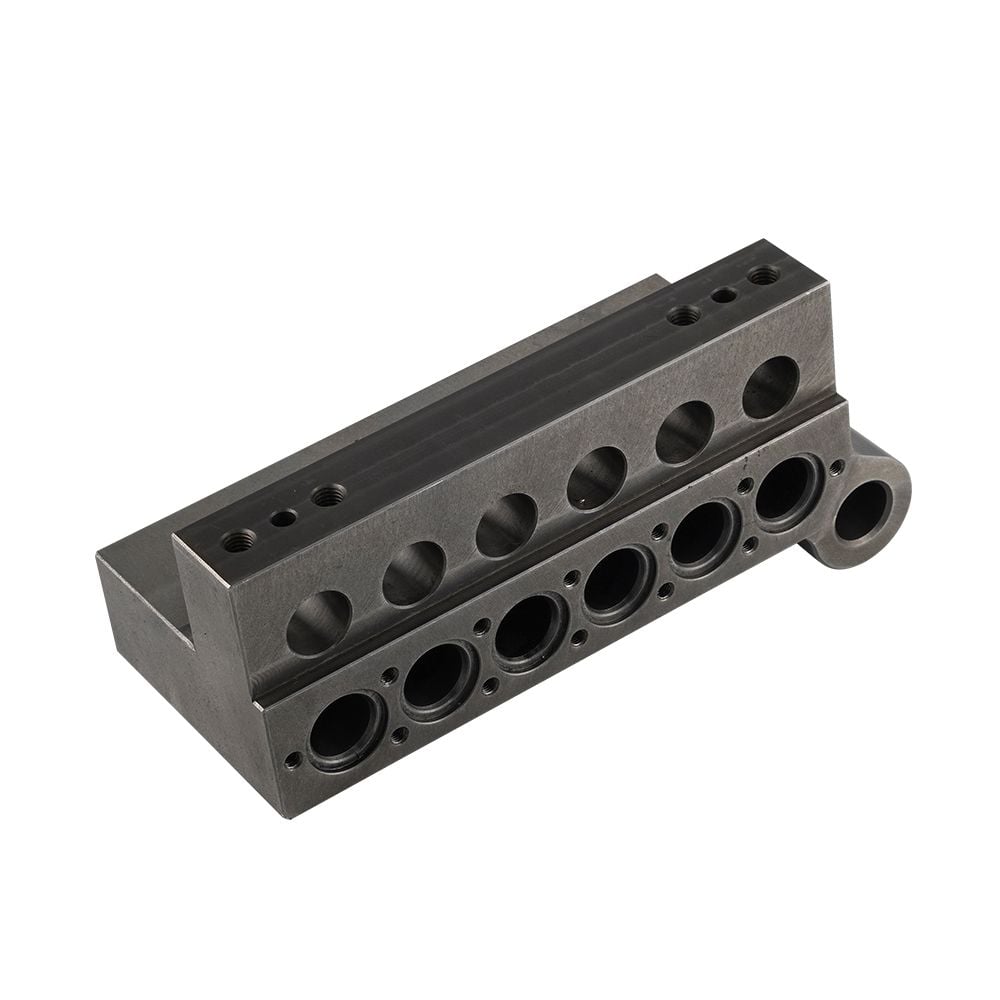
Tunay na mga Aplikasyon Sa Mga Industriya
Nakatutong na kayo kung paano pumili ng mga paraan ng pagputol, suriin ang mga materyales, at pumili ng mga provider—ngunit paano nga ba talaga gumagana ang mga serbisyong ito sa tunay na mundo? Mula sa mga linya ng produksyon ng sasakyan hanggang sa mga workshop ng pasadyang kasangkapan, ang mga industriyal na aplikasyon ng CNC cutting ay sumasaklaw sa isang napakalawak at napakadiverso na hanay ng mga sektor. Ang pag-unawa kung paano ginagamit ng iba’t ibang industriya ang mga teknolohiyang ito ay nakatutulong sa inyo na kilalanin ang mga posibilidad para sa inyong sariling mga proyekto habang pinahahalagahan din ang kadahilanan kung bakit ang ilang pamantayan sa kalidad at sertipikasyon ay lubhang mahalaga.
Tingnan natin kung paano hinahatak ng mga solusyon sa presisyong pagputol ng metal at mga kakayahan sa routing ang inobasyon sa parehong mga sektor ng pagmamanupaktura at malikhaing industriya.
Mga Aplikasyon sa Industriya ng Automotive at Pang-industriyang Pagmamanupaktura
Ang industriya ng automotive ay kumakatawan sa isa sa mga pinakamahihirap na kapaligiran para sa mga serbisyo ng CNC cutting at machining. Ang bawat sasakyan na lumalabas mula sa linya ng pagmamanupaktura ay naglalaman ng daan-daang mga bahagi na may eksaktong sukat—mula sa mga chassis assembly at suspension bracket hanggang sa mga custom metal bushing at mga bahagi ng sistema ng pagsuspinde. Kapag ikaw ay nagmamaneho sa mataas na bilis sa highway, wala nang espasyo para sa mga pagkakamali sa dimensyon o sa hindi pagkakapareho ng materyales.
Ayon sa pagsusuri ng industriya mula sa Path Machining, ang automotive CNC machining ay nagbibigay ng ilang mahahalagang pakinabang sa supply chain:
- Pangkalahatang produksyon: Ang mga makina ng CNC ay nagbibigay ng pare-parehong at paulit-ulit na resulta na may mahigpit na toleransya, na nagpapababa nang malaki sa pagkakaiba-iba, sa kinakailangan ng rework, at sa panganib ng mga depekto sa bahagi
- Mas Maikling Lead Time: Ang digital na programming at ang kaunting kinakailangan para sa setup ay nagpapadali sa paglipat sa pagitan ng mga batch ng bahagi o sa pagpapatupad ng mga pagbabago sa disenyo sa huling minuto nang walang downtime
- Lokal na pagmamanupaktura: Ang teknolohiya ng CNC ay nagpapahintulot sa mga estratehiya ng near-shoring, na nagpapahintulot sa mga supplier na gumawa ng mga bahagi na mas malapit sa mga planta ng pagmamanupaktura para sa delivery na 'just-in-time'
- Kahusayan sa imbentaryo: Ang kakayahan na patakaran ang maliit na mga batch nang madalas ay nagpapababa sa imbentaryo at binabawasan ang mga gastos sa pag-iimbak habang pinapanatili ang kahandaan sa pangangailangan
- Kakayahang umangkop batay sa pangangailangan: Kung mananampalataya ka para sa isang bagong modelo o tumutugon sa biglang pagtaas ng pangangailangan, ang CNC machining ay nagbibigay ng mga flexible at nakakahulugang solusyon nang hindi kinokompromiso ang kalidad
Ang kakaiba ng automotive CNC machining services ay ang kumplikadong larangan ng sertipikasyon. Ang sertipikasyon na IATF 16949 ay partikular na tumutugon sa mga pangangailangan sa kalidad ng automotive, na pinagsasama ang mga prinsipyo ng ISO 9001 kasama ang mga mandato na partikular sa sektor para sa patuloy na pagpapabuti, pag-iwas sa depekto, at pangangasiwa sa supply chain. Kapag nakikita mo ang sertipikasyong ito, tinitingnan mo ang isang pasilidad na sumailalim sa mahigpit na panlabas na audit upang mapatunayan na ang mga proseso nito ay sumusunod sa pandaigdigang pamantayan para sa automotive.
Halimbawa, Shaoyi Metal Technology ay nagpapakita ng pampagkakaroon ng ganitong diskarte na nakatuon sa automotive, na nananatiling sertipikado sa IATF 16949 kasama ang mahigpit na pagpapatupad ng Statistical Process Control (SPC). Ang kanilang pasilidad ay nagpapakita kung paano lumalawak ang mga solusyon sa presisyong metal cutting mula sa mga prototype hanggang sa mass production habang pinapanatili ang konsistensya na hinahanap ng mga supply chain sa industriya ng automotive.
Mula sa Mabilis na Prototyping hanggang sa Mass Production
Isipin mo na ikaw ay gumagawa ng isang bagong bahagi ng sasakyan. Ang biyahe mula sa konsepto hanggang sa produksyon ay may maraming yugto kung saan ang mga kakayahan sa CNC cutting ay napakahalaga. Ayon sa pananaliksik ng Fictiv tungkol sa prototyping, ang mga paraan ng mabilis na paggawa ng prototype—kabilang ang CNC machining—ay nagbibigay-daan sa mga koponan na magbuo, subukan, at i-refine ang mga disenyo habang malaki ang naiiimpok na oras at gastos kumpara sa tradisyonal na mga pamamaraan.
Ito ang karaniwang daloy ng siklo ng pag-unlad ng produkto:
- Pagpapatibay ng konsepto: Ang mga unang prototype ay sinusubok ang mga pangunahing asumpsyon sa disenyo gamit ang murang materyales at mga serbisyo na may mabilis na pagpapasa
- Pagsusuri ng Kagamitan: Ang mga materyales na ginagamit sa produksyon ay napatunayan ang kanilang pagganap sa ilalim ng tunay na kondisyon sa mundo, kung saan ang CNC machining ay nagpapahintulot sa mga bahagi na halos katulad ng mga panghuling komponente ng produksyon
- Pagpino sa disenyo: Ang paulit-ulit na mga pagpapabuti batay sa feedback mula sa pagsusuri, kung saan ang mga pagbabago sa digital na file ay agad na isinasalin sa mga bagong bahagi
- Pilot na produksyon: Ang maliit na mga batch ay nagpapatunay sa mga proseso ng pagmamanupaktura bago pa man gawin ang malalaking investasyon sa mga tooling
- Mass Production: Ang mga operasyong may sukat na nakapagbibigay ng pare-parehong kalidad sa libo-libo o milyon-milyong yunit
Ang kakayahang lumipat nang maayos sa bawat yugto gamit ang iisang kasosyo sa pagmamanupaktura ay binabawasan ang kumplikasyon sa koordinasyon at tinitiyak ang pagkakapare-pareho ng kalidad mula sa unang prototype hanggang sa huling produksyon.
Ang mga lead time na maaaring maging mabilis hanggang isang araw ng trabaho ay nagpapahintulot sa mabilis at nababaluktot na responsa sa pagmamanupaktura—na nagbibigay-daan sa mga koponan na mabilis na mag-iterate at tumugon sa mga pagbabago sa merkado nang walang mahal na mga delay.
Ang kagalingang ito ay lalo pang kapaki-pakinabang kapag may mga pagbabago sa inhinyeriya na nangyayari sa gitna ng pag-unlad. Hindi tulad ng tradisyonal na pamamaraan sa paggawa ng kagamitan na nangangailangan ng mga linggo para baguhin, ang produksyon na batay sa CNC ay mabilis na umaangkop sa mga pagrerebisa ng disenyo. I-update ang CAD file, muling likhain ang mga toolpath, at magsisimula muli ang produksyon gamit ang bagong mga tukoy na kinakailangan.
Mga Likha at Pasadyang Proyekto sa Pagpapagawa
Bukod sa industriyal na pagmamanupaktura, ang pasadyang pagpapagawa gamit ang CNC cutting ay naglilingkod sa mga arkitekto, mga artista, mga tagagawa ng kasangkapan, at iba pang propesyonal na kumikilos sa larangan ng sining at disenyo na nangangailangan ng kahusayan nang hindi kinakailangang isakripisyo ang kalayaan sa pagdidisenyo. Ang parehong teknolohiya na ginagamit sa paggawa ng mga bahagi ng sasakyan ay nakakapaglikha rin ng mga kamangha-manghang instalasyon sa arkitektura, mga pasadyang kasangkapan, at mga natatanging likhang sining.
Isipin ang mga sumusunod na likhang aplikasyon:
- Mga metalworking sa arkitektura: Ang mga panel, hawakan, at mga elemento ng fasad na pinutol gamit ang laser ay nagpapalit ng mga gusali sa mga pahayag na biswal habang pinapanatili ang kanilang istruktural na integridad
- Pasadyang Muebles: Ang mga kabitang hinugot gamit ang CNC, mga anyong eskultura, at mga bahaging eksaktong naaangkop ay nagpapahintulot sa mga disenyo ng kasangkapan na hindi maaaring gawin gamit lamang ang tradisyonal na paggawa ng kahoy
- Signage at Displays: Mula sa mga instalasyon sa korporatibong lobby hanggang sa mga kapaligiran ng retail, ang metal, acrylic, at kahoy na may hiwa ay lumilikha ng matatag na impresyon
- Mga artistikong instalasyon: Ang mga malalaking eskultura, kinetic art, at interactive installations ay umaasa sa mga bahaging eksaktong hinugot na madaling maisasama nang buo
- Pagpoprototype ng produkto: Ang mga imbentor at entrepreneur ay binabago ang mga konsepto sa mga pisikal na produkto nang walang malalaking paunang puhunan sa mga kagamitan
Ang nag-uugnay sa mga aplikasyong ito ay ang pagsasama ng kalayaan sa disenyo at kumpiyansa sa produksyon. Kung pinuputol mo man ang mga kumplikadong pattern sa mga panel ng bakal o hinuhugot ang mga kumplikadong 3D na anyo mula sa solidong kahoy, ang teknolohiyang CNC ay isinasalin ang digital na kreatibidad sa pisikal na realidad nang may napakataas na katumpakan.
Kagamitang Pang-industriya at Mga Bahagi ng Makinarya
Ang mga pasilidad sa pagmamanupaktura mismo ay umaasa sa mga bahagi na may eksaktong sukat para sa kanilang kagamitan. Ang mga sistema ng conveyor, mga selula ng robot, mga makina sa pagpapakete, at mga kagamitang pangproseso ay lahat kasama ang mga bahaging hinugot at pinutol gamit ang CNC. Ayon sa Yuxiang Parts , ang modernong CNC precision machining ay nagbibigay ng matatag na katiyakan sa dimensyon para sa mga kumplikadong hugis, mataas na kahusayan para sa mga medium hanggang malalaking batch, at kakayahang umangkop sa mga pagbabago sa engineering.
Ang mga aplikasyon sa industriya ay karaniwang binibigyang-priority ang sumusunod:
- Kakayahang Tumagal: Dapat tumagal ang mga bahagi sa patuloy na operasyon, madalas sa mga hamon na kapaligiran
- Pangkalahatang pagkakapareho ng sukat: Dapat eksaktong katumbas ang mga bahaging pampalit sa orihinal upang mabigay ang tamang pagkaka-fit at pagganap
- Kababalaghan ng Material: Mula sa mga hardened tool steels hanggang sa mga wear-resistant alloys, ang mga kagamitang pang-industriya ay nangangailangan ng iba’t ibang kakayahan sa materyales
- Dokumentasyon at Trazabilidad: Ang mga regulado na industriya ay nangangailangan ng kumpletong rekord ng pinagmulan ng materyales, mga parameter sa proseso, at mga resulta ng inspeksyon
Para sa mga tagagawa na sumusuporta sa mga pangangailangang ito, ang mga sertipiko at kontrol sa kalidad ay naging mga hindi mapagkakait na kinakailangan. Ang mga pasilidad tulad ng Shaoyi Metal Technology, na may kumbinasyon ng mga sertipikasyon para sa industriya ng sasakyan at mga sistemang SPC para sa kalidad , ay nagpapakita ng antas ng kakayahan na inaasahan ng mga customer sa industriya.
Ang pag-unawa sa mga aplikasyong ito sa tunay na buhay ay tumutulong sa iyo na ilagay ang iyong sariling mga proyekto sa mas malawak na konteksto ng mga posibilidad ng CNC cutting. Kung nagpoproduk ka man ng mga bahagi ng sasakyan, lumilikha ng mga pasadyang elemento sa arkitektura, o nagpapaunlad ng mga bagong produkto, ang parehong pundamental na teknolohiya ay nababago upang tugunan ang iyong tiyak na mga pangangailangan. Sa pananaw na ito sa mga aplikasyon sa industriya, handa ka nang ihanda ang iyong sariling proyekto para sa matagumpay na pagpapatupad.
Simula sa Iyong Proyektong CNC Cutting
Naunawaan mo na ang mga pangunahing kaalaman—mga paraan ng pagputol, mga konsiderasyon sa materyal, mga inaasahan sa pagtatapos, pamantayan sa pagsusuri ng tagapagbigay ng serbisyo, at mga salik sa gastos. Ngayon na ang oras para isagawa ang kaalamang iyon. Ang matagumpay na paghahanda para sa proyekto sa pagputol gamit ang CNC ay sumusunod sa isang sistematikong pamamaraan na nagpapaliit sa mga rebisyon, nagpapabilis sa pagbanggit ng presyo, at sa huli ay naghahatid ng mga piyesang tumutugma sa iyong eksaktong mga detalye.
Kung ikaw ay naglulunsad ng iyong unang prototype o kaya ay lumalawig na patungo sa produksyon sa malalaking dami, ang mga hakbang sa paghahanda na ito ay magpapahanda sa iyo para sa maayos na pagpapatupad mula sa paunang pagsumite ng file hanggang sa panghuling paghahatid.
Paghahanda ng Iyong Mga File ng Proyekto para sa CNC Cutting
Isipin ang iyong mga file ng disenyo bilang ang blueprint na nagpapagalaw sa lahat ng susunod na proseso. Ayon sa mga eksperto sa inhinyeriya sa Factorem ang tagumpay ng anumang proyekto sa CNC machining ay nakasalalay nang malaki sa kaliwanagan at kumpletong dokumentasyon ng inhinyero na ibinigay. Ang isang maayos na inihandang pagsumite ay nag-aalis ng paulit-ulit na mga tanong, nagpipigil sa maling interpretasyon, at pabilis ng malaki ang proseso ng pagkuha ng quote.
Ito ang iyong step-by-step na checklist para sa paghahanda ng proyekto sa CNC cutting:
- Tapusin ang mga file ng disenyo sa angkop na format: Isumite ang mga 3D CAD file kung posible—ang mga format na STEP, IGES, o STL ay malawakang tinatanggap sa buong industriya. Bagaman maaaring gamitin ang mga 2D na drawing nang mag-isa, kulang sila sa lalim at kaliwanagan na ibinibigay ng mga 3D na modelo. Ayon sa mga eksperto sa machining sa Dipec, ang pagbibigay ng parehong STEP file at 2D technical drawing na may mga annotation ay makapagpapabilis nang malaki sa proseso ng pagkuha ng quote sa pamamagitan ng pag-alis ng mga tanong tungkol sa toleransya, mga thread, o surface finishes.
- Tukuyin ang mga kinakailangan sa materyales at kapal: Maging tiyak—hindi lamang "aluminum" kundi "6061-T6 aluminum, 0.125 pulgada ang kapal." Isama ang grado ng materyal, ang tukoy na alpabeto ng alloy, at ang eksaktong mga sukat. Ang mga di-tiyak na teknikal na detalye ay nagpapabagal sa pagkalkula ng presyo dahil kailangan pa ng mga tagapagkaloob na humingi ng klaripikasyon. Kung kailangan mo ng gabay sa pagpili ng materyal, ipaalam ito nang bukas imbes na isumite ang di-kumpletong impormasyon.
- Tukuyin ang mga kinakailangan sa toleransya: Tukuyin kung aling mga sukat ang nangangailangan ng mahigpit na toleransya at kung alin ang maaaring tanggapin ang karaniwang pagkakaiba sa produksyon. Dapat malinaw na ipakita sa mga teknikal na drawing ang mga kritikal na sukat gamit ang tamang notasyon para sa toleransya. Tandaan na ang paghiling ng mas mataas na kahusayan kaysa sa aktwal na pangangailangan ng iyong aplikasyon ay nagdaragdag ng hindi kinakailangang gastos.
- Itakda ang dami at takdang panahon: Ipaunawa kung kailangan mo ba ng 1, 10, 100, o 10,000 piraso. Isama ang iyong ninanais na petsa ng paghahatid at tukuyin kung flexible ka ba sa oras. Ang mga kahilingan para sa agarang pagpapadala ay may dagdag na presyo, kaya kailangan mong isama sa iyong plano ang mga realistiko at sapat na lead time.
- Humiling ng mga presyo mula sa mga kwalipikadong tagapagkaloob: Kasama ang kumpletong dokumentasyon, makipag-ugnayan sa mga provider na ang kakayahan ay umaayon sa iyong mga kinakailangan. Isumite ang parehong mga teknikal na tukoy sa maraming workshop para sa paghahambing, at suriin ang kanilang mga tugon batay sa mga kriteria na tinalakay na dati—hindi lamang ang presyo.
Ang iyong teknikal na drawing ay dapat kasama ang mga pangunahing bahagi: isang title block na may pangalan ng bahagi at mga tukoy sa materyales, mga dimensional na orthogonal view na nagpapakita ng lahat ng mahahalagang sukat, mga section view na nagpapakita ng mga panloob na katangian kapag naaangkop, at mga paalala sa tagagawa tungkol sa mga kinakailangan sa surface finish o mga espesyal na instruksyon.
Tseklis ng Mga Kinakailangan sa CNC Cutting File
Bago i-click ang 'send' sa iyong kahilingan para sa quote, tiyaking kasali sa iyong pagsumite ang mga sumusunod:
- 3D CAD model: Ang format na STEP o IGES ang pinapaboran para sa universal na compatibility
- Teknikal na drawing: Format na PDF na may mga sukat, toleransya, at mga feature callout
- Tukoy na materyal: Eksaktong grado, kapal, at anumang espesyal na kinakailangan
- Mga kinakailangan sa tapusin ng ibabaw: Tukuyin ang mga halaga ng Ra o ang mga deskriptibong pamantayan kung naaangkop
- Paghahati ng dami: Isama ang maraming antas ng dami kung gusto mo ng paghahambing ng presyo
- Mga kinakailangan sa oras: Pamantayan versus mabilis na paghahatid na pangangailangan
- Mga Pangalawang Operasyon: Pag-alis ng mga burr, pagwawakas, pagtitipon, o iba pang post-processing
Ang pagsunod sa mga tip na ito para sa kahilingan ng quote para sa CNC cutting ay nagpapabago sa iyo mula sa isang taong nagsumisip ng hindi kumpletong kahilingan patungo sa isang handang customer na pinaprioritize ng mga provider. Ang mga kumpletong kahilingan ay tumatanggap ng mas mabilis na tugon at mas tumpak na presyo.
Gumagawa ng Susunod na Hakbang Patungo sa Iyong Proyekto sa Pagputol
Ang CNC cutting ay kumakatawan sa isang espesyalisadong kakayahan sa loob ng mas malawak na larangan ng mga serbisyo sa CNC machining. Habang ang pagputol ay nakatuon sa paghihiwalay ng mga piraso ng materyal ayon sa mga naprogramang landas, ang mga kaugnay na operasyon tulad ng milling at turning ay bumubuo ng tatluhang dimensyonal na anyo sa pamamagitan ng pag-alis ng materyal. Ang pag-unawa sa ugnayang ito ay tumutulong sa iyo na kilalanin kung kailan maaaring makikinabang ang isang proyekto mula sa maraming proseso ng machining—at kung kailan mas makatuwiran ang pumili ng full-service provider kaysa sa isang espesyalistang tagapagputol lamang.
Para sa mga proyekto na nangangailangan ng parehong pagputol at sumunod na operasyon sa pagmamakinis, ang mga provider na nag-ofer ng komprehensibong kakayahan ay nagpapadali sa koordinasyon at panatilihin ang pagkakapare-pareho ng kalidad sa lahat ng operasyon.
Ang mga may kaalaman na kliyente ay nakakamit ng mas magandang resulta sa pamamagitan ng pag-unawa sa mga proseso bago humingi ng serbisyo. Ang kaalaman na natutunan mo sa buong gabay na ito ay nagbibigay-daan sa iyo upang magtanong nang mas epektibo, suriin nang mas matalino ang mga quote, at ipahayag nang mas tiyak ang iyong mga kinakailangan.
Habang patuloy kang nagpapaunlad sa iyong proyekto, tandaan ang mga pangunahing aral sa paggawa ng desisyon:
- Ipagkait ang mga paraan ng pagputol sa mga katangian ng materyal at mga kinakailangan sa kapal
- Tukuyin ang mga toleransya batay sa aktwal na pangangailangan sa pagganap, hindi sa arbitraryong kahusayan
- Isaisip ang mga inaasahang kalidad ng huling pagkakabuo kapag pinipili ang teknolohiya ng pagputol
- Suriin ang mga provider batay sa kanilang mga sertipikasyon, kakayahan, at kalidad ng komunikasyon
- Maghanda ng kumpletong dokumentasyon upang makatanggap ng tumpak at napapanahong mga quote
Para sa mga mambabasa na may mga kailangan sa mga bahagi ng sasakyan o sa pagputol ng metal na may kahusayan, ang mga naserbisyong tagagawa ay nagbibigay ng mga sistemang pangkalidad at kakayahang pang-produksyon na kinakailangan ng mga aplikasyong ito. Shaoyi Metal Technology ang pampalawak na pamamaraan na ito ay ipinapakita ng sertipikasyon sa IATF 16949, ng pagpapatupad ng Statistical Process Control, at ng kakayahang lumawak mula sa mabilis na paggawa ng prototype hanggang sa mass production—na may lead time na maaaring isang araw na trabaho lamang para sa mga proyektong kwalipikado.
Anuman ang mga kailangan ng iyong proyektong pagputol, ang paghahanda na iyong ibibigay sa simula ay magdudulot ng malaking benepisyo sa mas mabilis na pagpapaulan, tumpak na pagtutuos ng presyo, at mga bahagi na sumusunod nang eksakto sa iyong mga teknikal na kailangan. Ngayon ay mayroon ka nang balangkas upang harapin ang susunod mong proyekto nang may kumpiyansa.
Mga Karaniwang Itinanong Tungkol sa mga Serbisyo ng CNC Cutting
1. Ano ang pagkakaiba ng CNC cutting at CNC machining?
Ang CNC cutting ay nakatuon nang tiyak sa paghihiwalay ng mga piraso ng materyal kasunod ng mga naprogramang landas, tulad ng pagputol sa sheet metal o plywood. Ang CNC machining ay isang mas malawak na termino na kumakatawan sa mga operasyon tulad ng milling at turning, na nagbibigay ng hugis sa mga three-dimensional na anyo sa pamamagitan ng pag-alis ng materyal mula sa isang workpiece. Habang ang pagputol ay lumilikha ng mga patag na profile at naghihiwalay ng mga bahagi, ang machining ay nagpapahulma ng mga kumplikadong 3D na geometry. Maraming proyekto ang kumikinabang sa pareho—ang pagputol ang nagtatakda ng paunang hugis, at ang machining ang nagpapahusay ng mahahalagang katangian.
2. Magkano ang bayarin para sa mga serbisyo ng CNC cutting?
Ang mga gastos sa CNC cutting ay nakasalalay sa anim na pangunahing kadahilanan: uri at dami ng materyales, kumplikadong pagputol at oras ng makina, pag-setup at pag-programa, mga kinakailangan sa toleransya, mga pangangailangan sa finishing, at dami ng order. Ang mga prototype run ay karaniwang mas mahal bawat piraso dahil ang mga gastos sa setup ay hinahati sa mas kaunting yunit. Ang malalaking dami ng produksyon ay nagpapababa nang malaki sa gastos bawat yunit. Ang lead time ay nakaaapekto rin sa presyo—ang mga rush order ay may dagdag na bayad na 50% o higit pa. Para sa tumpak na pagtantiya ng badyet, magbigay ng buong mga teknikal na detalye kasama ang eksaktong grado ng materyales, kapal, at dami kapag humihingi ng quote.
3. Anong mga materyales ang maaaring i-CNC cut?
Ang CNC cutting ay kumakatawan sa malawak na hanay ng mga materyales, ngunit ang bawat paraan ng pagputol ay angkop sa iba't ibang materyales. Ang laser cutting ay mahusay sa manipis na mga metal tulad ng bakal, aluminum, at stainless steel, pati na rin ang acrylic at kahoy. Ang plasma cutting ay epektibo sa mas makapal na mga metal na may kakayahang mag-conduct ng kuryente nang mura. Ang waterjet ay nakakaputol ng halos anumang materyal, kabilang ang mga sensitibo sa init tulad ng tempered glass, titanium, at composite materials, nang walang thermal distortion. Ang CNC routing ay pangunahing ginagamit sa kahoy, plywood, MDF, plastics, at malalambot na metal. Ang kapal ng materyal, kal sensitibo sa init, at ang ninanais na kalidad ng gilid ang nagtatakda sa pinakamainam na pamamaraan.
4. Paano ko hahanapin ang mga maaasahang serbisyo ng CNC cutting malapit sa akin?
Kapag sinusuri ang mga lokal na provider ng CNC cutting, suriin ang uri ng kanilang kagamitan, imbentaryo ng materyales, mga sertipikasyon sa kalidad tulad ng ISO 9001 o IATF 16949, at kapasidad ng produksyon. Humiling ng mga sample ng portfolio ng katulad na gawain at suriin ang mga review ng mga customer. Bisitahin ang mga pasilidad kung posible upang masilayan ang kalagayan ng kagamitan at organisasyon ng workshop. Itanong ang tungkol sa kanilang mga hakbang sa pagkontrol ng kalidad, karaniwang lead time, at karanasan sa iyong tiyak na materyal. Para sa mga gawaing produksyon, ang mga provider na nagpapatupad ng Statistical Process Control (SPC) ay nagbibigay ng mas pare-parehong resulta sa malalaking order.
5. Anong mga format ng file ang kailangan para sa mga proyektong CNC cutting?
Isumite ang mga 3D CAD file sa mga format na STEP, IGES, o STL para sa pinakamahusay na resulta—ang mga ito ay nagbibigay ng lalim at kaliwanagan na kulang sa mga 2D na drawing. Kasama ang isang PDF na teknikal na drawing na may sukat, toleransya, at mga tawag sa mga tampok. Tukuyin ang eksaktong grado at kapal ng materyal, mga kinakailangan sa surface finish, pagkakahati ng dami, at mga kailangan sa panahon. Ang kumpletong dokumentasyon ay nag-aalis ng paulit-ulit na mga tanong, pabilis ng proseso ng pagkuha ng quote, at nagsisiguro ng tumpak na presyo. Para sa mga aplikasyon sa automotive o mga aplikasyong nangangailangan ng kahusayan, ang mga sertipikadong tagagawa tulad ng Shaoyi Metal Technology ay maaaring magproseso ng mga file nang mabilis, na may lead time na hanggang isang araw ng trabaho lamang.