 Small batches, high standards. Our rapid prototyping service makes validation faster and easier —
  EN
EN


Kabesahan sa Pagkakagawa ng Sheet Metal: Mula sa Unang Guhit Hanggang sa Huling Entrega
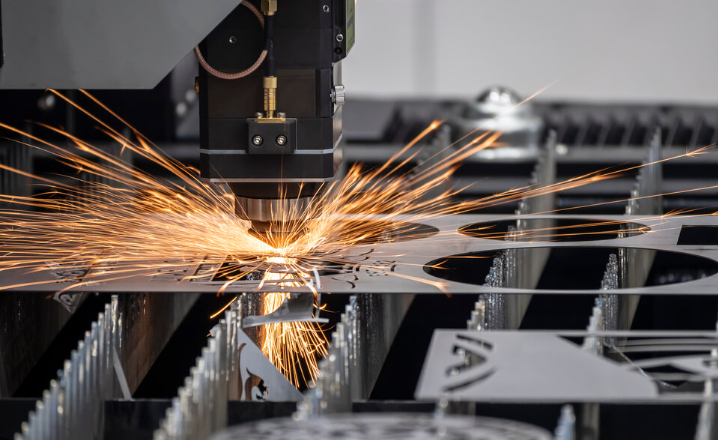
Ano Talaga ang Ibig Sabihin ng Pasadyang Pagmamanupaktura ng Sheet Metal
Kapag naririnig mo ang salitang "pasadya," maaaring isipin mo ang mga suot na may pasadyang pagtahi o mga kagamitang yari sa kamay. Ang parehong prinsipyo ay nalalapat din sa pagmamanupaktura ng sheet metal. Bespoke sheet metal fabrication nangangahulugan ito ng paglikha ng mga komponente ng metal mula sa simula batay sa iyong tiyak na mga tukoy na kinakailangan, imbes na baguhin ang mga handa nang gawing bahagi na nabibili sa palengke upang tumugma sa iyong pangangailangan.
Ano nga ba ang pagmamanupaktura ng metal sa pinakasentro nito? Ito ay ang proseso ng pagputol, pagbend, at pag-aassemble ng mga materyales na metal upang mabuo ang mga tapos na produkto. Ngunit hindi lahat ng paraan ng pagmamanupaktura ay katumbas. Ang pagkakaiba sa pagitan ng pasadyang trabaho at karaniwang trabaho ay lubos na nagbabago sa mga posibilidad para sa iyong proyekto.
Ano ang Nagpapagawa ng Pagmamanupaktura na Tunay na Pasadya
Isipin mo ang kailangan mo ng isang bahagi na wala sa anumang katalogo. Baka kailangan nito ang hindi karaniwang sukat, mga tiyak na katangian ng materyal, o kumplikadong heometriya na hindi kayang ibigay ng mga karaniwang bahagi. Dito nagkikita ang kahusayan ng pambansang paggawa.
Ang pasadyang paggawa ay kinasasangkot ang mga bihasang tagapagawa na gumagawa nang malapit sa iyo upang matiyak na ang bawat aspeto ng produkto ay sumusunod sa iyong mga tukoy na kinakailangan. Ayon sa mga eksperto sa industriya, ang mapaningning na atensyon sa detalye na ito ay nagreresulta sa napakahusay na kalidad na lumalampas sa mga pamantayan ng industriya ang proseso ng pagpoproseso ng metal ay nagsisimula sa iyong pananaw at natatapos sa isang bahagi na gawa nang eksaktong ayon sa iyong mga kinakailangan.
Mga pangunahing katangian na tumutukoy sa tunay na pasadyang gawa ay:
- Natatanging Teknikal na Detalye: Ang bawat sukat, toleransya, at katangian ay tinutukoy ng mga pangangailangan ng iyong proyekto, hindi ng mga bagay na madaling makukuha sa imbentaryo
- Disenyo na pinamumunuan ng kliyente: Ikaw ang kasali sa pagpili ng materyal, pagpino ng disenyo, at pag-apruba sa bawat yugto ng pag-unlad
- Pagsasaalang-alang sa espesyal na kagamitan: Ang mga tagapagawa ay maaaring mag-develop ng mga pasadyang fixture o kagamitan na partikular para sa iyong mga bahagi
- Mga protokol sa pagpapatunay ng kalidad: Ang mga proseso ng inspeksyon ay isinasaayos batay sa iyong partikular na mga kinakailangan, hindi sa pangkalahatang mga pamantayan ng industriya
Higit pa sa mga handa-na-nang-metal na solusyon
Ang karaniwang sheet metal ay available sa pre-determinadong sukat, kapal, at materyales. Halimbawa, ang isang karaniwang bakal na sheet ay maaaring may sukat na 4 piye sa 8 piye at may gauge na 16. Ang ganitong standardisasyon ay nagsisiguro ng pagkakapare-pareho at mas mababang gastos, ngunit nagdudulot din ito ng mga limitasyon.
Ang mga karaniwang produkto sa paggawa ay binibigyang-prioridad ang kahusayan at kabisaan sa gastos kaysa sa indibidwal na kalidad. Ang mga ito ay lubos na angkop para sa mga panel ng bubong, mga pangkalahatang sistema ng ducting, at iba pang karaniwang materyales sa konstruksyon. Gayunpaman, ang mga proyekto na nangangailangan ng kahusayan, kumplikadong disenyo, o di-karaniwang dimensyon ay madalas na hindi ma-epektibong tugunan ng mga handa-na-nang opsyon.
Ang pasadyang paggawa ng metal ang puna sa kawalan na ito. Kung kailangan mo man ng isang prototipo upang subukan ang isang konsepto o ng isang espesyal na produksyon na may daan-daang identikal na bahagi na may mataas na presisyon, ang paraan ay nananatiling pareho: gumawa ng eksaktong kailangan mo.
Ang Pagkakaiba ng Pasadyang Paggawa
Ang tunay na nagpapabukod-tangi sa pasadyang gawa ay ang kolaboratibong proseso sa disenyo. Sa halip na mag-browse ng mga katalog at umaasa na ang alinman sa mga ito ay angkop, kasama mo ang mga tagagawa na nauunawaan ang iyong aplikasyon.
Kasama sa kolaborasyong ito ang buong hanay ng uri ng proyekto:
- Mga prototype na isang beses lang ginagawa: Subukan ang iyong mga disenyo bago magpasya sa produksyon
- Maliit na produksyon para sa espesyal na gamit: Kumuha ng eksaktong dami na kailangan mo nang walang problema sa minimum order
- Serye ng presisyong produksyon: Palawakin ang produksyon nang may kumpiyansa na ang bawat bahagi ay sumusunod sa iyong mga teknikal na tatakda
Ang mga industriya tulad ng automotive, aerospace, at electronics ay lubos na umaasa sa pamamaraang ito. Kailangan nila ang mga bahagi na sumasapat sa eksaktong mga tukoy na sukat at kaya pang tiisin ang mahigpit na mga kondisyon sa operasyon. Ang isang chassis bracket na may pagkakaiba ng 2 mm o isang enclosure na hindi kayang sakupin ang partikular na mga kinakailangan sa pag-mount ay hindi talaga gagana.
Ang pangkalahatang resulta? Ang bespoke sheet metal fabrication ay binabago ang iyong mga ideya sa pisikal na katotohanan nang walang mga kompromiso na dulot ng pag-aadjust sa mga standard na bahagi. Kapag ang kahusayan, katiyakan, at perpektong pagkakasya ang mahalaga, ang custom fabrication ay hindi lamang isang opsyon—ito ang solusyon.
Buong Workflow ng Bespoke Fabrication
Napagpasyahan mo na ang iyong proyekto ay nangangailangan ng mga pasadyang komponente. Ano ang mangyayari ngayon? Ang pag-unawa sa buong daloy ng trabaho mula sa unang usapan hanggang sa huling paghahatid ay tumutulong sa iyo na magplano ng mga timeline, ihanda ang mga kagamitan, at itakda ang mga makatuwirang inaasahan. Hindi tulad ng karaniwang paggawa ng sheet metal kung saan ang tanging gagawin mo lang ay mag-order, ang pasadyang paggawa ay kasali ang maraming magkakasamang yugto kung saan ang iyong input ang bumubuo sa resulta.
Mula sa Konseptong Guhit hanggang sa Nakumpletong Komponente
Ang biyahe mula sa ideya hanggang sa pisikal na bahagi ay sumusunod sa isang istrukturadong landas. Ang bawat yugto ay itinatayo sa nakaraang yugto, na may malinaw na mga punto ng desisyon kung saan ikaw ang nagbibigay ng input at pag-apruba. Narito ang karaniwang daloy ng trabaho na mararanasan mo kapag nagpapasadya ng custom sheet metal working :
- Unang konsultasyon: Talakayin ang mga kinakailangan ng iyong proyekto kabilang ang mga materyales, sukat, apurahan, at ninanais na aplikasyon. Ang usapang ito ang nagtatakda ng saklaw at kakayahang maisagawa.
- Pagsusuri sa disenyo at inhinyeriya: Ang mga tagapagawa ay gumagawa ng detalyadong teknikal na mga drawing at 3D na modelo batay sa iyong mga tukoy na kailangan. Ito ay nagpapagarantiya ng katiyakan habang pinapayagan ang mga pagbabago bago magsimula ang produksyon.
- Konsultasyon sa pagpili ng materyales: Magtrabaho kasama ang mga eksperto upang pumili ng angkop na mga metal na isinasaalang-alang ang pagganap, estetika, at mga kadahilanan sa kapaligiran.
- Pagsusuri ng DFM (Design for Manufacturability): Sinusuri ng mga inhinyero ang iyong disenyo para sa kakayahang maisagawa sa produksyon, at inirerekomenda ang mga pagbabago na maaaring bawasan ang gastos o mapabuti ang kalidad.
- Pagkalkula ng presyo at pag-apruba: Tatanggap ka ng komprehensibong pagkalkula ng presyo na kasama ang iskedyul ng produksyon at mga detalye ng paghahatid. Ang produksyon ay magpapatuloy lamang pagkatapos ng iyong pag-apruba.
- Pagpapagawa ng prototype ng sheet metal: Para sa mga kumplikadong proyekto, ang prototype ng sheet metal ay nagsisilbing pagpapatunay sa layunin ng disenyo bago pa man isagawa ang buong produksyon.
- Paggawa: Ang mga bihasang teknisyan ay gumagamit ng iba’t ibang paraan ng paggawa tulad ng laser cutting, welding, at CNC machining upang makalikha ng iyong mga bahagi.
- Pagwawakas at Pag-coating: Ilapat ang mga paggamit sa ibabaw tulad ng powder coating, anodizing, o polishing batay sa mga kinakailangan para sa tibay at estetika.
- Pagsusuri at Quality Control: Ang kumpletong pagsusuri ng sukat ay nagpapatiyak na ang bawat item ay sumusunod sa mga teknikal na tukoy.
- Paghahatid at suporta sa pag-install: Ligtas na pakete at pagpapadala, kasama ang gabay sa pag-install kung kinakailangan.
Ang prosesong ito ay karaniwang tumatagal nang mas matagal kaysa sa pag-order ng mga stock parts, ngunit ang resulta ay isang bahagi na eksaktong ginawa para sa iyong aplikasyon. Ang mabilisang serbisyo para sa sheet metal ay maaaring paigtingin ang ilang yugto, lalo na ang prototyping, kapag may presyon sa oras.
Yugto ng Pag-uusap Tungkol sa Disenyo
Ang yugto ng pag-uusap ay kung saan talagang nagkakaiba ang pasadyang paggawa mula sa karaniwang pagbili. Sa halip na pumili mula sa isang katalogo, ikaw ang aktibong bumubuo ng bagay na gagawin.
Sa panimulang talakayan, inaasahan na ang iyong kasosyo sa metal fabrication ay magtatanong ng detalyadong mga katanungan:
- Sa anong kapaligiran gagana ang bahaging ito?
- Anong mga load, temperatura, o korosibong elemento ang kakaharapin nito?
- May mga bahaging kailangang i-fit o mga assembly ang kailangang i-integrate nito?
- Ano ang mga kritikal na toleransya kumpara sa mga nominal na toleransya?
- Ano ang mga kinakailangang surface finish o anyo na mahalaga para sa iyong aplikasyon?
Ang mga tanong na ito ay hindi simpleng pormal na pag-check ng mga kahon. Ang mga ito ay direktang nakaaapekto sa pagpili ng materyales, mga pamamaraan sa pagmamanupaktura, at mga kriteya sa inspeksyon. Ayon sa mga tagapagawa sa industriya, ang mga inhinyero at disenyador ay gumagawa ng detalyadong teknikal na mga drawing at 3D model sa yugtong ito upang matiyak ang feasibility habang binibigyan ng sapat na espasyo ang kinakailangang mga pagbabago bago magsimula ang produksyon ng sheet metal.
Ang mga inaasahang komunikasyon sa yugtong ito ay kabilang ang regular na mga update, mga siklo ng revisyon para sa mga drawing, at mga opisyal na gate ng pag-apruba bago magpatuloy. Itakda mo ang iyong piniling paraan ng komunikasyon—email, tawag sa telepono, o mga platform sa pamamahala ng proyekto—nang maaga sa relasyon.
Mga Quality Checkpoint sa Buong Produksyon
Ang pagpapatibay ng kalidad sa pasadyang paggawa ay hindi isang solong panghuling pagsusuri. Ito ay nakahihigpit sa buong proseso. Ang bawat punto ng transisyon ay kumakatawan sa isang pagkakataon upang mahuli ang mga isyu bago pa man ito lumalala.
Mga kritikal na checkpoint:
- Pagpapatotoo ng Mga Row Material: Pagsisiguro sa mga sertipiko ng materyales, sukat ng kapal, at kondisyon ng ibabaw bago magsimula ang pagputol
- Unang artikulong inspeksyon: Pagsukat sa mga unang bahagi laban sa mga teknikal na tatakda bago magpatuloy sa buong produksyon
- Pagsusuri habang isinasagawa: Pagsusuri sa mga sukat pagkatapos ng bawat pangunahing operasyon—pagputol, pagbend, pag-weld
- Pagsusuri pagkatapos ng paggawa: Pagpapatunay sa pagganap, pagkakasya, at pagkakabuo batay sa iyong mga kinakailangan
- Panghuling Dokumentasyon: Pagbibigay ng mga ulat sa pagsusuri, mga sertipiko ng materyales, at datos sa mga sukat
Ang pakikipagtulungan sa mga ekspertong tagagawa at pagsunod sa mga pamantayan ng industriya ay nagpapatitiyak sa kalidad at pagkakapareho ng mga nabuong bahagi. Tulad ng mga eksperto sa pamamahala ng kalidad ay nabanggit , isang mahigpit na pagsusuri sa mga hilaw na materyales, pagsubaybay sa proseso, at pagsusuri matapos ang paggawa ay lahat ng nag-aambag sa pagkamit ng mga teknikal na pamantayan.
Ang pasadyang kronolohiya ay iba sa karaniwang paggawa nang eksaktong dahil sa mga checkpoint na ito. Ang bawat yugto ng pag-apruba ay nagdaragdag ng oras ngunit binabawasan ang panganib. Para sa mga unang beses na bumibili, ang sistematikong paraang ito ay nagtatayo ng kumpiyansa na ang inyong investisyon ay magdudulot ng mga bahagi na tutugon sa inyong tiyak na pangangailangan—hindi mga aproksimasyon na nangangailangan ng muling paggawa o kompromiso.
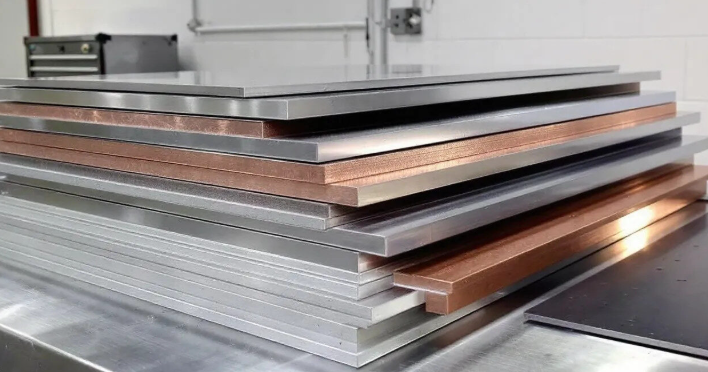
Pagpili ng Tamang Materyales para sa Inyong Pasadyang Proyekto
Naipakita na ninyo ang inyong mga teknikal na pamantayan at nauunawaan na ang daloy ng gawa. Ngayon ay dumating ang isa sa pinakamahalagang desisyon sa pasadyang paggawa ng sheet metal: ang pagpili ng tamang materyales. Ang pagpipiliang ito ay nakaaapekto sa lahat—mula sa pagganap ng inyong bahagi sa ilalim ng stress hanggang sa mga opsyon sa pagtatapos at sa halaga na babayaran ninyo sa huli.
Ang maling materyal ay maaaring magdulot ng mga isyu sa pagganap, mas mabilis na pagkakorosyon, o mas mataas na gastos. Ang tamang pagpili ay umaayon sa lakas, tibay, kakayahang pormahin, kahusayan sa gastos, at paglaban sa korosyon para sa iyong tiyak na aplikasyon . Tingnan natin nang mas detalyado ang mga opsyon mo.
Pagtutugma ng Mga Materyales sa Mga Kailangan ng Aplikasyon
Bago pumasok sa mga tiyak na metal, itanong mo sa sarili ang mga pangunahing tanong na ito:
- Sa anong kapaligiran gagana ang iyong bahagi—looban, labasan, dagat, o kemikal?
- Anong mekanikal na karga o stress ang kailangang tiisin nito?
- Mahalaga ba ang timbang para sa iyong aplikasyon?
- Anong hitsura o huling pagpapaganda ng ibabaw ang kailangan mo?
- Ano ang limitasyon ng iyong badyet?
Ang iyong mga sagot ang nag-uugnay sa pagpili ng materyal nang higit pa kaysa sa anumang teknikal na dokumento. Ang isang sheet ng stainless steel ay gumagana nang mahusay sa isang komersyal na kusina ngunit maaaring sobrang labis para sa isang loobang kahon ng elektroniko. Samantala, ang aluminum sheet metal ay lubos na epektibo kung saan mahalaga ang pagbawas ng timbang ngunit maaaring kulang sa tensile strength na kailangan para sa mga aplikasyong istruktural.
Narito kung paano kinukumpara ang mga karaniwang materyal batay sa mga mahahalagang katangian:
| Materyal | Lakas sa Pagpapahaba | Pagtutol sa Korosyon | Pagbubuo | Relatibong Gastos | Mga Ideal na Aplikasyon |
|---|---|---|---|---|---|
| Stainless Steel (304/316) | Mataas | Napakahusay | Katamtaman | Mataas | Panggagamot ng pagkain, medikal, dagat, arkitektura |
| Aluminum Alloy (6061/5052) | Katamtaman | Mabuti | Napakahusay | Katamtaman | Aeroespasyo, elektronika, palatandaan, mga kahon ng proteksyon |
| Cold rolled steel | Mataas | Mahina (nangangailangan ng coating) | Napakahusay | Mababa | Mga bahagi ng sasakyan, mga appliance, mga balangkas ng muwebles |
| Galvanized steel | Katamtaman-Mataas | Mabuti | Katamtaman | Mababa-Katamtaman | HVAC, bakod, bubong, mga duct |
| Copper Sheet | Katamtaman | Napakahusay | Mabuti | Mataas | Mga komponente ng kuryente, mga heat exchanger, mga dekoratibong elemento |
| Tanso | Katamtaman | Mabuti | Mabuti | Katamtamang Mataas | Mga hardware, dekoratibo, aplikasyon sa akustiko |
Kapag ikukumpara ang brass at bronze, tandaan na ang brass ay may mas mahusay na pagkabuo at pagkakagawa, samantalang ang bronze ay nagbibigay ng mas mataas na paglaban sa pagsuot at lakas—kaya’t mas angkop ang bronze para sa mga bearing na may mabigat na paggamit at hardware para sa dagat.
Steel Laban sa Aluminum para sa mga Custom na Proyekto
Ang pagpili sa pagitan ng steel at stainless steel laban sa aluminum ay ang pinakakaraniwang desisyon sa materyales sa custom na paggawa. Bawat isa ay may natatanging mga pakinabang depende sa iyong mga priyoridad.
Stainless steel ay naglalaman ng chromium na bumubuo ng isang self-healing na oxide layer sa ibabaw. Ito ang nagbibigay sa kanya ng exceptional na paglaban sa korosyon kahit sa mga kapaligirang may mataas na kahalumigan, kemikal, o dagat. Ang 316 stainless steel ay lalo pang angkop para sa mga agresibong kondisyon kung saan naroroon ang salt spray o mga kemikal. Ayon sa mga eksperto sa pagpili ng materyales , ang stainless steel ay nag-aalok ng pinakamataas na lakas at tibay kumpara sa karaniwang mga sheet metal.
Gayunpaman, mas mahirap prosesuhin ang stainless steel sheet metal dahil sa mas mataas na lakas at mas mababang thermal conductivity nito. Kailangan ito ng mas malaking pwersa sa pagbuo, mas mahigpit na kontrol sa proseso, at mas mataas na gastos sa kagamitan. Maaaring kailanganin ng iyong fabricator ang espesyalisadong kagamitan o teknik.
Aluminum Alloy ay may density na humigit-kumulang sa isang-katlo ng density ng stainless steel. Bagaman ang kanyang absolute strength ay mas mababa, ang aluminum ay nag-aalok ng mahusay na ratio ng lakas sa timbang, lalo na sa mga alloy tulad ng 6061 at 7075. Dahil dito, ang aluminum sheet metal ay perpekto kapag mahalaga ang pagbawas ng timbang—tulad ng mga komponente sa aerospace, portable equipment, o anumang bagay na gumagalaw.
Mula sa pananaw ng paggawa, mas madali pang prosesuhin ang aluminum. Nag-aalok ito ng mas mahusay na formability, mas mataas na thermal conductivity, at mas mababang cutting resistance. Binabawasan nito ang wear ng kagamitan at ang oras ng machining sa panahon ng bending, stamping, o mga operasyon sa CNC.
Ang paghahambing ng gastos ay hindi diretso. Ang aluminum ay mas mahal bawat kilogram kaysa sa bakal, ngunit ang mas mababang density nito ay nangangahulugan na mas maraming materyales ang makukuha mo sa bawat volume. Para sa maraming proyekto, ang aluminum ay maaaring mas ekonomikal kapag isinasaalang-alang ang mas madaling proseso at ang nabawasang timbang sa pagpapadala.
Mga Espesyal na Metal para sa Mahihirap na Kapaligiran
Minsan, ang mga karaniwang materyales ay hindi susunod sa iyong mga kinakailangan. Ang mga espesyal na metal ay puno ng mga puwang kapag ang mga aplikasyon ay nangangailangan ng natatanging katangian.
Copper Sheet nagbibigay ng hindi maikakailang electrical at thermal conductivity. Ito ang pangunahing pagpipilian para sa mga heat exchanger, bus bar, at mga precision electrical component. Ang tanso ay nag-aalok din ng antimicrobial properties, na ginagawang mahalaga ito sa mga aplikasyon sa healthcare at food service. Sa paglipas ng panahon, ang tanso ay bumubuo ng protektibong patina na tunay na pinalalakas ang resistance nito sa corrosion.
Tanso pinagsasama ang magandang formability kasama ang acoustic properties at isang kaakit-akit na anyo na katulad ng ginto. Karaniwang ginagamit ito sa mga musical instrument, decorative hardware, at architectural elements. Madaling i-machine ang brass at tumatanggap ito ng iba’t ibang finishes nang maayos.
Titan ay nag-aalok ng napakahusay na ratio ng lakas sa timbang at paglaban sa korosyon, ngunit sa premium na presyo. Ito ay nakalaan para sa aerospace, mga implant sa medisina, at mga aplikasyon kung saan walang ibang materyal ang maaaring gamitin.
Mga Pag-iisip Tungkol sa Kapakdutin
Ang kapal ng materyal, na karaniwang tinutukoy sa pamamagitan ng mga numero ng gauge, ay direktang nakaaapekto sa lakas, timbang, at mga opsyon sa paggawa ng iyong bahagi. Ang mas mababang numero ng gauge ay nangangahulugan ng mas makapal na materyal:
- 16 gauge steel (humigit-kumulang 0.060 pulgada o 1.5 mm) ay gumagana nang maayos para sa mga kahon, mga suporta, at mga aplikasyong estruktural na katamtaman. Kapag tinatanong kung gaano kalapad ang 16 gauge steel, ito ay humigit-kumulang ang kapal ng isang stack ng mga credit card.
- 14 gauge (humigit-kumulang 0.075 pulgada) ay nagdaragdag ng lakas para sa mga aplikasyong may mas mataas na karga
- kapal ng 11 gauge na bakal (humigit-kumulang 0.120 pulgada o 3 mm) ay kayang magdala ng malalaking estruktural na karga
Ang mas makapal na mga materyal ay nangangailangan ng mas makapangyarihan na kagamitan sa pagbend at maaaring limitahan ang minimum bend radii. Talakayin ang kapal nang maaga sa iyong fabricator—maaari niyang payuhan kung ang iyong tinukoy na gauge ay angkop para sa mga tampok ng iyong disenyo at sa mga proseso ng pagmamanupaktura na inaasahan.
Kailan Dapat Konsultahin ang Iyong Fabricator
Huwag paikliin ang pagpili ng materyales nang mag-isa. Ang mga eksperyensiyadong fabricator ay nakapagproseso na ng libu-libong bahagi at maaaring magbigay ng mga ideya na hindi mo makikita sa mga technical specification sheet:
- Kapag ang iyong aplikasyon ay kinasasangkutan ng di-karaniwang kondisyon sa kapaligiran
- Kapag hindi ka sigurado kung ang isang materyales ay kayang makamit ang tiyak na radius ng pagkukurba o toleransya
- Kapag ang optimisasyon ng gastos ay maaaring imungkahi ang mga alternatibong alloy
- Kapag ang mga kinakailangan sa finishing ay naglilimita sa mga opsyon ng materyales
- Kapag ang lead time para sa mga espesyal na materyales ay nakaaapekto sa iyong iskedyul
Ang isang maikling konsultasyon ay maaaring makatipid ng linggo ng pagre-design mamaya. Maaaring imungkahi ng iyong fabricator ang mga alternatibo na nagbibigay ng katumbas na performance sa mas mababang gastos—or babalaan ka laban sa mga materyales na hindi mabubuhay sa iyong ninanais na kapaligiran.
Matapos maisagawa ang pagpili ng materyales, handa ka nang alamin ang mga teknolohiya sa paggawa na magpapalit sa iyong napiling metal upang maging mga natapos na komponent.
Paliwanag sa mga Pangunahing Teknolohiya sa Pagmamanupaktura
Napili mo na ang iyong materyal. Ngayon, ang tanong ay: paano nga ba talaga ililipat ng iyong tagagawa ang hilaw na sheet na iyon sa mga natapos na bahagi? Ang sagot ay nakasalalay sa hugis ng iyong bahagi, pagpipilian ng materyal, dami ng produksyon, at mga kinakailangang kalidad. Ang pag-unawa sa mga pangunahing teknolohiyang ito ay tumutulong sa iyo na maunawaan kung bakit inirerekomenda ng mga tagagawa ang mga tiyak na pamamaraan—at kung paano idisenyo ang mga bahagi upang makikinabang sa bawat lakas ng paraan.
Paggupit ng Laser para sa Katiyakan at Komplikadong Disenyo
Kapag ang iyong disenyo ay nangangailangan ng mga detalyadong profile, mahigpit na toleransya, o komplikadong heometriya, ang paggupit ng laser ay madalas ang piniling teknolohiya. Ginagamit ng isang laser cutter ang isang nakatuon na sinag upang patunawin o pabulubulin ang materyal kasabay ng isang naprogramang landas, na lumilikha ng mga gupit nang walang pisikal na kontak sa obra.
Ano ang nagpapahalaga sa paggupit ng laser lalo na para sa mga espesyal na aplikasyon? Ayon sa mga dalubhasa sa fabrication , ang mga fiber laser ay maaaring magputol ng mild steel na hanggang 25 mm ang kapal habang pinapanatili ang toleransya na kasing-tumpak ng ±0.1 mm hanggang ±0.15 mm. Ang ganitong kahusayan ay gumagawa ng pagputol gamit ang laser na ideal para sa mga komponente ng aerospace, medikal, at pharmaceutical kung saan ang eksaktong sukat ay hindi pwedeng isakripisyo.
Mga kalamangan ng pagputol gamit ang laser:
- Pinakamagandang Katumpakan: Mga toleransya ng ±0.1 mm hanggang ±0.15 mm para sa mga mahihirap na aplikasyon
- Walang kailangang tooling: Nagtatanggal ng mga gastos sa pag-setup para sa mga pasadyang disenyo at prototype
- Kakayahang gumawa ng kumplikadong heometriya: Kaya ang paggawa ng mga kurba, mga detalyadong butas, at mga kompleks na profile na hindi maisasagawa ng iba pang paraan
- Kalidad ng malinis na gilid: Nagbibigay ng malalapat na mga gilid na kadalasan ay walang kailangang ikalawang proseso sa pagpapaganda
- Kababalaghan ng Material: Epektibo sa paggamit sa bakal, stainless steel, aluminum, at mga espesyal na metal
Gayunman, may mga limitasyon ang pagputol gamit ang laser na dapat isaalang-alang:
- Mga Heat-affected zones: Ang prosesong thermal ay maaaring magdulot ng kaunting Heat-Affected Zone (HAZ) sa mas makapal na materyales
- Bilis sa mga paulit-ulit na pattern: Mas hindi epektibo kaysa sa CNC punching para sa mga bahagi na may maraming magkakatulad na butas o puwang
- Mga Gastos sa Operasyon: Ang pagkonsumo ng enerhiya at ang mga gas na tumutulong (oxygen o nitrogen) ay nagdaragdag sa gastos bawat bahagi sa malalaking produksyon
Para sa mga pasadyang proyekto na kabilang ang mga prototype, maliit na produksyon, o mga bahagi na may malalaking panlabas na profile, ang kakayahang umangkop at kahusayan ng laser cutting ay karaniwang mas mahusay kaysa sa mas mataas na gastos bawat pagputol. Ang kerf—ang lapad ng materyal na tinanggal habang pinuputol—ay napakaliit, na nagpapahintulot ng mas mainam na pagkakasunod-sunod (nesting) ng mga bahagi at nababawasan ang basurang materyal.
CNC Punching: Bilis para sa Mga Ulang-Ulang na Katangian
Ano ang ibig sabihin ng CNC sa kontekstong ito? Ang CNC (Computer Numerical Control) ay tumutukoy sa awtomatikong kontrol ng makina gamit ang mga nakaprogramang instruksyon. Ang mga CNC punching machine ay gumagamit ng mga computer-guided na kasangkapan upang pumutol, hugpungin, o buhagin ang sheet metal sa pamamagitan ng pagpindot ng isang punch tool sa materyal papunta sa isang die.
Ang pagpupunch ay mahusay kung saan nabibigo ang laser cutting—sa mga paulit-ulit na pattern na may karaniwang hugis. Kung ang iyong disenyo ay may mga hilera ng identikal na butas, mga puwang para sa bentilasyon, o mga bahagi na may mga butas-butas, mas mabilis at mas ekonomiko ang pagpupunch kaysa sa laser cutting para sa mga tampok na ito.
Mga pangunahing kalamangan ng CNC punching:
- Bilis sa mga paulit-ulit na tampok: Kapansin-pansin ang pagiging mas mabilis kaysa sa laser para sa mga dense na pattern ng butas o karaniwang hugis
- Prosesong walang init: Walang thermal distortion, na nagpapanatili ng patag na anyo ng materyal at ng kanyang istruktural na integridad
- Husay sa gastos sa dami: Mas mababang gastos bawat tampok kapag nakatakda na ang tooling
- Mga Kakayahan sa Forming: Maaaring lumikha ng mga louver, ribs, at embossed na tampok sa iisang operasyon
Ang mga limitasyon ay kinabibilangan ng:
- Mga kinakailangan sa tooling: Ang pag-setup ay maaaring tumagal hanggang 30 minuto, kaya't mas hindi epektibo ito para sa maliit na produksyon
- Mga limitasyon sa kapal ng materyal: Pinakamainam para sa mas manipis na materyales—mild steel hanggang 3mm at aluminum hanggang 6mm
- Edge Quality: Maaaring mag-iwan ng mga marka ng kagamitan o mga burr na nangangailangan ng pangalawang deburring
- Mga paghihigpit sa disenyo: Nakalaan lamang para sa mga hugis na available sa tool library o sa pamumuhunan para sa custom tooling
Maraming mga tagapagawa ang pinauunlad ang parehong teknolohiya—gamit ang laser cutting para sa mga panlabas na profile at kumplikadong mga tampok habang ginagamit ang punching para sa mga paulit-ulit na panloob na pattern. Ang hybrid na diskarte na ito ay nag-o-optimize ng parehong kalidad at gastos.
Kung Kailan Nagbibigay ang CNC Bending ng Pinakamahusay na Resulta
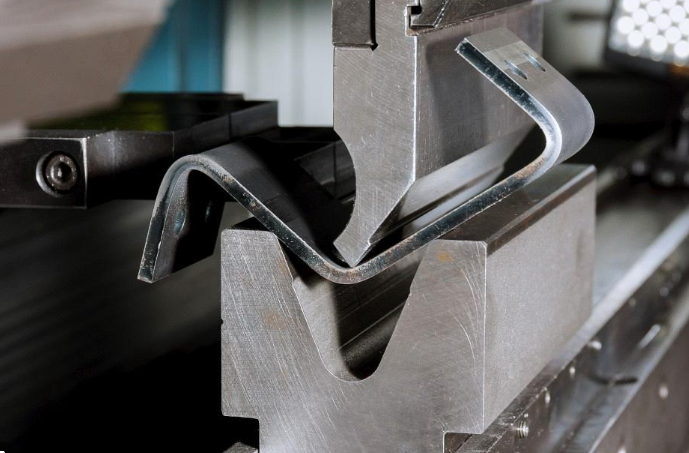
Ang mga patag na cut na bahagi ay bihirang nananatiling patag. Ang pagbend ay nagpapalit ng dalawang dimensyonal na blanks sa tatlong dimensyonal na mga bahagi—mga bracket, mga enclosure, mga channel, at mga kumplikadong assembly. Ang mga CNC press brake ay gumagamit ng tiyak na kontroladong puwersa upang i-form ang sheet metal kasunod ng mga programmed na bend line.
Ang tagumpay sa pagbend ay nakasalalay nang husto sa mga katangian ng materyales at mga konsiderasyon sa disenyo. Iba-iba ang pag-uugali ng iba't ibang metal sa ilalim ng puwersa ng pag-form:
- Aluminyo: Madaling i-form na may kaunting springback, na nagpapahintulot sa mas maliit na bend radii na nauugnay sa kapal
- Mababang bakal: Pangkalahatang pag-uugali na may kailangang moderate na springback compensation
- Stainless steel: Nangangailangan ng higit na pwersa at nagpapakita ng mas malaking pagbalik ng hugis, kaya kailangan ng maingat na kontrol sa proseso
Ang mga katangian ng iyong disenyo ay direktang nakaaapekto sa mga resulta ng pagbubukod. Ang minimum na radius ng pagbubukod—karaniwang ipinapahayag bilang isang maramihan ng kapal ng materyal—ay nag-iiba depende sa materyal. Ang pagsubok na gumamit ng sobrang manipis na radius ay maaaring magdulot ng punit sa panlabas na bahagi ng pagbubukod. Mahalaga rin ang posisyon ng mga butas na kaugnay ng mga linya ng pagbubukod; ang mga butas na sobrang malapit sa mga linya ng pagbubukod ay maaaring mag-deform habang ginagawa ang paghuhubog.
Ang modernong CNC press brake ay nakakamit ng napakagandang pagkakapareho, na pinapanatili ang toleransya sa anggulo sa loob ng ±0.5 degree sa buong produksyon. Para sa mga espesyal na aplikasyon na nangangailangan ng tiyak na pagkakasya sa pagitan ng mga magkakasalungat na bahagi, ang ganitong pag-uulit ay lubos na mahalaga.
Pagsusulda: Pagkakabit ng mga Bahagi nang Pangmatagalán
Maraming espesyal na mga pagkakabuo ay nangangailangan ng pagsusulda upang ikabit ang maraming bahagi sa isang iisa at buong istruktura. Dalawang pangunahing pamamaraan ang dominante sa trabaho sa sheet metal, at ang pag-unawa sa pagkakaiba ng MIG at TIG welding ay tumutulong sa iyo na tukuyin ang tamang paraan para sa iyong aplikasyon.
MIG (Metal Inert Gas) welding nagpapakain ng isang kumukonsumo na wire electrode nang tuloy-tuloy sa loob ng welding gun. Mas mabilis ito at mas madaling matutunan, kaya ito ay praktikal para sa mas malalaking proyekto o mas makapal na mga materyales. Para sa pag-weld ng aluminum gamit ang MIG, ginagamit ng mga tagagawa ang mga espesyal na spool gun o push-pull system upang maiwasan ang mga problema sa pagpapakain ng wire.
Mga kabutihan ng MIG welding:
- Mas mataas na bilis para sa production welding
- Magandang penetration sa mas makapal na materyales
- Mas pasensiyoso ang teknik para sa mga welder na may kakaunting karanasan
TIG (Tungsten Inert Gas) welding gumagamit ng isang hindi kumukonsumo na tungsten electrode kung saan idinadagdag ang filler material nang hiwalay sa pamamagitan ng kamay. Ito ay nagbibigay ng napakahusay na kontrol at nagdudulot ng mas malinis at mas tiyak na mga weld—angkop para sa mga nakikitang kawit o manipis na materyales kung saan may panganib na maburn-through.
Mga kabutihan ng TIG welding:
- Napakahusay na katiyakan at kalidad ng weld
- Mas maganda ang itsura para sa mga nakikitang kawit
- Mahusay na kontrol sa manipis na mga materyales
- Walang splatter o slag na kailangang linisin
Ayon sa mga eksperto sa pag-weld , ang TIG ay karaniwang pinipili para sa manipis na aluminum at mga proyekto na nangangailangan ng mataas na kalidad na huling anyo, samantalang ang MIG ay mas epektibo sa mas makapal na seksyon kung saan ang bilis ay mas mahalaga kaysa sa estetika. Ang iyong fabricator ay magrerekomenda ng angkop na pamamaraan batay sa materyales, kapal, at mga kinakailangan sa huling anyo.
Paghahalo: Ang Huling Haplos
Ang paghahalo ng ibabaw ay nagpaprotekta sa iyong mga bahagi at tumutukoy sa kanilang panghuling hitsura. Ang mga karaniwang opsyon ay kasama ang:
Pulbos na damit nag-aapply ng electrostatically charged na dry powder na iniiinit upang lumikha ng matibay at pantay na huling anyo. Nagbibigay ito ng mahusay na proteksyon laban sa corrosion, available sa halos walang hanggang kulay, at mas tumutulong laban sa pagkachip kaysa sa likidong pintura. Ang powder coating ay perpekto para sa kagamitang panlabas, mga kaban, at anumang aplikasyon na nangangailangan ng matagalang tibay.
Pag-anodizing nagbibigay-daan sa pagbuo ng isang oxide layer sa mga ibabaw ng aluminum, na nagpapahusay ng resistensya laban sa korosyon habang nagbibigay-daan sa mga opsyon sa kulay. Lalo itong sikat para sa mga kahon ng elektroniko at mga elemento ng arkitektura.
Paglalagay ng plaka —tulad ng zinc, nickel, o chrome—ay nagde-deposito ng manipis na metal layer para sa proteksyon laban sa korosyon o para sa estetikong layunin. Ang zinc plating ay ekonomikal para sa mga bahagi ng bakal na nangangailangan ng katamtamang proteksyon.
Pagbubrusa at Pagpapaliwanag ay lumilikha ng mga tiyak na tekstura ng ibabaw, mula sa mga industrial brushed finish hanggang sa mga reflective na ibabaw na parang salamin.
Pagsasama-sama ng mga Teknolohiya para sa Pinakamainam na Resulta
Bihira ang isang pasadyang komponente na gumagamit lamang ng isang teknolohiya. Ang karaniwang pagkakasunod-sunod ng paggawa ay maaaring kasama ang:
- Laser cutting sa panlabas na profile at mga kumplikadong panloob na tampok
- CNC punching ng paulit-ulit na mga pattern ng butas
- Pagbuo ng mga baluktot upang lumikha ng tatluhang dimensyonal na hugis
- Pagsasalansan ng maraming komponente upang mabuo ang isang assembly
- Paglalapat ng powder coat para sa tibay at anyo
Ang iyong fabricator ay pumipili at inaayos ang mga teknolohiya batay sa iyong tiyak na mga kailangan. Ang hugis ng bahagi ang nagpapasiya kung anong paraan ng pagputol ang gagamitin. Ang uri ng materyales ang nakaaapekto sa mga parameter ng pagbuo at sa paraan ng pag-weld. Ang dami ng produksyon ang nakaaapekto kung ang mga investasyon sa tooling ay makatuwiran. At ang iyong mga kinakailangan sa kalidad—tulad ng toleransya, surface finish, at mga pamantayan sa inspeksyon—ay nagbibigay-gabay sa bawat desisyon sa buong proseso.
Kapag tinatalakay ang iyong proyekto, huwag mag-atubiling itanong kung bakit inirerekomenda ang partikular na mga paraan. Ang pag-unawa sa mga dahilan ay tumutulong sa iyo na i-optimize ang disenyo para sa kahusayan sa pagmamanupaktura habang natatamo ang iyong mga kinakailangan sa pagganap. Ang susunod na seksyon ay tatalakayin nang detalyado kung paano disenyunin ang mga bahagi upang mabuo nang mahusay at epektibo mula pa sa simula.
Mga Prinsipyo sa Disenyo para sa Matagumpay na Pasadyang Pagmamanupaktura
Napili na ninyo ang inyong materyales at nauunawaan na ang mga teknolohiyang pang-gawa na magagamit. Ngunit narito ang isang tanong na kadalasang binabale-wala ng maraming unang beses na bumibili: talaga bang maaaring gawin nang mahusay ang inyong disenyo? Ang Disenyo para sa Pagmamanupaktura—o DFM—ay nag-uugnay sa pagitan ng kung ano ang mukhang maganda sa screen at kung ano ang gumagana sa produksyon. Ang pagkuha nito nang tama mula sa simula ay nakakaiwas sa mahal na mga pagbabago, nababawasan ang oras ng paggawa, at tiyak na natatapos ang inyong pasadyang proyekto sa paggawa ng sheet metal na may mga resulta na inaasahan ninyo.
Pagdidisenyo ng mga Bahagi na Madaling Gawin
Ang epektibong disenyo ay hindi lamang tungkol sa estetika o pagganap—kundi kasali rin dito kung paano talaga kumikilos ang metal habang tinutupad, binubuhat, at binubuo. Ilan lamang sa mga pangunahing prinsipyo ang nagbibigay gabay sa matagumpay na disenyo ng sheet metal.
Pinakamaliit na Radius ng Baluktot kumakatawan sa pinakamasikip na kurba na maaari mong mabuo nang hindi pumuputok o nagpapahina sa materyal. Ang halagang ito ay nakadepende sa parehong uri at kapal ng materyal. Bilang pangkalahatang tuntunin, ang radius ng loob ng liko ay dapat na katumbas o lumampas sa kapal ng materyal para sa mga ductile na materyales tulad ng aluminyo. Para sa hindi kinakalawang na asero o mas matigas na haluang metal, maaaring kailanganin mo ng 1.5 hanggang 2 beses na kapal upang maiwasan ang pagbitak sa labas ng liko.
Kapag gumagawa ka ng materyal na may kapal na 16 gauge (humigit-kumulang 0.060 pulgada o 1.5 mm), ang karaniwang radius ng kurbada ay lubos na angkop para sa karamihan ng mga aplikasyon. Ngunit kung nagdidisenyo ka gamit ang 11 gauge na bakal (humigit-kumulang 0.120 pulgada o 3 mm), kakailanganin mo ng mas malalaking radius at mas makapangyarihan na kagamitan para sa pagbuo. Ang iyong fabricator ay maaaring magbigay ng tiyak na rekomendasyon batay sa kakayahan ng kanilang press brake.
Direksyon ng Ugat ng Materyales ay nakakaapekto nang malaki sa kalidad ng pagliko. Ang sheet metal ay may direksyon ng butil mula sa proseso ng paggulong, at ang pagbaluktot nang patayo sa butil ay nagbubunga ng mas makinis at mas pare-parehong mga resulta. Ang pagbaluktot na parallel sa butil ay nagpapataas ng panganib ng pagbitak, lalo na sa mas mahigpit na radii. Kung maaari, i-orient ang iyong mga bahagi upang ang mga kritikal na pagliko ay tumawid sa butil.
Pagpila ng Tolerance naging napakahalaga kapag may maraming kurba o mga tampok na kailangang eksaktong mag-align. Bawat operasyon ay nagdudulot ng maliit na pagbabago. Kung ang iyong disenyo ay may apat na sunud-sunod na kurba, bawat isa ay may toleransya na ±0.5 mm, ang kabuuang pagbabago sa huling tampok ay maaaring umabot sa ±2 mm. Ang matalinong disenyo ay binabawasan ang pag-akumula ng toleransya sa pamamagitan ng pagrereference sa mga mahahalagang sukat mula sa karaniwang punto ng sanggunian (datum points) imbes na ipagkadena ang mga sukat mula sa isang tampok patungo sa susunod.
Karaniwang Mga Kamalian sa Disenyo na Nagpapataas ng Gastos
Kahit ang mga ekspertong inhinyero ay minsan ay nakakaligtaan ang mga detalye na nagpapakumplikado sa paggawa. mga eksperto sa industriya ayon sa
- Mga butas na sobrang malapit sa mga gilid o kurba: Kapag lumalabas ang materyal habang binubuo, maaaring pahabain o distorsyonin ang mga butas na nasa malapit. Panatilihin ang distansya na hindi bababa sa 1.5 hanggang 2 beses ang kapal ng materyal sa pagitan ng mga butas at mga gilid o linya ng pagkukurba. Para sa isang bahagi na gumagamit ng 14 gauge na bakal, ibig sabihin ay dapat panatilihin ang mga butas sa loob ng hindi bababa sa 2–3 mm mula sa mahahalagang katangian.
- Nawawalang bend reliefs: Kapag ang isang kurba ay sumasalubong sa isang gilid o sa iba pang katangian nang walang sapat na mga hiwa para sa pagpapagaan, wala nang lugar na mapupuntahan ng materyal. Ito ay nagdudulot ng pagkaburak, pagbubuwal, o hindi kumpletong mga kurba. Lagi nang idagdag ang mga hiwa para sa pagpapagaan sa mga sulok kung saan ang mga kurba ay sumasalubong sa mga gilid.
- Hindi makatotohanang toleransiya: Ang pagtatakda ng toleransiya na ±0.1 mm sa lahat ng lugar kahit na ang tumpak na sukat ay kinakailangan lamang sa mga mahahalagang ibabaw na magkakasalubong ay nag-aaksaya ng pera. Ang mahigpit na toleransiya ay nangangailangan ng mas mabagal na bilis ng produksyon, mas madalas na inspeksyon, at mas mataas na porsyento ng mga itinatapon. Gamitin ang karaniwang toleransiya para sa sheet metal (karaniwang ±0.5 mm) para sa mga dimensiyong hindi mahalaga.
- Pag-iiwas sa springback: Pagkatapos ng pagbubukod, ang metal ay natural na sinusubukan na bumalik sa orihinal nitong hugis. Kung hindi mo isasaalang-alang ang springback, ang mga anggulo mo ay magbubukas. Ang mga tagagawa ay kompensate sa pamamagitan ng sobrang pagbubukod, ngunit kailangan mo itong alamin ang ugali ng iyong materyal. Talakayin ang mga inaasahang epekto ng springback sa iyong tagagawa habang nagrereview ng disenyo.
- Hindi karaniwang sukat ng butas: Ang mga pasadyang diameter ng butas ay nangangailangan ng espesyal na kagamitan. Kapag maaari, gamitin ang mga karaniwang sukat ng punch upang mabawasan ang oras ng pag-setup at ang gastos sa kagamitan.
Ang isang chart ng sheet metal gauge ay tumutulong sa iyo na maunawaan ang ugnayan ng kapal at ang kanilang epekto sa iyong disenyo. Ang pag-refer sa mga karaniwang sukat ng gauge kapag tinutukoy ang kapal ng materyal ay nagpapatiyak ng malinaw na komunikasyon sa iyong tagagawa.
Mga Pag-iisip Tungkol sa Radius ng Pagbubukod at Toleransya
Ang pag-unawa kung gaano kalapad ang 16 gauge steel—or anumang gauge na ginagamit mo—ay direktang nakaaapekto sa mga desisyong pang-disenyo. Narito ang isang praktikal na sanggunian:
| Sukat ng gauge | Kapal (dali) | Kapal (mm) | Karaniwang Minimum na Radius ng Pagbubukod |
|---|---|---|---|
| 20 gauge | 0.036 | 0.91 | 0.91mm (1x kapal) |
| 18 gauge | 0.048 | 1.22 | 1.22mm (1x kapal) |
| 16 gauge | 0.060 | 1.52 | 1.52mm (1x kapal) |
| 14 gauge | 0.075 | 1.90 | 1.90mm (1x kapal) |
| 11 gauge | 0.120 | 3.05 | 3.05–4.5 mm (1–1.5x na kapal) |
Ang kerf—ang materyal na tinatanggal sa panahon ng pagputol gamit ang laser—ay nakaaapekto rin sa iyong disenyo. Ang karaniwang sukat ng kerf sa laser ay nasa pagitan ng 0.1 mm at 0.3 mm, depende sa uri at kapal ng materyal. Kung kailangan mo ang mga bahagi na eksaktong magkasya sa isa’t isa, isama ang pagkawala ng materyal na ito sa iyong mga sukat.
Mga Format ng File at mga Tumutukoy sa Pagguhit
Kahit ang isang perpektong idisenyong bahagi ay maaaring mawala sa pagsasalin kung ang iyong mga file ay hindi malinaw ang pagpapahayag. Ang karamihan sa mga tagagawa ay pabor sa:
- Mga file na DXF o DWG: Karaniwang 2D na format para sa mga patag na pattern na may tumpak na mga sukat
- Mga file na STEP o IGES: mga 3D na format na pinapanatili ang hugis ng geometry sa iba’t ibang CAD system
- Mga orihinal na CAD file: Ang mga file mula sa SolidWorks, Inventor, o Fusion 360 ay nagbibigay-daan sa mga tagagawa na suriin nang direkta ang iyong disenyo
- Mga drawing na PDF: Dagdag na dokumentasyon na nagpapakita ng mga toleransya, panghuling pagpapaganda (finishes), at espesyal na kinakailangan
Dapat malinaw na ipakita ng iyong mga drawing ang direksyon ng pagkukurba (pataas o pababa mula sa anggulo ng panonood), ang mga kinakailangang toleransya para sa mahahalagang sukat, ang mga tukoy na materyales kasama ang mga sanggunian sa tsart ng gauge size, ang mga kinakailangan sa surface finish, at anumang espesyal na kriteria sa inspeksyon.
Ang Halaga ng Maagang Konsultasyon sa DFM
Ayon sa mga eksperto sa paggawa, ang malapit na pakikipagtulungan sa iyong mga kasosyo sa pagmamanupaktura habang nasa yugto ng disenyo ay tumutulong upang matiyak na ang iyong disenyo ay posible, mura, at optimal para sa kanilang kagamitan at proseso.
Bakit kailangang kumonsulta nang maaga imbes na pagkatapos i-finalize ang mga disenyo? Dahil mas mataas ang gastos sa mga pagbabago kapag nangyayari ito nang huli. Ang pagbabago sa isang CAD file ay tumatagal lamang ng ilang minuto. Ang pagbabago sa tooling o ang pagtapon ng isang maling production run ay tumatagal ng ilang araw at mahal na pera.
Sa panahon ng konsultasyon sa DFM, ang mga eksperyensyang tagapagfabricate ay:
- Tutukuyin ang mga bahagi na maaaring mahirap o imposibleng gawin
- Magmumungkahi ng mga alternatibong pamamaraan na magkakamit ng parehong tungkulin nang mas epektibo
- Kokonfirmahan ang availability ng materyales at ang mga lead time
- Magbigay ng tumpak na mga halaga para sa bend allowance at K-factor para sa iyong tiyak na materyal
- I-markahan ang mga kinakailangan sa toleransya na maaaring hindi makatotohanan para sa karaniwang kagamitan
Maraming mga tagapagawa ang nag-ooffer ng DFM review bilang bahagi ng kanilang proseso sa pagkuwota. Gamitin ang ekspertisang ito—karaniwang libre ito at maaaring makatipid ng malaki sa mga gastos sa pag-uulit ng trabaho sa susunod na yugto.
Ang balanse sa pagitan ng layunin sa disenyo at kakayahang panggawa ay hindi tungkol sa pagkompromiso sa iyong pananaw. Ito ay tungkol sa paghahanap ng pinakamatalinong daan upang maabot ito.
Ang paggawa ng prototype ay naging lalo pang mahalaga para sa mga kumplikadong disenyo. Ang pagbuo at pagsusuri ng isang prototype ay nagbibigay-daan sa iyo na matukoy ang mga kahinaan sa disenyo, siguraduhing gumaganap ang bahagi ayon sa inaasahan, at gawin ang mga pag-aadjust bago pa man pumasok sa buong produksyon. Isama ang paggawa ng prototype sa iyong timeline at badyet—ang pagsusuri sa iyong disenyo sa tunay na kondisyon ng mundo ay nakakaiwas sa mahal na mga pagrerebisa sa huling yugto.
Sa pamamagitan ng mga prinsipyo ng DFM na gabay sa iyong disenyo, ikaw ay nasa posisyon na makatanggap ng mga tiyak na quote na sumasalamin sa tunay na mga kinakailangan sa pagmamanupaktura. Ang pag-unawa kung ano ang nagpapagalaw sa mga gastos na iyon—at kung paano ito mapapabuti—ay ang susunod na mahalagang hakbang sa iyong bihasang proseso ng paggawa.
Pag-unawa sa Mga Gastos sa Bihasang Paggawa
Na-disenyo mo na ang iyong bahagi, pinili ang mga materyales, at nauunawaan ang proseso ng paggawa. Ngayon ay dumadating ang tanong na tinatanong ng lahat ngunit kakaunti lamang ang mga sanggunian na sumasagot nang malinaw: gaano ba talaga ang magiging halaga nito? Hindi tulad ng pag-order ng mga stock component na may nakatakda nang presyo sa katalogo, ang bihasang paggawa ng sheet metal ay kasali ang maraming variable na bumubuo sa iyong panghuling investido. Ang pag-unawa sa mga salik na ito na nagpapataas ng gastos ay tumutulong sa iyo na mag-budget nang realistiko, matukoy ang mga oportunidad para sa pagpapabuti, at maiwasan ang mga hindi inaasahang resulta kapag dumating ang mga quote.
Ano ang Nagpapataas ng Mga Gastos sa Bihasang Paggawa
Ang ilang magkakaugnay na salik ang nagtatakda kung magkano ang babayaran mo para sa mga pasadyang bahagi. Ang bawat isa ay nakaaapekto sa iba, na lumilikha ng isang pormulang presyo na lubhang nag-iiba mula sa isang proyekto hanggang sa isa pa.
Mga Gastos sa Materiyal ay nagbibigay-daan sa iyong pangunahing gastos. Ang pagpili sa pagitan ng carbon steel, stainless steel, aluminum, o mga espesyal na metal ay nagdudulot ng malaking pagkakaiba sa presyo. Ayon sa mga tagagawa sa industriya, ang presyo ng mga materyales ay nagbabago batay sa global na dinamika ng merkado, at ang kapal ay may mahalagang papel—mas mataas ang presyo ng mas makapal na mga sheet ng metal bawat yunit ng lugar at maaaring nangangailangan ng mas mabagal na bilis ng pagproseso. Kapag nag-o-order ka ng mga plato ng bakal o mga espesyal na alloy, inaasahan ang mas mataas na presyo kumpara sa karaniwang carbon steel.
Paghahanda at Pagmamarka kumakatawan sa mga nakapirmeng gastos na ipinamamahagi sa dami ng iyong order. Ang pag-programa ng mga CNC machine, ang pag-configure ng mga press brake para sa mga tiyak na pagkukurba, at ang paghahanda ng mga pasadyang fixture ay nangangailangan lahat ng oras bago magsimula ang produksyon. Para sa mga gawa ayon sa kagustuhan, ang mga gastos na ito ay hindi maiiwasan—berde sa stock fabrication kung saan maaaring gamitin muli ang mga umiiral nang setup.
Intensidad ng Paggawa nauugnay nang direkta sa kumplikasyon ng bahagi. Ang mga bihasang programmer ng CNC, mga sertipikadong welder, at mga tagapagsuri ng kalidad ay may mga rate na nag-iiba depende sa rehiyon at espesyalisasyon. Ayon sa mga eksperto sa gastos ng fabrication, ang sahod ng mga bihasang programmer ng CNC sa Amerika ay nasa pagitan ng $30 hanggang $60 bawat oras, samantalang ang mga rate sa Asya ay nasa pagitan ng $10 hanggang $25 bawat oras—isa itong malaking kadahilanan kung ikaw ay isinasaalang-alang ang global sourcing.
Mga Kinakailangan sa Pagwawakas idagdag ang parehong mga materyales at paggawa sa iyong proyekto. Ang pangunahing powder coating ay maaaring magdagdag ng $2 hanggang $5 bawat square foot, habang ang espesyalisadong plating o multi-layer finishes ay maaaring umabot sa $5 hanggang $15+ bawat square foot. Ang bawat opsyon sa finishing ay nagdadala ng iba't ibang katangian sa tibay at estetika sa kaukulang presyo.
Pagsusuri ng Kalidad nakasukat sa iyong mga kinakailangan sa toleransya. Ang mga karaniwang pagsusuri sa dimensyon ay mas murang kaysa sa buong coordinate measuring machine (CMM) na pagpapatunay. Ang mga industriya na nangangailangan ng sertipiko ng materyales, dokumentasyon ng traceability, o mga ulat sa unang-artikulong inspeksyon ay nagbabayad para sa karagdagang rigor na ito.
Mga Threshold ng Dami at mga Break sa Presyo
Kung paano nakaaapekto ang dami sa presyo bawat yunit ay nagpapakita ng ekonomiya ng custom fabrication. Ang mga gastos sa pag-setup ay nananatiling medyo pare-pareho kung gagawa ka man ng isang bahagi o ng isang daan—ang pagkalat ng mga fix na gastos na ito sa higit pang yunit ay malaki ang bawas sa presyo bawat piraso.
| Salik ng Gastos | Prototype (1–5 yunit) | Maliit na Batch (25–100 yunit) | Produksyon (500+ yunit) |
|---|---|---|---|
| Pag-setup at Pagsasagawa ng Program | Malaking epekto bawat yunit | Katamtamang epekto bawat yunit | Pinakamaliit na epekto bawat yunit |
| Presyo ng materyales | Mga karaniwang rate | Maliit na diskwento batay sa dami | Mga tipid sa pagbili ng maramihan |
| Amortisasyon ng Kagamitan | Buong gastos sa ilang bahagi lamang | Naipamamahagi nang katuwiran | Halos hindi napapansin bawat yunit |
| Dagdag-gastos sa pagsusuri | Matataas (tutukoy sa unang sample) | Katamtaman (pamamaraan ng pagkuha ng sample) | Mababa (pamamahala ng proseso gamit ang istatistika) |
| Kadalasang dagdag na presyo bawat yunit | 3–5x na gastos sa produksyon | 1.5–2x na gastos sa produksyon | Pangunahing gastos |
Ipinapakita ng talahayan na ito kung bakit ang presyo ng mga prototype ay tila sobrang mataas kumpara sa mga presyo para sa produksyon. Ang isang prototype ay kumukuha ng parehong oras para sa pag-program at pag-setup tulad ng isang batch na may isang libong piraso. Ayon sa mga dalubhasa sa paggawa, ang dami ng order ay isang mahalagang kadahilanan dahil ang oras para sa pag-setup at pag-program ay hinahati sa mas kaunting piraso sa mga maliit na batch, kaya’t mas mataas ang gastos bawat piraso para sa iisang prototype o maliit na batch.
Ang mga konsiderasyon sa minimum na order ay nag-iiba depende sa bawat tagapagawa. May ilang workshop na espesyalista sa mga prototype at handang tumanggap ng order na iisa lamang ang piraso. Ang iba naman ay nakatuon sa malalaking dami ng produksyon at maaaring mag-apply ng minimum na bayad o iminumungkahi ang pagsasama-sama ng mga order. Itanong agad ang mga patakaran sa minimum na order—ang paghahanap ng tamang kasosyo batay sa iyong kinakailangang dami ng order ay maiiwasan ang pag-aaksaya ng oras sa pagkuha ng mga quote.
Mga Nakatagong Gastos na Dapat Asahan
Bukod sa mga pangunahing kadahilanan ng gastos, may ilang salik na biglaang nagpapabigla sa mga unang beses na bumibili:
- Mga siklo ng pagbabago sa disenyo: Ang mga pagbabago matapos magsimula ang produksyon ay nangangailangan ng muling pag-program at posibleng pagtapon ng mga gawaing nasa gitna pa lamang. Maglaan ng badyet para sa paulit-ulit na pagpapabuti (iteration) sa yugto ng disenyo, hindi sa yugto ng pagmamanupaktura.
- Mabilis na paghahatid: Ang mga order na kailangang agad na iproseso ay nakakagambala sa mga iskedyul ng produksyon at karaniwang may dagdag na bayad na 15–30% o higit pa. Ang maagang pagpaplano ay nagbibigay-daan sa mga tagapagawa na magiskedyul nang mahusay.
- Espesyal na packaging: Ang mga plato ng metal at mga bahagi na may mataas na presisyon ay maaaring kailanganin ng pasadyang foam inserts, mga VCI bag para sa proteksyon laban sa kalawang, o reinforced crating para sa pagpapadala. Nagkakaroon ng malaking kabuuang gastos ang mga ito, lalo na para sa mga delikado o mabibigat na item.
- Mga Pangalawang Operasyon: Ang pagpasok ng hardware, pagsasalansan ng sub-assembly sa pamamagitan ng welding, o ang pagsasama ng mga machined components ay nagdaragdag ng oras sa paggawa at mga punto ng inspeksyon bukod sa pangunahing pagmamanupaktura.
- Sertipikasyon ng Materiales: Kung ang iyong aplikasyon ay nangangailangan ng metal sheet na may trackable certification mula sa mill, inaasahan ang mas mataas na presyo kumpara sa karaniwang komersyal na uri ng materyales.
Pag-optimize ng Gastos Nang Hindi Kinukompromiso ang Kalidad
Ang matalinong pamamahala ng gastos ay hindi nangangahulugan ng pagpuputol sa mga sulok—nangangahulugan ito ng paggawa ng impormadong mga kompromiso na panatilihin ang mahalaga habang tinatanggal ang basura.
Pagsimplihin kung saan maaari. Bawat karagdagang baluktot, butas, o mahigpit na toleransya ay nagdaragdag ng gastos. Itanong kung ang mga kumplikadong katangian ay tunay na nakakaservice sa iyong aplikasyon o kung ito ay simpleng kinuha mula sa isang mas maagang bersyon ng disenyo.
I-standardize ang mga katangian. Ang paggamit ng karaniwang sukat ng butas, standard na radius ng baluktot, at mga handa-na-nang-mabili na hardware ay nababawasan ang mga gastos sa tooling at oras ng pag-setup. Ang mga pasadyang katangian ay dapat i-reserve lamang kung saan talagang nagdaragdag sila ng halaga.
Optimisahin ang kita mula sa materyales. Maaari bang unti-unting baguhin ang mga dimensyon ng iyong bahagi upang mas epektibong mag-nest sa mga standard na sheet ng metal? Ang pagbawas sa scrap ay direktang nababawasan ang mga gastos sa materyales—at pinahahalagahan ng mga fabricator ang mga disenyo na nagpapakita ng pinakamaliit na basura.
Isama ang mga order. Kung mayroon kang maraming numero ng bahagi, ang pag-order nang sabay ay nagbibigay-daan sa mga fabricator na i-optimize ang kanilang iskedyul at posiblemente mag-alok ng mas magandang presyo kaysa sa hiwalay na maliit na mga order.
Kasangkotin ang DFM nang maaga. Tulad ng naipaliwanag sa nakaraang seksyon, ang konsultasyon sa Disenyo para sa Pagmamanupaktura ay nagtutukoy ng mga salik na nagpapataas ng gastos bago pa man ito maisasama sa iyong disenyo. Ito pa rin ang pinakaepektibong estratehiya para sa pag-optimize ng gastos.
Kapag ang mga realistiko mong inaasahang gastos ay naitatag na, mas mainam kang nakahanda upang suriin ang mga quote at pumili ng mga kasosyo sa pagmamanupaktura. Ngunit ang iba't ibang industriya ay may natatanging mga kinakailangan na lampas sa pangunahing presyo—mga sertipikasyon, toleransya, at mga kailangan sa dokumentasyon na nakaaapekto sa parehong mga kinakailangan sa kakayahan at sa gastos.
Mga Tiyak na Pangangailangan sa Pagmamanupaktura Ayon sa Industriya
Hindi lahat ng pasadyang proyekto sa pagmamanupaktura ng sheet metal ay may parehong mga pangangailangan. Ang isang dekoratibong panel para sa arkitektura ay may iba't ibang mga kinakailangan kumpara sa isang istruktural na bracket para sa kotse o isang komponenteng kritikal sa paglipad para sa aerospace. Ang pag-unawa sa mga inaasahan ng iyong industriya—sa mga aspeto ng mga sertipikasyon, toleransya, dokumentasyon, at traceability—ay tumutulong sa iyo na maghanda nang wasto bago makipag-ugnayan sa mga tagapagmanupaktura at tiyaking nakikipagtulungan ka sa mga tagagawa na kaya at kwalipikado na tumugon sa iyong mga pamantayan.
Mga Pamantayan sa Pagkakagawa ng Bahagi ng Saser
Ang industriya ng saser ay gumagana sa ilalim ng ilan sa pinakamatinding mga kinakailangan sa kalidad sa pagmamanupaktura. Kapag nabigo ang mga bahagi ng chasis, mga sangkap ng suspensyon, o mga suportang istruktural, nalalapit ang peligro sa kaligtasan. Kaya naman, ang pagkakagawa ng bakal para sa saser ay nangangailangan ng mga sertipiko na lampas sa pangkalahatang pamamahala ng kalidad.
IATF 16949 kumakatawan sa pinakamataas na pamantayan para sa mga sistemang pangkalidad sa industriya ng saser. Ang sertipikasyong ito ay itinatayo sa pundasyon ng ISO 9001 ngunit nagdaragdag ng mga kinakailangan na partikular sa industriya ng saser tulad ng pag-iwas sa depekto, pagbawas ng pagkakaiba-iba, at pamamahala ng suplay na kadena. Ayon sa mga eksperto sa pagkakagawa ng saser , ang mga pamantayan tulad ng IATF 16949 at mga sistemang pangkalidad na batay sa ISO ay tumutukoy sa mga kinakailangan sa pagkontrol ng proseso, dokumentasyon, at patuloy na pagpapabuti para sa mga tagapag-suplay ng saser.
Ang mga pangunahing kinakailangan para sa presisyong pagkakagawa ng sheet metal para sa saser ay kasama ang mga sumusunod:
- PPAP (Production Part Approval Process): Kumpletong dokumentasyon na nagpapatunay na ang iyong proseso sa pagmamanupaktura ay konstanteng gumagawa ng mga bahagi na sumusunod sa mga teknikal na tukoy
- FMEA (Pagsusuri ng mga Mode ng Pagkabigo at Epekto nito): Proaktibong pagtataya ng panganib na nagtutukoy sa mga potensyal na punto ng pagkabigo bago magsimula ang produksyon
- Kontrol sa Prosesong Estatistikal: Patuloy na pagmomonitor na nagpapagarantiya sa pagkakapareho ng dimensyon sa buong mga paggawa ng produksyon
- Traceability ng Materyales: Kumpletong dokumentasyon na nag-uugnay sa mga natapos na bahagi sa tiyak na mga lot ng materyales at numero ng heat treatment
- Mga masikip na tolerances: Ang mga komponente ng sasakyan ay kadalasang nangangailangan ng ±0.1 mm hanggang ±0.25 mm na katumpakan sa dimensyon para sa tamang pagkakasya at pagganap
Para sa mga proyekto na kinasasangkutan ng chassis, suspension, at istruktural na komponente, ang mga tagagawa na sertipikado sa IATF 16949 tulad ng Shaoyi ay nagpapakita ng mga pamantayan sa sertipikasyon na kinakailangan para sa pag-apruba ng OEM at Tier-1 na supplier. Ang kanilang mga kakayahan—mula sa 5-araw na mabilis na prototyping hanggang sa awtomatikong mass production—ay nagpapakita kung paano ang mga sertipikadong pasilidad ay sumusuporta sa buong siklo ng pag-unlad ng automotive—from initial validation hanggang sa volume manufacturing.
Mga Kagawusan sa Aerospace at Depensa
Ang mga aplikasyon sa agham panghimpapawid at depensa ay nagpapalawig pa ng higit ang mga kinakailangan sa paggawa ng bakal na may kahalumigmigan. Ang mga bahagi ay maaaring maranasan ang labis na temperatura, pagkabag, at mga siklo ng stress kung saan ang kabiguan ay hindi isang opsyon.
AS9100 ang sertipikasyon ay nagpapalawig sa ISO 9001 gamit ang mga partikular na kinakailangan para sa agham panghimpapawid tulad ng pamamahala ng konpigurasyon, pagbawas ng panganib, at pag-iwas sa mga pekeng bahagi. Para sa mga aplikasyon sa depensa, may karagdagang mga kinakailangan na kailangang isagawa.
Ayon sa mga eksperto sa sertipikasyon ng industriya, kinakailangan ng batas ang pagkakasunod sa ITAR (International Traffic in Arms Regulations) para sa mga tagagawa ng mga bahagi na ginagamit sa tiyak na mga aplikasyon na may kaugnayan sa depensa na nakalista sa United States Munitions List. Ang pagrerehistro sa ITAR ay nagsisilbing senyal na ang tagagawa ng mga bahagi ay awtorisado upang pangasiwaan ang sensitibong mga proyekto sa depensa habang pinoprotektahan ang mga interes sa pambansang seguridad.
Kadalasang kailangang iproseso ng mga tagagawa ng bakal para sa agham panghimpapawid at depensa:
- Mga Ulat sa Pagsusuri ng Unang Artikulo (FAIR): Kumpletong dokumentasyon ayon sa pamantayan ng AS9102 na napatutunayan na ang unang bahaging ginawa ay sumusunod sa lahat ng mga kinakailangan sa disenyo
- Mga Sertipikasyon sa Materyales: Mga sertipiko ng pagsusuri sa planta na nagdodokumento ng komposisyong kimikal, mga katangiang mekanikal, at paggamot sa init para sa bawat lot ng materyal
- Mga sertipiko ng proseso: Akreditasyon mula sa Nadcap para sa mga espesyal na proseso tulad ng pag-weld, paggamot sa init, o di-pinsalang pagsusuri
- Pamamahala ng konpigurasyon: Mahigpit na pamamahala sa pagbabago upang matiyak na ang mga bahagi ay sumasalungat sa mga awtorisadong antas ng rebisyon
- Sertipiko ng Pagsunod (CoC): Pormal na dokumentasyon na nagpapatunay na ang mga natapos na bahagi ay sumusunod sa lahat ng itinakdang mga kinakailangan
Ang mga kinakailangan sa pagsubaybay sa aerospace ay kadalasang umaabot sa mga indibidwal na komponenteng may sariling serial number. Ang bawat bahagi ay dapat ma-subaybay hanggang sa tiyak na mga operator, makina, lot ng materyal, at mga rekord ng inspeksyon. Ang ganitong antas ng dokumentasyon ay sumusuporta sa imbestigasyon kung may mga isyu na lumitaw habang ginagamit ang bahagi at nagpapahintulot sa target na recall kung kinakailangan.
Mga Aplikasyon sa Industriyal na Kagamitan
Ang industrial fabrication ay sakop ang napakalawak na hanay—mula sa kagamitan para sa pagproseso ng pagkain na nangangailangan ng sanitary na stainless steel manufacturing hanggang sa mga housing ng heavy machinery na ginawa para sa ilang dekada ng mahigpit na serbisyo. Bagaman iba-iba ang mga kinakailangan ayon sa tiyak na aplikasyon, may mga karaniwang tema na umiiral sa karamihan ng mga proyektong pang-industriya.
ISO 9001:2015 ang sertipikasyon ay nagbibigay ng pangunahing balangkas sa pamamahala ng kalidad para sa mga serbisyo sa pang-industriyang paggawa. Ayon sa mga eksperto sa sertipikasyon ng kalidad, ang ISO 9001 certification ay nagpapahintulot sa mga tagagawa na mag-produce ng mga bahagi para sa mga OEM at mga customer sa mga highly regulated na industriya sa pamamagitan ng pagpapanatili ng dokumentadong sistema sa pamamahala ng kalidad na sakop ang lahat mula sa mga protokol sa kaligtasan hanggang sa komunikasyon sa customer.
Kadalasang kailangan ng mga aplikasyon ng pang-industriyang kagamitan:
- Mga ulat sa pagsusuri ng materyales: Dokumentasyon na nagpapatunay na ang mga katangian ng hilaw na materyales ay sumusunod sa mga kinakailangang espesipikasyon
- Mga kwalipikasyon sa proseso ng pag-weld: Mga sertipikadong proseso sa pag-weld at mga kwalipikadong welder para sa mga aplikasyong istruktural o may laman na presyon
- Mga ulat sa pagsusuri ng dimensyon: Mga datos sa pagsukat na nagpapatunay na ang mga mahahalagang dimensyon ay nasa loob ng tinatakdaang toleransya
- Pagpapatunay ng surface finish: Pagpapatunay na ang roughness o kapal ng coating ay sumusunod sa mga tinakdang kinakailangan
- Pagsunod sa mga code ng industriya: ASME, AWS, o iba pang naaangkop na mga pamantayan batay sa aplikasyon
Ang mga aplikasyon sa pagkain at pharmaceutical ay nagdaragdag ng mga kinakailangan sa hygienic na disenyo—mga makinis na ibabaw na walang mga butas kung saan maaaring tumira ang bakterya, mga tiyak na espesipikasyon sa roughness ng ibabaw (karaniwang Ra 0.8 μm o mas mahusay), at mga grado ng stainless steel tulad ng 304 o 316 na tumutol sa corrosion mula sa mga kemikal na ginagamit sa paglilinis.
Bakit Mahalaga ang mga Sertipiko para sa Pagpapatibay ng Kalidad
Maaaring magtanong ka kung ang mga sertipiko ay simpleng dokumento lamang—mga pormalidad sa birokrasya na nagdaragdag ng gastos nang walang tunay na halaga. Ang katotohanan ay lubos na berde.
Ang mga sertipikasyon tulad ng ISO 9001 at IATF 16949 ay nangangailangan sa mga tagapagawa na magtatag ng mga na-dokumentong proseso, magbigay ng pagsasanay sa mga kawani nang paulit-ulit, subaybayan ang mga resulta, at patuloy na mapabuti ang kalidad. Ang sistematikong pamamaraang ito ay nakakatuklas ng mga problema bago pa man ito marating ang mga customer. Ang estadistikal na kontrol ng proseso ay nakakakilala ng anumang pagkakaiba (drift) bago pa man ito makabuo ng mga bahagi na lumalabag sa mga itinakdang toleransya. Ang mga kagamitang pang-inspeksyon na naka-kalibrado ay nagtiyak na ang mga sukat ay tumpak. Ang mga na-dokumentong proseso ay nangangahulugan na ang iyong mga bahagi ay ginagawa sa parehong paraan sa bawat pagkakataon, anuman ang shift o operator na nangangasiwa dito.
Kapag sinusuri ang mga tagapagawa, humiling ng mga kasalukuyang dokumento ng sertipikasyon at mga resulta ng audit. Ang mga sertipikasyon ay nangangailangan ng taunang surveillance audit at periodicong re-sertipikasyon—ang isang nawalang sertipiko ay maaaring magpahiwatig ng mga problema sa sistema ng kalidad. Ang mga katawan ng sertipikasyon mula sa ikatlong partido ay nagbibigay ng independiyenteng pagpapatunay na ang mga sistemang pangkalidad ay tunay na gumagana ayon sa na-dokumento.
Paghahanda para sa mga Proyektong Pang-industriya
Bago magsimula sa iyong proyektong pasadyang paggawa, kailangang linawin ang mga sumusunod na kinakailangan kasama ang iyong mga koponan sa inhinyeriya at kalidad:
- Anong mga sertipiko ang kailangang mayroon ang iyong tagapagawa?
- Anong dokumentasyon ang kailangan mo kasama ang mga naibigay na bahagi?
- Anong mga sertipiko ng materyales o pagsubaybay sa pinagmulan ang kinakailangan?
- May mga tiyak na paraan ng pagsusuri o pamantayan sa pagtanggap ba na kailangan?
- Kailangan mo ba ang unang pagsusuri sa isang sample bago ipagpatuloy ang produksyon?
Ang pagpapahayag ng mga kinakailangang ito nang maaga ay nakakaiwas sa mga pagkaantala at nagpapatiyak na tama ang iyong binibigay na presyo. Isinasama ng mga tagapagawa sa kanilang presyo ang gastos sa pagpapanatili ng sertipikasyon, paghahanda ng dokumentasyon, at mas mahigpit na pagsusuri—ang mga sorpresa ay lumalabas kapag hindi inilalahad ang mga kinakailangan sa panahon ng pagbibigay ng presyo.
Kapag malinaw na ang mga kinakailangan ng industriya, handa ka nang suriin ang potensyal na mga katuwang sa paggawa batay sa iyong tiyak na pangangailangan. Ang proseso ng pagpili ay hihigit pa sa simpleng pagsusuri sa mga sertipiko—kailangan din nitong suriin ang mga kakayahan, komunikasyon, at angkop na pagkakaugnay sa partikular na pangangailangan ng iyong proyekto.
Pagpili ng Tamang Kasamang sa Pagmamanupaktura
Naitakda mo na ang iyong mga kinakailangan, nauunawaan ang mga kinal involved na teknolohiya, at alam kung anong mga sertipikasyon ang mahalaga para sa iyong industriya. Ngayon ay darating ang isang desisyon na maghuhubog sa tagumpay ng iyong proyekto: ang pagpili ng tamang kasosyo sa paggawa. Kung hanapin mo man ang isang workshop sa paggawa ng metal malapit sa akin o isaalang-alang ang mga global na supplier, ang proseso ng pag-evaluate ay nangangailangan ng pagtingin sa labas ng mga pahayag sa marketing upang suriin ang tunay na kakayahan, bilis ng tugon, at ang pagkakabagay sa iyong partikular na pangangailangan.
Pagsusuri sa Kakayahan ng Fabricator
Hindi lahat ng tagagawa ay kayang gawin ang bawat proyekto. Ang mga limitasyon sa kagamitan, espesyalisasyon sa materyales, at kapasidad sa dami ay nag-iiba nang malaki sa buong industriya. Ang unang gawain mo ay tukuyin kung ang isang potensyal na kasosyo ay may tunay na kakayahan nga ba na gumawa ng iyong mga bahagi.
Ayon sa mga eksperto sa pagmamanupaktura, ang mga potensyal na supplier ay dapat kayang magbigay ng listahan ng mga makina, mga halimbawa ng karaniwang bahagi na kanilang ginagawa, at mga natatanging kakayahan na nagpapahiwalay sa kanila mula sa mga katulad na tagagawa. Ang ganitong transparensya ay tumutulong sa iyo na suriin ang pagkakabagay bago mo ilagay ang oras sa detalyadong pagkuha ng presyo.
Kapag sinusuri ang mga shop na gumagawa ng sheet metal fabrication malapit sa akin o mga malayong supplier, tingnan ang mga sumusunod na kadahilanan ng kakayahan:
- Saklaw at kapasidad ng kagamitan: Anong mga kagamitan ang ginagamit nila para sa laser cutting, punching, bending, at welding? Ano ang pinakamataas na kapal ng materyales at sukat ng mga sheet na kayang iproseso nila?
- Ekspertisang Materyales: Nakikipagtulungan ba sila nang regular sa mga materyales na iyong tinukoy? Maaaring kulang sa espesyalisadong kaalaman ang isang shop na may karanasan sa carbon steel kapag tungkol sa titanium o mga eksotikong alloy.
- Kakayahan sa Tolerance: Kaya ba ng kanilang kagamitan at proseso ang iyong kinakailangang kumpiyansa? Iba ang karaniwang toleransya sa mga pangangailangan na katumbas ng aerospace.
- Flexibilidad sa Dami: Kaya ba nilang maiproseso nang mahusay ang iyong dami—man ito ay mga prototype, maliit na batch, o full production run?
- Mga Pangalawang Operasyon: Nagpapagawa ba sila ng finishing, pag-aassemble, at paglalagay ng hardware sa loob ng kanilang pasilidad, o kailangan itong ipa-outsource?
Ang mga kagamitan at teknolohiya na ginagamit ng isang kumpanya ng paggawa ay may malaking epekto sa kalidad, kahusayan, at kahusayan. Ayon sa mga eksperto sa industriya , ang mga nangungunang provider ay nag-iinvest sa pinakabagong mga sentro ng CNC machining, mga estasyon ng welding, mga kasangkapan sa pagputol, at mga kagamitang panggawa na nasa estado ng sining upang magbigay ng pinakamahusay na resulta. Ang isang malinis, maayos, at maingat na pinapanatili na pasilidad ay nagpapakita ng pagmamalaki sa kasanayan at dedikasyon sa kontrol ng kalidad.
Hanapin ang mga tagapaggawa na may karanasan sa iyong partikular na industriya o aplikasyon. Kung ikaw ay gumagawa ng mga bahagi para sa sasakyan, isang katuwang na may sertipikasyon na IATF 16949 at karanasan sa portfolio ng automotive ay nauunawaan ang mga kinakailangan sa dokumentasyon, toleransya, at traceability na iyong haharapin. Ang mga nangungunang tagapaggawa tulad ng Shaoyi mag-aalok ng komprehensibong suporta sa DFM at mabilis na pagbibigay ng presyo—12 oras sa kanilang kaso—bilang mga pamantayan para sa maagap na serbisyo, na may kakayahan na sakop ang mabilis na prototyping hanggang sa awtomatikong mass production.
Mga Katanungan na Dapat Itanong sa Mga Potensyal na Kasosyo
Ang pagsusuri sa mga tagagawa ay nangangailangan ng tamang mga tanong. Ang mga katanungang ito ang nagpapakita ng kanilang mga kakayahan, proseso, at potensyal na pagkakabagay nang mas mainam kaysa sa anumang brochure o pangako sa website.
Ang mga mahahalagang tanong para sa inyong pagsusuri ay kasama ang mga sumusunod:
- Mayroon ba kayong mga kakayahan upang gawin ang aking mga bahagi? Humiling ng tiyak na impormasyon tungkol sa mga limitasyon ng kagamitan at kung anumang proseso ang mangangailangan ng subcontracting.
- Mayroon ba kayong inhinyerong eksperto sa prosesong ito ng pagmamanupaktura? Itanong ang tungkol sa kakayahan sa Design Failure Mode and Effect Analysis (DFMEA) at kung ang mga inhinyero ay maaaring magmungkahi ng mga pagpapabuti sa disenyo na nababawasan ang gastos nang hindi binabawasan ang pagganap.
- Anong mga industriya ang inyong tinutulungan? Ang karanasan sa mga mahihirap na industriya tulad ng medikal, automotive, o aerospace ay nagpapakita ng kaalaman sa mataas na precision na gawa at mahigpit na sistema ng kalidad.
- Alin ang pinakamahusay na materyal para sa aking proyekto? Ang isang may kaalaman na kasosyo ay nagbibigay ng gabay tungkol sa mga alternatibong materyal at maaaring ipaliwanag ang mga kompromiso sa pagitan ng mga opsyon.
- Kaya niyo bang sumunod sa kinakailangang regulasyon? Mula sa pagsunod sa RoHS hanggang sa mga patakaran ukol sa konflikto sa mga mineral, tiyaking ang inyong tagapagawa ay naiintindihan at kayang tuparin ang mga aplikableng kinakailangan.
- Ano ang karaniwang oras ng pagbalik ng inyong quote? Ang bilis ng tugon sa panahon ng pagkuha ng quote ay madalas na nagpapahiwatig ng bilis ng tugon sa panahon ng produksyon. Ang mga pagkakahiwalay na tumatagal ng ilang araw para sa simpleng quote ay maaaring mag-signify ng mga hamon sa komunikasyon sa hinaharap.
- Anong DFM suporta ang inyong ibinibigay? Ang pinakamahusay na mga kasosyo ay sinusuri nang proaktibo ang inyong mga disenyo, na nakikilala ang mga isyu sa manufacturability bago pa man ito maging mahal na problema.
- Kailan ko maaaring bisitahin ang inyong pasilidad? Ang mga tagapagawa na kumpiyansa sa kanilang operasyon ay bukas sa mga bisita mula sa customer. Ang pagbisita sa pasilidad ay nagbubunyag ng mga kondisyon na hindi maipapakita ng mga litrato at sertipiko.
Ayon sa mga eksperto sa kontratong pagmamanupaktura, ang pagbuo ng malalim na relasyon ang pinakamahusay na paraan—magtatag ng malinaw na mga landas ng komunikasyon kabilang ang direktang access sa pamunuan at suporta sa teknikal. Ang pagbuo ng relasyong ito ay nagsisimula noong panahon ng pagsusuri at nagdudulot ng benepisyo sa buong proyekto mo.
Mga Pula na Bandila sa Proseso ng Pagpili
Habang sinusuri ang mga opsyon para sa metal fabrication malapit sa akin o mga global na supplier, maging alerto sa mga babala na nagpapahiwatig ng potensyal na problema sa hinaharap.
Mahinang pagtugon sa komunikasyon. Kung ang pagkuha ng mga sagot sa yugto ng pagkuha ng quote ay parang paghila ng ngipin, isipin ang mga hamon sa panahon ng produksyon kapag kailangan ng mabilis na resolusyon ang mga isyu. Dapat tumugon agad at lubos ang mga fabricator sa mga katanungan.
Mga pangkalahatang pahayag tungkol sa kakayahan. Ang mga parirala tulad ng "kaya naming gawin ang anumang bagay" nang walang tiyak na detalye ay nagpapahiwatig ng alinman sa kawalan ng karanasan o kawalan ng kagustuhang maging transparent tungkol sa mga limitasyon. Ang mga quality fabricator ay malinaw na ipinapahayag ang mga bagay na magaling nilang ginagawa at ang mga bagay na hindi kasali sa kanilang espesyalidad.
Kawalan ng kusa na magbigay ng mga sanggunian. Ang mga establisadong tagapagawa ay may mga nasisiyahang customer na handang magsalita para sa kanila. Ang pag-aatubiling ikonekta ka sa mga sanggunian—or kung ibibigay lamang ang mga sanggunian mula noong mga taon na ang nakalilipas—ay nangangailangan ng katiyakan.
Nawawala o nag-expire na ang mga sertipiko. Ang mga sertipikasyon sa kalidad ay nangangailangan ng patuloy na pagpapanatili at mga audit na pangsubaybay. Ang mga napatayong sertipiko ay maaaring magpahiwatig ng mga problema sa sistema ng kalidad o mga kahirapang pinansyal na nakakabarra sa muling sertipikasyon.
Walang feedback sa DFM para sa mga kumplikadong disenyo. Kung ang isang tagapagawa ay tumatanggap ng iyong mga drawing nang walang komento kahit ang iyong disenyo ay may mga mahihirap na katangian, nangangahulugan ito na hindi nila ito sinuri nang mabuti o kulang sila sa ekspertisya upang matukoy ang mga isyu. Ang mga eksperyensyang kasosyo ay konstruktibong tumututol kapag ang mga disenyo ay may mga suliranin sa paggawa.
Hindi karaniwang mababang presyo. Bagaman mahalaga ang kompetitibong presyo, ang mga quote na malaki ang agwat sa ibaba kumpara sa mga kakompetensya ay madalas na nagpapahiwatig na may mga hakbang na iniiwan—maging sa mga materyales, inspeksyon, o dokumentasyon. Alamin ang lahat ng kasali sa anumang quote at maging mapagbantay sa mga hindi karaniwang halaga.
Subcontracting na walang pagpapahayag. Alamin kung saan lahat gagawin ang trabaho. Ang hindi ipinapahayag na subcontracting ay nagdudulot ng mga panganib sa kalidad at nagkukomplika sa pagsubaybay. Ang mga transparent na fabricator ay ipinaliliwanag ang kanilang supply chain at sinusubaybayan ang mga subcontracted na proseso.
Paghiling ng mga Sample at Mga Sanggunian
Bago magpasya sa isang malaking proyekto, humiling ng ebidensya ng kakayahan nang lampas sa pasalitang garantiya.
Mga bahagi ng sample ipakita ang aktwal na kalidad ng output. Humiling ng mga sample na katulad ng kumplikasyon at materyales sa iyong proyekto. Suriin ang kalidad ng mga gilid, pagkakapareho ng pagbend, anyo ng welding, at pagkakapare-pareho ng finishing. Ang mga konkretong halimbawa na ito ay nagpapakita ng higit pa kaysa sa mga listahan ng kakayahan.
Mga Referensya ng Kustomer nagbibigay ng pananaw sa relasyon sa trabaho. Kapag kinokontak ang mga sanggunian, magtanong ng mga tiyak na katanungan:
- Paano hinaharap ng fabricator ang mga problema o mga isyu sa kalidad kapag ito’y lumilitaw?
- Nakakatupad ba sila nang paulit-ulit sa mga nakatakda nilang lead time?
- Gaano kabilis at maasahan ang kanilang komunikasyon habang nasa produksyon?
- Gagamitin mo ba sila muli para sa mga katulad na proyekto?
Ang mga pagsusuri ng customer at ang reputasyon sa industriya ay nagbibigay ng karagdagang pagpapatunay. Mag-research ng mga testimonial online at isaalang-alang ang mga rekomendasyon mula sa mga kagalang-galang na propesyonal sa industriya na may personal na karanasan sa mga posibleng kasosyo.
Pagpili ng Desisyon
Ang tamang partner sa paggawa ay umaayon sa maraming salik. Mahalaga ang teknikal na kakayahan, ngunit gayundin ang kalidad ng komunikasyon, bilis ng pagtugon, at pagkakabagay sa kultura. Ang isang workshop na medyo mas kulang sa teknikal na kakayahan ngunit napakahusay sa komunikasyon at proaktibong nalulutas ang mga problema ay madalas na nagtatagumpay nang higit sa isang teknikal na superior na partner na mahirap samahan.
Isaisip ang pag-umpisa sa isang mas maliit na proyekto—tulad ng isang prototype o limitadong produksyon—bago magpasiya sa malalaking order. Ang ganitong panahon ng pagsusubok ay nagpapakita ng tunay na dinamika ng paggawa na hindi maaring hulaan ng pagsusuri lamang. Ang paraan kung paano nila hinahandle ang iyong unang order ay malakas na nagpapahiwatig kung paano nila hahandlehin ang iyong ika-sampu.
Tandaan na ang mga kumpanya ng metal fabrication na malapit sa iyo o sa buong mundo na iyong pipiliin ay magiging mga pagpapalawak ng iyong sariling operasyon. Ang kanilang kalidad ay magiging iyong kalidad. Ang kanilang mga pagkaantala ay magiging iyong mga pagkaantala. Ilagay ang oras sa masusing pagsusuri, at makabubuo ka ng mga pakikipagtulungan na magdudulot ng matagumpay na mga resulta sa pasadyang fabrication sa mga taon na darating.
Pagkuha ng Iyong Susunod na Hakbang sa Pasadyang Fabrication
Nakapaglakbay ka na mula sa pag-unawa kung ano ang ibig sabihin ng pasadyang sheet metal fabrication hanggang sa pagpili ng materyales, mga teknolohiya ng fabrication, mga prinsipyo sa disenyo, mga kadahilanan sa gastos, mga kinakailangan ng industriya, at pagsusuri sa mga kasosyo. Ngayon naman ay oras na upang isalin ang kaalaming ito sa konkretong aksyon. Kung paano man ay nasa proseso pa rin kayo ng pag-aaral kung ang pasadyang fabrication ba ay angkop sa inyong mga pangangailangan o kung handa na kayong humiling ng mga quote bukas, ang isang malinaw na landas patungo sa harap ay nagbibigay ng lahat ng pagkakaiba.
Paghahanda para sa Iyong Unang Pasadyang Proyekto
Ang pagsisimula ng isang pasadyang proyekto sa paggawa ay hindi nangangailangan na mayroon ka na ng lahat ng detalye. Sa katunayan, ang pag-engage sa mga ekspertong tagagawa ng sheet metal sa maagang yugto—kahit na may mga paunang konsepto lamang—ay karaniwang nagdudulot ng mas magandang resulta kaysa sa pagpapakatatag ng mga disenyo nang hiwalay.
Bago kang makipag-ugnayan sa mga tagagawa ng pasadyang metal, tipunin ang mga sumusunod na mahahalagang bagay:
- Konteksto ng aplikasyon: Sa anong kapaligiran gagana ang iyong bahagi? Anong mga load, temperatura, o korosibong elemento ang kakaharapin nito?
- Mga paunang drawing o sketch: Kahit ang mga paunang CAD file ay sapat na para mabigyan ng pagsusuri ang mga tagagawa tungkol sa feasibility at magbigay ng mga paunang pagtataya
- Mga Kinakailangang Quantitative: Kung kailangan mo ba ng isang prototype lamang o ng libo-libong bahagi para sa produksyon ay nakaaapekto sa lahat—mula sa presyo hanggang sa pagpili ng partner
- Inaasahang oras ng pagkumpleto: Ang pag-unawa sa iyong deadline ay tumutulong sa mga tagagawa na matukoy kung kayang tupdin nila ang iyong iskedyul
- Mga pangangailangan sa kalidad at sertipikasyon: Mga kinakailangan ng industriya para sa dokumentasyon, trackability, o partikular na sertipikasyon
Huwag maghintay hanggang sa ang mga disenyo ay "perpekto." Ayon sa mga eksperto sa paggawa, ang maagang pakikipagtulungan sa iyong proseso ng disenyo ay nagbibigay ng praktikal na payo at feedback tungkol sa kakayahang gawin ang produkto, na nakakaiwas sa mahal na mga pagbabago sa susunod na yugto.
Mahahalagang Desisyon Bago Magsimula
Habang ikaw ay patuloy na nagpapagalaw, panatilihin ang balangkas ng desisyon na ito sa isip:
Ang tagumpay ng iyong pasadyang bahagi na gawa sa metal ay nakasalalay sa tatlong pundamental na aspeto: ang disenyo para sa kakayahang gawin ang produkto, ang pagpili ng angkop na materyales, at ang pakikipagtulungan sa mga kwalipikadong tagagawa na nauunawaan ang iyong mga kinakailangan.
Ang pasadya ba ay angkop para sa iyong mga pangangailangan? Ang pasadyang paggawa ay makatuwiran kapag ang mga karaniwang bahagi ay hindi sumasapat sa iyong mga teknikal na tukoy, kapag kailangan mo ng natatanging sukat o mga katangian, o kapag ang kalidad at katiyakan ay mas mahalaga kaysa sa pagbawas ng presyo bawat yunit. Kung ang mga handa nang gamitin (off-the-shelf) na komponente ay maaaring magamit sa iyong aplikasyon, karaniwang mas mura sila.
Napa-optimize mo na ba para sa paggawa? Suriin ang iyong disenyo batay sa mga prinsipyo ng DFM. Suriin ang mga radius ng pagkukurba, distansya ng mga butas mula sa gilid, at mga tukoy na toleransya. Alisin ang hindi kinakailangang kumplikado na nagdaragdag ng gastos nang walang benepisyong pang-fungsyon.
Nauunawaan mo ba ang mga salik na nakaaapekto sa iyong gastos? Ang pagpili ng materyales, dami, kumplikasyon, pagtatapos (finishing), at mga kinakailangan sa pagsusuri ay lahat na nakaaapekto sa presyo. Ang pagkakaroon ng kaalaman kung aling mga salik ang pinakamahalaga para sa iyong proyekto ay tumutulong sa iyo na gawin ang impormadong mga kompromiso.
Nakapag-identifika ka na ba ng mga kwalipikadong kasosyo? Kung mananahi ka man ng lokal na metal fabrication shop o global na mga supplier, tiyaking ang kanilang mga kakayahan ay tugma sa iyong mga kinakailangan. Ang mga sertipiko, kagamitan, at karanasan sa industriya ay lahat na bahagi ng proseso ng pagpili ng kasosyo.
Nagpapaunlad Nang May Kumpiyansa
Ang iyong susunod na hakbang ay nakasalalay sa kung saan ka na sa proseso:
Kung paunang sinusuri mo pa lang ang mga opsyon: Simulan ang mga usapan sa dalawa o tatlong shop na nagpapagawa. Ilarawan ang iyong aplikasyon at itanong ang tungkol sa kanilang kakayahan, karaniwang lead time, at karanasan sa mga katulad na proyekto. Ang mga unang talakayan na ito ay walang bayad at nagbibigay ng malaking impormasyon tungkol sa pagkakabagay at bilis ng tugon.
Kung mayroon ka nang paunang disenyo: Humiling ng feedback sa DFM bago ikumpirma ang huling bersyon. Ayon sa mga eksperto sa pagpaplano, dapat magkaisa ang lahat ng stakeholder—kabilang ang tagapagawa, project manager, at mga inhinyero—nang maaga upang handa sa anumang hamon na maaaring dumating. Ang samahan na ito ay nakakatukoy ng mga isyu habang ang mga pagbabago ay paunang mura pa.
Kung handa ka nang ipagkatiwala ang gawain: Humiling ng pormal na quote mula sa iyong piniling mga kasosyo. Ihambing hindi lamang ang presyo kundi pati na rin ang lead time, ang kasama sa dokumentasyon, at ang bilis ng komunikasyon sa panahon ng proseso ng pagkuha ng quote. Isaalang-alang ang paggawa muna ng prototype para sa mga kumplikadong disenyo—ang pagsubok bago ang pormal na produksyon ay nakakaiwas sa mahal na sorpresa.
Ang paggawa ng mga bahagi mula sa aluminum, mga proyekto gamit ang stainless steel, o anumang aplikasyon na may espesyal na metal ay nakikinabang sa sistematikong pamamaraan na iyong natutunan. Ang mga prinsipyo ay nananatiling pareho: malinaw na tukuyin ang mga kinakailangan, idisenyo para sa madaling paggawa, unawain nang realistiko ang mga gastos, at magtulungan kasama ang mga tagagawa na kwalipikado at kaya ang ipagawa.
Ang pasadyang paggawa ng mga bahagi mula sa sheet metal ay nagpapalit ng iyong mga ideya sa mga eksaktong bahagi na may presisyon at sumusunod sa iyong mga tiyak na spesipikasyon. Gamit ang kaalaman na iyong natutunan—mula sa mga katangian ng materyales at teknolohiya ng paggawa hanggang sa optimisasyon ng gastos at pagtataya sa mga katuwang na tagagawa—ay handa ka nang harapin ang proseso nang may kumpiyansa. Ang susunod mong matagumpay na proyekto ng pasadyang paggawa ay nagsisimula sa unang usapan mo kasama ang isang kwalipikadong tagagawa. Mayroon nang ekspertisya upang maisakatuparan ang iyong pananaw; ngayon ay mayroon ka nang pang-unawa upang gawin ito.
Mga Karaniwang Tanong Tungkol sa Pasadyang Paggawa ng Sheet Metal
1. Ano ang pasadyang paggawa ng sheet metal at paano ito naiiba sa karaniwang paggawa?
Ang pasadyang paggawa ng mga bahagi mula sa sheet metal ay naglilikha ng mga bahaging metal mula sa simula batay sa mga tiyak na tukoy na kailangan, imbes na baguhin ang mga handa nang bahagi. Hindi tulad ng karaniwang paggawa na gumagamit ng pre-determinadong sukat at stock na materyales, ang pasadyang paggawa ay kasali ang kolaboratibong proseso sa disenyo, espesyalisadong kagamitan, mga tukoy na kailangan ng kliyente, at mga protokol sa pagsusuri ng kalidad na naaayon sa pangangailangan. Ang paraan na ito ay angkop para sa mga proyekto na nangangailangan ng hindi karaniwang sukat, tiyak na katangian ng materyales, o kumplikadong heometriya na hindi kayang ibigay ng mga bahaging nakalista sa katalog.
2. Gaano katagal ang proseso ng pasadyang paggawa ng mga bahagi mula sa sheet metal?
Ang oras na kinakailangan para sa pasadyang paggawa ay nag-iiba depende sa kumplikado, dami, at mga siklo ng pag-apruba. Ang daloy ng trabaho ay kasama ang paunang konsultasyon, pagsusuri ng disenyo, pagsusuri ng DFM, paggawa ng prototype, produksyon, pagtatapos, at inspeksyon. Ang bawat yugto ay nangangailangan ng pakikipagtulungan at mga gate ng pag-apruba mula sa kliyente. Bagaman tumatagal ito nang mas matagal kaysa sa pag-order ng mga stock na bahagi, ang mga serbisyo ng mabilis na paggawa ng prototype ay maaaring pa-pabilisin ang ilang yugto. Ang mga tagagawa na sertipiko ng IATF 16949 tulad ng Shaoyi ay nag-aalok ng kakayahan sa mabilis na paggawa ng prototype sa loob ng 5 araw upang maikli ang mga panahon ng pag-unlad.
3. Ano ang mga karaniwang ginagamit na materyales sa pasadyang paggawa ng sheet metal?
Kasama sa karaniwang mga materyales ang mga grado ng stainless steel (304, 316) para sa paglaban sa kaagnasan, mga alloy ng aluminum (6061, 5052) para sa mga aplikasyong kailangan ng magaan na timbang, ang cold rolled steel para sa mga bahagi ng istruktura na mura ang gastos, ang galvanized steel para sa paggamit sa labas ng gusali, at ang mga espesyal na metal tulad ng tanso at brass para sa mga layuning pangkuryente o pandekorasyon. Ang pagpili ng materyales ay nakasalalay sa kapaligiran ng iyong aplikasyon, mga kinakailangang mekanikal, mga limitasyon sa timbang, mga pangangailangan sa surface finish, at mga pagsasaalang-alang sa badyet.
4. Magkano ang gastos sa pasadyang paggawa ng sheet metal?
Ang mga gastos ay nakasalalay sa pagpili ng materyales, pag-setup at paggawa ng kagamitan, antas ng pagsisikap ng manggagawa, mga kinakailangan sa pagtatapos, at antas ng pagsusuri sa kalidad. Ang mga prototype (1–5 yunit) ay karaniwang nagkakahalaga ng 3–5 beses na presyo ng produksyon dahil ang mga gastos sa pag-setup ay hinahati sa mas kaunting bahagi. Ang maliit na batch (25–100 yunit) ay nagkakahalaga ng 1.5–2 beses na presyo ng produksyon. Ang mga pangunahing salik na nakaapekto sa gastos ay ang kapal ng materyales, kumplikadong disenyo, mga kinakailangan sa toleransya, at mga pangangailangan sa dokumentasyon. Ang maagang konsultasyon sa DFM ay tumutulong na matukoy ang mga oportunidad para sa optimisasyon nang hindi kinokompromiso ang kalidad.
5. Anong mga sertipikasyon ang dapat hanapin sa isang kasosyo sa paggawa ng sheet metal?
Ang mga kailangang sertipikasyon ay nakasalalay sa iyong industriya. Ang ISO 9001 ay nagbibigay ng pangunahing pamamahala ng kalidad para sa pangkalahatang aplikasyon sa industriya. Ang mga bahagi para sa sasakyan ay nangangailangan ng sertipikasyon na IATF 16949 na sumasaklaw sa pag-iwas sa mga depekto at pamamahala ng supply chain. Ang mga aplikasyon sa aerospace ay nangangailangan ng sertipikasyon na AS9100 kasama ang posibleng akreditasyon mula sa Nadcap para sa mga espesyal na proseso. Ang mga proyektong pampanguluhang depensa ay nangangailangan ng pagkakasunod sa ITAR. Palaging i-verify ang kasalukuyang katayuan ng sertipikasyon at itanong ang mga kamakailang resulta ng audit kapag sinusuri ang mga kapanakit na tagapagawa.