 Small batches, high standards. Our rapid prototyping service makes validation faster and easier —
  EN
EN


Nailinaw ang mga Sheet na Ginagamit sa Pagkakagawa ng Aluminum: Ilan Lamang sa mga Kadahilanang Pinapabayaan ng mga Engineer sa Pagpili
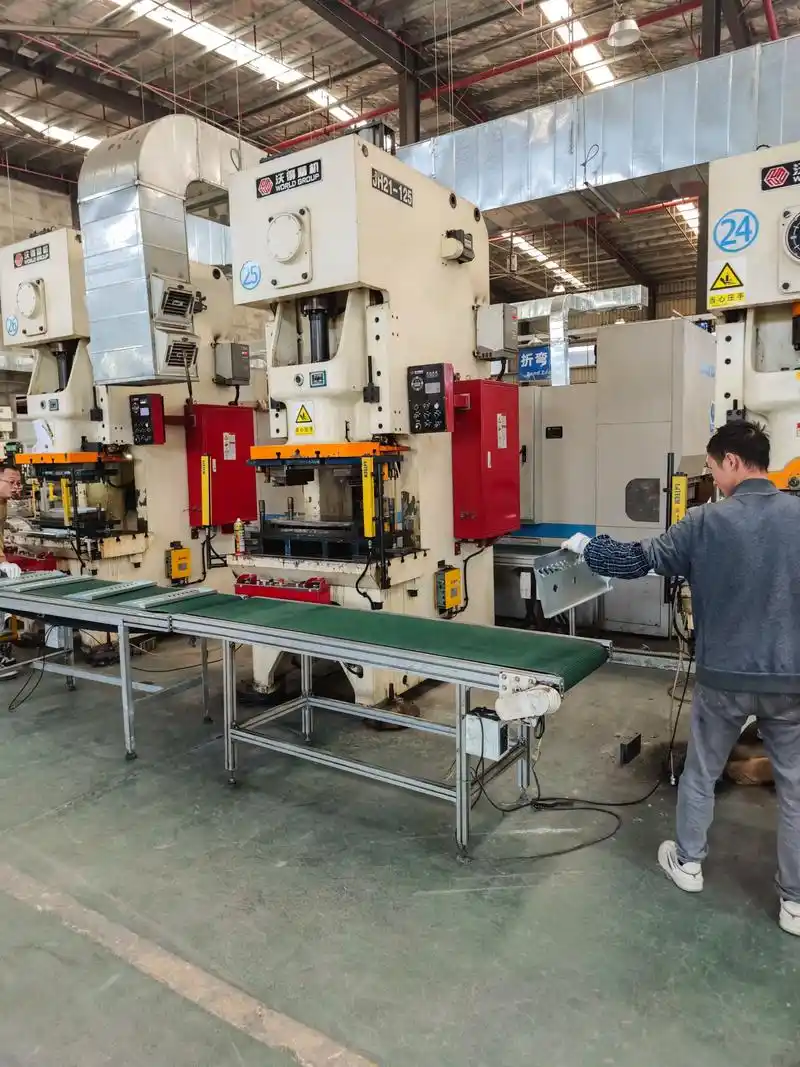
Pag-unawa sa mga Sheet na Aluminyo para sa Paggawa at Kanilang Papel sa Pagmamanupaktura
Kapag kumu-kopya ka ng mga materyales para sa susunod mong proyekto sa pagmamanupaktura, ang pagpili ng tamang sheet na aluminyo ay maaaring magpatibay o magpabagsak sa iyong mga resulta. Ang mga sheet na aluminyo para sa paggawa ay mga patag na aluminum na produkto na may rol na espesipikong idinisenyo upang dumanas ng sekondaryang proseso—pagkukurba, pag-welding, pagputol, pag-stamp, at pagbuo—upang maging mga natapos na bahagi. Hindi tulad ng mga dekoratibong sheet na aluminyo o estruktural na plato ng aluminyo na inilaan para sa mga aplikasyong may mabigat na pasanin, ang mga sheet na aluminyo para sa paggawa ay binibigyang-prioridad ang kadaliang gamitin kasama ang performance.
Kaya ano nga ba ang eksaktong nagpapabukod sa ginawang aluminyo mula sa iba pang mga produkto ng aluminyo? Ito ay nakasalalay sa isang maingat na balanseng kombinasyon ng komposisyon ng alloy at pagtatakda ng temper na nag-o-optimize sa materyal para sa mga tiyak na proseso ng paggawa. Madalas na binabale-wala ng mga inhinyero at mga propesyonal sa pagbili ang pagkakaiba na ito, kaya't pinipili nila ang mga panel ng aluminyo batay lamang sa mga rating ng lakas nito nang hindi isinasaalang-alang kung paano magiging ugali ng materyal sa panahon ng paggawa.
Ano ang Nagpapaganda sa Aluminyo Bilang Materyal sa Paggawa
Ang sikat na paggamit ng aluminyo sa paggawa ay hindi basta-bastang pangyayari. Aldine Metal Products ayon sa Aldine Metal Products, ang aluminyo ay humigit-kumulang isang ikatlo ng timbang ng bakal habang nananatiling may kahanga-hangang integridad na istruktural—ang ratio ng lakas sa timbang na ito ay napakahalaga sa mga aplikasyon sa aerospace, automotive, at transportasyon.
Ngunit ang pagbawas ng timbang ay nagkukuwento lamang ng bahagi ng kuwento. Kapag inilantad sa hangin, ang aluminum ay likas na bumubuo ng protektibong oxide film na gumagawa ng hadlang laban sa pangingitngit. Ang katangiang ito na may kakayahang magpapagaling sa sarili ay nagiging dahilan kung bakit pinipili ang mga sheet ng aluminum para sa mga kapaligiran na madalas na may kahalumigmigan, kabilang ang mga aplikasyon sa dagat at mga panlabas na arkitektural na instalasyon.
Ang pangunahing mga katangian na nagpapahusay sa paggamit ng mga sheet ng aluminum sa paggawa ay kinabibilangan ng:
- Formability: Maaaring ibuhin ang aluminum sa mga kumplikadong hugis nang hindi nawawala ang kanyang istruktural na integridad, kaya ito ay perpekto para sa mga operasyon tulad ng deep drawing, bending, at stamping
- Weldability: Karamihan sa mga alloy ng aluminum ay maaaring madaling i-join gamit ang mga proseso ng MIG at TIG welding kapag ang tamang teknik ay ginagamit
- Machinability: Maaaring putulin nang malinis at epektibo ang aluminum, bagaman ang espesyal na tooling at lubrication ay nagpapabuti ng resulta
- Kalidad ng surface finish: Nakakatanggap nang lubos ang aluminum ng mechanical polishing, anodizing, at organic coatings
Mula sa Hilaw na Materyal hanggang sa Natapos na Bahagi
Ang pag-unawa kung paano nababago ang mga sheet ng aluminum mula sa hilaw na materyal patungo sa mga natapos na bahagi ay tumutulong sa iyo na lubos na unawain kung bakit napakahalaga ng pagpili ng materyal. Ang proseso ng paggawa ay karaniwang nagsisimula sa pagpili ng angkop na halo at kombinasyon ng temper batay sa iyong mga kinakailangan para sa panghuling gamit at sa mga nakalaang proseso ng pagmamanupaktura.
Gayundin ang nabanggit sa teknikal na gabay mula sa AZoM , ang temper ng bawat halo ay maaaring magpalit ng mga katangian nito nang malaki—ang parehong grado ay maaaring perpekto para sa isang tiyak na aplikasyon sa isang temper ngunit ganap na hindi angkop sa iba pang temper. Ang mahalagang ugnayan na ito sa pagitan ng halo, temper, at paraan ng paggawa ang bumubuo ng pundasyon para sa bawat desisyon sa pagpili na gagawin mo.
Kung ikaw man ay isang inhinyero na nagtutukoy ng materyal na aluminium sheet para sa isang prototype, isang fabricator na sinusuri ang pagkakatugma ng proseso, o isang propesyonal sa procurement na kinukumpara ang mga opsyon ng supplier, ang gabay na ito ay nagbibigay ng pang-edukasyong pundasyon na kailangan mo. Sa mga sumusunod na seksyon, tatalakayin natin ang mga grado ng alloy, ipapaliwanag ang mga designation ng temper, at tatalakayin ang mga salik sa pagpili na tumutukoy sa tagumpay ng fabrication.
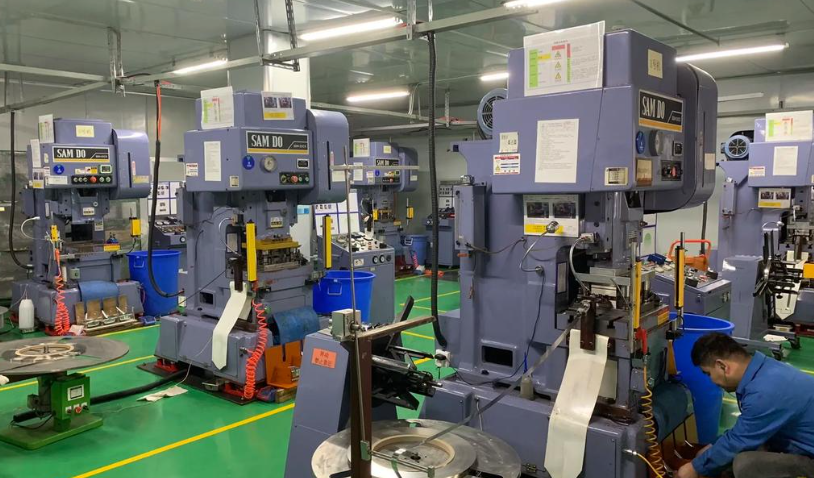
Karaniwang Mga Grado ng Aluminum Alloy para sa Fabrication Sheets
Nakatingin ka na ba sa isang chart ng mga grado ng aluminum at naramdaman ang labis na pagkabigo dahil sa dami ng mga opsyon? Hindi ka nag-iisa. Bagama't maraming supplier ang nagsasalin ng mga sheet ng aluminum alloy ayon sa bilang ng serye, bihira ang gumagawa ng panahon upang ipaliwanag kung ano talaga ang ibig sabihin ng mga designation na iyon para sa iyong proyektong fabrication. Ang pag-unawa sa mga pagkakaiba sa pagitan ng karaniwang mga grado ng materyal na aluminium sheet ay hindi lamang aklatan—ito ay direktang nakaaapekto kung ang iyong mga bahagi ay mag-crack habang binubend, magkakaroon ng maagang corrosion, o mabibigo sa pagkamit ng mga kinakailangang antas ng lakas.
Ayon sa teknikal na datos mula sa AZoM , ang mga pinagtagong padakel na aluminyo ay sumusunod sa isang apat-na-digitong sistema ng pagkakakilanlan na nagsimula sa USA at ngayon ay pandaigdigang tinatanggap. Ang unang digit ay nagpapahiwatig ng pangunahing elemento ng pagsasamahin, na pangunahing nagtatakda sa mga katangian ng alloy. Para sa mga sheet na ginagamit sa paggawa, karamihan sa mga pagkakataon ay makikita mo ang mga serye ng 3000, 5000, at 6000—bawat isa ay nag-aalok ng natatanging mga pakinabang depende sa iyong aplikasyon.
Ang Serye ng 3003 para sa Pangkalahatang Pagbuo
Kapag ang iyong proyekto ay nangangailangan ng mahusay na kakayahang bumuo nang hindi kumakain ng mataas na presyo, dapat ikonsidera nang mabuti ang aluminyo na 3003. Ito ay isang di-maheat-treatable na alloy na kabilang sa serye ng 3000, kung saan ang manganes ang pangunahing elemento ng pagsasamahin. Ayon sa Diecasting-Mould.com, ang nilalaman ng manganes ay nagpapahusay ng parehong paglaban sa korosyon at lakas kumpara sa mga purong grado ng aluminyo tulad ng 1100.
Ano ang nagpapaganda ng 3003 lalo na para sa mga aplikasyon na kailangan ng pagbuo? Nag-aalok ito ng napakagandang kakayahang gamitin—maaari mong ibaluktot, i-stamp, at i-draw ang aliyas na ito papunta sa mga kumplikadong hugis na may kaunting panganib lamang na mabali. Ang likas na oxide layer na nabubuo sa ibabaw nito ay gumagana nang maayos sa mga kapaligirang may mataas na kahalumigmigan at nagbibigay ng pangmatagalang tibay laban sa pagkakalantad sa atmospera.
Kasagaran ng mga aplikasyon para sa sheet metal na 3003 aluminum alloy ay kinabibilangan ng:
- Pabalag na takip at arkitektural na trim
- Mga tangke ng imbakan at kagamitang pang-kemikal
- Mga kagamitan sa pagluluto at kagamitang pangkusina
- Mga panel ng sasakyan at dekoratibong bahagi
- Mga ductwork ng HVAC at sistema ng bentilasyon
Piliin ang 3003 kapag ang pagkakabuo (formability) ang pinakamataas na priyoridad mo at ang mga kinakailangan sa lakas ng istruktura ay nananatiling katamtaman. Ang grado na ito ang pinakamurang opsyon sa gitna ng karaniwang mga aliyas na ginagamit sa paggawa.
Bakit Dominado ng 5052 ang Pagmamanupaktura ng Istukturang Bahagi
Kung ikaw ay nagsasagawa ng mga proyekto na nangangailangan ng mas mataas na lakas nang hindi kinakailangang ibigay ang kahusayan sa paggamit, malamang na nakita mo na ang mga sheet ng 5052 aluminum. Ang grado na ito na may pinalabnaw na magnesium ay kumikilala na bilang ang 'workhorse' ng pabrikasyon ng istruktura , lalo na sa mga kapaligiran kung saan mahalaga ang resistensya sa korosyon.
Hindi tulad ng mga sheet ng bakal na aluminum na maaaring mabilis na makorosyon sa mga kondisyon sa karagatan, ang sheet metal ng 5052 aluminum ay nagpapakita ng mahusay na pagganap sa tubig-alat at mga mapanghamong kapaligiran. Ang nilalaman ng magnesium—karaniwang nasa pagitan ng 2.2% at 2.8%—ay nagbibigay ng makabuluhang mas mataas na tensile strength kaysa sa 3003 habang pinapanatili pa rin ang mabuting formability. Ayon sa mga teknikal na tukoy, ang 5052 ay nagbibigay ng humigit-kumulang 50% na mas mataas na lakas kaysa sa 3003 sa mga katumbas na temper.
Ang tunay na nagpapabukod-tangi sa 5052 ay ang kanyang versatility sa iba’t ibang proseso ng paggawa. Madaling mapag-weld, maayos ang pagkukurba nito, at mainam na tinatanggap ang mga paggamit sa ibabaw. Ang mga tagagawa ng kagamitan para sa marino, mga tagagawa ng kagamitan sa transportasyon, at mga tagagawa ng industriyal na kabanayan ay palagiang nagtatakda ng grado na ito kapag kailangan nila ng maaasahang pagganap nang walang kumplikadong proseso ng heat treatment.
6061 para sa Heat-Treatable Performance
Kapag ang iyong aplikasyon ay nangangailangan ng pinakamataas na lakas sa gitna ng karaniwang mga grado ng aluminum plate, isinasama ang 6061 sa talakayan. Ang alloy na ito ay may magnesium at silicon bilang pangunahing elemento ng pag-aaloy, na nagpapahintulot sa malaking pagpapabuti ng mga katangian sa pamamagitan ng mga proseso ng heat treatment tulad ng T6 tempering.
Ang kakayahang pahiramin ng 6061 ay nagpapakilala nito bilang lubos na iba sa 3003 at 5052. Samantalang ang mga aliyas na iyon ay kumikita ng lakas pangunahin sa pamamagitan ng malamig na paggawa, ang 6061 ay maaaring makamit ang lakas ng pagtensilyo na umaabot sa halos 310 MPa sa T6 temper—na ginagawang angkop ito para sa mga aplikasyon na istruktural kung saan ang aluminum ay kailangang makipagkumpitensya sa iba pang mga materyal sa inhinyeriya.
Gayunman, ang gantimpalang ito sa lakas ay may mga kapalit. Ang aliyas na 6061 ay nangangailangan ng mas maingat na pansin sa panahon ng pag-weld—ang init mula sa proseso ng pag-weld ay maaaring bawasan ang lakas sa heat-affected zone, na minsan ay nangangailangan ng post-weld heat treatment upang ibalik ang mga katangian nito. Ang pagkakaporma ay bumababa rin kumpara sa mga mas malalambot na grado, kaya ang mga kumplikadong operasyon sa pagkukurba ay maaaring nangangailangan ng mga temper na nai-anneal.
Ang mga istruktura sa aerospace, mga frame ng sasakyan, mga bahagi ng bisikleta, at mga bahaging may presisyon na pinutol ay madalas na gumagamit ng 6061 kapag mahalaga ang optimisasyon ng lakas-sa-timbang.
Paghahambing ng Mga Grade ng Aluminum Fabrication Sheet
Ang sumusunod na talahanayan ay nagbibigay ng isang komprehensibong paghahambing upang matulungan kang pumili ng tamang mga sheet ng aluminum alloy para sa iyong partikular na pangangailangan:
| Mga ari-arian | 3003 | 5005 | 5052 | 6061 |
|---|---|---|---|---|
| Pangunahing Elemento ng Haluang Metal | Ang manganese | Magnesium | Magnesium | Magnesium + Silicon |
| Lakas sa Pagpapahaba | Mababa-Hindi gaanong mataas | Mababa-Hindi gaanong mataas | Katamtaman-Mataas | Mataas (lalo na ang T6) |
| Rating ng Formability | Napakahusay | Napakahusay | Mabuti | Katamtaman |
| Kakayahan sa paglilimos | Napakahusay | Mabuti | Mabuti | Mabuti (na may mga pag-iingat) |
| Pagtutol sa Korosyon | Mabuti | Mabuti | Mahusay (marine-grade) | Mabuti |
| Mainit na maipapagamot | No | No | No | Oo |
| Mga Tipikal na Aplikasyon | Pangkalahatang pagbuo, HVAC, kagamitan sa pagluluto | Arkitektura, mga appliance | Marino, transportasyon, mga tangke | Aerospasyo, automotive, istruktural |
| Relatibong Gastos | Pinakamababa | Mababa | Katamtaman | Mas mataas |
Pagpili ng Tamang Alloy para sa Iyong Proyekto
Ang pagpili sa pagitan ng mga grado na ito ay nakasalalay sa pagbabalanse ng apat na pangunahing kadahilanan: kinakailangang lakas, mga proseso ng paggawa, pagkakalantad sa kapaligiran, at mga limitasyon sa badyet.
Kung ang iyong proyekto ay nangangailangan ng malawakang pagbuo kasama ang katamtamang pangangailangan sa lakas, maaari mong simulan ang paggamit ng 3003 o 5005. Kapag ang resistensya sa korosyon ay naging napakahalaga—lalo na sa mga aplikasyon sa marino o sa bukas na hangin—ang mga sheet ng 5052 na aluminum ay nagbibigay ng pinakamainam na kombinasyon ng kakayahang gamitin at tibay. Para sa mga aplikasyon na nangangailangan ng pinakamataas na lakas at handa nang tumanggap ng mga kinakailangan sa heat treatment, ang 6061 ay nagbibigay ng performance na hindi kayang tagpuin ng iba pang mga grado.
Ang pag-unawa sa mga pagkakaiba ng mga alloy na ito ay bumubuo lamang ng kalahati ng equation sa pagpili. Ang tinukoy mong temper designation ang nagtutukoy kung paano talaga gagana ang bawat grade habang ginagawa—isa sa mahalagang kadahilanan na ating tatalakayin sa susunod na seksyon.
Paliwanag sa mga Temper Designation para sa Pagpili ng Sheet
Napili mo na ang iyong grado ng alloy—ngunit isa ba sa iyong isinip ang suffix na sumusunod dito? Ang maikling code na nasa likod ng numero ng alloy, tulad ng "-H32" o "-T6," ay nagtatago ng susi kung ang iyong sheet na aluminum ay maaaring mapalawak nang maayos o mag-crack sa ilalim ng presyon. Ayon sa HXM Aluminum , ang pagpili ng maling temper ay maaaring magdulot ng cracking sa mga bahagi habang binubuo o pagkabigo sa ilalim ng load—mga kamalian na nagkakahalaga ng oras, materyales, at pera.
Isipin mo ang pag-order ng thickness ng aluminum sheet na eksaktong tugma sa iyong disenyo, ngunit natuklasan mong sumisplit ang materyales habang binabaluktot. Ano ang sanhi? Isang temper designation na binibigyang-prioridad ang hardness kaysa sa formability. Ang pag-unawa sa mga code na ito ay nagbabago sa iyo mula sa paghahatol nang puro haka-haka patungo sa tiyak at may-kumpiyansa na pagtukoy.
Pag-unawa sa mga Denominasyon ng H-Temper para sa mga Sheet na Pinatitibay sa Pamamagitan ng Pagtrabaho
Kapag gumagamit ka ng mga hindi napapainit na pinalalakas na alloys—ang mga serye ng 1000, 3000, at 5000—makikita mo ang mga denominasyon ng H-temper. Ang mga kodigo na ito ay nagsasaad na ang materyal na aluminium sheet ay pinatitibay gamit ang strain hardening, o sa madaling salita, ang pagpapahina ng metal sa pamamagitan ng cold working upang bertihin ang kanyang lakas at kahirapan.
Ang sistema ng H-temper ay gumagamit ng dalawa o tatlong digit upang ipahayag nang eksakto kung paano naproseso ang materyal:
-
Unang digit nagpapahiwatig ng paraan ng pagproseso:
- H1: Pinatitibay lamang sa pamamagitan ng strain hardening (walang karagdagang thermal treatment)
- H2: Pinatitibay sa pamamagitan ng strain hardening at bahagyang inanneal (maliit na pinatataas ang kahabaan para sa mas mainam na pagkakapareho sa paggawa)
- H3: Pinatitibay sa pamamagitan ng strain hardening at istabilisado (paggamit ng mababang temperatura para sa pare-parehong katangian)
-
Pangalawang digit nagpapahiwatig ng antas ng kahirapan sa iskala mula 0 hanggang 8:
- Hx2: Quarter-hard (1/4 hard)
- Hx4: Half-hard (1/2 hard)
- Hx6: Tatlong-kuwarter na matigas (3/4 matigas)
- Hx8: Lubos na matigas
Ano ang ibig sabihin nito sa praktikal na aspeto? Ang sheet na 5052-H32 ay pinagpilitan at inestabilisado na hanggang sa antas na quarter-hard—na nagbibigay ng mabuting pagkabuo kasama ang katamtamang lakas. Dahil dito, ito ay perpektong angkop para sa mga aplikasyon sa dagat at mga bahagi ng sheet metal sa sasakyan kung saan kailangan mong ipalawak ang materyal nang hindi ito mag-crack. Ihambing ito sa 5052-H38, na nagbibigay ng pinakamataas na lakas ngunit may malaking pagbaba sa kalidad ng aluminum para sa mga operasyon ng pagbuo.
Isipin ang malambot na aluminum sa mga temper na H12 o H14 bilang mga materyal na optimizado para sa pagbaluktot at paghubog , habang ang mga temper na H18 ay binibigyang-prioridad ang lakas kaysa sa kadaliang gamitin.
Mga Kodigo ng T-Temper para sa mga Alloys na Pinainit
Ang mga padadalisay na alloy tulad ng 2000, 6000, at 7000 series ay gumagamit ng T-temper designation. Ang mga code na ito ay nagsasaad na ang materyal ay dumaan sa kontroladong pag-init at paglamig upang makamit ang tiyak na mekanikal na katangian. Ang dalawang pinakakaraniwang temper na makikita mo ay ang T4 at T6—at mahalaga ang pag-unawa sa kanilang pagkakaiba para sa pagpili ng kapal ng aluminum sheet metal at pagpaplano ng proseso.
- T4 (Solution Heat-Treated at Naturally Aged): Ang aluminum ay iniinit upang masunog ang mga elemento ng alloy, biglang pinapalamig (quenched), at hinahayaan na tumigas nang natural sa temperatura ng silid sa loob ng ilang araw o linggo. Ang T4 ay nagbibigay ng katamtamang lakas kasama ang mahusay na kakayahang pormahin—angkop para sa mga bahagi na nangangailangan ng kumplikadong pagbubuhat o malalim na pagguhit bago ang huling pagtigas.
- T6 (Solution heat-treated at artificially aged): Pagkatapos ng quenching, ang materyal ay "sinisiga" sa isang furnace sa tiyak na temperatura sa loob ng ilang oras. Ang artipisyal na pagtigas na ito ay nagdudulot ng isa sa pinakamalakas at pinakakaraniwang temper. Gayunpaman, ang kakayahang pormahin ay bumababa nang malaki kumpara sa T4.
Narito ang isang praktikal na halimbawa: Ang 6061-T6 ay ang pangunahing uri ng aluminum para sa istruktural—na nag-aalok ng mataas na lakas para sa CNC machining, mga frame ng bisikleta, at iba pang istruktural na aplikasyon. Ngunit kung kailangan mong i-bend ang parehong 6061 alloy na ito sa mga kumplikadong hugis, ang pagtukoy ng T4 temper ay magbibigay sa iyo ng kakayahang pormain na kailangan para sa matagumpay na paggawa. Maaari mo nang i-age ang nabuong bahagi patungo sa mga katangian ng T6 pagkatapos nito.
Epekto ng Temper sa mga Katangian ng Sheet
Ang sumusunod na talahanayan ay nagpapakita kung paano direktang nakaaapekto ang mga tanda ng temper sa mga katangian na pinakamahalaga para sa tagumpay ng paggawa:
| Temper | Uri | Relatibong Kagaspangan | Pagbubuo | Lakas | Pinakamahusay na Aplikasyon |
|---|---|---|---|---|---|
| O (Annealed) | Pinahinay | Pinakamababa | Napakahusay | Pinakamababa | Kumplikadong pagbuo, malalim na pagguhit |
| H14 | Nabibilang sa strain-hardened | Katamtaman | Mabuti | Katamtaman | Pangkalahatang layunin, katamtamang pagbubuhat |
| H32 | Strain-hardened + na-stabilize | Katamtaman-Mababa | Mabuti | Katamtaman | Mga bahagi para sa dagat, mga nabuong komponente |
| H34 | Strain-hardened + na-stabilize | Katamtaman | Katamtaman | Katamtamang Mataas | Mga istruktural na panel, mga kaban |
| T4 | Naiinitan + natural na na-age | Katamtaman | Mabuti | Katamtaman | Pagbuo ng pre-form bago ang huling pag-aging |
| T6 | Nakapag-init + artipisyal na nai-age | Mataas | Limitado | Mataas | Mga istruktural na bahagi na naka-machined |
Pagseselihang ng Temperatura Ayon sa Iyong Proseso sa Pagmamanupaktura
Ang pagpili ng tamang temperatura ay nagsisimula sa pag-unawa kung ano ang gagawin mo sa sheet matapos ito dumating. Ayon sa Seather Technology, ang temperatura ay nakaaapekto sa kadaliang mapalawak o mapabaluktot ang aluminum—at ang maling pagpili ay nagdudulot ng mga pukyaw at magaspang na gilid.
Isaisip ang mga gabay batay sa proseso:
- Kung ikaw ay nagpapabaluktot o nagfo-form: Pumili ng mas malalambot na temperatura tulad ng O (annealed), T4, H32, o H14. Ang mga ito ay nagbibigay ng sapat na paglalabas (elongation) upang maiwasan ang pukyaw sa mga linya ng pagpapabaluktot. Para sa aluminum sheet metal na may kapal na higit sa 0.125 pulgada, ang paggamit ng mas malalaking radius ng pagpapabaluktot ay naging mahalaga nang walang pakialam sa temperatura.
- Kung ikaw ay nagsusolder o nagsu-weld: Mas kaunti ang epekto ng temperatura kumpara sa pagpili ng alloy, ngunit unawain na ang mga heat-affected zones ay maaaring mabawasan ang katibayan nang hindi alintana ang orihinal na temperatura. Sa mga materyales na T6, ibig sabihin nito ang lokal na pagbawas ng katibayan malapit sa mga solder o weld.
- Kung ginamamana o ginagamit nang diretso: Ang mas mataas na antas ng pagpapahinog tulad ng T6 o H34 ay nagbibigay ng kahirapan at katatagan sa sukat na kailangan mo. Ang mga mas malalambot na antas ng pagpapahinog ay maaaring makadikit sa mga tool sa pagputol o mag-deform habang kinukurakot.
- Kung kailangan mo ng lakas pagkatapos ng paggawa: Simulan ang paggamit ng T4 na antas ng pagpapahinog para sa pagbuo, pagkatapos ay buwisin nang artipisyal patungo sa T6 matapos matapos ang paggawa.
Ang pinakamaliit na radius ng pagkukurba ay dapat kahit na katumbas ng kapal ng sheet para sa mga mas malalambot na antas ng pagpapahinog. Para sa mga mas matitigas na antas ng pagpapahinog tulad ng T6 o H38, dagdagan ang ratio na ito sa 1.5 hanggang 3 beses ang kapal upang maiwasan ang pagsira.
Ngayon na nauunawaan mo kung paano sama-sama ang grado ng alloy at ang antas ng pagpapahinog upang tukuyin ang pag-uugali sa paggawa, ang susunod na mahalagang kadahilanan sa pagpili ay ang pagtukoy ng tamang mga sukat at kapal para sa iyong aplikasyon.
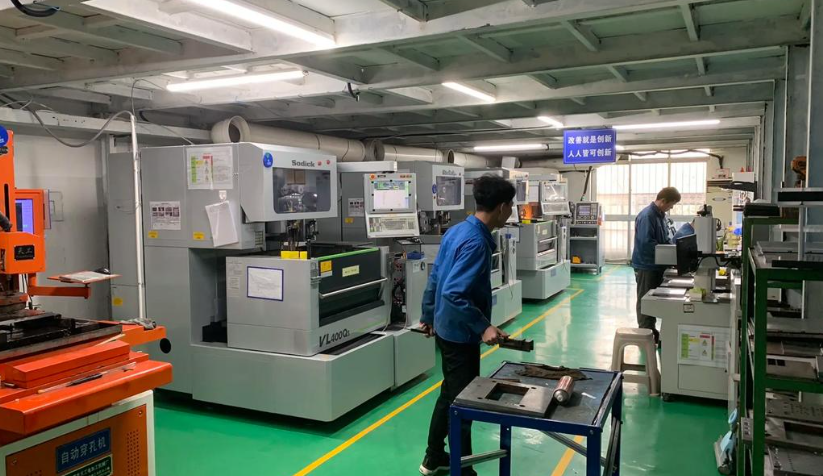
Mga Karaniwang Sukat at Mga Opisyon sa Kapal na Magagamit
Nagtatanong kung bakit halos lahat ng tagapag-suplay ng aluminum ang nakalista ng parehong sukat ng sheet? Ang 4x8 na aluminum sheet ay naging pamantayan sa industriya dahil sa mabuting dahilan—at ang pag-unawa sa konbensiyong ito sa sukat ay makakatipid sa iyo ng malaki habang pinapasimple ang iyong plano sa paggawa. Kung nag-o-order ka man ng 4x8 na sheet aluminum para sa isang prototype o kung papalawakin mo ang produksyon, ang pagkakaroon ng kaalaman tungkol sa mga opsyon ay makakatulong upang mapabilis ang paggamit ng materyales at kontrolin ang gastos.
Pamantayang Sukat at Availability ng 4x8 na Sheet
Ang 4 x 8 na aluminum sheet—na may sukat na 48 pulgada sa lapad at 96 pulgada sa haba (humigit-kumulang 1.22 x 2.44 metro)—ay dominante sa merkado ng paggawa ng aluminum dahil sa ilang praktikal na kadahilanan. Ayon sa mga teknikal na tukoy ng industriya, ang sukat na ito ay eksaktong umaangkop sa pamantayang sukat ng mga materyales sa pagtatayo, kaya ito ay compatible sa karaniwang mga sistema ng framing, mga mesa ng CNC, at mga sasakyang pandala.
Bakit mahalaga ang konbensiyong ito sa sukat para sa iyong mga proyekto? Isaalang-alang ang mga sumusunod na pakinabang:
- Kahusayan sa modular na pagputol: Ang format na 4x8 ay nahahati nang pantay sa karaniwang sukat ng mga panel—tulad ng 2x4, 2x8, 4x4, at katulad na mga konpigurasyon—na nagpapababa ng sobrang materyal.
- Kakatian ng kagamitan: Karamihan sa mga gunting, brake press, at CNC router ay kayang tanggapin ang mga sheet na 4x8 nang hindi kailangang gumamit ng napakalaking makina.
- Pamantayan sa paglilipat: Ang mga truck at shipping container ay epektibong nakapagdadala ng mga sheet na 4x8, na pananatiling mahuhulaan ang gastos sa logistics.
- Kakayahang mag-imbentaryo: Ang mga distributor ay mayroong stock ng mga aluminum sheet na 4x8 sa karaniwang mga alloy at kapal, na nagpapababa ng lead time kumpara sa mga custom na sukat.
Kapag naghahanap ka ng mga opsyon para sa aluminum sheet metal na 4x8, makikita mo ang availability sa halos bawat grado ng alloy na tinalakay kanina—mula sa ekonomikal na 3003 para sa pangkalahatang pagbuo hanggang sa mataas na lakas na 6061 para sa mga aplikasyong istruktural. Ang pambansang pamantayan sa sukat na ito ay nangangahulugan na karaniwan mong matatanggap ang mga sheet na aluminum na 4x8 sa loob ng ilang araw imbes na linggo.
Mga Pagbabago ng Gauge ng Kapal para sa Paghahanda ng Pagkakagawa
Narito kung saan maraming inhinyero ang nalilito: ang kapal ng aluminum ay maaaring tukuyin sa pulgada na may decimal, millimetro, o mga numero ng gauge—at ang mga sistemang ito ay hindi palaging direktang nauunawaan. Ayon sa mga teknikal na sanggunian ng Xometry, ang sistema ng gauge ay sumusunod sa isang di-linear na saklaw kung saan ang mas mababang numero ng gauge ay nangangahulugan ng mas makapal na materyal. Ang isang sheet na 10-gauge ay may sukat na humigit-kumulang 0.102 pulgada (2.59 mm), samantalang ang isang sheet na 20-gauge ay may sukat na 0.032 pulgada (0.81 mm) lamang.
Ang sumusunod na talahanayan ay nagbibigay ng mahahalagang pagkakatugma ng gauge sa dimensyon para sa mga sheet ng aluminum na sukat na 4x8 at iba pang karaniwang sukat, batay sa datos mula sa mga sangguniang tsart ng RMFG:
| Gauge | Kapal (dali) | Kapal (mm) | Mga Tipikal na Aplikasyon |
|---|---|---|---|
| 26 | 0.016 | 0.41 | Mga manipis na dekoratibong panel, substrato para sa mga graphic |
| 24 | 0.020 | 0.51 | Mga signage, takip na may mababang karga |
| 22 | 0.025 | 0.64 | Panloob na trim, mga aplikasyon sa display |
| 20 | 0.032 | 0.81 | Mga bahagi ng HVAC, ductwork |
| 18 | 0.040 | 1.02 | Pangkalahatang pagbuo, mga light enclosure |
| 16 | 0.051 | 1.29 | Mga kabinet, mga housing na may mababang karga |
| 14 | 0.064 | 1.63 | Mga enclosure na may katamtamang karga, mga bracket |
| 12 | 0.081 | 2.05 | Mga frame na may mataas na karga, mga estruktural na panel |
| 10 | 0.102 | 2.59 | Mga bahagi ng istruktura, katawan ng truck |
| plato na 1/8 pulgada | 0.125 | 3.18 | Mabibigat na istruktural, sahig na gawa sa diamond plate |
| plato na 3/16 pulgada | 0.188 | 4.78 | Mga industriyal na platform, sahig para sa mga barko |
| plato na 1/4 pulgada | 0.250 | 6.35 | Mabibigat na istruktural, mga plato para sa kagamitan |
Mahalagang paalala: Ang mga gauge ay nag-iiba depende sa materyales. Ayon sa paliwanag ng Xometry, ang 12-gauge na aluminum ay hindi kapareho ng kapal ng 12-gauge na stainless steel. Palaging i-verify ang aktwal na sukat sa decimal kapag tinutukoy ang mahahalagang toleransya.
Kapag sinusuri ang presyo ng 4x8 na sheet na 1/8 pulgada na aluminum kumpara sa mas manipis na mga opsyon, tandaan na ang gastos sa materyales ay umaayon sa kapal—ngunit gayundin ang kakayahan ng istruktura at ang angkop na aplikasyon:
- Mga manipis na sheet (0.016–0.040 pulgada): Ideal para sa mga dekoratibong panel, palatandaan, mga aksen sa interior design, at mga aplikasyon na sensitibo sa timbang kung saan ang mga pangangailangan sa istruktura ay minimal
- Katamtamang lapad (0.050"–0.100"): Ang pinakamainam na lapad para sa karamihan ng mga proyektong paggawa—mga kahon, suporta, mga panel ng sasakyan, at mga nabuo na bahagi na nangangailangan ng katamtamang lakas
- Kapal ng plato (0.125"–0.250" at mas malaki pa): Ipinagkaloob lamang para sa mga mabibigat na istruktural na aplikasyon, industriyal na sahig, mga kargador ng truck, at mga bahaging may pasan na karga kung saan ang tibay ang mas mahalaga kaysa sa timbang
Kailan Dapat Tukuyin ang Pasadyang Sukat
Bagaman ang mga aluminum sheet na may sukat na 4x8 ay nag-aalok ng kaginhawahan at mga pakinabang sa gastos, ang ilang proyekto ay karapat-dapat na gamitin ang pasadyang sukat. Ang pag-unawa kung kailan dapat umalis sa pamantayang sukat ay tumutulong sa iyo na gumawa ng mga desisyong pang-ekonomiya na may katuwiran.
Isaisip ang paghiling ng pasadyang sukat kapag:
- Ang iyong disenyo ay lumilikha ng labis na basura: Kung ang pamantayang sukat na 4x8 ay nag-iwan ng higit sa 20–25% na basura, ang mga pasadyang blanko ay maaaring mas ekonomikal sa malaking dami
- Ang mga bahagi ay lumalampas sa pamantayang mga hangganan ng sheet: Ang malalaking arkitektural na panel o industriyal na komponente ay kailangan minsan ng napakalaking sheet
- Mga produksyon sa mataas na dami: Kapag nag-o-order ng libo-libong piraso, ang mga pasadyang pre-cut na blanko ay nag-aalis ng mga sekondaryang operasyon sa pagputol at binabawasan ang paghawak
- Mga kinakailangan sa presisyong toleransya: Ang mga blanko na pinutol ng supplier mula sa mga pangunahing coil ay maaaring magbigay ng mas mahigpit na mga toleransyang dimensional kaysa sa mga sheet na pinutol manu-manong
Gayunman, ang pasadyang pag-size ay kadalasang nangangailangan ng minimum order quantities, mas mahabang lead times, at premium pricing. Para sa mga prototype at maliit na production run, ang pagtrabaho sa loob ng pamantayang sukat na 4x8 ay halos laging mas makatwiran mula sa ekonomikong pananaw.
Pro Tip: Kapag humihingi ng quote para sa pasadyang mga dimensyon ng aluminum sheet, tukuyin palagi ang alloy, temper, kapal, dami, at anumang mga kinakailangan sa toleransya. Ang kakulangan ng impormasyon ay nagdudulot ng pagkaantala sa pagtatakda ng presyo at maaaring magresulta sa hindi inaasahang gastos.
Kapag naclarify na ang mga desisyon tungkol sa sukat at kapal, ang susunod na mahalagang kadahilanan ay ang pag-unawa kung paano gagana ang iyong piniling mga sheet ng aluminum sa panahon ng aktwal na mga proseso ng paggawa—mga operasyon sa pagpiyok, pag-weld, at pagputol na nagpapalit sa patag na stock papuntang natapos na mga bahagi.
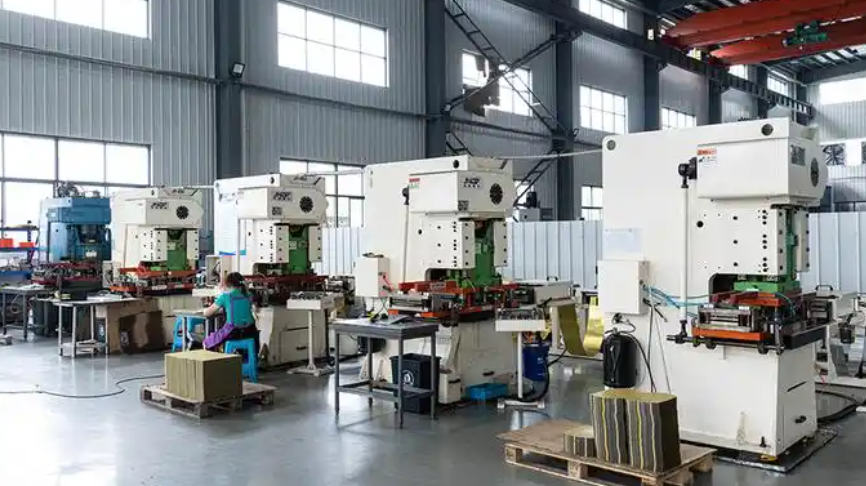
Mga Teknik sa Paggawa at Kalagayan ng Pagkakasabay sa Proseso
Napili mo na ang tamang alloy, tinukoy ang tamang temper, at inorder ang mga sheet sa perpektong kapal. Ngayon ay dumating na ang sandali ng katotohanan—paano nga ba gagana ang iyong mga sheet ng aluminum para sa paggawa kapag ang metal ay humarap sa makina? Ang pag-unawa sa kalagayan ng pagkakasabay sa proseso bago magsimula sa pagputol, pagpiyok, o pag-weld ay nagpapabawas sa mga mahal na kamalian at nagpapatitiyak na ang iyong natapos na mga bahagi ay sumusunod sa mga teknikal na tatakda.
Bawat proseso ng paggawa ay nakikipag-ugnayan nang iba-iba sa mga alloy at tempers ng aluminum. Ang bagay na gumagana nang mahusay kasama ang 3003-H14 ay maaaring magdulot ng punit sa 6061-T6. Tingnan natin nang buo ang mga mahahalagang konsiderasyon para sa tatlong pinakakaraniwang operasyon sa paggawa.
Mga Konsiderasyon sa Pagkukurba at Pagbuo Ayon sa Alay
Kapag sumisira ang aluminum sheet habang kinukurba, halos laging isa sa tatlong kadahilanan ang dahilan: maling pagpili ng alay, maling temper, o hindi sapat na radius ng kurba. Ayon sa Cumberland Metals , ang pag-unawa sa mga kinakailangang minimum na radius ng kurba ay mahalaga para sa matagumpay na mga operasyon sa pagbuo.
Ito ang kailangan ninyong malaman tungkol sa pagkukurba ng iba't ibang grado ng aluminum:
- 3003 aluminum: Mahusay na pagkabuo sa lahat ng temper. Kahit sa mas matigas na kondisyon na H18, ang alay na ito ay kumukurba nang maasahan na may kaunting springback lamang. Angkop para sa mga kumplikadong operasyon sa pagbuo.
- 5052 aluminum: Magandang pagkabuo sa mga temper na H32 at mas malambot. Ang mas matitigas na temper tulad ng H34 at H38 ay nangangailangan ng mas malalaking radius ng kurba upang maiwasan ang pagsira. Ang mga tagagawa ng marine equipment ay patuloy na pinipili ang grado na ito para sa mga nabuong bahagi ng istruktura.
- 6061 Aluminyum: Katamtamang pagkabuo na nagbabago nang malaki depende sa temper. Ang kondisyon na T4 ay nagpapahintulot ng katanggap-tanggap na pagkukurba; ang T6 naman ay naglilimita nang malaki sa mga opsyon sa pagbuo. Para sa mga kumplikadong kurba, isipin ang pagbuo sa kondisyon na T4 bago i-age sa T6.
Ang pangkalahatang panuntunan para sa pagkalkula ng minimum bend radius? I-multiply ang kapal ng sheet sa isang factor batay sa temper at alloy:
| Katayuan ng anyo | Bend Radius Factor | Halimbawa: 0.063" Sheet |
|---|---|---|
| Annealed (O temper) | 0 hanggang 1x na kapal | 0" hanggang 0.063" na radius |
| Soft tempers (H12, H32, T4) | 1x hanggang 1.5x na kapal | 0.063" hanggang 0.094" na radius |
| Medium tempers (H14, H34) | 1.5x hanggang 2x ang kapal | 0.094" hanggang 0.126" na radius |
| Mga matitigas na temper (H18, H38, T6) | 2x hanggang 3x ang kapal | 0.126" hanggang 0.189" na radius |
Nakakaranas ka ba ng pag-crack sa iyong mga linya ng pagpalawak? Isaalang-alang ang mga hakbang sa pag-troubleshoot na ito:
- I-align ang mga bend nang perpendicular sa direksyon ng pag-rol kung maaari—mas ductile ang aluminum sa kabila ng grano
- Pataasin ang radius ng pagpalawak nang paunti-unti hanggang sa tumigil ang pag-crack
- Lumipat sa mas malambot na temper kung pinapayagan ng disenyo
- I-pre-heat ang mga makapal na sheet (higit sa 0.125") upang mapabuti ang formability nang hindi kinakailangang anneal
Pag-weld ng mga Sheet na Aluminum nang Walang Pag-crack
Ang pagsasalansan ng aluminum ay may natatanging mga hamon na kahit ang mga eksperyensiyadong tagagawa ay nabibigla. Ayon sa Teknikal na gabay ng EOXS , hindi lahat ng grado ng aluminum ay madaling masalansan—ang ilang mga alloy ay maaaring masalansan nang maayos na may kaunting problema, habang ang iba ay madaling sumira, magkaroon ng mga butas (porosity), o mawala ang lakas.
Ang hierarkiya ng kakayahang masalansan ay sumusunod:
- Excellent Weldability: mga alloy na 1xxx, 3xxx, at 5xxx. Ang mga di-maheat-treatable na grado na ito ay madaling maisasali gamit ang karaniwang TIG o MIG na pamamaraan na may kaunting komplikasyon.
- Katamtamang kakayahang masalansan: mga alloy na 6xxx tulad ng 6061. Madaling sumira sa heat-affected zone; kailangan ng tamang pagpili ng filler metal (karaniwan ay 4043 o 5356) at kontroladong heat input.
- Mahinang kakayahang masalansan: mga alloy na 2xxx at 7xxx. Mataas ang panganib na sumira kaya kailangan ng espesyalisadong pamamaraan tulad ng friction stir welding para sa maaasahang mga sambungan.
Mga pinakamahusay na gawain sa pag-weld ng mga sheet na gawa sa aluminum:
- Linisin nang maingat bago ang welding: Alisin ang oxide layer gamit ang stainless steel brush o chemical cleaner kaagad bago ang welding. Ang aluminum oxide ay may melting point na mahigit 2,000°C na mas mataas kaysa sa base metal—ang kontaminasyon ay nagdudulot ng porosity at mahihinang mga sambungan.
- Pumili ng angkop na filler metal: Gamitin ang 5356 filler para sa 5xxx alloys (pinakamahusay na resistance sa corrosion) o ang 4043 para sa 6xxx alloys (mas mababa ang sensitivity sa cracking). Huwag kailanman mag-weld ng aluminum nang walang filler material.
- Kontrolin ang shielding gas: Ang pure argon ay gumagana para sa karamihan ng TIG applications. Para sa MIG welding ng mga makapal na seksyon, ang argon-helium mix ay nagpapataas ng penetration.
- Pangasiwaan ang heat input: Ang mataas na thermal conductivity ng aluminum ay kumukuha ng init mula sa weld zone nang mabilis. Preheat ang mga makapal na seksyon sa 200–300°F para sa pare-parehong fusion.
Tandaan na ang pag-weld ng mga padadurugan na alloy tulad ng 6061-T6 ay binabawasan ang lakas nito sa heat-affected zone—minsan hanggang 40% o higit pa. Kung mahalaga ang pagpapanatili ng buong katangian ng T6, maaaring kailanganin ang post-weld heat treatment.
Mga Paraan ng Pagputol: Mula sa Shearing Hanggang sa Laser
Nagtatanong kung paano putulin nang pinakaepektibo ang aluminum sheet? Ang pinakamahusay na paraan ng pagputol ng aluminum sheet ay nakasalalay sa kapal nito, mga kinakailangan sa katiyakan, pangangailangan sa kalidad ng gilid, at dami ng produksyon. Ang bawat paraan ay nag-aalok ng natatanging mga pakinabang.
Paggugupit nagbibigay ng pinakamatipid na pamamaraan para sa tuwid na pagputol ng materyal na may manipis hanggang katamtamang kapal. Ang karamihan sa mga workshop ay kayang putulin ang aluminum sheet hanggang 1/4" na kapal gamit ang karaniwang kagamitan. Ang shearing ay gumagawa ng malinis na gilid na may kaunting burring lamang, ngunit ito ay naglilimita sa iyo sa tuwid na pagputol lamang.
Pagputol gamit ang saw kayang harapin ang mas makapal na plato at nag-aalok ng versatility para sa tuwid o pahilig na pagputol. Ang band saw ay epektibo para sa mga operasyon ng pagputol ng aluminum, bagaman mahalaga ang pagpili ng blade—gamitin ang bi-metal blades na may angkop na tooth pitch upang maiwasan ang pagkarga.
Water jet cutting nakikilala sa kahusayan nito kapag kailangan mo ng kahalumigmigan at mga kumplikadong hugis nang walang mga lugar na apektado ng init. Ang proseso ng pagputol na malamig ay nagpapanatili sa mga katangian ng materyal at nakakapagtrato ng anumang kapal. Gayunpaman, ang mga gastos sa operasyon ay mas mataas kaysa sa mga mekanikal na paraan.
Laser Cutting nagbibigay ng napakahusay na kahusayan at kalidad ng gilid sa mga manipis hanggang katamtamang lapad na sheet. Ang mga modernong fiber laser ay epektibong nakakapagproseso ng aluminum, bagaman ang kahalumigmigan at thermal conductivity nito ay nangangailangan ng mga na-optimize na parameter. Kapag natututo ka kung paano putulin ang isang aluminum sheet gamit ang mga laser, simulan mo muna sa mga conservative na setting at i-adjust ito batay sa mga resulta.
Pamamaraan ng CNC Routing angkop para sa mga kumplikadong hugis sa mga manipis na sheet (karaniwang sa ilalim ng 1/4″). Gamitin ang mga sharp carbide tooling kasama ang angkop na bilis at feed—ang mga blangko o hindi pantay na tool ay nagdudulot ng burring at mahinang surface finish.
Mga tip para makamit ang malinis na pagputol anuman ang ginagamit na paraan:
- Suportahan nang mabuti ang manipis na sheet upang maiwasan ang vibration at distortion
- Gamitin ang mga cutting lubricant upang bawasan ang pag-akumula ng init at palawigin ang buhay ng tool
- Alisin agad ang mga burr sa mga gilid ng pinutol—mabilis na nangyayari ang work-hardening sa mga burr ng aluminum at naging mahirap na alisin
- Para sa mga pinalamuti o anodized na sheet, putulin ito na may nakakompleto na panig nasa taas upang maiwasan ang pagkakaskrat
Ang pinakamahusay na paraan ng pagputol ng aluminum sheet ay ang pamamaraan na umaayon sa iyong mga kinakailangan sa kalidad ng gilid, toleransya, at badyet. Ang mga simpleng tuwid na putol ay kailangang gawin gamit ang shearing; ang mga kumplikadong bahagi na nangangailangan ng kahusayan ay karapat-dapat gamitan ng laser o water jet.
Kapag naunawaan na ang mga teknik sa paggawa, ang susunod na mahalagang kadahilanan ay ang pagsusuri sa mga implikasyon sa gastos ng iyong mga napiling aluminum sheet—dahil ang pagpili ng materyales ay direktang nakaaapekto sa presyo ng pagbili at sa kabuuang ekonomiya ng proyekto.
Mga Salik sa Gastos at Pagtatalaga ng Presyo
Nakilala mo na ang perpektong kombinasyon ng alloy at temper para sa iyong proyekto—ngunit kalkulado mo na ba ang aktwal na gastos nito? Ang pag-unawa sa presyo ng aluminum sheet ay umaabot nang malayo sa simpleng paghahambing ng mga nakalagay na presyo. Ang tunay na ekonomiya ng mga aluminum sheet para sa pagmamanupaktura ay kasama ang presyo ng materyales, mga kalkulasyon ng basura, mga kinakailangang proseso, at mga espesipikasyon ng huling pagpapaganda na maaaring makapagdulot ng malaking epekto sa iyong kabuuang kita.
Kapag tinatanong ng mga inhinyero ang tungkol sa presyo ng 4x8 sheet ng aluminum, madalas silang nabibigla kapag nalalaman nila na ang antas ng alloy lamang ay maaaring magdulot ng 100% na pagkakaiba sa presyo sa pagitan ng mga opsyon. Ayon sa TBK Metal's 2025 Aluminium Cost Guide , ang mga presyo ay kumikislap mula sa humigit-kumulang $2.50–$3.00 bawat kilogramo para sa ekonomikal na 3003 hanggang $5.00–$6.50 bawat kilogramo para sa mataas na lakas na 7075. Ang ganitong saklaw ay naging malaki ang epekto kapag nag-o-order ka ng daan-daang o libu-libong sheet.
Mga Pagkakaiba sa Presyo ng Materyales Sa Pagitan ng Mga Pamilya ng Alloy
Bakit napakalaki ng pagkakaiba sa presyo ng mga aluminum sheet ayon sa kanilang grado? Ang sagot ay matatagpuan sa mga elemento na ginagamit sa pag-alloy, kumplikadong proseso ng paggawa, at demand sa merkado.
3003 aluminum nag-uutos ng pinakamababang presyo sa mga karaniwang grado para sa paggawa. Ang simpleng komposisyon nito na binubuo ng manganese at aluminum ay nangangailangan lamang ng kaunting espesyalisadong proseso, at ang mataas na dami ng produksyon ay nagpapanatili ng kompetitibong presyo. Kung ang iyong proyekto ay nangangailangan ng kakayahang pormain ngunit hindi kailangan ng mataas na lakas na istruktural, ang grado na ito ay nag-aalok ng mahusay na halaga.
5052 aluminum mas mahal nang katamtaman—karaniwang 15–25% na mas mataas kaysa sa presyo ng grado 3003—na sumasalamin sa mas mataas na nilalaman ng magnesium at mas mahusay na paglaban sa korosyon. Ang premium na presyo ng aluminum sheet ay may kahulugan kapag isinasaalang-alang na ang mga aplikasyon sa dagat at sa labas ng gusali ay nangangailangan ng mahal na mga protektibong coating kung gagamitin ang mas murang mga grado.
6061 Aluminyo nasa mas mataas na dulo ng karaniwang mga padron na ginagamit sa paggawa. Bakit ito mas mahal? Ang mga kinakailangan sa pagpapainit ay nagdaragdag ng kumplikasyon sa proseso, at ang komposisyon ng magnesium-silicon ay nangangailangan ng mas mahigpit na kontrol sa produksyon. Gayunpaman, kapag inihambing ang presyo ng 4 x 8 na aluminum sheet sa pagitan ng 6061-T6 at ng mga alternatibong padron na may mas mababang lakas, madalas ay lumilitaw na ang pagbabayad ng higit pa para sa tamang klase ay nakakaiwas sa mahal na sobrang disenyo gamit ang mas makapal na gauge ng mas murang materyales.
Ito ang mga salik na nagpapabago sa mga presyong ito:
- Komposisyon ng hilaw na materyales: Ang mga espesyal na elemento na ginagamit sa pagpapadagdag tulad ng zinc (sa 7000 series) ay mas mahal kaysa sa mga pangkaraniwang additive tulad ng manganese
- Kumplikasyon sa proseso: Ang mga padron na maaaring paiminin sa pamamagitan ng init ay nangangailangan ng dagdag na oras sa furnace at ng mas mahigpit na kontrol sa kalidad
- Damit ng Produksyon: Ang mga karaniwang grado ay nakikinabang sa ekonomiya ng sukat; ang mga espesyal na padron ay may mas mataas na overhead bawat yunit
- Pangangailangan sa Merkado: Ang demand mula sa aerospace at automotive sectors ang nagpapataas ng presyo para sa mga mataas na performans na grado
Kaya mo bang hanapin ang mura na aluminum na sumusunod sa mga pamantayan ng propesyonal na paggawa? Oo—ngunit ang "mura" ay dapat nangangahulugan ng cost-effective para sa iyong aplikasyon, hindi lamang ang pinakamababang presyo bawat pound. Ang isang 3003 sheet na nabigo sa istruktura ay nagkakahalaga ng malaki kumpara sa tamang 5052 o 6061 alternatibo.
Pagbabalanse ng mga Kinakailangan sa Pagganap at Badyet
Ang matalinong pagpili ng materyales ay hindi tungkol sa paghahanap ng pinakamababang presyo ng aluminum sheet na 4x8—kundi tungkol sa pag-optimize ng kabuuang halaga. Isaalang-alang ang sumusunod na senaryo: ang pagtukoy ng 6061-T6 kapag ang 5052-H32 ay magbibigay ng parehong pagganap ay pag-aaksaya ng pera sa hindi kinakailangang kakayahan. Sa kabilang banda, ang pagpili ng 3003 para sa aplikasyong pang-dagat ay lumilikha ng nakatagong gastos dahil sa maagang corrosion at kailangang palitan.
Ang pagtatalaga ng temper ay nakaaapekto rin sa presyo, bagaman hindi gaanong malaki kumpara sa pagpili ng alloy. Ayon sa pagsusuri sa industriya, ang mga mas matitigas na temper ay minsan ay may kaunti pang singil dahil sa karagdagang proseso, samantalang ang annealed (O temper) na materyal ay maaaring may dagdag na bayad para sa karagdagang hakbang sa heat treatment. Ano ang praktikal na epekto nito? Karaniwang napakaliit kumpara sa pagpili ng alloy—ngunit dapat pa ring suriin kapag ang mga margin ay mahigpit.
Kapag sinusuri ang mga opsyon sa presyo ng 4x8 na sheet ng aluminum, itanong mo sa sarili ang mga sumusunod na tanong:
- Talaga bang kailangan ng aking aplikasyon ang lakas ng 6061, o sapat na ang 5052?
- Nakasaad ko ba ang T6 temper dahil sa gawain lamang, kahit na ang T4 (na may mas mainam na formability) ay maaaring gumana?
- Maaari bang pantayin ang performance ng mas manipis na premium na materyal gamit ang isang bahagyang mas makapal na gauge ng mas abot-kaya na alloy?
- Ano ang tunay na gastos ng corrosion—magdudulot kaya ang pag-iimpok sa materyal ngayon ng mga gastos sa pagpapalit sa hinaharap?
Ang pinakamabisang espesipikasyon ay sumasalamin sa kakayahan ng materyal sa mga aktwal na pangangailangan nang hindi lumalampas sa kailangan sa engineering. Ang bawat dagdag na dolyar na ginastos sa pagganap ng materyal na hindi mo kailangan ay nawawalang tubo.
Mga Pagsasaalang-alang sa Kabuuang Gastos Bukod sa Presyo ng Sheet
Ang pagtuon lamang sa presyo ng aluminum sheet bawat yunit ay nag-iingat sa mga kadahilanan na madalas na mas malaki kaysa sa presyo ng materyal sa kabuuang ekonomiya ng proyekto. Ang mga eksperyensiyadong tagapagawa ay sinusuri ang mga nakatagong driver ng gastos na ito:
- Basurang materyal mula sa pamantayang sukat: Kung ang iyong mga bahagi ay hindi maayos na nakakabit sa mga 4x8 na sheet, ang porsyento ng basura ay maaaring umabot sa 30% o higit pa. Sa halagang $4/kg, mabilis na tumataas ang kabuuang gastos dahil sa basurang ito. Ang mga custom na blanko o alternatibong sukat ng sheet ay maaaring bawasan ang kabuuang gastos kahit na mas mataas ang presyo bawat sheet.
- Mga kinakailangan sa pangalawang proseso: Nangangailangan ba ang napiling alloy ng post-weld heat treatment? Hihilingin ba ng mas matitigas na tempers ang karagdagang deburring? Ang mga hakbang sa proseso na ito ay nagdaragdag ng gastos sa paggawa at oras sa kagamitan.
- Mga pagtukoy sa tapusin: Ayon sa pagsusuri ng gastos ng SendCutSend, ang powder coating ay maaaring dagdagan ang gastos sa bawat bahagi ng 50% o higit pa. Ang anodizing, pagpipinta, at iba pang paggamot sa ibabaw ay kumakatawan sa malalaking mga item sa badyet.
- Kakomplikado ng paggawa: Ang mga kumplikadong disenyo ay nagpapataas ng oras ng pagputol nang walang pakialam sa materyal. Ang parehong pinagkunan ay nabanggit na ang kumplikadong heometriya ay maaaring idoble o triplicate ang gastos sa bawat bahagi kumpara sa mga simpleng hugis.
- Bilang ng order: Ang mga gastos para sa unang sample ay kasama ang setup, paghawak, at programming na nahahati sa mas malalaking order. Ayon sa datos ng presyo sa paggawa, ang paglipat mula sa isang piraso patungo sa sampung piraso ay maaaring bawasan ang gastos bawat yunit ng 80% o higit pa.
Paano Makakakuha ng Tumpak na Quote para sa Iyong Proyekto
Handa na bang humiling ng presyo? Ayon sa gabay sa pag-order ng Endura Steel, ang pagbibigay ng buong mga teknikal na detalye nang una ay nakakaiwas sa mga pagkaantala at nagtiyak ng tumpak na mga quote. Isama ang mga sumusunod na detalye sa bawat kahilingan ng quote:
- Bilang ng alloy at uri ng temper (halimbawa, "5052-H32" hindi lamang "aluminum")
- Kapal sa decimal na pulgada o millimetro kasama ang mga kinakailangan sa toleransya
- Mga sukat—standard na 4x8 o pasadyang sukat
- Dami na kailangan, kasama ang anumang inaasahang muling pag-order
- Mga kinakailangang sertipikasyon (mga ulat ng pagsusuri sa pandinig, dokumentasyon ng pagkakasunod-sunod)
- Mga kinakailangang huling pagpapaganda (huling pagpapaganda sa pandinig, anodized, pininturahan)
- Anumang sekondaryang proseso (pagputol, pagbuo, pag-weld)
- Panahon ng paghahatid at destinasyon ng pagpapadala
Maraming online na supplier ang ngayon ay nag-aalok ng mga tool para sa agarang pagkuha ng presyo na kumukwenta ng presyo batay sa iyong mga teknikal na detalye—isa itong madaling paraan upang mabilis na ikumpara ang mga opsyon bago magdesisyon sa mas malalaking order.
Ang pinakamababang presyo ng aluminum sheet ay bihira nangangahulugan ng pinakamababang kabuuang gastos ng proyekto. Alamin ang pagkawala ng materyales, mga kinakailangan sa proseso, mga tukoy na kahilingan sa huling pagpapaganda, at dami ng order upang matukoy ang tunay na ekonomikong optimal para sa iyong aplikasyon.
Kapag nauunawaan na ang mga salik na nakaaapekto sa presyo, ang susunod na konsiderasyon ay ang pagtutugma ng mga teknikal na detalye ng aluminum sheet sa mga partikular na kahilingan ng industriya—kung saan ang mga pangangailangan ng aplikasyon ang sumasalo sa bawat desisyon sa pagpili.
Mga Aplikasyon sa Industriya at Mga Rekomendasyon sa Aluminum Sheet
Ang iba't ibang industriya ay nangangailangan ng lubhang magkakaibang katangian ng pagganap mula sa kanilang mga sheet na ginagamit sa paggawa ng aluminum. Ang isang sheet na perpekto para sa isang arkitektural na fasad ay nababigo nang husto sa isang marinong kapaligiran—at ang kabaligtaran ay totoo rin. Ang pag-unawa sa mga partikular na kinakailangan ng bawat industriya ay tumutulong sa iyo na pumili ng pinakamainam na kombinasyon ng alloy, temper, at finish para sa iyong aplikasyon, imbes na umasa sa pangkalahatang mga espesipikasyon.
Bawat sektor ay nagbuo ng mga piniling kombinasyon ng materyales sa loob ng ilang dekada ng tunay na pagsusuri sa larangan. Tingnan natin kung ano ang natutunan ng mga eksperto sa automotive, arkitektural, at pang-industriyang paggawa tungkol sa pagtutugma ng mga sheet na aluminum sa mga mahihirap na aplikasyon.
Mga Kinakailangan sa Sheet para sa Automotive at Transportasyon
Ang sektor ng automotive ay nagpapalakas ng mga sheet ng aluminyo hanggang sa kanilang mga limitasyon sa pagganap. Ang mga bahagi ng chassis, body panel, at mga elemento ng istraktura ay dapat na magbalanse ng pagbabawas ng timbang sa pagiging karapat-dapat sa pag-crash, paglaban sa kaagnasan, at kahusayan sa pagmamanupaktura. Ayon sa pagsusuri ng industriya ng Approved Sheet Metal, ang mataas na ratio ng lakas-sa-timbang ng premium alloy ay ginagawang mahalaga para sa modernong engineering ng sasakyan.
Ang inirerekomenda na mga kumbinasyon ng alloy-temper para sa mga automotive application ay kinabibilangan ng:
- 6061-T6 para sa mga sangkap ng istruktura: Ang mga riles ng chassis, mga bracket sa pag-mount ng suspensyon, at mga reinforcement ng frame ay nangangailangan ng pinakamataas na lakas na magagamit mula sa mga karaniwang aloy sa paggawa. Ang T6 na temper ay nagbibigay ng pinakamainam na katigasan para sa mga bahagi na kritikal sa kaligtasan.
- 5052-H32 para sa mga panel ng katawan: Ang mga balat ng pintuan, mga panel ng hood, at mga fender ay nakikinabang sa mahusay na pagka-form at paglaban sa kaagnasan ng klaseng ito. Pinapayagan ng temperamento ng H32 ang kumplikadong mga operasyon sa pag-stamp nang walang pag-crack.
- 3003-H14 para sa mga heat shield at trim: Ang mga bahagi na hindi istruktural tulad ng mga takip sa init ng exhaust at panloob na trim ay gumagamit ng uri ng materyal na ito na mura kung saan ang kakayahang pormahin ang metal ang mas mahalaga kaysa lakas.
Ang mga kagustuhan sa huling pagpapakita ng ibabaw sa industriya ng sasakyan ay nag-iiba depende sa lokasyon at gamit. Ang mga istruktural na bahagi sa loob ng sasakyan ay karaniwang iniwan sa kanilang orihinal na estado mula sa tagagawa—ang kondisyon nang diretsong galing sa paggiling. Ang mga nakalantad na panlabas na panel ay karaniwang binibigyan ng sistema ng pintura o anodizing na malinaw upang mapabuti ang itsura at katatagan laban sa panahon.
Ang mga aplikasyon sa transportasyon na lampas sa mga sasakyang pangpasahero ay sumusunod sa parehong prinsipyo. Ang mga katawan ng truck, mga panel ng trailer, at mga bahagi ng riles ng tren ay madalas na tumutukoy sa 5052 dahil sa balanseng lakas, kakayahang iproseso, at pangmatagalang katatagan sa ilalim ng mga kondisyon sa daan.
Mga Aplikasyon sa Arkitektura at Dekorasyon
Kapag ang estetika ay kasinghalaga ng pagganap, ang pagpili ng dekoratibong aluminum sheet ay naging isang sining. Ginagamit ng mga arkitekto at disenyador ang natatanging kakayahan ng aluminum na tanggapin ang iba’t ibang paggamot sa ibabaw habang pinapanatili ang integridad nito bilang istruktura sa loob ng maraming dekada ng pagkakalantad sa labas.
Ayon sa Pananaliksik sa industriya ng Canart , ang paggamit ng anodized na aluminum sa arkitektura ay naging mas nababalangkas. Ang mga fasad ng gusali, mga frame ng bintana, at mga sistema ng bubong ay lahat nakikinabang mula sa mga sheet ng anodized na aluminum na tumutol sa mga sinag ng UV, kahalumigmigan, at polusyon habang pinapanatili ang kanilang estetikong atractibidad sa paglipas ng panahon.
Ang inirerekomendang mga kombinasyon para sa mga aplikasyon sa arkitektura ay kinabibilangan ng:
- 5005-H34 para sa anodized na fasad: Ang alloy na ito ay nag-aanodize nang maginhawa na may pare-parehong kulay at kalidad ng huling pagpapaganda. Ang temper na H34 ay nagbibigay ng sapat na lakas para sa mga aplikasyon ng panel habang pinapanatili ang mabuting kakayahang pormain.
- 3003-H14 para sa mga sheet ng aluminum na bubong: Ginagamit ang ekonomikal na grado na ito sa mga bubong na may standing seam at mga panel sa arkitektura dahil sa kanyang mahusay na pagtutol sa panahon at kadalian sa pagbuo ng mga komplikadong profile.
- 6063-T5 para sa extruded na trim at framing: Bagaman teknikal na isang extrusion alloy, ang 6063 ay lumilitaw sa maraming aplikasyon ng sheet sa arkitektura kung saan ang maayos na surface finish at epektibong pag-aanodize ang pinakamahalaga.
Ang huling pagpapaganda ng ibabaw ang nagpapagalaw sa talakayan tungkol sa estetika sa arkitektura. Ang mga pinalamutiang aluminum sheet ay nangunguna kapag mahalaga ang pangmatagalang pagkakapareho ng kulay at mababang pangangalaga—ang anodized na layer ay naging bahagi na ng aluminum kaysa nakapatong lamang dito tulad ng pintura. Para sa mga proyekto na nangangailangan ng tiyak na kulay, ang puting aluminum sheet at iba pang pininturang huling pagpapaganda ay nag-aalok ng walang hanggang opsyon sa kulay sa pamamagitan ng powder coating o mga sistema ng basang pintura.
Ang dekoratibong aluminum sheet metal ay may aplikasyon na lampas sa panlabas na bahagi ng gusali. Ang mga elemento ng interior design, mga palatandaan, loob ng elevator, at mga fixture sa retail ay gumagamit ng dekoratibong aluminum sheet metal dahil sa modernong anyo at tibay nito. Ano ang susi sa matagumpay na pagpili ng dekoratibong aluminum sheet? Una, i-match ang alloy sa iyong mga kinakailangan sa pagbuo, at pagkatapos ay tukuyin ang angkop na paggamot sa huling pagpapaganda.
Ang puting aluminum sheet metal ay naging lubhang popular para sa mga aplikasyon sa loob ng gusali, mga pasilidad ng retail, at mga clean-room kung saan ang maliwanag at sumasalamin na ibabaw ay lumilikha ng ninanais na ambiance. Ang mga sheet na ito ay karaniwang nagsisimula bilang base material na 3003 o 5005 na may nilalagay na coating.
Mga Kagamitan at Kapsulan sa Industriya
Sa mga aplikasyon sa industriya, ang pagganap ay binibigyang-priority kaysa sa anyo—bagaman ang resistensya sa corrosion ay kadalasang nangangailangan ng pansin sa mga paggamit sa ibabaw. Ang mga kapsulan, mga panel ng kontrol, mga proteksyon sa makina, at mga kahon ng kagamitan ay dapat tumagal sa matitinding kapaligiran ng operasyon habang nagbibigay ng maaasahang proteksyon sa mga bahagi sa loob.
Ang inirerekomendang kombinasyon ng alloy at temper para sa mga aplikasyon sa industriya ay kasama ang:
- 5052-H32 para sa mga kapsulan sa labas: Ang mga kabinet ng kuryente, mga kahon ng HVAC, at mga takip ng kagamitan na nakalantad sa panahon ay nakikinabang mula sa napakahusay na resistensya sa corrosion at magandang formability ng grado na ito.
- 3003-H14 para sa mga kapsulan sa loob: Ang mga panel ng kontrol, mga proteksyon para sa makina, at mga shelving sa mga protektadong kapaligiran ay maaaring gumamit ng ekonomikal na grado na ito nang walang kabalaka sa korosyon dulot ng atmospera.
- 6061-T6 para sa mga frame ng struktural na kagamitan: Ang mga base ng makina, mga suporta ng kagamitan, at mga kahon na may kakayahang magdala ng beban ay nagsispecify ng opsyong mataas ang lakas na ito kapag ang rigidity ay mahalaga.
Ang mga aplikasyon sa karagatan ay kumakatawan sa pinakamatinding antas ng hamon sa korosyon. Ang mga katawan ng bangka, kagamitan sa dok, at mga offshore platform ay nangangailangan ng mga alloy na 5052 o 5083—ang nilalaman ng magnesium ay nagbibigay ng exceptional na resistensya sa tubig-alat na hindi kayang tularan ng iba pang mga grado. Ayon sa mga teknikal na espesipikasyon sa industriya, ang 5052 ay walang laman na tanso, kaya’t lalo itong tumutol sa korosyon ng tubig-alat.
Pagsunod sa Mga Tapusin sa Ibabaw Ayon sa Mga Kinakailangan sa Aplikasyon
Bakit hinahangaan ng ilang industriya ang tiyak na mga finishing? Ang sagot ay nasa pagbabalanse ng tibay, pangangalaga, estetika, at gastos:
| Finish Type | Pinakamahusay na Aplikasyon | Mga pangunahing bentahe | Mga Pag-iisip |
|---|---|---|---|
| Katapusan ng impiyerno | Panloob na struktural at nakatagong mga bahagi | Pinakamababang gastos, walang karagdagang proseso | Limitadong proteksyon laban sa korosyon, nakikita ang mga marka mula sa paghawak |
| Malinaw na Anodized | Arkitektural, elektroniko, dekoratibo | Enhanced na resistance sa corrosion, pinapanatili ang metallic na anyo | Nagpapakita ng mga bakas ng daliri, limitadong opsyon sa kulay |
| Kulay na anodized | Mga pasilyo sa arkitektura, mga produkto para sa konsyumer | Permanenteng integral na kulay, stable sa UV | Mga limitasyon sa hanay ng kulay, mas mataas na gastos |
| May coating na powders | Mga kagamitan para sa labas, mga panel sa arkitektura | Walang hanggang hanay ng kulay, mahusay na tibay | Maaaring mag-chip o mag-scratch, nagdaragdag ng kapal |
| Napinta (Wet) | Automotive, aerospace, mga espesyal na aplikasyon | Mas manipis na mga pelikula, premium na anyo | Mas madaling masira kaysa sa powder coat |
Ayon sa pagsusuri ng industriya ng anodizing, ang ibabaw na anodized ay nagbibigay-proteksyon laban sa mga sinag ng UV, kahalumigmigan, at polusyon habang pinapanatili ang estetikong atractibidad sa paglipas ng panahon. Dahil dito, ang anodized na aluminum sheet metal ay lalo pang mahalaga para sa mga aplikasyon na nangangailangan ng parehong tibay at pagkakapare-pareho ng hitsura sa loob ng ilang dekada ng paggamit.
Pag-uugnay sa Pagganap ng Kalikasan
Ang mga aplikasyon sa labas ng gusali ay nangangailangan ng maingat na pansin sa mga kadahilanan ng kapaligiran na pabilisin ang degradasyon:
- Mga baybay-dagat: Ang salt spray ay nangangailangan ng mga alloy na 5xxx series na may anodized o painted finishes. Iwasan ang bare mill finish sa loob ng ilang milya mula sa tubig-dagat.
- Mga industriyal na atmospera: Ang pagkakalantad sa kemikal mula sa mga operasyon sa manufacturing sa paligid ay maaaring mangailangan ng espesyal na coatings bukod sa karaniwang anodizing.
- UV Exposure: Ang matagal na pagkakalantad sa araw ay nagpapabaga ng kulay ng mga painted finish sa paglipas ng panahon. Ang mga anodized finish ay mas mainam na pinapanatili ang kulay para sa mga pangmatagalang aplikasyon sa arkitektura.
- Pagbabago ng Temperatura: Ang paulit-ulit na pagpapalawak at pagkontrakt ng thermal ay nagdudulot ng stress sa mga koneksyon ng fastener at mga sambungan ng panel. Maglaan ng espasyo para sa paggalaw dulot ng init sa disenyo.
Ang pag-unawa kung paano isinasalin ang mga tiyak na pangangailangan ng iyong industriya sa mga teknikal na tukoy sa materyales ay nakakaiwas sa mahal na mga pagkakamali. Ang industriya ng semiconductor ay nangangailangan ng mga anodized na ibabaw na lubhang malinis; ang sektor ng pagproseso ng pagkain ay nangangailangan ng mga tiyak na komposisyon ng alloy para sa pagsunod sa mga pamantayan sa kalinisan; ang industriya ng aerospace ay nangangailangan ng dokumentadong trackability ng materyales. Bawat aplikasyon ay may natatanging mga limitasyon na hugis at tinutukoy ang pinakamainam na pagpili ng aluminum sheet.
Kapag naunawaan na ang mga tiyak na pangangailangan ng industriya, ang susunod na mahalagang konsiderasyon ay ang epektibong pagkuha ng iyong mga aluminum fabrication sheet—ang paghahanap ng mga supplier na kayang maghatid ng tamang materyales kasama ang angkop na dokumentasyon ng kalidad at mga serbisyo na nagdaragdag ng halaga.
Mga Estratehiya sa Pagkuha at Pagpili ng Supplier
Nakaspecify na ninyo ang perpektong alloy, temper, at kapal para sa inyong proyekto—ngunit saan kayo makakabili ng mga sheet ng aluminum na talagang sumasapat sa inyong mga kinakailangan? Ang paghahanap ng isang maaasahang supplier ng aluminum sheet ay higit pa sa simpleng paghahambing ng presyo. Ayon sa Kloeckner Metals, ang mga lubos na kwalipikadong supplier ng aluminum ay may malalakas na ugnayan sa mga pinagkakatiwalaang tagagawa na gumagawa lamang ng materyales na may pinakamataas na kalidad, sumusunod sa mahigpit na proseso ng paggawa, at gumagamit ng mga makabagong makina.
Ang pagkakaiba sa pagitan ng isang nakakainis na karanasan sa pagkuha ng suplay at isang madali at maayos na karanasan ay kadalasang nakasalalay sa pagtatanong ng tamang mga katanungan bago ilagay ang inyong order. Kung mananagot man kayo ng mga sheet ng aluminum para sa isang pansamantalang prototype o itatag ang isang pangmatagalang relasyon sa pagbibigay ng suplay para sa mga produksyon, ang pag-unawa sa mga katangiang naghihiwalay sa mga napakahusay na supplier mula sa mga kahit na kaya lang ay nakakatipid ng oras, pera, at sakit ng ulo.
Pagtataya sa Kakayahan at Sertipikasyon ng Tagapagtustos
Hindi lahat ng mga tagapagkaloob ng materyales na aluminum ang nag-ooffer ng parehong antas ng pagtitiyak sa kalidad. Kapag bumibili ka ng aluminum para sa mga kritikal na aplikasyon, ang mga sertipiko ay nagbibigay ng obhetibong ebidensya ng dedikasyon ng isang tagapagkaloob sa konstanteng kalidad. Ayon sa pagsusuri sa industriya , dapat mong i-verify ang mga sertipiko ng pabrika, ang pisikal na kapasidad, at ang teknikal na ekspertisa bago ikaw ay magpasiya sa isang ugnayan bilang tagapagkaloob.
Ito ang dapat mong hanapin kapag sinusuri ang mga potensyal na tagapagkaloob:
- Mga sertipiko sa pamamahala ng kalidad: Ang ISO 9001 ay nagpapakita ng batayang sistema ng kalidad. Para sa mga aplikasyon sa industriya ng sasakyan, ang sertipikasyon sa IATF 16949 ay nagpapahiwatig ng pagkakasunod sa mahigpit na pamantayan ng industriya ng sasakyan—na lubos na mahalaga kung ang mga sheet na gawa sa aluminum para sa iyong paggawa ay gagamitin bilang chasis, suspensyon, o mga bahagi ng istruktura.
- Traceability ng Materyales: Ang mga mapagkakatiwalaang tagapagkaloob ay nagbibigay ng mga ulat sa pagsusuri sa planta (mill test reports) na dokumentado ang komposisyong kimikal at mga katangiang mekanikal. Ang dokumentong ito ay napakahalaga para sa mga aplikasyon sa aeroespasyo, medisina, at mga kritikal na aplikasyon sa kaligtasan.
- Pagkakasunod sa mga pamantayan na partikular sa industriya: Ang mga aplikasyon sa pagproseso ng pagkain ay maaaring nangangailangan ng mga materyales na sumusunod sa mga pamantayan ng FDA; ang mga aplikasyon sa marino ay maaaring nangangailangan ng sertipikasyon mula sa ABS o Lloyd's. Ipagkasya ang mga kakayahan ng tagapag-suplay sa iyong mga kinakailangan sa pagsunod sa regulasyon.
- Kakayahan sa Paggawa: Kaya ba ng tagapag-suplay na i-cut ayon sa sukat, ilagay ang mga protektibong coating, o isagawa ang iba pang mga value-added na operasyon? Ayon sa mga eksperto sa pagkuha ng suplay, ang mas malalaking tagapag-supply ay nag-ooffer ng mga produkto na ginawa batay sa mga tiyak na kahilingan ng customer at may kakayahang mag-customize ng proseso.
- Kakayahang magbigay ng suportang teknikal: Nag-eempleyo ba ang tagapag-supply ng mga metallurgist o inhinyero na makakatulong sa i-optimize ang iyong pagpili ng materyales? Napakahalaga ng ekspertong ito kapag hindi ka sigurado kung aling kombinasyon ng alloy at temper ang pinakaskop para sa iyong aplikasyon.
Para sa paggawa ng aluminum na may kalidad para sa automotive na nangangailangan ng presisyong stamping, ang mga tagagawa tulad ng Shaoyi (Ningbo) Metal Technology ay nagpapakita ng mga pamantayan sa sertipikasyon na dapat mong asahan—ang kanilang sertipikasyon sa IATF 16949 at kakayahang gumawa ng mabilis na prototype sa loob ng 5 araw ay kumakatawan sa mga pamantayan para sa mga partner sa pagmamanupaktura na mabilis tumugon. Ang kanilang 12-oras na oras ng pagbibigay ng quote ay nagsisilbing karagdagang pamantayan para sa bilis ng tugon ng mga supplier na dapat asahan ng mga seryosong tagapagawa mula sa kanilang mga pinagkukunan ng materyales.
Pag-unawa sa mga Distributor Laban sa mga Tagagawa
Kapag nagsasaliksik ka kung saan bibili ng mga sheet ng aluminum, makakakita ka ng dalawang pangunahing uri ng pinagkukunan—at ang pag-unawa sa pagkakaiba nila ay nakakatulong upang pumili nang naaangkop para sa iyong sitwasyon.
Mga distributor bumibili ng aluminum mula sa mga mill at nagpapanatili ng lokal na imbentaryo para sa mabilis na paghahatid. Ayon sa mga gabay sa industriya, ang mga distributor ay umuunlad sa mga sentro ng komersyo na may daan sa multi-modal na transportasyon, na nagpapahintulot sa mas mabilis na pagpasok sa merkado at kahutukan sa imbentaryo. Ang mga distributor ay mahusay kapag kailangan mo:
- Mabilis na paghahatid mula sa lokal na imbentaryo—madalas na pareho ng araw o kinabukasan para sa mga karaniwang item
- Mga maliit na dami nang walang minimum na kailangang order ng tagagawa
- Mga serbisyo ng pagpuputol ayon sa sukat para sa mga pasadyang produkto na gawa sa aluminum
- Teknikal na gabay sa pagpili ng materyales
- Pinagsamang pagbili ng maraming materyales mula sa isang pinagkukunan
Mga tagagawa gumagawa ng aluminum nang direkta mula sa hilaw na materyales o mga kalahating nahahalo na produkto. Nag-aalok sila ng mga pakinabang kapag kailangan mo:
- Mga malalaking order sa kompetitibong presyo
- Espesyal na komposisyon ng alloy o hindi karaniwang dimensyon
- Kumpletong pagsubaybay sa materyales mula sa pagsasamantalang (melting) hanggang sa pagpapadala
- Espesyalisadong proseso na na-integrate sa produksyon
Para sa karamihan ng mga proyekto sa paggawa, ang mga distributor ang nagbibigay ng pinakamainam na balanse sa pagitan ng kahandahan, serbisyo, at presyo. Ang mga tagagawa ay naging kaakit-akit kapag ang dami ng order ay sapat upang magbigay-katwiran sa direktang ugnayan o kapag ang mga teknikal na tatakda ay lumalabas sa karaniwang imbentaryo ng mga distributor.
Mga Pasadyang Serbisyo sa Pagputol at Paghahanda
Hindi lamang ang pag-iimbak ng materyales ang ginagawa ng maraming tagapagkaloob ng aluminum sheet; nag-ooffer din sila ng mga serbisyo na may karagdagang halaga na maaaring pasimplehin ang iyong workflow sa paggawa. Ayon sa mga eksperto sa industriya, ang isang mabuting tagapagkaloob ng aluminum ay nag-ooffer ng malawak na hanay ng produkto, kabilang ang iba't ibang anyo at mga opsyon sa pagproseso.
Mga serbisyo sa pasadyang pagproseso na dapat suriin:
- Presisong Pagsusunod: Pagpuputol (shearing), paggupit gamit ang gilid (sawing), laser cutting, o water jet cutting batay sa iyong mga tukoy na sukat—nagtatanggal ng mga sekondaryang operasyon sa iyong pasilidad
- Blanking at nesting: Optimal na mga pattern ng pagputol na minisimisa ang basurang materyal at binabawasan ang gastos bawat bahagi
- Mga Protektibong Patong: Interleaving gamit ang PVC film o papel upang maiwasan ang mga ugat o sugat sa ibabaw habang inililipat o hinahawakan
- Pagkondisyon ng gilid: Pag-alis ng mga burr (deburring) o pag-ikot ng gilid (edge rolling) upang ihanda ang mga sheet para sa agarang paggamit
- Pagpapantay at Pagpaplati: Pagwawasto ng patag na anyo ng sheet para sa mga aplikasyong nangangailangan ng mahigpit na toleransya
Ayon sa Kloeckner Metals, ang isang eksperyensiyadong tagapag-supply ng aluminum ay magrerekomenda ng materyal sa optimal na sukat ng sheet upang maiwasan ang mga downstream processing at, kung irekomenda, ilalagay ang protektibong coating sa sheet upang maiwasan ang mga sugat habang ginagawa. Ang mga konsultatibong rekomendasyon na ito ay maaaring makabawas nang malaki sa kabuuang gastos ng iyong proyekto.
Mga Panahon ng Pagpapadala at mga Pagsasaalang-alang sa Inventory
Kapag kailangan mo ng mga sheet para sa paggawa ng aluminum, ang oras ay kadalasang kasing-importante ng presyo. Ang pag-unawa sa karaniwang mga pattern ng lead time ay tumutulong sa iyo na ma-plan ang pagbili nang epektibo.
Mga Item na Nasa Stock —ang karaniwang mga alloy tulad ng 3003, 5052, at 6061 sa standard na sukat na 4x8 at sa popular na kapal—karaniwang inilalipat sa loob ng 1–3 araw na may trabaho mula sa inventory ng distributor. Ang ganitong availability ay nagiging kaakit-akit ng mga standard na spec para sa mga proyektong kailangan ng agarang pagpapatupad.
Mga Item na Hindi Nasa Stock nangangailangan ng karagdagang lead time. Ang mga espesyal na alloy, hindi pangkaraniwang tempers, o pasadyang mga sukat ay maaaring kailanganin ang 2–6 na linggo depende sa mga iskedyul ng produksyon ng mill. Ang maagang pagpaplano ay nakakaiwas sa mga pagkaantala ng proyekto kapag ang mga teknikal na tukoy ay nasa labas ng karaniwang imbentaryo.
Ayon sa pinakamahusay na praktis sa pagkuha ng suplay, ang mabuting serbisyo ay kasama ang may sapat na imbentaryo at mga kasangkapan na may impormasyon upang tulungan ang mga customer sa kanilang proseso ng pagbili. Dapat kayang kumpirmahin ng supplier ang mga order nang mabilis at matapos ang mga kumplikadong order nang mabilis, epektibo, at tumpak.
Mga katanungan na dapat itanong sa mga potensyal na supplier tungkol sa imbentaryo at paghahatid:
- Anong mga alloy, tempers, at kapal ang inyong inimbentaryo sa lokal?
- Ano ang karaniwang lead time para sa mga item na hindi nasa imbentaryo?
- Nag-ooffer ba kayo ng blanket orders o nakatakda na mga release para sa pagpaplano ng produksyon?
- Ano ang inyong minimum order quantities para sa mga item na nasa imbentaryo laban sa mga pasadyang item?
- Paano ninyo hinahandle ang mga reklamo para sa mga nasirang o hindi sumasunod na materyales?
Ayon sa mga gabay sa industriya, sa kaso ng pinsala sa produkto, ang isang reputadong tagapag-suplay ng aluminum ay magsisiguro ng mabilis na pagtugon sa mga reklamo at madaling ma-access at makipag-ugnayan. Ang ganitong bilis ng pagtugon ay mahalaga kapag ang kalidad ng materyales ay nakaaapekto sa iyong iskedyul ng produksyon.
Kasanayan sa Pagmamanipula at Pag-iimbak
Kinakailangan ng aluminum ang maingat na pagmamanipula na hindi lahat ng tagapag-suplay ay nauunawaan. Ayon sa mga eksperto sa industriya, ang aluminum ay isang malambot na metal na madaling magkaroon ng mga sugat at pinsala kung hindi ito tama ang pag-iimbak o pagpapadala. Nakaaapekto rin dito ang kahalumigmigan.
Ang isang may kaalaman na tagapag-suplay ay:
- Mag-iimbak ng aluminum sa malinis, tuyong, at walang alikabok na kapaligiran na malayo sa kahalumigmigan
- Hihiwalayin ang aluminum mula sa mga di-magkakatulad na metal upang maiwasan ang kontaminasyon—lalo na ang carbon steel, na nagpapalabas ng carbon dust na maaaring sumilip sa ibabaw ng aluminum
- Maglalagay ng angkop na protektibong coating para sa transportasyon kapag hiniling
- Gagamitin ang tamang packaging na nangangalaga laban sa paggalaw at pinsala sa mga gilid habang iniihahatid
Ang mga gawaing ito sa paghawak ay direktang nakaaapekto sa kalidad ng materyal na natatanggap mo. Ang mga sheet na may sugat, mantsa, o kontaminado ay lumilikha ng mga problema sa susunod na proseso kahit gaano man kahusay ang iyong pagtukoy sa orihinal na materyal.
Paunang Hakbang sa Pagpili ng Supplier
Handa ka na bang hanapin ang iyong supplier ng aluminum sheet? Simulan ito gamit ang mga sumusunod na praktikal na hakbang:
- Tukuyin nang malinaw ang iyong mga kailangan: Idokumento ang alloy, temper, kapal, sukat, dami, at anumang espesyal na pangangailangan sa proseso bago makipag-ugnayan sa mga supplier
- Humiling ng mga quote mula sa maramihang pinagmulan: Ihambing ang presyo, lead time, at kasama na mga serbisyo—hindi lamang ang presyo bawat sheet
- I-verify ang mga Sertipikasyon: Humiling ng kopya ng mga kaukulang sertipiko sa kalidad bago mag-order para sa mga kritikal na aplikasyon
- Itanong ang tungkol sa teknikal na suporta: Tukuyin kung ang supplier ay kayang tumulong sa iyo na i-optimize ang iyong mga teknikal na tukoy o solusyunan ang mga hamon sa paggawa
- Suriin ang pagiging maagap: Gaano kabilis ba sila bumabalik sa tawag at nagbibigay ng quote? Ang ganitong bilis ng tugon ay karaniwang sumasalamin sa kabuuang kalidad ng serbisyo
Kung hanap mo ang lokal na distributor para sa mabilis na produksyon ng mga prototype o kung itinatag mo ang isang pakikipagtulungan sa pagmamanupaktura para sa mataas na dami ng produksyon, ang tamang ugnayan sa supplier ay nagpapabago sa mga aluminum fabrication sheet mula sa karaniwang pagbili patungo sa estratehikong kalamangan.
Kapag naunawaan na ang mga estratehiya sa pagkuha ng supply, ang huling bahagi ng puzl ng pagpili ay kasama ang pagsasama-sama ng lahat ng mga kadahilanan na ito sa isang praktikal na balangkas para sa desisyon—isang sistematikong pamamaraan na nagsisigurong ang mga espesipikasyon ng iyong aluminum sheet ay tugma sa aktwal na mga pangangailangan ng iyong proyekto.
Paggawa ng Tamang Pagpili ng Aluminum Sheet
Nakapag-absorb ka na ng malawak na impormasyon tungkol sa mga grado ng alloy, mga tanda ng temper, mga opsyon sa kapal, kakayahang magfabricate, mga salik sa gastos, mga aplikasyon sa industriya, at mga estratehiya sa pagkuha ng supply. Ngayon ay dumating na ang sandali kung saan ang lahat ng mga kadahilanan na ito ay nagkakasunduan sa isang solong desisyon: aling mga aluminum fabrication sheet ang dapat talagang ispesipiko para sa iyong proyekto?
Ang paggawa ng desisyong ito ay hindi kailangang maramdaman bilang napakadami. Ayon sa County Fabrications , ang pagkakaroon ng isang istrukturadong pamamaraan ay mahalaga para sa tagumpay ng mga proyekto sa paggawa ng aluminium. Sa pamamagitan ng pagsunod sa isang sistematikong balangkas sa pagdedesisyon, maaari kang nangangatiwalaan na malalampasan ang proseso ng pagpili at makakamit ang mga teknikal na kailangan na umaayon sa mga kinakailangan sa pagganap at sa mga praktikal na limitasyon.
Ang pinakamainam na pagpili ng aluminum sheet ay nagbabalanse ng tatlong kumpetensyang priyoridad: ang pagkakabuo (formability) para sa iyong mga proseso sa pagmamanupaktura, ang lakas para sa mga pangangailangan ng iyong aplikasyon, at ang presyo para sa iyong aktwal na badyet. Kung magkakaroon ng kompromiso sa maling kadahilanan, babayaran mo ito sa pamamagitan ng mga bahagi na may butas o sira, maagang pagkabigo, o hindi kinakailangang gastos.
Iyong Checklist sa Pagpili ng Alloy at Temper
Bago mag-order ng aluminum sheet metal, suriin ang komprehensibong checklist na ito upang matiyak na lahat ng mahahalagang kadahilanan ay nasakop:
- Naitakda na ang mga kinakailangan ng aplikasyon: Naidokumento mo na ba ang mga kinakailangan sa lakas, timbang, at tibay na dapat tuparin ng iyong mga bahagi na gawa sa aluminium?
- Nailista na ang pagkakalantad sa kapaligiran: Makahaharap ba ang mga natapos na komponente sa mga kondisyon sa karagatan, panlabas na panahon, pagkakalantad sa kemikal, o ekstremong temperatura?
- Naitakda na ang mga proseso sa paggawa: Alin sa mga operasyon—pagkukurba, pag-welding, pagputol, o pagpaprisma—ang magpapabago sa iyong aluminum sheet tungo sa mga natapos na komponente?
- Napili na ang pamilya ng alloy: Batay sa mga nabanggit na kadahilanan, napili mo na ba ang pang-ekonomiyang 3003, ang versatile na 5052, o ang high-strength na 6061?
- Naspecify na ang temper designation: Tumutugma ba ang napiling temper sa iyong mga kinakailangan sa pagbuo habang nagbibigay din ng sapat na huling katangian?
- Naidokumento na ang mga dimensyon at toleransya: Naspecify mo na ba ang kapal, sukat ng sheet, at anumang mahahalagang toleransya para sa iyong aplikasyon?
- Naitala ang mga kinakailangan sa surface finish: Mill finish, anodized, painted—ano ang hinihiling ng iyong aplikasyon?
- Napatunayan ang mga kakayahan ng supplier: Kaya ba ng iyong piniling source na magbigay ng angkop na sertipikasyon, mga serbisyo sa pagproseso, at suportang teknikal?
Ang kahit isang kulang sa listahang ito ay lumilikha ng panganib. Ang hindi kumpletong mga espesipikasyon ay nagdudulot ng mga pagkaantala, maling materyales, o kabiguan sa paggawa na nagkakahalaga nang higit pa kaysa sa oras na inilagay sa masusing paunang pagpaplano.
Pagtutugma ng mga Espesipikasyon ng Sheet sa mga Kinakailangan ng Proyekto
Ayon sa mga prinsipyo ng DFM mula sa Jiga, ang pagpapakilos ng disenyo ng sheet metal ay mahalaga upang makamit ang parehong katiyakan at kahusayan sa produksyon. Ang parehong prinsipyong ito ay nalalapat din sa pagpili ng materyales—ang tamang espesipikasyon ay nakakaiwas sa mga problema bago pa man ito mangyari.
Sundin ang balangkas na ito sa pagdedesisyon upang sistematikong makarating sa optimal na mga espesipikasyon para sa aluminum sheet metal:
- Tukuyin muna ang mga kinakailangan ng aplikasyon: Anong mga karga ang dadalhin ng iyong mga bahagi? Anong mga factor ng kaligtasan ang nalalapat? Anong mga limitasyon sa timbang ang umiiral? I-dokumento ang mga kinakailangang ito nang may quantitative na datos kung posible—ang "sapat na malakas" ay hindi isang espesipikasyon.
- Tukuyin ang mga kadahilanan sa kapaligiran: Para sa panloob o panglabas na paggamit? Sa pampang o nasa loob ng bansa? May posibilidad ba ng pagkakalantad sa kemikal? Ang mga korosibong kapaligiran ay hihikayat sa iyo na pumili ng 5052; ang mga protektadong aplikasyon sa loob ng gusali ay nagpapahintulot ng ekonomikal na paggamit ng 3003.
- Tukuyin ang mga proseso sa paggawa: Ang kumplikadong pagbubuhat ay nangangailangan ng mas malambot na temper at mga alloy na madaling ibuhat. Ang pag-weld ay mas mainam sa mga grade na hindi maaaring i-heat-treat. Ang CNC machining ay gumagana nang mas maigi sa mga mas matitigas na temper. Ipaaklat ang iyong materyales sa tunay na kalagayan ng iyong produksyon.
- Pumili ng pamilya ng alloy: Gamitin ang pagsusuri ng compatibility mula sa nakaraang mga seksyon. Pumili ng 3003 para sa pinakamataas na kakayahang ibuhat sa pinakamababang presyo, 5052 para sa resistensya sa korosyon kasama ang mabuting kakayahang gamitin, o 6061 para sa pinakamataas na lakas kasama ang kakayahang i-heat-treat.
- Pumili ng angkop na temper: Kung ikaw ay magbu-bend, simulan sa mas malalambot na temper (O, H32, T4). Kung ikaw ay magmamachine o gagamitin bilang-delivered, ang mas matitigas na temper (H34, T6) ay nagbibigay ng mas magandang resulta. Tandaan: maaari mong palaging ibuhat ang malambot at paunlarin patungo sa matigas, ngunit hindi mo maaaring baligtarin ang mga bahagi na may sira.
- Tukuyin nang tumpak ang mga sukat: Ang karaniwang sukat na 4x8 ay nag-aalok ng mga pakinabang sa gastos at kahandahan. Ang mga pasadyang dimensyon ay may kahulugan lamang kapag ang pagbawas ng basura o kahusayan sa proseso ang nagpapaliwanag sa mas mataas na presyo at mas mahabang lead time.
Ang sistematikong pamamaraang ito ay nakakaiwas sa karaniwang kamalian ng pagtukoy ng mga materyales batay sa ugali kaysa sa aktuwal na mga kinakailangan. Bawat proyekto ay karapat-dapat ng bagong pagsusuri—ang gumana noong nakaraan ay maaaring hindi mag-optimize sa aplikasyong ito.
Kailan Dapat Humingi ng Gabay mula sa Eksperto
Ang ilang proyekto ay nakikinabang mula sa propesyonal na disenyo para sa produksyon (DFM) bago pa man isumite ang mga tukoy na materyales. Ayon sa mga gabay sa industriya, ang pagsasama ng mga prinsipyo ng DFM ay nagpapabilis sa produksyon, nababawasan ang gastos, at pinapanatili ang mataas na antas ng kalidad.
Isaisip ang paghingi ng konsultasyon mula sa eksperto kapag:
- Ang iyong aplikasyon ay kasali sa mga komponenteng kritikal sa kaligtasan kung saan ang pagkabigo ng materyales ay nagdudulot ng malubhang konsekwensiya
- Ikaw ay lumilipat mula sa paggawa ng prototype patungo sa produksyon sa dami at kailangan mo ng optimal na mga tukoy na katangian
- Ang mga pasadyang kinakailangan sa aluminum ay nasa labas ng nakaraang karanasan ng inyong koponan
- Ang presyon sa gastos ay nangangailangan ng pag-optimize ng materyales nang hindi binabawasan ang pagganap
- Ang mga industriya na regulado—tulad ng automotive, aerospace, o iba pa—ay nangangailangan ng ekspertisya sa sertipikadong materyales
Para sa mga inhinyero na gumagawa ng chassis ng sasakyan, suspension, o mga estruktural na komponente, ang mga tagagawa tulad ng Shaoyi (Ningbo) Metal Technology ay nag-aalok ng komprehensibong suporta sa DFM upang tulungan ang pag-optimize ng pagpili ng materyales at disenyo bago magsimula ang produksyon. Ang kanilang ekspertisya sa pag-stamp ng aluminum na sertipikado ayon sa IATF 16949, kasama ang kakayahang mag-protoype nang mabilis, ay nagbibigay ng praktikal na landas mula sa kawalan ng katiyakan sa espesipikasyon hanggang sa mga disenyo na handa na para sa produksyon.
Susunod na Hakbangin
Sa pamamagitan ng komprehensibong pag-unawa sa mga sheet na ginagamit sa paggawa ng aluminum—mula sa mga grado ng alloy at mga tanda ng temper hanggang sa pagkakasukat sa proseso ng paggawa, mga kadahilanan sa gastos, at mga estratehiya sa pagkuha—ay kaya ninyong gawin ang mga desisyon tungkol sa pagpili ng materyales na batay sa impormasyon.
Tandaan ang mga pangunahing prinsipyong ito habang patuloy kayong umuunlad:
- Ipagkasya ang materyales sa aplikasyon —hindi ang kabaligtaran
- Tukuyin ang temper batay sa mga kinakailangan sa paggawa —ang mga operasyon sa pagbuo ay nangangailangan ng kahusayan sa paggamit; ang mga natatapos na bahagi ay nangangailangan ng lakas
- Isaisip ang kabuuang gastos —ang presyo ng materyal ay kumakatawan lamang sa bahagi ng kabuuang ekonomiya ng proyekto
- Magtulungan sa mga kwalipikadong supplier —ang mga sertipiko, kakayahan sa pagproseso, at suportang teknikal ay kasinghalaga ng presyo
- Idokumento nang buo ang inyong mga teknikal na tukoy —ang kawalan ng kaliwanagan ay nagdudulot ng mga kamalian, pagkaantala, at hindi inaasahang gastos
Ang siyam na mga salik sa pagpili na tinatalakay sa buong gabay na ito ay kumakatawan sa kaalaman na naghihiwalay sa mga matagumpay na proyekto sa paggawa ng aluminium mula sa mga nakakapagod na proyekto. Ilapat ang balangkas na ito nang paulit-ulit, at ang inyong mga teknikal na tukoy para sa aluminum sheet metal ay magbibigay ng kinakailangang pagganap, kakayahang pang-industriya, at halaga para sa inyong mga proyekto.
Mga Karaniwang Tanong Tungkol sa Mga Sheet na Ginagamit sa Pagfabricate ng Aluminum
1. Alin ang mas matibay, ang 5052 o ang 6061 na aluminum?
mas matibay ang 6061 na aluminum kaysa sa 5052, na may tensile strength na humigit-kumulang sa 310 MPa kumpara sa humigit-kumulang na 220 MPa ng 5052. Gayunpaman, mas mahusay ang corrosion resistance ng 5052, lalo na sa mga marine environment, at mas mainam din ang formability nito. Ang pagpili ay nakasalalay sa iyong priyoridad: pumili ng 6061-T6 para sa pinakamataas na lakas sa mga structural application, o ng 5052-H32 kapag kailangan mo ng mahusay na corrosion resistance kasama ang mabuting workability para sa mga forming operation.
2. Para saan ginagamit ang 5052 aluminum sheet?
ang 5052 na aluminum sheet ay malawakang ginagamit sa mga marine application, transportation equipment, fuel tanks, at industrial enclosures dahil sa kahanga-hangang resistance nito sa corrosion ng saltwater. Ang nilalaman ng magnesium ay nagbibigay ng humigit-kumulang na 50% na mas mataas na lakas kaysa sa 3003 habang pinapanatili ang mabuting formability at weldability. Ito ang pinipiling materyal para sa mga boat hulls, truck bodies, chemical storage tanks, at outdoor architectural panels na nakakalantad sa matitinding kondisyon ng panahon.
3. Mahal ba ang aluminium fabrication?
Ang mga gastos sa paggawa ng aluminum ay nag-iiba batay sa grado ng alloy, kapal, at mga kinakailangan sa proseso. Ang mga gastos sa materyales ay nasa pagitan ng humigit-kumulang $2.50–$3.00 bawat kilogramo para sa ekonomikal na 3003 hanggang $5.00–$6.50 para sa mataas na lakas na 7075. Kasama sa kabuuang gastos ng proyekto ang basurang materyales mula sa pag-uukol ng sukat ng sheet, mga sekondaryong proseso tulad ng pag-weld o pagpipinagana, at dami ng order. Ang mga tagagawa tulad ng Shaoyi ay nag-aalok ng de-kalidad na stamping na sertipikado ayon sa IATF 16949 kasama ang 12-oras na turnaround time para sa quote upang matulungan kang i-optimize ang iyong mga gastos sa paggawa.
4. Anong temper ang dapat kong piliin para sa pagbuburol ng mga sheet ng aluminum?
Para sa mga operasyon ng pagbaluktot, pumili ng mas malambot na temper tulad ng O (annealed), H32, H14, o T4. Ang mga ito ang nagbibigay ng haba na kailangan upang maiwasan ang pagbitak sa mga linya ng pagliko. Ang minimum na radius ng liko ay dapat na katumbas ng kapal ng sheet para sa malambot na temper, na tataas sa 2-3 beses na kapal para sa mas matigas na temper tulad ng T6 o H38. Kung kailangan mo ng pangwakas na lakas pagkatapos mabuo, magsimula sa T4 temper para sa pagbaluktot, pagkatapos ay artipisyal na pagtanda upang makamit ang mga katangian ng T6 pagkatapos.
5. Anong sukat ng mga sheet na aluminum ang kadalasang available?
Ang 4x8 na sheet na aluminum (48 x 96 pulgada) ang nangingibabaw sa merkado ng paggawa bilang pamantayan ng industriya. Ang sukat na ito ay sumasalig sa mga dimensyon ng mga materyales sa paggawa, umaangkop sa karaniwang mga mesa ng CNC at brake press, at madaling hinahati sa karaniwang sukat ng mga panel tulad ng 2x4 o 4x4 upang mabawasan ang basura. Karamihan sa mga distributor ay may stock ng 4x8 na sheet sa popular na mga alloy (3003, 5052, 6061) at karaniwang kapal para sa mabilis na paghahatid sa loob ng 1–3 araw ng negosyo.