 Small batches, high standards. Our rapid prototyping service makes validation faster and easier —
  EN
EN


Mga Lihim ng Pagpapagawa ng Aluminum Sheet: Mula sa Pagpili ng Alloy Hanggang sa Perpektong Huling Hugis
Pag-unawa sa Aluminum Fabrication Sheet at ang mga Natatanging Katangian Nito
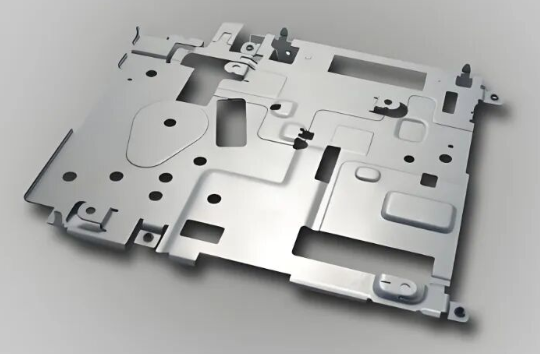
Kapag ikaw ay naghahanap ng aluminum para sa iyong susunod na proyekto, mabilis mong matutuklasan na hindi lahat ng aluminum sheet ay pareho. Ang aluminum fabrication sheet ay tumutukoy sa patag na aluminum metal na inililikha sa pamamagitan ng pag-rol, na partikular na naproseso, inilagay sa tamang temper, at sertipikado para sa mga operasyon ng downstream manufacturing tulad ng pagputol, pagkukurba, pag-weld, at pagbuo. Hindi tulad ng hilaw na aluminum stock o pangkalahatang aluminum sheet, ang materyal na handa na para sa paggawa ay sumusunod sa tiyak na mga espesipikasyon para sa toleransya ng kapal , kalidad ng ibabaw, at mga katangiang mekanikal na nag-aagarantiya ng mahuhulaang resulta habang pinoproseso.
Isipin ito sa ganitong paraan: ang hilaw na stock ng aluminum ang nagsisilbing simula, samantalang ang sheet aluminum na handa na para sa paggawa ay dumaan na sa kontroladong pag-rol, paggamot ng init, at pagsusuri ng kalidad. Mahalaga ang pagkakaiba na ito dahil kailangan ng mga tagapagawa ang mga materyales na pare-parehong tumutugon sa mga kagamitan, panatilihin ang mahigpit na toleransya habang binubuhat, at mag-produce ng malinis na mga weld nang walang hindi inaasahang depekto.
Ang gabay na ito ay puno ng mahalagang kulang sa kaalaman na karamihan sa mga sanggunian ay nakakaligtaan. Matututunan mo hindi lamang ang mga uri ng sheet metal na aluminum na available, kundi pati na rin kung paano i-match ang partikular na mga alloy, tempers, at kapal sa iyong tiyak na pamamaraan sa paggawa. Mula sa pagpili ng tamang grado para sa iyong aplikasyon hanggang sa pagkamit ng perpektong surface finish, tatalakayin namin ang buong workflow ng paggawa.
Ano ang Nagpapagawa ng Aluminum Sheet na Handa na para sa Paggawa
Ang aluminum sheet na handa para sa paggawa ay naiiba sa karaniwang materyal sa ilang mahahalagang paraan. Una, ito ay kasama ang dokumentadong mekanikal na katangian—tulad ng yield strength, tensile strength, at porsyento ng elongation—na nagpapahintulot sa mga tagagawa na kalkulahin nang tumpak ang bend radii at hulaan ang springback. Pangalawa, ang kondisyon ng ibabaw ay kontrolado, kung kailangan mo man ng mill finish para sa mga aplikasyon sa industriya o brushed surface para sa dekoratibong gawain.
Ang metal na aluminum na ginagamit sa mga sheet para sa paggawa ay dumaan din sa mga tiyak na temper treatment. Ang mga treatment na ito, na ipinapahiwatig ng mga marka tulad ng H32 o T6, ay tumutukoy kung paano mag-uugali ang materyal kapag napapailalim sa stress. Ang isang malambot na annealed sheet ay madaling mapipilipit ngunit maaaring kulang sa structural rigidity, samantalang ang isang hardened temper ay nagbibigay ng lakas ngunit nangangailangan ng maingat na paghawak habang isinasagawa ang mga forming operation.
Mga Pangunahing Katangian na Nagpapahintulot sa Precision Forming
Bakit naging pangunahing pagpipilian ang aluminum para sa eksaktong paggawa sa iba't ibang industriya? Ang sagot ay nasa natatanging kombinasyon ng pisikal at mekanikal na katangian nito—na kakaunti lamang ang metal na kayang tumugma dito. Ang aluminum sheet metal ay nagbibigay ng napakagandang ratio ng lakas sa timbang—karaniwang isang ikatlo lamang ang timbang nito kumpara sa bakal, ngunit may katumbas na pagganap sa istruktura sa maraming aplikasyon.
Ayon sa gabay ng Approved Sheet Metal tungkol sa mga grado ng aluminum, ang pinakamahalagang mga salik na dapat isaalang-alang sa pagpili ng aluminum para sa paggawa ay ang lakas, kakayahang pormahin, mga katangian sa pagmamachine, kakayahang ipag-weld, at paglaban sa korosyon. Narito ang pangunahing mga pakinabang na gumagawa ng aluminum sheet na perpekto para sa mga proyektong paggawa:
- Formability: Ang mga sheet ng aluminum ay maaaring binitin at hugpuin nang walang pumuputok kapag ginagamit ang tamang teknik at napiling alloy. Ang mga grado tulad ng 5052 ay nag-aalok ng mahusay na kakayahang pormahin para sa mga kumplikadong heometriya.
- Weldability: Ang karamihan sa mga alloy na ginagamit sa paggawa ay tumatanggap ng TIG at MIG welding kapag ang tamang filler material ang napipili, na nagpapahintulot sa malalakas at permanenteng mga sambungan.
- Machinability: Ang mas matitigas na mga alloy tulad ng 6061 at 7075 ay madaling panghinayangin, na nagpapahintulot ng tumpak na pagpapalit, pagpapahid, at mga operasyon sa CNC na may mahusay na katiyakan sa sukat.
- Potensyal sa Pagkumpleto ng Ibabaw: Ang aluminum ay tumatanggap ng anodizing, powder coating, at mga paggamot sa mekanikal na pagkumpleto na nagpapabuti sa parehong itsura at tibay.
- Paglaban sa Corrosion: Ang likas na oxide layer ay nangangalaga sa aluminum laban sa degradasyon dulot ng kapaligiran, kung saan ang ilang alloy tulad ng 5052 ay nag-aalok ng napakahusay na resistensya kahit sa mga marine environment.
Ang mga katangiang ito ay sama-sama na nagbibigay-daan upang gawin ang aluminum fabrication sheet bilang pinipiling materyales para sa iba't ibang aplikasyon—mula sa mga bahagi ng sasakyan hanggang sa mga architectural panel, electronic enclosure hanggang sa mga kagamitan sa dagat. Sa mga sumunod na seksyon, matutuklasin mo kung paano gamitin ang mga benepisyong ito para sa iyong partikular na mga pangangailangan sa fabrication.
Gabay sa Pagpili ng Aluminum Alloy para sa Tagumpay sa Fabrication
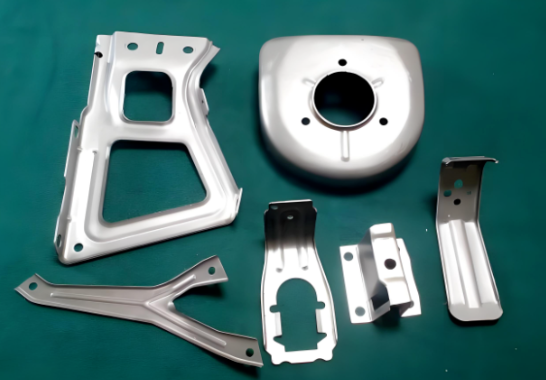
Ang pagpili ng tamang aluminyo na alloy ay maaaring magpatibay o magpabagsak sa iyong proyekto sa paggawa. Dahil mayroong kahit daan-daang uri na magagamit, paano mo malalaman kung alin ang angkop sa iyong tiyak na aplikasyon? Ang sagot ay nasa pag-unawa sa tatlong mahahalagang salik: mga katangian ng mekanikal, mga katangian ng pagkakaporma, at mga rating sa pag-weld. Tingnan natin nang buo ang mga pinakasikat na alloy para sa paggawa—3003, 5052, at 6061—upang makagawa ka ng tiyak na desisyon tungkol sa materyales sa bawat pagkakataon.
Bawat uri ng sheet metal na aluminyo na alloy ay nagdudulot ng natatanging mga pakinabang. Ayon sa pananaliksik sa industriya tungkol sa paghahambing ng mga aluminyo na alloy, ang pangunahing mga elemento ng pag-aaloy ay tumutukoy sa lahat—from sa kakayahang umi-bend hanggang sa kalidad ng weld. Kapag tiningnan mo ang isang tsart ng mga uri ng aluminyo, mapapansin mo na ang 3003 ay may manganes bilang pangunahing elemento ng pag-aaloy, ang 5052 ay umaasa sa magnesium, at ang 6061 ay pina-uunlad ng kombinasyon ng magnesium at silicon. Ang mga pagkakaiba sa komposisyon na ito ay direktang nakaaapekto sa pag-uugali nito sa proseso ng paggawa.
Pagtutugma ng Mga Uri ng Alloy sa Iyong Paraan ng Paggawa
Isipin mo ang pagpaplano ng isang proyekto na nangangailangan ng malalim na pagguhit at kumplikadong mga baluktot. Dadalhin mo ba ang parehong mga sheet ng aluminum alloy na gagamitin mo para sa mga bracket na pang-istraktura na nangangailangan ng pinakamataas na lakas? Malamang hindi. Narito kung paano gumaganap ang bawat grado sa karaniwang mga sitwasyon sa paggawa:
Aluminum 3003 nakikilala kapag ang kadaliang pabuo ang pinakamahalaga. Ang di-nakakapagpapainit na alloy na ito ay madaling mapabaluktot at mabubuo, kaya ito ang pinakamainam para sa mga kagamitan sa pagluluto, mga tangke ng imbakan, at mga aplikasyon sa bubong. Ang kanyang paglaban sa korosyon ay gumagana nang maayos sa mga kapaligirang may mataas na kahalumigan, bagaman mas mababa ang kanyang lakas kumpara sa iba pang mga opsyon. Pumili ng 3003 kapag ang iyong proyekto ay binibigyang-prioridad ang kadaliang gamitin kaysa sa mga pangangailangan sa istruktura.
5052 aluminum kumakatawan sa pinakamainam na punto para sa karamihan ng mga gawaing paggawa. Bilang isang alloy na may basehang magnesium, ang 5052 aluminum sheet ay nagbibigay ng mahusay na paglaban sa korosyon—lalo na sa mga kapaligiran sa dagat—kasama ang mabuting lakas at napakahusay na kakayahang pormahin. Ang ganitong versatility ang nagpapaliwanag kung bakit itinuturing ng mga tagapaggawa na ito ang pangunahing pagpipilian para sa mga automotive panel, komponente ng barko, at mga industrial enclosure. Kapag kailangan mo ng aluminum sheet material na ma-weld nang malinis at ma-bend nang maasahan, bihira ang 5052 na sumisira sa inaasahan.
Aluminum 6061 nagdudulot ng kakayahang mapainit-treat sa ekwasyon. Ang komposisyon ng magnesium-silicon ang nagpapahintulot sa alloy na ito na makamit ang malaki ang pagtaas ng lakas sa pamamagitan ng T6 tempering habang panatilihin ang mabuting kakayahang mag-machined. Gayunpaman, ang 6061 ay binabawasan ang ilang bahagi ng kakayahang pormahin para sa benepisyong ito sa lakas. Pumili ng 6061 para sa mga structural application, aerospace component, at mga bahagi na nangangailangan ng tiyak na CNC machining.
| Tukuyin ang Alloy | Rating ng Formability | Kakayahan sa paglilimos | Mga Tipikal na Aplikasyon | Pinakamahusay na Pamamaraan sa Pagmamanupaktura |
|---|---|---|---|---|
| 3003 | Napakahusay | Mabuti (hindi maaaring i-heat-treat) | Roofing, mga kagamitan sa pagluluto, mga tangke ng imbakan, mga heat exchanger | Deep drawing, spinning, roll forming, stamping |
| 5052 | Napakaganda | Napakahusay | Mga bahagi para sa marino, mga panel ng sasakyan, mga kahon, mga tangke ng gasolina | Pagkukurba, pag-welding, pagbuo, pagpaprisma, hydroforming |
| 6061 | Magaling (nag-iiba depende sa temper) | Magaling (nangangailangan ng tamang filler) | Mga istruktural na bahagi, mga bahagi para sa aerospace, mga frame, mga bracket | CNC machining, extrusion, welding, katamtamang pagkukurba |
Ang pag-unawa sa mga grado ng aluminum plate ay makakatulong sa iyo na maiwasan ang mga magastos na pagkakamali. Halimbawa, ang pagsubok sa mga tight-radius bends sa 6061-T6 ay kadalasang nagreresulta sa pagbibitak, habang ang parehong operasyon sa 5052-H32 ay nagbubunga ng malinis at pare-parehong mga resulta. Gayundin, ang welding 3003 ay nangangailangan ng iba't ibang materyales ng filler kaysa sa 6061, na nakakaapekto sa lakas at hitsura ng mga kasukasuan.
Nakadecode na ang mga Temper Designation para sa mga tagapagawa
Nagtanong ka na ba kung ano nga ba ang ibig sabihin ng mga titik at numero na sumusunod sa isang alloy designation? Ang mga temper designation ay nagsasabi sa iyo nang eksakto kung paano naproseso ang aluminum alloy sheet metal—and higit sa lahat, kung paano ito mag-uugali sa panahon ng iyong mga operasyon sa paggawa.
Ayon sa standardisadong sistema ng temper ng Aluminum Association, ang pangunahing mga pagtatalaga ay kasali:
- O (Pinagmainom): Pinakamataas na ductility, pinakamababang lakas. Ang temper na ito ay nag-aalok ng pinakamadaling pagbuo at pagkukurba ngunit nagbibigay lamang ng limitadong pagganap sa istruktura. Perpekto para sa malalim na pagguhit (deep drawing) at mga kumplikadong hugis.
- H (Napinsalang-higpit): Ginagamit para sa mga hindi maaaring i-heat-treat na alloy tulad ng 3003 at 5052. Ang ikalawang digit ay nagsasaad ng antas ng kahirapan—ang H32 ay nangangahulugan ng stabilized sa 1/4 hard, samantalang ang H14 ay nangangahulugan ng 1/2 hard sa pamamagitan ng cold working lamang.
- T (Thermally Treated): Ipinapalapply sa mga maaaring i-heat-treat na alloy tulad ng 6061. Ang T6 ay nangangahulugan ng solution heat-treated at artificially aged para sa pinakamataas na lakas, samantalang ang T4 ay kumakatawan sa kondisyon ng natural na aging.
Para sa mga layunin ng paggawa, ang pagpili ng temper ay direktang nakaaapekto sa iyong mga parameter ng proseso. Ang isang sheet na 5052-O ay nabubuog nang may kaunting springback at tumatanggap ng maliit na radius, ngunit magkakaroon ka ng pagkawala ng halos 40% ng lakas kumpara sa 5052-H32. Sa kabilang banda, ang 6061-T6 ay nag-aalok ng impresibong yield strength na humigit-kumulang sa 40,000 psi ngunit nangangailangan ng mas malalaking bend radius upang maiwasan ang pagsira.
Narito ang isang praktikal na gabay: kapag ang iyong proyekto ay kasali ang malalaking operasyon ng pagbuo (forming), simulan mo sa mas malalambot na temper (O o H32) at isaalang-alang ang post-fabrication heat treatment kung kailangan ang mas mataas na lakas. Kapag ang structural integrity ang pangunahing prayoridad at ang mga kinakailangan sa pagbuo ay katamtaman lamang, ang mas matitigas na temper tulad ng H34 o T6 ay nagbibigay ng mas mahusay na pagganap. Hindi tulad ng mga sheet ng aluminum steel, ang mga sheet na ito ng aluminum alloy ay sumasagot nang maasahan sa pagpili ng temper, na nagbibigay sa iyo ng tiyak na kontrol sa balanse sa pagitan ng formability at panghuling lakas.
Kasama ang iyong napiling alloy at temper, ang susunod na mahalagang desisyon ay kinasasangkutan ng mga espesipikasyon sa kapal at gauge—mga salik na direktang nakaaapekto sa mga kalkulasyon ng radius ng pagkukurba, mga parameter ng pag-weld, at kabuuang pang-unlad na pagganap ng istruktura.
Paliwanag sa Kapal ng Sheet at mga Espesipikasyon sa Gauge
Napili mo na ang perpektong alloy at temper para sa iyong proyekto—ngayon naman ay darating ang isa pang desisyon na direktang maaapektuhan ang bawat sumunod na hakbang sa paggawa: ang kapal ng sheet na aluminum. Hindi tulad ng bakal, gumagamit ang aluminum ng sariling sistema ng gauge na may iba’t ibang mga halaga ng kapal, at ang pagkalito sa mga pamantayang ito ay nagdudulot ng mahal na mga kamalian. Ang pag-unawa sa kung paano basahin ang mga espesipikasyon sa gauge ng sheet na aluminum at ang pagtutugma ng kapal sa mga kinakailangan ng iyong aplikasyon ang naghihiwalay sa matagumpay na mga proyektong paggawa mula sa nakakainis na mga kabiguan.
Narito ang isang mahalagang punto na madalas na binabale-wala ng maraming tagagawa: ang kapal ng aluminum na 16 gauge ay sumusukat ng 0.0508 pulgada, samantalang ang kapal ng bakal na 16 gauge ay 0.0598 pulgada. Ayon sa gabay sa pag-convert ng gauge mula sa PEKO Precision, ang pagsasama-sama ng mga tsart ng bakal at mga espesipikasyon ng aluminum ay nagdudulot ng mga kamalian sa dimensyon na lumalala habang ginagawa ang pagbuburol, pagwelding, at pag-aassemble. Palaging i-verify na ang inyong tinutukoy ay ang tamang tsart ng kapal ng aluminum sheet metal bago i-program ang inyong kagamitan o kalkulahin ang mga allowance sa pagbuburol.
Pagbasa ng mga Tsart ng Gauge ng Aluminum Sheet Tulad ng Isang Eksperto
Ang sistema ng gauge ay sumusunod sa pamantayan ng ANSI H35.2 para sa aluminum, kung saan ang mas mababang numero ng gauge ay nangangahulugan ng mas makapal na materyal. Isipin ito bilang isang kabaligtaran na lohika—ang kapal ng aluminum na 10 gauge ay 0.1019 pulgada, samantalang ang 24 gauge ay bumababa lamang sa 0.0201 pulgada. Ang pambansang istandardisadong sistemang ito ay nagsisiguro ng pagkakapare-pareho sa lahat ng mga supplier, ngunit ang aktwal na sukat ng kapal ay maaaring magkaiba nang bahagya sa pagitan ng iba’t ibang mill at mga batch ng produksyon.
Para sa mga gawaing paggawa na nangangailangan ng kahusayan, narito ang isang propesyonal na payo mula sa mga eksperyensiyadong workshop: tukuyin palagi ang parehong gauge AT ang kapal sa decimal sa iyong mga drawing at purchase order. Ang pagsulat ng "16 ga aluminum (0.0508 in)" ay nag-aalis ng anumang pagkakamali at pinoprotektahan ka laban sa pagtanggap ng materyales na hindi tugma sa iyong mga kalkulasyon sa pagbend.
| Gauge | Kapal (dali) | Kapal (mm) | Timbang (lbs/sq ft) | Inirerekomendang Aplikasyon |
|---|---|---|---|---|
| 10 | 0.1019 | 2.588 | 1.44 | Mga pangunahing istruktural na bracket, sahig ng trailer, industriyal na kagamitan |
| 12 | 0.0808 | 2.052 | 1.14 | Mga istruktural na panel, mga bahagi ng chasis, mga aplikasyon sa marino |
| 14 | 0.0641 | 1.628 | 0.91 | Mga kahon ng proteksyon (enclosures), mga panel ng katawan ng sasakyan, mga bahagi ng HVAC |
| 16 | 0.0508 | 1.290 | 0.72 | Pangkalahatang paggawa, mga bracket, mga takip na may katamtamang lakas |
| 18 | 0.0403 | 1.024 | 0.57 | Mga ductwork, dekoratibong panel, magaan na mga kahon ng proteksyon |
| 20 | 0.0320 | 0.813 | 0.45 | Dekoratibong trim, mga signage, mga takip na may mababang lakas |
| 22 | 0.0253 | 0.643 | 0.36 | Flashing, mga dekoratibong aplikasyon, mga proyektong pang-sining |
| 24 | 0.0201 | 0.511 | 0.28 | Mga magaan na takip, dekoratibong gawain na hindi istruktural |
Ang karaniwang mga aluminum sheet na may sukat na 4x8 ay madaling makukuha sa karamihan ng mga gauge mula 10 hanggang 24, kung saan ang mga gauge na 14–18 ang kadalasang nakaimbak na kapal para sa pangkalahatang paggawa. Ang mas mabibigat na gauge tulad ng 10 at 12 ay maaaring nangangailangan ng mas mahabang lead time mula sa ilang mga tagapagkaloob, samantalang ang napakamaginang gauge sa ilalim ng 22 ay kadalasang ibinebenta sa anyo ng rol kaysa sa patag na sheet.
Pagpili ng Kapal para sa mga Aplikasyong Estructural vs. Dekoratibo
Gaano kalapad ang dapat na aluminum sheet mo? Ang sagot ay nakasalalay sa apat na magkaugnay na salik na kailangan mong balansehin ang isa’t isa:
- Mga Estruktural na Kinakailangan: Ang mga aplikasyong nangangailangan ng pagdadala ng beban ay nangangailangan ng mas makapal na materyal. Ang isang estruktural na bracket na nasa palagiang stress ay nangangailangan ng gauge na 10–14, habang ang isang dekoratibong takip na walang anumang estruktural na tungkulin ay maaaring gumamit ng gauge na 20–24.
- Mga konsiderasyon sa pagbuburol: Ang mas makapal na sheet ay nangangailangan ng mas malaking minimum na radius ng pagburol upang maiwasan ang pagsira. Bilang pangkalahatang panuntunan, ang iyong loob na radius ng pagburol ay dapat katumbas ng kahit na kapal ng materyal para sa karamihan ng mga aluminum alloy—at dapat dagdagan sa 1.5x o 2x ng kapal para sa mga mas matitigas na temper.
- Mga parameter sa pag-weld: Ang manipis na mga sheet ng aluminum (20 gauge at mas mababa) ay nangangailangan ng maingat na kontrol sa init upang maiwasan ang pagkasunog at distorsyon. Ang mas makapal na materyal ay kayang tumanggap ng higit na init ngunit nangangailangan ng tamang paghahanda ng sambungan at maraming pagdaan.
- Timbang at gastos: Bawat pagtaas sa kapal ay nagdaragdag ng humigit-kumulang 25–30% sa timbang at gastos ng materyal. Para sa mataas na dami ng produksyon, ang pag-optimize ng kapal ay nagdudulot ng malakiang pagtitipid.
Kapag ang iyong proyekto ay nangangailangan ng 1/8 na sheet ng aluminum—na katumbas ng 0.125 pulgada ang kapal—nasa gitna ka ng mga karaniwang gauge designation. Ang kapal na ito ng 1/8 na sheet ng aluminum ay karaniwang tinutukoy gamit ang decimal kaysa sa gauge, lalo na para sa mga plate na ginagamit sa mga aplikasyon sa istruktura at pandagat. Ang 1/8 pulgadang sheet ng aluminum ay nagbibigay ng mahusay na rigidity para sa mga bracket, mounting plate, at kaban ng kagamitan habang nananatiling praktikal para sa karamihan ng mga operasyon sa press brake.
Para sa mahigpit na mga toleransya at mga bahagi na may kahusayan, sukatin palaging ang aktwal na kapal ng iyong materyal gamit ang isang mikrometro bago i-program ang mga operasyon sa pagkukurba. Ang mga toleransya sa pagpapakintab ay nagpapahintulot ng maliit na pagkakaiba, at ang mga maliit na pagkakaibang ito ay dumadami kapag kinukwenta ang mga pahintulot sa pagkukurba at ang mga K-factor. Ang hakbang na ito sa pagpapatunay ay nagpapigil sa nakakainis na mga pagkakamali sa sukat na nangangailangan ng muling paggawa sa mga proyektong paggawa na maingat nang naiplanuhan.
Kapag natapos na ang iyong desisyon tungkol sa iyong alloy, temper, at kapal, handa ka nang tingnan ang mga teknik sa paggawa na nagbabago ng patag na aluminum sheet sa mga bahaging may kahusayan.
Mga Pangunahing Teknik sa Paggawa para sa Aluminum Sheet
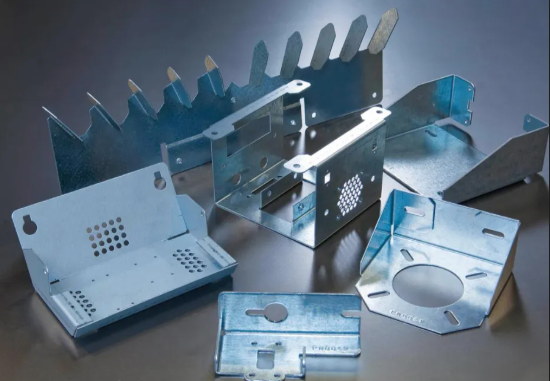
Ngayong napili mo na ang iyong haluang metal, temper, at kapal, oras na para gawing mga precision component ang patag na aluminum sheet na iyon. Dito nahaharap ang maraming fabricator sa mga hindi inaasahang hamon—ang pagputol ay nagdudulot ng magaspang na mga gilid, ang mga kurba ay hindi inaasahang nabibitak, o ang mga nabuong bahagi ay bumabalik sa normal na kondisyon. Ang pagkakaiba sa pagitan ng nakakadismayang resulta at propesyonal na kalidad ng output ay nakasalalay sa pag-unawa sa mga wastong pamamaraan, pagpili ng tooling, at mga parameter ng proseso na partikular sa sheet metal aluminum.
Kabilang sa paggawa ng bakal, ang pagtrato sa sheet metal na aluminum ay nangangailangan ng iba't ibang paraan sa halos bawat hakbang. Ang mas malambot na komposisyon ng materyal, mas mababang temperature ng pagtunaw, at ang tendensya nitong makapigil sa mga tool sa pagputol ay nangangailangan ng mga tiyak na estratehiya na tatalakayin namin nang detalyado. Kung gagamit ka man ng manipis na sheet ng aluminum para sa mga dekoratibong panel o ng mas makapal na materyal para sa mga istruktural na bahagi, ang mga teknik na ito ay tutulong sa iyo upang makamit ang malinis na pagputol, eksaktong mga baluktot, at pare-parehong resulta sa pagbuo.
Mga Teknik sa Pagputol na Nakakaiwas sa Pagkaburrow ng Edge
Nakatapos ka na ba ng isang pagputol ngunit natagpuan mo ang magaspang at paited na mga gilid na nangangailangan ng malawakang paglilinis? Ang pagkaburrow ng edge ay sumisira sa oras at nakaaapekto sa kalidad ng bahagi, ngunit halos ganap na maiiwasan ito gamit ang tamang teknik at kagamitan. Ayon sa mga gabay sa pagputol sa industriya , ang paraan ng pagputol na pipiliin mo ay nakasalalay sa kapal ng sheet, kahilingan sa kalidad ng gilid, dami ng produksyon, at mga limitasyon sa badyet.
Narito ang mga pangunahing kagamitan at pamamaraan para sa bawat paraan ng pagputol:
- Paggupit: Gumagamit ng mekanikal na mga blade para sa tuwid na pagputol sa buong patag na aluminum sheet metal. Pinakamainam para sa mataas na dami ng produksyon ng mga simpleng hugis. Siguraduhing ang clearance ng blade ay naka-set sa 5–8% ng kapal ng materyal para sa malinis na mga gilid.
- Laser Cutting: Nagbibigay ng napakahusay na kahusayan para sa mga kumplikadong hugis na may kaunting burring lamang. Mainam para sa manipis na aluminum sheet hanggang 1/4 pulgada ang kapal. Nagbubunga ng heat-affected zones na maaaring kailangang isaalang-alang para sa mga welded assembly.
- Waterjet cutting: Ginagamit ang tubig na may mataas na presyon na pinaghalo sa mga abrasive na partikulo. Hindi ito nagdudulot ng depekto dahil sa init at kaya itong gamitin sa anumang kapal. Mahusay ito para sa mga pinalukot na sheet ng aluminum kung saan mahalaga ang pag-iingat laban sa init.
- Mga circular at band saws: Kailangan ng mga blade na espesipiko na idinisenyo para sa aluminum—kaunti ang mga ngipin, malawak ang mga gullet, at gawa sa carbide o high-speed steel. Gamitin ang lubricant sa pagputol upang bawasan ang friction at maiwasan ang galling.
- CNC routing: Ginagamit ang mga umiikot na cutting bit upang ukulin ang aluminum sa nais na hugis. Mahusay ito para sa mas makapal na materyales at three-dimensional na kontur. Kailangan ng tamang chip evacuation upang maiwasan ang muling pagputol ng materyales.
Anuman ang paraan ng pagputol na gagamitin mo, ang tamang paraan ng paghawak sa trabaho ay nakakaiwas sa mga vibration na nagdudulot ng hindi pantay na gilid. I-clamp nang ligtas ang flat aluminum sheet metal bago gumawa ng anumang putol. Para sa mga mekanikal na paraan ng pagputol, ang paglalagay ng masking tape sa linya ng pagputol ay protektado ang ibabaw laban sa mga sugat—lalo na ang kahalagahan nito sa mga painted o anodized na sheet na para sa mga aplikasyon na nakikita.
Isang madalas na hindi napapansin na tip: ang mas mabagal na feed rates ay nagbibigay ng mas malinis na mga putol at nagpapahaba ng buhay ng tool. Ang pagmamadali sa pagputol ay lumilikha ng labis na init, nagdudulot ng material galling, at pabilis ng wear ng blade. Pagkatapos ng pagputol, inaasahan na gagawin mo ang ilang finishing sa gilid—ang mga tool para sa deburring, mga file, o pagpapakinis ay nag-aalis ng mga maliit na depekto na kahit ang pinakamainam na pagputol ay nabubuo.
Pagkamit ng Tumpak na Pagkukurba nang Walang Pagsira
Ang pagkukurba ng aluminum sheet metal ay tila simple hanggang sa makita mo ang unang cracked flange o mabatid na ang iyong natapos na anggulo ay naiiba ng ilang degree sa kinakailangan. Ang pag-unawa sa minimum bend radius requirements at springback compensation ay nagbabago sa pagkukurba mula sa pana-pana lang na haka-haka patungo sa tumpak at maasahan na resulta.
Ayon sa mga gabay ng Machinery's Handbook na tinutukoy ng PEKO Precision, ang radius ng pagkukurba ay tinutukoy bilang ang distansya mula sa panloob na ibabaw ng sheet hanggang sa sentro ng kurba. Kapag ang radius na ito ay sobrang maliit para sa kapal at mga katangian ng iyong materyal, ang pagkakasira ay hindi maiiwasan. Ang iba't ibang alloy ay may iba't ibang minimum na radius na kayang tiisin:
| Materyal | Minimum na Radius ng Pagburol (× kapal) | Mga Tala |
|---|---|---|
| Aluminum (malambot/na-annealed) | 0× hanggang 1× kapal | Ang O temper ay nagbibigay ng pinakamataas na kakayahang pormain |
| Aluminum (half-hard) | 1× hanggang 2× kapal | H32 at katulad na mga temper |
| Aluminum (Matigas) | 2× hanggang 3× kapal | T6 at ganap na hardened na mga temper |
Narito ang mga pangunahing kagamitan para sa mga operasyon ng presisyong pagkukurba:
- Pindutin ang brake: Ang pangunahing makina para sa pagbubukod sa produksyon. Pumili ng mga die na tugma sa nais mong radius ng pagbubukod—ang bukas na V-die ay dapat karaniwang 6–8 beses ang kapal ng materyal para sa karaniwang pagbubukod.
- Mga Die Set: Mga kombinasyon ng punch at die na tugma sa radius. Para sa manipis na aluminum sheet metal, gamitin ang pinolish na tooling upang maiwasan ang mga marka sa ibabaw.
- Mga sukatan ng angle: Suriin ang mga angle ng pagbubukod bago alisin ang mga bahagi mula sa brake. Ang mga digital na protractor ay nagbibigay ng katiyakan na may saklaw na 0.1 degree.
- Mga calculator ng bend allowance: Mga software o tsart na kumu-konsidera sa paglalabas ng materyal habang binubukod. Mahalaga ito para mapanatili ang katiyakan ng sukat sa mga natapos na bahagi.
Springback—ang pagkakaroon ng materyal na bahagyang bumalik patungo sa orihinal nitong patag na estado matapos ang pagbubukod—ay isang hamon kahit sa mga ekspertong tagapagawa. Ang dami ng springback ay tumataas kasama ang mas matitigas na temper, mas malalaking radius ng pagbubukod, at mga alloy na may mas mataas na lakas. Para sa rolled aluminum sheet na nasa half-hard temper, inaasahan ang 2–4 degree na springback sa mga 90-degree bend.
Ang kompensasyon para sa springback ay nangangailangan ng sobrang pagbend. Kung ang iyong natapos na bahagi ay nangangailangan ng 90-degree na anggulo at nasukat mo ang 3 degree na springback sa panahon ng mga pagsusubok sa pagbend, i-program ang iyong press brake para sa 93 degree. Lagi kang magpapatakbo ng mga sample na pagsusubok mula sa parehong batch ng materyal bago pumasok sa produksyon—ang iba’t ibang batch ng parehong alloy ay maaaring magpakita ng kaunti lamang na iba’t ibang katangian ng springback.
Mga karagdagang tip sa pagtutulungan para sa karaniwang mga isyu sa pagbend:
- Pagsira sa lugar ng pagbend: Palakihin ang radius ng pagbend, lumipat sa mas malambot na temper, o i-orient ang pagbend nang perpendicular sa direksyon ng pag-rol.
- Hindi pare-parehong mga anggulo: Suriin ang pagkakapareho ng kapal ng materyal, suriin ang pag-align ng die, at kumpirmahin ang mga setting ng tonelada.
- Mga marka sa ibabaw: Gamitin ang protektibong pelikula, mga pinolish na die, o mga urethane die insert para sa mga ibabaw na may estetikong layunin.
- Pagbabago ng Sukat: I-recalculate ang mga bend allowance gamit ang aktwal na sukat na kapal imbes na ang nominal na mga espesipikasyon.
Para sa mga kumplikadong operasyon sa pagbuo na lampas sa simpleng pagkukurba—tulad ng malalim na pagguhit (deep drawing), hydroforming, o stretch forming—ang pagpili ng materyales ay naging mas mahigpit na kritikal. Ang mga mas malambot na temper at lubhang nabubuo na mga alloy tulad ng 3003-O at 5052-O ay kayang tumanggap ng agresibong operasyon sa pagbuo na maaaring magdulot ng punit sa mas matitigas na materyales. Kapag ang iyong disenyo ay umaabot sa hangganan ng kakayahang bumuo, isaalang-alang ang pagganap muna ng pinakamahihirap na operasyon habang ang materyales ay nasa pinakamalambot nitong estado, at gawin ang heat treatment mamaya kung kinakailangan ang mas mataas na lakas.
Kapag na-master na ang pagputol at pagkukurba, ang susunod na hamon ay ang pagsasama ng mga bahagi na nabuo—maging sa pamamagitan ng welding, mekanikal na pagkakabit, o adhesive bonding—habang sinusuri ang heat distortion na karaniwang nagdudulot ng problema sa mga pagsasama ng aluminum.
Welding at Pagsasama ng Aluminum Sheet Nang Walang Distortion
Nagpuputol at nagbubend na kayo ng inyong mga panel na aluminum ayon sa perpektong mga tukoy—ngayon ay dumating na ang sandali ng katotohanan. Ang pag-uugnay ng mga sheet na aluminum ay may natatanging mga hamon na kahit ang mga ekspertong tagapagawa ay nabibigla. Ang mataas na conductivity ng init ng materyal, ang pagbuo ng oxide layer, at ang sensitibidad nito sa kontaminasyon ay nangangailangan ng mga tiyak na pamamaraan na lubhang iba sa pagsusulat ng bakal. Pag-aralan ninyo nang mabuti ang mga pamamaraang ito, at makalilikha kayo ng malalakas at walang depekto na mga pagkakabit. Kung hindi ninyo papansinin ang mga ito, magkakaroon kayo ng mga pinaikot na plato ng aluminum, mga weld na may butas, at mahal na pag-uulit ng trabaho.
Ayon sa pananaliksik sa pagsusulat ng ESAB, ang thermal conductivity ng aluminum ay humihigit-kumulang na limang beses na mas mataas kaysa sa mababang-carbon na bakal, samantalang ang kanyang coefficient of thermal expansion ay nagdudulot ng mga pagbabago sa sukat na halos dalawang beses na mas malaki kaysa sa bakal para sa parehong pagbabago ng temperatura. Ang mga katangiang ito ang gumagawa ng pamamahala ng init bilang pangunahing hamon kapag sinusunod ang mga komponente ng sheet na aluminum.
Pag-iwas sa Distorsyon ng Init sa Mga Manipis na Weld ng Aluminum
Bakit nababaluktot ang iyong aluminum panel habang ang parehong teknik ay gumagana nang perpekto sa bakal? Ang sagot ay nasa paraan kung paano isinasaalang-alang at inilalabas ng aluminum ang init. Kapag inilalapat mo ang init mula sa arko sa isang aluminum na metal plate, ang enerhiyang thermal na ito ay kumakalat nang mabilis sa paligid na materyal. Ang mainit na lugar ay lumalawak samantalang ang mga mas malamig na bahagi ay tumututol sa paggalaw, na lumilikha ng panloob na stress na nagpapakita bilang distorsyon kapag ang weld ay lumalamig.
Para sa manipis na aluminum sheet—lalo na ang 18 gauge at mas magaan pa—ang mga pwersang ito na nagdudulot ng distorsyon ay lalo pang problematiko. Narito ang mga na-probekang estratehiya upang bawasan ang pagbabaluktot:
- Gamitin ang backing bars: Ang copper o aluminum na backing bars na inilalagay sa ilalim ng weld joint ay gumagana bilang heat sinks, na kinukuha ang thermal energy mula sa weld zone. Ito ay binabawasan ang temperature differential na nagdudulot ng distorsyon.
- Ilapat ang heat sinks nang estratehiko: Ang pagkakapit ng copper blocks sa gilid ng iyong weld path ay sumisipsip ng sobrang init bago pa man ito makakalat sa aluminum plate at magdulot ng pagbabaluktot.
- Mag-weld mula sa gitna papalabas: Ang pagsisimula sa gitna ng isang sambungan at pag-unlad patungo sa mga gilid ay nagpapabahagi ng mga puwersa ng pagkontrakt ng mas pantay kaysa sa pag-weld sa iisang direksyon.
- Gumamit ng paminsan-minsang pagweweld: Kung pinapayagan ng disenyo, ang skip welding ay nababawasan ang kabuuang heat input hanggang 70% kumpara sa mga patuloy na weld bead habang nananatiling sapat ang lakas.
- Balansihin ang mga putol sa paligid ng neutral axis: Ang paglalagay ng mga weld na magkakasukat sa magkabilang panig ng isang istruktura ay nagpapahintulot sa mga puwersa ng pagkontrakt na magkaroon ng pagtutumbok sa isa't isa.
Bago mo pasikatin ang arc, ang tamang paghahanda ng ibabaw ay nag-aalis ng kontaminasyon na nagdudulot ng porosity at mahinang mga sambungan. Ang layer ng aluminum oxide—na natutunaw sa 3700°F kumpara sa 1200°F na melting point ng dalisay na aluminum—ay kailangang tanggalin upang matagumpay ang pag-fuse. Sundin ang hakbang-hakbang na prosesong ito:
- Linisin nang lubusan ang grasa: Gamitin ang acetone o isang espesyal na cleaner para sa aluminum upang alisin ang mga langis, coolant, at mga dumi mula sa lugar ng pag-weld at sa paligid nito.
- Alisin ang oxide layer: Pangalanan ang lugar ng sambungan gamit ang isang sikat na bakal na brush na nakalaan lamang para sa aluminum. Huwag gamitin ang anumang brush na dati nang ginamit sa bakal—ang cross-contamination ay nagdudulot ng mga depekto sa pag-weld.
- Linisin agad bago mag-weld: Ang oxide layer ay nagsisimulang muling nabubuo sa loob ng ilang minuto pagkatapos linisin. Ihanda ang mga ibabaw nang diretso bago mag-weld, hindi nang ilang oras bago pa.
- Itago nang wasto ang mga filler material: Panatilihin ang mga filler rod at wire sa mga sealed container upang maiwasan ang pagbuo ng oxide at ang pag-absorb ng kahalumigmigan.
- I-preheat ang mga makapal na bahagi kung kinakailangan: Para sa materyales na may kapal na higit sa 1/4 pulgada, ang preheating sa 200–300°F ay nagpapabuti ng pagsasama (fusion) at binabawasan ang temperature differential na nagpapagalaw ng distortion.
Ang pagpili ng tamang filler material ay nakasalalay sa iyong base alloy. Ayon sa Gabay sa Aluminum Welding ng YesWelder , Ang ER4043 na filler wire (may halo ng silicon) ay mas mainit ang pagtakbo at nagbibigay ng mahusay na paglaban sa pukos, samantalang ang ER5356 (may halo ng magnesium) ay nag-aalok ng mas mataas na lakas at mas mainam na pagkakapareho ng kulay para sa anodizing pagkatapos ng pag-weld. Para sa pag-weld ng mga panel na gawa sa 5052 na aluminum, karaniwang nagbibigay ng pinakamahusay na resulta ang ER5356; para naman sa mga assemblage ng bakal na sheet na gawa sa 6061 na aluminum, parehong maaaring gamitin ang dalawang filler depende sa iyong mga kinakailangan sa huling anyo.
Ang TIG welding na may alternating current (AC) ay nananatiling gold standard para sa manipis na sheet ng aluminum, na nag-aalok ng tiyak na kontrol sa init at cleaning action na kailangan upang sirain ang mga oxide. Ang alternating current ay pumipili sa pagitan ng electrode-positive (para sa paglilinis) at electrode-negative (para sa pagpapasok) na mga siklo, na awtomatikong tinatanggal ang kontaminasyon ng oxide habang nag-weweld. Sa mga kapaligiran ng produksyon, ang MIG welding na may spool gun o espesyal na sistema ng pagpapadala ng aluminum wire ay nagbibigay ng mas mabilis na deposition rates—subalit inaasahan ang kaunti pang dagdag na paglilinis kumpara sa TIG.
Kung Kailan Mas Mahusay ang Mechanical Fastening Kaysa sa Welding
Minsan, ang pinakamahusay na pag-weld ay walang pag-weld kailanman. Ang mekanikal na pagkakabit ay nag-aalok ng nakakaakit na mga pakinabang para sa ilang aplikasyon ng aluminum sheet, na ganap na nililimita ang depekto dulot ng init habang pinapayagan ang pagbubukas para sa serbisyo o pagpapalit ng bahagi.
Isipin ang mekanikal na pagkakabit kapag:
- Ang toleransya sa depekto ay napakahigpit: Ang mga presisyong plato ng aluminum na nangangailangan ng patag na ibabaw sa loob ng libong bahagi ng isang pulgada ay madalas na hindi kayang tanggapin ang anumang input ng init.
- Kailangang ikonekta ang magkaibang materyales: Ang pagkonekta ng aluminum sa bakal, stainless steel, o komposit ay madalas na mas madali at mas malakas gamit ang mga fastener kaysa sa pagsisikap na gawin ang mga problematikong fusion weld.
- Kinakailangan ang pag-aassemble sa lugar: Ang mga koneksyon na nakabolt o nakarivets ay nagpapahintulot sa huling pag-aassemble sa mga site ng instalasyon nang walang kagamitan sa pag-weld.
- Mahalaga ang access sa serbisyo: Ang mga bahagi na nangangailangan ng periodic na inspeksyon o pagpapalit ay nakikinabang mula sa mga mekanikal na koneksyon na maaaring tanggalin.
Ang riveting ay nananatiling popular para sa mga pagsasama ng aluminum sheet, lalo na sa aerospace at marine na aplikasyon. Ang blind rivets ay gumagana mula sa isang gilid lamang ng pagsasama, samantalang ang solid rivets ay nagbibigay ng pinakamataas na shear strength para sa mga structural joint. Para sa mga threaded fastener, gamitin ang stainless steel o aluminum hardware—iwasan ang carbon steel na fastener na nagpapalala ng galvanic corrosion kapag nakikipag-ugnayan sa aluminum.
Ang self-clinching fasteners ay nag-aalok ng isa pang opsyon para sa mga manipis na aluminum panel, na ipinipindot sa loob ng sheet upang lumikha ng permanenteng, kaya ng beban na mga thread nang walang welding. Ang mga ito ay lubos na epektibo sa mga enclosure at equipment housing kung saan mahalaga ang malinis na panloob na ibabaw.
Kapag matagumpay nang naisama ang iyong mga aluminum component, ang huling hakbang ay ang surface preparation at finishing—mga proseso na nagpapabago sa mga hilaw na nabuo na bahagi tungo sa propesyonal, anti-corrosion na produkto na handa nang gamitin sa mga panghuling aplikasyon.
Surface Preparation at Finishing para sa Nabuong Bahagi
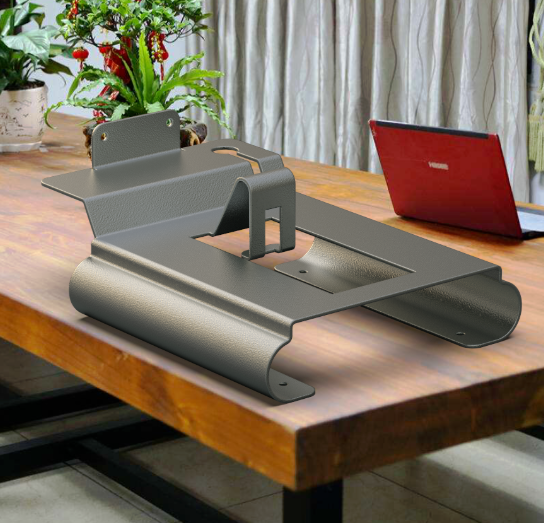
Ang iyong mga bahagi na gawa sa aluminum ay pinuputol, binubuog, at dinudugtungan—ngunit malayo pa sila sa pagkakumpleto. Ang agwat sa pagitan ng hilaw na paggawa at ng propesyonal na panghuling produkto ay kadalasang nagdedetermina kung ang iyong mga bahagi ay tutugon sa mga inaasahan ng customer o hindi. Ang pagpapaganda ng ibabaw ay nagbabago sa mga piraso ng gawaing may mga marka ng kasangkapan, mga dumi, at panlabas na kaliskis mula sa paggawa sa gilingan patungo sa mga bahaging napakaganda at protektado na handa para sa mga aplikasyong nangangailangan ng mataas na kalidad. Ang pag-unawa kung paano nakaaapekto ang mga proseso ng paggawa sa huling kalidad ng ibabaw—at kung anong mga hakbang sa paghahanda ang nag-aaseguro ng pinakamainam na pagdikit ng panghuling pagpapaganda—ay siyang naghihiwalay sa mga resulta ng isang amateur mula sa kalidad ng aluminum na angkop para sa produksyon.
Bawat pagputol, pagkukurba, at pag-weld ay nag-iwan ng mga bakas sa iyong aluminum sheeting. Ang mga gilid na pinutol ay may mga burr, ang mga press brake dies ay maaaring mag-iwan ng mga witness mark, at ang pag-weld ay lumilikha ng heat-affected zones na may binago na surface chemistry. Ang mga imperpekto na ito ay hindi lamang nakaaapekto sa itsura—kundi nilalabag din nila ang pagkakadikit ng finishing at ang pangmatagalang tibay. Bago ilapat ang anumang coating o finish, kailangan mong tugunan ang mga fabrication artifact na ito sa pamamagitan ng sistematikong surface preparation.
Paghahanda ng mga Fabricated Parts para sa Anodizing
Ang anodizing ay gumagawa ng matibay, anti-corrosion na oxide layer na bahagi ng ibabaw ng aluminum kaysa sa simpleng paglalagay nito sa ibabaw. Ayon sa gabay sa anodizing ng HLH Prototypes, ang prosesong elektrochemical na ito ay nagpapalit sa ibabaw ng aluminum sa isang mas makapal at mas matigas na oxide layer kaysa sa likas na nabubuo, na nagbibigay ng mas mataas na resistensya sa pagsuot at kakayahang sumipsip ng mga dye para sa pagkulay. Gayunpaman, ang anodizing ay nagpapalakas, hindi tinatago ang mga depekto sa ibabaw—kaya ang pre-treatment ay lubos na mahalaga.
Ito ang madalas na binabalewalan ng mga fabricator: ang mga guhit, mga marka ng kagamitan, at kontaminasyon na tila di-mahalaga sa hilaw na sheet ng aluminum ay naging napakakita pagkatapos ng anodizing. Ang proseso ay literal na nagpapalaki sa mga depekto sa ibabaw.
- Linisin nang lubusan: Alisin ang lahat ng langis, mantika, coolant, at mga bakas ng daliri gamit ang angkop na mga solvent. Gamitin ang destiladong tubig para sa huling paghuhugas upang maiwasan ang mga mineral deposit na nakaaapekto sa pagkakapareho ng anodizing.
- Etch ang ibabaw: Ang isang mababaw na alkalino na solusyon ay nag-aalis ng manipis na layer ng aluminum, na lumilikha ng pare-parehong texture ng ibabaw na tumatanggap nang pantay-pantay ng anodizing. Ang hakbang na ito ay nagpapakita rin ng likas na kislap ng metal.
- Pagsasalin ng desmut kung kinakailangan: Pagkatapos ng etching, alisin ang natitirang mga impurity sa ibabaw o mga sangkap ng alloy na maaaring makaapekto sa kalidad ng oxide layer.
- Maghugas sa Pagitan ng mga Hakbang: Ang maramihang paghuhugas gamit ang malinis na tubig ay nagsisiguro na lubos na naalis ang mga residual na kemikal bago magpatuloy.
- Inspeksyon bago ang proseso: Ang pansariling pagsusuri ay nagpapatunay na ang mga ibabaw ay walang depekto at maayos na inihanda. Ang anumang natitirang kahinaan ay lilitaw pagkatapos ng anodizing.
Ang iba't ibang uri ng anodizing ay ginagamit para sa iba't ibang aplikasyon. Ang Type II (pangdekorasyon) na anodizing ay gumagawa ng mga oxide layer na hanggang 25 microns ang kapal, at kaya itong magtanggap ng malawak na hanay ng mga kulay para sa aluminum sheet sa pamamagitan ng pagdye. Ang Type III (hardcoat) na anodizing naman ay gumagawa ng mga layer na nasa pagitan ng 25 at 150 microns, na nagbibigay ng napakahusay na paglaban sa pagsuot at korosyon para sa mga pang-industriyang aplikasyong may mataas na kailangan. Ang kalidad ng iyong paggawa ay direktang nakaaapekto sa kung aling uri ng anodizing ang maaaring matanggap ng iyong mga bahagi.
Pagkamit ng Pare-parehong Kalidad ng Surface Sa Buong Produksyon
Parang kumplikado? Hindi kinakailangan. Ang pare-parehong kalidad ng surface ay nagmumula sa sistematikong paghahanda—hindi sa pagsisikap na walang kapantay para sa bawat indibidwal na bahagi. Kung ikaw ay nagfi-finish ng sampung piraso o ng sampung libong piraso, ang parehong mga prinsipyo ang nalalapat.
Ang pag-aalis ng burr at ang paghahanda ng mga gilid ay nangangailangan ng espesyal na atensyon. Ayon sa Gabay sa Pretreatment ng TIGER Coatings , ang tamang paghahanda ng ibabaw ay direktang nagtatakda kung gaano kaganda ang pagkakadikit ng mga patong at kung gaano katagal ang kanilang tagal. Ang mga burr na naiwan mula sa mga operasyon sa pagputol ay lumilikha ng manipis na mga lugar sa mga patong kung saan nagsisimula ang korosyon. Ang mga matutulis na gilid ay nagdudulot ng pag-alis ng mga patong na pulbos habang niluluto. Alamin at ayusin ang mga isyung ito bago anumang proseso ng pagpapaganda:
- Manu-manong pag-alis ng burr: Ang mga kagamitang pangkamay at mga file ay gumagana para sa maliit na mga batch. Tumutuon sa lahat ng mga gilid na naputol, mga butas na binurda, at mga sulok na nabuo.
- Panggugulong na pagpapakinis (Vibratory finishing): Ang pagtumbler ng mga bahagi kasama ang abrasive media ay epektibong nag-aalis ng mga burr sa malalaking dami habang lumilikha ng pare-parehong tekstura ng ibabaw.
- Edge Radiusing: Ang pabilog na pagpapalambot ng mga matutulis na gilid (karaniwang may radius na 0.010–0.030 pulgada) ay nagpapatiyak na ang mga patong ay sumasakop nang pantay-pantay nang walang mga manipis na lugar.
Narito ang iyong pangunahing mga opsyon sa pagpapaganda, bawat isa ay may natatanging mga pakinabang para sa tiyak na mga aplikasyon:
- Anodizing: Ang integral oxide layer ay nagbibigay ng mahusay na paglaban sa korosyon, paglaban sa pagsuot, at mga opsyon sa dekorasyon. Ito ay perpekto para sa mga komponente sa arkitektura, consumer electronics, at mga aplikasyon sa karagatan. Panatilihin ang eksaktong mga sukat dahil ang patong ay tumatagos sa ibabaw.
- Powder Coating: Nag-aaplay ng tuyo na pulbos nang electrostatically, pagkatapos ay pinapainitin upang lumitaw ang matibay na takip. Nag-aalok ng malawak na pagpipilian ng kulay at kapal hanggang 4 mils. Nangangailangan ng pretreatment na conversion coating (karaniwang chromate o mga alternatibong hindi chromate) para sa optimal na adhesion sa aluminum sheet roll o flat stock.
- Mekanikal na pagpapaganda: Ang pagbubrusa, pagpo-polish, o bead blasting ay gumagawa ng dekoratibong tekstura nang walang kemikal na proseso. Ang mga brushed finish ay nakatatago ng mga maliit na sugat habang ginagamit; ang mirror polishing naman ay nagbibigay ng pinakamataas na reflectivity.
- Chemical Conversion Coating: Ang chromate o non-chromate treatments ay nagbibigay ng proteksyon laban sa corrosion at pagpapahusay ng adhesion ng pintura nang hindi binabago ang sukat. Karaniwang ginagamit bilang primer para sa susunod na pintura o powder coat.
- Clear coating: Pinapanatili ang natural na anyo ng aluminum habang nagdaragdag ng proteksyon. Magagamit sa matte, satin, o gloss finishes.
Para sa tagumpay ng powder coating, ang kalinisan ng ibabaw ay hindi pwedeng ipagkait. Ang water-break-free test ay nagbibigay ng mabilis na pagsusuri—kung ang tubig ay tumatakbo nang pantay sa ibabaw imbes na mag-umog, nangangahulugan ito na ang organikong kontaminasyon ay naalis na. Ang mga conversion coating tulad ng zinc phosphate o mga paggamot na may zirconium ay lumilikha ng kemikal na ugnayan sa pagitan ng aluminum at ng powder upang maiwasan ang mga pagkabigo sa pagdikit.
Tandaan: ang proseso ng pagpipinta o pagtatapos na iyong pipiliin ay dapat na matukoy habang nasa yugto ng disenyo, hindi pagkatapos ng paggawa. Ang anodizing ay nangangailangan ng tiyak na mga pagsasaalang-alang sa alloy—may ilang mga aluminum alloy na mas mainam anodize kaysa sa iba. Ang powder coating ay nangangailangan ng sapat na bilog sa gilid (edge radius) at tamang kemikal na pretreatment. Ang pagpaplano para sa ninanais na huling anyo mula sa simula ay nakakaiwas sa mahal na pag-uulit ng gawa at nagtiyak na ang iyong mga nabuong bahagi na gawa sa aluminum ay magbibigay ng kalidad ng aluminum na kailangan ng iyong mga aplikasyon.
Paghahanap ng Aluminum Sheet para sa Iyong Mga Proyektong Paggawa
Nakamaster mo na ang pagpili ng alloy, mga espesipikasyon sa kapal, at mga kinakailangan sa pagpoproseso—ngayon ay dumadating ang praktikal na tanong na kinakaharap ng bawat fabricator: saan nga ba talaga bibilhin ang aluminum sheet, at paano mo tiyakin na makakakuha ka ng tamang materyal sa patas na presyo? Ang mga desisyon sa pagkuha ng materyal ay direktang nakaaapekto sa takdang panahon ng iyong proyekto, badyet, at kalidad ng panghuling bahagi. Kung kailangan mo man ng isang piraso lamang na 4x8 na aluminum sheet para sa paggawa ng prototype o ng mga pallet ng materyal para sa produksyon, ang pag-unawa sa paraan ng pag-navigate sa mga supplier, istruktura ng presyo, at mga opsyon sa pag-order ang naghihiwalay sa mahusay na operasyon ng paggawa mula sa mga operasyon na nahihirapan dahil sa mga pagkaantala at sobrang gastos.
Ang merkado ng aluminum sheet ay nag-aalok ng maraming channel sa pagbili, mula sa lokal na metal service centers hanggang sa mga online distributor at direktang order mula sa mill. Ang bawat opsyon ay may kani-kaniyang kompromiso sa presyo, lead time, minimum na dami, at mga serbisyo na available. Ayon sa kamakailang datos sa merkado , ang presyo ng aluminum bawat pondo ay nagbabago batay sa pandaigdigang demand, mga kondisyon sa supply chain, at ang tiyak na grado ng alloy na kailangan mo. Ang pag-unawa sa mga dinamikong ito ay tumutulong sa iyo na piliin ang tamang panahon para sa pagbili at mag-budget nang tumpak.
Mga Pamantayang Sukat at Opsyon para sa Pasadyang Pagputol
Kapag hinahanap mo ang mga sheet ng aluminum para ibenta, makakakita ka ng mga pamantayang sukat na inimbak ng mga tagapagkaloob para sa agarang availability. Ang pinakakaraniwang format—ang 4x8 na aluminum sheet metal—ay may sukat na 48 pulgada sa 96 pulgada at kumakatawan sa pangunahing uri ng aluminum sheet sa industriya para sa pangkalahatang paggawa. Ang sukat na ito ng 4x8 na aluminum sheets ay angkop sa mga pamantayan ng brake tooling, maayos na nakakasalot (nests) para sa pagpapadala, at nagbibigay ng sapat na materyales para sa karamihan ng mga layout ng bahagi nang hindi lumalabas ng labis na basura.
Magkano ang aluminum bawat pound? Ang kasalukuyang kondisyon ng merkado ay nagtatakda ng presyo ng hilaw na aluminum sa pagitan ng $1.10 at $1.40 bawat pound para sa mga commodity grade, ngunit ang mga sheet na handa na para sa paggawa ay karaniwang mas mahal nang malaki kapag isinama ang mga gastos sa proseso, mga premium para sa alloy, at mga margin sa distribusyon. Ang isang karaniwang aluminum sheet na may sukat na 4x8 pulgada at kapal na 1/8 pulgada ay may kisamyang presyo na humigit-kumulang $150 hanggang $250 bawat sheet, depende sa grado ng alloy, markup ng supplier, at lokal na availability.
| Sheet size | Tipikal na Range ng Kapaligiran | Humigit-kumulang na Saklaw ng Presyo | Mga Tala sa Availability |
|---|---|---|---|
| 4x8 ft (48" x 96") | 0.020" - 0.250" | $80 – $350 | Pinakakaraniwang stock na sukat; agad na available mula sa karamihan ng mga supplier |
| 4x10 ft (48" x 120") | 0.040" – 0.250" | $120 – $450 | Available mula sa mas malalaking service center; maaaring kailanganin ang 1–2 linggong lead time |
| 4x12 piye (48" x 144") | 0.063" - 0.250" | $160 - $550 | Nakalaan nang espesyal mula sa karamihan ng mga tagapagkaloob; magplano ng 2–4 linggong lead time |
| 5x10 piye (60" x 120") | 0.063" - 0.190" | $200 - $500 | Limitadong stock; kadalasan ay nangangailangan ng order mula sa mill para sa mga tiyak na alloy |
Bilang karagdagan sa mga standard na sukat, ang karamihan sa mga metal service center ay nag-aalok ng serbisyo ng pagputol ayon sa sukat upang maiwasan ang basura at bawasan ang iyong mga pangangailangan sa paghawak ng materyales. Kailangan mo ba ng isang 4 x 8 na aluminium sheet panel na pinutol sa sukat na 36" x 72" para sa iyong partikular na aplikasyon? Karaniwang sinisingil ng mga tagapagkaloob ang $0.50 hanggang $2.00 bawat putol, na kadalasan ay mas ekonomikal kaysa sa pagbili ng buong sheet at pagpapatakbo ng scrap. Ang ilang mga distributor ay nag-aalok ng waterjet o laser cutting services na nagbibigay ng mga bahagi na handa na para sa pagbend—sa madaling sabi, ino-outsource ang unang hakbang sa iyong fabricating.
Narito ang isang praktikal na tip: kapag nag-o-order ng mga custom cut, tukuyin palagi ang mga toleransya. Ang mga karaniwang shear cut ay may katatagan na +/- 0.030" nang madali, samantalang ang mga precision laser o waterjet cut ay nakakamit ang +/- 0.005" para sa mga mahahalagang sukat. Ang mas mahigpit na toleransya ay karaniwang nagdaragdag ng 20–40% sa bayarin sa pag-cut ngunit inaalis ang mga karagdagang operasyon sa pagpapaliit sa loob ng inyong shop.
Pagtataya sa Kalidad ng Tagapag-suplay Bukod sa Presyo
Ang pinakamura na aluminum sheet ay hindi laging ang pinakamahusay na halaga. Ayon sa mga gabay sa pagtataya ng tagapag-suplay ng Howard Precision Metals, ilang mahahalagang kadahilanan bukod sa presyo bawat yunit ang tumutukoy kung ang relasyon sa tagapag-suplay ay sumusuporta sa inyong tagumpay sa paggawa o lumilikha ng paulit-ulit na problema.
Kapag sinusuri ang mga potensyal na tagapag-suplay ng aluminum, isaalang-alang ang mga sumusunod na mahahalagang kadahilanan:
- Sertipikasyon ng Materiales: Ang mga respetadong tagapag-suplay ay nagbibigay ng mga mill test report (MTRs) na nagdokumento ng komposisyon ng alloy, temper, at mga mekanikal na katangian. Para sa mga aplikasyon sa aerospace, automotive, o istruktural, maaaring sapilitan ang mga sertipikasyong ito. Huwag kailanman ipagpalagay na ang materyal ay sumusunod sa mga teknikal na tukoy nang walang dokumentasyon.
- Lalim ng imbentaryo: Nag-iimbak ba ang supplier ng mga tiyak na alloys, tempers, at kapal na kailangan mo nang regular? Ang isang supplier na may malalim na imbentaryo ay nakakaiwas sa mga pagkaantala sa produksyon kapag kailangan mo agad ang materyales.
- Mga Minimum na Dami ng Order: Ang ilang supplier ay nangangailangan ng buong sheet na pagbili, samantalang ang iba ay nagbebenta ng bahagyang sheet o mga natitirang piraso sa mas mataas na presyo. Ang pag-unawa sa mga patakaran sa Minimum Order Quantity (MOQ) ay nakakaiwas sa mga problema sa pag-order para sa mga prototype.
- Kakayahan sa pagputol ayon sa sukat: Ang mga serbisyo ng pagputol na ginagawa sa loob ng kompanya ay nagdaragdag ng kaginhawahan, ngunit kumpirmahin ang kalidad ng kagamitan at ang kakayanan nito sa pagtugon sa iyong mga kinakailangang toleransya.
- Mga opsyon sa paghahatid: Ang mga lokal na supplier ay nag-ooffer ng same-day pickup para sa mga urgenteng pangangailangan. Ang mga online distributor naman ay maaaring magbigay ng mas magandang presyo ngunit nangangailangan ng oras para sa pagpapadala. Balansehin ang pagtitipid sa gastos laban sa flexibility ng iyong schedule.
- Teknikal na suporta: Kaya ba ng supplier na sagutin ang mga tanong tungkol sa pagpili ng alloy, mga rekomendasyon sa temper, o compatibility sa fabrication? Ang ganitong ekspertis ay napakahalaga para sa mga kumplikadong proyekto.
Bago magpasya sa isang ugnayan bilang tagapagkaloob, suriin ang kanilang reputasyon sa pamamagitan ng mga pagsusuri ng mga customer, mga sanggunian mula sa industriya, o direktang pagbisita sa kanilang pasilidad kung posible. Ayon sa pananaliksik ng Howard Precision, ang pagpapatunay na ang mga tagapagkaloob ay may kinakailangang sertipiko at kwalipikasyon ay nagpaprotekta sa iyong negosyo laban sa mga legal na isyu at mga kabiguan sa kalidad sa hinaharap.
Para sa mga proyektong mataas ang dami ng paggawa, ang pagbuo ng ugnayan sa ilang tagapagkaloob ay nagbibigay parehong kapangyarihan sa pag-uusap tungkol sa presyo at redundansya sa supply chain. Kapag ang iyong pangunahing pinagkukunan ay nakakaranas ng kakulangan sa stock o mga pagkaantala sa paghahatid, ang pagkakaroon ng mga kwalipikadong alternatibo na nasa proseso na ng pagsusuri ay nagpapanatili ng patuloy na produksyon. Maraming mga tagagawa ang nagpapanatili ng isang ugnayan sa isang lokal na sentro ng serbisyo para sa mga urgente na pangangailangan at isa pa sa isang pambansang distributor para sa mga planadong, mas malalaking order na may mas mabuting presyo.
Ang online na pagbili ay nagpalit ng paraan ng pagkuha ng aluminum para sa mga mas maliit na tagapagfabricate at mga workshop para sa prototype. Ang mga platform tulad ng OnlineMetals, MetalsDepot, at mga distributor ng industriya ay nag-aalok ng transparent na presyo, opsyon para sa maliit na dami, at direktang pagpapadala. Bagaman ang presyo bawat pondo ay maaaring 10–20% na mas mataas kaysa sa lokal na service center para sa katumbas na materyales, ang kaginhawahan ng pag-browse ng imbentaryo, paghahambing ng mga teknikal na tukoy, at pag-order nang walang tawag sa sales ay nakakaakit sa maraming buyer.
Kapag naitatag na ang iyong estratehiya sa pagkuha ng materyales, handa ka nang gamitin ang mga ito sa mga tiyak na aplikasyon—na nagsisimula sa mahigpit na mga kinakailangan ng automotive at industriyal na pagfabricate kung saan ang mga bahagi ng aluminum na may kahusayan ay nagbibigay ng mahalagang mga pakinabang sa pagganap.
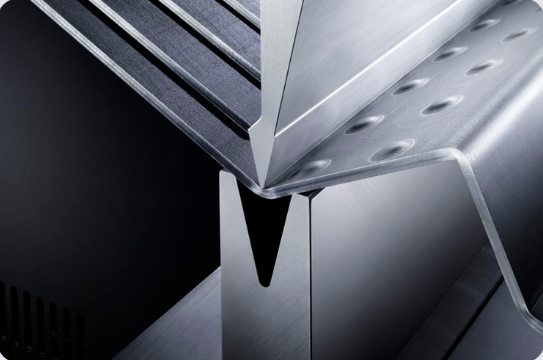
Mga Aplikasyon ng Pagfabricate ng Aluminum sa Automotive at Industriya
Kapag ang mga inhinyero sa automotive at mga tagagawa ng industriya ay humihingi ng magaan ngunit malakas na mga bahagi nang hindi kinokompromiso ang kaligtasan, ang mga aluminong bahaging may mataas na kahusayan sa paggawa ay nagbibigay ng solusyon. Mula sa mga istruktura ng chasis na kumukuha ng libo-libong pondo ng dinamikong karga hanggang sa mga proteksyon laban sa init na nagpapangalaga sa mahahalagang sistema mula sa pinsalang termal, ang mga sheet ng aluminyo ay naging hindi mapagkakailangan sa lahat ng aplikasyong kritikal sa pagganap. Ngunit ang pagtatrabaho sa mga pangangailangang sektor na ito ay nangangailangan ng higit pa sa de-kalidad na mga materyales—kailangan din ng mga kasosyo sa paggawa na nauunawaan ang mahigpit na mga kinakailangan sa sertipikasyon na namamahala sa supply chain ng automotive.
Ang paglipat ng industriya ng automotive patungo sa aluminyo ay tumitindi bawat taon ng modelo. Ang pananaliksik sa paggawa ng aluminyo ng PMI Quality , ang mga bahagi na gawa sa aluminum ay lumitaw na ngayon sa mga housing, enclosure, assembly, bracket, panel, at chassis sa mga sektor ng depensa, medisina, aerospace, enerhiya, at automotive. Ang malawakang pag-ado nito ay nagmumula sa napakahusay na ratio ng lakas sa timbang ng aluminum—ang pagbawas ng timbang ng sasakyan ng 100 pounds ay karaniwang nagpapabuti ng kahusayan sa paggamit ng gasolina ng 1–2%, na ginagawang mahalaga ang aluminum sheet metal upang matugunan ang mga sumusunod na mahigpit na pamantayan sa emisyon.
Mga Aplikasyon sa Automotive na Nangangailangan ng Presisyong Pagkakagawa
Isipin ang mga puwersang kumikilos sa isang suspension bracket habang nagpapabagal ng emergency, o ang thermal cycling na dinaranas ng isang heat shield na nasa ilang pulgada lamang mula sa exhaust manifold. Ang mga aplikasyong ito ay hindi tumatanggap ng anumang margin para sa kamalian sa pagkakagawa. Ang pag-unawa kung aling mga alloy, kapal, at paraan ng pagkakagawa ang angkop para sa mga tiyak na pangangailangan ng automotive ay nakakaiwas sa mahal na kabiguan at panatilihin ang kaligtasan ng mga sasakyan—at ng mga pasahero nito.
Narito ang mga pinakakaraniwang aplikasyon ng aluminum sheet sa automotive kasama ang kanilang tiyak na pangangailangan:
- Chassis at Mga Istukturang Bahagi: ang mga sheet metal na gawa sa aluminum na 5052 at 6061-T6 ang pangunahing ginagamit sa mga aplikasyong ito, na nag-aalok ng balanseng lakas-sa-timbang na mahalaga para sa mga istrukturang may karga. Ang karaniwang kapal ay nasa pagitan ng 0.080" at 0.190" depende sa mga kinakailangan ng pagsusuri ng stress. Ang mga welded assembly ay nangangailangan ng maingat na kontrol sa heat distortion.
- Mga panel at takip ng katawan: Ang mga panel ng hood, fender, at pinto ay gumagamit ng mga formable na alloy tulad ng 5052-H32 o 6016-T4 sa mas manipis na gauge (0.040" hanggang 0.063"). Ang mga kinakailangan sa kalidad ng ibabaw ay napakahigpit—ano mang marka mula sa paggawa ay lumilitaw sa ilalim ng pintura.
- Mga proteksyon laban sa init at mga barrier laban sa init: Ang teknolohiya ng mga sheet metal na gawa sa aluminum para sa roofing ay direktang naililipat sa automotive thermal management. Ang manipis na gauge na aluminum (0.020" hanggang 0.040") na may espesyal na coating ay nagpoprotekta sa mga komponent mula sa init ng exhaust habang idinadagdag lamang ang kaunting timbang.
- Mga Kapsula ng Battery (para sa mga aplikasyon ng EV): Ang mga housing ng battery ng electric vehicle ay nangangailangan ng aluminum na 5052 o 6061 para sa crash protection, thermal management, at electromagnetic shielding. Ang mga kumplikadong forming operation ay lumilikha ng structural integrity habang pinapanatili ang tiyak na dimensional tolerances.
- Mga suspension bracket at mounts: Ang mga pang-industriyang grado ng aluminum na 6061-T6 ay kaya ang paulit-ulit na pagkarga na nararanasan ng mga bahaging ito. Ang CNC machining ay karaniwang sinusundan ang unang operasyon sa pagbuo upang makamit ang mga toleransya sa mga butas para sa pag-mount na nasa loob ng libong bahagi ng isang pulgada.
- Mga bahagi ng trailer at komersyal na sasakyan: Ang aluminum sheet metal para sa mga aplikasyon ng trailer ay gumagamit ng 5052-H32 para sa sahig, mga panel sa gilid, at mga istruktural na sangkap kung saan mahalaga ang resistensya sa korosyon at katatagan sa loob ng maraming dekada ng serbisyo.
Bawat kategorya ng aplikasyon ay nangangailangan ng tiyak na kombinasyon ng alloy–temper–kapal na kinukumpirma sa pamamagitan ng malawakang pagsusuri. Ang puting aluminum sheet metal na may espesyal na coating ay lumalabas nang mas madalas sa mga aplikasyon sa ilalim ng sasakyan kung saan parehong mahalaga ang proteksyon laban sa korosyon at ang pagrereflect ng init.
Pagganap sa mga Pamantayan sa Kalidad ng OEM sa Produksyon ng Sheet Metal
Bakit napakasigla ng mga automotive OEM sa mga sertipiko ng mga supplier? Dahil ang isang depektibong bahagi lamang ay maaaring mag-trigger ng mga recall na nagkakahalaga ng milyon-milyong dolyar, magpanganib sa buhay, at sirain ang reputasyon ng brand. Ang pamantayan ng IATF 16949 ay umiiral nang partikular upang maiwasan ang mga nabanggit na kabiguan sa pamamagitan ng pagtitiyak na ang bawat supplier sa automotive supply chain ay nagpapanatili ng mahigpit na mga sistema ng quality management.
Ayon sa pananaliksik sa industriya tungkol sa sertipikasyon ng mga automotive supplier , ang IATF 16949 ay itinatag sa batayan ng ISO 9001 ngunit kasama nito ang malaki ring dagdag na mahigpit na mga kinakailangan na tumutugon sa mga proseso ng disenyo, pag-unlad, produksyon, at pag-aassemble na partikular sa mga aplikasyon sa automotive. Ang mga pangunahing OEM tulad ng BMW Group, Ford Motor Company, General Motors, Mercedes-Benz Group AG, at Volkswagen AG ay nakatulong sa pagbuo ng mga pamantayang ito sa pamamagitan ng International Automotive Task Force.
Para sa mga tagapagawa ng aluminum, ang pagkamit ng sertipikasyon sa IATF 16949 ay nagpapakita ng ilang kritikal na kakayahan:
- Mga sistemang pangpigil ng depekto: Sa halip na mahuli ang mga problema sa pamamagitan ng inspeksyon, ang mga sertipikadong tagapagawa ay nagpapatupad ng mga proseso na nanghihigpit sa pag-occur ng mga depekto. Ang estadistikal na kontrol ng proseso, pag-iwas sa pagkakamali, at patuloy na pagsubaybay ay nagsisiguro ng pare-parehong kalidad.
- Mga protokol sa pagsubaybay: Ang bawat lot ng materyales, bawat produksyon, at bawat natapos na bahagi ay maaaring subaybayan pabalik hanggang sa pinagmulan ng mga materyales at mga parameter ng proseso. Kapag may mga isyu, ang pagsusuri ng ugat na sanhi ay nangyayari sa loob ng ilang oras, hindi sa loob ng ilang linggo.
- Kultura ng Patuloy na Pagpapabuti: Kinakailangan ng IATF 16949 ang mga nakadokumentong proseso ng pagpapabuti na sistematikong tinatanggal ang basura, binabawasan ang pagkakaiba-iba, at pinahuhusay ang kahusayan sa lahat ng operasyon.
- Mga Kaugnay na Rekisito ng Customer: Bukod sa pangunahing sertipikasyon, ang mga tagapagawa ay kailangang tumugon sa mga natatanging spesipikasyon sa kalidad ng bawat OEM—na kadalasan ay mas mahigpit kaysa sa mismong standard.
Para sa mga kumplikadong proyekto sa paggawa ng aluminum para sa automotive, ang pakikipagtulungan sa mga sertipikadong kasosyo ay nag-aalis ng panganib sa supply chain. Shaoyi (Ningbo) Metal Technology ay nagpapakita ng paraang ito, na nagbibigay ng kalidad na sertipikado ayon sa IATF 16949 para sa mga bahagi ng chasis, suspensyon, at istruktura. Ang kanilang pagsasama-sama ng 5-araw na mabilis na paggawa ng prototype at awtomatikong kakayahan sa pangkalahatang produksyon ay tumutugon sa parehong pangangailangan sa bilis ng pag-unlad at dami—na kritikal para sa mga programa sa automotive kung saan ang mga takdang panahon ay patuloy na pinipigil.
Bukod sa katayuan ng sertipikasyon, suriin ang potensyal na mga kasosyo sa pagmamanupaktura para sa automotive batay sa mga sumusunod na pamantayan:
- Bilis ng prototyping: Kaya ba nilang ipadala ang mga gumagana nang sample sa loob ng ilang araw imbes na ilang linggo? Ang mabilis na paulit-ulit na pagpapaunlad ay pabilisin ang mga siklo ng pag-unlad.
- Suporta ng DFM: Ang pagsusuri ng disenyo para sa kakayahang gawin (Design for Manufacturability) ay nakakadetekta ng mga posibleng isyu sa pagmamanupaktura bago pa man gawin ang puhunan sa mga kagamitan. Ang mga kasosyo na nag-ofer ng komprehensibong suporta sa DFM ay binabawasan ang mga order para sa pagbabago sa engineering sa mga susunod na yugto.
- Bilis ng pagbigay ng quote: Ang mabilis at tumpak na pagkuwenta—tulad ng 12-oras na oras ng pagtugon—ay nagpapakita ng maayos na operasyon at tunay na interes sa iyong negosyo.
- Kakayahang umangkop ng kapasidad: Ang iyong kasosyo sa paggawa ng prototype ay dapat na kayang pangasiwaan ang mga dami ng produksyon nang hindi kailangang magpalit ng mga supplier, na maaaring magdulot ng bagong panganib sa kalidad.
Ang antas ng panganib sa paggawa ng aluminum para sa automotive at pang-industriya ay hindi maaaring mas mataas pa. Ang mga bahagi na gumagana nang perpekto sa loob ng milyon-milyong siklo, nabubuhay sa mga insidente ng pagkabangga, at nananatiling stable ang sukat sa iba't ibang ekstremong temperatura ay nangangailangan ng kahusayan sa paggawa sa bawat hakbang. Kung ikaw ay nagpapaunlad ng mga bagong sasakyan o gumagawa ng kagamitang pang-industriya, ang pakikipagtulungan sa mga opisyal na sertipikadong tagapagawa na nauunawaan ang mga pangangailangang ito ay nagpapalit sa aluminum sheet upang maging mga bahaging may kahusayan na kumikilos sa modernong transportasyon at industriya.
Kapag malinaw na ang mga kinakailangan sa aplikasyon at ang mga konsiderasyon sa sertipikasyon, ang huling hakbang ay ang paglilipat ng kaalaman na ito sa aksyon—ang pagbabago ng iyong proyekto mula sa konsepto hanggang sa produksyon na handa nang gamitin.
Pagdadala ng Iyong Proyektong Paggawa mula sa Plano hanggang sa Produksyon
Nasipsip mo na ang lahat—from alloy chemistry hanggang sa mga finishing technique—ngayon naman ang panahon para ilapat ang kaalaman na iyon. Ang bawat matagumpay na proyekto ng aluminum fabrication sheet ay sumusunod sa isang lohikal na pagkakasunod-sunod mula sa unang konsepto hanggang sa natapos na bahagi. Kung gagawa ka man ng isang prototype lamang o nagpaplano ng produksyon na may libo-libong kopya, ang praktikal na balangkas na ito ay bubuo ng edukasyonal na nilalaman na natutunan mo sa mga agarang, praktikal na hakbang. Handa ka na bang lumipat mula sa pagpaplano patungo sa produksyon? Simulan nating buuin ang iyong roadmap.
Ayon sa Gabay sa Pagpaplano ng Proyekto ng County Fabrications , mahalaga ang isang istrukturadong pamamaraan kapag sisimulan ang anumang proyekto sa aluminium sheet. Ang sumusunod na checklist ay pinapasimple ang mga pangunahing puntos ng desisyon—pagpili ng alloy, determinasyon ng kapal, pagtugma sa paraan ng fabrication, at pagsusuri sa supplier—sa isang workflow na maaari mong gamitin agad.
Iyong Checklist para sa Proyektong Aluminum Fabrication
Bago putulin ang unang sheet ng aluminum, gawin nang sistematiko ang mga mahahalagang desisyong ito. Ang pag-iwas sa anumang hakbang ay nagdudulot ng mga problema na lumalala sa buong proseso ng paggawa, kaya ang mga simpleng proyekto ay naging nakakapagod na gawain dahil sa paulit-ulit na paggawa.
- Tukuyin ang mga pangangailangan para sa iyong aplikasyon: Anong mga load ang dadalhin ng komponente? Anong mga kondisyon sa kapaligiran ang kakaharapin nito? Anong mga dimensional tolerances ang kailangang panatilihin? I-dokumento ang mga teknikal na pangangailangan na ito bago isipin ang mga opsyon sa materyales.
- Pumili ng angkop na alloy: I-match ang iyong mga pangangailangan sa tamang grado—5052 para sa mabuting formability at resistance sa corrosion, 6061 para sa istruktural na lakas at machinability, o 3003 para sa pinakamataas na workability sa mga non-structural na aplikasyon.
- Tukuyin ang temper designation: Pumili ng O temper para sa mga kumplikadong forming operations, H32 para sa balanseng formability at lakas, o T6 kapag ang maximum hardness ang mas mahalaga kaysa sa flexibility ng bend radius.
- Tukuyin nang tumpak ang thickness: Kalkulahin ang minimum na kapal para sa mga pangangailangan sa istruktura, pagkatapos ay i-verify na ang kapal ay sumusuporta sa iyong pinlanong mga radius ng pagkukurba nang walang pumuputok. I-dokumento ang parehong gauge at decimal na katumbas.
- Magplano ng iyong pagkakasunod-sunod sa paggawa: Tukuyin ang paraan ng pagputol, pagkakasunod-sunod ng pagkukurba, at pamamaraan ng pag-uugnay bago magsimula. Ang mga kumplikadong bahagi ay maaaring nangangailangan ng mas malambot na temper habang binubuo, kasama ang heat treatment matapos ang paggawa.
- Kumuha ng materyales na may dokumentasyon: Kumuha ng mga sertipiko ng pagsusuri sa gilingan na nagpapatunay sa komposisyon ng alloy at mga katangiang mekanikal. I-verify na ang presyo ng aluminum sheet ay umaayon sa iyong badyet sa lahat ng kinakailangang dami.
- Handaing ang mga ibabaw nang naaangkop: Ipareho ang paghahanda ng ibabaw sa iyong mga kinakailangan sa pagtatapos—maging ito man ay anodizing, powder coating, o mekanikal na pagtatapos.
- Isagawa ang pagsusuri ng kalidad: Suriin ang mga mahahalagang sukat, kalidad ng ibabaw, at integridad ng mga ugnayan bago isagawa ang mga operasyon ng pagtatapos na maaaring mag-lock sa anumang depekto.
Mula sa Pagpili ng Materyales hanggang sa Nakumpletong Bahagi
Saan mo mabibili ang mga sheet ng aluminum na sumusunod sa iyong mga teknikal na kailangan? Tulad ng tinalakay namin sa seksyon ng paghahanap ng supplier, ang mga lokal na sentro ng serbisyo sa metal, mga online na distributor, at direktang order mula sa mill ay may bawat natatanging mga benepisyo. Para sa mga kantidad na ginagamit sa prototype, ang mga online na platform ay nagbibigay ng madaling access sa mga sheet ng aluminum sa iba’t ibang alloy at sukat. Para sa mga kantidad na ginagamit sa produksyon, ang pagtatatag ng matatag na ugnayan sa mga supplier ay nagdudulot ng mas magandang presyo at priyoridad na serbisyo.
Kapag bumibili ka ng sheet metal na aluminum para sa mga aplikasyong nangangailangan ng mataas na antas ng kahusayan, tiyaking ang kalidad ng sertipikasyon ay sumasalungat sa mga kinakailangan ng iyong industriya. Ang mga aplikasyon sa automotive, aerospace, at medical ay nangangailangan ng dokumentadong traceability na maaaring hindi maibibigay ng mga supplier ng commodity.
Ang pagkakaiba sa pagitan ng mga proyektong tagumpay sa fabrication at mga mahal na kabiguan ay kadalasang nakasalalay sa kalidad ng pagpaplano, hindi sa kasanayan sa fabrication.
Para sa mga kumplikadong proyekto na nangangailangan ng propesyonal na suporta sa paggawa—lalo na ang mga may kinalaman sa mga sertipikasyon para sa kotse o mahigpit na toleransya—ang pakikipagtulungan sa mga tagagawa na may karanasan ay nagpapabilis sa iyong takdang panahon habang binabawasan ang panganib. Shaoyi (Ningbo) Metal Technology nag-aalok ng komprehensibong suporta sa DFM (Design for Manufacturability) na nakikita ang mga isyu sa kakayahang gawin bago ang investisyon sa mga kagamitan, kasama ang 12-oras na bilis ng pagbibigay ng quote na nagpapanatili ng galaw ng iyong proyekto. Ang kanilang sertipikasyon sa IATF 16949 ay nagtiyak ng kalidad ng mga sistema na hinihingi ng mga automotive OEM, habang ang kakayahang gumawa ng prototype sa loob ng 5 araw ay sumusuporta sa mabilis na pag-uulit sa panahon ng pag-unlad.
Kung ikaw ay nagsasagawa ng paggawa sa loob ng iyong kompanya o nangangasiwa ng pakikipagtulungan sa mga eksperto, ang mga prinsipyo ay nananatiling pareho: sapat na pagpaplano, angkop na pagpili ng materyales, tamang pagpapatupad ng teknik, at sistematikong pagpapatunay ng kalidad. Ilapat ang checklist na ito sa susunod mong proyekto sa aluminium sheet, at magiging posible mong i-convert ang hilaw na materyales sa mga bahagi na may presisyon na sumusunod sa iyong tiyak na mga kahilingan—nasa takdang panahon at badyet.
Mga Karaniwang Tanong Tungkol sa Pagpapagawa ng Aluminum Sheet
1. Gaano ang halaga ng 1 libra ng aluminum?
Ang pangunahing aluminum ay kasalukuyang nagkakabenta nang humigit-kumulang sa $1.10 hanggang $1.40 bawat libra para sa mga commodity grade, samantalang ang scrap aluminum ay nasa pagitan ng $0.45 hanggang higit sa $1.00 bawat libra. Gayunpaman, ang aluminum sheet na handa na para sa pagpapagawa ay mas mahal nang malaki dahil sa proseso ng paggawa, dagdag na bayad para sa partikular na alloy, at mga margin sa pamamahagi. Ang isang karaniwang 4x8 na aluminum sheet na may kapal na 1/8 pulgada ay karaniwang nasa pagitan ng $150 hanggang $250 depende sa uri ng alloy at sa tagapagbigay.
2. Alin ang mas matibay—ang 5052 o ang 6061 na aluminum?
mas matibay ang 6061 na aluminum kaysa sa 5052, na may tensile strength na humigit-kumulang sa 310 MPa kumpara sa humigit-kumulang sa 220 MPa ng 5052. Gayunpaman, ang 5052 ay nag-aalok ng mas mataas na kakayahang pabagu-bago (formability) at resistensya sa korosyon, kaya ito ang pinakamainam para sa mga operasyon na pagbubuhat o pagpapaluwisluwis at para sa mga aplikasyon sa karagatan. Pumili ng 6061-T6 para sa mga bahagi ng istruktura na nangangailangan ng pinakamataas na lakas, at ng 5052-H32 kapag ang iyong proyekto ay binibigyang-prioridad ang kakayahan sa pagbuo (forming) at kalidad ng pagweld.
3. Mahal ba ang aluminium fabrication?
Ang mga gastos sa paggawa ng aluminum ay nag-iiba batay sa grado ng alloy, kapal, kumplikado, at mga kinakailangan sa pagpipinong panghuling proseso. Habang ang presyo ng hilaw na aluminum ay humahantong sa $1.10 hanggang $1.40 bawat pound, ang paggawa naman ay nagdaragdag ng malaking halaga sa pamamagitan ng pagputol, pagbubukod, pagwelding, at mga operasyon sa pagpipino. Para sa mga proyektong may mababang gastos, ang pag-optimize sa kapal ng materyales, ang pagpili ng angkop na mga alloy, at ang pakikipagtulungan sa mga tagagawa na sertipiko ng IATF 16949 tulad ng Shaoyi ay maaaring bawasan ang basura at tiyakin ang kalidad sa unang pagkakataon.
4. Para saan ginagamit ang 5052 aluminum sheet?
ang 5052 aluminum sheet ay lubos na epektibo sa mga bahagi para sa marino, mga panel ng sasakyan, mga tangke ng gasolina, at mga kurtina ng industriya dahil sa kahanga-hangang resistensya nito sa korosyon at mahusay na kakayahang pormahin. Ang magnesium-based na alloy na ito ay madaling i-weld, maayos na mapuputol o mapupunuan, at kayang tumagal sa matitinding kapaligiran kabilang ang pagkakalantad sa tubig-dagat. Itinuturing ng mga tagagawa ang 5052 bilang pinakamaraming gamit na alloy para sa trabaho sa sheet metal na nangangailangan ng parehong istruktural na integridad at mga kumplikadong operasyon sa pagpapabuo.
5. Ano ang pagkakaiba ng aluminum sheet at fabrication-ready sheet?
Ang fabrication-ready aluminum sheet ay partikular na naproseso na may dokumentadong mekanikal na katangian, kontroladong kalidad ng ibabaw, at tiyak na toleransya sa kapal para sa panghuling pagmamanupaktura. Hindi tulad ng pangkalahatang aluminum stock, kasama dito ang mill test reports na nagpapatunay sa yield strength, tensile strength, at porsyento ng elongation, na nagbibigay-daan sa mga fabricator na kalkulahin nang tumpak ang bend radii at hulaan ang springback para sa konsehente at propesyonal na resulta.